Spring Dorset Camera Trapping 2023 – Pt. 2: Fabulous Foxes

Bouncing, pouncing, twisting, turning, four tumbling balls of red fur. So small, so little, miniature versions of what they will grow to become. Playing for hours, fighting, racing, hunting each other, unknowingly preparing for the world beyond their home. One day these furballs will venture out, cunning, wily, and most of all majestic.
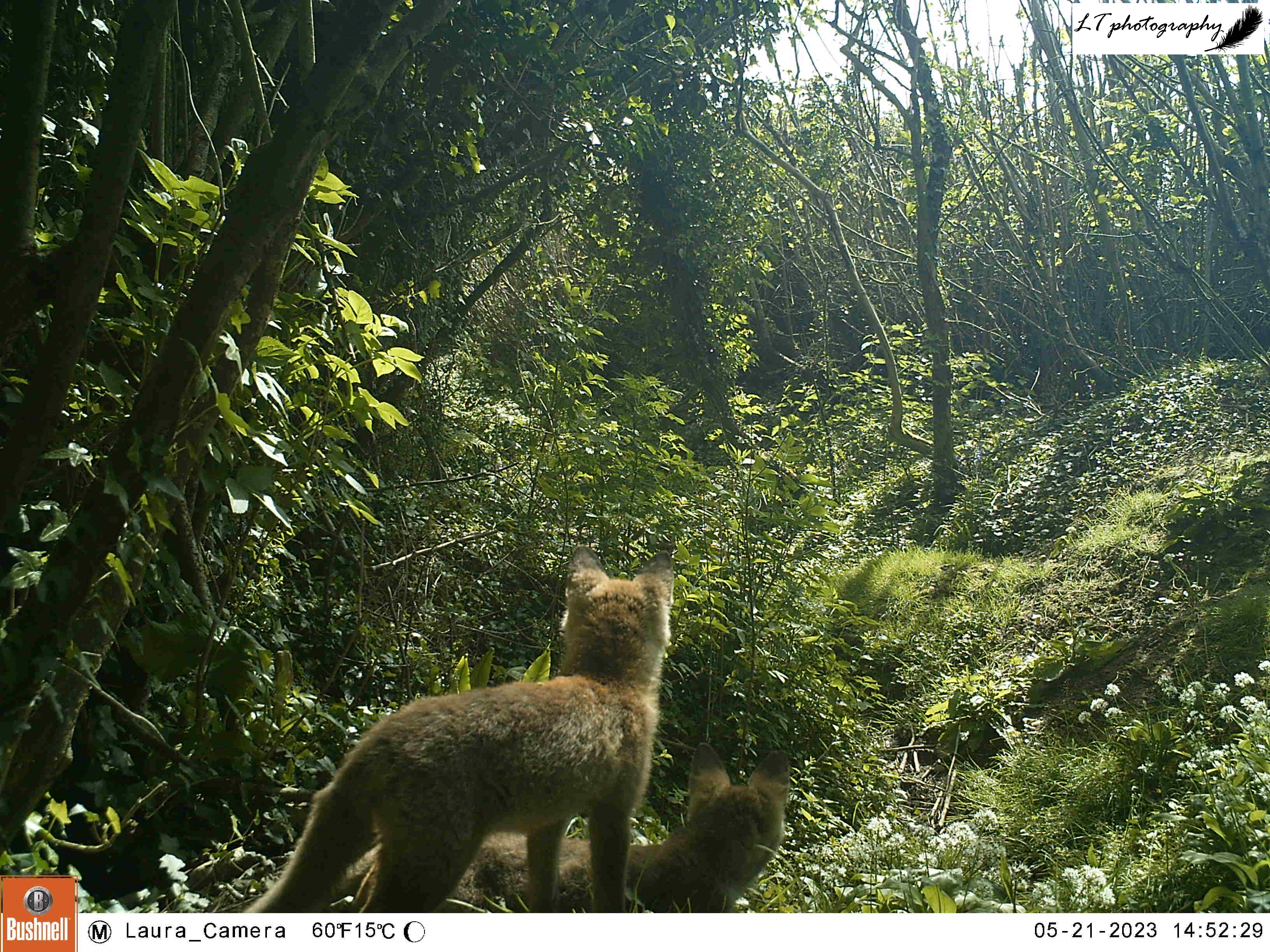
From the city to the countryside, wherever you live, you will most likely have seen a fox in your lifetime. In Britain the red fox is an iconic mammal species, standing out with their striking orangey-red coats and bushy tails. They are known as expert hunters, catching a range of prey from rats to crows, but are actually omnivores, supplementing their diets with plant material, such as berries. As a species they feature heavily in British folklore, being depicted as cunning and wily, spiritual and intelligent.
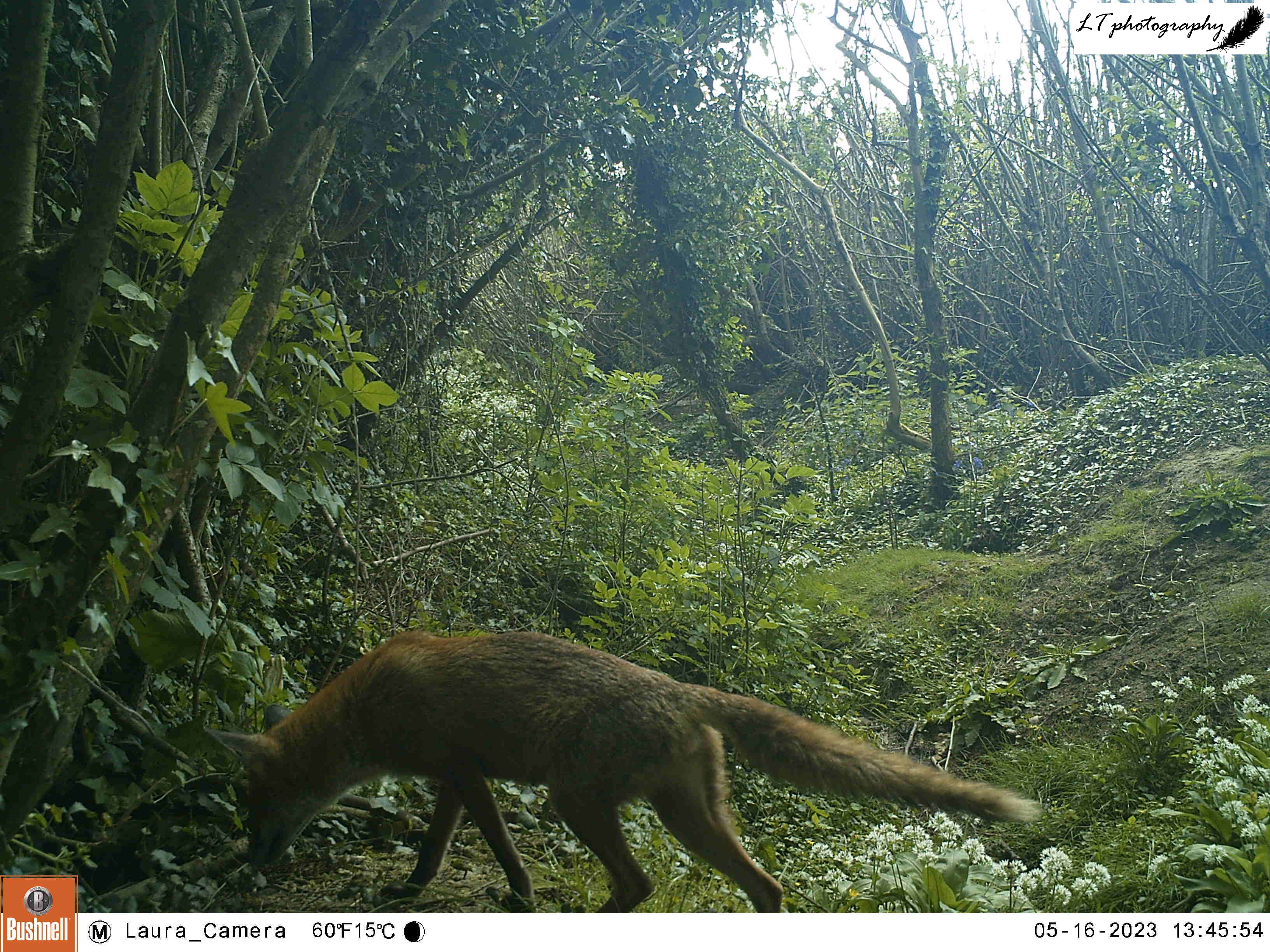
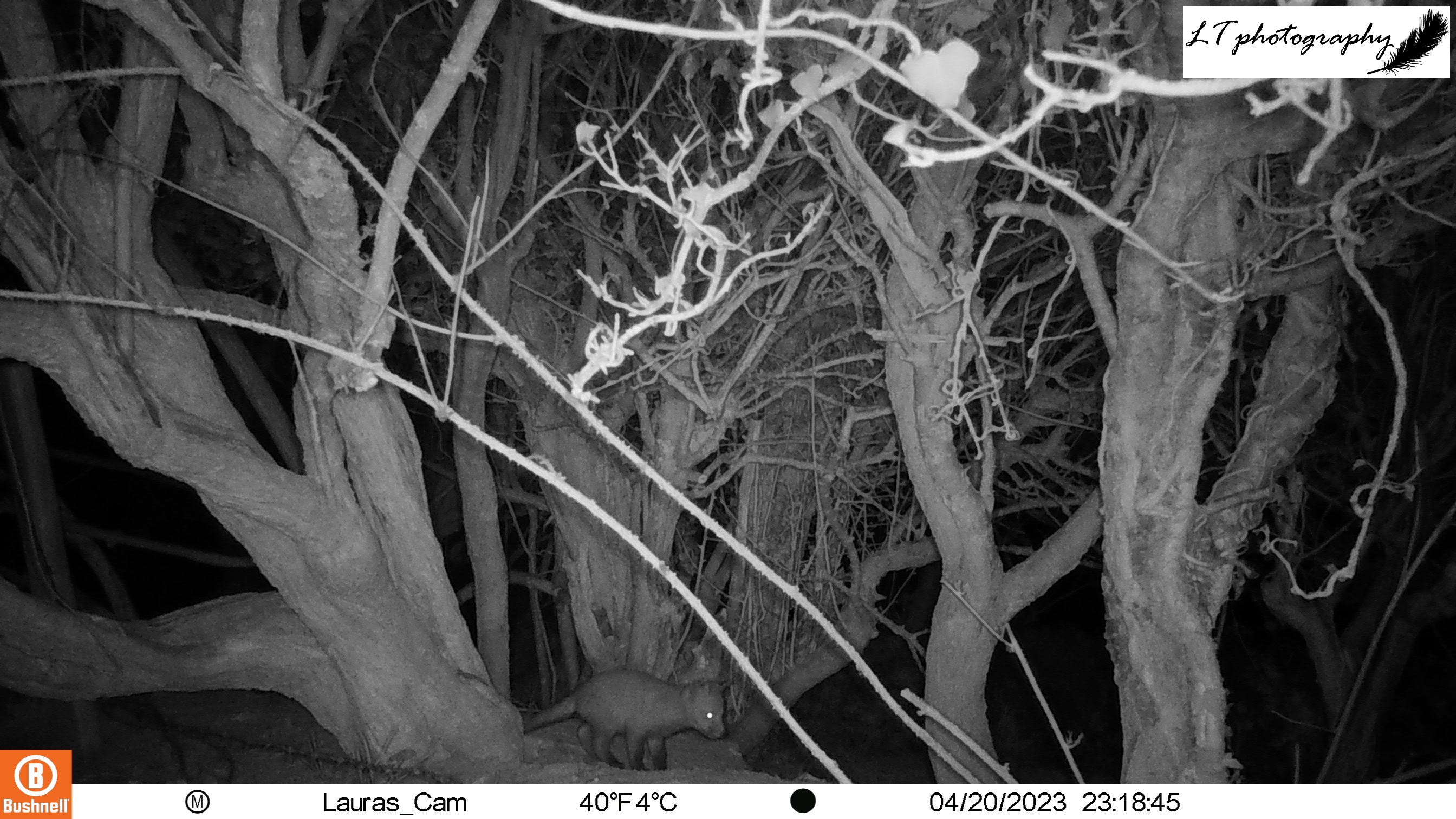
Though foxes are often seen wandering around cities, they mainly inhabit rural areas, being more elusive than their urban counterparts. On my family’s farm in Dorset, my camera traps have allowed us to gain an uninterrupted view of the lesser seen world of this majestic species. By gain a greater understanding of their behaviour, habits and daily patterns, it allows us to live alongside them with ease. With the frequency of their presence on my camera traps this year, there will be much that can be learnt once again!
Field Cameras

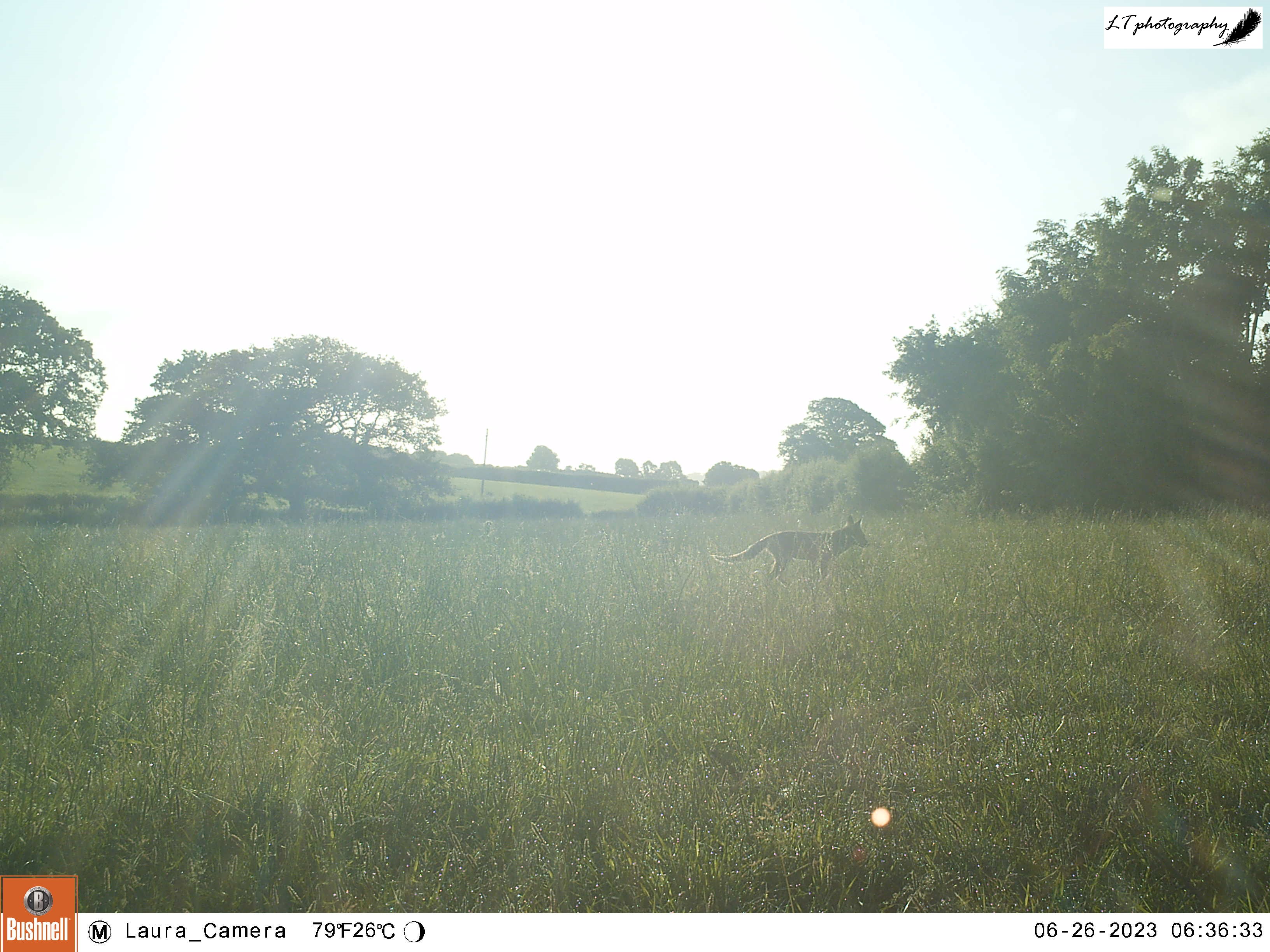
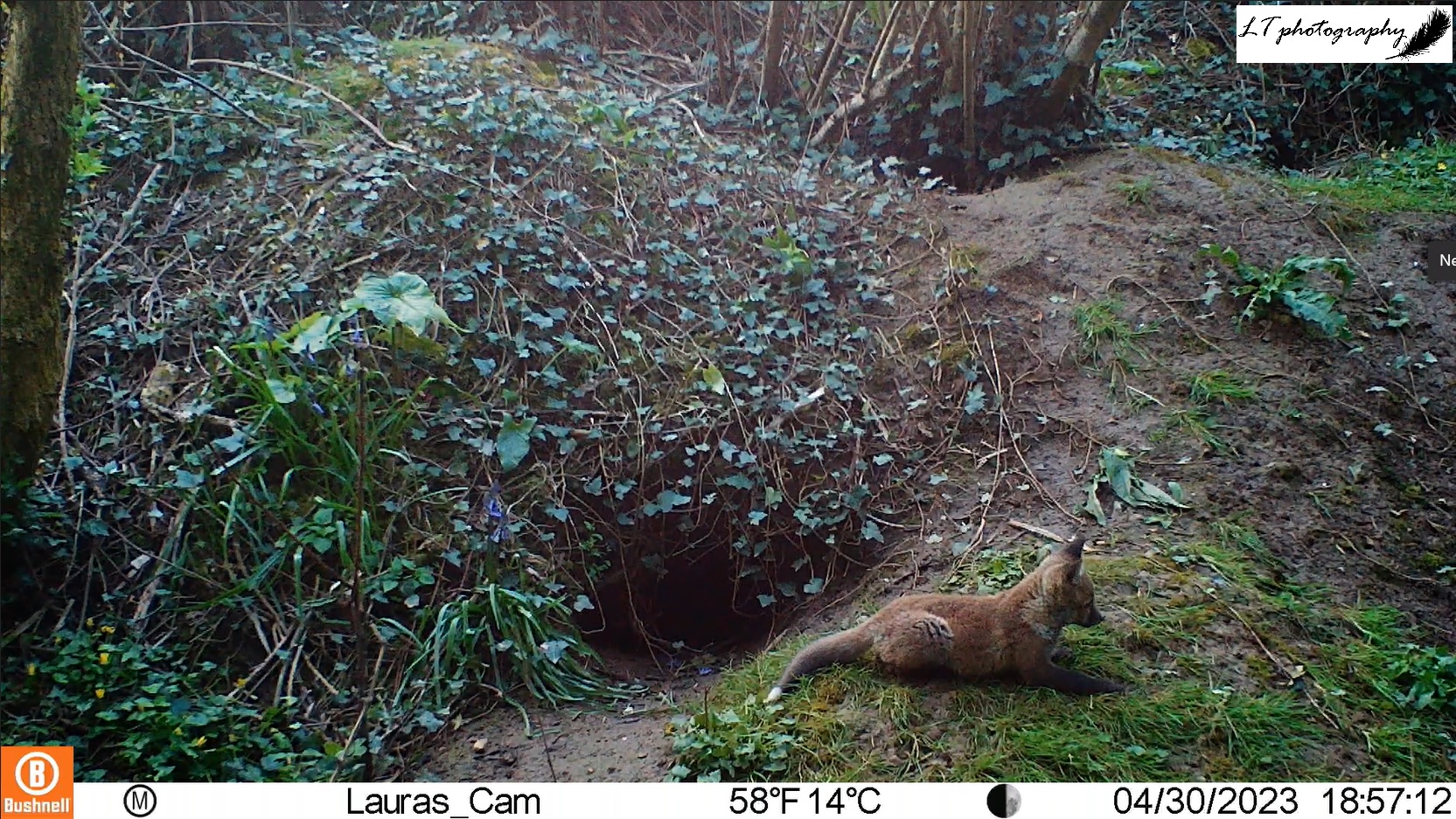
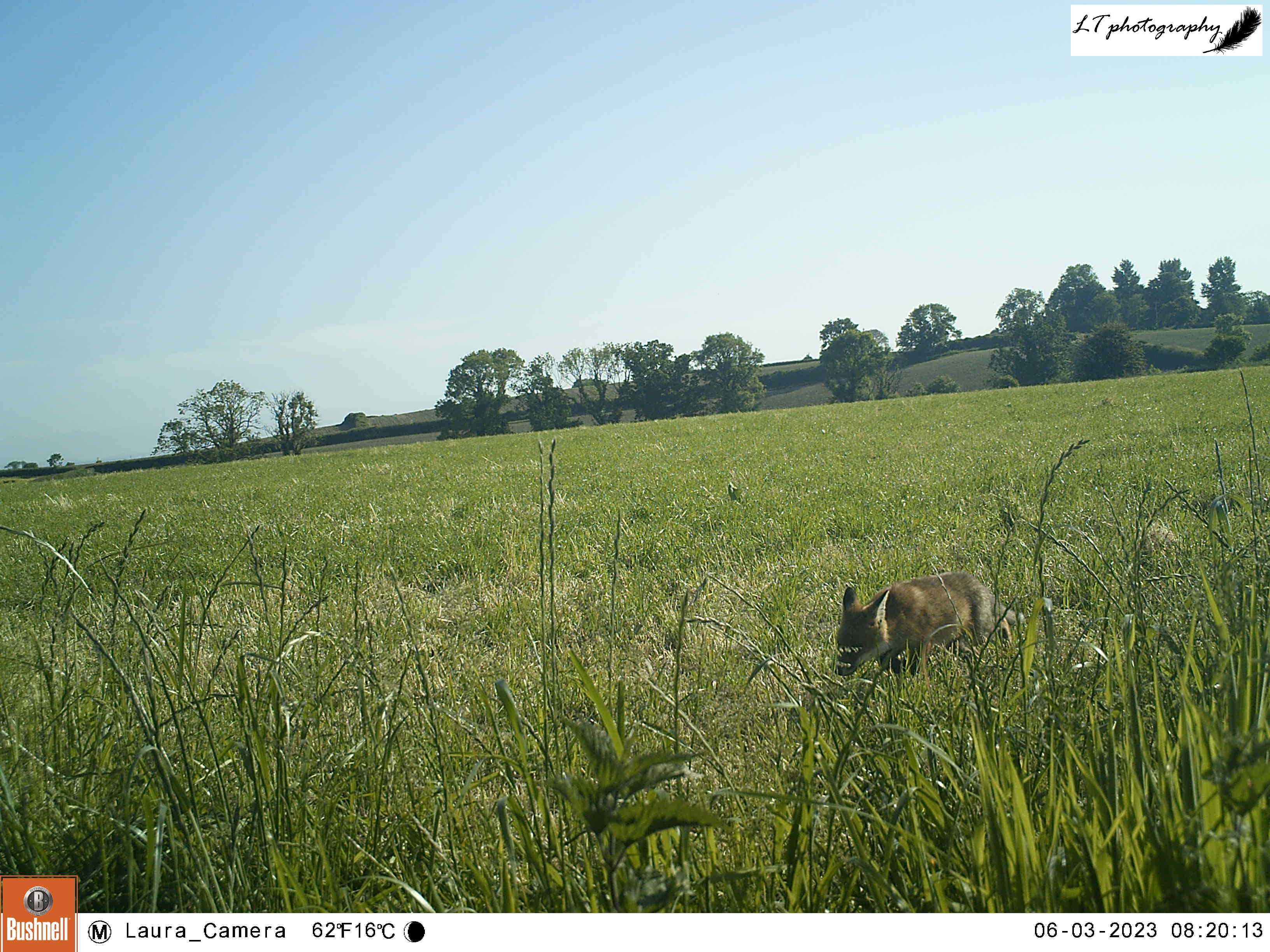
This year foxes featured at nearly all of my camera trap locations, including all sites where my cameras faced out into open fields and meadows. This could be capturing foxes passing through, hunting, leaving their dens, or just watching the world, but it showed us where the foxes were seen more often and in what capacity. Here’s some of the highlights:

  • Water Meadow – Fox highway

  • Sugar Field – Adult fox passing through; fox cub venturing out of a possible den
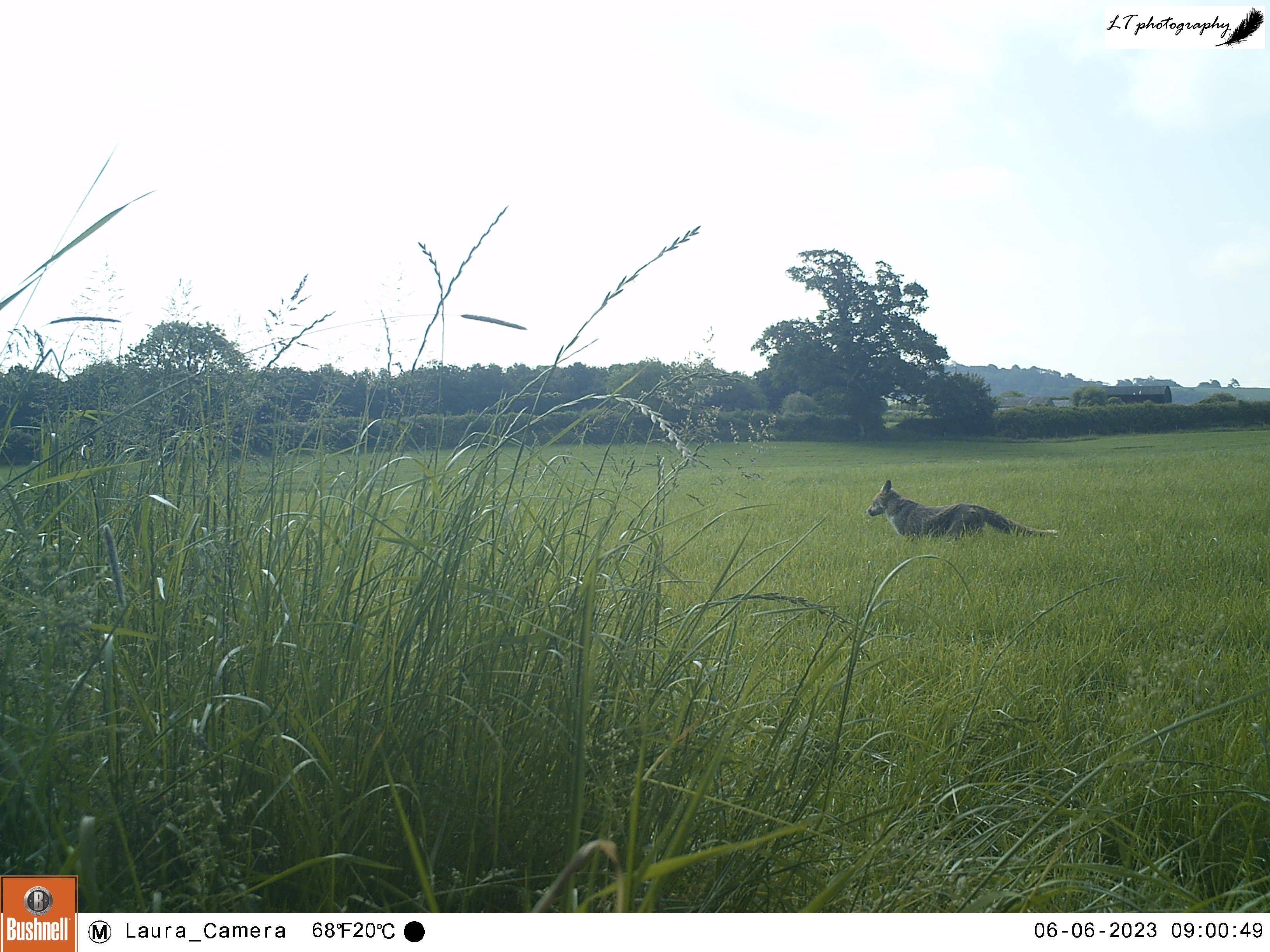
  • Tower Paddock – Fox hunting spot

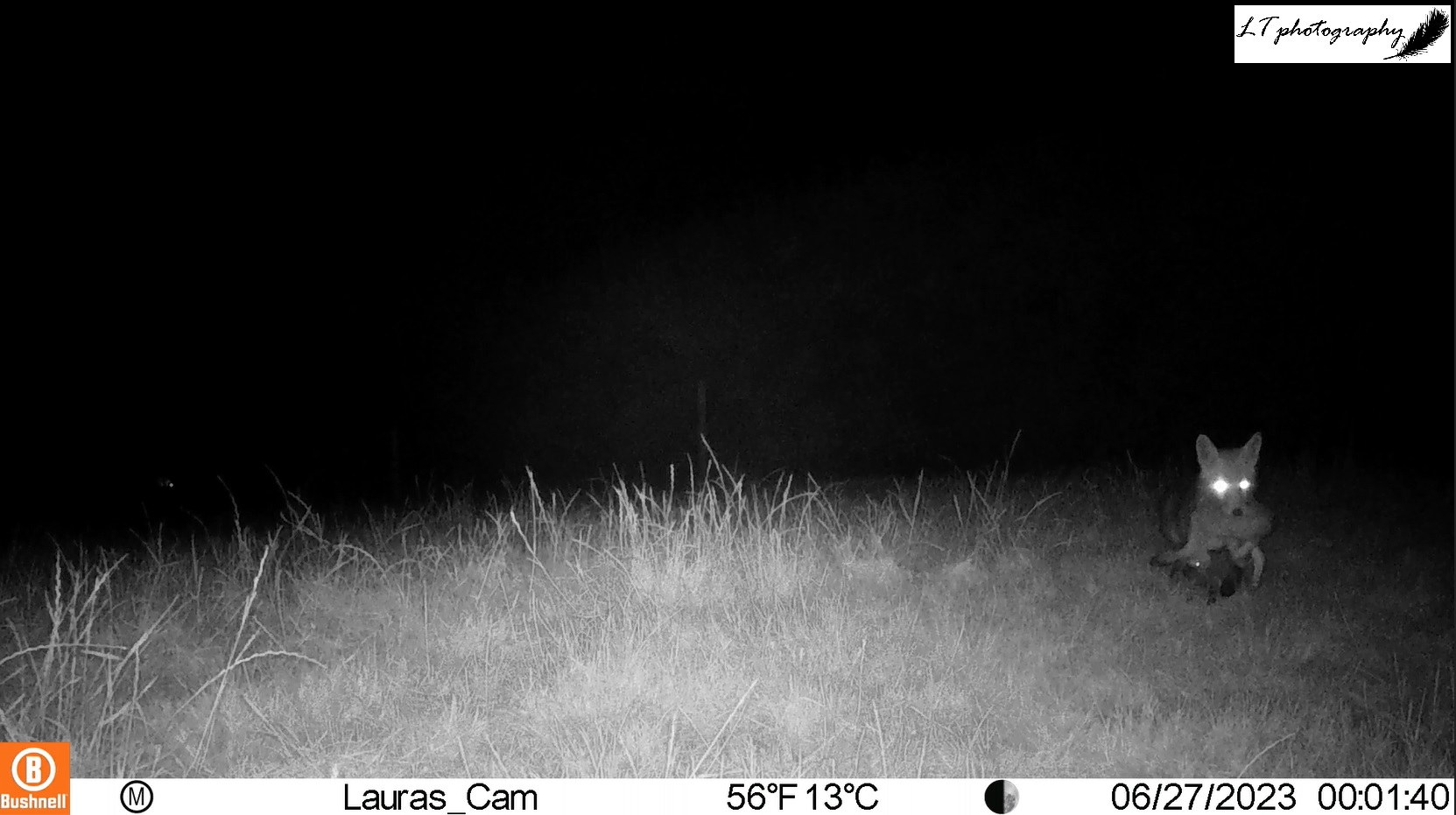
  • Cowleighs – Fox cub on the wander; adult fox returning to their den with food
  • Garden – Adult fox checking things out
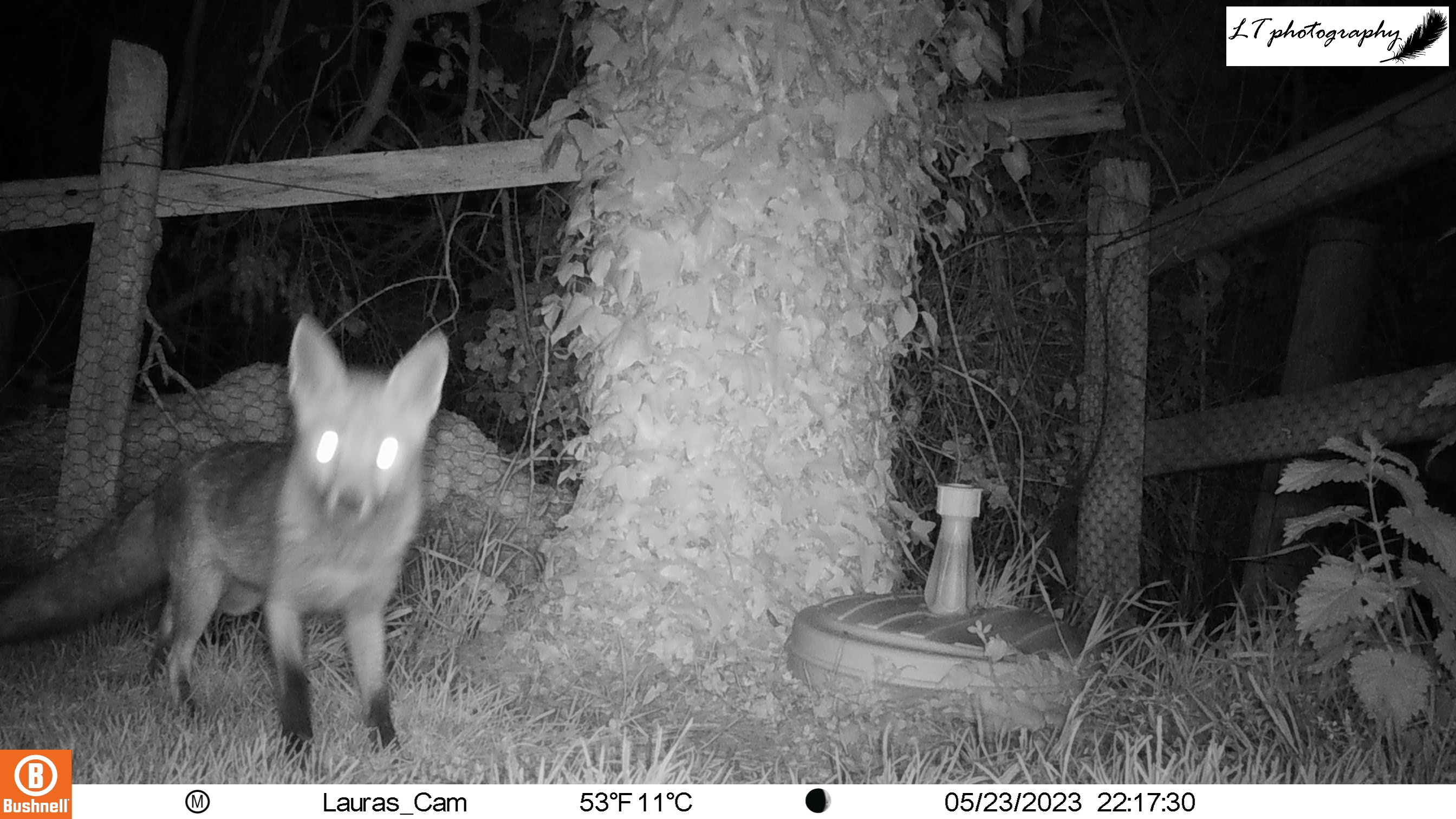
Badger Alley

Last year Badger Alley was home to a pair of lovable fox cubs that gave me the wonderful opportunity to watch as they grew up to be scruffy young adults venturing out to explore the wider world. So when spring rolled around this year, I put my camera traps out once again to see what stories would unfold in Badger Alley.
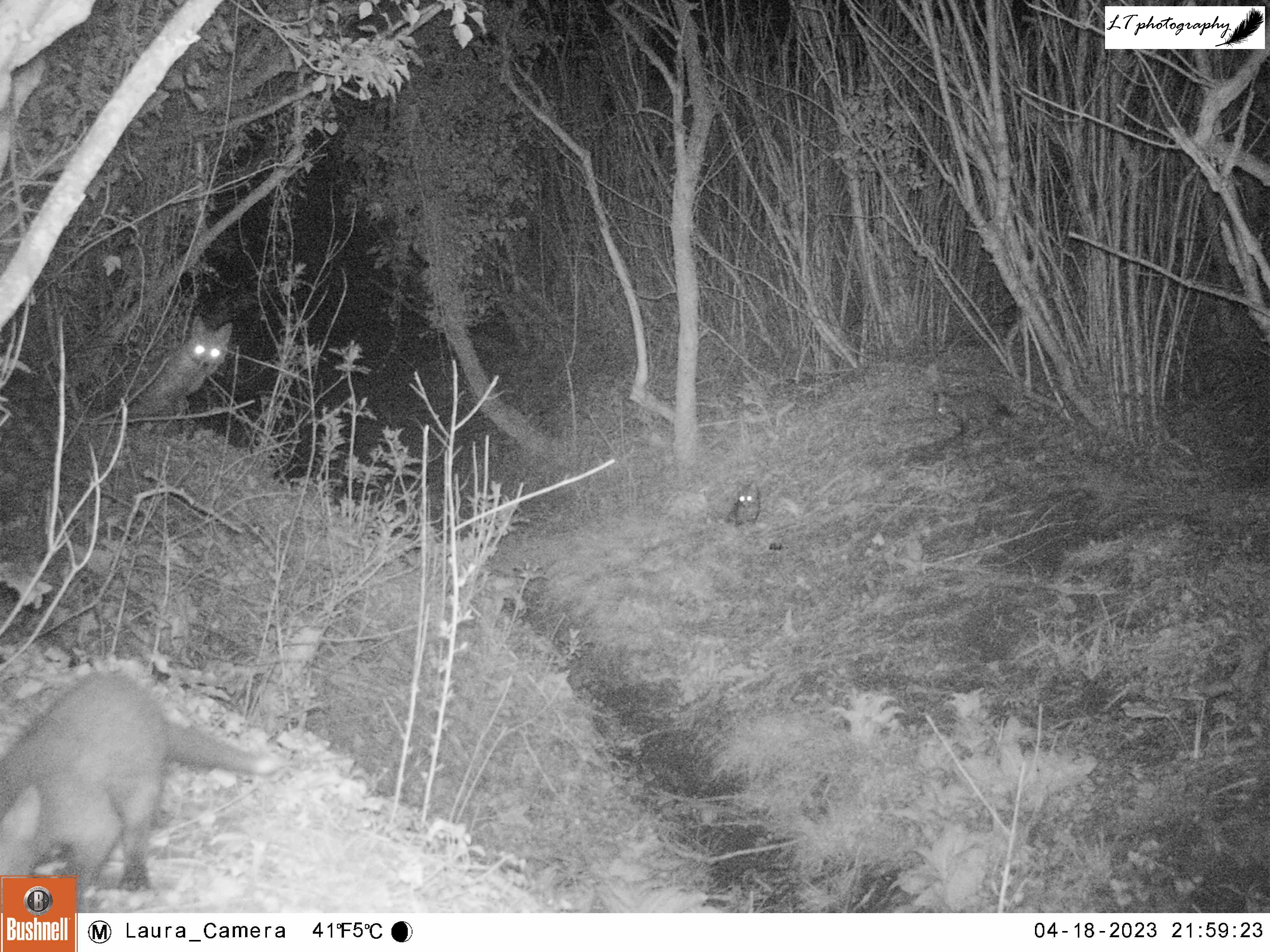
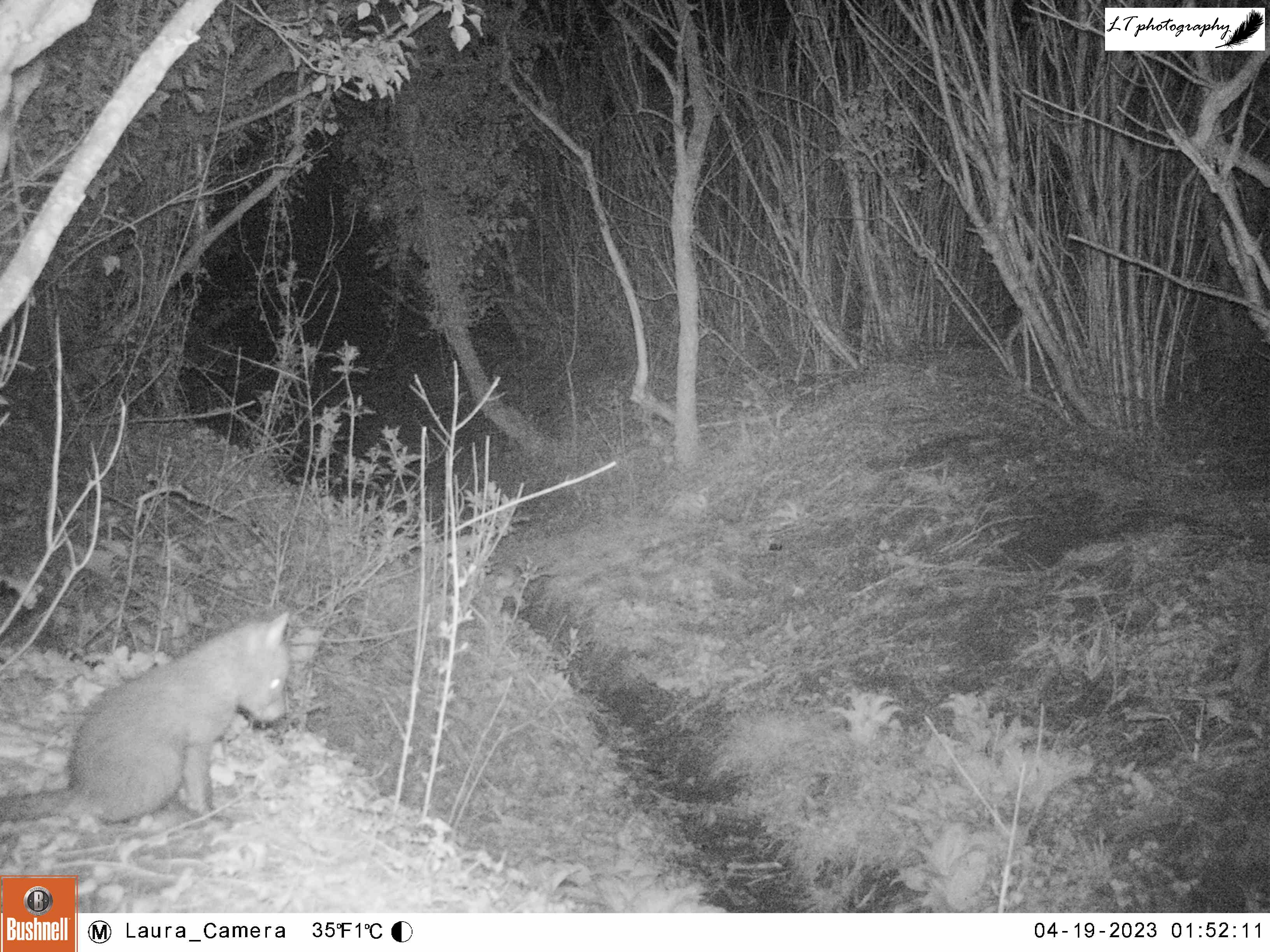
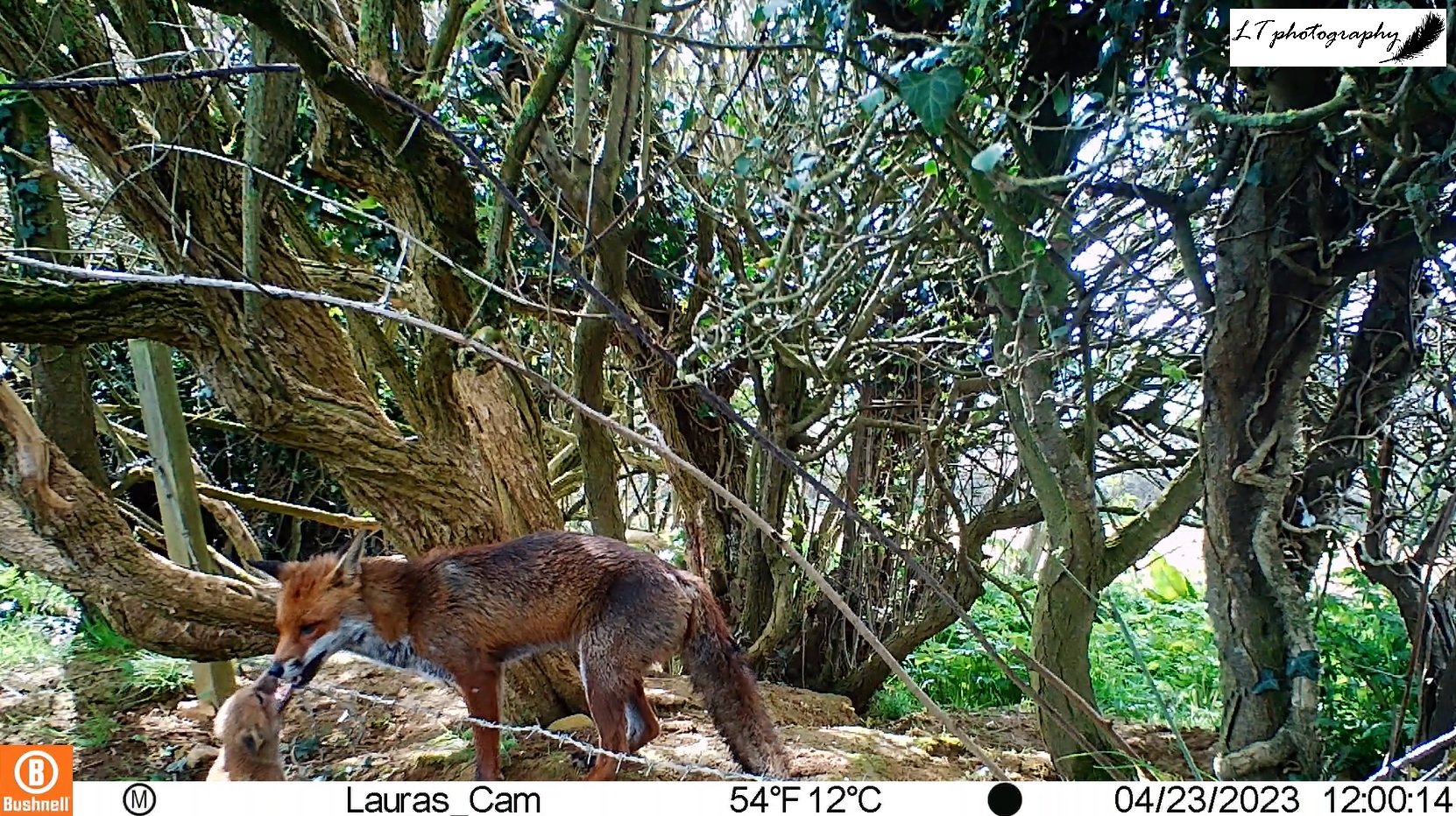
On the 18th April, my camera trap gave me my first views of a new family inhabiting a badger sett in Badger Alley. I was amazed to see a litter of four small cubs exploring the world created by the trees sheltering the footpath, and also excitedly welcoming their parents back as they brought back food to them. On the 21st April I got the wonderful sight too, of all four cubs being suckled by their mother.
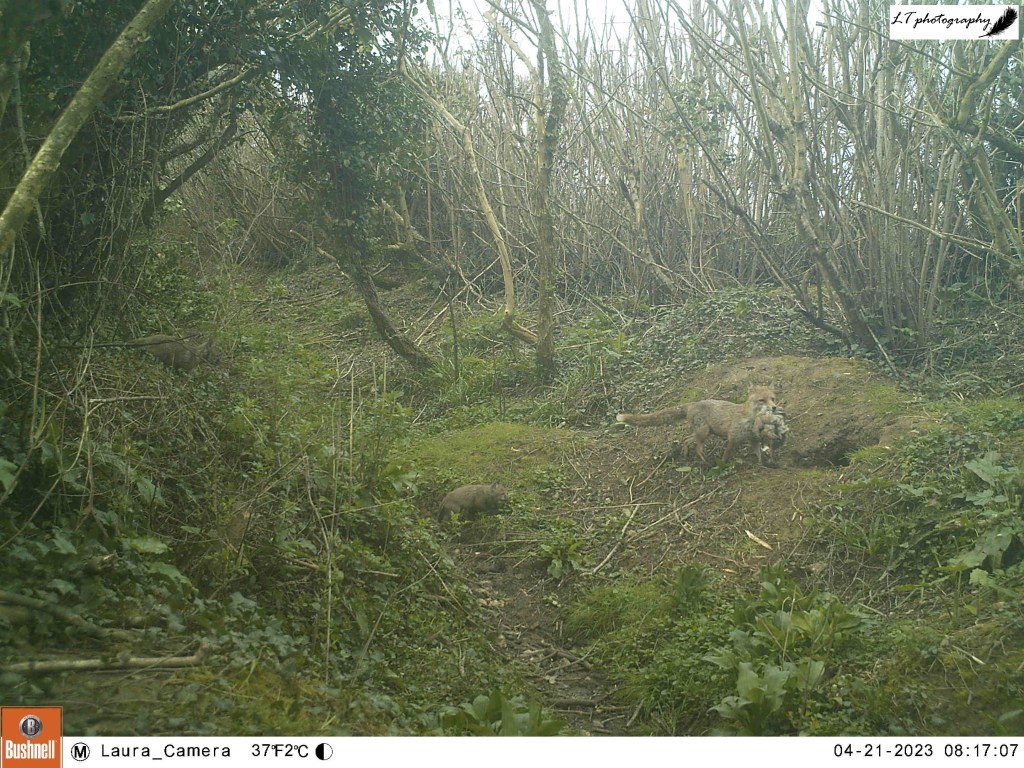
With each week my camera traps watched as the fox cubs grew bigger and bigger and came into their deep orange-reds coats like those of their parents. They fought, played and sunbathed, and began to venture further from their den. It was great to see all four cubs thrive through this time and I hope they continue to do so!

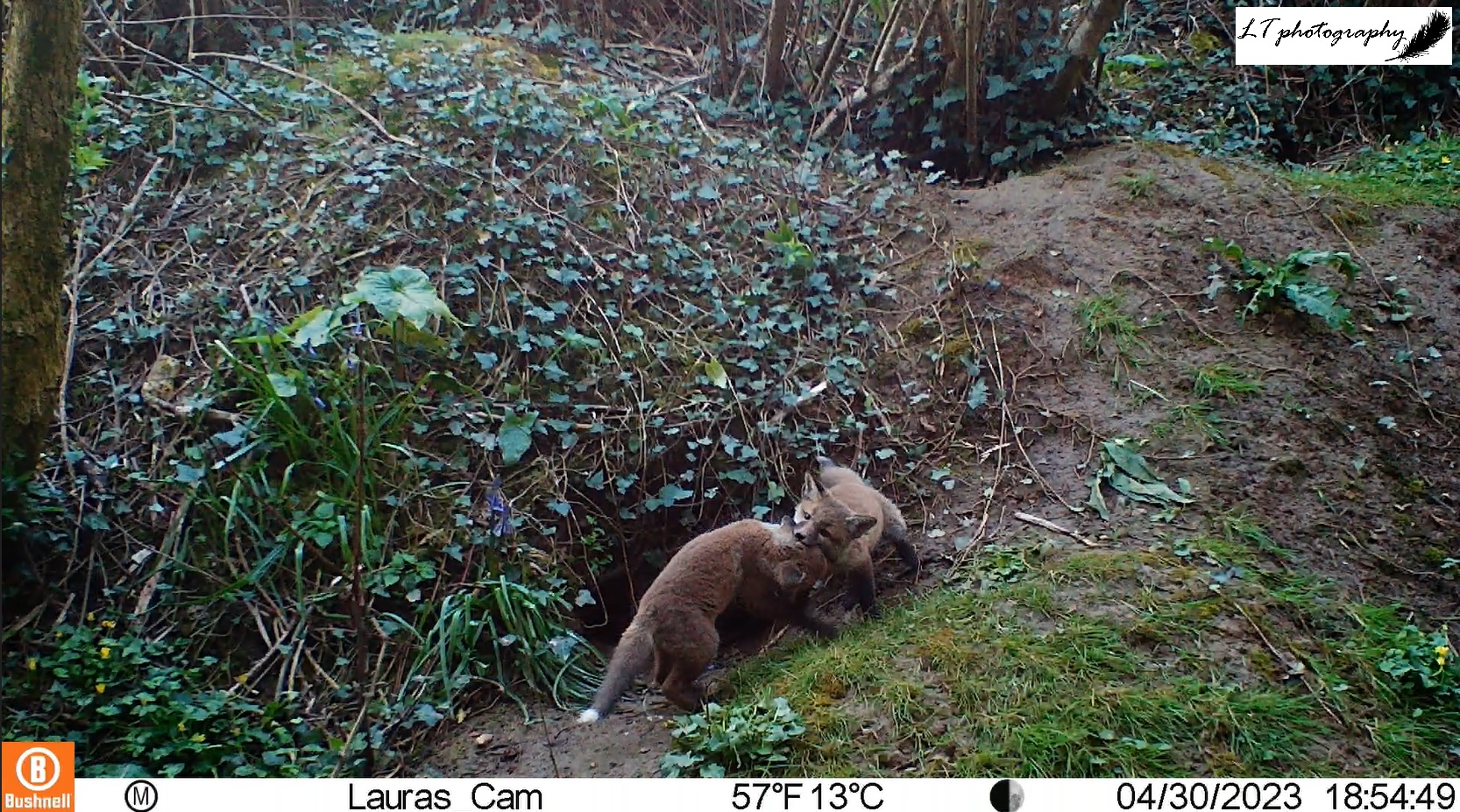
Quarry Field

My Quarry Field site is an active badger sett shared with other species. In 2020, I captured a lone cub on my camera traps, sleeping, being fed and wandering around on its own. The following year, in 2021, things looked a bit brighter with two rowdy fox cubs living in the sett, keeping each other company, playing, fighting and growing together. Last year, in 2022, there was signs of an adult fox passing through with food, but that spring I saw no actual sign of fox cubs living within the sett. What did I find this year then?
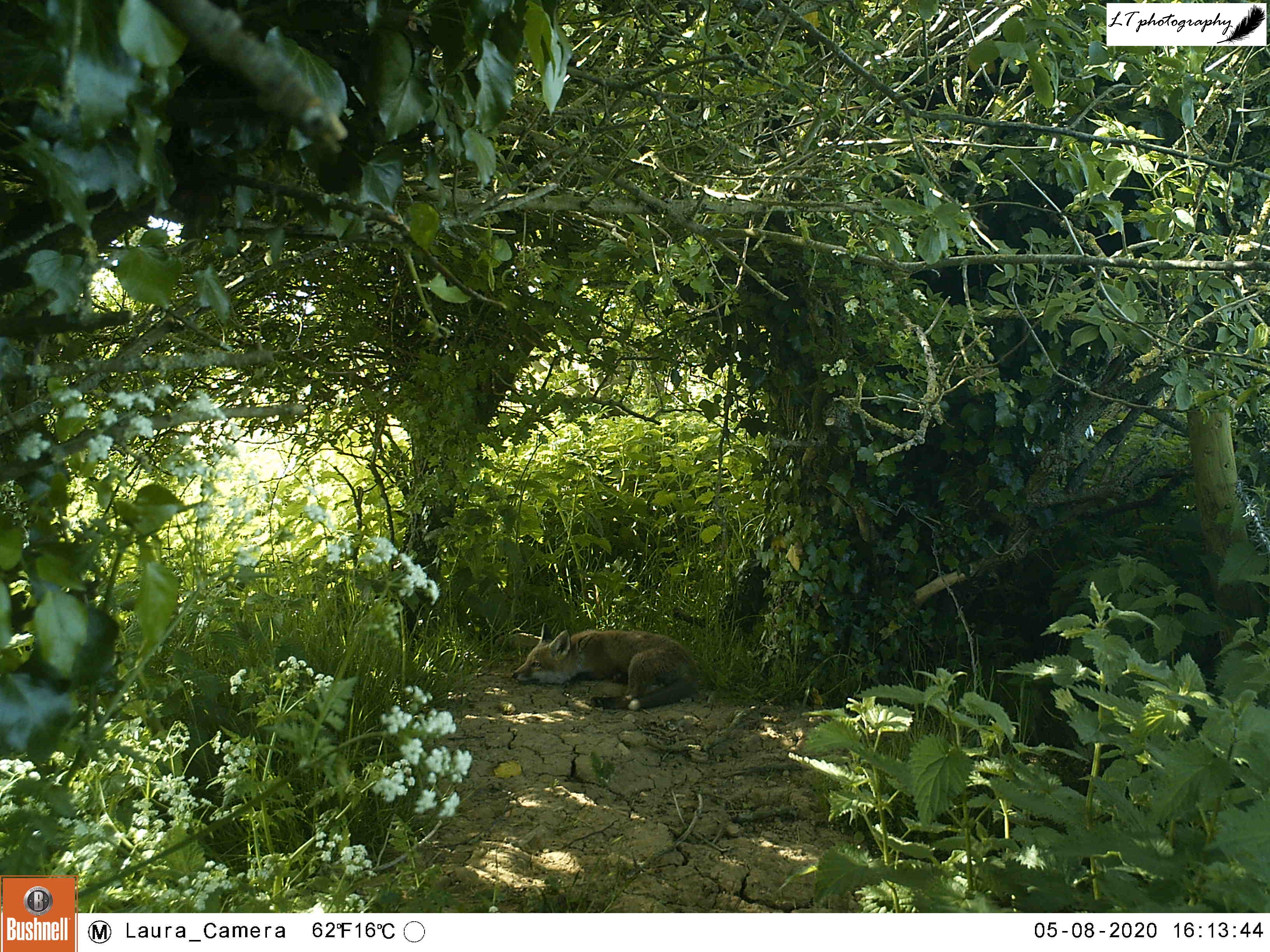
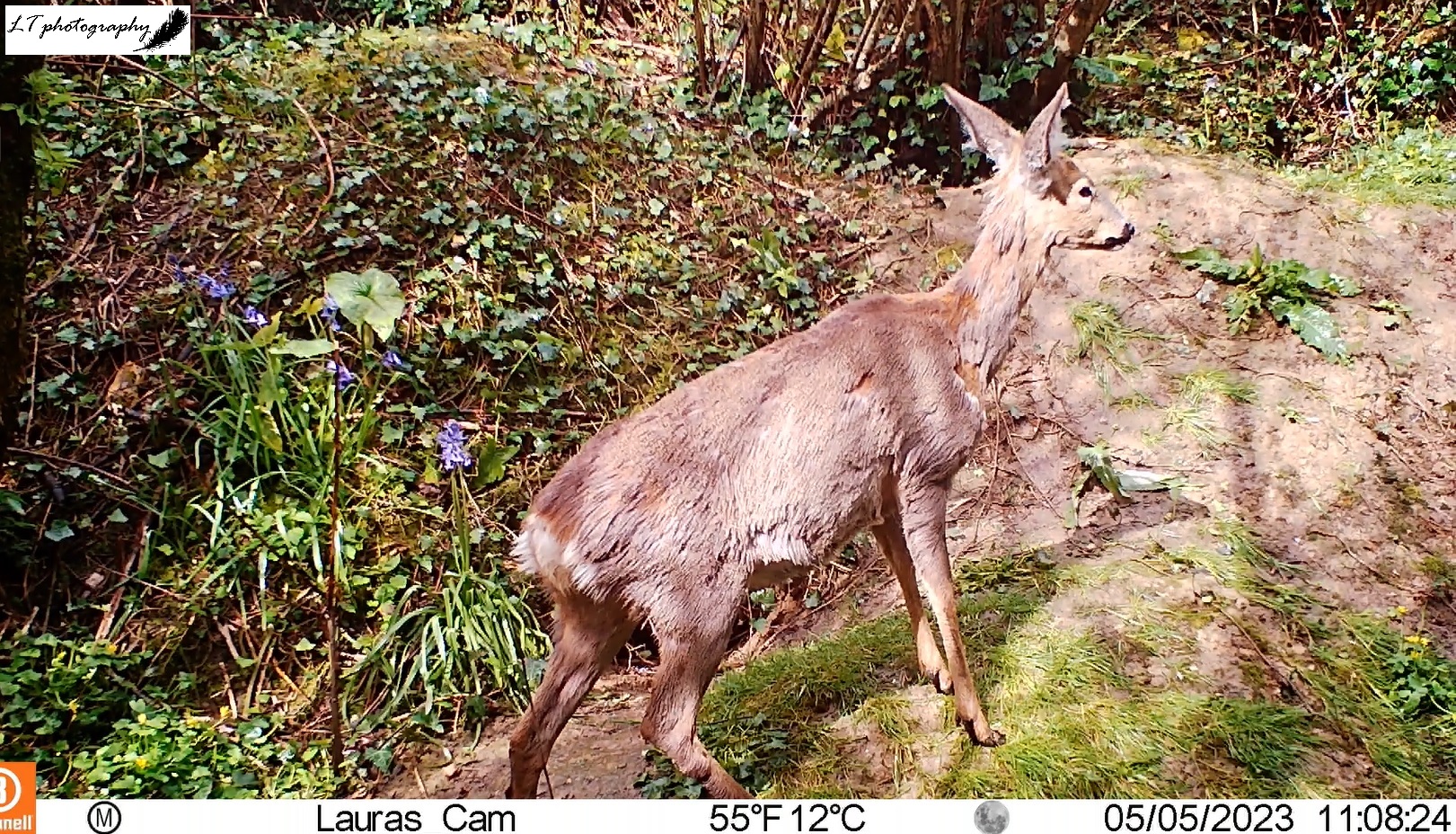
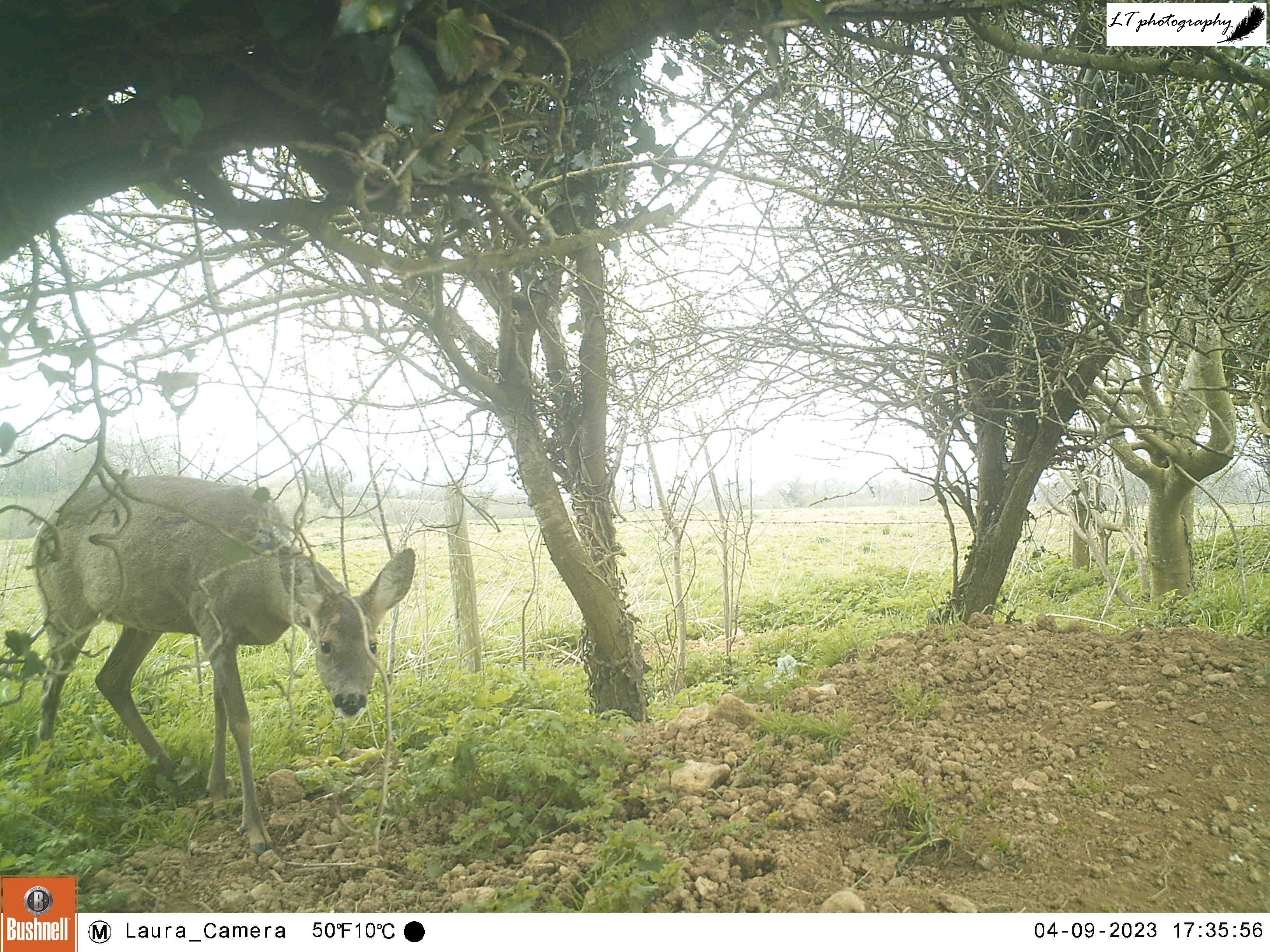
During spring 2023, I first put a camera trap out at this site on the 8th of April. During the following week, my camera caught lots of sights of an active badger family and a passing through female roe deer, but also an adult fox passing through every night. This was a positive sighting as it meant to me that the sett could be being used once again by a fox family.
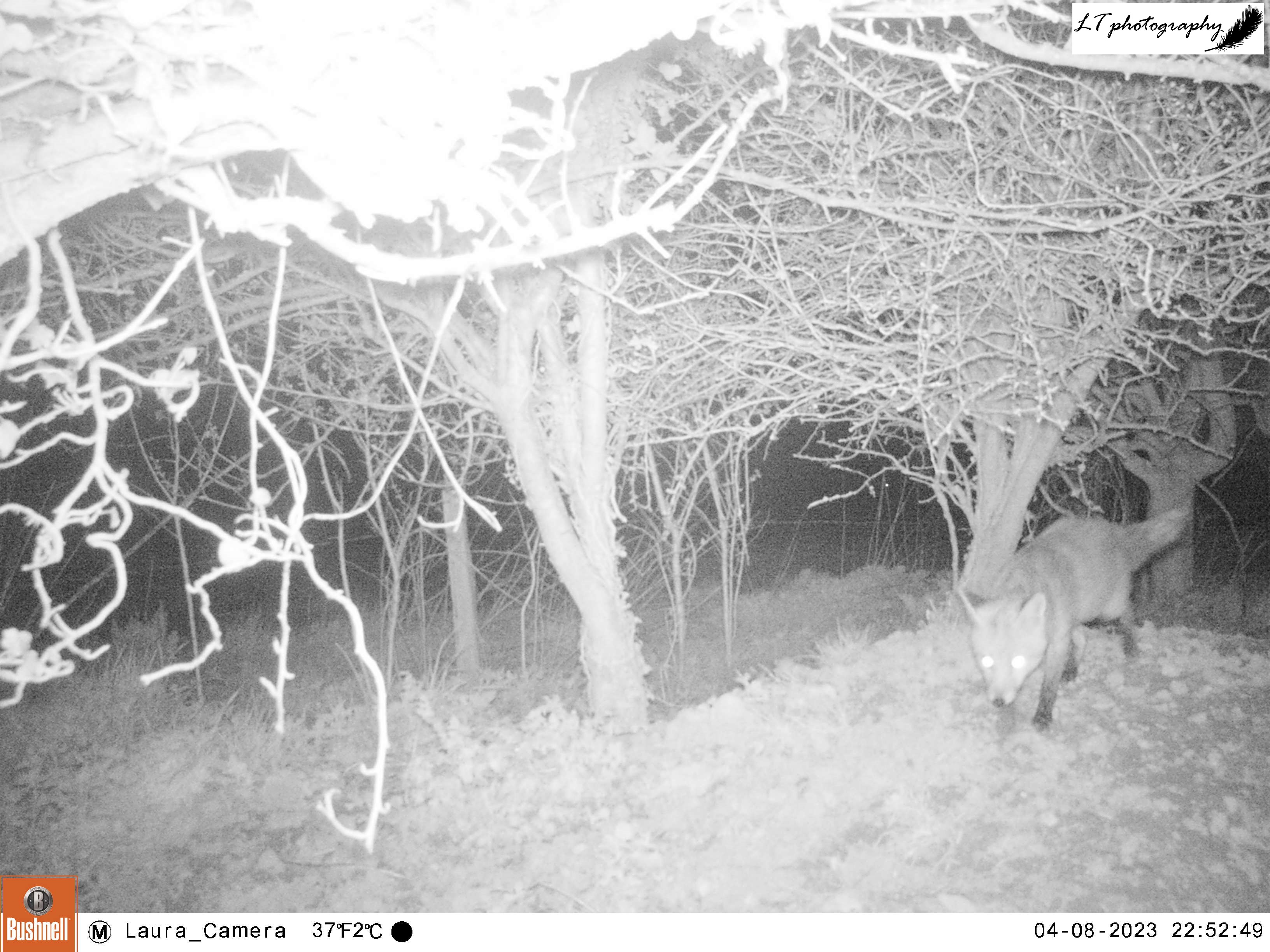
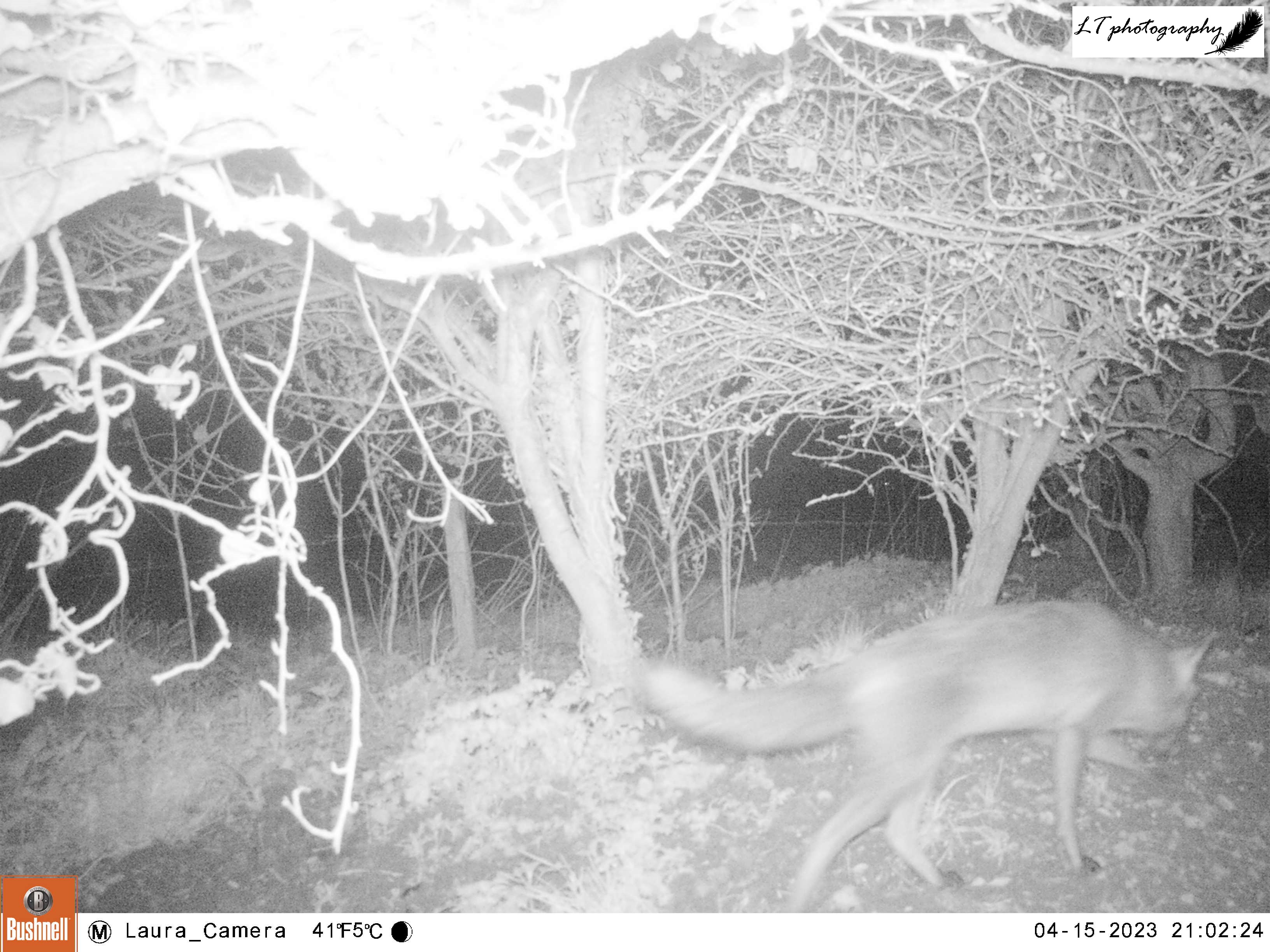
This year luck was on my side and on the 17th April, my camera trap caught a first sighting of very small fox cubs venturing above ground at the sett, and there was not just one, or two, but four! I was astounded to have two known large litters of fox cubs on the farm this year, with potential others situated across our land also.
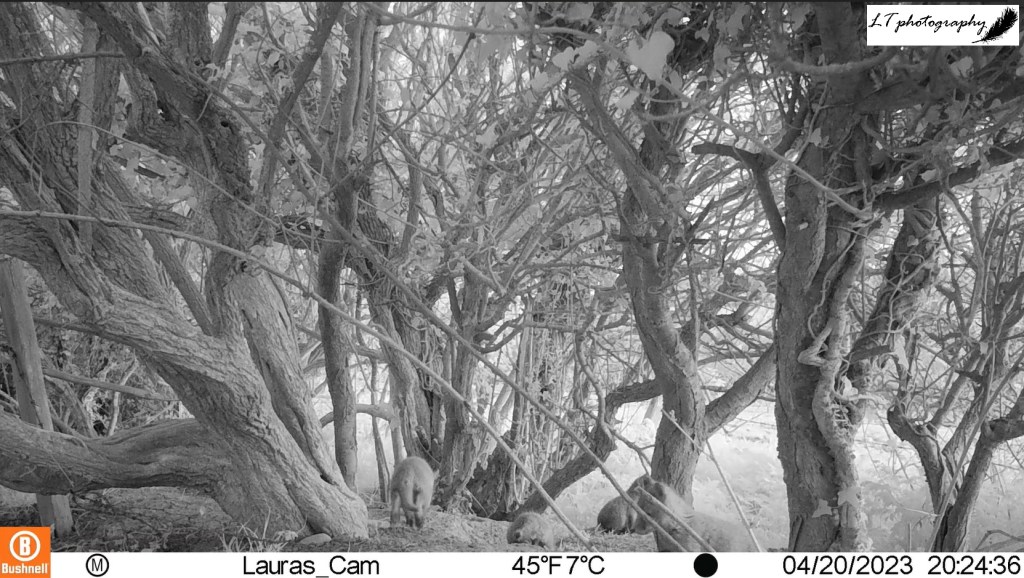
It was amazing over the following weeks to watch the cubs play, race around, rough and tumble, explore, and even beg one of their parents for food in front of the camera. Over time the cubs turned from orangey-brown little cubs into true miniature versions of their parents, lying outside the sett in evening sunshine, running up and down the hedgerows, or venturing out into the surrounding fields, still relying on their parents though. They even blessed me with some in person views of their natural behaviour on my adventures this year too!

This year has been a particularly incredible year for foxes that I will not be forgetting in a hurry, but it will be interesting to now see what the impact may be for local fox populations. They are an important species in the countryside and one people need to learn to continue to live alongside.

Spring Dorset Camera Trapping 2023 – Pt. 1: Wonderful Wildlife

“In photography there are no shadows that cannot be illuminated” – August Sander

“Actually, it’s nature itself that creates the most beautiful pictures, I’m only choosing the perspective” – Katja Michael

Over the last four years I have used camera traps to try to capture the wildlife that call my family’s Dorset farm home. It has been a way to gain an insight into the lives of animals that usually would only be seen in passing on a day-to-day basis, such as a hare or a fox, and to be able to see them as anything but ordinary. It has also been an opportunity to watch natural behaviour that we would not usually easily see without disturbing wildlife, and to truly get an idea of the abundance and diversity of species over 250 acres. There is always more that we can learn each year though!

For the last few months, my camera traps have been back out recording what there is to be seen out in nature this year. Moving between 10 locations across our land, from March to July, there were lots of lovely moments that were captured, along with the unusual and unexpected. Over two parts, I will delve into what my camera traps had to offer in photograph and video form, and share some of my highlights. To start, lets take a look at the range of wildlife that featured on the farm this spring, saving the best this year for next week!

Bridlepath: Badger Alley

A family-named Badger Alley is a great site for a variety of mammal species found on the farm, with even a first muntjac deer being spotted last year. Badger Alley is a naturally-enclosed bridlepath that was once home to a large family of badgers, but now the sett lies bare. This path for humans is also a popular thoroughfare for wildlife as well as being a sheltered location for the homes of certain species. This is one site that I return to with my camera trap year-on-year!

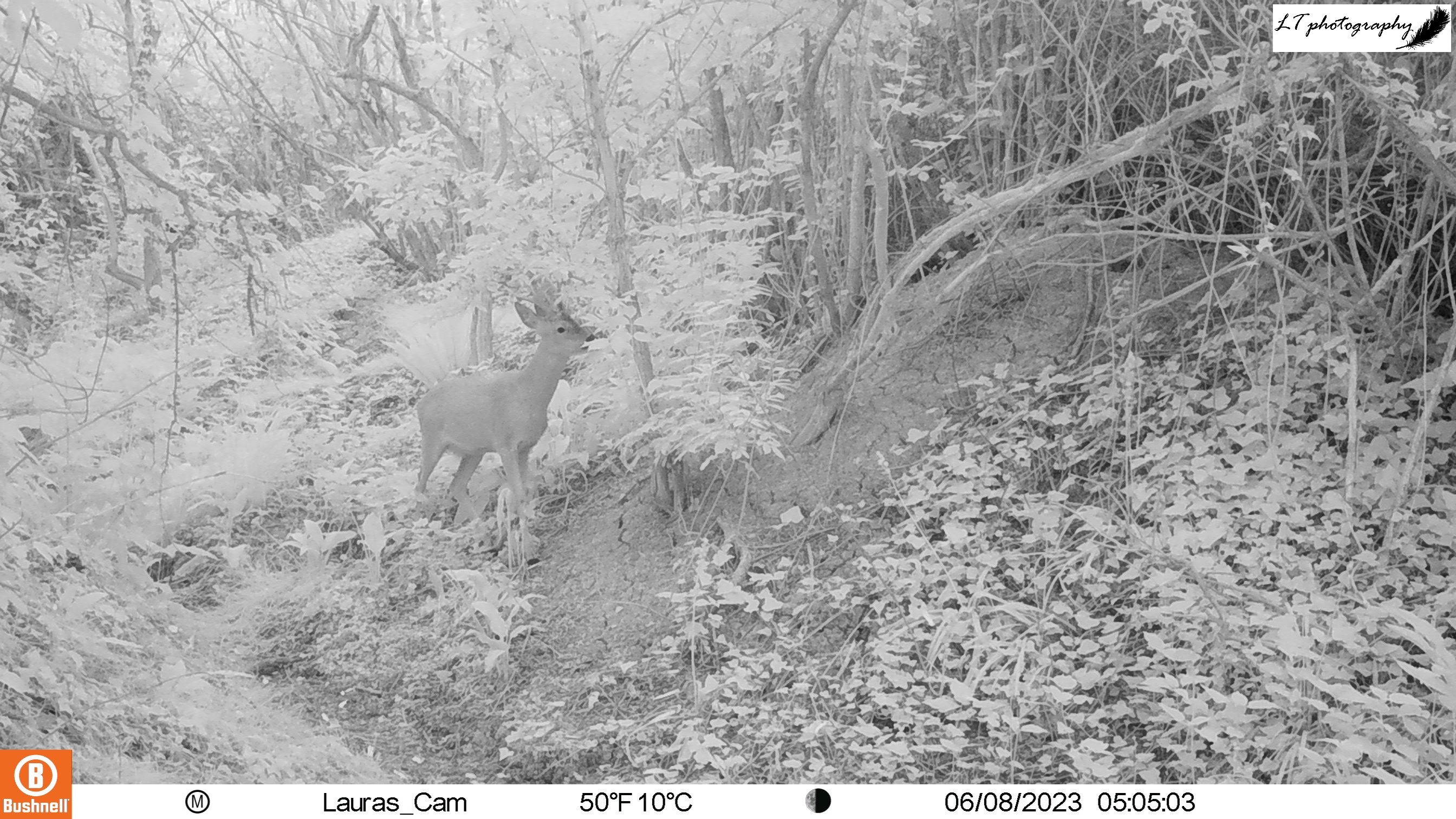
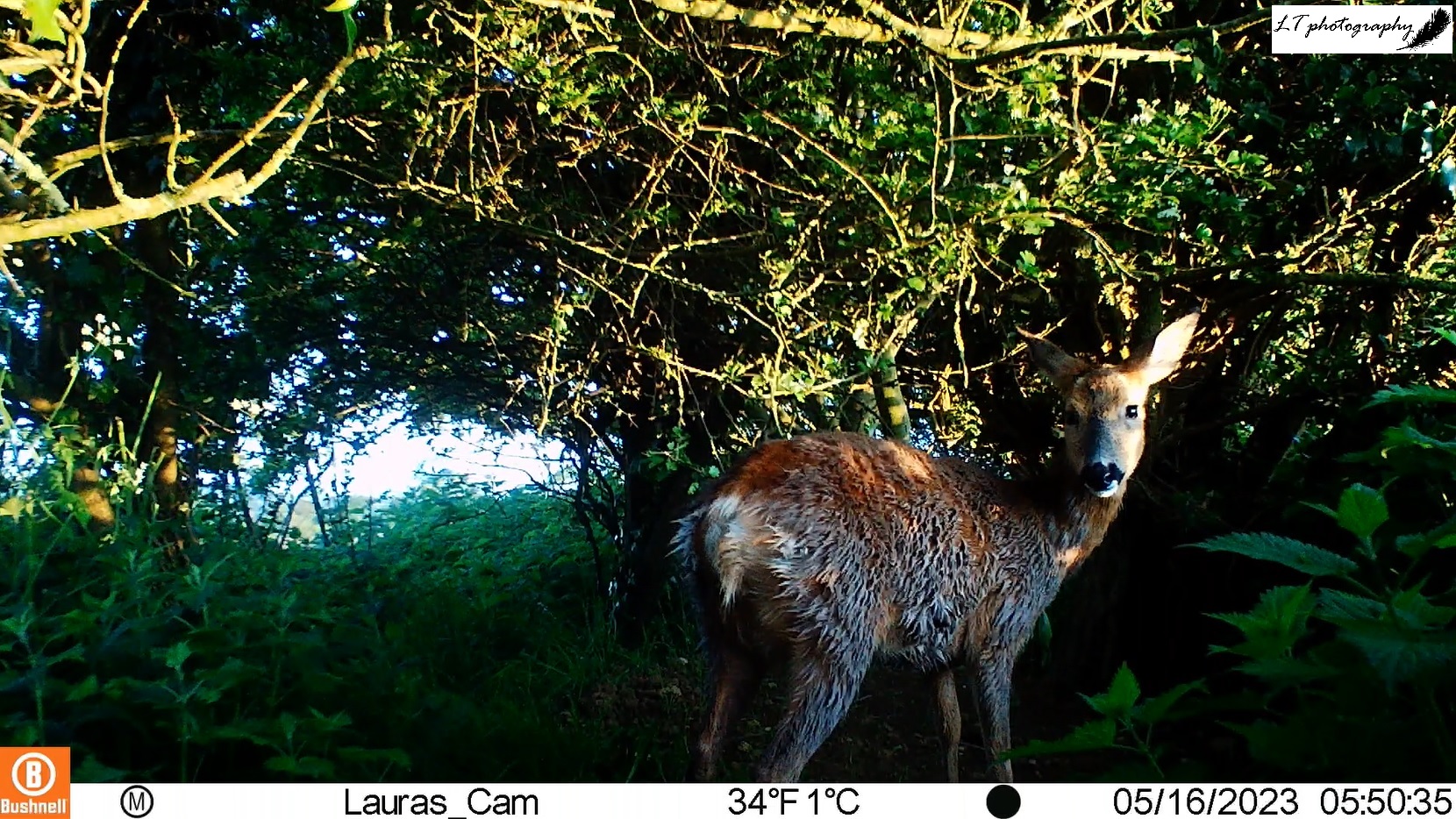
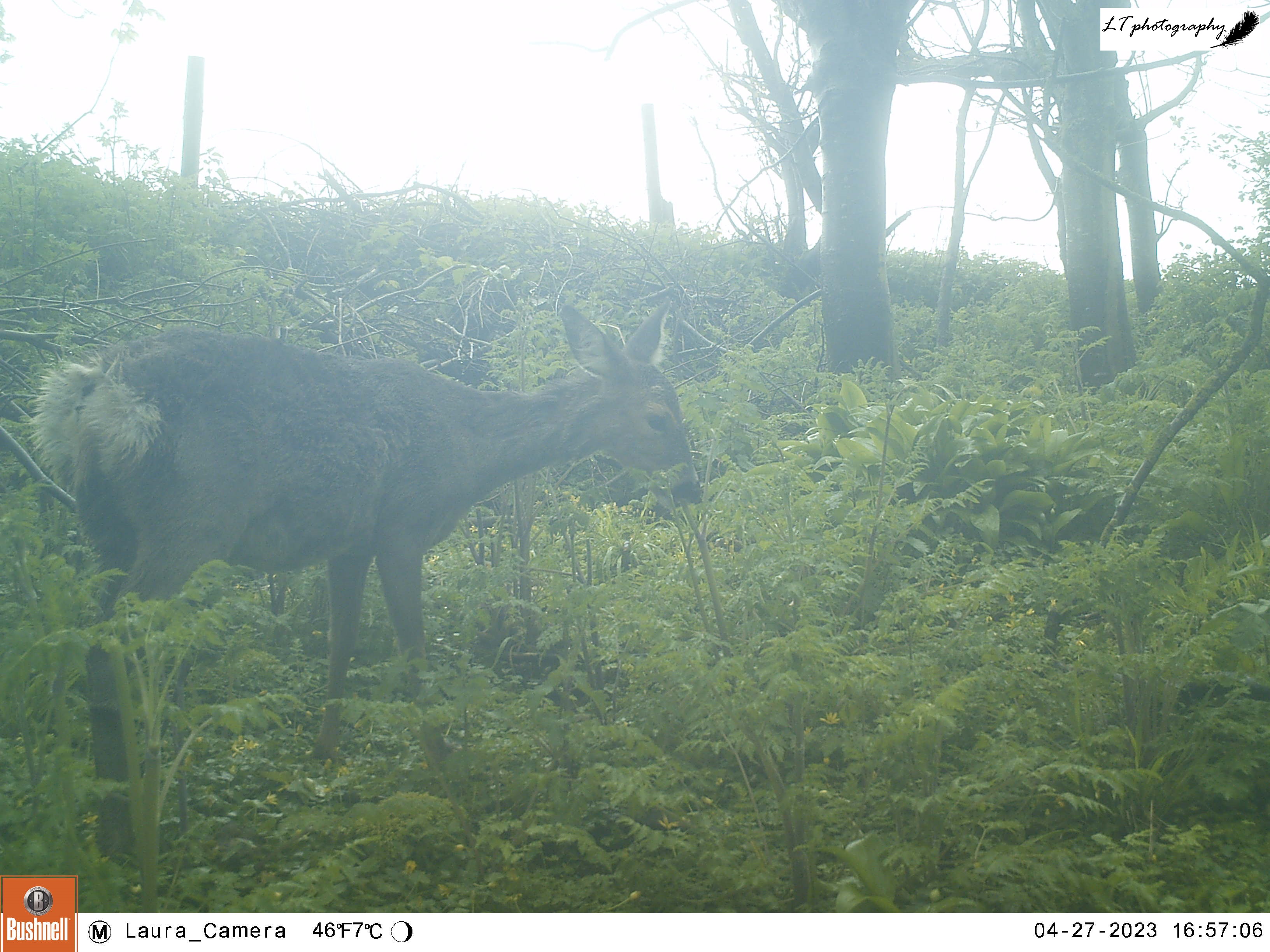
This year 6 mammal species were captured on my camera traps, including one of my favourite’s that will feature next week. I had a scruffy adult female roe deer passing through,

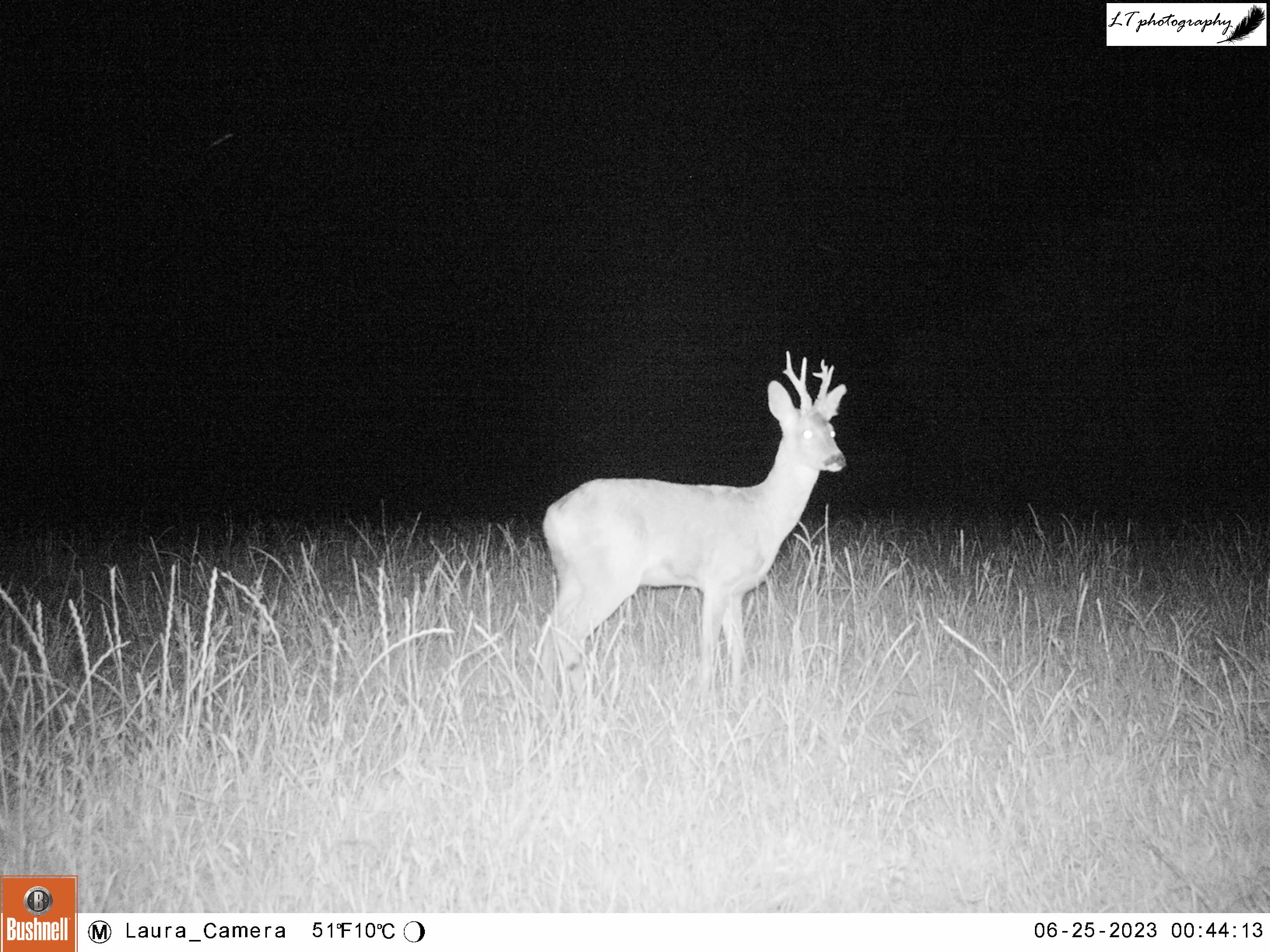
an often seen adult male roe deer feeding and scent marking,

a territorial grey squirrel on his favourite perch,

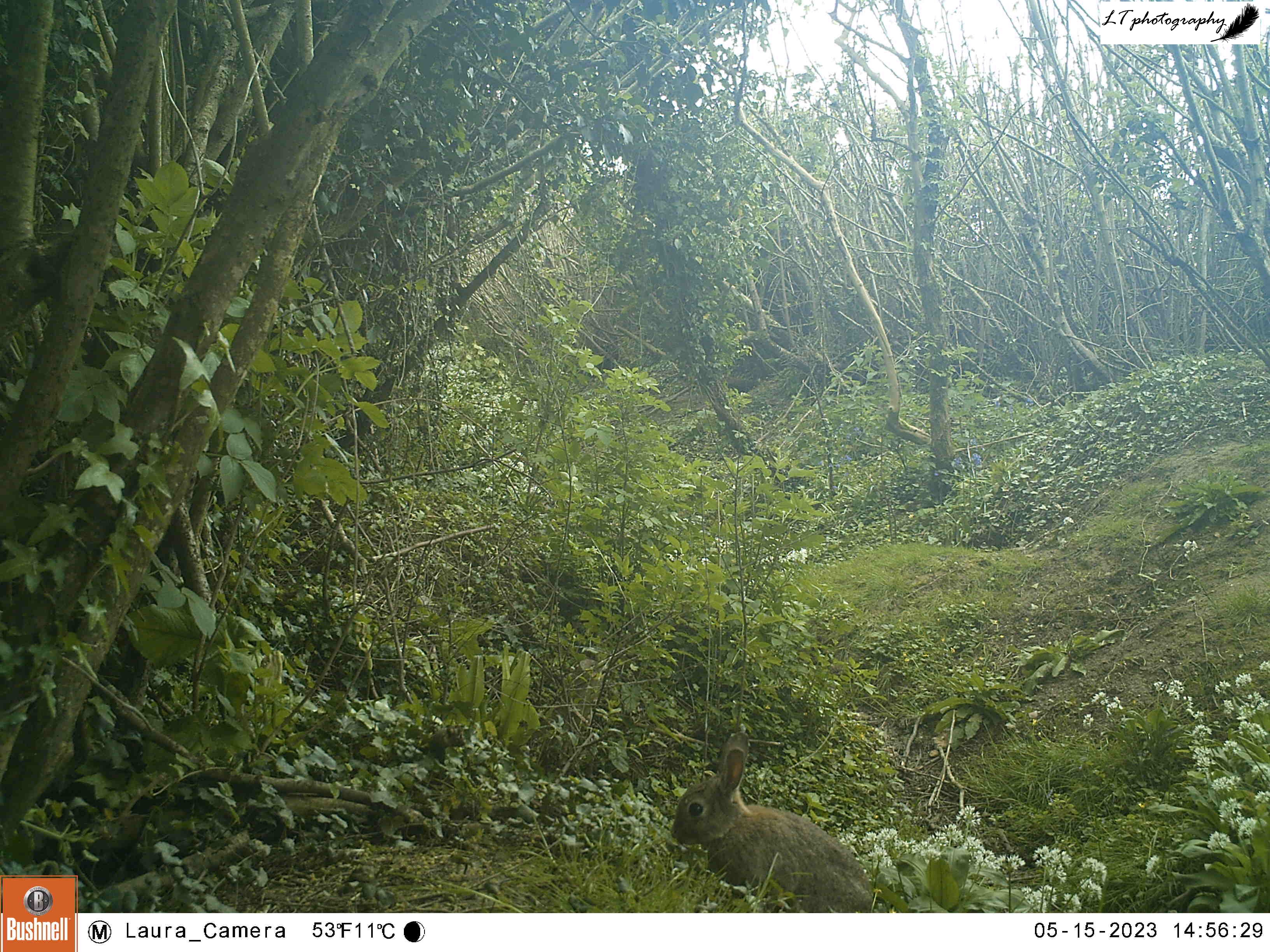
plenty of whizzing past, including babies,

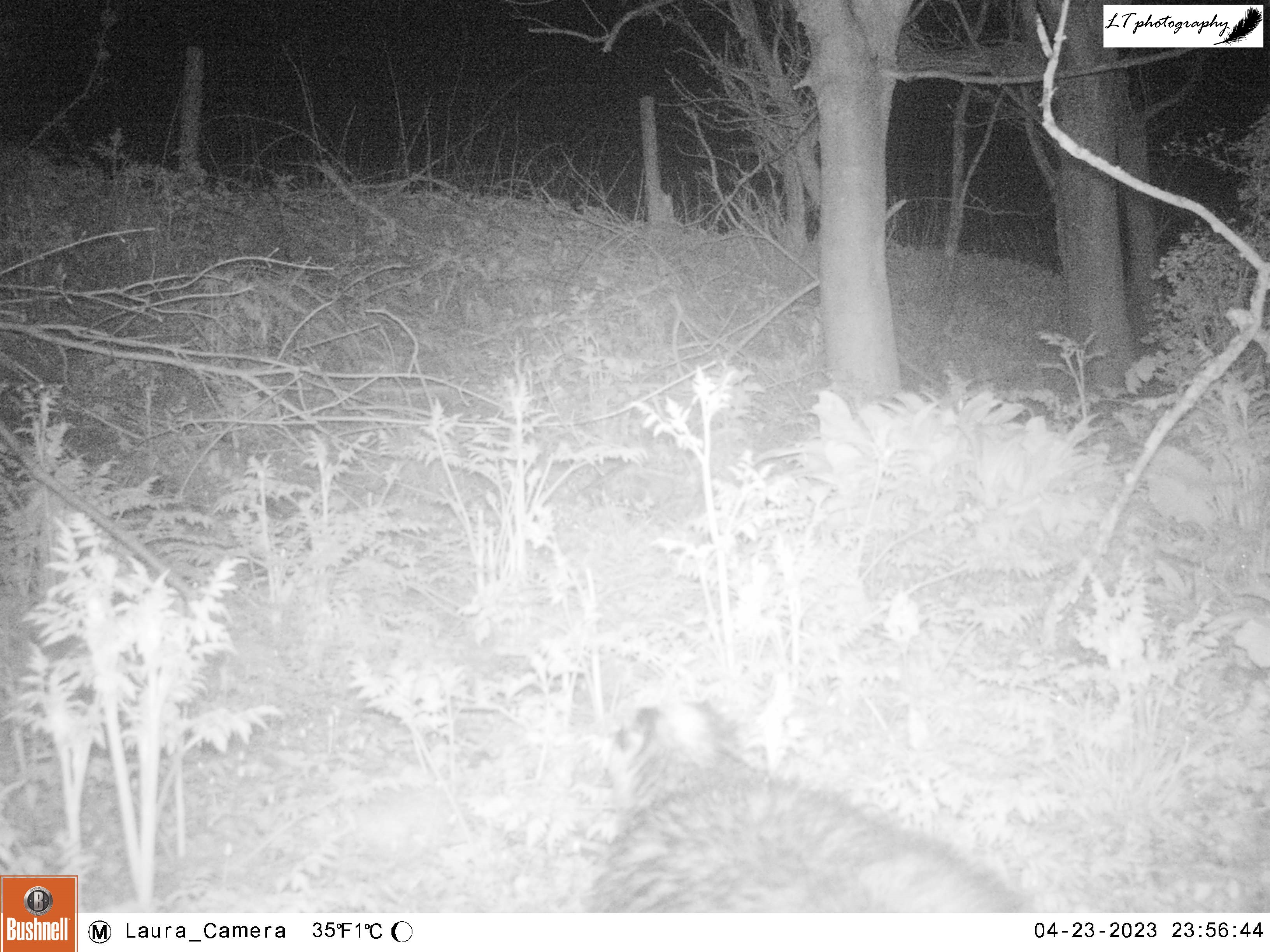
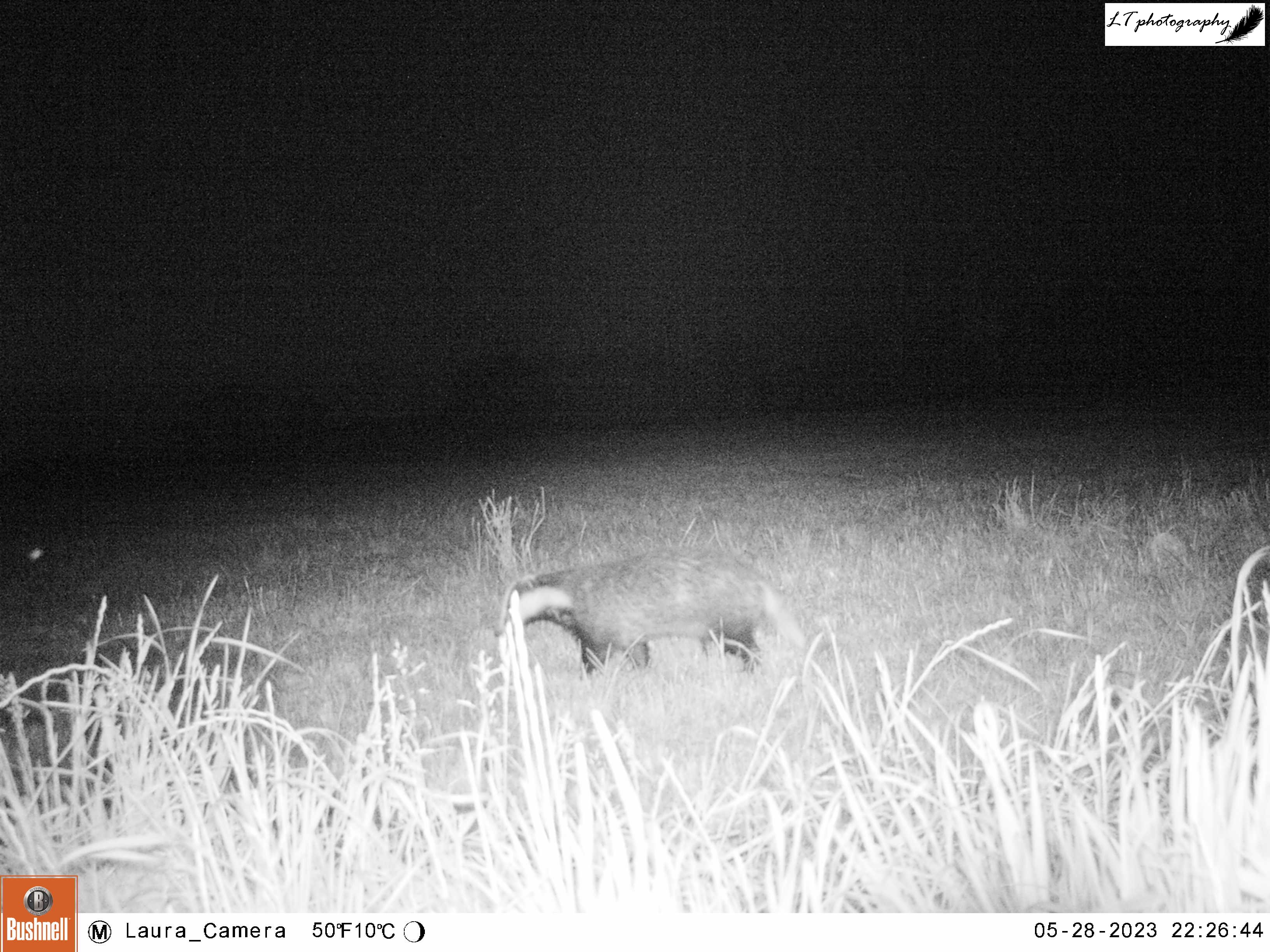
and a one-off inquisitive badger.

Badger Setts: Badger Field and Quarry Field

Over the years our badger population and distribution has fluctuated, including with Dorset’s badger. Currently though we have two active badger setts that each contain a healthy family of badgers that stick to defined territories within our land.

These setts are not just home to badgers, but also other species, including next week’s stars. Each year new species can be added to the list featured at these setts, but this year 4 common ones were captured alongside the two already mentioned. Species seen were:

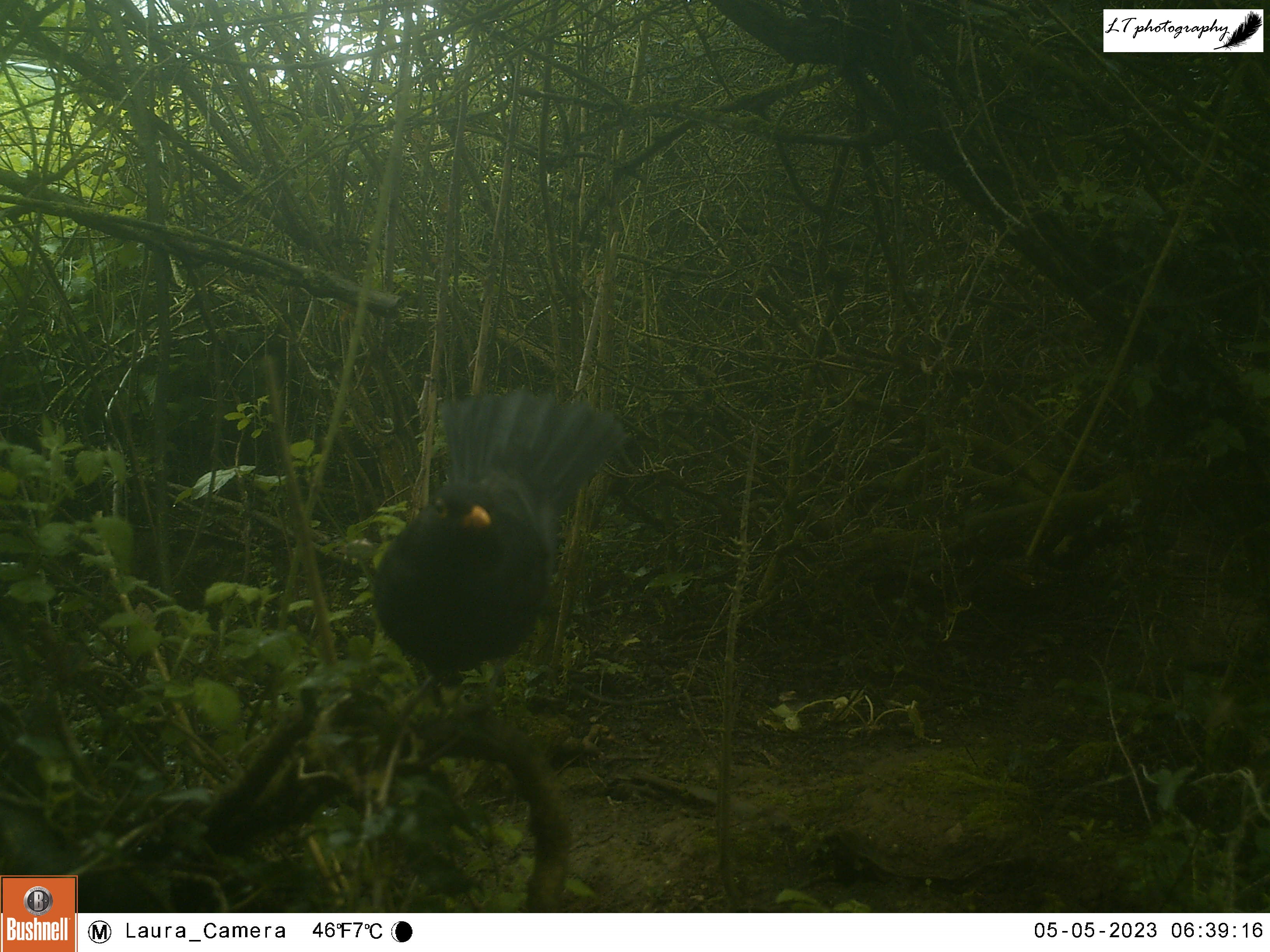
  • Blackbird
  • Pheasant
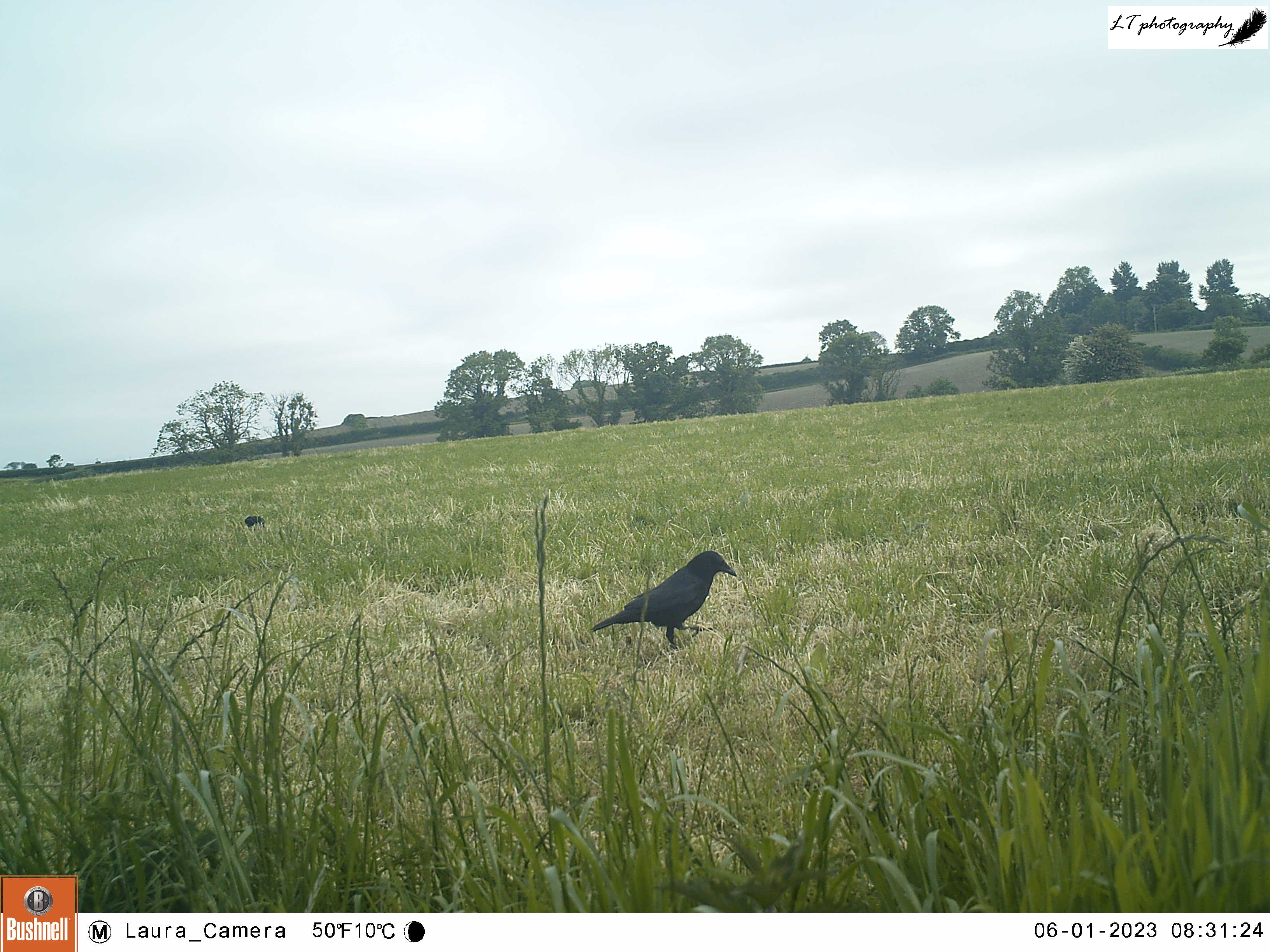
  • Carrion crow
  • Roe Deer (male and female)

Wooded Area: Gill Hill Copse

This year I only used one wooded area on the farm for my camera trapping, a small copse towards the centre of our land. Over the years this rich copse has been home to and a passing through place for a variety of typical and more unusual species, and each year it is interesting to see what will be found. This year the more typical characters were seen, which included the highly abundant roe deer, such as a frequent female, and pheasants.

Within the copse an old badger sett can also be found, being situated not far from one of the active setts. This year for the first year of many, a lone badger could be seen entering and leaving the sett using a particular hole, making me think of a satellite male. It will be interesting to see what can be found here next year as a result!

Fields: Cowleighs, Quarry Field, Tower Paddock, Water Meadow

Across the farm, you will find our land is a mosaic of habitats and grassland managed for different purposes, on different timescales, and in different ways. This does mean that depending on where you are and at what time of year, you may experience different species at varied abundances and also the potential for some more unusual species. Fantastic wildlife moments are a guarantee though!

This year has been a hard year on nature already, and so analysing camera trap content is a good moment to stop and reflect on the feathered and furred individuals that call our land home all year round. Living not far from shoots, pheasants and red-legged partridges are a common sight, with numbers reducing over the summer when they provide a popular food source for a number of species. This year pheasants did a good job of making their way into the frame of my camera traps at nearly every site!

Another species going through a population boom on our land at the moment is the roe deer, with individuals being seen at most of my camera trap sites and a walk through our land giving you consistent sightings of many males and females. Next week’s star was also seen at nearly every camera trap field sites this year too!

Badgers were caught on my camera traps when observing fields that were adjacent with active badger setts, showing badgers roaming for food, territorial marking and social interactions.

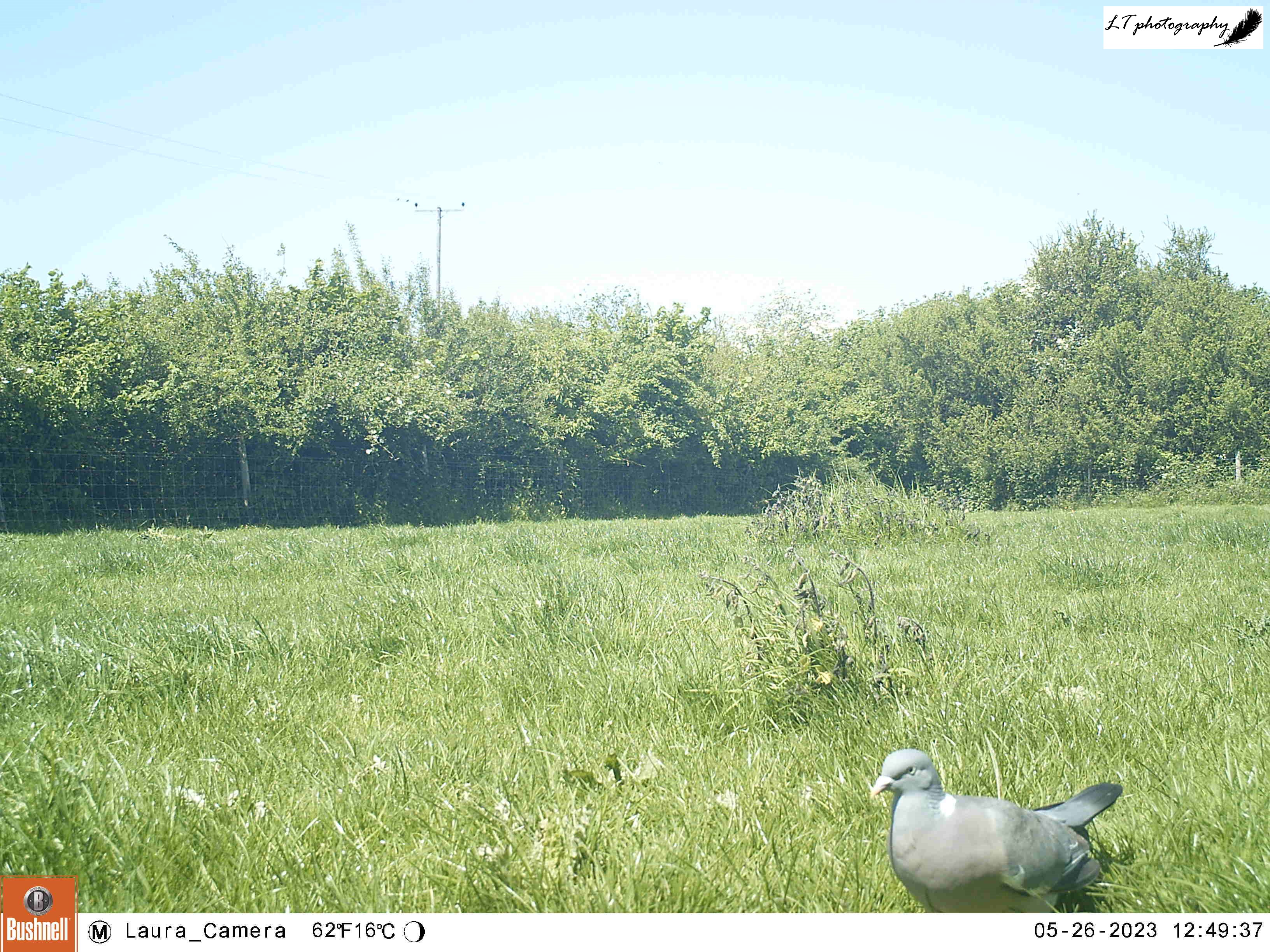
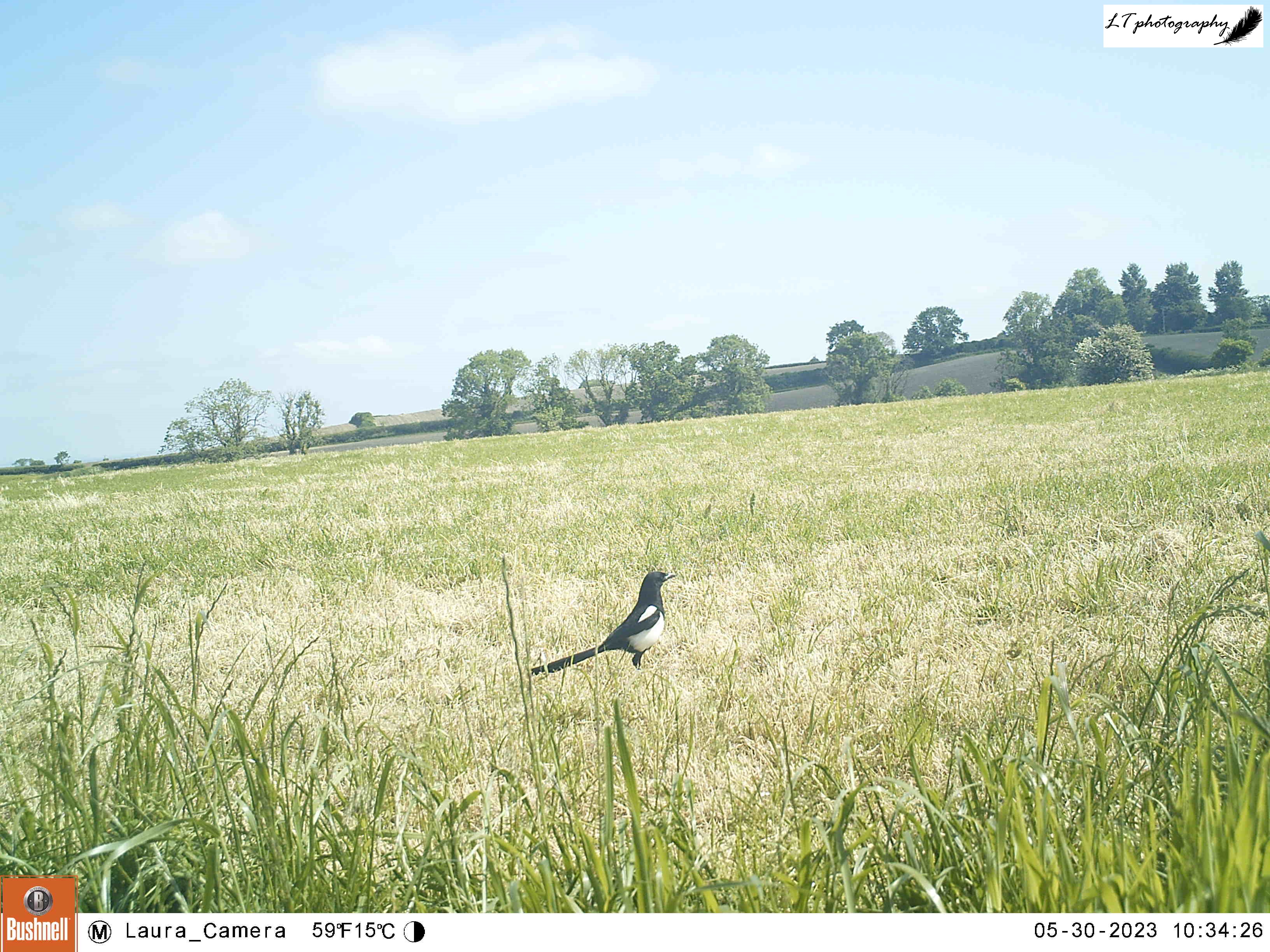
Many bird species made their cameos on my cameras, including an inquisitive woodpigeon, feeding carrion crows, and a magpie passing through. This year bird species broke up the antics of the mammals that were vying to be the stars of my camera trap photos and videos.

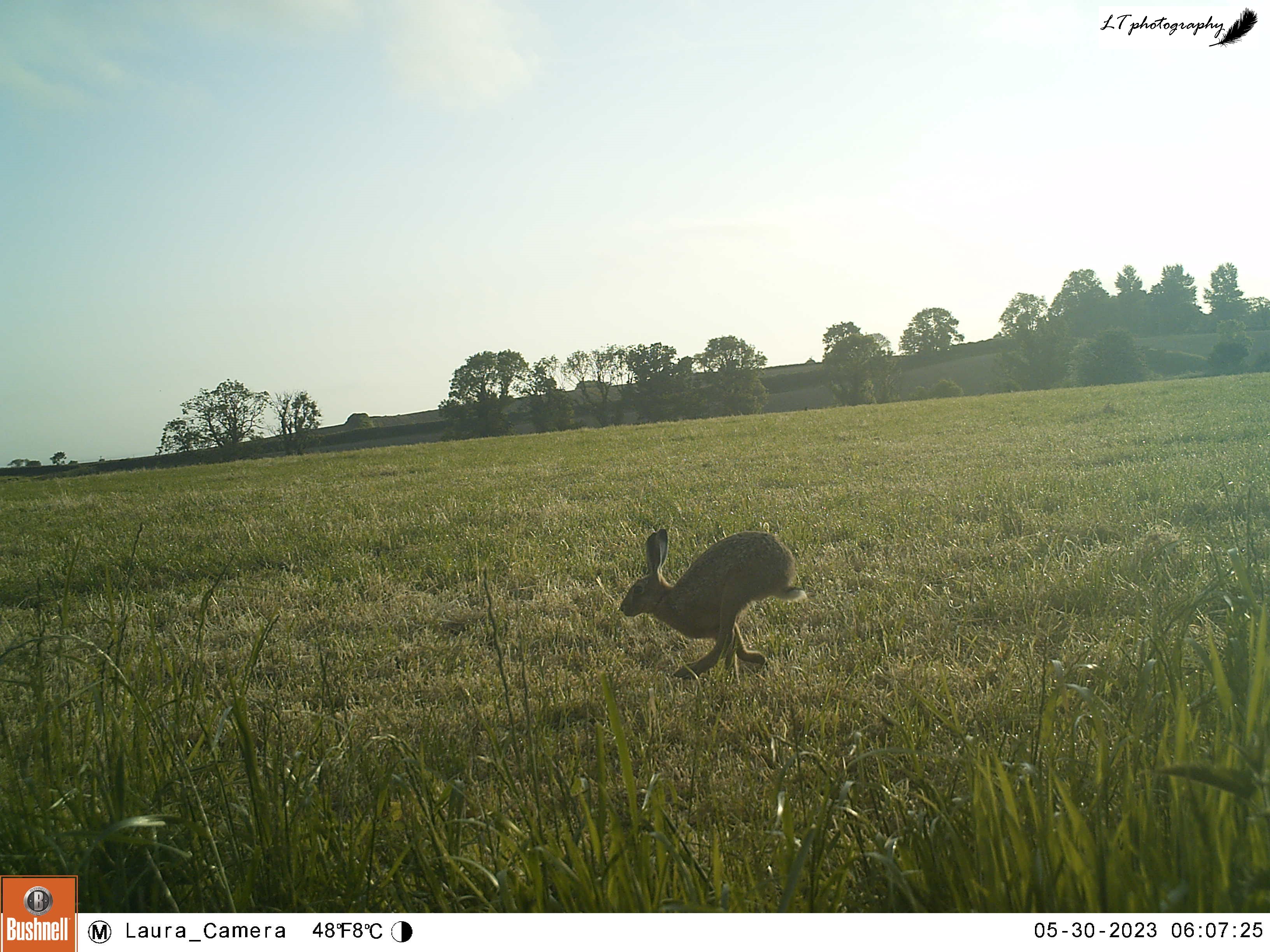
To finish my field observations, my camera traps this year did a good job of capturing sightings of the charismatic hare, a wonderful common sight across our land. Shots include a hare feeding, an inquisitive individual, and hares speeding past.

Garden

Our house and garden is situated at the centre of our land, and has often been described as a hive of bird activity, as such an abundance of different species visit daily. We also get visits at different times of year from different mammal species, which add to the fun of setting a camera trap to gain another view of the wildlife visiting our small garden. This year’s wildlife visits included a cheeky magpie and an emerging hedgehog, a species that we now see in our garden in the autumn in increasing numbers!

Check out my blog post next week to see the missing star of this year’s camera trapping adventures!

Spring 2023: How It Happened

The last few years spring has been unusual and unpredictable, with the effects of climate change changing from month-to-month, year-to-year in Dorset. This year has fitted into this with months switching back and forth between record breaking dry spells or heat waves to rainfall or low temperatures. This is bound to have had an effect on nature and the wildlife around us, which is interesting to explore.

Last year there were trends towards earlier spring events or a slow start to spring and then a speeding up to events in April. I can already suggest that spring this year was slow to start as it gave me the opportunity to really experience spring as it got under way and unfolded in front of me. It will be interesting to see though, if this was the trend for trees, shrubs, flowers, insects and birds alike, if the trend differs to 2022 and how spring shaped up as a whole. Read on to see how my favourite season went this year in all its vibrancy!

Trees

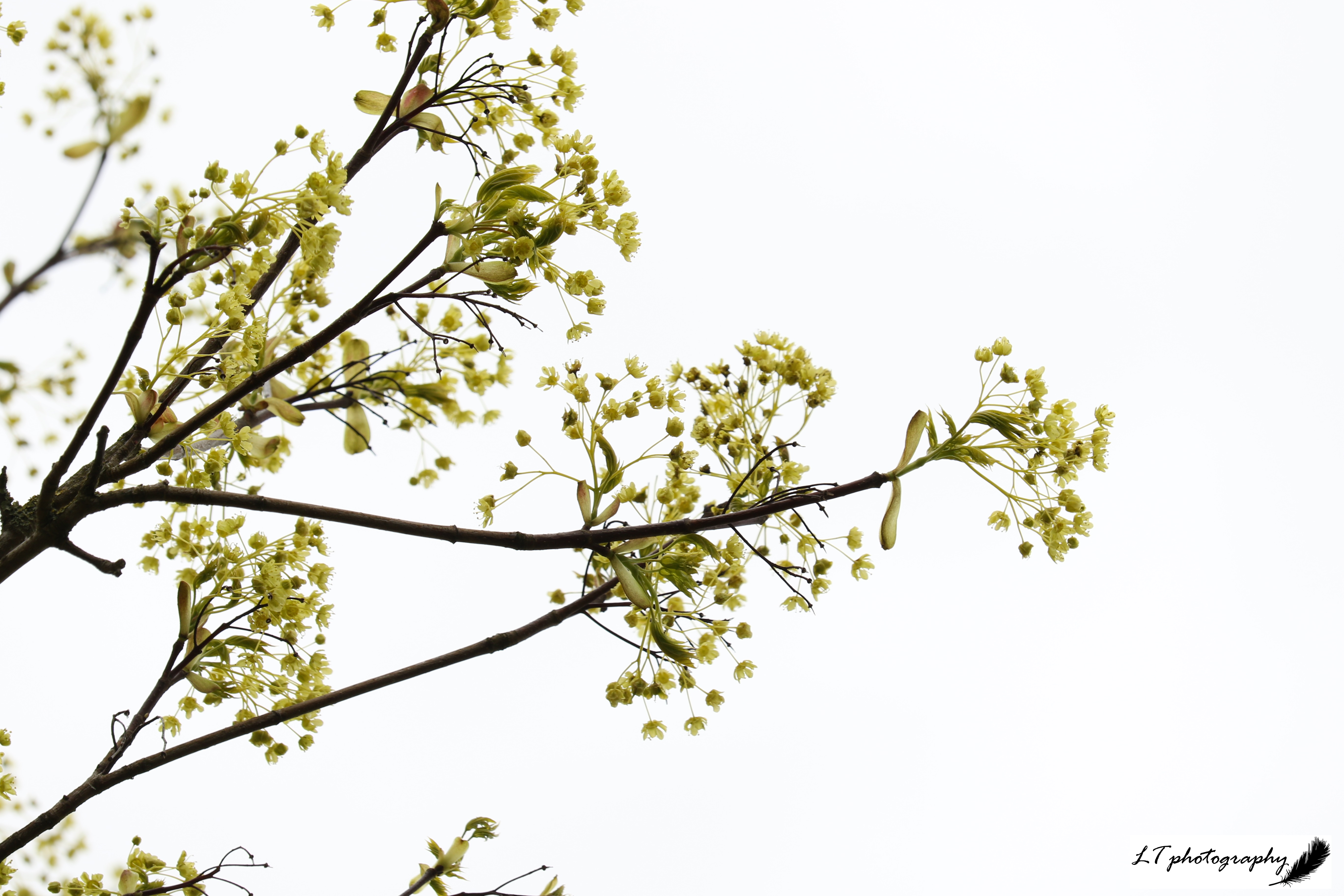
Though in 2022 spring emergence dates for trees had crept earlier than the year before, in 2023 nearly all tree dates were later than 2022, following a more similar trend to 2021 and the proceeding years. Field maple and silver birch both flowered earlier in April, but otherwise ash, horse chestnut, english oak, wild cherry and Norway maple all budburst, unfurled leaves and flowered between 1 and 28 days later from March through to May. The same could be said for the leaves of field maple and silver birch. It was odd to see trees though, lacking their fineries for so long this year!

Flowers

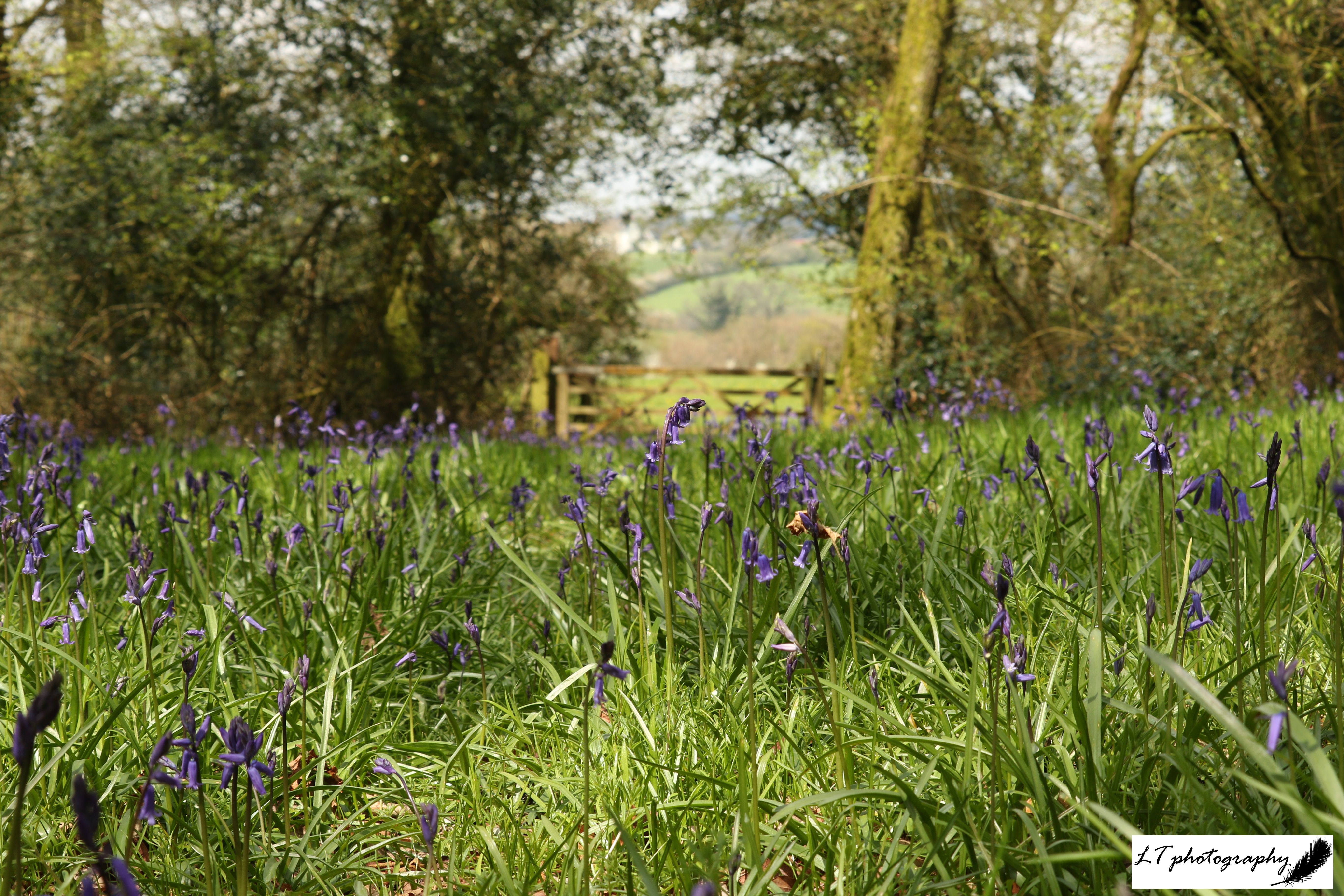
In 2022, flowering times varied between species, but this could be split into half flowering earlier and half later than the year before. This year primroses, cuckooflowers and bluebells in woodland all flowered earlier (4, 2 and 1 day earlier respectively), but flowering trends generally followed a more similar pattern to to those of tree events, occurring later. For snowdrops, lesser celandines, daffodils, stitchwort, cowslips, wood anemones, early purple orchids, wild garlic, oxeye daisies, and hedgerow bluebells this was 1-16 days later between January and June. Interestingly yellow archangel was noticeably absent during its usual flowering time, and instead flowered 36 days later than in 2022 on 17th May, being greatly affected by climate and a great indicator of spring conditions.

Insects

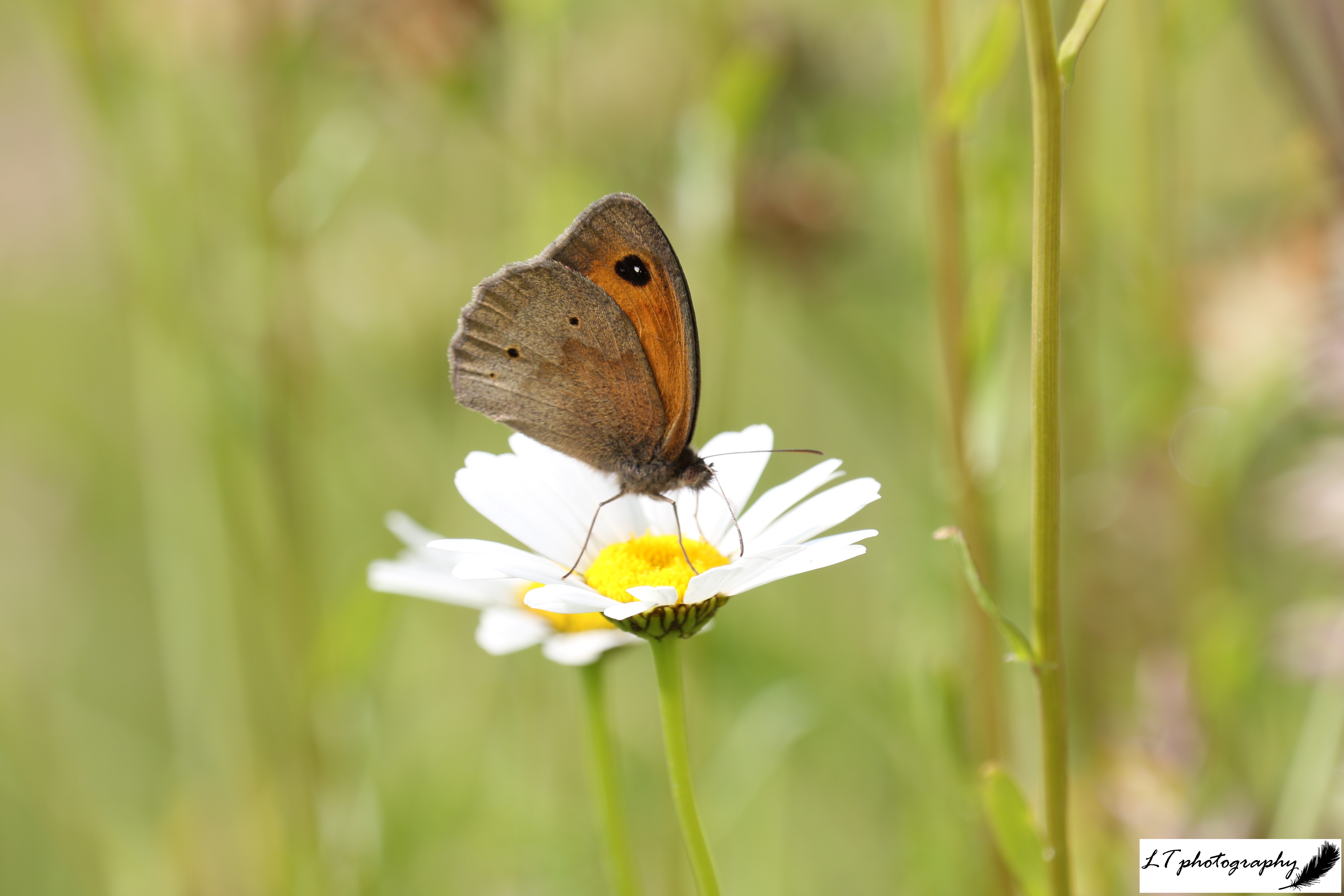
Of 13 species recorded emerging during spring 2022, only 2 did not emerge earlier than the year before: the buff-tailed bumblebee and orange-tip butterfly. For 2023, spring flipped dates back around for insect emergences, with 10 out of 12 recorded species emerging later than the year before. This ranged from 2 days later with the speckled wood butterfly to 46 days later with the red admiral butterfly. The exceptions were peacock and comma butterflies, being recorded 15 and 36 days earlier respectively. This could be due to the colder spring impacting and delaying emergences, for example the brimstone butterfly, a common sign of spring, delayed its emergence until the 3rd of April 2023.

Shrubs

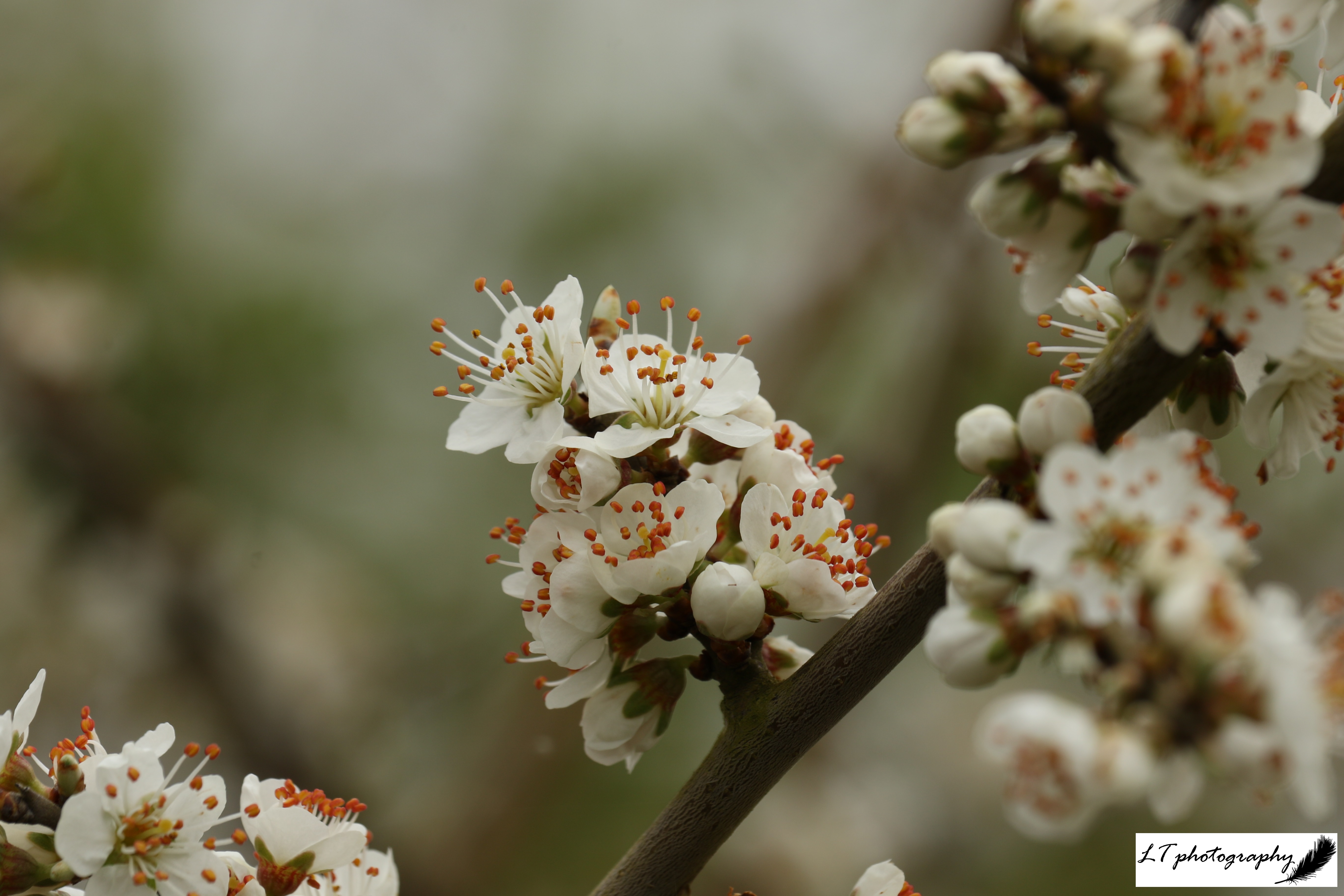
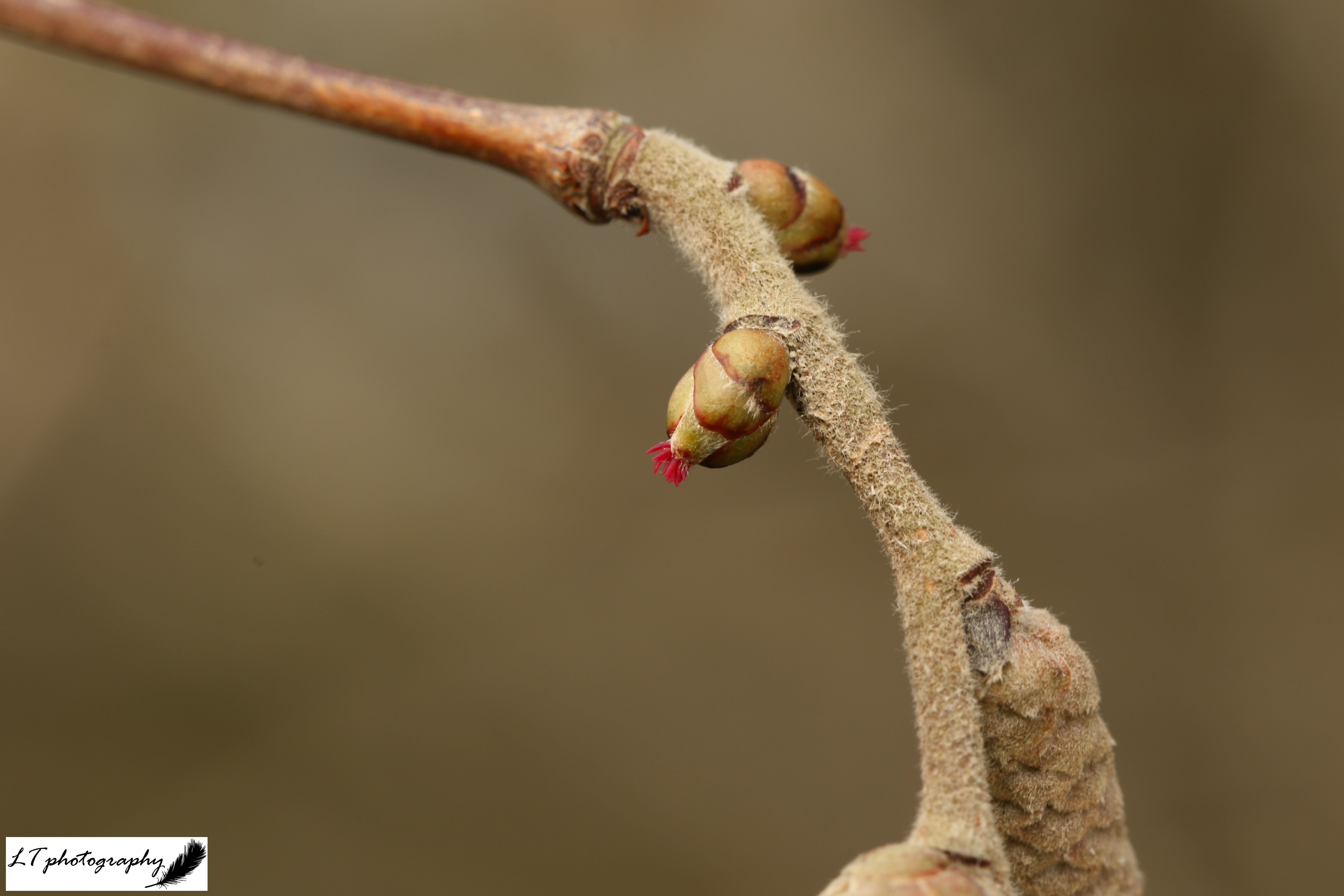
For shrub species recorded in 2022, spring events occurred both earlier and later than in 2021, with no obvious trends. In comparison, spring 2023 showed an obvious trend, with nearly all recorded budburst, first leaf unfurling and flowering for 6 species, occurring later than 2022. The exceptions were dog rose flowering earlier in May and hazel catkins flowering earlier in January. The other spring events took place 3-27 days later from February to May. It was an odd year to see blackthorn flowering 2 weeks later within March and meeting its peak in April, and hawthorn first flowering in May, later than usual.

Birds

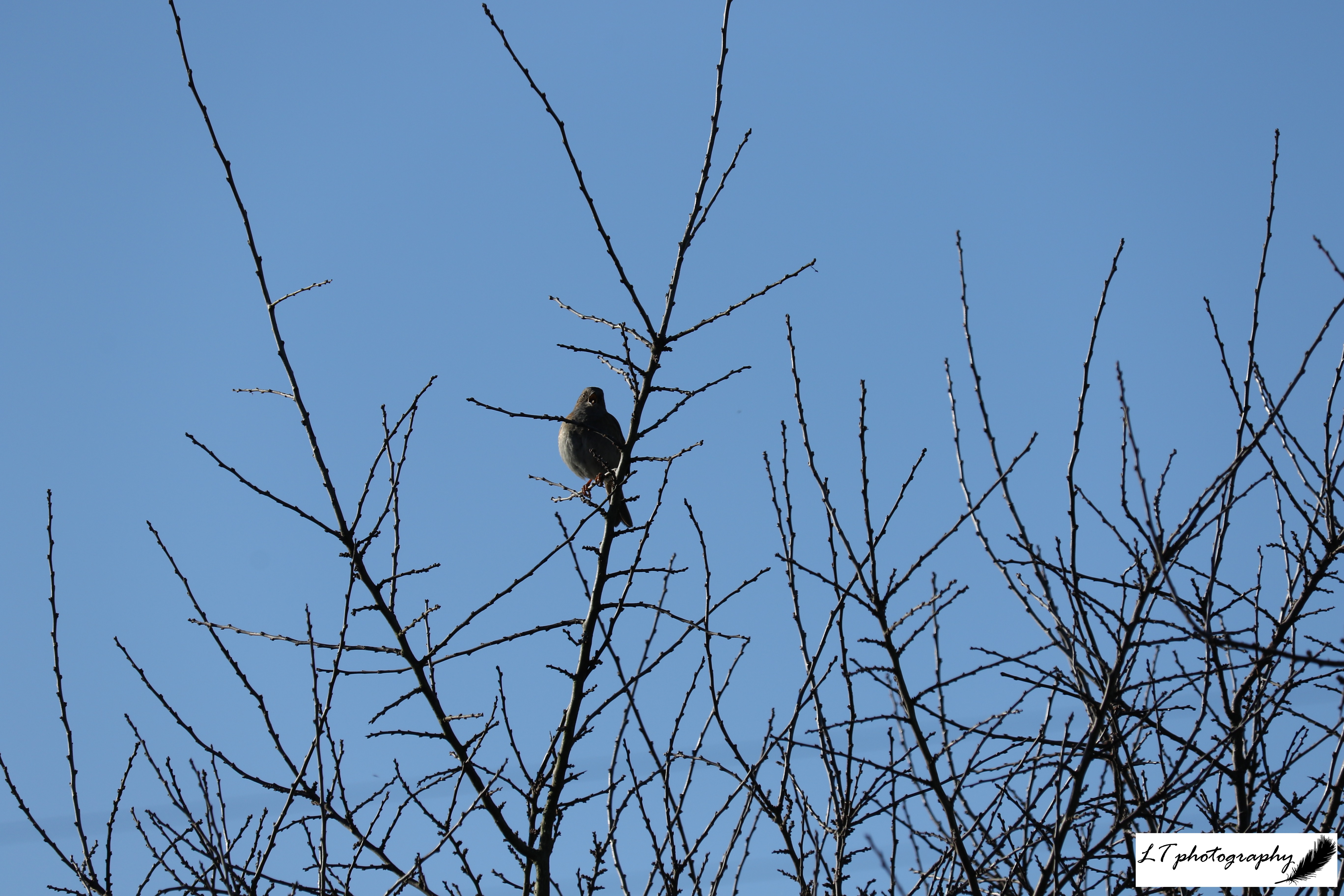
There was a split with spring bird events in 2022, with events closer to the start of the season occurring later, and those towards the second half occurring earlier than 2021. For 2023, it seems that the dates of spring bird events were also split, but this time with less clear a trend. Rooks began building nests later and most birds fledged young later, but swallows arrived on the 11th April once again, and blackbirds began singing earlier in February. Some differences in event occurrence can be explained by spring temperatures and weather conditions, whereas some are less easily explained for 2023. It is expected though that the later spring will have an overall effect on bird species through other spring events occurring later.

Conclusion

Spring 2023 varied from month-to-month with weather, temperatures, natural events and vibrancy. As a whole, a general unsettled and cooler time led to spring events occurring later than the year before for many species. The concern is though, that there may be a mismatch between the occurrence of events for different species, such as trees and birds, which could have had a greater impact than currently known. Time will tell what the impact of spring 2023 may be!

Species List

  • Ash (Tree) Fraxinus excelsior
  • Blackbird (Bird) Turdus merula
  • Blackcap (Bird) Sylvia atricapilla
  • Blackthorn (Shrub) Prunus spinosa
  • Bluebell (Flowering Plant) Hyacinthoides non-scripta
  • Brimstone butterfly (Insect) Gonepteryx rhamni
  • Buff-tailed bumblebee (Insect) Bombus terrestris
  • Chiffchaff (Bird) Phylloscopus collybita
  • Comma butterfly (Insect) Polygonia c-album
  • Cowslip (Flowering Plant) Primula veris
  • Cuckoo (Bird) Cuculus canorus
  • Cuckooflower (Flowering Plant) Cardamine pratensis
  • Daffodil (Flowering Plant) Narcissus spp.
  • Dog rose (Shrub) Rosa canina
  • Early purple orchid (Flowering Plant) Orchis mascula
  • Elder (Shrub) Sambucus nigra
  • English oak (Tree) Quercus robur
  • Field maple (Tree) Acer campestre
  • Goldfinch (Bird) Carduelis carduelis
  • Greater stitchwort (Flowering Plant) Stellaria holostea
  • Great-spotted woodpecker (Bird) Dendrocopos major
  • Hawthorn (Shrub) Crataegus monogyna
  • Hazel (Shrub) Crataegus monogyna
  • Horse chestnut (Tree) Aesculus hippocastanum
  • House martin (Bird) Delichon urbicum
  • House sparrow (Bird) Passer domesticus
  • Lesser celandine (Flowering Plant) Ficaria verna
  • Meadow brown butterfly (Insect) Maniola jurtina
  • Norway maple (Tree) Acer platanoides
  • Orange-tip butterfly (Insect) Anthocharis cardamines
  • Oxeye daisy (Flowering Plant) Leucanthemum vulgare
  • Painted lady butterfly (Insect) Vanessa cardui
  • Peacock butterfly (Insect) Aglais io
  • Primrose (Flowering Plant) Primula vulgaris
  • Red admiral butterfly (Insect) Vanessa atalanta
  • Red-tailed bumblebee (Insect) Bombus lapidarius
  • Rook (Bird) Corvus frugilegus
  • Seven-spot ladybird (Insect) Coccinella septempunctata)
  • Silver birch (Tree) Betula pendula
  • Small tortoiseshell butterfly (Insect) Aglais urticae
  • Snowdrop (Flowering Plant) Galanthus spp.
  • Song thrush (Bird) Turdus philomelos
  • Speckled wood butterfly (Insect) Pararge aegeria
  • Starling (Bird) Sturnus vulgaris
  • Swallow (Bird) Hirundo rustica
  • Swift (Bird) Apus apus
  • Wild cherry (Tree) Prunus avium
  • Wild garlic (Flowering Plant) Allium ursinum
  • Wood anemone (Flowering Plant) Anemone nemorosa
  • Wren (Bird) Troglodytes troglodytes
  • Yellow archangel (Flowering Plant) Lamium galeobdolon
  • Yellowhammer (Bird) Emberiza citrinella