Spring Camera Trapping 2024 – Part 2: Late May, June & Early July

Late spring is a time of vibrant energy, spectacular colour, and nature being at its busiest. Days are lengthening, temperatures are rising, and life is bursting forth wherever you go. This is joined by plant species growing abundantly, migrant birds having all returned to their breeding sites, alongside our native species, and mammals having welcomed young or waiting to do so. Despite this, how much do we actually see of our local wildlife on a day-to-day basis, as they go about their secretive lives?
In the first part of my two posts on my 2024 spring camera trapping adventures (check out the first part here), March, April and early May saw me exploring many locations on my family’s Dorset farm and getting some wonderful surprises. I was able to watch as some species fed young, some introduced them to the world for the first time, and others were feeding up ahead of laying eggs or giving birth themselves. My adventures did not finish there though, as I continued to watch on, as these individuals moved into late spring activity. So what happened next?
Late May

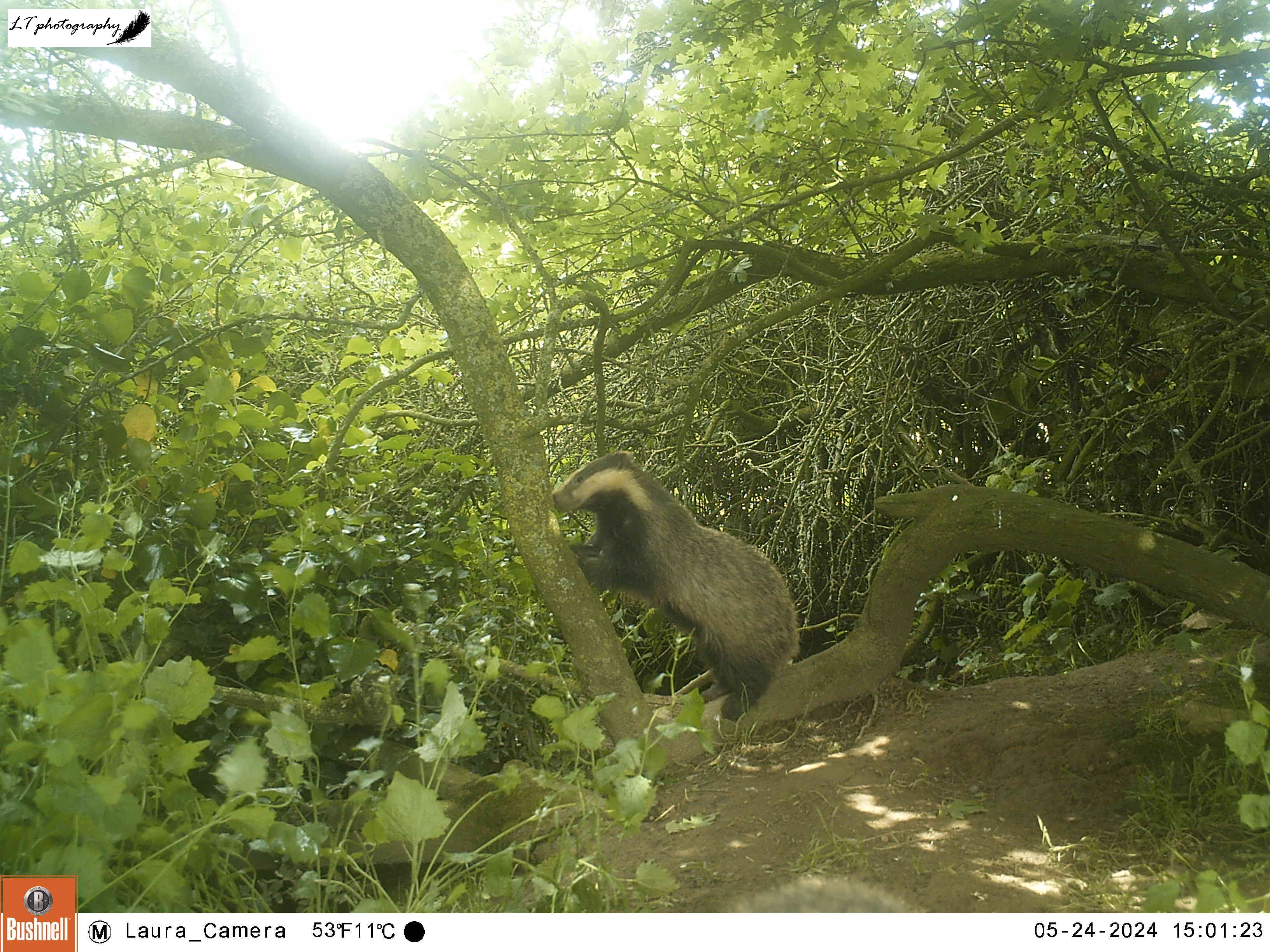
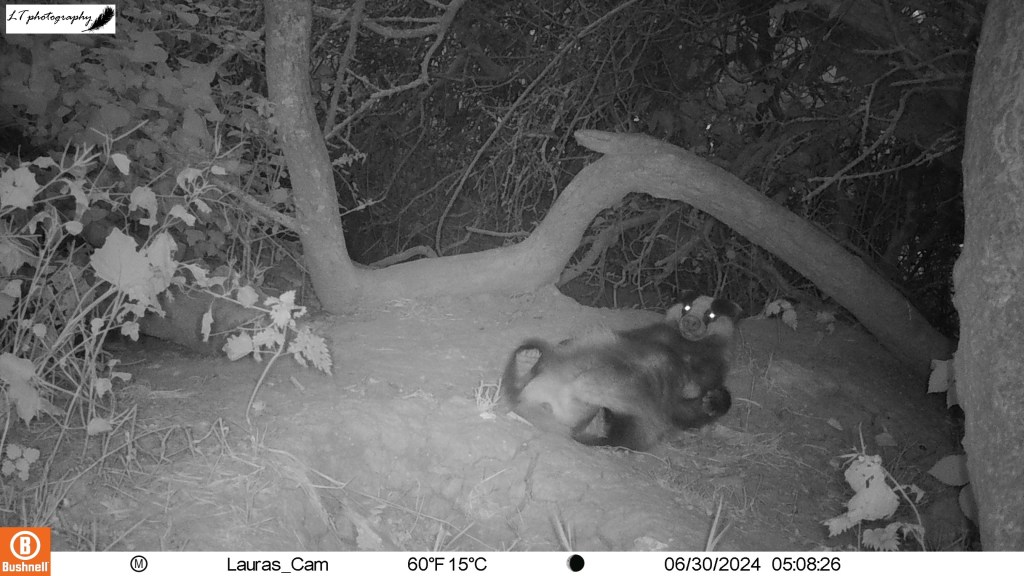
Late May is a a great time to see badgers at their setts, as cubs now explore the area around their homes, and adults spend more time above ground during the daytime. My camera traps allowed me to observe the behaviour of badger families in their natural habitat during this time close to my home, and also gave me some priviledged views of their lesser seen lives. This included badgers foraging and playing during the day, climbing trees, grooming, sleeping, and socialising.
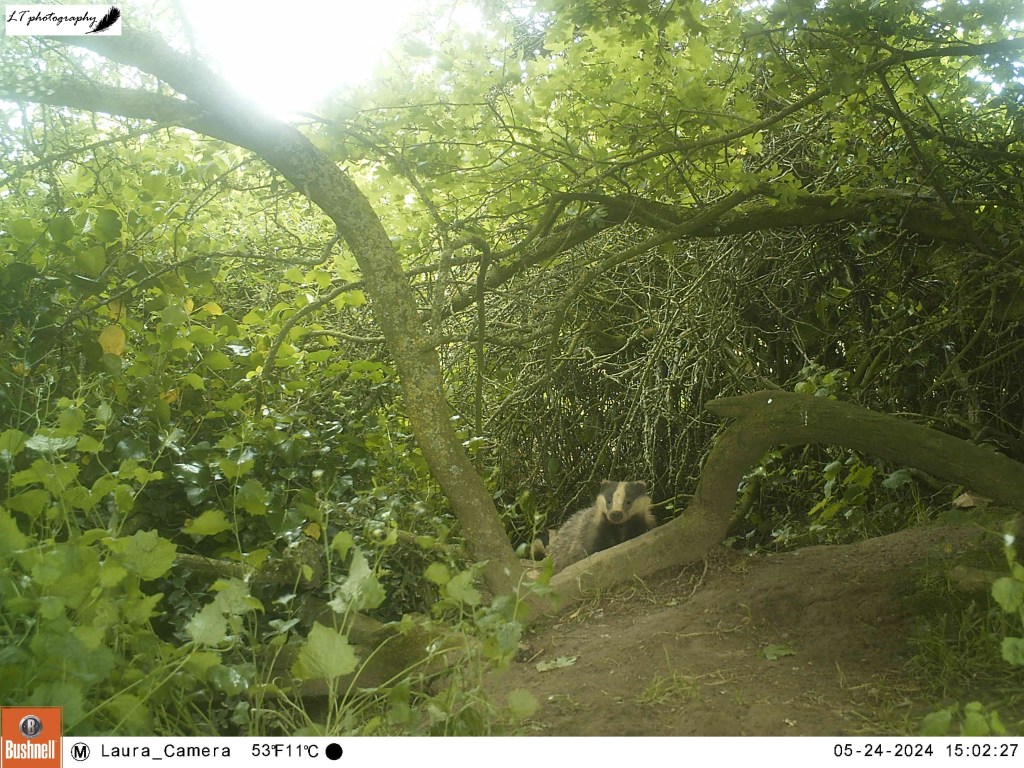
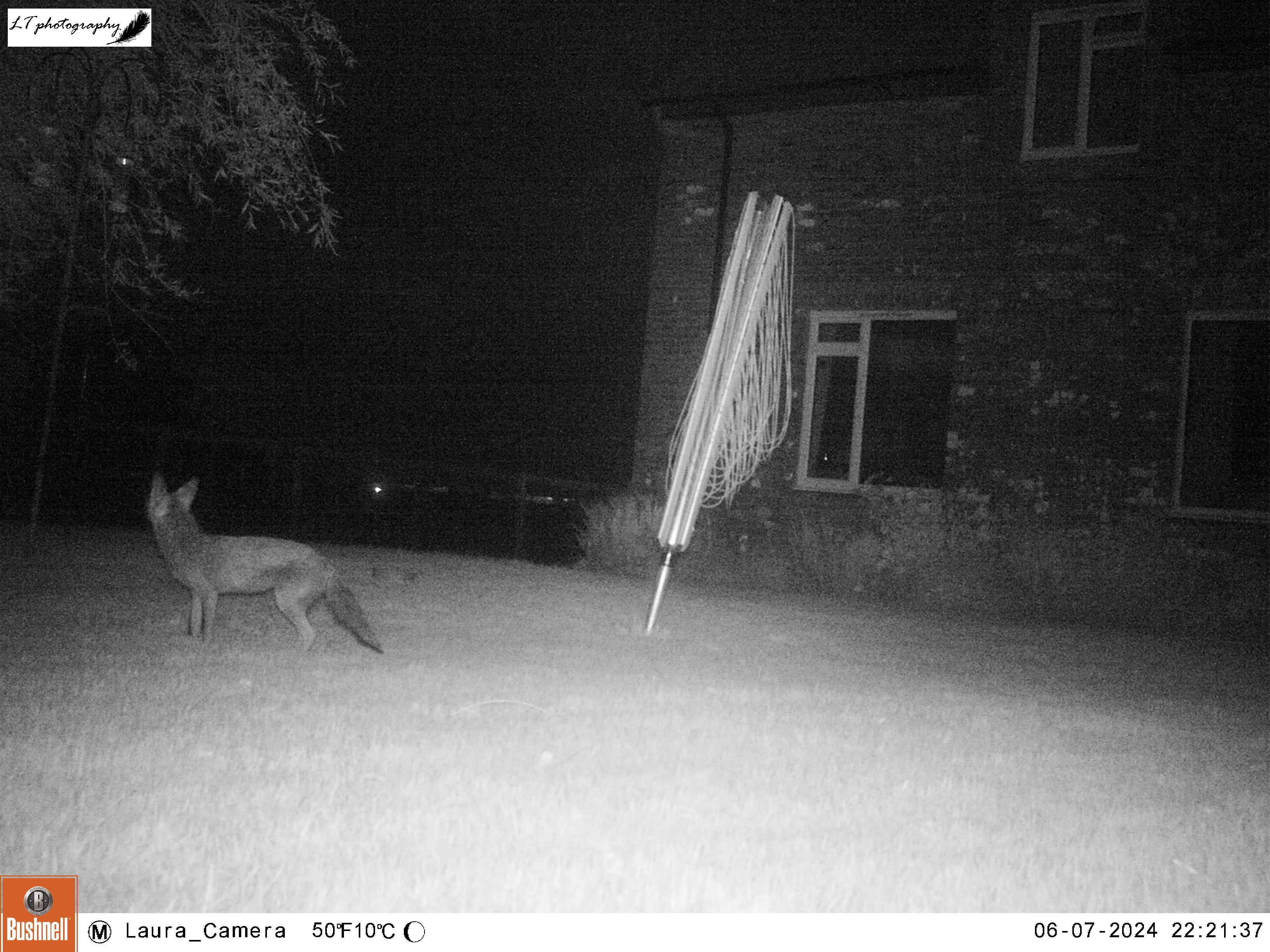
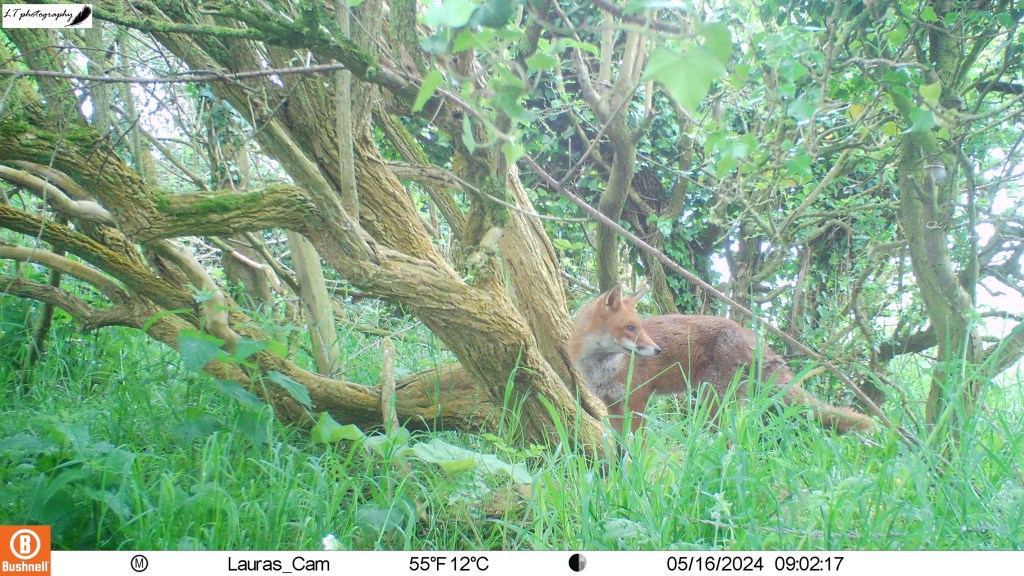
Badgers may have been captured more by my camera traps during late May this year, but foxes were seen less and less in some areas. This is a concern as unlike in previous years, fox cubs were not seen being born and emerging in the typical or usual locations and some adults also stopped bringing food to dens during the critical time. Unfortunately this may be due to more litters failing this year compared to previous ones.
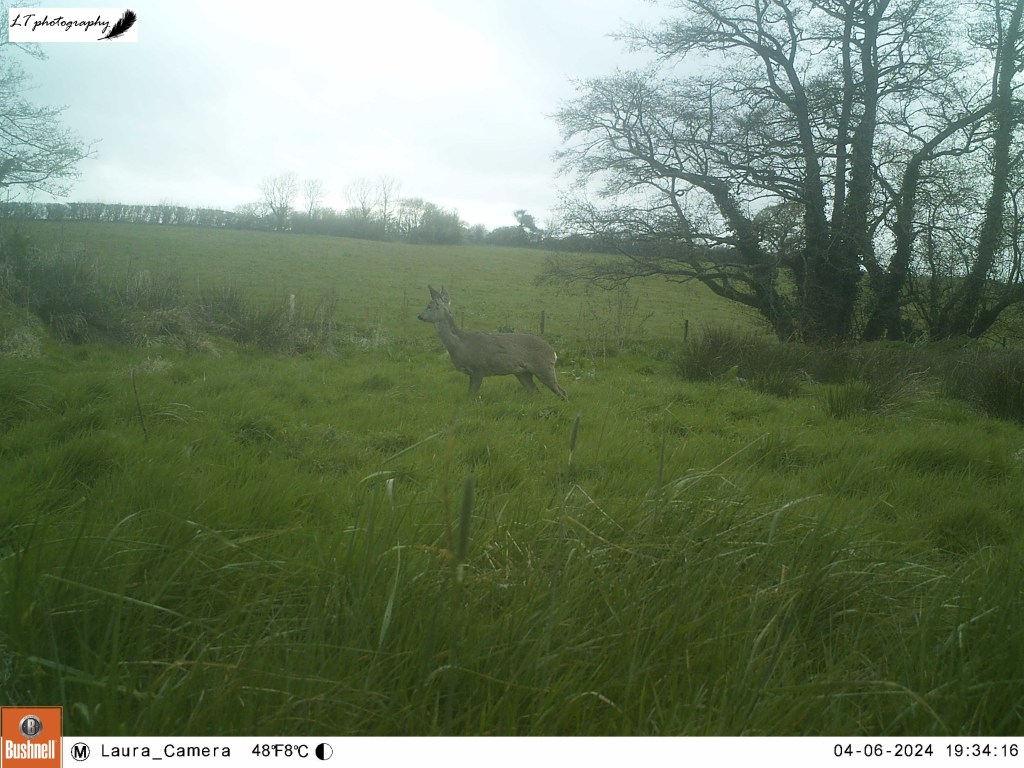
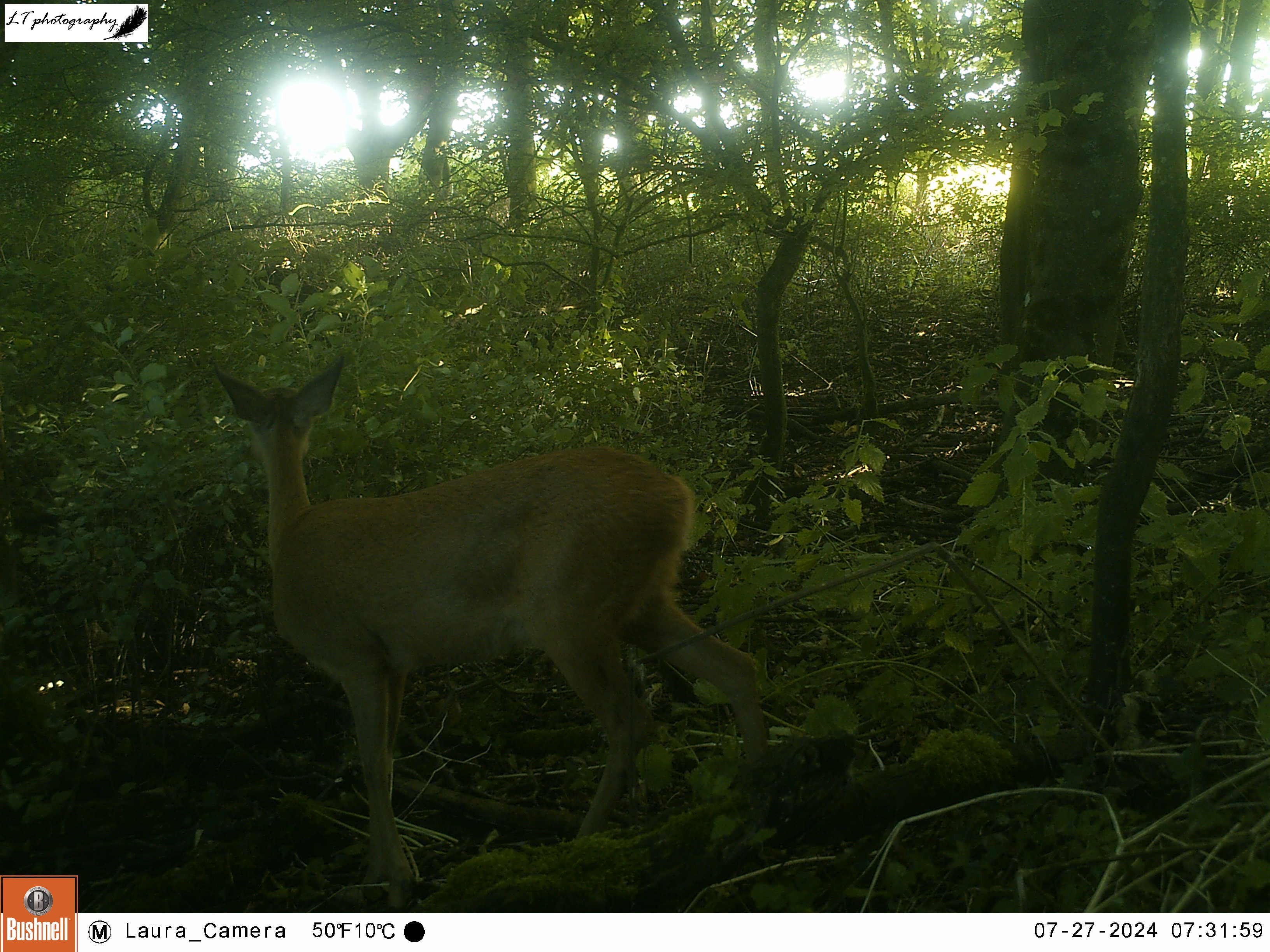
Where foxes were unexpectedly seen less during late may this spring, roe deer on the other hand were captured less because of behavioural changes to their daily patterns. This is due to winter roe deer groups splitting up and individuals becoming more solitary as females near the end of their pregnancies, and choose to go it alone. Spring babies are on the way!

Species List: Roe deer, badger, fox, brown rat, blackbird, woodpigeon, magpie, great tit, rabbit

June

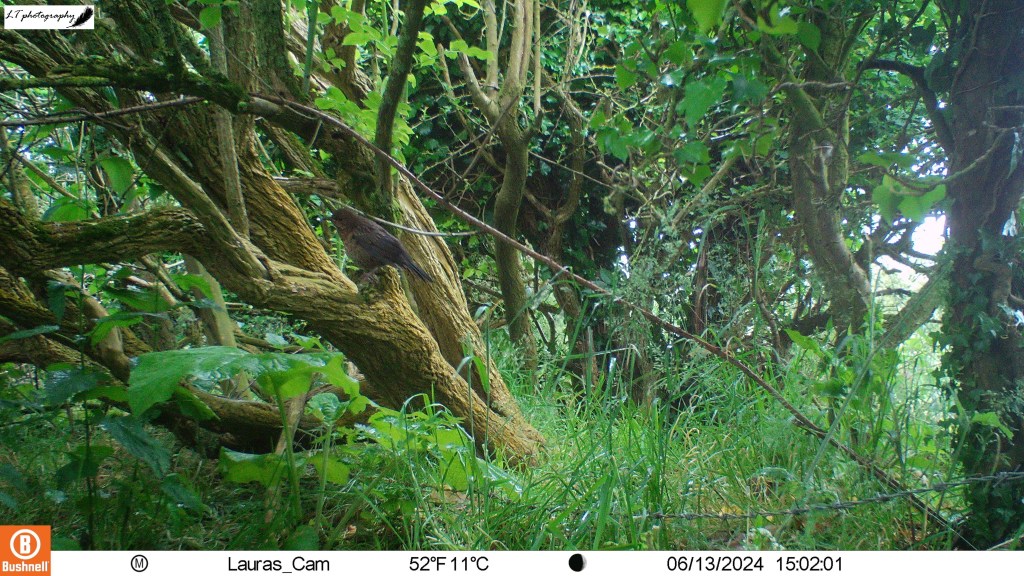
By June, with abundant food sources now available, lots of wildlife species have young on the ground, and this gives us a great opportunity to observe the unique bond between animals and their young. My camera traps this year were even able to delve into the lives of some bird species, capturing the lives of families of both blackbirds and robins. I was able to watch as adults interacted with their fledged young, whilst protecting them from predators, and still supplying them with food.
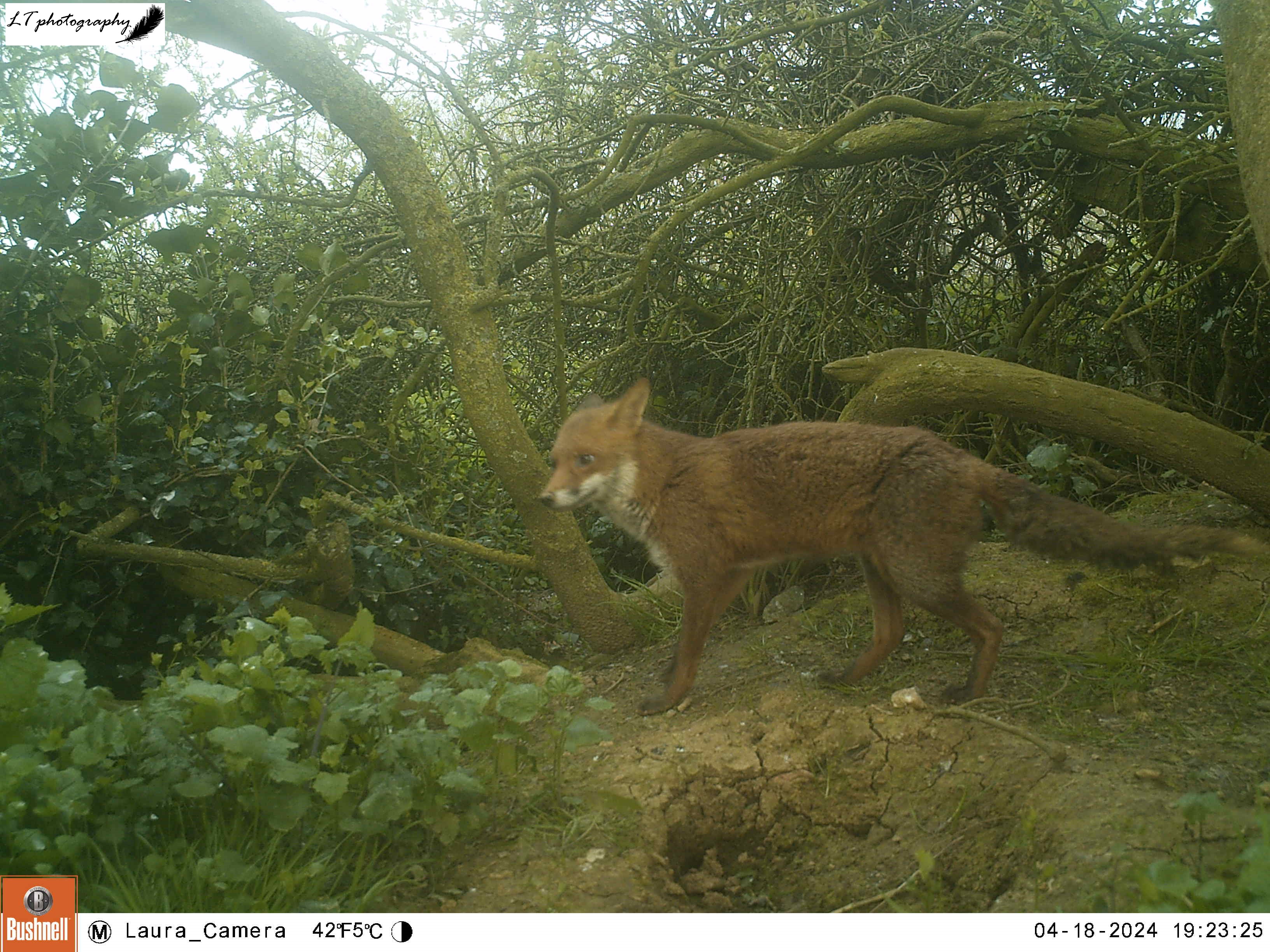
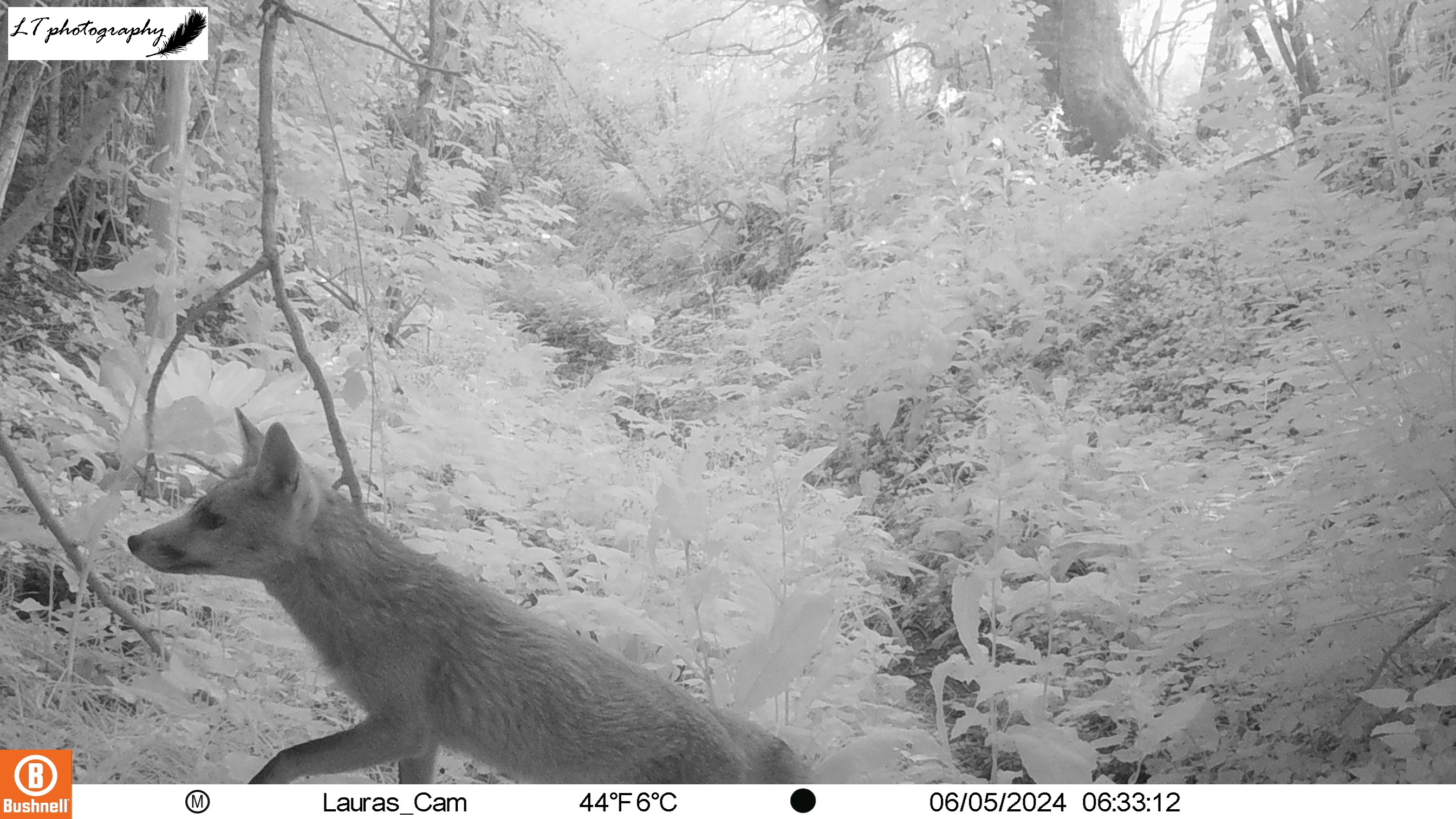
During late spring, as well as being a time of wildlife breeding, it is also a calmer time for individuals that are not breeding this year. For example, whilst adult foxes are still focussed on their cubs and breeding efforts, you can also get sightings of young and non-breeding individuals as they hunt and go it alone. This year my camera trap sightings on the farm included that of a small fox born last year, that felt safest staying close to our farm buildings to hunt and rest during the daytime.

Species List: Fox, hedgehog, woodpigeon, roe deer, pheasant, magpie, robin, badger, brown rat, blackbird, wren, woodmouse

July

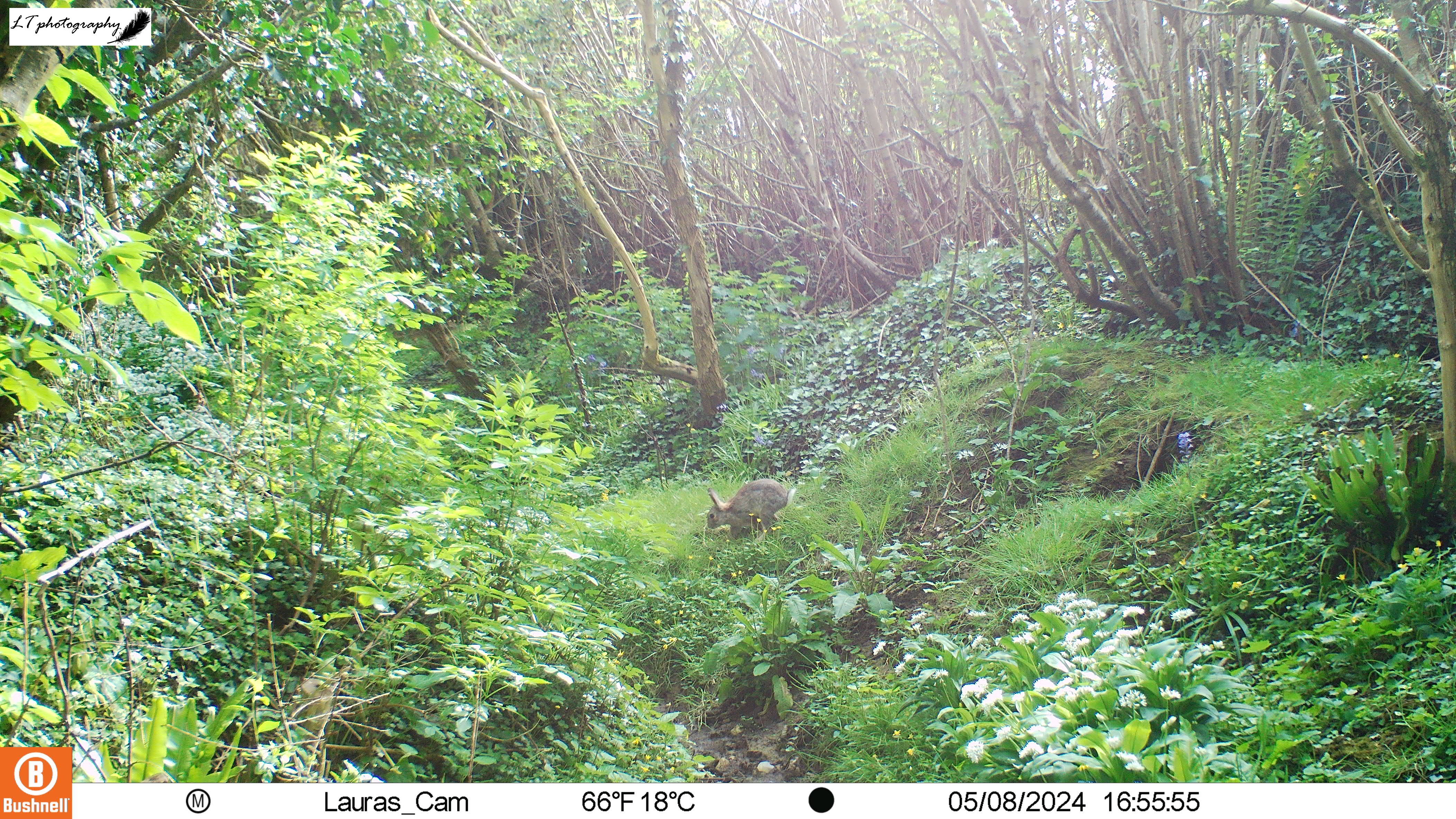
Having spent the last few months exploring particular locations around my family’s farm and focussing on particular spots, I finished up my camera trapping adventures by revisiting some of my favourite spots for one final look in. At badger alley, the well-trodden footpath, by roaming animals, had quietened down with the end of spring. Grey squirrels and rabbits still frequent this spot in July, and glimpses were made of last year’s fox cubs, solitary male roe deer, a territorial badger at the edge of its territory, and a muntjac deer passing through for the fourth time this year.

In woodland, roe deer feeding was the only sighting, whereas the quarry field badger sett was still busy with the activity of the family of badgers living there and a brand new family of fledged blackbird chicks. This year it has been sad to have not seen any sightings of new fox cubs, despite targeting many different locations frequently used by adult foxes this spring and in previous years. As spring turned into summer, the sightings of adult foxes by my camera traps and by observation was also down on this time last year. We wonder if foxes had a tough winter, but hope they have more luck next year.
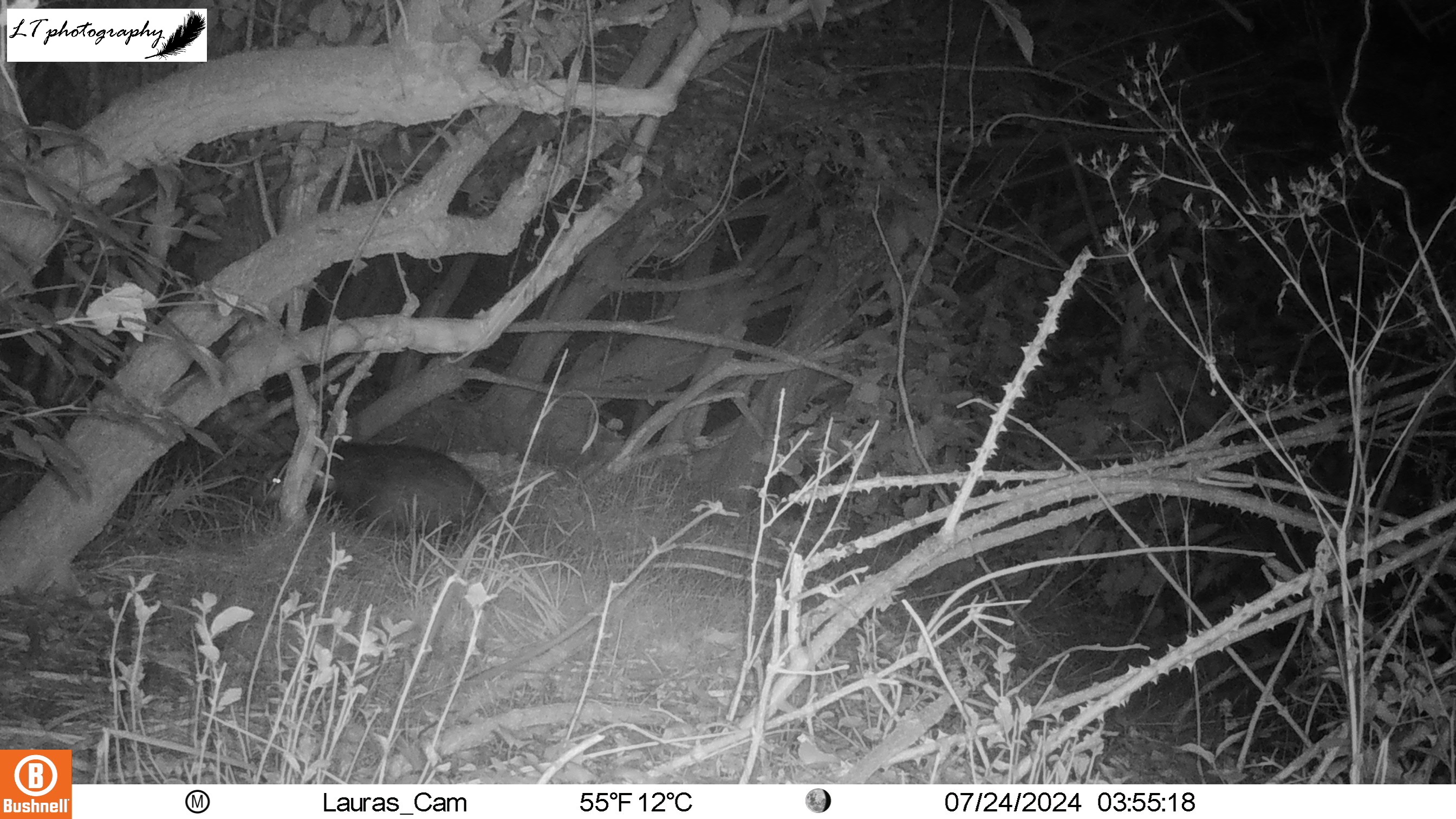
A camera trap positive though, was the frequent visits by hedgehogs to my family’s garden this year. In July, at least one adult was visiting, in particular one female that we knew to have bred not far from our garden. Also, some nights multiple adult hedgehogs would visit the garden at the same time, and even share the food that we put out for them. My camera trap allowed us to keep an eye on the hedgehogs, and learn new behaviour, such as hedgehogs being naturally dominant over brown rats, probably due to their size. It has been a joy to see this species grow in numbers once again in our area! Here’s to the end of another fantastic spring!

Species List: Rabbit, muntjac deer, grey squirrel, roe deer, fox, brown rat, badger, woodpigeon, pheasant, blackbird, hedgehog

Spring Camera Trapping 2024 – Part. 1: March, April & Early May

Year-on-year, the landscape waking up after its winter slumber inspires me to re-explore the wildlife becoming active in my local area. In Dorset, my family’s farm is home to a wide range of mammal and bird species, amongst others, with new additions being observed every year. Despite this, on a day-to-day basis many species are often not seen, living more secretive lives.

A great, unobtrusive way to be able to observe wildlife on my family’s farm is to use a camera trap. A camera trap is a small waterproof camera that is triggered by movement. The camera then records either photos, video or both, and my cameras store these on a memory card (check out my How to.. guide for more info). By using a camera trap in the right way, you can get some really amazing views of wildlife, all without individuals being aware of the camera and being disturbed.

This year, from the 10th March onwards, I began setting up and changing the location of my two camera traps every week, to see what I could find and learn this year about my local wildlife. Over a few months, I used a variety of different locations close to home, and also revisited some over that time period too. Some locations, such as my Badger Alley site, have been used for many years now, whereas some, such as my Bridge Field site, were used for the first time this year. Lets now go back to early spring to find out what my camera traps learnt and observed this year!

March

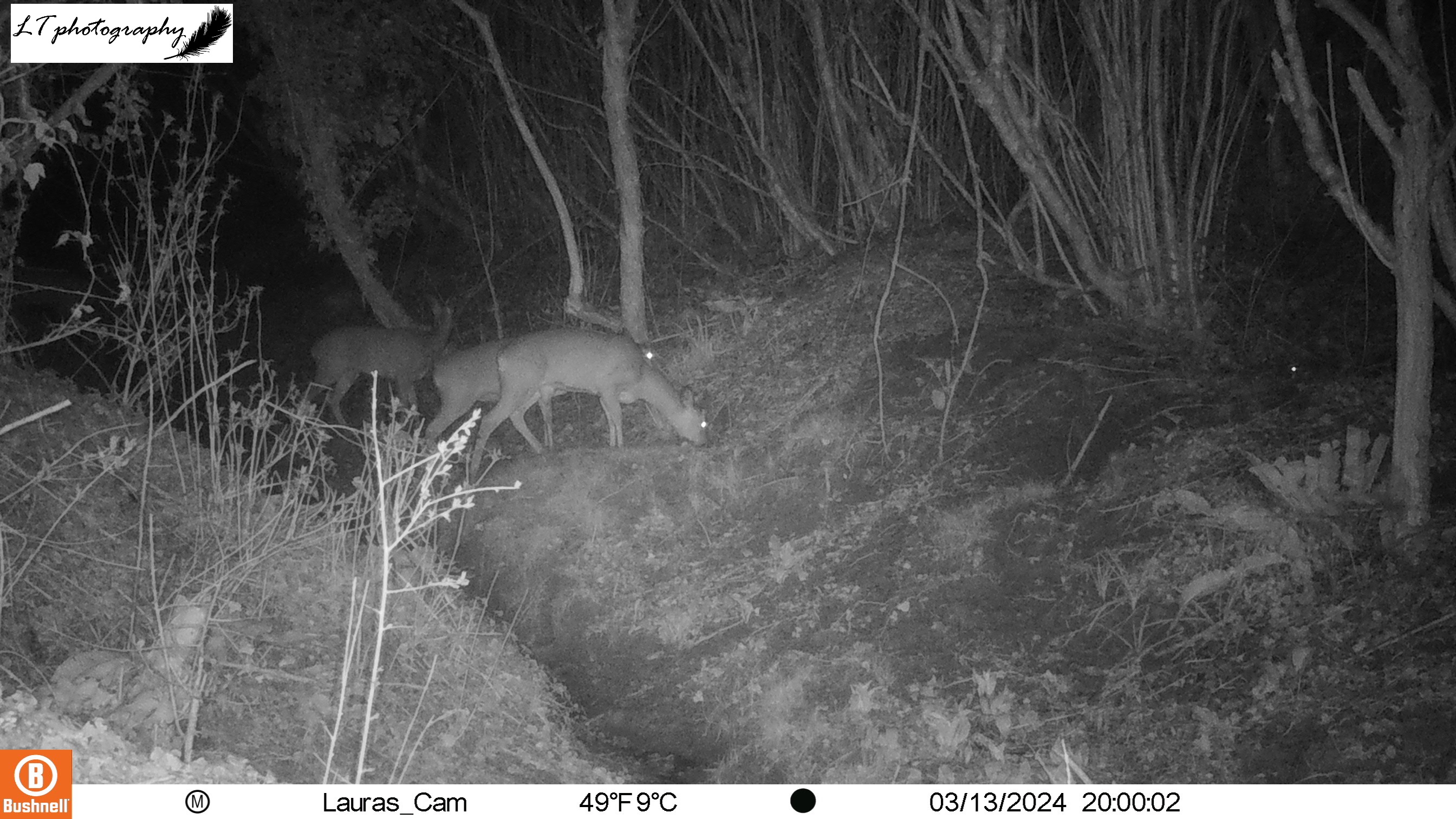
As the landscape slowly wakes up and new growth begins to carpet fields, woodlands, and hedgerows, the local wildlife is also beginning to become more active as they go about their day-to-day lives. In early spring, roe deer are still living in non-territorial mixed-sex groups of varying size with groups sharing limited food sources. This year, across the farm, my camera traps observed many roe deer groups passing through the landscape during March, including males growing antlers covered in soft velvety skin, and females with growing pregnant bellies. In particular, this spring groups stayed together quite a while due to fluctuating weather affecting the growth and abundance of plants.

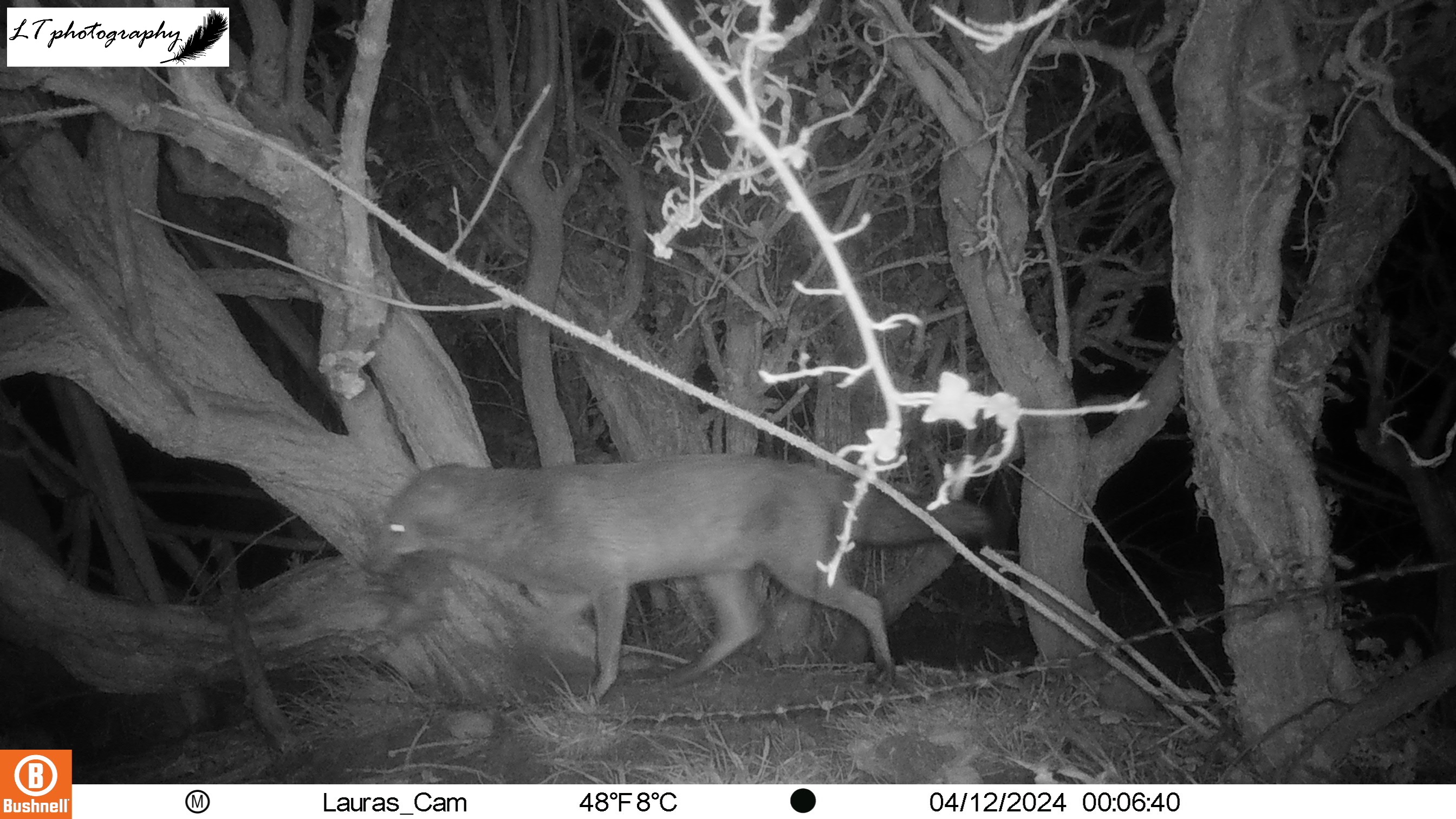
March is the peak time for fox cubs being born in Britain, and so typically during this month vixens stay below ground in their den to give birth and keep their cubs warm whilst still vulnerable. This means during early spring, foxes seen tend to be males hunting and providing for their mates. During this time this year, my camera traps often caught foxes carrying prey, such as pheasants and rabbits, and travelling the same tracks daily. These sightings are a wonderful sign that there is new life arriving somewhere out there in the local landscape.

March is the month of winter drawing to a close and spring beginning to breathe life into the land again. With my camera traps at the ready, and well-trodden paths often the best place to observe wildlife, I was able to capture a range of sights and surprises varying from grey squirrels digging up nuts buried in the autumn to badgers searching for food to territorial fighting of breeding woodpigeons. You never quite know what you will see!

Species Seen: Rabbit, brown rat, fox, badger, pheasant, roe deer, woodpigeon, grey squirrel

April

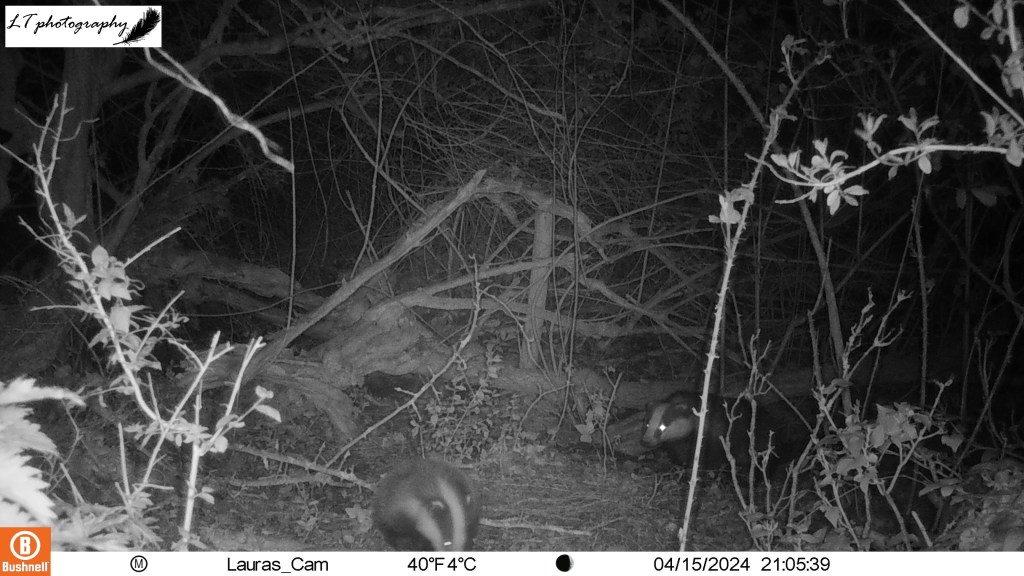
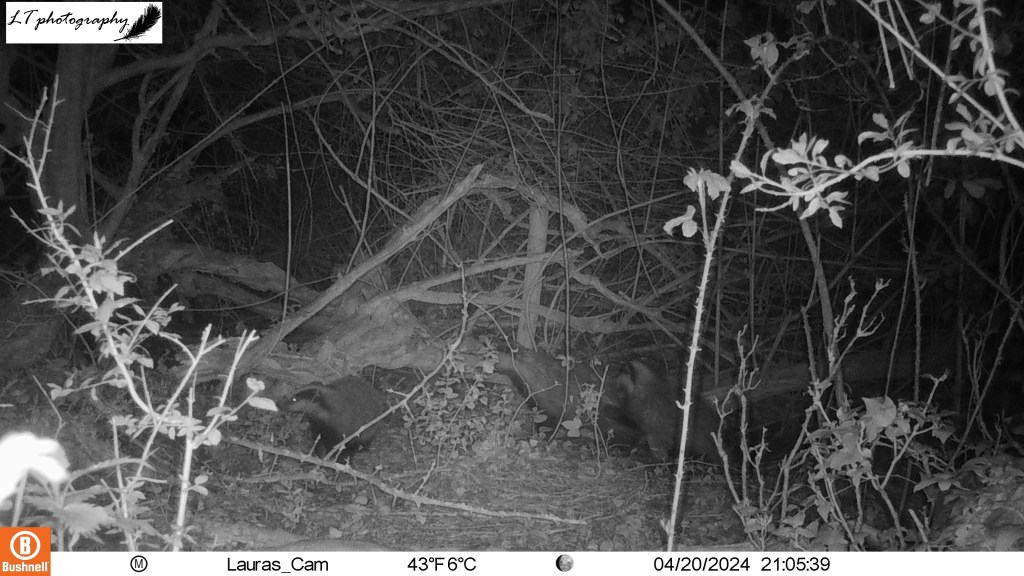
April marks the appearance of abundant new life, with leaves unfurling on trees, blossom dripping from hedgerows, and spring flowers popping up across the landscape. This month is also full of new life for many animal species local to me too, with signs of this being picked up on my camera traps. Being typically born in February, badger cubs now begin to explore the entrance to their setts and the immediate area. This year I was lucky to capture one particular family of badgers with their cubs beginning to explore above ground during April, and not just views of adults walking on by. To be able to watch any young animals playing and exploring the world for the first time is truly an incredible experience!

Though this year I was not lucky enough to capture fox cubs emerging in April for the first time, as in more recent years, my camera traps still picked up views of adult foxes frequenting areas that could have been home to possible den sites. Vixens during April will still be heavily relied on by their cubs, leaving the male to still be the main food provider and protecter of the den. My camera traps captured possible views of some very diligent dads in my local area this year!

During this month of spring, not all species and individuals are yet to have young relying upon them, with females instead feeding up ahead and males keeping to themselves. One species in particular that my camera traps observed doing this was the hedgehog, an abundant visitor to my family’s garden, typically emerging from hibernation at the end of March or early April. Other stars spotted were hares not in a hurry and some boisterous roe bucks.

Species List: Pheasant, roe deer, brown hare, fox, badger, carrion crow, brown rat, grey squirrel, blackbird, woodpigeon, magpie, jackdaw, hedgehog, house sparrow

Early May

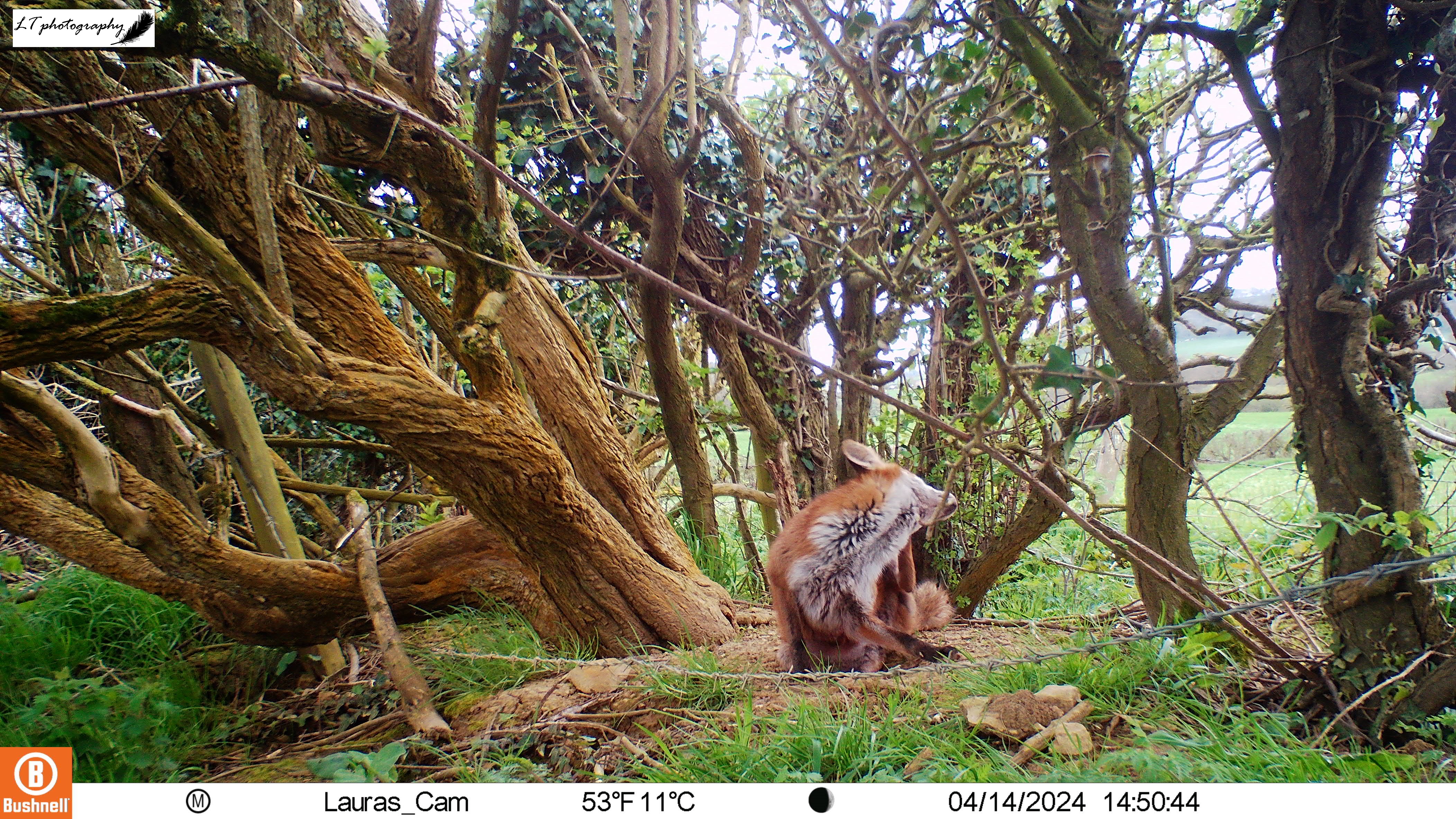
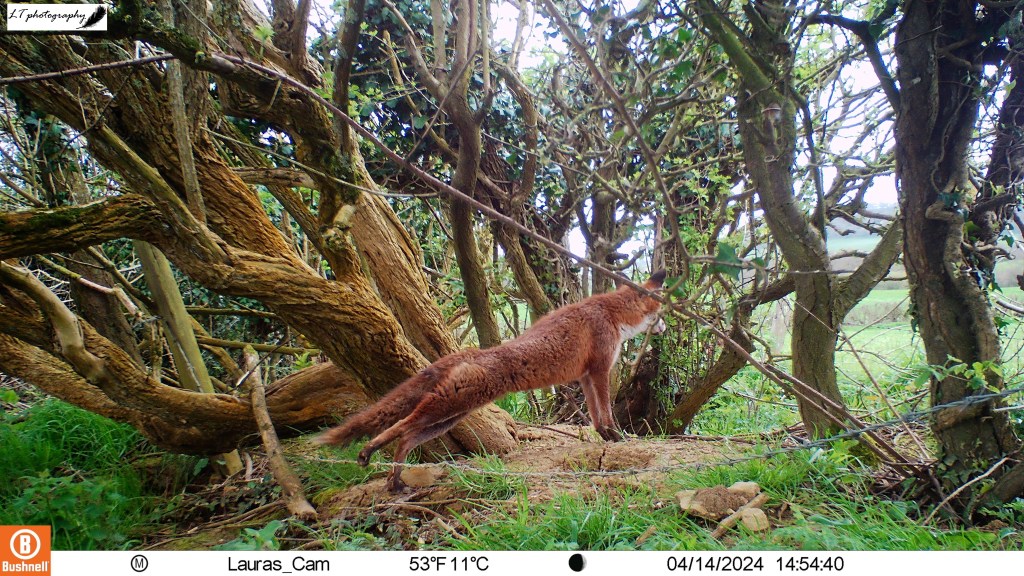
As the spring season rolls into the month of May, the landscape is now a hive of activity. Plants abundantly grow and blossom into colour, and many species are focussed on having and raising young, and passing on their genes to the next generation. May is a great month to glimpse hidden behaviour of wildlife and take in a different side to many species. This year this included rabbits socialising, nosy roe deer, and foxes climbing trees.

As birds nest, hatch chicks and feed young, individuals are also at their most active. This often means my camera traps get some glimpses of such species on the go. This May these included many woodpigeons, robins finding food, and chiffchaffs flitting through hedgerows. It is great that camera traps allow me to observe some of our local feathered species as well.

My favourite surprise this May though, was multiple sightings of muntjac deer on our land once again. Though muntjac are non-native and can be a problem in many areas, on our land my family and I have never observed muntjac with our own eyes before. Therefore, my camera traps have given us an interesting and unexpected glimpse into the presence of this deer species on our farm, and their movement through our area.

Species List: Roe deer, pheasant, chiffchaff, robin, muntjac deer, rabbit, woodpigeon, brown rat, grey squirrel, fox