Breeding Birds on the Farm 2023

In memory of Trevor Squire

My love of birds can be first originated with my grandfather, who enjoyed sharing his own passion with me when I was child, even before my own began. In time, my mum passed her own knowledge on to me, but it took me going off to university to finally realise how much fascination bird species hold for me. Once I returned home to Dorset after completing my Master’s, I then got the opportunity to begin my training as a bird ringer in 2019 with a very special local trainer, Trevor Squire.
Last year I posted on my blog all about the birds breeding on my family’s farm in Dorset throughout 2022, whilst working to apply for my C permit (check it out here). That year I encountered 2 broods of kestrel chicks, 3 broods of swallow chicks, 2 broods of barn owl chicks, and 2 great mornings ringing in my own garden to build my confidence with a range of species.
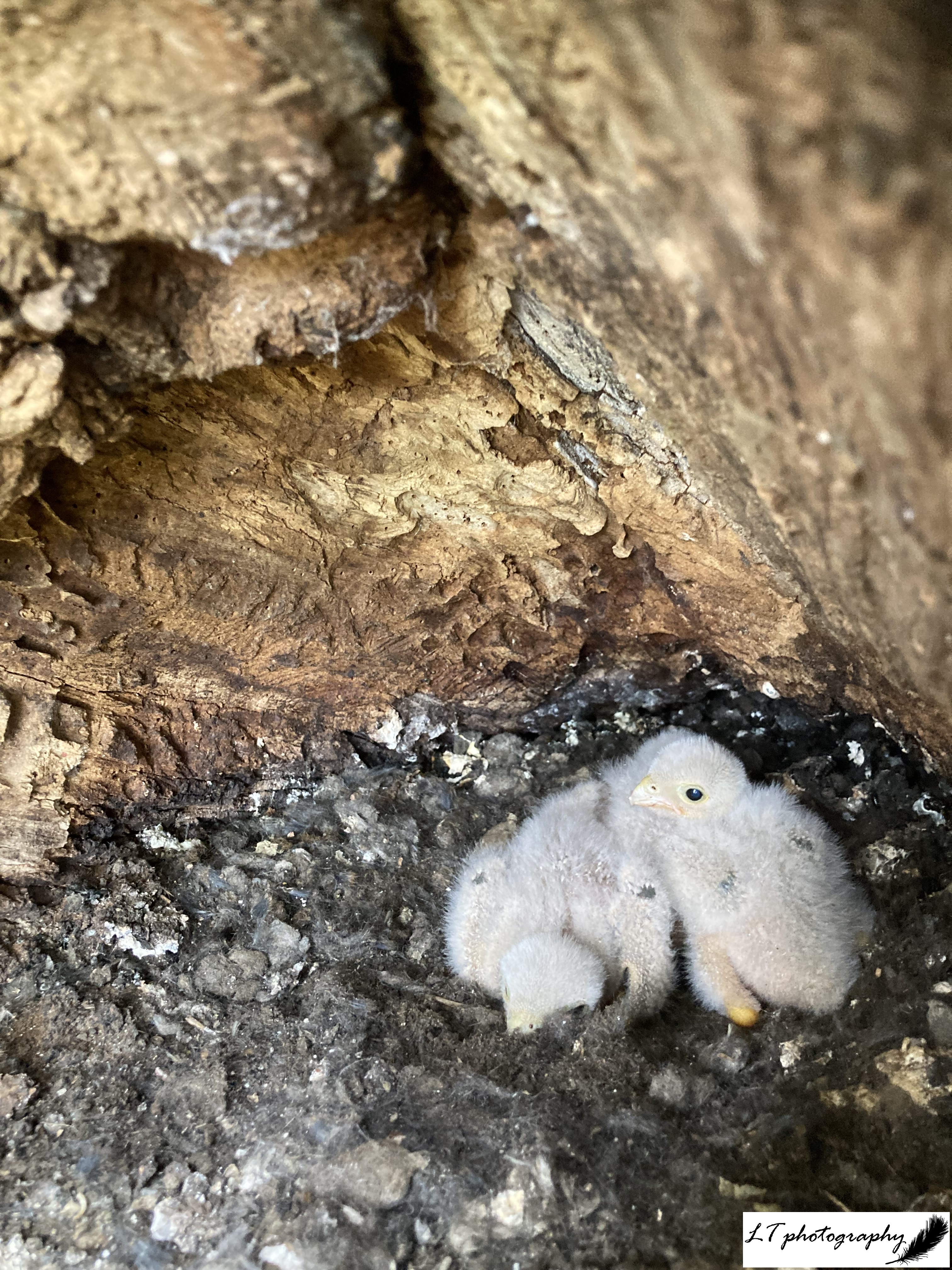
Moving in to 2023, I had now gained my C permit with restrictions, and could begin to ring with more independence whilst exploring the bird life on my family’s Dorset farm. Unfortunately, no kestrel nests were discovered on the farm during 2023, as our local population were hit hard by avian flu. There was still lots of bird fun to be had though, so read on to find out what I got up to.

Swallows

In 2022, the swallow population around my home had a tough year and a very poor breeding season, which may be because less pairs returned to start with. In total, I discovered 6 nests, but only 3 fledged chicks, 12 in total. So in 2023, with my new C permit now giving me the endorsement to ring swallow chicks on my own, I hoped for more luck for my swallows.

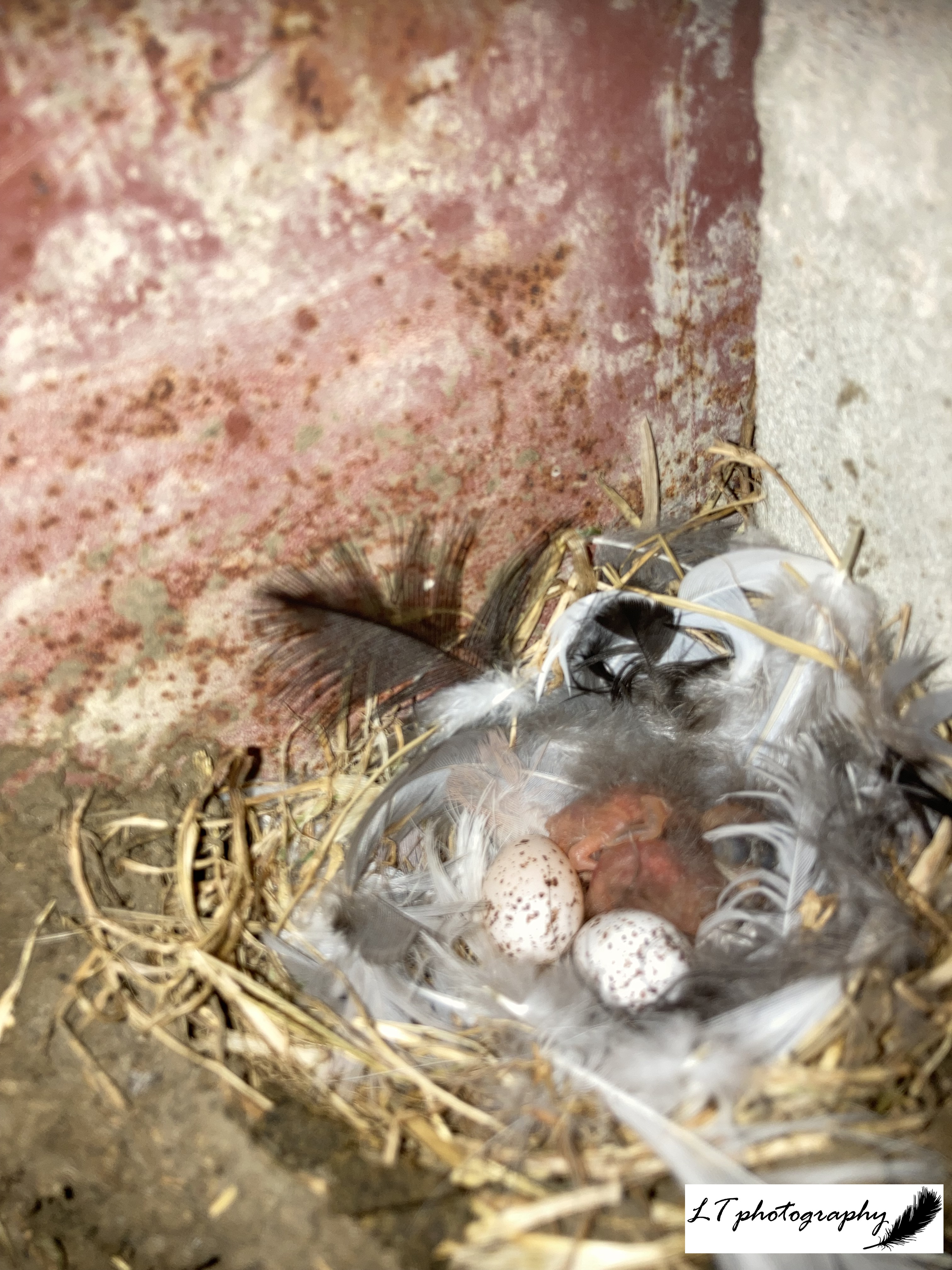
I began nest checks again on the 25th May and over the course of the breeding season I discovered 6 different nests in use, with 4 being used again for 2nd broods. I am very happy to say that I had the pleasure of ringing 42 swallow chicks from 11th June to 16th September. Knowing that some chicks even fledged before I had the chance to ring them, 2023 was a very good year for my swallow population in comparison to 2022.

Barn Owls

Those who follow my blog will already know that barn owls are a species that are very special to my family, with these birds being intertwined with farmland in Dorset. Barn owls are a great indicator of the state of nature on farmland, and have been followed closely on our land since 2019, helping to influence management. Check out my Barn Owl page for more stories.
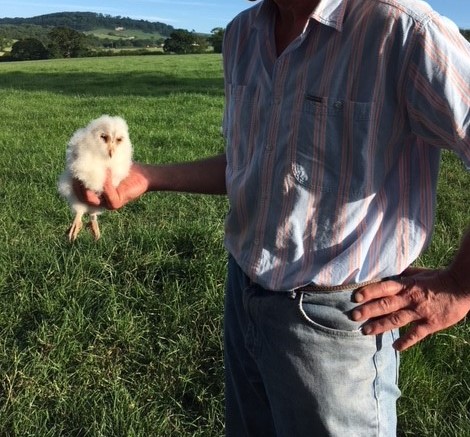
In 2022, the barn owls had a good year on the farm, with 2 pairs nesting at opposite ends of our land, one in an annually used nest box and another in the same tree as a pair of kestrels. Both pairs went on to have 2 chicks fledge successfully, which was a big positive for the barn owl population in our area.
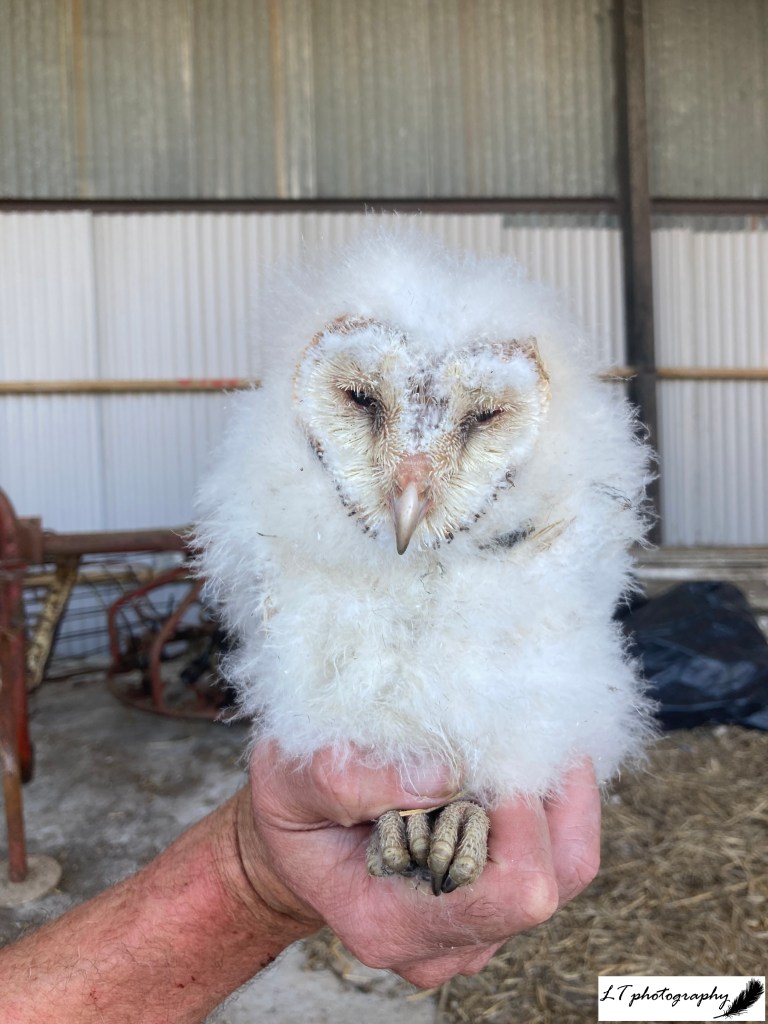
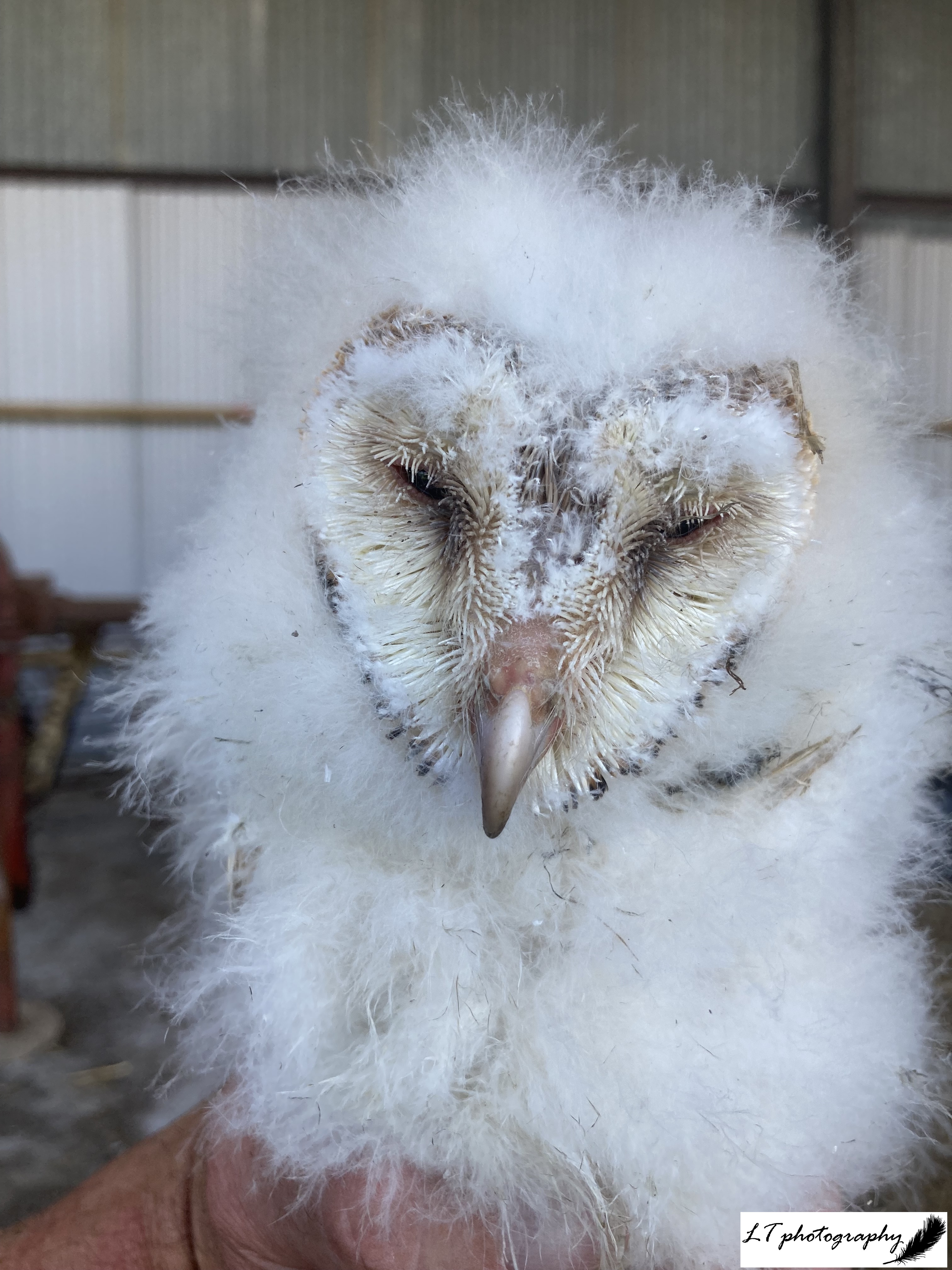
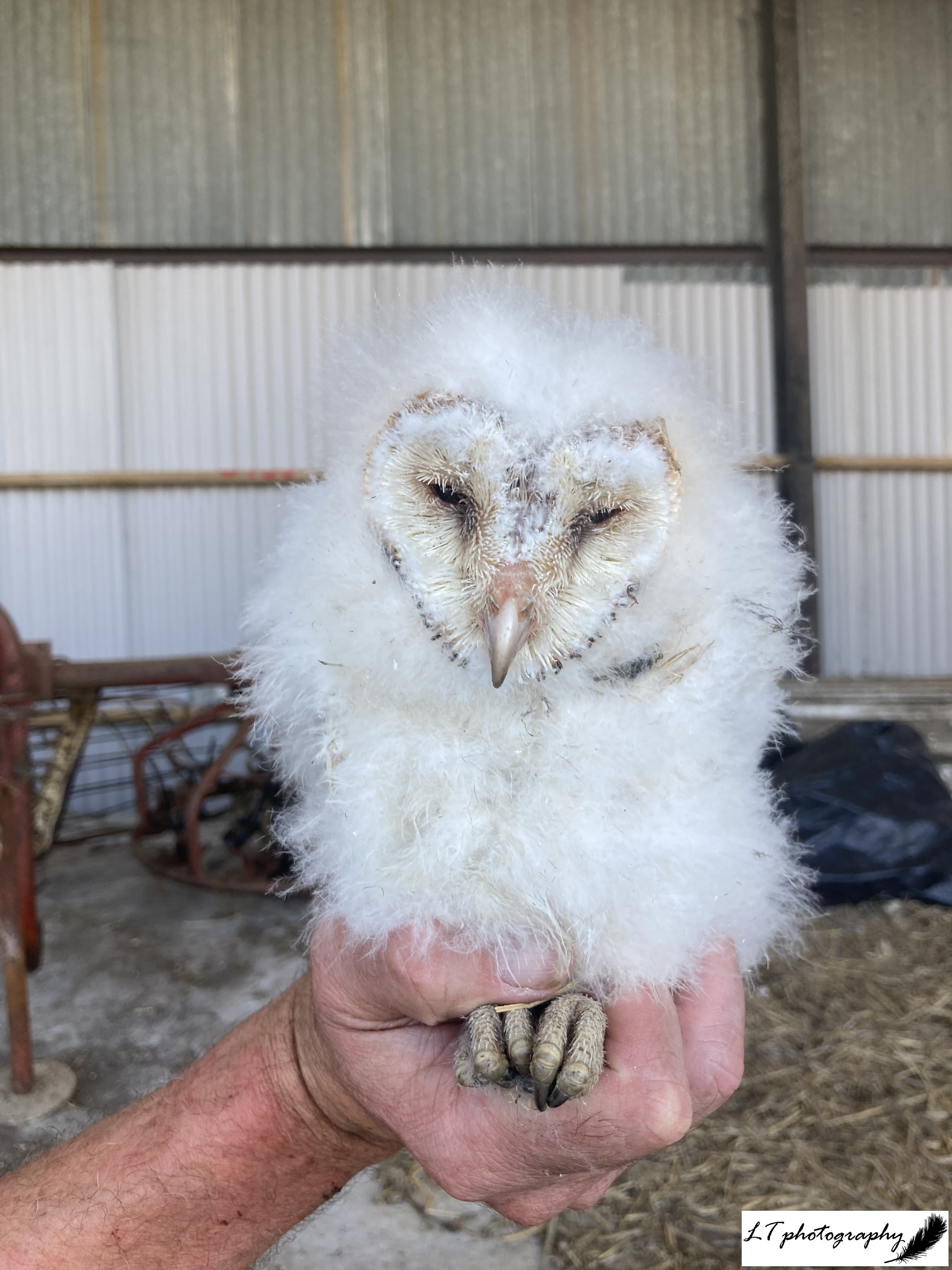
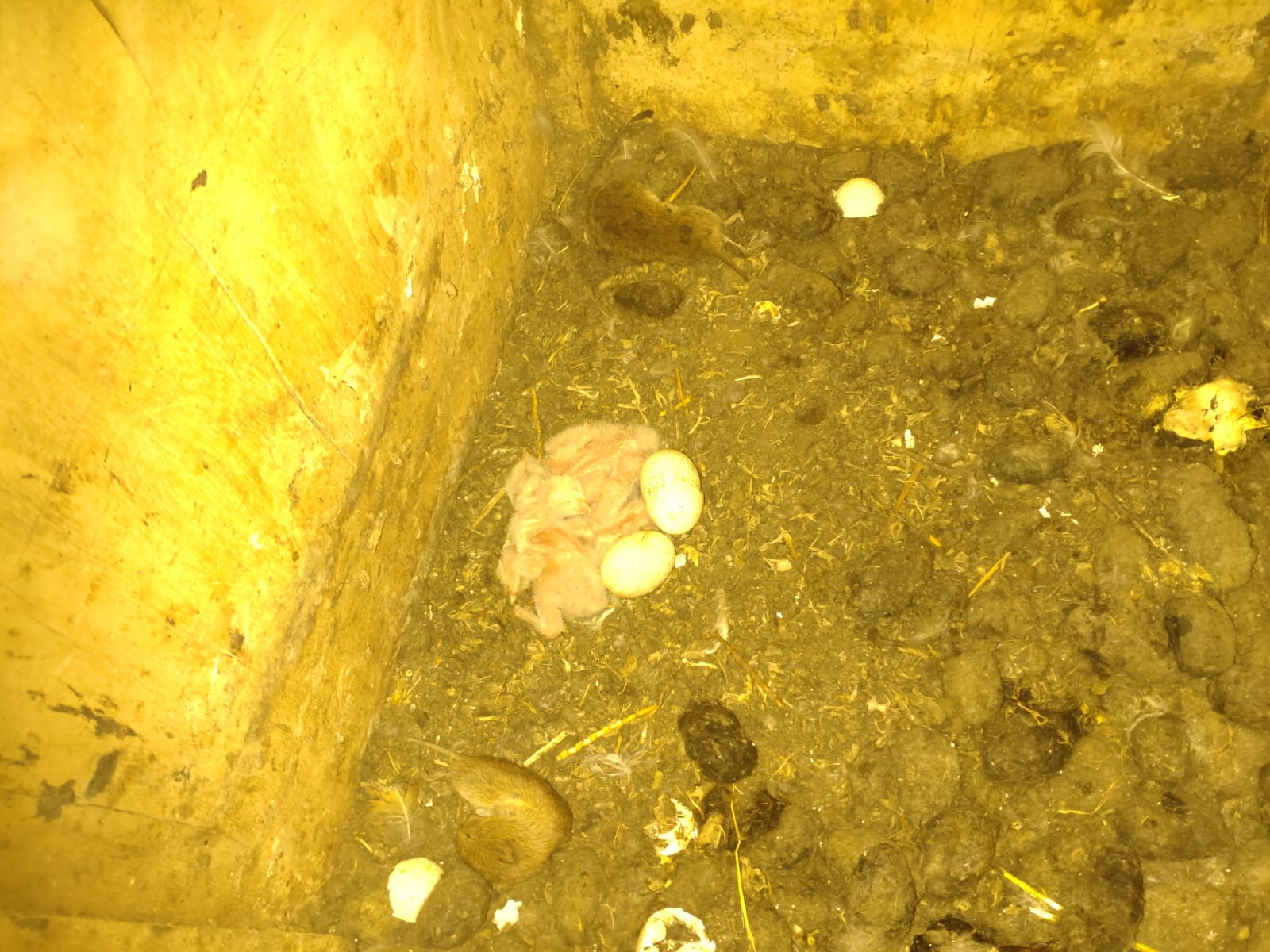
For 2023, I now had my C permit that had the inclusion of an endorsement for me to ring barn owl chicks on my own. We had high hopes for our barn nest box once again, having seen 2 owls hunting around the farm over the winter, and courting around the box in early spring. On checking the box on the 2nd June, we were happy to discover 3-4 young chicks. I used these chicks as an opportunity to gain confidence, and ringed 3 good sized chicks alongside my ringing trainer on the 7th July. We had hoped to discover a second pair breeding on our farm again in 2023, but we are very happy that at least 2 of the barn box chicks were seen to go on to fledge successfully. This is a definite improvement on only 1 chick in 2021!
Chicks Ringed of New Species

As on my newly acquired C permit I only have endorsements to ring swallow, kestrel, and barn owl chicks, in 2023 I aimed to ring chicks from other species alongside my ringing trainer to expand on my C permit in time.
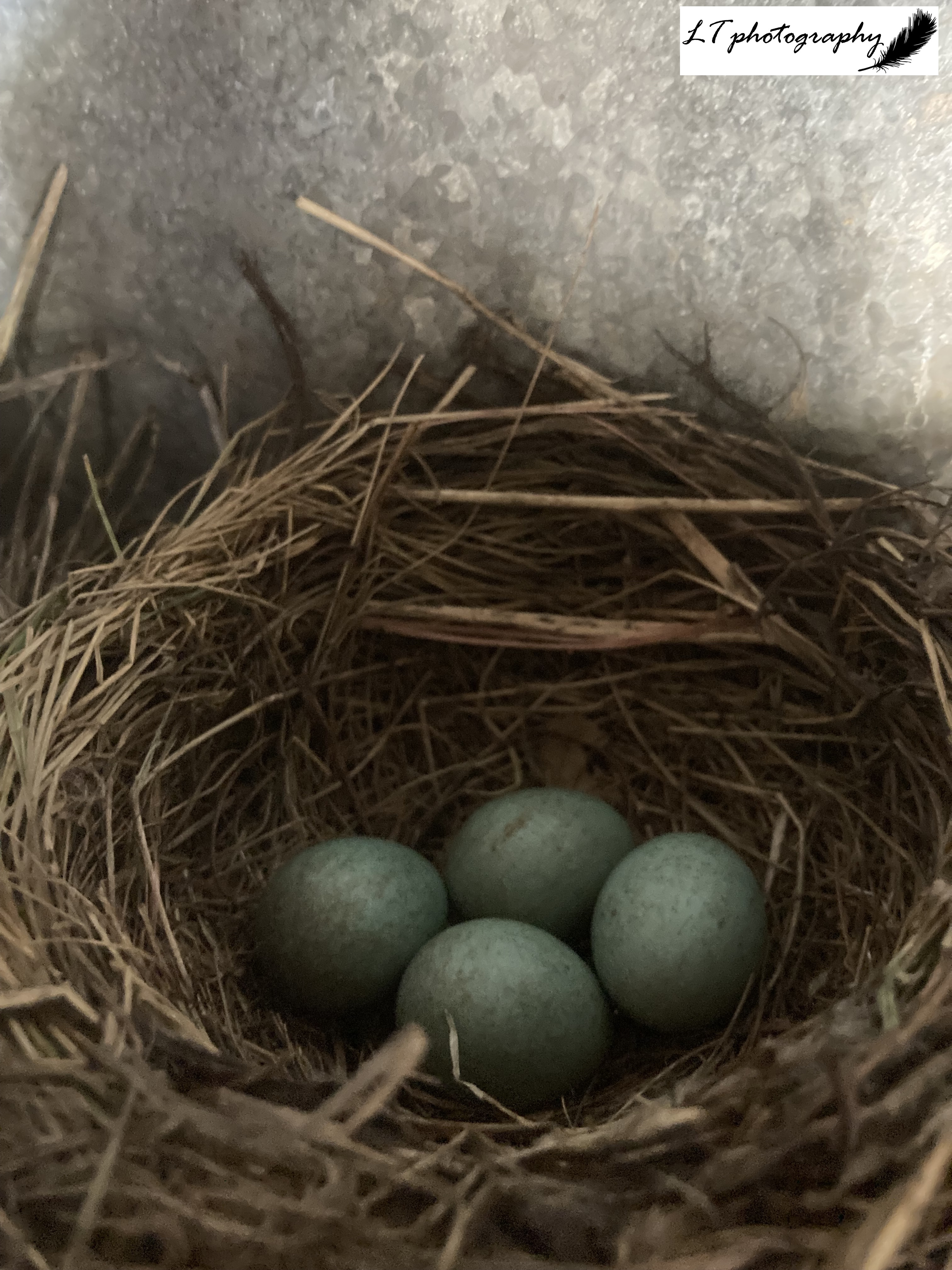
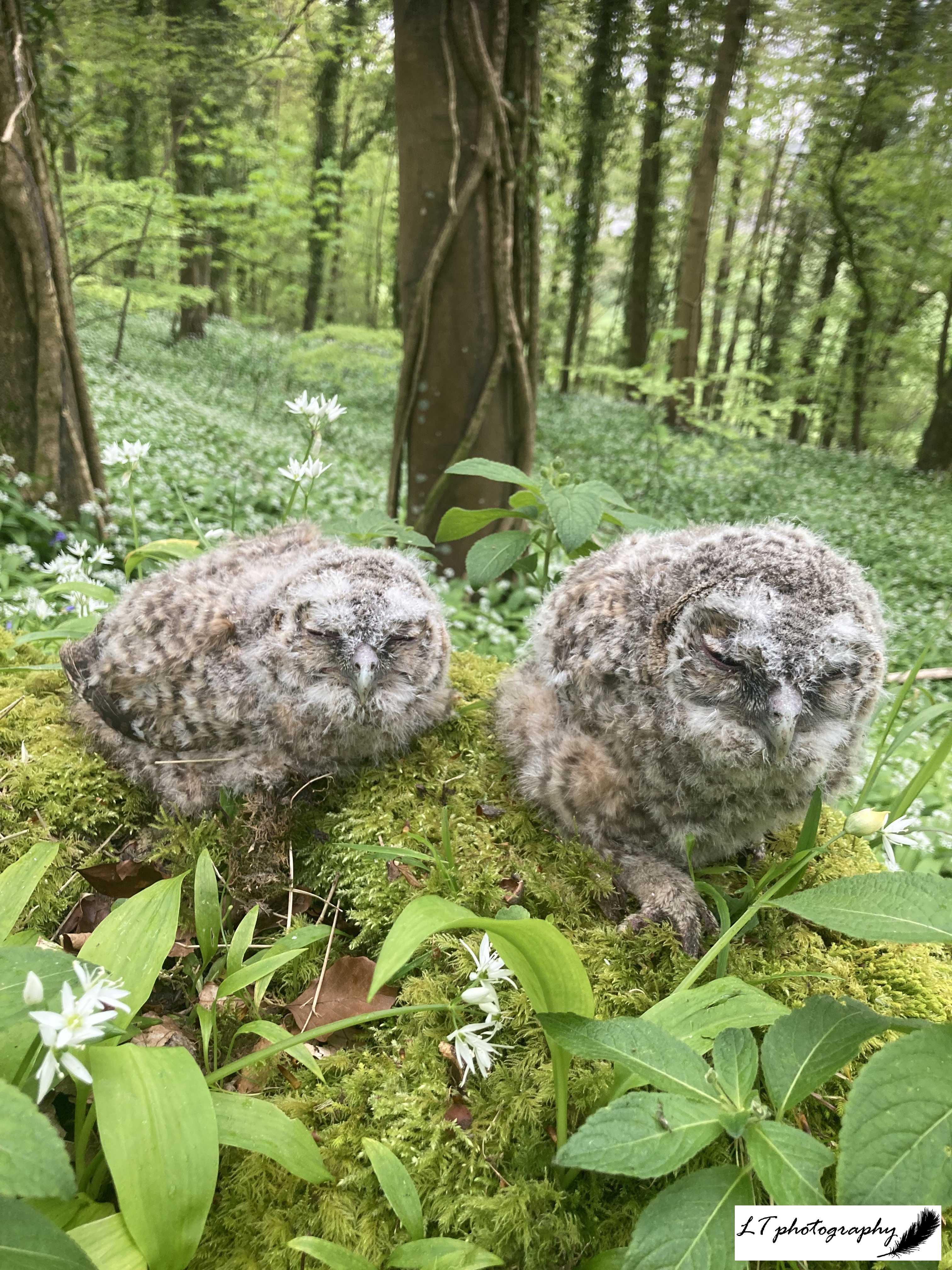
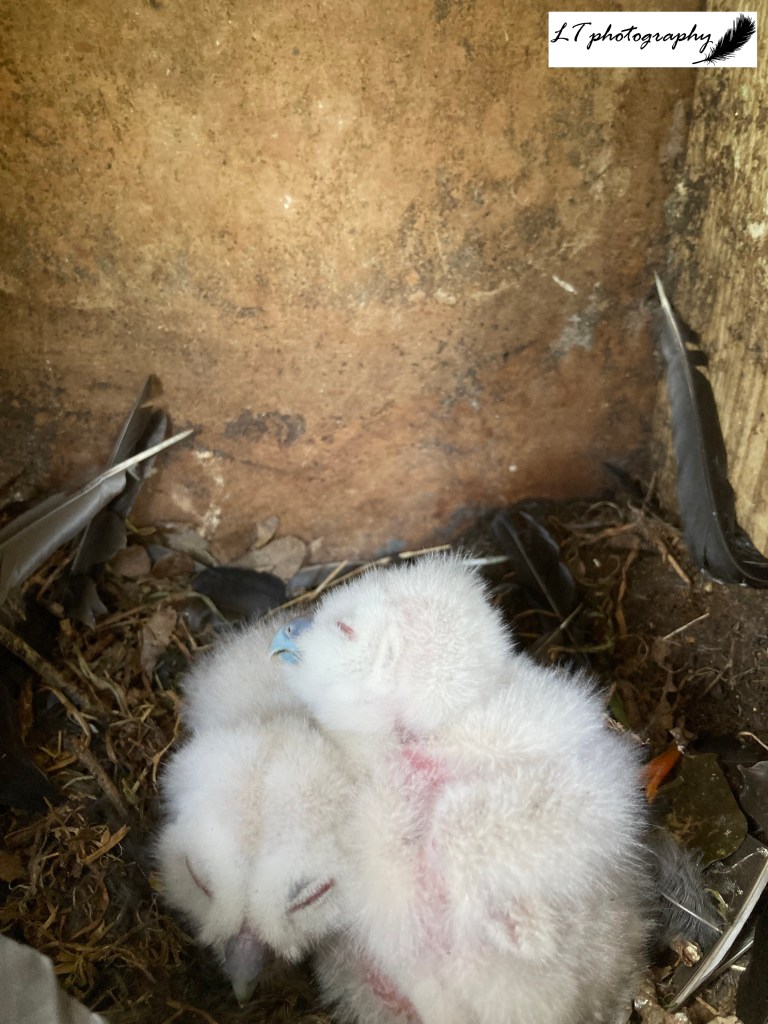
On the farm in 2023, I got to ring my first brood of blackbird chicks (4), blue tit chicks (7), and starling chicks (1). The highlight though was one of our tawny owl boxes finally producing a healthy brood of 2 tawny owl chicks. A great start to increasing my experience, whilst I also got the opportunity to ring at other sites, such as checking tawny owl boxes with another ringing group.
Garden Mist Netting

In 2022, ahead of applying for my C permit, I got to spend 2 mornings mist netting and ringing in my own garden with another ringing trainer. This was an exciting first for me, made even greater by catching 192 new birds of 9 species, the highlight being some lovely starlings.
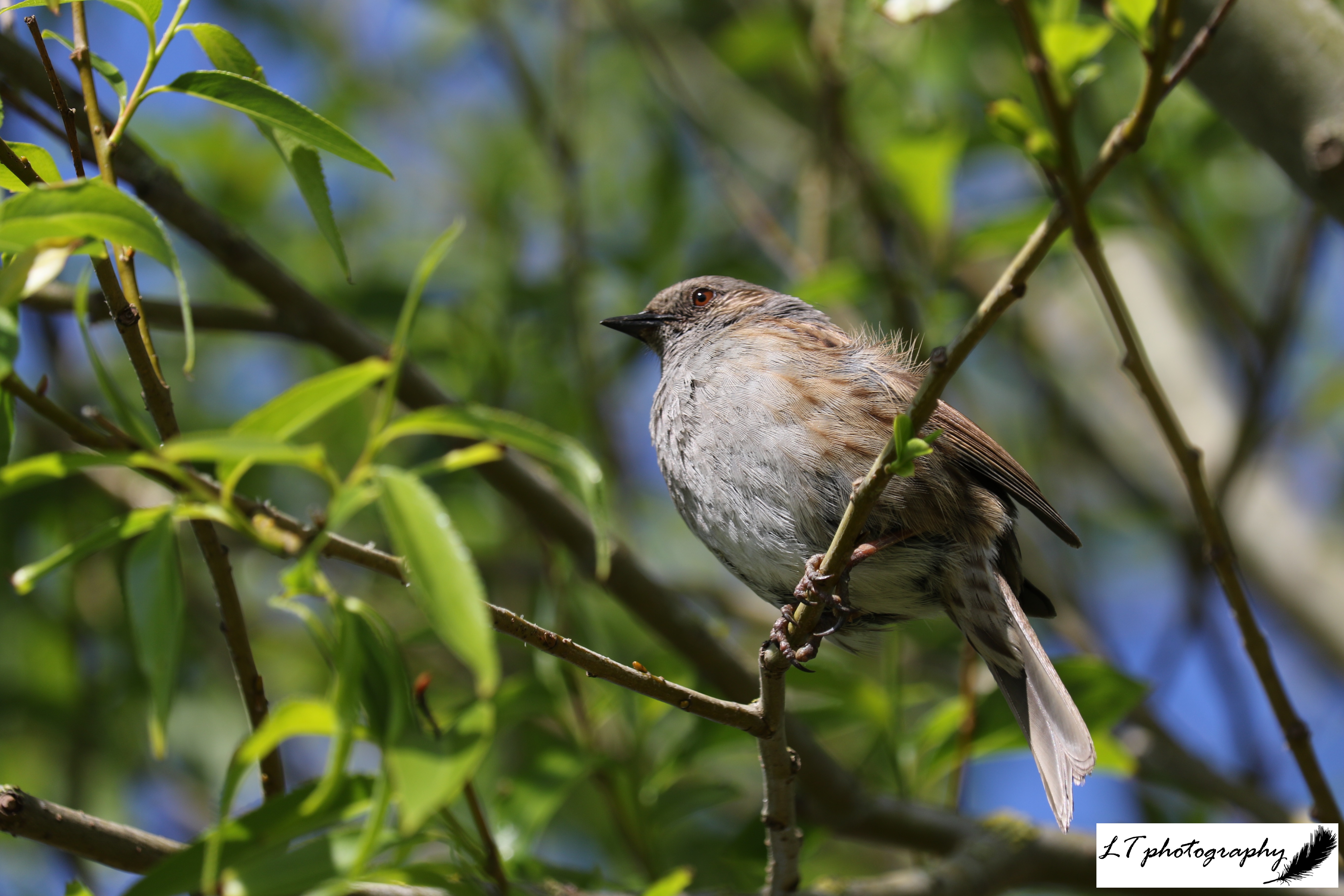
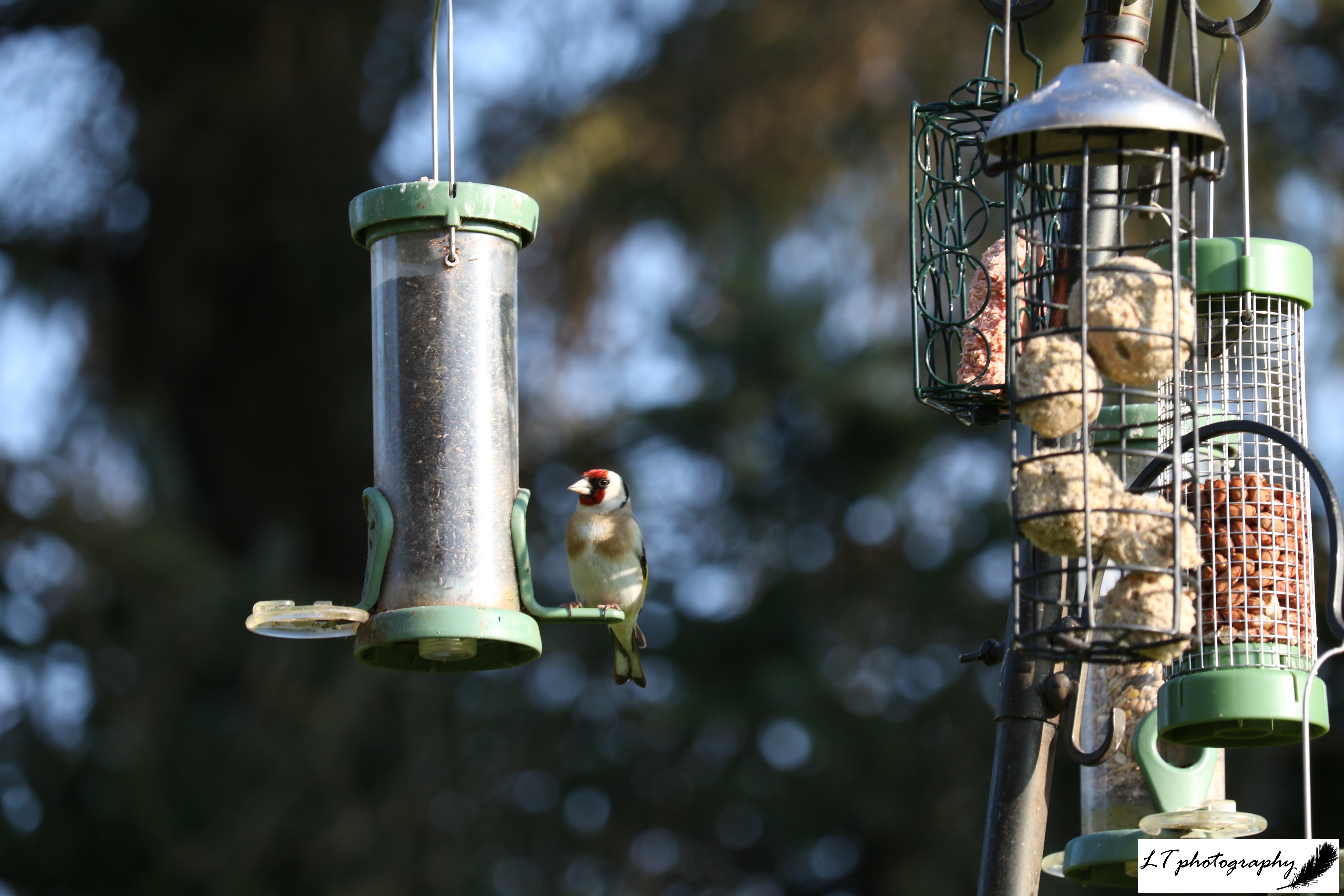
For 2023, I got to experience a new first, mist netting and ringing in my garden all on my own. Through June and July, I spent 6 mornings ringing in my garden, and managed the situation each time, so as to only catch as many birds as I could deal with on my own at one time. Over these mornings I caught 90 new birds of 11 species (1 robin, 7 chaffinches, 11 blue tits, 44 house sparrows, 1 blackbird, 13 great-spotted woodpeckers, 2 goldfinches, 3 dunnocks, 6 great tits, 1 starling, and 1 greenfinch), and learnt alot from acquiring this experience already. My highlight was definitely the greenfinch, as it was a beautiful adult male and my very first greenfinch ever ringed!

Here’s to 2024 being as interesting!

All birds were ringed under license and following rules to ensure the health and welfare of the birds handled at all times.
A Year In The Life Of A Woodland – Part 1

In 2022, I followed the annual cycle of one particular oak tree as it went through its own life stages, and watched the landscape change from its corner of a Dorset field. The tree encountered hunting barn owls, howling gales, breeding kestrels, and even a family of foxes, and observed such a vibrant year in nature even just from one spot. So for 2024, I wanted to follow such a story again, but this time on a different scale.

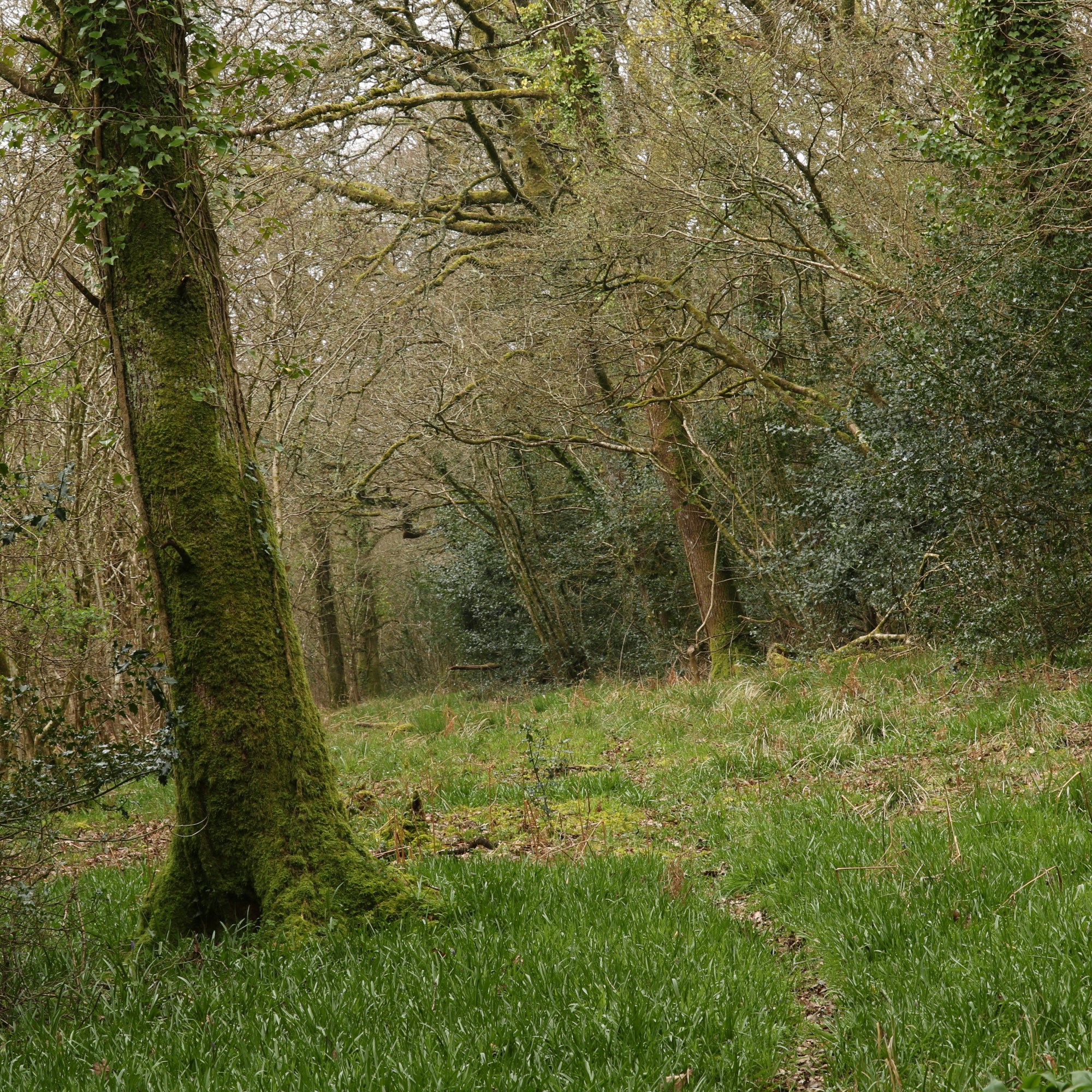
This year I am following a year in the life of an ancient, broadleaved woodland in the heart of rural, rolling Dorset. I will follow its progress from certain points within its bounds, and observe the beauty the woodland has to offer throughout the seasons. I look forward to seeing what goes on through the year, and the subtle differences from month to month at its heart. To start, I bring to you the first half of a year in the life of a woodland (January-June).

January

Entering the woods again at the start of a new year, there is a distinct feeling that the landscape currently lies in slumber. Though in previous years January has experienced wintery weather with cold spells characterised by hoar frosts and sheets of snow, this year the bite is missing from the weather, allowing the first signs of new life to appear already. The low winter sun breaks through the sturdy trunks of dormant trees, shining weak rays on the green leaves of woodland plants beginning to pop up underfoot, wood anemone and bluebells included.

Up in the naked boughs of the trees, birds fly from branch to branch, including blue tits, great tits, and goldcrests, buzzards whirl in the skies above, and pheasants make their raucous call now and again. Remaining holly and hawthorn berries provide a spot of colour against ivy and plentiful moss, but with the first lush greens and pastel yellows popping up, such as hazel catkins dangling from the trees, the woods are hinting at change. These are the first whisperings of spring in the stillness of the woodland, with more signs being found at night, such as tawny owls loudly defending their territories, and badgers and foxes increasing their roaming amongst the trees.

February

As a new month begins, the landscape feels like it is very much still in the grips of winter. A grey gloom hangs over the woodland, with the overcast sky threatening an endless possibility of rain. Where February 2023 was a cold, dry month, February 2024 is reflecting continued milder and wetter weather than average, with sunshine being much in demand. It is still not warm enough for any further advancement in the signs of spring from the previous month though, with the woodland floor still being mainly dressed in warm browns. Despite this, those first whisperings of new life can still be seen, with the slow marching growth of shoots of well known species, such as bluebell and stitchwort.

The mosses and lichens are also now joined by the much needed warm yellows of primroses and celandines, along with the red gems that are female hazel flowers. The slumbering woodland is currently the backdrop for the day-toiday life of its winter residents, but with the addition of blackbirds and song thrushes now starting to sing their melodious songs ahead of breeding in the spring.

March

As March begins, the start of blackthorn winter brings biting winds from the north, creating a break in 2024’s trend for warmer and wetter weather, which continues for the rest of the month. A rare calm day though sees the woodland bathed in soft, early spring sunshine, as it begins to finally switch from its shroud of brown to greens, with a carpet of new growth. Bluebell leaves are marching on in their advance of growth, making the most of increasing temperatures, whilst spear-shaped wild garlic leaves now carpet areas around the ambling streams through the middle of the wood. Hazel catkins are now fading to a creamy yellow, and their red female flowers are joined by swelling leaf buds. Though spring is advancing quickly, the woodland still waits for more flowers to keep company with the primroses and celandines.

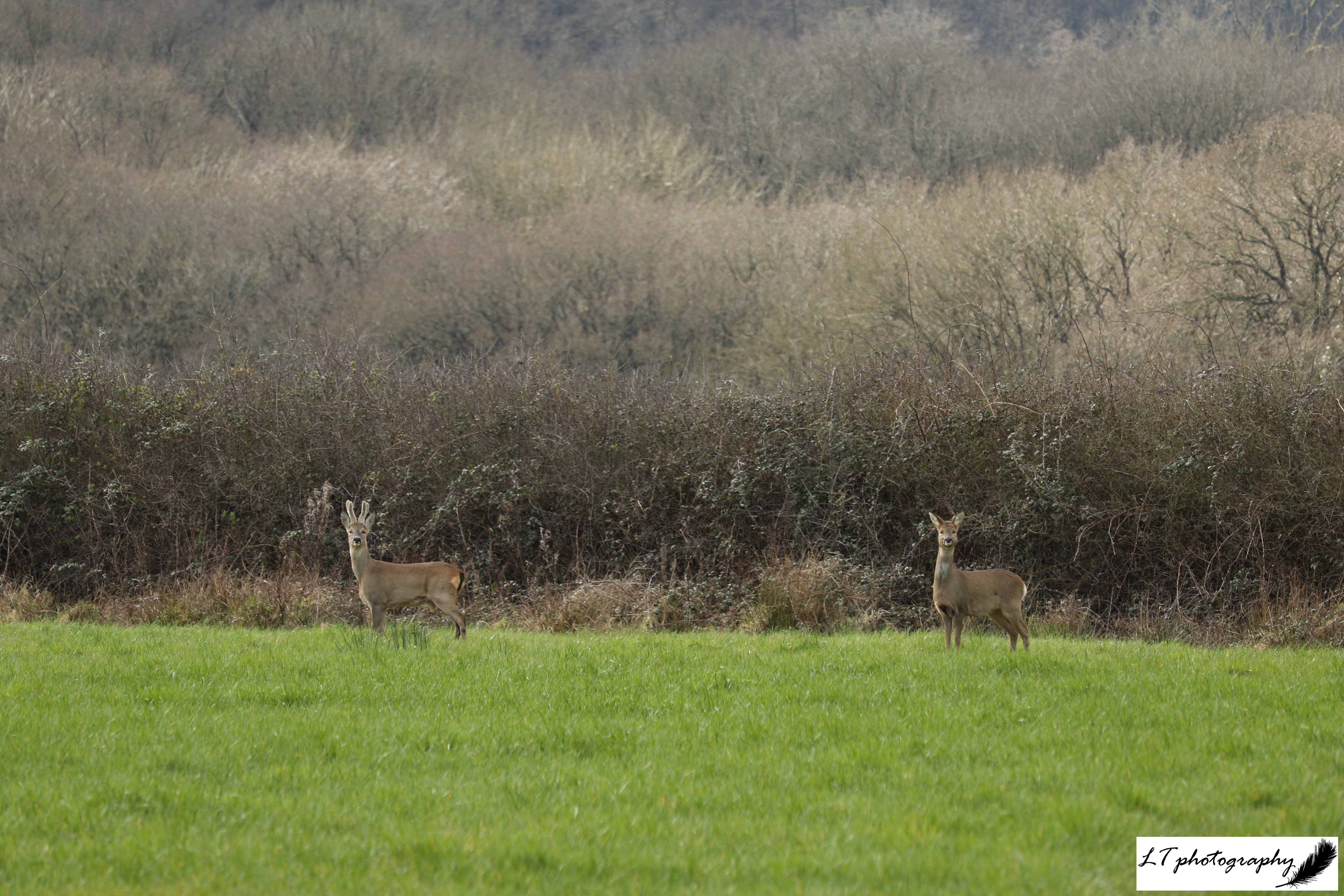
A difference lies up in the trees. The woodland is coming alive with the sound of bird species that have wintered here in the UK and do not have to travel as far to return to their breeding territories. From great tits and blue tits, to wrens and goldcrests, a range of calls and songs can be heard, cut through by the sound of great-spotted woodpeckers drumming near and far. Mammals are beginning to become more active too, with grey squirrels fighting for territory and roe deer groups roaming through and around the woods. Spring is on its way!

April

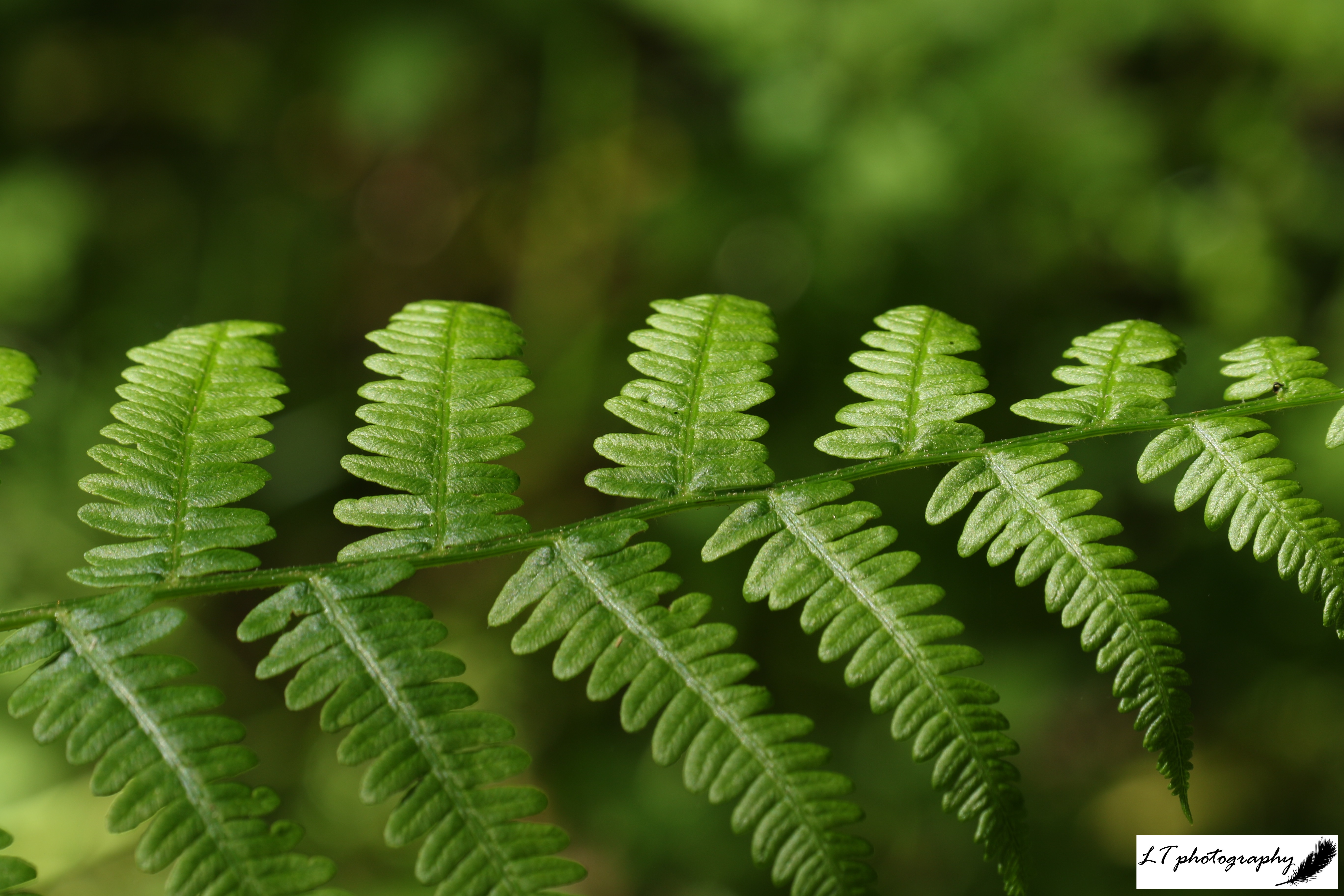
As spring unfurls, the weather of April feels reminiscent of 2023, with cooler, damper weather dominating due to persistent north winds and plenty of rain. In the woods growth continues to move forward, but at a noticeably slower pace than could be expected. The month opens with tree buds swelling, hazel and hawthorn leaves bursting forth, and trees dripping with blackthorn and willow flowers. The woodland floor is coming to life now with a never ending mat of purple dog violets, pale green moschatel, yellow celandines and primroses, white stitchwort, the beginnings of purple-blue bluebells, and the fantastic starry heads of wood anemones. Wild garlic leaves continue to grow around the bubbling streams, smelling noticeably pungent now and beginning to show the whites of flower buds, whilst ferns unfurl their hairy coils across the woodland.

As the woodland bursts into life, it is accompanied by an intensifying soundtrack. In the background a rich tapestry of bird song can be heard, as migrants make their return, from great tits, blue tits and wrens, to chiffchaffs, blackbirds and robins. These include the continued crow of pheasants, the cat-like mewling of buzzards circling overhead, and the barks of grey squirrels. Listening more closely though, buzzing can now be heard as bees and flies make the most of flowers now blooming. The woodland finally feels alive after the first three months of the year taking its toll, though it waits for the return of some warm spring sunshine.

May

On a quiet afternoon at the start of the month, stepping amongst the trees is like stepping into a whole new world compared to the start of the year. Sunlight falls soft through new green leaves, dappling the woodland floor with warmth and light. At the base of the trees, the floor is now a lush green carpet of plant life. The cooler weather of April has meant that some April events have continued on into May, such as the bluebells, whilst the wind now coming from the south bringing warmer weather is beginning to promote much needed new growth.

Bluebells are just going over their peak after a spectacular show of rich purple-blue that has been breathtaking. Amongst hanging bells, stitchwort is continuing to open new flowers, alongside shocks of pink from herb Robert. New flowers appear in the forms of early-purple orchids, and red campion. Yellow archangel that took some time to arrive is becoming bleached to a creamy yellow, whereas wood anemones are bidding their final farewell. Wild garlic persists as do bright yellow celandines, adding to the show. Things move on though, as the ferns begin to overshadow the bluebells with their green fronds. Spring marches on.

With plant life becoming abundant, the woodland is now abuzz with insects of many kinds, whilst spiders make their homes between the flowers. Midges are particularly prevalent this year with a damp spring too! A highlight right now though, is the woodland’s bird life, with the continued singing of many species that call the woods home and are breeding right now, the chiffchaff really standing out in particular. Somewhere in a hole in a tree, maybe a tall oak, a female blue tit will now be sat tight on her eggs, growing the next generation of blue tits. 

June

As I step into the woodland on one of the first dry days in a while, my surroundings move from bright light to light spots and shadows. The tree canopy is now nearing completion and lush green oak, ash and hazel blanket out the light. Below on the woodland floor, a change has occurred. Spring stars have finally made their leave, and riotous bluebells, early-purple orchids, and wild garlic have been replaced by a dense green carpet of leaves. Herb Robert has taken over, with pink flowers creating a joyful pop of colour. Also these flowers are joined by white pig nut, purple germander speedwell, and pink foxgloves, and the lst yellow archangel, stitchwort and vibrant dog violets. The green seed pods of previous flowers remain, and a bluebell here and there when lucky, but now ferns stand tall above the woodland floor, unfurling their final leaves and making a canopy of their own.

As the spring season bids us farewell, it’s now the time of new life and growth, which is currently evident in the woodland. The drone of insects has lessened as flowers go over, but can still be found with flashes of blue damselflies, battling speckled wood butterflies, and striped flies. The first young of mammals, such as foxes, and birds, such as tawny owls, are also now venturing out to explore their new world. This can be heard up in the trees with the songs of birds and the alarm calls of protective parents. Summer and lazy days are on their way!

Spring In Photos 2024

Spring 2024 has no doubt been a tough one for all, nature and wildlife included. The cold and wet weather appearing throughout has made for a unique few months, that has often felt more like a continuation of the winter passed. Despite this, spring took its time to unfurl as in the last couple of years, and had lots to offer.

When it comes to nature, whatever is going on, it continues to provide moments of calm, vibrancy and adventure. This has been apparent more than ever as I venture out with my camera or simply with my phone at hand. Here are just some of the many photos I have taken this spring.

Spring In Photos 2024

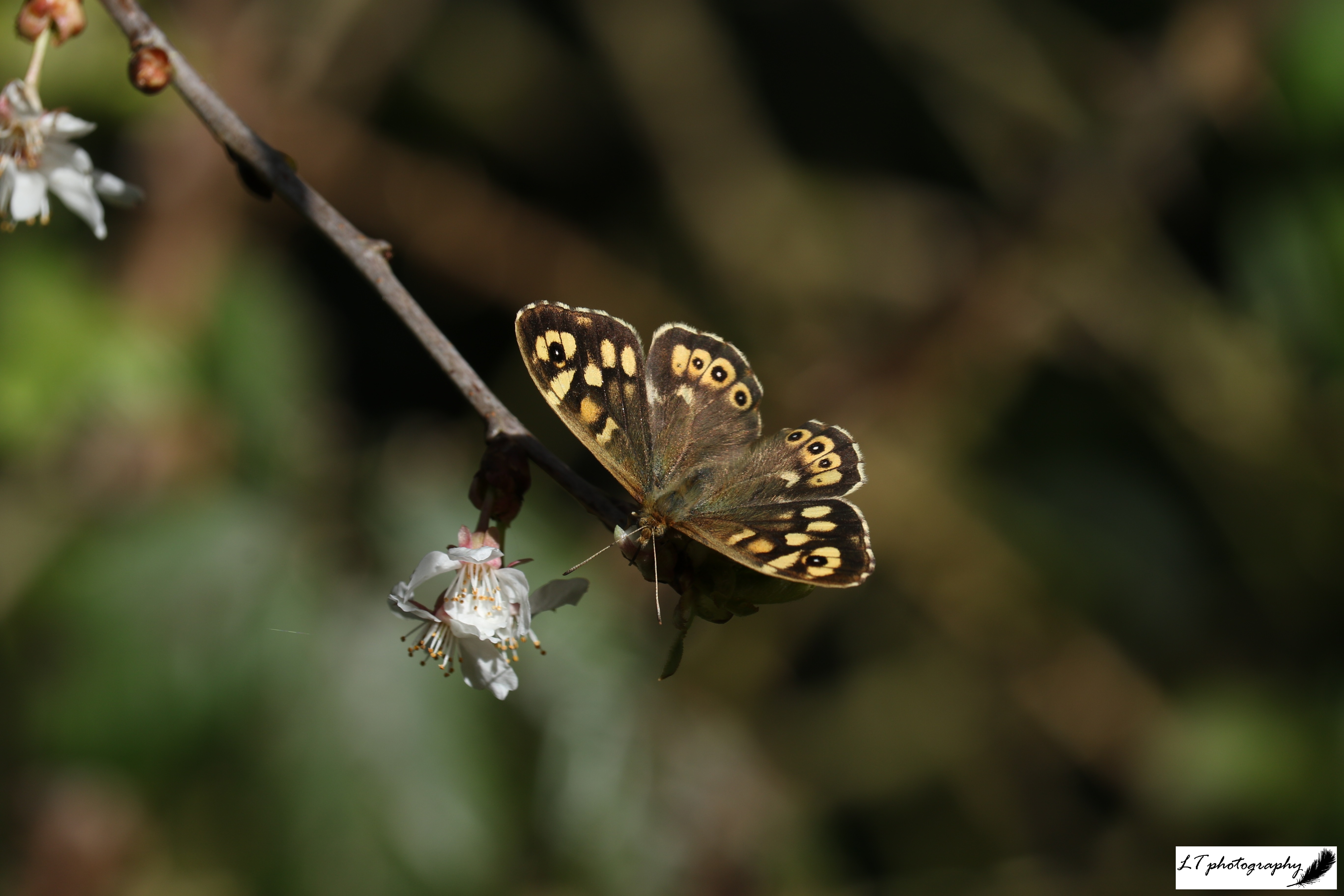
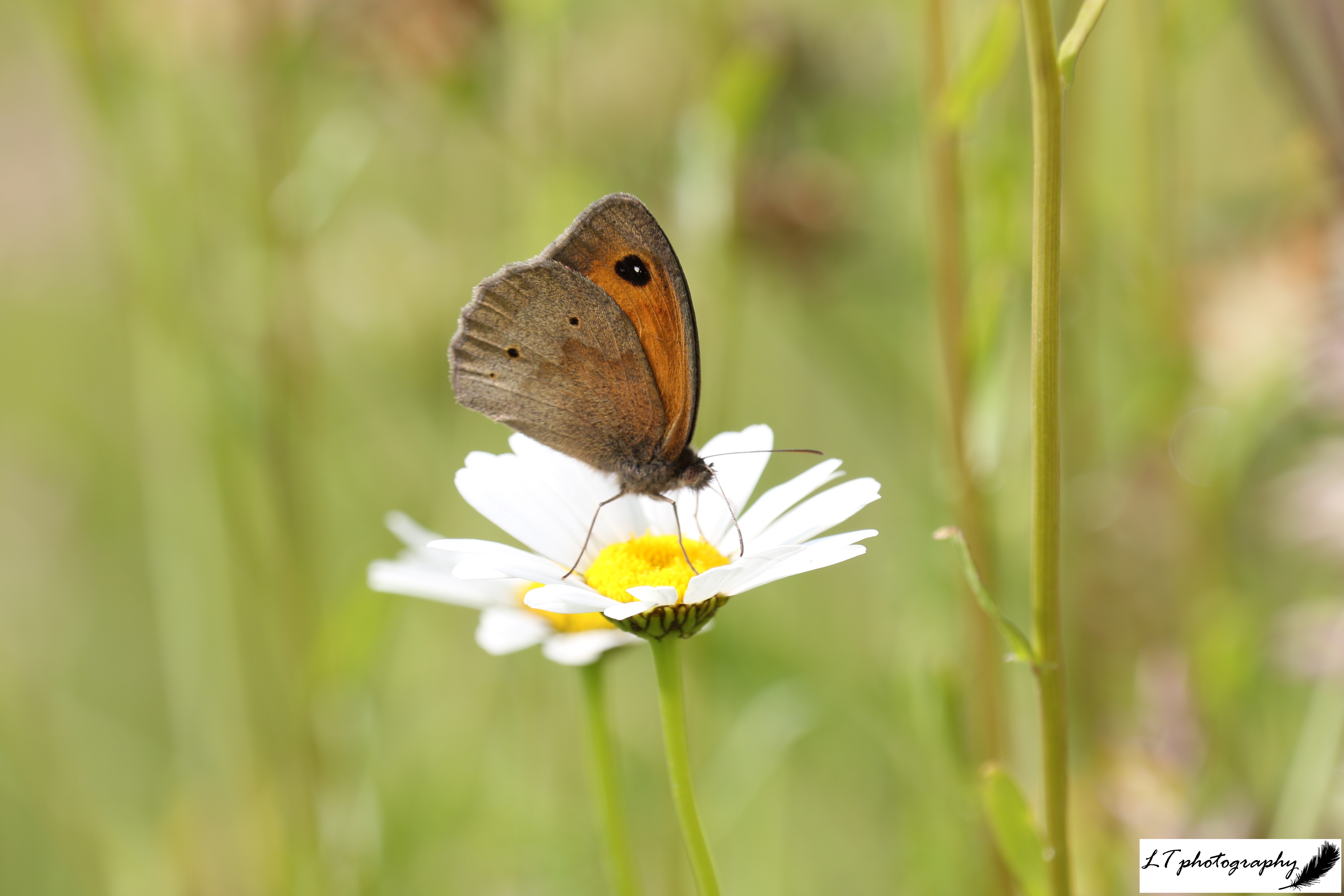
Butterfly On Blossom
It’s Tiring Being A Tawny chick!
Shimmering Like Gold
In The Spotlight
The Rook To My Raven
Focussing On The Little Things
Sparkling In The Dark
Flying High As A Kite
Beautiful In Blue
Love On The Water
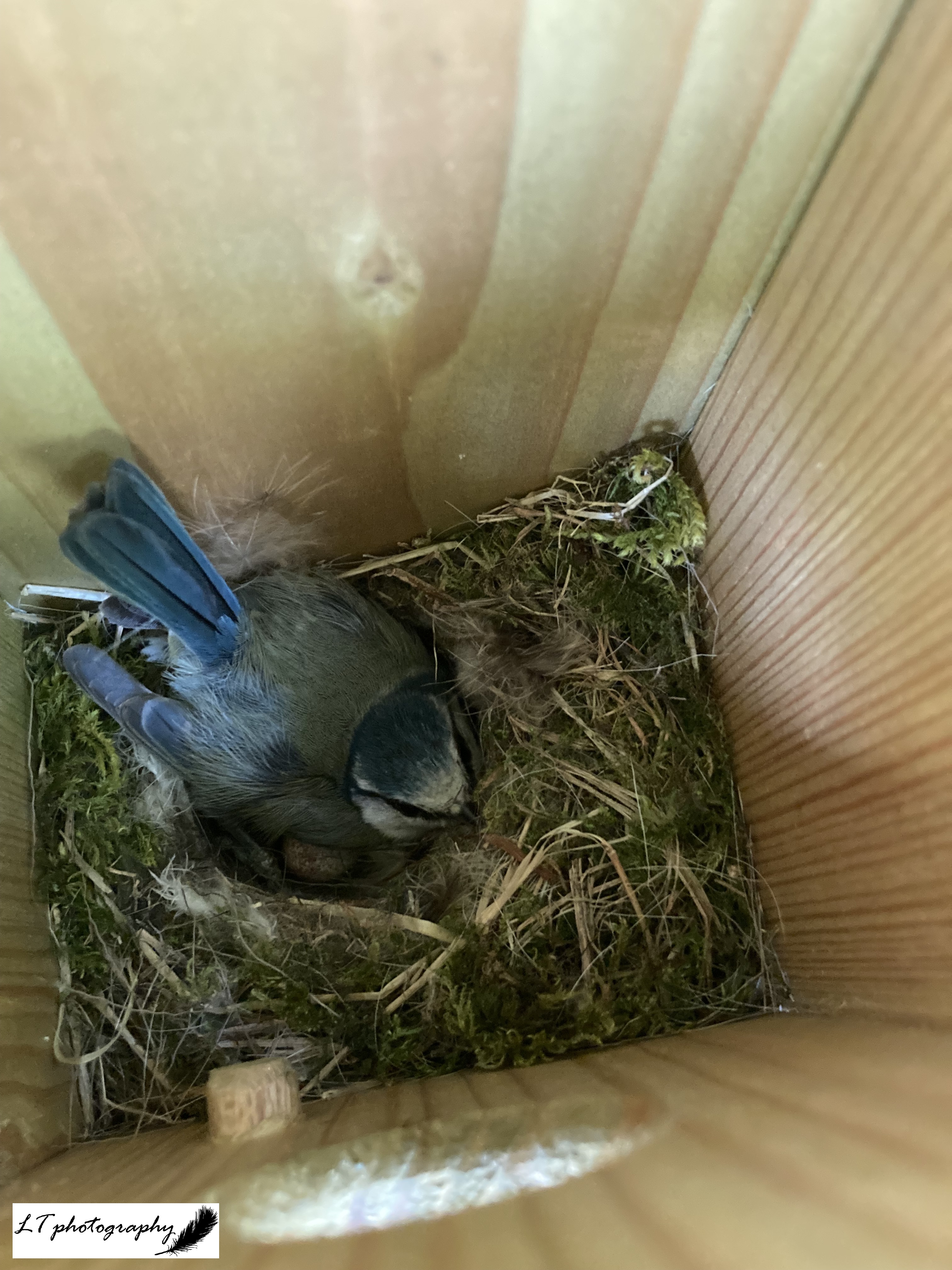
Brooding Like A Blue Tit
A Speckled Beauty

Disclaimer: All birds were handled or observed under rules, with care, and by a trained bird ringer. The welfare of animals always comes first!

12 Days of Laura’s Wild Photos 2023

For the last couple of years I have accompanied the 12 Days of Christmas, up to Twelfth Night, with my own 12 Days of Laura’s Wild Photos. On these 12 days I share one photo a day on my social media platforms from the collection of photos that I have taken over the proceeding year out in nature with my camera, camera trap or phone. With these photos I aim to share glimpses of the beauty of nature, share some of my favourites from the year that have yet to take centre stage, and to simply put a smile on people’s faces.

This last christmas I embarked on my 12 Days of Laura’s Wild Photos challenge once again and had a lovely response to my collection of photos with my landscape photos being the main favourites. As I look forward to more wild adventures to come in 2024, here’s my 12 Days of Laura’s Wild Photos for 2023.

12 Photos

Day 1 – I began my 12 Days with a bang on Christmas Day as this photo of a snowy woods in misty sunlight ended up being the most popular photo of the 12 days. It’s a family favourite and was also described as ‘could be a painting’ which I was extremely happy to hear. Maybe it has a future beyond these 12 days!

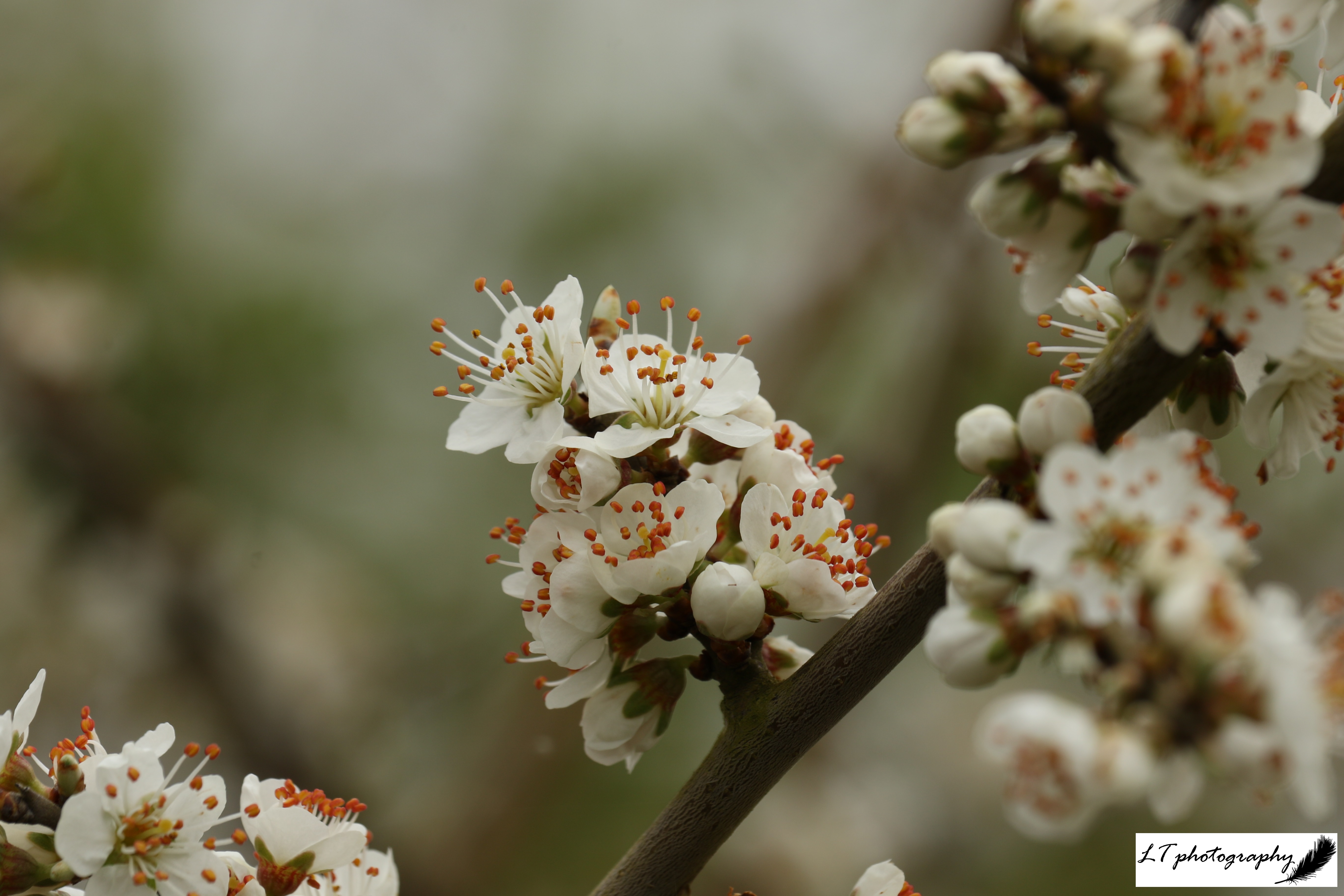
Day 2 – For the second day, I wanted to share 2 classics of spring combined in one photo: a Chiffchaff and Blackthorn. A season of hope, joy and new beginnings, spring is my favourite time to get out with a camera and this photo captures that start when the landscape is just coming back to life.

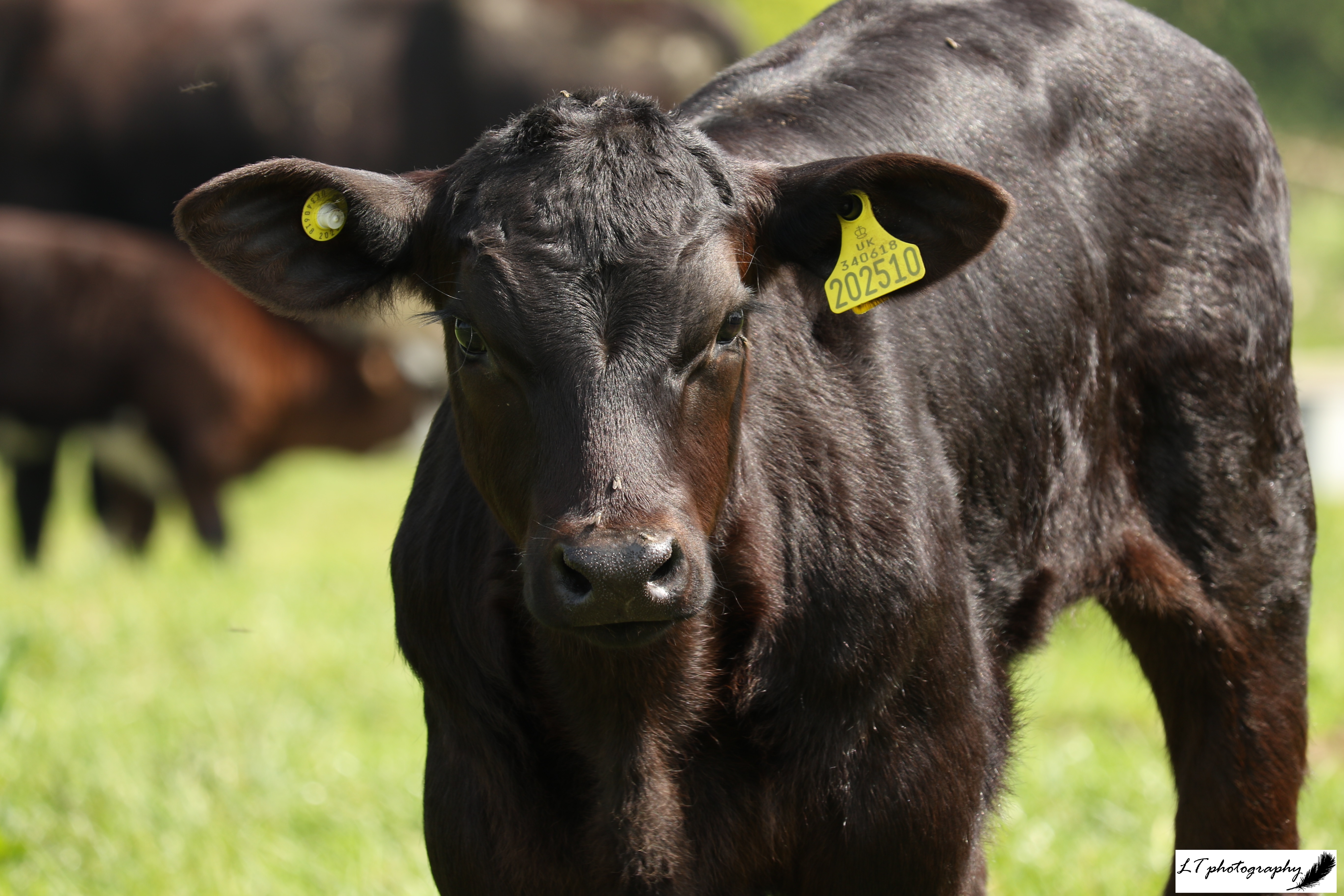
Day 3 – As I continued on through the days, day 3 had been a very stormy one in the UK, thanks to Storm Gerrit, and so I wanted to bring some warmth to people’s homes. Here is suckler calf Blueberry Muffin, who in January last year, was still living outside with her mother as the ground had stayed drier than this winter!

Day 4 – Drawing our focus down to the ground, this photo takes us back to the days of spring with lush woodlands and glades with soft light filtering through unfurling leaves. A sign of ancient woodland, the wood anemone is also said to bring good luck!

Day 5 – This year I was licensed for the first time to handle and ring Barn Owl chicks on my own, as part of the vital work going on to conserve protected Barn Owls in Dorset and further afield, including on Dorset County Council farms. Some very special moments were had this year and lots still to be learnt! (Disclaimer: Barn Owl Chicks were handled following specific protocols by trained ringers and under a Schedule 1 license)

Day 6 – When we are in the clutches of winter and the landscape is bare, the snowdrop is a wonderful symbol of the end of winter to come, creating carpets of pure white wherever you go. It will not be long now until the first white heads can be seen nodding in the wind once again, and a feeling of hope and strength will return.

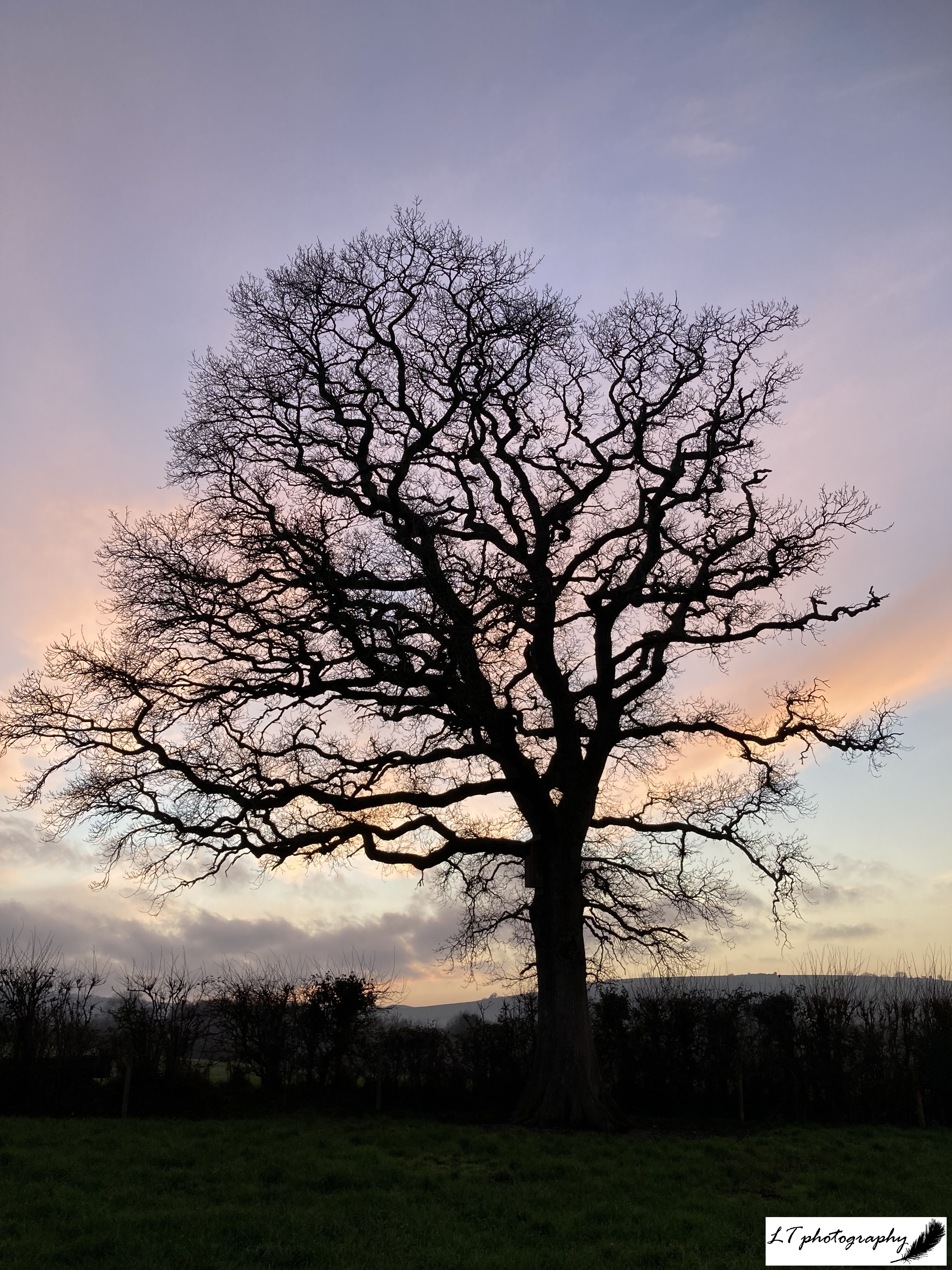
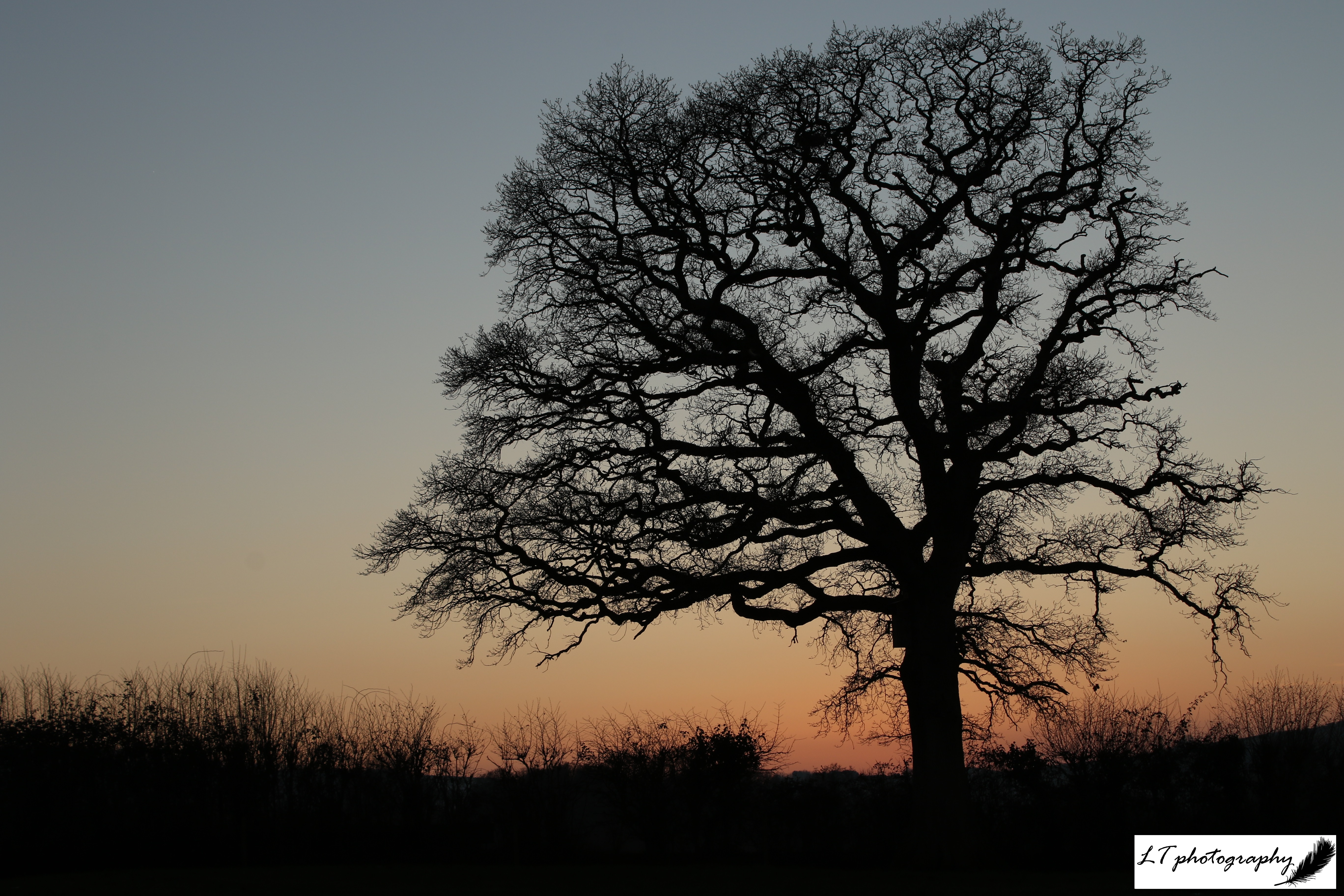
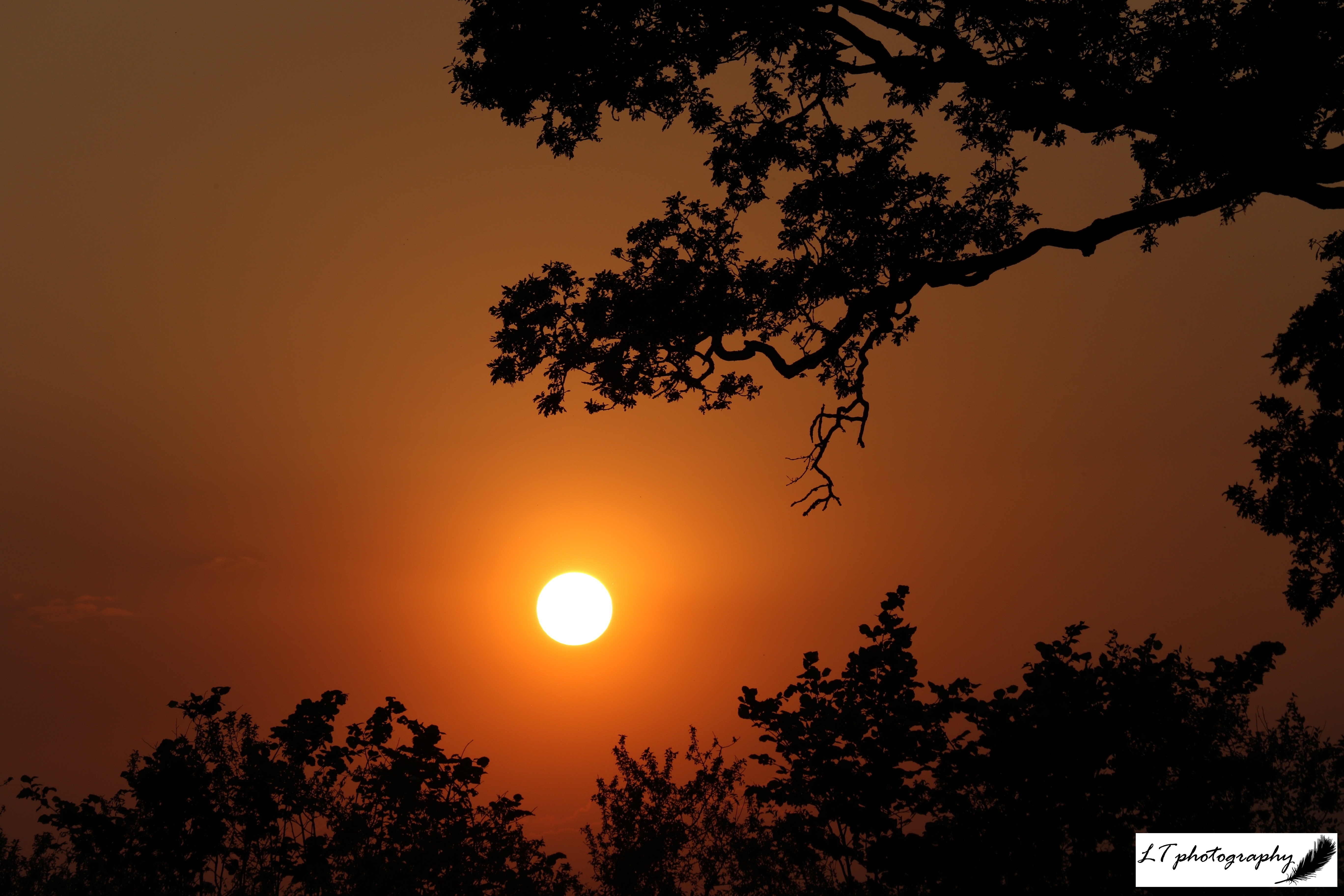
Day 7 – The 7th day marked the arrival of New Year’s Eve and the ending of another year. I thought this photo of a magnificent oak tree resplendent in its skeletal form in front of a warm winter sunset was a perfect way to match the feeling of the light falling on 2023.

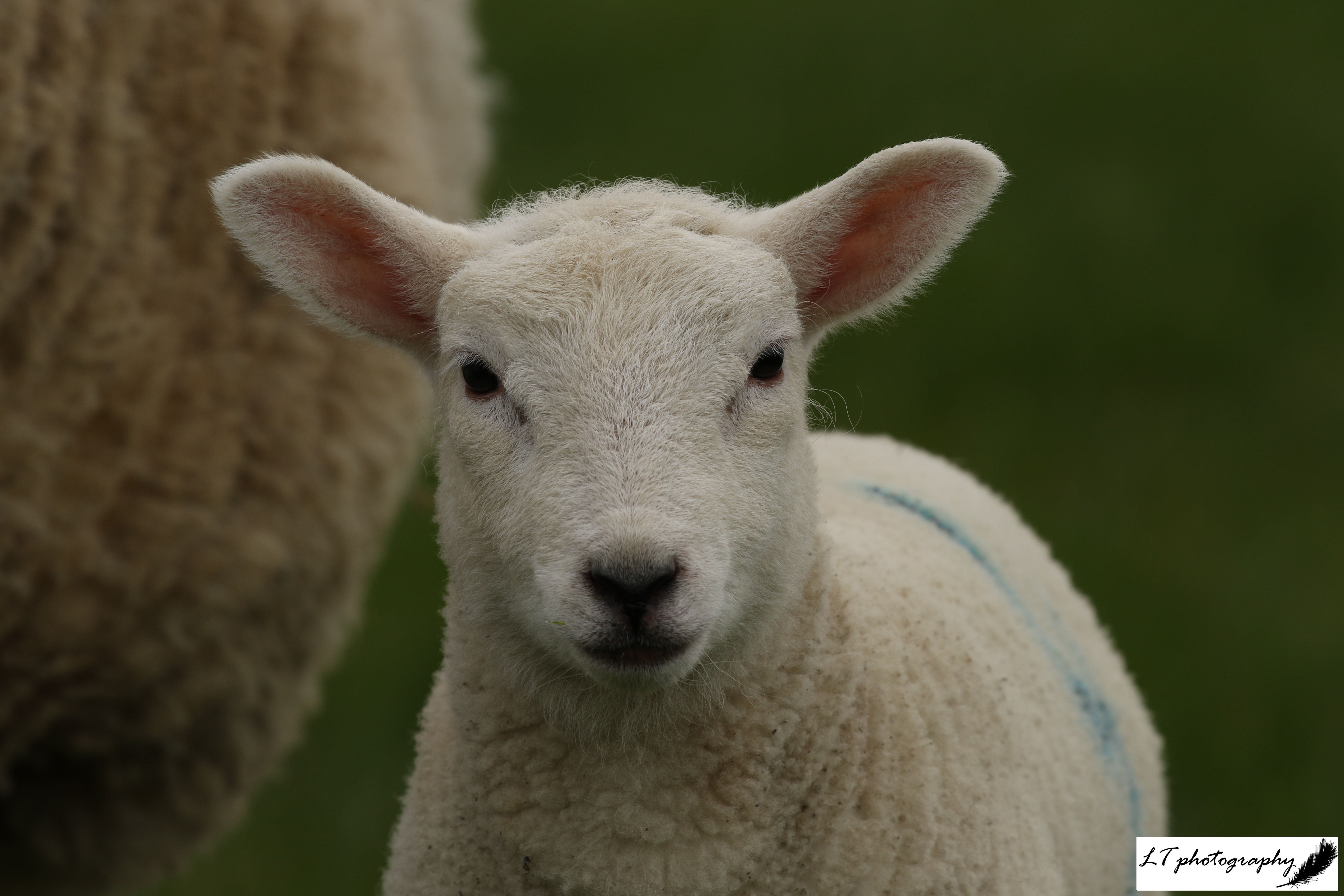
Day 8 – This year I finally bought my first super telephoto lens and so to practise I made use of our very last baby lambs born in spring 2023. It is a wonderful sight to now see subjects up close through a lens without having to be really close. Here’s to more fun in 2024!

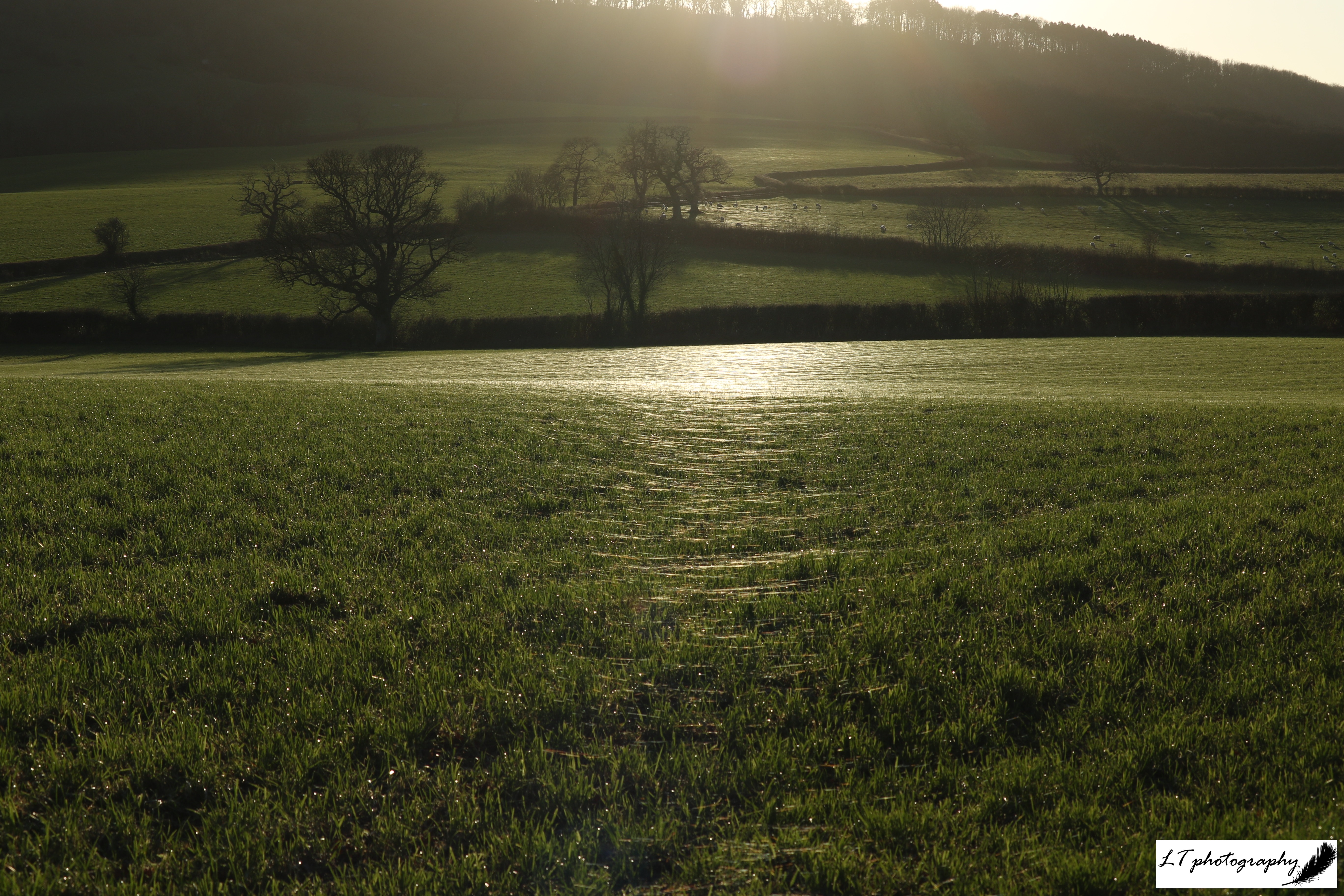
Day 9 – For the 9th day of my challenge, I decided to focus on the effectiveness of simple photos. My example is a photo from last year when soft winter sunshine could be seen glistening off cobwebs completely blanketing a field. A quite simple and spectacular phenomenon!

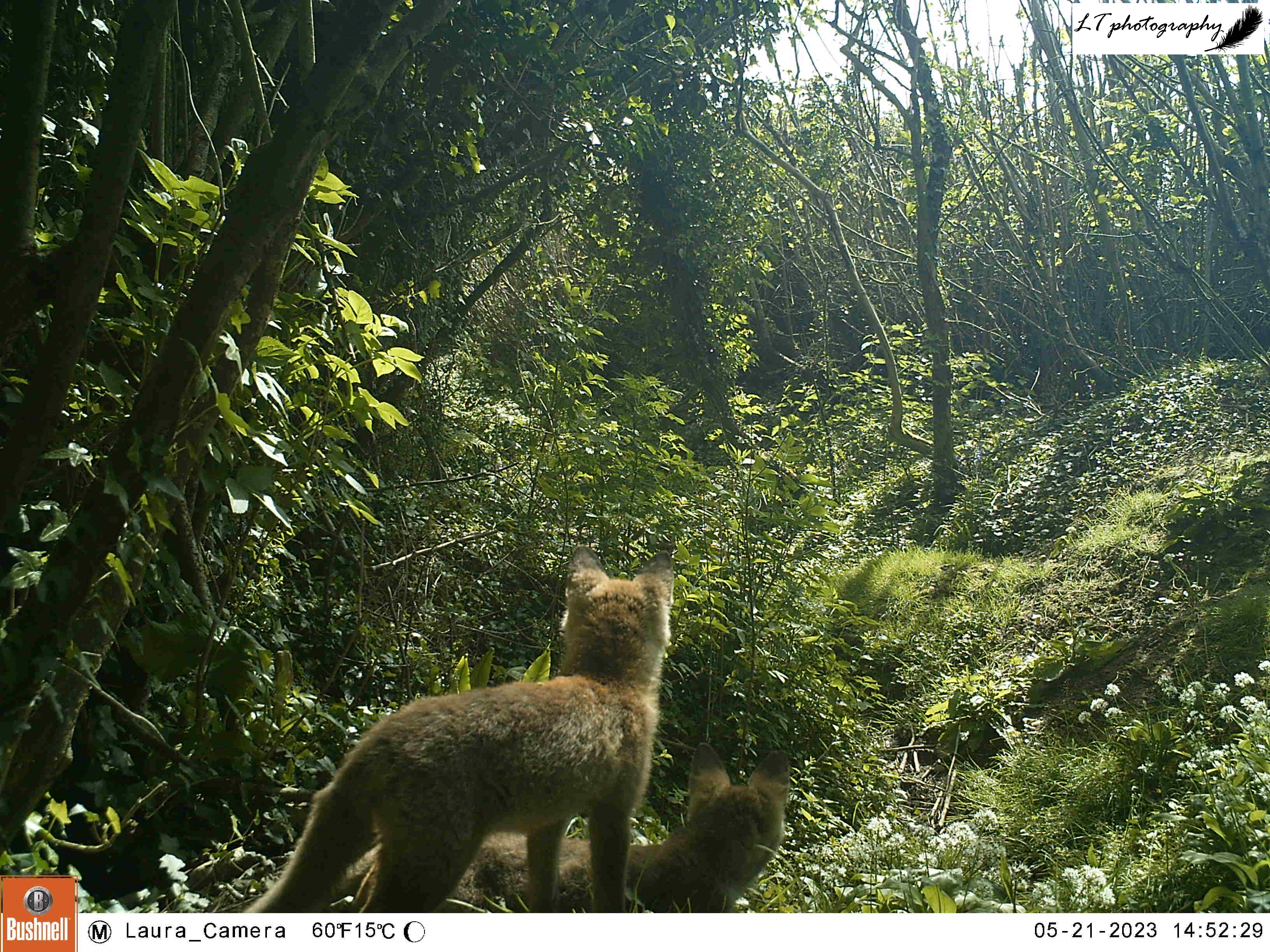
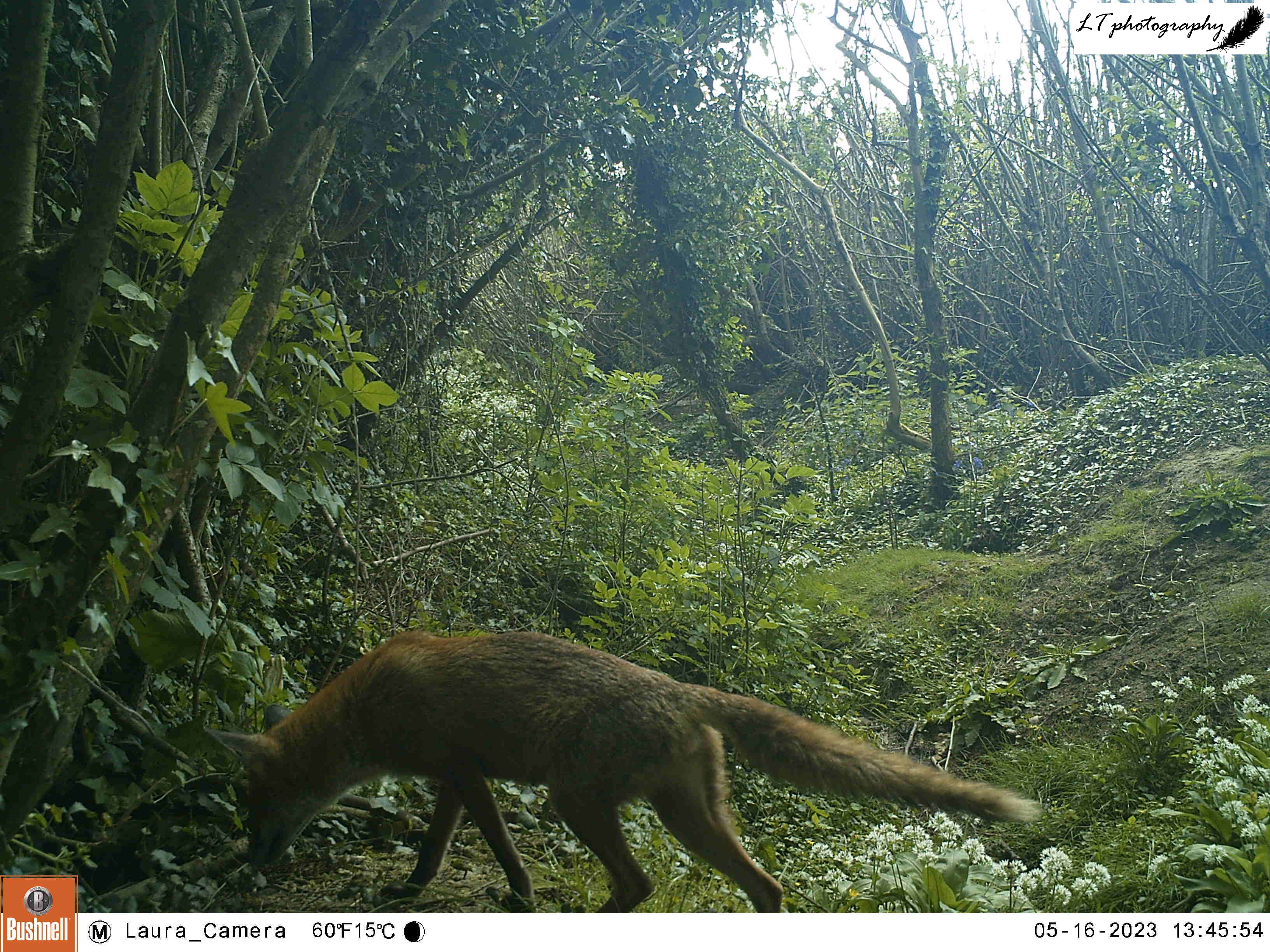
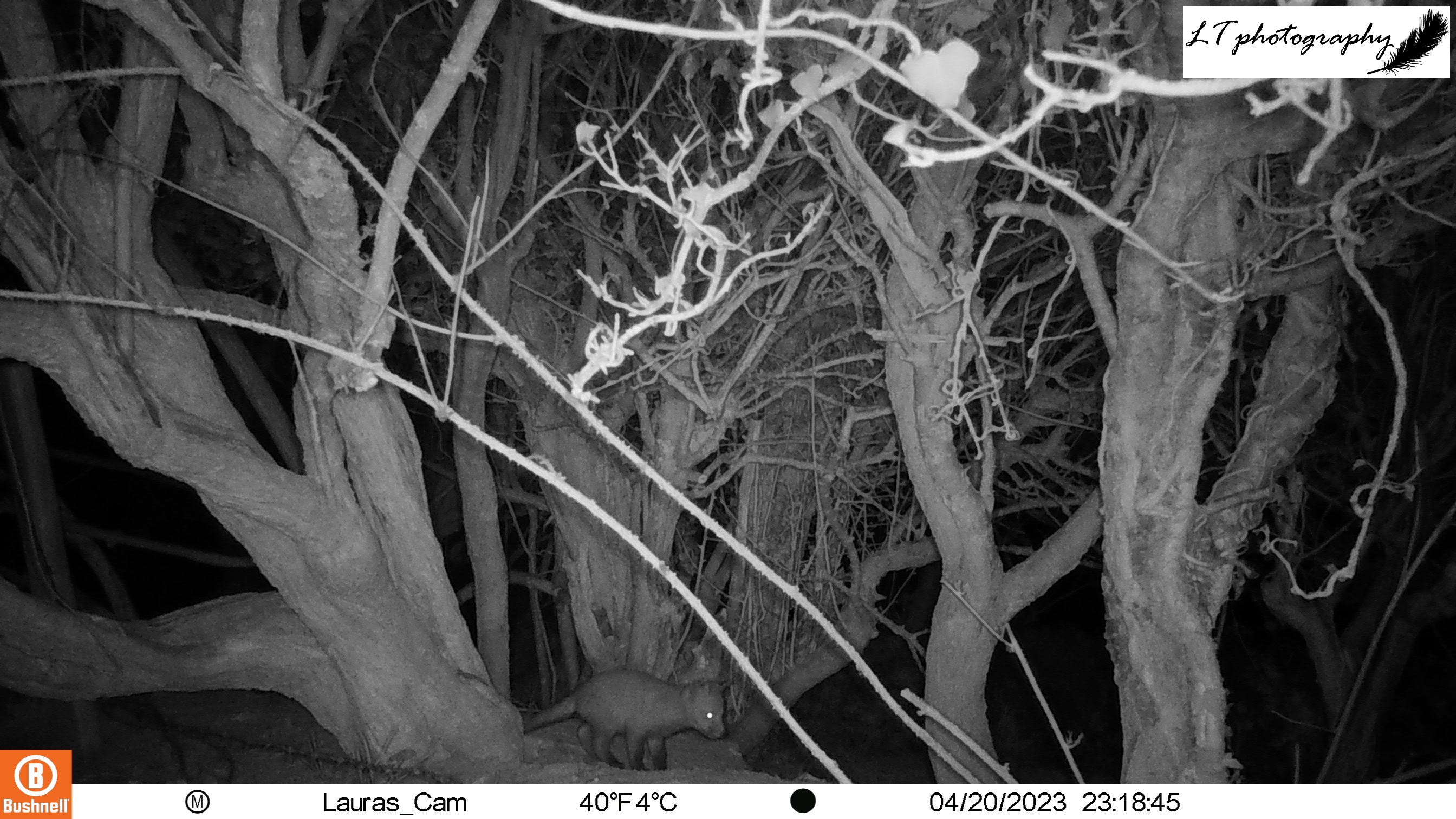
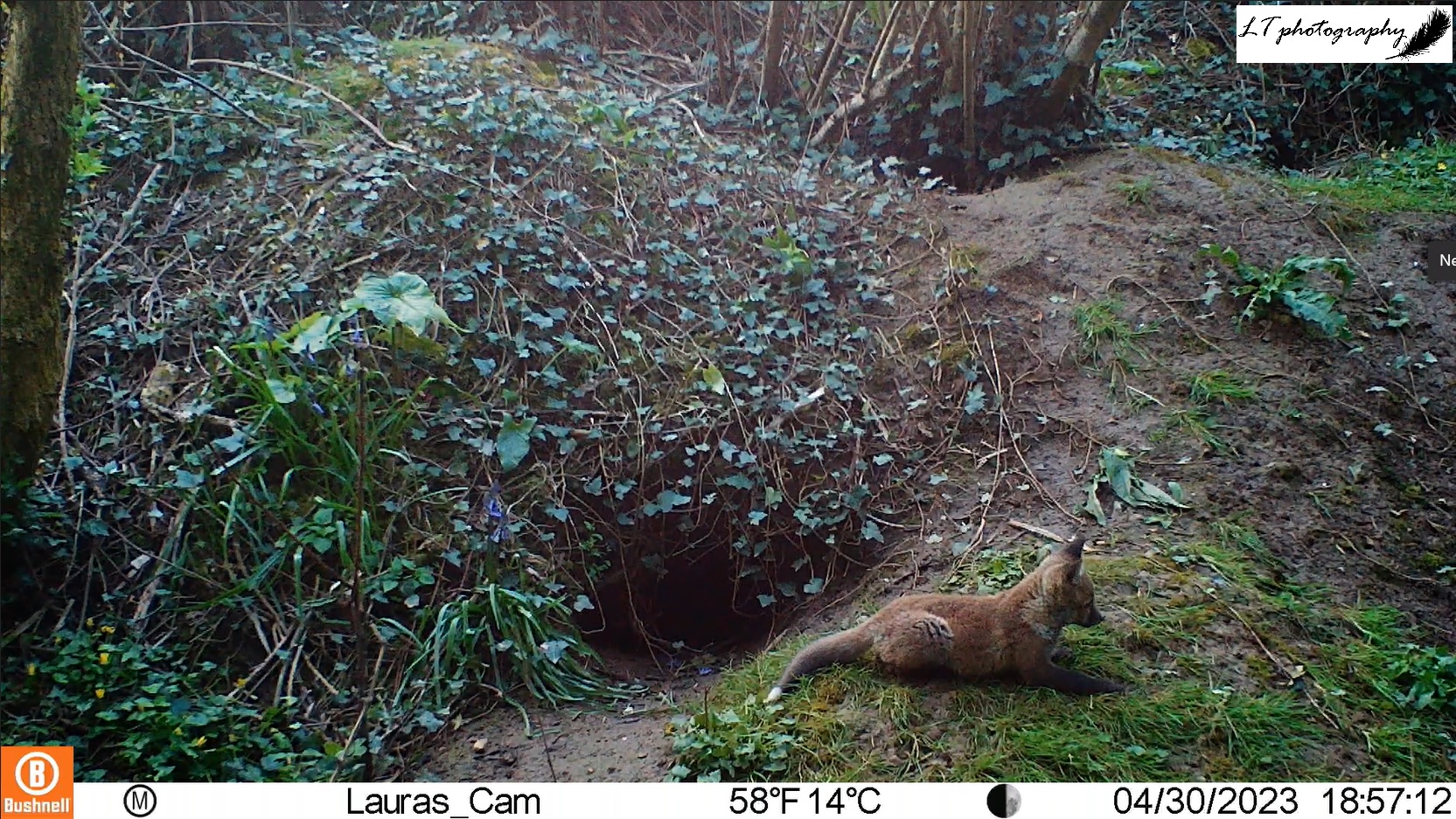
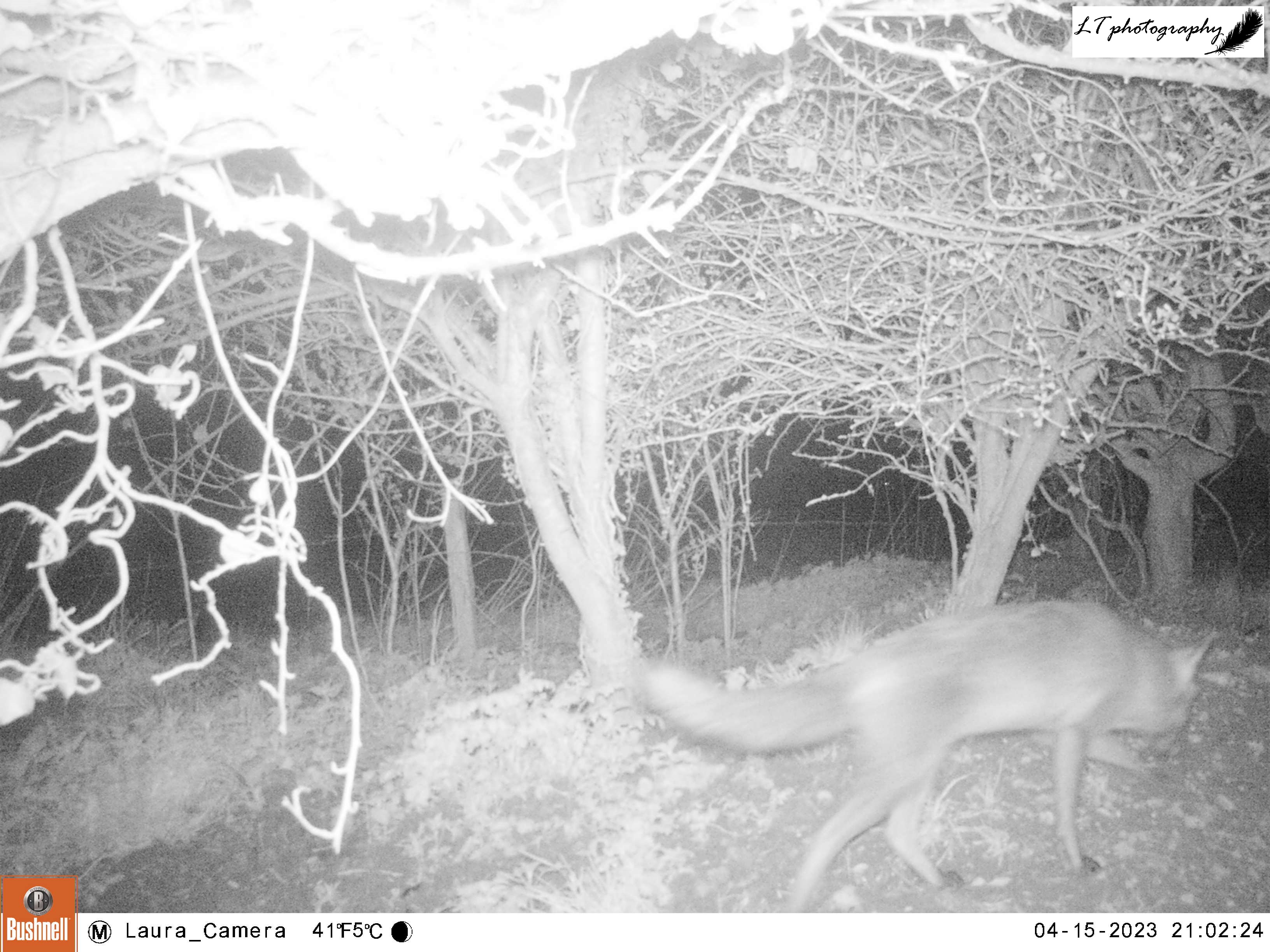
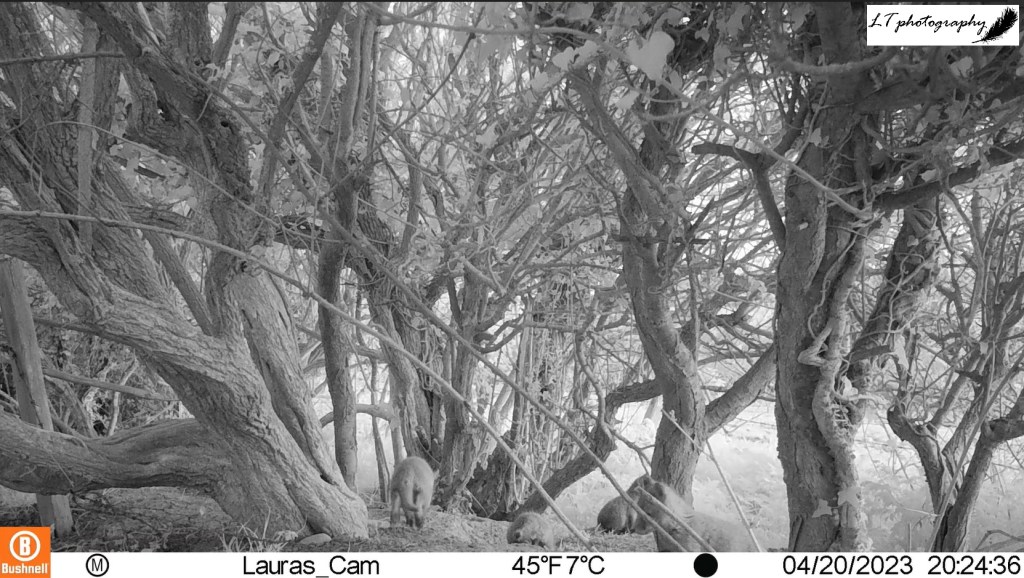
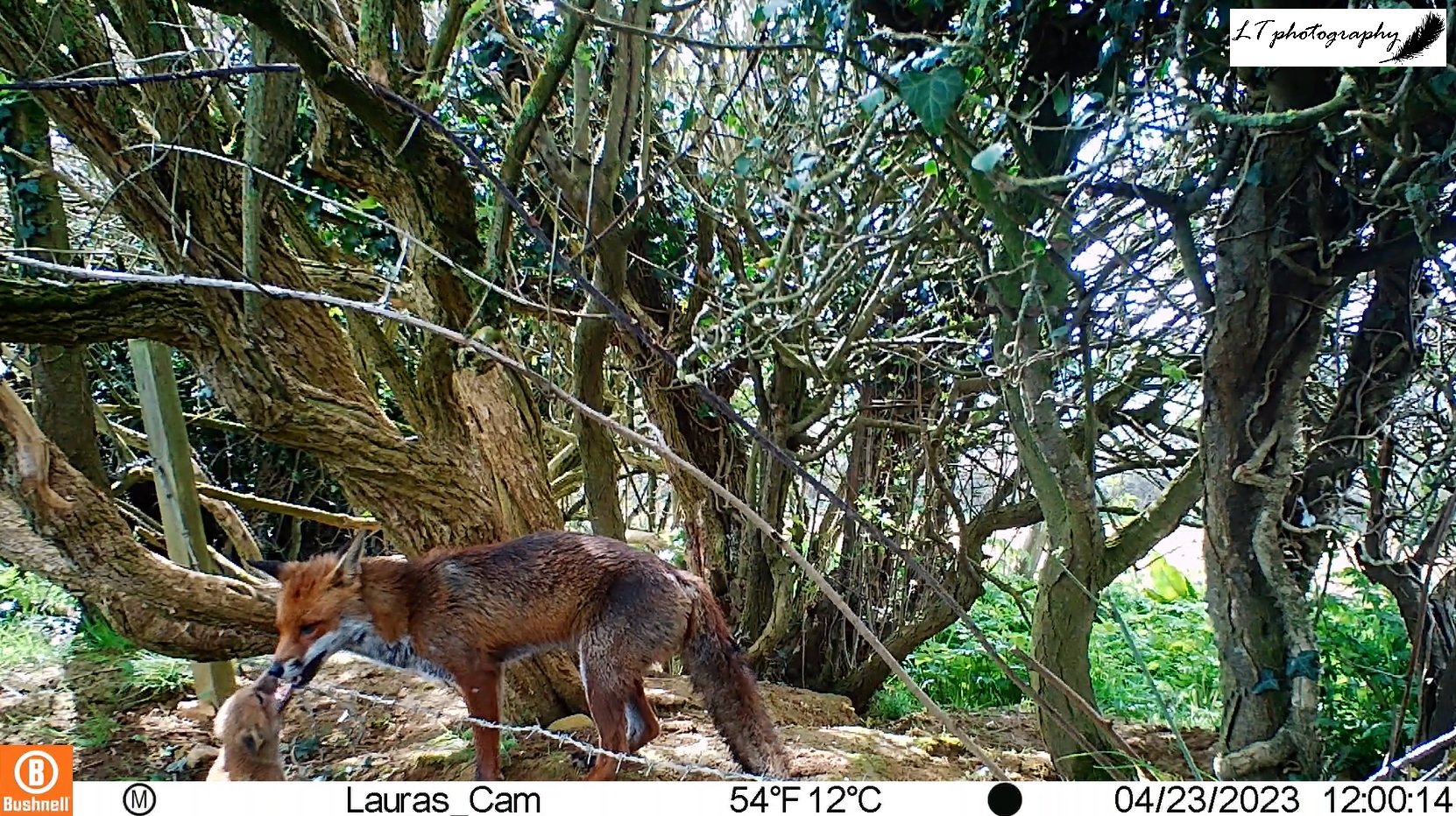
Day 10 – I got to experience lots of fantastic wildlife during 2023 with my two camera traps, and one highlight species was definitely the fox. Here is the first glimpse I got of a family foxes with four very young cubs, that I went on to watch grow up to become independent themselves. Fantastic! (For more check out my blog post Spring Dorset Camera Trapping Part 2.: Fabulous Foxes).

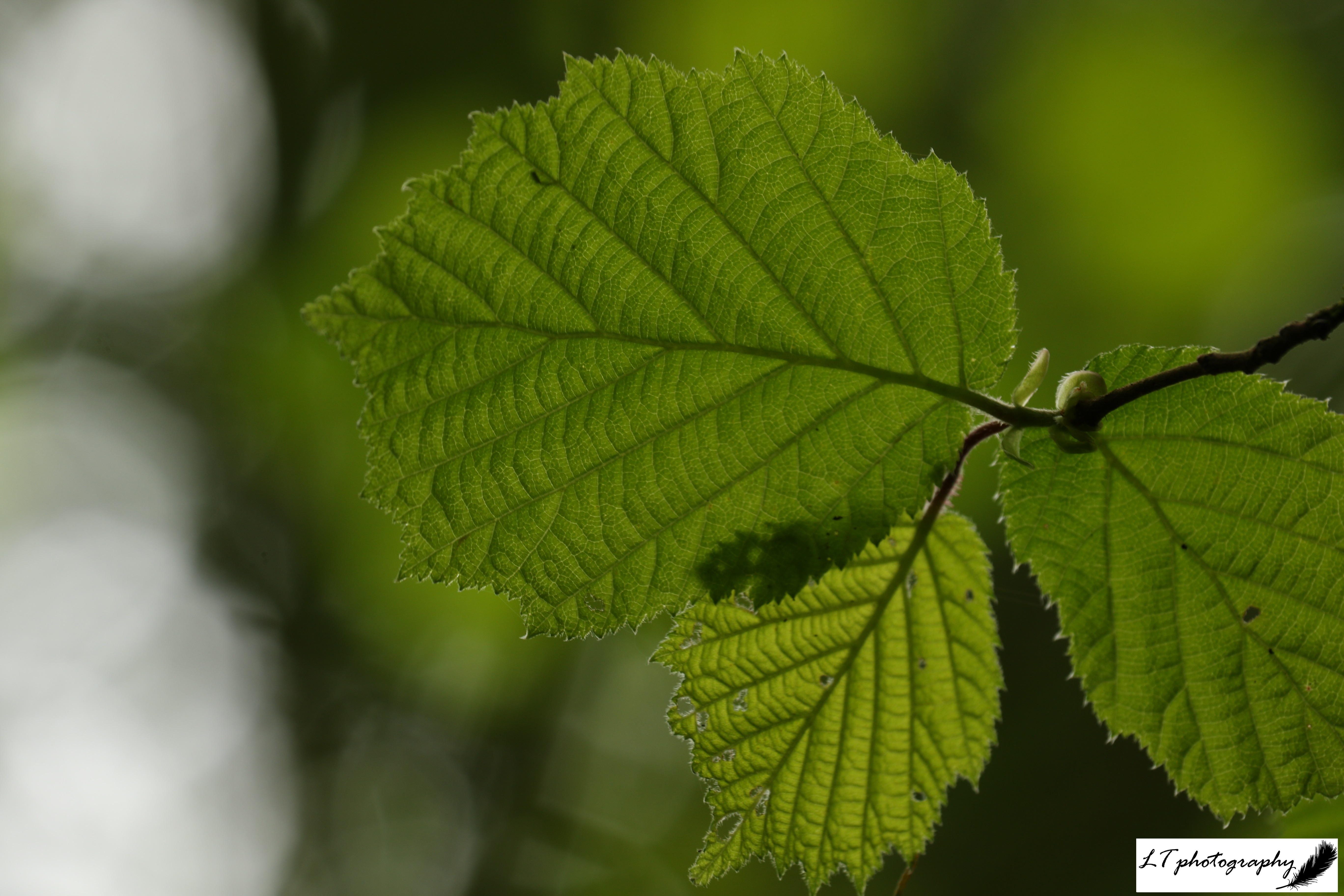
Day 11 – For my penultiate day, I picked this photo as I enjoy how the light delicately falls through this hazel leaf, highlighting the veins stretching out across its surface. Thus, I look forward to the return of green leaves when spring rolls round once again.

Day 12 – For my finale, I decided to head back into the woodlands during late spring. Under boughs of hazel here, a lone early purple orchid can be found standing watch over a well trodden animal track, calling the observer deeper into the trees.

For now it is time to look to the present and to make the most of the winter months still to come!

Spring Dorset Camera Trapping 2023 – Pt. 2: Fabulous Foxes

Bouncing, pouncing, twisting, turning, four tumbling balls of red fur. So small, so little, miniature versions of what they will grow to become. Playing for hours, fighting, racing, hunting each other, unknowingly preparing for the world beyond their home. One day these furballs will venture out, cunning, wily, and most of all majestic.

From the city to the countryside, wherever you live, you will most likely have seen a fox in your lifetime. In Britain the red fox is an iconic mammal species, standing out with their striking orangey-red coats and bushy tails. They are known as expert hunters, catching a range of prey from rats to crows, but are actually omnivores, supplementing their diets with plant material, such as berries. As a species they feature heavily in British folklore, being depicted as cunning and wily, spiritual and intelligent.

Though foxes are often seen wandering around cities, they mainly inhabit rural areas, being more elusive than their urban counterparts. On my family’s farm in Dorset, my camera traps have allowed us to gain an uninterrupted view of the lesser seen world of this majestic species. By gain a greater understanding of their behaviour, habits and daily patterns, it allows us to live alongside them with ease. With the frequency of their presence on my camera traps this year, there will be much that can be learnt once again!

Field Cameras

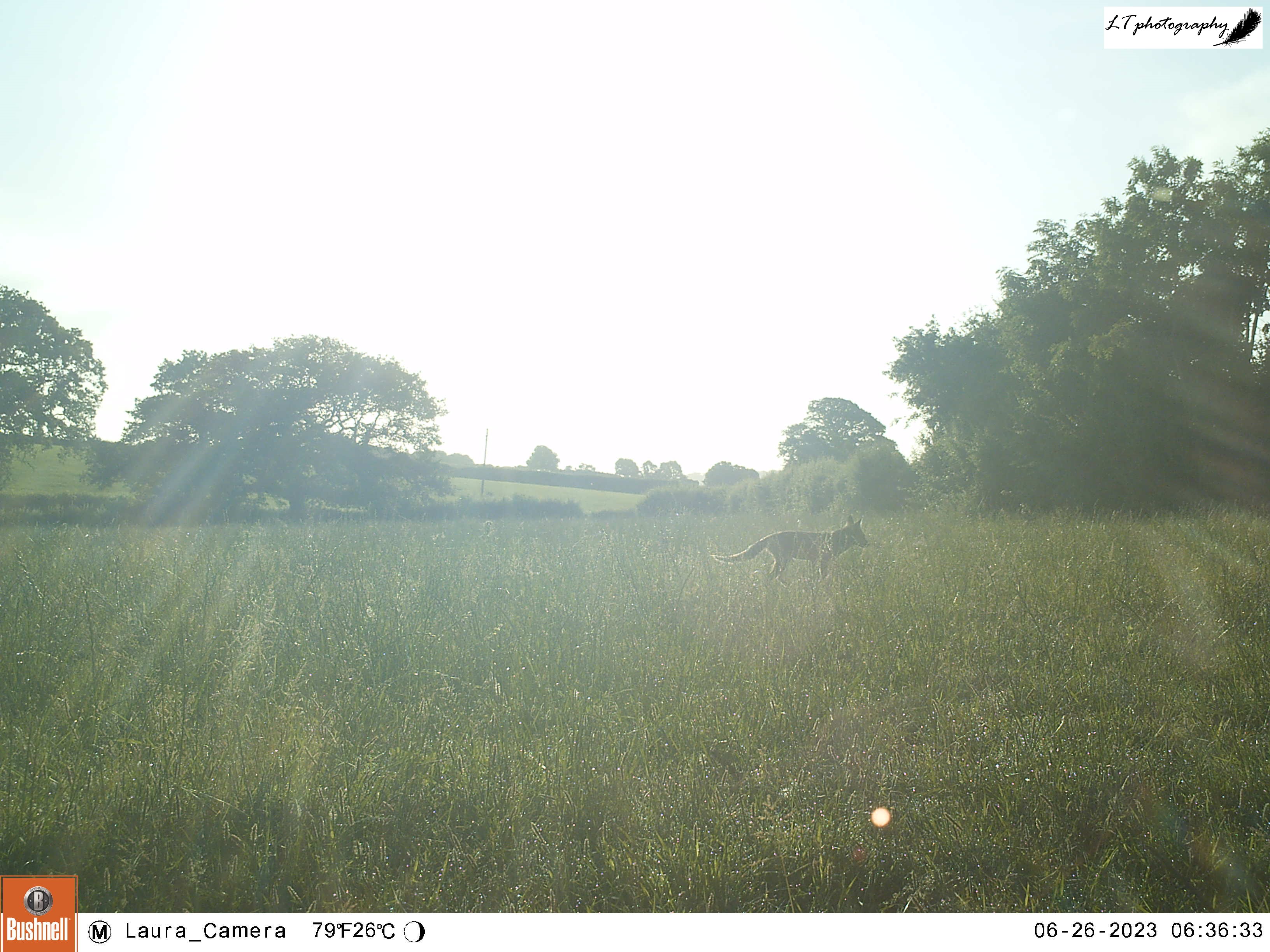
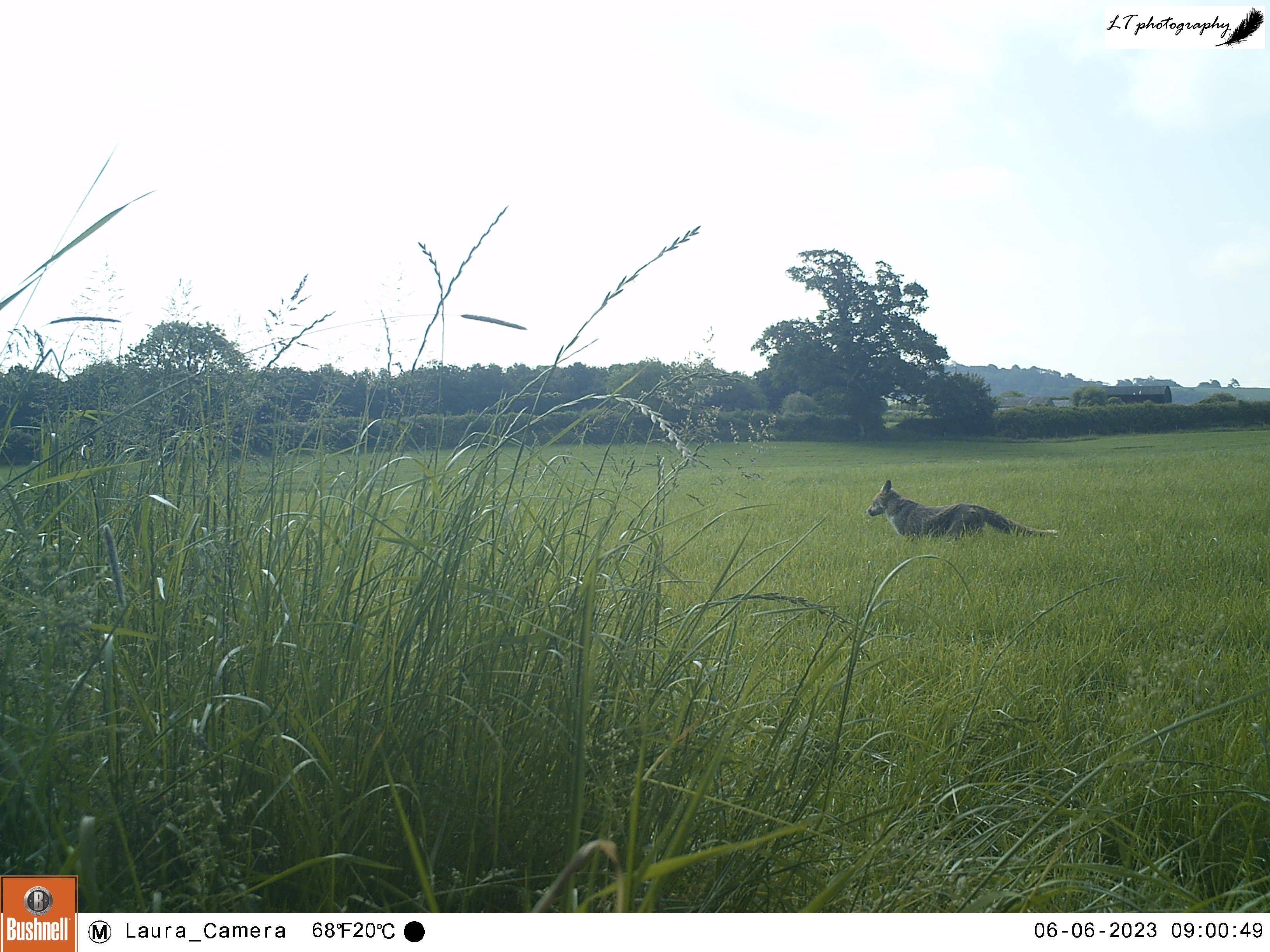
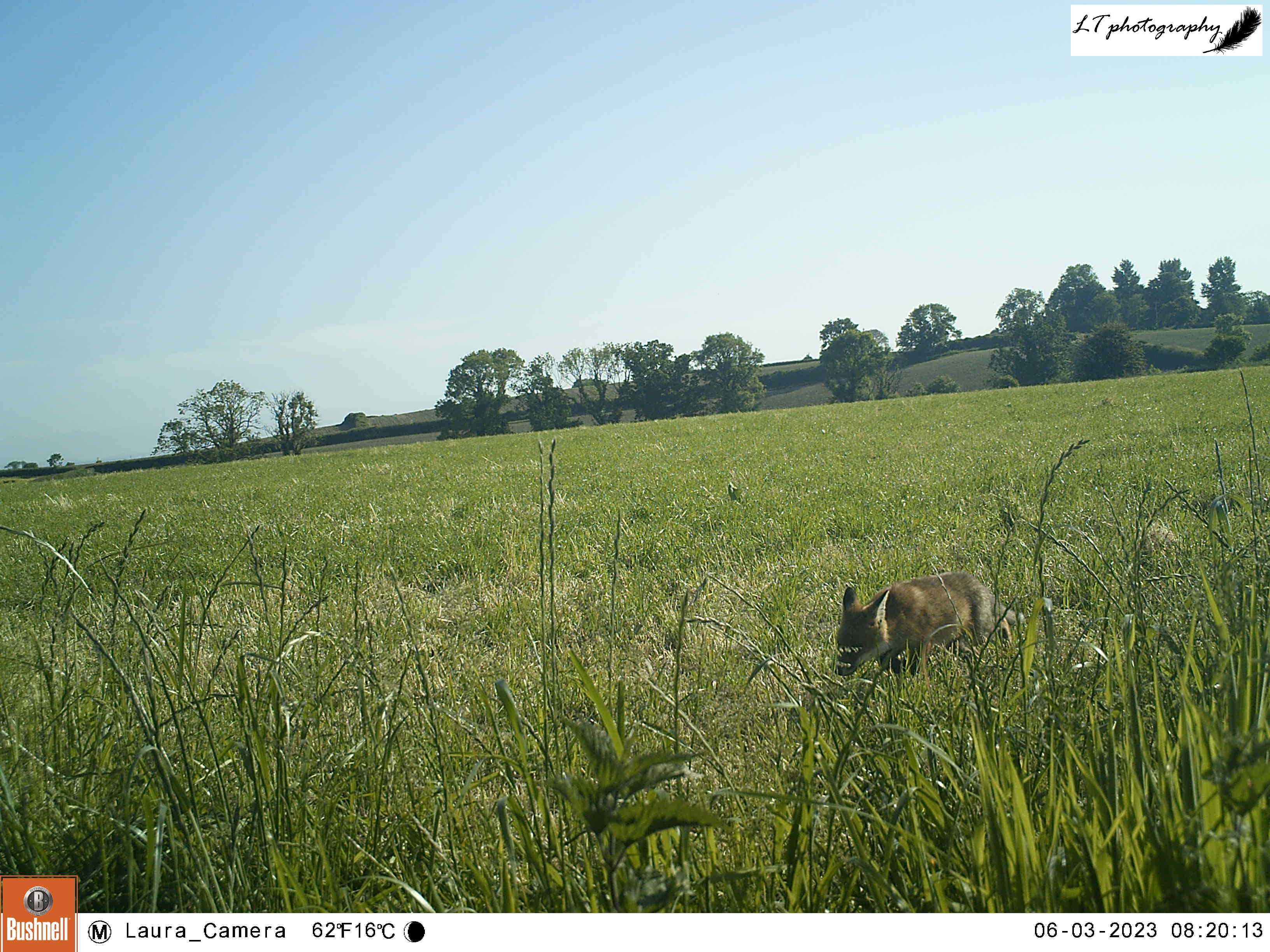
This year foxes featured at nearly all of my camera trap locations, including all sites where my cameras faced out into open fields and meadows. This could be capturing foxes passing through, hunting, leaving their dens, or just watching the world, but it showed us where the foxes were seen more often and in what capacity. Here’s some of the highlights:

  • Water Meadow – Fox highway

  • Sugar Field – Adult fox passing through; fox cub venturing out of a possible den
  • Tower Paddock – Fox hunting spot

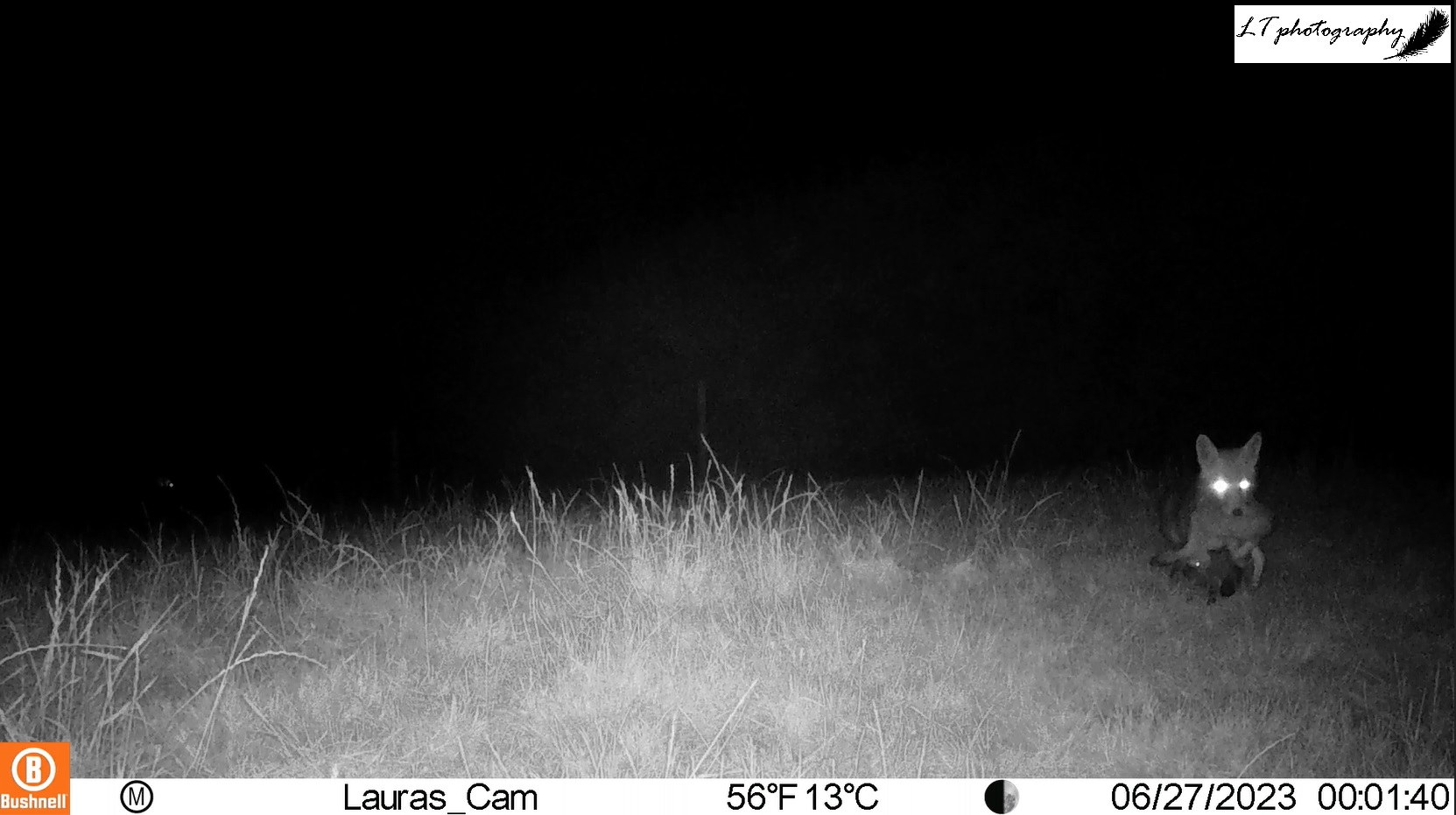
  • Cowleighs – Fox cub on the wander; adult fox returning to their den with food
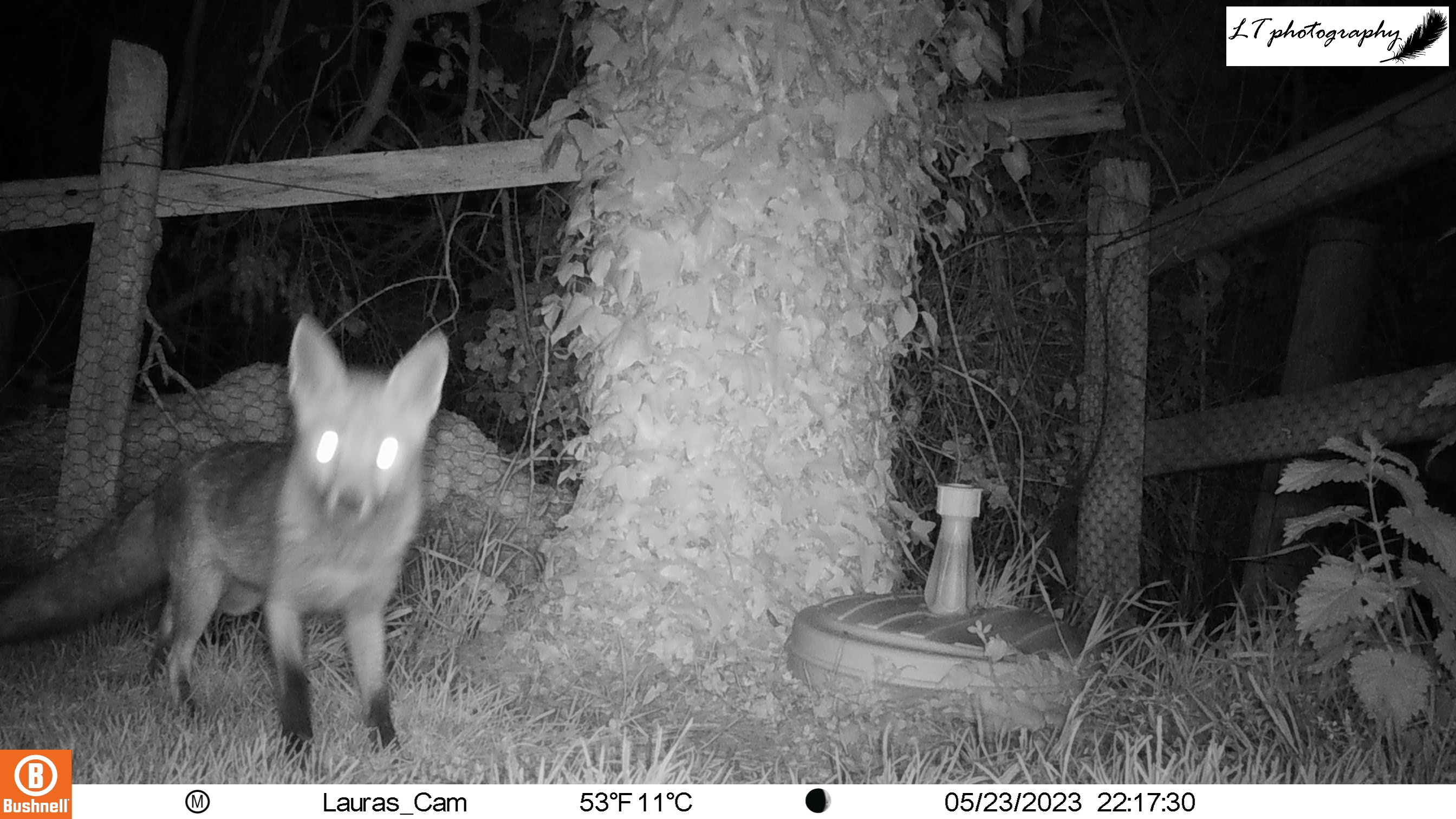
  • Garden – Adult fox checking things out

Badger Alley

Last year Badger Alley was home to a pair of lovable fox cubs that gave me the wonderful opportunity to watch as they grew up to be scruffy young adults venturing out to explore the wider world. So when spring rolled around this year, I put my camera traps out once again to see what stories would unfold in Badger Alley.

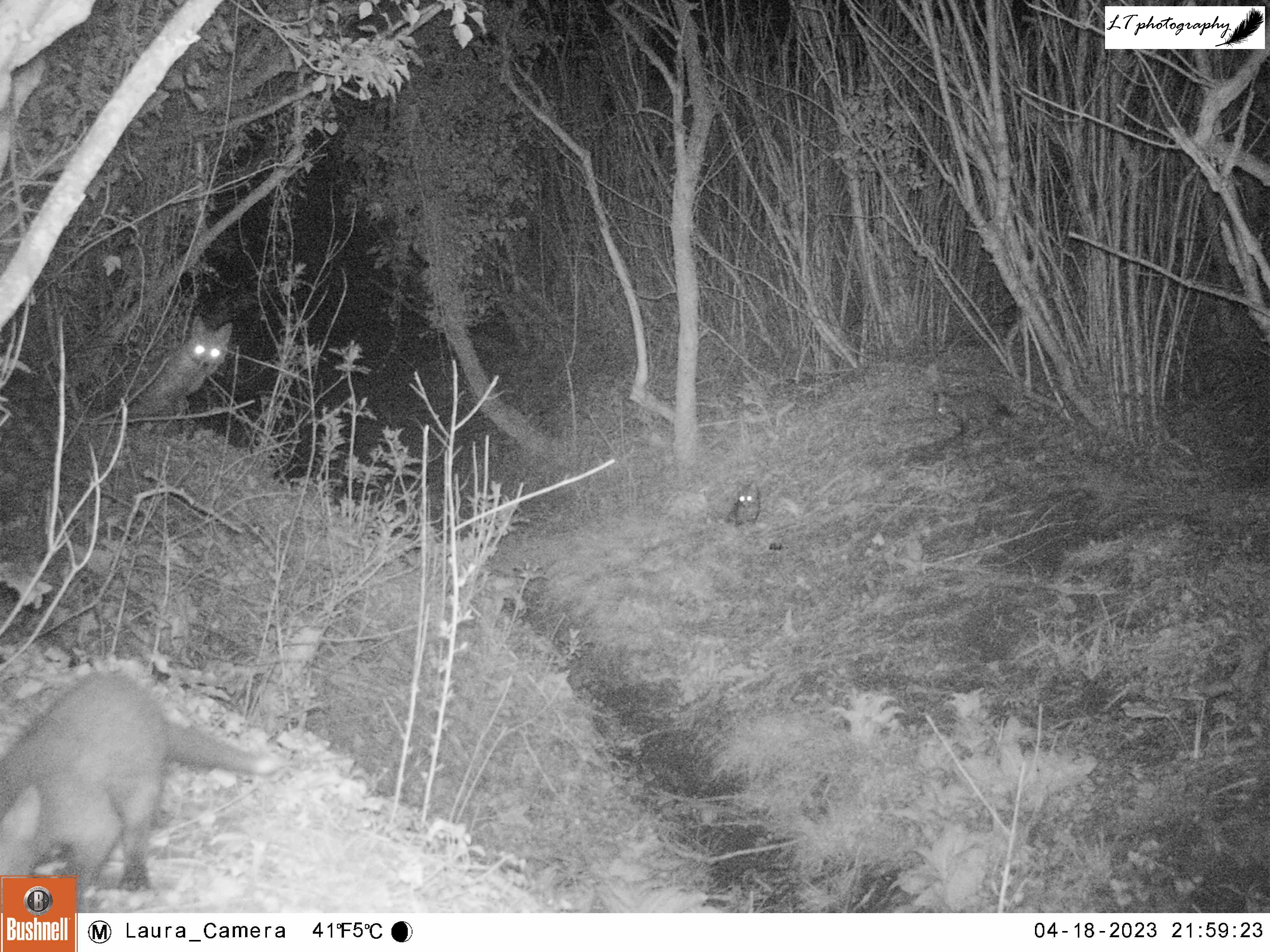
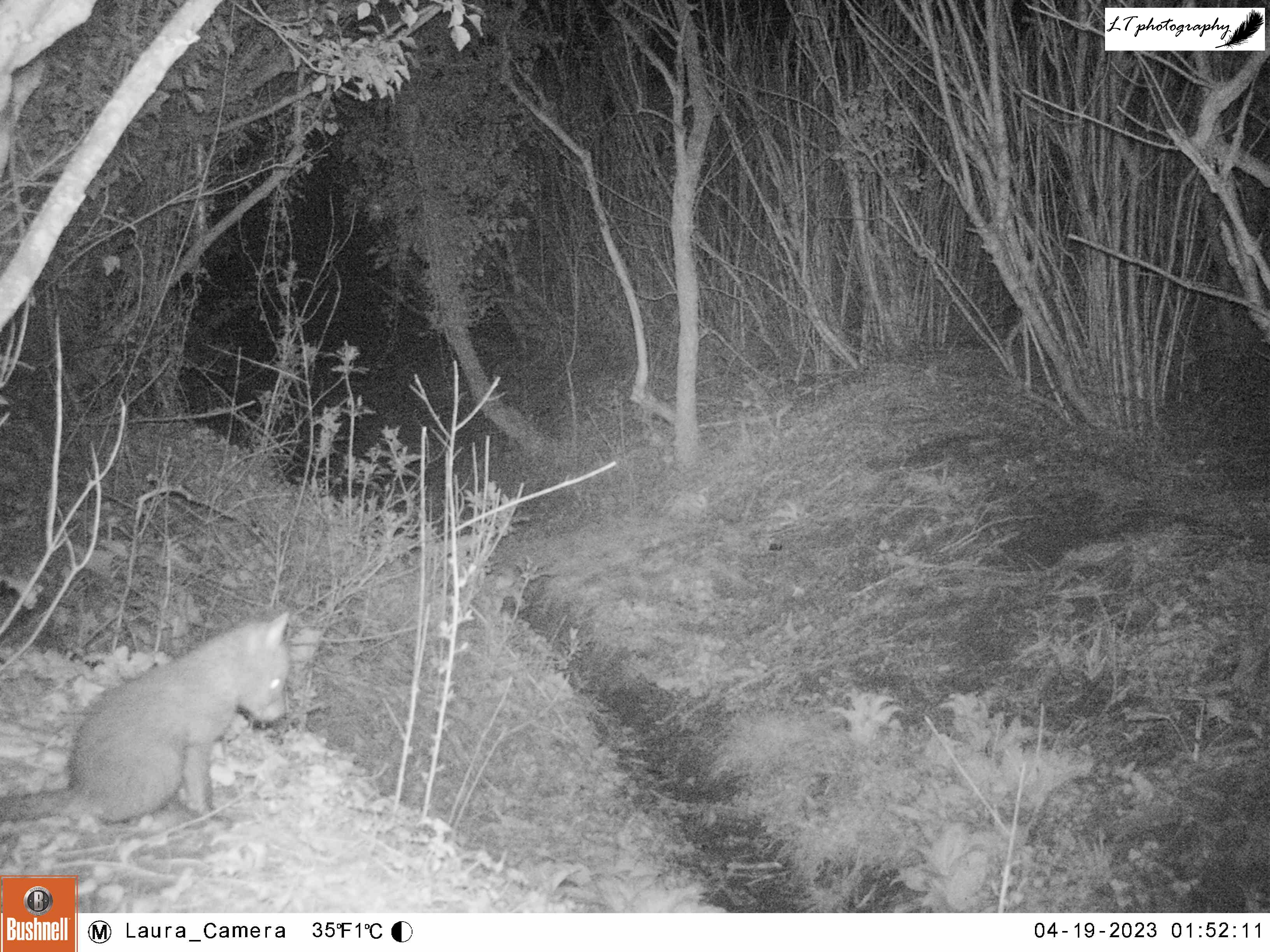
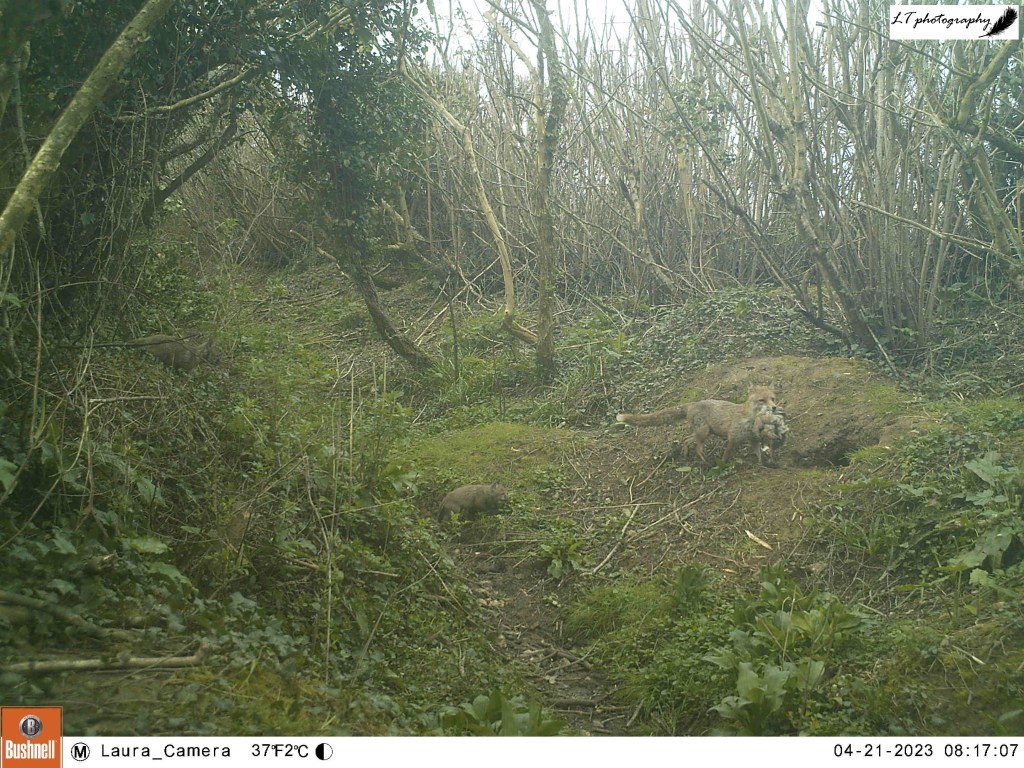
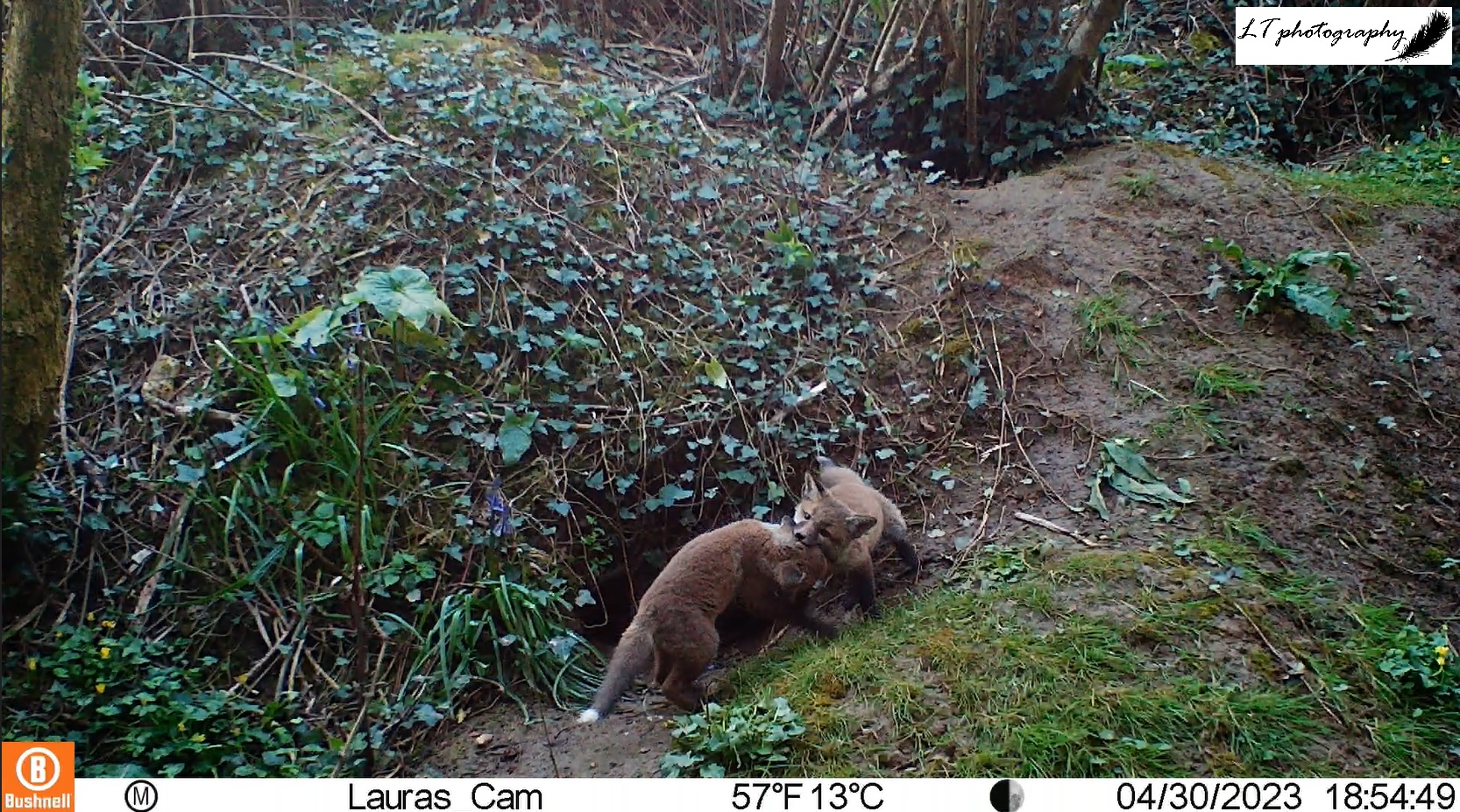
On the 18th April, my camera trap gave me my first views of a new family inhabiting a badger sett in Badger Alley. I was amazed to see a litter of four small cubs exploring the world created by the trees sheltering the footpath, and also excitedly welcoming their parents back as they brought back food to them. On the 21st April I got the wonderful sight too, of all four cubs being suckled by their mother.

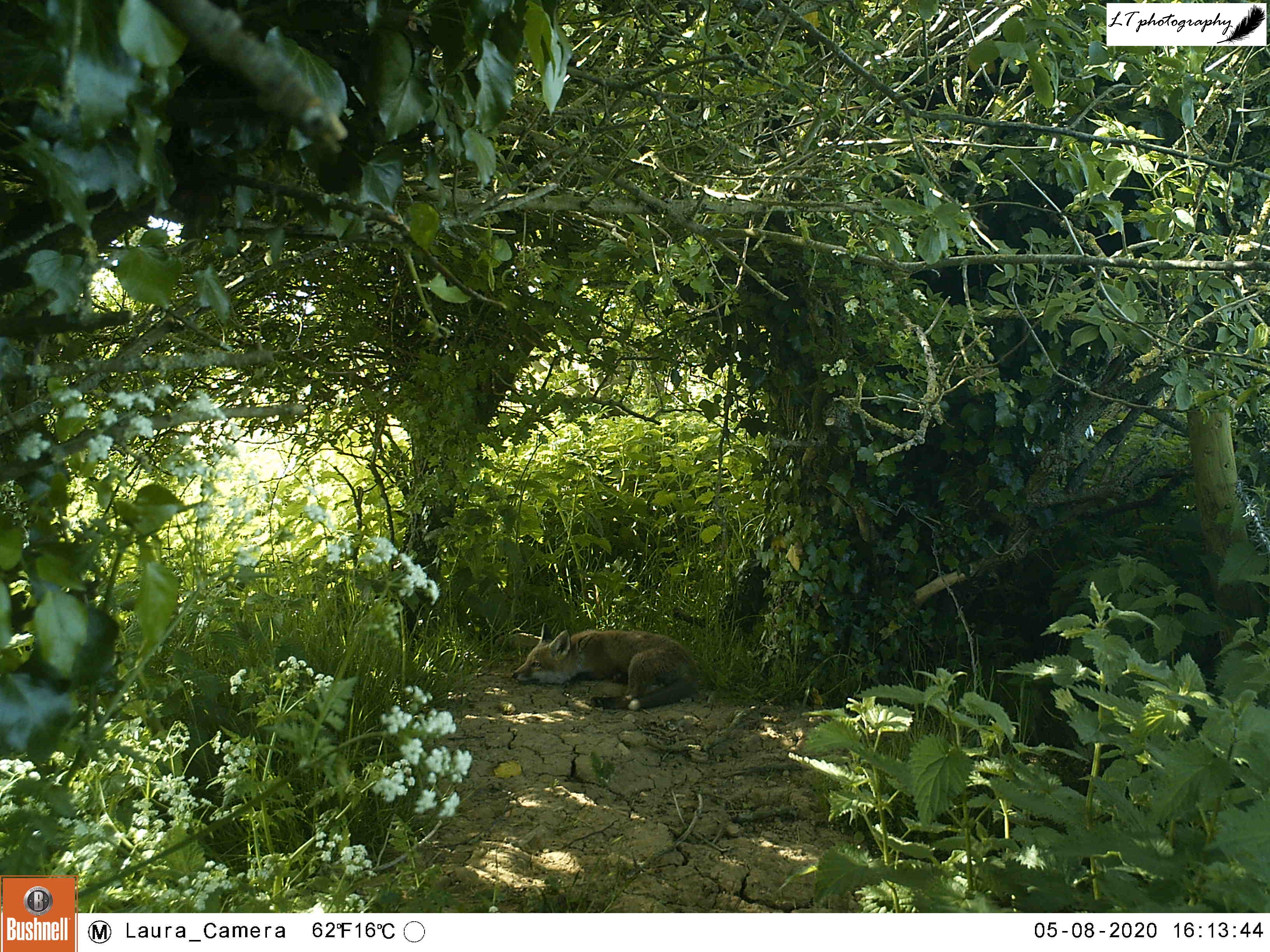
With each week my camera traps watched as the fox cubs grew bigger and bigger and came into their deep orange-reds coats like those of their parents. They fought, played and sunbathed, and began to venture further from their den. It was great to see all four cubs thrive through this time and I hope they continue to do so!

Quarry Field

My Quarry Field site is an active badger sett shared with other species. In 2020, I captured a lone cub on my camera traps, sleeping, being fed and wandering around on its own. The following year, in 2021, things looked a bit brighter with two rowdy fox cubs living in the sett, keeping each other company, playing, fighting and growing together. Last year, in 2022, there was signs of an adult fox passing through with food, but that spring I saw no actual sign of fox cubs living within the sett. What did I find this year then?

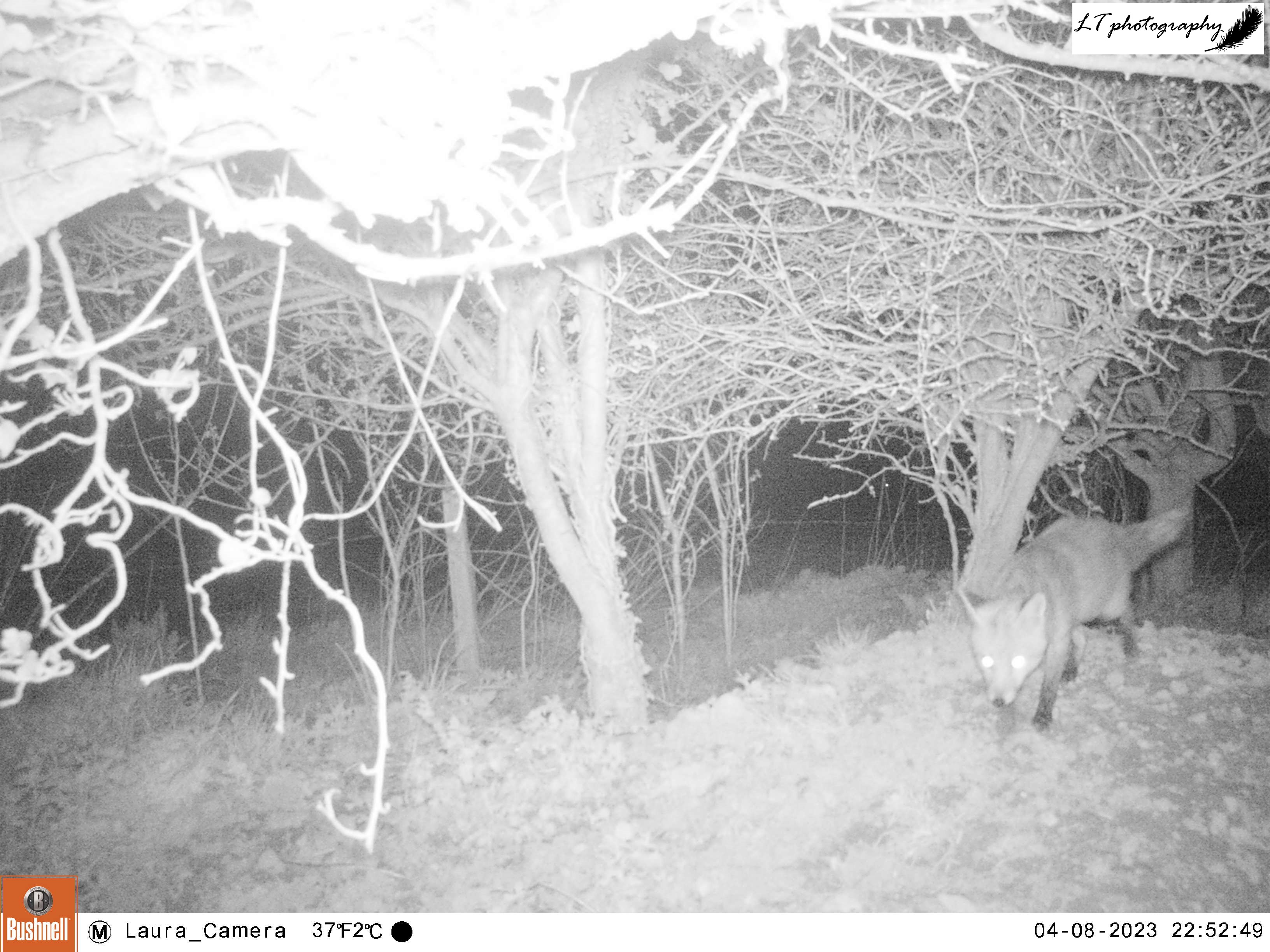
During spring 2023, I first put a camera trap out at this site on the 8th of April. During the following week, my camera caught lots of sights of an active badger family and a passing through female roe deer, but also an adult fox passing through every night. This was a positive sighting as it meant to me that the sett could be being used once again by a fox family.

This year luck was on my side and on the 17th April, my camera trap caught a first sighting of very small fox cubs venturing above ground at the sett, and there was not just one, or two, but four! I was astounded to have two known large litters of fox cubs on the farm this year, with potential others situated across our land also.

It was amazing over the following weeks to watch the cubs play, race around, rough and tumble, explore, and even beg one of their parents for food in front of the camera. Over time the cubs turned from orangey-brown little cubs into true miniature versions of their parents, lying outside the sett in evening sunshine, running up and down the hedgerows, or venturing out into the surrounding fields, still relying on their parents though. They even blessed me with some in person views of their natural behaviour on my adventures this year too!

This year has been a particularly incredible year for foxes that I will not be forgetting in a hurry, but it will be interesting to now see what the impact may be for local fox populations. They are an important species in the countryside and one people need to learn to continue to live alongside.

Spring Dorset Camera Trapping 2023 – Pt. 1: Wonderful Wildlife

“In photography there are no shadows that cannot be illuminated” – August Sander

“Actually, it’s nature itself that creates the most beautiful pictures, I’m only choosing the perspective” – Katja Michael

Over the last four years I have used camera traps to try to capture the wildlife that call my family’s Dorset farm home. It has been a way to gain an insight into the lives of animals that usually would only be seen in passing on a day-to-day basis, such as a hare or a fox, and to be able to see them as anything but ordinary. It has also been an opportunity to watch natural behaviour that we would not usually easily see without disturbing wildlife, and to truly get an idea of the abundance and diversity of species over 250 acres. There is always more that we can learn each year though!

For the last few months, my camera traps have been back out recording what there is to be seen out in nature this year. Moving between 10 locations across our land, from March to July, there were lots of lovely moments that were captured, along with the unusual and unexpected. Over two parts, I will delve into what my camera traps had to offer in photograph and video form, and share some of my highlights. To start, lets take a look at the range of wildlife that featured on the farm this spring, saving the best this year for next week!

Bridlepath: Badger Alley

A family-named Badger Alley is a great site for a variety of mammal species found on the farm, with even a first muntjac deer being spotted last year. Badger Alley is a naturally-enclosed bridlepath that was once home to a large family of badgers, but now the sett lies bare. This path for humans is also a popular thoroughfare for wildlife as well as being a sheltered location for the homes of certain species. This is one site that I return to with my camera trap year-on-year!

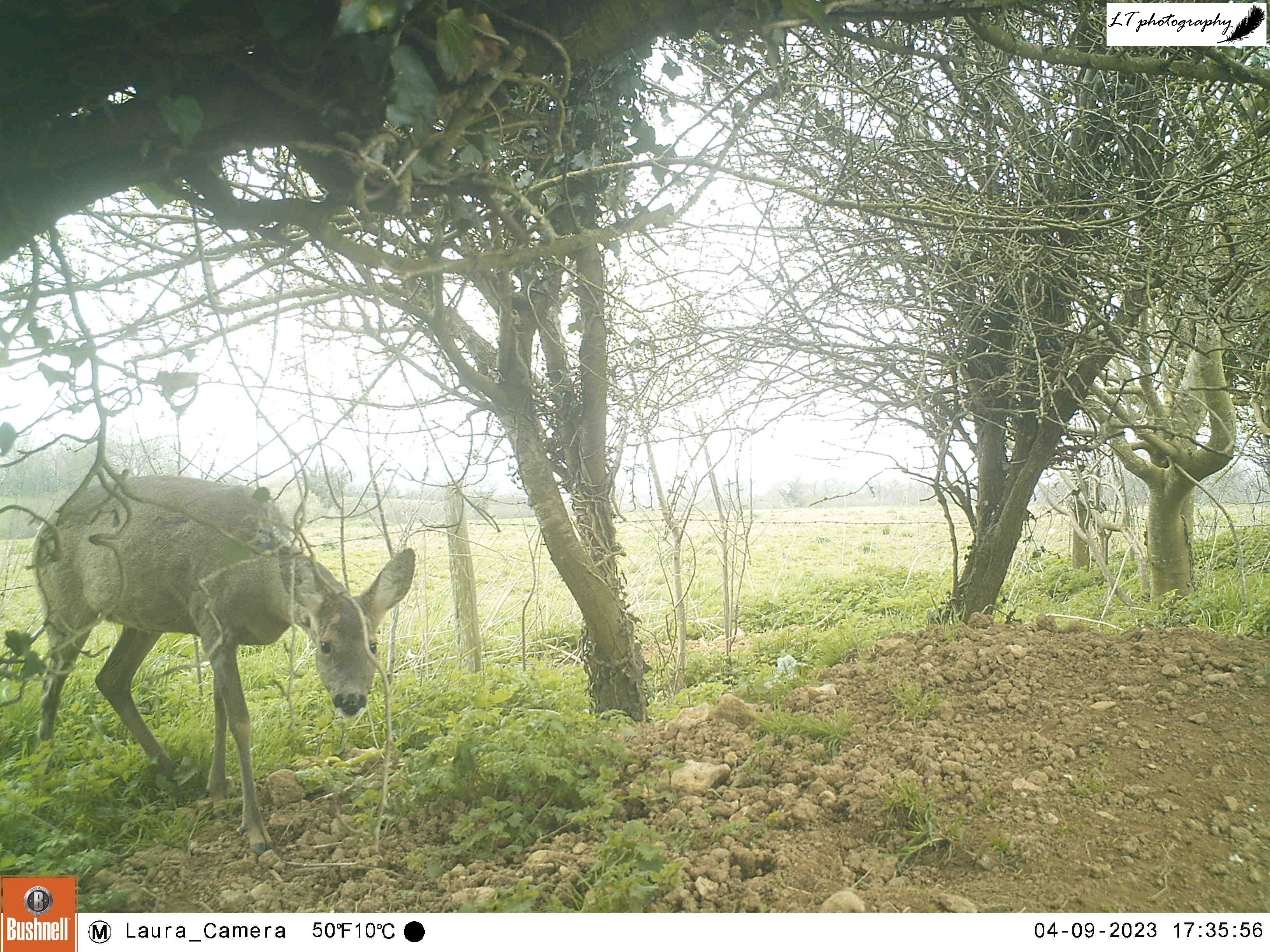
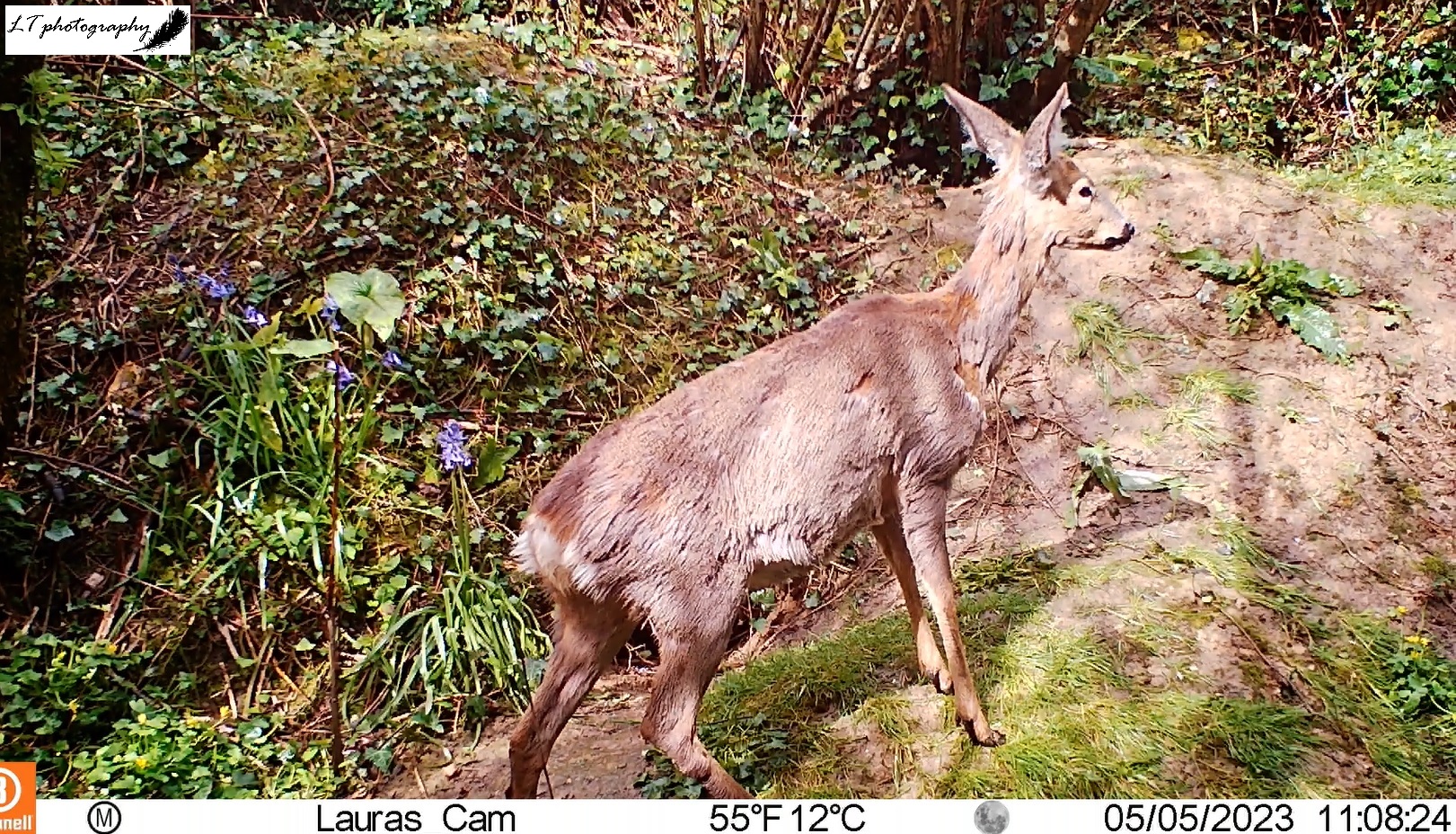
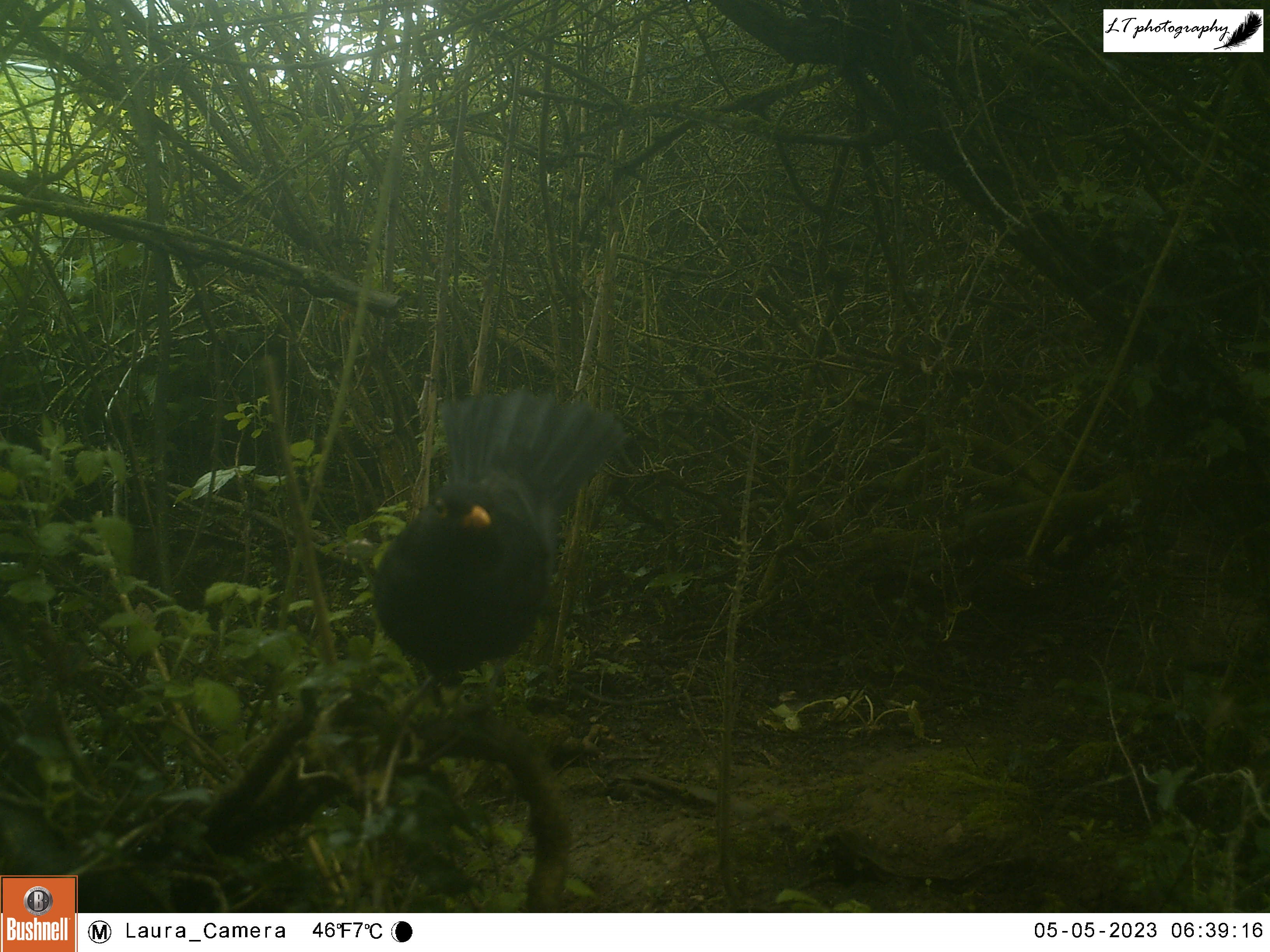
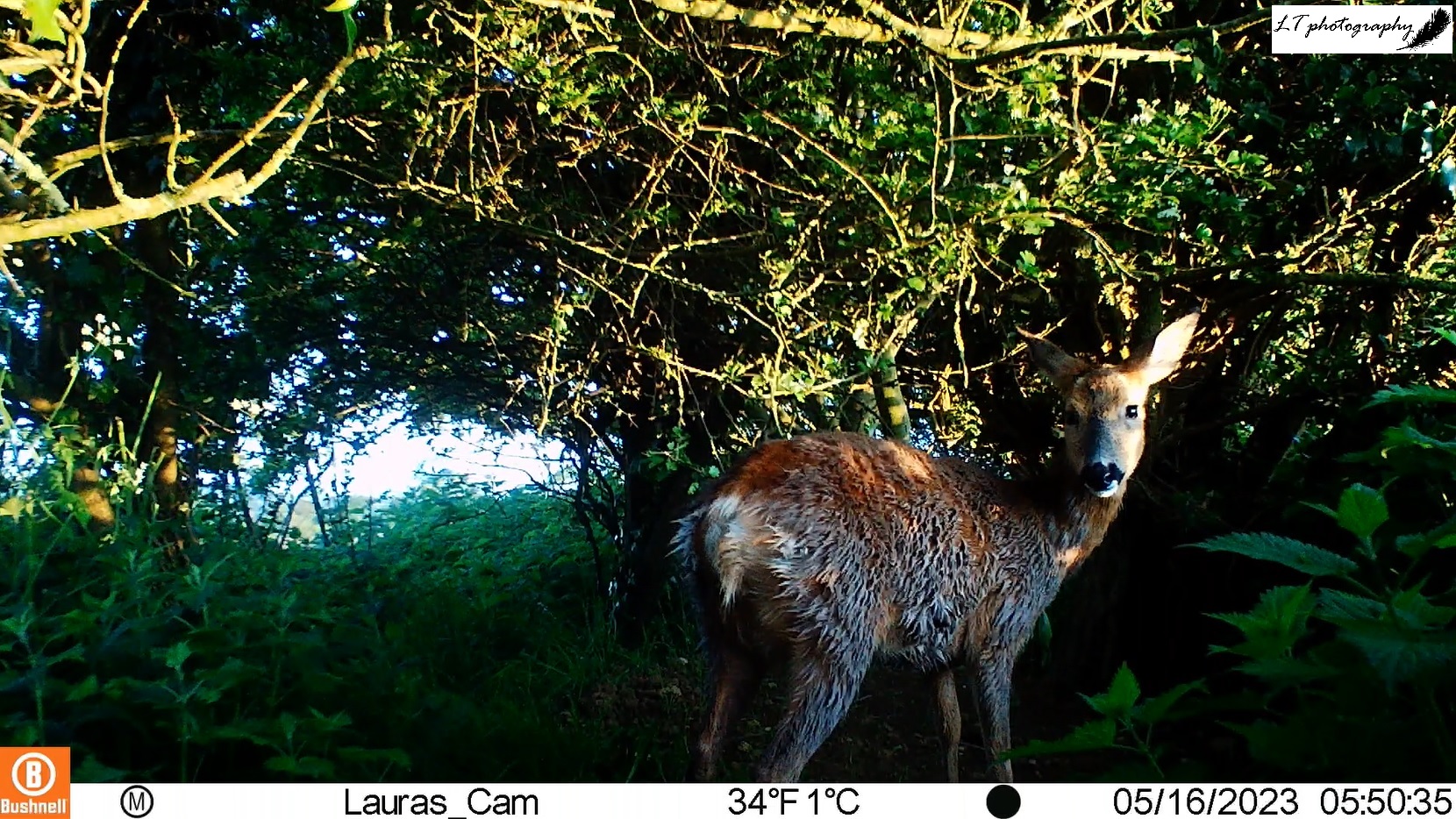
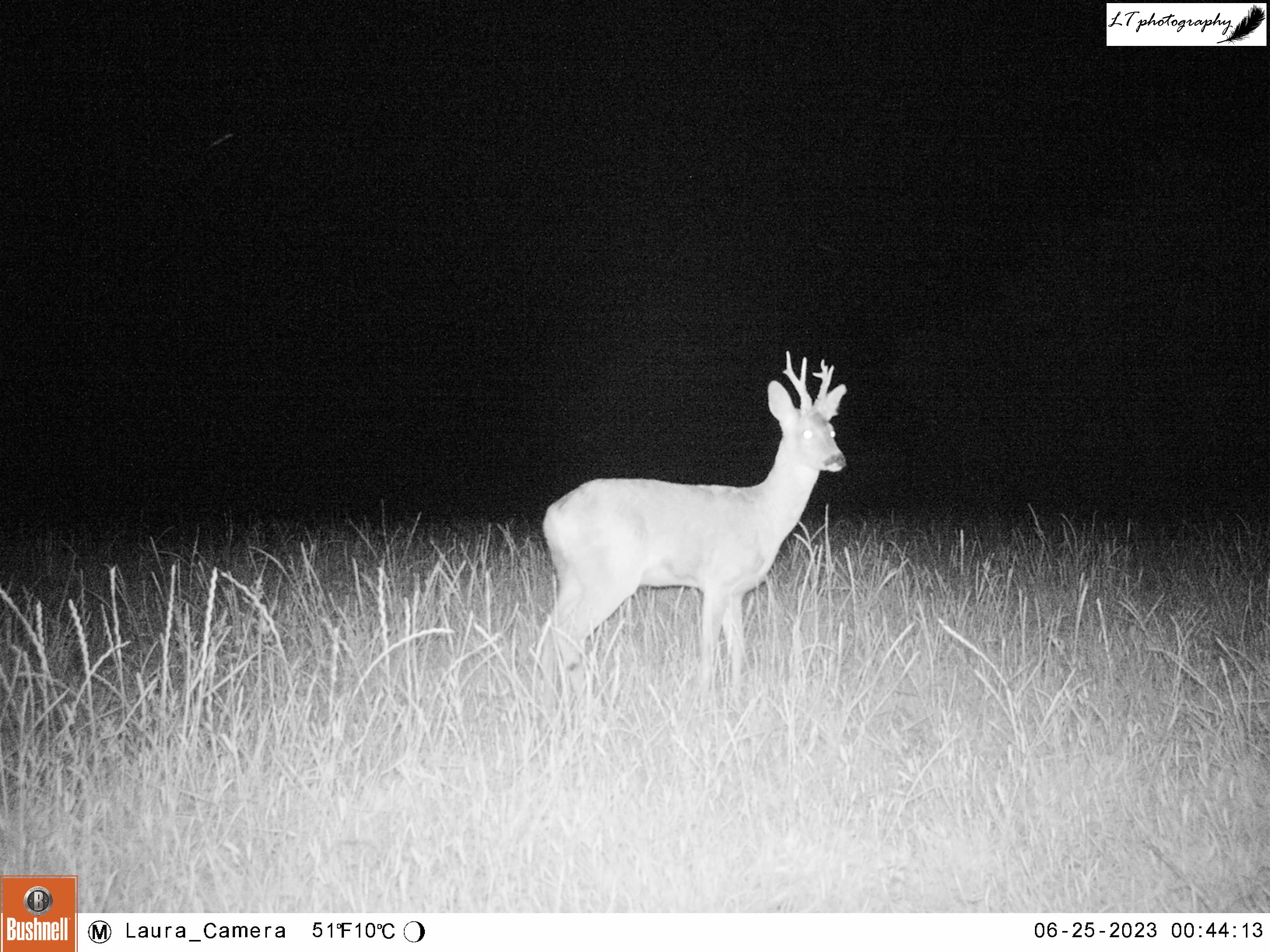
This year 6 mammal species were captured on my camera traps, including one of my favourite’s that will feature next week. I had a scruffy adult female roe deer passing through,

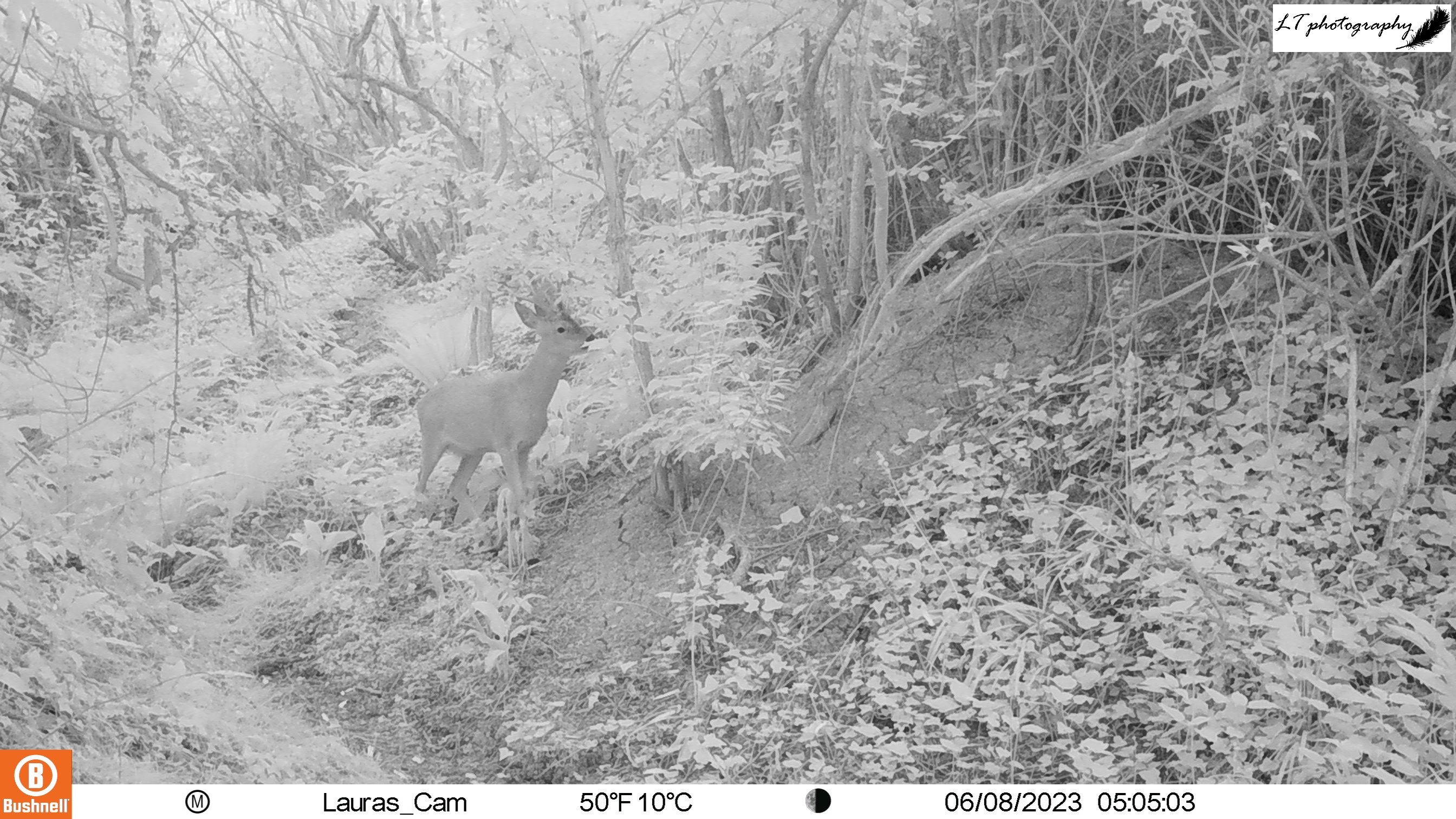
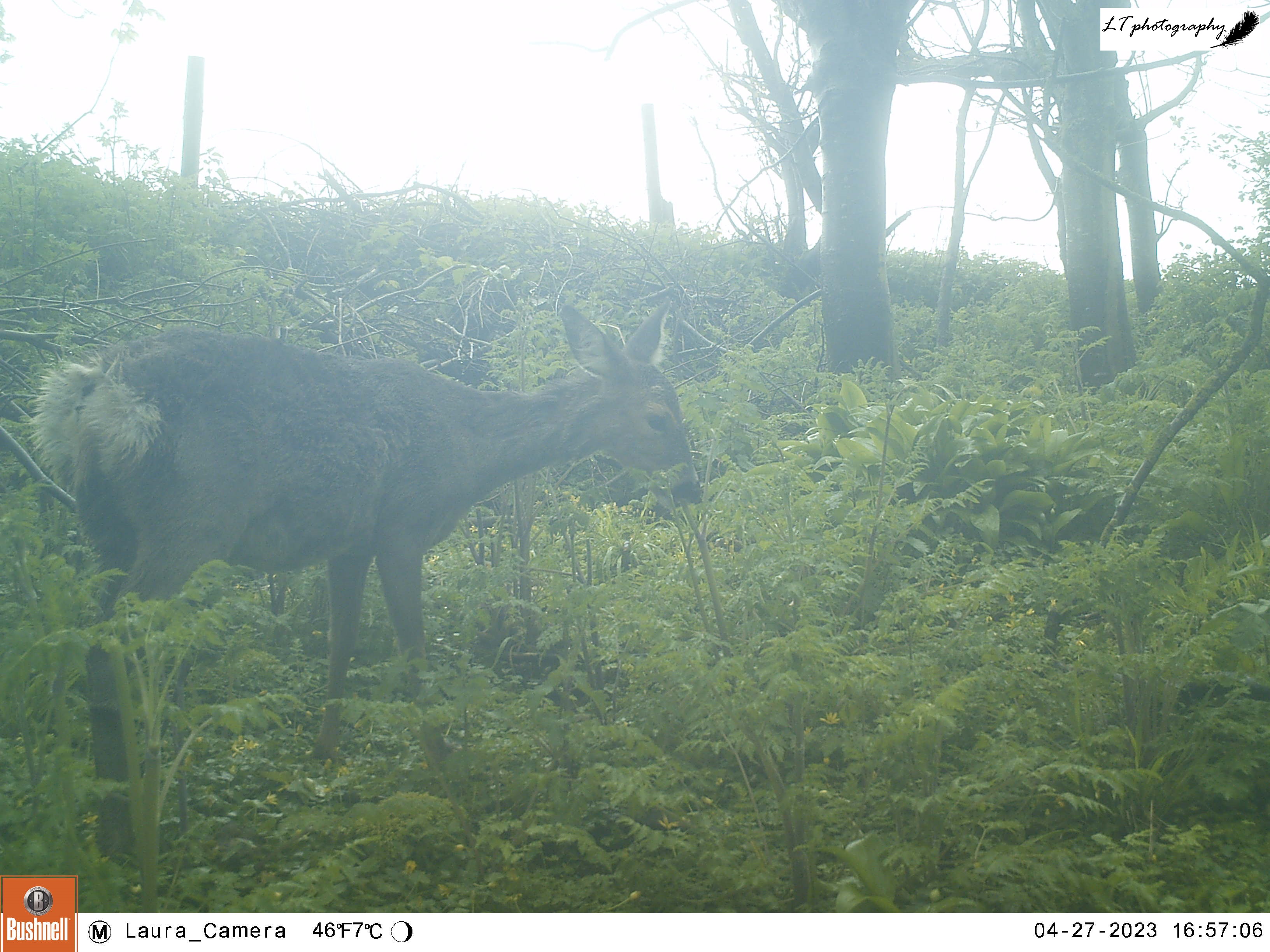
an often seen adult male roe deer feeding and scent marking,

a territorial grey squirrel on his favourite perch,

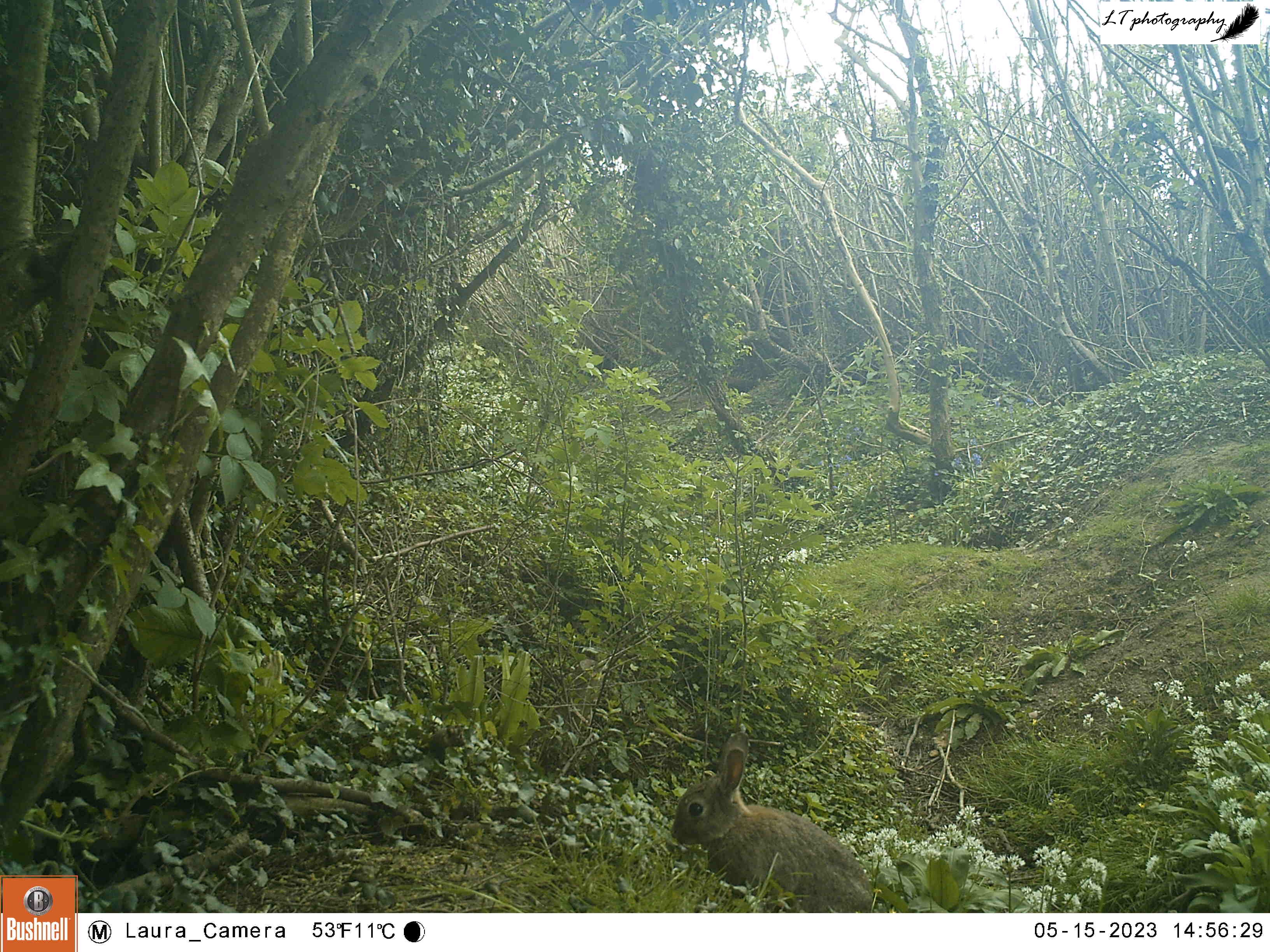
plenty of whizzing past, including babies,

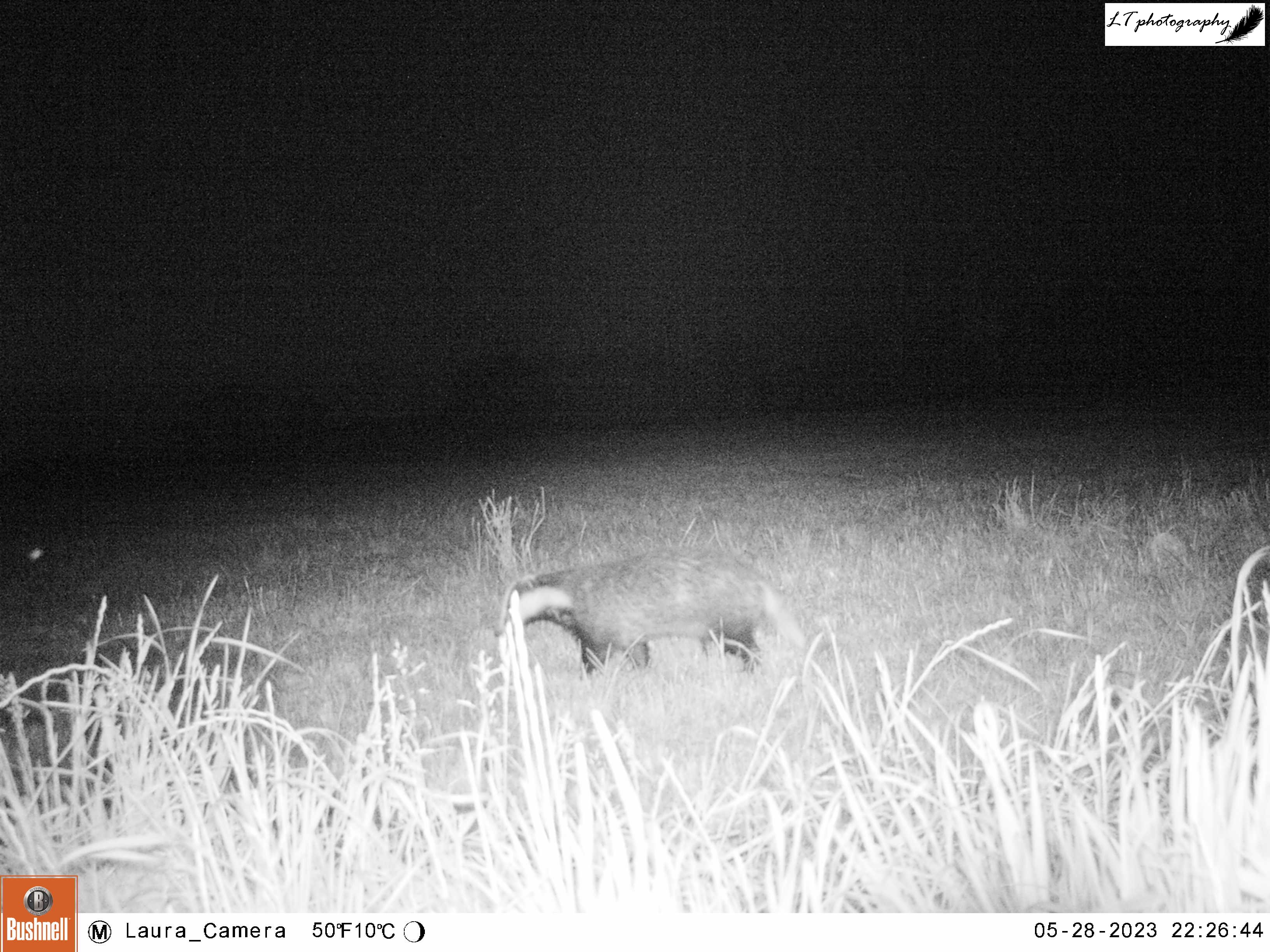
and a one-off inquisitive badger.

Badger Setts: Badger Field and Quarry Field

Over the years our badger population and distribution has fluctuated, including with Dorset’s badger. Currently though we have two active badger setts that each contain a healthy family of badgers that stick to defined territories within our land.

These setts are not just home to badgers, but also other species, including next week’s stars. Each year new species can be added to the list featured at these setts, but this year 4 common ones were captured alongside the two already mentioned. Species seen were:

  • Blackbird
  • Pheasant
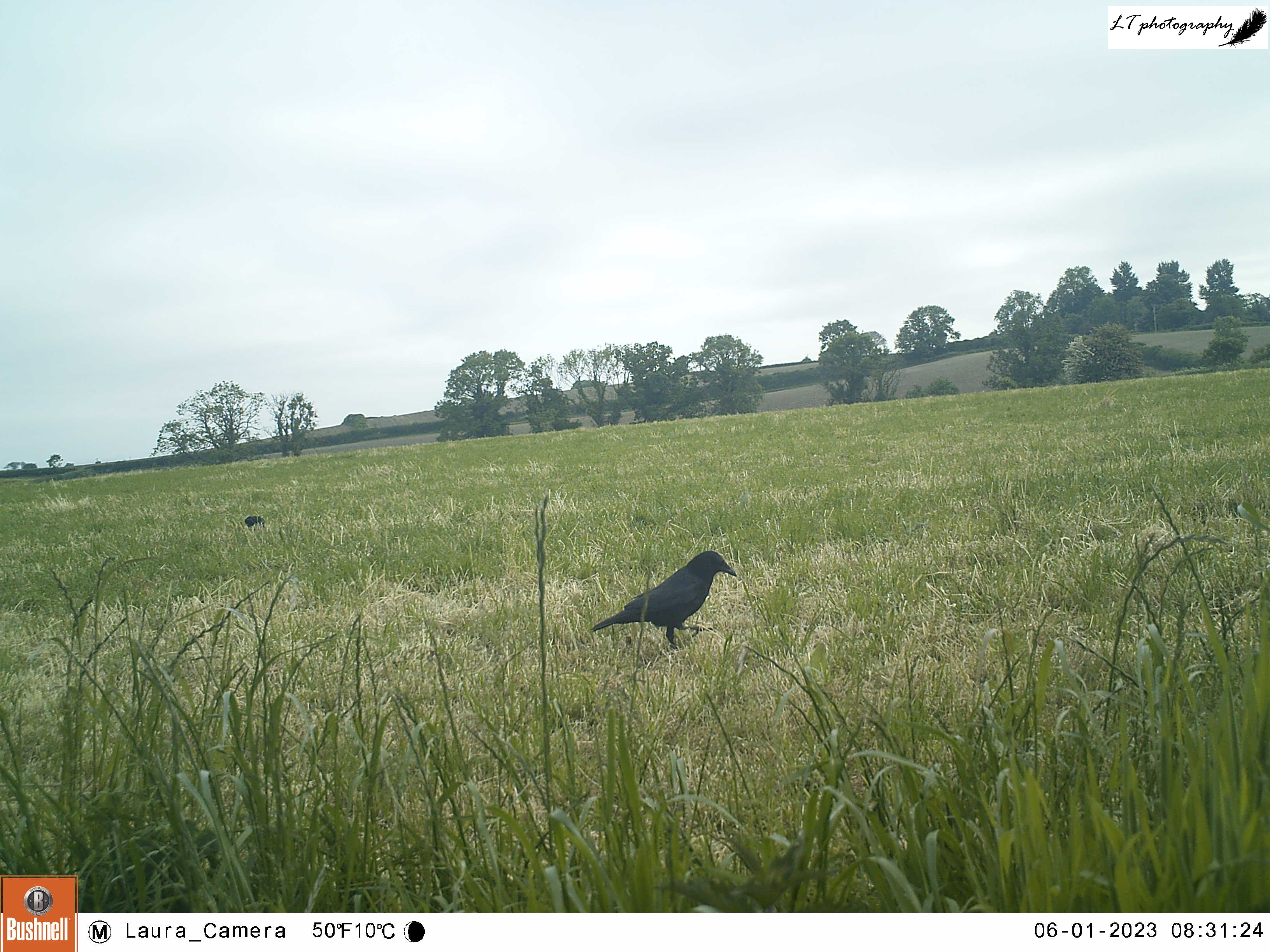
  • Carrion crow
  • Roe Deer (male and female)

Wooded Area: Gill Hill Copse

This year I only used one wooded area on the farm for my camera trapping, a small copse towards the centre of our land. Over the years this rich copse has been home to and a passing through place for a variety of typical and more unusual species, and each year it is interesting to see what will be found. This year the more typical characters were seen, which included the highly abundant roe deer, such as a frequent female, and pheasants.

Within the copse an old badger sett can also be found, being situated not far from one of the active setts. This year for the first year of many, a lone badger could be seen entering and leaving the sett using a particular hole, making me think of a satellite male. It will be interesting to see what can be found here next year as a result!

Fields: Cowleighs, Quarry Field, Tower Paddock, Water Meadow

Across the farm, you will find our land is a mosaic of habitats and grassland managed for different purposes, on different timescales, and in different ways. This does mean that depending on where you are and at what time of year, you may experience different species at varied abundances and also the potential for some more unusual species. Fantastic wildlife moments are a guarantee though!

This year has been a hard year on nature already, and so analysing camera trap content is a good moment to stop and reflect on the feathered and furred individuals that call our land home all year round. Living not far from shoots, pheasants and red-legged partridges are a common sight, with numbers reducing over the summer when they provide a popular food source for a number of species. This year pheasants did a good job of making their way into the frame of my camera traps at nearly every site!

Another species going through a population boom on our land at the moment is the roe deer, with individuals being seen at most of my camera trap sites and a walk through our land giving you consistent sightings of many males and females. Next week’s star was also seen at nearly every camera trap field sites this year too!

Badgers were caught on my camera traps when observing fields that were adjacent with active badger setts, showing badgers roaming for food, territorial marking and social interactions.

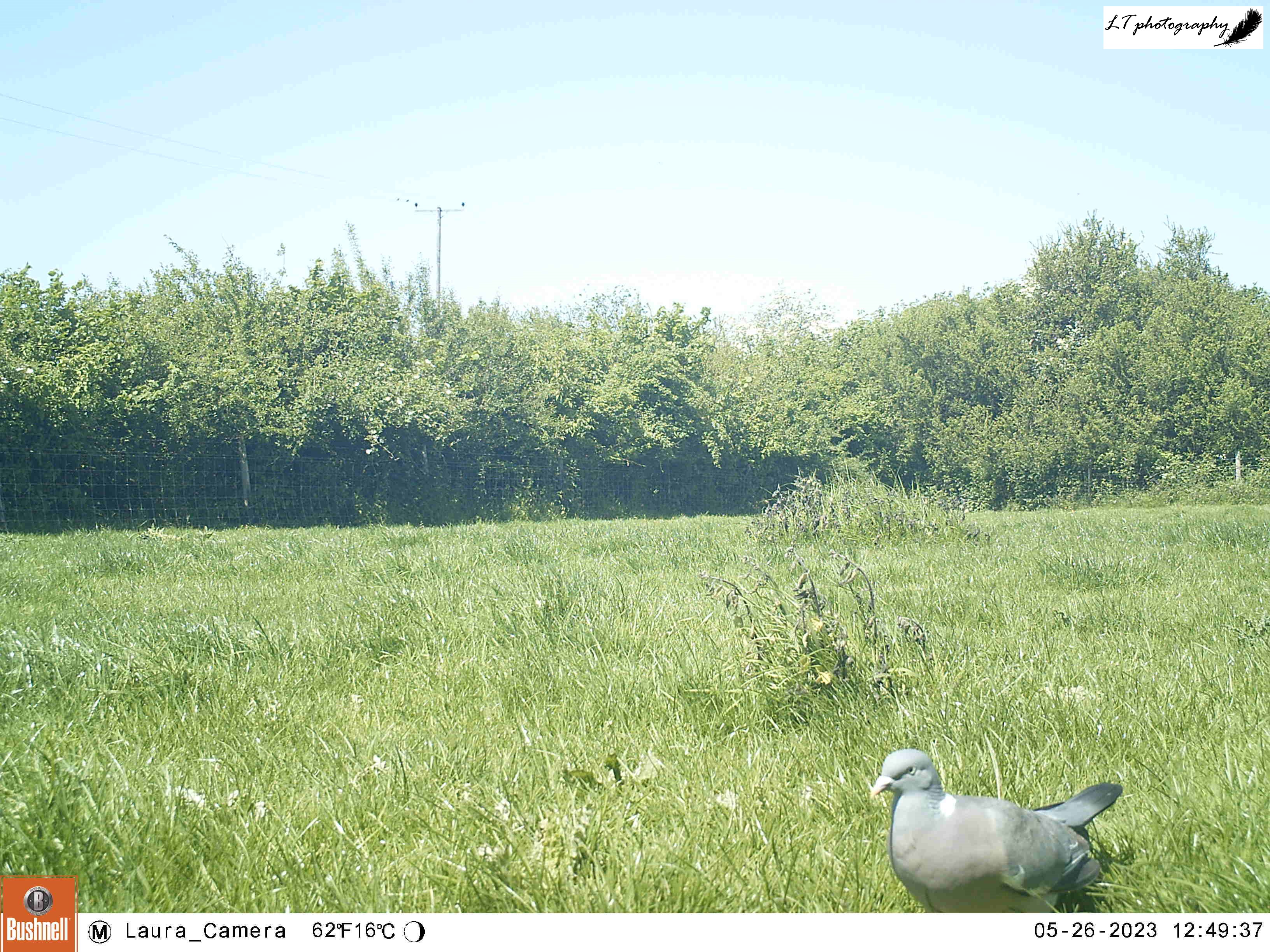
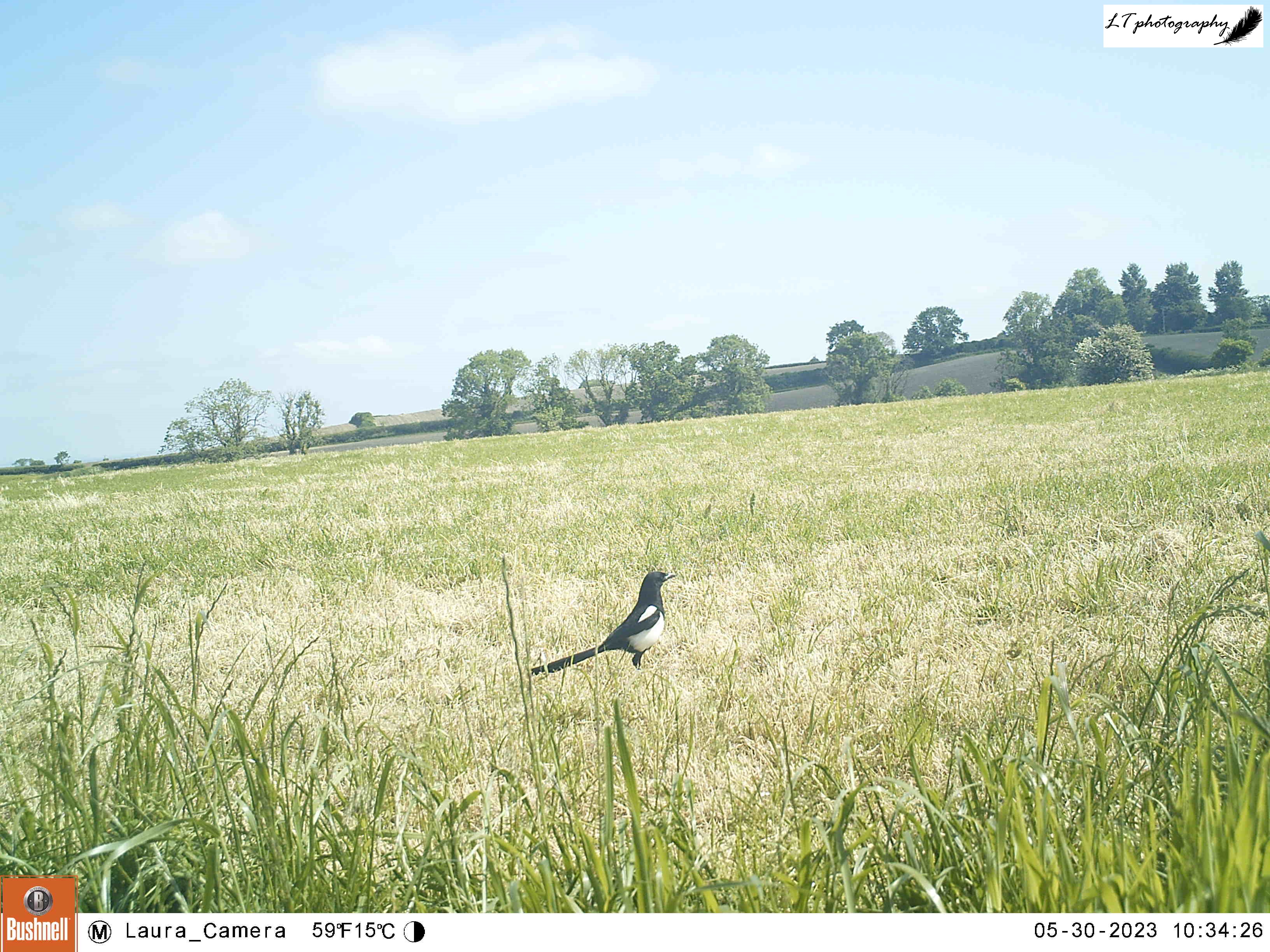
Many bird species made their cameos on my cameras, including an inquisitive woodpigeon, feeding carrion crows, and a magpie passing through. This year bird species broke up the antics of the mammals that were vying to be the stars of my camera trap photos and videos.

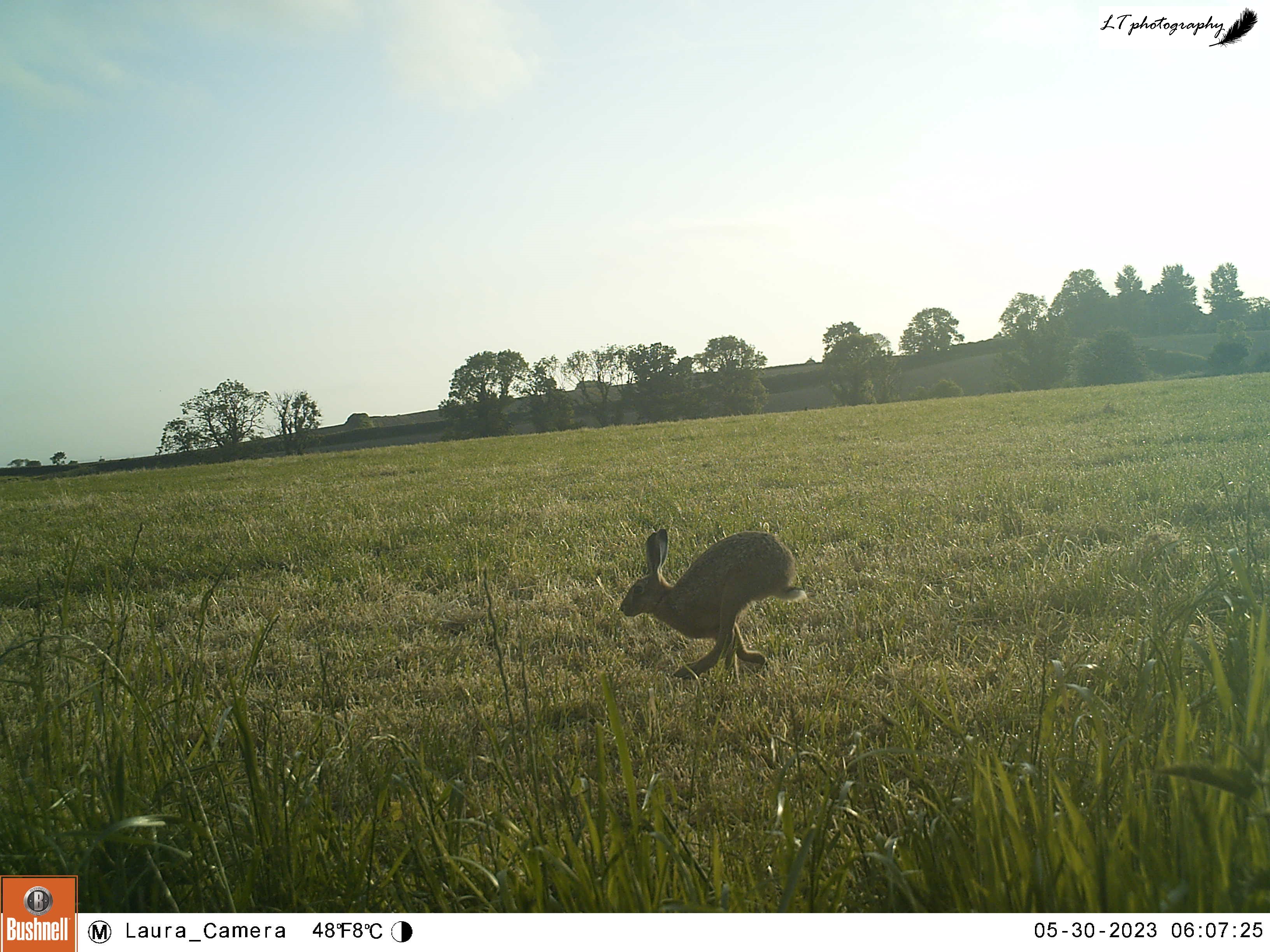
To finish my field observations, my camera traps this year did a good job of capturing sightings of the charismatic hare, a wonderful common sight across our land. Shots include a hare feeding, an inquisitive individual, and hares speeding past.

Garden

Our house and garden is situated at the centre of our land, and has often been described as a hive of bird activity, as such an abundance of different species visit daily. We also get visits at different times of year from different mammal species, which add to the fun of setting a camera trap to gain another view of the wildlife visiting our small garden. This year’s wildlife visits included a cheeky magpie and an emerging hedgehog, a species that we now see in our garden in the autumn in increasing numbers!

Check out my blog post next week to see the missing star of this year’s camera trapping adventures!

Spring 2023: How It Happened

The last few years spring has been unusual and unpredictable, with the effects of climate change changing from month-to-month, year-to-year in Dorset. This year has fitted into this with months switching back and forth between record breaking dry spells or heat waves to rainfall or low temperatures. This is bound to have had an effect on nature and the wildlife around us, which is interesting to explore.

Last year there were trends towards earlier spring events or a slow start to spring and then a speeding up to events in April. I can already suggest that spring this year was slow to start as it gave me the opportunity to really experience spring as it got under way and unfolded in front of me. It will be interesting to see though, if this was the trend for trees, shrubs, flowers, insects and birds alike, if the trend differs to 2022 and how spring shaped up as a whole. Read on to see how my favourite season went this year in all its vibrancy!

Trees

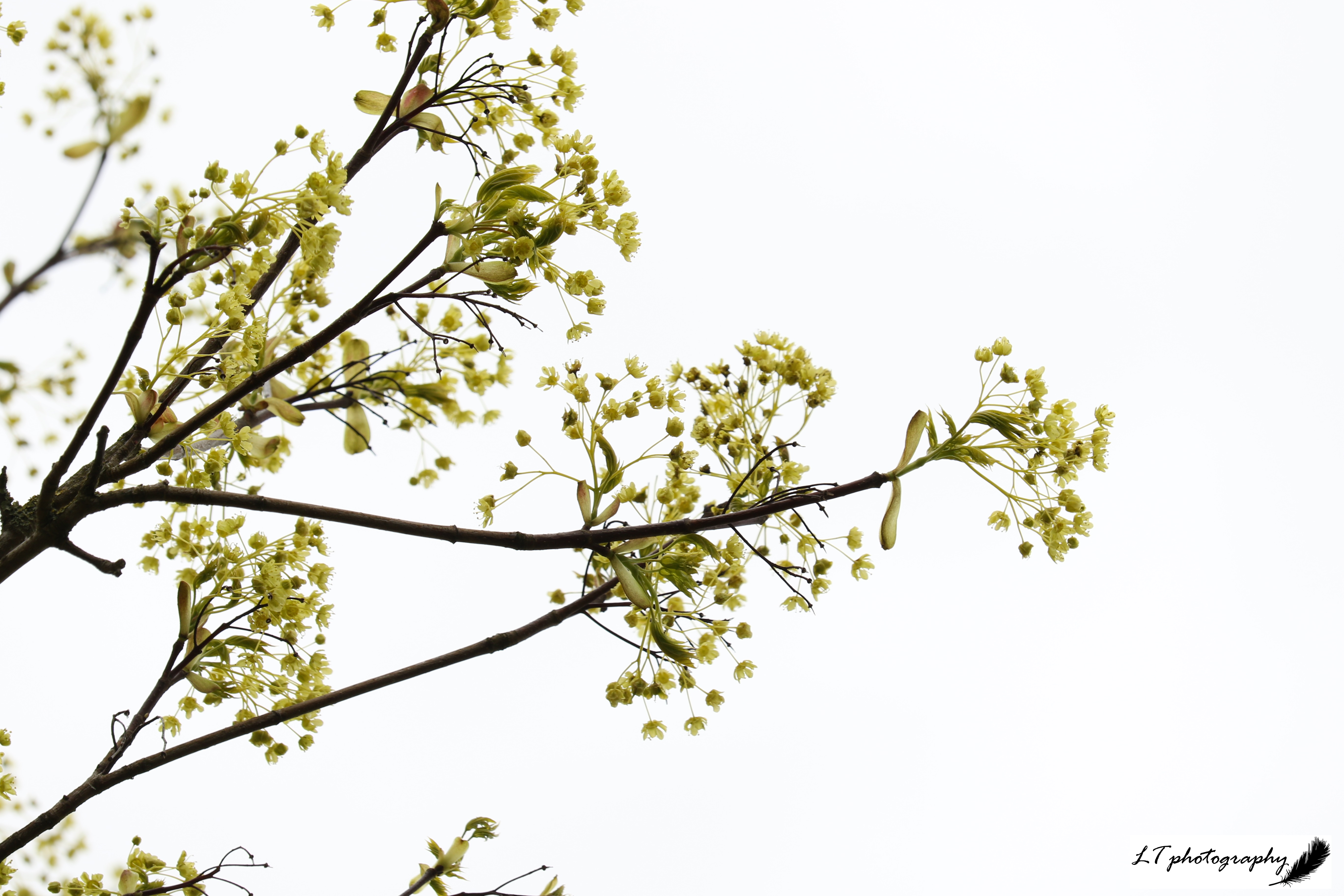
Though in 2022 spring emergence dates for trees had crept earlier than the year before, in 2023 nearly all tree dates were later than 2022, following a more similar trend to 2021 and the proceeding years. Field maple and silver birch both flowered earlier in April, but otherwise ash, horse chestnut, english oak, wild cherry and Norway maple all budburst, unfurled leaves and flowered between 1 and 28 days later from March through to May. The same could be said for the leaves of field maple and silver birch. It was odd to see trees though, lacking their fineries for so long this year!

Flowers

In 2022, flowering times varied between species, but this could be split into half flowering earlier and half later than the year before. This year primroses, cuckooflowers and bluebells in woodland all flowered earlier (4, 2 and 1 day earlier respectively), but flowering trends generally followed a more similar pattern to to those of tree events, occurring later. For snowdrops, lesser celandines, daffodils, stitchwort, cowslips, wood anemones, early purple orchids, wild garlic, oxeye daisies, and hedgerow bluebells this was 1-16 days later between January and June. Interestingly yellow archangel was noticeably absent during its usual flowering time, and instead flowered 36 days later than in 2022 on 17th May, being greatly affected by climate and a great indicator of spring conditions.

Insects

Of 13 species recorded emerging during spring 2022, only 2 did not emerge earlier than the year before: the buff-tailed bumblebee and orange-tip butterfly. For 2023, spring flipped dates back around for insect emergences, with 10 out of 12 recorded species emerging later than the year before. This ranged from 2 days later with the speckled wood butterfly to 46 days later with the red admiral butterfly. The exceptions were peacock and comma butterflies, being recorded 15 and 36 days earlier respectively. This could be due to the colder spring impacting and delaying emergences, for example the brimstone butterfly, a common sign of spring, delayed its emergence until the 3rd of April 2023.

Shrubs

For shrub species recorded in 2022, spring events occurred both earlier and later than in 2021, with no obvious trends. In comparison, spring 2023 showed an obvious trend, with nearly all recorded budburst, first leaf unfurling and flowering for 6 species, occurring later than 2022. The exceptions were dog rose flowering earlier in May and hazel catkins flowering earlier in January. The other spring events took place 3-27 days later from February to May. It was an odd year to see blackthorn flowering 2 weeks later within March and meeting its peak in April, and hawthorn first flowering in May, later than usual.

Birds

There was a split with spring bird events in 2022, with events closer to the start of the season occurring later, and those towards the second half occurring earlier than 2021. For 2023, it seems that the dates of spring bird events were also split, but this time with less clear a trend. Rooks began building nests later and most birds fledged young later, but swallows arrived on the 11th April once again, and blackbirds began singing earlier in February. Some differences in event occurrence can be explained by spring temperatures and weather conditions, whereas some are less easily explained for 2023. It is expected though that the later spring will have an overall effect on bird species through other spring events occurring later.

Conclusion

Spring 2023 varied from month-to-month with weather, temperatures, natural events and vibrancy. As a whole, a general unsettled and cooler time led to spring events occurring later than the year before for many species. The concern is though, that there may be a mismatch between the occurrence of events for different species, such as trees and birds, which could have had a greater impact than currently known. Time will tell what the impact of spring 2023 may be!

Species List

  • Ash (Tree) Fraxinus excelsior
  • Blackbird (Bird) Turdus merula
  • Blackcap (Bird) Sylvia atricapilla
  • Blackthorn (Shrub) Prunus spinosa
  • Bluebell (Flowering Plant) Hyacinthoides non-scripta
  • Brimstone butterfly (Insect) Gonepteryx rhamni
  • Buff-tailed bumblebee (Insect) Bombus terrestris
  • Chiffchaff (Bird) Phylloscopus collybita
  • Comma butterfly (Insect) Polygonia c-album
  • Cowslip (Flowering Plant) Primula veris
  • Cuckoo (Bird) Cuculus canorus
  • Cuckooflower (Flowering Plant) Cardamine pratensis
  • Daffodil (Flowering Plant) Narcissus spp.
  • Dog rose (Shrub) Rosa canina
  • Early purple orchid (Flowering Plant) Orchis mascula
  • Elder (Shrub) Sambucus nigra
  • English oak (Tree) Quercus robur
  • Field maple (Tree) Acer campestre
  • Goldfinch (Bird) Carduelis carduelis
  • Greater stitchwort (Flowering Plant) Stellaria holostea
  • Great-spotted woodpecker (Bird) Dendrocopos major
  • Hawthorn (Shrub) Crataegus monogyna
  • Hazel (Shrub) Crataegus monogyna
  • Horse chestnut (Tree) Aesculus hippocastanum
  • House martin (Bird) Delichon urbicum
  • House sparrow (Bird) Passer domesticus
  • Lesser celandine (Flowering Plant) Ficaria verna
  • Meadow brown butterfly (Insect) Maniola jurtina
  • Norway maple (Tree) Acer platanoides
  • Orange-tip butterfly (Insect) Anthocharis cardamines
  • Oxeye daisy (Flowering Plant) Leucanthemum vulgare
  • Painted lady butterfly (Insect) Vanessa cardui
  • Peacock butterfly (Insect) Aglais io
  • Primrose (Flowering Plant) Primula vulgaris
  • Red admiral butterfly (Insect) Vanessa atalanta
  • Red-tailed bumblebee (Insect) Bombus lapidarius
  • Rook (Bird) Corvus frugilegus
  • Seven-spot ladybird (Insect) Coccinella septempunctata)
  • Silver birch (Tree) Betula pendula
  • Small tortoiseshell butterfly (Insect) Aglais urticae
  • Snowdrop (Flowering Plant) Galanthus spp.
  • Song thrush (Bird) Turdus philomelos
  • Speckled wood butterfly (Insect) Pararge aegeria
  • Starling (Bird) Sturnus vulgaris
  • Swallow (Bird) Hirundo rustica
  • Swift (Bird) Apus apus
  • Wild cherry (Tree) Prunus avium
  • Wild garlic (Flowering Plant) Allium ursinum
  • Wood anemone (Flowering Plant) Anemone nemorosa
  • Wren (Bird) Troglodytes troglodytes
  • Yellow archangel (Flowering Plant) Lamium galeobdolon
  • Yellowhammer (Bird) Emberiza citrinella

Breeding Birds on the Farm in 2022

In the heart of rolling Dorset, you can find my family’s home, a 250 acre mixed dairy farm with the hope of producing food alongside conserving and promoting nature. As a naturalist and conservationist, the farm is my base for exploring, learning and putting ideas into practice. With an increasing variety of habitats, there is an increasing amount of wildlife to experience, explore and enjoy, in particular a fantastic diversity and abundance of bird species (explore my blog for more adventures).

In 2019, I got the opportunity to begin training as a bird ringer with a local trainer, which was one skill that I always wanted to gain. Whilst working towards gaining my next permit, a C permit, my training has allowed me to acquire greater knowledge and a new perspective of the birds that call my family’s farm home. In 2022, my C permit was in reach and my training gave me some new experiences and some continued fantastic moments. Whilst the breeding season for birds currently plays out for 2023, I want to look back on my experiences for 2022 to see what can be learnt, including our amazing barn owls.

Kestrels

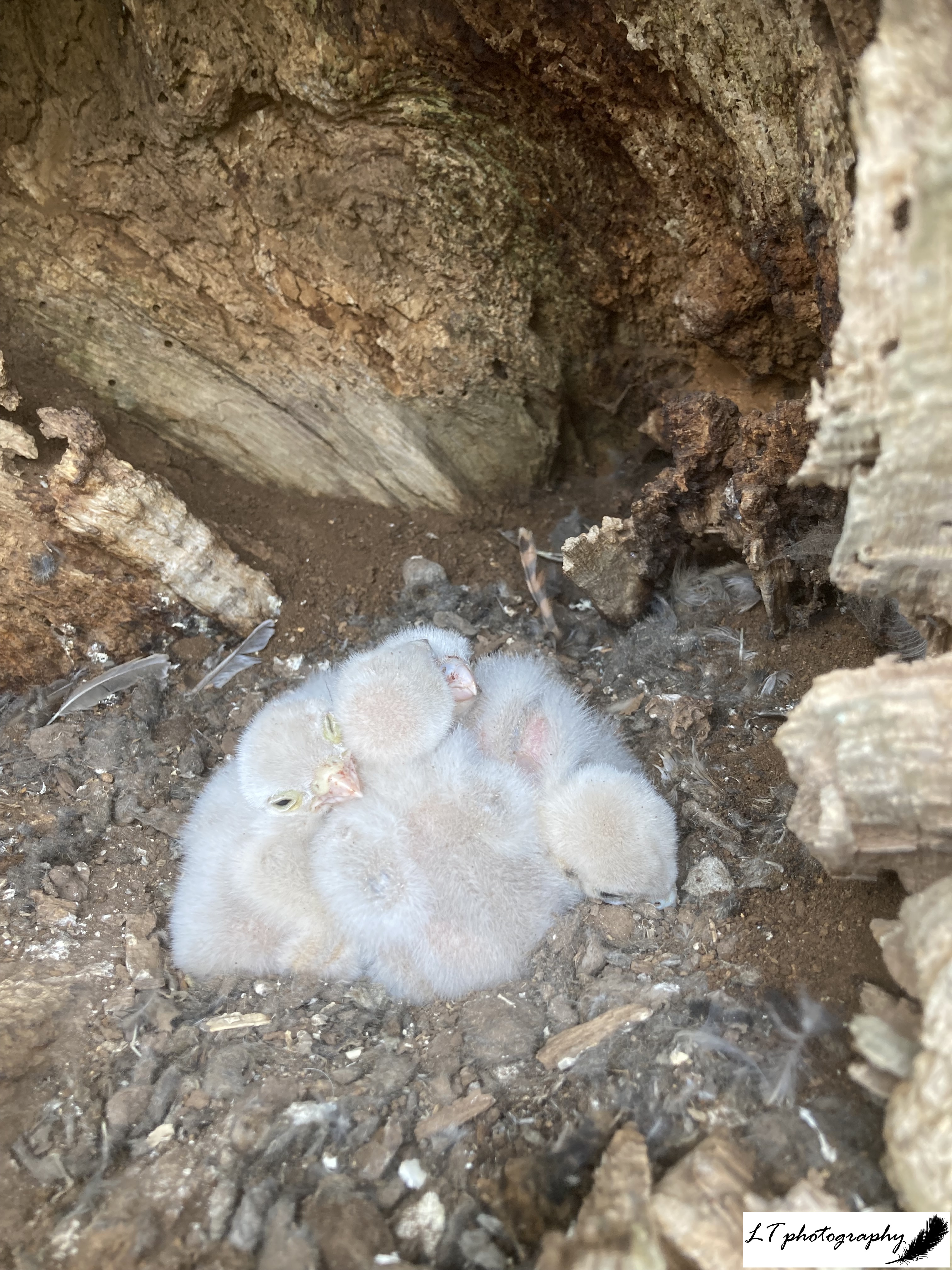
In previous years on the farm, we have known kestrels have been breeding here, but not where they were nesting. In 2021, we did find one nest within a hole in an ash tree, where a pair hatched 3 chicks. Two weeks later though, at the end of June that year, bad weather unfortunately led to the chicks not surviving, potentially due to the nest being exposed to the harsh weather. Thankfully in 2022, this same hole was used again by a pair of kestrels, and they successfully reared 3 chicks fledging in the first week of July, and I was lucky to have the opportunity to ring them too.

I was as well lucky enough to discover another pair of kestrels nesting in a hole in an oak tree at the other end of the farm. This pair was also successful, raising 4 chicks to fledging in the second week of July, that again I got to ring when they were still in the nest. With spring having been odd this year, kestrels are late breeding, so it will be interesting to see how it plays out for them.

Swallows

Year-on-year, the swallows return to nest within our farm buildings and our neighbour’s outbuildings, and still do so even if population numbers are not as high as they used to be. For 2022, I began my nest checks of the two properties as part of my ringing training on the 25th May. During this check I found 5 nests in use, with one already containing eggs. These 5 eggs hatched on the 27th May, and marked the start of a rocky breeding season for the swallows. With the first round of nests, 4 nests got to the chick stage, but only 2 fledged chicks (3 and 5 respectively). One of these nests then successfully went on to rear another brood of 4 chicks to fledging, though most pairs did not re-nest as the weather was very hot and dry last summer. Fingers crossed for a better year this year!

Barn Owls

Barn owls go hand-in-hand with my family’s farm, so it is unsurprising that they are my father’s favourite bird species. With our nest box being a popular site each year, since 2019, barn owl chicks have been ringed on the farm by my ringing group, even before I started with my own ringing training. In 2021, Barn owls had a tough year though, with bad weather having an impact on their success rate on the farm. Thankfully in 2022 they had more luck, with a pair nesting in our box hatching 5 chicks, varying in size, at the end of June. They went on to successfully fledge 2 chicks. The icing on the cake was discovering another barn owl pair nesting in a hole in the ash tree also used by one of our kestrel pairs. These particular barn owls hatched eggs at the beginning of June, and went on to fledge 2 chicks too. Fantastic!

Garden Visitors

In 2022, as I worked towards finishing my training to get my bird ringing C permit, I got to do 2 days of ringing in my garden for the very first time. Though fairly small, our garden is a hub of avian activity daily, so I was excited to see what mist nets would catch. On the first day we caught 100 new birds (30 house sparrows, 30 great tits, 23 blue tits, 7 starlings, 4 chaffinches, 2 robins, 2 blackbirds, and 2 great-spotted woodpeckers), with a lot being juveniles. On the second day, 2 1/2 weeks later, a morning spent mist netting caught another 101 birds, with 92 being new (33 blue tits, 33 house sparrows, 7 great tits, 4 chaffinches, 3 robins, 3 great-spotted woodpeckers, 1 blackbird, and 1 goldfinch). It was really interesting to get the opportunity to get an idea of how many birds there really are in my area and producing young each year. Apparently alot!

All birds were ringed under license and following rules to ensure the health and welfare of the birds handled.

I look forward to seeing what 2023 will shape up to be!

Spring In Photos 2023

This year spring has been a very unusual and unpredictable couple of months for nature. Last year, spring took its time to unfurl, and this year saw a similar trend. A very dry February, a very wet March, a cold April, and then a wet followed by hot and dry May, made for a slow start to spring, and a short and vibrant season.

Despite an odd spring this year, the season has been an enjoyable and fulfilling one for me. It has been filled with lots of wild adventures, experiences, and colourful moments. With my camera by my side (or phone), I have spent lots of time this year capturing and exploring spring in all its shades and vibrancy. Here’s just a few of the many versions of my spring 2023.

Spring In Photos

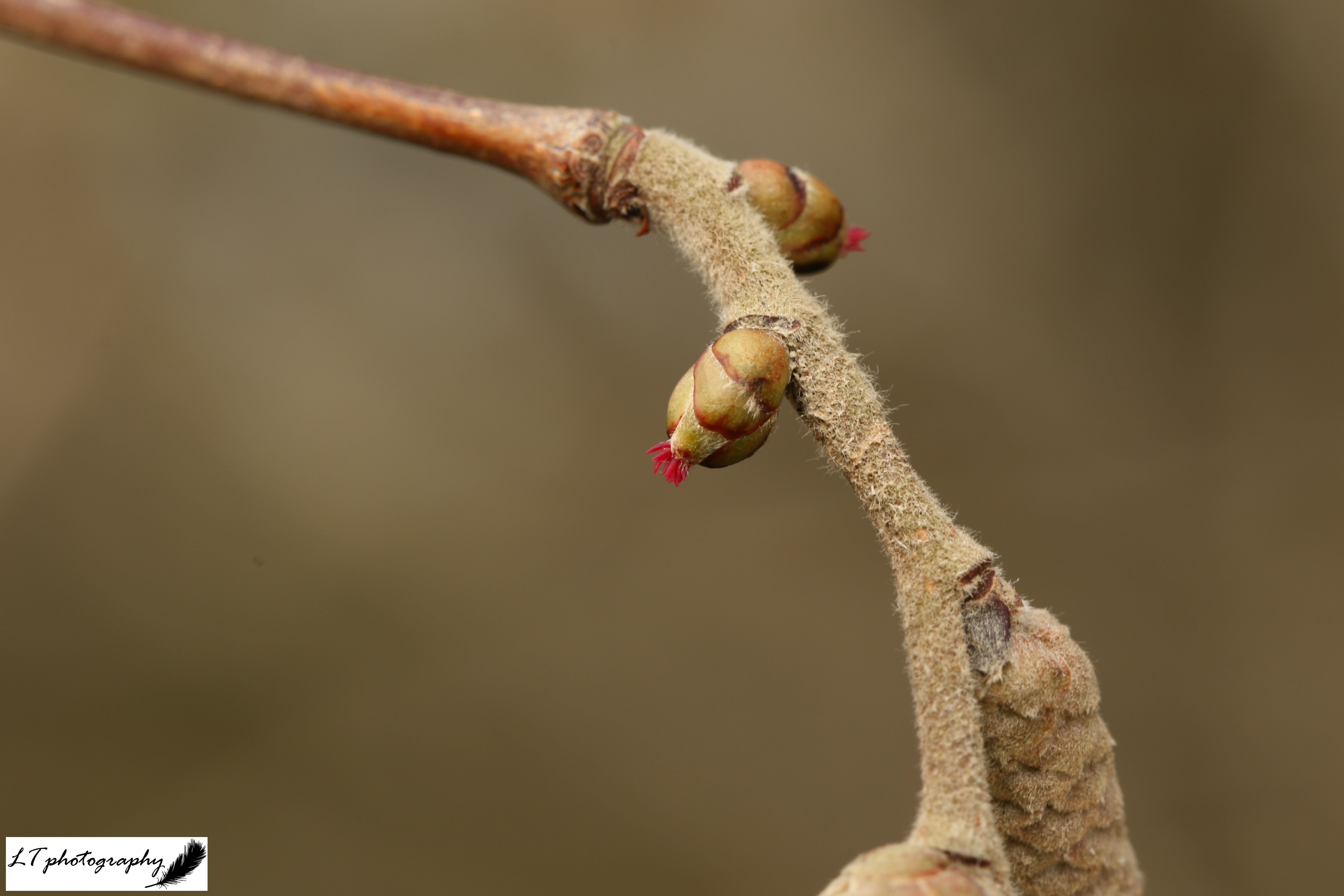
Seeing Red – When people think of hazel flowers, catkins always come to mind, hanging like lamb-tails and powdered with yellow pollen. These are just the male flowers, with the female ones taking the form of understated buds topped with bright red tufts of styles, adding much needed pops of colour at the start of spring.

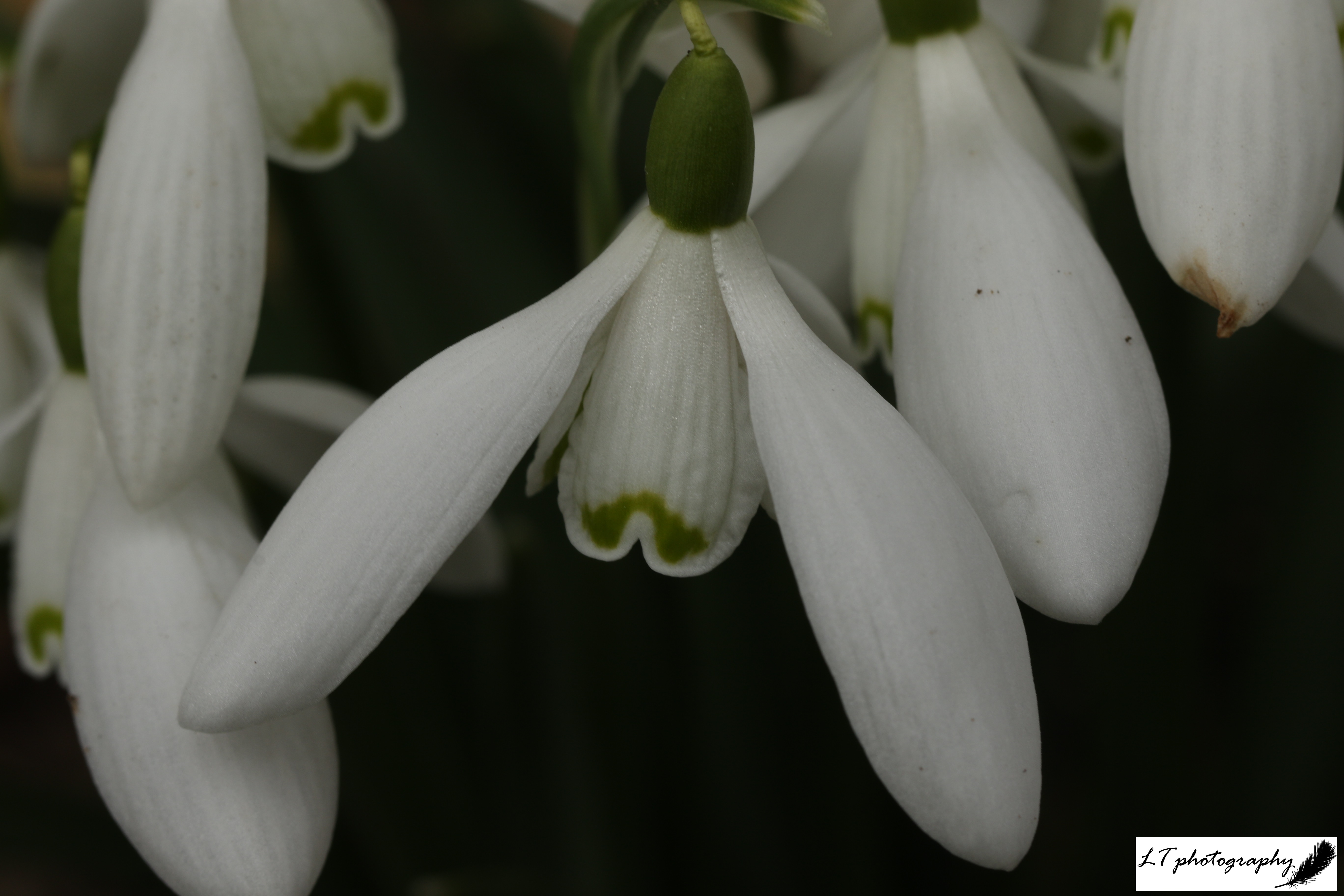
Glistening Snowdrops – This year I spent much time photographing snowdrops in different ways, making the most of the flowers staying around later into spring. Here I enjoy the glisten of the simple white petals of a nodding snowdrop.

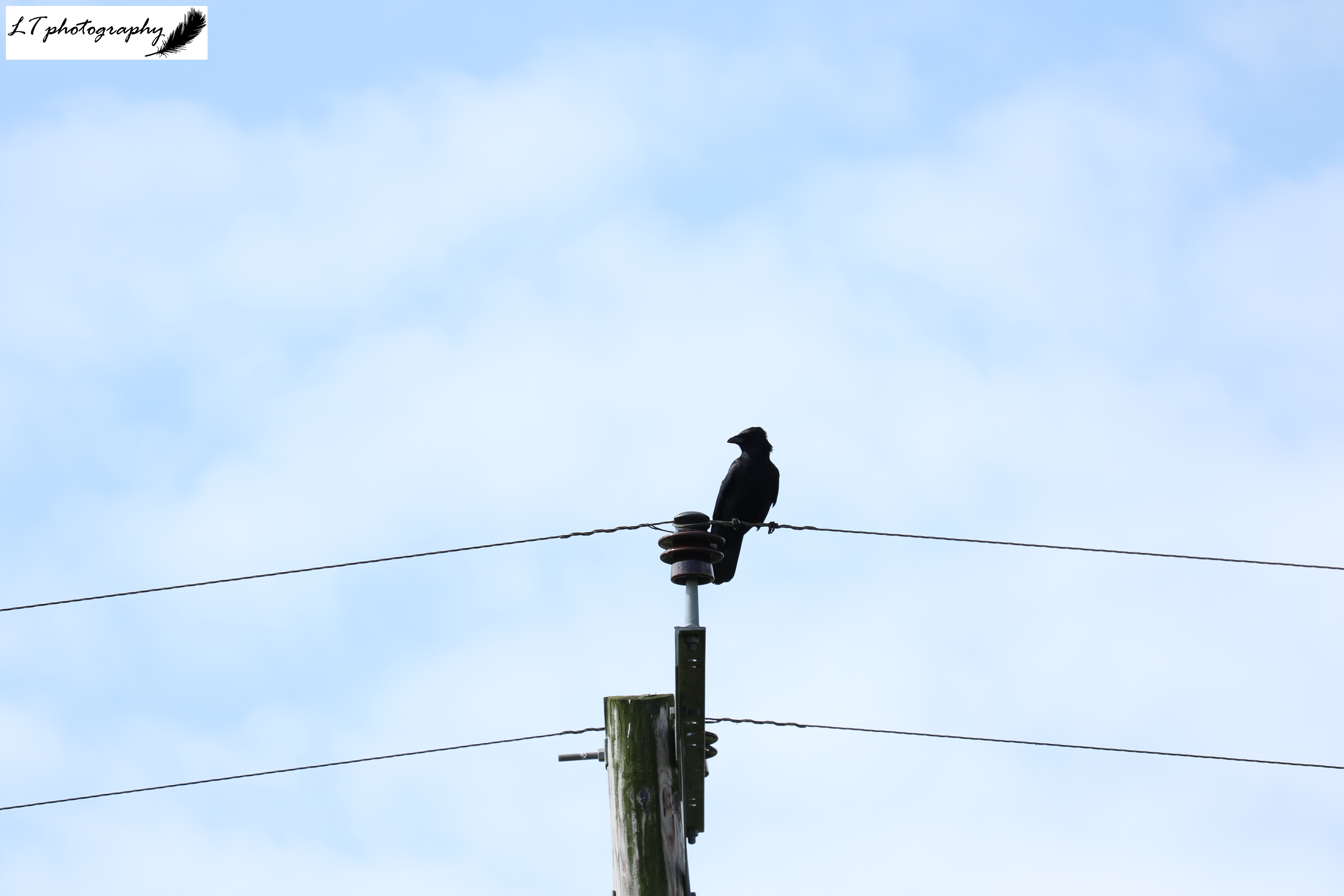
Walking the Line – This crow can be easily recognised from its silhouetted form against the pastels of a blue sky in early spring. A simple photo but an effective one.

Pretty in Pastel – A cheerful sign of spring, primroses get their name from the latin for ‘first rose’. Flowering early in spring, they are often seen as a harbinger of the season, brightening the bleak winter landscape.

Blossoming Chiffchaffs – Chiffchaffs are a real highlight of spring for me, adding to the soundtrack for trees blossoming and leaves unfurling, flowers blooming, and the landscape becoming alive with life once again. I had always wanted to try and capture them amongst this backdrop and this year I had my opportunity to do just that!

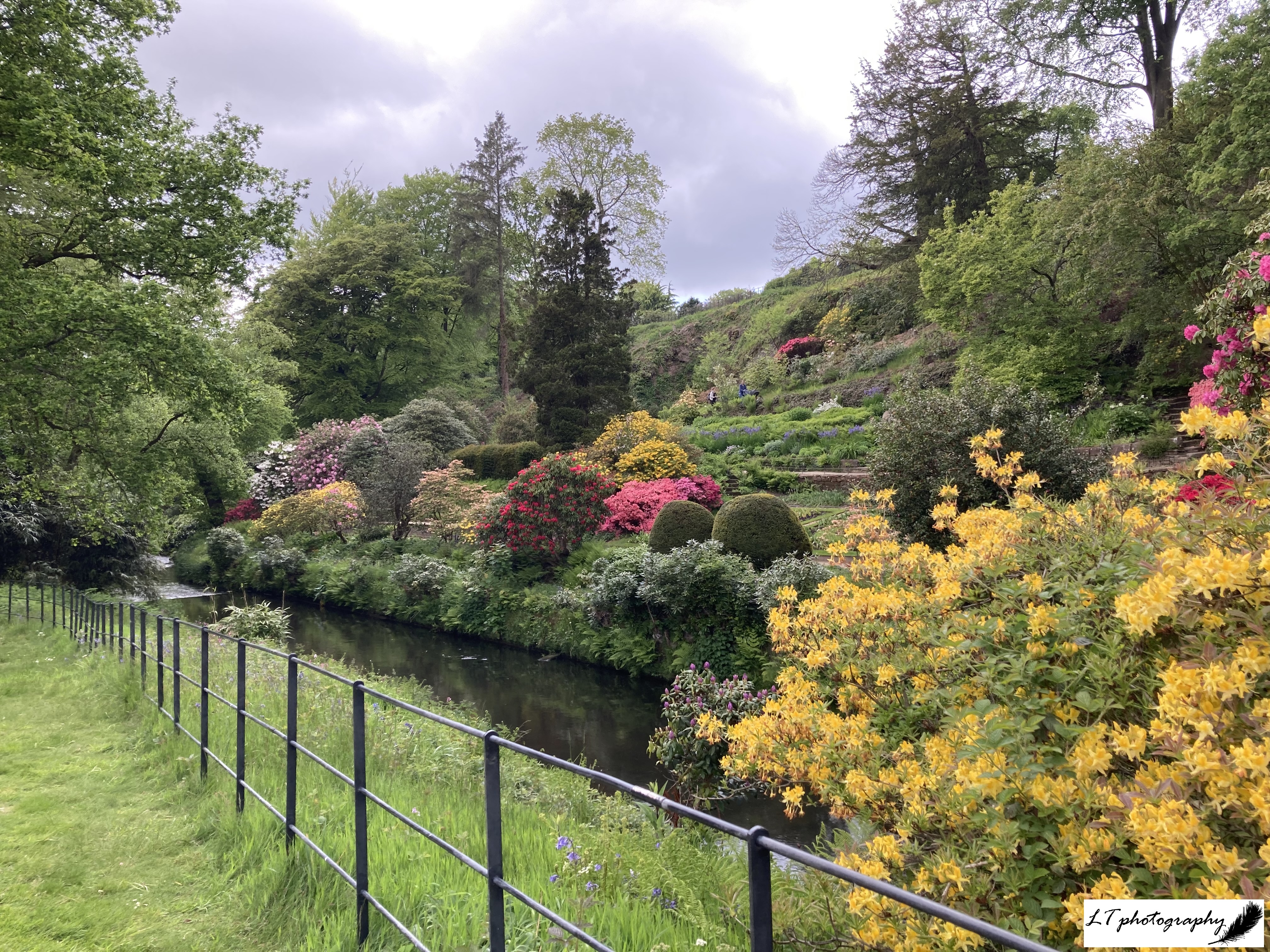
Quarry Bank Comes to Life – A National Trust property in Cheshire (check out A Naturalist in Manchester), Quarry Bank’s gardens come to life in spring with a fantastic array of colours!

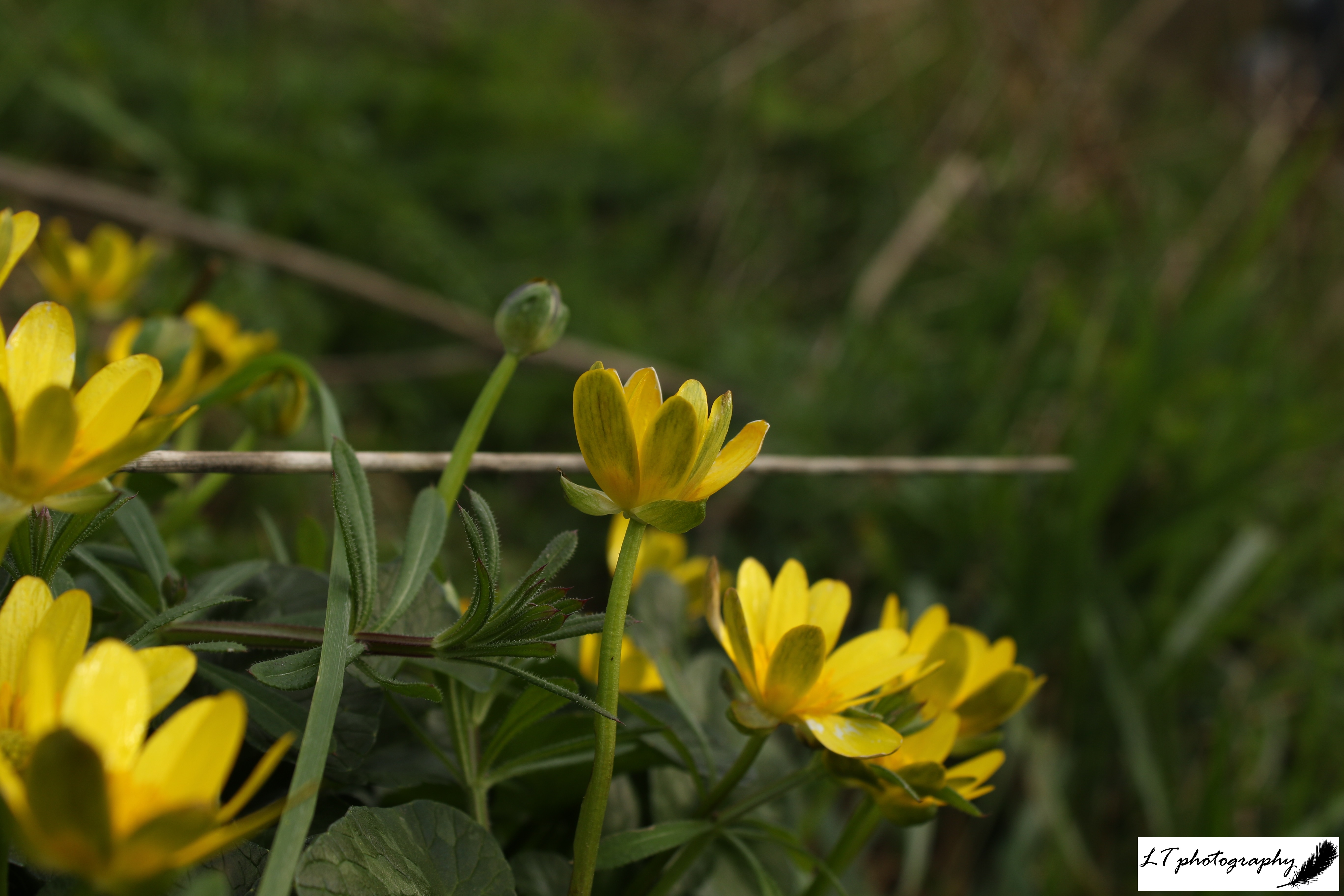
Sunshine Celandine – Celandines are another classic spring flower, helping to provide a joyful pop of colour, as winter slips away. I always enjoy the challenge each year of trying to photograph them in new and interesting ways.

The Hare [Not] In A Hurry – Whilst walking in my local woods, I caught sight of this lovely pair in a neighbouring field. It was lovely to sit and watch them for awhile as they groomed themselves and interacted with each other, never knowing that I was there.

In The Blue – People familiar with my blog and photos will know that bluebells are one of my favourite spring flowers, as they fill me with joy when I see a woodland floor carpeted with their fantastic blue. The bells individually are like magic themselves.

Leading the Way – A lone early-purple orchid bordering an animal track running through a woodland. These spotty-leaved plants can be found in clusters or as here, on their own, amongst the trees.

Woodland Wonders – The wood anemone is another of my favourite spring flowers, appearing like little stars in the green of a woodland floor. Being found in light spots, they are an indicator of ancient woodland.

On the Way to the Peak – Set against a spectacular backdrop of the Peak District, my friend Emma and I passed these stone stacks on the ridge up to Mam Tor. They provide an interesting feature to the rugged landscape.

A Patch of Light – It’s not the first time that I have enjoyed photographing wild garlic in spots of sunshine, but these clusters of white stars always add a bit of enchantment to the landscape.

Ewe and Me – This photo was taken during my first time out with my swanky, but hard-earned, new telephoto lens, and I was hooked. It is so enjoyable to get up, close and personal with animals without having to disturb their natural behaviour!

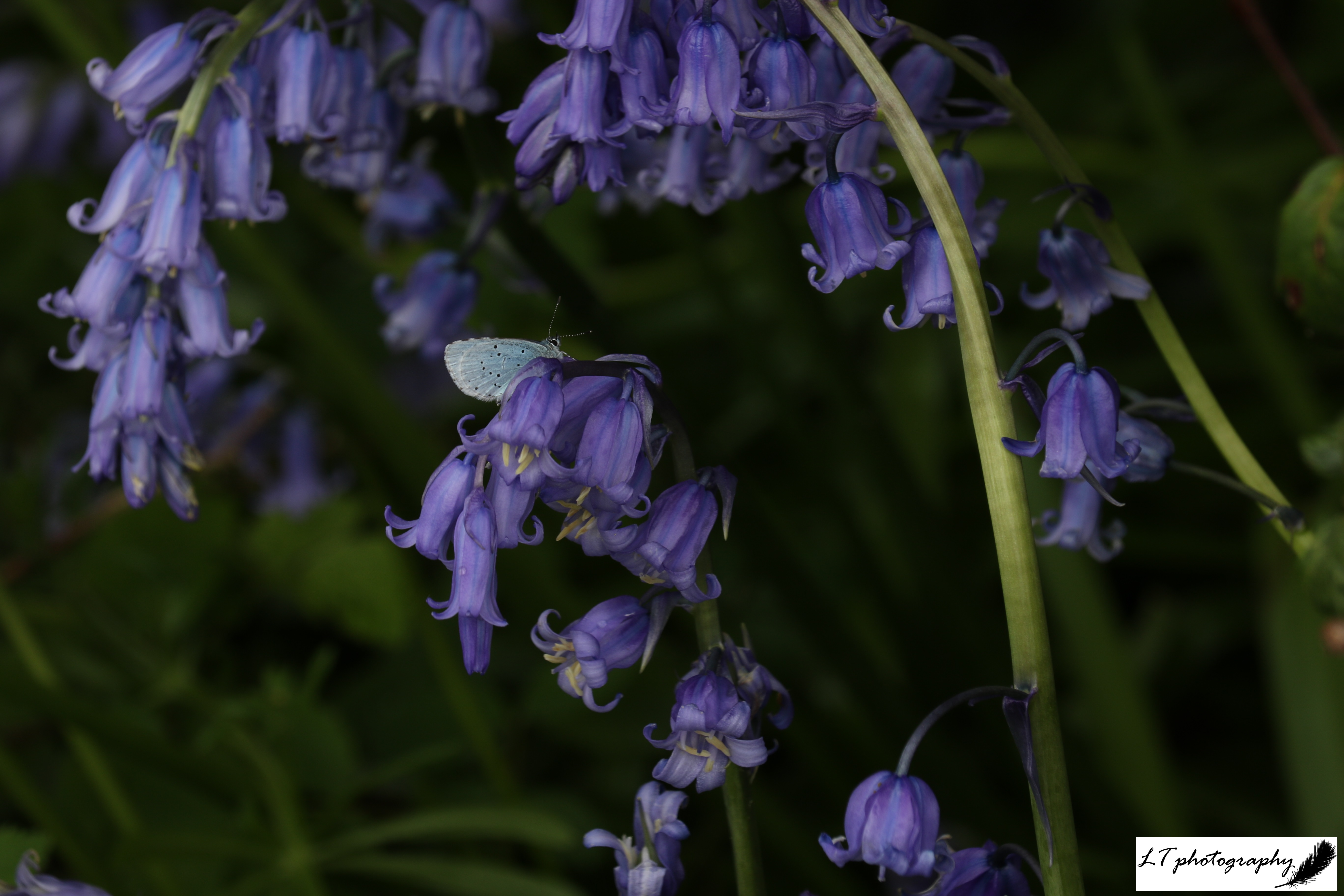
Blue-Toned – This was a chance sighting, but a wonderful one to see a holly blue butterfly on the deep purple-blue of bluebells. Wonderful!

Terrific Tawnies – One of my highlights of spring was having our first brood of tawny owl chicks hatch within one of our nest boxes. These two chicks grew on to both fledge successfully from their box!

A Naturalist in Manchester

A city of industry, Manchester is well known for its textiles, football, music, and transport links. It is lesser known though for its connection to nature, such as the city’s proud centuries-old symbol of the worker bee, and the wildlife that call the city and wider area home, from barn owls and otters to hedgehogs and peregrine falcons. With over half of urban Greater Manchester currently being made up of green or blue spaces, the city itself now aims to tackle biodiversity loss, beginning with the 2020 Edinburgh Declaration.

As Manchester works to recover and improve spaces for nature and wildlife of all shapes and sizes in an ever-changing environment, it is an interesting time to explore what the city and Greater Manchester has to offer. On a recent trip to visit my friend and fellow wildlife lover Emma Rogan in her home city (see Rural vs. Urban), I got to do just that. Through a series of different adventures, Emma introduced me to what Manchester has to offer to the naturalist over the course of a week. So what did I discover?

Didsbury Park, Didsbury

Situated in the south of the city, this modest green space has been a popular recreational spot since its redesign in the 1920s. Managed by a team of volunteers, Didsbury park meets the needs of the community with a play area, football pitch, bowling green, and cafe. Alongside the human elements, the park also puts an emphasis on providing habitats for wildlife where possible.

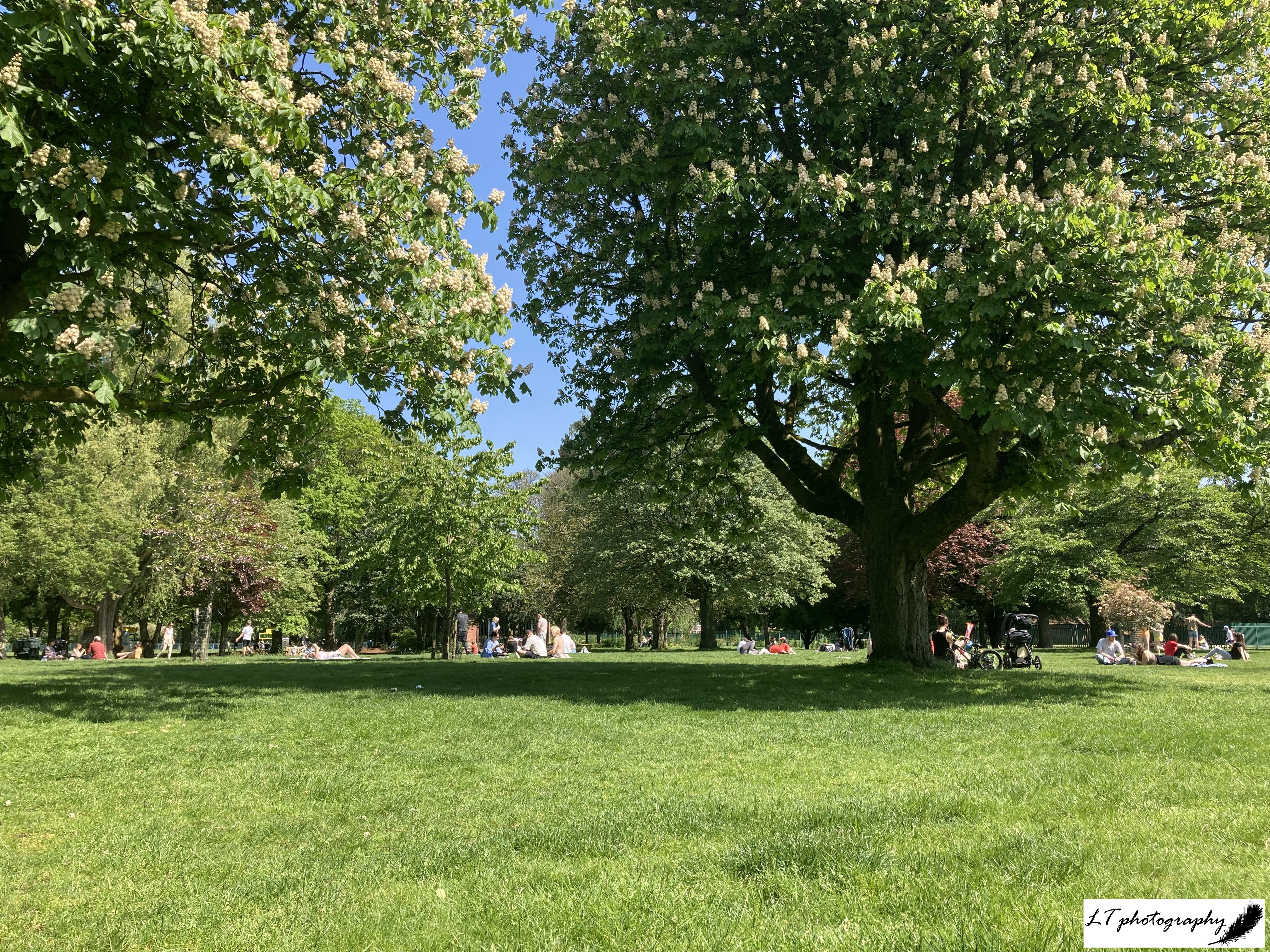
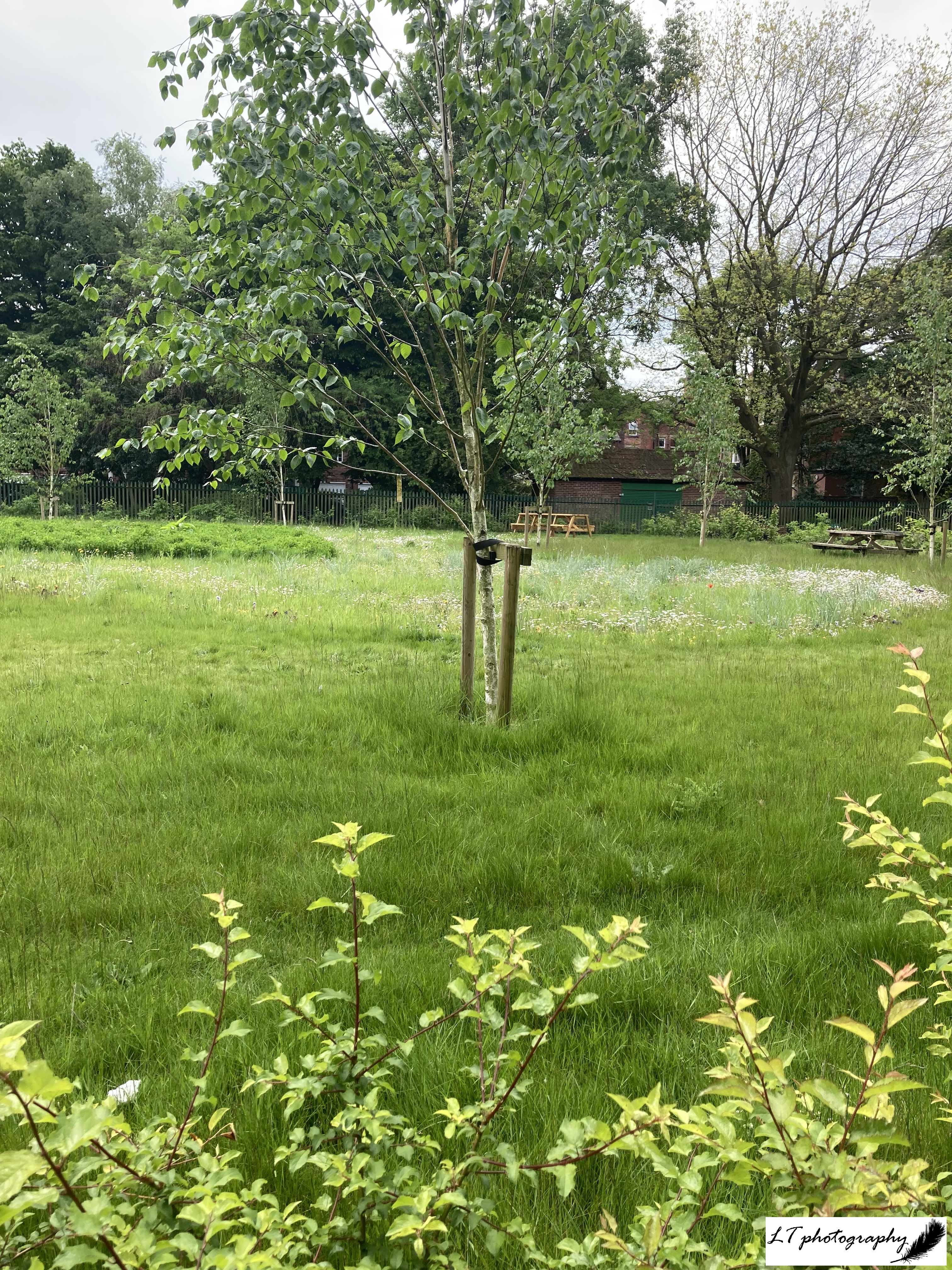
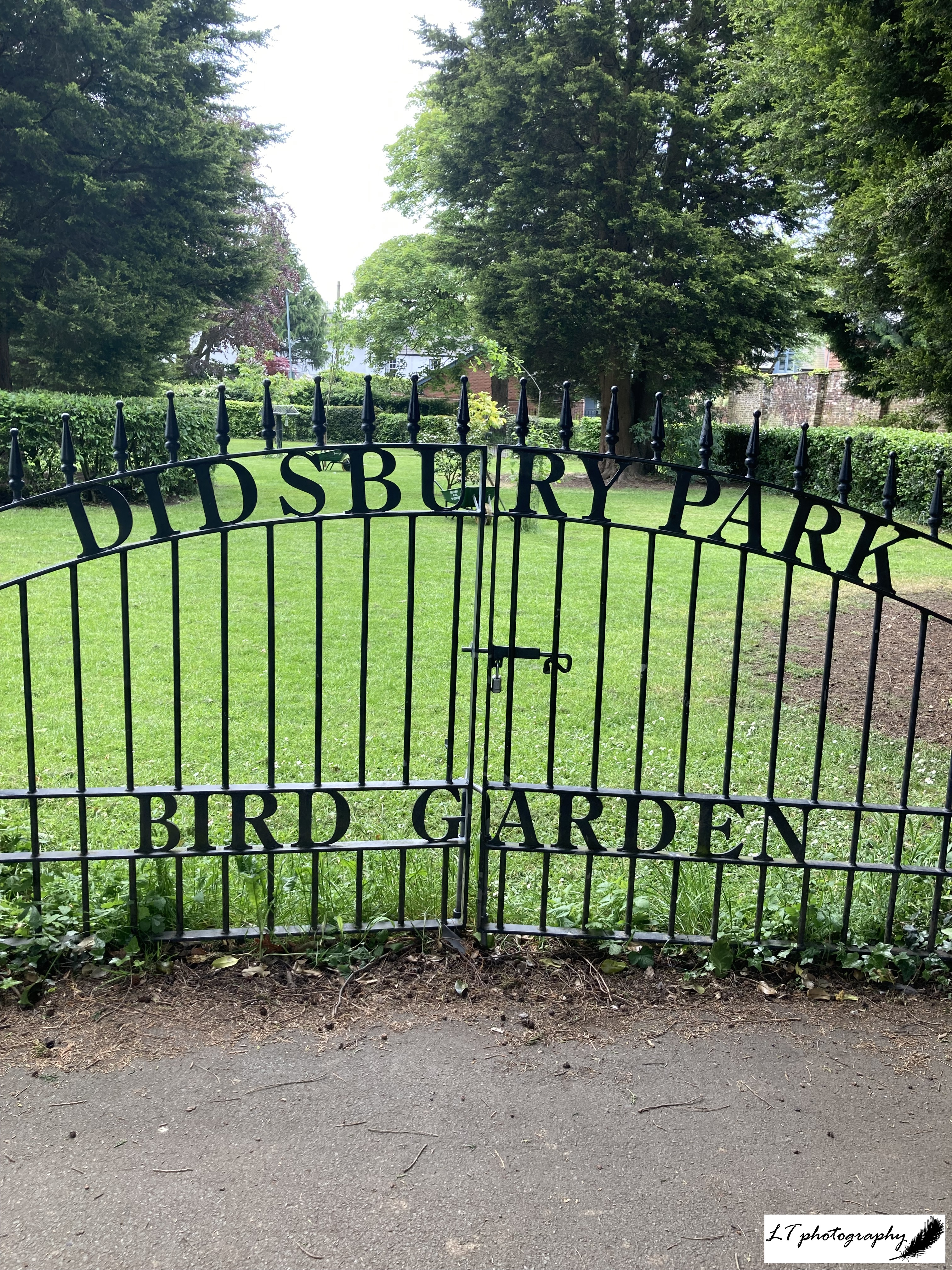
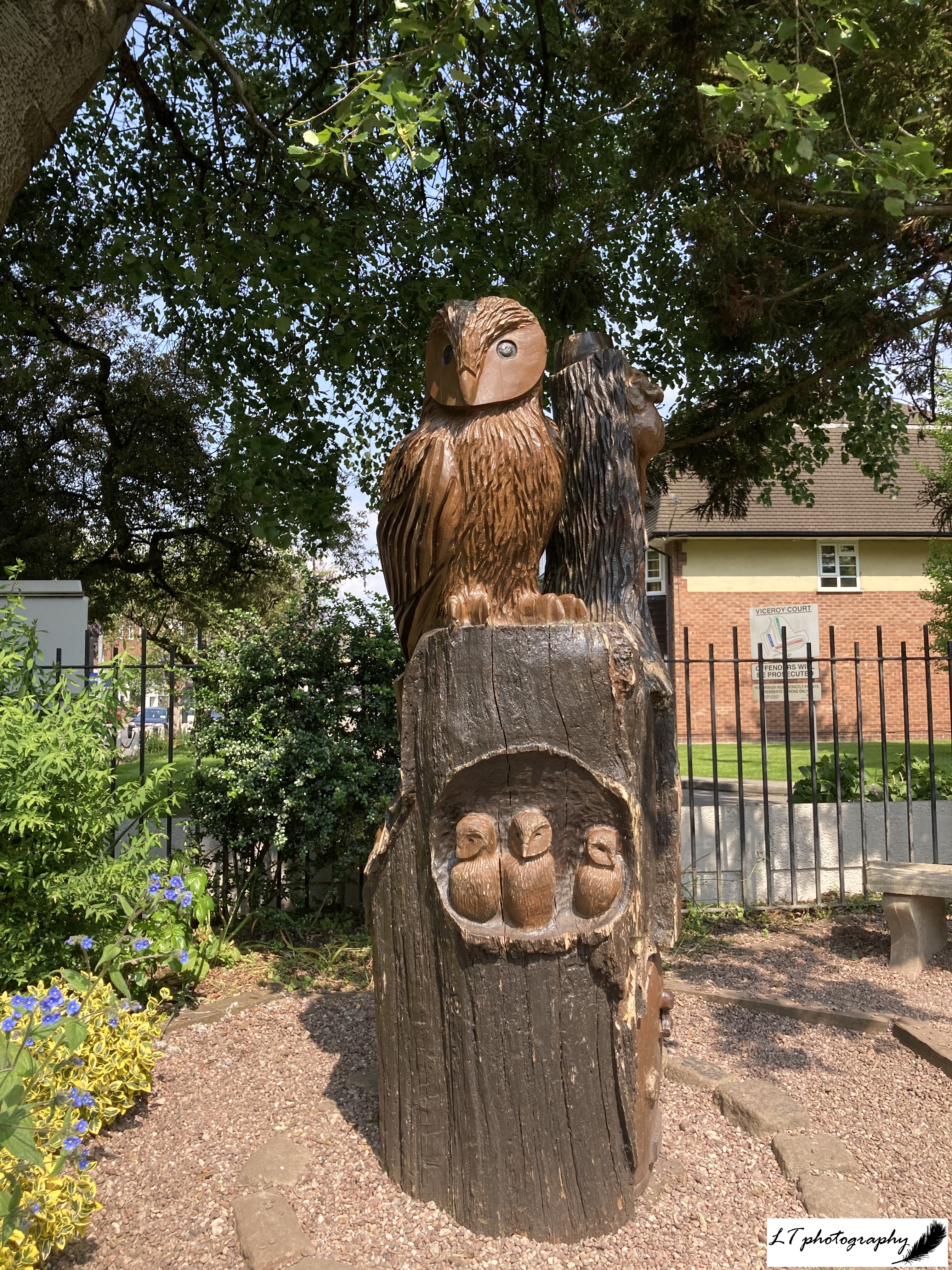
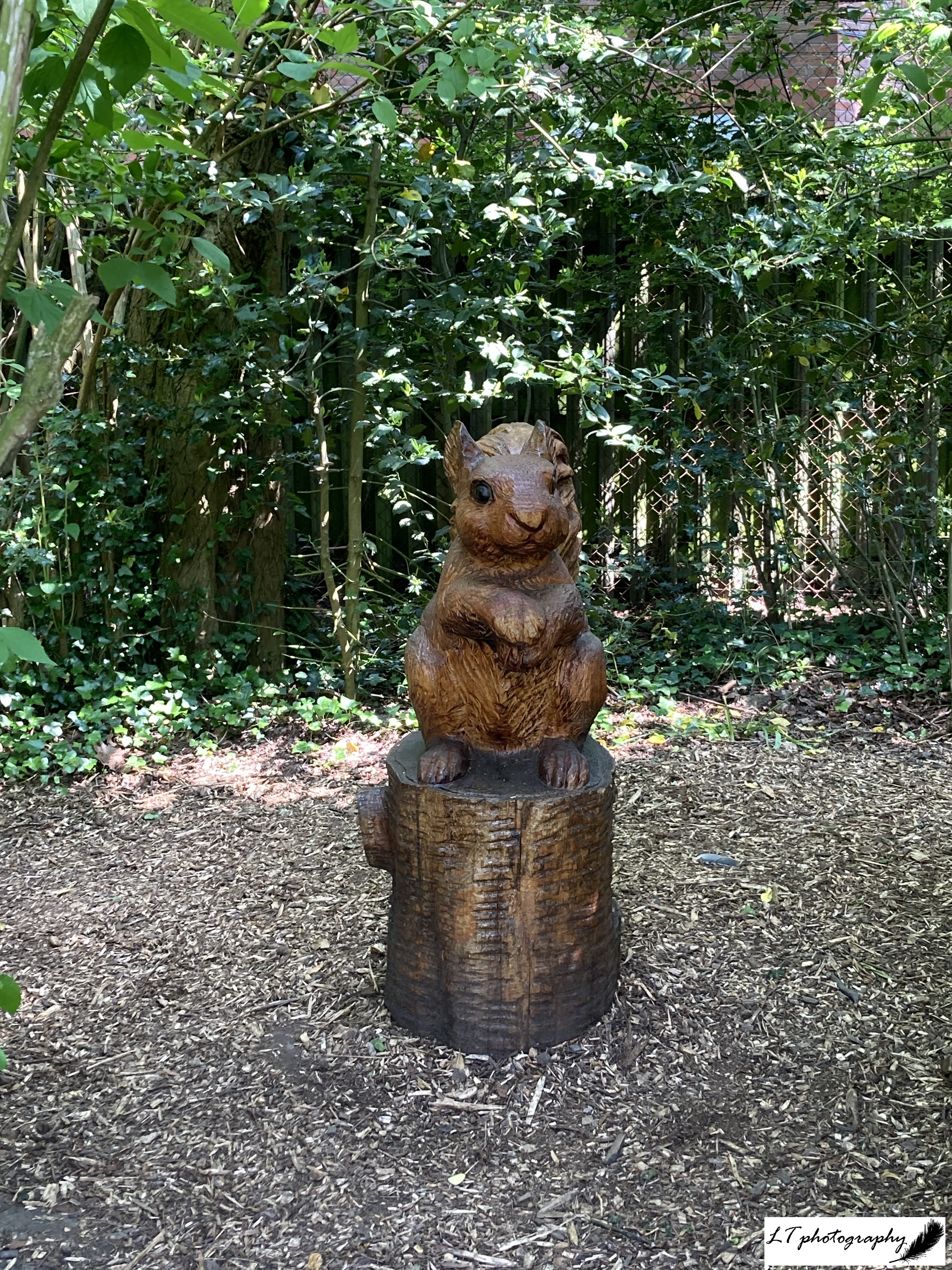
For me, when first entering the park, I took in the many flowering tree species, such as horse chestnut and wild cherry, and flowerbeds abuzz with insects. Though only a short walk to take in all the park had to offer, there were also surprises to be found. This included a wildflower meadow, wood carvings tucked away, and even a bird garden managed for different bird species, including providing food for the pair of nuthatches I saw feeding their fledged young up in the trees. The park was a lovely example of how even small green spaces are so important for city wildlife!

Fletcher Moss, Didsbury

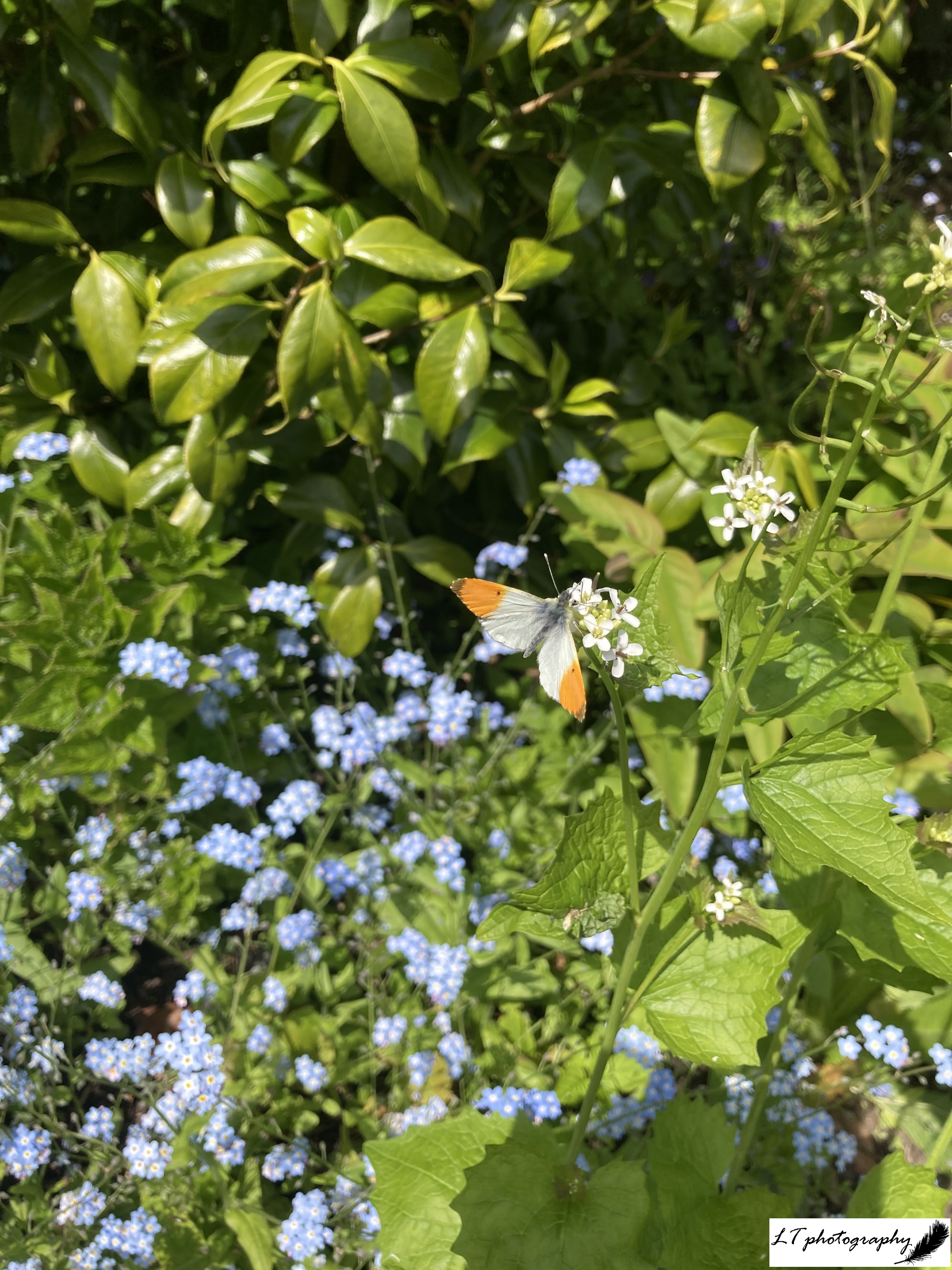
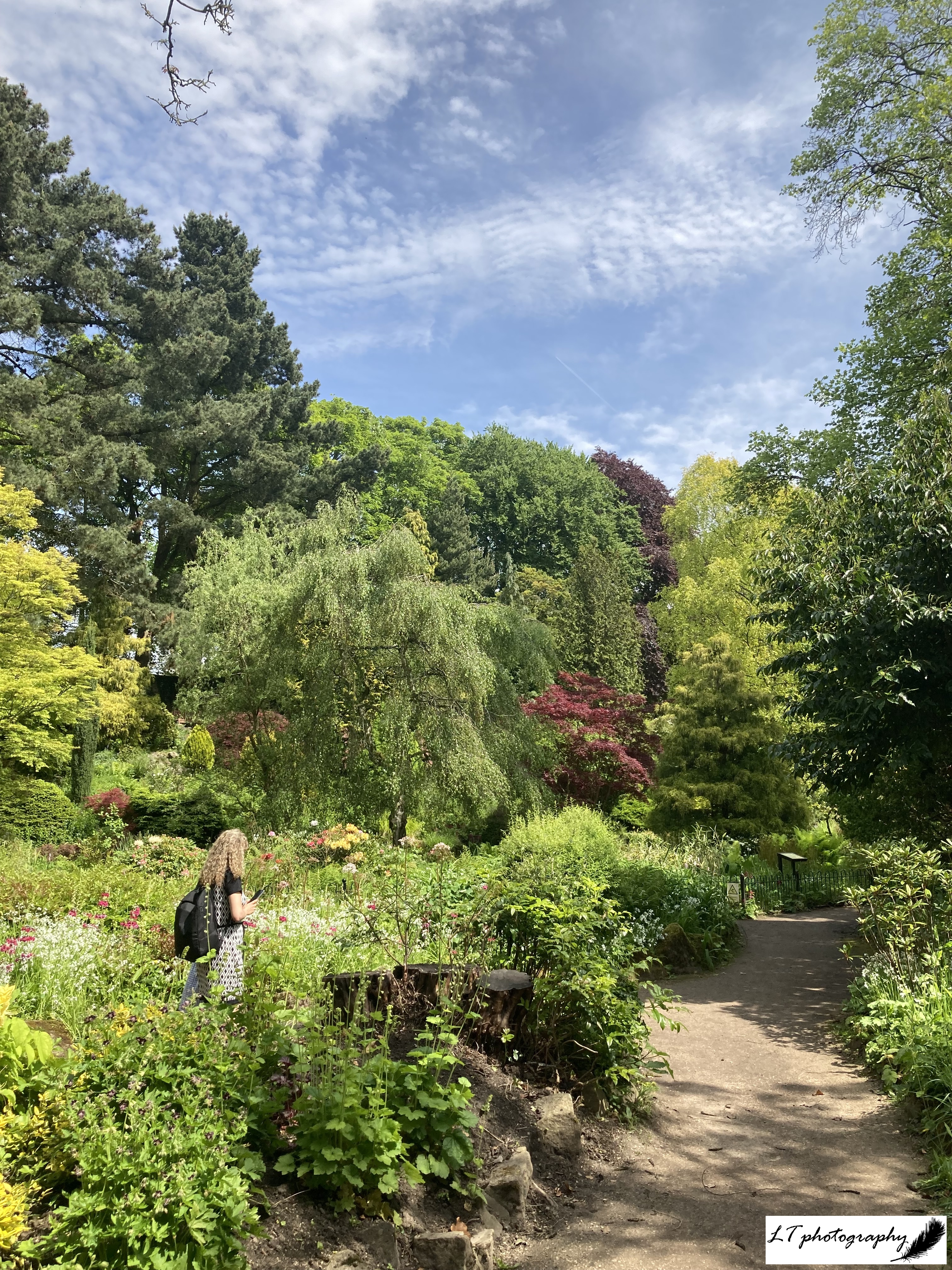
A 5 minute walk from Didsbury Park and also situated in the south of Manchester, Fletcher Moss Park is perfect for a dog walk, birdwatching, or a Sunday morning ramble. Mine and Emma’s adventure to Fletcher Moss started at the Parsonage Gardens, a tranquil area surrounding the old home of the park’s namesake Fletcher Moss. In May, the gardens were particularly spectacular with azaleas and wisteria in flower, along with flowerbeds awash with colour and alive with bees and orange-tip butterflies. Walking on past compost heaps and an alpine greenhouse, we made our way out on to Stenner Lane.

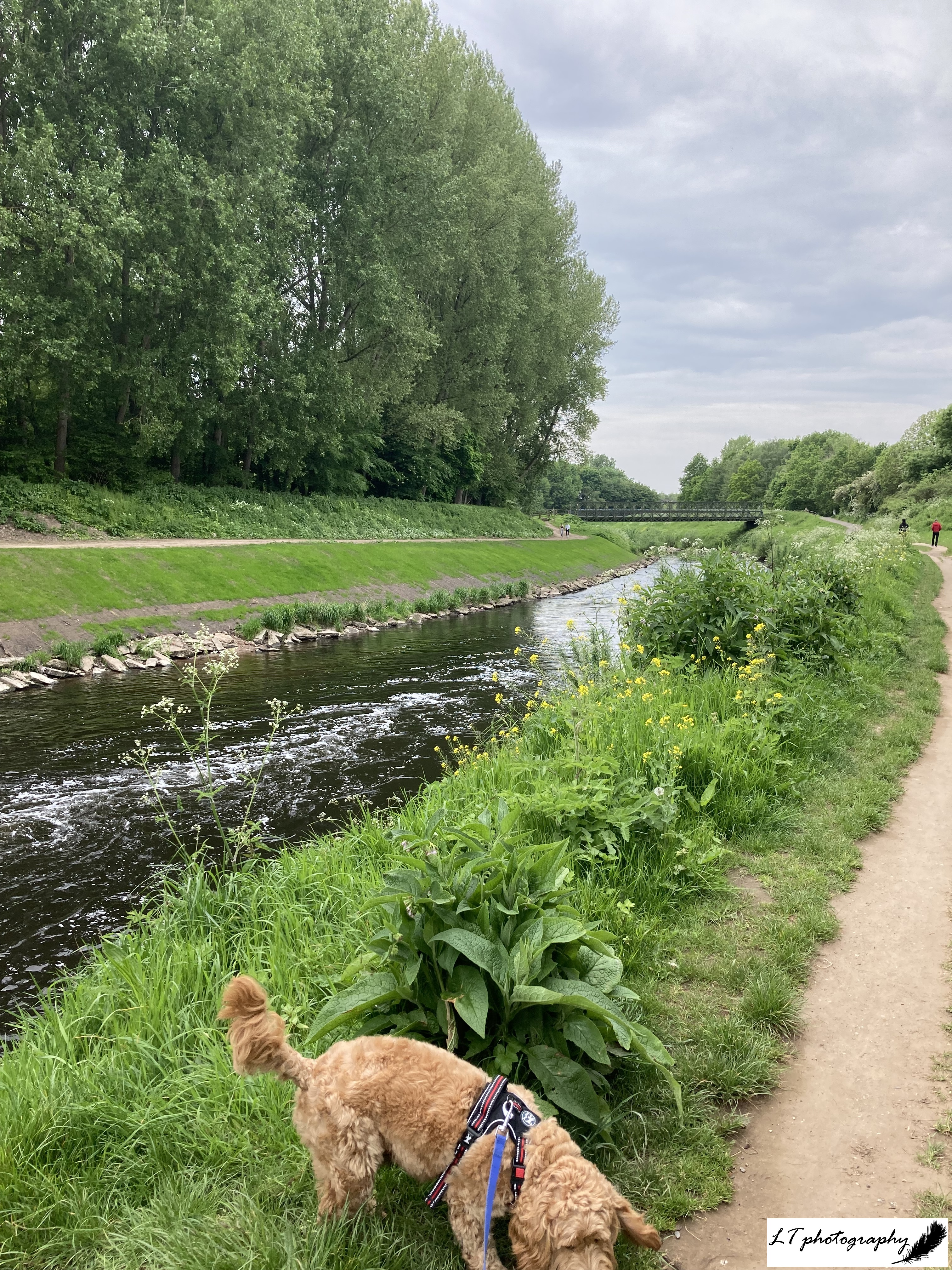
After a short walk, we left the lane behind with its swathes of wild garlic and sights of the magnificent poplar avenue, to join the banks of the meandering River Mersey. Along it’s stretches, we came across Simon’s Bridge constructed in 1901, and a whole host of wildlife, all with a backdrop of the noise of the M60 close by. Though the river had much wildlife on offer, such as colourful brimstone butterflies, on this part of the walk I was most interested in the bird species to be seen. This ranged from the city specialists, such as ring-necked parakeets and magpies, to smaller species, such as great tits, dunnocks and chiffchaffs, and water birds, such as canada geese, mallard ducks and even a female goosander.

Once breaking away from the calming flow of the river, the habitat changed from edge habitat to grassland to woodland all within a couple of kilometres. Through Millgate Fields we experienced hedgerows full of heady-scented hawthorn flowers, small white butterflies, and cows grazing, before venturing into Stenner Woods, with ponds of tadpoles, moorhens and speckled wood butterflies. The path then led us out for a much needed drink at the Alpine Tea Room.

After our drinks, we continued on our journey, passing through Fletcher Moss Botanical Gardens, situated on a sunny south-facing slope. Within these gardens we found mini waterfalls, rock gardens, ponds containing many reshwater snails, giant rhubarb, exotic and unusual plants, damselflies, and small birds, such as wrens and robins, up in the trees. Following the path out through the gardens and park, under towering horse chestnuts and silver birches, we finally came to the end of our ramble.

Styal Country Park and NT Quarry Bank, Wilmslow

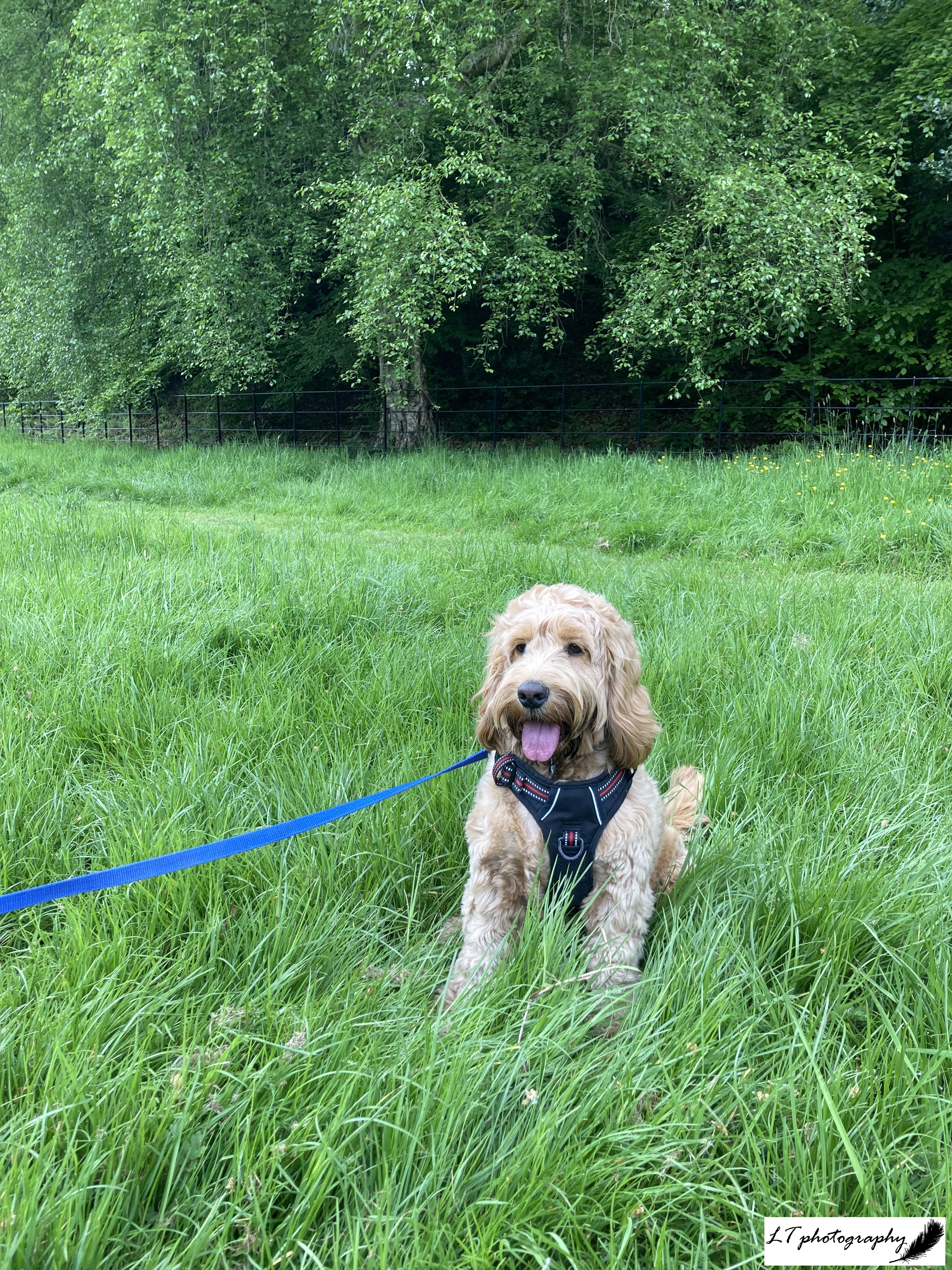
Another great way to venture out in nature is with a furry friend by your side, something I have missed over the last couple of years. So what better way to spend an afternoon than with my friend Emma and her sister’s cockapoo Persy, just outside of the city area of Manchester.

Starting at the Styal Country Park car park, our walk took us through fields perfect for running through, woodland filled with birds and squirrels, and along the banks of the River Bollin. Going at the active pace of Persy, we quickly stumbled upon the National Trust’s Quarry Bank, an old cotton mill first built at the start of the Industrial Revolution in 1784. The factory looking like a flash back in time, also boasts a magnificent walled garden, filled in May with the vibrant colours of rhododendrons, camellias, and borders filled many different species.

We topped off our adventure with a cup of tea in the National Trust cafe, and Persy leading us on our last stretch of walk through the gorges and woodland west of Quarry Bank. With robins, song thrushes, mallard ducks, woodpigeons, blackbirds, mandarin ducks, chiffchaffs, and nuthatches making appearances, among others, it was a great end to an afternoon wild walk.

Chorlton Water Park and the River Mersey, Chorlton

After a lovely dog walk at Styal, Emma and I were excited towards the end of my trip to take Persy on another walk to do some exploring. This time we headed to Chorlton Water Park within the south of the city bounds. An interesting nature reserve, it was formed when gravel was excavated from the site of Barlow Hall Farm for the M60 construction in the 1970s. The remaining pit was flooded, forming a central lake, surrounded by grassland, woodland and the River Mersey. Complete with fishing and pond-dipping platforms, and a play area, this green area is a site for both wildlife and the community alike.

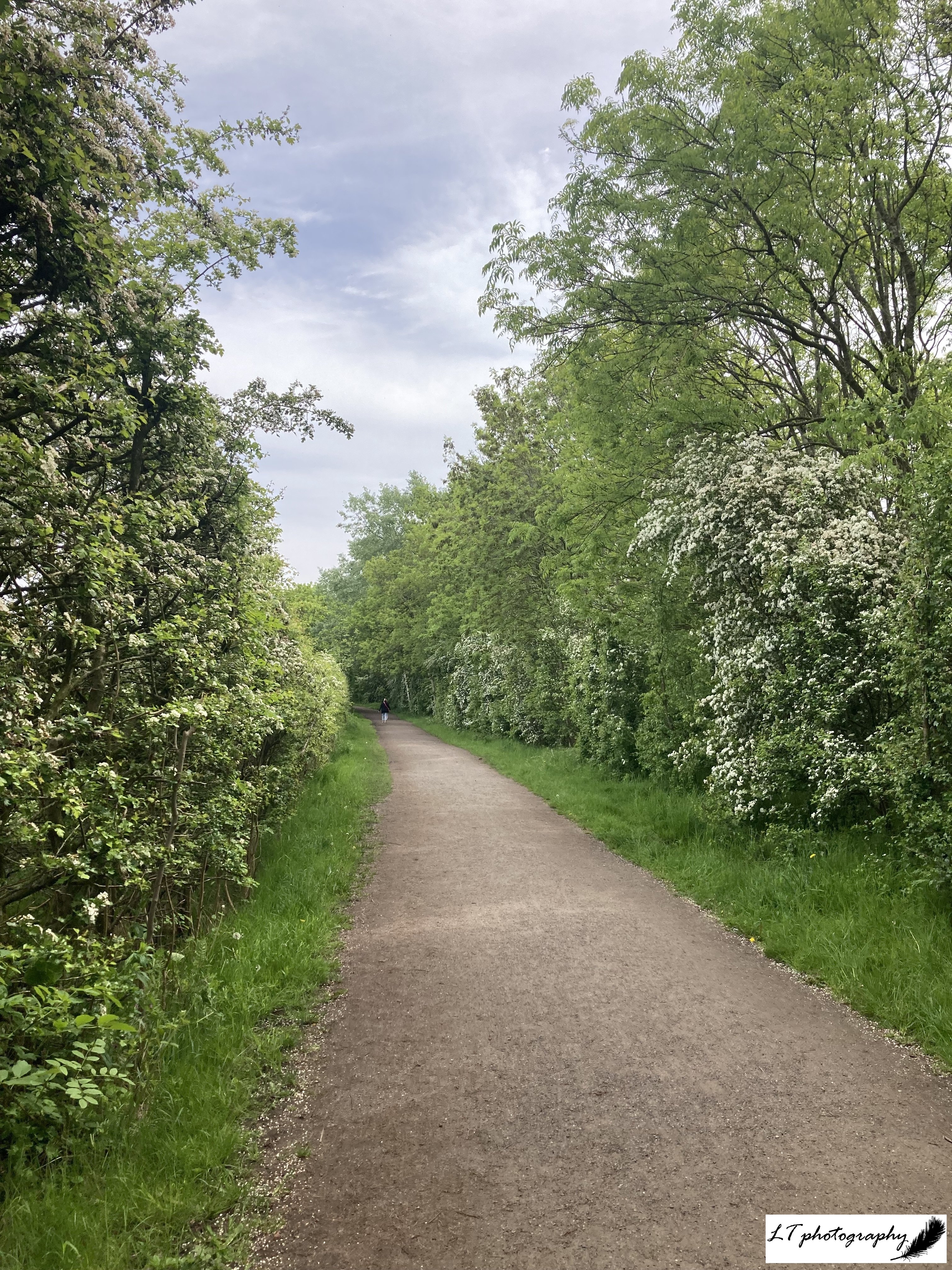
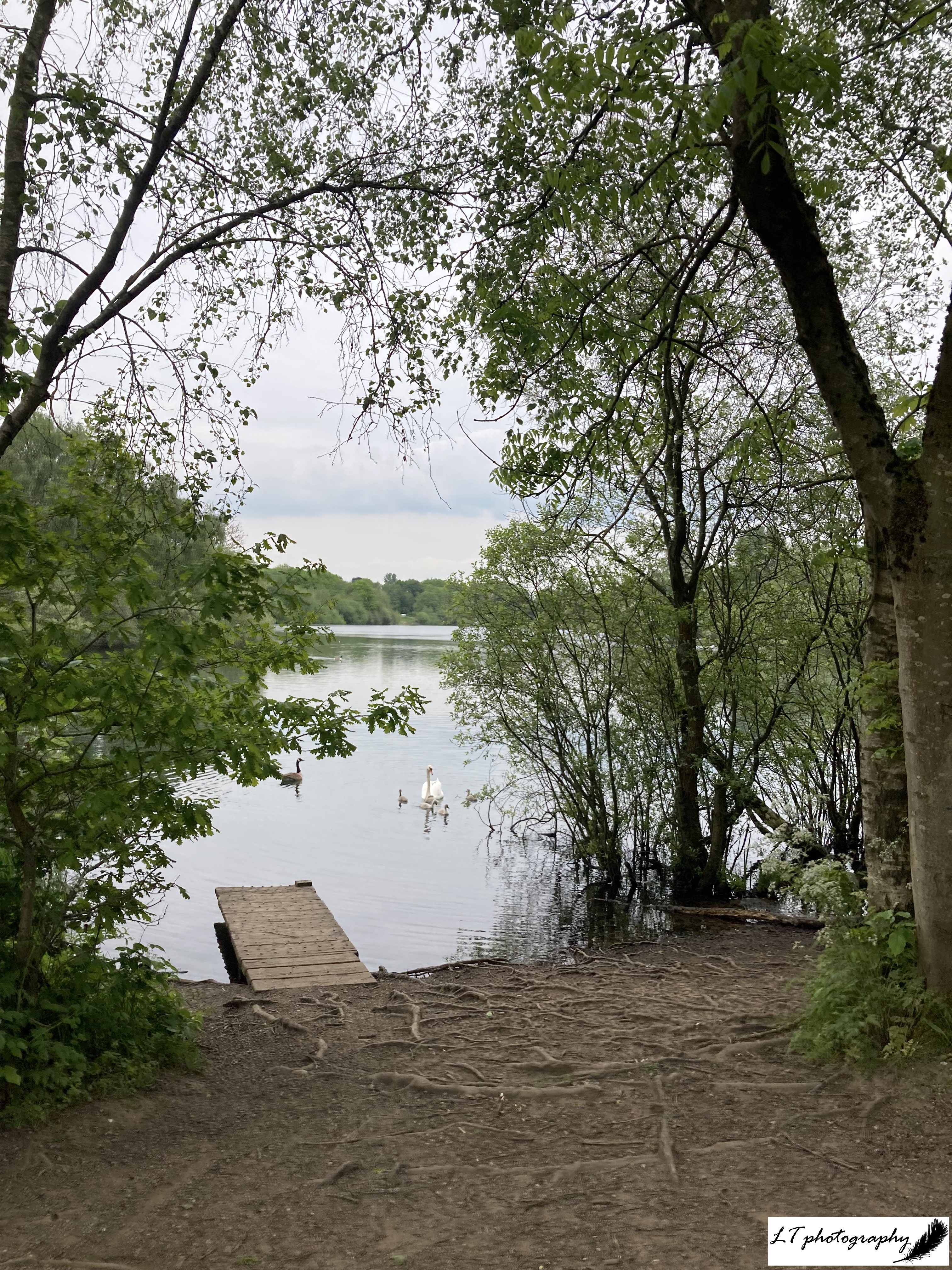
With Persy by our side, Emma and I first took a walk around the lake, taking in the birds on the water framed by willows and yellow flag irises, including Canada geese, mallard ducks, and mute swans all with young. Once we had completed this circuit, we extended our walk by heading east along the River Mersey back to Didsbury. The path was framed by froths of cow parsley and hawthorn, and added to by flitting butterflies, such as orange-tips, and a melodic bird soundtrack of tits, blackbirds, robins, dunnocks, wrens, chiffchaffs, and blackcaps. Though a simple route, it was really lovely to walk within an urban area, but be surrounded by nature and accompanied by wildlife the whole way!

Green Manchester

As a true country mouse and nature lover, when I am on holiday and travelling, I am always looking out for wildlife to discover, and green spaces to explore. So on my recent trip to visit friends and family up north, my time spent with my fellow animal-loving friend Emma was a real joy. City trips and activities were mixed with nature walks and lots of time enjoying being outside in green spaces. This ranged from areas within the city of Manchester, to further afield, such as a fantastic day trip to the Peak District via a 1 hour train.

When it came to being a naturalist in Manchester, the city surprised me with how much it had to offer. With a city-wide focus on providing homes for wildlife and recovering habitat lost within urban areas, you are never too far from a park or green space to escape to. There are also bee hives to be found on rooftops across the city centre, hedgehog highways being created between suburban gardens, new nature reserves being created each year, and much more to excite the urban naturalist. It just goes to show that wherever you live, nature can be accessed and enjoyed by all!

Disclosure: Unmarked photos taken by Emma Rogan