In a green oasis surrounded by urban jungle, ancient trees stand as sentinels. They have watched over this space for centuries, watching as time and history passes by. Some have even stood in this spot for over 800 years, growing taller whilst a wall was raised, royals hunted deer, and a city grew up around its edges. As a busy metropolis hums and pulses at its borders, this park rolling on for 2,500 acres, has lain timeless for centuries. It now continues to capture the hearts and minds of the millions of visitors that step through its walls every year.
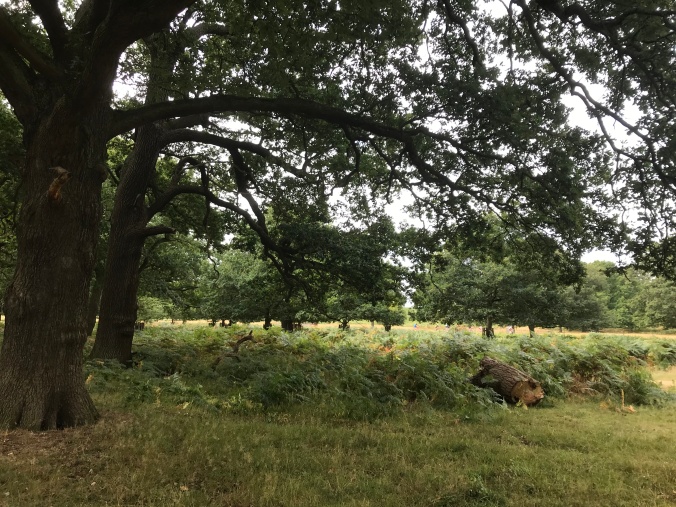
Nestled in the south-west of London, Richmond Park stands as London’s largest Site of Special Scientific Interest and a Grade One Heritage Landscape, with even the Royal Ballet School and a royal residence within its walls. This impressive park first came to my attention last year when I was given the book ‘Park Life: The Memoirs of a Royal Parks Gamekeeper’ written by John Bartram. This book recounts the author’s 30 years working and living within the bubble of Richmond Park. Sparking my imagination, it was his story that inspired in me the desire to make my day trip to his beloved Richmond.
On a hot, but grey autumn day in early September, I made my trek to Richmond Park, with the company of my aunt by my side to guide my path. Starting at the Roehampton Gate in the north-east of the upside-down pentagon-shaped park, we set a route to allow us to take in a range of beautiful habitats, incredible wildlife and the character of this impressive landscape.
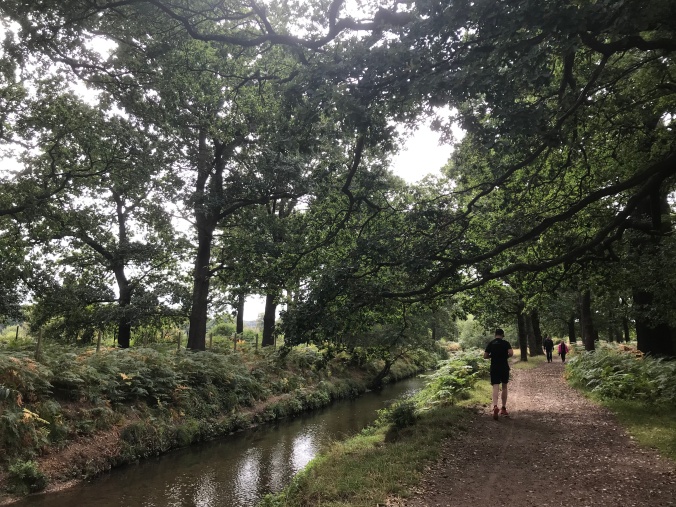
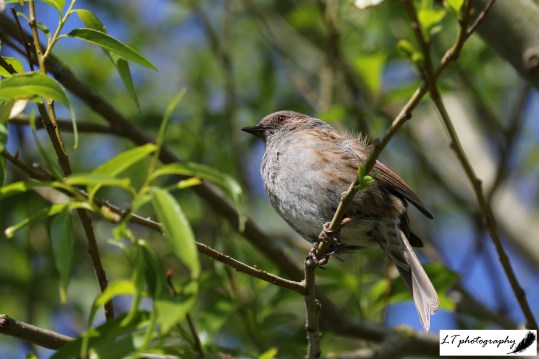
Our first steps took us south, hugging the 2km of river that winds down the east side of the park, known as the Beverley Brook. This river for a time became our birdwatching paradise, filling us with excitement with every stretch. We saw everything from a family of long-tailed tits feeding, fish swimming in the shallows, a spotted flycatcher doing its iconic hunting routine, and a bedraggled juvenile kestrel, to a pair of resting mandarin ducks, a tree creeping tree creeper, the flash of yellow of a chiffchaff, and a grey wagtail wagging. With around 100 bird species having been recorded in the park, we could not wish for more fantastic species to start our walk.
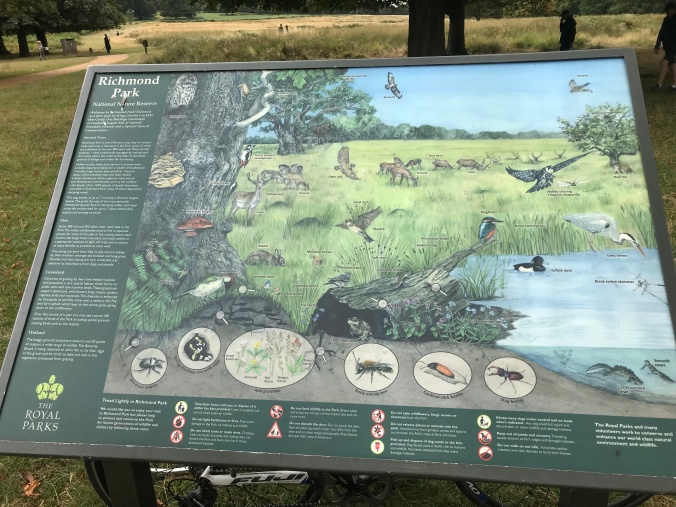
Moving on from the river, we then headed into the heart of the parkland. With Richmond also being a Special Area of Conservation, the park is home to over a thousand ancient trees; over 1300 species of beetle including iconic stag beetles; at least 9 species of bat; and a range of habitat types including acid grassland, bogs, and 30 ponds. It is truly an incredible space that feels isolated from the rest of the outside world. With every step you can spot another butterfly species, discover a whole host of plants, spot a range of bird species from green woodpeckers to wheatears, and simply escape everyday life.


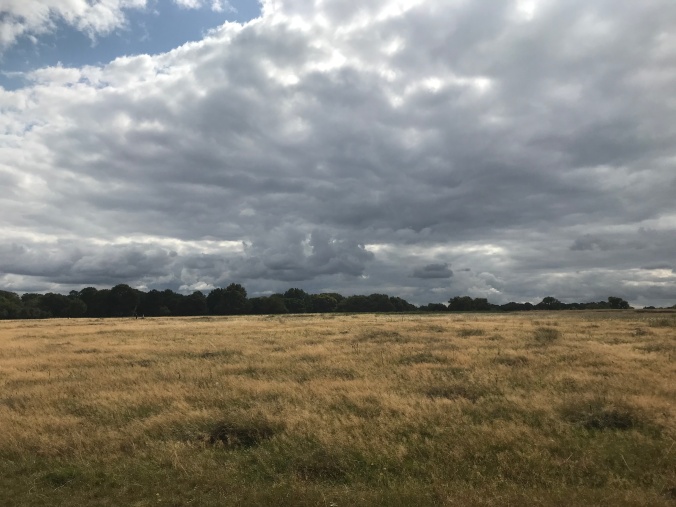
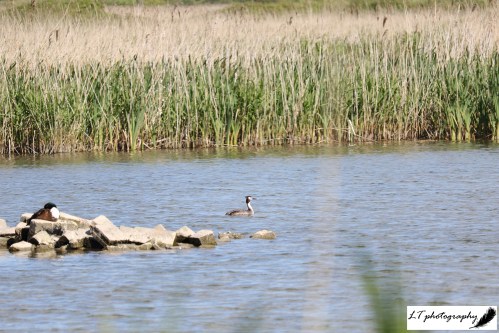
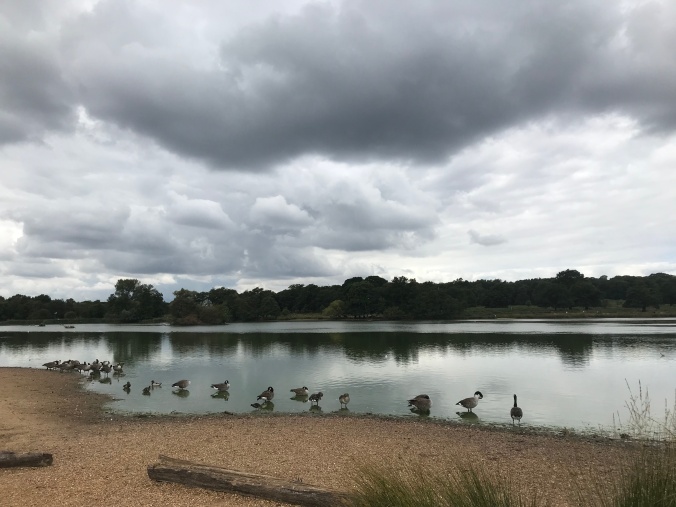
Our journey through the park also took us through the middle of the Pen Ponds which were filled with a myriad of bird species. This ranged from coots to black-headed gulls, tufted ducks to greylag geese, and moorhens to little egrets. With drama unfolding in front of us with every sight, we got to see gulls mobbing late nesting grebes, ducks competing for food, and birds flying low overhead, whilst getting the closest views of great-crested grebes that I have ever had!


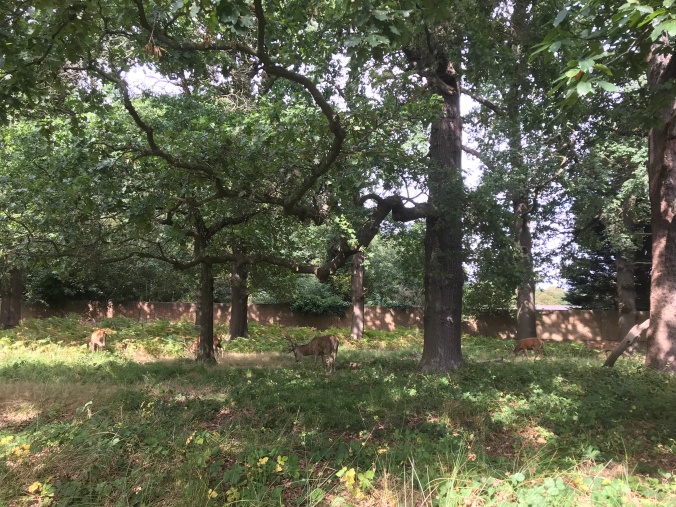
Though Richmond Park is home to many amazing species, it is the majestic beasts with sleek coats and antlers standing heavy on their heads, that are the star attraction for millions of visitors each year. The Park is home to about 300 red and 300 fallow deer, and these deer are most popular during their impressive autumn spectacle of rutting. Of course during my journey through the park, my aunt and I came across many of the red deer impressive with their bare antlers, and watched them in awe from a far. These deer were very much a main part of John Bartram’s 30 years in Richmond Park as a Park ranger.
As I neared the end of my adventures in Richmond Park for one day, it was evident that though my few hours of escapism were great, you could also easily lose yourself in Richmond Park for days, or in the case of John Bartram, years. It was easy to understand how he spent 4 decades hidden away working and living within this park. Its a place which has something for everyone, with everything from open space and incredible landscapes to amazing wildlife and cafes! For me, seeing 44 species of bird in a short space of time was my highlight. When beautiful places such as this can be found on your doorstep, what more could you want?



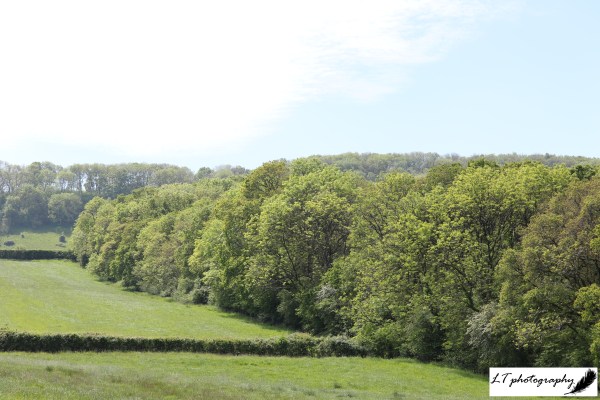


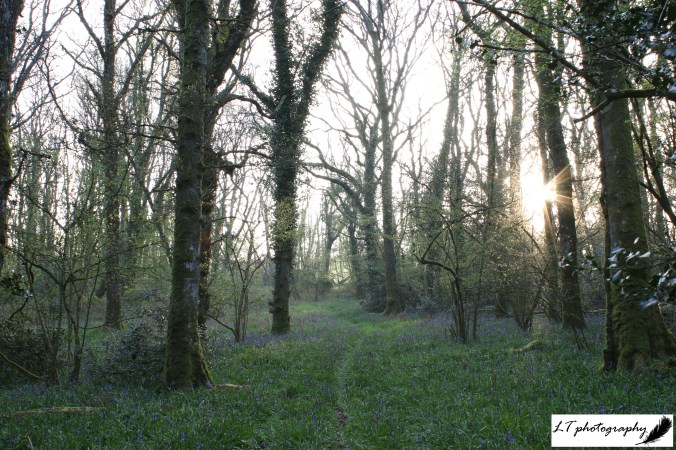 As the weather gets warmer and drier during spring and the countryside begins to bloom, I always like to set myself the goal of getting out into it as much as possible. I like to use these countryside walks as a way to calm my own mind and escape the stresses of modern day-to-day life. In particular, I am always drawn back to the woodlands and forests, with the tranquillity they breath to me. Growing up in Dorset I have always been able to disappear into the trees and appreciate such a habitat at any time of year.
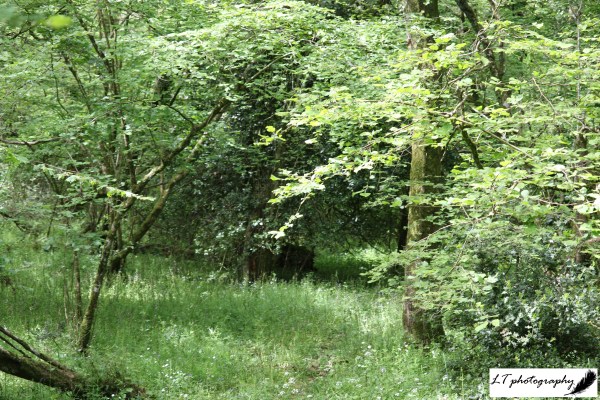
 In celebration of my love of the woods, especially during springtime, over April and May this year, I made 4 visits to one of my local ones to observe it as the season changed. On these trips I sat and wrote down my experience on my favourite log (see photo above), and took lots of photos with my new DSLR camera whilst walking through the woods. Check out below to see my diary entries and the photos that accompany them:


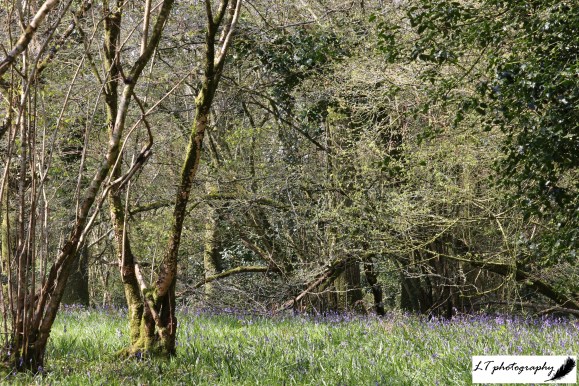


 Spring bird calls and song provides the soundtrack to my trip, including everything from groups of foraging long-tailed tits to angry blue tits and charismatic chiff chaffs. I also hear the reminiscent winter squabbling of jays, and on a stop to my favourite log in the middle of the wood, I can hear the coarser call of a raven and the calls of male pheasants.


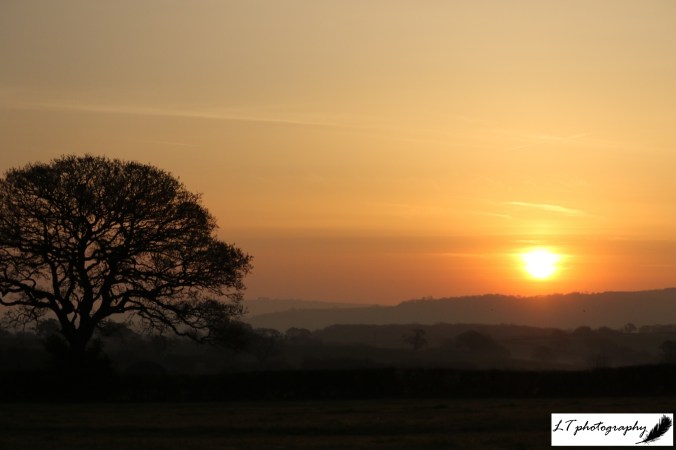
 This morning I chose to get up at 5am to meet a 6.08am sunrise, and to make the most of the dawn light. At this time of day, on my walk to the woods, I had great sightings of roe deer and brown hare, and got to see a beautiful pink sunrise. The dewy grass added to my photos in this glorious light.


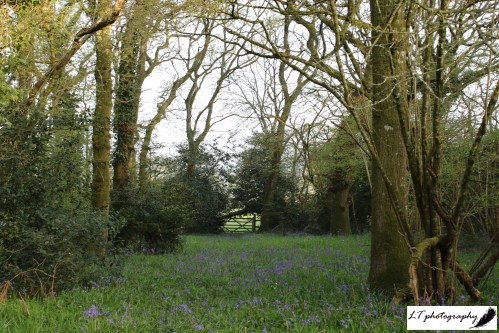
 Snow white garlic flowers are now emerging in the wood, whilst early purple orchids are also beginning to sprout here and there. The bluebells are now starting to create a sea of blue, with their white counterparts dotted here and there amongst them. Soon the woods will be fully awash with purply-blue and patches of white.


 You can definitely forget yourself among these trees, flowers and wildlife, which this morning included the bark of grey squirrels up in the tree canopy. Today, I have stayed awhile sat in the morning light of the woods, but I now know to make my way home from here, as the sun begins to burn through the trees a little too hot, and the midges begin to bite my neck more noticeably. This signals ‘the best part of the day has thus moved on’, as i must.
 On my trip this time to the woods, I took my four-legged friend Cassie. At the ripe old age of 13, she is becoming weary on her legs, but is still up for an adventure. This is great as there is nothing better than sharing the wonder of the outdoors with another being, even if they are no more than 3 feet tall.


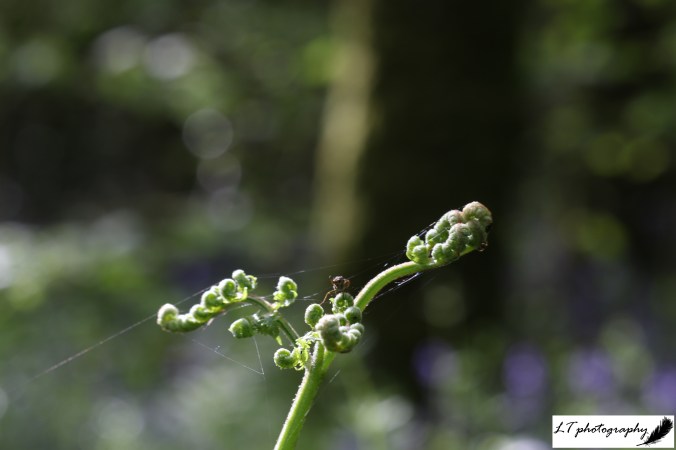
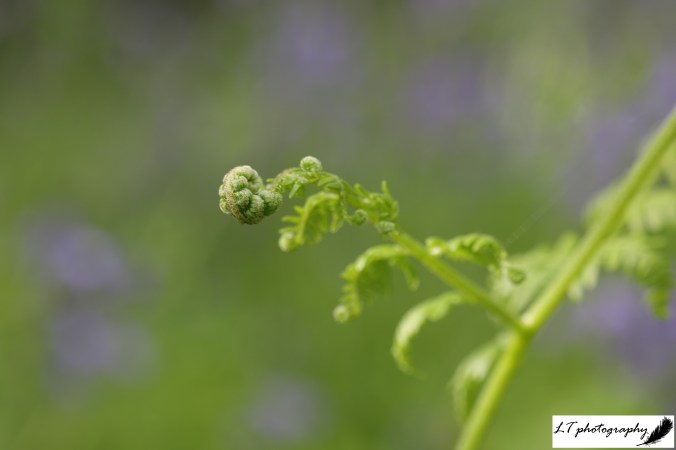


 The days are getting hotter and the sun higher in the May sky. In the depths of the wood though, the canopy keeps me cool. The woodland floor is now a tangle of unruly vegetation. The dying bluebells, orchids, and spring flowers jostle with unfurling ferns, sticky goose grass and flowers that persist. These include stitchwort, herb Robert, and red campion, which are gems of colour in a sea of green.


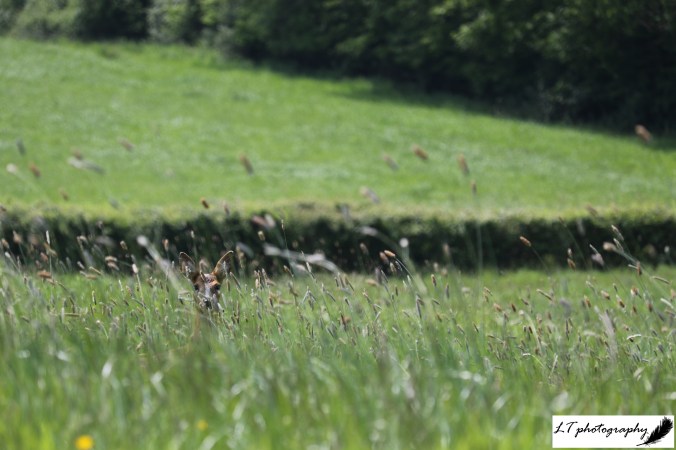
 Ash trees are finally fully in leaf and roe deer ramble lazily between the trees around me. Though this transition period may be more subtle than others, it truly signifies the changing of the seasons, as the important time for some species is replaced by the next. Thus, summer has now crept up on us!