Spring Camera Trapping 2024 – Part 2: Late May, June & Early July

Late spring is a time of vibrant energy, spectacular colour, and nature being at its busiest. Days are lengthening, temperatures are rising, and life is bursting forth wherever you go. This is joined by plant species growing abundantly, migrant birds having all returned to their breeding sites, alongside our native species, and mammals having welcomed young or waiting to do so. Despite this, how much do we actually see of our local wildlife on a day-to-day basis, as they go about their secretive lives?
In the first part of my two posts on my 2024 spring camera trapping adventures (check out the first part here), March, April and early May saw me exploring many locations on my family’s Dorset farm and getting some wonderful surprises. I was able to watch as some species fed young, some introduced them to the world for the first time, and others were feeding up ahead of laying eggs or giving birth themselves. My adventures did not finish there though, as I continued to watch on, as these individuals moved into late spring activity. So what happened next?
Late May

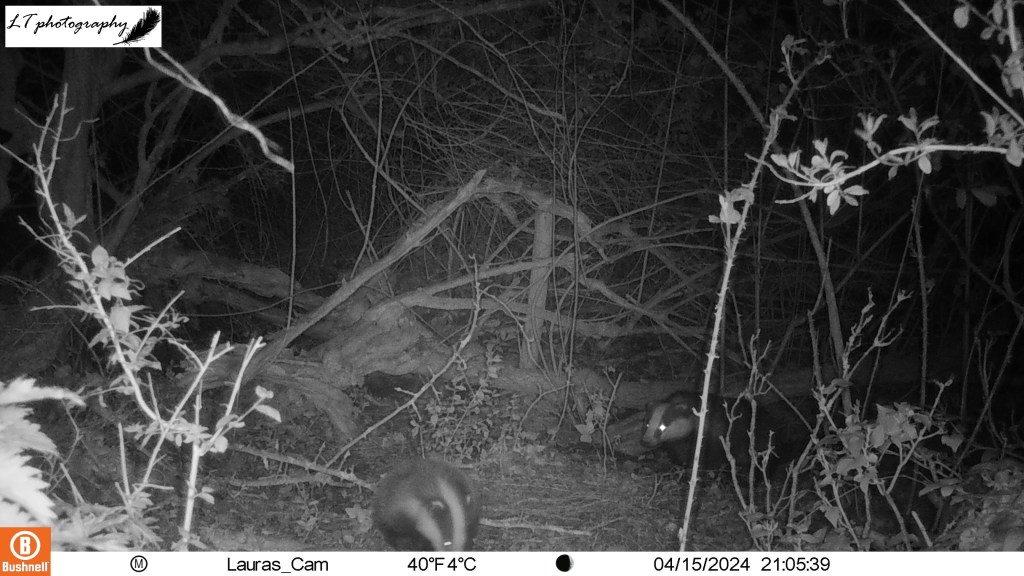
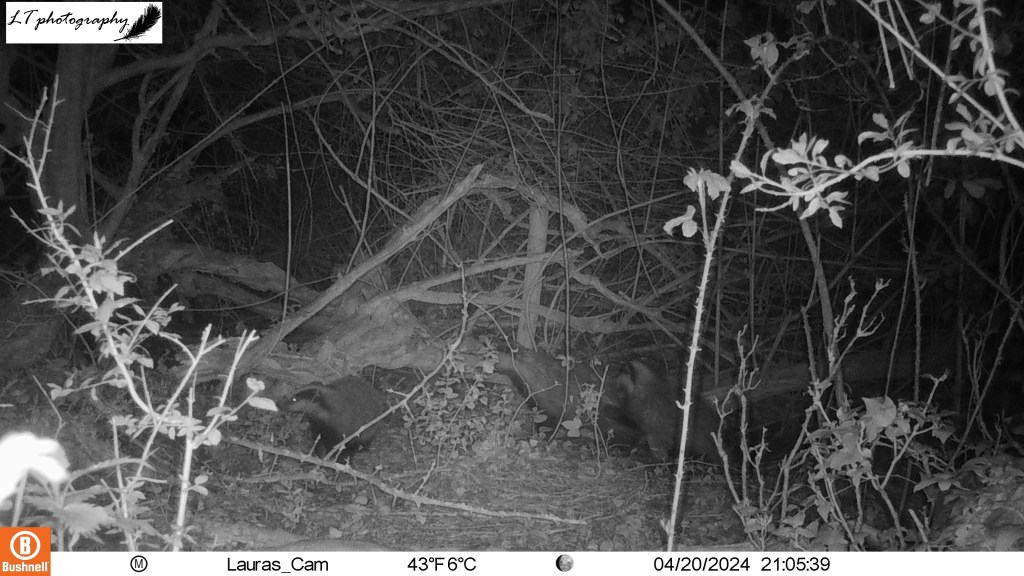
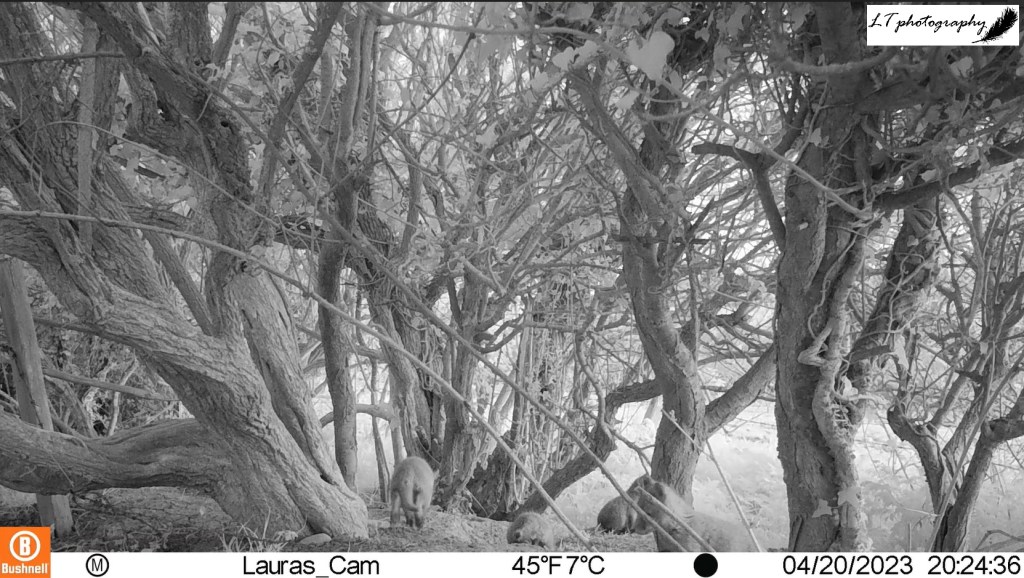
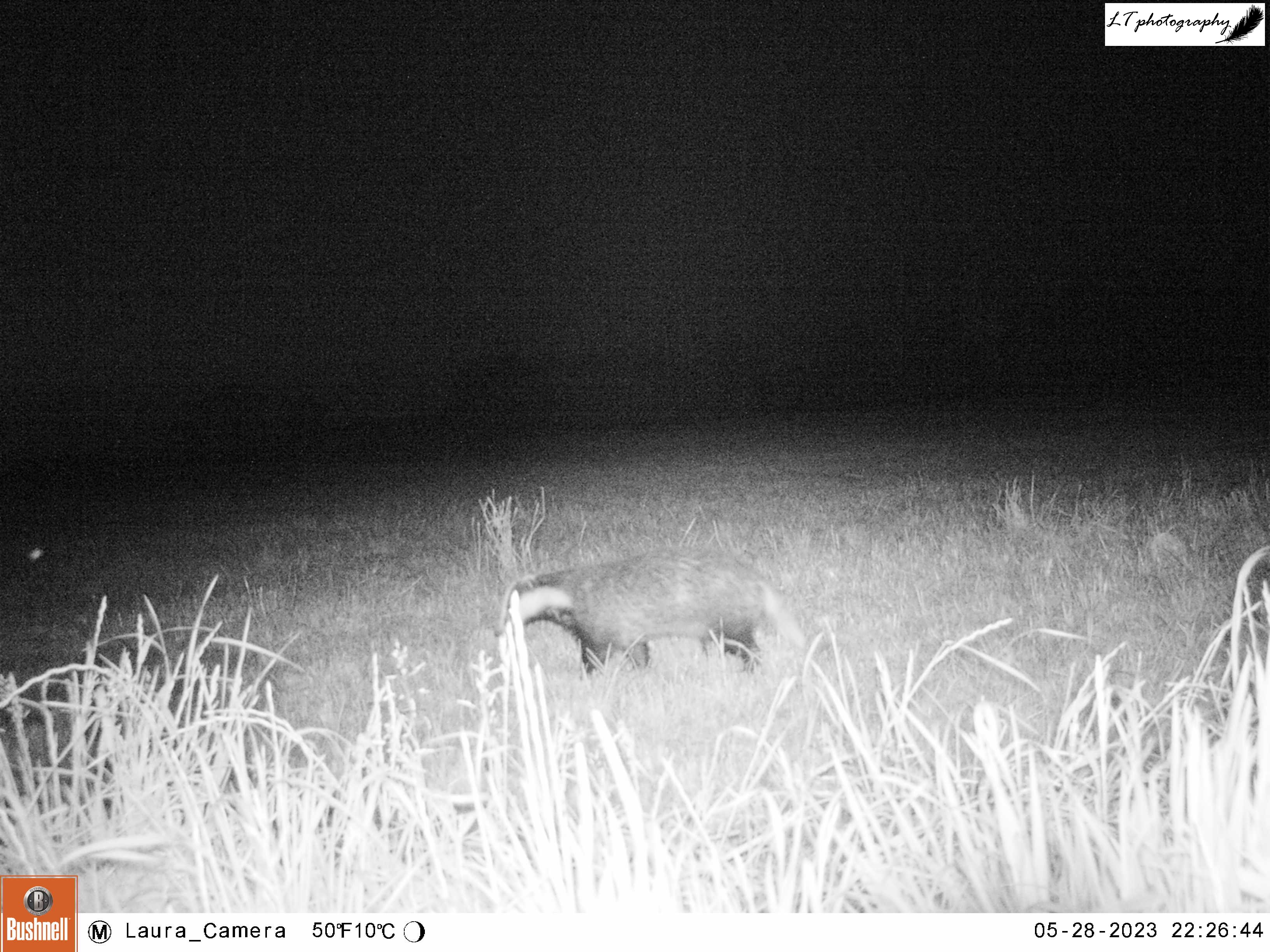
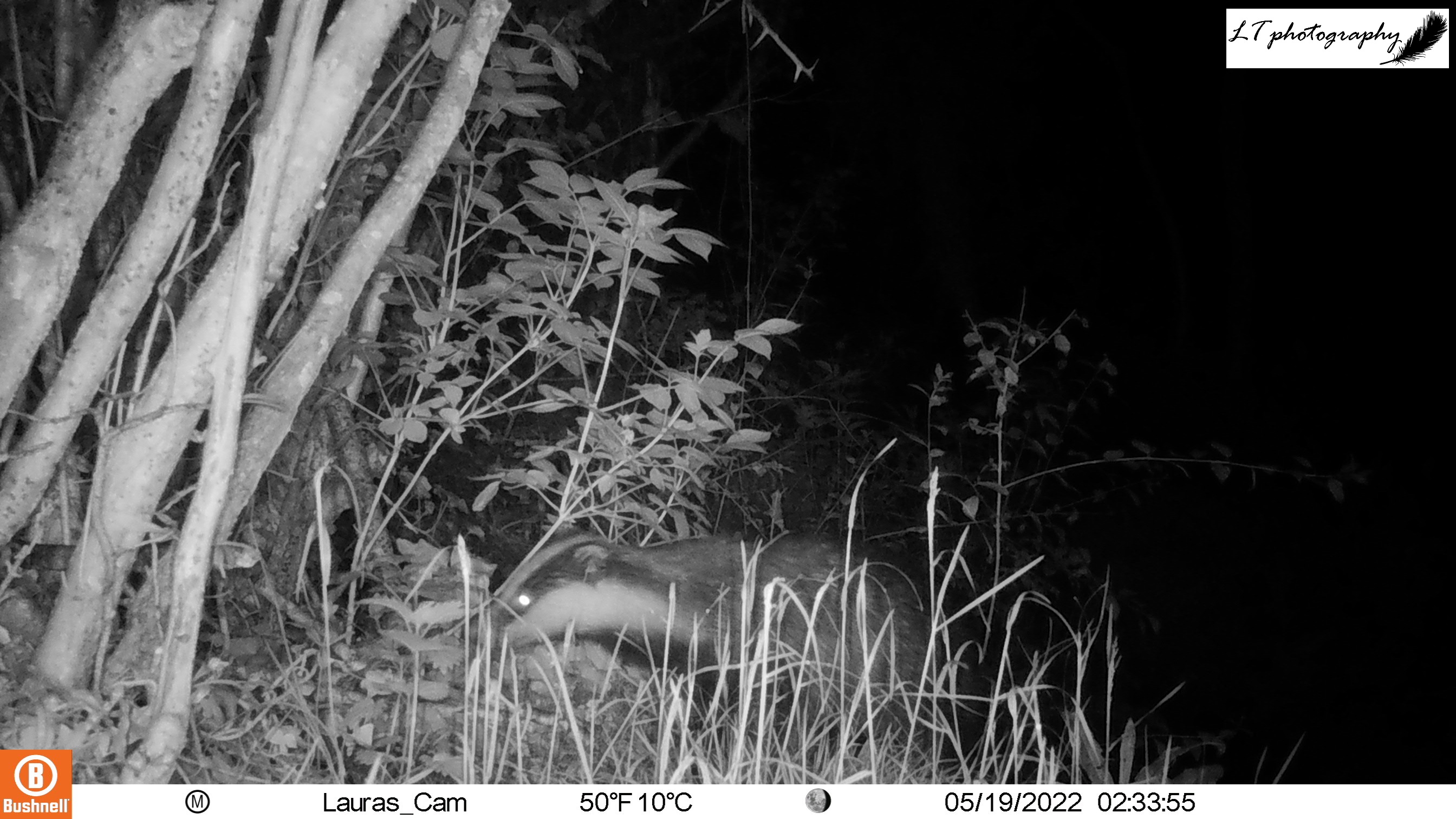
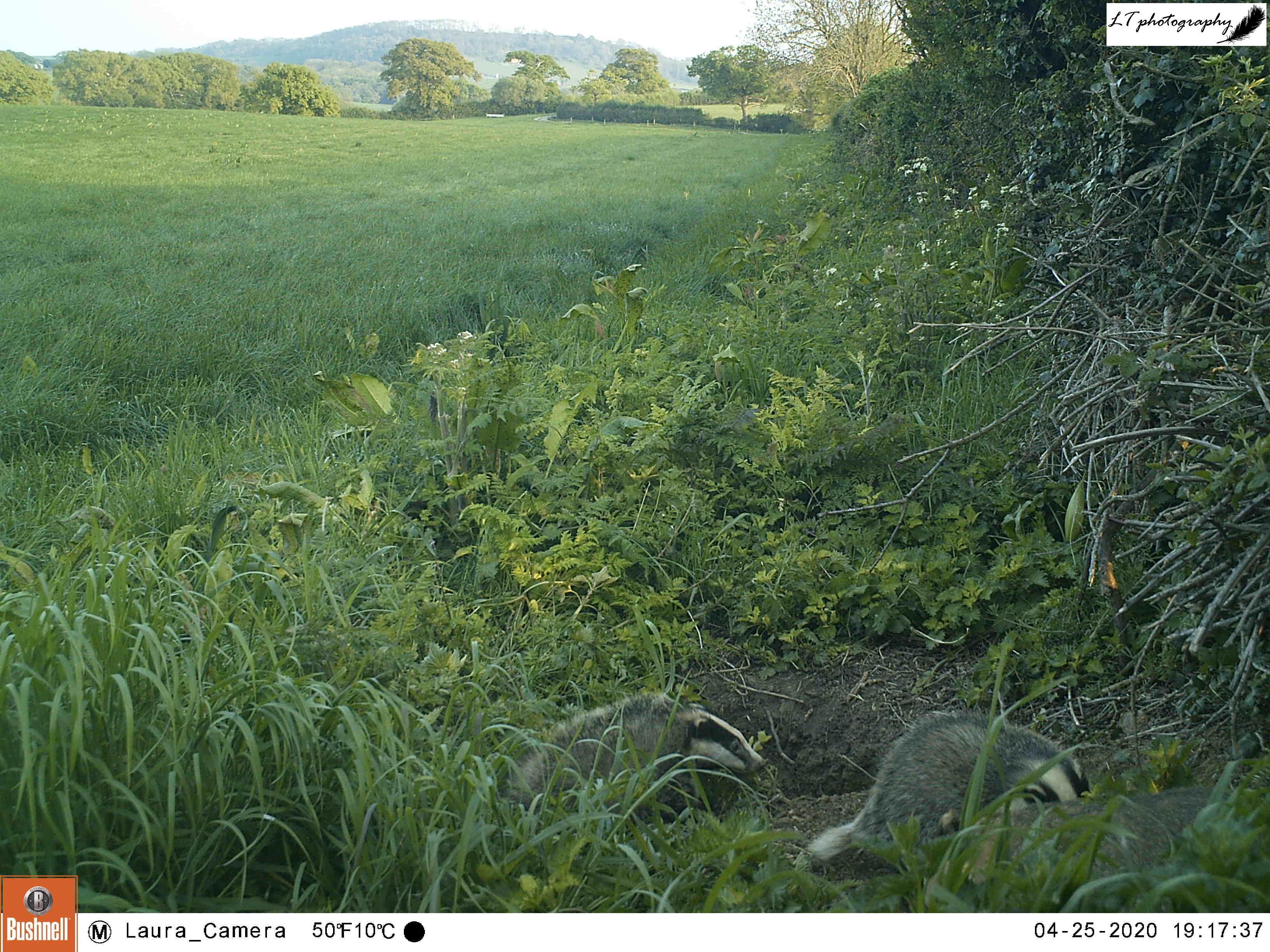
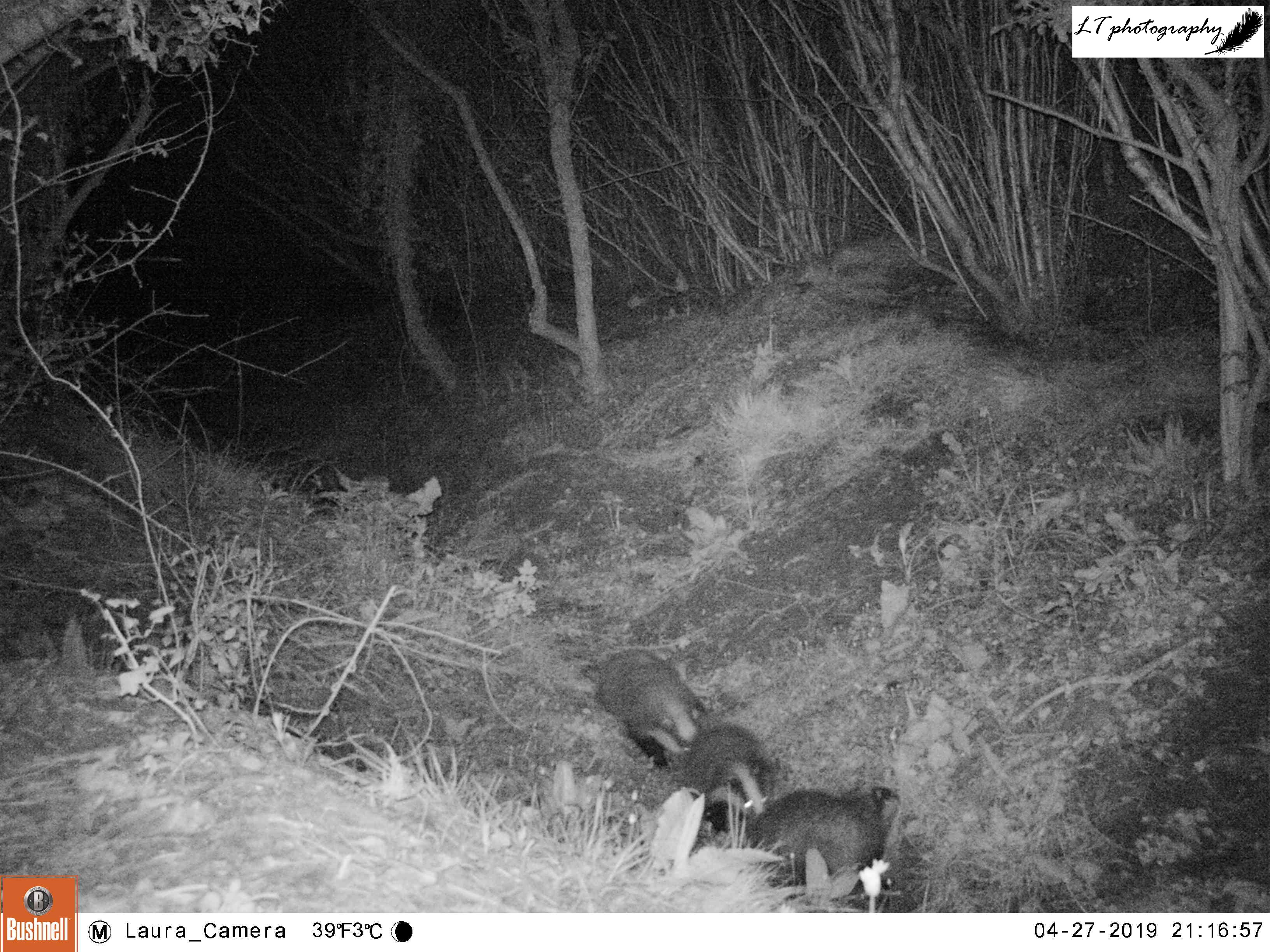
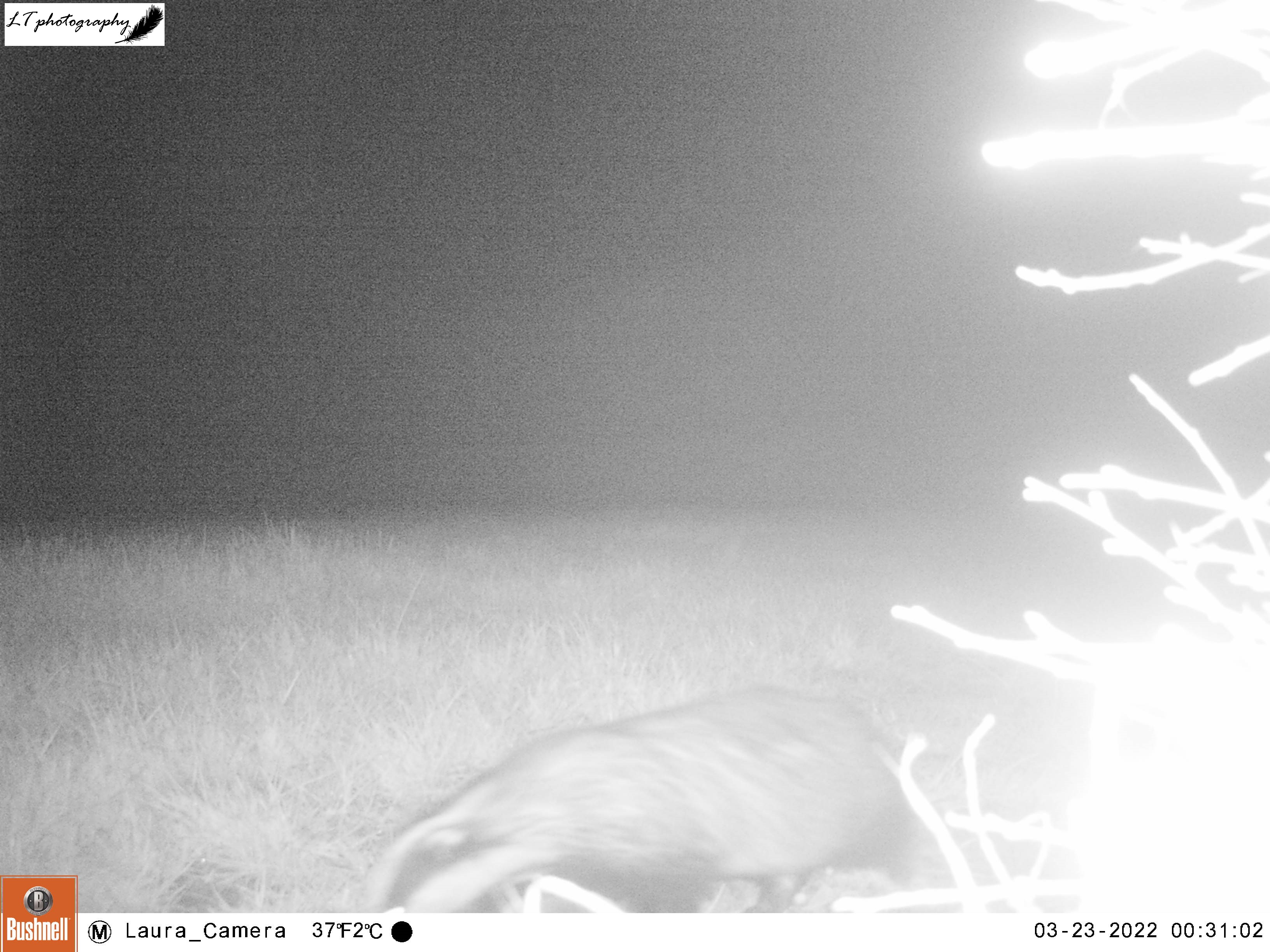
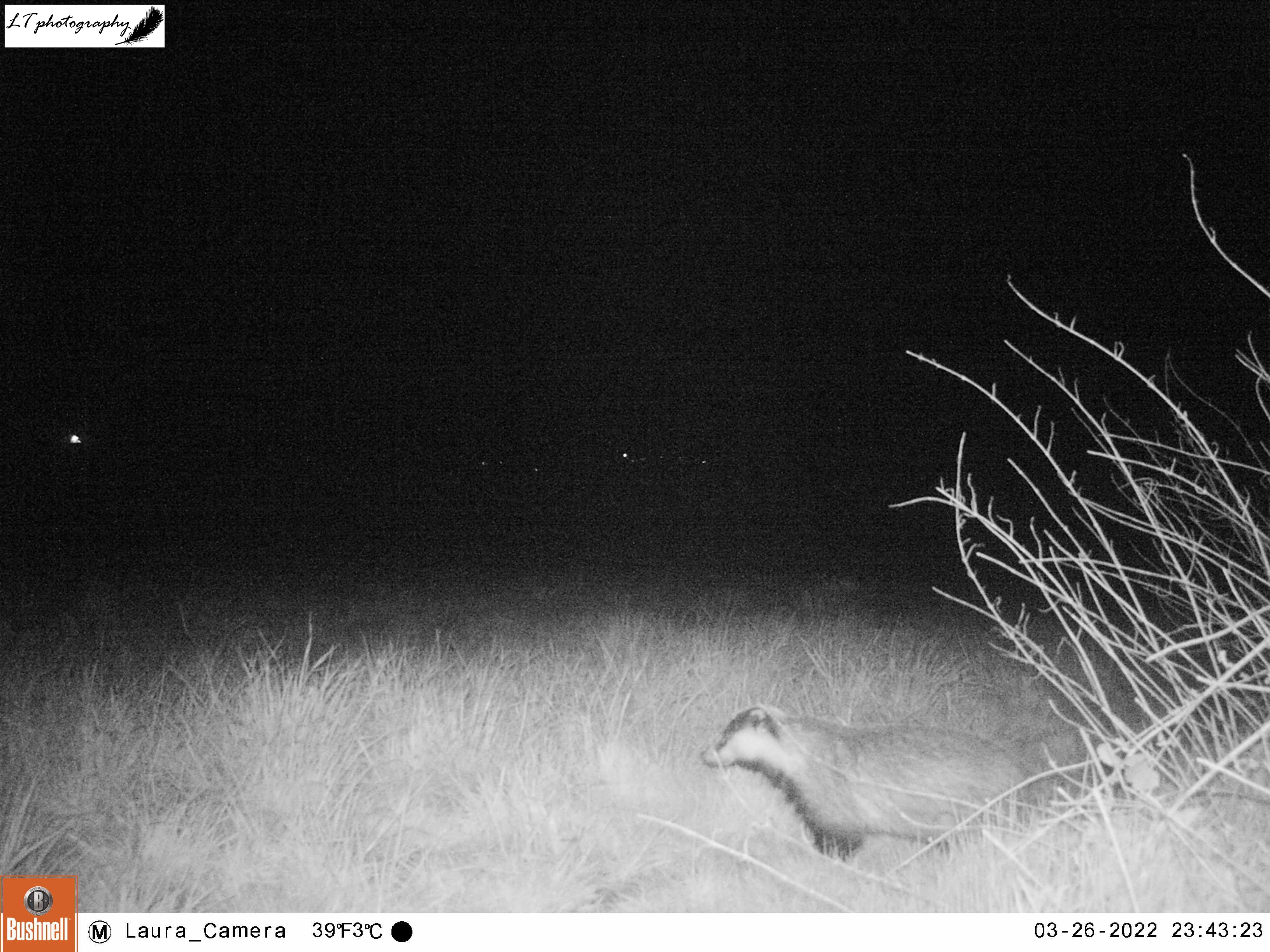
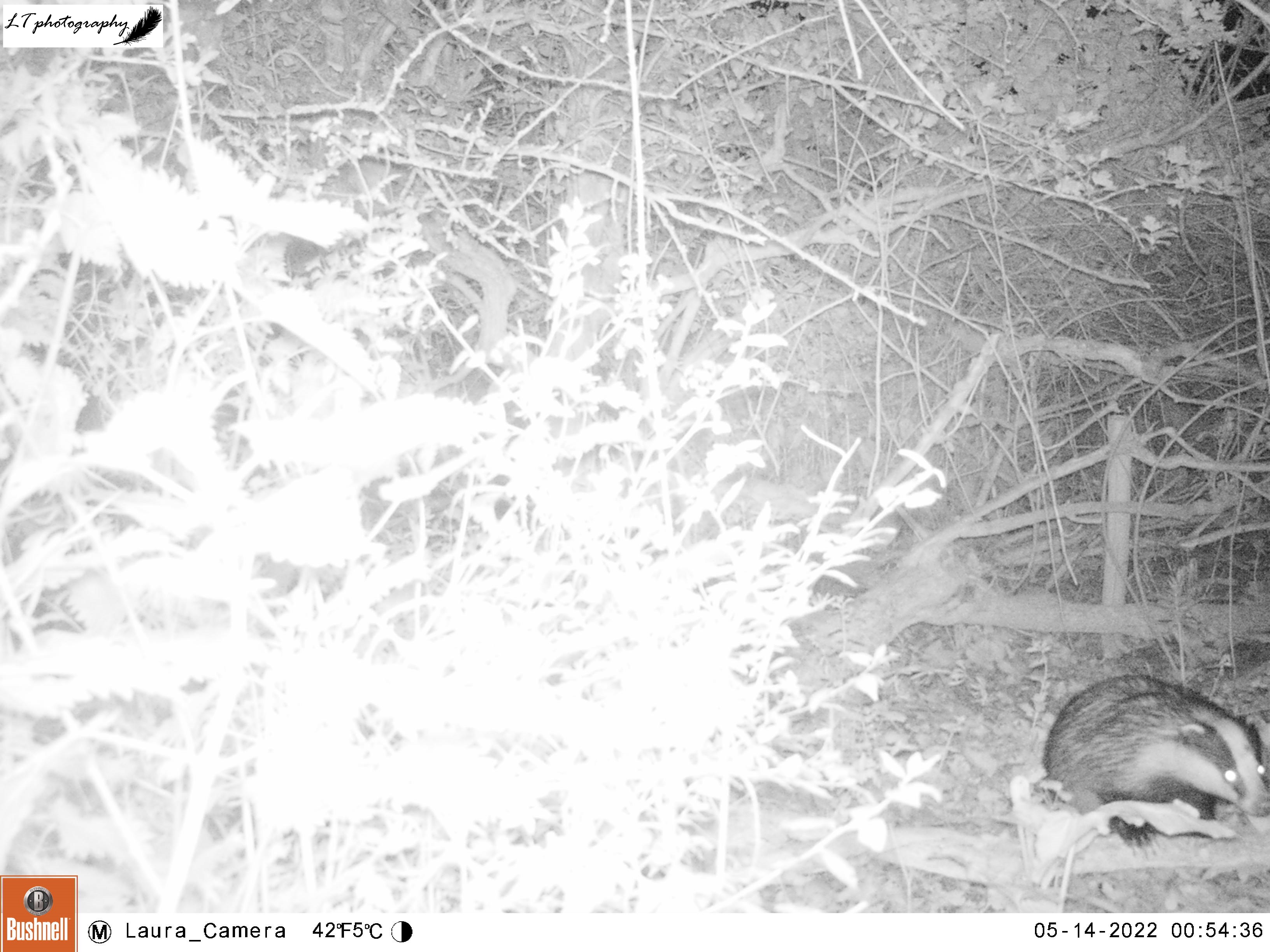
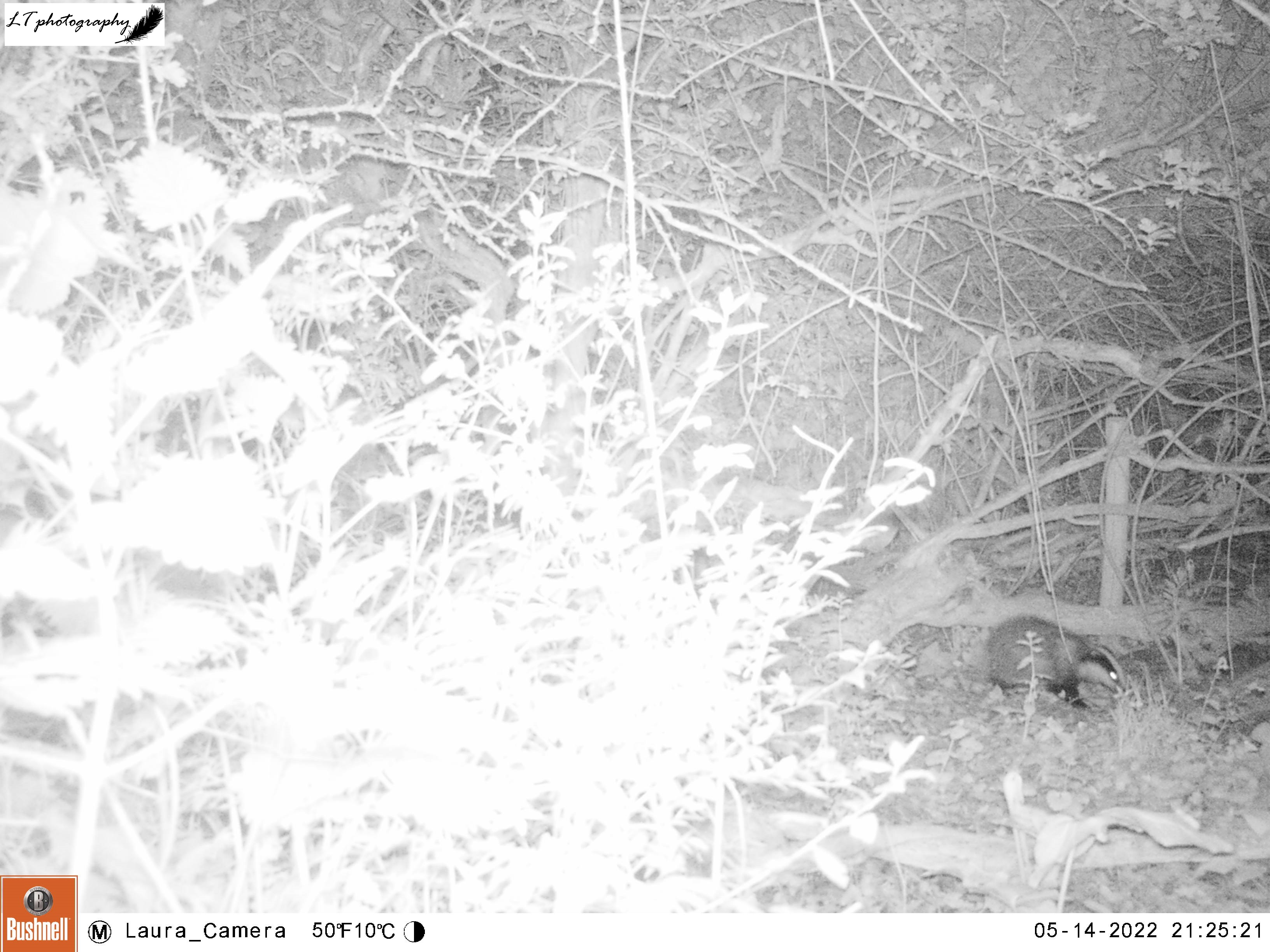
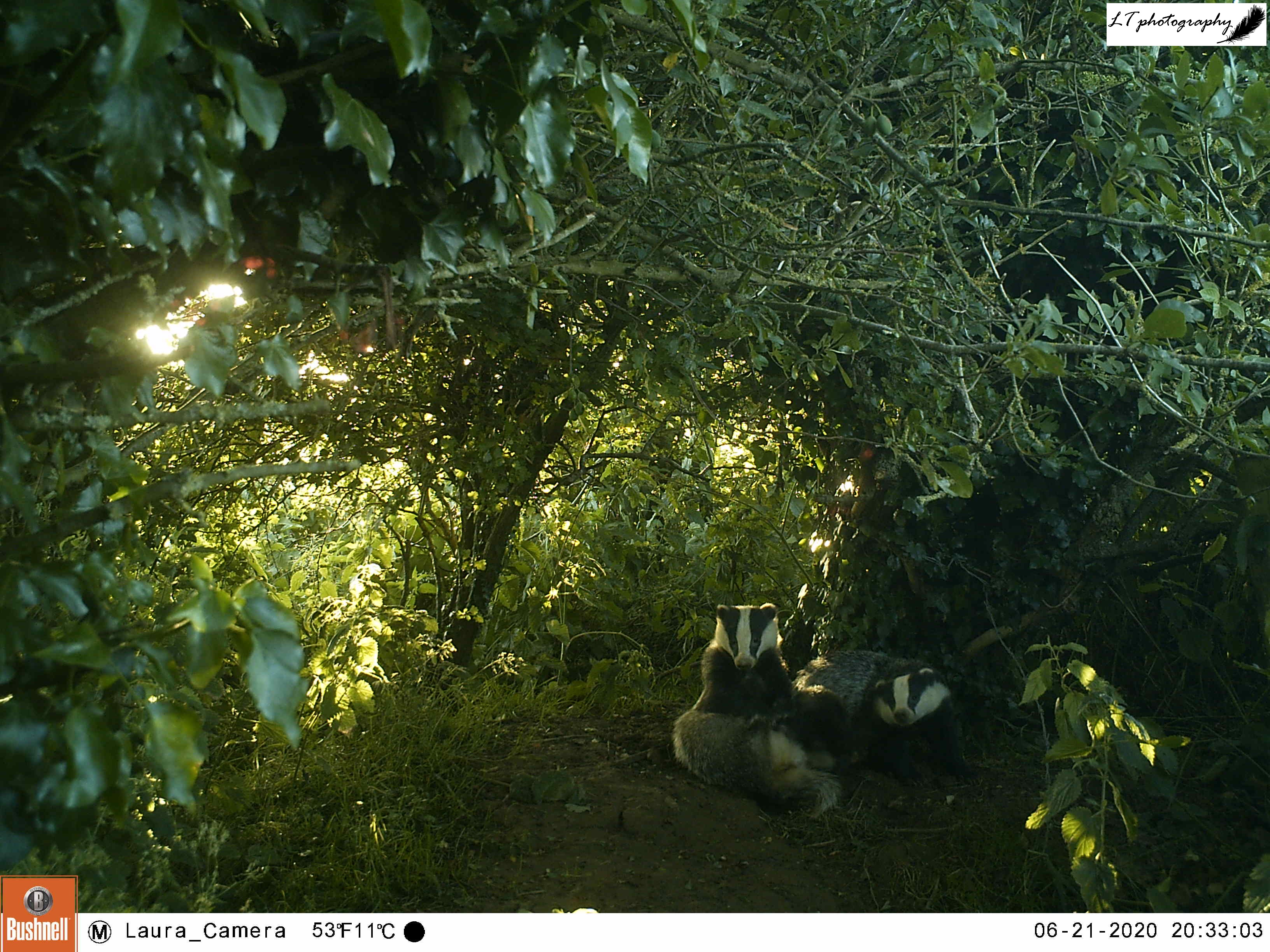
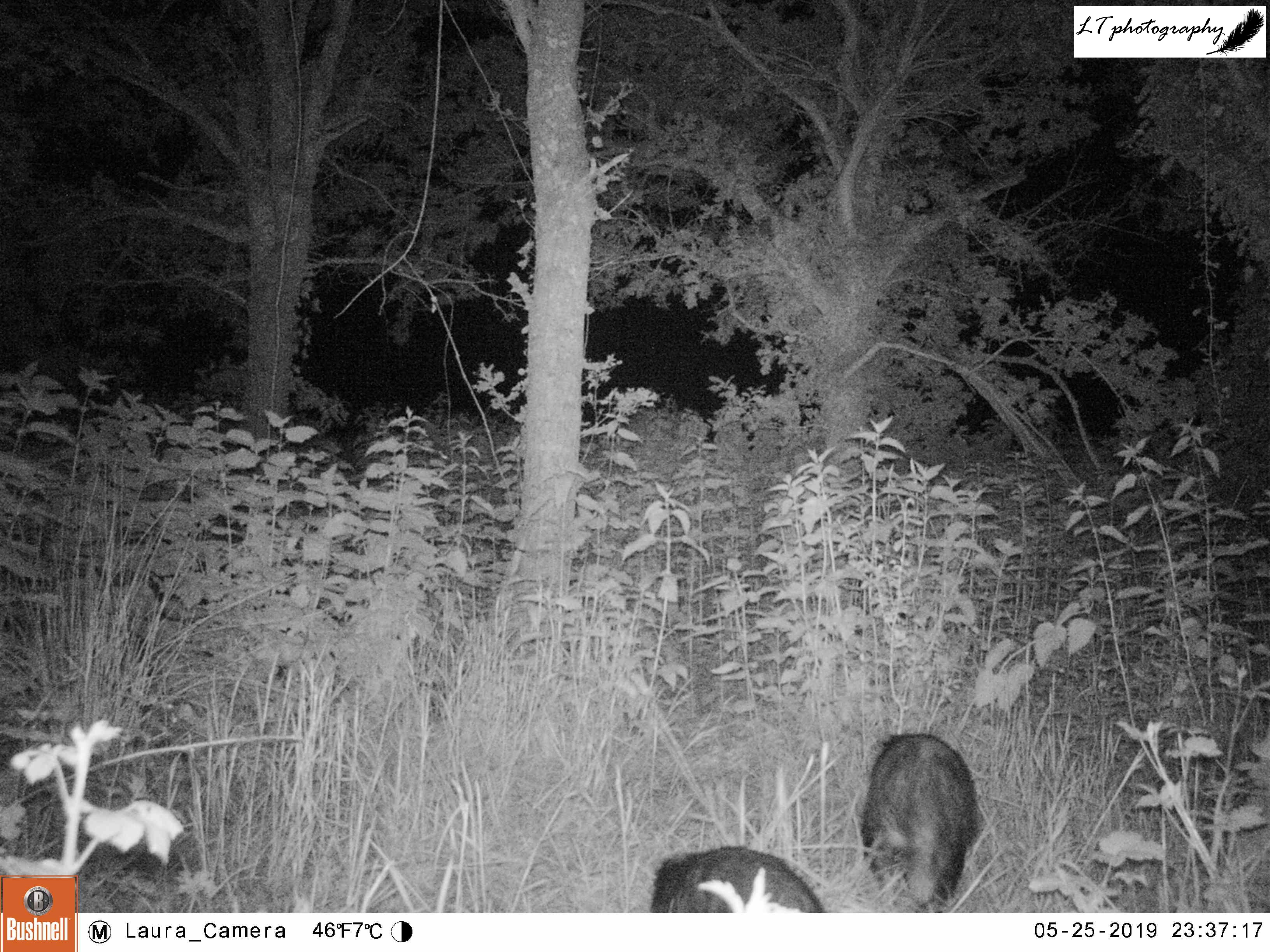
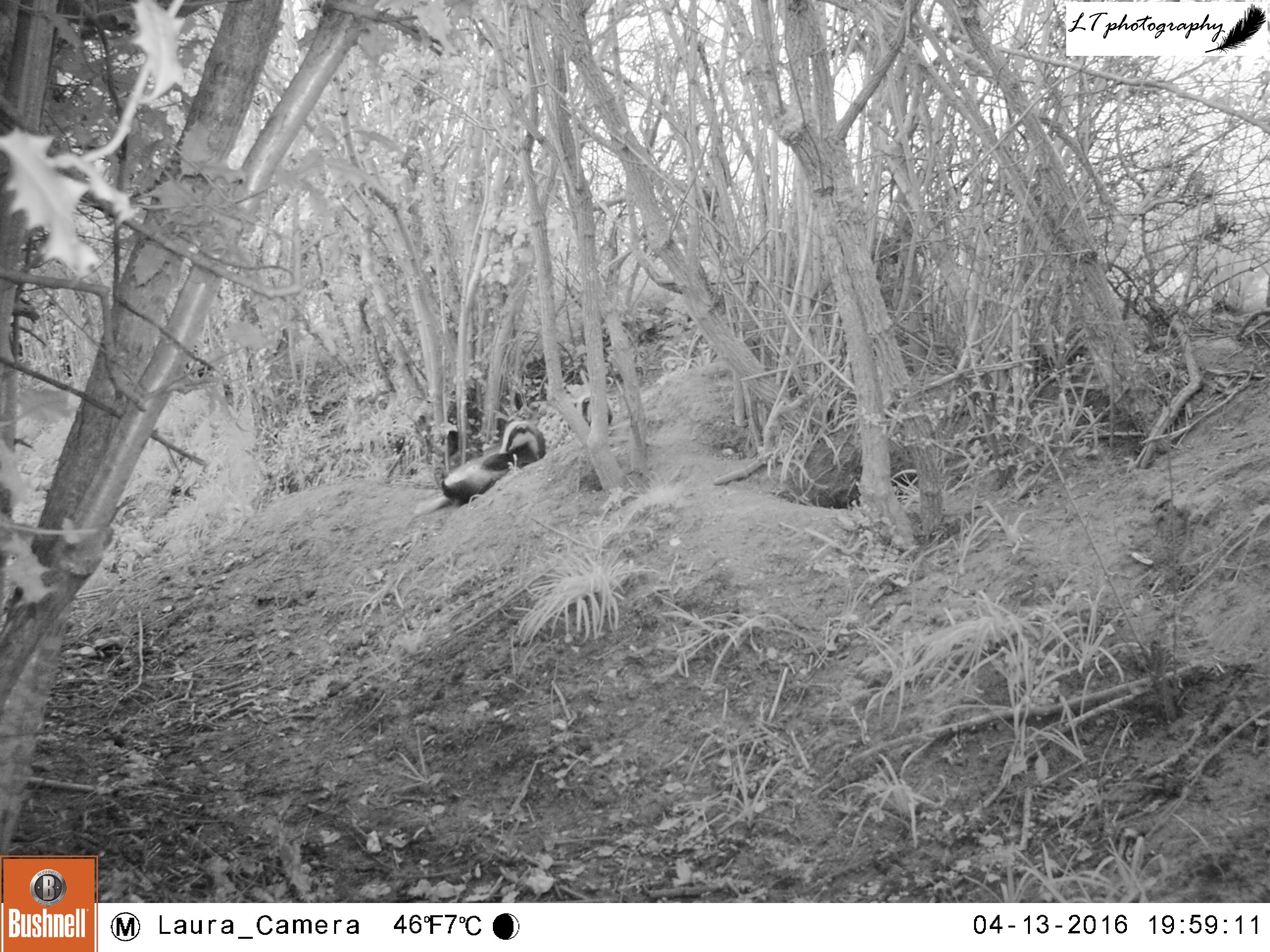
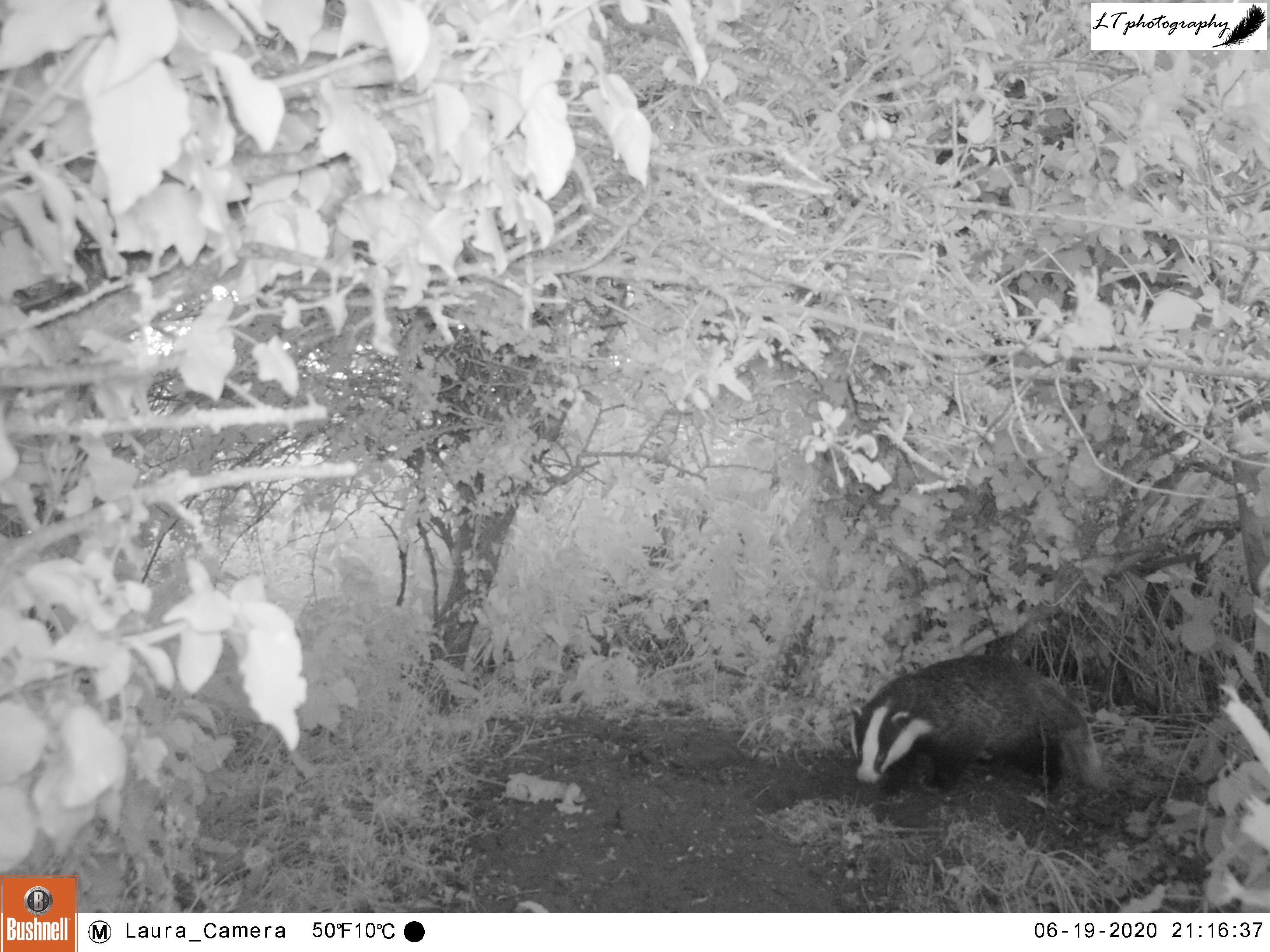
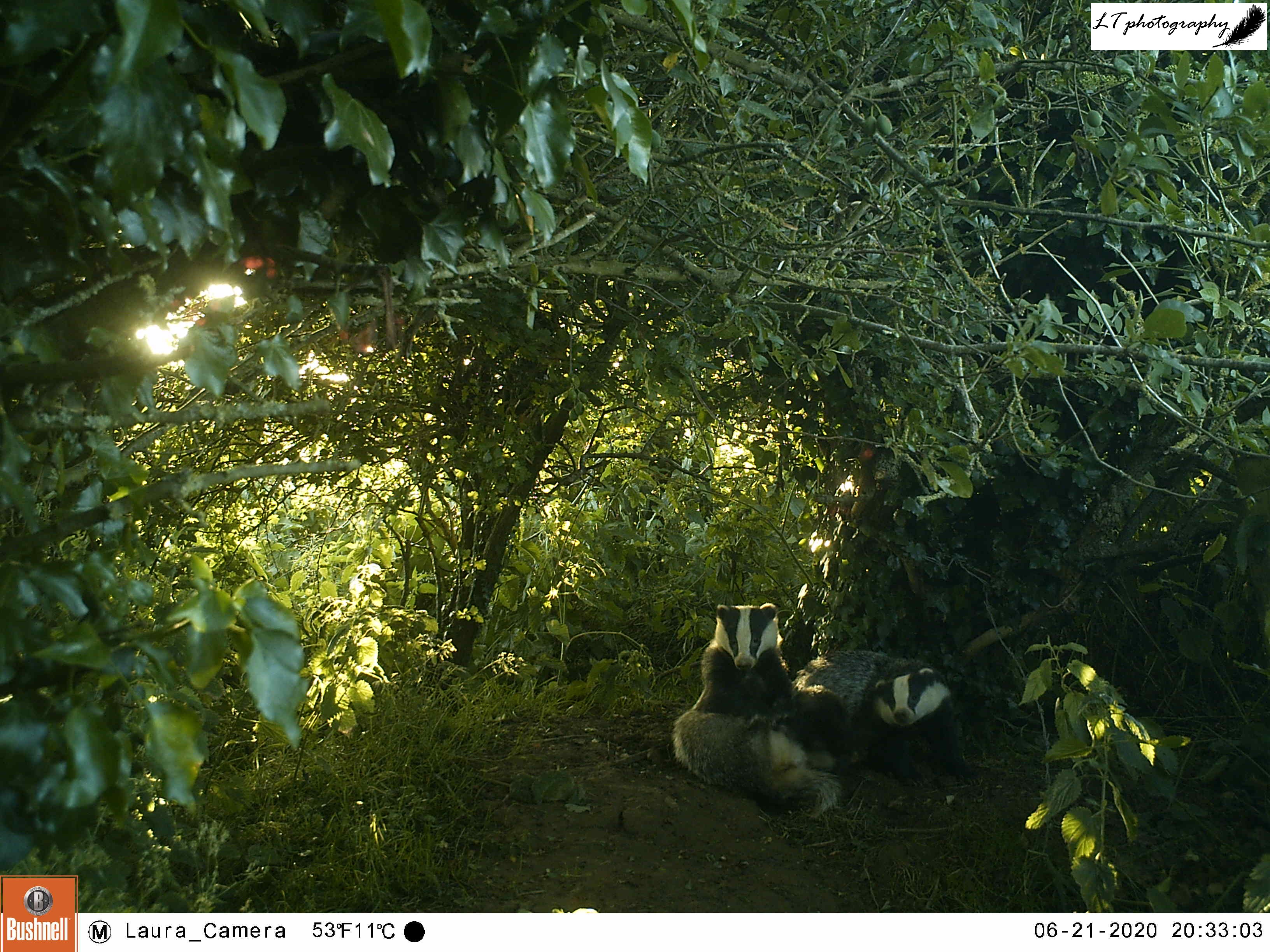
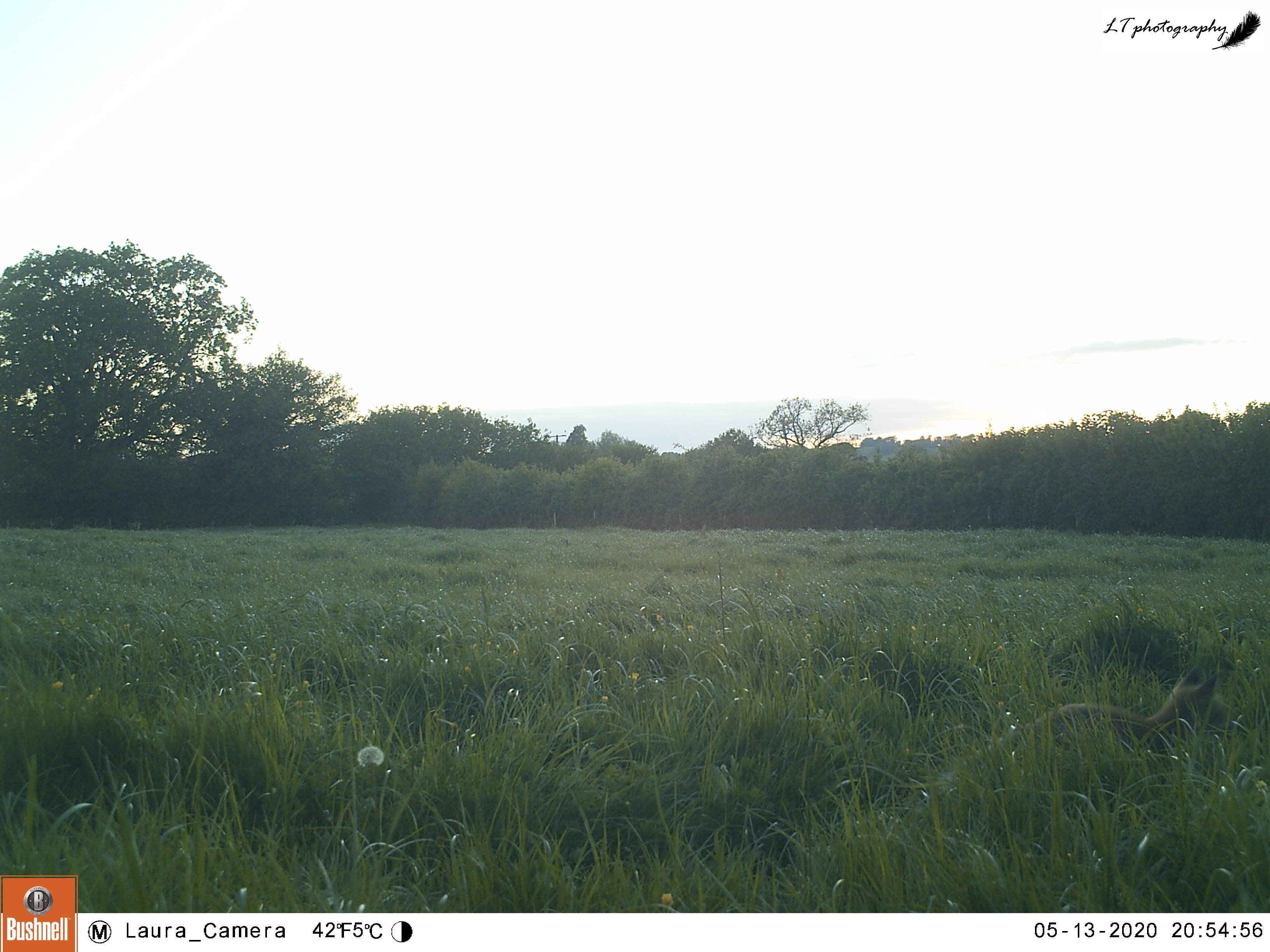
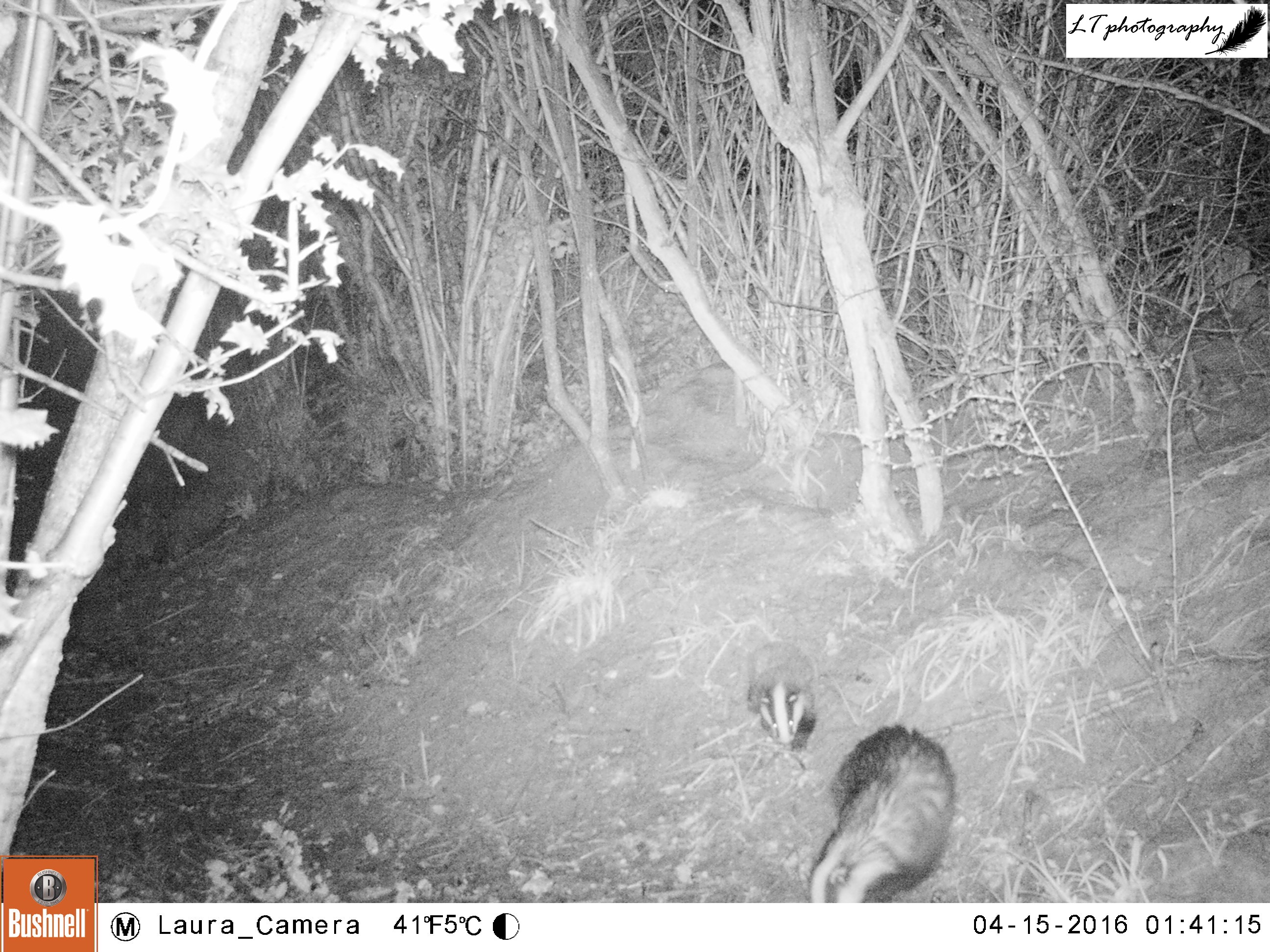
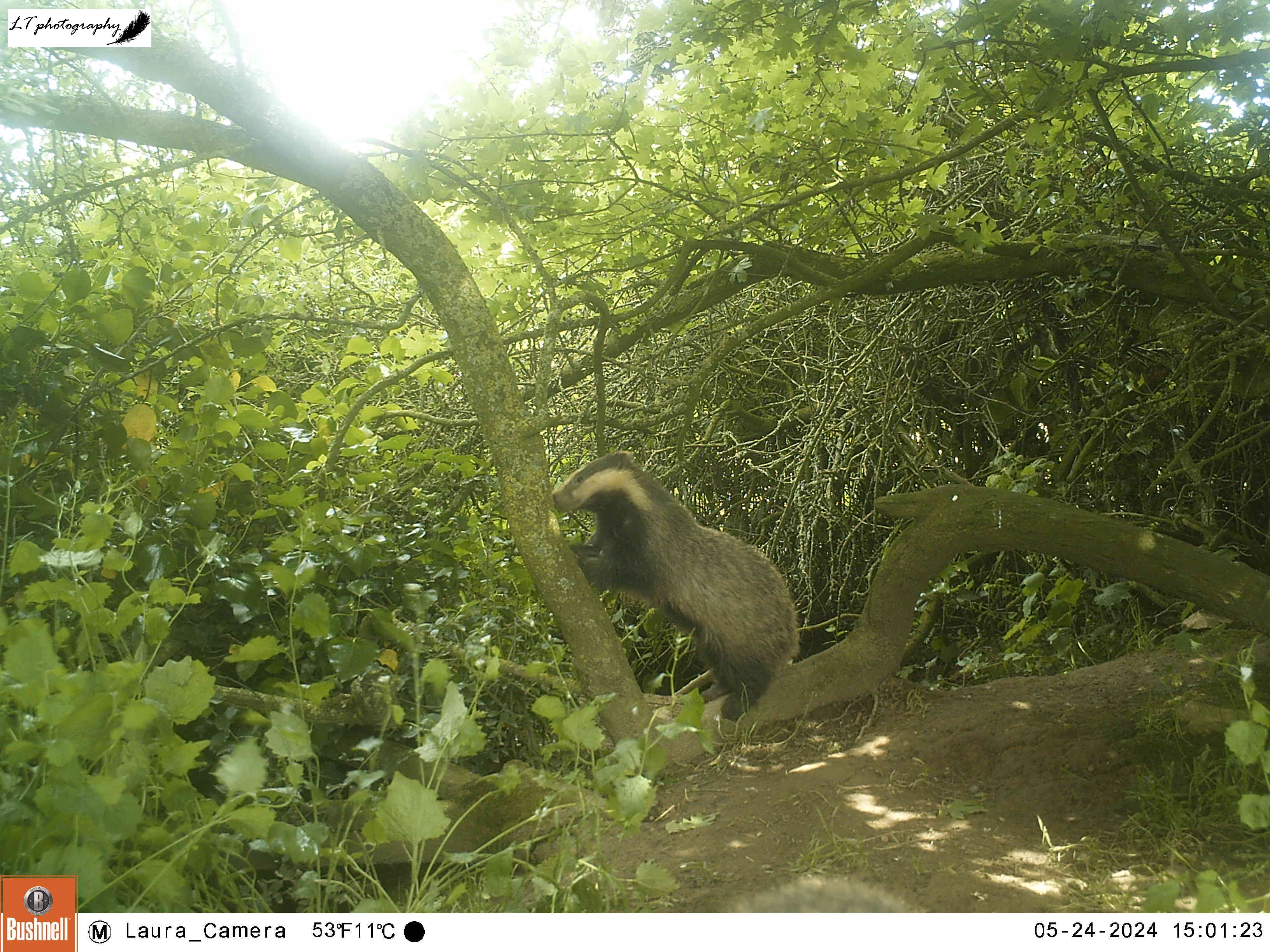
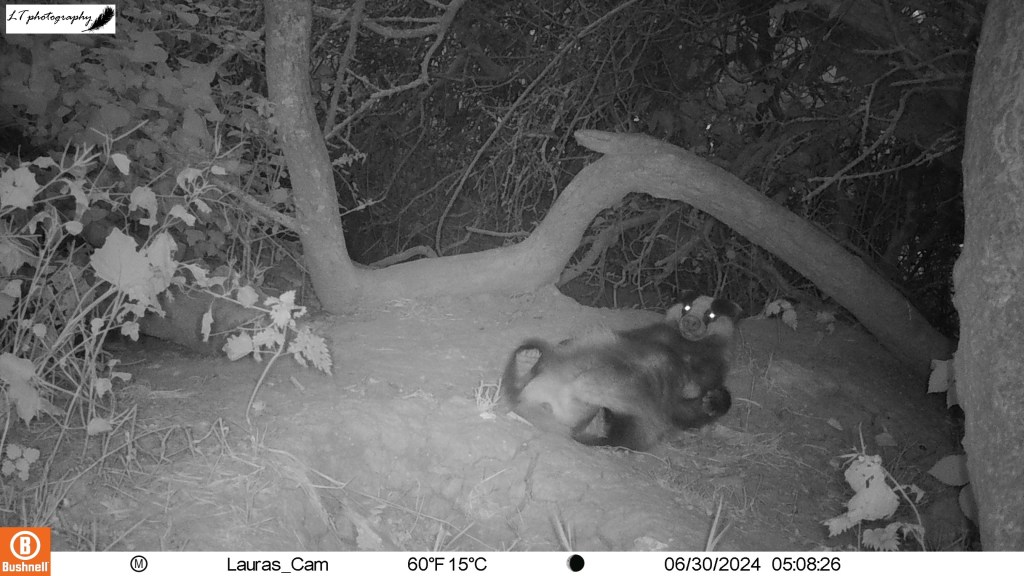
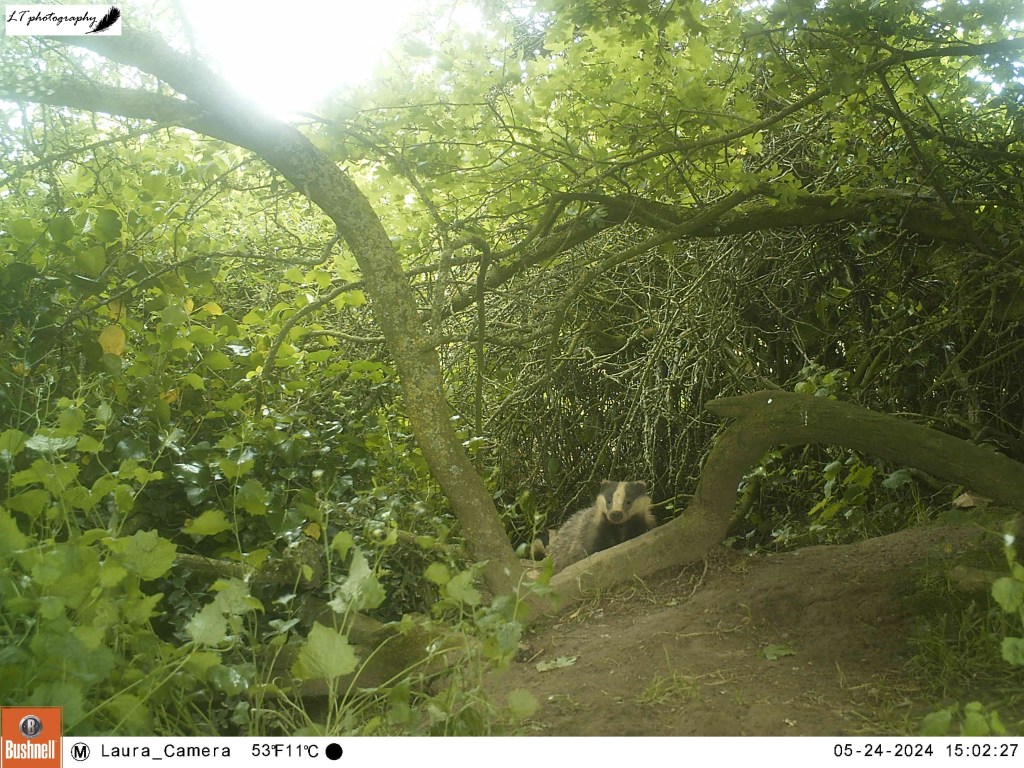
Late May is a a great time to see badgers at their setts, as cubs now explore the area around their homes, and adults spend more time above ground during the daytime. My camera traps allowed me to observe the behaviour of badger families in their natural habitat during this time close to my home, and also gave me some priviledged views of their lesser seen lives. This included badgers foraging and playing during the day, climbing trees, grooming, sleeping, and socialising.
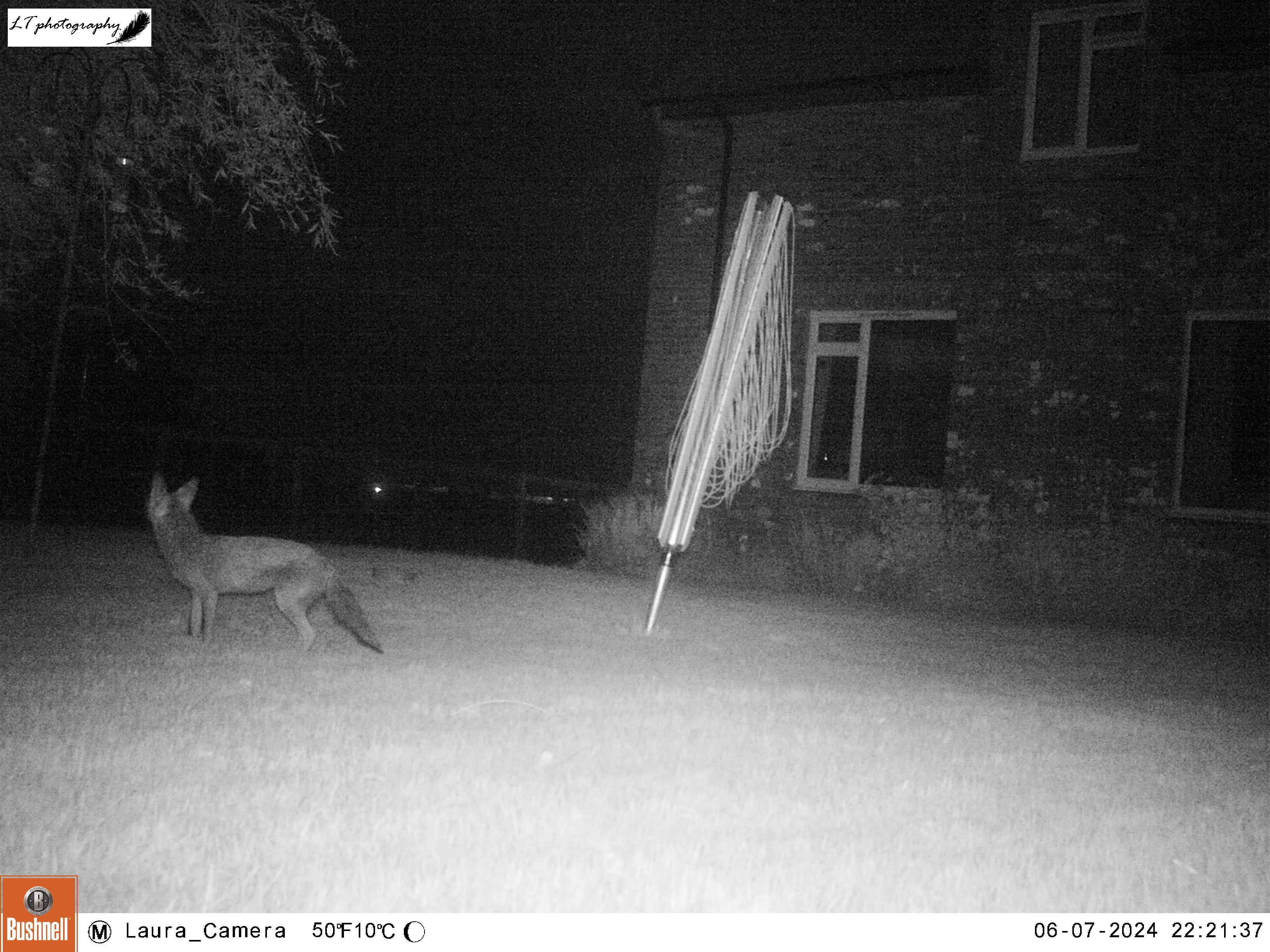
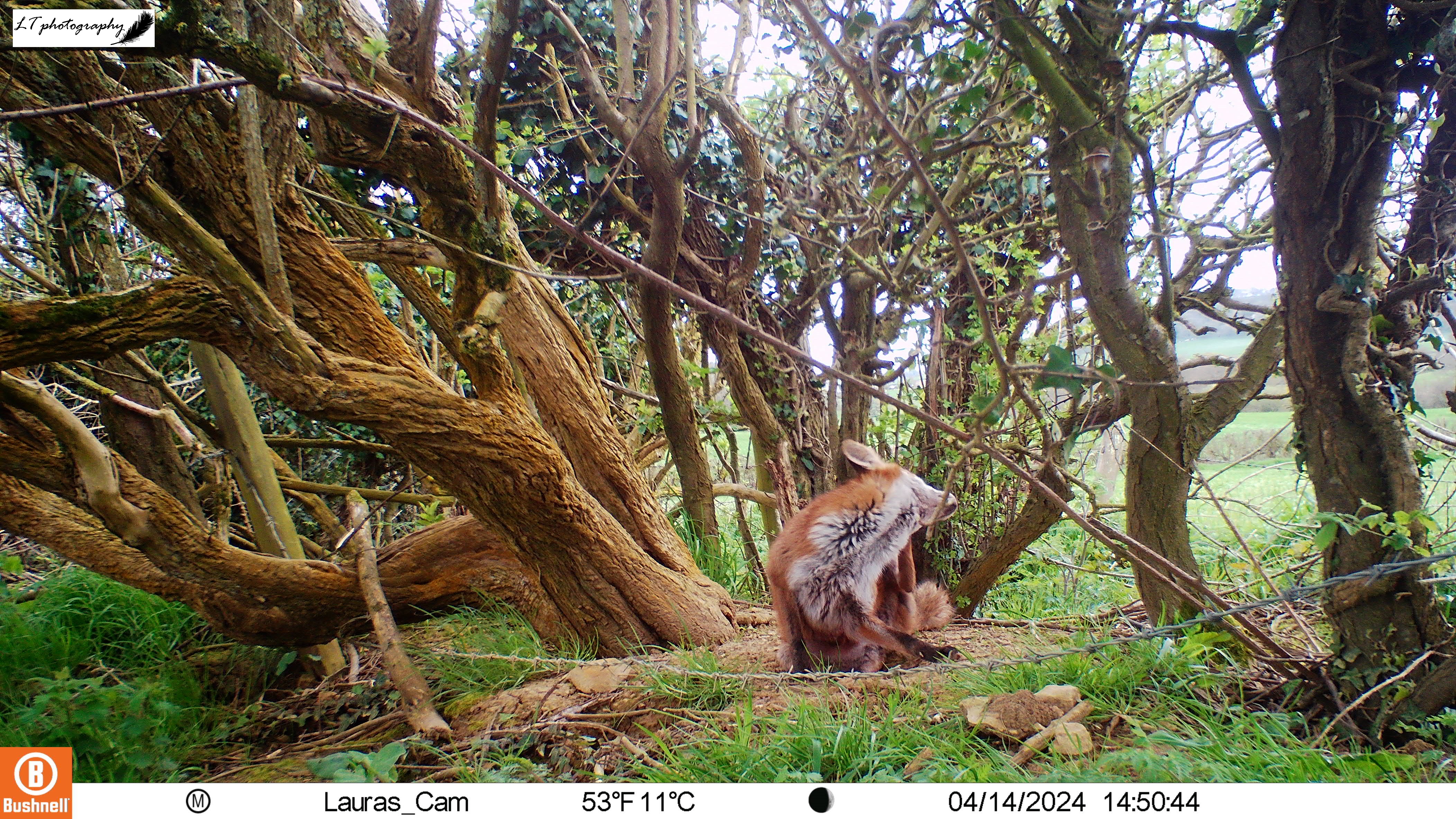
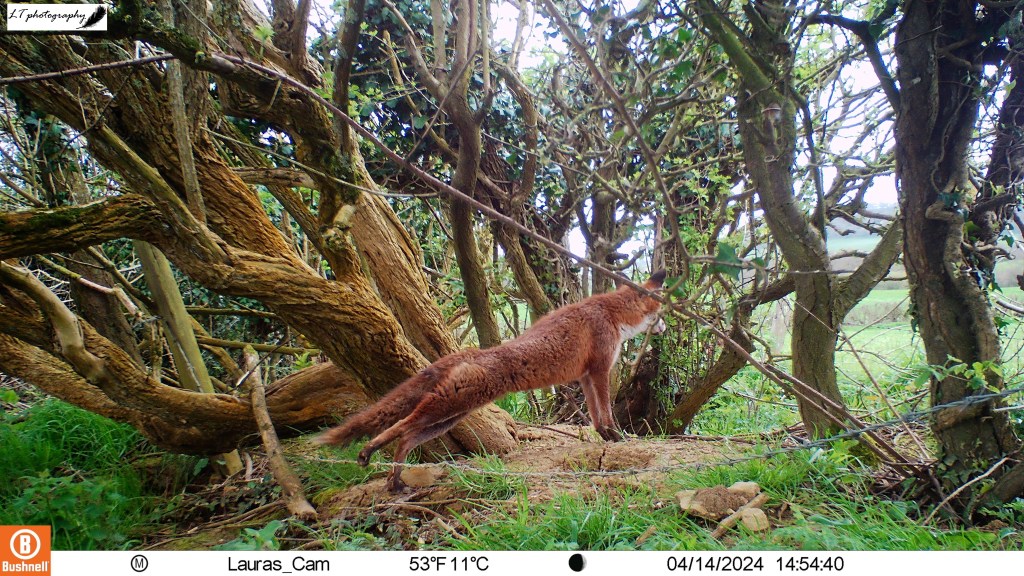
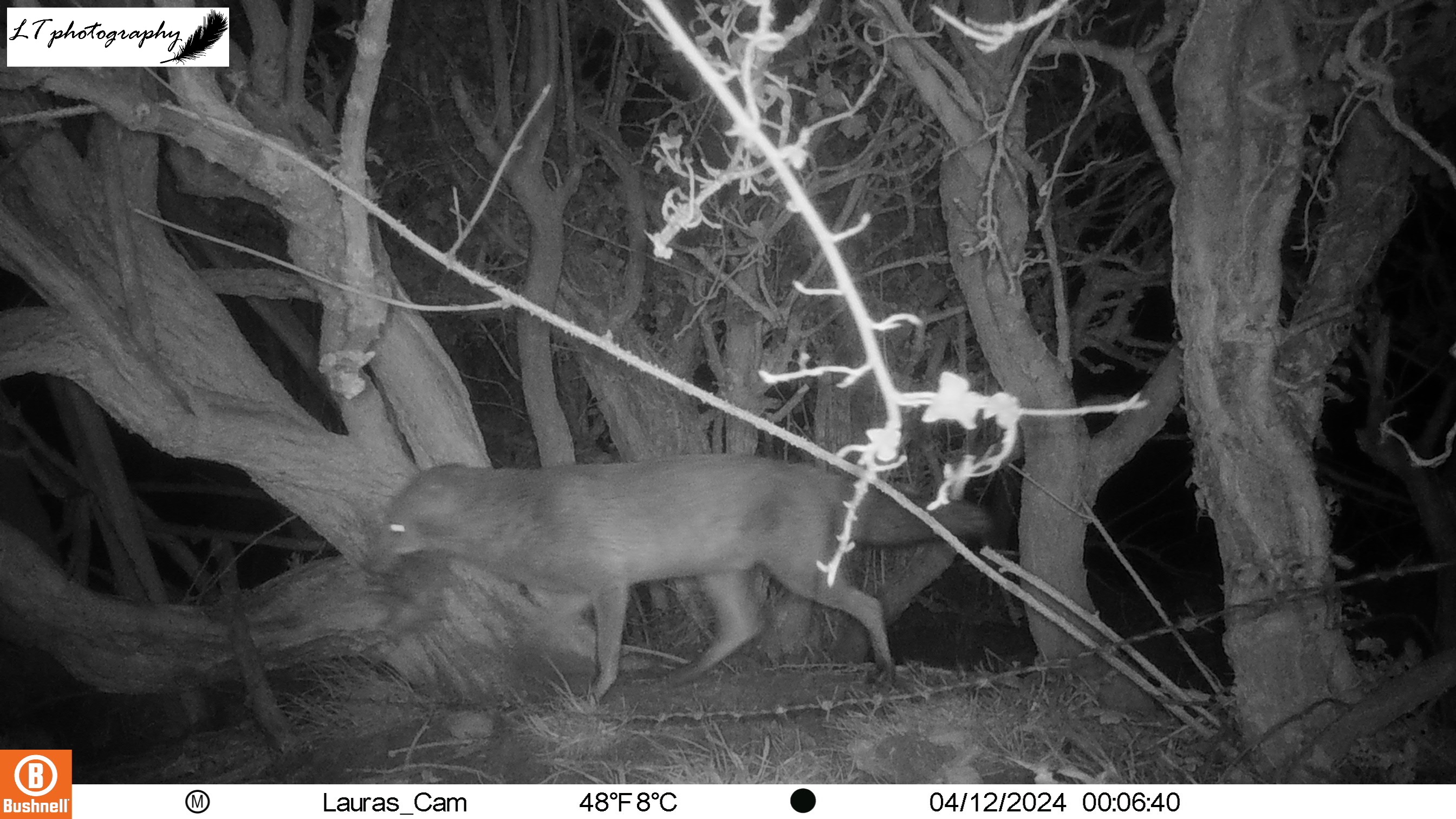
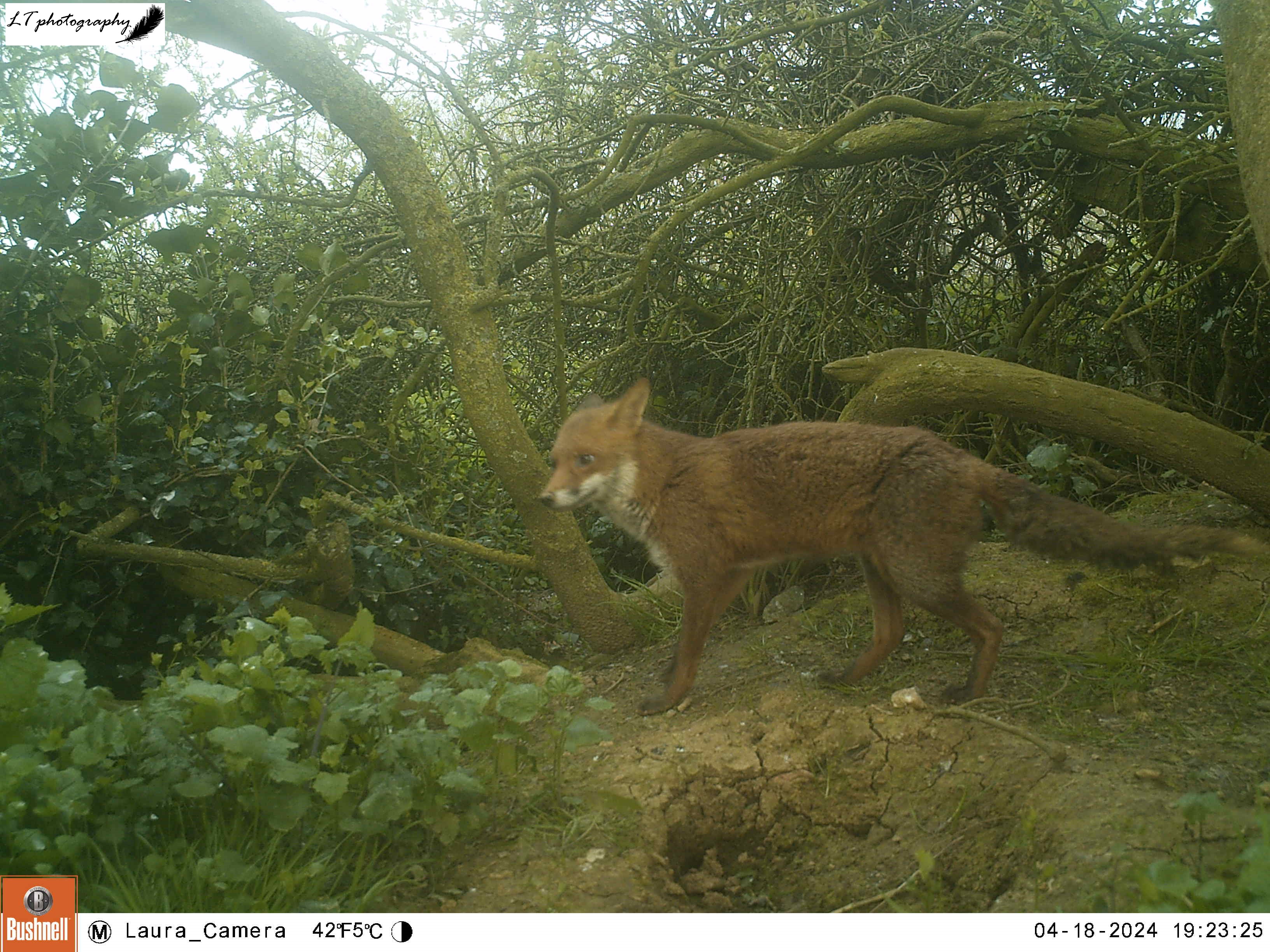
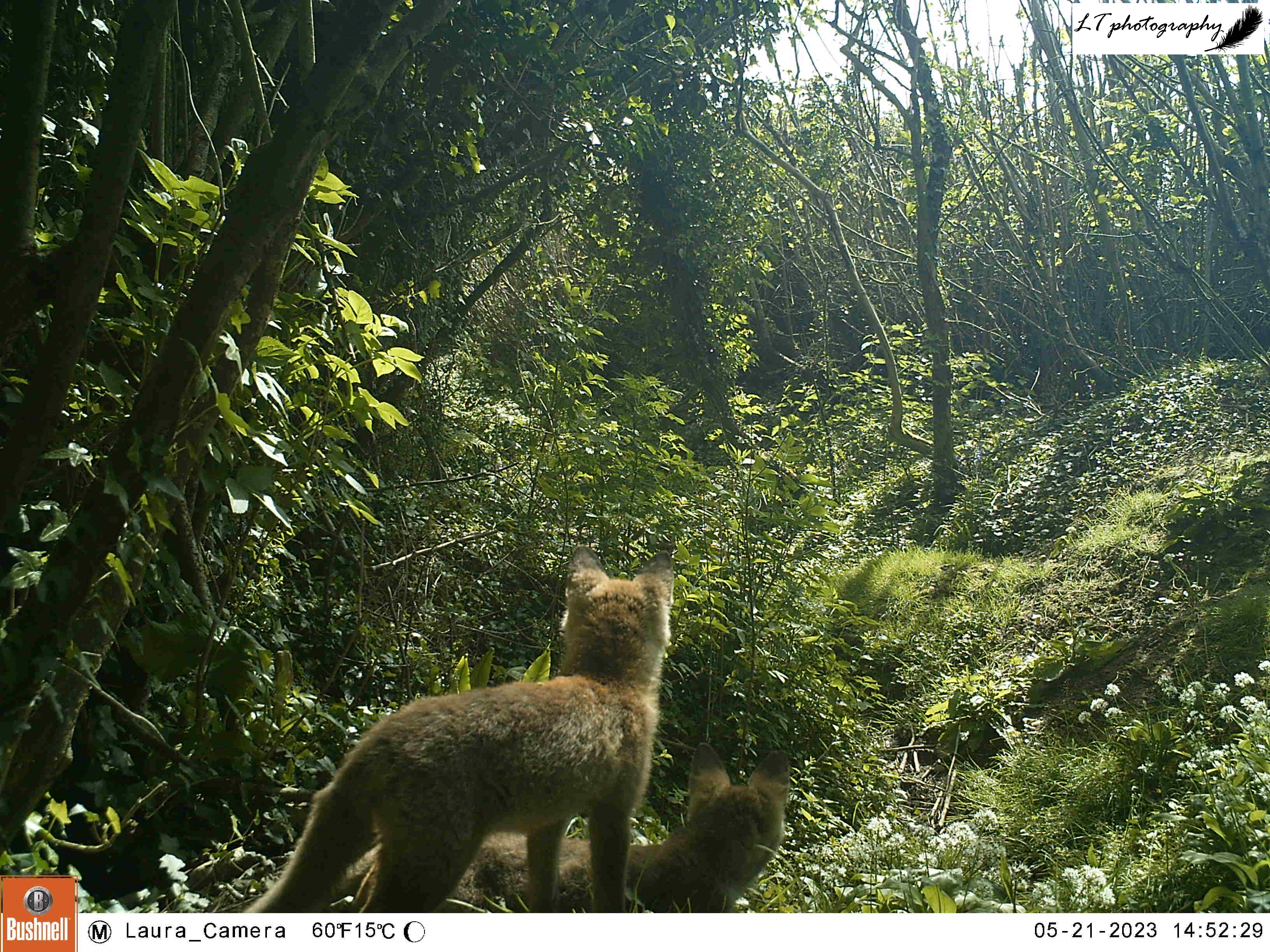
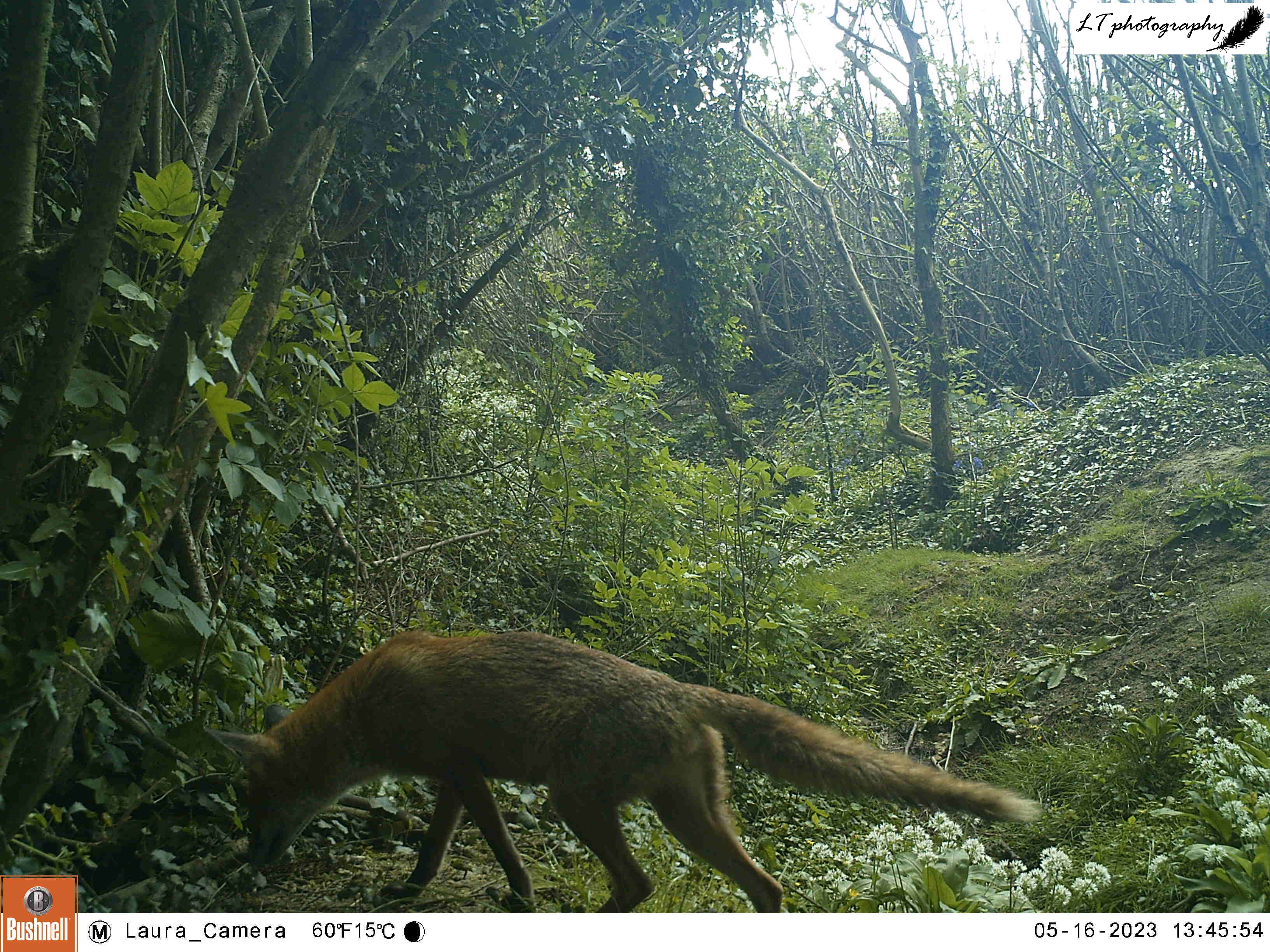
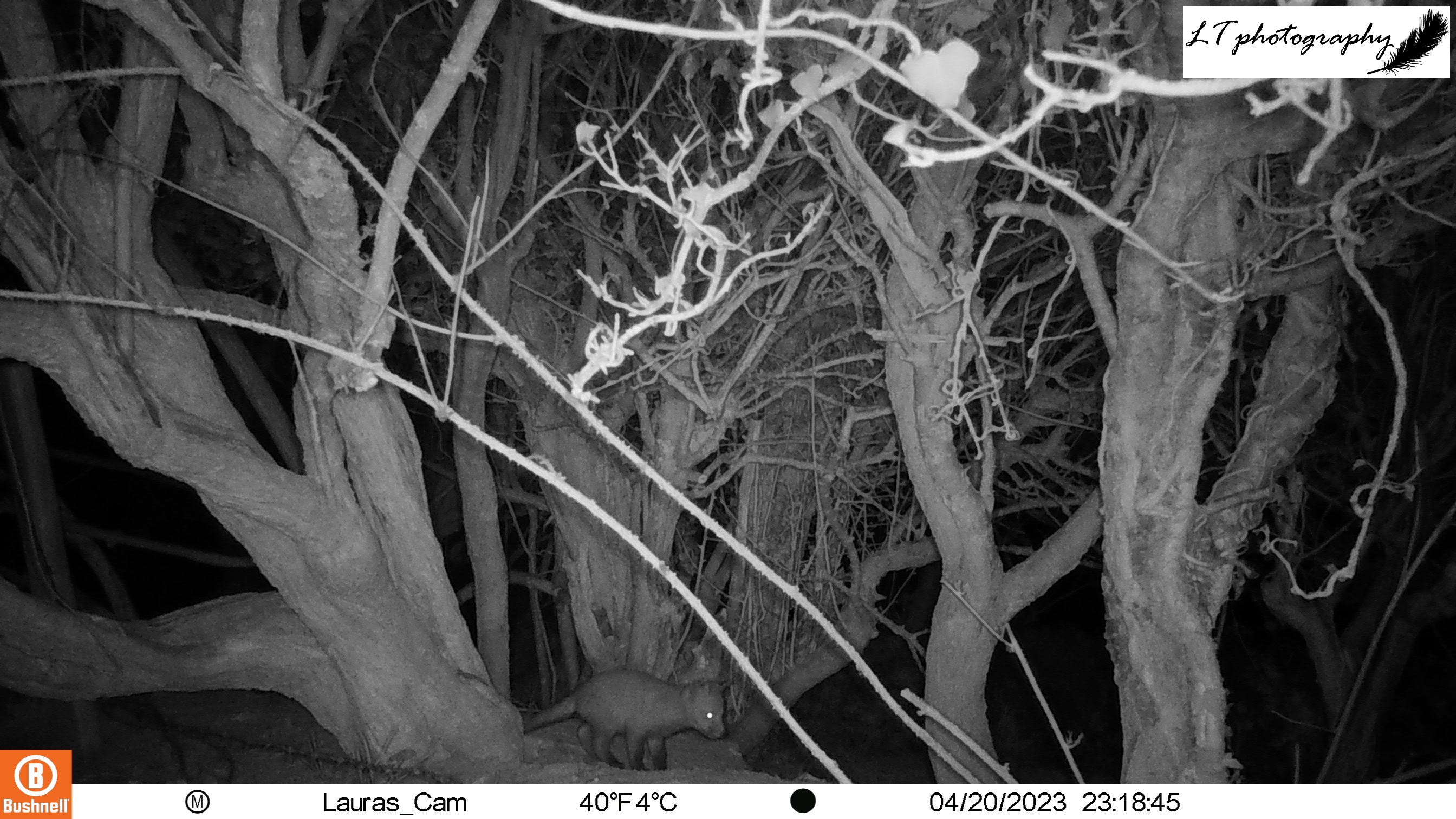
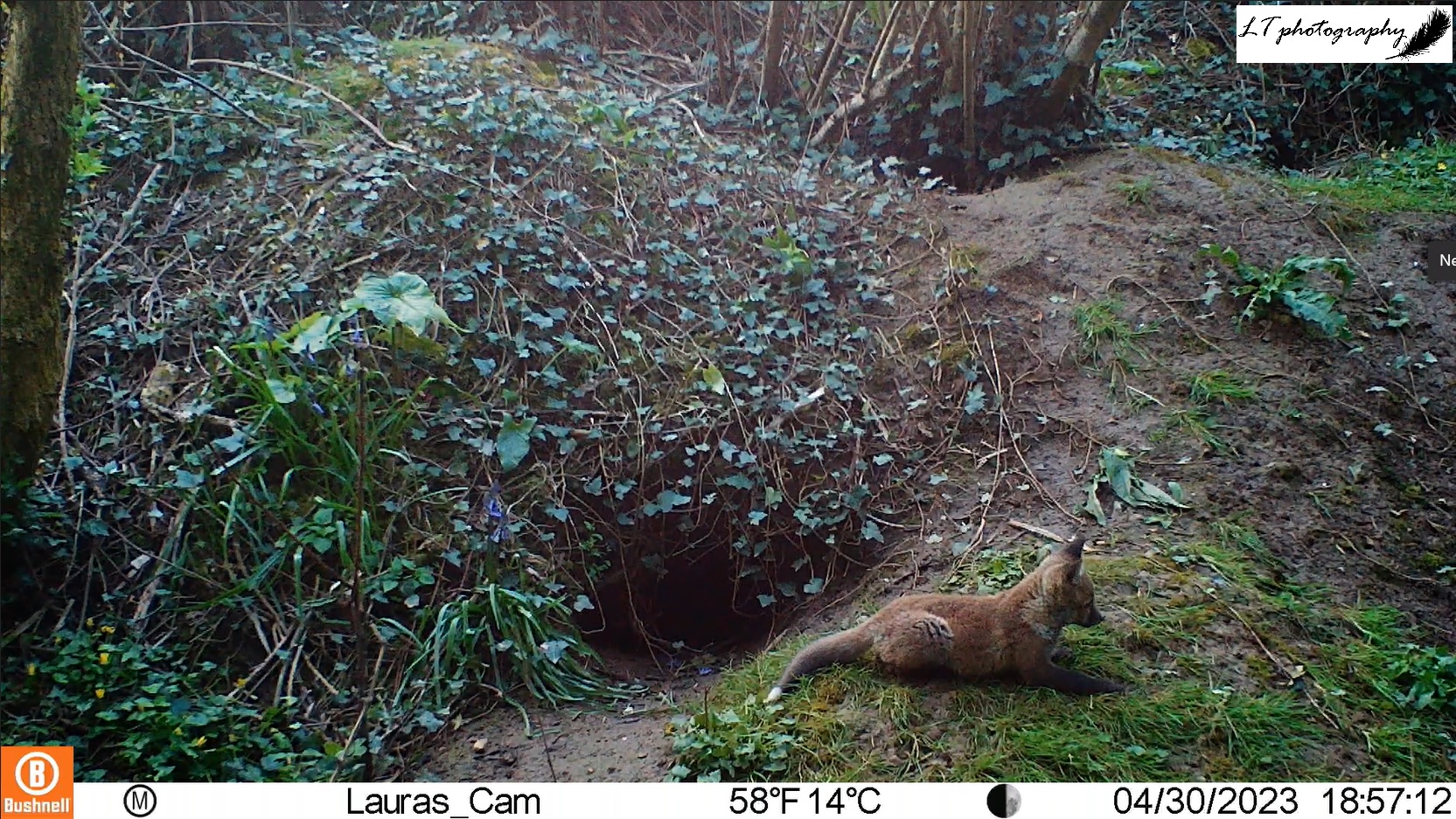
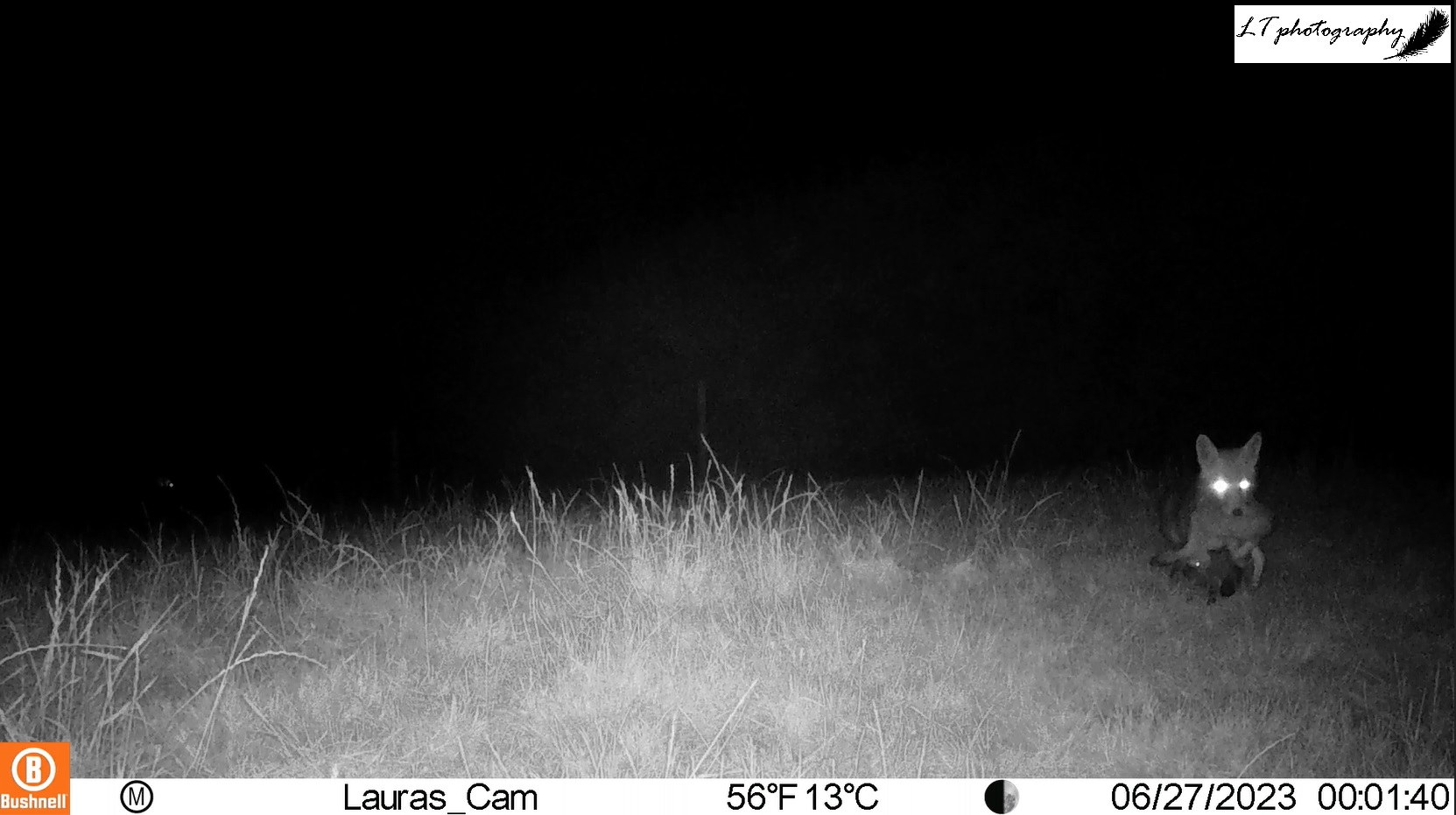
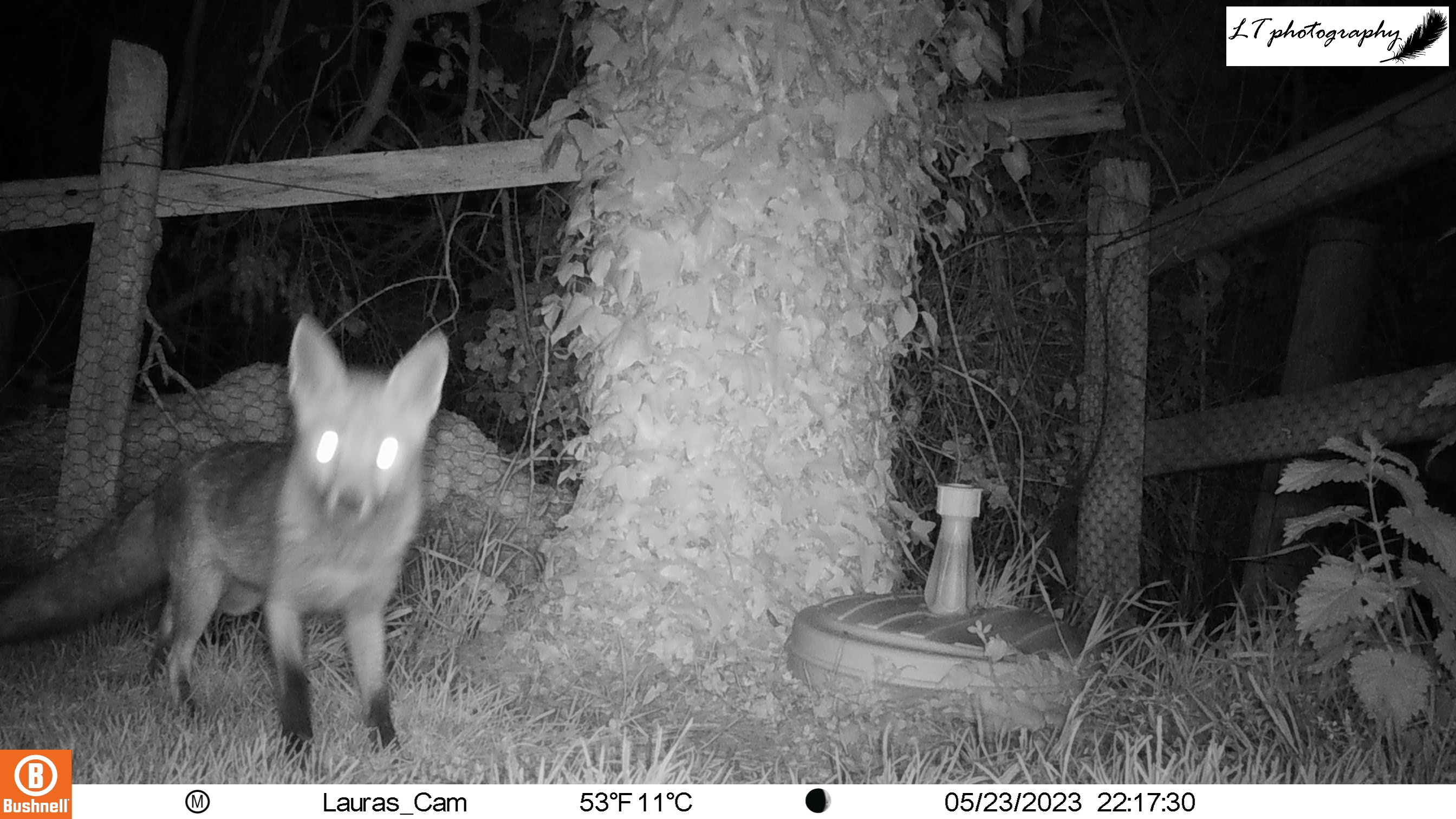
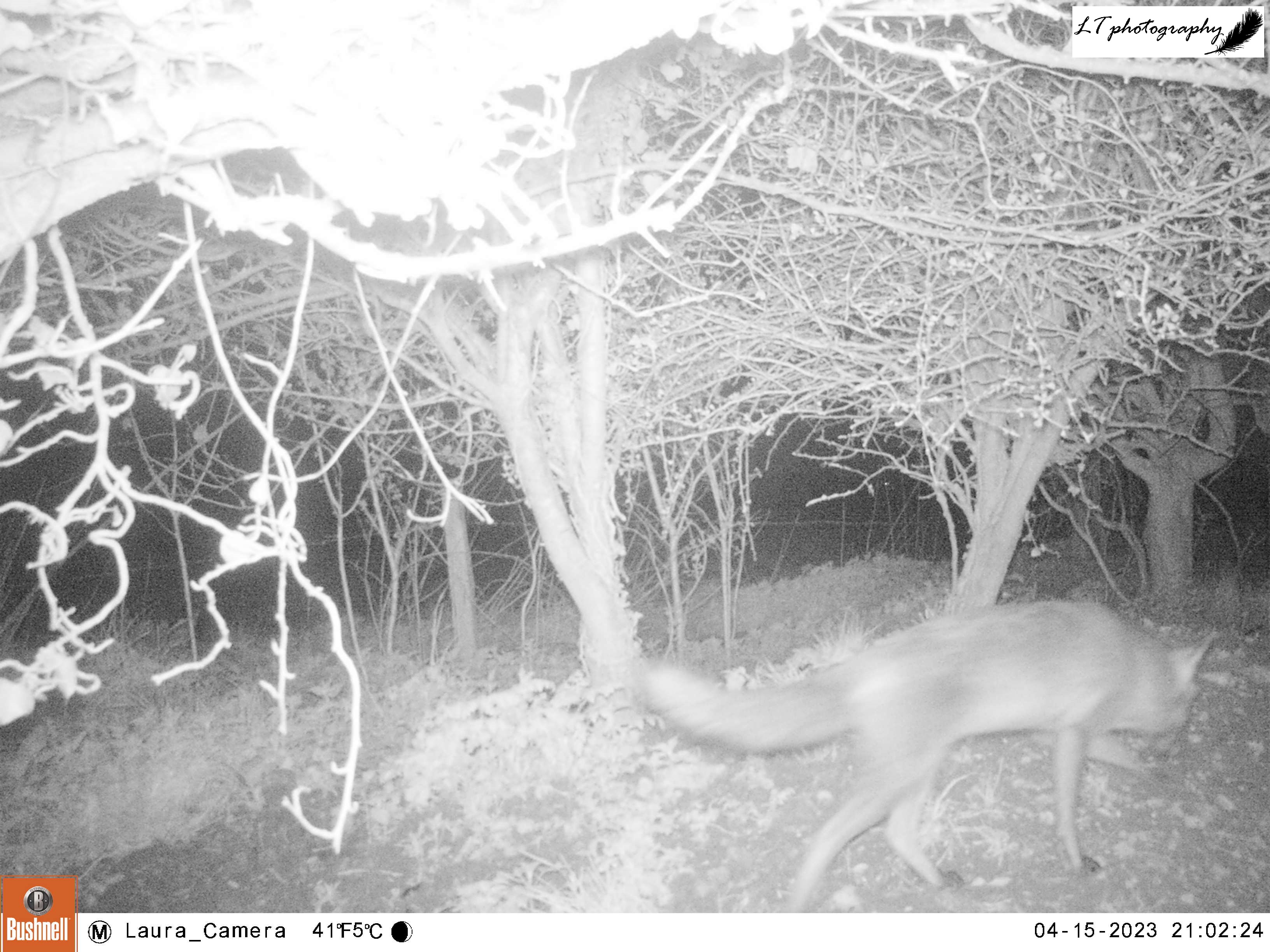
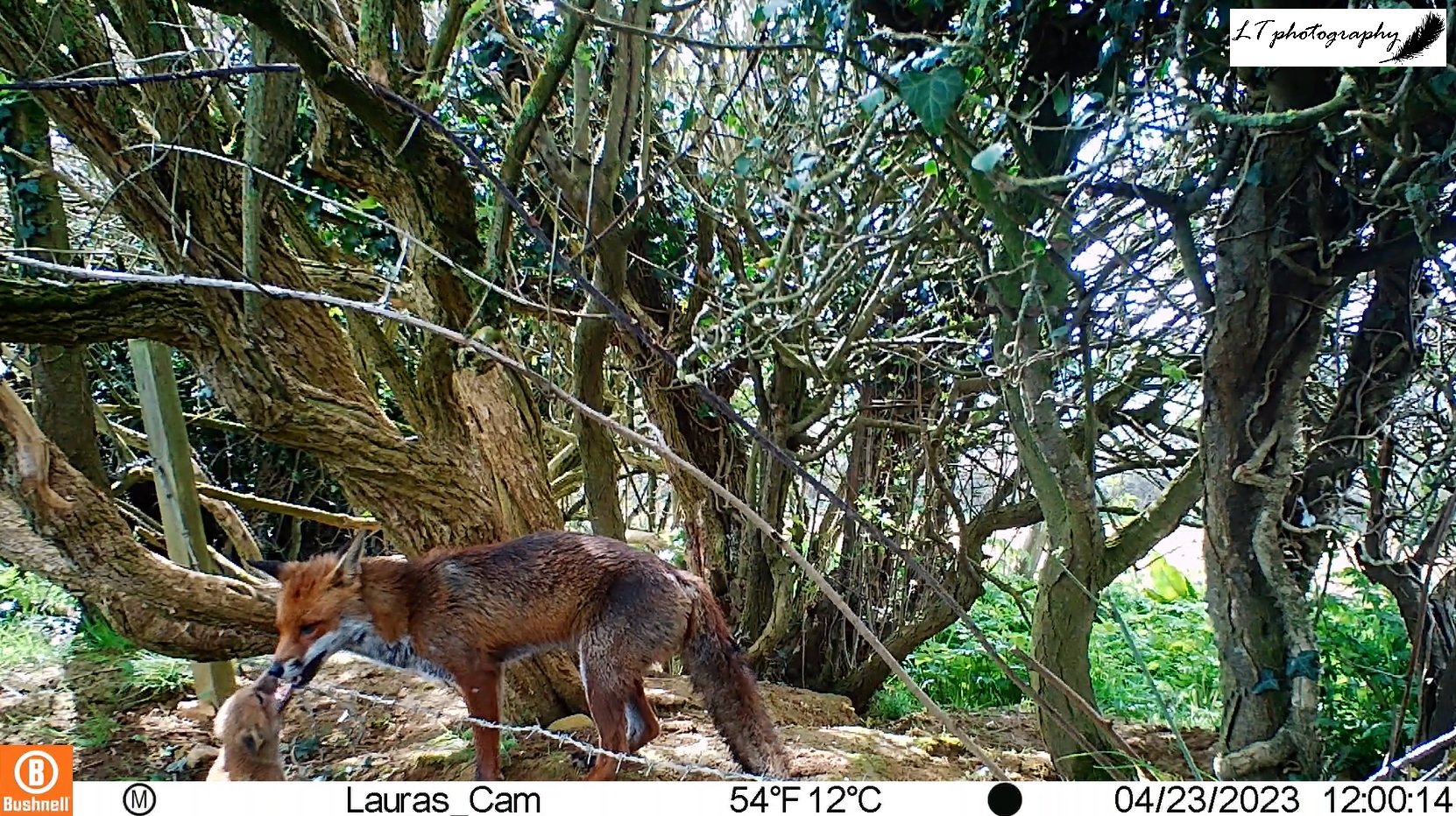
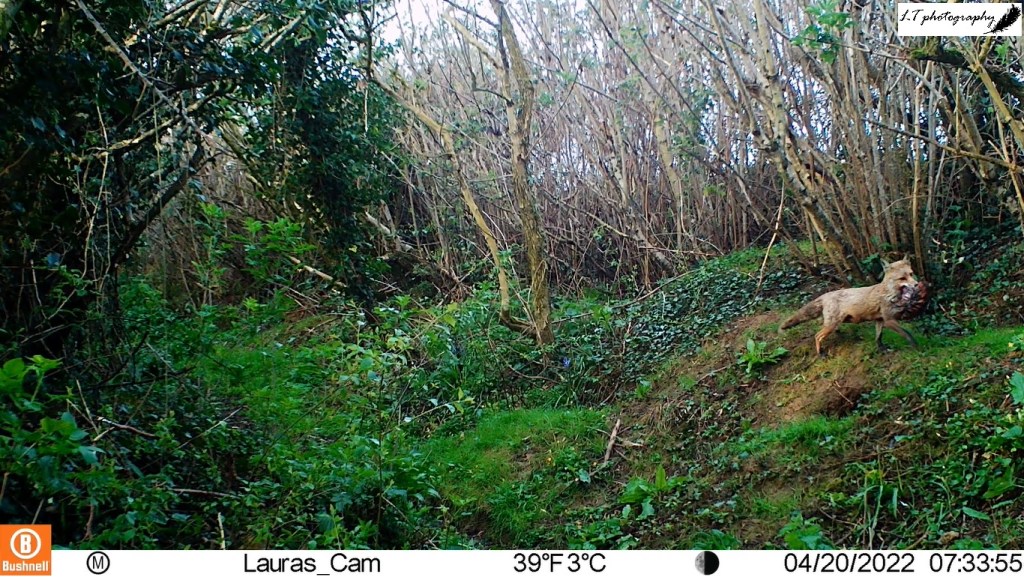
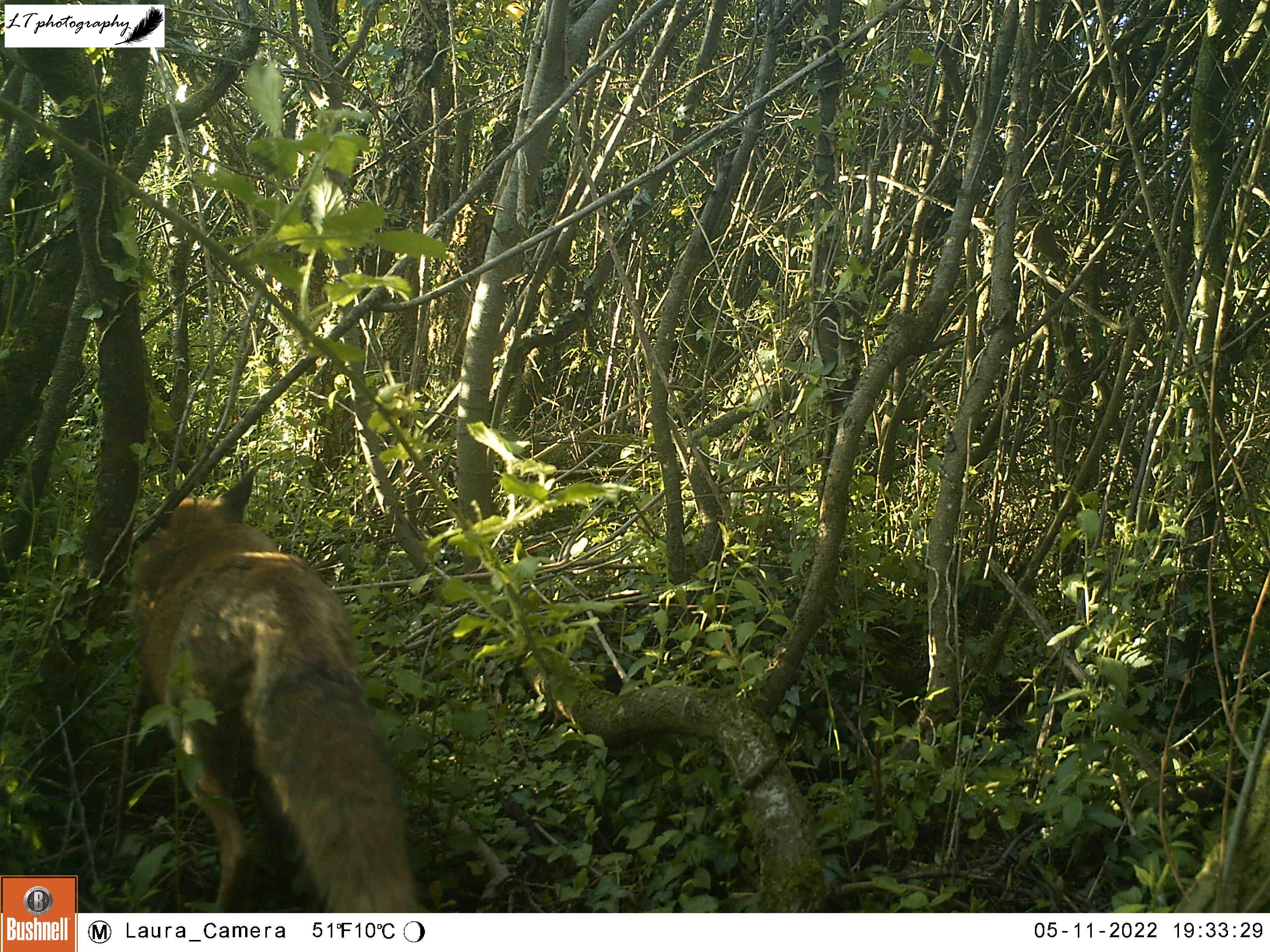
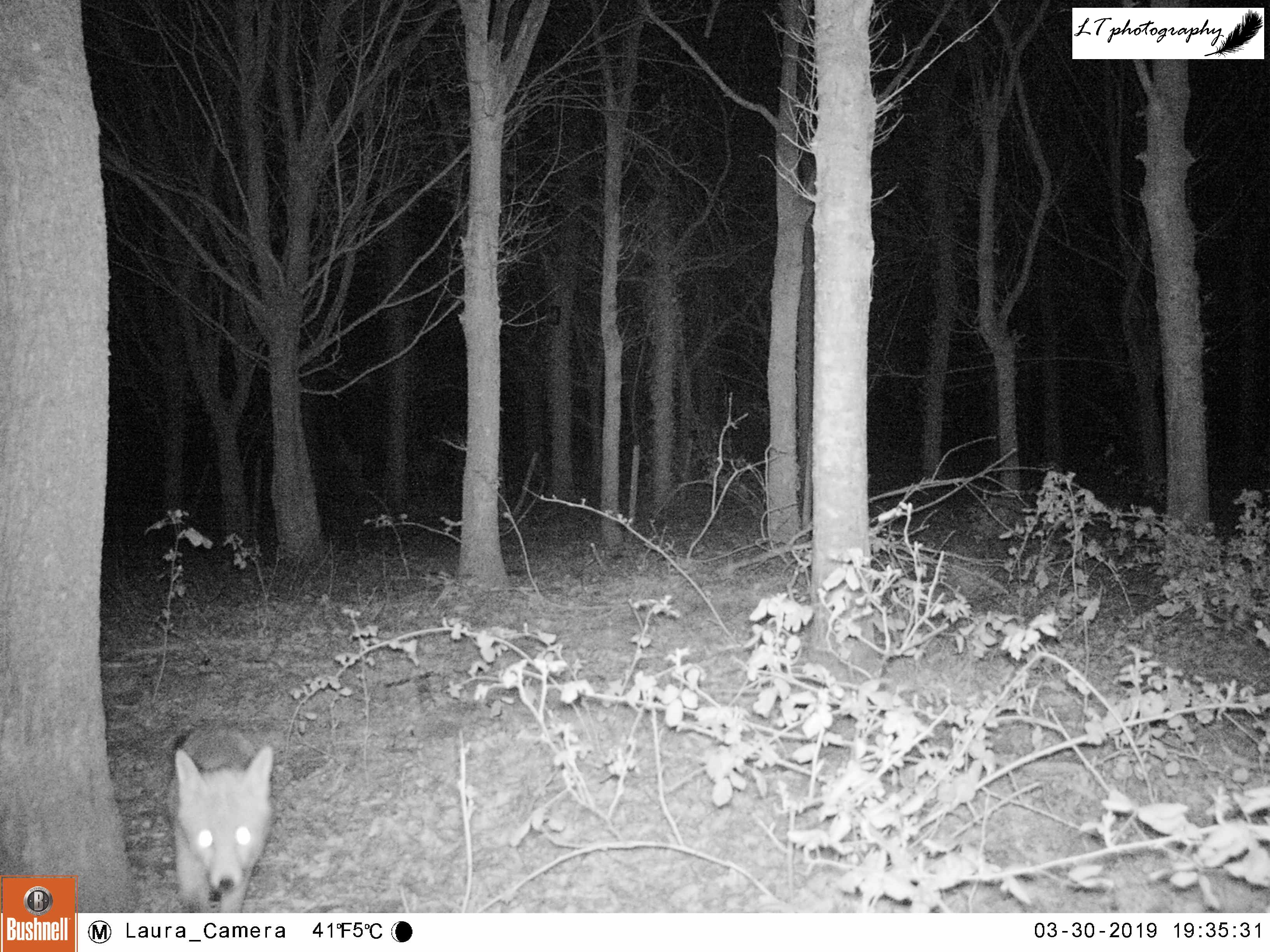
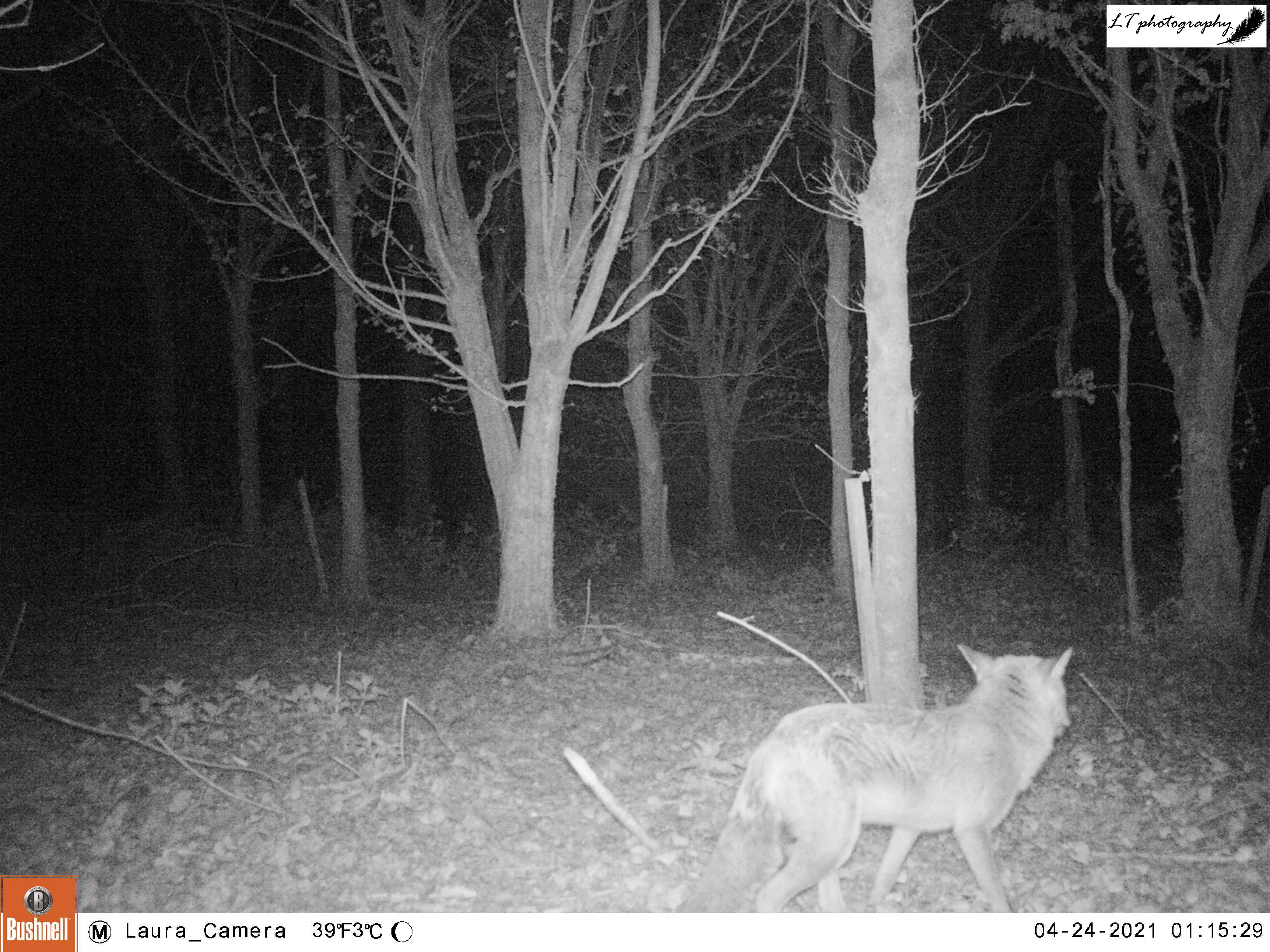
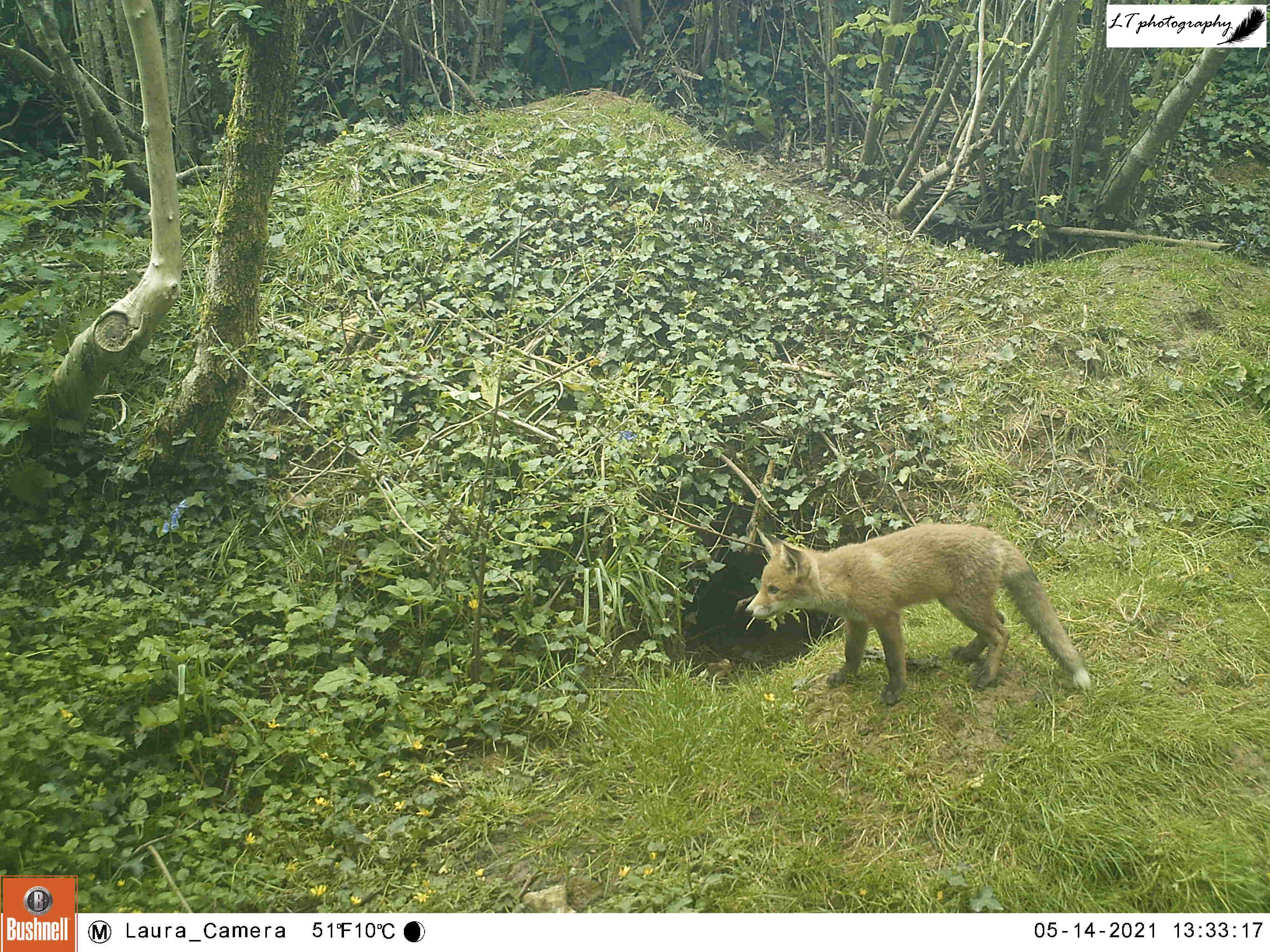
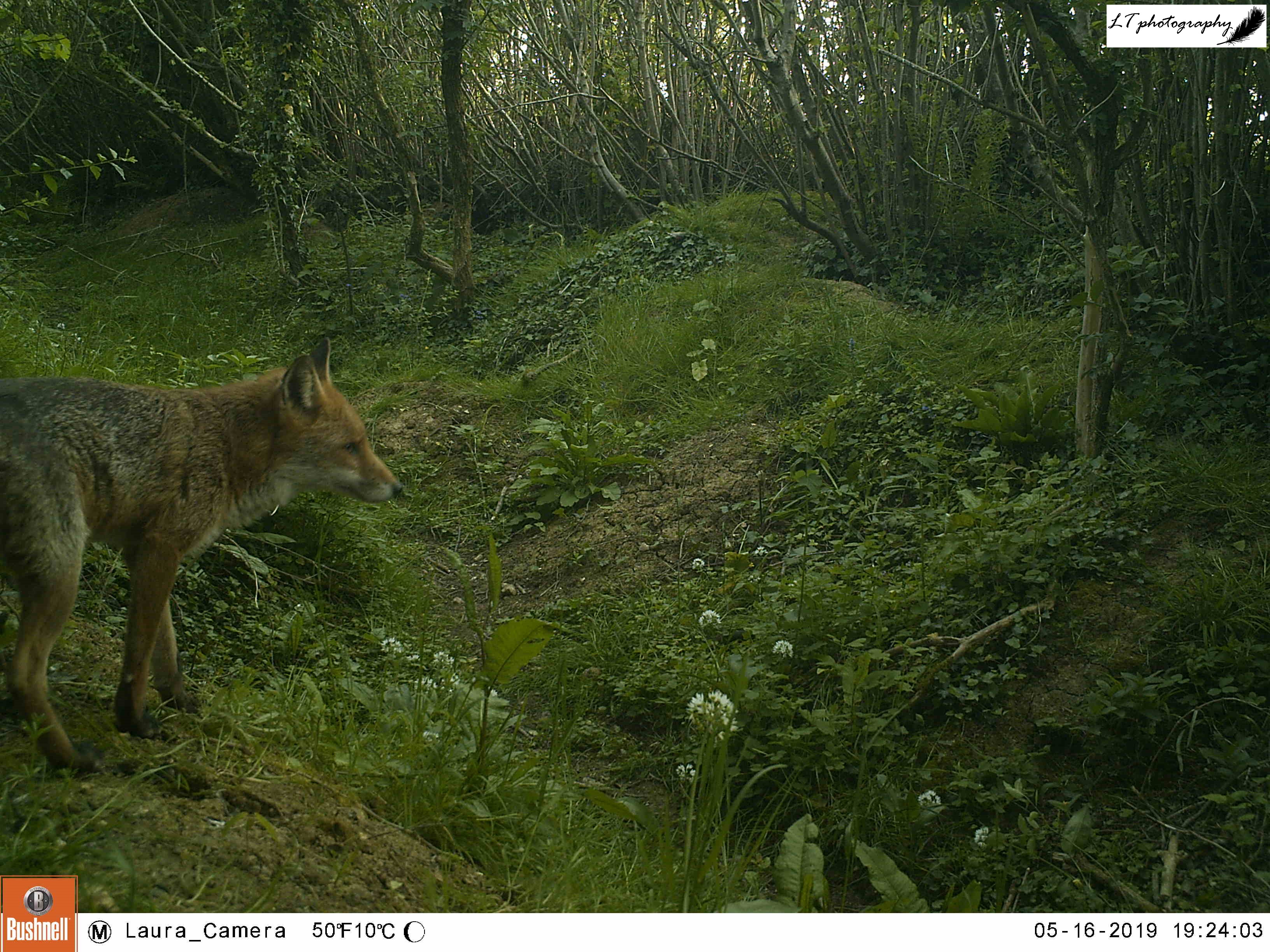
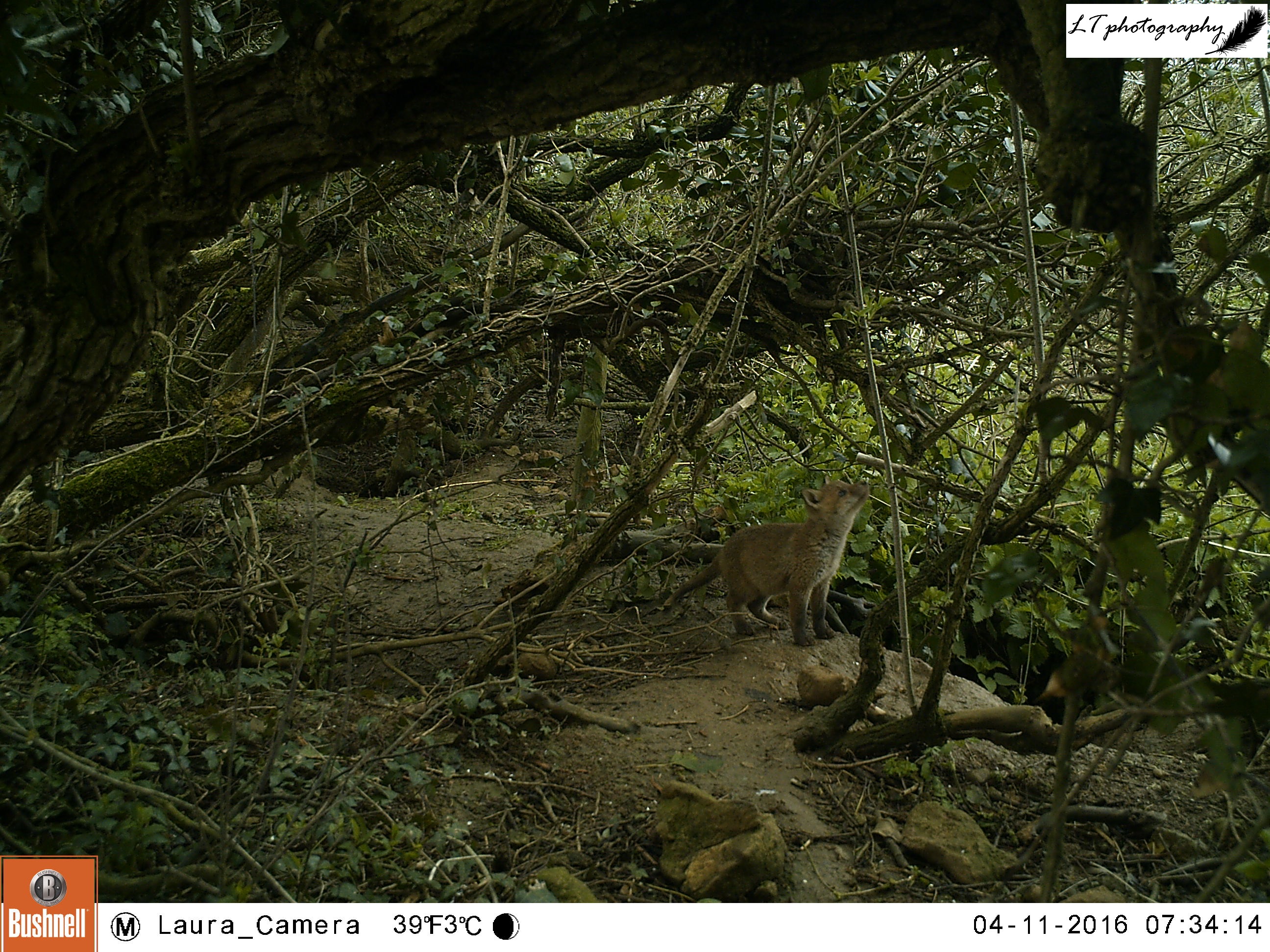
Badgers may have been captured more by my camera traps during late May this year, but foxes were seen less and less in some areas. This is a concern as unlike in previous years, fox cubs were not seen being born and emerging in the typical or usual locations and some adults also stopped bringing food to dens during the critical time. Unfortunately this may be due to more litters failing this year compared to previous ones.
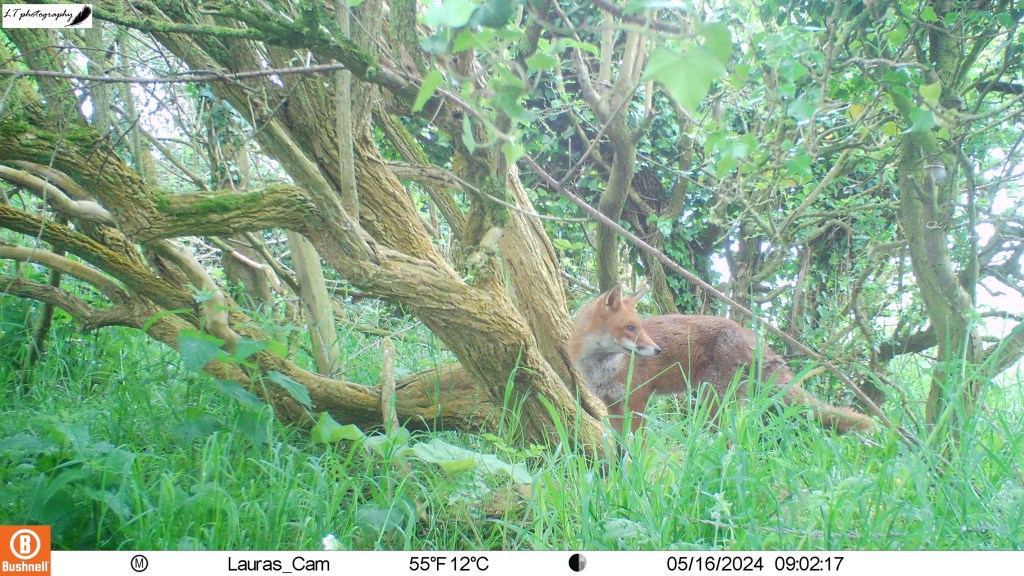
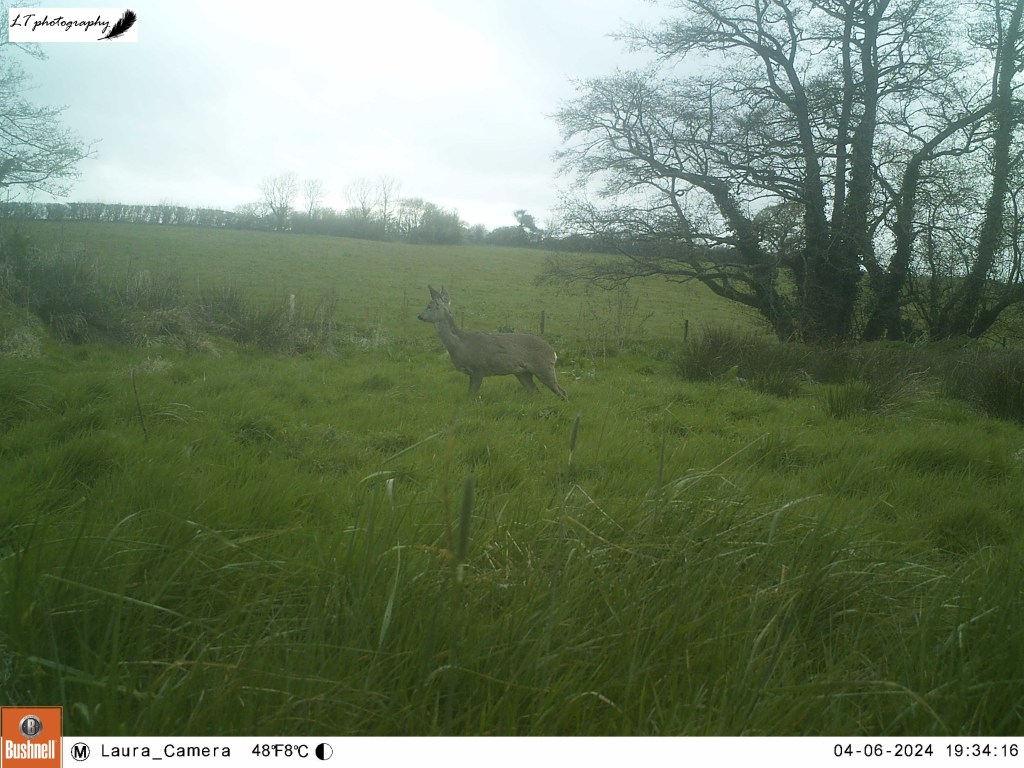
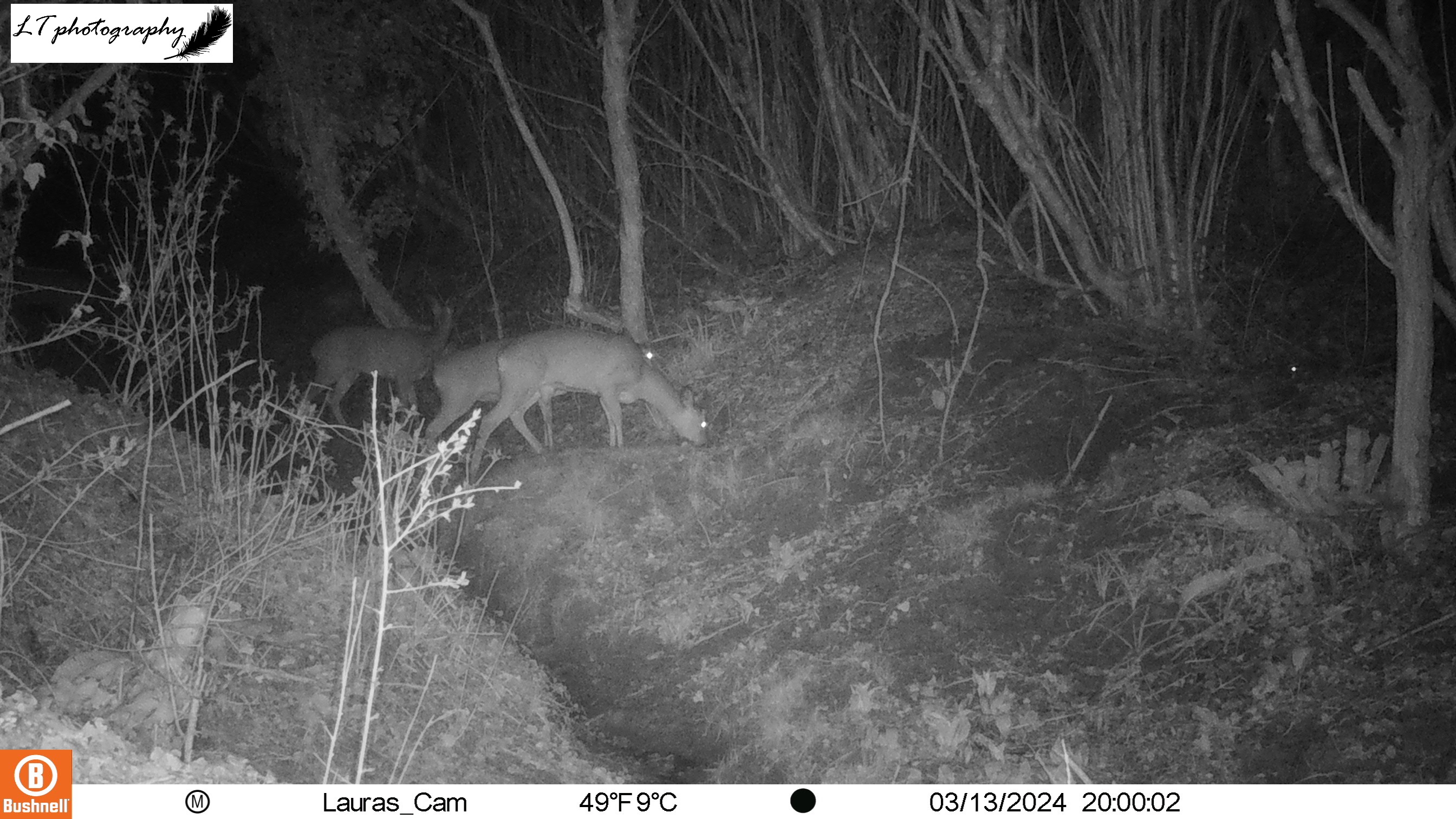
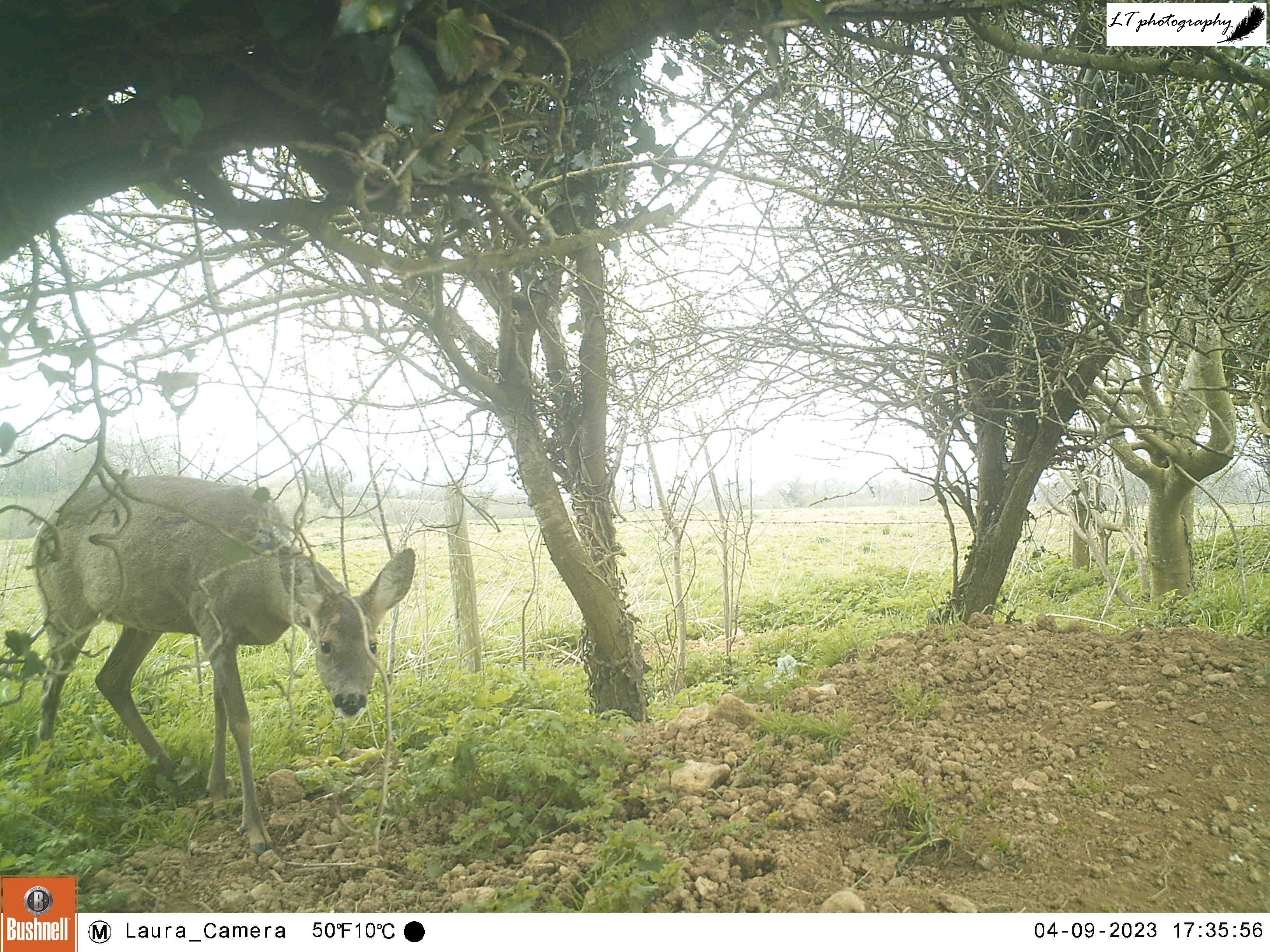
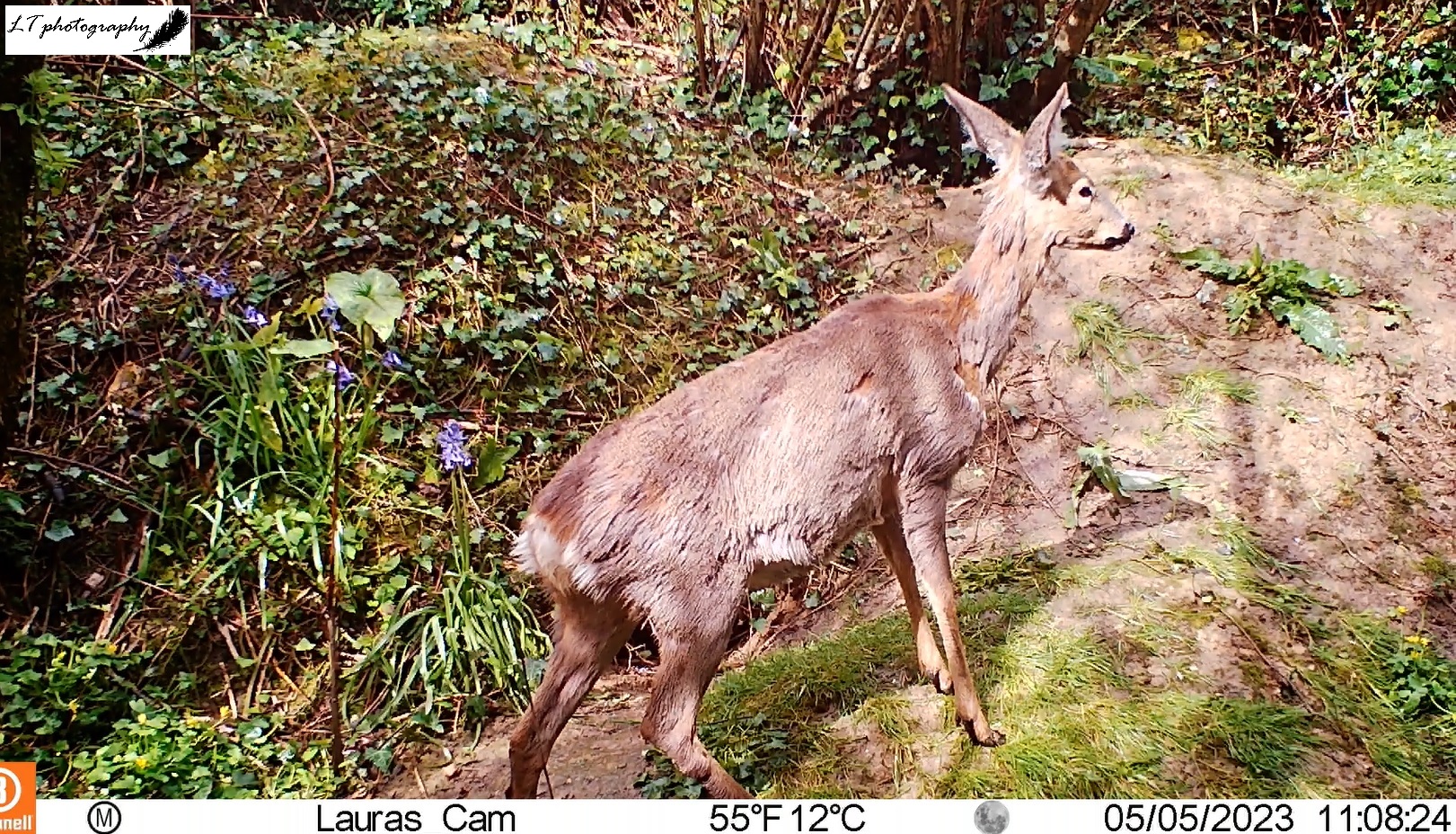
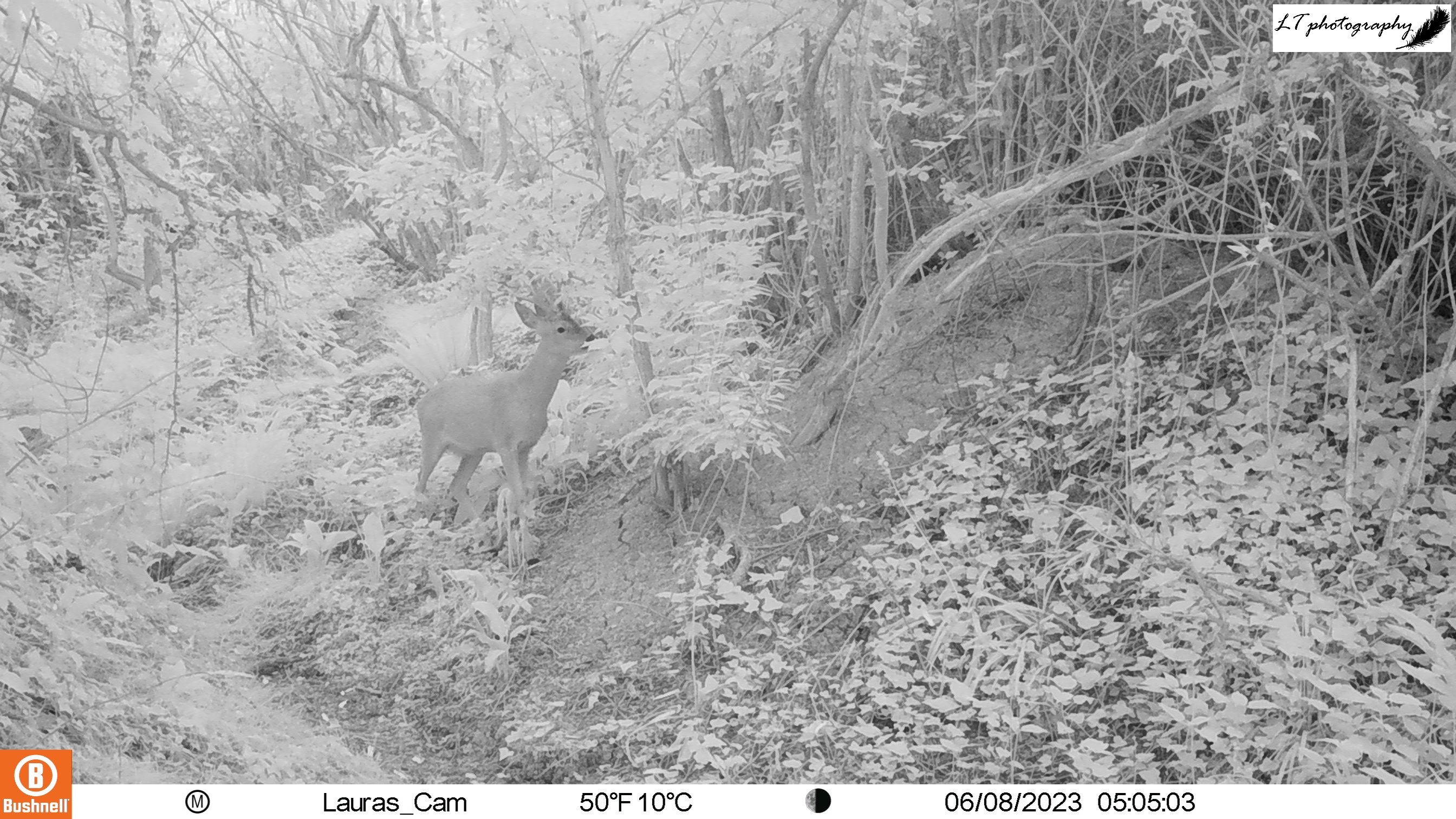
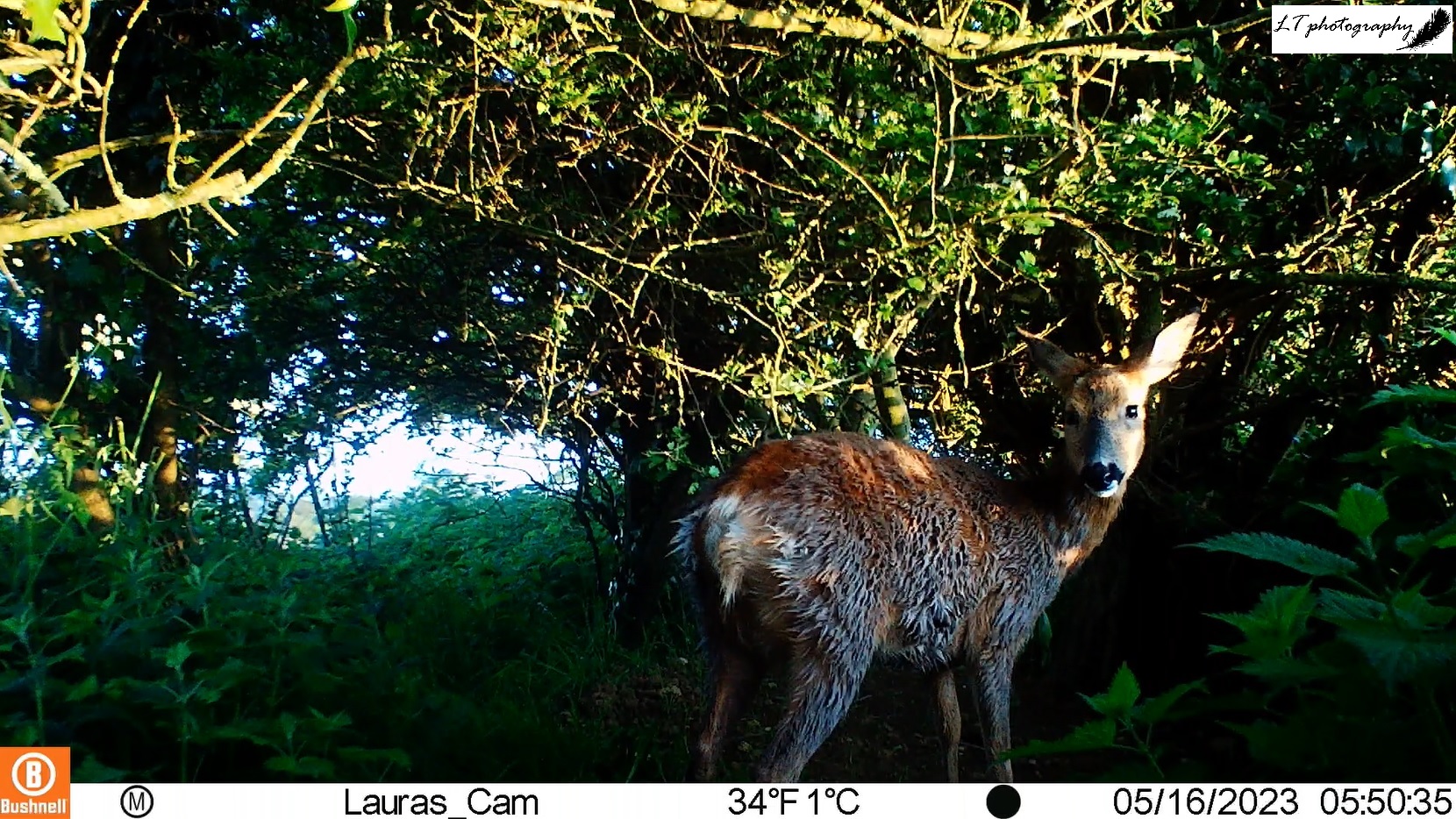
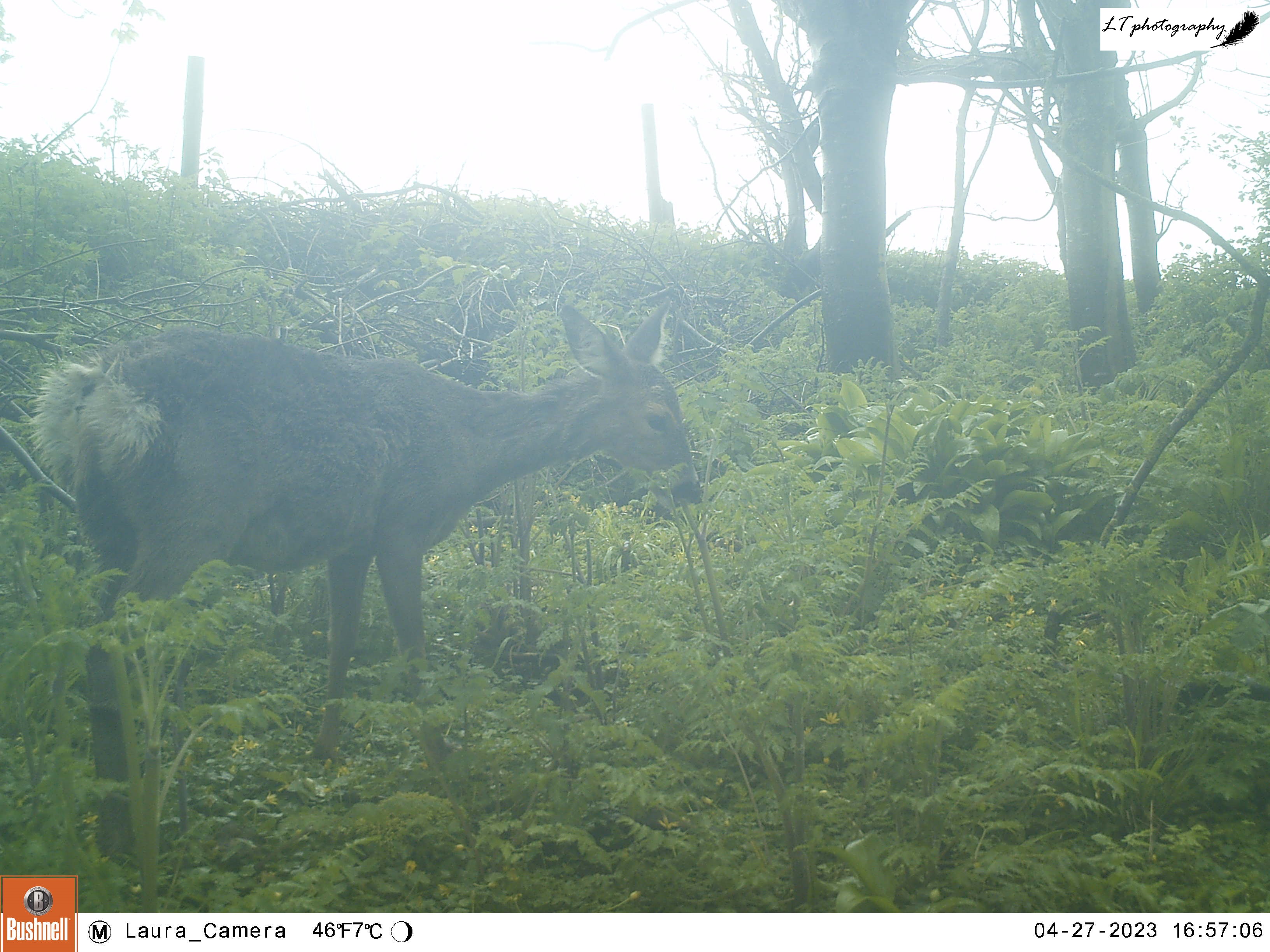
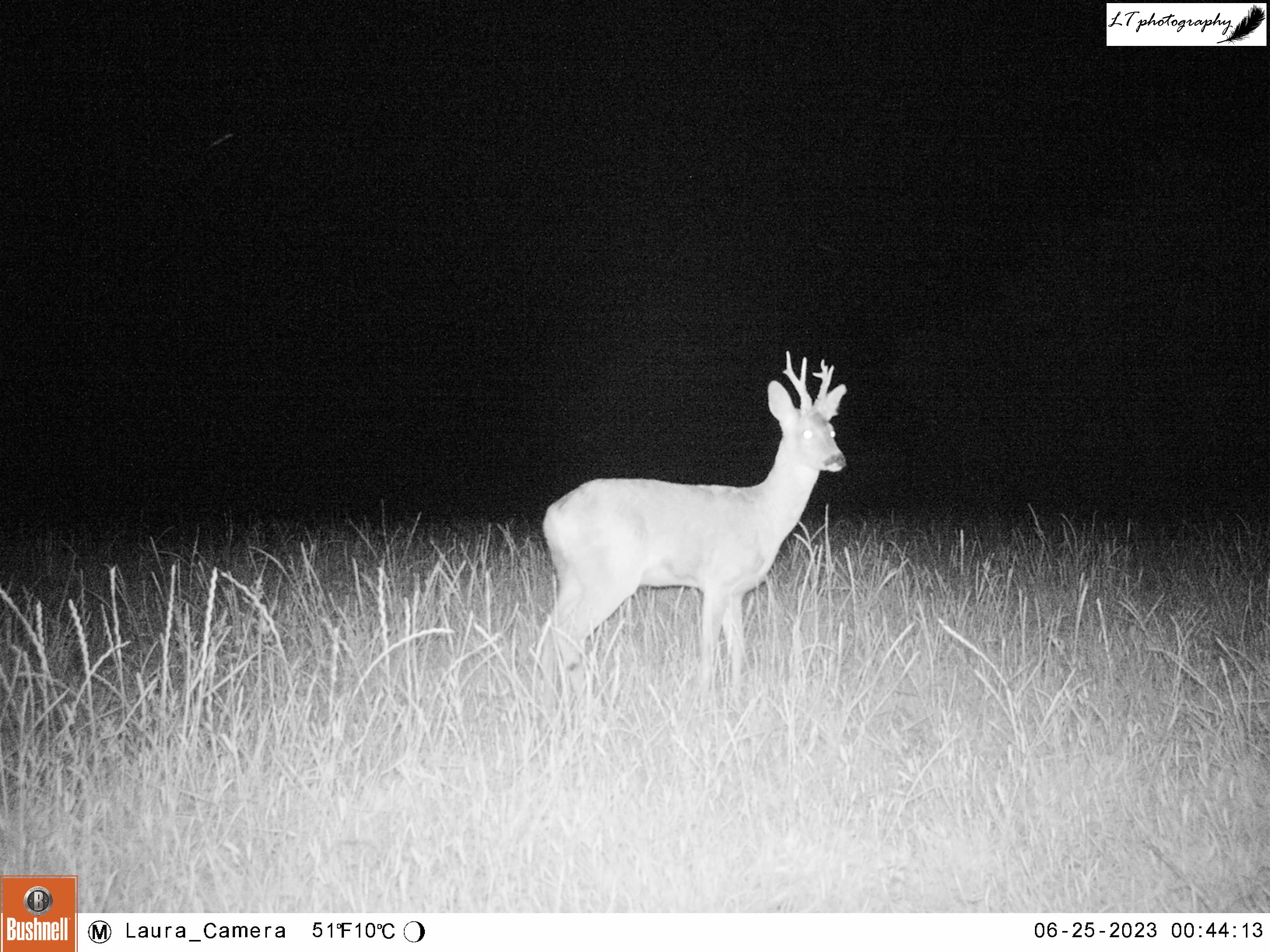
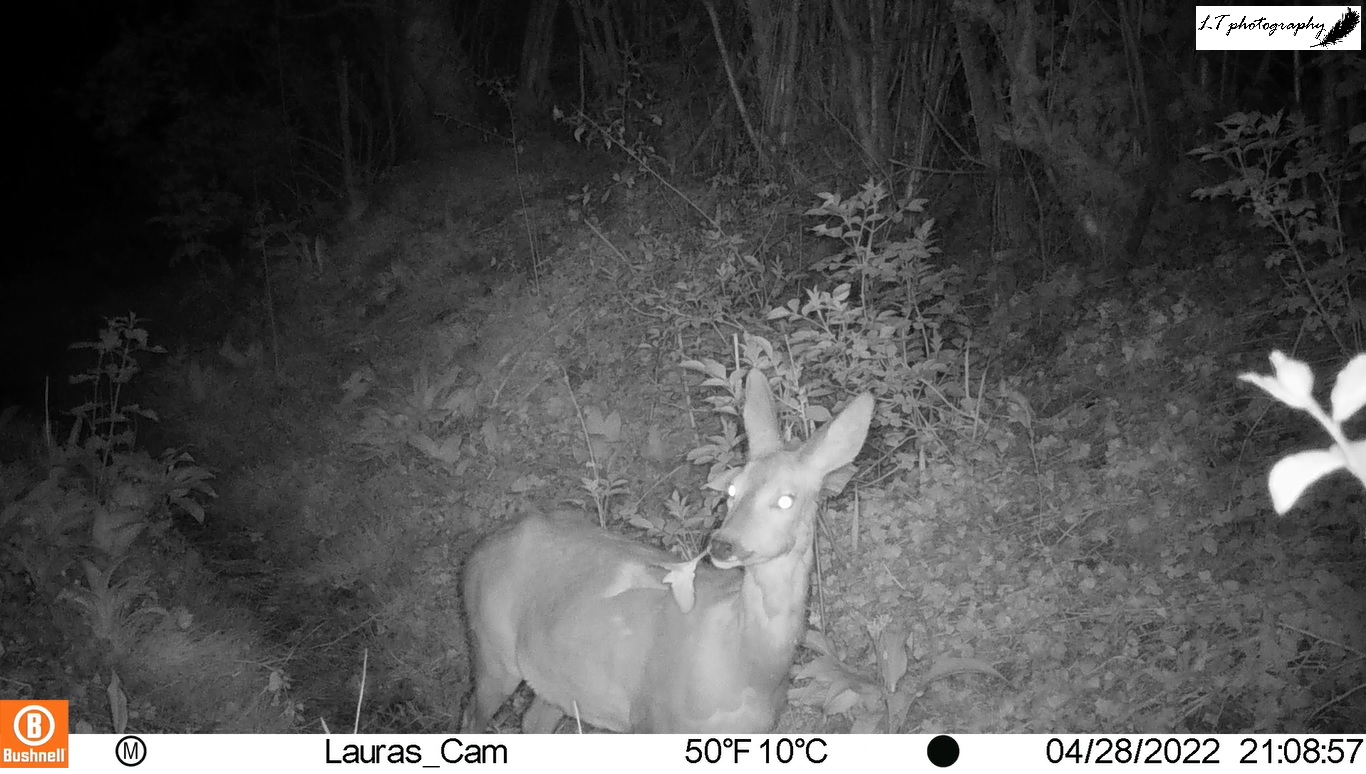
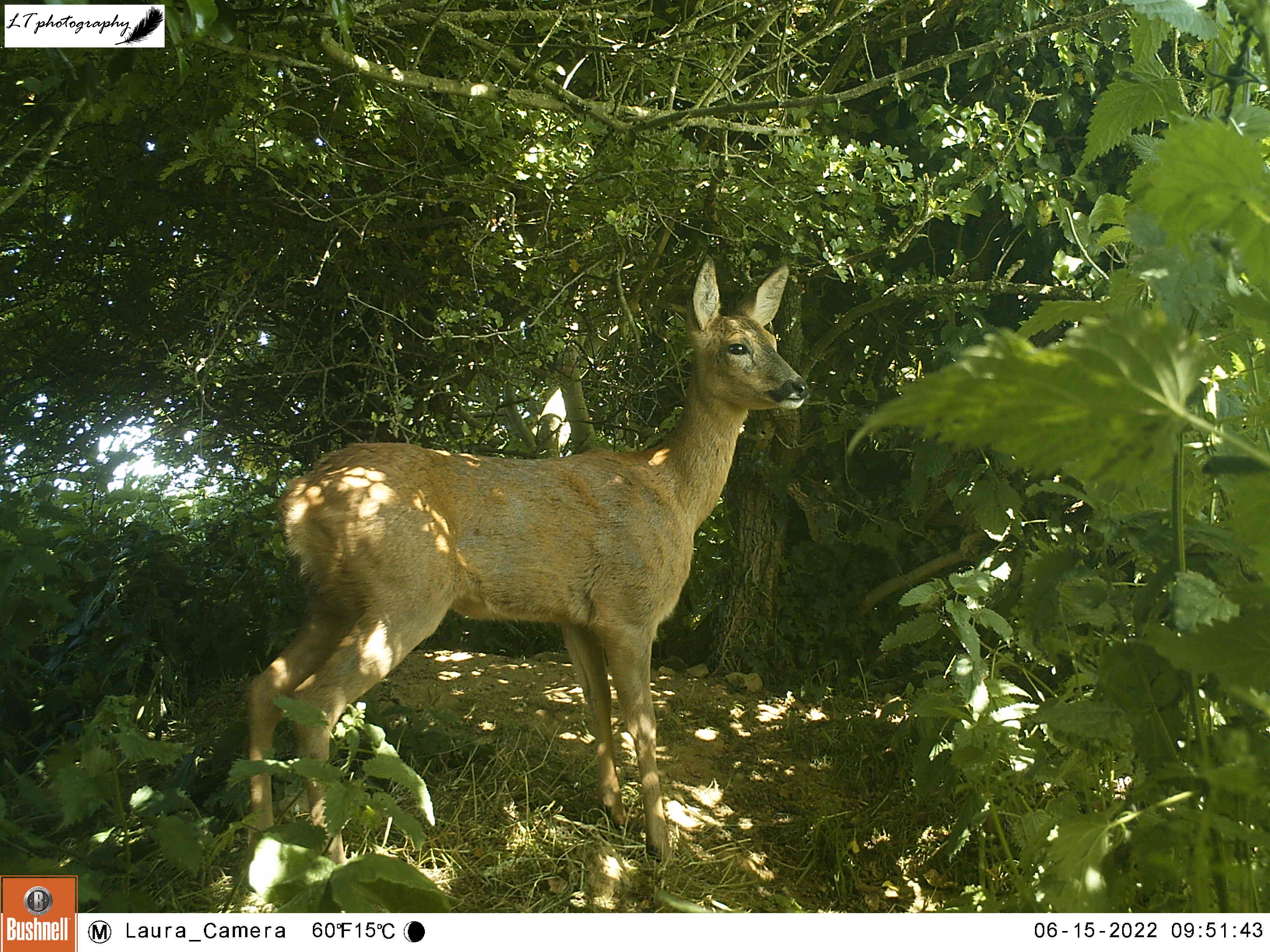
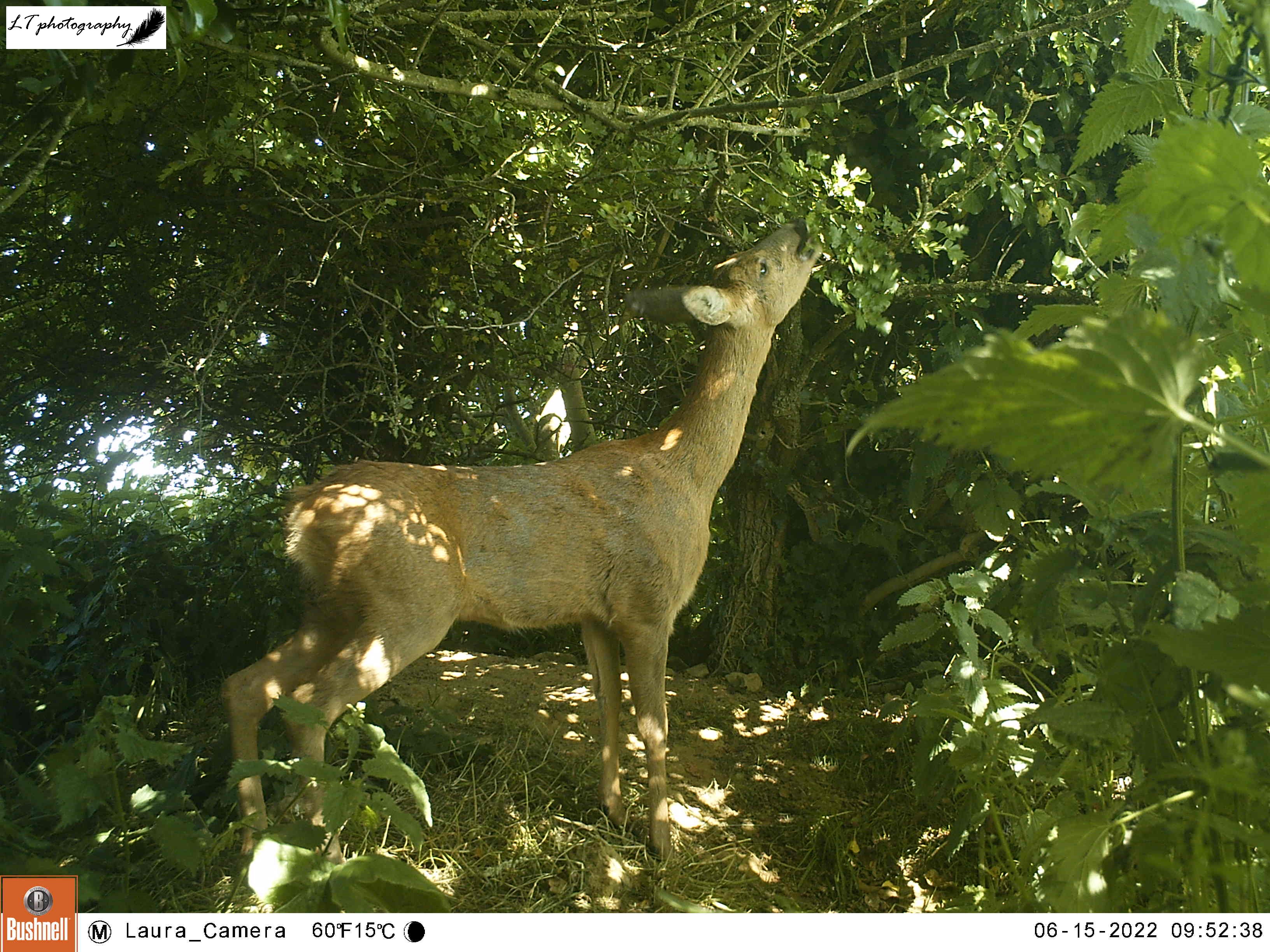
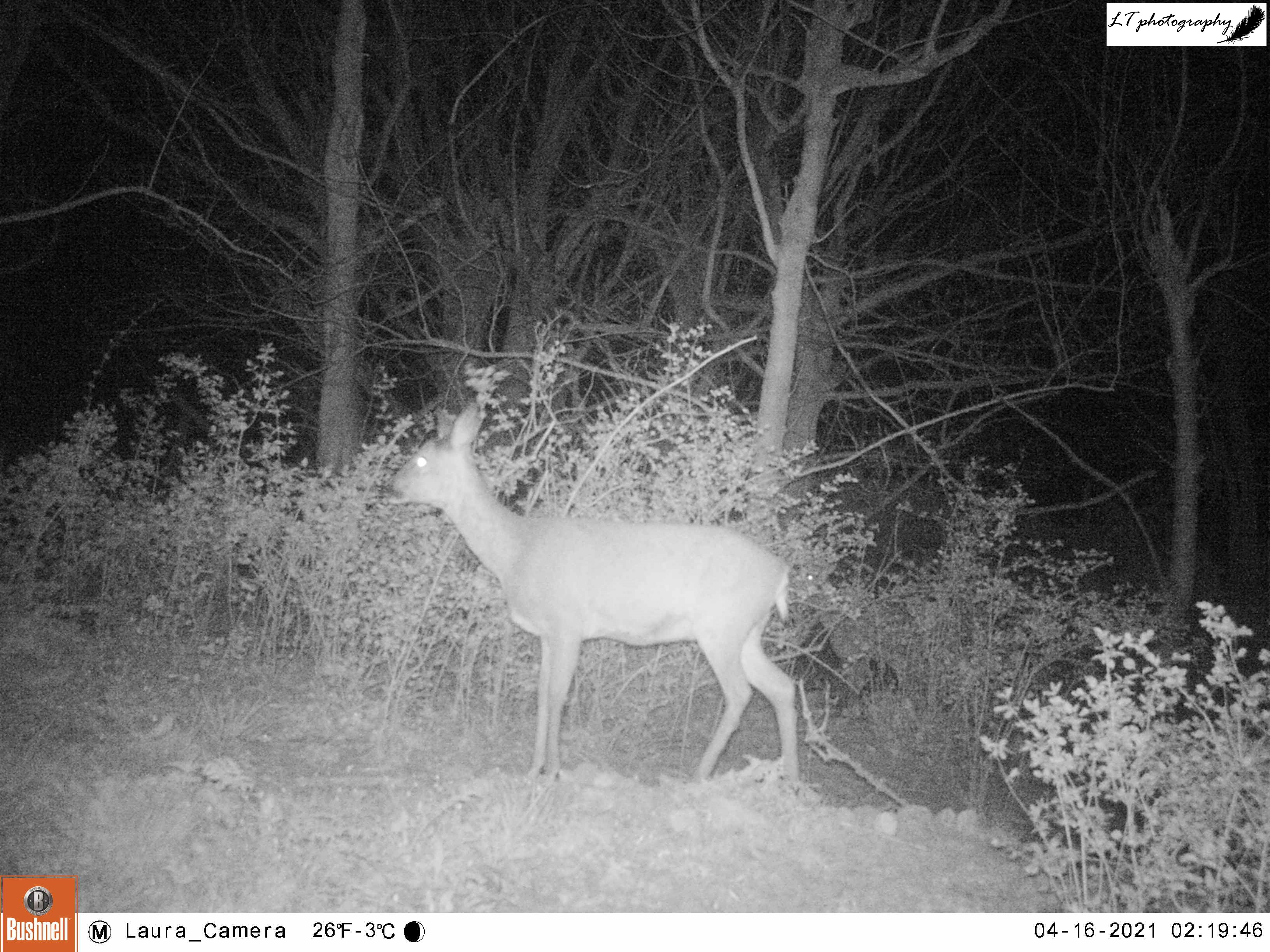
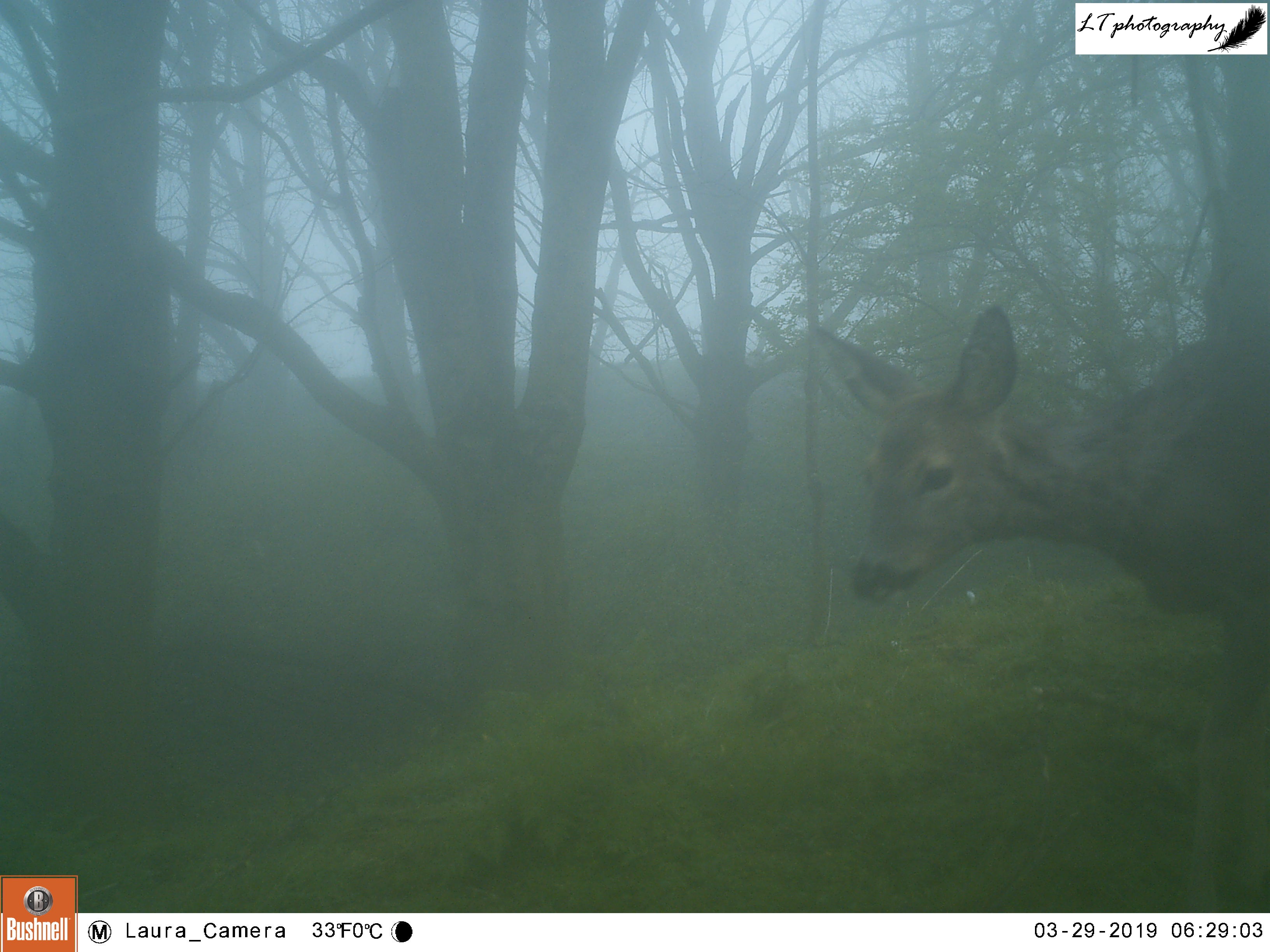
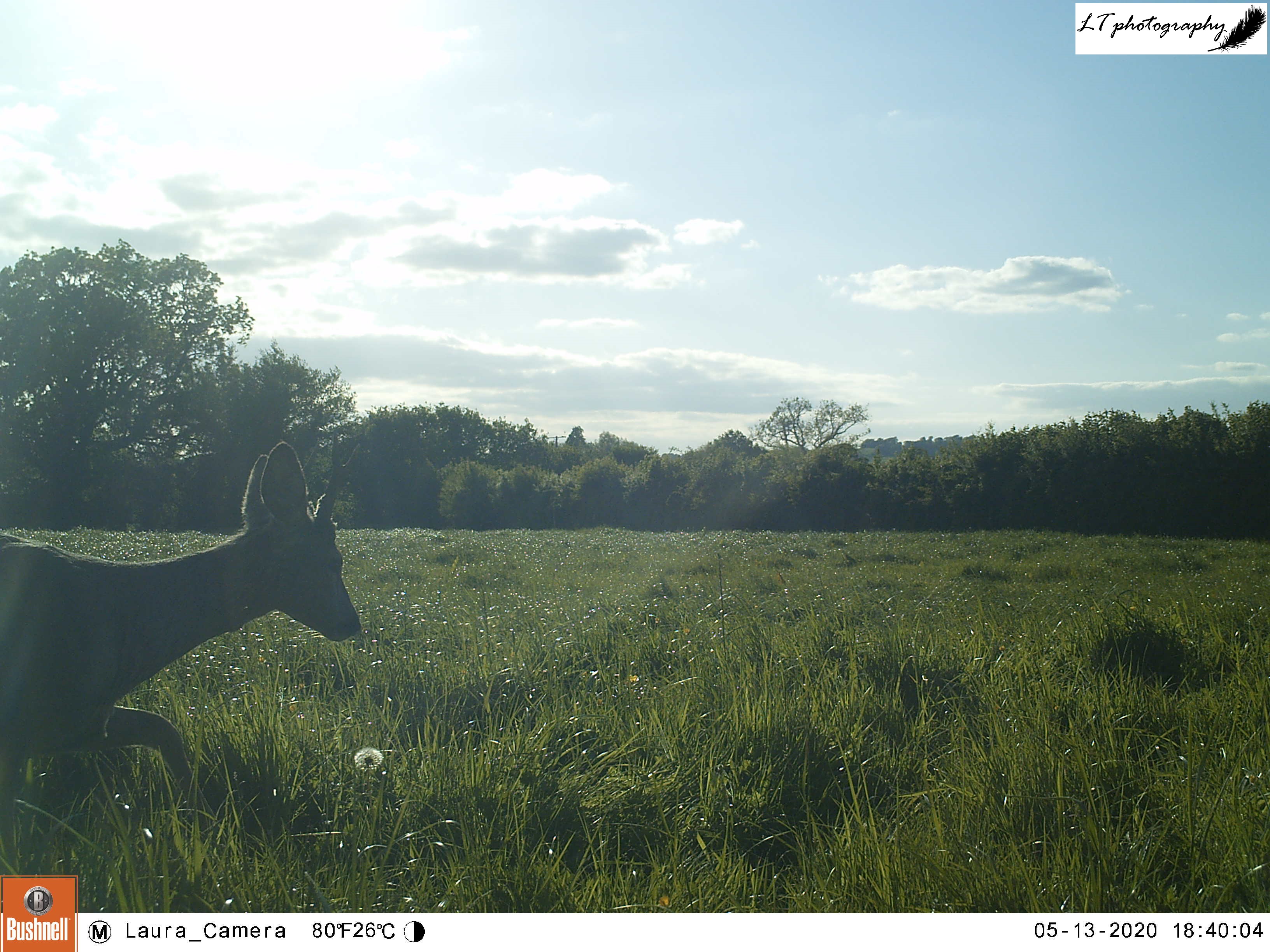
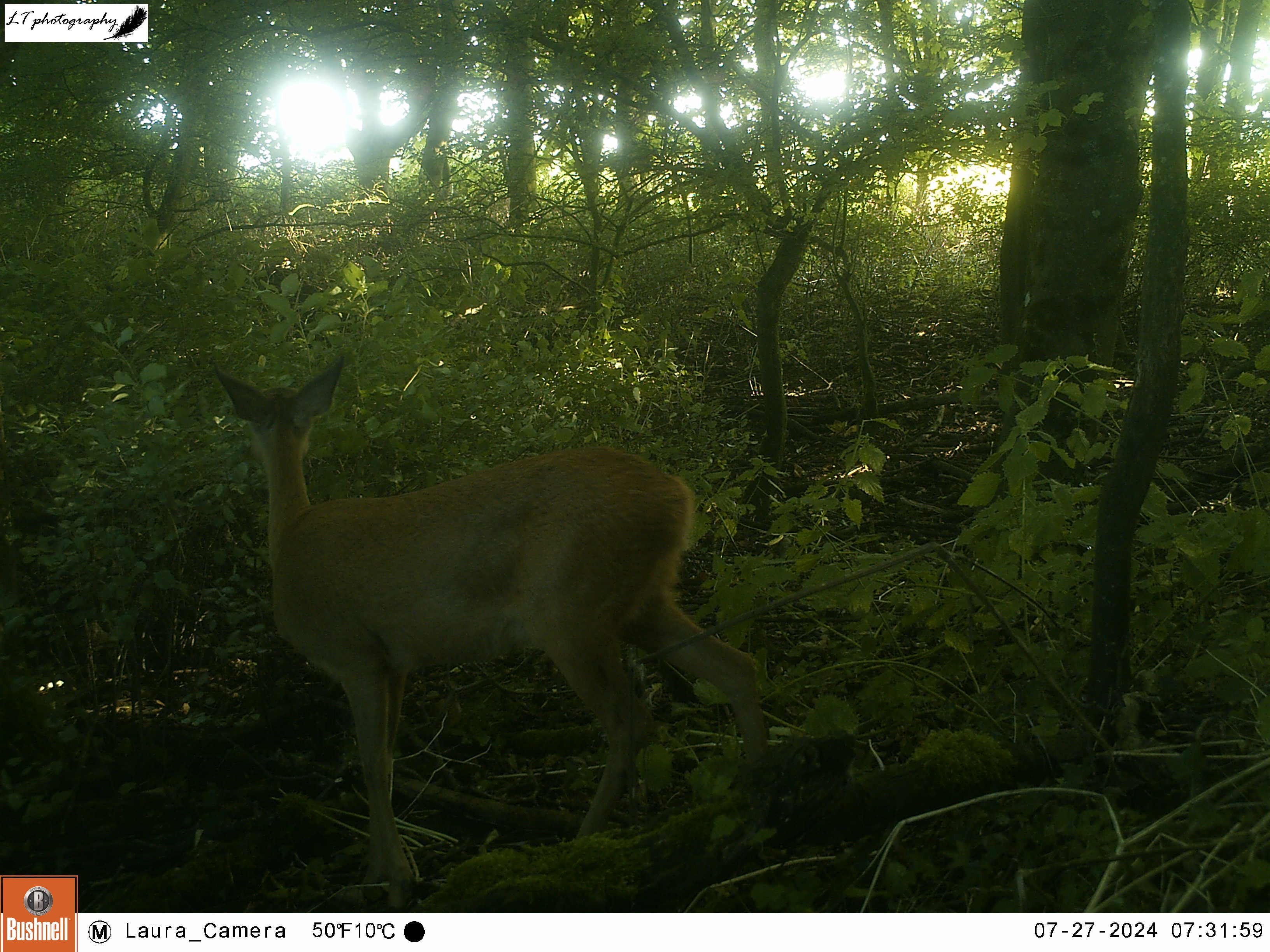
Where foxes were unexpectedly seen less during late may this spring, roe deer on the other hand were captured less because of behavioural changes to their daily patterns. This is due to winter roe deer groups splitting up and individuals becoming more solitary as females near the end of their pregnancies, and choose to go it alone. Spring babies are on the way!

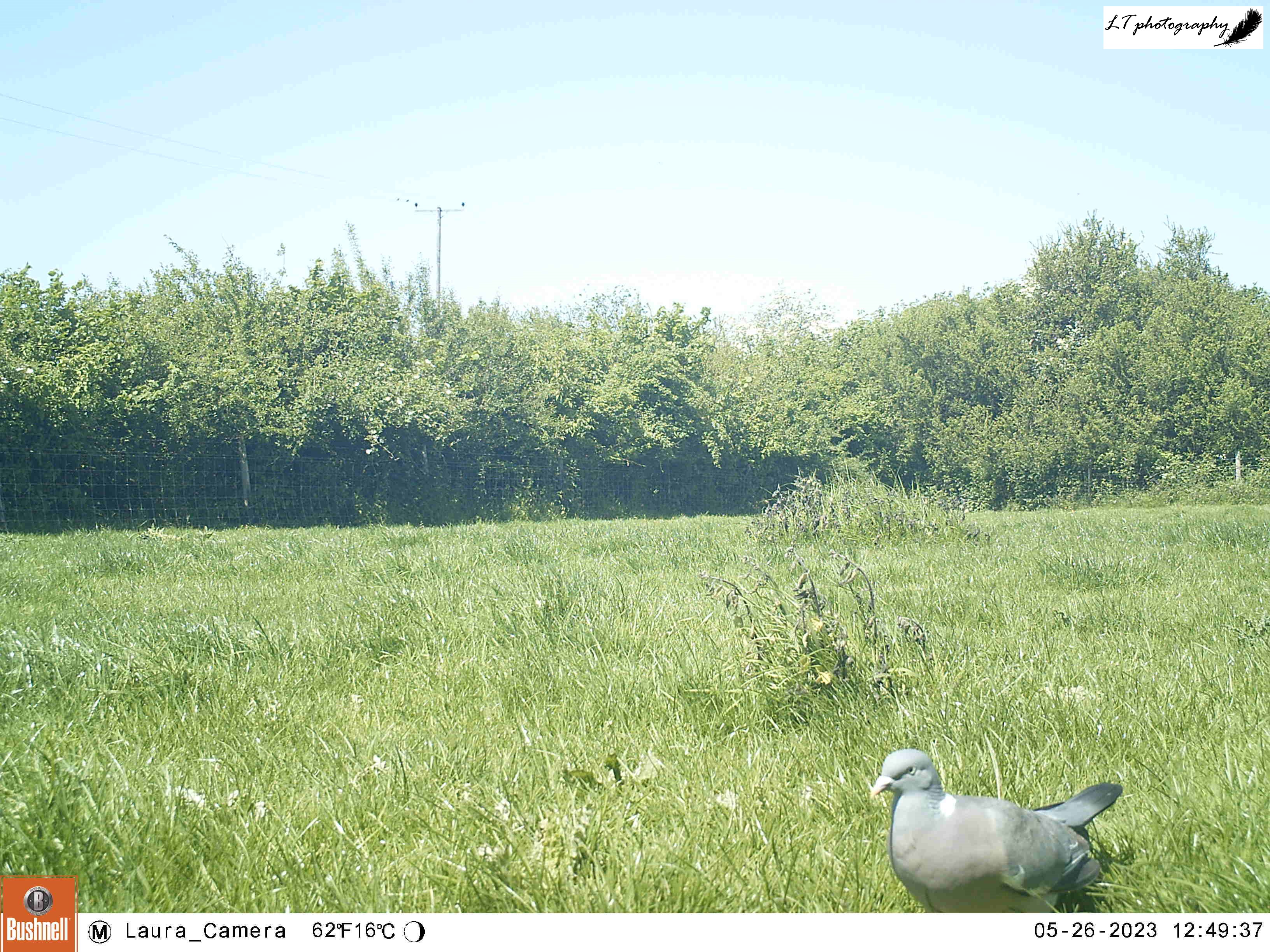
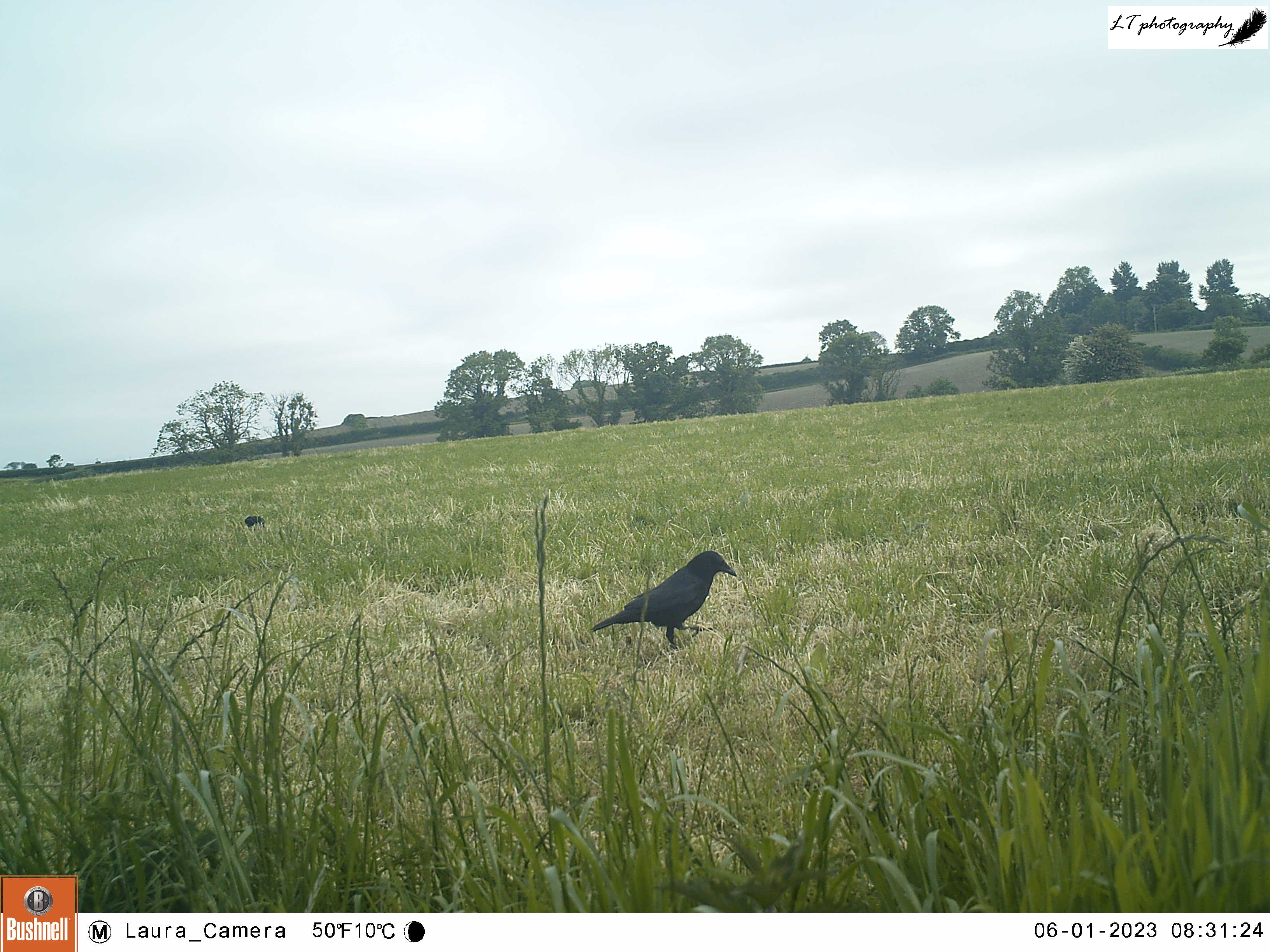
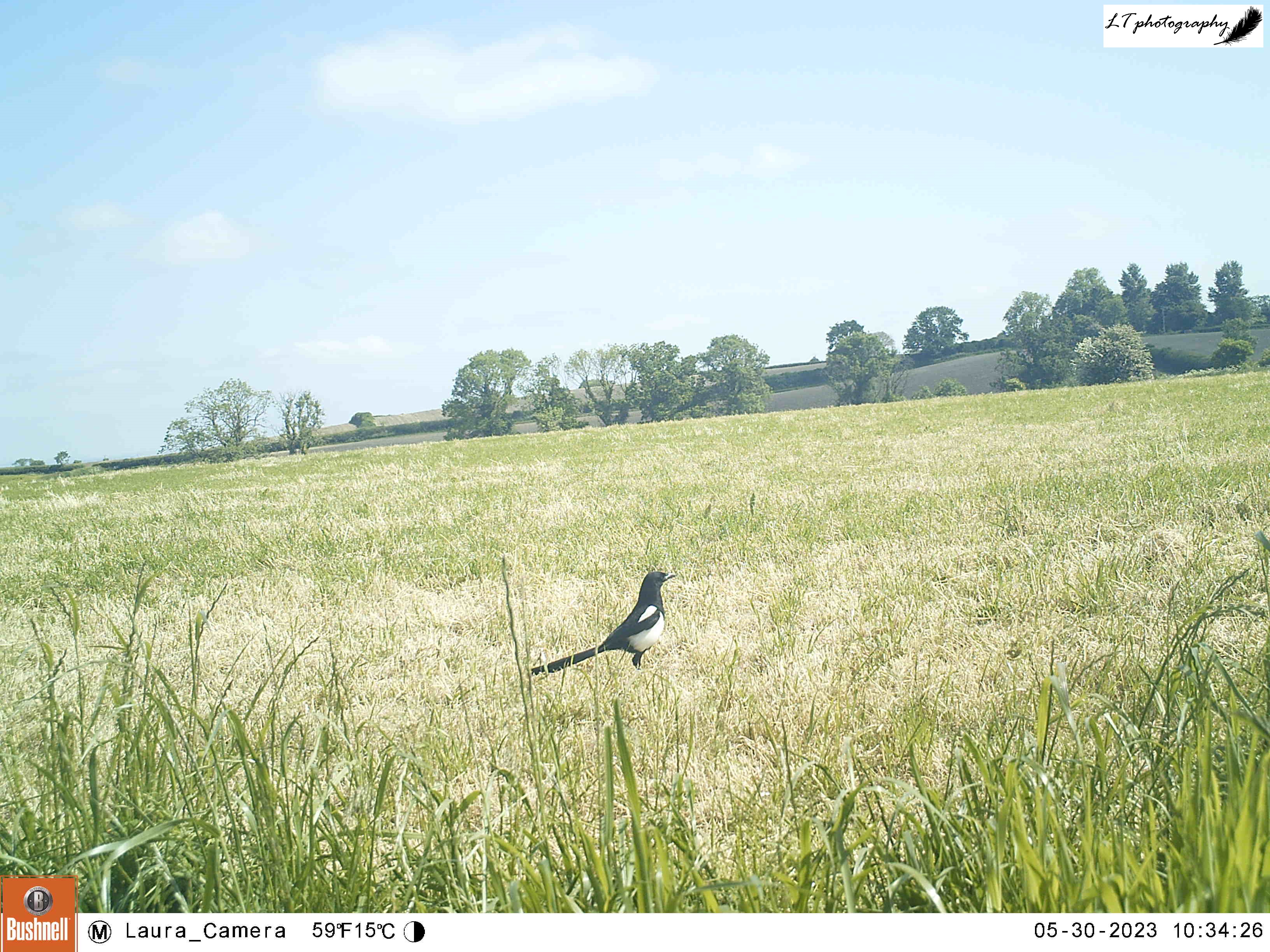
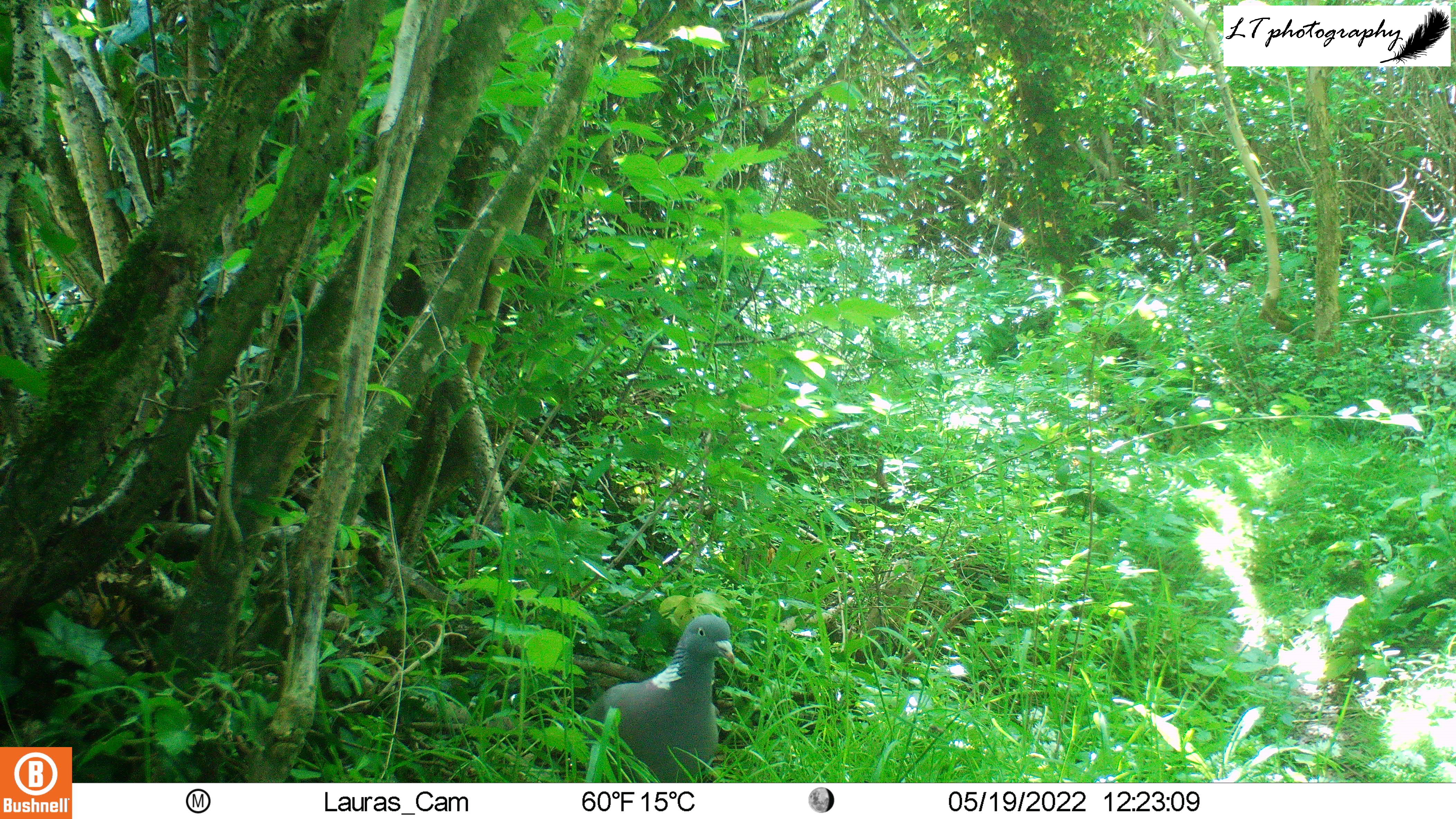
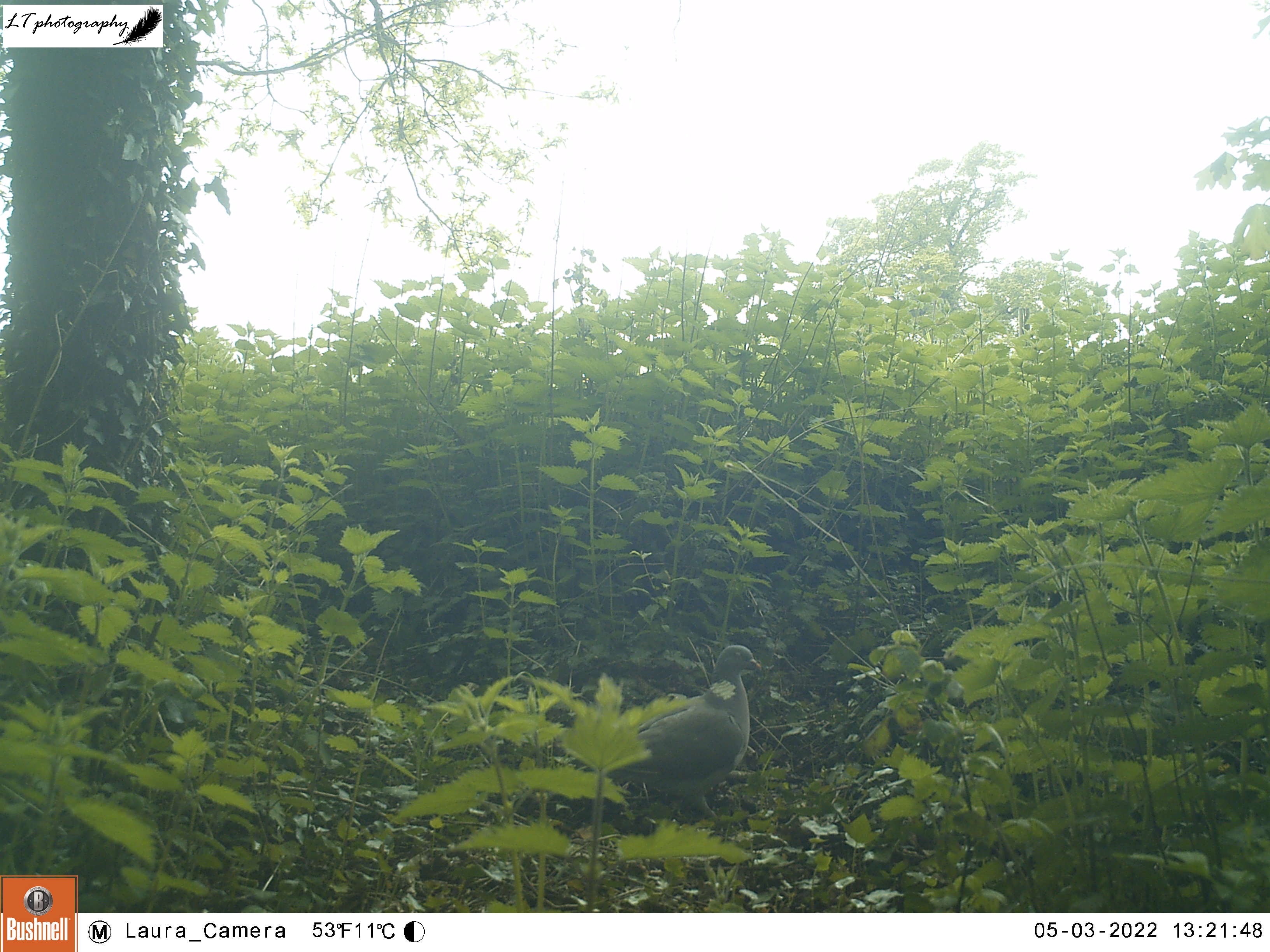
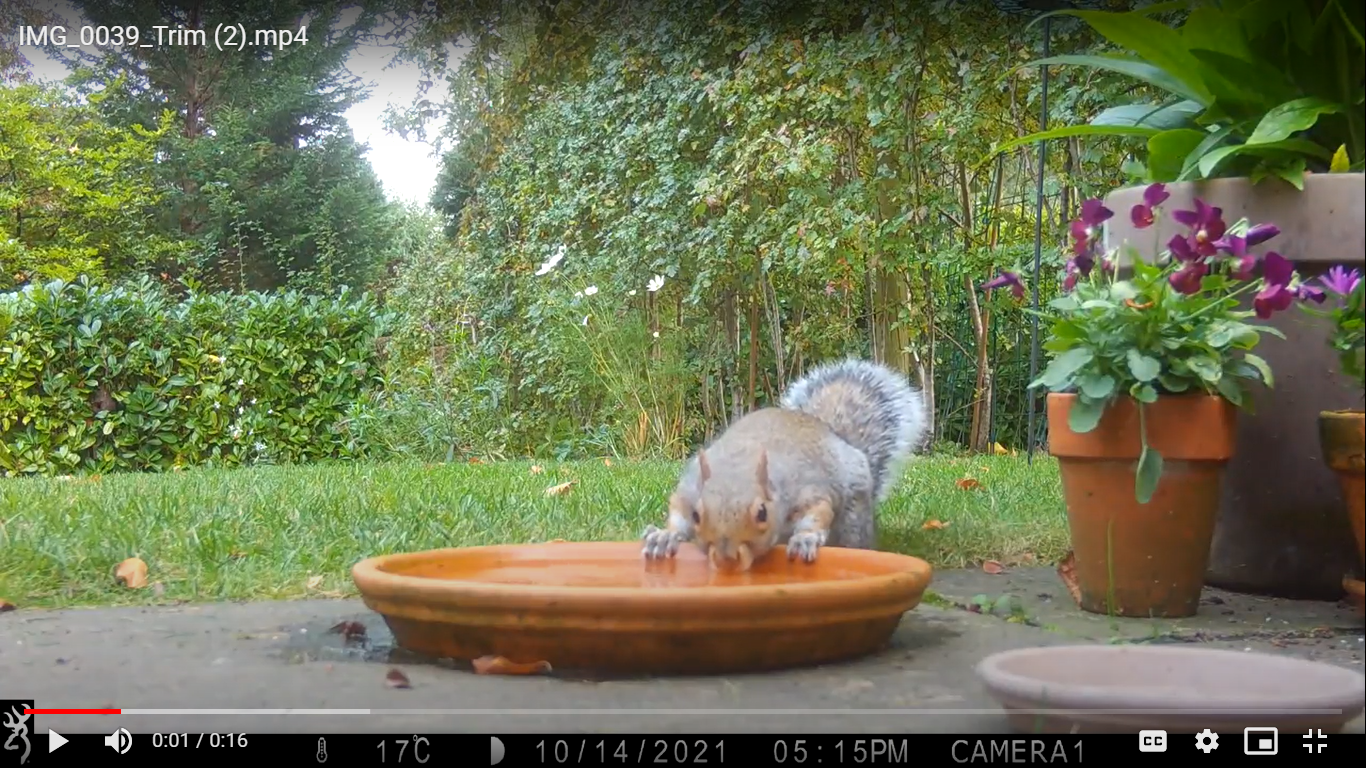
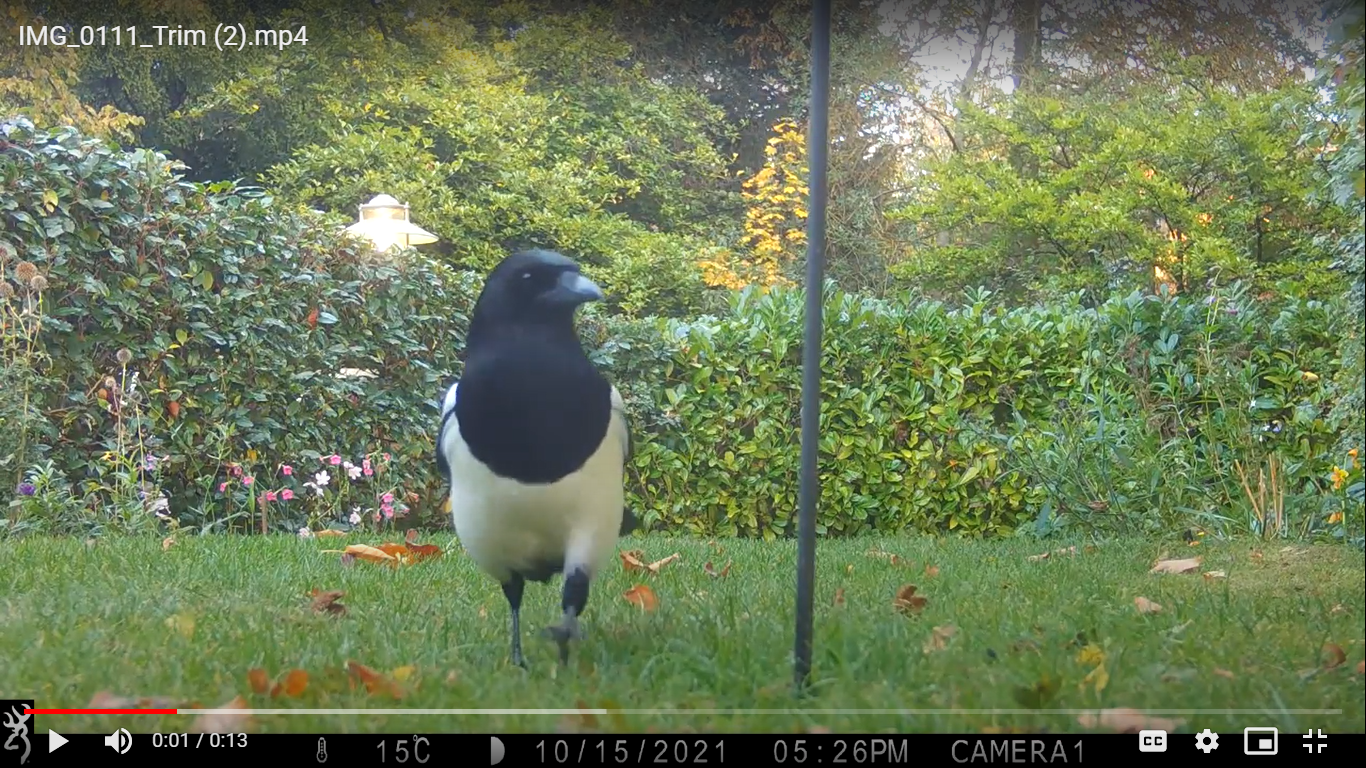
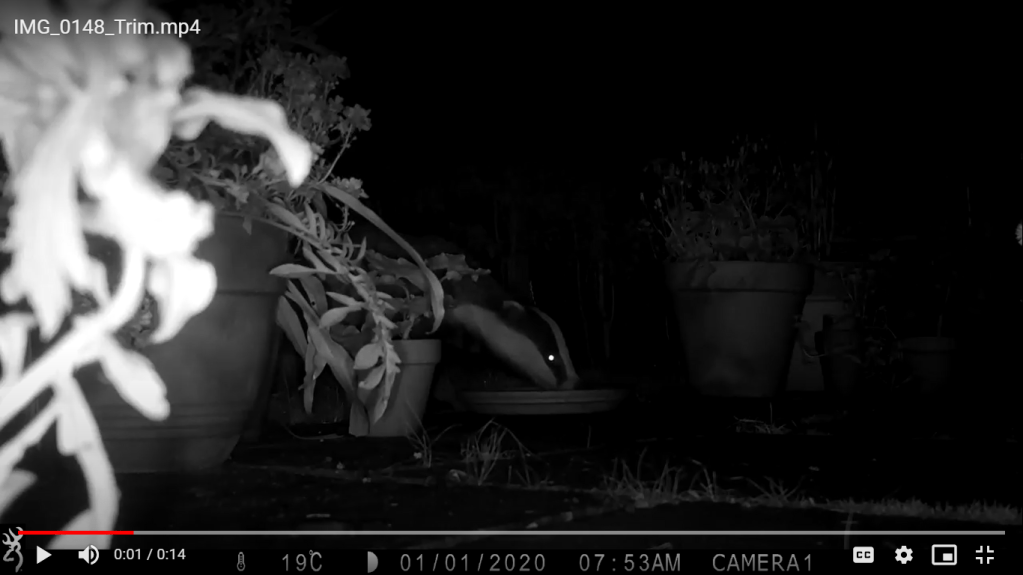
Species List: Roe deer, badger, fox, brown rat, blackbird, woodpigeon, magpie, great tit, rabbit

June

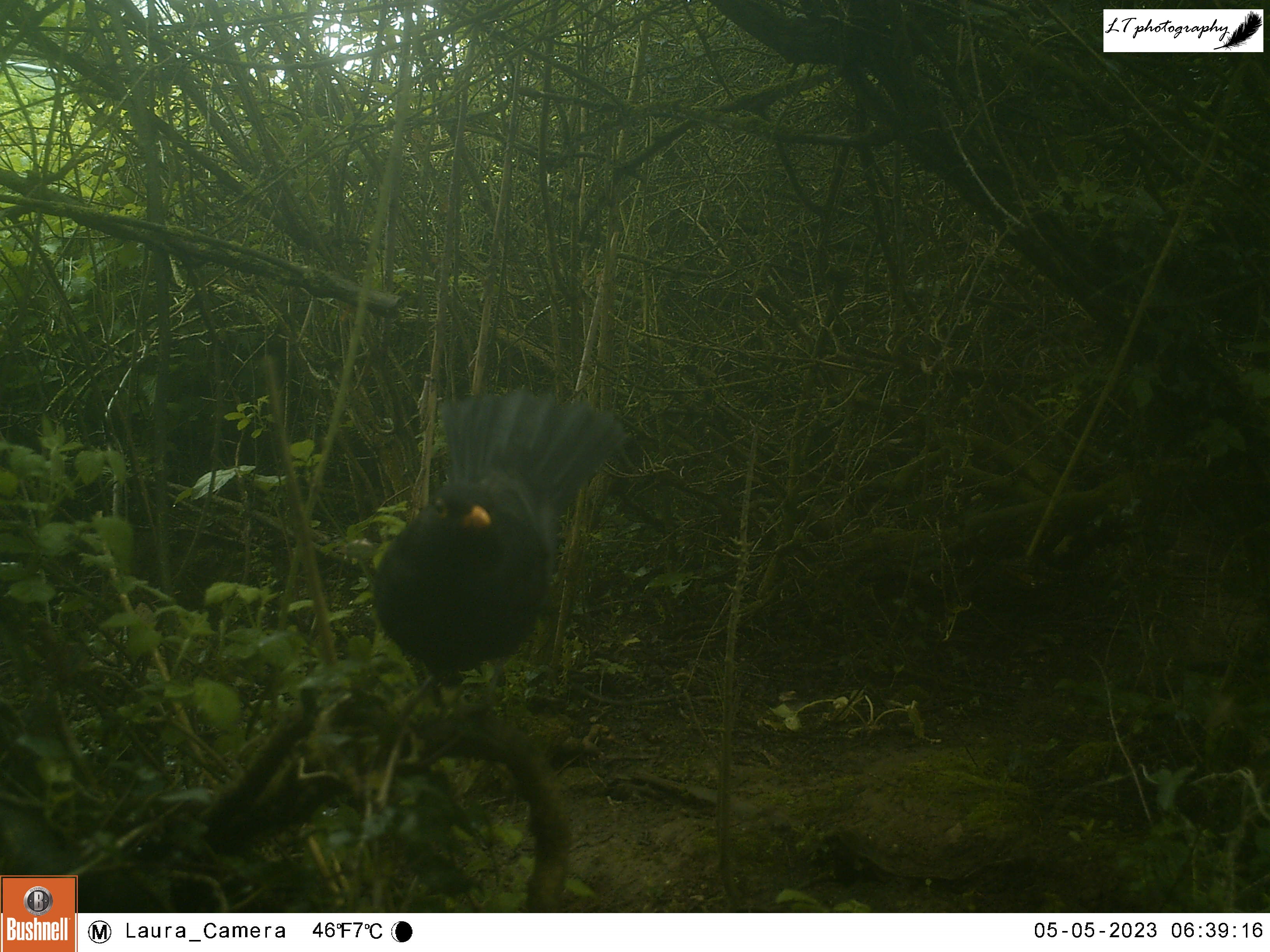
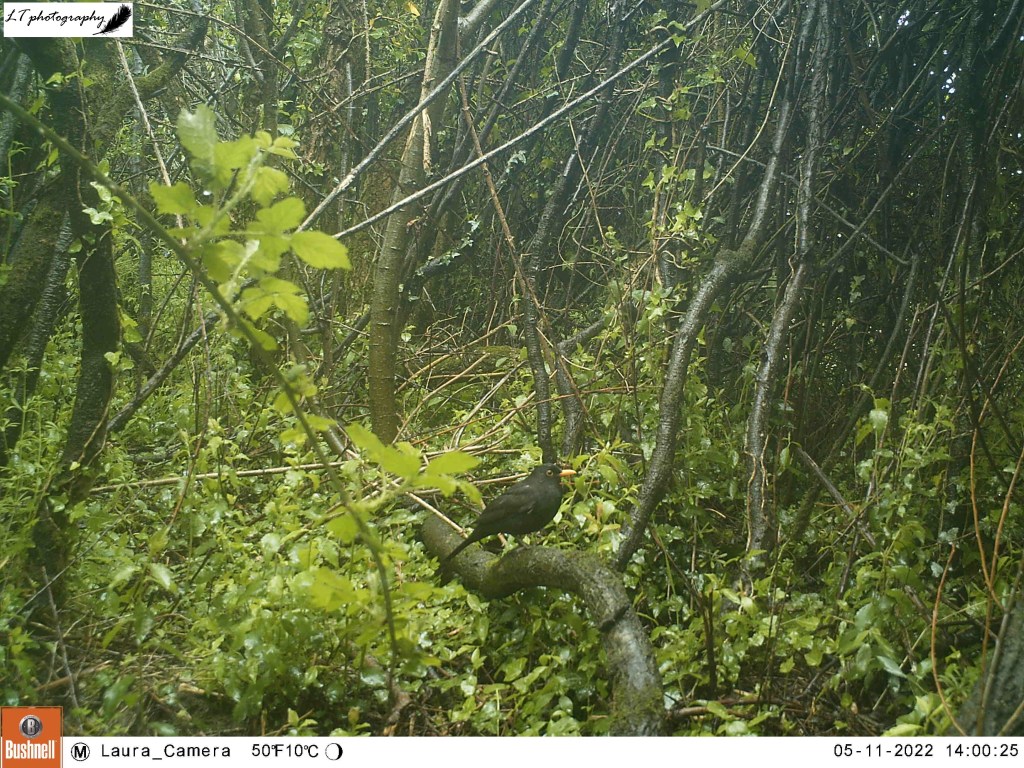
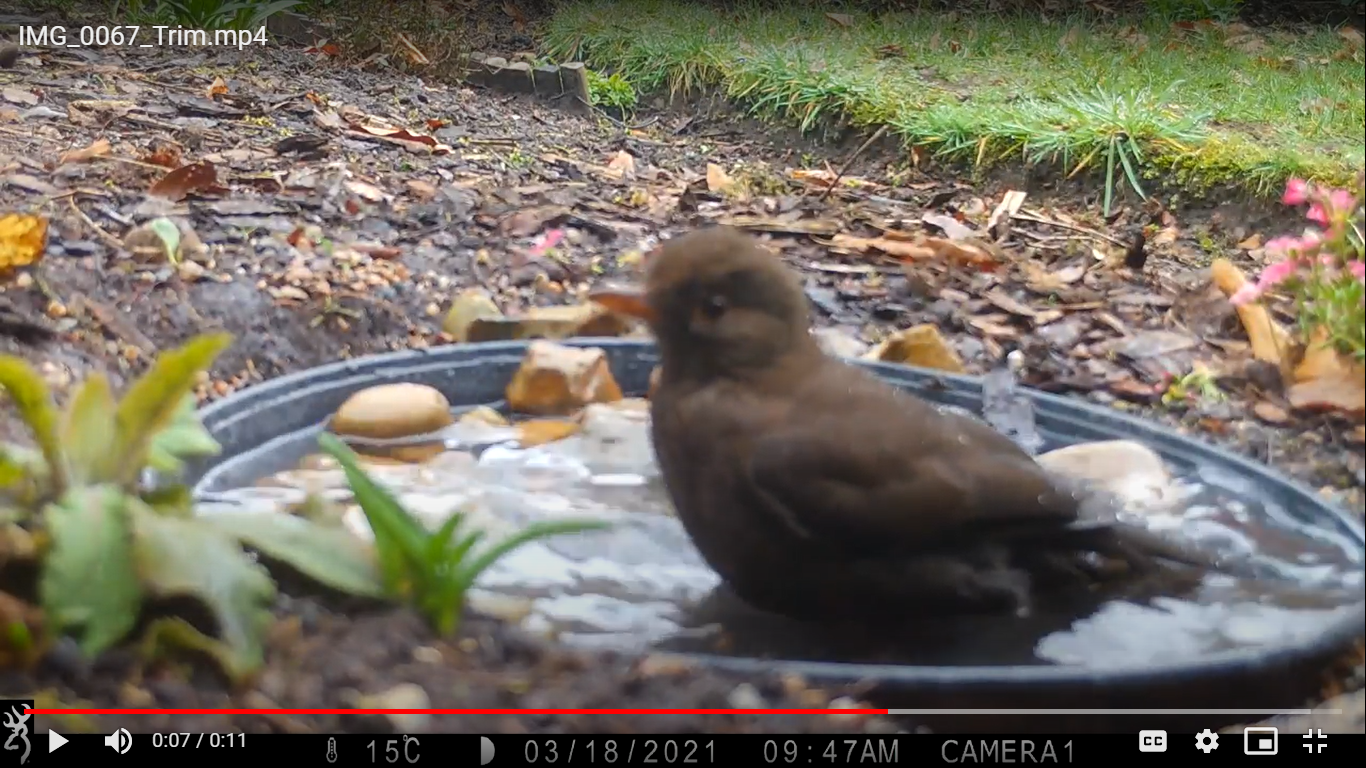
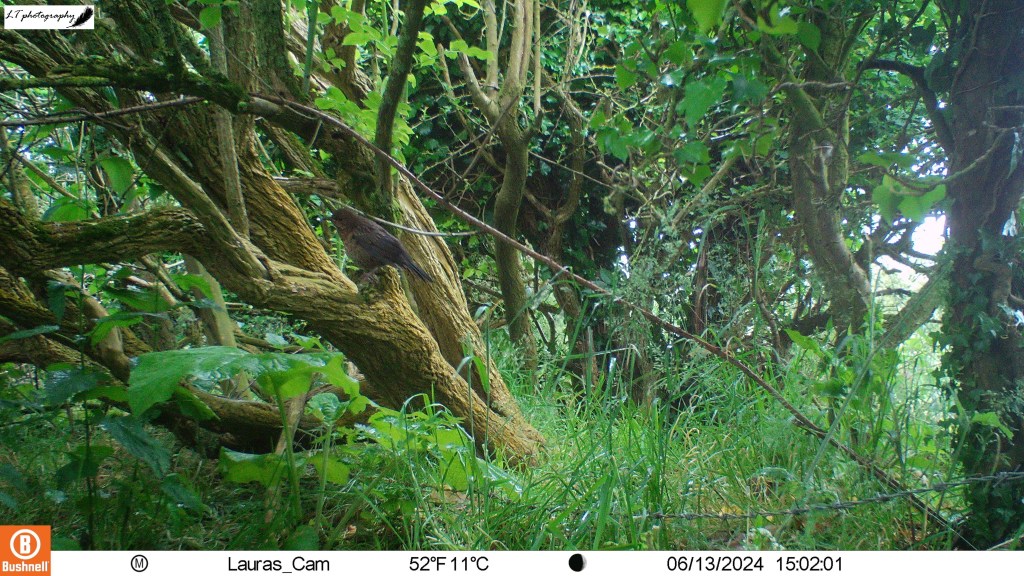
By June, with abundant food sources now available, lots of wildlife species have young on the ground, and this gives us a great opportunity to observe the unique bond between animals and their young. My camera traps this year were even able to delve into the lives of some bird species, capturing the lives of families of both blackbirds and robins. I was able to watch as adults interacted with their fledged young, whilst protecting them from predators, and still supplying them with food.
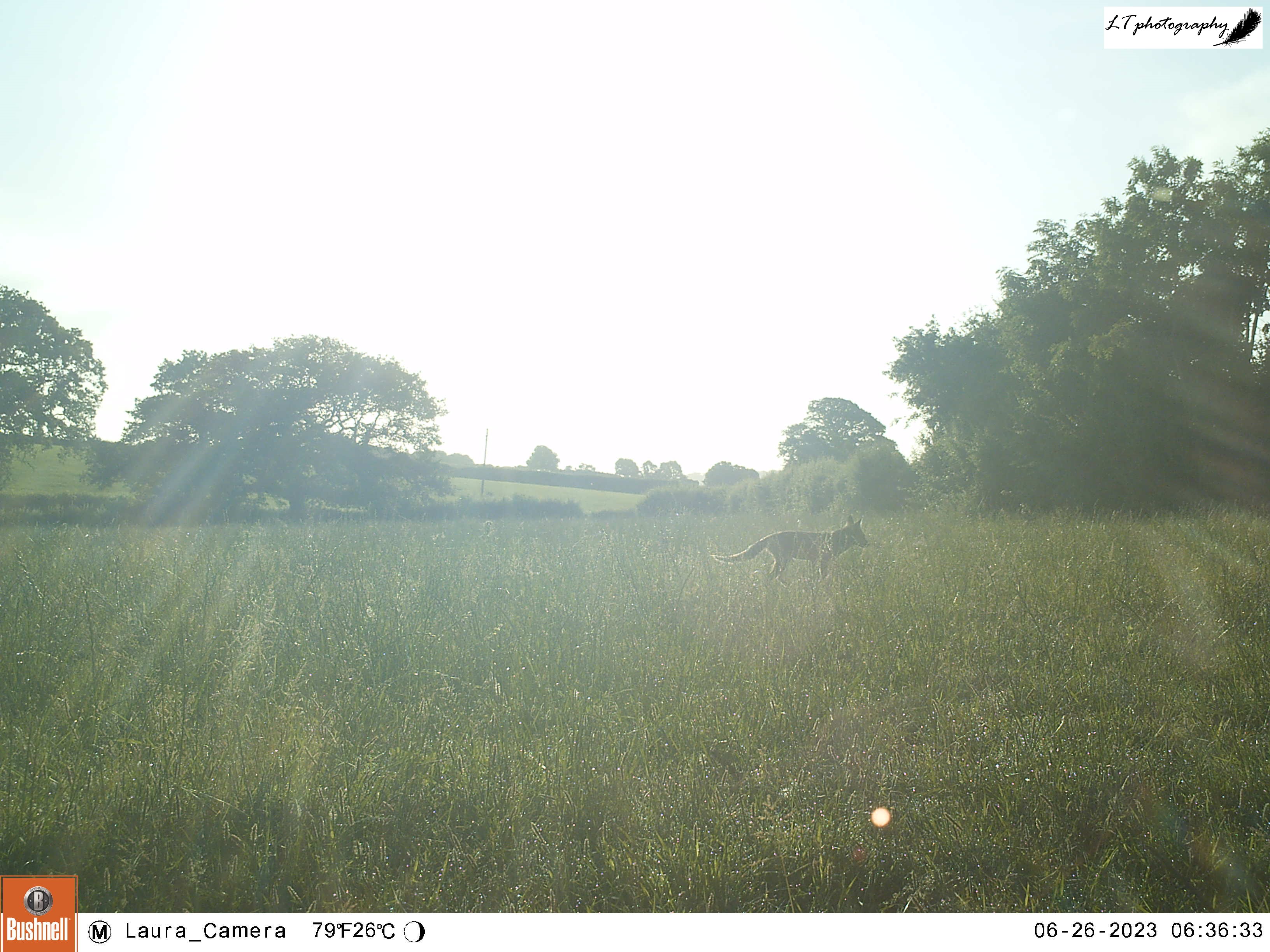
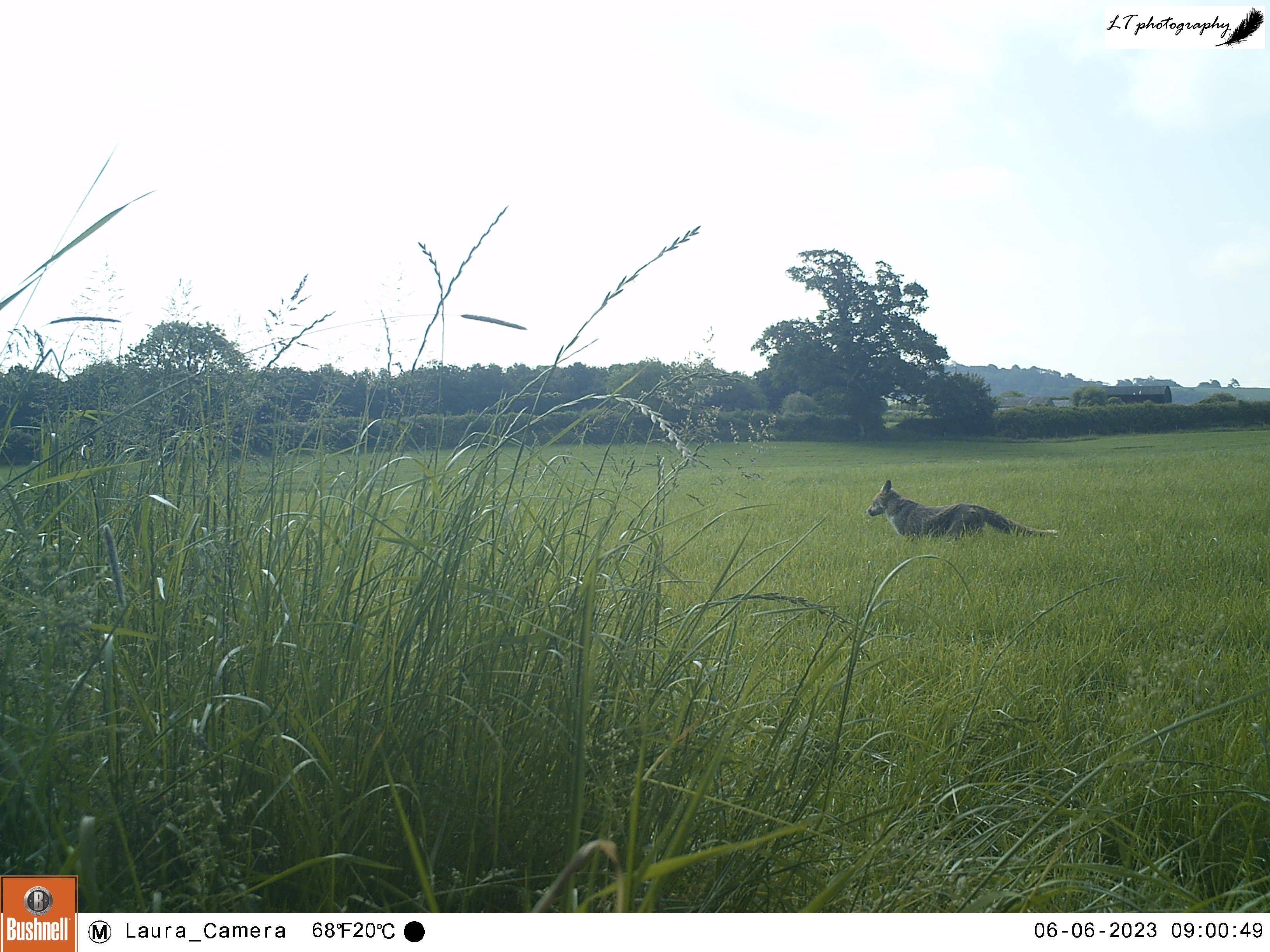
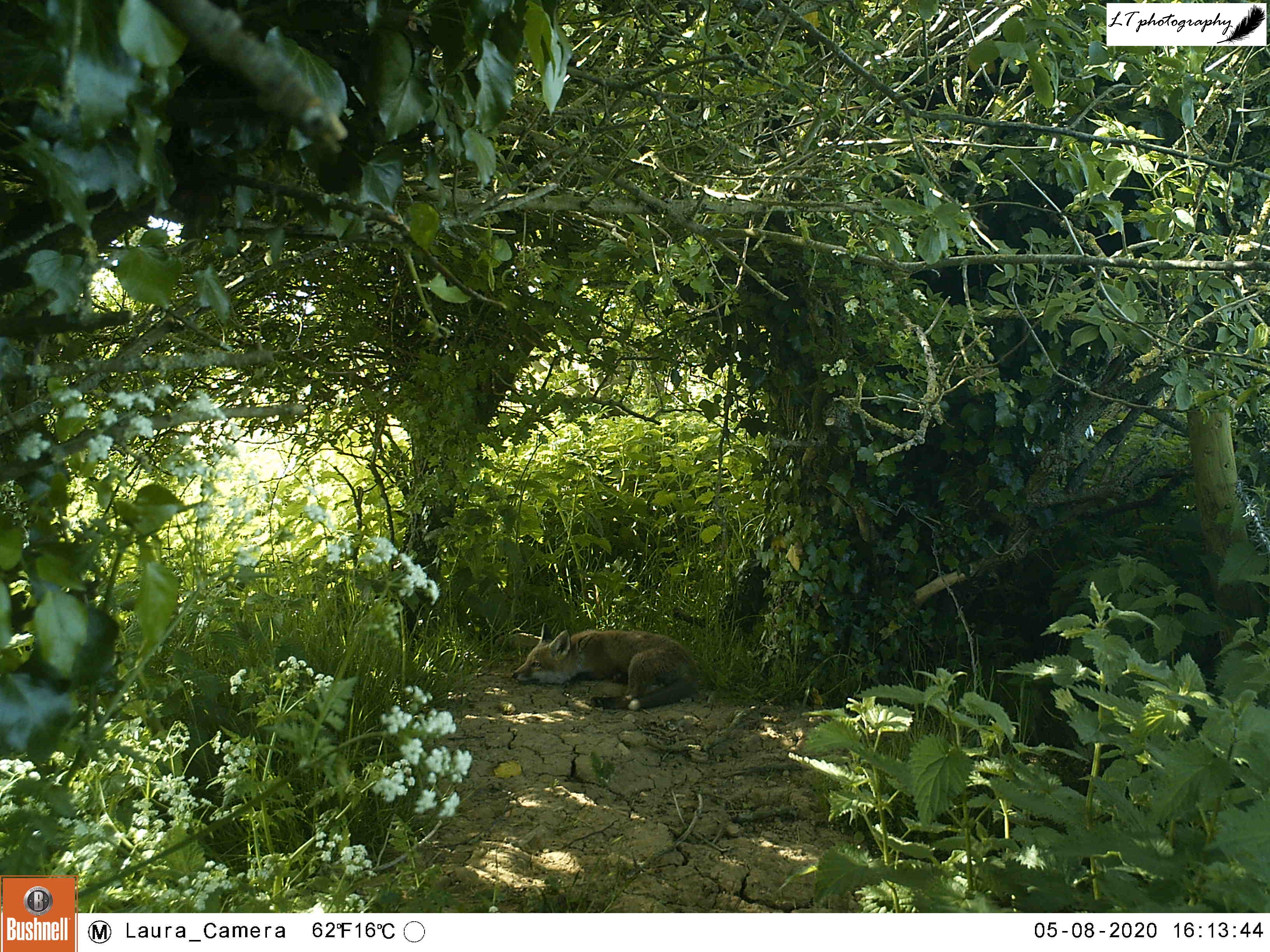
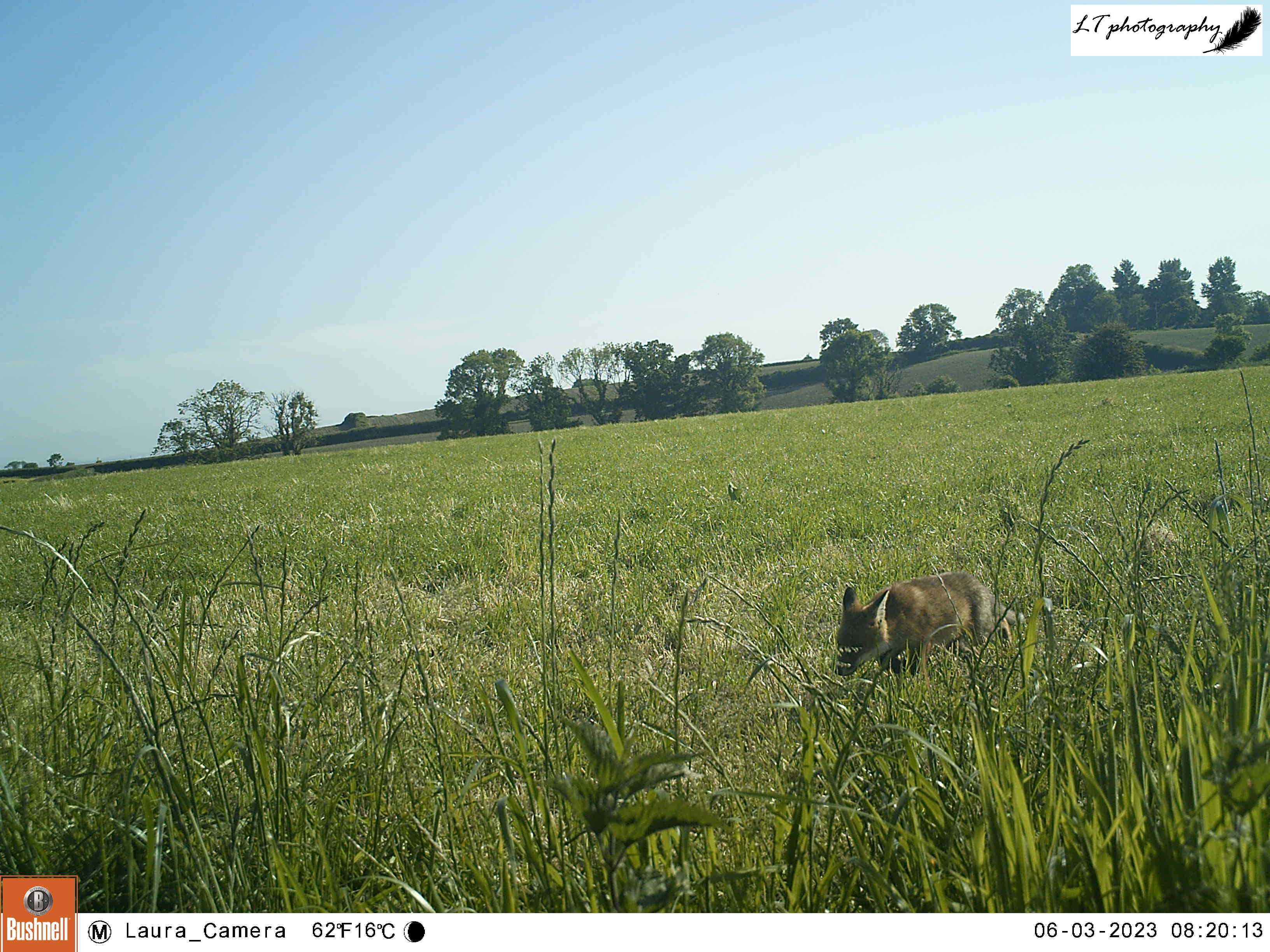
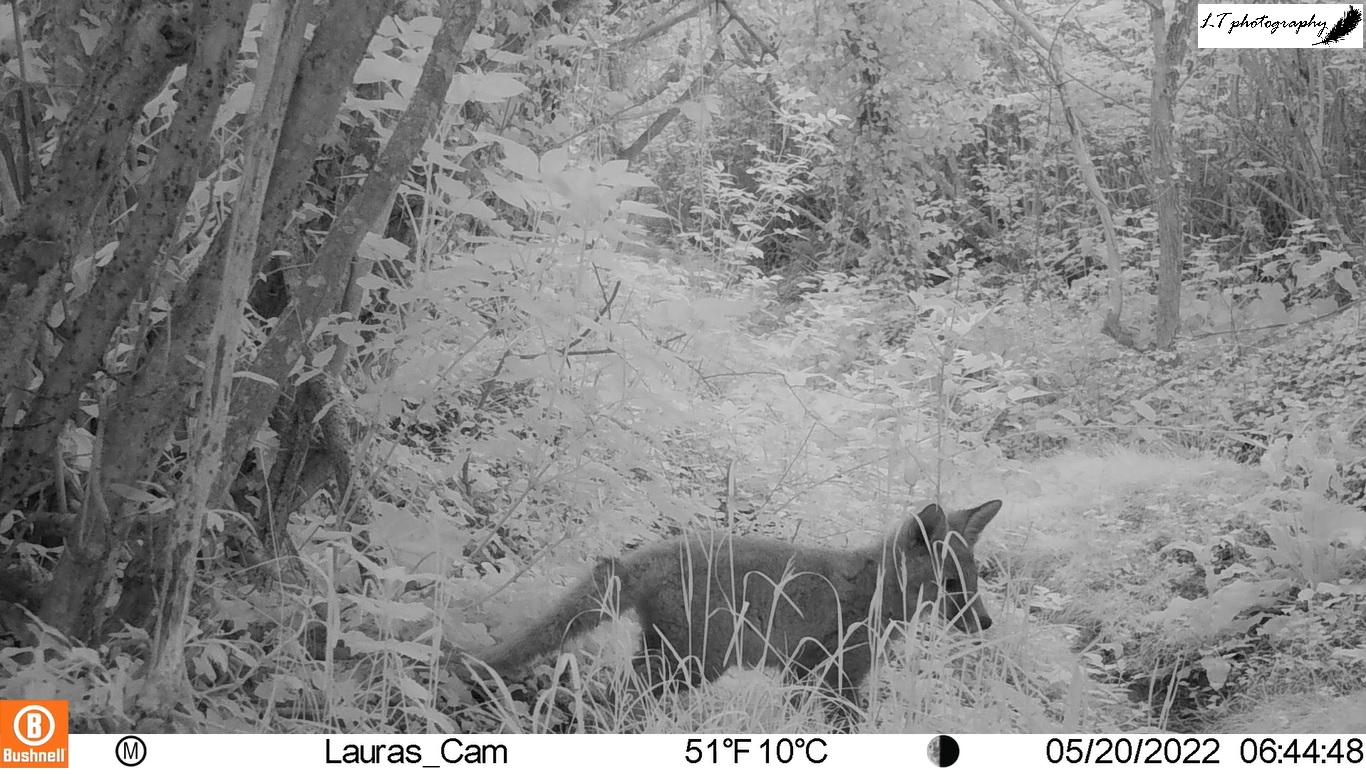
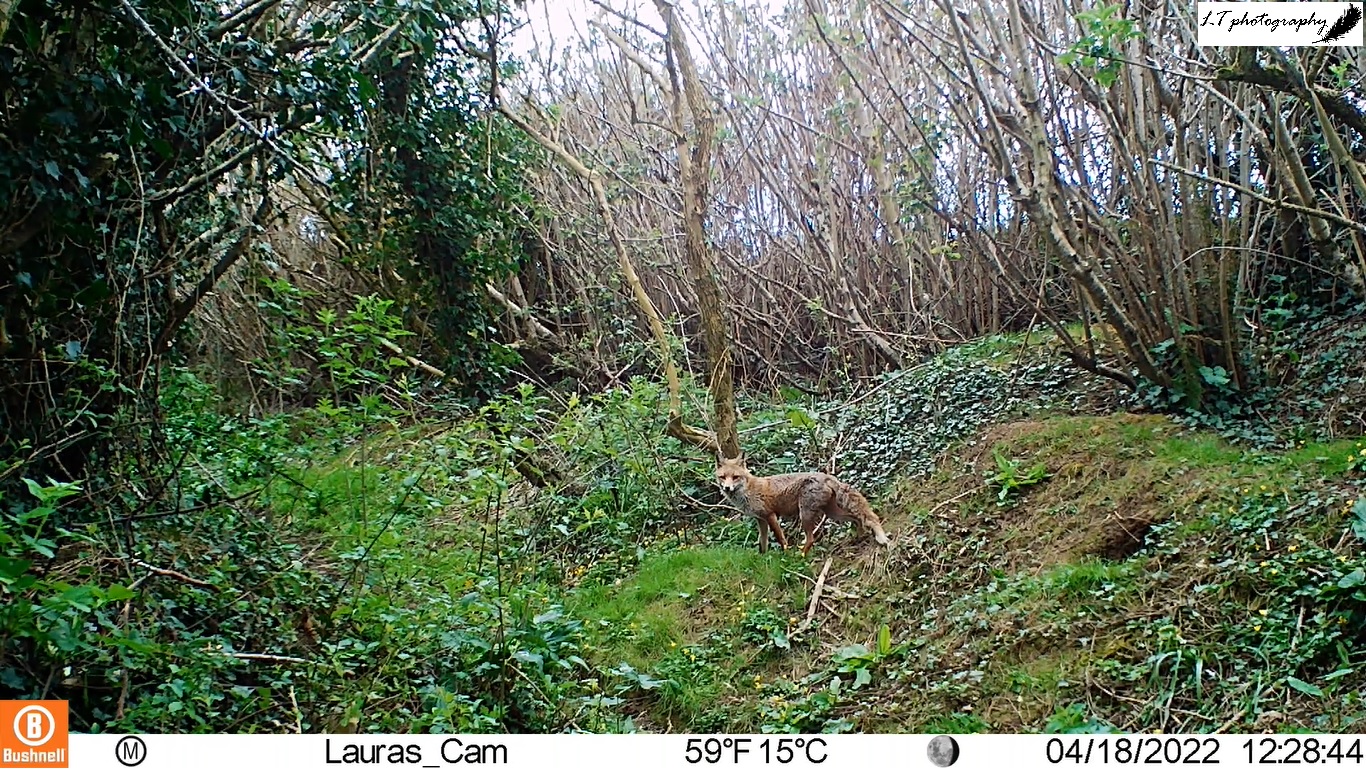
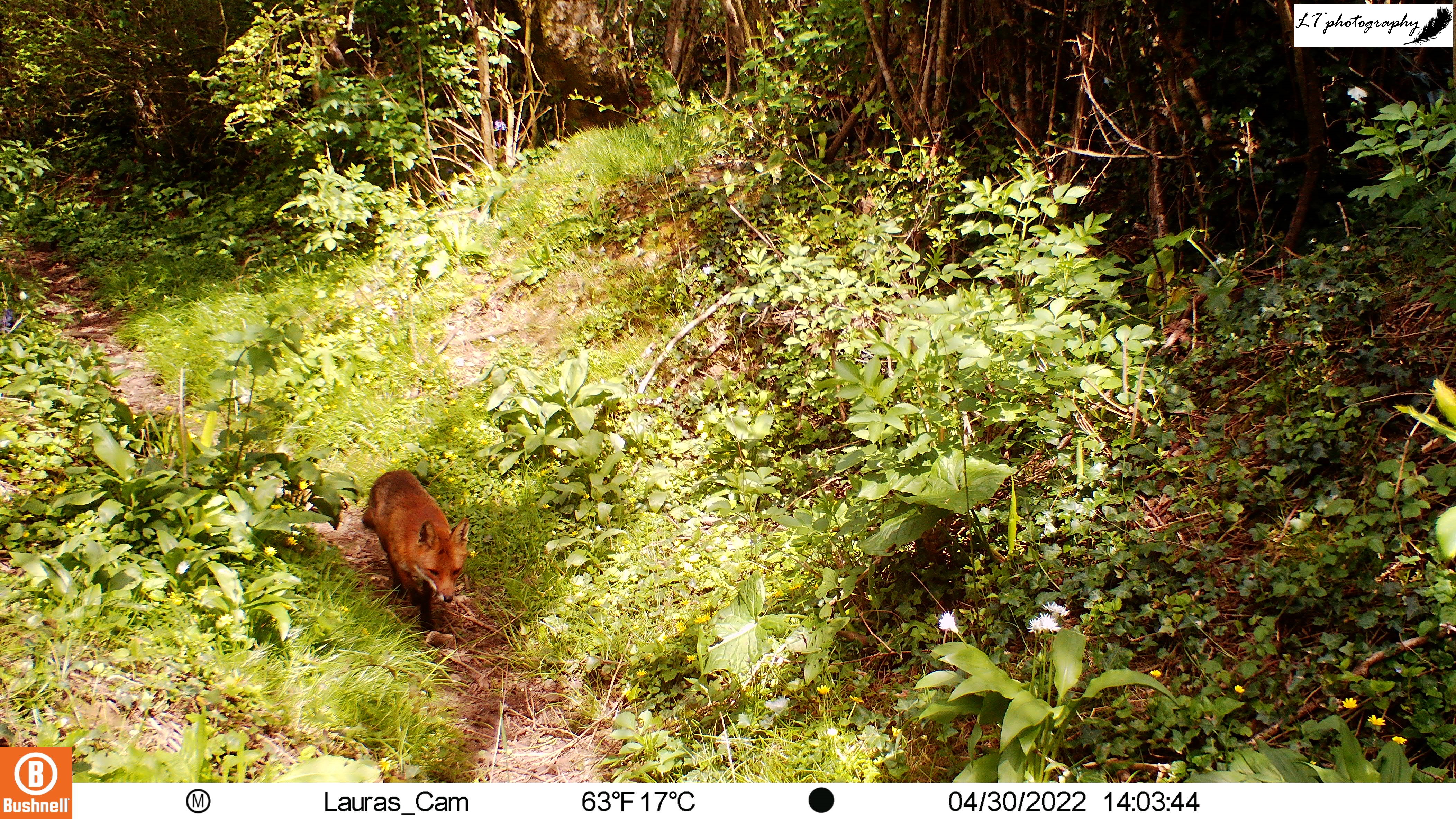
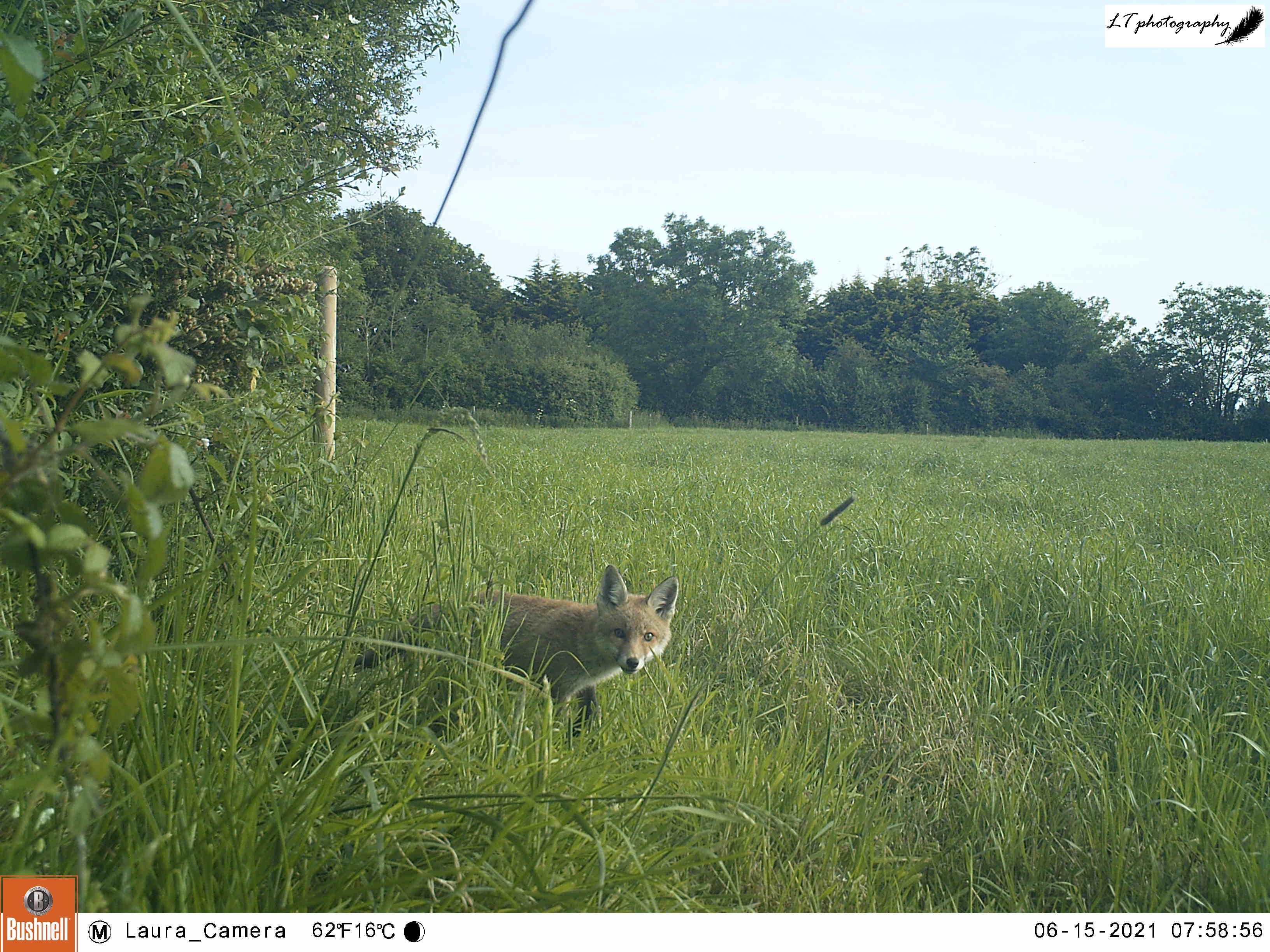
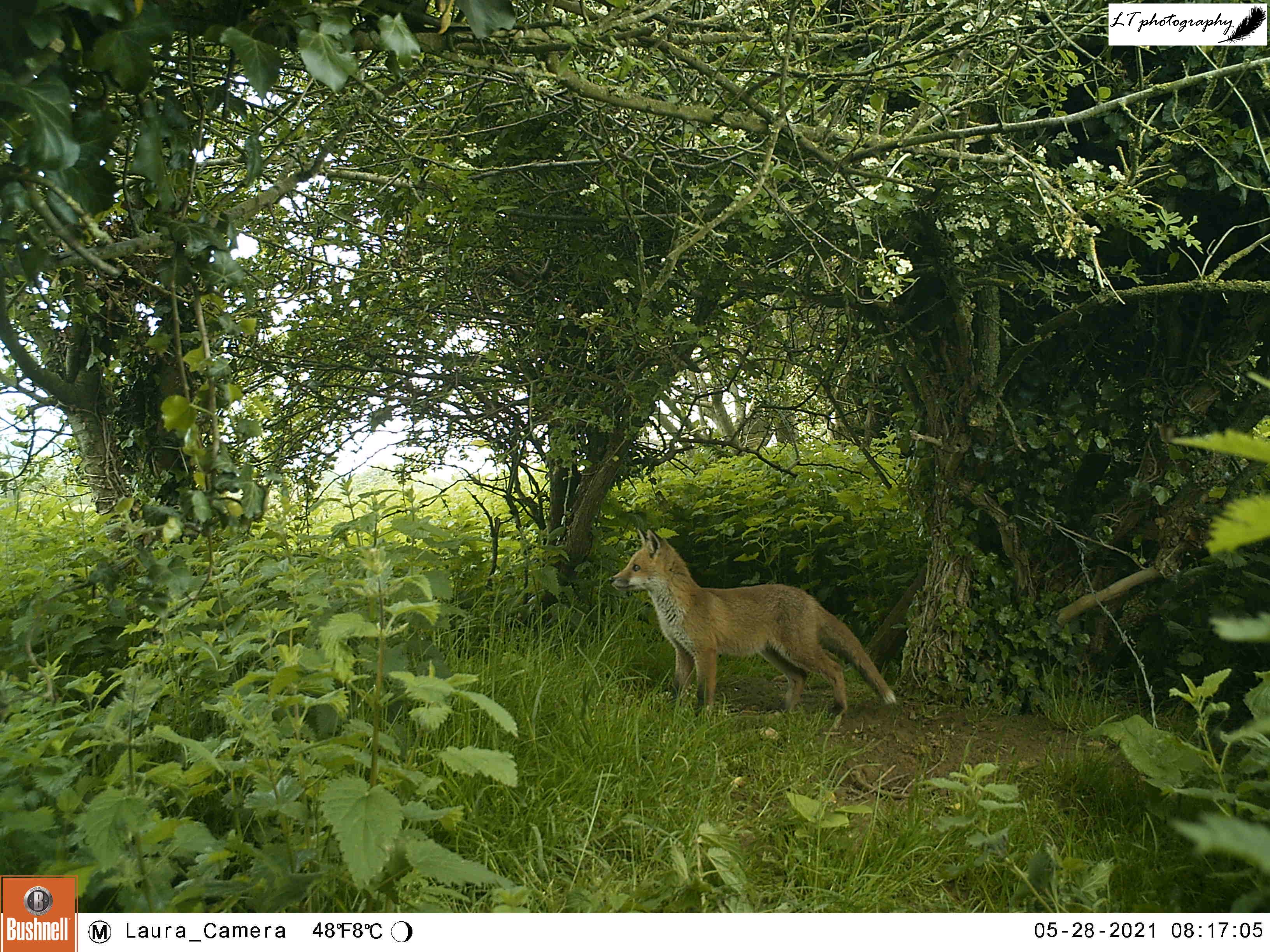
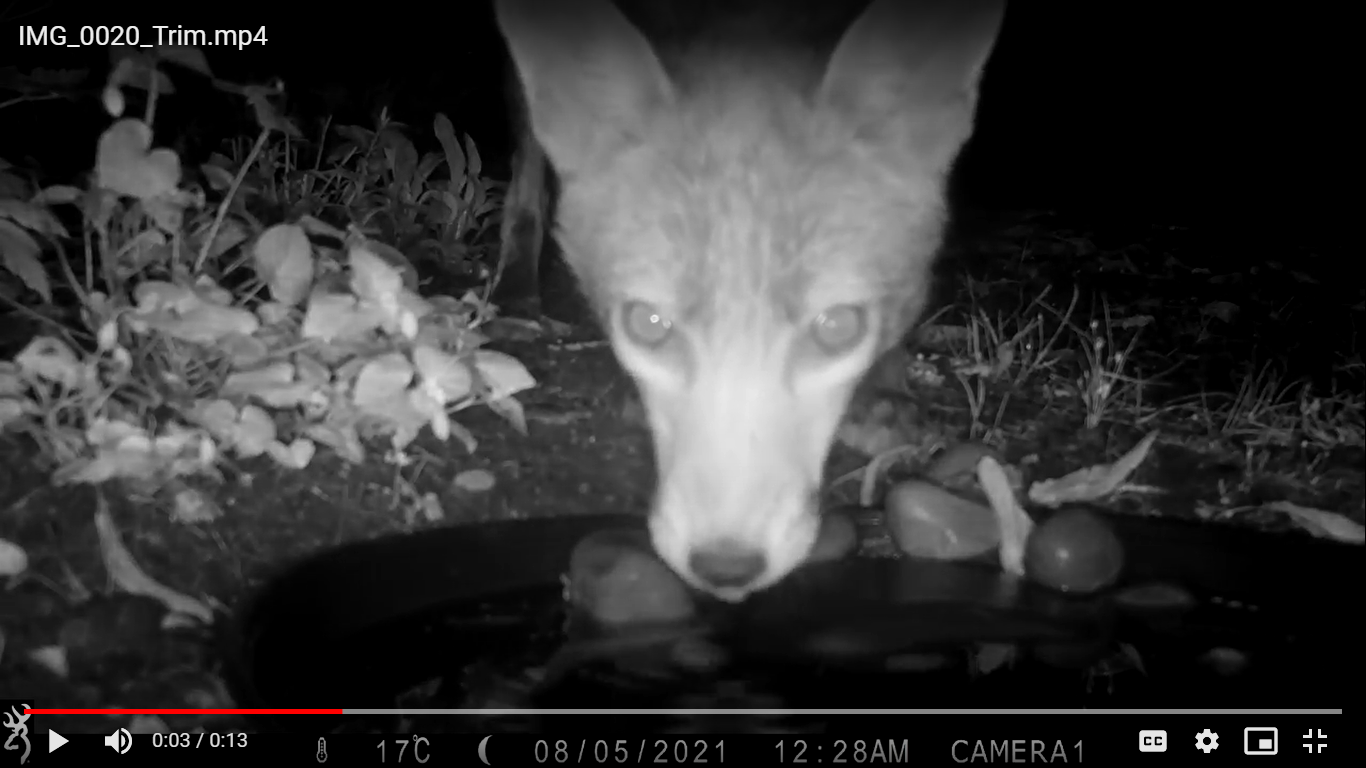
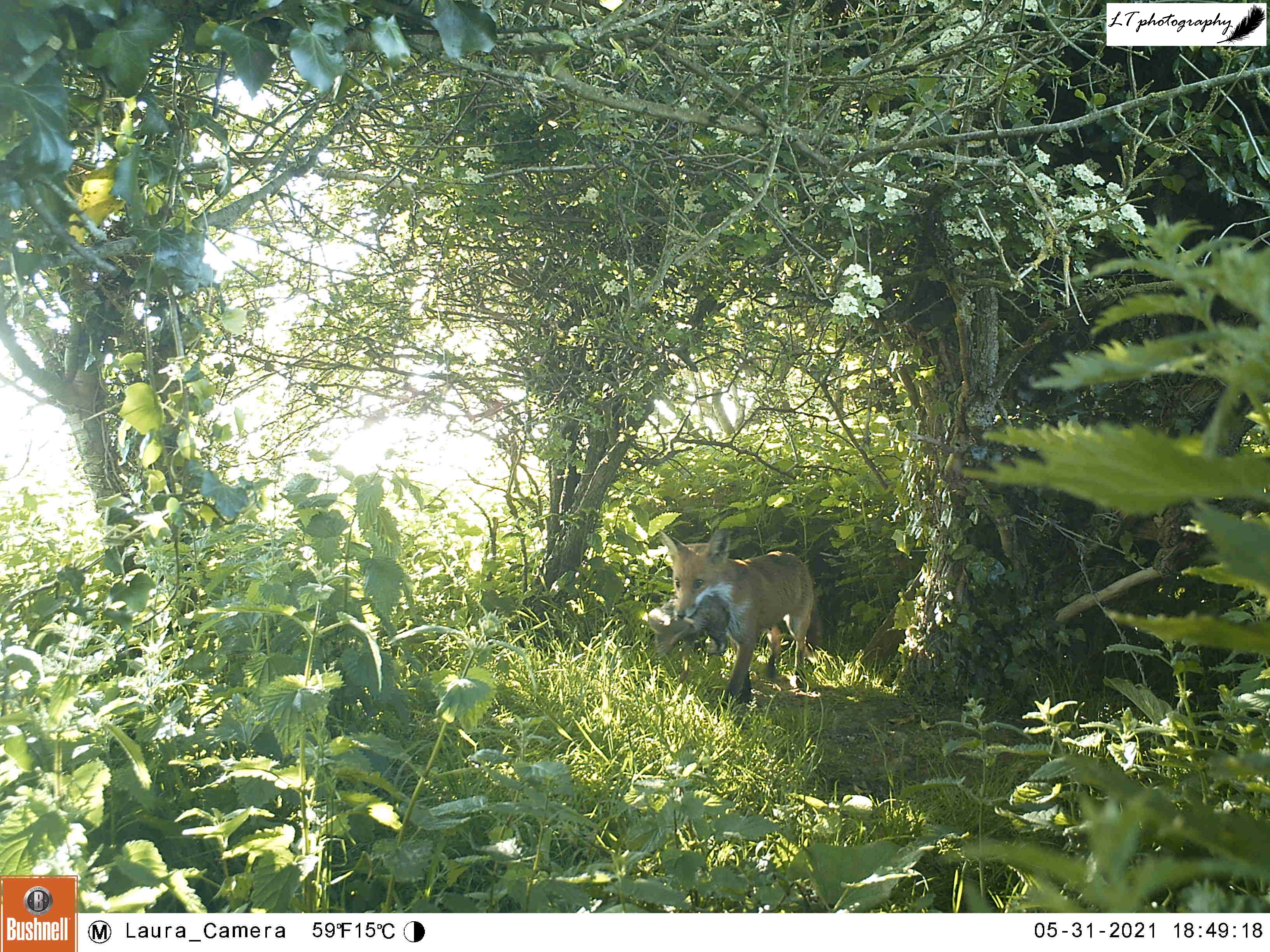
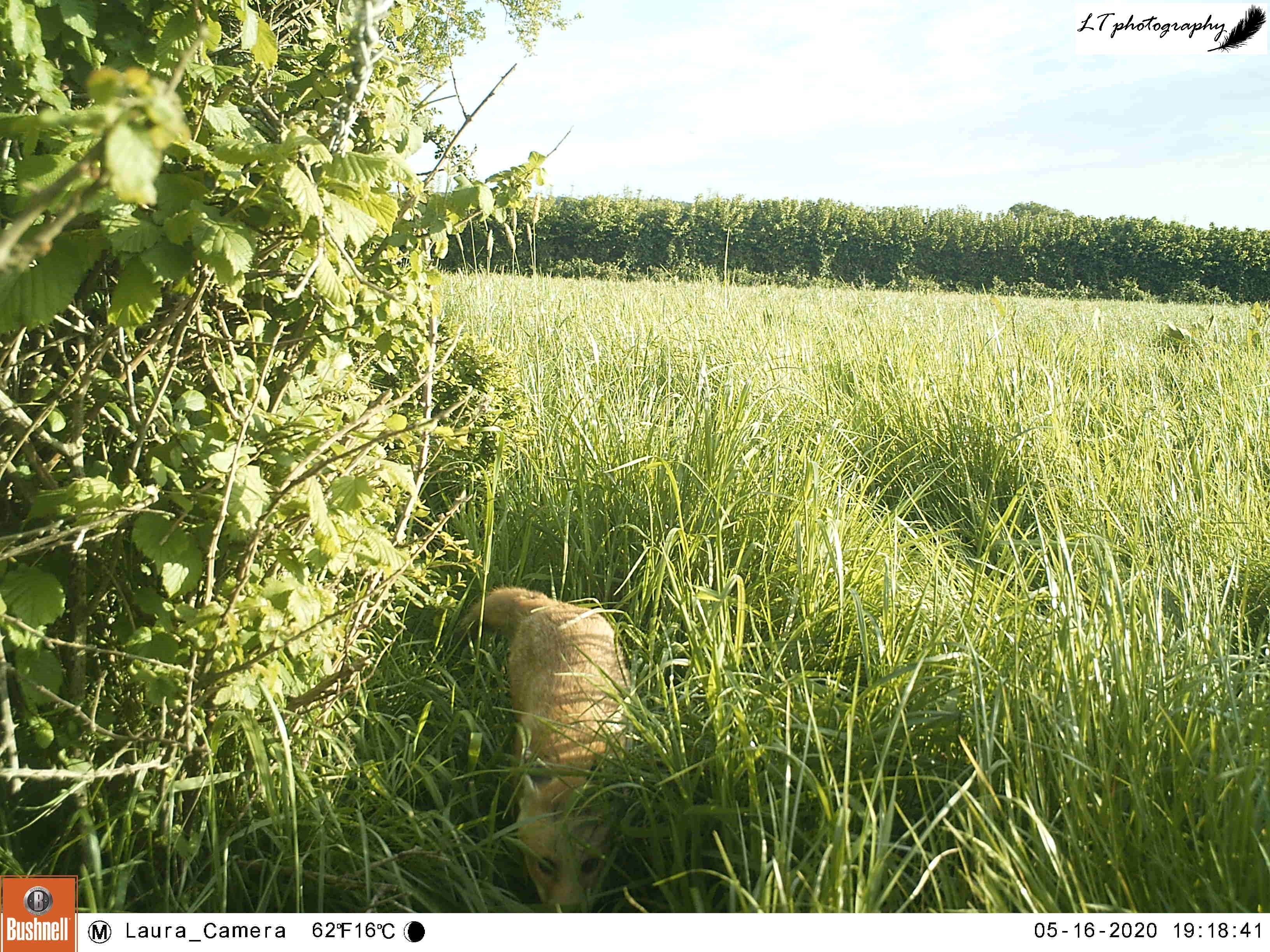
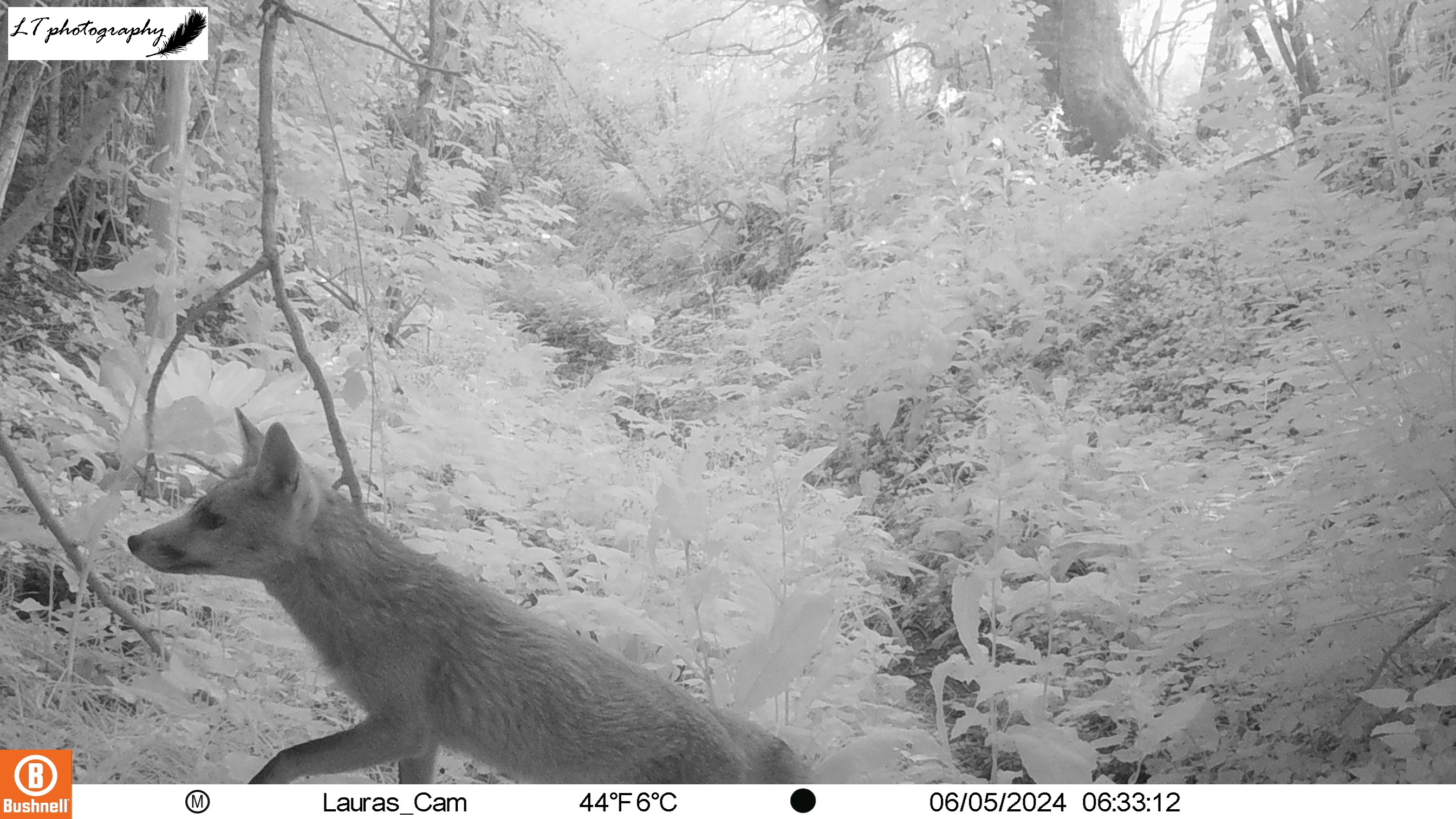
During late spring, as well as being a time of wildlife breeding, it is also a calmer time for individuals that are not breeding this year. For example, whilst adult foxes are still focussed on their cubs and breeding efforts, you can also get sightings of young and non-breeding individuals as they hunt and go it alone. This year my camera trap sightings on the farm included that of a small fox born last year, that felt safest staying close to our farm buildings to hunt and rest during the daytime.

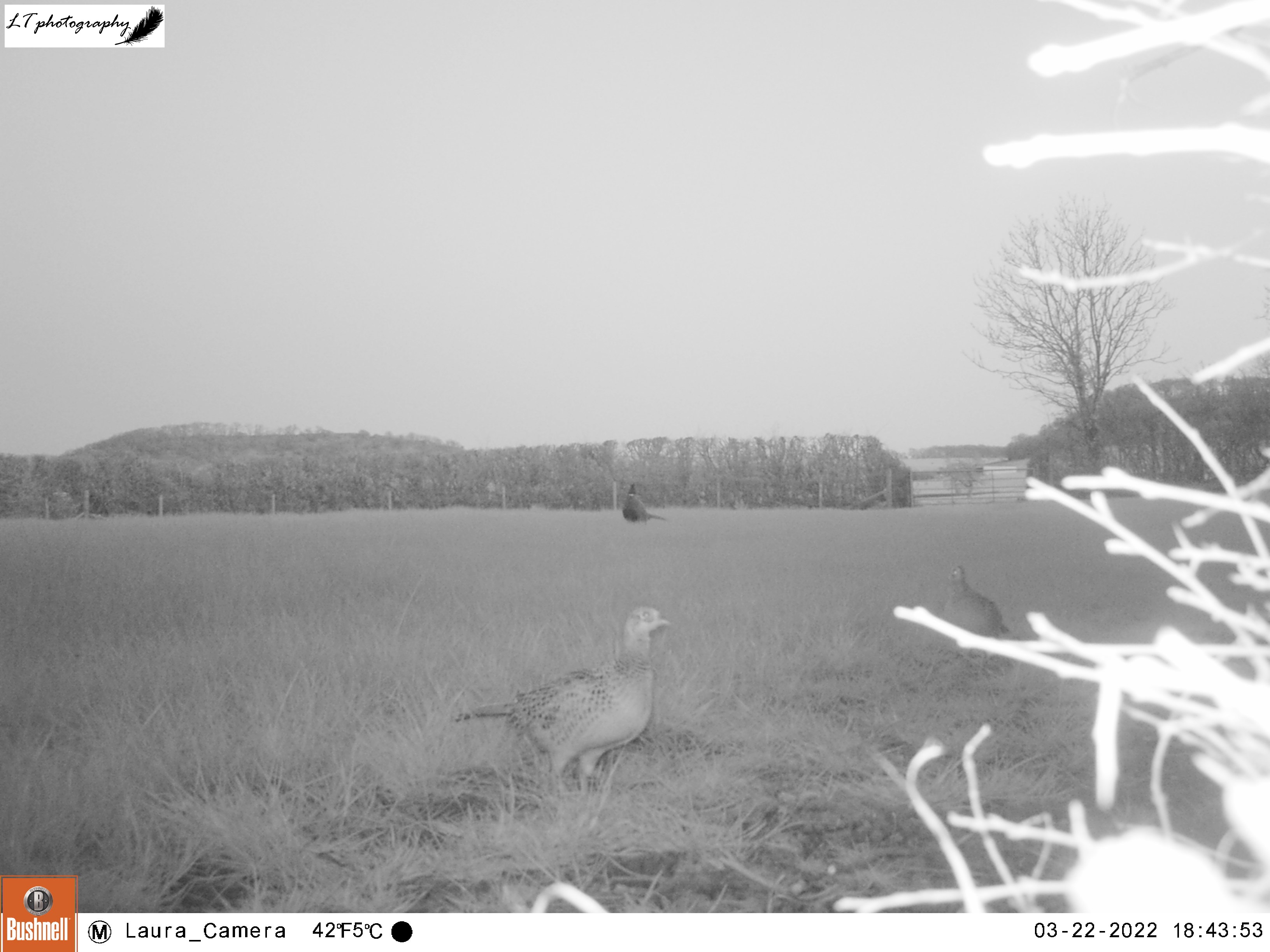
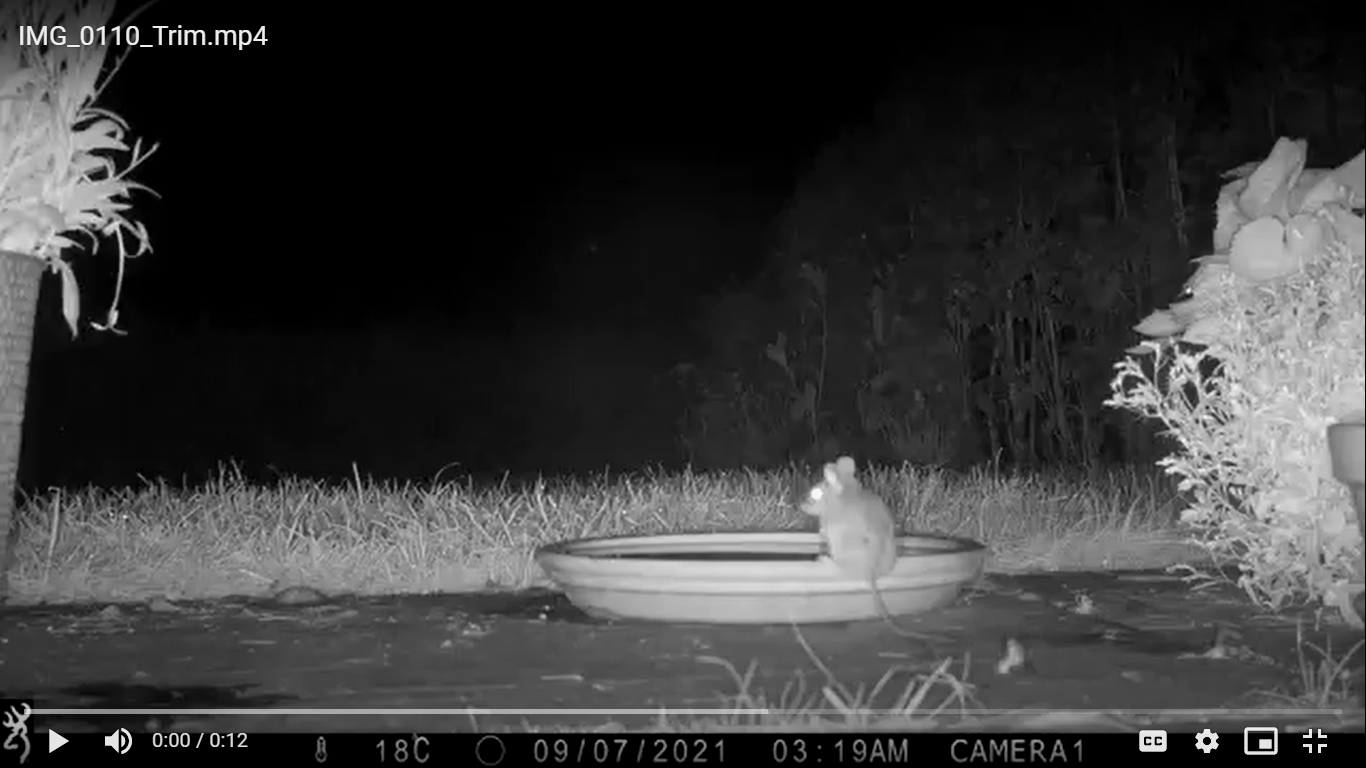
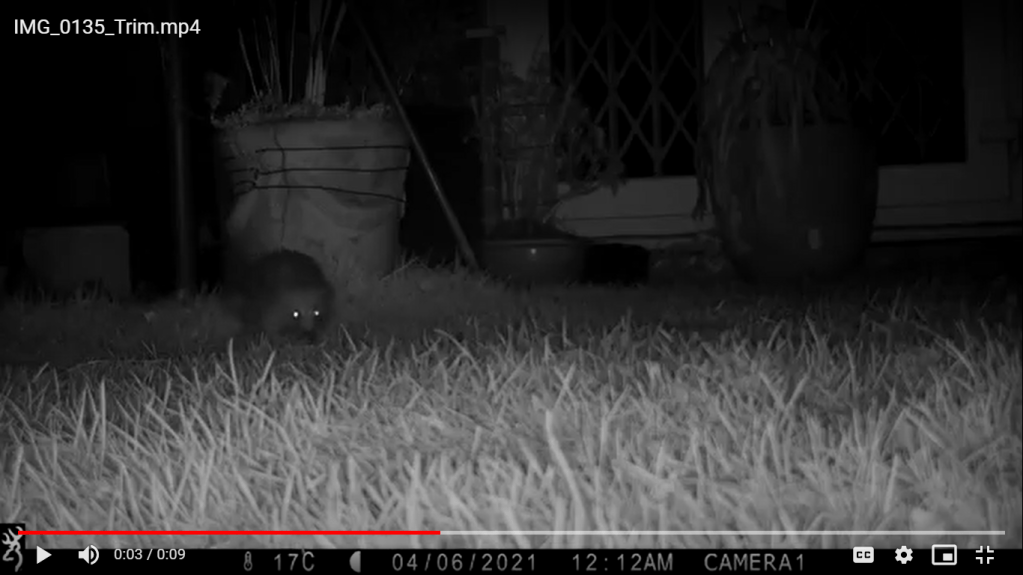
Species List: Fox, hedgehog, woodpigeon, roe deer, pheasant, magpie, robin, badger, brown rat, blackbird, wren, woodmouse

July

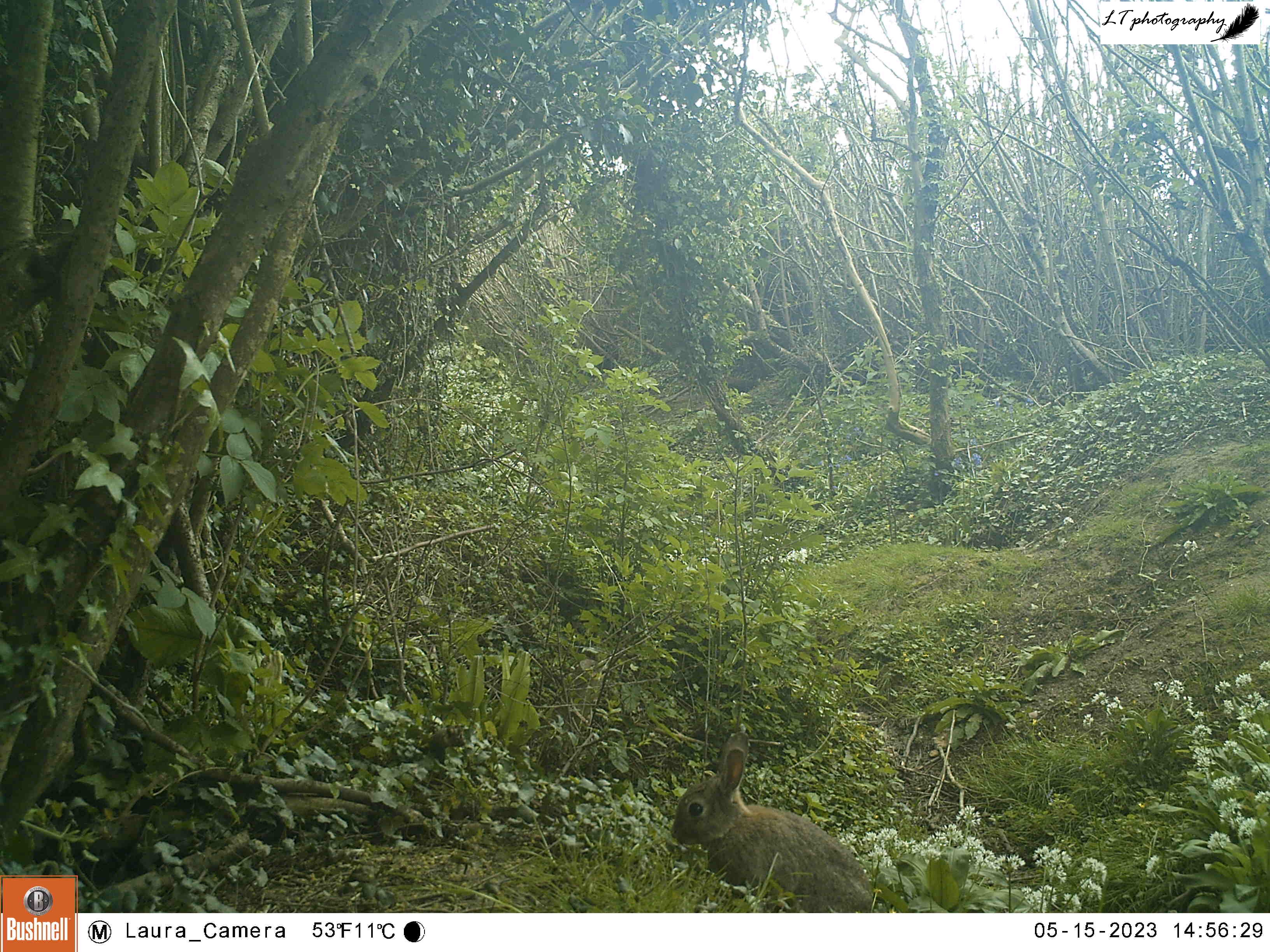
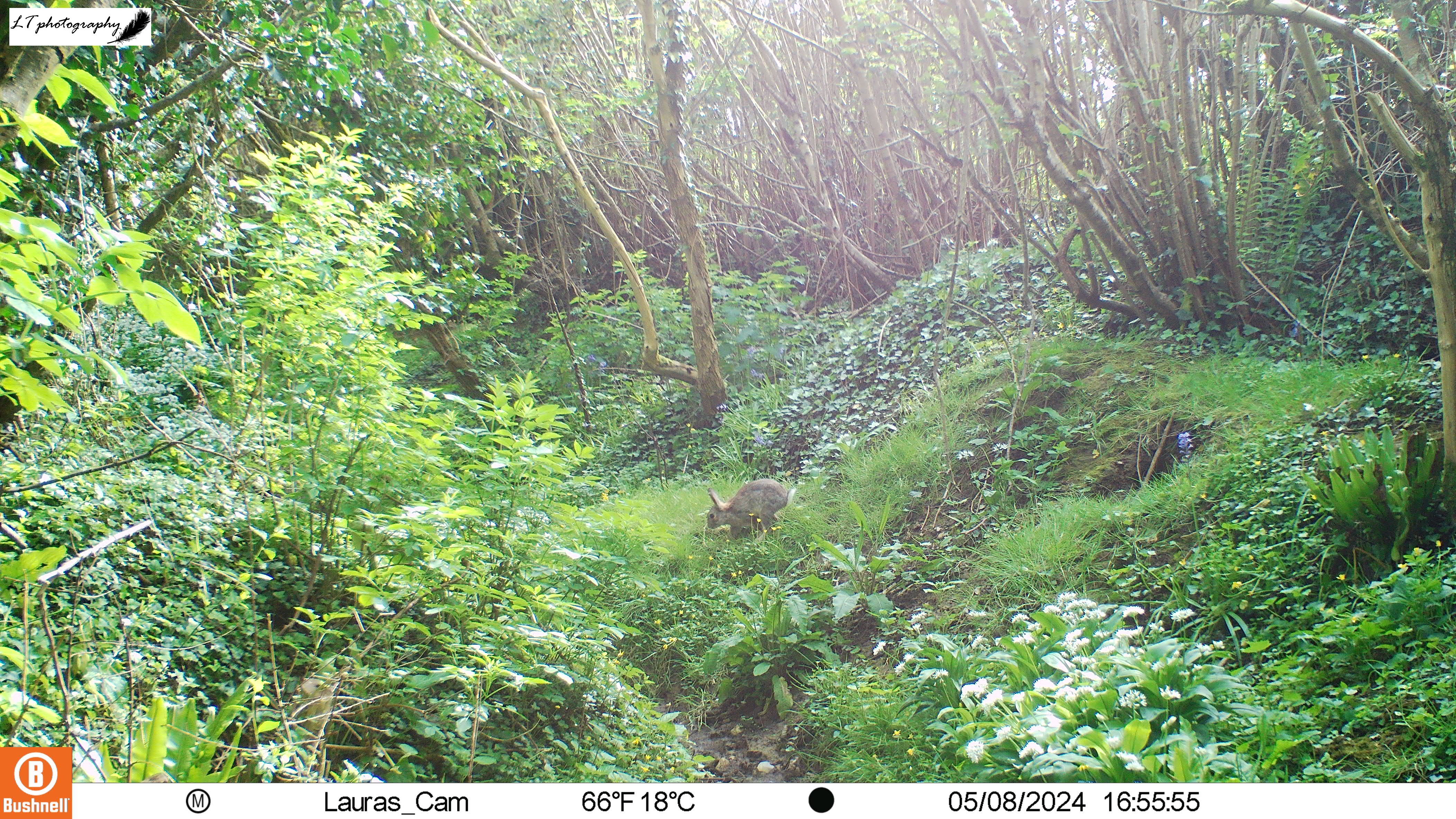
Having spent the last few months exploring particular locations around my family’s farm and focussing on particular spots, I finished up my camera trapping adventures by revisiting some of my favourite spots for one final look in. At badger alley, the well-trodden footpath, by roaming animals, had quietened down with the end of spring. Grey squirrels and rabbits still frequent this spot in July, and glimpses were made of last year’s fox cubs, solitary male roe deer, a territorial badger at the edge of its territory, and a muntjac deer passing through for the fourth time this year.

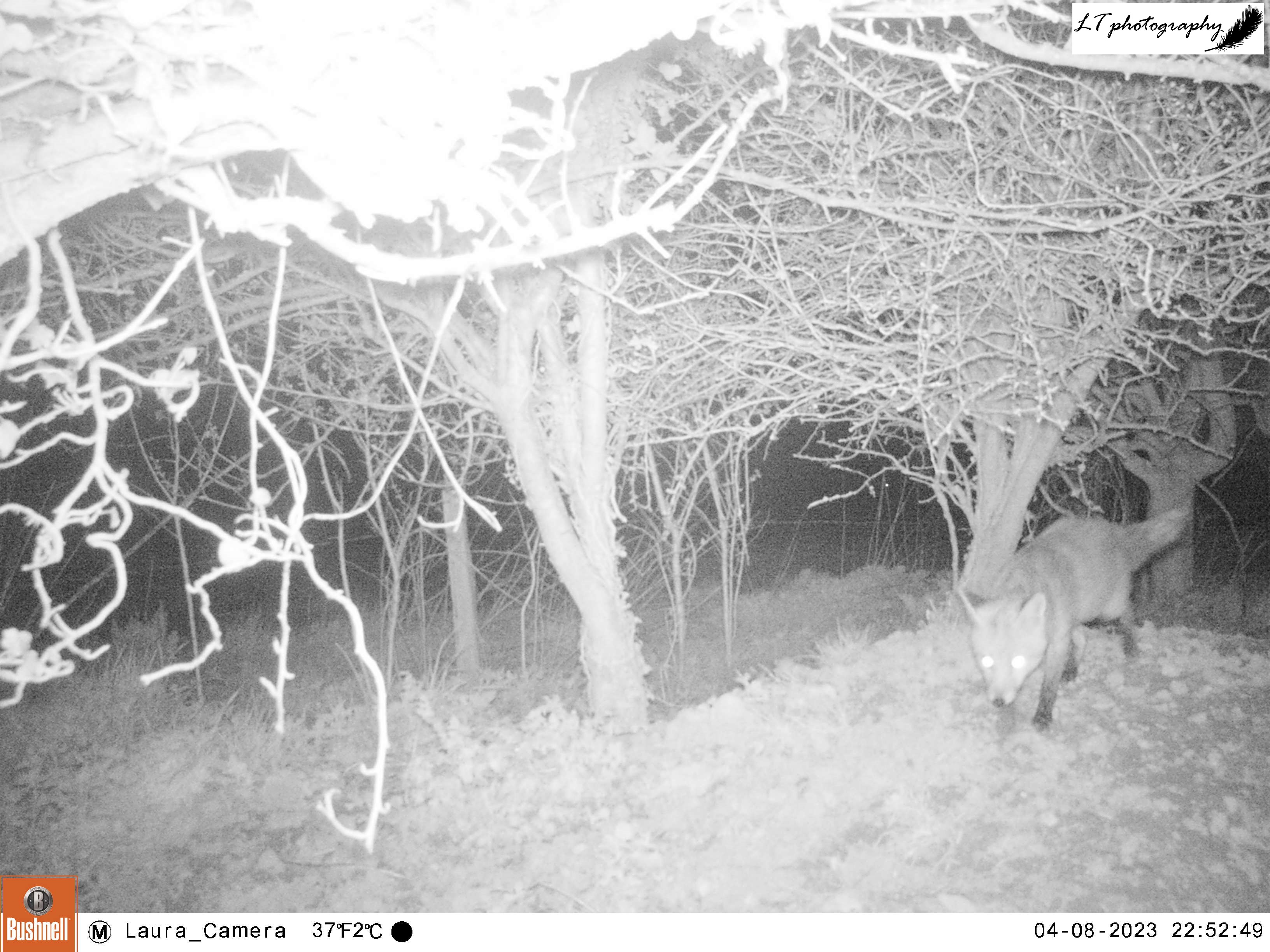
In woodland, roe deer feeding was the only sighting, whereas the quarry field badger sett was still busy with the activity of the family of badgers living there and a brand new family of fledged blackbird chicks. This year it has been sad to have not seen any sightings of new fox cubs, despite targeting many different locations frequently used by adult foxes this spring and in previous years. As spring turned into summer, the sightings of adult foxes by my camera traps and by observation was also down on this time last year. We wonder if foxes had a tough winter, but hope they have more luck next year.
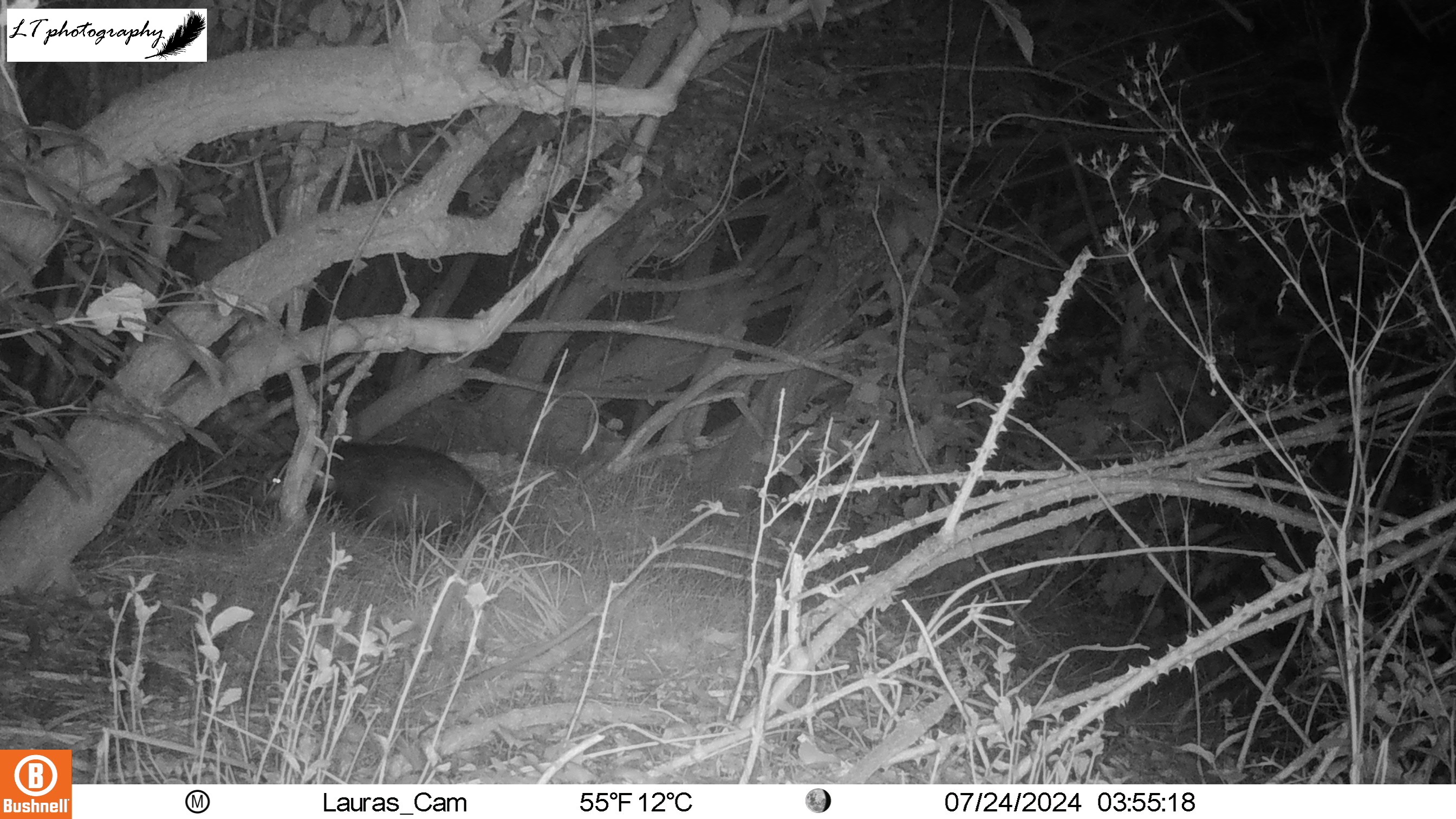
A camera trap positive though, was the frequent visits by hedgehogs to my family’s garden this year. In July, at least one adult was visiting, in particular one female that we knew to have bred not far from our garden. Also, some nights multiple adult hedgehogs would visit the garden at the same time, and even share the food that we put out for them. My camera trap allowed us to keep an eye on the hedgehogs, and learn new behaviour, such as hedgehogs being naturally dominant over brown rats, probably due to their size. It has been a joy to see this species grow in numbers once again in our area! Here’s to the end of another fantastic spring!

Species List: Rabbit, muntjac deer, grey squirrel, roe deer, fox, brown rat, badger, woodpigeon, pheasant, blackbird, hedgehog

Spring Camera Trapping 2024 – Part. 1: March, April & Early May

Year-on-year, the landscape waking up after its winter slumber inspires me to re-explore the wildlife becoming active in my local area. In Dorset, my family’s farm is home to a wide range of mammal and bird species, amongst others, with new additions being observed every year. Despite this, on a day-to-day basis many species are often not seen, living more secretive lives.

A great, unobtrusive way to be able to observe wildlife on my family’s farm is to use a camera trap. A camera trap is a small waterproof camera that is triggered by movement. The camera then records either photos, video or both, and my cameras store these on a memory card (check out my How to.. guide for more info). By using a camera trap in the right way, you can get some really amazing views of wildlife, all without individuals being aware of the camera and being disturbed.

This year, from the 10th March onwards, I began setting up and changing the location of my two camera traps every week, to see what I could find and learn this year about my local wildlife. Over a few months, I used a variety of different locations close to home, and also revisited some over that time period too. Some locations, such as my Badger Alley site, have been used for many years now, whereas some, such as my Bridge Field site, were used for the first time this year. Lets now go back to early spring to find out what my camera traps learnt and observed this year!

March

As the landscape slowly wakes up and new growth begins to carpet fields, woodlands, and hedgerows, the local wildlife is also beginning to become more active as they go about their day-to-day lives. In early spring, roe deer are still living in non-territorial mixed-sex groups of varying size with groups sharing limited food sources. This year, across the farm, my camera traps observed many roe deer groups passing through the landscape during March, including males growing antlers covered in soft velvety skin, and females with growing pregnant bellies. In particular, this spring groups stayed together quite a while due to fluctuating weather affecting the growth and abundance of plants.

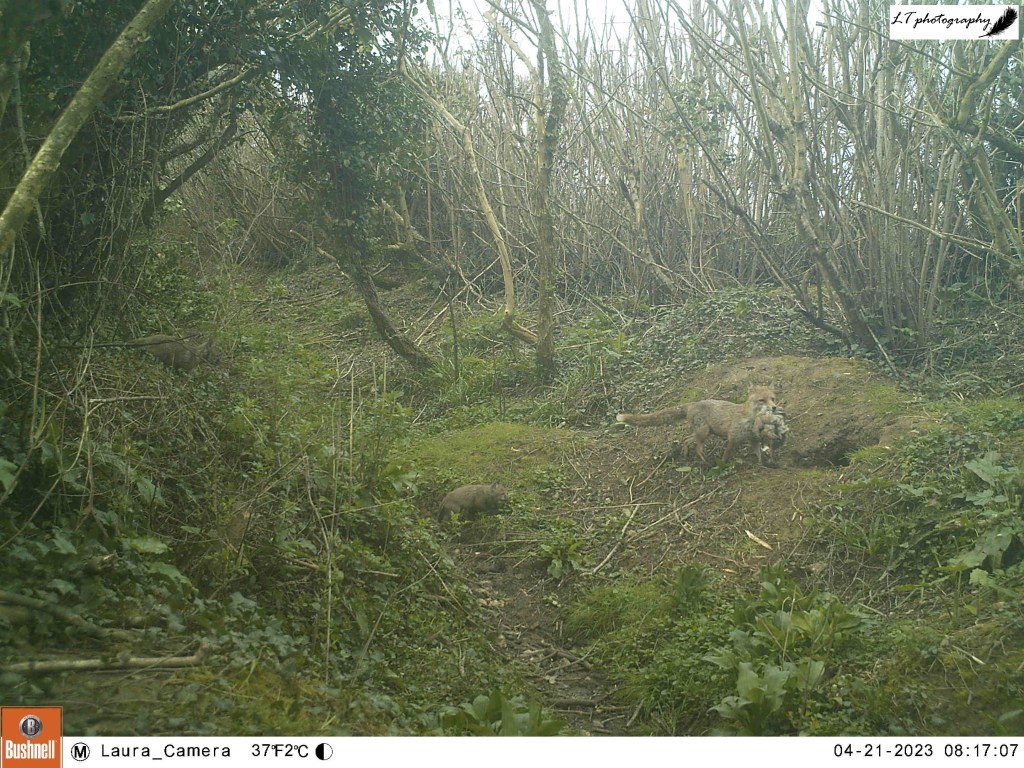
March is the peak time for fox cubs being born in Britain, and so typically during this month vixens stay below ground in their den to give birth and keep their cubs warm whilst still vulnerable. This means during early spring, foxes seen tend to be males hunting and providing for their mates. During this time this year, my camera traps often caught foxes carrying prey, such as pheasants and rabbits, and travelling the same tracks daily. These sightings are a wonderful sign that there is new life arriving somewhere out there in the local landscape.

March is the month of winter drawing to a close and spring beginning to breathe life into the land again. With my camera traps at the ready, and well-trodden paths often the best place to observe wildlife, I was able to capture a range of sights and surprises varying from grey squirrels digging up nuts buried in the autumn to badgers searching for food to territorial fighting of breeding woodpigeons. You never quite know what you will see!

Species Seen: Rabbit, brown rat, fox, badger, pheasant, roe deer, woodpigeon, grey squirrel

April

April marks the appearance of abundant new life, with leaves unfurling on trees, blossom dripping from hedgerows, and spring flowers popping up across the landscape. This month is also full of new life for many animal species local to me too, with signs of this being picked up on my camera traps. Being typically born in February, badger cubs now begin to explore the entrance to their setts and the immediate area. This year I was lucky to capture one particular family of badgers with their cubs beginning to explore above ground during April, and not just views of adults walking on by. To be able to watch any young animals playing and exploring the world for the first time is truly an incredible experience!

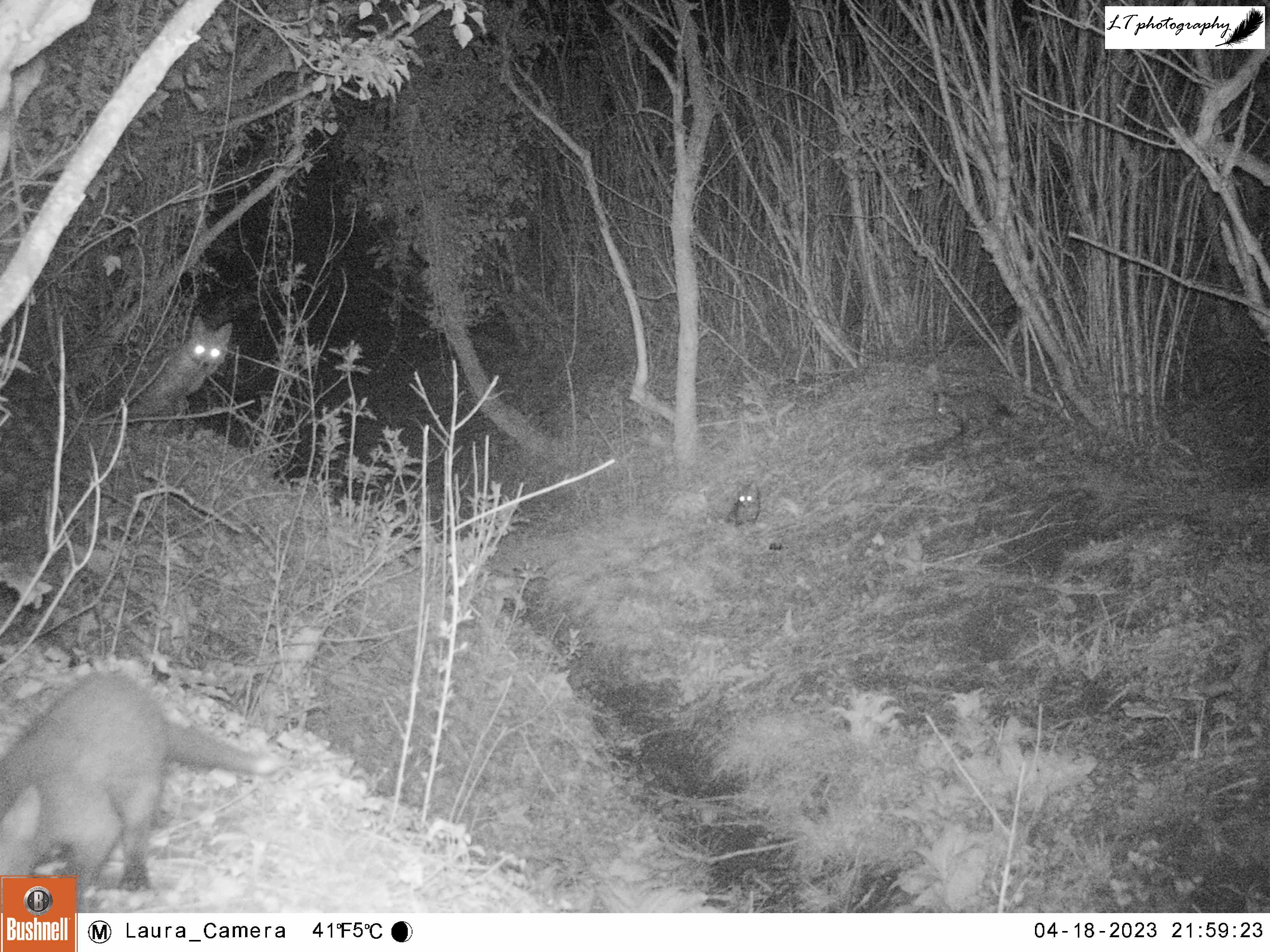
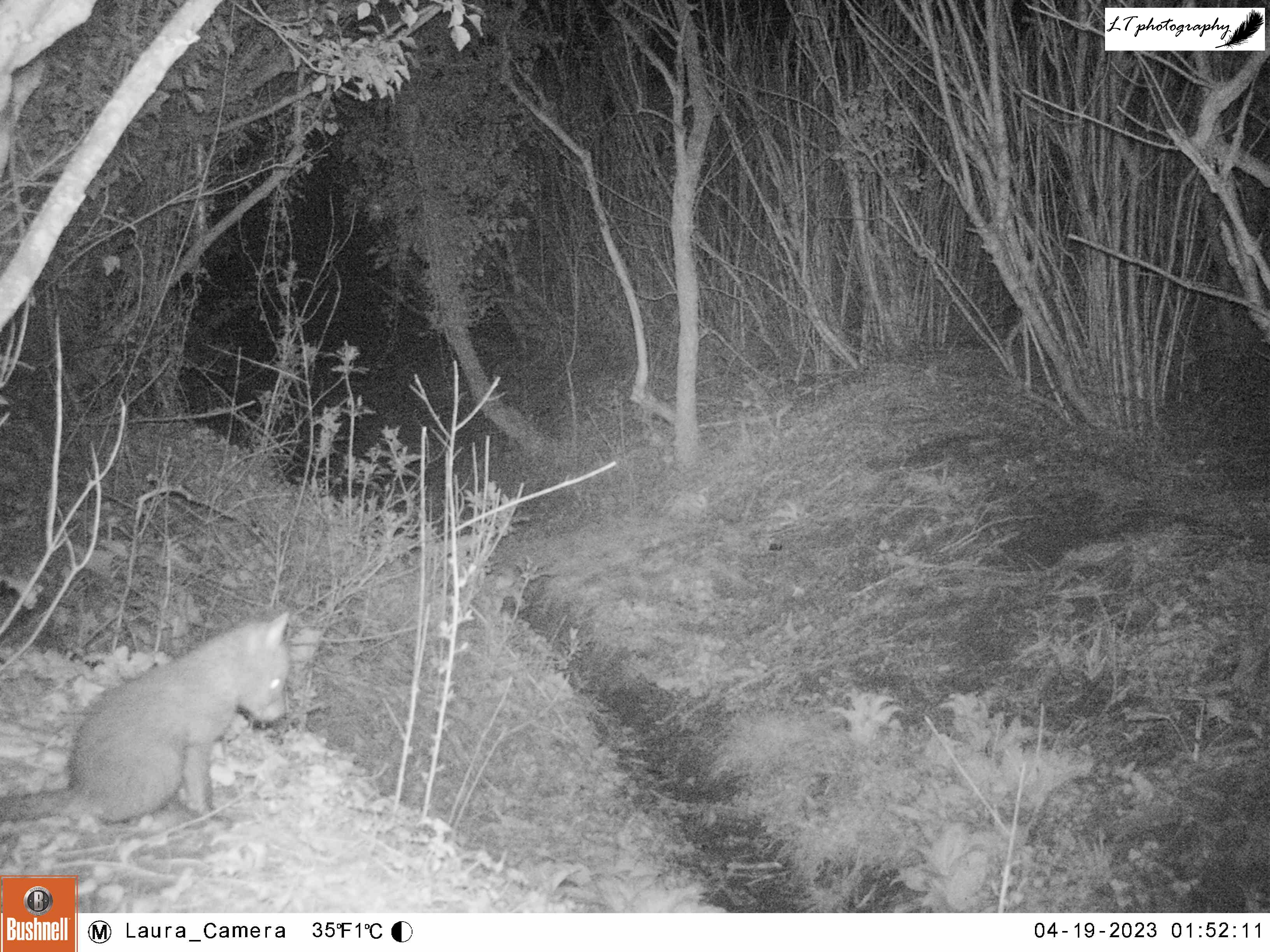
Though this year I was not lucky enough to capture fox cubs emerging in April for the first time, as in more recent years, my camera traps still picked up views of adult foxes frequenting areas that could have been home to possible den sites. Vixens during April will still be heavily relied on by their cubs, leaving the male to still be the main food provider and protecter of the den. My camera traps captured possible views of some very diligent dads in my local area this year!

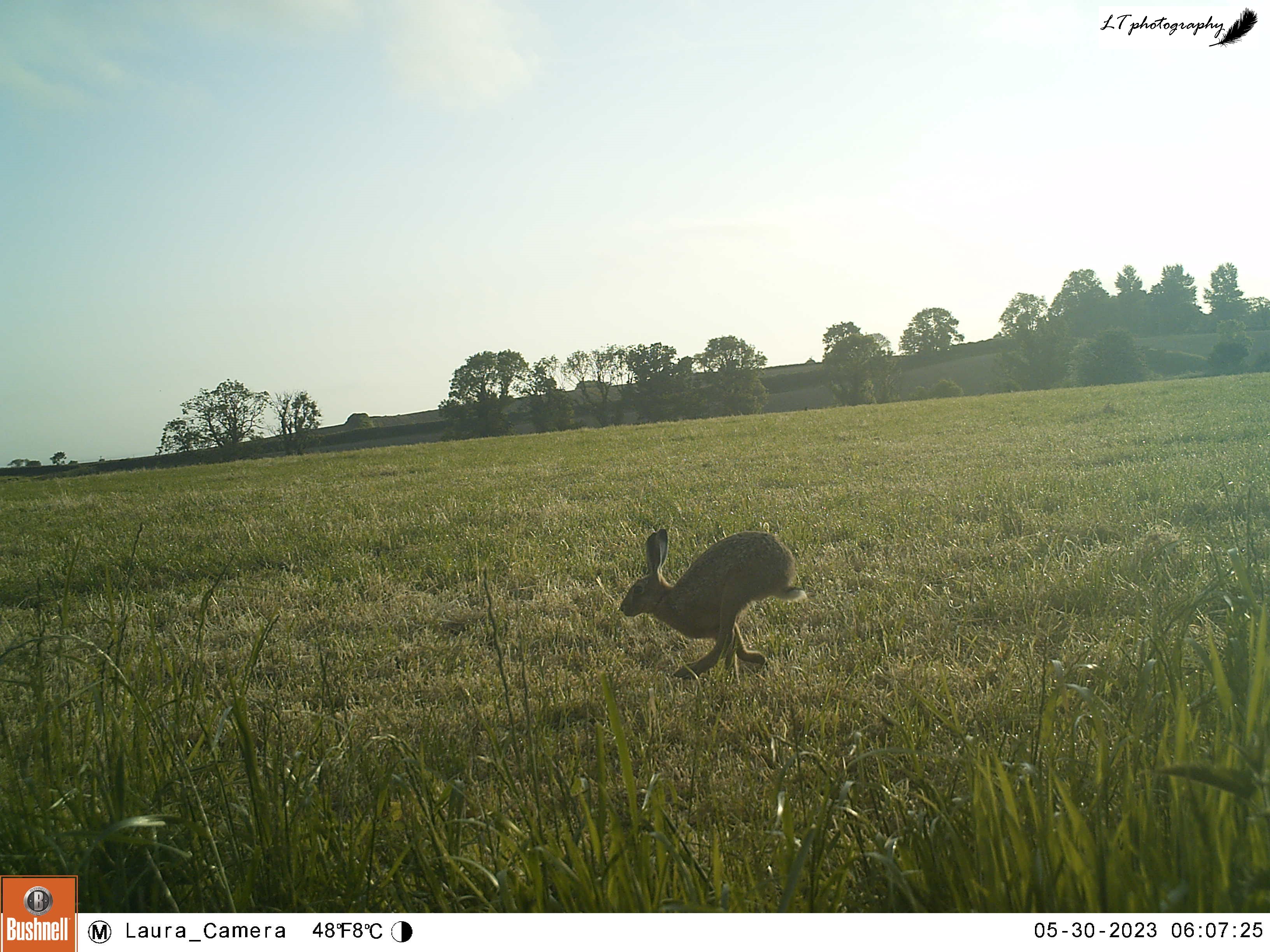
During this month of spring, not all species and individuals are yet to have young relying upon them, with females instead feeding up ahead and males keeping to themselves. One species in particular that my camera traps observed doing this was the hedgehog, an abundant visitor to my family’s garden, typically emerging from hibernation at the end of March or early April. Other stars spotted were hares not in a hurry and some boisterous roe bucks.

Species List: Pheasant, roe deer, brown hare, fox, badger, carrion crow, brown rat, grey squirrel, blackbird, woodpigeon, magpie, jackdaw, hedgehog, house sparrow

Early May

As the spring season rolls into the month of May, the landscape is now a hive of activity. Plants abundantly grow and blossom into colour, and many species are focussed on having and raising young, and passing on their genes to the next generation. May is a great month to glimpse hidden behaviour of wildlife and take in a different side to many species. This year this included rabbits socialising, nosy roe deer, and foxes climbing trees.

As birds nest, hatch chicks and feed young, individuals are also at their most active. This often means my camera traps get some glimpses of such species on the go. This May these included many woodpigeons, robins finding food, and chiffchaffs flitting through hedgerows. It is great that camera traps allow me to observe some of our local feathered species as well.

My favourite surprise this May though, was multiple sightings of muntjac deer on our land once again. Though muntjac are non-native and can be a problem in many areas, on our land my family and I have never observed muntjac with our own eyes before. Therefore, my camera traps have given us an interesting and unexpected glimpse into the presence of this deer species on our farm, and their movement through our area.

Species List: Roe deer, pheasant, chiffchaff, robin, muntjac deer, rabbit, woodpigeon, brown rat, grey squirrel, fox

Spring Dorset Camera Trapping 2023 – Pt. 2: Fabulous Foxes

Bouncing, pouncing, twisting, turning, four tumbling balls of red fur. So small, so little, miniature versions of what they will grow to become. Playing for hours, fighting, racing, hunting each other, unknowingly preparing for the world beyond their home. One day these furballs will venture out, cunning, wily, and most of all majestic.

From the city to the countryside, wherever you live, you will most likely have seen a fox in your lifetime. In Britain the red fox is an iconic mammal species, standing out with their striking orangey-red coats and bushy tails. They are known as expert hunters, catching a range of prey from rats to crows, but are actually omnivores, supplementing their diets with plant material, such as berries. As a species they feature heavily in British folklore, being depicted as cunning and wily, spiritual and intelligent.

Though foxes are often seen wandering around cities, they mainly inhabit rural areas, being more elusive than their urban counterparts. On my family’s farm in Dorset, my camera traps have allowed us to gain an uninterrupted view of the lesser seen world of this majestic species. By gain a greater understanding of their behaviour, habits and daily patterns, it allows us to live alongside them with ease. With the frequency of their presence on my camera traps this year, there will be much that can be learnt once again!

Field Cameras

This year foxes featured at nearly all of my camera trap locations, including all sites where my cameras faced out into open fields and meadows. This could be capturing foxes passing through, hunting, leaving their dens, or just watching the world, but it showed us where the foxes were seen more often and in what capacity. Here’s some of the highlights:

  • Water Meadow – Fox highway

  • Sugar Field – Adult fox passing through; fox cub venturing out of a possible den
  • Tower Paddock – Fox hunting spot

  • Cowleighs – Fox cub on the wander; adult fox returning to their den with food
  • Garden – Adult fox checking things out

Badger Alley

Last year Badger Alley was home to a pair of lovable fox cubs that gave me the wonderful opportunity to watch as they grew up to be scruffy young adults venturing out to explore the wider world. So when spring rolled around this year, I put my camera traps out once again to see what stories would unfold in Badger Alley.

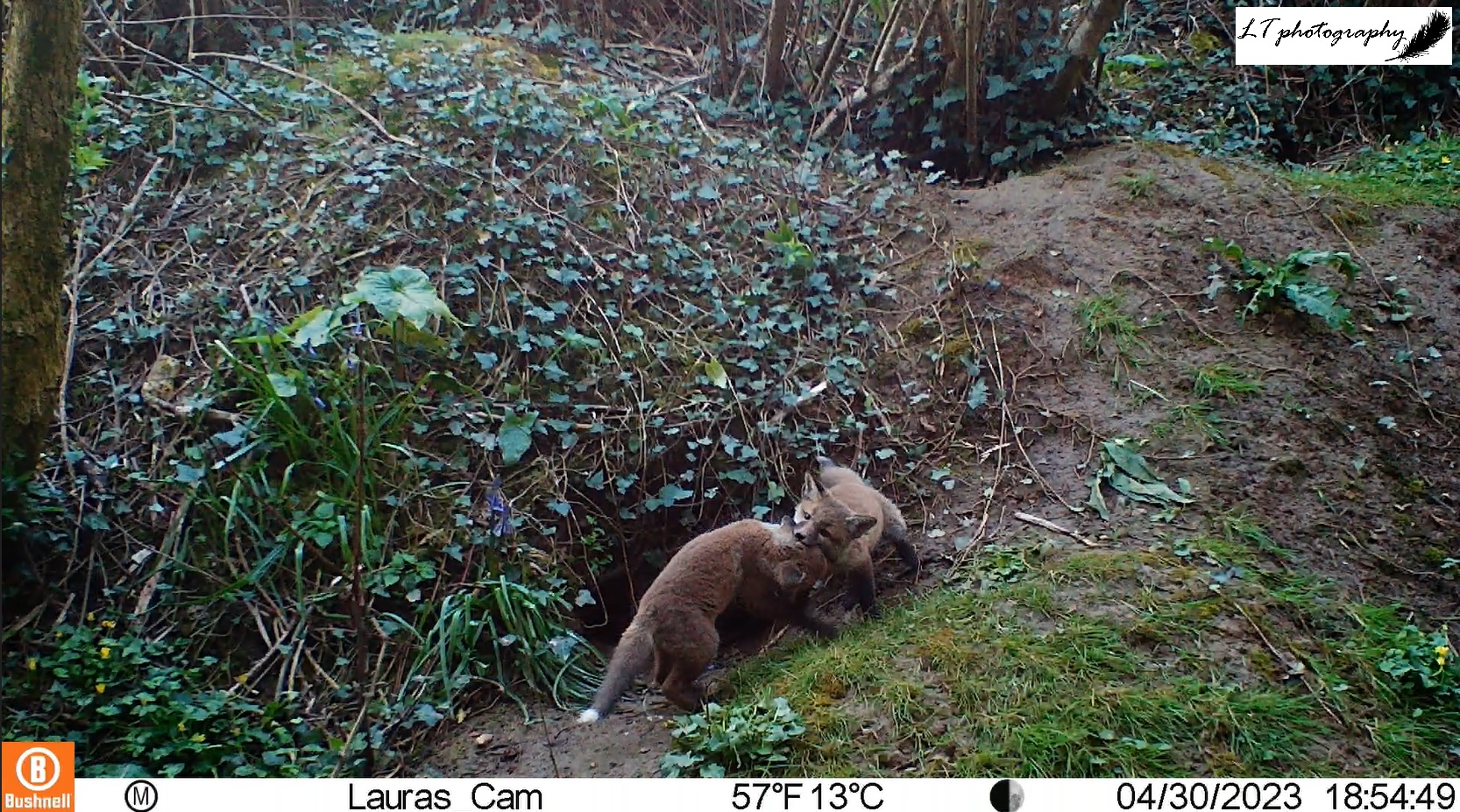
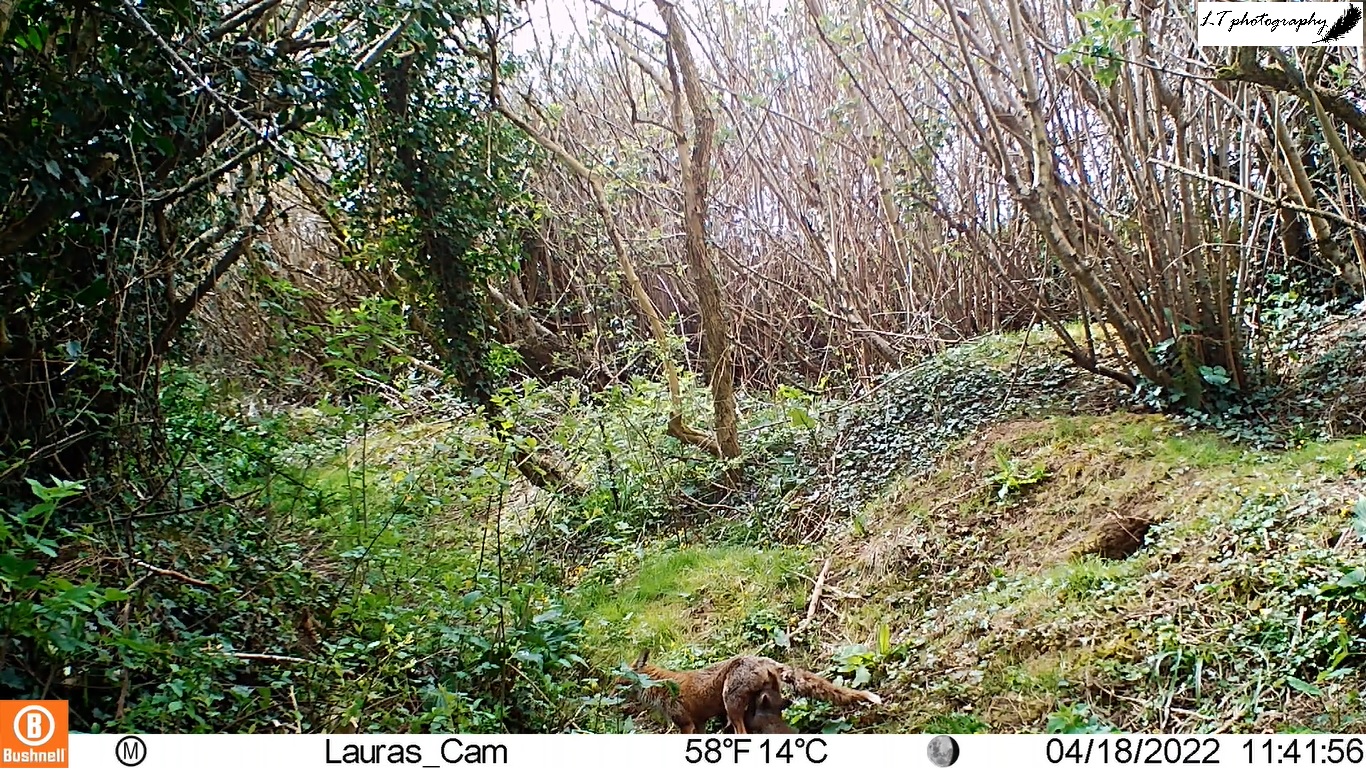
On the 18th April, my camera trap gave me my first views of a new family inhabiting a badger sett in Badger Alley. I was amazed to see a litter of four small cubs exploring the world created by the trees sheltering the footpath, and also excitedly welcoming their parents back as they brought back food to them. On the 21st April I got the wonderful sight too, of all four cubs being suckled by their mother.

With each week my camera traps watched as the fox cubs grew bigger and bigger and came into their deep orange-reds coats like those of their parents. They fought, played and sunbathed, and began to venture further from their den. It was great to see all four cubs thrive through this time and I hope they continue to do so!

Quarry Field

My Quarry Field site is an active badger sett shared with other species. In 2020, I captured a lone cub on my camera traps, sleeping, being fed and wandering around on its own. The following year, in 2021, things looked a bit brighter with two rowdy fox cubs living in the sett, keeping each other company, playing, fighting and growing together. Last year, in 2022, there was signs of an adult fox passing through with food, but that spring I saw no actual sign of fox cubs living within the sett. What did I find this year then?

During spring 2023, I first put a camera trap out at this site on the 8th of April. During the following week, my camera caught lots of sights of an active badger family and a passing through female roe deer, but also an adult fox passing through every night. This was a positive sighting as it meant to me that the sett could be being used once again by a fox family.

This year luck was on my side and on the 17th April, my camera trap caught a first sighting of very small fox cubs venturing above ground at the sett, and there was not just one, or two, but four! I was astounded to have two known large litters of fox cubs on the farm this year, with potential others situated across our land also.

It was amazing over the following weeks to watch the cubs play, race around, rough and tumble, explore, and even beg one of their parents for food in front of the camera. Over time the cubs turned from orangey-brown little cubs into true miniature versions of their parents, lying outside the sett in evening sunshine, running up and down the hedgerows, or venturing out into the surrounding fields, still relying on their parents though. They even blessed me with some in person views of their natural behaviour on my adventures this year too!

This year has been a particularly incredible year for foxes that I will not be forgetting in a hurry, but it will be interesting to now see what the impact may be for local fox populations. They are an important species in the countryside and one people need to learn to continue to live alongside.

Spring Dorset Camera Trapping 2023 – Pt. 1: Wonderful Wildlife

“In photography there are no shadows that cannot be illuminated” – August Sander

“Actually, it’s nature itself that creates the most beautiful pictures, I’m only choosing the perspective” – Katja Michael

Over the last four years I have used camera traps to try to capture the wildlife that call my family’s Dorset farm home. It has been a way to gain an insight into the lives of animals that usually would only be seen in passing on a day-to-day basis, such as a hare or a fox, and to be able to see them as anything but ordinary. It has also been an opportunity to watch natural behaviour that we would not usually easily see without disturbing wildlife, and to truly get an idea of the abundance and diversity of species over 250 acres. There is always more that we can learn each year though!

For the last few months, my camera traps have been back out recording what there is to be seen out in nature this year. Moving between 10 locations across our land, from March to July, there were lots of lovely moments that were captured, along with the unusual and unexpected. Over two parts, I will delve into what my camera traps had to offer in photograph and video form, and share some of my highlights. To start, lets take a look at the range of wildlife that featured on the farm this spring, saving the best this year for next week!

Bridlepath: Badger Alley

A family-named Badger Alley is a great site for a variety of mammal species found on the farm, with even a first muntjac deer being spotted last year. Badger Alley is a naturally-enclosed bridlepath that was once home to a large family of badgers, but now the sett lies bare. This path for humans is also a popular thoroughfare for wildlife as well as being a sheltered location for the homes of certain species. This is one site that I return to with my camera trap year-on-year!

This year 6 mammal species were captured on my camera traps, including one of my favourite’s that will feature next week. I had a scruffy adult female roe deer passing through,

an often seen adult male roe deer feeding and scent marking,

a territorial grey squirrel on his favourite perch,

plenty of whizzing past, including babies,

and a one-off inquisitive badger.

Badger Setts: Badger Field and Quarry Field

Over the years our badger population and distribution has fluctuated, including with Dorset’s badger. Currently though we have two active badger setts that each contain a healthy family of badgers that stick to defined territories within our land.

These setts are not just home to badgers, but also other species, including next week’s stars. Each year new species can be added to the list featured at these setts, but this year 4 common ones were captured alongside the two already mentioned. Species seen were:

  • Blackbird
  • Pheasant
  • Carrion crow
  • Roe Deer (male and female)

Wooded Area: Gill Hill Copse

This year I only used one wooded area on the farm for my camera trapping, a small copse towards the centre of our land. Over the years this rich copse has been home to and a passing through place for a variety of typical and more unusual species, and each year it is interesting to see what will be found. This year the more typical characters were seen, which included the highly abundant roe deer, such as a frequent female, and pheasants.

Within the copse an old badger sett can also be found, being situated not far from one of the active setts. This year for the first year of many, a lone badger could be seen entering and leaving the sett using a particular hole, making me think of a satellite male. It will be interesting to see what can be found here next year as a result!

Fields: Cowleighs, Quarry Field, Tower Paddock, Water Meadow

Across the farm, you will find our land is a mosaic of habitats and grassland managed for different purposes, on different timescales, and in different ways. This does mean that depending on where you are and at what time of year, you may experience different species at varied abundances and also the potential for some more unusual species. Fantastic wildlife moments are a guarantee though!

This year has been a hard year on nature already, and so analysing camera trap content is a good moment to stop and reflect on the feathered and furred individuals that call our land home all year round. Living not far from shoots, pheasants and red-legged partridges are a common sight, with numbers reducing over the summer when they provide a popular food source for a number of species. This year pheasants did a good job of making their way into the frame of my camera traps at nearly every site!

Another species going through a population boom on our land at the moment is the roe deer, with individuals being seen at most of my camera trap sites and a walk through our land giving you consistent sightings of many males and females. Next week’s star was also seen at nearly every camera trap field sites this year too!

Badgers were caught on my camera traps when observing fields that were adjacent with active badger setts, showing badgers roaming for food, territorial marking and social interactions.

Many bird species made their cameos on my cameras, including an inquisitive woodpigeon, feeding carrion crows, and a magpie passing through. This year bird species broke up the antics of the mammals that were vying to be the stars of my camera trap photos and videos.

To finish my field observations, my camera traps this year did a good job of capturing sightings of the charismatic hare, a wonderful common sight across our land. Shots include a hare feeding, an inquisitive individual, and hares speeding past.

Garden

Our house and garden is situated at the centre of our land, and has often been described as a hive of bird activity, as such an abundance of different species visit daily. We also get visits at different times of year from different mammal species, which add to the fun of setting a camera trap to gain another view of the wildlife visiting our small garden. This year’s wildlife visits included a cheeky magpie and an emerging hedgehog, a species that we now see in our garden in the autumn in increasing numbers!

Check out my blog post next week to see the missing star of this year’s camera trapping adventures!

Spring Camera Trapping 2022 – Pt. 2: Badger Alley

I sit flicking through the new photos and videos of rabbits, pheasants, active adult foxes, territorial badgers, and female roe deer passing through by my camera trap. Exciting, but wait what was that? I stumble across a video taken at night. There an adult fox is climbing the outside of the sett with a special surprise for me. Two dark long-tailed fluffy bundles. I could not believe my eyes to see my first cubs of the year this young!

This year I have had the best year yet for camera trapping on my family’s farm in Dorset. With 8 sites, ranging from woodland to hedgerows, and now using 2 camera traps, I was able to capture some fantastic moments from March through to June. Highlights included 2 setts both with badger cubs, an illusive fox, feeding female roe deer, and a fox den discovery. Check out my blog post from last week to find out more!

My favourite site from this spring was one I have used regularly over the last few years. Badger Alley is a 210m stretch of bridleway bordered either side by hedges that have grown up to form an arch over the path. Along this tunnel lies two separate badger setts that were both once active, but are now mainly abandoned by badgers. Though less frequently used by badgers themselves, these setts are now home to a whole host of other animal species, whilst also being a busy highway for wildlife.

With infrequent use by humans, it is unsurprising that Badger Alley is a haven for wildlife. To explore, I ended up keeping my brand new camera trap at the site over 67 days from 17th April to 16th June, changing the set up between 4 angles during this time. This camera takes both videos and photos, so keep an eye out for the full videos coming soon. For now, lets find out what species call Badger Alley home in 2022.

The Characters of Badger Alley

Amongst the species that call Badger Alley home, a number of birds nest along its length. During the 67 days my camera was observing this site, I captured evidence of 4 common non-native and native bird species. Amongst these, there were 6 sightings of pheasants released from a local shoot, all males strutting their stuff and showing off their bright breeding plumage. There were also 5 sightings of woodpigeons feeding, 3 sightings of blackbirds defending territories, and 1 sighting of a robin carrying food in its beak. These are just a few of the birds that frequent Badger Alley.

Along with birds, lots of different mammal species also make use of Badger Alley. This year my camera trap caught sight of two smaller mammal species: grey squirrels and rabbits. Non-native grey squirrels were only seen on my camera 3 times, but made their presence known rushing around in a hurry. The rabbits were a more common sight, being seen 23 days out of the 67 recorded. These rabbits populate both Badger Alley setts and are increasing steadily in numbers. My camera watched on as rabbits fought with each other, mixed with other species, and raised their babies. Though a less common sight for many people now, our successful rabbit populations have become an important food source for other species in our area.

Deer populations have been experiencing increases in the countryside over the last few years, and Badger Alley has become a popular throughway as a result. This year my camera trap recorded roe deer sightings on 22 days of 67, with different variations of individuals, from lone males and females to males following females around. Some of the highlights include a deer being particularly interested in my camera, a female feeding alone, and the unusual sight of a female with a missing back leg. An individual that stole the show though, was not a roe deer, but a muntjac. I have never seen a muntjac on our land before, so my camera caught my very first sighting for me!

Badger Alley was once named for an active badger population, but in more recent years the setts have become abandoned. This year my camera trap caught 4 separate sightings of badgers, with all the individuals taking a particular interest in the lower sett. One day saw a badger passing through and scent marking, another saw two badgers being interested in the camera, and the last two saw a badger looking very interested in one entrance to the lower sett. Maybe one day these satellite individuals will return to form a family in Badger Alley once again.

This year’s most observed species in Badger Alley was by far the fox, being recorded 37 days out of 67. During this time it was really lovely to see some fantastic photos and videos from my camera trap, of adult foxes living in and passing through Badger Alley. In particular one family was shown to be living in the lower sett, whilst another was living around the corner from Badger Alley in Cowleighs. This allowed me to watch the daily lives of different foxes, such as bringing food in the form of pheasants or rabbits, and I have really enjoyed it.

The highlight for me of the whole of this spring season has to be the fox cubs. To add to the photos from the Cowleighs’s fox family (check out last week’s blog post), for the second year running fox cubs were born in Badger Alley. They are the reason I first set up my camera there this year, following a sighting of little cubs by my dad in person. My camera trap gave me my first sight of the family on the 18th April, with an amazing video of the female walking up the path followed by two little brown cubs trying to suckle her.

Over the next two months, my camera allowed me to watch the two fox cubs grow from small brown things following their parents around to two large mini foxes exploring their surroundings together and solo. These cubs were little delights to observe, giving me some special moments and mood boosters along the way. I hope these two cubs in particular survive their first winter and go on to have families of their own in the future.

Spring Dorset Camera Trapping 2022 – Pt. 1: The Farm

“The camera is an instrument that teaches people how to see without a camera” – Dorothea Lange

“The two most engaging powers of a photograph are to make new things familiar and familiar things new” – William Thackeray

As each year passes, and spring rolls around once again, I set out with my trusty camera trap to record the wildlife that call my family’s Dorset farm home. Remote cameras are a great way to delve into and explore the hidden worlds of the wildlife that live alongside us, without causing disturbance. You never know what you may discover, and so there is nothing quite like the excitement I feel each time I check my cameras.

For the last few years I have spent an increasing amount of time using my camera traps to explore and survey my area of Dorset, and each year the results have got better and better. Species recorded range from small mammals and birds up to larger more iconic mammal species, such as badgers. These adventures have allowed me to open my eyes to the species that goes unnoticed on the farm each day, and to help my family forge a deeper connection with the wildlife we strive to manage and protect. Check out my blog posts from 2019, 2020, and 2021 for more!

This year I have visited 8 locations on my family’s farm, using both my old camera trap and brand new model to see what I could discover (check out next week’s blog post for the 8th location). Last year 6 locations were used that were all visited this year also. Some of these sites were used with a set purpose and question to answer, whereas others are just great sites to use for exploring wildlife. This year 9 species were recorded, with 1 new one to add to the collection. Read on to find out what my camera traps found!

Camera Trapping 2022

Little Wood Field

This year I set up my camera trap 12 days earlier than last year, beginning with a new site. I had spotted an interesting tree at the edge of a small field, where a hole had been dug between its roots, and I wanted to know who may have dug it. So I set up my camera watching the track in the field leading to the hole, and left it from 22nd-26th March to see what I could find.

It was a good start to spring camera trapping, but with mixed results. Different arrangements of male and female pheasants made an appearance every day, birds in the form of magpies, a woodpigeon, and a carrion crow were seen, and potential home owners came in the form of a fox and a badger. Though the badger may have possibly been using the hole, in the end I came to the conclusion that the hole was not currently in use.

Monkwood Field

For my next site, I returned to a new site from last year, a small abandoned satellite badger sett that had been home to a family of foxes. When I went to put out my camera, I could see that a new hole had been dug in the sett, so I set my camera to watch the track heading from the field directly to this new hole over 2 nights (26th-27th March), due to stormy weather.

In the short time it was operating, my camera trap was productive, with a displaying male pheasant, a fox passing through (maybe the same from Little Wood?), and the sett’s current resident. My camera was able to show that the new hole belonged to a lone badger, most probably a male.

Later on in the season I decided to see where the fox may have been coming from, and returned to Monkwood Field. I chose to set my camera trap in the corner of the field on a tree trunk within the hedge, looking at the animal tracks that run through it. I did not know what results I would get, but after nearly a week (8th-13th May), my camera actually did quite well, despite not pinpointing where the fox may have been coming from. I caught sight of the fox a few times, and got some nice photos of a territorial male bullfinch and territorial male blackbird.

Quarry Field Badger Sett

For the last 3 years running, I returned my camera trap to my highly successful site at the active Quarry Field badger sett. Each year I have set my camera up on a fence post in an open space within a hedge lying directly above the sett, pointing in one of 2 directions. Previously, it has been a great site to capture the resident badger family and the other animals sharing the sett, in particular fox families. Last year, in this way, I got to watch the antics of 2 fox cubs living in the sett.

For a week during April (16th-23rd), my camera trap watched this site. During this time, rabbits were a common sight every day, day and night, along with a busy badger every night. So far there was no sign of any foxes at the sett, as in past years.

As this site still seemed to be a productive one, I returned to the sett with my camera trap for a second round once some time had passed. For 2 weeks (6th-20th June), my camera was very busy, capturing rabbits, male and female roe deer, a territorial male blackbird, and at least one fox passing through. The best photos though came in the form of the sett’s resident badgers, and two small editions. An active family, it was amazing to watch the cubs and adults feeding, grooming and playing each day.

Gill Hill Copse

This copse has been another of my regular camera trapping sites over the past 3 years. At this site, I tend to set my camera up on a tree, as with this year where I set it watching an animal track passing through the copse.

This year, over 6 days (23rd-29th April), my camera was not particularly busy, but did capture one of the many male pheasants in the area, as well as a fox passing through.

Dorset County Council Wood

The small piece of wood close to my home is another site that I have used over the last 3 years, situated next to this year’s new Little Wood site. This year, I first visited the wood at the beginning of May, setting up my camera on a tree to face an animal track coming off a quiet road into the wood. After a week (2nd-8th May), my camera had caught photos of a one off woodpigeon and a regular badger.

As spring passed away, I decided to give my camera trap one last go in the wood, over 4 days between 20th and 24th June. This time I set up my camera further within the little wood, facing a clearing. Though the only animal photographed during this time was a fox, I was still excited to see the charismatic species passing through.

Badger Field Badger Sett

My oldest camera trap site is an active badger sett in a hedgerow between two fields. Over the years this sett has given me badgers, fox cubs, and even a field mouse. This year I returned and set my camera up in its usual spot on the trunk of a small tree in the open space within the hedge above the sett. Within a week (13th-21st May), I caught sight of a blackbird, a fox, and a badger. Though no fox cubs, this active sett excitingly had badger cubs again, like the Quarry Field sett.

Cowleighs Paddock

Towards the end of my spring camera trapping, I tried another new site in the hope of capturing sight of a particular species. This year has been a very good year for foxes on our farm, for example with 3 potential breeding females living along the same connecting hedgeline. Though at the beginning of spring I had discovered one litter of fox cubs (check out next week’s blog post), I had yet to find any others. I had a hunch about one den though, potentially situated in a ditch alongside a small paddock. I set up my camera trap and waited 2 weeks to see what I would find (22nd May-4th June).

My camera trap did not fail me. Alongside a showy male pheasant, my camera caught the photos I had hoped for. At least one fox cub can be seen playing and exploring in the long grass in the paddock outside the ditch, along with photos of an adult female bringing food to the same spot. Though from these photos I cannot confirm how many fox cubs are in this litter, it is great to know that they are there and doing well! A great spring this year!

Rural Dorset vs. Urban Manchester: Wildlife Camera Trapping in 2021

Series in collaboration with guest writer Emma Rogan

Fox cubs playing in secluded hedgerows, badgers wandering along field margins, and male pheasants displaying in woodlands. Wildlife cameras are a great way to capture the behaviour and presence of wildlife, and can open up a hidden world not so easily accessible in person. More often wildlife cameras are associated with exploring the rural, but they are also a great way to explore the world closer to home. Hedgehogs snuffling through gardens looking for food, birds jostling for space on feeders, or even rodents clearing up after avian visitors. Camera trapping allows us to connect to nature wherever we live, from rolling hills to suburban oases.

Last time in Rural vs. Urban, we embraced autumn in all its colours and forms, with the main focus being the plant and fungi stars of the show. Dorset-born naturalist Laura delved into the magnificent and colourful display autumn had to offer, and found inspiration in the season, from her writing to her baking. Joining Laura for this series, Manchester-born wildlife enthusiast Emma explored the history and culture rooted in the plants she discovered, and found a much-needed moment of calm in her busy day-to-day life. Though both found differences in their comparative landscapes, they both found fungi to be fascinating and wondrous, but an area of knowledge in need of improvement.

In this next instalment of Rural vs. Urban, we explore the use of camera traps in the two different landscapes and see how they have allowed Laura and Emma to connect with their local wildlife. We will see how species may differ between the city and countryside, as well as behaviours and even interactions between species. It will be interesting to see what we may learn from looking back at fantastic camera trap photos from both locations, as they help us to uncover the secret lives of wildlife. Join us on our adventures to find out what we discovered!

Laura’s Camera Trapping in Dorset

Over the last few years I have become well known online for my camera trap photos exploring the lives of the wildlife living on my family’s land in Dorset. In particular, each spring I keep my camera trap out 24/7, moving it between locations, to capture spring unfurling for my animal neighbours. By doing so I have gained a lot of enjoyment from seeing what I could discover, and have been able to expand my own knowledge of my local wildlife and their hidden lives. To experience some of my previous camera trap adventures, check out my earlier blog posts from 2019 and 2020.

Last year, in 2021, my camera trap did not fail to amaze me and allowed me to continue my adventure exploring and capturing local wildlife. Throughout the spring my camera moved between 6 different locations across 250 acres, varying from badger setts to woodland. Between these locations I captured a total of 13 different species in 2021, which were rabbit, badger, roe deer, fox, partridge, pheasant, grey squirrel, magpie, blackbird, field vole, hare, woodpigeon, and the humble bumblebee.

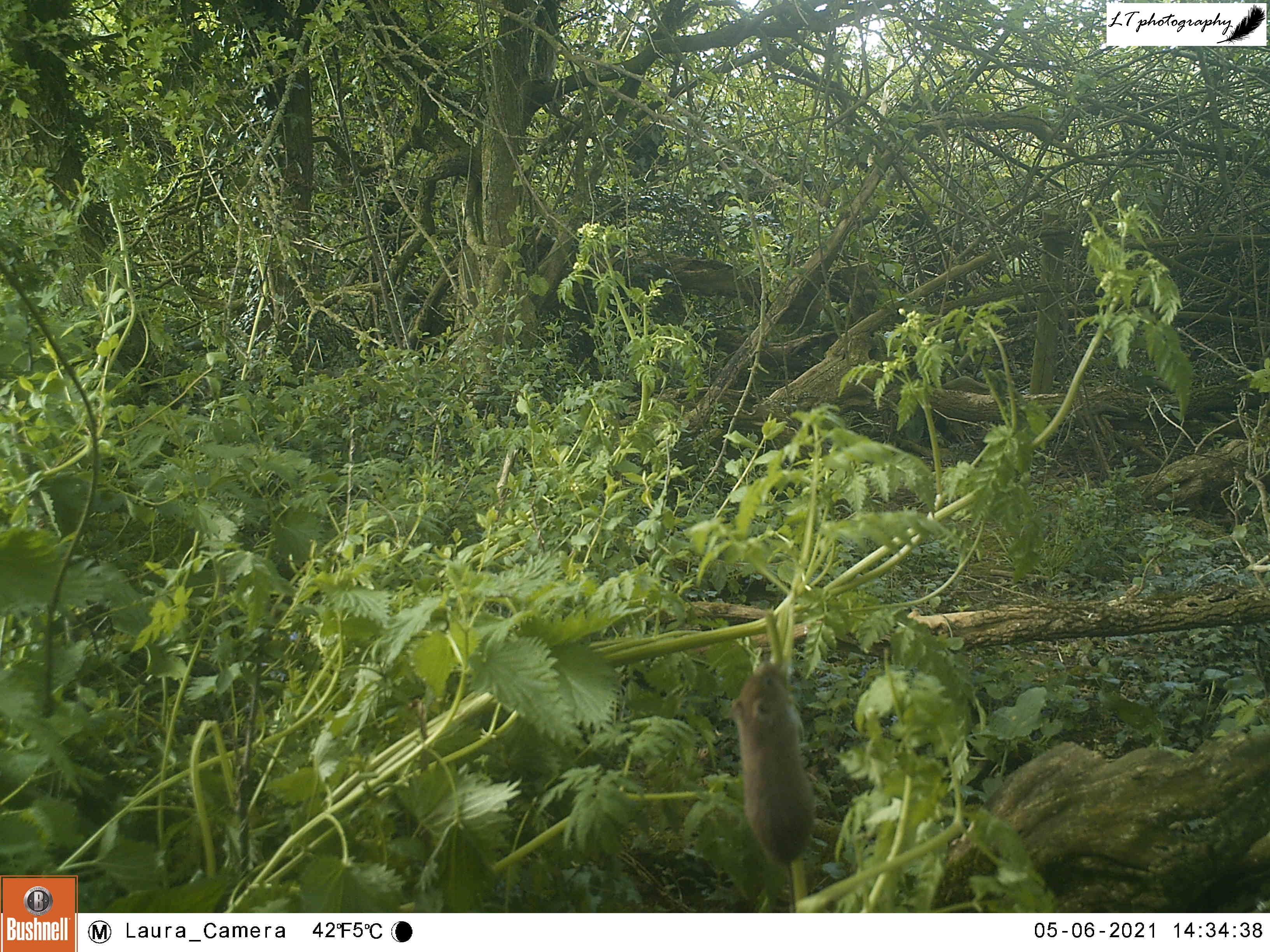
One of my highlights from 2021 was capturing some new species for my collection, even if my first photos of them were blurry . These included my first hare (or the back of one!), a field vole climbing up cow parsley stalks, and even a bumblebee buzzing about. This is one of the reasons I get excited when checking my camera trap photos, as you never know what you may discover!

Another part of camera trapping in 2021 was getting to further experience animal species living side by side in harmony. For example, at one badger sett I saw a family of badgers sharing their home with rabbits and a family of foxes. Also, at another location, I got to see fox cubs learning about their surroundings and interacting with other species, such as roe deer. Very cool!

One of my favourite parts of 2021 though, has to be all the fox families I discovered! During this year, the most commonly seen species on my camera trap, to my surprise, was the fox (at every location!). In some cases I specifically aimed to capture this species, such as staking out a possible fox den, but in others foxes just happened to be living there or passing through. So by the end of spring, I had discovered 3 litters of fox cubs and a number of frequently used fox trails. What was most special of all was getting to experience fox cubs exploring their natural habitat and interacting with each other without me disturbing them. Magical!

After camera trapping in spring, my camera trap was given a well earned break until November. To round off the year, I staked out my garden to check out the birds that call it home. To find out more, stay tuned for next week’s blog post!

Emma’s Camera Trapping in Manchester

Although the past two years have been strange and sad in many ways, my little rectangle of garden has been a constant source of joy. During the first lockdown I started to spend a lot more time in the garden, which made me curious about the lives of the insects, birds, squirrels and foxes that also call our garden their home. So, in December 2020, I got my first wildlife camera!

The first time I left my camera out overnight, I was delighted to have captured a variety of animals including squirrels, the neighbour’s cat and a fox. It’s far from unusual to spot a fox late at night in my area, but something about seeing a fox going about its usually secret business made this sighting feel special. “I got a fox!” I yelled excitedly down the stairs. From that point onwards, I had caught the camera trapping bug.

Camera trapping has allowed me to get to know the unique personalities of our garden visitors, and also to see how their behaviour towards us changed over time. Our lovely Mrs Blackbird used to wait until we’d gone back inside before she’d sneak up the side of the garden to eat her evening plate of mealworms, but now she feels brave enough to hop around the empty plate chirping indignantly until someone gets the message. We also realised that Mr and Mrs Blackbird would always come for their dinner one at a time, and would only eat half the plate each! Now that’s true love.

My most exciting capture came on an equally exciting day. On the morning of the day I was due to get my Professional level ACA results, I checked my camera and was amazed to see that a badger had stopped by for a drink! The badger must have brought good luck with him, as thankfully I passed the exams. I was also delighted to see a hedgehog wandering through my boyfriend’s garden one night. We named him Podge, and for a while he was an extremely cute regular visitor. Finally, I can’t talk about camera trapping without mentioning my love for our magpies, who have kept us well entertained all year swaggering around the garden and stealing all the snacks we put out!

One thing I’ve learned from my experience camera trapping this year is that although cities may be full of people, we have a huge variety of wildlife roaming around just outside our front doors. I hope that more people will feel inspired to get to know the wild visitors passing through their streets and gardens, and even leave out some food and water to make them feel welcome!

The Wonders of Camera Trapping

Camera trapping is a learning experience and an eye-opening adventure, providing an unedited and up-close view of the more secretive lives of our wild neighbours. For Laura, camera trapping in 2021 continued to expand her record and understanding of the animals that call her local area home. Moving forward she would like to begin collecting videos of her local wildlife and buy a new camera trap to expand her camera trapping efforts.

Giving nature a home is something every one of us can do. For Emma, camera trapping taught her that even a small green space in an urban landscape can support a huge variety of wildlife; bees, badgers, woodpeckers, nuthatches, squirrels, hedgehogs and many more! In 2022, Emma wants to make her garden a haven for wildlife, and hopefully capture a frog moving into the frog pond she and her mum built.

At a time when nature is struggling most, it is important for us all to do our bit. Sometimes it is difficult to know how, but if you can understand your local patch better, this can become a lot easier. Using a camera trap is a great and easy way to do this, allowing you to create that connection with your local wildlife, however big or small. If you would like to know more or are inspired to try it out yourself, check out Laura’s blog post about ‘How to… Use and Make the Most of a Camera Trap‘.
Exploring With My Camera Trap Spring 2021

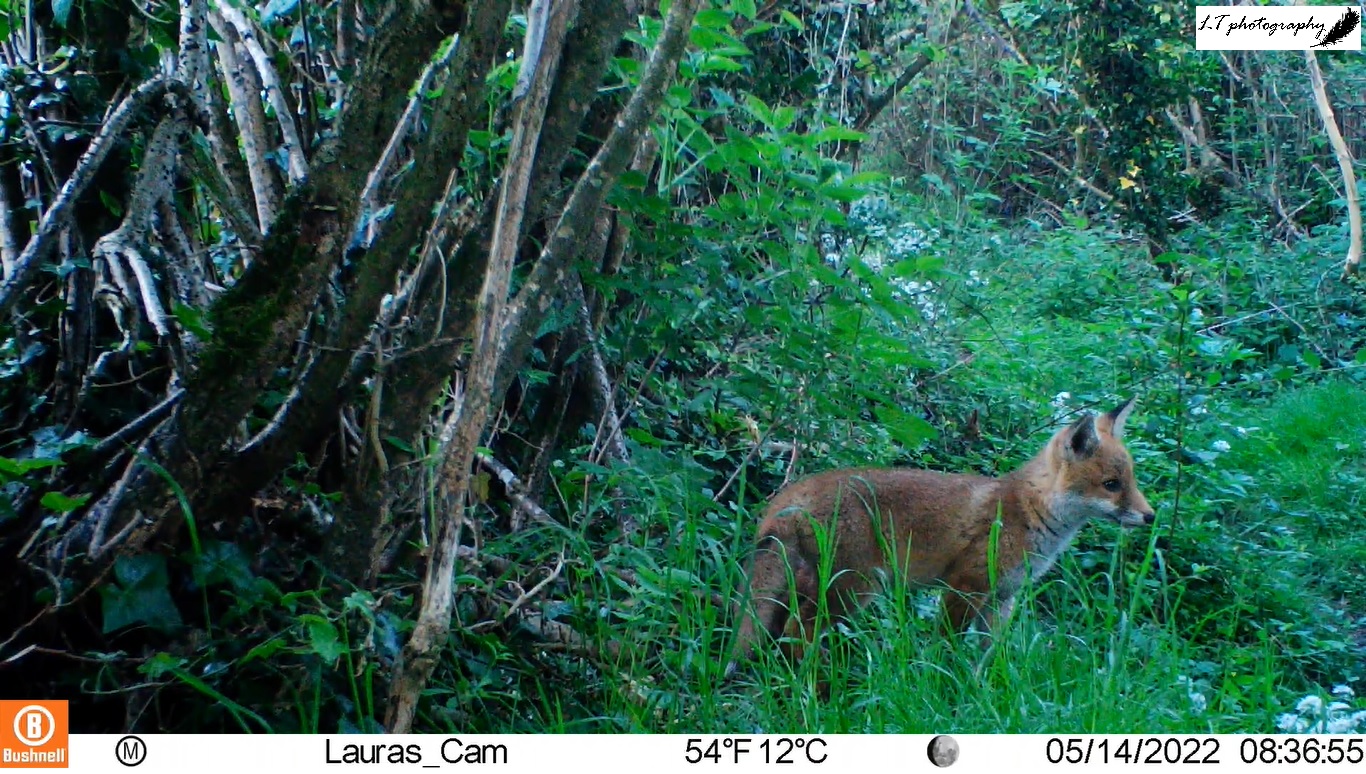
After I click open the file on my camera trap, I press next through a male pheasant strutting his stuff and a female roe deer passing through, until a photo makes me stop. There towards the back of the shot are two small brown shapes. I move through the rest of the photos as day passes into night, and watch as these two rough and tumble through the photos, exploring, playing and watching their wild neighbours go past, ending with one sitting stock still in front of the camera. My camera trap had successfully found my first litter of fox cubs of the year!

The last few years I have become known for my exploration of my family’s farm in Dorset using a camera trap. My camera trap allows me to delve into the lives of my wild neighbours without intrusion or disturbance of their natural behaviour, and to use my photos to inspire others to open their eyes and be motivated to conserve our local wildlife. It is always a rollercoaster of emotions, never knowing what my camera trap might find, but in the end it is a very rewarding experience. If you are interested in getting your own camera trap or knowing how to make the most of your own, check out my ‘How to… Use and Make the Most of a Camera Trap’ guide for some more information.

My camera trap has been a very useful tool for me over the last few years, so since 2019 I have spent my spring seasons moving my camera trap around different sites across 250 acres of farmland, taking in different species and behaviour. In 2019, I saw 12 species of birds and mammals, including families of badgers and a family of three fox cubs. In 2020, my camera trapping got even more interesting, with badger cubs, a couple of litters of fox cubs, and lots of roe deer sightings. The most enjoyable shots are always the most unexpected though, despite from time to time getting a photo bomber or two, for example in the form of our farm cat!

This spring I have been out and about once again on the farm with my camera trap. This year I selected six different sites across our land, with the hope of capturing some of the normal sights, along with some new ones. As the spring has now come to an end, activity has dropped across these sites, and thus it is time to see how spring has been captured by my camera trap this year.

Camera Trapping Spring 2021

Quarry Field Badger Sett

My first camera trapping site this year was an active badger sett to the east of my family’s land. It sits between a silage field and a maize field in a wide and thick hedgerow, and is a great crossroads for animals passing through. I have used this site in previous years for camera trapping, with varying success, such as last year’s highlights of badger cubs and a lively, lone fox cub.

This year I set my camera trap up at the sett for a week (3rd-10th April), moving the position and angle every other day to increase my chances of capturing wildlife. It paid off as I had a successful first week, with rabbits, roe deer, badgers, and a fox.

Due to seeing a lone fox cub at this site last year, the presence of an adult fox at the sett once again led me to return with my camera trap seven weeks later for another week (27th May-1st June). My hunch paid off as my camera trap returned photos of two fox cubs playing, living alongside a badger family, and being fed by a parent.

Gill Hill Copse

For my next site, I set my camera trap up within a copse surrounded by a cow grazing field west of the Quarry Field badger sett. During early spring this is a great site to capture wildlife moving through the landscape as the copse is a great stopping place. I have used this site before, and last year I saw species, such as roe deer and foxes.

This year I used my camera in the copse for just one week (11th-18th April), but moved its position within the copse every couple of days. I captured photos of a territorial male pheasant, an adult badger, a grey squirrel, an adult fox, and a rather comical sequence of photos of two female roe deer being spied on by a hiding male. As vegetation in the copse grows up and spring progresses, camera trapping success decreases at this site, but it was nice to see some life early on this spring.

Dorset County Council Wood

For my third site, I set my camera trap within a small, young wood that can be found at the centre of my family’s land, bordered by a road and a meadow. I have used this wood before, with some positive sightings in 2019 of foxes and badgers passing through.

This year I tried the wood again for a couple of days (19th-24th April), with some overall disappointing results. A male pheasant and magpie were seen, with an adult fox being seen twice, but overall the wood was quiet, reflecting a lack of diversity evident in this unmanaged woodland. I did not return to the wood again during this spring as a result.

Badger Field Sett

For my fourth camera trapping site, I returned to an active badger sett towards the centre of my family’s land. The sett is bordered by grazing land on both sides, and is set within a wide, thick hedge, extending out into the field on its east side. Last year I used my camera trap to look within the sett and to the sett entrances on either side, and saw adult badgers, badger cubs, and an adult fox. This was unsurprising as the sett is a thriving mixed site for badgers, foxes and rabbits alike.

This year I positioned my camera trap first on the western side of the sett (25th-27th April), before positioning it directly within the area above the sett (4th-7th May). Pointing my camera trap at the animal track running along the side of the sett, I captured an adult badger, adult fox, and my first hare! Above the sett, my camera trap was more active, capturing lots of badger activity, woodpigeons, blackbirds, and red-legged partridges, and a surprising sighting of a field vole climbing vegetation. It was a lovely sequence of photos!

Badger Alley

For my fifth site, I chose to return to one of my favourite locations, the familiarly known Badger Alley. Badger Alley is an enclosed footpath that has dug out animal holes along half of its length, split into two old badger setts. In 2019 this was a super site for seeing badgers wondering its length, but last year it was obvious that wildlife numbers had declined, badgers in particular.

This year I spent two stints setting up my camera trap along Badger Alley. Firstly, I spent five days with my camera trap trained on the non-active lower sett, changing the camera’s position after two days (10th-14th May). Amongst photos of a female roe deer and a displaying male pheasant, I got lots of really lovely photos of two fox cubs playing and exploring their world.

I then returned to Badger Alley in June, moving my camera from the non-active lower sett (5th-11th June) to the sett further up (11th-14th June). By now my camera trap found that the family of foxes had moved on, with only the female and new male roe deer appearing at the lower sett. What was really sad, was finding that Badger Alley has now been fully abandoned by badgers, with the higher sett now being home to just rabbits. A slightly disappointing end to my camera trap’s time at Badger Alley!

Monkwood

To finish camera trapping during the spring season, I took a bet on a site where there was a possibility of finding another litter of fox cubs. This site was a hedge in the middle of cow grazing land, where I had not previously camera trapped before. I chose to set my camera trap up on a fence post pointing along the hedgeline where I had found holes into the hedge, and left my camera for a couple of days (14th-16th June).

On retrieving my camera trap, I was excited to find that my instincts had been right and my camera trap had shot photos of two fox cubs and an adult. It was a lovely end to my spring camera trapping season!

Spring Countryside Camera Trapping 2020

Through the stillness of an early morning mist, a shape appears, carefully stepping through the short undergrowth. She weaves through the trees, stopping to pick and browse as she goes. Then she stops, motionless. Ears pricked she listens out into the gloom, something catching her attention. Magnificent silhouette, the more impressive for her swollen belly, a sign of new life to come. Here she is captured, a glimpse of a world unknown, forever immortalised in a frame.

Camera traps provide a window into another world, one that is often unseen and unknown. As technology improves and efforts increase, humans are now capturing the natural world in increasing detail, observing new behaviours, and keeping track of wildlife that would otherwise be difficult to monitor. Camera traps also provide us as individuals with the opportunity to open our eyes to the world that lies outside our doors. To find out more about camera traps, how to use them, and for some inspiration, check out my ‘How to… Use and Make the Most of a Camera Trap’ post.

Since I got my camera trap a few years ago, it has become an important way for me to explore the hidden world around me. In particular, during spring 2019, I spent 10 weeks conducting camera trap surveys across 5 sites on my family’s land in Dorset. It was a lot of fun to see what species I could detect and in what numbers, whilst seeing how things changed over a period of time. For my results, check out my ‘Spring Countryside Camera Trap Surveys’ post on my blog.

Camera Trapping 2020

This year, despite COVID-19 leading to a national lockdown, I tried to utilise the time I got to spend outside to get my camera trap out as much as possible. The result was some successful and really enjoyable camera trap experiences throughout the spring, which helped to keep me going. On my adventures, I chose to focus on a mixture of 5 new and old sites, including Badger setts, a footpath, a Sycamore copse and a meadow. It was great to once again monitor the animal populations on our farm, experience new life, and to see if something interesting might turn up!

Highlights

The real stars of my camera trapping this spring just happened to be our British large mammals. In particular some of my highlights involved fantastic sightings of charismatic Badgers. One of my favourites was capturing 2 cubs playing and fighting outside the entrance of a sett at all times of day in April, with a parent often popping in to check on them. I also had some great luck at another sett in June, where my camera trap captured 2 Badger cubs interacting with each other in their natural habitat, in an open area within a hedge. It was really great to see!

This year Foxes were also popular sights on my camera trap. These ranged from adults and cubs at their dens to being captured on the move, giving me a new insight into their lives and interactions. Roe Deer were also a popular sight on my camera trap as they moved through their habitat and spent time foraging, with does and bucks often being seen separately at these same locations. All wildlife are fantastic to be able to experience in this way though!

When Things Go Wrong!

With the highs of camera trapping, there are always bound to be some lows. With many successful days camera trapping this year, my low came in the form of one project not quite going to plan! After sightings of a new fox den at the border of a hay meadow, I set out to try and get photos of this family. Over the course of two weeks I threw all my ideas and efforts at achieving my goal, but over and over again the cubs alluded me. Instead my camera seemed to spend more time capturing the local Roe deer population in this particular location! Here though are some of the glimpses I did catch of this elusive family:

The Best Bit!

There is always going to be one highlight that stands out from a season camera trapping. For me this year my best bit came in the form of a surprise. Whilst having my camera trap out on an active Badger sett for a week in May and then in June, my camera, amongst many photos of Badgers and their cubs, caught some unexpected shots of a lone Fox cub. In my photos, most days the cub would spend its time sleeping and playing alone in the central area of a hedge above a Badger sett. Sometimes it also made an entrance at night, but it was always seen alone. It was an interesting insight into this cub’s more unusual world.

As the natural world now begins to descend into a deep slumber, get out there now and explore, allowing your surroundings to give you strength, whilst leaving nothing but footprints.

How to…Use and Make the Most of a Camera Trap

There is nothing like the exhilaration of camera trapping. Setting up the camera trap/trail camera in a golden location, waiting with anticipation for the camera check day, and riding a rollercoaster when capturing something totally unexpected. Camera trapping is one highly addictive activity!

M2E31L53-53R392B293

So why is camera trapping so popular? Well, camera traps allow us to non-invasively open up a normally unseen world. This is a thrilling thing to be able to do, giving us the addictive ability to observe wildlife up close and personal without disturbance. In this way, camera traps can be used as an important tool to identify the presence or absence of species, monitor animal populations and record interesting behaviour.

M2E1L0-13R350B300

At home on my family’s farm, I use my camera trap to carry out surveys across our land, to find out what wildlife is present, how abundant these species are, and to experience new life in spring in all its glory. However you choose to use your camera trap, I can only say for you to have lots of fun and adventures whilst doing it!

M2E45L145-145R394B315

Buying a camera trap

So where do you start if you do not already own a camera trap? Well all off-the-shelf camera traps have similar components and operate on the same principles: a digital camera connected to an infrared sensor that “sees” warm moving objects. Camera traps typically range from £30 to £1000, meaning there is a lot of choice out there. To find the camera trap that is right for you though, you should consider these key questions:

  • How much are you willing to spend?
  • What are you going to be wanting to use it for?
  • Where are you going to be using it?
  • Do you want to use it during the daytime, night-time (black and white or colour) or both?
  • Do you want to take photos, videos or both?
  • Will you want increased capabilities, such as wireless, geo-tagging or higher detection capabilities?

The camera trap I use is a simple Bushnell model that I bought many years ago now for about £120.

How to use a camera trap to get the best from it

Camera traps have a lot of potential as they can remain operational 24/7 and can be left in the field for long periods of time. To increase your chance of camera trap success though, you need to set it up properly to maximise animal detection. Here are some handy tips to get you started:

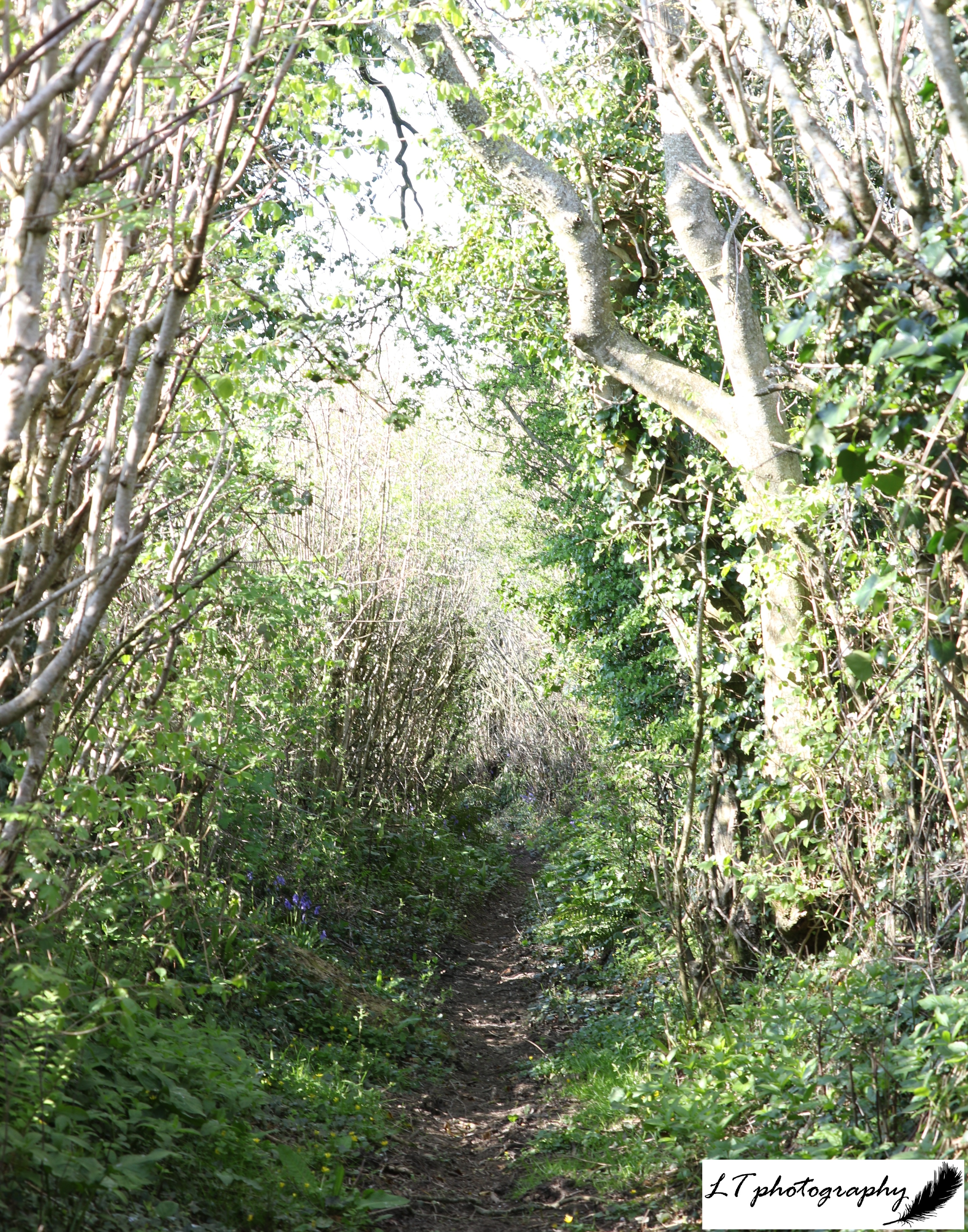
  1. Visit your chosen site before setting up your camera trap to make sure it is the best site possible.16_04_20_Farm_Badger_Alley_5
  2. Do not forget to make sure your camera has another battery life and SD card room each time you set it up.
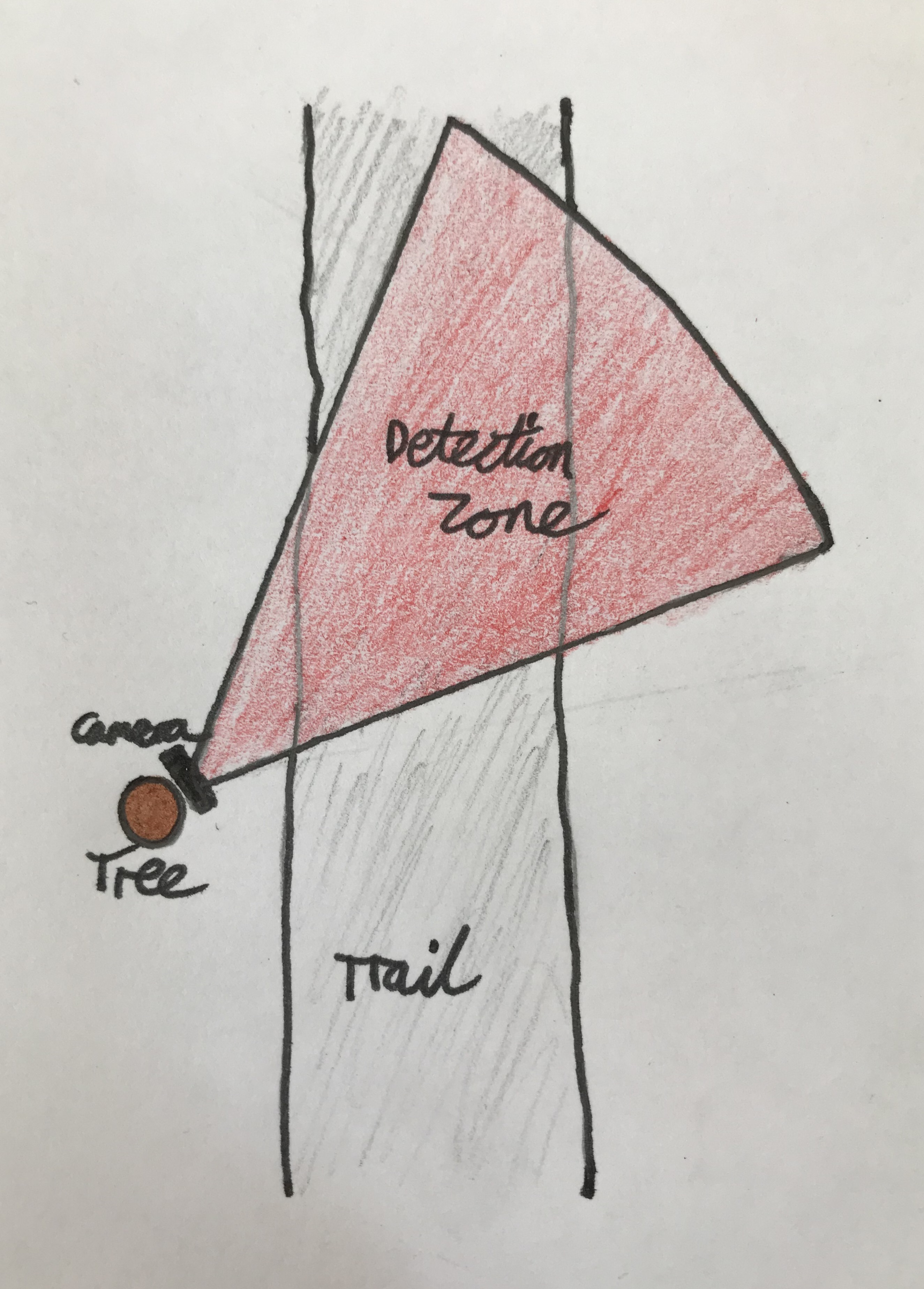
  3. Carefully select where to mount your camera trap, such as a sturdy tree or post, to make sure your camera will be supported and  positioned to take in your chosen field of view.Detection zone
  4. Consider the height of the animal(s) you are trying to capture to increase detection and inclusion in the frame. For the best result, position your camera trap so it sits just below the target’s shoulder height.Camera Height
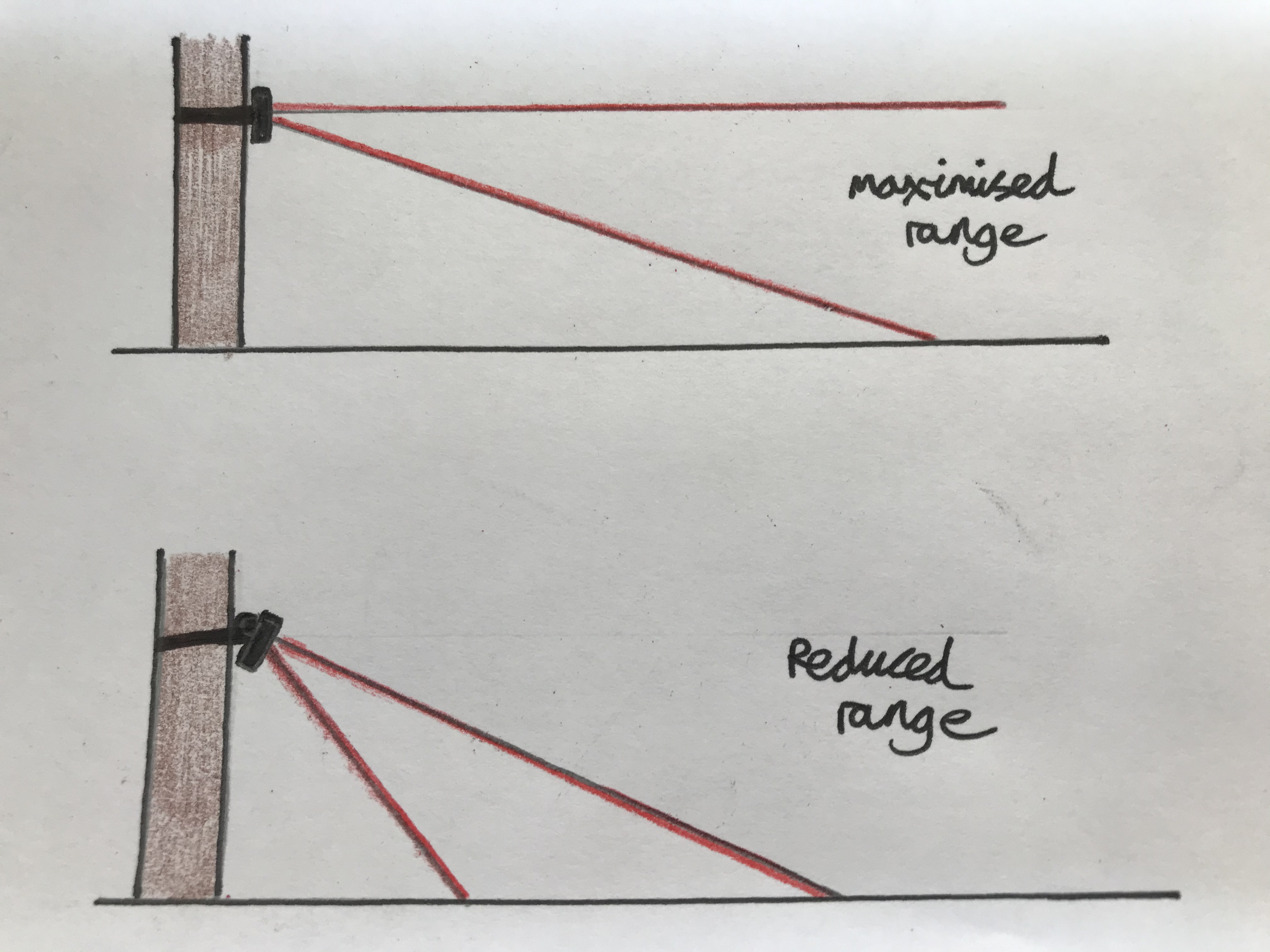
  5. Camera angle is as important as height when positioning the camera trap. For best result and to increase the detection range, you want the camera trap to aim horizontally at the subject. A stick is a great way to get a better angle for your camera. Camera angle
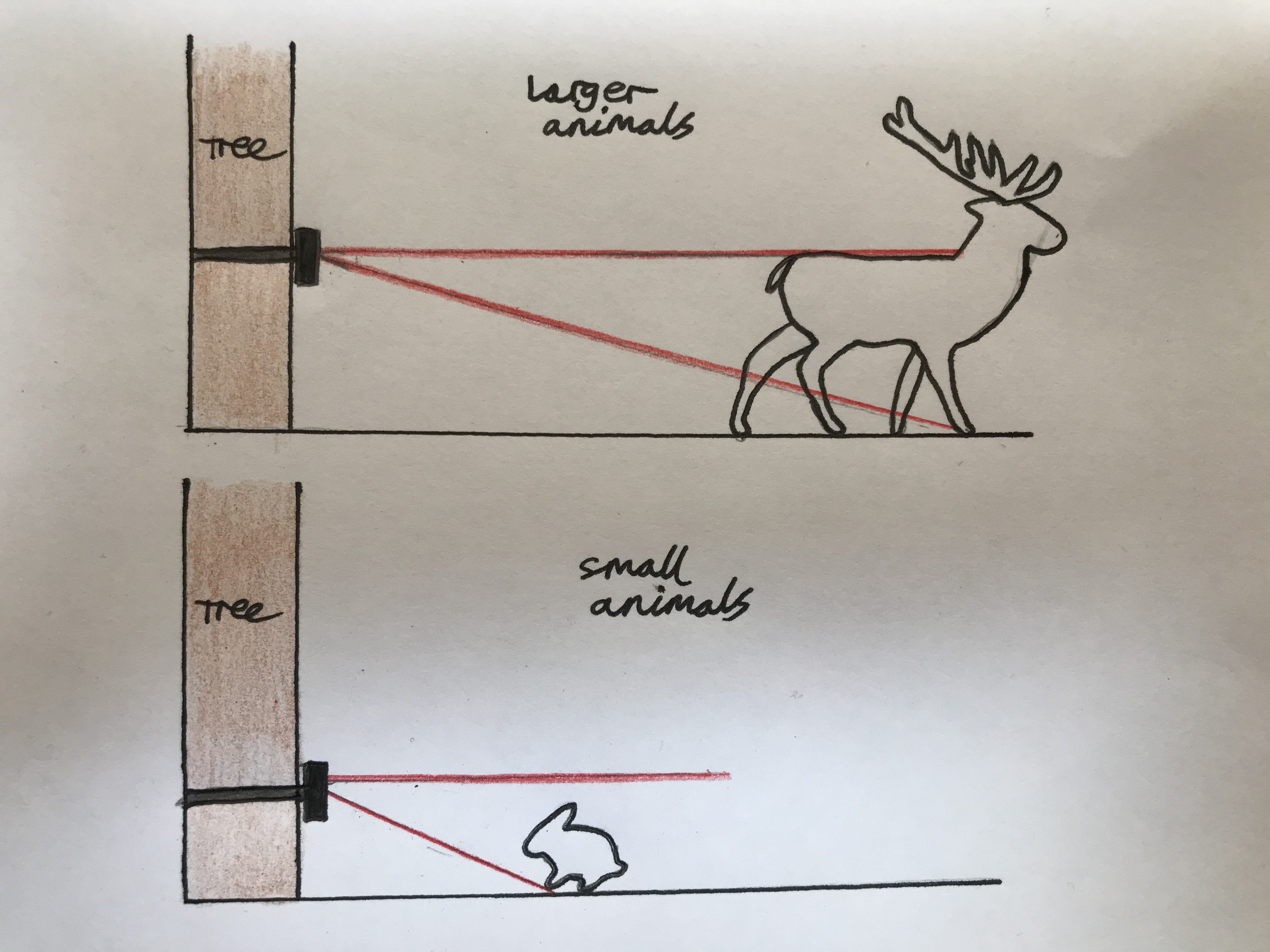
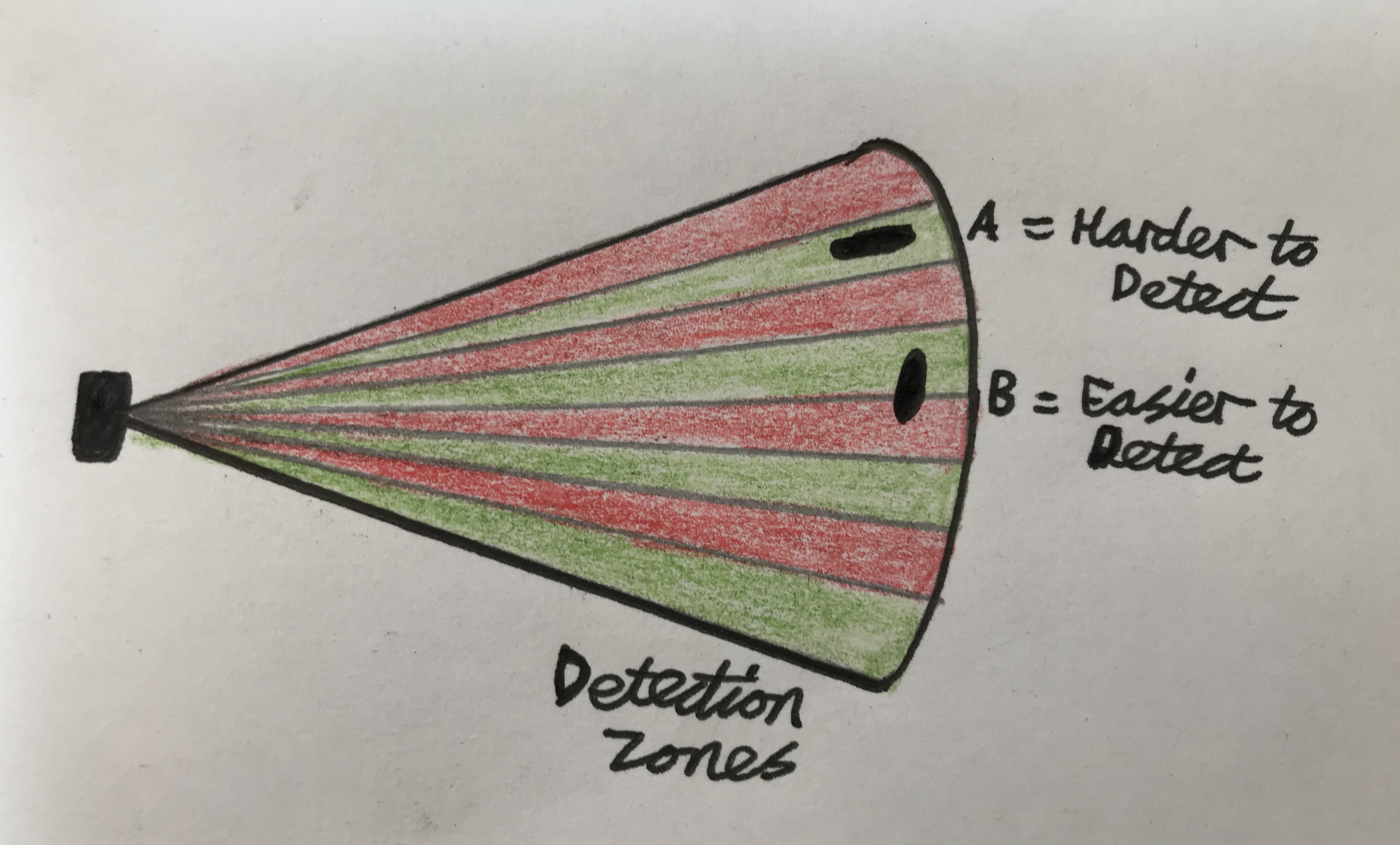
  6. Think about where you want the animal to be positioned in the frame. Larger animals are easier to detect so will be detected at longer ranges compared to smaller ones, and animals walking across the camera trap’s field of view will be more easily detected compared to walking towards it.Animal Position
  7. Try to reduce the number of false triggers by trimming back vegetation that could trigger the camera if moving in the wind. Do not remove enough to disturb your intended subjects though!
  8. And always do your research! The more you know about a site or species, the more likely you will get results.

Inspiration for camera trap sites and uses

Over the few years I have owned my own camera trap, I have used it for a number of different purposes and in a variety of locations. Here are some examples of my own work to help inspire you:

  • Abroad – In 2017, I was lucky enough to spend 2 weeks in Costa Rica on a field course for my Bachelor’s degree, and so I decided to take my camera trap along with me. This allowed me to get some cool sightings of some interesting wildlife

M2E43L24-32R350B300

  • Badger setts – A popular choice for a camera trap site is at a badger sett. With 3 established badger setts on my family’s land, I have previously had all sorts of interesting results by observing setts in this way. In particular, it has always been great to see how different species cohabit such locations.

M2E40L17-25R350B300

M2E54L167-167R388B312

M2E54L172-172R388B317

  • Paths – A great place I have found to put my camera trap is on an enclosed footpath on our land. This is because the path, fondly known as Badger Alley, is bordered either side by hedges, is in the vicinity of used and disused badger setts, and is frequently used by wildlife but infrequently by humans. Always be aware of how safe a camera trap may be on footpaths though!

M2E43L126-126R396B311

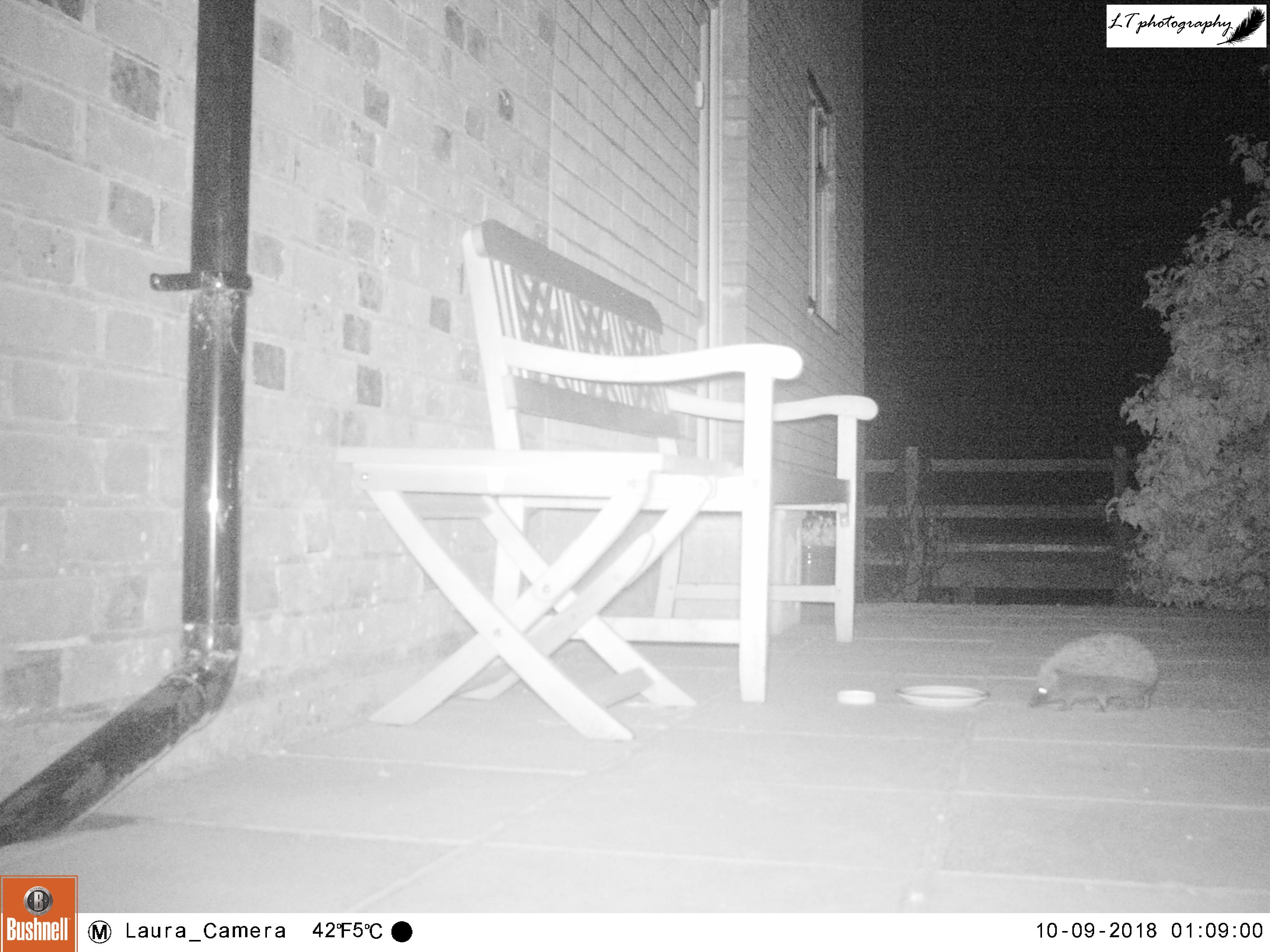
Garden – One of my all time favourite projects I used my camera trap for, was to get photos of our own special garden visitor in October 2018. I love getting to see the wildlife that is truly on our doorstep!

M2E1L0-8R350B300

  • Woodland – I have previously found that a woodland can be an interesting place to capture wildlife. The result can often be unexpected or interesting, with less of an idea of what might turn up.

M2E51L160-159R390B314

Animal trail – Another great way to try and capture the wildlife that is in your local area is to find and set up your camera trap on a well used animal trail. It is interesting to find out what animals are actually making those tracks!

Specific animals – Often when camera trapping, you want to capture a specific animal, which leads to research and setting up the camera trap in a position where this animal has been sighted. Relating to this, my other favourite camera trap project has been to capture fox cubs above ground and to observe their behaviour. This has resulted in many cute photos over the years!

M2E31L60-60R392B300

Now it’s your turn! Even if you do not own/want to own a camera trap, there are always ways around it, for example why don’t you see if you can borrow one from somewhere or someone.

Though camera trapping does not always go to plan, the results can be truly satisfying. Time to see what you can find!

For more camera trap action, check out my blog post from last year called: Spring Countryside Camera Trap Surveys