How to… Help The Planet One Small Step At A Time

Currently there are approximately 7.8 billion people living on this planet, and so it is not surprising that humans have had a significant influence on the environment. For example, 1.76 planets a year are now needed to meet resource and waste absorption demands. Over time, this has heavily impacted our natural world, from massive deforestation and loss of species to large scale pollution and global warming.

Though it can feel like a losing battle, there is still time for us to try and make a difference. By making small and often easy changes within our own lives, then this could be the start to making a big difference on a larger scale. For this to work, to preserve our planet for future generations, we all need to do our bit now.

To help make this seem a little less daunting, I wanted to put together some examples of small things that I have changed in my own day-to-day life or I am now inspired to do. This could be thinking about where your food comes from, giving your old clothes new lives or even volunteering your time for the environment. It’s your life, your world and your choice, but reducing your footprint on this planet is important and a rewarding thing to do now moving forward.

This does not mean you need to do all the things I suggest, but why not see what you can do to do your bit! By making a positive change, you could reduce waste, save money and help the planet. So be active, think globally and act locally!

Food and Drink

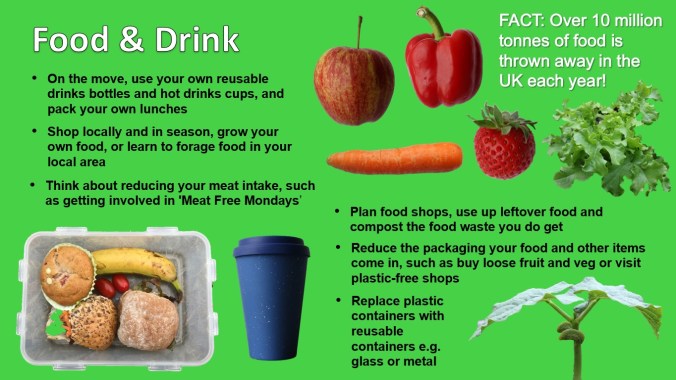
Food and drink is an important part of all of our lives. Vital for our survival, it has a major influence on our society and more significantly, the environment. Therefore, your choices can make a real difference to our planet, which could include considering what you are eating and where your food actually comes from.
Food & Drink

Home

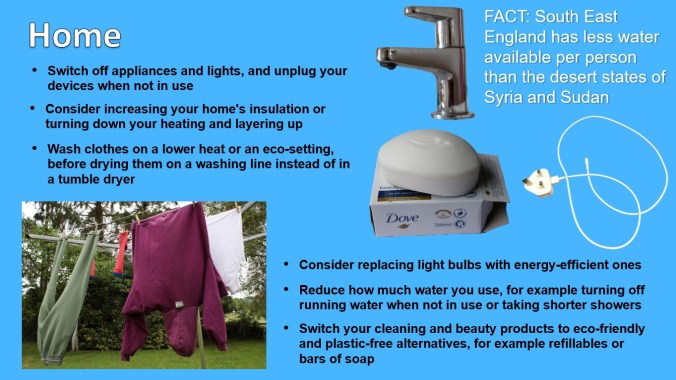
There are lots of small things you can change in your own home that can reduce your footprint. Often involving the reduction of energy and water usage, some changes will even save you some money in the long run.
Home

Travel

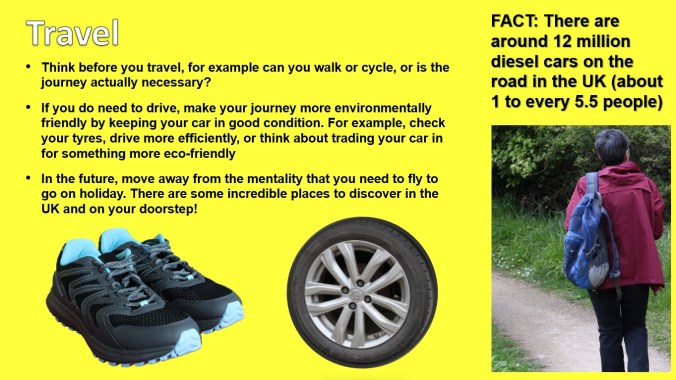
Getting from a to b is an essential part of many people’s lives in today’s world, so these choices can have a significant impact on the environment. By being smart with the choices you make each time you travel, in the long run it could add up to making a big difference, such as to pollution and resource usage.
Travel

Reduce, reuse and recycle

One of the easiest ways to try and help the planet is to reduce how much waste comes out of your own home. This could either be by disposing of items properly or more importantly by thinking before you buy.

Reduce, Reuse, Recycle

General Life

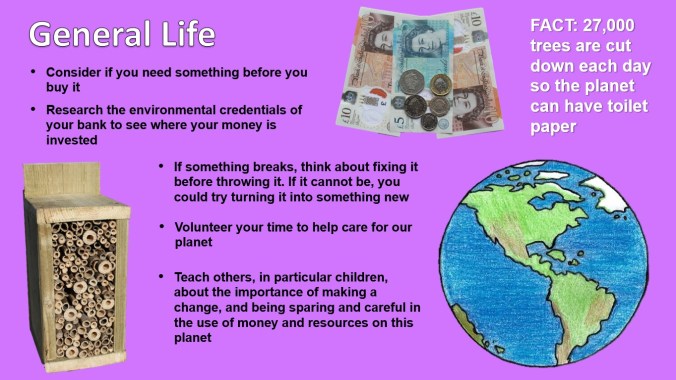
As well as making small changes in your own home and on the move, it is important to be aware of the environment in general. By being informed about what is going on in the world, by being active in what you do, and just by being connected, this can make the greatest difference of all
General Life

All photos and drawings are my own

How to… Make Your Own Bee Hotel

As the planet continues to experience the loss of plants and animals on an unprecedented scale, it is now increasingly important that we all try and do our bit for nature. Though it can be disheartening and tough to know what to do sometimes, making one small step could be a real start to making a difference. For example, one easy thing you could do, is to provide a home for wildlife, such as a wildflower area, pond, or even a bee hotel.

The increasingly popular bee hotel is a home that is made for solitary bees, which include Leafcutter and Mason bees, and are those that live on their own rather than in colonies, make up about 90% of UK bee species, and are very important pollinators. With the loss of 97% of wildflower meadows since the Second World War, along with other factors such as pesticides and intensive farming practices, solitary bees are now heavily under threat, with less suitable habitat currently available to them.

One way we can help, is to produce nesting sites in the form of bee hotels. These structures are made up of a frame filled with tubes mimicking the natural cavities solitary bees use to nest in, which are typically tunnels in dead wood or hard soil. From spring to summer, different species will build inside these tubes, lay their eggs, add a supply of nectar and pollen, and block up the entrance. The eggs will then hatch, feed, and pupate, before emerging the following spring.

Though spring is the best time to make and put up a bee hotel, you can make one anytime you wish. There are also no set rules on how to make or use a bee hotel, as they are a relatively new phenomenon and advice on them is changing all the time. For now though, here’s some guidance I can give to help you make your very own bee hotel. They can take some time to make, but are very rewarding, and are also a great activity to currently do as part of your 30 Days Wild challenge!

Cherry Blossom

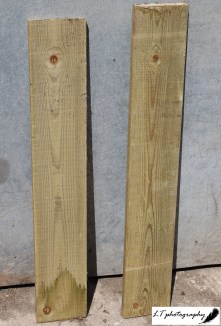
How to make a bee hotelWooden Planks

Examples of considerations include:

  • Simple or aesthetically pleasing and complex design?
  • Vertical or horizontal?
  • Sloped or flat, overhanging roof?
  • For your garden or a small space e.g. a window sill?
  • Use only recycled and reclaimed resources?

Always think of the bees when making your decisions though!

What you need:

  • Offcuts of planks of untreated wood, about 1.5cm thick
  • Tape measure and pencilSaw
  • Saw
  • Hammer and nails
  • Sand paper
  • Tubes varying in size from about 2-12mm, with a length of at least 10mm, though ideally about 16mm. For example: bamboo canes, hollow plant stems such as sunflower stems, or bespoke bee tubes
  • Chunks of untreated hardwood or Hammerlogs
  • Drill
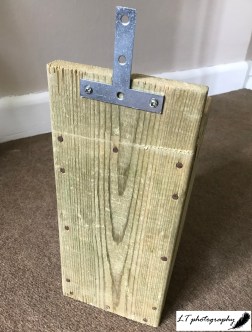
  • Bits to hang up the bee hotel e.g. T bracket, screws, screw driver, Rawlplug wall plugs

T Bracket


Step by step guide:

  1. Decide on your bee hotel design. Bear in mind, that smaller is better to be able to easily move the bee hotel around and to encourage bees to nest at lower densities
  2. Use a tape measure and pencil to mark out the pieces of wood you need; the most simple designs have 5 pieces. Then use a saw to cut your wood, and sand paper to sand down any rough or uneven edges

  3. Use a hammer and as many nails as you need, to create the frame of your bee hotel
  4. Cut your chosen tubes to the right length to fit into the frame of your bee hotel, and sand paper off any rough ends. By using several different sizes of tubes, you increase the chance of attracting a wider range of bee species, due to variation in their preference for nest tunnel size. You can also drill holes into chunks of untreated hardwood or logs to create some more variety in your bee hotel
  5. Carefully build up your frame with your tubes and drilled wood, until it is filled. I suggest lying your bee hotel on a tilted surface to make this easier to do

  6. Decide on a suitable location for your bee hotel. It is important to place it in full sunlight, for example facing south or south-east, at least 1 metre above the ground, and not covered by vegetation
  7. Hang your bee hotel up. For mine I used a t bracket, screws, screw driver, drill and rawlplug wall plugs to attach it to the south side of my house
  8. Then wait for the bees to come to you!

Tips

  • The smaller the bee hotel is, the more effective it will be!
  • Create an overhang to give the bee hotel tubes some better protection from the rain
  • Every autumn take down your bee hotel and store it in a cool and dry location, to reduce risks such as of fungal infections
  • For best results, clean the bee hotel out every year, including removing, cleaning and preparing any pupae for release the following year

The bee hotel I made is far from perfect, but I hope it gives you some inspiration to help make yourself an even better bee hotel!

How to… Get involved in the June 30 Days Wild challenge

‘ we need nature and nature needs us’

With our current world turned on its head, what we all need right now is a pick-me-up and a purpose. So with the Wildlife Trusts’ 30 Days Wild challenge beginning next week , this might be just what we all needed. To get involved, you do not need to be an expert on wildlife, an environmental warrior or have lots of time on your hands, just up for a challenge. So I wanted to take a moment to introduce this month-long challenge and provide you with a little inspiration, to help you get into the spirit for all things 30 Days Wild!

30 Days Wild

In 2015, the Wildlife Trusts, a grassroots movement of 46 independent charities sharing the same vision across Britain, created their first annual nature challenge: 30 Days Wild. Over the last five years, the one-month long event (1st-30th June) has considerably increased in popularity, with more than a million people now having taken part. At present, with greater emphasis being placed on how nature can help us through these tough times, the Wildlife Trusts hope that this year could be their biggest year yet!

The goal overall for 30 Days Wild is to bring people closer to nature, gain new skills and knowledge, and make a positive difference for wildlife, its conservation and future generations. It also has some amazing benefits for people too. Through a 5 year review by the University of Derby, it was found that involvement in 30 Days Wild led to increases in people’s connectedness to nature, health, happiness, and pro-nature behaviour, during and after the month. This is such a great result which shows the power of going wild.

Adventure with my mum

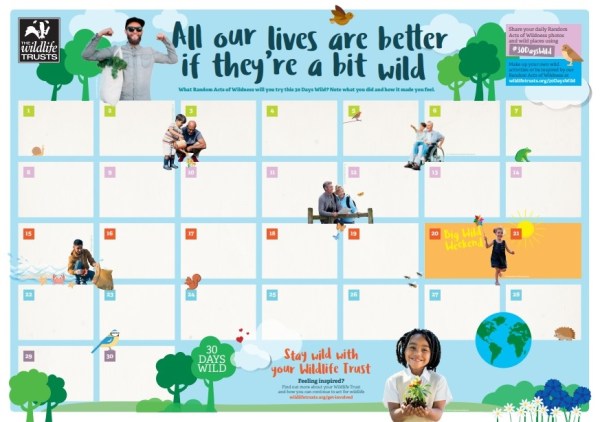
Getting involved in 30 Days Wild is easy and a bit of fun, with something for everyone. The aim is to try and do one wild act a day (known as a Random Act of Wildness) for the whole month of June. Acts may last anywhere from a few minutes to a few hours, but your month is totally shaped by you! For more information and inspiration, go to the Wildlife Trusts’ 30 Days Wild action page, sign up and get a free downloadable digital pack. Then I look forward to you sharing what you get up to and inspiring others whilst you do so!

30 Days Wild

30 Random Acts of Wildness for 30 Days Wild

  1. Bake a nature-themed cake – It could be butterfly cakes, a cake made from natural ingredients or a cake shaped like a hedgehog. Whatever you choose to make, it is sure to be tasty though
  2. Make a wildlife diary – By making a record of what you see day-to-day or on specific trips, you will be able to track what exciting things you have seen and observe if changes take place over a period of time
  3. Forest bathing – This ancient Japanese process of relaxation, refers to taking in a forest through your senses, savouring the sights, sounds, smells and feeling of the forest around you. Through spending a little time being calm and quiet amongst the trees, it is a great way to de-stress, pause and refresh
  4. Exercise out in nature – For example a walk, bike ride or on horseback
  5. Look for signs of wildlife – Looking for the signs animals leave behind, such as fur or droppings, is a great way to discover what lives near you. For some help on animal footprints, check out my How to… Identify Animal Footprints guide on my blog now
  6. Listen out for bird song – Though identifying bird song can often feel really tough, when you get one right however simple, it feels really rewarding. There are now lots of handy guides online that will help you to get started
  7. Plant some wildflower seeds – Why not plant some seeds, ready-made native mixes are great for this, and grow some flowers to provide a food source for the butterflies and bees
  8. Go on a minibeast hunt in your local green space – An adventure such as this can be made more fun and interesting by making your own sweep net or pooter beforehand to take along with you
  9. Make a home for wildlife – Whether this be a pond, hedgehog house, insect hotel, bird box, or bat box, making a home for wildlife is a great way to bring nature to you. Check out my How to…Make Your Own Bee Hotel post for some inspiration and to help you make your very own bee hotel.
  10. Go stargazing – Stargazing can be done anywhere from a window, your garden or a local green space. The best way though, is to find a place where you can lie down, look up at the sky and see what you can see
  11. Go for a wild walk – Take some time out of your busy day, such as with a furry friend, and head outdoors. You could explore your local woods, find a place you have not been before or walk to your nearest lake or river
  12. Do a mini litter pick or beach clean – Choose an area in need of some care, and spend some time, however long you choose, completing a clean up. Stay safe though!
  13. Identify wildflowers – A great way to connect with the natural world day-to-day is to be more mindful and pick out the wildflowers that you can recognise, such as in a hedge or woodland. For some help, check out my blog’s handy How to… Identify Woodland Flowers and How to… Identify Hedgerow Plants guides
  14. Join your local Wildlife Trust – For more information on how to do this, head over to the main Wildlife Trusts website
  15. Sit and watch a sunrise or sunset – Consider the weather conditions before you head out, to ensure you see the best sunrise or sunset possible during those Golden Hours. For example, high cloud cover, low humidity and low wind make for the best conditions
  16. Eat outside under the sky – Take a meal or picnic outside, enjoy the world around you, and see what you can see whilst you eat
  17. Camera trapping – Camera trapping is another great way to monitor what animals live in your local area and can be highly addictive! For some guidance, check out my blog post on How to… Use and Make the Most of a Camera Trap
  18. Leave a wild corner in your garden – Why not attract more wildlife to your garden by dedicating a corner for them. You could let the plants grow up, leave dead wood, plant flowers for the insects, or put up a bird feeder. The choice is all yours!
  19. Admire a wild view – Take some time out of your day to stop, step back, and really take in your surroundings. This way you can really appreciate the wonder of the natural world around you
  20. Donate to a wildlife cause or charity – Select a cause or charity of your choice, such as the Wildlife Trusts, and donate as little or as much as you like, to try and help make a difference
  21. Sketch something from nature – Unleash your inner artist, take inspiration from what you can see around you in the natural world, and see what you can create!
  22. Have a plastic-free day – You could choose to change just one item, such as start using a reusable drinks bottle or use less bath products in plastic packaging, or you could even go completely plastic-free for a whole day
  23. Explore an urban wilderness – If this is safe for you to do so, why not go on a wild adventure to see the wildlife that calls your urban area home. From wildflowers growing in the cracks of the pavement to deer living in green spaces, urban areas are full of life!
  24. Watch a wild webcam – Other people’s online webcams are a great way to get up close and personal with some wildlife you would not usually get the opportunity to. Some great websites include the Springwatch live cameras and the Wildlife Trust webcams
  25. Read a wild book, poem or blog – Whilst we cannot go on trips to see further afield wildlife and wild landscapes at the moment, a great way to spark your imagination is to read a wild book, poem or blog. Some great wild books I suggest are David Attenborough’s Adventures of a Young Naturalist or Helen Macdonald’s H is for Hawk, or for a blog suggestion, why not check out my wild adventures!IMG-1008
  26. Write to your local MP on a wild issue – Writing to an MP is a great way to bring an issue that you are passionate about to their attention. It is their job to listen to what you care about, so they want to hear from you
  27. Make bird food – Making homemade bird food is a fun and easy activity to do with lots of different ideas out there, from pine cone feeders to crumbly pastry maggots
  28. Do a mini bio-blitz – Pick a manageable area, such as your garden, and see how many species of animals and plants you can identify within a set amount of time. You will be able to test your ID skills, whilst getting outdoors and maybe discovering some unexpected species
  29. Make a nature table – Nature tables are a great way to lay out and show off what you have found on your wild adventures, for example feathers, skulls or even fossils
  30. Take a step to reduce your carbon footprint – Now is as important a time as ever to think about the impact we are having on our environment. Why not try and do something now to make a difference, by making small changes to your own life, such as walk or cycle more or cut down on your water usage. For some more inspiration, check out my How to… Help The Planet One Small Step At A Time post.

To see what I get up to during the month, check out my Twitter page: @laura_tuke

How to… Identify Hedgerow Plants

Whizzing past our car windows, naturally bordering our fields and gardens, or providing a home for wildlife. Often going unseen and unnoticed, hedgerows are a widespread and overlooked habitat right on our doorsteps. Bountiful and bursting with life, each hedge is unique from the next, with a story to be told and a world to be explored.

Blackthorn 5

From butterflies and birds to hedgehogs and dormice, an incredible number of species rely on the plants in our hedges for their survival, such as food, shelter, and corridors along which to travel. They do not just play a role for wildlife though, holding value in the wider landscape, providing us with services such as stopping soil erosion and buffering pollution. In this way, hedgerows have been important for humans and wildlife alike for hundreds of years!

20_03_20_Farm_Goldfinch_2

The first hedgerows can be dated back to the Bronze Age, when farmers cleared woodland to grow crops, leaving carefully maintained strips to act as boundaries. Some of these strips of ancient woodland can still be found today! Since then hedges have grown in popularity, but following the Second World War, many were ripped up to provide more space to grow food and for development. Despite approximately half of all hedges in Britain being lost during this time, thankfully the remaining were given protected status in 1997.

13_05_20_Farm_Sunrise_Hangings_Trees

The hedgerows rolling across our countryside today are a piece of history, full of life and colour and provide us with a whole host of resources. So, why not try and see this for yourself, and take a moment to see what you can find in a hedgerow local to you? To help, here’s my simple guide to identifying some of our iconic hedgerow species.

Hedgerow Plants

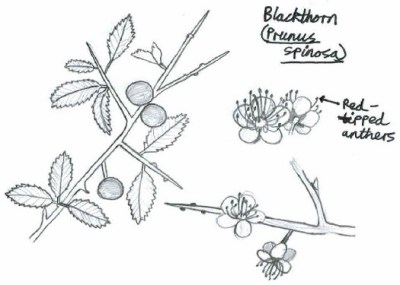
Blackthorn (Prunus spinosa)Blackthorn

  • Family: Rose – related to fruiting trees such as cherries and plums
  • Size: Up to 4m tall
  • Stems and twigs: Blackish and thorny
  • Leaves: 2-4cm long, oval-shaped tapering to a point with toothed margins
  • Flowers: Snow-white and 5-petalled with red-tipped anthers in the centre. Flowers late March-April, appearing BEFORE the leaves
  • Seeds: Produces fruit (sloes) which are small blackish plums with a bluish powdery surface. Tongue-numbingly tart to eat but popular to flavour gin
  • Range: Widespread and common throughout most of Britain
  • Fun Facts: Blackthorn, long used for making items such as walking and riding sticks, has long been associated with witchcraft

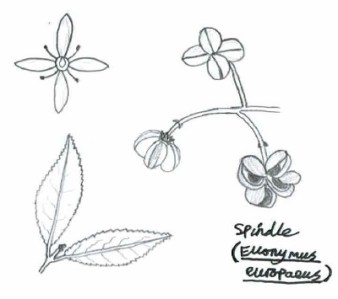
Spindle (Euonymus europaeus)Spindle

  • Indicator of an ancient hedgerow
  • Family: Staff-vine
  • Size: Up to 9m tall
  • Stems and twigs: Bark and 4-sided twigs are deep green, darkening with age
  • Leaves: 3-13cm long, shiny, mid-green, oval-shaped tapering to a point with finely toothed margins, and turning distinctively pinkish-red in autumn
  • Flowers: Greenish-white and 4-petalled in small overlooked stalked clusters. Flowers May-June
  • Seeds: Distinctive 4-lobed bright coral-pink berries
  • Range: Less common in Scotland and Ireland, found throughout England and Wales, but most frequent in the south
  • Fun Facts: The hard dense wood of spindle was used from ancient times to make spindles, whereas the leaves and seeds were powdered to dust on the skin of children to drive away lice

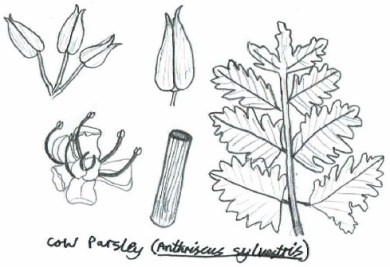
Cow parsley (Anthriscus sylvestris) Cow parsley

  • Family: Carrot – related to species such as parsnips and poison hemlock
  • Size: ~1m tall
  • Stems and twigs: Stems are hollow and furrowed, often becoming purple
  • Leaves: Fresh green, 3-pinnate, and sharply cut
  • Flowers: White, forming clusters known as umbels. Flowers April-June
  • Seeds: Round, smooth and broad-based
  • Range: Widespread and common throughout Britain and strongly associated with hedgerows
  • Fun Facts: Its folk-name is ‘Queen Anne’s lace’. This comes from a folk tale which said that the flowers would bloom for Queen Anne and her ladies in waiting and reflect the delicate lace they wore

Common Hazel (Corylus avellana)Hazel

  • Family: Birch – related to species such as silver birch, alders and hornbeams
  • Size: Up to 8m tall
  • Stems and twigs: Bark coppery brown, smooth and tending to peel
  • Leaves: 5-12cm long and almost circular with sawtooth edges
  • Flowers: Male= lemon-yellow catkins; Female= Tiny and bud-like with red styles. Flowers January-March BEFORE the leaves
  • Seeds: An edible nut encased at first in a thick-green husk before ripening in autumn
  • Range: Widespread and common throughout Britain
  • Fun Facts: Hazel rods have historically been used for a range of purposes from hurdles and coracles for fishing to house building and basketwork

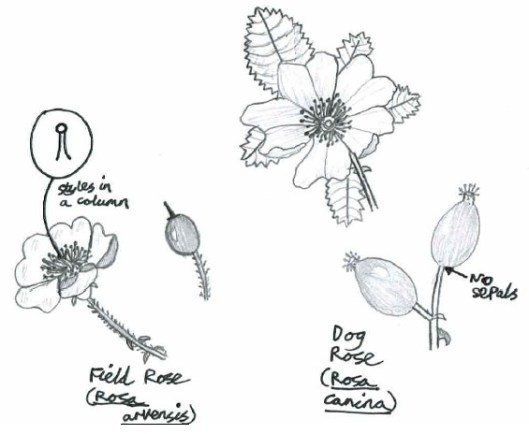
Dog Rose (Rosa canina)

  • Family: Rose
  • Size: Up to 4m tall
  • Stems and twigs: Arching stems with broad-based strongly hooked prickles
  • Leaves: Dark green and oval-shaped tapering to a point with toothed edges
  • Flowers: Flat and fragrant white or pale pink, with large petals and hairless stalks. Flowers June-July
  • Seeds: Fruit, known as a hip, that is egg-shaped and bright red
  • Range: Most common and variable wild rose, widespread throughout Britain, but most frequent in the south
  • Fun Facts: Adopted as a symbol of the British monarchy and England since the reign of Henry VII. It is also a valuable medicinal plant, with its hips being made into a Vitamin C rich syrup for children

Field Rose (Rosa arvensis)

  • Compared to the Dog Rose, the Field Rose is shorter, growing up to about 2m, with slightly smaller, cup-shaped creamy-white flowers that flower about a fortnight later, from June-July. Also, the flowers’ sepals are often purplish, the styles are in a column, and the hips are smaller and often more round. The Field Rose’s range does not stretch as far north as that of the Dog Rose, being absent from Scotland

Roses

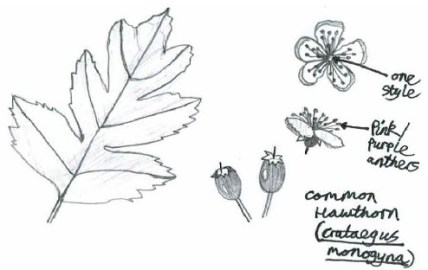
Common Hawthorn (Crataegus monogyna)Hawthorn

  • Family: Rose
  • Size: Up to 10m tall
  • Stems and twigs: Very thorny and hairless
  • Leaves: Leafing in April, the leaves are shiny and roughly oval-shaped with 3-5 deeply cut lobes
  • Flowers: White fragrant (sickly sweet) flowers with pink/purple anthers, only one style and 5 petals. Become deeper pink as they fade
  • Seeds: Fruit, known as haws, have a single seed and ripen to a bright red
  • Range: Widespread and common throughout Britain
  • Fun Facts: Hawthorn is linked to Christian, pagan and medieval rites, and has ancient associations with May Day. Bringing hawthorn blossom in your house was believed to bring in illness and death upon you

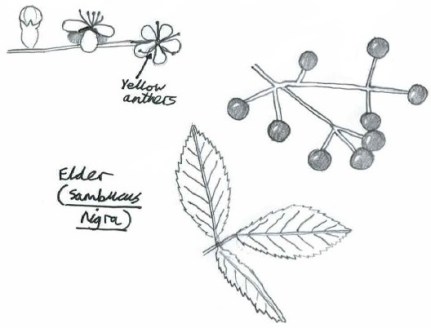
Elder (Sambucus nigra)Elder

  • Family: Previously in the honeysuckle family , but now reclassified in moschatel
  • Size: Up to 10m tall
  • Stems and twigs: Strong smelling with corky and fissured bark
  • Leaves: Dark green, pinnate with 5-7 leaflets
  • Flowers: White, small and fragrant in flat-topped clusters with yellow anthers. Flowers May-August
  • Seeds: Produces a juicy edible purplish-black berry
  • Range: Widespread and common throughout Britain
  • Fun Facts: Has many uses from wines and jams, to toys and dyes. Also, it was believed that planting an elder tree near your house would keep the Devil away

Field Maple (Acer campestre)Field Maple

  • Family: Soapberry – related to horse chestnut and lychee
  • Size: Up to 25m tall
  • Stems and twigs: Twigs downy
  • Leaves: Much smaller than sycamore at 4-7cm long and wide, rather bluntly lobed (3-5), and dark green. Turn distinctively amber in autumn
  • Flowers: Yellowish-green and carried in upright spikes. Flowers May-June after the leaves
  • Seeds: The seeds, known as keys, are winged and paired forming an angle of 180 degrees
  • Range: Common in England and East Wales, but less common elsewhere
  • Fun Facts: Wood used for furniture veneers, wall panelling, and violin-making, but previously used to make domestic utensils such as drinking bowls. As with all maple trees, the sap of the field maple can be used to make maple syrup

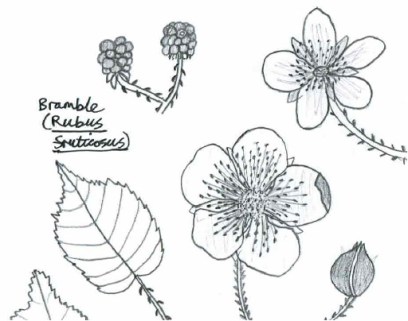
Bramble (Rubus fruticosus)Bramble

  • Family: Rose – closely related to species such as raspberries and dewberries
  • Size: Up to 4m tall or long
  • Stems and twigs: Prickly and half-evergreen
  • Leaves: 3-5 broad, toothed leaflets
  • Flowers: White or pink and flowers from May onwards
  • Seeds: Fruit is the familiar edible blackberry that starts green, then turns red, finally ripening to purple-black
  • Range: Widespread and common throughout Britain
  • Fun Facts: Folklore dictates that blackberries should not be picked after Old Michaelmas Day in October, as the Devil has sullied them. Brambles were also previously planted on graves to stop sheep grazing

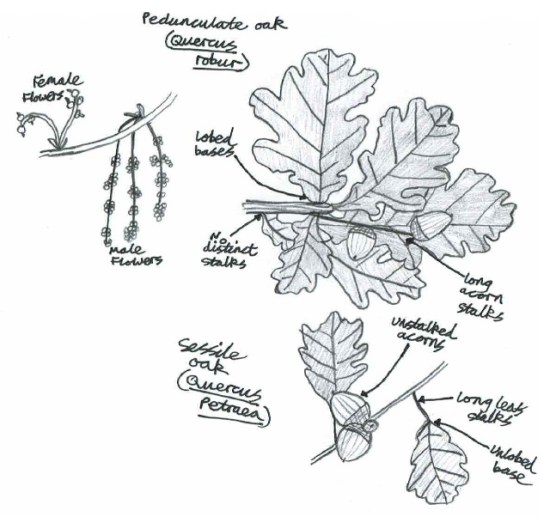
Pedunculate or English oak (Quercus robur)

  • Family: Beech – related to species such as beech and sweet chestnut
  • Size: Up to 40m tall
  • Stems and twigs: Massive rugged grey-brown trunk and broad crown
  • Leaves: 10-12cm long, oblong, usually broader at the base and lobed, turning brown in autumn
  • Flowers: Yellow-green catkins flowering April-June
  • Seeds: Produces the familiar acorn, with scaly cups and clusters carried on long stalks
  • Range: Widespread and common throughout Britain
  • Fun Facts: Druids in Celtic Britain held the oak tree sacred, with the oak becoming an English national symbol of strength

13_05_20_Sunrise_Oak_Tree_Grass_3

Sessile oak (Quercus petraea)

  • Differs to Pedunculate Oak in that the leaves taper to an unlobed base and have long stalks. Also, the clustered acorns are almost stalk-less with downy cups. Prefers more acid soils and is more common in the West of Britain

Oak Trees

Other species

  • There are lots of flowering species to also be found at the base of hedges. To help with identifying these, check out my ‘How to… Identify Woodland Flowers’ guide, to help with crossover species, such as bluebells, primroses, and moschatel

All photos and drawings are my own

How to…Use and Make the Most of a Camera Trap

There is nothing like the exhilaration of camera trapping. Setting up the camera trap/trail camera in a golden location, waiting with anticipation for the camera check day, and riding a rollercoaster when capturing something totally unexpected. Camera trapping is one highly addictive activity!

M2E31L53-53R392B293

So why is camera trapping so popular? Well, camera traps allow us to non-invasively open up a normally unseen world. This is a thrilling thing to be able to do, giving us the addictive ability to observe wildlife up close and personal without disturbance. In this way, camera traps can be used as an important tool to identify the presence or absence of species, monitor animal populations and record interesting behaviour.

M2E1L0-13R350B300

At home on my family’s farm, I use my camera trap to carry out surveys across our land, to find out what wildlife is present, how abundant these species are, and to experience new life in spring in all its glory. However you choose to use your camera trap, I can only say for you to have lots of fun and adventures whilst doing it!

M2E45L145-145R394B315

Buying a camera trap

So where do you start if you do not already own a camera trap? Well all off-the-shelf camera traps have similar components and operate on the same principles: a digital camera connected to an infrared sensor that “sees” warm moving objects. Camera traps typically range from £30 to £1000, meaning there is a lot of choice out there. To find the camera trap that is right for you though, you should consider these key questions:

  • How much are you willing to spend?
  • What are you going to be wanting to use it for?
  • Where are you going to be using it?
  • Do you want to use it during the daytime, night-time (black and white or colour) or both?
  • Do you want to take photos, videos or both?
  • Will you want increased capabilities, such as wireless, geo-tagging or higher detection capabilities?

The camera trap I use is a simple Bushnell model that I bought many years ago now for about £120.

How to use a camera trap to get the best from it

Camera traps have a lot of potential as they can remain operational 24/7 and can be left in the field for long periods of time. To increase your chance of camera trap success though, you need to set it up properly to maximise animal detection. Here are some handy tips to get you started:

  1. Visit your chosen site before setting up your camera trap to make sure it is the best site possible.16_04_20_Farm_Badger_Alley_5
  2. Do not forget to make sure your camera has another battery life and SD card room each time you set it up.
  3. Carefully select where to mount your camera trap, such as a sturdy tree or post, to make sure your camera will be supported and  positioned to take in your chosen field of view.Detection zone
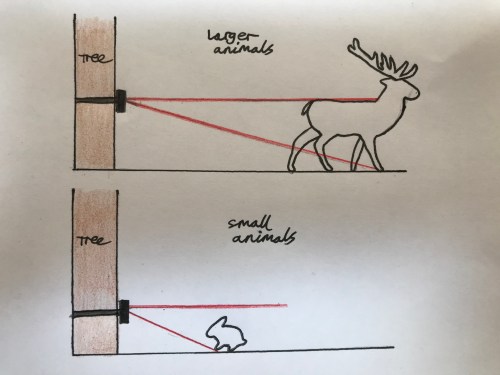
  4. Consider the height of the animal(s) you are trying to capture to increase detection and inclusion in the frame. For the best result, position your camera trap so it sits just below the target’s shoulder height.Camera Height
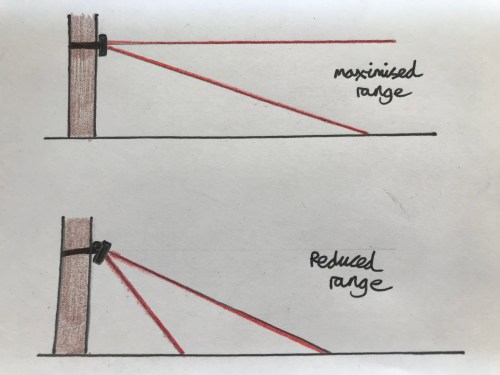
  5. Camera angle is as important as height when positioning the camera trap. For best result and to increase the detection range, you want the camera trap to aim horizontally at the subject. A stick is a great way to get a better angle for your camera. Camera angle
  6. Think about where you want the animal to be positioned in the frame. Larger animals are easier to detect so will be detected at longer ranges compared to smaller ones, and animals walking across the camera trap’s field of view will be more easily detected compared to walking towards it.Animal Position
  7. Try to reduce the number of false triggers by trimming back vegetation that could trigger the camera if moving in the wind. Do not remove enough to disturb your intended subjects though!
  8. And always do your research! The more you know about a site or species, the more likely you will get results.

Inspiration for camera trap sites and uses

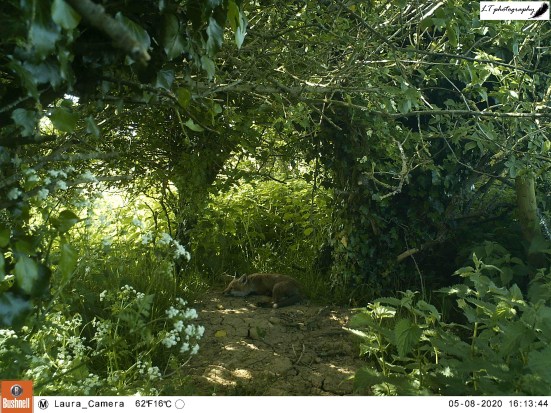
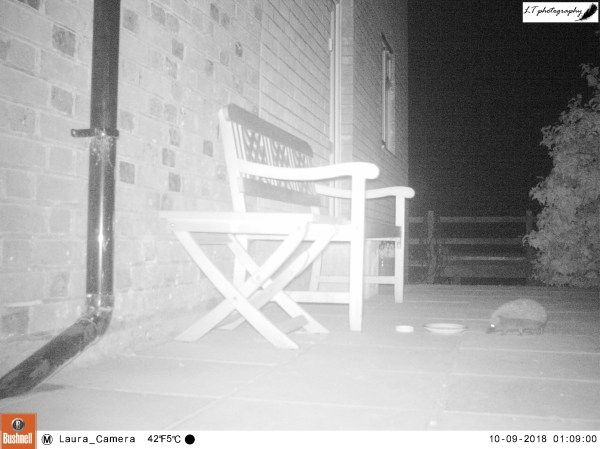
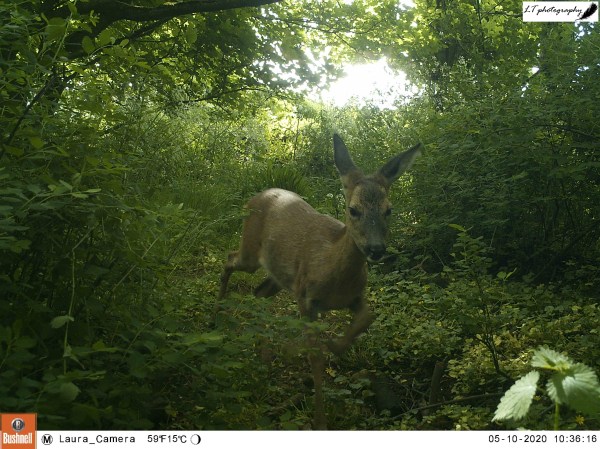
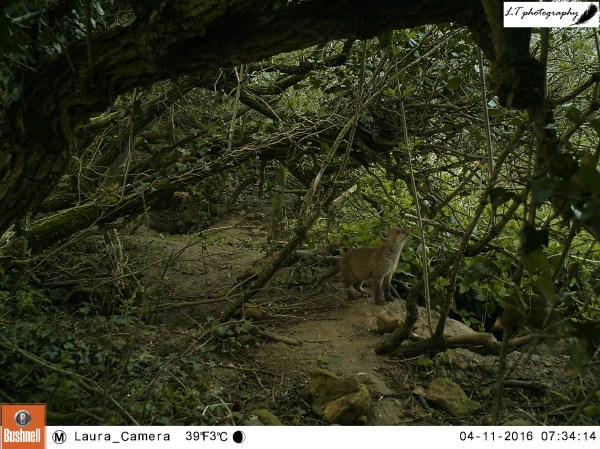
Over the few years I have owned my own camera trap, I have used it for a number of different purposes and in a variety of locations. Here are some examples of my own work to help inspire you:

  • Abroad – In 2017, I was lucky enough to spend 2 weeks in Costa Rica on a field course for my Bachelor’s degree, and so I decided to take my camera trap along with me. This allowed me to get some cool sightings of some interesting wildlife

M2E43L24-32R350B300

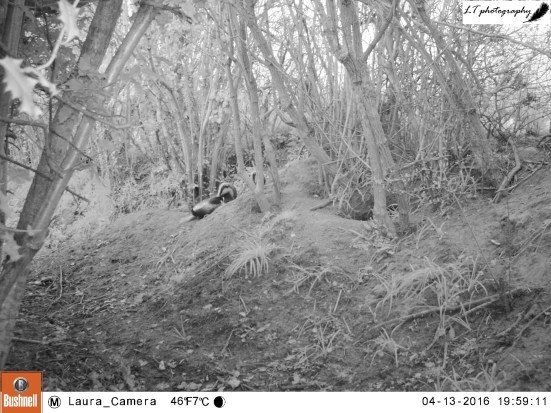
  • Badger setts – A popular choice for a camera trap site is at a badger sett. With 3 established badger setts on my family’s land, I have previously had all sorts of interesting results by observing setts in this way. In particular, it has always been great to see how different species cohabit such locations.

M2E40L17-25R350B300

M2E54L167-167R388B312

M2E54L172-172R388B317

  • Paths – A great place I have found to put my camera trap is on an enclosed footpath on our land. This is because the path, fondly known as Badger Alley, is bordered either side by hedges, is in the vicinity of used and disused badger setts, and is frequently used by wildlife but infrequently by humans. Always be aware of how safe a camera trap may be on footpaths though!

M2E43L126-126R396B311

Garden – One of my all time favourite projects I used my camera trap for, was to get photos of our own special garden visitor in October 2018. I love getting to see the wildlife that is truly on our doorstep!

M2E1L0-8R350B300

  • Woodland – I have previously found that a woodland can be an interesting place to capture wildlife. The result can often be unexpected or interesting, with less of an idea of what might turn up.

M2E51L160-159R390B314

Animal trail – Another great way to try and capture the wildlife that is in your local area is to find and set up your camera trap on a well used animal trail. It is interesting to find out what animals are actually making those tracks!

Specific animals – Often when camera trapping, you want to capture a specific animal, which leads to research and setting up the camera trap in a position where this animal has been sighted. Relating to this, my other favourite camera trap project has been to capture fox cubs above ground and to observe their behaviour. This has resulted in many cute photos over the years!

M2E31L60-60R392B300

Now it’s your turn! Even if you do not own/want to own a camera trap, there are always ways around it, for example why don’t you see if you can borrow one from somewhere or someone.

Though camera trapping does not always go to plan, the results can be truly satisfying. Time to see what you can find!

For more camera trap action, check out my blog post from last year called: Spring Countryside Camera Trap Surveys

How to… Identify British Woodland Flowers

At this moment, as spring moves on, the natural world outside our doors is going through one of its busiest times. From birds nesting to the leaves bursting, the world around us is buzzing with the promise of new life.

During spring, one of my favourite things to do is walk in the dappled light beneath an increasing canopy, between steadfast trees and amongst undergrowth blooming with colour. Walking through a woodland is an easy way to lose yourself for a little while and give yourself a much needed lift. To connect further, an easy way on a woodland walk is to pick out the plants and animals that you can recognise around you. This can often be more difficult than first thought.

So to help you be mindful of the wonderful world out there, I have put together a simple guide to some of my favourite woodland flowering species that are easy to find during spring. It is time to get out there and explore!

16_04_20_Horseshoe_Woods_Bluebells_8

Well known flowers

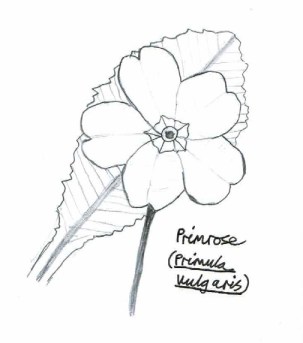
Primrose (Primula vulgaris)Primrose

  • Size: Low carpeter; up to 12cm tall
  • Flowers: Pale yellow (there are pink-purple forms) with a deep yellow eye and honey-guides
  • Stems and leaves: Long shaggily hairy stems with wrinkled and toothed leaves, that are hairless above and hairy below (up to 15cm long)
  • When does it flower? March-May (heralds the arrival of spring)
  • Where can it be found? Woods, hedgebanks and grassy places throughout Britain

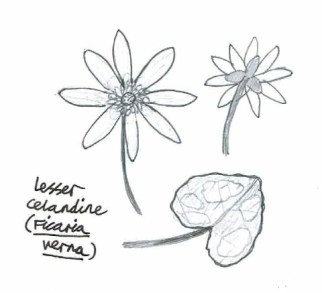
Lesser Celandine (Ficaria verna)Lesser celandine

  • Size: Up to 30cm tall
  • Flowers: Solitary with 8-12 glossy yellow petals and 3 sepals
  • Stems and leaves: Hairless with leaves that are long-stalked, heart-shaped, and dark green. Sometimes bear dark or light markings
  • When does it flower? February-May
  • Where can it be found? Woods, grassland, hedges, waysides, bare ground and by fresh water throughout Britain

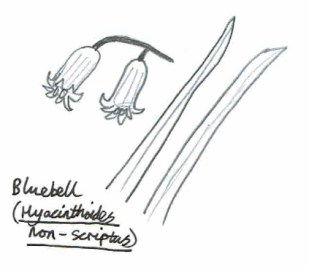
Bluebell (Hyacinthoides non-scriptus)Bluebell 2

  • Size: Up to 50cm tall
  • Flowers: Azure blue (though sometimes pink or white) with cream-coloured anthers. Fragrant and bell-shaped with six turned-down lobes
  • Stems and leaves: Long, narrow, strap-shaped, keeled leaves
  • When does it flower? April-June
  • Where can it be found? Carpeting woodlands, hedges, scrubland, on sea-cliffs and mountains in most parts of Britain

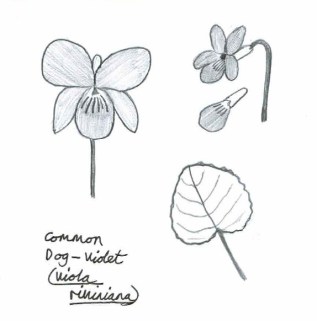
Common Dog-violet (Viola riviniana)Common Dog-Violet

  • Most common wild violet species in the UK
  • Size: Up to 15cm tall
  • Flowers: Unscented with petals that are blue-violet but variable, usually overlapping. Stout spur, curved upward, blunt, notched at tip and paler than petals (often creamy)
  • Stems and leaves: Hairless or only slightly downy leaves and stalks. The leaves are long-stalked, heart-shaped, pointed at the tip, and as broad as they are long
  • When does it flower? March-May and sometimes July-September
  • Where can it be found? Woods, hedges, pastures, heaths and rocky areas throughout the British isles

Sweet Violet (Viola odorata)

  • Size: Up to 15cm tall
  • Flowers: Blue-violet, often white, occasionally lilac, pink or yellow. Only fragrant violet in Britain
  • Stems and leaves: Leaves are heart-shaped, downy and enlarged in summer
  • When does it flower? February-May
  • Where can it be found? Woods and hedges over most of the British isles


Plants known to some

Wood anemone (Anemone nemorosa)Wood Anemone

  • Size: Up to 30cm tall
  • Flowers: Solitary white (sometimes tinged purple) that nod when closed
  • Stems and leaves: About two-thirds of the way up each slender stem is a ring of three leaves (trifoliate), each divided into three toothed segments. Rising above the leaves is the solitary flower
  • When does it flower? March-May
  • Where can it be found? Carpeting woodlands in spring, as well as hedge-banks and occasionally grasslands throughout Britain

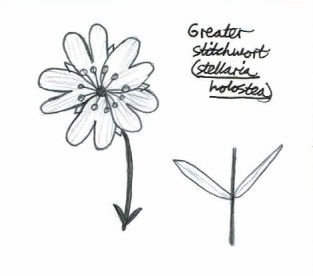
Greater stitchwort (Stellaria holostea)Greater Stitchwort

  • Size: Up to 60cm tall
  • Flowers: Deeply cleft white petals
  • Stems and leaves: Stalkless, narrow and long-pointed leaves with a slightly grey tinge (15-60cm long)
  • When does it flower? March-June
  • Where can it be found? Across woodlands, hedgerows and scrub areas throughout Britain except some northern isles

Wild Garlic/Ramsons (Allium ursinum) Wild Garlic

  • Most common and only native broad-leaved garlic
  • Size: Up to 45cm tall
  • Flowers: White star-like flowers
  • Stems and leaves: Have leafless flowering stems. The leaves are broad, flat, lanceolate and distinctive smelling
  • When does it flower? April-June
  • Where can it be found? Often seen growing in large clumps in woods and shady places throughout Britain

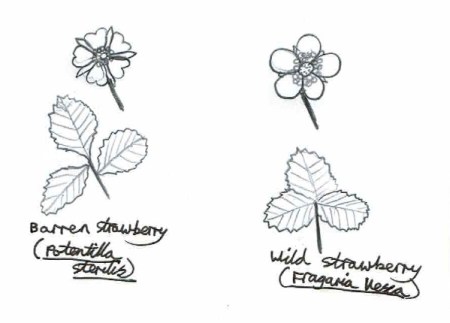
Wild Strawberry (Fragaria vesca)

  • Size: Up to 30cm tall
  • Flowers: White flowers with no gaps between the 5 unnotched petals. Produce reddish fleshy strawberries that have protruding pips
  • Stems and leaves: Hairy. Leaves are trefoil on long stalks and are brighter green on top and pale below. Lower leaves form a rosette
  • When does it flower? April-July
  • Where can it be found? Woods, scrub, and grassland throughout the British Isles

Strawberry

Barren Strawberry (Potentilla sterilis)

  • Size: Up to 30cm tall
  • Flowers: Unlike wild strawberry, there are gaps between the slightly notched white petals. Produces unstrawberry-like non-fleshy fruits
  • Stems and leaves: They are hairy, but unlike wild strawberry, they have smaller, shorter stems and blue-green leaves
  • When does it flower? Earlier than wild strawberry, from February-May
  • Where can it be found? Woodlands, scrub, hedgebanks and other dry banks

16_04_20_Horseshoe_Woods_Flower_Wild_Strawberry_2


Less known plants

Yellow Archangel (Lamiastrum galeobdolon)Yellow Archangel

  • Size: Up to 30cm tall
  • Flowers: Yellow and two-lipped, with the upper lip being helmet-shaped and the lower having three almost equal-sized lobes
  • Stems and leaves: Hairy and patch-forming, with leafy and upright flowering stems. The leaves are long-stalked, oval in shape, dark green, irregularly toothed and borne in opposite pairs
  • When does it flower? April-June
  • Where can it be found? Woodlands and hedgerows in England and Wales

Early Purple Orchid (Orchis mascula)Early Purple Orchid

  • Size: Up to 40cm tall
  • Flowers: Form a spike on a stout, upright stem. Usually some shade of purple, sometimes pinkish or white, and are three-lobed with three inner and three outer petals. The upper five petals are oval and form a hood; the lower petal extends into a long lip. Scent described as tom-cat-like
  • Stems and leaves: Lance-shaped, varying from broad to narrow, and usually have round, purple-black blotches on their upper surface
  • When does it flower? April-June
  • Where can it be found? Frequently in woodlands, and is widespread throughout Britain

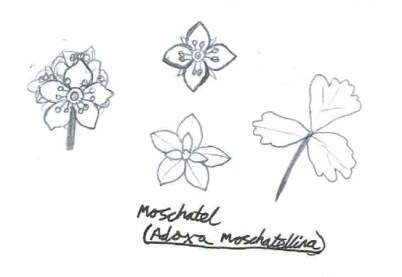
Moschatel (Adoxa moschatellina)Moschatel

  • Also known as townhall clock and is the only species in its family
  • Size: Up to 15cm tall
  • Flowers: Flower heads greenish, almost forming a cube with one flower on each side (5 petals each) and one flower on top (4 petals). Scent is musk-like, likened to almond or elder blossom
  • Stems and leaves: Hairless with long-stalked trefoil leaves, that are positioned in one pair on each flower-stalk
  • When does it flower? March-May
  • Where can it be found? Woods, hedge-banks, and rocky mountain places, locally common throughout Britain

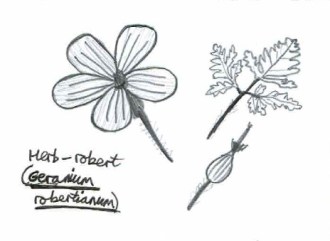
Herb-robert (Geranium robertianum)Herb-Robert

  • Size: Up to 50cm tall
  • Flowers: Strong smelling and deep pink, occasionally white, with rounded petals that are not notched
  • Stems and leaves: Hairy with stems that are often reddish and leaves that are fern-like with 3-5 lobes
  • When does it flower? April-November
  • Where can it be found? Shady spots on hedgebanks, rocks and walls or in woods throughout Britain

25_05_19_Horseshoe_Wood_Herb_Robert_3


All photos and drawings are my own 

How to… Identify Animal Footprints

Often it can be difficult to catch a proper glimpse of the animals around us, especially those that are more active at night. Just because you may not be able to see them though, does not mean that they are not there. Instead, a great way to find out what is living near you is to play detective and look for the signs they leave behind, such as fur, burrows or droppings.

Here we take a look at a great sign of animals being present, animal tracks/footprints. Though they are best found in snow or wet mud, at this time of year the best way to look for tracks is after rain, hardened in drying mud, or by creating your own tracker. So why not have a go playing detective and see what you can find in your garden or wider countryside whilst getting out for exercise. To help you out, here’s my guide to animal footprints!

Guide to animal footprints

Badger

Footprint Size: 5-6cm long & 5-6.5cm wide

Badger

A badger’s footprint is large, broad and robust with 5 toe pads pointing forwards in front of a broad rear pad. They also may show long claw marks that are well in front of the toes. Claw marks are shorter and closer to the toe pads for the hind feet.

Badger

Fox

Footprint Size: 5-7cm long & 3.5-4.5cm wide

Fox, Cat, Dog

A fox’s footprint is a bit like a dog’s, but appear more narrow in shape with toes closer together, making a diamond shape. There are 4 distinctly oval toes, 2 at the front and 1 towards each side, and a roughly oval rear pad. Foxes do leave claw prints, unlike cats, but do not have the elongated claws that are visible in badger prints. Sometimes impressions of hairs between pads may be visible.

Rat

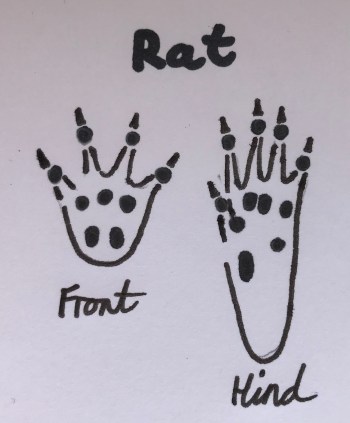
Footprint Size: Front= 1.8-2.5cm long; Hind= 3-4.5cm long

Rat

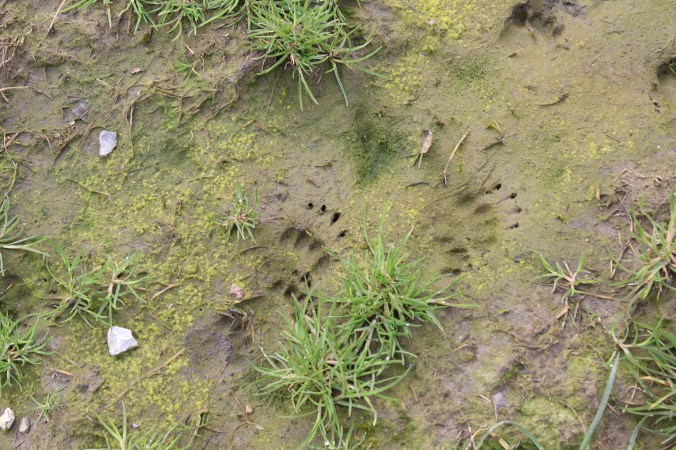
A rat’s footprints vary between the front and hind feet. On the fore, they have 4 toes, whereas on the hind, they have 5 toes and a long heel. Their footprints can be mistaken with a water vole’s, but a water vole’s tends to show more splayed toes and a shorter heel.

Rabbit

Footprint Size: Front= 4cm long; Hind= 7.5-9.5cm long

Rabbit

The hind feet of a rabbit are much larger than their fore feet. This means that their footprints will be grouped into a pair of long and a pair of shorter prints. Often you will also see lots of footprints crossing each other and signs of multiple rabbits together.

Hedgehog

Footprint Size: ~2.8cm wide & ~2.5cm long

Hedgehog

A hedgehog’s footprint is long and narrow in shape with 3 toes pointing forward and 2 pointing out to the sides, making a star shape.

Deer

Footprint Size: Vary from muntjac deer at ~3cm long to red deer at ~9cm long

Deer

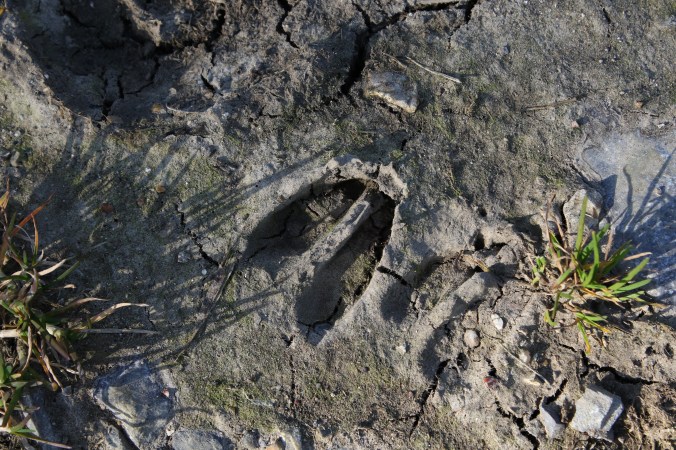
All deer species have cloven hooves (2 toes), the same as a sheep or a cow. A deer’s toes are more slender and pointed though, looking like 2 teardrops or an upside-down heart. Toes may appear splayed in soft ground.

It tends to be difficult though to tell apart the footprints of different deer species, as they tend to be similar, only differing in size and subtly in shape. A muntjac’s footprint though, for example, will be alot smaller than a red deer’s.

Deer

Otter

Footprint Size: 6-9cm long & up to 6cm wide

Otter

An otter’s feet are webbed due to their semi-aquatic lifestyle, which can make their prints easy to spot if visible. Their fooprints are also round with 5 toes in front of a large rear pad. Short claw marks projecting from the toes may also be visible.

Small mammals e.g. Mink, weasel, stoat, pine marten, polecat

Footprint Size: Varies with species and sex

Small Mammals

Five toes splayed in a star shape

Birds

Footprint Size: Varies with species

Most bird species have four toes, with typically 3 facing forward and 1 backwards. Depending on the species, footprints on the ground will vary in size, shape and form. A common footprint seen in the english countryside is that of the non-native pheasant. Their footprint is fairly distinct due to their large size and looks like an arrow in shape (Footprint Size: 6-8cm long).

All photos and drawings are my own