The Bluebell is the sweetest flower
That waves in summer air
Its blossoms have the mightiest power
To soothe my spirit’s care – Emily Brontë (The Bluebell)

That moment I stop, take a breath, and take in this spring spectacle for the first time each year, always fills me with joy each and every time. There is nothing quite like the rich violet-blue carpeting a woodland floor as far as the eye can see, brightening even an overcast day. This incredible event also bombards the rest of the senses at the same time, from the heady scent of millions of nodding heads to birds layering their songs to create the perfect soundtrack. A walk amongst the trees allows you to escape for a while and to forget the wider world.


The beautiful bluebell is one of the most iconic native flower species in the UK, and a favourite for many. They have captured imaginations for centuries from art to literature, and have garnered the name ‘Fairy Flower’ from the rich folklore that surrounds this dainty flower. Putting much fantasy aside, bluebells have also been a useful flower to humans throughout the ages, with purposes including preventing nightmares, bookbinding, and even clothes starching.


This year my spring has been a lively one, but I have still tried to experience as much of the season as possible, bluebells included. A big part of this for me was adventuring to my local woods to take in the changing of the seasons, and to take in this fantastic habitat. For me, Dorset is one of the best places to see bluebells, as is the south west, due to many remaining areas of ancient woodland and a slightly milder climate. With this in mind, during the first week of May, I ventured out to 3 stunning woodlands close to my home in Dorset for some adventures.



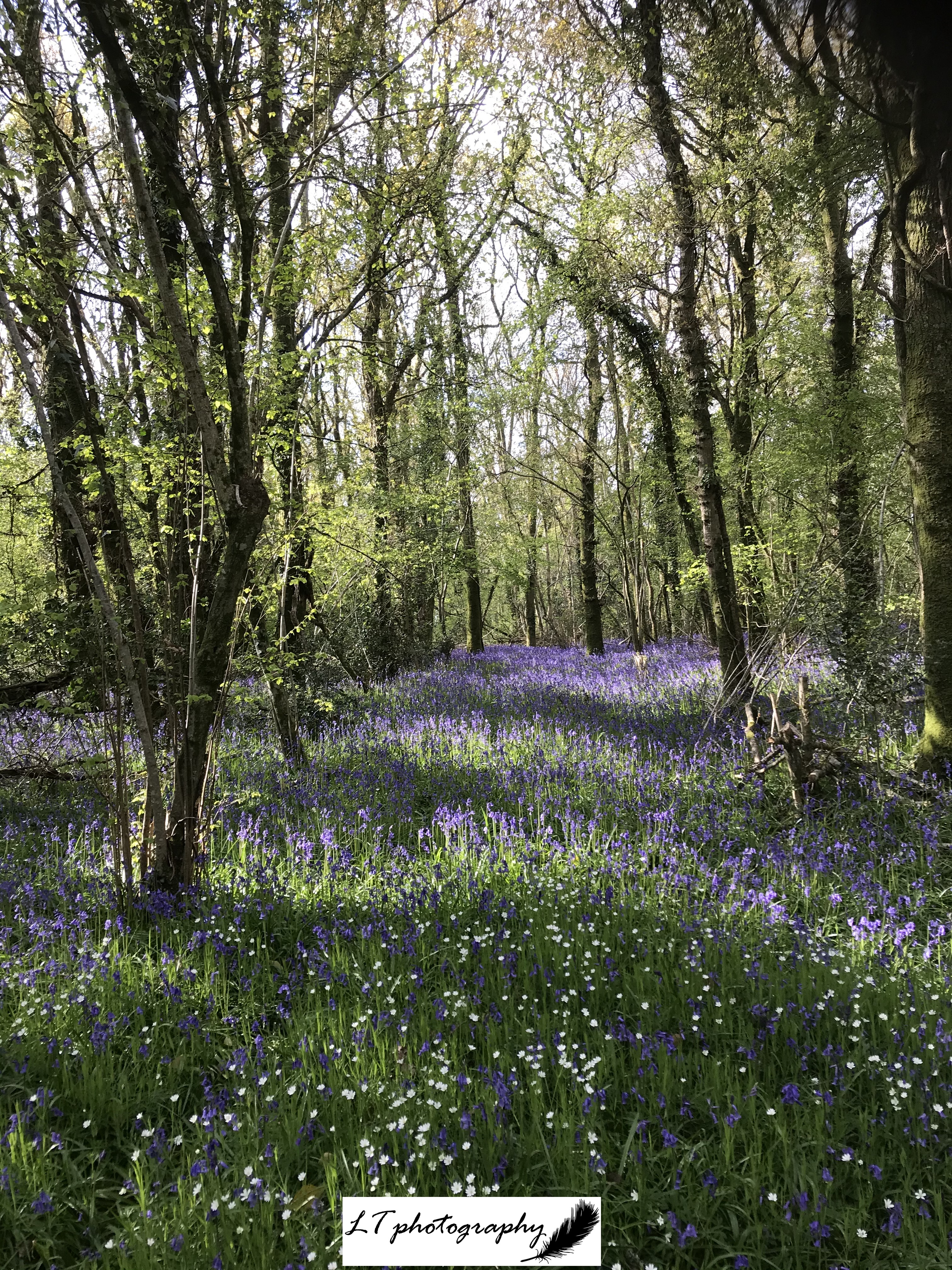
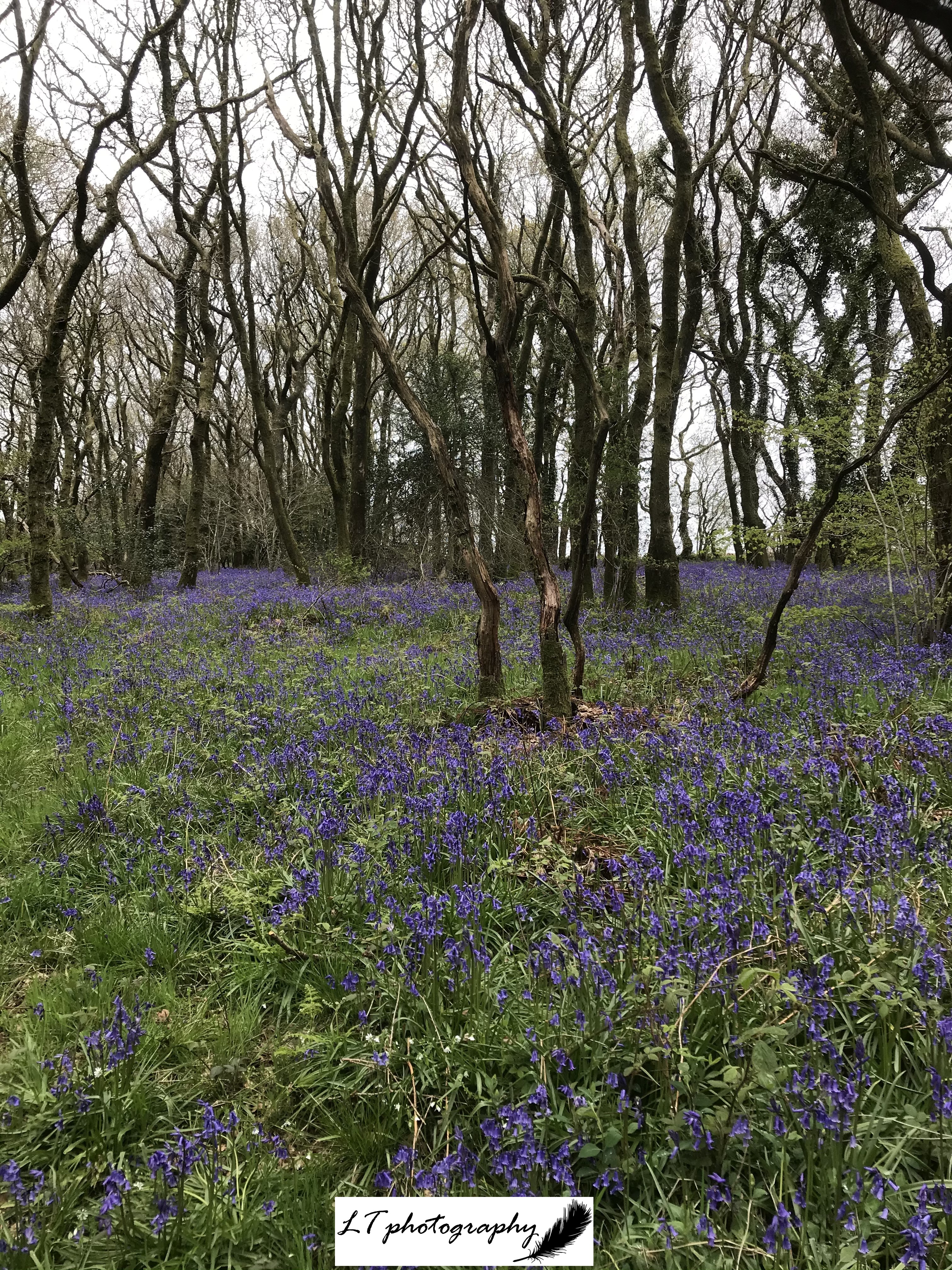
Bluebell Wood Number 1 – Horse Close Wood (Wednesday 5th May)
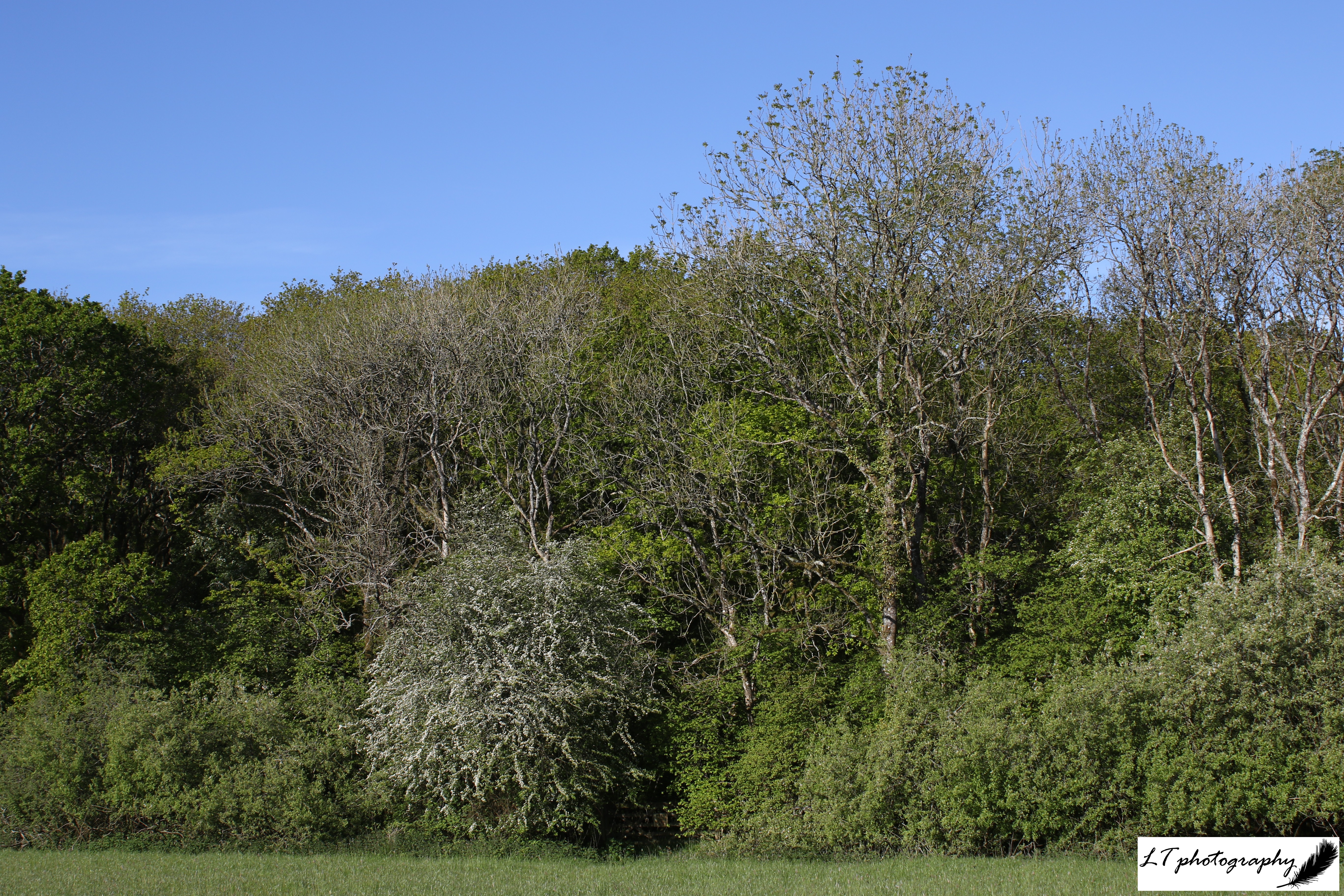
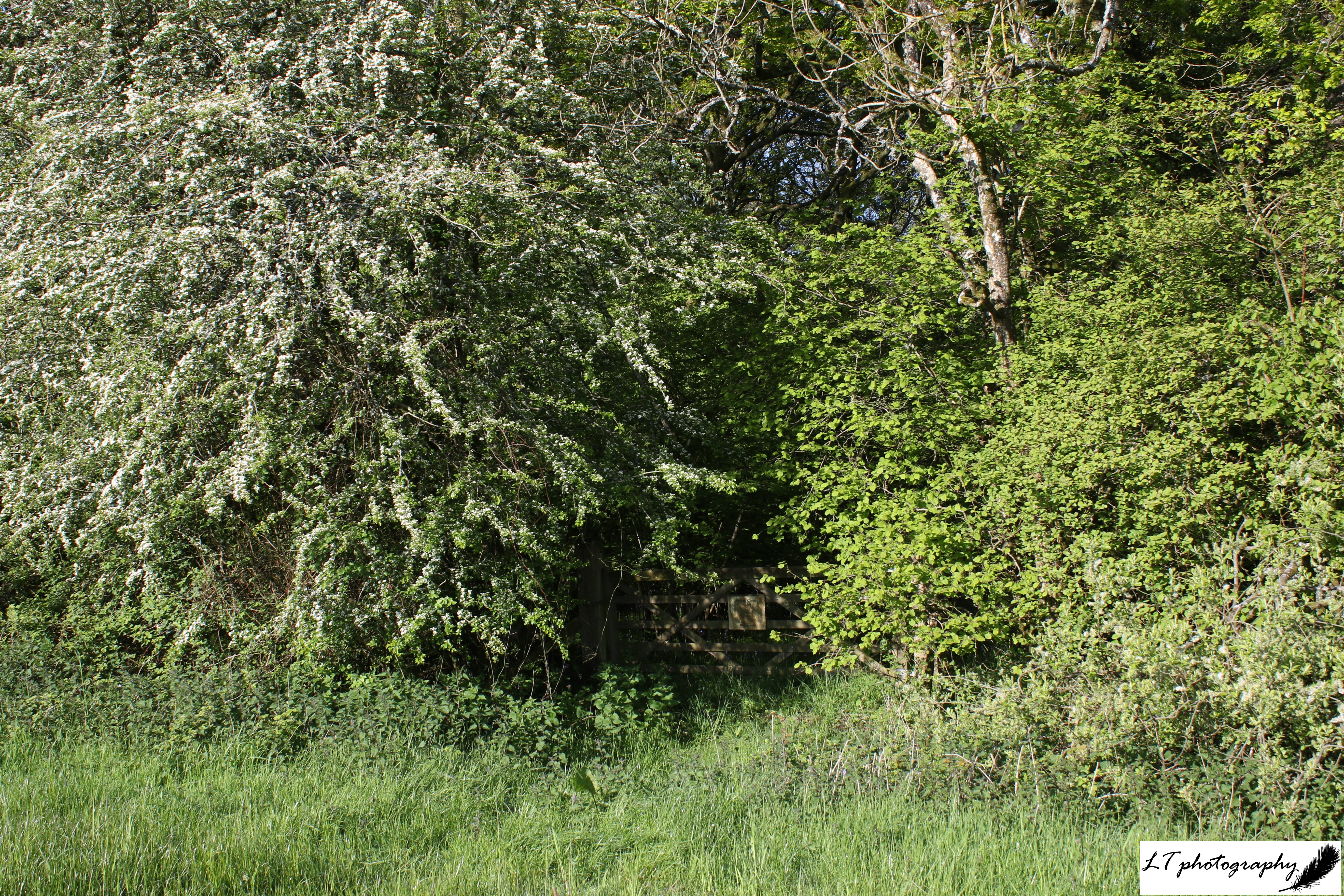
This year in my favourite local woods, I spotted my first bluebell on the 7th of April. It then took until May for the bluebells to finally come into their own, thanks to the cold and frosty mornings at the start of spring. So on the afternoon of Wednesday the 5th of May I headed to Horse Close Wood for my first walk of the year through the bluebells. I could not help but be a little excited on my walk there, as there is something truly special about seeing this iconic spring scene for the first time each year.


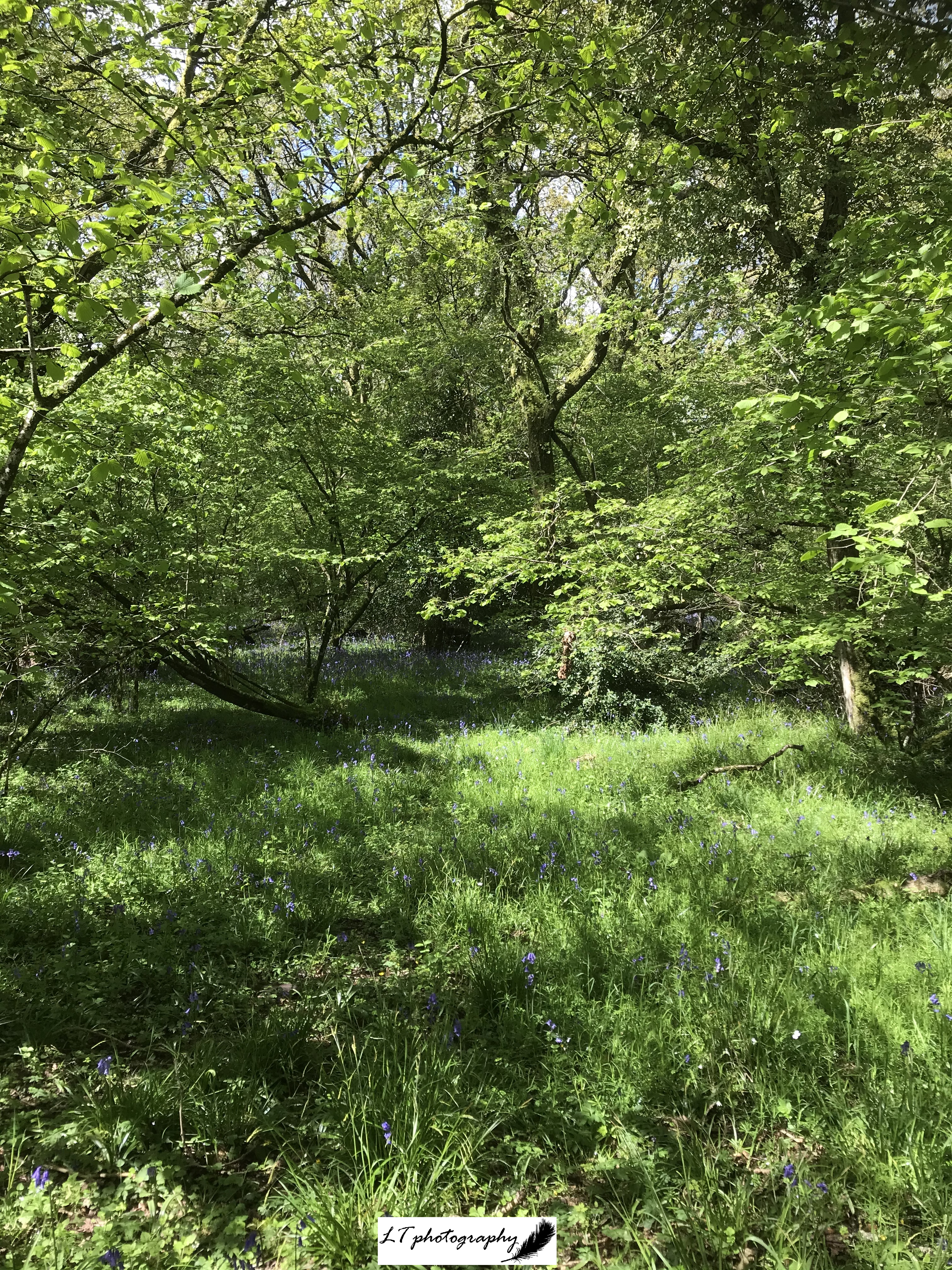
As always this woodland did not disappoint. When you arrive at the gate you cannot at first see very far, but as you move on and round the first corner the wood hits you. You are suddenly met with a resplendent deep blue carpet, dotted with the whites, pinks and yellows, of early purple orchid, stitchwort, yellow archangel and more. You are also bombarded with a symphony of song, with birds including chiffchaffs, song thrush, blackbirds, robins, and nuthatches. With seclusion and a diversity of plant life, this wood is a great home for wildlife, from the small, such as spiders and butterflies, to the larger, such as roe deer and badgers.


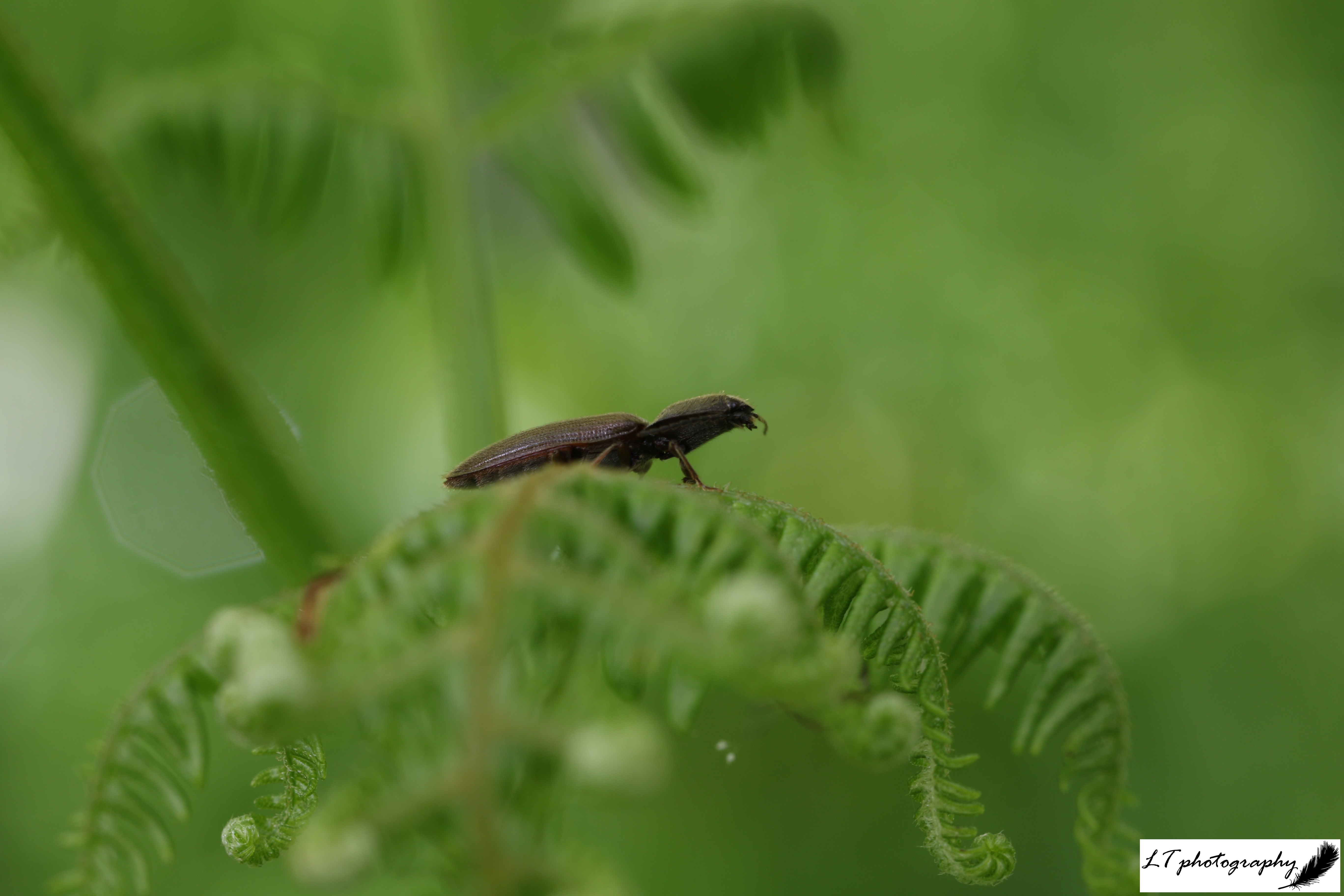
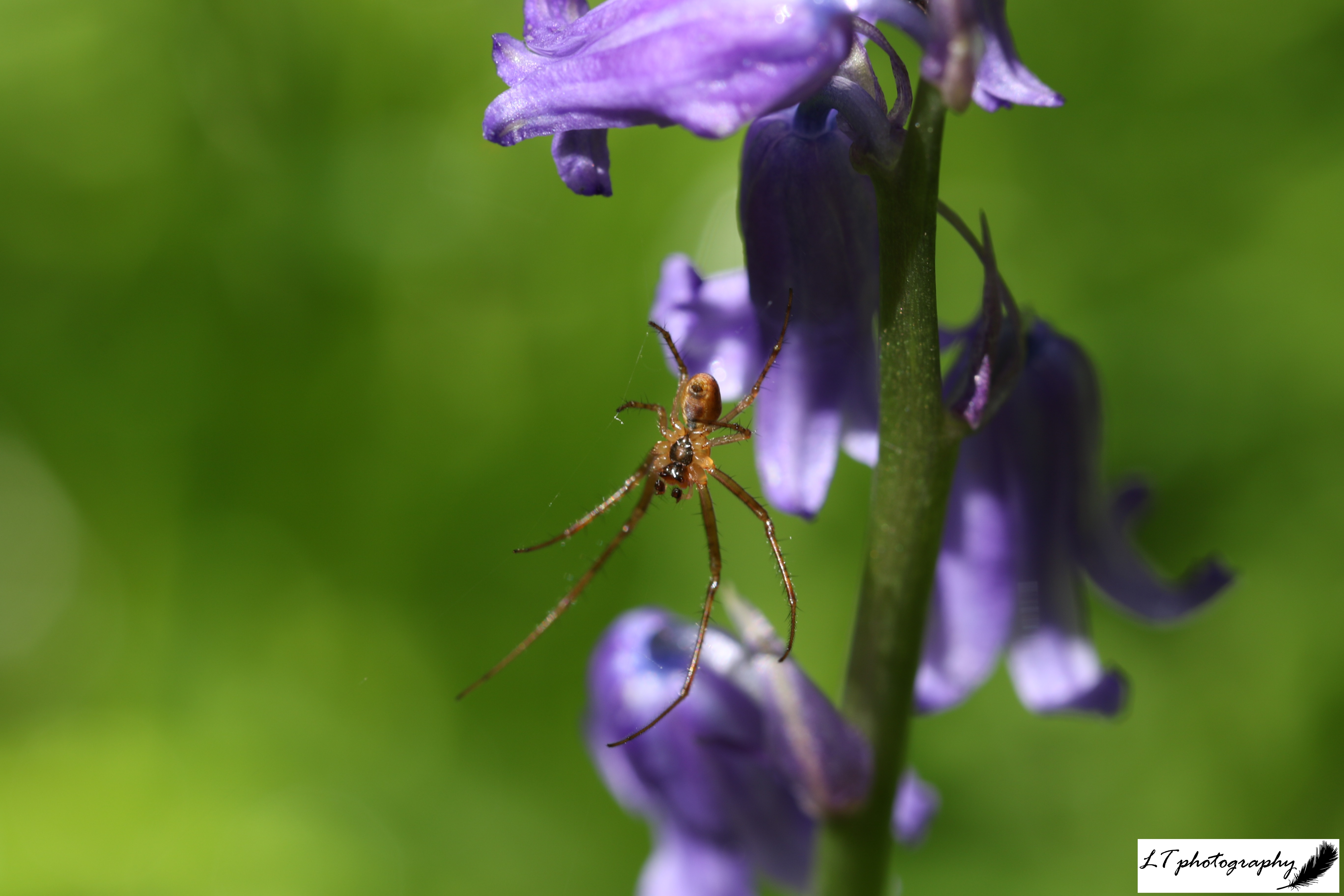
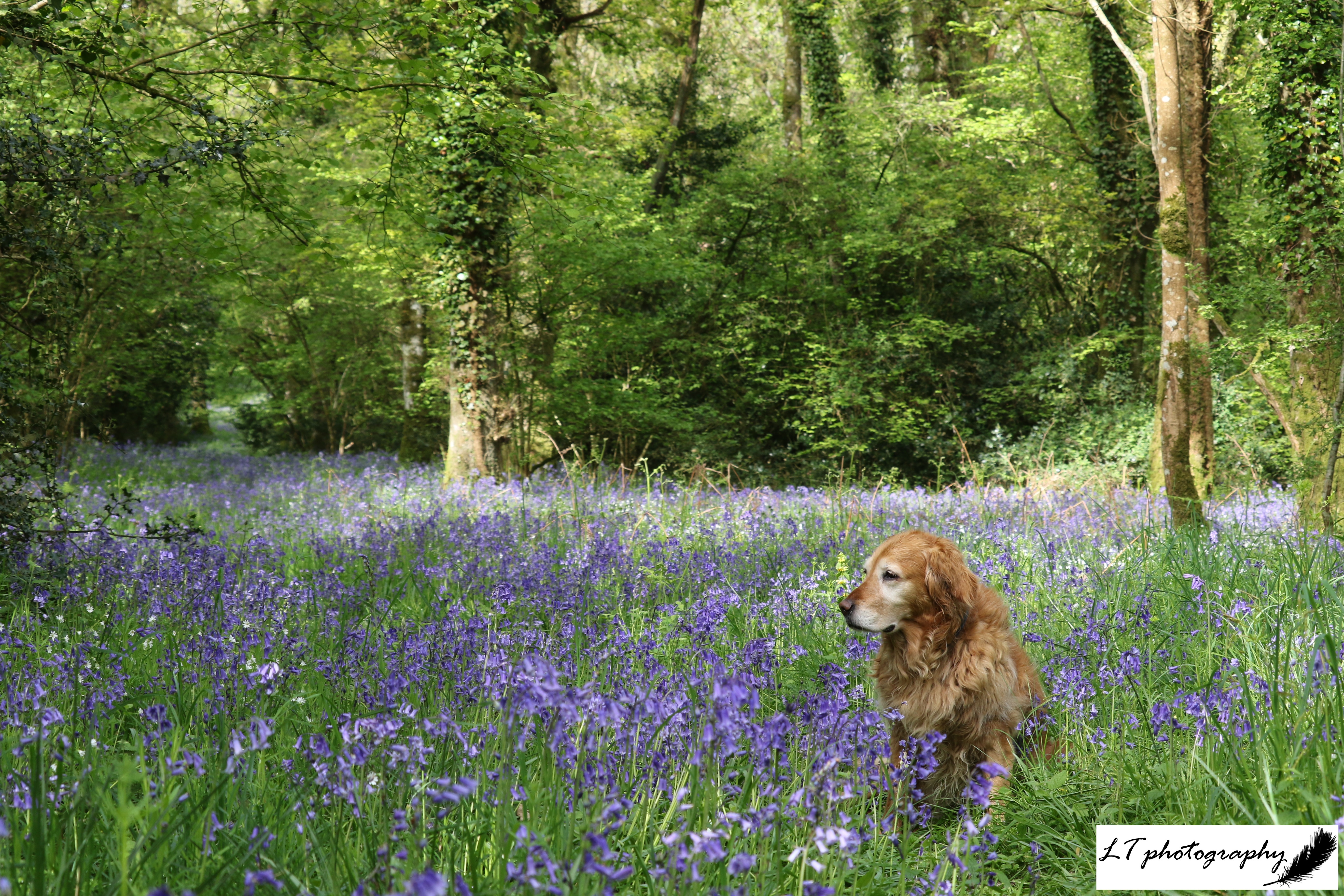
Walking through the bluebells in Horse Close Wood holds many happy memories for me, including walking our family dog through the wood during her very last year with us. It is a place that brings me comfort and new experiences, helping me through happy and tougher times, such as university exams and lockdowns. It will be a place that keeps me coming back for years to come.

Bluebell Wood Number 2 – Cockroad Copse (Thursday 6th May)
After a successful walk in the woods the day before, on my second day off I decided to head to another of my local woods to see some more bluebells. I held off going until later in the day, as the weather had been a bit off, but I was rewarded with some warm and calm weather for my adventure.


Named Cockroad Copse for its smaller size, it is made up of similar tree species to the Horse Close Wood, such as oak and hazel, but lacks some of the habitat variation of the larger wood, for example small holly trees and streams. It is also less secluded, being close to a road and gasworks, and not far from a nearby village. As a result the Copse sees more human visitors and is a little less wildlife-rich than my larger favourite.


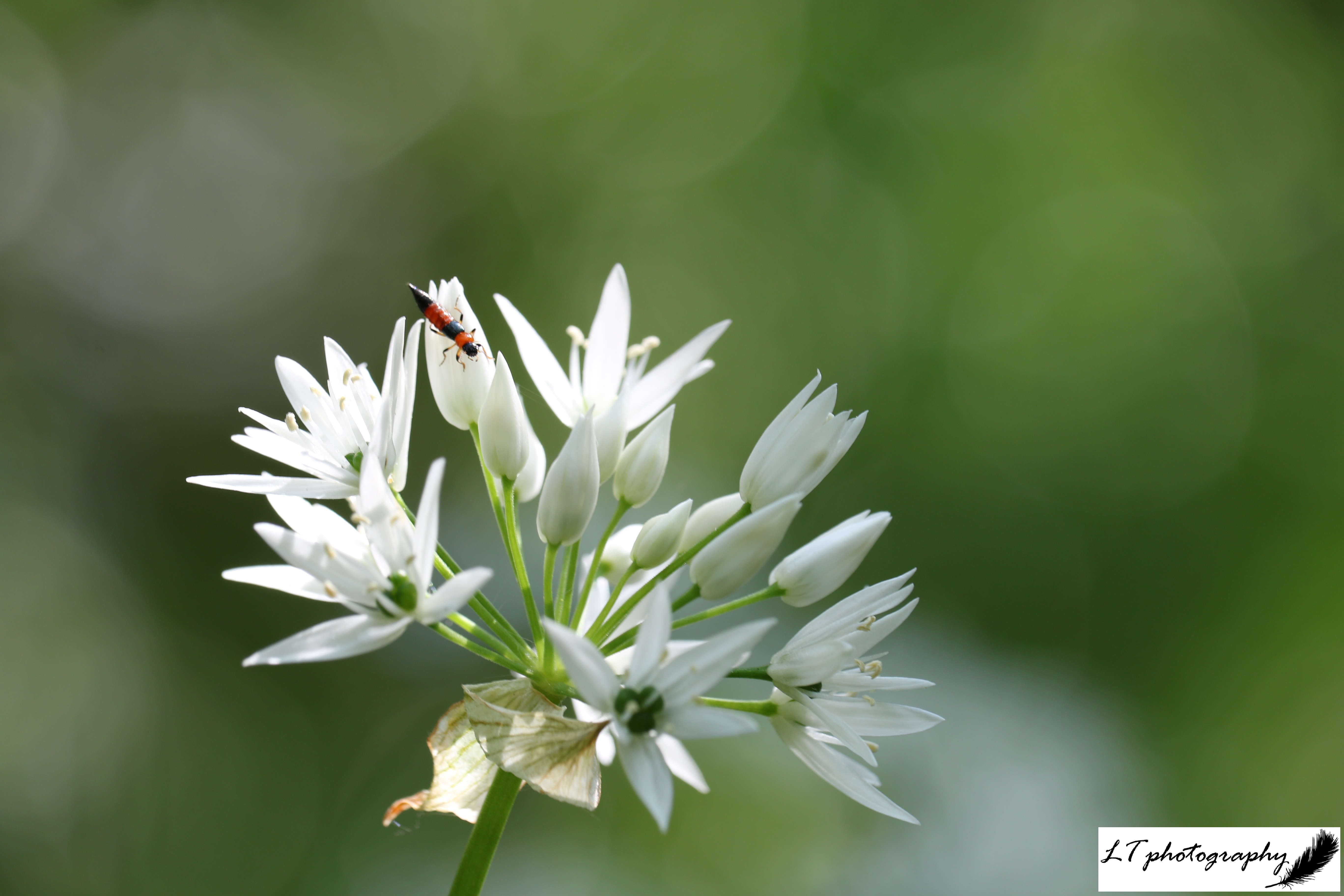
Despite some limitations, the Copse on this day was still spectacular in its spring finery, with native bluebells dotted with some ancient wood indicators, such as wood anemone and wild garlic. The woods was also enriching for the rest of my senses with the fresh, green smell of new life, the heady scent of bluebells at their peak, a fresh, cool taste on the tongue, a gentle breeze on my skin, and the brush of undergrowth. The evening sun was the icing on the cake, cutting through holes in the canopy and creating a rather magical atmosphere. When a setting plays with your senses, it is refreshing and allows you to forget yourself for a little while.


Bluebell Wood Number 3 – Ochill Woods (Sunday 9th May)
To finish my week of bluebell adventures, I made a spontaneous trip to another local woodland. I had taken time off to join tawny owl nest box checking at Duncliffe woods for the morning, but I decided to continue my nature adventures into the afternoon, and head off for another walk. My spur of the moment trip led me to a layby on top of Bulbarrow hill, 10 minutes from my home, and to a footpath on a map heading to what I hoped would be a bluebell wood.


Thankfully my map reading paid off, as I discovered a stunning little woodland called Ochill Woods. The first moment I saw its interior took my breath away, as I did not quite believe I would stumble into such a promising area of bluebells. The open woodland was picturesque in the overcast afternoon sun, with the blue woodland floor set against lime-green beech trees.


Compared to the previous woodlands that I had visited, the area of Ochill I walked was a very different habitat. This woodland was more of a plantation, with less undergrowth, fewer flower species, and a stillness to it. Still the woodland had an effect on me, with vibrant colours and a calming power, typical of a walk amongst the trees. It was lovely to just walk, take photos, and unwind. The trip was made even better by missing out on the afternoon’s rain showers!












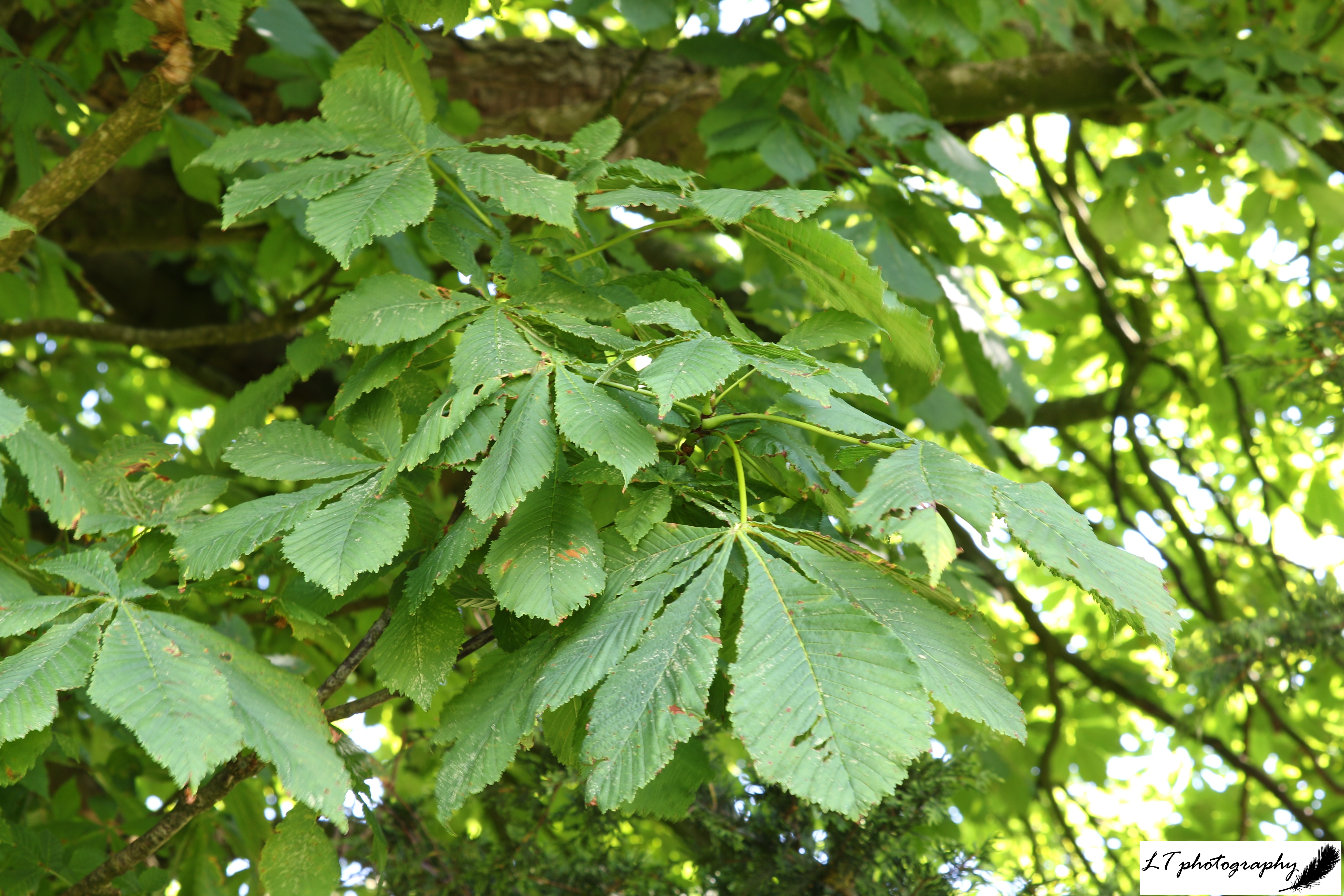
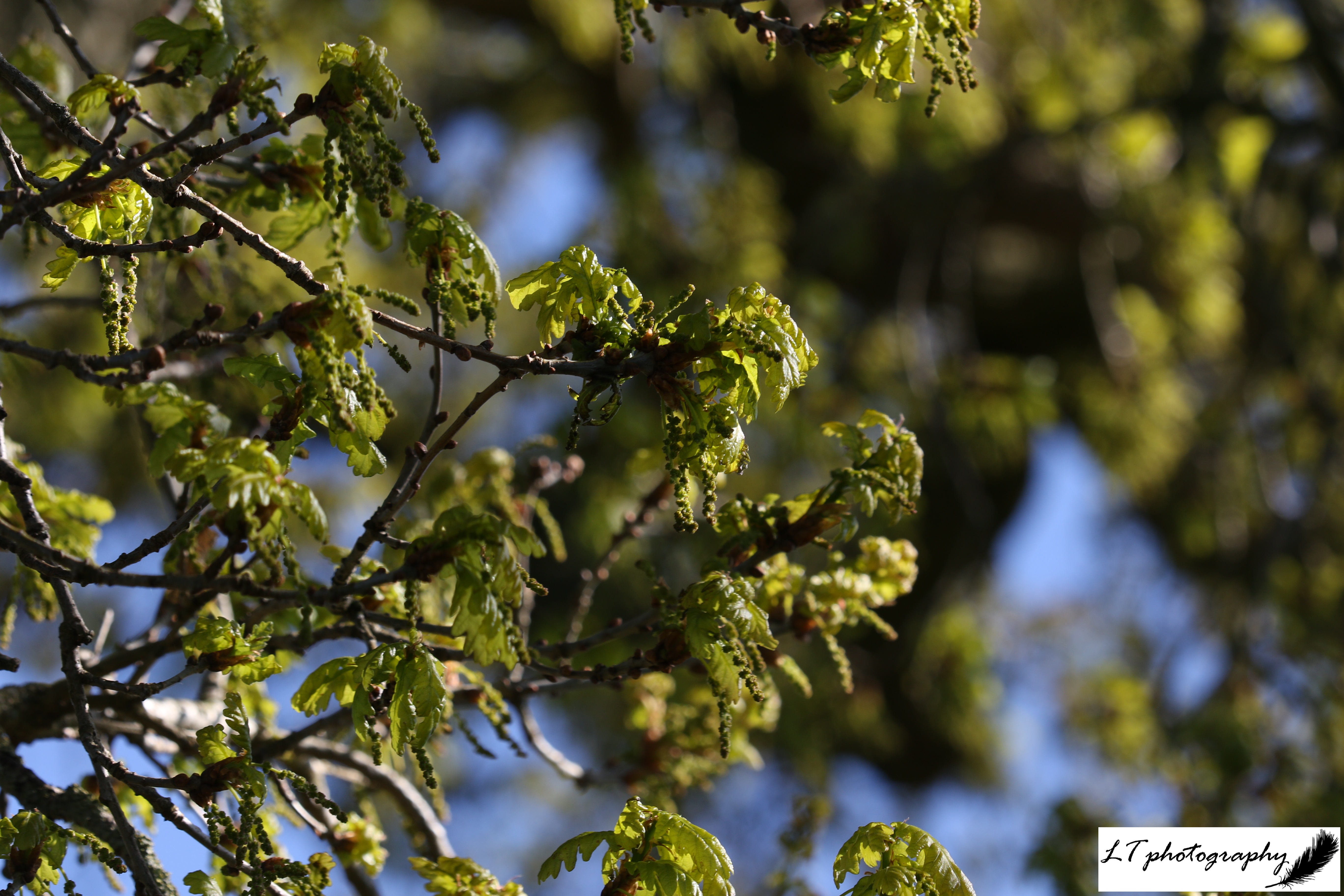


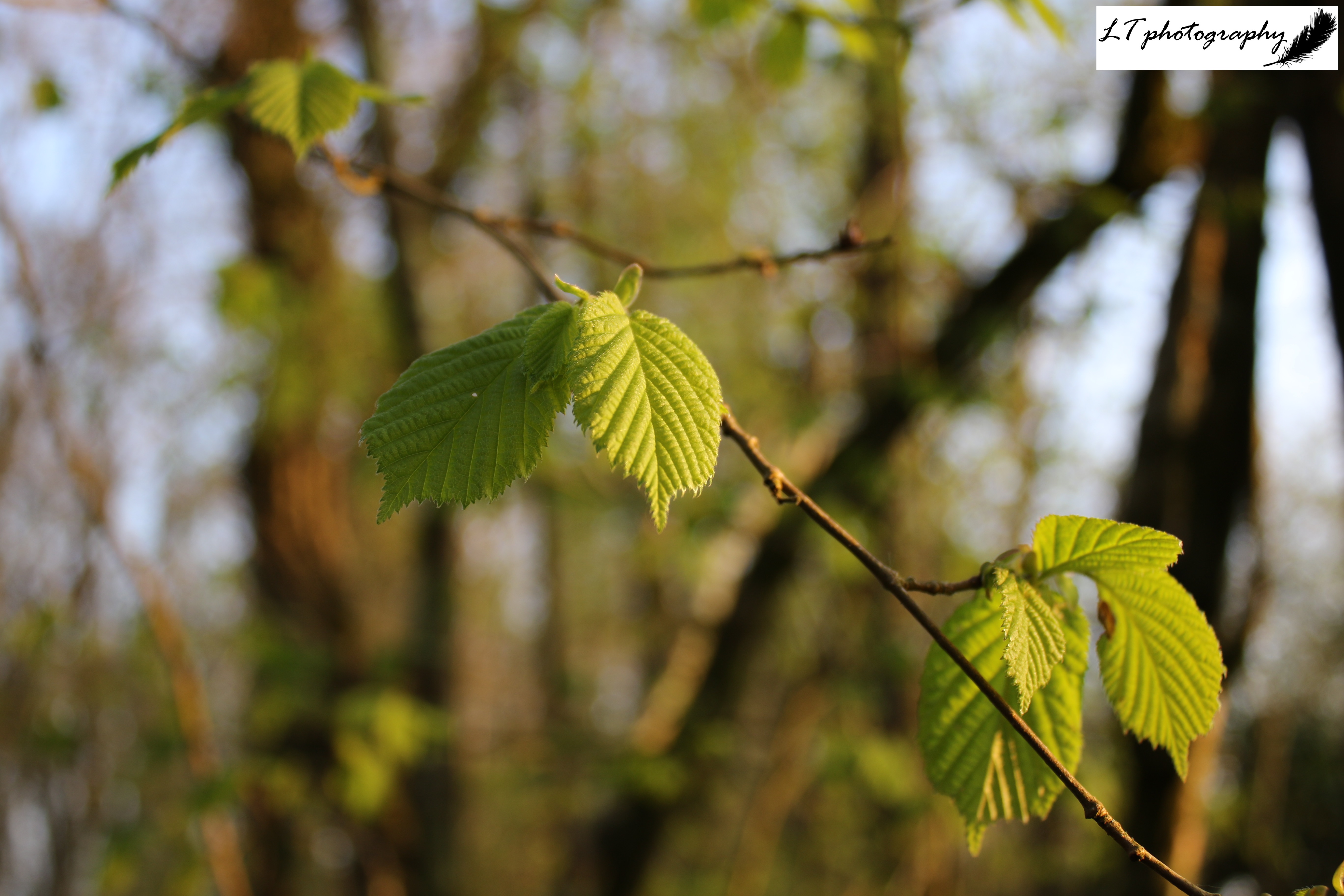

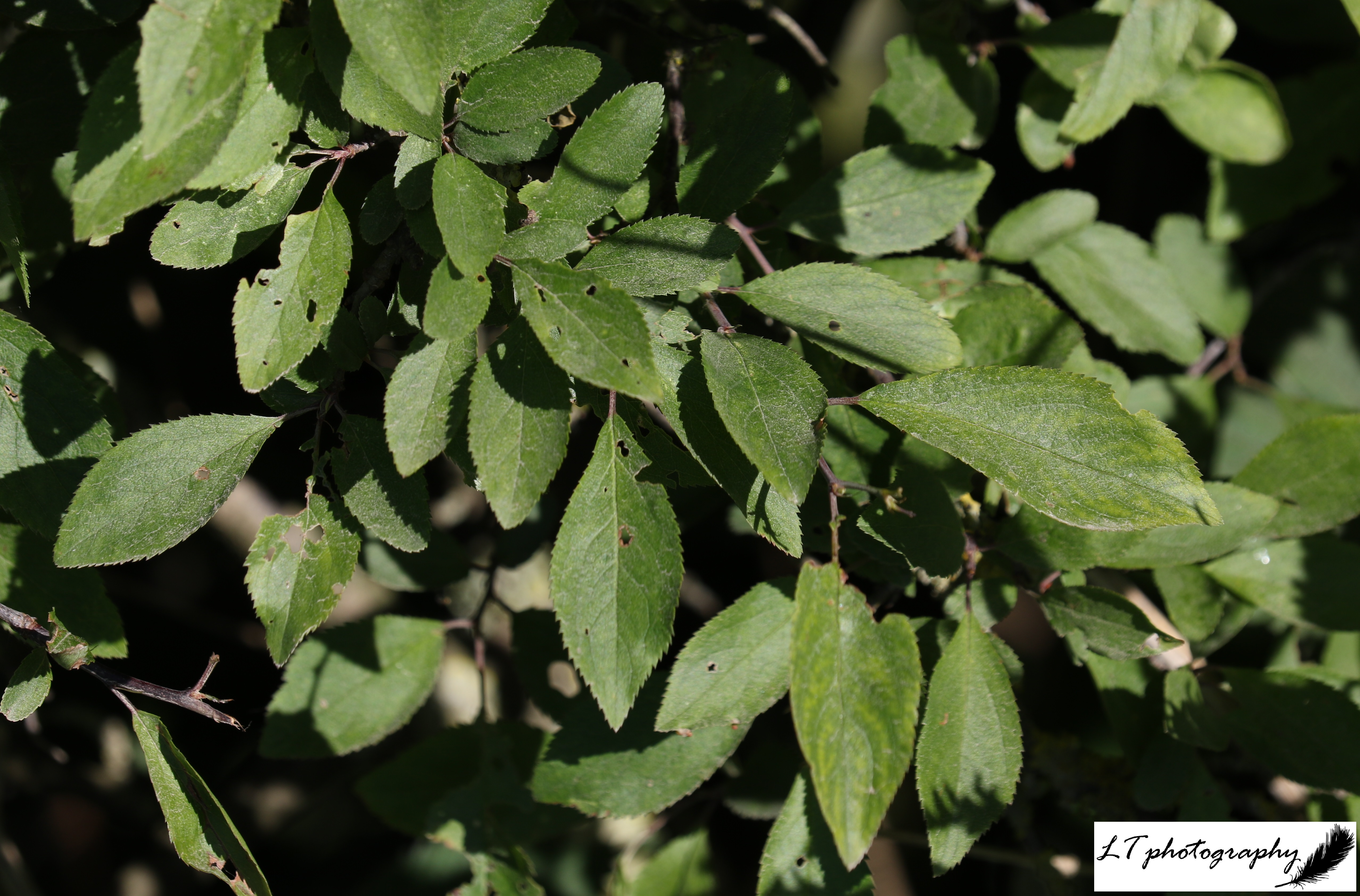















 As the weather gets warmer and drier during spring and the countryside begins to bloom, I always like to set myself the goal of getting out into it as much as possible. I like to use these countryside walks as a way to calm my own mind and escape the stresses of modern day-to-day life. In particular, I am always drawn back to the woodlands and forests, with the tranquillity they breath to me. Growing up in Dorset I have always been able to disappear into the trees and appreciate such a habitat at any time of year.
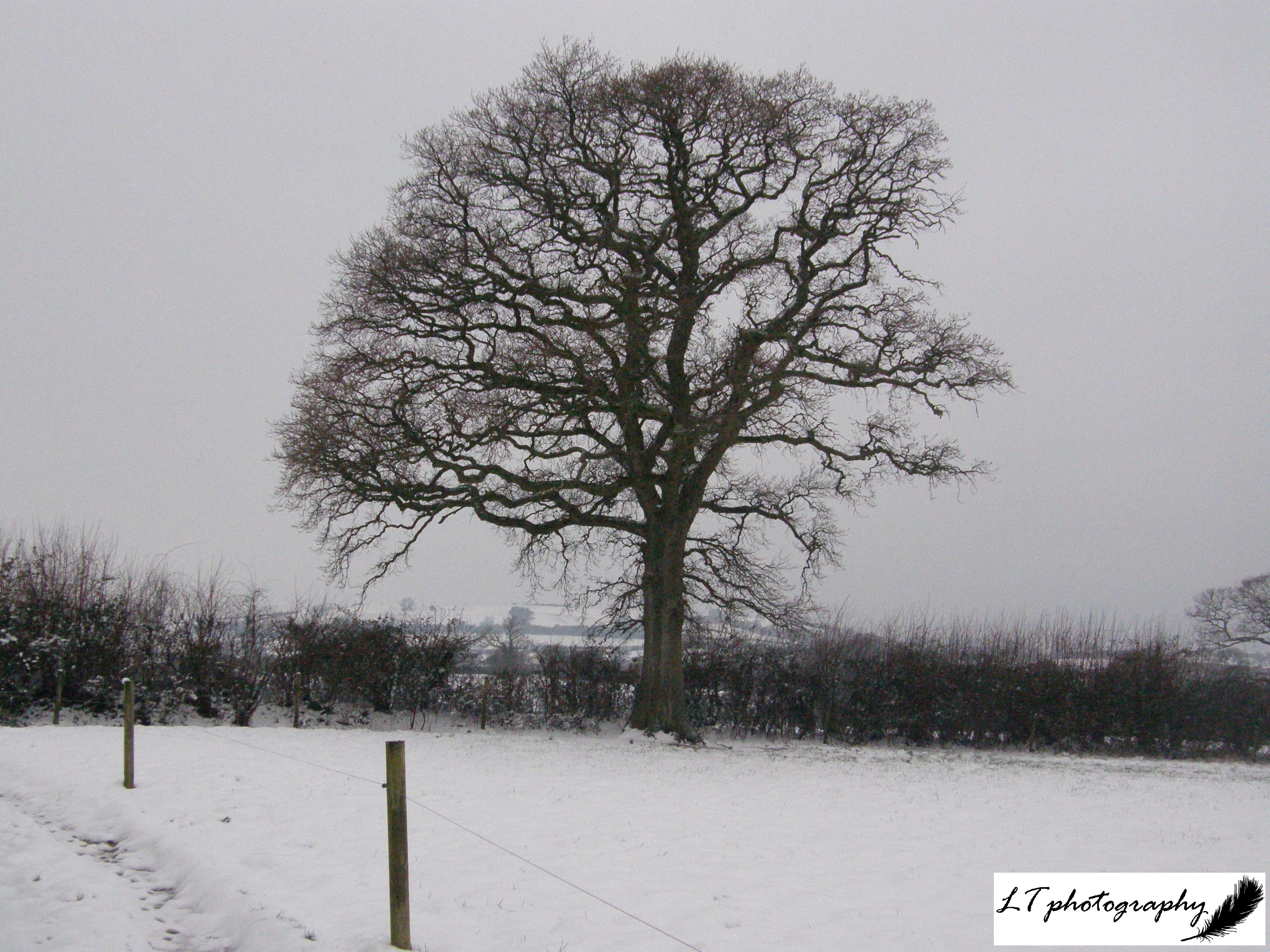
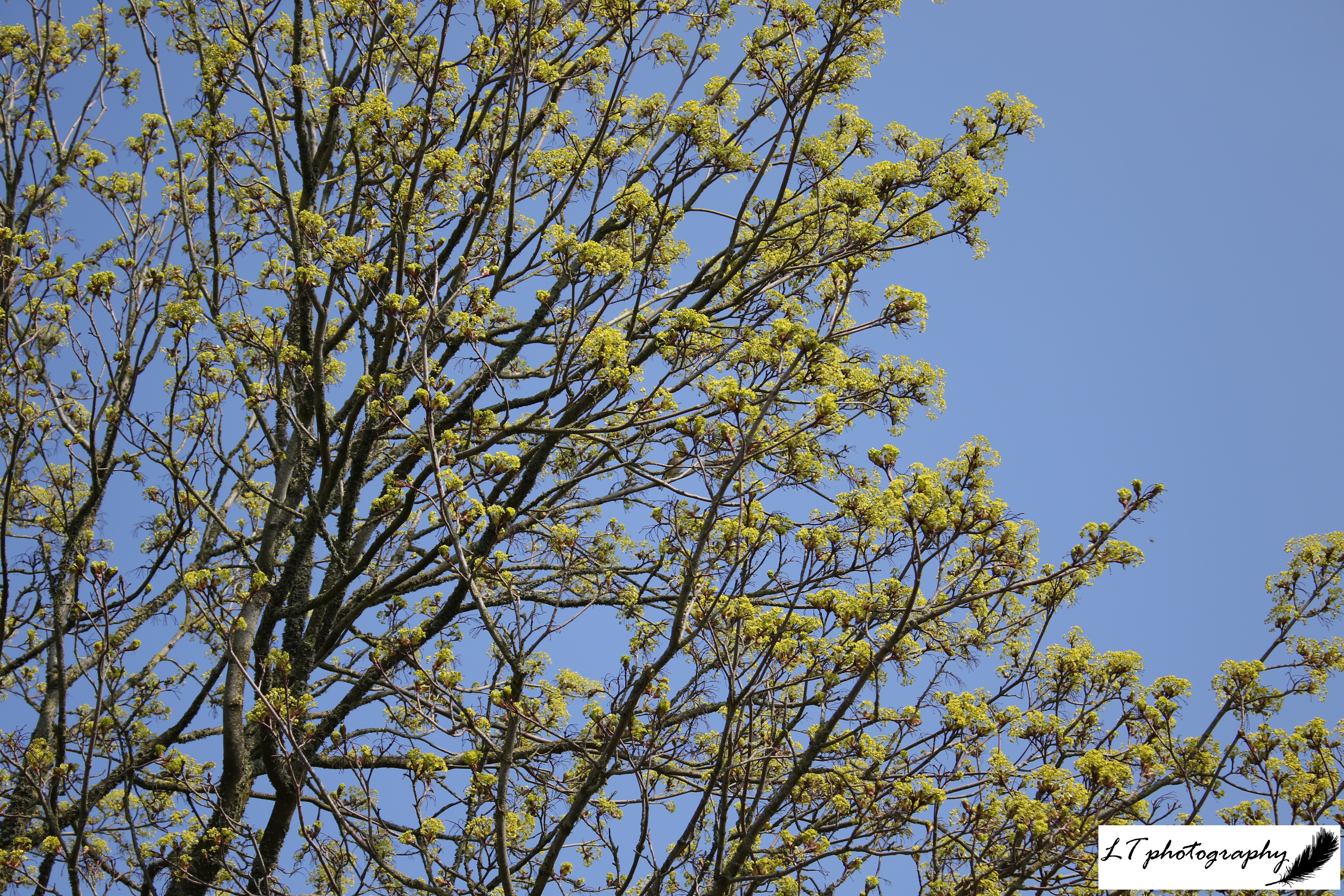
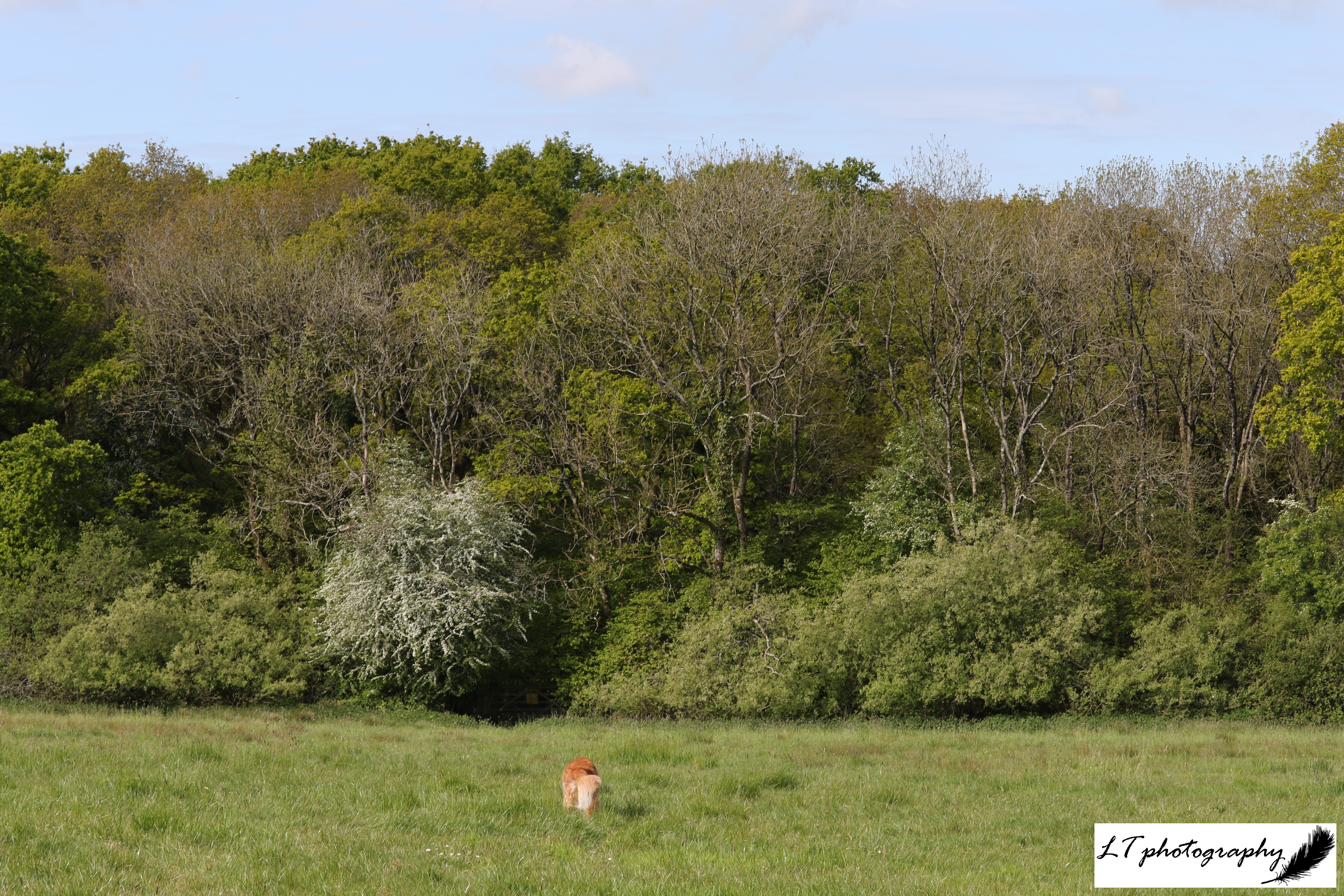
 In celebration of my love of the woods, especially during springtime, over April and May this year, I made 4 visits to one of my local ones to observe it as the season changed. On these trips I sat and wrote down my experience on my favourite log (see photo above), and took lots of photos with my new DSLR camera whilst walking through the woods. Check out below to see my diary entries and the photos that accompany them:


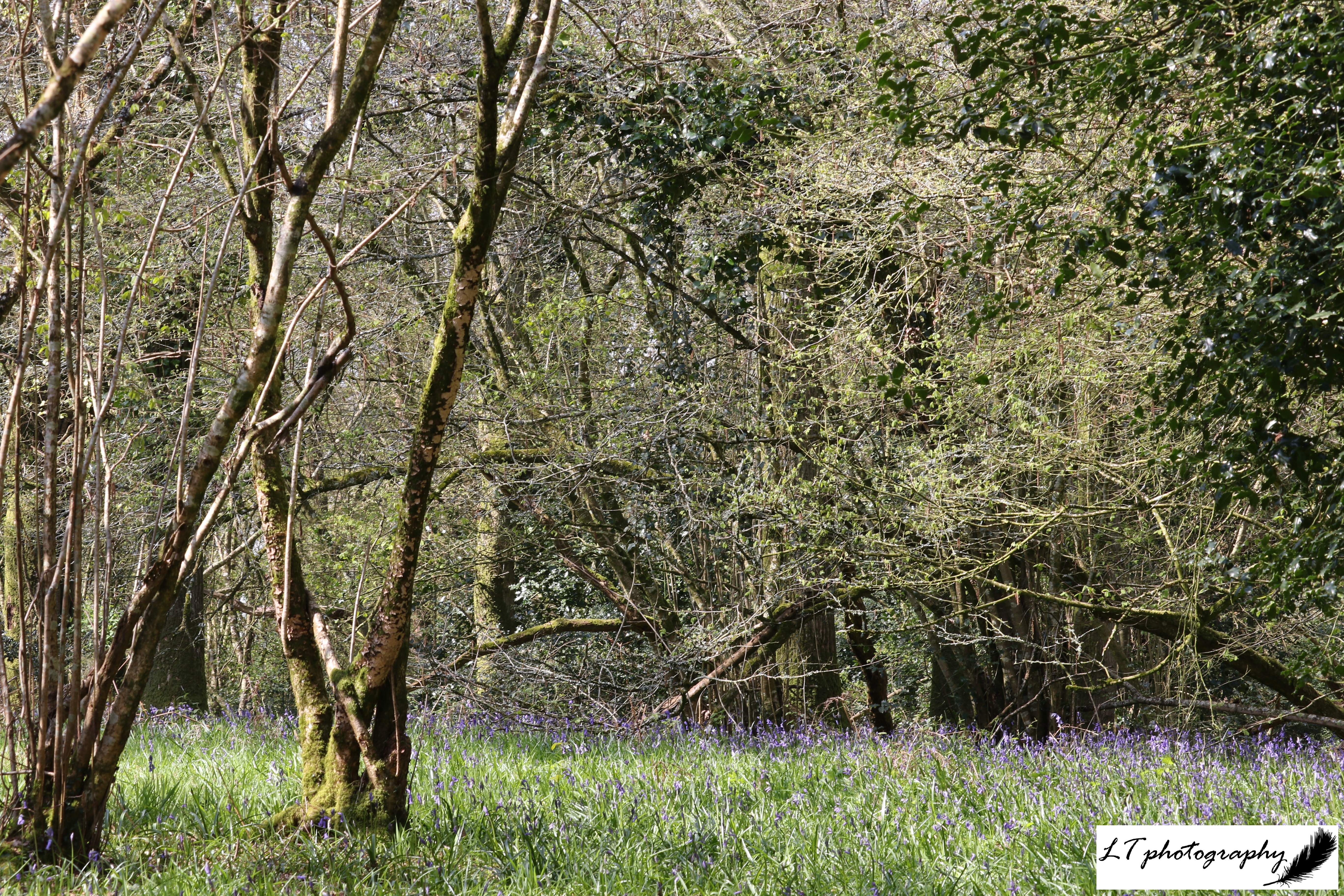


 Spring bird calls and song provides the soundtrack to my trip, including everything from groups of foraging long-tailed tits to angry blue tits and charismatic chiff chaffs. I also hear the reminiscent winter squabbling of jays, and on a stop to my favourite log in the middle of the wood, I can hear the coarser call of a raven and the calls of male pheasants.
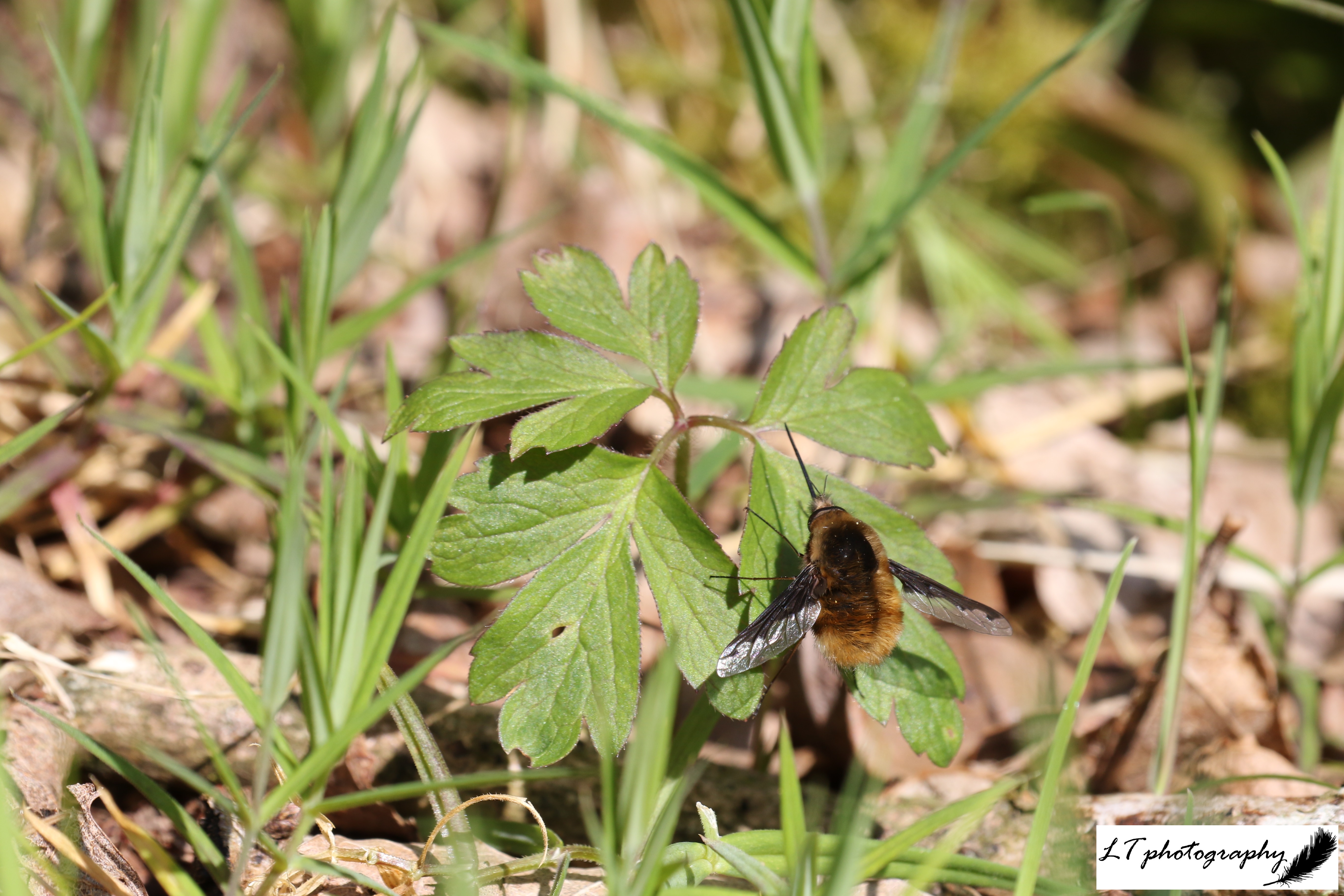


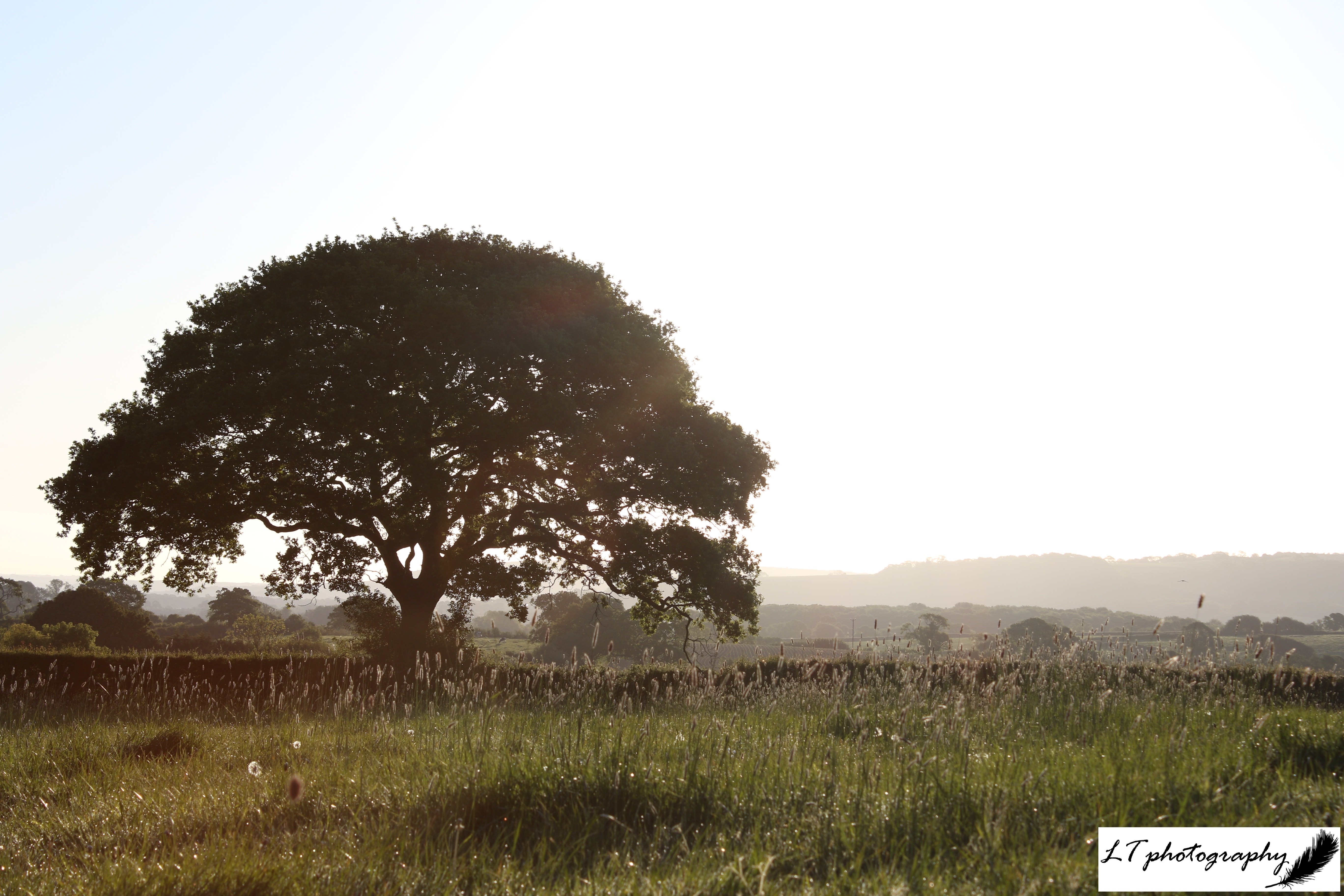
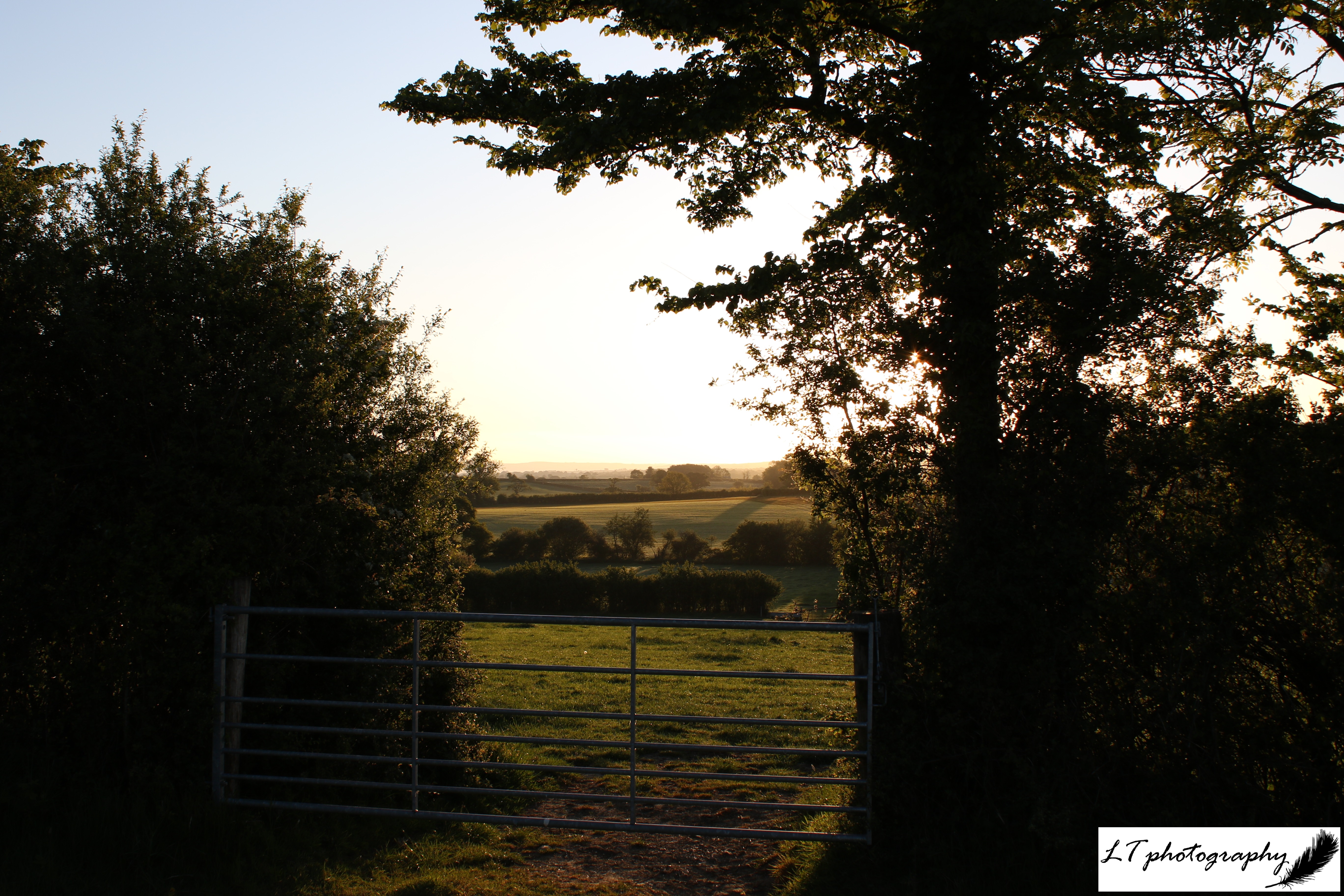
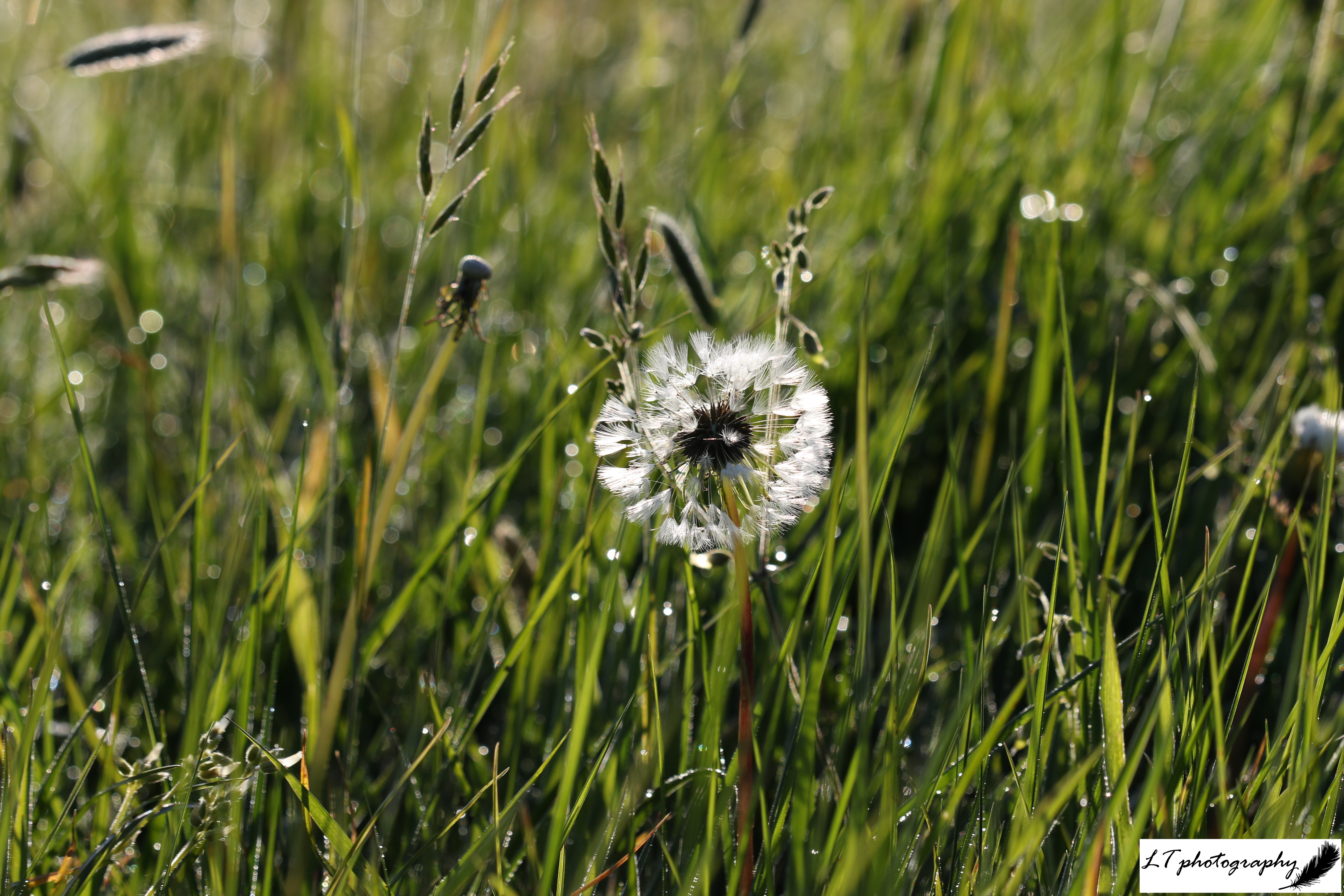
 This morning I chose to get up at 5am to meet a 6.08am sunrise, and to make the most of the dawn light. At this time of day, on my walk to the woods, I had great sightings of roe deer and brown hare, and got to see a beautiful pink sunrise. The dewy grass added to my photos in this glorious light.


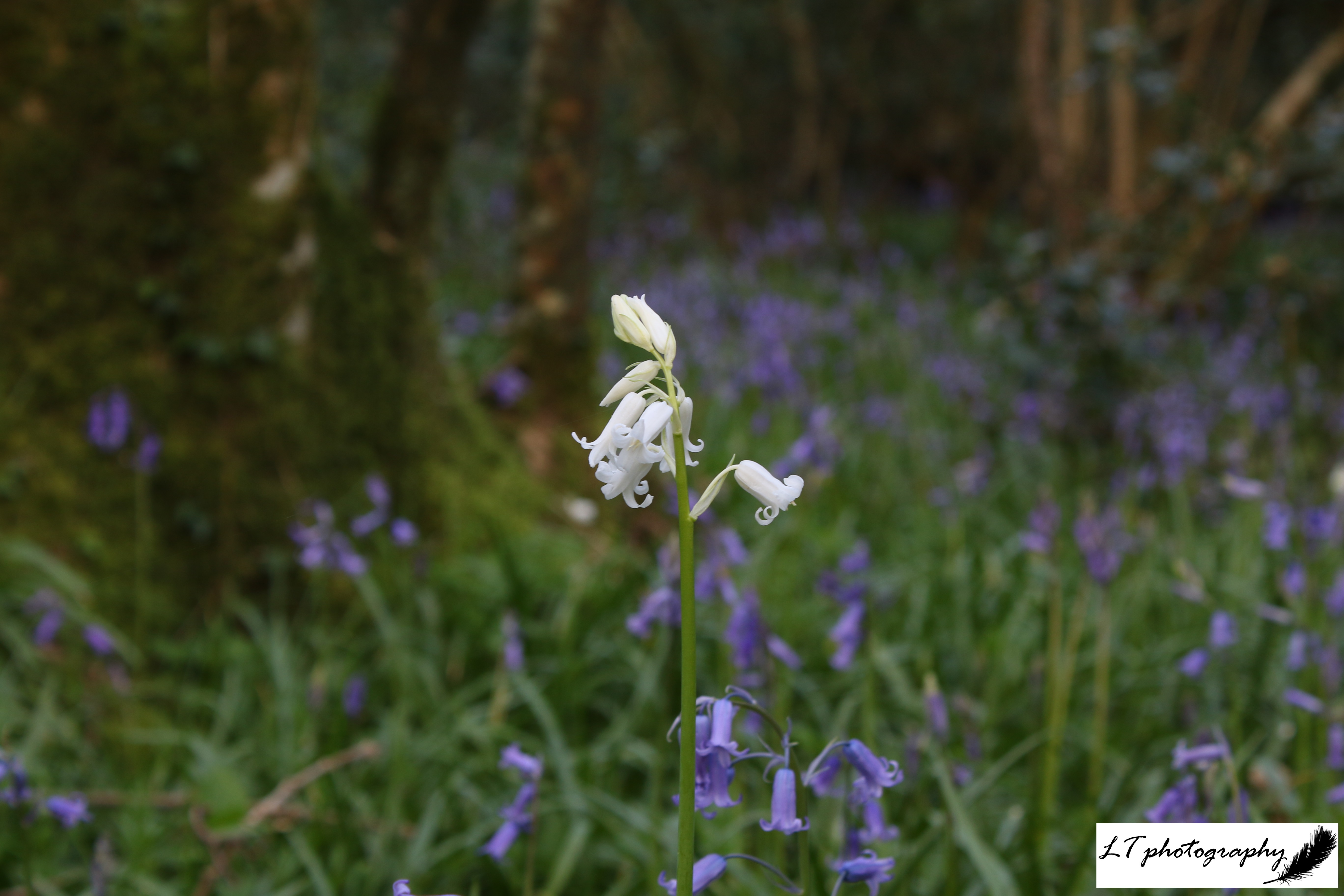 You can definitely forget yourself among these trees, flowers and wildlife, which this morning included the bark of grey squirrels up in the tree canopy. Today, I have stayed awhile sat in the morning light of the woods, but I now know to make my way home from here, as the sun begins to burn through the trees a little too hot, and the midges begin to bite my neck more noticeably. This signals ‘the best part of the day has thus moved on’, as i must.


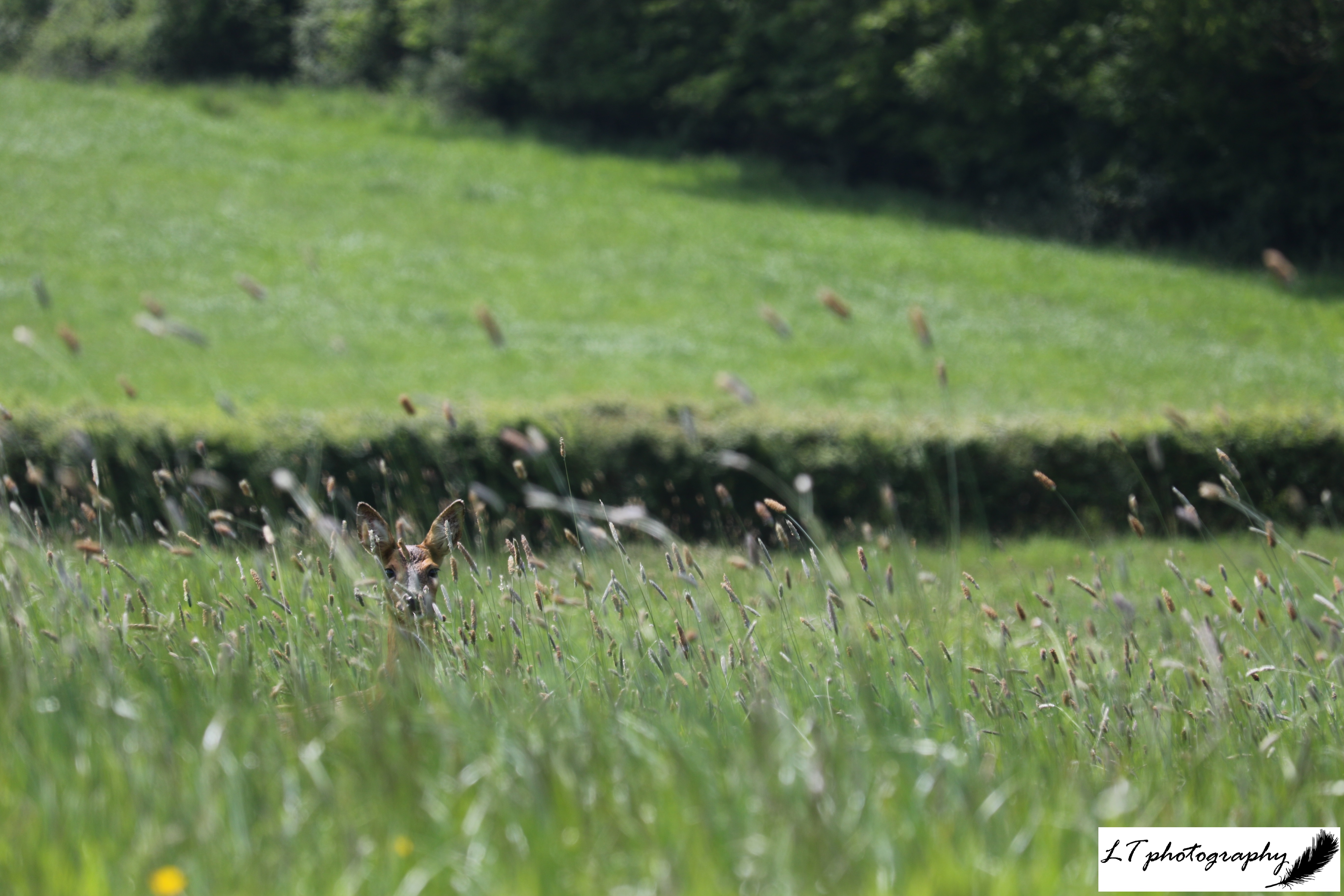 The days are getting hotter and the sun higher in the May sky. In the depths of the wood though, the canopy keeps me cool. The woodland floor is now a tangle of unruly vegetation. The dying bluebells, orchids, and spring flowers jostle with unfurling ferns, sticky goose grass and flowers that persist. These include stitchwort, herb Robert, and red campion, which are gems of colour in a sea of green.