2026 Calendars For Sale

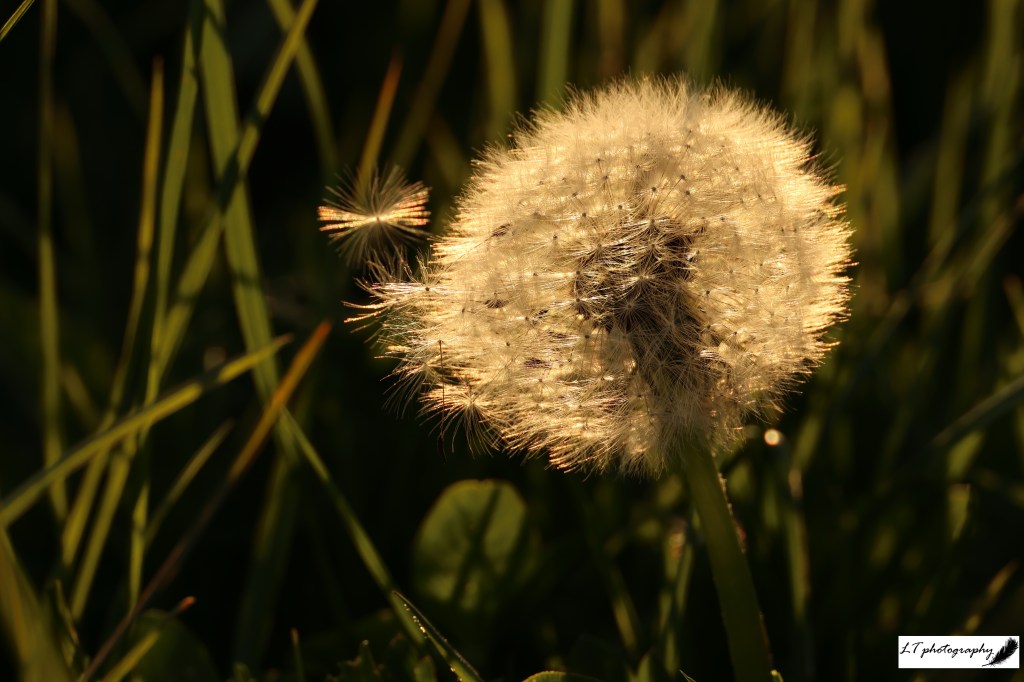
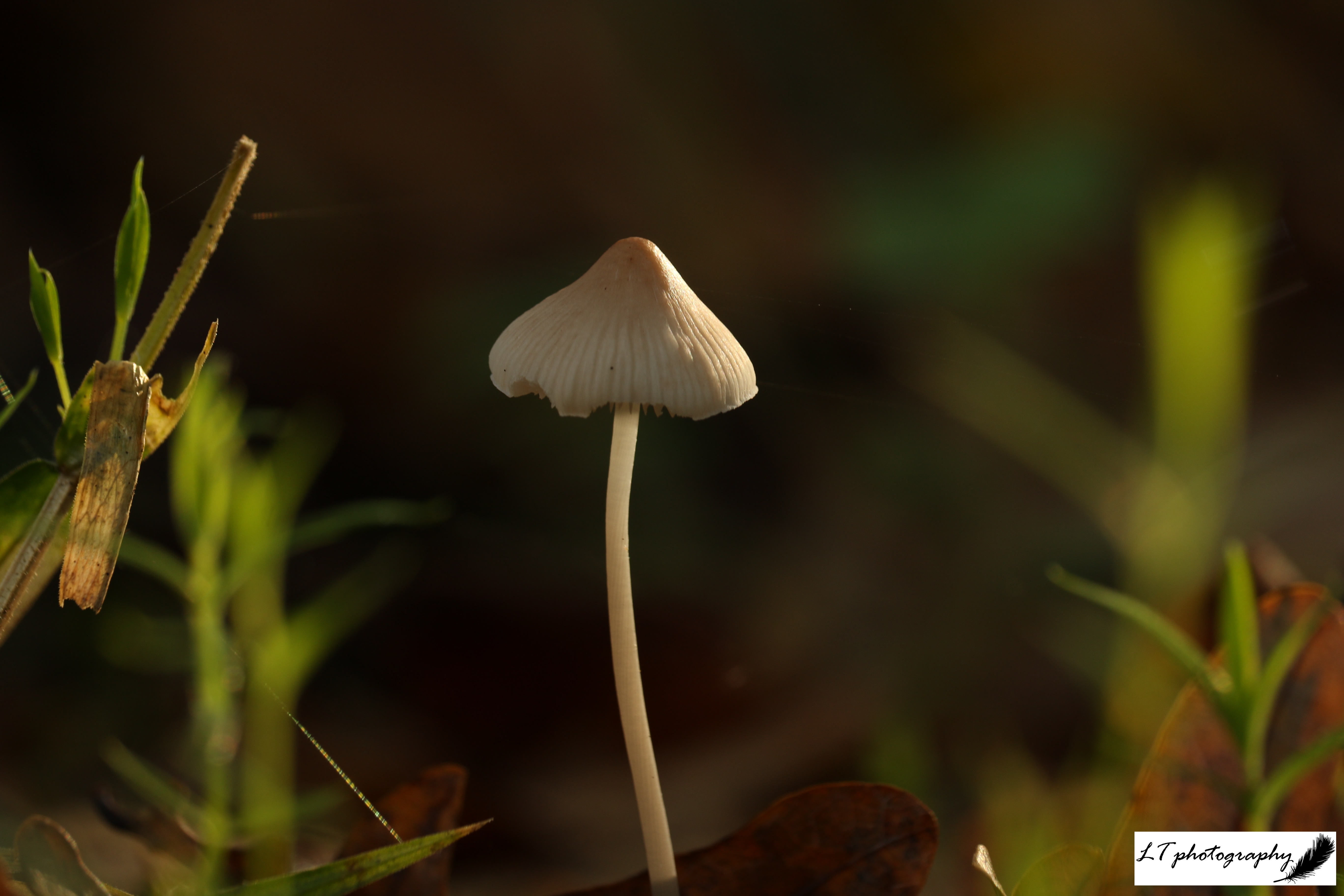
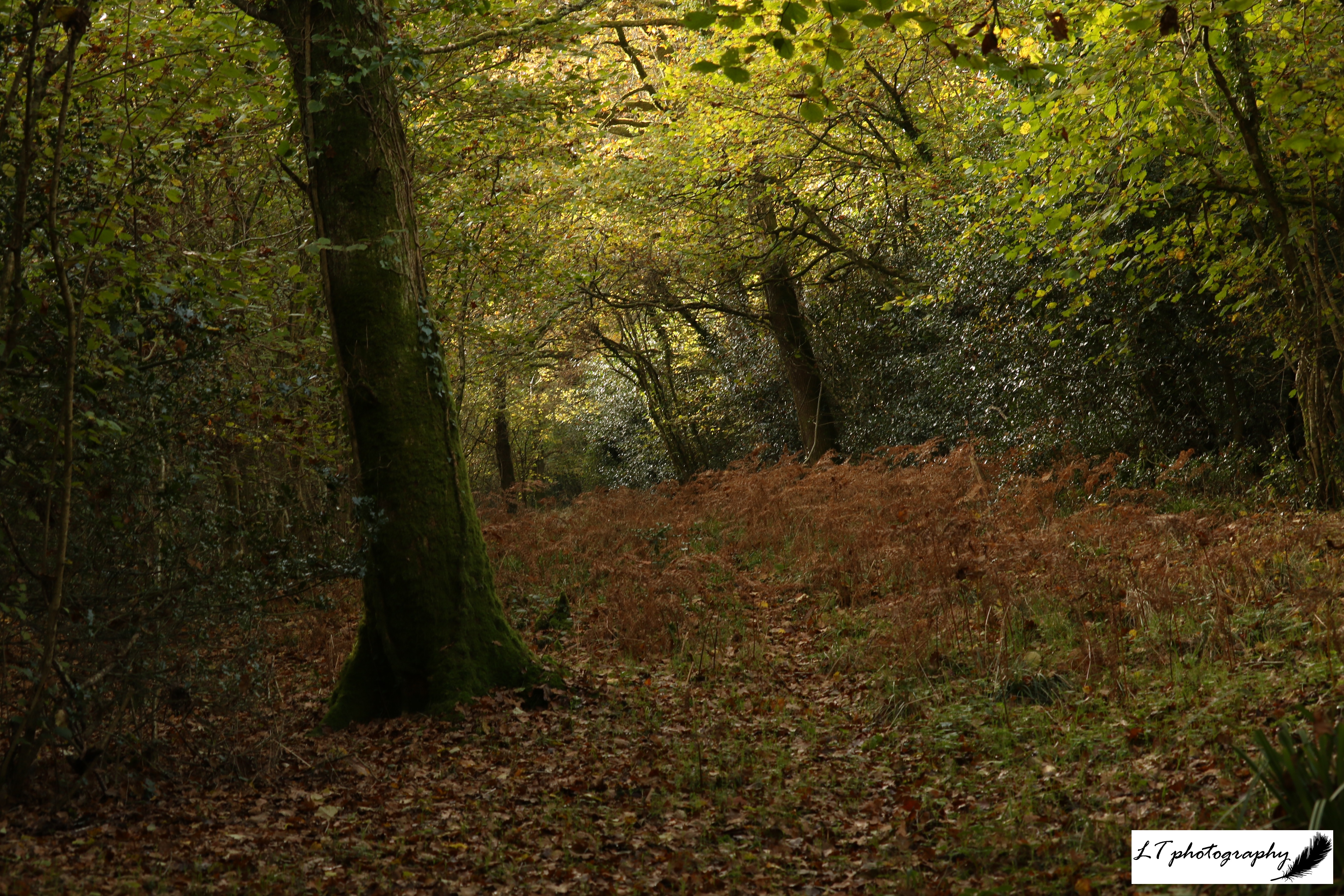
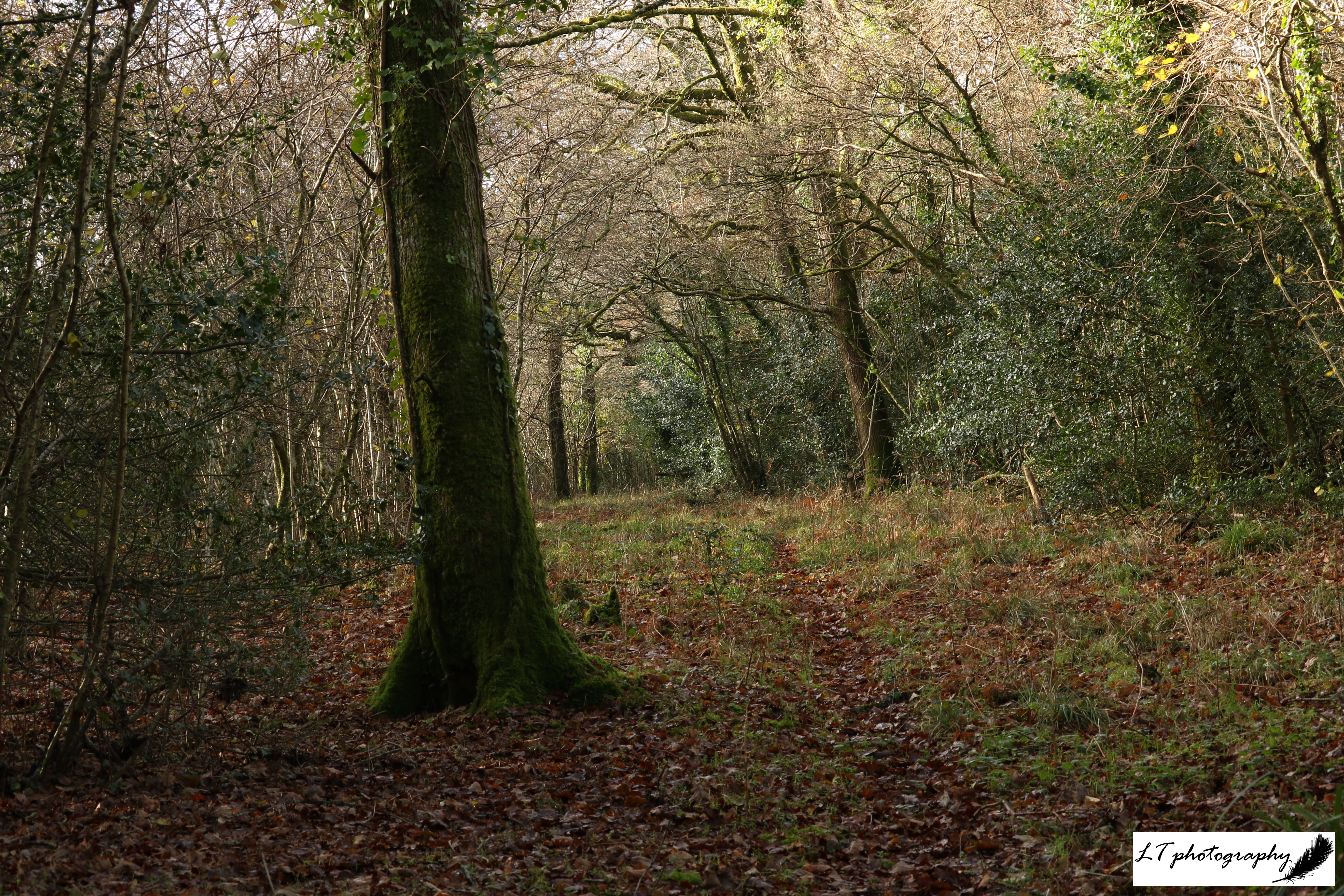
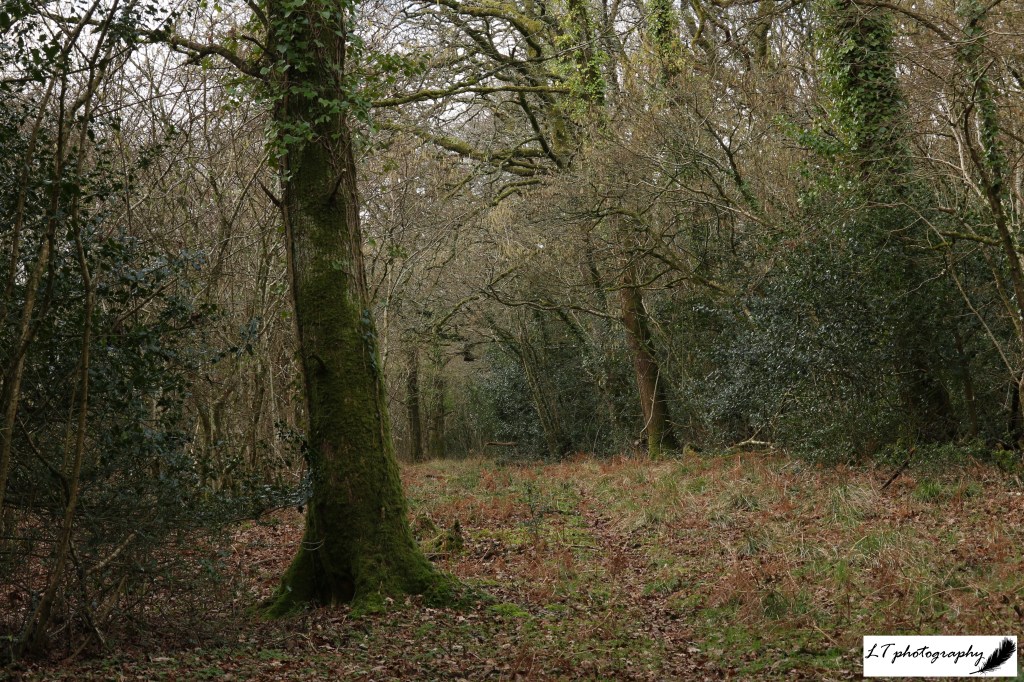
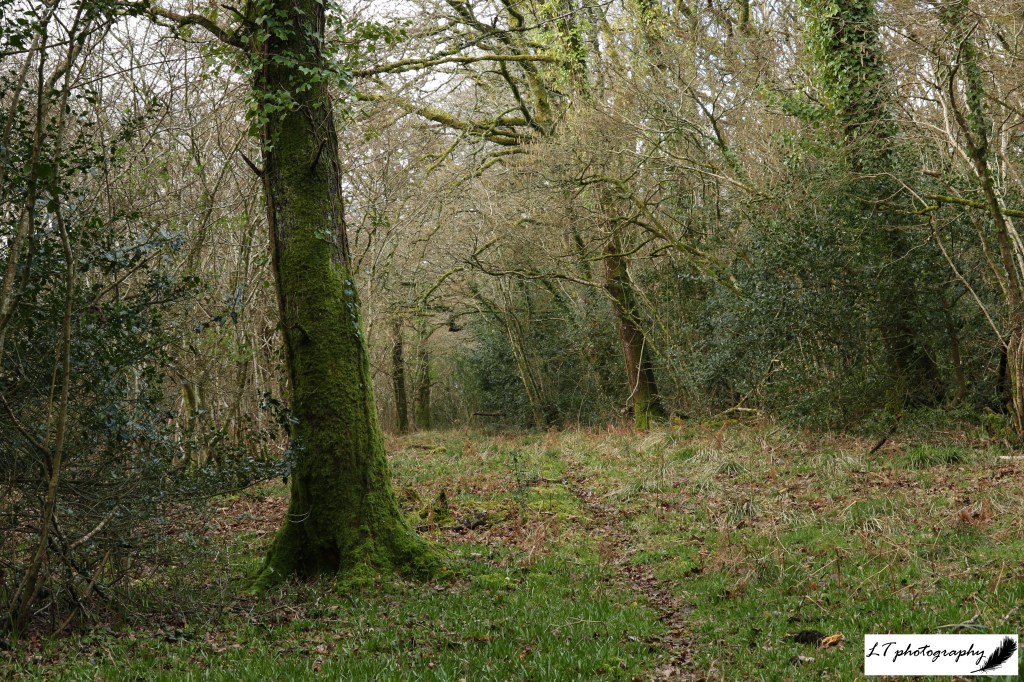
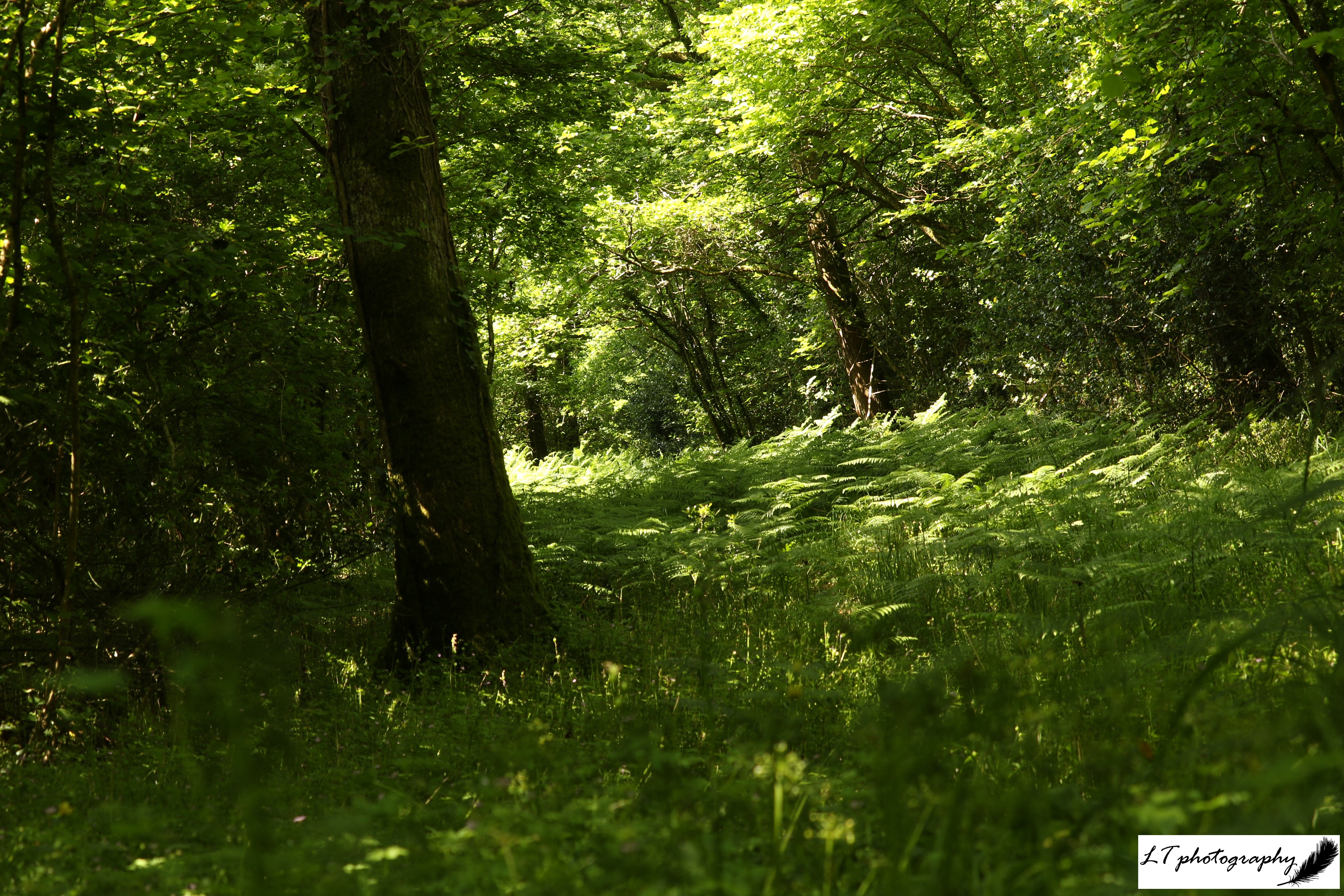
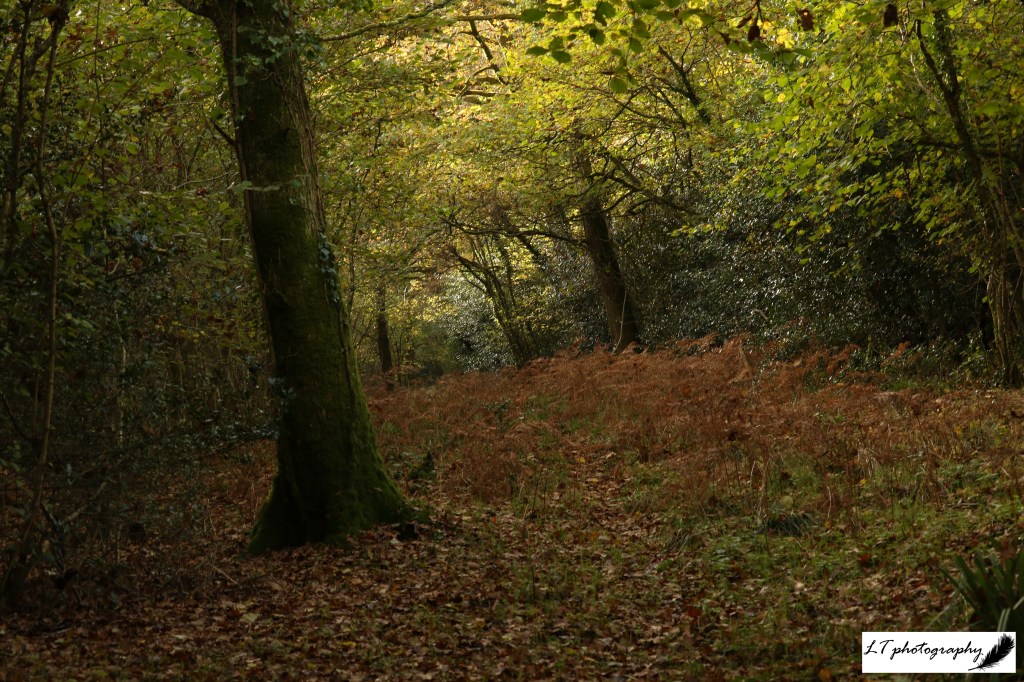
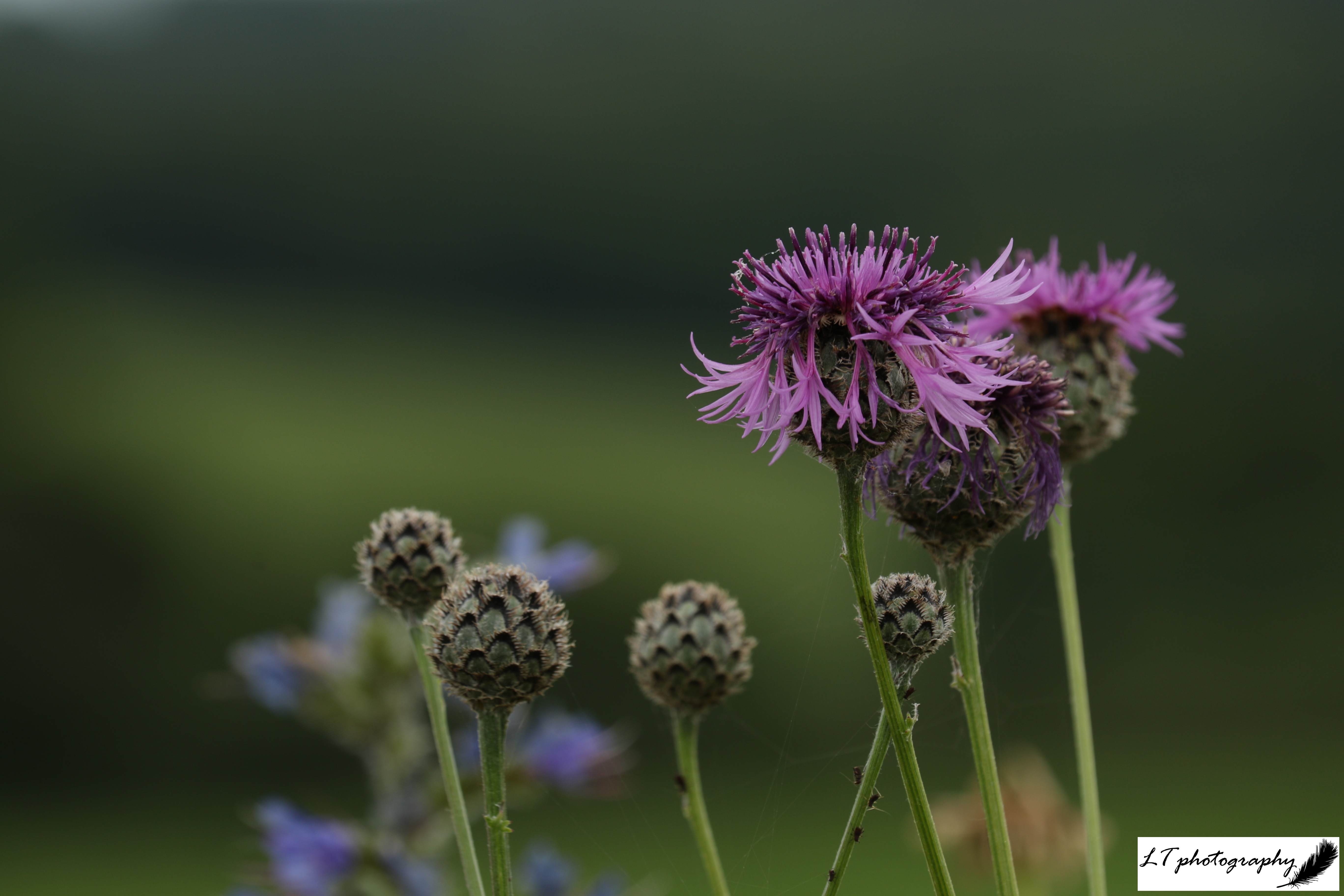
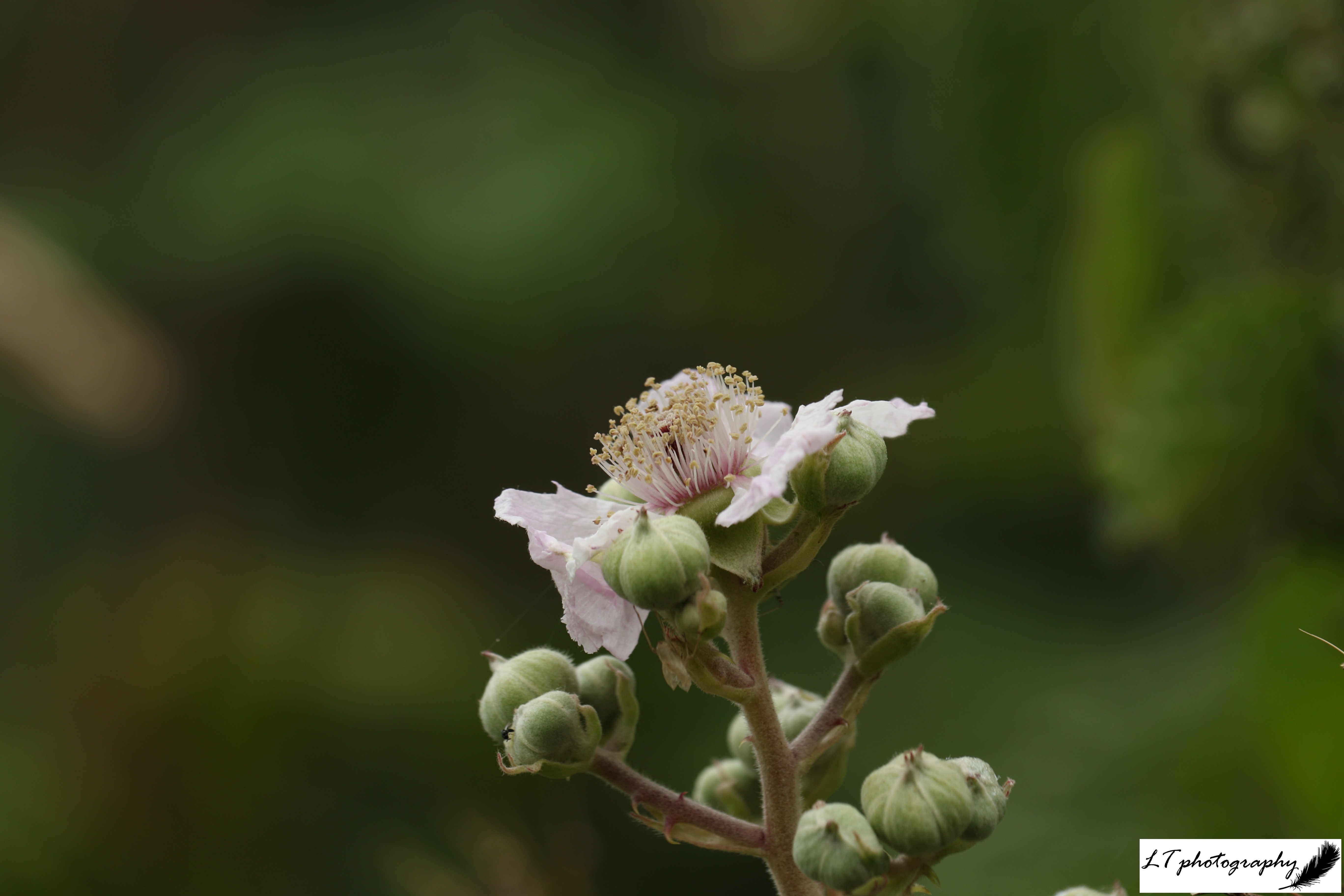
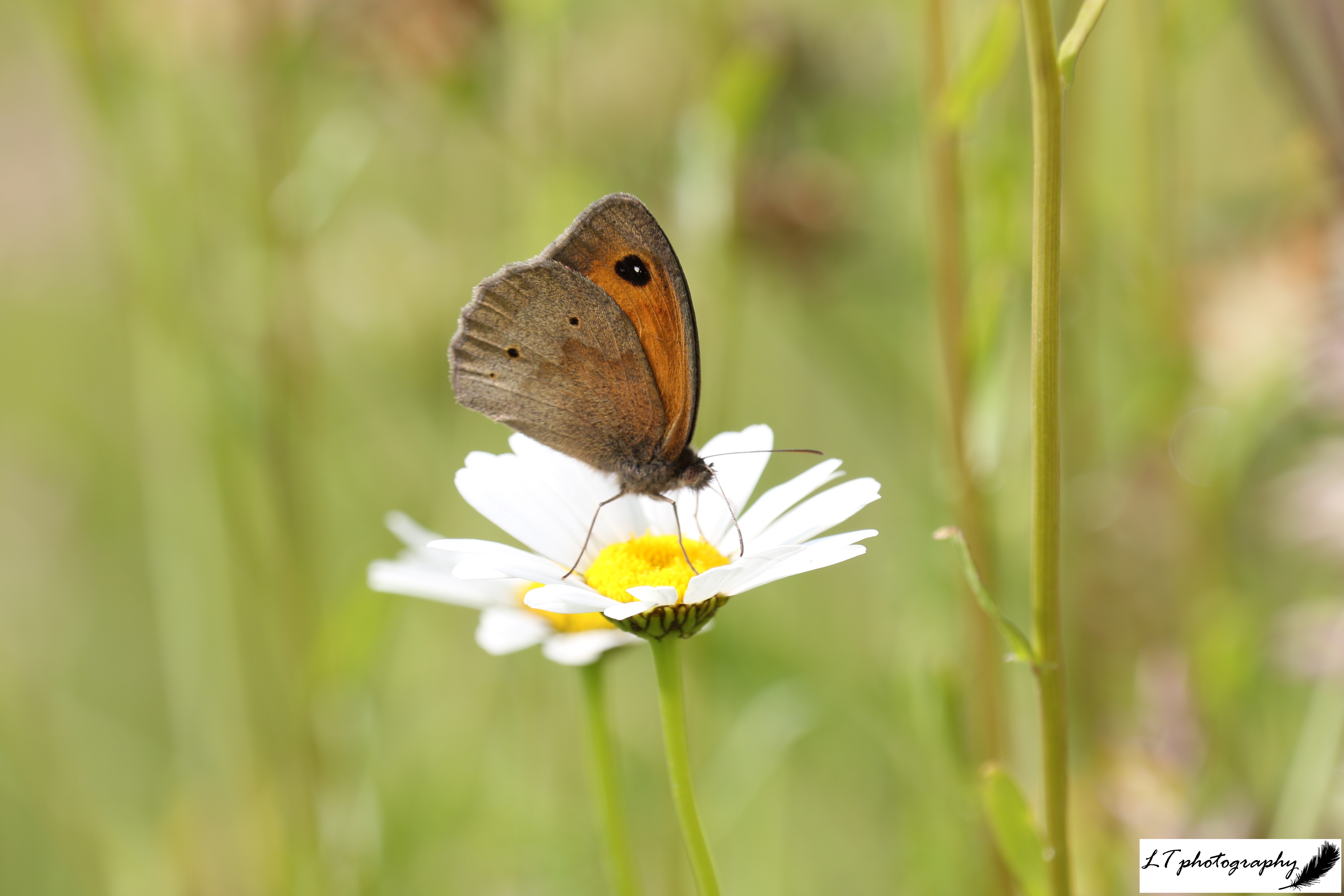
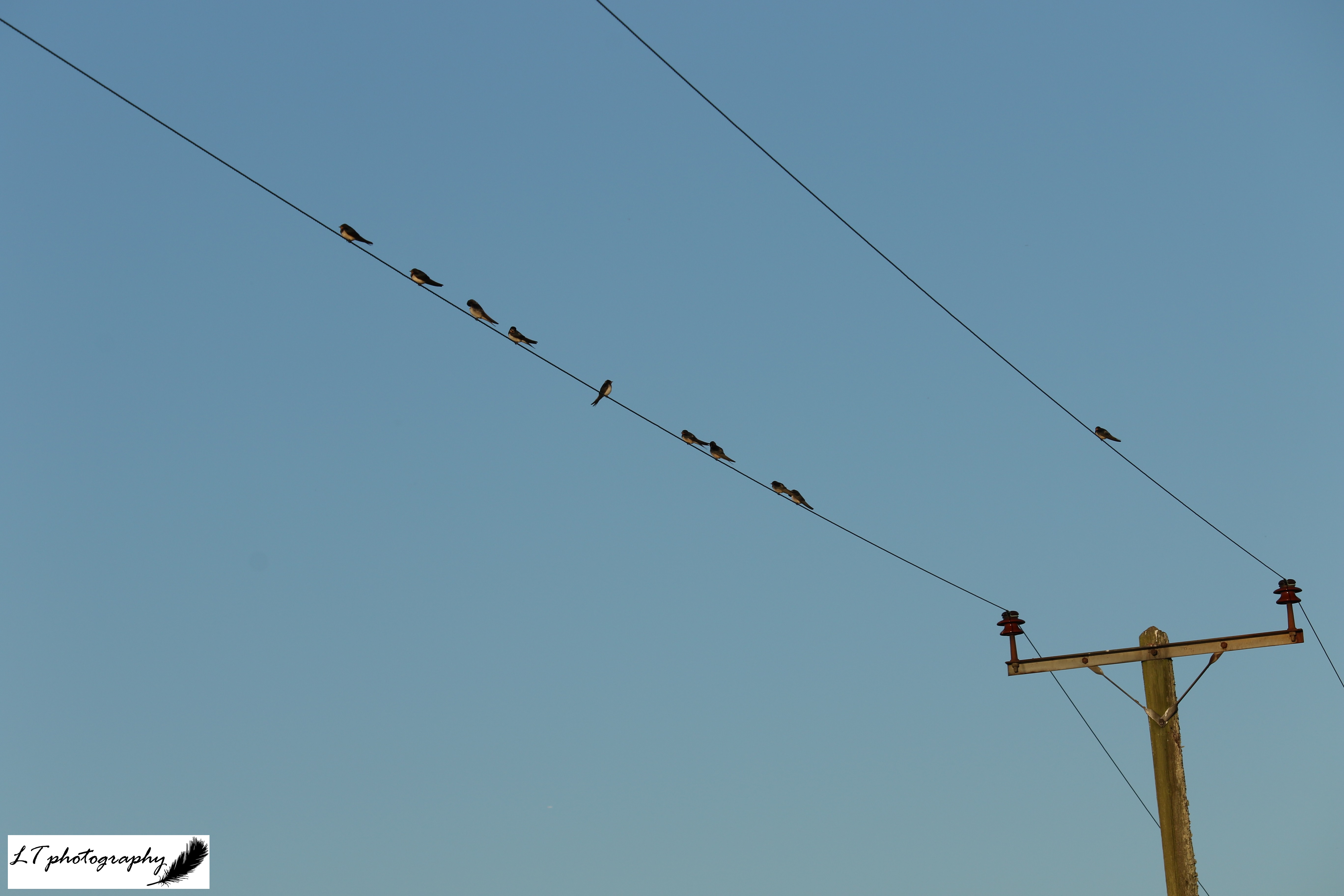
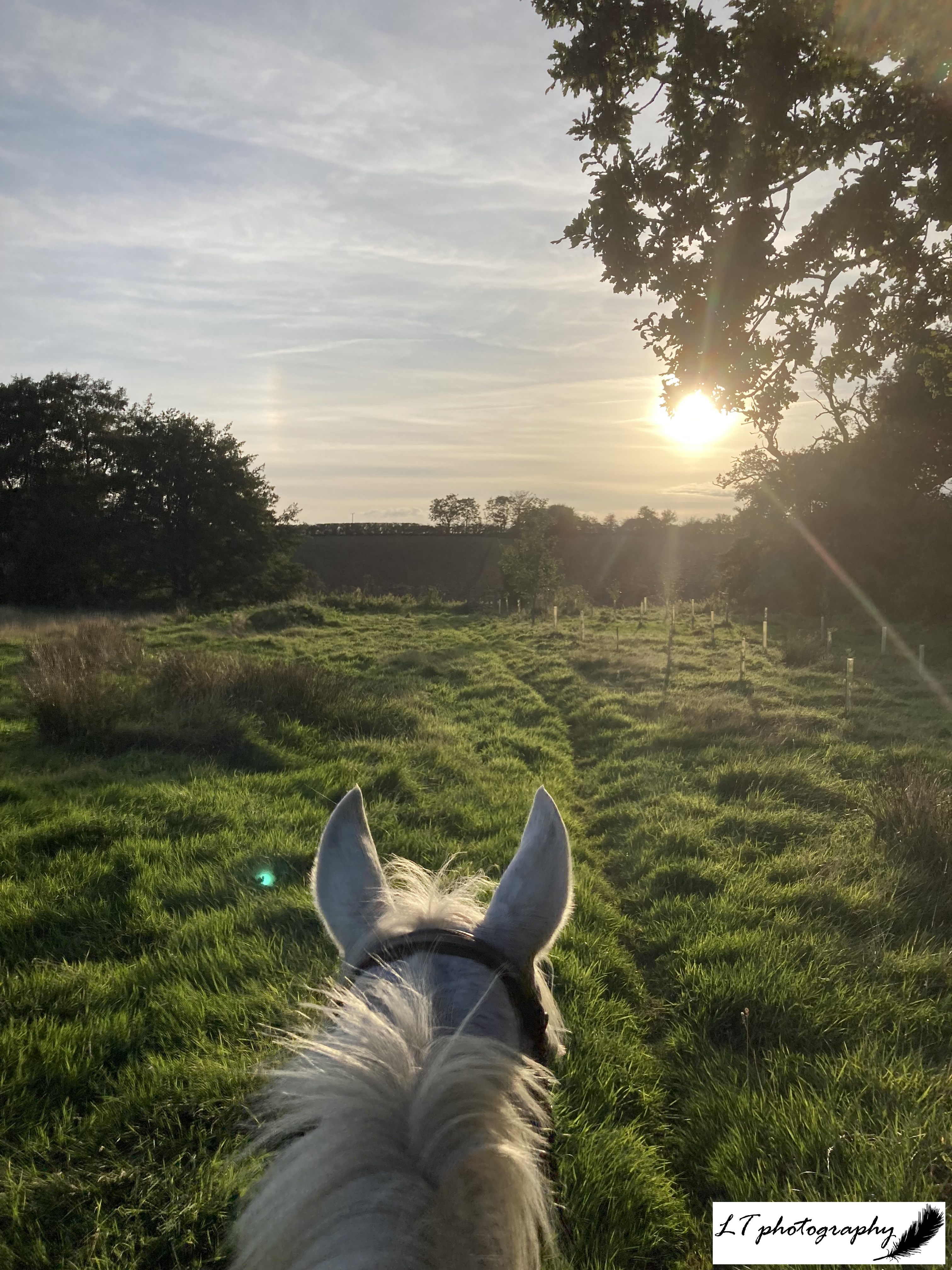
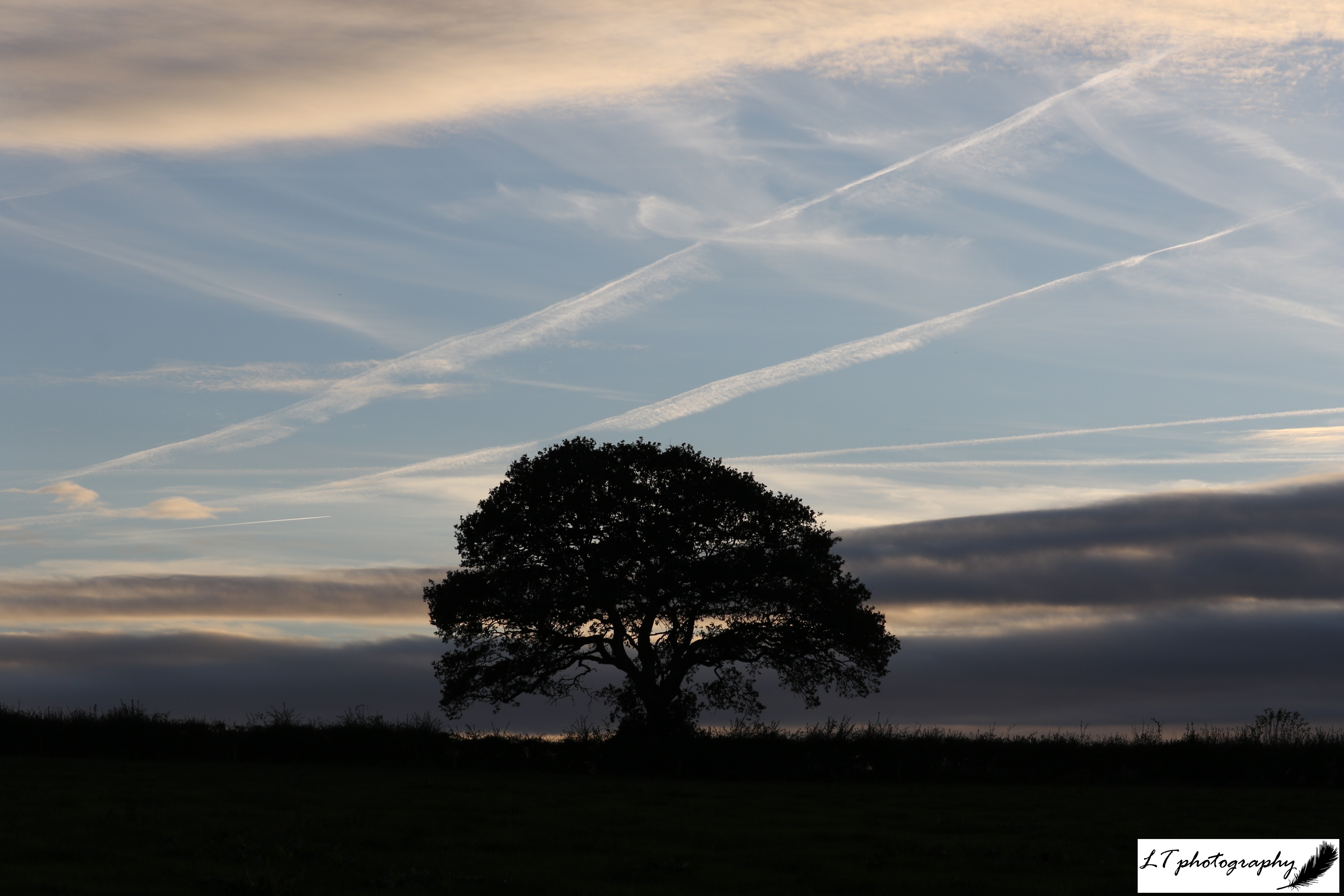
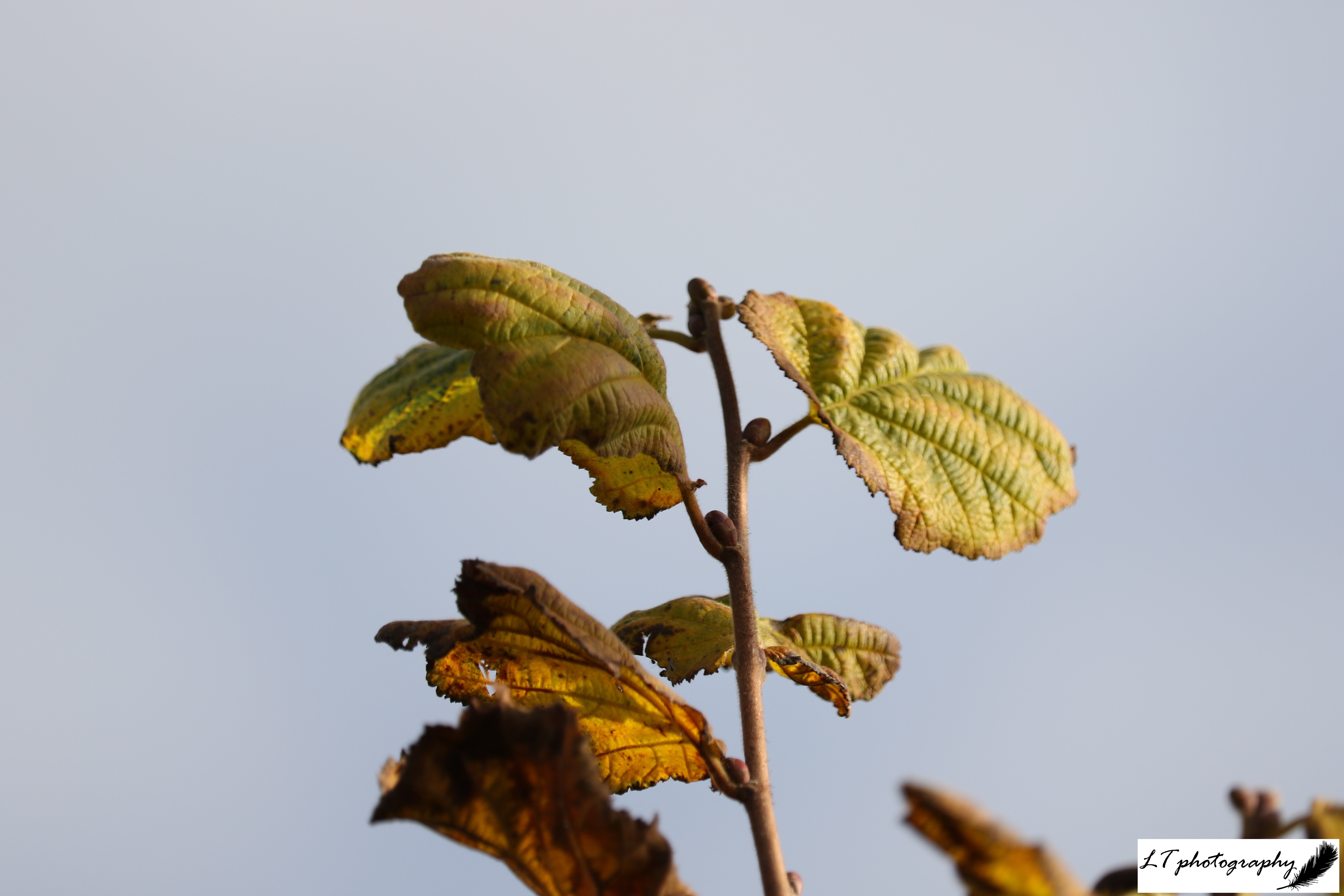
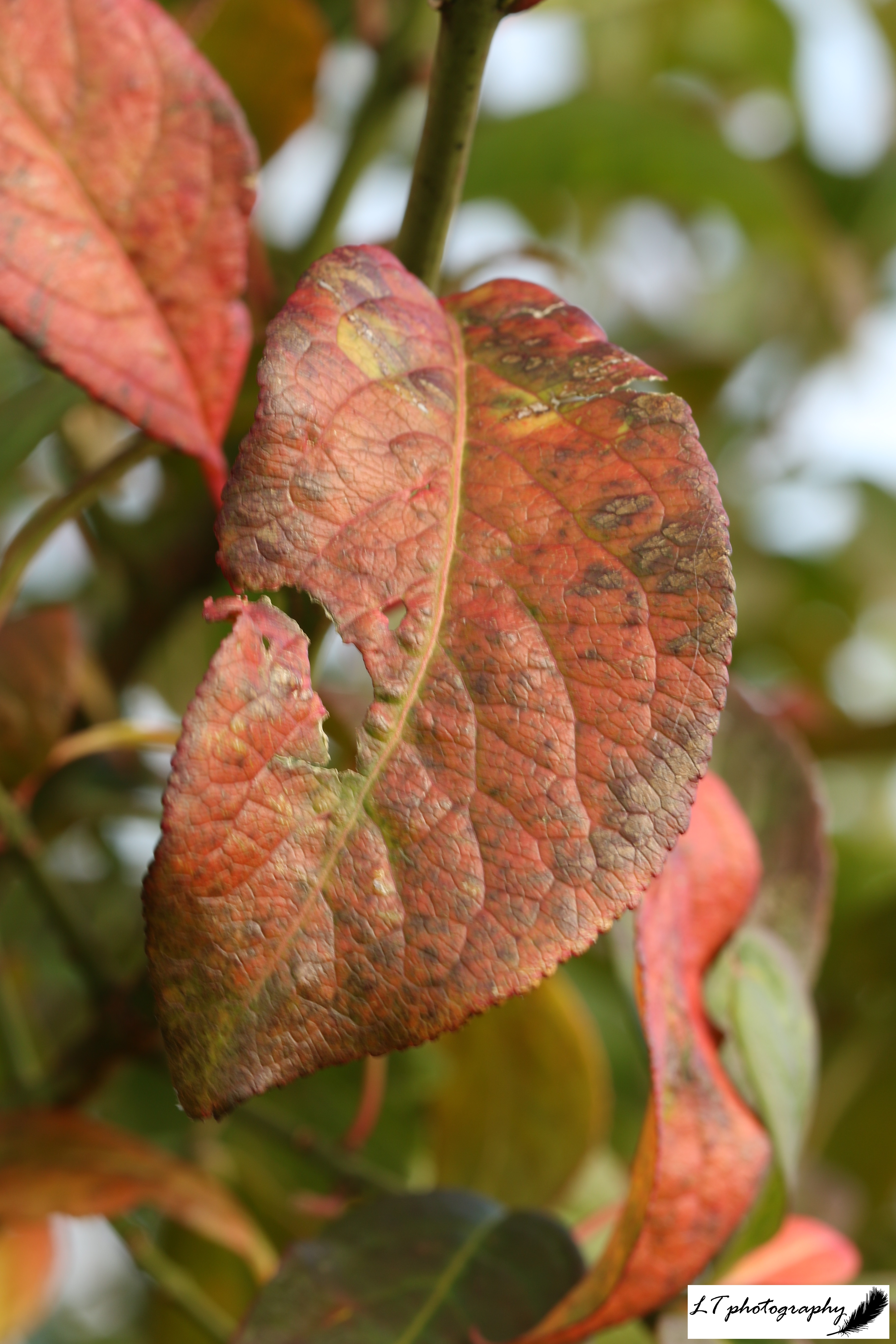
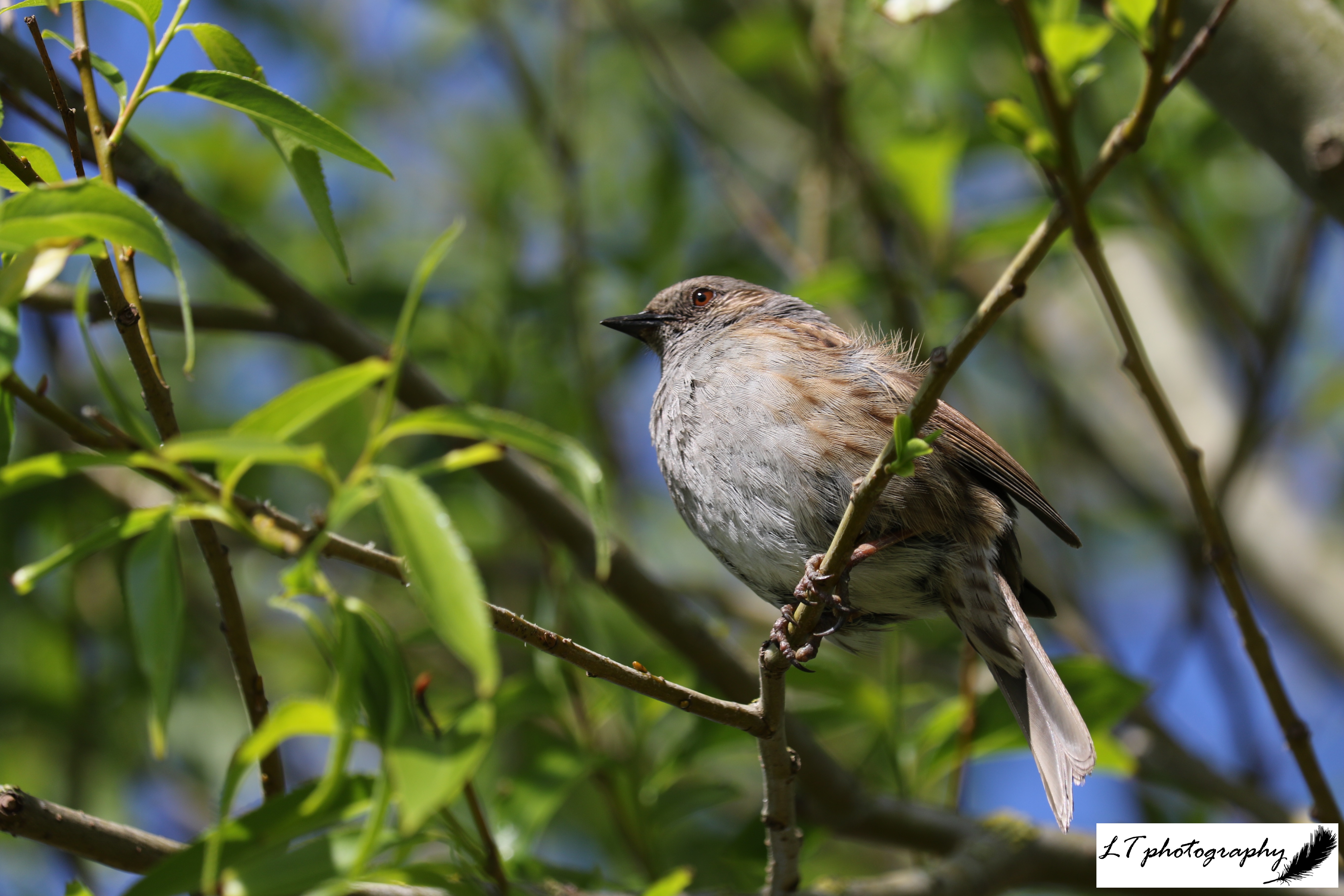
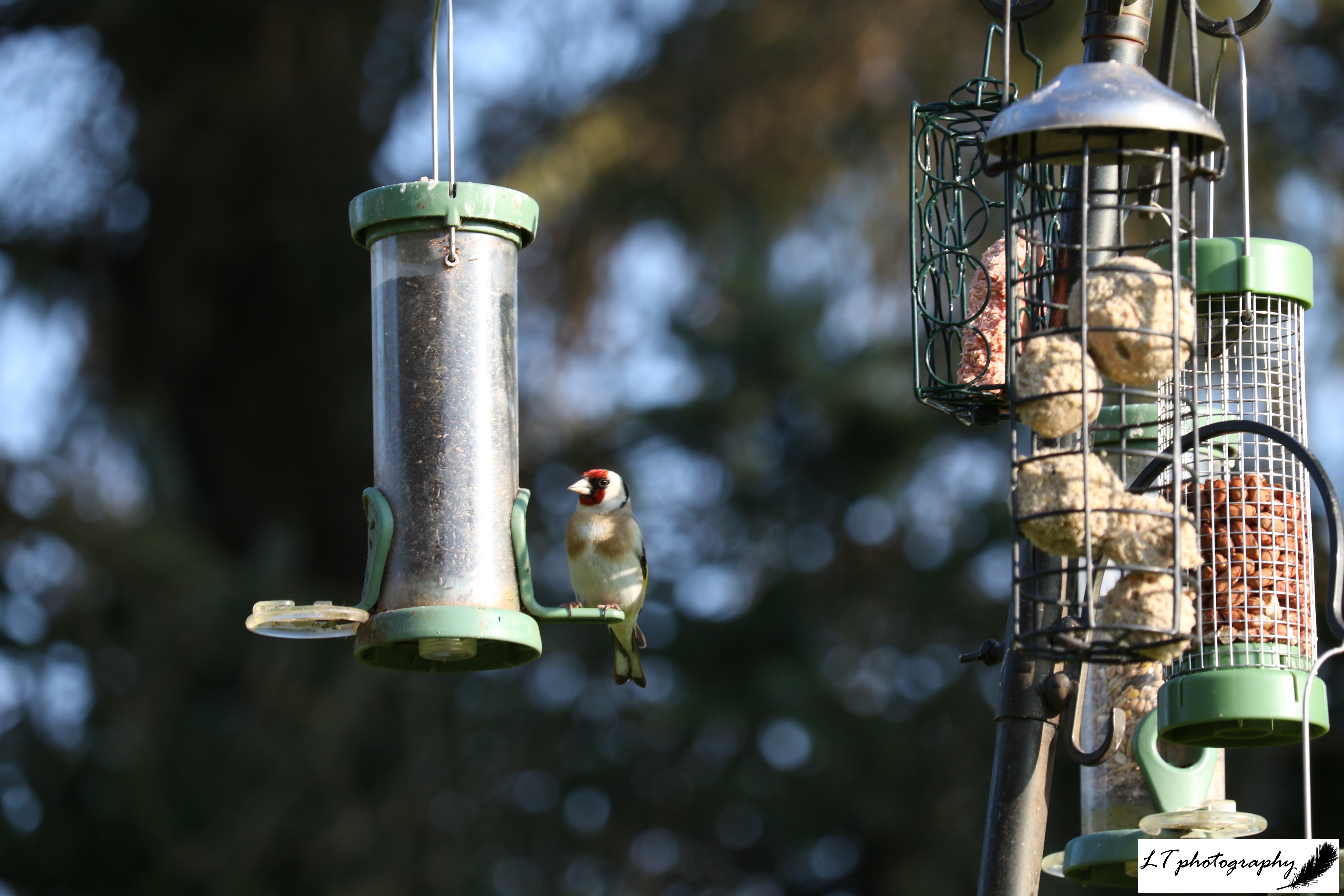
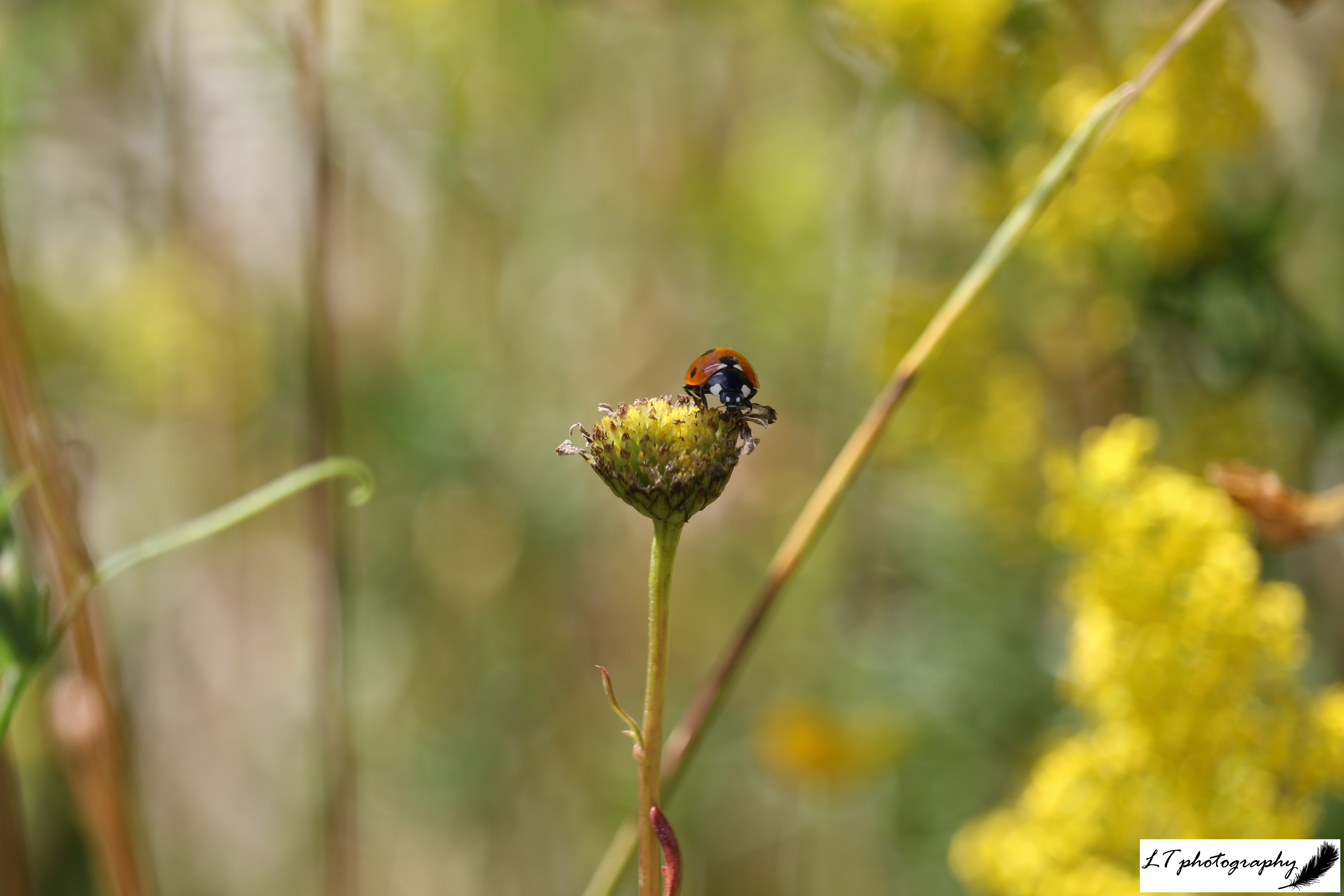
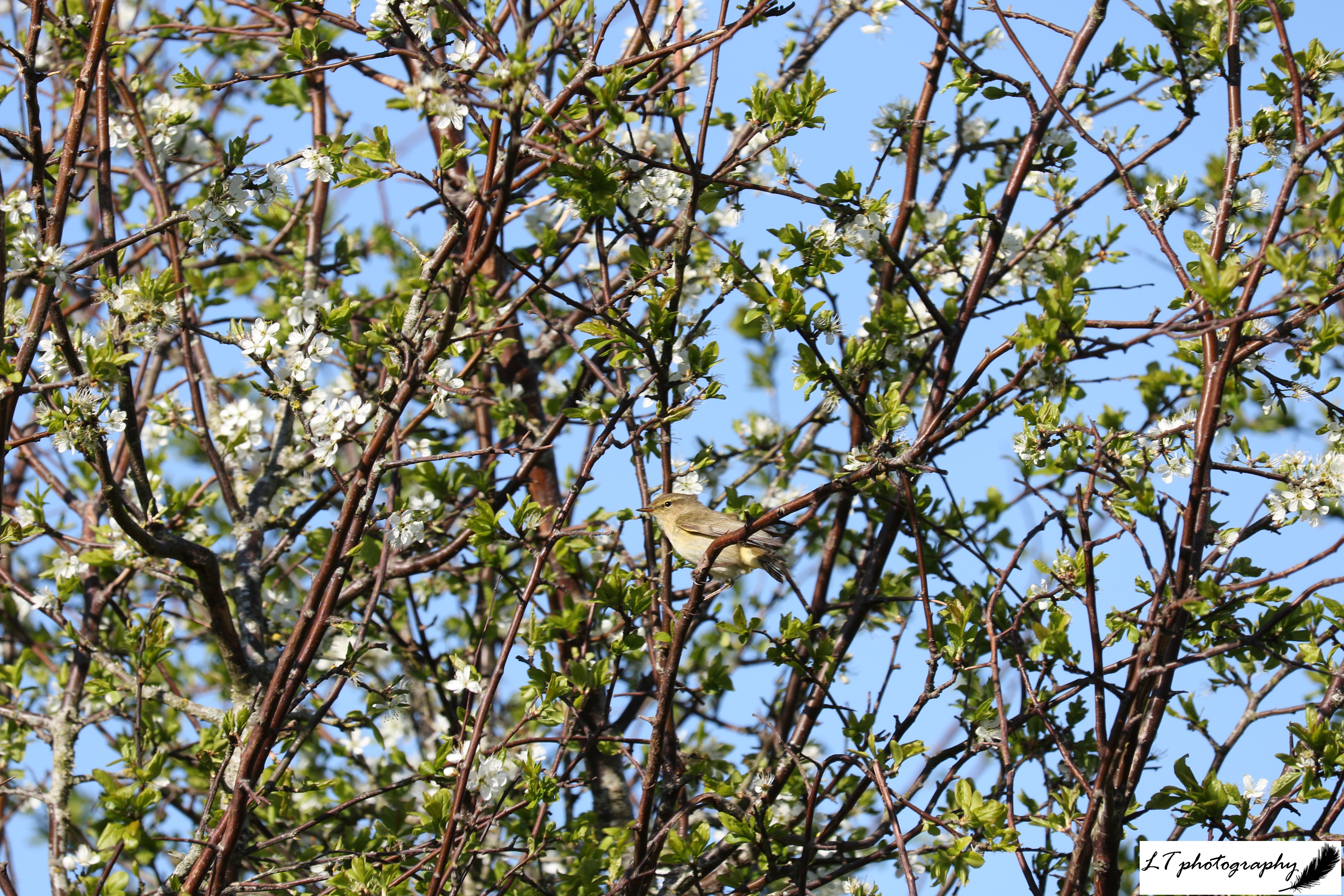
I am really excited to share with everyone, my first ever mass printed nature calendar for 2026 that I have been recently selling! Calendars are still currently available to buy. They make great gifts or help to bring a bit of colour into your home all year round!

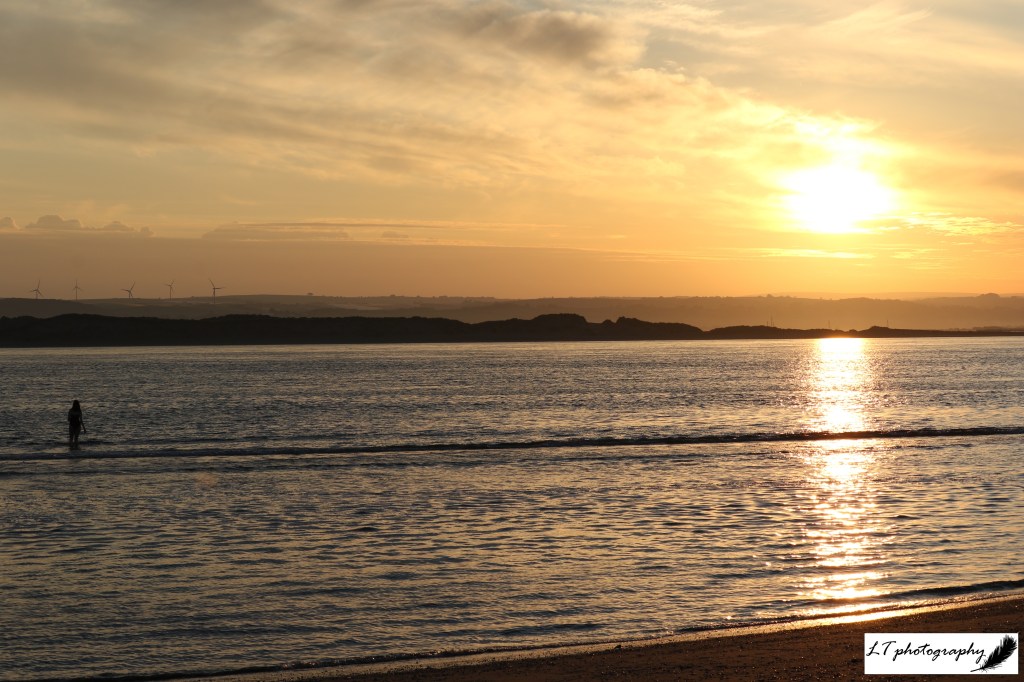
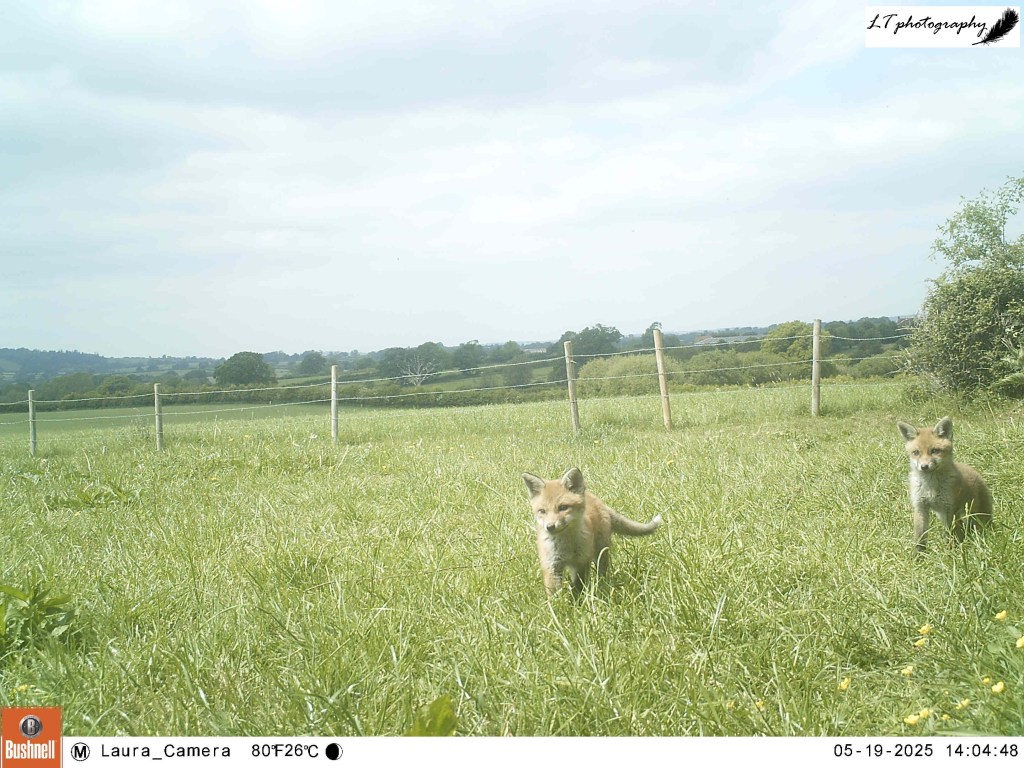
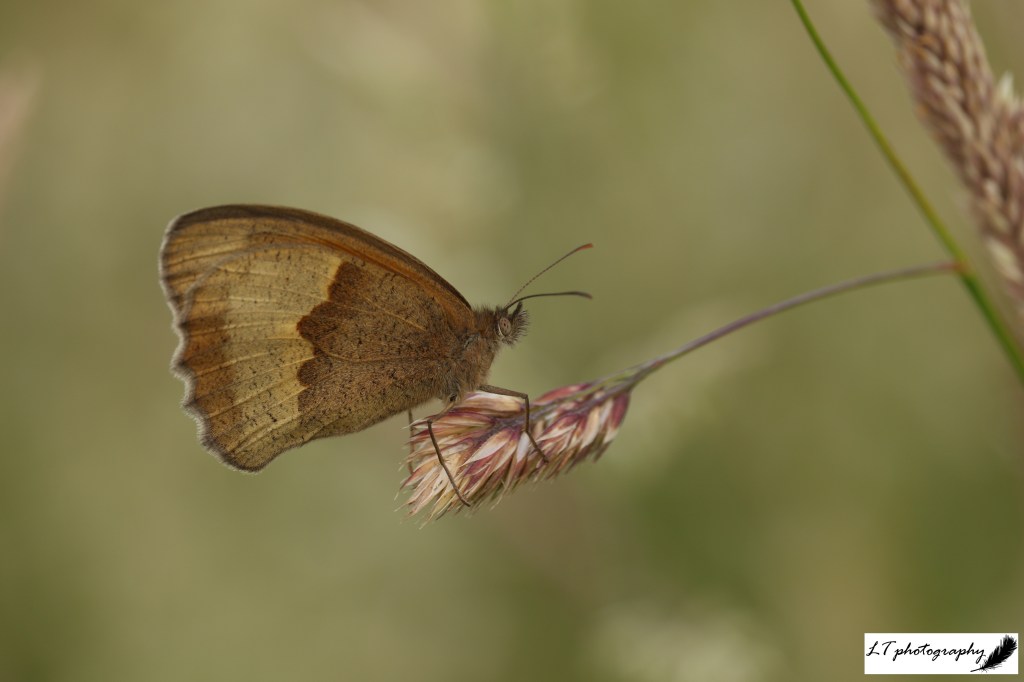
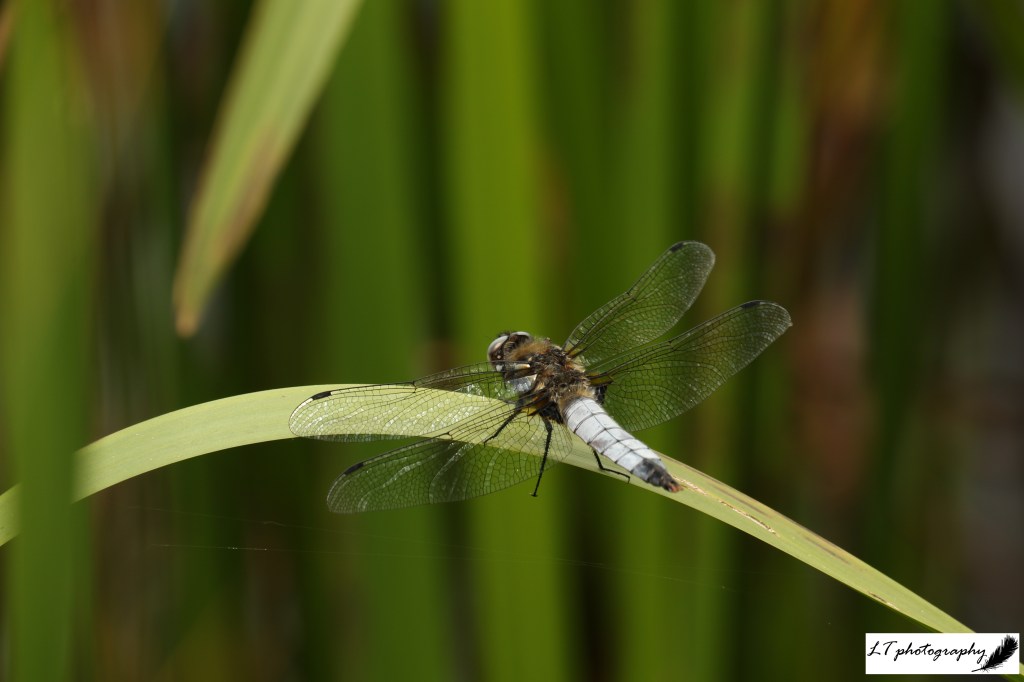
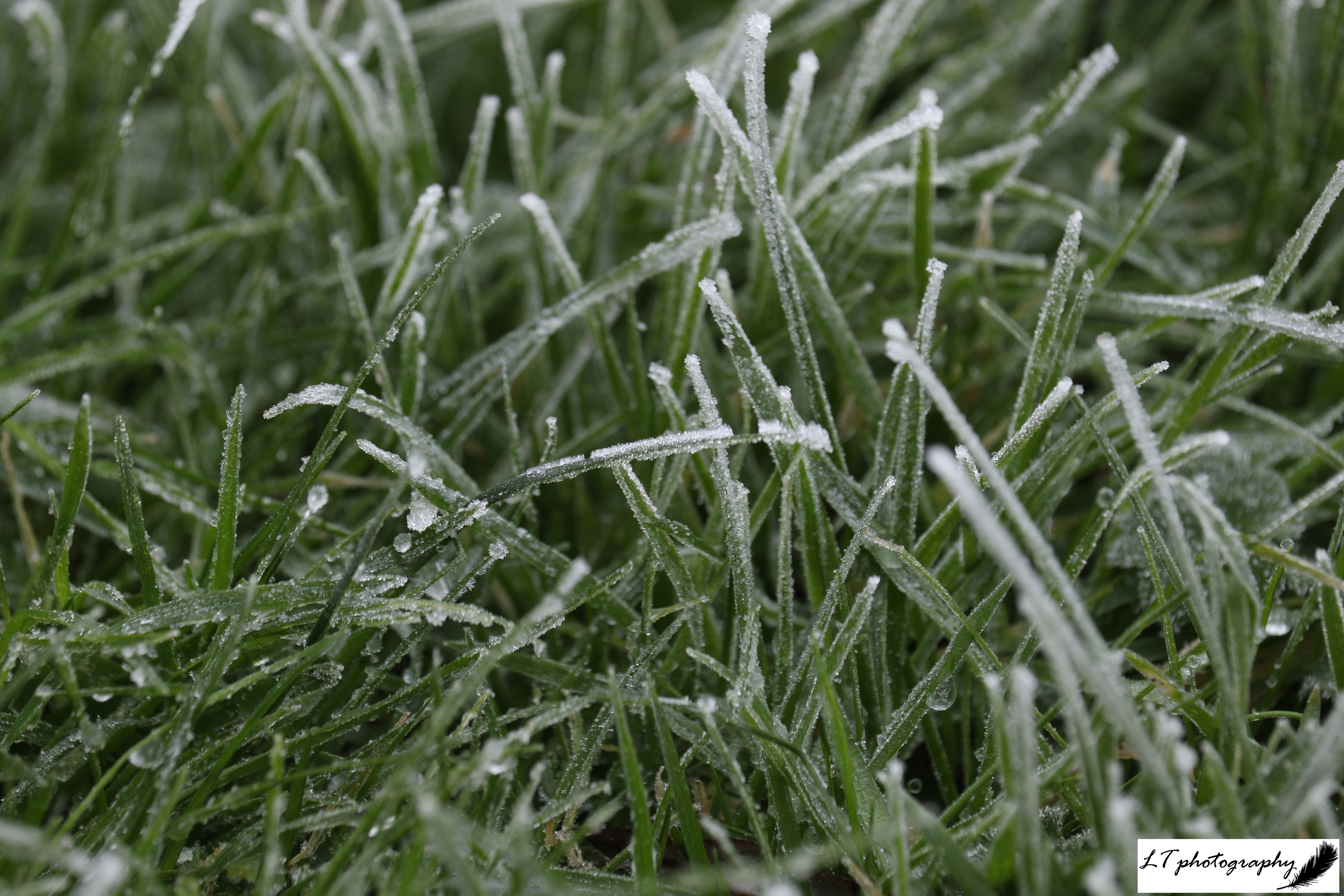
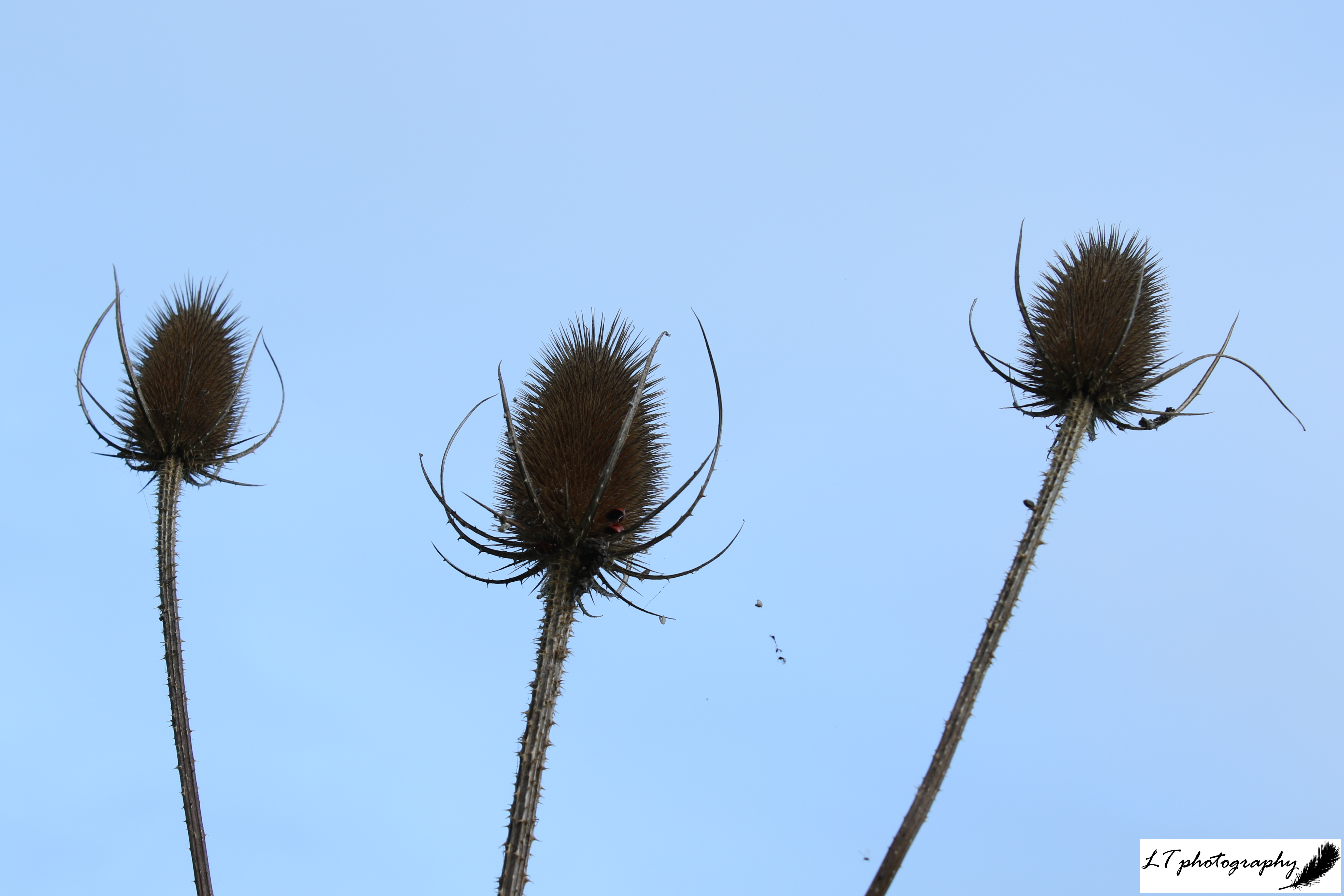
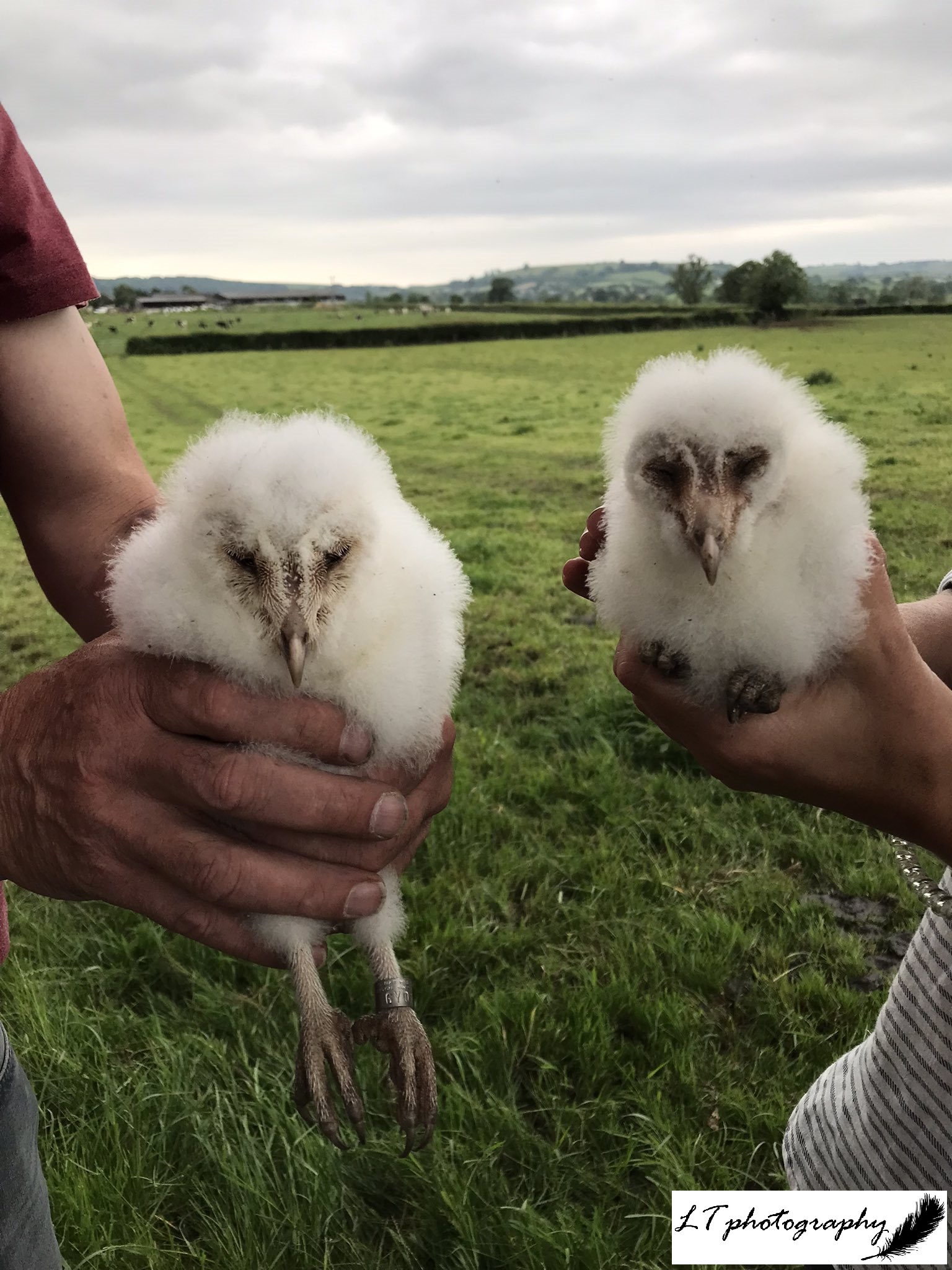
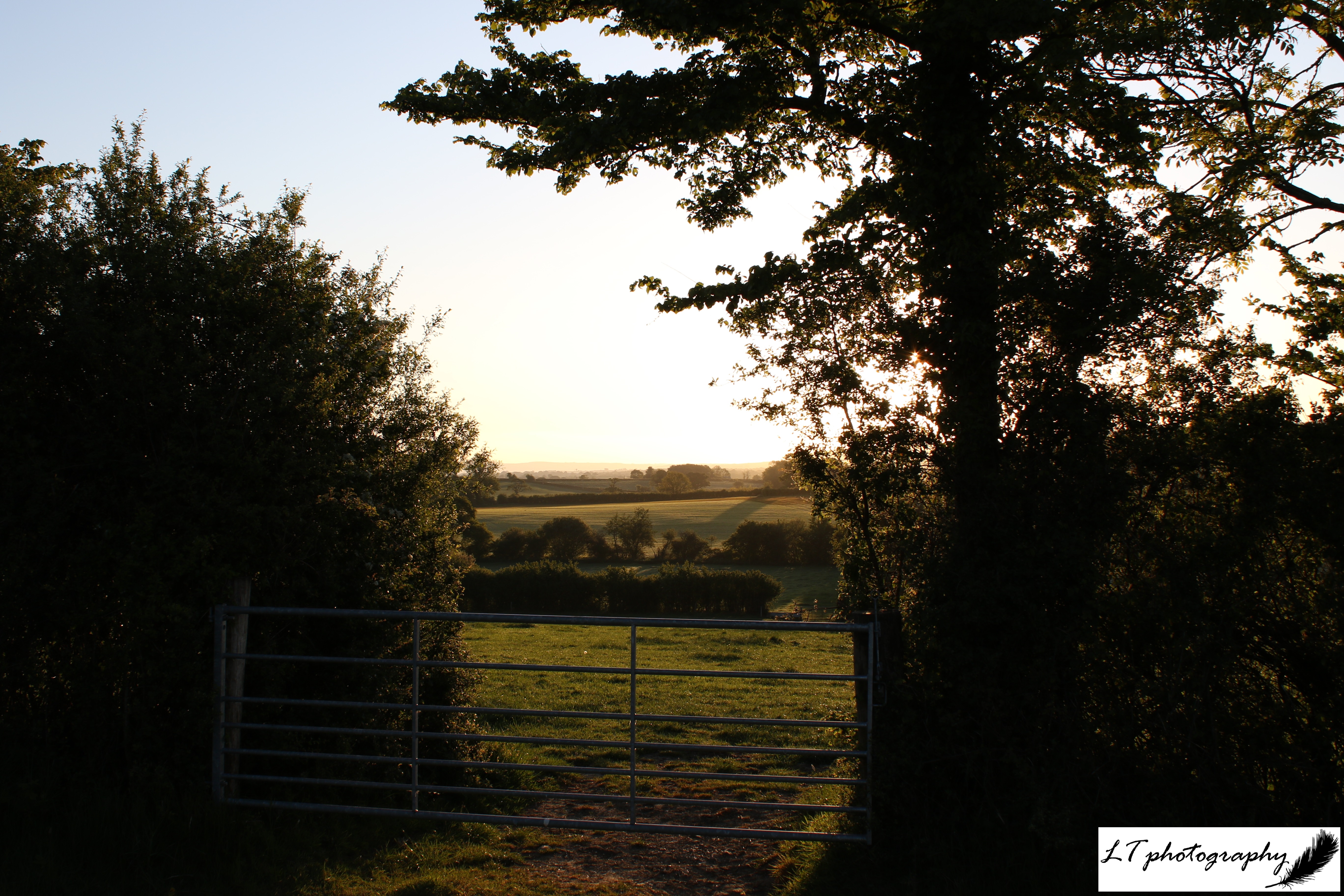
My calendar features photos that I have taken myself over the last year, mainly in Dorset, which capture the magic and beauty of nature throughout the seasons, with no photo editing needed.

If you are interested in buying one of my 2026 calendars, drop me a message. I am selling them for £7.50 each, and adding postage if hand delivery cannot be arranged. I am always grateful for everyone’s support as I progress with my passion for photography.

A Year in the Life of a Woodland – Part 2

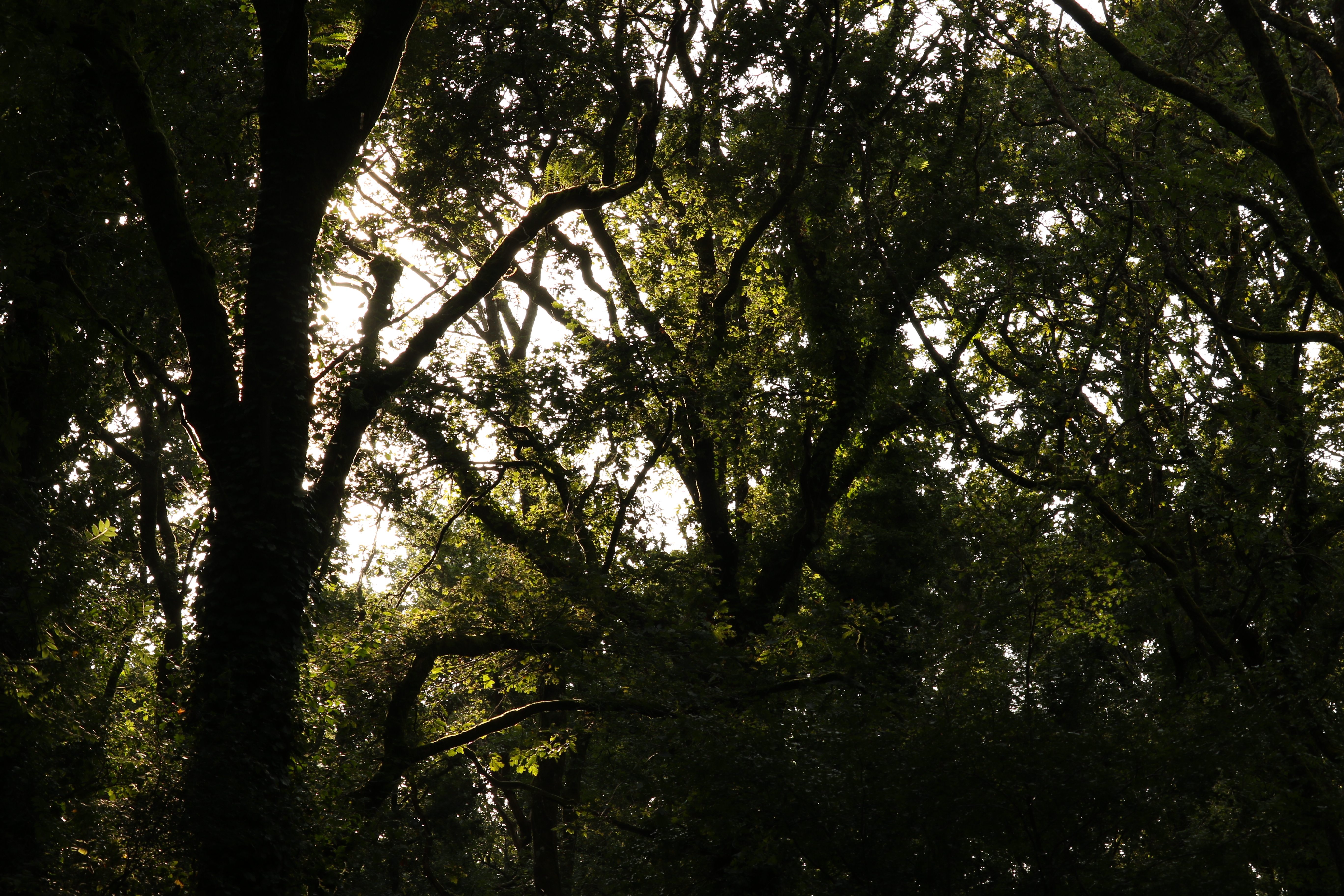
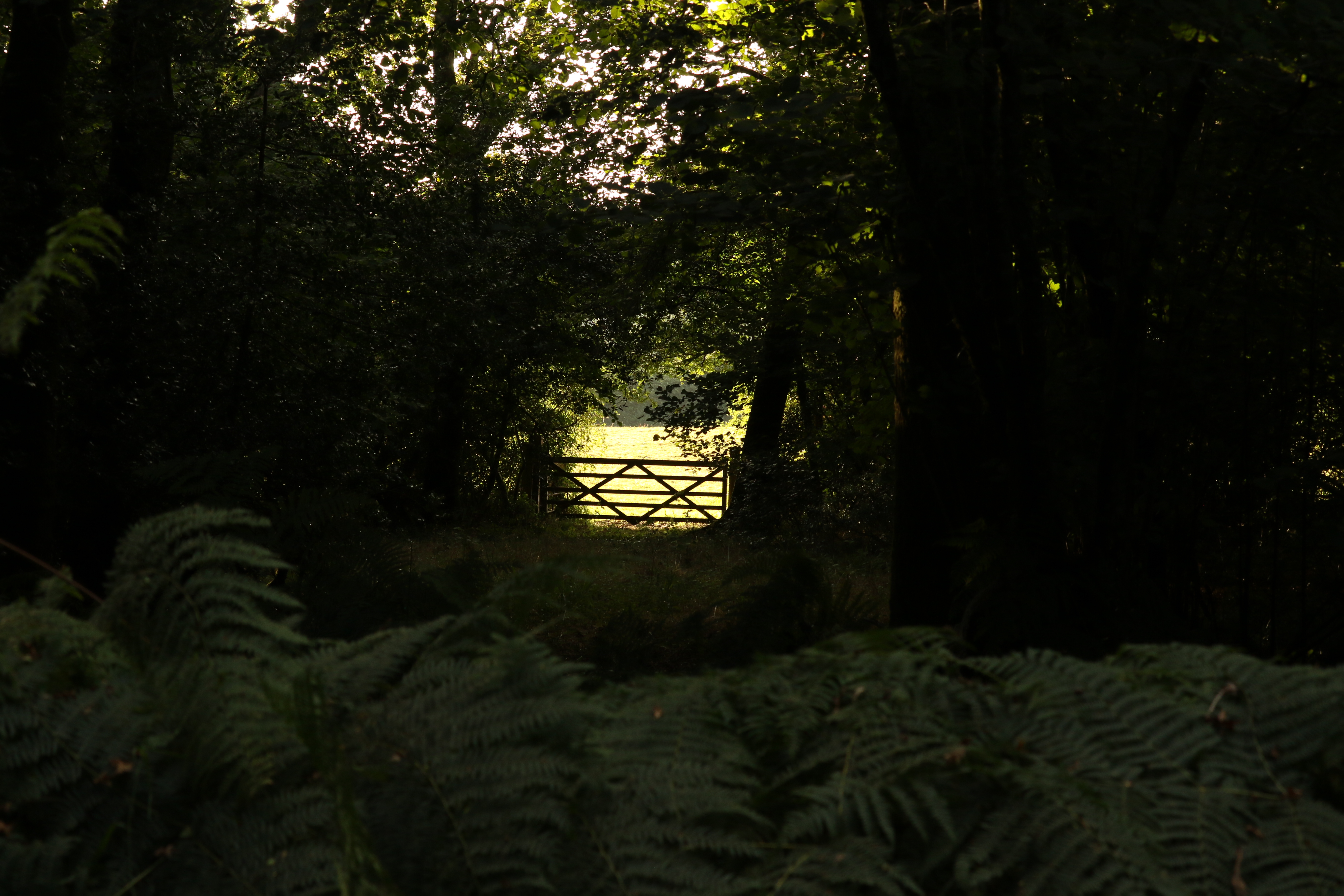
Throughout 2024, I followed in person a year in the life of an ancient, broadleaved woodland in the heart of rural Dorset. I followed its progress from certain points within its bounds, and observed the beauty the woodland had to offer throughout the seasons. It was really interesting to see what goes on during each month of the year within a classic english country woodland, and to be able see the subtle differences as time went on.

Previously on my blog, I left the woodland at the end of June after six months of colourful adventures. I watched as winter transformed into a vibrant spring and moved towards the summer months. From majestic skeletal trees and the unrolling of green to carpets of blue and flashes of beautiful butterflies, the woodland showed itself to be a master of changing its finery in dramatic style. To read more, check out Part 1 on my blog!

This time I delve into the second half of 2024 amongst the trees, as summer brings tranquil days, autumn comes with a riot of colour, and the woodland slips back into its winter slumber. How will these months differ to those of the first half of the year and what can we learn as the days regress once again. Here’s part 2 of my A Year in the Life of a Woodland.

July

Summer has arrived! Stepping into the woodland, humid warmth is replaced by a refreshing cool within the shade of the tall trees. All around the undergrowth is starting to die back, with flower heads dropping their spent petals and seeds beginning to be produced. Herb robert survives on though, with nodding heads of still bright pink flowers, whilst honeysuckle hangs from the trees, giving off their heady scent, and enchanter’s nightshade and bramble flowers start to appear. Amongst all this, ferns now stand tall along open tracks and wooodland glades, lush green and stealing the summer sunlight from any plants tucked below.

Birds of the woodland are now concentrating on feeding their young or are even coming to the end of this year’s breeding season. Distant chiffchaffs and wrens sing on though, alongside woodpigeons calling, and tits communicating up in the trees. Buzzing flies can also be heard on warmer days, whilst dragonflies dance along woodland borders on silent wings. A fox slinks by through the shadows of the trees, on silent paws, at ease, only turning its head as it walks by. With the woodland now full of new life, the excitement and activity of spring is ebbing away, and we welcome the days of the more relaxed summer season.

August

The woods are returning to their quieter state once again. The days are beginning to shorten in small increments, and the first whisperings of autumn can be felt. The start of August has been interesting with the woods seeing hot days broken up with spells of grey and heavy showers. As evening sun breaks through the still lush, but battered canopy, it’s noticeable that the woodland floor is picking up pace receding now. The hint of colour from flowers is completely disappearing, whilst the green undergrowth is beginning to show the brown leaf litter layer below.

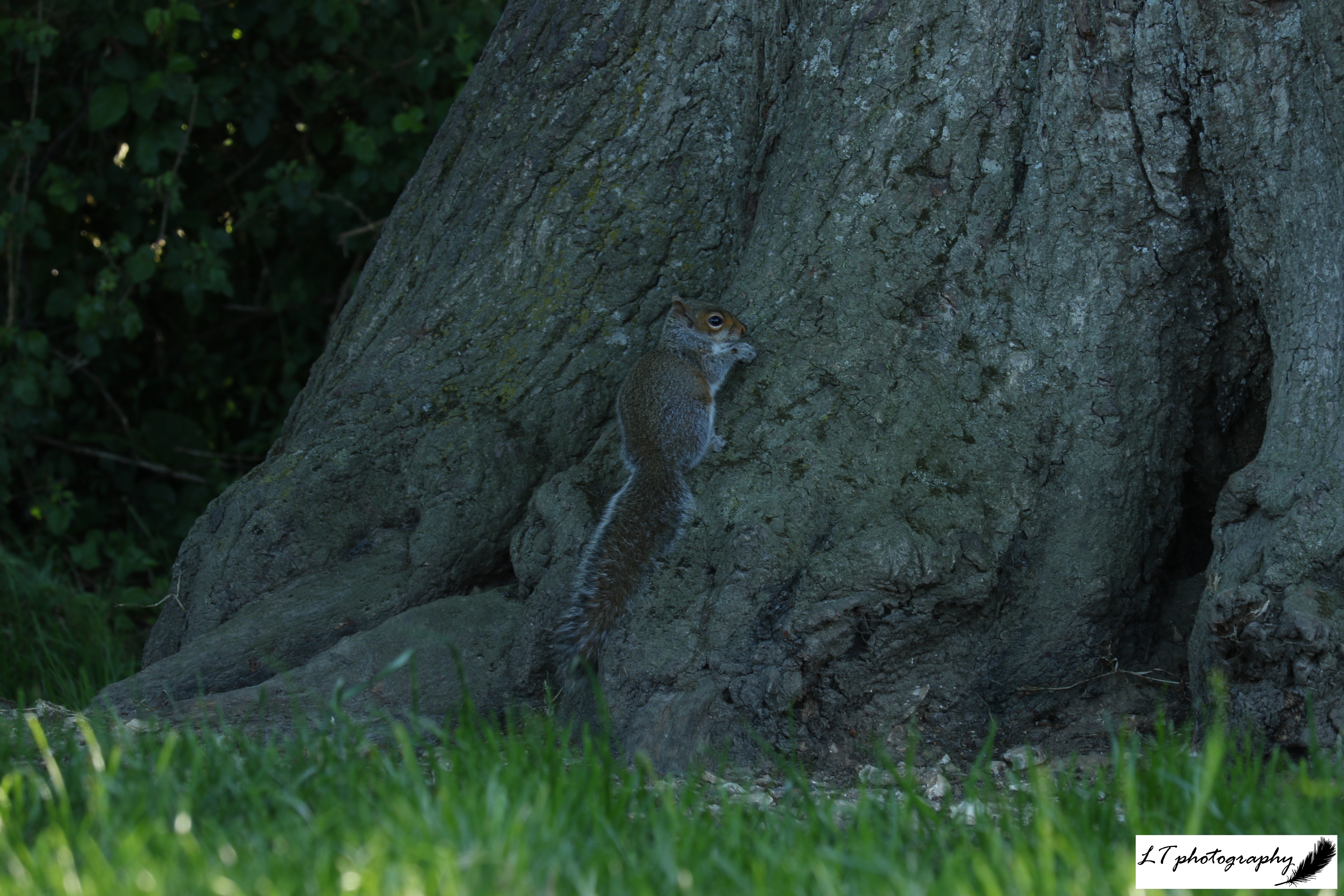
Silence blankets the woodland, broken by wind up in the tree canopy, distant bird contact calls, and noise beyond the woodland altogether. The joyful bird song of spring has long served it’s purpose, and now the time has come when summer visitors are beginning to think of moving on to warmer climes, as the first signs of autumn have arrived. Plants hang with fat seed heads, hazel trees are laden with nuts that are already being pilfered, grey squirrels can be heard alarm calling up in the trees, and jays are popping up with their rough screaming calls. It’s a time of bounty and fruitfulness, a time to celebrate what nature has given us this year, and a time to prepare for the slumber to come.

September

The first breath of chilly air has arrived and rarer dry days have an edge to them. Another change in the year is coming, as the woodland floor dies back, leaving increasing patches of last year’s leaf litter open to the air once again. In places grass is crowding out other species on woodland rides, whilst ferns begin to turn brown, like fire catching their leaves’ edges. The first holly berries are beginning to redden, hazel trees are bedecked in green nuts, ripe blackberries are already beginning to soften, and oaks are growing their iconic nuts complete with their classic cups.

The mornings are now renewed with a gentle soundtrack of calling birds in the woodland, with residents claiming territories and migrants passing through on their way. Nuthatches, wrens, goldcrests and robins are amongst this cohort, creating a bubble of bird song. The afternoons are quieter, filled with lazily buzzing insects, and the odd animal sound. This afternoon though, the woodland soundscape is broken up with the sound of a great-spotted woodpecker moving from tree to tree and tapping to find food beneath bark. 

October

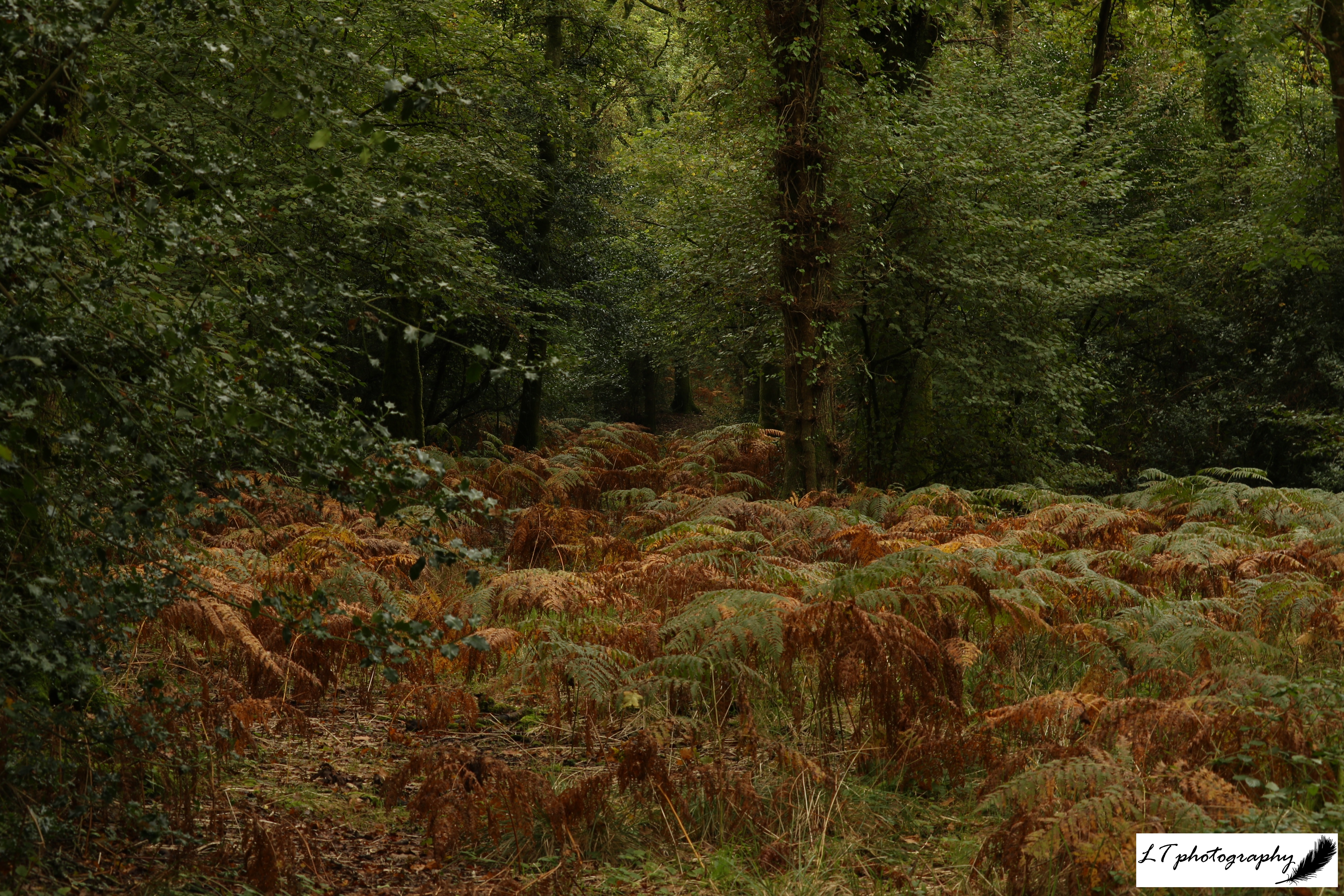
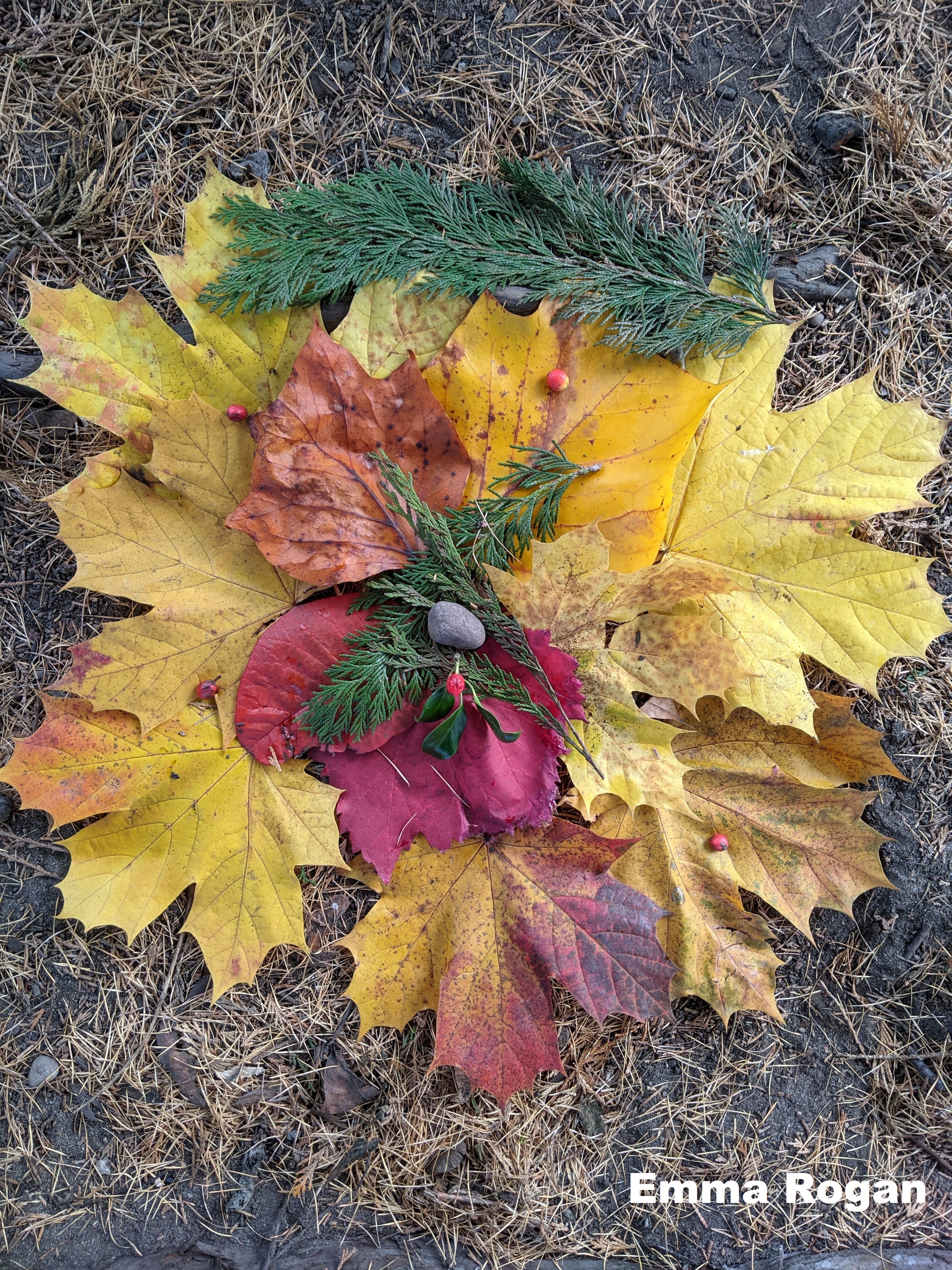
Nights are drawing in, temperatures are beginning to cool, and the dampness in the air is creeping in. Trees, such as oak, hazel and ash, are beginning to show changes to the colour of their leaves, adding yellows, reds, and oranges to their palette. As the trees signal the start of changing out of their finery, the ferns covering the woodland floor below are now fully on fire, curling up and browning away. As this dying off progresses, new life is symbolised through nuts, seeds and berries, such as the first ripe holly berries, shiny and red, waiting to be eaten. To buck the trend, ivy tendrils are sprouting clusters of green balls, their late flowers that will reach their peak in November.

Most of the summer avian residents will have begun their travels to warmer climes, leaving overwintering birds moving through and residents staying put. For example, our native robins are beginning to sing strong once again, needing to defend their important territories throughout the winter. Tits can be heard beginning to travel in small feeding flocks, whilst wrens and goldcrests flit in the branches currently going solo. Mammals do not make an appearance during my visit, but there are signs of the badgers, foxes, roe deer and squirrels that call the woods home. Times are bountiful for those who can find it, but harsher days are on their way!

November

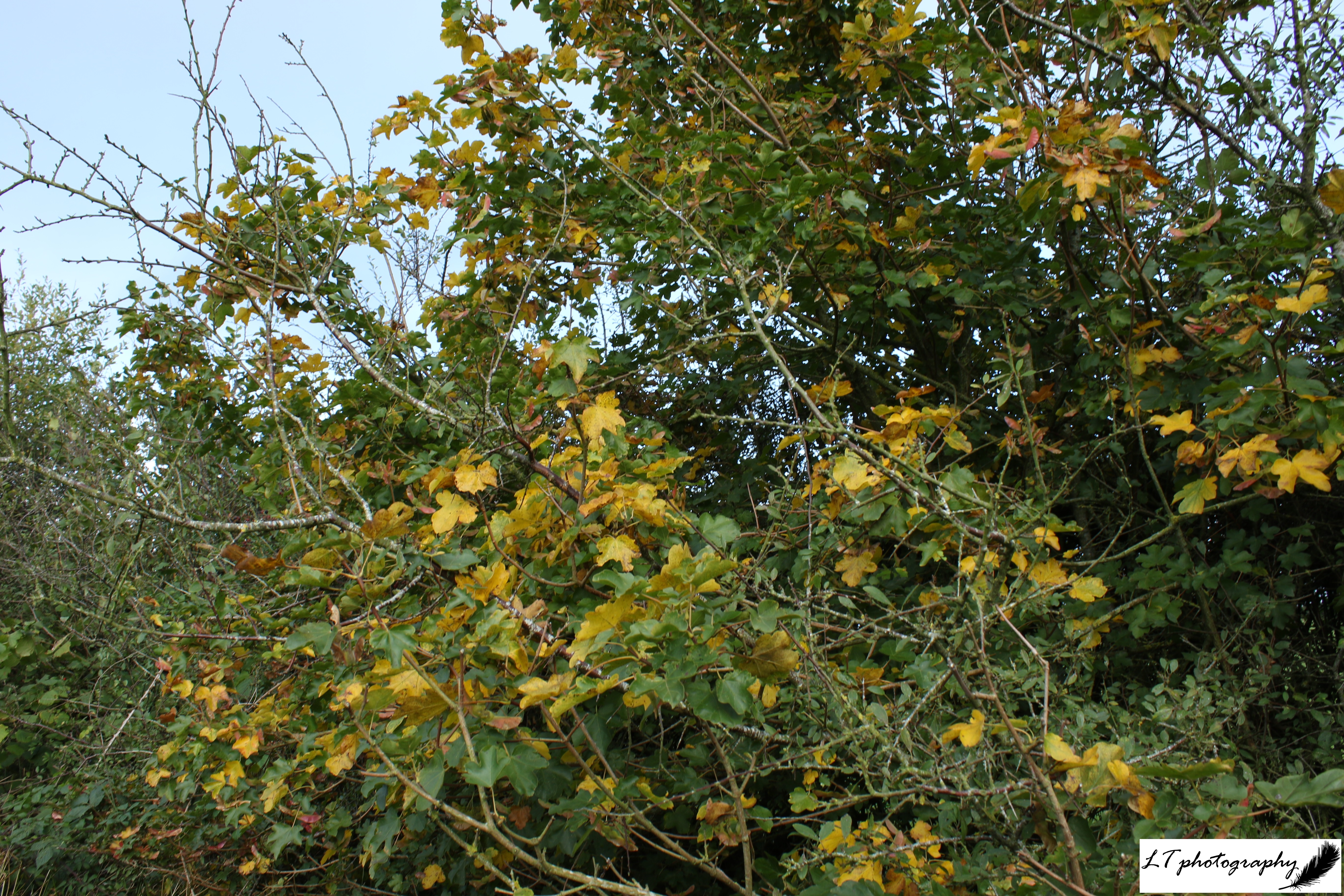
The arrival of November is accompanied by shortening day lengths and biting northerly winds. Mostly the month begins calm in the woodland with grey or sunny days. As trees continue to take in the goodness of this year’s bounty of leaves, the green of summer has been fully taken over by bright fierce colours in the canopy, with the orange of oak, yellow of hazel, gold of field maple, and red of hawthorn, amongst others. The leaves also begin to fall from on high, twirling to the ground and beginning to form a crunchy leaf litter under foot. The trees are going to go out with a riot of colour!

The soft sunlight falling through the trees marks a slowing of time and activity for wildlife. Pheasants meander amongst the trees being released from local shoots. A raucous jay echoes through the still trees. Mushrooms poke up from the leaf litter here and there creating a more ethereal quality to the woodland during this time. It finally feels like autumn has arrived just at the point when people look towards the closing of the year in a month’s time. Time to savour the last hurrah of nature!

December

The year is rolling on to its close once again and winter is fully upon us. As I step back into the woodland for one last walk of the year, a cool breeze bites my cheeks whilst cheerful sunshine falls through the trees. Now I find myself surrounded by leafless forms once again, bare, skeletal, but magnificent, especially the ancient oaks. The last few hazel leaves cling to their branches, but most trees have now shed their finery, and a new carpet of leaf litter satisfyingly crunches beneath my feet. The trees are putting nutrients back into the earth as they now lay in slumber.

Up above my head, I can hear a soft tap, tap, tap. The sound of a great-spotted woodpecker moving from tree to tree once again, and tapping for food under their barks. Birds call all around me, from angry wrens, territorial robins, and hungry blue tits, to a raven passing overhead, blackbirds on the wing, and even a nuthatch going about its business. Badgers will now be sleeping more, whilst foxes are more active, thinking about breeding once again. There is still so much life to be found out in this Dorset woodland, even if all are just trying to survive through to another year. December is rolling on and a new year beckons!

12 Days of Laura’s Wild Photos 2024

Last year, was a year full of colour and vibrancy for me, a year of adventures, many firsts, and always some learning curves. This also applies to my time spent in nature and my year immersed in my wildlife photography. From sitting amongst the bluebells and chasing after butterflies, to capturing red kites and watching sunsets, it has been a spectacular year as a whole.

To continue my new tradition, over the 12 Days of Christmas of 2024, I accompanied each day on social media with one of my nature photos taken with my camera, camera trap or phone. The aim is always to share my snapshots of nature’s hidden beauty, share some yet to be seen favourite photos, and simply to put a smile on people’s faces during the tough winter months.

Here are my latest 12 Days of Laura’s Wild Photos all in one place!

The 12 Photos

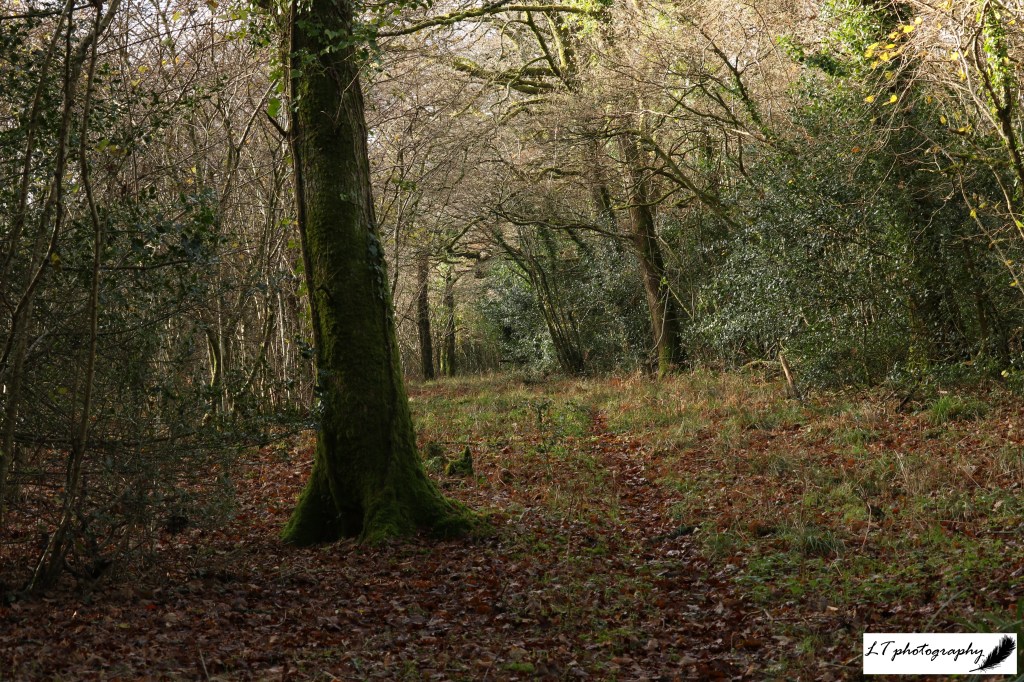
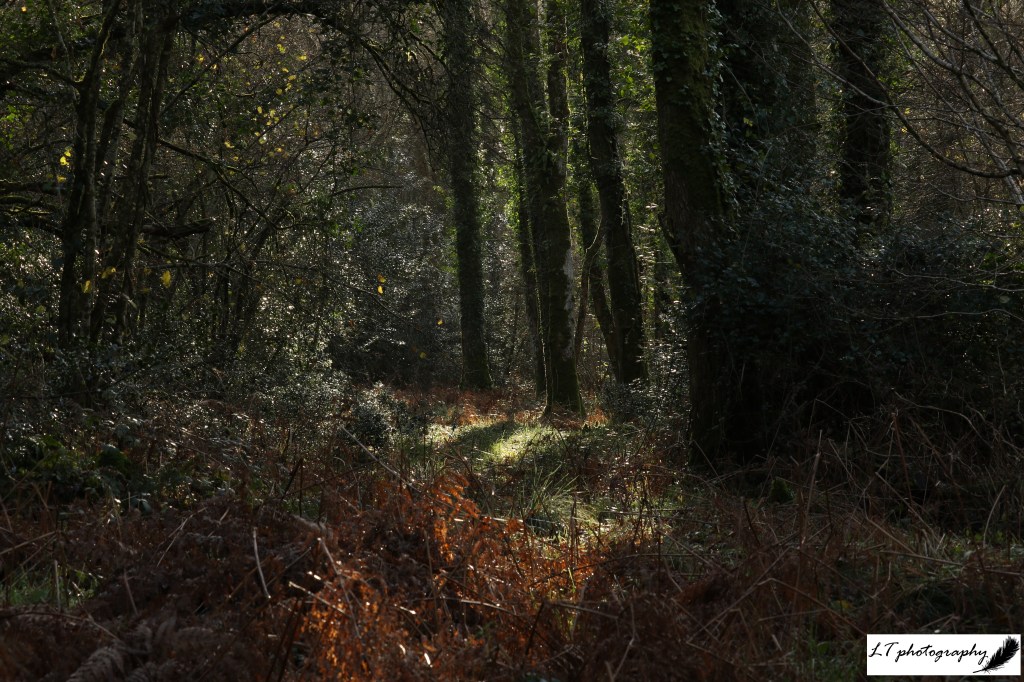
Day 1 – To begin my 12 Days of Laura’s Wild Photos for 2024, I chose a photo that made me think of winter, with it being taken during the winter months. I love the soft sunshine breaking through the trees and producing a pocket of light within the greys and browns of the sleeping woodland.

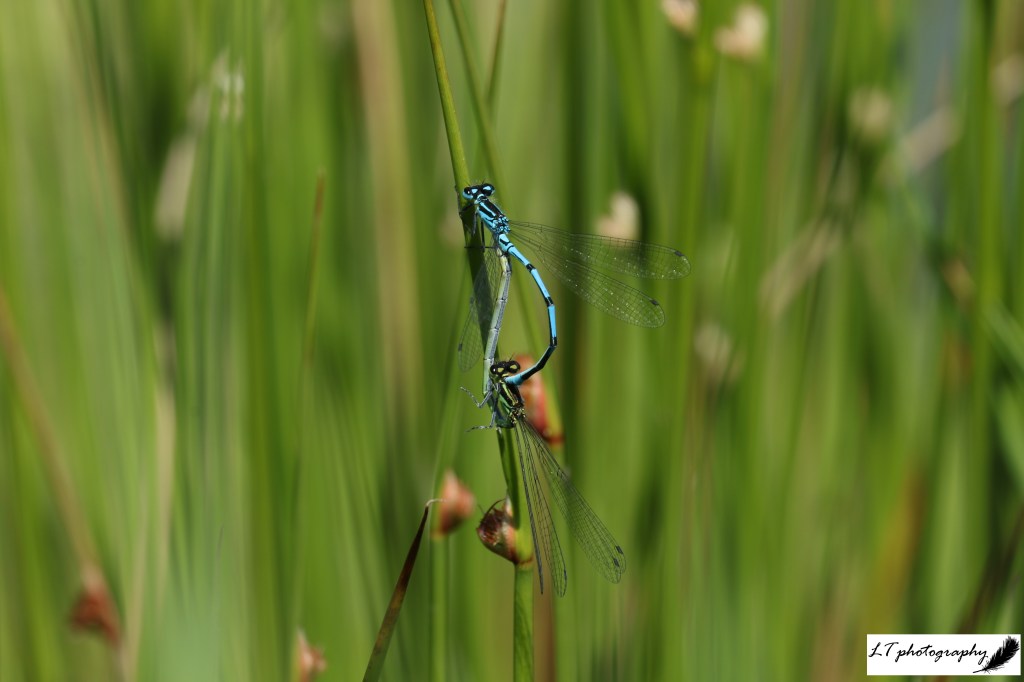
Day 2 – Last year was a year of many adventures and firsts for me, including in my wildlife photography. During May, I got the opportunity to watch and try photographing damselflies for the first time, as they courted over water, and attempted to mate and lay eggs. They are such fantastic coloured jewels to behold!

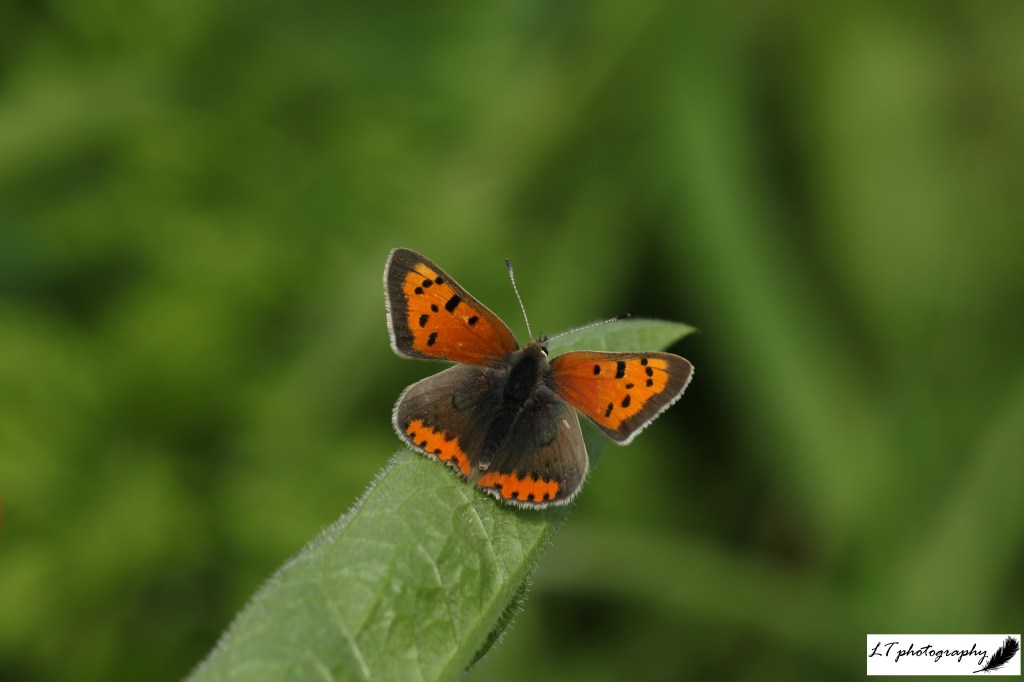
Day 3 – This beautiful Small Copper butterfly was a bright spot of colour for me during an autumnal October day. It was wonderful to see these butterflies flitting around my family’s new wildflower meadow, courting on the wing. It was exciting to see these butterflies choosing to lay eggs here already, despite it only being our meadow’s very first year!

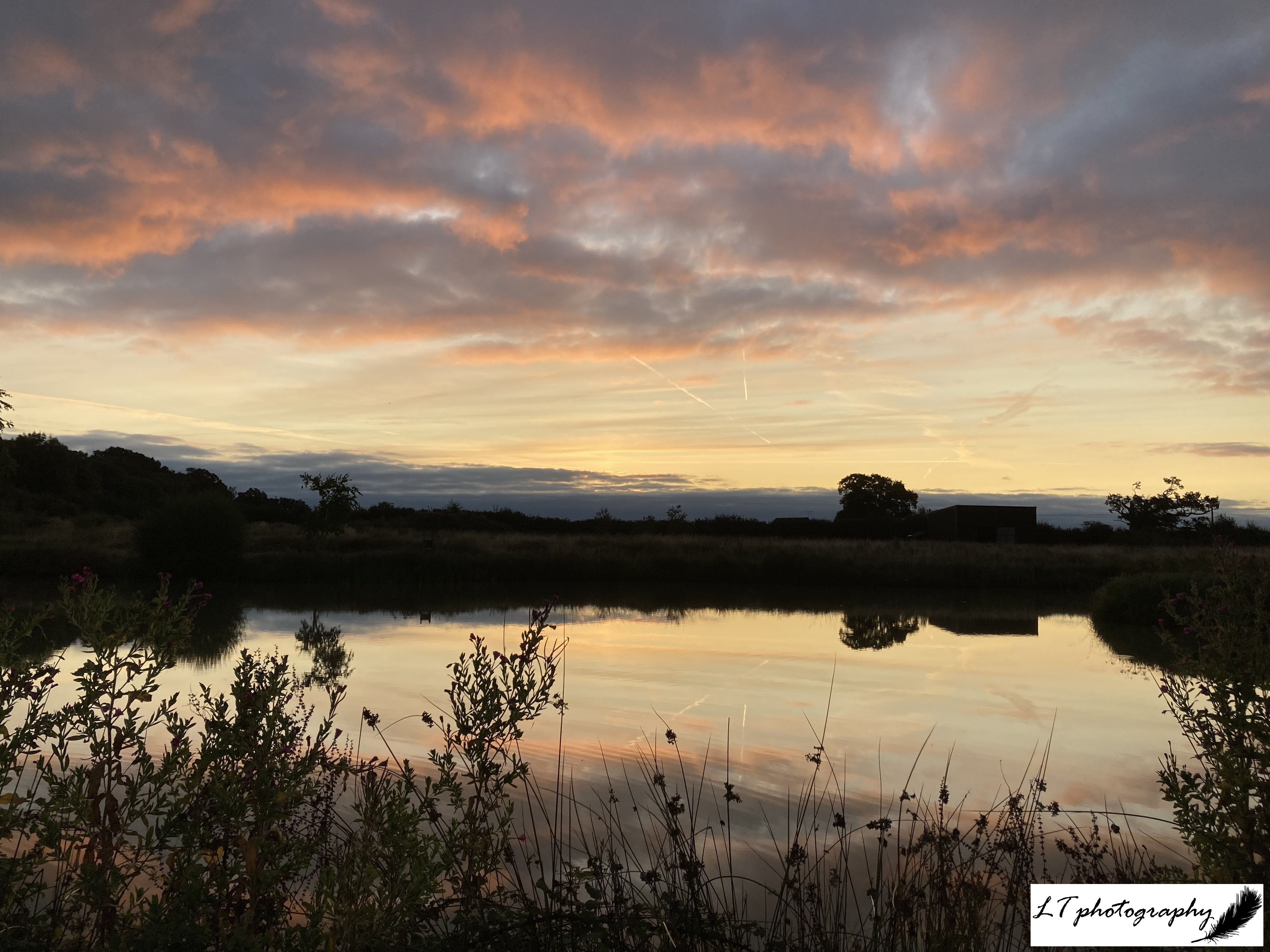
Day 4 – I have captured fantastic sunsets from Canada to Kenya, so I am always trying to find new and wonderful ways to capture their never-ending beauty. They are one of my favourite subjects to photograph, and understandably this photo fills me with such joy including from the experience of taking the photo itself.

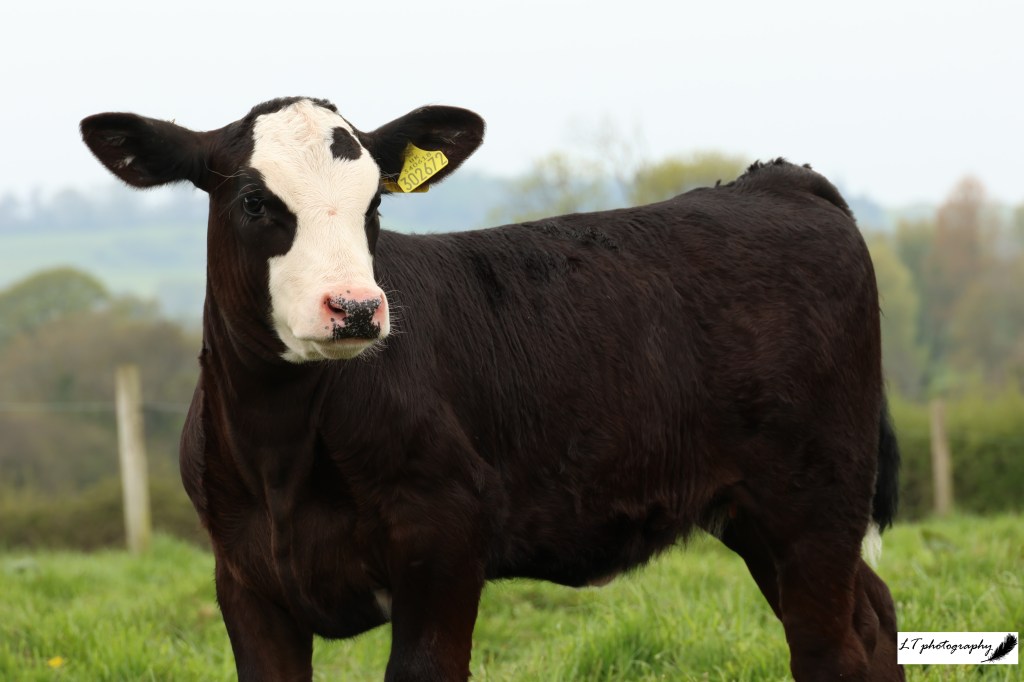
Day 5 – For day 5 of my 12 days, I wanted to include a photo of one of my highlights of 2024, my boy Rook. I had for 9 months looked forward to my cow Raven calving for the first time, and Rook was finally born in April, a week overdue. I enjoyed watching him grow bigger and bigger, and develop a character of his own.

Day 6 – Whenever I needed a mindful moment this autumn, I would escape to our wildflower meadow with my camera. This year my family and I trialled the planting of this meadow with wildflower seeds to see how it would turn out. Well for the first year, it has done well, growing a large diversity of species and becoming a splash of colour as flowers began to pop up throughout the autumn.

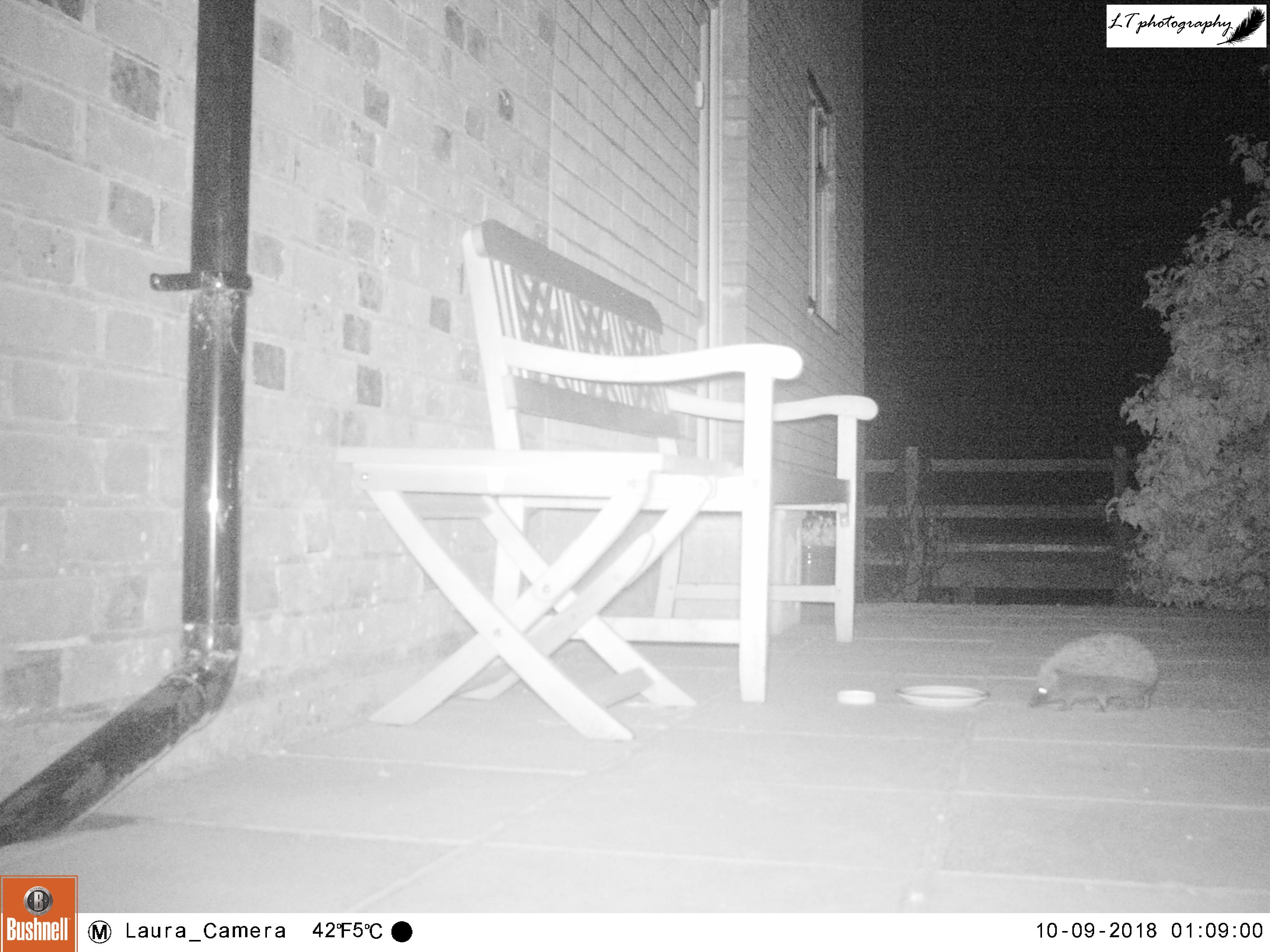
Day 7 – For the last day of 2024, I posted a simple photo of a hedgehog feeding from a plate. What is special about it though, is that it marks one evening of many throughout the summer months when a hedgehog would appear before sunset to find food. This tends to signify a lack of wild food available for our hedgehogs, but it was still a great opportunity for me to get to know the hedgehogs in our local area.

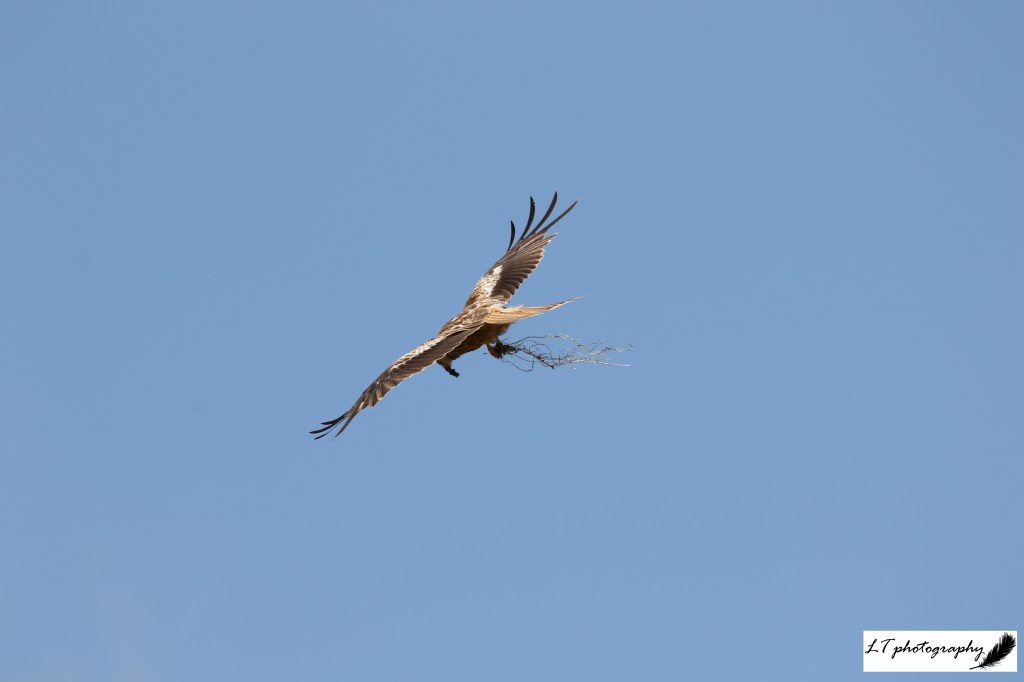
Day 8 – Another of my firsts for 2024 was capturing red kites on the wing in flight. This photo comes from a collection taken during this shoot, when red kites were hunting over a field that was being cut and baled. If you look closely, you can see that this particular bird had some success!

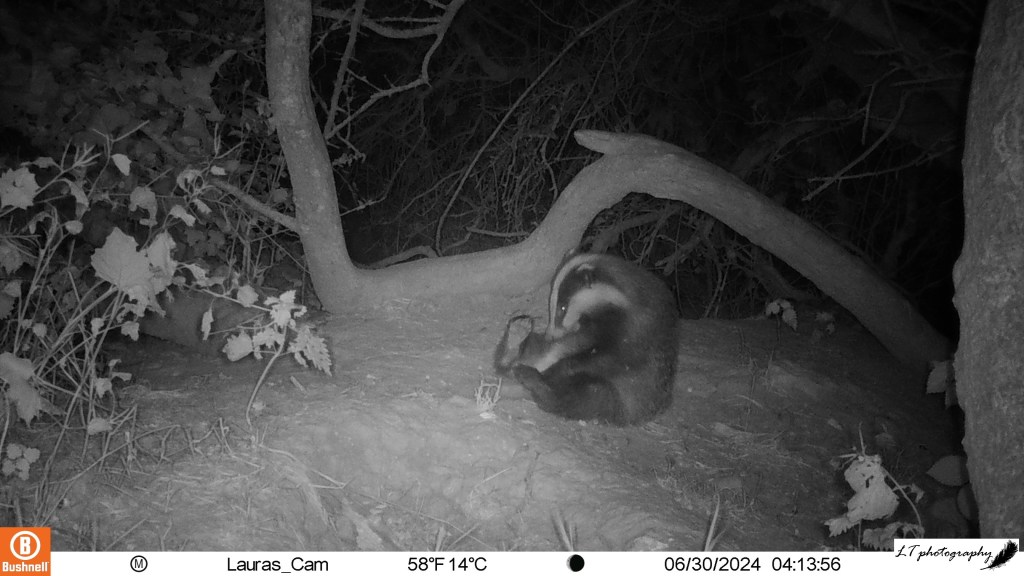
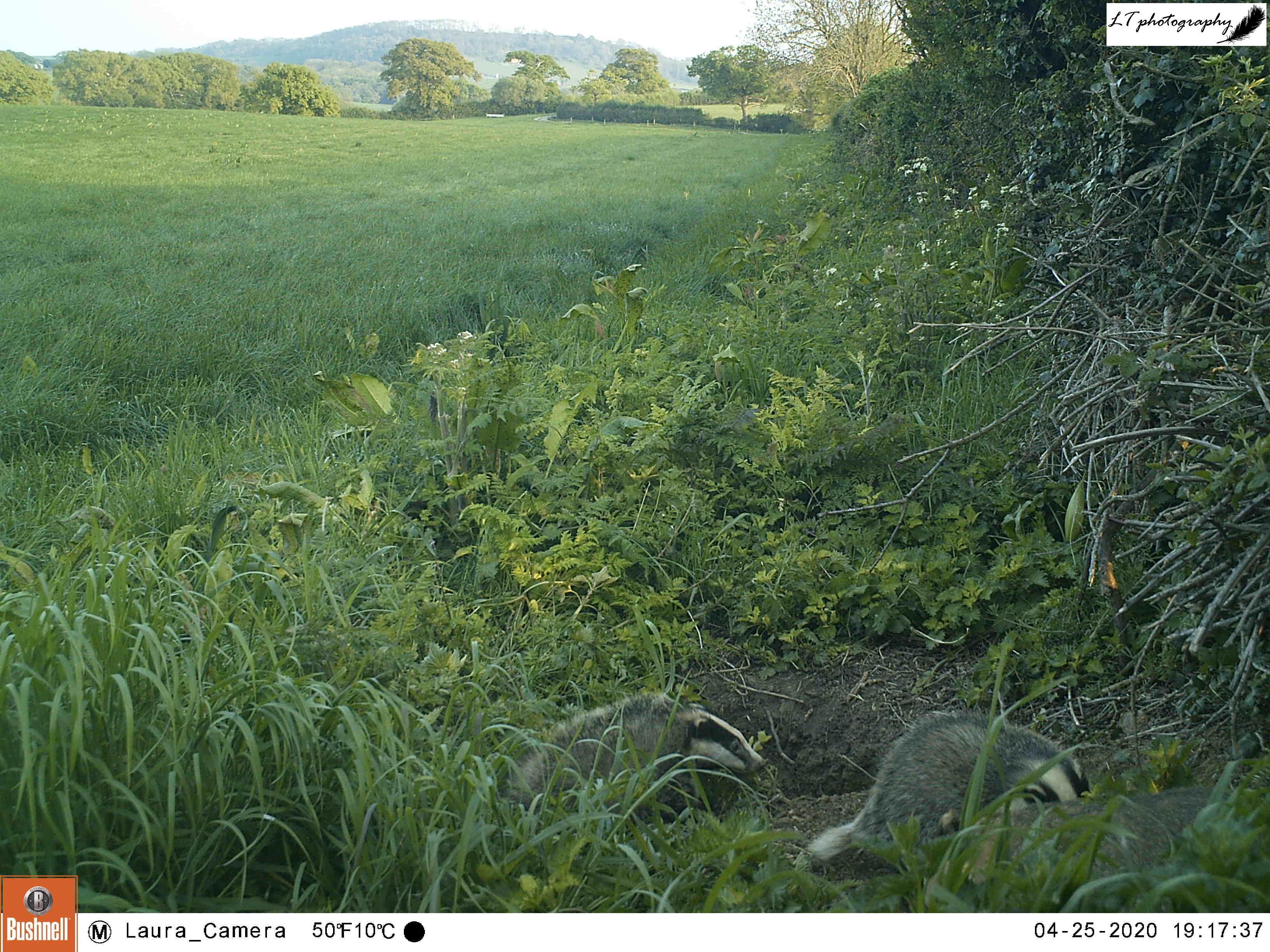
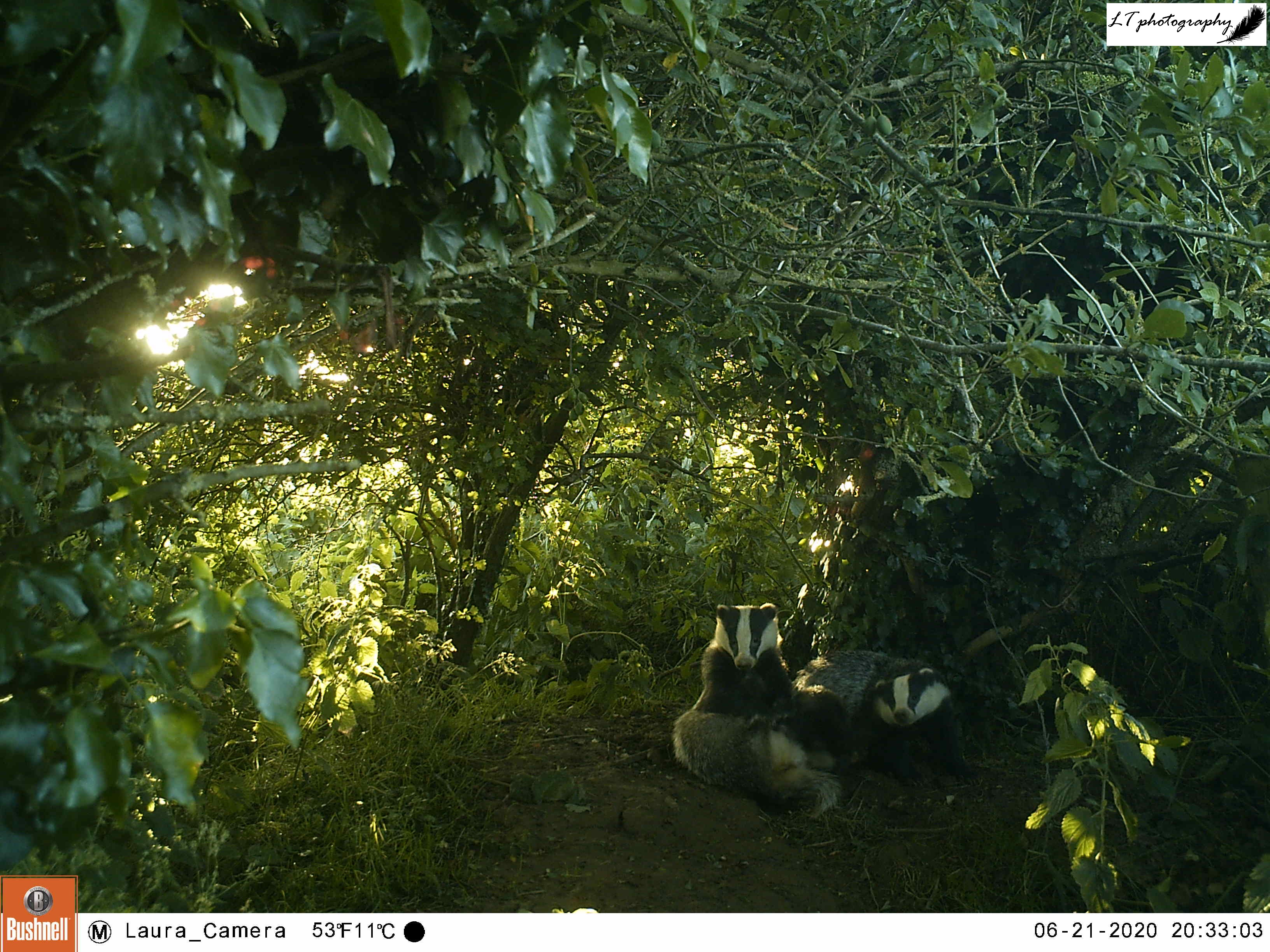
Day 9 – 2024 was a year for me full of incredible wildlife moments and adventures in my happy place out in nature. This included sightings from my camera traps of wildlife ranging from hungry hedgehogs to inquisitive foxes. Some of the best characters though, came in the form of a family of chilled out badgers, including this badger that just needed a sit down!

Day 10 – Though I love being out in nature all year round, spring always ends up being my favourite season of the year. It’s a time of hope, new life and incredible natural beauty, which always inspires me in my capturing of the natural world. Here’s just one of the many, many photos from spring 2024, that fills me with joy for the season to come this year!

Day 11 – During 2024, I also had the pleasure of getting to observe my very first nuthatch nest of my bird ringing career. It was amazing to be able to watch as these chicks overtime grew from looking like little dinosaurs to beautifully feathered nuthatch fledglings. This all happened in the matter of a couple of short weeks!

Day 12 – I saved my favourite photo until last during my 12 Days of Laura’s Wild Photos, with this photo showing one of my favourite spring sights. There is nothing quite like a beautiful rich blue carpet of bluebells set against the lush green of new woodland growth. It fills me with joy and the motivation to enjoy another year of the natural wonders in my local area and further afield.

For now it is time to make the most of the last of our winter months, and to look forward to new wild adventures to come!

Nature Photos For 2022

Last year was a very unpredictable year for all walks of life, but for me it was another fantastic year for wildlife, with some wild firsts and much inspiration to be taken from nature. With each new year, I take it as a fresh opportunity to enhance my skill as a wildlife photographer and to also immerse myself in the wildlife that can be found all around me. There is so much to celebrate in nature and so much beauty to be found, and 2022 did not disappoint in this. So to look back on the year, here’s a collection of photos spanning 2022, from my photographic adventures through to simply finding inspiration from nature in my life. Enjoy!

2022

January

The start to the year felt a little grey and bleak, but adventuring out with my camera I was able to find some life and activity in the landscape, which can always be found if you look closely enough. In this photo, this little blue tit looks so small, as they are, but I love how its bright colours pop out from its surroundings.

February

For me one of the joys of my year in 2022 was following the life of one particular oak tree and visiting it regularly to experience its annual cycle and those of the wildlife living within its close surroundings (check out my A Year In The Life Of An Oak Tree blog post).

March

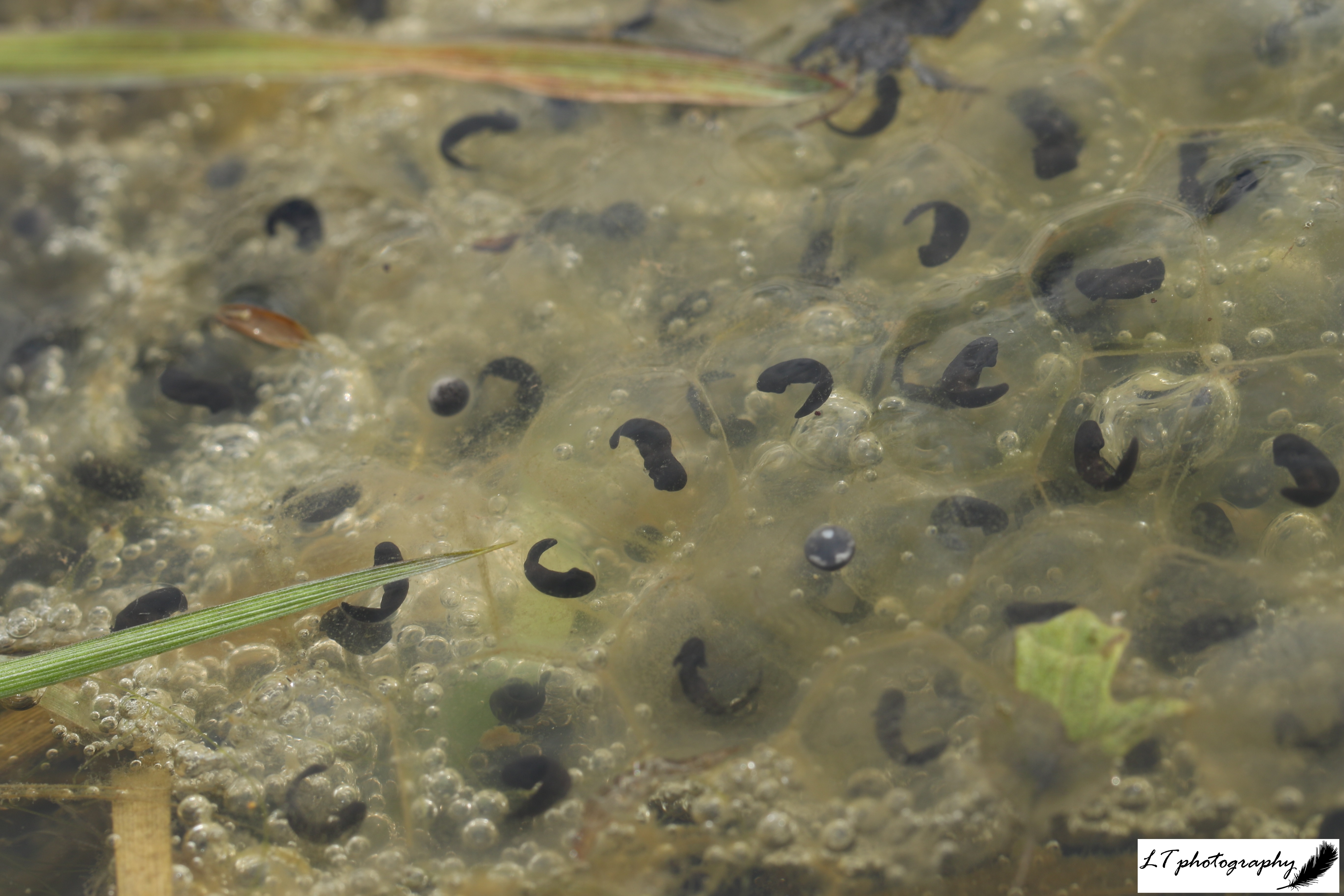
One wildlife first for me in 2022 was discovering frog spawn for the first time in my family’s new pond in our conservation field. I enjoyed making multiple trips to this site at the beginning of spring to enjoy, explore the development of tadpoles and all its intricacies, and to take some cool photos.

April

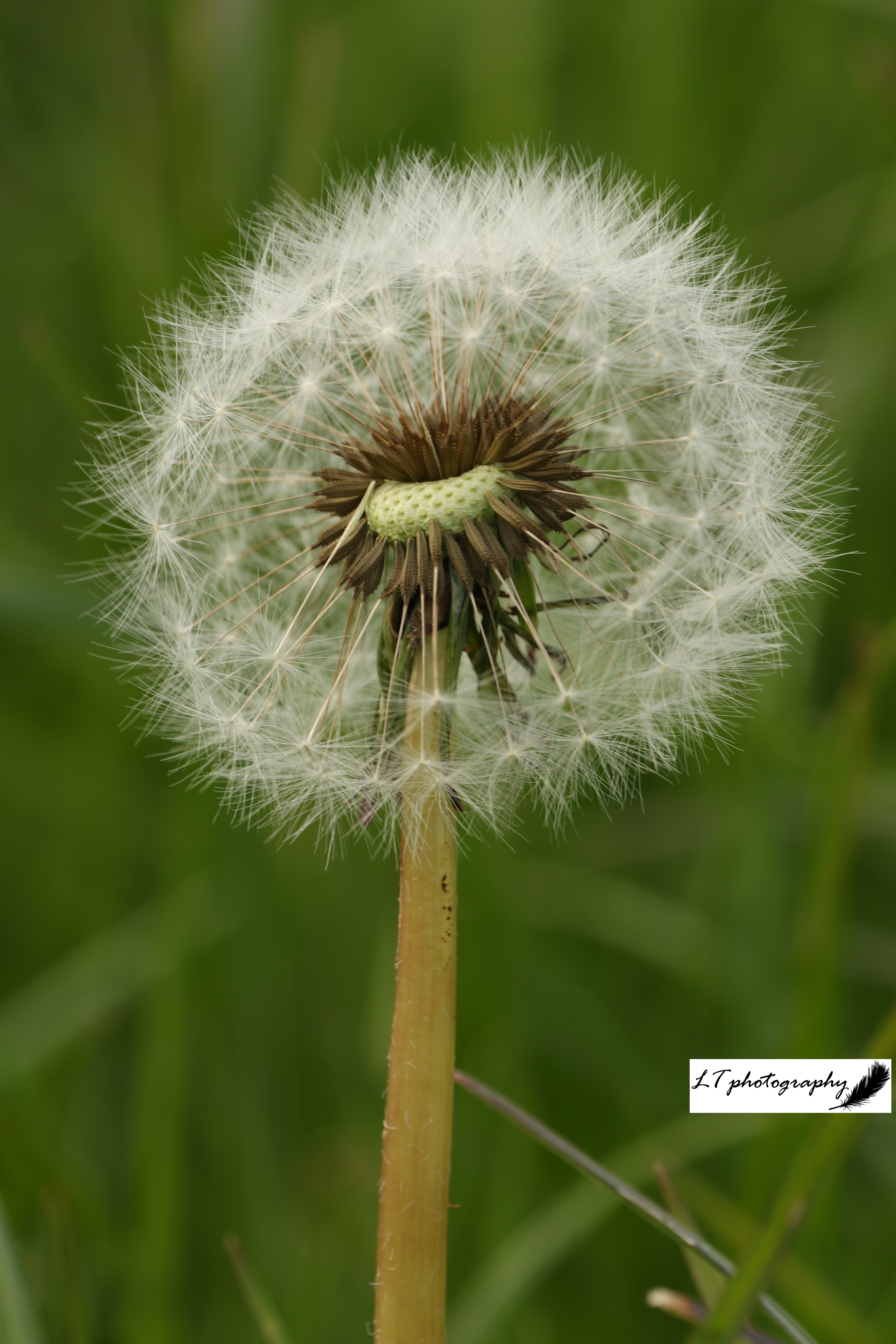
Sometimes the most simple of subjects can be the most satisfying to photograph, showing a different side to their shape and form. Dandelions such as this one are a favourite of mine as they are a common sight, but have a hint of the magical when you look a little closer. This particular photo has also become a favourite with some of my friends and family.

May

This beautiful boy was a spontaneous joy to photograph and has inspired me to see the beauty in even the more common of inhabitants to be found in nature. All can inspire!

June

Last year was another fantastic year for camera trapping in my local area. From roe deer to fox cubs, I got to record some magical sights, including this wonderfully patterned British mammal and the antics of one particular family.

July

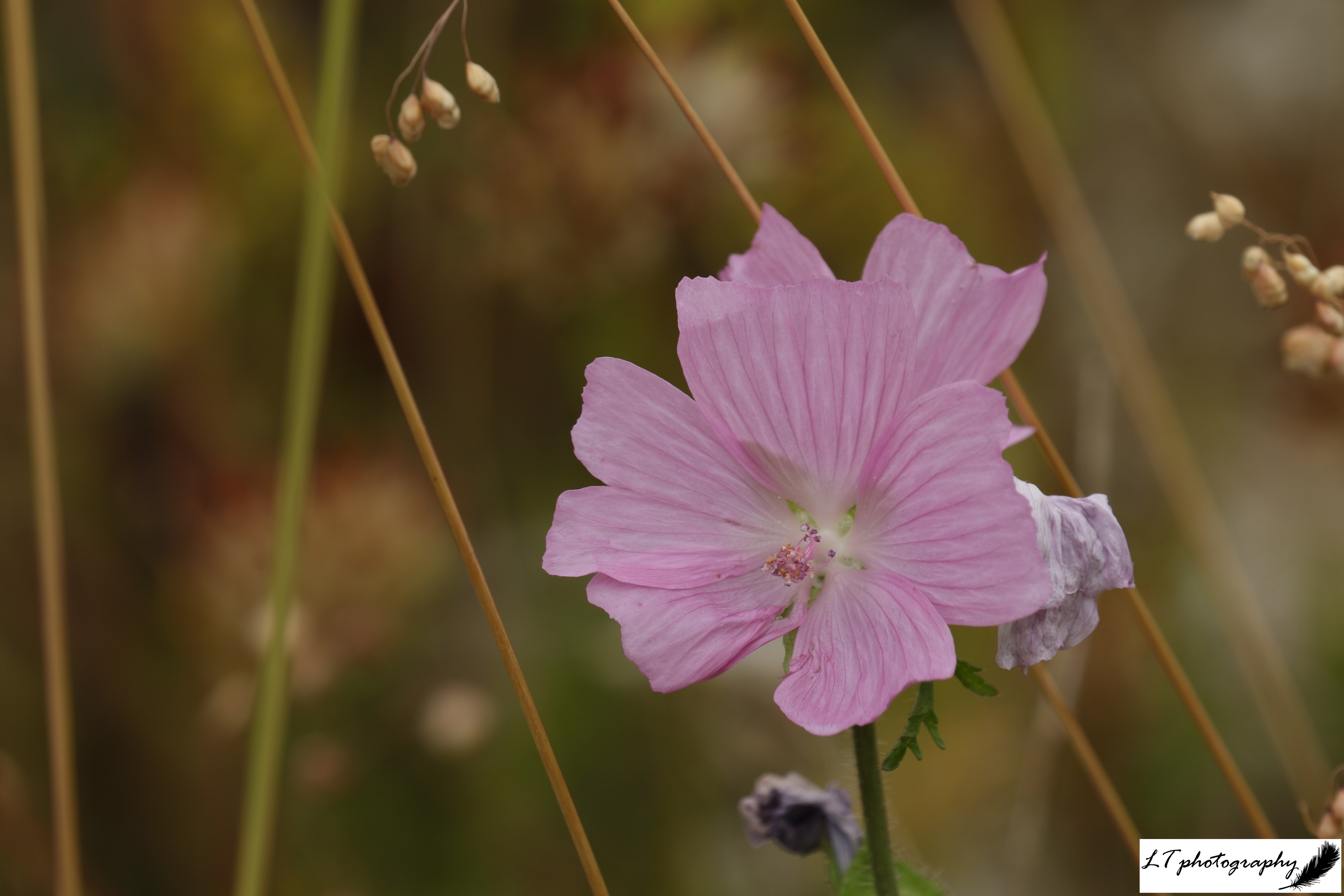
In summer, the countryside around my home in Dorset is alive with the scent and colour of many different species of wildflower, from meadowsweet and dog roses to bird’s-foot-trefoil and wild marjoram. Pictured here is the flower of the common mallow which can be found in a variety of habitats, in this case on a wild chalk mound.

August

Summer is a great time to see lots of weird and wonderful moths, including this red underwing, that will even venture into your garden and home at this time. With over 2500 species of moths in the UK alone, there are lots to discover!

September

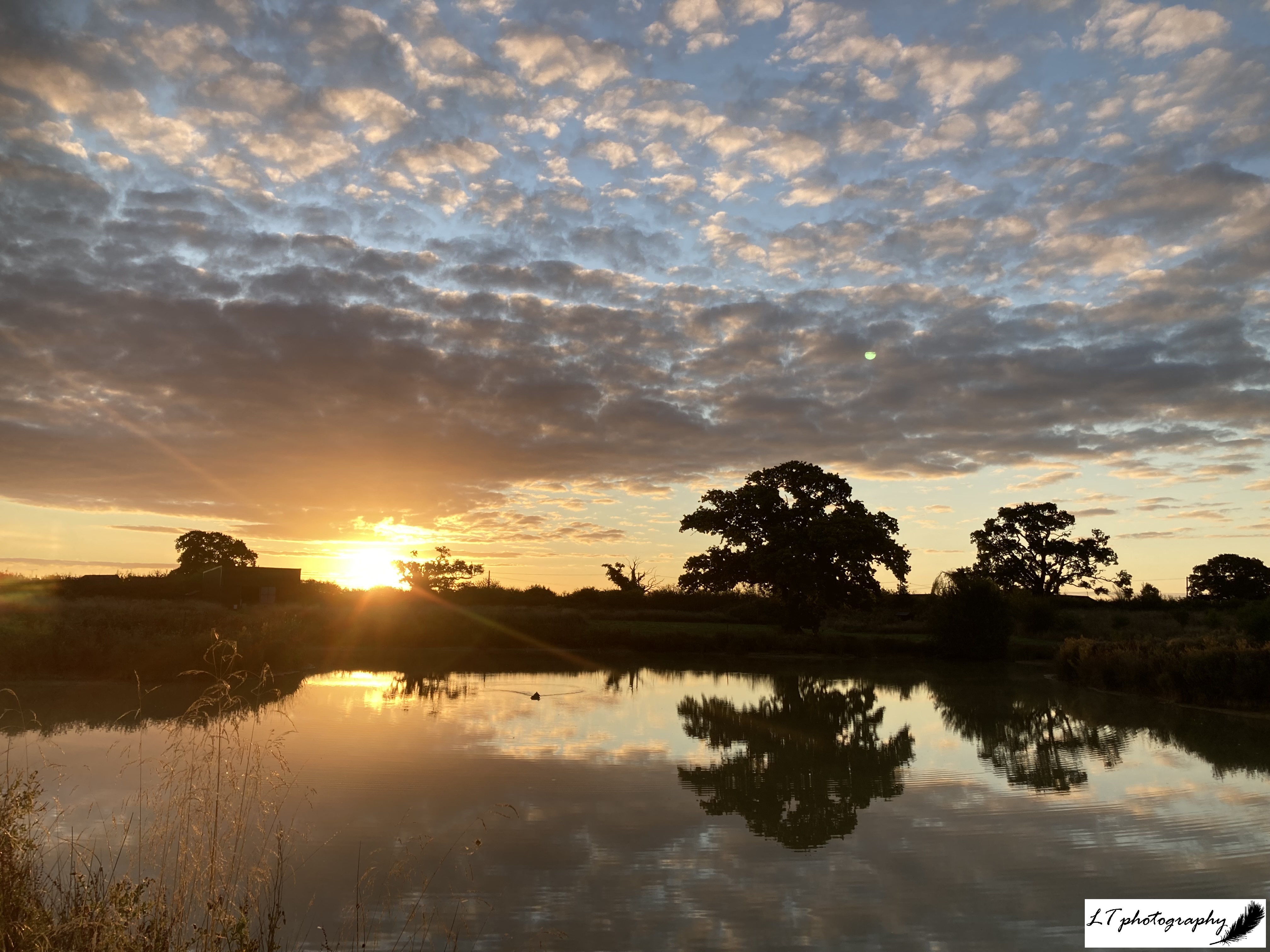
Summer mornings waking up very early to go and take part in autumn migration bird ringing is made all the more better by fantastic sunrises, such as this one from September. That golden light over water is simply magical!

October

Though I do not celebrate Halloween myself, I have made it my annual tradition at the end of October to carve a pumpkin with a nature-themed design. The design for my 2022 pumpkin was the shapes of leaves of 5 different tree species, including oak, field maple and hazel.

November

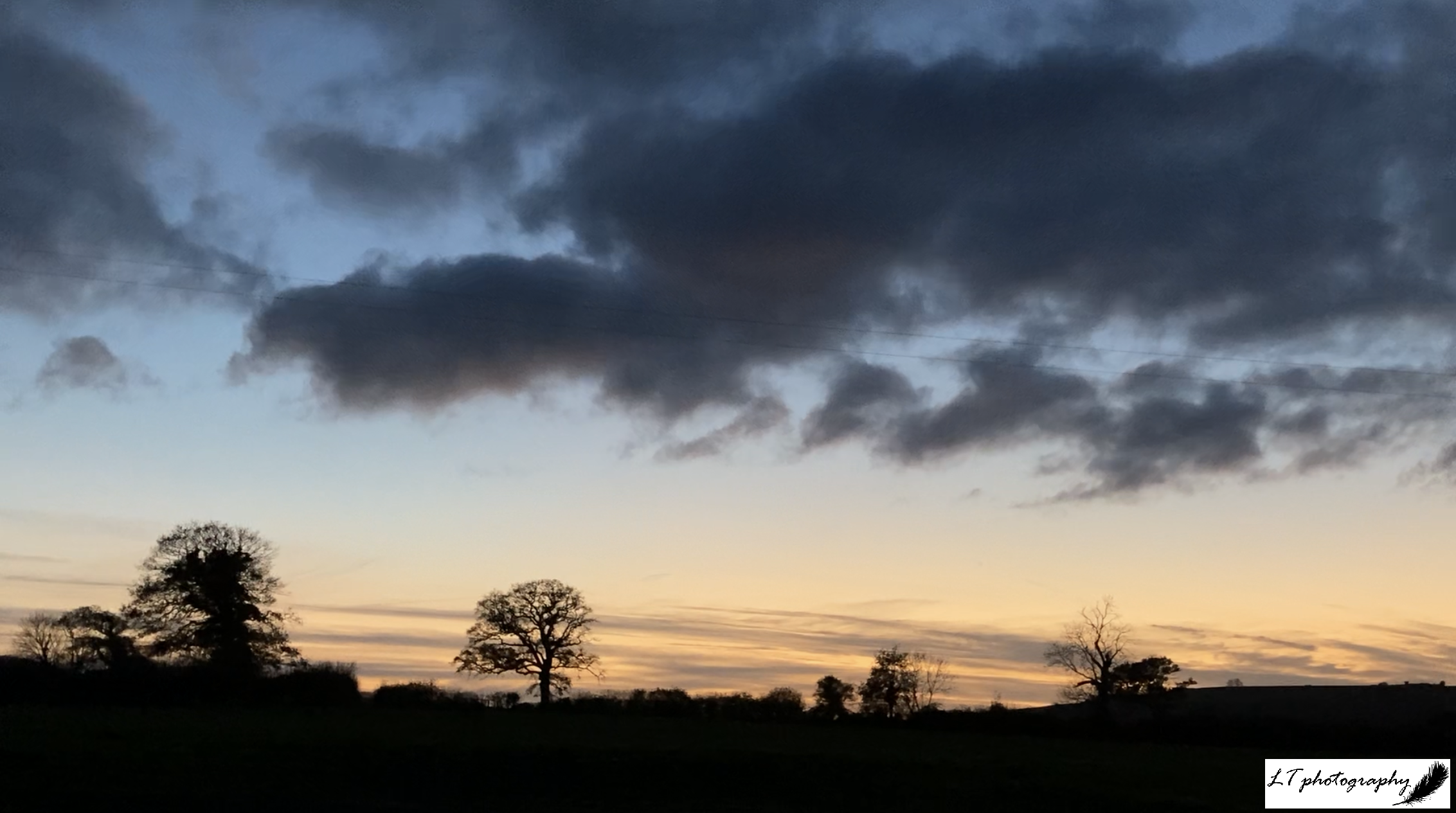
November is a month that observes the end of autumn and the start of winter in Dorset, with greyer skies, shorter days, and the landscape falling into a slumbering state. As a result, a colourful sunset can really brighten up a less spectacular day at this time of year.

December

Though my family and I only have a small Christmas celebration each year, part of advent for me is making Christmas decorations using greenery and natural colourful plants (check out my How to… Bring Nature into Your Home at Christmas blog post for more). Here pictured are some of 2022’s Christmas decorations.

A Year In The Life Of An Oak Tree

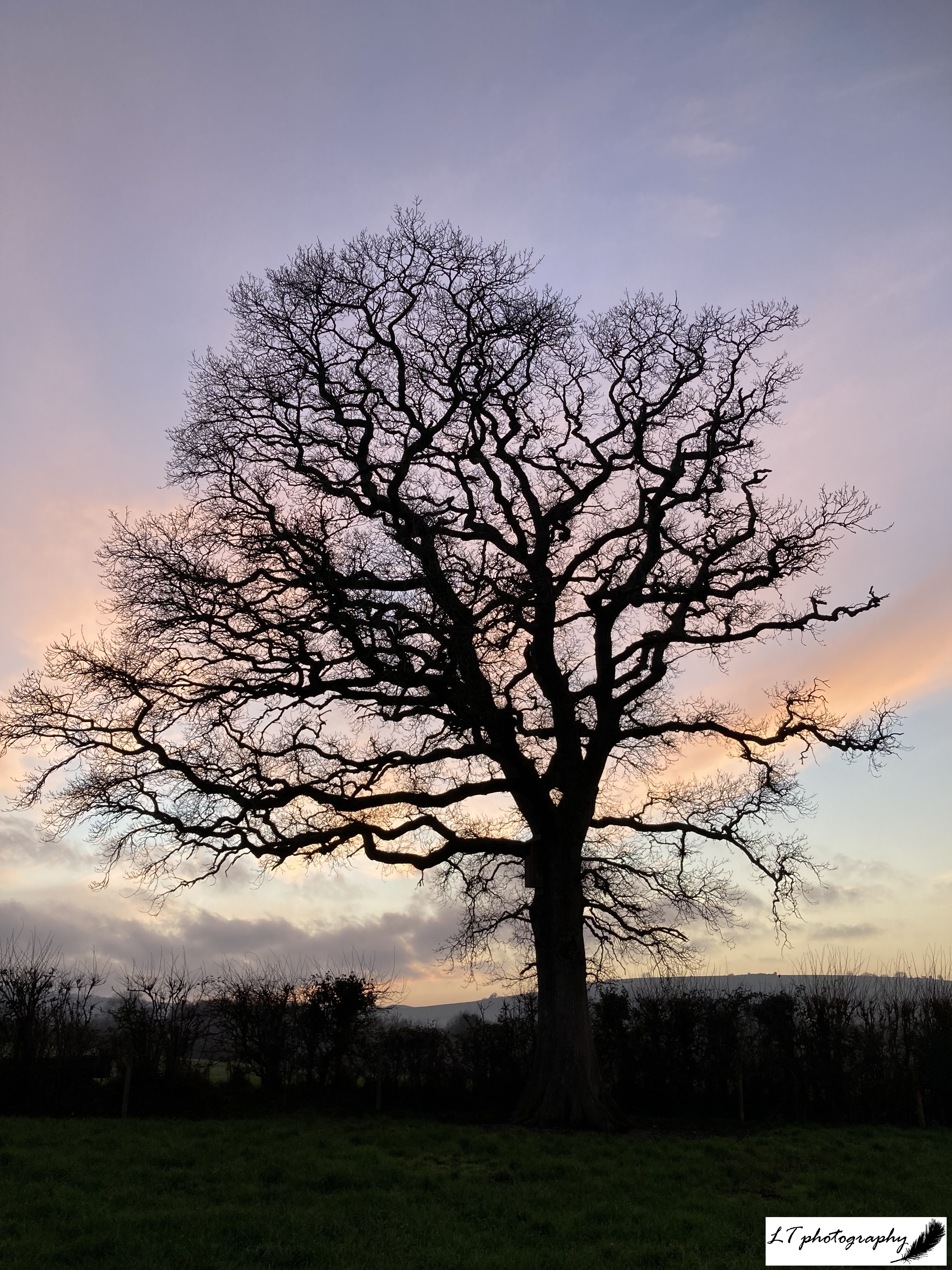
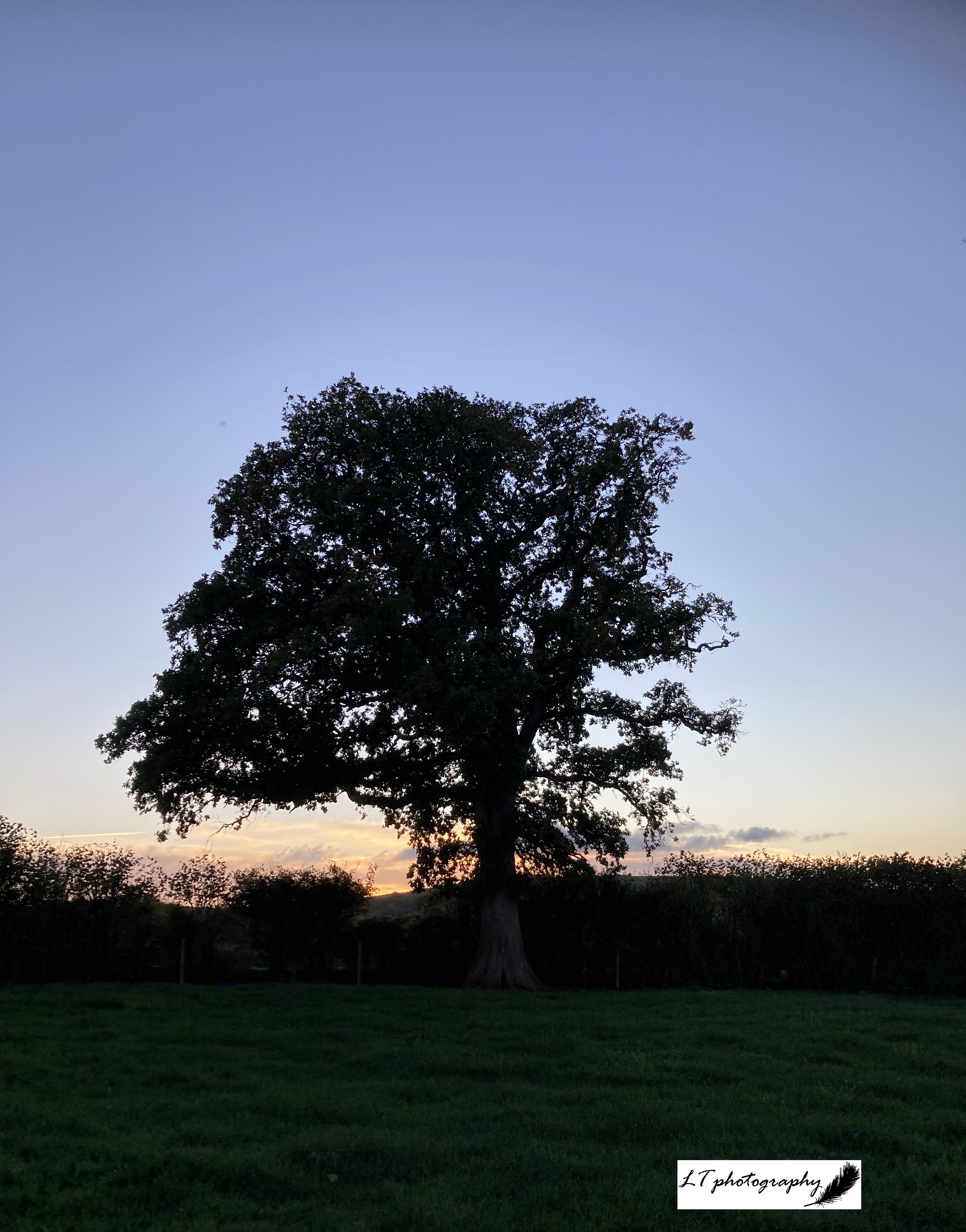
In the depths of the Dorset countryside, amongst hills, fields, rivers and hedgerows, an oak tree stands tall, stretching its branches over its corner of a field. Having stood proud for many years, each year this tree goes through its cycle, starting with its skeletal form, and moving through budburst, flowering and leaves unfurling, to shedding its green cloak in the autumn at the start of its long winter sleep. Hopefully it will keep continuing its cycle for many years to come.

Every year the rest of nature also goes through its cycle of life, overlooked by this oak tree. From the beginning of new life to the death of others, from howling gales to sleepy sunshine, from constant neighbours to new wildlife spectacles, this tree stands tall through it all. So for this piece, lets follow a year in the life of this particular oak tree in 2022, and see what can be experienced in just one spot.

January

As a new year began, the landscape lay in slumber, riding out the worst of a harsh winter. Hibernating animals, seeds and bulbs laying beneath the earth, and trees standing tall in dormancy. The oak tree was no different, slumbering through a very chilly January 2022, with many dry, cold, and foggy spells. A number of mornings began with the glittering shine of thick hoar frost, turning the landscape into a crisp, white world. During clear nights, the oak tree was surrounded by tawny owls ‘twit-ing’ and ‘twoo-ing’, rekindling pair bonds. By day birds were busy, robins defending feeding patches and forming pairs, great tits singing their squeaky gate songs, and buzzards hunting over the open countryside.

February

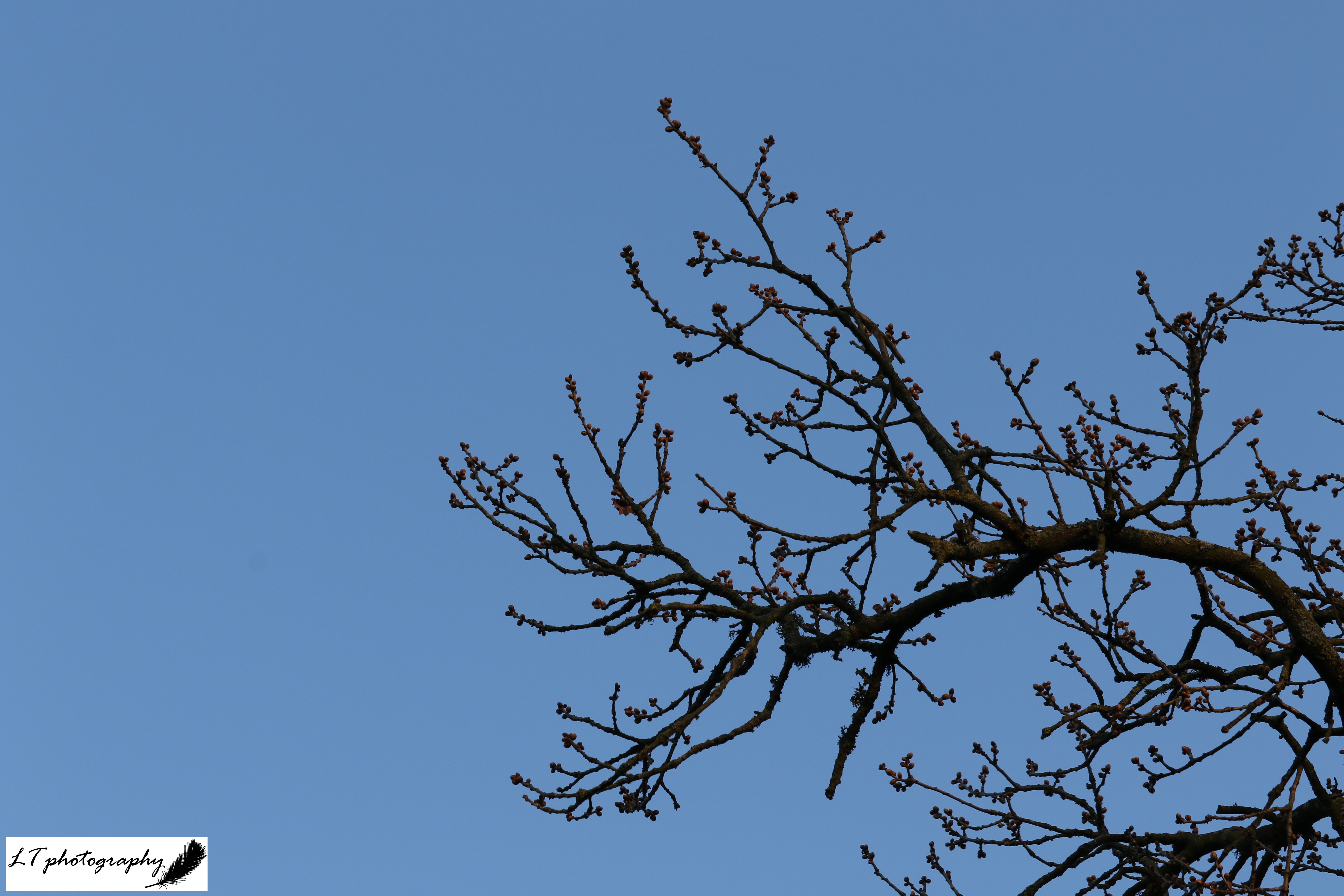
As a new month unfolded, the oak tree still stood slumbering, lichen dotting its bark and its buds hard and scaly, waiting. The oak tree may have been dormant, but around it subtle changes were beginning to appear in the landscape. White snowdrops nodding their heads under the hedgerows, lemon yellow catkins blowing in the breeze, and a woodpecker drumming on a trunk nearby. At night, male badgers pass by on the hunt for a mate, and foxes can be heard making their chilling howls, with females now heavily pregnant. February was a wet and very stormy month, but the the tree stood strong throughout.

March

As spring began to unfold, the oak tree experienced a month of unpredictable weather, moving from cold frosty nights to some very hot days. Despite this, change was in the air, with the oak tree beginning to wake up and show swelling in its buds. This was mirrored in the landscape, through blackthorn dripping white from the hedgerows, primroses creating a yellow carpet beneath, and the distinctive nodding heads of bluebells beginning to pop up everywhere. The oak tree also witnessed the first chiffchaff singing, the first brimstone butterfly flitting by, and even the first tawny owl nesting in the oak tree’s box before being unfortunately predated. Mammals were beginning to range further from their homes and other species were making their returns, such as the melodious blackcap.

April

A new month dawned, and the oak tree was becoming a symbol of new life. The first pale green leaves were unfurling and yellowy-green flowers were now hanging down from its branches. Drier, more stable weather meant the oak tree was now standing side-by-side with bovine neighbours, whilst many species were making use of the oak tree itself, such as blackbirds singing from its heights. Hedgerows and meadows around were also coming to life, with spectacular springtime flowers, from snowy stitchwort to sunshine celandines and cowslips. Daily, foxes can be found passing by, off hunting to bring back pheasants and rabbits to their cubs that are growing fast. The oak’s paddock also becomes a feeding ground for wonderful returning swallows and house martins, just the tip of the fantastic spring wildlife that were there to be discovered.

May

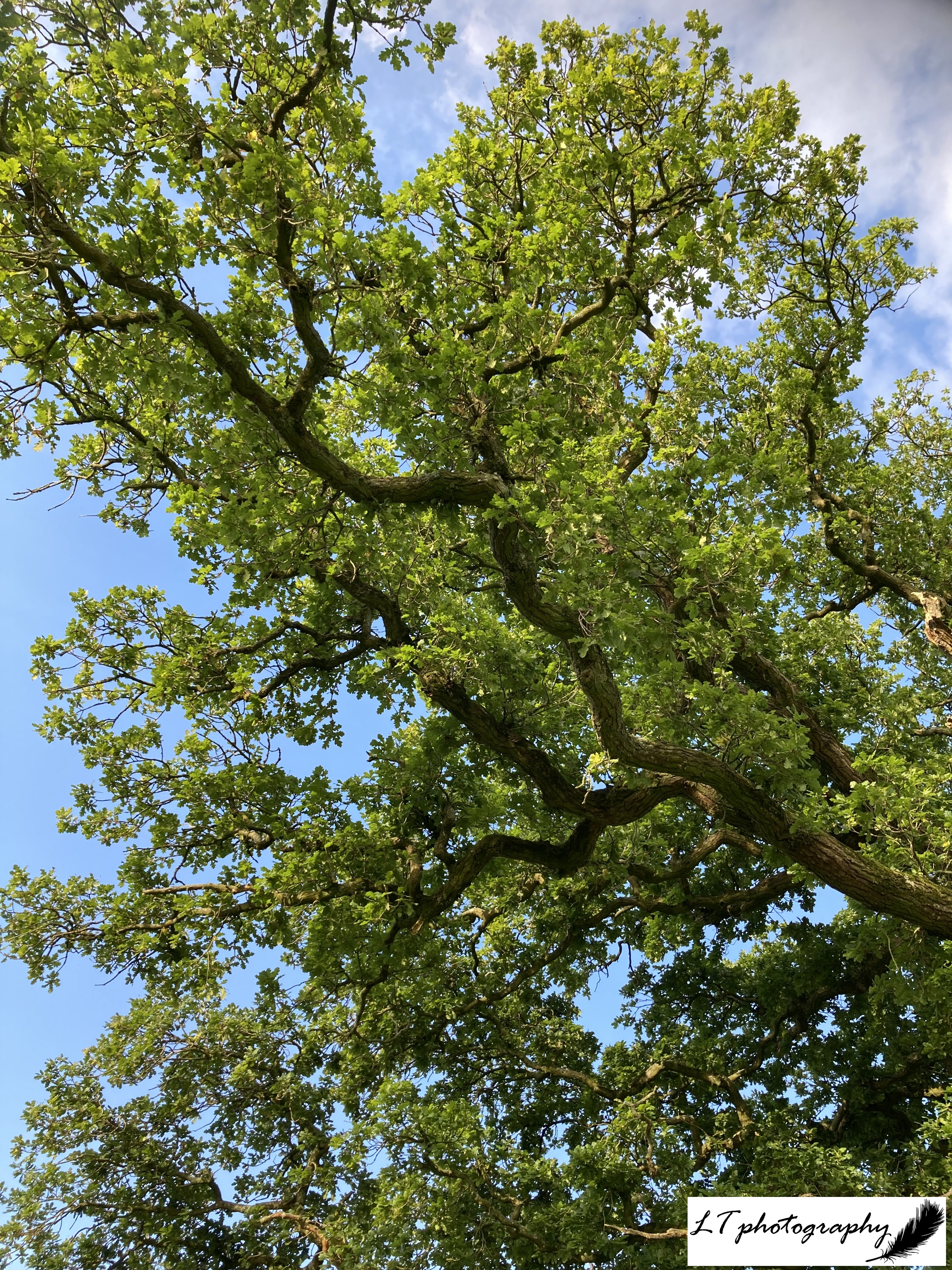
As spring blossomed into its full potential, the oak tree became adorned in its full cloak of fresh green leaves, thriving on warmer, calmer weather. The tree’s neighbouring hedgerow also began to bloom into life with flurries of white hawthorn flowers and the swelling cream buds of elder flowers. The tree was now home to a new family of woodpeckers, as well as some boisterous young squirrels and blue tits flitting between the leaves picking off oak eggar moth caterpillars. New life and its signs were everywhere, with fox cubs playing above ground, a male cuckoo singing, and even a female kestrel sitting on eggs in a lone oak tree in the next field. The landscape was buzzing with life!

June

As June hit, the oak tree was experiencing the peak of spring and its ending for another year. The oak tree continued to flourish whilst watching the cycle of nature surrounding it. House martins dancing on the wing, swallows hunting low over the fields, swifts speeding past screaming, red kites circling over fields following tractors cutting grass, hares grazing by falling light, a roe deer quietly sneaking past, and fox cubs beginning to roam. Not too far away the clutch of kestrel eggs had hatched and the chicks were beginning to grow fast!

July

Though a calm and sunny month, July was by far a very hot one, with some extreme heat waves hitting the oak tree and its home, its leaves now deepening to a dark green. In the midst of heat, the landscape was still dotted with colour in the form of wildflowers, from red campion and knapweed to bramble and swathes of cow parsley. Butterflies were busy on the wing, with the sight of a red admiral flitting by the oak tree in lazy summer sunshine being a tranquil sight to the eye. A highlight of the month was the yellowhammers singing their metallic song from the nearby hedgerows, and the neighbouring kestrel nest producing 4 healthy chicks to fledging and leaving their tree silent for another year.

August

Following on from July, August saw the descent of the countryside into a worsening drought state. Now the oak tree’s leaves were starting to look dusty and sad, whilst the oak began to produce young acorns, small and green. The lush summer was beginning to fade, though colour still could be found in the form of darting blue damselflies, orange flashes of a meadow brown butterfly, and the first shining blackberries. As nature’s season of new life passes, with fox cubs becoming more independent and young birds now feeding up ahead of migrating, the tree watches on, as a new mother cow gives birth in the shade of its lofty boughs.

September

With the onset of autumn, the oak tree experienced the continuation of warm weather alongside the return of some rain showers. This was enough for the tree to green up once again and for its plentiful little green acorns to swell into the typical acorns we all know. The oak’s bounty was also joined by hedgerows filled with hazel nuts and shining berries, such as elder, rose hips, hawthorn, and sloes. This bounty was attracting an array of species, including wasps, blackbirds and jays. The oak tree also overlooked other spectacular sights from spider webs glistening with morning dew, red kites scavenging close by, charms of colourful goldfinches feeding on seedheads, swallows lining up on telegraph lines in the evening sun, and some fantastic sights of a family of linnets.

October

The mild weather continued into October, with the oak tree now covered with ripening acorns, and leaves beginning to be tinted with spots of orange and brown. These acorns were already being utilised by grey squirrels and migrating woodpigeons, amongst other species. With the oak tree’s bovine neighbours beginning to leave the tree behind for the winter, the oak was left alone overlooking the landscape changing colour spectacularly, from the pinks of spindle to the yellows of silver birch. The oak tree also watched over other autumn spectacles, such as craneflies lazily flying over the grass in warm sunshine, roe deer bucks chasing does, and the growing of magnificent fungi, such as the oak’s own bracket fungus. The landscape is alive at night too, with the return of calling tawny owls, the snuffling of badgers, and the exploring of now fully grown fox cubs.

November

A mild November led to it being a very wet and windy month for the oak tree and its home. Ripe acorns now lay scattered around the trunk of the tree, and brown and orange leaves were now being blown free with each storm. On calmer days, the landscape was still showing lots of wildlife activity, with territorial robins fighting, families of long-tailed tits flying between hedgerows, flocks of meadow pipits feeding out in the fields, and large flocks of fieldfare and redwings making themselves at home. Whilst exploring around the oak tree, fantastical puffballs could be found in the grass, late ivy flowers and the start of its black berries in the hedgerows, and spectacular pink and orange spindle berries in the hedges further away from the oak.

December

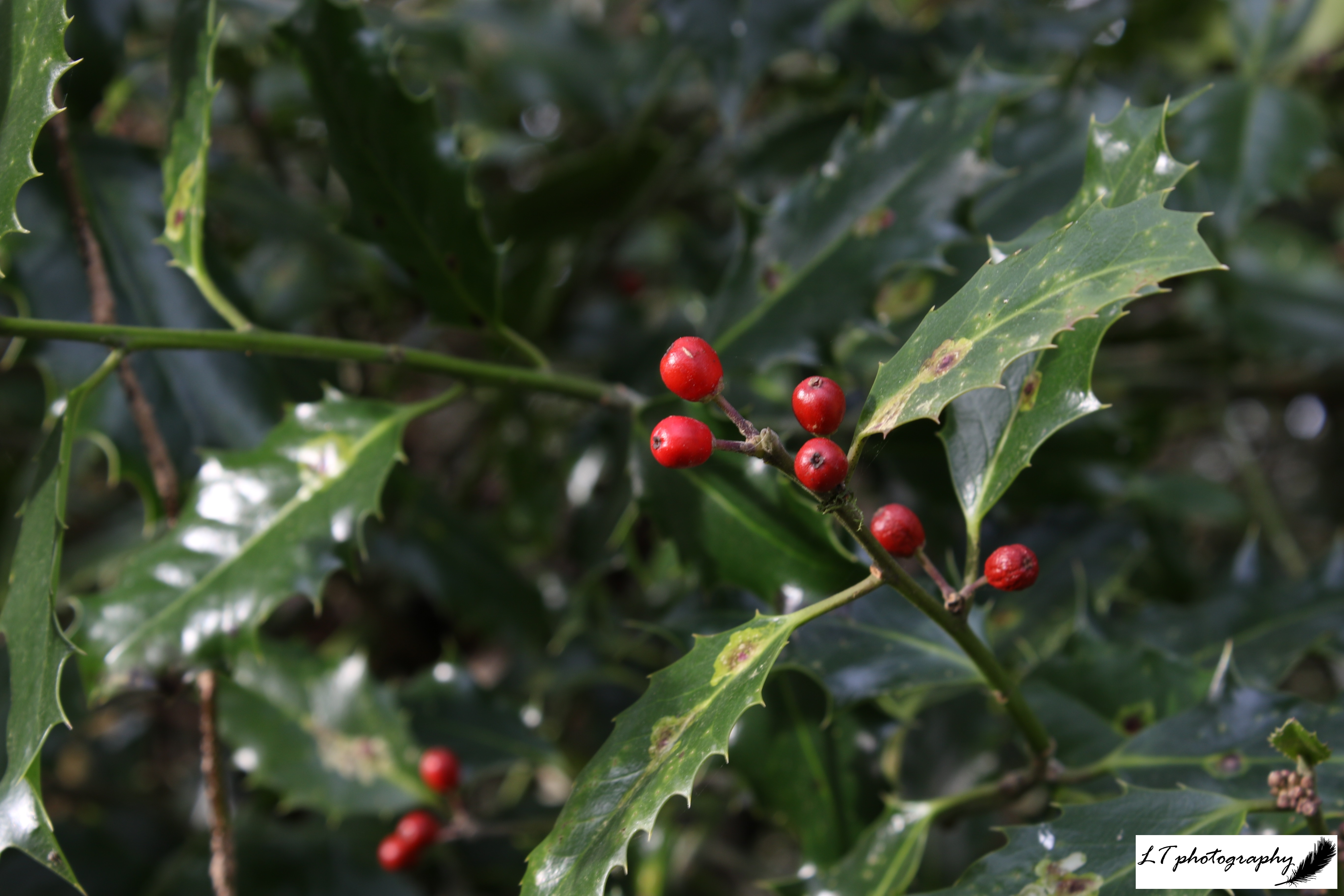
To wrap up the year, December marked a change in the weather, with colder, drier, and sunnier days, and some spells of real hard frosts and frozen ground. By now the landscape was beginning to fall into its winter slumber once again, as was the oak tree, with only the hardier species still active. A lone cattle egret, a murmuration of starlings, wagging grey and pied wagtails, a hare passing through, and hunting barn owls included. As the tree’s surroundings lose their colour, a little can still be found with the shining green of a hart’s-tongue fern or the blood red of holly berries in the hedgerows. Here the year is drawing to a close, with a fantastic sunset and the oak’s last leaf floating softly to the ground.
Rural Dorset vs. Urban Manchester: Wildlife Camera Trapping in 2021

Series in collaboration with guest writer Emma Rogan

Fox cubs playing in secluded hedgerows, badgers wandering along field margins, and male pheasants displaying in woodlands. Wildlife cameras are a great way to capture the behaviour and presence of wildlife, and can open up a hidden world not so easily accessible in person. More often wildlife cameras are associated with exploring the rural, but they are also a great way to explore the world closer to home. Hedgehogs snuffling through gardens looking for food, birds jostling for space on feeders, or even rodents clearing up after avian visitors. Camera trapping allows us to connect to nature wherever we live, from rolling hills to suburban oases.

Last time in Rural vs. Urban, we embraced autumn in all its colours and forms, with the main focus being the plant and fungi stars of the show. Dorset-born naturalist Laura delved into the magnificent and colourful display autumn had to offer, and found inspiration in the season, from her writing to her baking. Joining Laura for this series, Manchester-born wildlife enthusiast Emma explored the history and culture rooted in the plants she discovered, and found a much-needed moment of calm in her busy day-to-day life. Though both found differences in their comparative landscapes, they both found fungi to be fascinating and wondrous, but an area of knowledge in need of improvement.

In this next instalment of Rural vs. Urban, we explore the use of camera traps in the two different landscapes and see how they have allowed Laura and Emma to connect with their local wildlife. We will see how species may differ between the city and countryside, as well as behaviours and even interactions between species. It will be interesting to see what we may learn from looking back at fantastic camera trap photos from both locations, as they help us to uncover the secret lives of wildlife. Join us on our adventures to find out what we discovered!

Laura’s Camera Trapping in Dorset

Over the last few years I have become well known online for my camera trap photos exploring the lives of the wildlife living on my family’s land in Dorset. In particular, each spring I keep my camera trap out 24/7, moving it between locations, to capture spring unfurling for my animal neighbours. By doing so I have gained a lot of enjoyment from seeing what I could discover, and have been able to expand my own knowledge of my local wildlife and their hidden lives. To experience some of my previous camera trap adventures, check out my earlier blog posts from 2019 and 2020.

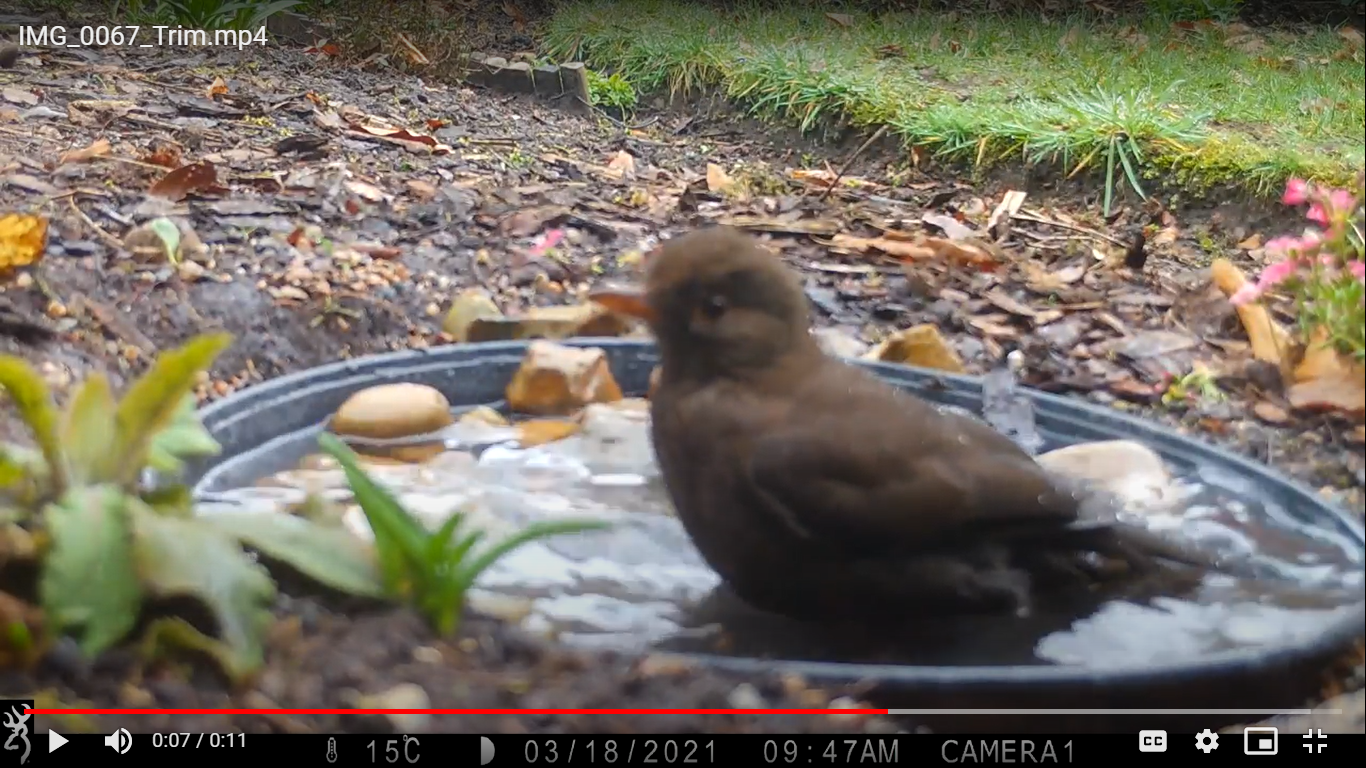
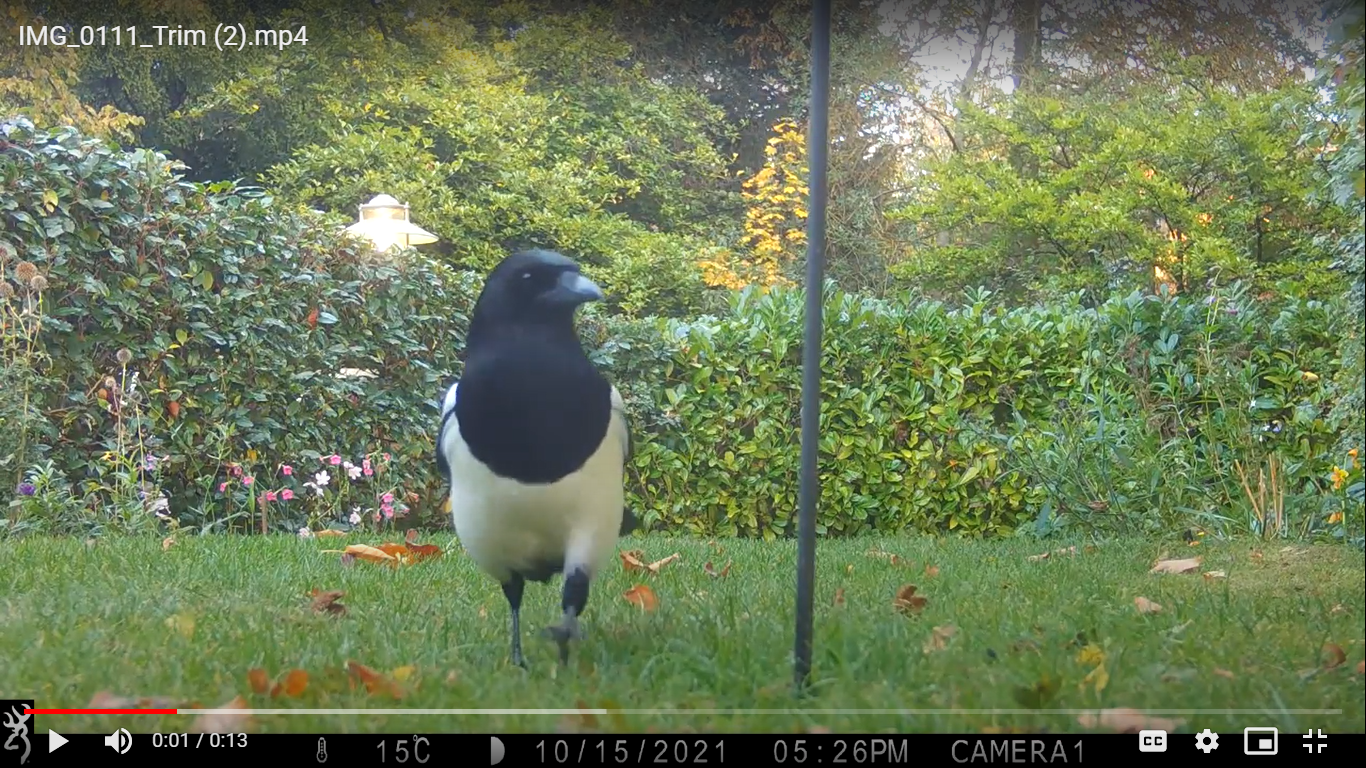
Last year, in 2021, my camera trap did not fail to amaze me and allowed me to continue my adventure exploring and capturing local wildlife. Throughout the spring my camera moved between 6 different locations across 250 acres, varying from badger setts to woodland. Between these locations I captured a total of 13 different species in 2021, which were rabbit, badger, roe deer, fox, partridge, pheasant, grey squirrel, magpie, blackbird, field vole, hare, woodpigeon, and the humble bumblebee.

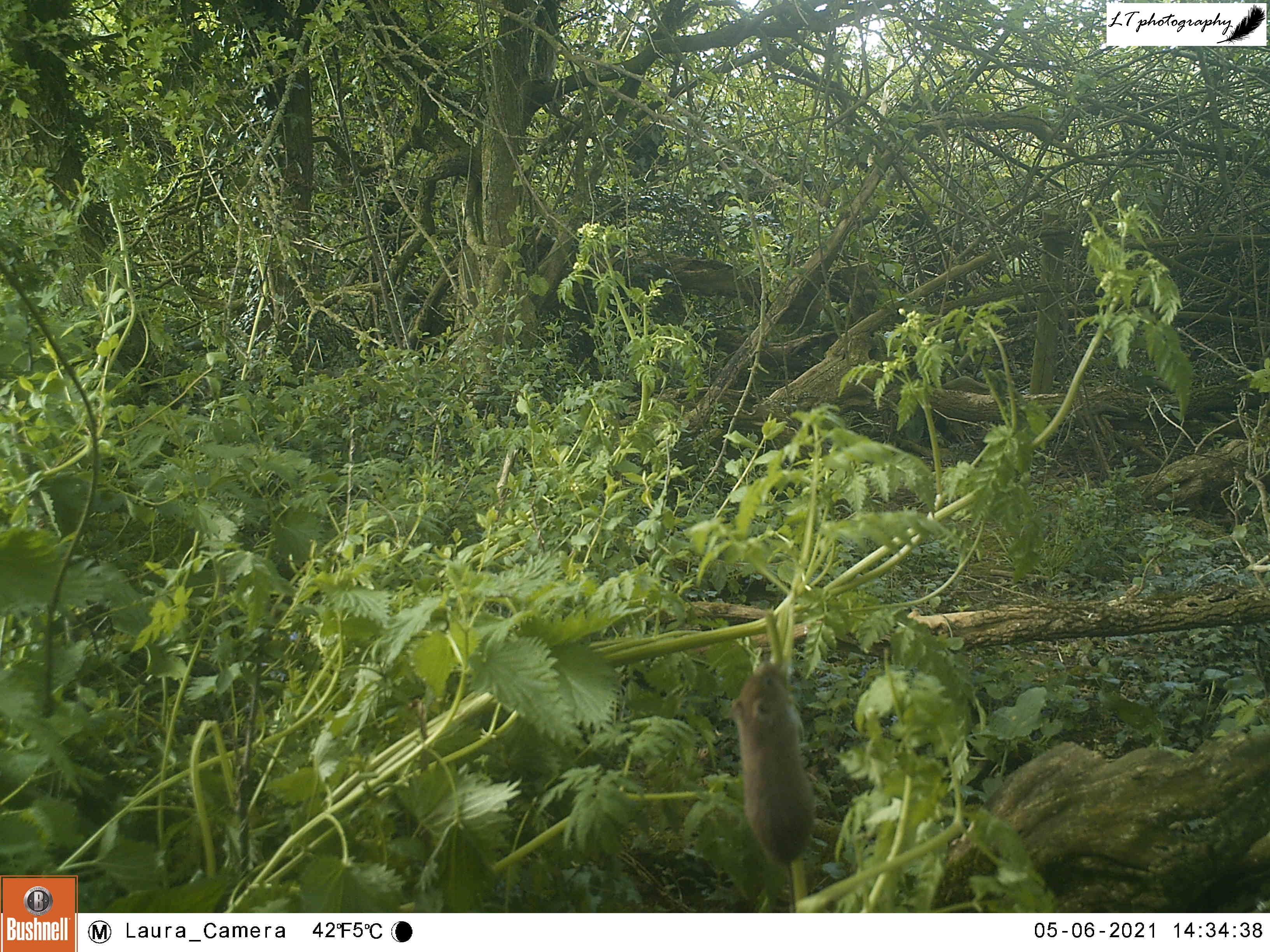
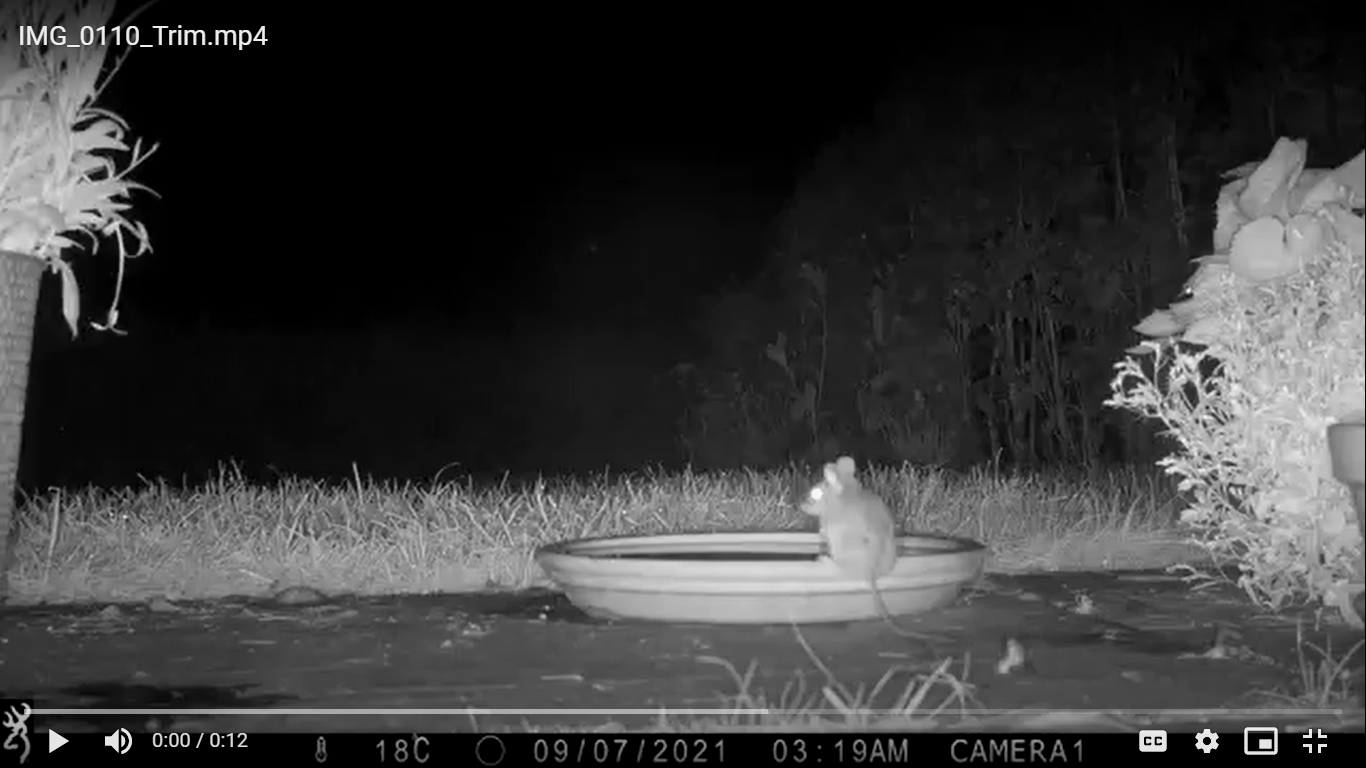
One of my highlights from 2021 was capturing some new species for my collection, even if my first photos of them were blurry . These included my first hare (or the back of one!), a field vole climbing up cow parsley stalks, and even a bumblebee buzzing about. This is one of the reasons I get excited when checking my camera trap photos, as you never know what you may discover!

Another part of camera trapping in 2021 was getting to further experience animal species living side by side in harmony. For example, at one badger sett I saw a family of badgers sharing their home with rabbits and a family of foxes. Also, at another location, I got to see fox cubs learning about their surroundings and interacting with other species, such as roe deer. Very cool!

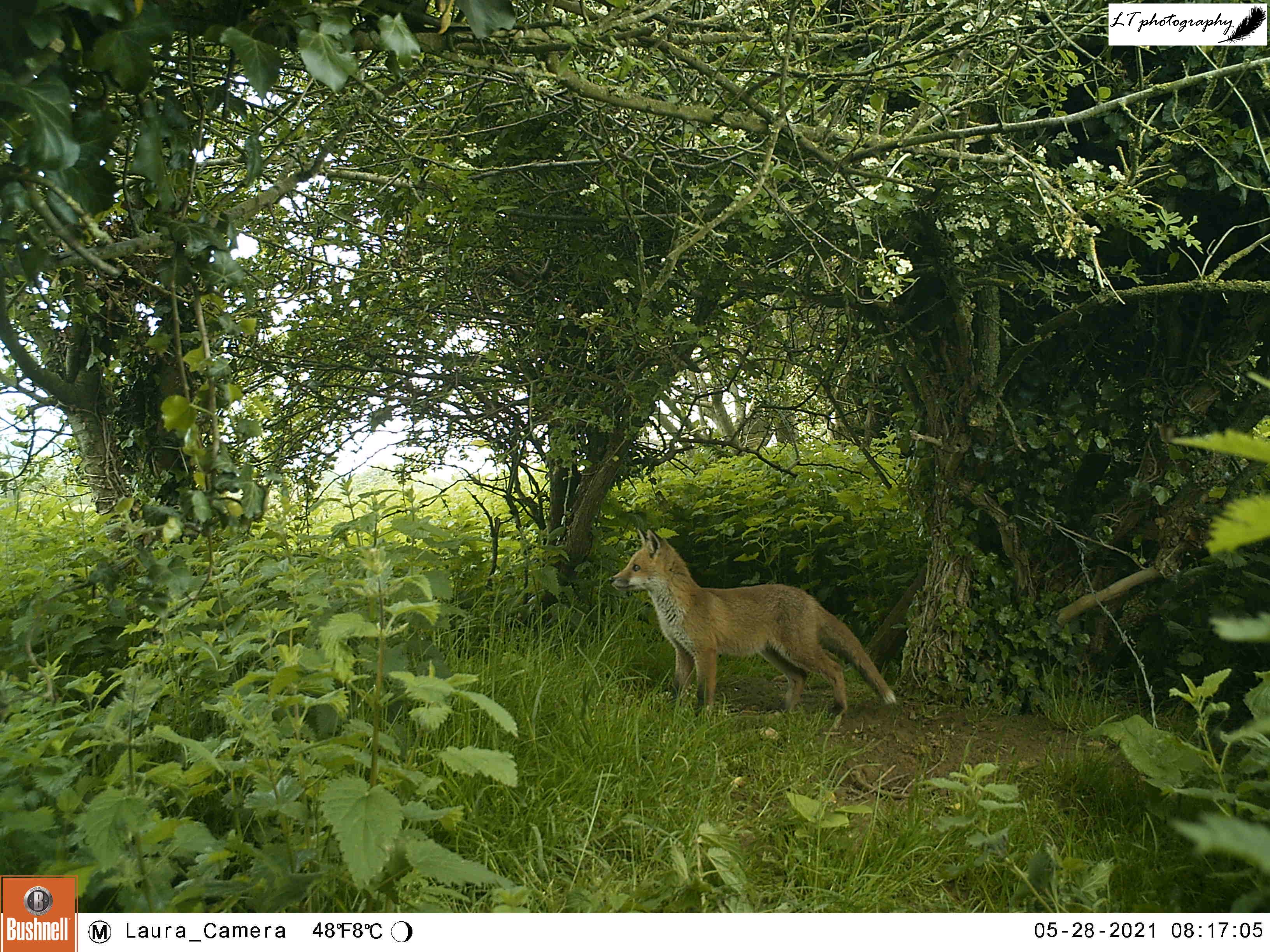
One of my favourite parts of 2021 though, has to be all the fox families I discovered! During this year, the most commonly seen species on my camera trap, to my surprise, was the fox (at every location!). In some cases I specifically aimed to capture this species, such as staking out a possible fox den, but in others foxes just happened to be living there or passing through. So by the end of spring, I had discovered 3 litters of fox cubs and a number of frequently used fox trails. What was most special of all was getting to experience fox cubs exploring their natural habitat and interacting with each other without me disturbing them. Magical!

After camera trapping in spring, my camera trap was given a well earned break until November. To round off the year, I staked out my garden to check out the birds that call it home. To find out more, stay tuned for next week’s blog post!

Emma’s Camera Trapping in Manchester

Although the past two years have been strange and sad in many ways, my little rectangle of garden has been a constant source of joy. During the first lockdown I started to spend a lot more time in the garden, which made me curious about the lives of the insects, birds, squirrels and foxes that also call our garden their home. So, in December 2020, I got my first wildlife camera!

The first time I left my camera out overnight, I was delighted to have captured a variety of animals including squirrels, the neighbour’s cat and a fox. It’s far from unusual to spot a fox late at night in my area, but something about seeing a fox going about its usually secret business made this sighting feel special. “I got a fox!” I yelled excitedly down the stairs. From that point onwards, I had caught the camera trapping bug.

Camera trapping has allowed me to get to know the unique personalities of our garden visitors, and also to see how their behaviour towards us changed over time. Our lovely Mrs Blackbird used to wait until we’d gone back inside before she’d sneak up the side of the garden to eat her evening plate of mealworms, but now she feels brave enough to hop around the empty plate chirping indignantly until someone gets the message. We also realised that Mr and Mrs Blackbird would always come for their dinner one at a time, and would only eat half the plate each! Now that’s true love.

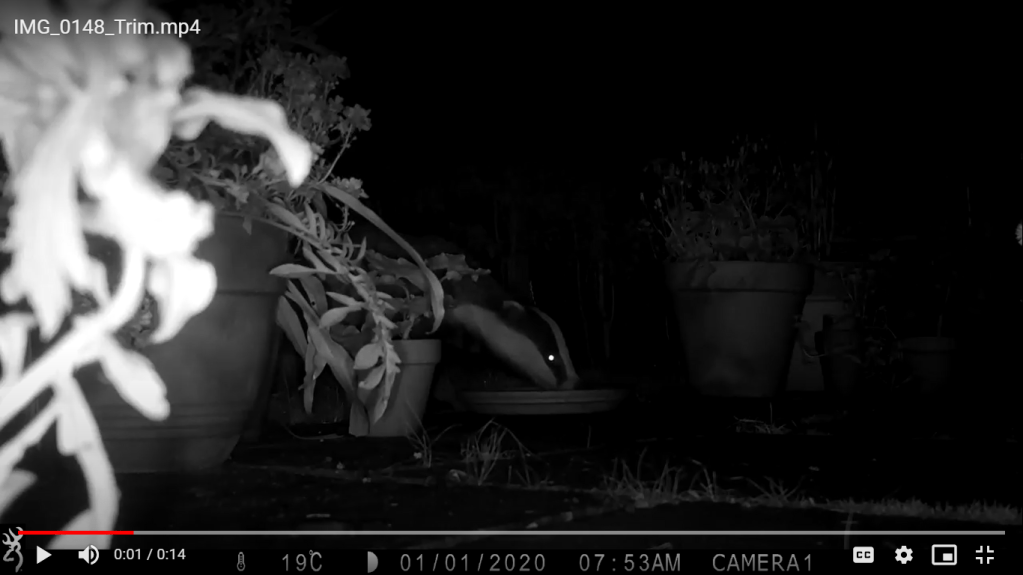
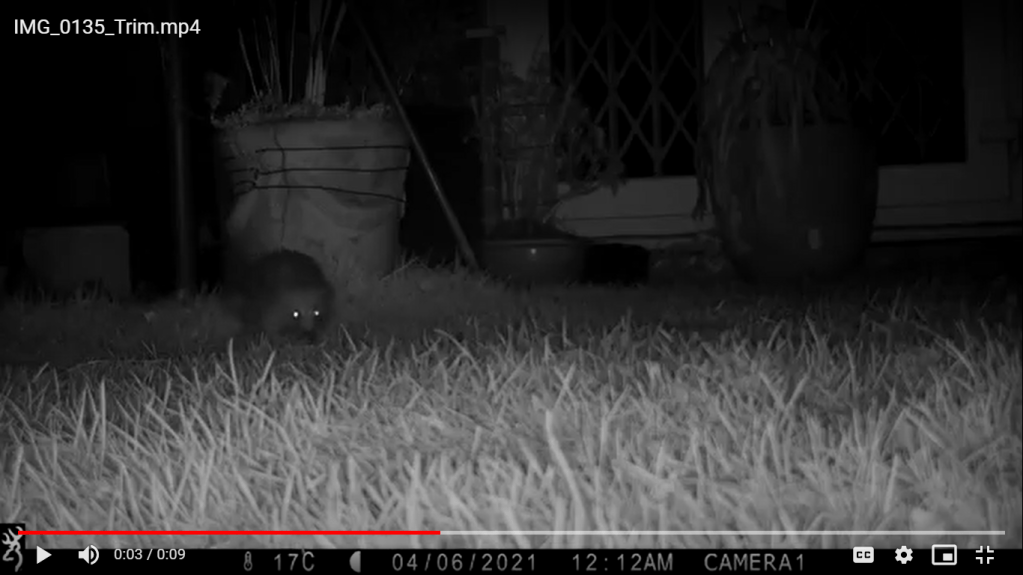
My most exciting capture came on an equally exciting day. On the morning of the day I was due to get my Professional level ACA results, I checked my camera and was amazed to see that a badger had stopped by for a drink! The badger must have brought good luck with him, as thankfully I passed the exams. I was also delighted to see a hedgehog wandering through my boyfriend’s garden one night. We named him Podge, and for a while he was an extremely cute regular visitor. Finally, I can’t talk about camera trapping without mentioning my love for our magpies, who have kept us well entertained all year swaggering around the garden and stealing all the snacks we put out!

One thing I’ve learned from my experience camera trapping this year is that although cities may be full of people, we have a huge variety of wildlife roaming around just outside our front doors. I hope that more people will feel inspired to get to know the wild visitors passing through their streets and gardens, and even leave out some food and water to make them feel welcome!

The Wonders of Camera Trapping

Camera trapping is a learning experience and an eye-opening adventure, providing an unedited and up-close view of the more secretive lives of our wild neighbours. For Laura, camera trapping in 2021 continued to expand her record and understanding of the animals that call her local area home. Moving forward she would like to begin collecting videos of her local wildlife and buy a new camera trap to expand her camera trapping efforts.

Giving nature a home is something every one of us can do. For Emma, camera trapping taught her that even a small green space in an urban landscape can support a huge variety of wildlife; bees, badgers, woodpeckers, nuthatches, squirrels, hedgehogs and many more! In 2022, Emma wants to make her garden a haven for wildlife, and hopefully capture a frog moving into the frog pond she and her mum built.

At a time when nature is struggling most, it is important for us all to do our bit. Sometimes it is difficult to know how, but if you can understand your local patch better, this can become a lot easier. Using a camera trap is a great and easy way to do this, allowing you to create that connection with your local wildlife, however big or small. If you would like to know more or are inspired to try it out yourself, check out Laura’s blog post about ‘How to… Use and Make the Most of a Camera Trap‘.

Wildlife Photos for 2021

Last year was an unusual one for us all, as we got used to a new reality, but for me it was also a year of colour, amazing wildlife, and fabulous adventures. I learnt alot and was able to continue to grow as a person, which includes my skill in wildlife photography and passion for communicating nature with you all. To celebrate, here’s a collection of my nature photos spanning 2021, capturing a range of themes, species and stories, and holding a feel good factor. Enjoy!

January

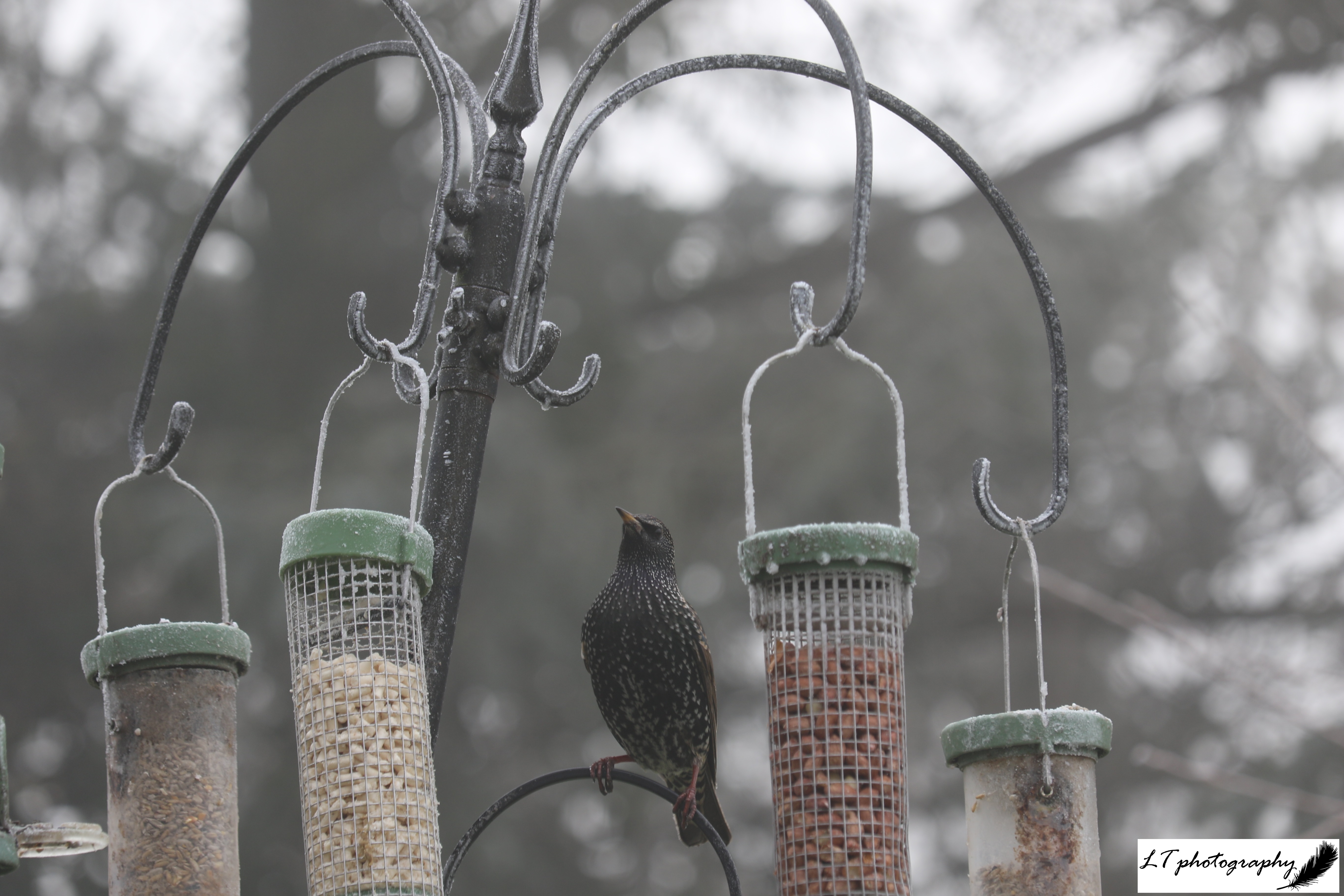
I began my year taking advantage of frosty mornings to capture the birds relying on our garden during the winter. Here a starling looking magnificent in its speckled plumage.

February

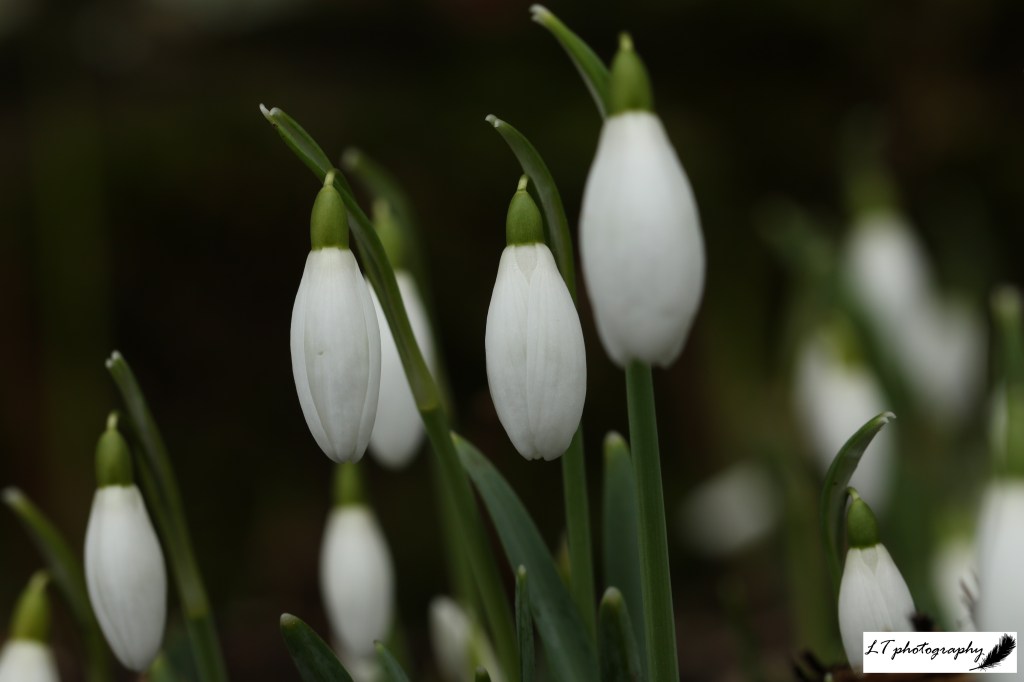
In 2021 I made it my mission to take my first up close photos of snowdrops. I enjoyed the challenge, brightening up a gloomier start to my year.

March

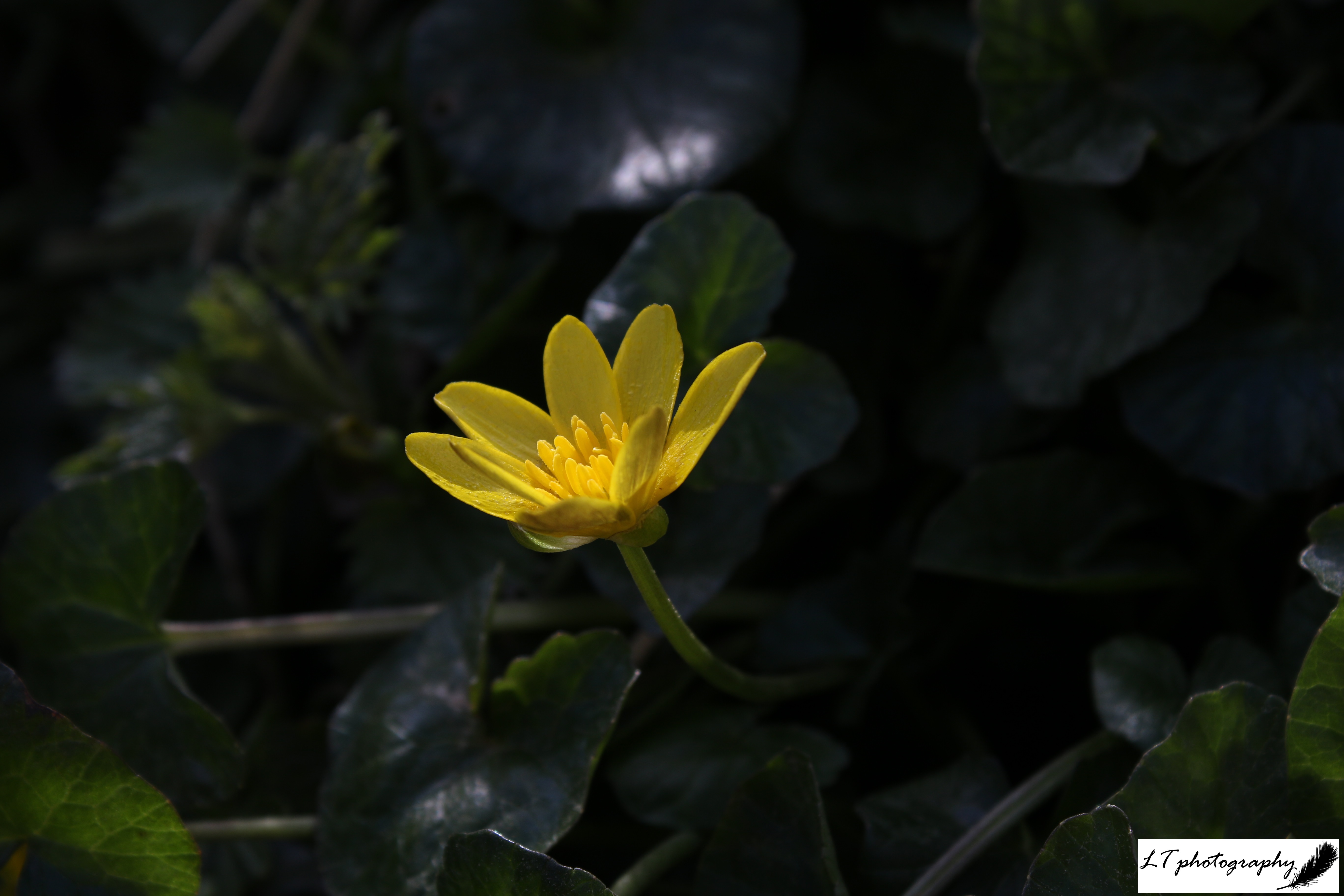
As the first signs of spring began to arrive, my focus turned to the ground and colourful spring flowers. Here a celandine peaks out its sunshine head from a thick cluster of green leaves.

April

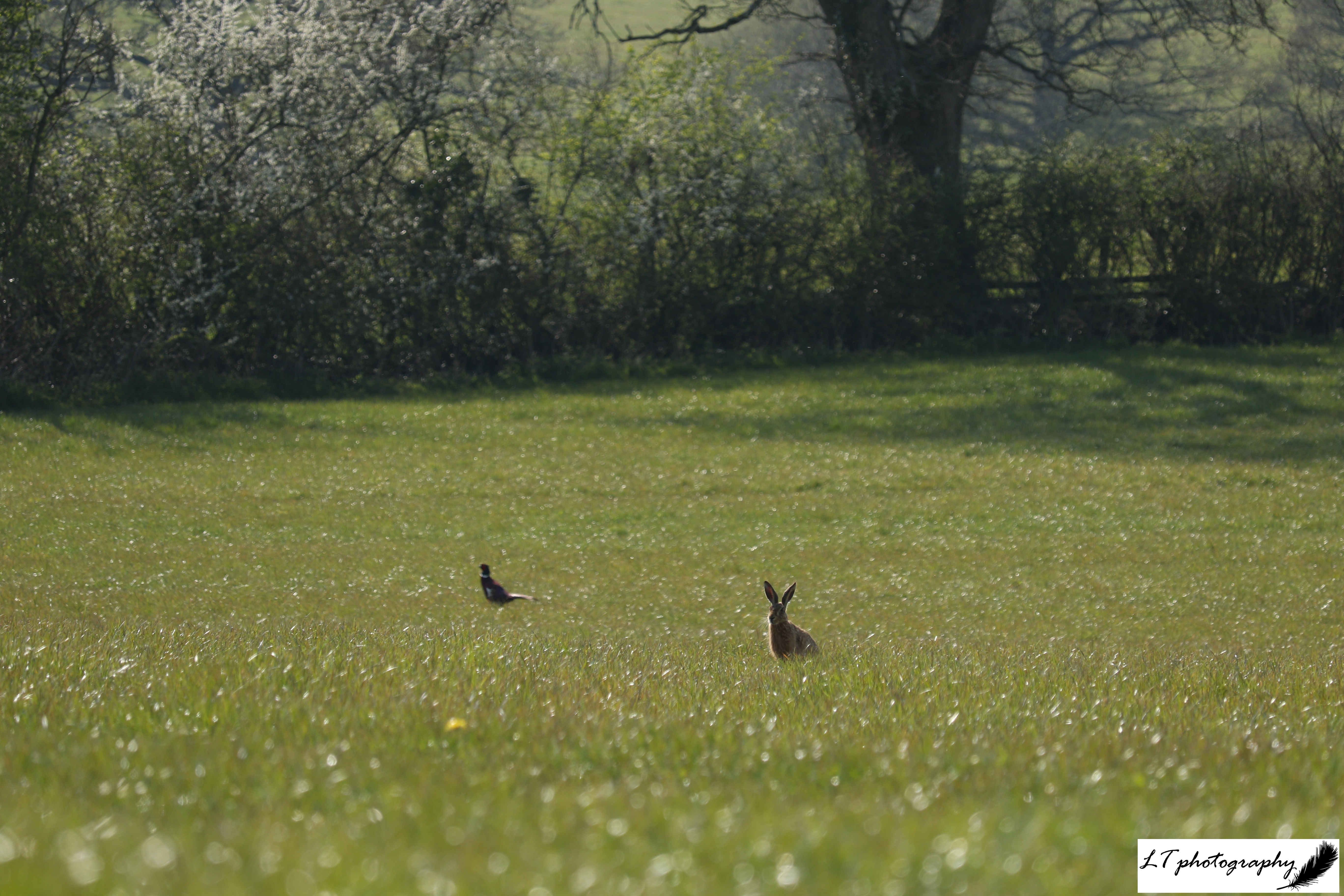
As spring burst into life, my focus turned to the animal species now becoming active in the rural landscape. Here is a relaxed hare (and pheasant) that I ended up spending a sunny afternoon watching feed on this hillside.
Each year grey wagtails are becoming a more and more frequent sight on my family’s farmland. We now have a soft spot for them as they brighten gloomy winter days and add a flash of colour in spring sunshine.

May

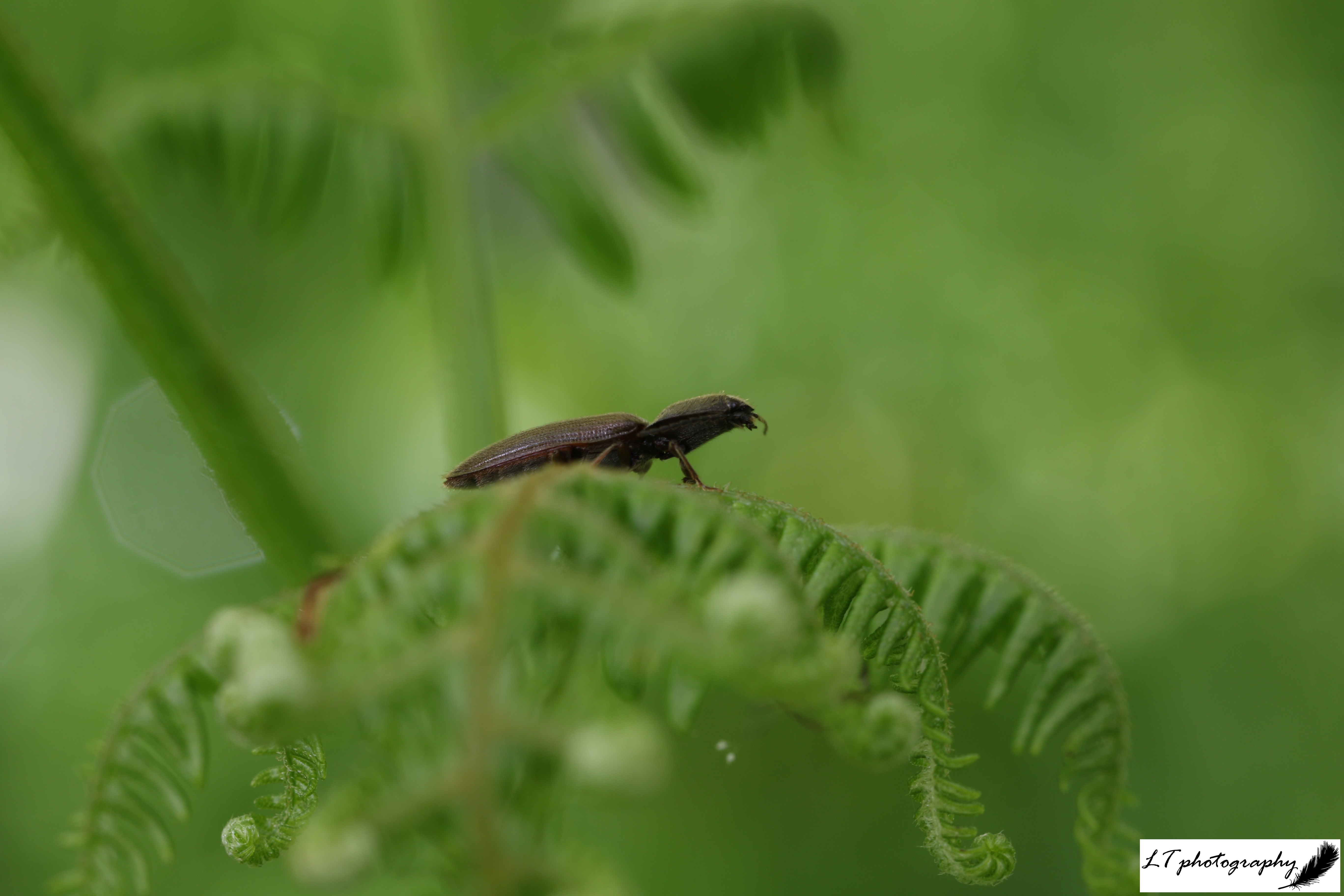
In 2021 I bought my very first macro lens which I was very excited about. It was great fun to head out with no set challenge, and just see what I could find!

June

Last year was definitely the year of butterflies for me. I had alot of fun expanding my knowledge of species and getting to see an increasing number living on my family’s land, such as this meadow brown.

July

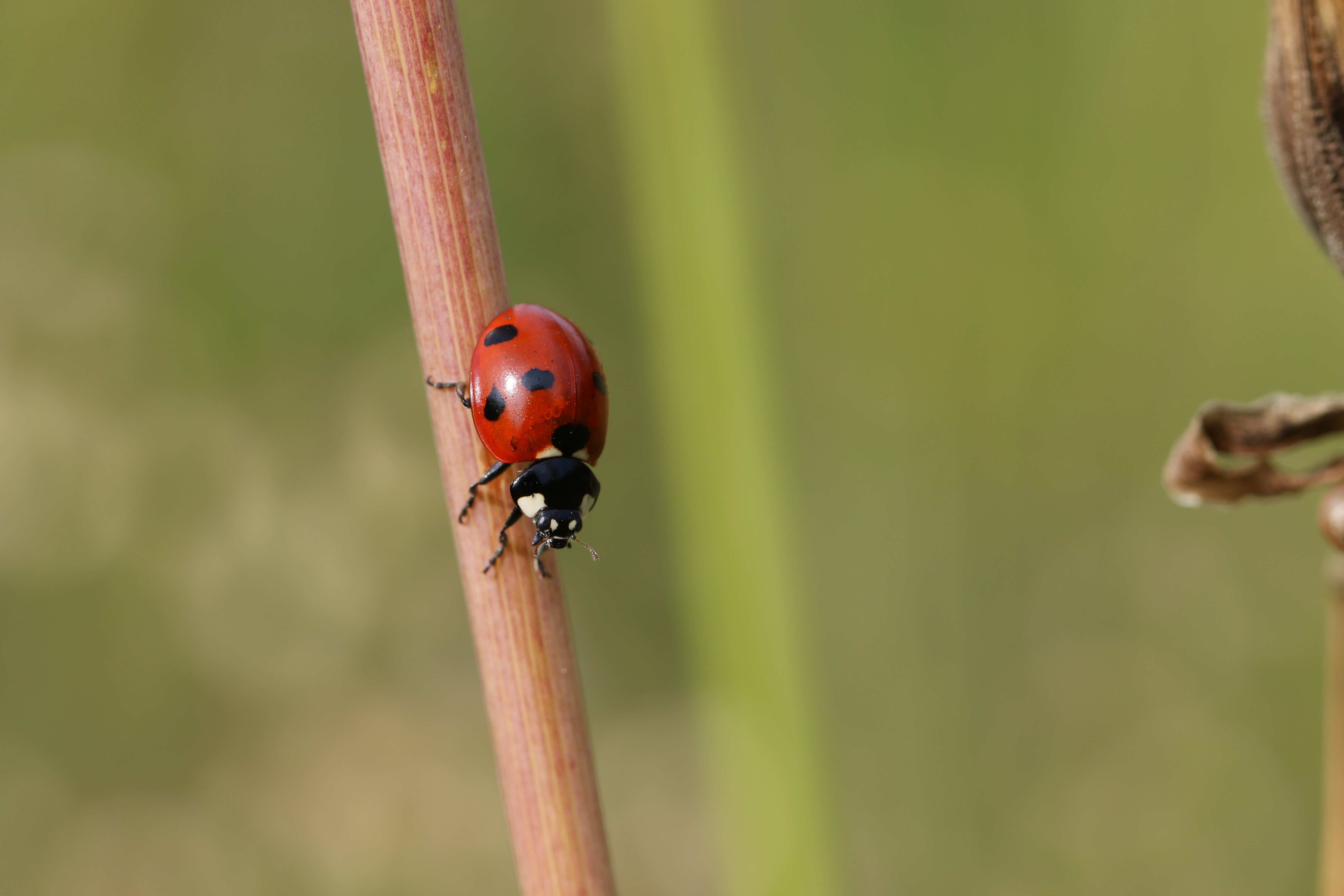
A series of photos that I took of this ladybird became some of my favourites for myself and my family in 2021!
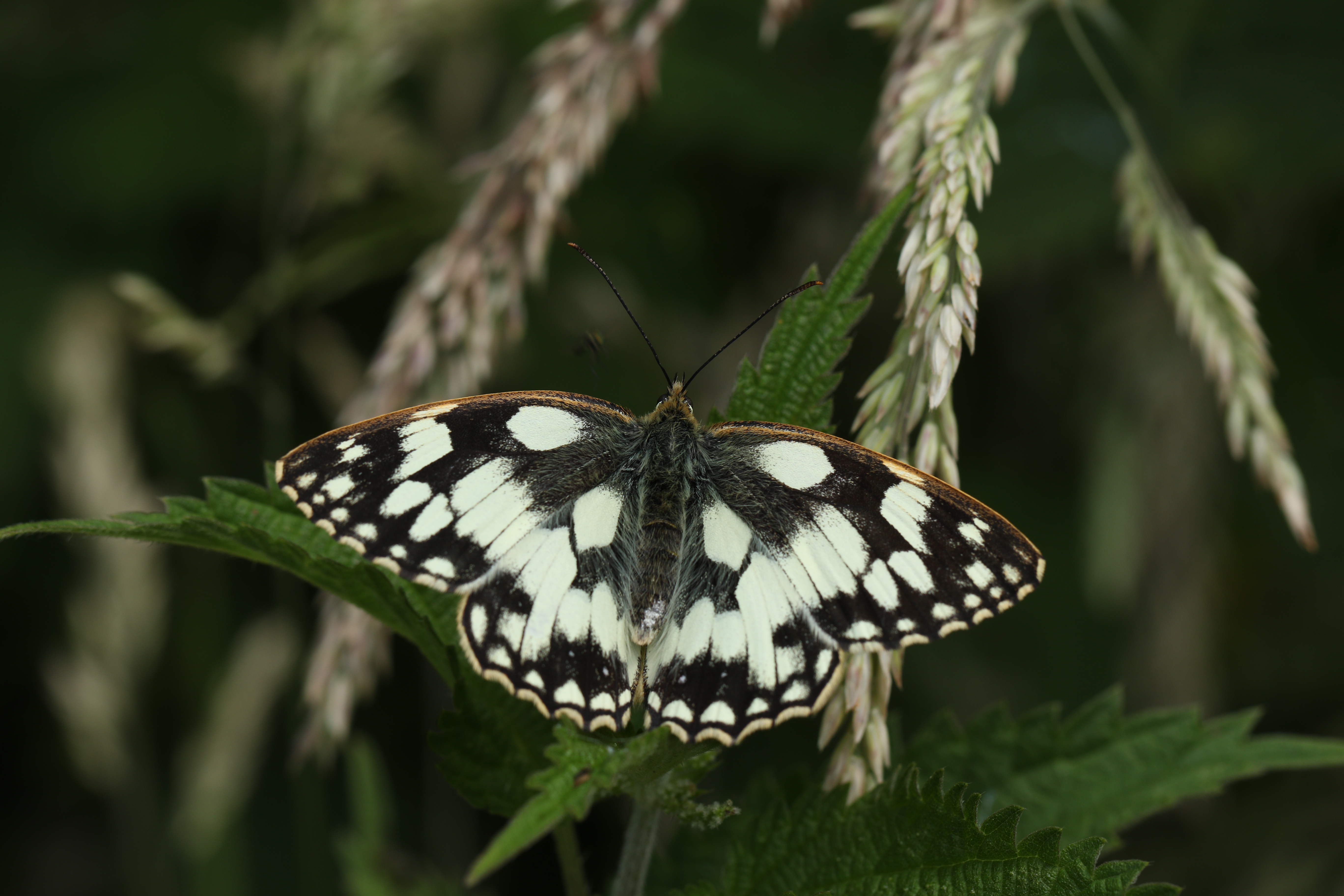
Another one of my 2021 favourites, a spectacular marbled white!

August

There’s something special about a sunrise over water with pinks, oranges and yellows streaked across the sky like a watercolour.

September

One of my favourite places to be is between two ears exploring the countryside. Here I also had the golden glow of a setting autumn sun to make my ride even more magical.

October

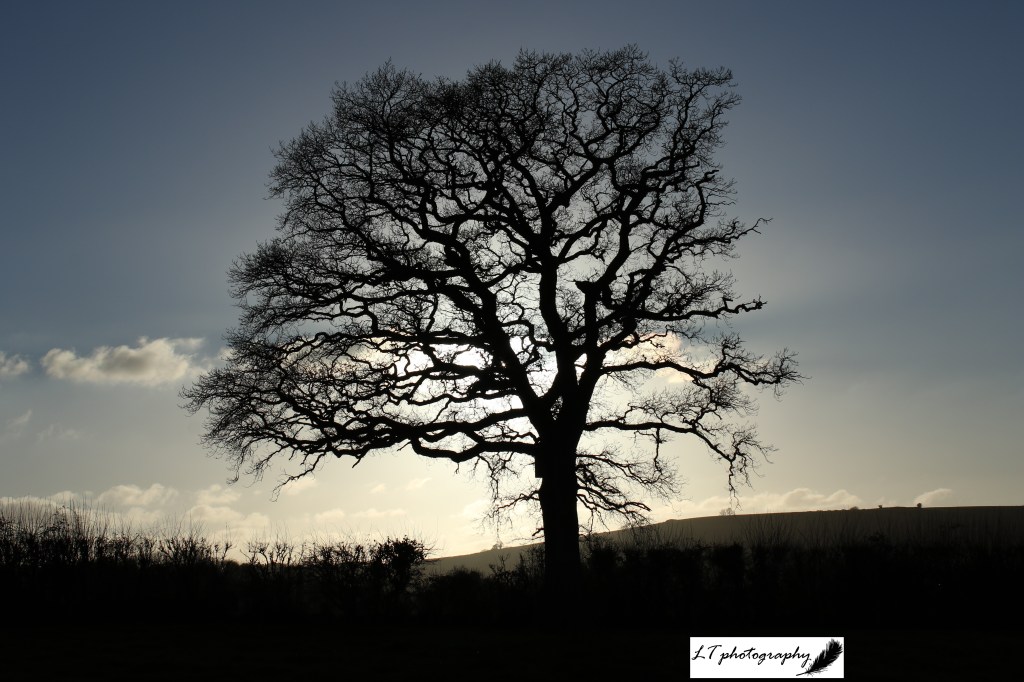
Autumn has some of the best sunsets, with everyday promising something different. Here an oak tree holds on to its leaves as autumn continues its advance through the landscape.

November

A magical part of late autumn is seeing the sun rise over dewy fields covered in a blanket of wafting spiders’ webs. These are produced by thousands of small spiders active before winter arrives.

December

To round off the year, one of my wildlife activities was to plant some new fruiting trees and shrubs down in my family’s conservation field (here a crab apple). Tree planting is definitely a rewarding activity at this time of year!

Here’s to new adventures in 2022!

Rural Dorset vs. Urban Manchester: Autumnal Plants and Fungi

Series in collaboration with guest writer Emma Rogan

Autumn is a time of plenty, painted with fantastic colours, such as leaves changing, berries and nuts adorning unveiling branches, and the emergence of marvellous mushrooms. Wherever you go during this time, autumn may be moving at a different pace, but the vein of change runs throughout. In Dorset, autumn begins with the first blackberries in August, the start of the migration of birds to warmer climes, and the beginning of a bite in the early morning. In Manchester these signs can also be found, but the change in season is more easily spotted by the increasing carpet of amber leaves on the pavement. For nature, this time of bounty and activity foreshadows the days of dormancy to come.

Last time in Rural vs. Urban, Dorset-born naturalist Laura was joined by Manchester-born wildlife enthusiast and friend Emma, to explore the magical minibeasts that could be found in their local patches. From grasshoppers to froghoppers, both Laura and Emma were amazed by the variety of species they found in such a short space of time! No experts on minibeasts, just enthusiastic adults, their eyes were opened to this miniature world by slowing down and focussing on the smaller things. In this way, we can gain a lot, from escapism to inspiration.

In this next instalment of Rural vs. Urban, we move into autumn with Laura and Emma exploring their home areas to see in the change of the seasons. As colours change and leaves fall, what will location and season mean for the plant and fungi life observed? What treasures will be discovered as we go back to the golden days of autumn?

Laura’s Plants and Fungi in the Countryside

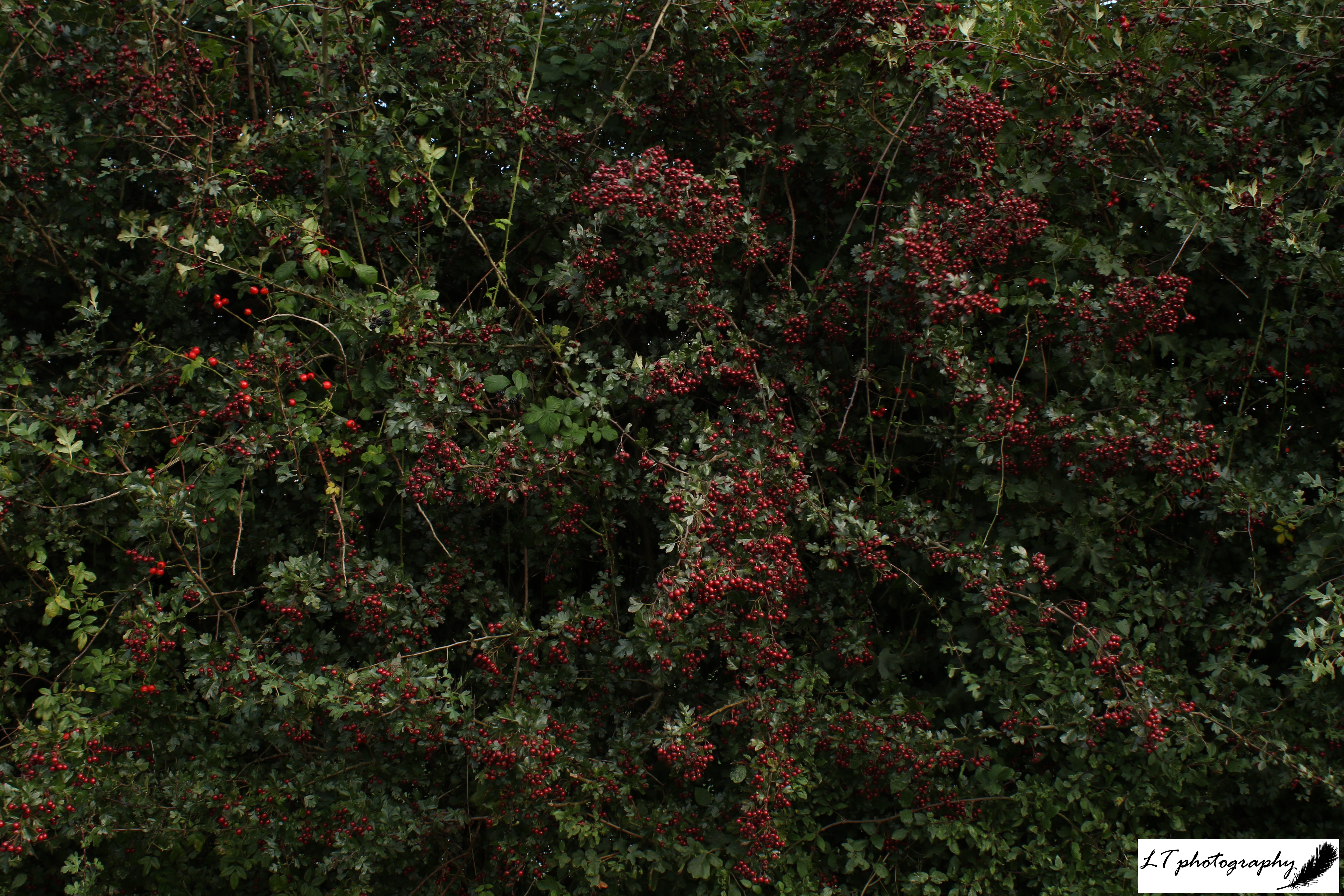
This year autumn could be felt in cold mornings and stormy weather, but did not start showing its true face until October. I first took in the change of the season with a walk to my local woods on the 6th October, seeing the ruby red gleam of Hawthorn berries and a spectacular sunset of chilly blues and pinks. I was finally inspired explore all that autumn had to offer.

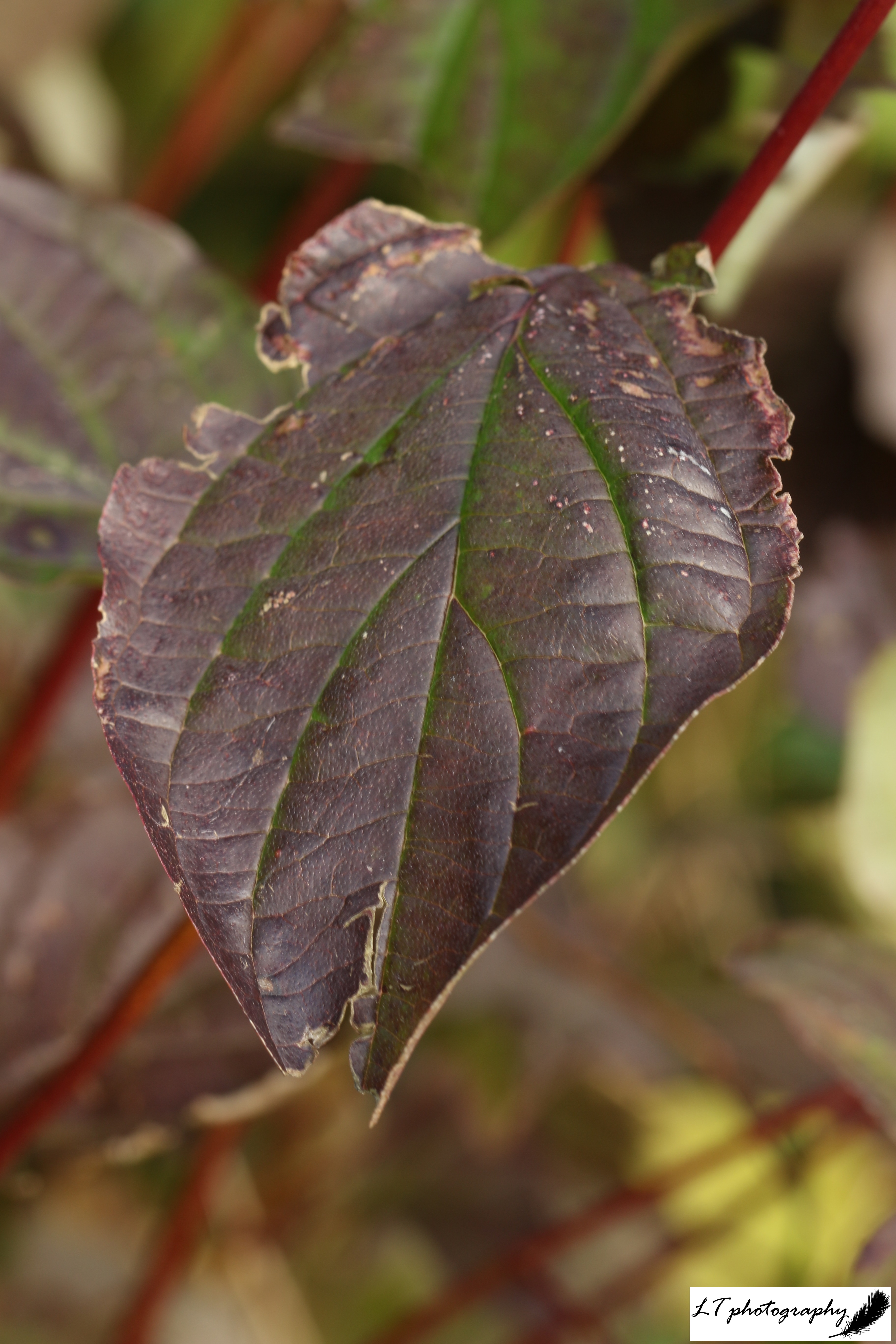
So, on the next day, I ventured out into my family’s land to take in all that nature had to offer, as autumn made its slow decline towards putting the landscape to sleep. Leaves were yet to start falling on this day, other than being ripped from their branches in strong winds, but were beginning to show a change in colour. Purples, reds, yellows, oranges, browns, and also the spectacular pink of Spindle leaves. By far the most common trees to be found in my local area though, are Pedunculate Oak, Field Maple, Hazel, Blackthorn, Elder, and Hawthorn; Oaks being a personal favourite.

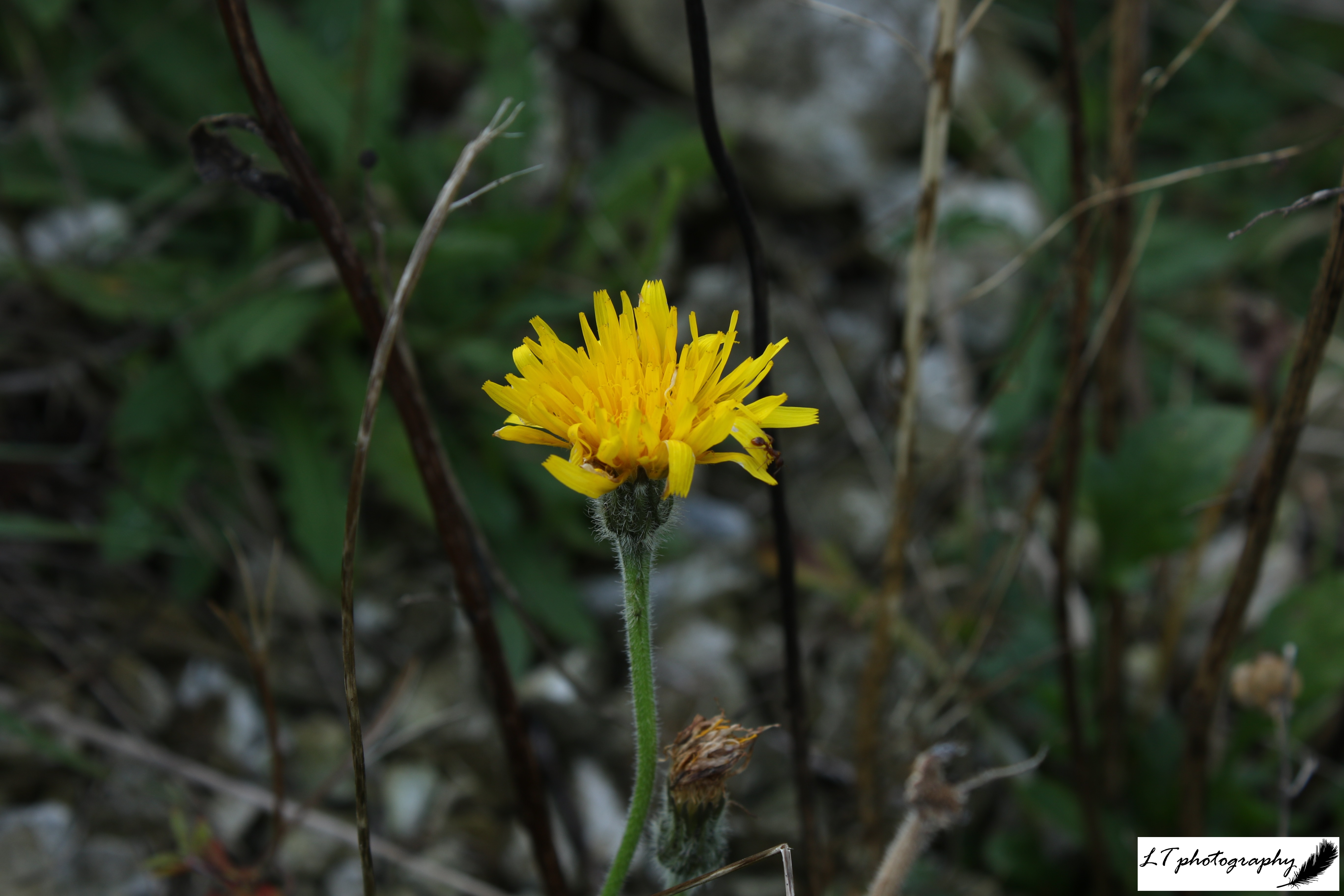
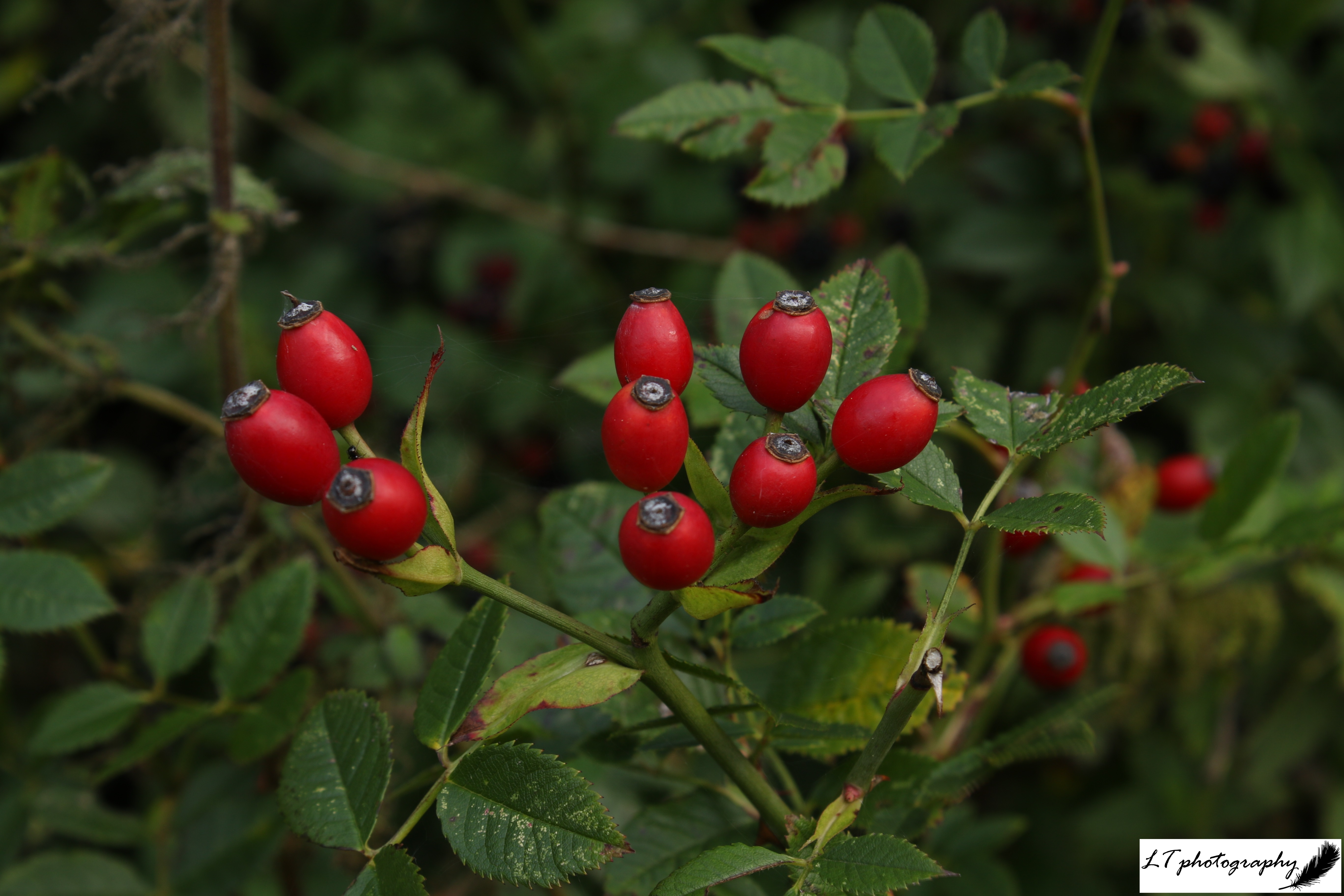
The warm weather this autumn has meant that it has felt even slower in its start. So it was not surprising on my walk to find a variety of flowers still out, ranging from Herb Robert and Wild Marjoram to Meadow Cranesbill and Rough Hawkbit. With their presence at least, they will have provided an extended food source for wildlife that were yet to hide for the winter, for example Small Tortoiseshell Butterflies that were still on the wing. They also added colour to the magnificent display of nature’s bounty this autumn, which included the rich reds of Rose hips and the deep blues of sloes.

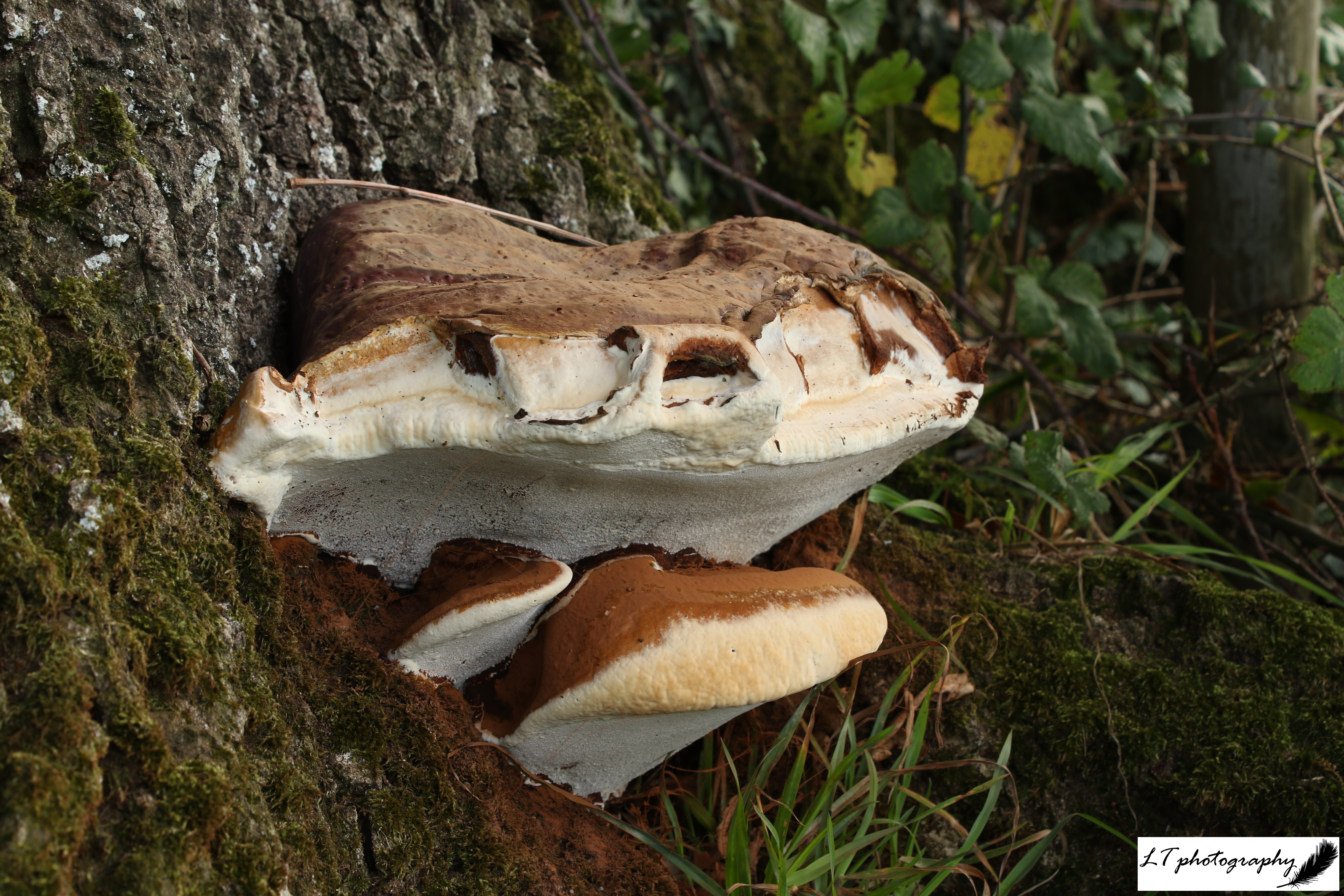
The warm and damp weather also provided the perfect conditions for fruiting fungi, an area where my knowledge is yet to fledge. Two species I did learn on my exploration though, were the pale, peeling Shaggy Inkcap and the unusual hulking forms of Bracket fungus, possibly Southern. Looking for fungi showed me that every day is a learning day and that our knowledge is ever expanding!

To round off my autumn adventure, I picked some apples from our apple trees to make a family favourite, an apple cake. The cake was simple to make, but went down a treat!

Emma’s Urban Plants and Fungi Adventure

For me, no time of the year evokes a feeling of new beginnings more than September. Perhaps it’s a throwback to when September meant the start of a new school year, but the changing of the season always lifts my spirits. Autumn is the season of hot chocolate, curling up with a book, re-watching Gilmore Girls for the fourth (okay, sixth…) time, and wrapping up warm to head out for a walk in the crisp autumn sun! Which, on September 26th, is exactly what me and my partner did.

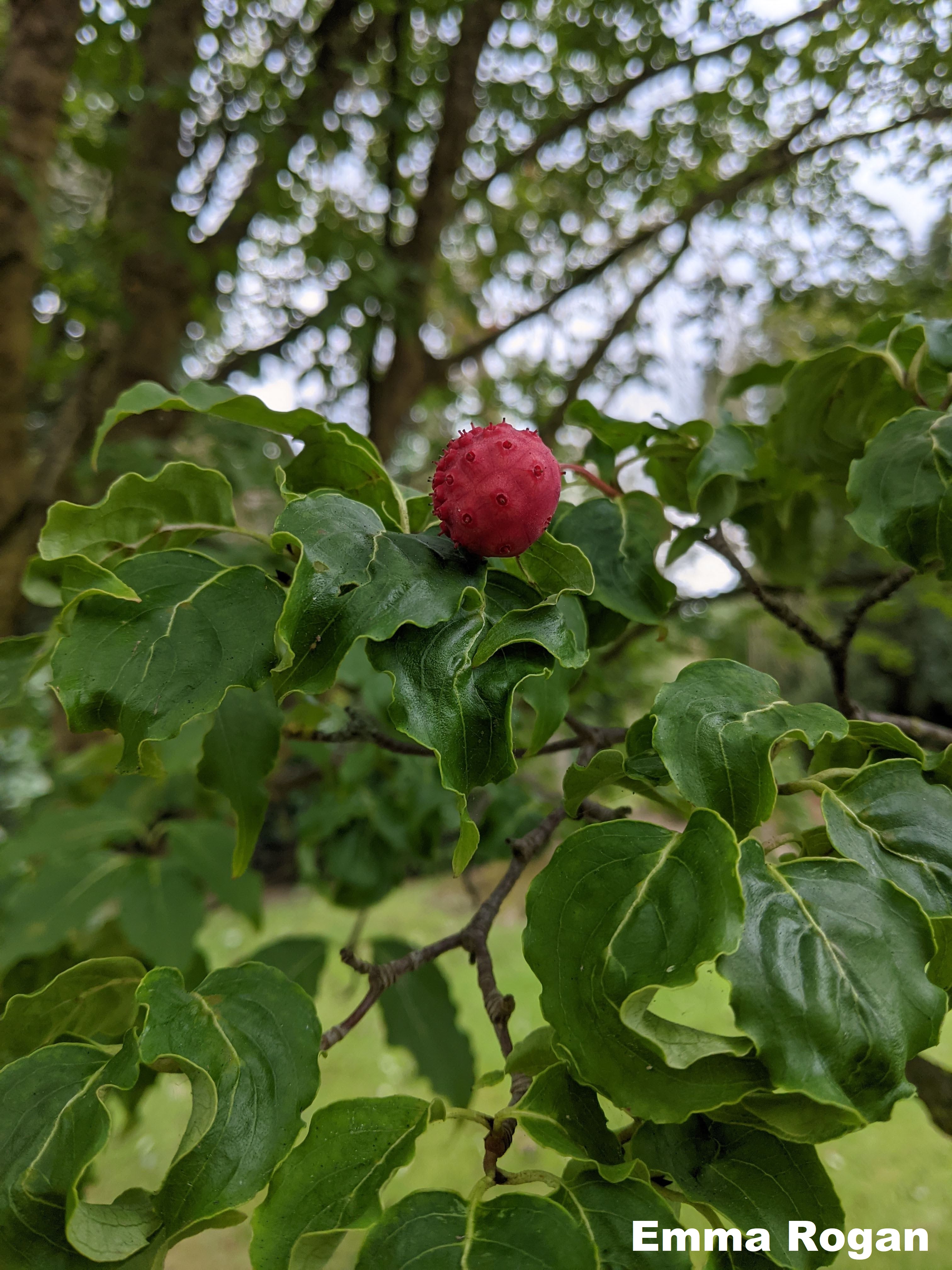
Our first stop, as usual, was the beloved Parsonage Gardens in Didsbury. This beautiful walled garden provides a home for an amazing variety of trees, looked after by a dedicated team of volunteers. My favourite is the old mulberry tree at the entrance to the gardens, but we also found a corkscrew hazel, a yew tree with bright red berries, some bamboo, a sargent’s rowan tree, a Chinese dogwood, and some ferns! I love ferns because of how ancient they are. With a fossil record dating back to the middle Devonian (383-393 million years ago) they are one of the oldest groups of plants on Earth. A piece of ancient history on our doorstep!
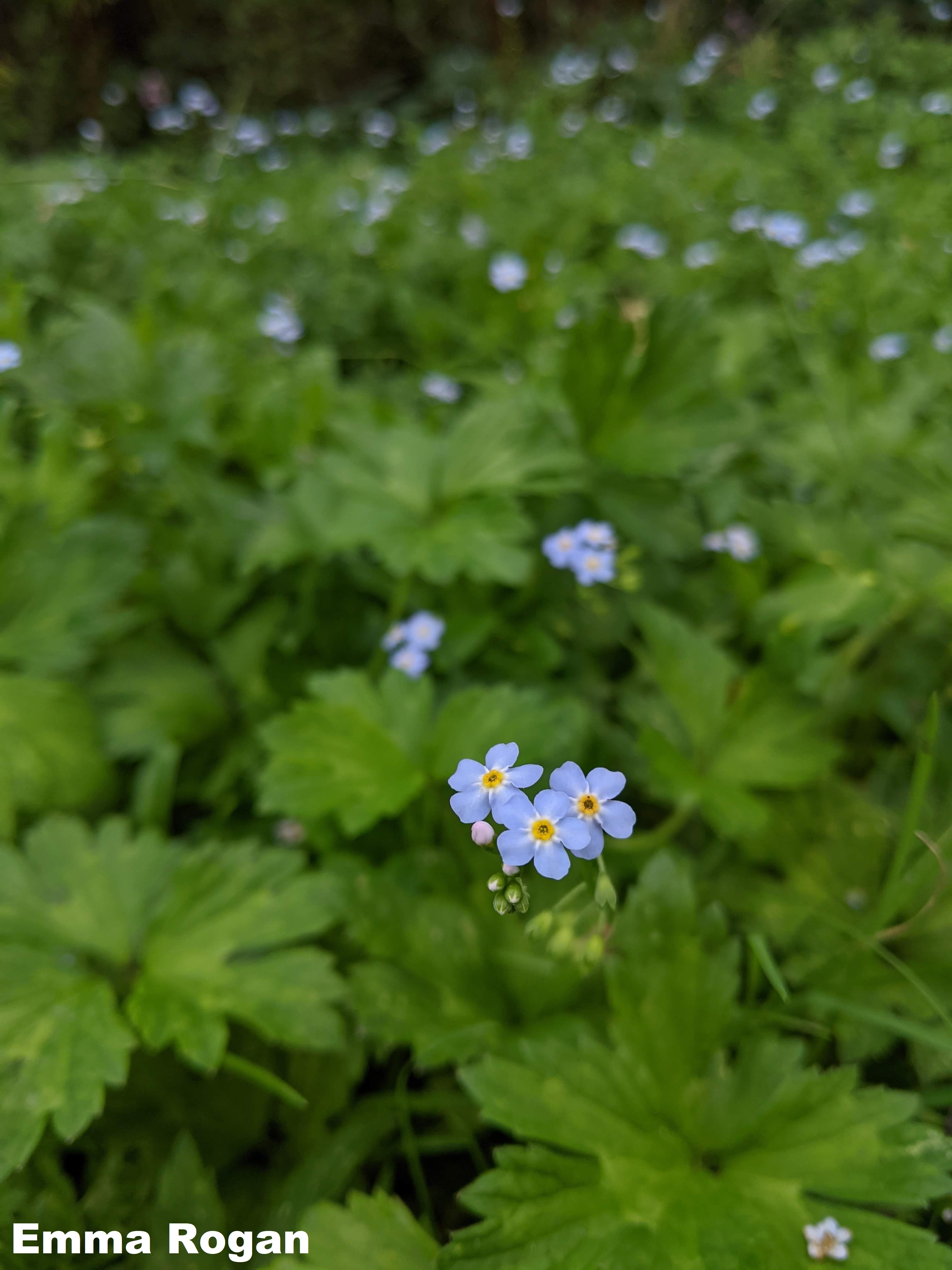
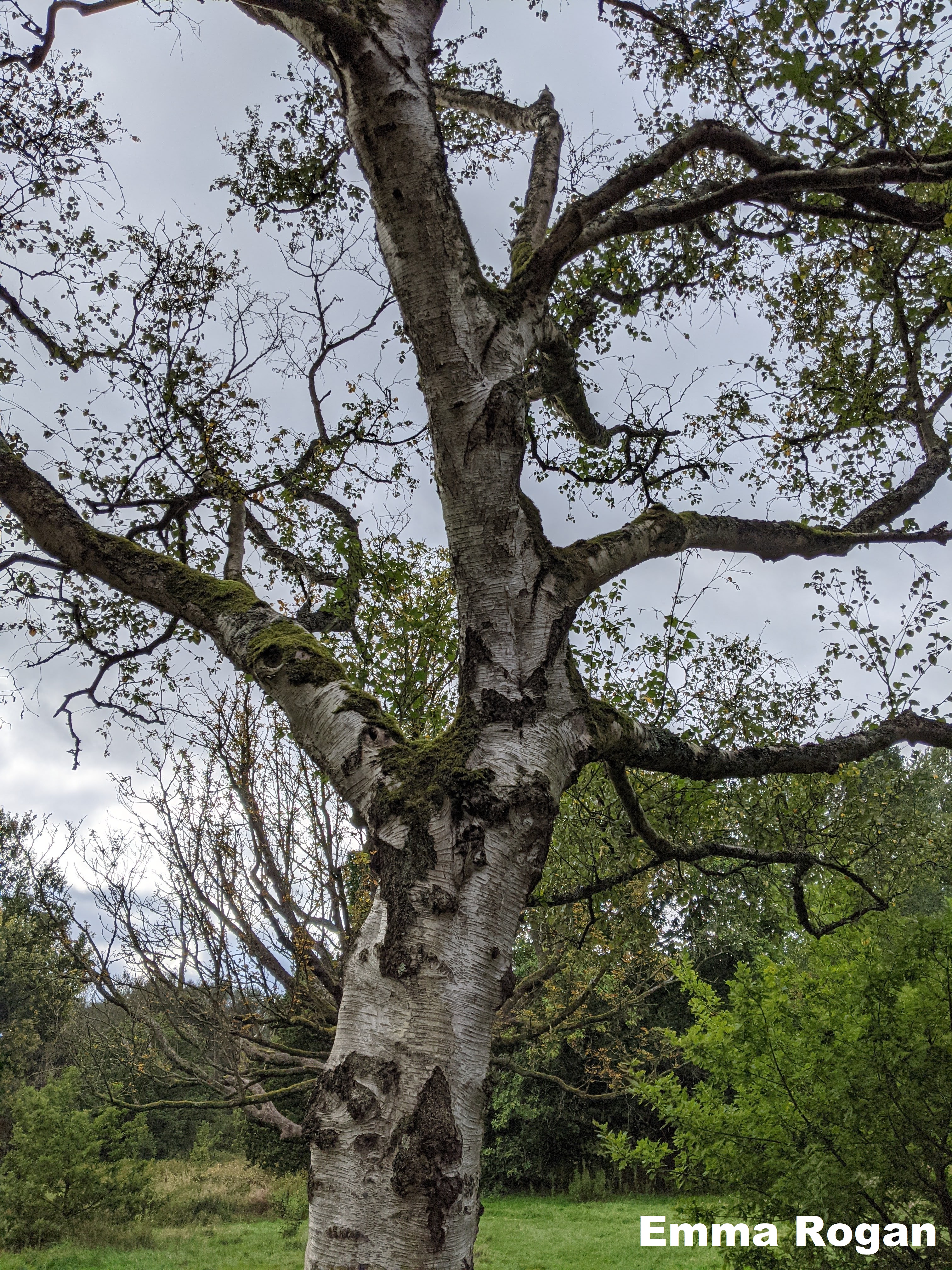
As we walked down the hill to Fletcher Moss Gardens, we passed the Church of St James on Stenner Lane. St James is the second oldest church in Manchester, dating back to 1275. I paused for a moment to admire the ivy spilling over the walls surrounding the church garden, before continuing on. The species we encountered as we wandered through Fletcher Moss ranged from the small (forget-me-nots) to the large (silver birch). We also found another rowan tree, the bane of witches! Rowan has an illustrious history in British folklore as red was considered the best colour for fighting evil, so it was planted by houses so that it’s red berries could protect the occupants from witches.

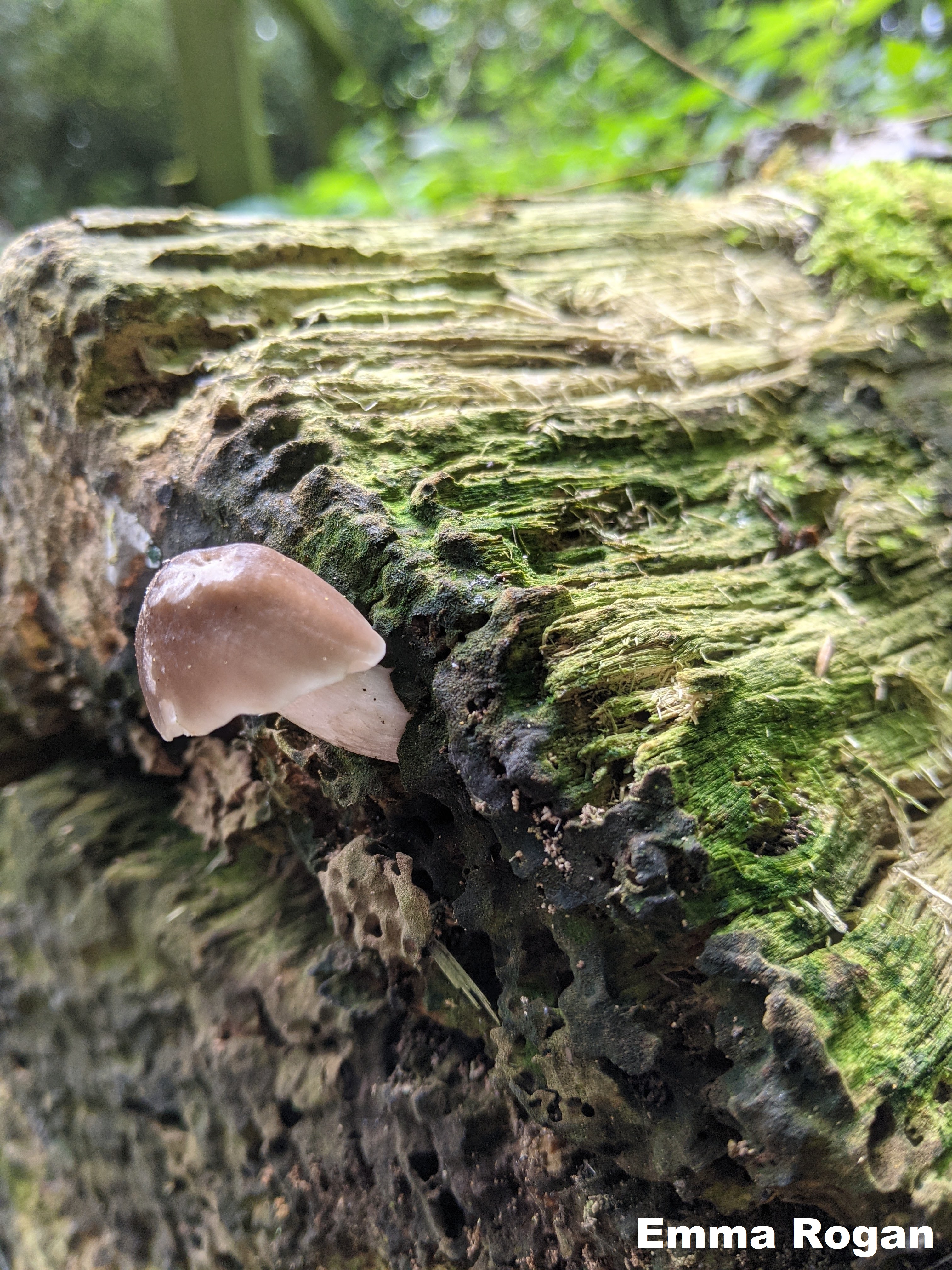
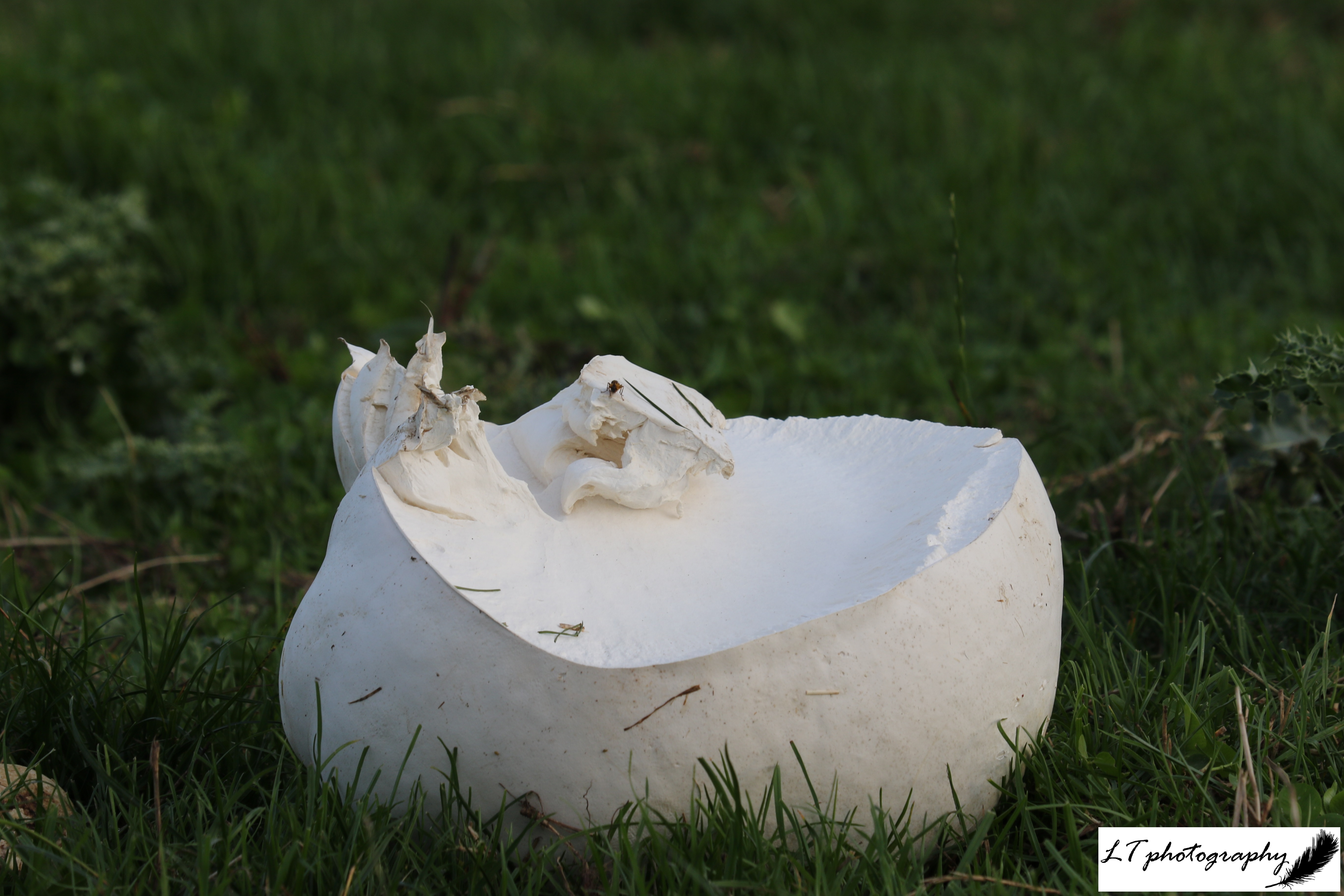
Our walk took us further into Stenner Woods, where we were on the lookout for fungi. This is not my area of expertise, but I’ve done my best to identify what we found! Growing on the side of a fallen log was a small mushroom which I think is a type of inkcap, and on top of another log was a large, flat mushroom with a white underside which I think is a giant polypore. Like Laura I spotted some bracket fungus, although the fungus looked to be past it’s best so I was not sure of the species! While searching through the woodland for fungi, I also came across an abandoned spider’s web adorned with raindrops which looked like crystals.

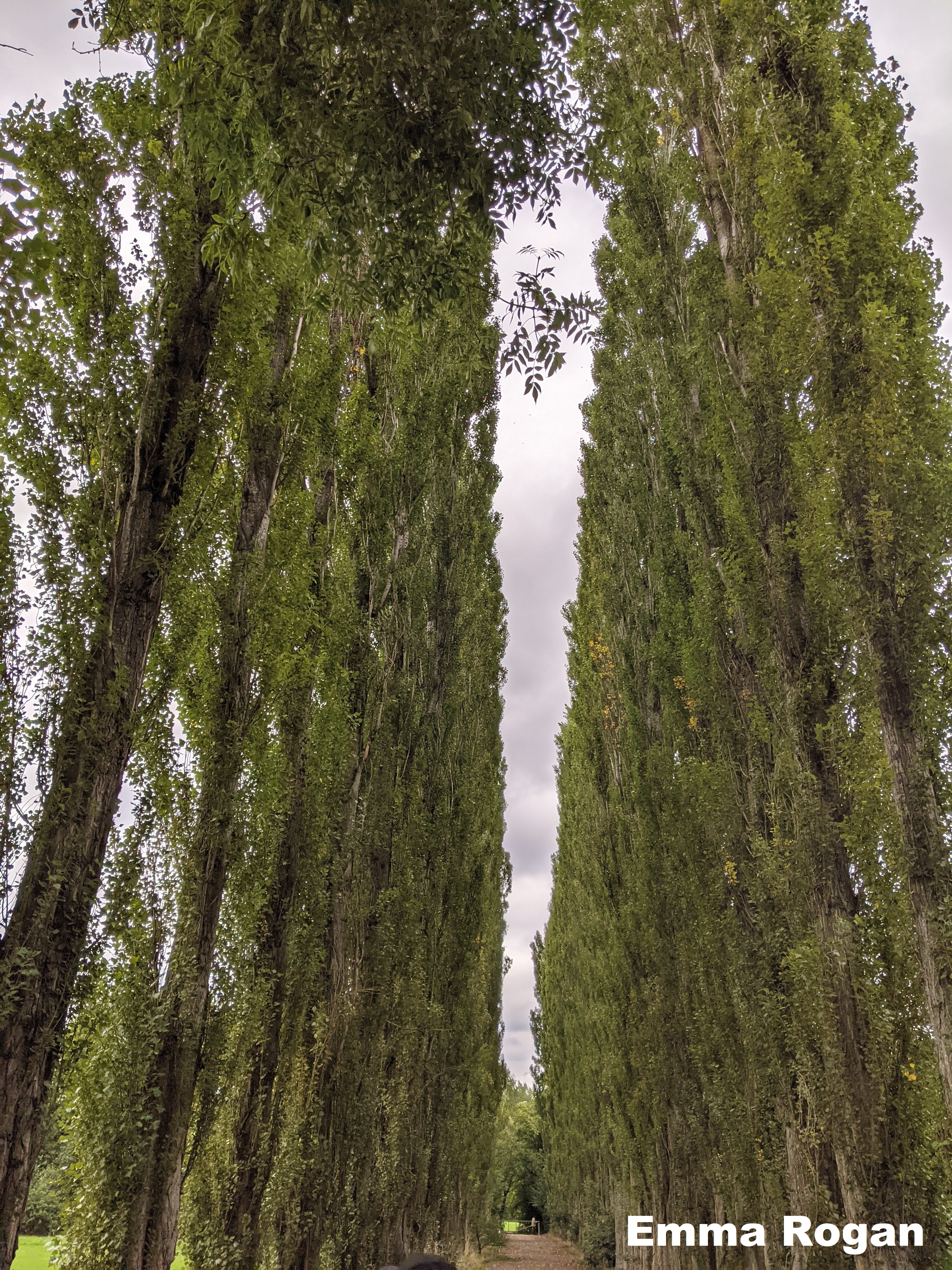
We ended our plant and fungi hunt by walking through the iconic poplar grove which leads from the river back to Stenner Lane. I had a lovely time on my autumn adventure, but I think I need to brush up on my fungus identification skills!

Autumnal Plants and Fungi

Autumn is usually defined as the season between summer and winter when leaves change colour and fall, the weather becomes cooler, and a time of full maturity is reached, such as crops becoming ripe. Autumn is so much more than this though, with it often being a favourite time of year for many, encapsulated in a feeling of cosiness, plentifulness and change. For Laura at this time of year, the sunsets are spectacular, the nights full of starry skies, and surroundings full of natural food on offer. For Emma, frost sparkles on bright leaves, the morning air becomes crisp, and the smell of hot chocolate is a welcome aroma.

This season is also a time for plants and fungi to reach the ends of their annual cycle and go out with a bang. As Laura and Emma found, autumn is a vibrant season before winter’s slumber descends on the landscape. It was interesting to see some variation between the two locations though, such as in Manchester more exotic species thrive and autumn marches forward earlier than in Dorset. This would be due to the naturally milder climate found in an urban setting, but temperatures tending to be colder in the North-West than the balmier South-West.

Still there were treasures to be found in both locations, with plants and fungi taking centre stage. Colourful, bountiful and spectacular, such species capture the imagination and provide a lifeline in nature. Engulfed in the cold and storminess of winter, we can now look back on the golden glow of autumn days with a smile, before we begin to look forward to the return of new life once again.

Rural Dorset vs. Urban Manchester: Magical Minibeasts

Series in collaboration with guest writer Emma Rogan

Rolling green hills, trees sprawling across the landscape, hedgerows thick with plant and animal life, flowers growing up here and there, and rivers flowing through it all. The light of an orange sunset cast out over the city by a soaring glass tower block, the lonely lights of a crane against an evening sky, busy streets lit up for Christmas filled with music and laughter. Everyone’s idea of idyll varies, but for nature any landscape could provide a home. Let us explore.

Growing up within her family’s 250 acres of land, for naturalist Laura, rural Dorset is home. In what may be called the ‘middle of nowhere’ for an urban adventurer, Laura grew up alongside wildlife from barn owls and hares to grass snakes, damselflies, and oak trees. With parents that nurtured her to take an interest from a young age in looking after the wildlife they saw on their doorstep, this landscape has made her the conservationist and scientist she is today. Now her home provides inspiration for her photography and writing, including her Laura’s Wild World blog. Check out her blog here.

Guest for this series and wildlife enthusiast, Emma grew up in Manchester and will always be a city girl at heart. As a child she loved to watch nature documentaries and daydreamed about faraway places, but over time she fell in love with the wildlife that also calls Manchester its home. Emma has spent the past year documenting the lives of the insects, birds, squirrels and foxes that stop by her little rectangle of garden, and exploring the local woods alongside the River Mersey with her mum. Check out her page here.

In this brand new blog series, we take a look at the local wildlife that can be found in two very different home locations. Though at a contrast with each other, we will see how nature can make its home in both rural and urban landscapes, and the wealth of life that can be explored on anyone’s doorstep. At a time when it is so important that we protect and conserve the natural environment around us, let us inspire you as we take an adventure to explore a smaller side to nature.

Laura’s Countryside Minibeasts

Today was a warm and breezy day, perfect for walking through my family’s Dorset farmland in just a T-shirt and shorts. It was the kind of day though when you could feel the first breath of autumn in the air, kept at bay by the bleaching late-August sun. Pushing the cooler days to come to the back of my mind, I set out to try to see what smaller creatures I could find out in nature.

Journeying along tracks, through grass fields, over rivers, through tall maize, past a chalk ridge, and back home to my garden, my quest bore more and more fruits along the way. With every turn I got to experience a colourful and spectacular diversity of butterflies from small coppers to peacocks, got to be serenaded by grasshoppers singing their chirping tune, and to be joined by crane flies lazily hanging in the hazy golden light as I walked along on my own.

As my minibeast list grew, I stopped here and there to take a closer look, such as to gaze at beautifully banded snails hanging from nettles, or to photograph minibeasts, such as the curious looking froghoppers making maize leaves their home. I was loving it! The main highlight of my adventure though, had to be discovering a treasure trove of dragonfly and damselfly species on and around the pond in our conservation field. One minute I would see the golden-brown of an unknown dragonfly fly past me, before catching sight of common blue demoiselles dancing in the air and red-veined darters defending territories over the water. I was amazed at how many beautifully-coloured species I saw in such a short space of time!

When I set out on my minibeast adventure, I was not entirely sure what I would find at this late stage of August. Whatever I thought though, by the end I was having a really great time, seeing some cool minibeasts ranging from busy honey bees enjoying a medley of flowers to many butterflies adorning buddleia bushes like gemstones. It really brought home that you never know what you might find until you open your eyes to the world around you. I am no invertebrate expert, but I was still able to take in all the wonders this mini world had to offer. It was a great break from life, though more importantly, a game changer!

Emma’s Minibeast Hunt in the City

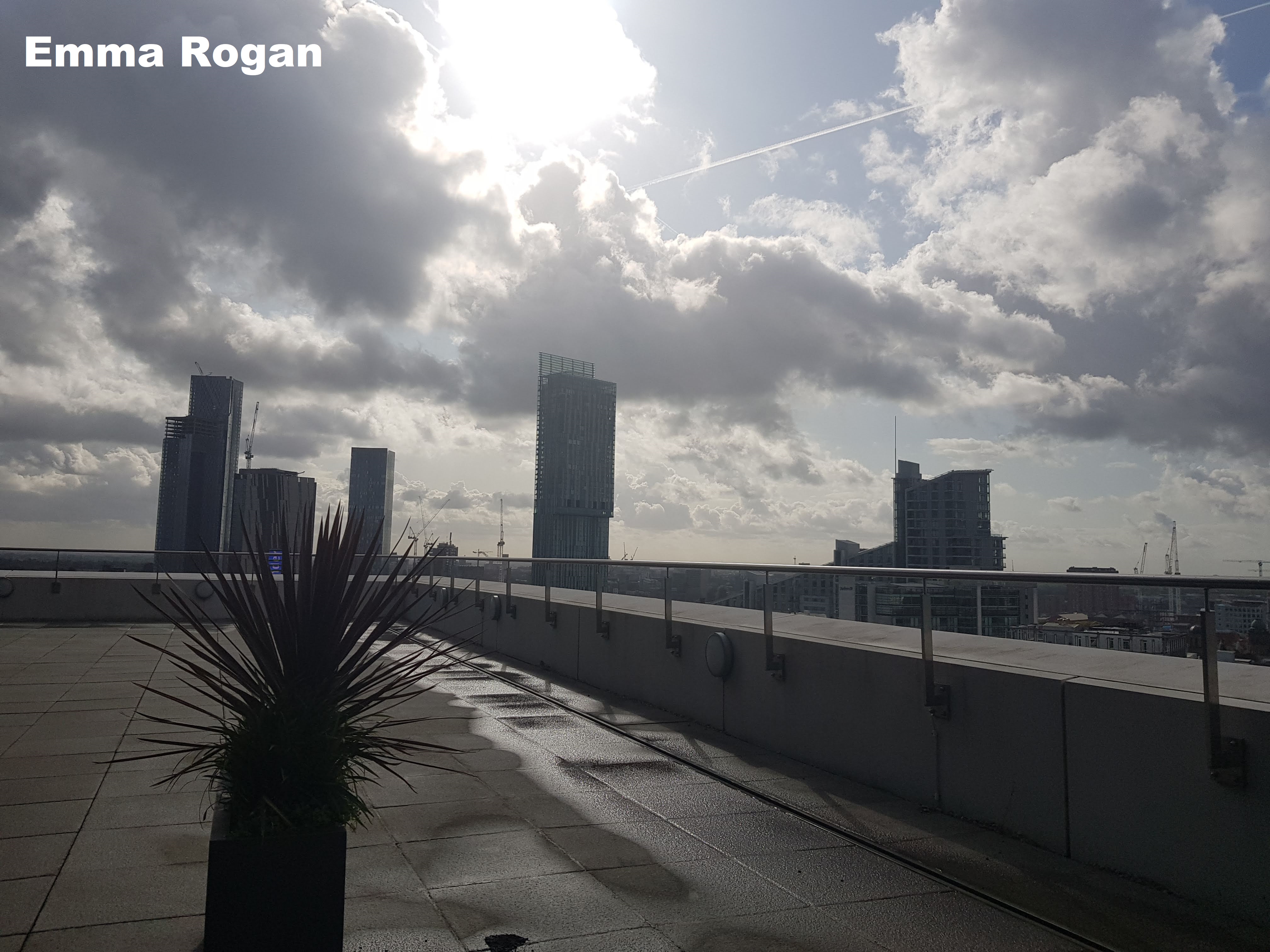
Unbelievably, the afternoon I’d planned to go on my Minibeast Hunt was beautifully warm and sunny with a slight breeze. This is a rarity in Manchester! I gleefully pulled on my walking boots and headed out with my other half to Fletcher Moss, a nearby park and woodland alongside the River Mersey. We spent an hour wandering through the Parsonage Gardens, down to the river (down, down, doooown by the riveeeer – any Baldur’s Gate 3 fans?), and through the woods, making a brief stop for ice cream along the way!

The Old Parsonage and it’s beautiful walled garden was left to the citizens of Manchester by Alderman Fletcher Moss in 1919, and has since become a much-loved community space which is carefully looked after by volunteers. The garden was buzzing with pollinators drawn in by the variety of flowers, the echinops was particularly popular! It’s always lovely to see bees out and about in Manchester, as bees are the symbol of our city.

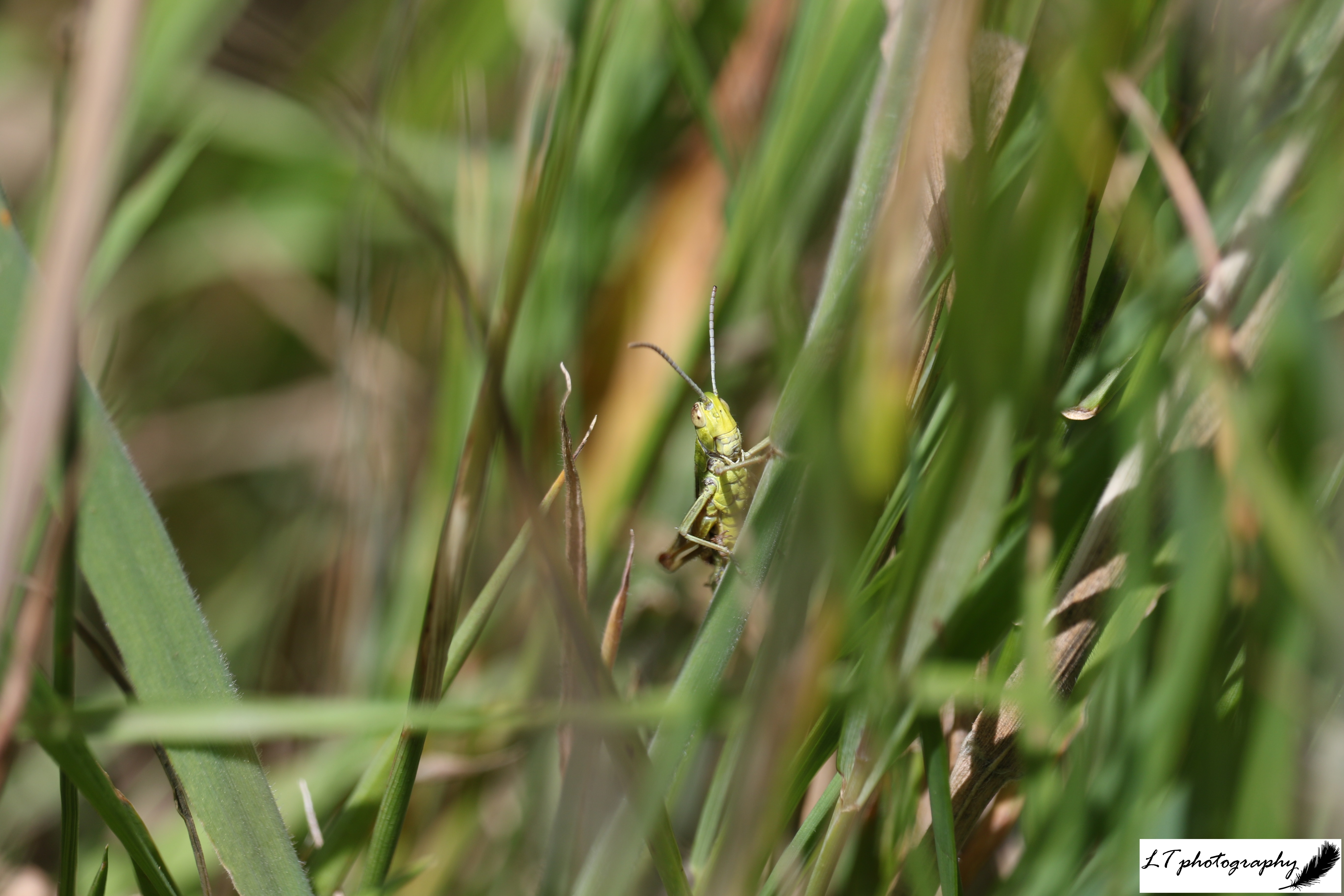
We then walked down the hill and took a winding path towards the river. The first stop on our riverside walk was Simon Bridge, a green iron bridge across the River Mersey which was gifted to the people of Didsbury by Henry Simon in 1901. Plenty of bees, wasps and hoverflies flew past us as we walked, but our second stop came when we heard what we thought was the singing of a grasshopper! This necessitated ten minutes of searching and more than a few curious glances before we found the little guy sat solemnly on a blade of grass.

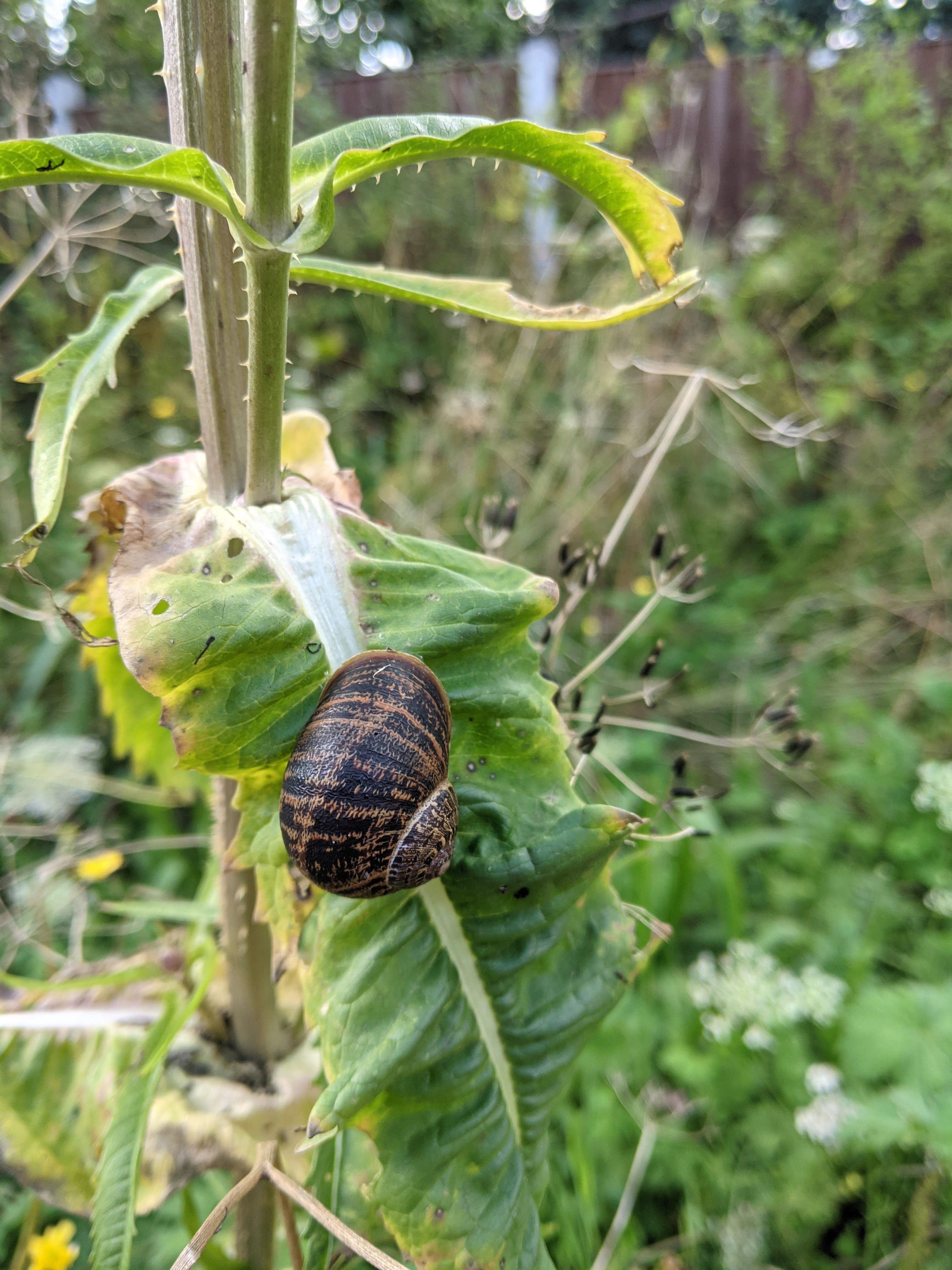
As we wandered on, our path took us away from the river and back up into Stenner Woods, a small area of woodland in the original Mersey Valley flood plain. It was at this point that a dragonfly decided to join us! Unfortunately, he wouldn’t stay still long enough for me to take a picture. We also came across a snail clinging to a thistle, and a ladybird nestled between the spines of a teasel, and a very hungry group of mint leaf beetles. Butterflies were noticeably absent, as we spotted only one female meadow brown butterfly during our walk. Our final stop was at a small pond area, where we saw what seemed to be hundreds of pond skaters!

I’ve been fond of bees for quite a few years (I even wrote my dissertation on bees!), but I don’t often take the time to pause and notice the other minibeasts that live in my local area. This minibeast hunt was a great opportunity to challenge myself to look closer, and I felt very lucky to gain a snapshot into the lives of these smallest of animals.

Minibeasts

When people think of animals they usually think of lions, bears or elephants, for example, forgetting the smaller less observed animals in nature. The minibeasts we walk past each day though, can be equally majestic and awe-inspiring. Butterflies in spectacular colours, weird and wonderful froghoppers, or wriggling hard-working earthworms. All play an important role in nature, but tend to go unnoticed and be underappreciated.

On both Emma and Laura’s minibeast adventures though, they found taking the time to focus on the smaller things eye opening. They might live in very different areas, but the green spaces they both have access to show an amazingly similar host of minibeasts. From grasshoppers to dragonflies, amazing minibeasts can be found anywhere. By challenging yourself to look closer at the smaller things in life, you can learn a lot, be provided with inspiration and even experience a moment of distraction and escape. Minibeasts are colourful, unusual, and awe-inspiring, so why not stop and find out what you could discover too?

26 Years of the BTO’s Garden BirdWatch: Getting Involved During Lockdown

As winter creeps into the landscape and a second lockdown keeps us close to home, our gardens are once again coming alive. Wrens creep through the undergrowth catching insects, Robins sing to defend small territories, and Long-Tailed Tits flit between hedgerows foraging in family groups. It’s not just the birds though, other species are settling down to see out the winter in our gardens too, from butterflies and toads to hedgehogs and ladybirds.

With this year being a bit different, I have found it a great time to take part in the BTO’s Garden BirdWatch, to further connect with nature, boost my mental health, and do my bit. Gardens are very important homes for wildlife, not just at this time of year, so now is an important time for us to understand how we can better help the wildlife that share our gardens with us. If you have a bit of time on your hands, want to do something a bit different, or are interested in the wildlife on your doorstep, then this survey could be just what you need!

The BTO and the Garden BirdWatch

So, what is the BTO? Well, the BTO stands for the British Trust for Ornithology, where ornithology refers to the study of birds. Started in Oxford in 1933, this now Norfolk-based charity aims to engage people with science whilst advancing the understanding of birds and now other wildlife species. With over 60,000 dedicated volunteers, and projects ranging from bird ringing and Cuckoo tracking to urban gull and bat surveys, the BTO has gone from strength-to-strength.

Set up in 1995, one popular BTO project has been the Garden Birdwatch, a project aiming to understand the relationship between wildlife species and our gardens, and how and why some of these species populations may be undergoing change. In a nutshell, the Garden BirdWatch is about participants recording the birds they see in their garden, along with mammals, amphibians, reptiles, butterflies, bumblebees, and dragonflies. As vital habitat for wildlife continues to decrease, whilst the importance of gardens as substitute habitat increases, the information we can provide now can be used to better tailor help to support wildlife in the future.

So why should you take part? Well, the Garden BirdWatch is a great way to enjoy the wildlife in your garden, improve your knowledge, and allow you to follow the annual cycle of life. Taking part is also easy! All you need is a garden, a minimum of 20 minutes a week, and a way to identify the species you see. You do not need to have a big or elaborate garden, put food out, or be an expert. With the Garden BirdWatch currently being free for a year, signing up is easy. Provide a few details about your garden, and get started recording the garden birds and other wildlife that visit you.

Why not join thousands of other volunteers today, and do something new from the comfort of your own home!

Examples of Results

Last year marked the 25th year of the Garden BirdWatch, and so the BTO have now been able to use 25 years of weekly garden observations to begin analysing the relationship between our gardens and wildlife. For example:

  • Goldfinches, Woodpigeons, Nuthatches, and Jackdaws have become an increasingly common sight in our gardens, relying on our gardens for vital foraging habitat
  • Song Thrushes, Greenfinches, Starlings, and House Sparrows have become a less common sight in our gardens since 1995, due to a range of factors from disease to loss of habitat

I have now been taking part in the BTO’s Garden BirdWatch for the last 21 weeks. This time has gone past so fast, but has opened my mind to the diversity and abundance of species that visit my garden through the seasons. To sum up my time so far, here are some of my results:

  • I have observed 26 different bird species in my garden, with the most abundant species being Starlings (50 on 28th July) and House Sparrows (40 on 28th July), followed by Goldfinches (30 on 1st October)
  • Every week Blue Tits, Great Tits, Collared Doves, Pheasants, Goldfinches, and House Sparrows have been consistently recorded
  • As summer has moved into autumn and winter, Coal Tits, Jackdaws, and flocks of Goldfinches have become newly reliant on my garden, whereas Great-Spotted Woodpeckers, flocks of House Sparrows, Pheasants, flocks of Starlings, and Sparrowhawks have decreased their visits
  • No week or month has been the same, with summer highlights including Greenfinches, Siskins, Chiffchaffs, and Garden Warblers!

So, why not see what wildlife you can encounter this winter?