How to… Make the Most of Autumn’s Bounty

Leaves rustling beneath my feet, golden, russet, auburn. Crisp, dewy mornings, adorned with misty tendrils and spider’s webs. Hedgerows hung with bright berries, and woodlands dotted with fantastical fungi. Cosy nights in, whilst the night comes alive with Tawnys and foraging mammals. Lazily buzzing insects, murmurations, Red Kites soaring, waders and wildfowl, and endless wonder.

Autumn means different things to different people, but it is deep rooted in the natural world around us. A season of reflection and change, it is the favourite season of many. Some people celebrate turning a new leaf, some the drop in temperature and cosiness that comes with it, some the festivities, and others celebrate the little things, from migrating birds to reconnecting with nature. To all though, it is a bountiful season, marked with plentiful food and the first whispers of winter.

Historically, autumn is associated with harvest time and bringing in the food of the land before winter. From corn dolls to harvest festivals, autumn is symbolic in British tradition and culture. It has been inspiration for poets and writers alike including Keats (‘Season of mists and mellow fruitfulness’) and Jane Austen (‘the thousand poetical descriptions extant of autumn’). It is an important time of year to check in with the status of wildlife, whilst also being a time of spiritual significance for many.

As temperatures begin to drop and the leaves begin to change, it is time for us all to get out there, watch amazing sunrises and sunsets, forage for food, and stay connected with mother nature. With autumn being deep rooted in what lays outside our doors, here’s a guide to just some of the important species flourishing in autumn.

Autumn Species

Unless you are 100% sure of what something is and if it is edible, then do not eat it! Also, harvest only what you need and leave the rest for wildlife!

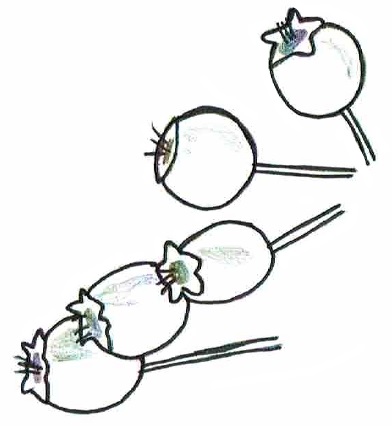
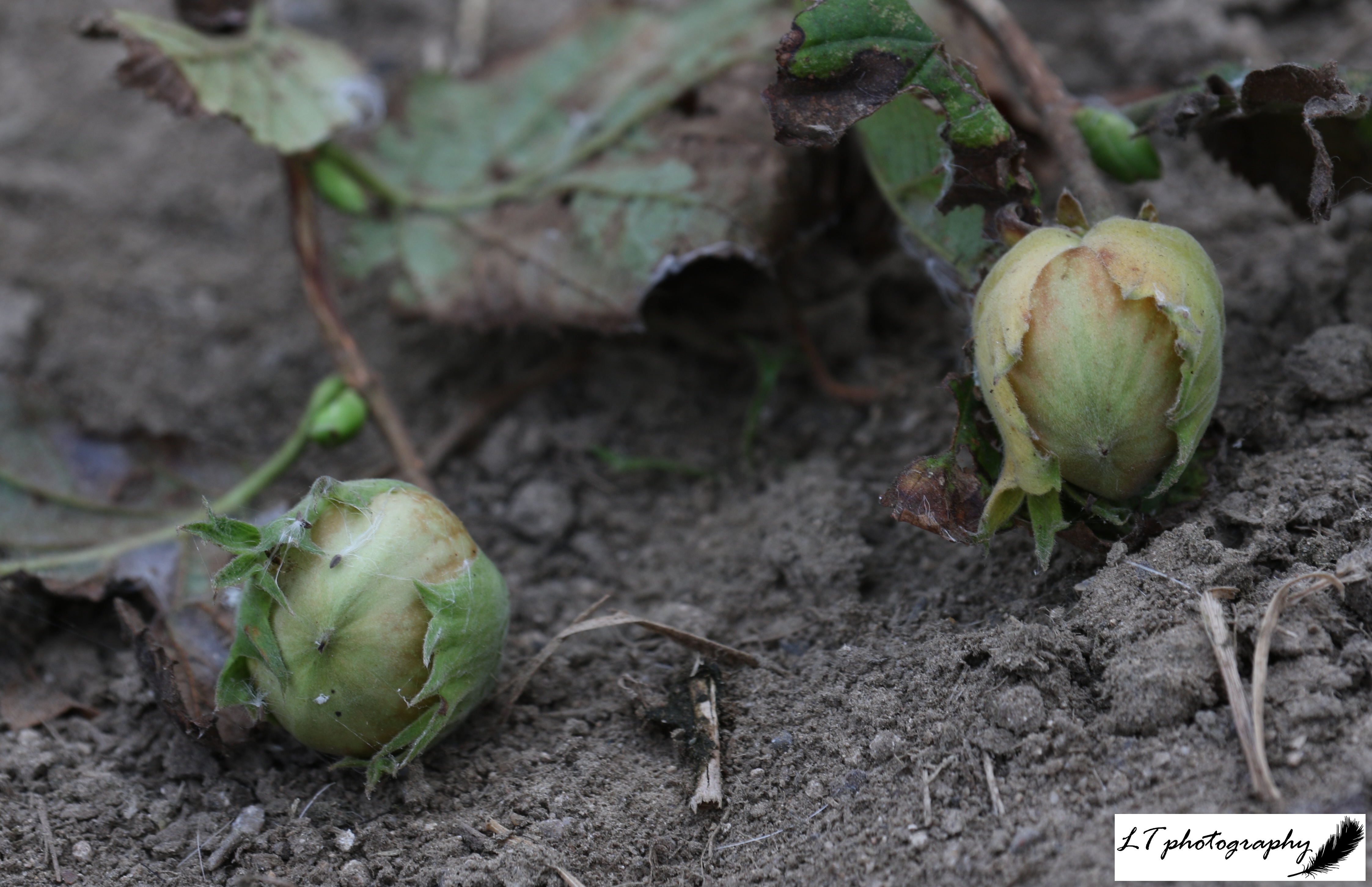
Hazel (Corylus avellana)

  • Fruit: The popular hazelnut, an edible nut that begins with a thick-green husk, before ripening to a brown in autumn
  • For Wildlife: A favourite food of Grey Squirrels, Dormice and Wood Mice, amongst other species, often being cached for winter
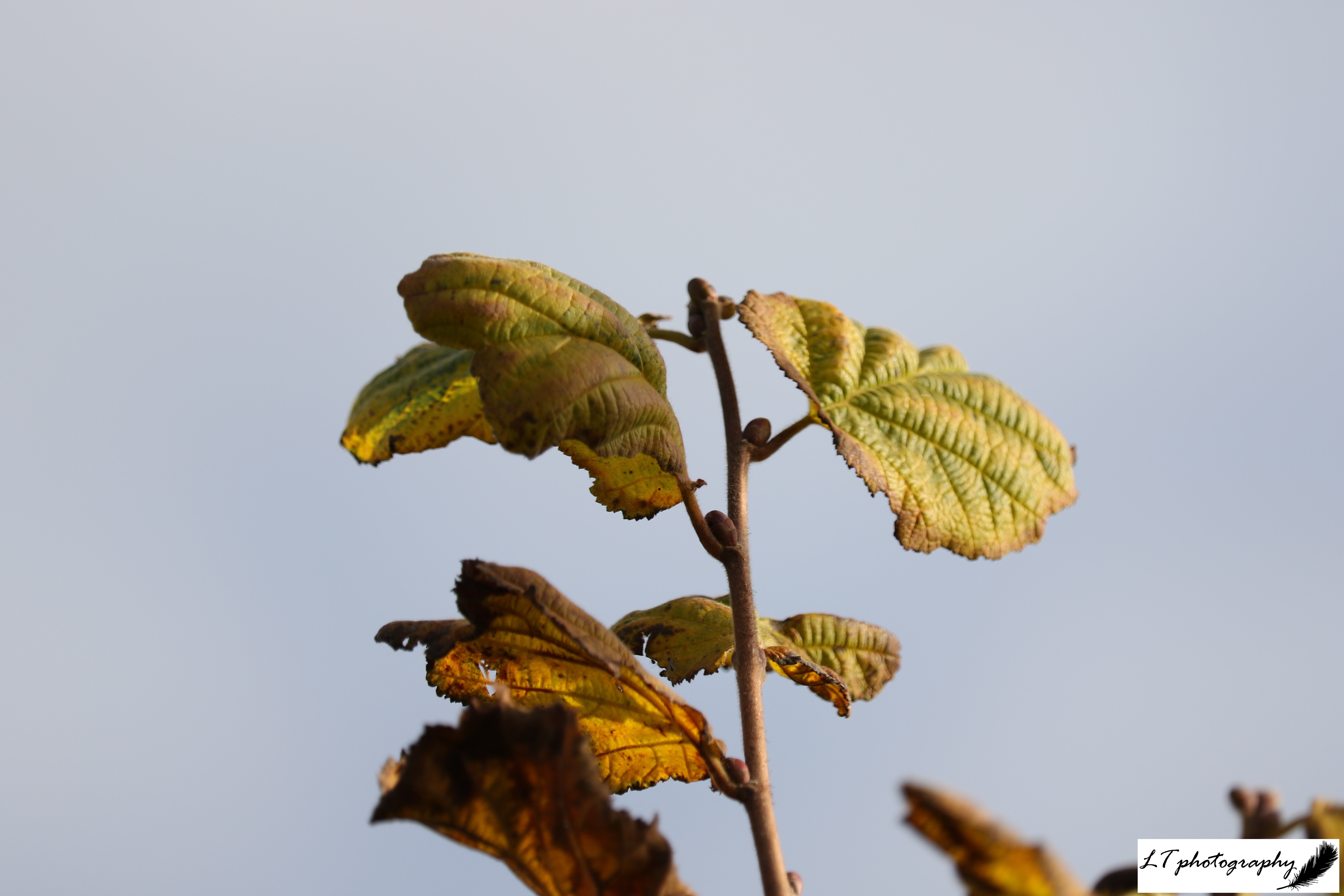
  • How to Identify: Circular-shaped leaves with toothed edges and tapering to a point; coppery brown smooth to peeling bark; lemon-yellow catkins and tiny red bud-like flowers in spring
  • Autumn Facts: Until the First World War, Holy Cross Day on the 14th September was traditionally a school holiday, where children would go nut gathering

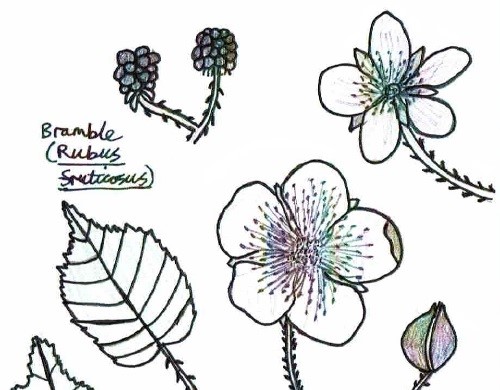
Bramble (Rubus fruticosus)

  • Fruit: The familiar edible blackberry that begins green, then turns red, before ripening to purple-black in autumn. Blackberry picking is a favourite part of autumn for many!
  • For Wildlife: The berries are a valuable food source for mammals, such as badgers, and small birds, such as Blackcaps
  • How to Identify: Oval-shaped leaves with toothed edges and tapering to a point; prickly and half-evergreen stems; white or pink flowers from spring onwards
  • Autumn Facts: Folklore in Britain dictates that blackberries should not be picked after Old Michaelmas Day (11th October), as the Devil has by then made them unfit to eat

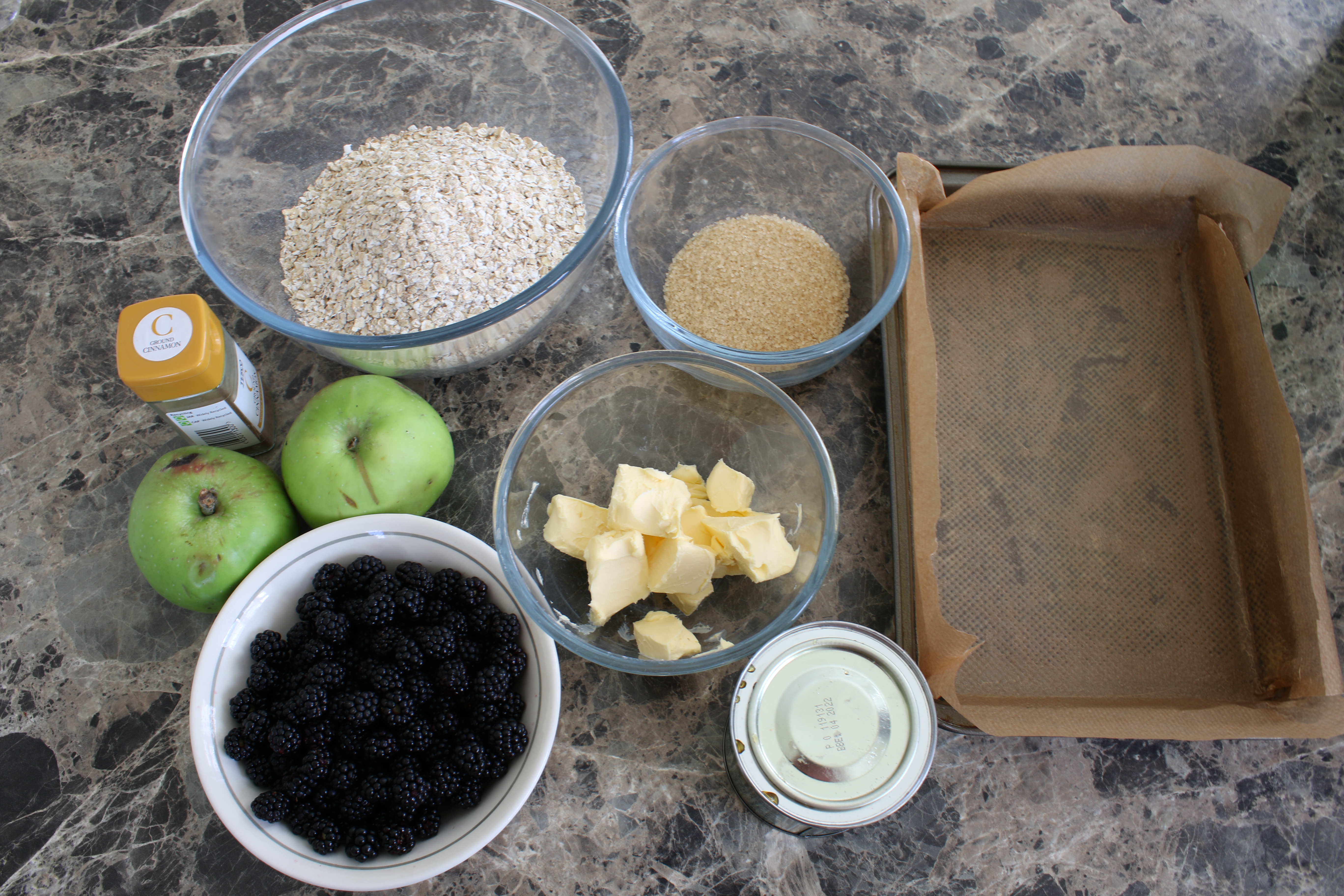
Recipe:

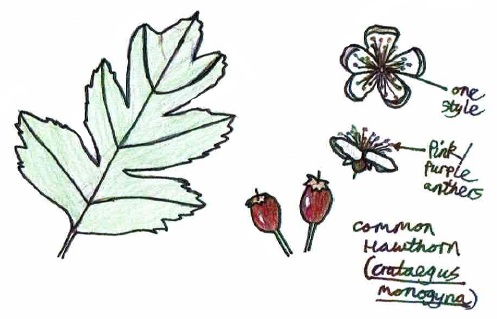
Hawthorn (Crataegus monogyna)

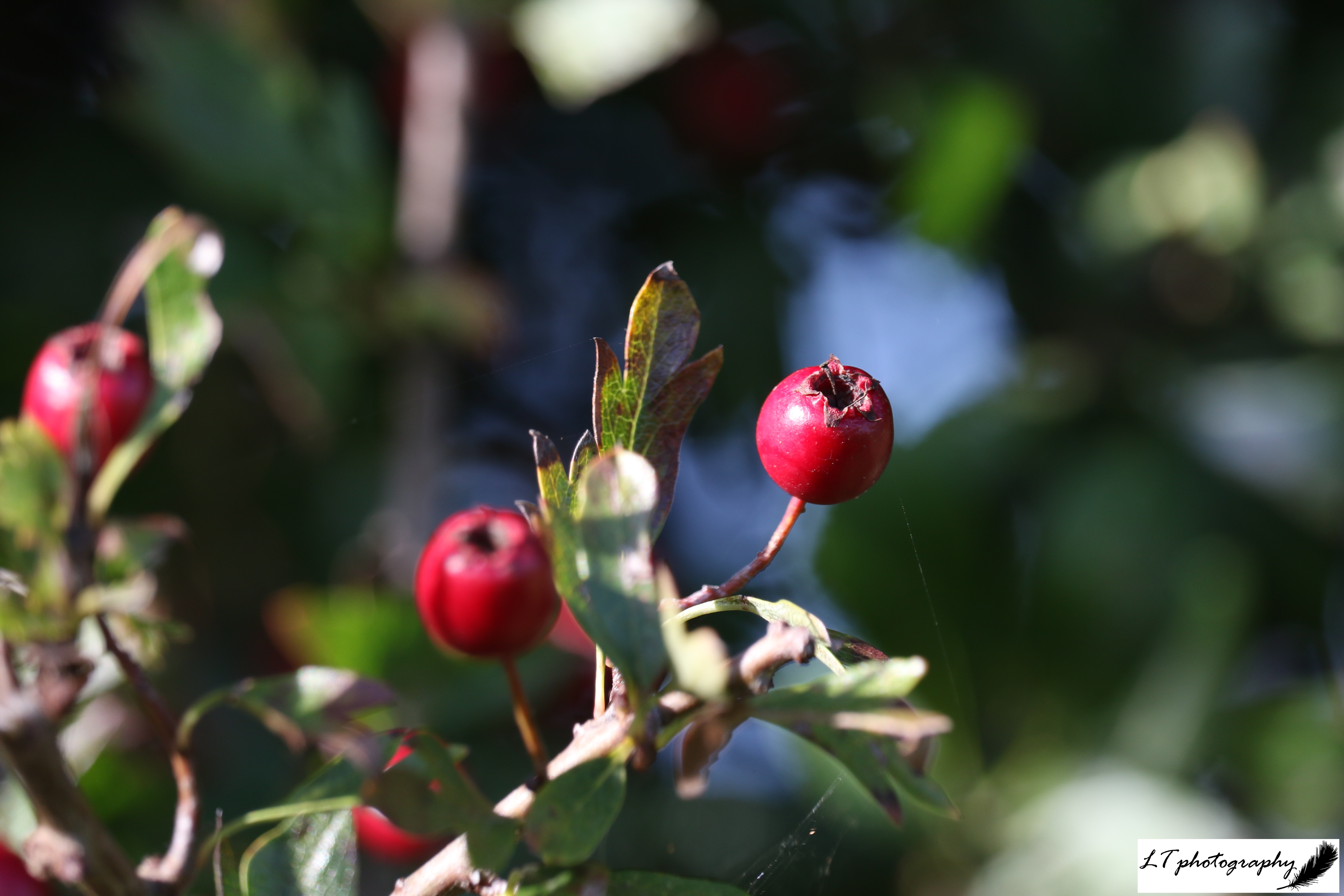
  • Fruit: Hawthorn berries, sometimes known as haws, are edible but their single seed is toxic to humans. They ripen to a bright red, is likened to over-ripe apples in taste, and are used to make jams, jellies and wines
  • For Wildlife: Important source of food during autumn and winter for small mammals and birds, including Blackbirds and Redwings
  • How to Identify: Shiny leaves that are oval-shaped with deeply cut lobes; thorny stems and twigs; white fragant flowers with 5 petals fading to pink
  • Autumn Facts: One of the main uses of Hawthorn is to treat high blood pressure, widening blood vessels and increasing blood flow 

Blackthorn (Prunus spinosa)

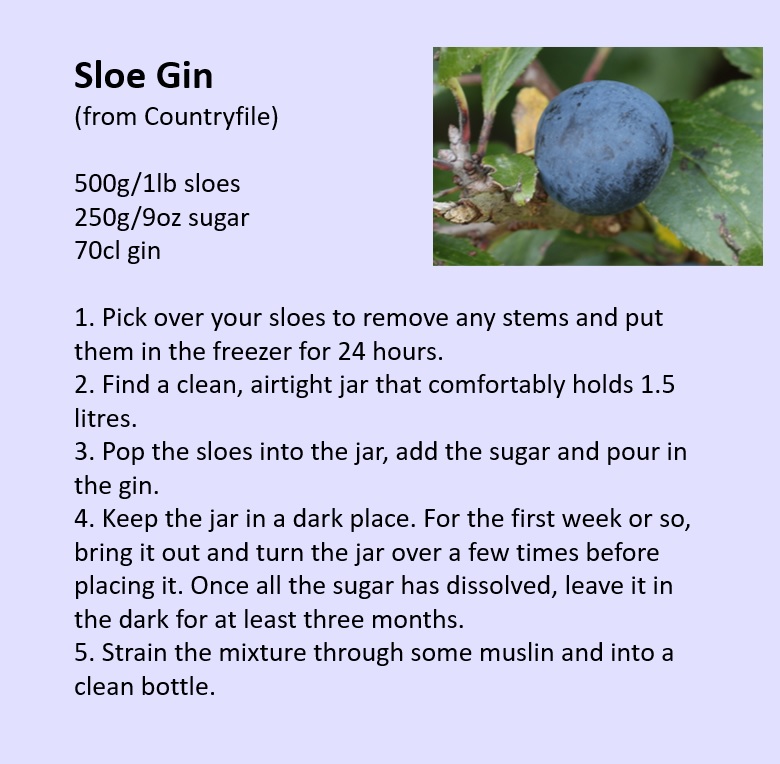
  • Fruit: Produces edible, but tongue-numbing, sloes which are small blackish plums with a bluish powdery surface. Popular to flavour gin!
  • For Wildlife: A feast for birds in autumn and winter that help to disperse the plant’s seeds
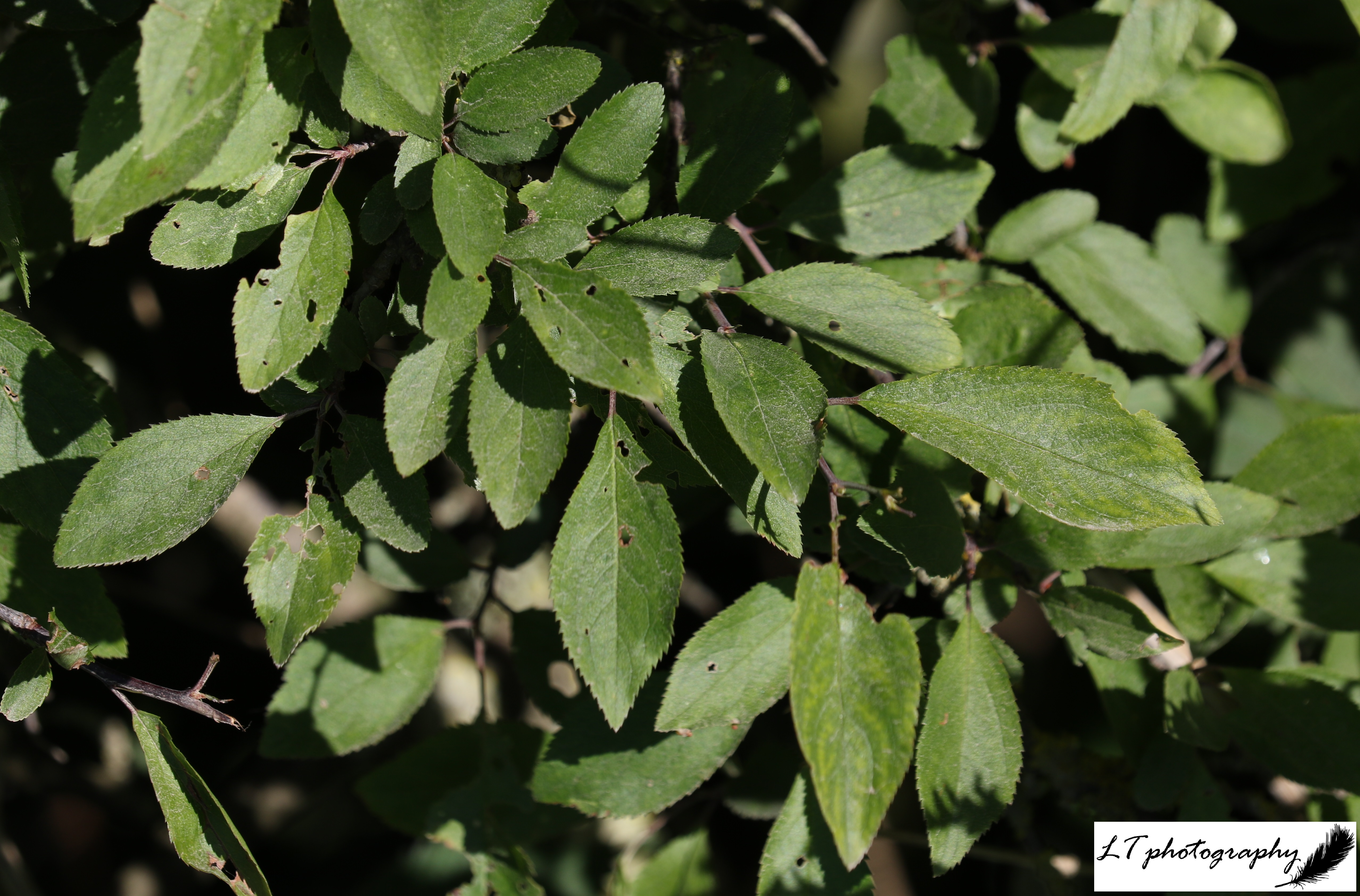
  • How to identify: Oval-shaped leaves with toothed edges and tapering to a point; blackish, thorny stems and twigs; snow-white and 5-petalled flowers with red-tipped anthers in the centre
  • Autumn Facts: Sloes are rich in vitamin C and have been used to treat stomach disorders, blood purification, teeth whitening, and even gum problems

Recipe:

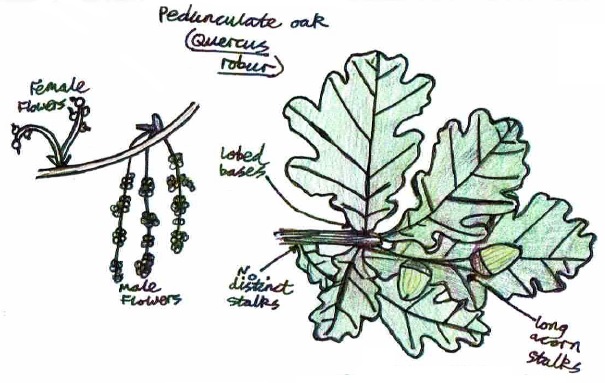
Pedunculate Oak (Quercus robur)

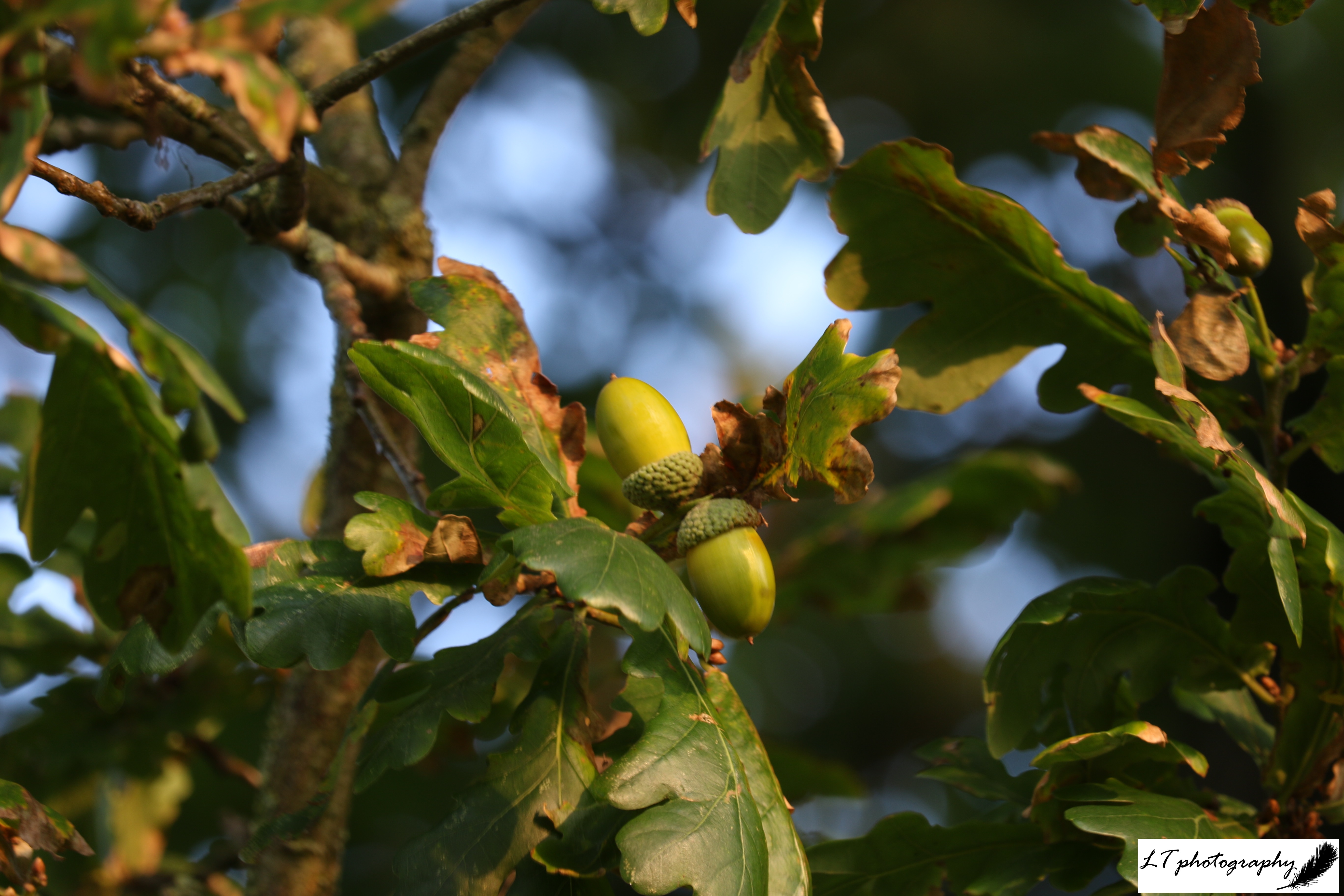
  • Fruit: Produces the familiar acorn, with scaly cups and clusters carried on long stalks. Contain tannins that are toxic and bitter to humans, but can be leached out to make edible
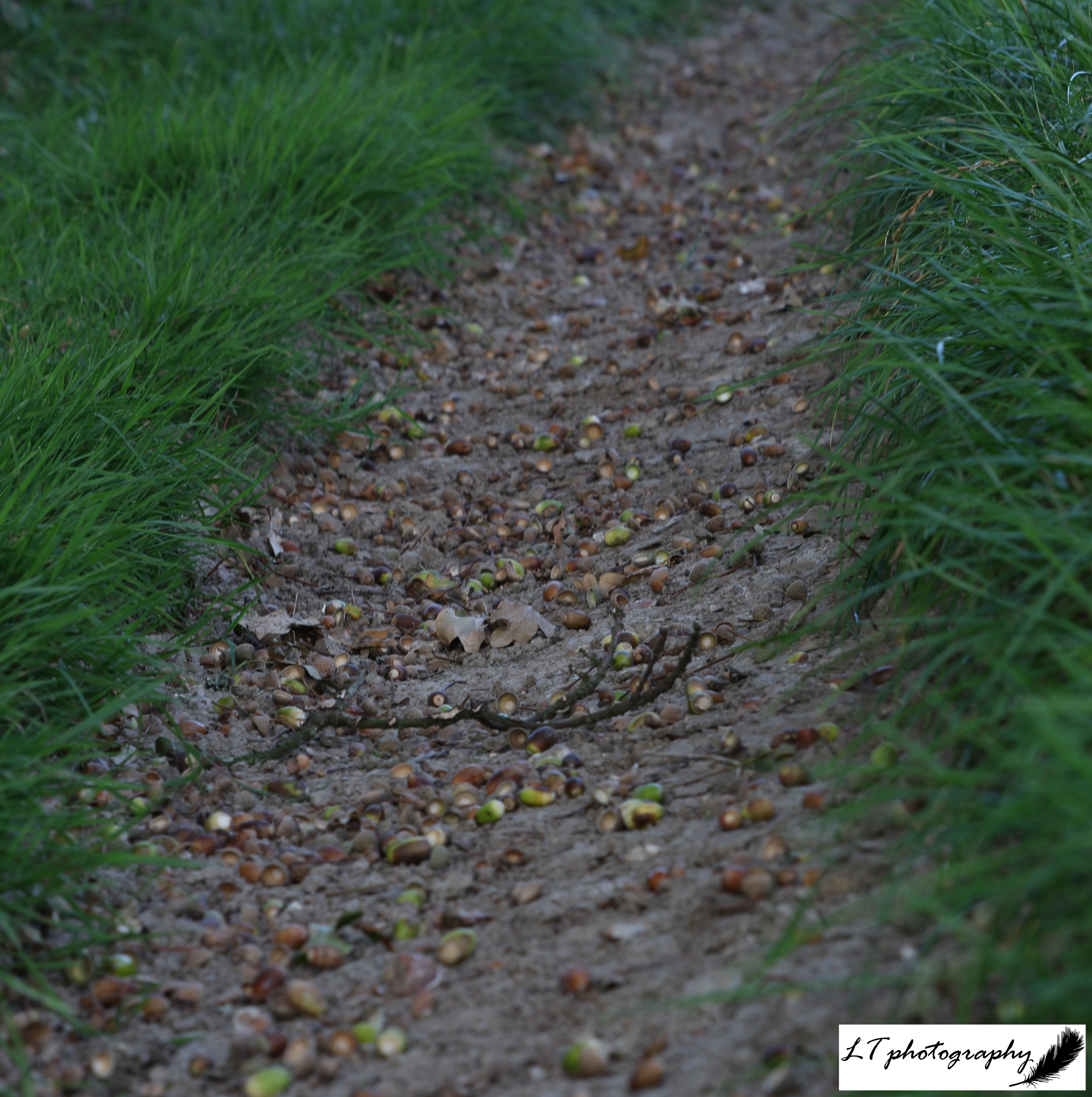
  • For Wildlife: An important rich source of food for species such as Jays, Mice, Squirrels and Badgers, often being cached for winter
  • How to Identify: Large, oblong leaves, broader at the base and lobed, turning brown in autumn; massive rugged grey-brown trunk and broad crown; yellow-green catkins in spring
  • Autumn Facts: The most important texts in British history, such as the Magna Carta, were written in Oak gall ink

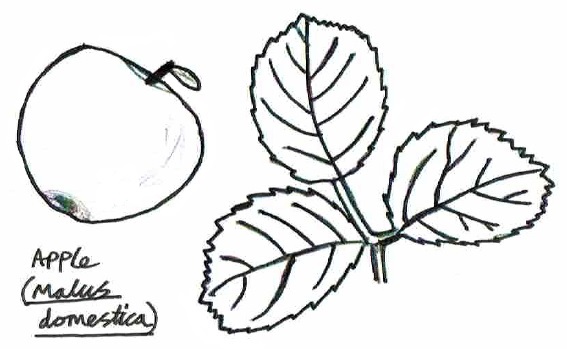
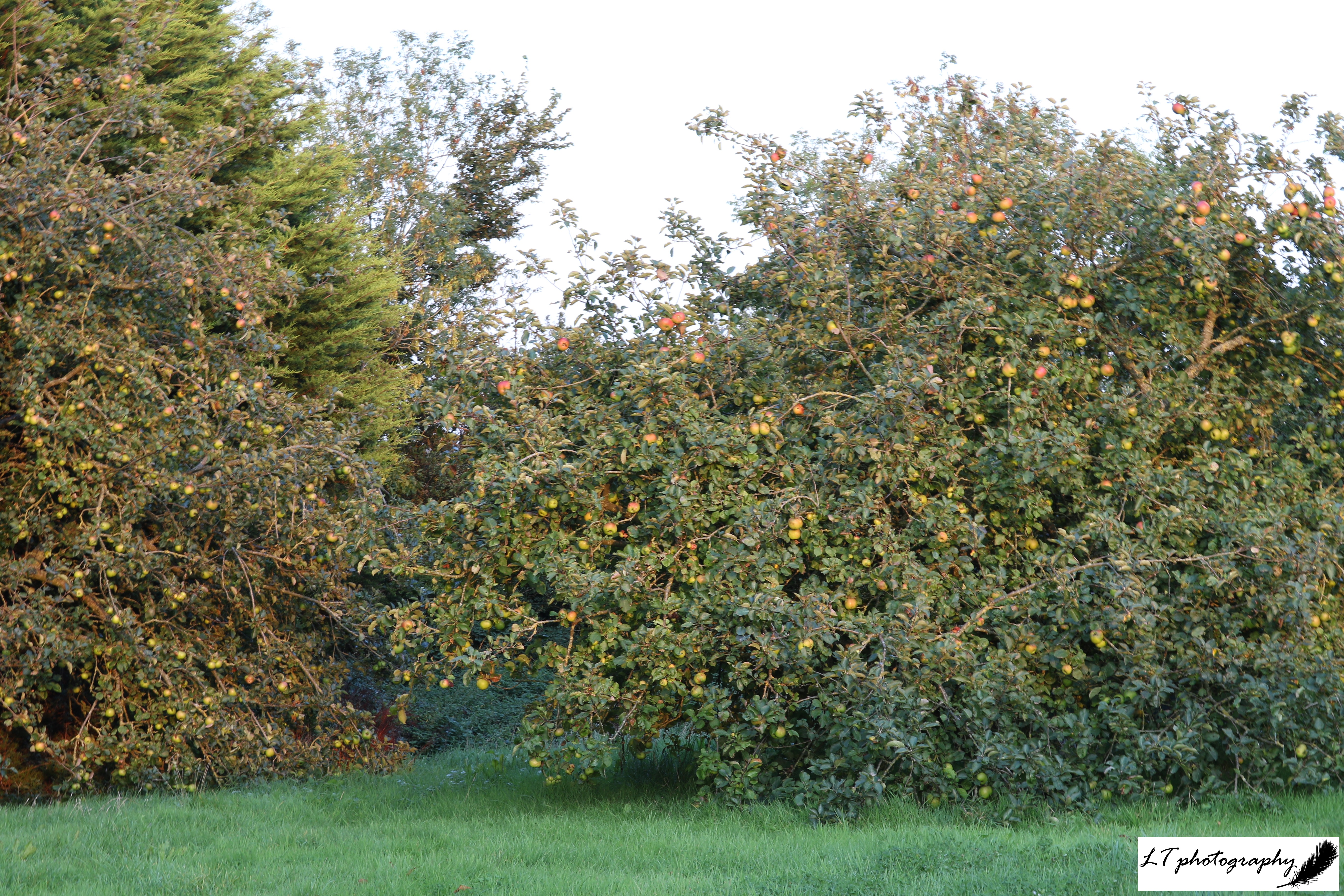
Apple (Malus domestica)

  • Fruit: Though not native to the UK, domestic Apple trees produce the popular apple which is now cultivated across the globe
  • For Wildlife: Apples are not just for humans, being a popular food source for wildlife too. Birds, such as Thrushes, and mammals, such as Badgers, feast on the fallen and ripening fruit
  • How to Identify: Dark green and typically oval-shaped leaves with toothed edges, and hair underneath; flowers are five-petalled and pink to white in colour
  • Autumn Facts: Most apples are still picked by hand and the world’s top apple producers are China, United States, Turkey, Poland and Italy

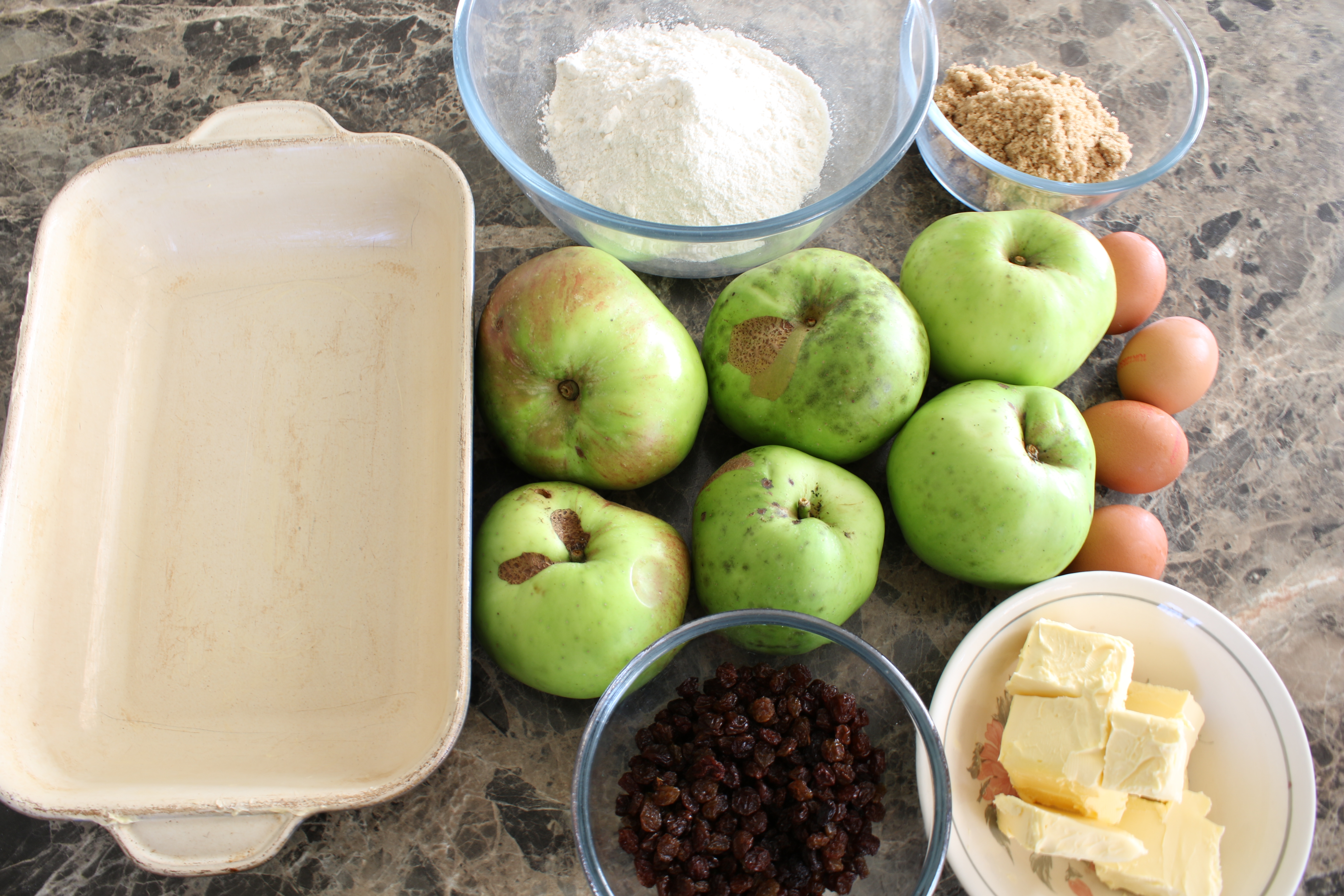
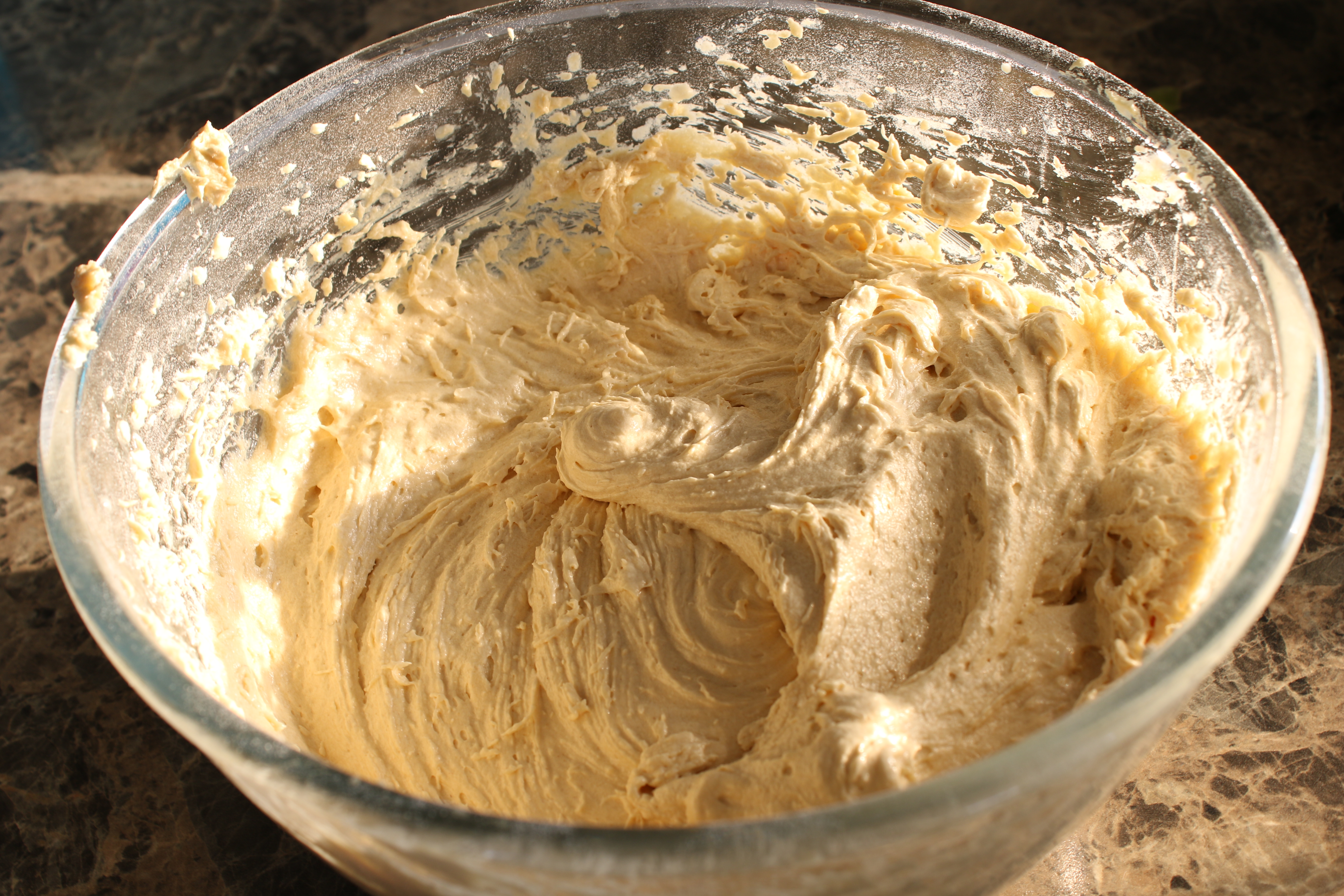
Recipe:

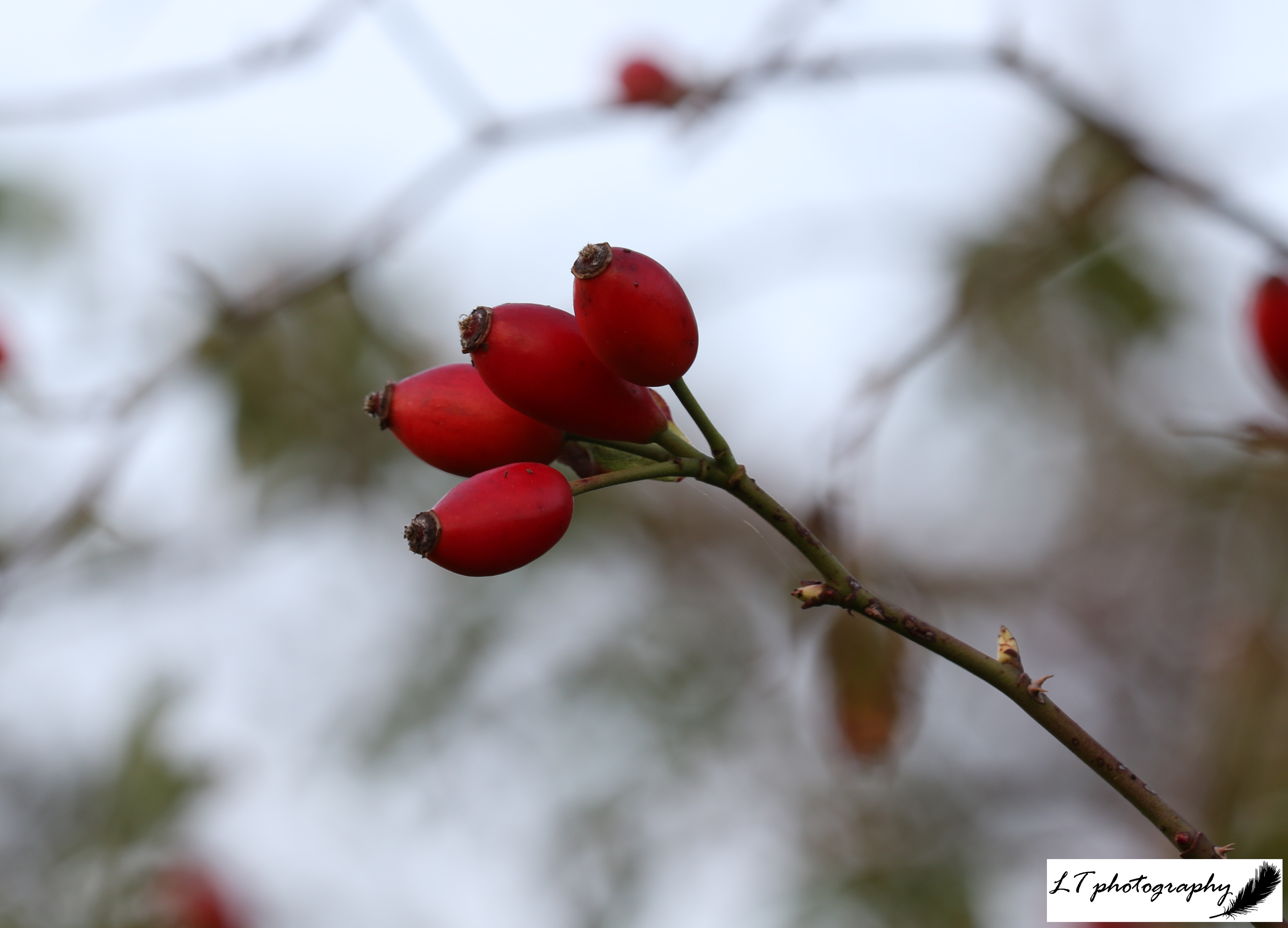
Dog Rose (Rosa canina)

  • Fruit: Berries known as hips, that are edible, egg-shaped and bright red. Popularly used for a wide range of food and drink
  • For Wildlife: The hips are eaten by fruit-eating birds, such as Fieldfare and Waxwings, and small mammals, such as Bank Voles
  • How to identify: Dark green and oval-shaped with toothed edges and tapering to a point; arching stems with broad-based strongly hooked prickles; flat and fragrant white or pale pink flowers with large petals and hairless stalks
  • Autumn Facts: It is a valuable medicinal plant, with the hips being made into a vitamin C rich syrup for children (20 times the amount that is in orange juice)

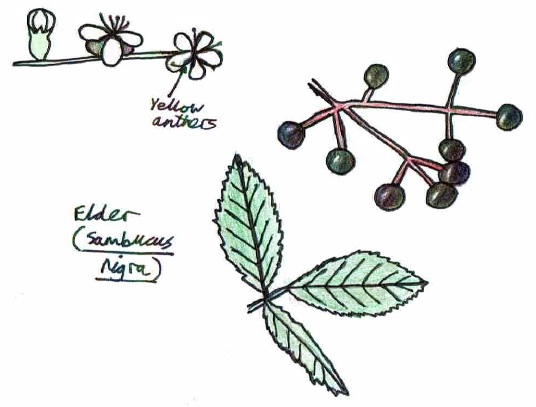
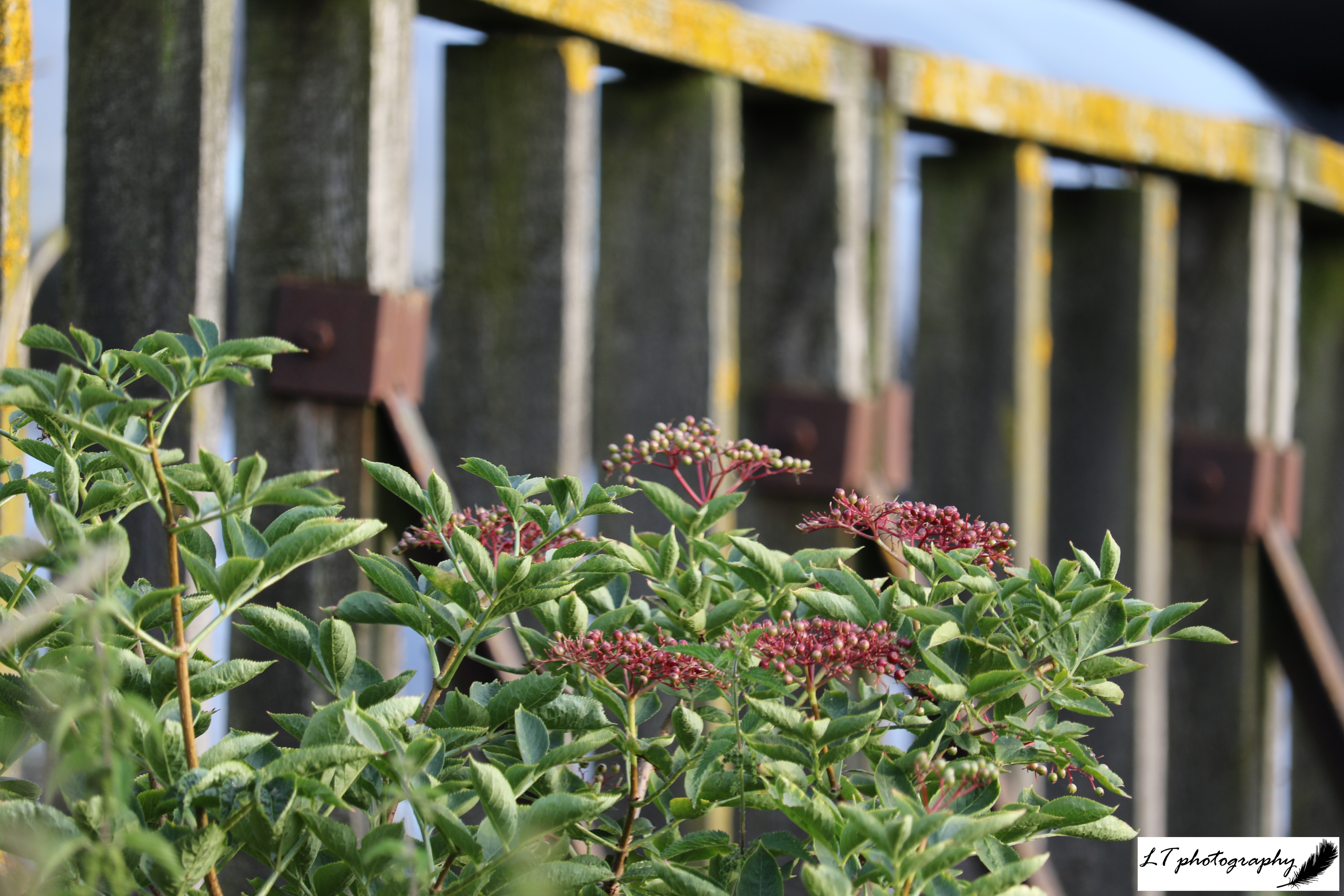
Elder (Sambucus nigra)

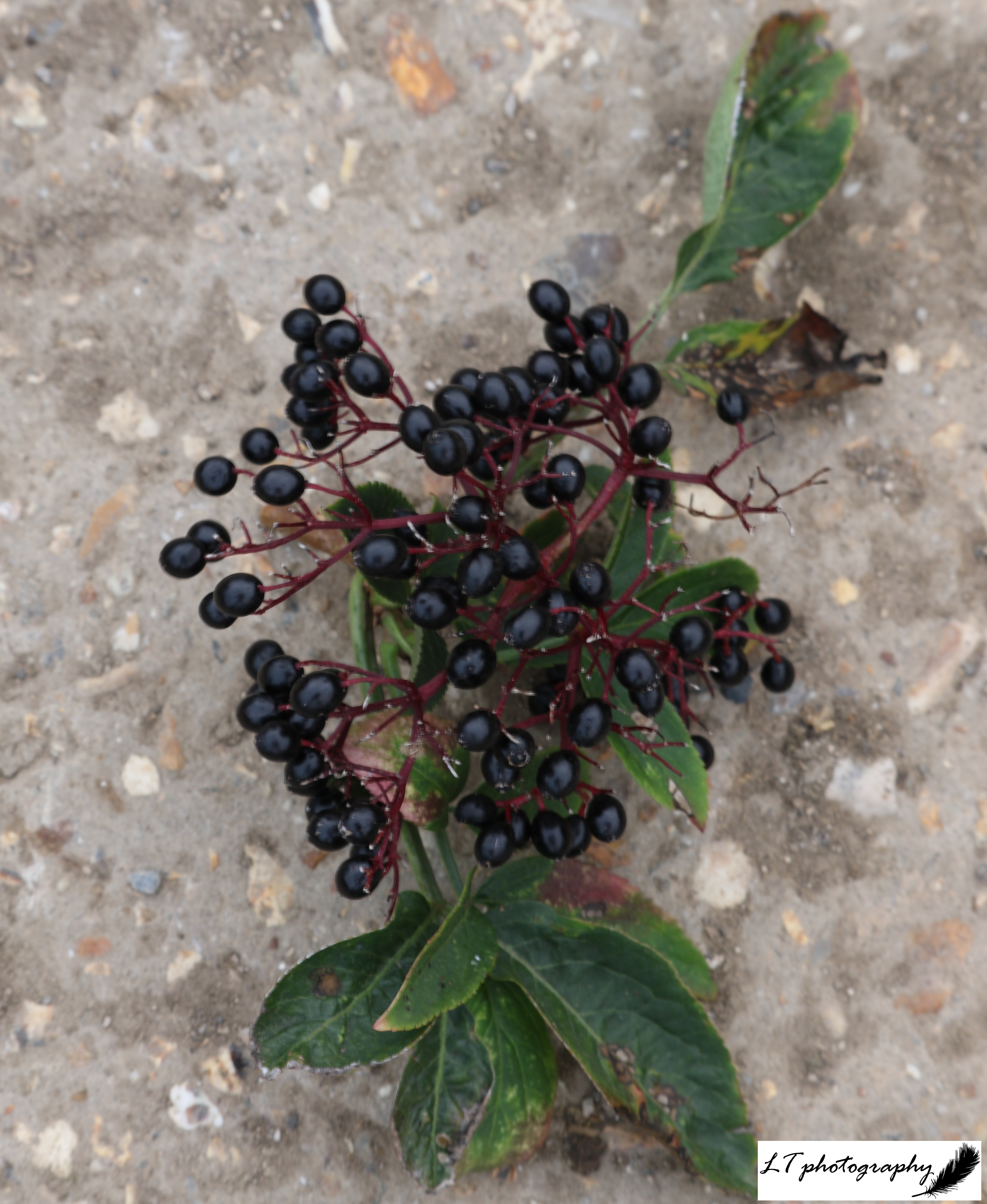
  • Fruit: Juicy edible purplish-black berries, known as elderberries, that are used to make a variety of wines, juices, jams and jellies
  • For Wildlife: The berries are eaten by both birds and small mammals, from Whitethroats to Dormice
  • How to identify: Long, dark green oval-shaped leaves with finely toothed edges and tapering to a point; strong smelling bark that is corky and fissured; white, small and fragrant flowers in flat-topped clusters
  • Autumn Facts: One of the most commonly used medicinal plants across the world, from Native Americans using it to treat infections to the Egyptians using it to improve their complexions and heal burns

Recipe:

Spindle (Euonymus europaeus)

  • Fruit: Spindle berries are toxic to humans, with a laxative effect. They are highly distinctive, with 4-lobes and being bright coral-pink
  • For Wildlife: Provide food for a variety of species including mice, birds and even Foxes
  • How to Identify: Shiny oval-shaped leaves with finely toothed edges and tapering to a point that turn distinctively pinkish-red in autumn; deep green 4-sided twigs darkening with age; greenish-white 4-petalled flowers in clusters
  • Autumn Facts: Spindle is at its best and most colourful during autumn with warm leaves and berries

Golden days of autumn

As we ease into the holiday season and creep closer to the closing of the year, it is time to contemplate and reflect, be thankful for what we have, and celebrate what is important to you. Looking outwards during this time, to the world beyond the window, autumn has now also made its departure. Skeletal trees, howling gales, freezing temperatures, and dormancy characterise the landscape, though there are hidden gems to be found. As you cuddle up in your home on this cold winter’s evening, let us now remember back to those golden days of autumn.

Autumn as it happened

When I think of autumn, the first thoughts that come to mind are dazzling colours, falling leaves collecting in drifts on the ground, bountiful fruit, and migrant birds passing through. Though my favourite season tends to be blossoming spring, autumn is a time that is often the favourite of many. Each season has something special to offer and autumn is no different!

This year autumn has been a bit more unpredictable and turbulent in its advancement than many other years, being the 5th wettest english autumn since records began. Despite this, it has mainly progressed in the traditional fashion.

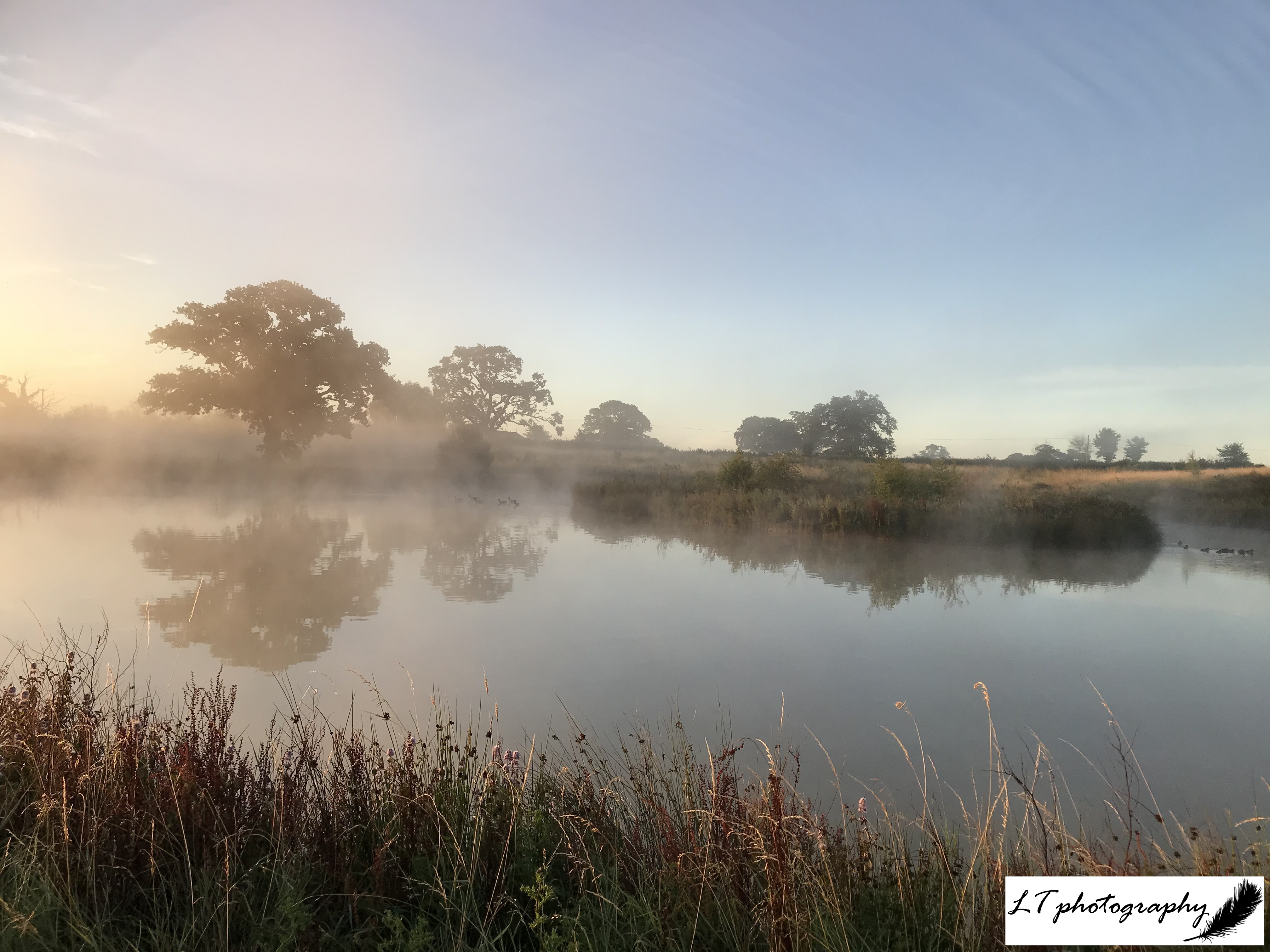
September saw evening temperatures drop, the start of misty mornings with spider webs shining with dew, ripening fruit and nuts, grey squirrels beginning to cache food, the emergence of the first autumn fungi, and the start of birds moving through.

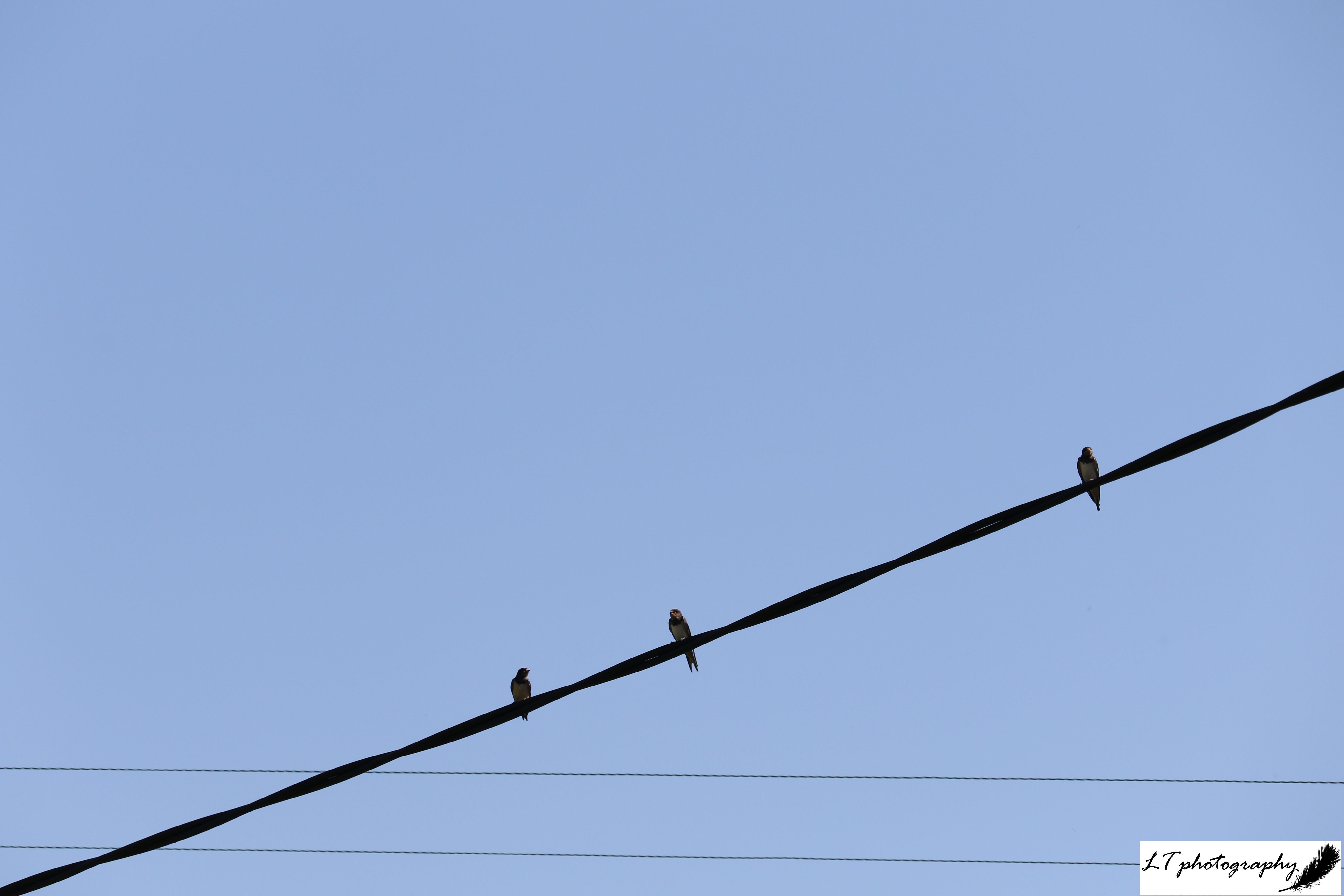
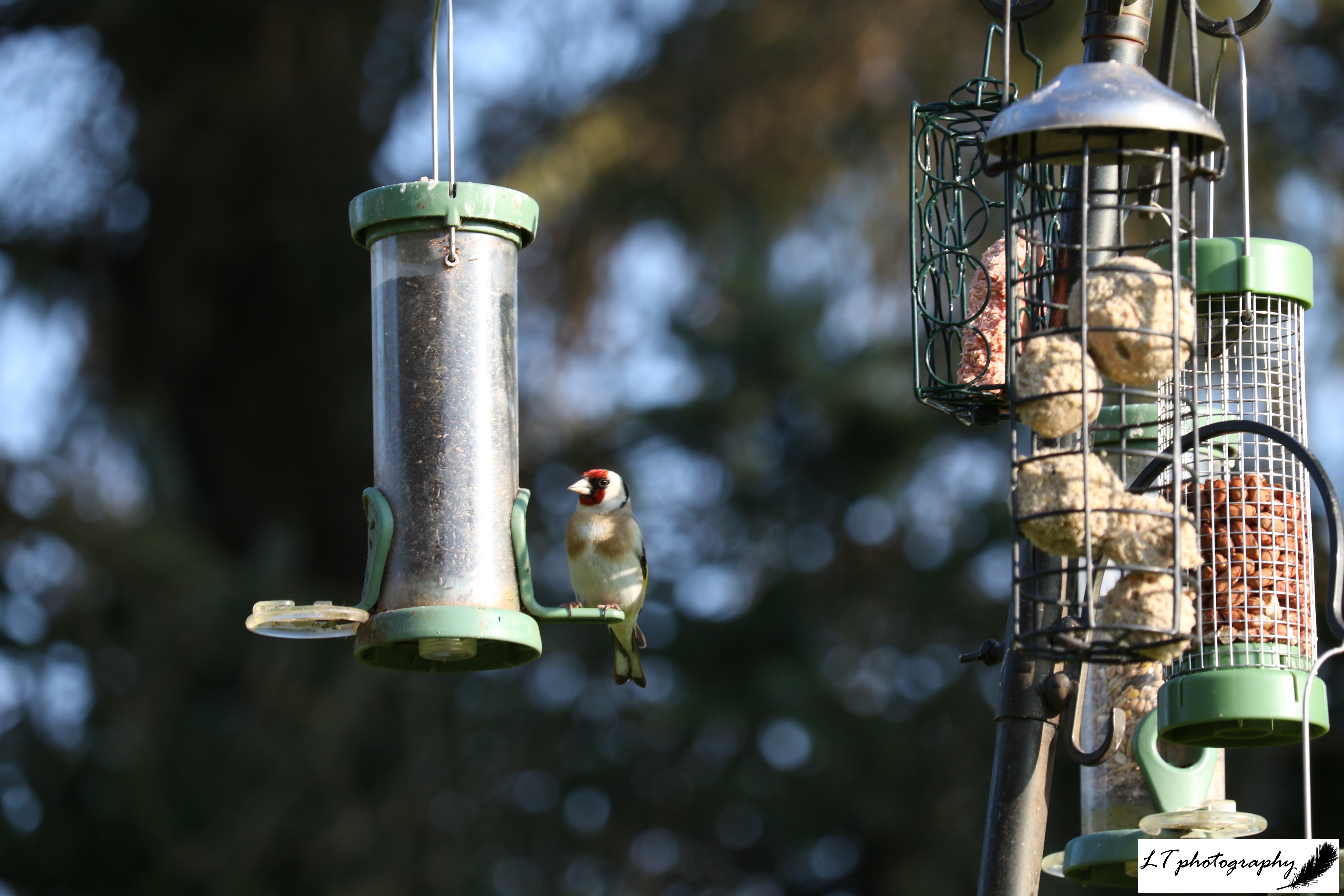
October saw the trees beginning to change, becoming decked out in resplendent colour, fungi in abundance, the buzz of late insects such as wasps and honeybees, goldfinches harvesting seeds from thistles and teasels, fallen acorns becoming available as a valuable food source, the squawks of jays collecting nuts, and by the end of the month most migrants had moved on.

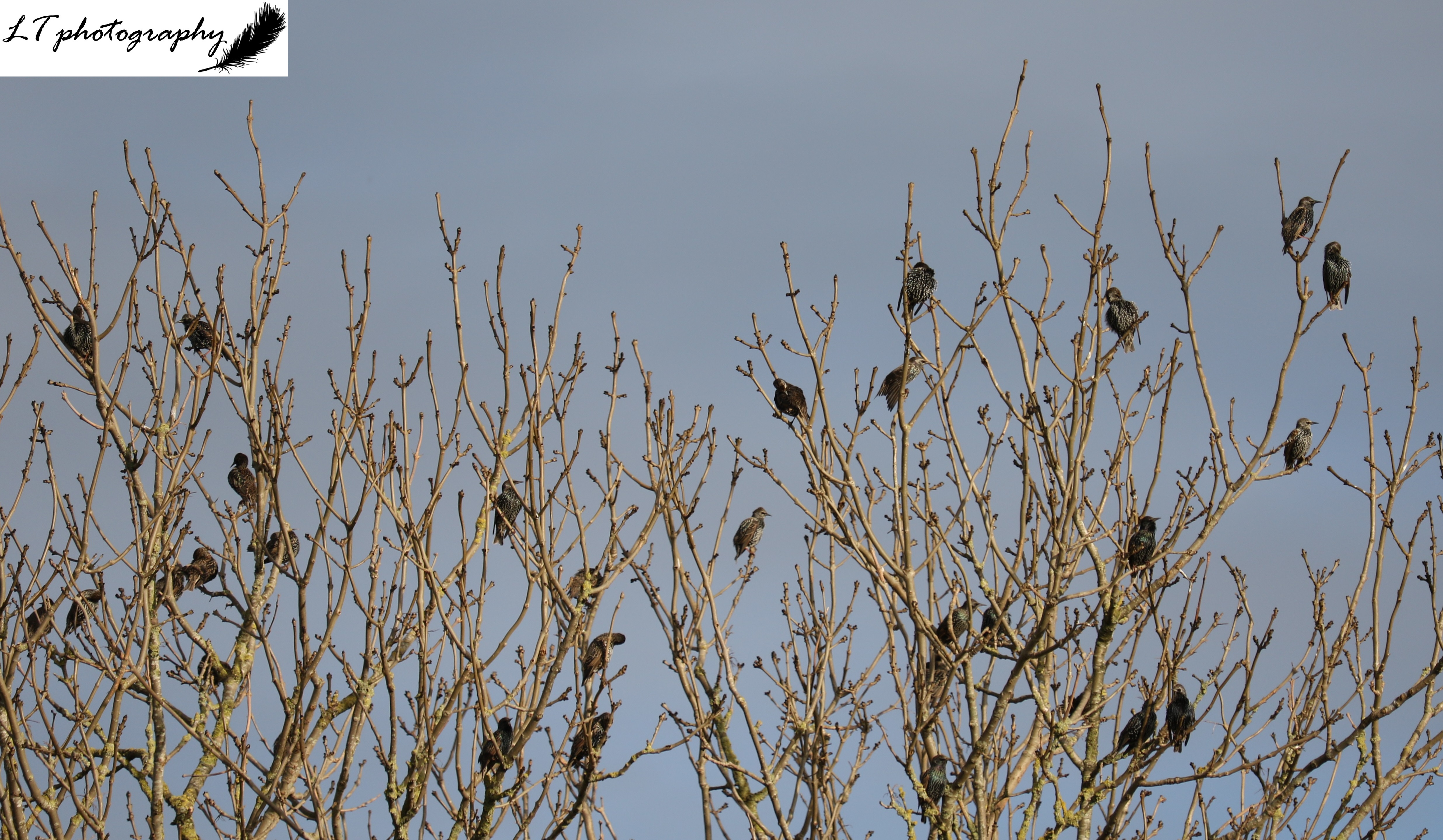
As the season of decline and decay moved on also, November saw oak trees in colour, other trees losing their leaves on mass, cackling fieldfare in the hedgerows, withering bracken, plentiful ripe seeds and fruit, redwings making their return, wildfowl and wading birds settling in for winter, thrushes and blackbirds harvesting fruit, winter flocks forming as they scavenge in bushes and along hedgerows, and lengthening nights.

By the end of November, most of the trees and hedgerows were bare of leaves, conditions were cooler, frost and fog were more common in the mornings, and winter was on its way.

A day in the woods

As part of my celebration of autumn this year, I made a visit to my favourite local woods. On this October trip, I spent time being mindful, capturing the world around me through words and through a lens.

‘As I step into the woods, it is noticeable how the vegetation is beginning to die away, though the ferns still stand sentinel over the woodland floor. Looking closer though, fungi is dotted everwhere. Small capped mushrooms stand only a couple of centimetres tall, whilst larger and more exquisite shapes stand taller and hang from the trunks of trees.

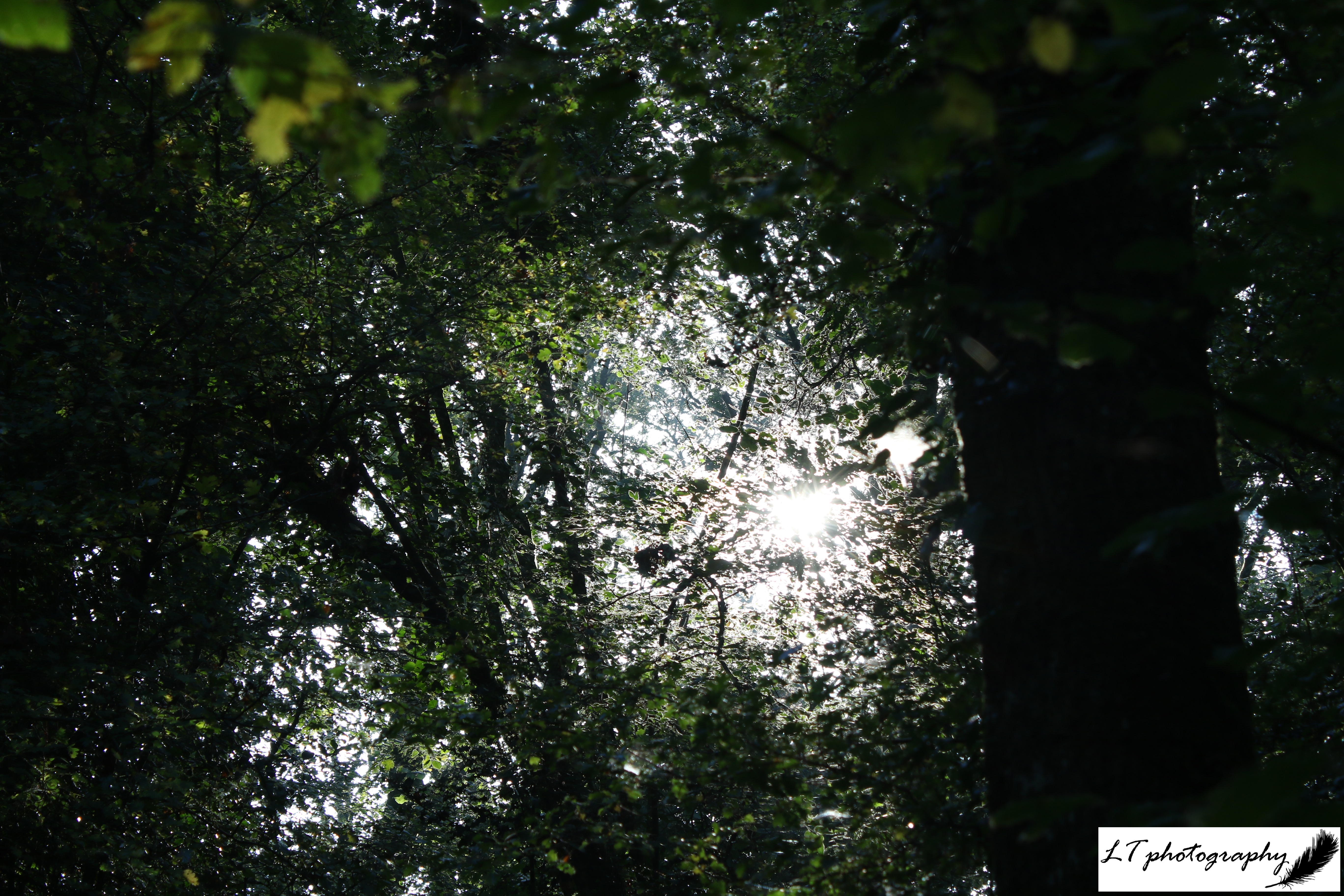
A nuthatch lands on a branch above my head. I look up and see that autumn is already in full swing, with the trees working at different paces, creating a spectacular mosaic of colour from fading greens to copper and gold. The trees are beginning to lose their magnificent mantels in spectacular style. Berries adorn holly and hawthorn bushes, shining scarlet in the strained autumn light.

My other senses are also stimulated. To my nose, the forest smells fresh, though with every step the woodland floor releases an aroma of damp decay and rotting vegetation. On my exposed skin, a gentle cool breeze plays, whilst midges crawl and bite.

My ears are most active though. Long-tailed tits flit from tree to tree around me, making high-pitched calls as they feed as a family, characteristic of autumn. Robins and tits also sing their songs in the trees around, before a wren sounds its alarm call and the other birds join in. Further away, still in the forest, pheasants fight, a collared dove coos, and a jay caws its raucous call as it goes about its way, storing food for winter. Outside of the wood, I can also hear farm sounds along with crows and rooks cawing.

Though the buzz of woodland life is beginning to slow, decay and slip away, the landscape is still full of life.’

Sunlight

The science of autumn

Why do leaves change colour?

  • This process is triggered by changing day length and is sped up by increased sunlight and cooler temperatures. It occurs when pigments, such as chlorophyll, is broken down, and then transported back into the branch. The colour is produced by the remaining degraded pigments in the leaf. Different amounts of pigment left in leaves creates the different colours.

Why do birds migrate?

  • Birds migrate from areas of low or decreasing resources, such as food, to areas of high or increasing resources. It can be triggered by factors such as changes in day length, temperature, or is simply a genetic predisposition. Migration can vary from short within-country movement to long-distance migration. It is still not fully understood how birds navigate during migration, but suggestions include using landmarks or an inbuilt magnetic compass.

Starlings

How do mammals survive the winter?

  • A variety of adaptations are used during the winter by different mammal species. They grow longer, thicker coats. increase food intake to produce fat reserves, and create underground nests where they can sleep through colder days. Mammals that find it difficult to cope during the winter, such as those that eat mainly insects, instead slow their body processes down nearly to a stand still to survive. This is called hibernation with common examples being seen in hedgehogs, bats and dormice.

Rabbit

The end of autumn’s glory

This year’s autumn has been fantastically colourful trees and woodlands, incredible wildlife displays and cliche autumnal moments.

Buzzard and Pheasants

One of my highlights has to be experiencing some of the more interesting migrants that rock up on the British shores during autumn. For me these included wacky wrynecks and marvellous marsh warblers giving some exciting moments.

Now autumn 2019 has come and gone in a blaze of glory, though it was a little wet at times!

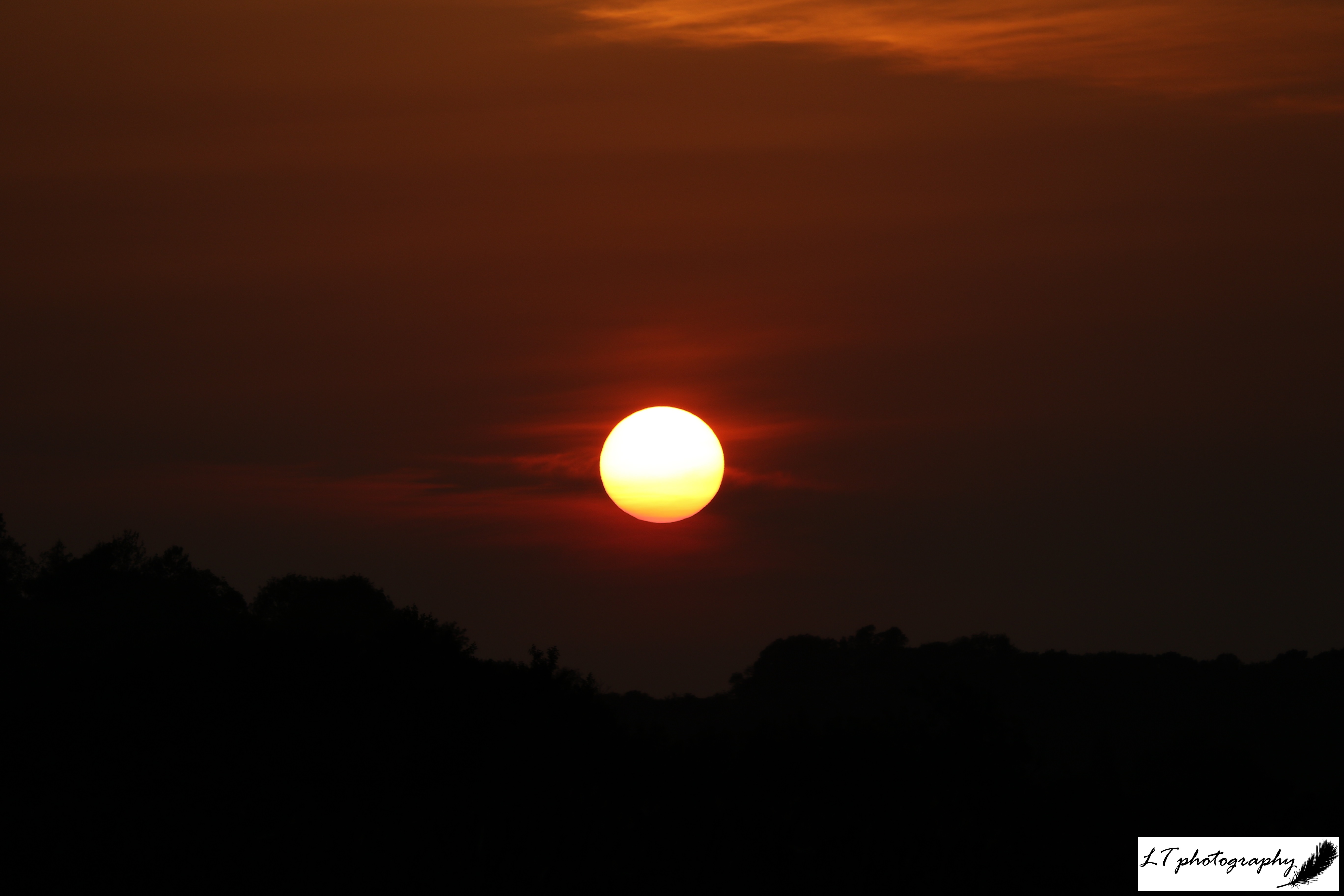
Sunset