A Naturalist in Manchester

A city of industry, Manchester is well known for its textiles, football, music, and transport links. It is lesser known though for its connection to nature, such as the city’s proud centuries-old symbol of the worker bee, and the wildlife that call the city and wider area home, from barn owls and otters to hedgehogs and peregrine falcons. With over half of urban Greater Manchester currently being made up of green or blue spaces, the city itself now aims to tackle biodiversity loss, beginning with the 2020 Edinburgh Declaration.

As Manchester works to recover and improve spaces for nature and wildlife of all shapes and sizes in an ever-changing environment, it is an interesting time to explore what the city and Greater Manchester has to offer. On a recent trip to visit my friend and fellow wildlife lover Emma Rogan in her home city (see Rural vs. Urban), I got to do just that. Through a series of different adventures, Emma introduced me to what Manchester has to offer to the naturalist over the course of a week. So what did I discover?

Didsbury Park, Didsbury

Situated in the south of the city, this modest green space has been a popular recreational spot since its redesign in the 1920s. Managed by a team of volunteers, Didsbury park meets the needs of the community with a play area, football pitch, bowling green, and cafe. Alongside the human elements, the park also puts an emphasis on providing habitats for wildlife where possible.
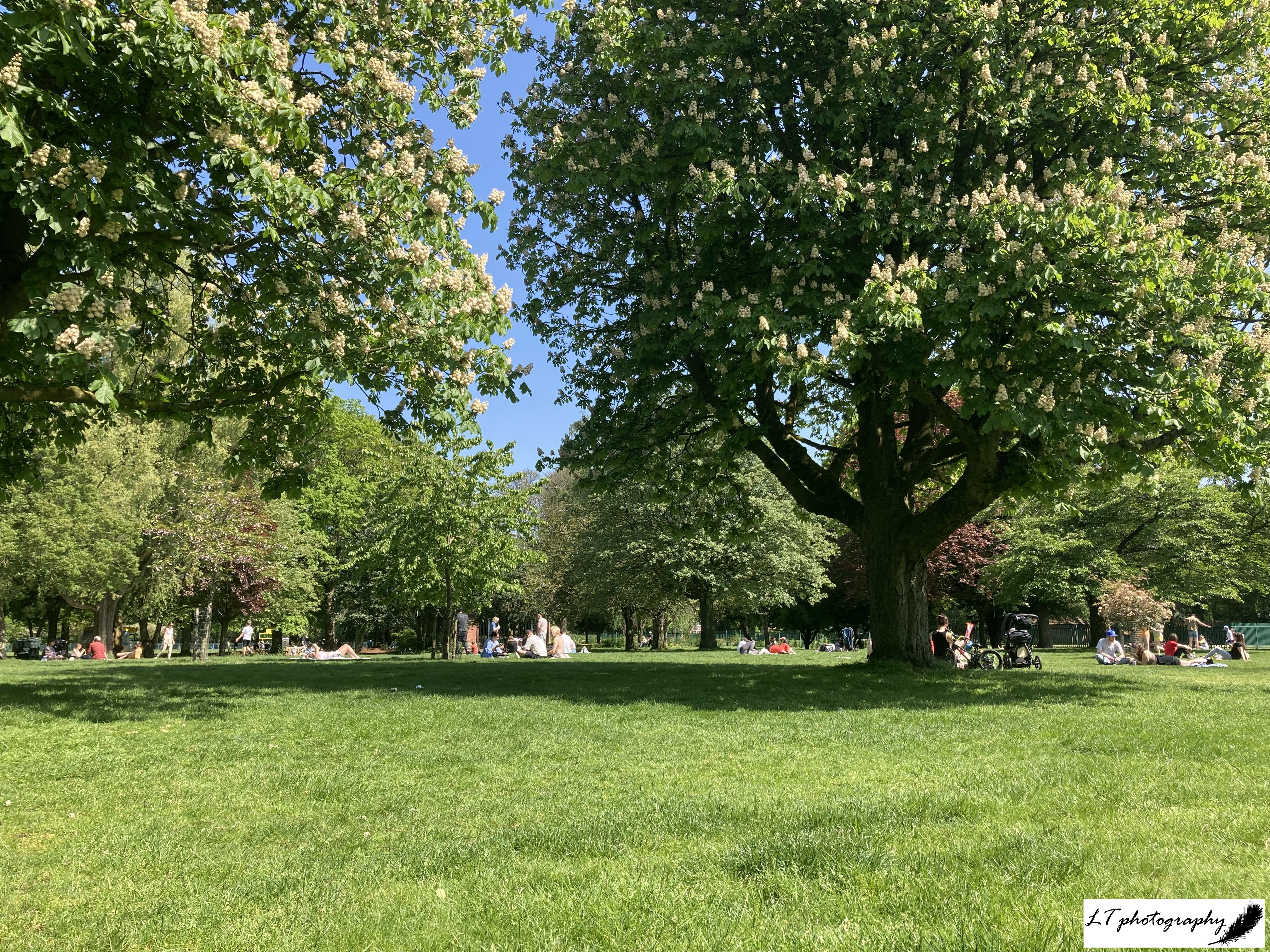
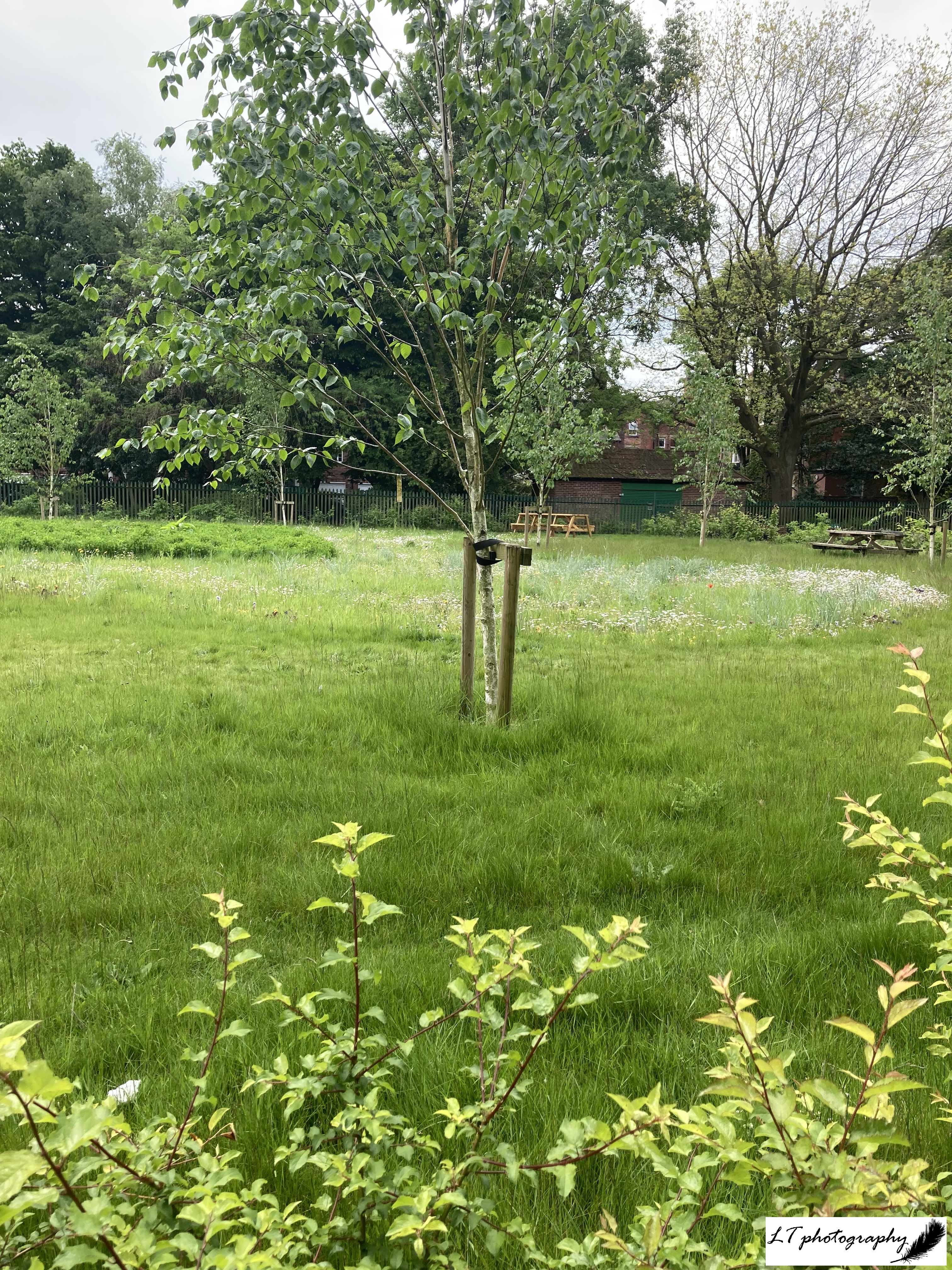
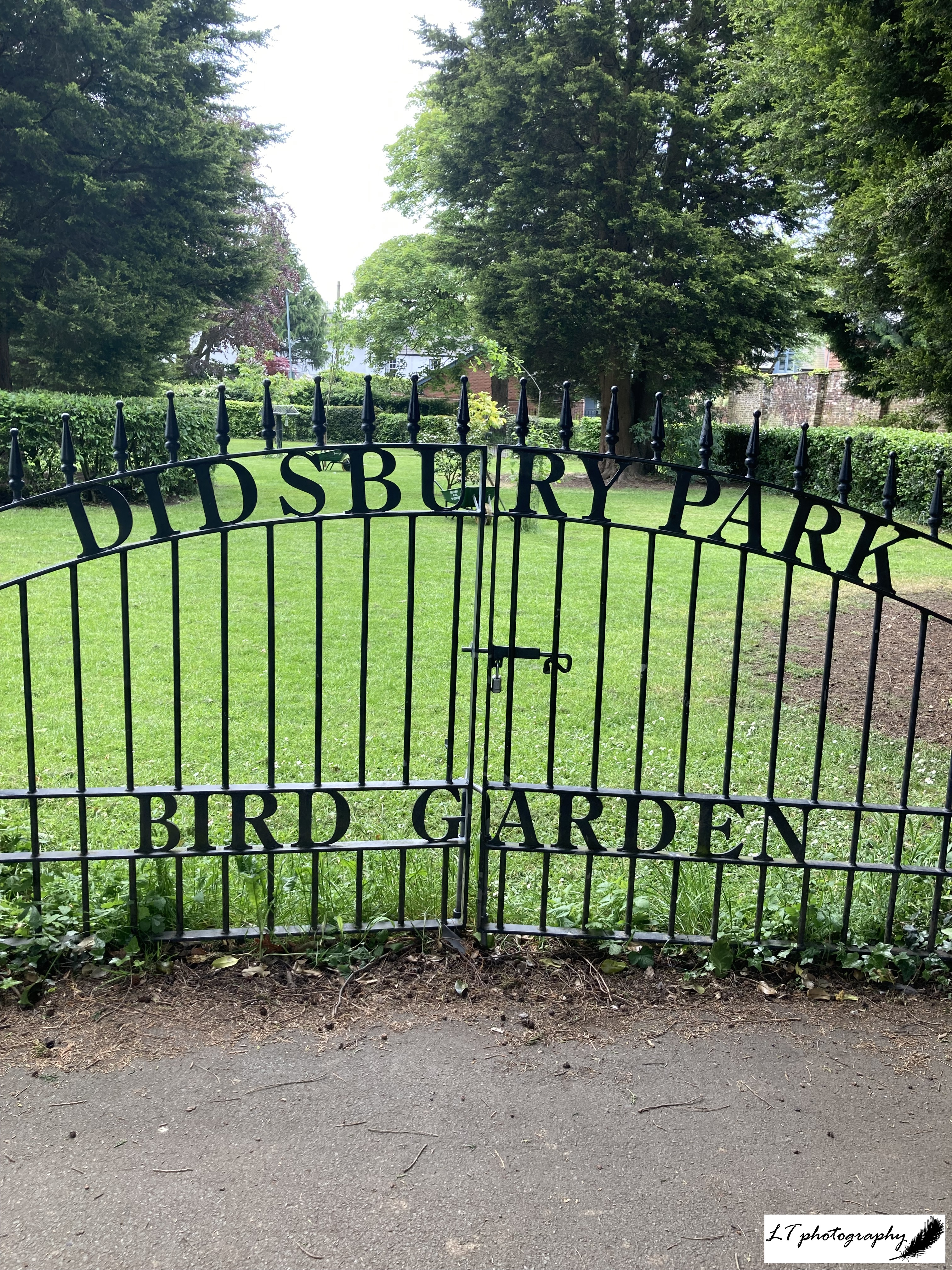
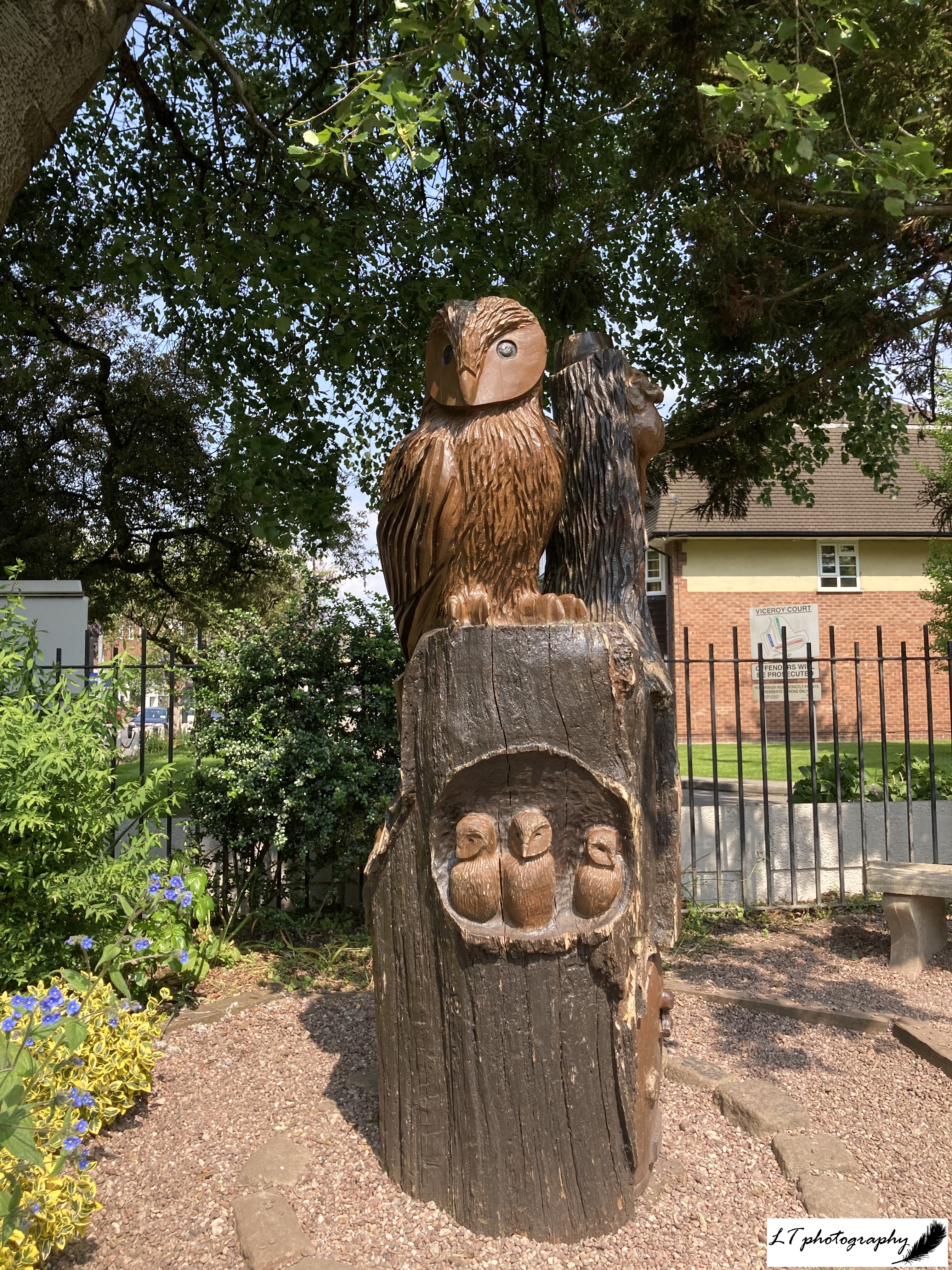
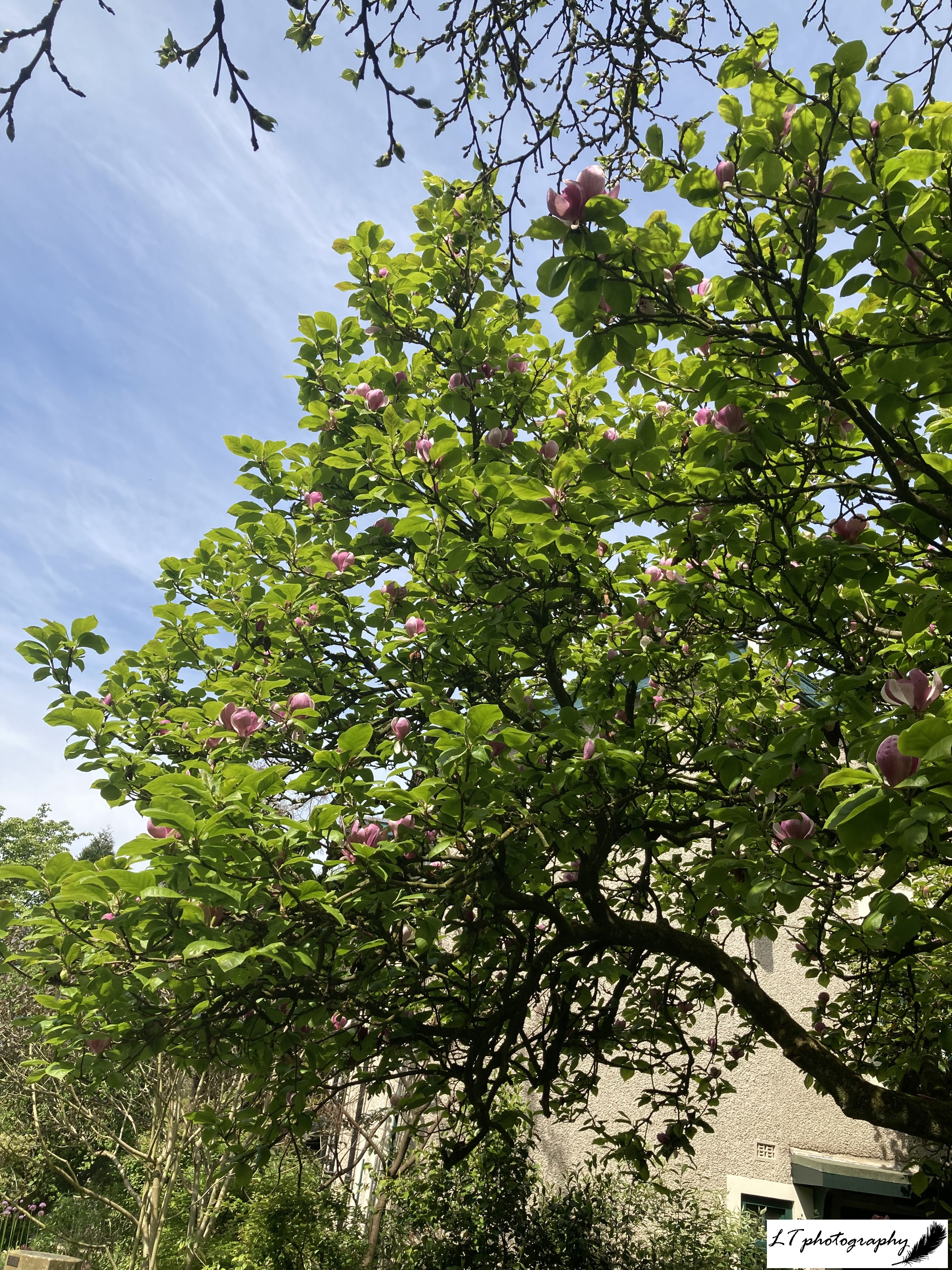
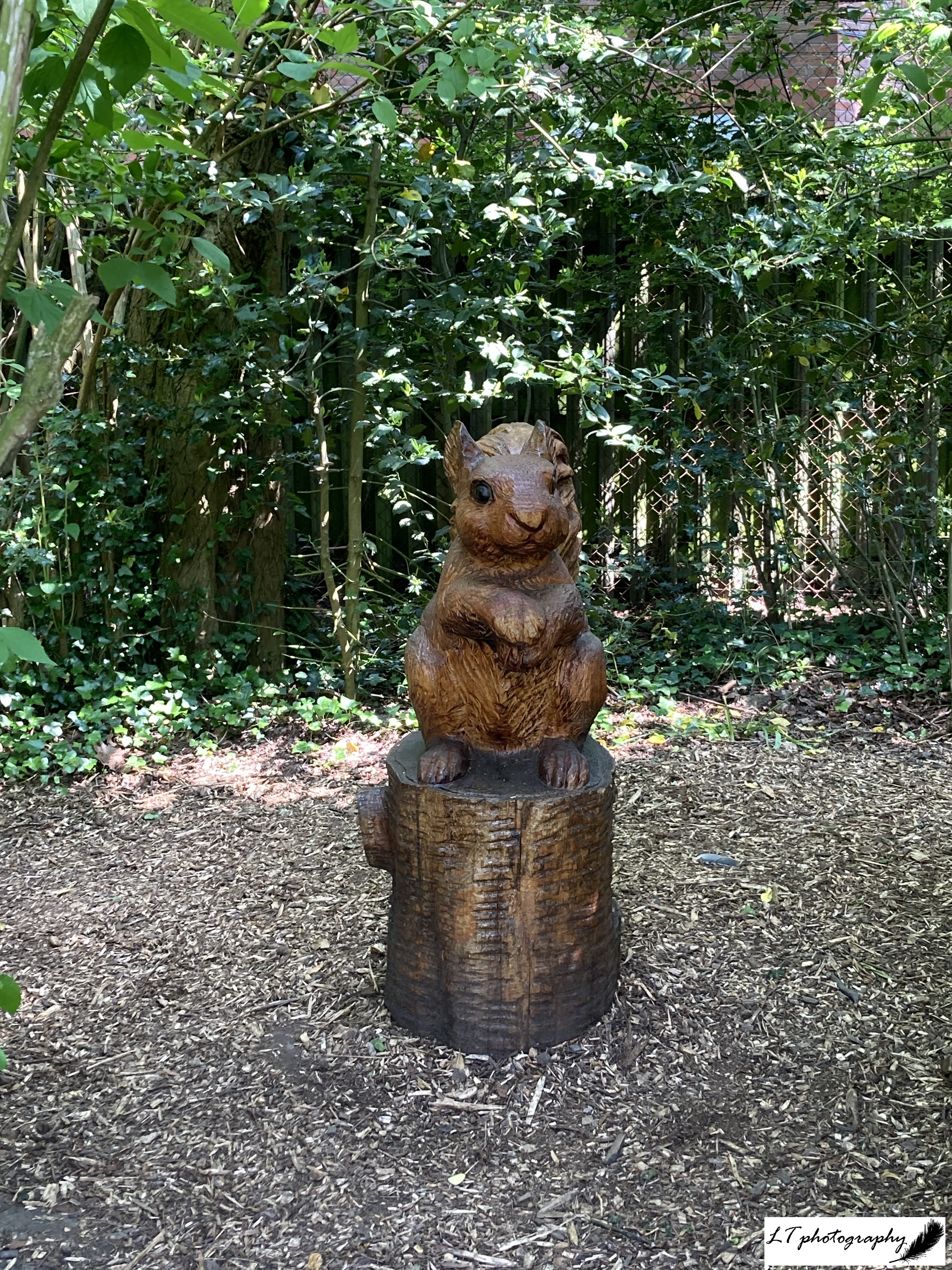
For me, when first entering the park, I took in the many flowering tree species, such as horse chestnut and wild cherry, and flowerbeds abuzz with insects. Though only a short walk to take in all the park had to offer, there were also surprises to be found. This included a wildflower meadow, wood carvings tucked away, and even a bird garden managed for different bird species, including providing food for the pair of nuthatches I saw feeding their fledged young up in the trees. The park was a lovely example of how even small green spaces are so important for city wildlife!
Fletcher Moss, Didsbury

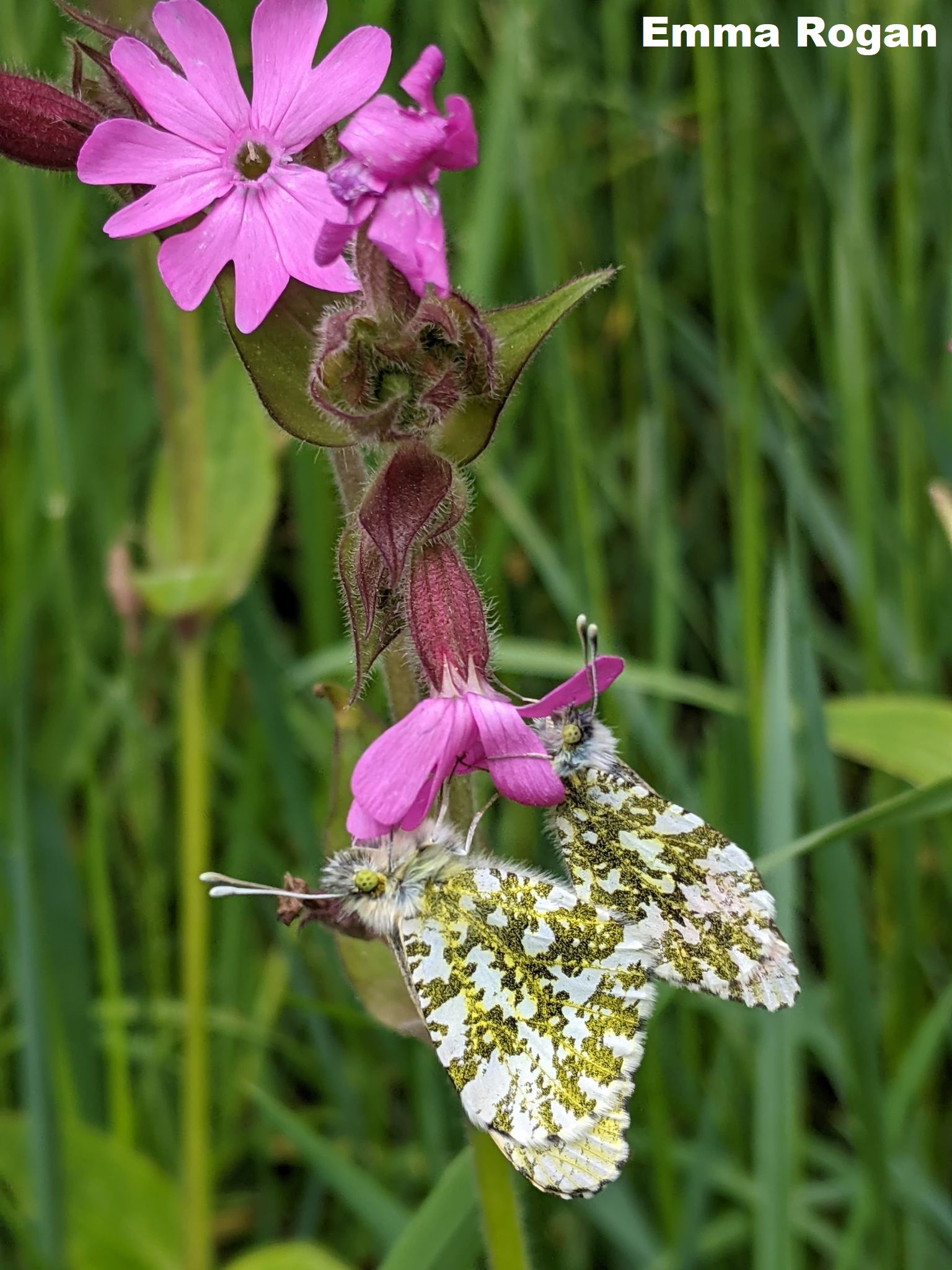
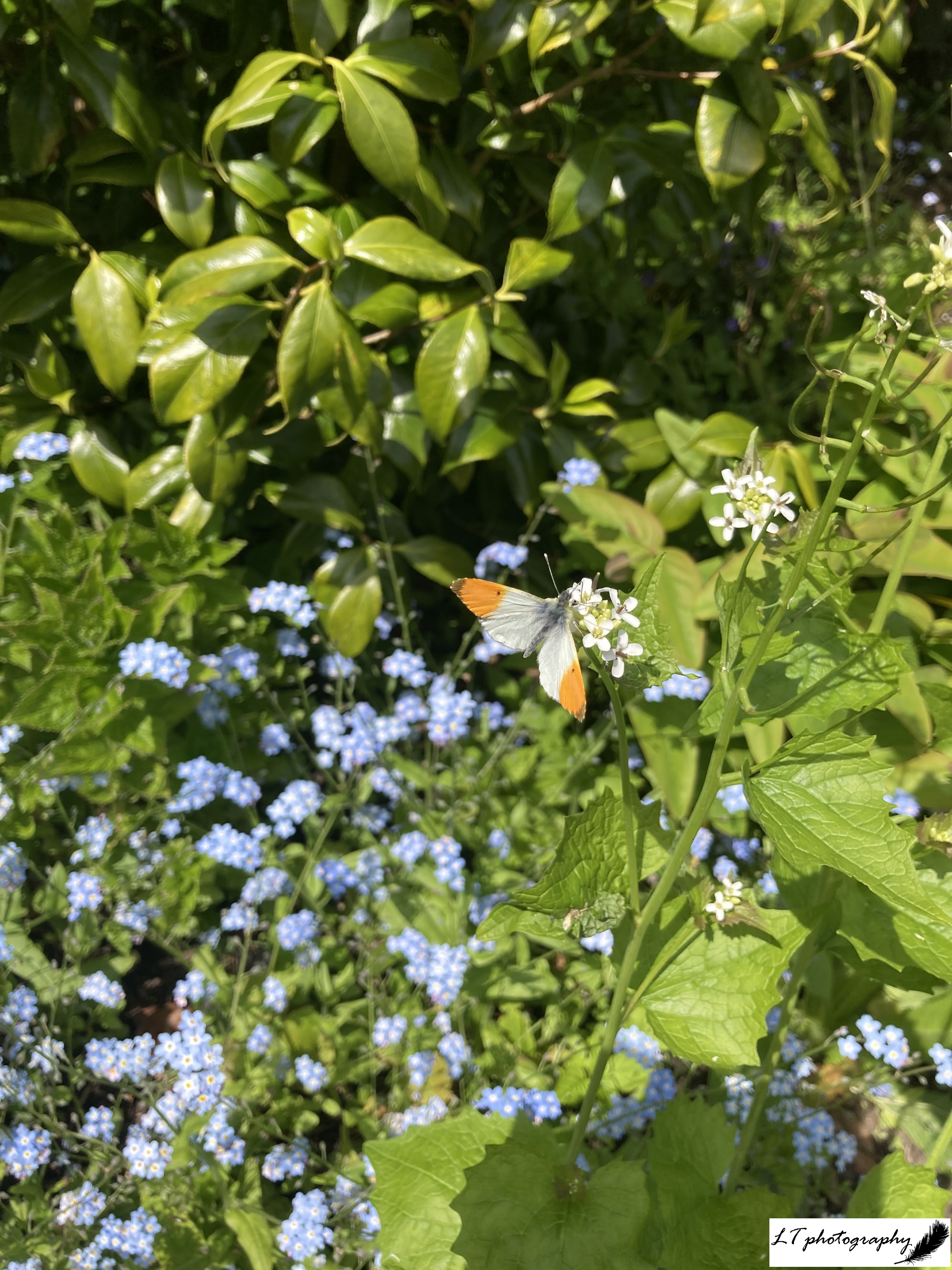
A 5 minute walk from Didsbury Park and also situated in the south of Manchester, Fletcher Moss Park is perfect for a dog walk, birdwatching, or a Sunday morning ramble. Mine and Emma’s adventure to Fletcher Moss started at the Parsonage Gardens, a tranquil area surrounding the old home of the park’s namesake Fletcher Moss. In May, the gardens were particularly spectacular with azaleas and wisteria in flower, along with flowerbeds awash with colour and alive with bees and orange-tip butterflies. Walking on past compost heaps and an alpine greenhouse, we made our way out on to Stenner Lane.

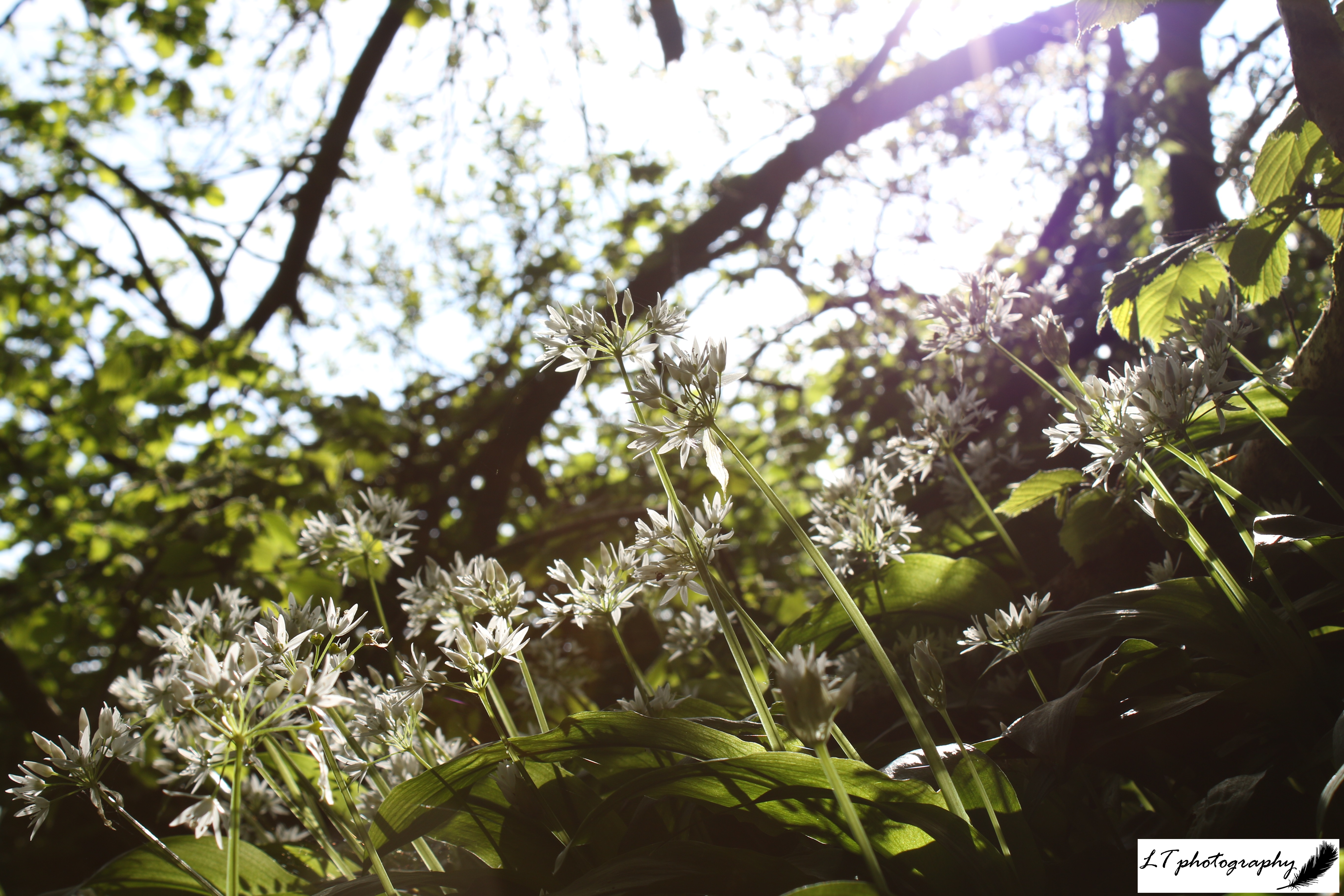
After a short walk, we left the lane behind with its swathes of wild garlic and sights of the magnificent poplar avenue, to join the banks of the meandering River Mersey. Along it’s stretches, we came across Simon’s Bridge constructed in 1901, and a whole host of wildlife, all with a backdrop of the noise of the M60 close by. Though the river had much wildlife on offer, such as colourful brimstone butterflies, on this part of the walk I was most interested in the bird species to be seen. This ranged from the city specialists, such as ring-necked parakeets and magpies, to smaller species, such as great tits, dunnocks and chiffchaffs, and water birds, such as canada geese, mallard ducks and even a female goosander.

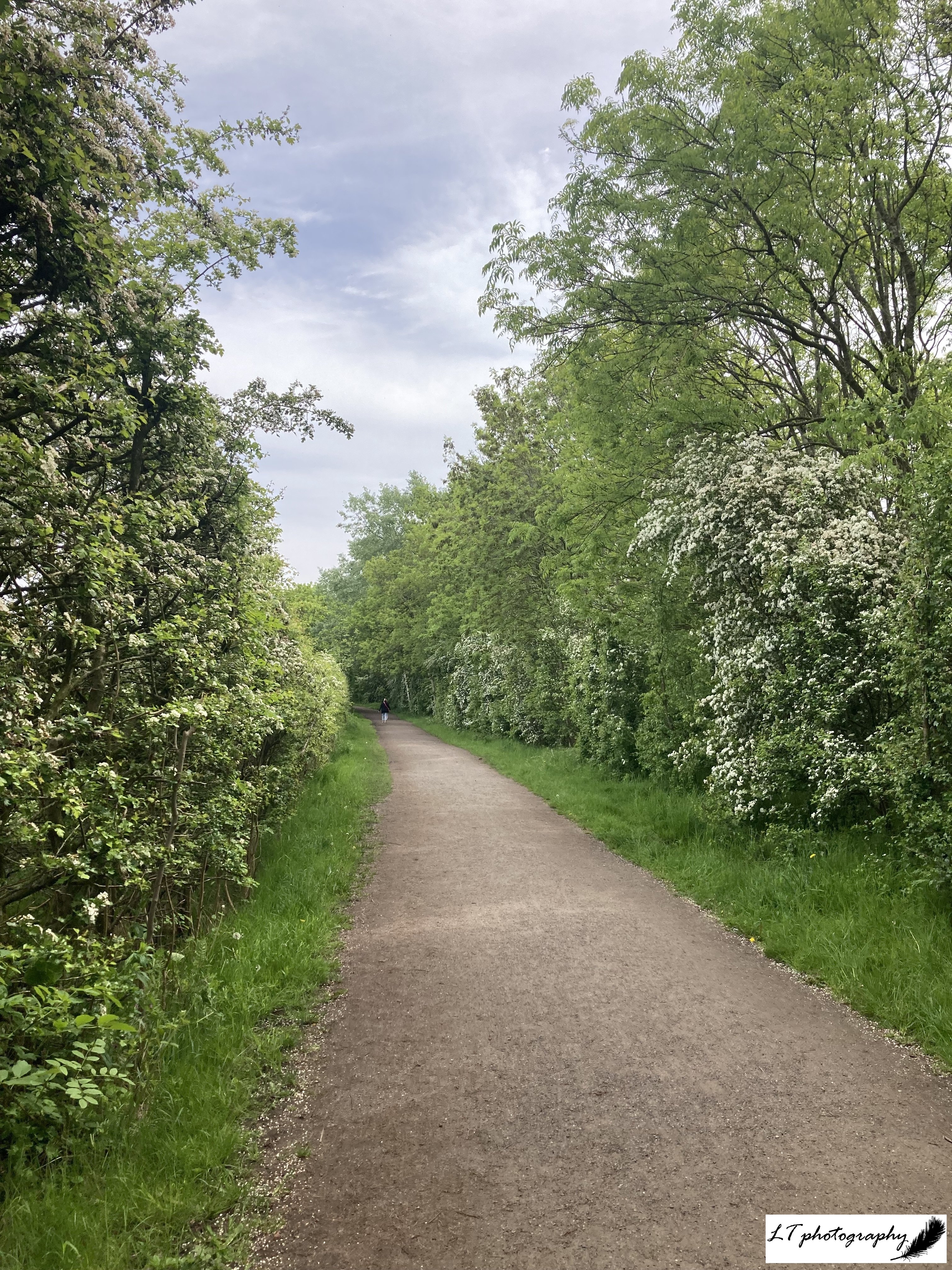
Once breaking away from the calming flow of the river, the habitat changed from edge habitat to grassland to woodland all within a couple of kilometres. Through Millgate Fields we experienced hedgerows full of heady-scented hawthorn flowers, small white butterflies, and cows grazing, before venturing into Stenner Woods, with ponds of tadpoles, moorhens and speckled wood butterflies. The path then led us out for a much needed drink at the Alpine Tea Room.
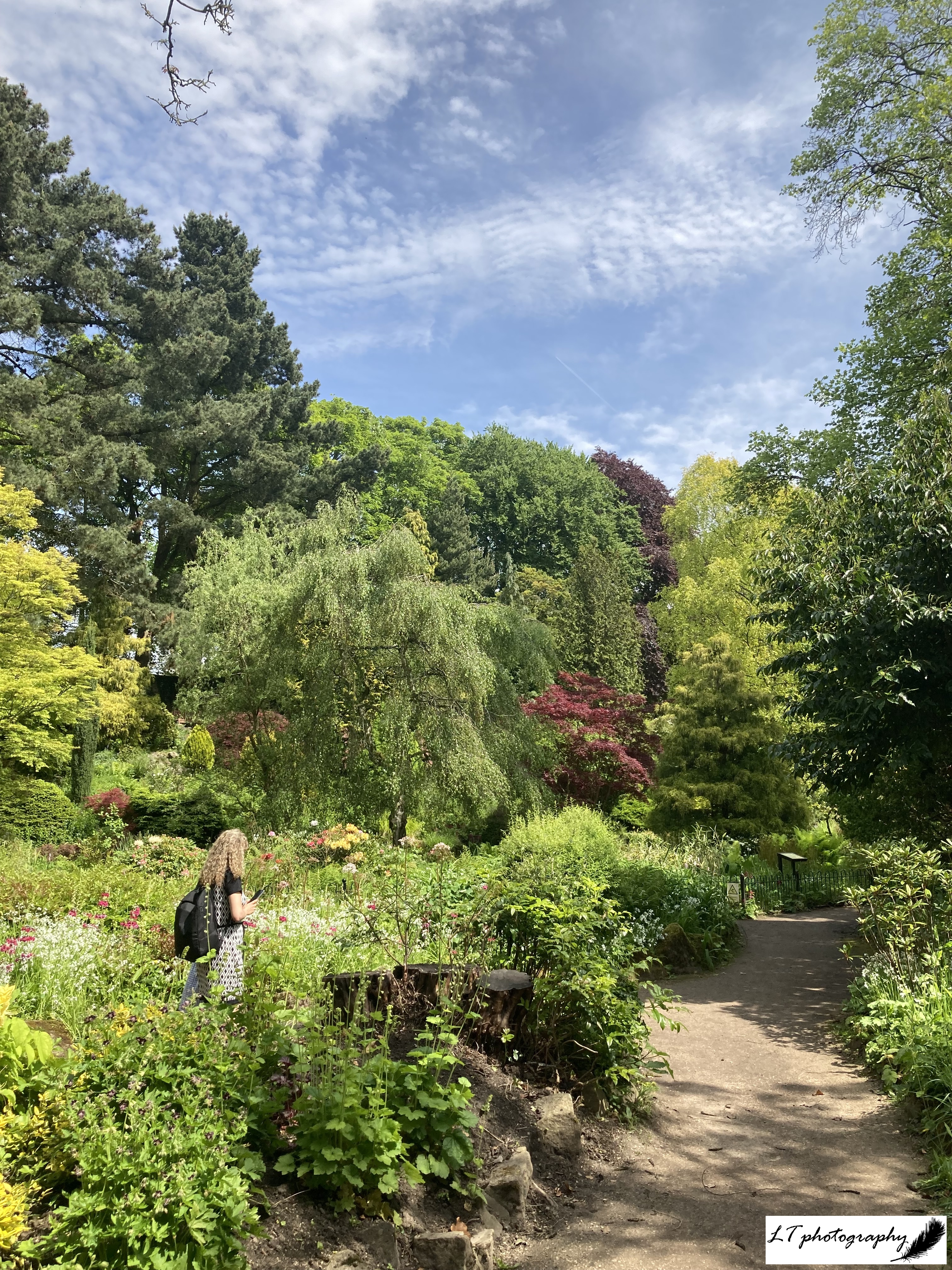
After our drinks, we continued on our journey, passing through Fletcher Moss Botanical Gardens, situated on a sunny south-facing slope. Within these gardens we found mini waterfalls, rock gardens, ponds containing many reshwater snails, giant rhubarb, exotic and unusual plants, damselflies, and small birds, such as wrens and robins, up in the trees. Following the path out through the gardens and park, under towering horse chestnuts and silver birches, we finally came to the end of our ramble.

Styal Country Park and NT Quarry Bank, Wilmslow

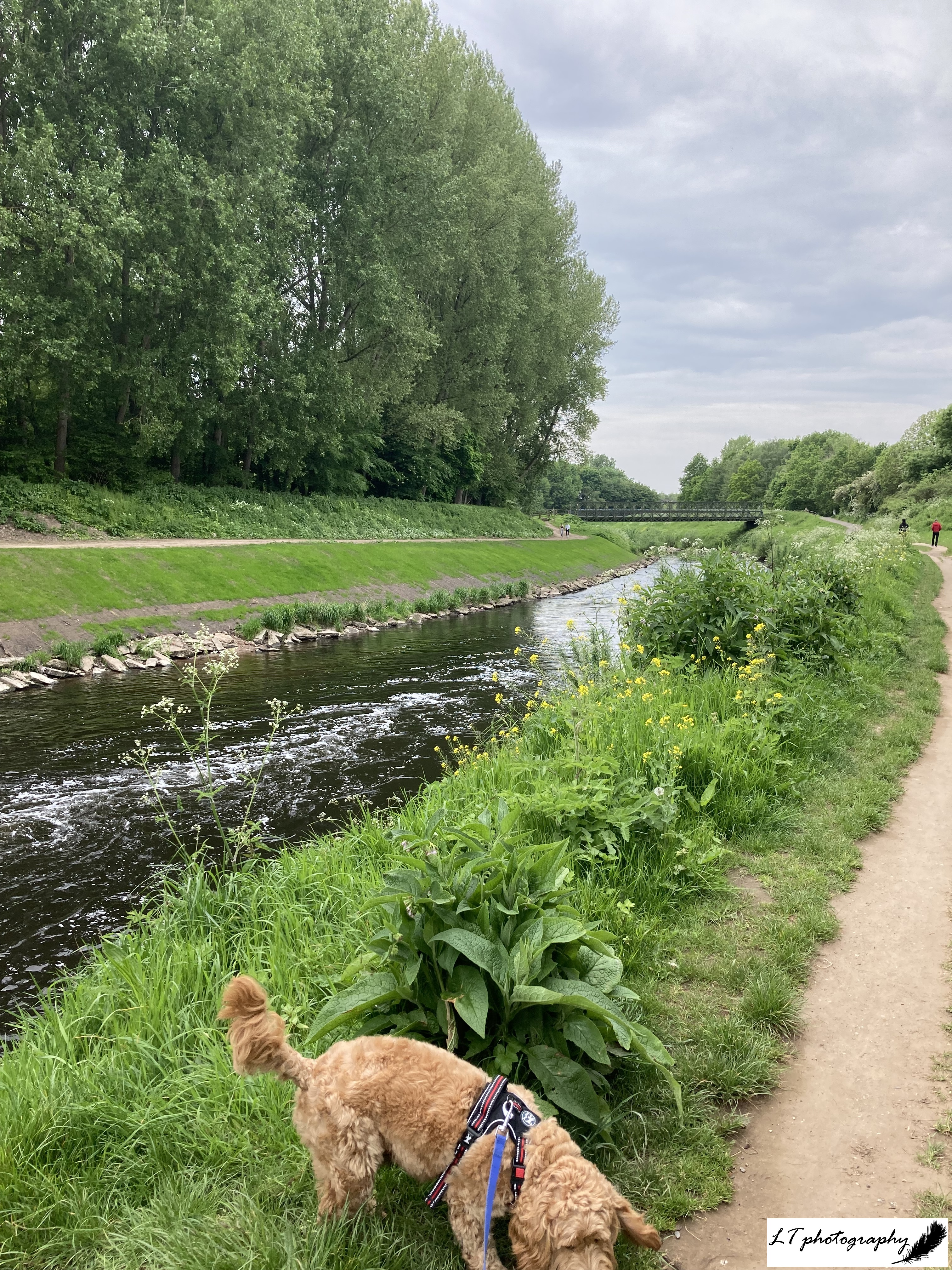
Another great way to venture out in nature is with a furry friend by your side, something I have missed over the last couple of years. So what better way to spend an afternoon than with my friend Emma and her sister’s cockapoo Persy, just outside of the city area of Manchester.

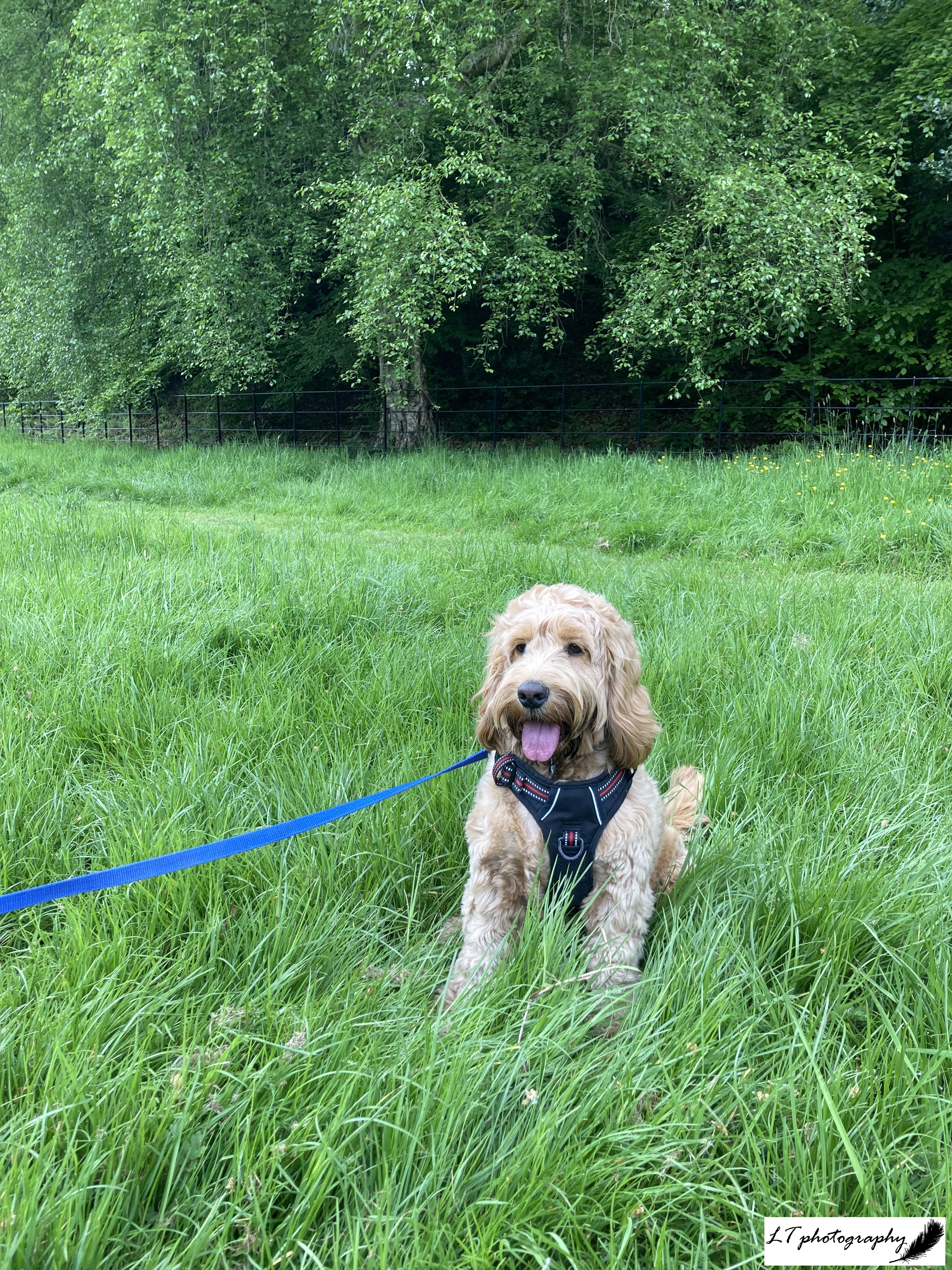
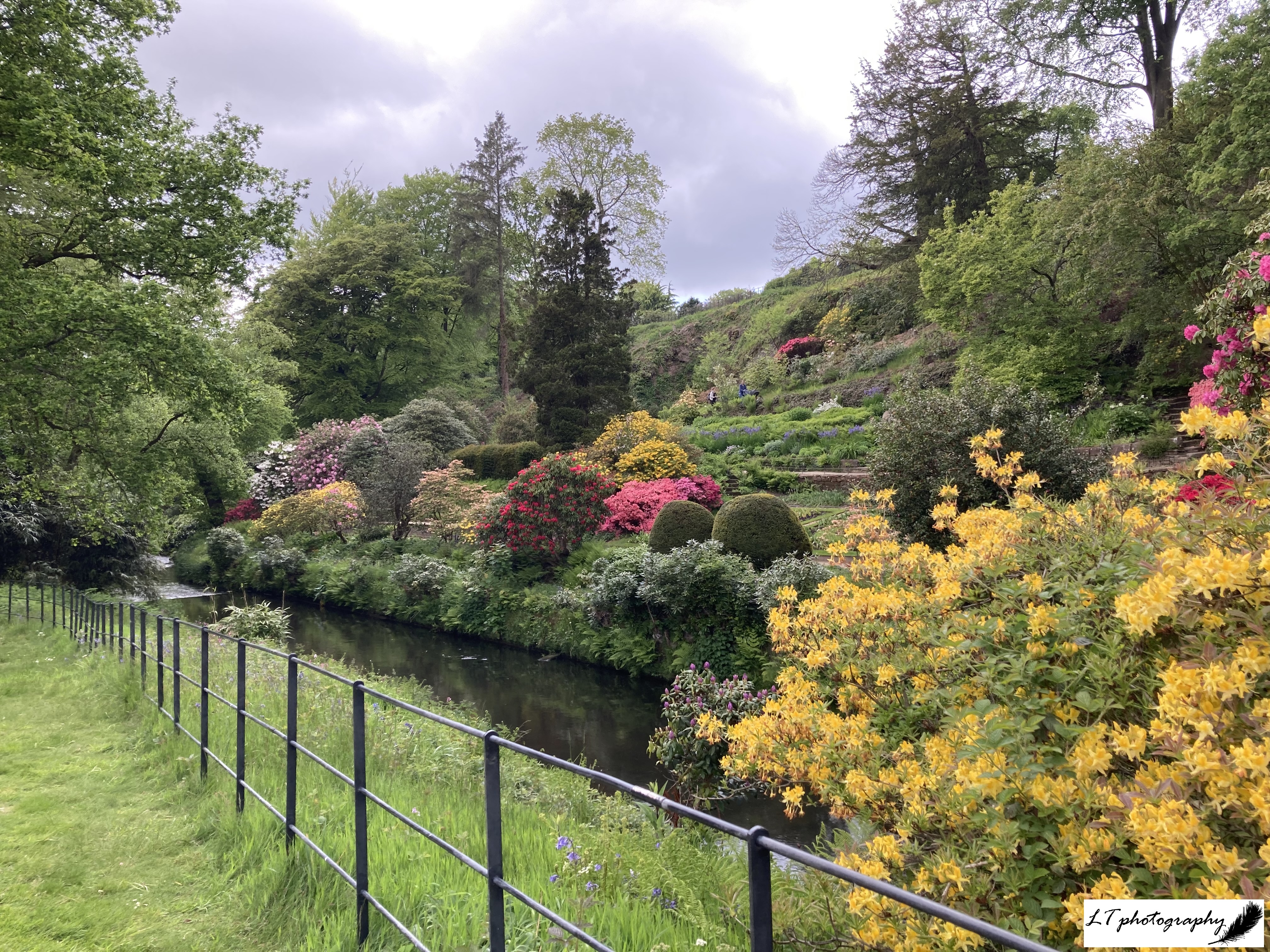
Starting at the Styal Country Park car park, our walk took us through fields perfect for running through, woodland filled with birds and squirrels, and along the banks of the River Bollin. Going at the active pace of Persy, we quickly stumbled upon the National Trust’s Quarry Bank, an old cotton mill first built at the start of the Industrial Revolution in 1784. The factory looking like a flash back in time, also boasts a magnificent walled garden, filled in May with the vibrant colours of rhododendrons, camellias, and borders filled many different species.

We topped off our adventure with a cup of tea in the National Trust cafe, and Persy leading us on our last stretch of walk through the gorges and woodland west of Quarry Bank. With robins, song thrushes, mallard ducks, woodpigeons, blackbirds, mandarin ducks, chiffchaffs, and nuthatches making appearances, among others, it was a great end to an afternoon wild walk.

Chorlton Water Park and the River Mersey, Chorlton

After a lovely dog walk at Styal, Emma and I were excited towards the end of my trip to take Persy on another walk to do some exploring. This time we headed to Chorlton Water Park within the south of the city bounds. An interesting nature reserve, it was formed when gravel was excavated from the site of Barlow Hall Farm for the M60 construction in the 1970s. The remaining pit was flooded, forming a central lake, surrounded by grassland, woodland and the River Mersey. Complete with fishing and pond-dipping platforms, and a play area, this green area is a site for both wildlife and the community alike.

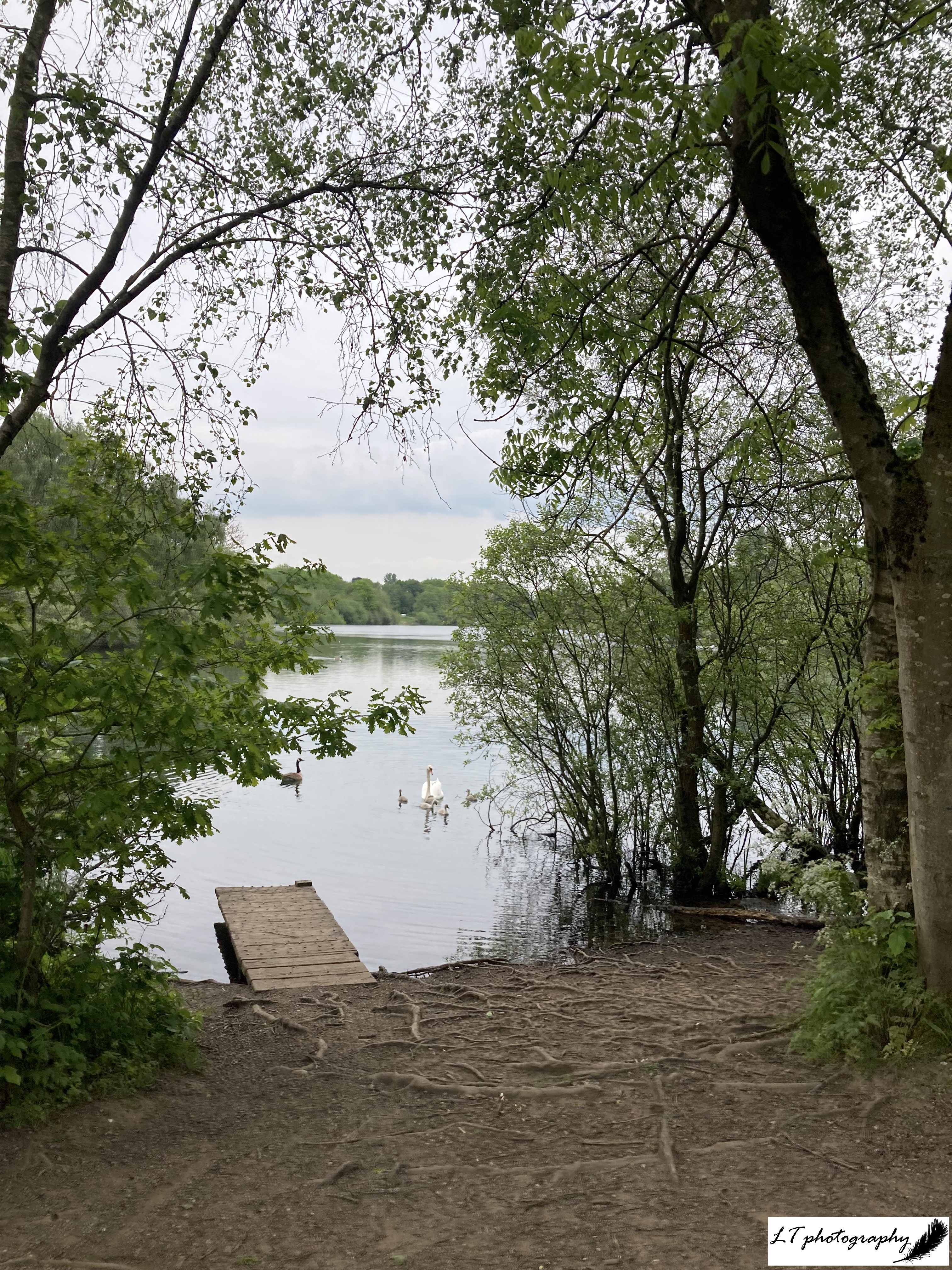
With Persy by our side, Emma and I first took a walk around the lake, taking in the birds on the water framed by willows and yellow flag irises, including Canada geese, mallard ducks, and mute swans all with young. Once we had completed this circuit, we extended our walk by heading east along the River Mersey back to Didsbury. The path was framed by froths of cow parsley and hawthorn, and added to by flitting butterflies, such as orange-tips, and a melodic bird soundtrack of tits, blackbirds, robins, dunnocks, wrens, chiffchaffs, and blackcaps. Though a simple route, it was really lovely to walk within an urban area, but be surrounded by nature and accompanied by wildlife the whole way!

Green Manchester

As a true country mouse and nature lover, when I am on holiday and travelling, I am always looking out for wildlife to discover, and green spaces to explore. So on my recent trip to visit friends and family up north, my time spent with my fellow animal-loving friend Emma was a real joy. City trips and activities were mixed with nature walks and lots of time enjoying being outside in green spaces. This ranged from areas within the city of Manchester, to further afield, such as a fantastic day trip to the Peak District via a 1 hour train.


When it came to being a naturalist in Manchester, the city surprised me with how much it had to offer. With a city-wide focus on providing homes for wildlife and recovering habitat lost within urban areas, you are never too far from a park or green space to escape to. There are also bee hives to be found on rooftops across the city centre, hedgehog highways being created between suburban gardens, new nature reserves being created each year, and much more to excite the urban naturalist. It just goes to show that wherever you live, nature can be accessed and enjoyed by all!
Disclosure: Unmarked photos taken by Emma Rogan

How to… Identify Signs of Spring in Britain

This year the Spring Equinox occurred on the 20th March, marking the point when the sun sat directly over the Earth’s equator heading northward, alongside the start of a new season, in our case spring. With spring comes longer day lengths, milder temperatures, regrowth, new beginnings, and the literal ‘springing’ of plants from the ground. After tough winters and a period of dormancy for nature, the sights of spring understandably lift spirits and create hope and joy.

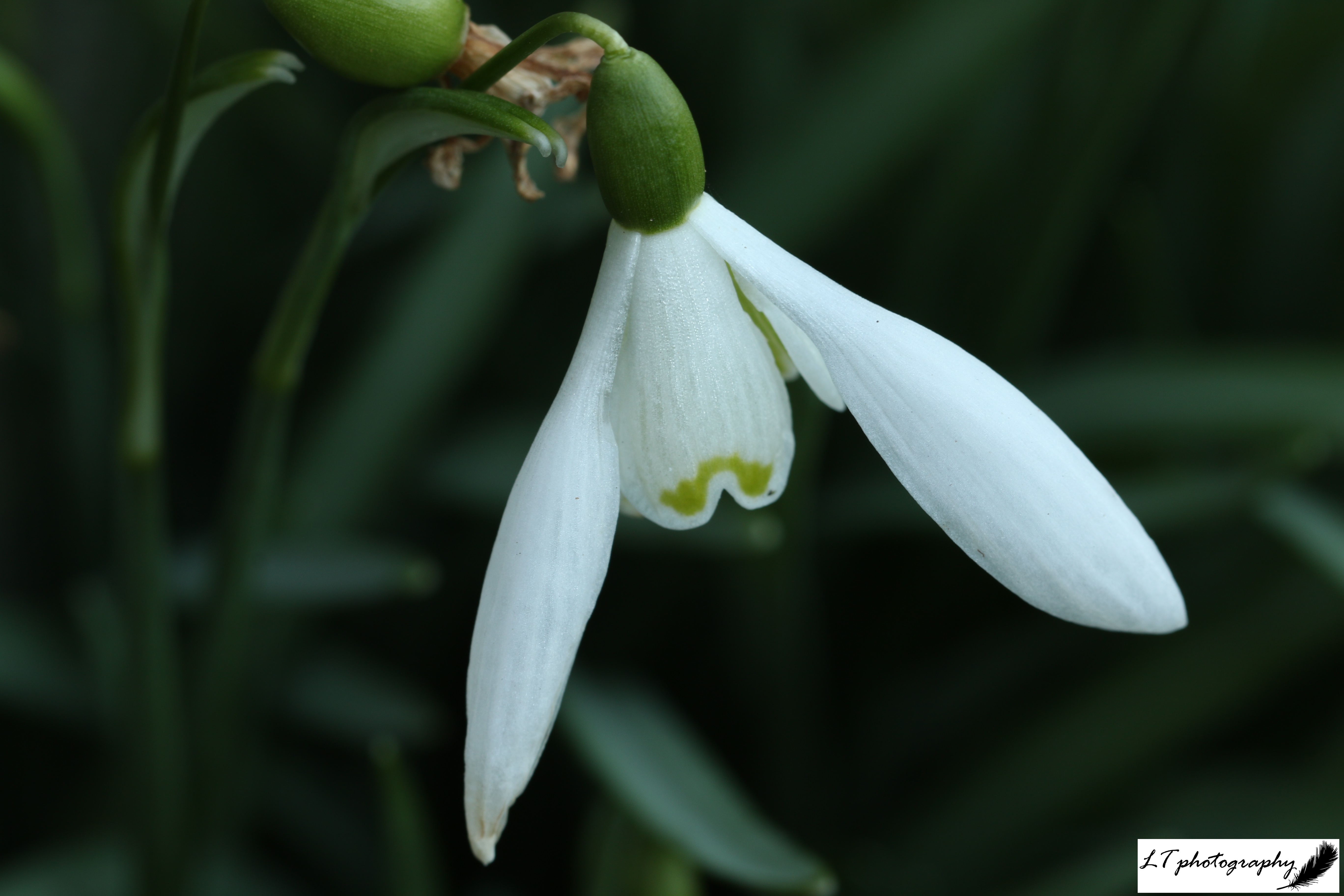
As we look ahead to spring and what it means to us all, people will also be looking for the first signs of its arrival to tell them the season is upon us. With an increase in activity within nature, these signs can differ for different people, with examples including the first snowdrops, mammals coming out of hibernation, or even birds such as Rooks beginning to nest. For Emma, my Rural vs Urban blog series co-writer (check it out!), her first signs of spring in Manchester are as follows:

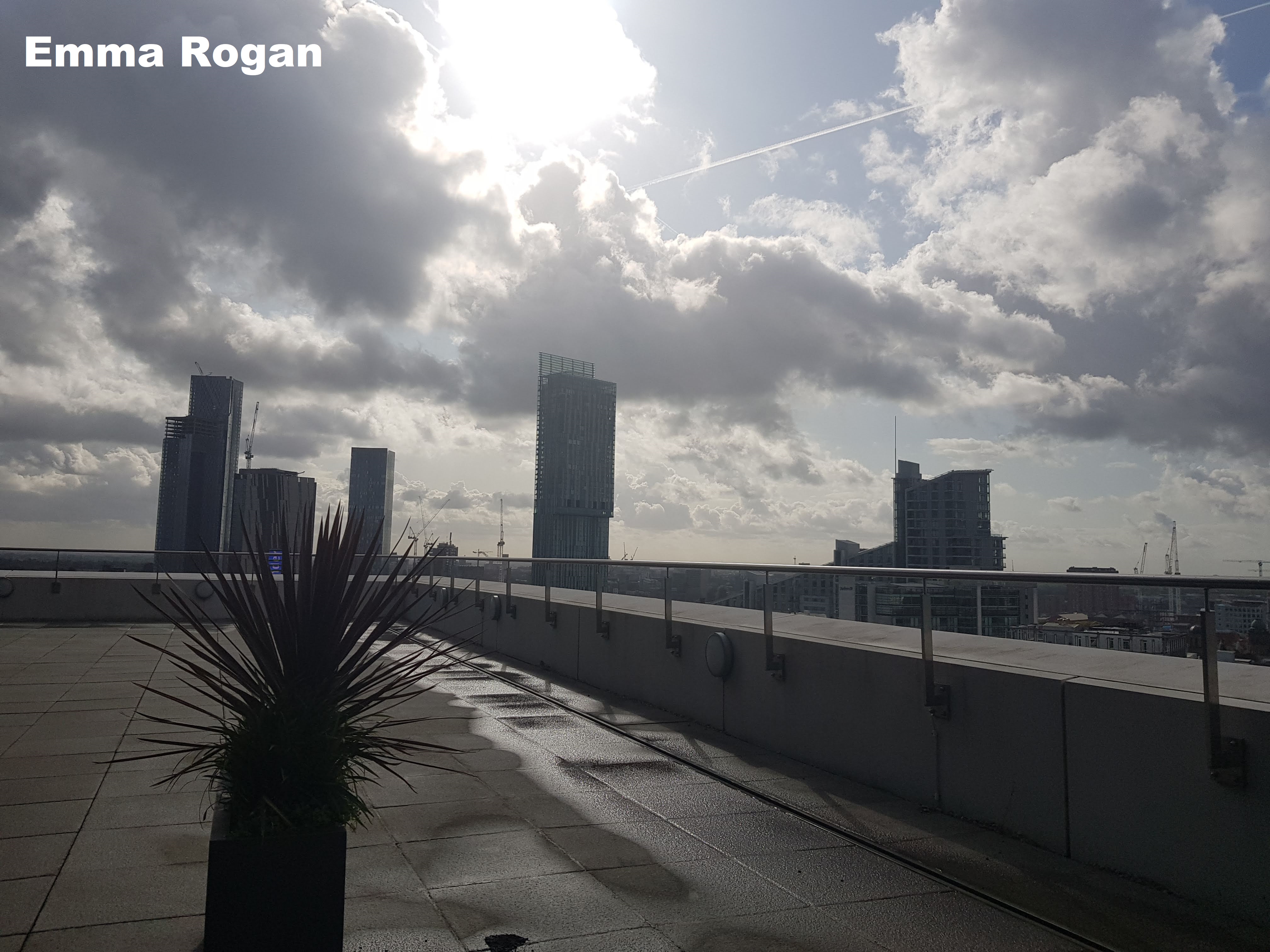
Signs of spring in Manchester, as typed from the tram on a lovely spring day: sunshine reflected off the sides of the glass buildings, daffodils and crocuses bravely making an appearance on the grass banks, seeing the first few Manchester bees buzzing about, thinking that it’s warm enough to leave the house without a coat then realising you made a mistake when it pours down with rain later in the day, and sitting outside at the pub!

Though we may all have our own personal favourites, there are some popular first signs of spring that can easily be looked for in anyone’s local area across Britain. Why not try to find them all yourself?

1. Hazel Catkins

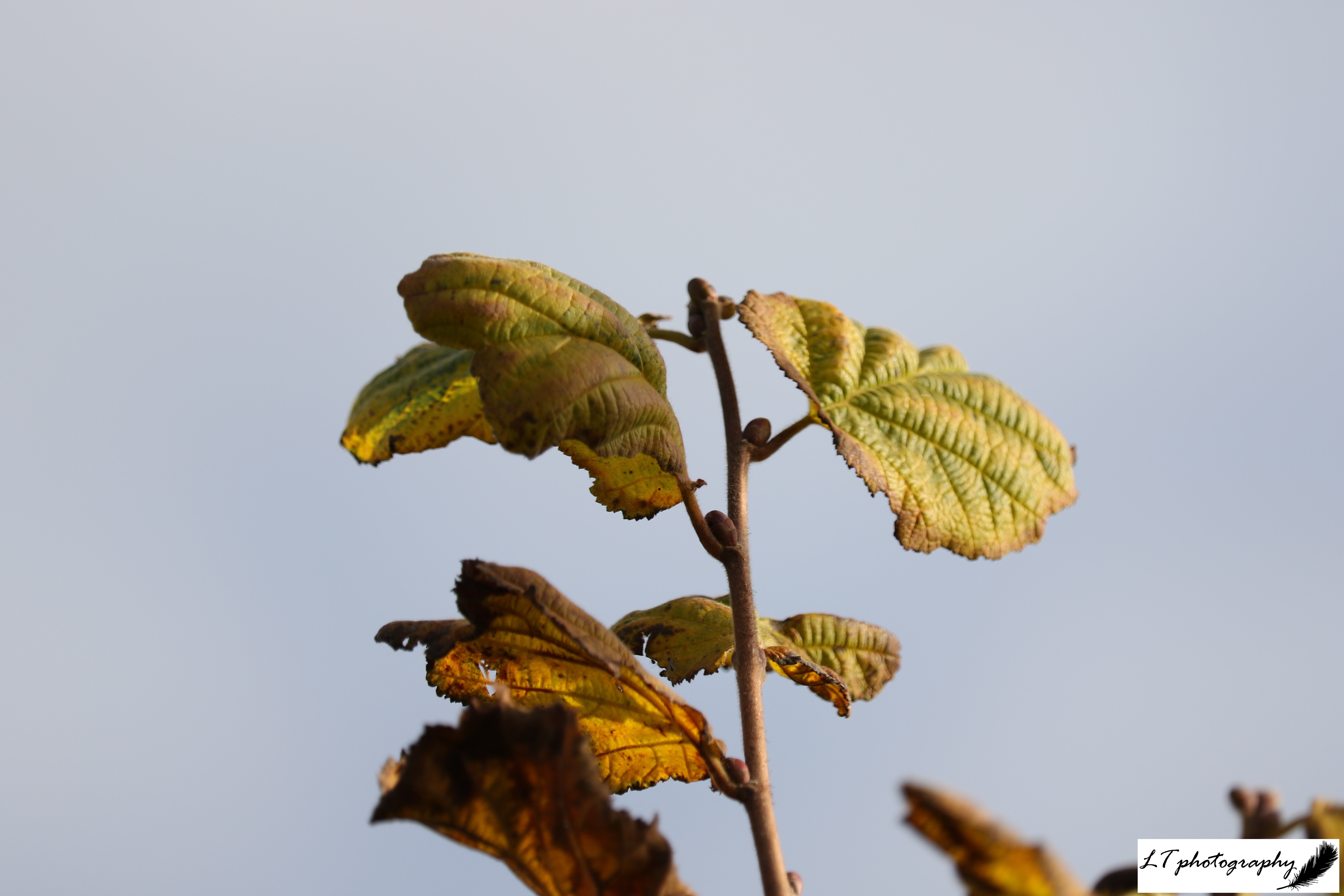
  • Hazel is one of the first of our native species to flower at the start of the year, bringing real colour and joy to the still wintery landscape
  • Latin Name: Corylus avellana
  • Name: Catkin refers to long cylindrical clusters of small flowers
  • When to See: January to April
  • Where to See: Woodlands, scrub areas and hedgerows
  • Identifying Features: Lemon-yellow with pollen when open, and shaped like a lambstail, hanging in clusters from hazel branches
  • Range: Widespread throughout Britain

2. Yellow Flowers

  • After a cold and grey winter, nothing raises the spirit like the blooming of sunshine yellow flowers in the landscape, a symbol of rebirth and new beginnings
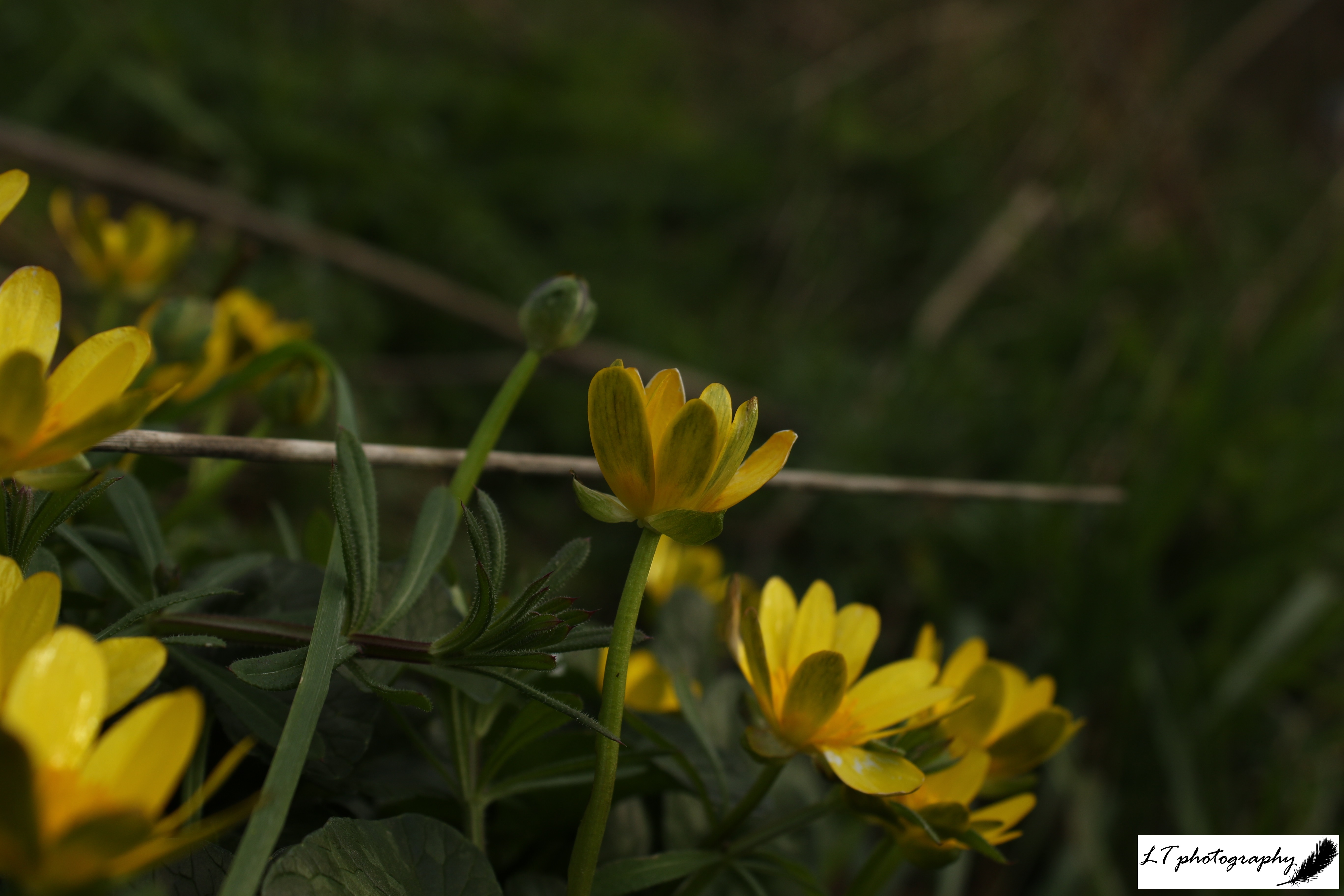
  • Most Popular: Daffodils (Narcissus spp,); lesser celandines (Ficaria verna); primroses (Primula vulgaris); cowslips (Primula veris)
  • When to See: Daffodils= February to May; celandines= March to May; primroses= February to May; cowslips= April to May
  • Where to See: Daffodils= gardens, parks and woodlands; celandines= woodland, grassland and gardens; primroses= woodland, hedgerows, and gardens; cowslips= grassland, woodland and hedgerows
  • Identifying Features: Daffodils= inner trumpet shape with a crown of petals; celandines= shiny yellow stars; primroses= rosettes of pale petals with darker centres; cowslips= bell-shaped within a green casing

3. Frogspawn

  • A symbol of spring that captures the imagination from a young age with its strange and sudden appearance early each spring
  • What is it?: The eggs are most commonly laid by the common frog (Rana temporaria)
  • When to See: Mainly February to March
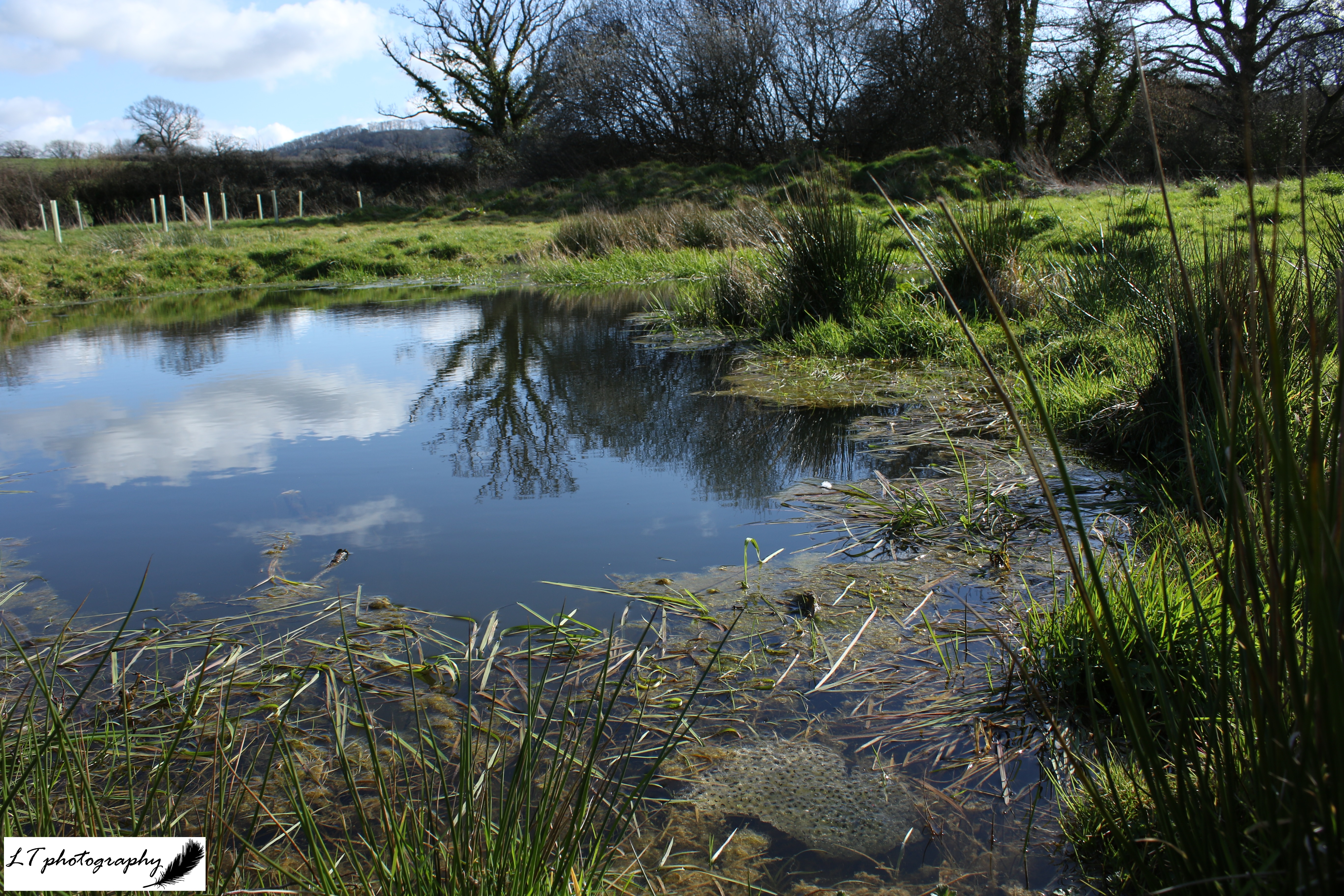
  • Where to See: Just below the surface of ponds and streams
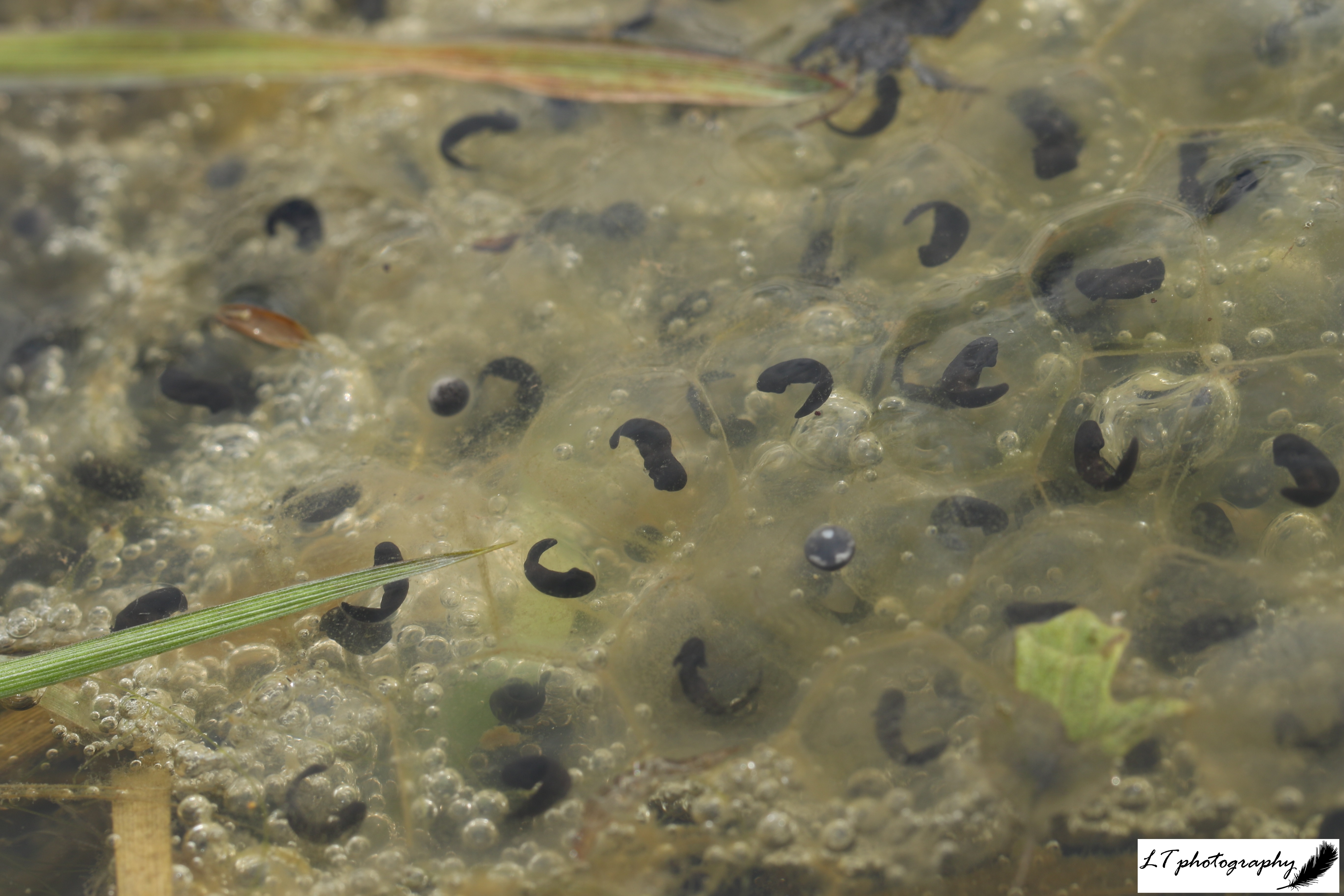
  • Identifying Features: Floating clumps of jelly that are made up of lots of small jelly eggs with a black dot or developing tadpole at their centres
  • Range: Widespread across Britain but more likely to be seen in certain areas

4. Buzzing Bees

  • The sound of queen bees buzzing lazily around in warm sunshine is a real sound of spring, symbolising new life to come
  • Examples: Buff-tailed bumblebee (Bombus terrestris); red-tailed bumblebee (Bombus lapidarius); tree bumblebee (Bombus hypnorum); white-tailed bumblebee (Bombus lucorum)
  • When to See: Buff-tailed= February to October; red-tailed= mainly March to August; tree= mainly March to July; white-tailed= March to October
  • Where to See: All can be seen in a wide range of habitats from woodland and farmland to gardens and heathland
  • Identifying Features: Buff-tailed= yellow collar near head and another on abdomen with queens having buff ‘tails’ and workers white with buff line above; red-tailed= black with red ‘tails’ with males having two yellow bands on thorax and one at base of abdomen; tree= ginger-brown thorax and black abdomen with white tail; white-tailed= black with two lemon-yellow bands on body and white ‘tail’

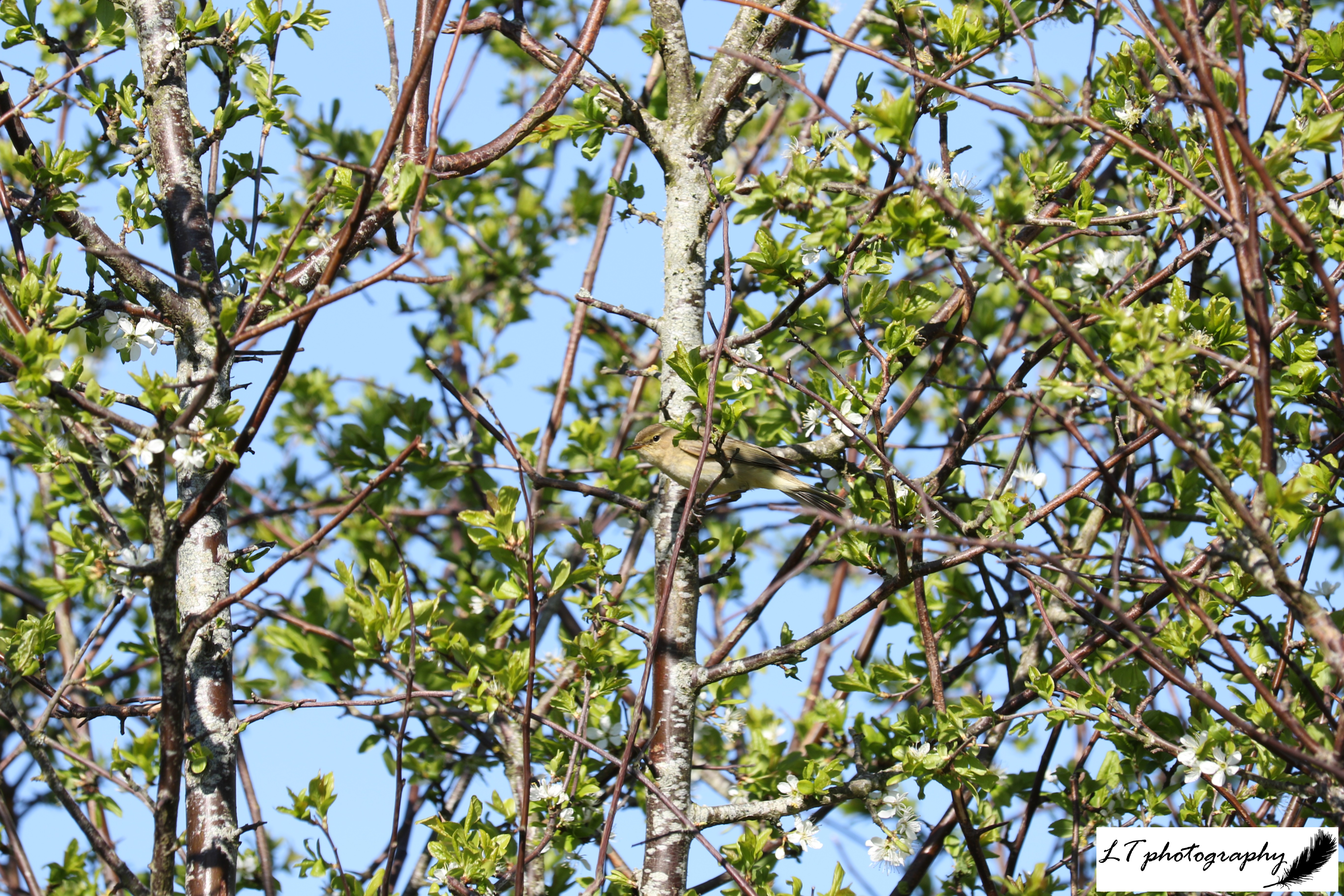
5. Chiffchaff

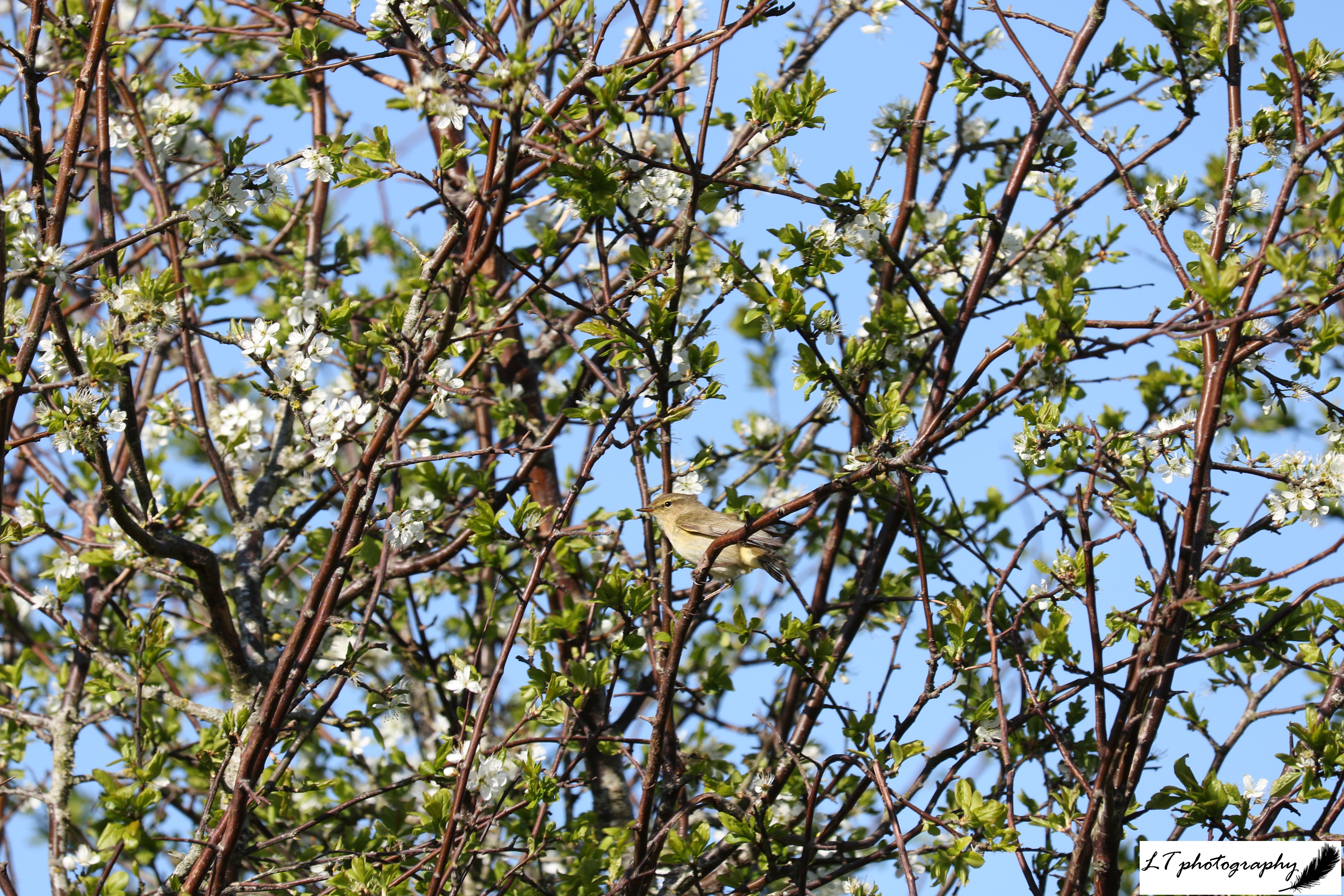
  • This tiny little bird is one of the earliest birds to arrive from warmer winter climes, and sing its heart out, heralding the start of spring
  • Latin Name: Phylloscopus collybita
  • Name: Named after its distinctive ‘chiff chaff chiff chaff’ song
  • When to See: Some winter in the UK, but can be heard singing from March to October when migrants return
  • Where to See: Woodland, scrubland, parks and gardens
  • Identifying Features: Green or dusky olive; short pale eye stripe; moderately dark eye stripe; dark legs; fine often dark bill; continuous tail-flicking movement; distinctive song
  • Range: Widespread across Britain, apart from more mountainous areas of Scotland

6. Pussy Willow

  • Emerging early on in the year, pussy willow is a real symbol of the beginnings of spring, and is often used as decorations at Easter
  • Latin Name: Salix caprea but also could refer to Salix cinerea
  • Name: Pussy willow is a colloquial name for goat willow, but is now often used for grey willow too. This is due to their furry male catkins looking like the soft, furry paws of a cat
  • When to See: February to April
  • Where to See: Woodland, hedgerows, scrub and damper, more open ground
  • Identifying Features: The more noticeable male flowers are the silver-grey, fluffy, and oval catkins standing upright from willow branches. They turn yellow when covered with pollen
  • Range: Widespread across Britain

7. Brimstone Butterfly

  • Though warmer, milder weather leads to the emerging of different butterfly species, the first brimstone butterfly is often the first species seen and its warm colour has connotations of sunshine and cheerfulness
  • Latin Name: Gonepteryx rhamni
  • Name: Brimstone is the old name for sulphur, which is the colour of the male butterfly’s wings
  • When to See: March onwards
  • Where to See: Can be seen in a wide variety of habitats, but the larval foodplants are alder buckthorn and buckthorn which is more scarcely distributed
  • Identifying Features: Veined wings with pale-yellow undersides and an orange dot on each wing. The uppersides are sulphurous yellow on males and paler on females
  • Range: Common in England and Wales, less common in Ireland, and very rare in Scotland

8. Spring Blossom

  • Everyone knows that spring is truly underway when blossom starts to coat trees and hedgerows in spectacular pastel fashion. It is a real spirit lifter after a long winter!
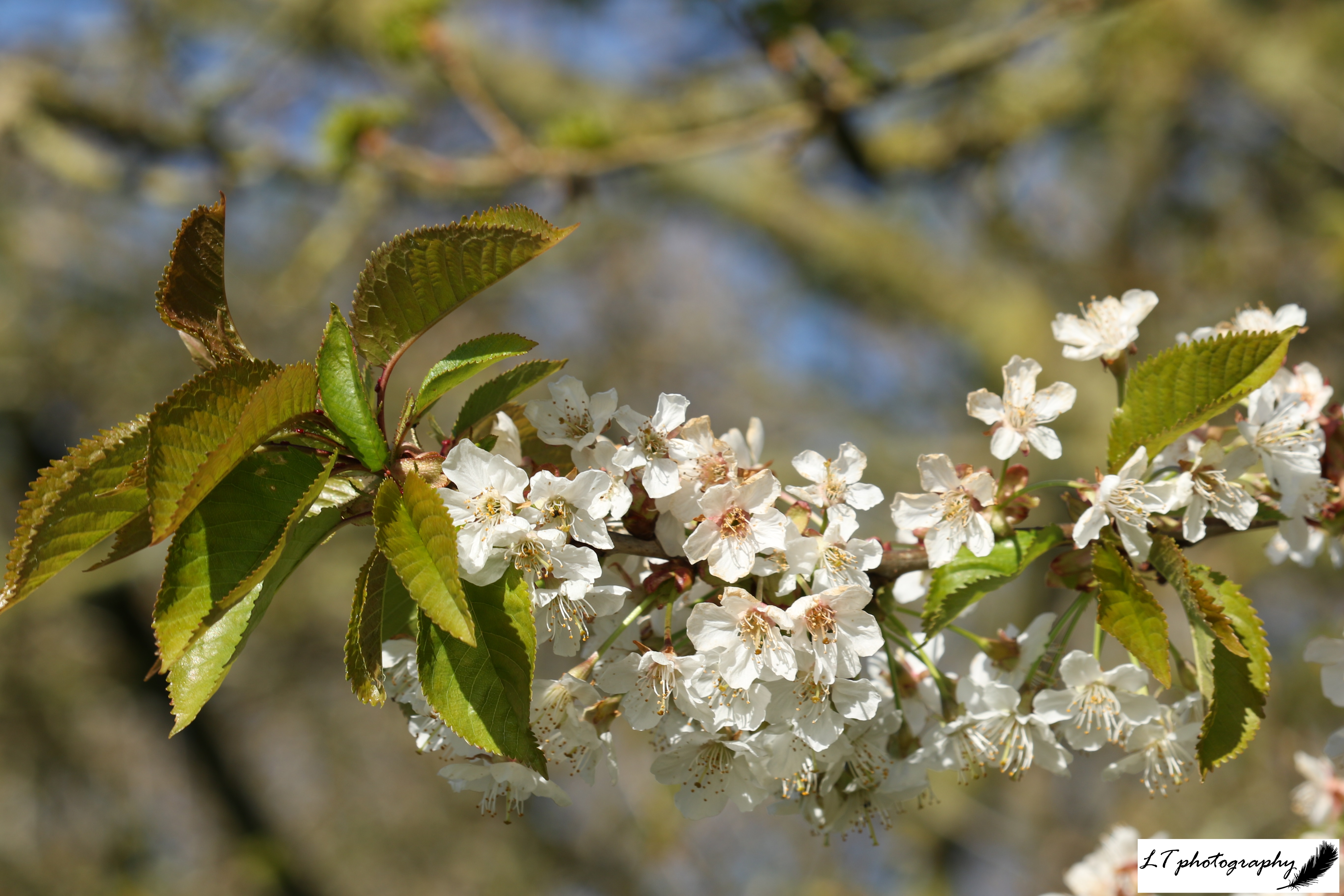
  • Examples: Blackthorn (Prunus spinosa); wild cherry (Prunus avium); hawthorn (Crataegus monogyna)
  • When to See: Blackthorn= March to April; wild cherry= April to May; hawthorn= April to June
  • Where to See: Blackthorn= hedgerows, woodland margins and scrubland; wild cherry= woodlands, gardens and hedgerows; hawthorn= hedgerows, woodland margins and scrubland
  • Identifying Features: Blackthorn= flowers white with 5 petals and red-tipped anthers; wild cherry= white flowers cup-shaped and with 5 petals; hawthorn= white flowers with 5 petals, pink or purple anthers and sickly sweet scent

9. Barn Swallow

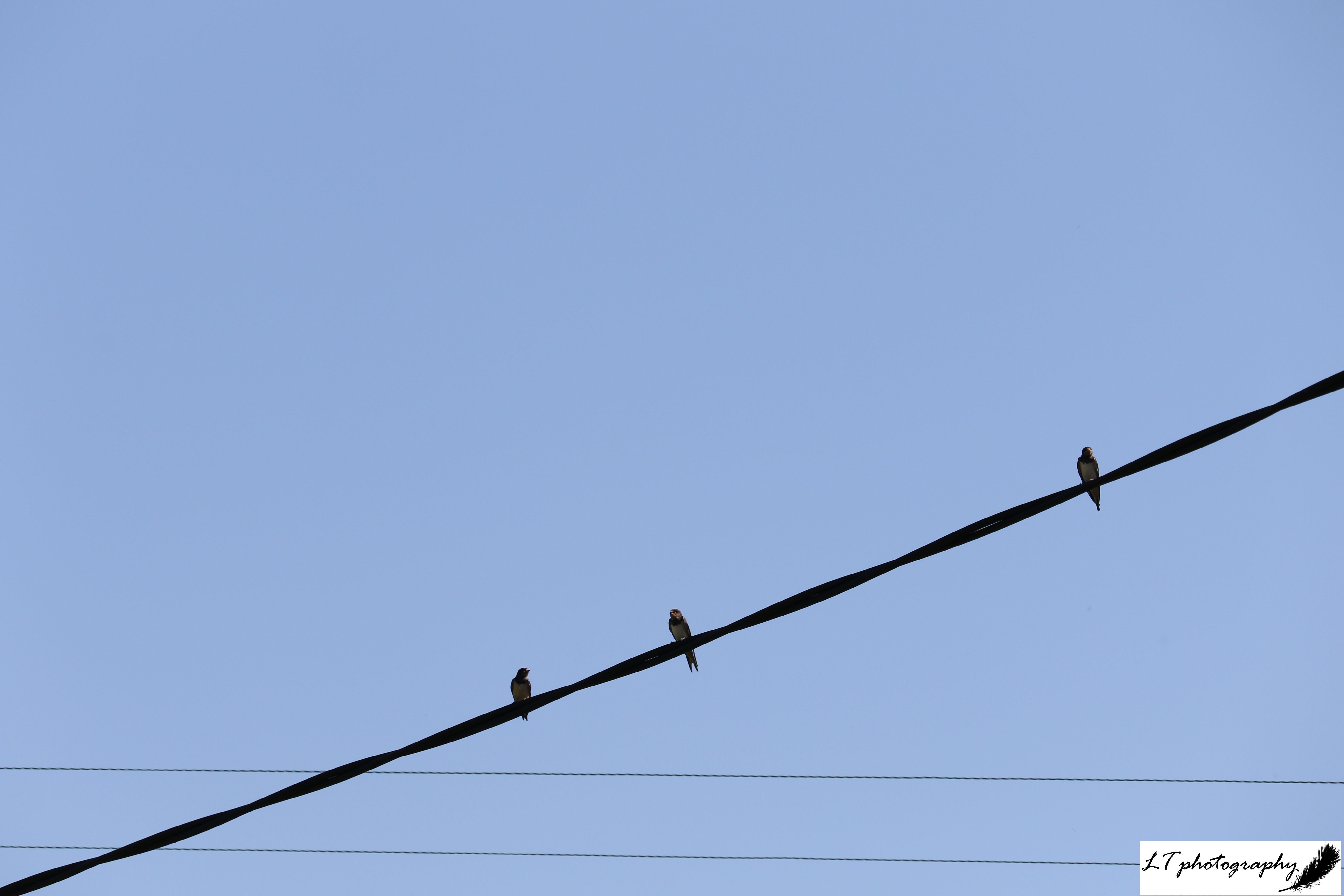
  • This iconic bird makes a 6000 mile migration from Africa to breed in the UK, arriving with warmer weather and active exploration of potential nest sites
  • Latin Name: Hirundo rustica
  • Name: Barn comes from typically nesting in barns and out-houses, and the latin Hirundo means swallow
  • When to See: March to October
  • Where to See: Open country, perching on wires, and hunting low over grassland or water
  • Identifying Features: Blue-black; red forehead and throat; dark throat; long, pointed wings; deeply forked tail; agile flight
  • Range: Widespread across Britain

10. Common Bluebell

  • Over half of the world’s population of bluebells can be found in the UK, making for some incredible spring spectacles across Britain
  • Latin Name: Hyacinthoides non-scriptus
  • Name: Named for their distinctive flowers
  • When to See: March to June
  • Where to See: Carpeting woodlands, hedgerows, scrubland, on sea-cliffs and mountains
  • Identifying Features: Long, narrow green leaves; purple-blue bell-shaped flowers hanging from long stems; strong sweet scent
  • Range: Widespread across Britain

30 Days Wild 2022: My Wild June

Every June the Wildlife Trusts hold their annual 30 Days Wild challenge, aiming to connect more people with nature. It is free and easy to get involved with, and is a great way to have fun, relax, and learn something new. It is completely up to you how you spend your 30 days, with every ‘Random Act of Wildness’ counting. Now in its 8th year, the Wildlife Trusts hope that this year will have been the challenge’s best year yet.

For the last 3 years, I have been taking part in 30 Days Wild each June. From baking to birdwatching, this challenge has been an opportunity to slow down and spend more time out in nature. If you want to read all about my previous years participating in 30 Days Wild, check out my blog posts from 2020 and 2021.

For this year, I wanted to try something a little bit different. Instead of intentionally trying to do something wild every day, I wanted to simply appreciate nature in my everyday life. Being a very active, outdoor person, I wanted to see how in 30 Days I naturally connect with nature on an average day-to-day basis. Read on to find out all about my 30 Days Wild 2022!

30 Days Wild 2022

Wednesday 1st: The first day of the month was a busy one, but in my downtime I spent part of my evening exploring my farm’s and neighbours’ buildings for occupied swallow nests ahead of monitoring them over the coming weeks. So far I have found 4 that were either lined or already had eggs laid or chicks hatched.

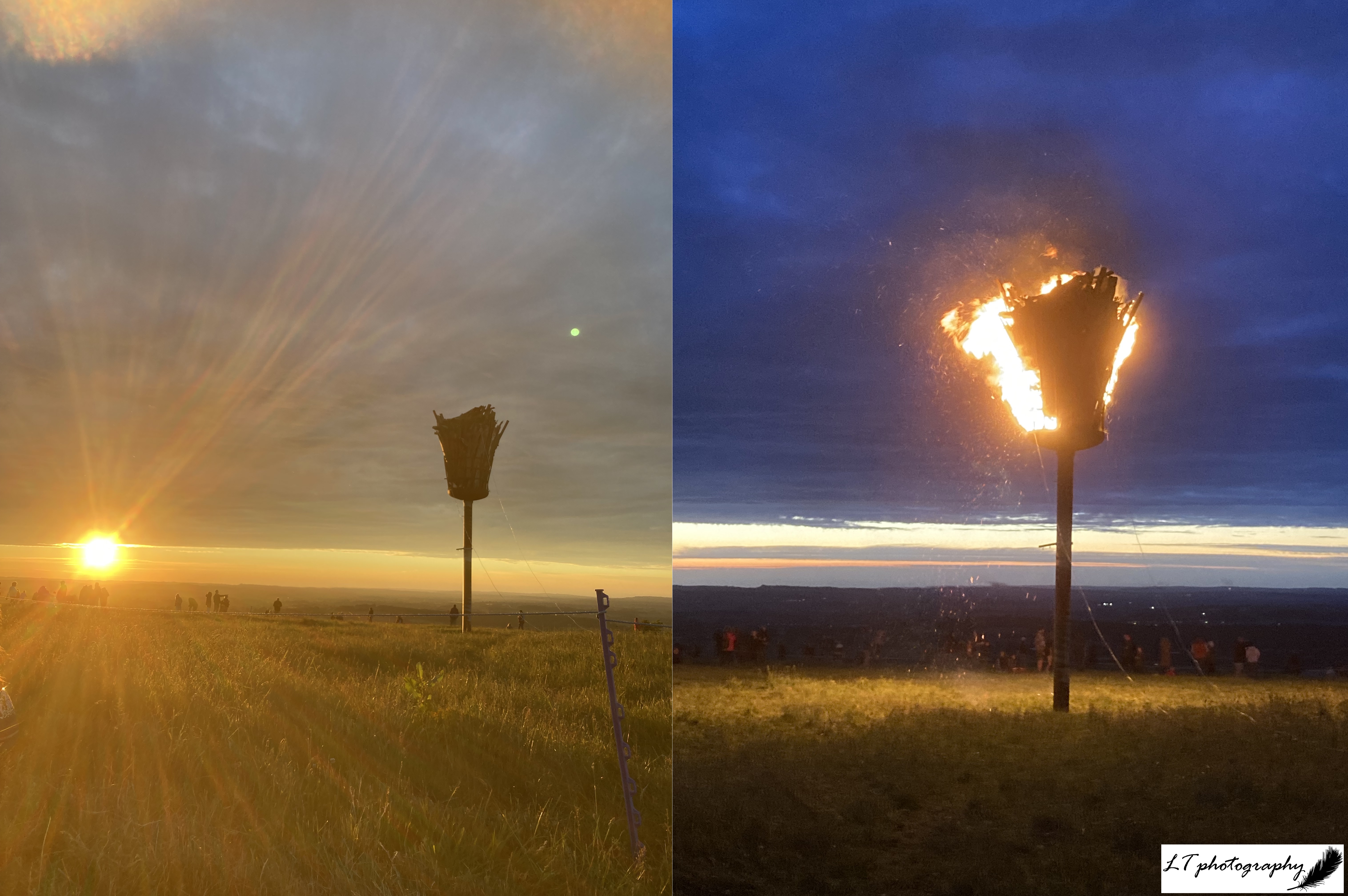
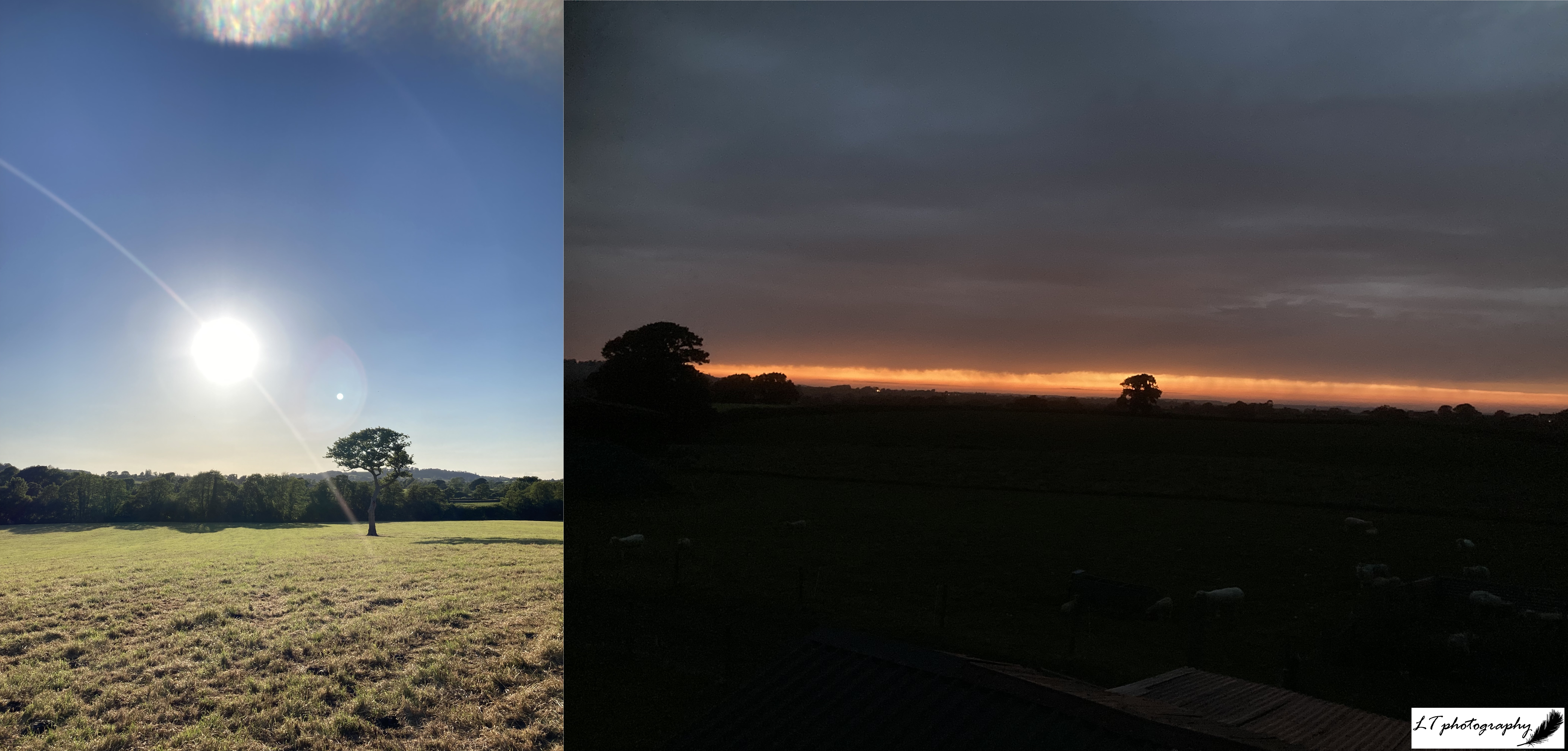
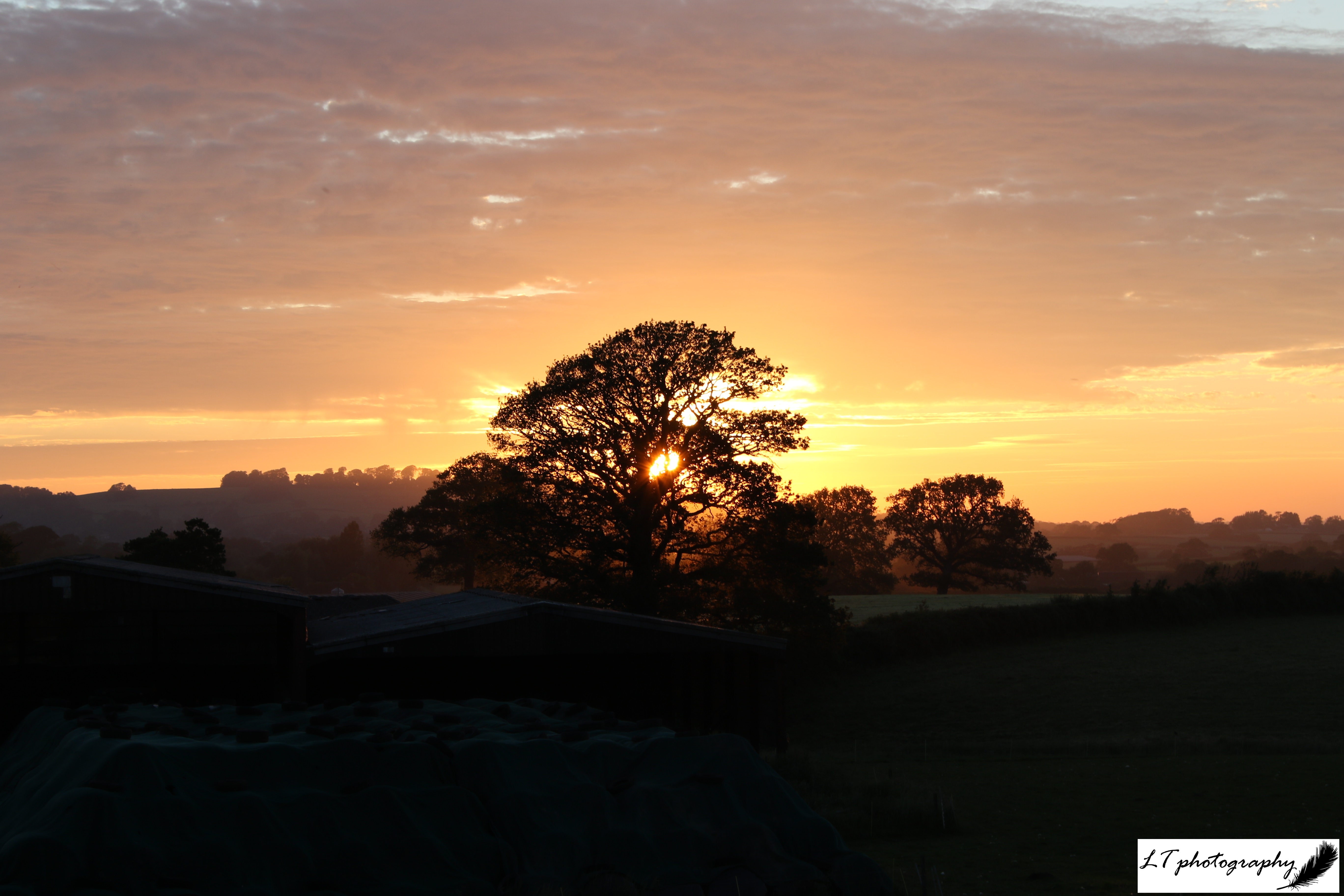
Thursday 2nd: I spent my Thursday working, but also taking some time to relax out in nature. This included going out for a hack on my neighbour’s lovely mare Marsha with a friend and her horse, and watching a spectacular sunset with friends on Okeford Hill for Okeford Fitzpaine’s Platinum Jubilee beacon lighting.

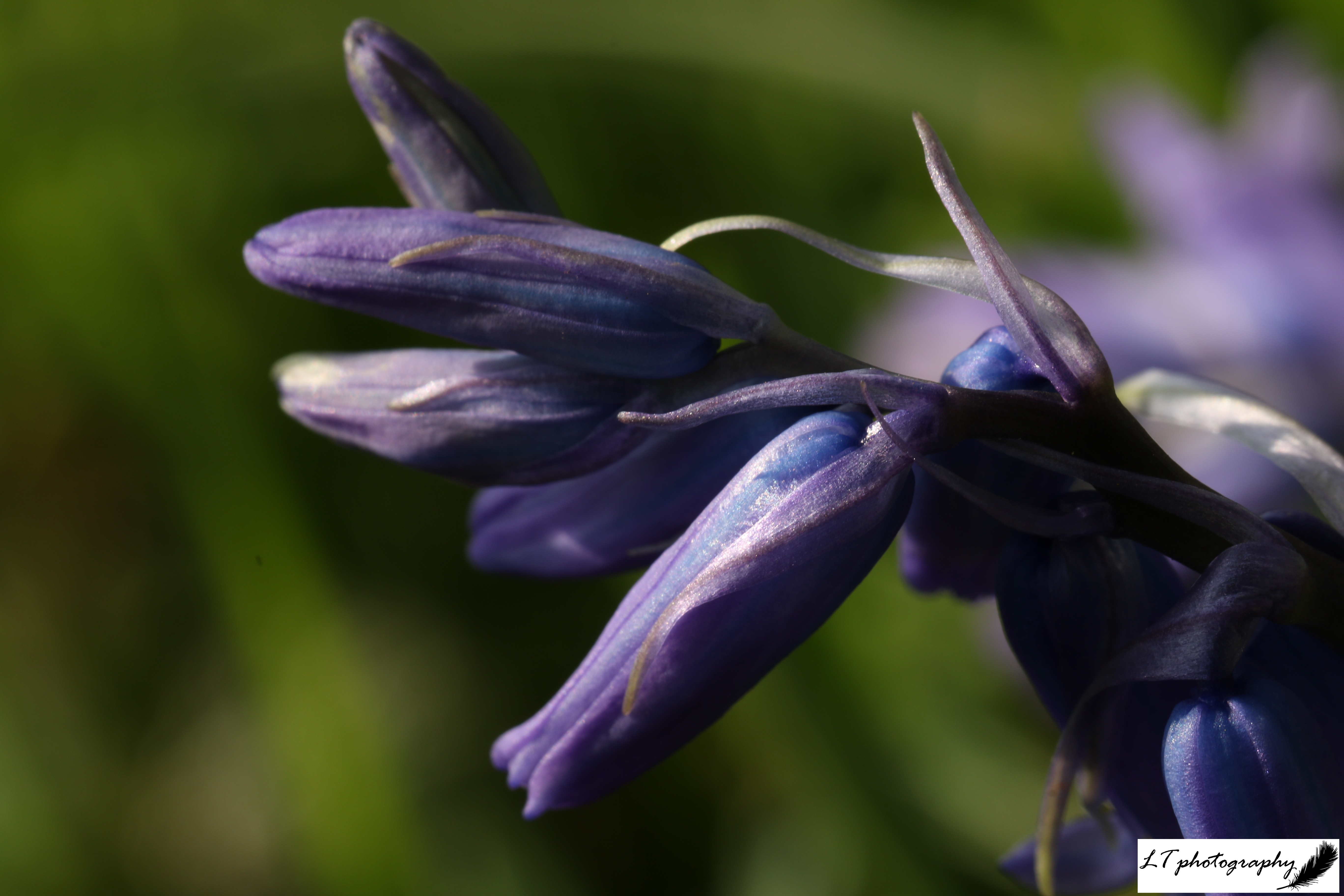
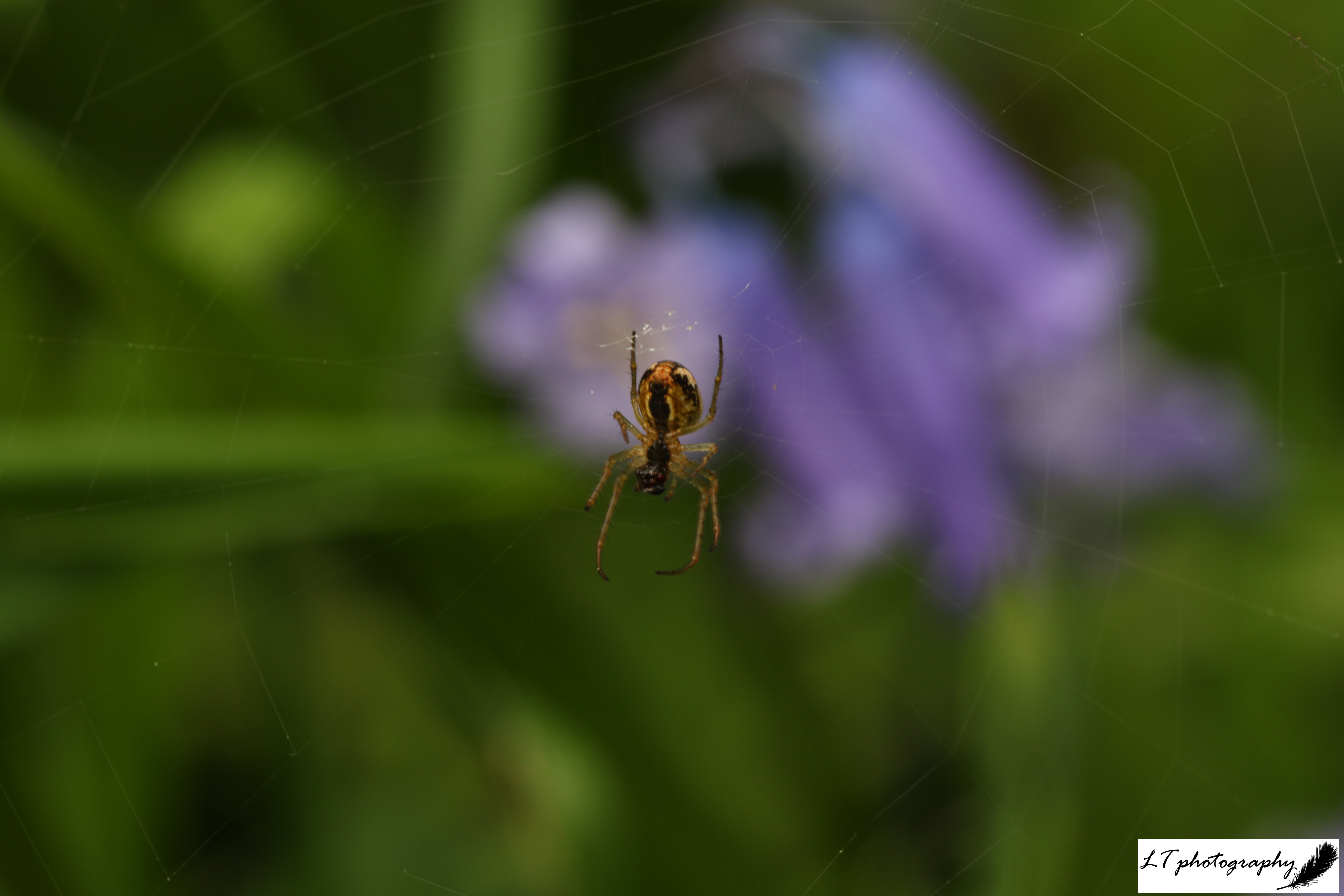
Friday 3rd: This Friday was my first Wild Friday of the month on my blog. For this one, I went back to one of my very favourite times of the year: the blooming of the bluebells. This post had a twist though as I explored a little further and focused on the life amongst the bluebells this year.

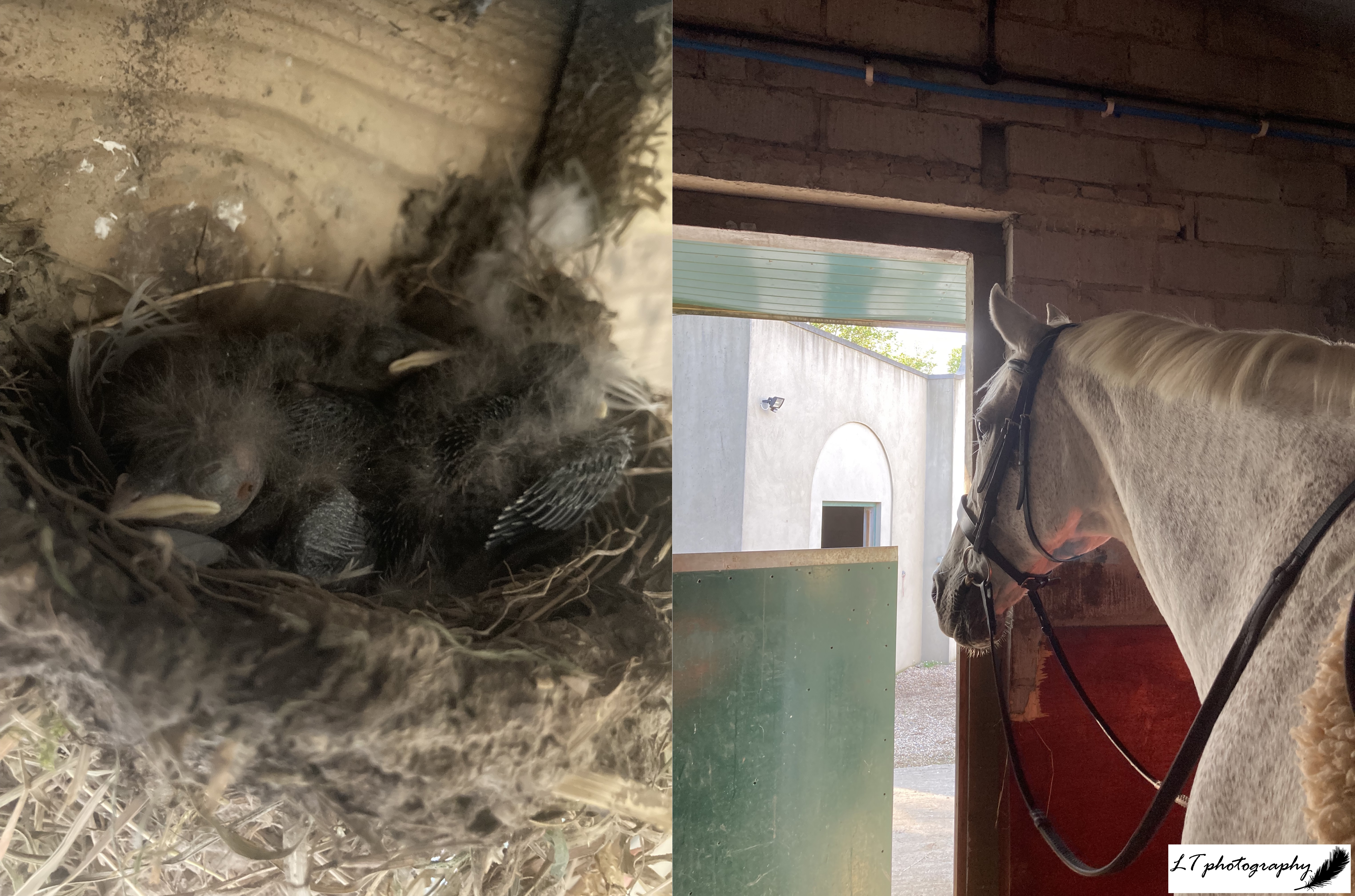
Saturday 4th: As the breeding season for birds continued, I took some time today to check some of my nests. My barn owl nest box was looking good, and I discovered an interesting new nest tree on the farm (stay tuned!). I also discovered a robin’s nest hidden in the middle of a rubbish pile where the chicks are close to fledging.

Sunday 5th: On a more chilled work day, I began reading Simon King’s book ‘The Shetland Diaries’ and continued sketching butterflies and their caterpillars for my next blog post. A little bit of escapism!

Monday 6th: Today I got to ring my first swallow chicks of the year, with one nest that has done well and is 2 weeks ahead of all the others. I hope the chicks continue doing well and fledge successfully! The rest of the day I was out working in nature, until I ended up hurting my knee and going to A and E!

Tuesday 7th: Despite a stitched up knee, between rest and easy jobs, I still went to check my current bird nests. I now have 5 swallow nests, 1 with my ringed chicks and 4 with eggs, and discovered my second kestrel nest of the year.

Wednesday 8th: My wild highlight of the day came in the form of fluffy goslings. At lunch my neighbour’s family of Canada geese got spooked and the parents flew off. The 6-8 goslings fled in fright and I did my best to catch them back up. I only found 4, but I was able to successfully release them back to their lake and their parents thankfully returned to them later on in the day.

Thursday 9th: I began my busy day, that included some habitat maintenance, bright and early with the dawn chorus and a wonderful sunrise. It was a great start to the day, listening to the songs of robins, song thrushes, chiffchaffs, and more.

Friday 10th: Today’s wild time was spent out in nature walking a lovely little dog called Kaya for the Cinnamon Trust. It was also Wild Friday on this blog once again, and this Friday’s post was one of my favourites to put together. With a collection of facts, my photos, and my own drawings, my post was a How to.. guide to identifying common British butterfly species.

Saturday 11th: Today I had a lot on my mind, weighing me down. So I thought it was the perfect time to take a break and be mindful in nature. It was just what I needed to clear my head and calm my body, allowing me to pick myself up and carry on.

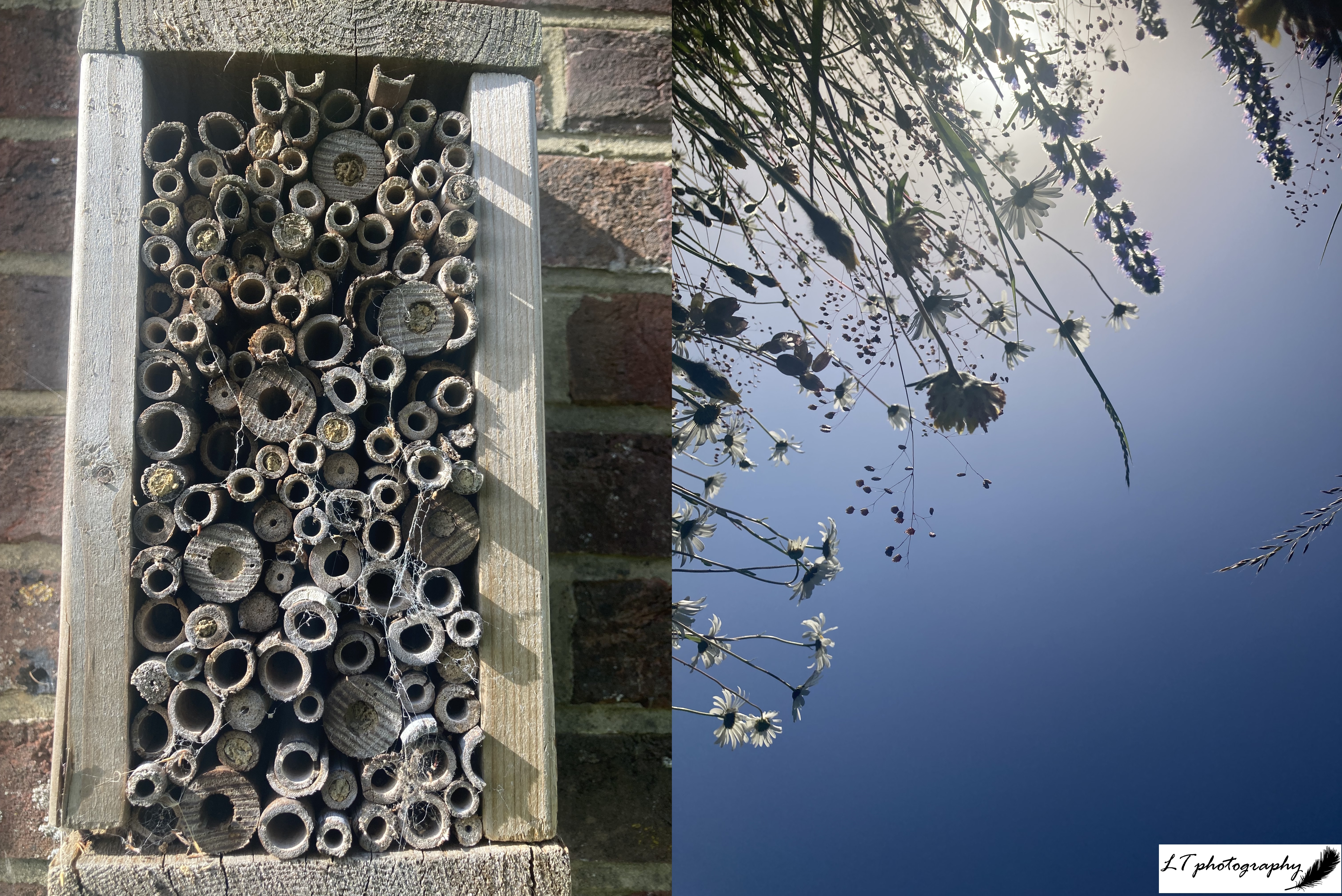
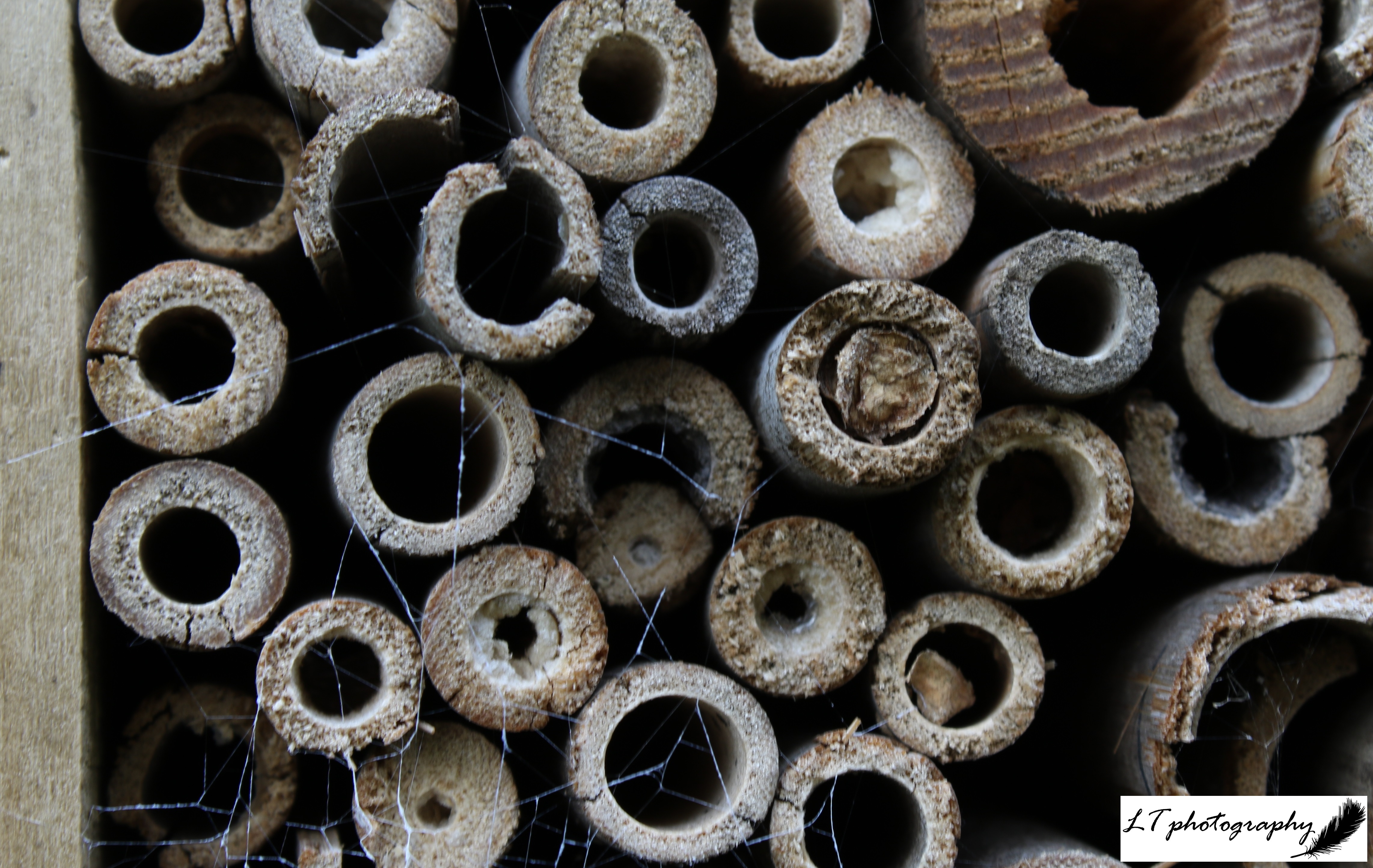
Sunday 12th: I took the day easy, giving my knee some more time to rest. I did though check my bee hotel, which is currently being well used, and spent a really lovely summer’s evening with my brother and his family in their wonderful little garden.

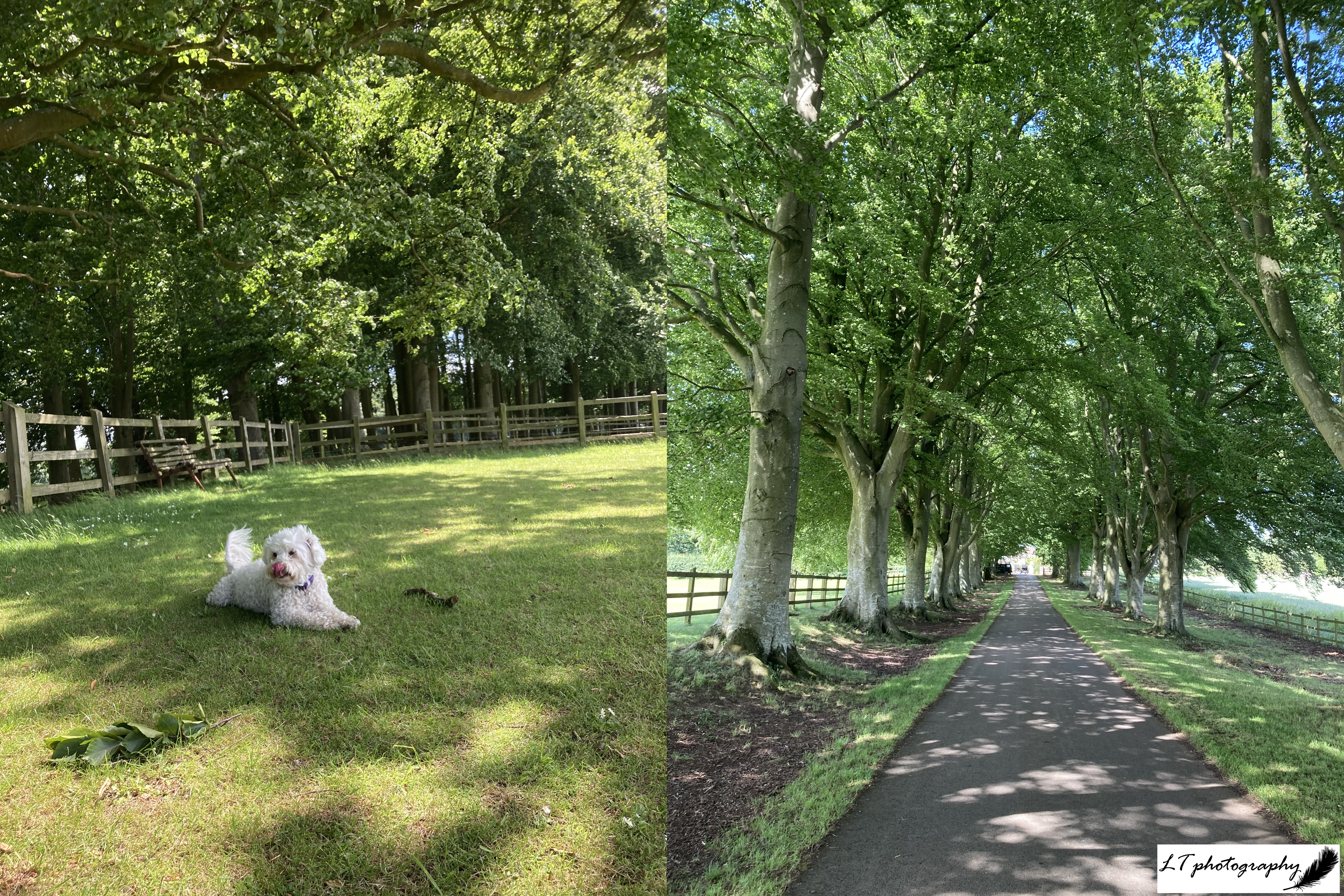
Monday 13th: Today was another day when I got to walk the little dog Kaya, and this time we escaped the hot day by walking in the shade of a huge avenue of trees and looking out for all the wildflowers we could find.

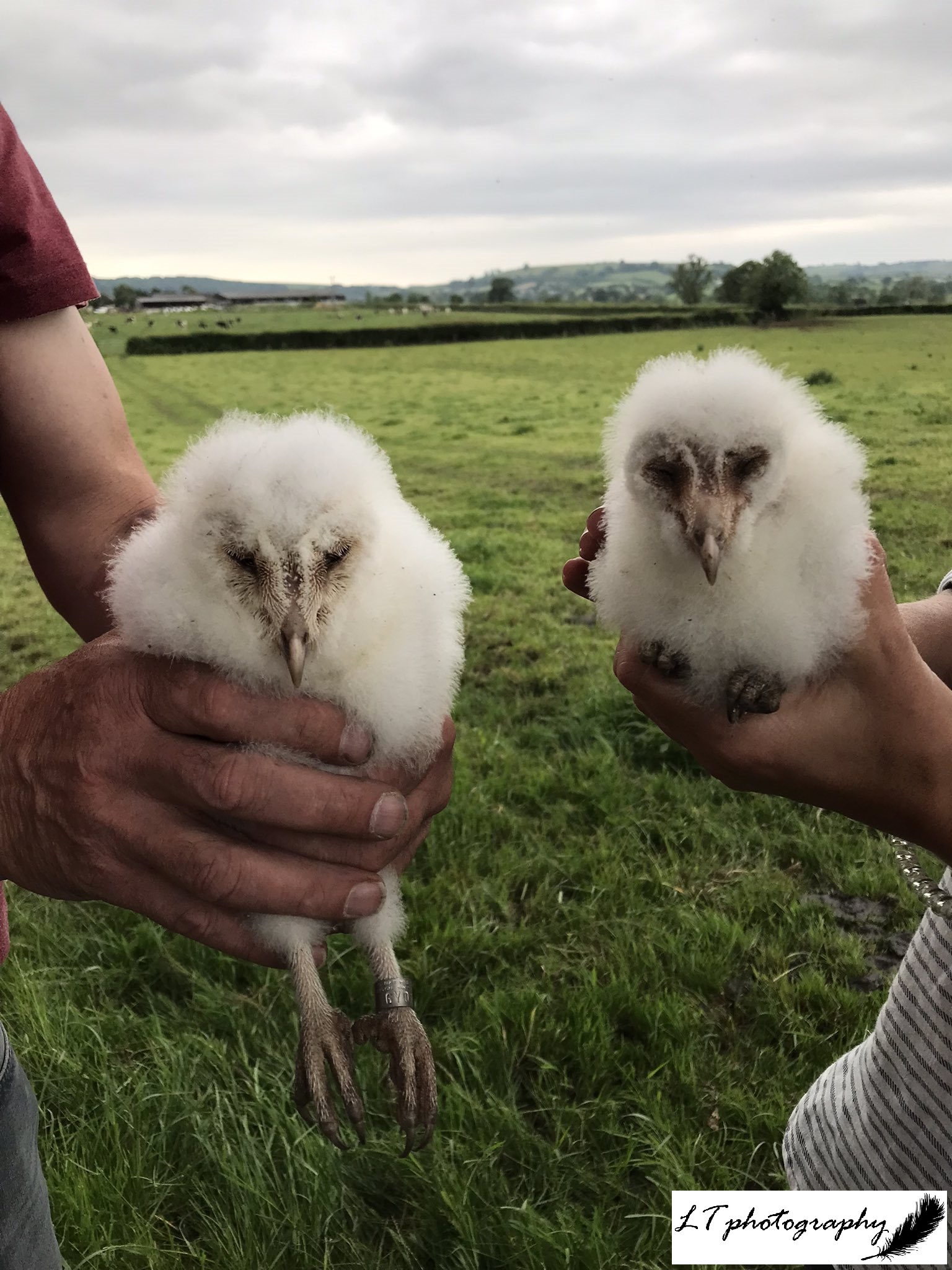
Tuesday 14th: Today was a special day on the farm for me. I got to ring the first of this year’s barn owl chicks, which is always a real pleasure, but I also got to ring our very first kestrel chicks on the farm! Stay tuned to this blog later on in the year to find out how our barn owls (and kestrels) have fared this year.

Wednesday 15th: My wild highlight of today’s work day was seeing fox cubs. On my daily travels around our land, I saw not one family of fox cubs, but 3, all out playing and exploring. Whatever people might think of foxes, fox cubs are a real joy to watch.

Thursday 16th: Though a day late, today I made my usual swallow nest checks. My 5 nests are doing well, 1 ringed brood of 5 staying close to their nest, 2 nests nearly ready to be ringed, and 2 more that are just hatching.

Friday 17th: I was outside most of the day, but my wild highlight has to be watching 4 red kites swooping over the fields following grass being cut by tractors. It was also Wild Friday on this blog, and so this Friday’s post was a collection of some of my favourite photos from spring 2020.

Saturday 18th: In between work hours, I used my free time to finish hand painting the bee hotel I had been working on for my niece’s 4th birthday. I really enjoyed painting it and I was very happy with the end result! Maybe I will have to do more wild wood painting in the future!

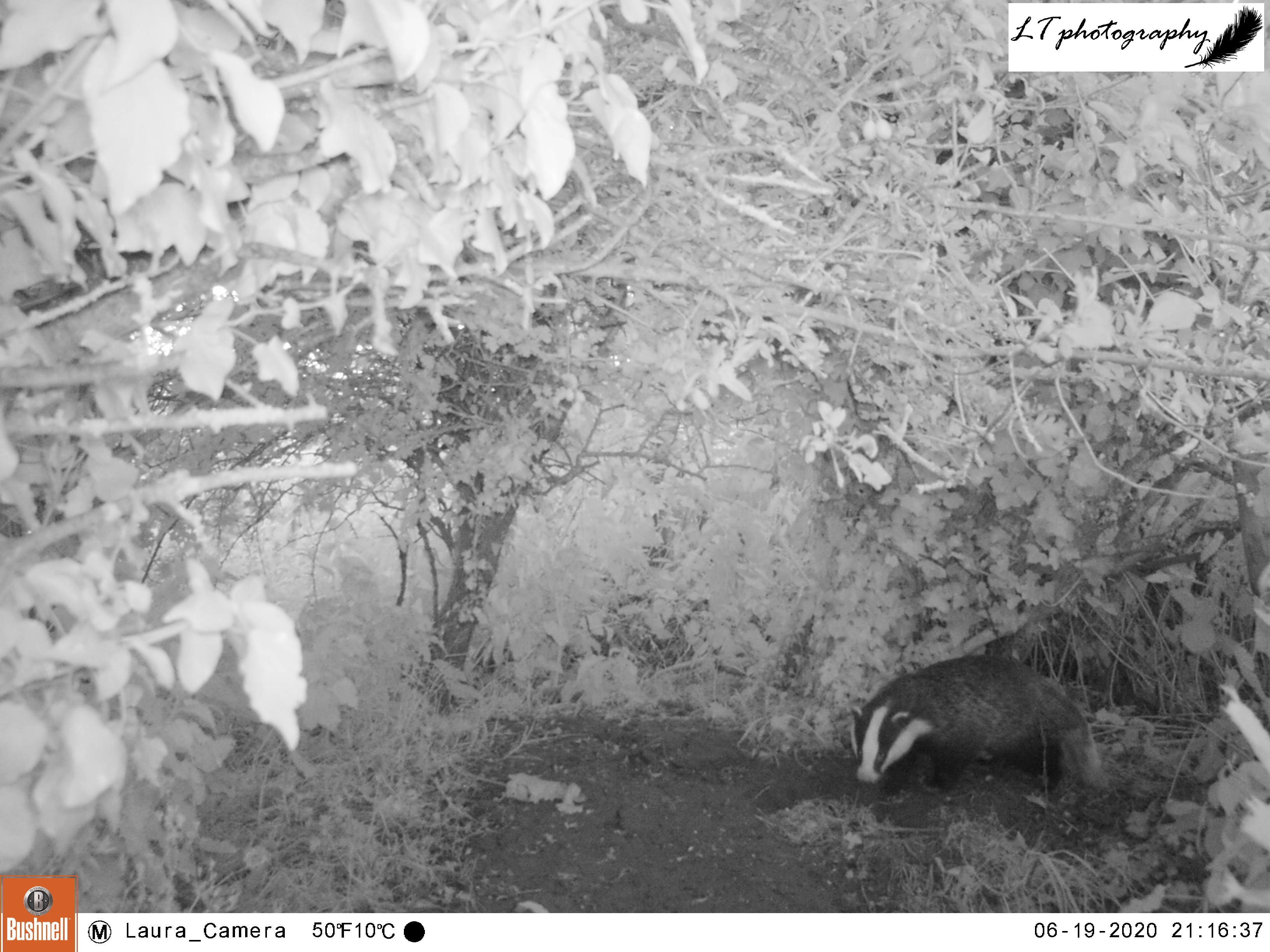
Sunday 19th: As I had a more relaxed day, I headed out and collected recent photos and videos from my two camera traps that are out and active at the moment. This is my favourite part of camera trapping, and my cameras did not disappoint. Check out my blog posts coming in the next few weeks to see all about my camera trapping adventures this spring!

Monday 20th: Around work today, I picked the first gooseberries of the year, explored what flowers are currently out right now, and watched a lovely sunset.

Tuesday 21st: Today I spent most of the day working away from the main hub of our farm, provided with wild moments including listening to yellowhammers sing, watching adult kestrels feeding their chicks, and escaping a swarm of honey bees. To finish the day, I got to ring another 2 of my 5 swallow nests. I am enjoying monitoring my small swallow population!

Wednesday 22nd: As Wednesday rolled around once again, I was back checking on my swallows that have yet to reach the ringing stage. Now 1 nest has completely fledged, another 2 have been ringed, 1 is ready to ring, and unfortunately 1 of my nests has been predated. This year has definitely been a tough one for swallows once again, but it is good to have seen some chicks fledge already.

Thursday 23rd: After a couple of weeks resting up from my knee injury, I was finally back out on horseback. I went for a lovely chilled hack out around my local area on Marsha, taking in lots of wildlife, including singing greenfinches and a hunting buzzard.

Friday 24th: Today I enjoyed sharing the last Wild Friday on my Laura’s Wild World blog this June. This particular post celebrates spring by looking at how spring happened in 2022. It was an interesting post to put together!

Saturday 25th: For the first day I had had off in a long time, I had been invited to a ‘Greylag Goose Roundup’. This event was being held at Poole Park to catch geese for a project where each year as many as possible of the current population are being coloured ring. It was a great day of catching up with other bird ringers and getting to ring my very first greylag goose!

Sunday 26th: Today I woke up to the rain falling and quenching the thirst of the land right now. It was great to take some time to appreciate the falling rain, before getting some drier spells to walk the countryside.

Monday 27th: Again another day begun with rain, before heating up and drying out. After a busy day, I enjoyed taking a break from life and walking around our land, exploring nature. Flocks of juvenile goldfinches, knapweed blossoming into purple flowers, and hares grazing in the fields, just some of the few sights to be beheld.

Tuesday 28th: This morning I had another lovely ride out on Marsha, with some of my wild highlights being a buzzard trying to hide in a tree, painted lady butterflies on the wing, and hedgerows full of wildflowers. This afternoon I had a good walk with my Dad watching butterflies and birds, including meadow browns and red kites.

Wednesday 29th: Today when I was not working or going to appointments, I spent time organising my wildlife photos and camera trap photos, and playing outside with my young nieces, who both love nature in their own individual ways.

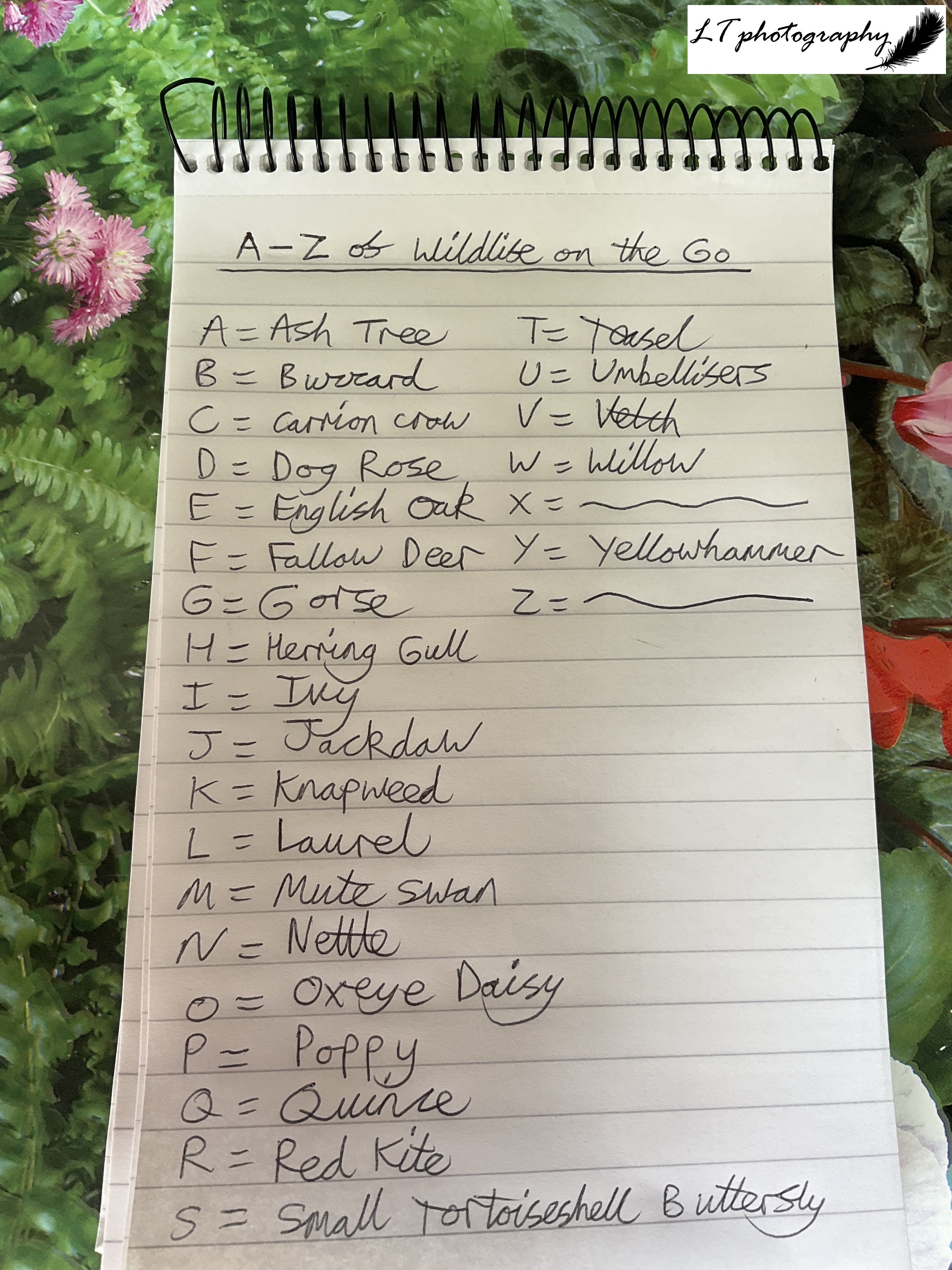
Thursday 30th: For the last day of this year’s 30 Days Wild, I have been travelling up to London by bus to spend a few days exploring with my mum. For something a little different, I challenged myself to my annual A-Z of wildlife, but a travel edition. Here’s how I got on:

Looking back at my June this year, I was very busy, but the month shows that I naturally take time each day to connect with and appreciate nature. This could be through harvesting food, walking out in nature, or even getting involved in conservation projects. Being outside out in nature is important for my mental health, for my inspiration, and for my lifestyle, and so after this year’s 30 Days Wild, I now appreciate our natural environment even more so. Here’s for living every day a wild one!

Rural Dorset vs. Urban Manchester: Magical Minibeasts

Series in collaboration with guest writer Emma Rogan

Rolling green hills, trees sprawling across the landscape, hedgerows thick with plant and animal life, flowers growing up here and there, and rivers flowing through it all. The light of an orange sunset cast out over the city by a soaring glass tower block, the lonely lights of a crane against an evening sky, busy streets lit up for Christmas filled with music and laughter. Everyone’s idea of idyll varies, but for nature any landscape could provide a home. Let us explore.

Growing up within her family’s 250 acres of land, for naturalist Laura, rural Dorset is home. In what may be called the ‘middle of nowhere’ for an urban adventurer, Laura grew up alongside wildlife from barn owls and hares to grass snakes, damselflies, and oak trees. With parents that nurtured her to take an interest from a young age in looking after the wildlife they saw on their doorstep, this landscape has made her the conservationist and scientist she is today. Now her home provides inspiration for her photography and writing, including her Laura’s Wild World blog. Check out her blog here.

Guest for this series and wildlife enthusiast, Emma grew up in Manchester and will always be a city girl at heart. As a child she loved to watch nature documentaries and daydreamed about faraway places, but over time she fell in love with the wildlife that also calls Manchester its home. Emma has spent the past year documenting the lives of the insects, birds, squirrels and foxes that stop by her little rectangle of garden, and exploring the local woods alongside the River Mersey with her mum. Check out her page here.

In this brand new blog series, we take a look at the local wildlife that can be found in two very different home locations. Though at a contrast with each other, we will see how nature can make its home in both rural and urban landscapes, and the wealth of life that can be explored on anyone’s doorstep. At a time when it is so important that we protect and conserve the natural environment around us, let us inspire you as we take an adventure to explore a smaller side to nature.

Laura’s Countryside Minibeasts

Today was a warm and breezy day, perfect for walking through my family’s Dorset farmland in just a T-shirt and shorts. It was the kind of day though when you could feel the first breath of autumn in the air, kept at bay by the bleaching late-August sun. Pushing the cooler days to come to the back of my mind, I set out to try to see what smaller creatures I could find out in nature.

Journeying along tracks, through grass fields, over rivers, through tall maize, past a chalk ridge, and back home to my garden, my quest bore more and more fruits along the way. With every turn I got to experience a colourful and spectacular diversity of butterflies from small coppers to peacocks, got to be serenaded by grasshoppers singing their chirping tune, and to be joined by crane flies lazily hanging in the hazy golden light as I walked along on my own.

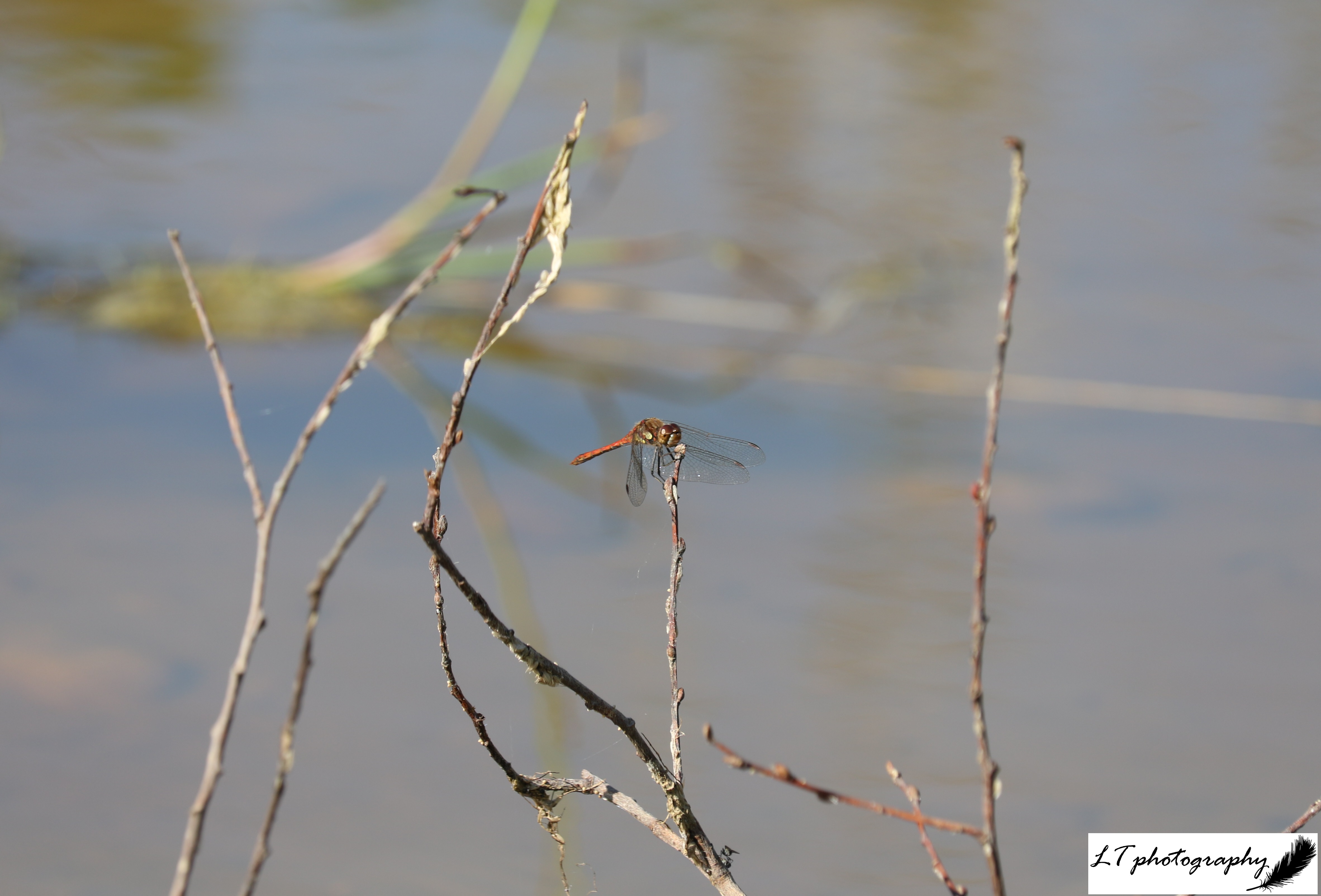
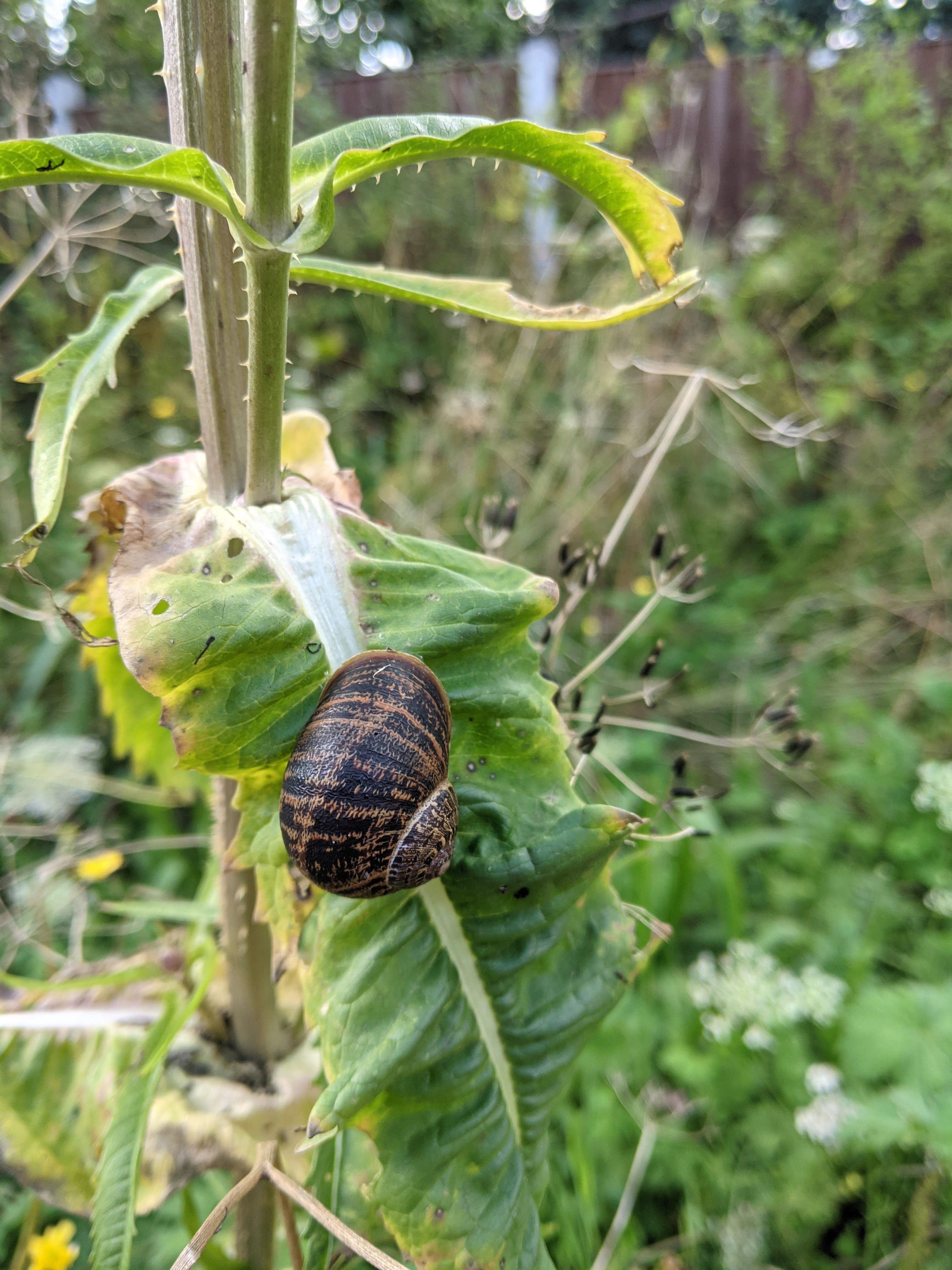
As my minibeast list grew, I stopped here and there to take a closer look, such as to gaze at beautifully banded snails hanging from nettles, or to photograph minibeasts, such as the curious looking froghoppers making maize leaves their home. I was loving it! The main highlight of my adventure though, had to be discovering a treasure trove of dragonfly and damselfly species on and around the pond in our conservation field. One minute I would see the golden-brown of an unknown dragonfly fly past me, before catching sight of common blue demoiselles dancing in the air and red-veined darters defending territories over the water. I was amazed at how many beautifully-coloured species I saw in such a short space of time!

When I set out on my minibeast adventure, I was not entirely sure what I would find at this late stage of August. Whatever I thought though, by the end I was having a really great time, seeing some cool minibeasts ranging from busy honey bees enjoying a medley of flowers to many butterflies adorning buddleia bushes like gemstones. It really brought home that you never know what you might find until you open your eyes to the world around you. I am no invertebrate expert, but I was still able to take in all the wonders this mini world had to offer. It was a great break from life, though more importantly, a game changer!

Emma’s Minibeast Hunt in the City

Unbelievably, the afternoon I’d planned to go on my Minibeast Hunt was beautifully warm and sunny with a slight breeze. This is a rarity in Manchester! I gleefully pulled on my walking boots and headed out with my other half to Fletcher Moss, a nearby park and woodland alongside the River Mersey. We spent an hour wandering through the Parsonage Gardens, down to the river (down, down, doooown by the riveeeer – any Baldur’s Gate 3 fans?), and through the woods, making a brief stop for ice cream along the way!

The Old Parsonage and it’s beautiful walled garden was left to the citizens of Manchester by Alderman Fletcher Moss in 1919, and has since become a much-loved community space which is carefully looked after by volunteers. The garden was buzzing with pollinators drawn in by the variety of flowers, the echinops was particularly popular! It’s always lovely to see bees out and about in Manchester, as bees are the symbol of our city.

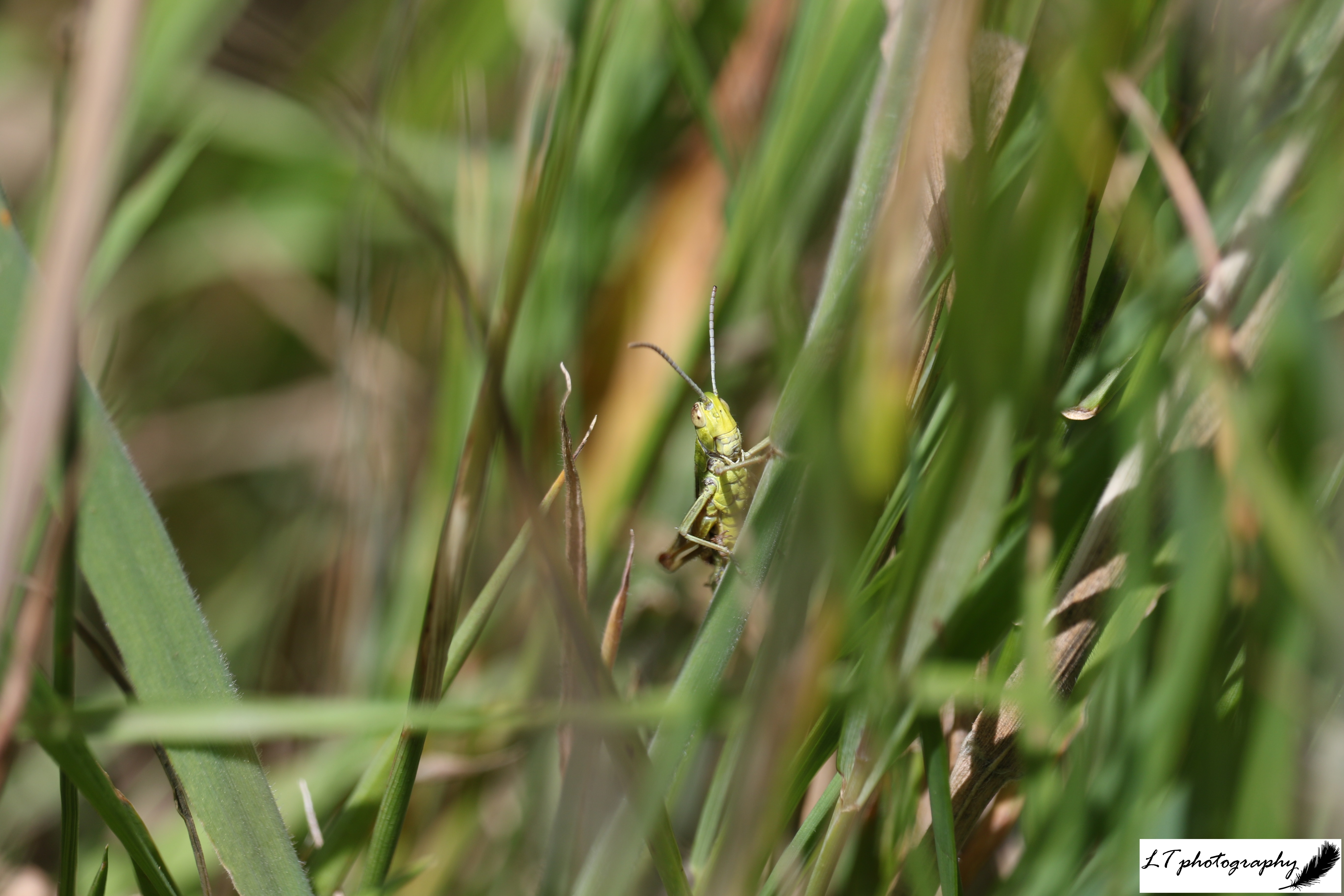
We then walked down the hill and took a winding path towards the river. The first stop on our riverside walk was Simon Bridge, a green iron bridge across the River Mersey which was gifted to the people of Didsbury by Henry Simon in 1901. Plenty of bees, wasps and hoverflies flew past us as we walked, but our second stop came when we heard what we thought was the singing of a grasshopper! This necessitated ten minutes of searching and more than a few curious glances before we found the little guy sat solemnly on a blade of grass.

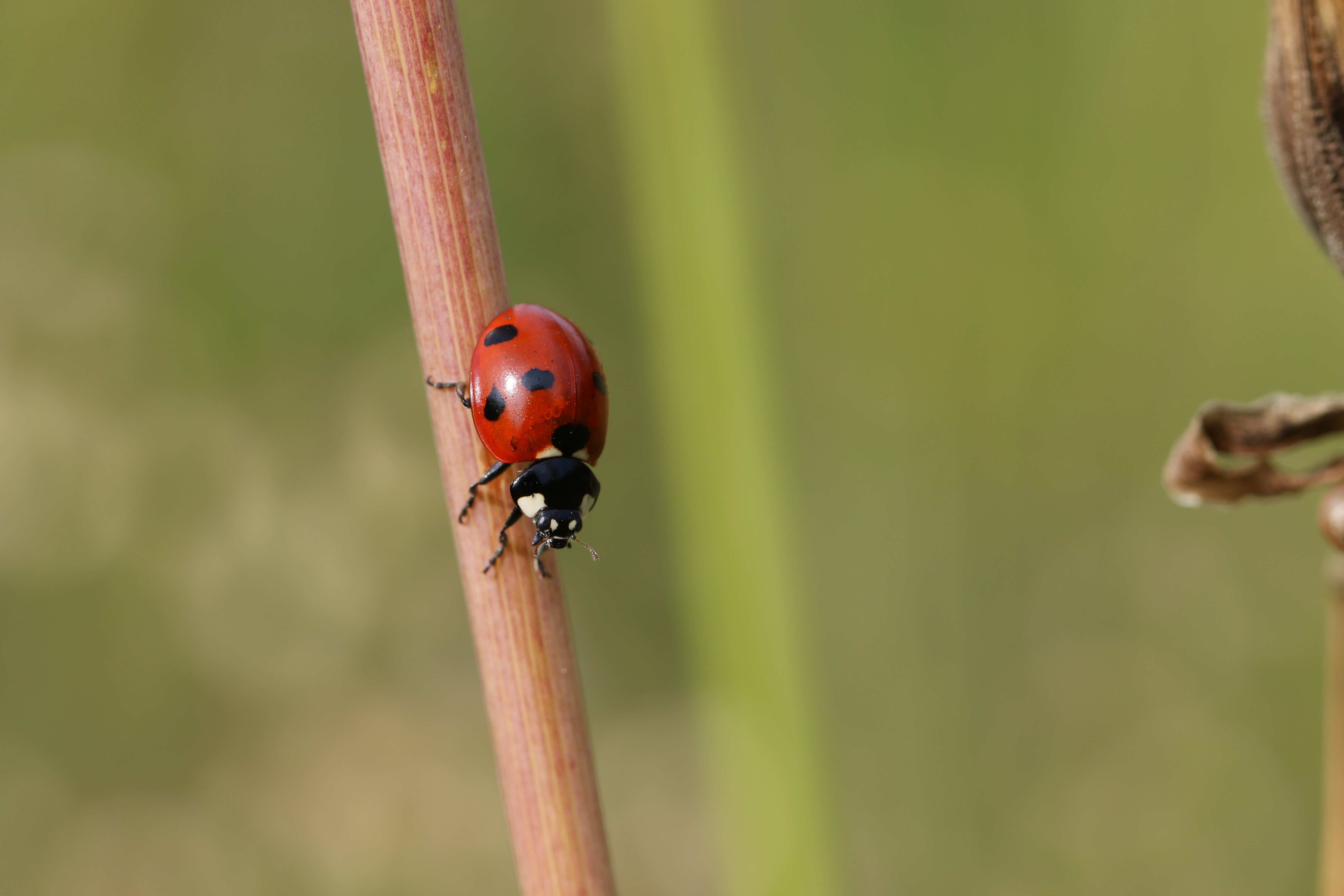
As we wandered on, our path took us away from the river and back up into Stenner Woods, a small area of woodland in the original Mersey Valley flood plain. It was at this point that a dragonfly decided to join us! Unfortunately, he wouldn’t stay still long enough for me to take a picture. We also came across a snail clinging to a thistle, and a ladybird nestled between the spines of a teasel, and a very hungry group of mint leaf beetles. Butterflies were noticeably absent, as we spotted only one female meadow brown butterfly during our walk. Our final stop was at a small pond area, where we saw what seemed to be hundreds of pond skaters!

I’ve been fond of bees for quite a few years (I even wrote my dissertation on bees!), but I don’t often take the time to pause and notice the other minibeasts that live in my local area. This minibeast hunt was a great opportunity to challenge myself to look closer, and I felt very lucky to gain a snapshot into the lives of these smallest of animals.

Minibeasts

When people think of animals they usually think of lions, bears or elephants, for example, forgetting the smaller less observed animals in nature. The minibeasts we walk past each day though, can be equally majestic and awe-inspiring. Butterflies in spectacular colours, weird and wonderful froghoppers, or wriggling hard-working earthworms. All play an important role in nature, but tend to go unnoticed and be underappreciated.

On both Emma and Laura’s minibeast adventures though, they found taking the time to focus on the smaller things eye opening. They might live in very different areas, but the green spaces they both have access to show an amazingly similar host of minibeasts. From grasshoppers to dragonflies, amazing minibeasts can be found anywhere. By challenging yourself to look closer at the smaller things in life, you can learn a lot, be provided with inspiration and even experience a moment of distraction and escape. Minibeasts are colourful, unusual, and awe-inspiring, so why not stop and find out what you could discover too?

Spring in Photos 2021

Last year spring was my lifeline, as we experienced the world around us being thrown into disarray. This year spring was instead turned on its head, with changing weather patterns making it unpredictable and different from what we would usually expect at this time of year. A hot and stormy March, cold April, and wet May made nature emerge later, with spring events taking longer to arrive, and being anywhere up to 60 days late.

Still this year’s spring has been magnificent. Vibrant and colourful, it had much to be celebrated. My family’s farm in Dorset became full of new life, from blossoming trees and flowers, to fox cubs and leverets. Spring is unsurprisingly my favourite time of year, so this year I again made a point of getting out as much as possible to experience it, with my camera by my side. Here’s a look at some of my favourite photos from this spring, either for their aesthetic appeal, meaning to me, or overall joy factor.

Spring in Photos 2021

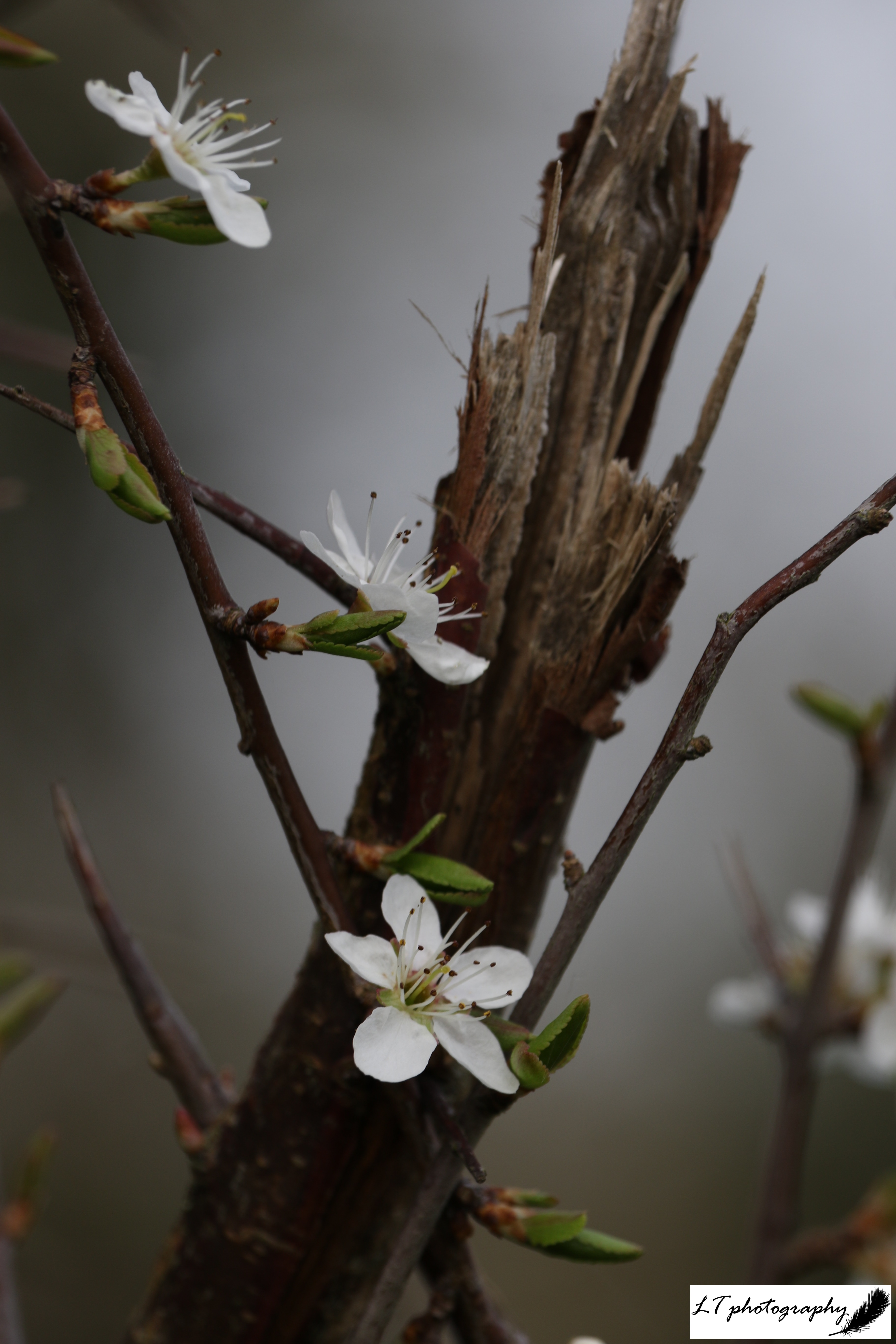
1. Blackthorn – This photo was taken at the beginning of April on a misty morning. It was a beautiful way to see delicate white blackthorn flowers in a different light, framed in front of a splintered stem.

2. Male blackbird – Blackbirds are an iconic sound of spring for me and also so many others. Their beautiful song often symbolises the beginnings of longer, lighter evenings, or for me fresh spring mornings. This male would sit in this willow tree every morning throughout spring to sing his song, defending his territory and mate. In particular, this male and his female nested in our shed, successfully fledging 5 chicks at the start of June.

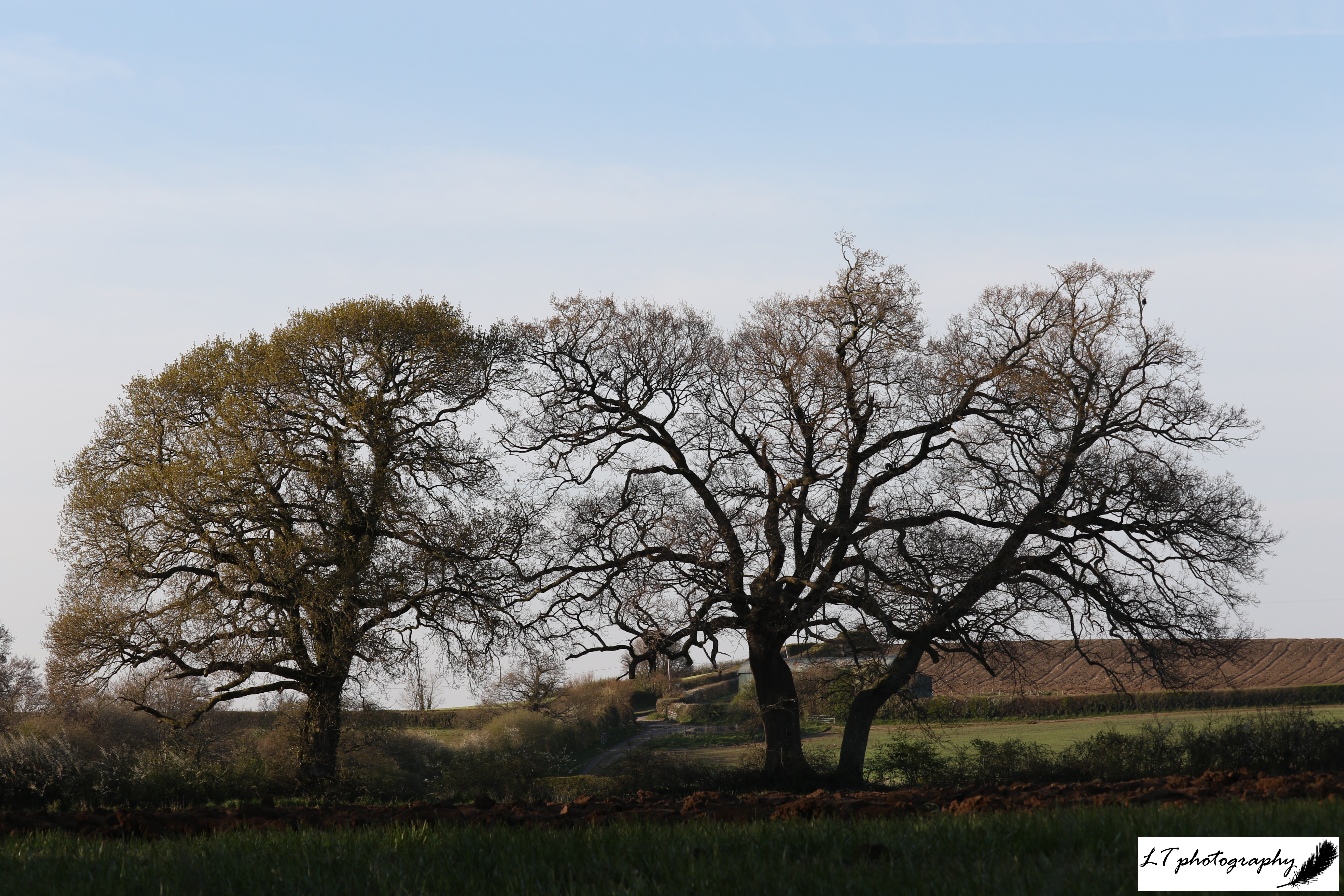
3. Oak trees of a farming landscape – What hits me first in this photo is how bare this landscape seems for late April. The oak trees have barely begun their bud burst, looking skeletal behind a farm field that is being worked. This almost autumnal scene is refreshing though, showing the new beginnings of another year in nature.

4. Camera trap fox cub – This photo is one of my favourites from this spring, symbolising a successful spring camera trapping season (blog post to come). This was one location, an abandoned badger sett, where I thought that foxes may have been breeding. My camera trap proved my feeling to be right, and treated me to an assortment of photos, day and night, of 2 very active fox cubs. Just one of multiple litters that I found on my family’s farm this year!

5. Wood anemones – Wood anemones have slowly become one of my favourite spring flowers, being one of the first to appear in woodlands across the UK. They are a great indicator of ancient woodland, and an interesting flower to photograph for their shape and colour. My memory cards are full of all sorts of different types of photos of this species!

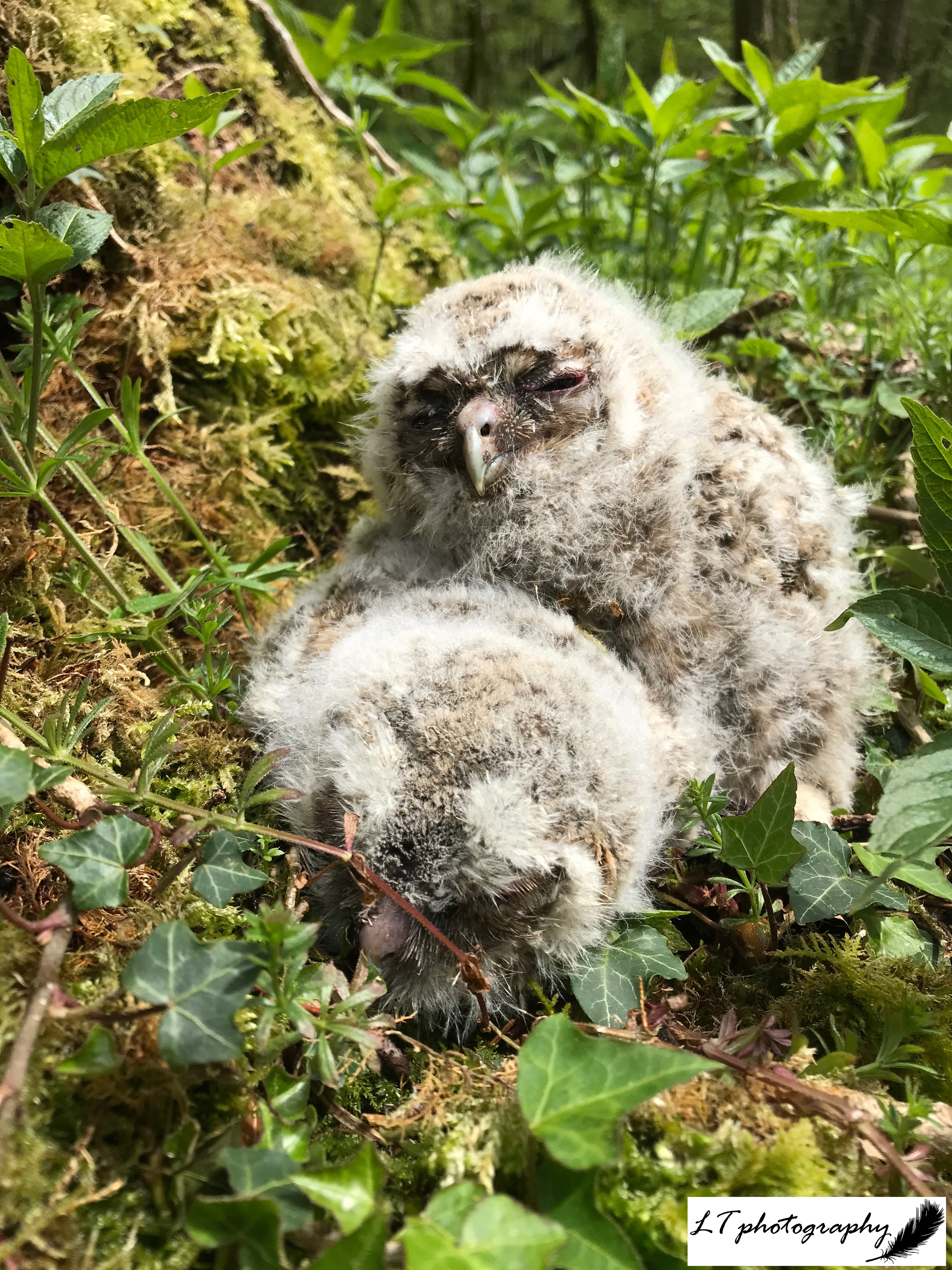
6. Tawny owl chicks – One of my highlights of spring this year has been ringing chicks under license with my bird ringing group (Conservation Action). In particular, I had a great day in early May at the Woodland Trust’s Duncliffe Woods site in North Dorset checking tawny owl nest boxes. It has been a poor year for tawny owls in general, which was reflected by Duncliffe Woods, but we did get lucky and found 3 active nest boxes. I had the pleasure of ringing these chicks, under permit, which will provide important information to help conserve tawny owls in the future.

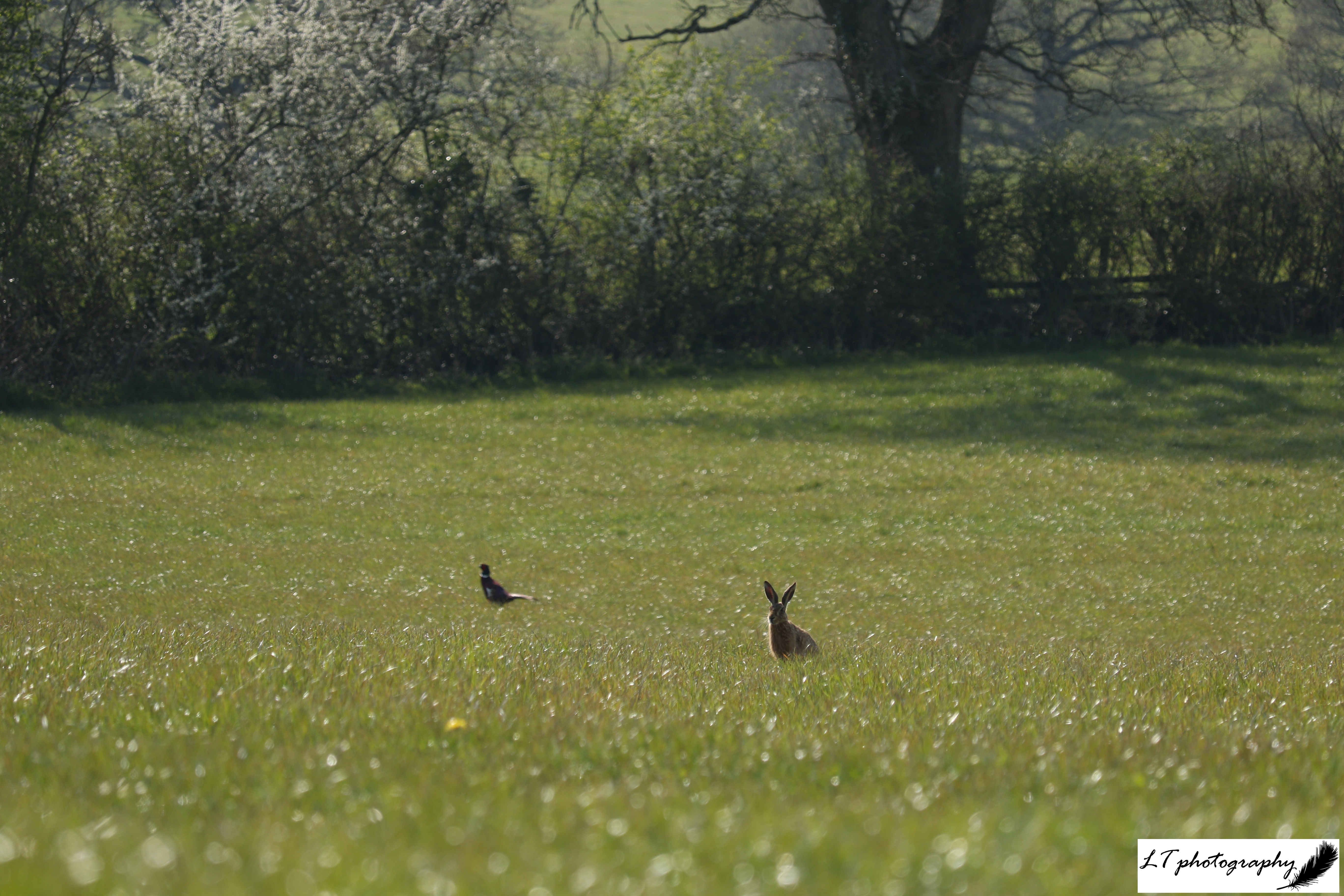
7. Brown hare – This year has been the year of the hare on my family’s farm in Dorset. We have a reputation for being a great site for this species, but this year has been truly astounding. With 1-3 hares to every field, I was humbled to spend my spring out working alongside them everyday, getting to see them up close and experience their behaviour firsthand. Truly magical!

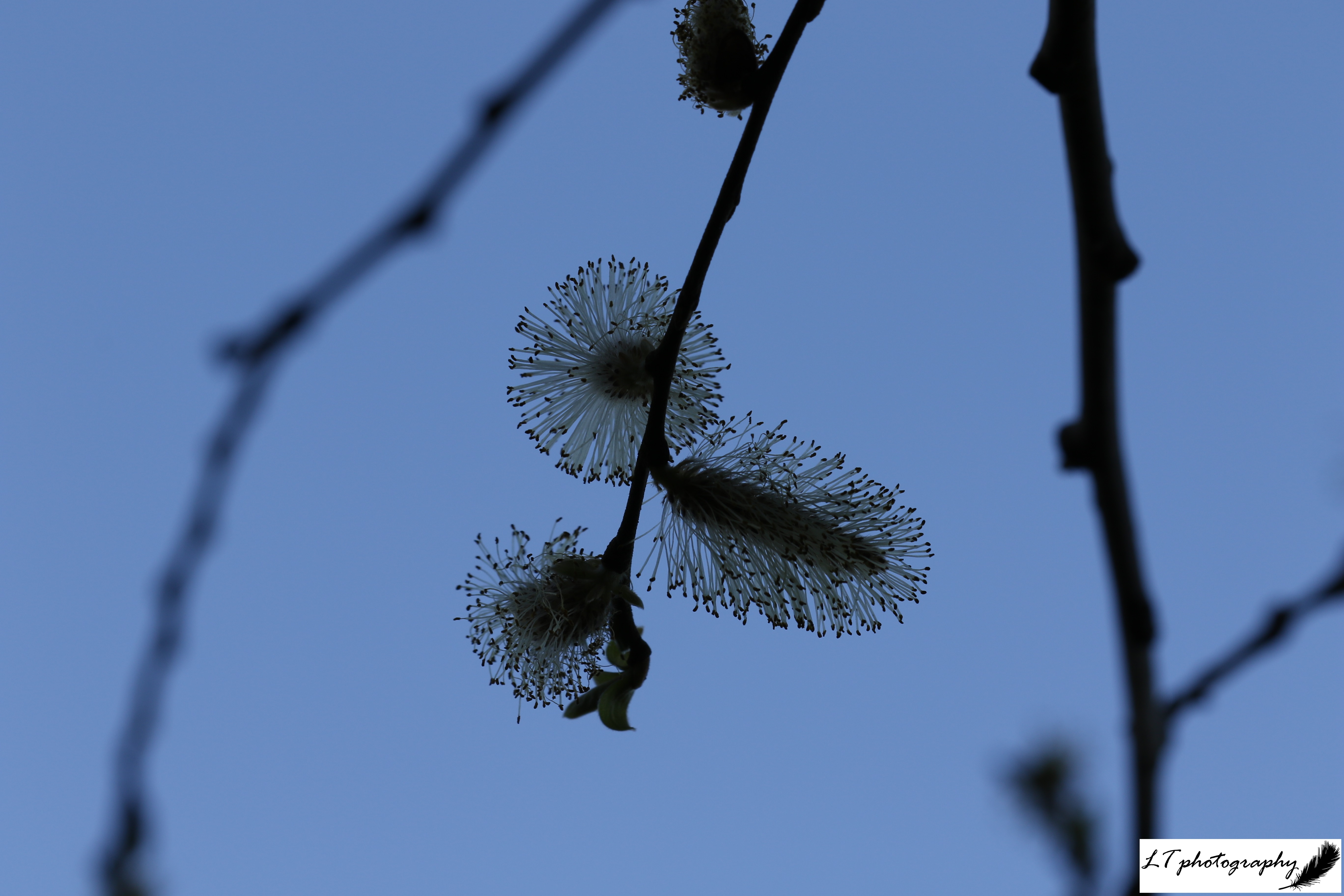
8. Pussy willow flowers – Willow flowers have been a difficult subject for me to photograph this year, with poor results. I was pleased though to find this refreshing photo on my memory card, of willow flowers stood out against a clear blue evening sky. They are beautiful in their own right.

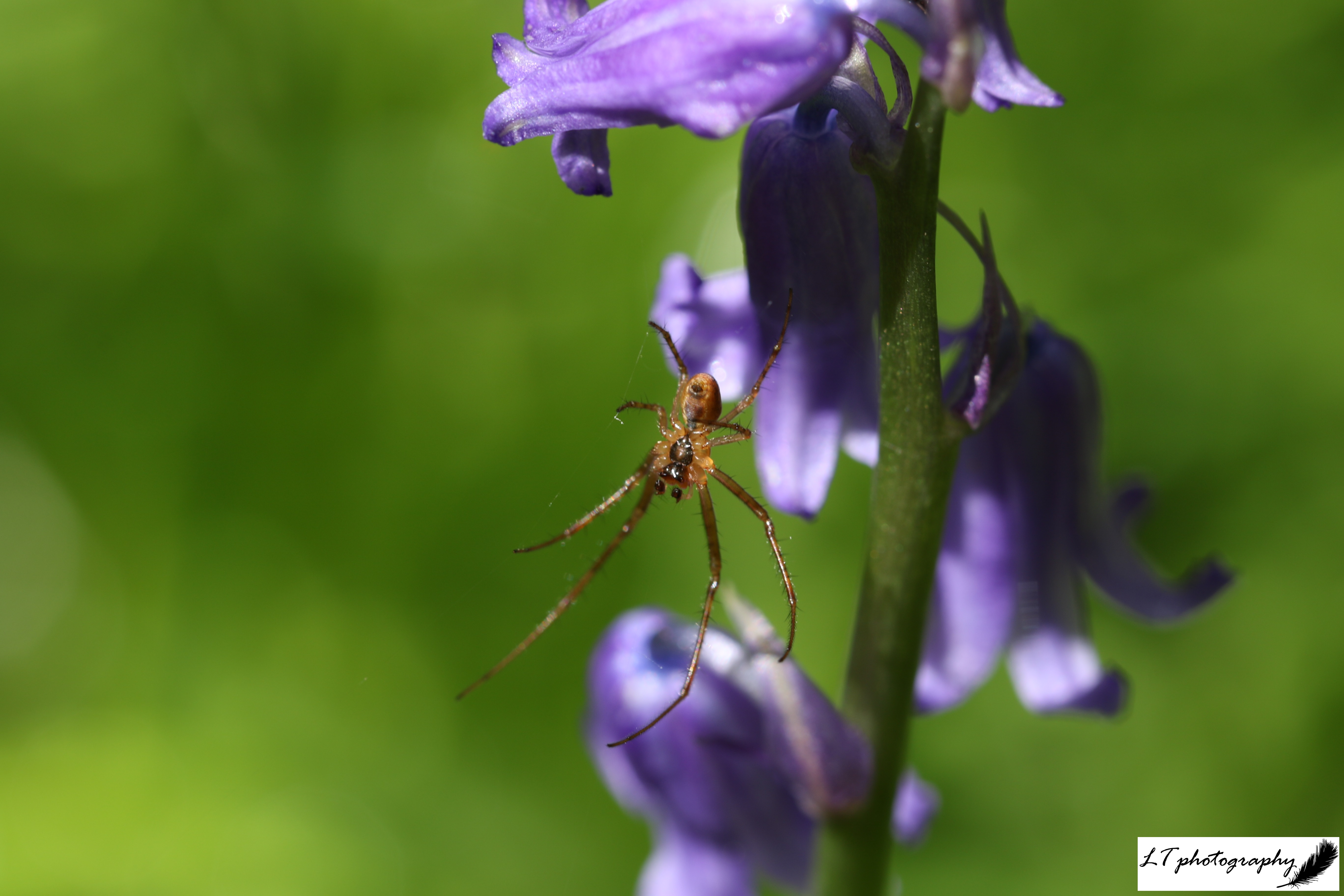
9. Spider in macro – This photo that is not photographically ‘perfect’ is still a favourite of mine from this spring for other reasons. As I invest in my camera equipment, my latest edition has been my first professional macro lens. So this photo was the first photo I even took with my new lens, and it fills me with joy to see the new world I can now start to explore.

10. Grey wagtail – Last year my Dad began digging a pond in his field that he is currently wilding. Though he was rained off in the autumn before completion, the half-dug pond is already attracting a wealth of species from birds to insects. Majestic grey wagtails that have begun populating this area over the winter have also found the pond this spring.

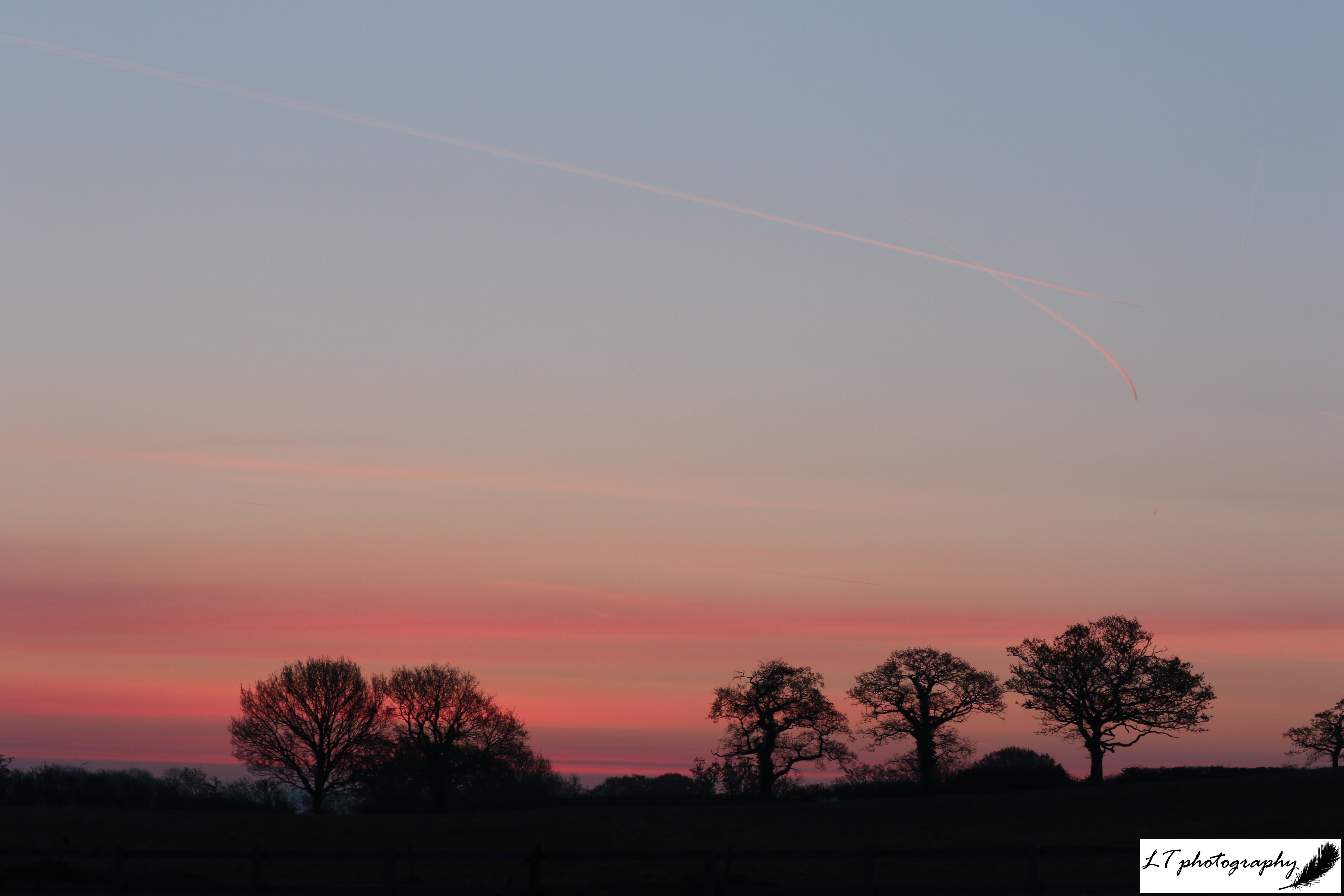
11. Sunset – Though sunrises are magical, sunsets have always been my most favourite time of the day. This is because many of my happiest memories can be linked to beautiful and vibrant sunsets from field research in Canada to evenings at home on my family’s farm. I have seen so many incredible sunsets already so far, but I hope to see many more in the future.
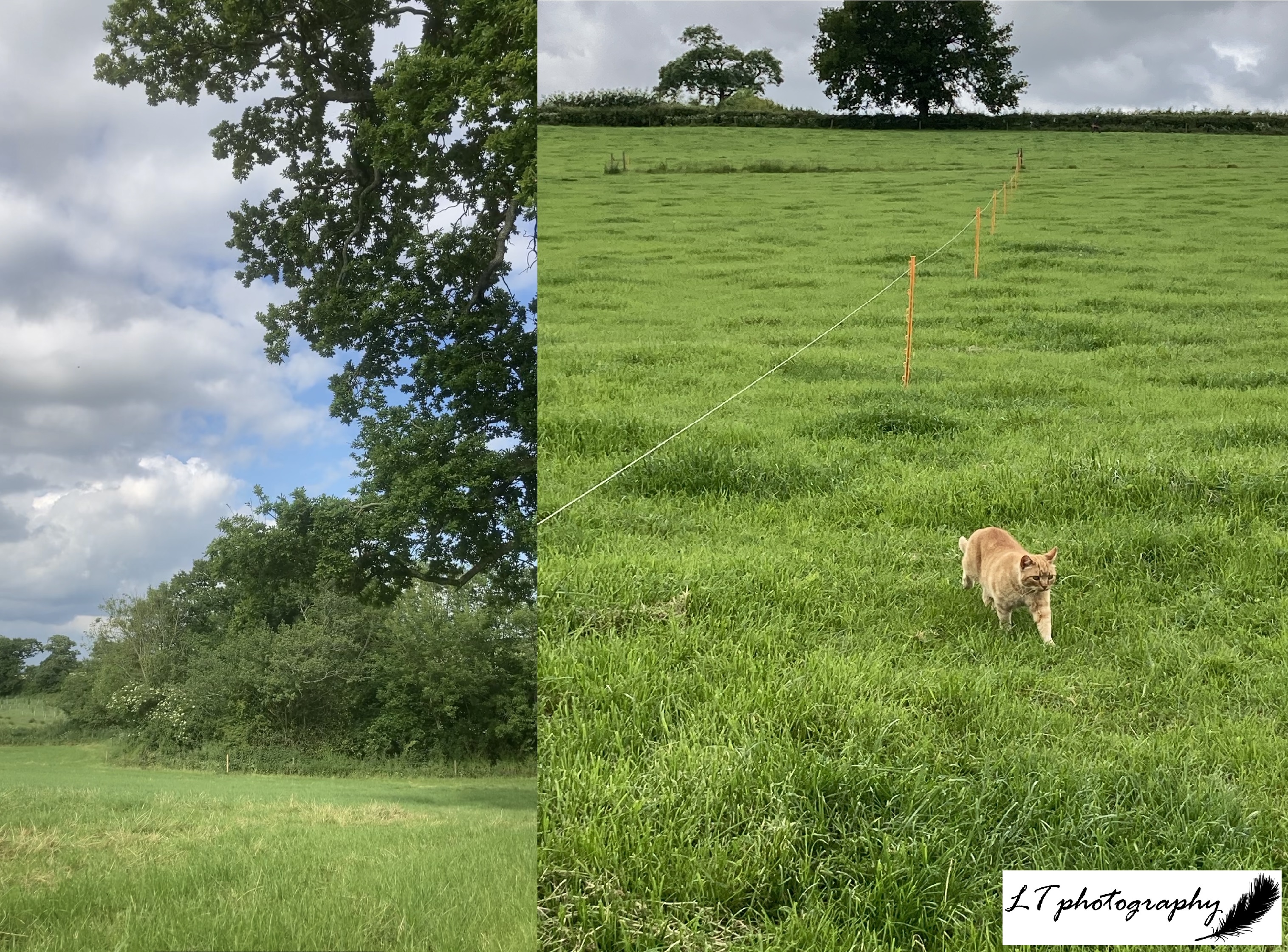
12. Wild garlic – Though my busy spring dissuaded me from mornings waking up before the sunrise, I did spend a couple of glorious mornings waking up and getting out an hour or so after instead. The light is glorious at this time of day and always provides me with inspiration for my photos and life in general. This photo represents this magical time of day and the joys of spring flowers, wild garlic being an iconic example.

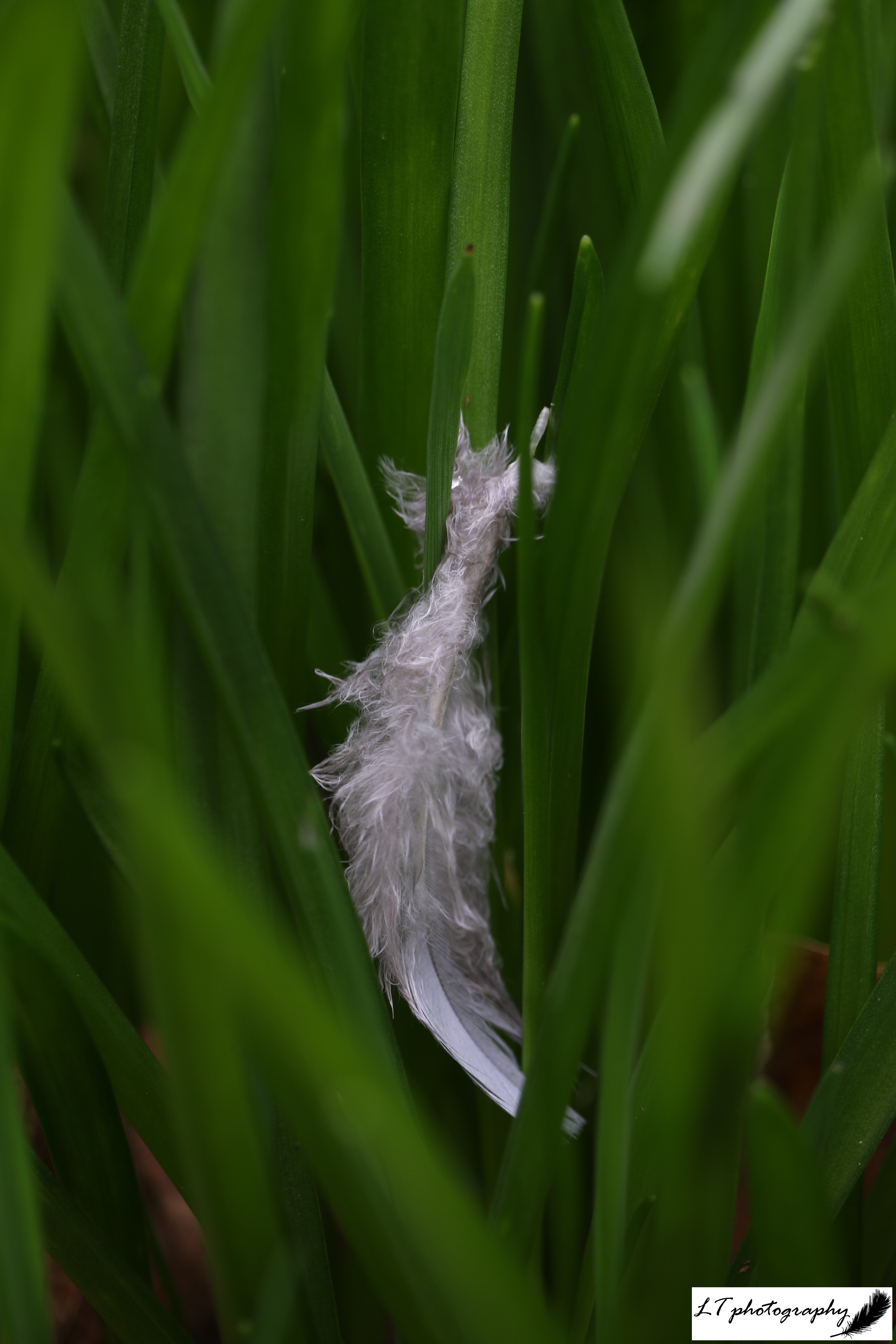
13. Feather in the bluebells – Wait, a feather again? Well feathers always sneak into my many files of photos, being a symbol of mine and representing my love of feathered species. They can also tell us useful information about what is living in a habitat, for example this feather is most likely from a collared dove.

14. Aberdeen angus calf – This photo is one of my favourite photos of one of my mum’s beef suckler calves. Spring is a time of new life in nature and on the farm, with my mum’s small free range beef herd giving birth at this time. This year they have weathered it through some turbulent months, but now are enjoying a bit of sunshine on their backs.

15. Honey bee – As I was intending to buy a macro lens this year, I made sure to time my purchase to be able to use it on the flowering of the poached egg plants in my family’s garden. It arrived well in advance, and, despite some rained off days, I got to spend some happy lunchtimes in the sunshine photographing bees on these flowers. This is one of my favourite macro photos of the flowers this year.

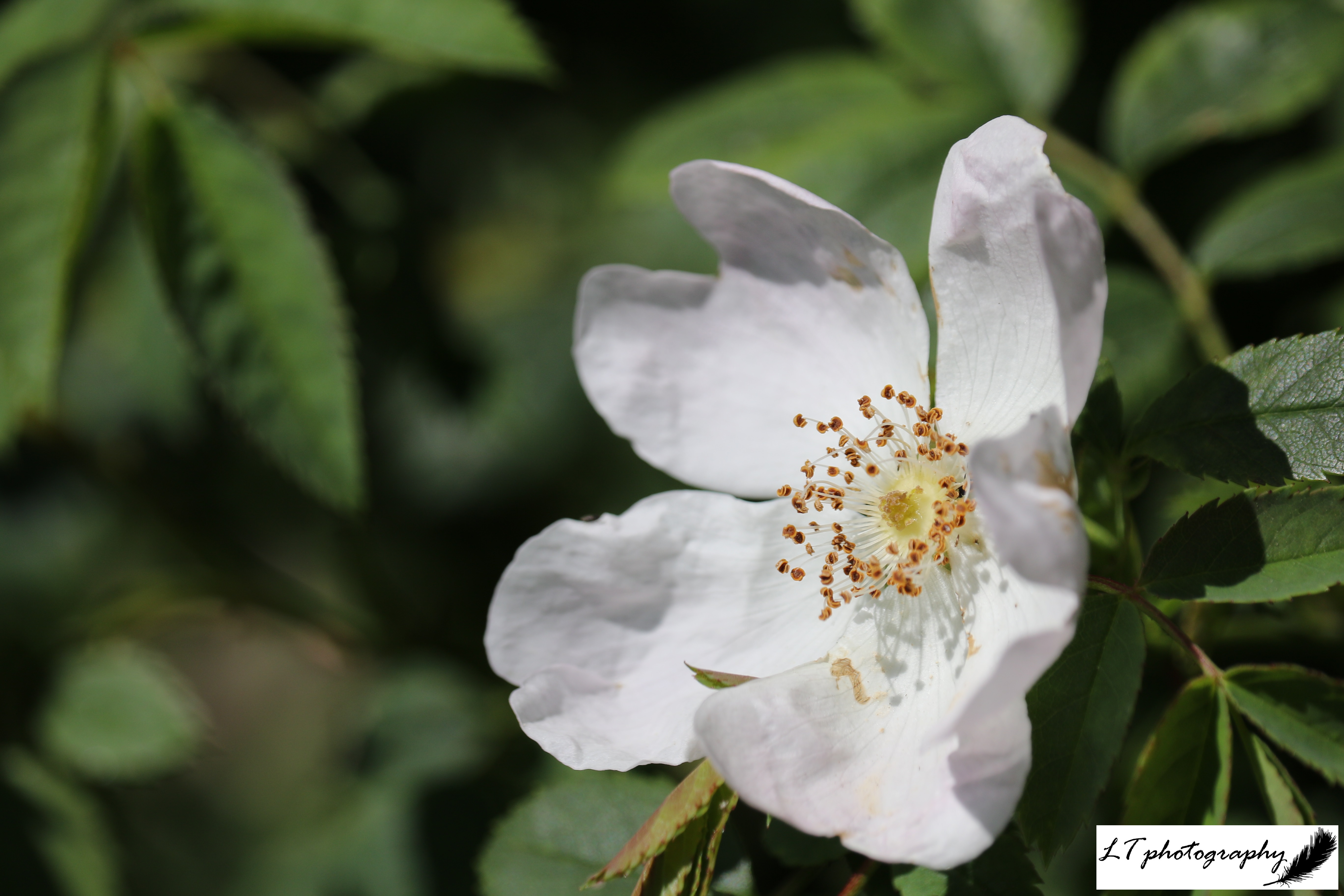
16. Dog roses – Dog roses were the last event of spring that I looked out for this year, and it kept me waiting! They were 22 days later for me than last year, with the first flowers blooming on the 8th June. They came out in force though, covering hedges within the space of a couple of days, adding some more colour to our hedgerows. With their lateness though, I feel like they also marked the end of spring this year.

How to… Make Your Own Bird Nest Box

As our summer visitors, such as Swallows and Willow Warblers, leave us for sunnier shores, and we wait for our winter returnees, such as Redwings, the world outside our doors is slowing down and wildlife is preparing for the colder times to come. Autumn is a time for extraordinary spectacles, storing up food and changing colours, but also a time for us to do our bit, to help our wild neighbours with their preparations, and to prepare for a new year to come. This can range from cleaning ponds and putting out food, to planting trees and creating wood piles. It is also importantly a time to provide new homes for nature.

Previously, in spring/summer I posted on my blog about how to make a home for nature in the form of a bee hotel (see How to… Make Your Own Bee Hotel). A bee hotel is aimed at providing solitary bees (90% of UK bee species) with a place to nest, and for my blog I made a bee hotel that has now had some success. There are other forms of homes that we can make for wildlife though, for example for different species of bird.

In the UK, more than a quarter of all bird species are of the highest conservation concern, with a decline in breeding birds (44 million) between 1967 and 2009. This means that conserving and creating habitat for birds is an important issue, and something we can all get involved in. One example of an easy way is to put up nest boxes, which mimic natural habitat. They create an effective artificial cavity for birds, providing an accessible alternative for species that are currently experiencing the loss of breeding habitat and winter roosting sites.

Nest boxes come in a variety of shapes, sizes and designs, which will depend on the species of choice and the purpose they need to fulfill. Though you can put up a nest box at any time of year, the best time is right now, ready to be used as a roosting site throughout winter and for breeding in the spring. This way you can increase the chance of your nest box being a success next year. There are no set rules though, so why not try making your own today!

How to Make a Bird Nest Box

What you need:

  • A plank or offcuts of untreated wood, about 15mm thick for insulation
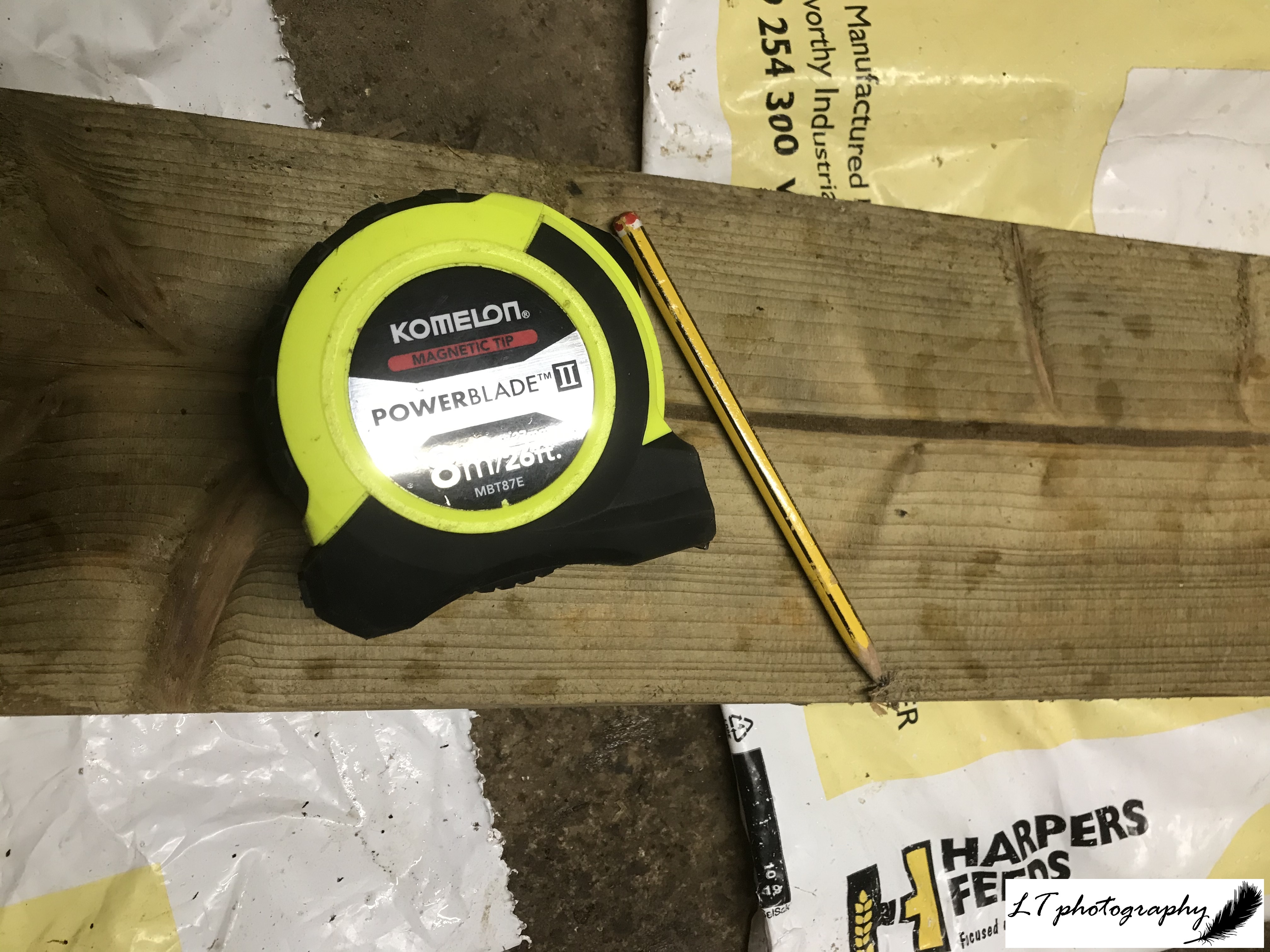
  • Tape measure & pencil
  • Hand or power saw
  • Drill & different sized drill bits
  • Sand paper
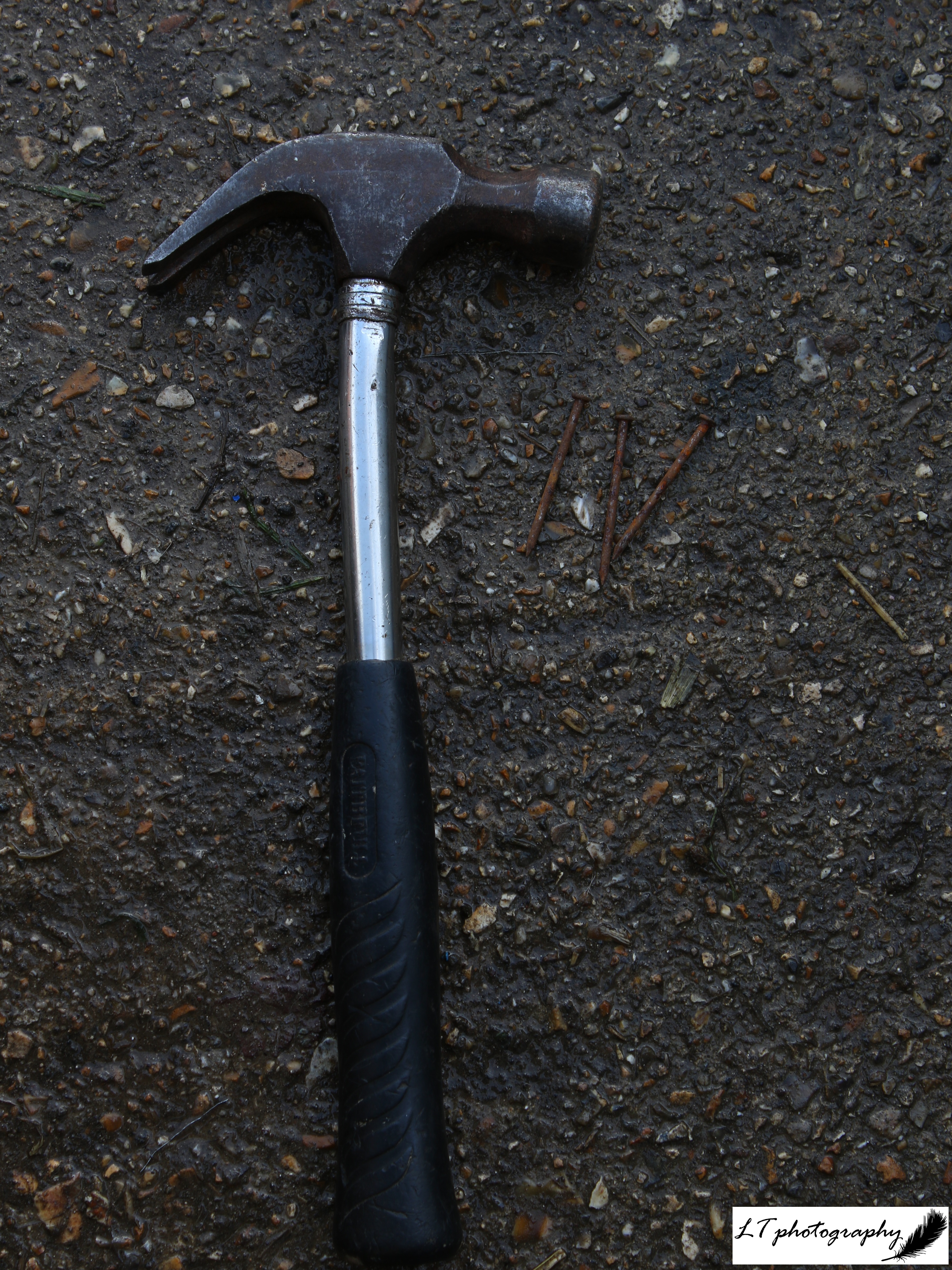
  • Hammer & nails
  • Screws
  • Sealant, a piece of rubber or something similar
  • Optional: Hole plate

Step by Step Guide:

  1. Decide on your nest box design. Your nest box will most likely be aimed at a certain species, such as Robins or House Sparrows. You can also choose particular design features, such as a flat or apex roof. For the purpose of this guide though, I will provide instructions to make a standard Tit nest box.
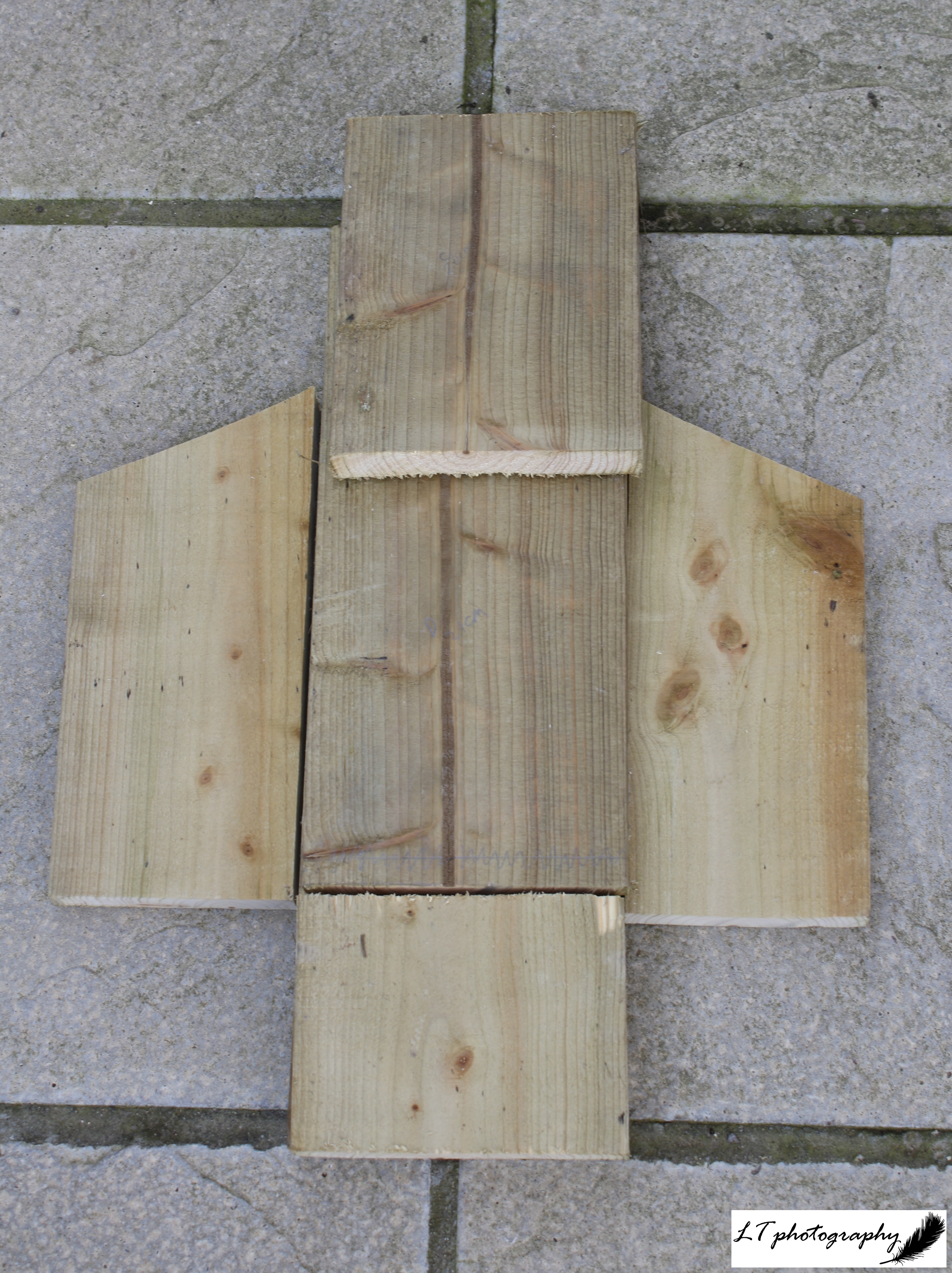
  1. Use a tape measure and pencil to mark out the wood you need, either by creating templates out of paper or cardboard, or by drawing straight onto the wood. For this design you will need 6 pieces: a back (45cm x 15cm); a base (11cm x 15cm); a front (21cm x 15cm); a roof (20cm x 15cm); and 2 side panels (25cm high at the back, 20cm high at the front, and 11cm wide). Use a hand or power saw to cut the wood into the 6 pieces needed.
  1. Next, take the front panel and use a wide drill bit to make a hole towards the top of the panel, at least 125mm up, which the birds will use to enter the nest box. The size of the hole will vary between different species, but for my nest box I made a 25mm hole, aimed at Blue Tits and similar Tit species.
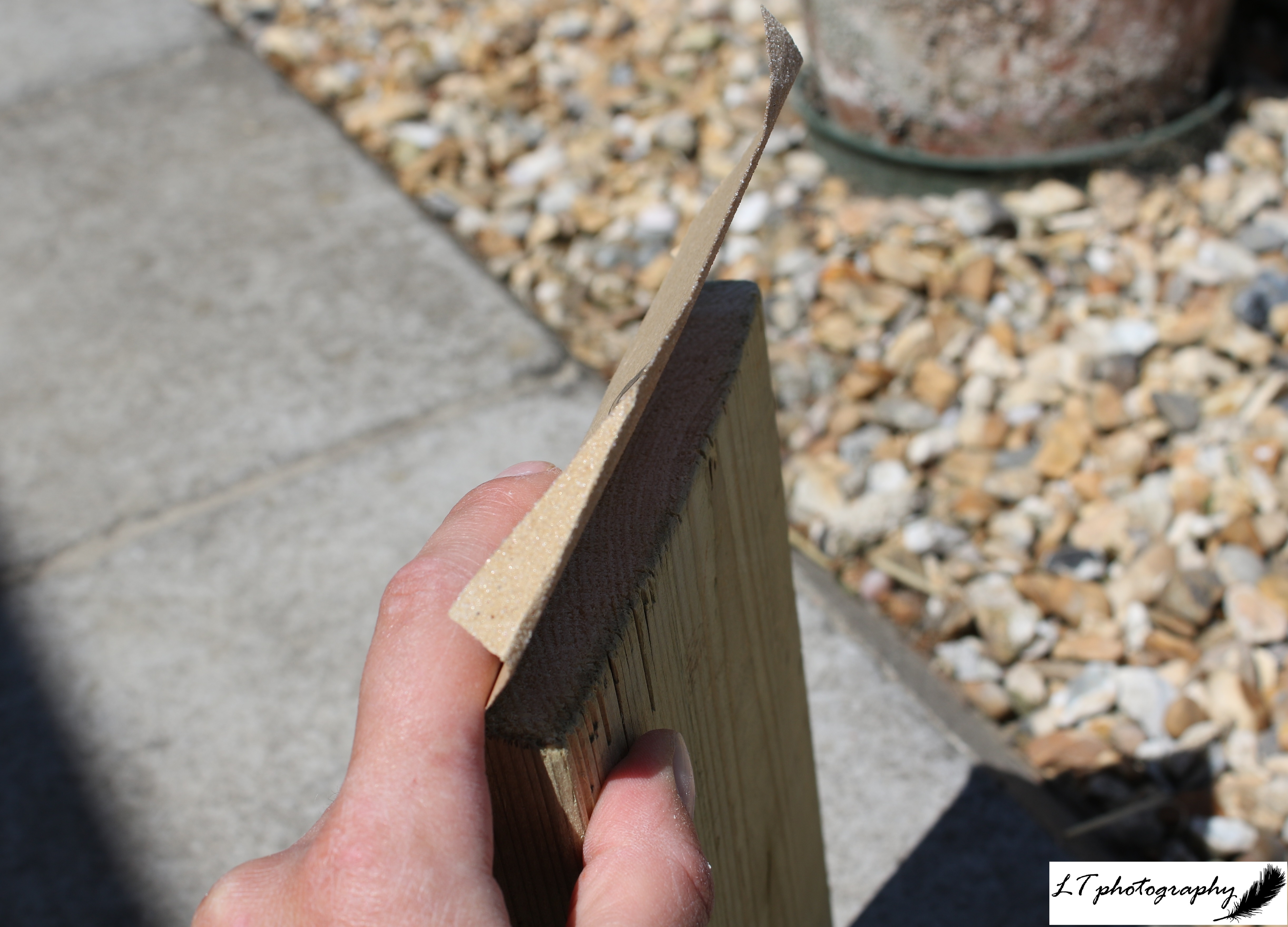
  1. Use sand paper to sand down any rough or uneven edges of the wood, that otherwise could cause problems for birds using the box.
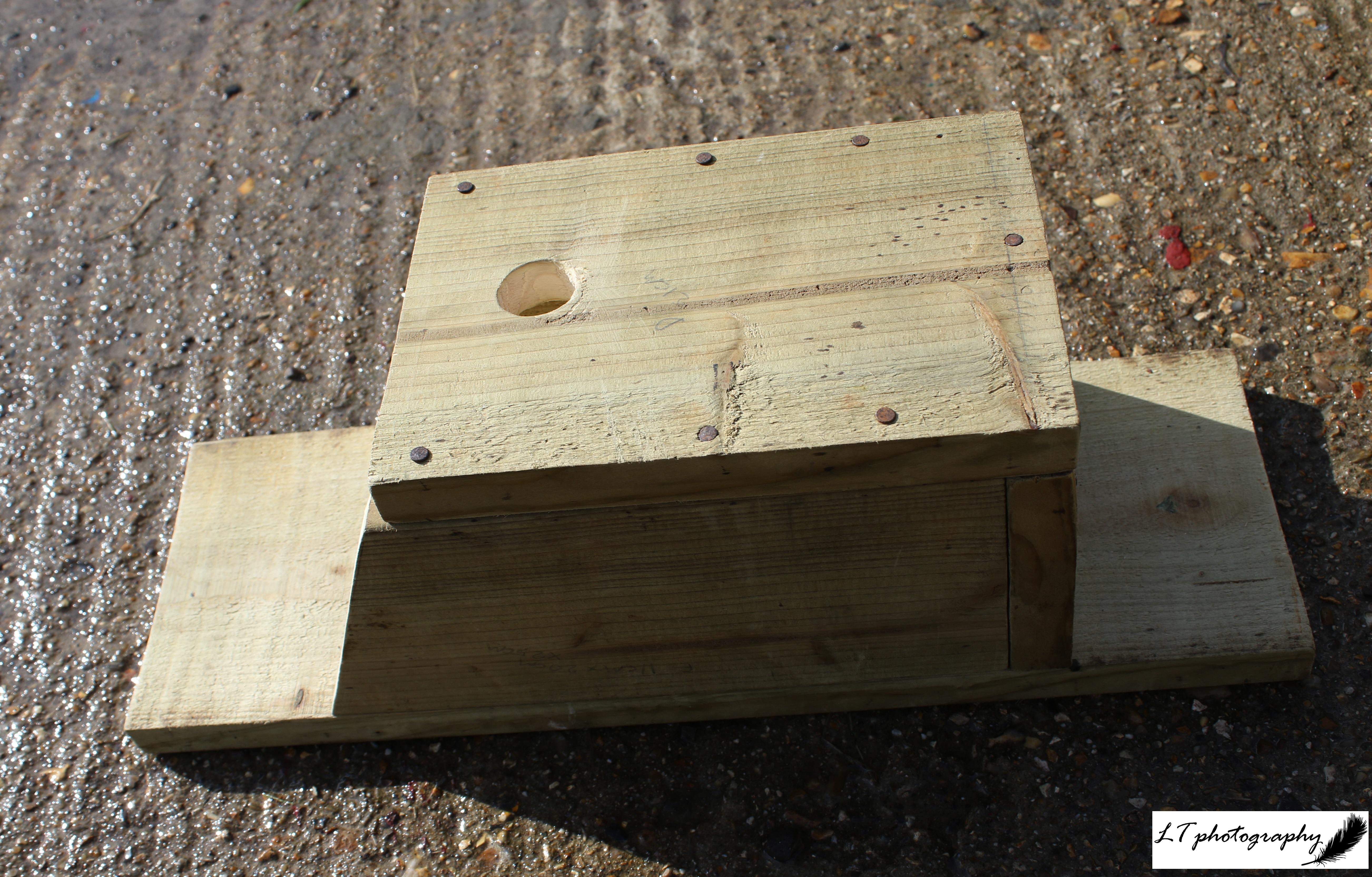
  1. Use a hammer and as many nails as you need to make the back, base, sides and front fit together forming the main body of the nest box. It is often best to mark where the nails will go first and partially drive each nail through the first piece of wood first (e.g. the back), which will make nailing the pieces together easier and help avoid splitting the wood.
  1. Attach the roof to the box using screws that you can later remove when needing to clean the nest box out. Seal the gap between the roof and the back of the nest box with either flexible sealant or an attached flap of recycled rubber.

Optional editions: Add a nest box hole plate to the front of the box to prevent predators from enlarging the nest box hole and larger bird species using the box. Also, you could apply a water-based wood preservative product to the outside of the box to prolong its life and help to repel water.

Tips on putting your nest box up

  • Unless there is shade during the day, position the nest box facing between north and east to avoid strong sunlight.
  • Choose a location which is 2-4 metres above ground level, out of reach of predators, and away from constant disturbance.
  • Make sure there is a clear flight path to the entrance of the nest box and that there is shelter from bad weather.
  • Place your box away from the location of any other nest boxes to reduce the chances of competition.
  • Avoid using nails to attach the box to a tree, as they may cause harm. Instead try to tie the box to the trunk or hang it, or otherwise use stainless steel screws or nails that do not rust.

Enjoy!

How to… Identify Chalkland Wildflowers

Colourful, radiant, buzzing with life, a piece of paradise in the summer sunshine. All words to describe a small piece of chalk habitat nestled within the heart of my family’s farm in Dorset. Amidst a clay-dominated landscape, this small creation aims to emulate the approximately 41,000 hectares of lowland chalk grassland that can still be found across the UK. This super rich habitat contains over 40 species of flowering plants in every one square metre, giving chalk grassland its reputation as the tropical rainforest of Europe! Sadly though, 50% of chalk grassland has already been lost in Dorset alone since the 1950s.

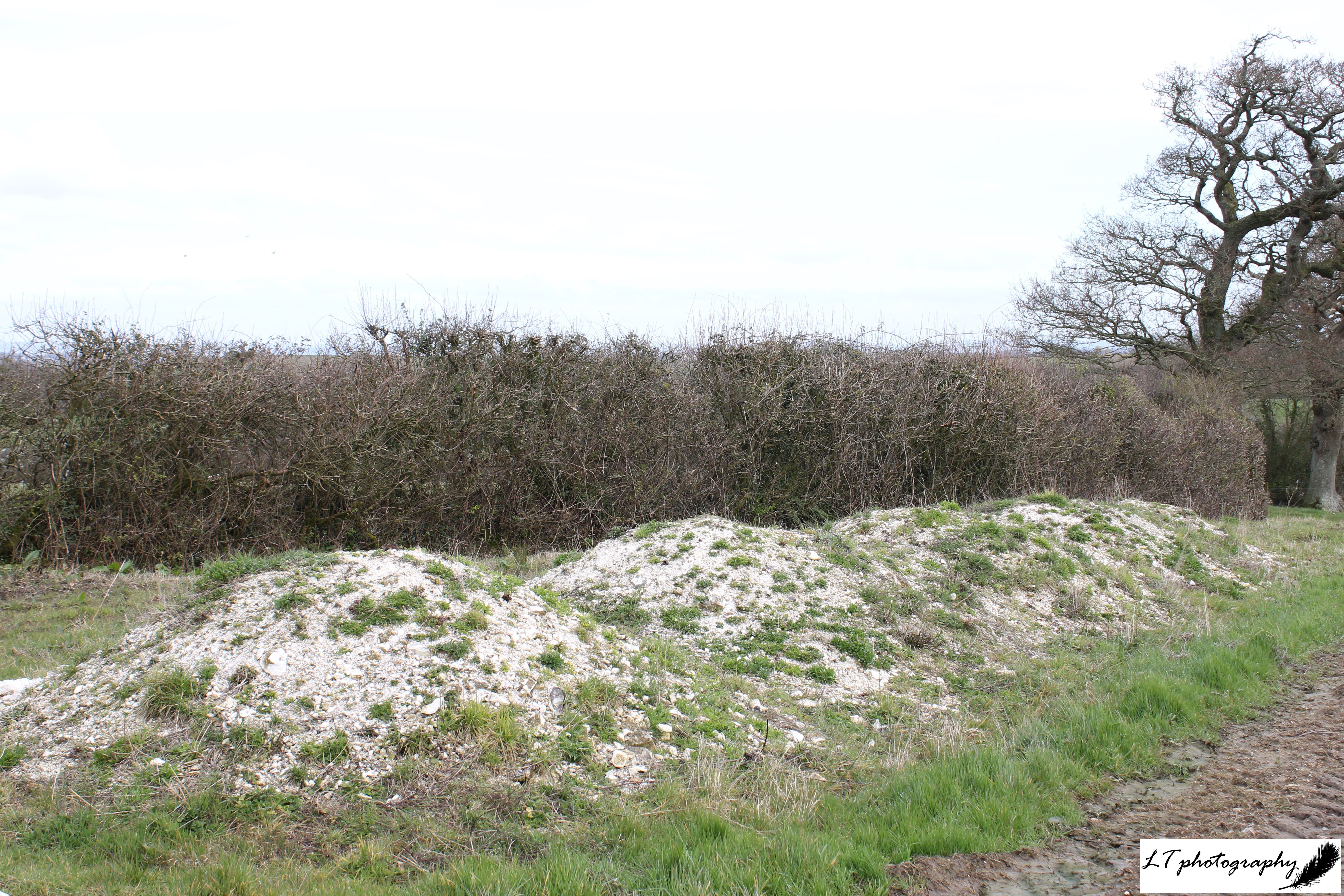
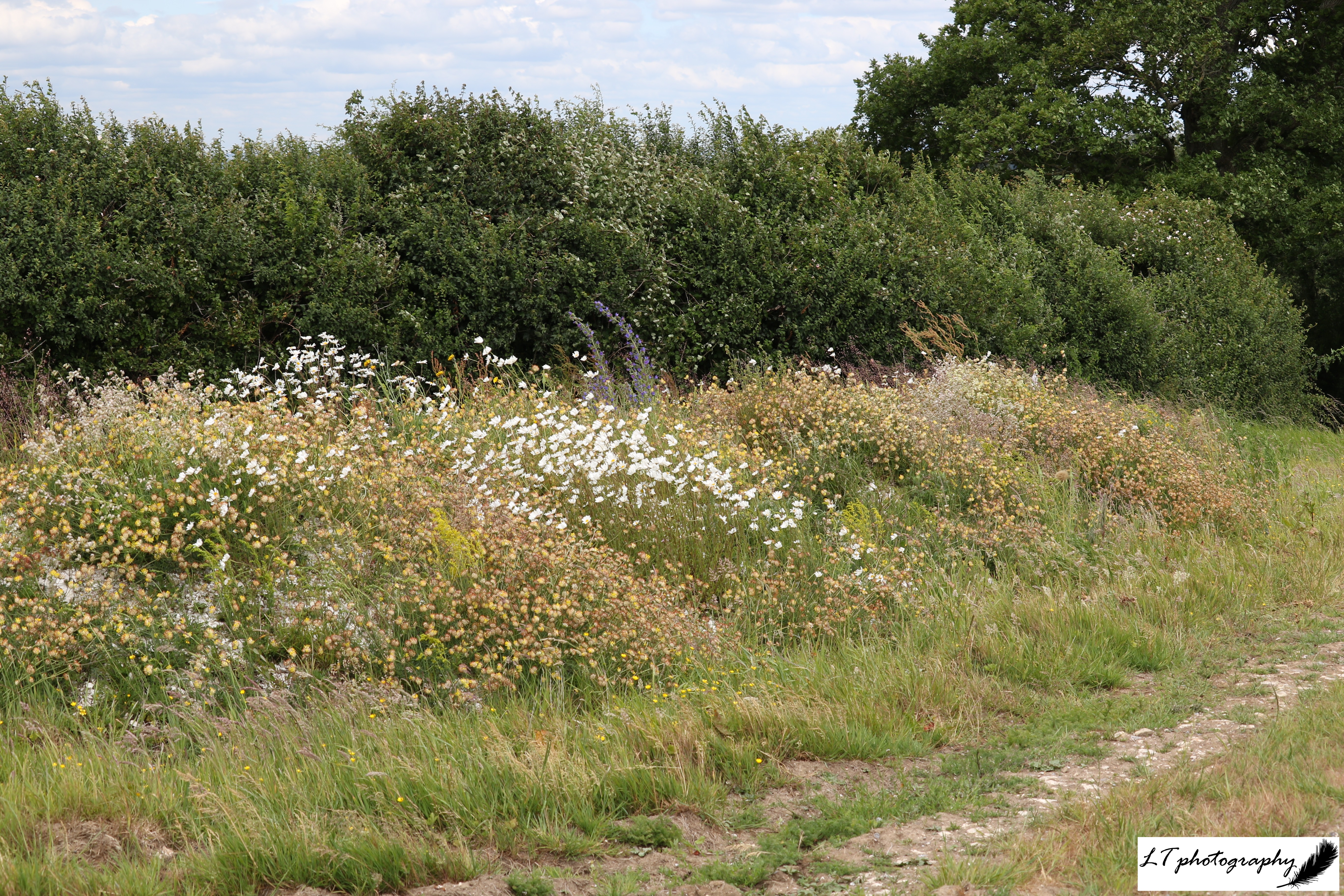
In 2017, my Dad made the decision to transform a small triangular area of land on our farm into our very own chalk paradise. Though we do not live immediately on chalk downland, it can be found to the North and South of us. This makes our location ideal to create stopover habitat or a wildlife corridor, for the myriad of species that rely on these diverse plant communities. Following bringing in 40 tonnes of quarried chalk and lots of wildflower plugs and seeds, we now have a thriving 10m by 3m and 2m in height chalk mound.

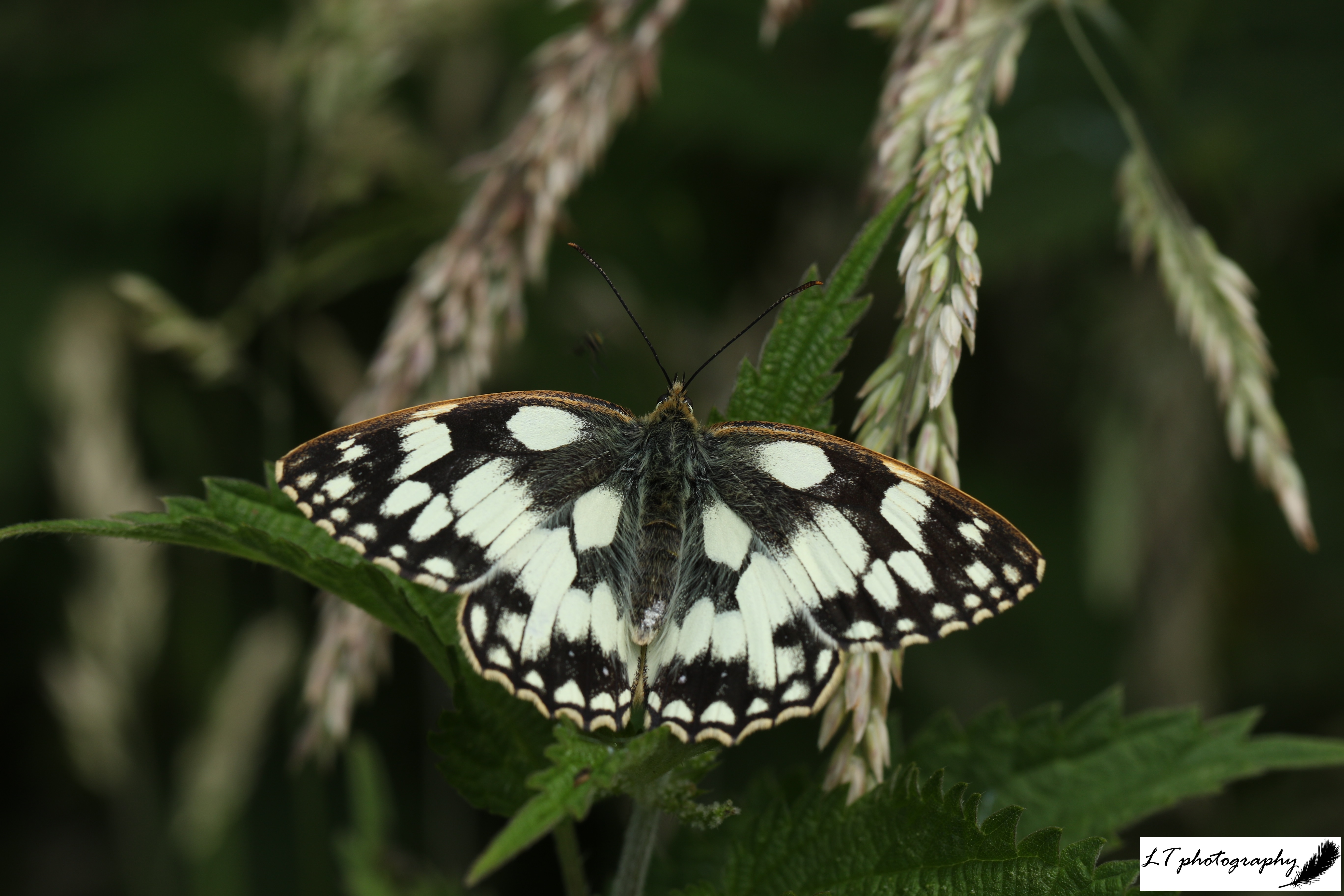
Though my family’s chalk habitat is still in its relative infancy, over time it is transforming into a wildlife haven. From Grasshoppers and Marbled White Butterflies to blue Butterflies and Carder Bees, new species are popping up each and every year. This mini habitat has also been a great place for my mum to teach me all about the plant species that call chalkland grassland home. With her inspiration, I have put together a simple guide to identifying just some of the many wildflower species that are appearing on our mound.

Chalkland Wildflowers

Wild Marjoram (Origanum vulgare)Wild Marjoram

  • Family: Mint
  • Lifespan: Perennial (lives for several years)
  • Size: Short to medium height (30-60cm)
  • Stems: Erect, dark-red, downy and either round or square
  • Leaves: Oval, often slightly toothed, stalked, and 1.5-4.5cm in length
  • Flowers: Dark purple buds in loose clustered heads, opening to pale purple 6-8mm long flowers. Strongly aromatic. Flowers July-September
  • Range: Found throughout the UK (particularly in the South), but scarcer in Scotland
  • Fun Facts: This culinary herb is a symbol of happiness descended from Roman legend, with Origanum meaning ‘mountain joy’

Kidney Vetch (Anthyllis vulneraria)Kidney Vetch

  • Family: Legume
  • Lifespan: Annual (lives for one year) or perennial
  • Size: Sprawling and medium in height (up to 60cm), but very variable
  • Stems: Silkily hairy, round, and often greyish
  • Leaves: In pairs, they are silky white below and green above, and are 30-60mm in length
  • Flowers: Yellow, orange or a fiery red, and downy-white below. They are found in single heads (12-15mm across) or sometimes pairs. Flowers April-September
  • Range: Found throughout the UK, especially around the coast
  • Fun Facts: In the Middle Ages, it was known for speeding up wound healing, with vulneraria meaning ‘wound healer’. It was also once used to commonly treat kidney disorders

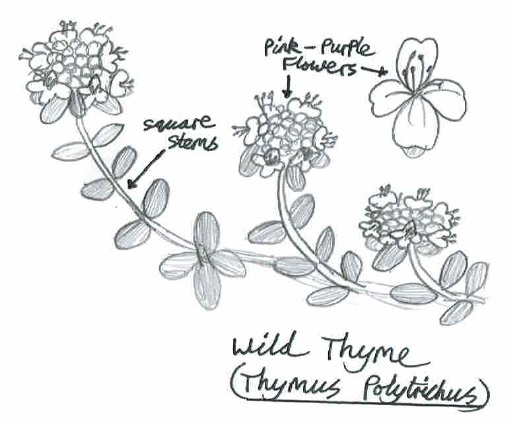
Wild Thyme (Thymus polytrichus) Wild Thyme

  • Family: Mint
  • Lifespan: Perennial
  • Size: Low to the ground, forming a mat of non-flowering rooting stems (up to 10cm in height)
  • Stems: Square with erect flowering stems
  • Leaves: Evergreen, short stalked, very small oval 4-8mm leaves in opposite pairs
  • Flowers: Faintly aromatic with pink-purple flowers in round and dense heads. Flowers May-September
  • Range: Widespread in South East England, but scattered distribution elsewhere
  • Fun Facts: Long regarded as the favourite flower of fairies, and associated with love. The Greek thumon though means ‘that which is included in a sacrifice’

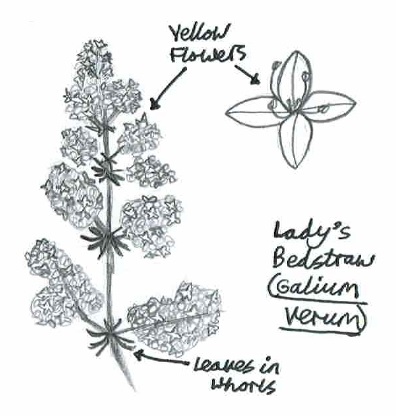
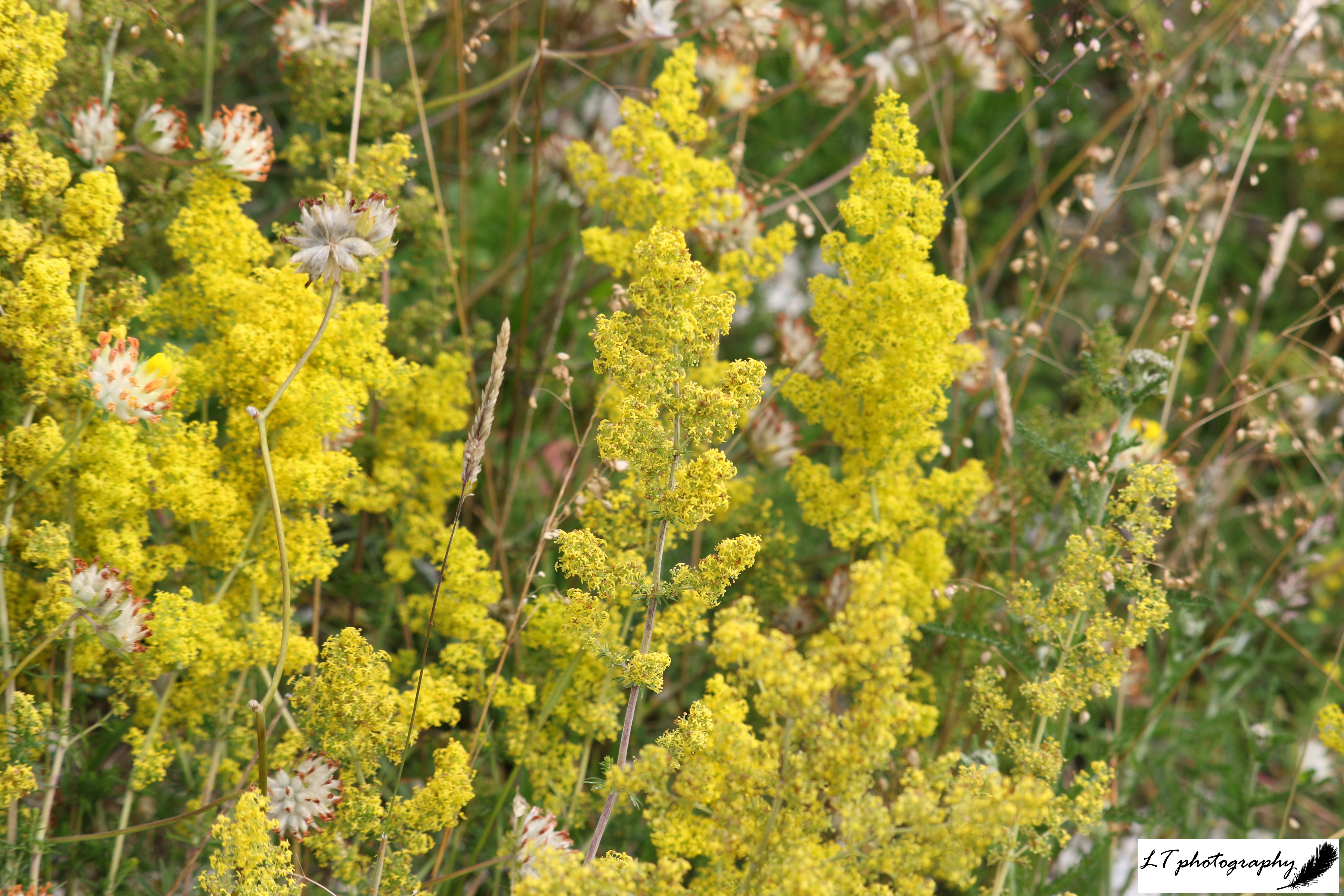
Lady’s Bedstraw (Galium verum)Lady's Bedstraw

  • Family: Madder/Bedstraw
  • Lifespan: Perennial
  • Size: Short to medium in height, often sprawling (up to 100cm)
  • Stems: Four-angled, almost hairless stems
  • Leaves: Dark green, long, narrow, shiny leaves in whorls of 8-12. Said to smell of new-mown hay
  • Flowers: Bright golden yellow, 2-4mm wide, in clusters, with a sweet honey-like scent. Only Bedstraw species in the UK with yellow flowers. Flowers June-September
  • Range: Widespread
  • Fun Facts: Associated with the story of the Virgin Mary giving birth to the baby Jesus, leading to the belief that a woman lying on a mattress of Lady’s Bedstraw would have a safe and easy childbirth

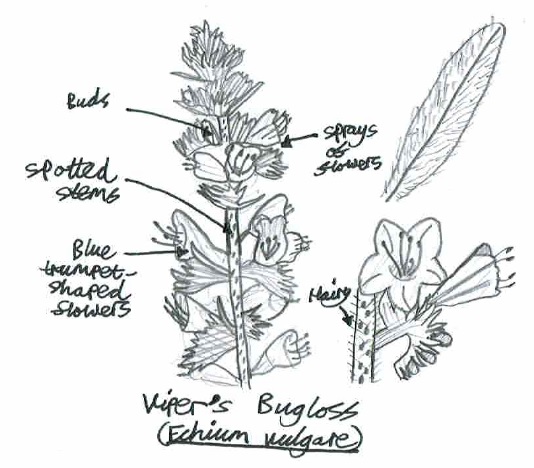
Viper’s Bugloss (Echium vulgare)Viper's Bugloss

  • Family: Borage/Forget-Me-Not
  • Lifespan: Biennial (flowers in its second year before dying) or perennial
  • Size: Medium to tall in height (up to 100cm)
  • Stems: Roughly hairy and spotted (red-based bristles)
  • Leaves: Narrow, oval-shaped lower leaves
  • Flowers: Flowers in drooping clusters of pink buds that open to become erect, blue, trumpet-shaped, open-mouthed flowers, 10-20mm long, in branched spikes. Flowers May-September
  • Range: Scattered distribution across the UK, being most common in the South
  • Fun Facts: The plant’s name comes from a time when it was believed to be a cure for snake-bites, reinforced by the dead flower-heads resembling a viper’s head

Rough Hawkbit (Leontodon hispidus)Rough Hawkbit

  • Family: Daisy
  • Lifespan: Perennial
  • Size: Short to medium in height (up to 60cm)
  • Stems: Very hairy, unbranched, leafless, and slightly swollen at the top
  • Leaves: Form a rosette of bluntly lobed leaves at the base of the flowering stem
  • Flowers: Golden-yellow, though often orange or reddish beneath, solitary and 20-40mm wide. Forms seed heads that look like dandelion clocks. Flowers late May-October
  • Range: Widespread and fairly abundant across the UK, apart from in the far North
  • Fun Facts: In Greek, Leontodon means ‘Lion’s tooth’, referring to the toothed leaves. The flowers are also rich in nectar and smell sweetly of honey

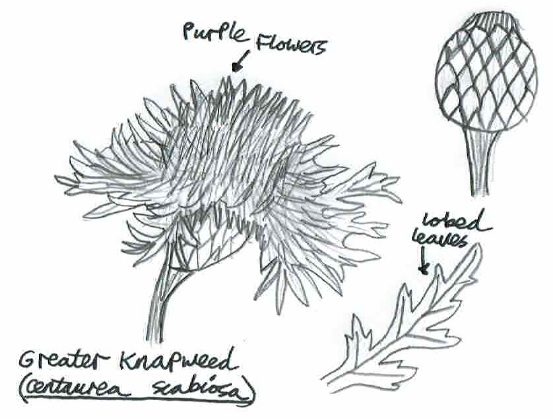
Greater Knapweed (Centaurea scabiosa)Greater Knapweed

  • Family: Daisy
  • Lifespan: Perennial
  • Size: Medium to tall in height (30-120cm)
  • Stems: Erect and grooved
  • Leaves: Lobed, where the lobes are positioned in pairs either side of the leaf centre. The leaves are 100-250mm long
  • Flowers: Purple, solitary and 30-60mm across. Flowers July-September
  • Range: Scattered across the UK, but predominantly grows in England
  • Fun Facts: Commonly used to treat wounds, bruises, sores and similar conditions

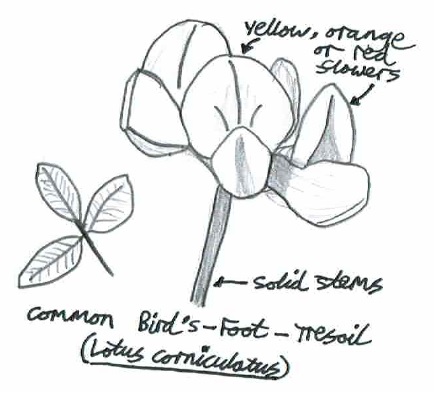
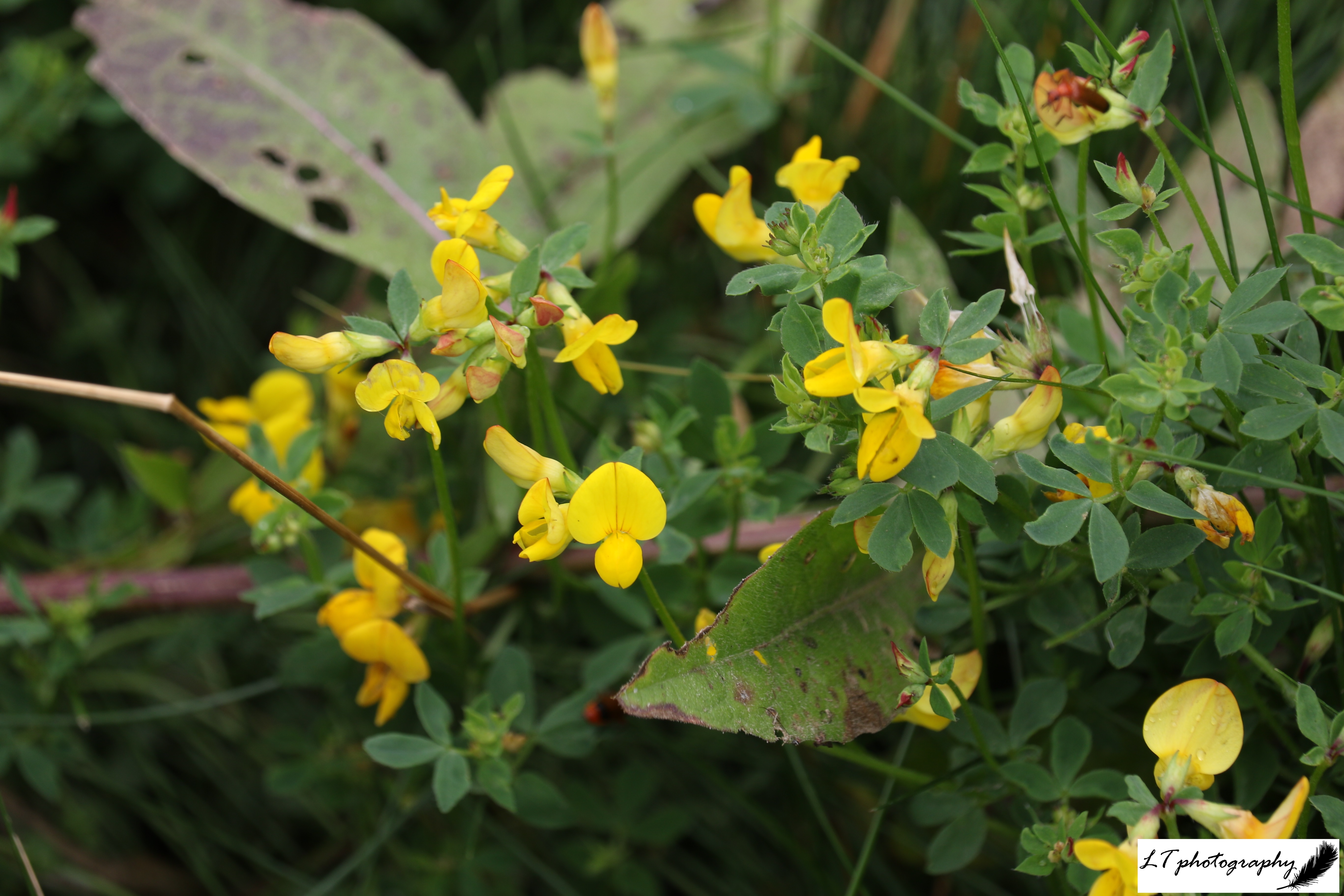
Common Bird’s-Foot-Trefoil (Lotus corniculatus)Common Bird's Foot Trefoil

  • Family: Legume
  • Lifespan: Perennial
  • Size: Short or medium in height and sprawling (up to 50cm)
  • Stems: Solid not hollow, and trailing
  • Leaves: Greyish-green, downy or hairless, and oval-shaped tapering to a point
  • Flowers: Deep yellow or orange, often partly red, and 10-16mm long, often 2-7 per flower head. Flowers May-September
  • Range: Widespread
  • Fun Facts: It has more than 70 common folk names including Eggs and Bacon. The name Bird’s-Foot-Trefoil reflects the resemblance to a bird’s foot, and is a larval food plant of Green Hairstreak and Dingy Skipper Butterflies

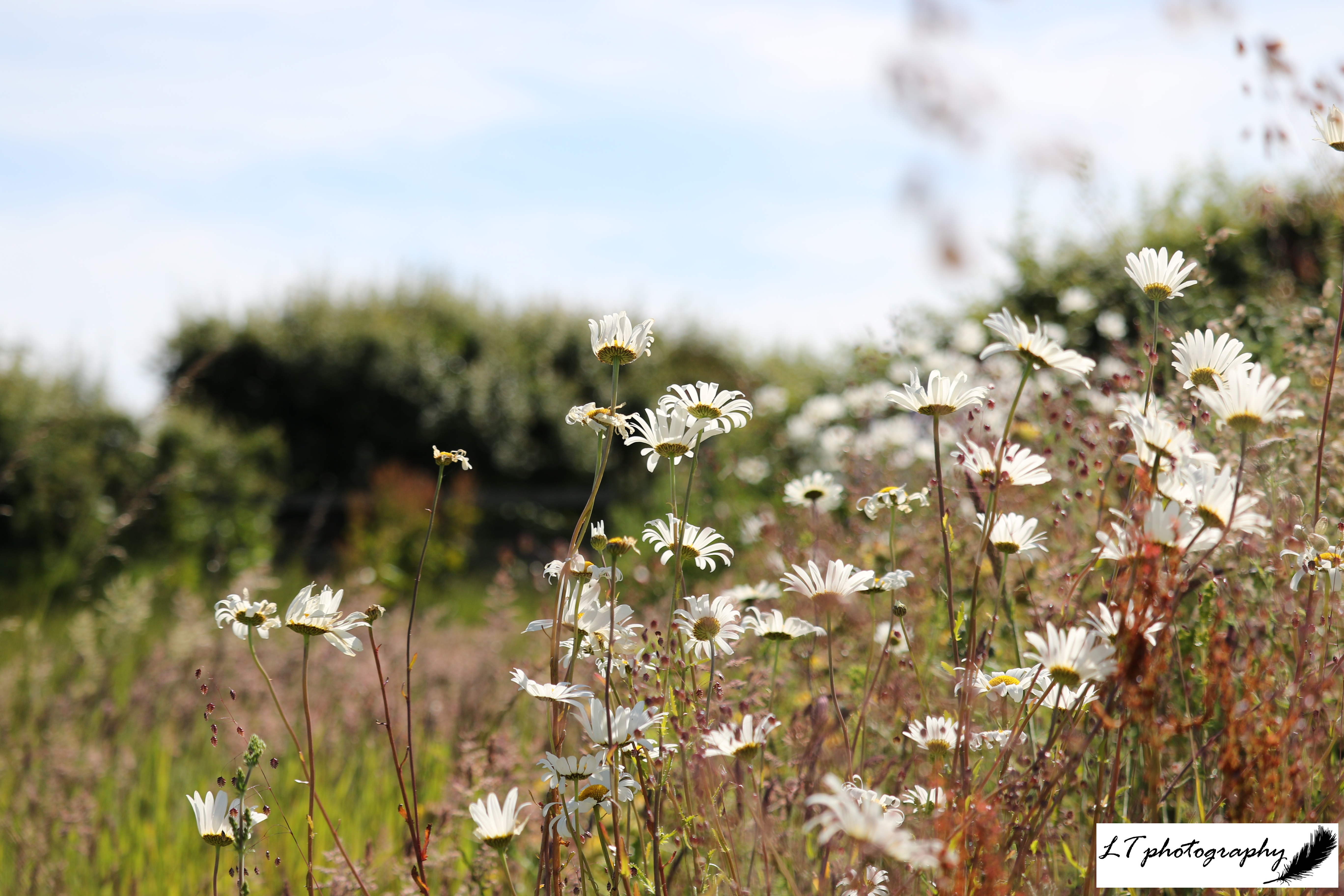
Ox-eye Daisy (Leucanthemum vulgare)Ox Eye Daisy

  • Family: Daisy
  • Lifespan: Perennial
  • Size: Medium in height (20-75cm)
  • Stems: Round, angled or square, erect, and slightly hairy
  • Leaves: Long-stalked, dark green, spoon-shaped, toothed and in a rosette around the base of the flowering stem
  • Flowers:  White, 20-60mm across, solitary and on sparsely leafy stalks. Flowers May-September
  • Range: Widespread
  • Fun Facts: In past times, an extract was obtained by boiling the plant down, that  was used in salves and medicines to cure a variety of ailments from liver disease to runny eyes. Largest native daisy species

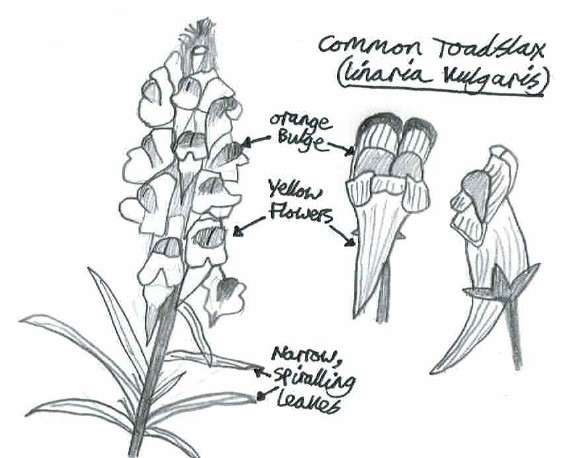
Common Toadflax (Linaria vulgaris)Common Toadflax

  • Family: Plantain
  • Lifespan: Perennial
  • Size: Short to medium in height (30-80cm)
  • Stems: Erect, grey-green, and hairless
  • Leaves: 30-80mm long, very narrow, untoothed, and spirally arranged up the stems
  • Flowers: 15-35mm long, yellow with an orange bulge and long straight spur, forming stalked spikes. Flowers June-October
  • Range: Widespread
  • Fun Facts: Most common Toadflax species in the UK, getting its name from previously being considered as useless, fit only for toads

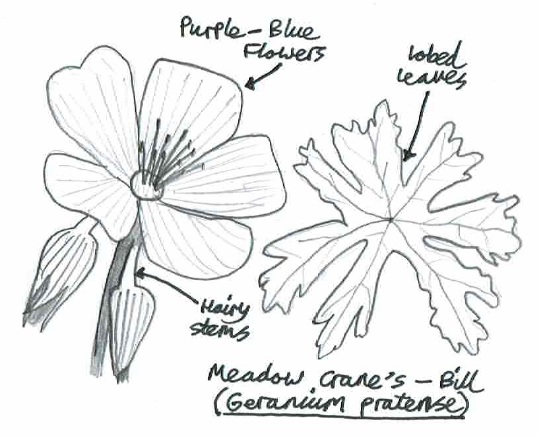
Meadow Crane’s-Bill (Geranium pratense)Meadow Cranesbill

  • Family: Geranium
  • Lifespan: Perennial
  • Size: Medium to tall in height (30-100cm)
  • Stems: Hairy, erect, and often reddish
  • Leaves: Have 5-9 lobes, cut nearly to the base
  • Flowers: Soft violet blue, petals not notched, 15-30mm wide. Flowers June-September
  • Range: Found throughout the UK, but rarer in South West England and East Anglia
  • Fact: With lesser known names such as ‘Jingling Johnny’ or Loving Andrews, it is a horticultural favourite dating back to before the Elizabethan times

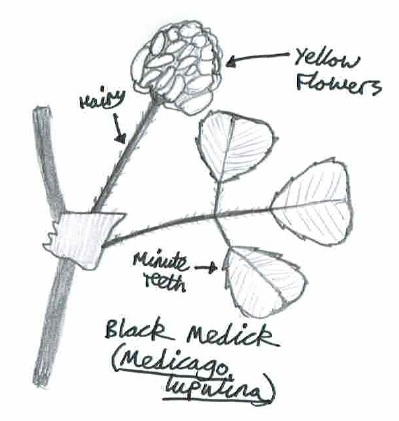
Black Medick (Medicago lupulina)Black Medick

  • Family: Legume
  • Lifespan: Annual or short-lived perennial
  • Size: Low in height (up to 60cm), and sprawling or erect
  • Stem: Round or square and hairy
  • Leaves: Trefoil, downy, and 5-20mm in length, with minute teeth
  • Flowers: Bright yellow and small, with 10-50 to one short-stalked rounded head (3-8mm wide). Flowers April-October
  • Range: Widespread across the UK, but sparser in Scotland
  • Facts: Name means ‘plant of the Medes’, referring to an ancient Middle Eastern people, whilst lupulina means ‘hop-like’, due to similarities with Hop Trefoil


Now get out there and see what you can find!


Drawings and photos all my own

Giving Nature a Home on the Farm

‘Give fools their gold, and knaves their power; let fortune’s bubbles rise and fall; who sows a field, or trains a flower, or plants a tree, is more than all’ – John Greenleaf Whittier 

‘Your deepest roots are in nature. No matter who you are, where you live, or what kind of life you lead, you remain irrevocably linked with the rest of creation’ – Charles Cook

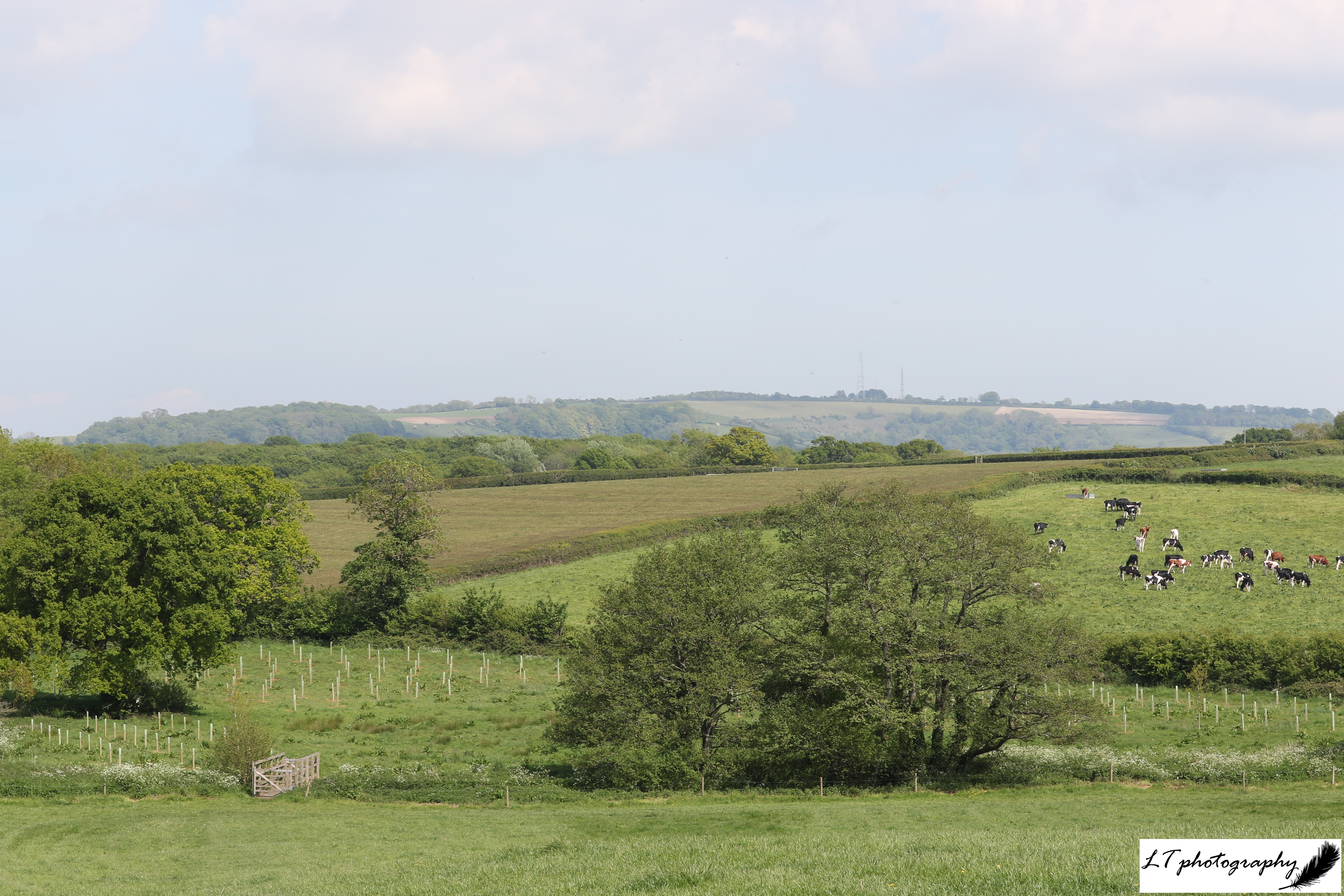
My family and I live on a 250 acre mixed dairy farm in the heart of beautiful Dorset, complete with sheep and beef cows. My parents took the farm on from Dorset County Council in 1995, at a time when it was only 50 acres, and have now expanded it to the 250 acres it is today. As long as I can remember, the farm has been my home. It is a part of who I am, providing the backdrop for me to learn about the natural world, to make informed decisions about how I live my life, and to become passionate about conservation. I have my parents to thank for this.

In 2019, the latest State of Nature report showed that agricultural change has been the largest driver of biodiversity loss over the last 45 years in the UK. With 72% of UK land area being used for agriculture and food production, land management changes have had a significant impact on the wildlife that call these areas home. As we now move forward, we need to focus on agriculture, not with contempt and negativity, but with optimism. If we are to continue to produce food in the UK, we need to focus on working with farmers to make farming sustainable, cost-effective, and most importantly with wildlife in mind.

Growing up on a farm, I have always been aware of how agriculture is heavily intertwined with the environment. My Mum and Dad have always believed in their roles as guardians for the wildlife and natural habitats that call our land home, and are dedicated to conserving and increasing biodiversity. Though it can be tough to create a balance, my Dad believes that farming, through careful management, can produce food in an economically sustainable way, whilst supporting and enhancing the natural environment. Here are some of the examples of how my family are successfully working to give nature a home on our farm.

(1) The Bridge Field

Project:

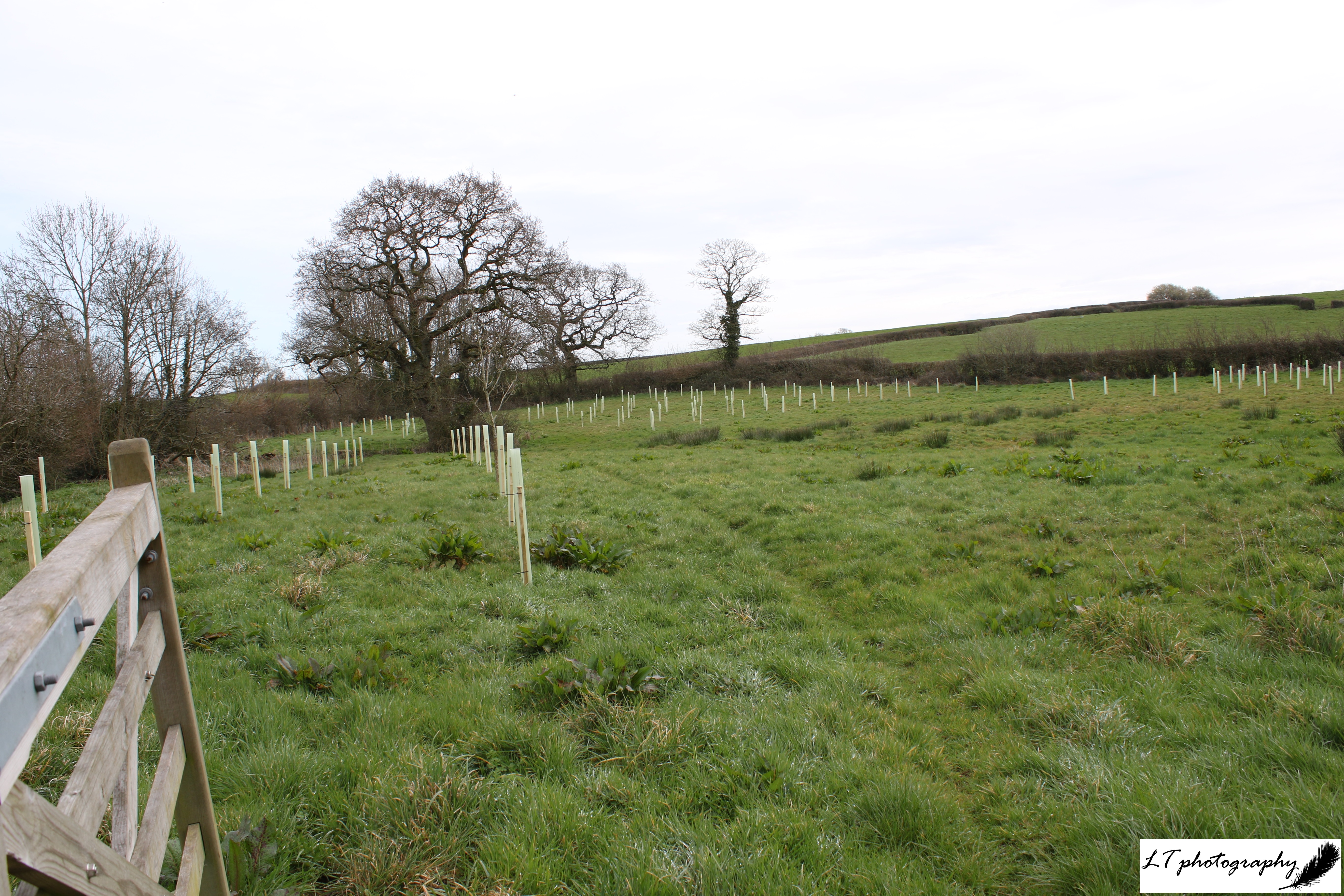
The field is a small, triangular-shaped, 3 acre field, bordered by hedges and a river. It was taken on in 2014 with some other land, and is less ideal for agricultural use due to its shape and often being wet. Hence, it has been left untouched, apart from one late cut of haylage each year and dock management. This year my parents decided to begin the process of restoring the land, with the aim of giving it back to nature.

So far:

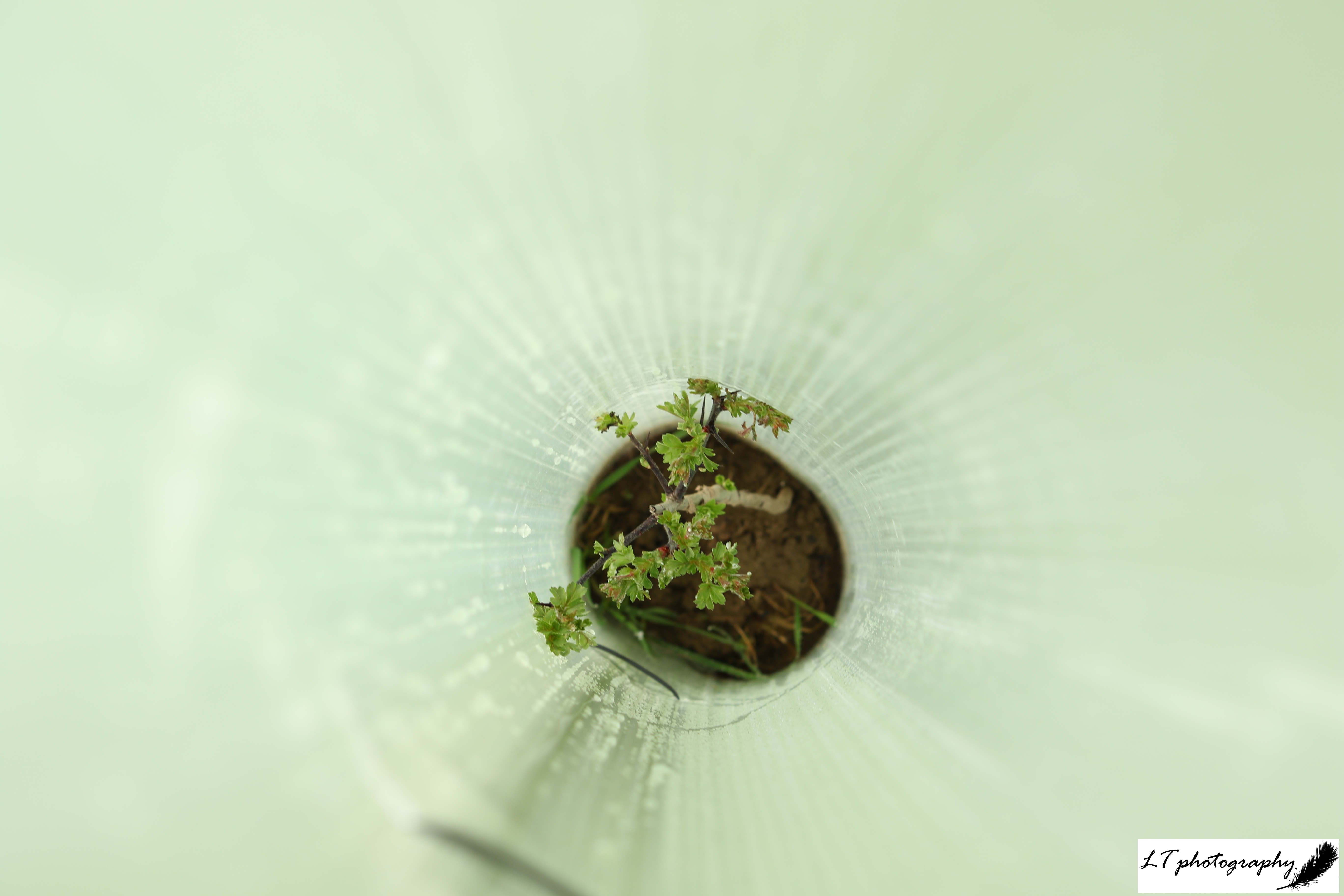
  • At the beginning of the year, we bought in and planted 219 native tree and shrub saplings of 9 species, including Goat Willow and Rowan. The hope is to create a rich and valuable habitat for wildlife.
  • We began managing the grass in the field, which is mainly Yorkshire Fog, to increase species composition. The grass has formed a dense stand across the field and is currently excluding nearly all other species.
Next aims:

  • See how the trees and shrubs grow on
  • Plant natural wildflower species using plugs, bulbs and seeds
  • Create a water source, such as a pond
07_05_20_Farm_Bridge_Field_Trees_2

(2) The Chalk Mound

Project:

Towards the centre of our land you can find a small triangular area of land that is bordered by hedges and a track. My parents took on this area with some other land in 2014, but it was not anything special. In 2017, my Dad decided to use it to make a small piece of chalk habitat, in our clay area, acting as a perfect stopover location between chalk downland to the north and south of us.

So far:

  • We bought in 40 tonnes of quarried chalk and shaped it into a mound which is 10m by 3m, and 2m in height.
  • We planted a selection of plant plugs and seeds gifted to us, ranging from Quaking Grass and Kidney Vetch to Rough Hawkbit and Lady’s Bedstraw.
  • For the first year, the mound was regularly watered as the plant plugs and seeds became established, but after that they were left to grow on, with minimal management.

Next aims:

  • Continue to enjoy the now thriving habitat that is attracting lots of insects, from butterflies to bees
  • Boost numbers of certain species such as Wild Thyme
  • Complete autumn management of the encroaching Yorkshire Fog grass at the mound’s edges

(3) Wildflower Verges and Rough Areas

Project:

As part of managing our land, my Dad leaves areas and verges uncut and able to thrive, providing valuable habitat for wildlife. One of my Dad’s inspirations for doing this is to provide rough grassland habitat for his favourite bird, the Barn Owl. Barn Owls use such areas to hunt, as it provides cover for their rodent prey. It is also great habitat for other species, such as the majestic Brown Hare.

Different forms so far:

  • Fenced off areas to keep livestock out but allow wildlife in.
  • Verges and strips left to grow up and increase in species diversity.
  • Wildflower verges planted to provide food for different species at different times of year.
  • Field margins created, maintained and protected, meaning a field is never worked up to the hedgerows.

Next aims:

  • Allow areas to continue to increase in diversity and composition
  • Continue to create a mosaic of habitats on the land

(4) Trees and Woodlands

Project:

I am a huge fan of trees, and my family are no different. Throughout our land you will find lots of different species, such as Ash, Alder, Wild Cherry and Oaks, varying in size, shape, and age. They play very important and varying roles in the landscape, from singular trees in fields and hedgerows, to the many growing in copses and woodlands around the farm. We now want to continue to preserve them and increase their numbers.

So far:

  • Over many years, we have been planting more trees wherever we can, with this year’s main project being the Bridge Field.
  • We continue to look after and manage the small woodland areas on our land.
  • We are putting up lots of different nest boxes around the farm, from small Tit boxes to larger Owl boxes.

Next aims:

  • Put up more nest boxes, including Little Owl and Kestrel
  • Monitor nest box use each year
  • Allow trees, such as mature Oaks, to naturally age and return to the ground

(5) Hedgerows

Project:

On my family’s land there are a lot of hedgerows, which are a hugely important habitat for a whole host of wildlife. They range in age and composition, including species such as Spindle, Blackthorn, Ash and Dog Rose. They also provide different services, such as food and shelter, throughout the course of a year, for lots of different species.

So far:

  • We carefully manage hedgerows with wildlife in mind each year.
  • Hedgecutting is practiced on a rotational basis and in late winter if the ground holds up. They are only cut by my Dad or brother who are skilled at cutting the hedges correctly and with care.
  • We annually manage and maintain field margins and ditches.
  • Hedgelaying has been used in the past but only when a hedge is in need of restoration.

Next Aims:

  • Maintain the high standard of hedgerows
  • Allow diversity to continue to increase

Future Aims

With 41% of species in decline since 1970, biodiversity loss and the latest State of Nature report cannot be overlooked. Whilst there is still hope that we can bring things back from the brink, and reverse the decline, to do so we need to act now. We need to create more homes for wildlife, protect what is left of our natural environment, and manage land with wildlife in mind.

On the farm this process is in full swing and gaining momentum each year. In this way, we are trying to make our land more wildlife friendly, managing and creating habitats for wildlife. Now, Skylarks can be heard singing all around the farm each morning, Brown Hares are increasing in number, Butterfly and Moths are becoming more species diverse, and Yellowhammers are becoming increasingly common. There are so many more examples from the big to the small, from Hedgehogs to Newts, but my Dad’s favourite has to be his Barn Owls. Over the last few years Barn Owls have made our land their regular home, with 2 Barn Owl pairs successfully breeding last year!

My Dad now wants to continue my Mum’s and his work dedicated to the environment, from helping farmland birds to reducing our carbon footprint. He wants to continue to show how conservation and increasing biodiversity can go hand in hand with conventional farming, allowing food to be produced whilst looking after the environment. A great example of this is the RSPB’s Hope Farm in Cambridgeshire, an arable farm where careful and targeted management is now having results. It makes me optimistic that if we now focus on working with farmers to give nature a home on their farms in the right way, then this could make a real difference to reversing species decline in the future.

30 Days Wild 2020: My Wild Month

I have always lived a wild life. For this I have my family to thank, being raised in the middle of the beautiful Dorset countryside, immersed in everything Mother Nature has to offer. It has been my playground, my classroom, my escape, and my counsellor. It is a part of who I am. This is why I am so passionate to protect and conserve our natural world, and why I now make it my mission to share all it has to offer with the rest of the world.

So when I heard about 30 Days Wild, I just had to get involved! The month-long challenge aims to bring people closer to nature, get people learning and exploring, and make a positive difference for wildlife in the UK. This year I made it my goal to spread the word, and before the month started, I began blogging about the challenge in the hope of inspiring others to also get involved (check out How to… Get involved in the June 30 Days Wild challenge). The response was amazing!

Once June was under way, I also made 30 Days Wild a focus of each and every day for the whole of the month. I got to try some new things, learn some new knowledge, help some worthy causes, share with others about nature and wildlife, and most importantly, I got to explore and spend valuable time out in nature. I enjoyed every minute, so join me now as I take a look back at how wild my month of June really was!

Wall Chart

30 Days Wild – June 2020

Day 1 – Monday 1st (Work):

For the very first day of my 30 Days Wild, I started with a bang, showing my support for my local Wildlife Trust by becoming a member. By joining Dorset Wildlife Trust, I have joined 25,000 other members helping to conserve and safeguard wildlife in Dorset and on my doorstep. I look forward to now doing my bit!

Day 2 – Tuesday 2nd (Work):

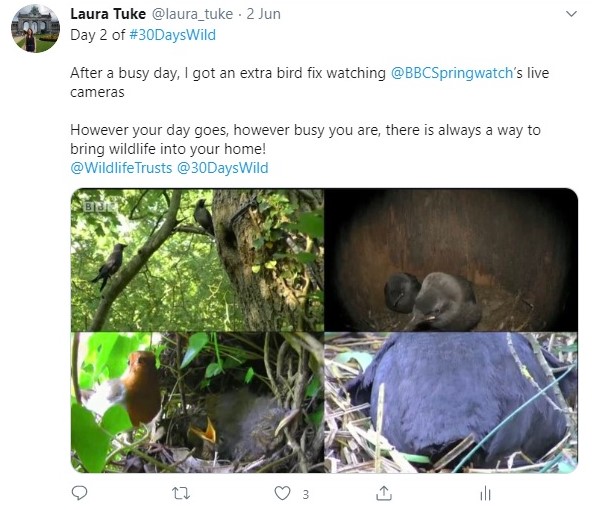
For my second day, I was faced again with the challenge of completing a Random Act of Wildness alongside a busy day at work. I achieved this though, by taking a break in the evening to watch a wild webcam in the form of BBC Springwatch’s live nest cams. It was amazing to get a different perspective of the nests, such as being right inside a Jackdaw’s nest!

Day 2

Day 3 – Wednesday 3rd (Day off):

On my first day off during the challenge, I was able to go for a long walk out in nature, seeing what I could discover on my way. Despite it being a rainy day, the wildlife did not disappoint, with lots of different birds and insects making their presence felt, from families of Long-Tailed Tits to chattering Magpies.

Day 4 – Thursday 4th (Day off):

With another day off work, I decided to combine taking in nature with another of my passions, horse riding. On a hack with my next door neighbour’s mare Marsha, I got to get some really great views of the beautiful countryside near where I live, combined with views of some great bird species, such as my favourites, the birds of prey.

Day 5 – Friday 5th (Work):

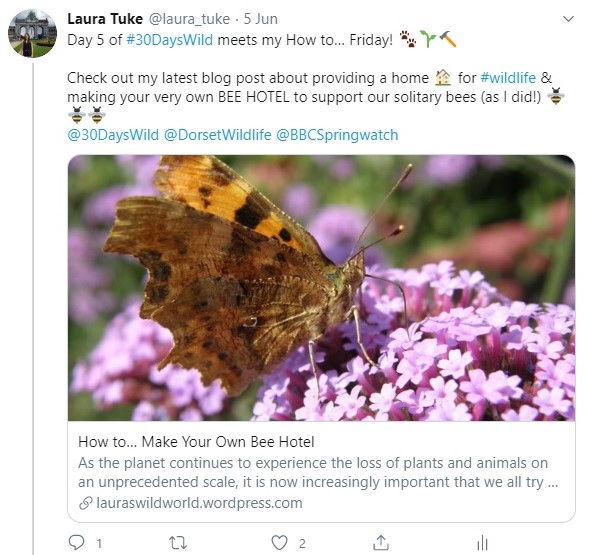
Over the last couple of months I have tried to regularly upload a new post to this blog every Friday. To combine 30 Days Wild with my recent How to… series, on this day I uploaded a piece about making a home for wildlife, and in particular a hotel for bees. To do this post, I got to make my very own hotel, which was very rewarding, so if you would like to make your own, why not check out my easy guide: How to… Make Your Own Bee Hotel

Day 5

Day 6 – Saturday 6th (Day off):

I love growing my own fruit and vegetables, and then being able to pick and eat them! So I was happy on this day off, that I got the pleasure of picking my family’s first gooseberry crop, though it took a while after to top and tail all of them! I also spent time listening to my bird songs and calls CD to do some revision before going out for a walk to test my knowledge. I now love being able to instinctively know when I can hear certain species, such as a Blackcap or Yellowhammer singing in the landscape!

Day 6

Day 7 – Sunday 7th (Work):

I spent the whole of my Sunday making a note of the species that I came across as I went about my usual day before, during and after work. I was able to realise just how lucky I am to work outside and spend so much time out in nature everyday!

I also spent the evening catching up on Springwatch with the company of one of my house cats!

Day 8 – Monday 8th (Work):

During my 30 Days Wild, I wanted to donate to a wildlife cause. I decided that one cause I wanted to support was the Marine Turtle Conservation Project, which without funding would not be able to continue their important work. It was also well timed as the 8th of June was World Oceans Day!

I as well finished my day excitingly helping with Barn Owl nest box checks in my local area, now that I am fully licensed. This included the Barn Owl box on my family’s own farm and it is definitely looking positive for them this year!

Day 9 – Tuesday 9th (Work):

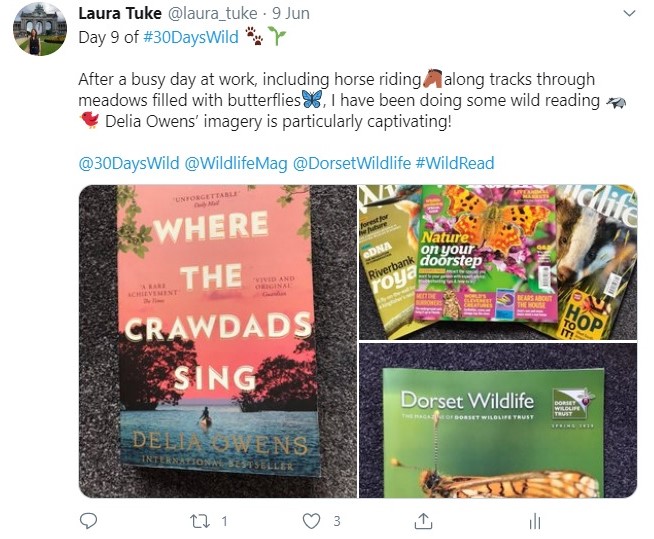
On this day, I was lucky enough to go out hacking on horseback whilst at work, and rode through some really spectacular countryside. It was one very busy day at work, so when I got home I also relaxed with some wild reading, including a great fictional book by zoologist Delia Owens called Where The Crawdads Sing. Her imagery of the North Carolina marshland is absolutely stunning!

Day 9

Day 10 – Wednesday 10th (Day off):

For my day off, I wanted to spend time really taking in the natural world around me and exploring the finer details. In this way, I got to see some incredible things from a hunting Sparrowhawk and Digger Bee nests to strong smelling Honeysuckle and mating Yellow Shell Moths. There is just so much to see if you give yourself the time to take it all in!

Day 10

Day 11 – Thursday 11th (Day off):

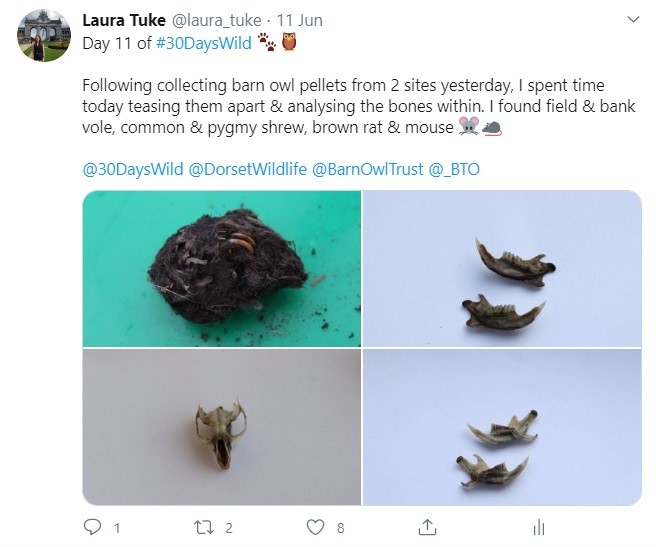
The day before during my walks, I had collected some Barn Owl pellets from beneath two nest sites, a tree and a nest box, on my family’s land. I then spent the next day soaking the pellets and teasing them apart to see what they held inside. From the nest box site, there was Field Vole, Mouse and Common Shrew bones, whereas from the tree site there was Field and Bank Vole, Common and Pygmy Shrew, and Brown Rat.

I also spent some time identifying plants that I had seen out and about, including learning to identify a Male Fern that my cat was very interested in helping me with!

Day 11

Day 12 – Friday 12th (Work):

This Friday, I once again combined 30 Days Wild with my recent How to… series, uploading a post on making small changes to your own life to help our planet. For example, walking and cycling more, thinking before you buy, and cutting your water usage. If you want to get inspired yourself, check out my post: How to… Help the planet one small step at a time.

I also spent some time on this rainy day, appreciating the beauty of the falling rain.

Day 12

Day 13 – Saturday 13th (Day off):

I spent my Saturday wild and busy. My activities ranged from identifying pollinators to organising equipment ahead of the autumn bird ringing season. I am always happiest doing something but doing something outside is even better!

Day 14 – Sunday 14th (Work):

There is nothing more valuable than your own parents passing down their knowledge to you, and with mine it is no different. I have my Mum to thank for the foundations of all my wildlife knowledge today, from bird song to plant species. This year my Mum has been teaching me about chalkland species, using the chalk mound my Mum and Dad have created themselves on our farmland. It has been so enjoyable listening to my Mum as she IDs and teaches me each and every species on the ridge!

Day 15 – Monday 15th (Work):

The ever-changing sky is a source of wonder and life. I took time over the course of a whole day, appreciating it and watching it change, from cloud watching with white fluffy and dark rain clouds to an unexpectedly beautiful sunset!

Day 16 – Tuesday 16th (Work):

One of the acitivities I definitely wanted to do during 30 Days Wild, was to make my own bird food, taking me back to my childhood. I kept it simple with lard and bird seed, and packed the food into different shaped recycled containers for some variation. I then left it in the fridge overnight with the aim of testing it the very next day!

Day 16

Day 17 – Wednesday 17th (Day off):

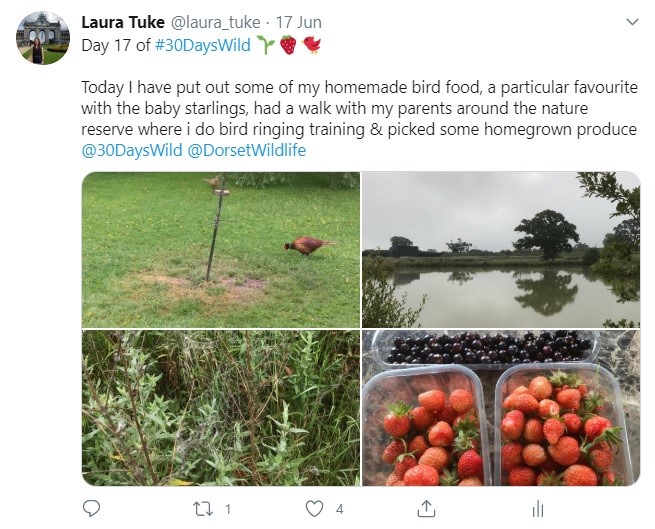
I began my day off by putting out my homemade bird food in the garden. Unfortunately it was a bit hot, and the food kept melting off its strings! It was a hit with the local fledged Starling chicks though, and eventually disappeared within 48 hours.

I also took my mum and dad to my bird ringing trainer’s private nature reserve for a a different walk. It is such a lovely place to be, and gave us all some inspiration of how we can make more homes for wildlife on our own land. To finish the day, I helped pick some of the fruit growing in my family’s garden, my favourites being the strawberries!

Day 17

Day 18 – Thursday 18th (Day off) :

People who read my blog will know that I love the woods! It’s a place I go to when I want a break from the world or just to watch the seasons change in a place where it’s at its most noticeable. So as part of my 30 Days Wild, I headed into the woods for a spot of forest bathing and a refresher. The day’s rain did not even stop me!

Day 18

Day 19 – Friday 19th (Work):

Due to my love of spring and wildlife photography, for this Friday on my blog, I uploaded a post about my favourite photos from spring 2020. It was great to reflect on my own spring and to look back on some great moments, making it easily one of my favourite posts so far this year! If you want to take a look, check out my Spring 2020: In Photos

I also headed out into my family’s land after work, to revisit a favourite camera trapping spot from this spring. Once there, I set up my camera trap again, and looked forward to seeing what I might catch this time around.

Day 19

Day 20 – Saturday 20th (Work):

After work, I signed up to the BTO’s Garden BirdWatch, which is currently free for everyone to take part, and allows me to upload what I see in my garden at home every week. I also took time out to focus on my mental health, and completed a wild guided meditation, lying on the grass in my garden. I picked this particular meditation as it incorporates taking in the sounds around you, such as the sounds of nature. It was so surreal for me to relax outside and then reopen my eyes to see lots and lots of baby starlings looking back at me!

Day 20

Day 21 – Sunday 21st (Day off):

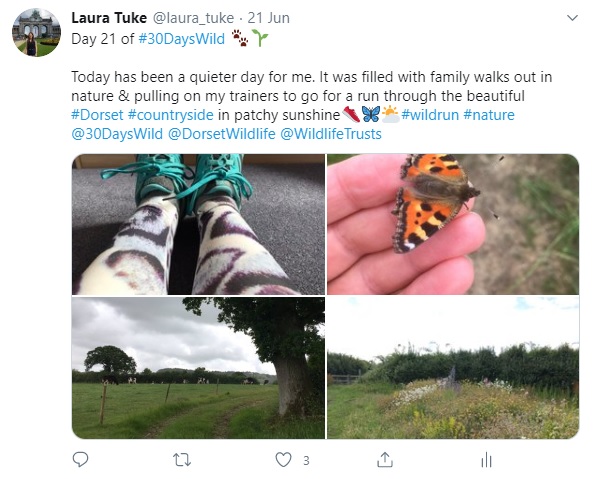
As it was Father’s Day, for my Sunday off, I got to spend lots of time with my dad. This included two walks also with my mum, where we tried to see what nature had to offer us, which included birds of prey and wonderful Skylarks. To top off an active day, I also pulled on my trainers for the first time in a couple of weeks, due to an injury, and went for a run through the countryside around my home. I just cannot get enough of being outdoors!

Day 21

Day 22 – Monday 22nd (Work):

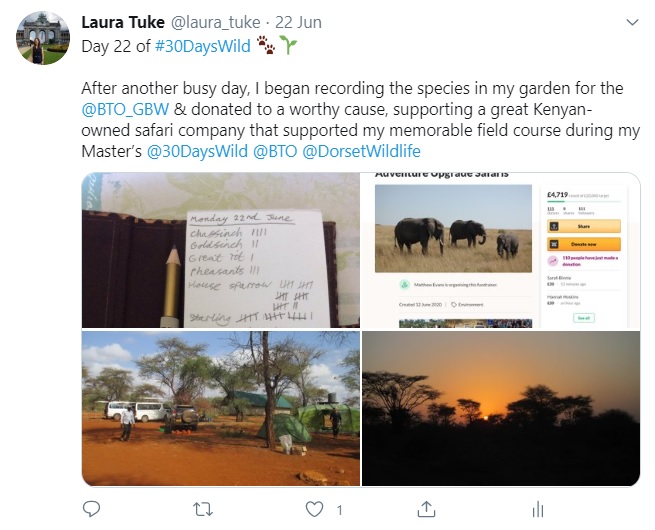
For my Monday, I completed two different Random Acts of Wildness. Firstly, I began writing down all the birds I saw in my garden during the day as part of the BTO’s Garden BirdWatch.

I then made a donation to charity. I may not have a lot of money, but at times like these I realise how lucky and fortunate I am in life. So when I saw another great cause, I had to get involved and donate!

Two years ago, during my Master’s in Conservation and Biodiversity, I got the opportunity to go on a field course to Kenya, with a lot of organisation from Adventure Upgrade Safaris. They even got me a cake for my birthday! Now without tourism, the company are struggling and without our support, they will not be able to continue for the future. They need our help to survive!

Day 22

Day 23 – Tuesday 23rd (Work):

This day was an exciting day for me! It was the day that, after work, I got to retrieve my camera trap that I had put out last Friday!

Though I had previously captured my best camera trap photo this year in this location (a fox cub), I did not know what to expect this time around. My camera trap did not disappoint though, and the photos included those of the fox cub I had previously seen, a rabbit and some really great photos of some badgers!

Day 24 – Wednesday 24th (Day off):

On a day when I really needed it, I got to spend my day off doing some things I love. My bird ringing group starts the autumn migration ringing season on the 1st of August and so to start my Wednesday, I helped with some of the preparation for the season. For example, we completed an important but often overlooked job, re-dying our mist nets with a special dye mix.

I also excitingly spent some of my day ringing Kestrel chicks and, now that I am fully licensed, helped with Barn Owl nest box checks. This led to me also getting to ring Barn Owl chicks and getting some great views of some Little Owls!

Day 24

Day 25 – Thursday 25th (Day off):

Another activity I really wanted to do during my 30 Days Wild, was to do some wild baking. I decided on making some simple vanilla cupcakes and decorating them with minibeasts in different colours.

My time spent baking was not without some drama though, as I ended up modelling icing during an afternoon of over 30 degrees heat! Despite this, I soldiered on through runny icing, with the much needed help of my mum, and had some great fun, whilst making some yummy cakes topped with interesting and colourful creatures!

Day 25

Day 26 – Friday 26th (Work):

For my last Friday of 30 Days Wild, I uploaded to my blog another brand new post. This time my post followed on from last Friday’s spring upload, and focussed on how spring unfolded this year. If you want to have a read about how my extra special spring actually turned out this year, check out my Spring 2020: How It Happened.

Day 26

Day 27 – Saturday 27th (Day off):

This day was another day of relaxing in nature. This included watching and recording the birds in my garden, going for a long horse ride through the Dorset countryside, and exploring the flowers growing in my garden and on my currently ‘no mow’ lawn.

Day 27

Day 28 – Sunday 28th (Work):

With it being especially rainy during my day at work, I made it my priority to spend my lunch break outdoors during a break in the weather. It was a much needed refresher! Also, having completed my first week of the BTO’s Garden BirdWatch yesterday, I spent my evening uploading my results to their website. It was exciting to see how the week actually went!

Day 28

Day 29 – Monday 29th (Work):

I spent this Monday rushed off of my feet at work. To keep my brain relaxed though, I came up with the plan of spending my day attempting to noticing the wildlife around me and seeing if I could find a species for each letter of the alphabet. I had a very successful day of it, alongside being very productive at work, leading to only one species missing (the letter X)!

The response to me completing this activity was absolutely amazing on Twitter. It gave me a real sense of joy to see everyone’s support, so thank you everyone!

Day 30 – Tuesday 30th (Work):

Today was the last day of June and the final day of 30 Days Wild. However much I would have liked to have finished with a bang, it would not have fit my true and busy day. Instead, today was a day of appreciating and being grateful for the natural world around me. This may be in the form of what I encountered on my travels or seen out of my window, or by taking in other people’s experiences such as through books and on twitter. I treasured them all!

Day 30

My Highlights

This June has been a wild rollercoaster which I have absolutely loved! Spending time focussing on nature each and every day has enriched my days, relaxed me, and allowed me to connect further with the wild world around me. If I had to pick some highlights, these would include my wild alphabet becoming popular on Twitter, making wild cupcakes with my mum, expanding my knowledge of plants, ringing my first Kestrel and Barn Owl chicks, and sharing my 30 Days Wild on social media.

I have learnt and experienced so much this past month, and I am now inspired to continue making the natural world an important part of each and every day, and to share my passion with as many people as I possibly can. I hope that if you participated in this year’s challenge, that you also had a great month. Otherwise here’s to next year’s 30 Days Wild!

19_04_19_Farm_Cows_Milk_Blackthorn_3

How to… Make Your Own Bee Hotel

As the planet continues to experience the loss of plants and animals on an unprecedented scale, it is now increasingly important that we all try and do our bit for nature. Though it can be disheartening and tough to know what to do sometimes, making one small step could be a real start to making a difference. For example, one easy thing you could do, is to provide a home for wildlife, such as a wildflower area, pond, or even a bee hotel.

The increasingly popular bee hotel is a home that is made for solitary bees, which include Leafcutter and Mason bees, and are those that live on their own rather than in colonies, make up about 90% of UK bee species, and are very important pollinators. With the loss of 97% of wildflower meadows since the Second World War, along with other factors such as pesticides and intensive farming practices, solitary bees are now heavily under threat, with less suitable habitat currently available to them.

One way we can help, is to produce nesting sites in the form of bee hotels. These structures are made up of a frame filled with tubes mimicking the natural cavities solitary bees use to nest in, which are typically tunnels in dead wood or hard soil. From spring to summer, different species will build inside these tubes, lay their eggs, add a supply of nectar and pollen, and block up the entrance. The eggs will then hatch, feed, and pupate, before emerging the following spring.

Though spring is the best time to make and put up a bee hotel, you can make one anytime you wish. There are also no set rules on how to make or use a bee hotel, as they are a relatively new phenomenon and advice on them is changing all the time. For now though, here’s some guidance I can give to help you make your very own bee hotel. They can take some time to make, but are very rewarding, and are also a great activity to currently do as part of your 30 Days Wild challenge!

Cherry Blossom

How to make a bee hotelWooden Planks

Examples of considerations include:

  • Simple or aesthetically pleasing and complex design?
  • Vertical or horizontal?
  • Sloped or flat, overhanging roof?
  • For your garden or a small space e.g. a window sill?
  • Use only recycled and reclaimed resources?

Always think of the bees when making your decisions though!

What you need:

  • Offcuts of planks of untreated wood, about 1.5cm thick
  • Tape measure and pencilSaw
  • Saw
  • Hammer and nails
  • Sand paper
  • Tubes varying in size from about 2-12mm, with a length of at least 10mm, though ideally about 16mm. For example: bamboo canes, hollow plant stems such as sunflower stems, or bespoke bee tubes
  • Chunks of untreated hardwood or Hammerlogs
  • Drill
  • Bits to hang up the bee hotel e.g. T bracket, screws, screw driver, Rawlplug wall plugs

T Bracket


Step by step guide:

  1. Decide on your bee hotel design. Bear in mind, that smaller is better to be able to easily move the bee hotel around and to encourage bees to nest at lower densities
  2. Use a tape measure and pencil to mark out the pieces of wood you need; the most simple designs have 5 pieces. Then use a saw to cut your wood, and sand paper to sand down any rough or uneven edges

  3. Use a hammer and as many nails as you need, to create the frame of your bee hotel
  4. Cut your chosen tubes to the right length to fit into the frame of your bee hotel, and sand paper off any rough ends. By using several different sizes of tubes, you increase the chance of attracting a wider range of bee species, due to variation in their preference for nest tunnel size. You can also drill holes into chunks of untreated hardwood or logs to create some more variety in your bee hotel
  5. Carefully build up your frame with your tubes and drilled wood, until it is filled. I suggest lying your bee hotel on a tilted surface to make this easier to do

  6. Decide on a suitable location for your bee hotel. It is important to place it in full sunlight, for example facing south or south-east, at least 1 metre above the ground, and not covered by vegetation
  7. Hang your bee hotel up. For mine I used a t bracket, screws, screw driver, drill and rawlplug wall plugs to attach it to the south side of my house
  8. Then wait for the bees to come to you!

Tips

  • The smaller the bee hotel is, the more effective it will be!
  • Create an overhang to give the bee hotel tubes some better protection from the rain
  • Every autumn take down your bee hotel and store it in a cool and dry location, to reduce risks such as of fungal infections
  • For best results, clean the bee hotel out every year, including removing, cleaning and preparing any pupae for release the following year

The bee hotel I made is far from perfect, but I hope it gives you some inspiration to help make yourself an even better bee hotel!