My year, last year, was heavily rooted in nature, from new life and wild hobbies to holidays and my nature photography. It was a year to grow and expand my horizons, to experiment and continue to enjoy and capture the magic of the natural world around us. Some of my many highlights include getting up to watch the sun rise over Devon, hiking through Herefordshire, and producing my very first mass produced calendar.
It is typical on my adventures to have a camera in tow or at least a phone or camera trap, and so every year I now use the 12 Days of Christmas to look back on 12 moments of the year in photos. I never know what photos I will end up selecting of so many, but to me they are all snapshots of nature’s hidden beauty, and allow me to bring a splash of colour to people’s homes during the tough winter months.
Here are my latest 12 Days of Laura’s Wild Photos all in one place!
The 12 Days
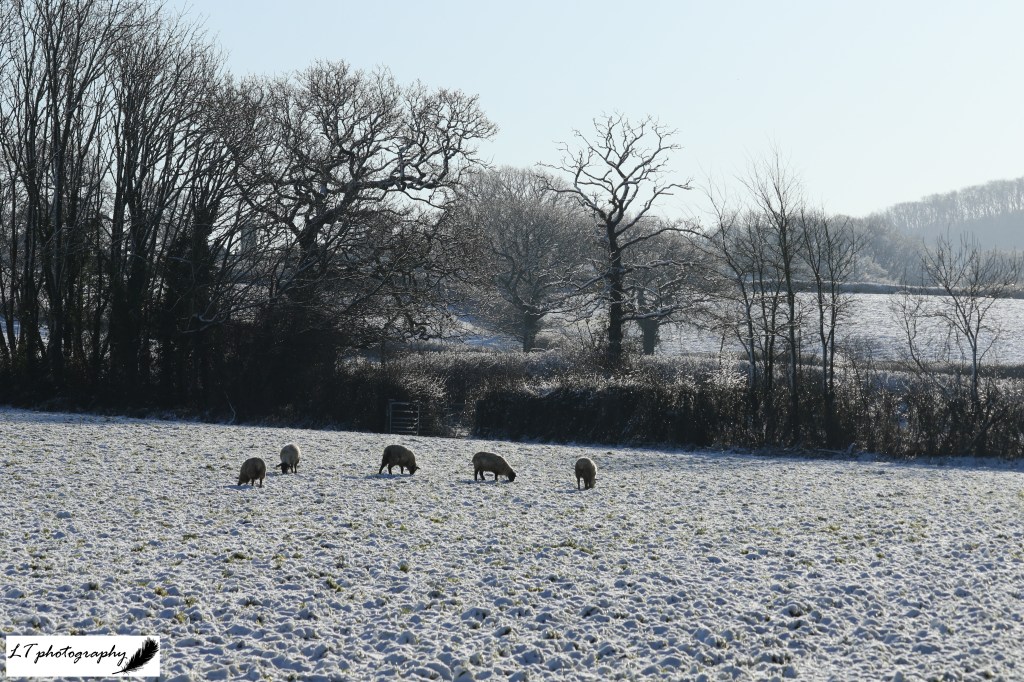
Day 1 – On Christmas Day, I shared a photo taken during the January snows of 2025. I love the skeletal trees providing a backdrop for young sheep grazing on a blanket of glistening snow.
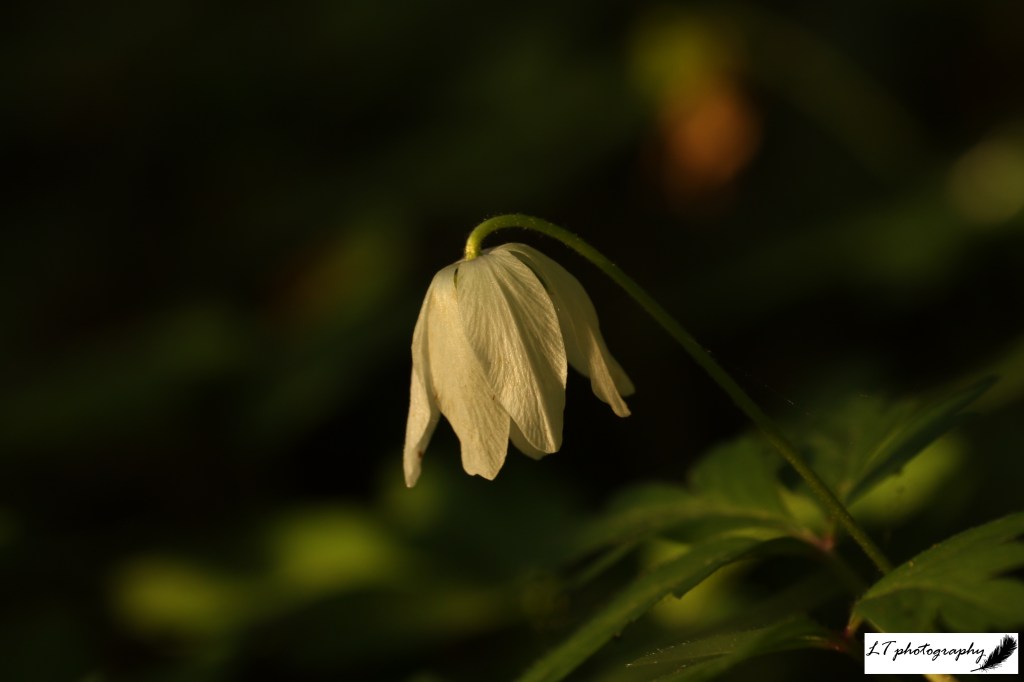
Day 2 – In my nature photography, I love playing with the use of light and shape to capture a moment of wild magic. Here this wild anemone, nestled in the undergrowth of a spring woodland, is a moment of new growth, warmth and hidden beauty.
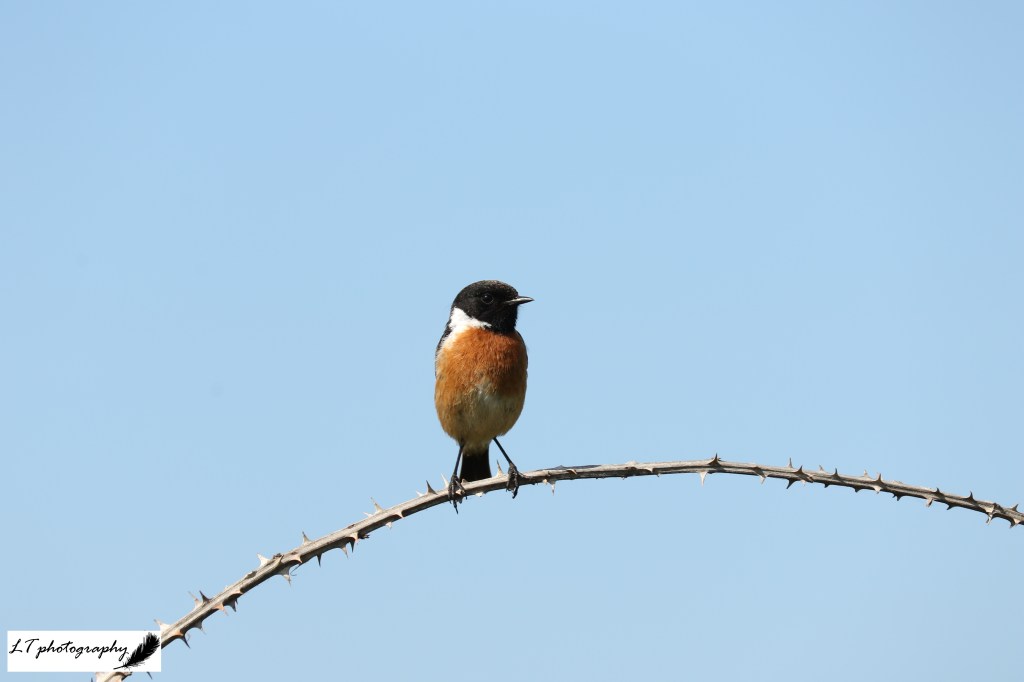
Day 3 – I love an adventure, from exploring close to home and holidaying in the UK to enjoying the wilds of another continent. This stonechat comes from one of my 2025 adventures, when I took a break in beautiful North Devon with my urban buddy Emma Rogan (check out Rural vs Urban).
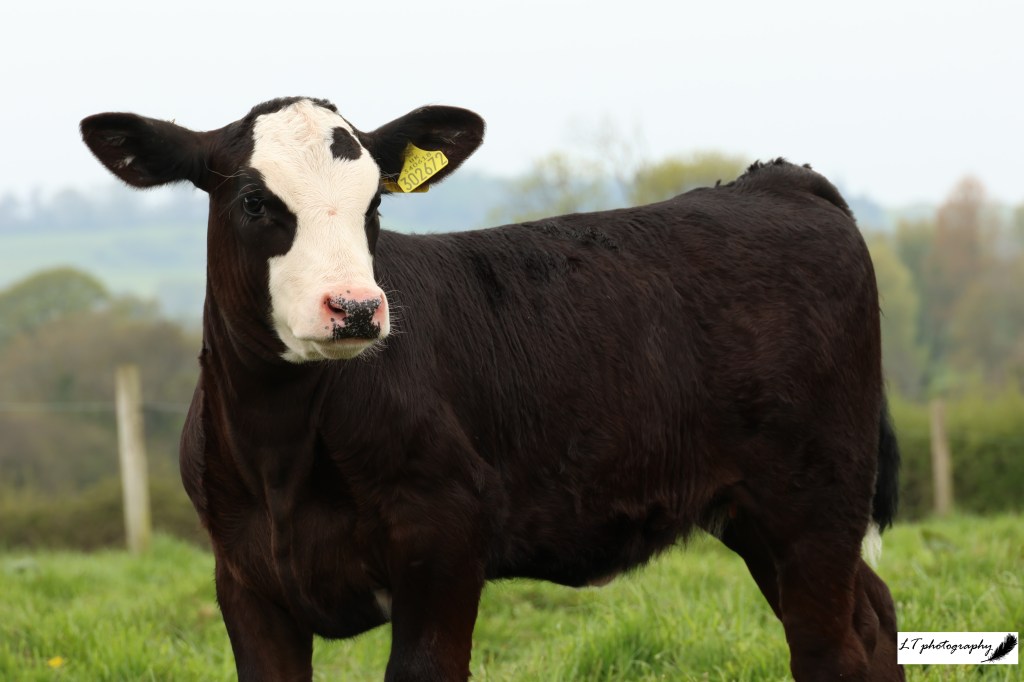
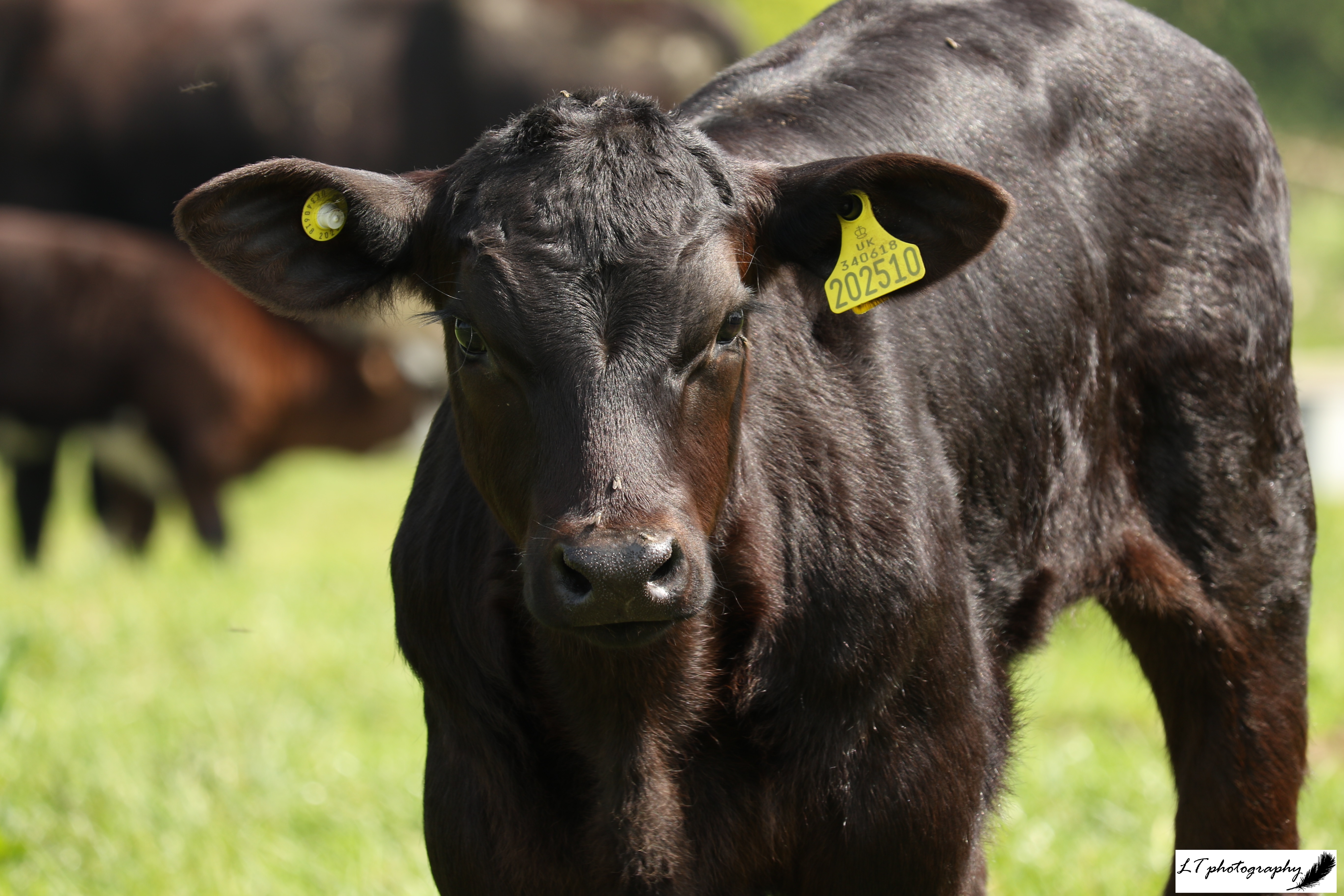
Day 4 – I will always be a farmer’s daughter at heart, and from this place I get hours of enjoyment sat in fields capturing the characters and antics of cows and calves. You never know what will happen or who will be the star, and here is a young suckler calf called Orchid, on a grey but lush green day during April 2025.
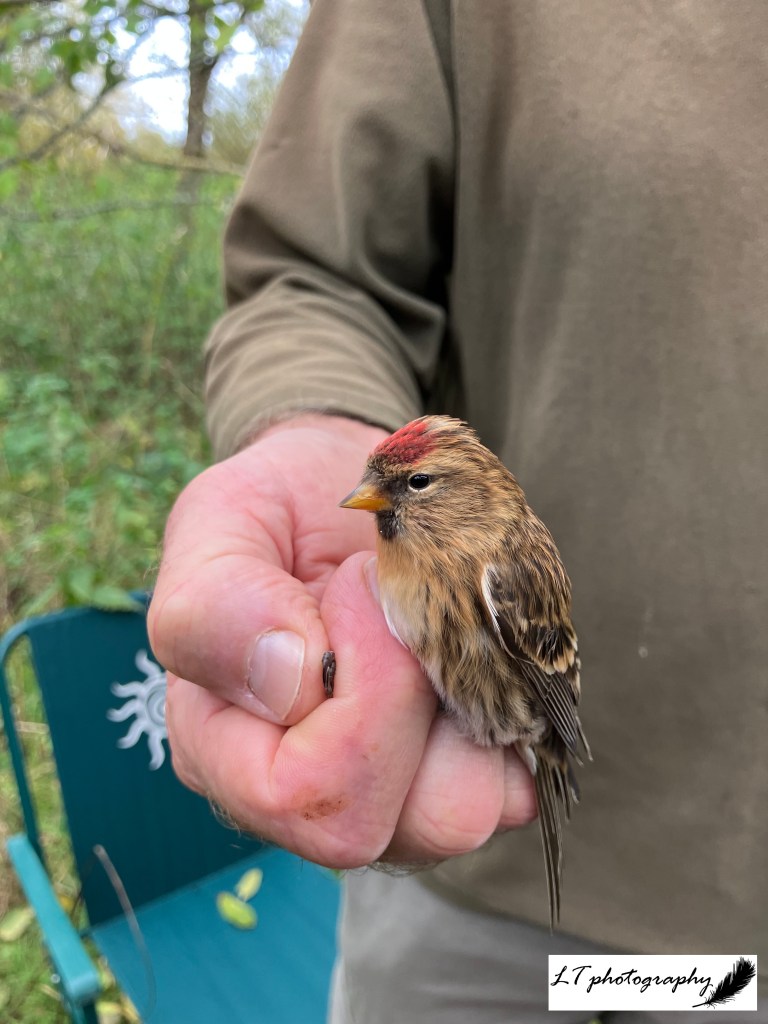
Day 5 – Another part of my life alongside photography is bird ringing, where birds are safely caught and ringed with a metal ring to allow all sorts of data to be collected about their populations. Here’s one of my favourite birds caught in 2025, a very smartly marked lesser redpoll.
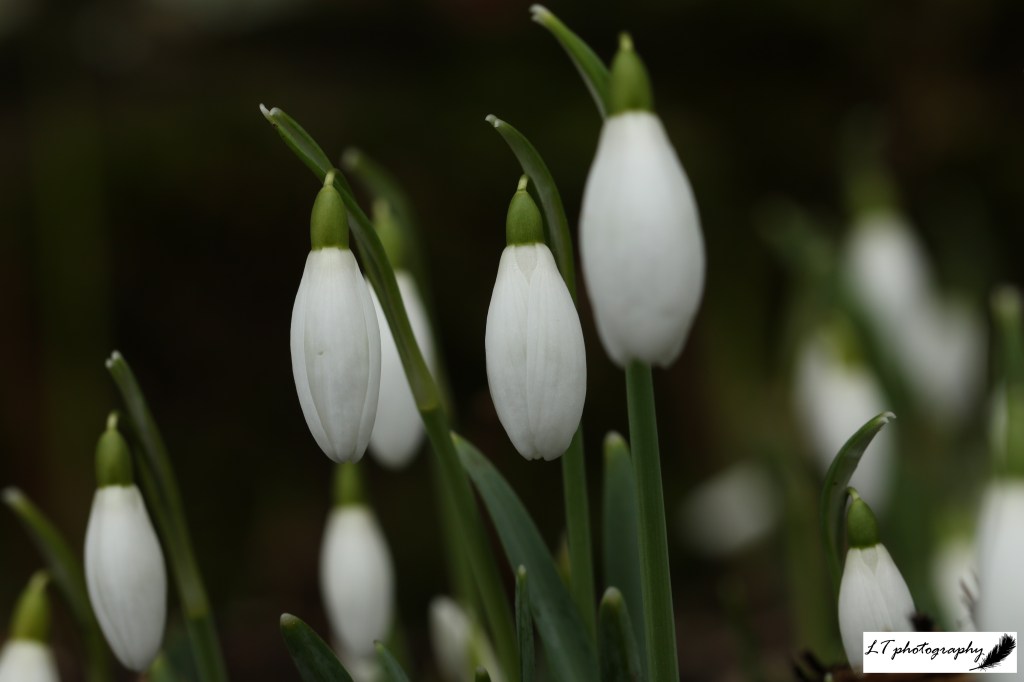
Day 6 – The first true herald of spring days to come, snowdrops are iconic, bursting forth at the start of the new year and bringing hope to all. There’s something magic about seeing their opalescent heads nodding in a cool breeze after the darkest weeks of winter.
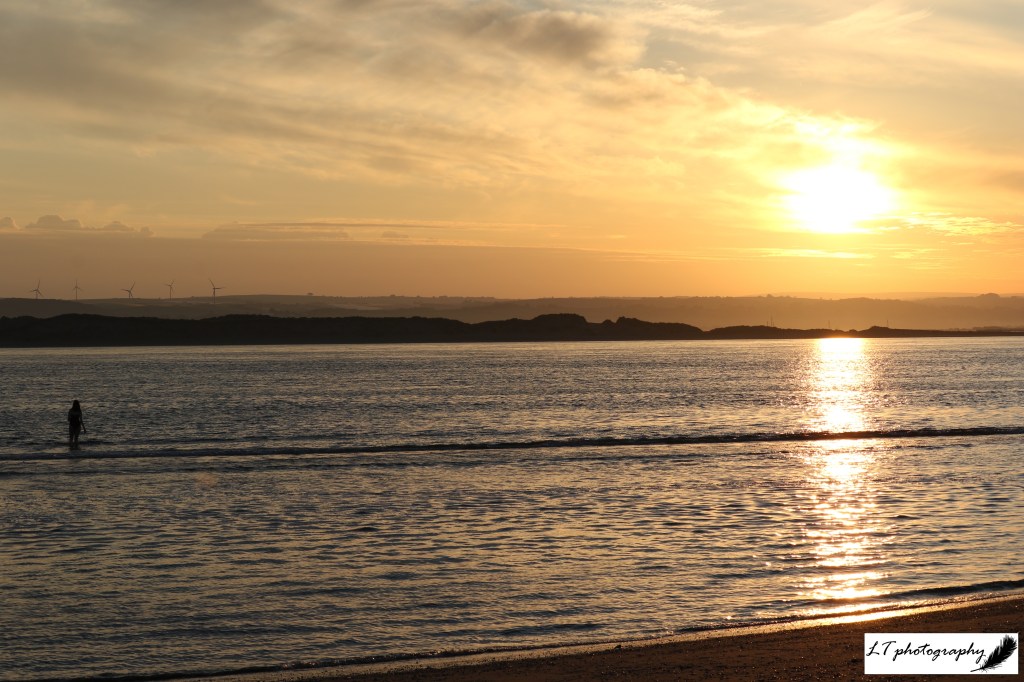
Day 7 – I am known for loving capturing a beautiful sunset, but that does not mean that I am not a fan of a fiery sunrise, the start is just a bit more painful for me! Here is the stunning beginning of a day on a North Devon estuary, with wind turbines and morning swimmer adding to the magic.
Day 8 – Like these gorgeous wild poppies, my 2025 was a year of growth with this blog having its best year yet, many adventures being embarked on, and the start of my nature photography business flourishing. I am so so thankful to everyone’s support, so watch this space!
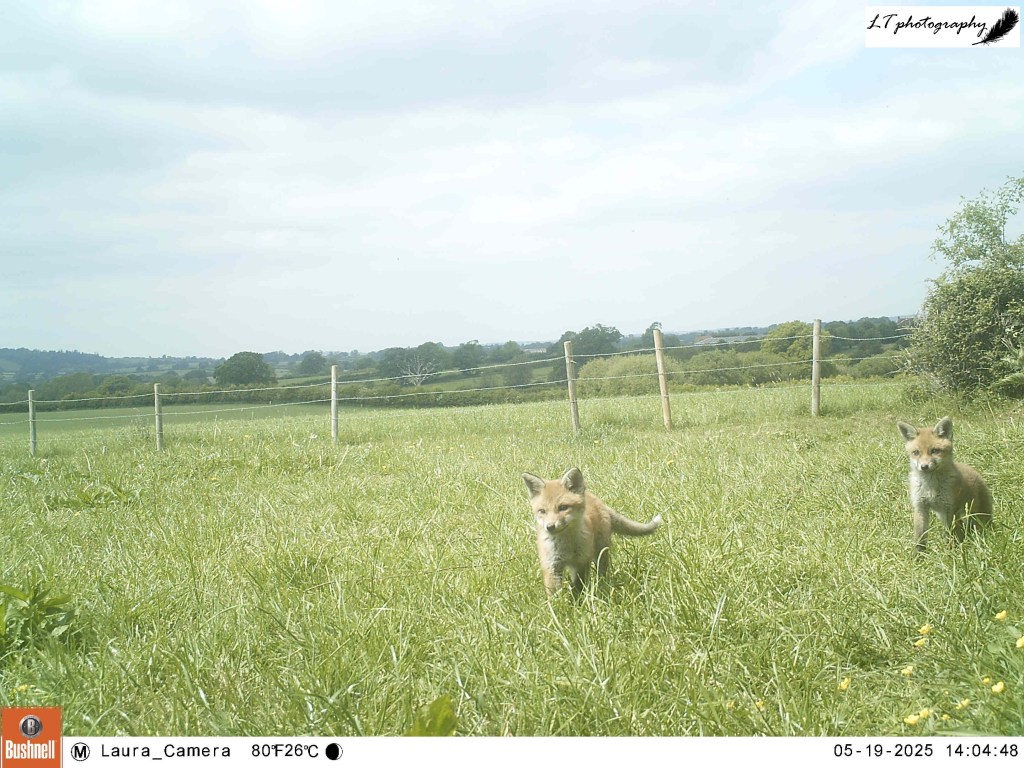
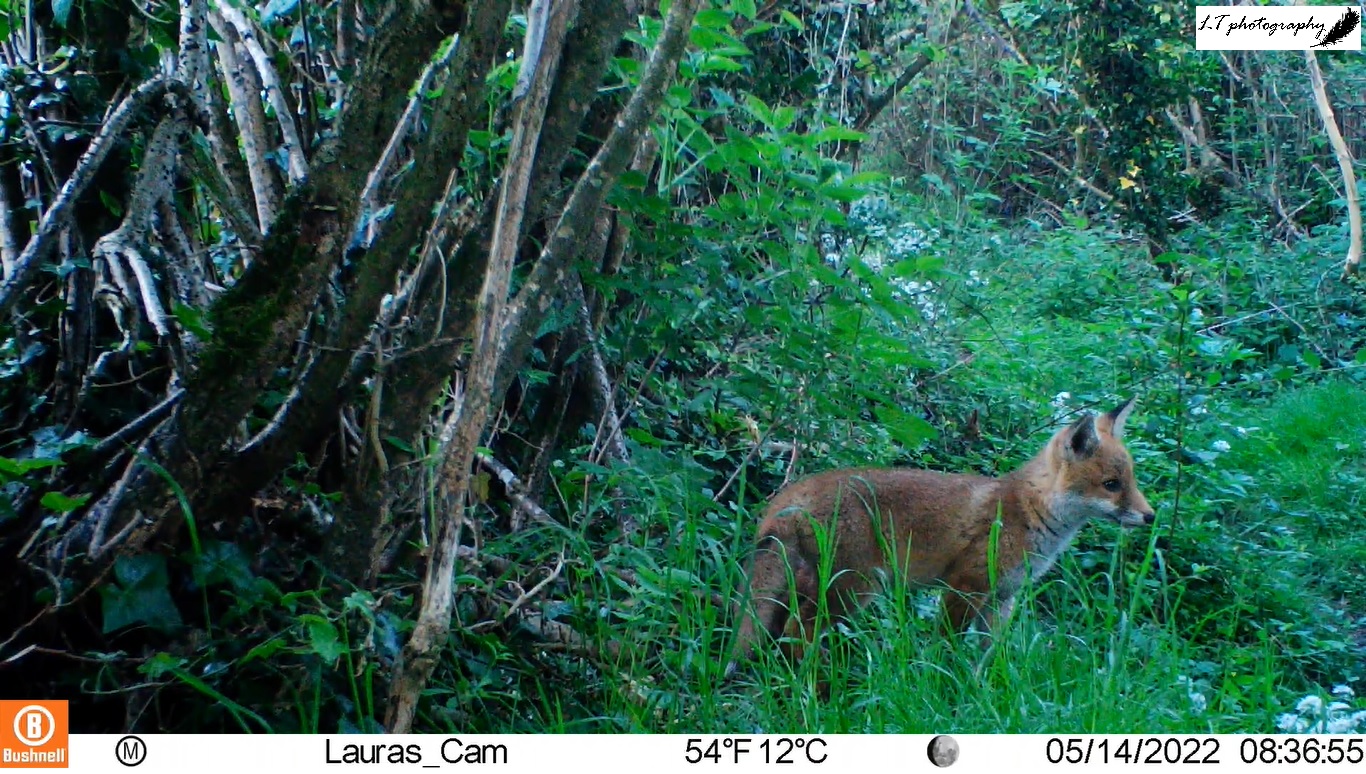
Day 9 – Another of my wild hobbies is camera trapping, where I use a trail camera to unobtrusively observe the unseen lives of our common British wildlife. A firm favourite of mine is the fox, with their tough cubs giving hours of pleasure to watch. Here is just one of many of the photos taken last year yet to be shared with you all!
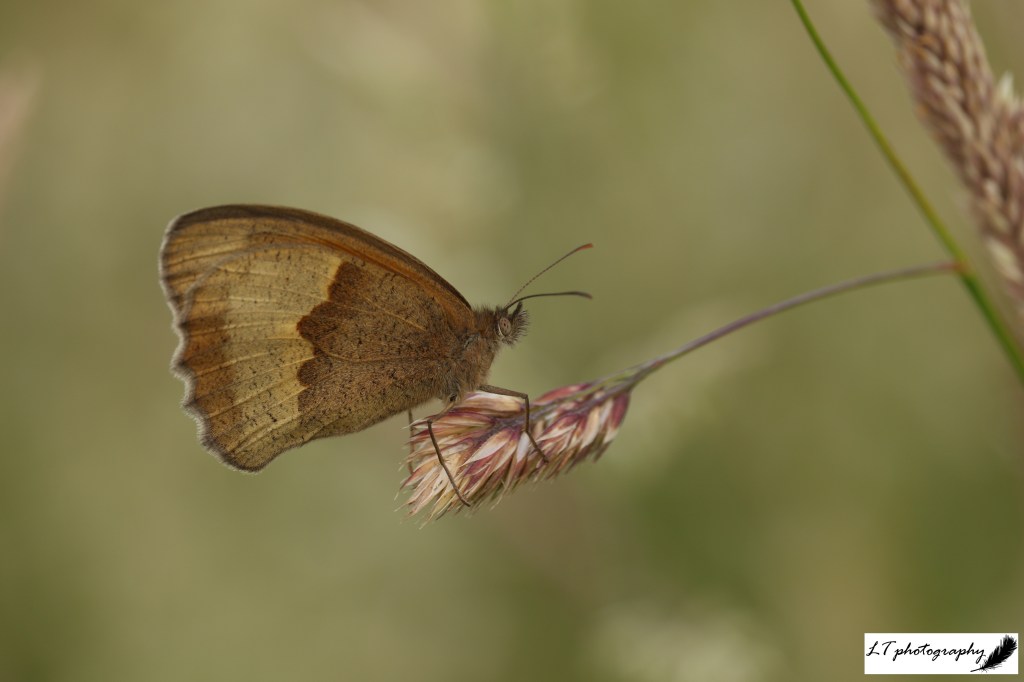
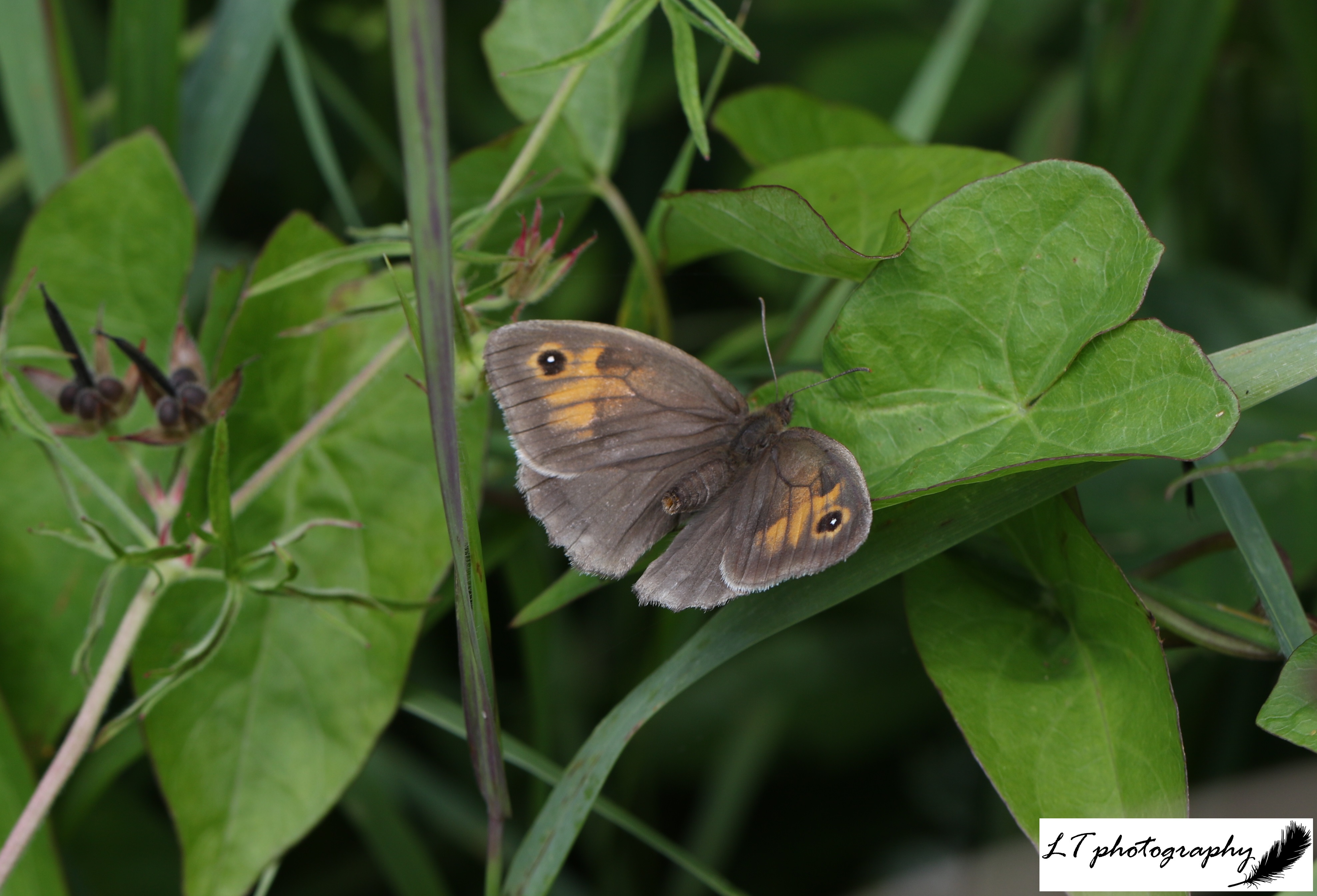
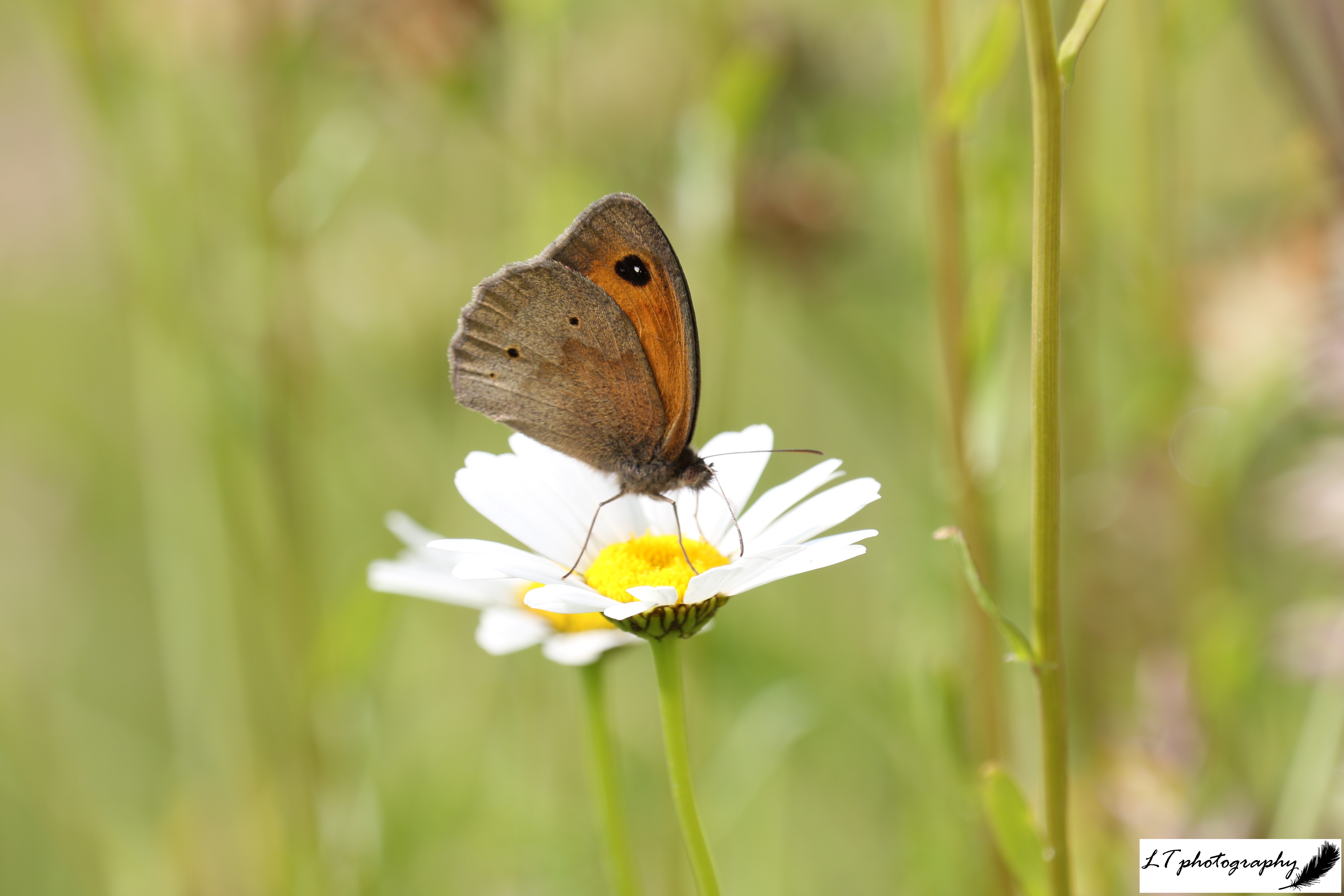
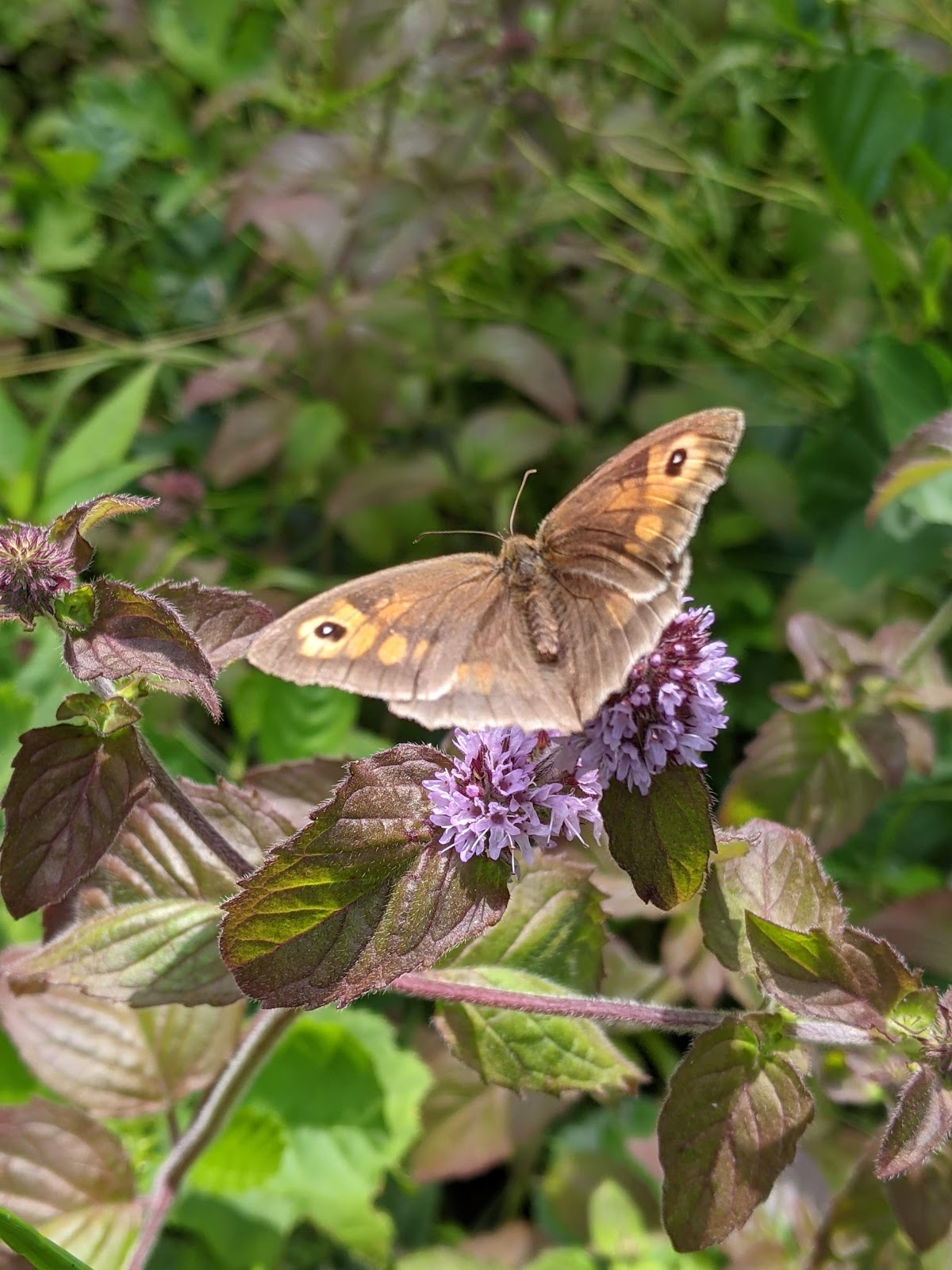
Day 10 – Last year I printed and mass sold my very first nature calendar, and I was overwhelmed by the response. This photo featured in the calendar was of a simple meadow brown butterfly in a wild meadow in Herefordshire, but gives us an up close view of these often overlooked minibeasts. ‘Dull brown’ can also be captivating!
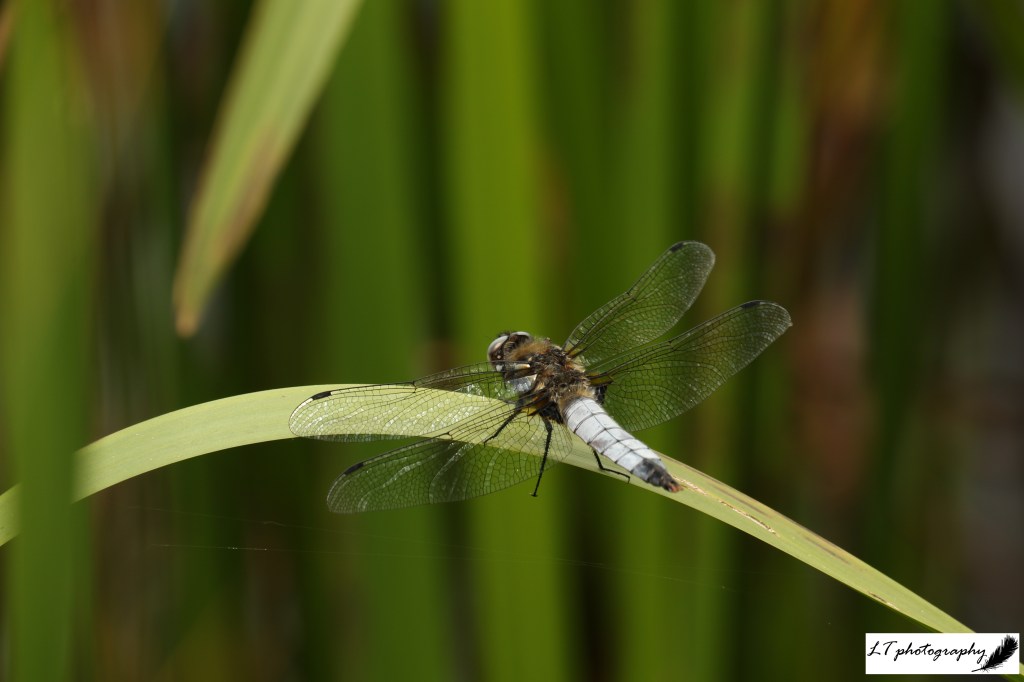
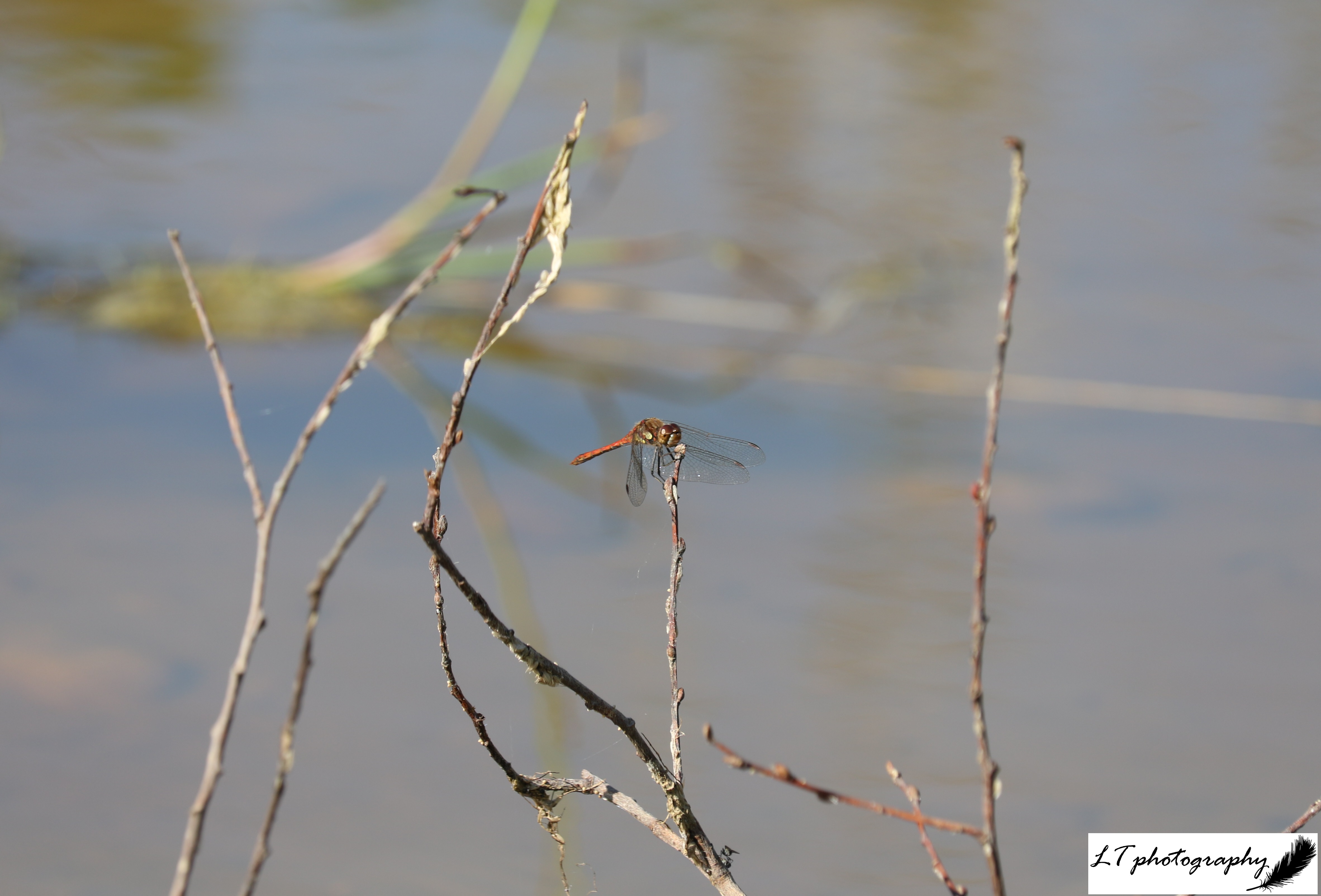
Day 11 – As I neared the end of my 12 Days of Laura’s Wild Photos for 2025, I kept things simple with this dragonfly. Another interesting creature, dragonflies are a game to capture, super fast and often changing their course quickly as they hunt over water. It is a moment to breathe when they finally fall to rest for a short time!
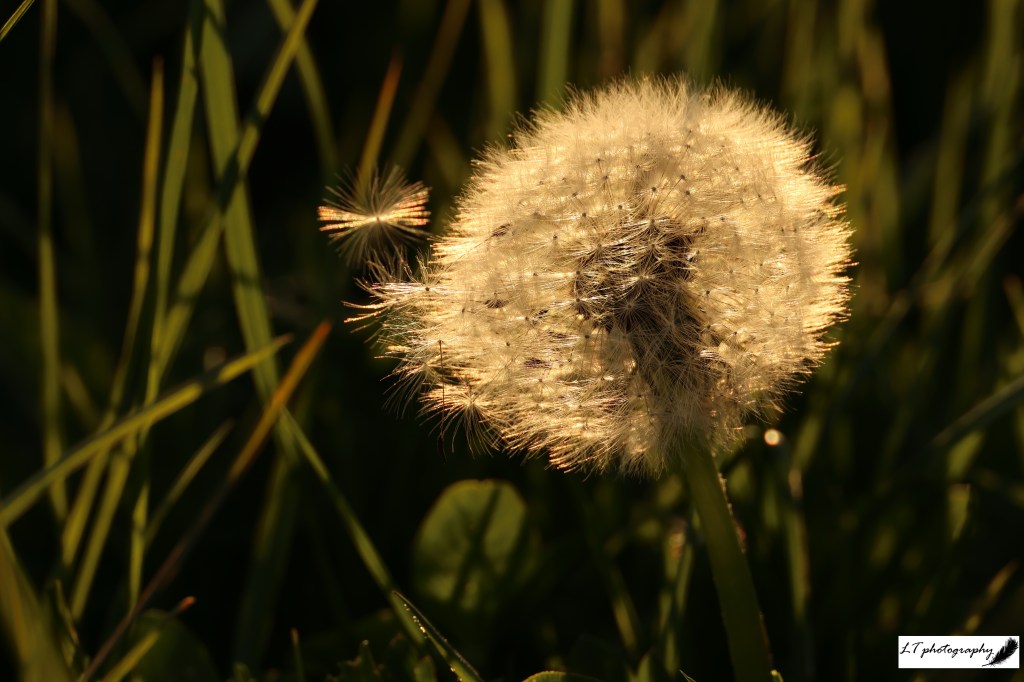
Day 12 – There is something magical about a dandelion clock. I believe it is the childlike wonder they invoke for most people, and here, in warm spring sunlight, this dandelion even has seeds beginning to parachute from its main head, floating on the wind to a new place of rest.
My love of birds can be first originated with my grandfather, who enjoyed sharing his own passion with me when I was child, even before my own began. In time, my mum passed her own knowledge on to me, but it took me going off to university to finally realise how much fascination bird species hold for me. Once I returned home to Dorset after completing my Master’s, I then got the opportunity to begin my training as a bird ringer in 2019 with a very special local trainer, Trevor Squire.
Last year I posted on my blog all about the birds breeding on my family’s farm in Dorset throughout 2022, whilst working to apply for my C permit (check it out here). That year I encountered 2 broods of kestrel chicks, 3 broods of swallow chicks, 2 broods of barn owl chicks, and 2 great mornings ringing in my own garden to build my confidence with a range of species.
Moving in to 2023, I had now gained my C permit with restrictions, and could begin to ring with more independence whilst exploring the bird life on my family’s Dorset farm. Unfortunately, no kestrel nests were discovered on the farm during 2023, as our local population were hit hard by avian flu. There was still lots of bird fun to be had though, so read on to find out what I got up to.
Swallows
In 2022, the swallow population around my home had a tough year and a very poor breeding season, which may be because less pairs returned to start with. In total, I discovered 6 nests, but only 3 fledged chicks, 12 in total. So in 2023, with my new C permit now giving me the endorsement to ring swallow chicks on my own, I hoped for more luck for my swallows.
I began nest checks again on the 25th May and over the course of the breeding season I discovered 6 different nests in use, with 4 being used again for 2nd broods. I am very happy to say that I had the pleasure of ringing 42 swallow chicks from 11th June to 16th September. Knowing that some chicks even fledged before I had the chance to ring them, 2023 was a very good year for my swallow population in comparison to 2022.
Barn Owls
Those who follow my blog will already know that barn owls are a species that are very special to my family, with these birds being intertwined with farmland in Dorset. Barn owls are a great indicator of the state of nature on farmland, and have been followed closely on our land since 2019, helping to influence management. Check out my Barn Owl page for more stories.
In 2022, the barn owls had a good year on the farm, with 2 pairs nesting at opposite ends of our land, one in an annually used nest box and another in the same tree as a pair of kestrels. Both pairs went on to have 2 chicks fledge successfully, which was a big positive for the barn owl population in our area.
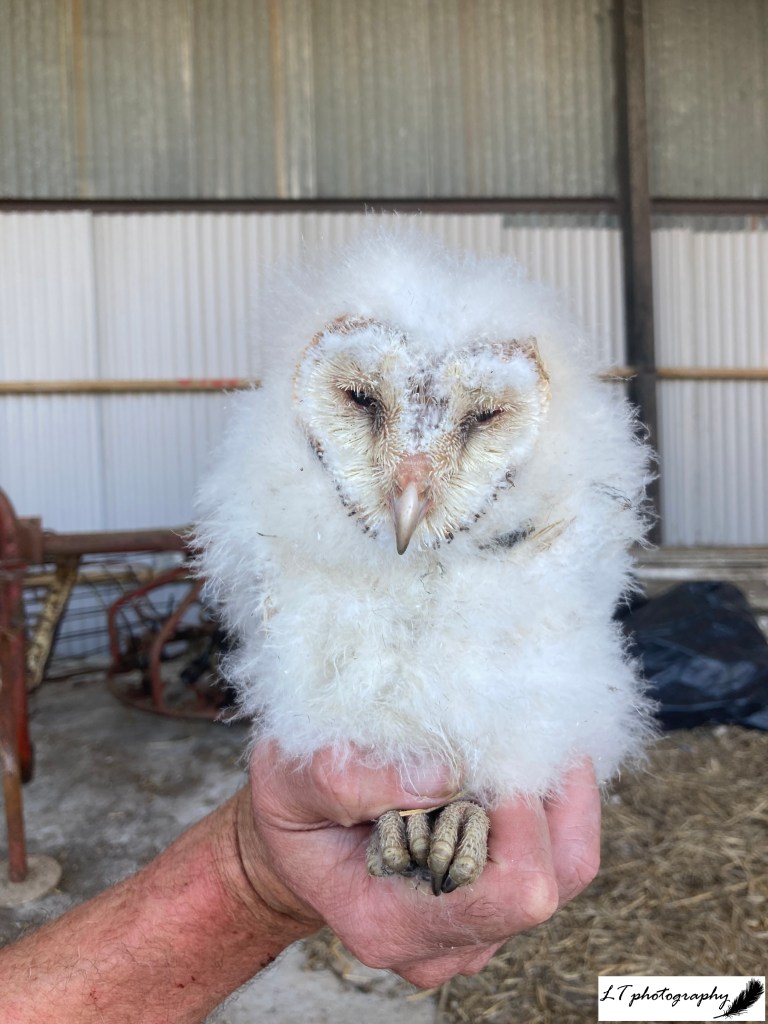
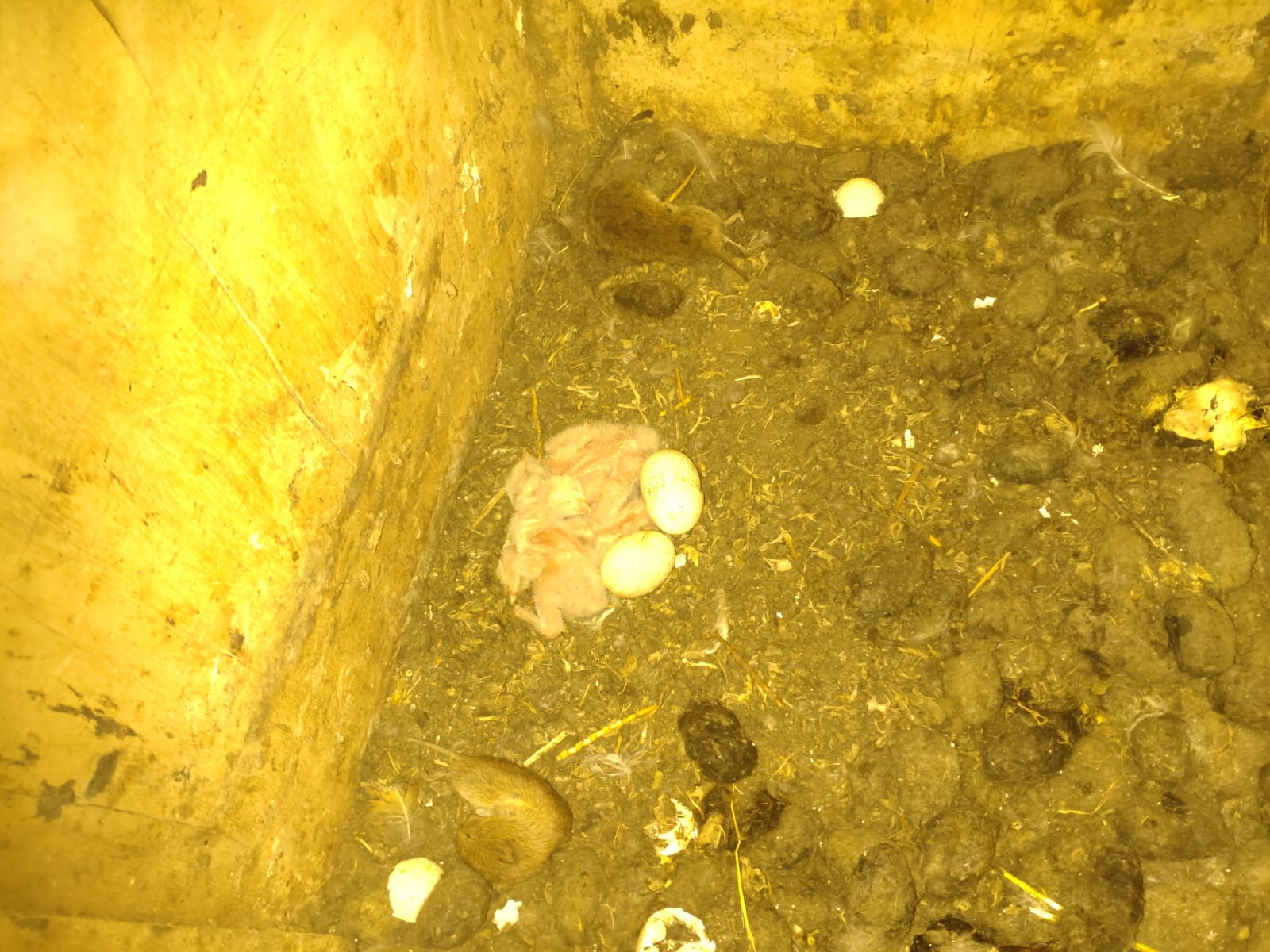
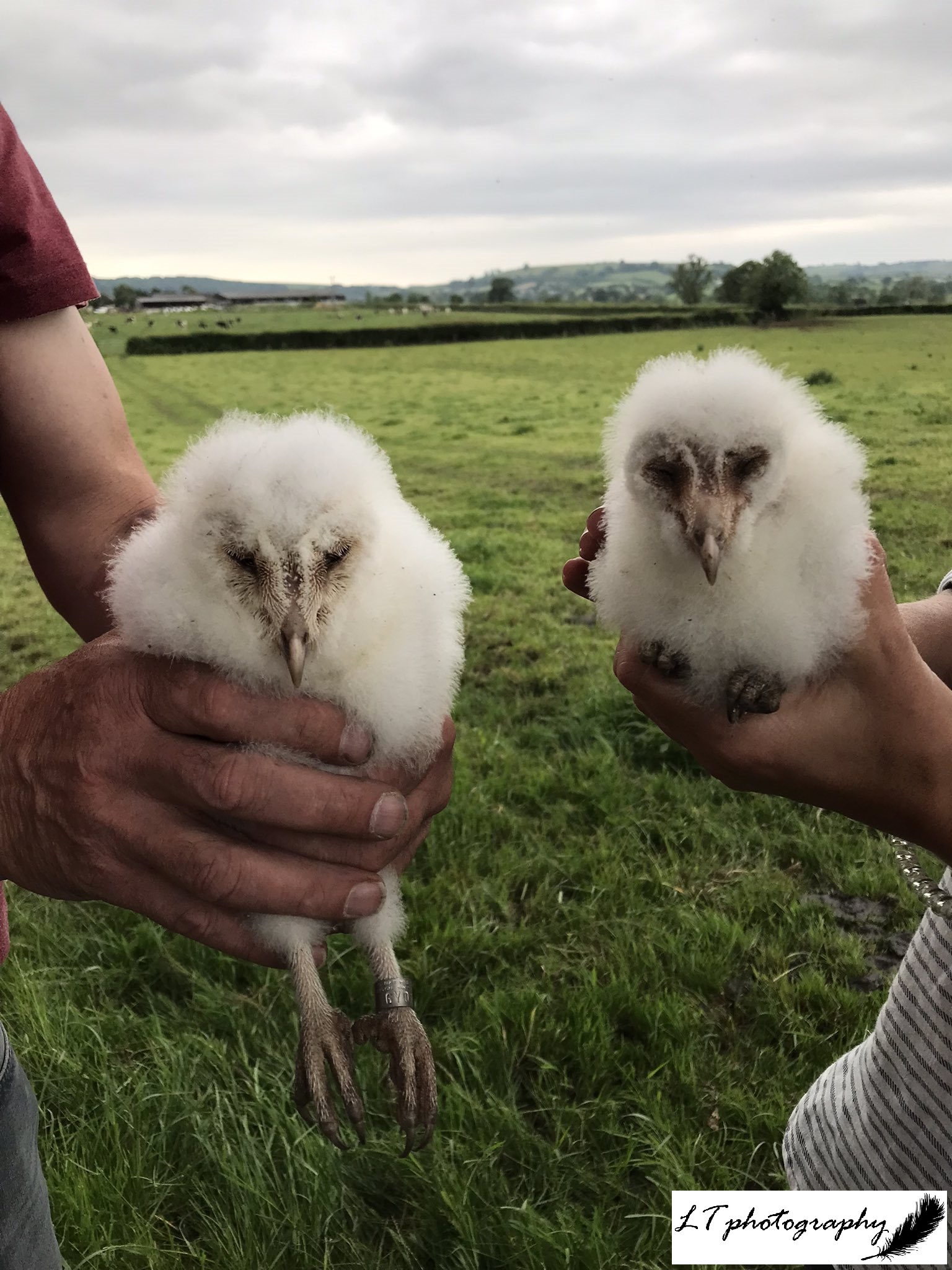
For 2023, I now had my C permit that had the inclusion of an endorsement for me to ring barn owl chicks on my own. We had high hopes for our barn nest box once again, having seen 2 owls hunting around the farm over the winter, and courting around the box in early spring. On checking the box on the 2nd June, we were happy to discover 3-4 young chicks. I used these chicks as an opportunity to gain confidence, and ringed 3 good sized chicks alongside my ringing trainer on the 7th July. We had hoped to discover a second pair breeding on our farm again in 2023, but we are very happy that at least 2 of the barn box chicks were seen to go on to fledge successfully. This is a definite improvement on only 1 chick in 2021!
Chicks Ringed of New Species
As on my newly acquired C permit I only have endorsements to ring swallow, kestrel, and barn owl chicks, in 2023 I aimed to ring chicks from other species alongside my ringing trainer to expand on my C permit in time.
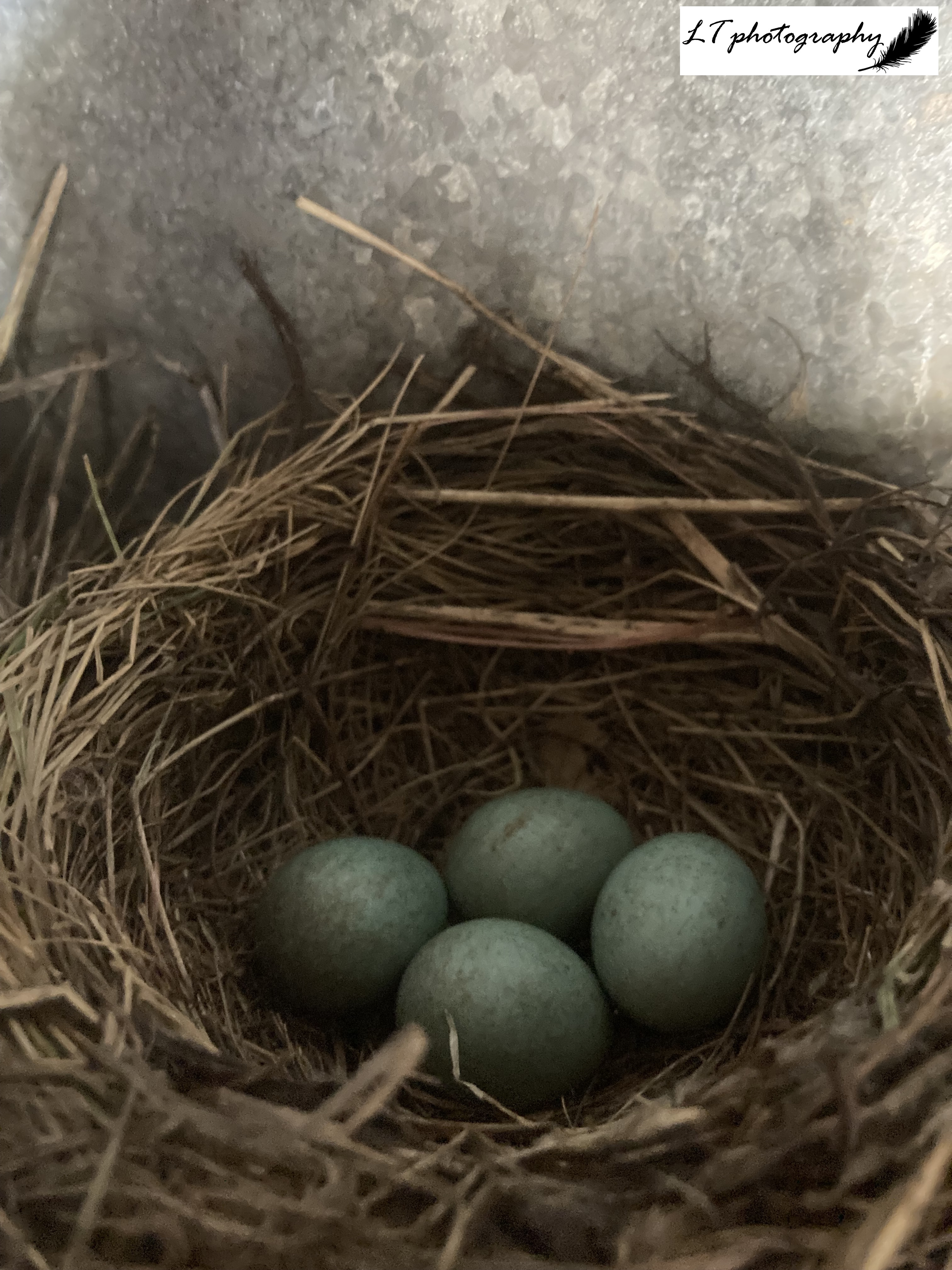
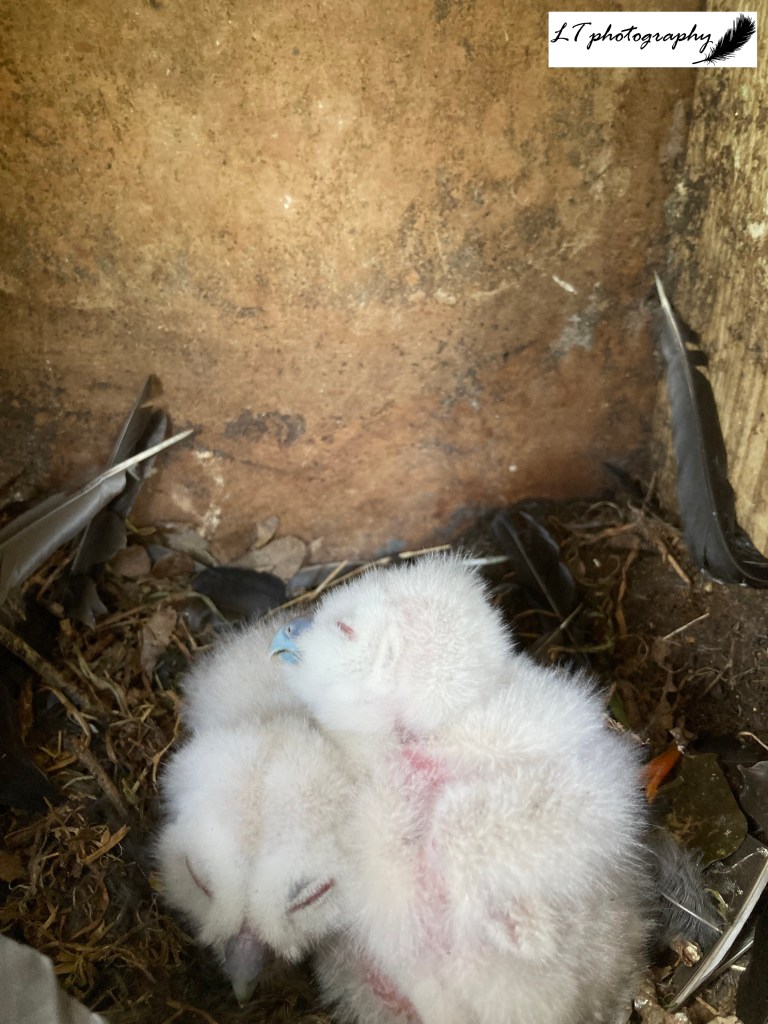
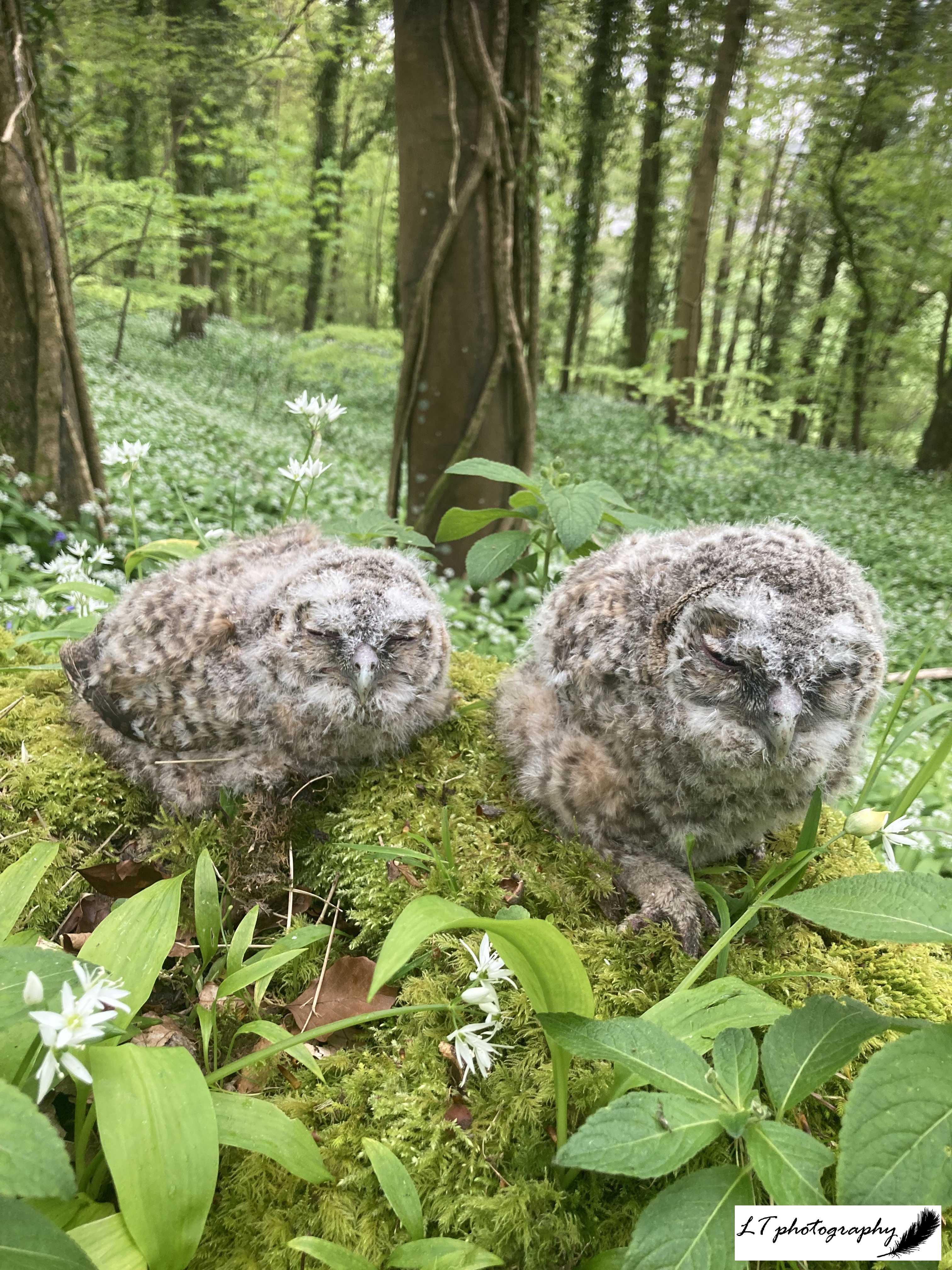
On the farm in 2023, I got to ring my first brood of blackbird chicks (4), blue tit chicks (7), and starling chicks (1). The highlight though was one of our tawny owl boxes finally producing a healthy brood of 2 tawny owl chicks. A great start to increasing my experience, whilst I also got the opportunity to ring at other sites, such as checking tawny owl boxes with another ringing group.
Garden Mist Netting
In 2022, ahead of applying for my C permit, I got to spend 2 mornings mist netting and ringing in my own garden with another ringing trainer. This was an exciting first for me, made even greater by catching 192 new birds of 9 species, the highlight being some lovely starlings.
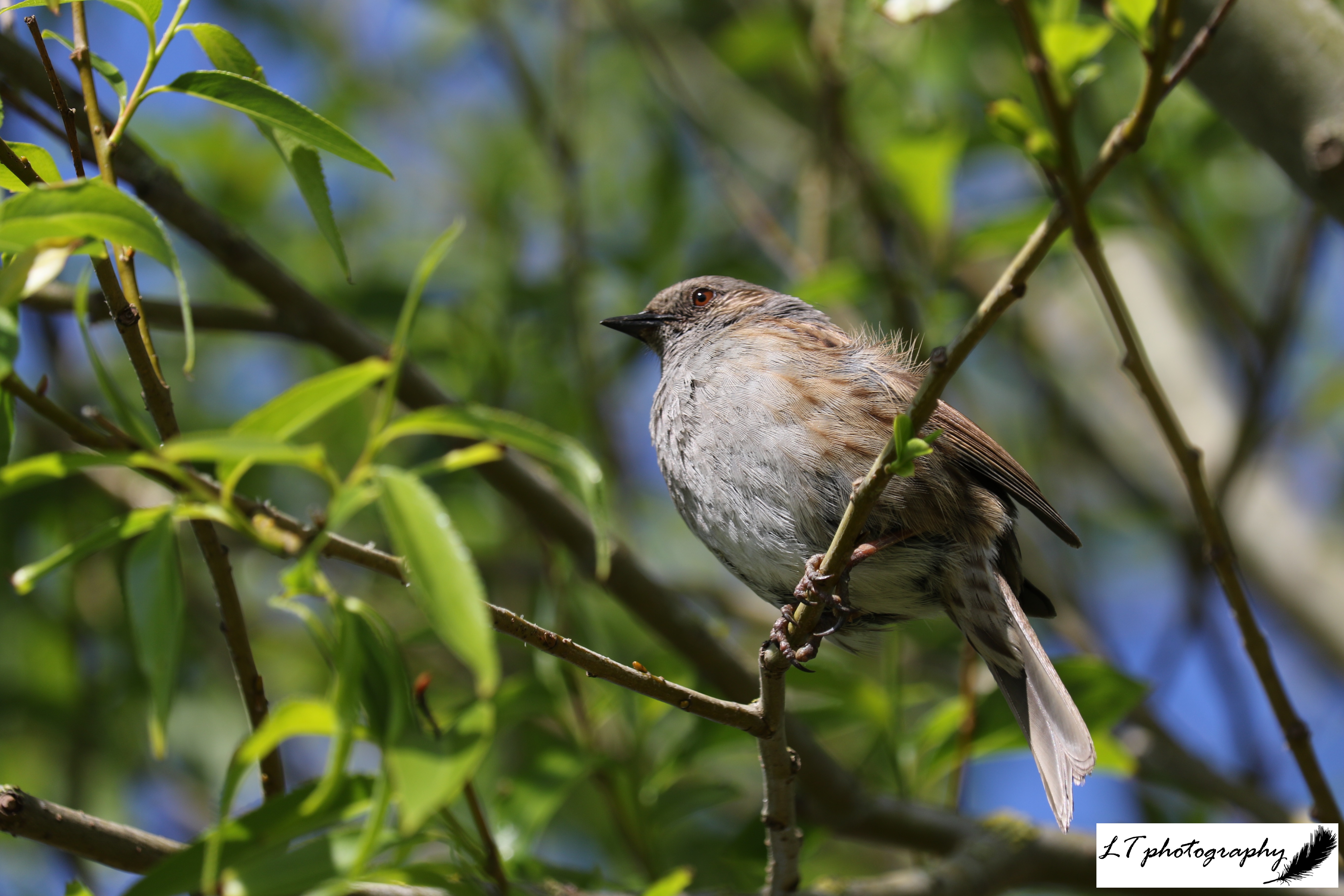
For 2023, I got to experience a new first, mist netting and ringing in my garden all on my own. Through June and July, I spent 6 mornings ringing in my garden, and managed the situation each time, so as to only catch as many birds as I could deal with on my own at one time. Over these mornings I caught 90 new birds of 11 species (1 robin, 7 chaffinches, 11 blue tits, 44 house sparrows, 1 blackbird, 13 great-spotted woodpeckers, 2 goldfinches, 3 dunnocks, 6 great tits, 1 starling, and 1 greenfinch), and learnt alot from acquiring this experience already. My highlight was definitely the greenfinch, as it was a beautiful adult male and my very first greenfinch ever ringed!
Here’s to 2024 being as interesting!
All birds were ringed under license and following rules to ensure the health and welfare of the birds handled at all times.
Spring 2024 has no doubt been a tough one for all, nature and wildlife included. The cold and wet weather appearing throughout has made for a unique few months, that has often felt more like a continuation of the winter passed. Despite this, spring took its time to unfurl as in the last couple of years, and had lots to offer.
When it comes to nature, whatever is going on, it continues to provide moments of calm, vibrancy and adventure. This has been apparent more than ever as I venture out with my camera or simply with my phone at hand. Here are just some of the many photos I have taken this spring.
Spring In Photos 2024
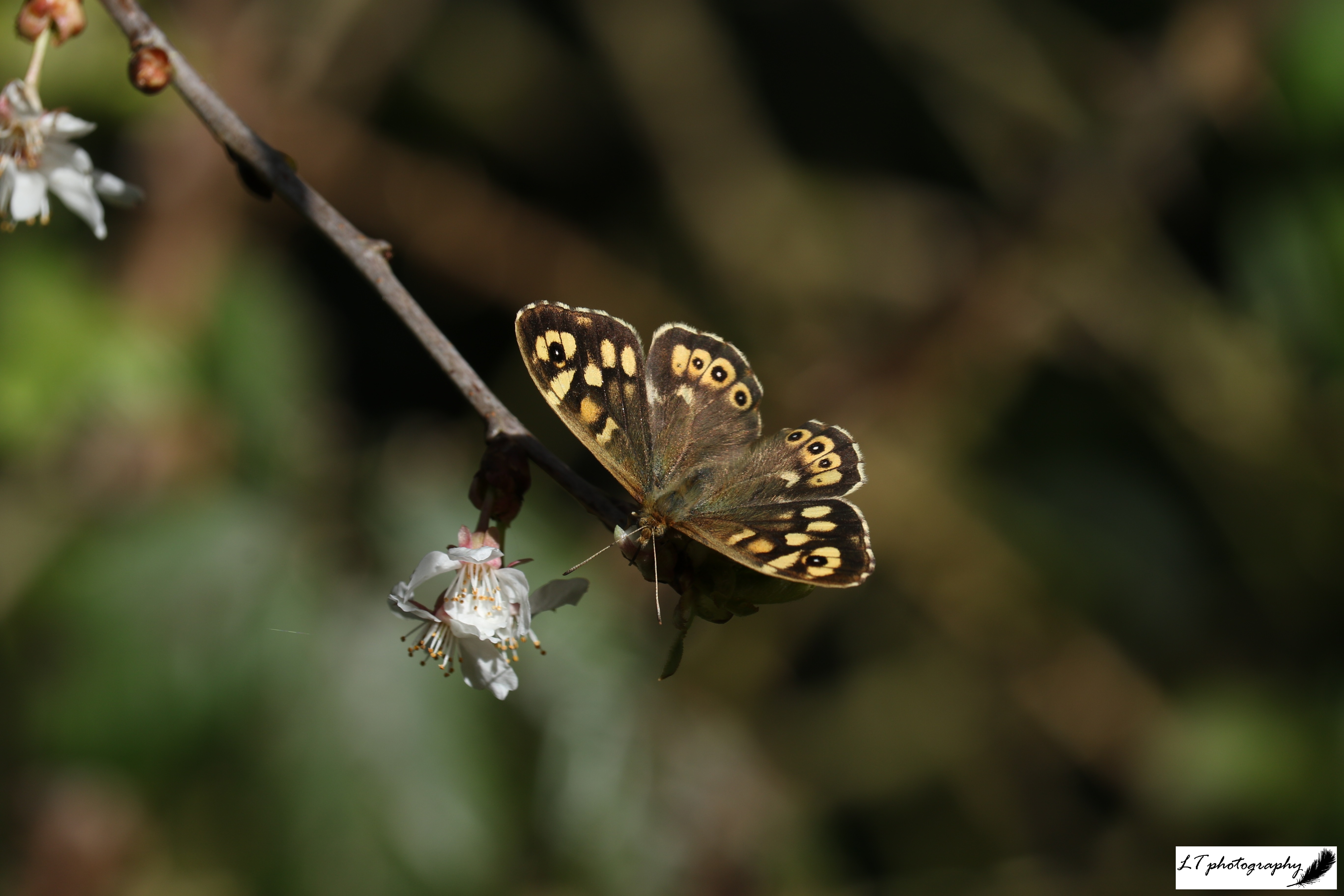
Butterfly On Blossom
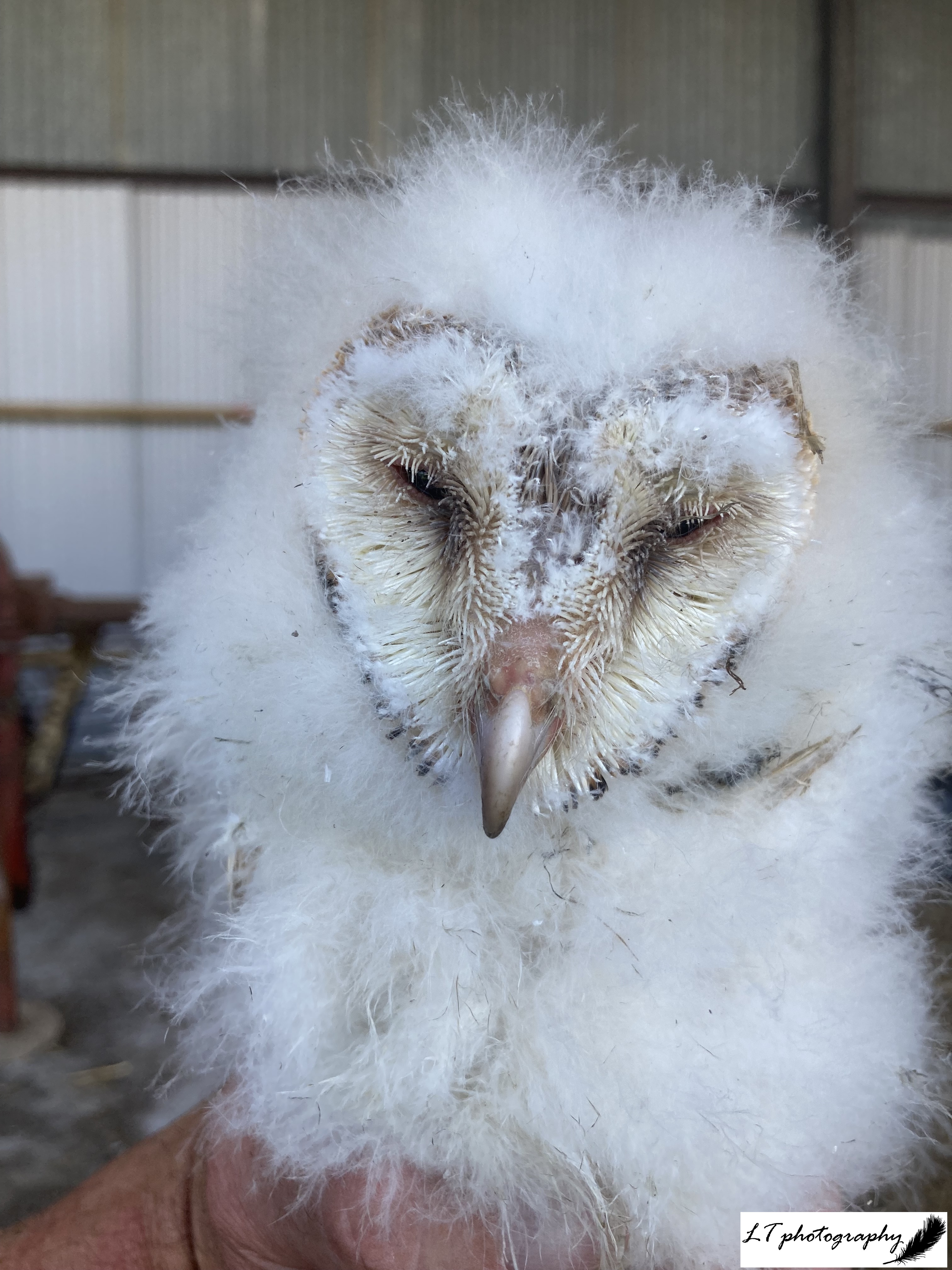
It’s Tiring Being A Tawny chick!
Shimmering Like GoldIn The SpotlightThe Rook To My RavenFocussing On The Little Things Sparkling In The DarkFlying High As A Kite
Beautiful In Blue
Love On The Water
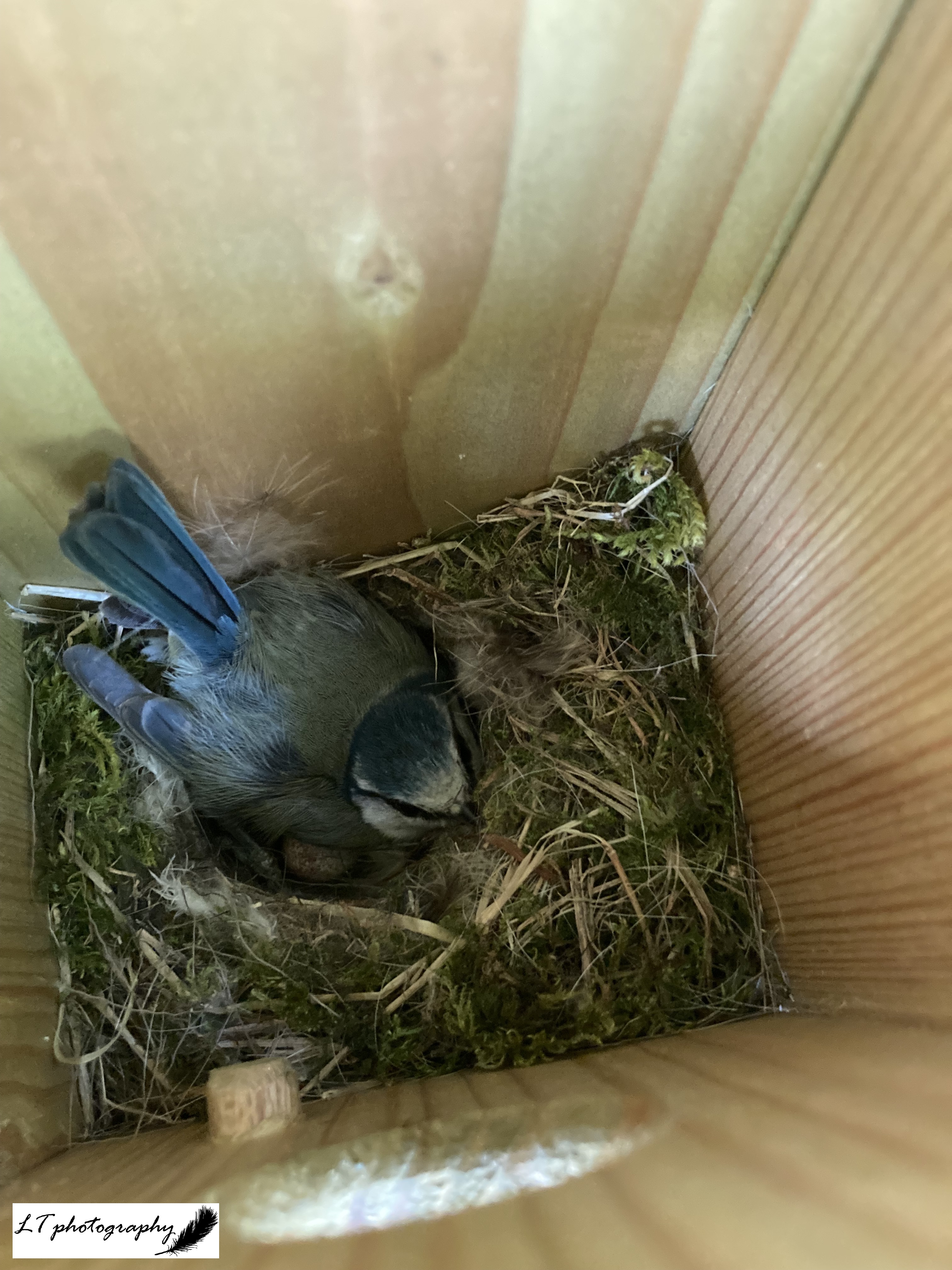
Brooding Like A Blue Tit
A Speckled Beauty
Disclaimer: All birds were handled or observed under rules, with care, and by a trained bird ringer. The welfare of animals always comes first!
In the heart of rolling Dorset, you can find my family’s home, a 250 acre mixed dairy farm with the hope of producing food alongside conserving and promoting nature. As a naturalist and conservationist, the farm is my base for exploring, learning and putting ideas into practice. With an increasing variety of habitats, there is an increasing amount of wildlife to experience, explore and enjoy, in particular a fantastic diversity and abundance of bird species (explore my blog for more adventures).
In 2019, I got the opportunity to begin training as a bird ringer with a local trainer, which was one skill that I always wanted to gain. Whilst working towards gaining my next permit, a C permit, my training has allowed me to acquire greater knowledge and a new perspective of the birds that call my family’s farm home. In 2022, my C permit was in reach and my training gave me some new experiences and some continued fantastic moments. Whilst the breeding season for birds currently plays out for 2023, I want to look back on my experiences for 2022 to see what can be learnt, including our amazing barn owls.
Kestrels
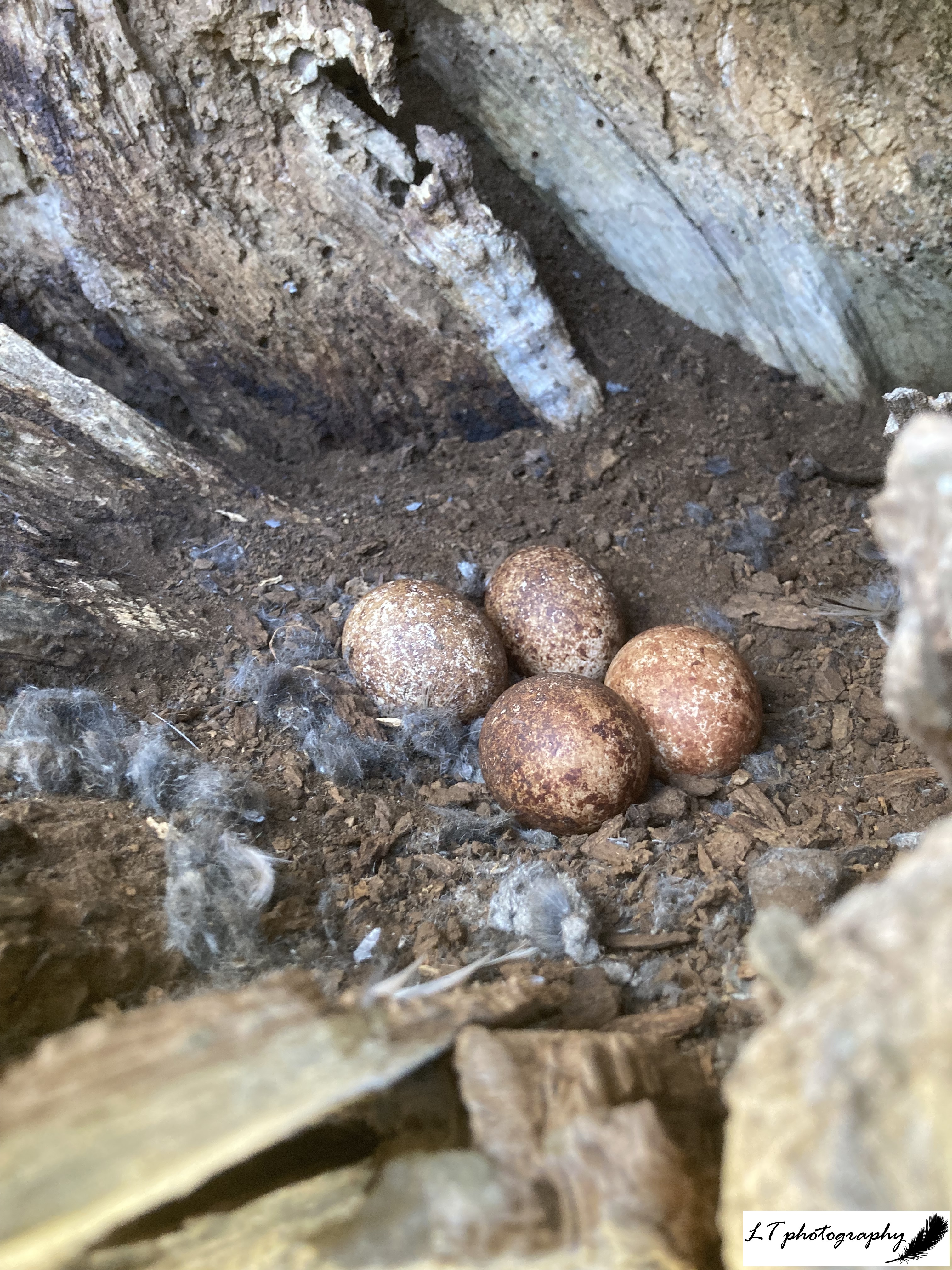
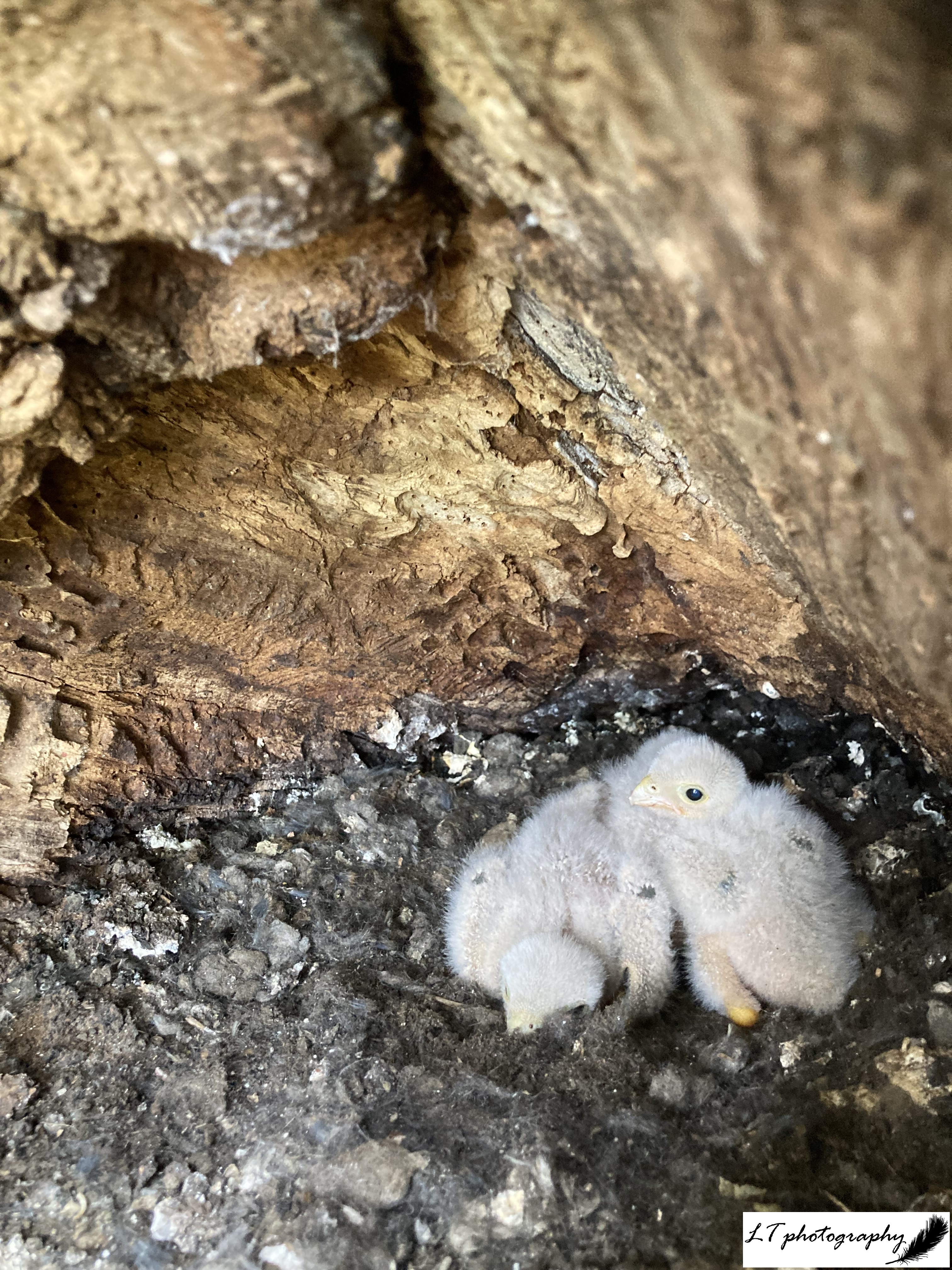
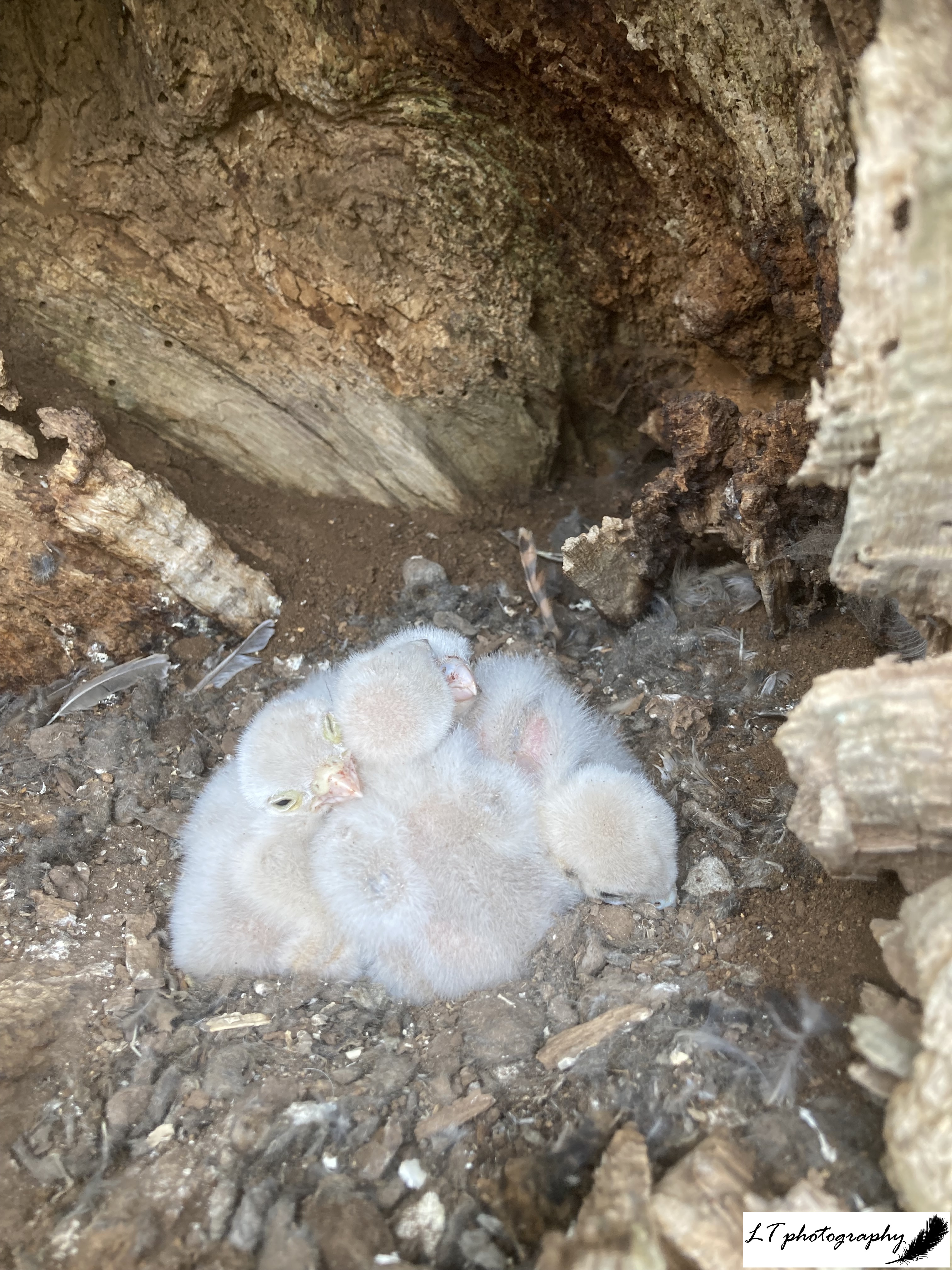
In previous years on the farm, we have known kestrels have been breeding here, but not where they were nesting. In 2021, we did find one nest within a hole in an ash tree, where a pair hatched 3 chicks. Two weeks later though, at the end of June that year, bad weather unfortunately led to the chicks not surviving, potentially due to the nest being exposed to the harsh weather. Thankfully in 2022, this same hole was used again by a pair of kestrels, and they successfully reared 3 chicks fledging in the first week of July, and I was lucky to have the opportunity to ring them too.
I was as well lucky enough to discover another pair of kestrels nesting in a hole in an oak tree at the other end of the farm. This pair was also successful, raising 4 chicks to fledging in the second week of July, that again I got to ring when they were still in the nest. With spring having been odd this year, kestrels are late breeding, so it will be interesting to see how it plays out for them.
Swallows
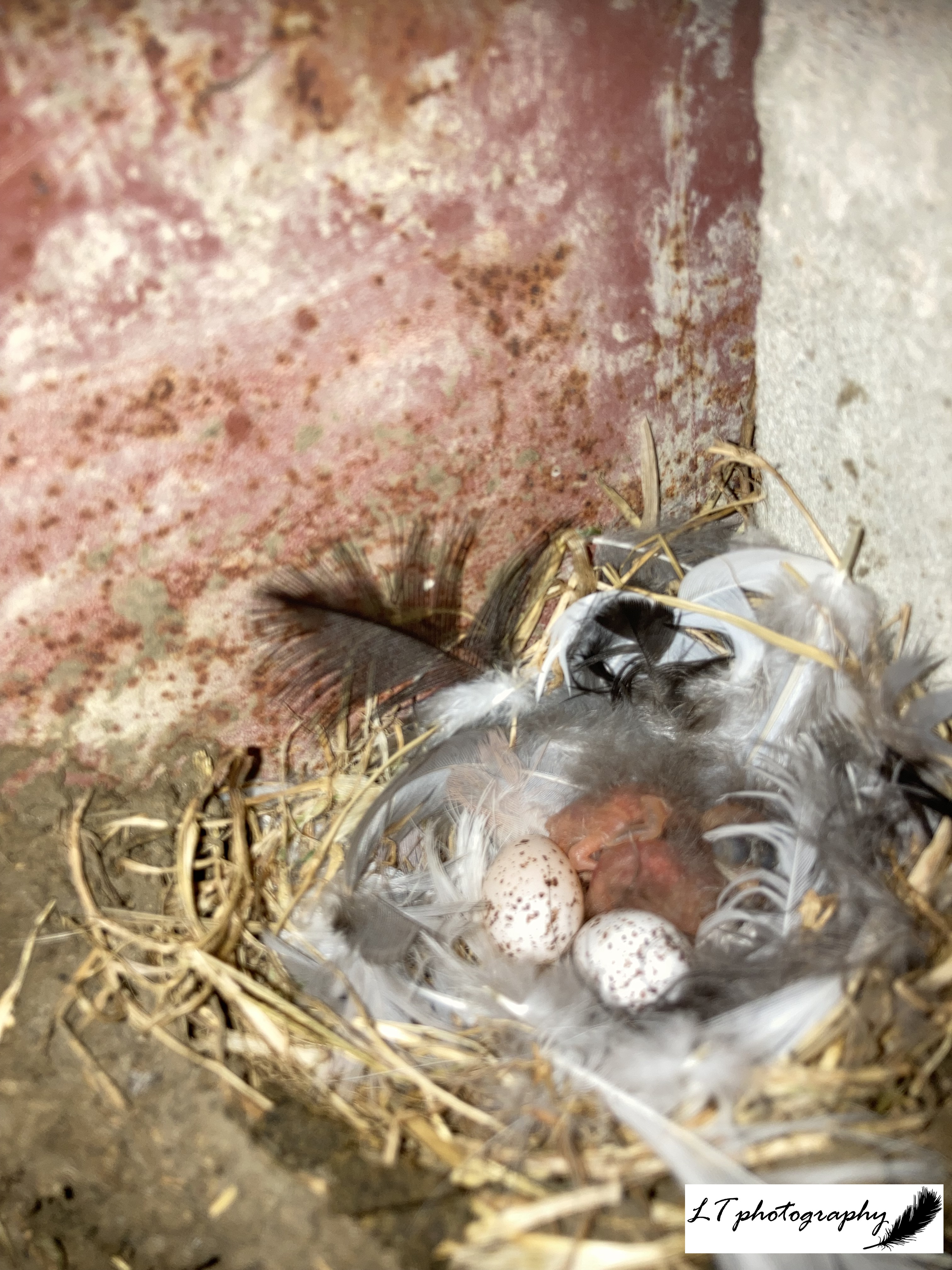
Year-on-year, the swallows return to nest within our farm buildings and our neighbour’s outbuildings, and still do so even if population numbers are not as high as they used to be. For 2022, I began my nest checks of the two properties as part of my ringing training on the 25th May. During this check I found 5 nests in use, with one already containing eggs. These 5 eggs hatched on the 27th May, and marked the start of a rocky breeding season for the swallows. With the first round of nests, 4 nests got to the chick stage, but only 2 fledged chicks (3 and 5 respectively). One of these nests then successfully went on to rear another brood of 4 chicks to fledging, though most pairs did not re-nest as the weather was very hot and dry last summer. Fingers crossed for a better year this year!
Barn Owls
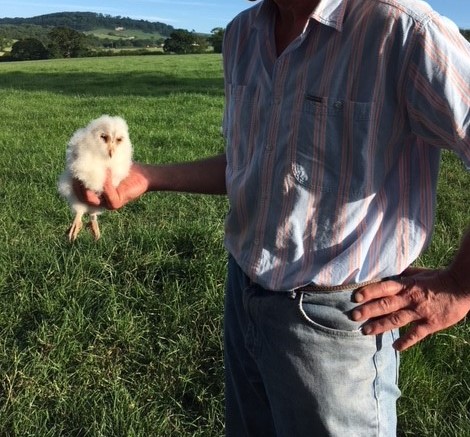
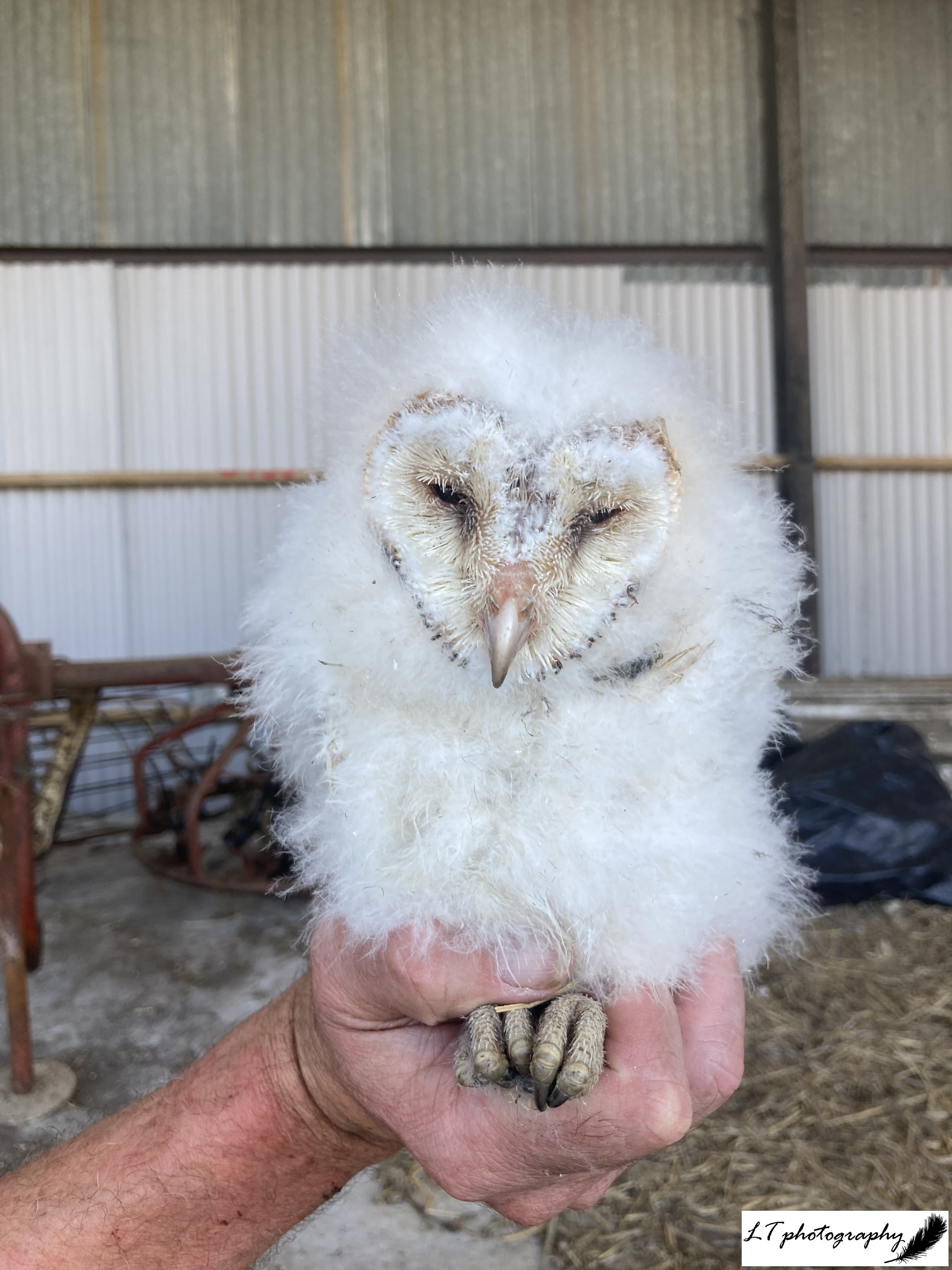
Barn owls go hand-in-hand with my family’s farm, so it is unsurprising that they are my father’s favourite bird species. With our nest box being a popular site each year, since 2019, barn owl chicks have been ringed on the farm by my ringing group, even before I started with my own ringing training. In 2021, Barn owls had a tough year though, with bad weather having an impact on their success rate on the farm. Thankfully in 2022 they had more luck, with a pair nesting in our box hatching 5 chicks, varying in size, at the end of June. They went on to successfully fledge 2 chicks. The icing on the cake was discovering another barn owl pair nesting in a hole in the ash tree also used by one of our kestrel pairs. These particular barn owls hatched eggs at the beginning of June, and went on to fledge 2 chicks too. Fantastic!
Garden Visitors
In 2022, as I worked towards finishing my training to get my bird ringing C permit, I got to do 2 days of ringing in my garden for the very first time. Though fairly small, our garden is a hub of avian activity daily, so I was excited to see what mist nets would catch. On the first day we caught 100 new birds (30 house sparrows, 30 great tits, 23 blue tits, 7 starlings, 4 chaffinches, 2 robins, 2 blackbirds, and 2 great-spotted woodpeckers), with a lot being juveniles. On the second day, 2 1/2 weeks later, a morning spent mist netting caught another 101 birds, with 92 being new (33 blue tits, 33 house sparrows, 7 great tits, 4 chaffinches, 3 robins, 3 great-spotted woodpeckers, 1 blackbird, and 1 goldfinch). It was really interesting to get the opportunity to get an idea of how many birds there really are in my area and producing young each year. Apparently alot!
All birds were ringed under license and following rules to ensure the health and welfare of the birds handled.
I look forward to seeing what 2023 will shape up to be!
I sit flicking through the new photos and videos of rabbits, pheasants, active adult foxes, territorial badgers, and female roe deer passing through by my camera trap. Exciting, but wait what was that? I stumble across a video taken at night. There an adult fox is climbing the outside of the sett with a special surprise for me. Two dark long-tailed fluffy bundles. I could not believe my eyes to see my first cubs of the year this young!
This year I have had the best year yet for camera trapping on my family’s farm in Dorset. With 8 sites, ranging from woodland to hedgerows, and now using 2 camera traps, I was able to capture some fantastic moments from March through to June. Highlights included 2 setts both with badger cubs, an illusive fox, feeding female roe deer, and a fox den discovery. Check out my blog post from last week to find out more!
My favourite site from this spring was one I have used regularly over the last few years. Badger Alley is a 210m stretch of bridleway bordered either side by hedges that have grown up to form an arch over the path. Along this tunnel lies two separate badger setts that were both once active, but are now mainly abandoned by badgers. Though less frequently used by badgers themselves, these setts are now home to a whole host of other animal species, whilst also being a busy highway for wildlife.
With infrequent use by humans, it is unsurprising that Badger Alley is a haven for wildlife. To explore, I ended up keeping my brand new camera trap at the site over 67 days from 17th April to 16th June, changing the set up between 4 angles during this time. This camera takes both videos and photos, so keep an eye out for the full videos coming soon. For now, lets find out what species call Badger Alley home in 2022.
The Characters of Badger Alley
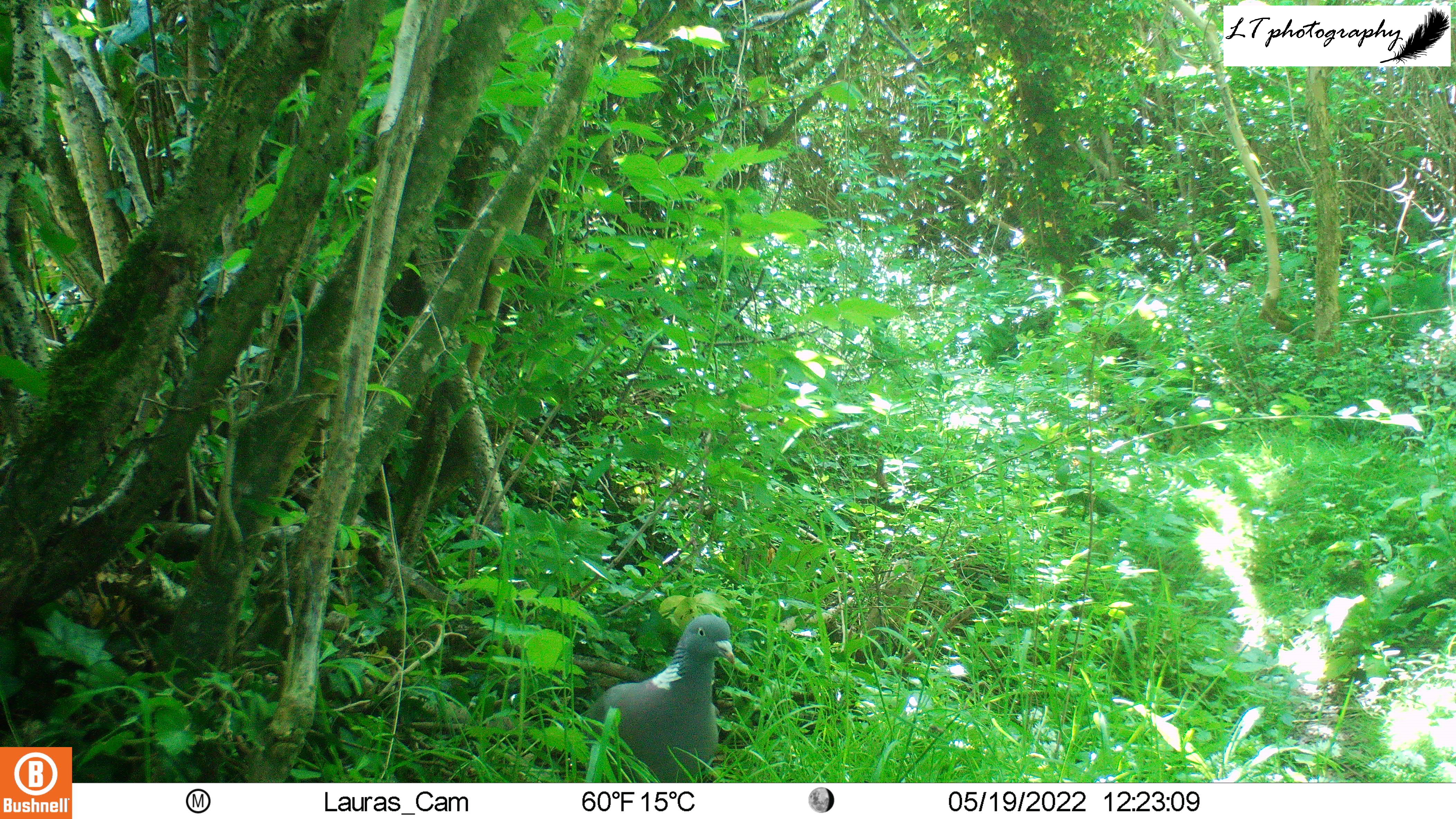
Amongst the species that call Badger Alley home, a number of birds nest along its length. During the 67 days my camera was observing this site, I captured evidence of 4 common non-native and native bird species. Amongst these, there were 6 sightings of pheasants released from a local shoot, all males strutting their stuff and showing off their bright breeding plumage. There were also 5 sightings of woodpigeons feeding, 3 sightings of blackbirds defending territories, and 1 sighting of a robin carrying food in its beak. These are just a few of the birds that frequent Badger Alley.
Along with birds, lots of different mammal species also make use of Badger Alley. This year my camera trap caught sight of two smaller mammal species: grey squirrels and rabbits. Non-native grey squirrels were only seen on my camera 3 times, but made their presence known rushing around in a hurry. The rabbits were a more common sight, being seen 23 days out of the 67 recorded. These rabbits populate both Badger Alley setts and are increasing steadily in numbers. My camera watched on as rabbits fought with each other, mixed with other species, and raised their babies. Though a less common sight for many people now, our successful rabbit populations have become an important food source for other species in our area.
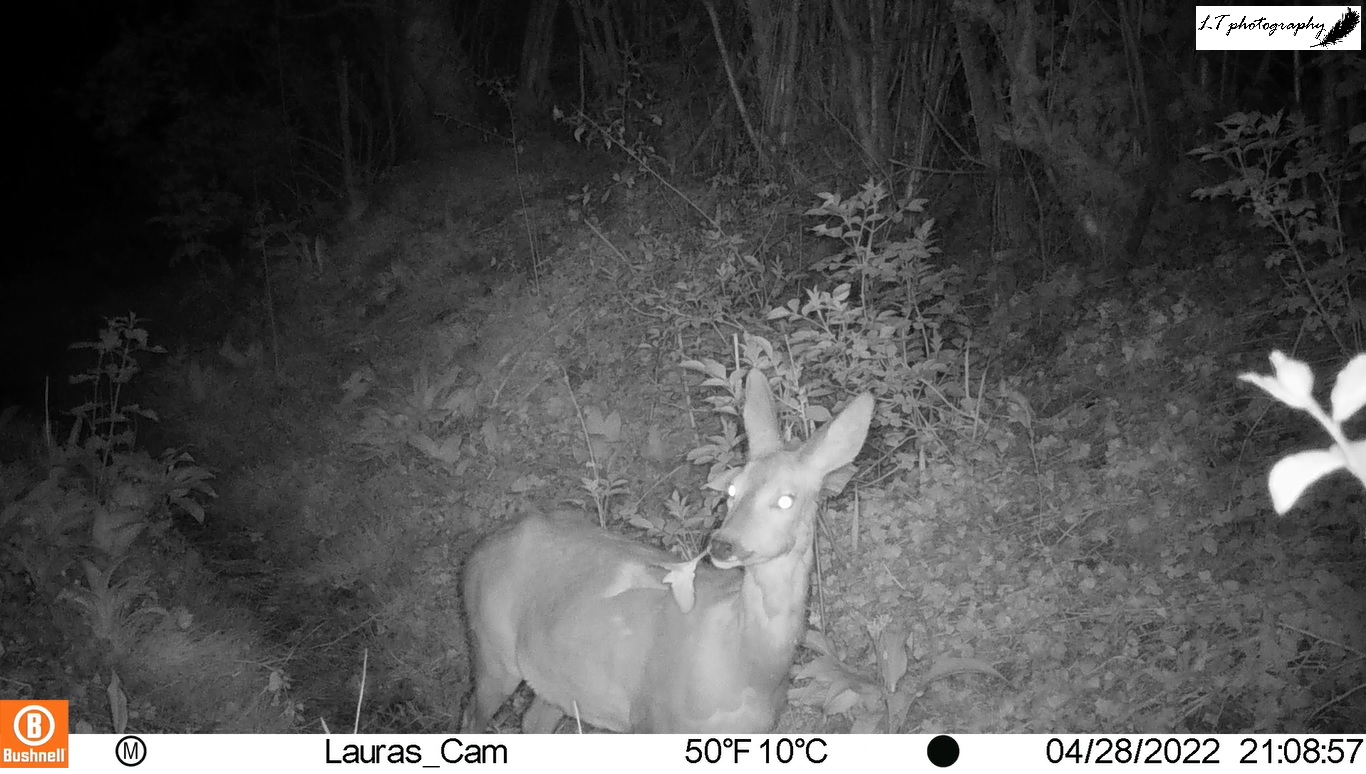
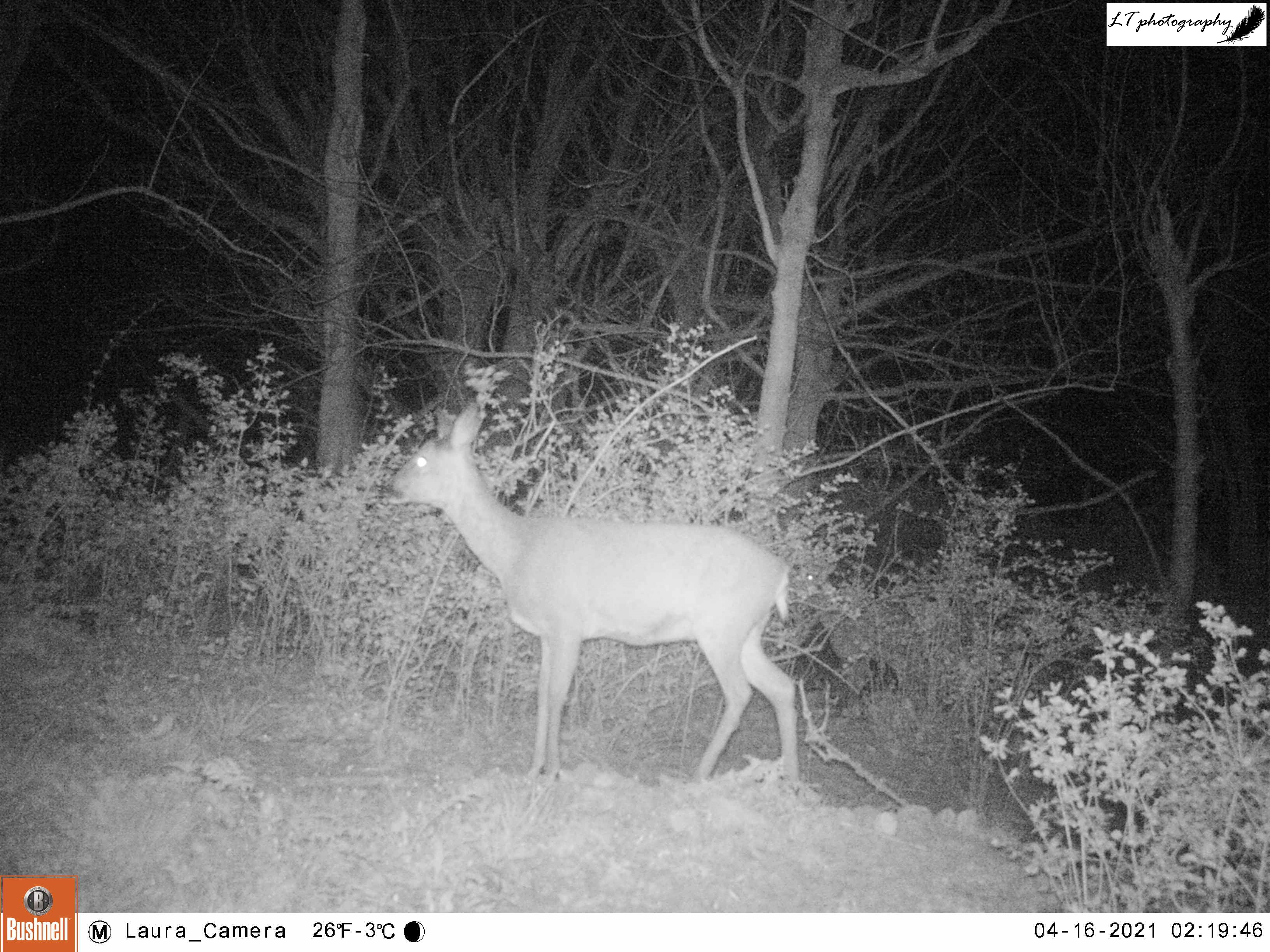
Deer populations have been experiencing increases in the countryside over the last few years, and Badger Alley has become a popular throughway as a result. This year my camera trap recorded roe deer sightings on 22 days of 67, with different variations of individuals, from lone males and females to males following females around. Some of the highlights include a deer being particularly interested in my camera, a female feeding alone, and the unusual sight of a female with a missing back leg. An individual that stole the show though, was not a roe deer, but a muntjac. I have never seen a muntjac on our land before, so my camera caught my very first sighting for me!
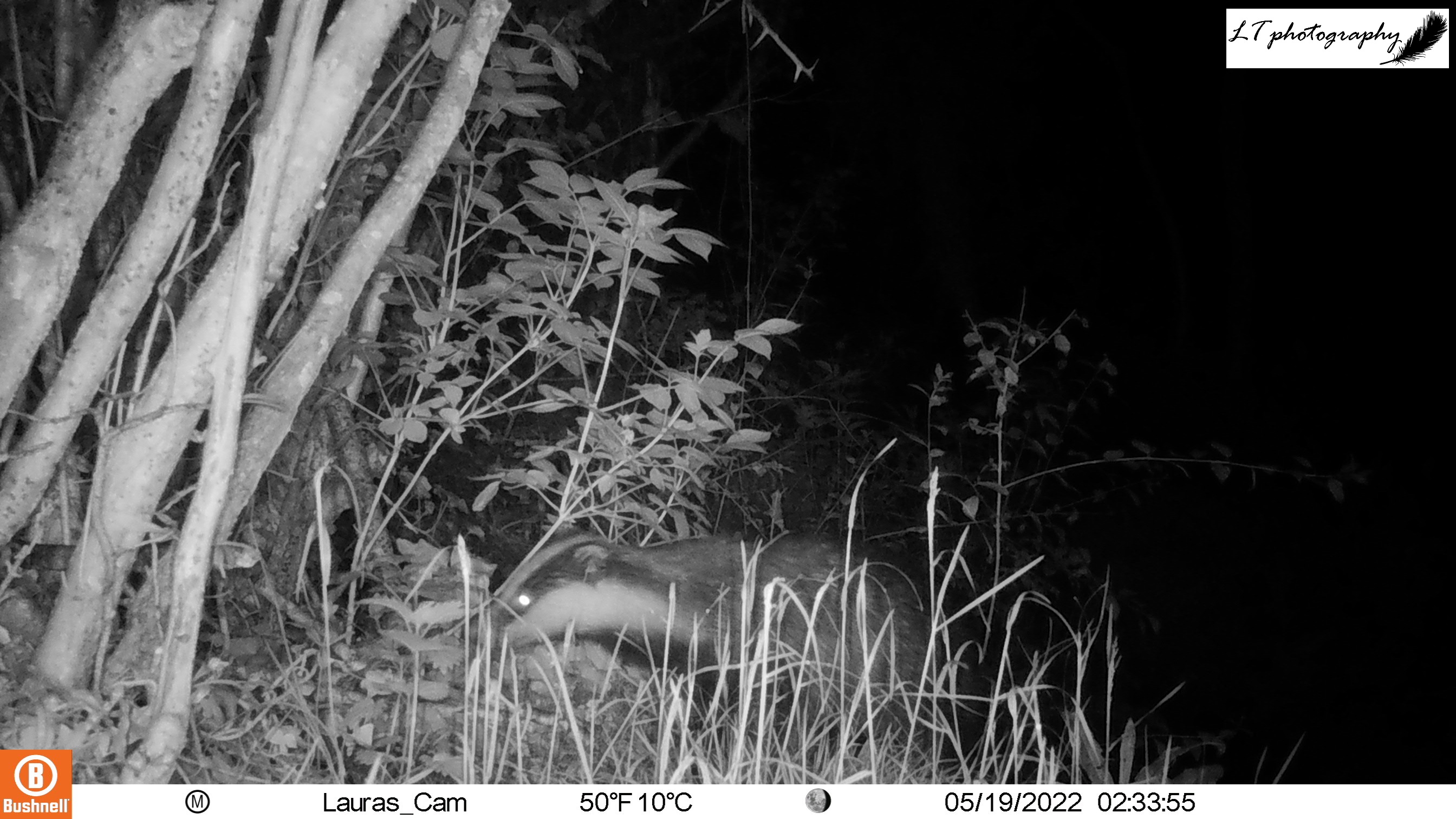
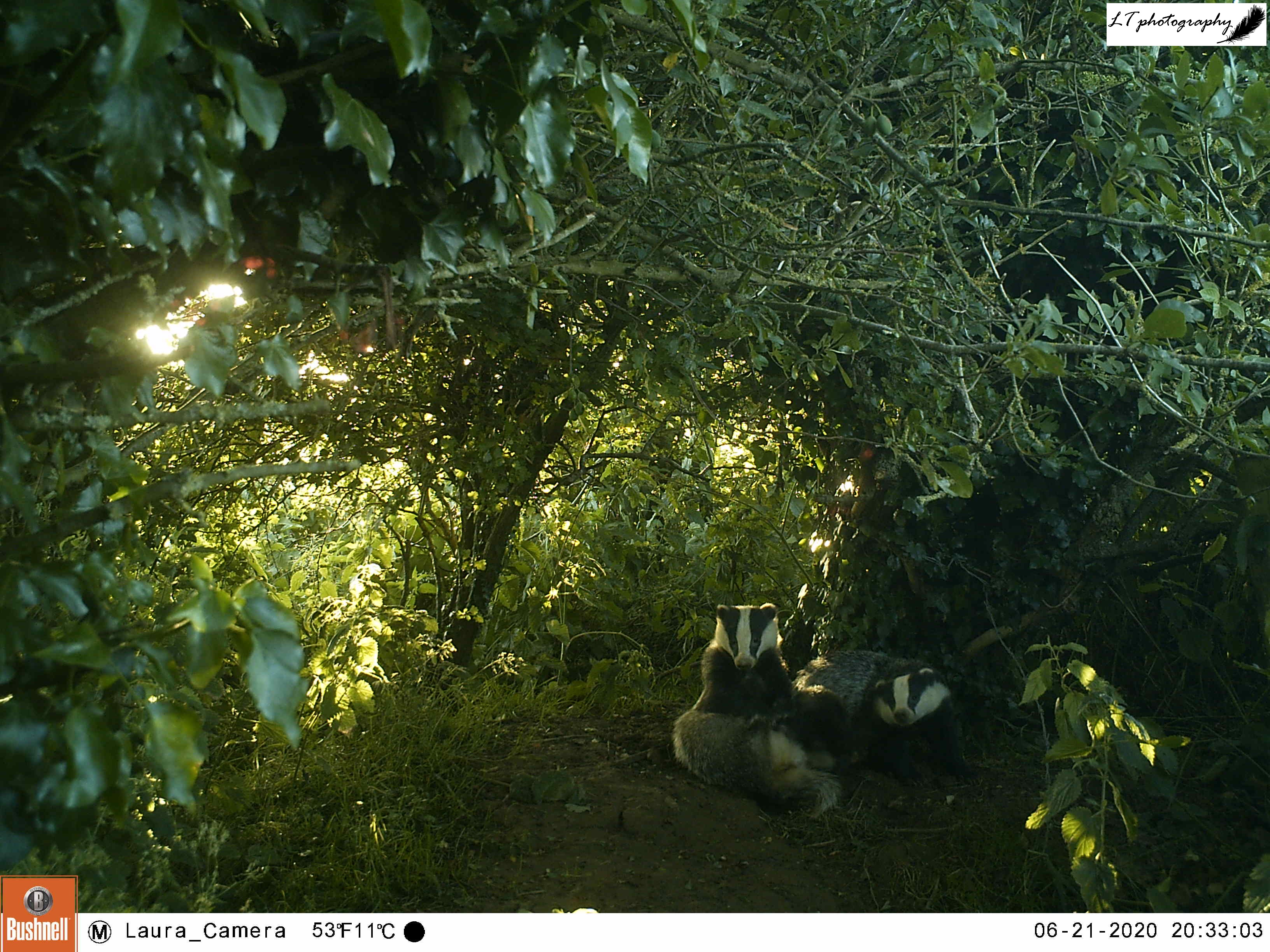
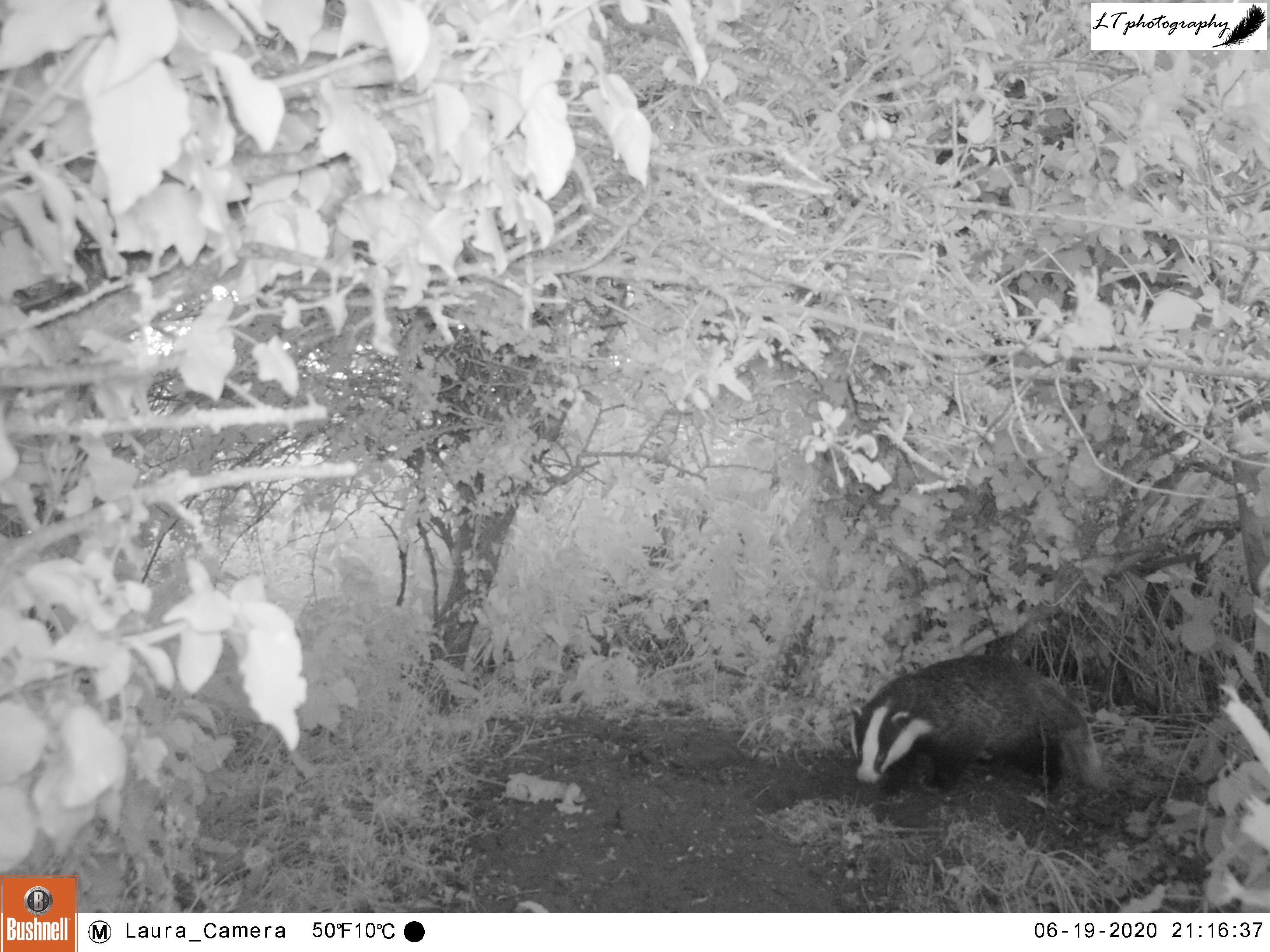
Badger Alley was once named for an active badger population, but in more recent years the setts have become abandoned. This year my camera trap caught 4 separate sightings of badgers, with all the individuals taking a particular interest in the lower sett. One day saw a badger passing through and scent marking, another saw two badgers being interested in the camera, and the last two saw a badger looking very interested in one entrance to the lower sett. Maybe one day these satellite individuals will return to form a family in Badger Alley once again.
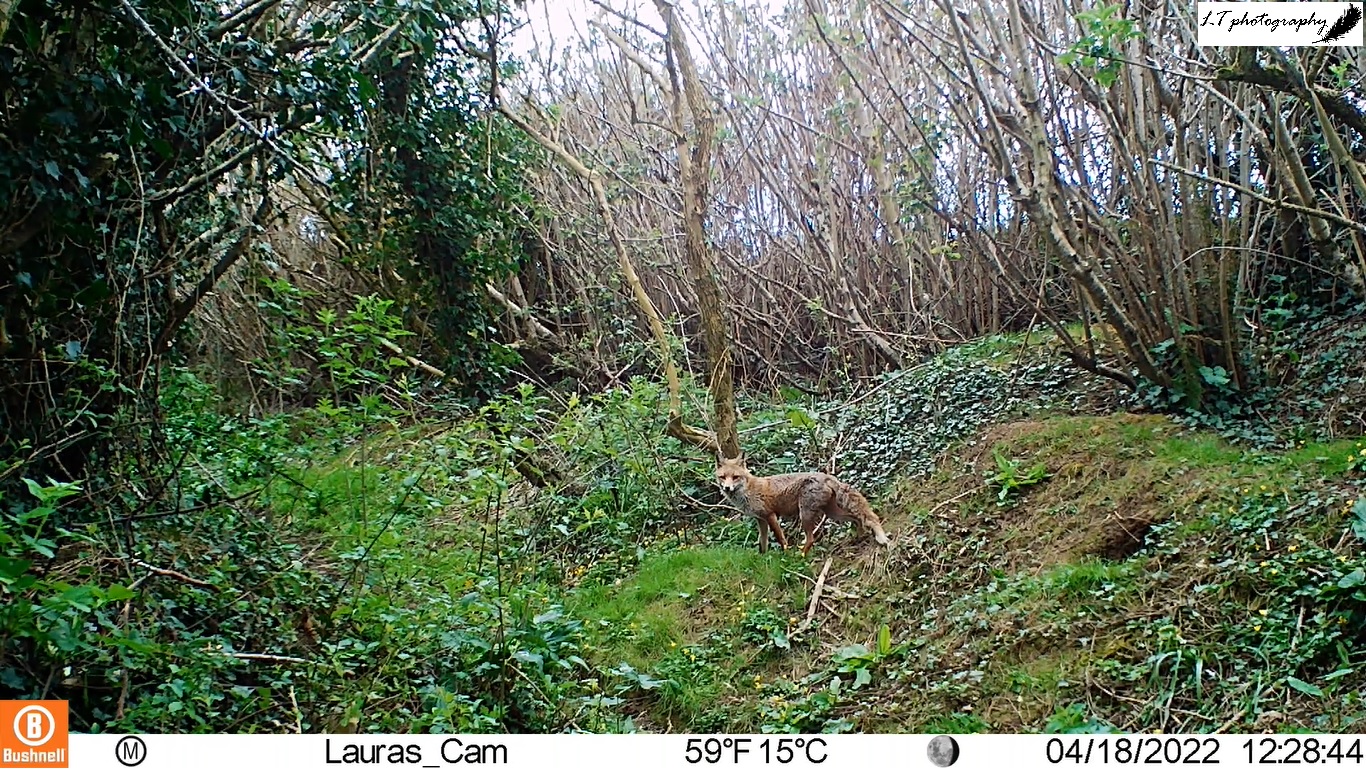
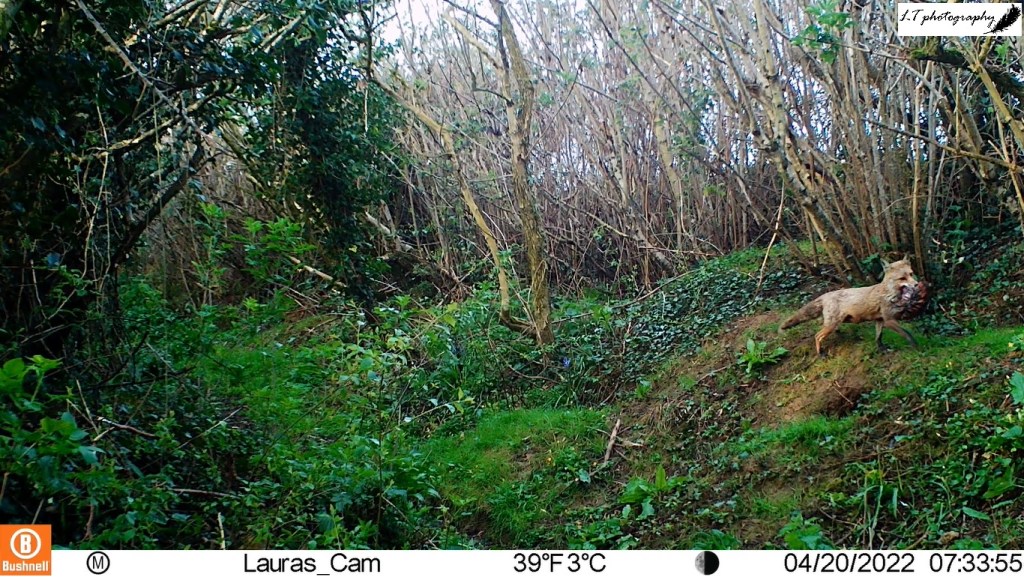
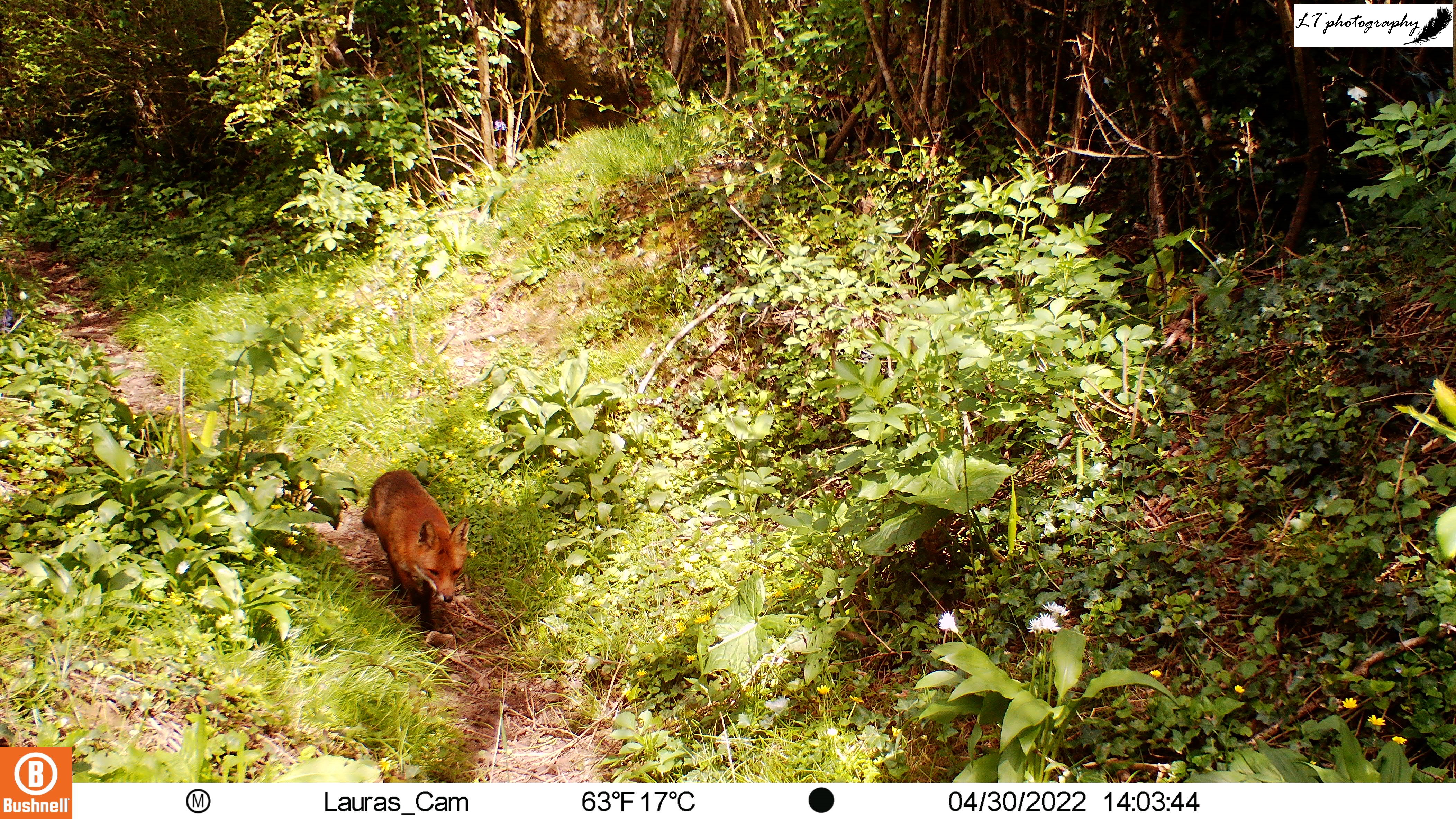
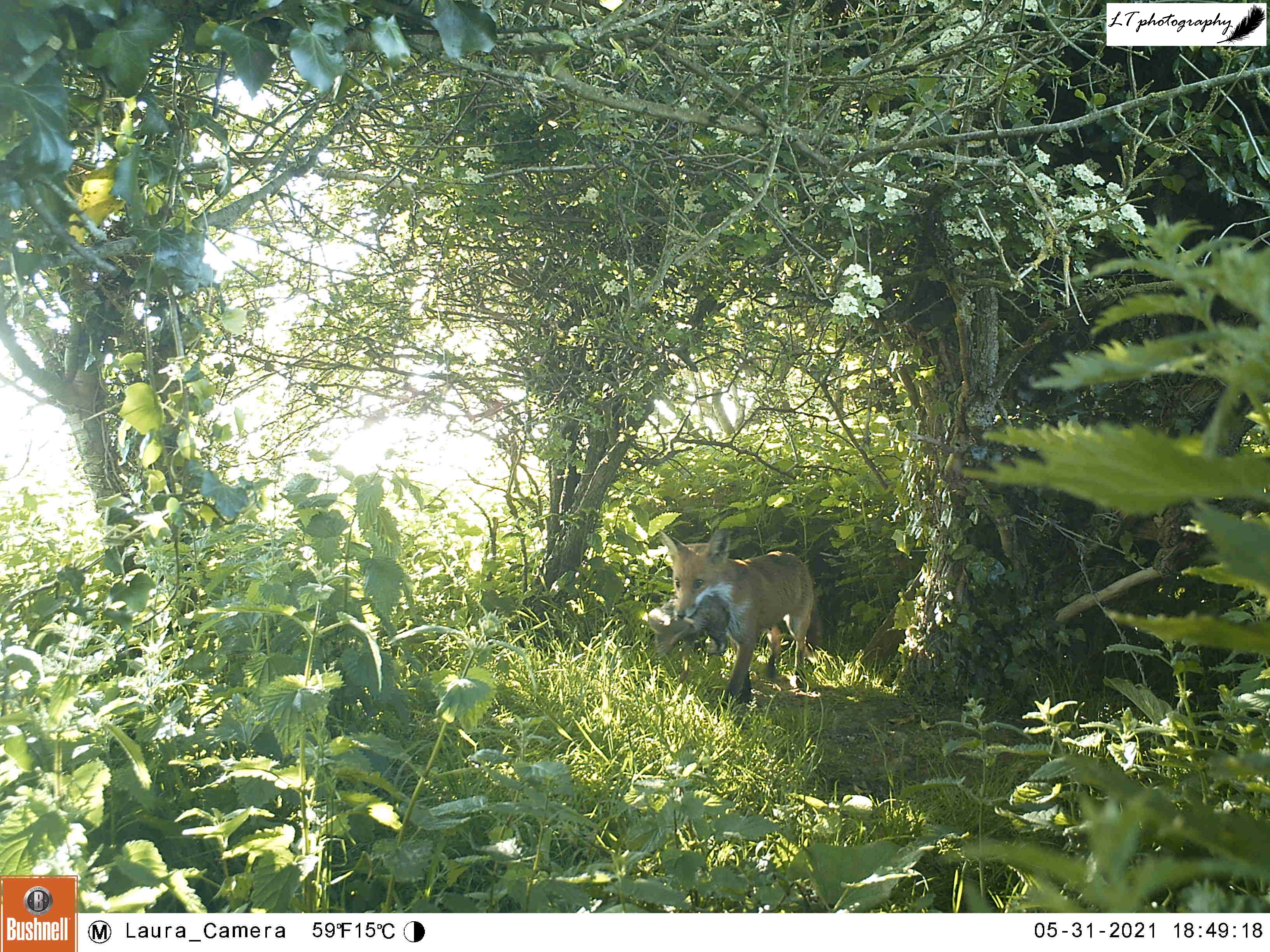
This year’s most observed species in Badger Alley was by far the fox, being recorded 37 days out of 67. During this time it was really lovely to see some fantastic photos and videos from my camera trap, of adult foxes living in and passing through Badger Alley. In particular one family was shown to be living in the lower sett, whilst another was living around the corner from Badger Alley in Cowleighs. This allowed me to watch the daily lives of different foxes, such as bringing food in the form of pheasants or rabbits, and I have really enjoyed it.
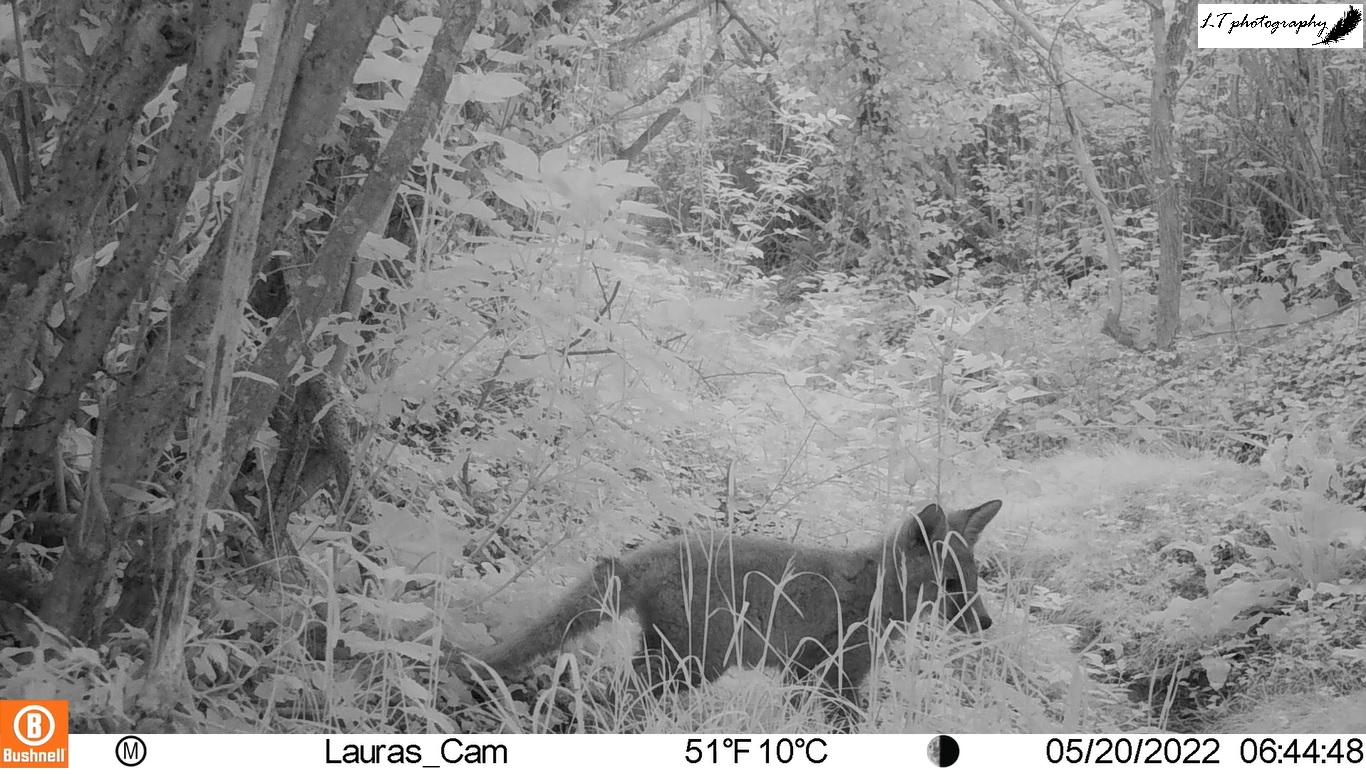
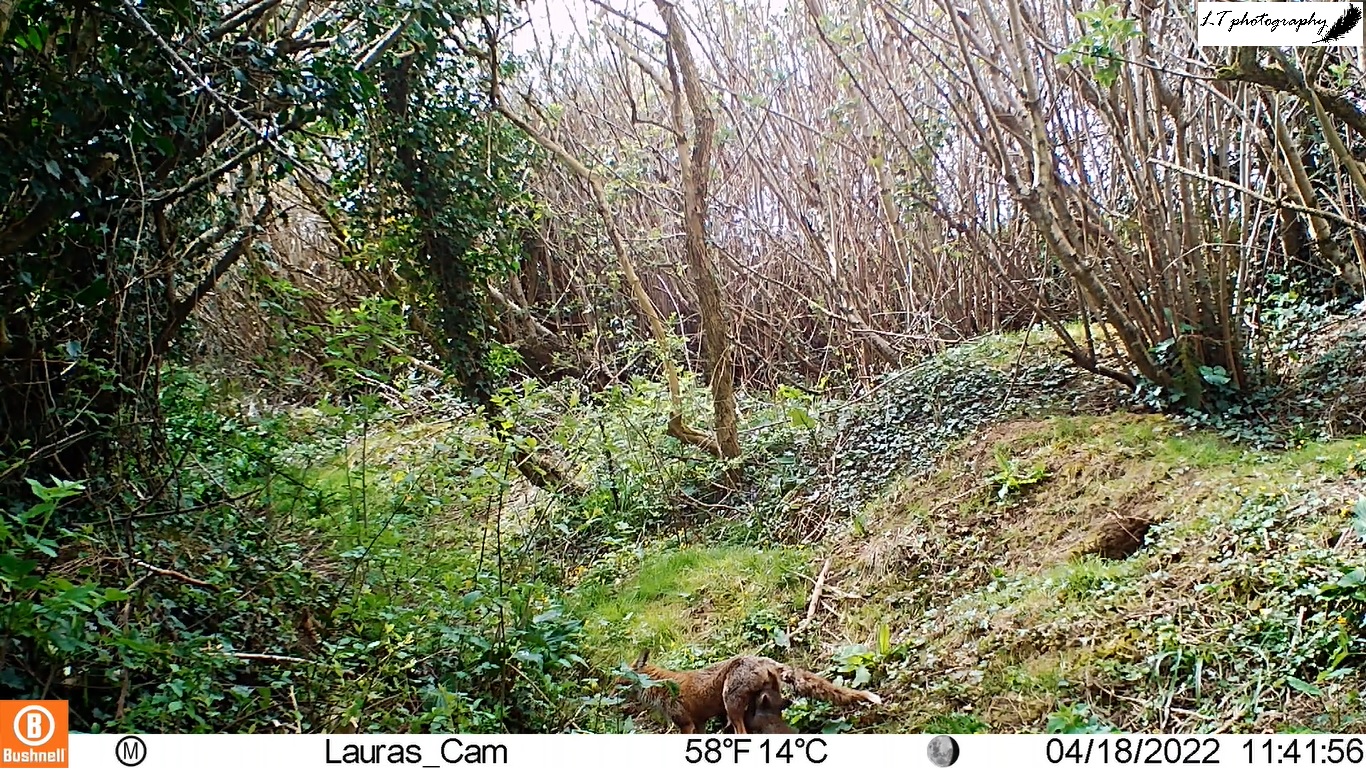
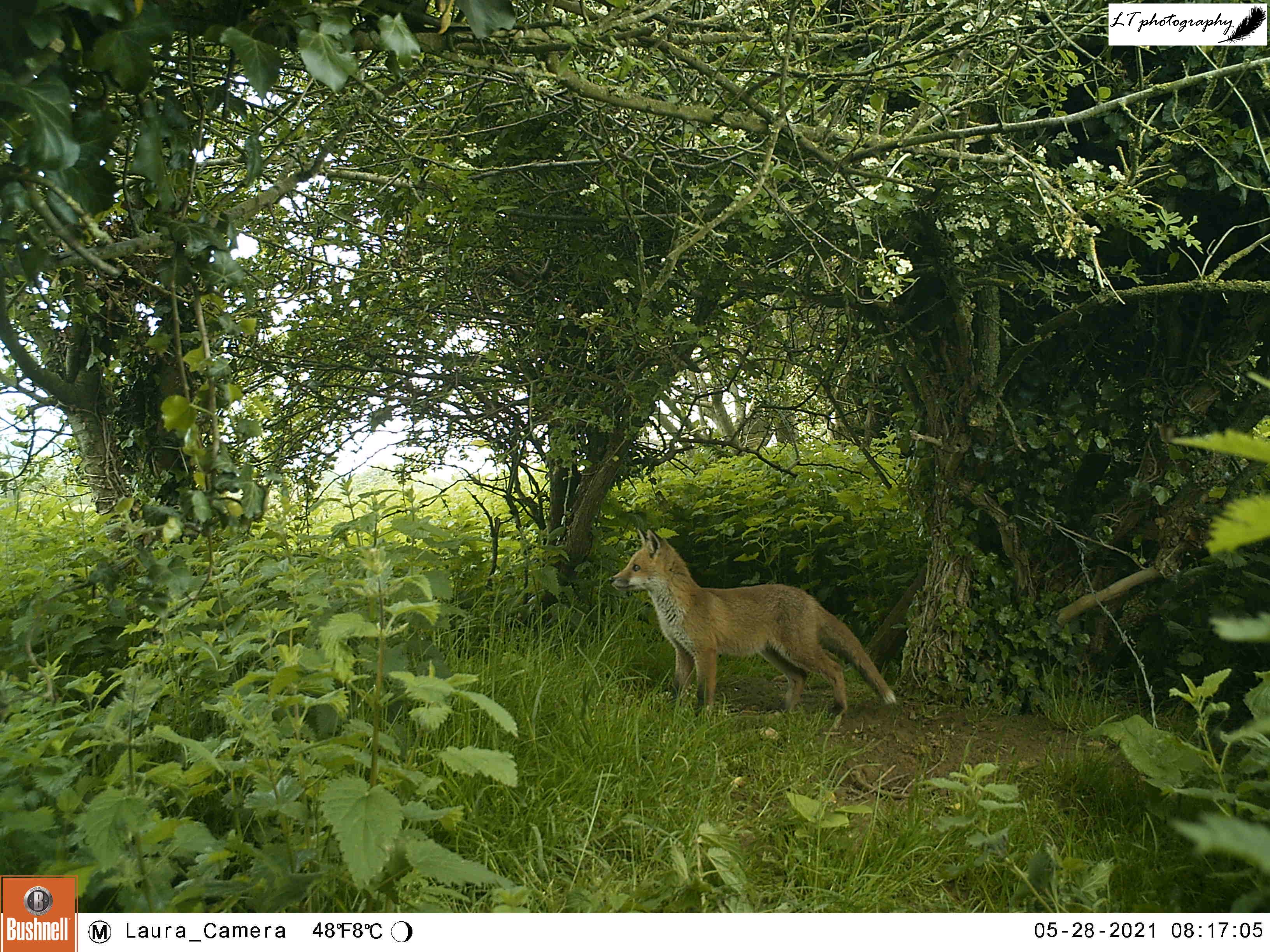
The highlight for me of the whole of this spring season has to be the fox cubs. To add to the photos from the Cowleighs’s fox family (check out last week’s blog post), for the second year running fox cubs were born in Badger Alley. They are the reason I first set up my camera there this year, following a sighting of little cubs by my dad in person. My camera trap gave me my first sight of the family on the 18th April, with an amazing video of the female walking up the path followed by two little brown cubs trying to suckle her.
Over the next two months, my camera allowed me to watch the two fox cubs grow from small brown things following their parents around to two large mini foxes exploring their surroundings together and solo. These cubs were little delights to observe, giving me some special moments and mood boosters along the way. I hope these two cubs in particular survive their first winter and go on to have families of their own in the future.
A flash of colour flitting by in the heat of the summer sun. Twisting this way and that, showing off amazing aerial acrobatics above a meadow of long, waving grass. A butterfly, small but standing out against a backdrop of browns, yellows, reds, blues and whites. Floating like a leaf down to a flower, the butterfly stops, flicking its wings before coming to a stop, wings outstretched in the sunshine. What could this beauty be?
Butterflies come in all shapes, sizes and colours, and can be found in a variety of habitats, from big cities to more remote areas. They are also a popular cultural symbol across the globe, with symbolism ranging from rebirth and transformation to representing the human soul. Along with their long history of capturing the mind and imagination of people, in nature, butterflies are great indicators of the health of habitats and are an important part of the food chain. As is the common story right now, butterflies are unfortunately threatened by habitat loss and degradation, as well as climate change, pesticide use, and invasive species. They need our help!
To be able to help butterflies, we need to understand them better. In the UK, we have 59 species, with only 2 being migrants. Though butterflies are more noticeable for people to identify, most Brits can only name but a handful of species. As we ease into summer, now is a great time to brush up your knowledge of what species you can identify. Here’s 13 to get you started!
Butterflies
Brimstone (Gonepteryx rhamni)
Family: White and Yellow butterflies
Size: Large (60-74mm wide)
Butterfly appearance: Look like veined-leaves with pale-yellow undersides and an orange dot on each wing. Uppersides: Males= sulphurous yellow; Female= paler in colour
Caterpillar food plants: Buckthorn and Alder Buckthorn
On the wing: Can be seen throughout the year, but most commonly during spring
Winter: Hibernate as adults in wooded areas
Distribution: Common in England and Wales, less common in Ireland, and very rare in Scotland
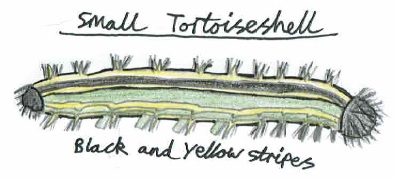
Small Tortoiseshell (Aglais urticae)
Family: Brush-footed butterflies
Size: Medium (45-60mm wide)
Butterfly appearance: Bright orange wings with a black pattern, white patch close to each outer top edge, and a border of blue half-moons. Underside dark and light brown
Caterpillar food plants: Nettles
On the wing: March-October
Winter: Hibernate as adults in sites, such as tree hollows and sheds
Distribution: Widespread throughout Britain
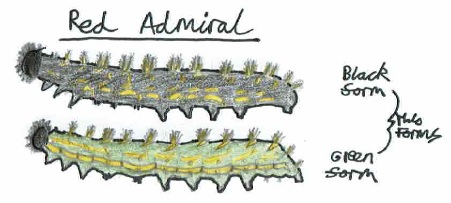
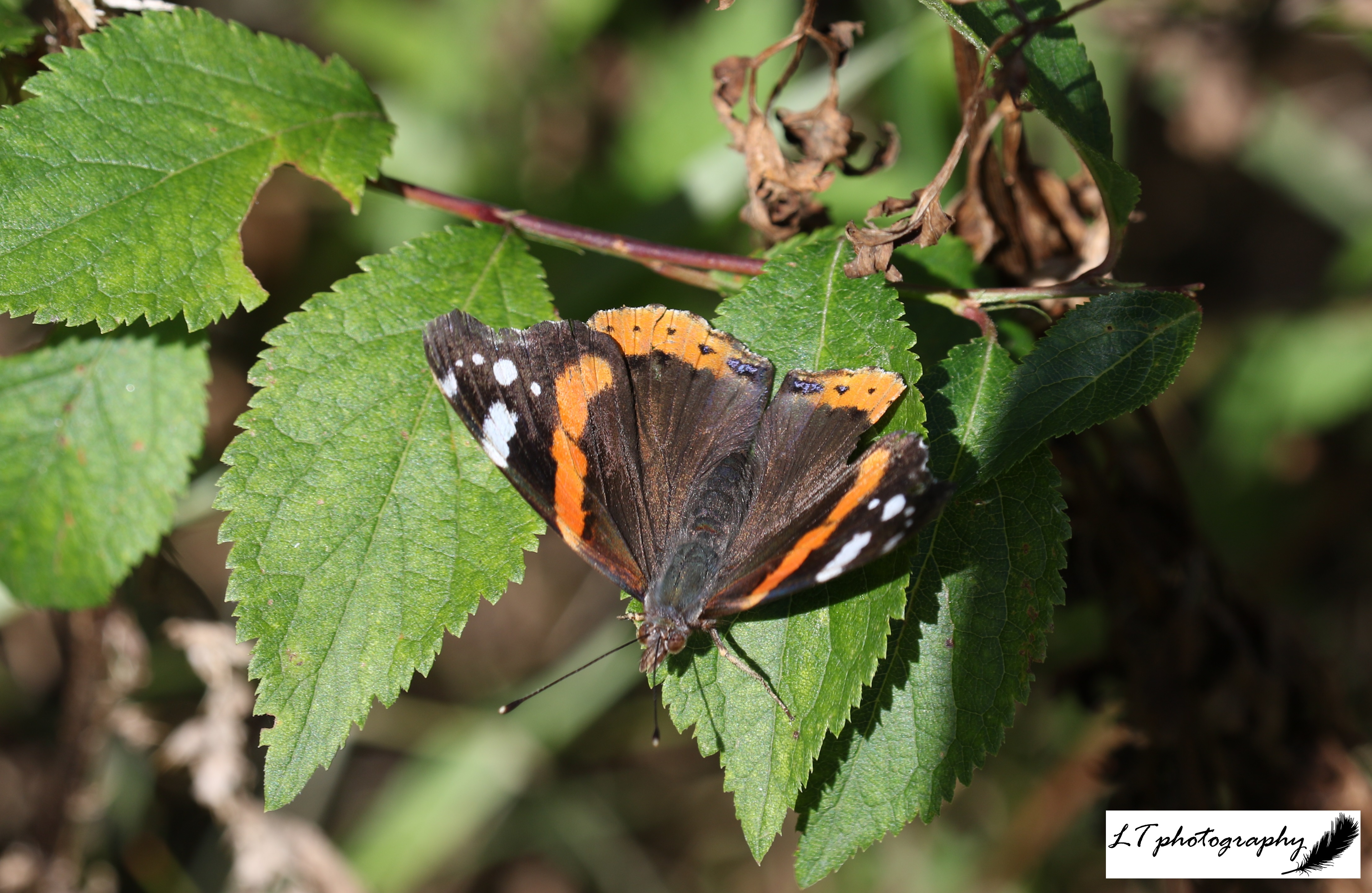
Red Admiral (Vanessa atalanta)
Family: Brush-footed butterflies
Size: Large (64-78mm wide)
Butterfly appearance: Black wings with red bands and white markings. Underside is similar, but paler and more mottled
Caterpillar food plants: Nettles
On the wing: March-October
Winter: Hibernate as adults
Distribution: Widespread throughout Britain
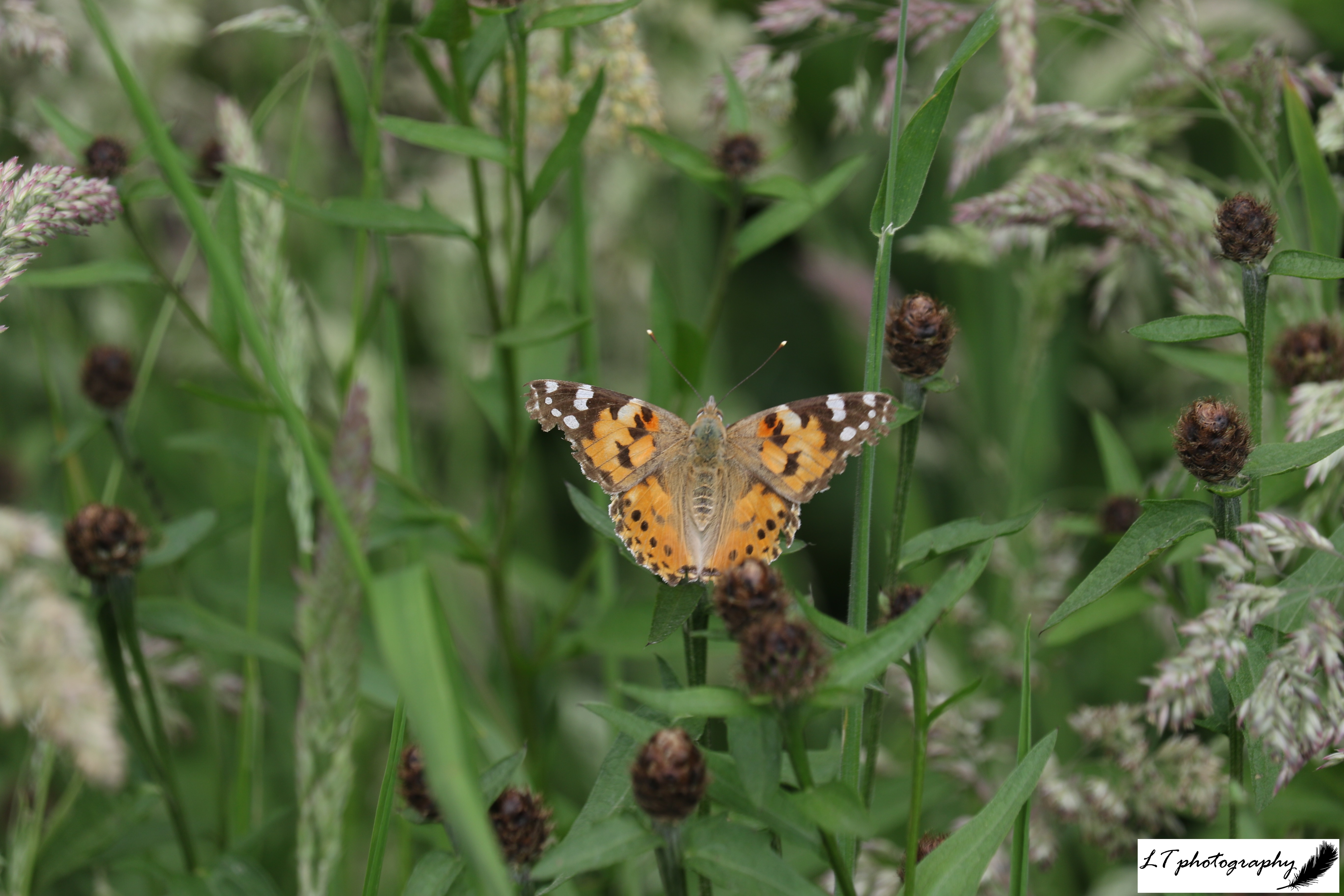
Painted Lady (Vanessa cardui)
Family: Brush-footed butterflies
Size: Medium/Large (58-74mm)
Butterfly appearance: Orange wings with black and white markings. Underside is similar, but paler and more mottled
Caterpillar food plants: Thistles and sometimes nettles and mallows
On the wing: March-October
Winter: Migrate from Africa each spring
Distribution: Widespread across Britain
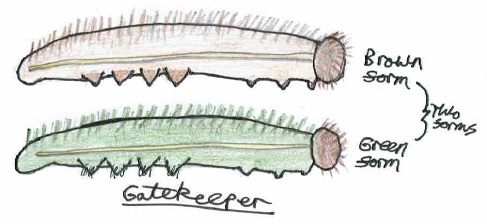
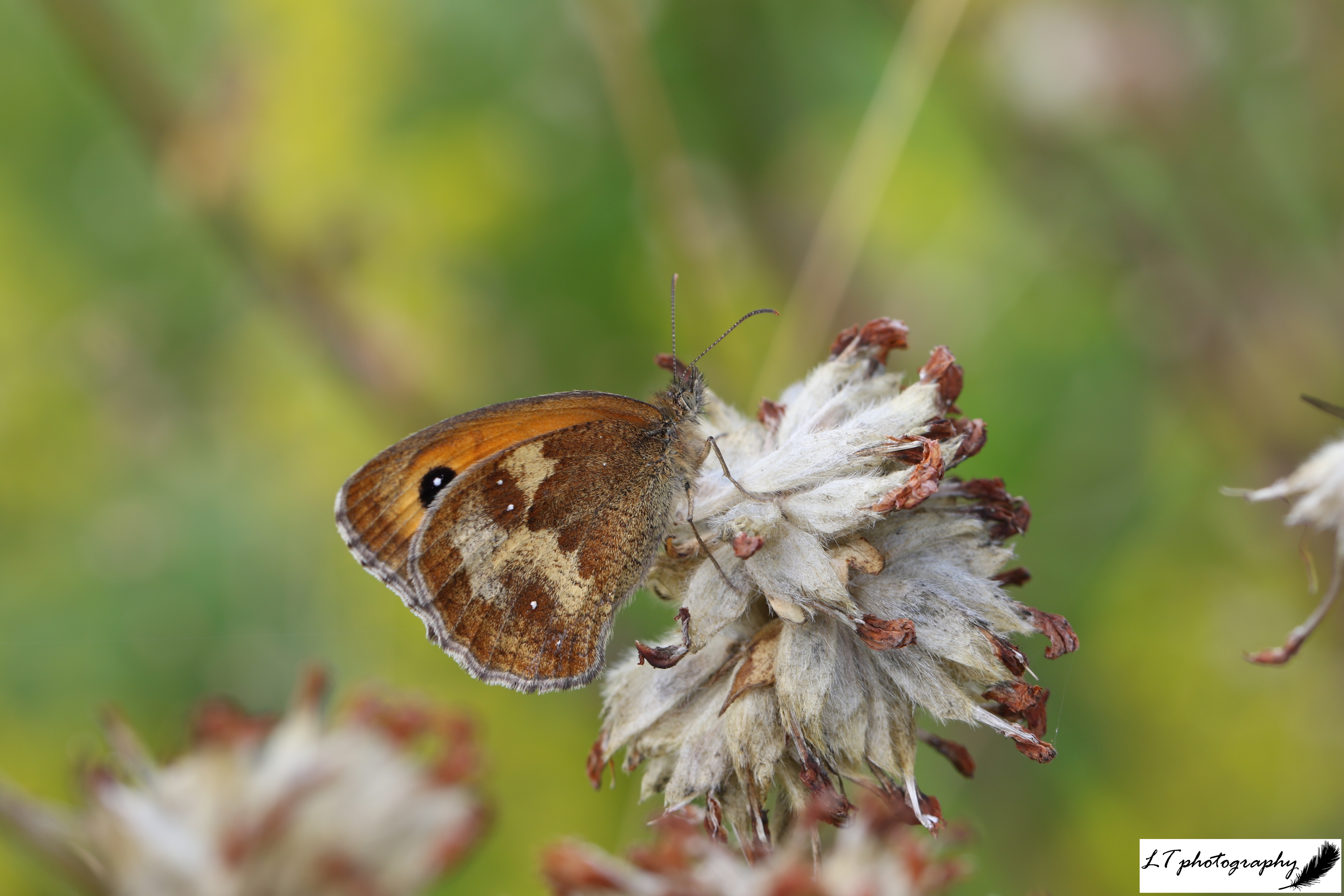
Gatekeeper (Pyronia tithonus)
Family: Brush-footed (brown) butterflies
Size: Medium (37-48mm wide)
Butterfly appearance: Orange and brown wings on top with a black false eye on each wing. Males are smaller and richer in colour than females, with distinct dark band across the forewing. Underside of the forewing is largely orange and the hindwing yellow and brown
Caterpillar food plants: Fine grasses, such as fescues
On the wing: June-September
Winter: Hibernate as caterpillars
Distribution: Most common in southern and central England and Wales
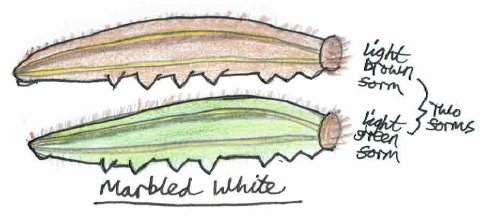
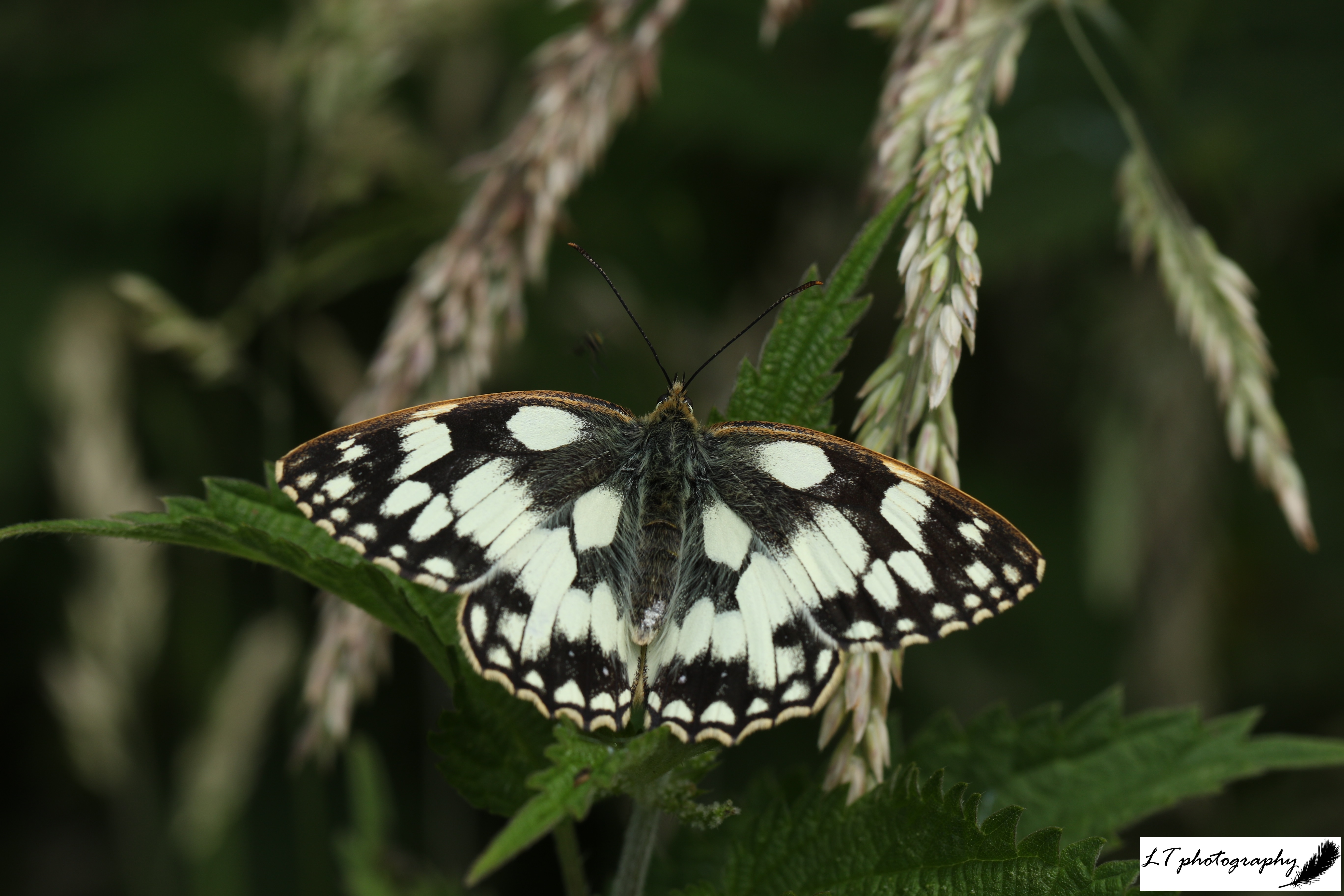
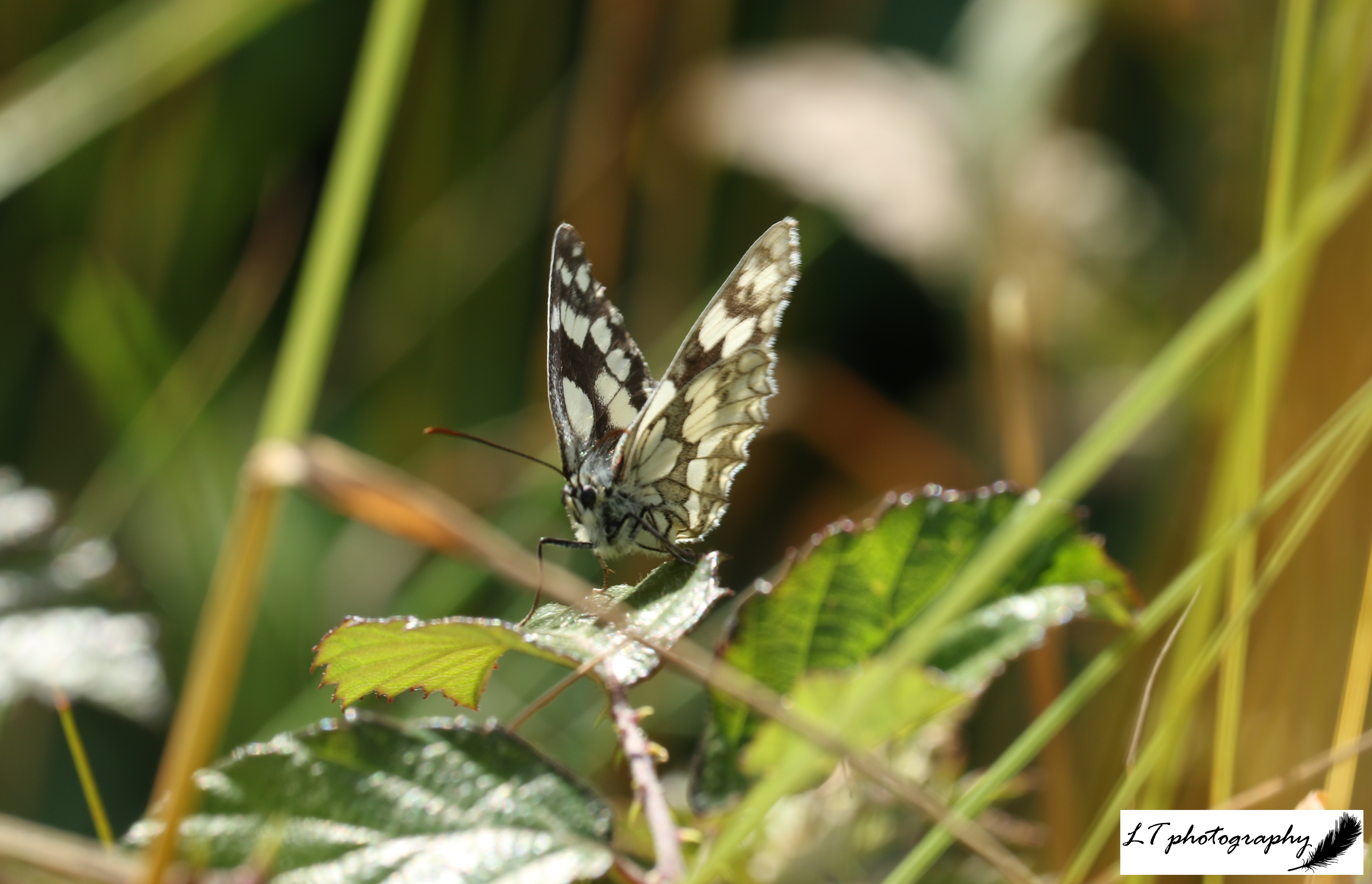
Marbled White (Melanargia galathea)
Family: Brush-footed (brown) butterflies
Size: Medium (53-58mm wide)
Butterfly appearance: Distinctive black and white chequered wings that vary in pattern between individuals. Undersidesnot so brightly marked with eye-spots and grey or yellowish bands
Caterpillar food plants: Grasses, such as red fescue and sheep’s-fescue
On the wing: June-August
Winter: Hibernate as caterpillars
Distribution: Southern and central England and Wales
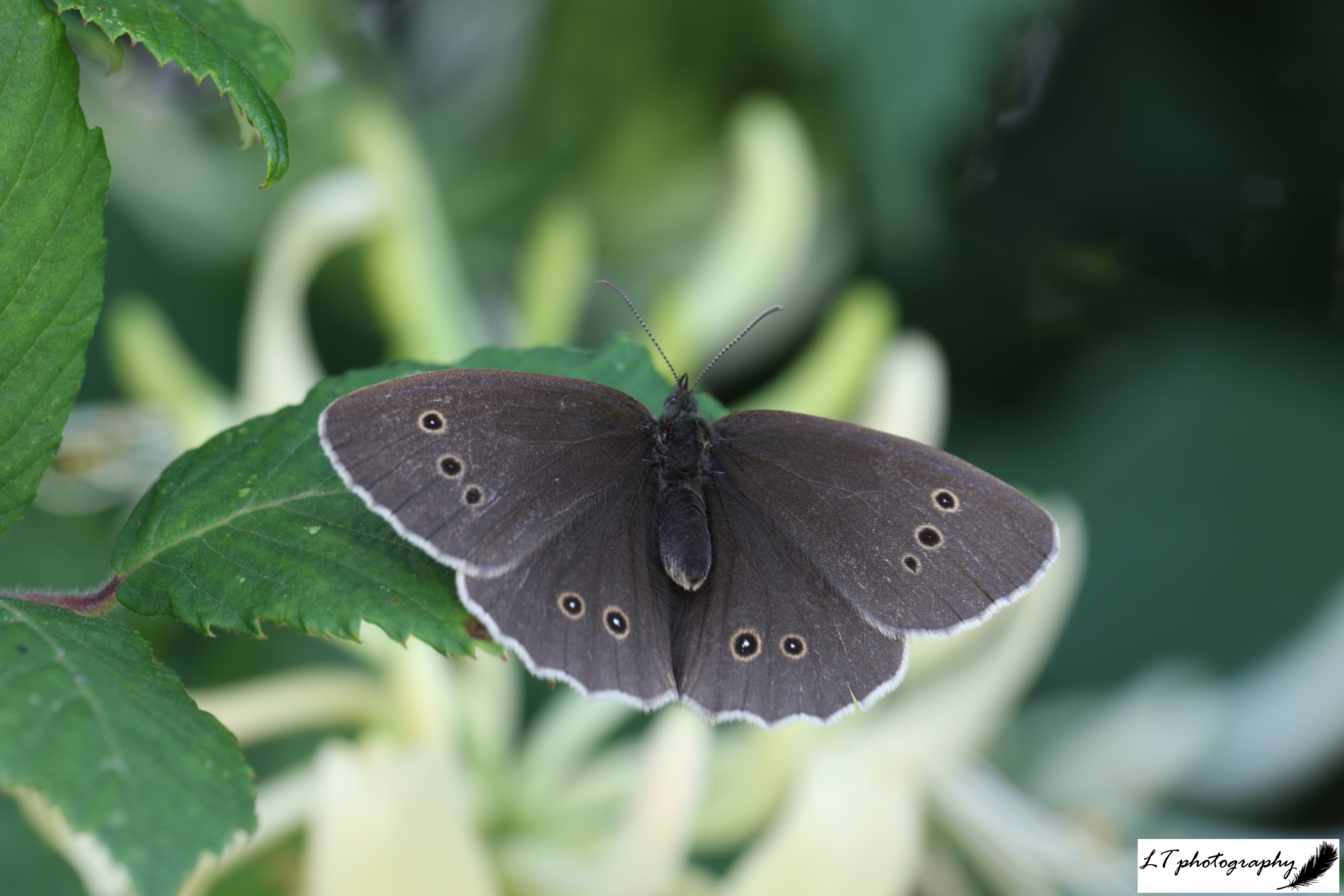
Ringlet (Aphantopus hyperantus)
Family: Brush-footed (brown) butterflies
Size: Medium (42-52mm wide)
Butterfly appearance: Begin velvety with deep blackish brown wings bordered by white. Iconic rings on wings vary in number, size and shape. Females larger with more pronounced markings
Caterpillar food plants: Various grasses including cock’s-foot and tufted hair-grass
On the wing: June-August
Winter: Hibernate as caterpillars
Distribution: Everywhere apart from northern Scotland
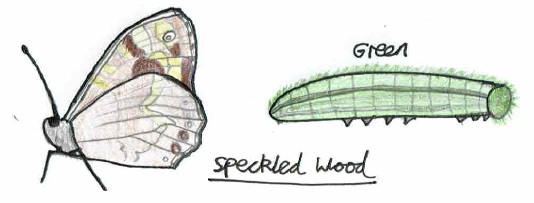
Speckled Wood (Pararge aegeria)
Family: Brush-footed (brown) butterflies
Size: Medium (46-56mm wide)
Butterfly appearance: Dark brown with cream spots, though the female’s are larger. Forewings have a false eye and hindwings have three false eyes. Undersides mottled brown
Caterpillar food plants: Various grasses including false brome, cock’s-foot, Yorkshire fog, and common couch
On the wing: March-October
Winter: Hibernate as caterpillars or a chrysalis
Distribution: Throughout England (except the far north), Wales and Ireland, and in northern Scotland
Meadow Brown (Maniola jurtina)
Family: Brush-footed (brown) butterflies
Size: Medium (40-60mm wide)
Butterfly appearance: Male= dark brown with dark scent patch on forewing and faint orange smudge; Female= lighter brown with more orange on wings. Underside is largely orange with mottled brown hindwing
Caterpillar food plants: Wide range of grasses from fine fescues to coarse cock’s-foot
On the wing: May-September
Winter: Hibernate as caterpillars
Distribution: Widespread across Britain
Comma (Polygonia c-album)
Family: Brush-footed butterflies
Size: Medium/Large (50-64mm)
Butterfly appearance: Orange wings with brown patterns and scalloped edges to wings. Mottled underside with white, comma-like mark on hindwing
Caterpillar food plants: Nettle, elm and hop
On the wing: Spring after hibernation; Summer brood= June-July; Autumn brood= August-September
Winter: Hibernate as adults, camouflaged as a leaf
Distribution: Widespread across England and Wales, rare in southern Scotland and Northern Ireland
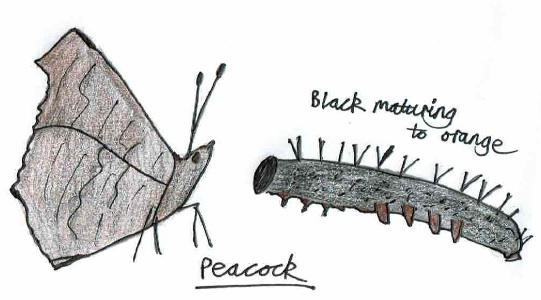
Peacock (Aglais io)
Family: Brush-footed butterflies
Size: Large (63-75mm wide)
Butterfly appearance: Red wings with four large false eyes. Undersides almost black
Caterpillar food plants: Nettles
On the wing: Spring after hibernation, and June-September
Winter: Hibernate as adults in hollow trees and buildings
Distribution: Widespread across Britain
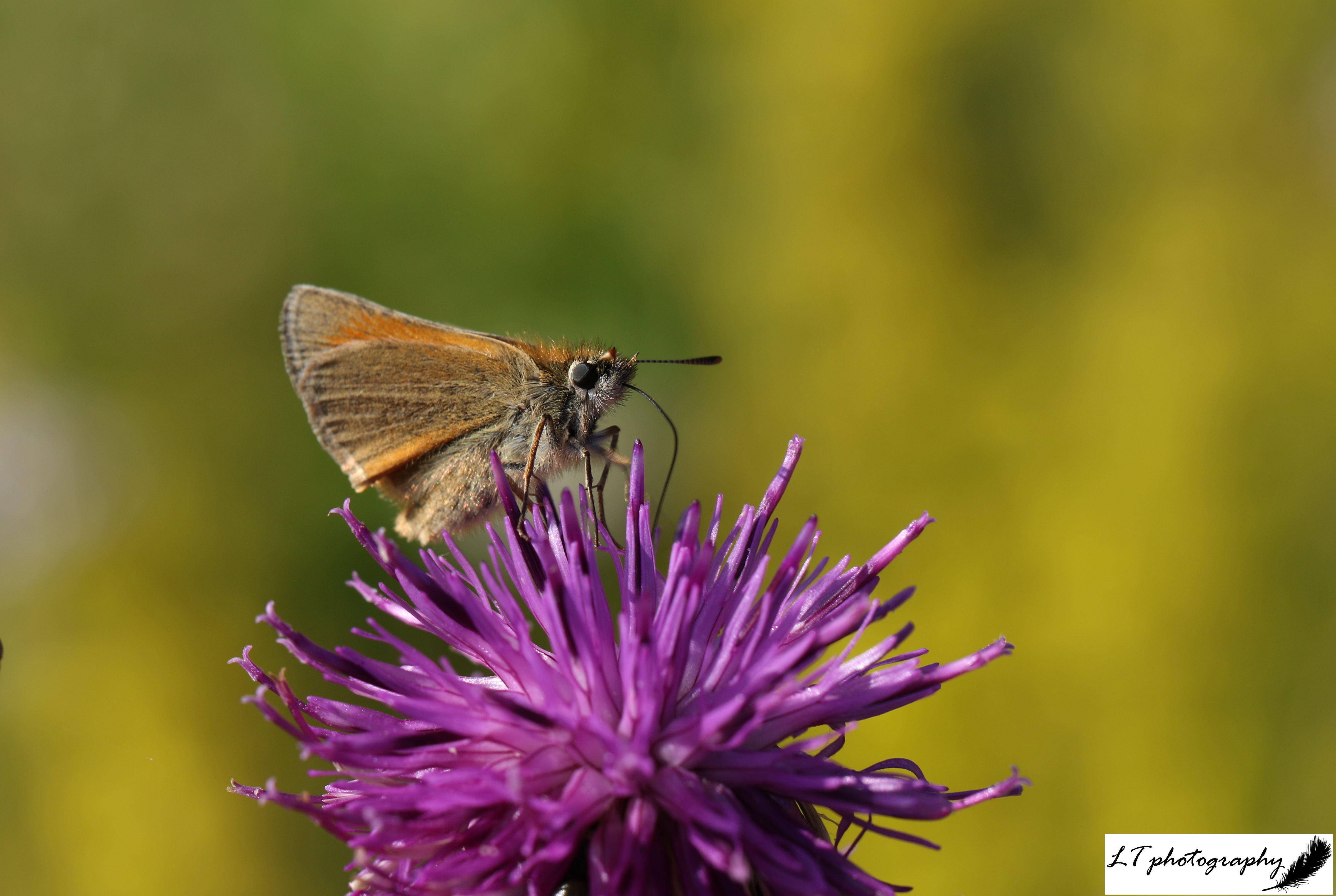
Small Skipper (Thymelicus sylvestris)
Family: Skippers
Size: Small (25-34mm wide)
Butterfly appearance: Orange on top with a black edge, and paler undersides. Male= dark stripe in centre of fore-wing. Antenna tip is orange below
Caterpillar food plants: Yorkshire fog and other tall grasses
On the wing: June-September
Winter: Hibernate as caterpillars
Distribution: Widespread up to North Yorkshire and Scottish border
Large Skipper (Ochlodes venatus)
Family: Skippers
Size: Small (28-36mm wide)
Butterfly appearance: Wings rich brown with orange patches, but male has a dark bar in the centre of the forewing. Underside mottled orange
Caterpillar food plants: Cock’s-foot and other tall grasses
On the wing: May-September
Winter: Hibernate as caterpillars
Distribution: Throughout England, Wales, and in Dumfries and Galloway
Series in collaboration with guest writer Emma Rogan
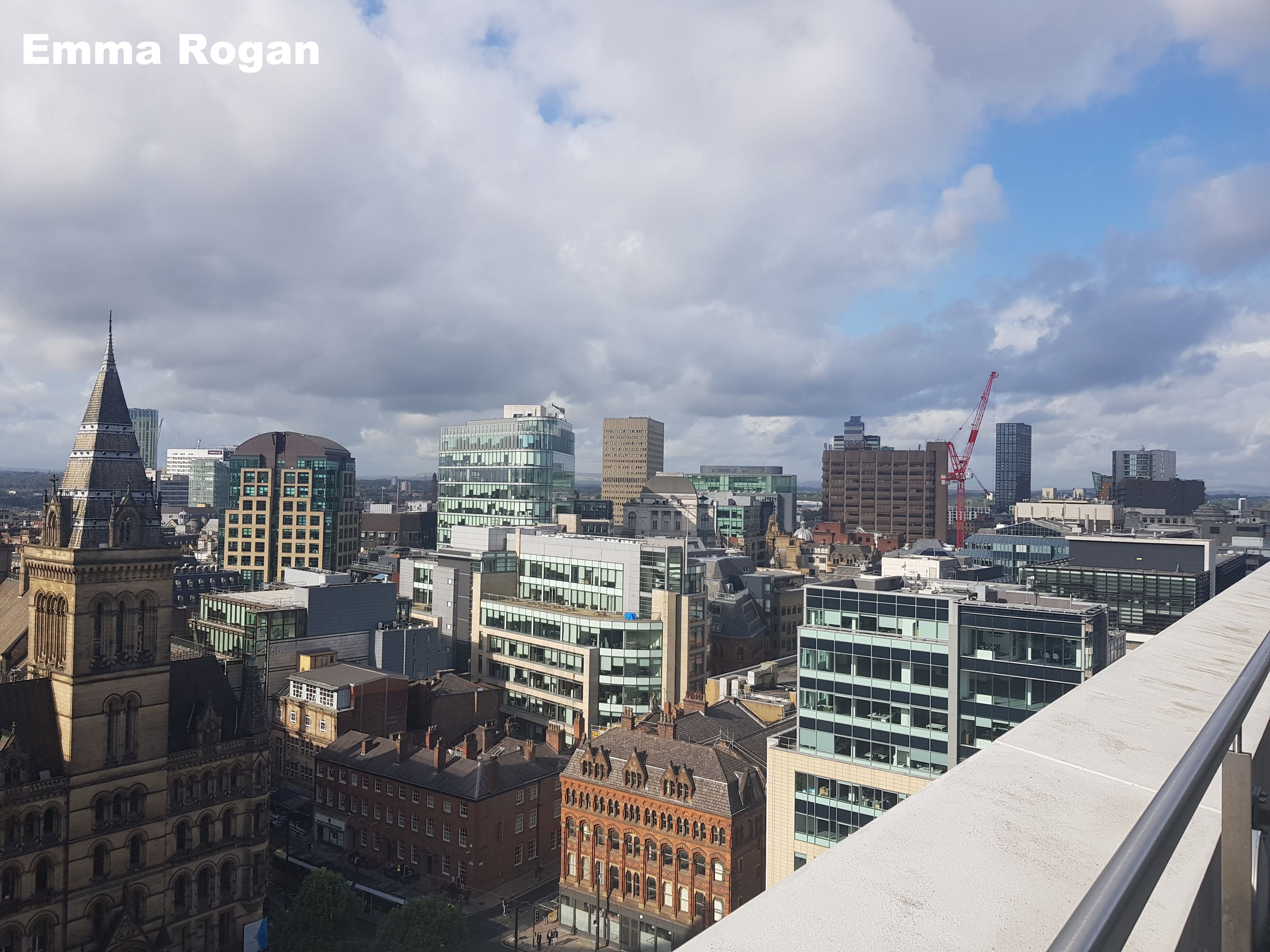
Rolling green hills, trees sprawling across the landscape, hedgerows thick with plant and animal life, flowers growing up here and there, and rivers flowing through it all. The light of an orange sunset cast out over the city by a soaring glass tower block, the lonely lights of a crane against an evening sky, busy streets lit up for Christmas filled with music and laughter. Everyone’s idea of idyll varies, but for nature any landscape could provide a home. Let us explore.
Growing up within her family’s 250 acres of land, for naturalist Laura, rural Dorset is home. In what may be called the ‘middle of nowhere’ for an urban adventurer, Laura grew up alongside wildlife from barn owls and hares to grass snakes, damselflies, and oak trees. With parents that nurtured her to take an interest from a young age in looking after the wildlife they saw on their doorstep, this landscape has made her the conservationist and scientist she is today. Now her home provides inspiration for her photography and writing, including her Laura’s Wild World blog. Check out her blog here.
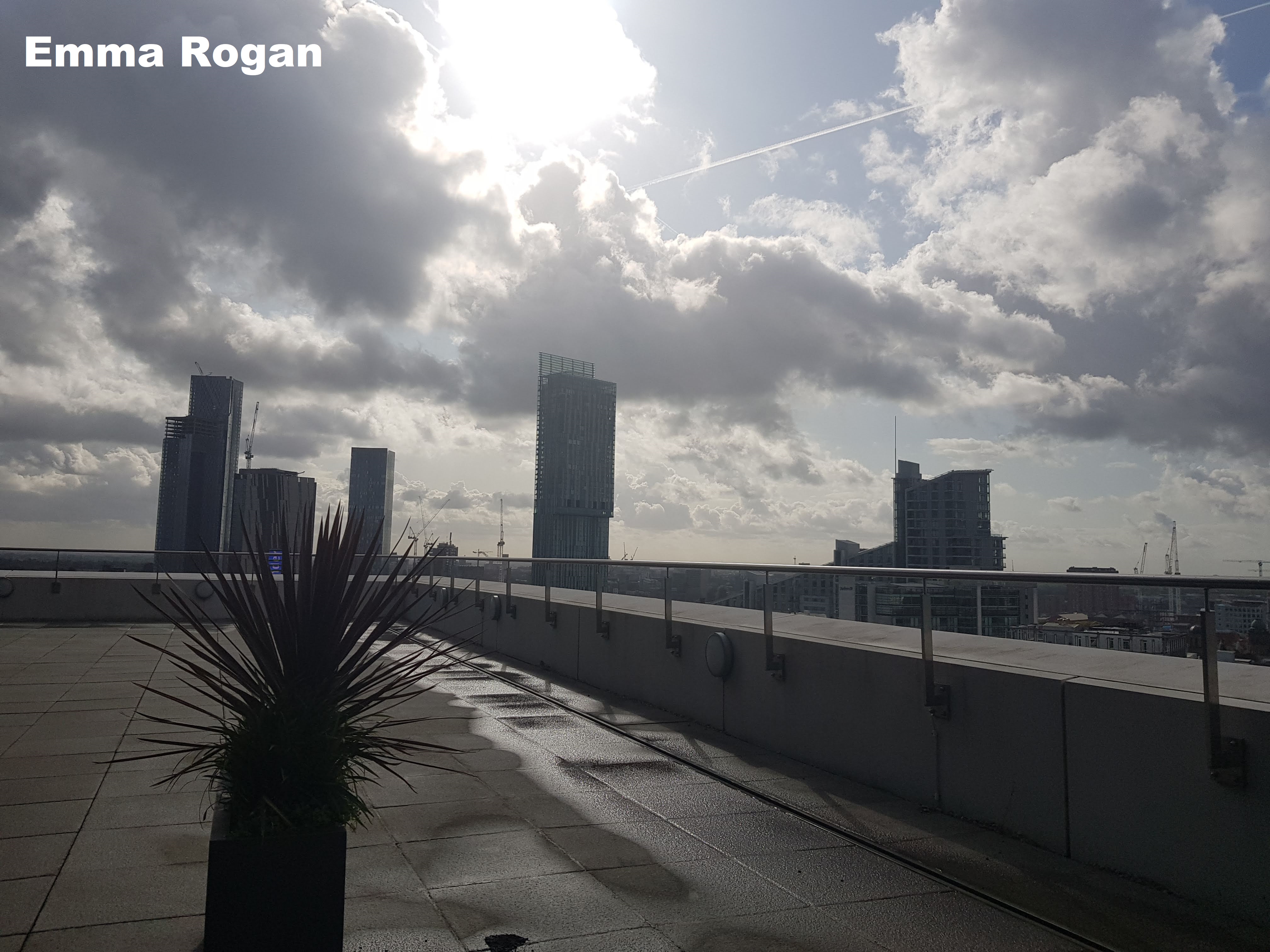
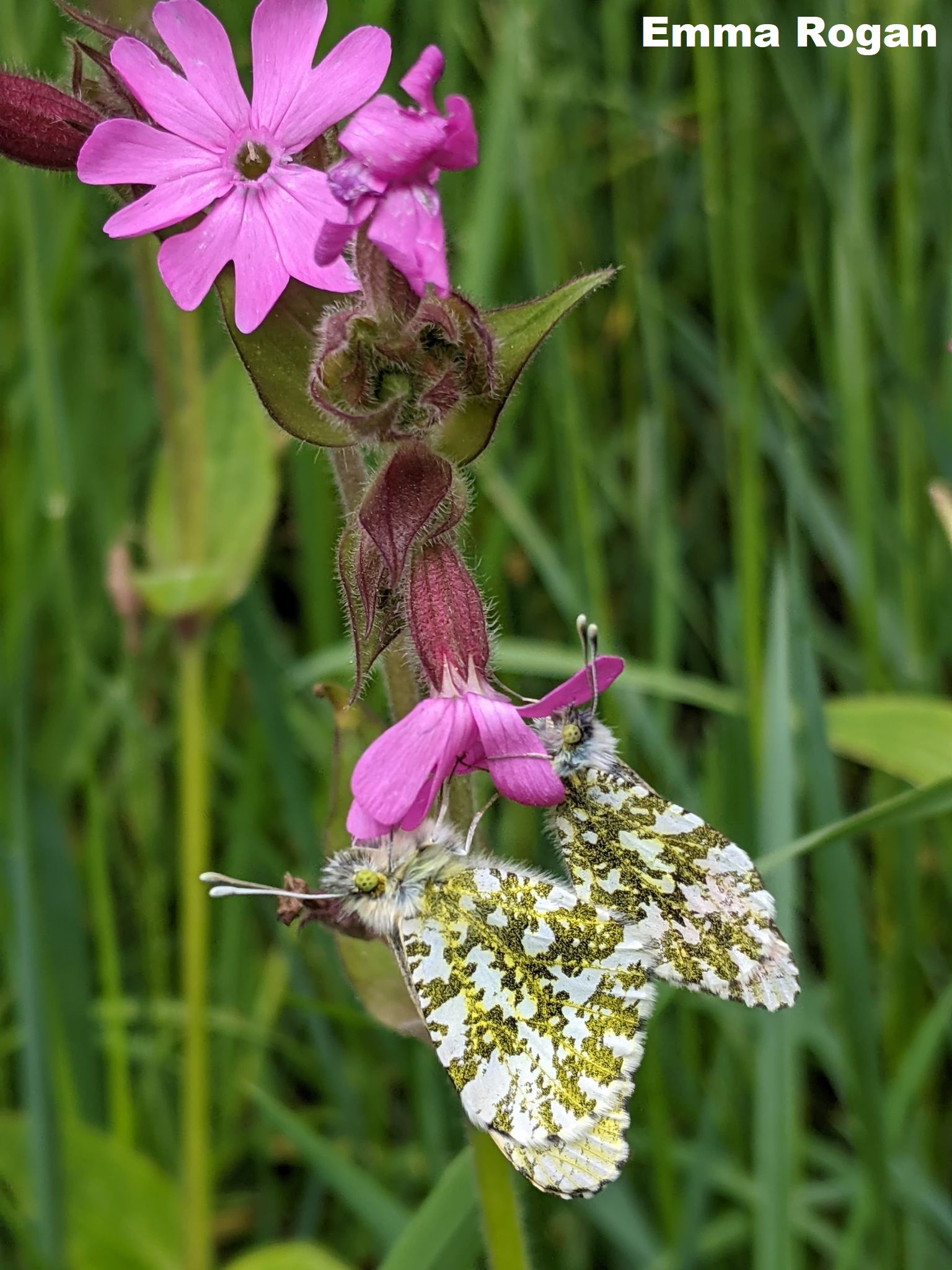
Guest for this series and wildlife enthusiast, Emma grew up in Manchester and will always be a city girl at heart. As a child she loved to watch nature documentaries and daydreamed about faraway places, but over time she fell in love with the wildlife that also calls Manchester its home. Emma has spent the past year documenting the lives of the insects, birds, squirrels and foxes that stop by her little rectangle of garden, and exploring the local woods alongside the River Mersey with her mum. Check out her page here.
In this brand new blog series, we take a look at the local wildlife that can be found in two very different home locations. Though at a contrast with each other, we will see how nature can make its home in both rural and urban landscapes, and the wealth of life that can be explored on anyone’s doorstep. At a time when it is so important that we protect and conserve the natural environment around us, let us inspire you as we take an adventure to explore a smaller side to nature.
Laura’s Countryside Minibeasts
Today was a warm and breezy day, perfect for walking through my family’s Dorset farmland in just a T-shirt and shorts. It was the kind of day though when you could feel the first breath of autumn in the air, kept at bay by the bleaching late-August sun. Pushing the cooler days to come to the back of my mind, I set out to try to see what smaller creatures I could find out in nature.
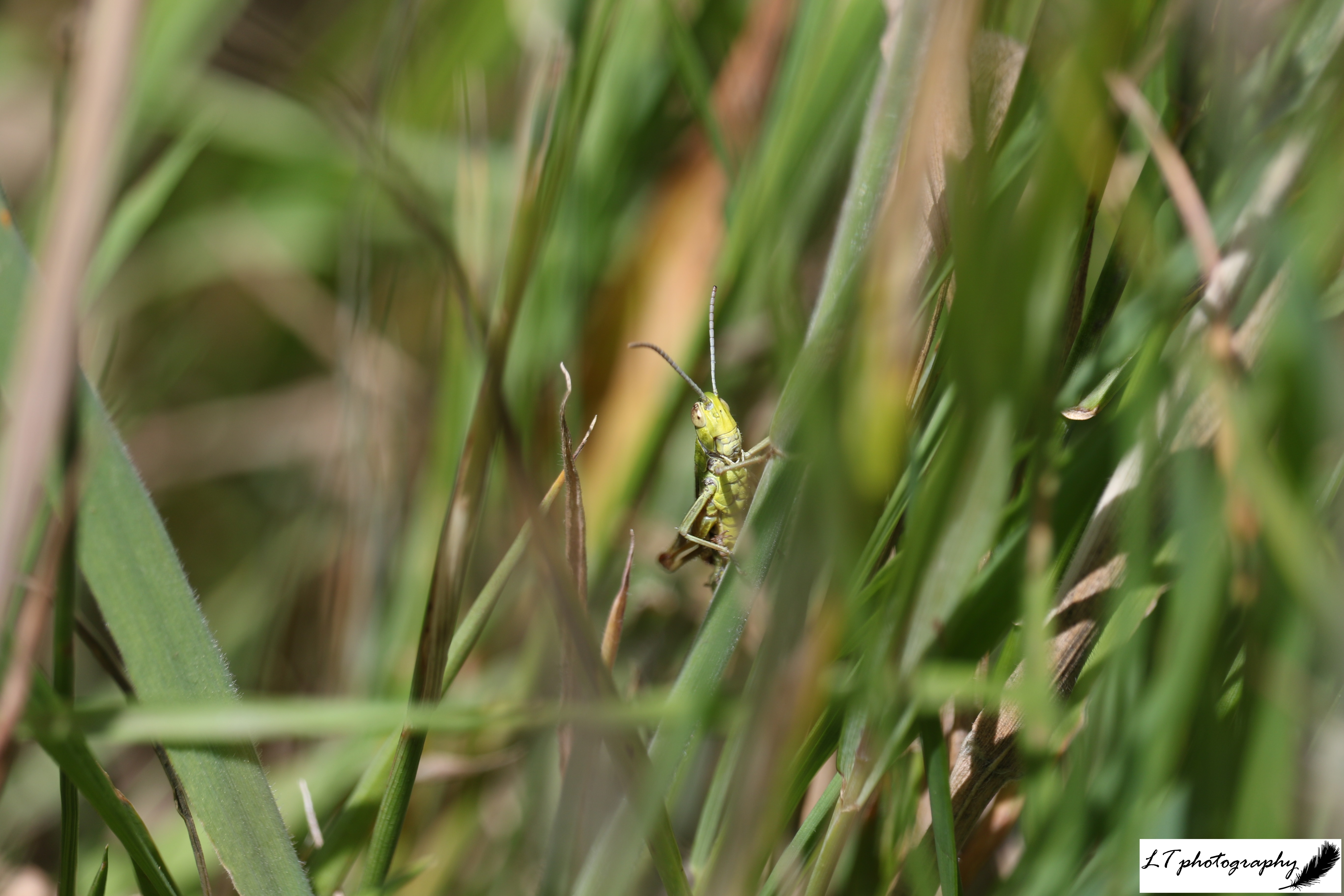
Journeying along tracks, through grass fields, over rivers, through tall maize, past a chalk ridge, and back home to my garden, my quest bore more and more fruits along the way. With every turn I got to experience a colourful and spectacular diversity of butterflies from small coppers to peacocks, got to be serenaded by grasshoppers singing their chirping tune, and to be joined by crane flies lazily hanging in the hazy golden light as I walked along on my own.
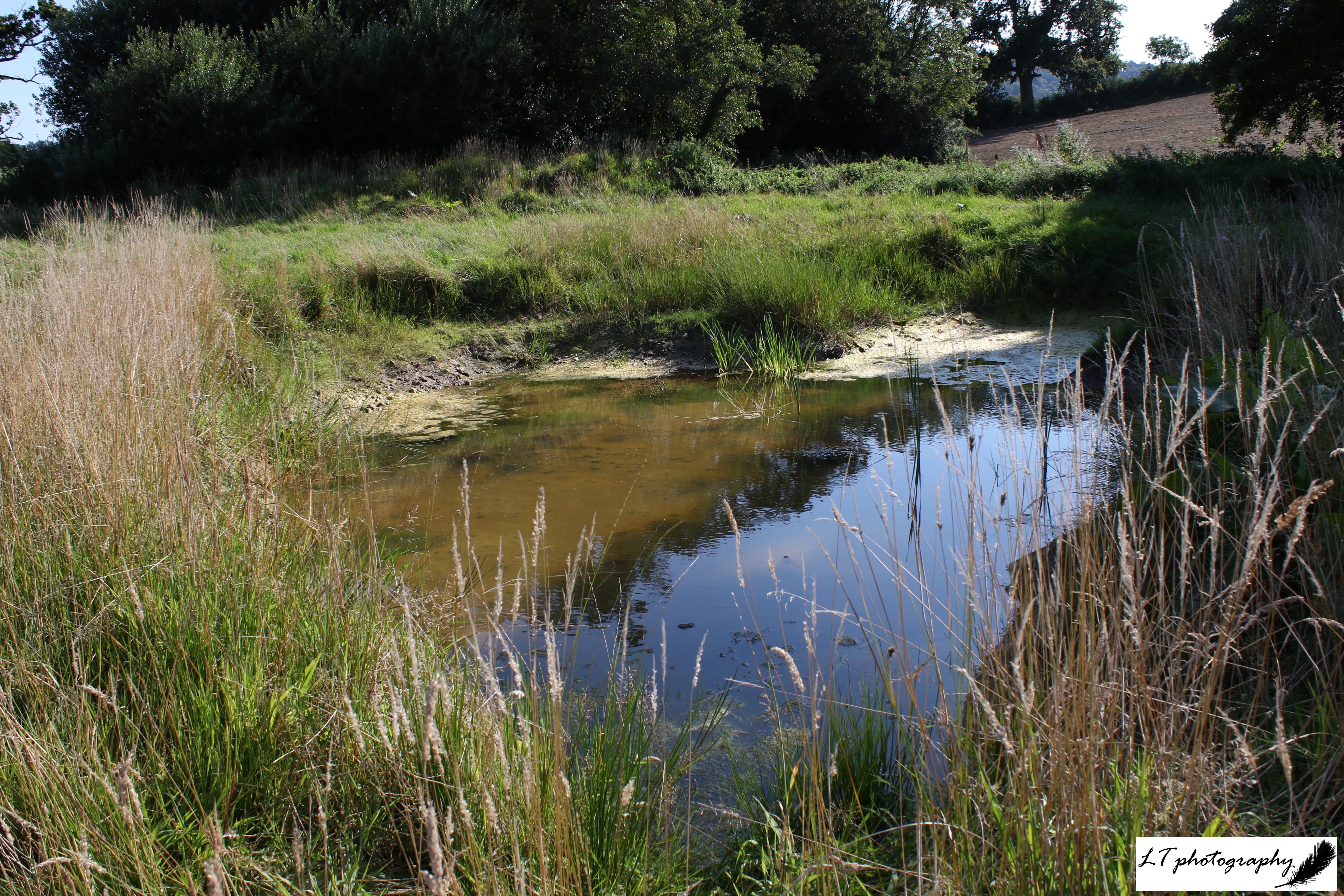
As my minibeast list grew, I stopped here and there to take a closer look, such as to gaze at beautifully banded snails hanging from nettles, or to photograph minibeasts, such as the curious looking froghoppers making maize leaves their home. I was loving it! The main highlight of my adventure though, had to be discovering a treasure trove of dragonfly and damselfly species on and around the pond in our conservation field. One minute I would see the golden-brown of an unknown dragonfly fly past me, before catching sight of common blue demoiselles dancing in the air and red-veined darters defending territories over the water. I was amazed at how many beautifully-coloured species I saw in such a short space of time!
When I set out on my minibeast adventure, I was not entirely sure what I would find at this late stage of August. Whatever I thought though, by the end I was having a really great time, seeing some cool minibeasts ranging from busy honey bees enjoying a medley of flowers to many butterflies adorning buddleia bushes like gemstones. It really brought home that you never know what you might find until you open your eyes to the world around you. I am no invertebrate expert, but I was still able to take in all the wonders this mini world had to offer. It was a great break from life, though more importantly, a game changer!
Emma’s Minibeast Hunt in the City
Unbelievably, the afternoon I’d planned to go on my Minibeast Hunt was beautifully warm and sunny with a slight breeze. This is a rarity in Manchester! I gleefully pulled on my walking boots and headed out with my other half to Fletcher Moss, a nearby park and woodland alongside the River Mersey. We spent an hour wandering through the Parsonage Gardens, down to the river (down, down, doooown by the riveeeer – any Baldur’s Gate 3 fans?), and through the woods, making a brief stop for ice cream along the way!
The Old Parsonage and it’s beautiful walled garden was left to the citizens of Manchester by Alderman Fletcher Moss in 1919, and has since become a much-loved community space which is carefully looked after by volunteers. The garden was buzzing with pollinators drawn in by the variety of flowers, the echinops was particularly popular! It’s always lovely to see bees out and about in Manchester, as bees are the symbol of our city.
We then walked down the hill and took a winding path towards the river. The first stop on our riverside walk was Simon Bridge, a green iron bridge across the River Mersey which was gifted to the people of Didsbury by Henry Simon in 1901. Plenty of bees, wasps and hoverflies flew past us as we walked, but our second stop came when we heard what we thought was the singing of a grasshopper! This necessitated ten minutes of searching and more than a few curious glances before we found the little guy sat solemnly on a blade of grass.
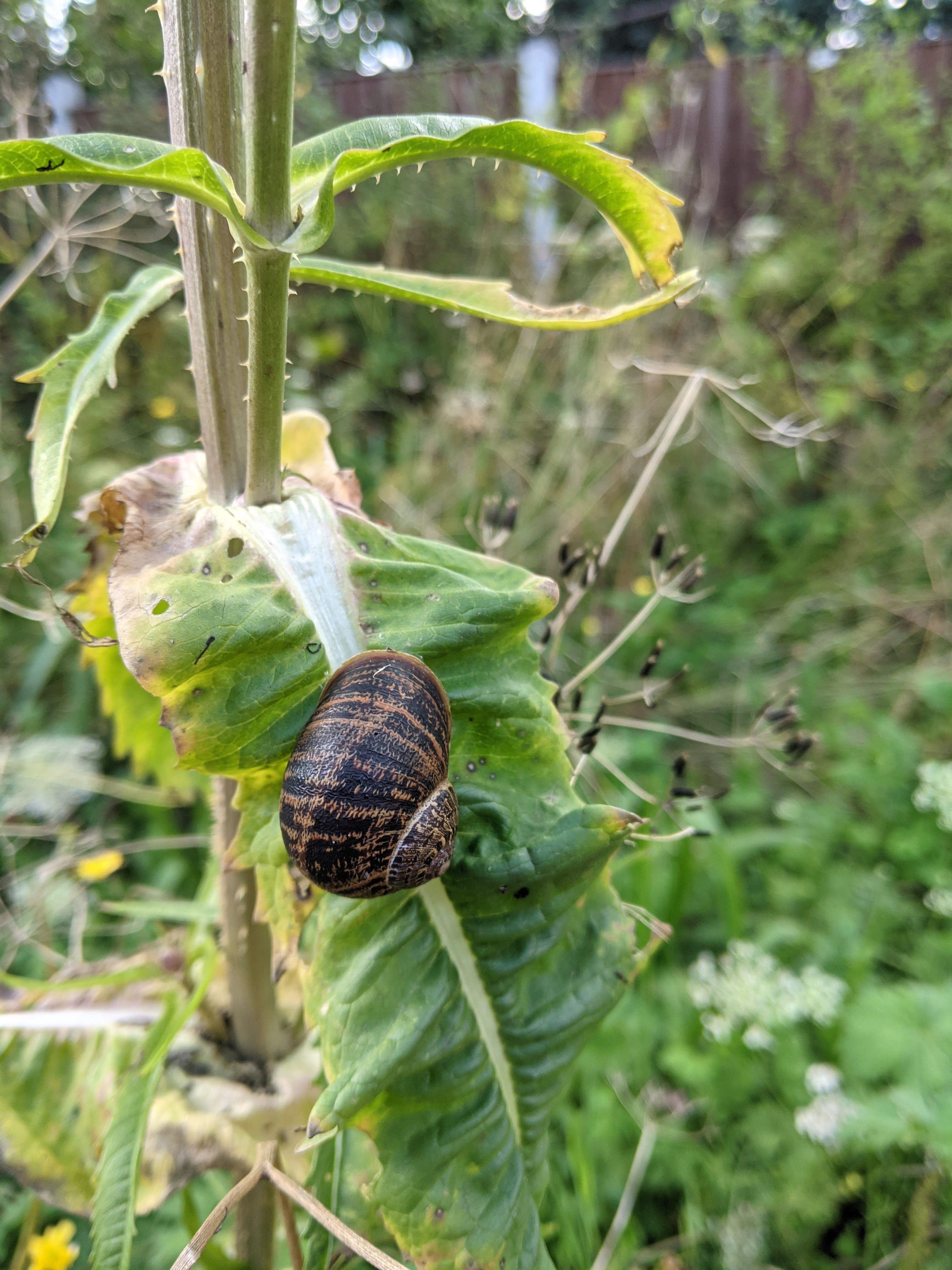
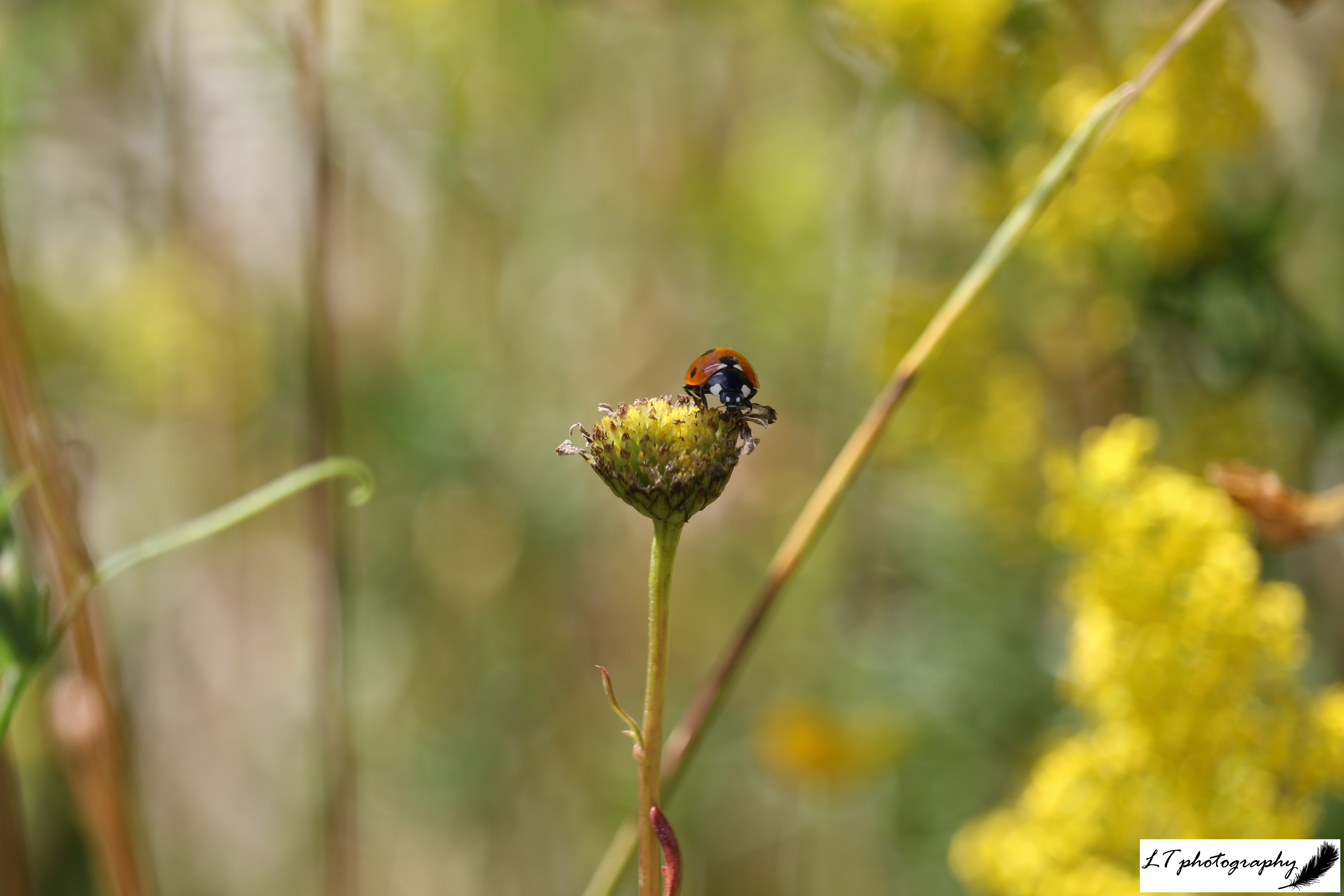
As we wandered on, our path took us away from the river and back up into Stenner Woods, a small area of woodland in the original Mersey Valley flood plain. It was at this point that a dragonfly decided to join us! Unfortunately, he wouldn’t stay still long enough for me to take a picture. We also came across a snail clinging to a thistle, and a ladybird nestled between the spines of a teasel, and a very hungry group of mint leaf beetles. Butterflies were noticeably absent, as we spotted only one female meadow brown butterfly during our walk. Our final stop was at a small pond area, where we saw what seemed to be hundreds of pond skaters!
I’ve been fond of bees for quite a few years (I even wrote my dissertation on bees!), but I don’t often take the time to pause and notice the other minibeasts that live in my local area. This minibeast hunt was a great opportunity to challenge myself to look closer, and I felt very lucky to gain a snapshot into the lives of these smallest of animals.
Minibeasts
When people think of animals they usually think of lions, bears or elephants, for example, forgetting the smaller less observed animals in nature. The minibeasts we walk past each day though, can be equally majestic and awe-inspiring. Butterflies in spectacular colours, weird and wonderful froghoppers, or wriggling hard-working earthworms. All play an important role in nature, but tend to go unnoticed and be underappreciated.
On both Emma and Laura’s minibeast adventures though, they found taking the time to focus on the smaller things eye opening. They might live in very different areas, but the green spaces they both have access to show an amazingly similar host of minibeasts. From grasshoppers to dragonflies, amazing minibeasts can be found anywhere. By challenging yourself to look closer at the smaller things in life, you can learn a lot, be provided with inspiration and even experience a moment of distraction and escape. Minibeasts are colourful, unusual, and awe-inspiring, so why not stop and find out what you could discover too?
After I click open the file on my camera trap, I press next through a male pheasant strutting his stuff and a female roe deer passing through, until a photo makes me stop. There towards the back of the shotare two small brown shapes. I move through the rest of the photos as day passes into night, and watch as these two rough and tumble through the photos, exploring, playing and watching their wild neighbours go past, ending with one sitting stock still in front of the camera. My camera trap had successfully found my first litter of fox cubs of the year!
The last few years I have become known for my exploration of my family’s farm in Dorset using a camera trap. My camera trap allows me to delve into the lives of my wild neighbours without intrusion or disturbance of their natural behaviour, and to use my photos to inspire others to open their eyes and be motivated to conserve our local wildlife. It is always a rollercoaster of emotions, never knowing what my camera trap might find, but in the end it is a very rewarding experience. If you are interested in getting your own camera trap or knowing how to make the most of your own, check out my ‘How to… Use and Make the Most of a Camera Trap’ guide for some more information.
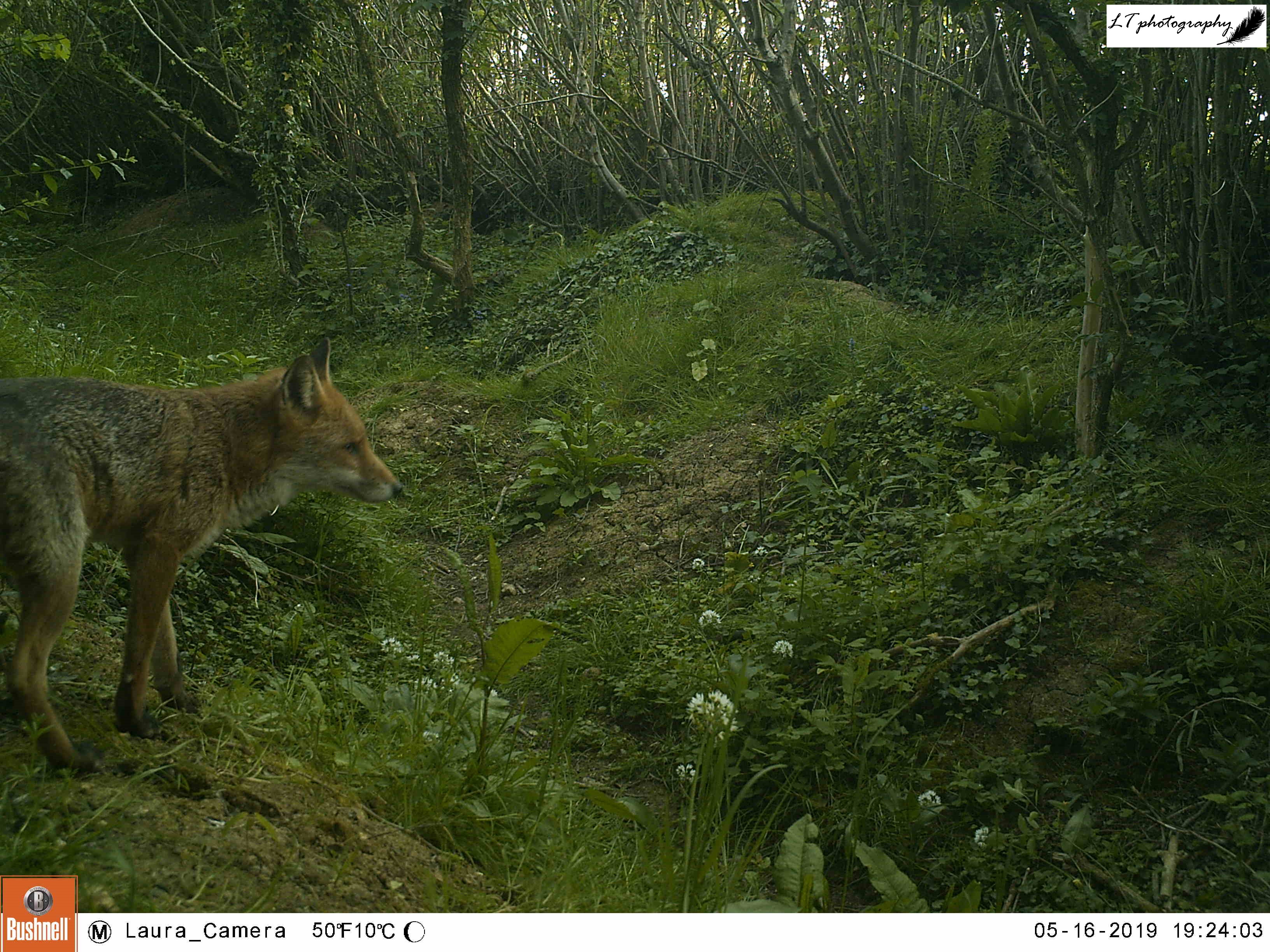
My camera trap has been a very useful tool for me over the last few years, so since 2019 I have spent my spring seasons moving my camera trap around different sites across 250 acres of farmland, taking in different species and behaviour. In 2019, I saw 12 species of birds and mammals, including families of badgers and a family of three fox cubs. In 2020, my camera trapping got even more interesting, with badger cubs, a couple of litters of fox cubs, and lots of roe deer sightings. The most enjoyable shots are always the most unexpected though, despite from time to time getting a photo bomber or two, for example in the form of our farm cat!
This spring I have been out and about once again on the farm with my camera trap. This year I selected six different sites across our land, with the hope of capturing some of the normal sights, along with some new ones. As the spring has now come to an end, activity has dropped across these sites, and thus it is time to see how spring has been captured by my camera trap this year.
Camera Trapping Spring 2021
Quarry Field Badger Sett
My first camera trapping site this year was an active badger sett to the east of my family’s land. It sits between a silage field and a maize field in a wide and thick hedgerow, and is a great crossroads for animals passing through. I have used this site in previous years for camera trapping, with varying success, such as last year’s highlights of badger cubs and a lively, lone fox cub.
This year I set my camera trap up at the sett for a week (3rd-10th April), moving the position and angle every other day to increase my chances of capturing wildlife. It paid off as I had a successful first week, with rabbits, roe deer, badgers, and a fox.
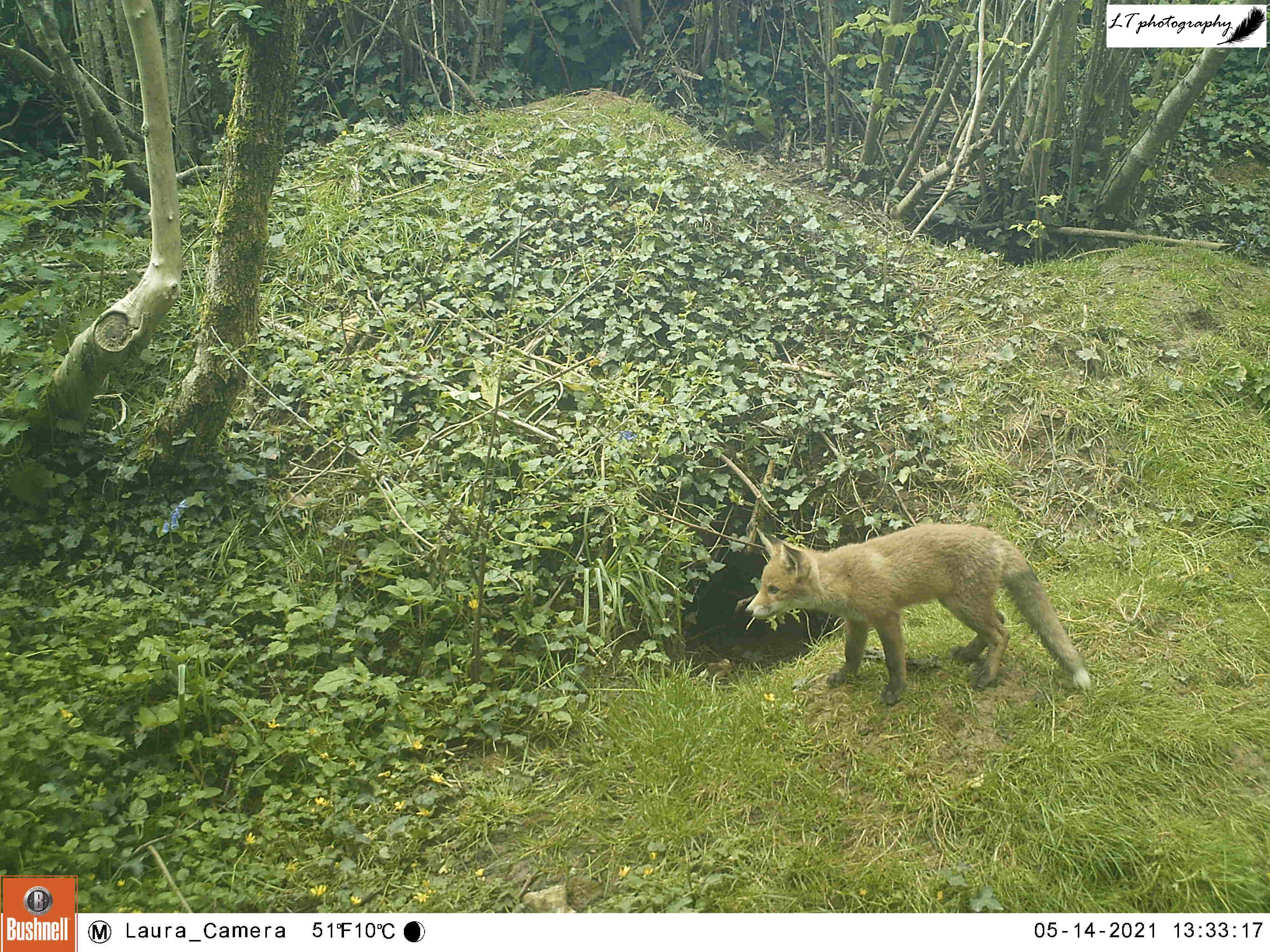
Due to seeing a lone fox cub at this site last year, the presence of an adult fox at the sett once again led me to return with my camera trap seven weeks later for another week (27th May-1st June). My hunch paid off as my camera trap returned photos of two fox cubs playing, living alongside a badger family, and being fed by a parent.
Gill Hill Copse
For my next site, I set my camera trap up within a copse surrounded by a cow grazing field west of the Quarry Field badger sett. During early spring this is a great site to capture wildlife moving through the landscape as the copse is a great stopping place. I have used this site before, and last year I saw species, such as roe deer and foxes.
This year I used my camera in the copse for just one week (11th-18th April), but moved its position within the copse every couple of days. I captured photos of a territorial male pheasant, an adult badger, a grey squirrel, an adult fox, and a rather comical sequence of photos of two female roe deer being spied on by a hiding male. As vegetation in the copse grows up and spring progresses, camera trapping success decreases at this site, but it was nice to see some life early on this spring.
DorsetCounty Council Wood
For my third site, I set my camera trap within a small, young wood that can be found at the centre of my family’s land, bordered by a road and a meadow. I have used this wood before, with some positive sightings in 2019 of foxes and badgers passing through.
This year I tried the wood again for a couple of days (19th-24th April), with some overall disappointing results. A male pheasant and magpie were seen, with an adult fox being seen twice, but overall the wood was quiet, reflecting a lack of diversity evident in this unmanaged woodland. I did not return to the wood again during this spring as a result.
Badger Field Sett
For my fourth camera trapping site, I returned to an active badger sett towards the centre of my family’s land. The sett is bordered by grazing land on both sides, and is set within a wide, thick hedge, extending out into the field on its east side. Last year I used my camera trap to look within the sett and to the sett entrances on either side, and saw adult badgers, badger cubs, and an adult fox. This was unsurprising as the sett is a thriving mixed site for badgers, foxes and rabbits alike.
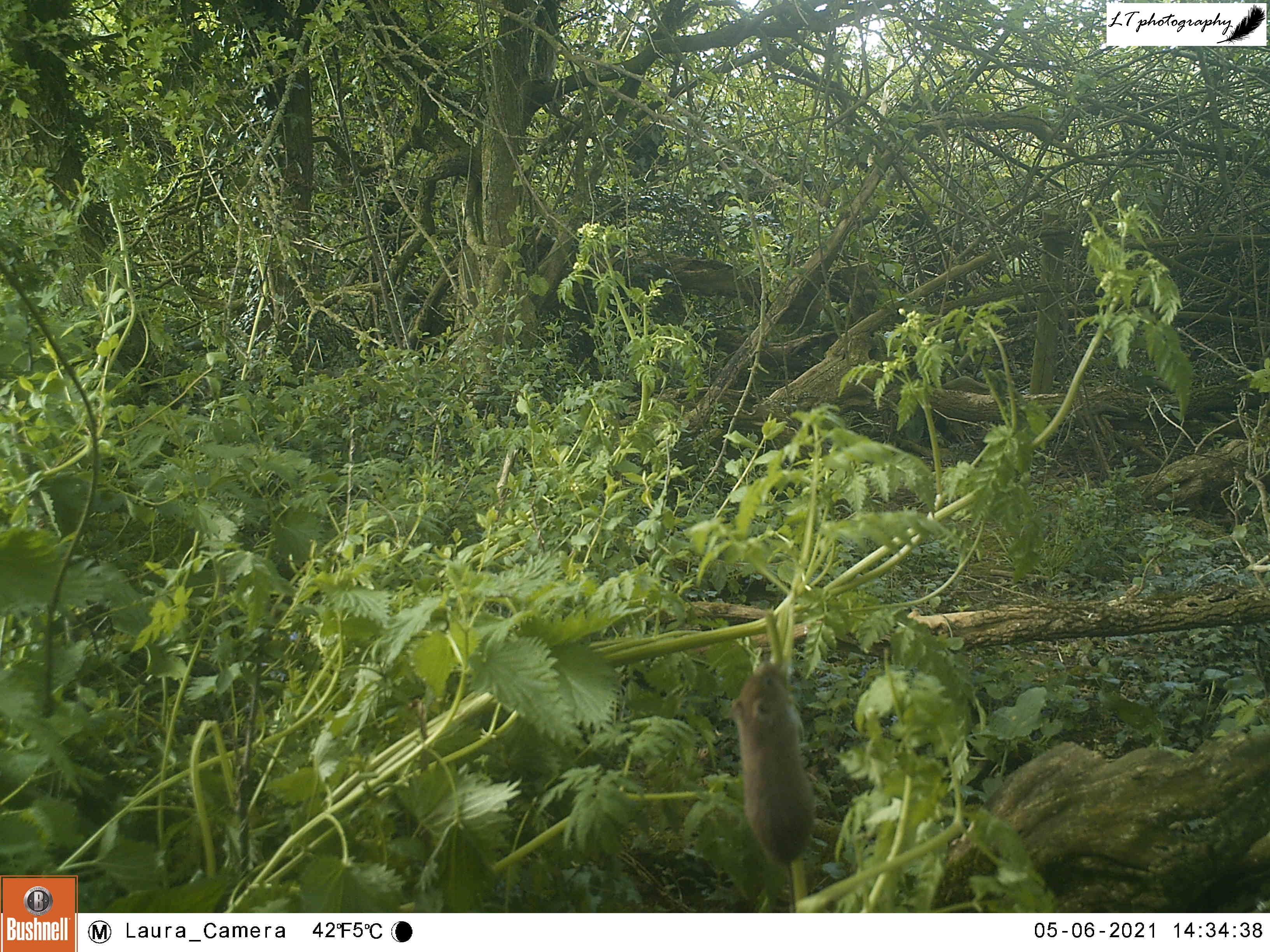
This year I positioned my camera trap first on the western side of the sett (25th-27th April), before positioning it directly within the area above the sett (4th-7th May). Pointing my camera trap at the animal track running along the side of the sett, I captured an adult badger, adult fox, and my first hare! Above the sett, my camera trap was more active, capturing lots of badger activity, woodpigeons, blackbirds, and red-legged partridges, and a surprising sighting of a field vole climbing vegetation. It was a lovely sequence of photos!
Badger Alley
For my fifth site, I chose to return to one of my favourite locations, the familiarly known Badger Alley. Badger Alley is an enclosed footpath that has dug out animal holes along half of its length, split into two old badger setts. In 2019 this was a super site for seeing badgers wondering its length, but last year it was obvious that wildlife numbers had declined, badgers in particular.
This year I spent two stints setting up my camera trap along Badger Alley. Firstly, I spent five days with my camera trap trained on the non-active lower sett, changing the camera’s position after two days (10th-14th May). Amongst photos of a female roe deer and a displaying male pheasant, I got lots of really lovely photos of two fox cubs playing and exploring their world.
I then returned to Badger Alley in June, moving my camera from the non-active lower sett (5th-11th June) to the sett further up (11th-14th June). By now my camera trap found that the family of foxes had moved on, with only the female and new male roe deer appearing at the lower sett. What was really sad, was finding that Badger Alley has now been fully abandoned by badgers, with the higher sett now being home to just rabbits. A slightly disappointing end to my camera trap’s time at Badger Alley!
Monkwood
To finish camera trapping during the spring season, I took a bet on a site where there was a possibility of finding another litter of fox cubs. This site was a hedge in the middle of cow grazing land, where I had not previously camera trapped before. I chose to set my camera trap up on a fence post pointing along the hedgeline where I had found holes into the hedge, and left my camera for a couple of days (14th-16th June).
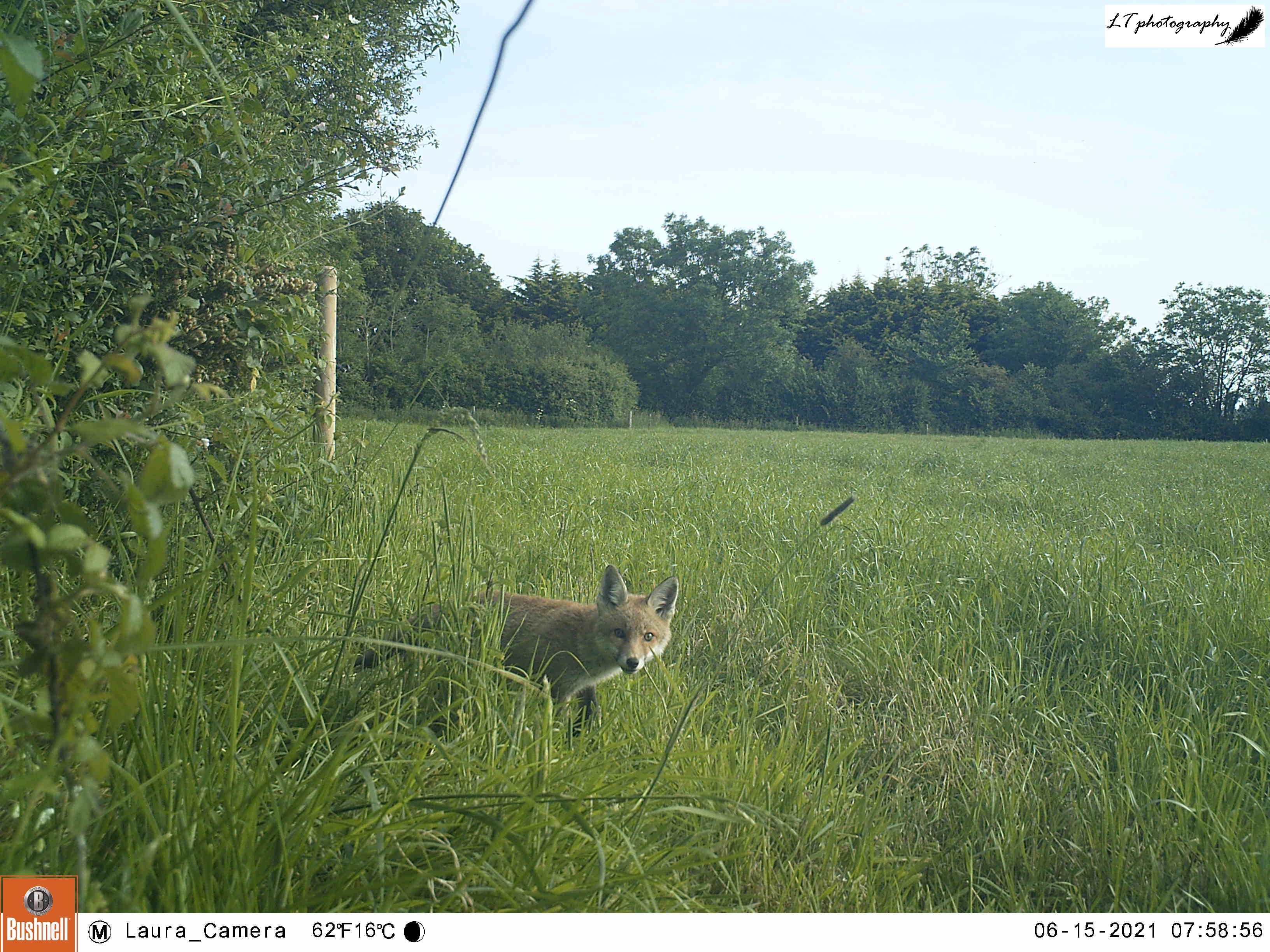
On retrieving my camera trap, I was excited to find that my instincts had been right and my camera trap had shot photos of two fox cubs and an adult. It was a lovely end to my spring camera trapping season!
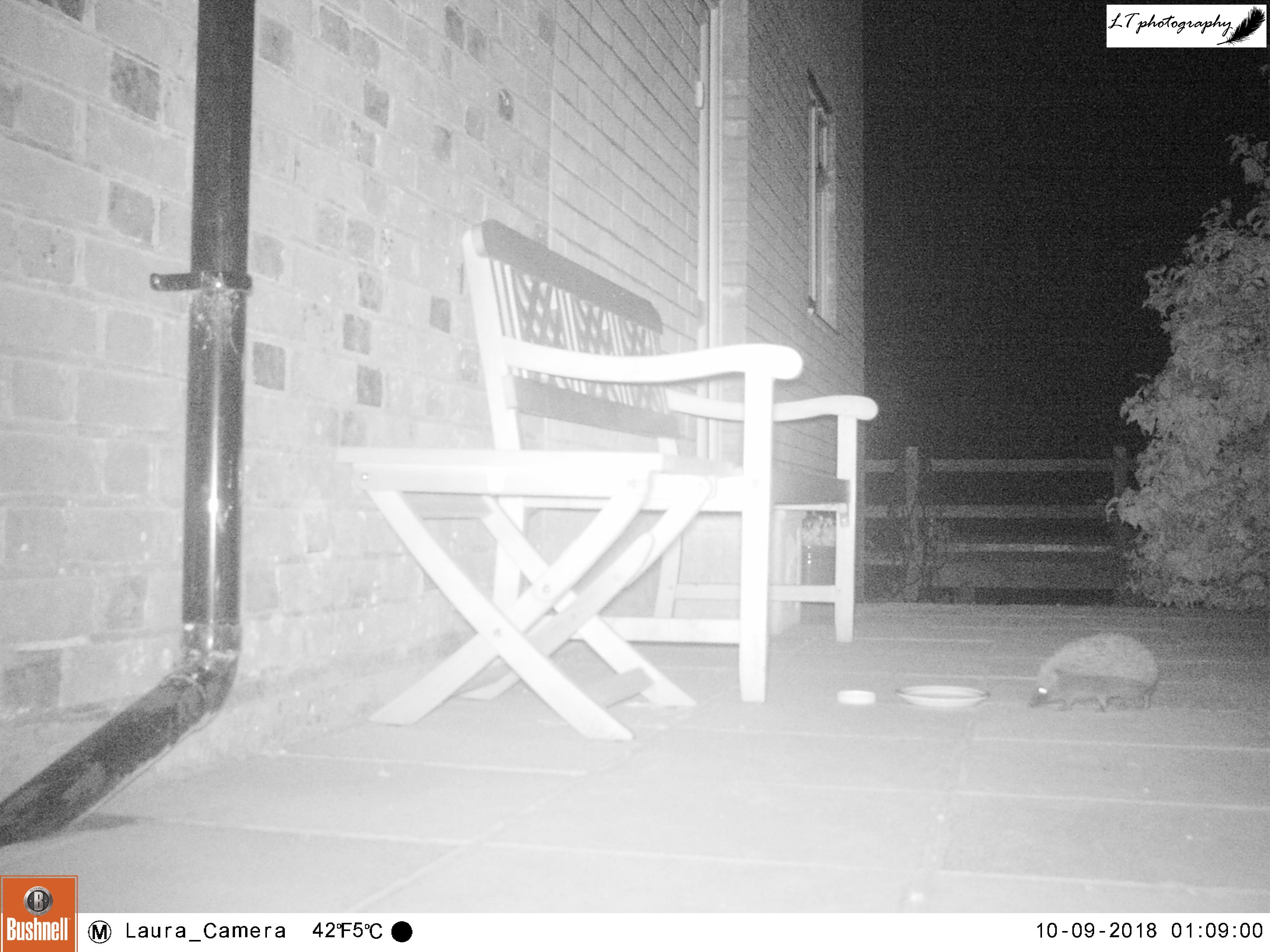
As winter creeps into the landscape and a second lockdown keeps us close to home, our gardens are once again coming alive. Wrens creep through the undergrowth catching insects, Robins sing to defend small territories, and Long-Tailed Tits flit between hedgerows foraging in family groups. It’s not just the birds though, other species are settling down to see out the winter in our gardens too, from butterflies and toads to hedgehogs and ladybirds.
With this year being a bit different, I have found it a great time to take part in the BTO’s Garden BirdWatch, to further connect with nature, boost my mental health, and do my bit. Gardens are very important homes for wildlife, not just at this time of year, so now is an important time for us to understand how we can better help the wildlife that share our gardens with us. If you have a bit of time on your hands, want to do something a bit different, or are interested in the wildlife on your doorstep, then this survey could be just what you need!
The BTO and the Garden BirdWatch
So, what is the BTO? Well, the BTO stands for the British Trust for Ornithology, where ornithology refers to the study of birds. Started in Oxford in 1933, this now Norfolk-based charity aims to engage people with science whilst advancing the understanding of birds and now other wildlife species. With over 60,000 dedicated volunteers, and projects ranging from bird ringing and Cuckoo tracking to urban gull and bat surveys, the BTO has gone from strength-to-strength.
Set up in 1995, one popular BTO project has been the Garden Birdwatch, a project aiming to understand the relationship between wildlife species and our gardens, and how and why some of these species populations may be undergoing change. In a nutshell, the Garden BirdWatch is about participants recording the birds they see in their garden, along with mammals, amphibians, reptiles, butterflies, bumblebees, and dragonflies. As vital habitat for wildlife continues to decrease, whilst the importance of gardens as substitute habitat increases, the information we can provide now can be used to better tailor help to support wildlife in the future.
So why should you take part? Well, the Garden BirdWatch is a great way to enjoy the wildlife in your garden, improve your knowledge, and allow you to follow the annual cycle of life. Taking part is also easy! All you need is a garden, a minimum of 20 minutes a week, and a way to identify the species you see. You do not need to have a big or elaborate garden, put food out, or be an expert. With the Garden BirdWatch currently being free for a year, signing up is easy. Provide a few details about your garden, and get started recording the garden birds and other wildlife that visit you.
Why not join thousands of other volunteers today, and do something new from the comfort of your own home!
Examples of Results
Last year marked the 25th year of the Garden BirdWatch, and so the BTO have now been able to use 25 years of weekly garden observations to begin analysing the relationship between our gardens and wildlife. For example:
Goldfinches, Woodpigeons, Nuthatches, and Jackdaws have become an increasingly common sight in our gardens, relying on our gardens for vital foraging habitat
Song Thrushes, Greenfinches, Starlings, and House Sparrows have become a less common sight in our gardens since 1995, due to a range of factors from disease to loss of habitat
I have now been taking part in the BTO’s Garden BirdWatch for the last 21 weeks. This time has gone past so fast, but has opened my mind to the diversity and abundance of species that visit my garden through the seasons. To sum up my time so far, here are some of my results:
I have observed 26 different bird species in my garden, with the most abundant species being Starlings (50 on 28th July) and House Sparrows (40 on 28th July), followed by Goldfinches (30 on 1st October)
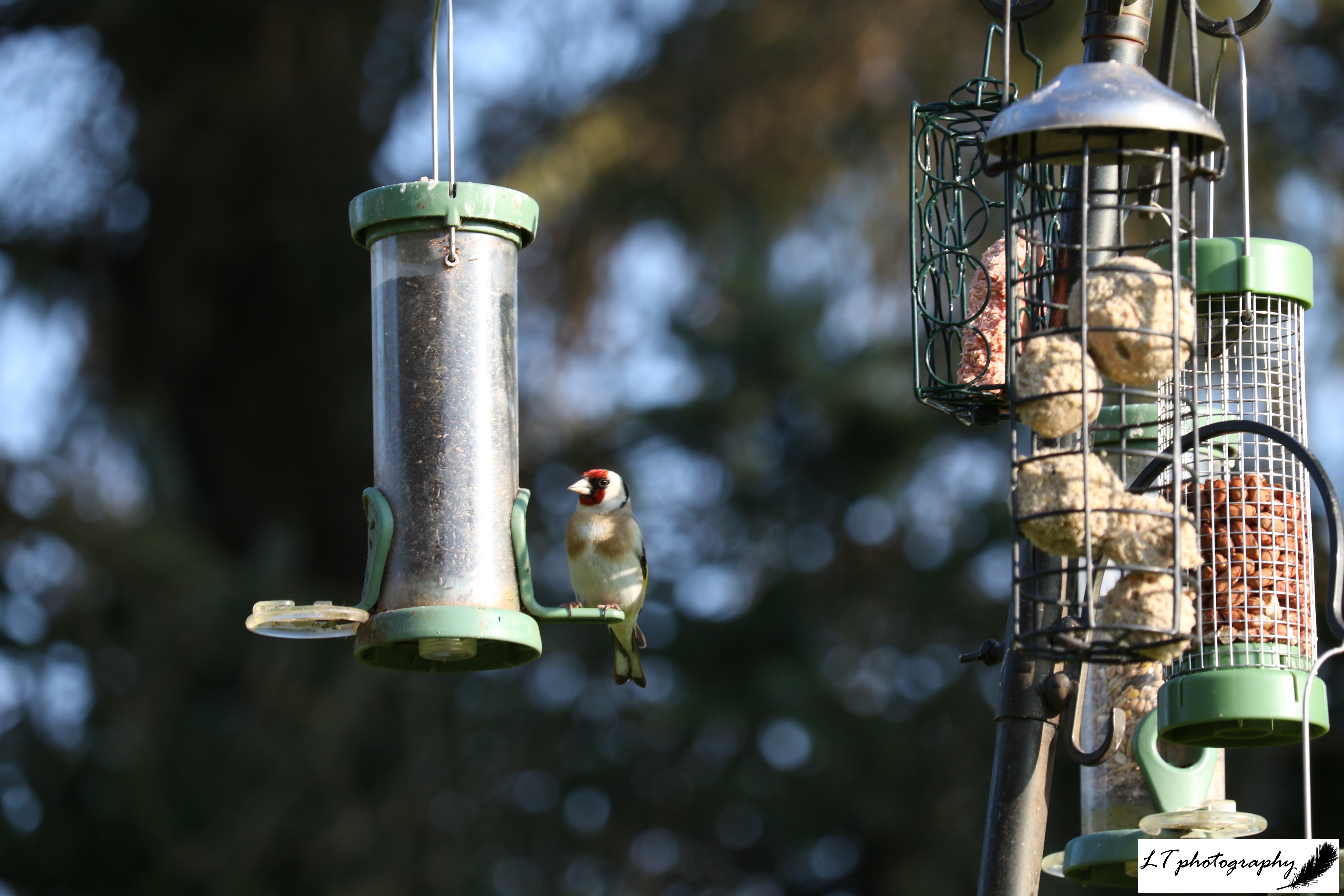
Every week Blue Tits, Great Tits, Collared Doves, Pheasants, Goldfinches, and House Sparrows have been consistently recorded
As summer has moved into autumn and winter, Coal Tits, Jackdaws, and flocks of Goldfinches have become newly reliant on my garden, whereas Great-Spotted Woodpeckers, flocks of House Sparrows, Pheasants, flocks of Starlings, and Sparrowhawks have decreased their visits
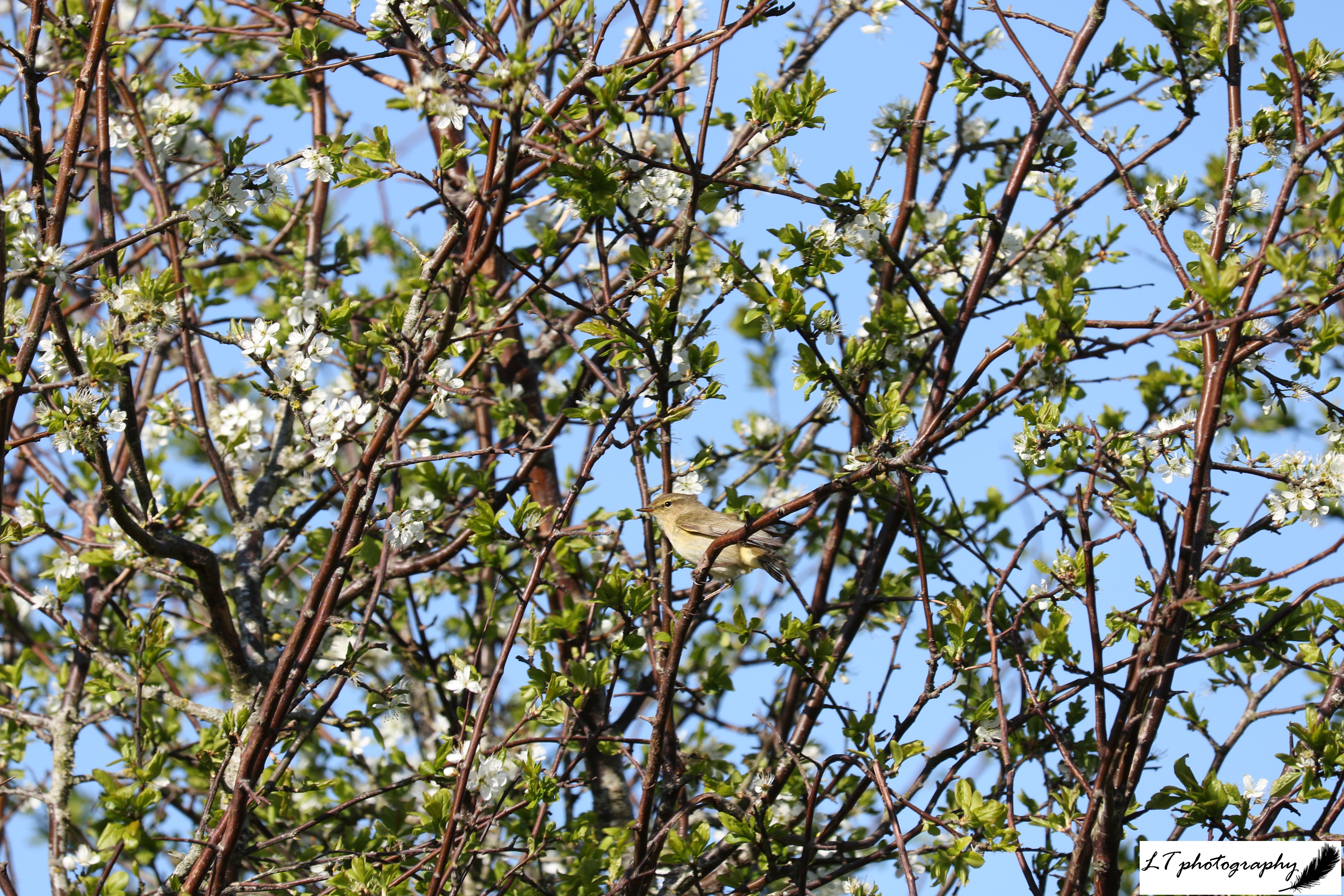
No week or month has been the same, with summer highlights including Greenfinches, Siskins, Chiffchaffs, and Garden Warblers!
So, why not see what wildlife you can encounter this winter?
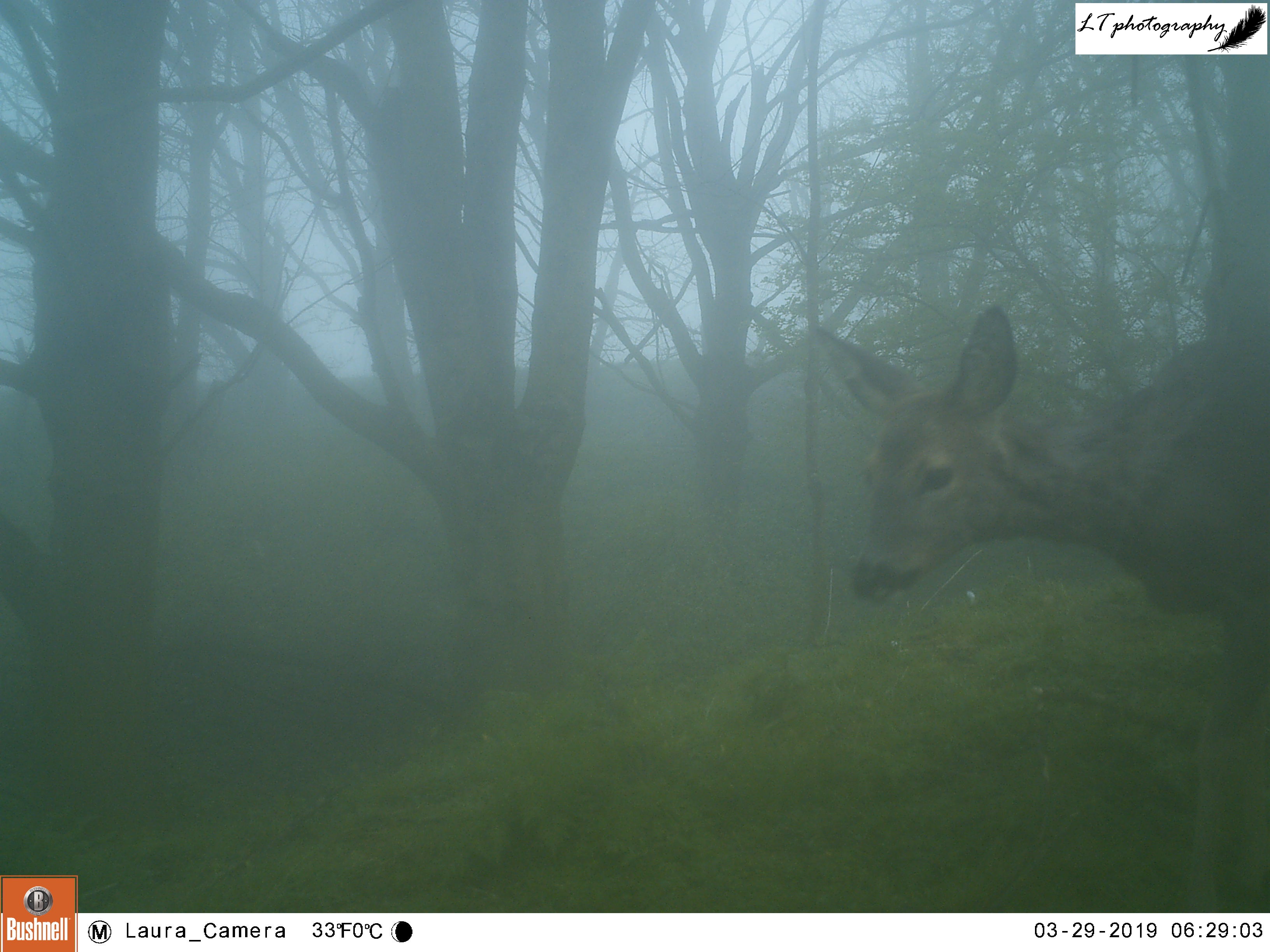
Through the stillness of an early morning mist, a shape appears, carefully stepping through the short undergrowth. She weaves through the trees, stopping to pick and browse as she goes. Then she stops, motionless. Ears pricked she listens out into the gloom, something catching her attention. Magnificent silhouette, the more impressive for her swollen belly, a sign of new life to come. Here she is captured, a glimpse of a world unknown, forever immortalised in a frame.
Camera traps provide a window into another world, one that is often unseen and unknown. As technology improves and efforts increase, humans are now capturing the natural world in increasing detail, observing new behaviours, and keeping track of wildlife that would otherwise be difficult to monitor. Camera traps also provide us as individuals with the opportunity to open our eyes to the world that lies outside our doors. To find out more about camera traps, how to use them, and for some inspiration, check out my ‘How to… Use and Make the Most of a Camera Trap’ post.
Since I got my camera trap a few years ago, it has become an important way for me to explore the hidden world around me. In particular, during spring 2019, I spent 10 weeks conducting camera trap surveys across 5 sites on my family’s land in Dorset. It was a lot of fun to see what species I could detect and in what numbers, whilst seeing how things changed over a period of time. For my results, check out my ‘Spring Countryside Camera Trap Surveys’ post on my blog.
Camera Trapping 2020
This year, despite COVID-19 leading to a national lockdown, I tried to utilise the time I got to spend outside to get my camera trap out as much as possible. The result was some successful and really enjoyable camera trap experiences throughout the spring, which helped to keep me going. On my adventures, I chose to focus on a mixture of 5 new and old sites, including Badger setts, a footpath, a Sycamore copse and a meadow. It was great to once again monitor the animal populations on our farm, experience new life, and to see if something interesting might turn up!
Highlights
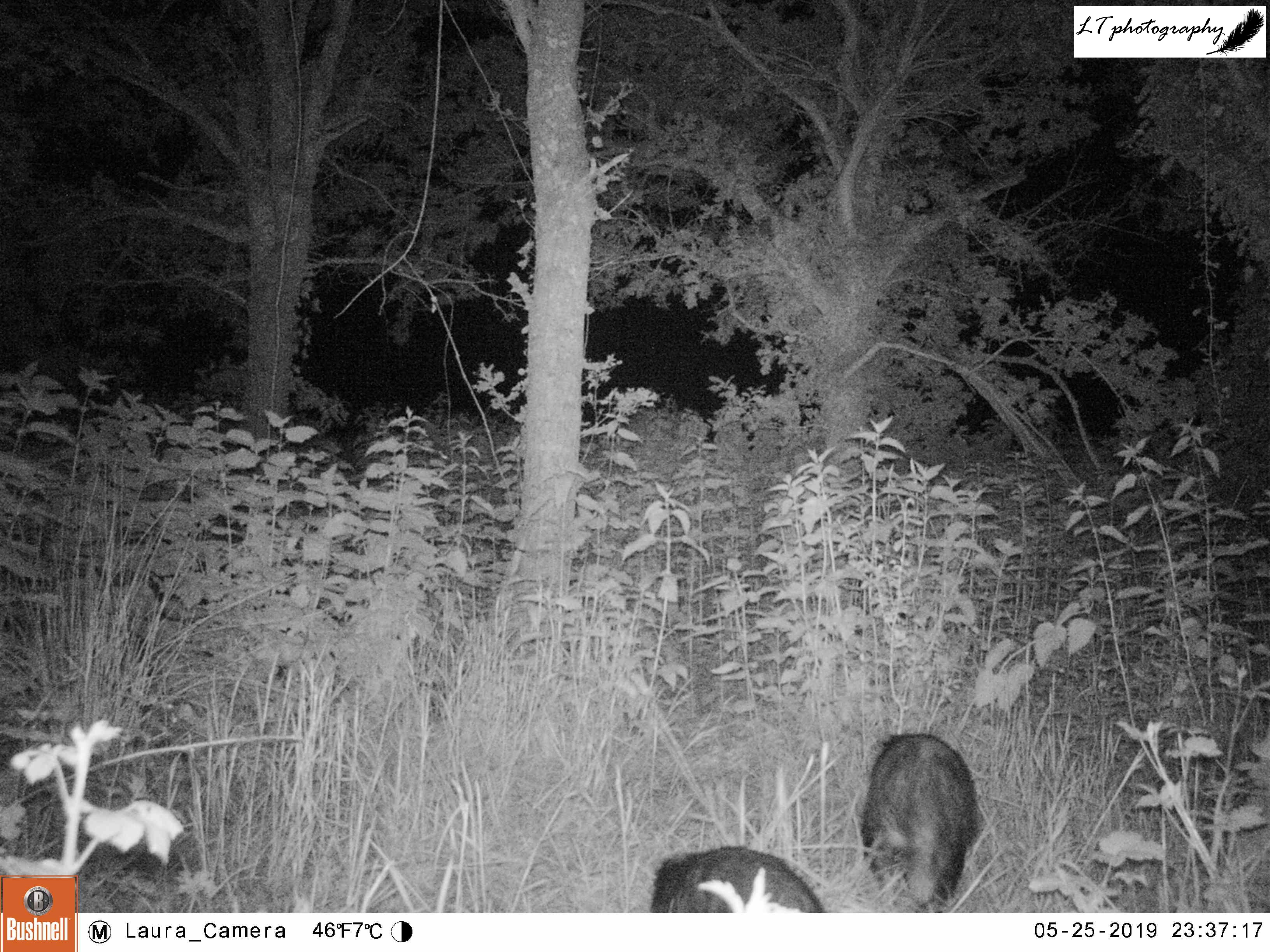
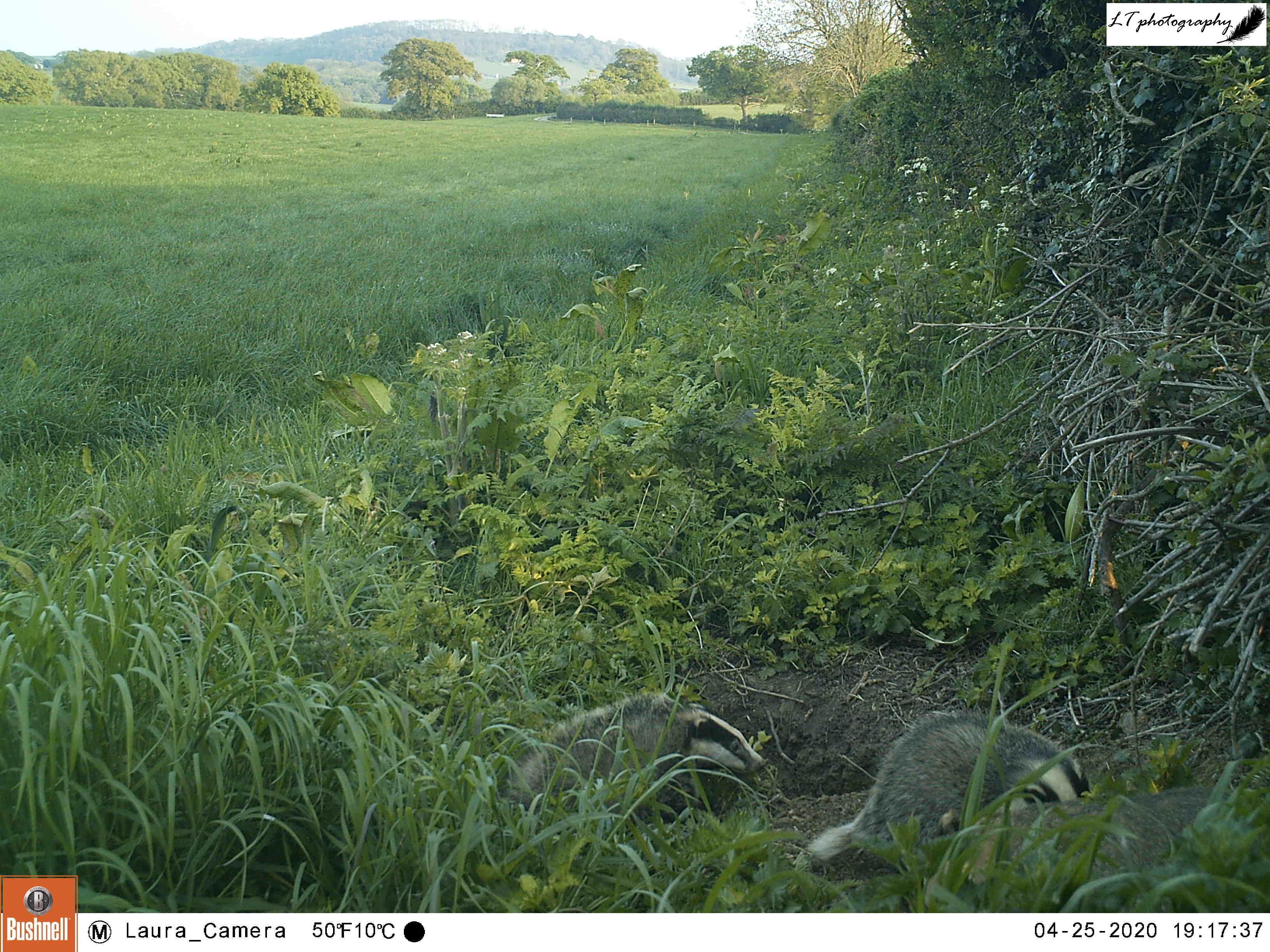
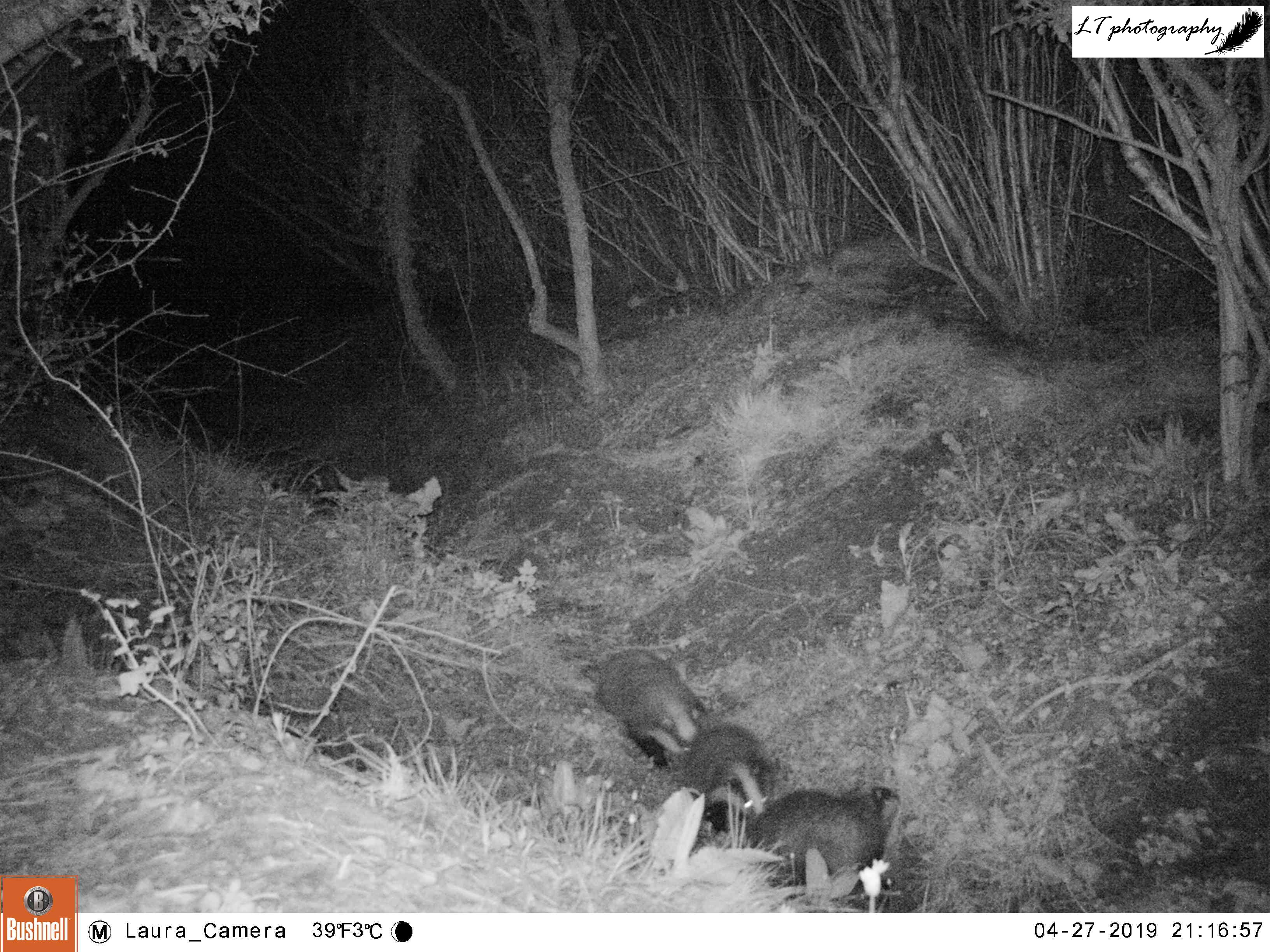
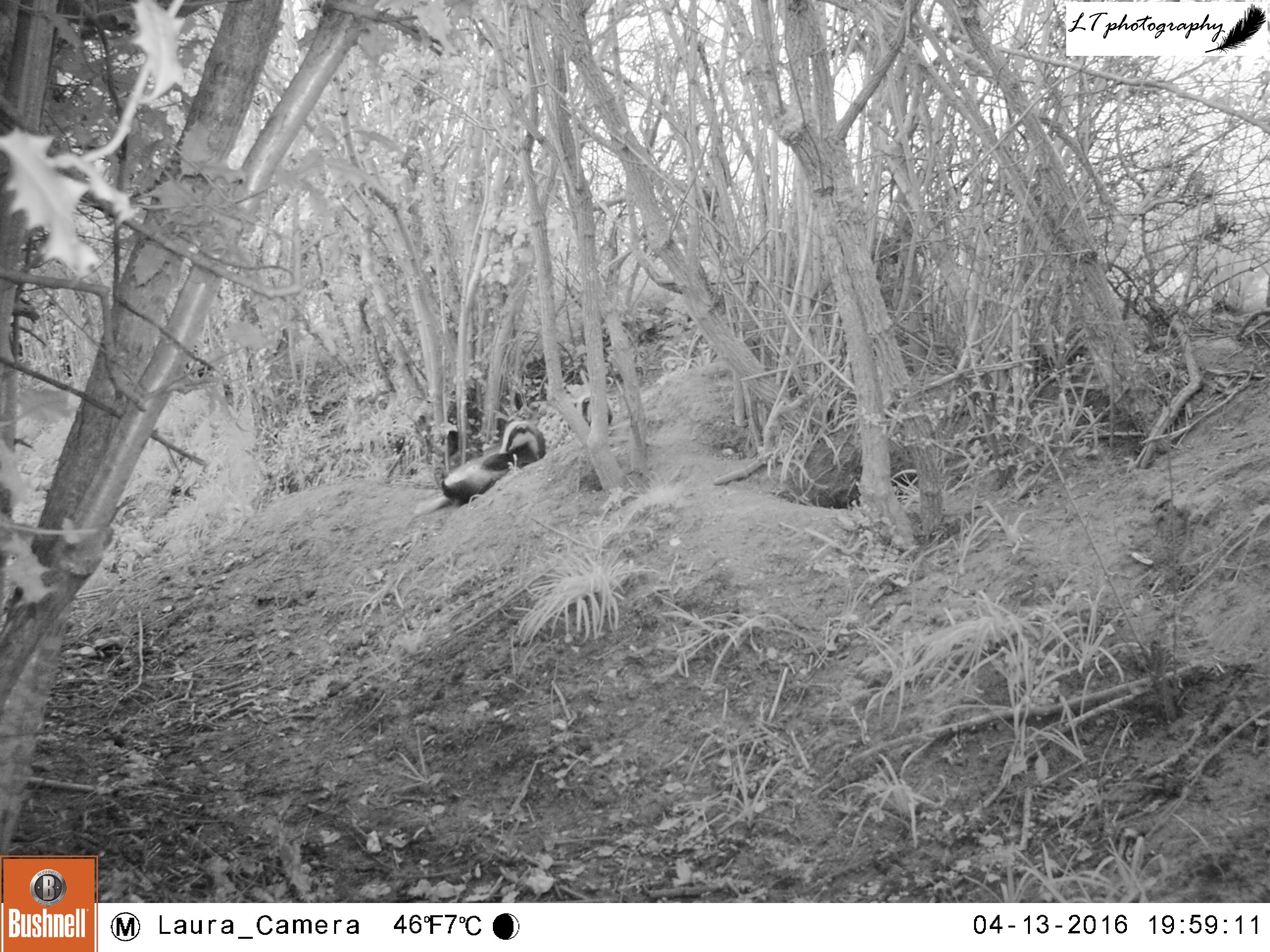
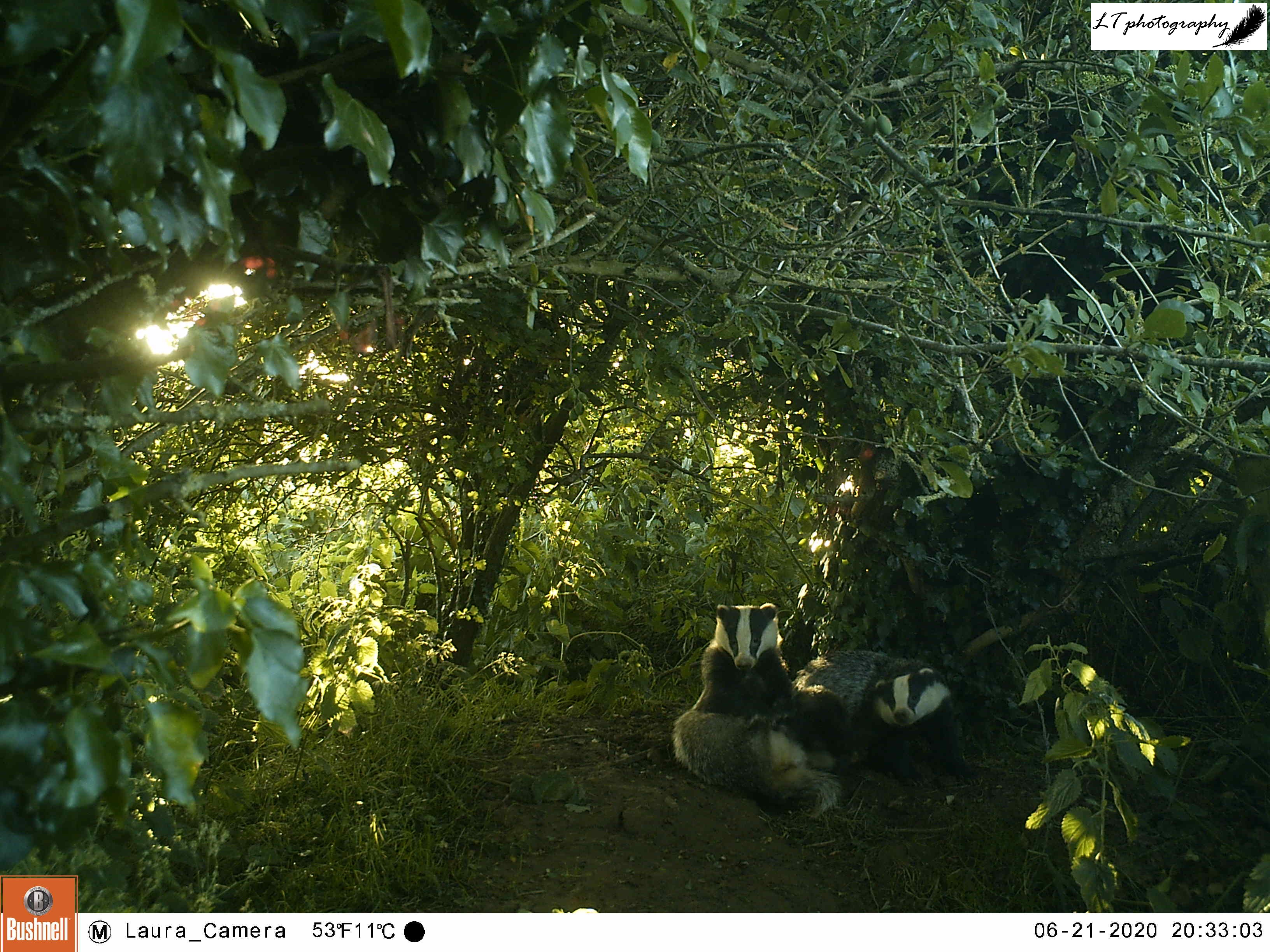
The real stars of my camera trapping this spring just happened to be our British large mammals. In particular some of my highlights involved fantastic sightings of charismatic Badgers. One of my favourites was capturing 2 cubs playing and fighting outside the entrance of a sett at all times of day in April, with a parent often popping in to check on them. I also had some great luck at another sett in June, where my camera trap captured 2 Badger cubs interacting with each other in their natural habitat, in an open area within a hedge. It was really great to see!
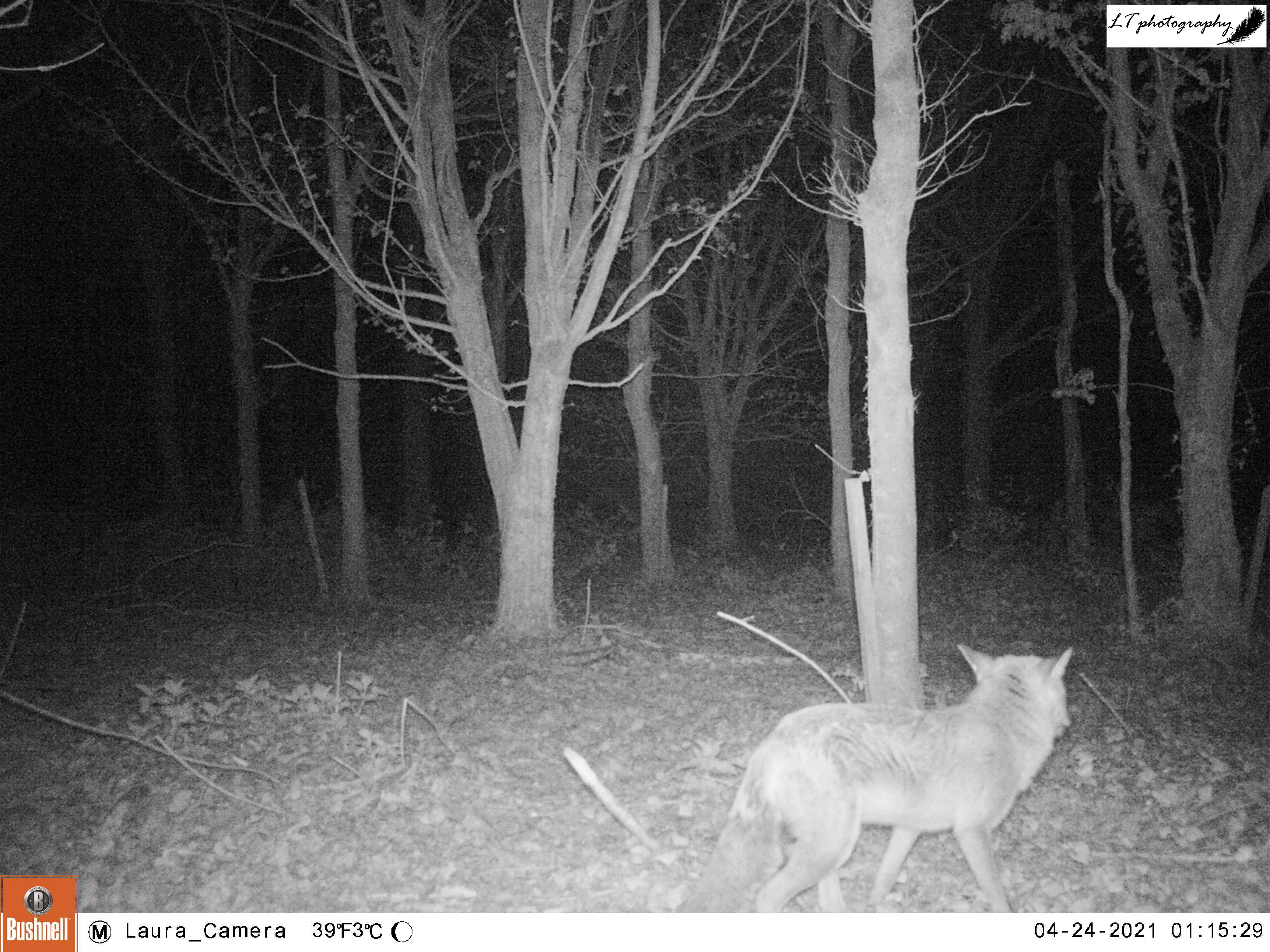
This year Foxes were also popular sights on my camera trap. These ranged from adults and cubs at their dens to being captured on the move, giving me a new insight into their lives and interactions. Roe Deer were also a popular sight on my camera trap as they moved through their habitat and spent time foraging, with does and bucks often being seen separately at these same locations. All wildlife are fantastic to be able to experience in this way though!
When Things Go Wrong!
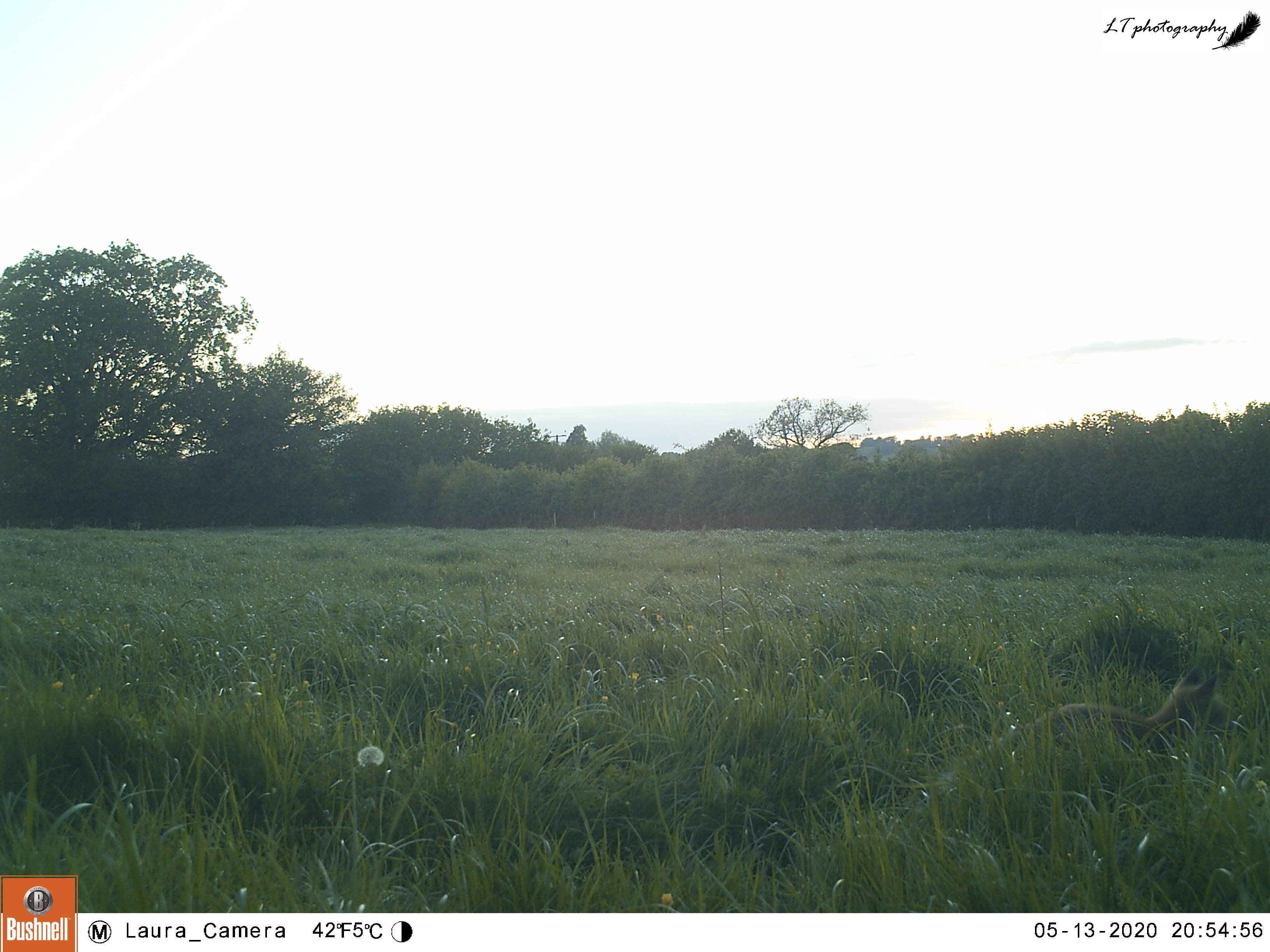
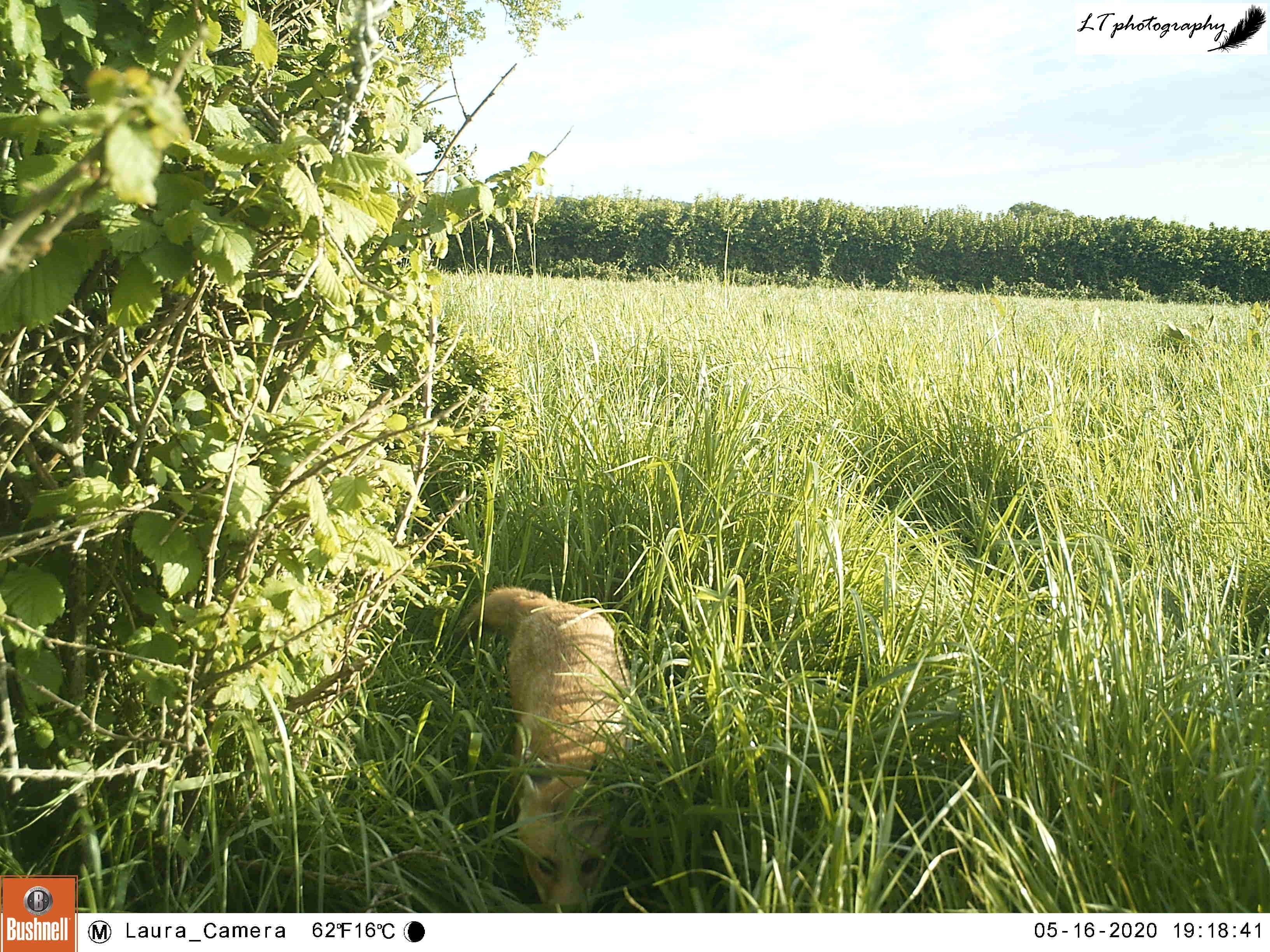
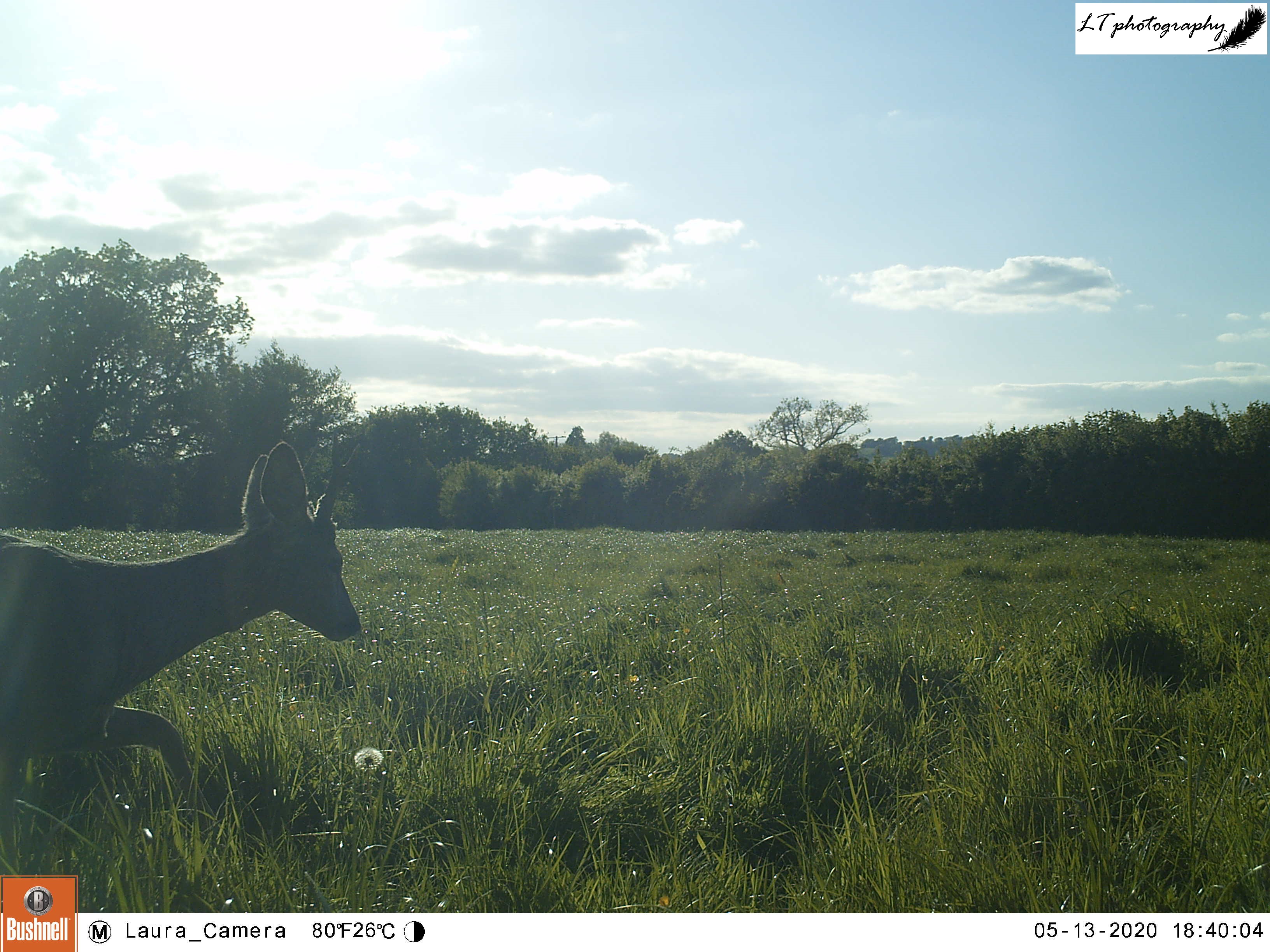
With the highs of camera trapping, there are always bound to be some lows. With many successful days camera trapping this year, my low came in the form of one project not quite going to plan! After sightings of a new fox den at the border of a hay meadow, I set out to try and get photos of this family. Over the course of two weeks I threw all my ideas and efforts at achieving my goal, but over and over again the cubs alluded me. Instead my camera seemed to spend more time capturing the local Roe deer population in this particular location! Here though are some of the glimpses I did catch of this elusive family:
The Best Bit!
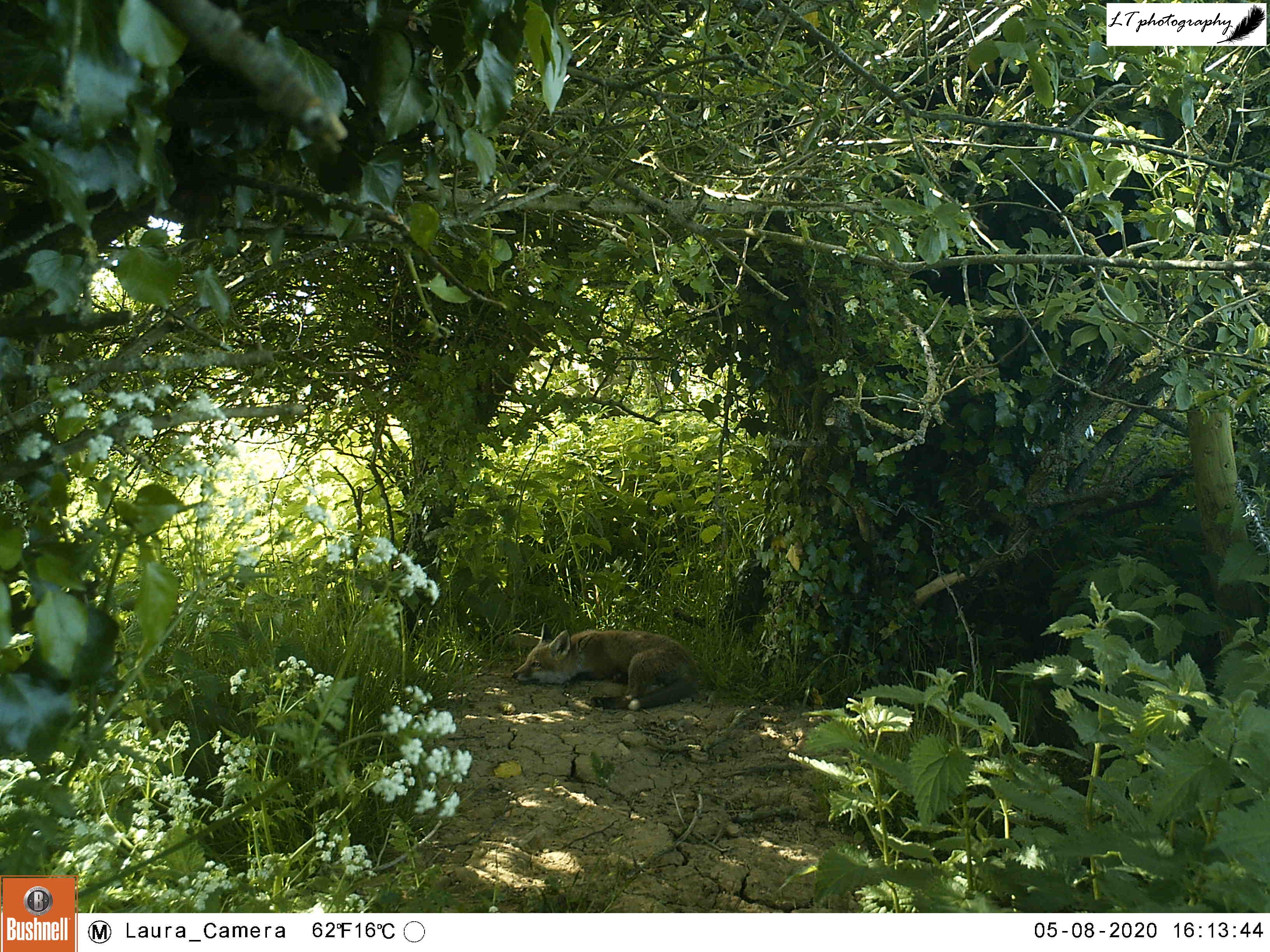
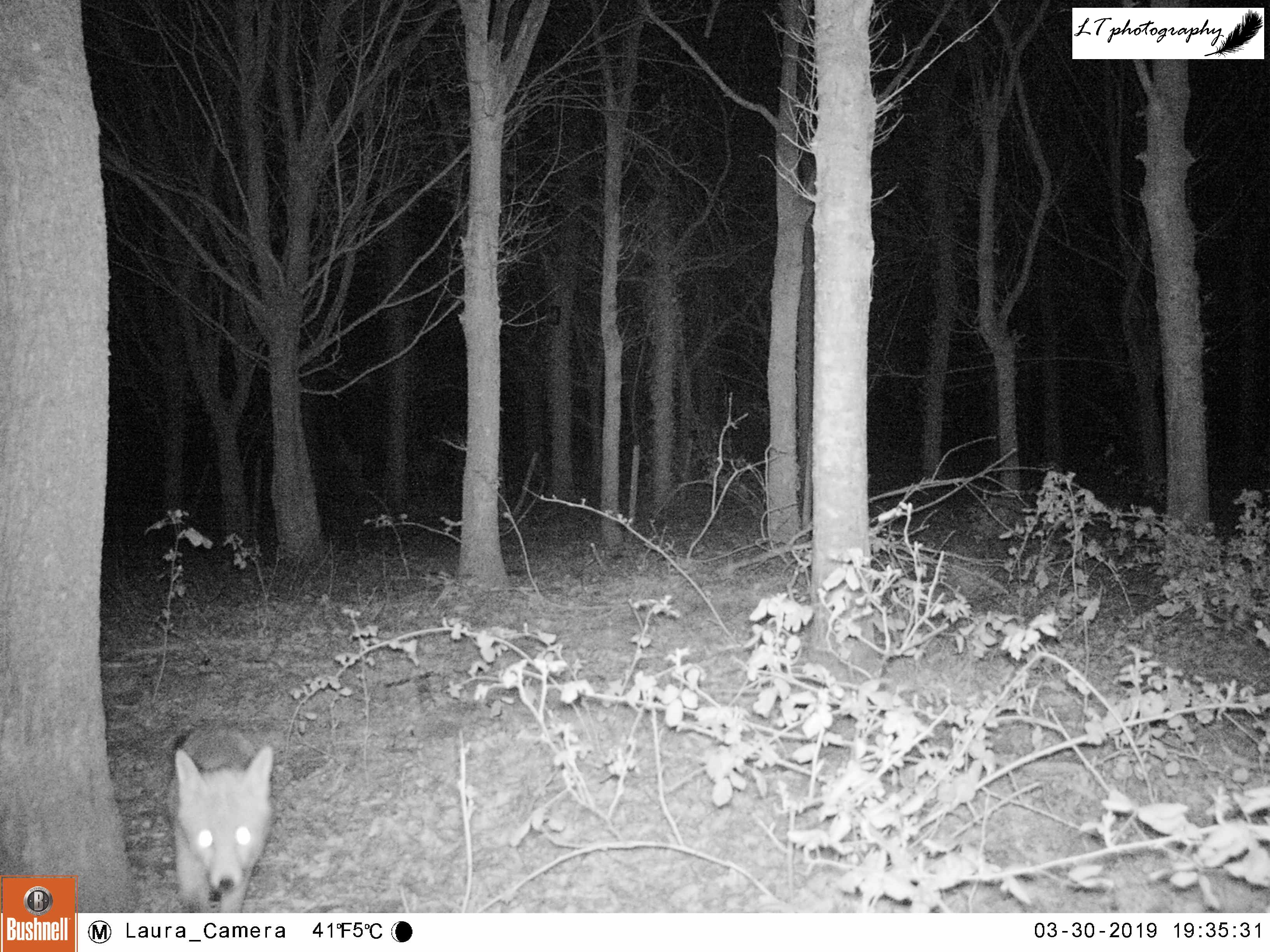
There is always going to be one highlight that stands out from a season camera trapping. For me this year my best bit came in the form of a surprise. Whilst having my camera trap out on an active Badger sett for a week in May and then in June, my camera, amongst many photos of Badgers and their cubs, caught some unexpected shots of a lone Fox cub. In my photos, most days the cub would spend its time sleeping and playing alone in the central area of a hedge above a Badger sett. Sometimes it also made an entrance at night, but it was always seen alone. It was an interesting insight into this cub’s more unusual world.
As the natural world now begins to descend into a deep slumber, get out there now and explore, allowing your surroundings to give you strength, whilst leaving nothing but footprints.




































































 Laura's Wild World