Spring in Photos 2021

Last year spring was my lifeline, as we experienced the world around us being thrown into disarray. This year spring was instead turned on its head, with changing weather patterns making it unpredictable and different from what we would usually expect at this time of year. A hot and stormy March, cold April, and wet May made nature emerge later, with spring events taking longer to arrive, and being anywhere up to 60 days late.

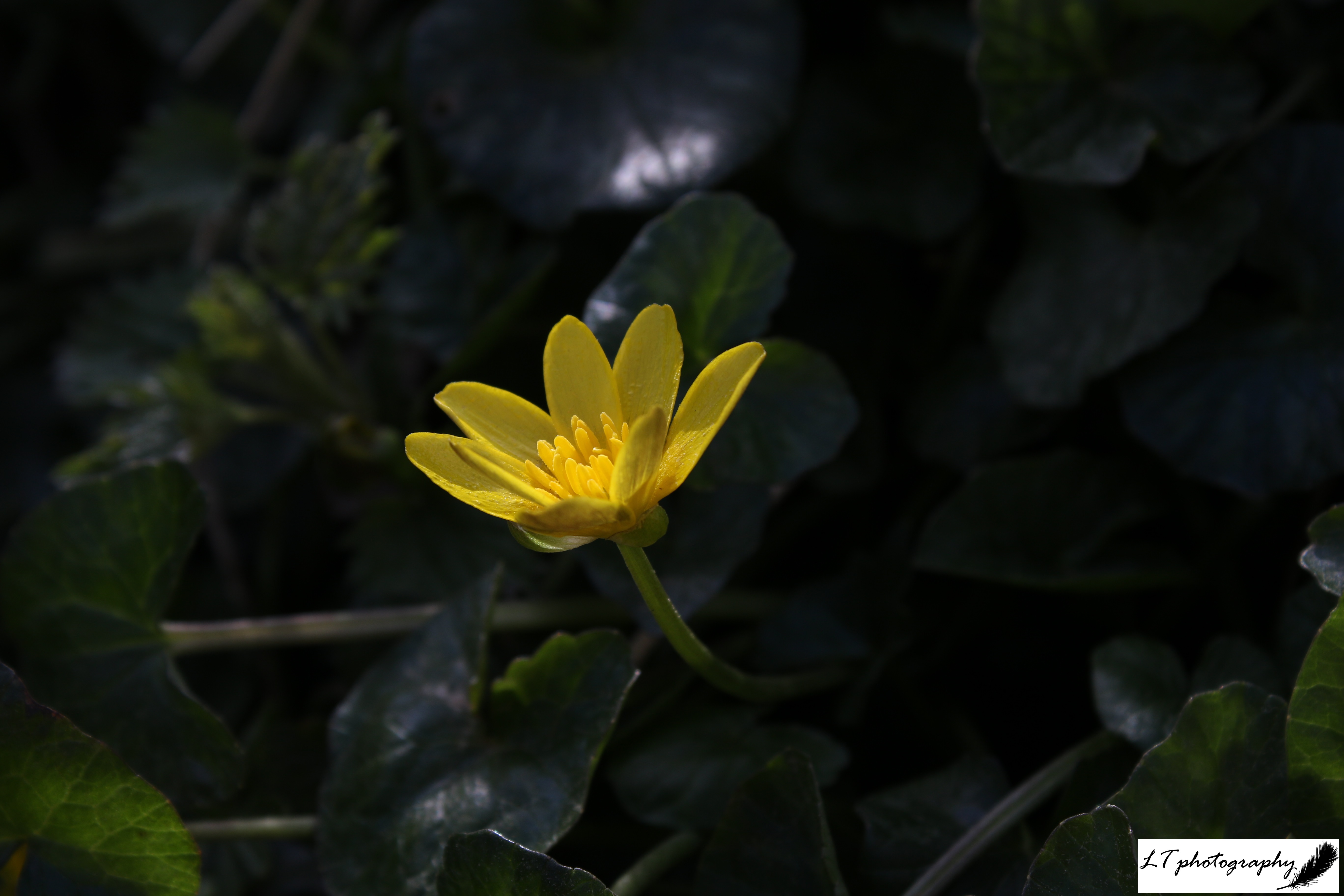
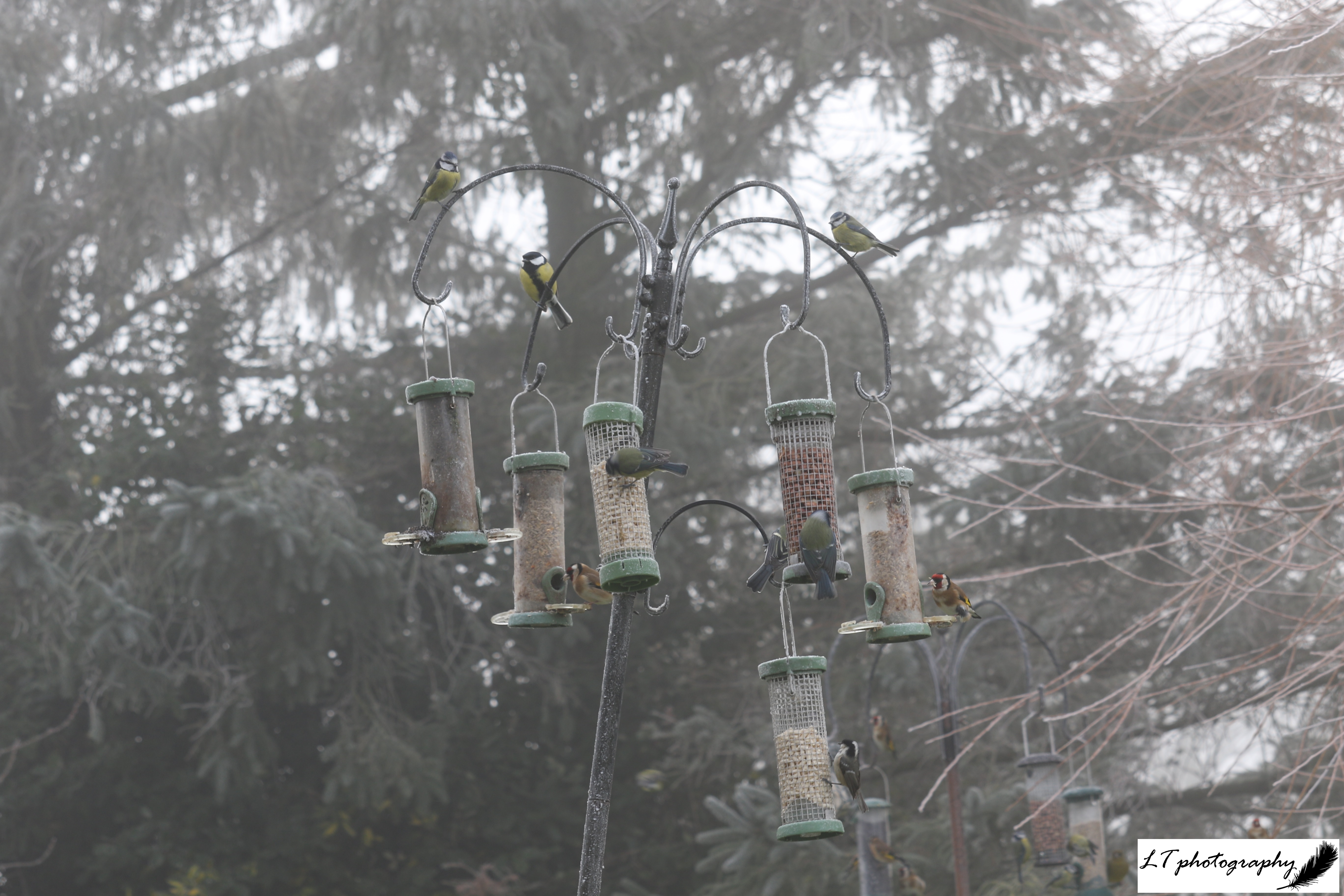
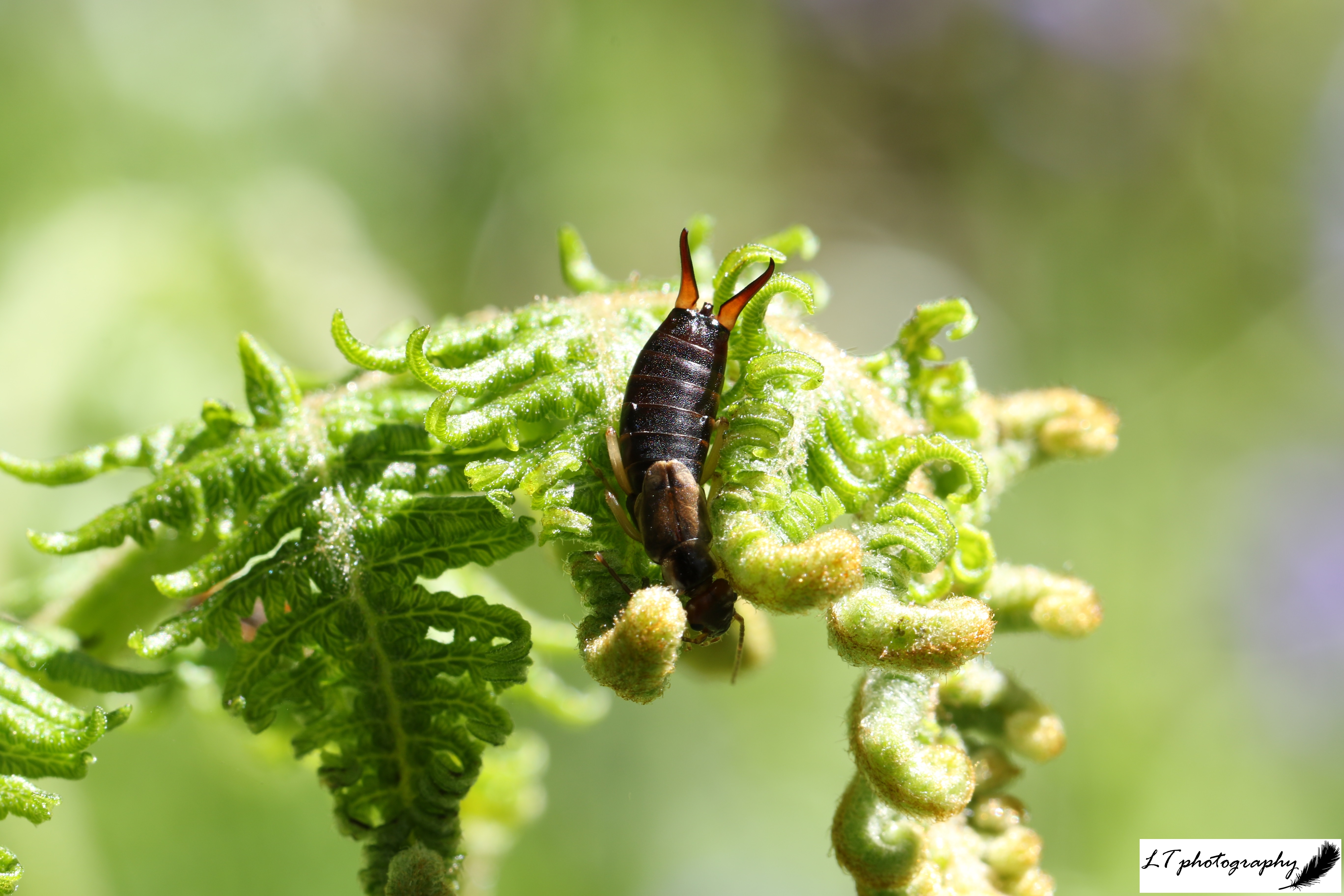
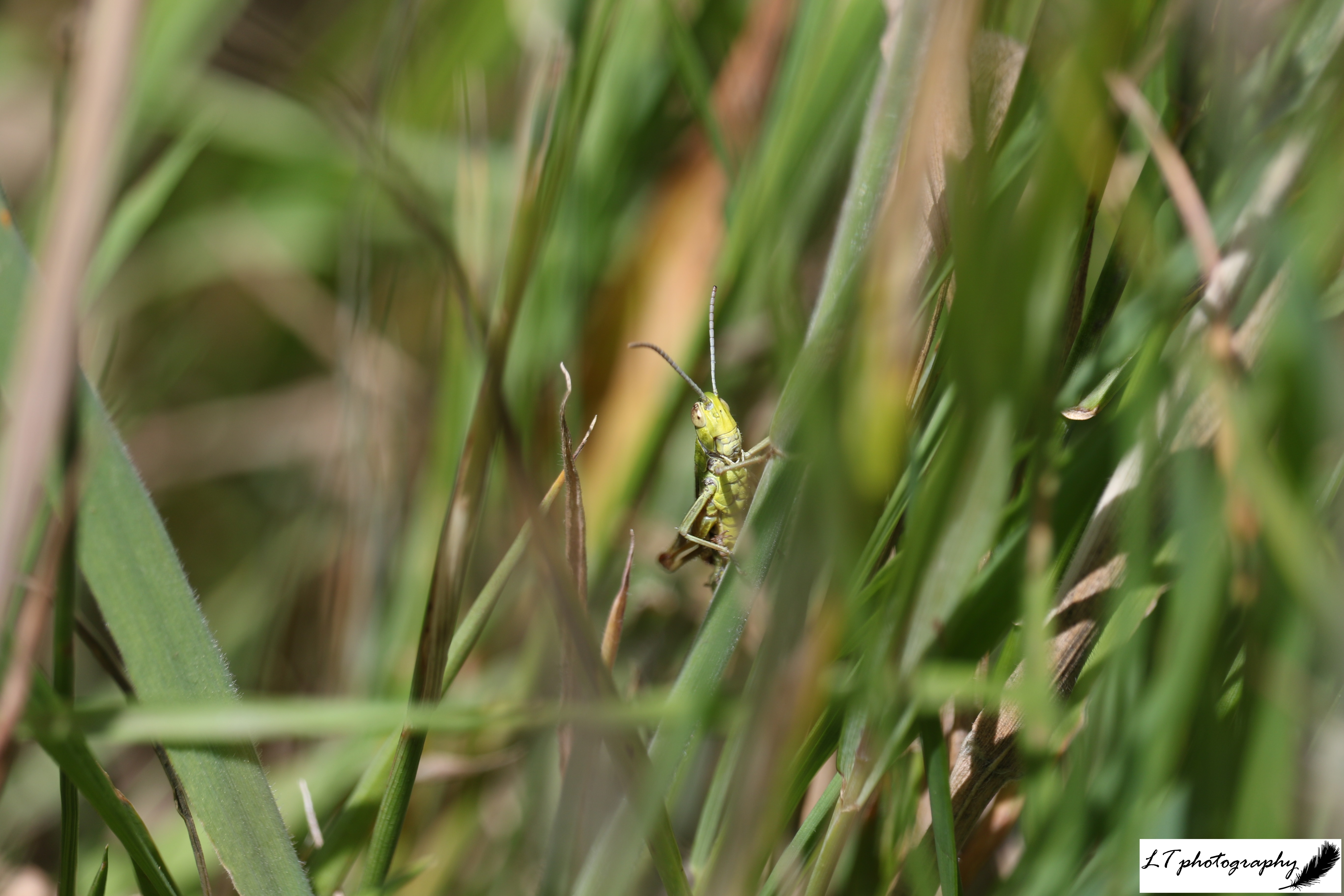
Still this year’s spring has been magnificent. Vibrant and colourful, it had much to be celebrated. My family’s farm in Dorset became full of new life, from blossoming trees and flowers, to fox cubs and leverets. Spring is unsurprisingly my favourite time of year, so this year I again made a point of getting out as much as possible to experience it, with my camera by my side. Here’s a look at some of my favourite photos from this spring, either for their aesthetic appeal, meaning to me, or overall joy factor.

Spring in Photos 2021

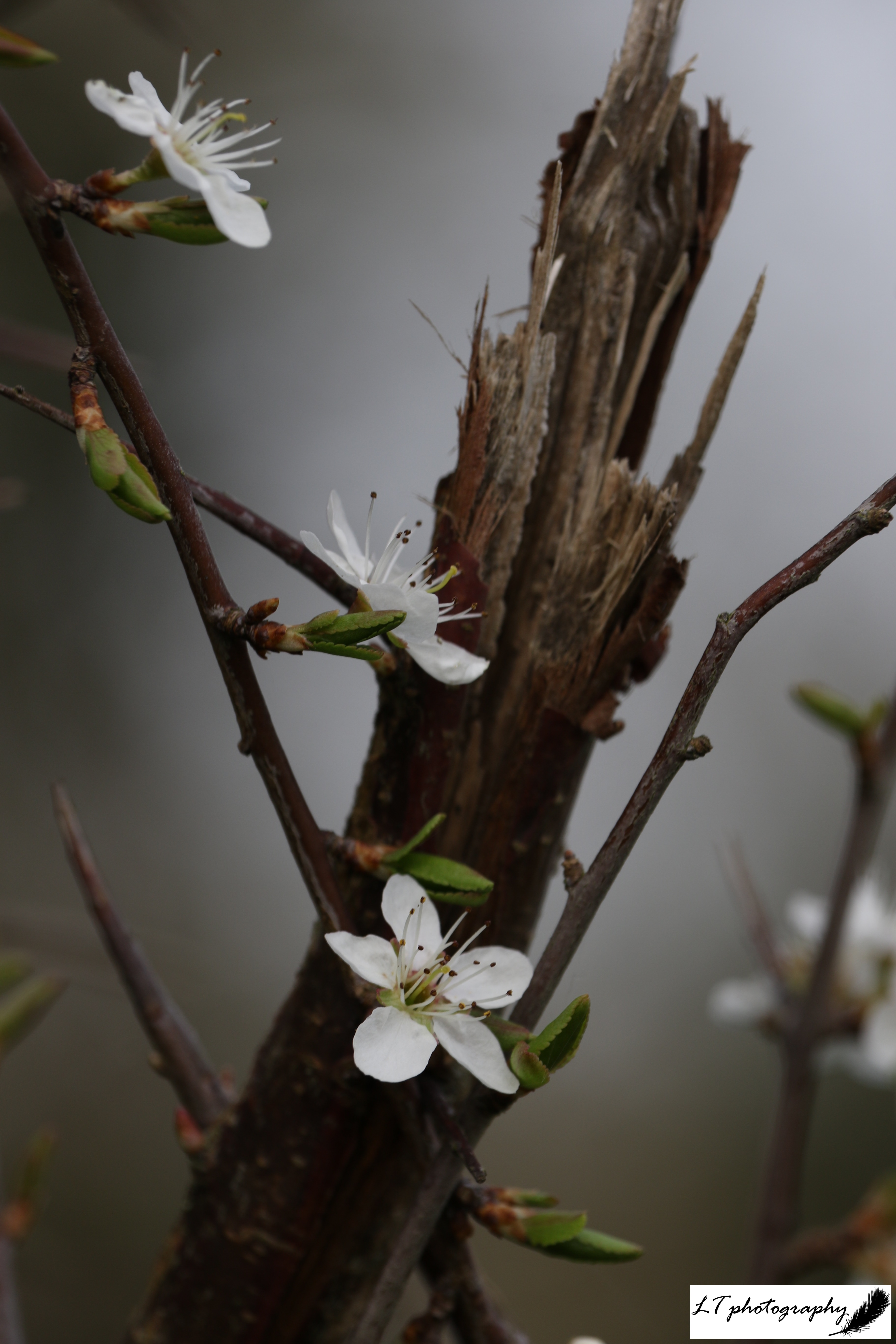
1. Blackthorn – This photo was taken at the beginning of April on a misty morning. It was a beautiful way to see delicate white blackthorn flowers in a different light, framed in front of a splintered stem.

2. Male blackbird – Blackbirds are an iconic sound of spring for me and also so many others. Their beautiful song often symbolises the beginnings of longer, lighter evenings, or for me fresh spring mornings. This male would sit in this willow tree every morning throughout spring to sing his song, defending his territory and mate. In particular, this male and his female nested in our shed, successfully fledging 5 chicks at the start of June.
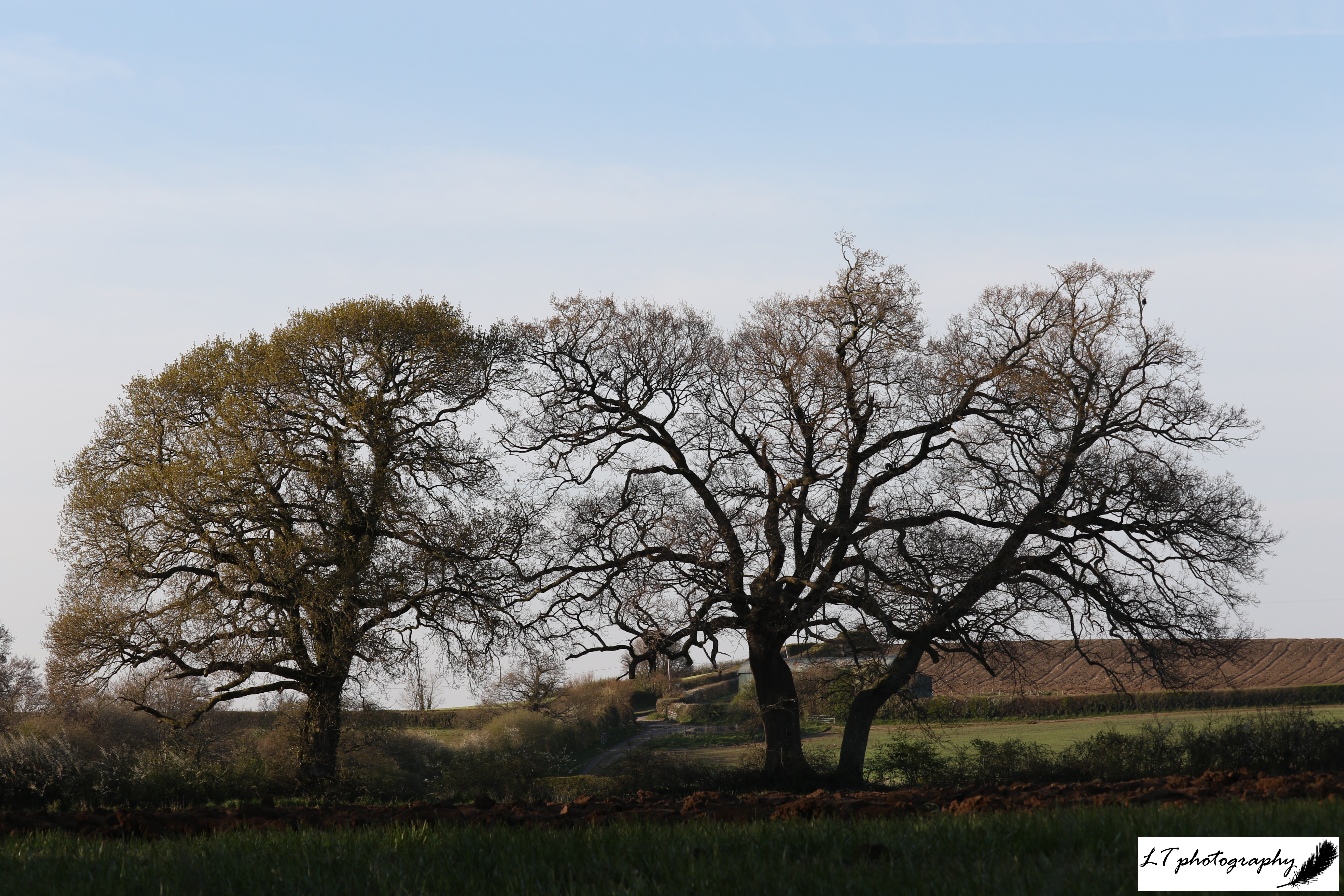
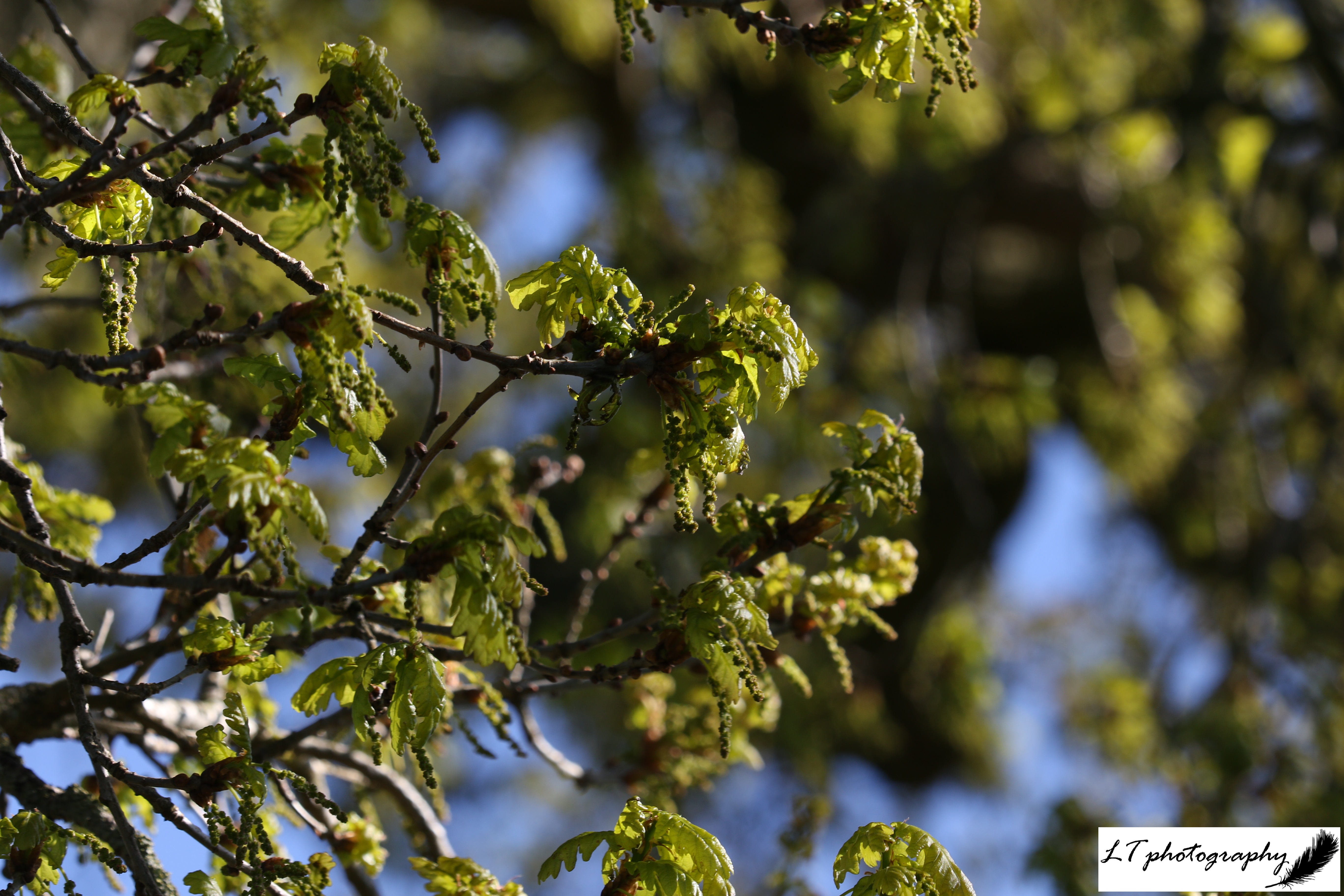
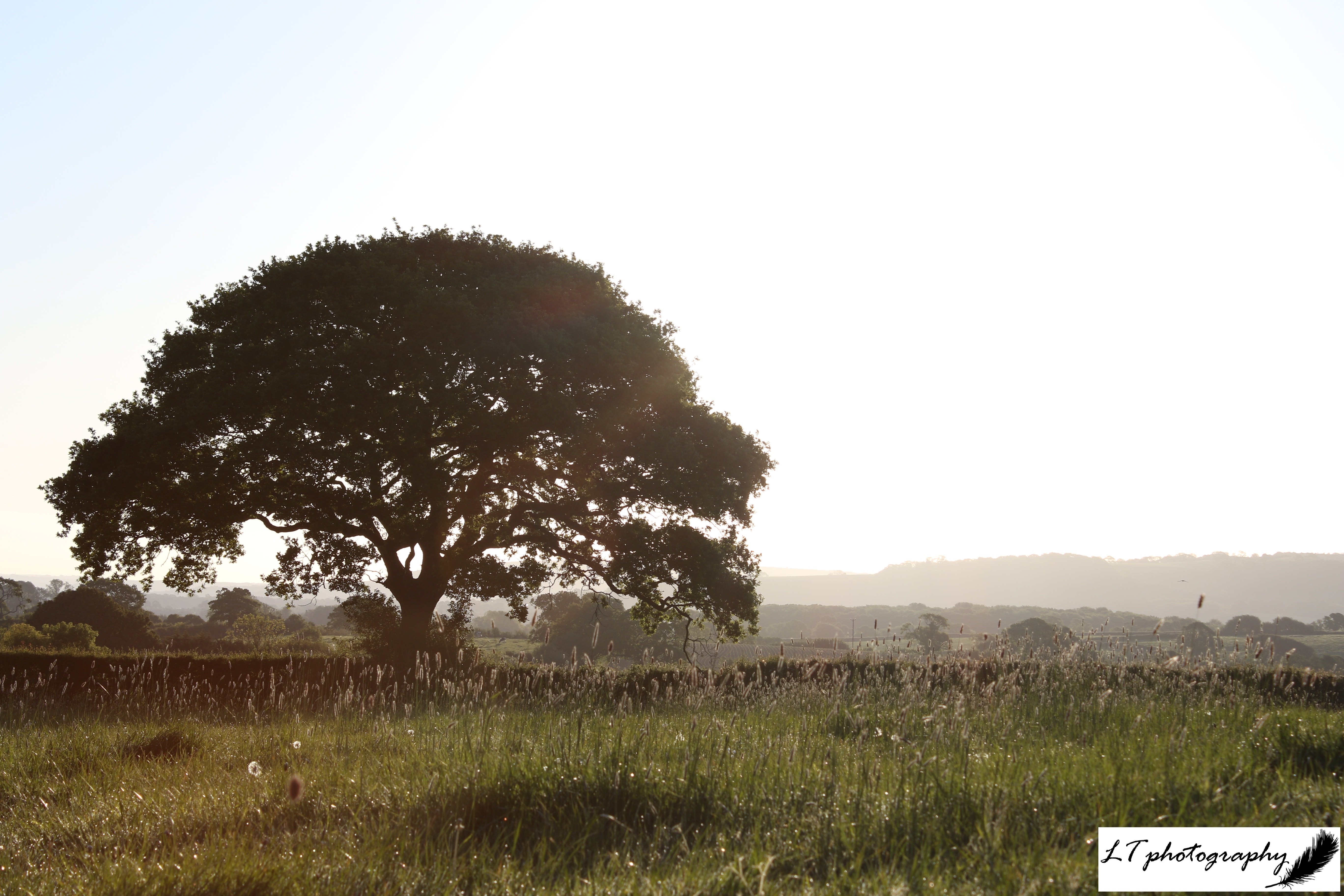
3. Oak trees of a farming landscape – What hits me first in this photo is how bare this landscape seems for late April. The oak trees have barely begun their bud burst, looking skeletal behind a farm field that is being worked. This almost autumnal scene is refreshing though, showing the new beginnings of another year in nature.

4. Camera trap fox cub – This photo is one of my favourites from this spring, symbolising a successful spring camera trapping season (blog post to come). This was one location, an abandoned badger sett, where I thought that foxes may have been breeding. My camera trap proved my feeling to be right, and treated me to an assortment of photos, day and night, of 2 very active fox cubs. Just one of multiple litters that I found on my family’s farm this year!

5. Wood anemones – Wood anemones have slowly become one of my favourite spring flowers, being one of the first to appear in woodlands across the UK. They are a great indicator of ancient woodland, and an interesting flower to photograph for their shape and colour. My memory cards are full of all sorts of different types of photos of this species!
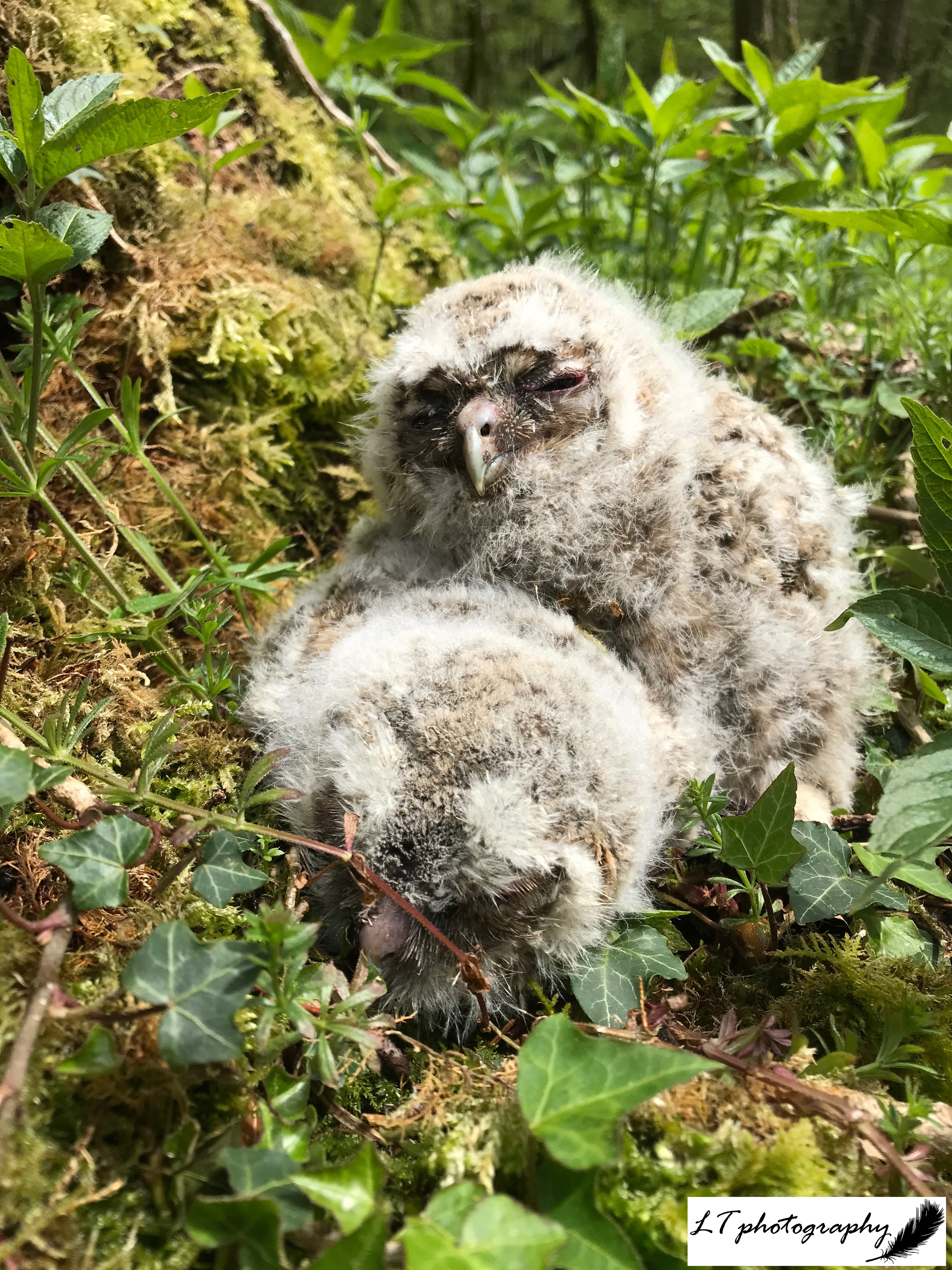
6. Tawny owl chicks – One of my highlights of spring this year has been ringing chicks under license with my bird ringing group (Conservation Action). In particular, I had a great day in early May at the Woodland Trust’s Duncliffe Woods site in North Dorset checking tawny owl nest boxes. It has been a poor year for tawny owls in general, which was reflected by Duncliffe Woods, but we did get lucky and found 3 active nest boxes. I had the pleasure of ringing these chicks, under permit, which will provide important information to help conserve tawny owls in the future.
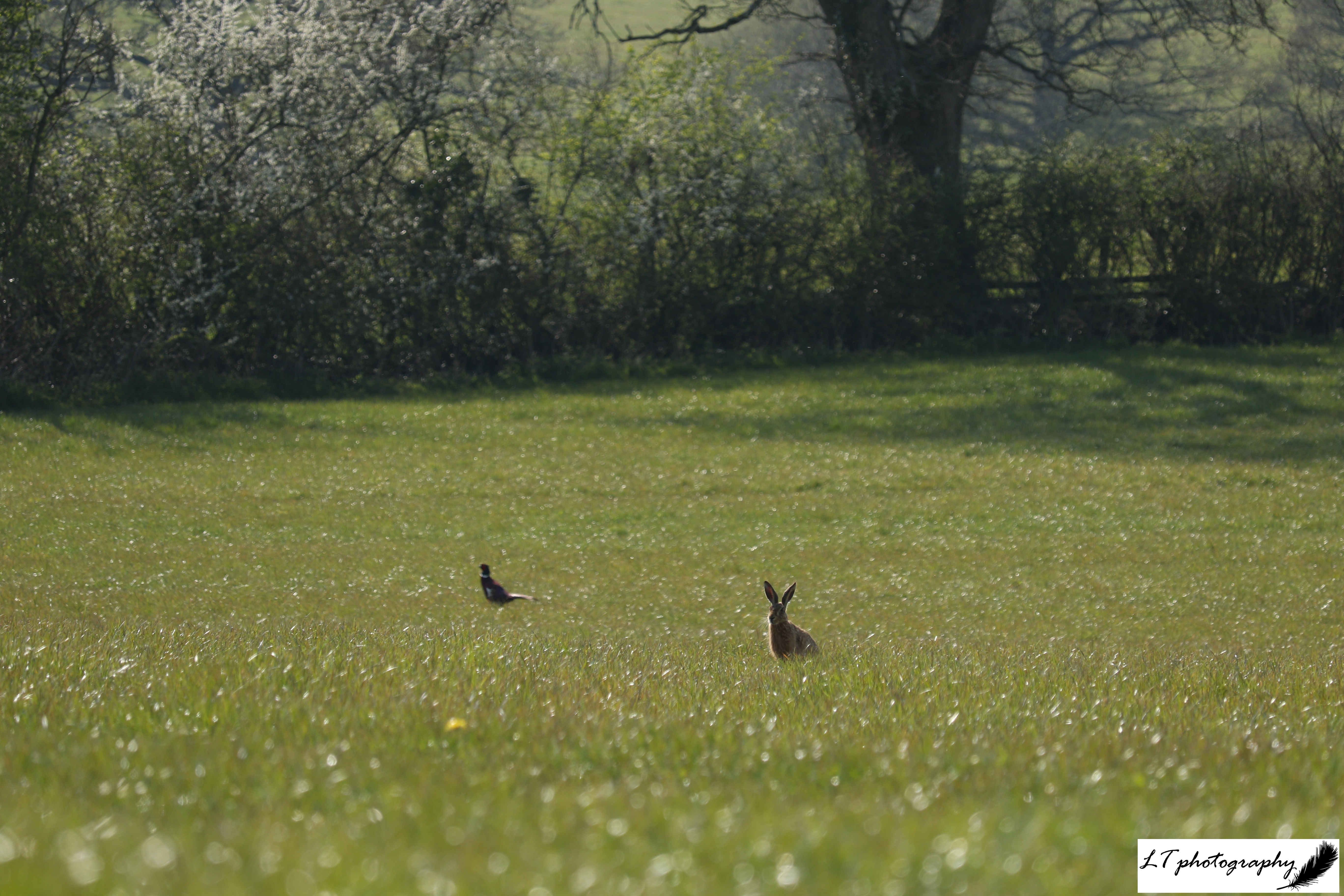
7. Brown hare – This year has been the year of the hare on my family’s farm in Dorset. We have a reputation for being a great site for this species, but this year has been truly astounding. With 1-3 hares to every field, I was humbled to spend my spring out working alongside them everyday, getting to see them up close and experience their behaviour firsthand. Truly magical!
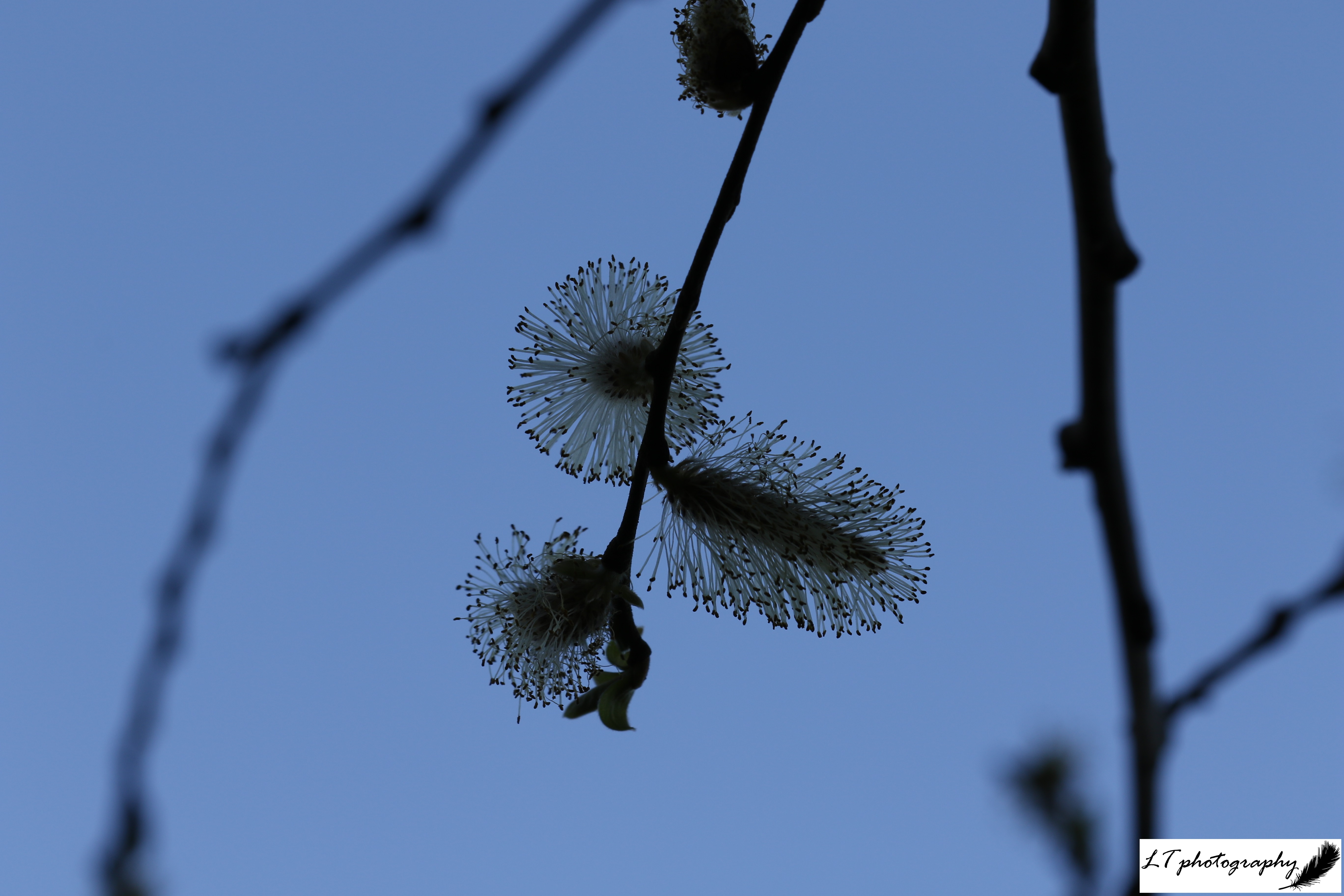
8. Pussy willow flowers – Willow flowers have been a difficult subject for me to photograph this year, with poor results. I was pleased though to find this refreshing photo on my memory card, of willow flowers stood out against a clear blue evening sky. They are beautiful in their own right.
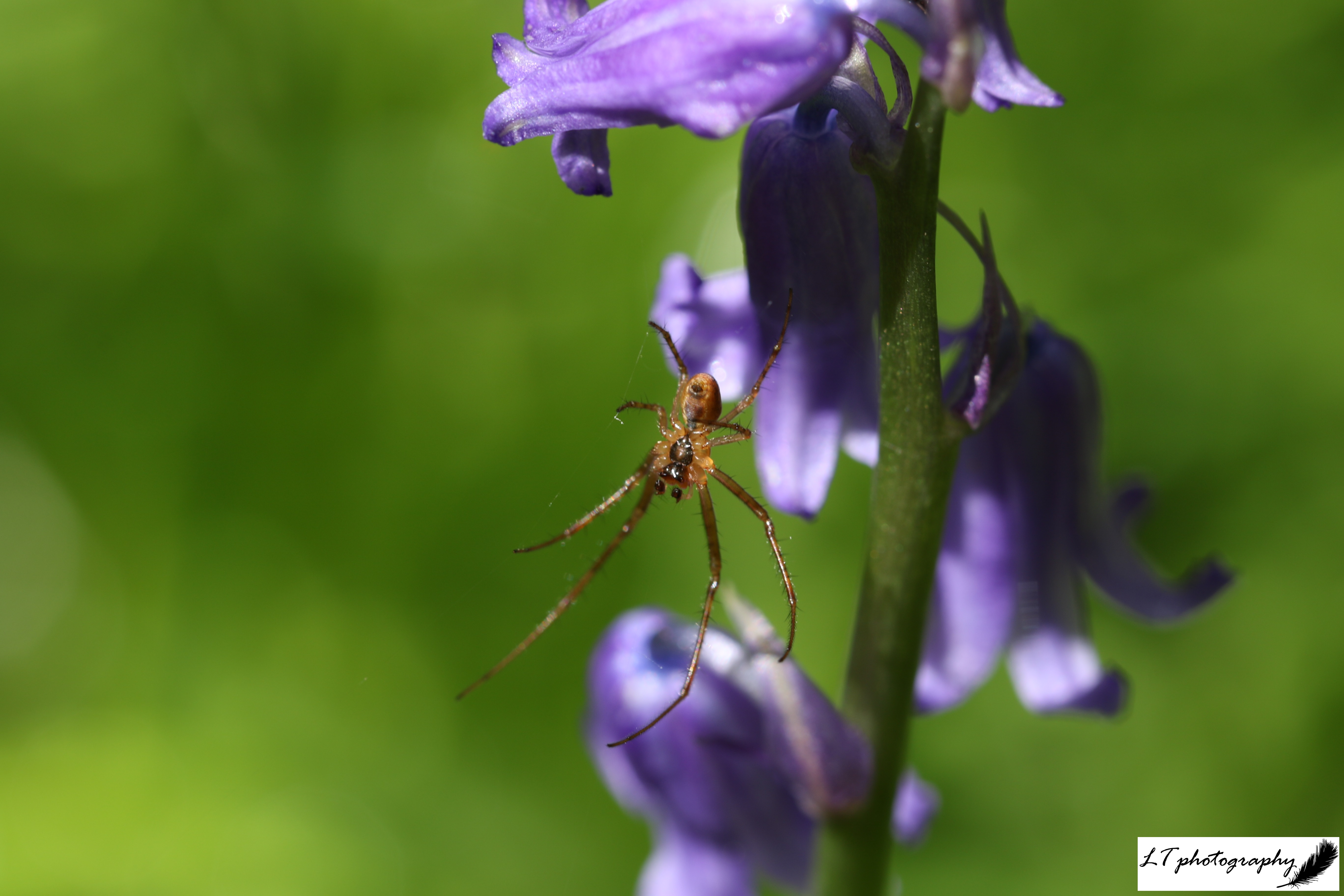
9. Spider in macro – This photo that is not photographically ‘perfect’ is still a favourite of mine from this spring for other reasons. As I invest in my camera equipment, my latest edition has been my first professional macro lens. So this photo was the first photo I even took with my new lens, and it fills me with joy to see the new world I can now start to explore.

10. Grey wagtail – Last year my Dad began digging a pond in his field that he is currently wilding. Though he was rained off in the autumn before completion, the half-dug pond is already attracting a wealth of species from birds to insects. Majestic grey wagtails that have begun populating this area over the winter have also found the pond this spring.
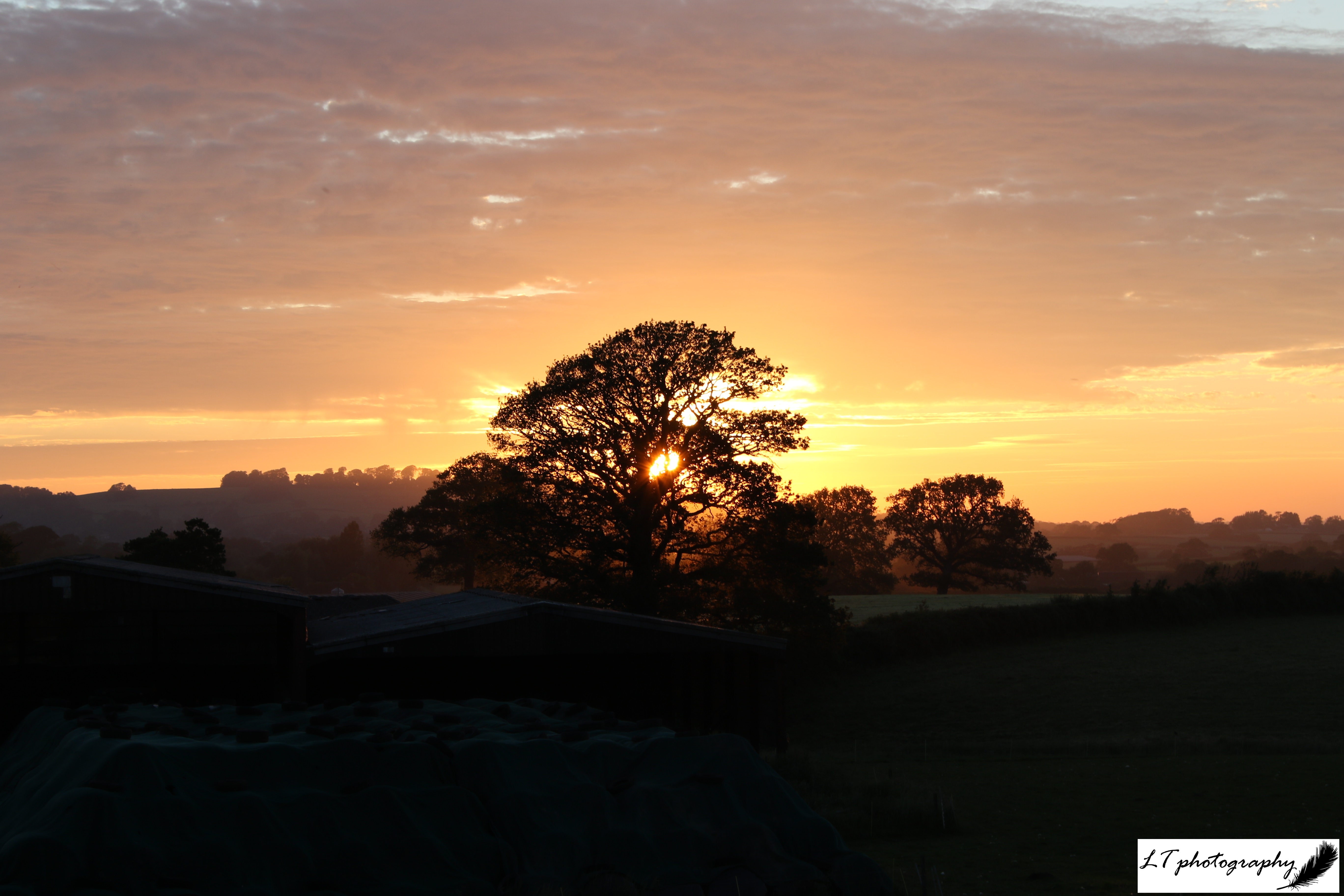
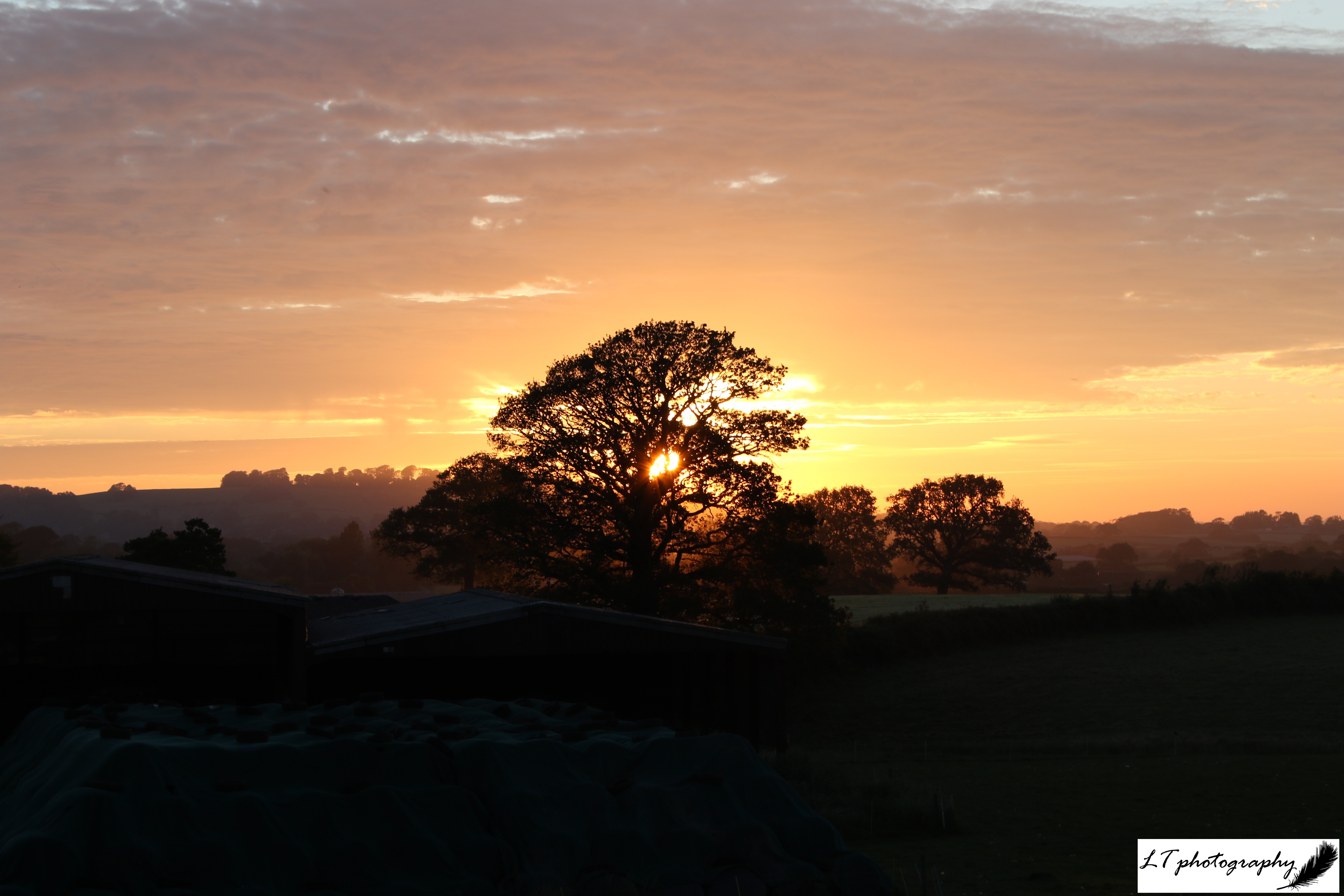
11. Sunset – Though sunrises are magical, sunsets have always been my most favourite time of the day. This is because many of my happiest memories can be linked to beautiful and vibrant sunsets from field research in Canada to evenings at home on my family’s farm. I have seen so many incredible sunsets already so far, but I hope to see many more in the future.
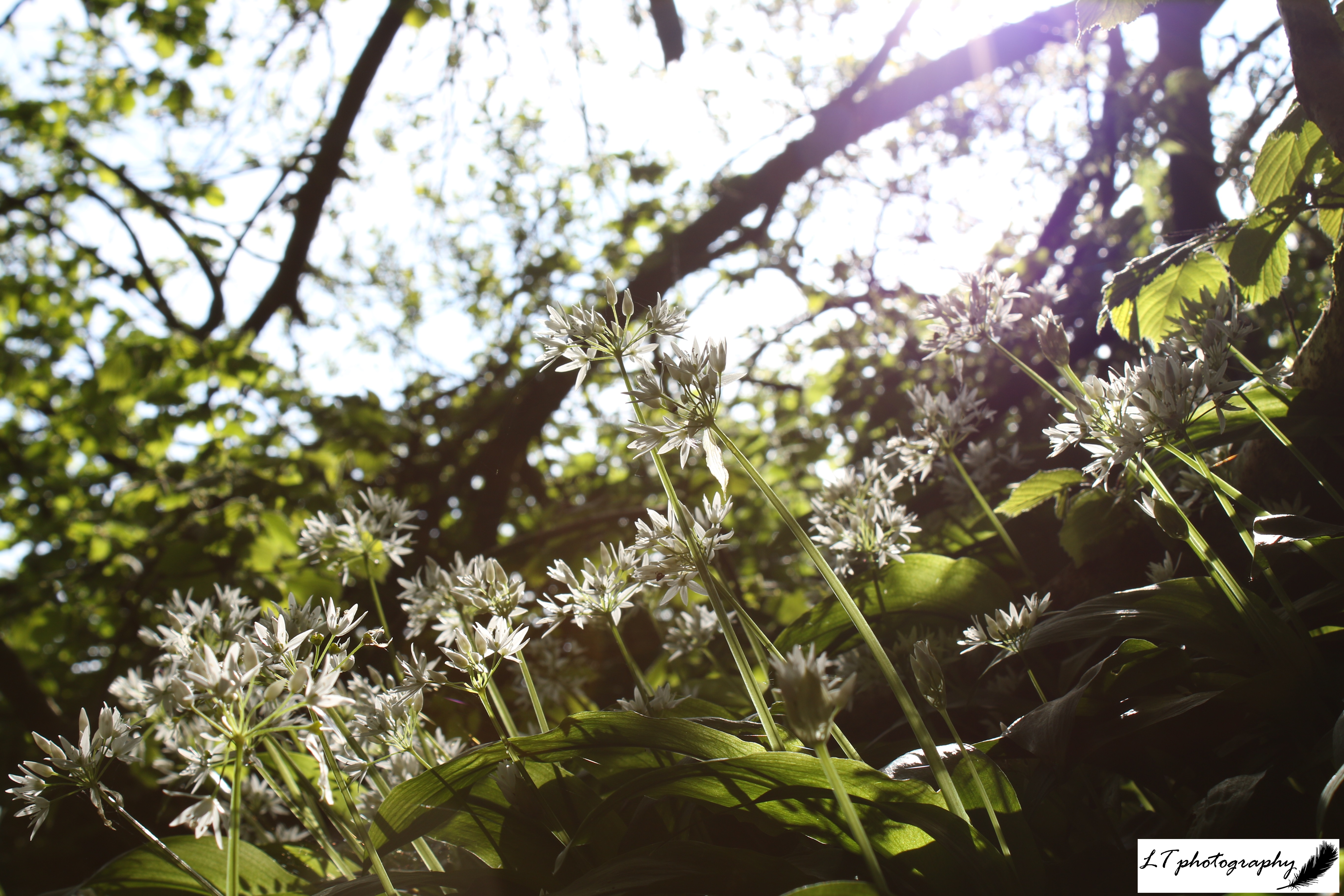
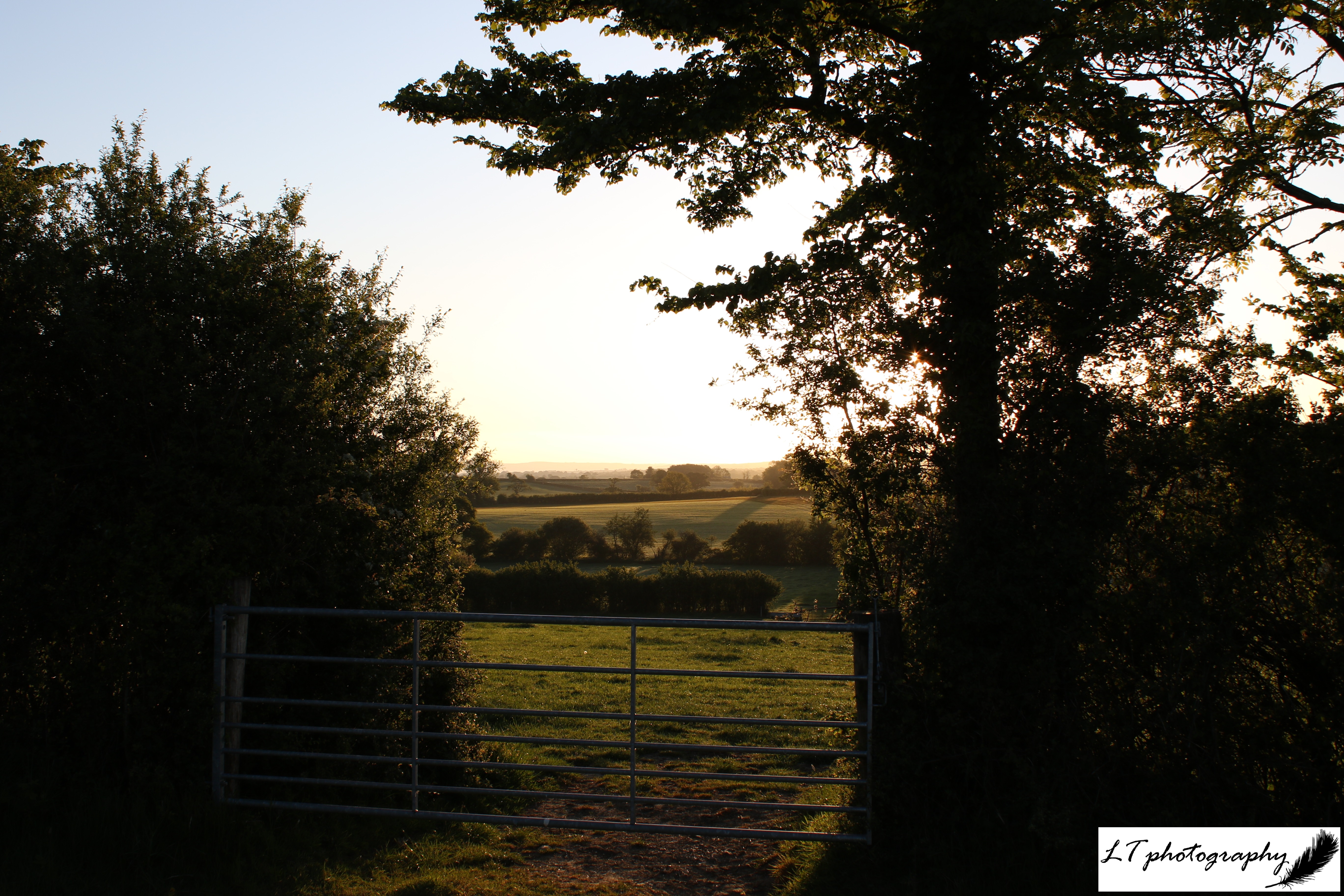
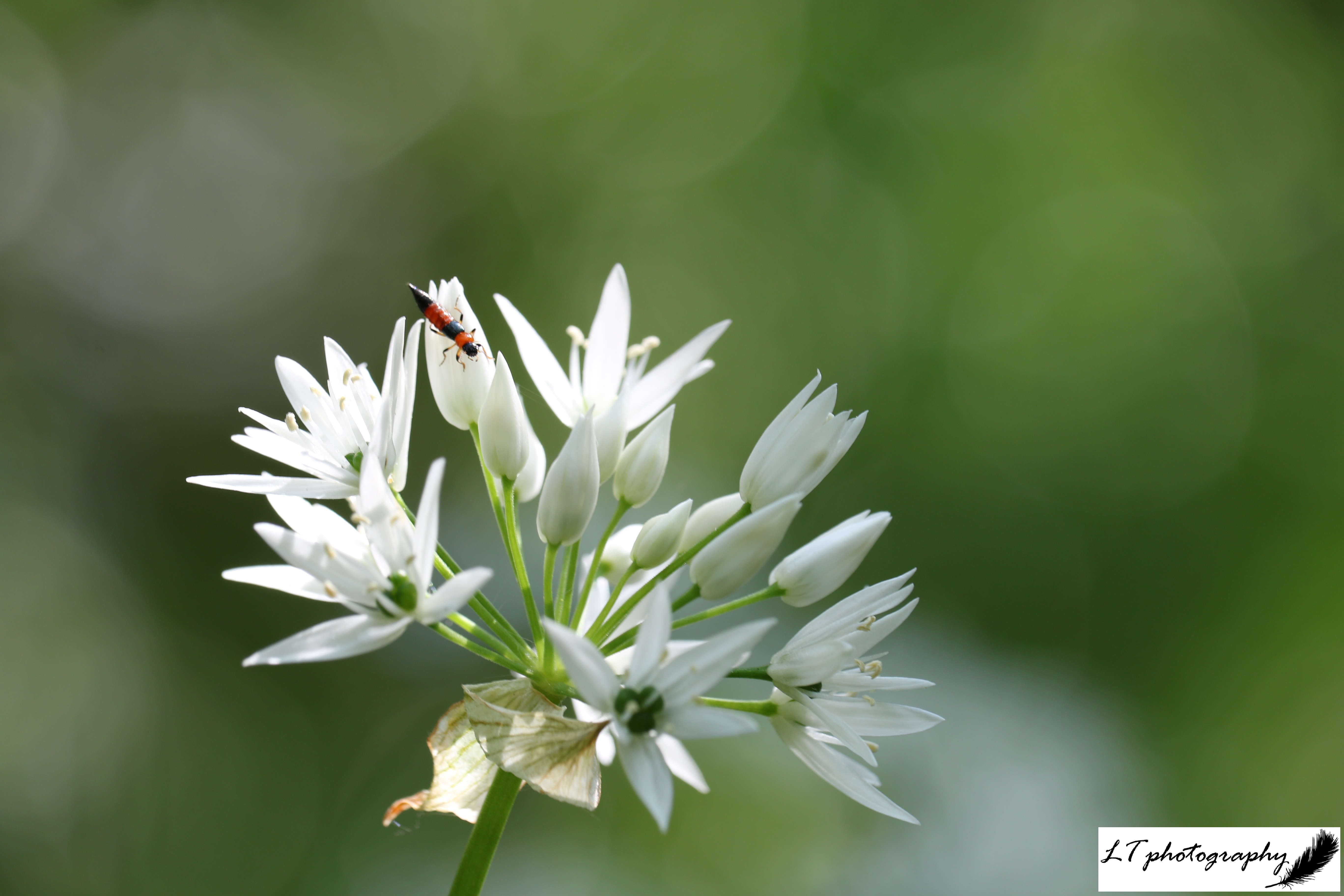
12. Wild garlic – Though my busy spring dissuaded me from mornings waking up before the sunrise, I did spend a couple of glorious mornings waking up and getting out an hour or so after instead. The light is glorious at this time of day and always provides me with inspiration for my photos and life in general. This photo represents this magical time of day and the joys of spring flowers, wild garlic being an iconic example.
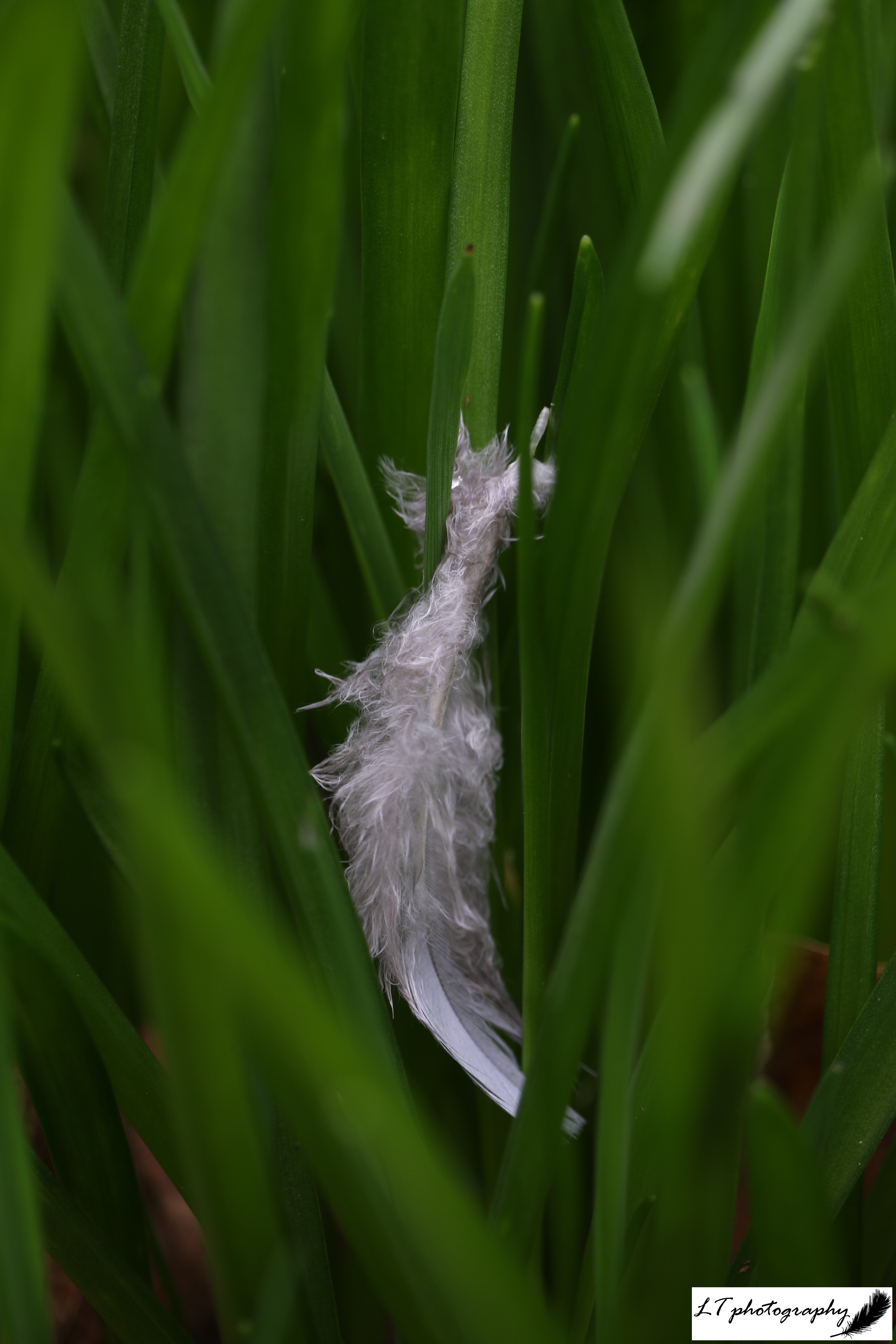
13. Feather in the bluebells – Wait, a feather again? Well feathers always sneak into my many files of photos, being a symbol of mine and representing my love of feathered species. They can also tell us useful information about what is living in a habitat, for example this feather is most likely from a collared dove.

14. Aberdeen angus calf – This photo is one of my favourite photos of one of my mum’s beef suckler calves. Spring is a time of new life in nature and on the farm, with my mum’s small free range beef herd giving birth at this time. This year they have weathered it through some turbulent months, but now are enjoying a bit of sunshine on their backs.

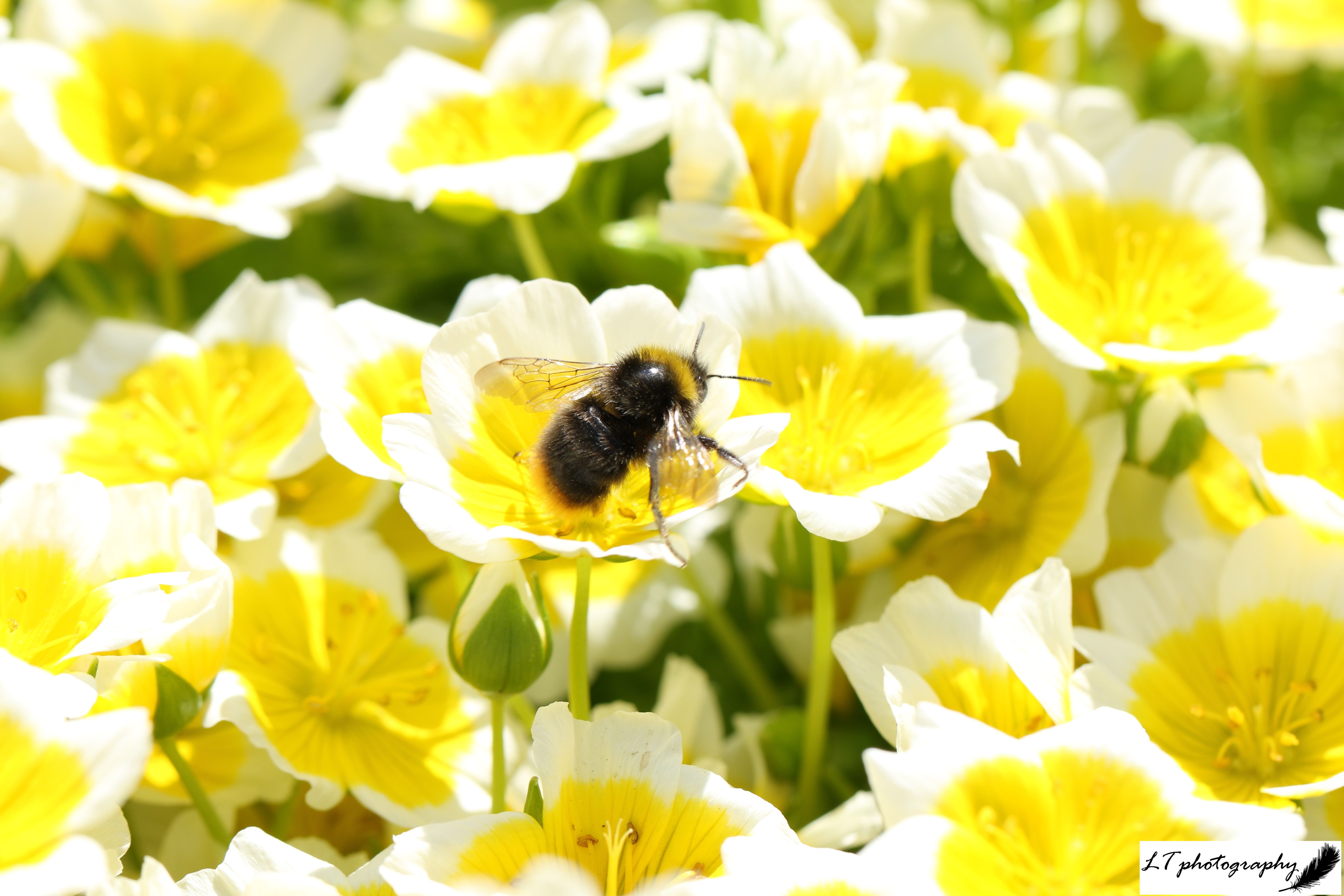
15. Honey bee – As I was intending to buy a macro lens this year, I made sure to time my purchase to be able to use it on the flowering of the poached egg plants in my family’s garden. It arrived well in advance, and, despite some rained off days, I got to spend some happy lunchtimes in the sunshine photographing bees on these flowers. This is one of my favourite macro photos of the flowers this year.

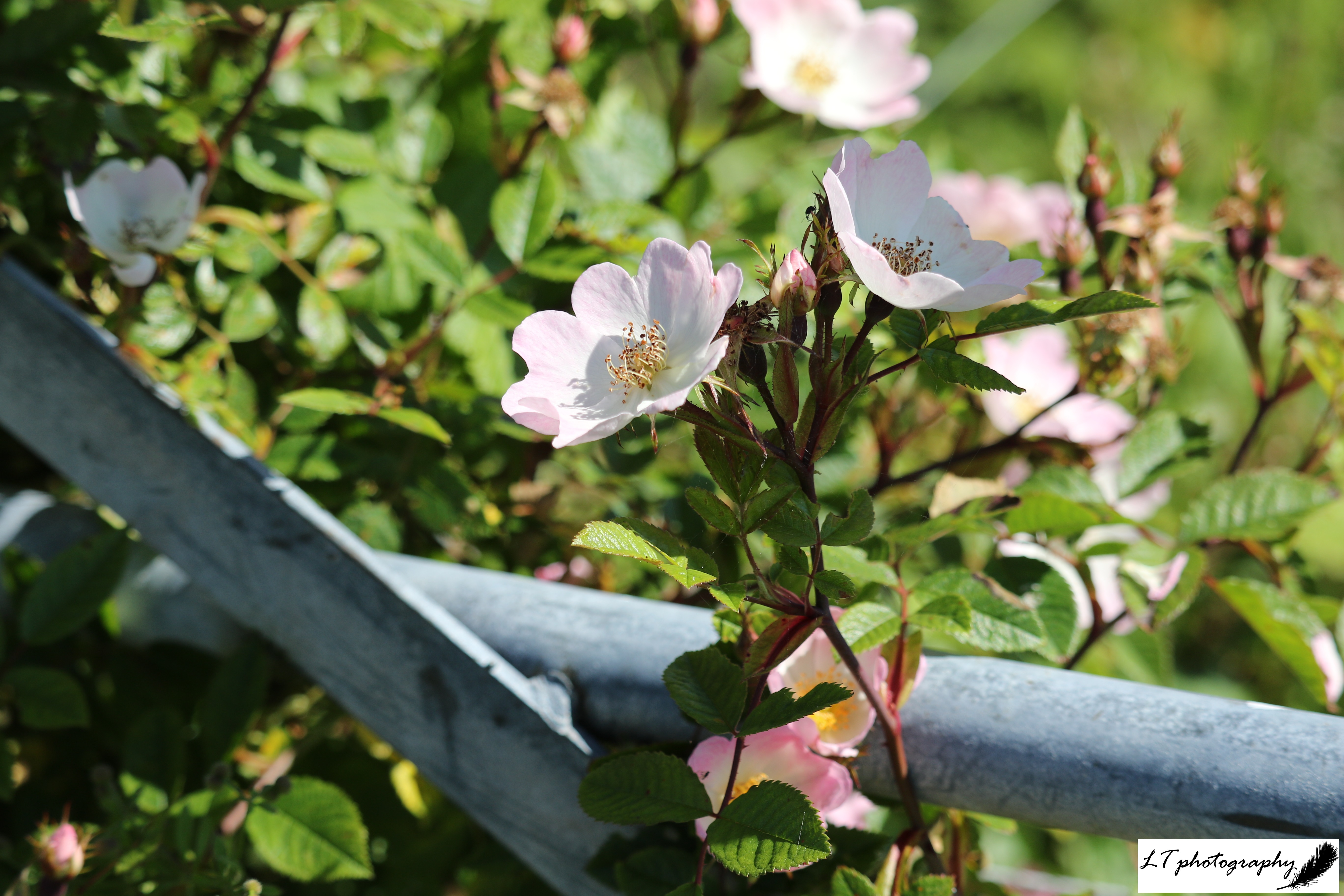
16. Dog roses – Dog roses were the last event of spring that I looked out for this year, and it kept me waiting! They were 22 days later for me than last year, with the first flowers blooming on the 8th June. They came out in force though, covering hedges within the space of a couple of days, adding some more colour to our hedgerows. With their lateness though, I feel like they also marked the end of spring this year.

Spring 2021: How It Happened

This spring has been an unexpected, unpredictable and turbulent season, that has taken its time to unfurl. Traditionally spring is a season that is characterised as calm and dry, with days getting longer and warmer, and the potential for cooler nights. As lighter evenings returned this year though, spring was far from traditional, with a stormy then hot March, cold and frosty April, and a wash out of a May.

Since 2017, I have recorded the dates of the events of spring every year, and with the start of my blog, every year since I have analysed and compared spring events to see how the season took form. Last year I showed that the timing of spring events is heavily linked to spring weather, resulting in either earlier or later occurrence accordingly. Over the last couple of years this has varied alot, so it will be interesting to see what has gone on this year.

This spring a lot has been going on for me, but I have still found time to be out in nature as much as possible and to enjoy the time when one season slips into another. It has felt that spring has dragged on longer this year, with the potential effects of spring starting warm and progressing to cold, then wet. So as this spring comes to a gradual close and the heat sets in, it is time to find out what actually went on during spring 2021.

Trees

This year there was a general trend for trees being later in their bud burst, leaves unfurling, and flowering compared to 2020. Even before the frosty nights of April, silver birch (Betula pendula) buds burst 14 days later on 26th March, Norway maple (Acer platanoides) first flowered 5 days later on 26th March, and beech (Fagus sylvatica) buds burst 14 days later on 27th March.

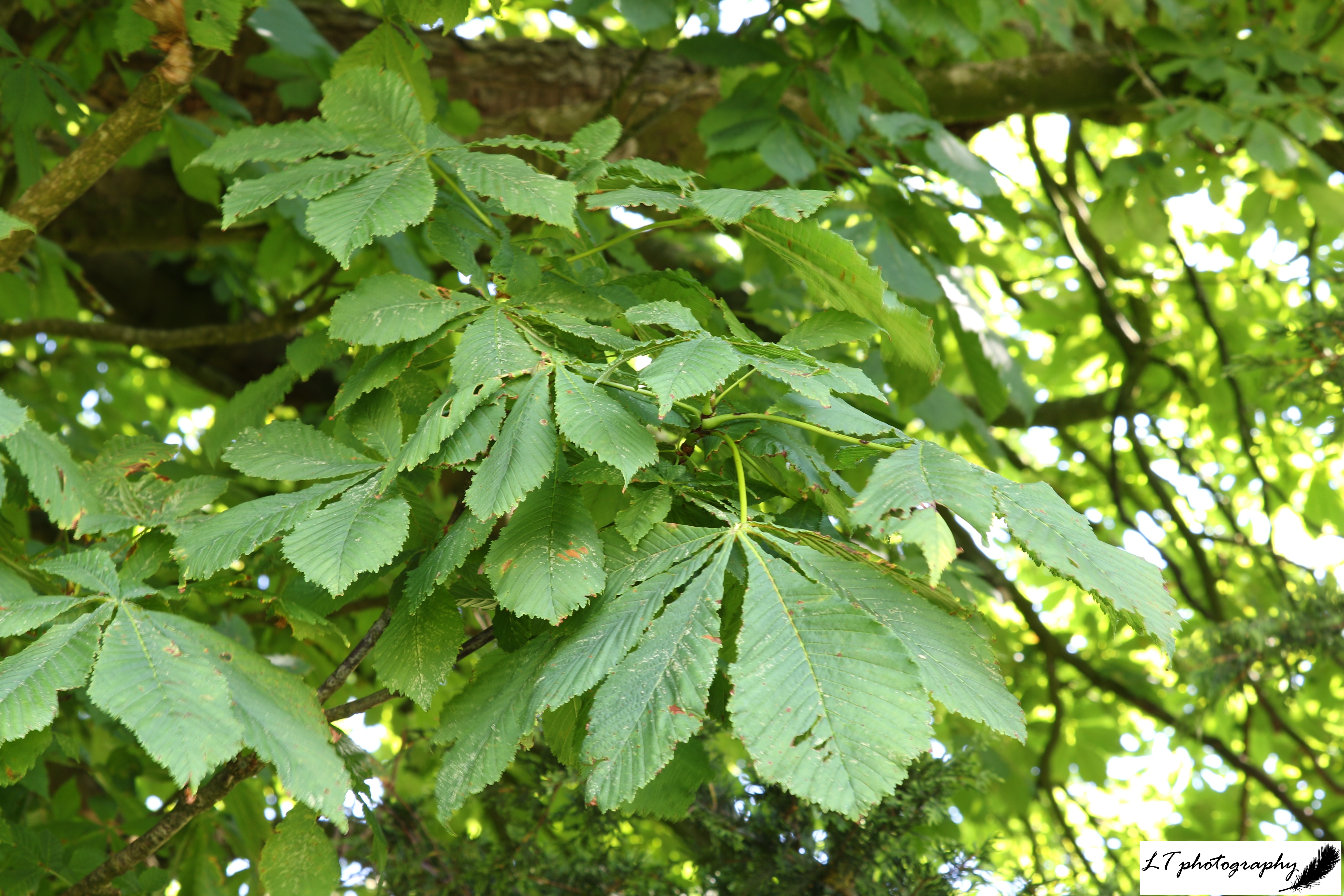
As we moved through April and into May, spring events began to stretch even further in their lateness. For example, wild cherry (Prunus avium) buds burst 35 days later on 8th April, horse chestnut (Aesculus hippocastanum) first flowered 18 days later on 20th April, alder (Alnus glutinosa) buds burst 15 days later on 21st April, the first lime (Tilia x europaea) leaves unfurled 23 days later on 26th April, pedunculate/english oak (Quercus robur) leaves first unfurled 31 days later on 5th May, and ash (Fraxinus excelsior) flowered 37 days later on 9th May.

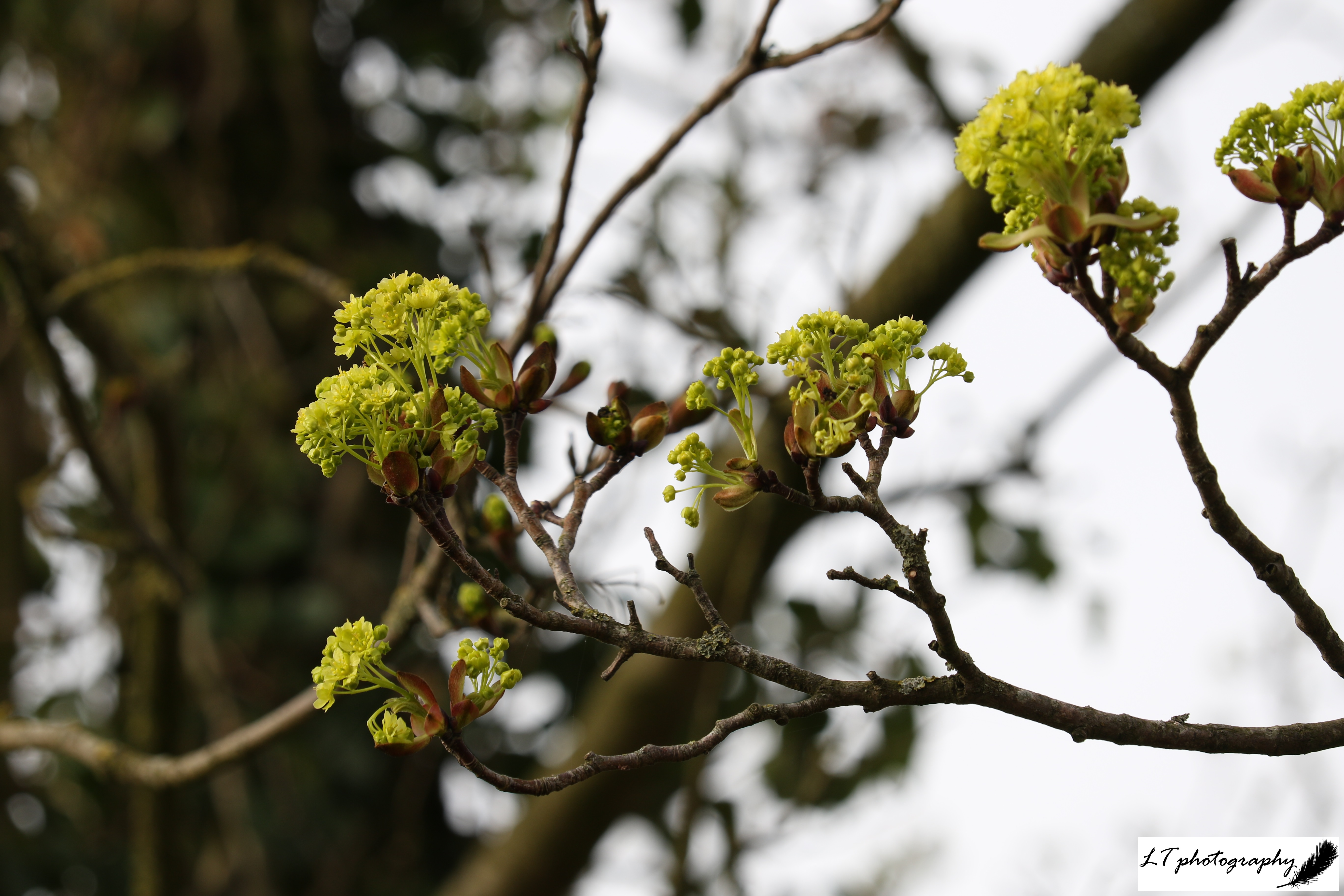
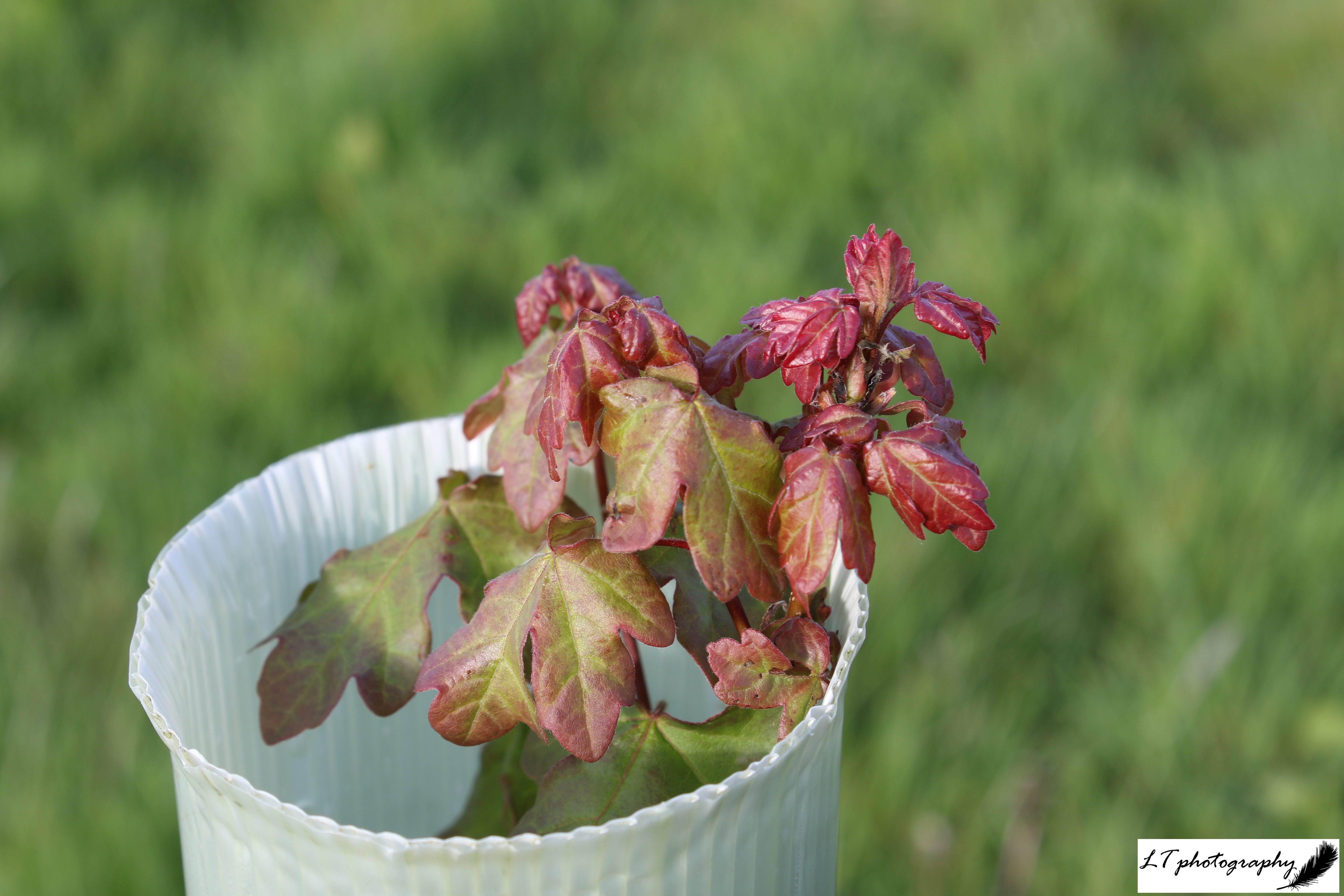
Field maple (Acer campestre) did not follow this trend though, with bud burst being 10 days earlier on 26th March, and first leaves unfurling 5 days earlier on 1st April. This may be as these trees missed the worst of the spring weather, but for the other trees spring events ranged from being 1 to 37 days late!

Shrubs

For a lot of the shrub species I monitored a similar trend was shown as with tree species, being later compared to 2020. For example, elder (Sambucus nigra) leaves first unfurled 34 days later on 18th March, blackthorn (Prunus spinosa) first flowered 17 days later on 23rd March, and hawthorn (Crataegus monogyna) first flowered 23 days later on 11th May.

Though half of the shrubs I monitored were later in their spring events, ranging anywhere from 2-34 days later, two species did not completely fit this trend. For lilac (Syringa vulgaris) bud burst occurred 12 days earlier on 24th February, but flowered 17 days later on 2nd May. This was the same for dog rose (Rosa canina), where buds burst 12 days earlier on 22nd February, but first flowered 22 days later on 8th June. For both of these species though, it is the spring events occurring before April that are earlier, as the ones occurring in April and May were not immune to the frosts and heavy rainfall like the other shrubs.

Flowers

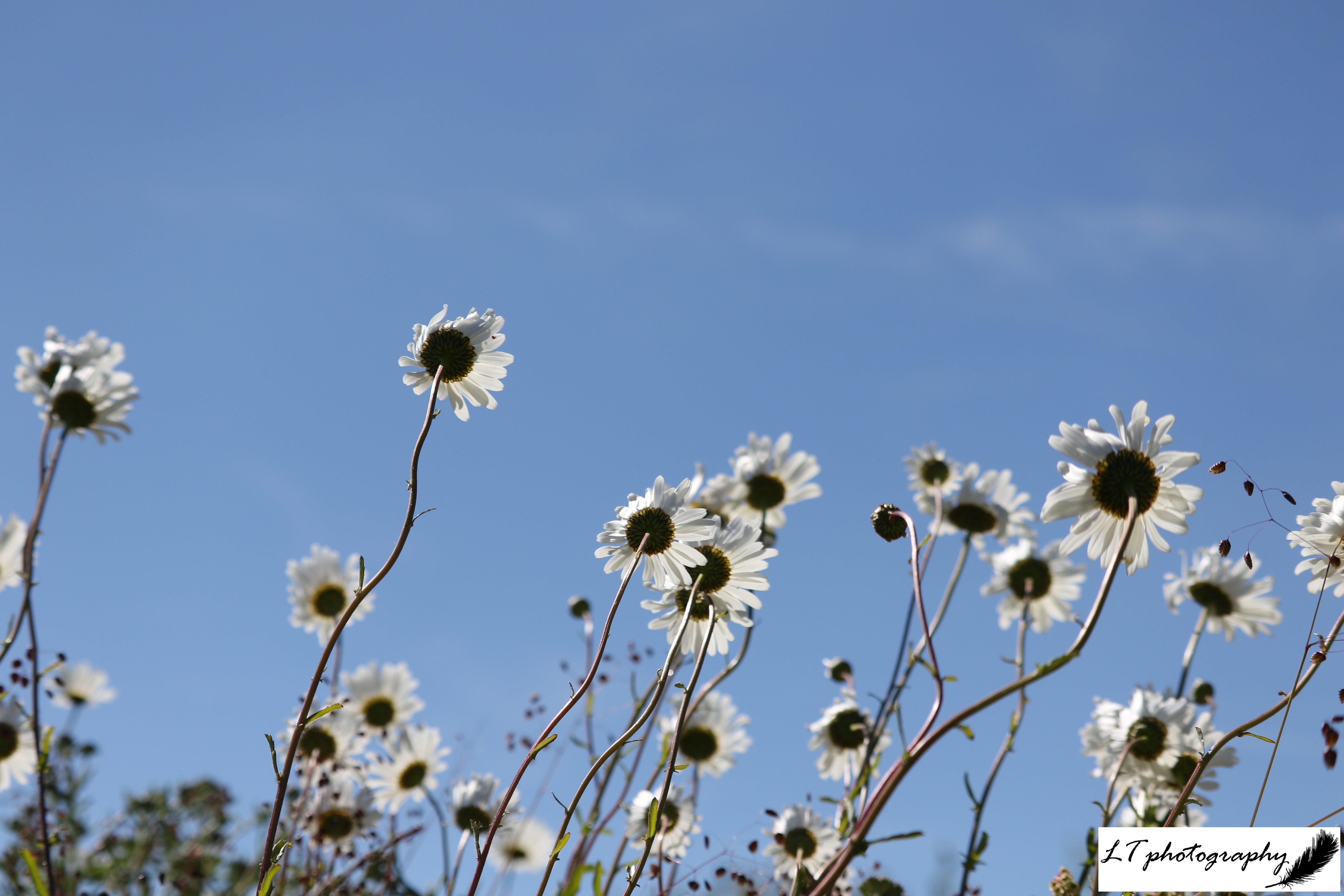
For many of our commonly associated spring flower species, there was a little more of a split between appearing earlier or later, but on average they flowered later compared to 2020. Snowdrops (Galanthus spp.) first flowered 15 days later on 18th January, wood anemones (Anemone nemorosa) 8 days later on 30th March, bluebells (Hyacinthoides non-scripta) and greater stitchwort (Stellaria holostea) both 4 days later on 1st April, cowslips (Primula veris) 12 days later on 2nd April, early purple orchid (Orchis mascula) 12 days later on 18th April, wild garlic (Allium ursinum) 14 days later on 20th April, and oxeye daisy (Leucanthemum vulgare) 16 days later on 3rd June.

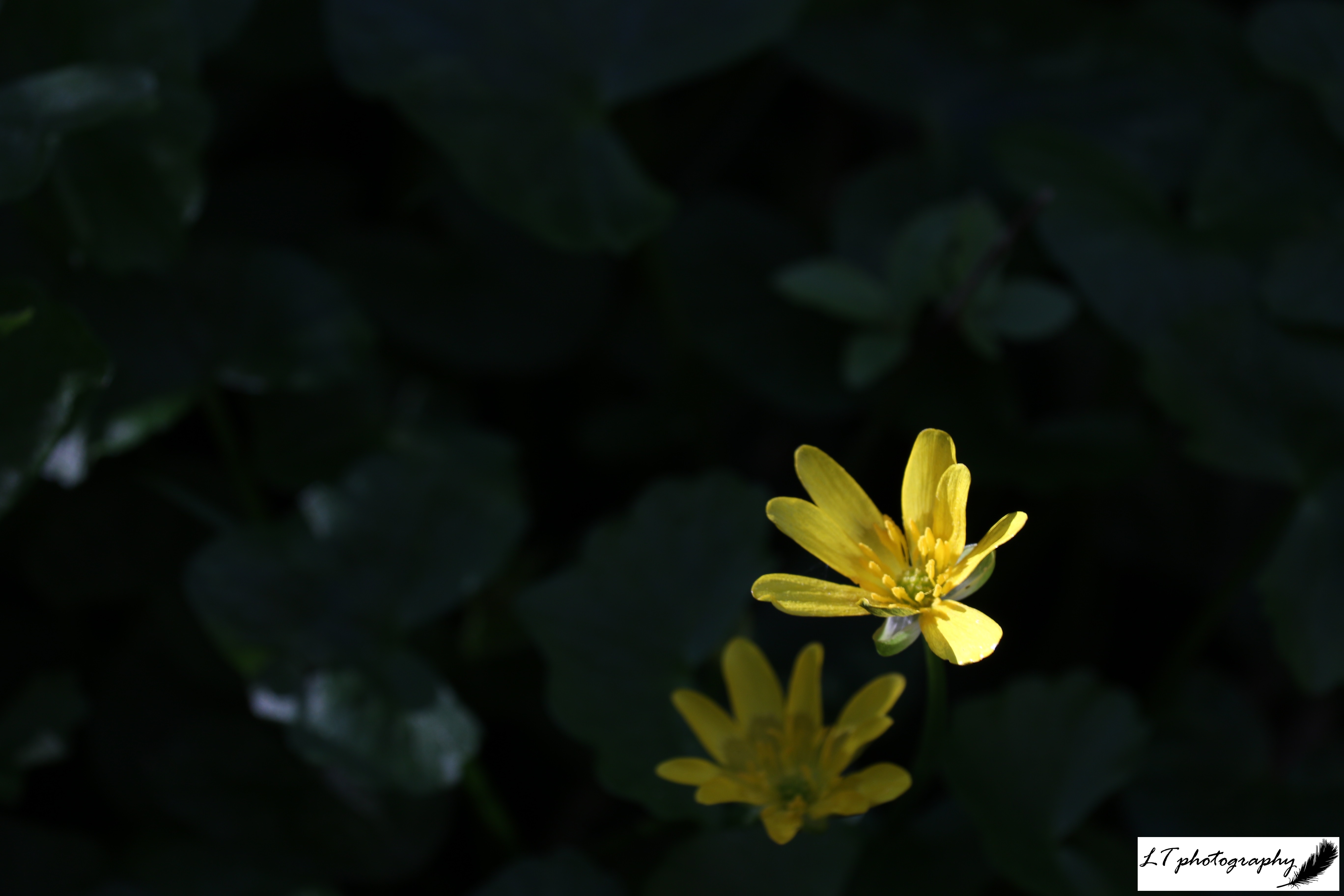
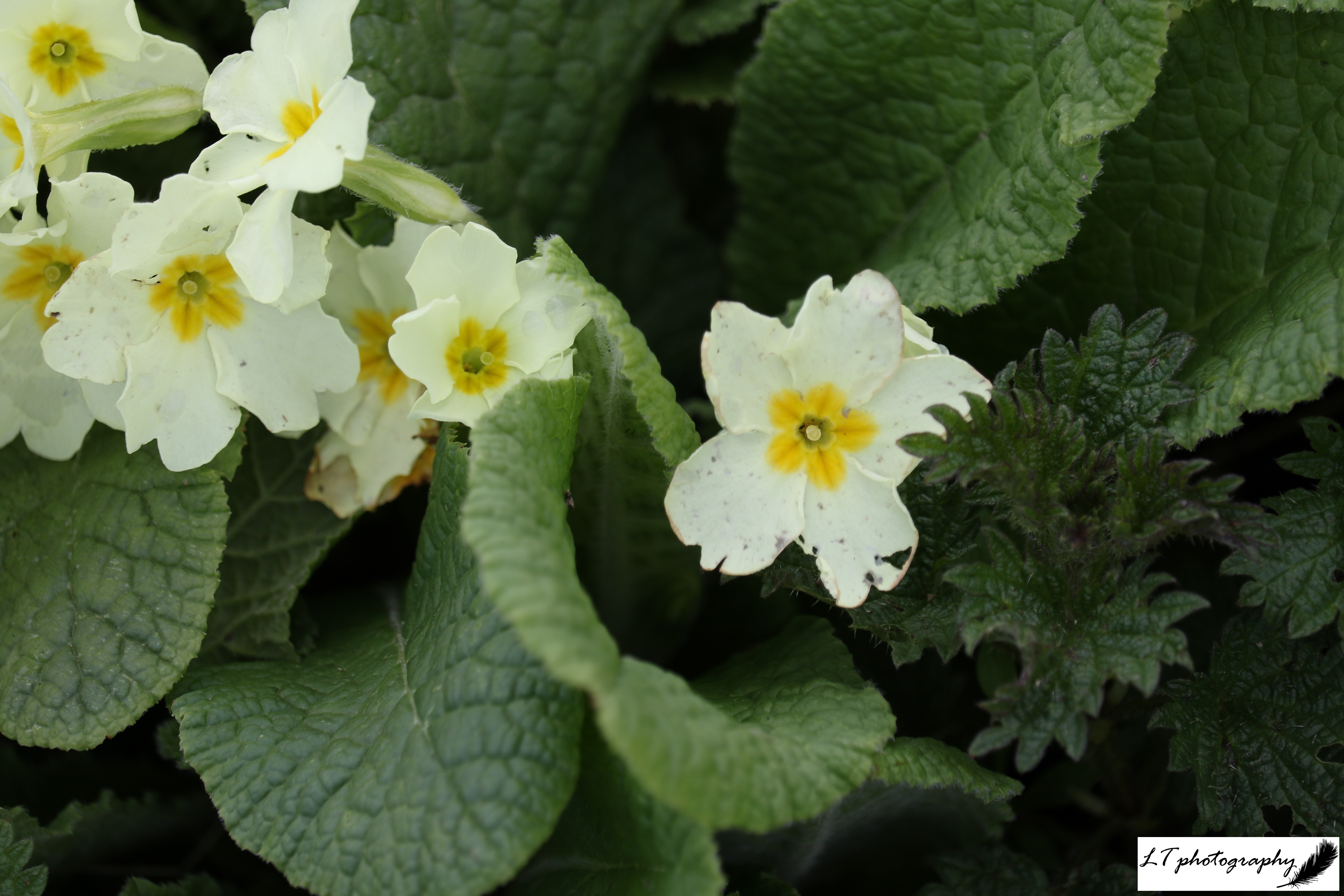
The exceptions were a section of earlier flowering species, including primrose (Primula vulgaris) first flowering 27 days earlier on 31st December, lesser celandine (Ficaria verna) 3 days earlier on 15th January, daffodil (Narcissus spp.) 22 days earlier on 19th January, and cuckooflower (Cardamine pratensis) 10 days earlier on 8th April. These flowers would have been influenced by a warmer winter and start to spring, generally flowering before the cold spell in April.

Birds

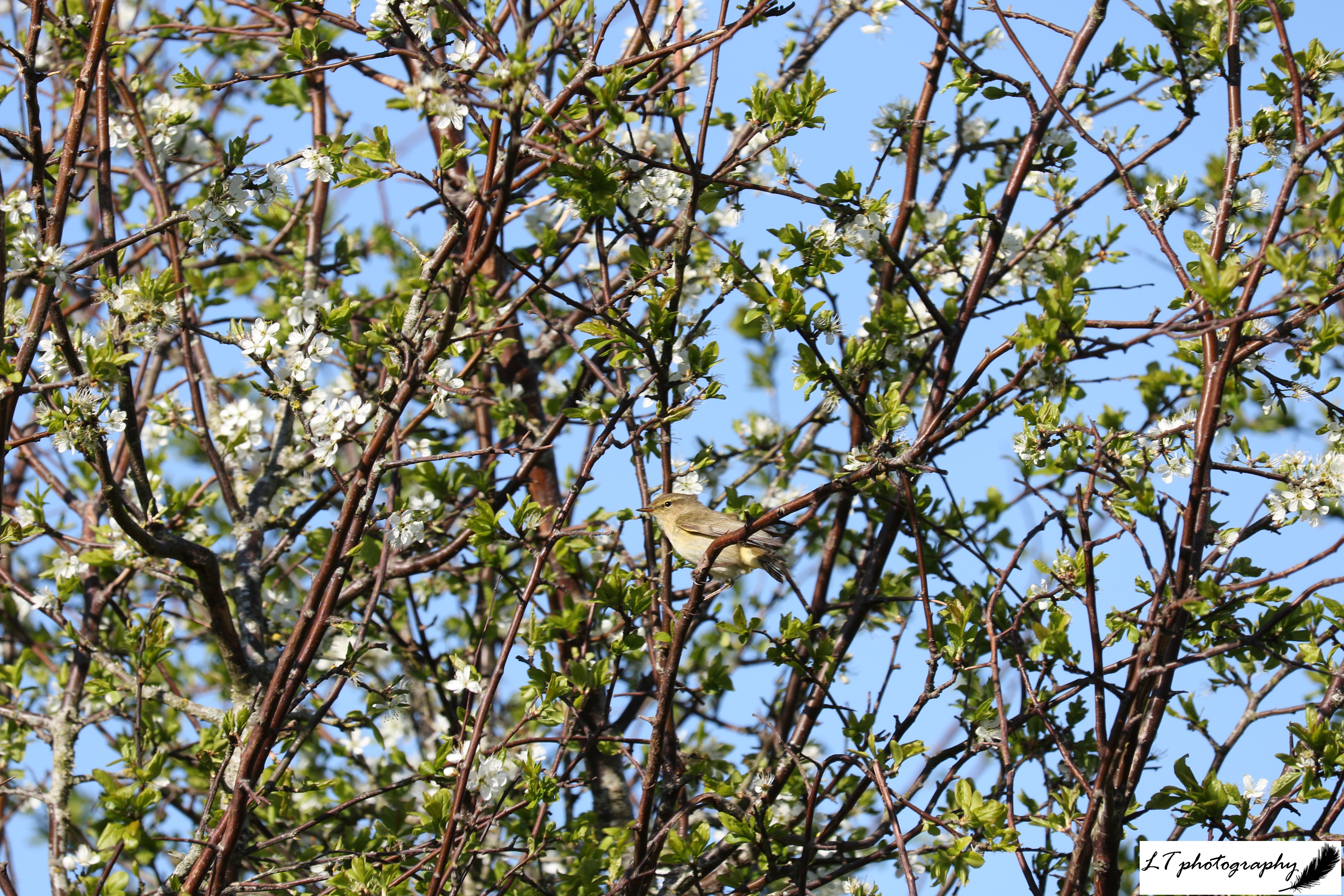
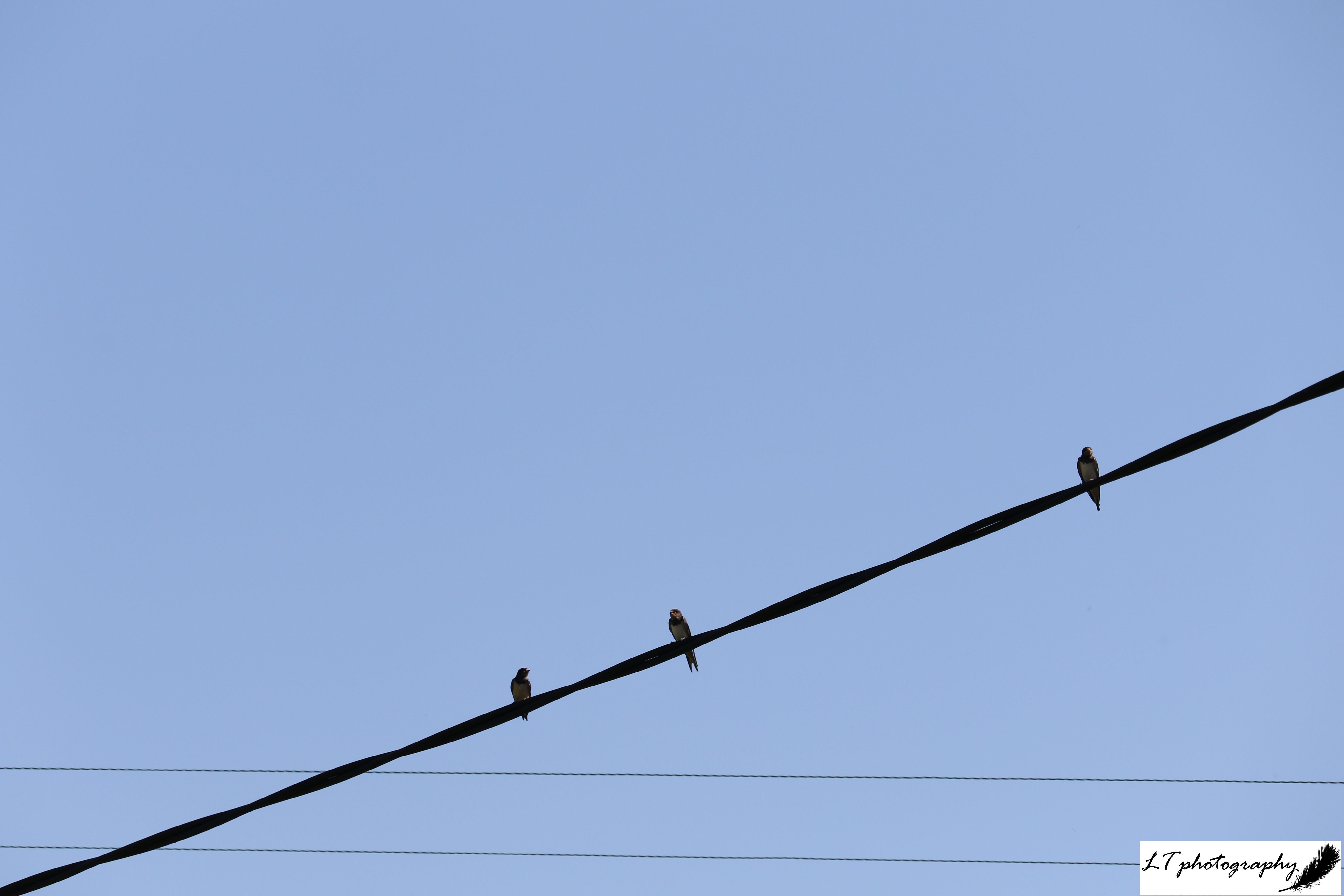
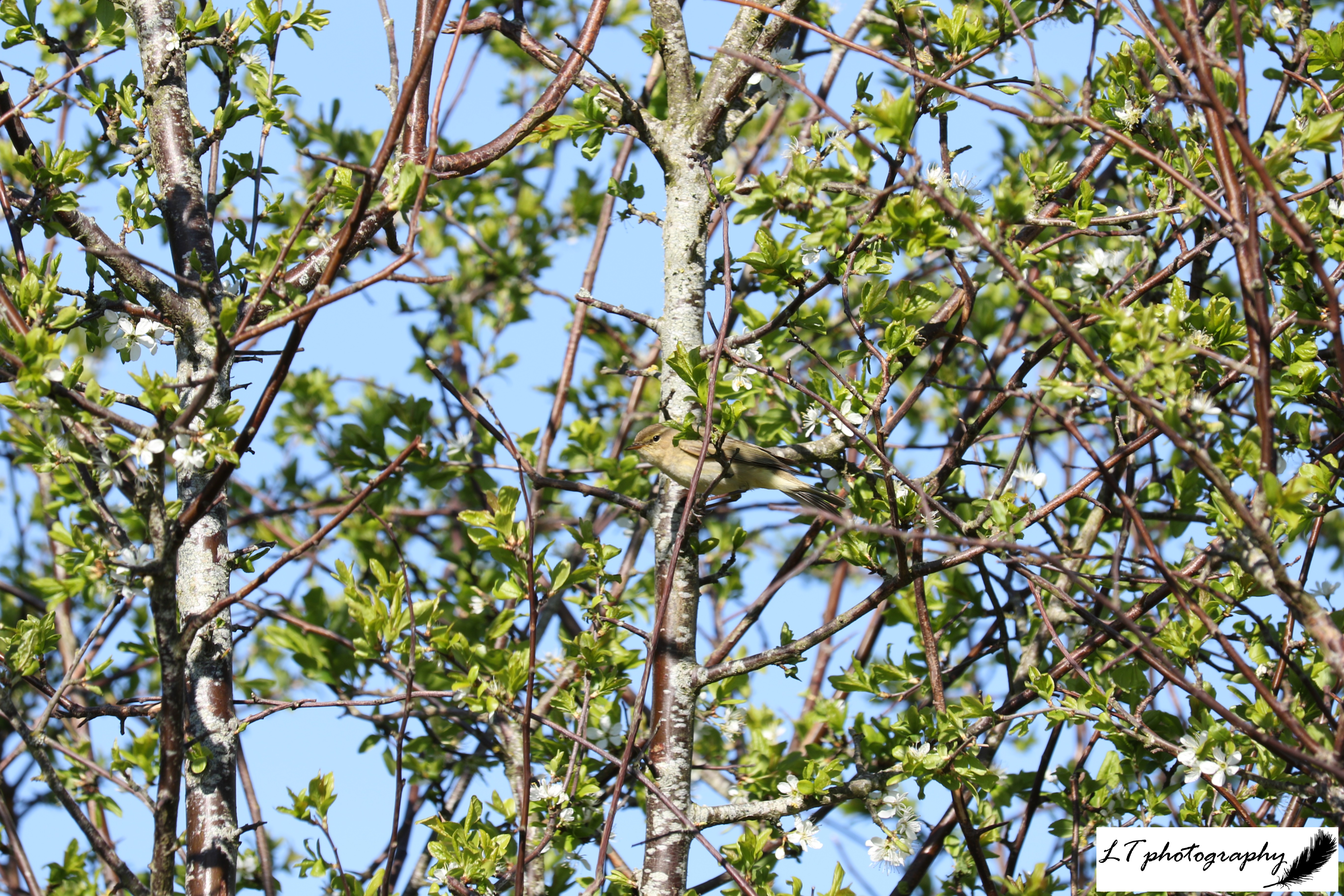
On average, bird species spring events have also become later this year compared to 2020. I heard my first song thrush (Turdus philomelos) singing 17 days later on 1st January, I saw my first rook (Corvus frugilegus) nests being built 10 days later on 25th February, and I heard my first chiffchaff (Phylloscopus collybita) on 16th March. April and May events were again influenced, for example I saw my first swallow (Hirundo rustica) 5 days later on 10th April, saw my first house martin (Delichon urbicum) 9 days later on 21st April, heard my first cuckoo (Cuculus canorus) 3 days later on 1st May, and saw my first swift (Apus apus) 10 days later on 16th May.

There were two exceptions though, where I recorded hearing my first blackbird (Turdus merula) singing 13 days earlier on 10th February, and saw my first blackcap (Sylvia atricapilla) 8 days earlier on 14th April. These would most likely relate to other influencing factors, such as overwintering in the UK or habitat requirements.

Insects

Compared to previous years, I have still yet to see some species of butterfly that would typically be on the wing by now, such as gatekeeper butterflies (Pyronia tithonus). For the insects I have seen though, again there was a split in event occurrence compared to 2020. For example, I saw my first small tortoiseshell butterfly (Aglais urticae) 2 days later on 7th April, red admiral butterfly (Vanessa atalanta) 26 days later on 7th April, brimstone butterfly (Gonepteryx rhamni) 26 days later on 18th April, and speckled wood butterfly (Pararge aegeria) 52 days later on 13th June.

The early emergers came in the form of my first buff-tailed bumblebee (Bombus terrestris) 14 days earlier on 27th February, peacock butterfly (Aglais io) 5 days earlier on 30th March, orange-tip butterfly (Anthocharis cardamines) 13 days earlier on 31st March, and red-tailed bumblebee (Bombus lapidarius) 12 days earlier on 19th April. Despite these species appearing earlier in spring, later flowering plants will have had a knock-on effect for them due to a mismatch in timing for food. Only further down the line will we be able to see the extent of this impact.

Summary

This year I have recorded more spring dates than I have done so before, such as alder trees flowering, first yellowhammer singing, and first green-veined white butterfly, which will be useful information during the years to come. This reflects how I have felt more in touch with nature this year even with the unusual weather patterns, such as alot of rain! It became clear as we went through May though, that there was a trend for events happening later and later. This is why I was so interested to see how far this trend actually extended amongst species.

Last year I wrote that spring events are ‘in fact getting later, which will be related to… weather and environmental factors here and further afield’. This year this has turned out to be the case, which shows how climate change is having more of an impact through changes in weather patterns rather than just warmer temperatures. Earlier spring events have been getting earlier with warmer winters, but heavy rainfall and colder starts to spring have been affecting late March to May events most. I wonder now what impact this might have as we move forward, for example greater mismatches in ecological timings.

26 Years of the BTO’s Garden BirdWatch: Getting Involved During Lockdown

As winter creeps into the landscape and a second lockdown keeps us close to home, our gardens are once again coming alive. Wrens creep through the undergrowth catching insects, Robins sing to defend small territories, and Long-Tailed Tits flit between hedgerows foraging in family groups. It’s not just the birds though, other species are settling down to see out the winter in our gardens too, from butterflies and toads to hedgehogs and ladybirds.

With this year being a bit different, I have found it a great time to take part in the BTO’s Garden BirdWatch, to further connect with nature, boost my mental health, and do my bit. Gardens are very important homes for wildlife, not just at this time of year, so now is an important time for us to understand how we can better help the wildlife that share our gardens with us. If you have a bit of time on your hands, want to do something a bit different, or are interested in the wildlife on your doorstep, then this survey could be just what you need!

The BTO and the Garden BirdWatch

So, what is the BTO? Well, the BTO stands for the British Trust for Ornithology, where ornithology refers to the study of birds. Started in Oxford in 1933, this now Norfolk-based charity aims to engage people with science whilst advancing the understanding of birds and now other wildlife species. With over 60,000 dedicated volunteers, and projects ranging from bird ringing and Cuckoo tracking to urban gull and bat surveys, the BTO has gone from strength-to-strength.

Set up in 1995, one popular BTO project has been the Garden Birdwatch, a project aiming to understand the relationship between wildlife species and our gardens, and how and why some of these species populations may be undergoing change. In a nutshell, the Garden BirdWatch is about participants recording the birds they see in their garden, along with mammals, amphibians, reptiles, butterflies, bumblebees, and dragonflies. As vital habitat for wildlife continues to decrease, whilst the importance of gardens as substitute habitat increases, the information we can provide now can be used to better tailor help to support wildlife in the future.

So why should you take part? Well, the Garden BirdWatch is a great way to enjoy the wildlife in your garden, improve your knowledge, and allow you to follow the annual cycle of life. Taking part is also easy! All you need is a garden, a minimum of 20 minutes a week, and a way to identify the species you see. You do not need to have a big or elaborate garden, put food out, or be an expert. With the Garden BirdWatch currently being free for a year, signing up is easy. Provide a few details about your garden, and get started recording the garden birds and other wildlife that visit you.

Why not join thousands of other volunteers today, and do something new from the comfort of your own home!

Examples of Results

Last year marked the 25th year of the Garden BirdWatch, and so the BTO have now been able to use 25 years of weekly garden observations to begin analysing the relationship between our gardens and wildlife. For example:

  • Goldfinches, Woodpigeons, Nuthatches, and Jackdaws have become an increasingly common sight in our gardens, relying on our gardens for vital foraging habitat
  • Song Thrushes, Greenfinches, Starlings, and House Sparrows have become a less common sight in our gardens since 1995, due to a range of factors from disease to loss of habitat

I have now been taking part in the BTO’s Garden BirdWatch for the last 21 weeks. This time has gone past so fast, but has opened my mind to the diversity and abundance of species that visit my garden through the seasons. To sum up my time so far, here are some of my results:

  • I have observed 26 different bird species in my garden, with the most abundant species being Starlings (50 on 28th July) and House Sparrows (40 on 28th July), followed by Goldfinches (30 on 1st October)
  • Every week Blue Tits, Great Tits, Collared Doves, Pheasants, Goldfinches, and House Sparrows have been consistently recorded
  • As summer has moved into autumn and winter, Coal Tits, Jackdaws, and flocks of Goldfinches have become newly reliant on my garden, whereas Great-Spotted Woodpeckers, flocks of House Sparrows, Pheasants, flocks of Starlings, and Sparrowhawks have decreased their visits
  • No week or month has been the same, with summer highlights including Greenfinches, Siskins, Chiffchaffs, and Garden Warblers!

So, why not see what wildlife you can encounter this winter?

How to… Make Your Own Bird Nest Box

As our summer visitors, such as Swallows and Willow Warblers, leave us for sunnier shores, and we wait for our winter returnees, such as Redwings, the world outside our doors is slowing down and wildlife is preparing for the colder times to come. Autumn is a time for extraordinary spectacles, storing up food and changing colours, but also a time for us to do our bit, to help our wild neighbours with their preparations, and to prepare for a new year to come. This can range from cleaning ponds and putting out food, to planting trees and creating wood piles. It is also importantly a time to provide new homes for nature.

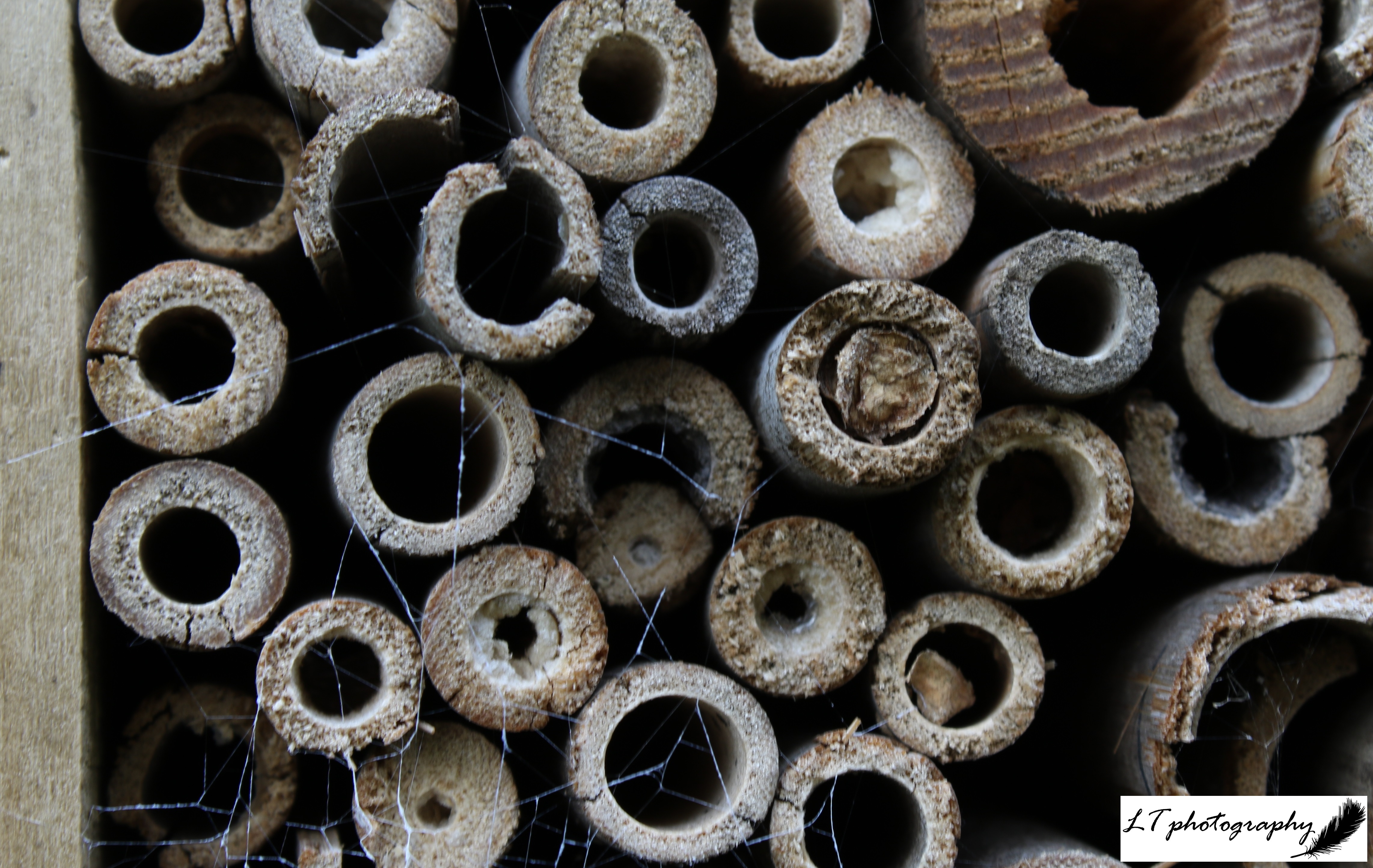
Previously, in spring/summer I posted on my blog about how to make a home for nature in the form of a bee hotel (see How to… Make Your Own Bee Hotel). A bee hotel is aimed at providing solitary bees (90% of UK bee species) with a place to nest, and for my blog I made a bee hotel that has now had some success. There are other forms of homes that we can make for wildlife though, for example for different species of bird.

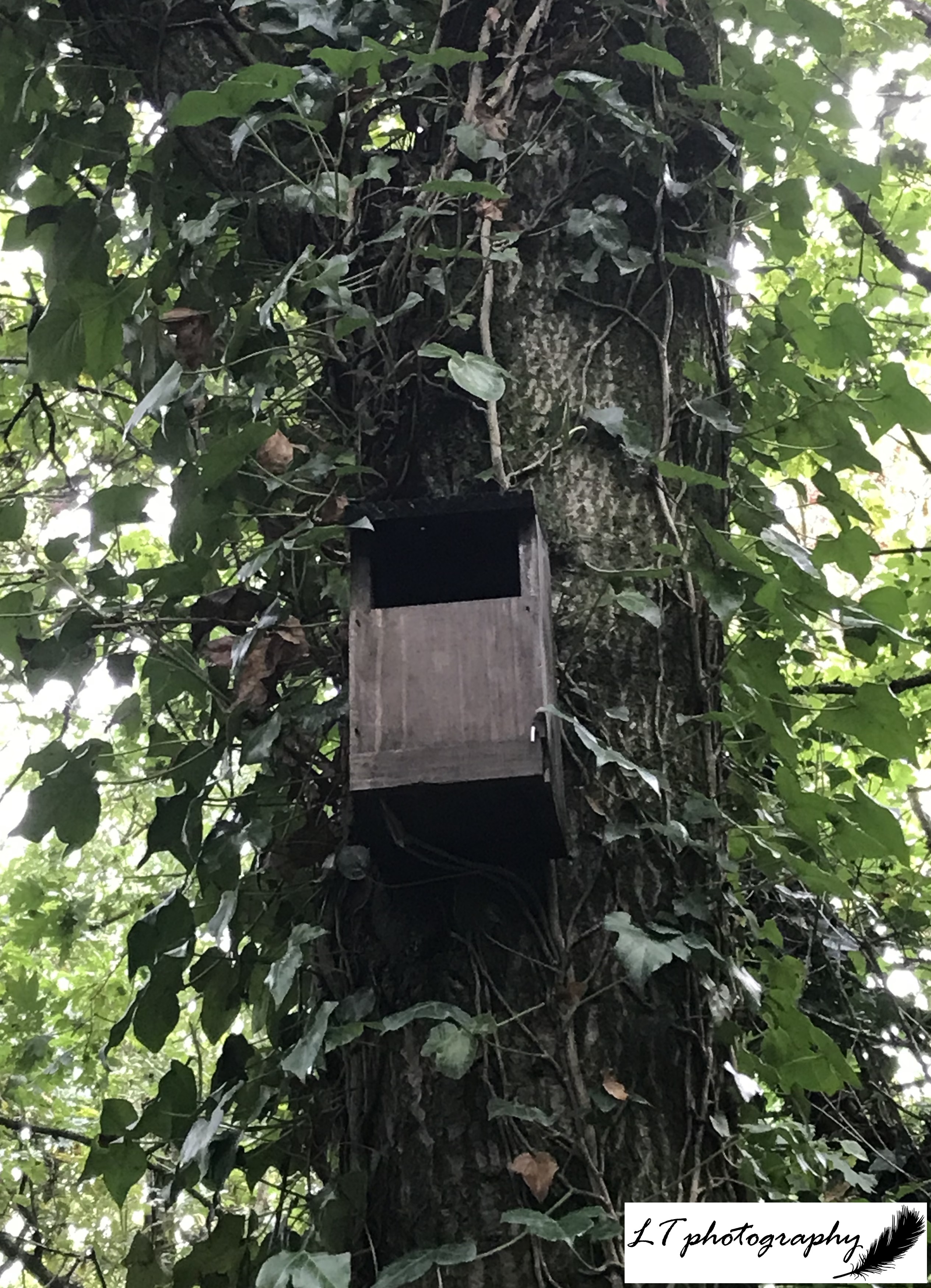
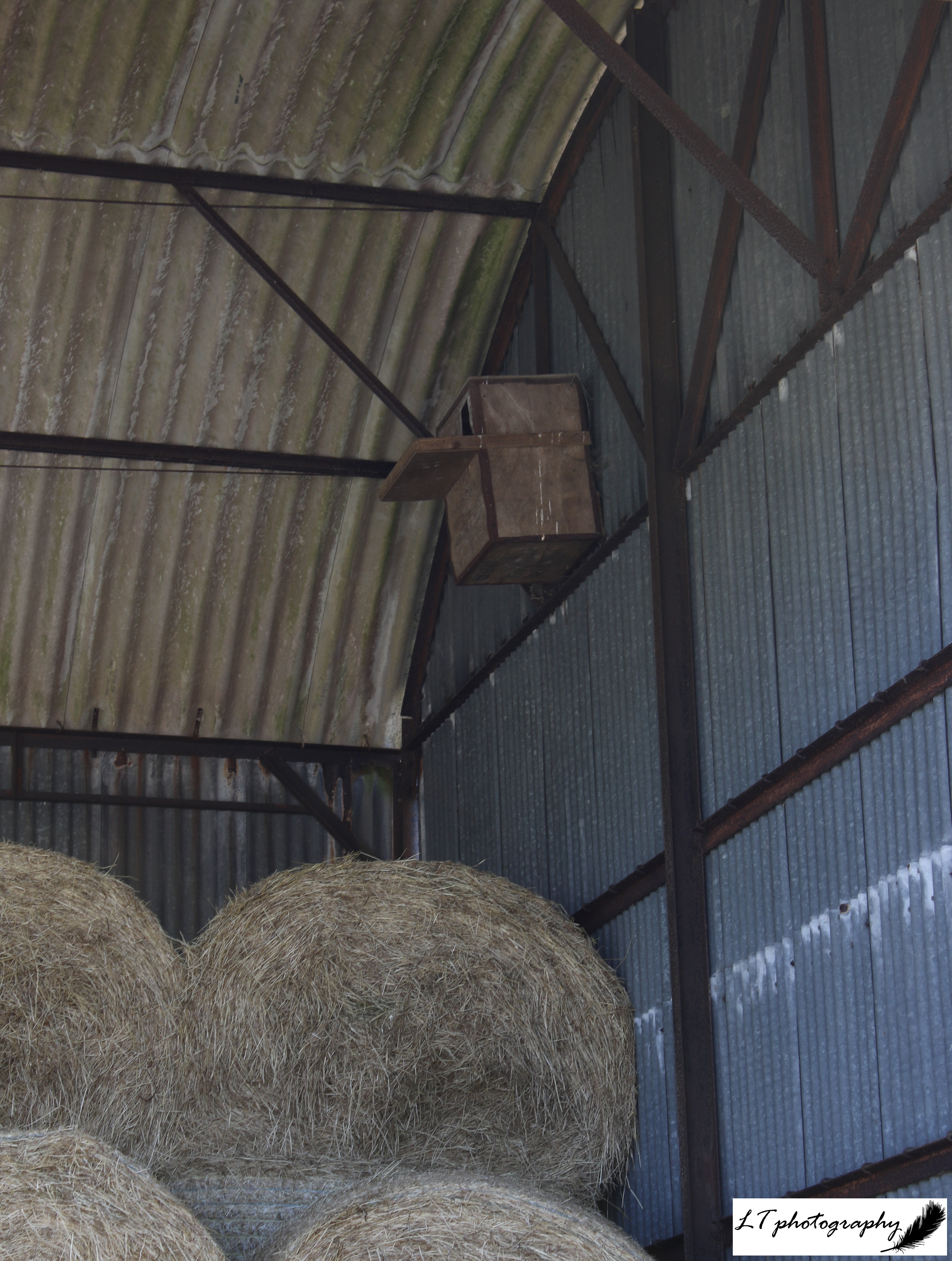
In the UK, more than a quarter of all bird species are of the highest conservation concern, with a decline in breeding birds (44 million) between 1967 and 2009. This means that conserving and creating habitat for birds is an important issue, and something we can all get involved in. One example of an easy way is to put up nest boxes, which mimic natural habitat. They create an effective artificial cavity for birds, providing an accessible alternative for species that are currently experiencing the loss of breeding habitat and winter roosting sites.

Nest boxes come in a variety of shapes, sizes and designs, which will depend on the species of choice and the purpose they need to fulfill. Though you can put up a nest box at any time of year, the best time is right now, ready to be used as a roosting site throughout winter and for breeding in the spring. This way you can increase the chance of your nest box being a success next year. There are no set rules though, so why not try making your own today!

How to Make a Bird Nest Box

What you need:

  • A plank or offcuts of untreated wood, about 15mm thick for insulation
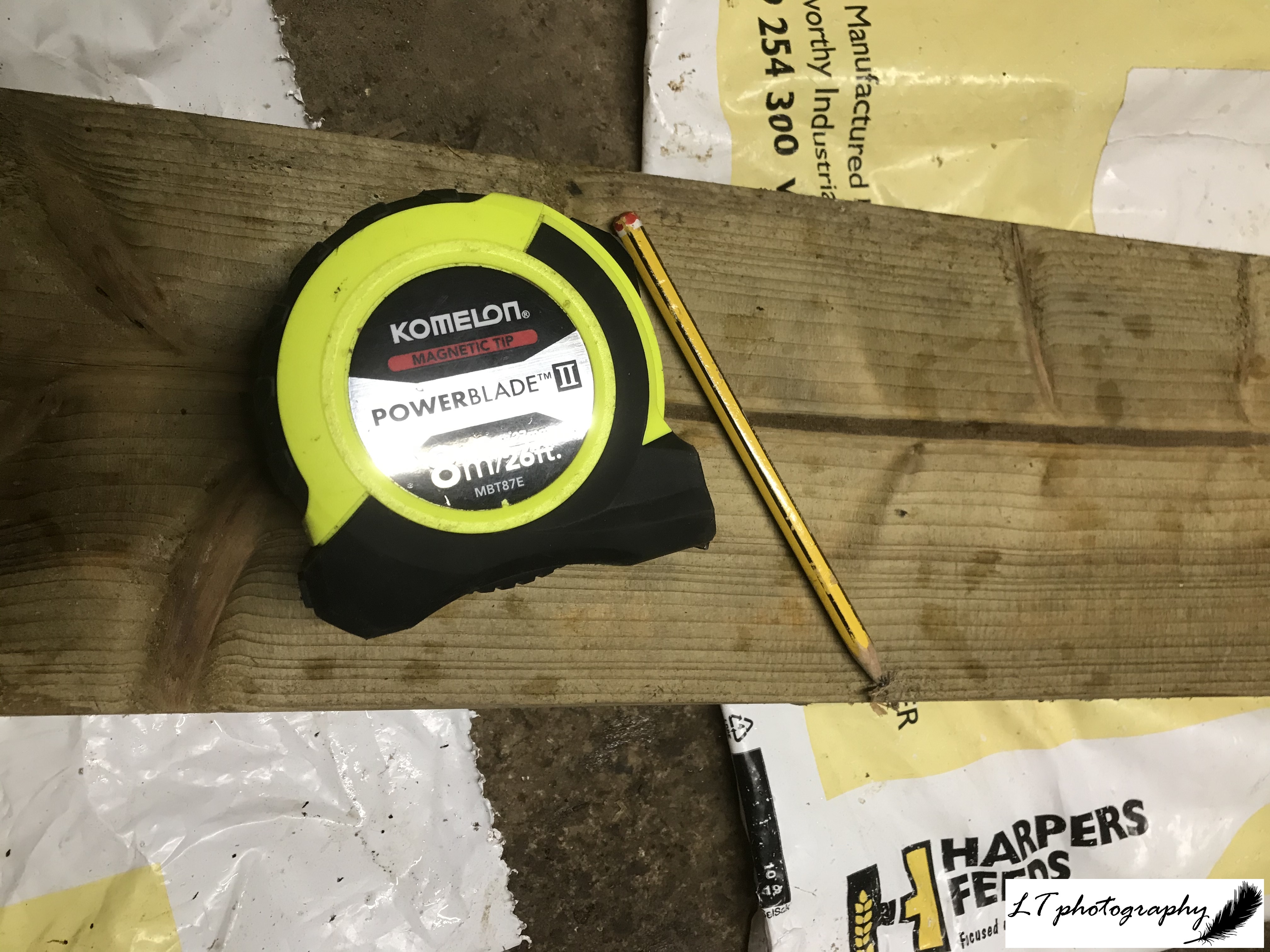
  • Tape measure & pencil
  • Hand or power saw
  • Drill & different sized drill bits
  • Sand paper
  • Hammer & nails
  • Screws
  • Sealant, a piece of rubber or something similar
  • Optional: Hole plate

Step by Step Guide:

  1. Decide on your nest box design. Your nest box will most likely be aimed at a certain species, such as Robins or House Sparrows. You can also choose particular design features, such as a flat or apex roof. For the purpose of this guide though, I will provide instructions to make a standard Tit nest box.
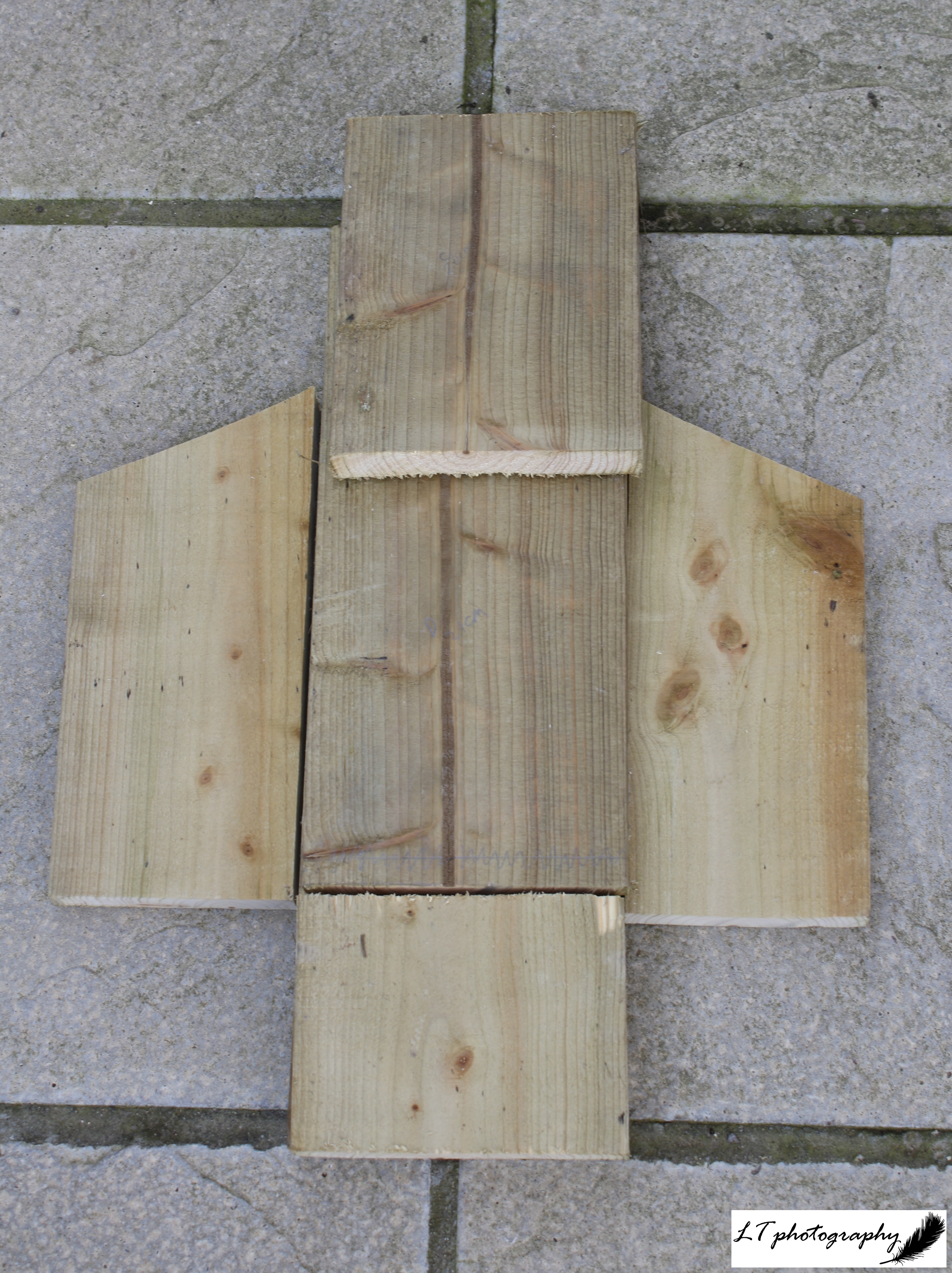
  1. Use a tape measure and pencil to mark out the wood you need, either by creating templates out of paper or cardboard, or by drawing straight onto the wood. For this design you will need 6 pieces: a back (45cm x 15cm); a base (11cm x 15cm); a front (21cm x 15cm); a roof (20cm x 15cm); and 2 side panels (25cm high at the back, 20cm high at the front, and 11cm wide). Use a hand or power saw to cut the wood into the 6 pieces needed.
  1. Next, take the front panel and use a wide drill bit to make a hole towards the top of the panel, at least 125mm up, which the birds will use to enter the nest box. The size of the hole will vary between different species, but for my nest box I made a 25mm hole, aimed at Blue Tits and similar Tit species.
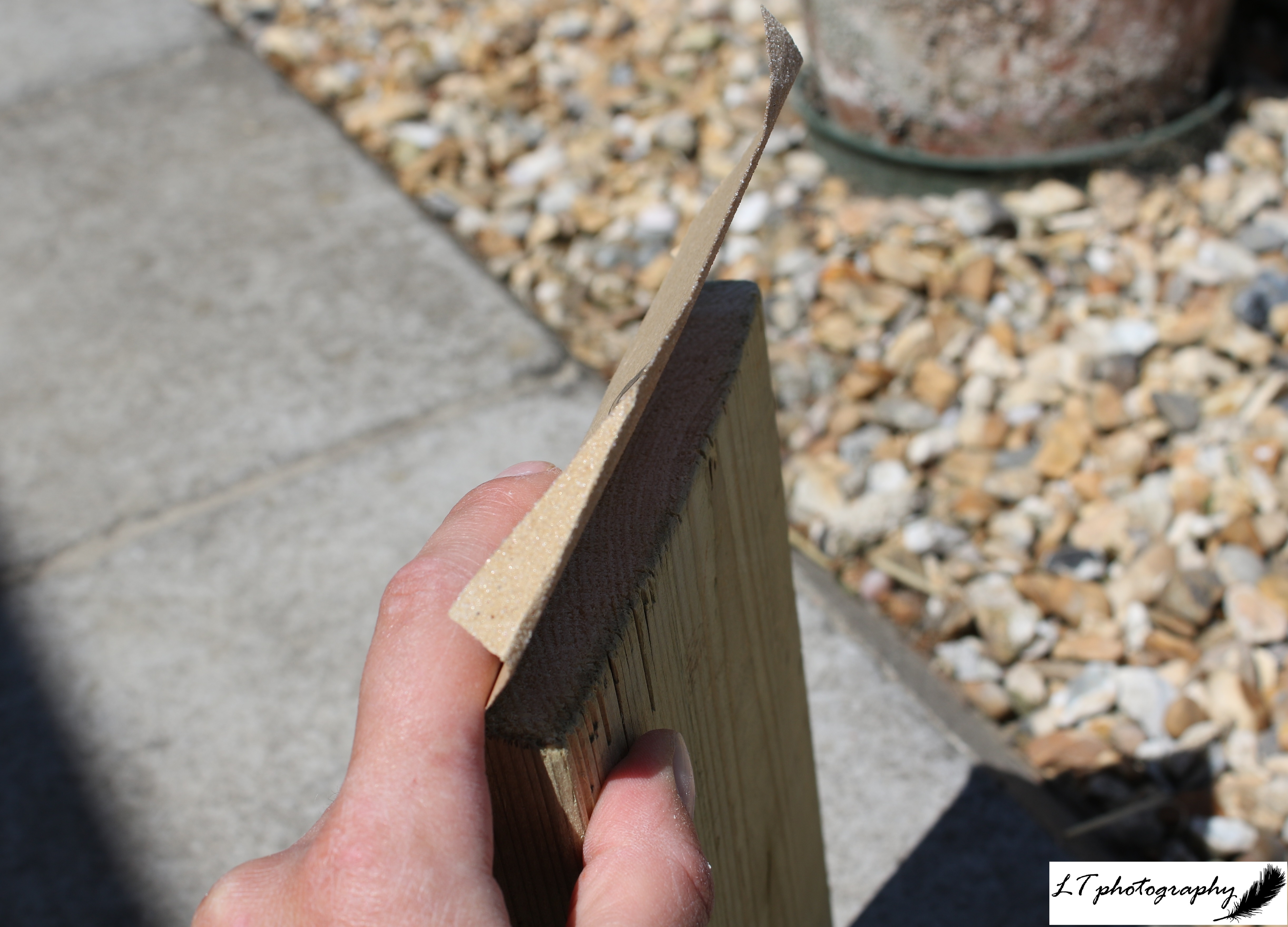
  1. Use sand paper to sand down any rough or uneven edges of the wood, that otherwise could cause problems for birds using the box.
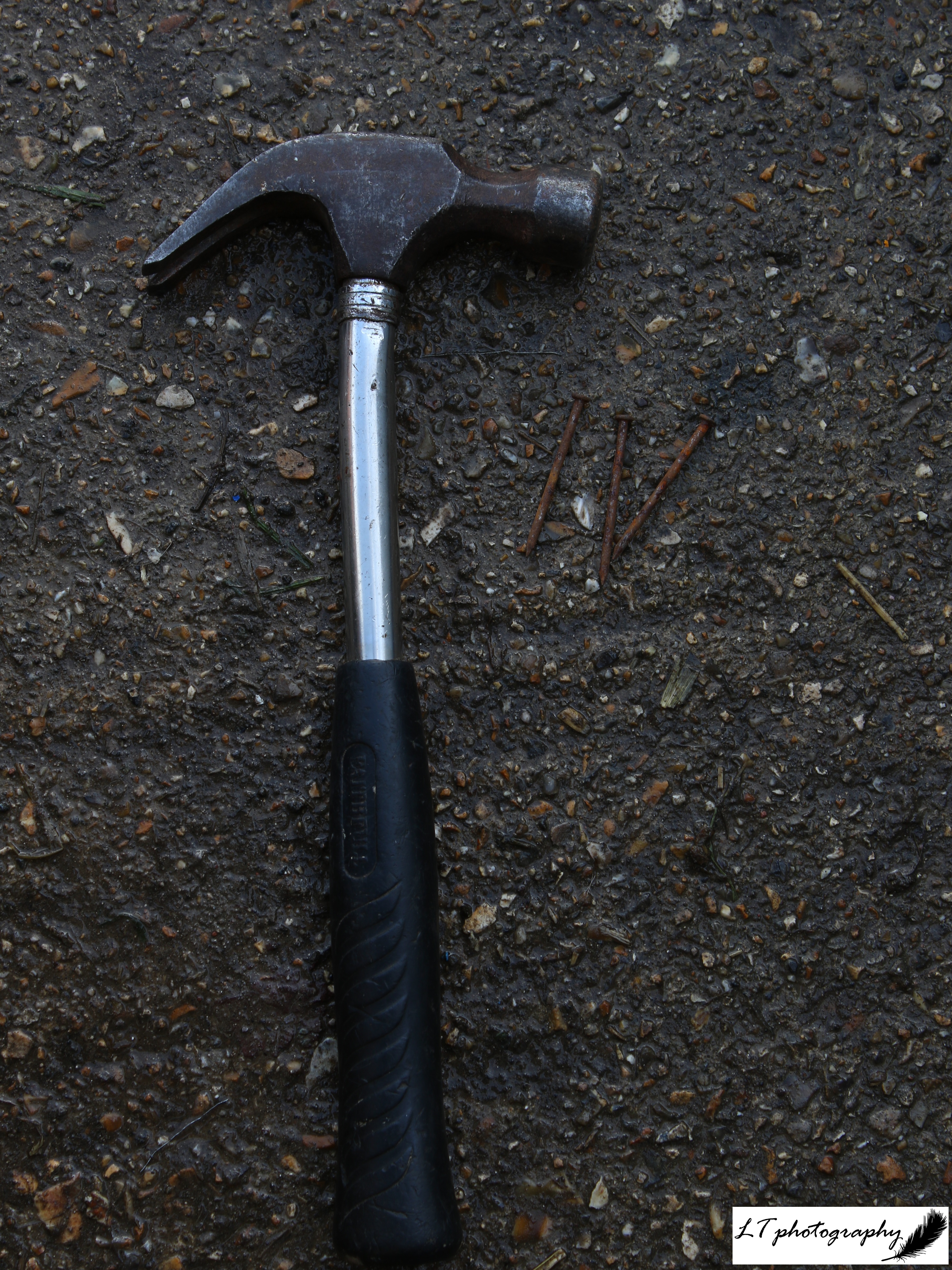
  1. Use a hammer and as many nails as you need to make the back, base, sides and front fit together forming the main body of the nest box. It is often best to mark where the nails will go first and partially drive each nail through the first piece of wood first (e.g. the back), which will make nailing the pieces together easier and help avoid splitting the wood.
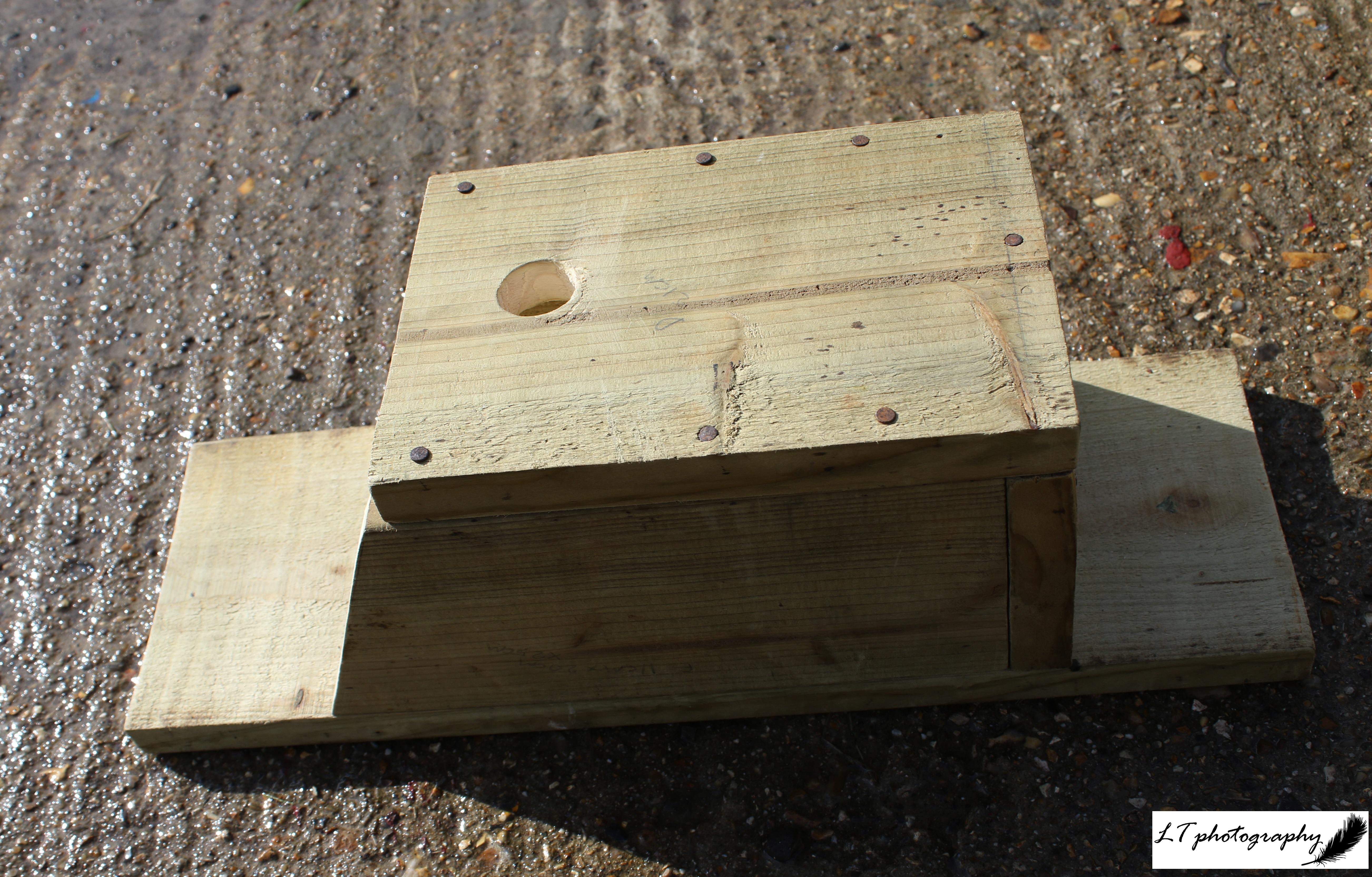
  1. Attach the roof to the box using screws that you can later remove when needing to clean the nest box out. Seal the gap between the roof and the back of the nest box with either flexible sealant or an attached flap of recycled rubber.

Optional editions: Add a nest box hole plate to the front of the box to prevent predators from enlarging the nest box hole and larger bird species using the box. Also, you could apply a water-based wood preservative product to the outside of the box to prolong its life and help to repel water.

Tips on putting your nest box up

  • Unless there is shade during the day, position the nest box facing between north and east to avoid strong sunlight.
  • Choose a location which is 2-4 metres above ground level, out of reach of predators, and away from constant disturbance.
  • Make sure there is a clear flight path to the entrance of the nest box and that there is shelter from bad weather.
  • Place your box away from the location of any other nest boxes to reduce the chances of competition.
  • Avoid using nails to attach the box to a tree, as they may cause harm. Instead try to tie the box to the trunk or hang it, or otherwise use stainless steel screws or nails that do not rust.

Enjoy!

Spring 2020: How It Happened

Walking through the trees, in dappled early morning sunlight, through swathes of brilliant blue. Standing rooted to the spot, hearing the first Chiffchaff, Swallow, Cuckoo. Sitting in breezy sunshine, learning to identify Hawkbits, Vetches and Viper’s-Bugloss. These are just some of the highlights of my spring this year, wild and full of life. With each new day, there was a new wild highlight to be had.

13_05_20_Farm_Sunrise_Hangings_Gate

Following on from my post last week about my favourite photos from this spring (check out Spring 2020: In Photos), I wanted to continue celebrating the lifeline that has been spring and the natural world for me during lockdown. This week I am looking at how spring unfolded this year in my local area and how it looked now the summer is hitting our shores.

Since 2015 I have been writing down a lot of my observations about spring each year. This means I can now look at spring 2020 in light of how the last few years have actually looked and see if anything interesting comes up. Last year I did this in more detail, so for that check out my post called: How Spring Happened 2017-2019.

22_06_19_Farm_Chalk_Mound_Oxeye_Daisies_6

So, did a favourite of my mum’s, the Chiffchaff, return by Mother’s Day this year? Did the Oak burst into leaf before the Ash (and so are we in for a splash)? And did the song of the Cuckoo return to my family’s land for another year? As spring now slips into summer, it is time for me to reflect on an extra special spring.

Trees

One of the very first trees to start showing signs of life each spring at my home in Dorset, is the Horse Chestnut (Aesculus hippocastanum). This year the first buds burst on the 18th of February, which shows a gradual shift forwards over the last few years, being 6 days earlier than last year, and a month earlier than 2018. The first leaf then unfurled on the 10th of March (9 days later than 2019), followed by the first flowers on the 2nd of April (13 days earlier than 2019).

Due to a cold start to spring and a very wet winter, which left the ground cold and waterlogged, Pedunculate (English) Oaks (Quercus robur) were late to make a start, with the first budburst seen on the 2nd of April, 37 days later than 2019. They got going quickly though, with leaves bursting forth by the 8th of April (4 days earlier than 2019) and flowers blooming by the 12th of April (13 days earlier than 2019).

Despite the ground, the trend this year was towards earlier budburst, first leaves and first flowers. Silver Birch (Betula pendula) buds burst on the 15th March, 15 days earlier than 2019; Ash (Fraxinus excelsior) flowered on the 2nd of April, 18 days earlier than 2019; Field Maple (Acer campestre) buds burst on the 5th of April, 13 days earlier than 2019. Grey Willow (Salix cinerea) bucked the trend though, first flowering on the 24th of February, later than last year by 10 days.

This year I added Alder (Alnus glutinosa), Beech (Fagus sylvatica), Lime (Tilia x europaea), Wild Cherry (Prunus avium), and Norway Maple (Acer platanoides) to my spring records, but I did not make observations for Sycamore as in previous years. Lime buds burst on the 14th of March, followed by the first leaf on the 3rd of April; Wild Cherry buds burst on the 15th of March, followed by the first leaf 1 month later and first flower 15 days after that; Norway Maple first flowered on the 21st of March; Alder buds burst on the 6th of April; and Beech buds burst on the 10th of April.

Shrubs

Hazel (Corylus avellana) is one species that flowers early in the year, providing a first hint of colour in a wintry landscape. This year I first saw the male catkins on the 8th of January, followed by the female red flowers on the 1st of February (5 days later than 2019). The first hazel leaf then unfurled 43 days later on the 14th of March.

Blackthorn (Prunus spinosa) is another species that flowers before it produces its leaves, cloaking hedgerows in drifts of snowy white and accompanying a ‘blackthorn winter’ in early spring. This year the first flowers burst open on the 6th of March, 5 days later than last year, but 24 days earlier than 2018.

After the early flowering species have brought colour to our countryside, Hawthorn (Crataegus monogyna) is one of the first shrubs to burst into leaf in the hedgerows. This year its buds first burst on the 2nd of March, 5 days later than 2019, followed by the first leaf unfurling 10 days after (28 days earlier than 2019). Their flowers then followed a month after, on the 18th of April, 10 days earlier than 2019.

07_05_20_Farm_Hawthorn_Flowers_3

A similar trend was shown with Lilac (Syringa vulgaris), where budburst took place on the 8th of March, 13 days later than 2019. The first leaf then unfurled 3 days later too, on the 25th of March, and the first flowers bloomed on the 15th of April, 7 days earlier than 2019.

The flowers of Elder (Sambucus nigra) are well known and iconic in our countryside, popular for making elderflower cordial. This year Elder flowered early, with the first flowers being seen at home on the 25th of April (22 days earlier than 2019). Just like Elder, the Dog Rose (Rosa canina) is another late bloomer, which opened its petals for the first time on the 17th of May this year (11 days earlier than last year).

Flowers 

The very first flowers to be seen blooming in the countryside is the dainty snow white Snowdrop (Galanthus spp.). Over the last few years the drooping heads of snowdrops have been flowering earlier each year. This year though, it appeared only 1 day earlier than 2019, welcoming in the year on the 3rd of January.
Snowdrops were soon followed by other iconic spring species, in the form of the first Lesser Celandine (Ficaria verna) on the 18th of January (44 days earlier than 2019), the first Primrose (Primula vulgaris) on the 27th of January (8 days earlier than 2019), and the first Daffodils (Narcissus spp.); on the 2nd of February (the same day as last year!).

As spring went on, the Snowdrops and sunshine yellows were joined by Wood Anemones (Anemone nemorosa) on the 22nd of March, Bluebells (Hyacinthoides non-scripta) on the 28th of March, Wild Garlic (Allium ursinum) on the 6th of April, Cuckooflowers (Cardamine pratensis) on the 18th of April, and Oxeye Daisies (Leucanthemum vulgare) on the 18th of May, all occurring 6-17 days earlier than last year.

This year I also included three new flowering species to my spring records: Cowslips (Primula veris), Greater Stitchwort (Stellaria holostea), and Early Purple Orchids (Orchis mascula). I saw the first Cowslip flower on the 20th of March, the first Greater Stitchwort on the 28th of March, and the first Early Purple Orchid on the 6th of April.

Grasses

This year I was so busy in May and the first half of June that I completely overlooked the flowering of 3 common perennial grass species in my local area: Cock’s-foot (Dactylis glomerata), Timothy (Phleum pratense), and Yorkshire Fog (Holcus lanatus). I did though catch Meadow Foxtail (Alopecurus pratensis) flowering, which first occurred on the 22nd of April (23 days earlier than 2019).

13_05_20_Sunrise_Meadow

Birds

With the start of every new year, I begin to keep my eye out for the start of the Rooks (Corvus frugilegus) nesting in the bare and skeletal forms of large oak trees near my home. This year they kept me waiting awhile though, with the first signs of nest building appearing on the 15th of February, 17 days later than 2019.

Unlike the start of the Rooks nesting though, the start of male Song Thrushes (Turdus philomelos) singing crept even earlier than last spring. This was 13 days earlier in fact, with me hearing my first on the 15th of December in 2019! This was not reflected by Blackbirds (Turdus merula) though, as I heard my first male singing on the 23rd of February, 17 days later than 2019.

One of my favourite first signs that spring has begun has to be the return of the Chiffchaff (Phylloscopus collybita). This year they returned to my home in Dorset on the 1st of March, 17 days earlier than 2019.

15_04_20_Farm_Bird_Chiffchaff

The glorious return of the Chiffchaffs were then eagerly followed by the first Swallow (Hirundo rustica) on the 5th of April (1 day later than 2019), the first House Martin (Delichon urbicum) on the 12th of April (12 days earlier than 2019), the first Blackcap (Sylvia atricapilla) on the 22nd of April (11 days later than 2018), and the first Swift (Apus apus) on the 6th of May (19 days earlier than 2018). A Cuckoo (Cuculus canorus) did make its exciting return to my family’s land too, which I heard for the first time on the 28th of April (24 days earlier than last year).

25_06_20_Farm_Birds_Swallow_Chicks

Insects 

This year the majority of the insects I observed, emerged later than they did last year in 2019. I saw my first Brimstone Butterfly (Gonepteryx rhamni) on the 24th of March, my first Peacock Butterfly (Aglais io) on the 4th of April, my first Small Tortoiseshell Butterfly (Aglais urticae) on the 5th of April, my first Orange-Tip Butterfly (Anthocharis cardamines) on the 13th of April, my first Red-Tailed Bumblebee (Bombus lapidarius) on the 1st of May, and my first queen Wasp (Vespula vulgaris) on the 7th of May, with all ranging anywhere between 4 and 37 days later in date than last year.
The ones that did not follow this pattern though, were the Speckled Wood Butterfly (Pararge aegeria) first seen on the same day as last year on the 22nd of April, and the Red Admiral Butterfly (Vanessa atalanta) that was first seen 29 days earlier on the 22nd of April. This year I also added Buff-Tailed Bumblebee (Bombus terrestris) to my observations, seeing the first at home on the 13th of March.
25_05_19_Horseshoe_Wood_Speckled_Wood_Butterfly_7

This Year

This year it has definitely been an interesting and joyful experience to watch how spring unfolded. It started with early signs during the winter, before arriving with a blaze of glory in March.

13_05_20_Sunrise_Oak_Tree_Grass_3

This last winter was a warm, wet and windy one, which left the ground cold and waterlogged for quite a while into spring. A number of species such as Oak trees struggled with this, but for many it did not stop them from emerging on time or earlier, such as snowdrops and field maples. This variation continued with bird species, some arriving and beginning breeding earlier and some later. For a lot of the insect species though, they emerged late, which will have had a lot to do with the less than ideal weather conditions this spring, for example frosts in April. Thus, how spring is changing year-to-year definitely has a lot to do with changing weather conditions.

So as spring fades to summer heat, I can now say that the Chiffchaff made its return to the British Isles by Mother’s Day, the Oak burst into leaf before the Ash (and so we are in for a splash!), and a Cuckoo made its return to my home. It has definitely been a great spring this year!

How to… Identify Hedgerow Plants

Whizzing past our car windows, naturally bordering our fields and gardens, or providing a home for wildlife. Often going unseen and unnoticed, hedgerows are a widespread and overlooked habitat right on our doorsteps. Bountiful and bursting with life, each hedge is unique from the next, with a story to be told and a world to be explored.

Blackthorn 5

From butterflies and birds to hedgehogs and dormice, an incredible number of species rely on the plants in our hedges for their survival, such as food, shelter, and corridors along which to travel. They do not just play a role for wildlife though, holding value in the wider landscape, providing us with services such as stopping soil erosion and buffering pollution. In this way, hedgerows have been important for humans and wildlife alike for hundreds of years!

20_03_20_Farm_Goldfinch_2

The first hedgerows can be dated back to the Bronze Age, when farmers cleared woodland to grow crops, leaving carefully maintained strips to act as boundaries. Some of these strips of ancient woodland can still be found today! Since then hedges have grown in popularity, but following the Second World War, many were ripped up to provide more space to grow food and for development. Despite approximately half of all hedges in Britain being lost during this time, thankfully the remaining were given protected status in 1997.

13_05_20_Farm_Sunrise_Hangings_Trees

The hedgerows rolling across our countryside today are a piece of history, full of life and colour and provide us with a whole host of resources. So, why not try and see this for yourself, and take a moment to see what you can find in a hedgerow local to you? To help, here’s my simple guide to identifying some of our iconic hedgerow species.

Hedgerow Plants

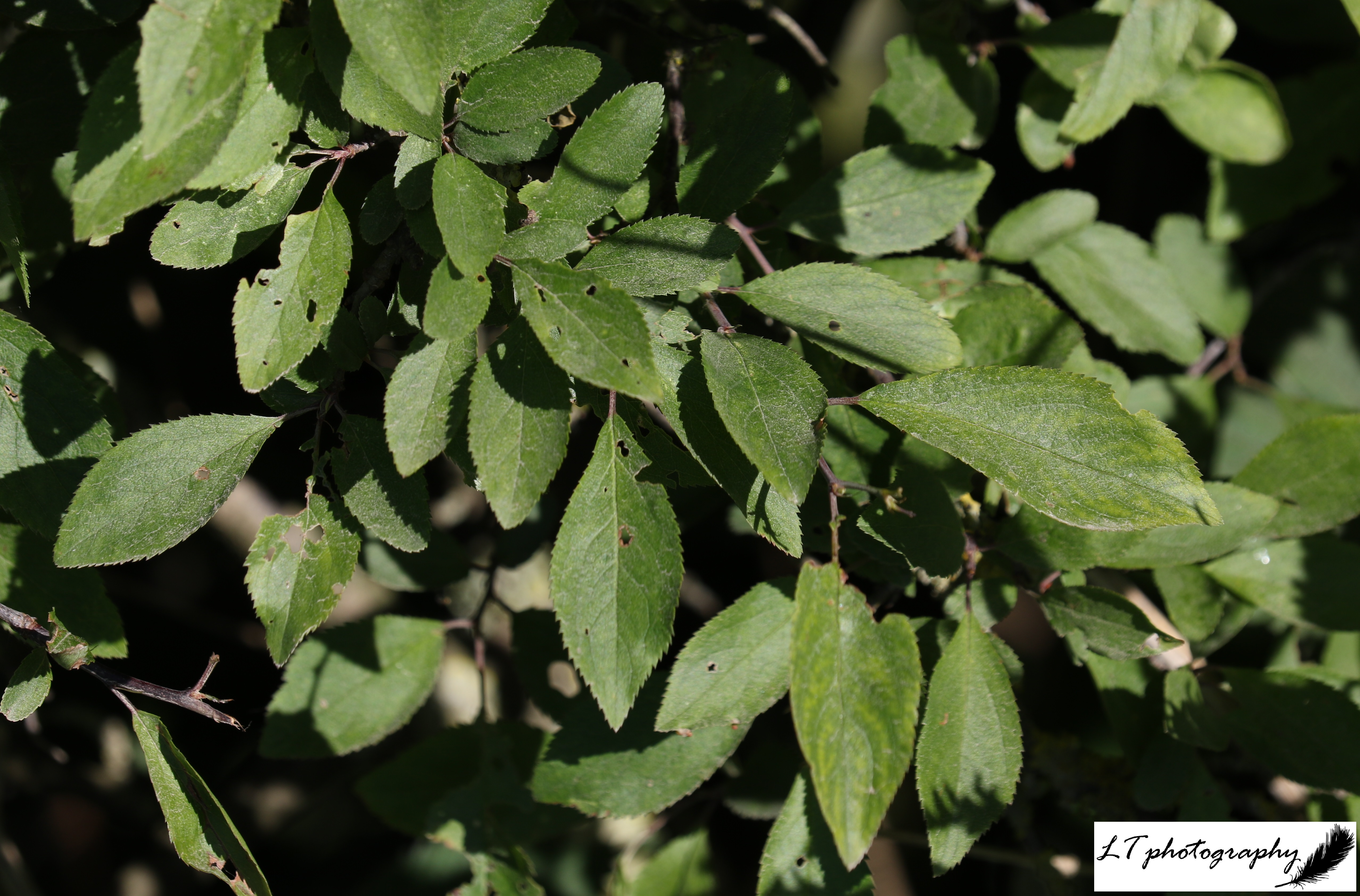
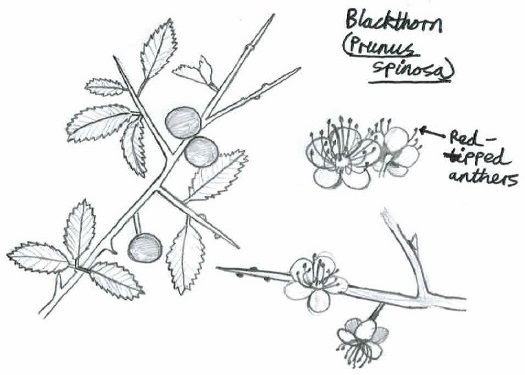
Blackthorn (Prunus spinosa)Blackthorn

  • Family: Rose – related to fruiting trees such as cherries and plums
  • Size: Up to 4m tall
  • Stems and twigs: Blackish and thorny
  • Leaves: 2-4cm long, oval-shaped tapering to a point with toothed margins
  • Flowers: Snow-white and 5-petalled with red-tipped anthers in the centre. Flowers late March-April, appearing BEFORE the leaves
  • Seeds: Produces fruit (sloes) which are small blackish plums with a bluish powdery surface. Tongue-numbingly tart to eat but popular to flavour gin
  • Range: Widespread and common throughout most of Britain
  • Fun Facts: Blackthorn, long used for making items such as walking and riding sticks, has long been associated with witchcraft

Spindle (Euonymus europaeus)Spindle

  • Indicator of an ancient hedgerow
  • Family: Staff-vine
  • Size: Up to 9m tall
  • Stems and twigs: Bark and 4-sided twigs are deep green, darkening with age
  • Leaves: 3-13cm long, shiny, mid-green, oval-shaped tapering to a point with finely toothed margins, and turning distinctively pinkish-red in autumn
  • Flowers: Greenish-white and 4-petalled in small overlooked stalked clusters. Flowers May-June
  • Seeds: Distinctive 4-lobed bright coral-pink berries
  • Range: Less common in Scotland and Ireland, found throughout England and Wales, but most frequent in the south
  • Fun Facts: The hard dense wood of spindle was used from ancient times to make spindles, whereas the leaves and seeds were powdered to dust on the skin of children to drive away lice

Cow parsley (Anthriscus sylvestris) Cow parsley

  • Family: Carrot – related to species such as parsnips and poison hemlock
  • Size: ~1m tall
  • Stems and twigs: Stems are hollow and furrowed, often becoming purple
  • Leaves: Fresh green, 3-pinnate, and sharply cut
  • Flowers: White, forming clusters known as umbels. Flowers April-June
  • Seeds: Round, smooth and broad-based
  • Range: Widespread and common throughout Britain and strongly associated with hedgerows
  • Fun Facts: Its folk-name is ‘Queen Anne’s lace’. This comes from a folk tale which said that the flowers would bloom for Queen Anne and her ladies in waiting and reflect the delicate lace they wore

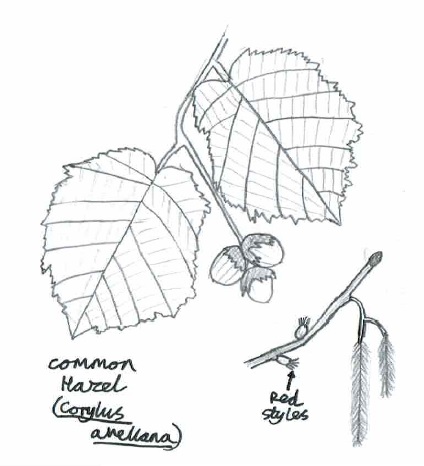
Common Hazel (Corylus avellana)Hazel

  • Family: Birch – related to species such as silver birch, alders and hornbeams
  • Size: Up to 8m tall
  • Stems and twigs: Bark coppery brown, smooth and tending to peel
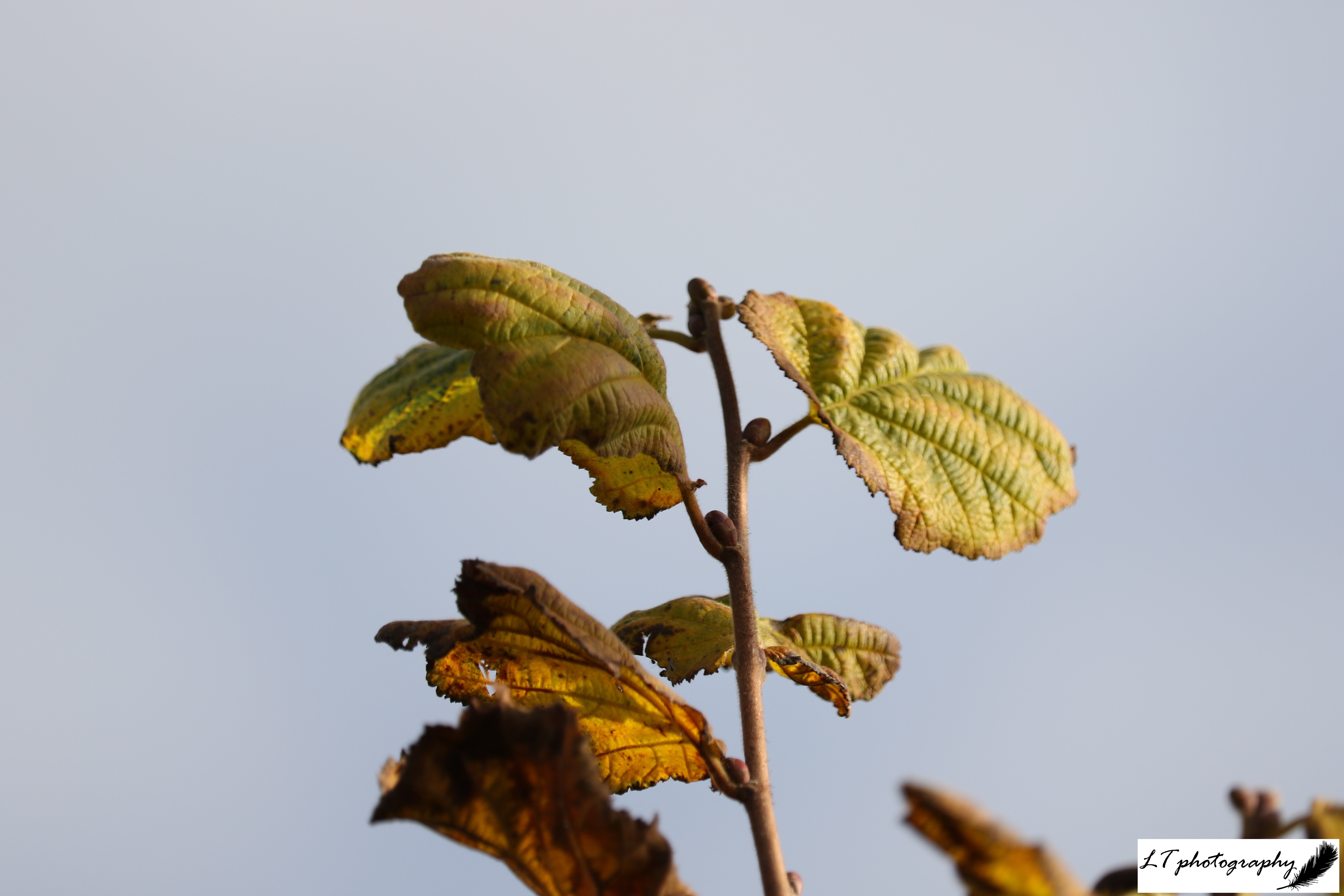
  • Leaves: 5-12cm long and almost circular with sawtooth edges
  • Flowers: Male= lemon-yellow catkins; Female= Tiny and bud-like with red styles. Flowers January-March BEFORE the leaves
  • Seeds: An edible nut encased at first in a thick-green husk before ripening in autumn
  • Range: Widespread and common throughout Britain
  • Fun Facts: Hazel rods have historically been used for a range of purposes from hurdles and coracles for fishing to house building and basketwork

Dog Rose (Rosa canina)

  • Family: Rose
  • Size: Up to 4m tall
  • Stems and twigs: Arching stems with broad-based strongly hooked prickles
  • Leaves: Dark green and oval-shaped tapering to a point with toothed edges
  • Flowers: Flat and fragrant white or pale pink, with large petals and hairless stalks. Flowers June-July
  • Seeds: Fruit, known as a hip, that is egg-shaped and bright red
  • Range: Most common and variable wild rose, widespread throughout Britain, but most frequent in the south
  • Fun Facts: Adopted as a symbol of the British monarchy and England since the reign of Henry VII. It is also a valuable medicinal plant, with its hips being made into a Vitamin C rich syrup for children

Field Rose (Rosa arvensis)

  • Compared to the Dog Rose, the Field Rose is shorter, growing up to about 2m, with slightly smaller, cup-shaped creamy-white flowers that flower about a fortnight later, from June-July. Also, the flowers’ sepals are often purplish, the styles are in a column, and the hips are smaller and often more round. The Field Rose’s range does not stretch as far north as that of the Dog Rose, being absent from Scotland

Roses

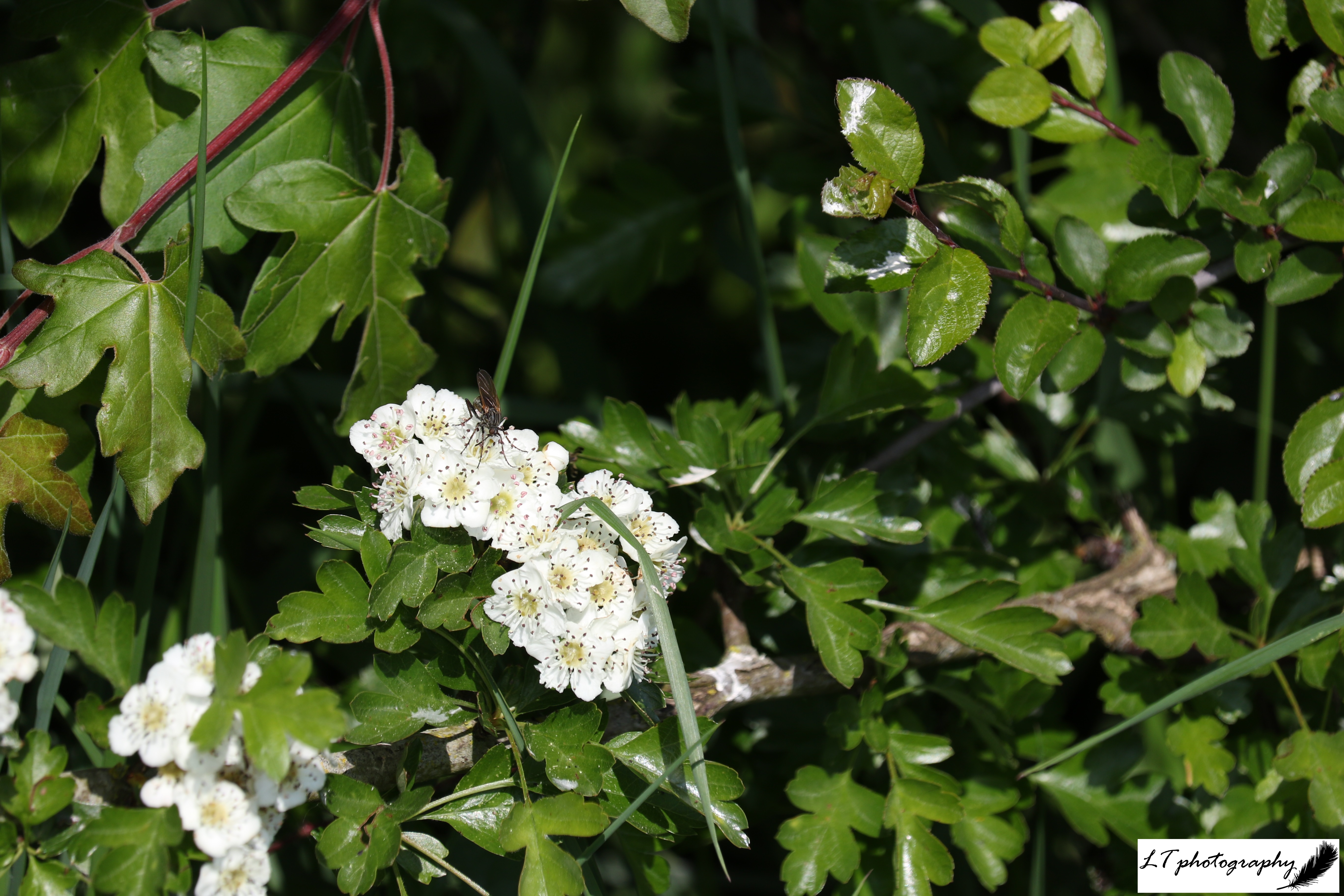
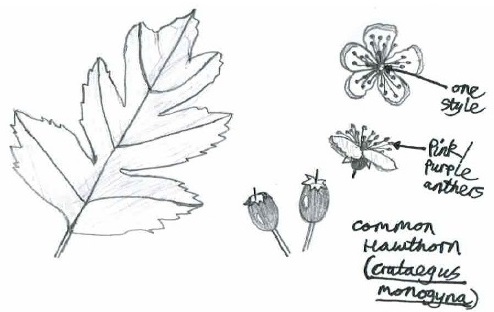
Common Hawthorn (Crataegus monogyna)Hawthorn

  • Family: Rose
  • Size: Up to 10m tall
  • Stems and twigs: Very thorny and hairless
  • Leaves: Leafing in April, the leaves are shiny and roughly oval-shaped with 3-5 deeply cut lobes
  • Flowers: White fragrant (sickly sweet) flowers with pink/purple anthers, only one style and 5 petals. Become deeper pink as they fade
  • Seeds: Fruit, known as haws, have a single seed and ripen to a bright red
  • Range: Widespread and common throughout Britain
  • Fun Facts: Hawthorn is linked to Christian, pagan and medieval rites, and has ancient associations with May Day. Bringing hawthorn blossom in your house was believed to bring in illness and death upon you

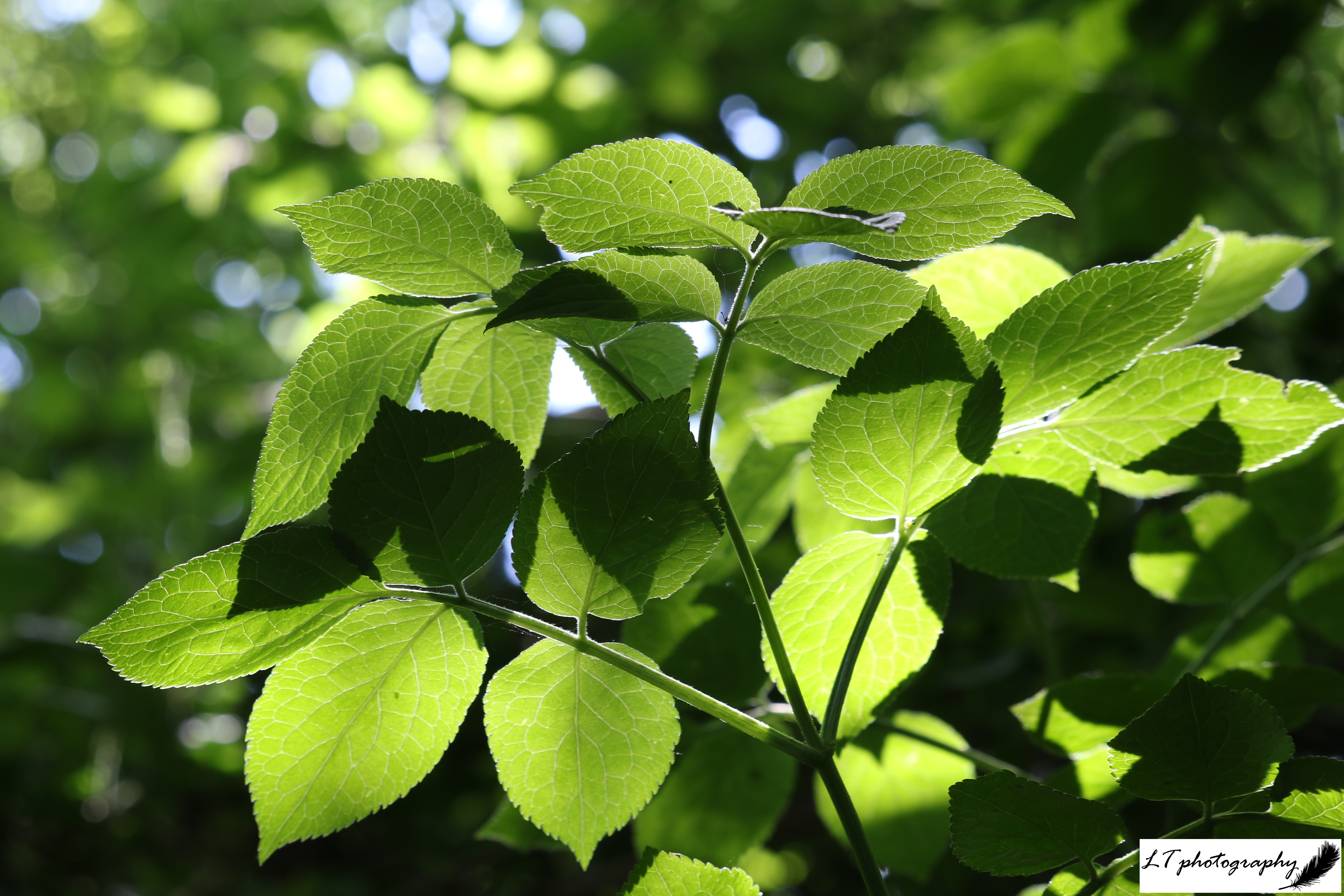
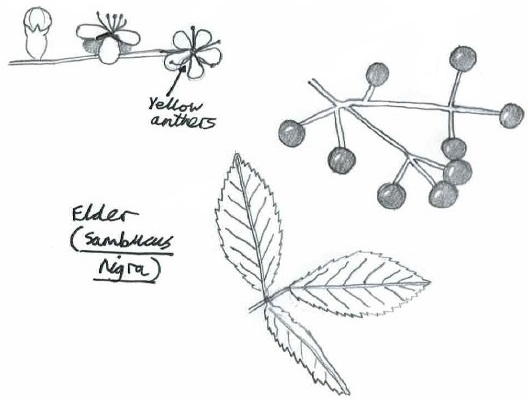
Elder (Sambucus nigra)Elder

  • Family: Previously in the honeysuckle family , but now reclassified in moschatel
  • Size: Up to 10m tall
  • Stems and twigs: Strong smelling with corky and fissured bark
  • Leaves: Dark green, pinnate with 5-7 leaflets
  • Flowers: White, small and fragrant in flat-topped clusters with yellow anthers. Flowers May-August
  • Seeds: Produces a juicy edible purplish-black berry
  • Range: Widespread and common throughout Britain
  • Fun Facts: Has many uses from wines and jams, to toys and dyes. Also, it was believed that planting an elder tree near your house would keep the Devil away

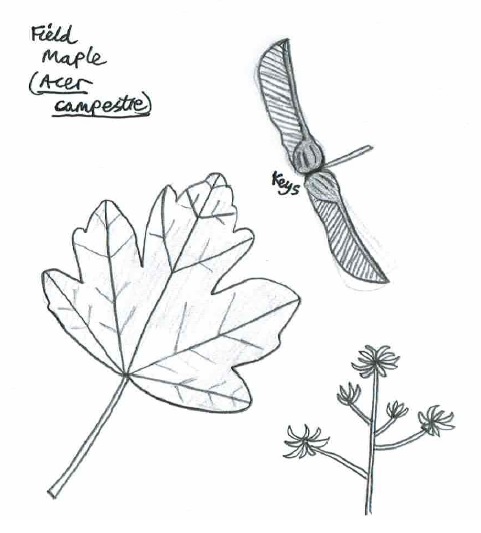
Field Maple (Acer campestre)Field Maple

  • Family: Soapberry – related to horse chestnut and lychee
  • Size: Up to 25m tall
  • Stems and twigs: Twigs downy
  • Leaves: Much smaller than sycamore at 4-7cm long and wide, rather bluntly lobed (3-5), and dark green. Turn distinctively amber in autumn
  • Flowers: Yellowish-green and carried in upright spikes. Flowers May-June after the leaves
  • Seeds: The seeds, known as keys, are winged and paired forming an angle of 180 degrees
  • Range: Common in England and East Wales, but less common elsewhere
  • Fun Facts: Wood used for furniture veneers, wall panelling, and violin-making, but previously used to make domestic utensils such as drinking bowls. As with all maple trees, the sap of the field maple can be used to make maple syrup

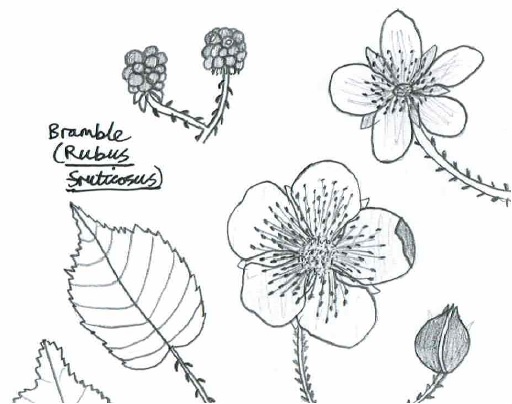
Bramble (Rubus fruticosus)Bramble

  • Family: Rose – closely related to species such as raspberries and dewberries
  • Size: Up to 4m tall or long
  • Stems and twigs: Prickly and half-evergreen
  • Leaves: 3-5 broad, toothed leaflets
  • Flowers: White or pink and flowers from May onwards
  • Seeds: Fruit is the familiar edible blackberry that starts green, then turns red, finally ripening to purple-black
  • Range: Widespread and common throughout Britain
  • Fun Facts: Folklore dictates that blackberries should not be picked after Old Michaelmas Day in October, as the Devil has sullied them. Brambles were also previously planted on graves to stop sheep grazing

Pedunculate or English oak (Quercus robur)

  • Family: Beech – related to species such as beech and sweet chestnut
  • Size: Up to 40m tall
  • Stems and twigs: Massive rugged grey-brown trunk and broad crown
  • Leaves: 10-12cm long, oblong, usually broader at the base and lobed, turning brown in autumn
  • Flowers: Yellow-green catkins flowering April-June
  • Seeds: Produces the familiar acorn, with scaly cups and clusters carried on long stalks
  • Range: Widespread and common throughout Britain
  • Fun Facts: Druids in Celtic Britain held the oak tree sacred, with the oak becoming an English national symbol of strength

13_05_20_Sunrise_Oak_Tree_Grass_3

Sessile oak (Quercus petraea)

  • Differs to Pedunculate Oak in that the leaves taper to an unlobed base and have long stalks. Also, the clustered acorns are almost stalk-less with downy cups. Prefers more acid soils and is more common in the West of Britain

Oak Trees

Other species

  • There are lots of flowering species to also be found at the base of hedges. To help with identifying these, check out my ‘How to… Identify Woodland Flowers’ guide, to help with crossover species, such as bluebells, primroses, and moschatel

All photos and drawings are my own

How to… Identify Animal Footprints

Often it can be difficult to catch a proper glimpse of the animals around us, especially those that are more active at night. Just because you may not be able to see them though, does not mean that they are not there. Instead, a great way to find out what is living near you is to play detective and look for the signs they leave behind, such as fur, burrows or droppings.

Here we take a look at a great sign of animals being present, animal tracks/footprints. Though they are best found in snow or wet mud, at this time of year the best way to look for tracks is after rain, hardened in drying mud, or by creating your own tracker. So why not have a go playing detective and see what you can find in your garden or wider countryside whilst getting out for exercise. To help you out, here’s my guide to animal footprints!

Guide to animal footprints

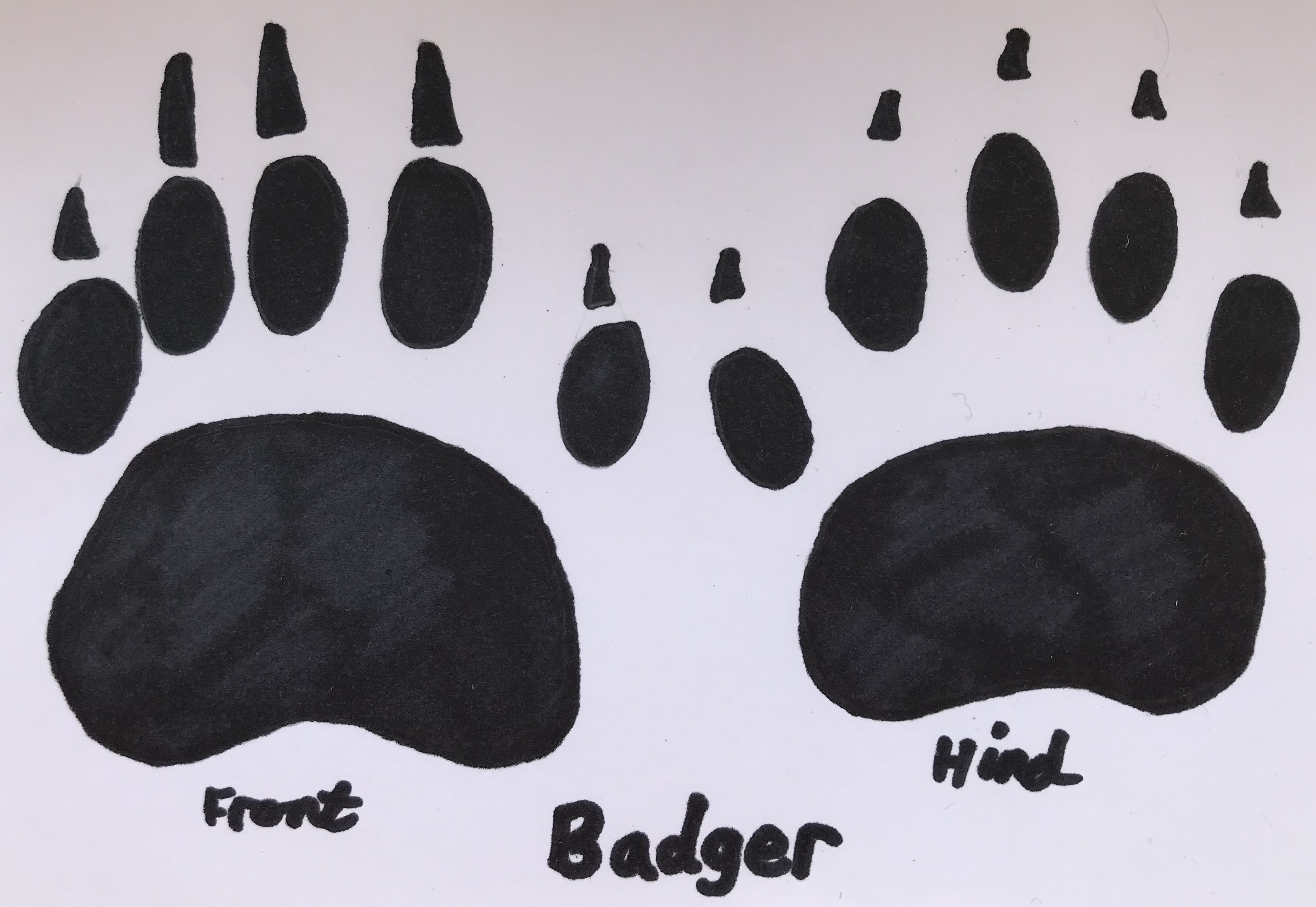
Badger

Footprint Size: 5-6cm long & 5-6.5cm wide

Badger

A badger’s footprint is large, broad and robust with 5 toe pads pointing forwards in front of a broad rear pad. They also may show long claw marks that are well in front of the toes. Claw marks are shorter and closer to the toe pads for the hind feet.

Badger

Fox

Footprint Size: 5-7cm long & 3.5-4.5cm wide

Fox, Cat, Dog

A fox’s footprint is a bit like a dog’s, but appear more narrow in shape with toes closer together, making a diamond shape. There are 4 distinctly oval toes, 2 at the front and 1 towards each side, and a roughly oval rear pad. Foxes do leave claw prints, unlike cats, but do not have the elongated claws that are visible in badger prints. Sometimes impressions of hairs between pads may be visible.

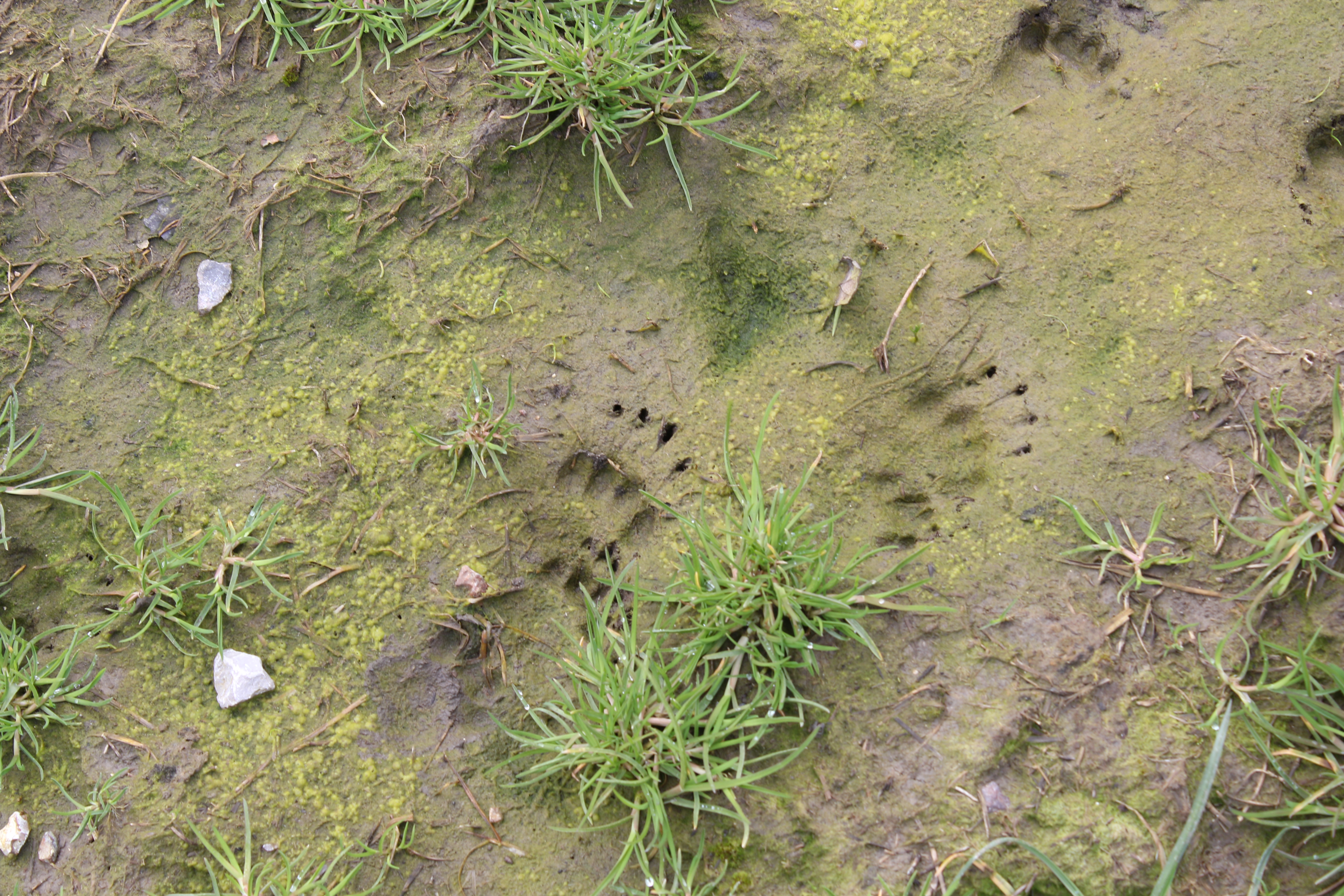
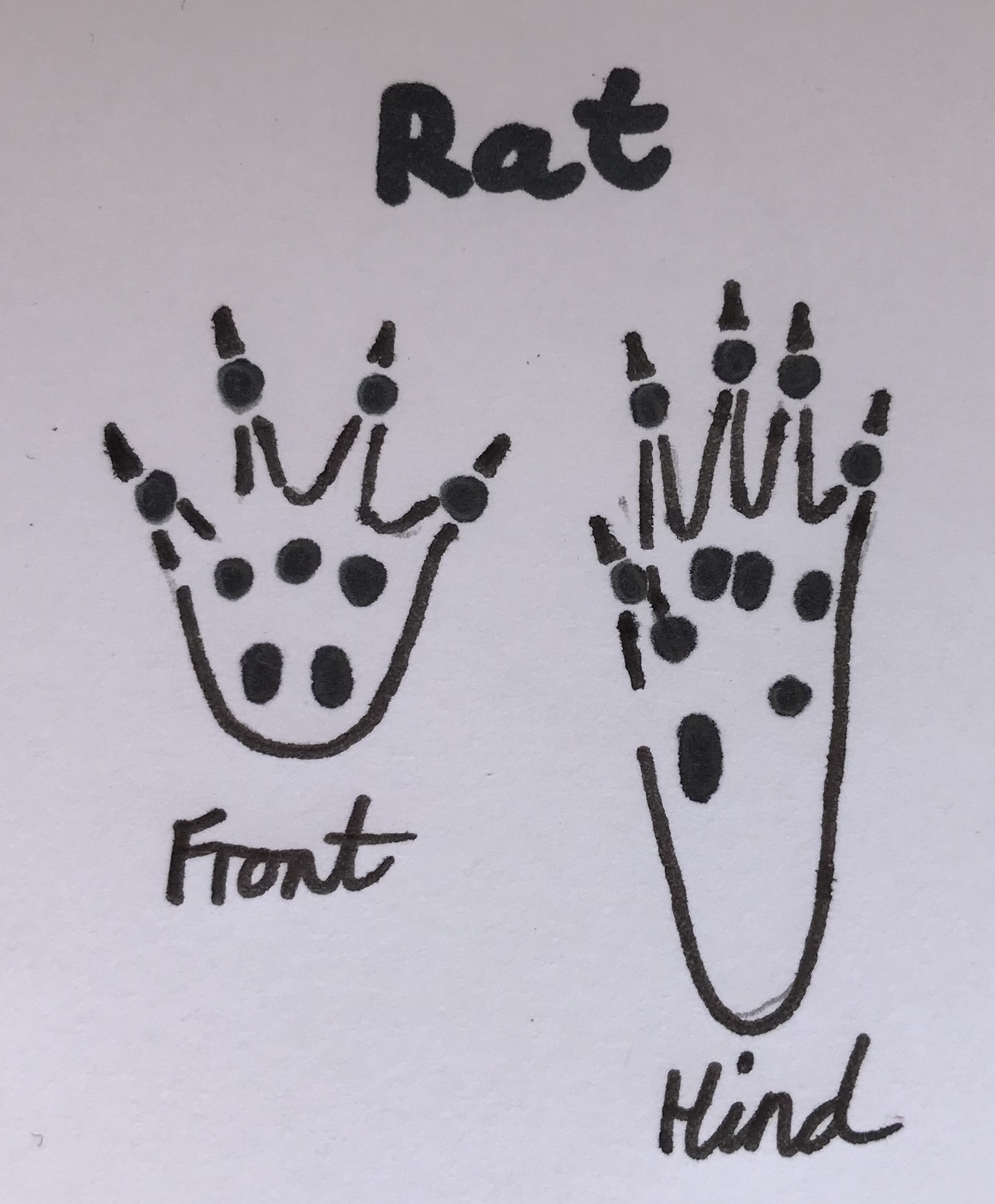
Rat

Footprint Size: Front= 1.8-2.5cm long; Hind= 3-4.5cm long

Rat

A rat’s footprints vary between the front and hind feet. On the fore, they have 4 toes, whereas on the hind, they have 5 toes and a long heel. Their footprints can be mistaken with a water vole’s, but a water vole’s tends to show more splayed toes and a shorter heel.

Rabbit

Footprint Size: Front= 4cm long; Hind= 7.5-9.5cm long

Rabbit

The hind feet of a rabbit are much larger than their fore feet. This means that their footprints will be grouped into a pair of long and a pair of shorter prints. Often you will also see lots of footprints crossing each other and signs of multiple rabbits together.

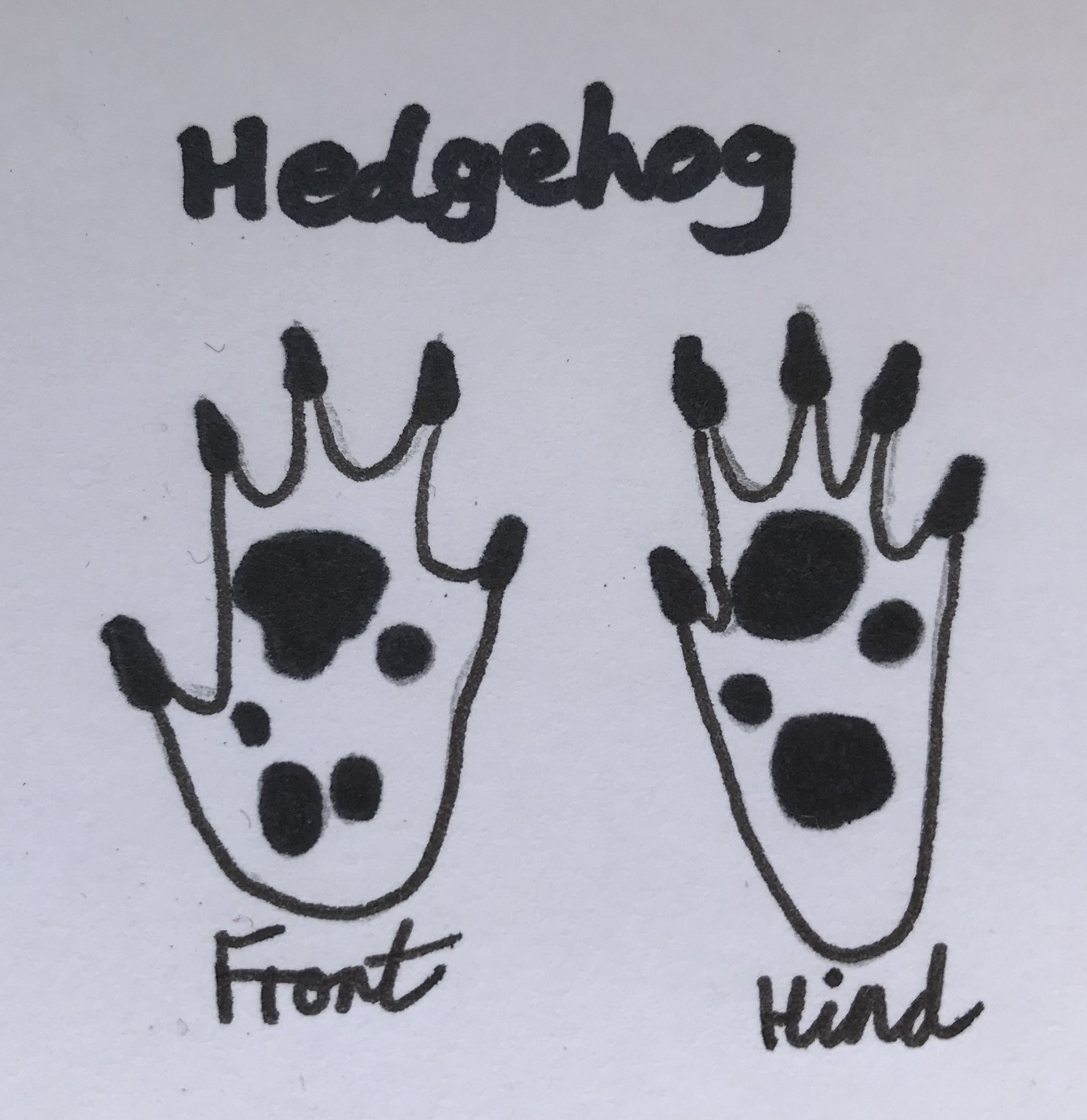
Hedgehog

Footprint Size: ~2.8cm wide & ~2.5cm long

Hedgehog

A hedgehog’s footprint is long and narrow in shape with 3 toes pointing forward and 2 pointing out to the sides, making a star shape.

Deer

Footprint Size: Vary from muntjac deer at ~3cm long to red deer at ~9cm long

Deer

All deer species have cloven hooves (2 toes), the same as a sheep or a cow. A deer’s toes are more slender and pointed though, looking like 2 teardrops or an upside-down heart. Toes may appear splayed in soft ground.

It tends to be difficult though to tell apart the footprints of different deer species, as they tend to be similar, only differing in size and subtly in shape. A muntjac’s footprint though, for example, will be alot smaller than a red deer’s.

Deer

Otter

Footprint Size: 6-9cm long & up to 6cm wide

Otter

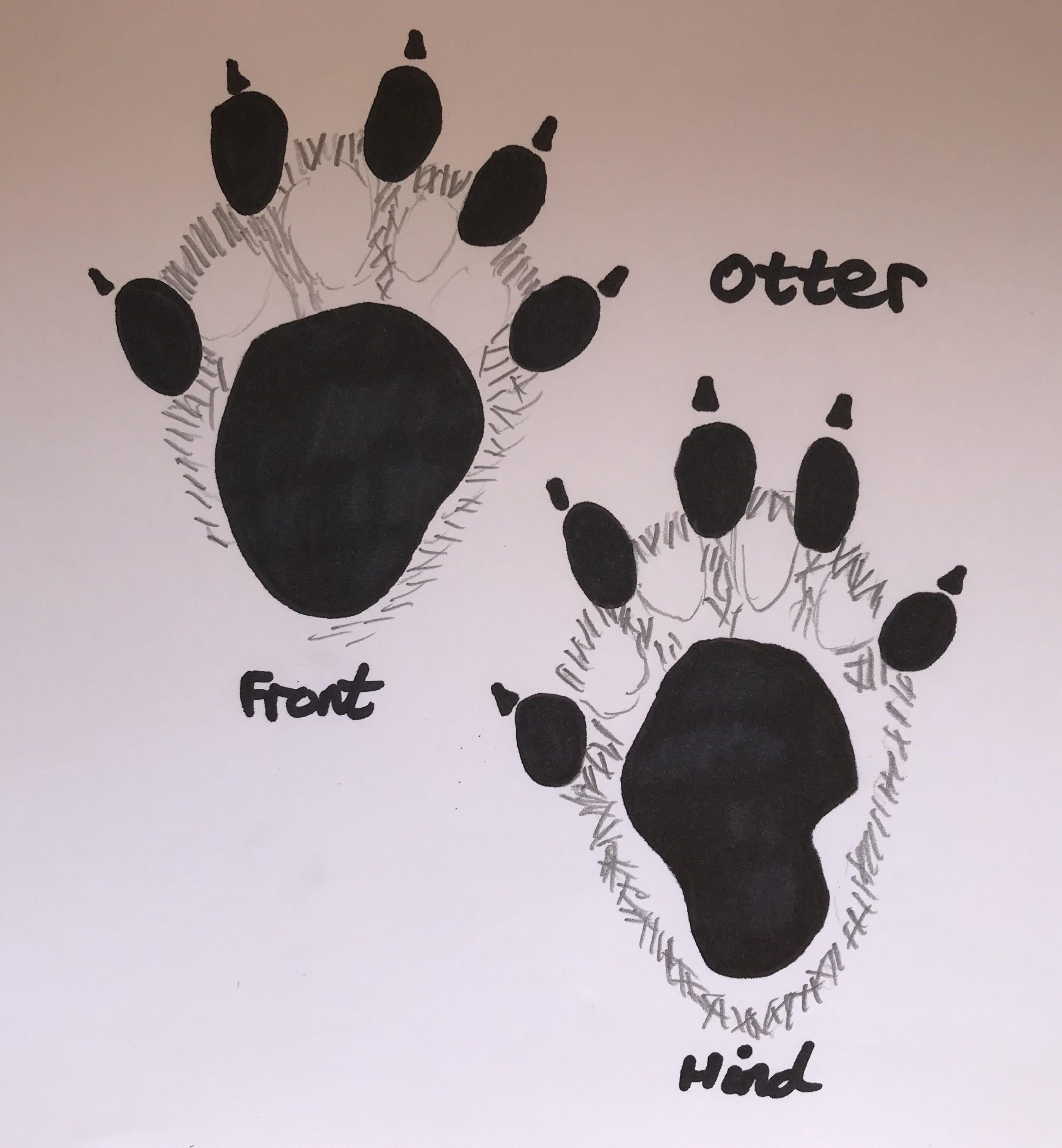
An otter’s feet are webbed due to their semi-aquatic lifestyle, which can make their prints easy to spot if visible. Their fooprints are also round with 5 toes in front of a large rear pad. Short claw marks projecting from the toes may also be visible.

Small mammals e.g. Mink, weasel, stoat, pine marten, polecat

Footprint Size: Varies with species and sex

Small Mammals

Five toes splayed in a star shape

Birds

Footprint Size: Varies with species

Most bird species have four toes, with typically 3 facing forward and 1 backwards. Depending on the species, footprints on the ground will vary in size, shape and form. A common footprint seen in the english countryside is that of the non-native pheasant. Their footprint is fairly distinct due to their large size and looks like an arrow in shape (Footprint Size: 6-8cm long).


All photos and drawings are my own 

Kingston Lacy’s Spectacular Snowdrops

‘We all want quiet. We all want beauty… We all need space. Unless we have it, we cannot reach that sense of quiet in which whispers of better things come to us gently’ (Octavia Hill, 1883, Co-founder of the National Trust)

One brisk, but sunny day at the beginning of February, I found myself surrounded by carpets of brilliant white. Looking closer, I could see thousands of delicate flowers, nodding in the breeze like flurries of snow, shaped like bells or little fairy skirts. Here the effervescent snowdrops become a real spectacle at this time of year, shouting loud that the brighter days of spring are on their way.

086A2805

With my parents by my side, I had decided to spend my day off exploring Kingston Lacy, a beautiful National Trust estate famous for its incredible annual snowdrop displays. I was really looking forward to this trip, after a long spell of being very busy with work and other projects. It was a time for me to just pause and take a breather in a really breathtaking location.

086A2847

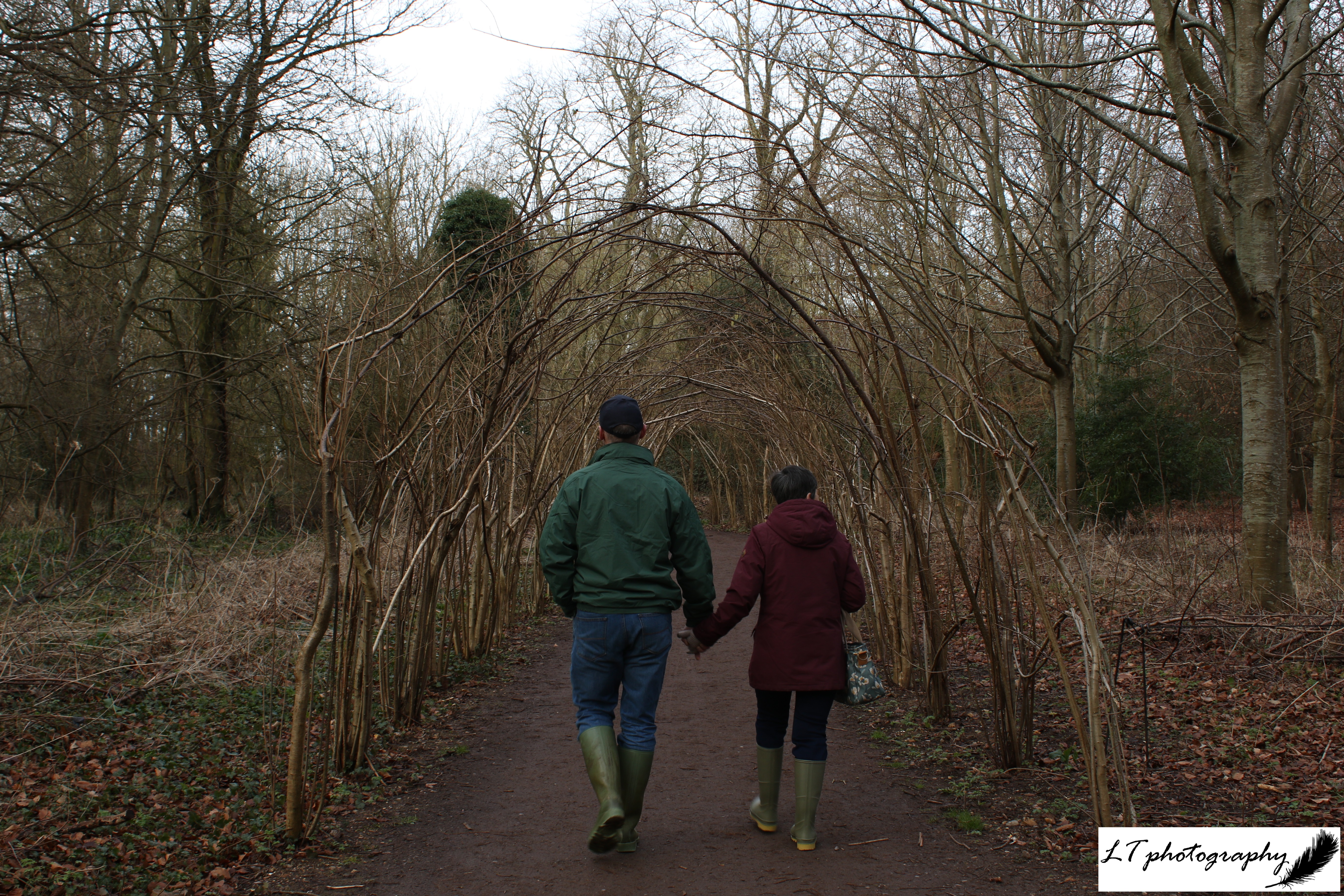
We began our day out by passing through the heart of Kingston Lacy, passing by the old stable block, and heading out onto the estate’s approximately 4.7 kilometre woodland trail, made up of established footpaths and historic carriageways. Our start wound us first through a stretch of native deciduous woodland, an area of currently skeletal trees alive with early birdsong.

Habituated to the presence of visitors walking through, we got some really great close-up views of the residents, including red-breasted robins and serenading song thrushes.

The woodland was also sprinkled with human touches here and there, from benches made from old tree trunks to archways of woven hazel. A lovely stretch to hide away from the world, at least for a little while!

086A2764

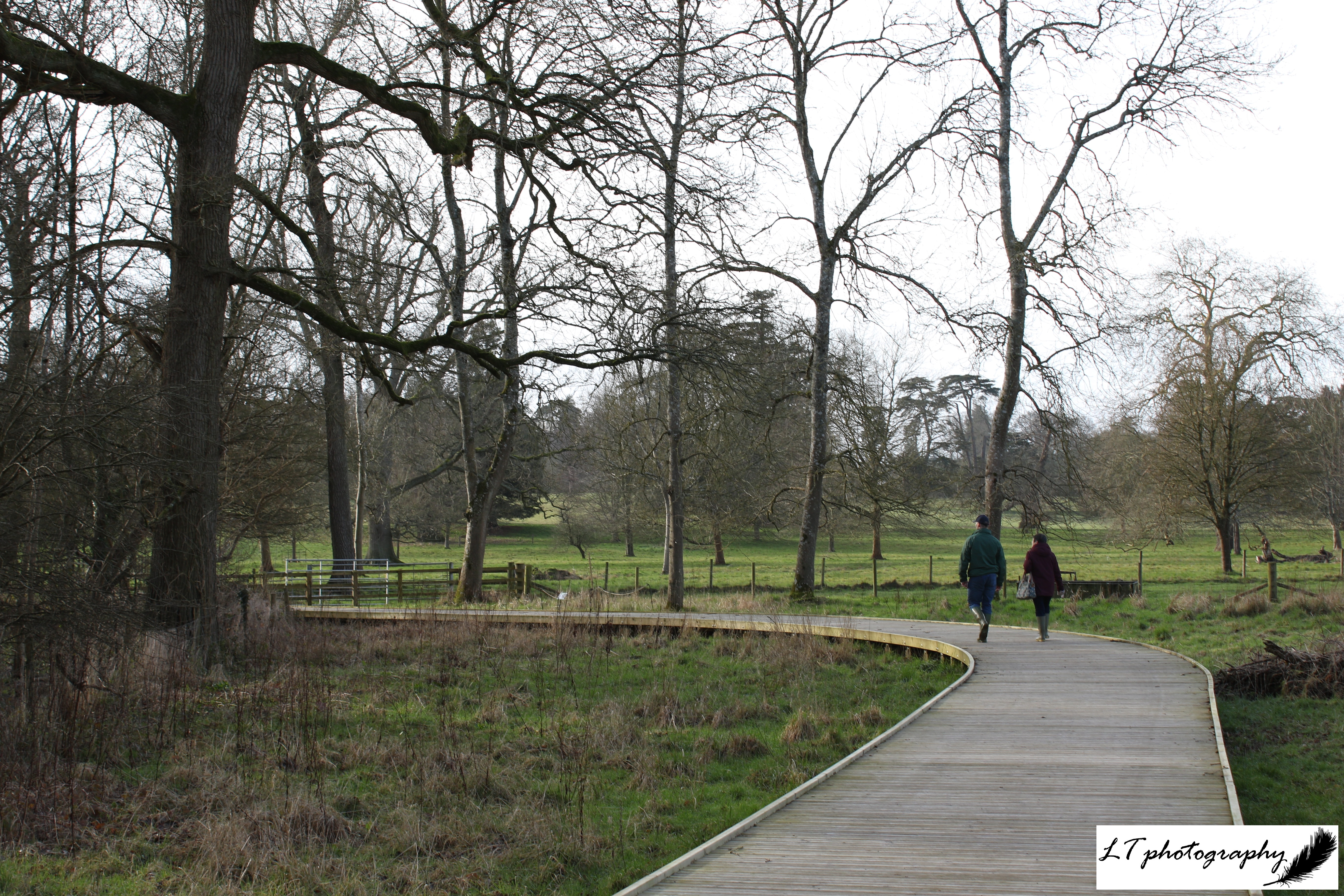
We did not just pass through woodland though. Our journey also took us past Blandford lodge near the entrance to Kingston Lacy, across boardwalks over marshland, and through rolling parkland, dotted with trees varying magnificently in size, species, age and skeletal form. It is quite incredible to think what some of those trees will have lived through in the history of this estate!

086A2777

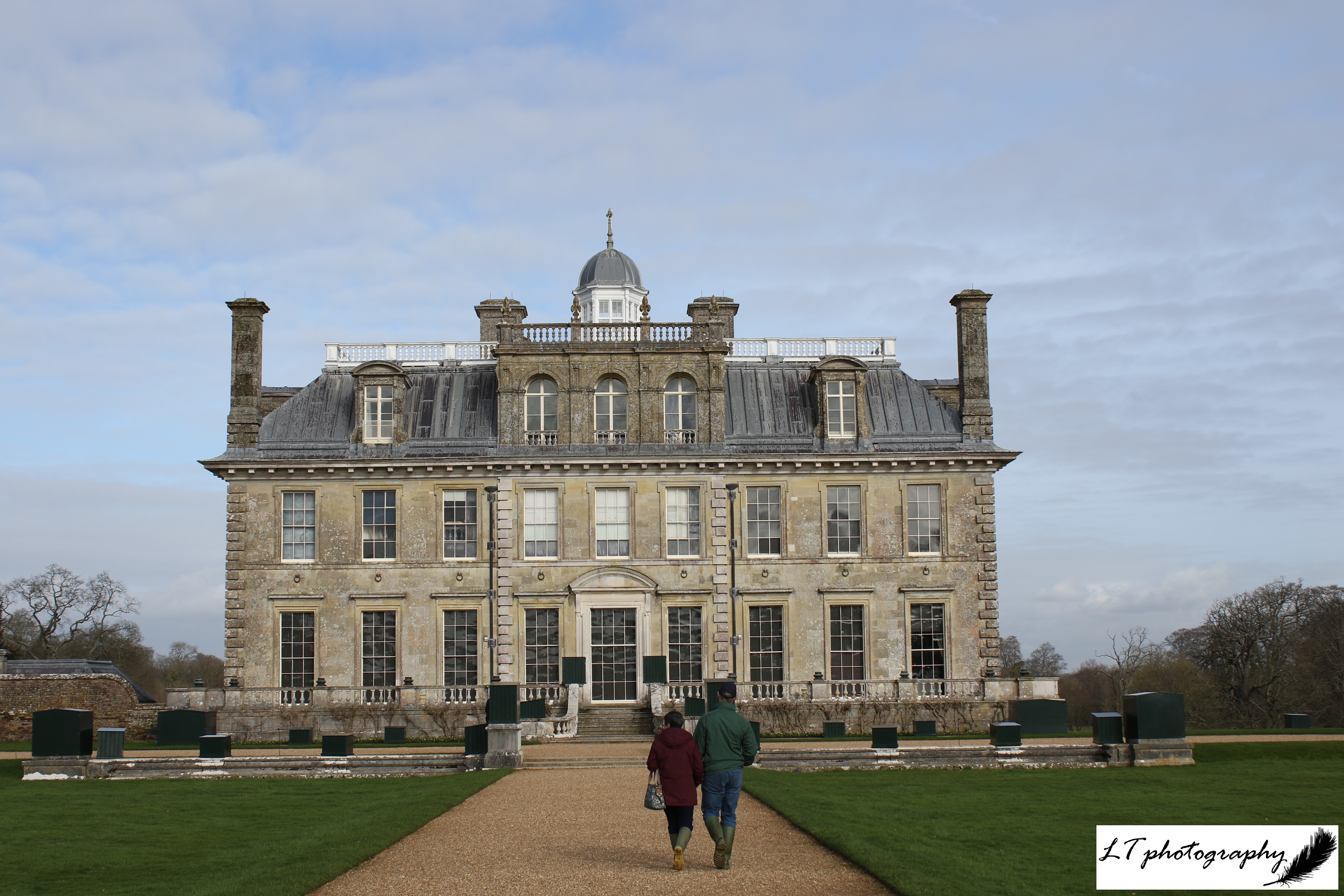
As well, our path took us past the magnificent Kingston Lacy house, a ‘family home reimagined as a Venetian palace’. Though the estate dates back to the medieval times, the first form of the current house was completed in 1667. It went on to be the home of the Bankes family for over 300 years, before being bequeathed to the National Trust in 1981. Though on this February day we did not venture into the house, it is well worth a visit, with the rooms decorated like pieces of art and treasures ranging from ancient Egypt to the Spanish Peninsular War.

As the hours drew on and the sun made its way across the winter sky, our path took us back past the old stables and in the direction of Kingston Lacy’s gradens. Here today’s real magic was to be found. We finally made our way into a world where snowdrops created carpets of snow around us. Stretching along avenues of pollarded trees, across woodland glades, around winding bends, and even nestled within the impressive Japanese gardens.

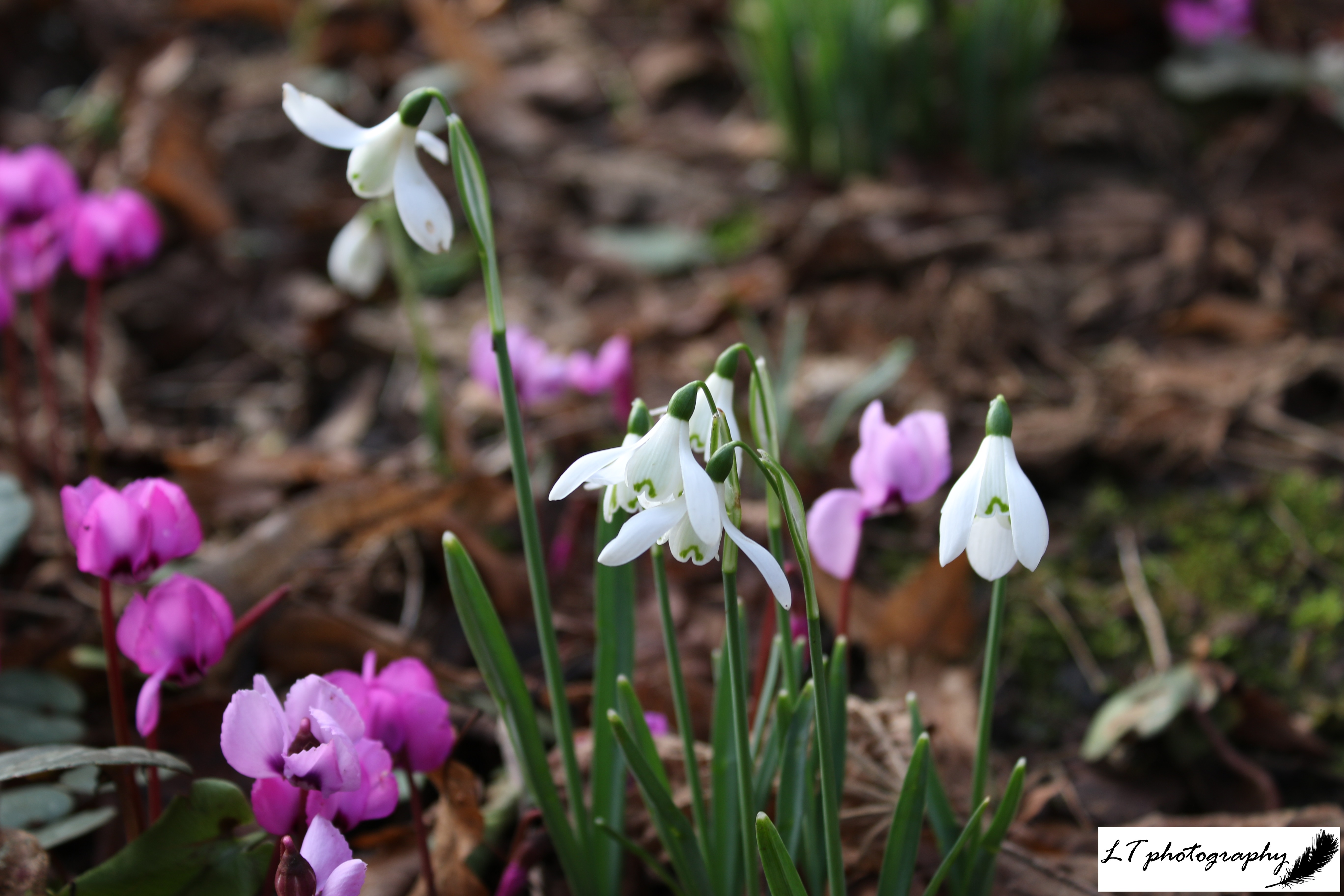
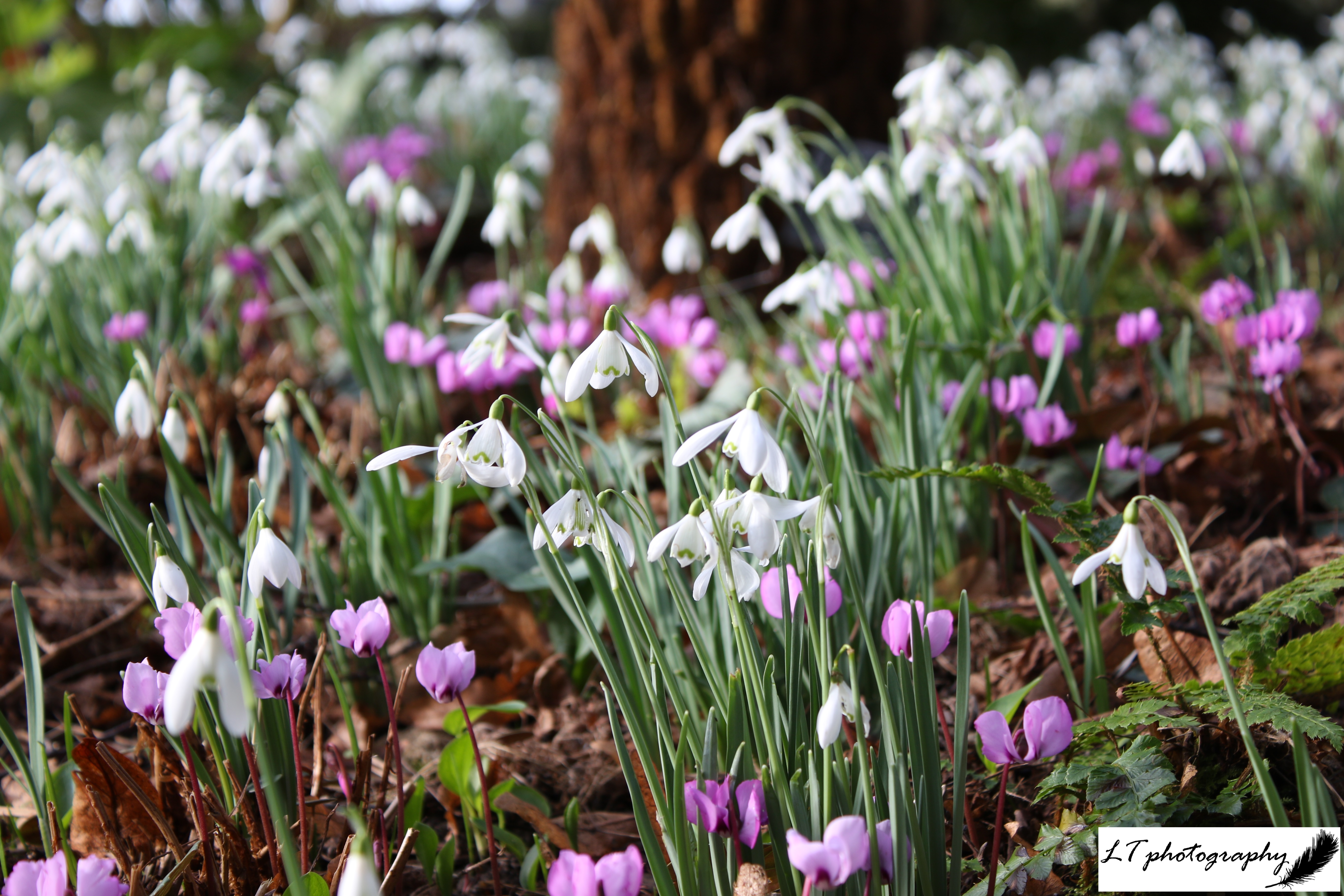
The pearly white of snowdrops was made bolder by the pinks of cyclamens, purples of irises and crocuses, and cream and maroon of helibores.  Seeing something small on such a scale, over 6 million to be precise, is a sight to behold. First planted in the early 1900s, with now over 40 different species, Kingston Lacy’s snowdrops will be a legacy for future generations to come.

Kingston Lacy is such a lovely place to escape for those of us who like history, nature or just getting outdoors. Throughout the year they have a range of different events, from their snowdrop walks and Easter egg hunts to summer outdoor yoga and outdoor theatre/cinema that will keep you coming back time and time again, as i have over the last couple of months. For now here’s to the snowdrops, the promising pioneers of the new season to come. Pure, hopeful and the symbol of rebirth, snowdrops are the delicate, effervescent heralds of spring.

Golden days of autumn

As we ease into the holiday season and creep closer to the closing of the year, it is time to contemplate and reflect, be thankful for what we have, and celebrate what is important to you. Looking outwards during this time, to the world beyond the window, autumn has now also made its departure. Skeletal trees, howling gales, freezing temperatures, and dormancy characterise the landscape, though there are hidden gems to be found. As you cuddle up in your home on this cold winter’s evening, let us now remember back to those golden days of autumn.

Autumn as it happened

When I think of autumn, the first thoughts that come to mind are dazzling colours, falling leaves collecting in drifts on the ground, bountiful fruit, and migrant birds passing through. Though my favourite season tends to be blossoming spring, autumn is a time that is often the favourite of many. Each season has something special to offer and autumn is no different!

This year autumn has been a bit more unpredictable and turbulent in its advancement than many other years, being the 5th wettest english autumn since records began. Despite this, it has mainly progressed in the traditional fashion.

September saw evening temperatures drop, the start of misty mornings with spider webs shining with dew, ripening fruit and nuts, grey squirrels beginning to cache food, the emergence of the first autumn fungi, and the start of birds moving through.

October saw the trees beginning to change, becoming decked out in resplendent colour, fungi in abundance, the buzz of late insects such as wasps and honeybees, goldfinches harvesting seeds from thistles and teasels, fallen acorns becoming available as a valuable food source, the squawks of jays collecting nuts, and by the end of the month most migrants had moved on.

As the season of decline and decay moved on also, November saw oak trees in colour, other trees losing their leaves on mass, cackling fieldfare in the hedgerows, withering bracken, plentiful ripe seeds and fruit, redwings making their return, wildfowl and wading birds settling in for winter, thrushes and blackbirds harvesting fruit, winter flocks forming as they scavenge in bushes and along hedgerows, and lengthening nights.

By the end of November, most of the trees and hedgerows were bare of leaves, conditions were cooler, frost and fog were more common in the mornings, and winter was on its way.

A day in the woods

As part of my celebration of autumn this year, I made a visit to my favourite local woods. On this October trip, I spent time being mindful, capturing the world around me through words and through a lens.

‘As I step into the woods, it is noticeable how the vegetation is beginning to die away, though the ferns still stand sentinel over the woodland floor. Looking closer though, fungi is dotted everwhere. Small capped mushrooms stand only a couple of centimetres tall, whilst larger and more exquisite shapes stand taller and hang from the trunks of trees.

A nuthatch lands on a branch above my head. I look up and see that autumn is already in full swing, with the trees working at different paces, creating a spectacular mosaic of colour from fading greens to copper and gold. The trees are beginning to lose their magnificent mantels in spectacular style. Berries adorn holly and hawthorn bushes, shining scarlet in the strained autumn light.

My other senses are also stimulated. To my nose, the forest smells fresh, though with every step the woodland floor releases an aroma of damp decay and rotting vegetation. On my exposed skin, a gentle cool breeze plays, whilst midges crawl and bite.

My ears are most active though. Long-tailed tits flit from tree to tree around me, making high-pitched calls as they feed as a family, characteristic of autumn. Robins and tits also sing their songs in the trees around, before a wren sounds its alarm call and the other birds join in. Further away, still in the forest, pheasants fight, a collared dove coos, and a jay caws its raucous call as it goes about its way, storing food for winter. Outside of the wood, I can also hear farm sounds along with crows and rooks cawing.

Though the buzz of woodland life is beginning to slow, decay and slip away, the landscape is still full of life.’

Sunlight

The science of autumn

Why do leaves change colour?

  • This process is triggered by changing day length and is sped up by increased sunlight and cooler temperatures. It occurs when pigments, such as chlorophyll, is broken down, and then transported back into the branch. The colour is produced by the remaining degraded pigments in the leaf. Different amounts of pigment left in leaves creates the different colours.

Why do birds migrate?

  • Birds migrate from areas of low or decreasing resources, such as food, to areas of high or increasing resources. It can be triggered by factors such as changes in day length, temperature, or is simply a genetic predisposition. Migration can vary from short within-country movement to long-distance migration. It is still not fully understood how birds navigate during migration, but suggestions include using landmarks or an inbuilt magnetic compass.

Starlings

How do mammals survive the winter?

  • A variety of adaptations are used during the winter by different mammal species. They grow longer, thicker coats. increase food intake to produce fat reserves, and create underground nests where they can sleep through colder days. Mammals that find it difficult to cope during the winter, such as those that eat mainly insects, instead slow their body processes down nearly to a stand still to survive. This is called hibernation with common examples being seen in hedgehogs, bats and dormice.

Rabbit

The end of autumn’s glory

This year’s autumn has been fantastically colourful trees and woodlands, incredible wildlife displays and cliche autumnal moments.

Buzzard and Pheasants

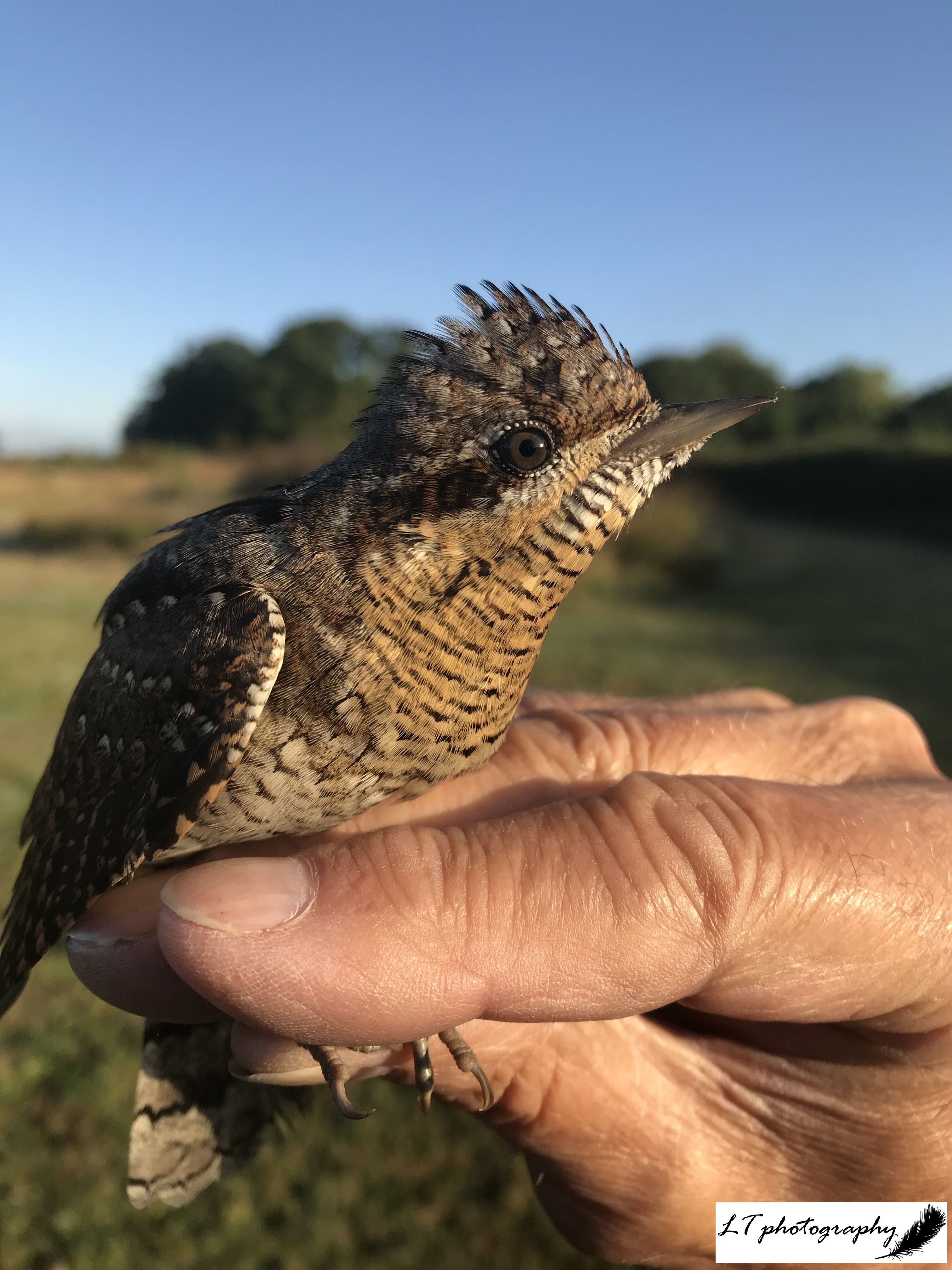
One of my highlights has to be experiencing some of the more interesting migrants that rock up on the British shores during autumn. For me these included wacky wrynecks and marvellous marsh warblers giving some exciting moments.

Now autumn 2019 has come and gone in a blaze of glory, though it was a little wet at times!

Sunset

A Wild Adventure to Richmond Park

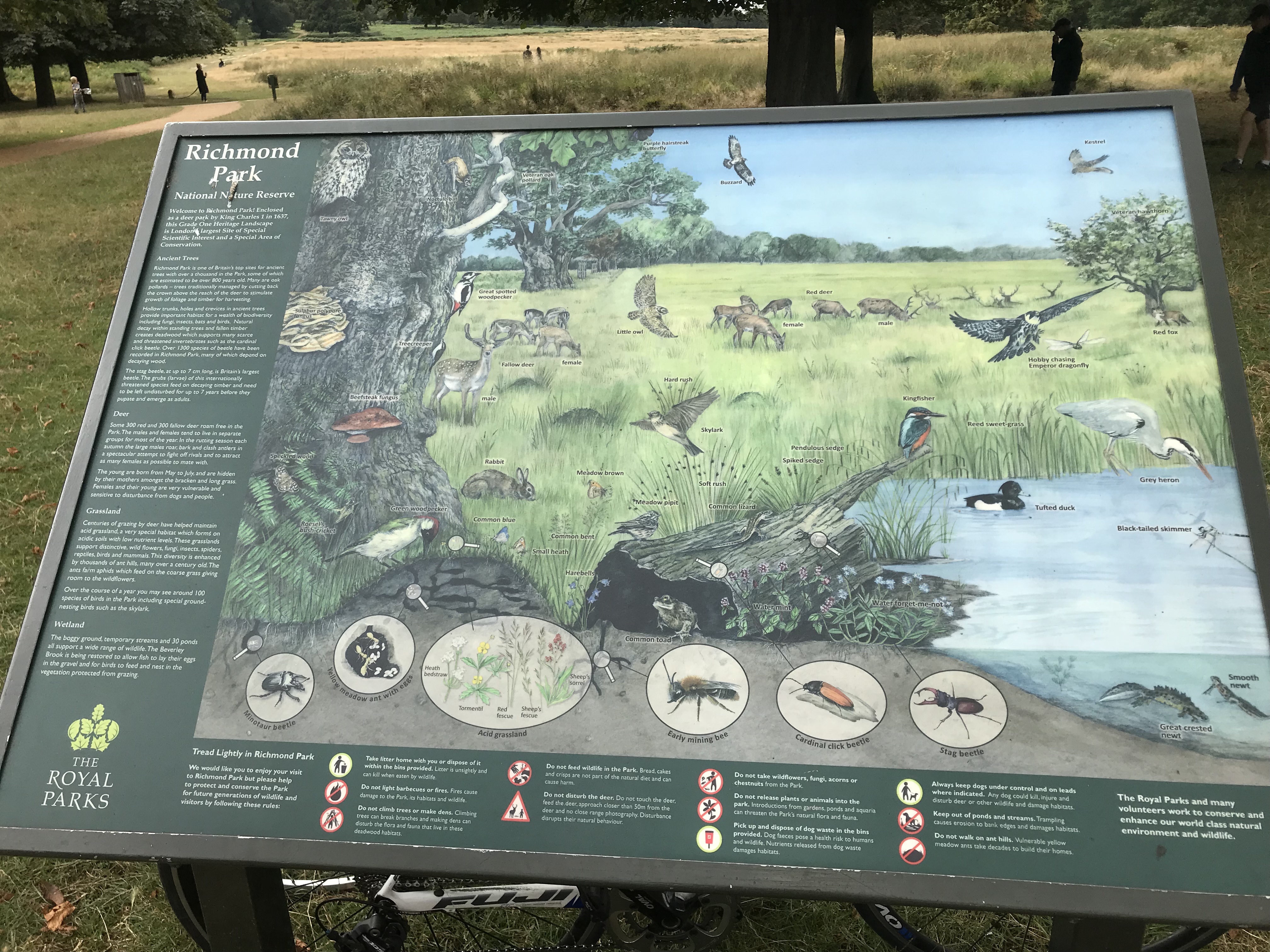
In a green oasis surrounded by urban jungle, ancient trees stand as sentinels. They have watched over this space for centuries, watching as time and history passes by. Some have even stood in this spot for over 800 years, growing taller whilst a wall was raised, royals hunted deer, and a city grew up around its edges. As a busy metropolis hums and pulses at its borders, this park rolling on for 2,500 acres, has lain timeless for centuries. It now continues to capture the hearts and minds of the millions of visitors that step through its walls every year.
IMG_0033

Nestled in the south-west of London, Richmond Park stands as London’s largest Site of Special Scientific Interest and a Grade One Heritage Landscape, with even the Royal Ballet School and a royal residence within its walls. This impressive park first came to my attention last year when I was given the book ‘Park Life: The Memoirs of a Royal Parks Gamekeeper’ written by John Bartram. This book recounts the author’s 30 years working and living within the bubble of Richmond Park. Sparking my imagination, it was his story that inspired in me the desire to make my day trip to his beloved Richmond.

On a hot, but grey autumn day in early September, I made my trek to Richmond Park, with the company of my aunt by my side to guide my path. Starting at the Roehampton Gate in the north-east of the upside-down pentagon-shaped park, we set a route to allow us to take in a range of beautiful habitats, incredible wildlife and the character of this impressive landscape.

IMG_0035

Our first steps took us south, hugging the 2km of river that winds down the east side of the park, known as the Beverley Brook. This river for a time became our birdwatching paradise, filling us with excitement with every stretch. We saw everything from a family of long-tailed tits feeding, fish swimming in the shallows, a spotted flycatcher doing its iconic hunting routine, and a bedraggled juvenile kestrel, to a pair of resting mandarin ducks, a tree creeping tree creeper, the flash of yellow of a chiffchaff, and a grey wagtail wagging. With around 100 bird species having been recorded in the park, we could not wish for more fantastic species to start our walk.

IMG_0045

Moving on from the river, we then headed into the heart of the parkland. With Richmond also being a Special Area of Conservation, the park is home to over a thousand ancient trees; over 1300 species of beetle including iconic stag beetles; at least 9 species of bat; and a range of habitat types including acid grassland, bogs, and 30 ponds. It is truly an incredible space that feels isolated from the rest of the outside world. With every step you can spot another butterfly species, discover a whole host of plants, spot a range of bird species from green woodpeckers to wheatears, and simply escape everyday life.

IMG_0054

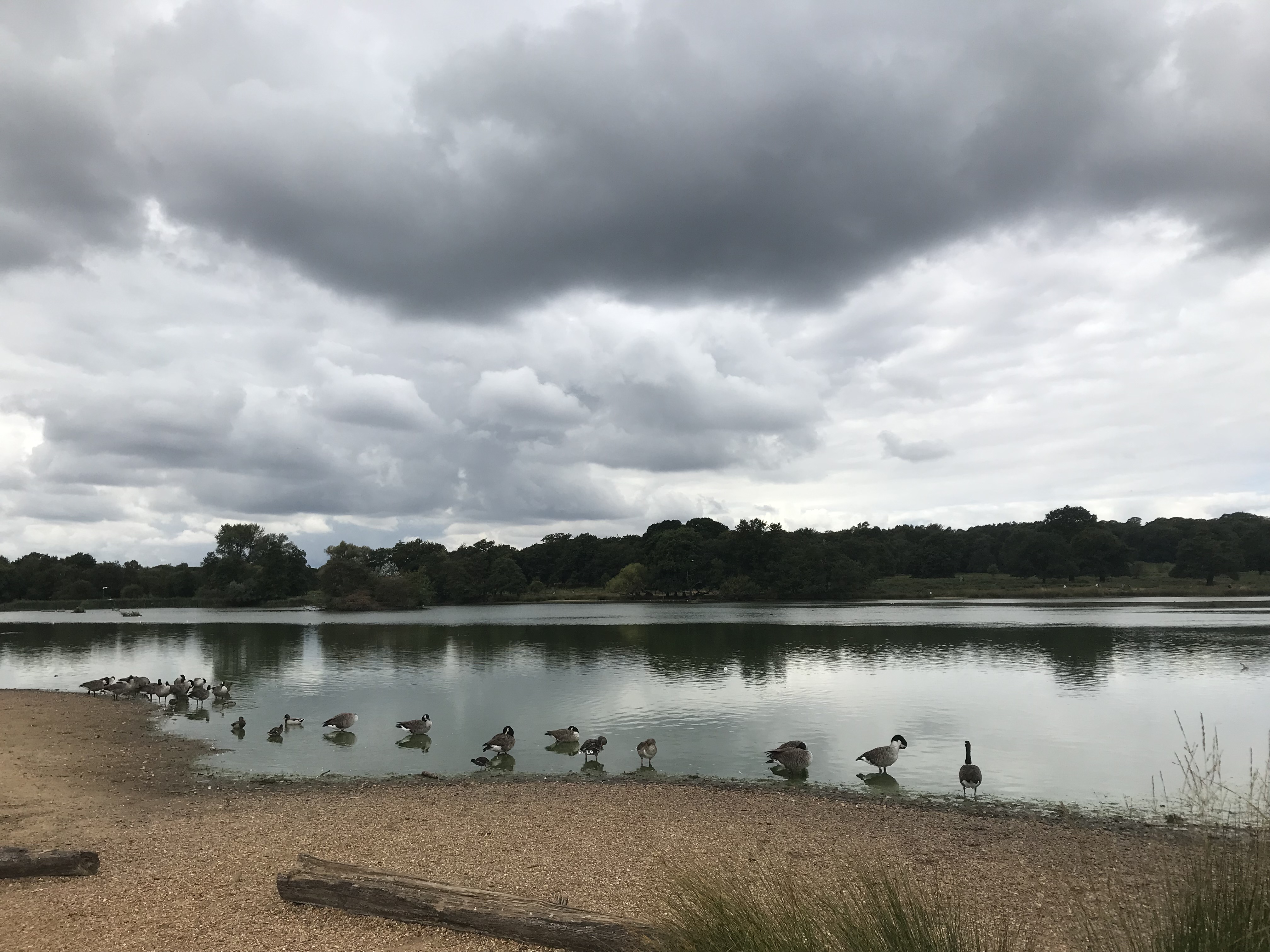
Our journey through the park also took us through the middle of the Pen Ponds which were filled with a myriad of bird species. This ranged from coots to black-headed gulls, tufted ducks to greylag geese, and moorhens to little egrets. With drama unfolding in front of us with every sight, we got to see gulls mobbing late nesting grebes, ducks competing for food, and birds flying low overhead, whilst getting the closest views of great-crested grebes that I have ever had!

IMG_0047

Though Richmond Park is home to many amazing species, it is the majestic beasts with sleek coats and antlers standing heavy on their heads, that are the star attraction for millions of visitors each year. The Park is home to about 300 red and 300 fallow deer, and these deer are most popular during their impressive autumn spectacle of rutting. Of course during my journey through the park, my aunt and I came across many of the red deer impressive with their bare antlers, and watched them in awe from a far. These deer were very much a main part of John Bartram’s 30 years in Richmond Park as a Park ranger.

IMG_0056

As I neared the end of my adventures in Richmond Park for one day, it was evident that though my few hours of escapism were great, you could also easily lose yourself in Richmond Park for days, or in the case of John Bartram, years. It was easy to understand how he spent 4 decades hidden away working and living within this park. Its a place which has something for everyone, with everything from open space and incredible landscapes to amazing wildlife and cafes! For me, seeing 44 species of bird in a short space of time was my highlight. When beautiful places such as this can be found on your doorstep, what more could you want?