In memory of Trevor Squire
My love of birds can be first originated with my grandfather, who enjoyed sharing his own passion with me when I was child, even before my own began. In time, my mum passed her own knowledge on to me, but it took me going off to university to finally realise how much fascination bird species hold for me. Once I returned home to Dorset after completing my Master’s, I then got the opportunity to begin my training as a bird ringer in 2019 with a very special local trainer, Trevor Squire.
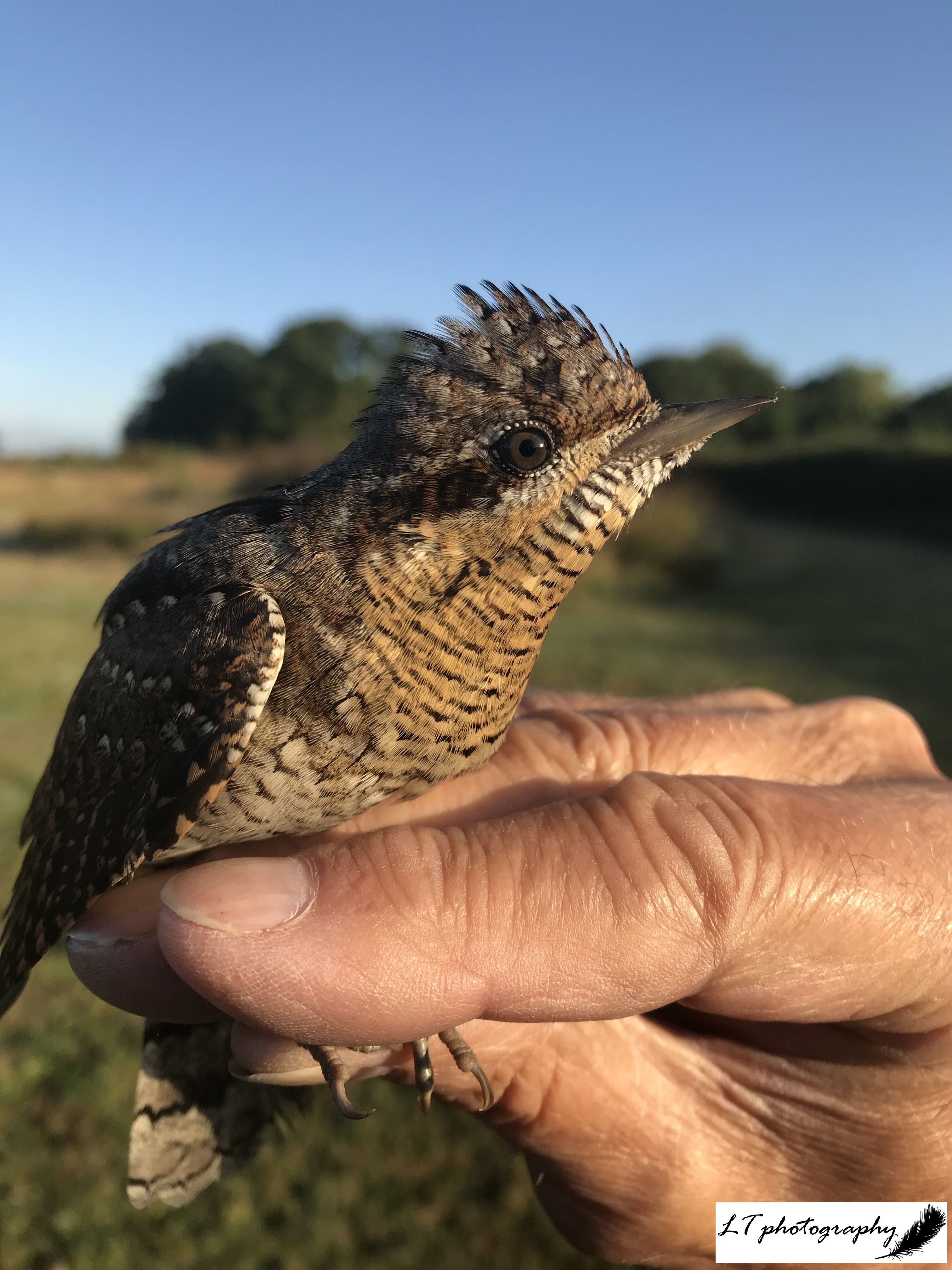
Last year I posted on my blog all about the birds breeding on my family’s farm in Dorset throughout 2022, whilst working to apply for my C permit (check it out here). That year I encountered 2 broods of kestrel chicks, 3 broods of swallow chicks, 2 broods of barn owl chicks, and 2 great mornings ringing in my own garden to build my confidence with a range of species.
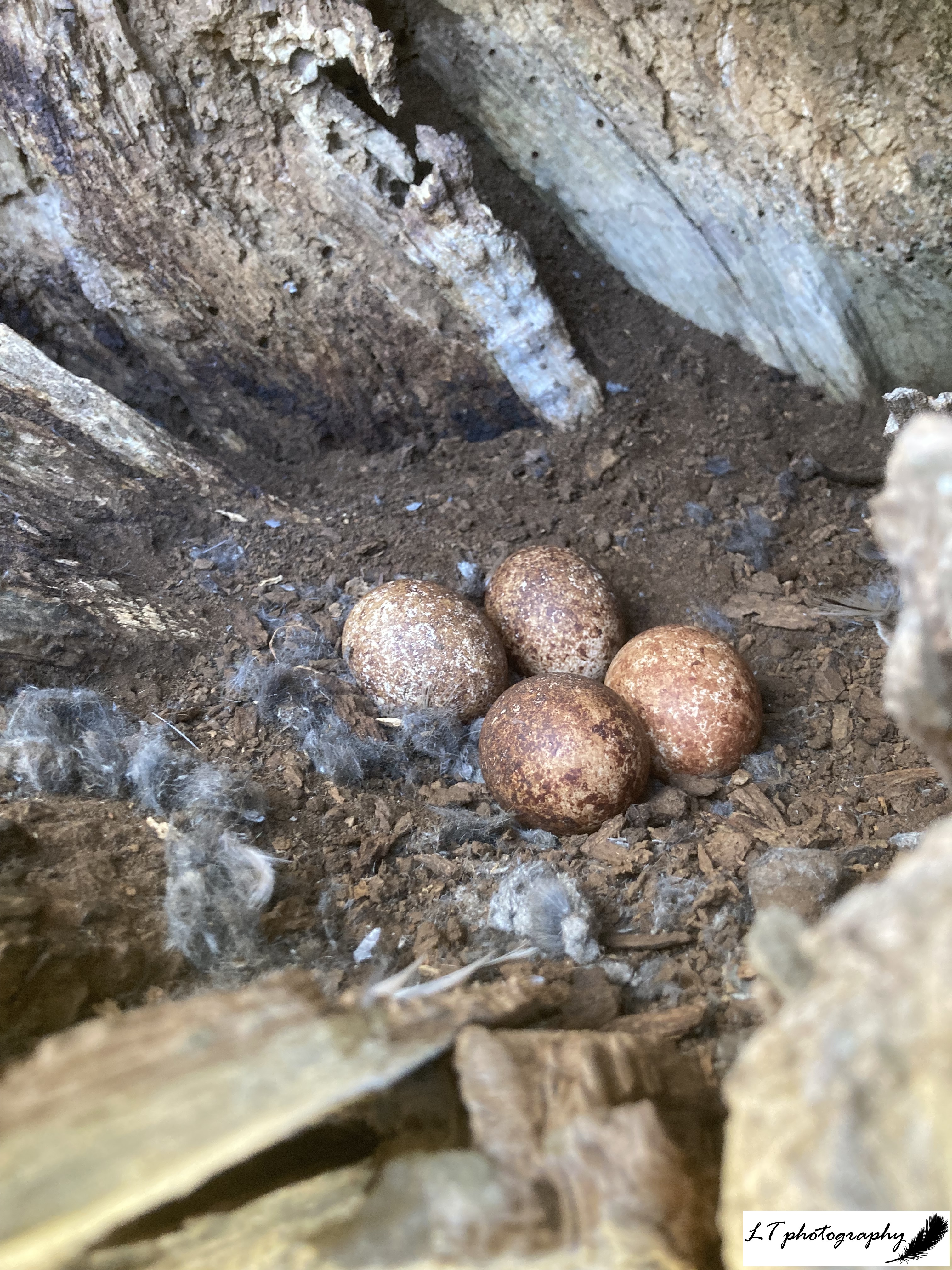
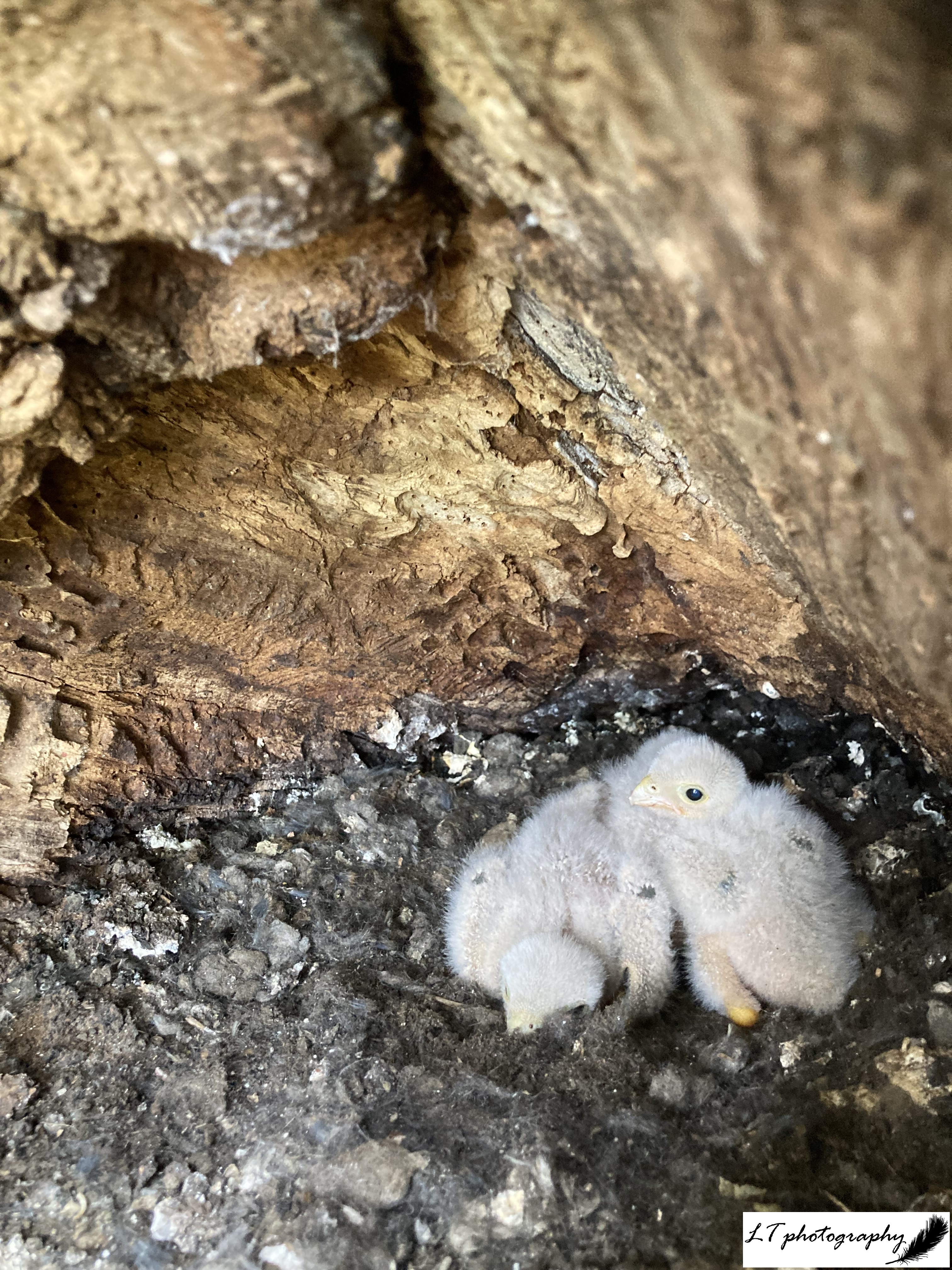
Moving in to 2023, I had now gained my C permit with restrictions, and could begin to ring with more independence whilst exploring the bird life on my family’s Dorset farm. Unfortunately, no kestrel nests were discovered on the farm during 2023, as our local population were hit hard by avian flu. There was still lots of bird fun to be had though, so read on to find out what I got up to.


Swallows
In 2022, the swallow population around my home had a tough year and a very poor breeding season, which may be because less pairs returned to start with. In total, I discovered 6 nests, but only 3 fledged chicks, 12 in total. So in 2023, with my new C permit now giving me the endorsement to ring swallow chicks on my own, I hoped for more luck for my swallows.

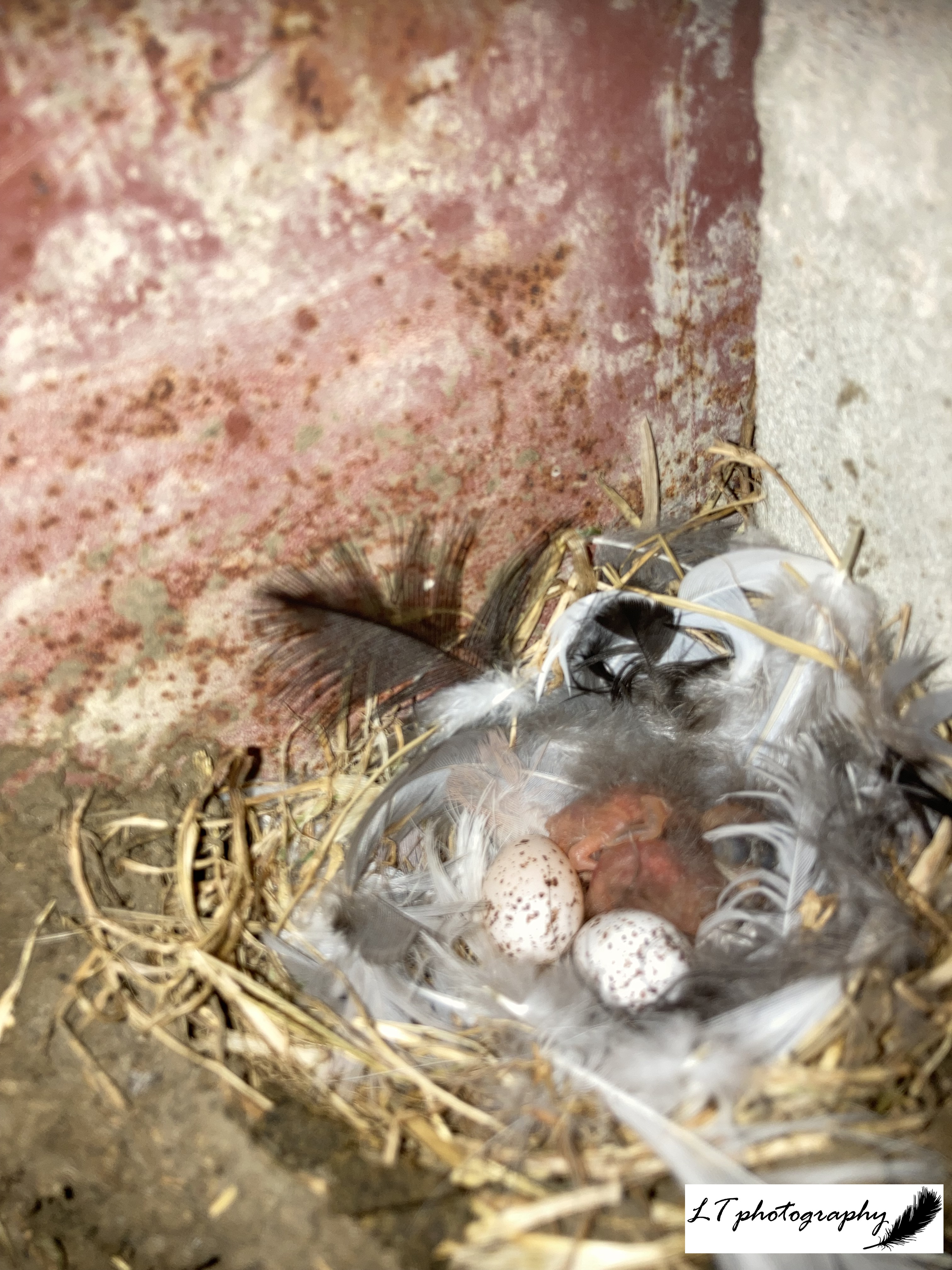
I began nest checks again on the 25th May and over the course of the breeding season I discovered 6 different nests in use, with 4 being used again for 2nd broods. I am very happy to say that I had the pleasure of ringing 42 swallow chicks from 11th June to 16th September. Knowing that some chicks even fledged before I had the chance to ring them, 2023 was a very good year for my swallow population in comparison to 2022.


Barn Owls
Those who follow my blog will already know that barn owls are a species that are very special to my family, with these birds being intertwined with farmland in Dorset. Barn owls are a great indicator of the state of nature on farmland, and have been followed closely on our land since 2019, helping to influence management. Check out my Barn Owl page for more stories.
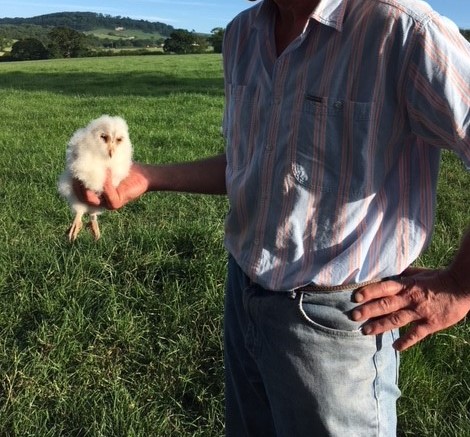

In 2022, the barn owls had a good year on the farm, with 2 pairs nesting at opposite ends of our land, one in an annually used nest box and another in the same tree as a pair of kestrels. Both pairs went on to have 2 chicks fledge successfully, which was a big positive for the barn owl population in our area.
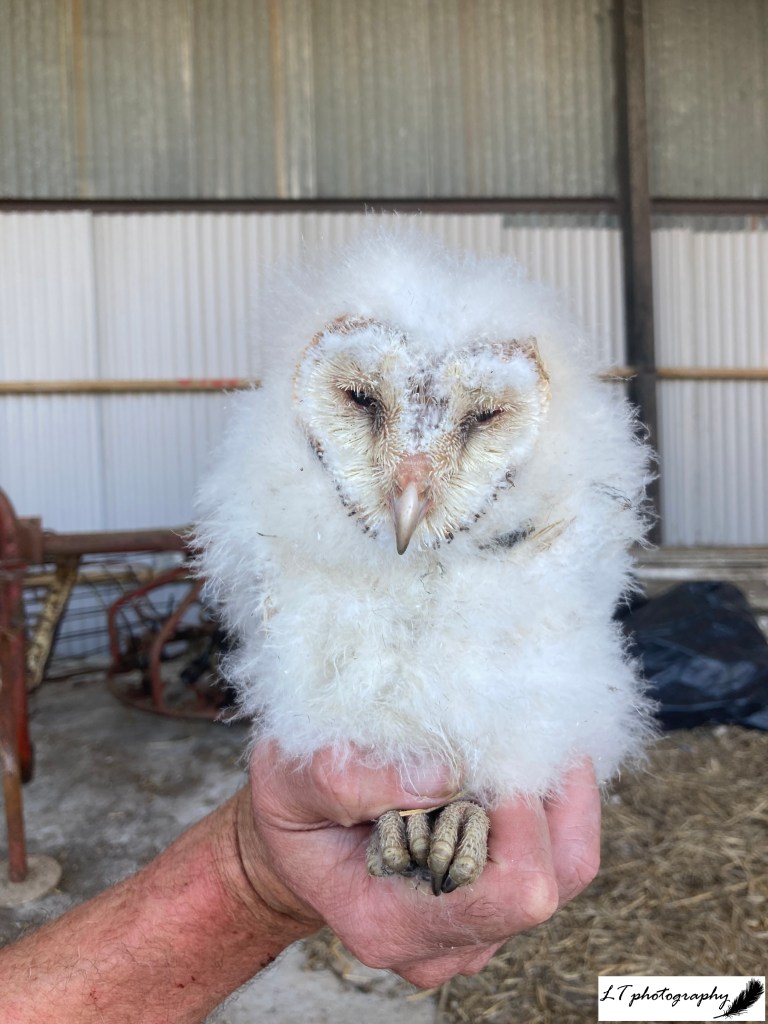

For 2023, I now had my C permit that had the inclusion of an endorsement for me to ring barn owl chicks on my own. We had high hopes for our barn nest box once again, having seen 2 owls hunting around the farm over the winter, and courting around the box in early spring. On checking the box on the 2nd June, we were happy to discover 3-4 young chicks. I used these chicks as an opportunity to gain confidence, and ringed 3 good sized chicks alongside my ringing trainer on the 7th July. We had hoped to discover a second pair breeding on our farm again in 2023, but we are very happy that at least 2 of the barn box chicks were seen to go on to fledge successfully. This is a definite improvement on only 1 chick in 2021!
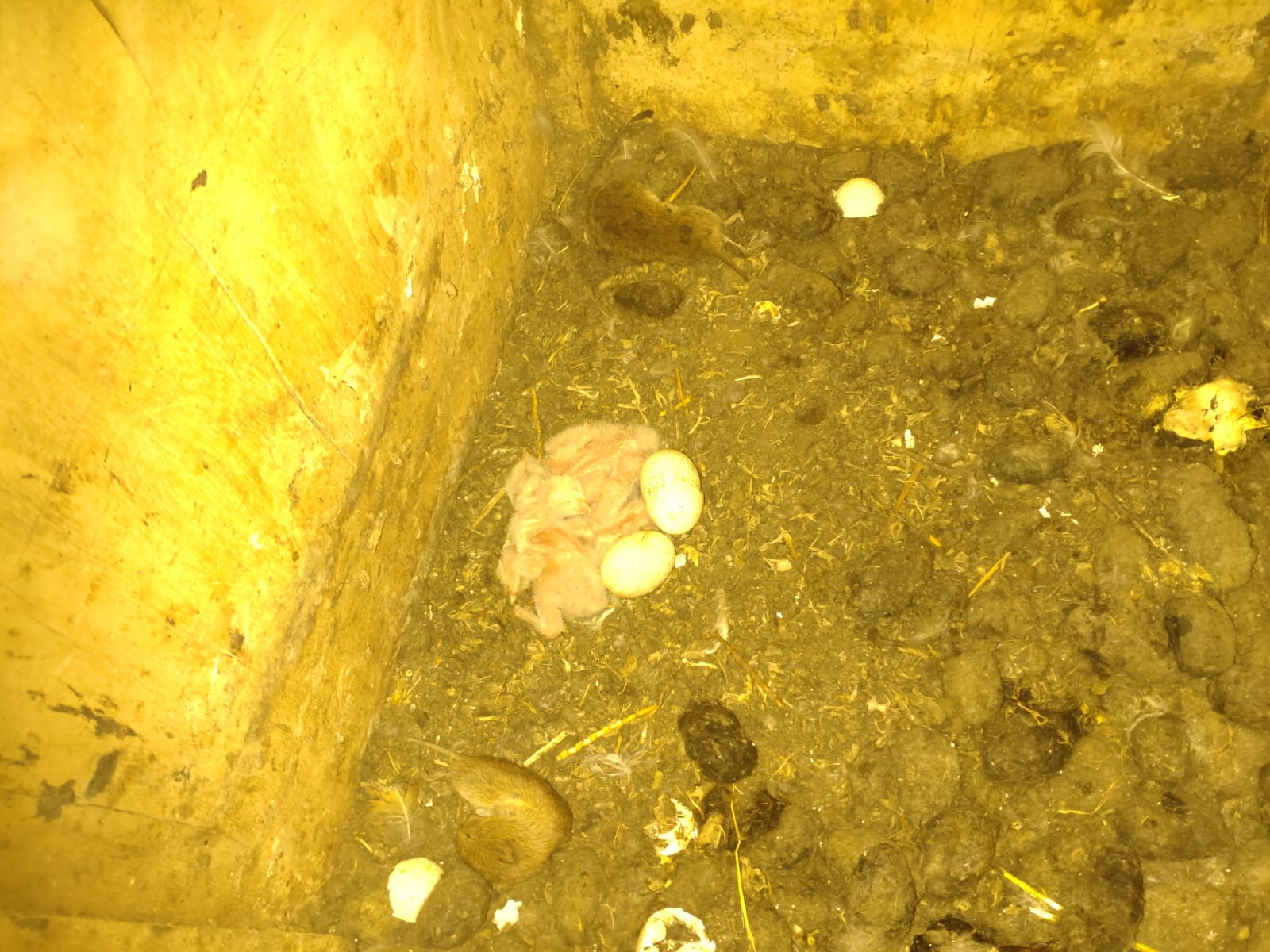

Chicks Ringed of New Species
As on my newly acquired C permit I only have endorsements to ring swallow, kestrel, and barn owl chicks, in 2023 I aimed to ring chicks from other species alongside my ringing trainer to expand on my C permit in time.
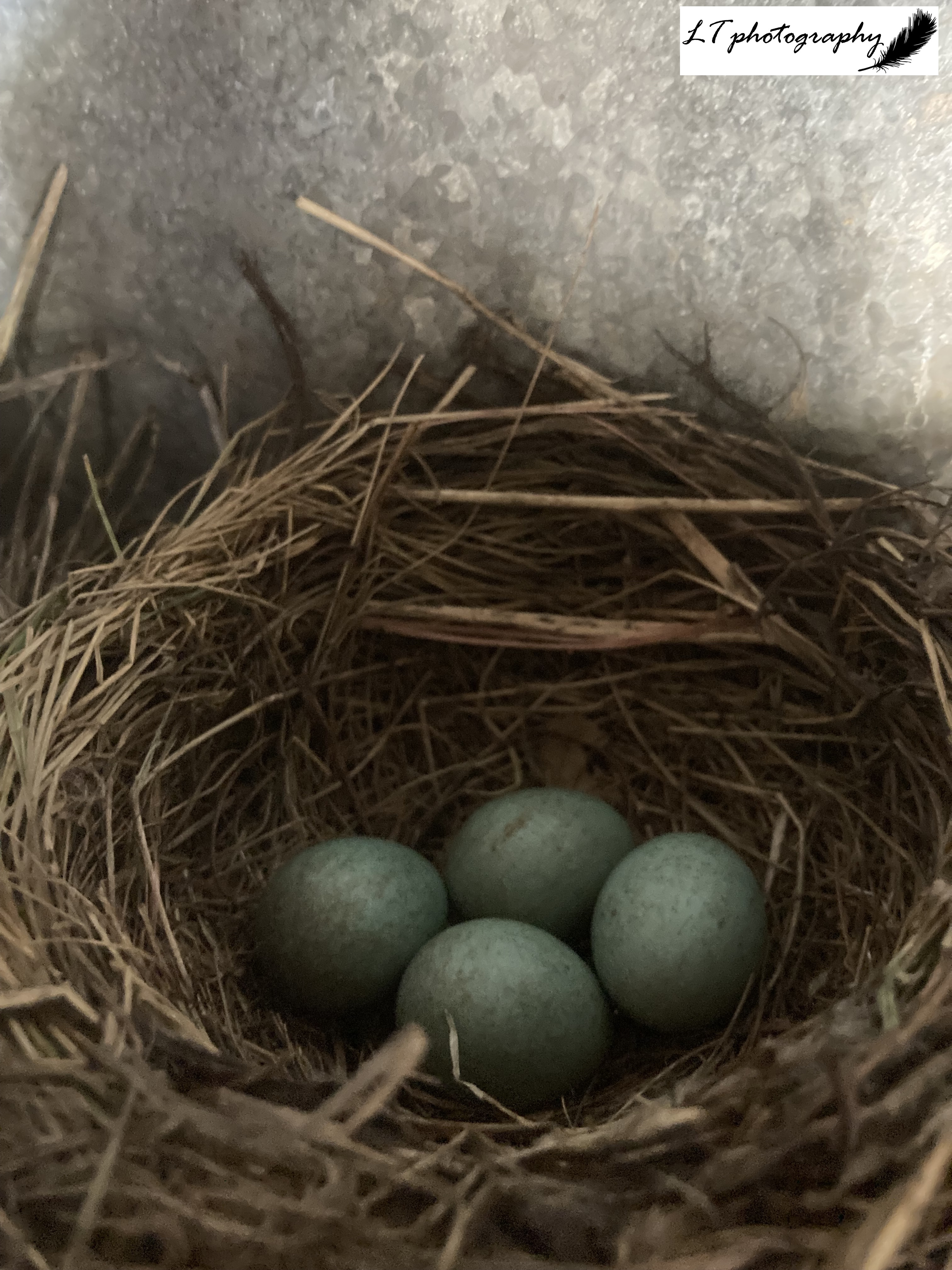

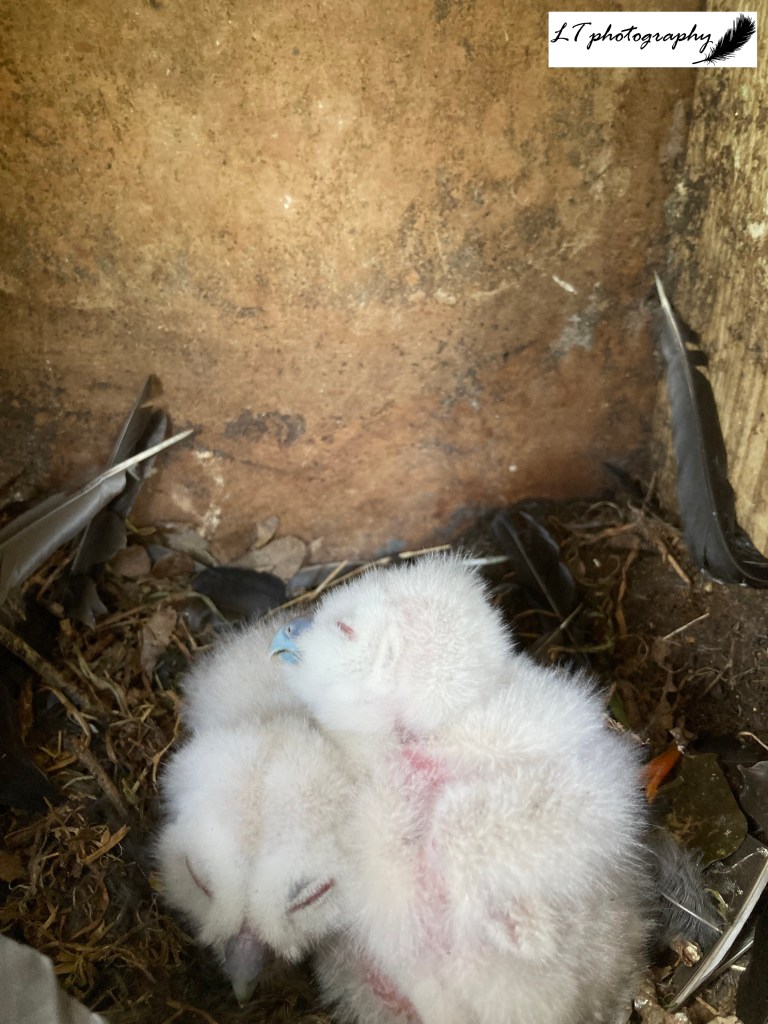
On the farm in 2023, I got to ring my first brood of blackbird chicks (4), blue tit chicks (7), and starling chicks (1). The highlight though was one of our tawny owl boxes finally producing a healthy brood of 2 tawny owl chicks. A great start to increasing my experience, whilst I also got the opportunity to ring at other sites, such as checking tawny owl boxes with another ringing group.
Garden Mist Netting
In 2022, ahead of applying for my C permit, I got to spend 2 mornings mist netting and ringing in my own garden with another ringing trainer. This was an exciting first for me, made even greater by catching 192 new birds of 9 species, the highlight being some lovely starlings.
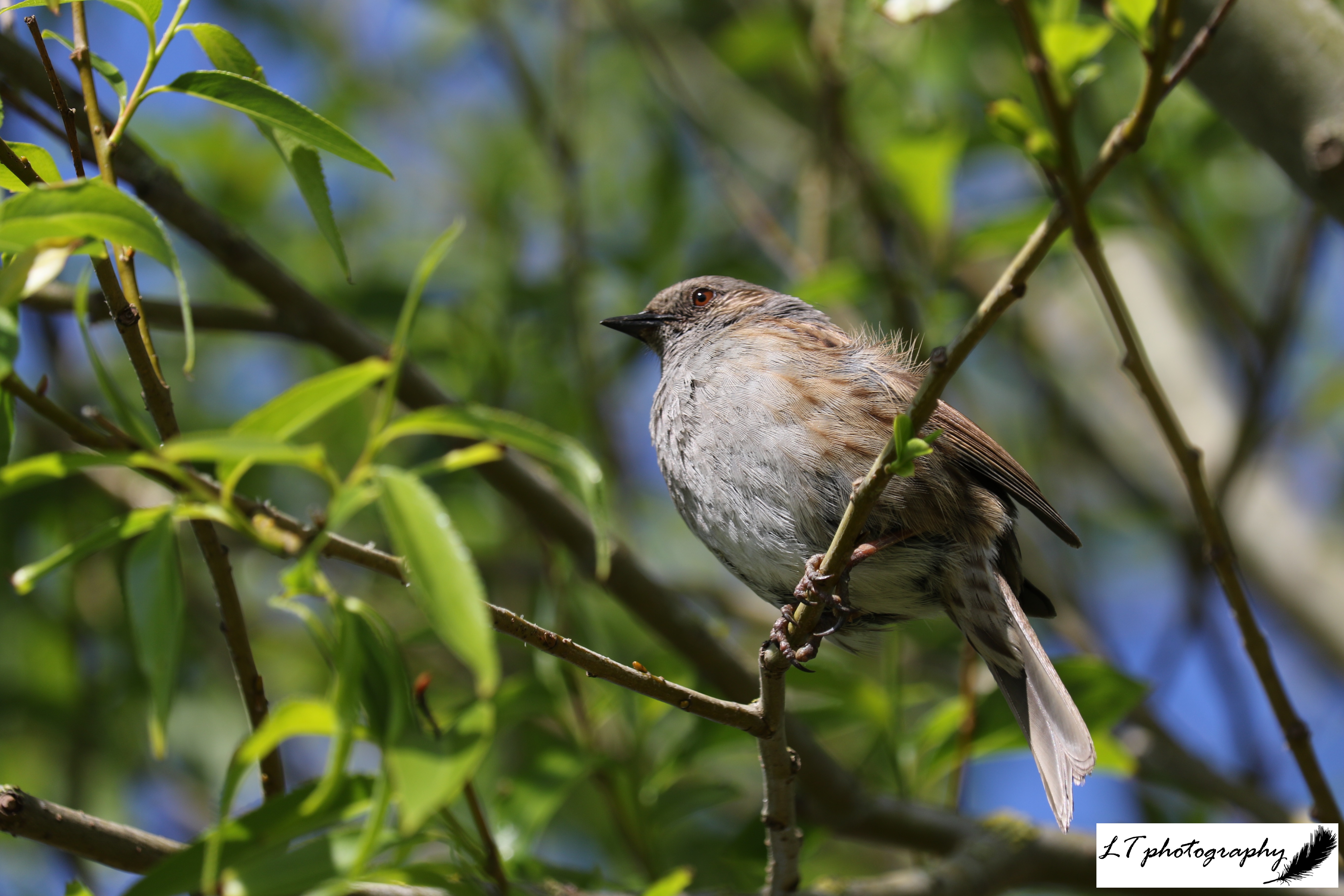
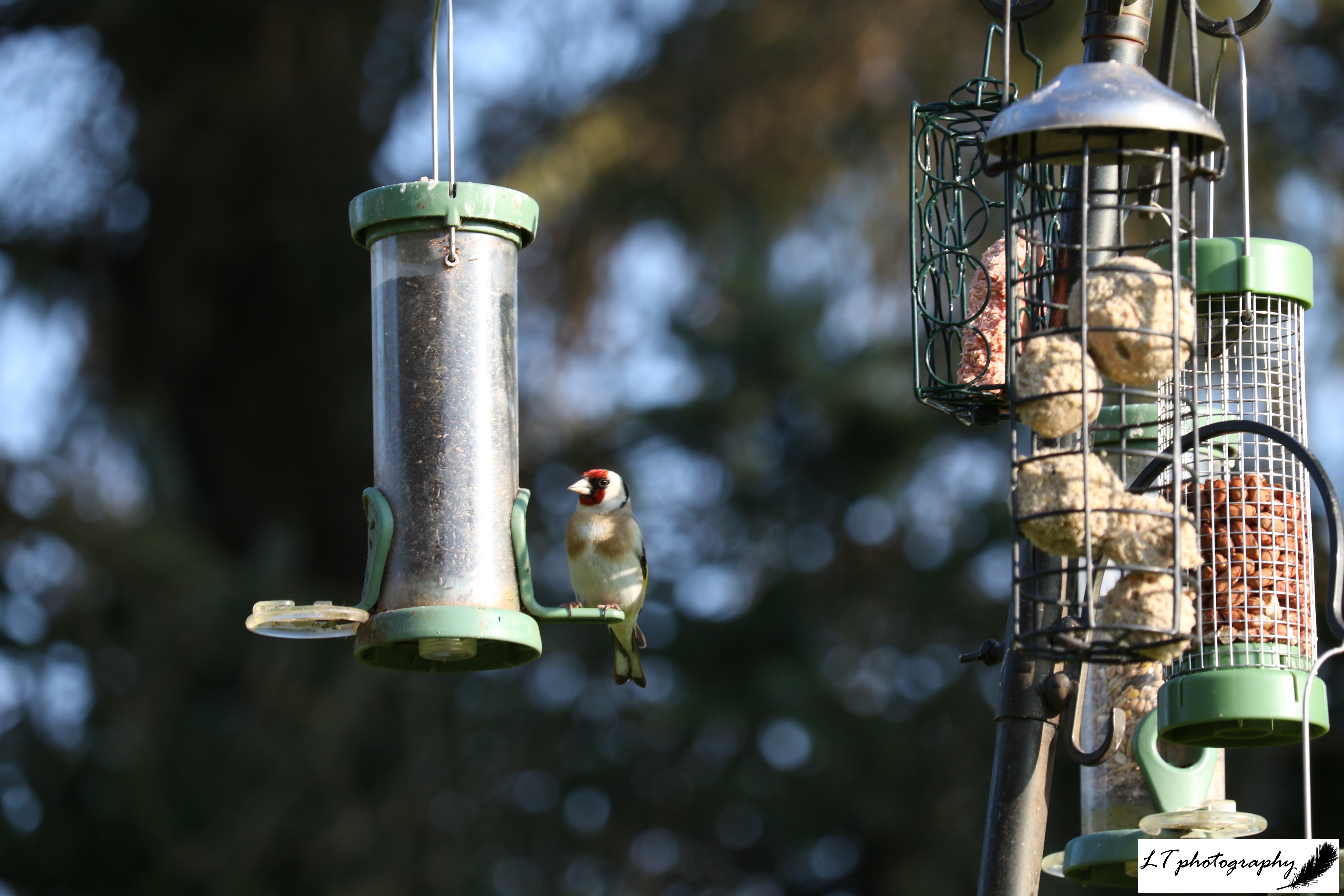
For 2023, I got to experience a new first, mist netting and ringing in my garden all on my own. Through June and July, I spent 6 mornings ringing in my garden, and managed the situation each time, so as to only catch as many birds as I could deal with on my own at one time. Over these mornings I caught 90 new birds of 11 species (1 robin, 7 chaffinches, 11 blue tits, 44 house sparrows, 1 blackbird, 13 great-spotted woodpeckers, 2 goldfinches, 3 dunnocks, 6 great tits, 1 starling, and 1 greenfinch), and learnt alot from acquiring this experience already. My highlight was definitely the greenfinch, as it was a beautiful adult male and my very first greenfinch ever ringed!


Here’s to 2024 being as interesting!
All birds were ringed under license and following rules to ensure the health and welfare of the birds handled at all times.



 Laura's Wild World