Spring 2024: How It Happened

Over the last few years, it has been noticeable that weather patterns and average temperatures have been changing and highly unpredictable, leading to the seasons, such as spring, varying from month-to-month and year-to-year, especially here in Dorset. For example, last year spring began a wash out, moving to cold and stormy spells, before ending with heat waves. This year was an equally odd series of spring weather events with a cold start to the season, followed by wet weather with northerly winds, and finishing with drier spells. It was on average warmer and wetter, but cold nights continued for a long time, and had a noticeable effect on plant growth patterns being seen.
Spring 2023 encountered trends for later spring events and a slow start to spring, which helped to create a mismatch between species and spring events. With a warmer, wetter winter before spring this year, and often above average spring temperatures, it is likely the trends this year may differ to those of 2023. It will be interesting to see if this has had an effect though, by looking at trends for some tree, shrub, flower, insect and bird species. How will spring 2024 have shaped up? Read on to see how my favourite season unfurled this year!

Trees

During 2023, spring emergence dates for trees showed a trend for on average later dates, ranging from 1 to 28 days later. In 2024 though, the majority of spring tree dates were earlier, as seen with field maple, horse chestnut, english oak, and wild cherry, ranging from 1 to 22 days earlier from March through to May. Alder dates though were fractionally later, as were ash and sycamore flowering, and silver birch and norway maple budburst, but the other events for these species occurred earlier. The on average warmer and wetter weather will most likely be the reason for these trends, allowing trees to get a head start this year.

Flowers

Plants flowering during spring 2023 occurred on average later, varying from 1 to 16 days. During spring 2024 though, flowering has occurred earlier, as was the trend with tree species. For snowdrops, lesser celandines, primroses, greater stitchwort, wood anemones, early purple orchids, wild garlic, yellow archangel, cuckooflowers, oxeye daisies, and bluebells flowering occurred 1 to 32 days earlier between January and May. The exceptions were found with daffodils, flowering 6 days later during February, and cowslips, 4 days later during April. It would be understandable thus to think that the warmer, wetter weather of the start of spring will have had a heavy influence on these events, just like with trees.

Insects

Of 12 species that had the emergence date recorded during spring 2023, the majority emerged later than the year before, ranging from 2 to 46 days later. This year though, spring 2024 saw the occurrence of a 50:50 split for the 10 species that had their emergence date recorded, with some species from 2023 yet to be seen at all, such as painted lady butterflies.

Buff-tailed bumblebees, 7-spotted ladybirds, and orange tip, red admiral, and speckled wood butterflies all emerged earlier this year, ranging from 2 to 46 days earlier. Conversely, queen wasps, and brimstone, peacock, gatekeeper, and small tortoiseshell butterflies all emerged later than 2023, ranging from 8 to 47 days later. Though not complete for all, the split does tend to be due to March to April species emerging earlier this year whereas April to June species emerged later this year. This may be due to April being a cooler, wetter month this year, impacting insect species more greatly than plant species that were already making their advance and were less impacted.
Shrubs

Spring 2023 mainly showed a trend for later shrub budburst, leaf unfurling and flowering, ranging from 3-27 days from March to May. In contrast, for spring 2024, the majority of events for shrubs occurred earlier, ranging from 1 to 53 days earlier from December through to May. These included for blackthorn, dog rose, elder, hawthorn and hazel, with the only later event being for red female hazel flowers being observed. This trend shows similarities to those of trees and spring flowering plants, and would be similarly due to a warmer, wetter winter and start of spring, allowing events to occur earlier and shrubs to get a head start on the season.

Birds

Following on from the last two years (2022 and 2023), the dates of bird events during spring 2024 showed no clear trend, with a split between different species and events. Rooks began building their nests earlier, chiffchaffs and swallows arrived earlier, song thrushes and yellowhammers first sang earlier, and the first wrens fledged earlier. Conversely, blackbirds first sang later, the first blackbirds fledged later, blackcaps, cuckoos and house martins arrived later, and great-spotted woodpeckers drummed later.
Some of these event timing changes will be due to spring temperatures and weather conditions on short term and long term scales. Other reasons are less obvious currently, but the hope is that bird events will still have been timed right with other species to make the most of resources this year.

Conclusion

Spring 2024 was a thoroughly odd season, varying from month-to-month, but feeling like wet weather prevailed more than the normal. In the end it was vibrant and colourful, though missing the traditional spring feeling. This year spring was heavily effected by climatic changes and changes to weather patterns, and this may become typical during the springs to come. It is really hard to predict then how each season will play out, and it will be interesting to see now how all British species cope with such unpredictability as time goes on. Only time will tell!
Species List

  • Alder (Tree) Alnus glutinosa
  • Ash (Tree) Fraxinus excelsior
  • Blackbird (Bird) Turdus merula
  • Blackcap (Bird) Sylvia atricapilla
  • Blackthorn (Shrub) Prunus spinosa
  • Bluebell (Flowering Plant) Hyacinthoides non-scripta
  • Brimstone butterfly (Insect) Gonepteryx rhamni
  • Buff-tailed bumblebee (Insect) Bombus terrestris
  • Chiffchaff (Bird) Phylloscopus collybita
  • Common wasp (Insect) Vespula vulgaris
  • Cowslip (Flowering Plant) Primula veris
  • Cuckoo (Bird) Cuculus canorus
  • Cuckooflower (Flowering Plant) Cardamine pratensis
  • Daffodil (Flowering Plant) Narcissus spp.
  • Dog rose (Shrub) Rosa canina
  • Early purple orchid (Flowering Plant) Orchis mascula
  • Elder (Shrub) Sambucus nigra
  • English oak (Tree) Quercus robur
  • Field maple (Tree) Acer campestre
  • Gatekeeper butterfly (Insect) Pyronia tithonus
  • Greater stitchwort (Flowering Plant) Stellaria holostea
  • Great-spotted woodpecker (Bird) Dendrocopos major
  • Hawthorn (Shrub) Crataegus monogyna
  • Hazel (Shrub) Crataegus monogyna
  • Horse chestnut (Tree) Aesculus hippocastanum
  • House martin (Bird) Delichon urbicum
  • Lesser celandine (Flowering Plant) Ficaria verna
  • Norway maple (Tree) Acer platanoides
  • Orange-tip butterfly (Insect) Anthocharis cardamines
  • Oxeye daisy (Flowering Plant) Leucanthemum vulgare
  • Peacock butterfly (Insect) Aglais io
  • Primrose (Flowering Plant) Primula vulgaris
  • Red admiral butterfly (Insect) Vanessa atalanta
  • Rook (Bird) Corvus frugilegus
  • Seven-spot ladybird (Insect) Coccinella septempunctata)
  • Silver birch (Tree) Betula pendula
  • Small tortoiseshell butterfly (Insect) Aglais urticae
  • Snowdrop (Flowering Plant) Galanthus spp.
  • Song thrush (Bird) Turdus philomelos
  • Speckled wood butterfly (Insect) Pararge aegeria
  • Swallow (Bird) Hirundo rustica
  • Sycamore (Tree) Acer pseudoplatanus
  • Wild cherry (Tree) Prunus avium
  • Wild garlic (Flowering Plant) Allium ursinum
  • Wood anemone (Flowering Plant) Anemone nemorosa
  • Wren (Bird) Troglodytes troglodytes
  • Yellow archangel (Flowering Plant) Lamium galeobdolon
  • Yellowhammer (Bird) Emberiza citrinella
A Year In The Life Of A Woodland – Part 1

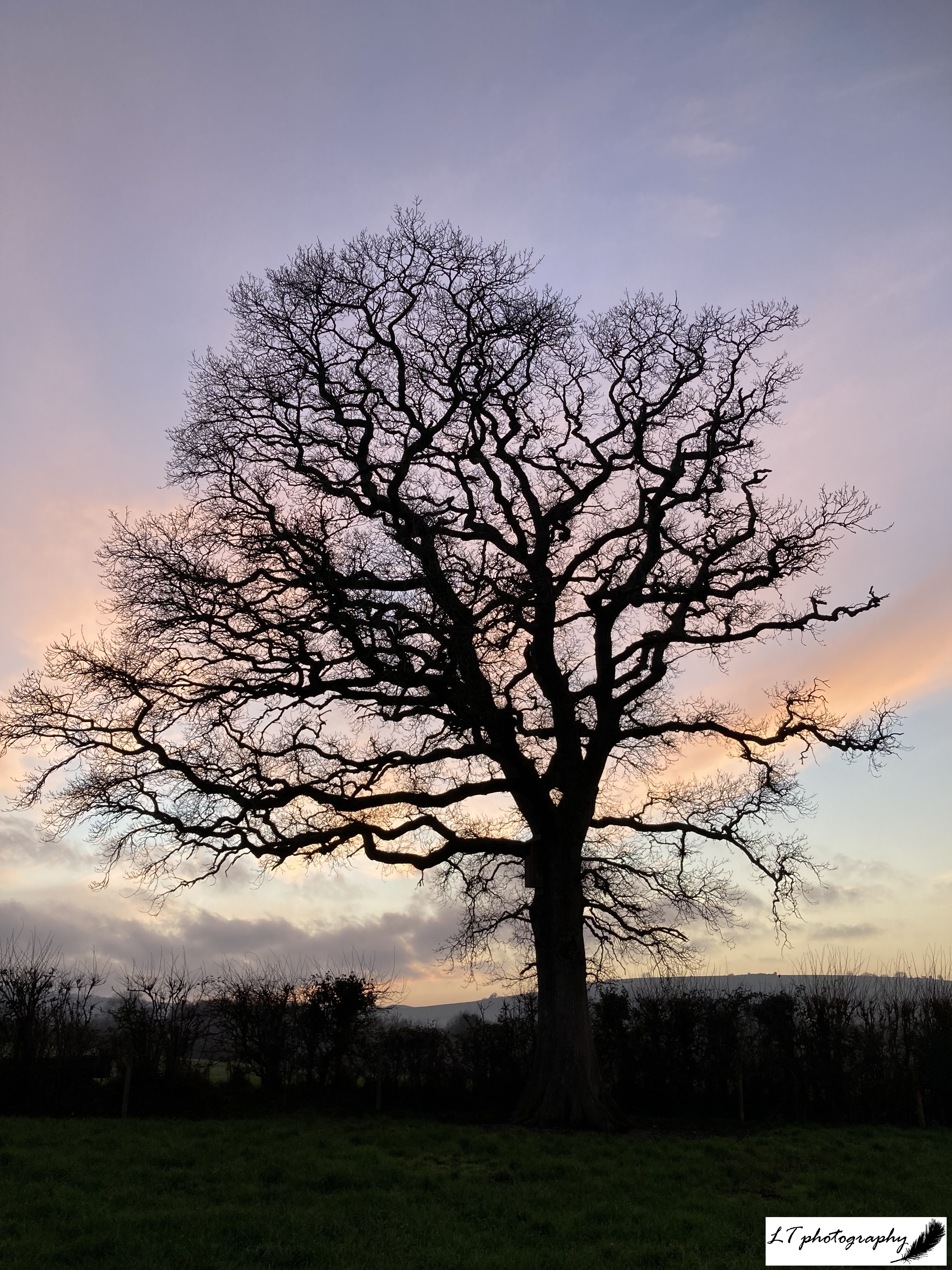
In 2022, I followed the annual cycle of one particular oak tree as it went through its own life stages, and watched the landscape change from its corner of a Dorset field. The tree encountered hunting barn owls, howling gales, breeding kestrels, and even a family of foxes, and observed such a vibrant year in nature even just from one spot. So for 2024, I wanted to follow such a story again, but this time on a different scale.
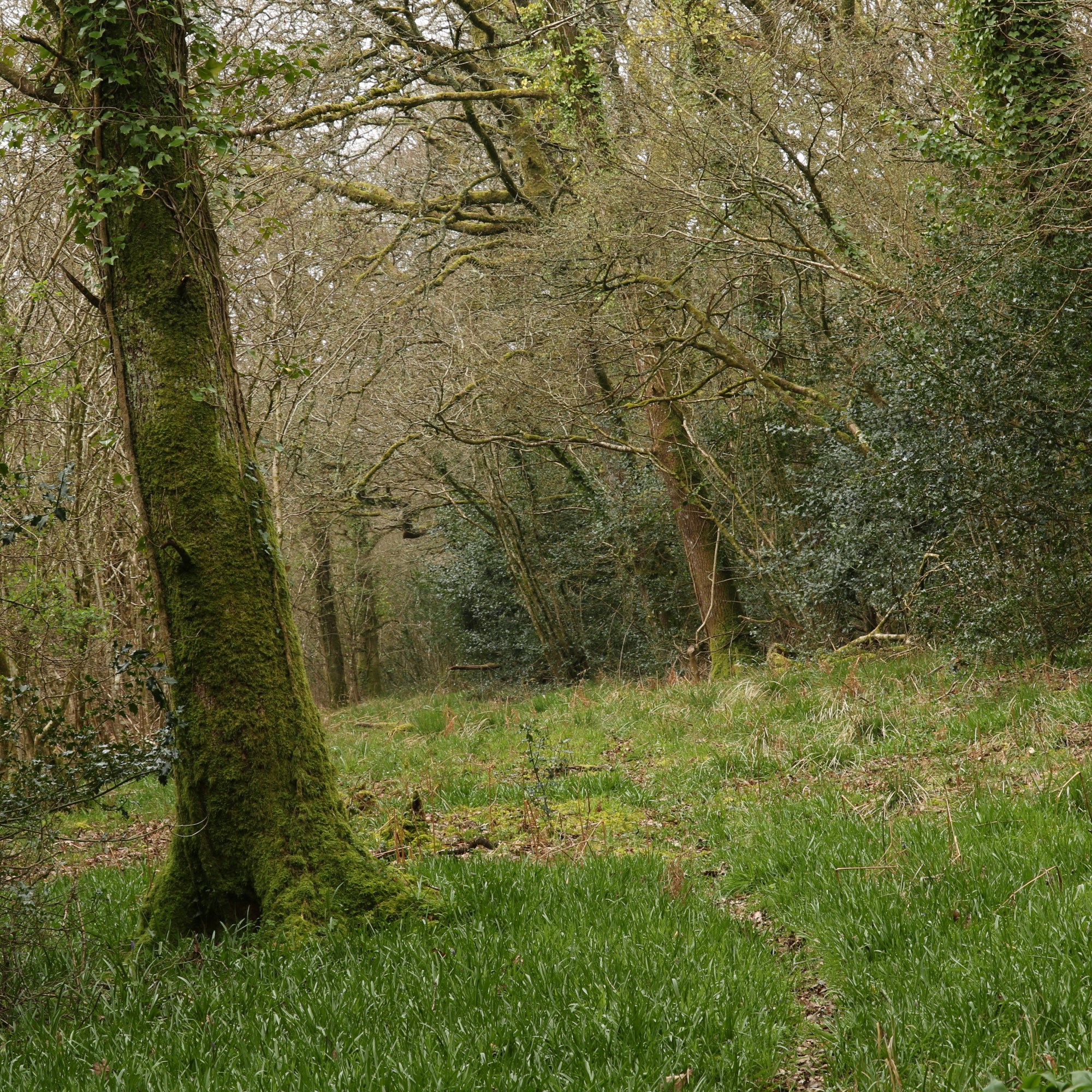
This year I am following a year in the life of an ancient, broadleaved woodland in the heart of rural, rolling Dorset. I will follow its progress from certain points within its bounds, and observe the beauty the woodland has to offer throughout the seasons. I look forward to seeing what goes on through the year, and the subtle differences from month to month at its heart. To start, I bring to you the first half of a year in the life of a woodland (January-June).

January

Entering the woods again at the start of a new year, there is a distinct feeling that the landscape currently lies in slumber. Though in previous years January has experienced wintery weather with cold spells characterised by hoar frosts and sheets of snow, this year the bite is missing from the weather, allowing the first signs of new life to appear already. The low winter sun breaks through the sturdy trunks of dormant trees, shining weak rays on the green leaves of woodland plants beginning to pop up underfoot, wood anemone and bluebells included.

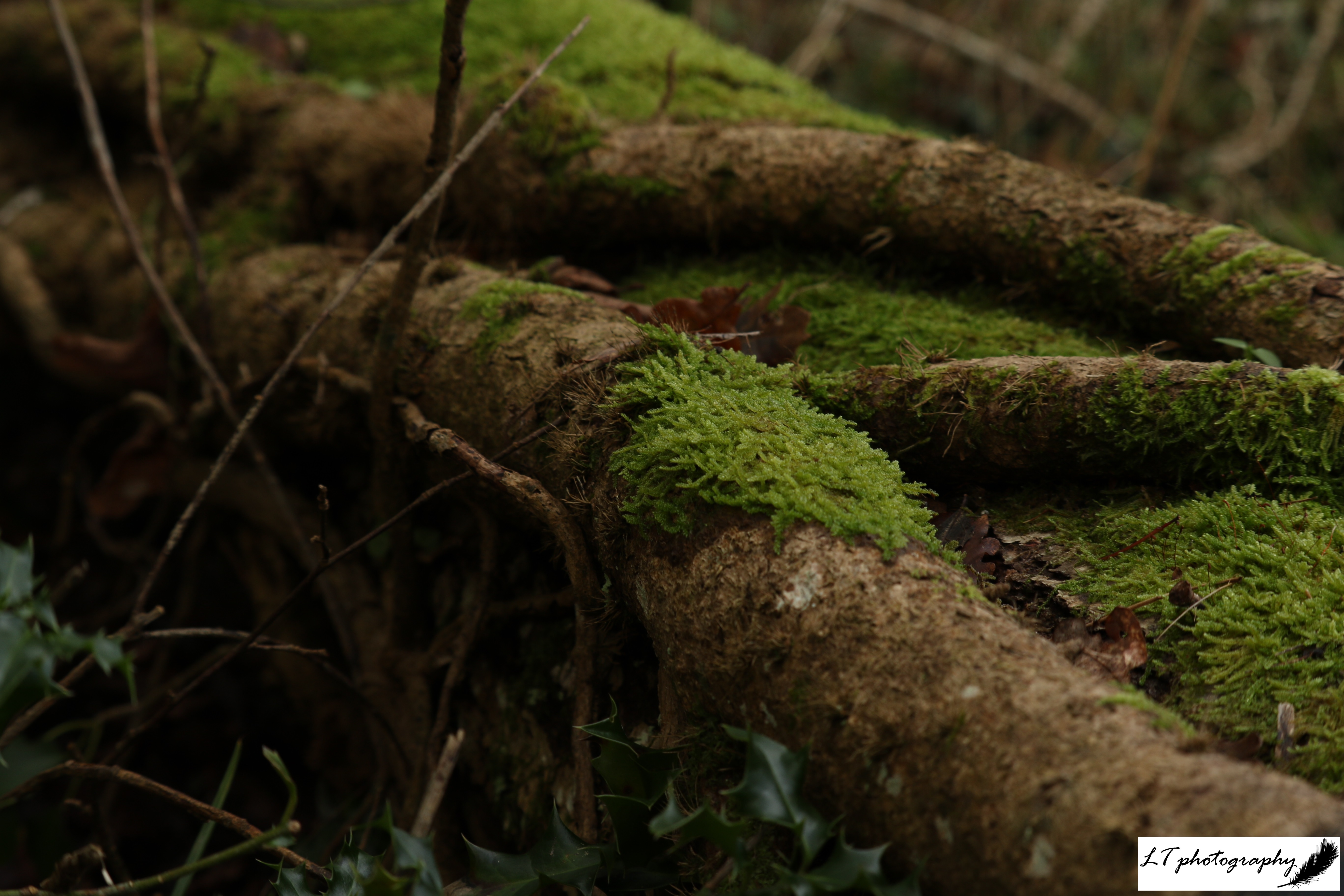
Up in the naked boughs of the trees, birds fly from branch to branch, including blue tits, great tits, and goldcrests, buzzards whirl in the skies above, and pheasants make their raucous call now and again. Remaining holly and hawthorn berries provide a spot of colour against ivy and plentiful moss, but with the first lush greens and pastel yellows popping up, such as hazel catkins dangling from the trees, the woods are hinting at change. These are the first whisperings of spring in the stillness of the woodland, with more signs being found at night, such as tawny owls loudly defending their territories, and badgers and foxes increasing their roaming amongst the trees.

February

As a new month begins, the landscape feels like it is very much still in the grips of winter. A grey gloom hangs over the woodland, with the overcast sky threatening an endless possibility of rain. Where February 2023 was a cold, dry month, February 2024 is reflecting continued milder and wetter weather than average, with sunshine being much in demand. It is still not warm enough for any further advancement in the signs of spring from the previous month though, with the woodland floor still being mainly dressed in warm browns. Despite this, those first whisperings of new life can still be seen, with the slow marching growth of shoots of well known species, such as bluebell and stitchwort.

The mosses and lichens are also now joined by the much needed warm yellows of primroses and celandines, along with the red gems that are female hazel flowers. The slumbering woodland is currently the backdrop for the day-toiday life of its winter residents, but with the addition of blackbirds and song thrushes now starting to sing their melodious songs ahead of breeding in the spring.

March

As March begins, the start of blackthorn winter brings biting winds from the north, creating a break in 2024’s trend for warmer and wetter weather, which continues for the rest of the month. A rare calm day though sees the woodland bathed in soft, early spring sunshine, as it begins to finally switch from its shroud of brown to greens, with a carpet of new growth. Bluebell leaves are marching on in their advance of growth, making the most of increasing temperatures, whilst spear-shaped wild garlic leaves now carpet areas around the ambling streams through the middle of the wood. Hazel catkins are now fading to a creamy yellow, and their red female flowers are joined by swelling leaf buds. Though spring is advancing quickly, the woodland still waits for more flowers to keep company with the primroses and celandines.

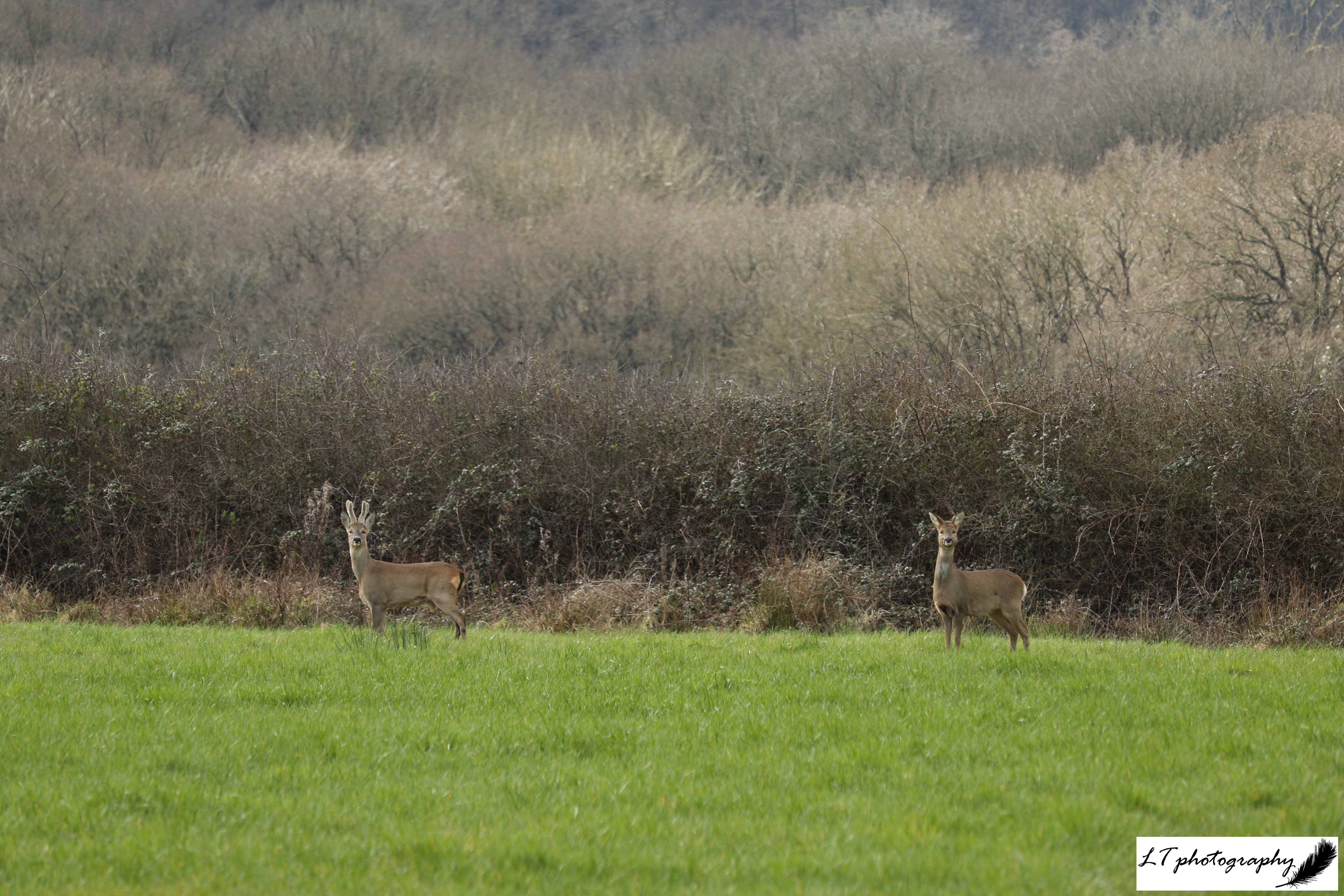
A difference lies up in the trees. The woodland is coming alive with the sound of bird species that have wintered here in the UK and do not have to travel as far to return to their breeding territories. From great tits and blue tits, to wrens and goldcrests, a range of calls and songs can be heard, cut through by the sound of great-spotted woodpeckers drumming near and far. Mammals are beginning to become more active too, with grey squirrels fighting for territory and roe deer groups roaming through and around the woods. Spring is on its way!

April

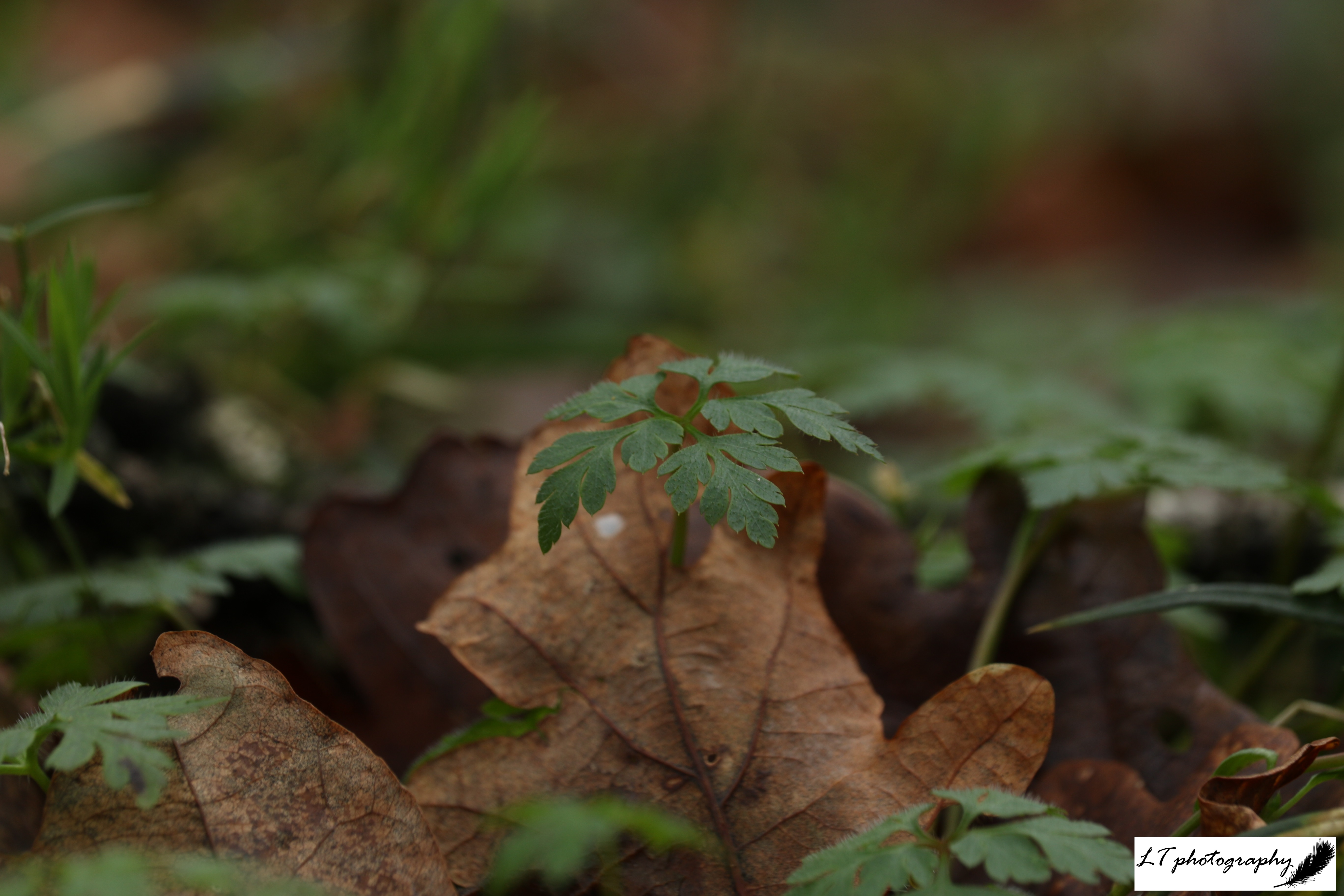
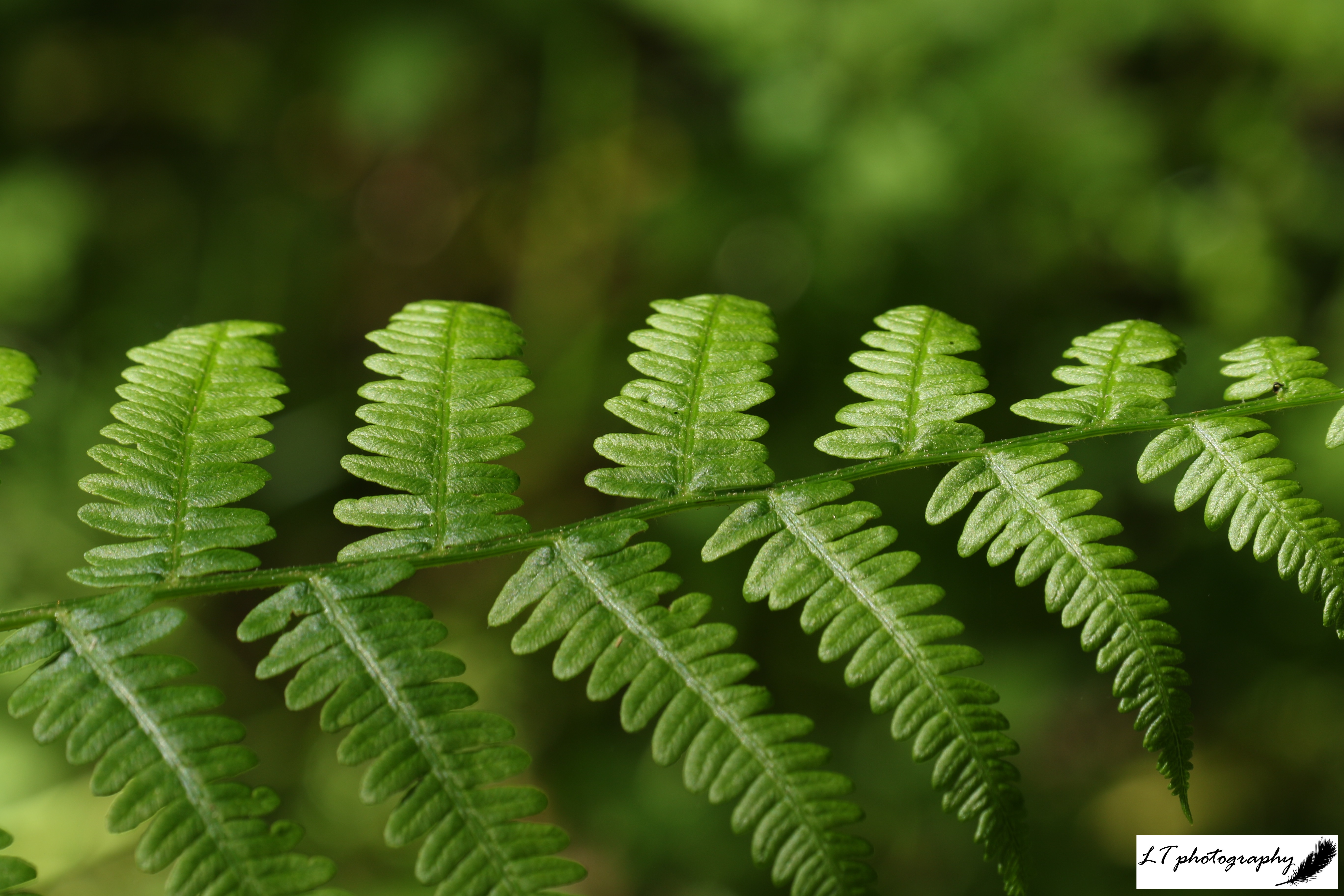
As spring unfurls, the weather of April feels reminiscent of 2023, with cooler, damper weather dominating due to persistent north winds and plenty of rain. In the woods growth continues to move forward, but at a noticeably slower pace than could be expected. The month opens with tree buds swelling, hazel and hawthorn leaves bursting forth, and trees dripping with blackthorn and willow flowers. The woodland floor is coming to life now with a never ending mat of purple dog violets, pale green moschatel, yellow celandines and primroses, white stitchwort, the beginnings of purple-blue bluebells, and the fantastic starry heads of wood anemones. Wild garlic leaves continue to grow around the bubbling streams, smelling noticeably pungent now and beginning to show the whites of flower buds, whilst ferns unfurl their hairy coils across the woodland.

As the woodland bursts into life, it is accompanied by an intensifying soundtrack. In the background a rich tapestry of bird song can be heard, as migrants make their return, from great tits, blue tits and wrens, to chiffchaffs, blackbirds and robins. These include the continued crow of pheasants, the cat-like mewling of buzzards circling overhead, and the barks of grey squirrels. Listening more closely though, buzzing can now be heard as bees and flies make the most of flowers now blooming. The woodland finally feels alive after the first three months of the year taking its toll, though it waits for the return of some warm spring sunshine.

May

On a quiet afternoon at the start of the month, stepping amongst the trees is like stepping into a whole new world compared to the start of the year. Sunlight falls soft through new green leaves, dappling the woodland floor with warmth and light. At the base of the trees, the floor is now a lush green carpet of plant life. The cooler weather of April has meant that some April events have continued on into May, such as the bluebells, whilst the wind now coming from the south bringing warmer weather is beginning to promote much needed new growth.

Bluebells are just going over their peak after a spectacular show of rich purple-blue that has been breathtaking. Amongst hanging bells, stitchwort is continuing to open new flowers, alongside shocks of pink from herb Robert. New flowers appear in the forms of early-purple orchids, and red campion. Yellow archangel that took some time to arrive is becoming bleached to a creamy yellow, whereas wood anemones are bidding their final farewell. Wild garlic persists as do bright yellow celandines, adding to the show. Things move on though, as the ferns begin to overshadow the bluebells with their green fronds. Spring marches on.

With plant life becoming abundant, the woodland is now abuzz with insects of many kinds, whilst spiders make their homes between the flowers. Midges are particularly prevalent this year with a damp spring too! A highlight right now though, is the woodland’s bird life, with the continued singing of many species that call the woods home and are breeding right now, the chiffchaff really standing out in particular. Somewhere in a hole in a tree, maybe a tall oak, a female blue tit will now be sat tight on her eggs, growing the next generation of blue tits. 

June

As I step into the woodland on one of the first dry days in a while, my surroundings move from bright light to light spots and shadows. The tree canopy is now nearing completion and lush green oak, ash and hazel blanket out the light. Below on the woodland floor, a change has occurred. Spring stars have finally made their leave, and riotous bluebells, early-purple orchids, and wild garlic have been replaced by a dense green carpet of leaves. Herb Robert has taken over, with pink flowers creating a joyful pop of colour. Also these flowers are joined by white pig nut, purple germander speedwell, and pink foxgloves, and the lst yellow archangel, stitchwort and vibrant dog violets. The green seed pods of previous flowers remain, and a bluebell here and there when lucky, but now ferns stand tall above the woodland floor, unfurling their final leaves and making a canopy of their own.

As the spring season bids us farewell, it’s now the time of new life and growth, which is currently evident in the woodland. The drone of insects has lessened as flowers go over, but can still be found with flashes of blue damselflies, battling speckled wood butterflies, and striped flies. The first young of mammals, such as foxes, and birds, such as tawny owls, are also now venturing out to explore their new world. This can be heard up in the trees with the songs of birds and the alarm calls of protective parents. Summer and lazy days are on their way!

Rural Dorset vs. Urban Manchester: Wildlife Camera Trapping in 2021

Series in collaboration with guest writer Emma Rogan

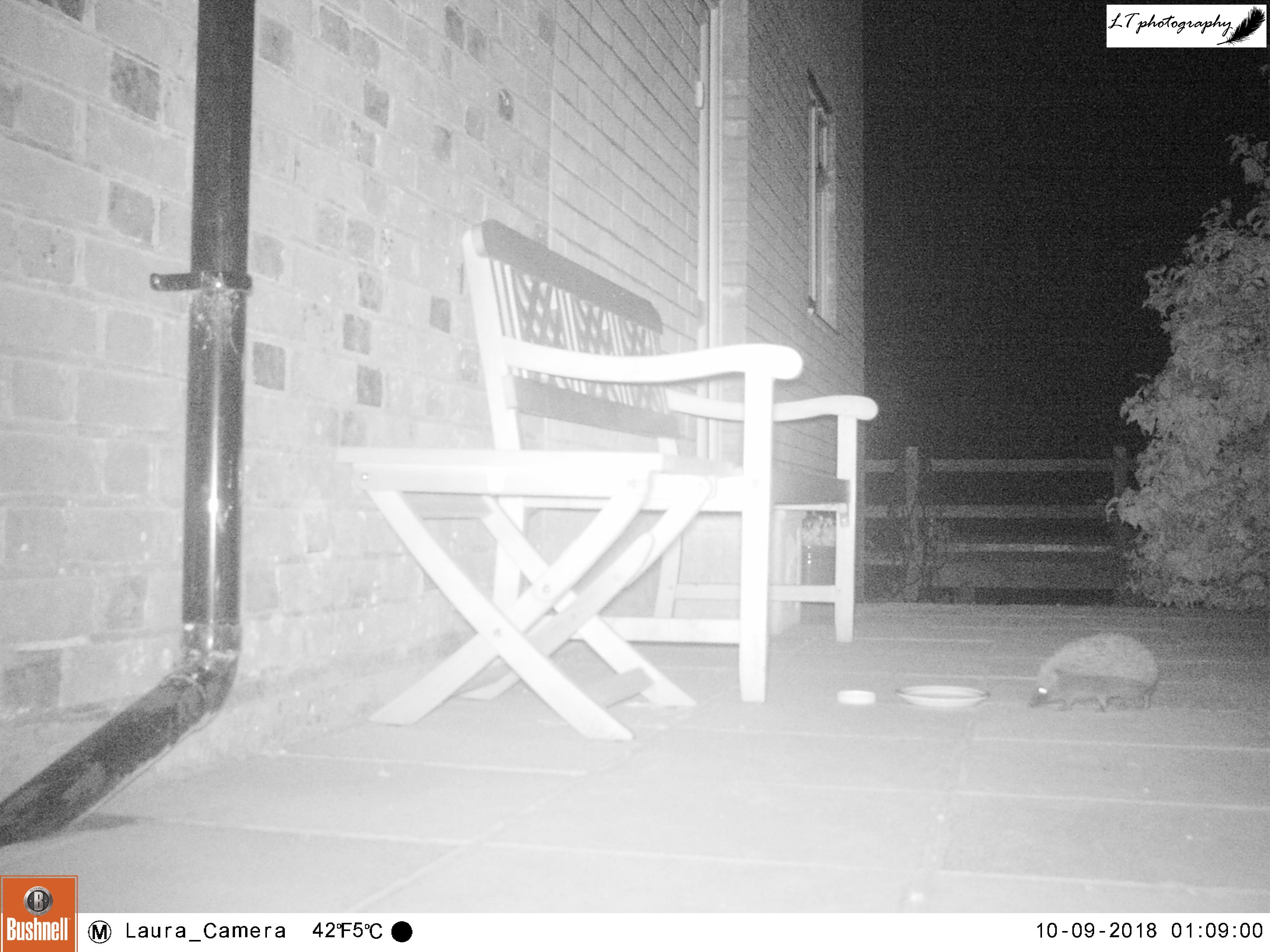
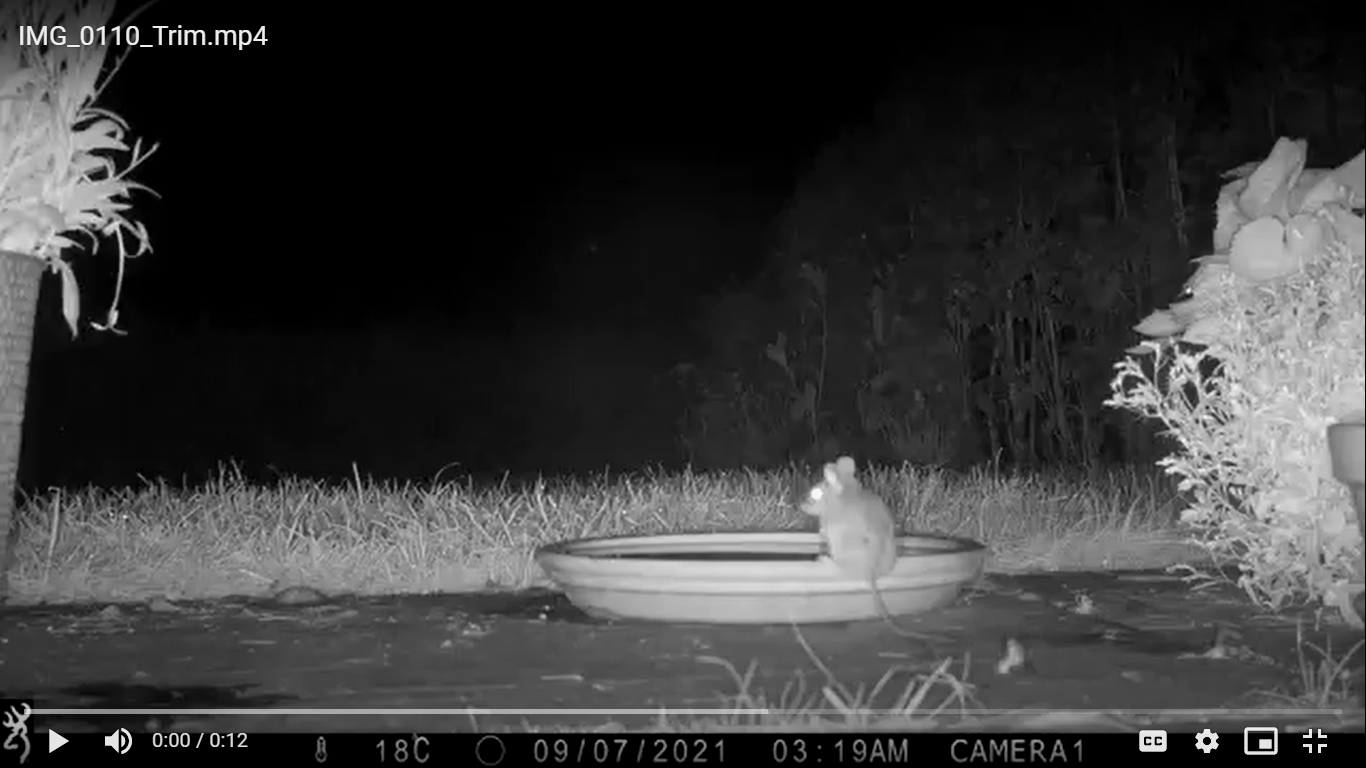
Fox cubs playing in secluded hedgerows, badgers wandering along field margins, and male pheasants displaying in woodlands. Wildlife cameras are a great way to capture the behaviour and presence of wildlife, and can open up a hidden world not so easily accessible in person. More often wildlife cameras are associated with exploring the rural, but they are also a great way to explore the world closer to home. Hedgehogs snuffling through gardens looking for food, birds jostling for space on feeders, or even rodents clearing up after avian visitors. Camera trapping allows us to connect to nature wherever we live, from rolling hills to suburban oases.

Last time in Rural vs. Urban, we embraced autumn in all its colours and forms, with the main focus being the plant and fungi stars of the show. Dorset-born naturalist Laura delved into the magnificent and colourful display autumn had to offer, and found inspiration in the season, from her writing to her baking. Joining Laura for this series, Manchester-born wildlife enthusiast Emma explored the history and culture rooted in the plants she discovered, and found a much-needed moment of calm in her busy day-to-day life. Though both found differences in their comparative landscapes, they both found fungi to be fascinating and wondrous, but an area of knowledge in need of improvement.

In this next instalment of Rural vs. Urban, we explore the use of camera traps in the two different landscapes and see how they have allowed Laura and Emma to connect with their local wildlife. We will see how species may differ between the city and countryside, as well as behaviours and even interactions between species. It will be interesting to see what we may learn from looking back at fantastic camera trap photos from both locations, as they help us to uncover the secret lives of wildlife. Join us on our adventures to find out what we discovered!

Laura’s Camera Trapping in Dorset

Over the last few years I have become well known online for my camera trap photos exploring the lives of the wildlife living on my family’s land in Dorset. In particular, each spring I keep my camera trap out 24/7, moving it between locations, to capture spring unfurling for my animal neighbours. By doing so I have gained a lot of enjoyment from seeing what I could discover, and have been able to expand my own knowledge of my local wildlife and their hidden lives. To experience some of my previous camera trap adventures, check out my earlier blog posts from 2019 and 2020.

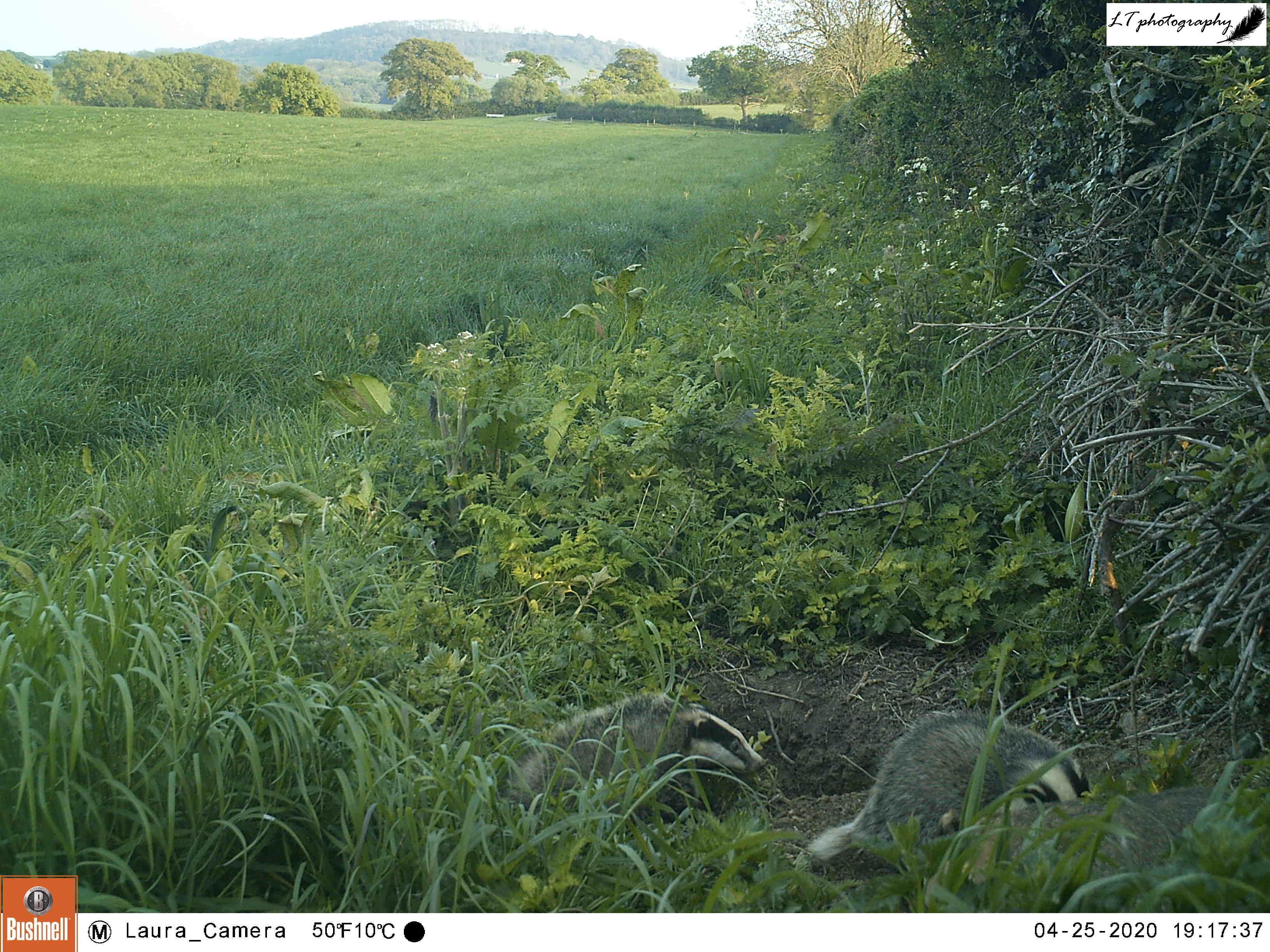
Last year, in 2021, my camera trap did not fail to amaze me and allowed me to continue my adventure exploring and capturing local wildlife. Throughout the spring my camera moved between 6 different locations across 250 acres, varying from badger setts to woodland. Between these locations I captured a total of 13 different species in 2021, which were rabbit, badger, roe deer, fox, partridge, pheasant, grey squirrel, magpie, blackbird, field vole, hare, woodpigeon, and the humble bumblebee.

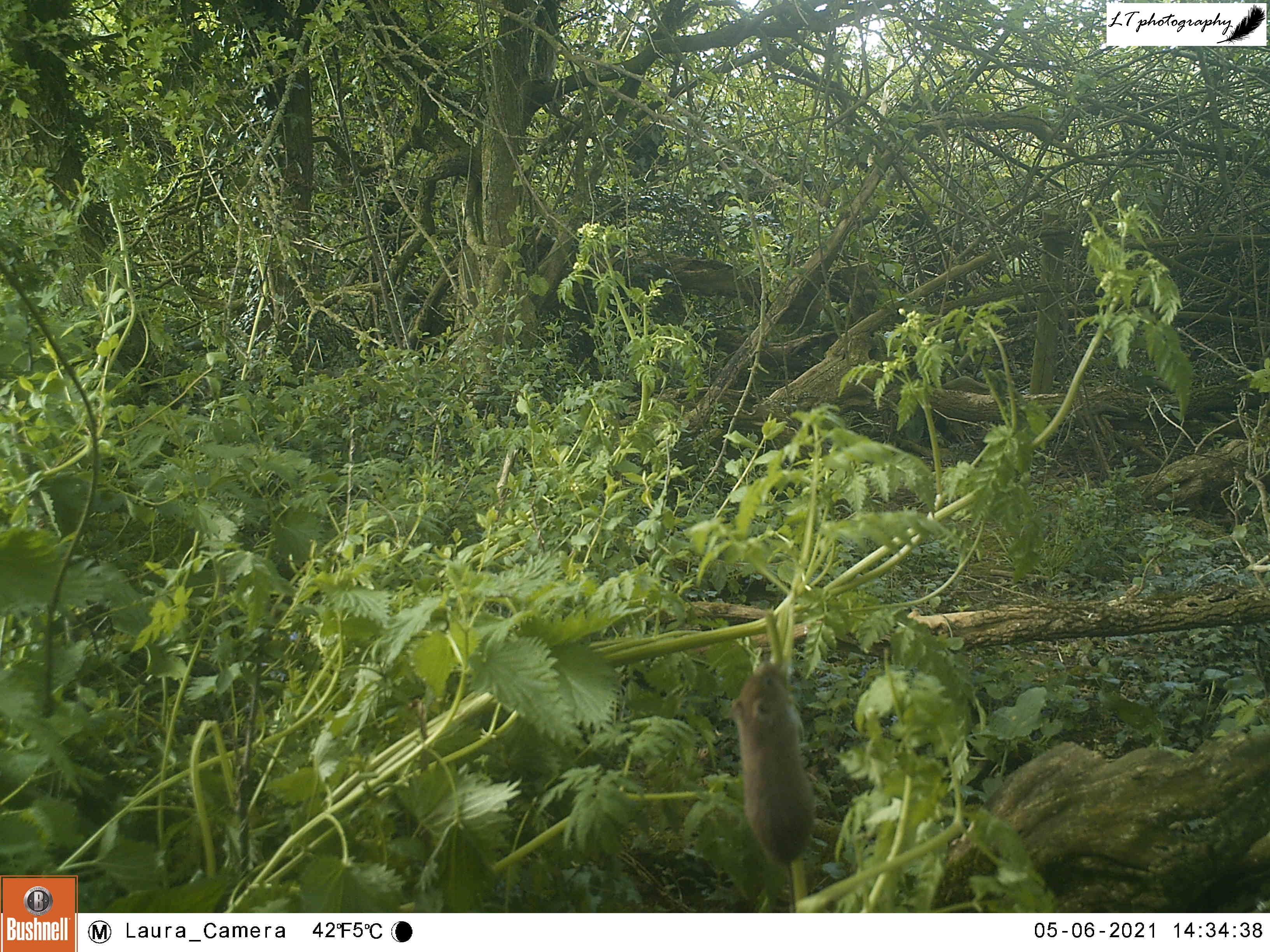
One of my highlights from 2021 was capturing some new species for my collection, even if my first photos of them were blurry . These included my first hare (or the back of one!), a field vole climbing up cow parsley stalks, and even a bumblebee buzzing about. This is one of the reasons I get excited when checking my camera trap photos, as you never know what you may discover!

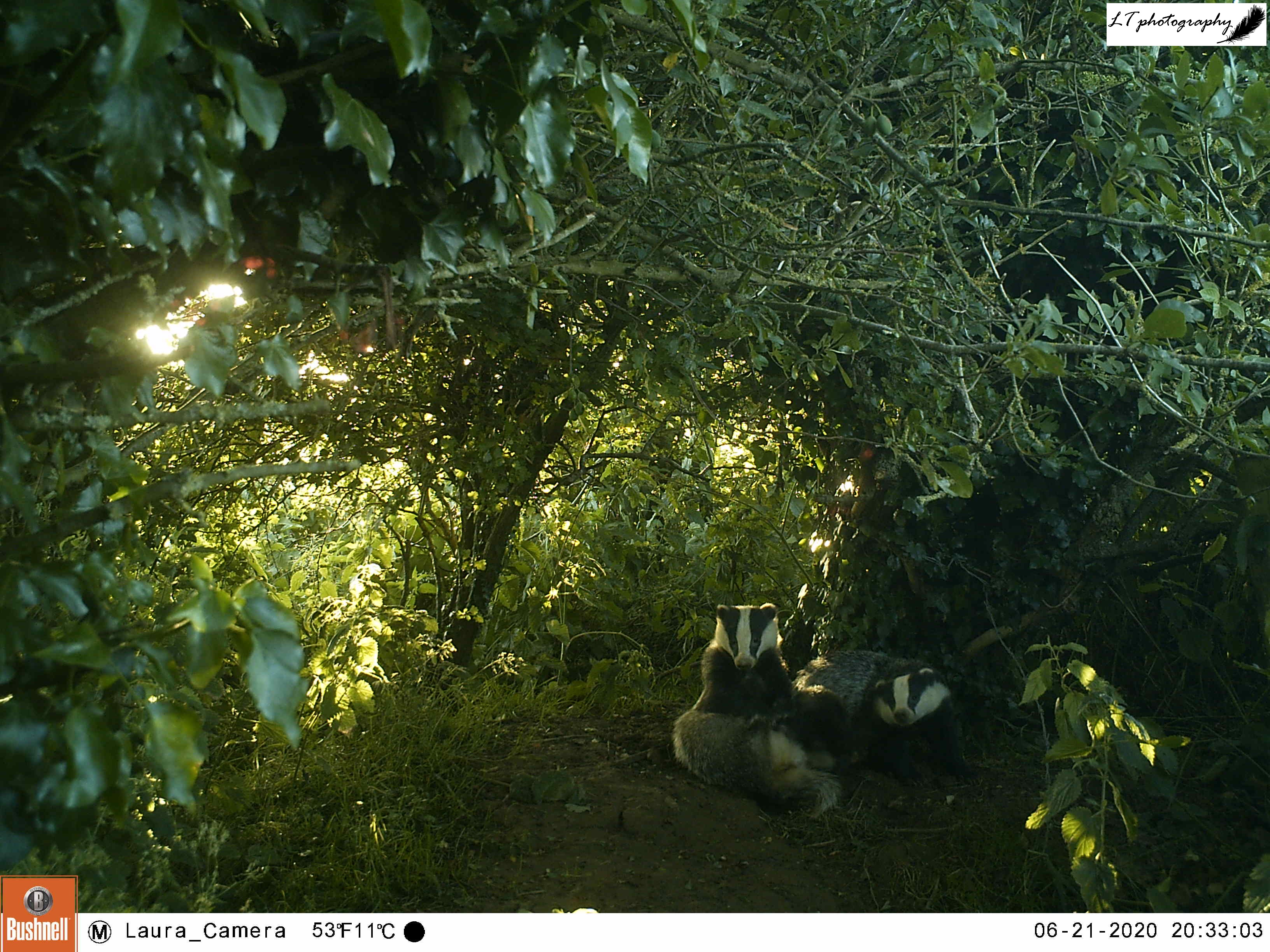
Another part of camera trapping in 2021 was getting to further experience animal species living side by side in harmony. For example, at one badger sett I saw a family of badgers sharing their home with rabbits and a family of foxes. Also, at another location, I got to see fox cubs learning about their surroundings and interacting with other species, such as roe deer. Very cool!

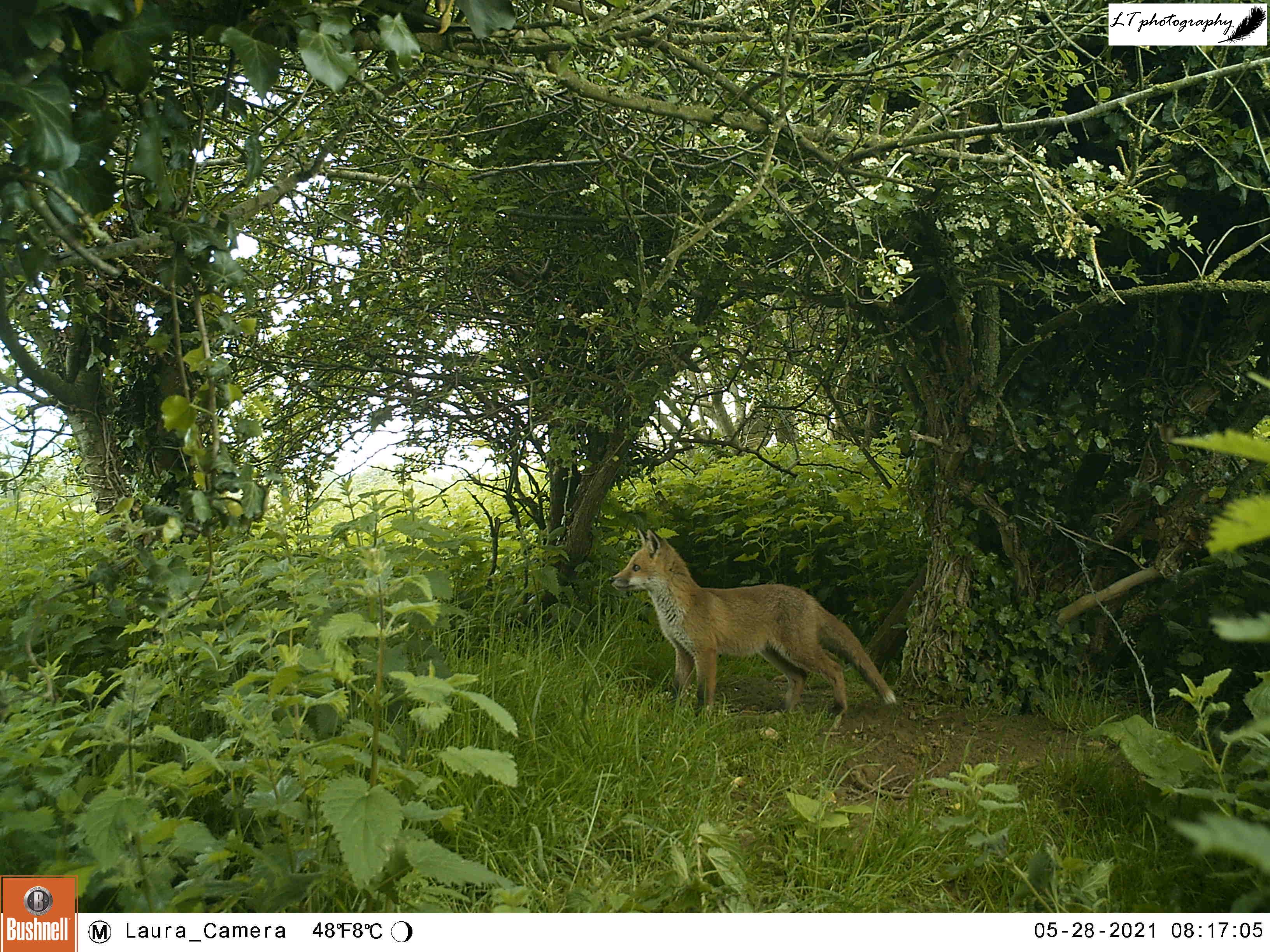
One of my favourite parts of 2021 though, has to be all the fox families I discovered! During this year, the most commonly seen species on my camera trap, to my surprise, was the fox (at every location!). In some cases I specifically aimed to capture this species, such as staking out a possible fox den, but in others foxes just happened to be living there or passing through. So by the end of spring, I had discovered 3 litters of fox cubs and a number of frequently used fox trails. What was most special of all was getting to experience fox cubs exploring their natural habitat and interacting with each other without me disturbing them. Magical!

After camera trapping in spring, my camera trap was given a well earned break until November. To round off the year, I staked out my garden to check out the birds that call it home. To find out more, stay tuned for next week’s blog post!

Emma’s Camera Trapping in Manchester

Although the past two years have been strange and sad in many ways, my little rectangle of garden has been a constant source of joy. During the first lockdown I started to spend a lot more time in the garden, which made me curious about the lives of the insects, birds, squirrels and foxes that also call our garden their home. So, in December 2020, I got my first wildlife camera!

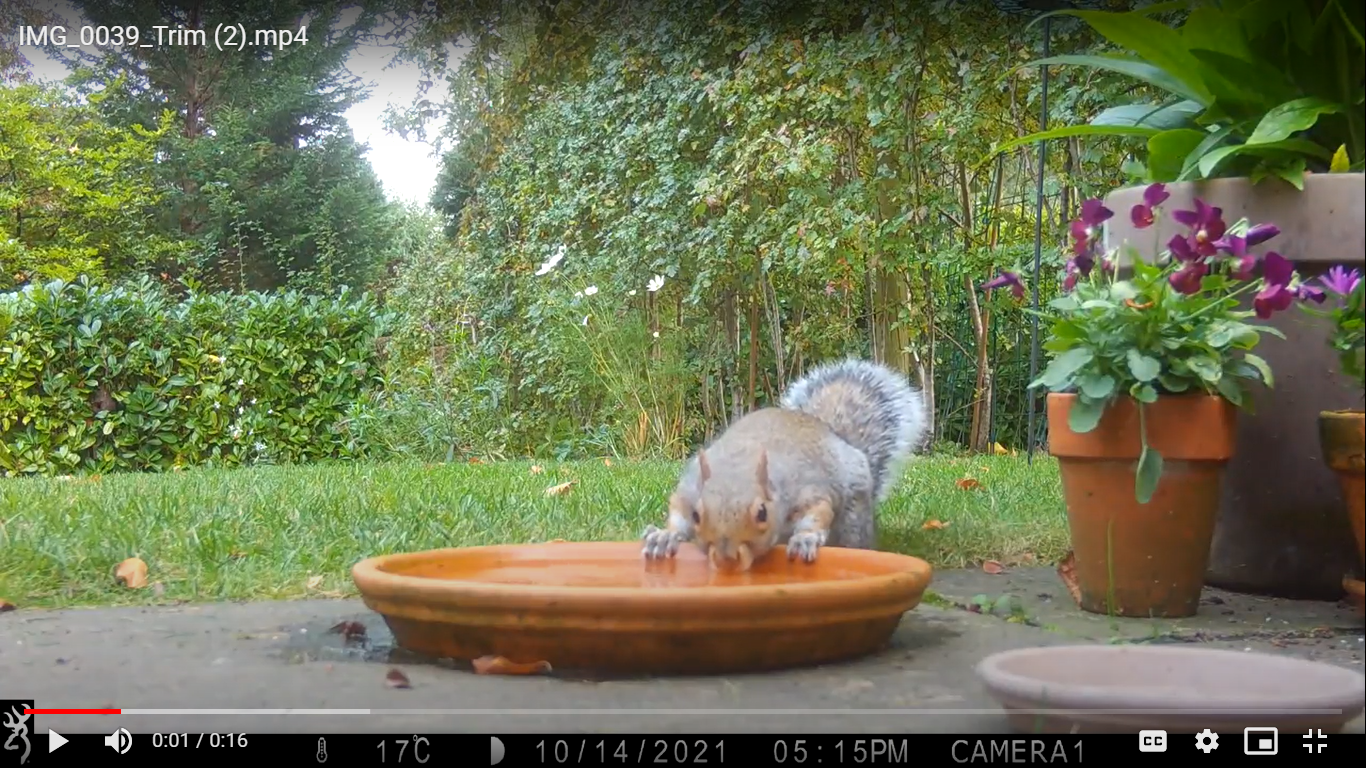
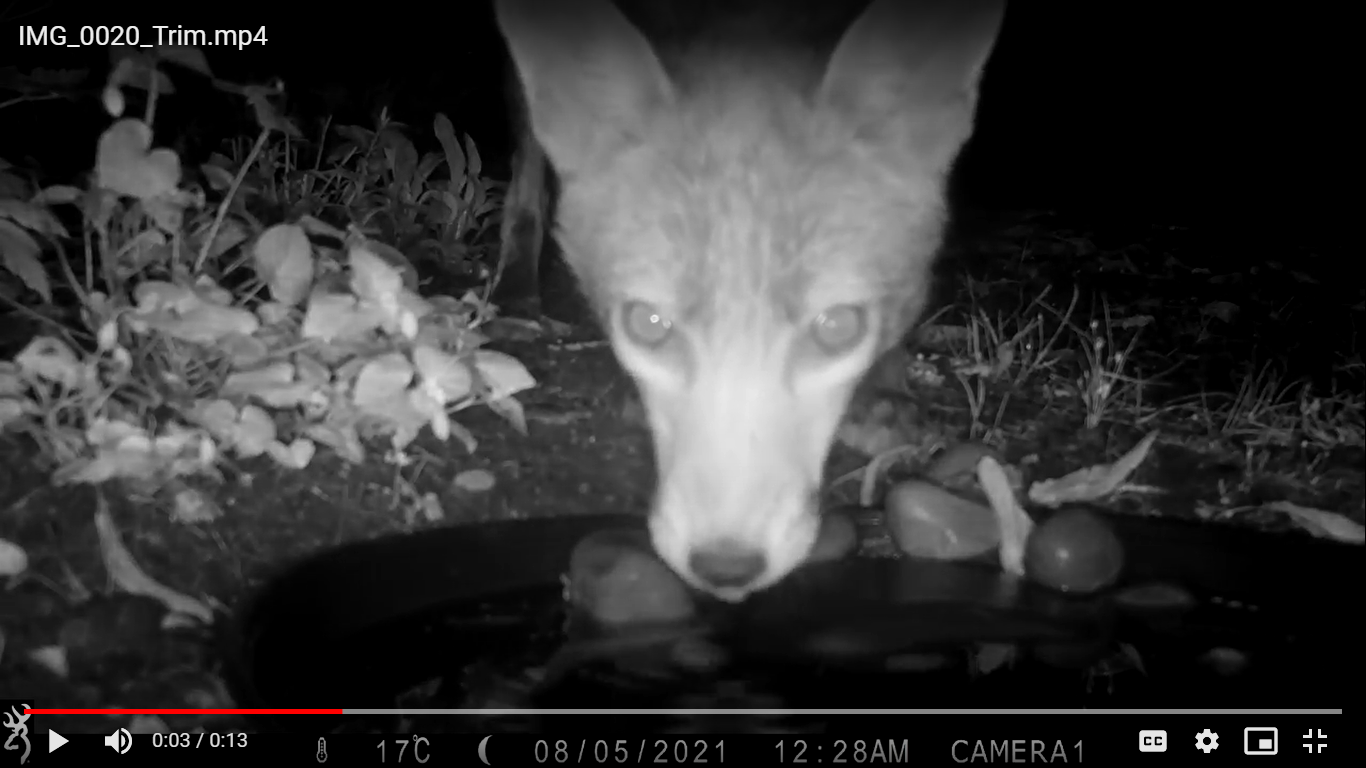
The first time I left my camera out overnight, I was delighted to have captured a variety of animals including squirrels, the neighbour’s cat and a fox. It’s far from unusual to spot a fox late at night in my area, but something about seeing a fox going about its usually secret business made this sighting feel special. “I got a fox!” I yelled excitedly down the stairs. From that point onwards, I had caught the camera trapping bug.

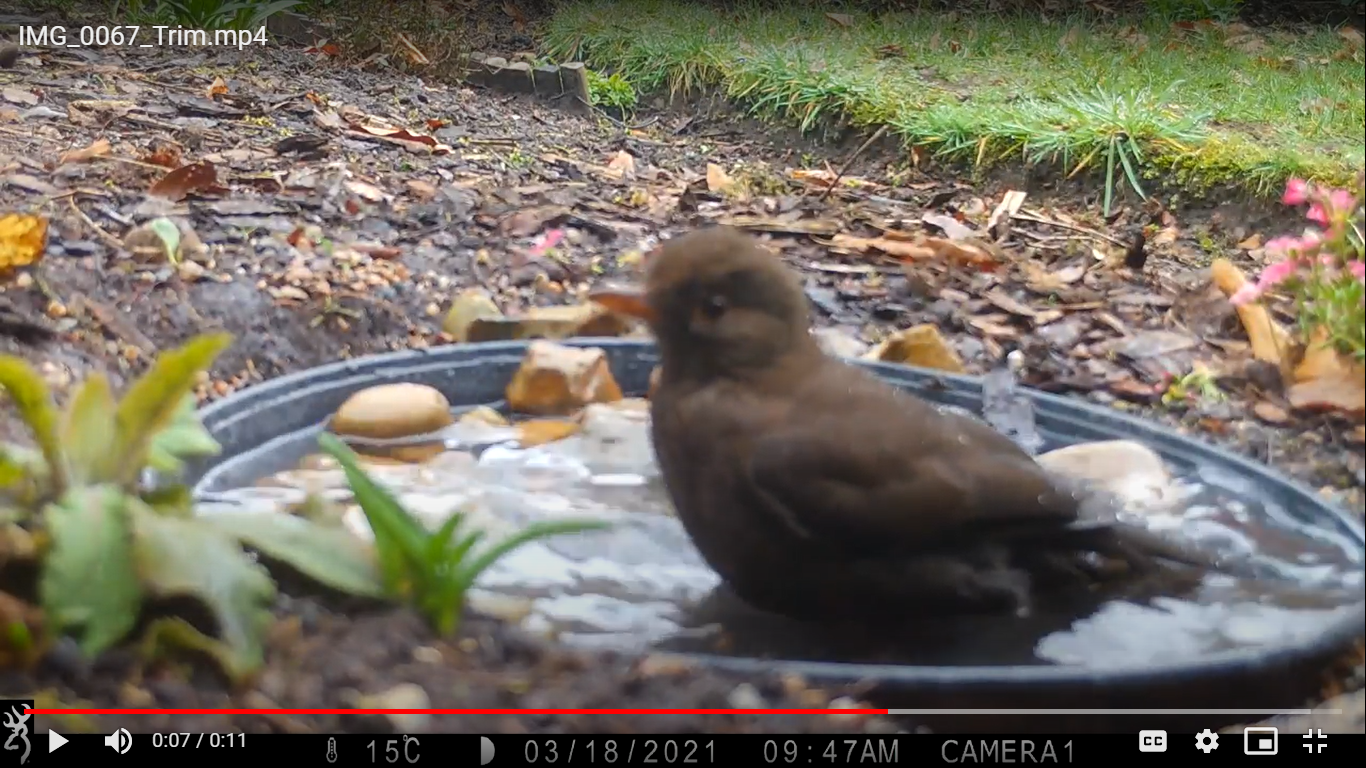
Camera trapping has allowed me to get to know the unique personalities of our garden visitors, and also to see how their behaviour towards us changed over time. Our lovely Mrs Blackbird used to wait until we’d gone back inside before she’d sneak up the side of the garden to eat her evening plate of mealworms, but now she feels brave enough to hop around the empty plate chirping indignantly until someone gets the message. We also realised that Mr and Mrs Blackbird would always come for their dinner one at a time, and would only eat half the plate each! Now that’s true love.

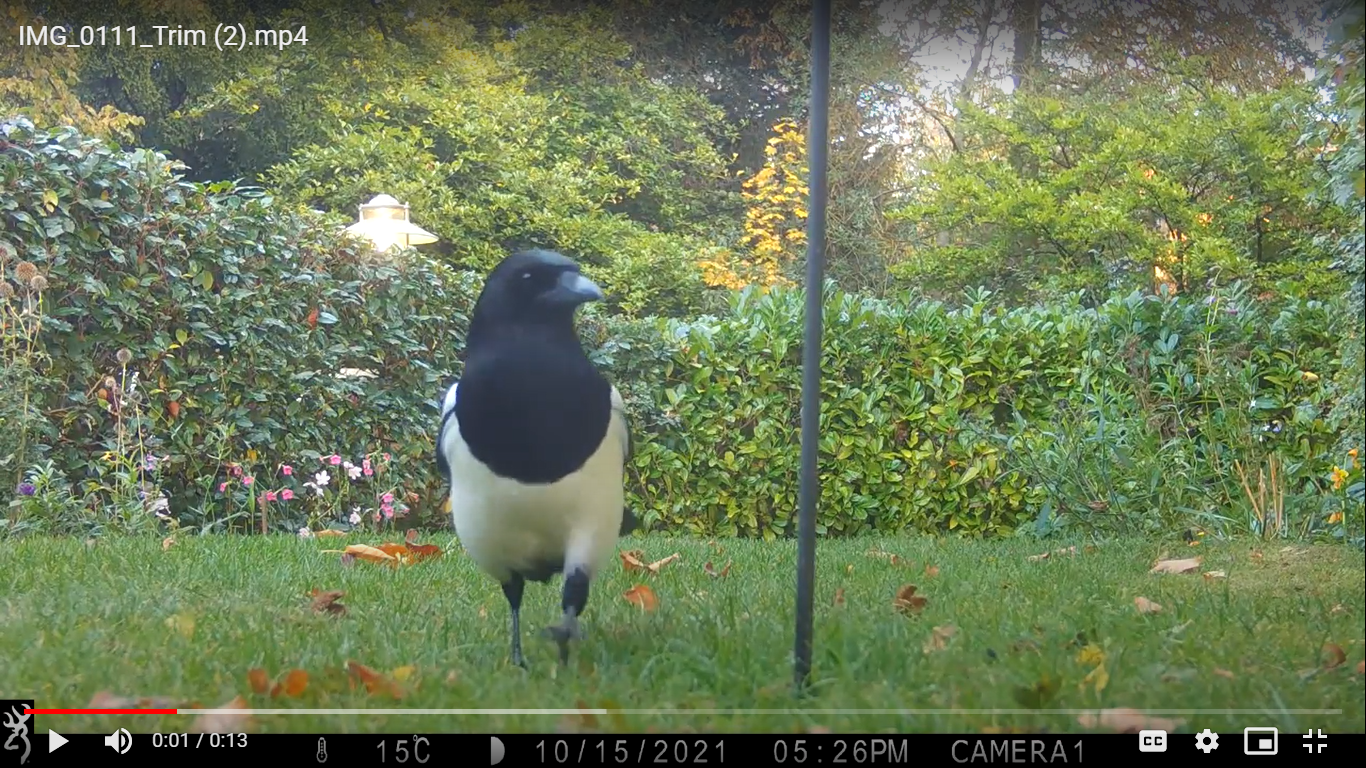
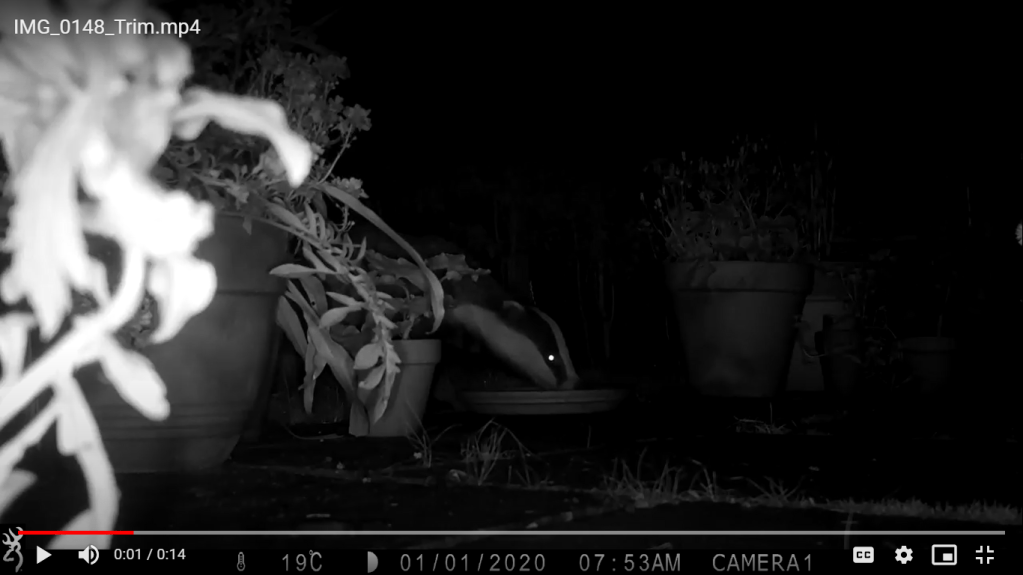
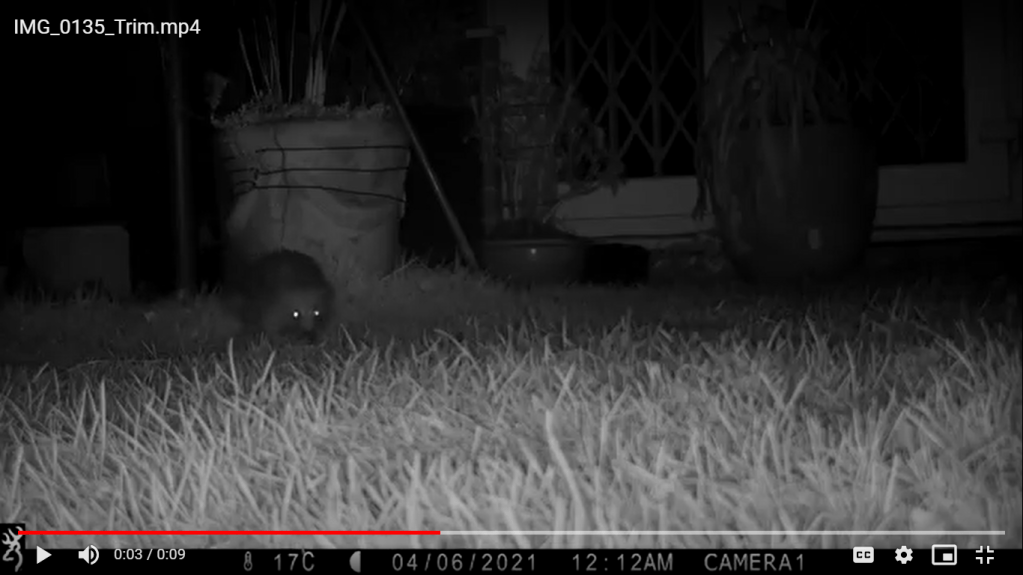
My most exciting capture came on an equally exciting day. On the morning of the day I was due to get my Professional level ACA results, I checked my camera and was amazed to see that a badger had stopped by for a drink! The badger must have brought good luck with him, as thankfully I passed the exams. I was also delighted to see a hedgehog wandering through my boyfriend’s garden one night. We named him Podge, and for a while he was an extremely cute regular visitor. Finally, I can’t talk about camera trapping without mentioning my love for our magpies, who have kept us well entertained all year swaggering around the garden and stealing all the snacks we put out!

One thing I’ve learned from my experience camera trapping this year is that although cities may be full of people, we have a huge variety of wildlife roaming around just outside our front doors. I hope that more people will feel inspired to get to know the wild visitors passing through their streets and gardens, and even leave out some food and water to make them feel welcome!

The Wonders of Camera Trapping

Camera trapping is a learning experience and an eye-opening adventure, providing an unedited and up-close view of the more secretive lives of our wild neighbours. For Laura, camera trapping in 2021 continued to expand her record and understanding of the animals that call her local area home. Moving forward she would like to begin collecting videos of her local wildlife and buy a new camera trap to expand her camera trapping efforts.

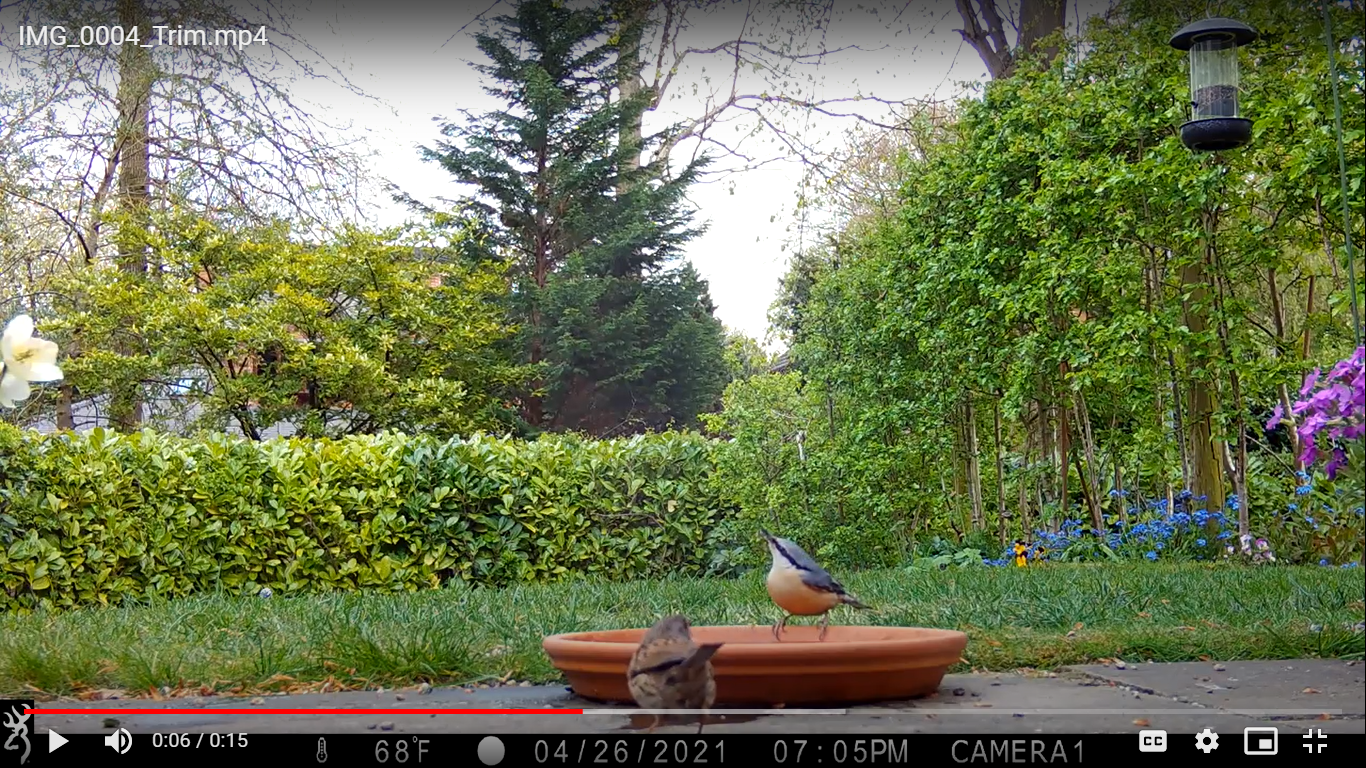
Giving nature a home is something every one of us can do. For Emma, camera trapping taught her that even a small green space in an urban landscape can support a huge variety of wildlife; bees, badgers, woodpeckers, nuthatches, squirrels, hedgehogs and many more! In 2022, Emma wants to make her garden a haven for wildlife, and hopefully capture a frog moving into the frog pond she and her mum built.

At a time when nature is struggling most, it is important for us all to do our bit. Sometimes it is difficult to know how, but if you can understand your local patch better, this can become a lot easier. Using a camera trap is a great and easy way to do this, allowing you to create that connection with your local wildlife, however big or small. If you would like to know more or are inspired to try it out yourself, check out Laura’s blog post about ‘How to… Use and Make the Most of a Camera Trap‘.