How to… Identify Signs of Spring in Britain

This year the Spring Equinox occurred on the 20th March, marking the point when the sun sat directly over the Earth’s equator heading northward, alongside the start of a new season, in our case spring. With spring comes longer day lengths, milder temperatures, regrowth, new beginnings, and the literal ‘springing’ of plants from the ground. After tough winters and a period of dormancy for nature, the sights of spring understandably lift spirits and create hope and joy.

As we look ahead to spring and what it means to us all, people will also be looking for the first signs of its arrival to tell them the season is upon us. With an increase in activity within nature, these signs can differ for different people, with examples including the first snowdrops, mammals coming out of hibernation, or even birds such as Rooks beginning to nest. For Emma, my Rural vs Urban blog series co-writer (check it out!), her first signs of spring in Manchester are as follows:

Signs of spring in Manchester, as typed from the tram on a lovely spring day: sunshine reflected off the sides of the glass buildings, daffodils and crocuses bravely making an appearance on the grass banks, seeing the first few Manchester bees buzzing about, thinking that it’s warm enough to leave the house without a coat then realising you made a mistake when it pours down with rain later in the day, and sitting outside at the pub!

Though we may all have our own personal favourites, there are some popular first signs of spring that can easily be looked for in anyone’s local area across Britain. Why not try to find them all yourself?

1. Hazel Catkins

  • Hazel is one of the first of our native species to flower at the start of the year, bringing real colour and joy to the still wintery landscape
  • Latin Name: Corylus avellana
  • Name: Catkin refers to long cylindrical clusters of small flowers
  • When to See: January to April
  • Where to See: Woodlands, scrub areas and hedgerows
  • Identifying Features: Lemon-yellow with pollen when open, and shaped like a lambstail, hanging in clusters from hazel branches
  • Range: Widespread throughout Britain

2. Yellow Flowers

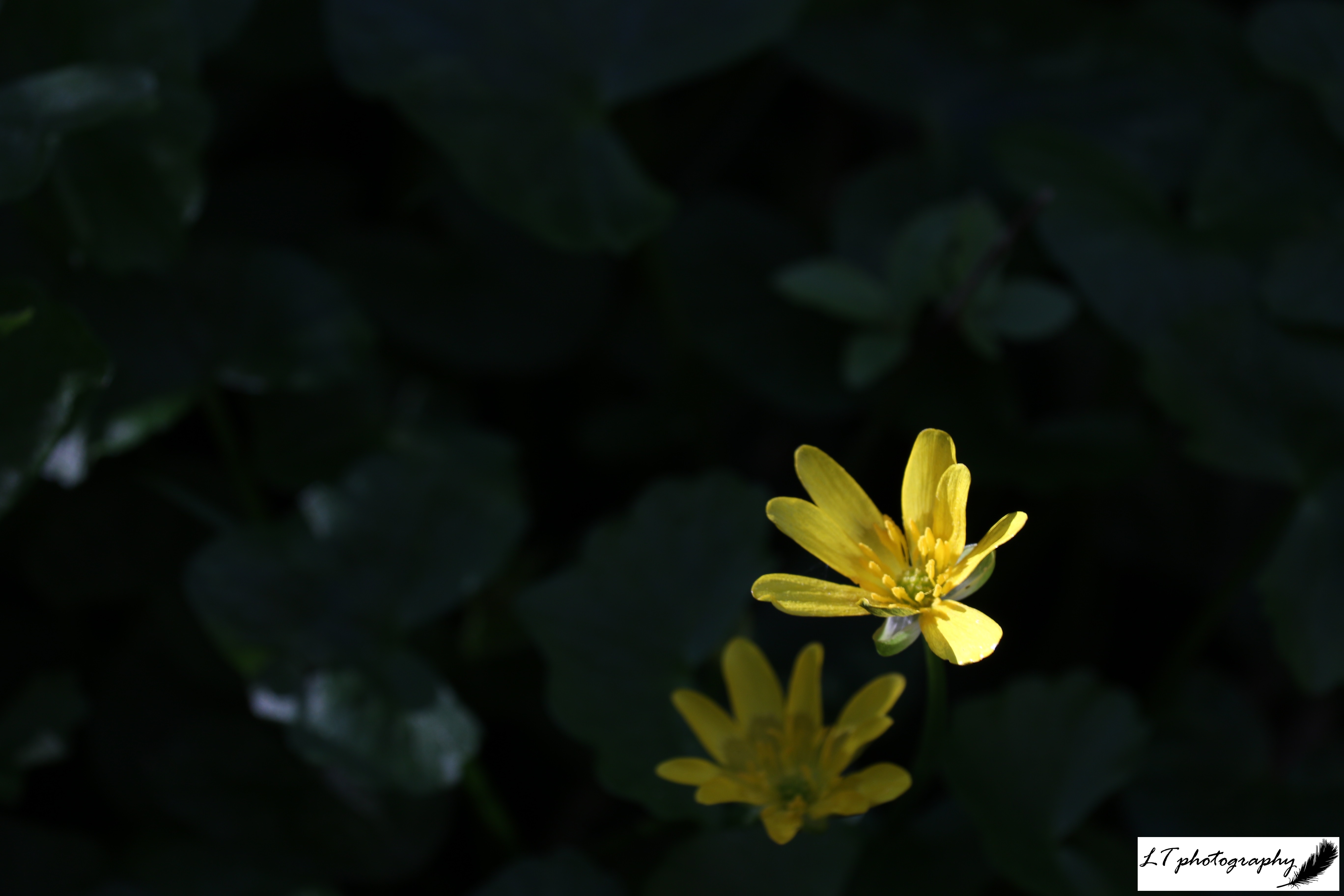
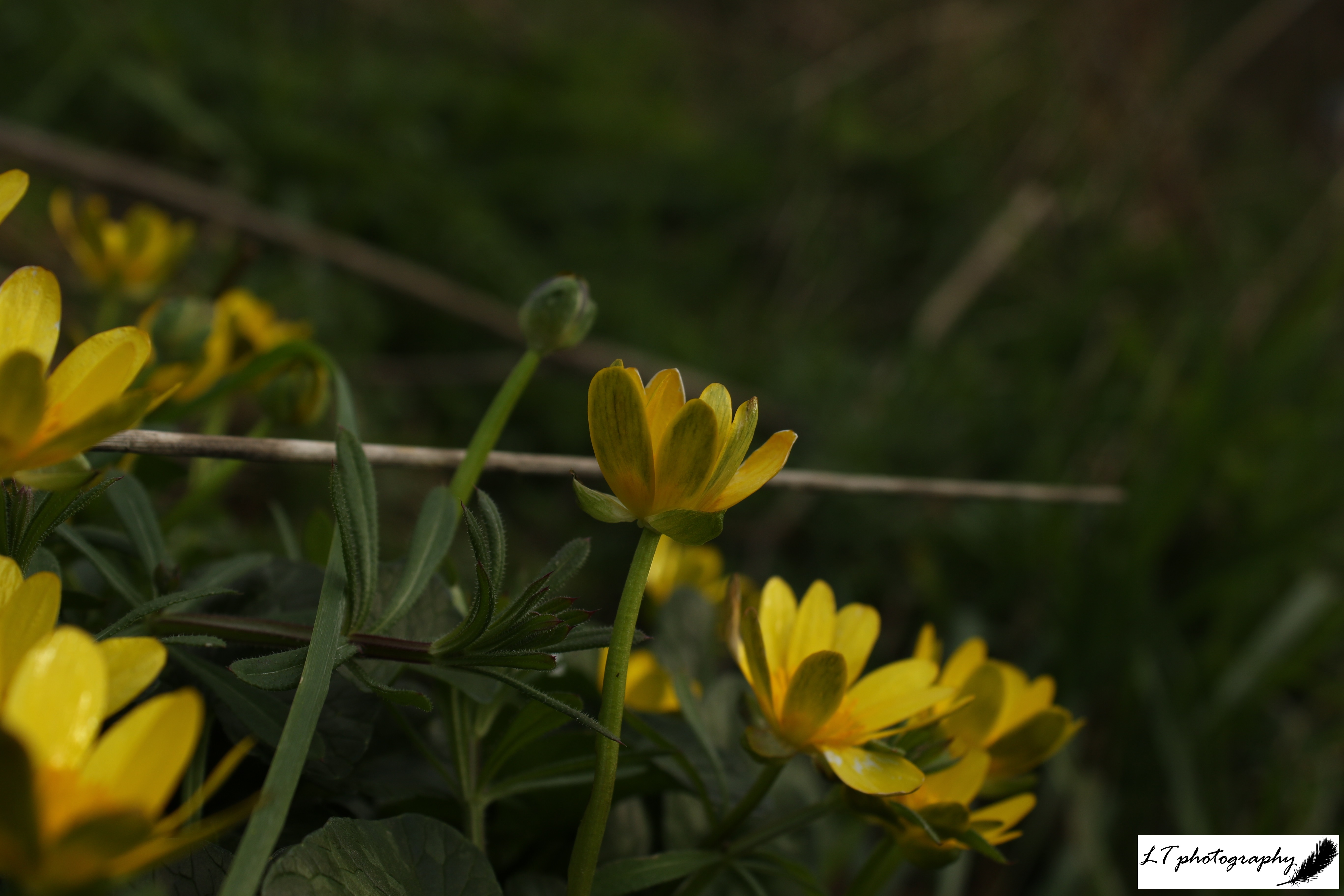
  • After a cold and grey winter, nothing raises the spirit like the blooming of sunshine yellow flowers in the landscape, a symbol of rebirth and new beginnings
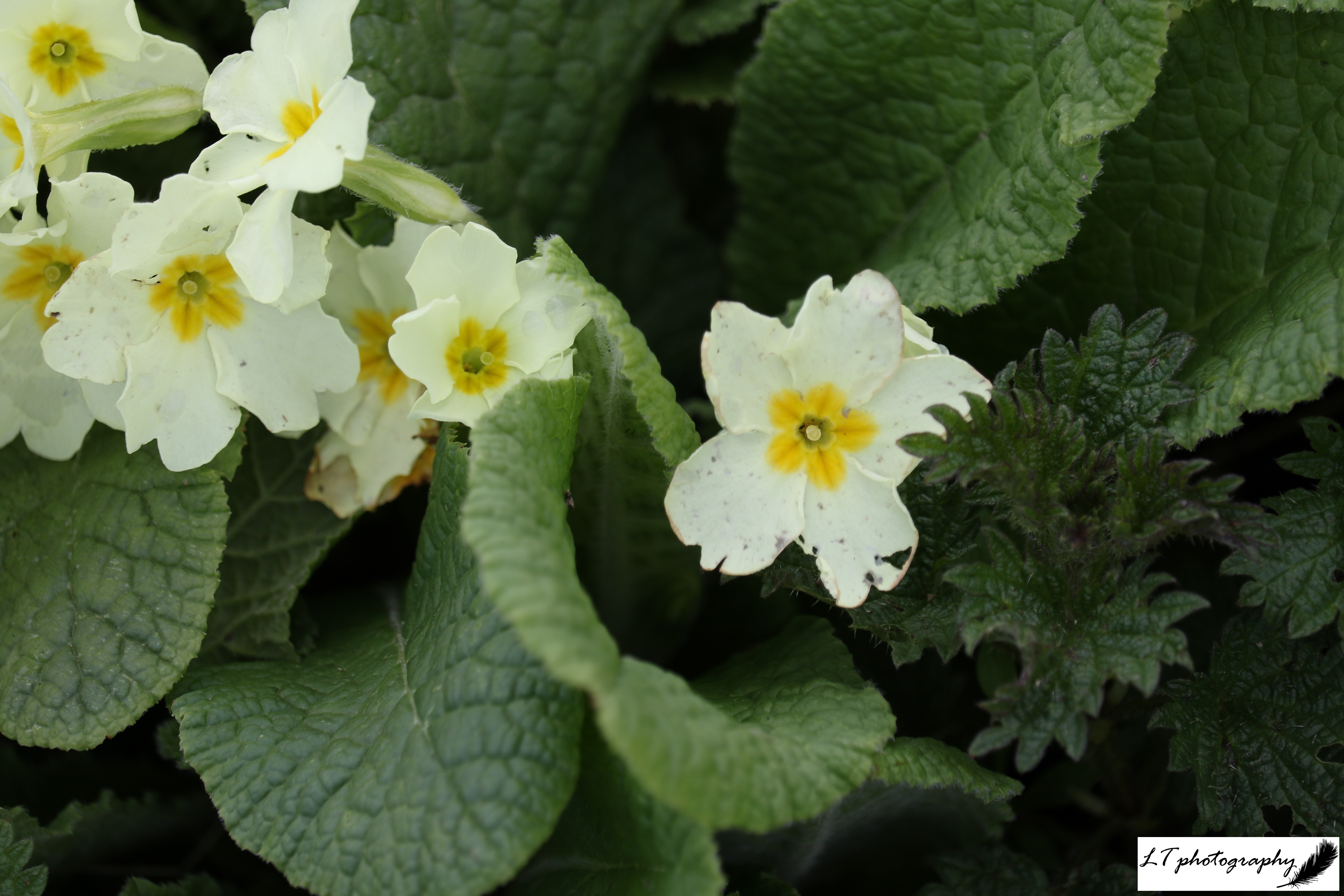
  • Most Popular: Daffodils (Narcissus spp,); lesser celandines (Ficaria verna); primroses (Primula vulgaris); cowslips (Primula veris)
  • When to See: Daffodils= February to May; celandines= March to May; primroses= February to May; cowslips= April to May
  • Where to See: Daffodils= gardens, parks and woodlands; celandines= woodland, grassland and gardens; primroses= woodland, hedgerows, and gardens; cowslips= grassland, woodland and hedgerows
  • Identifying Features: Daffodils= inner trumpet shape with a crown of petals; celandines= shiny yellow stars; primroses= rosettes of pale petals with darker centres; cowslips= bell-shaped within a green casing

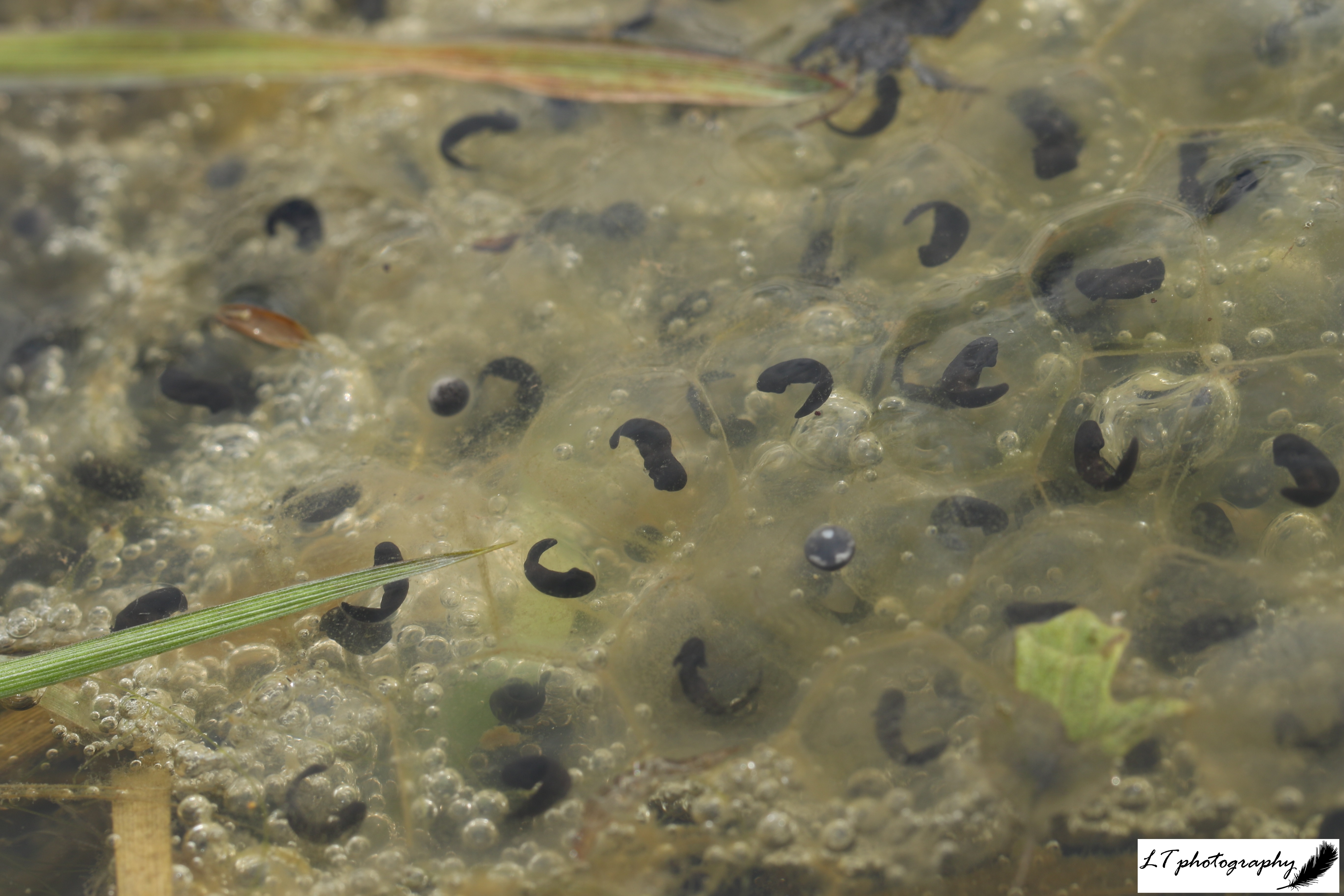
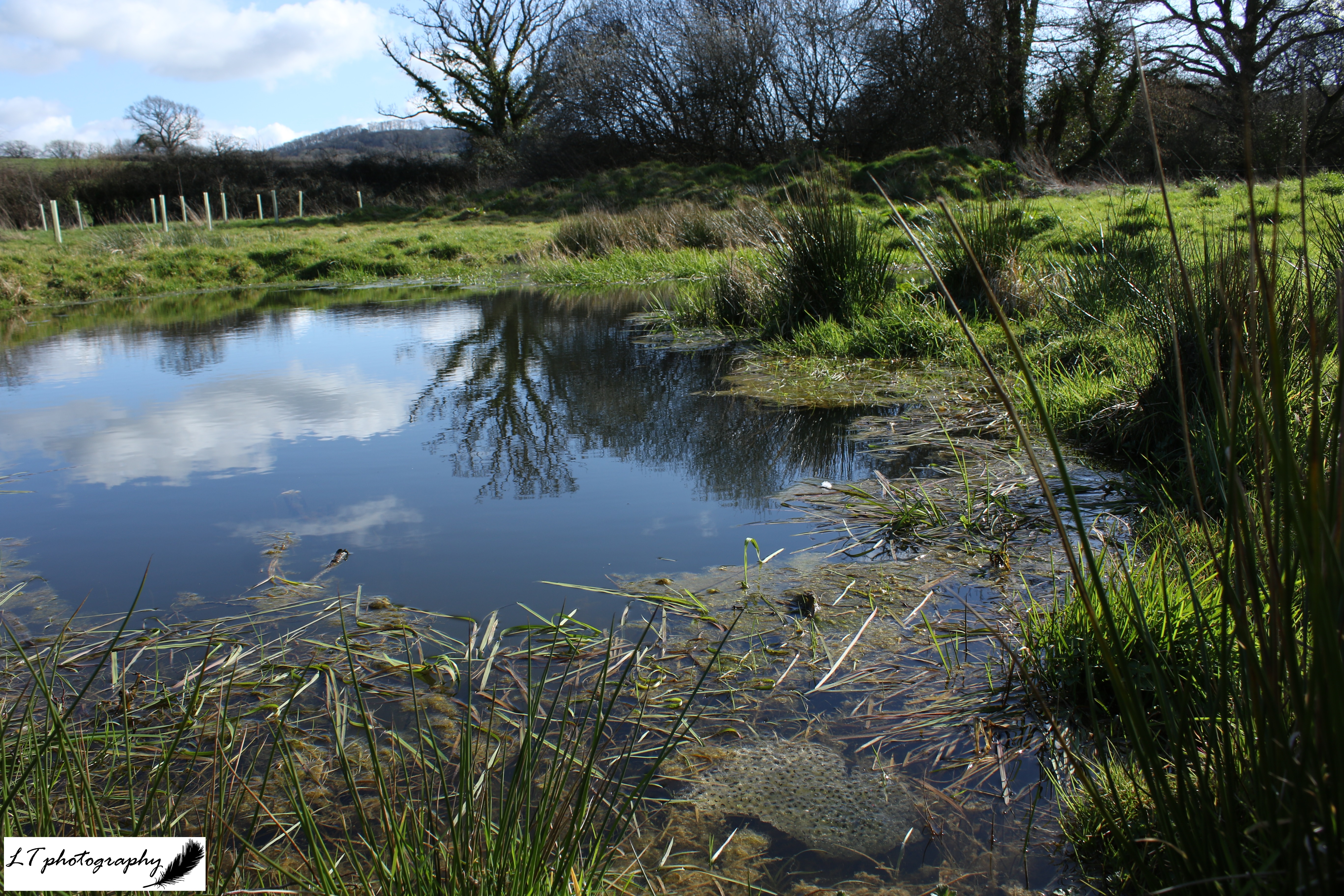
3. Frogspawn

  • A symbol of spring that captures the imagination from a young age with its strange and sudden appearance early each spring
  • What is it?: The eggs are most commonly laid by the common frog (Rana temporaria)
  • When to See: Mainly February to March
  • Where to See: Just below the surface of ponds and streams
  • Identifying Features: Floating clumps of jelly that are made up of lots of small jelly eggs with a black dot or developing tadpole at their centres
  • Range: Widespread across Britain but more likely to be seen in certain areas
4. Buzzing Bees

  • The sound of queen bees buzzing lazily around in warm sunshine is a real sound of spring, symbolising new life to come
  • Examples: Buff-tailed bumblebee (Bombus terrestris); red-tailed bumblebee (Bombus lapidarius); tree bumblebee (Bombus hypnorum); white-tailed bumblebee (Bombus lucorum)
  • When to See: Buff-tailed= February to October; red-tailed= mainly March to August; tree= mainly March to July; white-tailed= March to October
  • Where to See: All can be seen in a wide range of habitats from woodland and farmland to gardens and heathland
  • Identifying Features: Buff-tailed= yellow collar near head and another on abdomen with queens having buff ‘tails’ and workers white with buff line above; red-tailed= black with red ‘tails’ with males having two yellow bands on thorax and one at base of abdomen; tree= ginger-brown thorax and black abdomen with white tail; white-tailed= black with two lemon-yellow bands on body and white ‘tail’

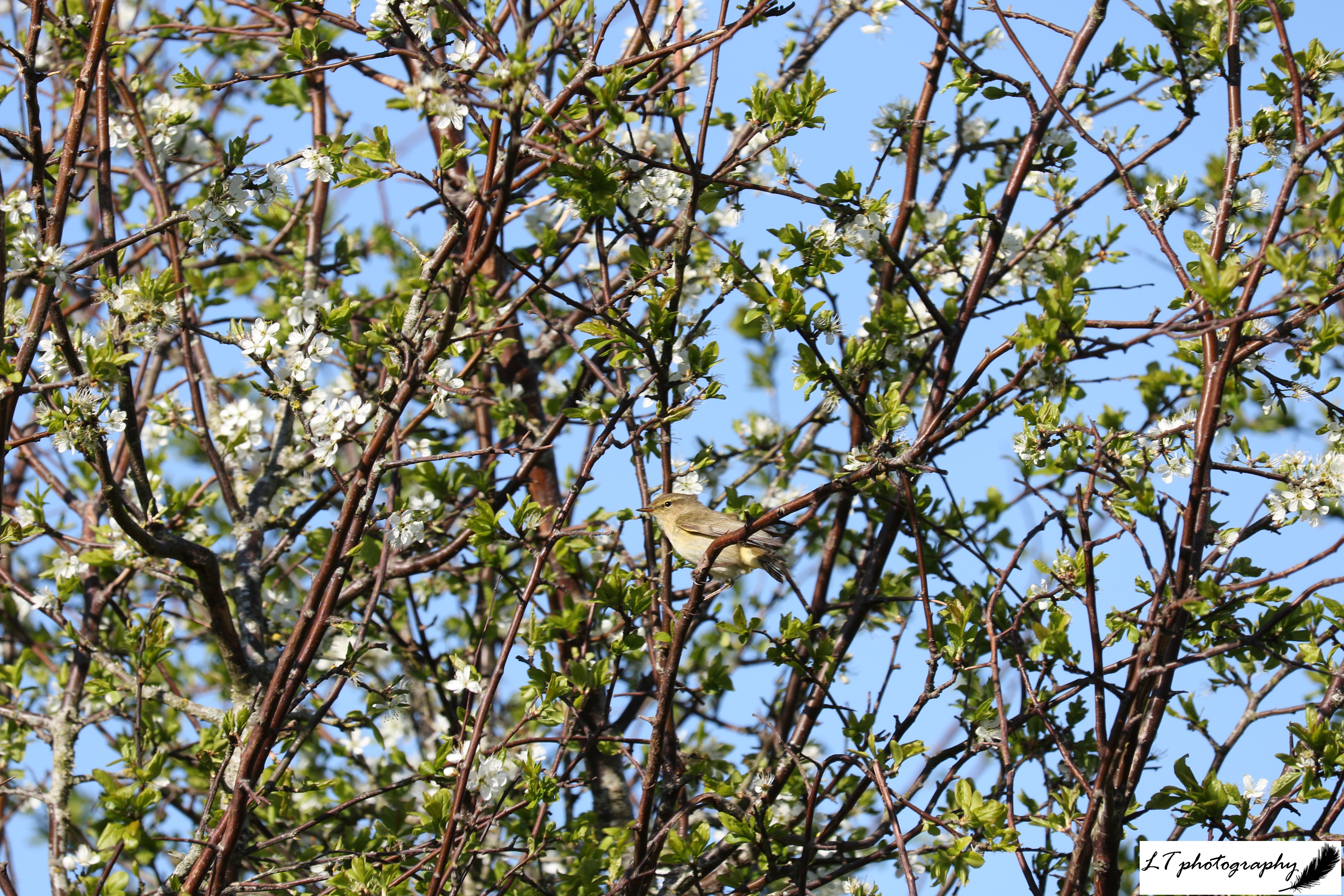
5. Chiffchaff

  • This tiny little bird is one of the earliest birds to arrive from warmer winter climes, and sing its heart out, heralding the start of spring
  • Latin Name: Phylloscopus collybita
  • Name: Named after its distinctive ‘chiff chaff chiff chaff’ song
  • When to See: Some winter in the UK, but can be heard singing from March to October when migrants return
  • Where to See: Woodland, scrubland, parks and gardens
  • Identifying Features: Green or dusky olive; short pale eye stripe; moderately dark eye stripe; dark legs; fine often dark bill; continuous tail-flicking movement; distinctive song
  • Range: Widespread across Britain, apart from more mountainous areas of Scotland
6. Pussy Willow

  • Emerging early on in the year, pussy willow is a real symbol of the beginnings of spring, and is often used as decorations at Easter
  • Latin Name: Salix caprea but also could refer to Salix cinerea
  • Name: Pussy willow is a colloquial name for goat willow, but is now often used for grey willow too. This is due to their furry male catkins looking like the soft, furry paws of a cat
  • When to See: February to April
  • Where to See: Woodland, hedgerows, scrub and damper, more open ground
  • Identifying Features: The more noticeable male flowers are the silver-grey, fluffy, and oval catkins standing upright from willow branches. They turn yellow when covered with pollen
  • Range: Widespread across Britain

7. Brimstone Butterfly

  • Though warmer, milder weather leads to the emerging of different butterfly species, the first brimstone butterfly is often the first species seen and its warm colour has connotations of sunshine and cheerfulness
  • Latin Name: Gonepteryx rhamni
  • Name: Brimstone is the old name for sulphur, which is the colour of the male butterfly’s wings
  • When to See: March onwards
  • Where to See: Can be seen in a wide variety of habitats, but the larval foodplants are alder buckthorn and buckthorn which is more scarcely distributed
  • Identifying Features: Veined wings with pale-yellow undersides and an orange dot on each wing. The uppersides are sulphurous yellow on males and paler on females
  • Range: Common in England and Wales, less common in Ireland, and very rare in Scotland

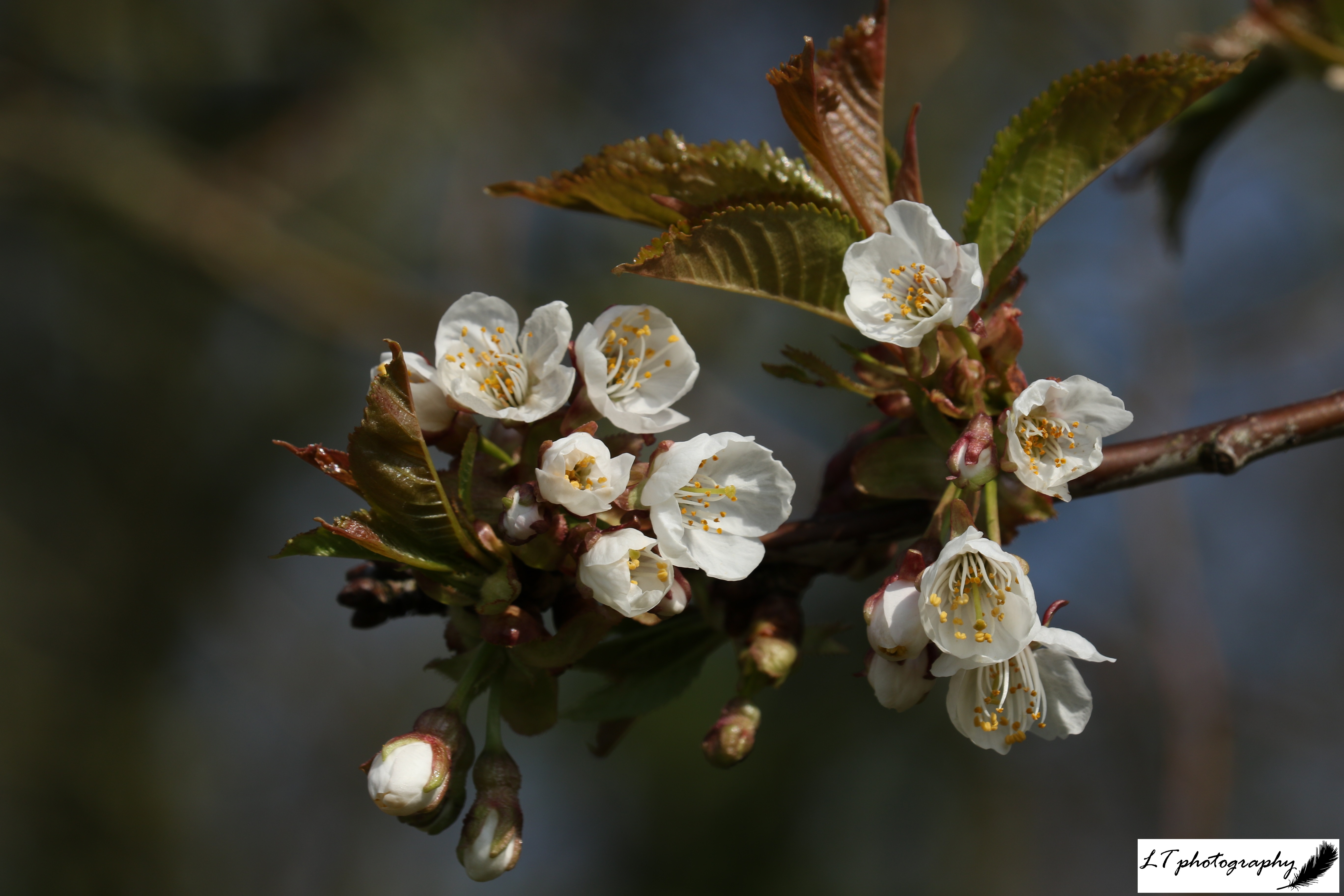
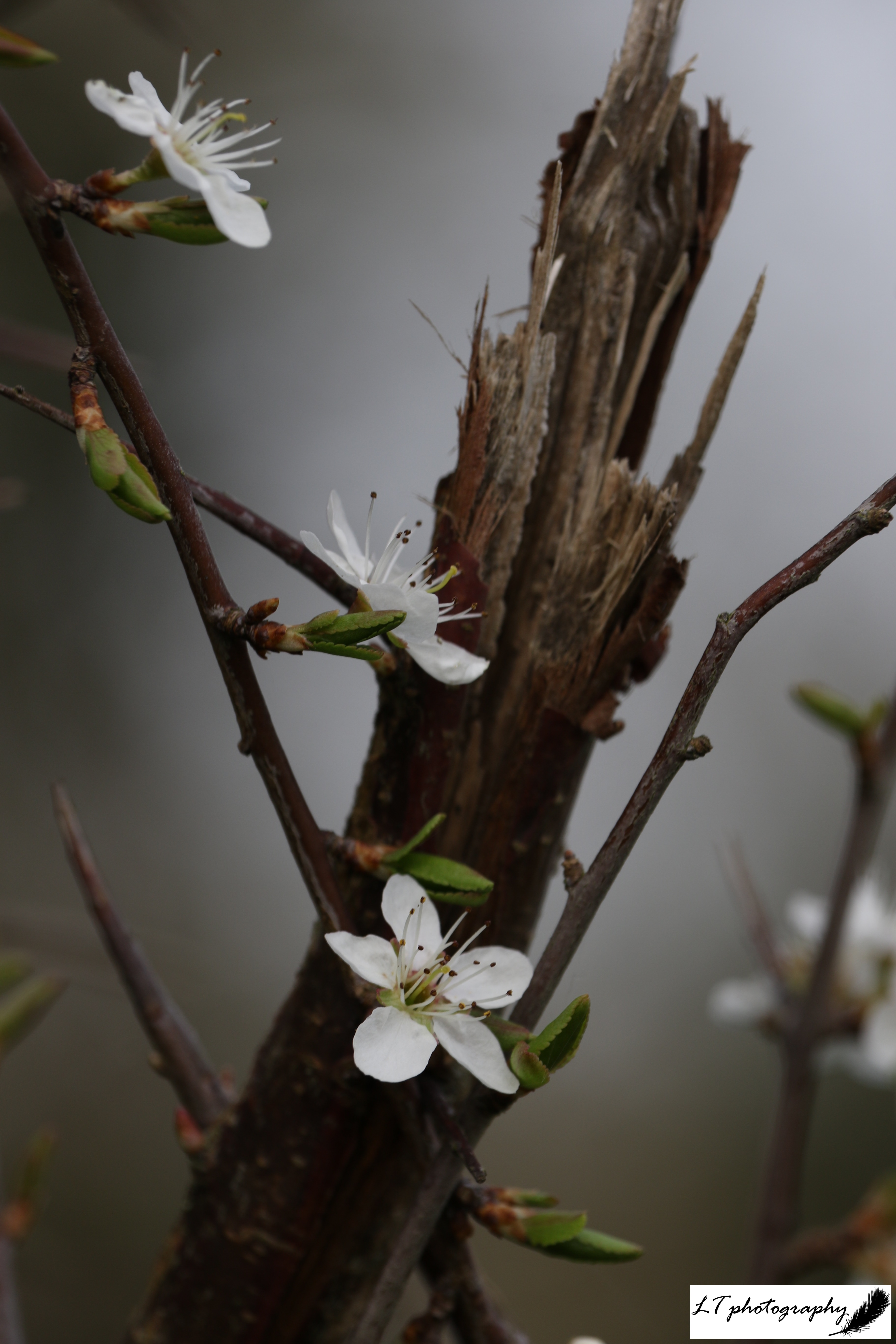
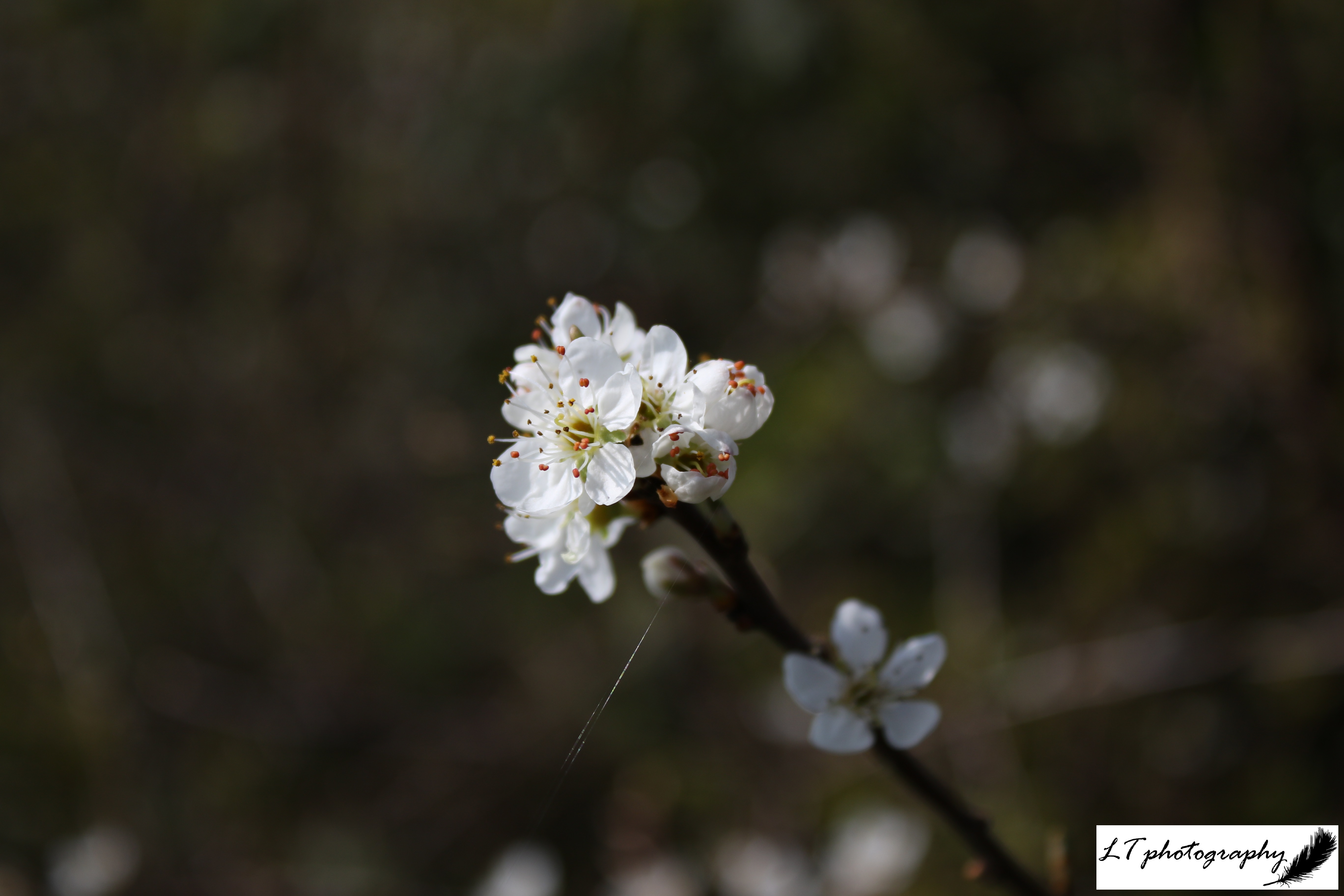
8. Spring Blossom

  • Everyone knows that spring is truly underway when blossom starts to coat trees and hedgerows in spectacular pastel fashion. It is a real spirit lifter after a long winter!
  • Examples: Blackthorn (Prunus spinosa); wild cherry (Prunus avium); hawthorn (Crataegus monogyna)
  • When to See: Blackthorn= March to April; wild cherry= April to May; hawthorn= April to June
  • Where to See: Blackthorn= hedgerows, woodland margins and scrubland; wild cherry= woodlands, gardens and hedgerows; hawthorn= hedgerows, woodland margins and scrubland
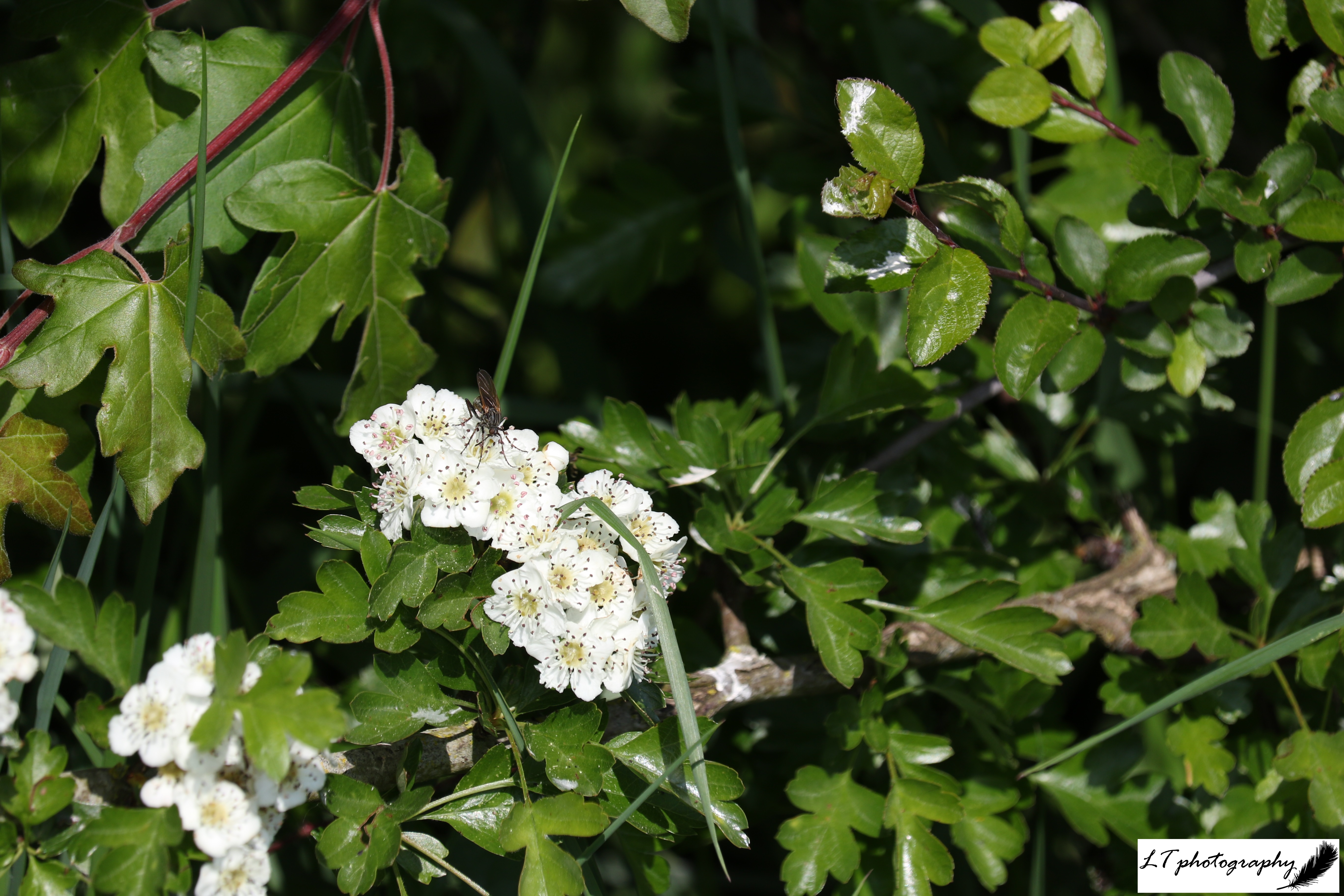
  • Identifying Features: Blackthorn= flowers white with 5 petals and red-tipped anthers; wild cherry= white flowers cup-shaped and with 5 petals; hawthorn= white flowers with 5 petals, pink or purple anthers and sickly sweet scent
9. Barn Swallow

  • This iconic bird makes a 6000 mile migration from Africa to breed in the UK, arriving with warmer weather and active exploration of potential nest sites
  • Latin Name: Hirundo rustica
  • Name: Barn comes from typically nesting in barns and out-houses, and the latin Hirundo means swallow
  • When to See: March to October
  • Where to See: Open country, perching on wires, and hunting low over grassland or water
  • Identifying Features: Blue-black; red forehead and throat; dark throat; long, pointed wings; deeply forked tail; agile flight
  • Range: Widespread across Britain

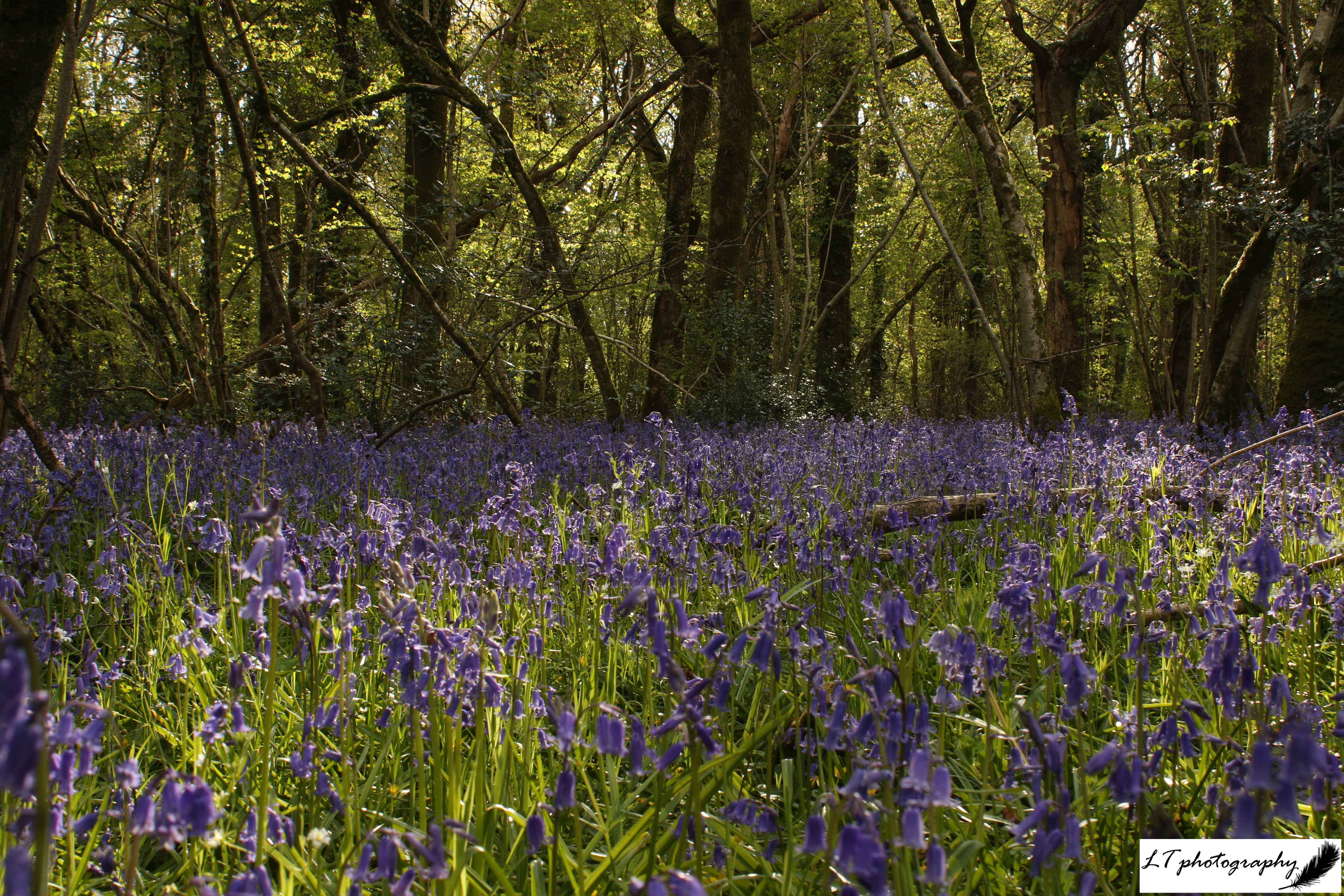
10. Common Bluebell

  • Over half of the world’s population of bluebells can be found in the UK, making for some incredible spring spectacles across Britain
  • Latin Name: Hyacinthoides non-scriptus
  • Name: Named for their distinctive flowers
  • When to See: March to June
  • Where to See: Carpeting woodlands, hedgerows, scrubland, on sea-cliffs and mountains
  • Identifying Features: Long, narrow green leaves; purple-blue bell-shaped flowers hanging from long stems; strong sweet scent
  • Range: Widespread across Britain
Spring 2020: How It Happened

Walking through the trees, in dappled early morning sunlight, through swathes of brilliant blue. Standing rooted to the spot, hearing the first Chiffchaff, Swallow, Cuckoo. Sitting in breezy sunshine, learning to identify Hawkbits, Vetches and Viper’s-Bugloss. These are just some of the highlights of my spring this year, wild and full of life. With each new day, there was a new wild highlight to be had.

13_05_20_Farm_Sunrise_Hangings_Gate

Following on from my post last week about my favourite photos from this spring (check out Spring 2020: In Photos), I wanted to continue celebrating the lifeline that has been spring and the natural world for me during lockdown. This week I am looking at how spring unfolded this year in my local area and how it looked now the summer is hitting our shores.

Since 2015 I have been writing down a lot of my observations about spring each year. This means I can now look at spring 2020 in light of how the last few years have actually looked and see if anything interesting comes up. Last year I did this in more detail, so for that check out my post called: How Spring Happened 2017-2019.

22_06_19_Farm_Chalk_Mound_Oxeye_Daisies_6

So, did a favourite of my mum’s, the Chiffchaff, return by Mother’s Day this year? Did the Oak burst into leaf before the Ash (and so are we in for a splash)? And did the song of the Cuckoo return to my family’s land for another year? As spring now slips into summer, it is time for me to reflect on an extra special spring.

Trees

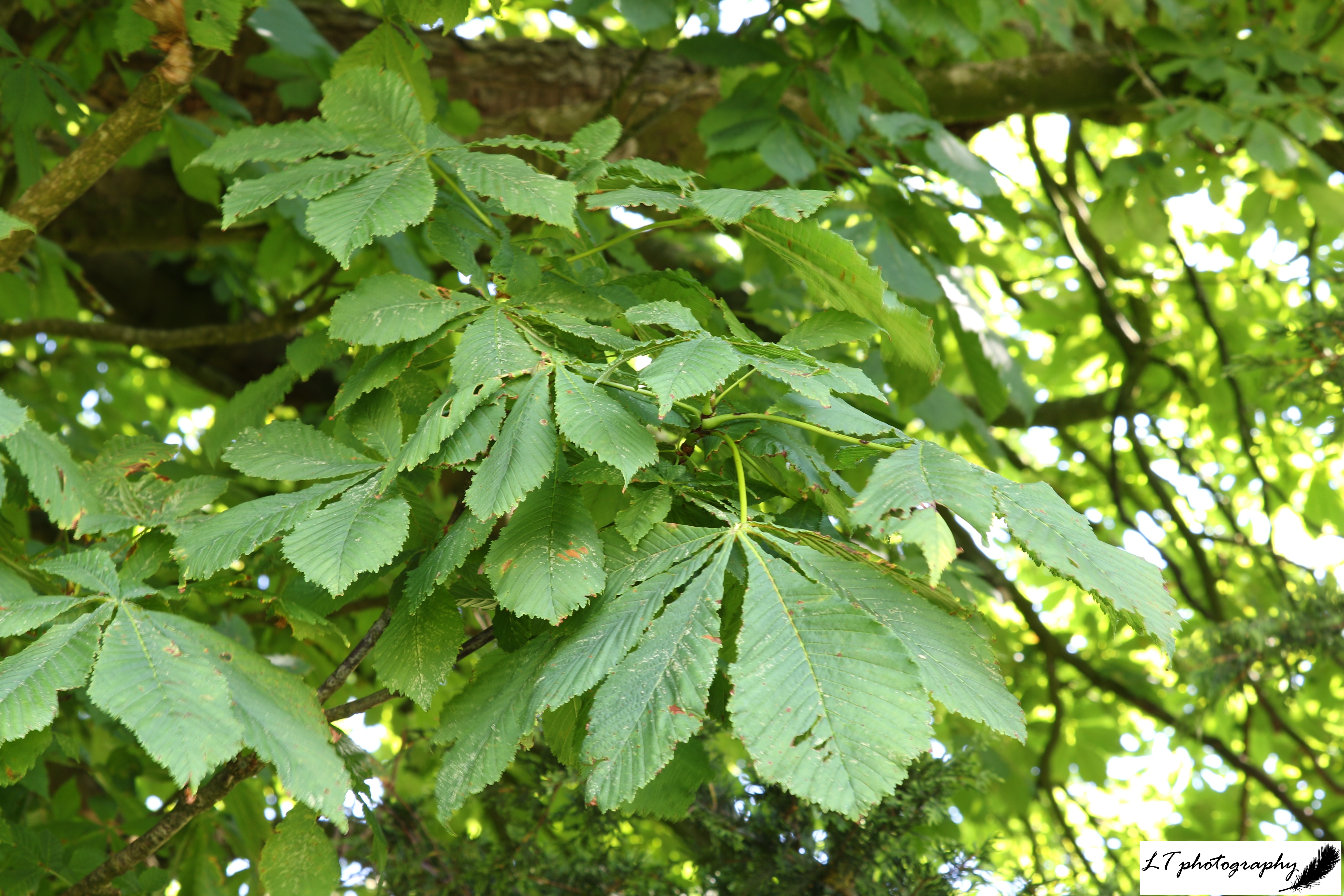
One of the very first trees to start showing signs of life each spring at my home in Dorset, is the Horse Chestnut (Aesculus hippocastanum). This year the first buds burst on the 18th of February, which shows a gradual shift forwards over the last few years, being 6 days earlier than last year, and a month earlier than 2018. The first leaf then unfurled on the 10th of March (9 days later than 2019), followed by the first flowers on the 2nd of April (13 days earlier than 2019).

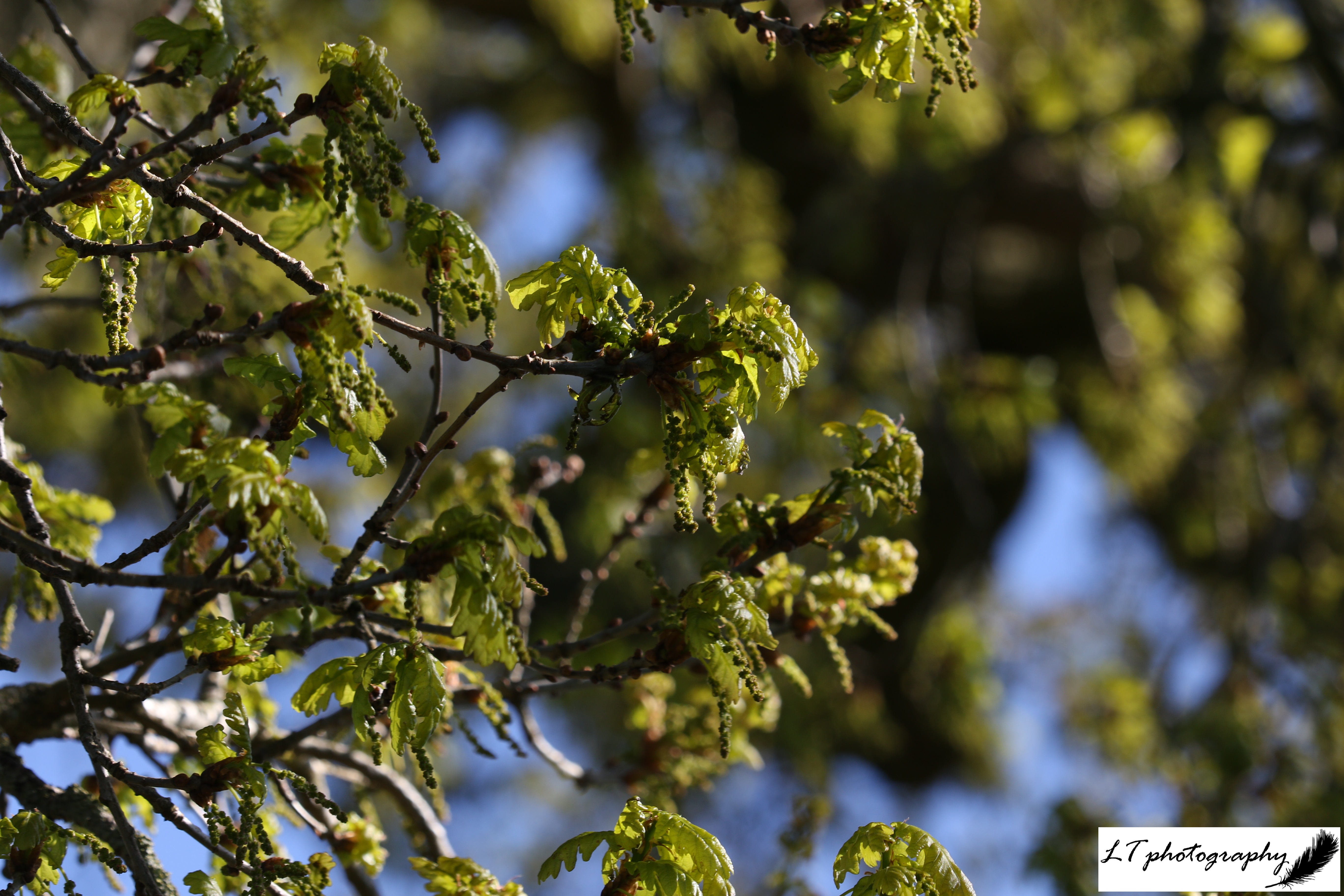
Due to a cold start to spring and a very wet winter, which left the ground cold and waterlogged, Pedunculate (English) Oaks (Quercus robur) were late to make a start, with the first budburst seen on the 2nd of April, 37 days later than 2019. They got going quickly though, with leaves bursting forth by the 8th of April (4 days earlier than 2019) and flowers blooming by the 12th of April (13 days earlier than 2019).

Despite the ground, the trend this year was towards earlier budburst, first leaves and first flowers. Silver Birch (Betula pendula) buds burst on the 15th March, 15 days earlier than 2019; Ash (Fraxinus excelsior) flowered on the 2nd of April, 18 days earlier than 2019; Field Maple (Acer campestre) buds burst on the 5th of April, 13 days earlier than 2019. Grey Willow (Salix cinerea) bucked the trend though, first flowering on the 24th of February, later than last year by 10 days.

This year I added Alder (Alnus glutinosa), Beech (Fagus sylvatica), Lime (Tilia x europaea), Wild Cherry (Prunus avium), and Norway Maple (Acer platanoides) to my spring records, but I did not make observations for Sycamore as in previous years. Lime buds burst on the 14th of March, followed by the first leaf on the 3rd of April; Wild Cherry buds burst on the 15th of March, followed by the first leaf 1 month later and first flower 15 days after that; Norway Maple first flowered on the 21st of March; Alder buds burst on the 6th of April; and Beech buds burst on the 10th of April.

Shrubs

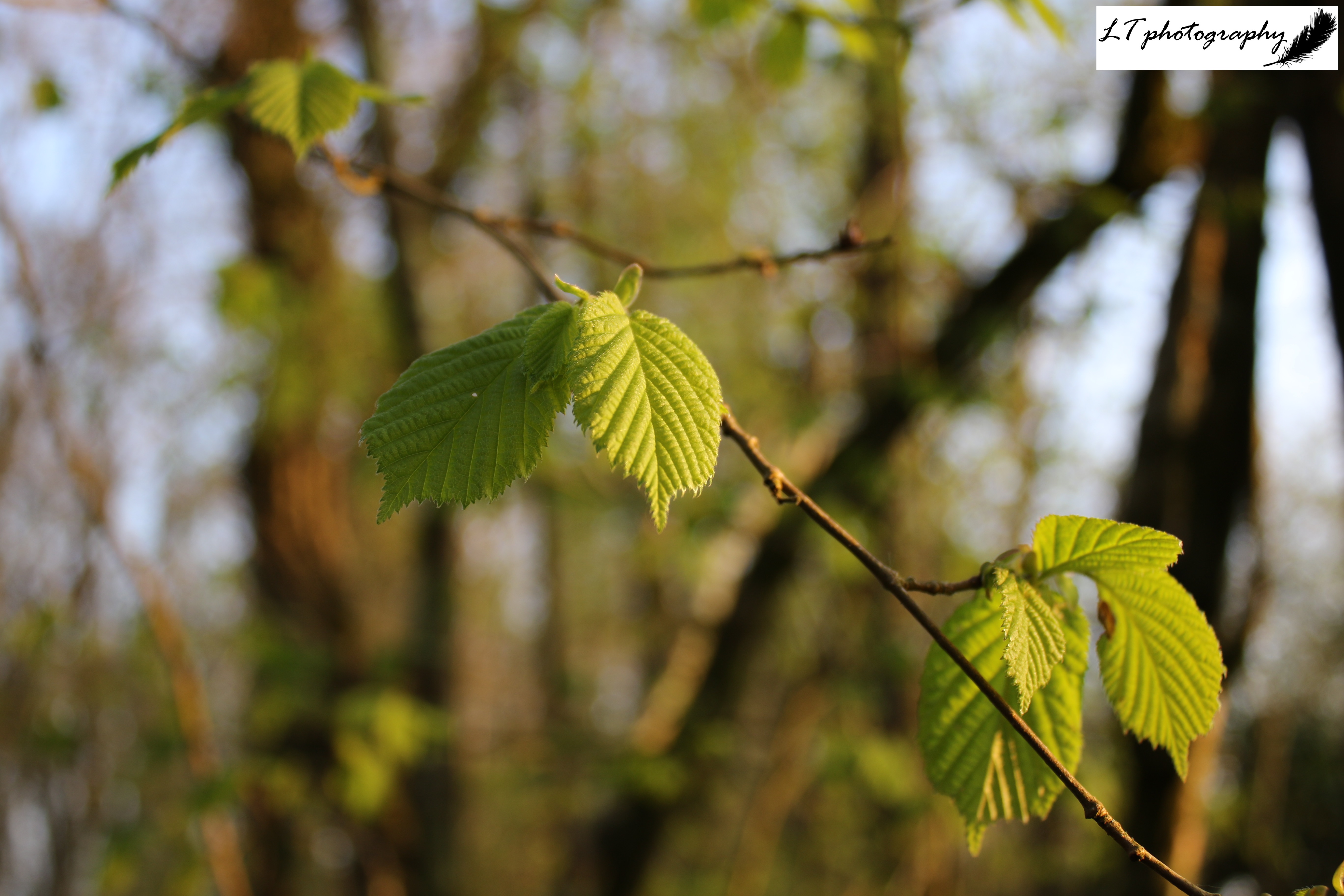
Hazel (Corylus avellana) is one species that flowers early in the year, providing a first hint of colour in a wintry landscape. This year I first saw the male catkins on the 8th of January, followed by the female red flowers on the 1st of February (5 days later than 2019). The first hazel leaf then unfurled 43 days later on the 14th of March.

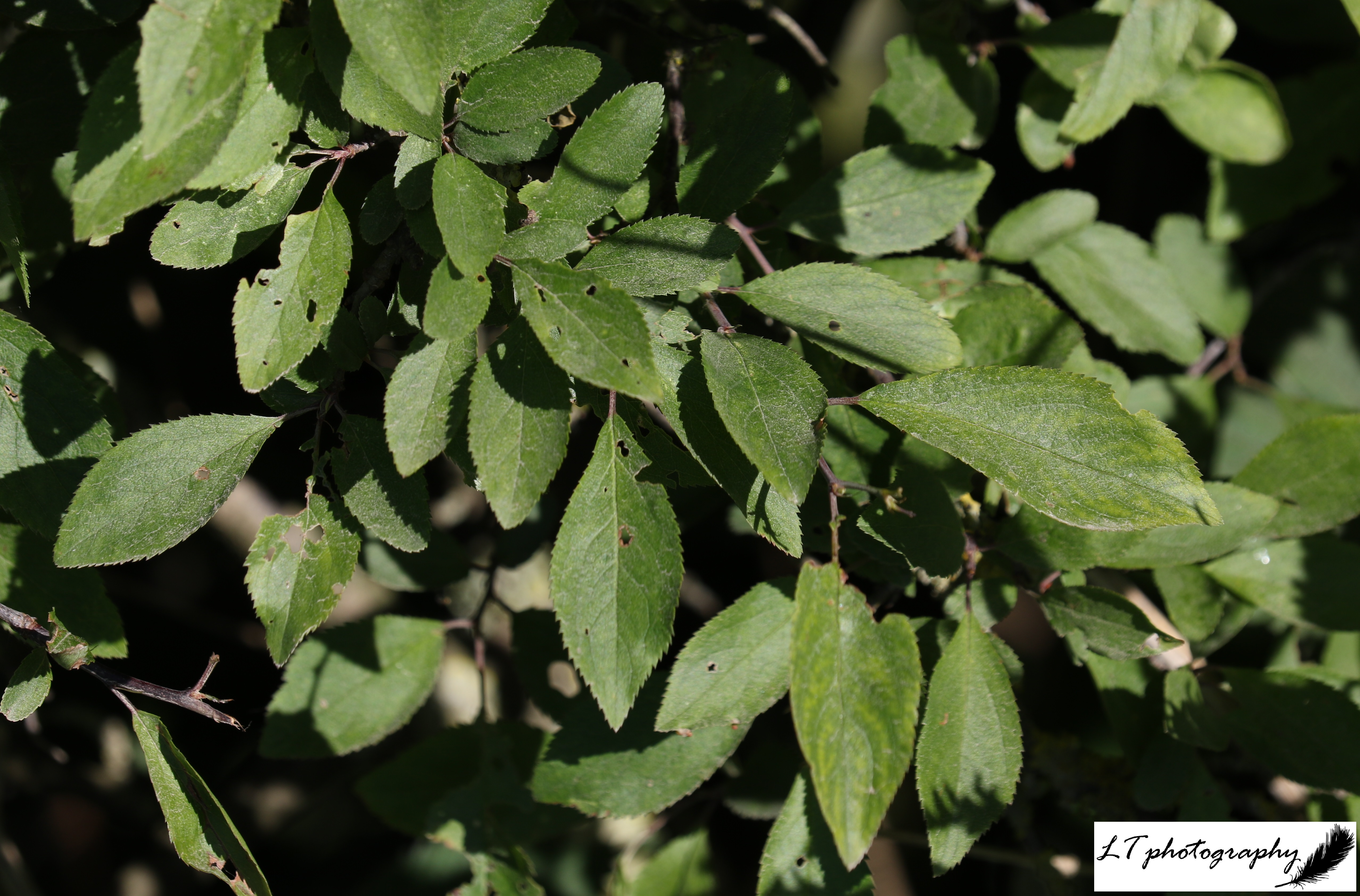
Blackthorn (Prunus spinosa) is another species that flowers before it produces its leaves, cloaking hedgerows in drifts of snowy white and accompanying a ‘blackthorn winter’ in early spring. This year the first flowers burst open on the 6th of March, 5 days later than last year, but 24 days earlier than 2018.

After the early flowering species have brought colour to our countryside, Hawthorn (Crataegus monogyna) is one of the first shrubs to burst into leaf in the hedgerows. This year its buds first burst on the 2nd of March, 5 days later than 2019, followed by the first leaf unfurling 10 days after (28 days earlier than 2019). Their flowers then followed a month after, on the 18th of April, 10 days earlier than 2019.

07_05_20_Farm_Hawthorn_Flowers_3

A similar trend was shown with Lilac (Syringa vulgaris), where budburst took place on the 8th of March, 13 days later than 2019. The first leaf then unfurled 3 days later too, on the 25th of March, and the first flowers bloomed on the 15th of April, 7 days earlier than 2019.

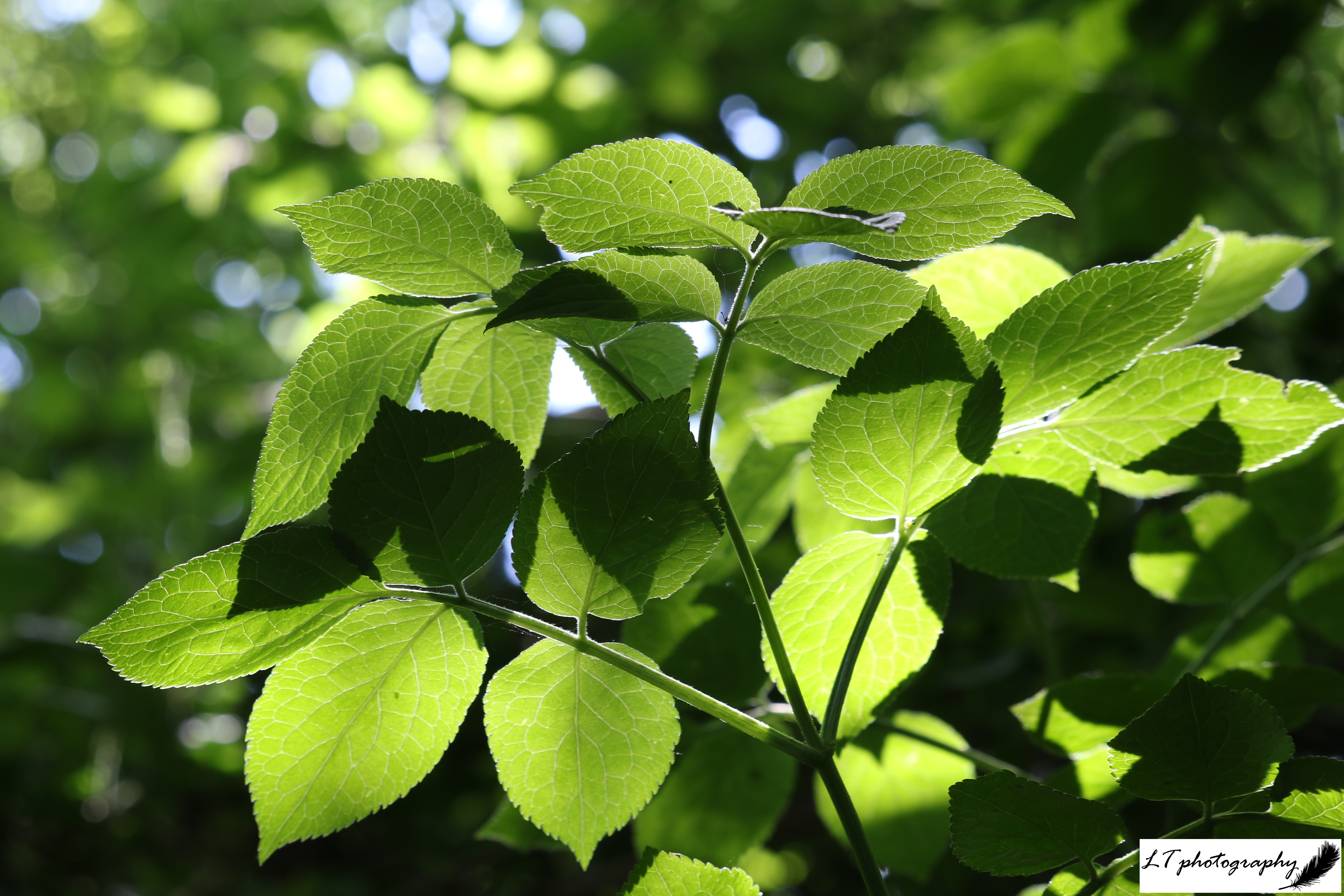
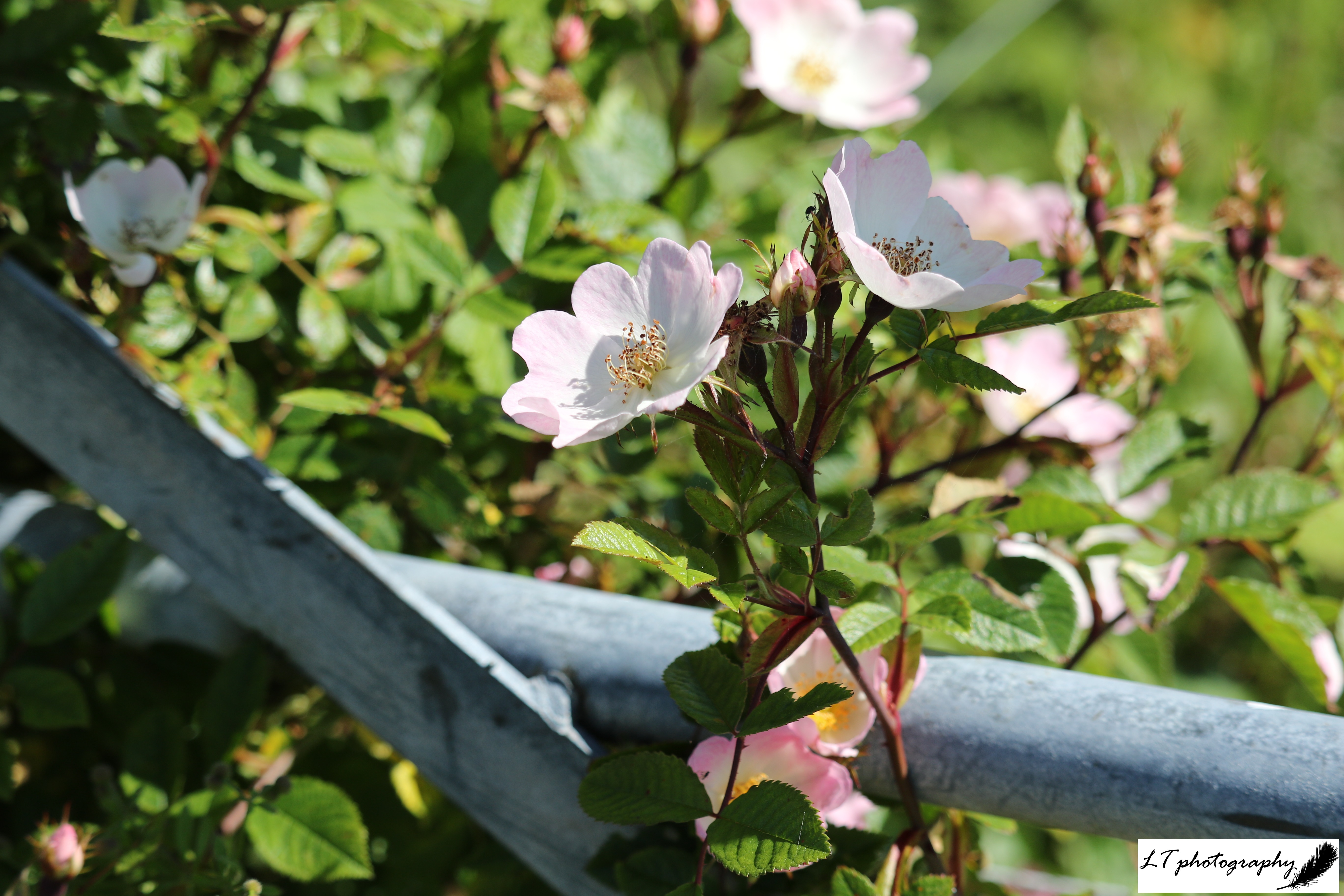
The flowers of Elder (Sambucus nigra) are well known and iconic in our countryside, popular for making elderflower cordial. This year Elder flowered early, with the first flowers being seen at home on the 25th of April (22 days earlier than 2019). Just like Elder, the Dog Rose (Rosa canina) is another late bloomer, which opened its petals for the first time on the 17th of May this year (11 days earlier than last year).

Flowers 

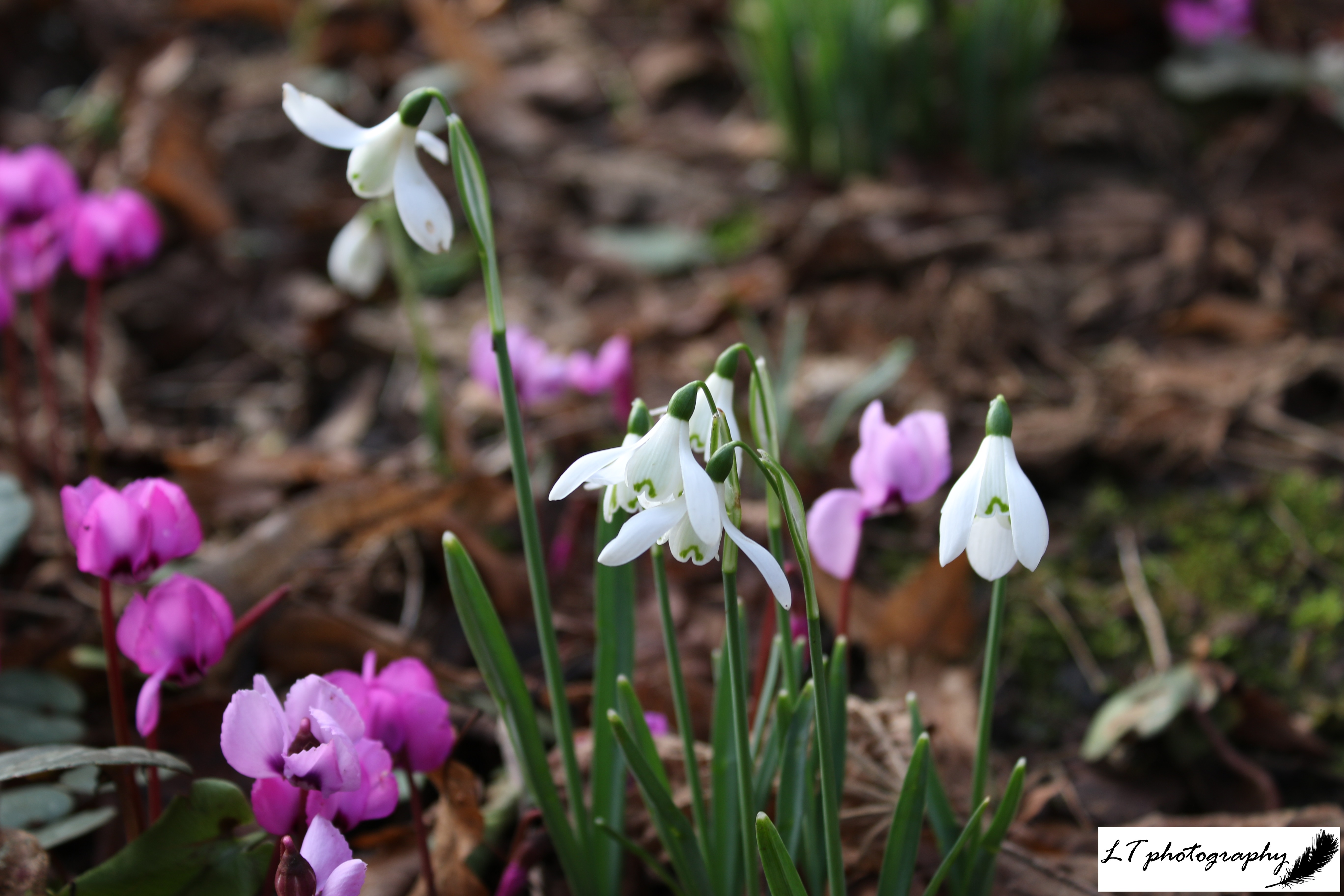
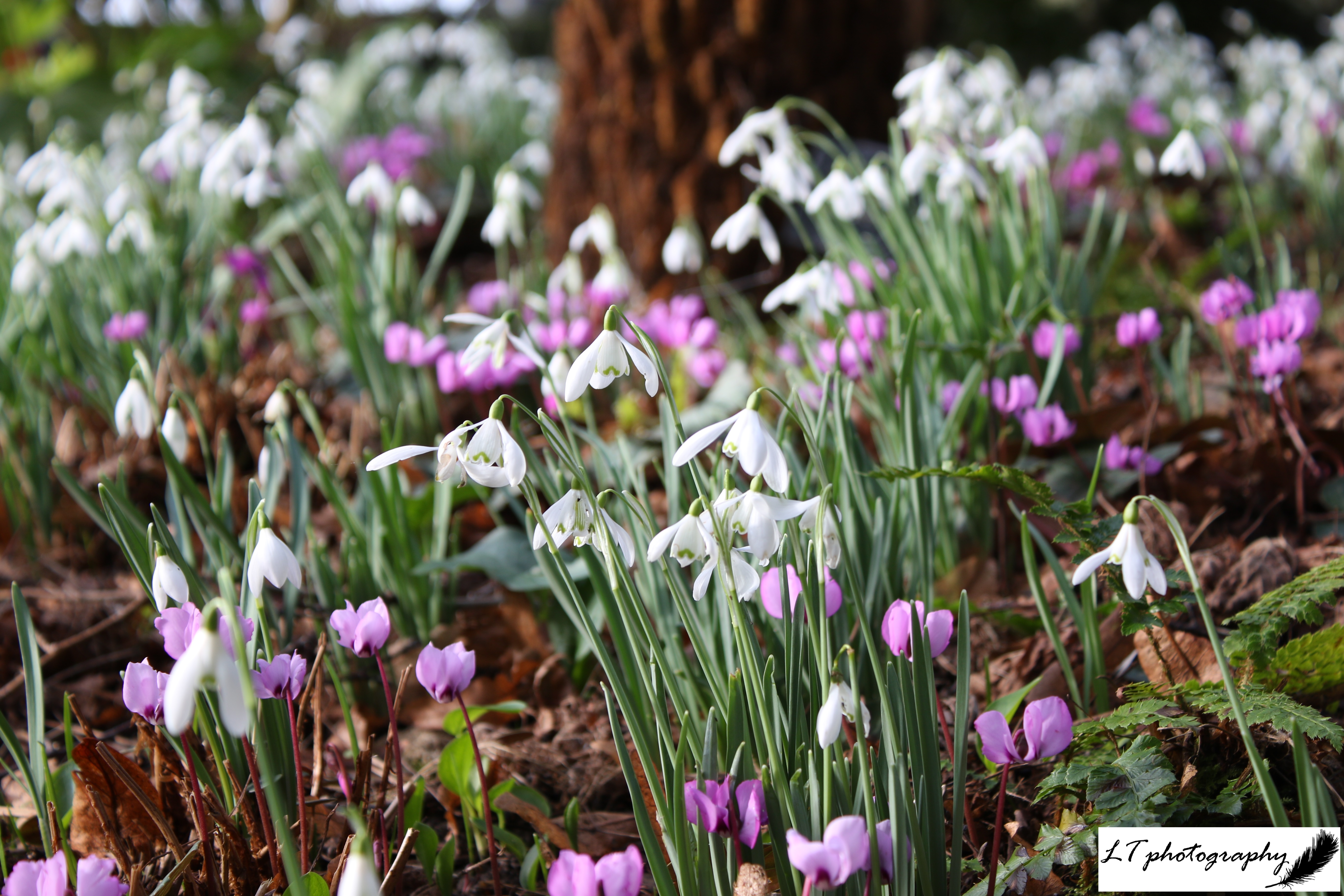
The very first flowers to be seen blooming in the countryside is the dainty snow white Snowdrop (Galanthus spp.). Over the last few years the drooping heads of snowdrops have been flowering earlier each year. This year though, it appeared only 1 day earlier than 2019, welcoming in the year on the 3rd of January.

Snowdrops were soon followed by other iconic spring species, in the form of the first Lesser Celandine (Ficaria verna) on the 18th of January (44 days earlier than 2019), the first Primrose (Primula vulgaris) on the 27th of January (8 days earlier than 2019), and the first Daffodils (Narcissus spp.); on the 2nd of February (the same day as last year!).

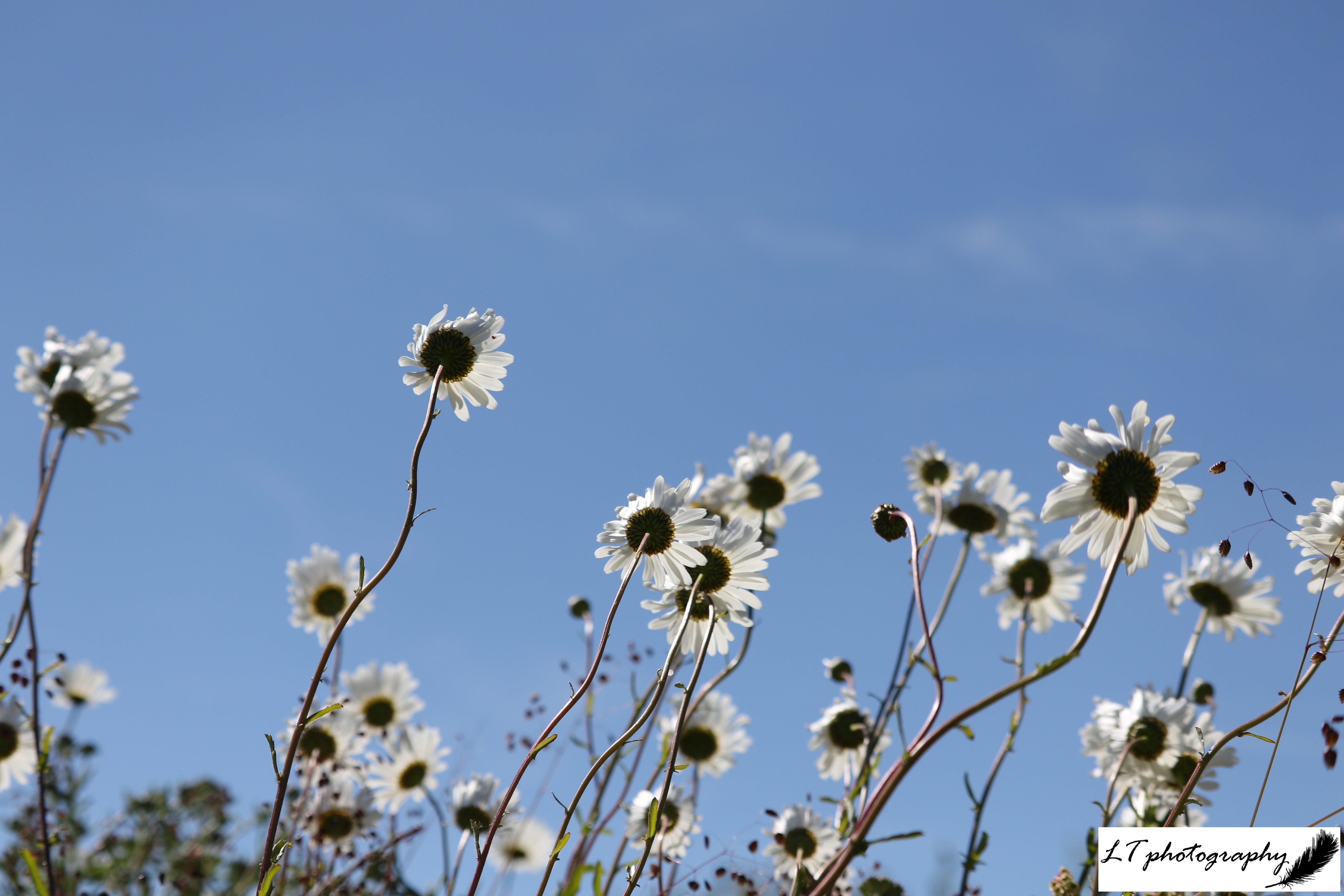
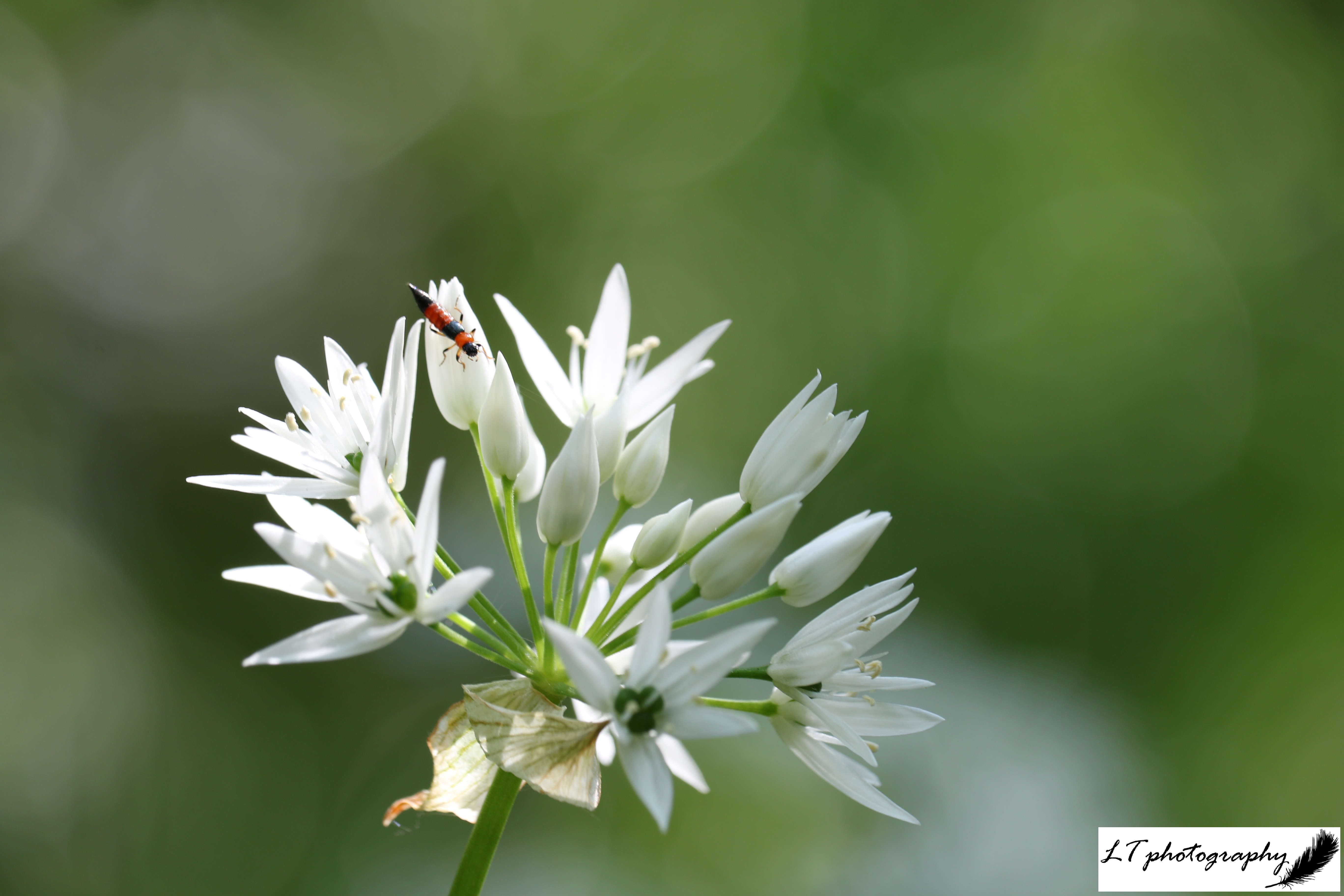
As spring went on, the Snowdrops and sunshine yellows were joined by Wood Anemones (Anemone nemorosa) on the 22nd of March, Bluebells (Hyacinthoides non-scripta) on the 28th of March, Wild Garlic (Allium ursinum) on the 6th of April, Cuckooflowers (Cardamine pratensis) on the 18th of April, and Oxeye Daisies (Leucanthemum vulgare) on the 18th of May, all occurring 6-17 days earlier than last year.

This year I also included three new flowering species to my spring records: Cowslips (Primula veris), Greater Stitchwort (Stellaria holostea), and Early Purple Orchids (Orchis mascula). I saw the first Cowslip flower on the 20th of March, the first Greater Stitchwort on the 28th of March, and the first Early Purple Orchid on the 6th of April.

Grasses

This year I was so busy in May and the first half of June that I completely overlooked the flowering of 3 common perennial grass species in my local area: Cock’s-foot (Dactylis glomerata), Timothy (Phleum pratense), and Yorkshire Fog (Holcus lanatus). I did though catch Meadow Foxtail (Alopecurus pratensis) flowering, which first occurred on the 22nd of April (23 days earlier than 2019).

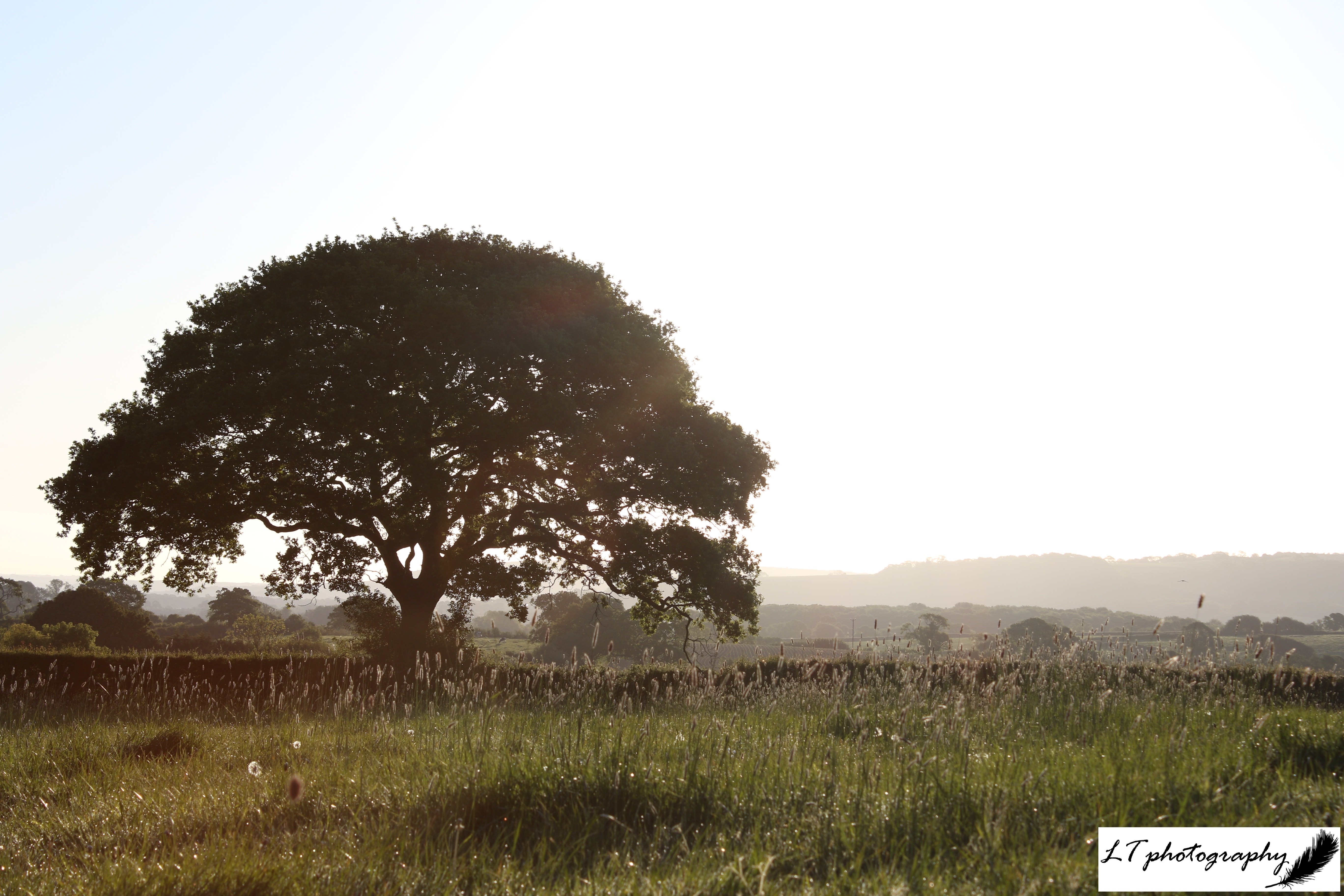
13_05_20_Sunrise_Meadow

Birds

With the start of every new year, I begin to keep my eye out for the start of the Rooks (Corvus frugilegus) nesting in the bare and skeletal forms of large oak trees near my home. This year they kept me waiting awhile though, with the first signs of nest building appearing on the 15th of February, 17 days later than 2019.

Unlike the start of the Rooks nesting though, the start of male Song Thrushes (Turdus philomelos) singing crept even earlier than last spring. This was 13 days earlier in fact, with me hearing my first on the 15th of December in 2019! This was not reflected by Blackbirds (Turdus merula) though, as I heard my first male singing on the 23rd of February, 17 days later than 2019.

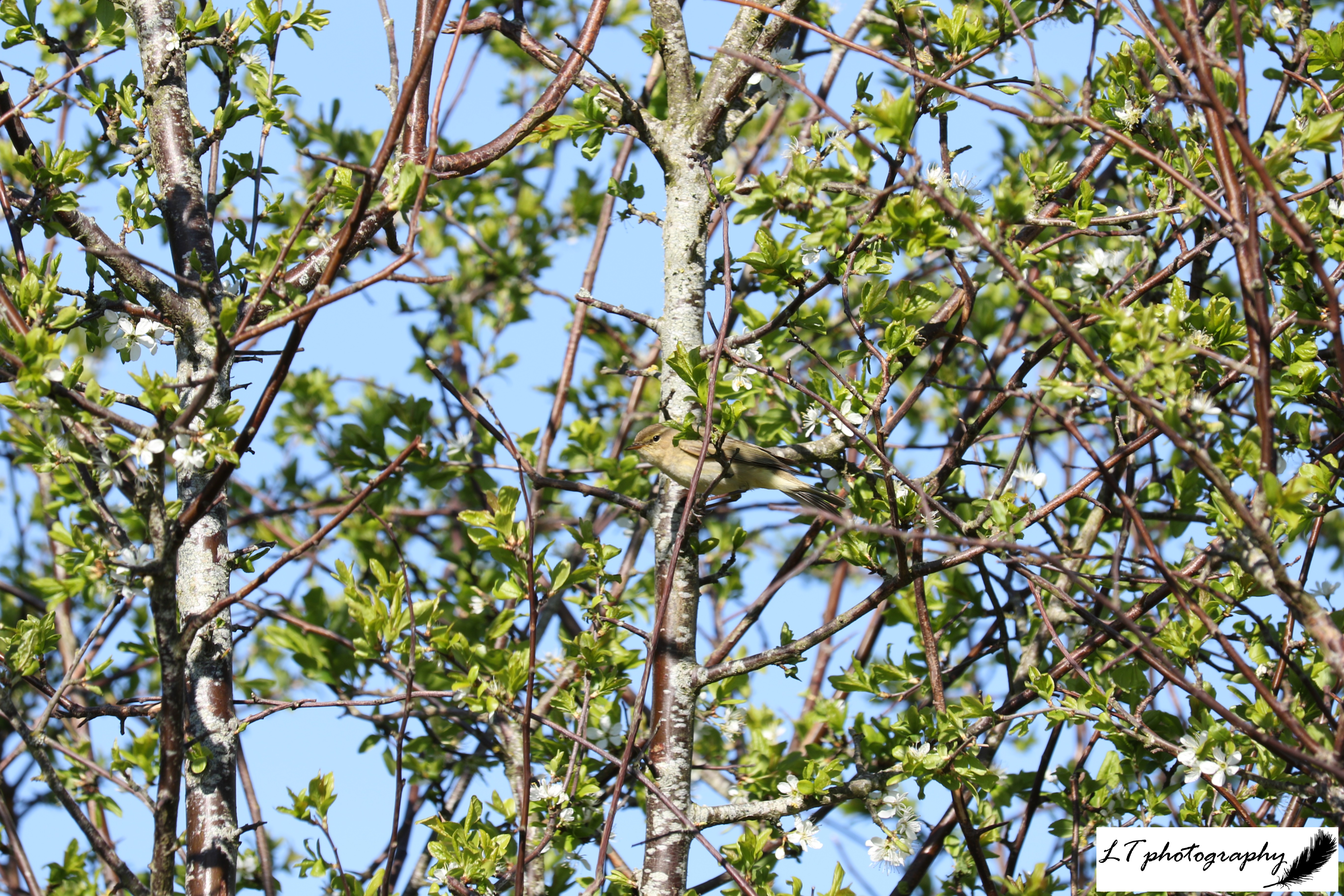
One of my favourite first signs that spring has begun has to be the return of the Chiffchaff (Phylloscopus collybita). This year they returned to my home in Dorset on the 1st of March, 17 days earlier than 2019.

15_04_20_Farm_Bird_Chiffchaff

The glorious return of the Chiffchaffs were then eagerly followed by the first Swallow (Hirundo rustica) on the 5th of April (1 day later than 2019), the first House Martin (Delichon urbicum) on the 12th of April (12 days earlier than 2019), the first Blackcap (Sylvia atricapilla) on the 22nd of April (11 days later than 2018), and the first Swift (Apus apus) on the 6th of May (19 days earlier than 2018). A Cuckoo (Cuculus canorus) did make its exciting return to my family’s land too, which I heard for the first time on the 28th of April (24 days earlier than last year).

25_06_20_Farm_Birds_Swallow_Chicks

Insects 

This year the majority of the insects I observed, emerged later than they did last year in 2019. I saw my first Brimstone Butterfly (Gonepteryx rhamni) on the 24th of March, my first Peacock Butterfly (Aglais io) on the 4th of April, my first Small Tortoiseshell Butterfly (Aglais urticae) on the 5th of April, my first Orange-Tip Butterfly (Anthocharis cardamines) on the 13th of April, my first Red-Tailed Bumblebee (Bombus lapidarius) on the 1st of May, and my first queen Wasp (Vespula vulgaris) on the 7th of May, with all ranging anywhere between 4 and 37 days later in date than last year.

The ones that did not follow this pattern though, were the Speckled Wood Butterfly (Pararge aegeria) first seen on the same day as last year on the 22nd of April, and the Red Admiral Butterfly (Vanessa atalanta) that was first seen 29 days earlier on the 22nd of April. This year I also added Buff-Tailed Bumblebee (Bombus terrestris) to my observations, seeing the first at home on the 13th of March.

25_05_19_Horseshoe_Wood_Speckled_Wood_Butterfly_7

This Year

This year it has definitely been an interesting and joyful experience to watch how spring unfolded. It started with early signs during the winter, before arriving with a blaze of glory in March.

13_05_20_Sunrise_Oak_Tree_Grass_3

This last winter was a warm, wet and windy one, which left the ground cold and waterlogged for quite a while into spring. A number of species such as Oak trees struggled with this, but for many it did not stop them from emerging on time or earlier, such as snowdrops and field maples. This variation continued with bird species, some arriving and beginning breeding earlier and some later. For a lot of the insect species though, they emerged late, which will have had a lot to do with the less than ideal weather conditions this spring, for example frosts in April. Thus, how spring is changing year-to-year definitely has a lot to do with changing weather conditions.

So as spring fades to summer heat, I can now say that the Chiffchaff made its return to the British Isles by Mother’s Day, the Oak burst into leaf before the Ash (and so we are in for a splash!), and a Cuckoo made its return to my home. It has definitely been a great spring this year!