Exploring Birds on the Farm 2024

All my life I have loved nature and all it has to offer us, and over the years my knowledge of this aspect of our world has been ever growing. Within this, since 2019, I have been training as a bird ringer in Dorset, growing my passion for birds and enjoying experiencing and sharing this with others. I have had some really great experiences myself with birds in this way already, which has included exploring and beginning to ring the birds that call my family’s Dorset farm home, and giving me a new perspective of the wildlife on my doorstep.
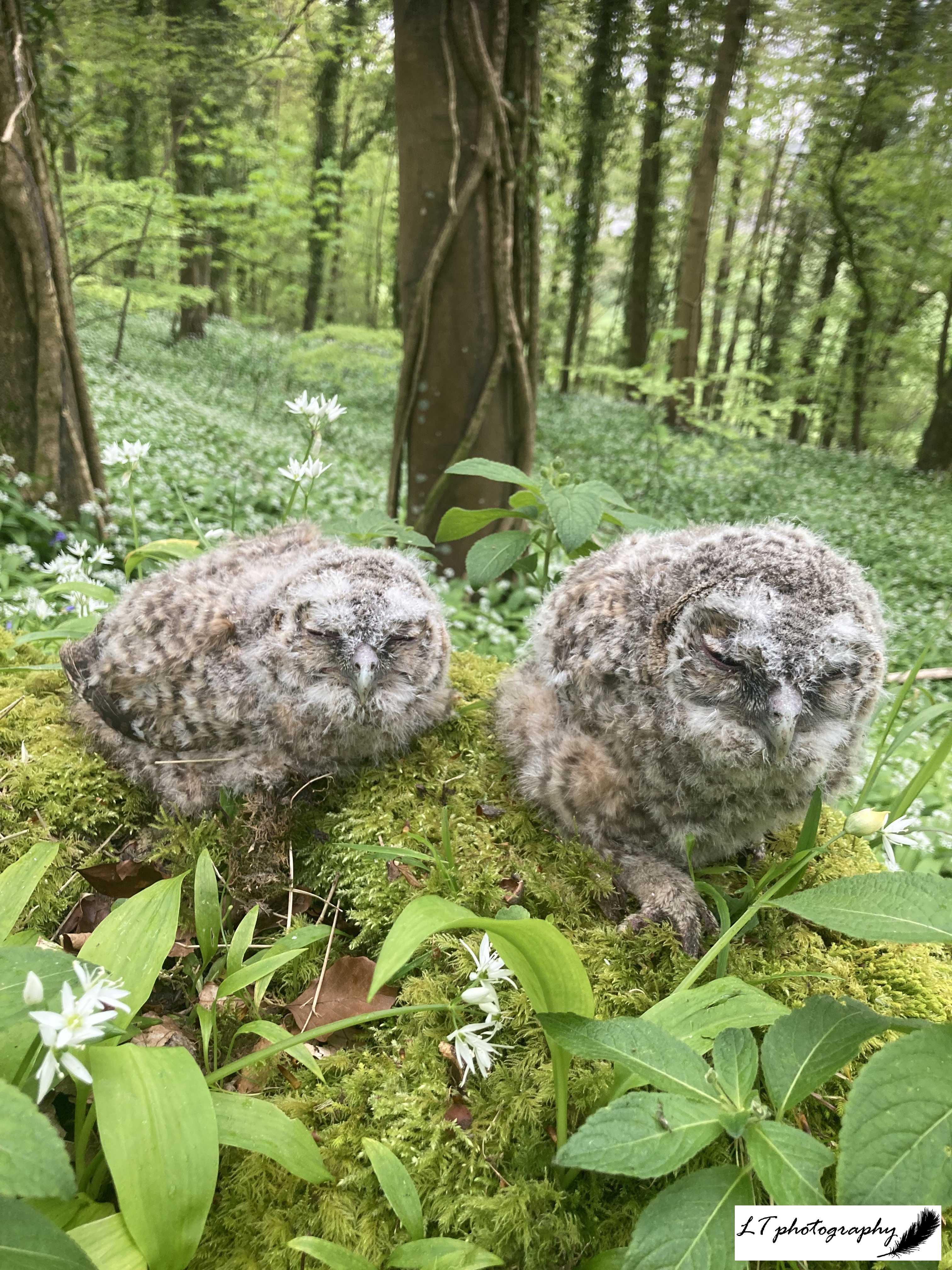
In 2023, I had finally gained my bird ringing C permit with some restrictions, and could now ring endorsed species independently. With this under my belt, during that year I got to watch my local swallow population grow, take control of monitoring our barn owl population (under a Schedule 1 license), mist net in my garden on my own, and gain new endorsements. This all felt like such an achievement to me already.

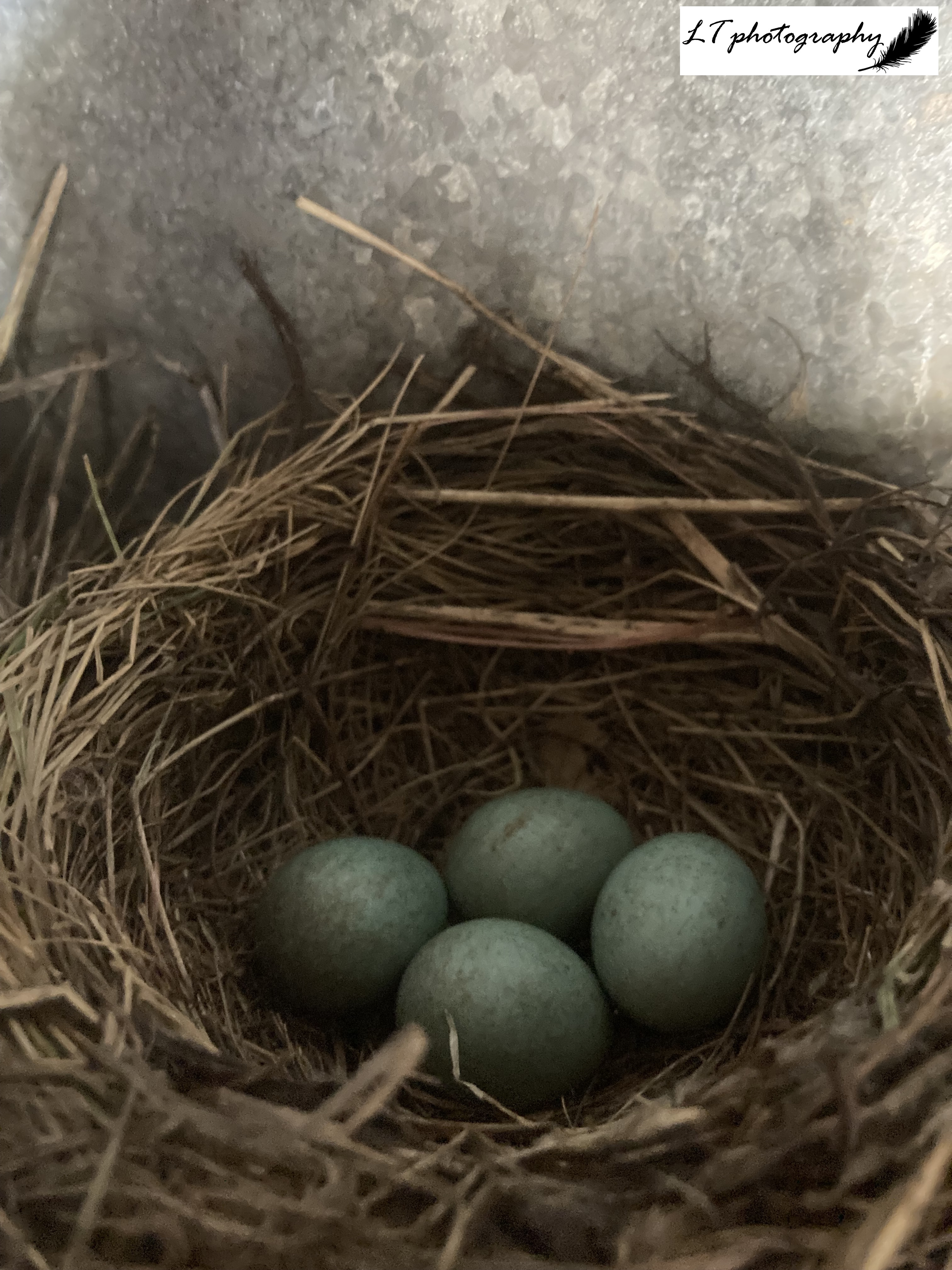
Well last year, I was able to build on my previous years of bird ringing, and expand my projects on my family’s Dorset farm, to have the best year yet. I again monitored our farm’s swallow and barn owl populations, began monitoring my own tit populations, continued gaining more and more confidence solo mist netting, and worked towards increasing my permit endorsements. Check out how my year in birds on the farm went during 2024!
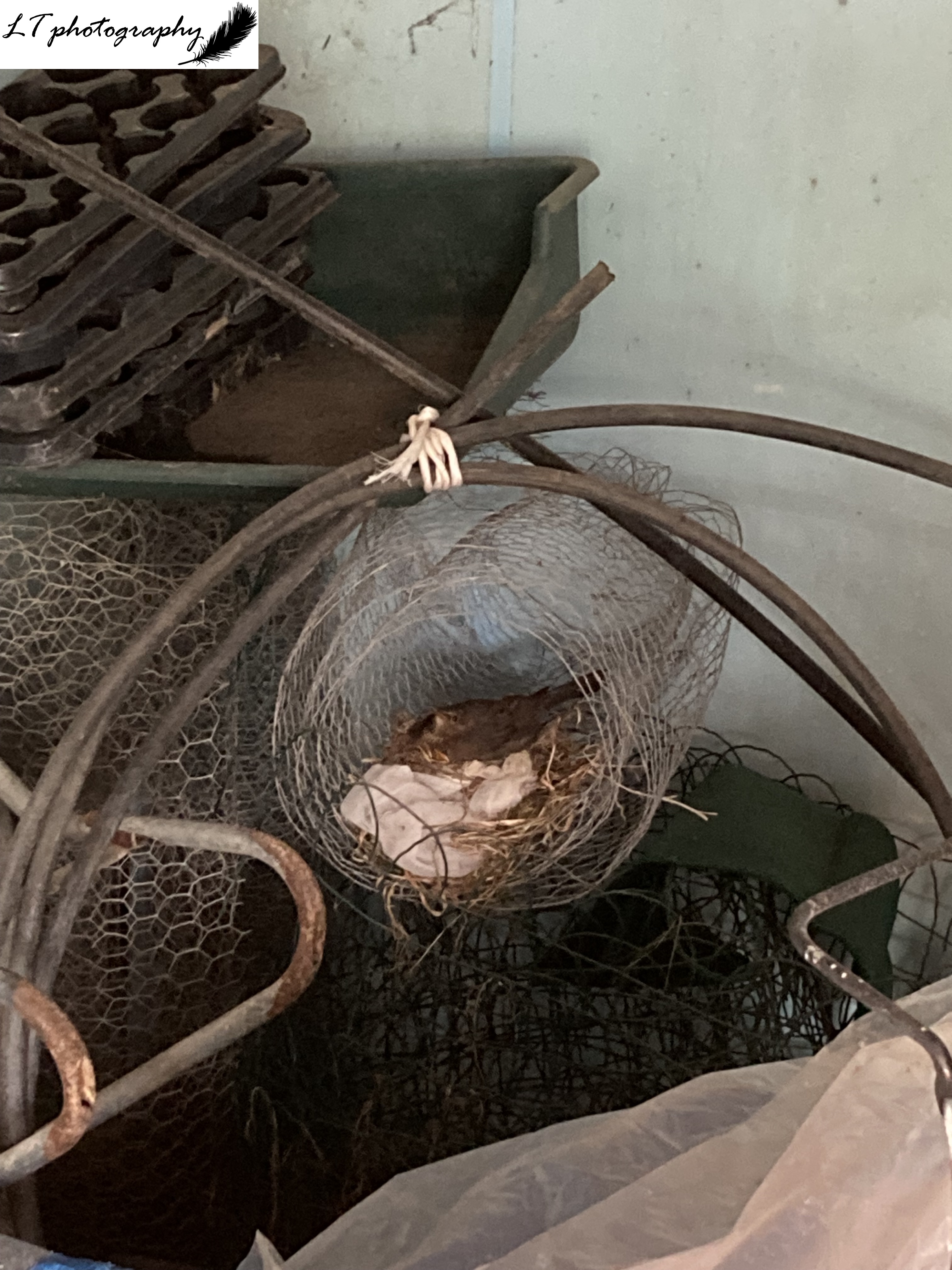
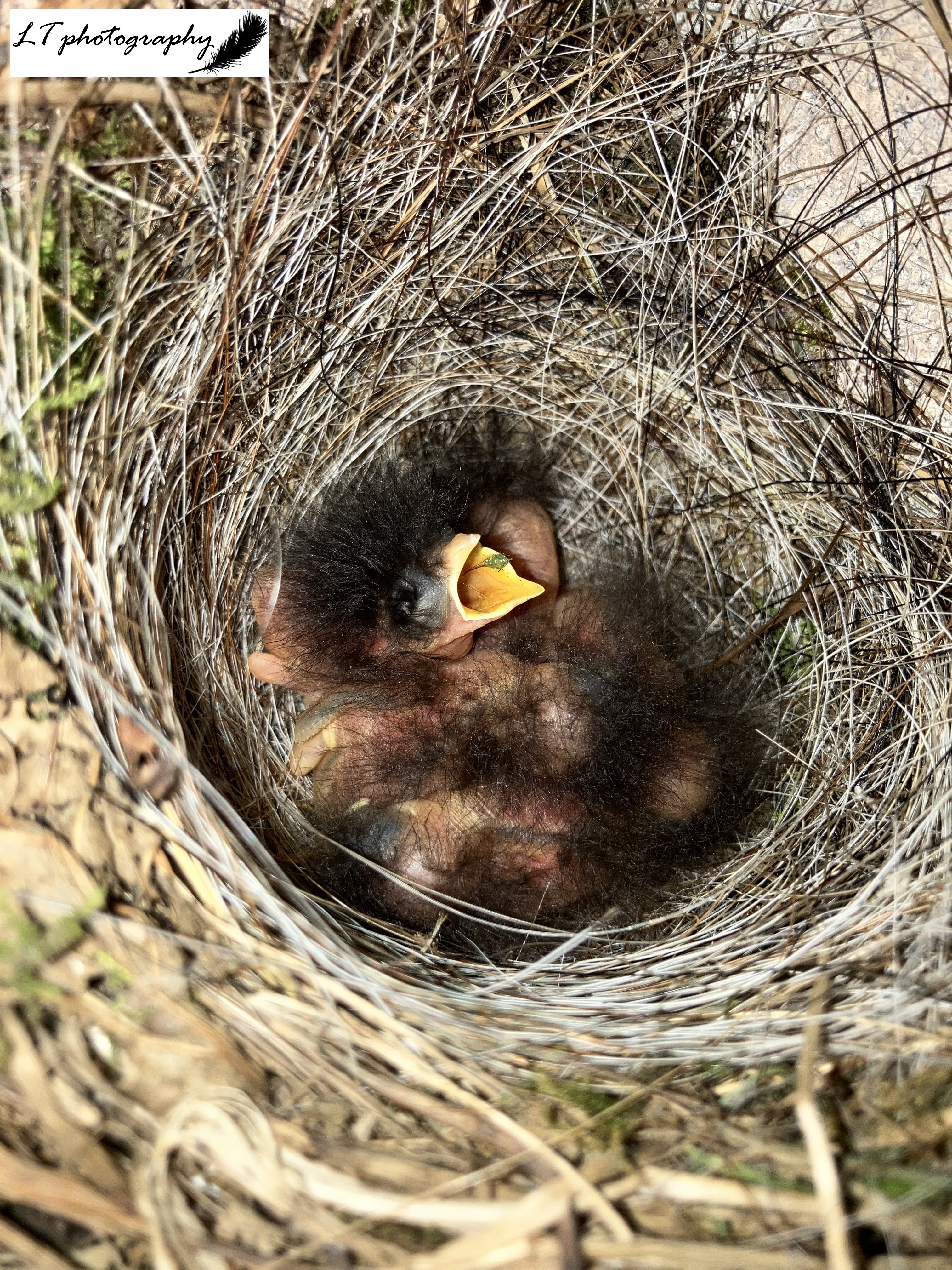
Swallows

Following a poor breeding season for my local swallows in 2022, with my own permit under my belt, in 2023 the swallows had a more positive season. From 10 nesting attempts on the farm and on my neighbours’ property, I was able to ring and watch 42 chicks fledge, alongside at least missing one brood of chicks being raised to fledging. It made me excited for what another year would bring for my local swallow population.

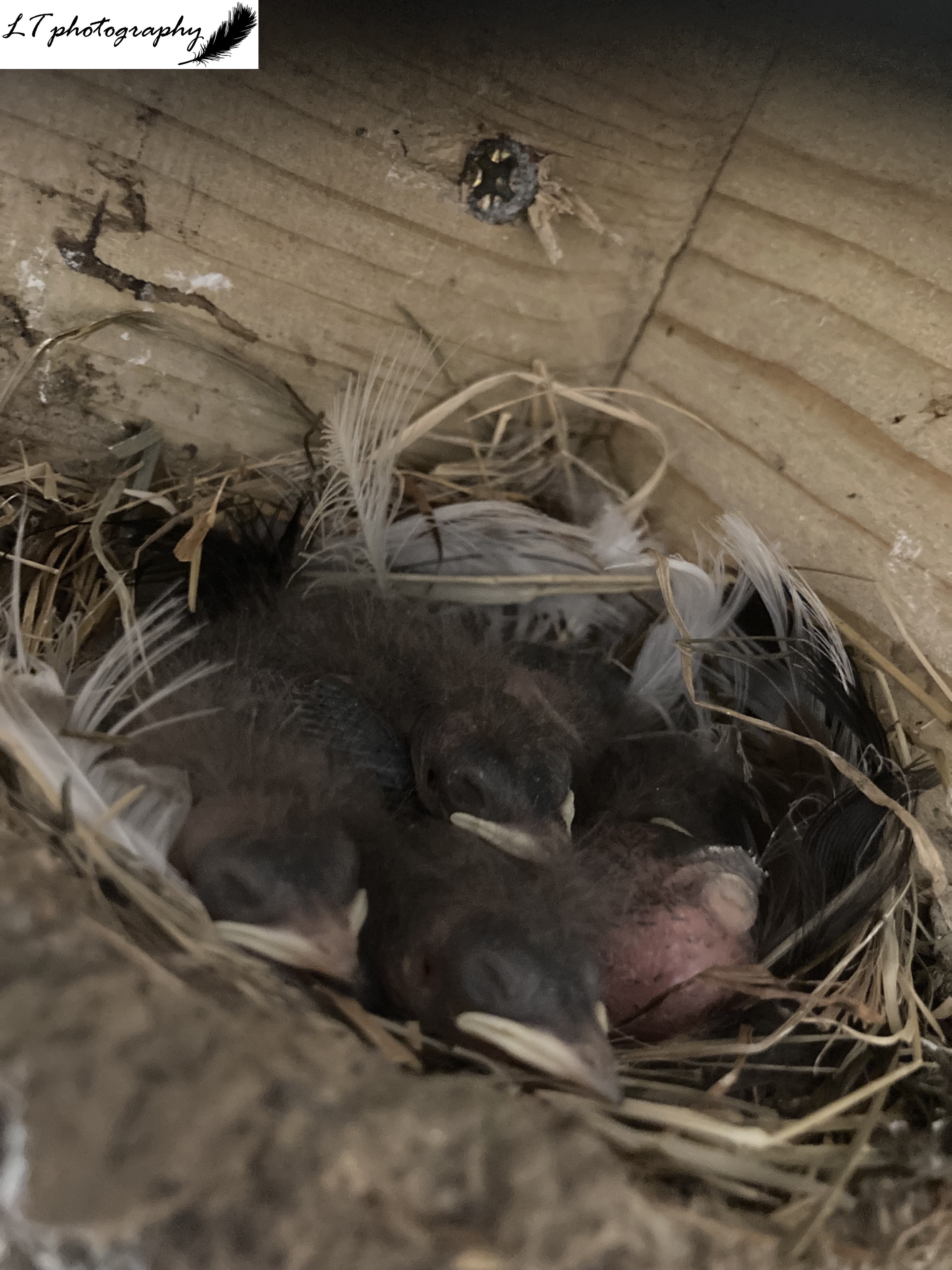
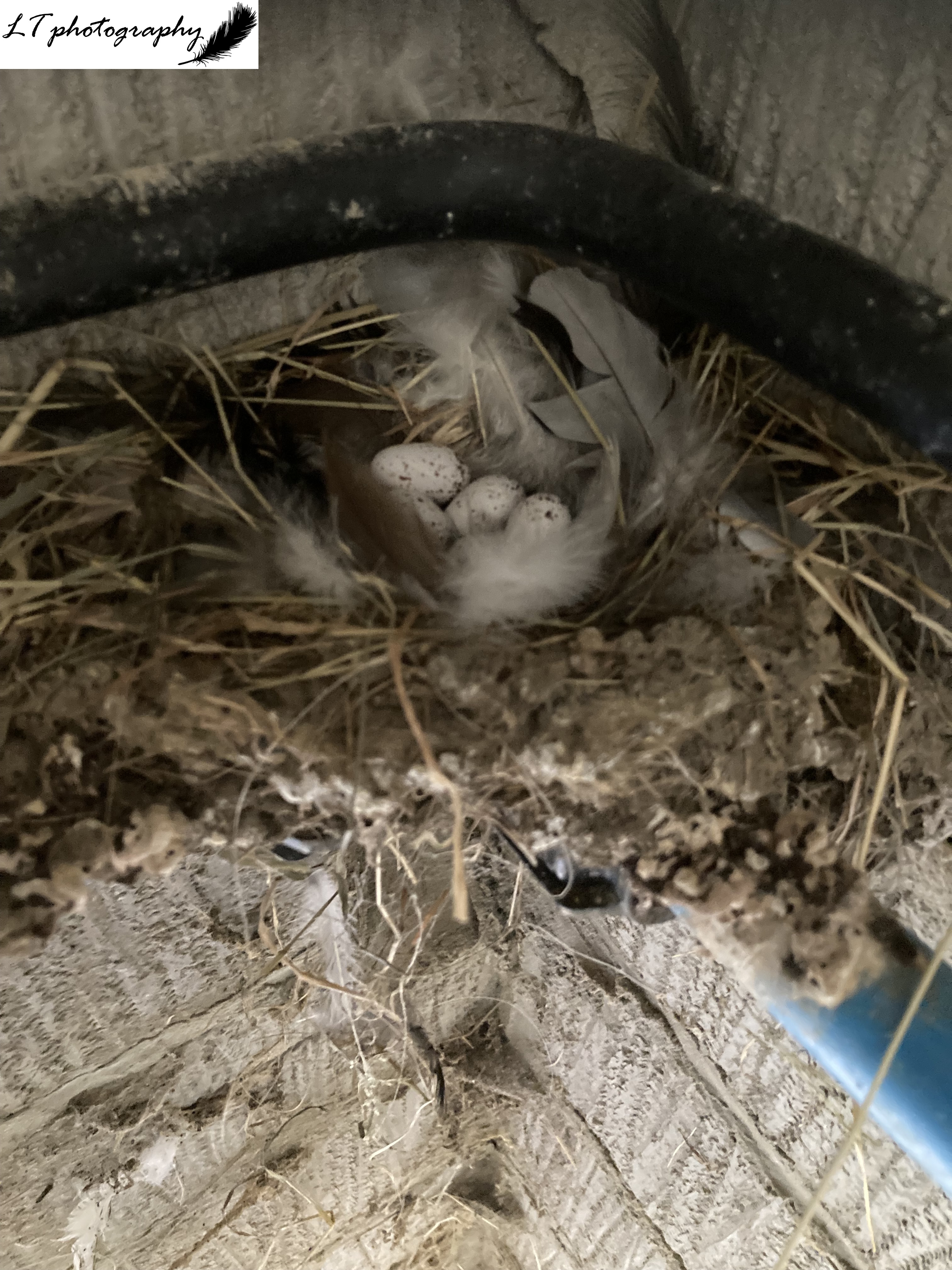
So moving forward to 2024, the swallows did not disappoint, with a long breeding season running from May to September. Across this time, 14 nesting attempts were made on the farm and on my neighbours’ property, more attempts overall than during the 2023 season. Of these 14 nesting attempts, 7 attempts were made by the same 3 pairs, with one pair managing 3 broods totalling 10 chicks in all. From all successful attempts, I was able to ring and watch 56 swallow chicks fledge, up by 14 for me on 2023.
Barn Owls

For many years my family’s farm has been a safe haven for breeding barn owls, which has been a real privilege to experience. In 2022, 2 pairs of barn owls bred on the farm, with both fledging 2 chicks each, and in 2023, just one pair was discovered breeding, but this pair successfully fledged 3 chicks.
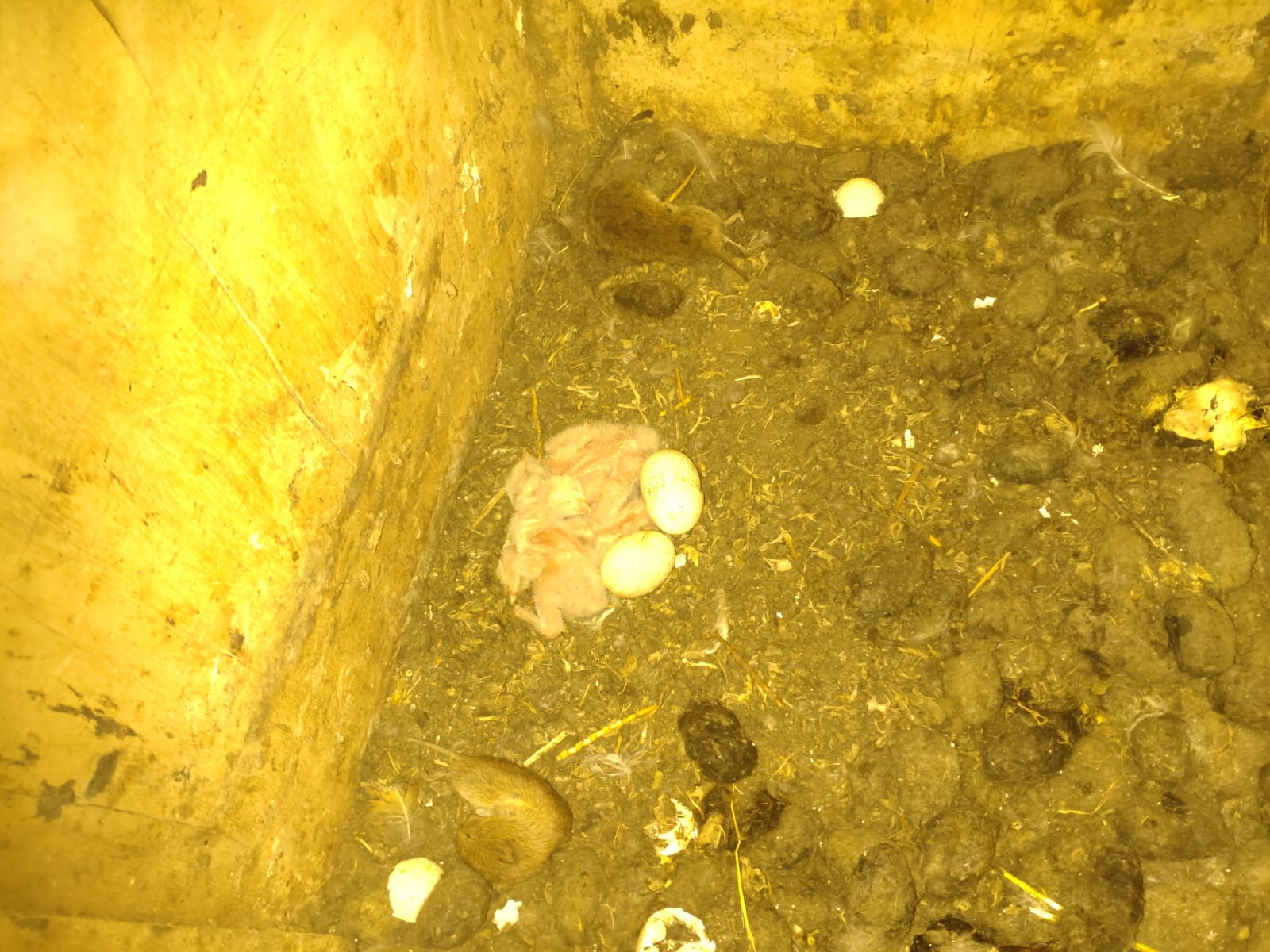
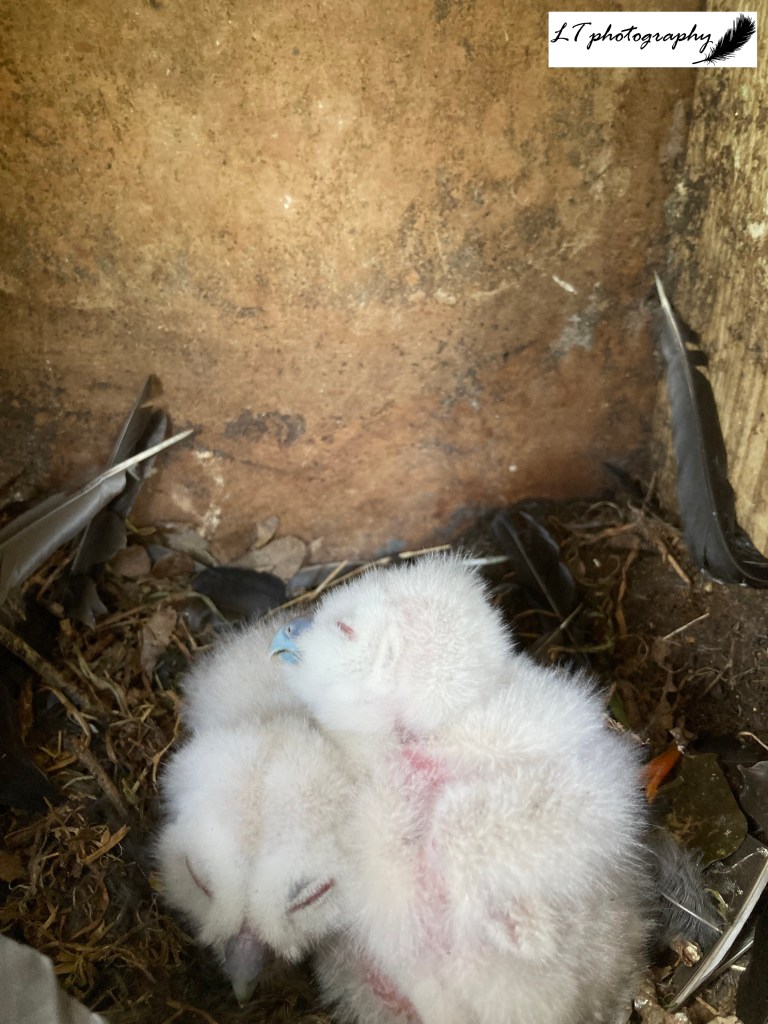
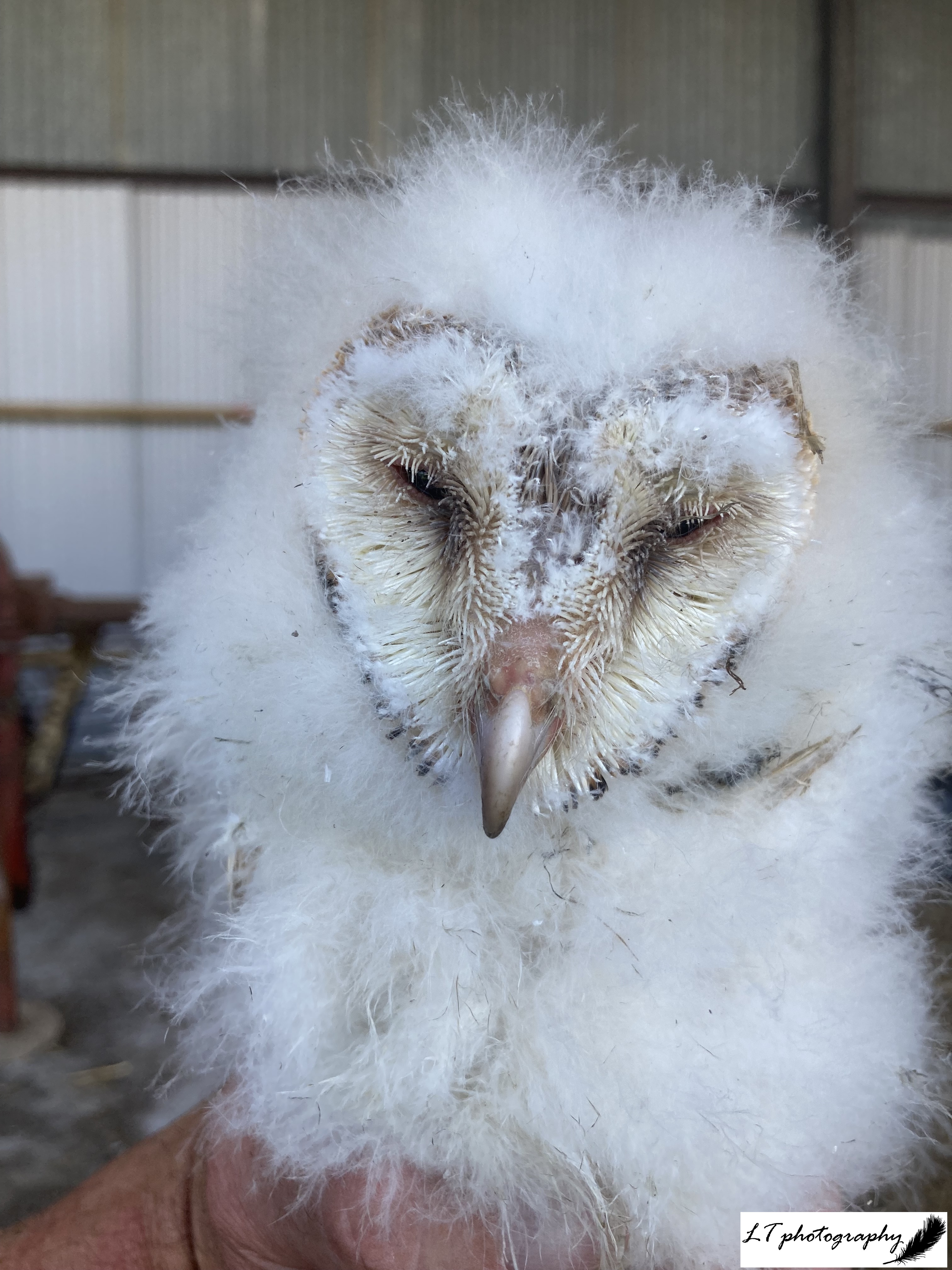
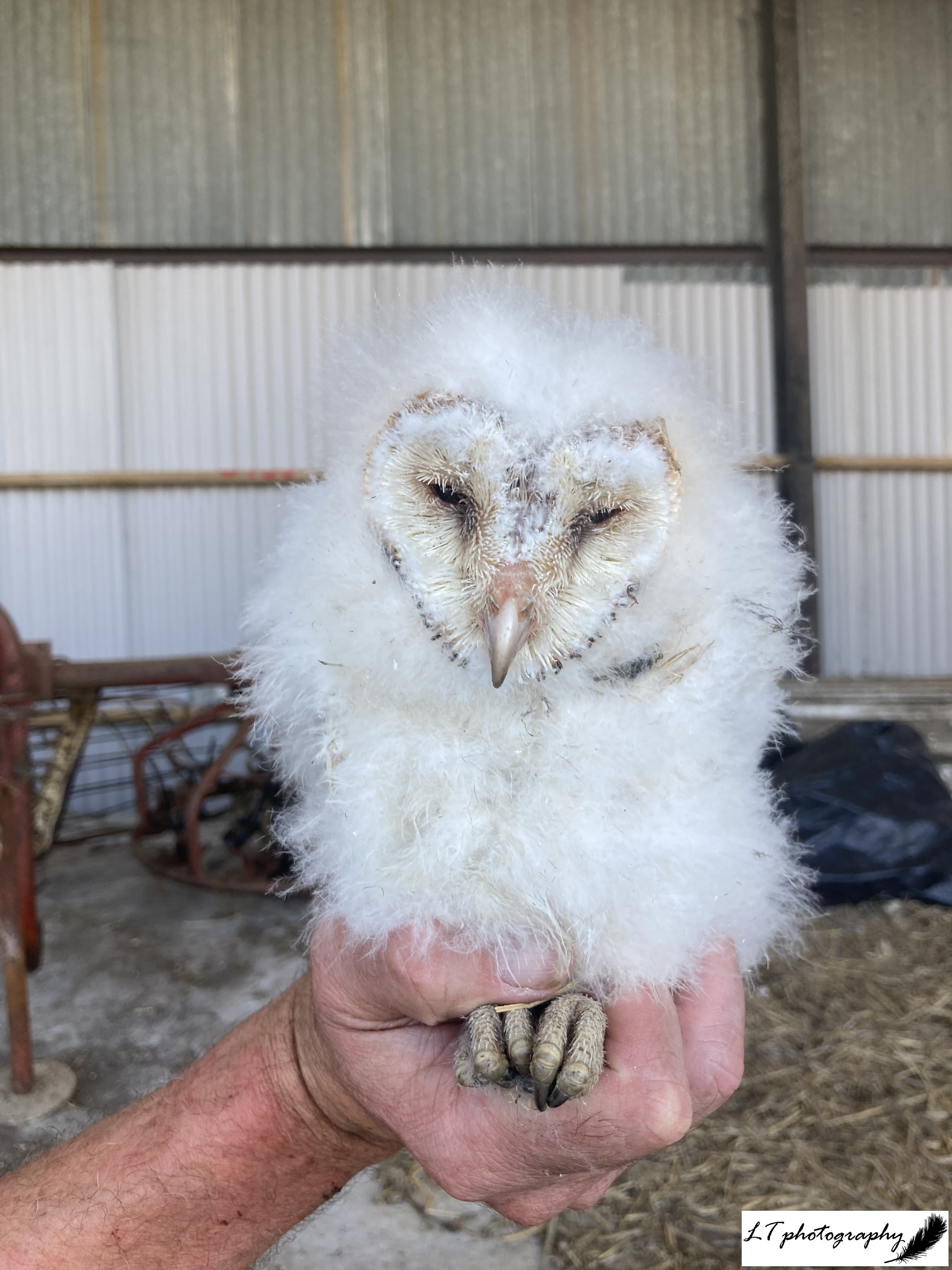
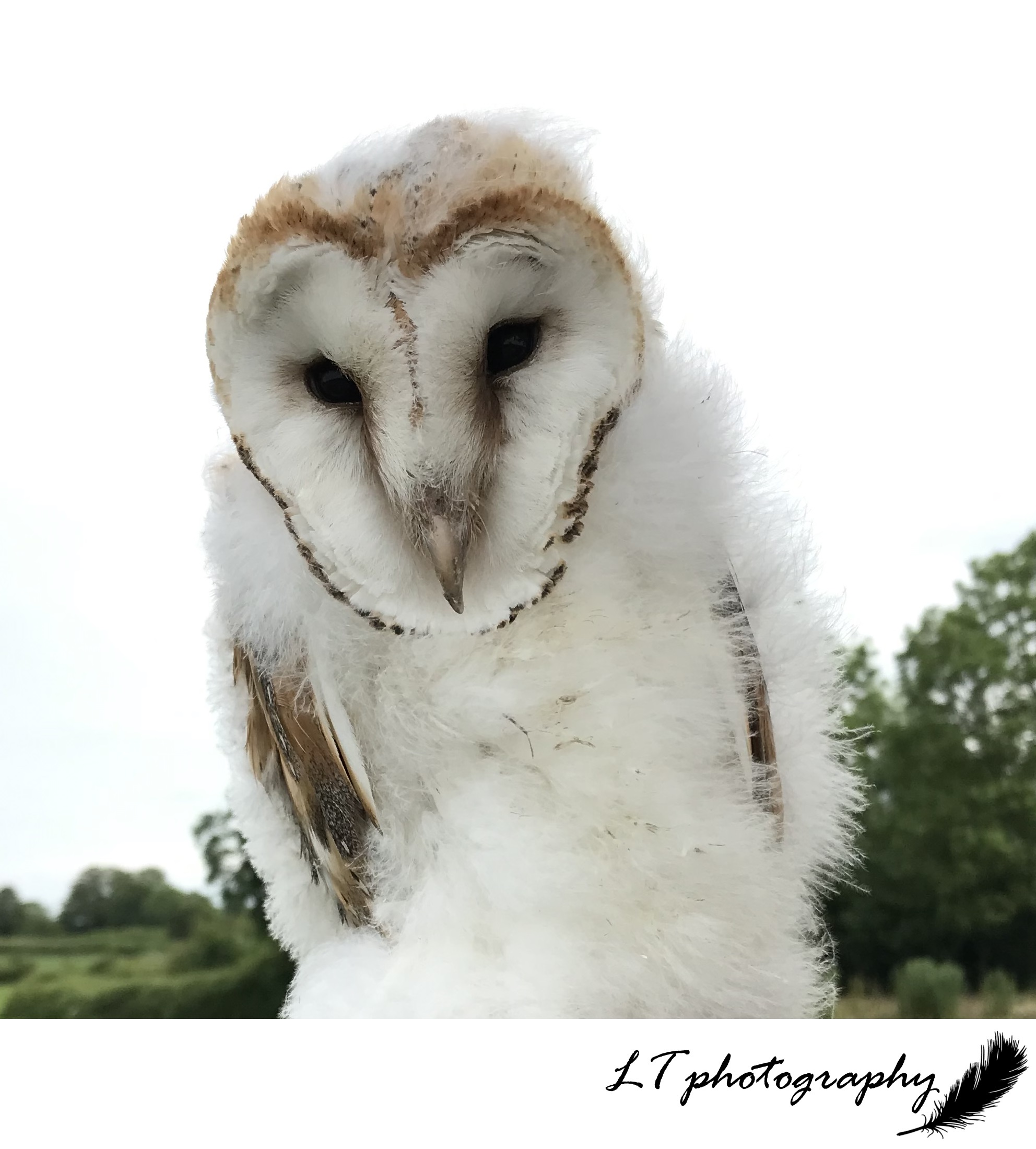
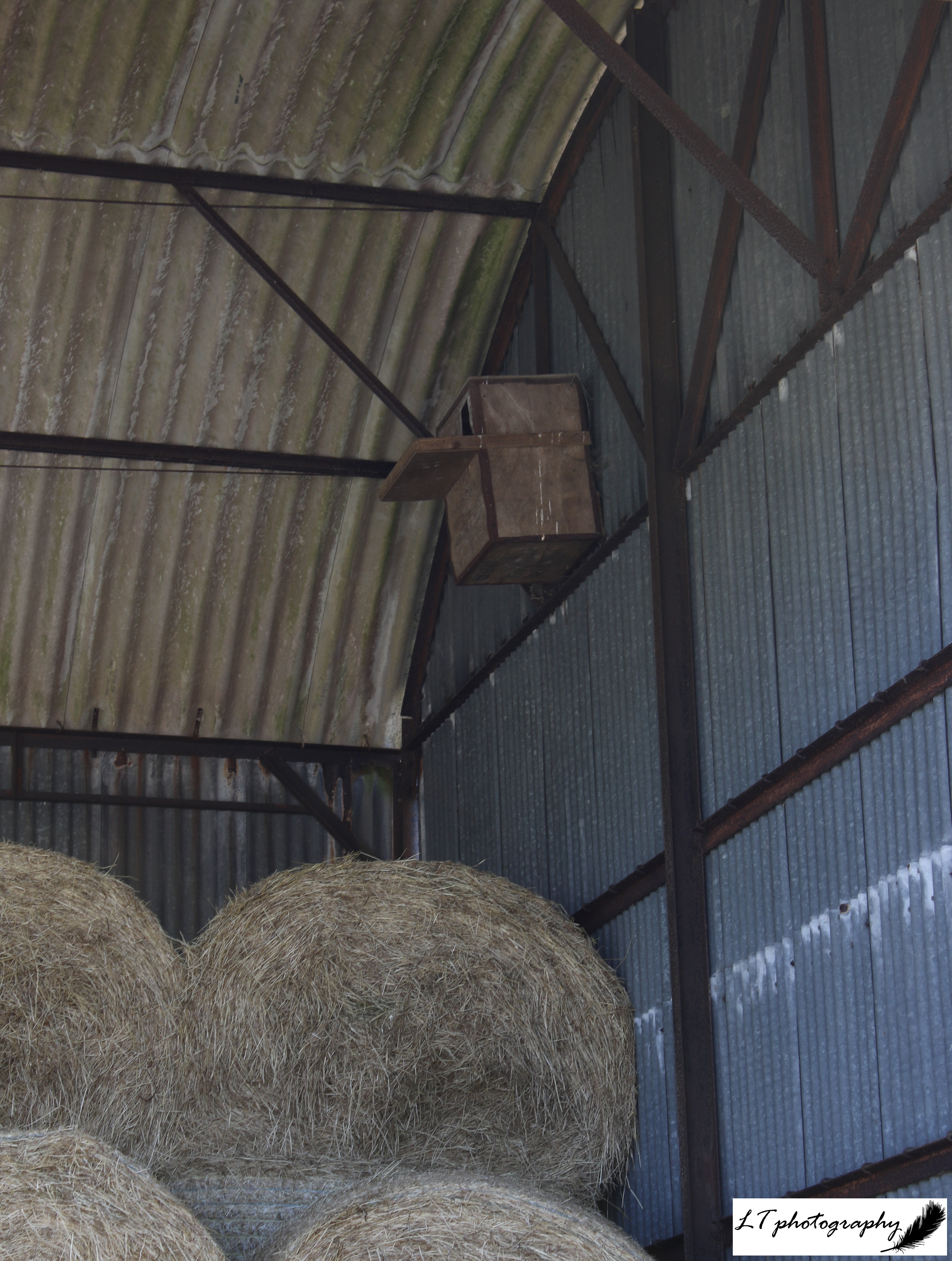
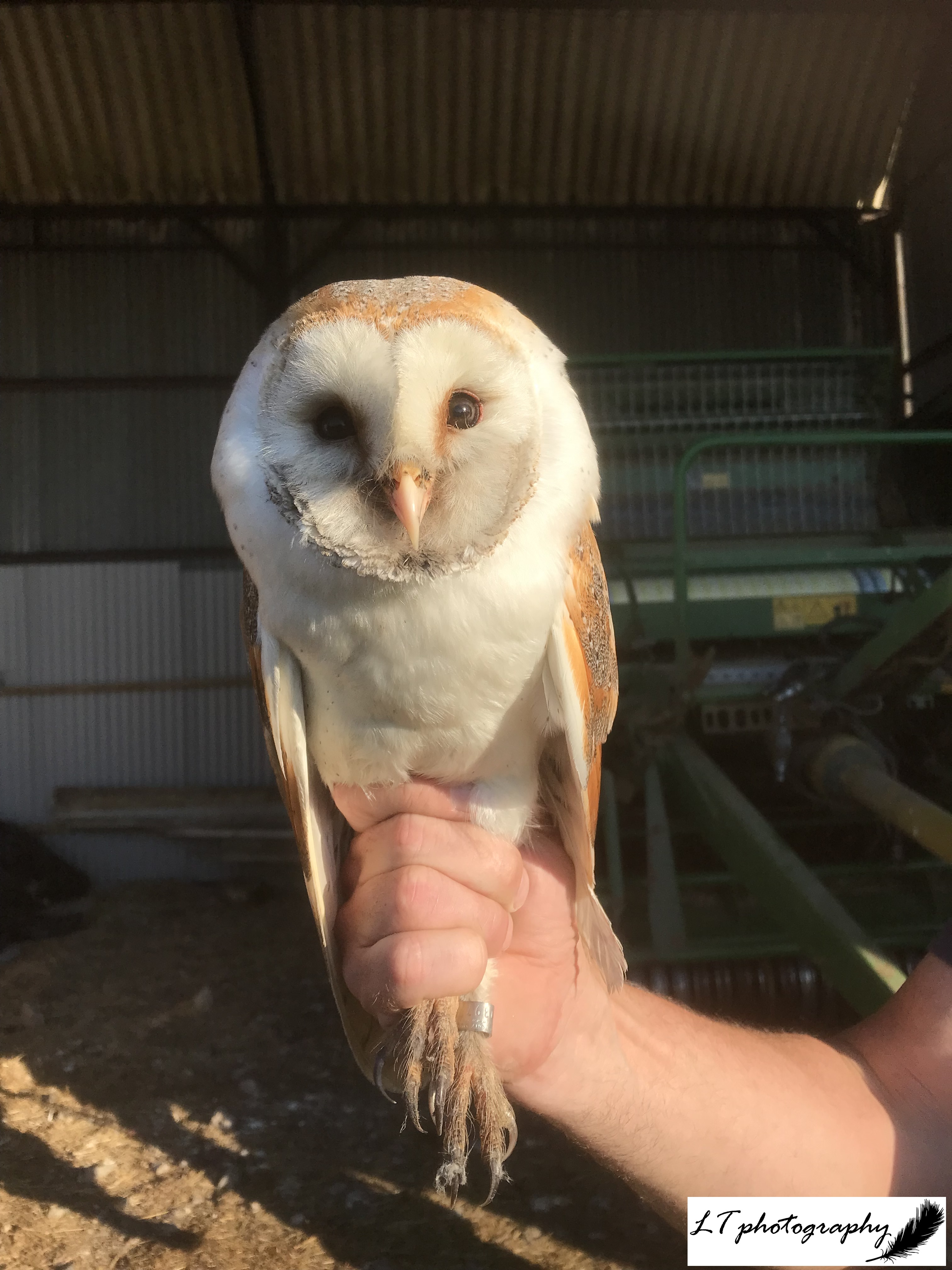
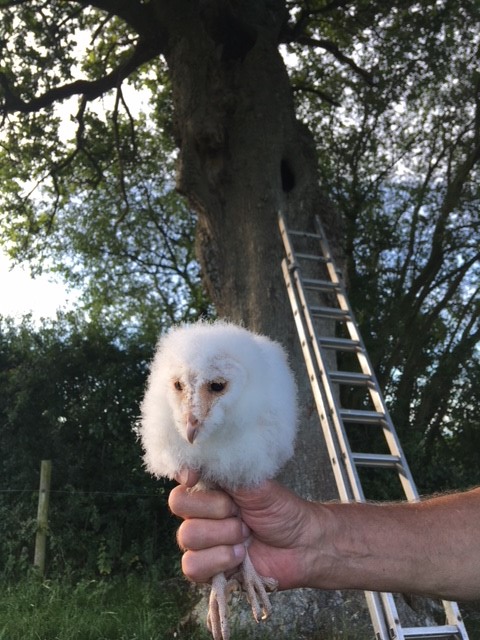
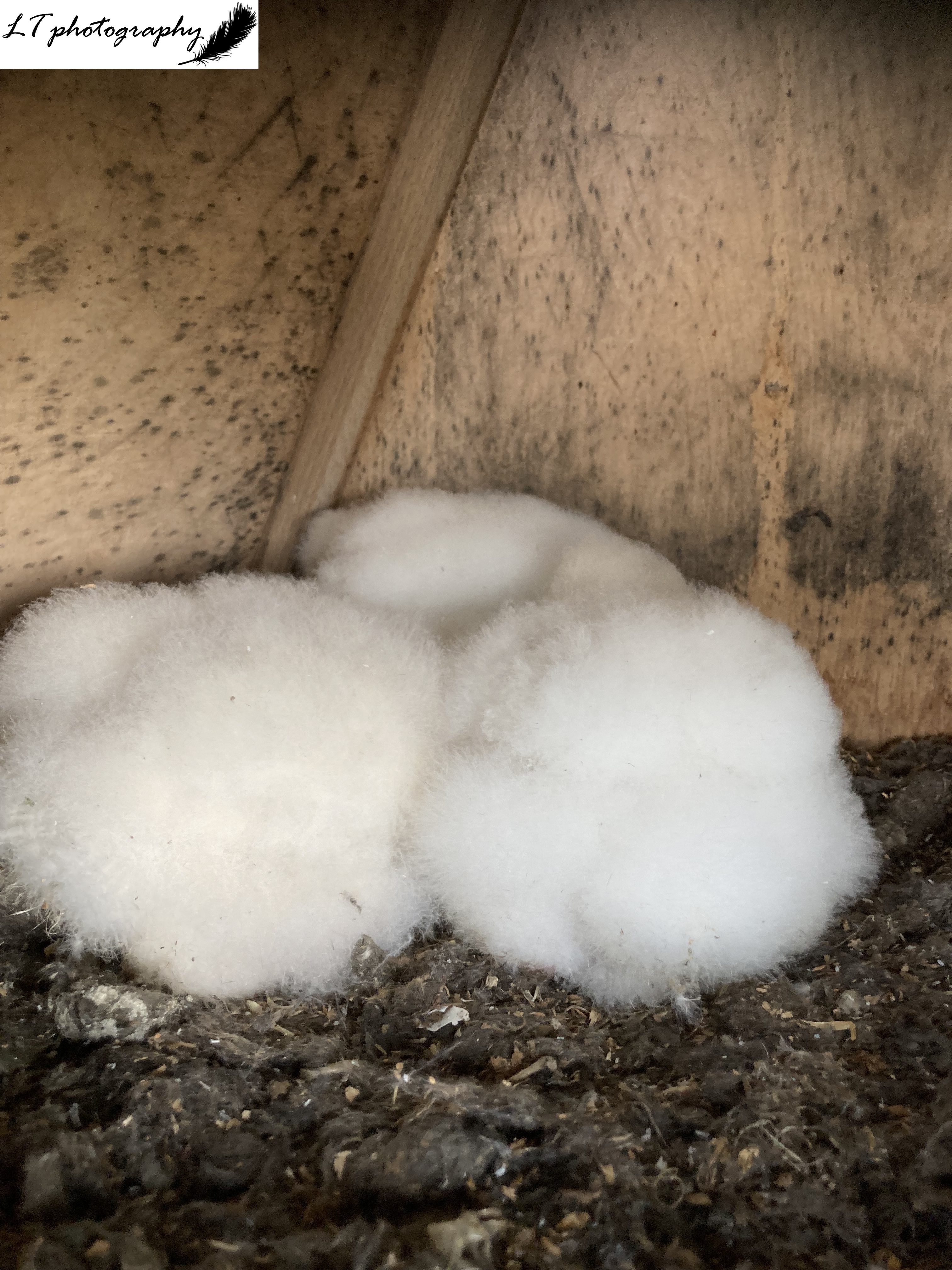
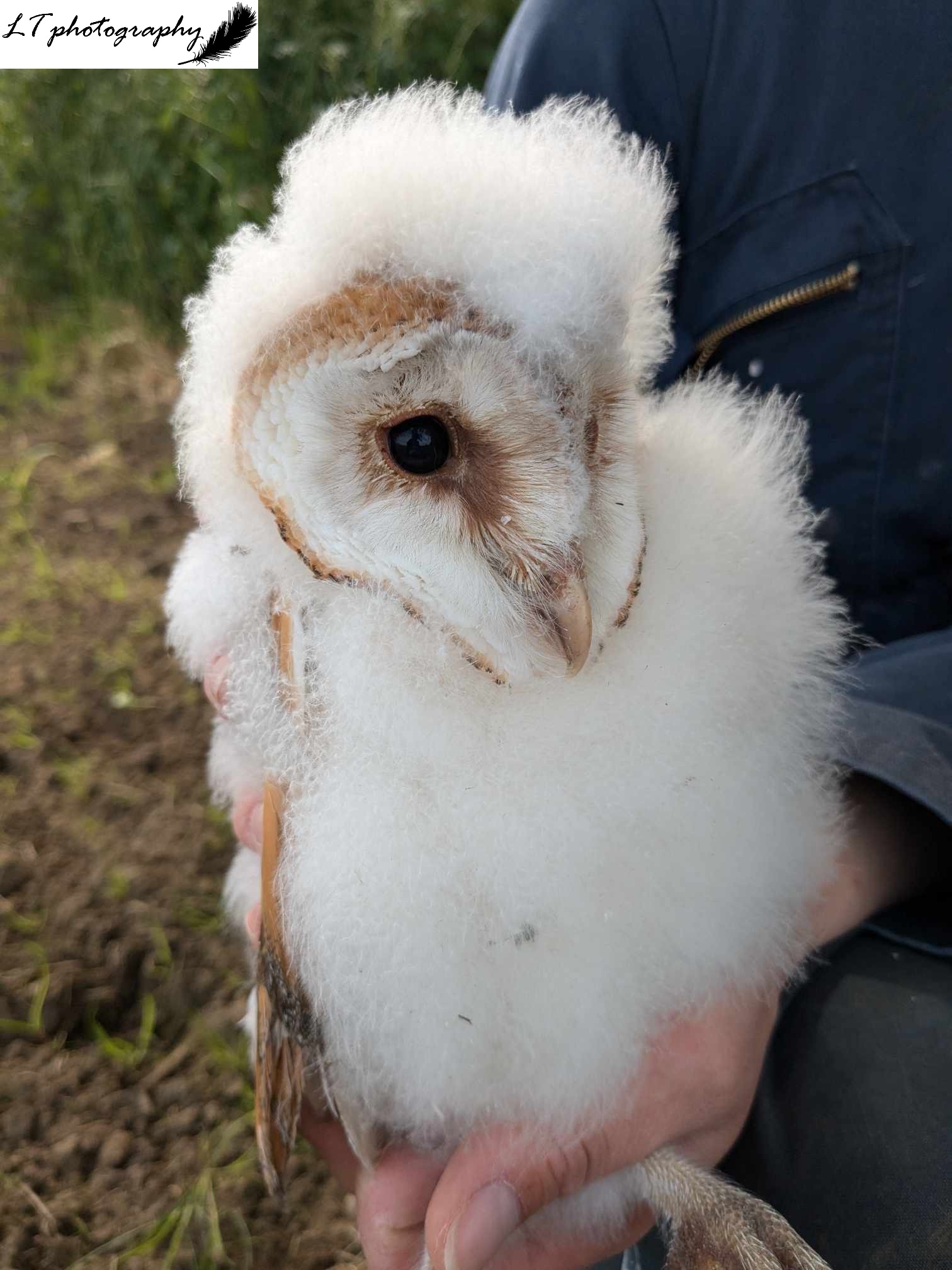
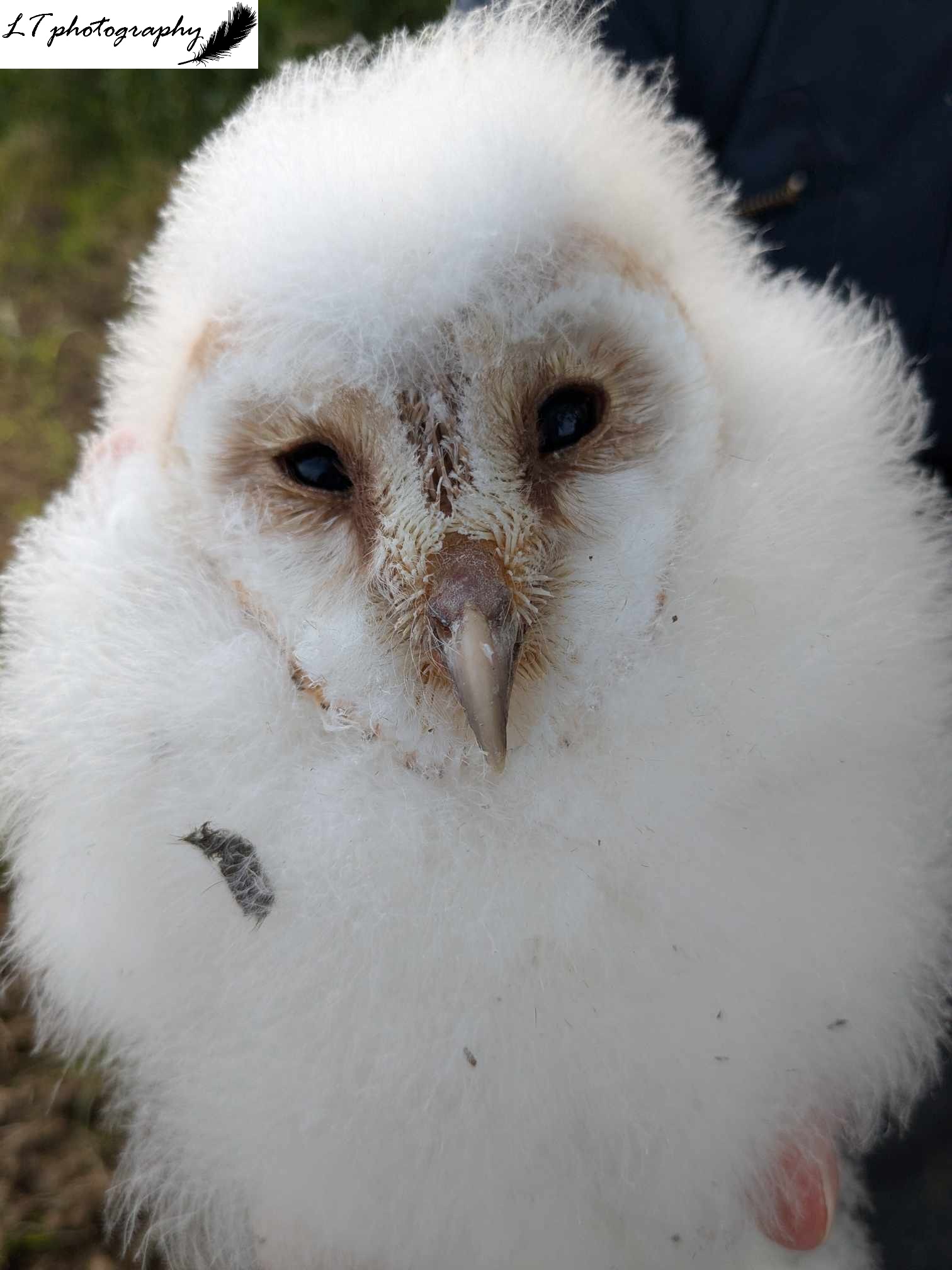
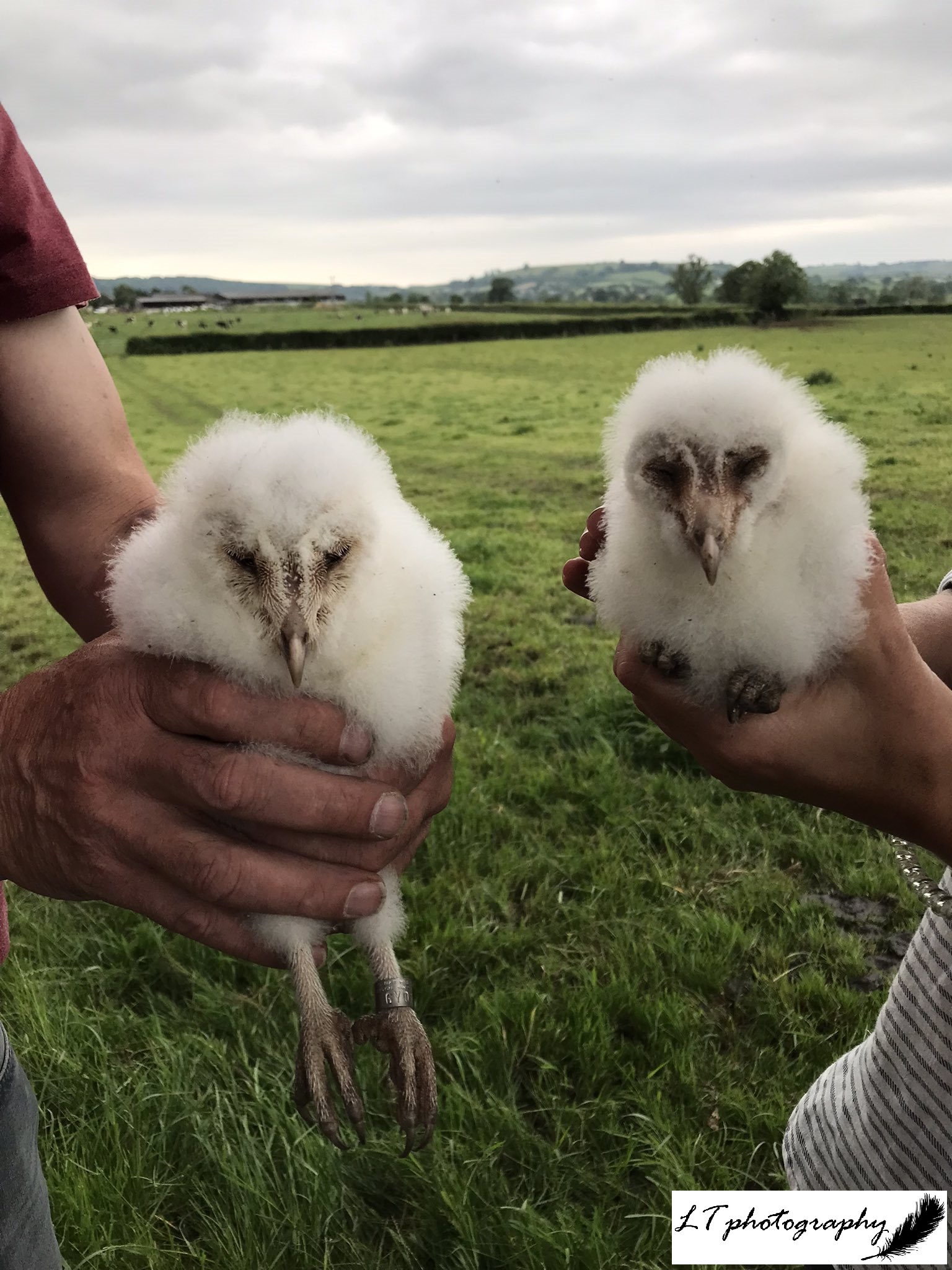
At the very beginning of 2024, my dad put up an outside barn owl nest box, that I had bought him for christmas 2023, on the tree that barn owls had previously nested in. We did not expect it to be used for breeding during its first year up, but we were in for a big surprise. First, I was able to ring 3 lovely barn owl chicks from the barn nest box (following 3 chicks last year), and share doing so with my 7 and 4 year old nieces. One week later I was able to ring another 3 chicks, this time, fantastically, in our brand new field nest box. I was also able to share these chicks, this time with my Manchester buddy and fellow Zoology graduate, Emma Rogan. What a great year for barn owls on our farm!
Tit Nest Boxes

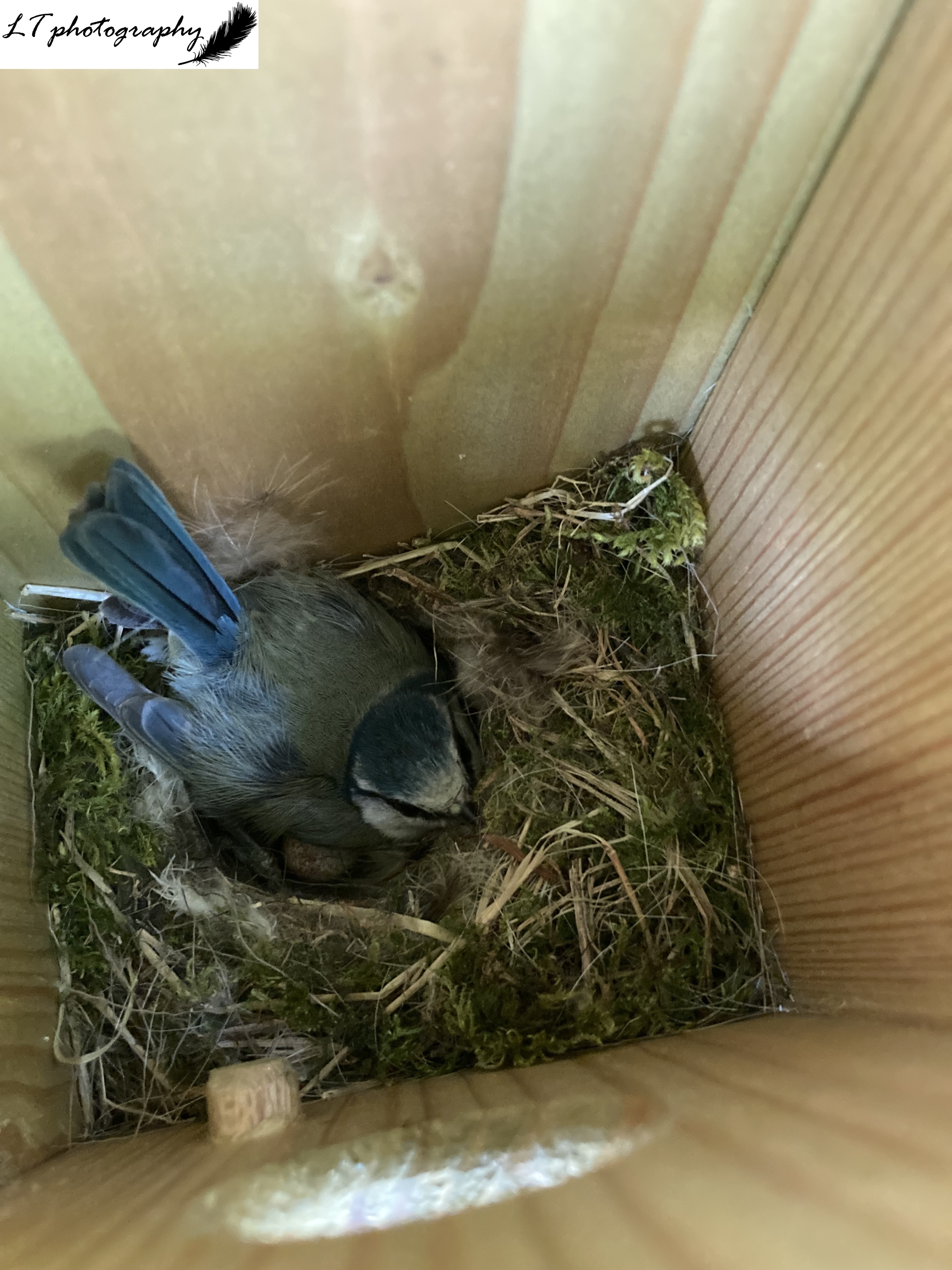
In 2024, I finally gained my cavity nesting pulli endorsement, which means I could now ring such chicks independently. Making the most of this opportunity, I added to the 4 tit nest boxes already set up on my family’s farm, and put up another 7 across different locations and habitats, to see how well they would do. Through May and June, I kept a close eye on all boxes, and ended with 6 of 11 being used to raise and fledge chicks successfully, all blue tit broods. In total, they gave me the opportunity to ring 44 blue tit chicks, with brood sizes ranging from 3 to 10, alongside one adult female caught at one of the nests.

Chicks Ringed For Training

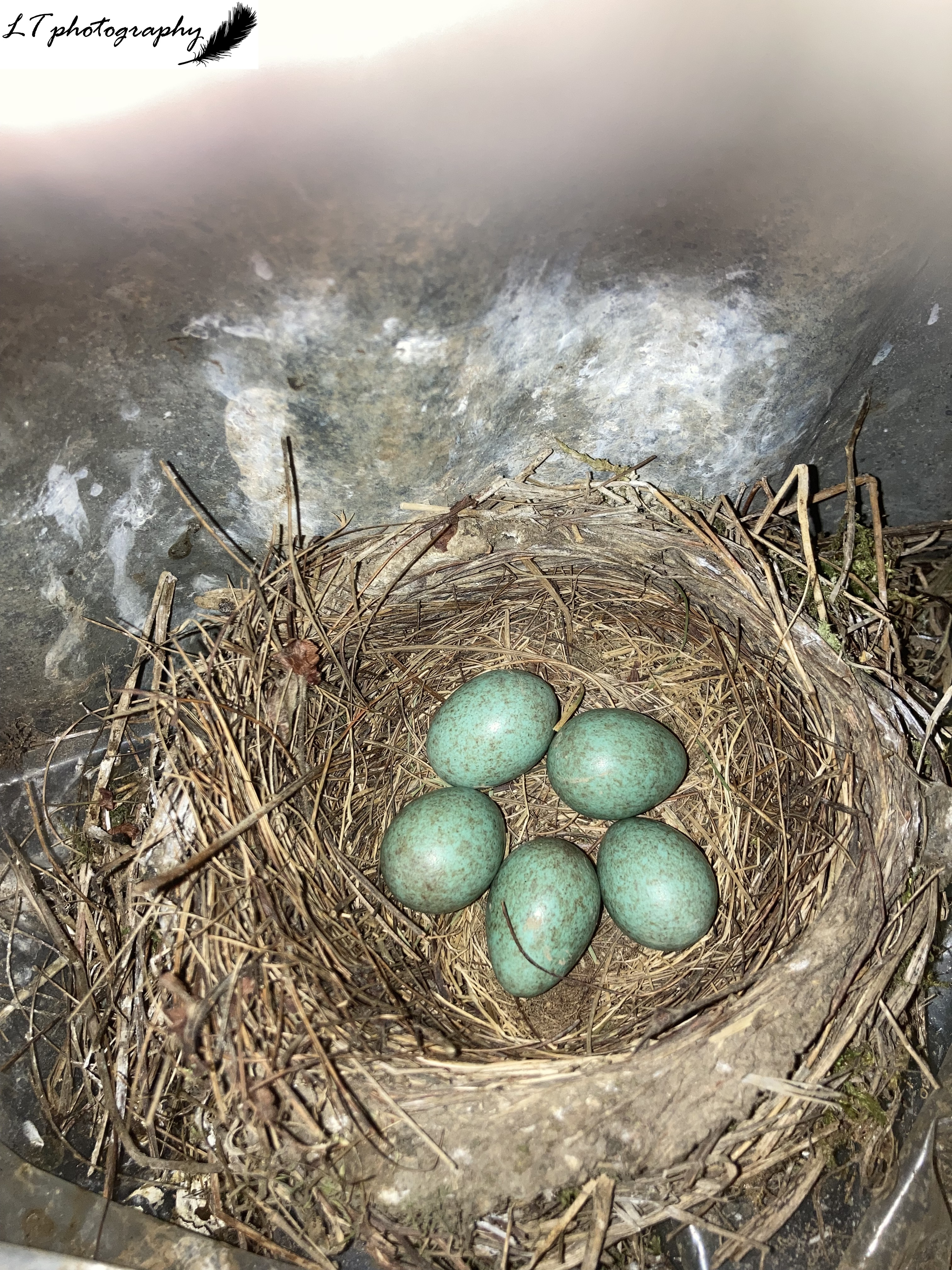
In 2024, I was now working towards my full open nesting pulli endorsement for my permit. Blackbirds did well to add to my totals, with 4 nests being found easily around our farm and home (2 being attempts by the same pair). From these 4 attempts, I got the opportunity to ring and observe the fledging of 17 chicks, adding to only 4 chicks rung in 2023.
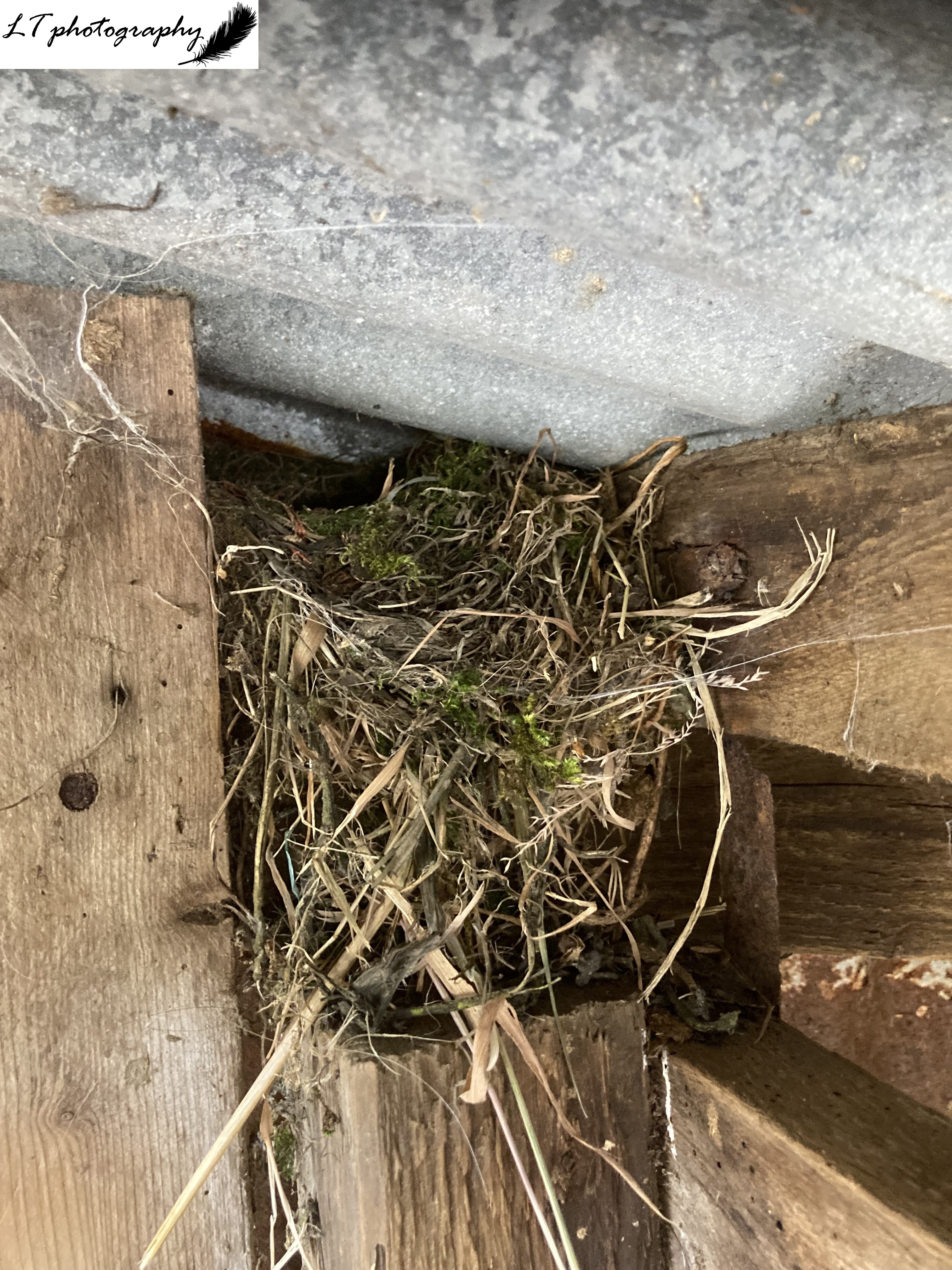
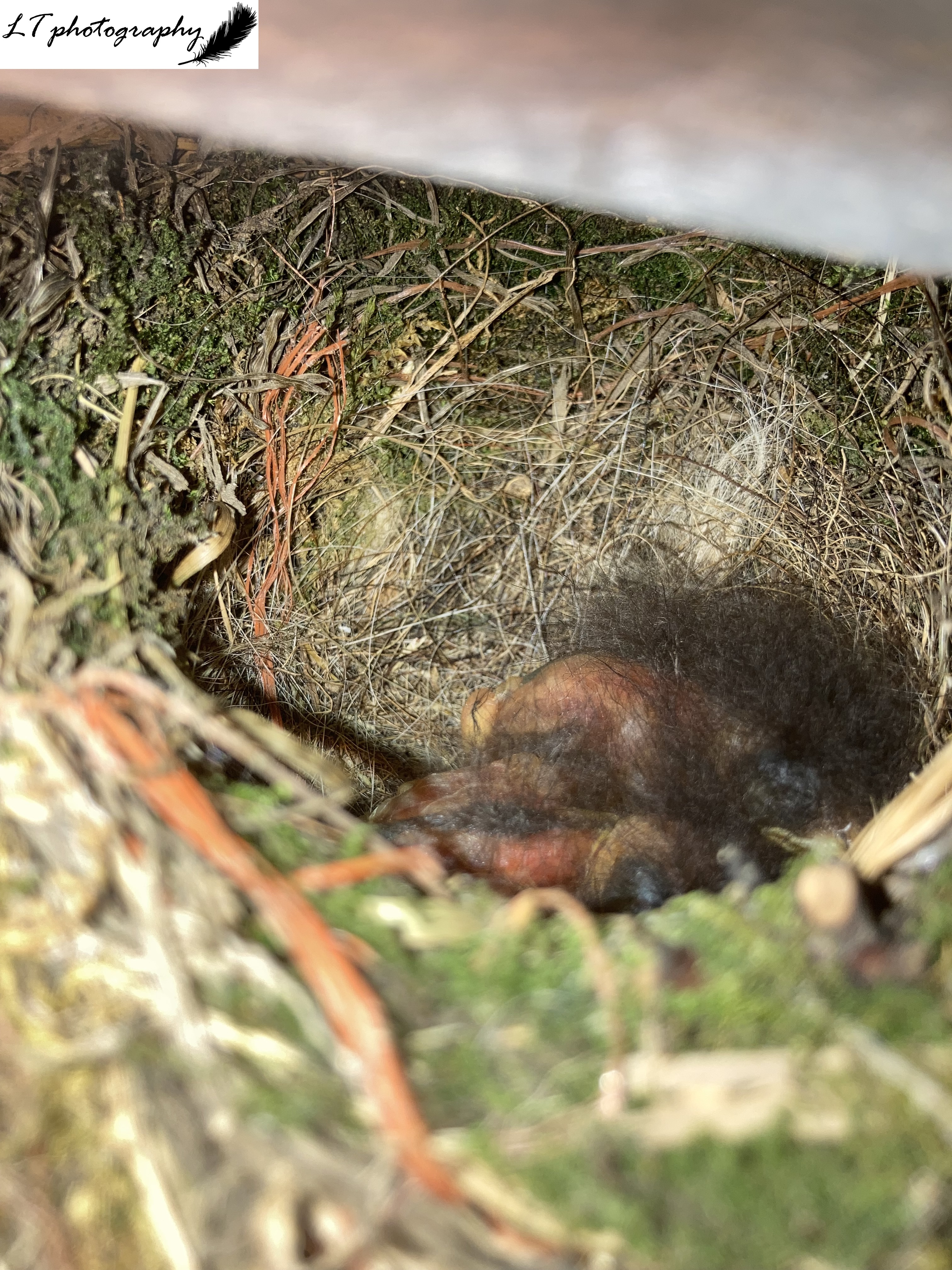
I also had a new chick species for me during 2024, in the form of the robin. Though I only found one nest during this time, I did get to ring 2 healthy chicks that were raised to fledging. Moving forward, in 2025, it would be my aim to try to further continue working towards my full endorsement.
Garden Mist Netting

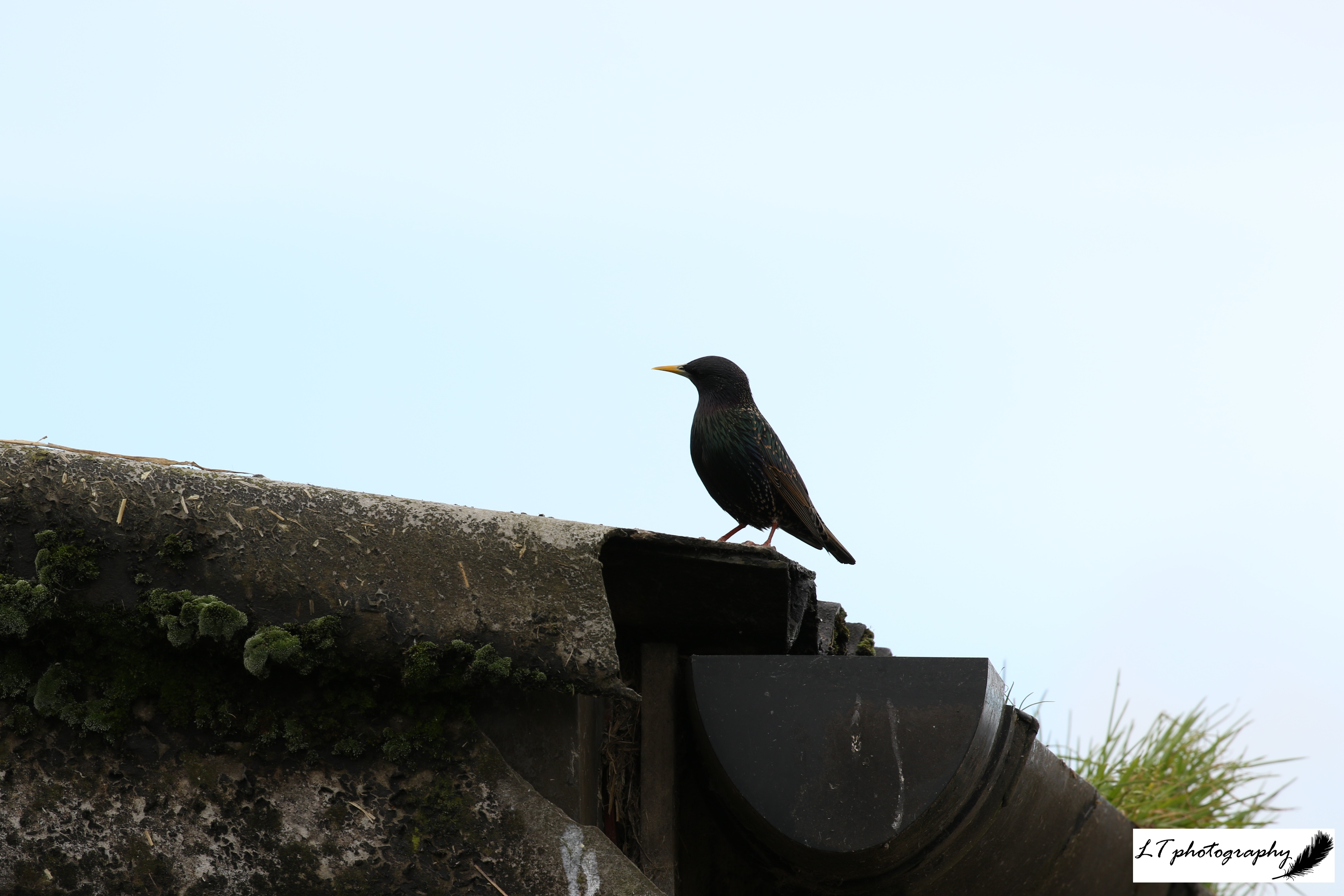
During 2024, I mist netted solo in my own garden using 2 nets during both August and December, with 2 sessions completed during each month. In August, I caught a total of 28 birds, with 4 being retraps, and including house sparrows, dunnocks, great tits, blue tits, blackbirds, goldfinches, and robins. In December, I caught 74 birds, which was a greater number compared to August, due to them being more reliant on visiting the garden to feed. Thirteen of these birds were retraps, and species overall included house sparrows, dunnocks, great tits, blue tits, starlings, and coal tits. I really enjoyed being able to continue mist netting on my own patch during 2024, but as always I wished I had had more time to do so.
My Highlights and Hopes

During 2024, I had a great year with my ringing experiences at home on my family farm. I experienced our swallow population having their best year yet, with the same being said for our barn owls. Though we did not find tawny owls breeding on the farm during this particular year, I did get to do my first solo ringing of blue tit chicks, and ringed my first robin chicks too. I gained more confidence with mist netting on my own, whilst also gaining more experience with blackbird chicks.
Moving on from 2024, my main aims have been to increase my experience further with ringing open nesting species chicks, in the hopes of gaining my endorsement for my permit. I also hoped for an even better swallow year, to increase the number of tit boxes I would be monitoring during their breeding season, and to add some new nest boxes, such as kestrel to the farm. Overall, I just looked forward to being able to follow the bird breeding season once again.
Spring In Photos 2025

“The beautiful spring came; and when nature resumes her loveliness, the human soul is apt to revive also” — Harriet Ann Jacobs

As I learn to love how all the seasons in nature have something different to offer, I cannot help but still feel my heart sing when I see the first blooms of spring, hear the first chiffchaff echo across a field, or see the first butterfly flit past on a sunny day. Spring is a time for the renewal of hope, a celebration of colour and vibrancy, and a time that often feels like a collective sigh of relief. It is a season of optimism, and new possibilities, but also passes, like this year, in a blink of an eye.

This year though, I have really embraced the capturing of different light, colour and subjects during spring, giving myself the freedom to explore nature through a lens. As part of this, I also began to experiment with a new camera as part of my photography kit, and kept open minded during the process. It will take a while to sort through all the photos taken so far this year, but for now here is a snapshot of my spring 2025, through a lens, camera or iphone.

Spring In Photos 2025

The new addition to the Tuke family (Barley)

Walking through the Daffodowndillies

My Raven and her baby boy Jackdaw

One of my favourite first signs of spring, the Wood Anemone

The start of new life (here Blue Tits and Robins)

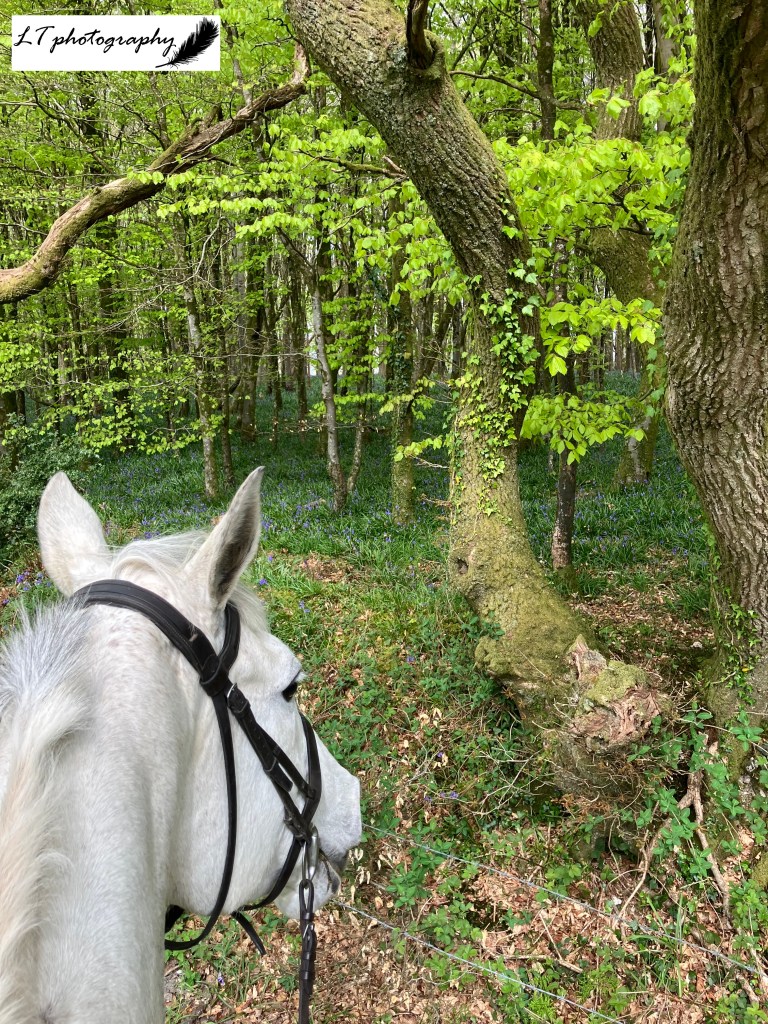
Enjoying the Bluebells from horseback (Dove)

Sunrise swimming in Appledore

Birdwatching on Lundy (Devon)

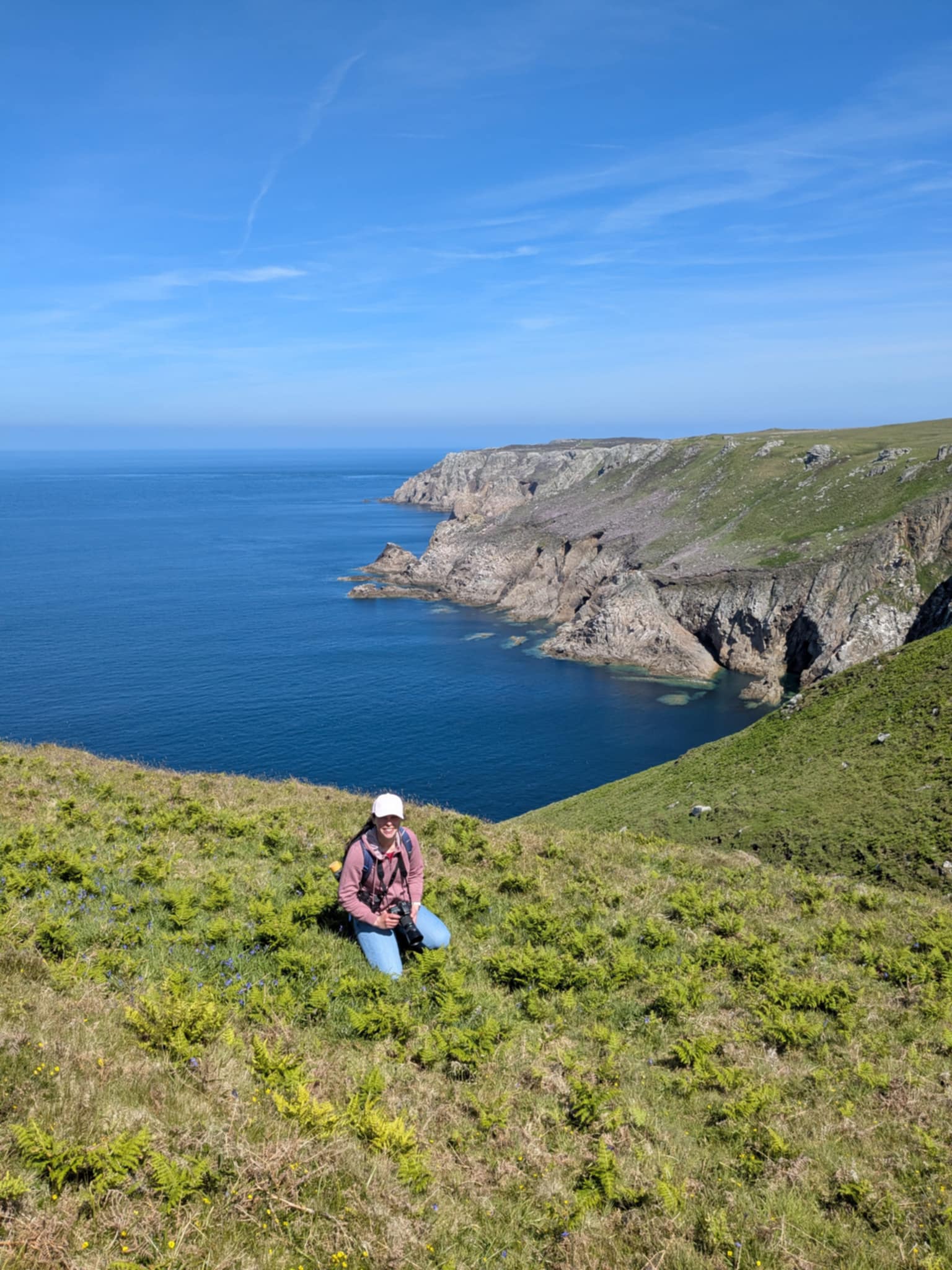
In my element, camera in hand and fantastic wildlife (Lundy, Devon)

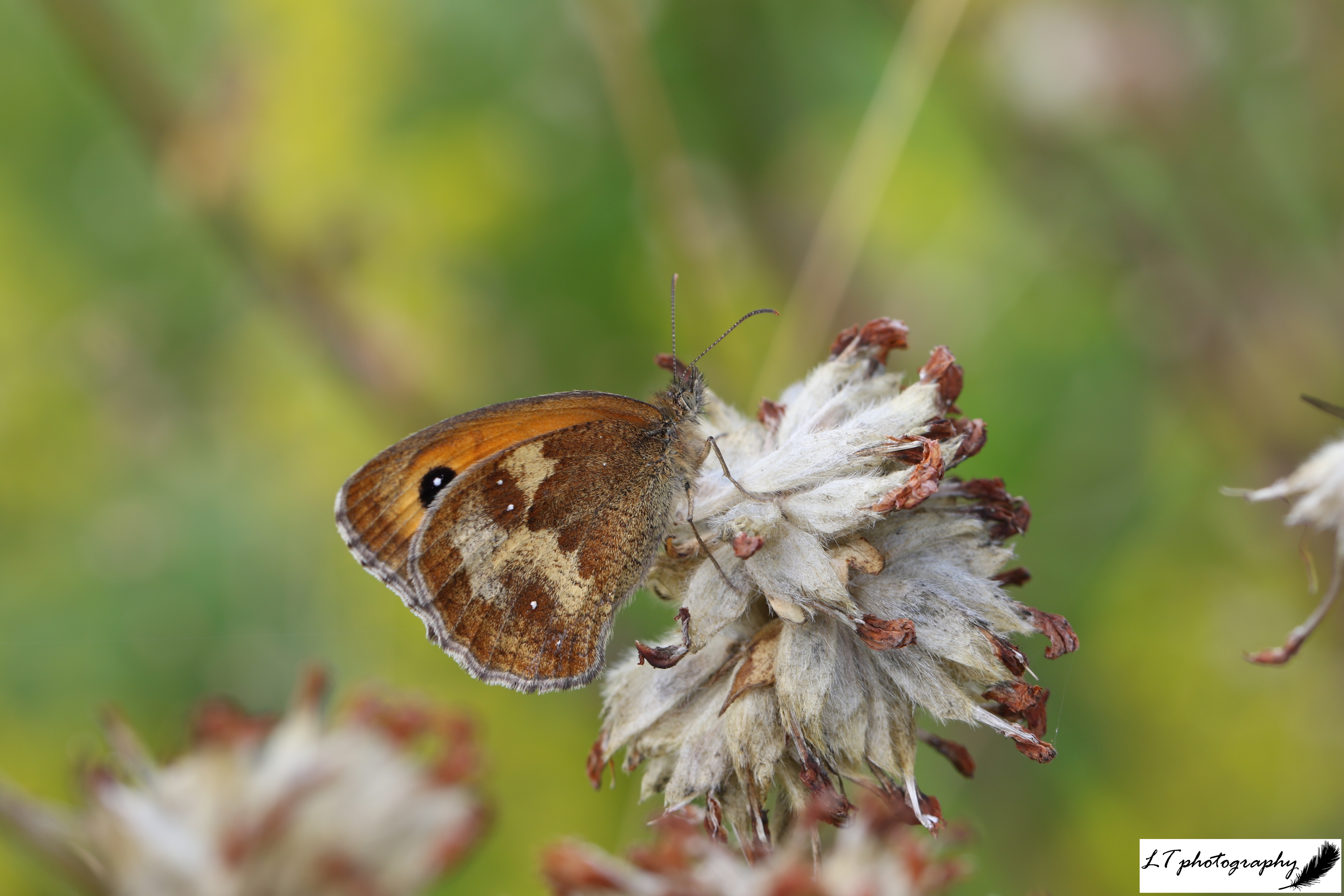
The vibrancy of spring (A Speckled Wood Butterfly on a Rhododendron)

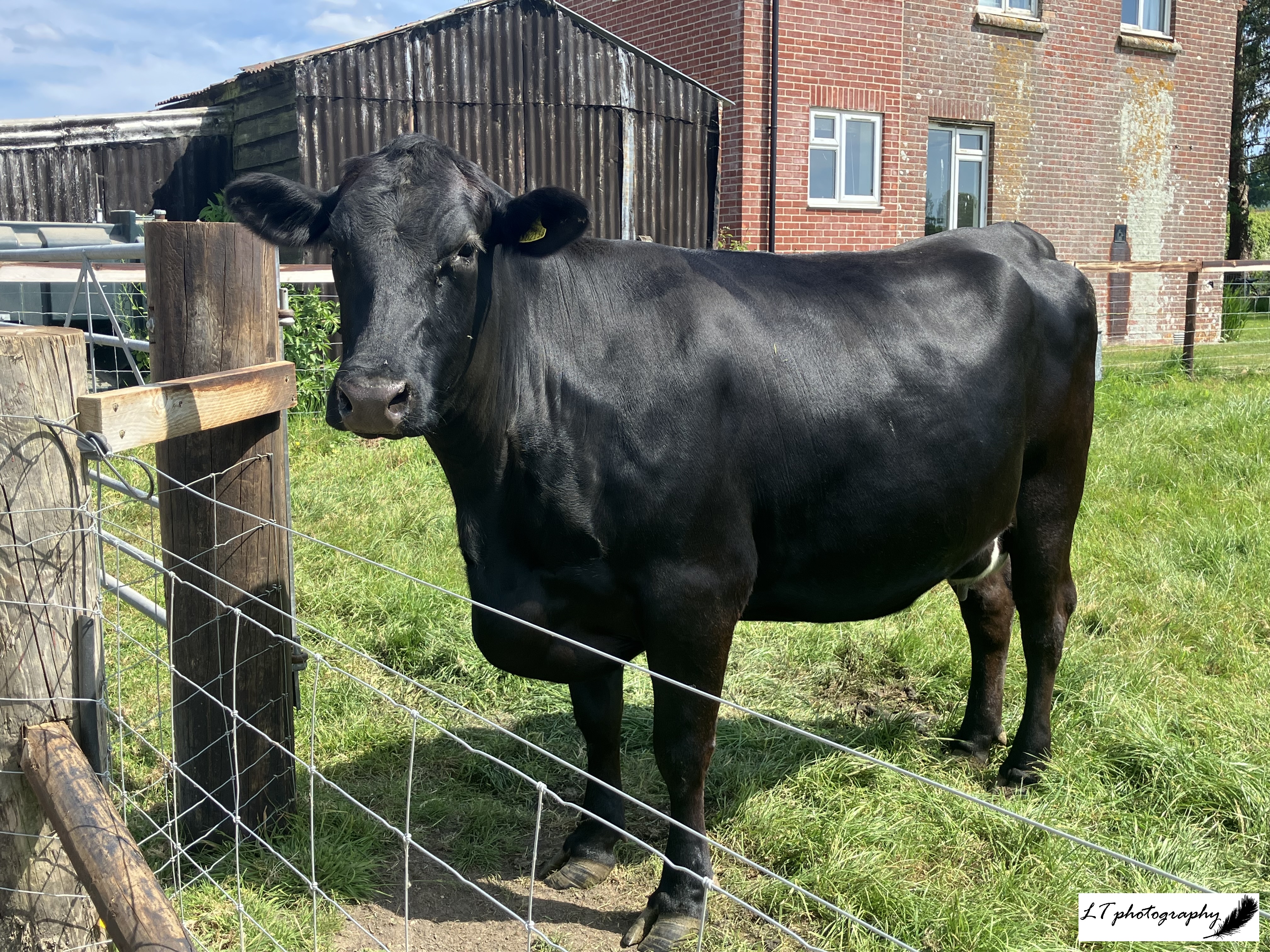
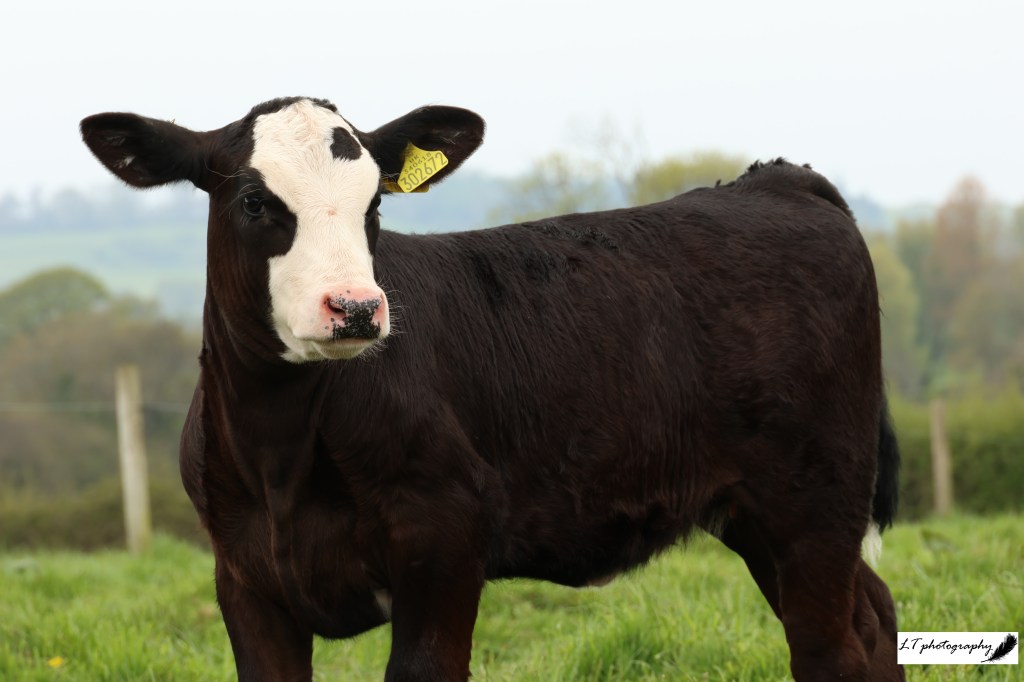
My suckler calves always love to pose for a photo (Orchid)

Herefordshire in the Golden Hour

This is just a very small snapshot of my year so far! More to come.

Spring Camera Trapping 2024 – Part 2: Late May, June & Early July

Late spring is a time of vibrant energy, spectacular colour, and nature being at its busiest. Days are lengthening, temperatures are rising, and life is bursting forth wherever you go. This is joined by plant species growing abundantly, migrant birds having all returned to their breeding sites, alongside our native species, and mammals having welcomed young or waiting to do so. Despite this, how much do we actually see of our local wildlife on a day-to-day basis, as they go about their secretive lives?

In the first part of my two posts on my 2024 spring camera trapping adventures (check out the first part here), March, April and early May saw me exploring many locations on my family’s Dorset farm and getting some wonderful surprises. I was able to watch as some species fed young, some introduced them to the world for the first time, and others were feeding up ahead of laying eggs or giving birth themselves. My adventures did not finish there though, as I continued to watch on, as these individuals moved into late spring activity. So what happened next?

Late May

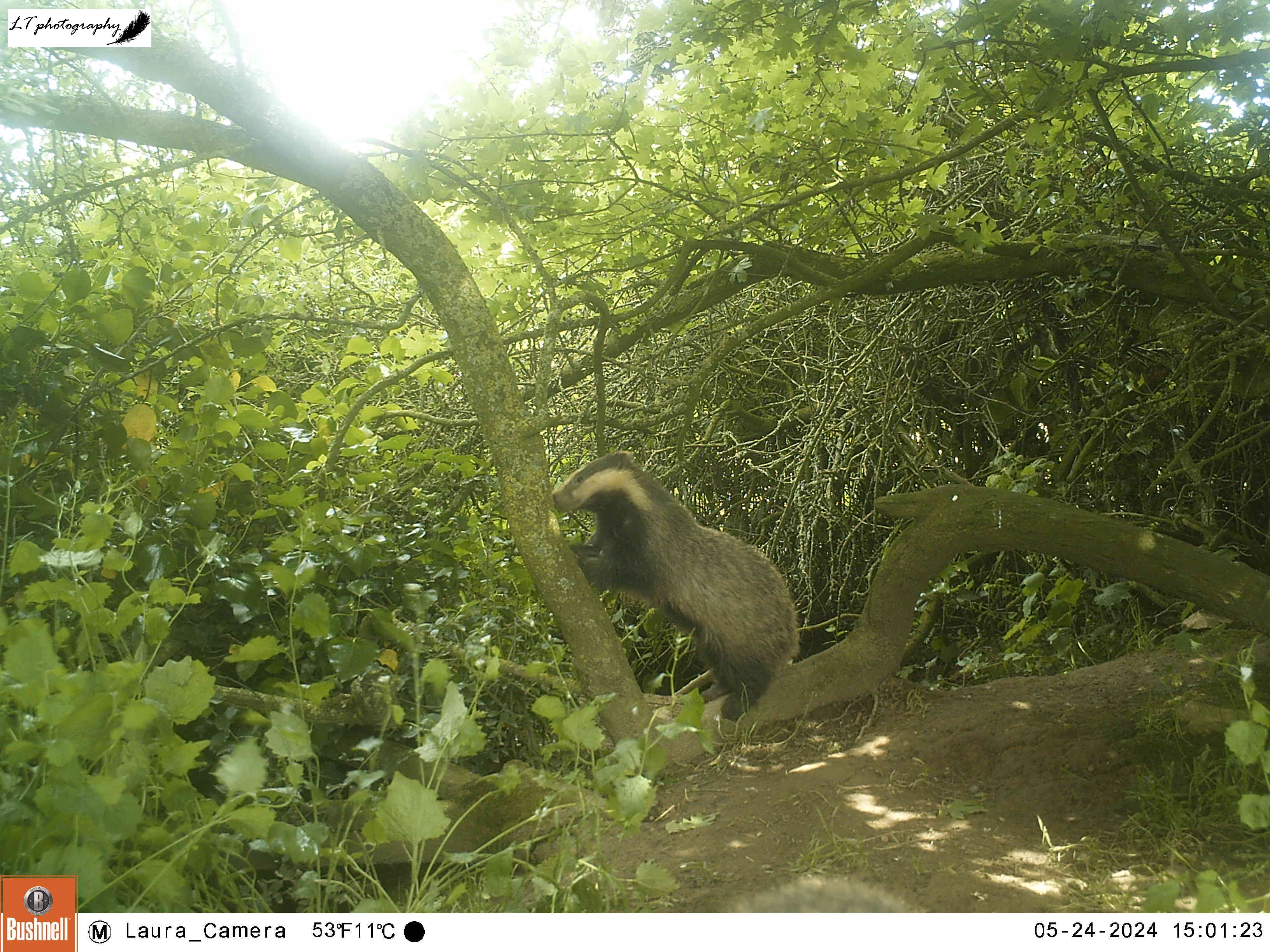
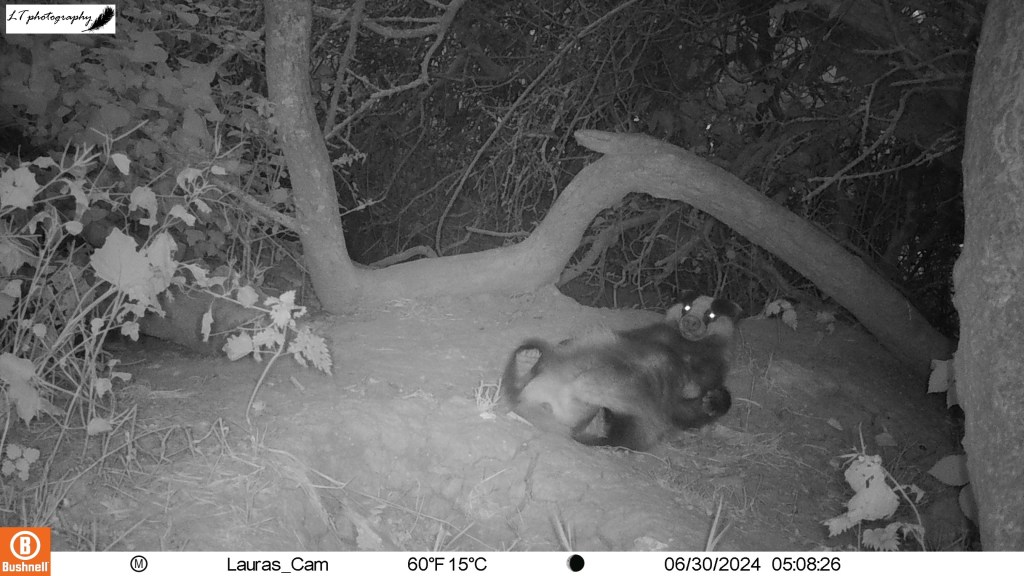
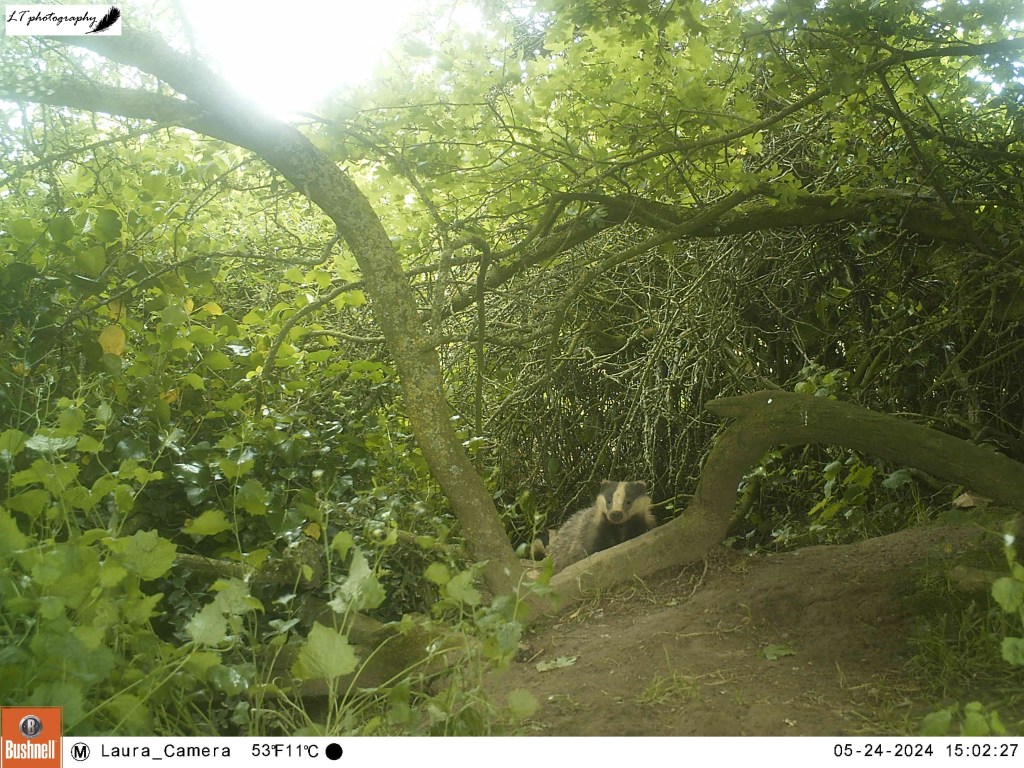
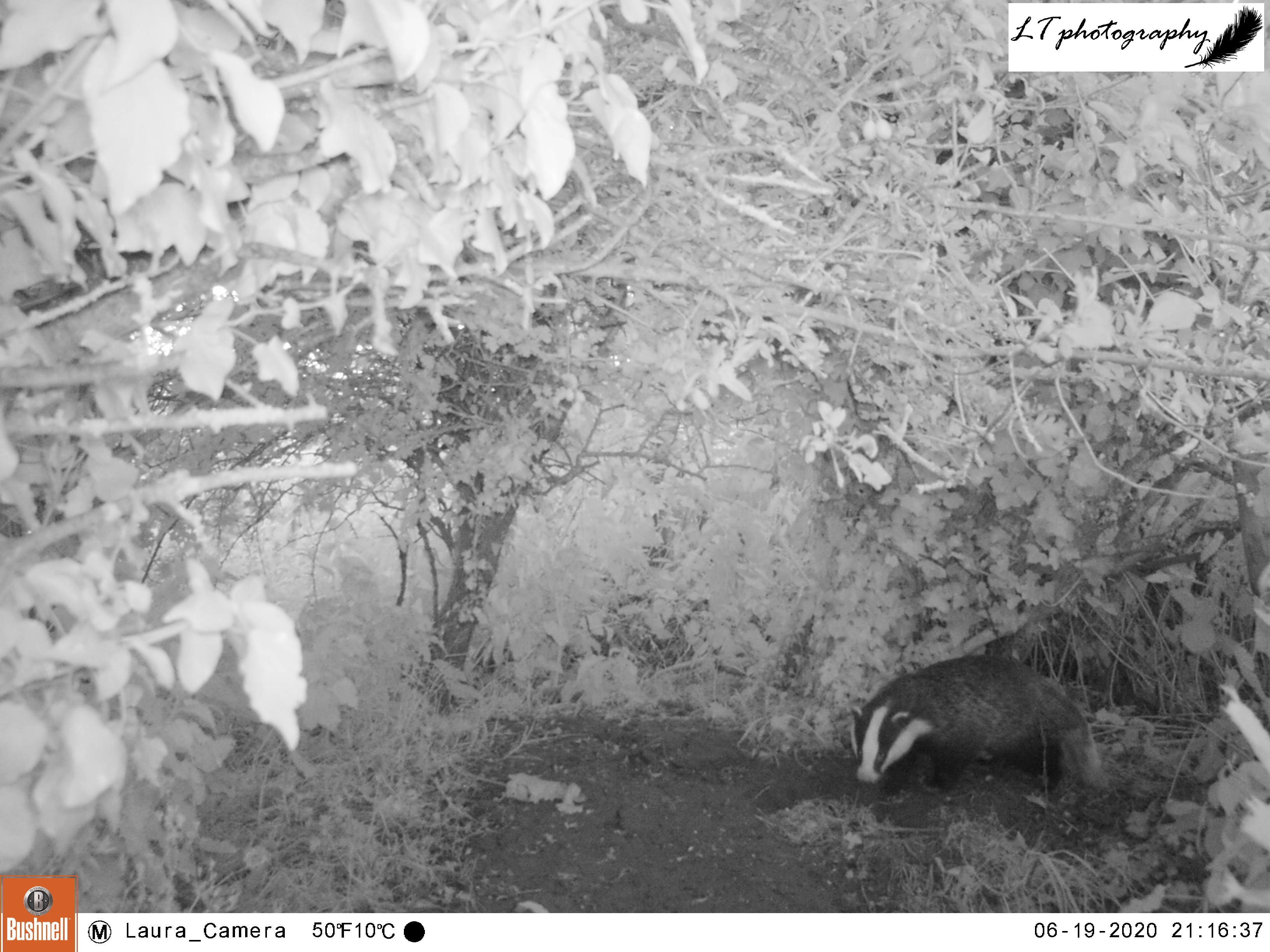
Late May is a a great time to see badgers at their setts, as cubs now explore the area around their homes, and adults spend more time above ground during the daytime. My camera traps allowed me to observe the behaviour of badger families in their natural habitat during this time close to my home, and also gave me some priviledged views of their lesser seen lives. This included badgers foraging and playing during the day, climbing trees, grooming, sleeping, and socialising.

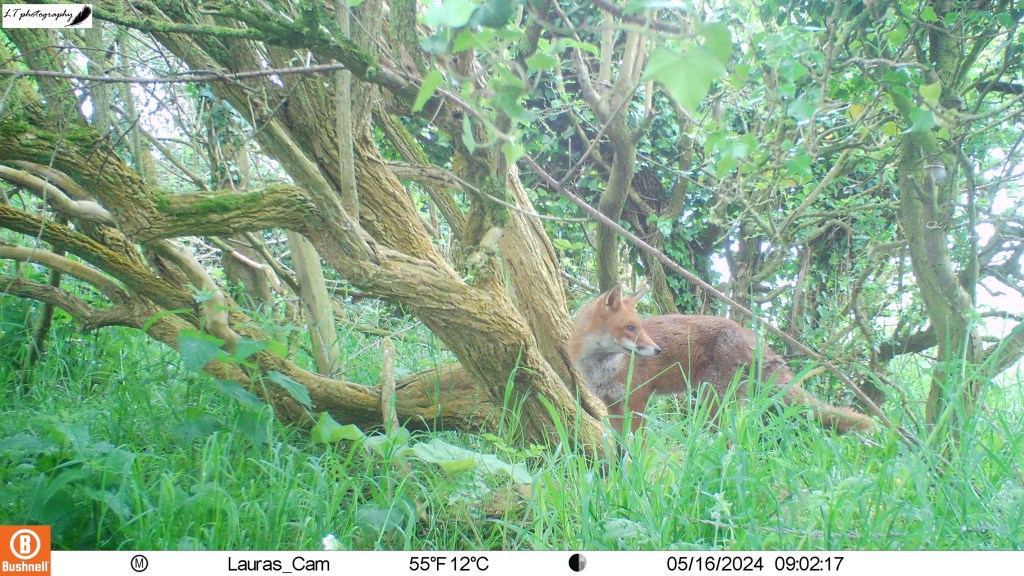
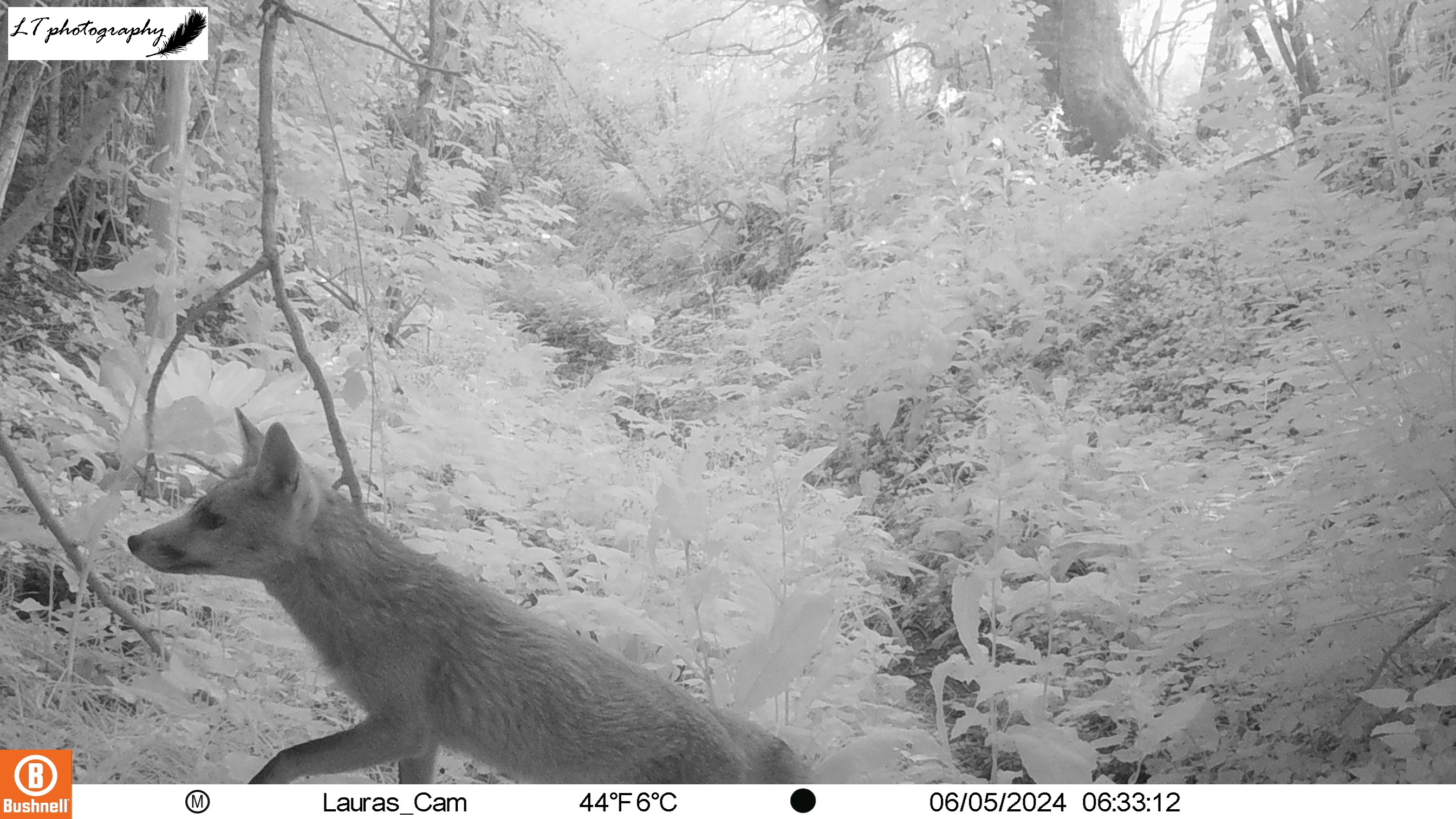
Badgers may have been captured more by my camera traps during late May this year, but foxes were seen less and less in some areas. This is a concern as unlike in previous years, fox cubs were not seen being born and emerging in the typical or usual locations and some adults also stopped bringing food to dens during the critical time. Unfortunately this may be due to more litters failing this year compared to previous ones.

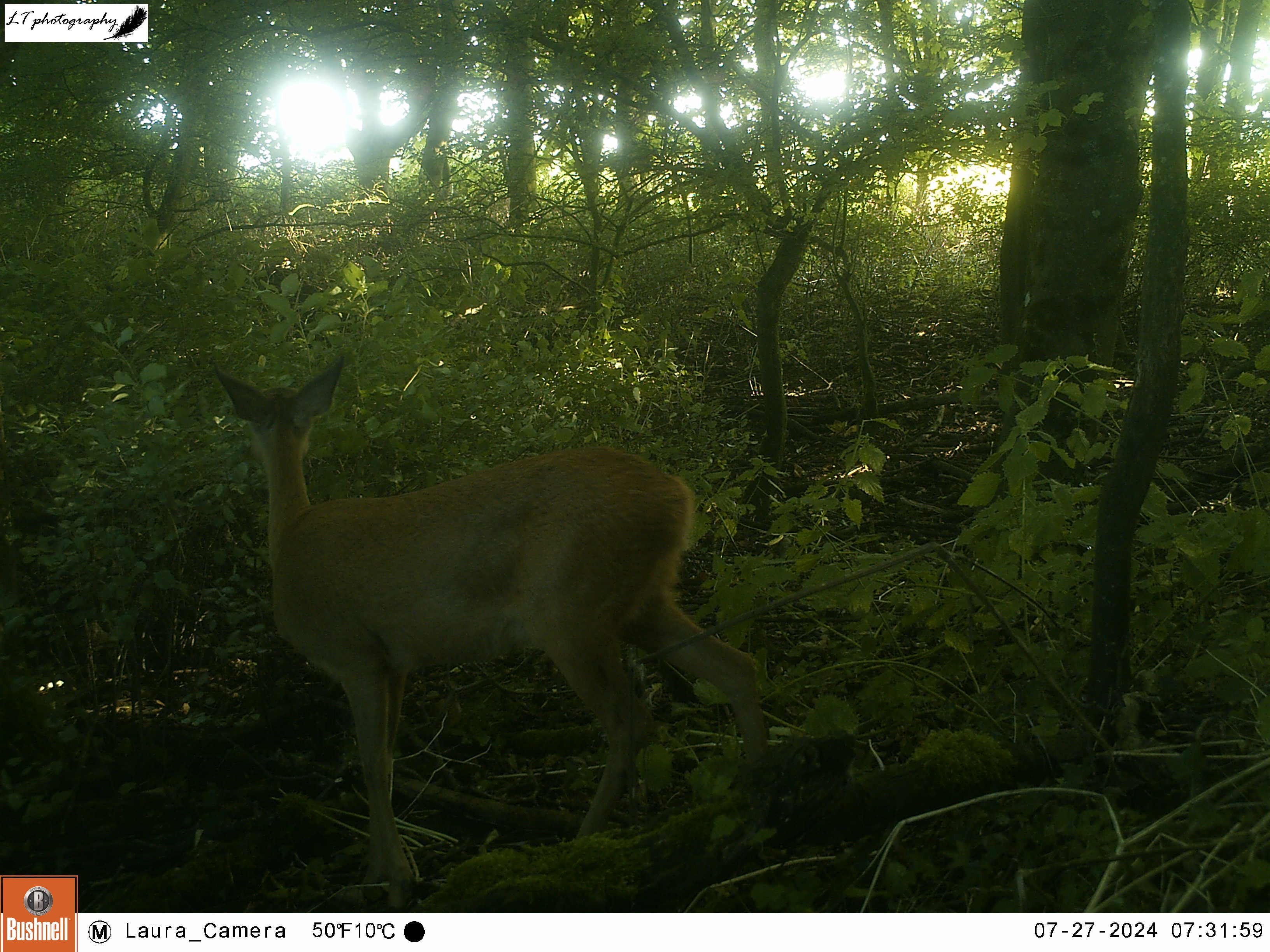
Where foxes were unexpectedly seen less during late may this spring, roe deer on the other hand were captured less because of behavioural changes to their daily patterns. This is due to winter roe deer groups splitting up and individuals becoming more solitary as females near the end of their pregnancies, and choose to go it alone. Spring babies are on the way!

Species List: Roe deer, badger, fox, brown rat, blackbird, woodpigeon, magpie, great tit, rabbit

June

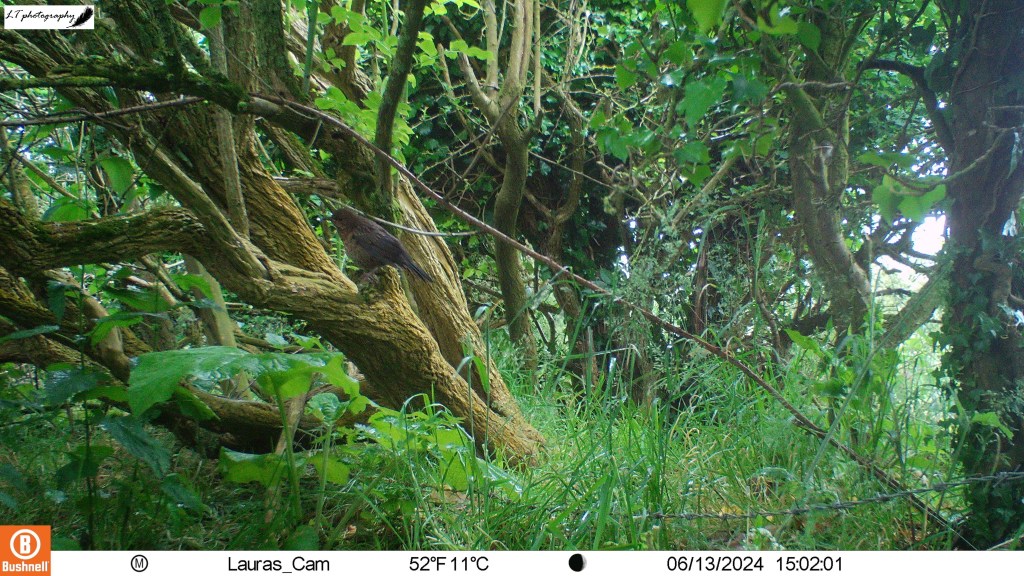
By June, with abundant food sources now available, lots of wildlife species have young on the ground, and this gives us a great opportunity to observe the unique bond between animals and their young. My camera traps this year were even able to delve into the lives of some bird species, capturing the lives of families of both blackbirds and robins. I was able to watch as adults interacted with their fledged young, whilst protecting them from predators, and still supplying them with food.

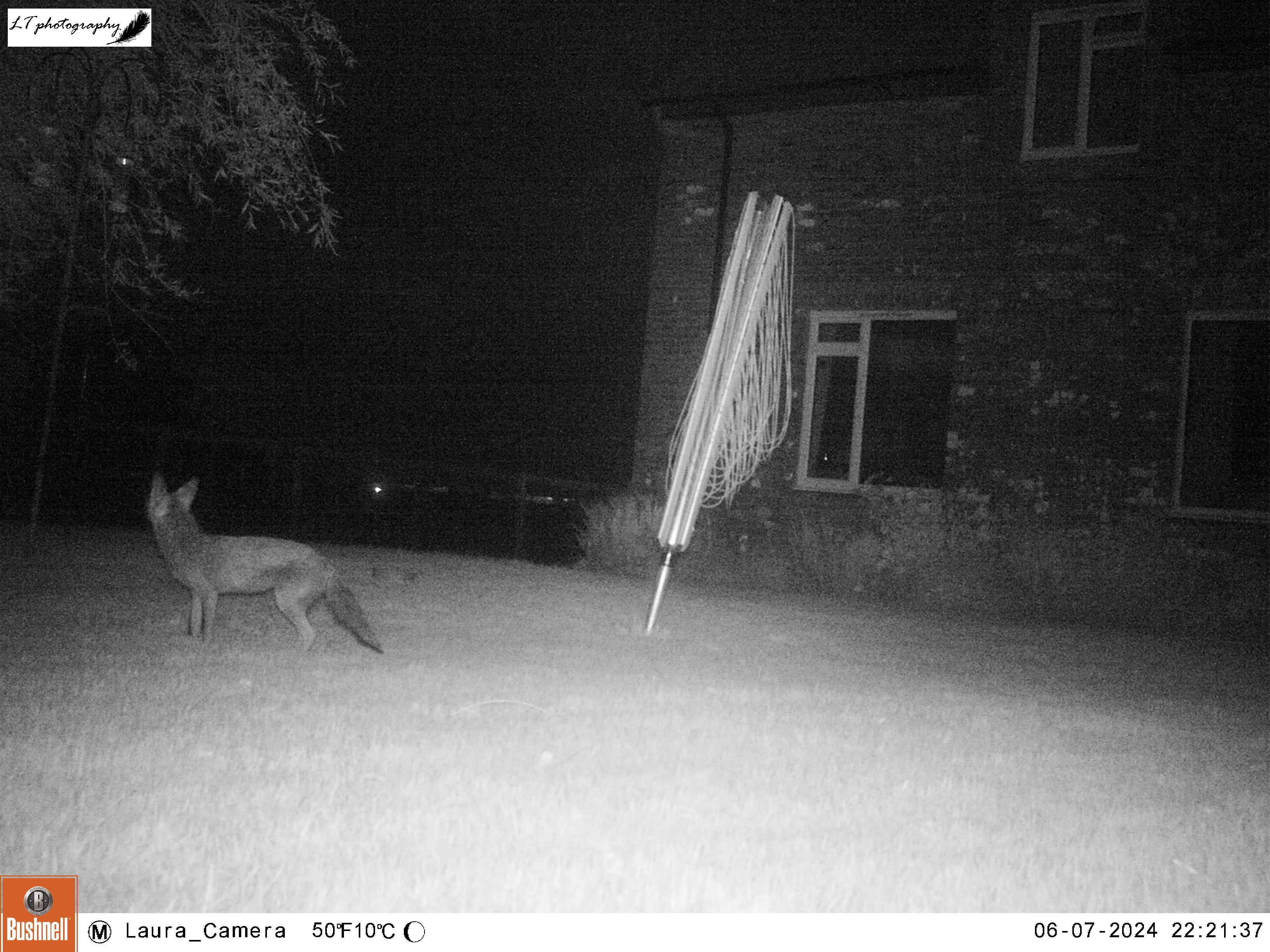
During late spring, as well as being a time of wildlife breeding, it is also a calmer time for individuals that are not breeding this year. For example, whilst adult foxes are still focussed on their cubs and breeding efforts, you can also get sightings of young and non-breeding individuals as they hunt and go it alone. This year my camera trap sightings on the farm included that of a small fox born last year, that felt safest staying close to our farm buildings to hunt and rest during the daytime.

Species List: Fox, hedgehog, woodpigeon, roe deer, pheasant, magpie, robin, badger, brown rat, blackbird, wren, woodmouse

July

Having spent the last few months exploring particular locations around my family’s farm and focussing on particular spots, I finished up my camera trapping adventures by revisiting some of my favourite spots for one final look in. At badger alley, the well-trodden footpath, by roaming animals, had quietened down with the end of spring. Grey squirrels and rabbits still frequent this spot in July, and glimpses were made of last year’s fox cubs, solitary male roe deer, a territorial badger at the edge of its territory, and a muntjac deer passing through for the fourth time this year.

In woodland, roe deer feeding was the only sighting, whereas the quarry field badger sett was still busy with the activity of the family of badgers living there and a brand new family of fledged blackbird chicks. This year it has been sad to have not seen any sightings of new fox cubs, despite targeting many different locations frequently used by adult foxes this spring and in previous years. As spring turned into summer, the sightings of adult foxes by my camera traps and by observation was also down on this time last year. We wonder if foxes had a tough winter, but hope they have more luck next year.

A camera trap positive though, was the frequent visits by hedgehogs to my family’s garden this year. In July, at least one adult was visiting, in particular one female that we knew to have bred not far from our garden. Also, some nights multiple adult hedgehogs would visit the garden at the same time, and even share the food that we put out for them. My camera trap allowed us to keep an eye on the hedgehogs, and learn new behaviour, such as hedgehogs being naturally dominant over brown rats, probably due to their size. It has been a joy to see this species grow in numbers once again in our area! Here’s to the end of another fantastic spring!

Species List: Rabbit, muntjac deer, grey squirrel, roe deer, fox, brown rat, badger, woodpigeon, pheasant, blackbird, hedgehog

Breeding Birds on the Farm 2023

In memory of Trevor Squire

My love of birds can be first originated with my grandfather, who enjoyed sharing his own passion with me when I was child, even before my own began. In time, my mum passed her own knowledge on to me, but it took me going off to university to finally realise how much fascination bird species hold for me. Once I returned home to Dorset after completing my Master’s, I then got the opportunity to begin my training as a bird ringer in 2019 with a very special local trainer, Trevor Squire.

Last year I posted on my blog all about the birds breeding on my family’s farm in Dorset throughout 2022, whilst working to apply for my C permit (check it out here). That year I encountered 2 broods of kestrel chicks, 3 broods of swallow chicks, 2 broods of barn owl chicks, and 2 great mornings ringing in my own garden to build my confidence with a range of species.

Moving in to 2023, I had now gained my C permit with restrictions, and could begin to ring with more independence whilst exploring the bird life on my family’s Dorset farm. Unfortunately, no kestrel nests were discovered on the farm during 2023, as our local population were hit hard by avian flu. There was still lots of bird fun to be had though, so read on to find out what I got up to.

Swallows

In 2022, the swallow population around my home had a tough year and a very poor breeding season, which may be because less pairs returned to start with. In total, I discovered 6 nests, but only 3 fledged chicks, 12 in total. So in 2023, with my new C permit now giving me the endorsement to ring swallow chicks on my own, I hoped for more luck for my swallows.

I began nest checks again on the 25th May and over the course of the breeding season I discovered 6 different nests in use, with 4 being used again for 2nd broods. I am very happy to say that I had the pleasure of ringing 42 swallow chicks from 11th June to 16th September. Knowing that some chicks even fledged before I had the chance to ring them, 2023 was a very good year for my swallow population in comparison to 2022.

Barn Owls

Those who follow my blog will already know that barn owls are a species that are very special to my family, with these birds being intertwined with farmland in Dorset. Barn owls are a great indicator of the state of nature on farmland, and have been followed closely on our land since 2019, helping to influence management. Check out my Barn Owl page for more stories.

In 2022, the barn owls had a good year on the farm, with 2 pairs nesting at opposite ends of our land, one in an annually used nest box and another in the same tree as a pair of kestrels. Both pairs went on to have 2 chicks fledge successfully, which was a big positive for the barn owl population in our area.

For 2023, I now had my C permit that had the inclusion of an endorsement for me to ring barn owl chicks on my own. We had high hopes for our barn nest box once again, having seen 2 owls hunting around the farm over the winter, and courting around the box in early spring. On checking the box on the 2nd June, we were happy to discover 3-4 young chicks. I used these chicks as an opportunity to gain confidence, and ringed 3 good sized chicks alongside my ringing trainer on the 7th July. We had hoped to discover a second pair breeding on our farm again in 2023, but we are very happy that at least 2 of the barn box chicks were seen to go on to fledge successfully. This is a definite improvement on only 1 chick in 2021!

Chicks Ringed of New Species

As on my newly acquired C permit I only have endorsements to ring swallow, kestrel, and barn owl chicks, in 2023 I aimed to ring chicks from other species alongside my ringing trainer to expand on my C permit in time.

On the farm in 2023, I got to ring my first brood of blackbird chicks (4), blue tit chicks (7), and starling chicks (1). The highlight though was one of our tawny owl boxes finally producing a healthy brood of 2 tawny owl chicks. A great start to increasing my experience, whilst I also got the opportunity to ring at other sites, such as checking tawny owl boxes with another ringing group.

Garden Mist Netting

In 2022, ahead of applying for my C permit, I got to spend 2 mornings mist netting and ringing in my own garden with another ringing trainer. This was an exciting first for me, made even greater by catching 192 new birds of 9 species, the highlight being some lovely starlings.

For 2023, I got to experience a new first, mist netting and ringing in my garden all on my own. Through June and July, I spent 6 mornings ringing in my garden, and managed the situation each time, so as to only catch as many birds as I could deal with on my own at one time. Over these mornings I caught 90 new birds of 11 species (1 robin, 7 chaffinches, 11 blue tits, 44 house sparrows, 1 blackbird, 13 great-spotted woodpeckers, 2 goldfinches, 3 dunnocks, 6 great tits, 1 starling, and 1 greenfinch), and learnt alot from acquiring this experience already. My highlight was definitely the greenfinch, as it was a beautiful adult male and my very first greenfinch ever ringed!

Here’s to 2024 being as interesting!

All birds were ringed under license and following rules to ensure the health and welfare of the birds handled at all times.

Breeding Birds on the Farm in 2022

In the heart of rolling Dorset, you can find my family’s home, a 250 acre mixed dairy farm with the hope of producing food alongside conserving and promoting nature. As a naturalist and conservationist, the farm is my base for exploring, learning and putting ideas into practice. With an increasing variety of habitats, there is an increasing amount of wildlife to experience, explore and enjoy, in particular a fantastic diversity and abundance of bird species (explore my blog for more adventures).

In 2019, I got the opportunity to begin training as a bird ringer with a local trainer, which was one skill that I always wanted to gain. Whilst working towards gaining my next permit, a C permit, my training has allowed me to acquire greater knowledge and a new perspective of the birds that call my family’s farm home. In 2022, my C permit was in reach and my training gave me some new experiences and some continued fantastic moments. Whilst the breeding season for birds currently plays out for 2023, I want to look back on my experiences for 2022 to see what can be learnt, including our amazing barn owls.

Kestrels

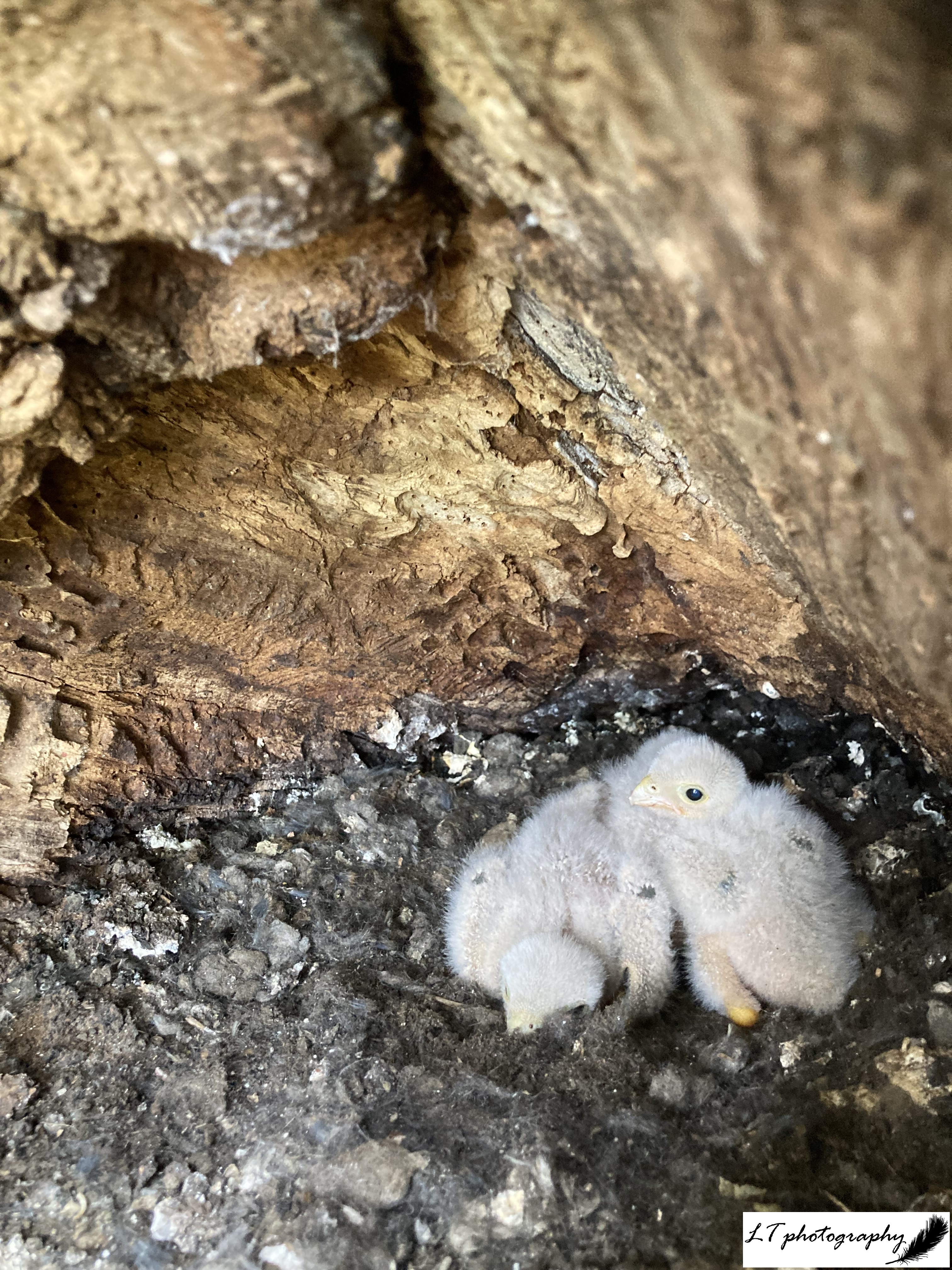
In previous years on the farm, we have known kestrels have been breeding here, but not where they were nesting. In 2021, we did find one nest within a hole in an ash tree, where a pair hatched 3 chicks. Two weeks later though, at the end of June that year, bad weather unfortunately led to the chicks not surviving, potentially due to the nest being exposed to the harsh weather. Thankfully in 2022, this same hole was used again by a pair of kestrels, and they successfully reared 3 chicks fledging in the first week of July, and I was lucky to have the opportunity to ring them too.

I was as well lucky enough to discover another pair of kestrels nesting in a hole in an oak tree at the other end of the farm. This pair was also successful, raising 4 chicks to fledging in the second week of July, that again I got to ring when they were still in the nest. With spring having been odd this year, kestrels are late breeding, so it will be interesting to see how it plays out for them.

Swallows

Year-on-year, the swallows return to nest within our farm buildings and our neighbour’s outbuildings, and still do so even if population numbers are not as high as they used to be. For 2022, I began my nest checks of the two properties as part of my ringing training on the 25th May. During this check I found 5 nests in use, with one already containing eggs. These 5 eggs hatched on the 27th May, and marked the start of a rocky breeding season for the swallows. With the first round of nests, 4 nests got to the chick stage, but only 2 fledged chicks (3 and 5 respectively). One of these nests then successfully went on to rear another brood of 4 chicks to fledging, though most pairs did not re-nest as the weather was very hot and dry last summer. Fingers crossed for a better year this year!

Barn Owls

Barn owls go hand-in-hand with my family’s farm, so it is unsurprising that they are my father’s favourite bird species. With our nest box being a popular site each year, since 2019, barn owl chicks have been ringed on the farm by my ringing group, even before I started with my own ringing training. In 2021, Barn owls had a tough year though, with bad weather having an impact on their success rate on the farm. Thankfully in 2022 they had more luck, with a pair nesting in our box hatching 5 chicks, varying in size, at the end of June. They went on to successfully fledge 2 chicks. The icing on the cake was discovering another barn owl pair nesting in a hole in the ash tree also used by one of our kestrel pairs. These particular barn owls hatched eggs at the beginning of June, and went on to fledge 2 chicks too. Fantastic!

Garden Visitors

In 2022, as I worked towards finishing my training to get my bird ringing C permit, I got to do 2 days of ringing in my garden for the very first time. Though fairly small, our garden is a hub of avian activity daily, so I was excited to see what mist nets would catch. On the first day we caught 100 new birds (30 house sparrows, 30 great tits, 23 blue tits, 7 starlings, 4 chaffinches, 2 robins, 2 blackbirds, and 2 great-spotted woodpeckers), with a lot being juveniles. On the second day, 2 1/2 weeks later, a morning spent mist netting caught another 101 birds, with 92 being new (33 blue tits, 33 house sparrows, 7 great tits, 4 chaffinches, 3 robins, 3 great-spotted woodpeckers, 1 blackbird, and 1 goldfinch). It was really interesting to get the opportunity to get an idea of how many birds there really are in my area and producing young each year. Apparently alot!

All birds were ringed under license and following rules to ensure the health and welfare of the birds handled.

I look forward to seeing what 2023 will shape up to be!

30 Days Wild 2022: My Wild June

Every June the Wildlife Trusts hold their annual 30 Days Wild challenge, aiming to connect more people with nature. It is free and easy to get involved with, and is a great way to have fun, relax, and learn something new. It is completely up to you how you spend your 30 days, with every ‘Random Act of Wildness’ counting. Now in its 8th year, the Wildlife Trusts hope that this year will have been the challenge’s best year yet.

For the last 3 years, I have been taking part in 30 Days Wild each June. From baking to birdwatching, this challenge has been an opportunity to slow down and spend more time out in nature. If you want to read all about my previous years participating in 30 Days Wild, check out my blog posts from 2020 and 2021.

For this year, I wanted to try something a little bit different. Instead of intentionally trying to do something wild every day, I wanted to simply appreciate nature in my everyday life. Being a very active, outdoor person, I wanted to see how in 30 Days I naturally connect with nature on an average day-to-day basis. Read on to find out all about my 30 Days Wild 2022!

30 Days Wild 2022

Wednesday 1st: The first day of the month was a busy one, but in my downtime I spent part of my evening exploring my farm’s and neighbours’ buildings for occupied swallow nests ahead of monitoring them over the coming weeks. So far I have found 4 that were either lined or already had eggs laid or chicks hatched.

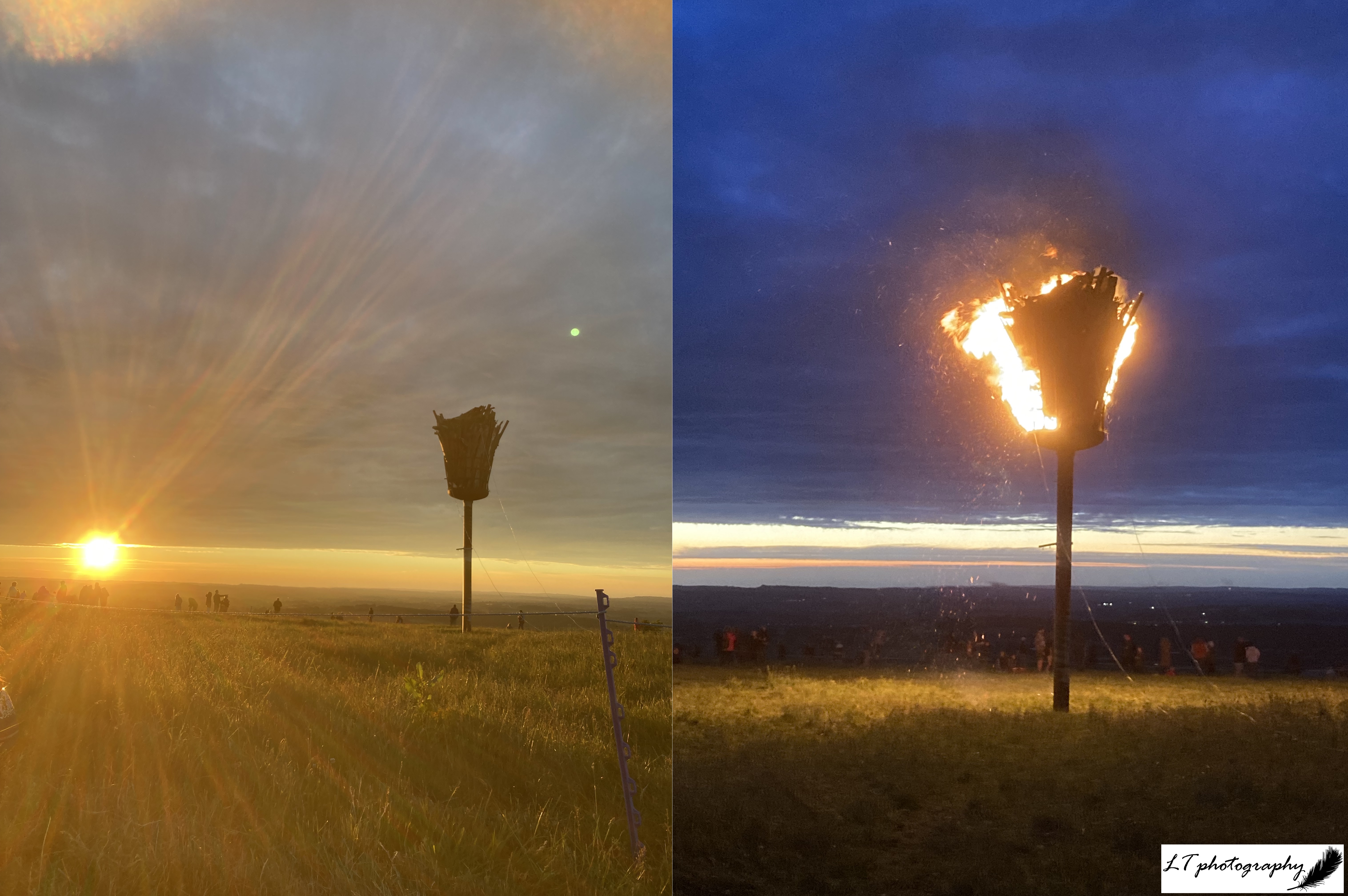
Thursday 2nd: I spent my Thursday working, but also taking some time to relax out in nature. This included going out for a hack on my neighbour’s lovely mare Marsha with a friend and her horse, and watching a spectacular sunset with friends on Okeford Hill for Okeford Fitzpaine’s Platinum Jubilee beacon lighting.

Friday 3rd: This Friday was my first Wild Friday of the month on my blog. For this one, I went back to one of my very favourite times of the year: the blooming of the bluebells. This post had a twist though as I explored a little further and focused on the life amongst the bluebells this year.

Saturday 4th: As the breeding season for birds continued, I took some time today to check some of my nests. My barn owl nest box was looking good, and I discovered an interesting new nest tree on the farm (stay tuned!). I also discovered a robin’s nest hidden in the middle of a rubbish pile where the chicks are close to fledging.

Sunday 5th: On a more chilled work day, I began reading Simon King’s book ‘The Shetland Diaries’ and continued sketching butterflies and their caterpillars for my next blog post. A little bit of escapism!

Monday 6th: Today I got to ring my first swallow chicks of the year, with one nest that has done well and is 2 weeks ahead of all the others. I hope the chicks continue doing well and fledge successfully! The rest of the day I was out working in nature, until I ended up hurting my knee and going to A and E!

Tuesday 7th: Despite a stitched up knee, between rest and easy jobs, I still went to check my current bird nests. I now have 5 swallow nests, 1 with my ringed chicks and 4 with eggs, and discovered my second kestrel nest of the year.

Wednesday 8th: My wild highlight of the day came in the form of fluffy goslings. At lunch my neighbour’s family of Canada geese got spooked and the parents flew off. The 6-8 goslings fled in fright and I did my best to catch them back up. I only found 4, but I was able to successfully release them back to their lake and their parents thankfully returned to them later on in the day.

Thursday 9th: I began my busy day, that included some habitat maintenance, bright and early with the dawn chorus and a wonderful sunrise. It was a great start to the day, listening to the songs of robins, song thrushes, chiffchaffs, and more.

Friday 10th: Today’s wild time was spent out in nature walking a lovely little dog called Kaya for the Cinnamon Trust. It was also Wild Friday on this blog once again, and this Friday’s post was one of my favourites to put together. With a collection of facts, my photos, and my own drawings, my post was a How to.. guide to identifying common British butterfly species.

Saturday 11th: Today I had a lot on my mind, weighing me down. So I thought it was the perfect time to take a break and be mindful in nature. It was just what I needed to clear my head and calm my body, allowing me to pick myself up and carry on.

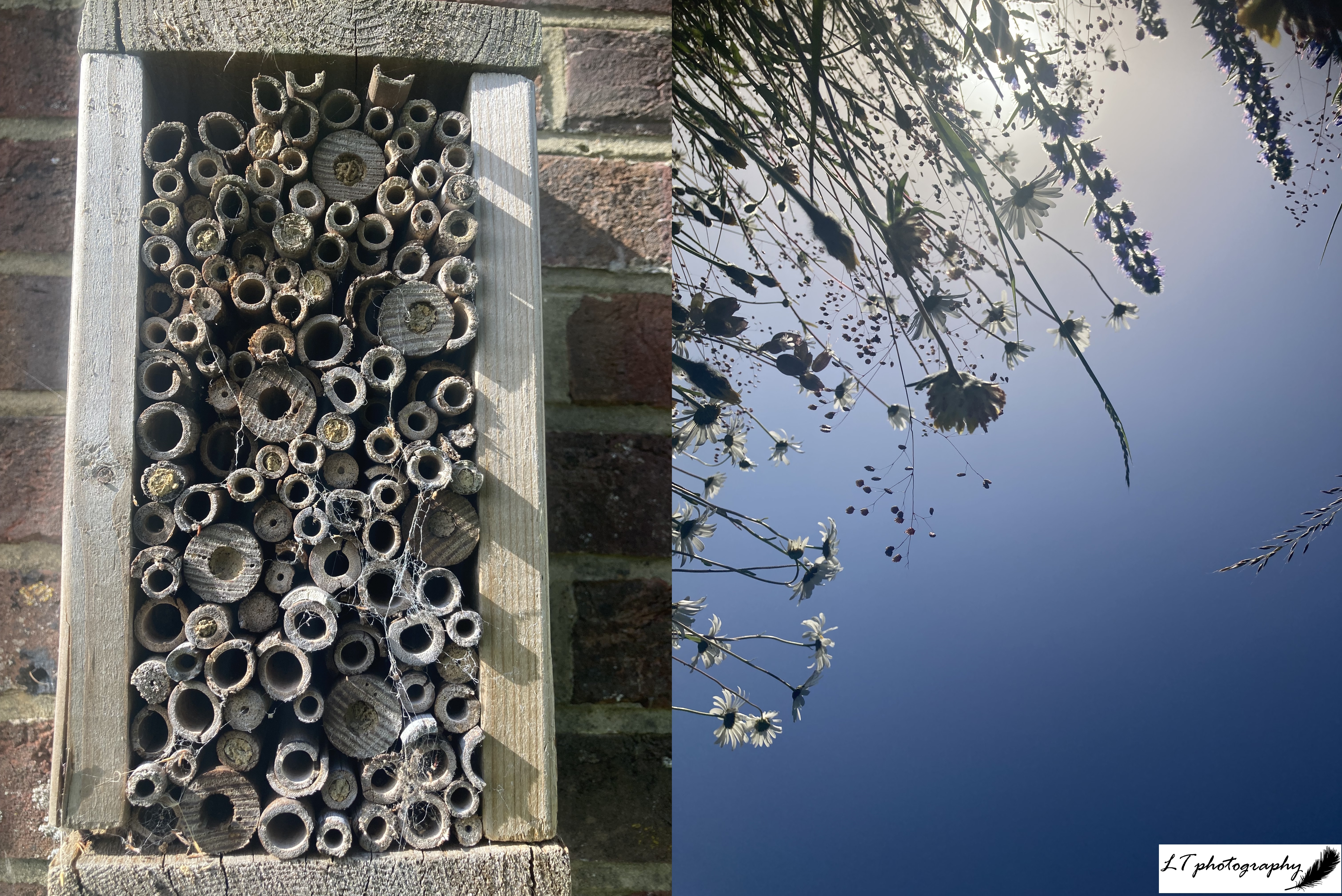
Sunday 12th: I took the day easy, giving my knee some more time to rest. I did though check my bee hotel, which is currently being well used, and spent a really lovely summer’s evening with my brother and his family in their wonderful little garden.

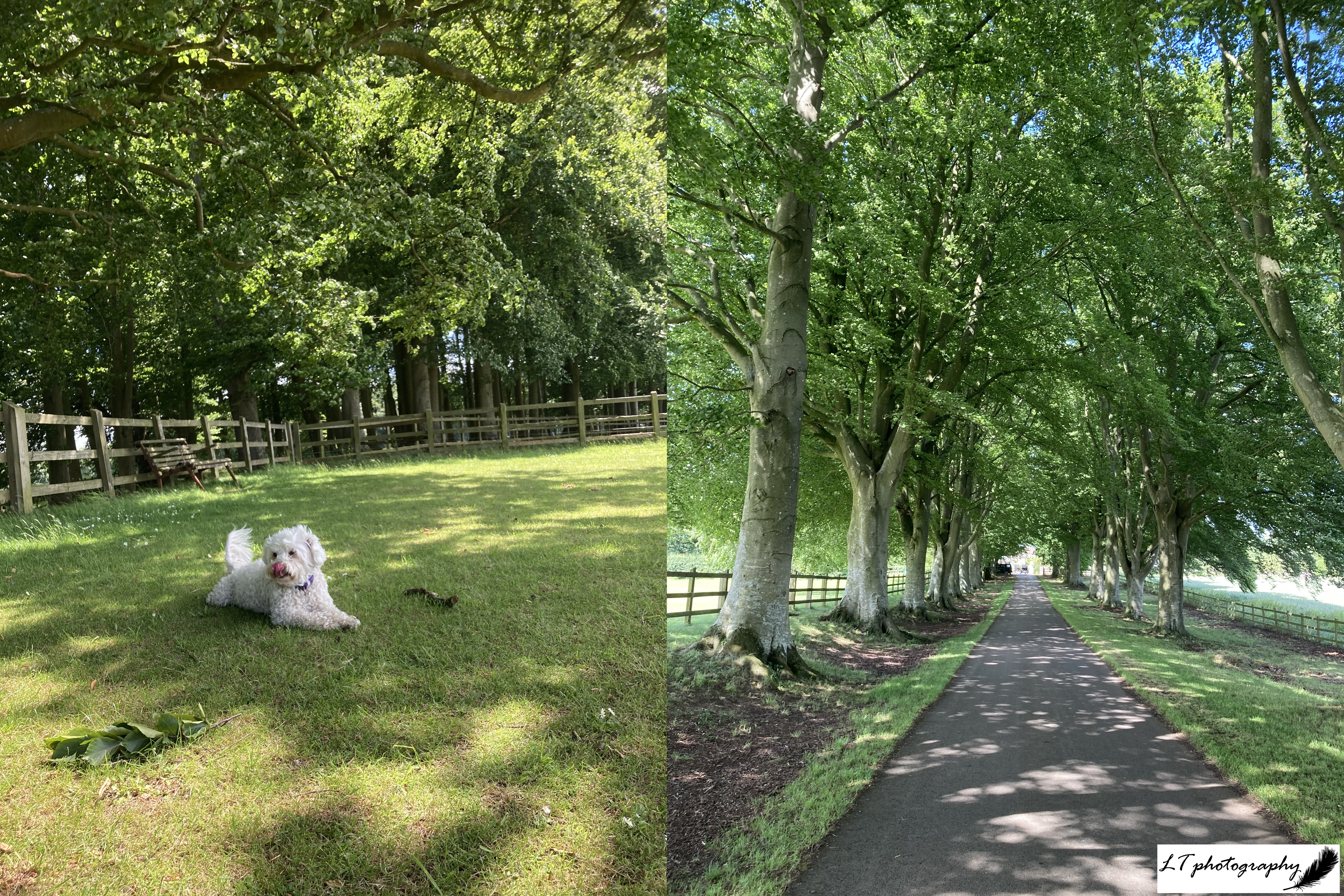
Monday 13th: Today was another day when I got to walk the little dog Kaya, and this time we escaped the hot day by walking in the shade of a huge avenue of trees and looking out for all the wildflowers we could find.

Tuesday 14th: Today was a special day on the farm for me. I got to ring the first of this year’s barn owl chicks, which is always a real pleasure, but I also got to ring our very first kestrel chicks on the farm! Stay tuned to this blog later on in the year to find out how our barn owls (and kestrels) have fared this year.

Wednesday 15th: My wild highlight of today’s work day was seeing fox cubs. On my daily travels around our land, I saw not one family of fox cubs, but 3, all out playing and exploring. Whatever people might think of foxes, fox cubs are a real joy to watch.

Thursday 16th: Though a day late, today I made my usual swallow nest checks. My 5 nests are doing well, 1 ringed brood of 5 staying close to their nest, 2 nests nearly ready to be ringed, and 2 more that are just hatching.

Friday 17th: I was outside most of the day, but my wild highlight has to be watching 4 red kites swooping over the fields following grass being cut by tractors. It was also Wild Friday on this blog, and so this Friday’s post was a collection of some of my favourite photos from spring 2020.

Saturday 18th: In between work hours, I used my free time to finish hand painting the bee hotel I had been working on for my niece’s 4th birthday. I really enjoyed painting it and I was very happy with the end result! Maybe I will have to do more wild wood painting in the future!

Sunday 19th: As I had a more relaxed day, I headed out and collected recent photos and videos from my two camera traps that are out and active at the moment. This is my favourite part of camera trapping, and my cameras did not disappoint. Check out my blog posts coming in the next few weeks to see all about my camera trapping adventures this spring!

Monday 20th: Around work today, I picked the first gooseberries of the year, explored what flowers are currently out right now, and watched a lovely sunset.

Tuesday 21st: Today I spent most of the day working away from the main hub of our farm, provided with wild moments including listening to yellowhammers sing, watching adult kestrels feeding their chicks, and escaping a swarm of honey bees. To finish the day, I got to ring another 2 of my 5 swallow nests. I am enjoying monitoring my small swallow population!

Wednesday 22nd: As Wednesday rolled around once again, I was back checking on my swallows that have yet to reach the ringing stage. Now 1 nest has completely fledged, another 2 have been ringed, 1 is ready to ring, and unfortunately 1 of my nests has been predated. This year has definitely been a tough one for swallows once again, but it is good to have seen some chicks fledge already.

Thursday 23rd: After a couple of weeks resting up from my knee injury, I was finally back out on horseback. I went for a lovely chilled hack out around my local area on Marsha, taking in lots of wildlife, including singing greenfinches and a hunting buzzard.

Friday 24th: Today I enjoyed sharing the last Wild Friday on my Laura’s Wild World blog this June. This particular post celebrates spring by looking at how spring happened in 2022. It was an interesting post to put together!

Saturday 25th: For the first day I had had off in a long time, I had been invited to a ‘Greylag Goose Roundup’. This event was being held at Poole Park to catch geese for a project where each year as many as possible of the current population are being coloured ring. It was a great day of catching up with other bird ringers and getting to ring my very first greylag goose!

Sunday 26th: Today I woke up to the rain falling and quenching the thirst of the land right now. It was great to take some time to appreciate the falling rain, before getting some drier spells to walk the countryside.

Monday 27th: Again another day begun with rain, before heating up and drying out. After a busy day, I enjoyed taking a break from life and walking around our land, exploring nature. Flocks of juvenile goldfinches, knapweed blossoming into purple flowers, and hares grazing in the fields, just some of the few sights to be beheld.

Tuesday 28th: This morning I had another lovely ride out on Marsha, with some of my wild highlights being a buzzard trying to hide in a tree, painted lady butterflies on the wing, and hedgerows full of wildflowers. This afternoon I had a good walk with my Dad watching butterflies and birds, including meadow browns and red kites.

Wednesday 29th: Today when I was not working or going to appointments, I spent time organising my wildlife photos and camera trap photos, and playing outside with my young nieces, who both love nature in their own individual ways.

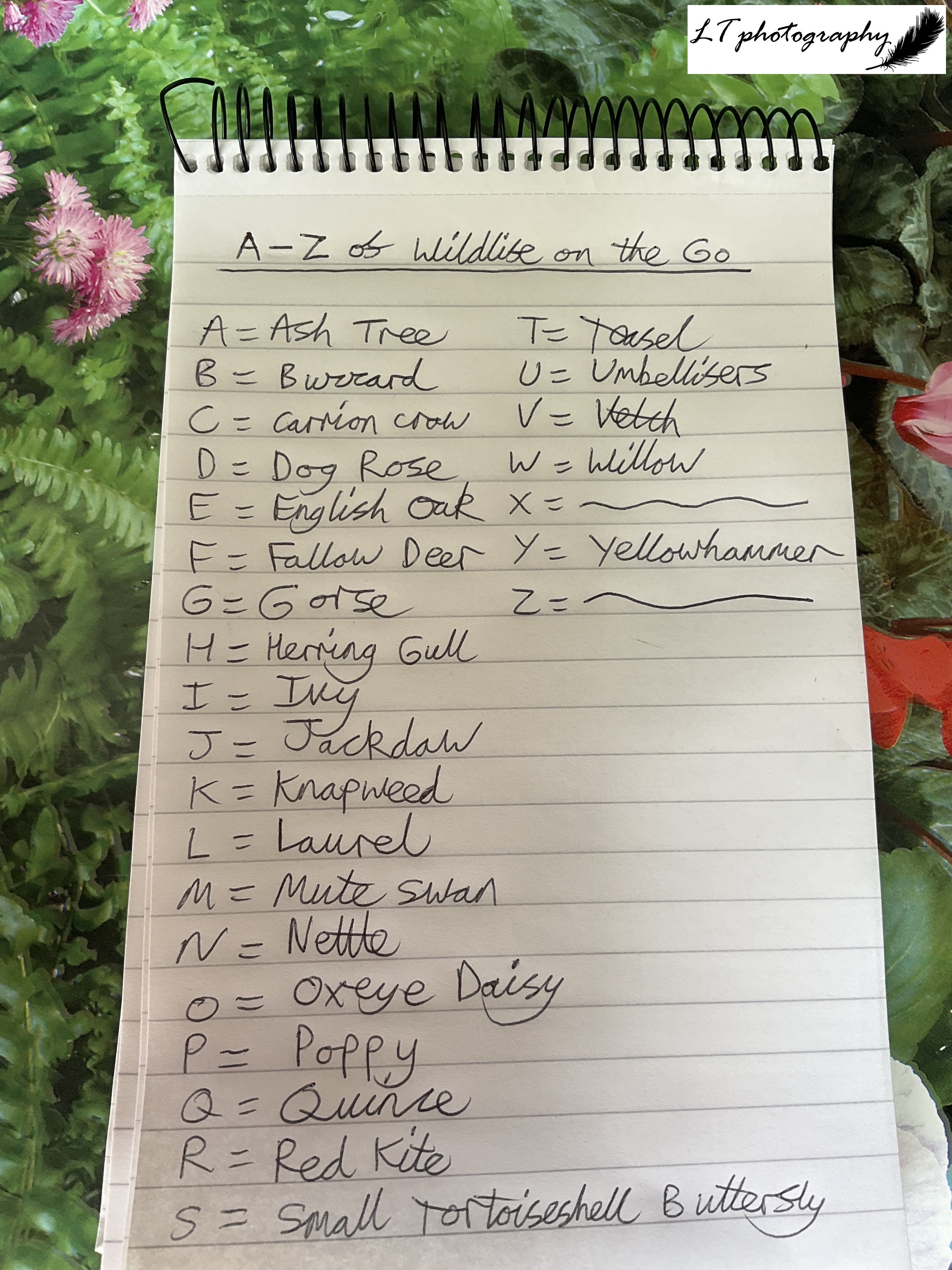
Thursday 30th: For the last day of this year’s 30 Days Wild, I have been travelling up to London by bus to spend a few days exploring with my mum. For something a little different, I challenged myself to my annual A-Z of wildlife, but a travel edition. Here’s how I got on:

Looking back at my June this year, I was very busy, but the month shows that I naturally take time each day to connect with and appreciate nature. This could be through harvesting food, walking out in nature, or even getting involved in conservation projects. Being outside out in nature is important for my mental health, for my inspiration, and for my lifestyle, and so after this year’s 30 Days Wild, I now appreciate our natural environment even more so. Here’s for living every day a wild one!

Beautiful Barn Owls Breeding In 2021

Heart racing with excitement as I take that first step on to the ladder. One step, two step, and the next and the next, until I reach the box high in the rafters of the empty barn. Tap, tap on the side of the box to double check that the adult has left, before reaching quietly for the latch. As I carefully open the little door to the box, I then get my first peak of what may lay inside. There, at the back of the box, balls of downy feathers topped each with a pair of inquisitive eyes outlined by a heart of new feathers. Hope, elation, and pure joy – Original Piece

Iconic, distinct, and delightful, Barn Owls are a much-loved species of the British countryside. This protected species is often less commonly seen though, emerging on silent wings to hunt mainly at dawn and dusk. They are a particularly special species for my family, being an important indicator of the health of British farmland, such as our own, whilst also being a charismatic species to live alongside.

My family’s relationship with Barn Owls began in 2015, with the putting up of a nest box in one of our farm barns. Though Barn Owls have always been in our area, previously in very low numbers, our nest box finally allowed us to draw a pair of Barn Owls right into the heart of our farmland. This box has led to 7 years, so far, of regular Barn Owl sightings, the annual ringing of chicks, and a growing Barn Owl population. To find out more about the last 7 years, check out my previous Barn Owl blog posts.

The year of 2020 was a tough one for humans, but a more productive one for Barn Owls. Though we did not end up discovering any wild nesting pairs on the farm that year, we once again had Barn Owls in our barn nest box. The pair hatched 4 chicks from 4 eggs, and raised 2 successfully to fledging in August. This was a special moment as these were the very first Barn Owl chicks that I got to ring myself. Following this success, we had a super winter of seeing Barn Owls hunting every day the weather was settled.

For 2021, I had the privilege of getting more involved in Barn Owl nest box checks across Dorset with Conservation Action (CA). This project aims to preserve and conserve nature, to promote wildlife conservation, and to undertake research and monitoring of wildlife populations. As part of CA’s work, the last few years Barn Owl boxes have been checked on Dorset County Council farms (in which my family’s farm originally came under). From being involved in some of these nest box checks and from a few private Barn Owl boxes (not including my family’s own), I got to check 6 boxes and ring 10 chicks. It was a great experience, not to be missed!

My own Barn Owl nest box was first checked last year on the 15th June. On this day we found that the resident pair had hatched 4 chicks from 4 eggs in the box, all 4 being under 7 days old. We were also able to catch and ring the adult female, allowing us to identify her as a first time breeder at 2 years old. We then made sure the Barn Owls were not further disturbed for a month, before excitingly checking the box once again. Unfortunately the 2 smallest chicks and 1 of the larger chicks did not make it, probably due to the weather, leaving 1 strong healthy chick to survive to fledging.
What happened with our Barn Owls fitted in with the trend for 2021. Out of 81 boxes checked, only 21 boxes (26%) were being used by a pair, down from 39% in 2020. This reflects that Barn Owls were having a more difficult year, following a cold, then wet spring. Despite this, on average 2 owlets survived per box, a better statistic, reflecting the similar brood size average for 2020. With such turbulent weather, we were still very happy to have one Barn Owl chick fledge from the box in 2021.

After another winter (2021-2022) seeing Barn Owls hunting most days, we are looking forward to this year’s Barn Owl breeding season. By now we have seen a pair regularly around our nest box and have made a first licensed check of the box. Things are looking positive, so stay tuned to see how breeding goes on my family’s farm this year. Each year habitat changes and improves on our land, so we will also be interested to see how a new year and hopefully more stable weather will affect our Barn Owls. Here’s to a hopefully more successful 2022!

Barn Owls are a protected species, so all nest boxes were checked under full license, with all Barn Owls being ringed under license and special supervision. All birds handed were always put first in all situations, with minimum disturbance being made to the nesting birds and sites. Barn Owls are ringed to allow us to gain greater knowledge of this species to help better conserve this species and their preferred habitats.

Spring in Photos 2021

Last year spring was my lifeline, as we experienced the world around us being thrown into disarray. This year spring was instead turned on its head, with changing weather patterns making it unpredictable and different from what we would usually expect at this time of year. A hot and stormy March, cold April, and wet May made nature emerge later, with spring events taking longer to arrive, and being anywhere up to 60 days late.

Still this year’s spring has been magnificent. Vibrant and colourful, it had much to be celebrated. My family’s farm in Dorset became full of new life, from blossoming trees and flowers, to fox cubs and leverets. Spring is unsurprisingly my favourite time of year, so this year I again made a point of getting out as much as possible to experience it, with my camera by my side. Here’s a look at some of my favourite photos from this spring, either for their aesthetic appeal, meaning to me, or overall joy factor.

Spring in Photos 2021

1. Blackthorn – This photo was taken at the beginning of April on a misty morning. It was a beautiful way to see delicate white blackthorn flowers in a different light, framed in front of a splintered stem.

2. Male blackbird – Blackbirds are an iconic sound of spring for me and also so many others. Their beautiful song often symbolises the beginnings of longer, lighter evenings, or for me fresh spring mornings. This male would sit in this willow tree every morning throughout spring to sing his song, defending his territory and mate. In particular, this male and his female nested in our shed, successfully fledging 5 chicks at the start of June.

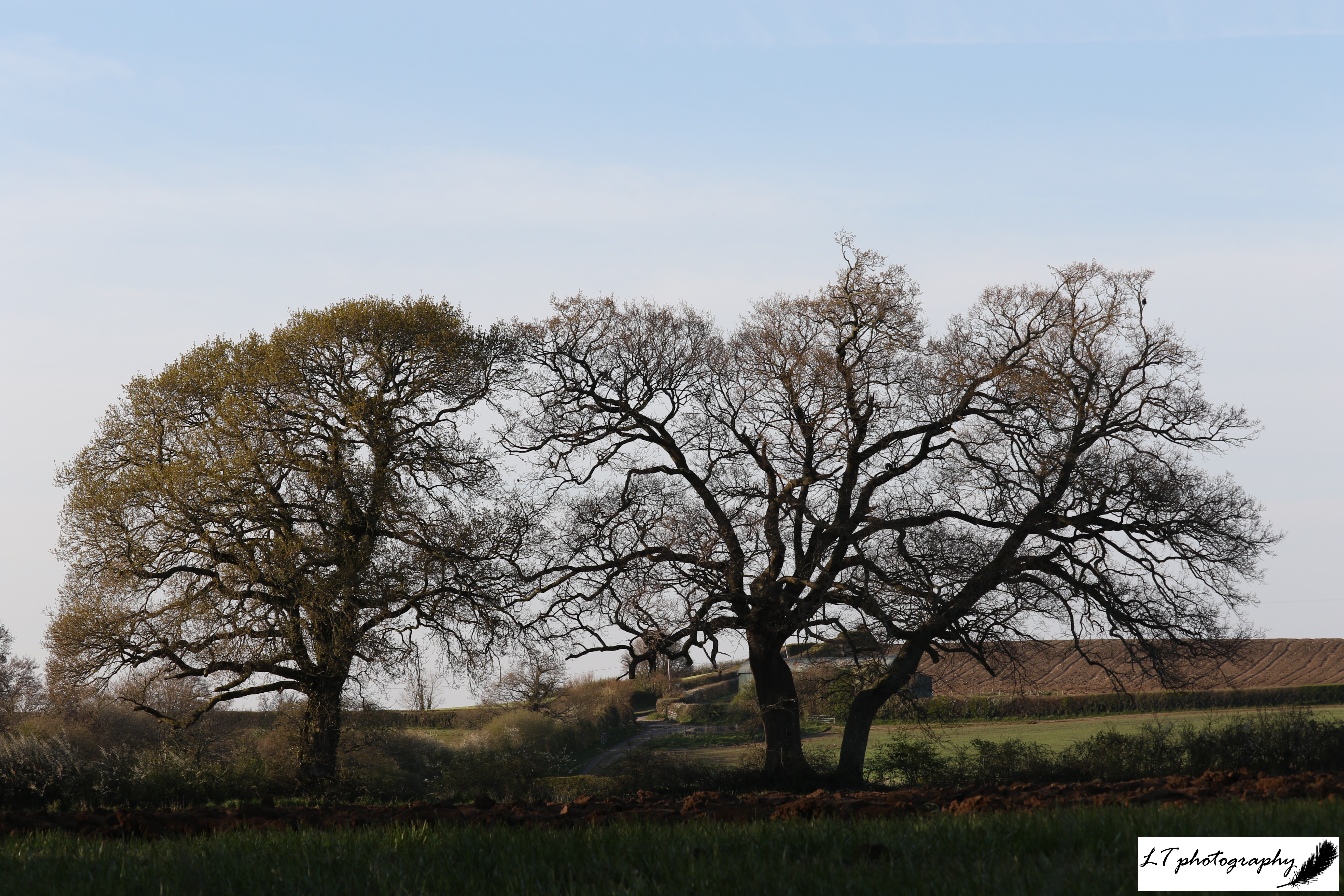
3. Oak trees of a farming landscape – What hits me first in this photo is how bare this landscape seems for late April. The oak trees have barely begun their bud burst, looking skeletal behind a farm field that is being worked. This almost autumnal scene is refreshing though, showing the new beginnings of another year in nature.

4. Camera trap fox cub – This photo is one of my favourites from this spring, symbolising a successful spring camera trapping season (blog post to come). This was one location, an abandoned badger sett, where I thought that foxes may have been breeding. My camera trap proved my feeling to be right, and treated me to an assortment of photos, day and night, of 2 very active fox cubs. Just one of multiple litters that I found on my family’s farm this year!

5. Wood anemones – Wood anemones have slowly become one of my favourite spring flowers, being one of the first to appear in woodlands across the UK. They are a great indicator of ancient woodland, and an interesting flower to photograph for their shape and colour. My memory cards are full of all sorts of different types of photos of this species!

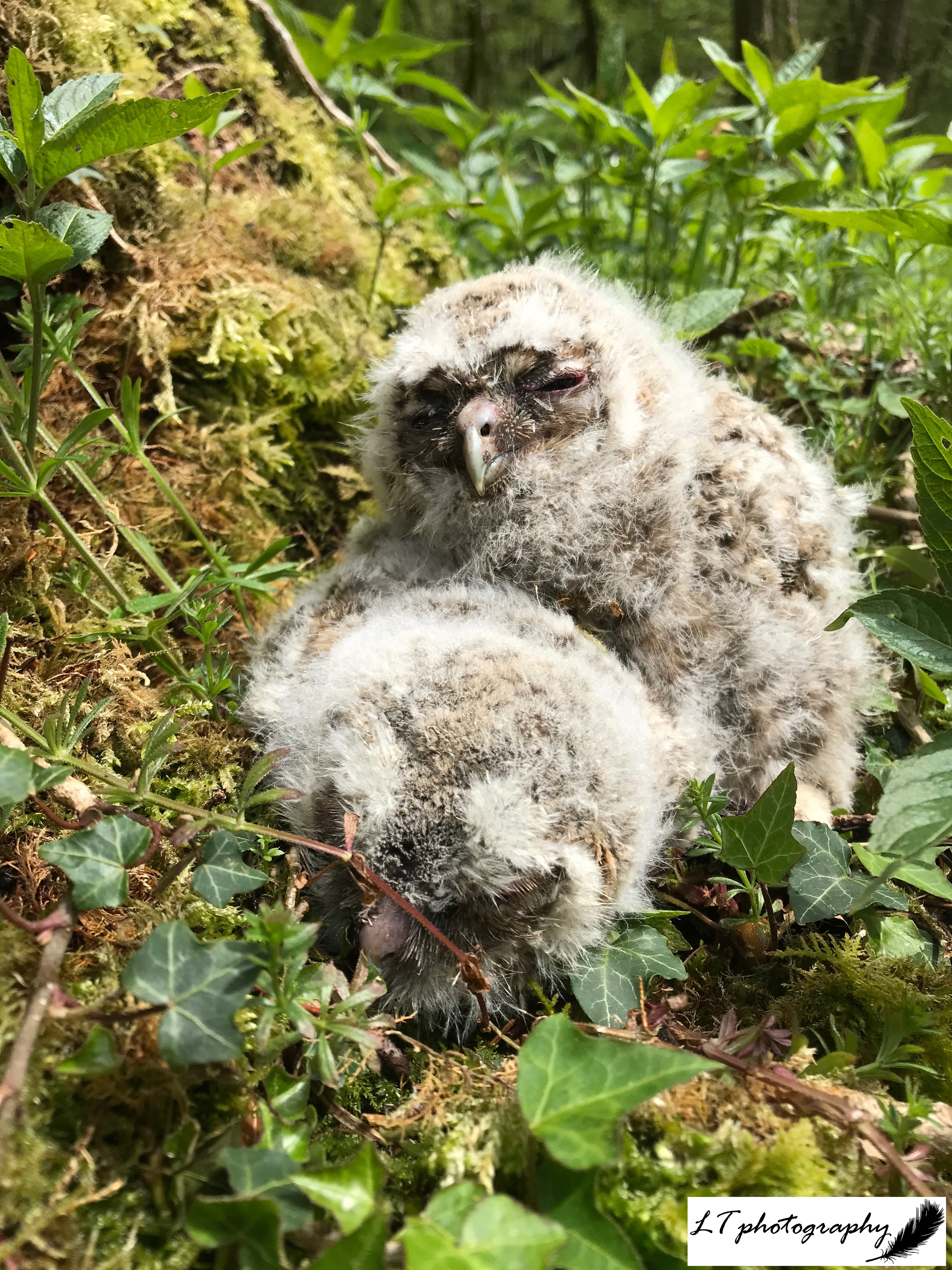
6. Tawny owl chicks – One of my highlights of spring this year has been ringing chicks under license with my bird ringing group (Conservation Action). In particular, I had a great day in early May at the Woodland Trust’s Duncliffe Woods site in North Dorset checking tawny owl nest boxes. It has been a poor year for tawny owls in general, which was reflected by Duncliffe Woods, but we did get lucky and found 3 active nest boxes. I had the pleasure of ringing these chicks, under permit, which will provide important information to help conserve tawny owls in the future.

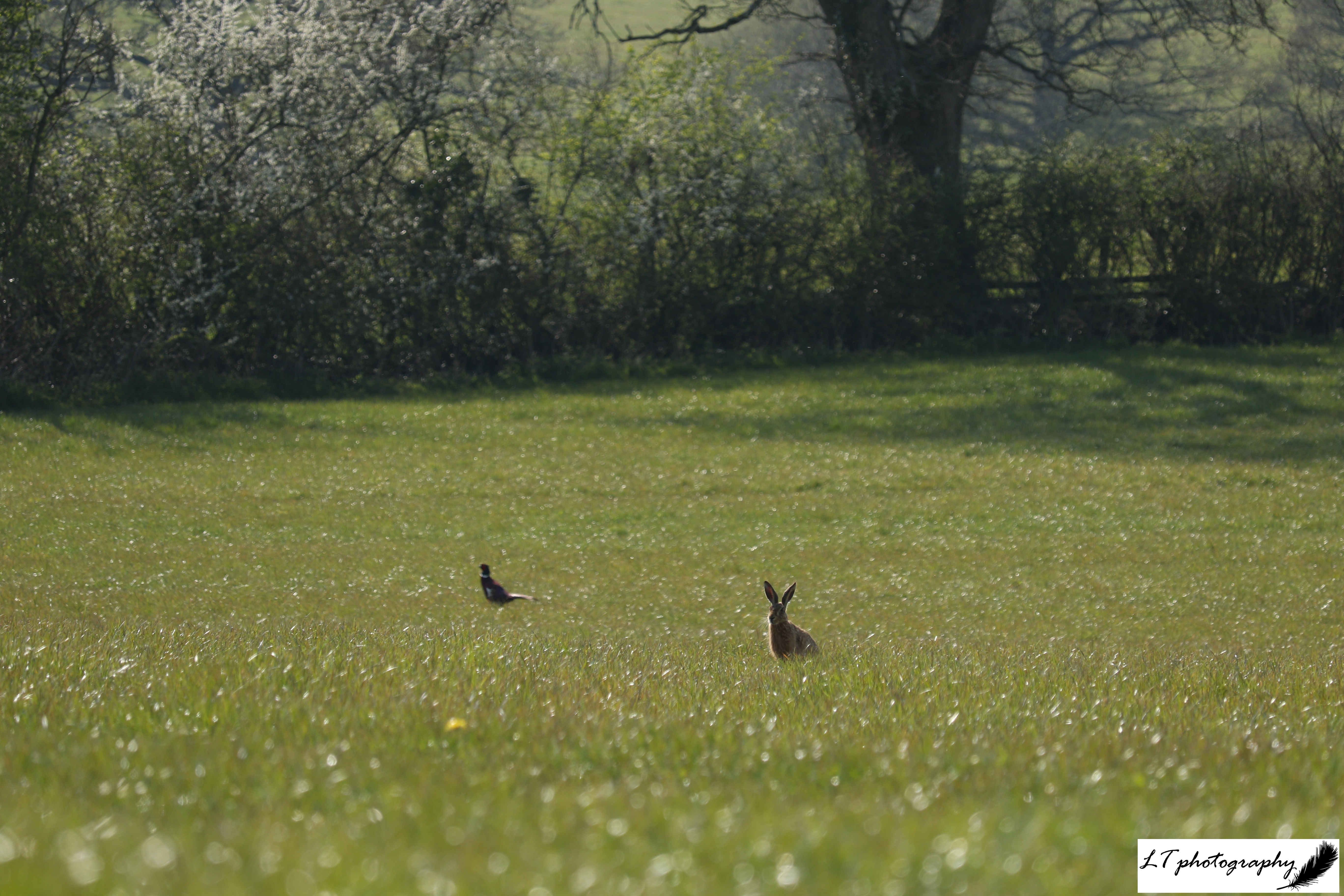
7. Brown hare – This year has been the year of the hare on my family’s farm in Dorset. We have a reputation for being a great site for this species, but this year has been truly astounding. With 1-3 hares to every field, I was humbled to spend my spring out working alongside them everyday, getting to see them up close and experience their behaviour firsthand. Truly magical!

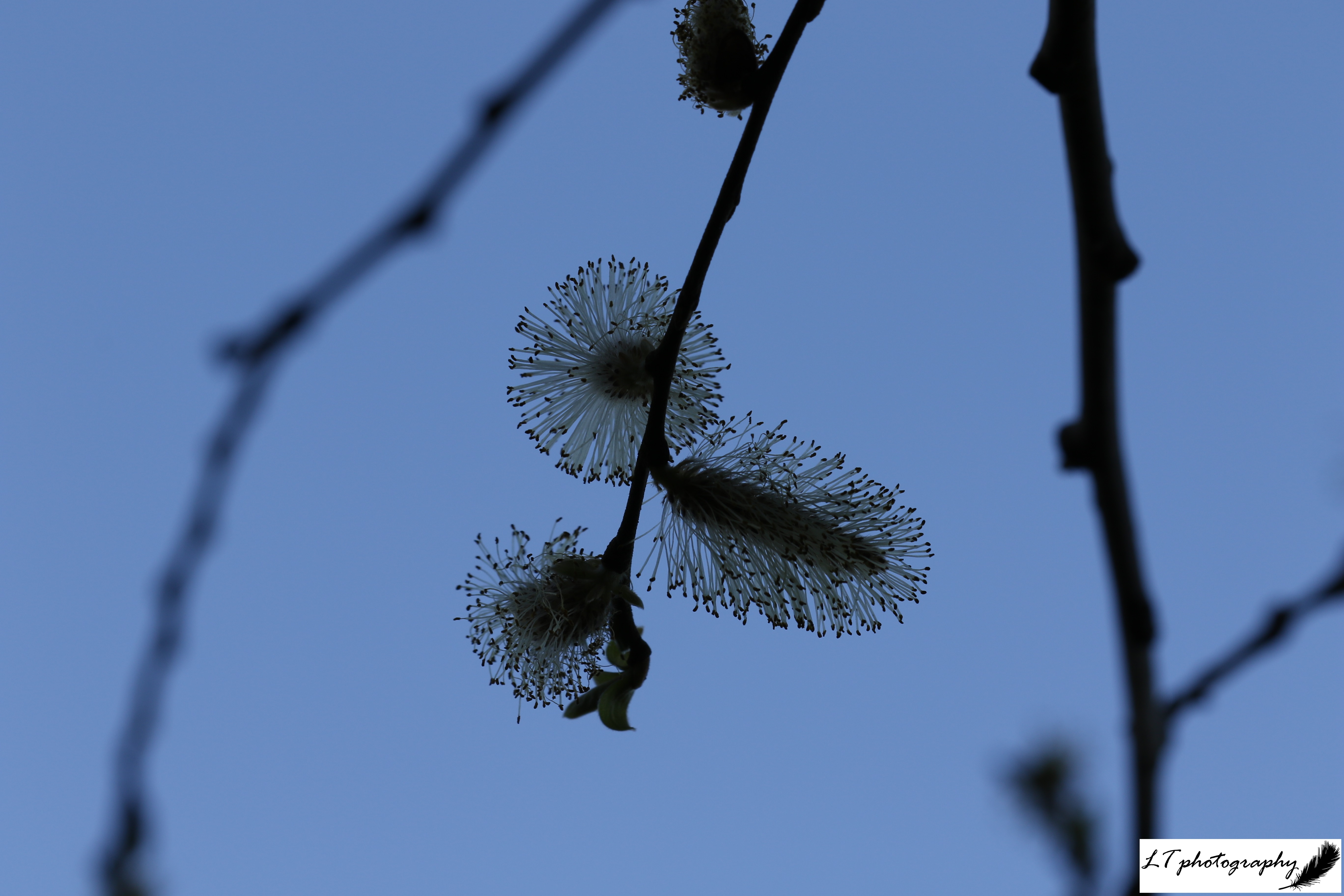
8. Pussy willow flowers – Willow flowers have been a difficult subject for me to photograph this year, with poor results. I was pleased though to find this refreshing photo on my memory card, of willow flowers stood out against a clear blue evening sky. They are beautiful in their own right.

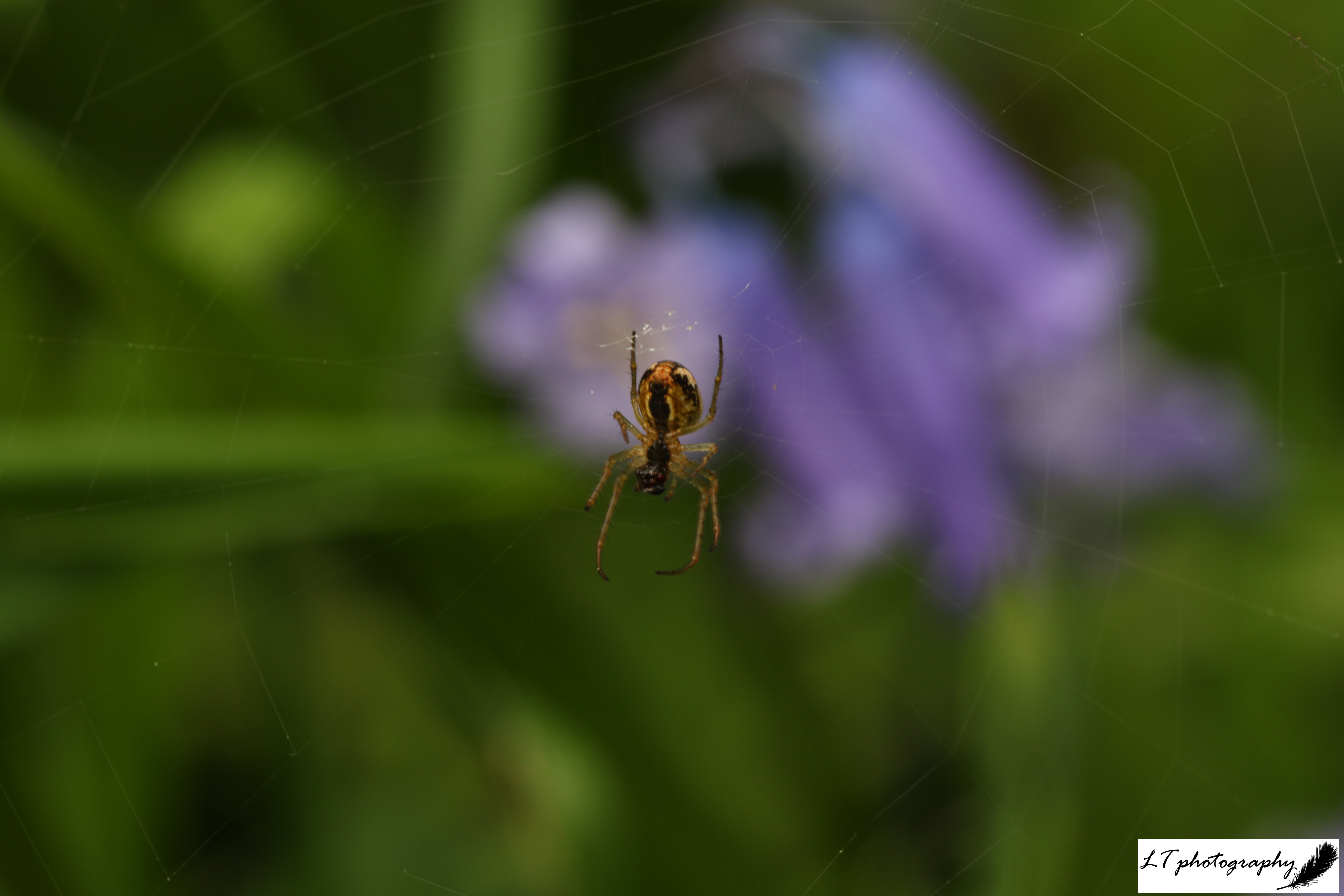
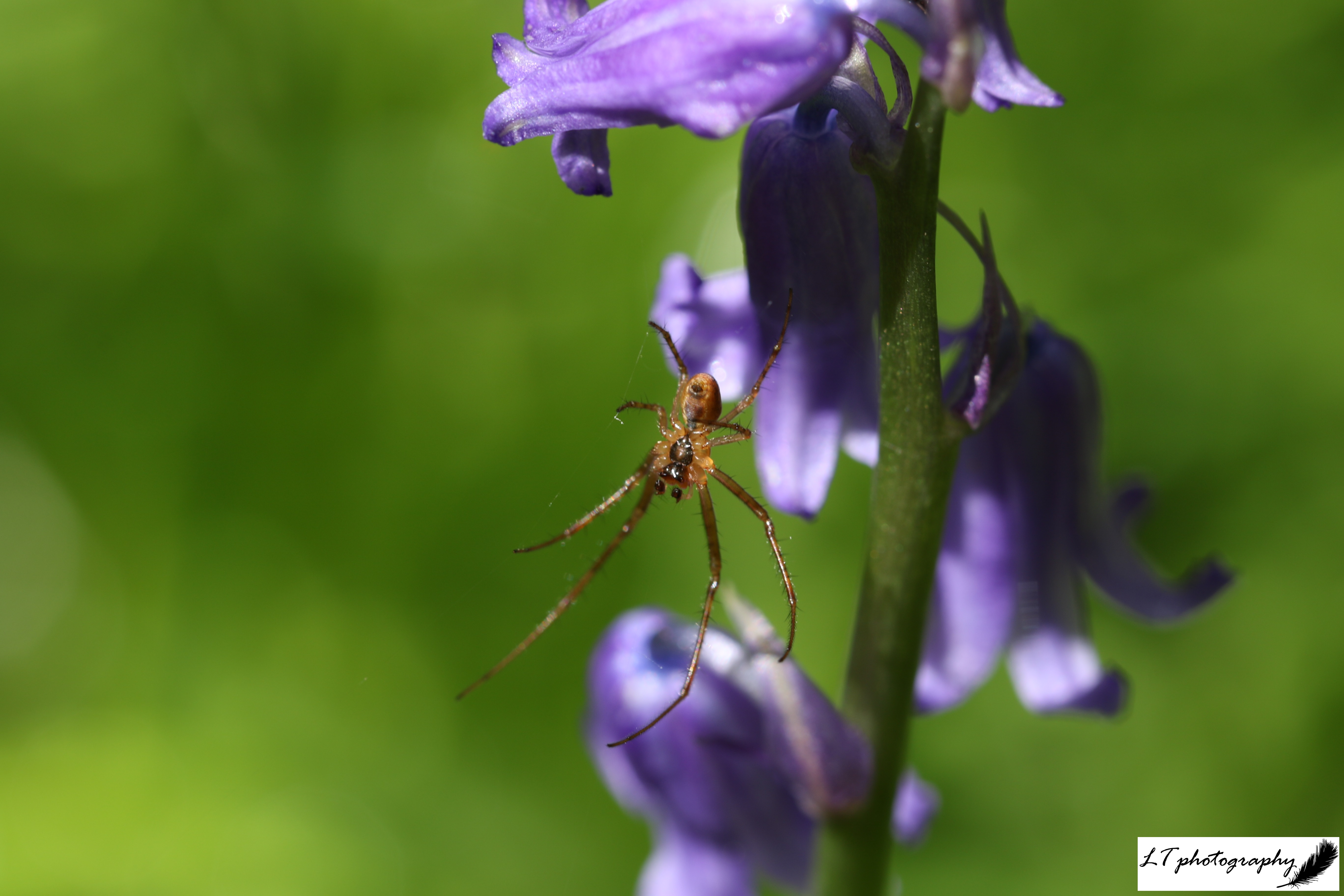
9. Spider in macro – This photo that is not photographically ‘perfect’ is still a favourite of mine from this spring for other reasons. As I invest in my camera equipment, my latest edition has been my first professional macro lens. So this photo was the first photo I even took with my new lens, and it fills me with joy to see the new world I can now start to explore.

10. Grey wagtail – Last year my Dad began digging a pond in his field that he is currently wilding. Though he was rained off in the autumn before completion, the half-dug pond is already attracting a wealth of species from birds to insects. Majestic grey wagtails that have begun populating this area over the winter have also found the pond this spring.

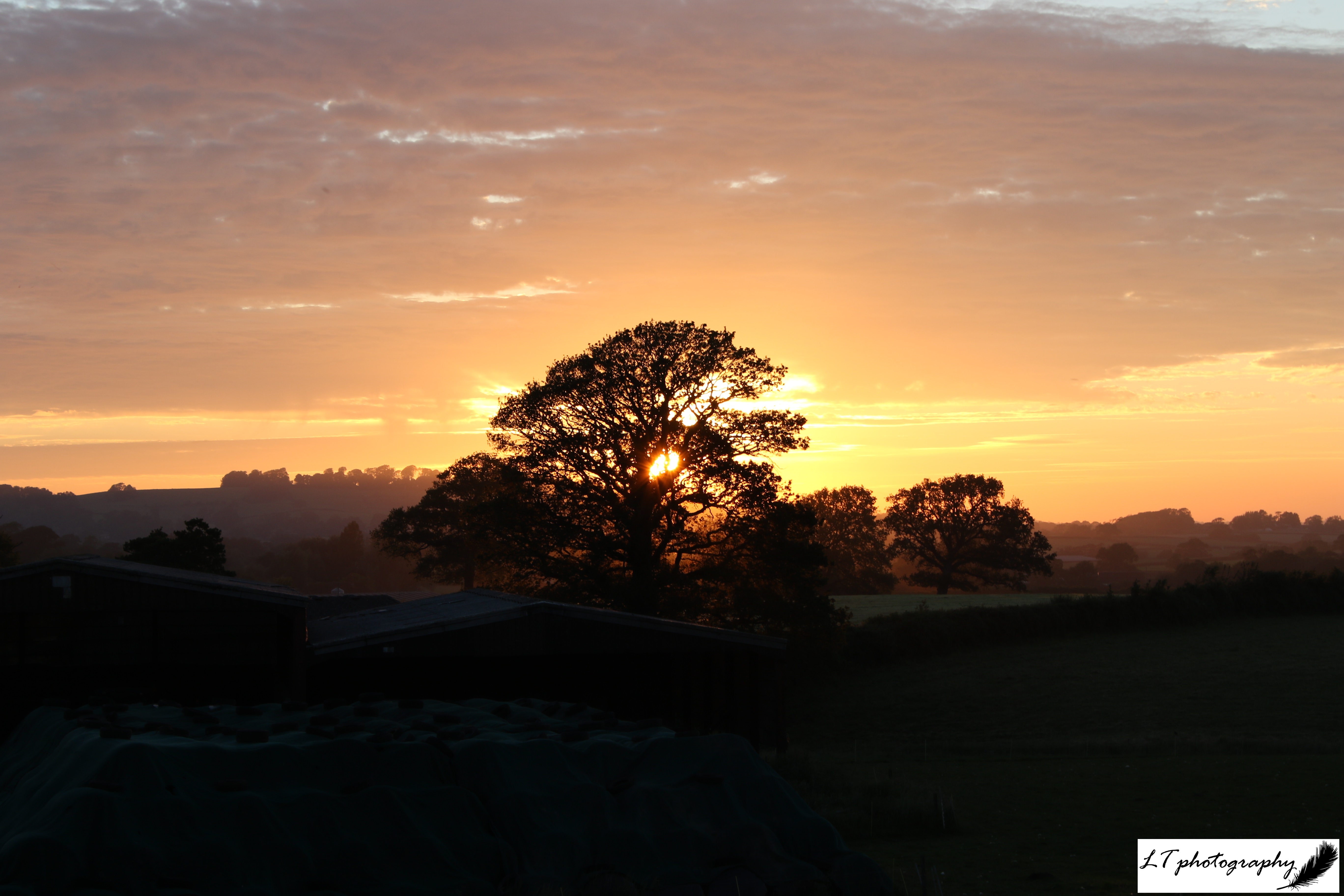
11. Sunset – Though sunrises are magical, sunsets have always been my most favourite time of the day. This is because many of my happiest memories can be linked to beautiful and vibrant sunsets from field research in Canada to evenings at home on my family’s farm. I have seen so many incredible sunsets already so far, but I hope to see many more in the future.

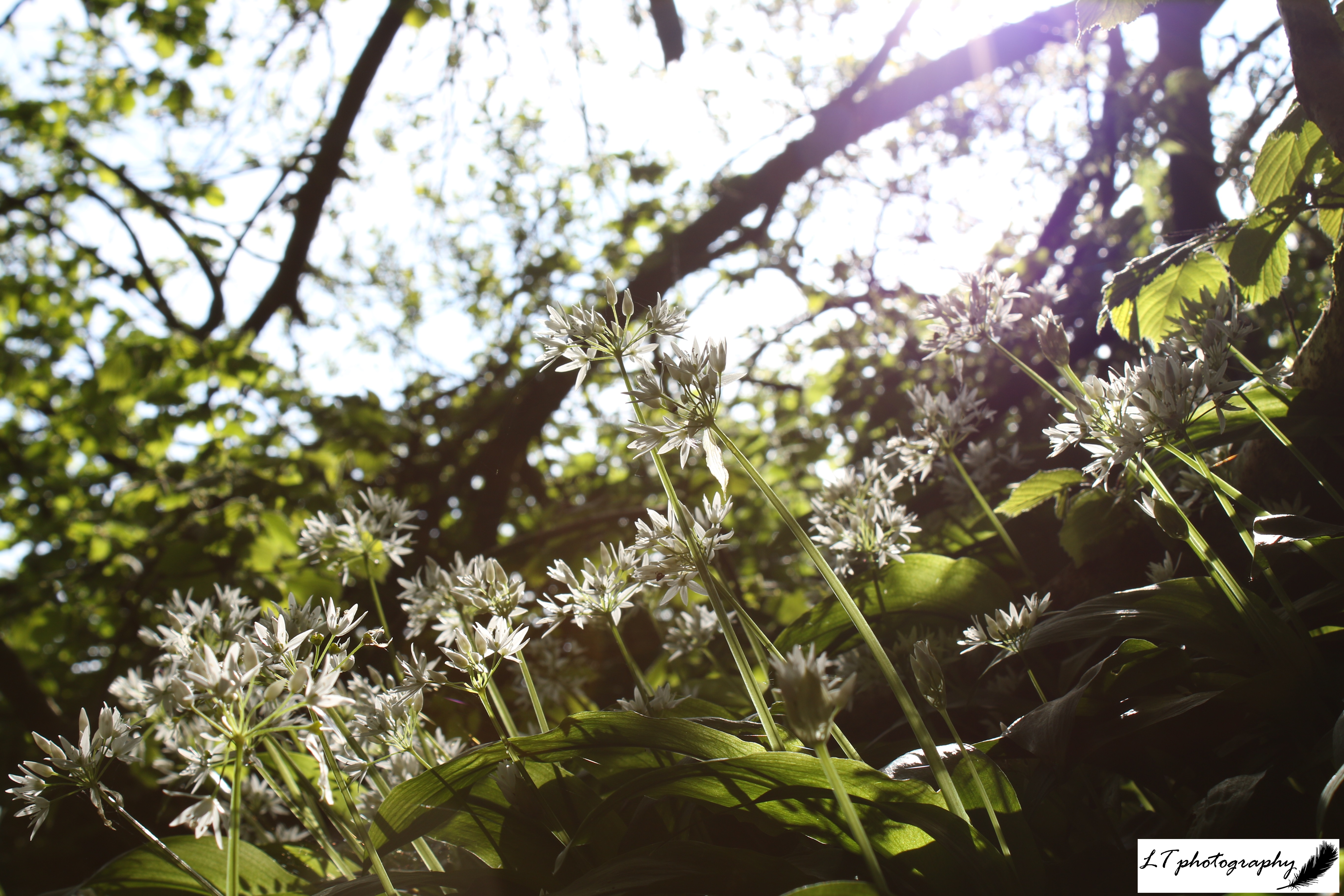
12. Wild garlic – Though my busy spring dissuaded me from mornings waking up before the sunrise, I did spend a couple of glorious mornings waking up and getting out an hour or so after instead. The light is glorious at this time of day and always provides me with inspiration for my photos and life in general. This photo represents this magical time of day and the joys of spring flowers, wild garlic being an iconic example.

13. Feather in the bluebells – Wait, a feather again? Well feathers always sneak into my many files of photos, being a symbol of mine and representing my love of feathered species. They can also tell us useful information about what is living in a habitat, for example this feather is most likely from a collared dove.

14. Aberdeen angus calf – This photo is one of my favourite photos of one of my mum’s beef suckler calves. Spring is a time of new life in nature and on the farm, with my mum’s small free range beef herd giving birth at this time. This year they have weathered it through some turbulent months, but now are enjoying a bit of sunshine on their backs.

15. Honey bee – As I was intending to buy a macro lens this year, I made sure to time my purchase to be able to use it on the flowering of the poached egg plants in my family’s garden. It arrived well in advance, and, despite some rained off days, I got to spend some happy lunchtimes in the sunshine photographing bees on these flowers. This is one of my favourite macro photos of the flowers this year.

16. Dog roses – Dog roses were the last event of spring that I looked out for this year, and it kept me waiting! They were 22 days later for me than last year, with the first flowers blooming on the 8th June. They came out in force though, covering hedges within the space of a couple of days, adding some more colour to our hedgerows. With their lateness though, I feel like they also marked the end of spring this year.

Breeding Barn Owls 2020

Feathers fluffy, downy, soft to the touch. A heart of feathers outlining inquisitive eyes. A new beginning, hints of the precious adult to come. A hope, a prayer, a future. An endearing beginning for the reticent guardian of twilight – Original Piece

As a very unusual summer comes to an end, with it also comes the end of another breeding season for the Barn Owls that call my family’s farm home. For many years now, Barn Owls have increasingly become an important species on the farm, giving an indication of habitat quality and changes in the environment.

Last year the Owls had their best year yet, with two separate pairs on the farm, one nesting in a tree and one in a nest box, fledging two chicks each. It was also the start of Barn Owl chicks being ringed on the farm, which was very exciting for us all. If you want to read more about these Barn Owls, take a look at my previous posts, including Barn Owls in the Depths of Dorset, and Barmy about Barn Owls.

This Year

This year has been another year filled with the joys of this species. From sightings around the farm throughout the seasons, to fledged chicks during the summer, it has been really special. This year we were not lucky enough to have 2 known pairs breed again on the farm, but we were lucky enough to have 1 pair breed in our Barn Owl nest box. In the end the pair hatched 4 chicks, with 2 surviving to successfully fledge in August, which was exciting nonetheless. Though no Barn Owls have bred in the old oak tree this year, it has also been actively used, becoming a popular roosting site for one or more individuals.

Conservation Action and the Barn Owl chicks

Following our Barn Owl chicks being ringed last year, I have now joined the North Dorset-based Conservation Action group, becoming a trainee bird ringer. Conservation Action is a group of experienced ornithologists and BTO trained ringers, dedicated to conserving and preserving the natural environment, ringing bird species to increase knowledge, and raising awareness of conservation efforts in younger generations. Focuses range from migrating species in Autumn to Owls and my favourites, the birds of prey.

Last year Conservation Action monitored a total of 47 Barn Owl nest boxes across Dorset, leading to 66 Barns Owls being successfully ringed (63 owlets and 3 adults). It was a great year for Barn Owls and Conservation Action alike!

Now a member of Conservation Action and a trainee bird ringer, this year I was very excited at the prospect of Barn Owls breeding once again on our land. For this breeding season I got the opportunity to become an accredited agent under a Schedule 1 Permit, meaning that I was fully licensed to assist with Barn Owl nest box checks and monitoring, including our very own box. So it was an absolute privilege to be able to ring, under supervision, my very own 2 Barn Owl chicks this year. Such incredible birds and such a special experience, which was made all the better by getting to experience it alongside my parents and 2 year old niece!

Their Importance

Barn Owls are one important indicator species for farmland and grassland in Britain, meaning that they can tell us a lot about the condition of these habitats. With Barn Owls having made a comeback to my family’s farmland, it has also shown how changes to land management can restore and create habitat for wildlife, including for other species with related habitat needs (for more information see my post Giving Nature a Home on the Farm).

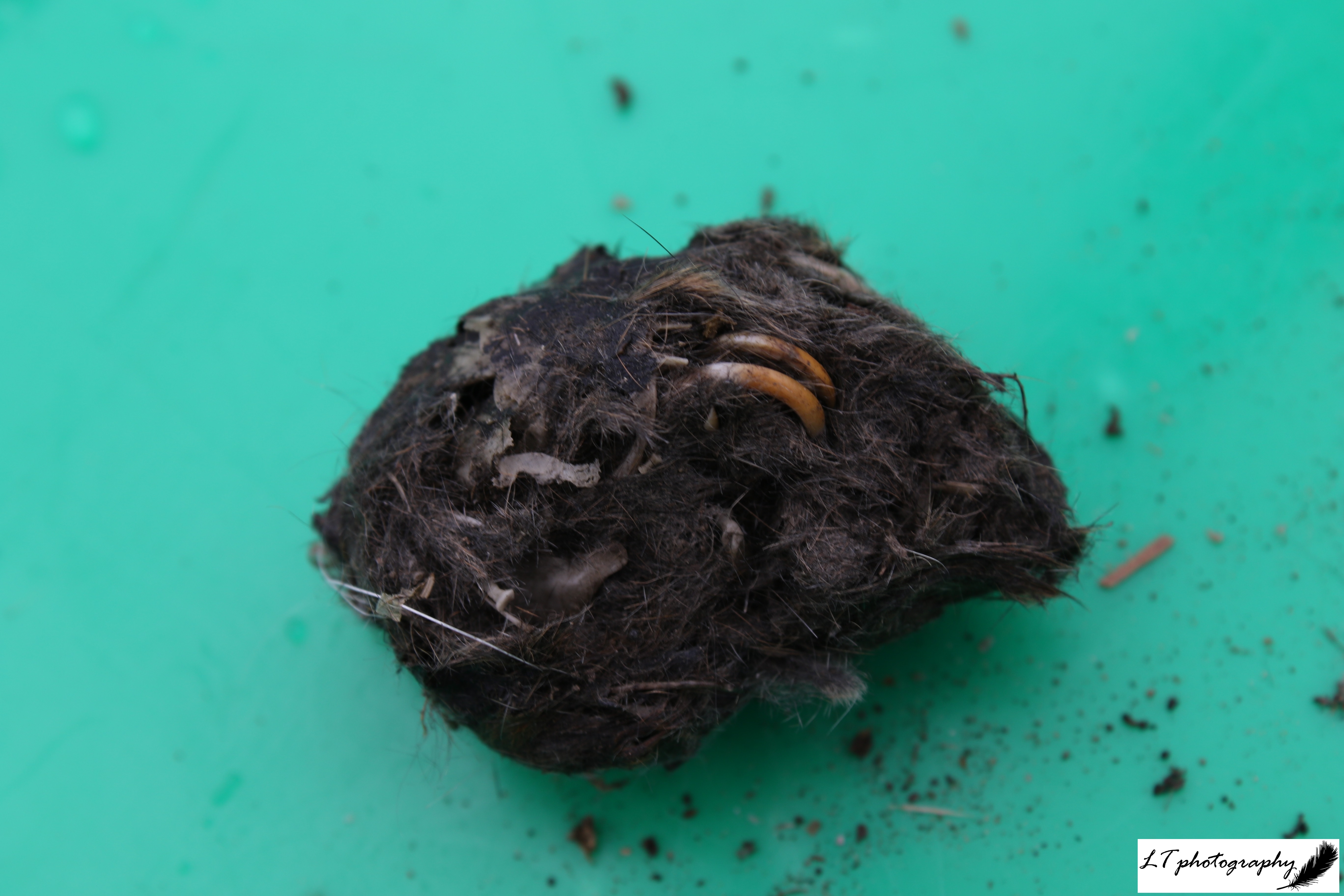
Barn Owls have also helped me to find out more about the small mammal species living on our land. This has been through dissecting pellets left by the owls, that I have previously written about in my post: How to… Be a Barn Owl Pellet Detective. For example, pellets from the roost tree have shown remains belonging to Bank Voles, Field Voles, Common Shrews, and Brown Rats, whereas pellets from the nest box barn have shown remains belonging to Field Voles, Bank Voles, Common Shrews, Pygmy Shrews, and Mice.

Moving Forward

After this year’s Barn Owl breeding season, and the excitement of Barn Owls continuing to breed on the farm, things are looking exciting for the future! It will be interesting though, to see how Barn Owls fared across Dorset and the UK this year as a whole, and to see if the farm’s 1 breeding pair followed the general trend. I also look forward to now getting more involved in monitoring Barn Owls in Dorset, spreading word of the work Conservation Action are doing, and the potential of ringing more of my own Barn Owls next year!

On the farm we now aim to continue working with Barn Owls and other wildlife in mind, and to monitor the success of new projects, including putting up nest boxes for Kestrels, Tawny Owls and Little Owls. In many ways the future looks bright to me!

Barn Owls in the depths of Dorset

Floating above the ground on silent wings. A white ghost standing out against the murky dark of dusk. Swooping to a stop on a standing post. Watching, waiting, listening for a rustle in the grass, before moving on. The reticent guardian of twilight. – Original piece

A graceful and beautiful bird, the barn owl is one species that captures the hearts and the imaginations of people across Britain. Over the last century, barn owls have been on a rocky journey, showing a decline in numbers in line with agricultural improvement, before reaching stabilisation during the more recent decades. Though they are showing signs of adapting to our changing landscape, this iconic species still needs our help and protection.
The start of my very own relationship with barn owls began with the creation of this Wild World blog. During summer 2015, my earliest posts trace my first up close and personal experiences with barn owls, which at the time were breeding on my family’s land in Dorset. The two owls that feature in these posts met with tragedy though; a failed breeding attempt and mysterious disappearance. Despite a not quite expected outcome, summer 2015 was just the start of an ever growing love affair for my family and these majestic birds.
With my dad incorporating wildlife into his land management plans over the last decade, his work has now culminated in 2019 being the best year yet for barn owls on our land. We had not one, but two successful breeding pairs this year, with both fledging two chicks each, at about 2 weeks apart. One pair nested in our own barn owl box, whilst the other made their home in a hollow of a tree at the heart of our land.

086A2018

Excitingly, these breeding attempts also coincided with the Dorset County Council’s Barn Owl project. As a result fully licensed ringers approached us with the request of checking any barn owl nests on our land, which led to all four chicks produced this year being ringed. They can now importantly be a part of the conservation efforts for monitoring this species in the wild.

Barn Owl Chick

Owl chick from tree roost

Reflecting on this year with this incredible species, it is exciting to be able to now see how successful they have been in our area during 2019, gradually increasing in number. It is interesting to think now that maybe one day one of the ringed chicks could go on to nest on our land or in our area in the future, or even venture further afield. Here’s to the hope that our barn owl population will continue to thrive and be even more successful next year, and give us more heartstopping experiences! What will another 4 years bring?