Spring How It Happened In Nature 2025

Spring 2025 felt like an unusual spring this year, with unpredictable weather patterns and trends being hard to pinpoint. Looking back at meteorological records though, despite sudden changeable weather and some cold snaps early on, March, April, May and June were in fact on average warmer and sunnier than previous years, with wet ground drying up fast. As a result, this season felt like it went by in a flash this year and was harder to hold on to, in the present and in memory.

Spring 2024 was even more changeable in weather patterns compared to this year, but still showed some consistent phenological trends (check out Spring 2024: How It Happened). Plant species showed events occurring earlier due to warmer temperatures, whilst insect and bird species showed a split in occurrence, affected by some increased rainfall at certain periods. With spring 2025 also exhibiting some changeability, but overall warmer temperatures, I wonder how spring events played out this year. Let’s take a look at tree, flowering, shrub, insect and bird species to get a snapshot of how things turned out this year in comparison to previous years.

Trees

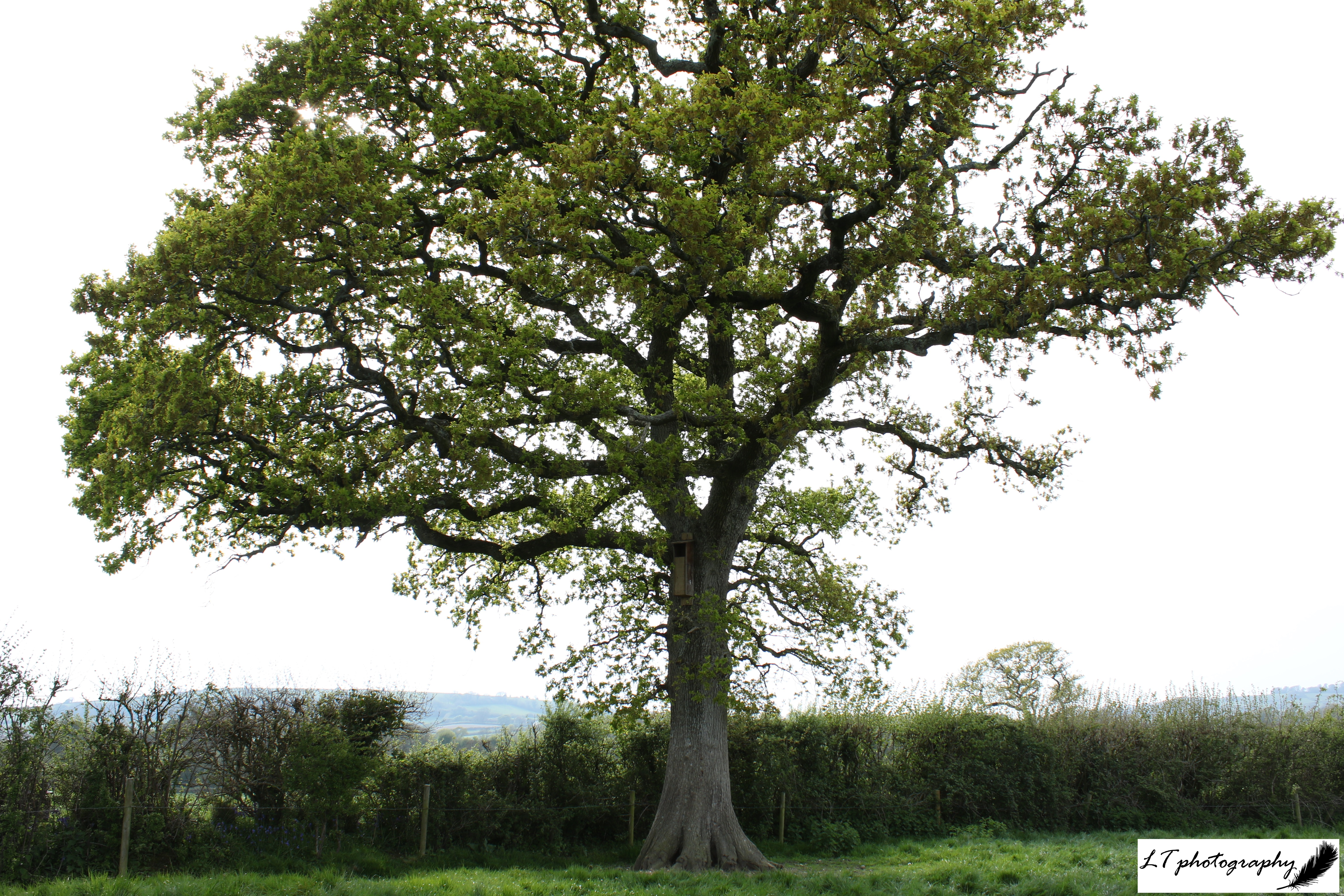
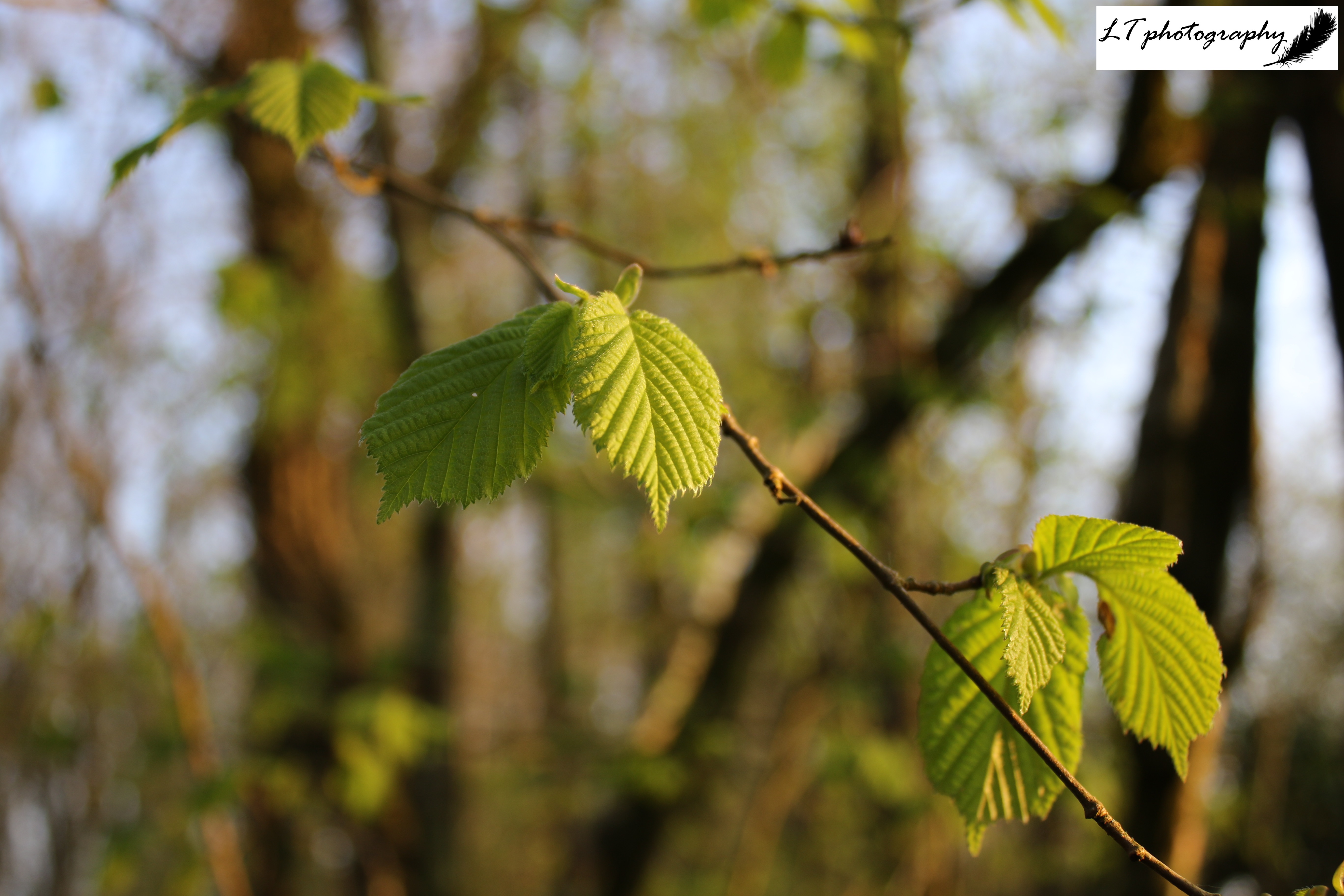
During 2024, spring emergence dates were on average earlier for most tree species due to warmer and wetter spring weather. In 2025 though, the trend is less easy to discern, with events ranging anywhere from 1 to 30 days earlier, 1 to 21 days later, or even the same day. The trend does not relate to month, but timing of events differed between species, with all english oak events occurring later, whilst all sycamore events occurred earlier, which may signify varying factors at play. There’s also no trend occurring with tree species between the years either, such as becoming earlier or later over time. This year’s spring did feel like the weather was highly changeable at times though, switching from warm to cold, wet to dry, and may have created small scale fluctuation from week to week, despite overall warmer weather.
Flowers

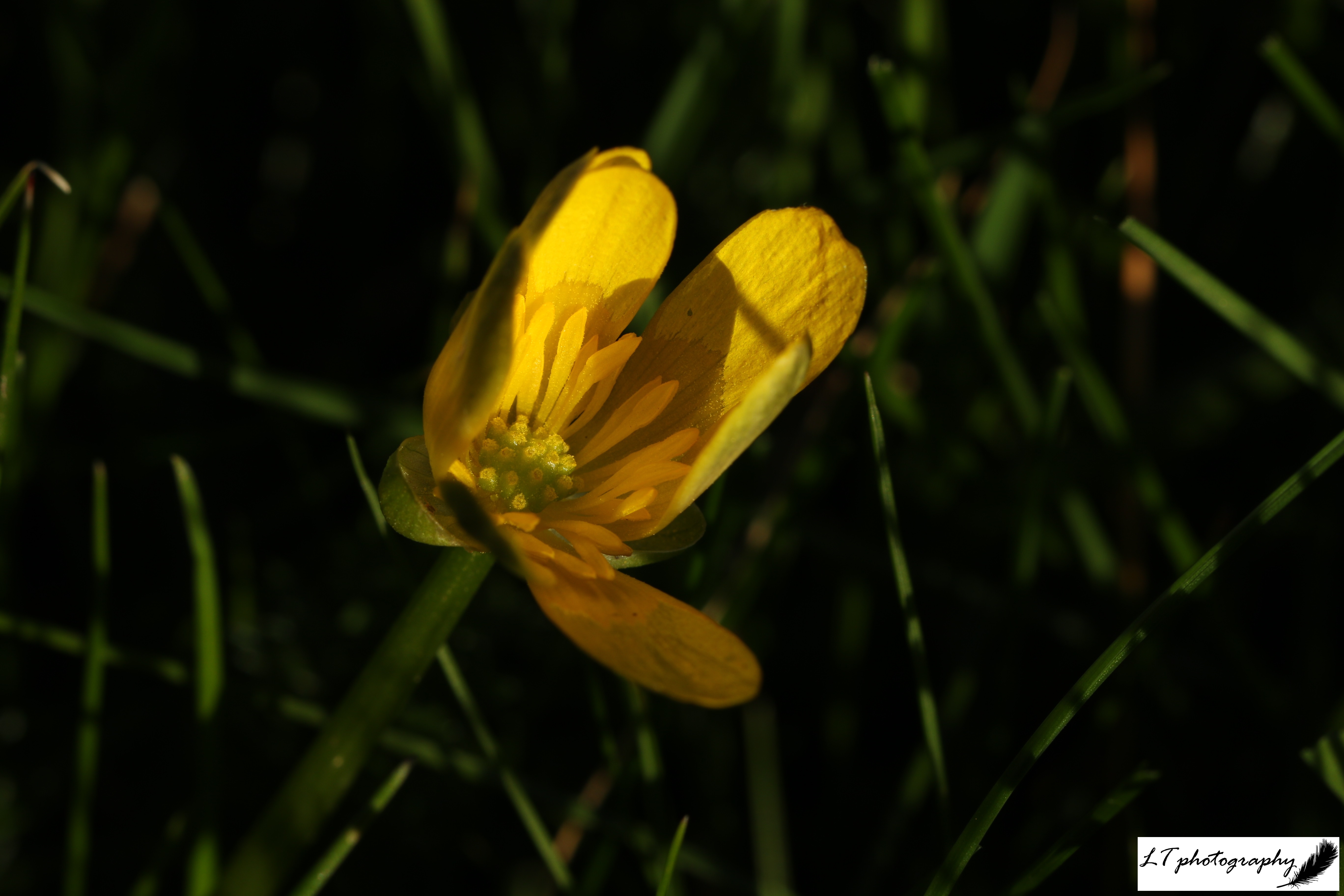
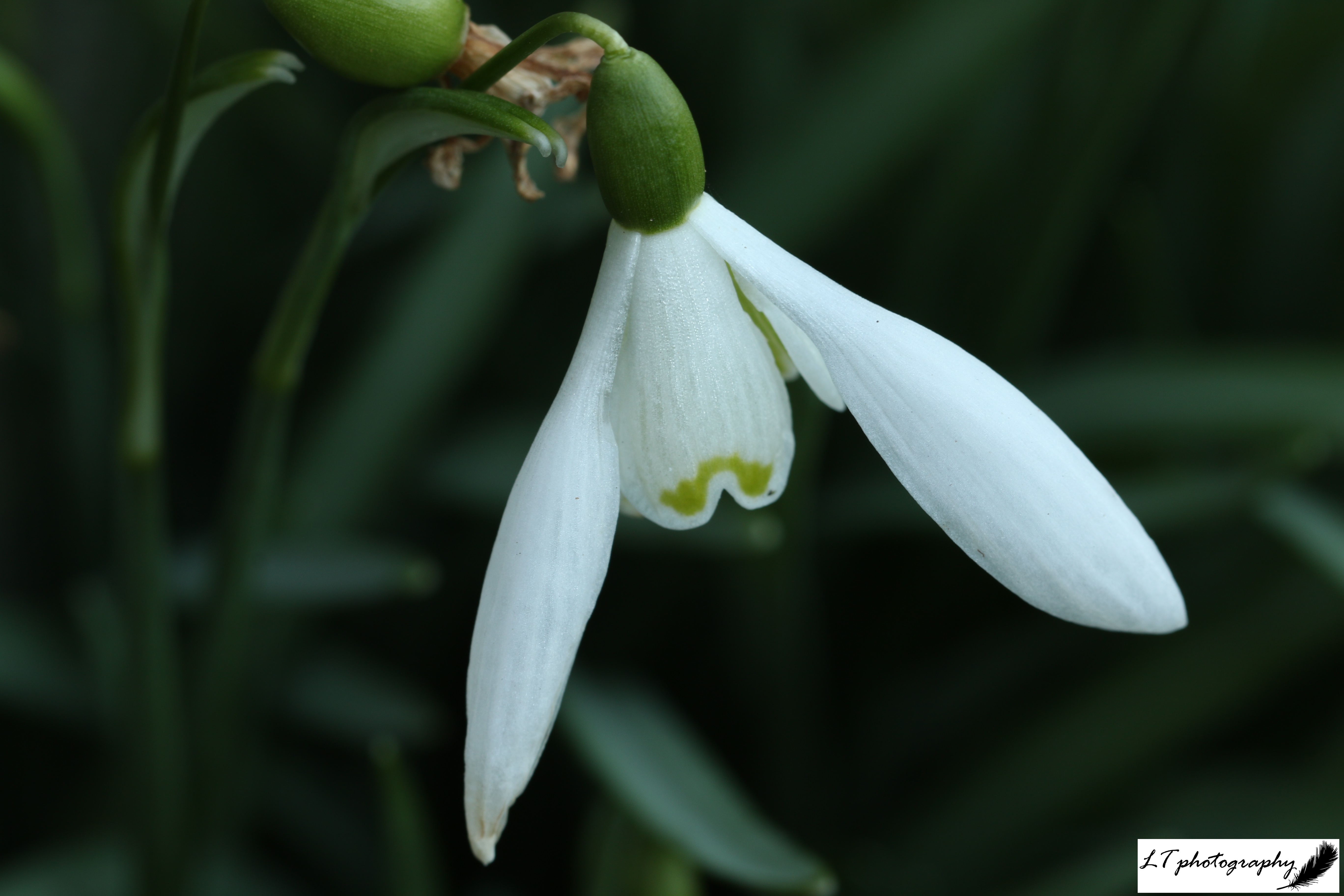
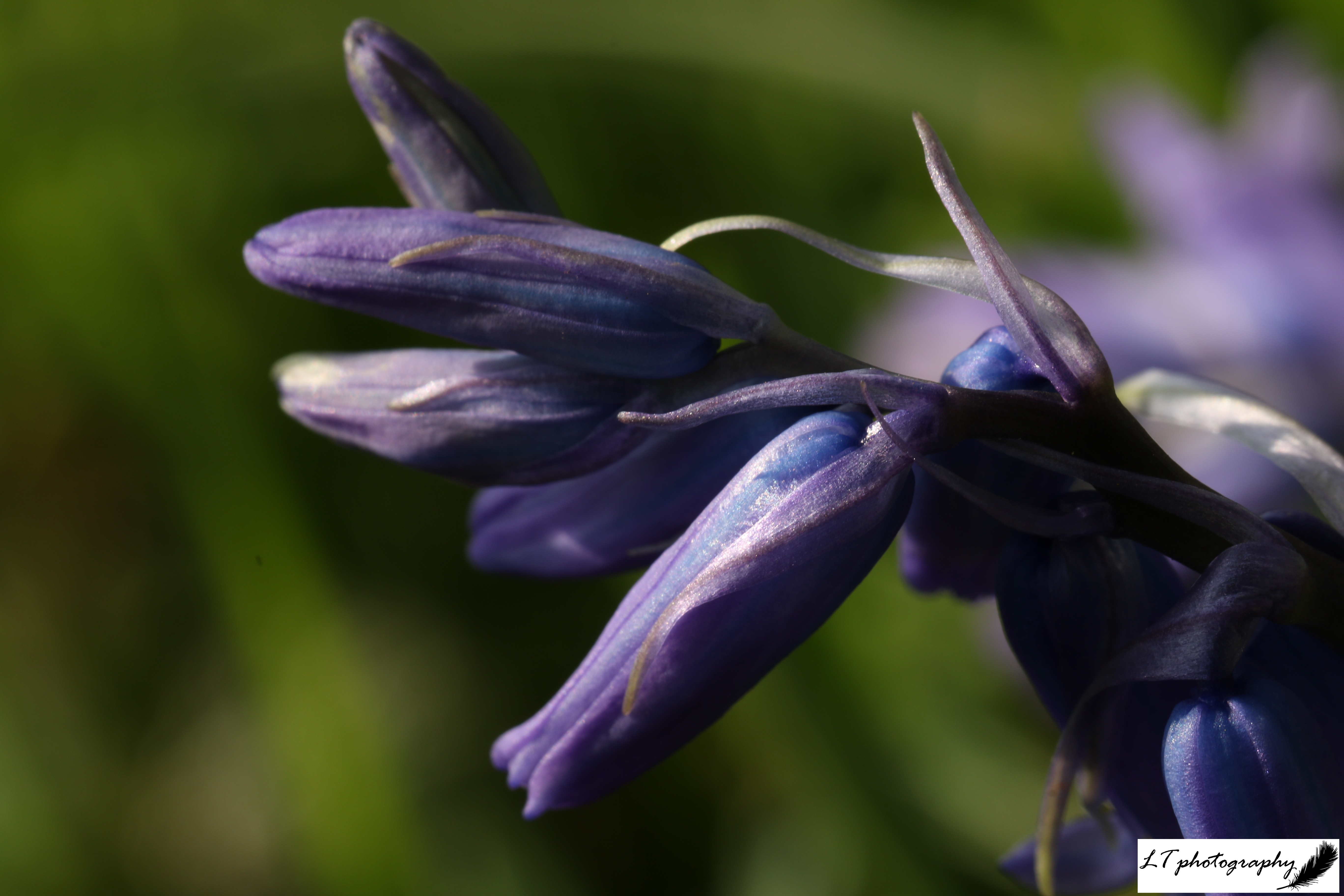
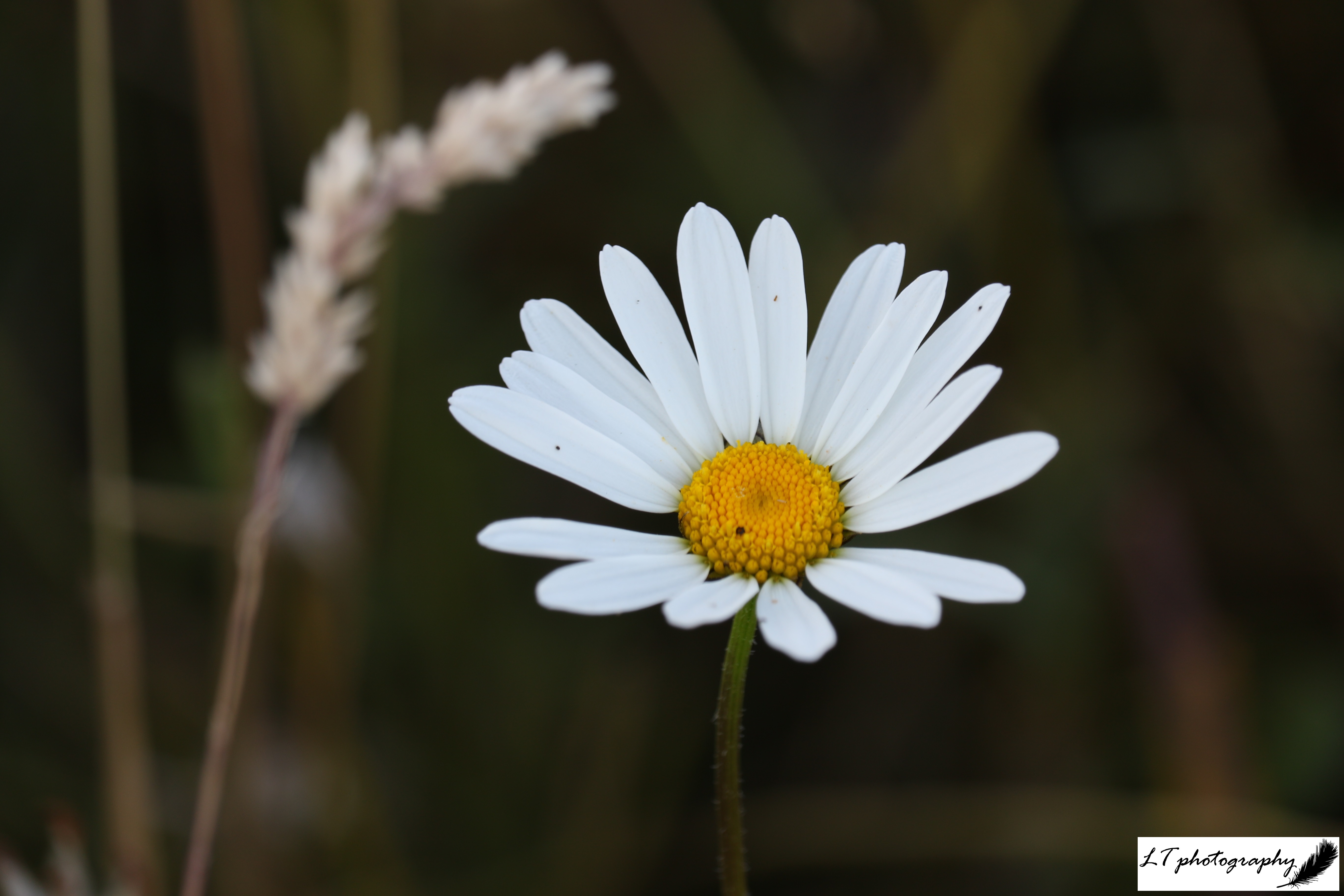
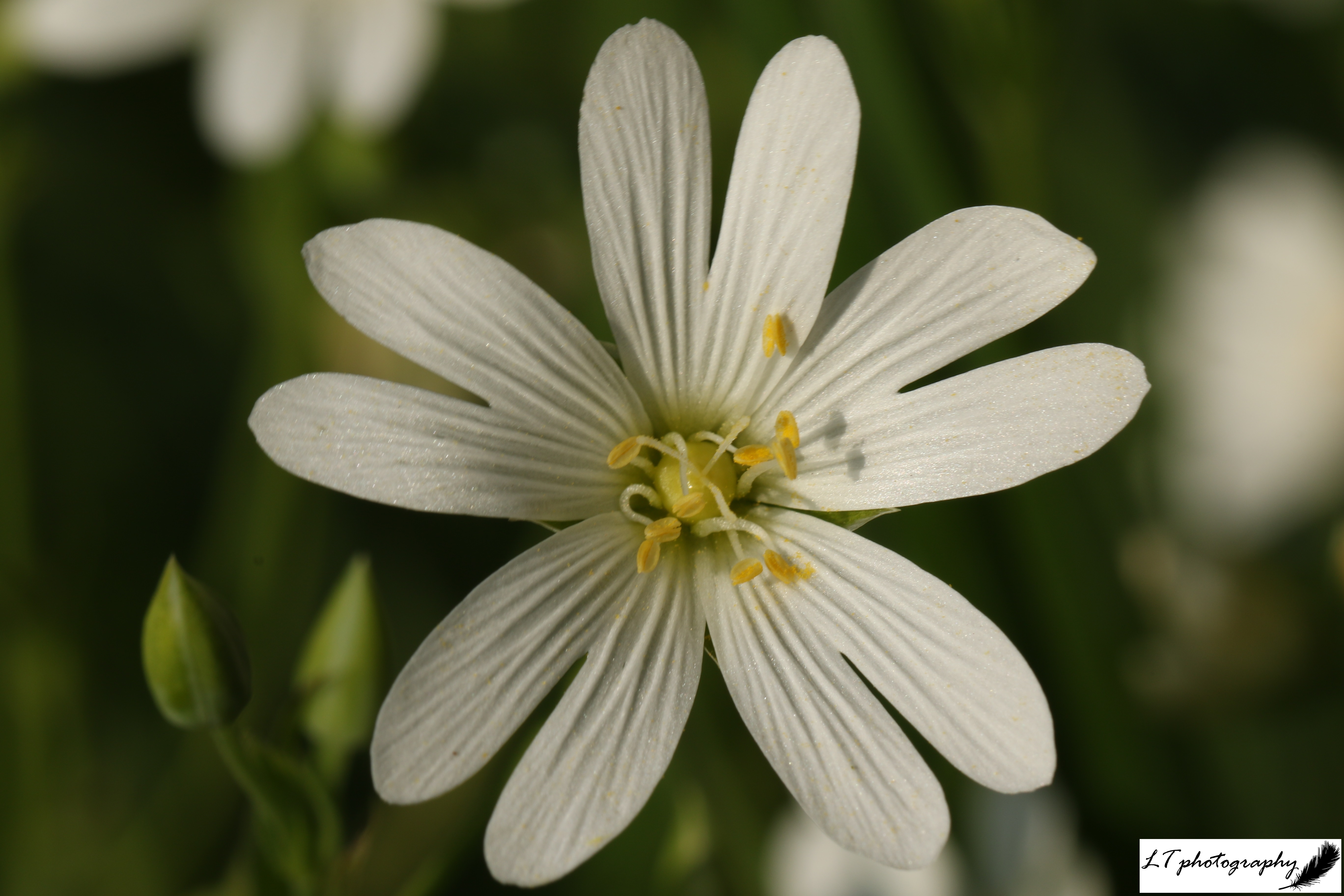
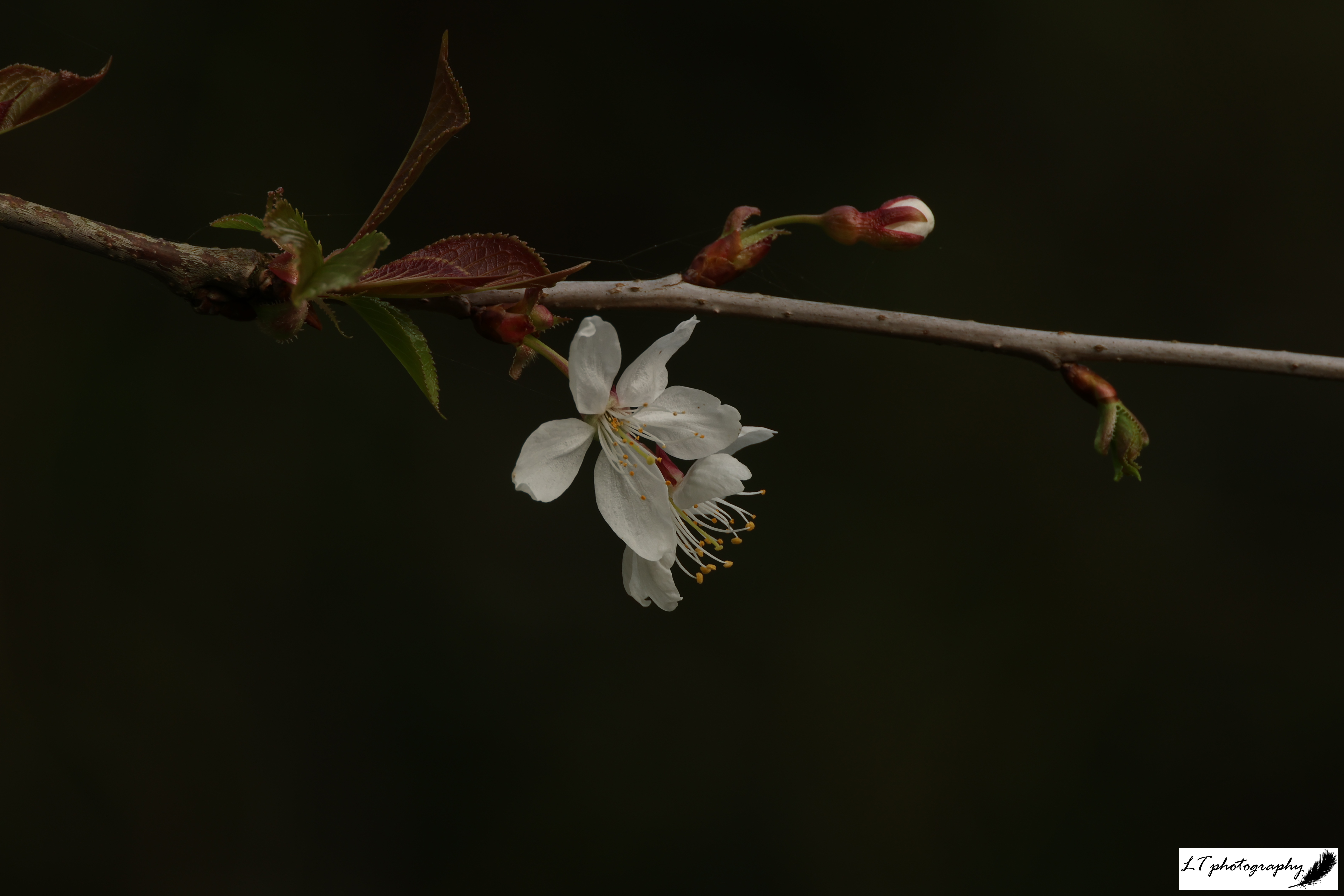
Plants flowering during spring 2024 occurred on average earlier, varying from 1 to 16 days. Following the same situation as with tree species, during spring 2025, the occurrence of plants flowering showed no true trend, with a 50:50 split between earlier or later. Primroses, cowslips, wood anemones, early purple orchids, yellow archangel, and oxeye daisies all first flowered 3-14 days earlier, whereas snowdrops, lesser celandines, daffodils, stitchwort, wild garlic, cuckooflowers, and bluebells all first flowered 5-21 days later. Like with the trees, no pattern was shown connected to month, and flowering this spring may instead also be due to fluctuating weather and temperature patterns.

Shrubs

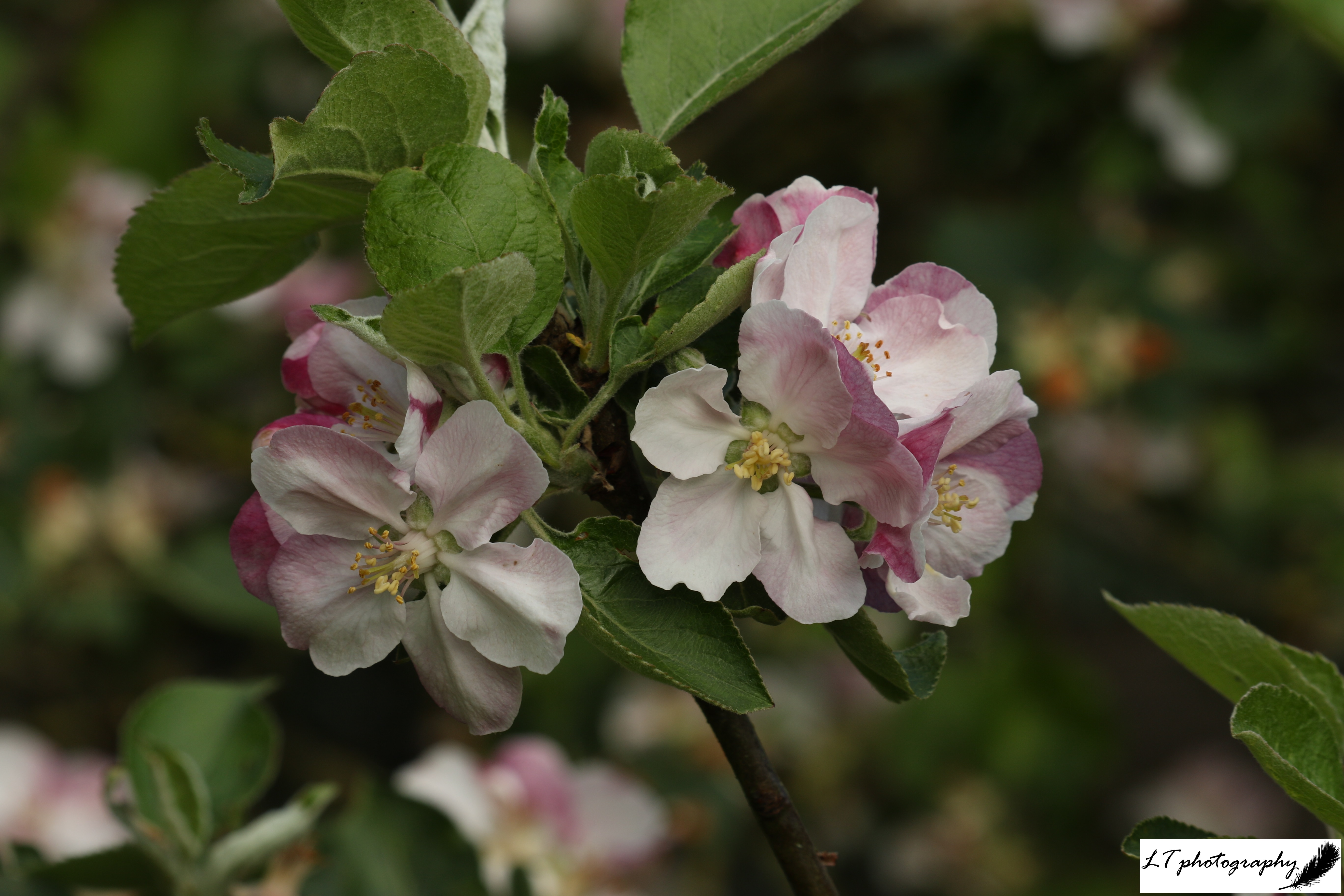
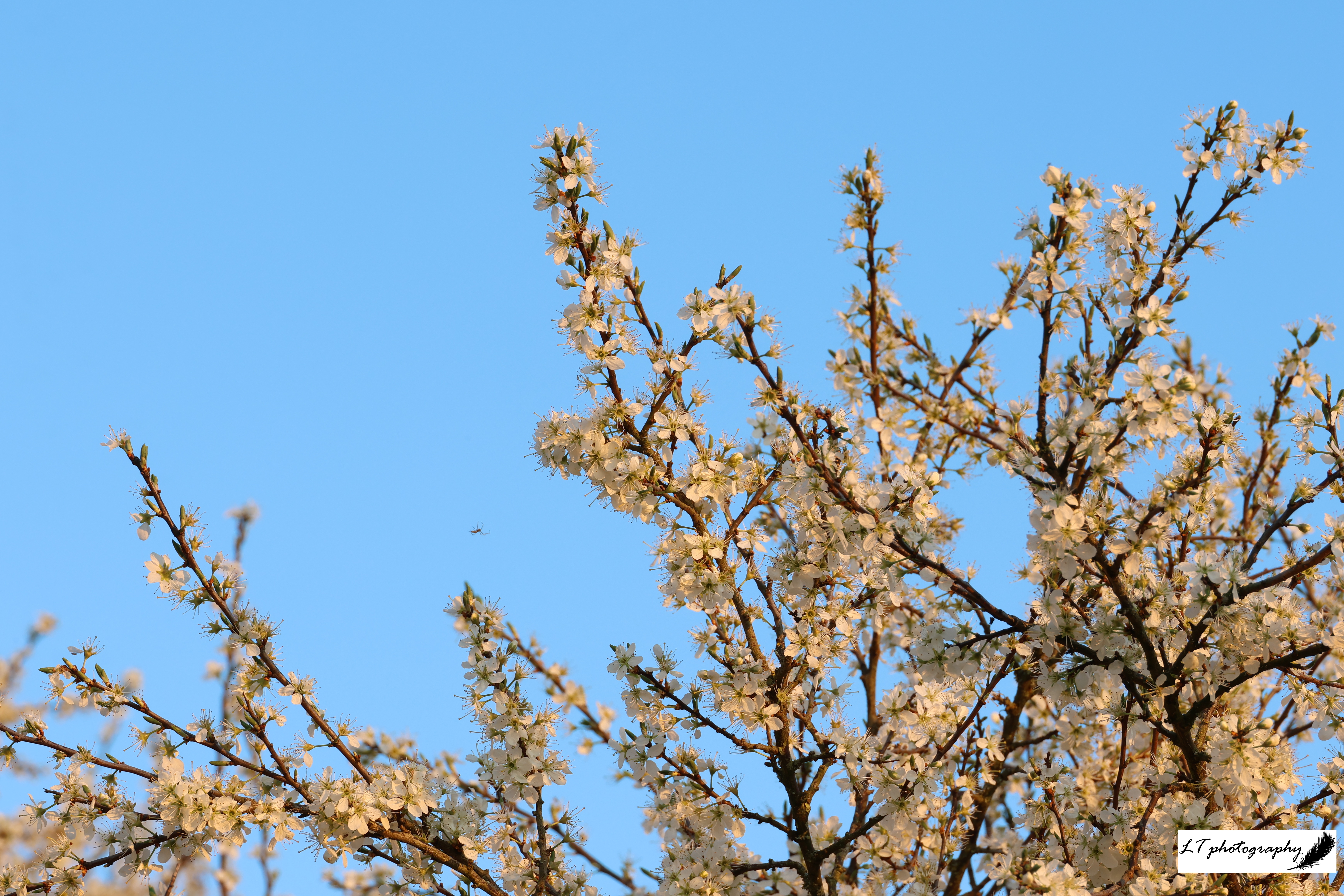
During spring 2024, the majority of shrub events occurred earlier, ranging from 1 to 53 days. In spring 2025 though, there was more of a split. Of 18 recorded events, 10 were later than 2024, ranging from 1 to 29 days, 1 was the same day, and 7 were earlier than 2024, ranging from 4 to 20 days. Some species, such as blackthorn and elder, had all later events, but most species shared variation between budburst, leaves unfurling, and flowering. It is unsurprising that shrubs followed what was seen with other plant species though, being affected by the same factors, causing no discernable trends.

Insects

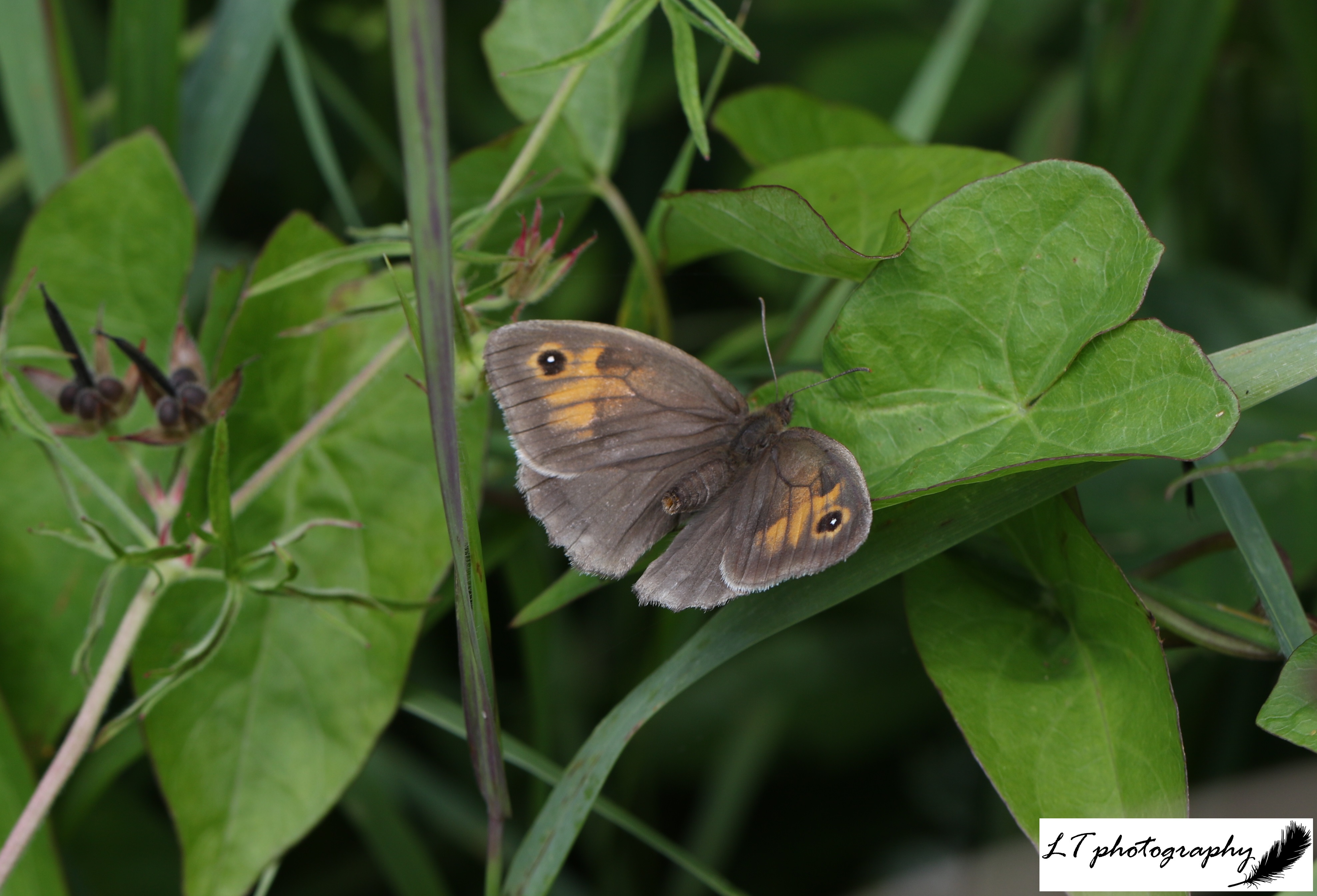
Of 10 species that had their first emergence date recorded during spring 2024, a 50:50 split was found for earlier and later dates. This year for the same 10 species though, there was a skew towards earlier emergences. For brimstone butterflies, buff-tailed bumblebees, 7-spotted ladybirds, peacock butterflies, small tortoiseshell butterflies, small white butterflies, and queen wasps, emergence ranged from 1-47 days earlier this spring. The exceptions were orange tip butterflies, red admiral butterflies, and speckled wood butterflies, emerging later by 4-32 days during April. Where plant species showed no great pattern between springs 2024 and 2025, these insect species recorded do show more earlier emergences, with on average warmer weather allowing this to occur.

Birds

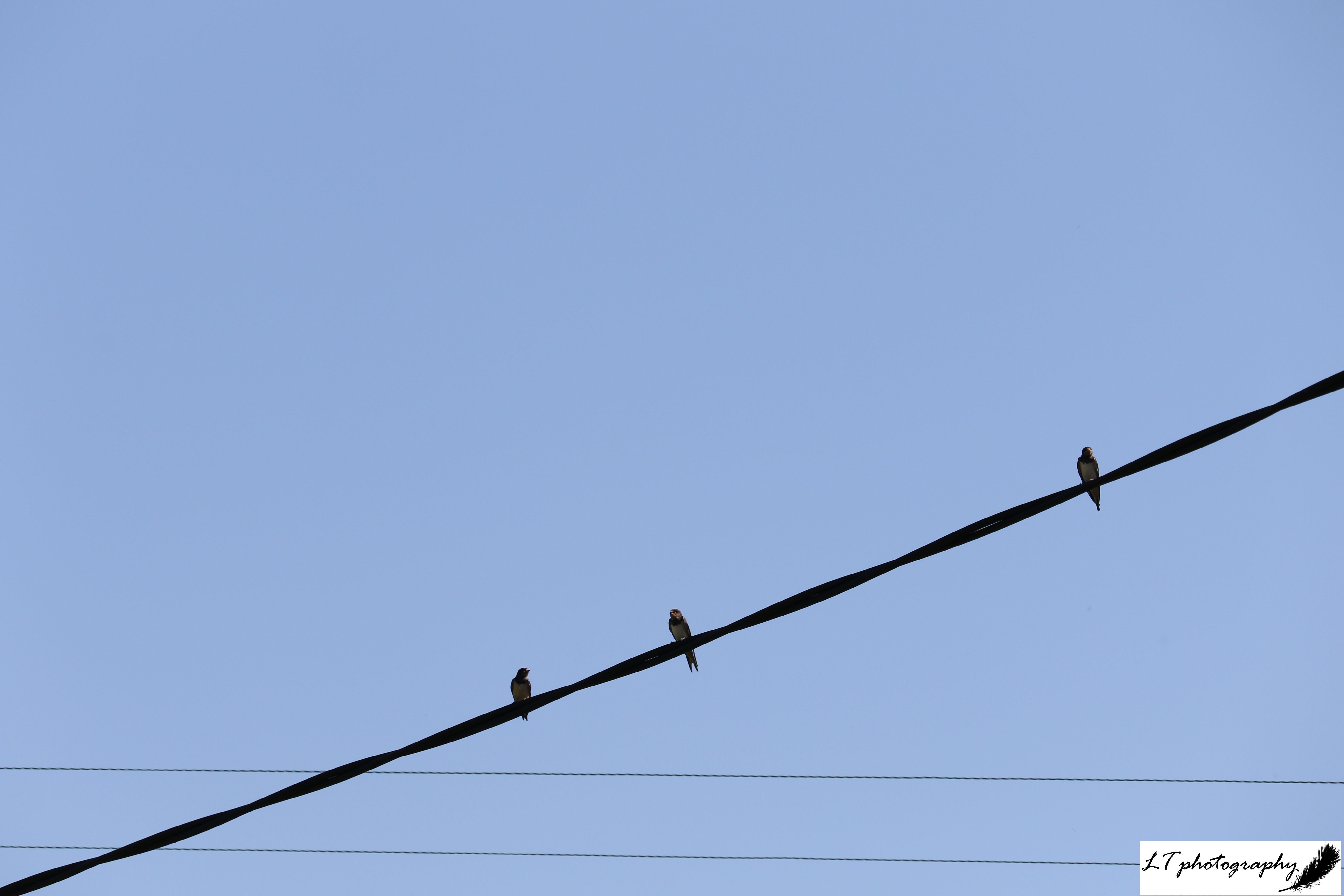
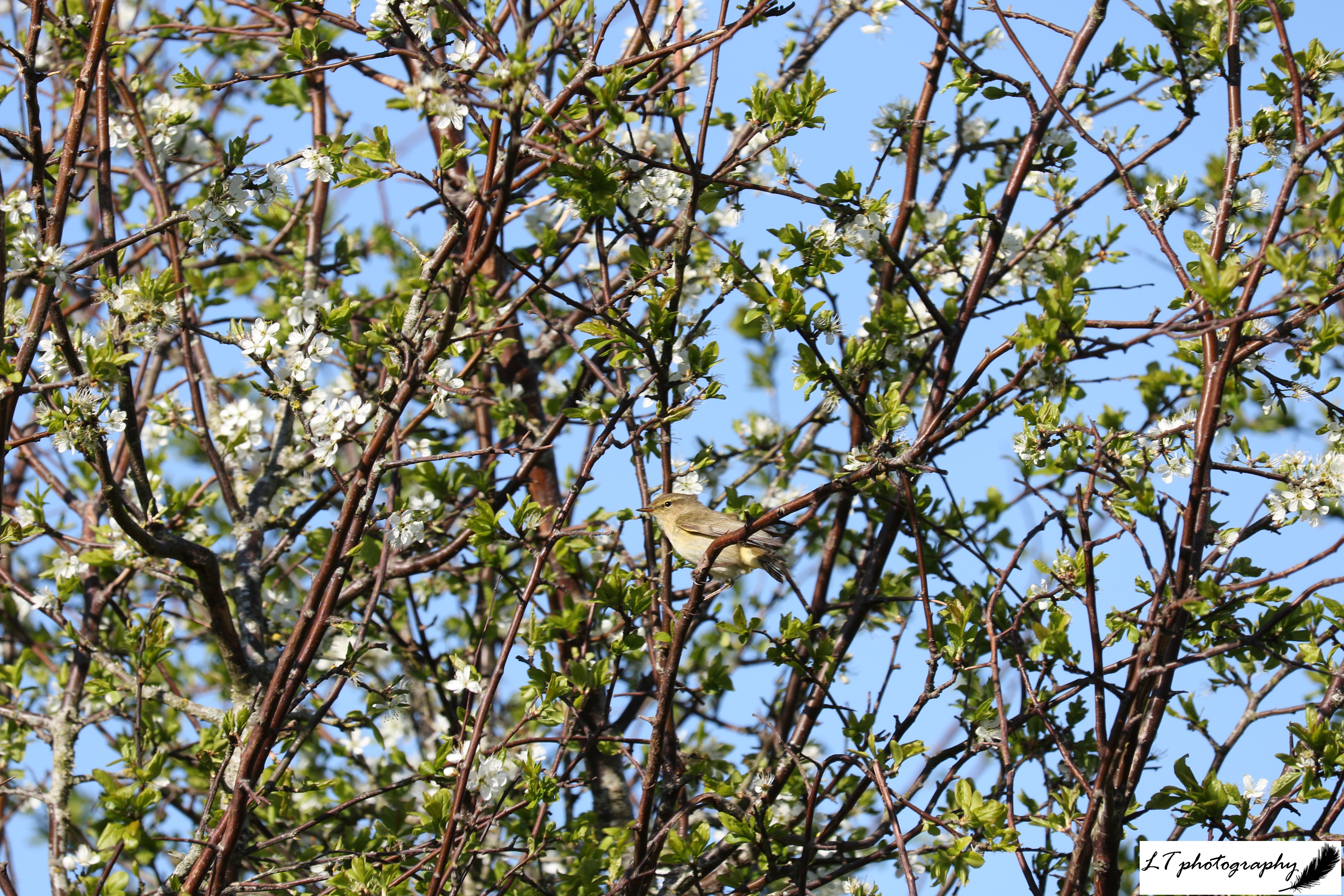
Over the last three years of recording bird events during spring, no clear trend was observed between years for the bird species that were recorded. For spring 2025 though, the events recorded were shown to have occurred on the same day as in 2024, or 1 to 26 days earlier. For example, cuckoos were heard earlier during April, and juvenile blackbirds were seen earlier, fledging during April. It is really interesting that where this year plant events were occurring all over the place compared to during previous years, bird species were responding earlier to spring conditions. This could be due to weather conditions being on average milder, whilst food sources were also made available earlier during spring this year.

Conclusion

When I first began writing this phenological report for my family’s Dorset farm this year, I began with the recorded plant species and was unable to find any observable trends between years and species, and within species. Though I was starting to feel that absence of trends was still important, things were looking more interesting when I turned my attention to recorded insect and bird species events. Both insect and bird species showed trends towards events occurring earlier this spring, which is more noticeable after a lack of trends over the last couple of years. These show that the season being on average warmer and sunnier this year did have an impact on animal species, even if more factors were involved in what was seen with recorded plant species.

Species List

  • Alder (Tree) Alnus glutinosa
  • Ash (Tree) Fraxinus excelsior
  • Blackbird (Bird) Turdus merula
  • Blackcap (Bird) Sylvia atricapilla
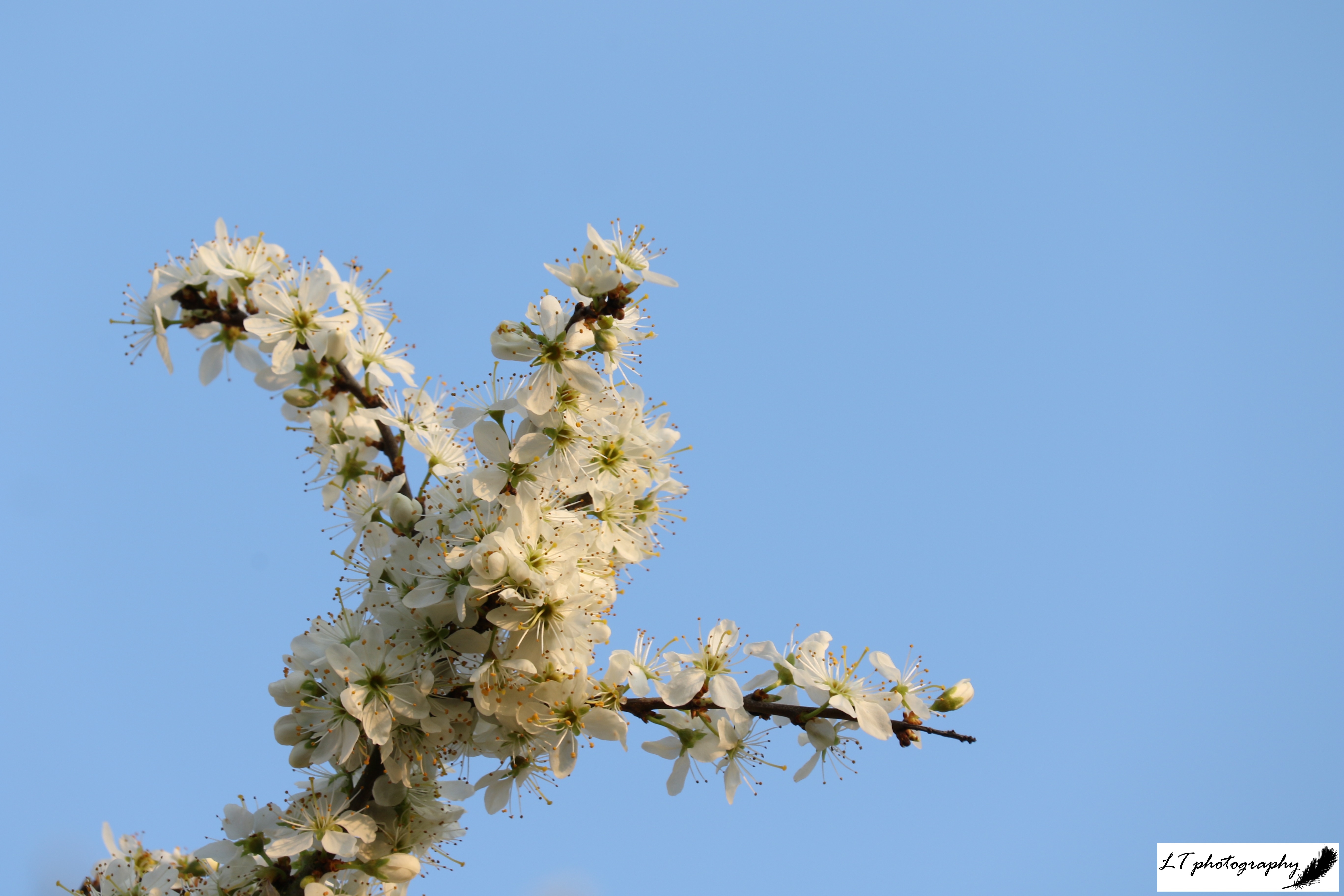
  • Blackthorn (Shrub) Prunus spinosa
  • Bluebell (Flowering Plant) Hyacinthoides non-scripta
  • Brimstone butterfly (Insect) Gonepteryx rhamni
  • Buff-tailed bumblebee (Insect) Bombus terrestris
  • Chiffchaff (Bird) Phylloscopus collybita
  • Common wasp (Insect) Vespula vulgaris
  • Cowslip (Flowering Plant) Primula veris
  • Cuckoo (Bird) Cuculus canorus
  • Cuckooflower (Flowering Plant) Cardamine pratensis
  • Daffodil (Flowering Plant) Narcissus spp.
  • Dog rose (Shrub) Rosa canina
  • Early purple orchid (Flowering Plant) Orchis mascula
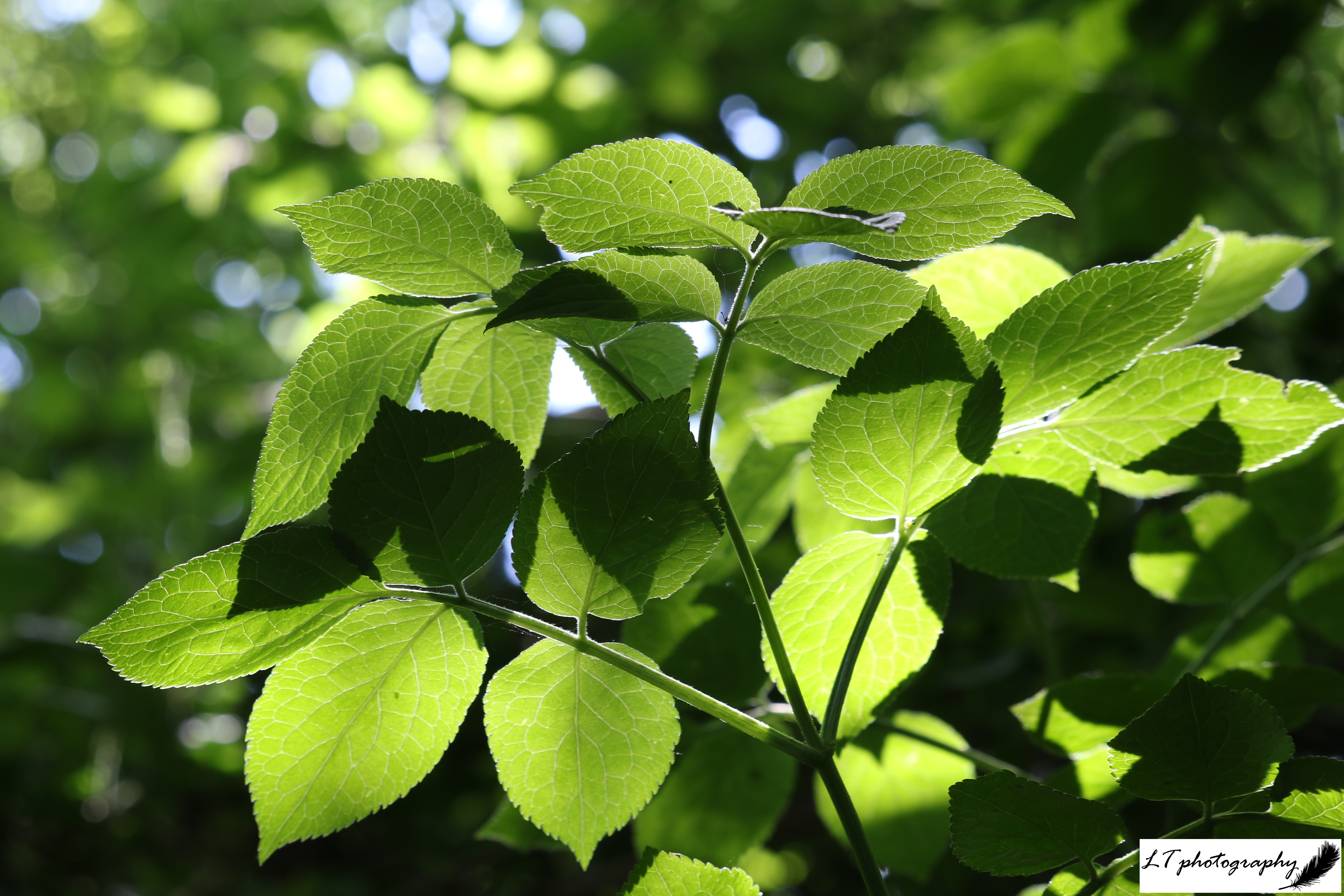
  • Elder (Shrub) Sambucus nigra
  • English oak (Tree) Quercus robur
  • Field maple (Tree) Acer campestre
  • Greater stitchwort (Flowering Plant) Stellaria holostea
  • Great-spotted woodpecker (Bird) Dendrocopos major
  • Hawthorn (Shrub) Crataegus monogyna
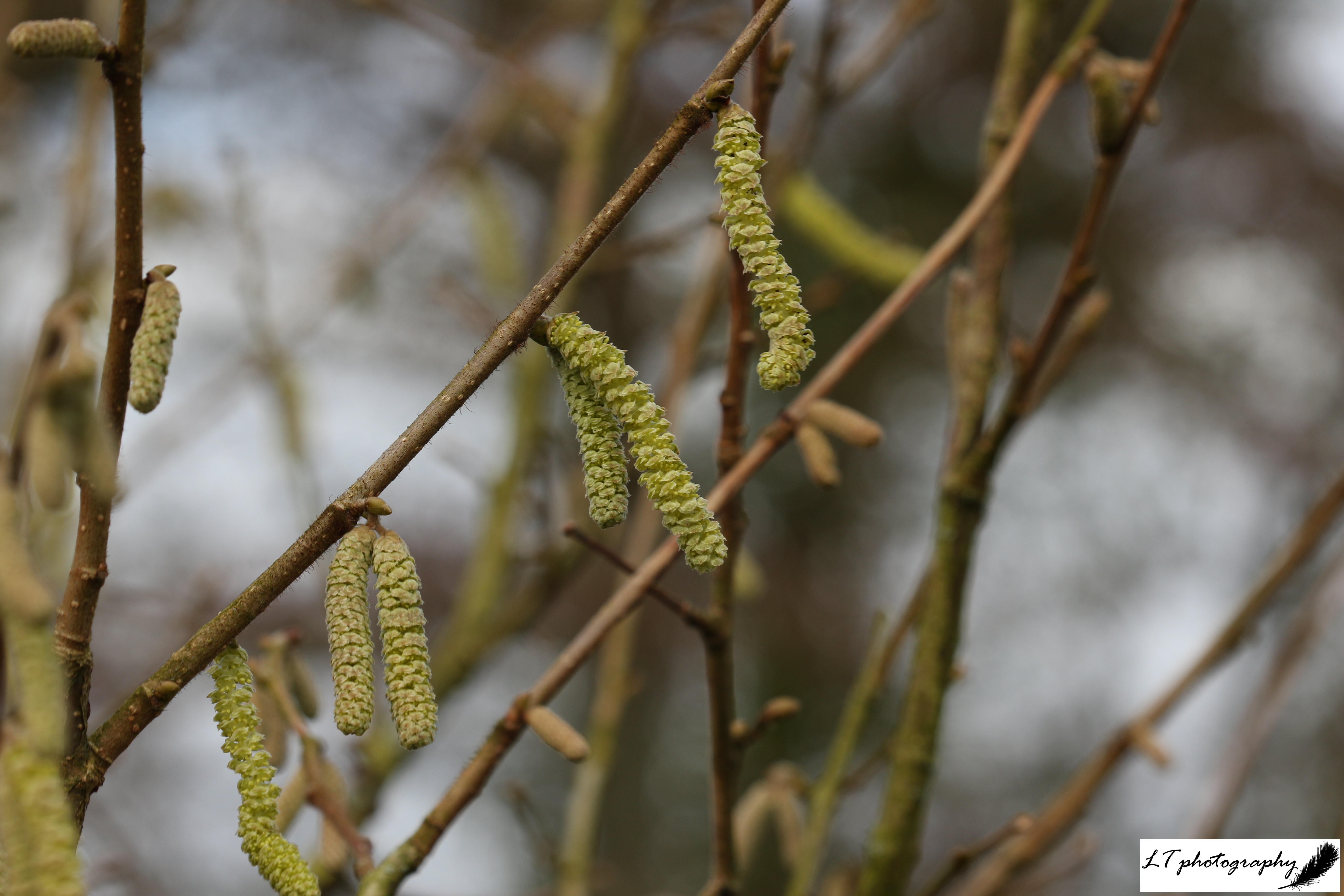
  • Hazel (Shrub) Crataegus monogyna
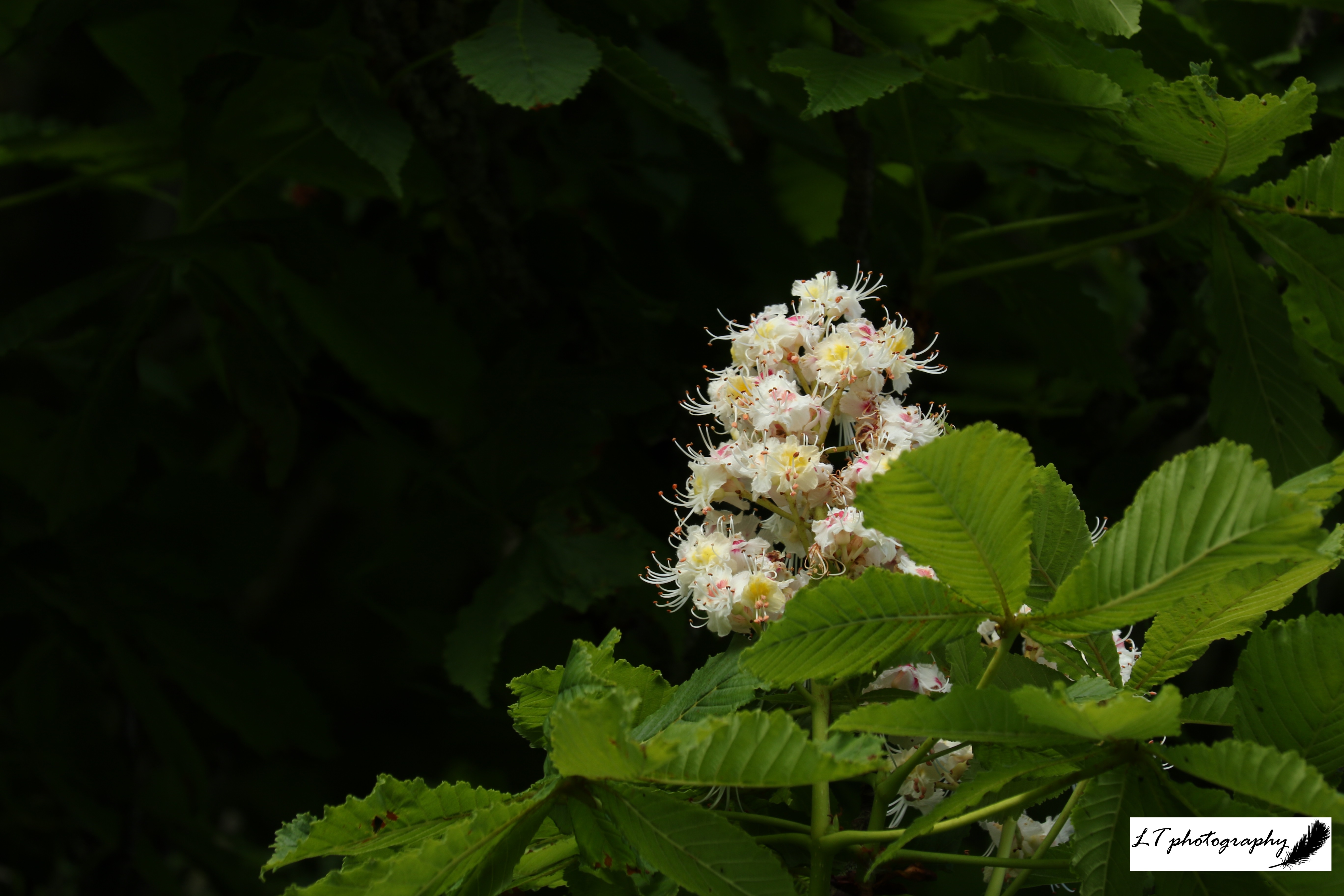
  • Horse chestnut (Tree) Aesculus hippocastanum
  • Lesser celandine (Flowering Plant) Ficaria verna
  • Norway maple (Tree) Acer platanoides
  • Orange-tip butterfly (Insect) Anthocharis cardamines
  • Oxeye daisy (Flowering Plant) Leucanthemum vulgare
  • Peacock butterfly (Insect) Aglais io
  • Primrose (Flowering Plant) Primula vulgaris
  • Lilac (Shrub) Syringa vulgaris
  • Red admiral butterfly (Insect) Vanessa atalanta
  • Rook (Bird) Corvus frugilegus
  • Seven-spot ladybird (Insect) Coccinella septempunctata)
  • Silver birch (Tree) Betula pendula
  • Small tortoiseshell butterfly (Insect) Aglais urticae
  • Small white butterfly
  • Snowdrop (Flowering Plant) Galanthus spp.
  • Song thrush (Bird) Turdus philomelos
  • Speckled wood butterfly (Insect) Pararge aegeria
  • Swallow (Bird) Hirundo rustica
  • Sycamore (Tree) Acer pseudoplatanus
  • Wild cherry (Tree) Prunus avium
  • Wild garlic (Flowering Plant) Allium ursinum
  • Wood anemone (Flowering Plant) Anemone nemorosa
  • Yellow archangel (Flowering Plant) Lamium galeobdolon
Spring 2022: How It Happened

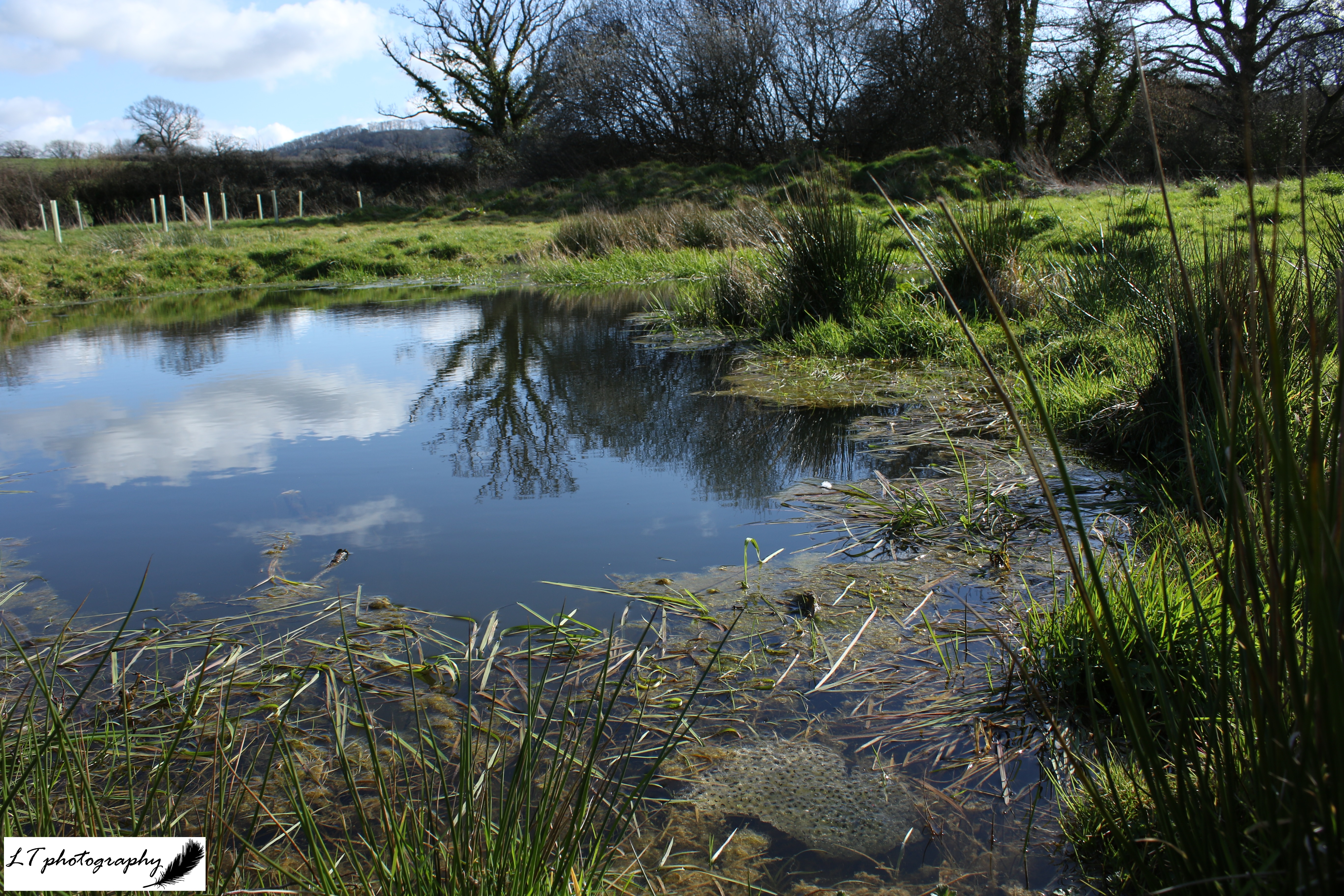
This year spring has been a blast of colour, abundance, and new beginnings. Though April experienced some cooler weather, and storms blew up here and there, on the whole spring was calm and dry. What characterised this spring most of all though was the weather being warmer in general, making spring 2022 the 5th warmest on average with a quarter less rainfall. Turbulent winter weather led to a slower start to spring, but the increasing warmer days led to spring speeding up and going out in a hurry in my home area of Dorset.

Last year weather patterns had a big influence on spring events, with events moving earlier or later as a result. For many species, events actually occurred later in spring in Dorset in 2021 due to cooler and wetter weather overall. For example, compared to 2020, oak leaves unfurled 31 days later, bluebells flowered 4 days later, and swallows arrived 5 days later. It was an unsual spring that was still joyful, but showed the unexpected impact that climate change is already having on spring events.

After the unpredictability of spring 2021, it will be interesting to see how spring events have fared this year in 2022. How is spring looking as a season overall in 2022? Did specific spring events get back on track or continue to become later? And did spring events continue to follow weather patterns? Read on to find out!

Trees

This year on my family’s farm we have seen a general trend for tree budburst, first leaf and first flowering occurring earlier than in 2021, showing dates more similar to those of 2020 or ones that were even earlier. This was true for beech (Fagus sylvatica), field maple (Acer campestre), horse chestnut (Aesculus hippocastanum), english oak (Quercus robur), wild cherry (Prunus avium), and Norway maple (Acer platanoides) trees, all between 9 and 28 days earlier. This was similar for ash (Fraxinus excelsior) and silver birch (Betula pendula) trees, but ash showed budburst 10 days later and silver birch first leaves 4 days later.

For first flowers, horse chestnut and ash trees shared the earlier trend with them blooming 2 and 34 days earlier respectively. For field maple, english oak, silver birch, wild cherry, and Norway maple flowers though, flowers actually appeared anywhere between 1 to 24 days later.

Shrubs

For blackthorn (Prunus spinosa), dog rose (Rosa canina), elder (Sambucus nigra), hawthorn (Crataegus monogyna), lilac (Syringa vulgaris), and hazel (Crataegus monogyna) first flowering occurred earlier than in 2021. This ranged from hazel flowers 5 days earlier to blackthorn flowers 21 days earlier.

Surprisingly for first budburst and first leaf, the opposite trend was actually shown. For blackthorn, dog rose, elder, hawthorn, and lilac these spring events were seen to occur on the same day as 2021 or later by 2-13 days. As these shrub events occur more towards the start of spring, maybe the slow start to spring was having an effect. Hazel budburst occurred 12 days earlier instead, but first leaf was delayed and ended up fitting the trend, unfurling 13 days later on 24th March.

Flowers

Though snowdrops (Galanthus spp.) first showed their snowy heads 12 days earlier on 6th January, first flowering was 6 days later for daffodils (Narcissus spp.) on 25th January, 11 days later for lesser celandines (Ficaria verna) on 26th January, and 45 days later for primroses (Primula vulgaris) on 14th February.

Other spring flowering species had a more mixed response to the season, either appearing earlier or later compared to 2021, as we moved from March to April. The earlier appearers were:

  • Bluebell (Hyacinthoides non-scripta) – 6 days earlier on 26th March
  • Early purple orchid (Orchis mascula) – 11 days earlier on 7th April
  • Yellow archangel (Lamium galeobdolon) – 22 days earlier on 11th April
  • Wild garlic (Allium ursinum) – 1 day earlier on 19th April
  • Oxeye daisy (Leucanthemum vulgare) – 16 days earlier on 18th May

The later appearers were:

  • Wood anemone (Anemone nemorosa) – 2 days later on 1st April
  • Greater stitchwort (Stellaria holostea) – 3 days later on 4th April
  • Cuckooflower (Cardamine pratensis) – 2 days later on 10th April
  • Cowslips (Primula veris) – 9 days later on 11th April

Grasses

This year all recorded grass species flowered earlier. Meadow foxtail (Alopecurus pratensis) first flowered 18 days earlier on 22nd April, Yorkshire fog (Holcus lanatus) 33 days earlier on 10th May, and cocksfoot (Dactylis glomerata) 21 days earlier on 19th May.

Birds

With birds, the first spring events of the year occurred later on average. For example, song thrushes (Turdus philomelos) were first heard singing 18 days later on 19th January, rooks (Corvus frugilegus) were first seen building their nests 2 days later on 27th February, and blackbirds (Turdus merula) were first heard singing 6 days later on 16th February.

As we reached March, events occurred earlier than in 2021, with chiffchaffs Phylloscopus collybita) arriving 3 days earlier on 13th March, cuckoos (Cuculus canorus), blackcaps (Sylvia atricapilla), and yellowhammers (Emberiza citrinella) first singing 3, 7 and 14 days earlier respecitvely in April, and great-spotted woodpeckers (Dendrocopos major) first fledging 10 days earlier on 6th June. Swallows (Hirundo rustica) were an exception though first returning to our land 1 day later on 11th April.

Insects

The majority of insects I recorded were first seen on the wing on our land earlier than in 2021, making the most of our more stable weather, These were:

  • Red-tailed bumblebee (Bombus lapidarius) – 27 days earlier on 3rd March
  • 7-spot ladybird (Coccinella septempunctata) – 1 day earlier on 19th March
  • Peacock butterfly (Aglais io) – 10 days earlier on 20th March
  • Small tortoiseshell butterfly (Aglais urticae) – 16 days earlier on 22nd March
  • Brimstone butterfly (Gonepteryx rhamni) – 26 days earlier on 23rd March
  • Red admiral butterfly (Vanessa atalanta) – 14 days earlier on 24th March
  • Speckled wood butterfly (Pararge aegeria) – 53 days earlier on 21st April
  • Small white butterfly (Pieris rapae) – 14 days earlier on 8th May
  • Painted lady butterfly (Vanessa cardui) – 43 days earlier on 17th May
  • Meadow brown butterfly (Maniola jurtina) – 27 days earlier on 22nd May
  • Comma butterfly (Polygonia c-album) – 31 days earlier on 17th June

The exceptions were the buff-tailed bumblebee (Bombus terrestris) that emerged 19 days later on 18th March and orange-tip butterfly (Anthocharis cardamines) first seen 18 days later on 18th April.

Summary

This year during spring, plants tended to flower earlier, which could be due to the on average less turbulent weather, alongside the possibility of stress responses being triggered by the increasing temperatures at times. As a result flowers appeared earlier and went over more quickly.

Budburst and leaves did not follow as consistent a trend, but on average plants went through these spring events later than 2021. This may be due to many of these events occurring more towards the beginning of spring, when day length and temperature increases would have only just started to take an effect. Bird events followed spring in general with a slow start and a quick finish, whilst insects emerged earlier, as expected after last year’s unpredictable weather.

This year I have enjoyed all that spring had to offer, though it felt like once it got started it rushed through to its finish. In the moment it was a glorious season, but was cut short in its splendour. Being my favourite season, this year I was particularly sad when the season went over in to summer. Let’s see what will happen during the seasons to come and enjoy the adventures to be had!

The future for Sable Island

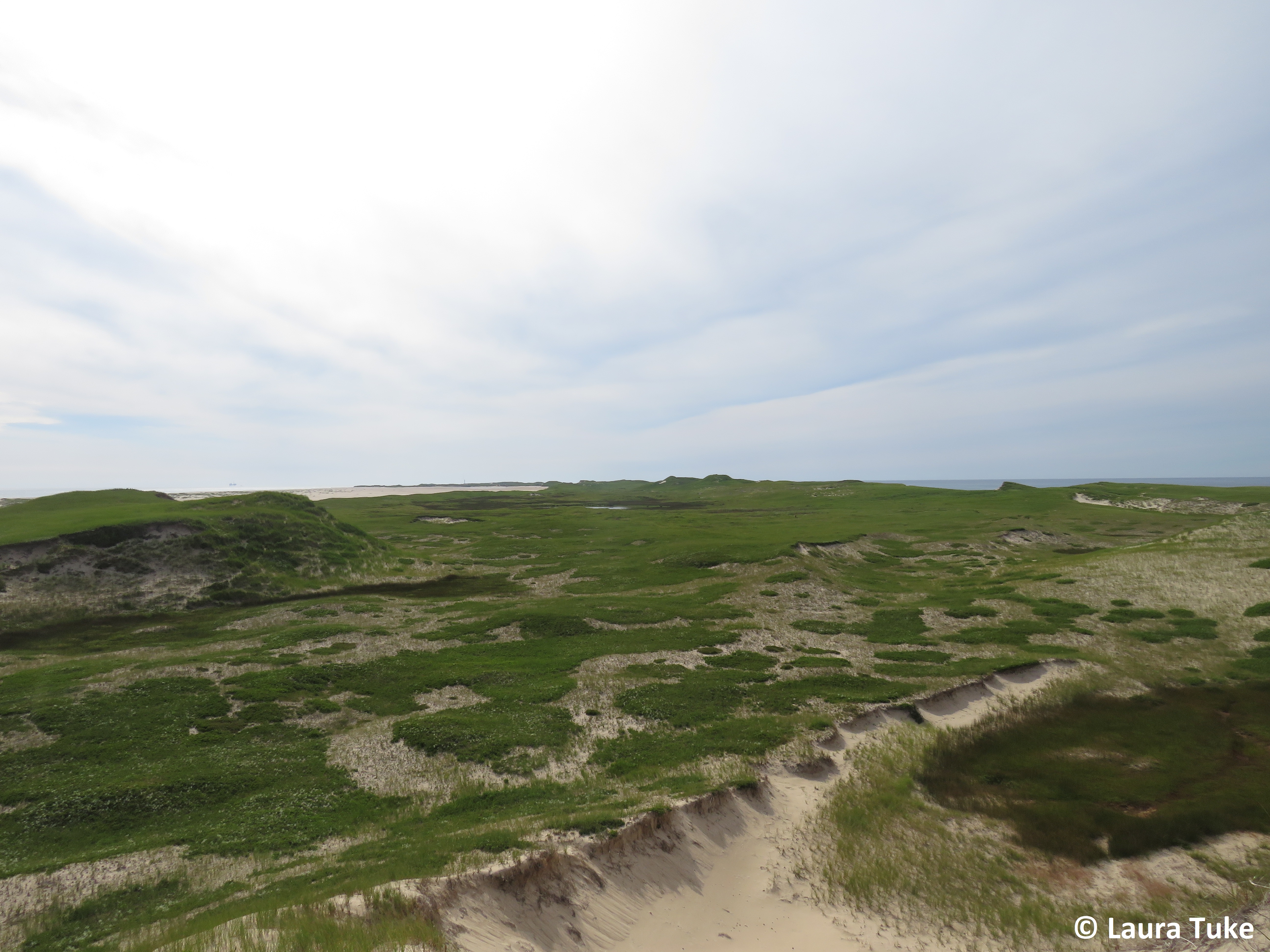
The majority of ecosystems around the world are currently under pressure from the effects of a rapidly growing global human population. Sable island, home to a unique but fragile ecosystem, is no different and has been influenced in many ways by human presence on the island and surrounding area. As a result, the island gained protected National Park Reserve status in 2013, and is now managed by Parks Canada, a Canadian government agency.

Sable

On the island

Since first arrival on Sable Island during the 1500s, humans have left their footprint there. This ranges from infrastructure, such as Main Station and the West Light site, to permanently contaminated sites and introduced non-native species. To attempt to reduce further impact, to visit the island now specific permission has to be acquired from Parks Canada before arrival. Though humans have already left their mark, Parks Canada hope to reduce any further damage to the island in the future.

With Sable Island’s feral horses also counting as an introduced species to the island, this led to scientists in the 1950s stating that the population should be removed due to causing damage to the island’s sensitive ecology. This sparked public campaigning which led to the horses achieving legal protection in 1961. As a result, the horses can be a controversial topic for some, with their social and positive ecological impacts being weighed against the negatives. In the meantime, the iconic horses are going nowhere and will continue to be studied in the future, which will increase knowledge of the horses and their island environment.

Sable Island is also home to a meteorological station, built in the late 1800s. Being in this remote location, this weather centre is an important site for climate monitoring, for example with increasing unpredictability of weather patterns. Also, the station is becoming increasingly important in the monitoring and assessment of pollutants transported in the air, allowing for the impact of human activities to be analysed beyond their origin in mainland Canada.

In the surrounding marine environment

Though my Sable Island Stories series has mainly focussed on Sable Island’s terrestrial island, and most is known above the realm of water, Sable Island is definitely not limited to its land mass. For example in relation to mammals, in the surrounding marine environment, Sable Island is home to 17 cetacean species (whales, dolphins and porpoises) and 2 species of seal. In particular, Sable Island is home to the largest grey seal breeding colony in the world, and importantly the grey and harbour seals make up part of a complex cycle of nutrients between the sea and the land.

Seal

Seal haul out

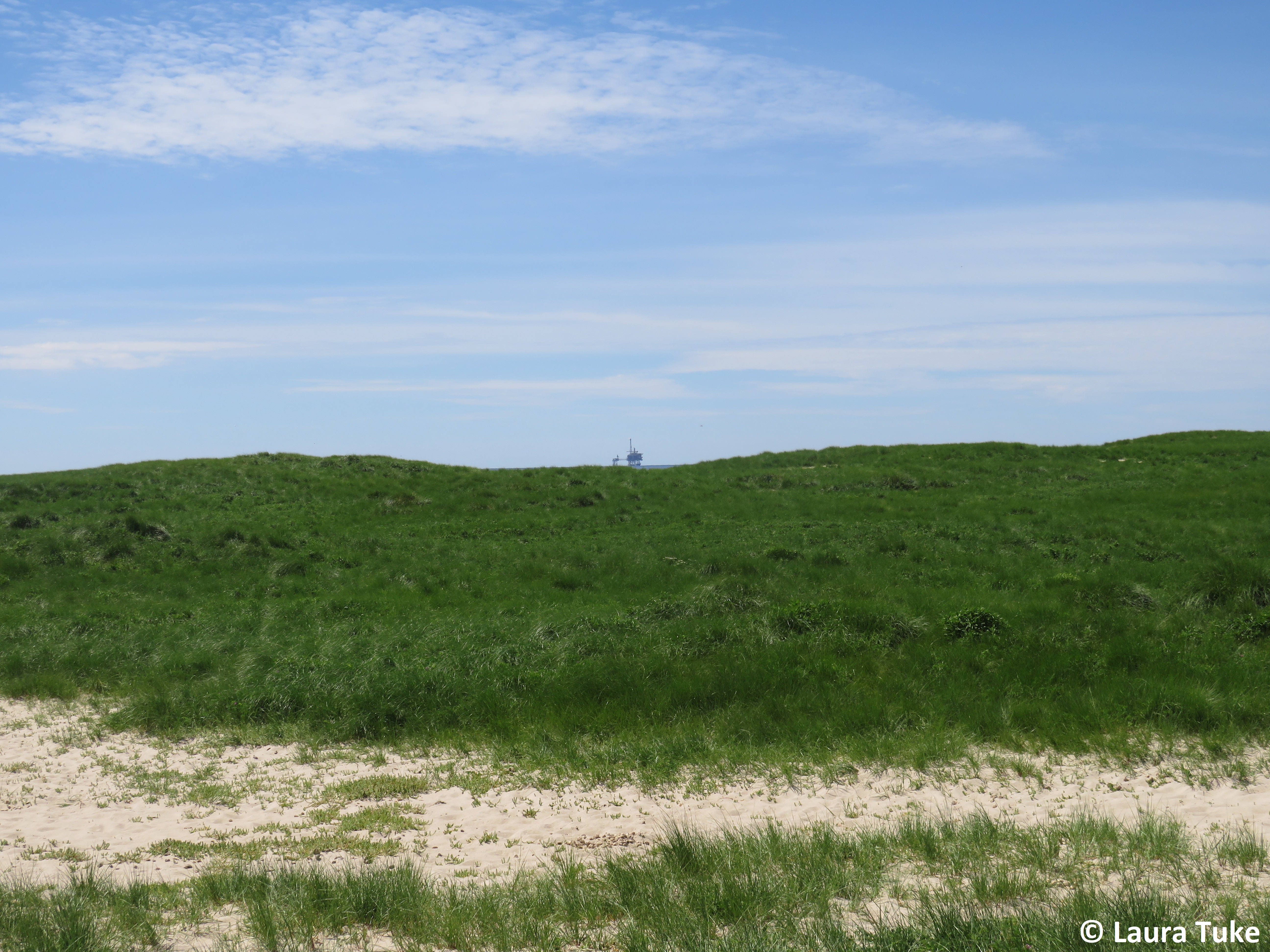
Despite less being known about the marine environment in comparison to terrestrial, following the BBC’s hit series Blue Planet II, issues within our marine environment are becoming increasingly at the forefront of the public’s mind. For Sable Island marine pressures include offshore platforms for extraction of oil and natural gas, cetacean strandings, rising sea levels, tarballs, and washed up toxic materials.

Rig

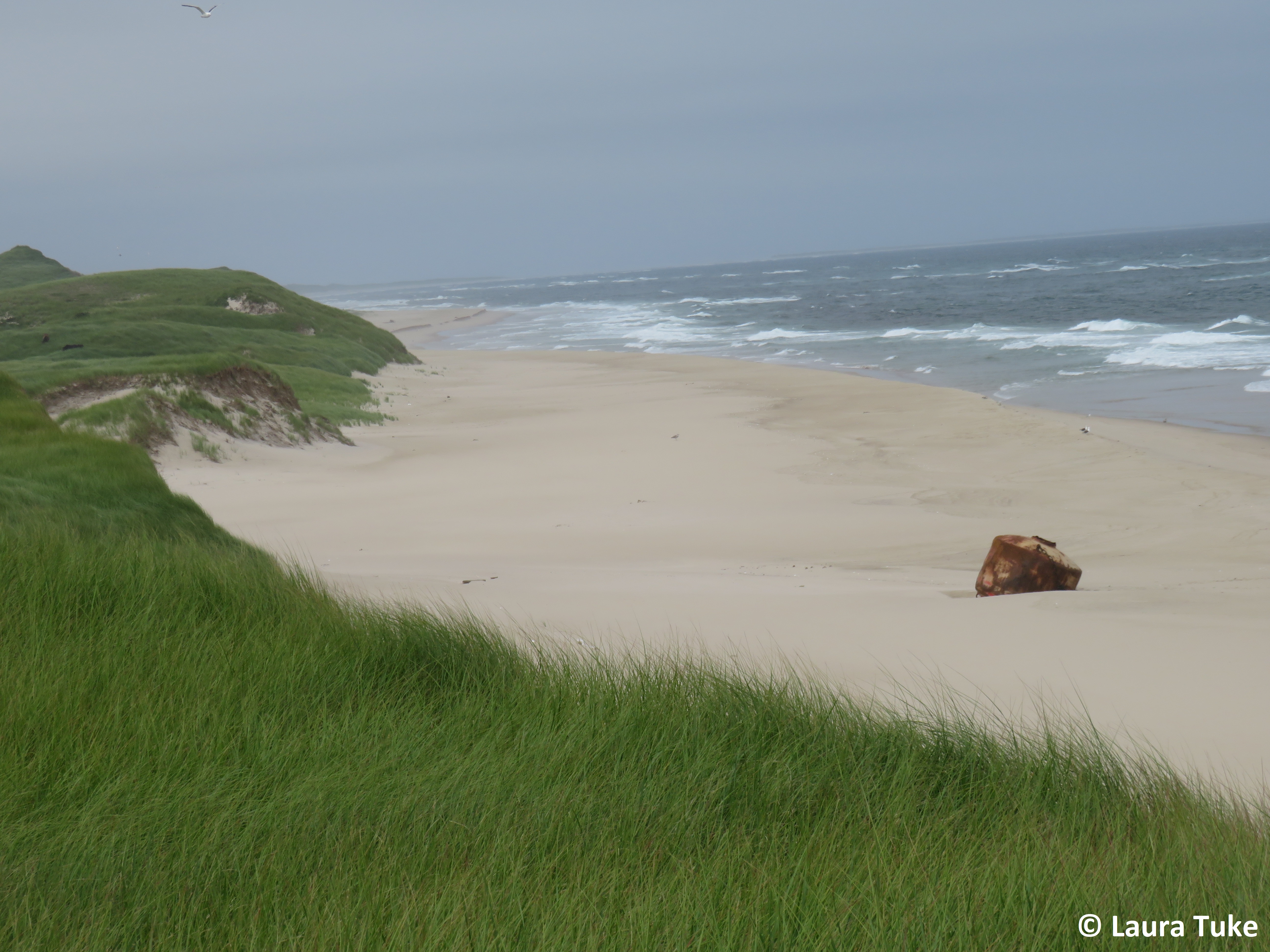
Most noticeable from my time on Sable Island though, was the marine issue of plastic pollution. This is because where Sable Island is situated a lot of plastic and debris is washed up onto its shores every year, such as during storms. I saw this for myself during my time on the island, and here’s only a few of the photos of what I did see.

Washed up

IMG_7872

Though Sable Island has been influenced by humans in the past, with research and increased education it is now hoped that going forward the island can be protected for future generations to come. It is a rich and biodiverse place with a lot to offer, and will always hold many memories for myself from my amazing summer this year.

Sunset on Sable
Thanks for following my Sable Island Stories blog series. Feel free to check out my previous seven posts, and tune in for updates and to follow my next adventures.