12 Days of Laura’s Wild Photos 2024

Last year, was a year full of colour and vibrancy for me, a year of adventures, many firsts, and always some learning curves. This also applies to my time spent in nature and my year immersed in my wildlife photography. From sitting amongst the bluebells and chasing after butterflies, to capturing red kites and watching sunsets, it has been a spectacular year as a whole.

To continue my new tradition, over the 12 Days of Christmas of 2024, I accompanied each day on social media with one of my nature photos taken with my camera, camera trap or phone. The aim is always to share my snapshots of nature’s hidden beauty, share some yet to be seen favourite photos, and simply to put a smile on people’s faces during the tough winter months.

Here are my latest 12 Days of Laura’s Wild Photos all in one place!

The 12 Photos
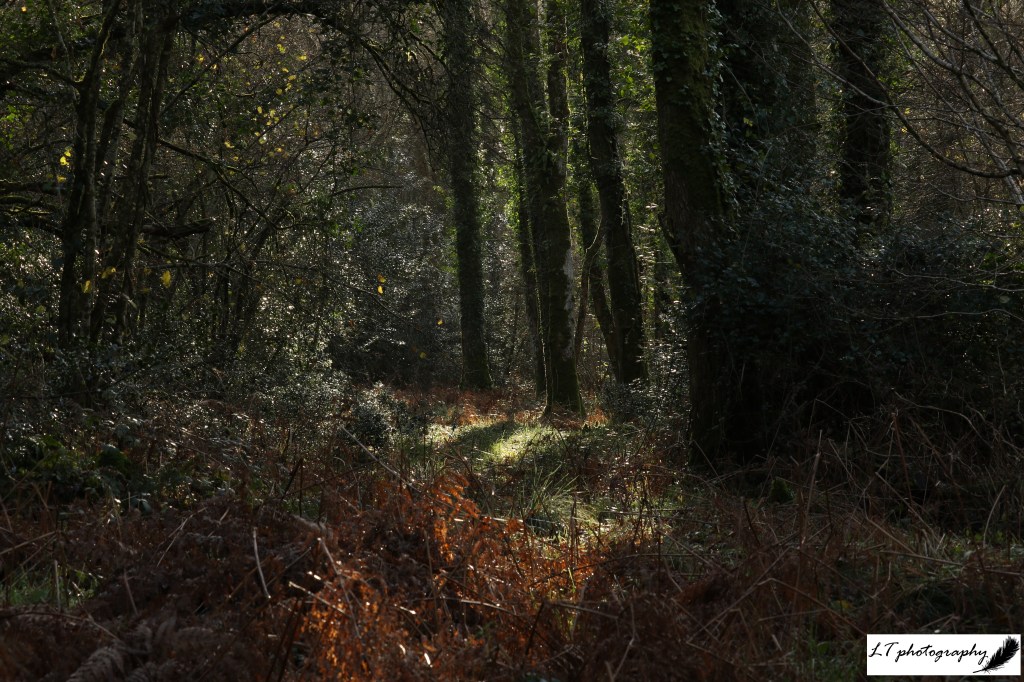
Day 1 – To begin my 12 Days of Laura’s Wild Photos for 2024, I chose a photo that made me think of winter, with it being taken during the winter months. I love the soft sunshine breaking through the trees and producing a pocket of light within the greys and browns of the sleeping woodland.
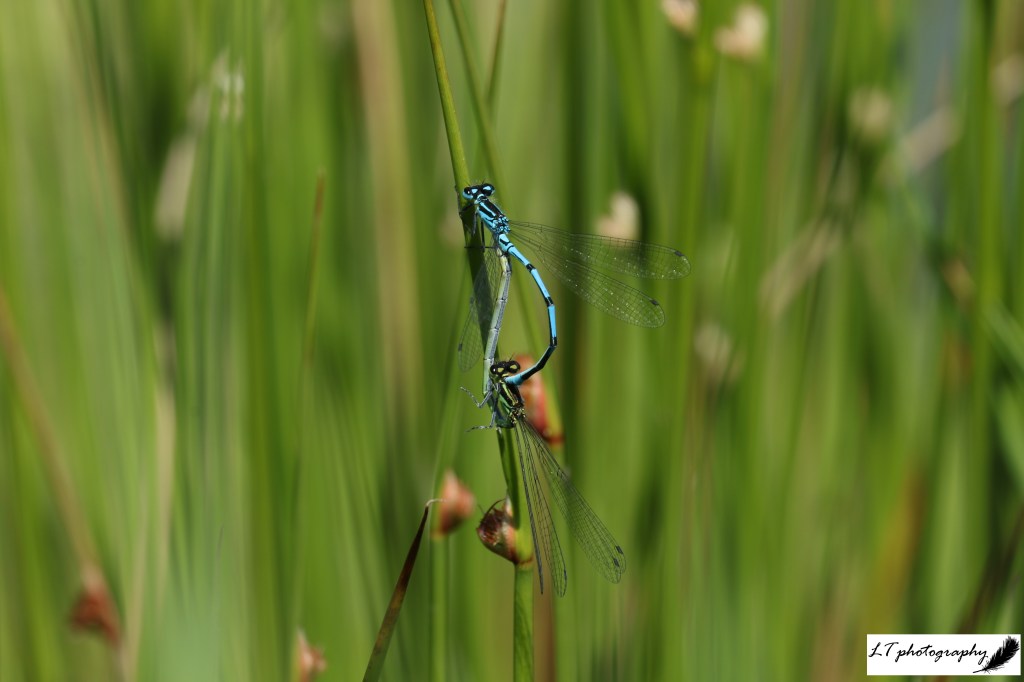
Day 2 – Last year was a year of many adventures and firsts for me, including in my wildlife photography. During May, I got the opportunity to watch and try photographing damselflies for the first time, as they courted over water, and attempted to mate and lay eggs. They are such fantastic coloured jewels to behold!
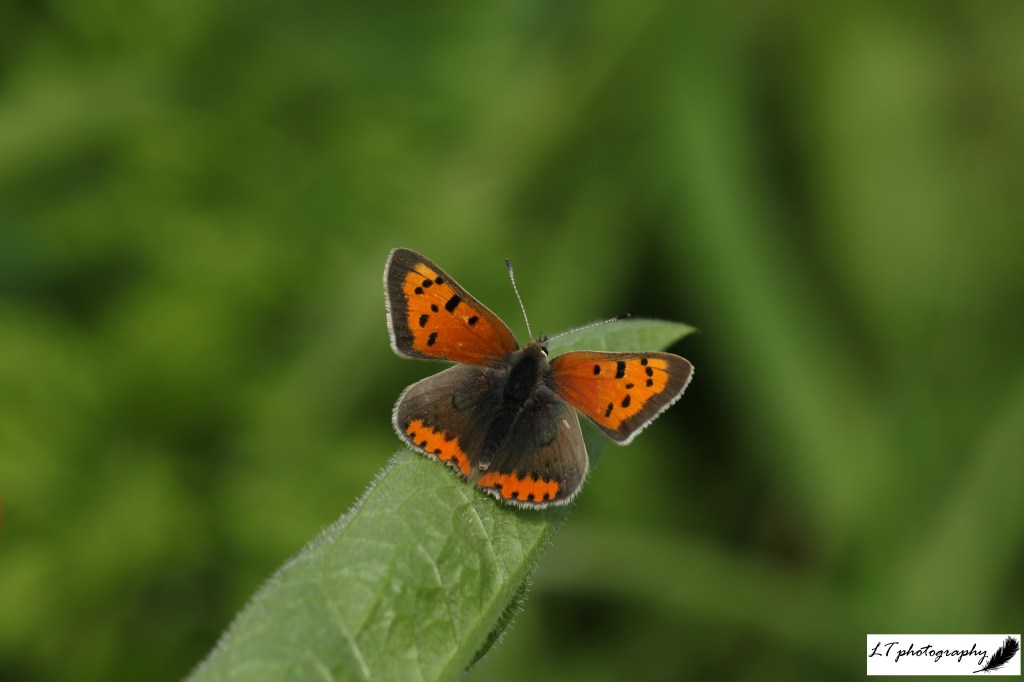
Day 3 – This beautiful Small Copper butterfly was a bright spot of colour for me during an autumnal October day. It was wonderful to see these butterflies flitting around my family’s new wildflower meadow, courting on the wing. It was exciting to see these butterflies choosing to lay eggs here already, despite it only being our meadow’s very first year!

Day 4 – I have captured fantastic sunsets from Canada to Kenya, so I am always trying to find new and wonderful ways to capture their never-ending beauty. They are one of my favourite subjects to photograph, and understandably this photo fills me with such joy including from the experience of taking the photo itself.

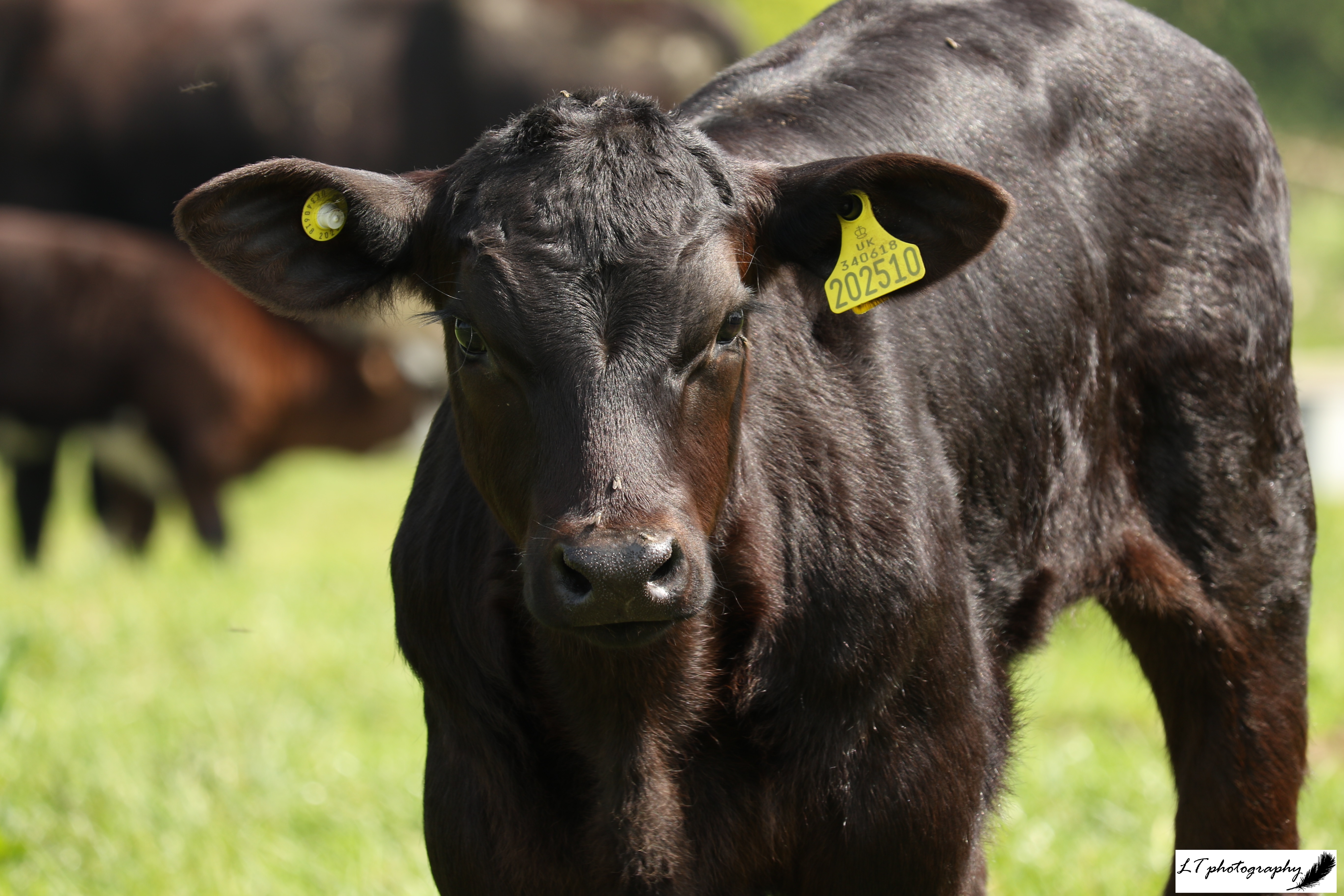
Day 5 – For day 5 of my 12 days, I wanted to include a photo of one of my highlights of 2024, my boy Rook. I had for 9 months looked forward to my cow Raven calving for the first time, and Rook was finally born in April, a week overdue. I enjoyed watching him grow bigger and bigger, and develop a character of his own.

Day 6 – Whenever I needed a mindful moment this autumn, I would escape to our wildflower meadow with my camera. This year my family and I trialled the planting of this meadow with wildflower seeds to see how it would turn out. Well for the first year, it has done well, growing a large diversity of species and becoming a splash of colour as flowers began to pop up throughout the autumn.

Day 7 – For the last day of 2024, I posted a simple photo of a hedgehog feeding from a plate. What is special about it though, is that it marks one evening of many throughout the summer months when a hedgehog would appear before sunset to find food. This tends to signify a lack of wild food available for our hedgehogs, but it was still a great opportunity for me to get to know the hedgehogs in our local area.
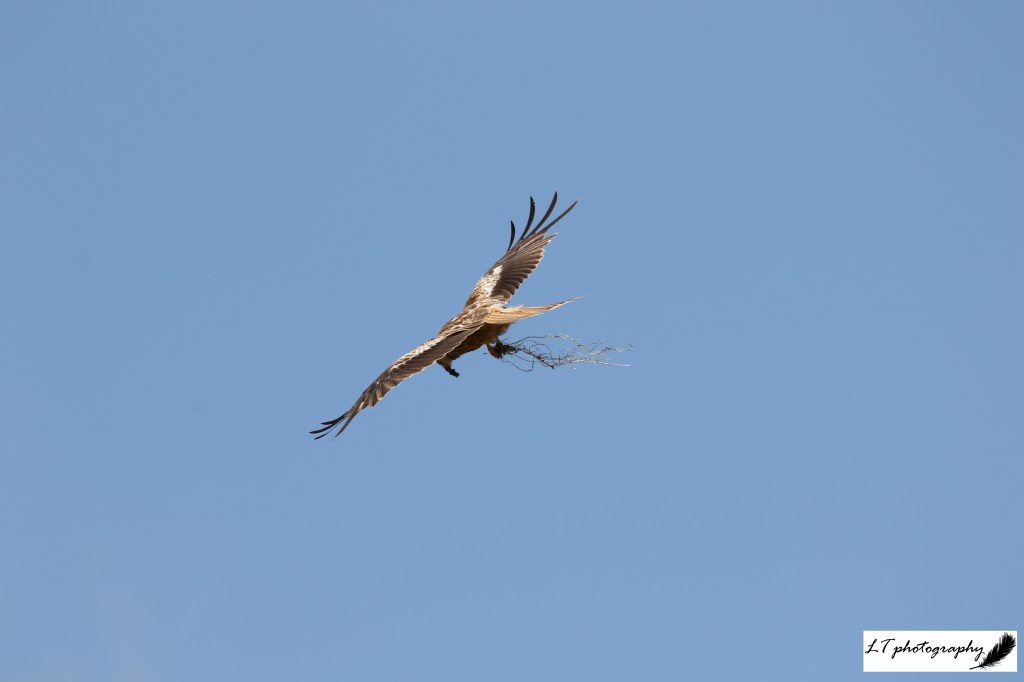
Day 8 – Another of my firsts for 2024 was capturing red kites on the wing in flight. This photo comes from a collection taken during this shoot, when red kites were hunting over a field that was being cut and baled. If you look closely, you can see that this particular bird had some success!
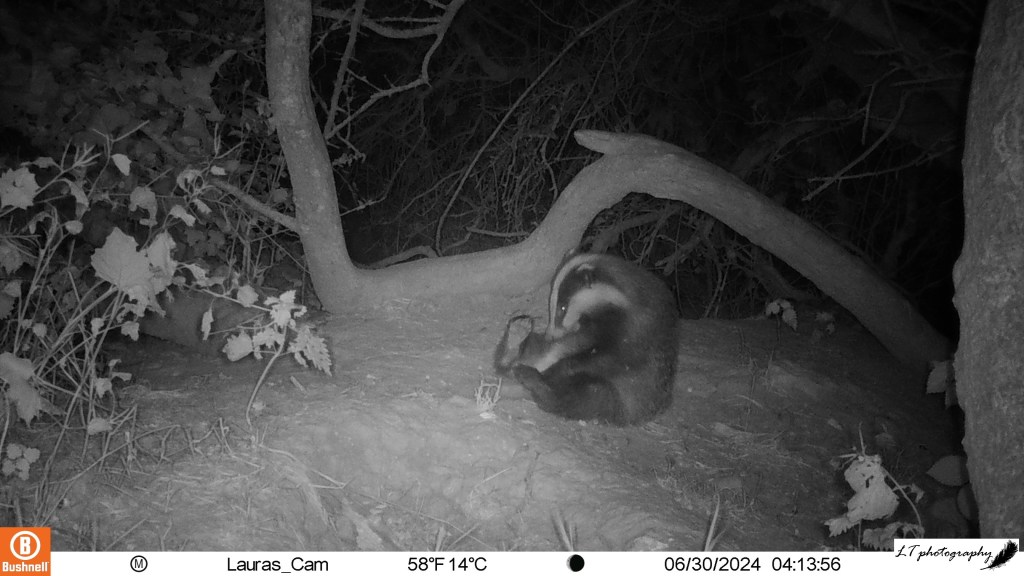
Day 9 – 2024 was a year for me full of incredible wildlife moments and adventures in my happy place out in nature. This included sightings from my camera traps of wildlife ranging from hungry hedgehogs to inquisitive foxes. Some of the best characters though, came in the form of a family of chilled out badgers, including this badger that just needed a sit down!

Day 10 – Though I love being out in nature all year round, spring always ends up being my favourite season of the year. It’s a time of hope, new life and incredible natural beauty, which always inspires me in my capturing of the natural world. Here’s just one of the many, many photos from spring 2024, that fills me with joy for the season to come this year!

Day 11 – During 2024, I also had the pleasure of getting to observe my very first nuthatch nest of my bird ringing career. It was amazing to be able to watch as these chicks overtime grew from looking like little dinosaurs to beautifully feathered nuthatch fledglings. This all happened in the matter of a couple of short weeks!

Day 12 – I saved my favourite photo until last during my 12 Days of Laura’s Wild Photos, with this photo showing one of my favourite spring sights. There is nothing quite like a beautiful rich blue carpet of bluebells set against the lush green of new woodland growth. It fills me with joy and the motivation to enjoy another year of the natural wonders in my local area and further afield.

For now it is time to make the most of the last of our winter months, and to look forward to new wild adventures to come!
A Year In The Life Of A Woodland – Part 1

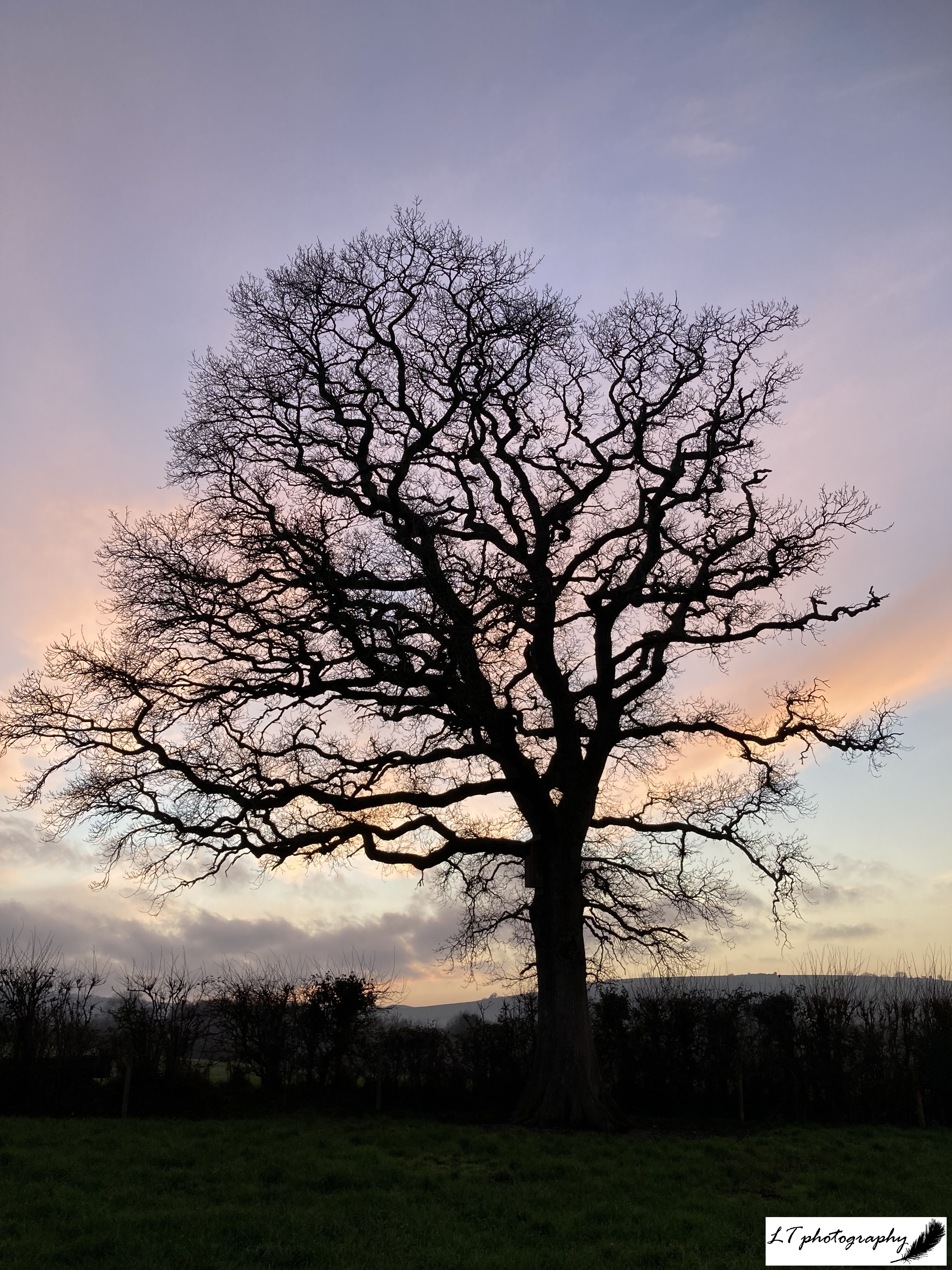
In 2022, I followed the annual cycle of one particular oak tree as it went through its own life stages, and watched the landscape change from its corner of a Dorset field. The tree encountered hunting barn owls, howling gales, breeding kestrels, and even a family of foxes, and observed such a vibrant year in nature even just from one spot. So for 2024, I wanted to follow such a story again, but this time on a different scale.

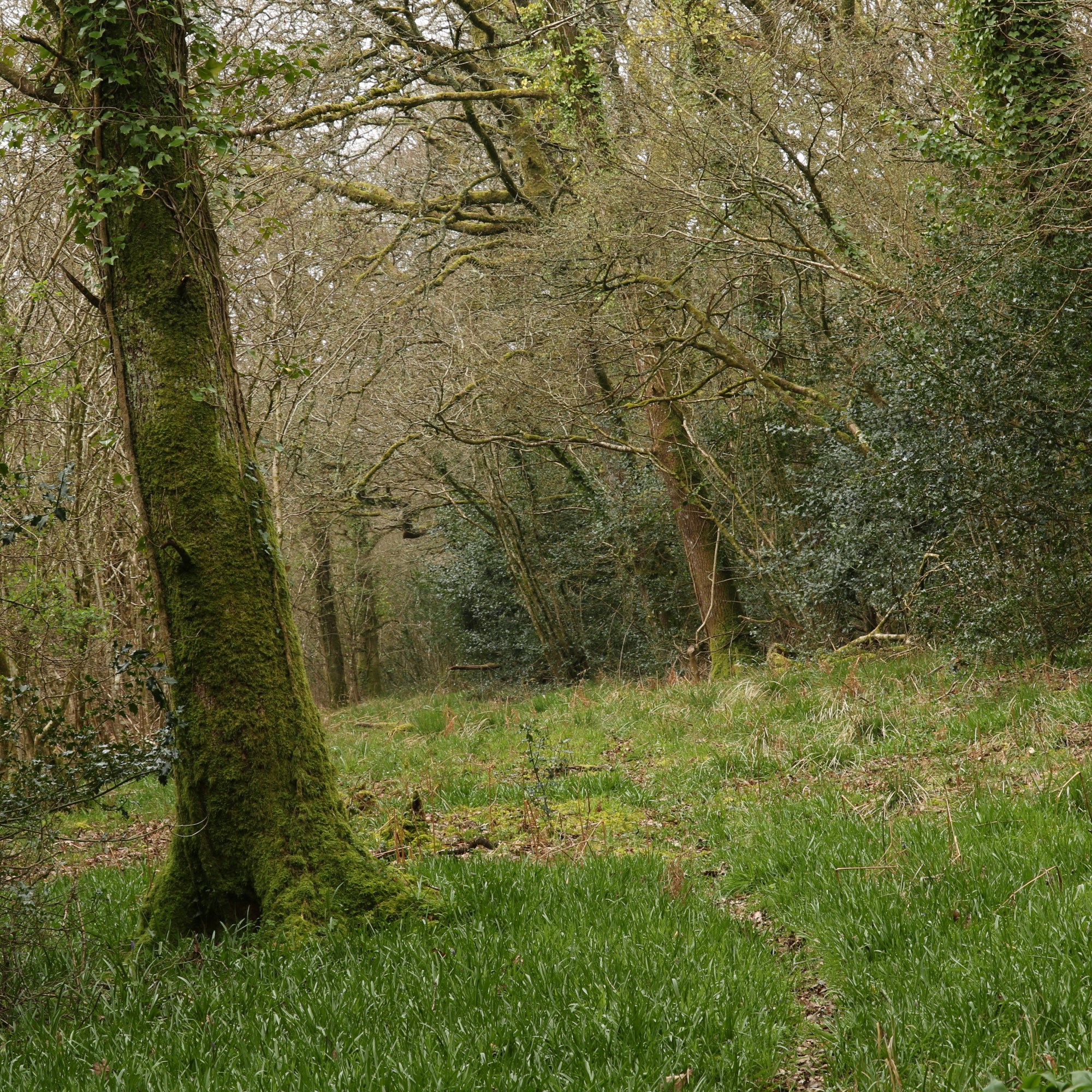
This year I am following a year in the life of an ancient, broadleaved woodland in the heart of rural, rolling Dorset. I will follow its progress from certain points within its bounds, and observe the beauty the woodland has to offer throughout the seasons. I look forward to seeing what goes on through the year, and the subtle differences from month to month at its heart. To start, I bring to you the first half of a year in the life of a woodland (January-June).

January

Entering the woods again at the start of a new year, there is a distinct feeling that the landscape currently lies in slumber. Though in previous years January has experienced wintery weather with cold spells characterised by hoar frosts and sheets of snow, this year the bite is missing from the weather, allowing the first signs of new life to appear already. The low winter sun breaks through the sturdy trunks of dormant trees, shining weak rays on the green leaves of woodland plants beginning to pop up underfoot, wood anemone and bluebells included.

Up in the naked boughs of the trees, birds fly from branch to branch, including blue tits, great tits, and goldcrests, buzzards whirl in the skies above, and pheasants make their raucous call now and again. Remaining holly and hawthorn berries provide a spot of colour against ivy and plentiful moss, but with the first lush greens and pastel yellows popping up, such as hazel catkins dangling from the trees, the woods are hinting at change. These are the first whisperings of spring in the stillness of the woodland, with more signs being found at night, such as tawny owls loudly defending their territories, and badgers and foxes increasing their roaming amongst the trees.

February

As a new month begins, the landscape feels like it is very much still in the grips of winter. A grey gloom hangs over the woodland, with the overcast sky threatening an endless possibility of rain. Where February 2023 was a cold, dry month, February 2024 is reflecting continued milder and wetter weather than average, with sunshine being much in demand. It is still not warm enough for any further advancement in the signs of spring from the previous month though, with the woodland floor still being mainly dressed in warm browns. Despite this, those first whisperings of new life can still be seen, with the slow marching growth of shoots of well known species, such as bluebell and stitchwort.

The mosses and lichens are also now joined by the much needed warm yellows of primroses and celandines, along with the red gems that are female hazel flowers. The slumbering woodland is currently the backdrop for the day-toiday life of its winter residents, but with the addition of blackbirds and song thrushes now starting to sing their melodious songs ahead of breeding in the spring.

March

As March begins, the start of blackthorn winter brings biting winds from the north, creating a break in 2024’s trend for warmer and wetter weather, which continues for the rest of the month. A rare calm day though sees the woodland bathed in soft, early spring sunshine, as it begins to finally switch from its shroud of brown to greens, with a carpet of new growth. Bluebell leaves are marching on in their advance of growth, making the most of increasing temperatures, whilst spear-shaped wild garlic leaves now carpet areas around the ambling streams through the middle of the wood. Hazel catkins are now fading to a creamy yellow, and their red female flowers are joined by swelling leaf buds. Though spring is advancing quickly, the woodland still waits for more flowers to keep company with the primroses and celandines.

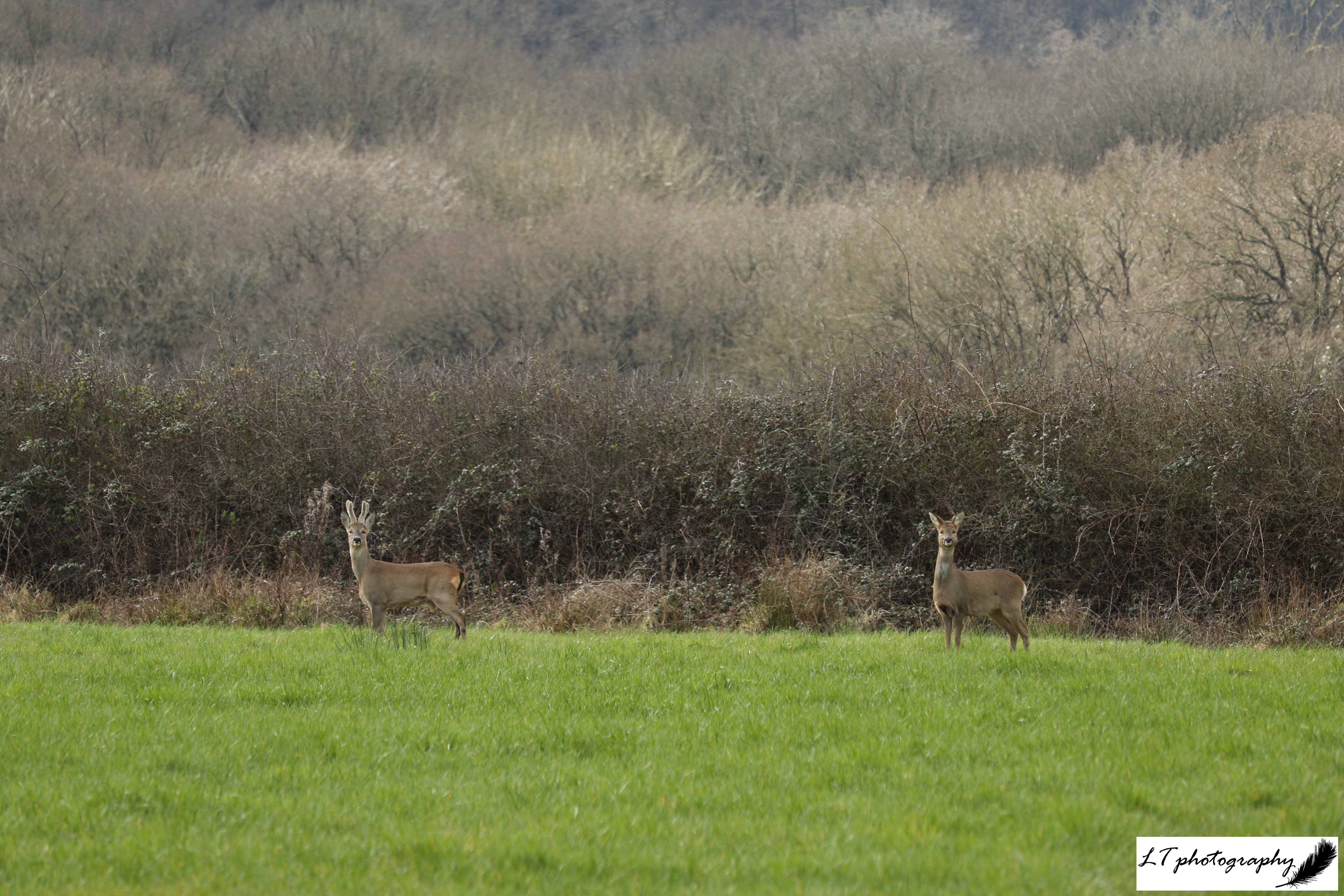
A difference lies up in the trees. The woodland is coming alive with the sound of bird species that have wintered here in the UK and do not have to travel as far to return to their breeding territories. From great tits and blue tits, to wrens and goldcrests, a range of calls and songs can be heard, cut through by the sound of great-spotted woodpeckers drumming near and far. Mammals are beginning to become more active too, with grey squirrels fighting for territory and roe deer groups roaming through and around the woods. Spring is on its way!

April

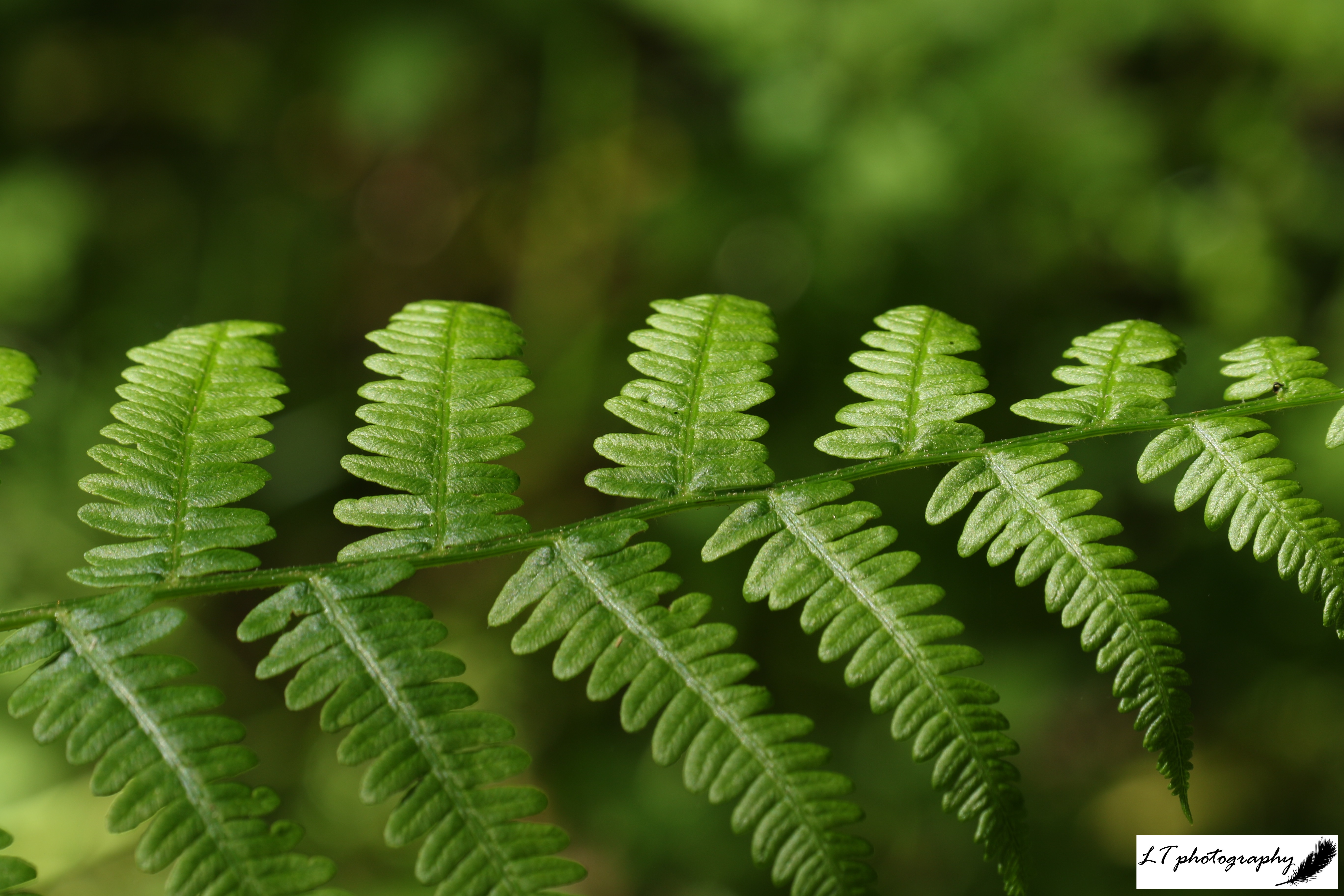
As spring unfurls, the weather of April feels reminiscent of 2023, with cooler, damper weather dominating due to persistent north winds and plenty of rain. In the woods growth continues to move forward, but at a noticeably slower pace than could be expected. The month opens with tree buds swelling, hazel and hawthorn leaves bursting forth, and trees dripping with blackthorn and willow flowers. The woodland floor is coming to life now with a never ending mat of purple dog violets, pale green moschatel, yellow celandines and primroses, white stitchwort, the beginnings of purple-blue bluebells, and the fantastic starry heads of wood anemones. Wild garlic leaves continue to grow around the bubbling streams, smelling noticeably pungent now and beginning to show the whites of flower buds, whilst ferns unfurl their hairy coils across the woodland.

As the woodland bursts into life, it is accompanied by an intensifying soundtrack. In the background a rich tapestry of bird song can be heard, as migrants make their return, from great tits, blue tits and wrens, to chiffchaffs, blackbirds and robins. These include the continued crow of pheasants, the cat-like mewling of buzzards circling overhead, and the barks of grey squirrels. Listening more closely though, buzzing can now be heard as bees and flies make the most of flowers now blooming. The woodland finally feels alive after the first three months of the year taking its toll, though it waits for the return of some warm spring sunshine.

May

On a quiet afternoon at the start of the month, stepping amongst the trees is like stepping into a whole new world compared to the start of the year. Sunlight falls soft through new green leaves, dappling the woodland floor with warmth and light. At the base of the trees, the floor is now a lush green carpet of plant life. The cooler weather of April has meant that some April events have continued on into May, such as the bluebells, whilst the wind now coming from the south bringing warmer weather is beginning to promote much needed new growth.

Bluebells are just going over their peak after a spectacular show of rich purple-blue that has been breathtaking. Amongst hanging bells, stitchwort is continuing to open new flowers, alongside shocks of pink from herb Robert. New flowers appear in the forms of early-purple orchids, and red campion. Yellow archangel that took some time to arrive is becoming bleached to a creamy yellow, whereas wood anemones are bidding their final farewell. Wild garlic persists as do bright yellow celandines, adding to the show. Things move on though, as the ferns begin to overshadow the bluebells with their green fronds. Spring marches on.

With plant life becoming abundant, the woodland is now abuzz with insects of many kinds, whilst spiders make their homes between the flowers. Midges are particularly prevalent this year with a damp spring too! A highlight right now though, is the woodland’s bird life, with the continued singing of many species that call the woods home and are breeding right now, the chiffchaff really standing out in particular. Somewhere in a hole in a tree, maybe a tall oak, a female blue tit will now be sat tight on her eggs, growing the next generation of blue tits. 

June

As I step into the woodland on one of the first dry days in a while, my surroundings move from bright light to light spots and shadows. The tree canopy is now nearing completion and lush green oak, ash and hazel blanket out the light. Below on the woodland floor, a change has occurred. Spring stars have finally made their leave, and riotous bluebells, early-purple orchids, and wild garlic have been replaced by a dense green carpet of leaves. Herb Robert has taken over, with pink flowers creating a joyful pop of colour. Also these flowers are joined by white pig nut, purple germander speedwell, and pink foxgloves, and the lst yellow archangel, stitchwort and vibrant dog violets. The green seed pods of previous flowers remain, and a bluebell here and there when lucky, but now ferns stand tall above the woodland floor, unfurling their final leaves and making a canopy of their own.

As the spring season bids us farewell, it’s now the time of new life and growth, which is currently evident in the woodland. The drone of insects has lessened as flowers go over, but can still be found with flashes of blue damselflies, battling speckled wood butterflies, and striped flies. The first young of mammals, such as foxes, and birds, such as tawny owls, are also now venturing out to explore their new world. This can be heard up in the trees with the songs of birds and the alarm calls of protective parents. Summer and lazy days are on their way!

Spring In Photos 2024

Spring 2024 has no doubt been a tough one for all, nature and wildlife included. The cold and wet weather appearing throughout has made for a unique few months, that has often felt more like a continuation of the winter passed. Despite this, spring took its time to unfurl as in the last couple of years, and had lots to offer.

When it comes to nature, whatever is going on, it continues to provide moments of calm, vibrancy and adventure. This has been apparent more than ever as I venture out with my camera or simply with my phone at hand. Here are just some of the many photos I have taken this spring.

Spring In Photos 2024

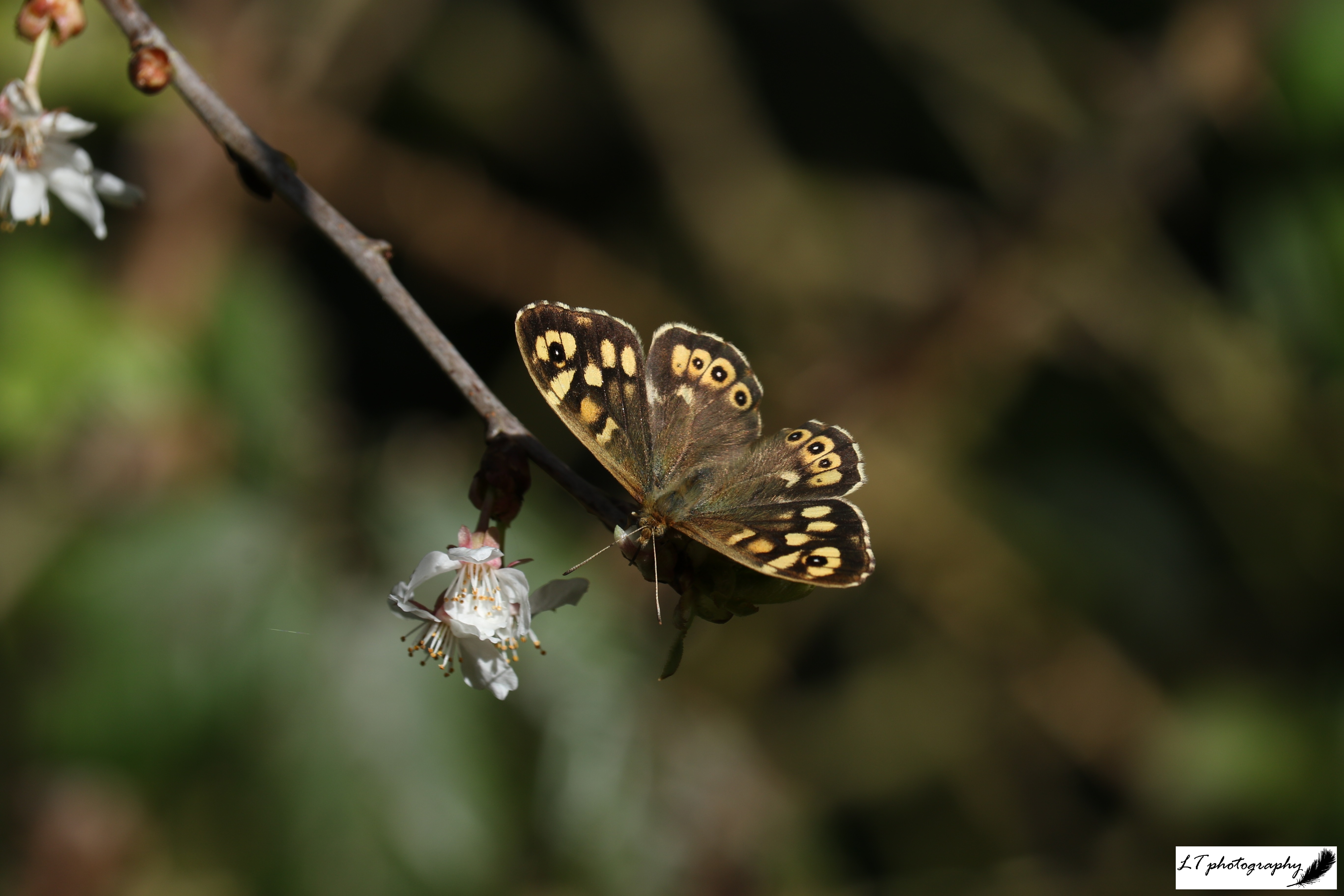
Butterfly On Blossom
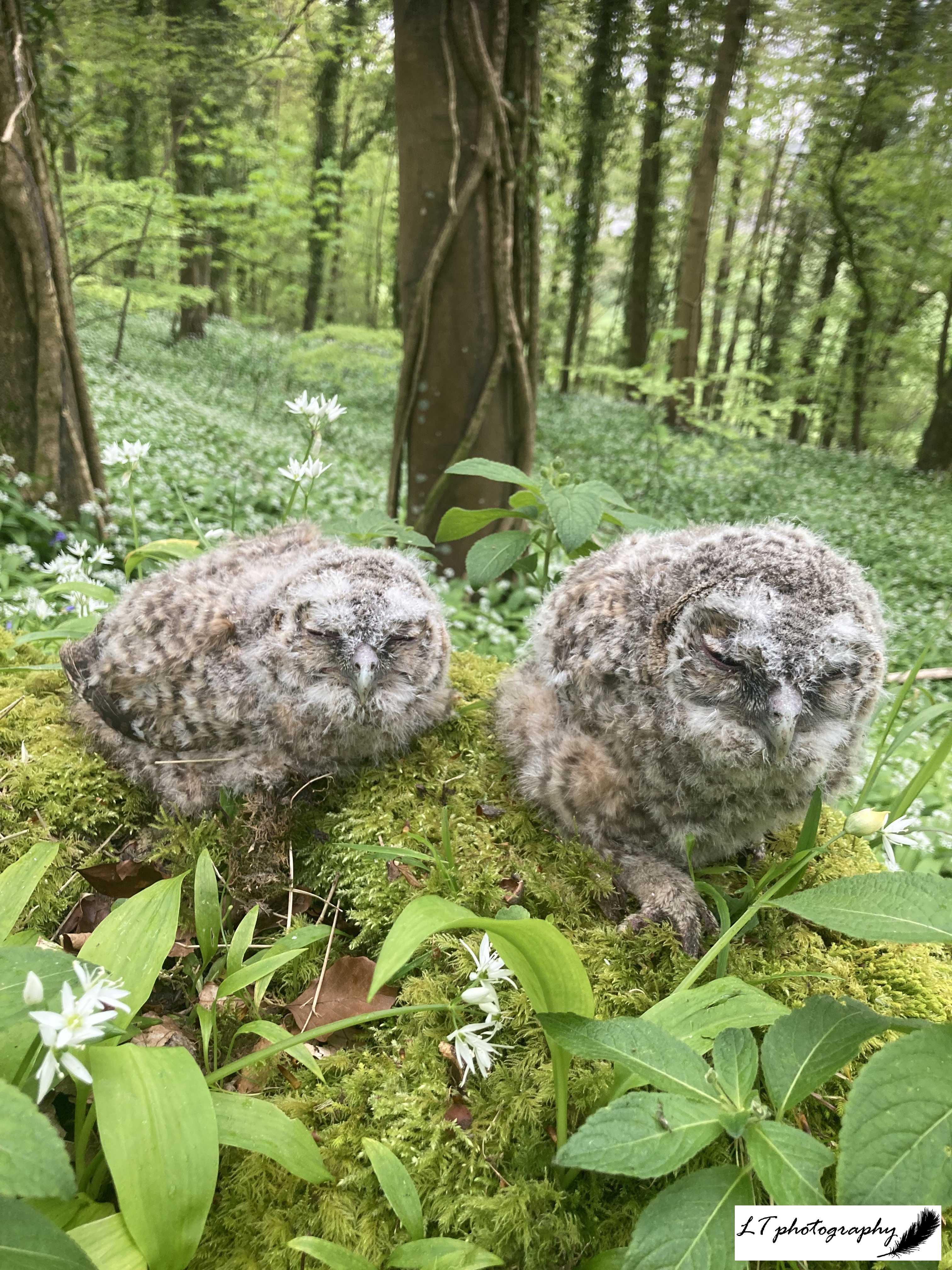
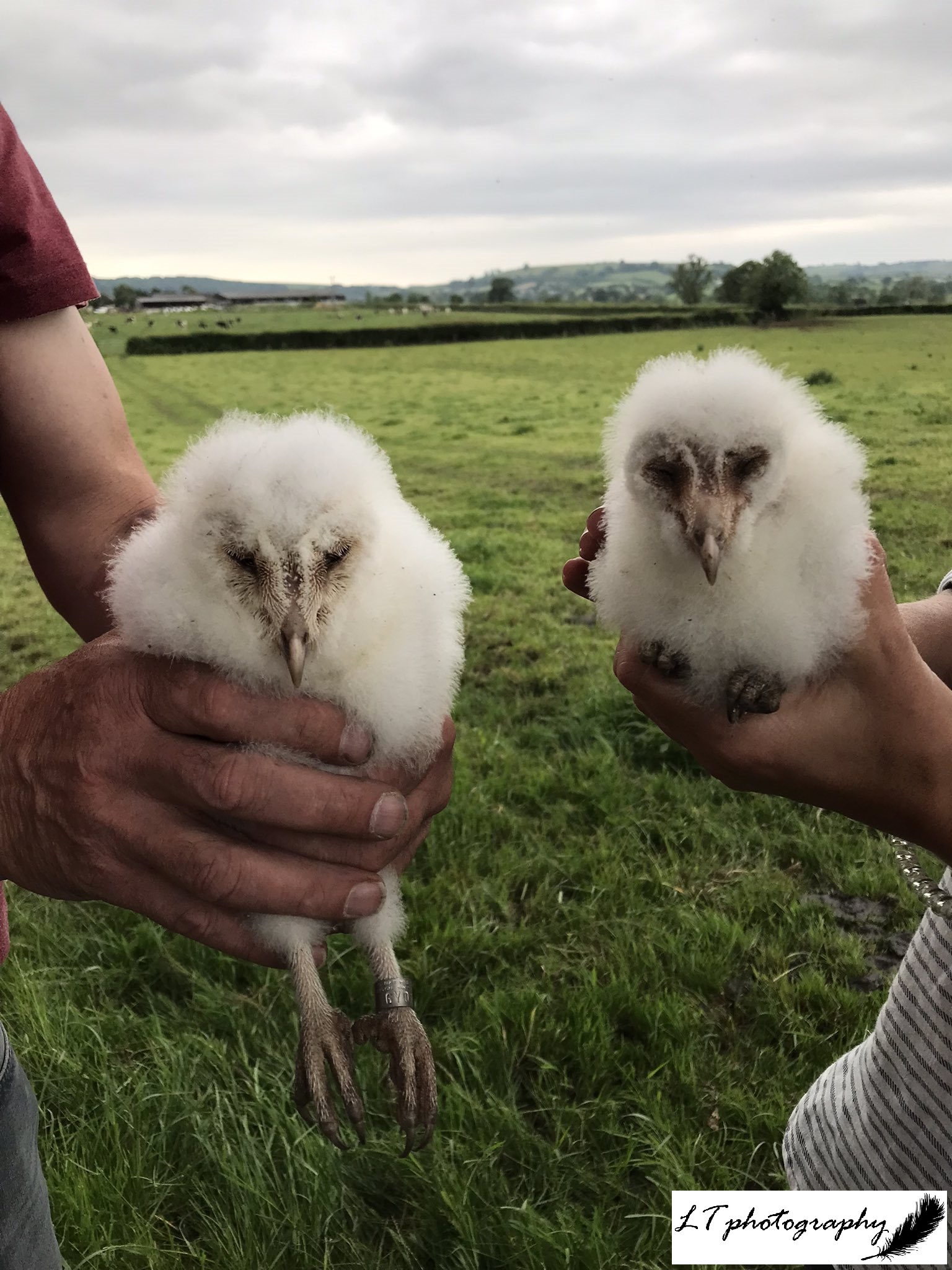
It’s Tiring Being A Tawny chick!
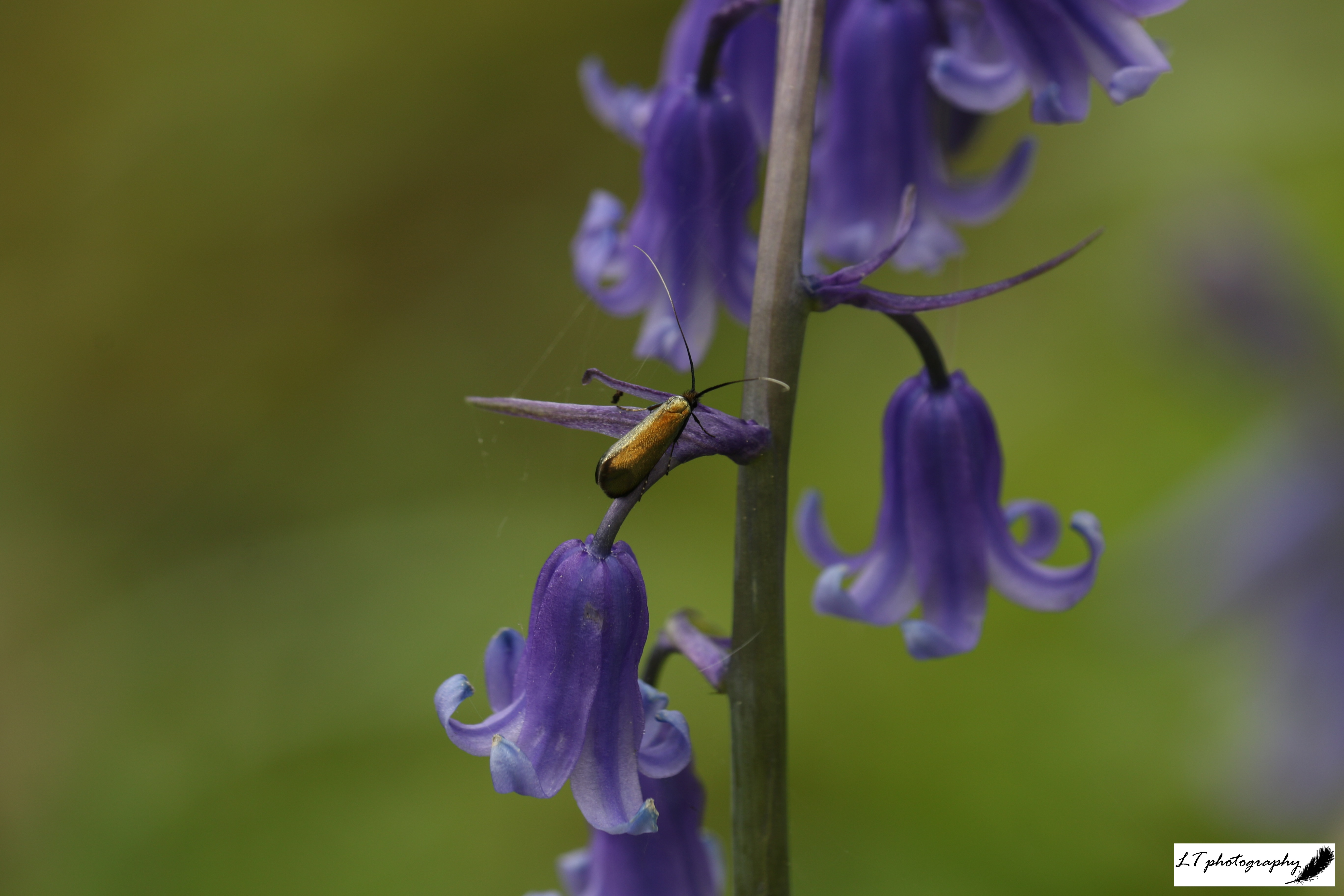
Shimmering Like Gold
In The Spotlight
The Rook To My Raven
Focussing On The Little Things
Sparkling In The Dark
Flying High As A Kite
Beautiful In Blue
Love On The Water
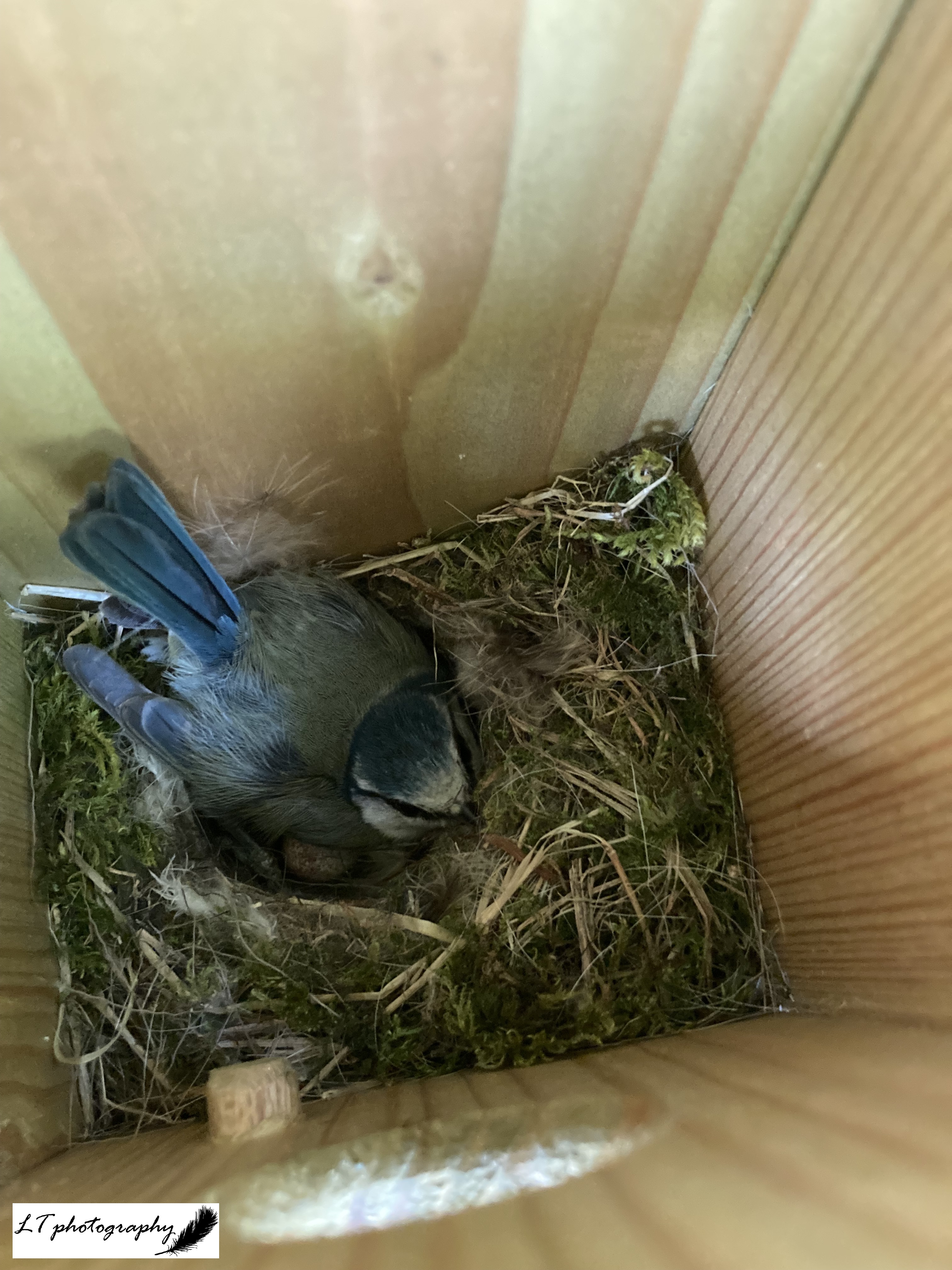
Brooding Like A Blue Tit
A Speckled Beauty

Disclaimer: All birds were handled or observed under rules, with care, and by a trained bird ringer. The welfare of animals always comes first!

Rural Dorset vs. Urban Manchester: Magical Minibeasts

Series in collaboration with guest writer Emma Rogan

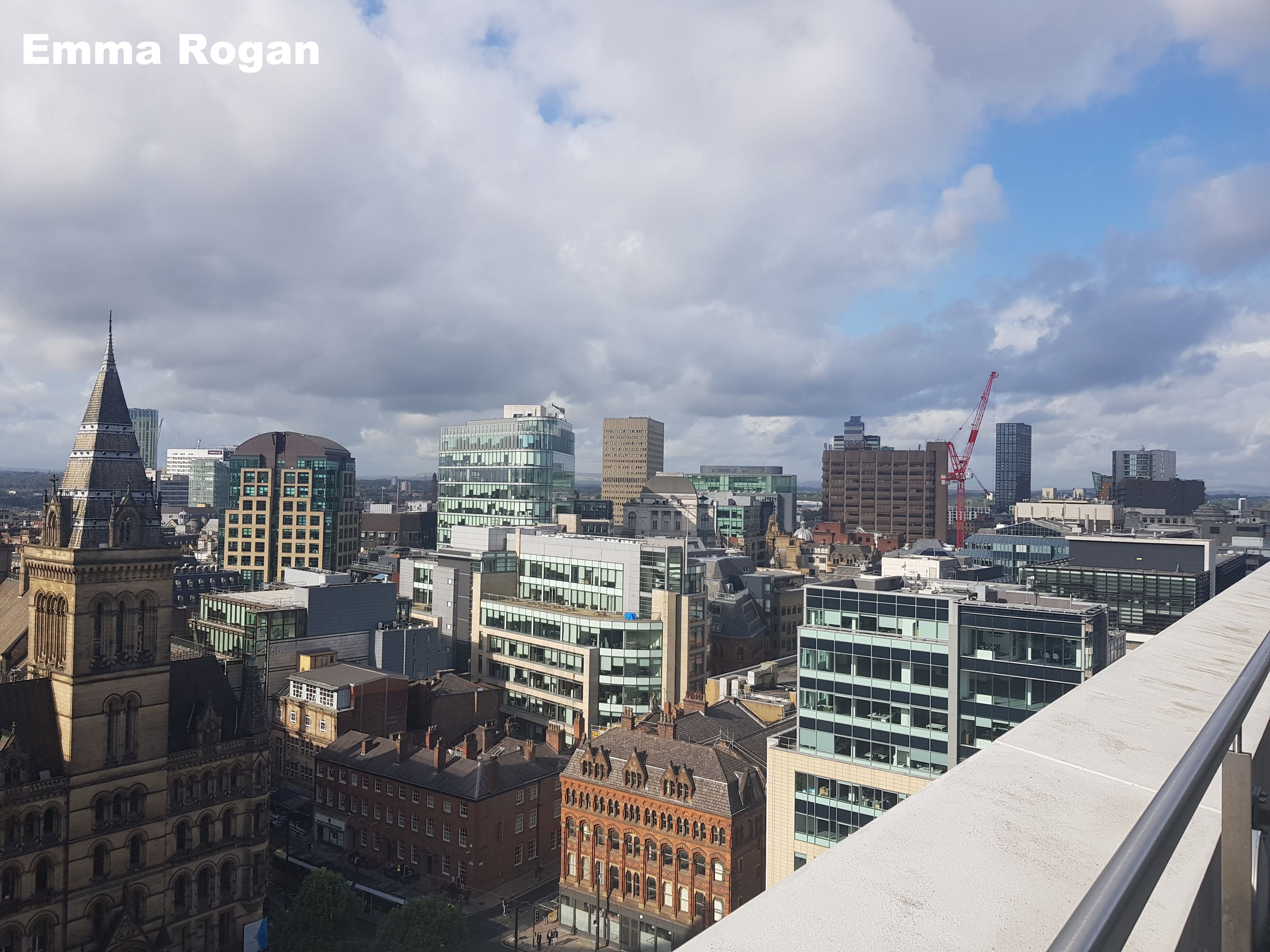
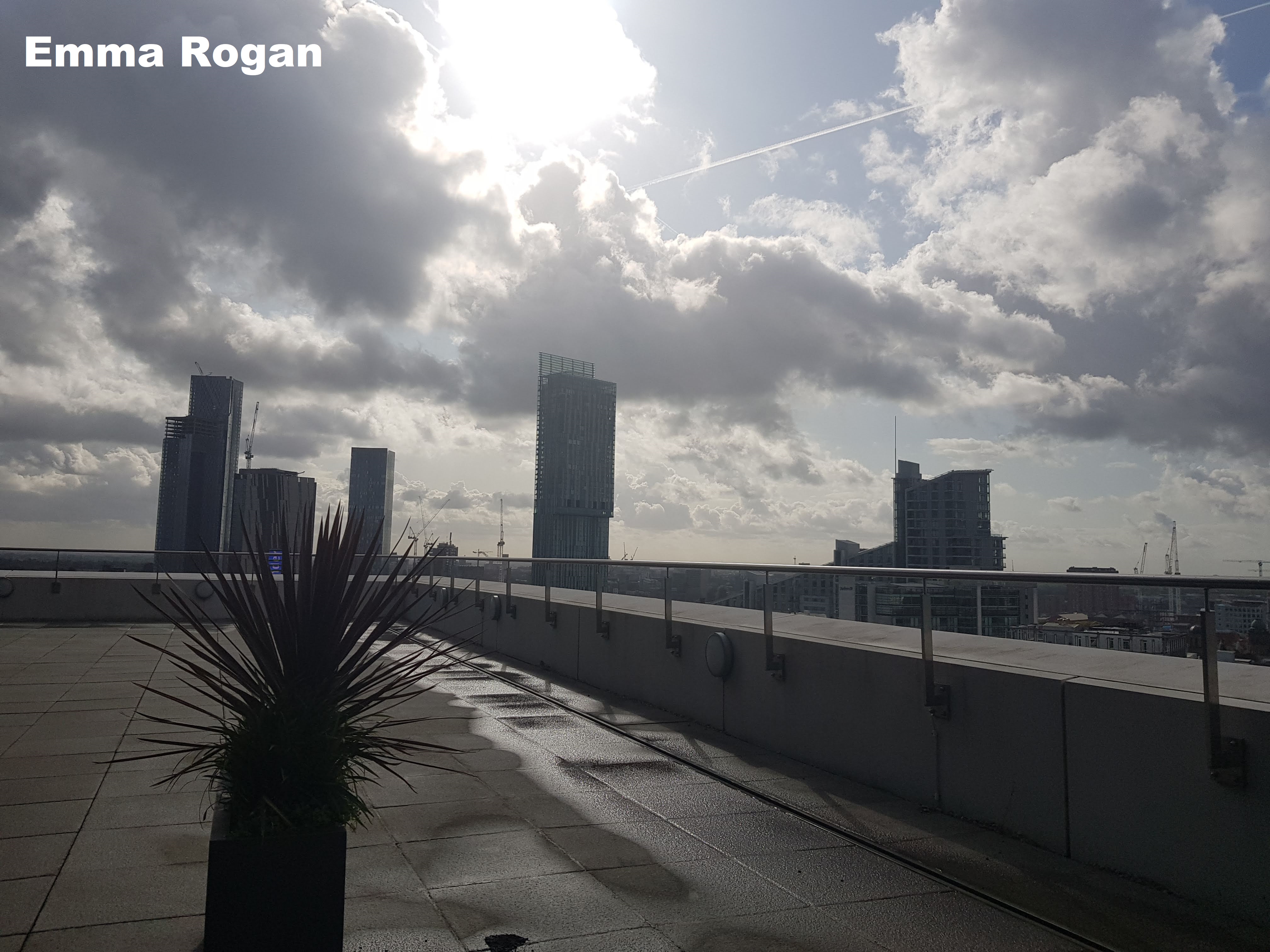
Rolling green hills, trees sprawling across the landscape, hedgerows thick with plant and animal life, flowers growing up here and there, and rivers flowing through it all. The light of an orange sunset cast out over the city by a soaring glass tower block, the lonely lights of a crane against an evening sky, busy streets lit up for Christmas filled with music and laughter. Everyone’s idea of idyll varies, but for nature any landscape could provide a home. Let us explore.

Growing up within her family’s 250 acres of land, for naturalist Laura, rural Dorset is home. In what may be called the ‘middle of nowhere’ for an urban adventurer, Laura grew up alongside wildlife from barn owls and hares to grass snakes, damselflies, and oak trees. With parents that nurtured her to take an interest from a young age in looking after the wildlife they saw on their doorstep, this landscape has made her the conservationist and scientist she is today. Now her home provides inspiration for her photography and writing, including her Laura’s Wild World blog. Check out her blog here.

Guest for this series and wildlife enthusiast, Emma grew up in Manchester and will always be a city girl at heart. As a child she loved to watch nature documentaries and daydreamed about faraway places, but over time she fell in love with the wildlife that also calls Manchester its home. Emma has spent the past year documenting the lives of the insects, birds, squirrels and foxes that stop by her little rectangle of garden, and exploring the local woods alongside the River Mersey with her mum. Check out her page here.

In this brand new blog series, we take a look at the local wildlife that can be found in two very different home locations. Though at a contrast with each other, we will see how nature can make its home in both rural and urban landscapes, and the wealth of life that can be explored on anyone’s doorstep. At a time when it is so important that we protect and conserve the natural environment around us, let us inspire you as we take an adventure to explore a smaller side to nature.

Laura’s Countryside Minibeasts

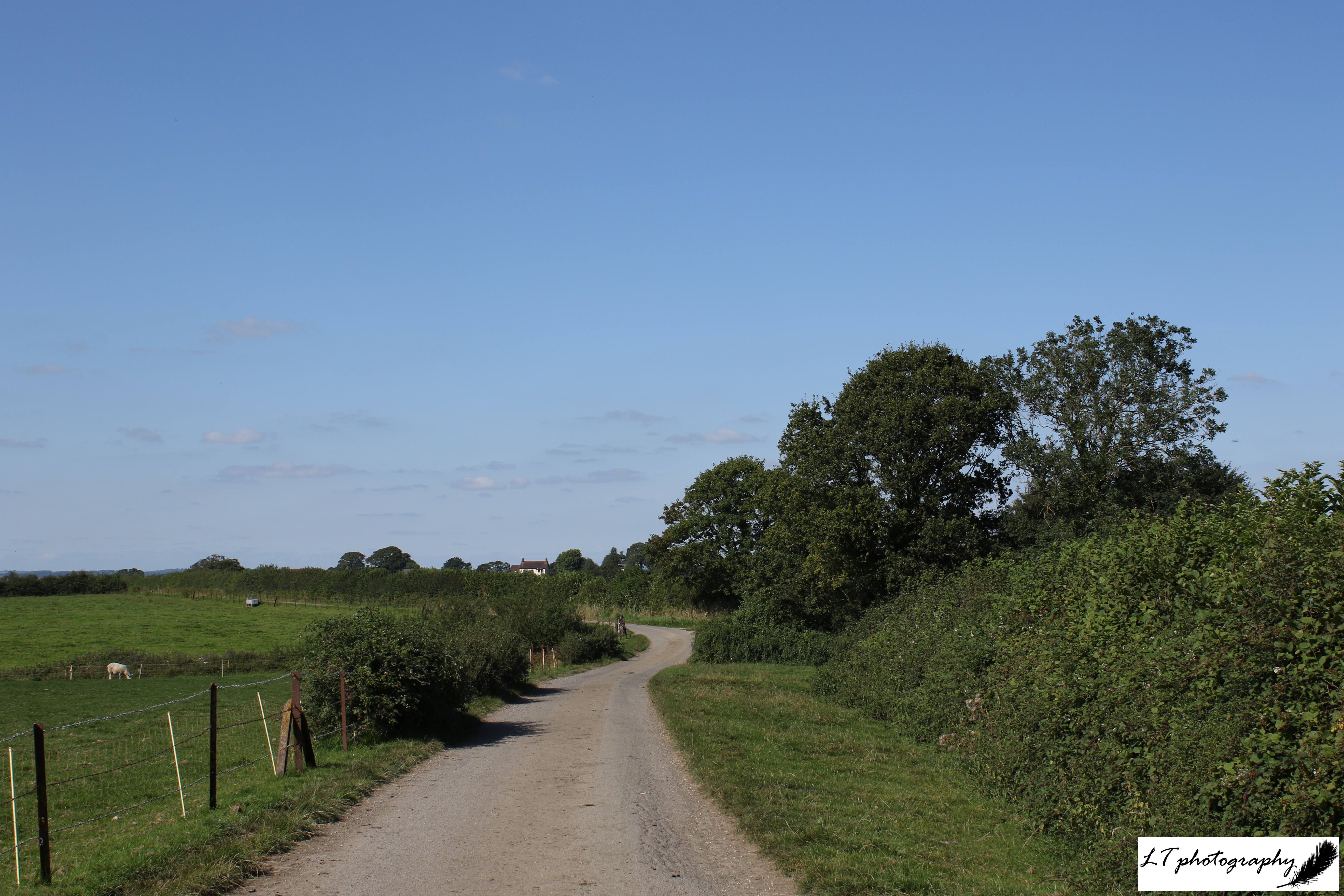
Today was a warm and breezy day, perfect for walking through my family’s Dorset farmland in just a T-shirt and shorts. It was the kind of day though when you could feel the first breath of autumn in the air, kept at bay by the bleaching late-August sun. Pushing the cooler days to come to the back of my mind, I set out to try to see what smaller creatures I could find out in nature.

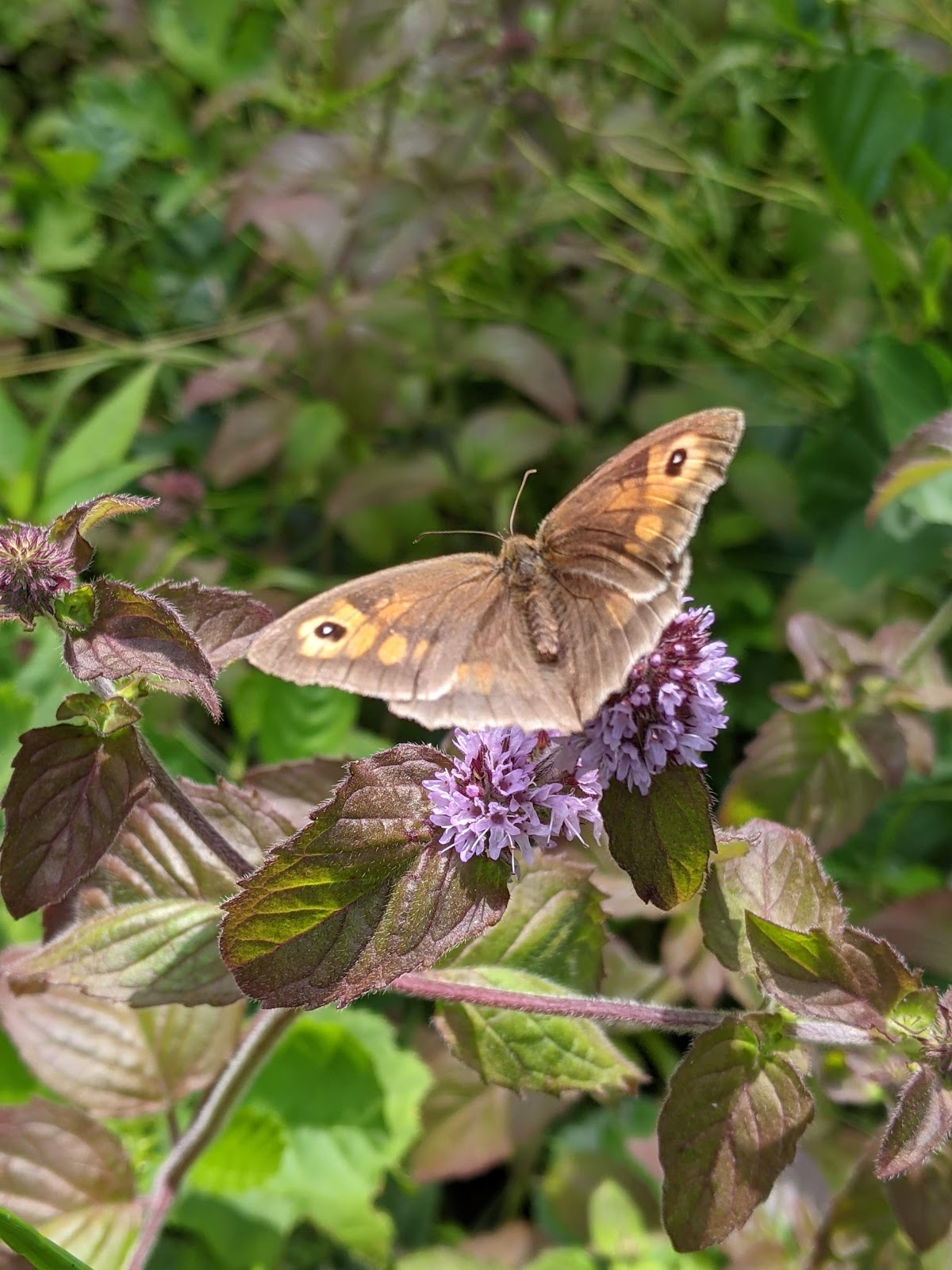
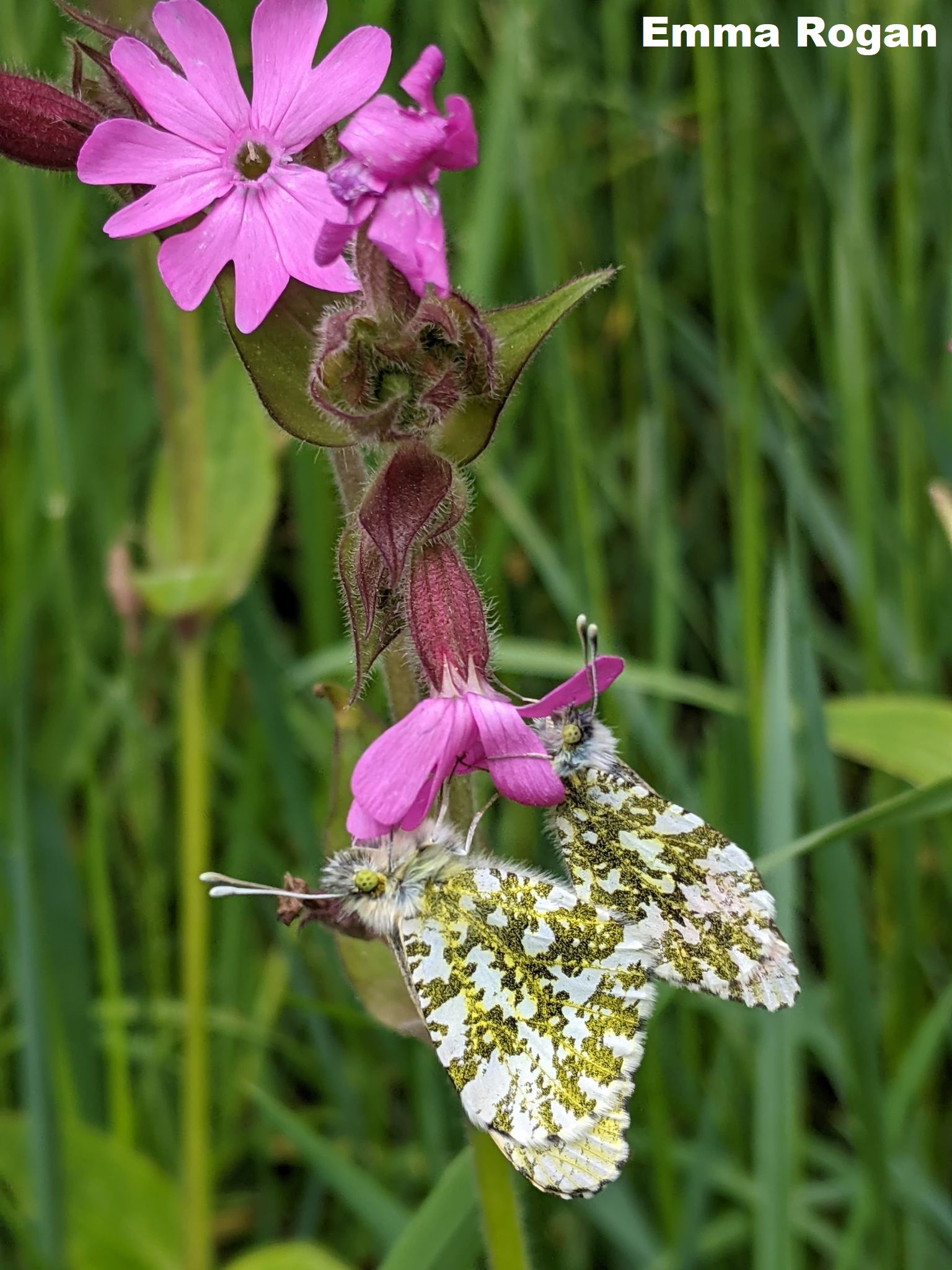
Journeying along tracks, through grass fields, over rivers, through tall maize, past a chalk ridge, and back home to my garden, my quest bore more and more fruits along the way. With every turn I got to experience a colourful and spectacular diversity of butterflies from small coppers to peacocks, got to be serenaded by grasshoppers singing their chirping tune, and to be joined by crane flies lazily hanging in the hazy golden light as I walked along on my own.

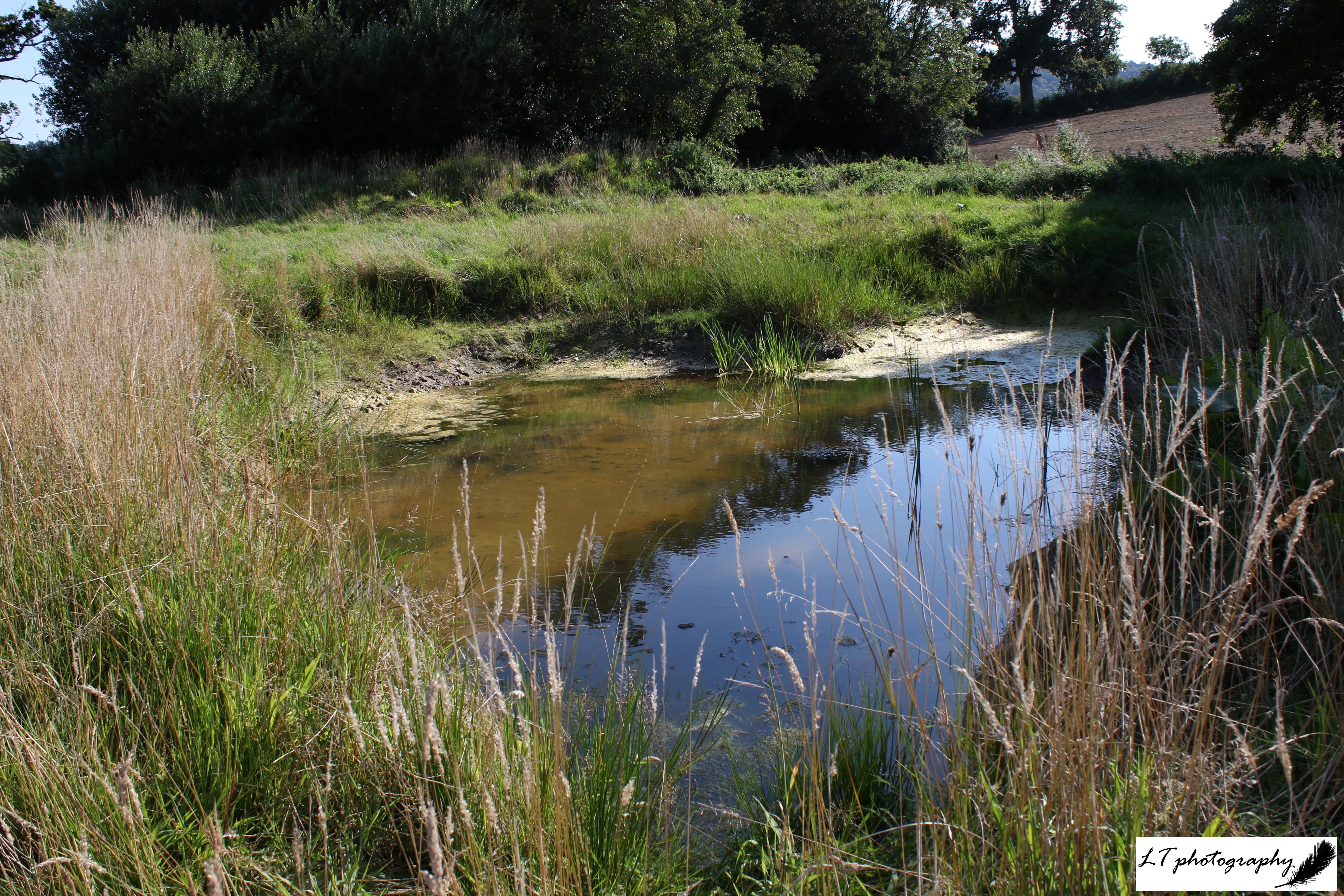
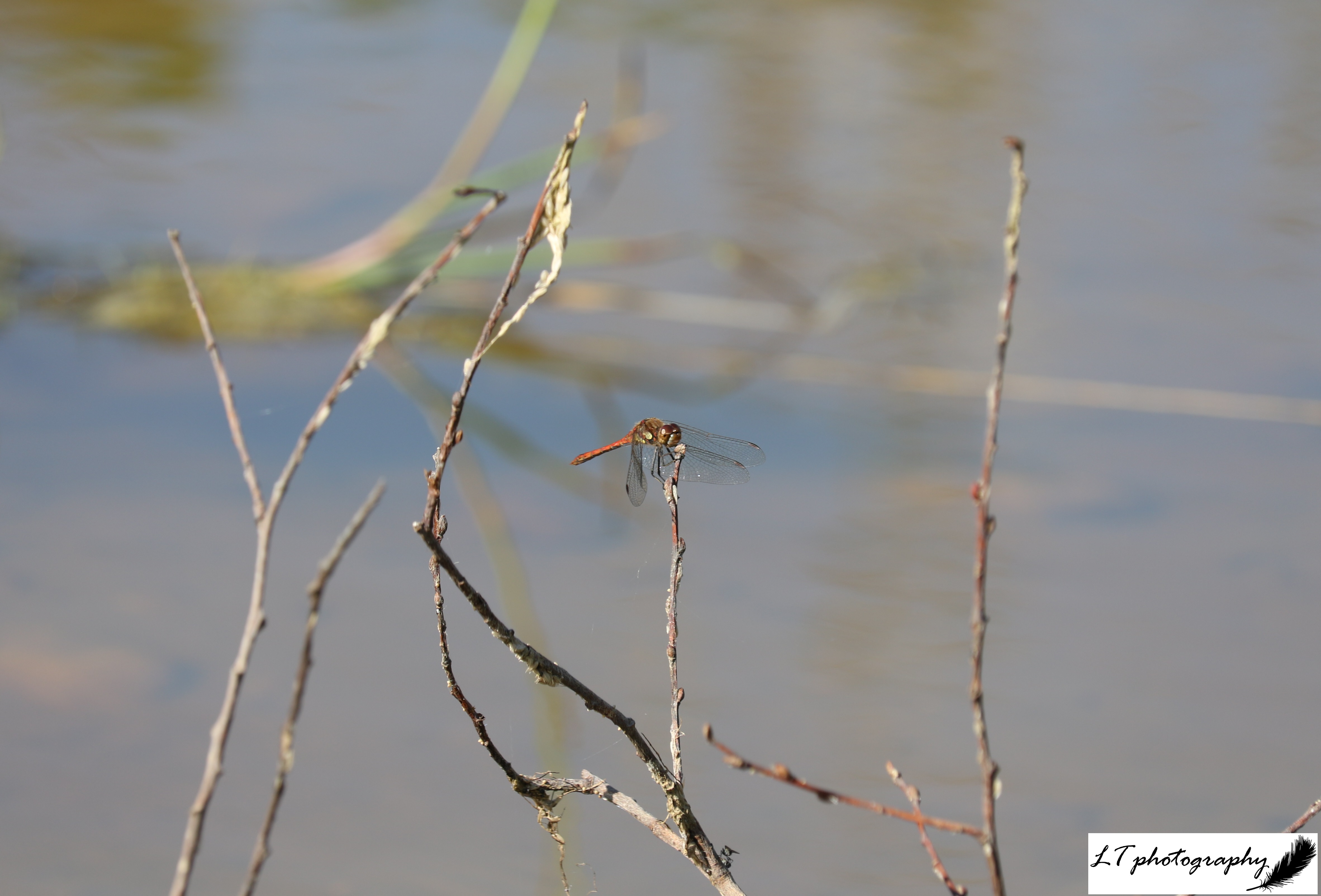
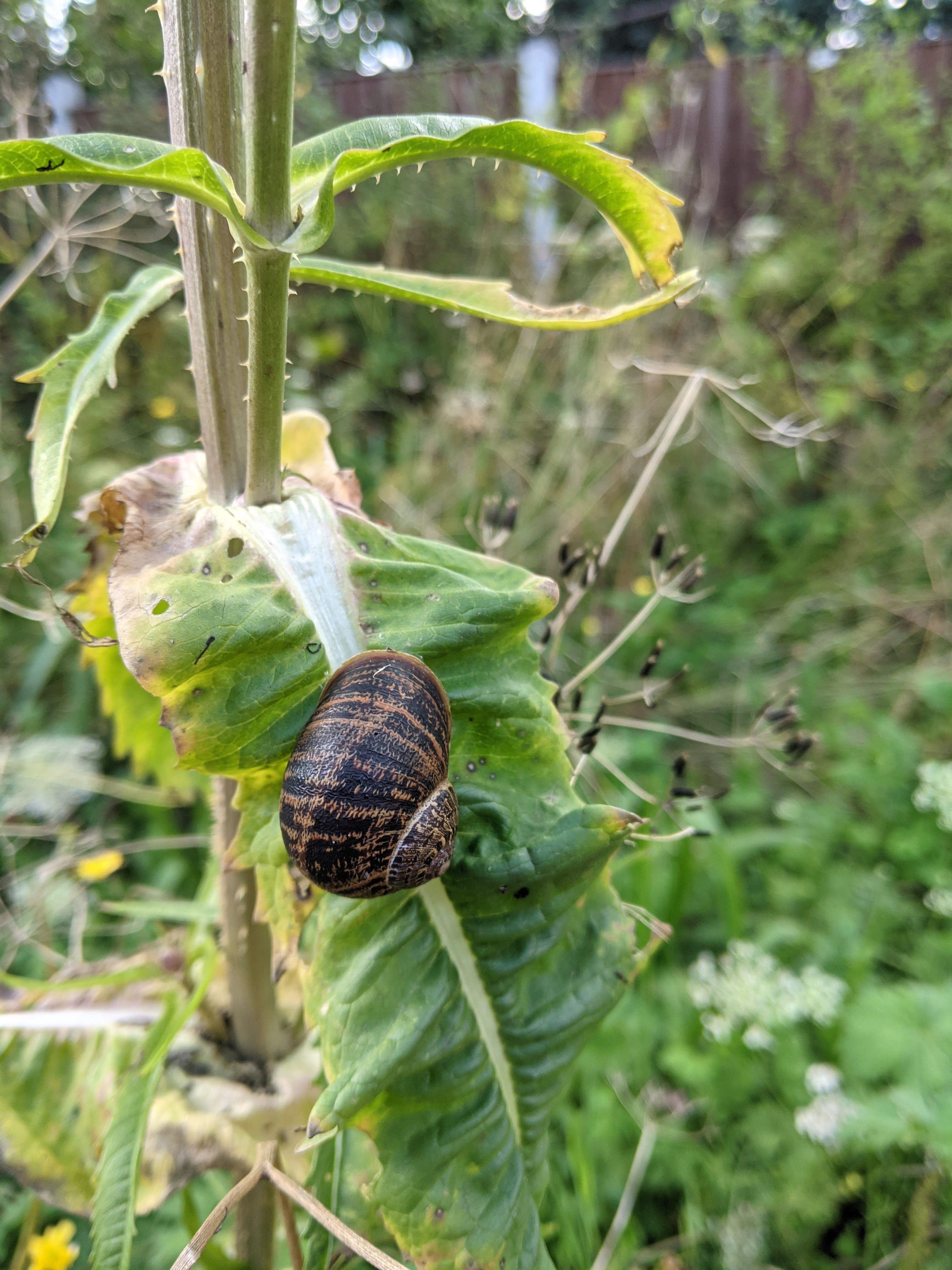
As my minibeast list grew, I stopped here and there to take a closer look, such as to gaze at beautifully banded snails hanging from nettles, or to photograph minibeasts, such as the curious looking froghoppers making maize leaves their home. I was loving it! The main highlight of my adventure though, had to be discovering a treasure trove of dragonfly and damselfly species on and around the pond in our conservation field. One minute I would see the golden-brown of an unknown dragonfly fly past me, before catching sight of common blue demoiselles dancing in the air and red-veined darters defending territories over the water. I was amazed at how many beautifully-coloured species I saw in such a short space of time!

When I set out on my minibeast adventure, I was not entirely sure what I would find at this late stage of August. Whatever I thought though, by the end I was having a really great time, seeing some cool minibeasts ranging from busy honey bees enjoying a medley of flowers to many butterflies adorning buddleia bushes like gemstones. It really brought home that you never know what you might find until you open your eyes to the world around you. I am no invertebrate expert, but I was still able to take in all the wonders this mini world had to offer. It was a great break from life, though more importantly, a game changer!

Emma’s Minibeast Hunt in the City

Unbelievably, the afternoon I’d planned to go on my Minibeast Hunt was beautifully warm and sunny with a slight breeze. This is a rarity in Manchester! I gleefully pulled on my walking boots and headed out with my other half to Fletcher Moss, a nearby park and woodland alongside the River Mersey. We spent an hour wandering through the Parsonage Gardens, down to the river (down, down, doooown by the riveeeer – any Baldur’s Gate 3 fans?), and through the woods, making a brief stop for ice cream along the way!

The Old Parsonage and it’s beautiful walled garden was left to the citizens of Manchester by Alderman Fletcher Moss in 1919, and has since become a much-loved community space which is carefully looked after by volunteers. The garden was buzzing with pollinators drawn in by the variety of flowers, the echinops was particularly popular! It’s always lovely to see bees out and about in Manchester, as bees are the symbol of our city.

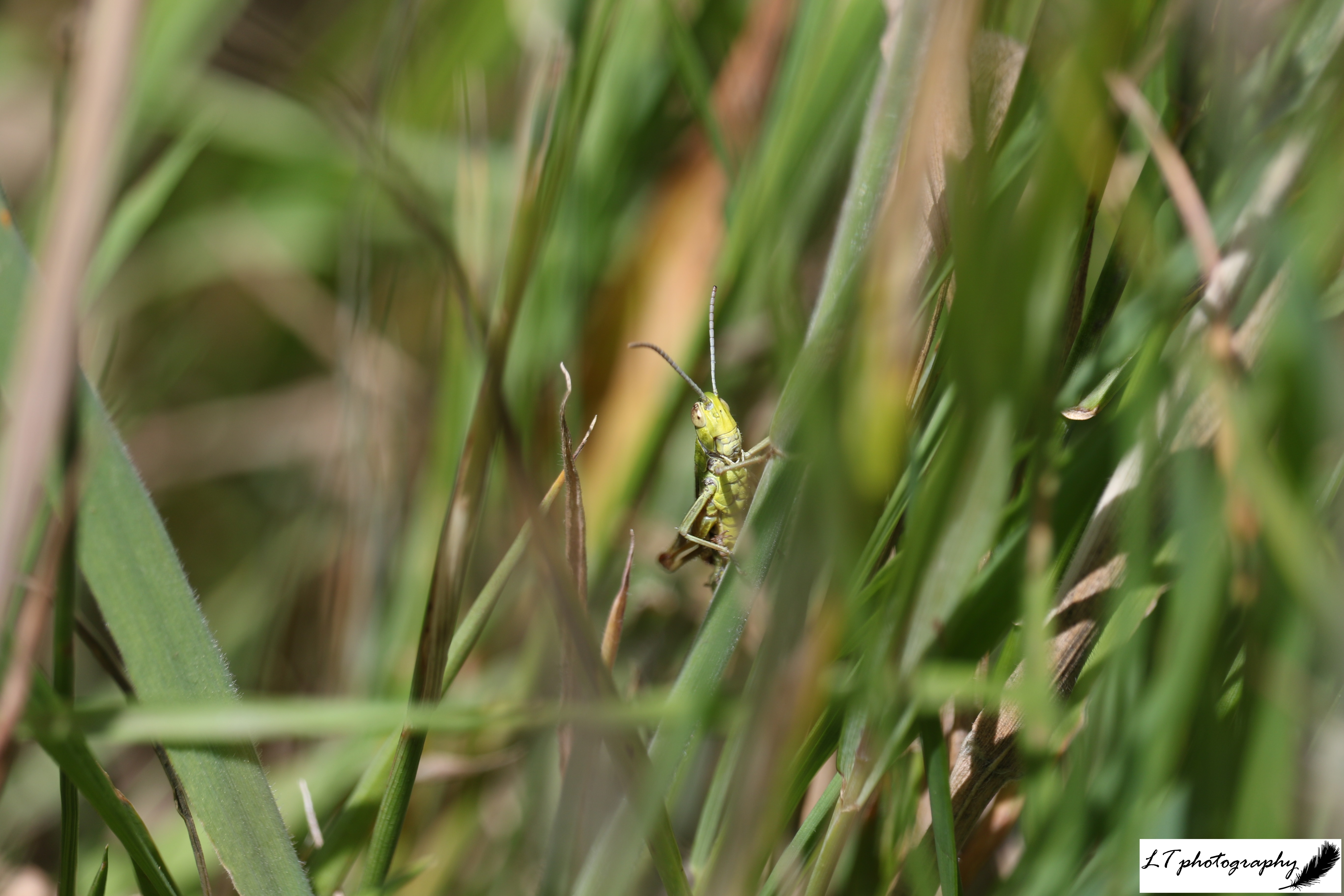
We then walked down the hill and took a winding path towards the river. The first stop on our riverside walk was Simon Bridge, a green iron bridge across the River Mersey which was gifted to the people of Didsbury by Henry Simon in 1901. Plenty of bees, wasps and hoverflies flew past us as we walked, but our second stop came when we heard what we thought was the singing of a grasshopper! This necessitated ten minutes of searching and more than a few curious glances before we found the little guy sat solemnly on a blade of grass.

As we wandered on, our path took us away from the river and back up into Stenner Woods, a small area of woodland in the original Mersey Valley flood plain. It was at this point that a dragonfly decided to join us! Unfortunately, he wouldn’t stay still long enough for me to take a picture. We also came across a snail clinging to a thistle, and a ladybird nestled between the spines of a teasel, and a very hungry group of mint leaf beetles. Butterflies were noticeably absent, as we spotted only one female meadow brown butterfly during our walk. Our final stop was at a small pond area, where we saw what seemed to be hundreds of pond skaters!

I’ve been fond of bees for quite a few years (I even wrote my dissertation on bees!), but I don’t often take the time to pause and notice the other minibeasts that live in my local area. This minibeast hunt was a great opportunity to challenge myself to look closer, and I felt very lucky to gain a snapshot into the lives of these smallest of animals.

Minibeasts

When people think of animals they usually think of lions, bears or elephants, for example, forgetting the smaller less observed animals in nature. The minibeasts we walk past each day though, can be equally majestic and awe-inspiring. Butterflies in spectacular colours, weird and wonderful froghoppers, or wriggling hard-working earthworms. All play an important role in nature, but tend to go unnoticed and be underappreciated.

On both Emma and Laura’s minibeast adventures though, they found taking the time to focus on the smaller things eye opening. They might live in very different areas, but the green spaces they both have access to show an amazingly similar host of minibeasts. From grasshoppers to dragonflies, amazing minibeasts can be found anywhere. By challenging yourself to look closer at the smaller things in life, you can learn a lot, be provided with inspiration and even experience a moment of distraction and escape. Minibeasts are colourful, unusual, and awe-inspiring, so why not stop and find out what you could discover too?