Heart racing with excitement as I take that first step on to the ladder. One step, two step, and the next and the next, until I reach the box high in the rafters of the empty barn. Tap, tap on the side of the box to double check that the adult has left, before reaching quietly for the latch. As I carefully open the little door to the box, I then get my first peak of what may lay inside. There, at the back of the box, balls of downy feathers topped each with a pair of inquisitive eyes outlined by a heart of new feathers. Hope, elation, and pure joy – Original Piece
Iconic, distinct, and delightful, Barn Owls are a much-loved species of the British countryside. This protected species is often less commonly seen though, emerging on silent wings to hunt mainly at dawn and dusk. They are a particularly special species for my family, being an important indicator of the health of British farmland, such as our own, whilst also being a charismatic species to live alongside.
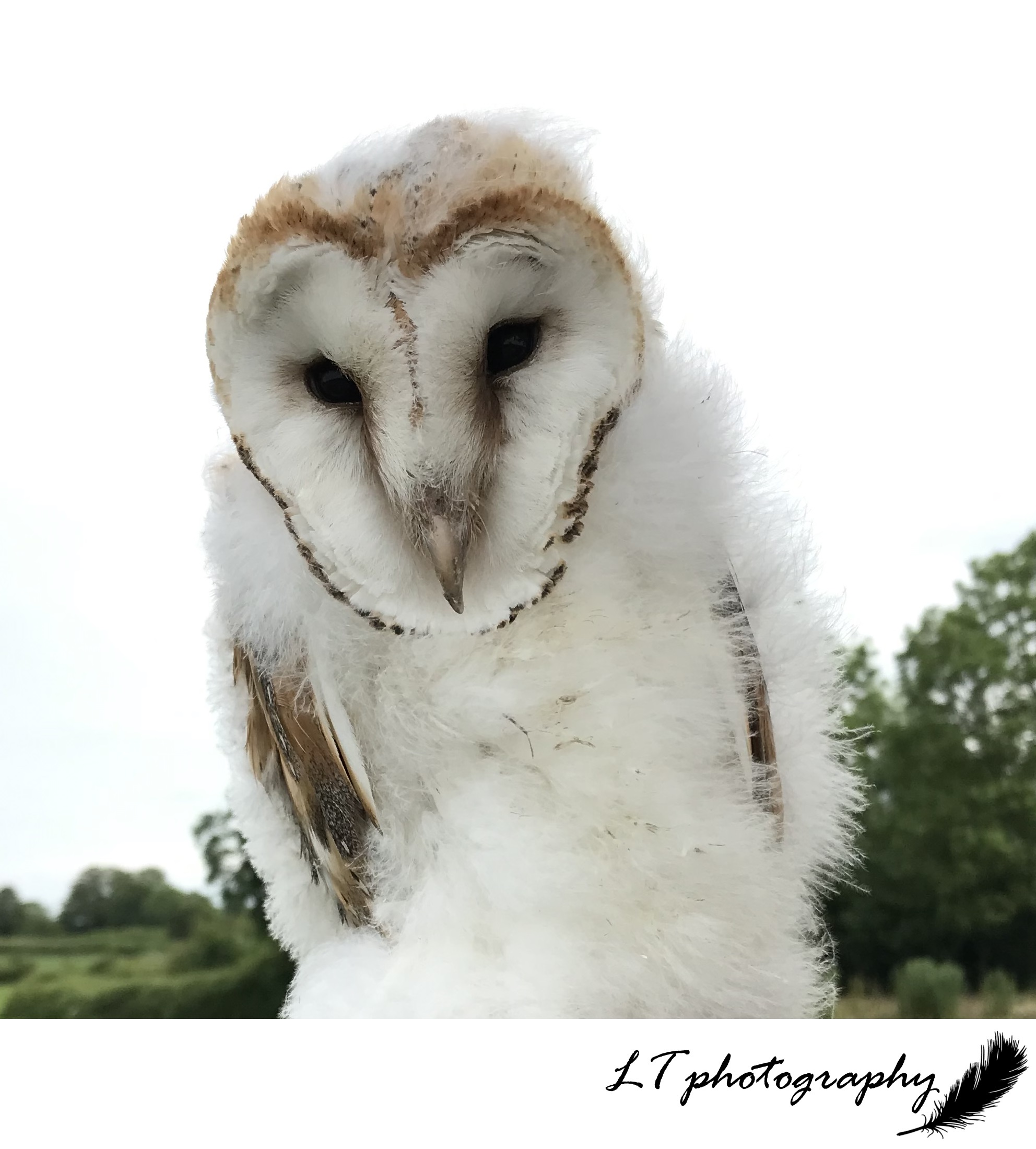

My family’s relationship with Barn Owls began in 2015, with the putting up of a nest box in one of our farm barns. Though Barn Owls have always been in our area, previously in very low numbers, our nest box finally allowed us to draw a pair of Barn Owls right into the heart of our farmland. This box has led to 7 years, so far, of regular Barn Owl sightings, the annual ringing of chicks, and a growing Barn Owl population. To find out more about the last 7 years, check out my previous Barn Owl blog posts.
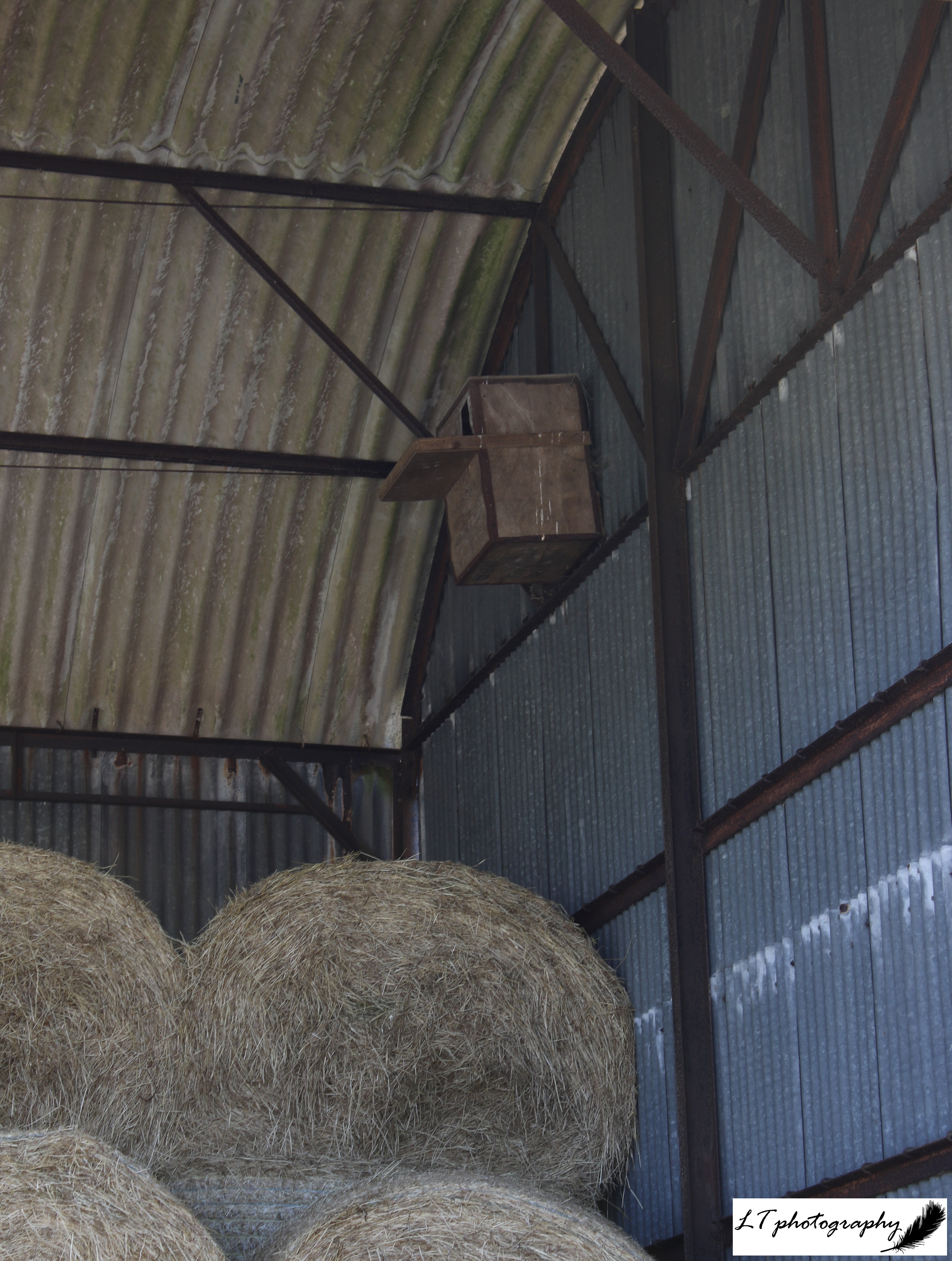

The year of 2020 was a tough one for humans, but a more productive one for Barn Owls. Though we did not end up discovering any wild nesting pairs on the farm that year, we once again had Barn Owls in our barn nest box. The pair hatched 4 chicks from 4 eggs, and raised 2 successfully to fledging in August. This was a special moment as these were the very first Barn Owl chicks that I got to ring myself. Following this success, we had a super winter of seeing Barn Owls hunting every day the weather was settled.


For 2021, I had the privilege of getting more involved in Barn Owl nest box checks across Dorset with Conservation Action (CA). This project aims to preserve and conserve nature, to promote wildlife conservation, and to undertake research and monitoring of wildlife populations. As part of CA’s work, the last few years Barn Owl boxes have been checked on Dorset County Council farms (in which my family’s farm originally came under). From being involved in some of these nest box checks and from a few private Barn Owl boxes (not including my family’s own), I got to check 6 boxes and ring 10 chicks. It was a great experience, not to be missed!
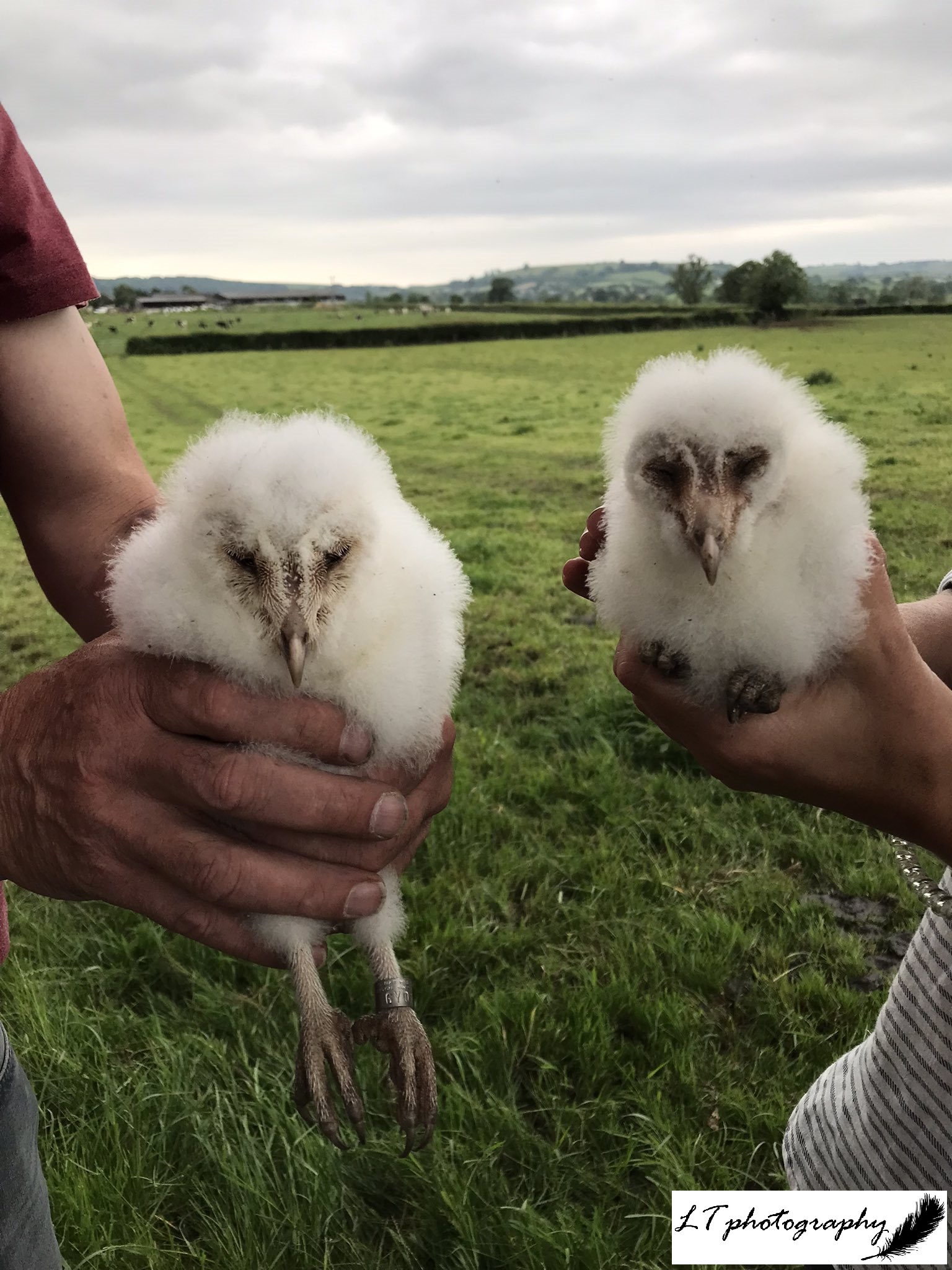

My own Barn Owl nest box was first checked last year on the 15th June. On this day we found that the resident pair had hatched 4 chicks from 4 eggs in the box, all 4 being under 7 days old. We were also able to catch and ring the adult female, allowing us to identify her as a first time breeder at 2 years old. We then made sure the Barn Owls were not further disturbed for a month, before excitingly checking the box once again. Unfortunately the 2 smallest chicks and 1 of the larger chicks did not make it, probably due to the weather, leaving 1 strong healthy chick to survive to fledging.
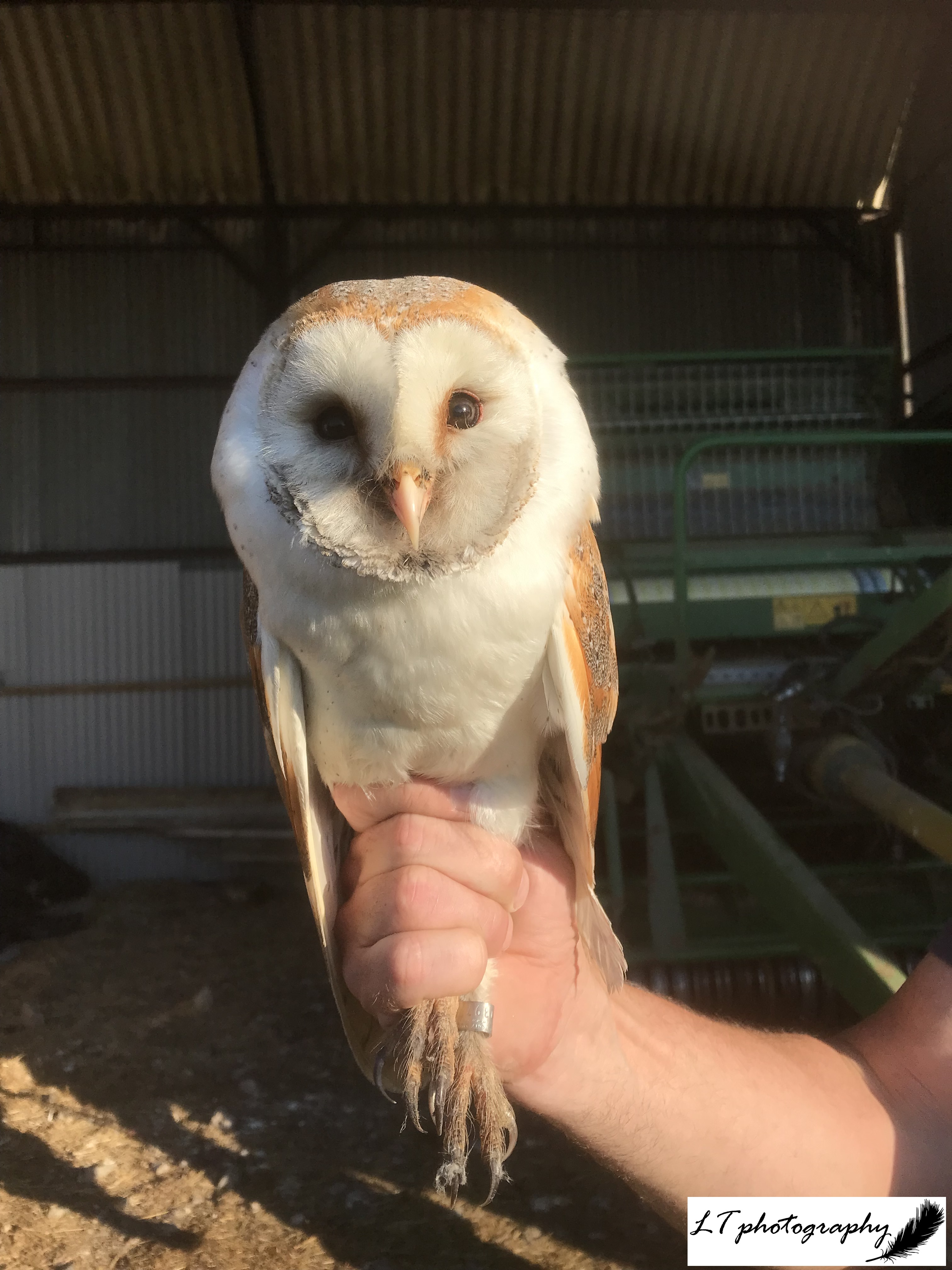
What happened with our Barn Owls fitted in with the trend for 2021. Out of 81 boxes checked, only 21 boxes (26%) were being used by a pair, down from 39% in 2020. This reflects that Barn Owls were having a more difficult year, following a cold, then wet spring. Despite this, on average 2 owlets survived per box, a better statistic, reflecting the similar brood size average for 2020. With such turbulent weather, we were still very happy to have one Barn Owl chick fledge from the box in 2021.
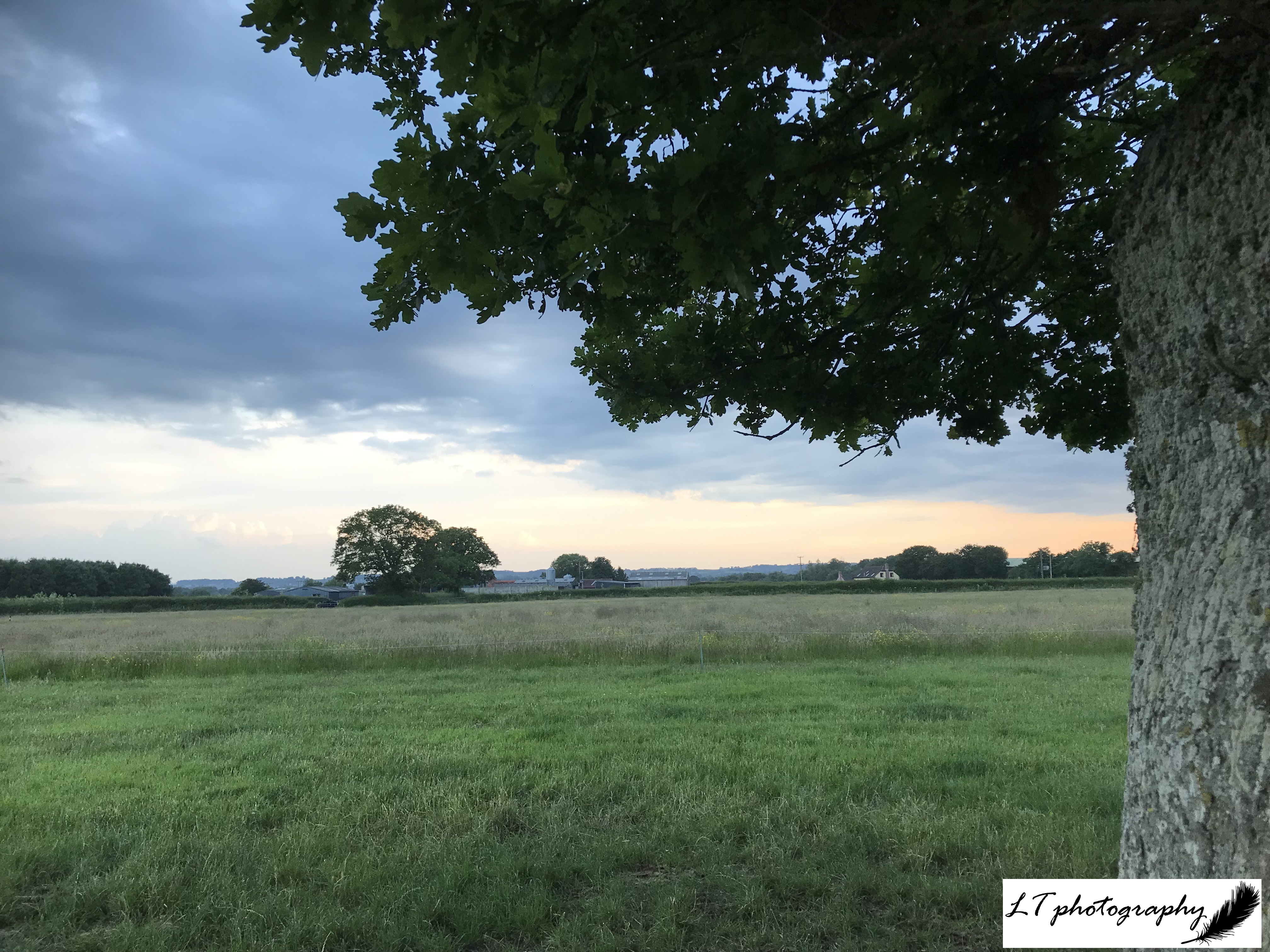

After another winter (2021-2022) seeing Barn Owls hunting most days, we are looking forward to this year’s Barn Owl breeding season. By now we have seen a pair regularly around our nest box and have made a first licensed check of the box. Things are looking positive, so stay tuned to see how breeding goes on my family’s farm this year. Each year habitat changes and improves on our land, so we will also be interested to see how a new year and hopefully more stable weather will affect our Barn Owls. Here’s to a hopefully more successful 2022!
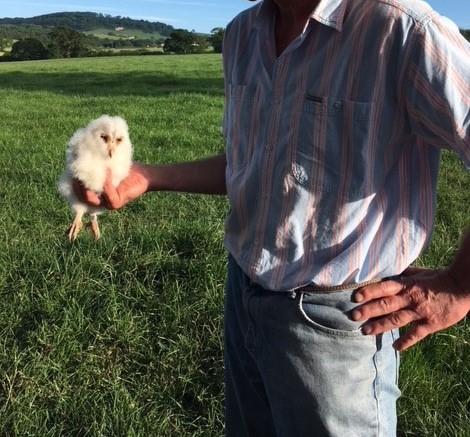
Barn Owls are a protected species, so all nest boxes were checked under full license, with all Barn Owls being ringed under license and special supervision. All birds handed were always put first in all situations, with minimum disturbance being made to the nesting birds and sites. Barn Owls are ringed to allow us to gain greater knowledge of this species to help better conserve this species and their preferred habitats.
 As the weather gets warmer and drier during spring and the countryside begins to bloom, I always like to set myself the goal of getting out into it as much as possible. I like to use these countryside walks as a way to calm my own mind and escape the stresses of modern day-to-day life. In particular, I am always drawn back to the woodlands and forests, with the tranquillity they breath to me. Growing up in Dorset I have always been able to disappear into the trees and appreciate such a habitat at any time of year.
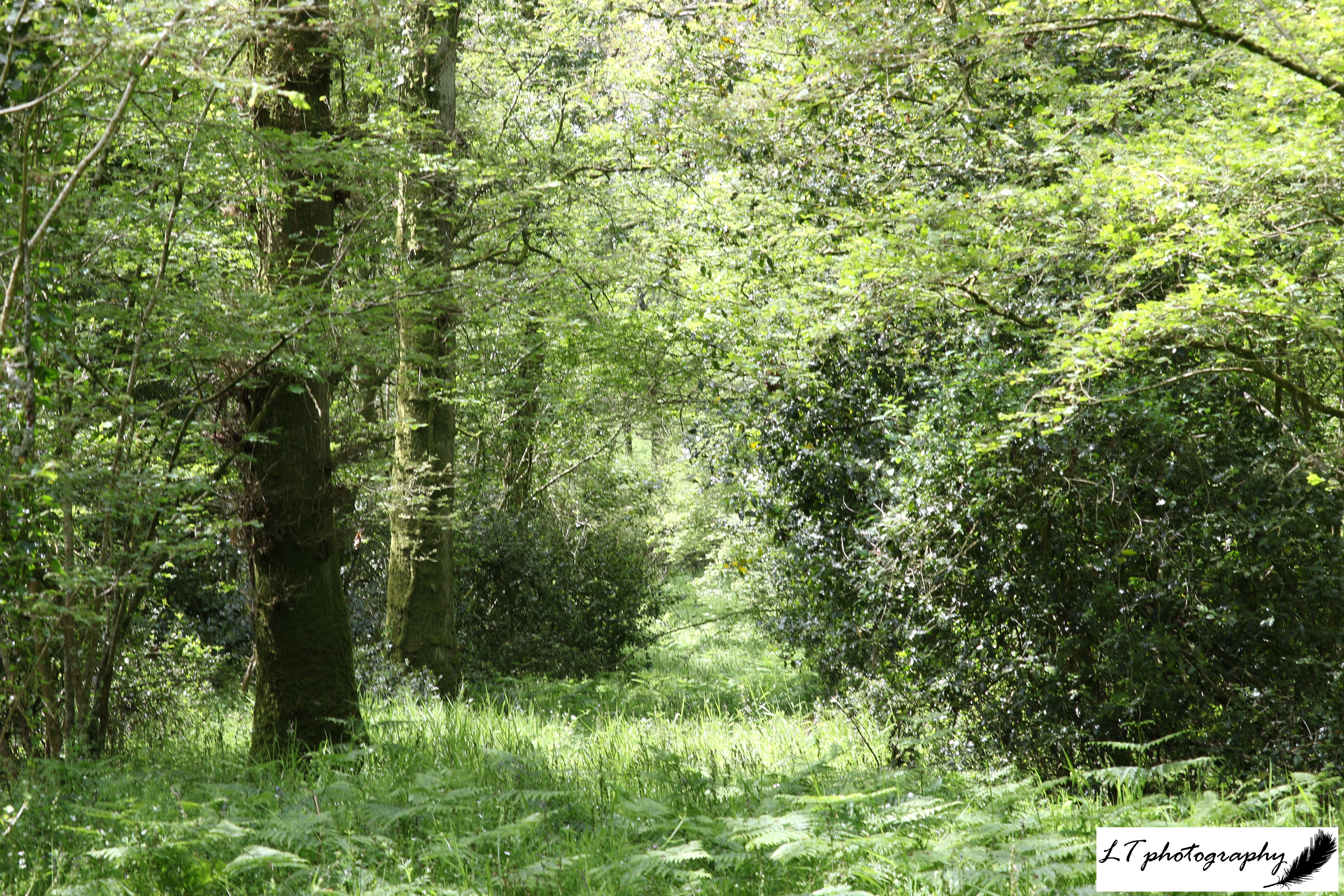
 In celebration of my love of the woods, especially during springtime, over April and May this year, I made 4 visits to one of my local ones to observe it as the season changed. On these trips I sat and wrote down my experience on my favourite log (see photo above), and took lots of photos with my new DSLR camera whilst walking through the woods. Check out below to see my diary entries and the photos that accompany them:


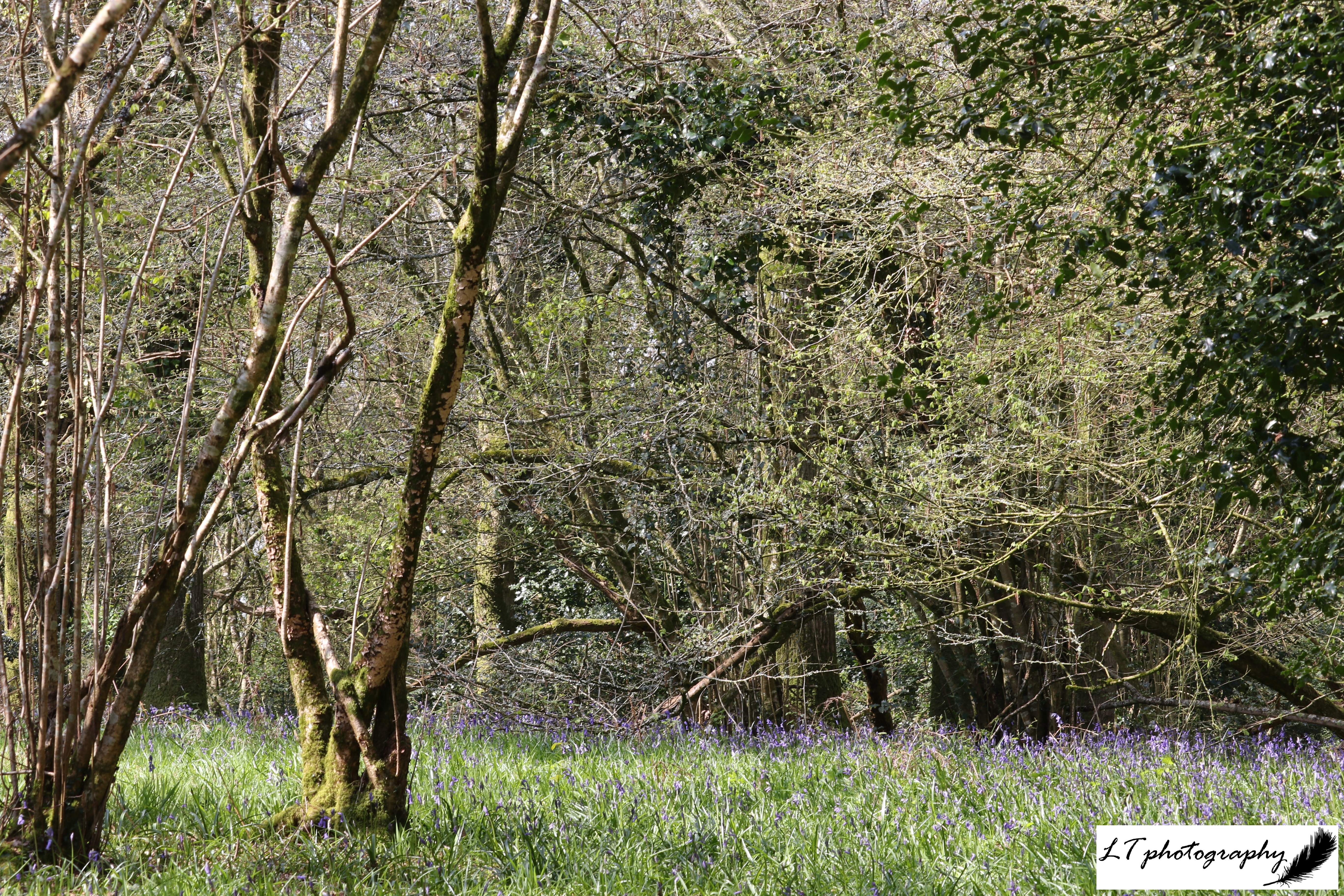


 Spring bird calls and song provides the soundtrack to my trip, including everything from groups of foraging long-tailed tits to angry blue tits and charismatic chiff chaffs. I also hear the reminiscent winter squabbling of jays, and on a stop to my favourite log in the middle of the wood, I can hear the coarser call of a raven and the calls of male pheasants.
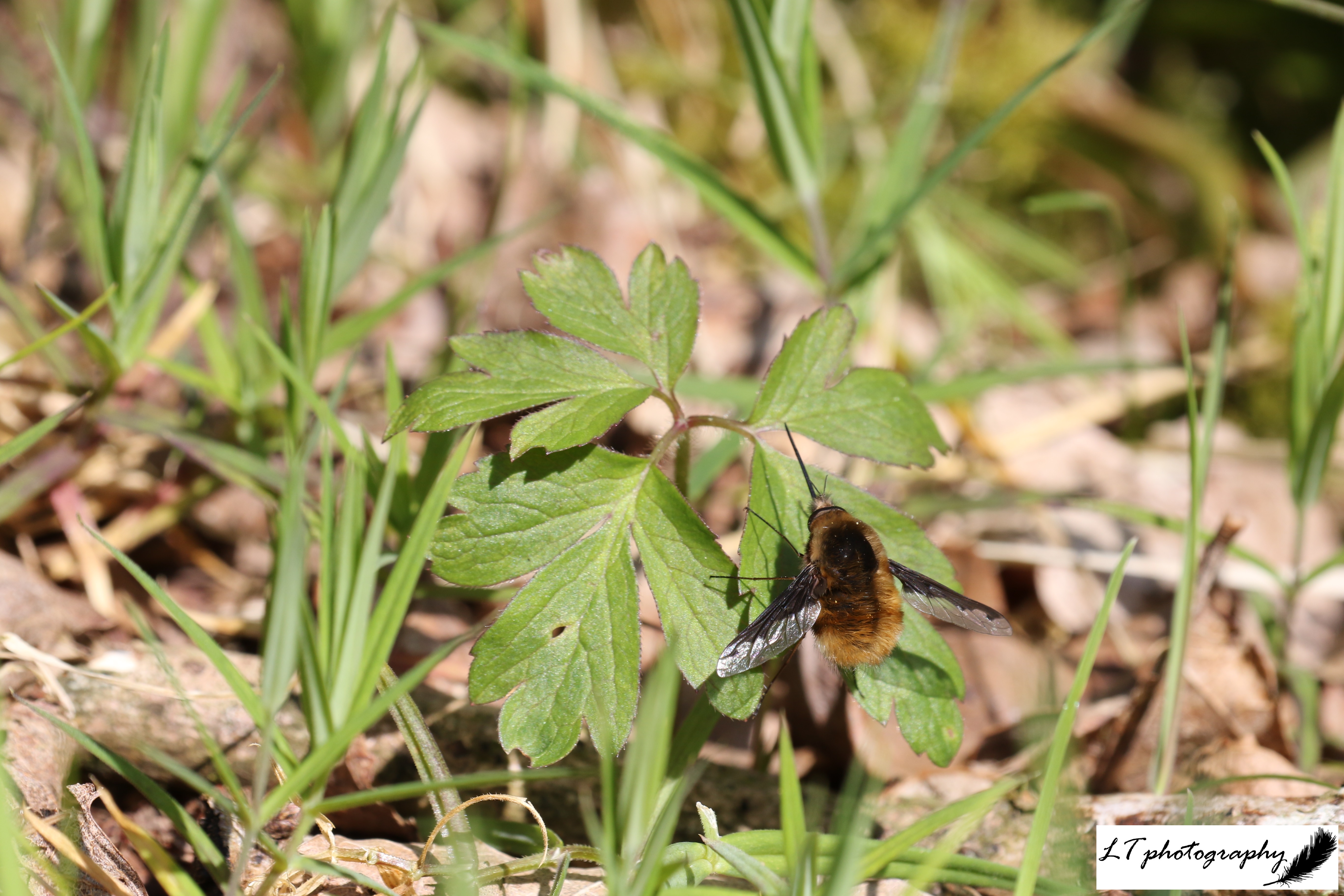


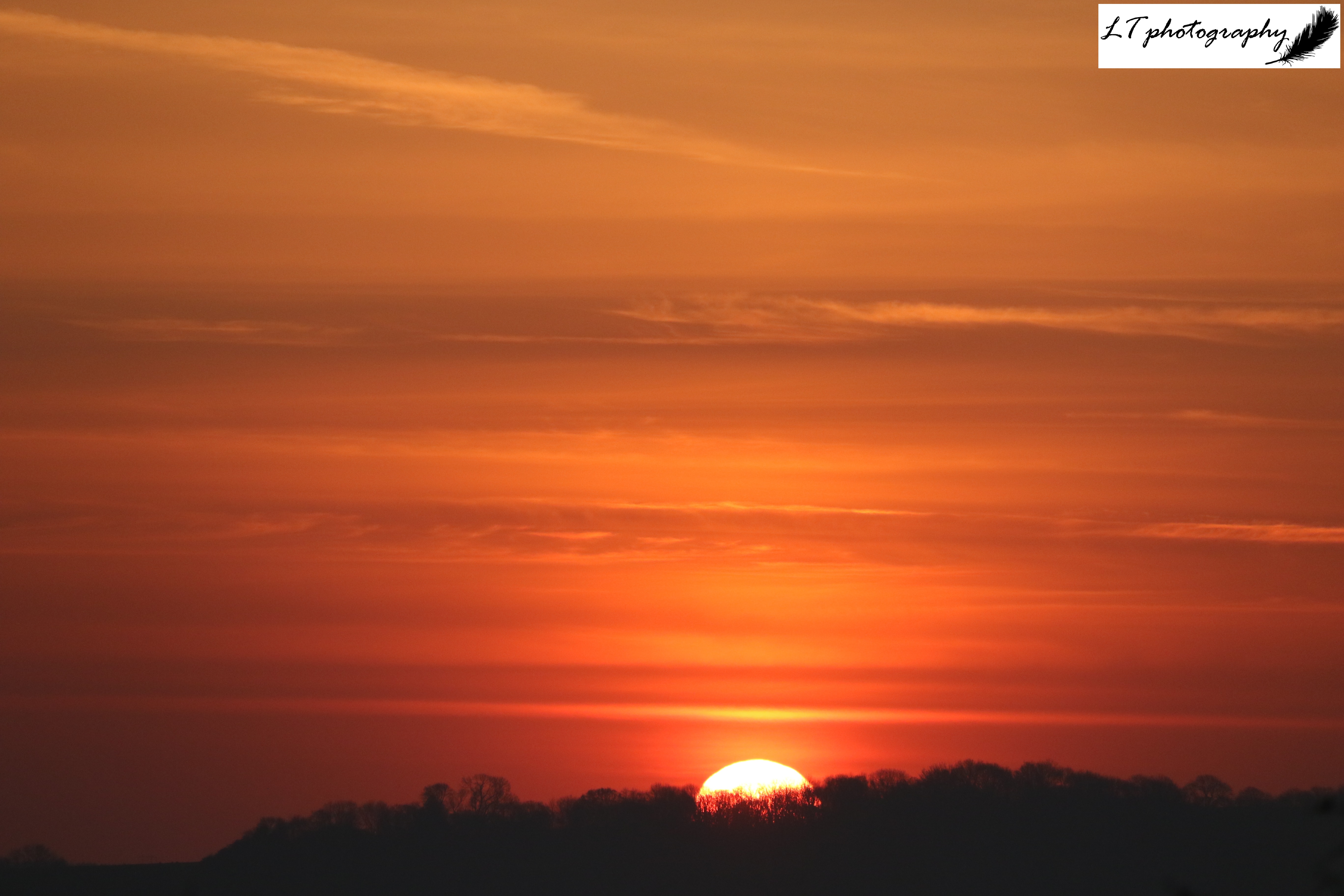 This morning I chose to get up at 5am to meet a 6.08am sunrise, and to make the most of the dawn light. At this time of day, on my walk to the woods, I had great sightings of roe deer and brown hare, and got to see a beautiful pink sunrise. The dewy grass added to my photos in this glorious light.


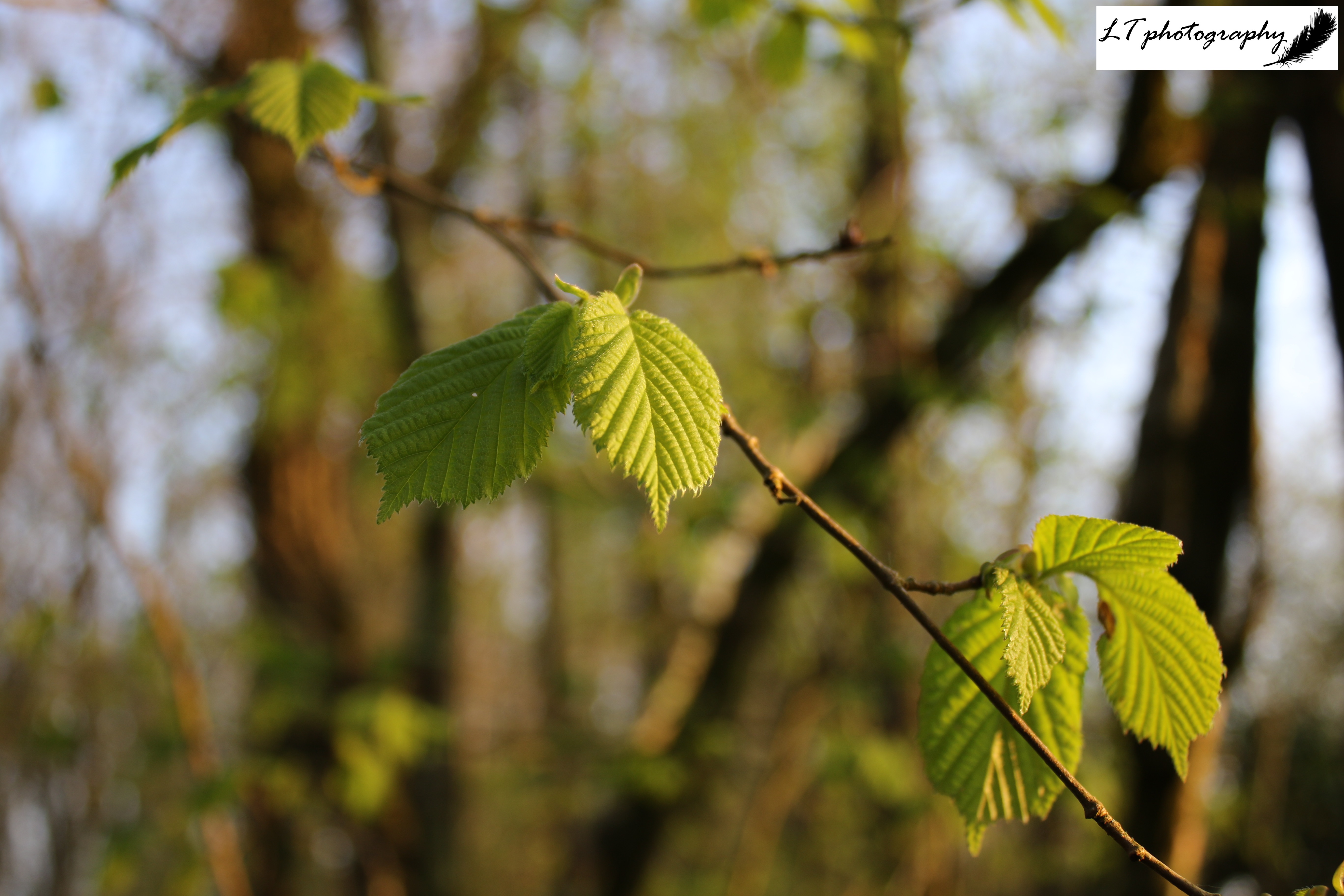
 Snow white garlic flowers are now emerging in the wood, whilst early purple orchids are also beginning to sprout here and there. The bluebells are now starting to create a sea of blue, with their white counterparts dotted here and there amongst them. Soon the woods will be fully awash with purply-blue and patches of white.


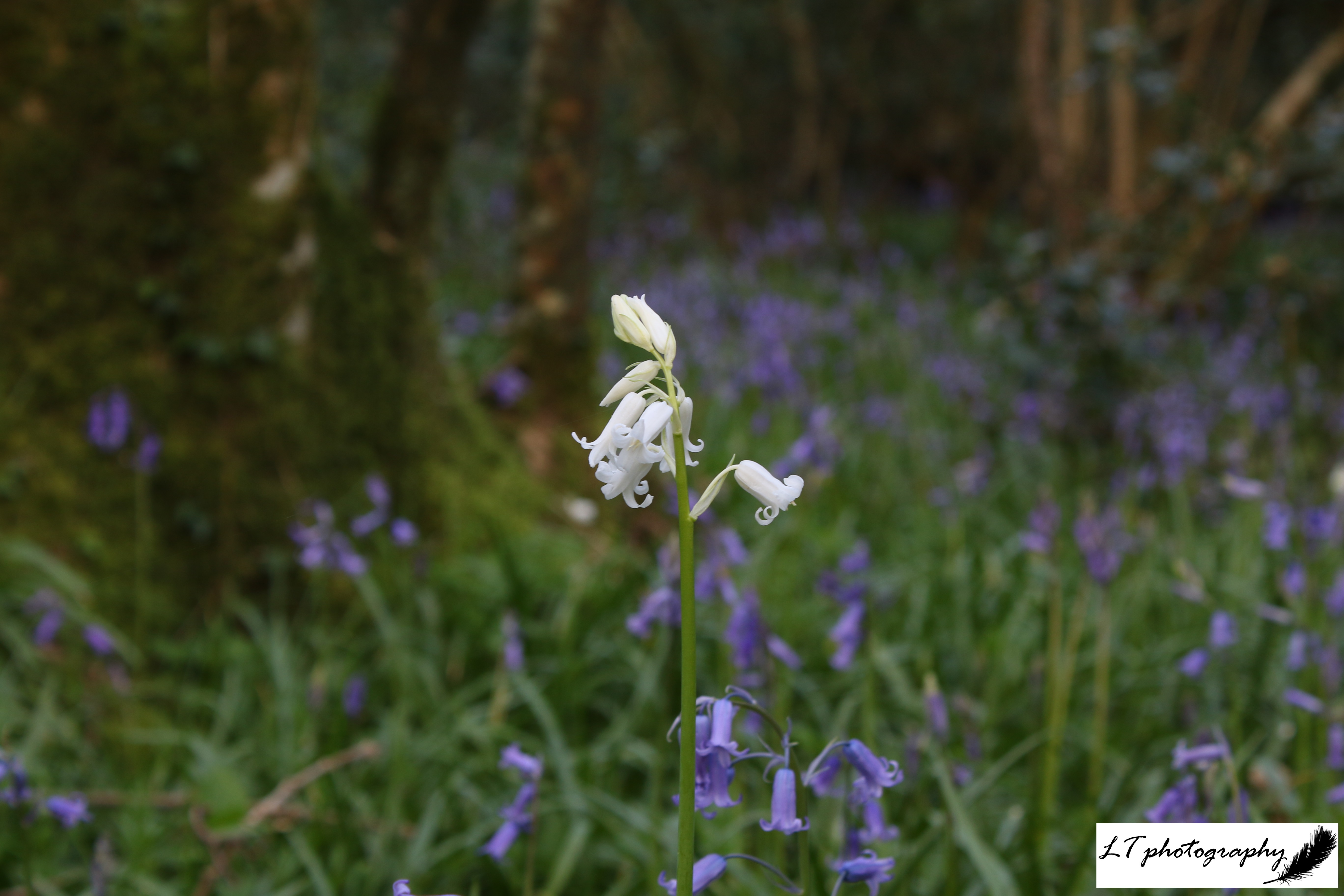 You can definitely forget yourself among these trees, flowers and wildlife, which this morning included the bark of grey squirrels up in the tree canopy. Today, I have stayed awhile sat in the morning light of the woods, but I now know to make my way home from here, as the sun begins to burn through the trees a little too hot, and the midges begin to bite my neck more noticeably. This signals ‘the best part of the day has thus moved on’, as i must.
 On my trip this time to the woods, I took my four-legged friend Cassie. At the ripe old age of 13, she is becoming weary on her legs, but is still up for an adventure. This is great as there is nothing better than sharing the wonder of the outdoors with another being, even if they are no more than 3 feet tall.


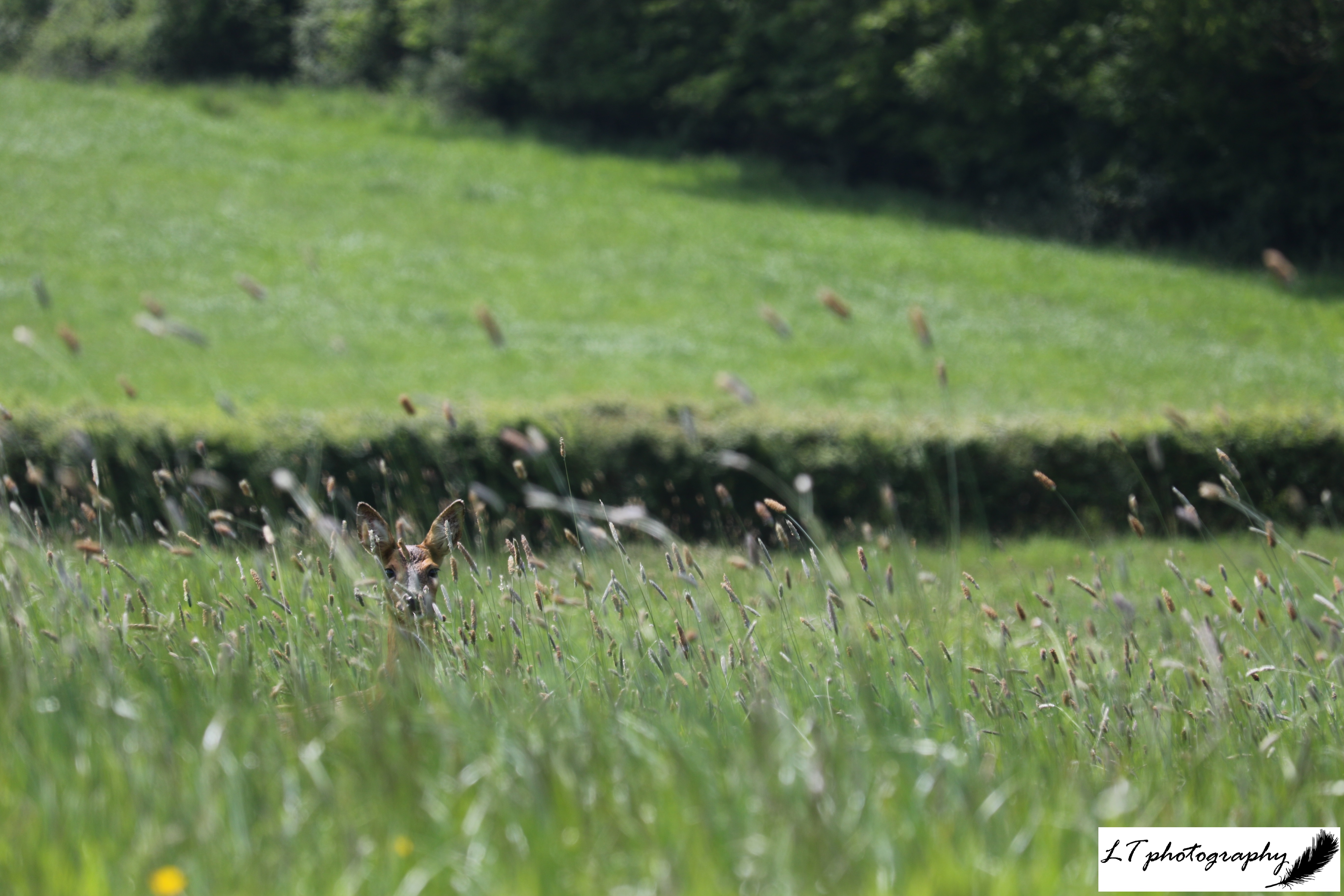 The days are getting hotter and the sun higher in the May sky. In the depths of the wood though, the canopy keeps me cool. The woodland floor is now a tangle of unruly vegetation. The dying bluebells, orchids, and spring flowers jostle with unfurling ferns, sticky goose grass and flowers that persist. These include stitchwort, herb Robert, and red campion, which are gems of colour in a sea of green.


 Ash trees are finally fully in leaf and roe deer ramble lazily between the trees around me. Though this transition period may be more subtle than others, it truly signifies the changing of the seasons, as the important time for some species is replaced by the next. Thus, summer has now crept up on us!




 Laura's Wild World