A city of industry, Manchester is well known for its textiles, football, music, and transport links. It is lesser known though for its connection to nature, such as the city’s proud centuries-old symbol of the worker bee, and the wildlife that call the city and wider area home, from barn owls and otters to hedgehogs and peregrine falcons. With over half of urban Greater Manchester currently being made up of green or blue spaces, the city itself now aims to tackle biodiversity loss, beginning with the 2020 Edinburgh Declaration.


As Manchester works to recover and improve spaces for nature and wildlife of all shapes and sizes in an ever-changing environment, it is an interesting time to explore what the city and Greater Manchester has to offer. On a recent trip to visit my friend and fellow wildlife lover Emma Rogan in her home city (see Rural vs. Urban), I got to do just that. Through a series of different adventures, Emma introduced me to what Manchester has to offer to the naturalist over the course of a week. So what did I discover?


Didsbury Park, Didsbury
Situated in the south of the city, this modest green space has been a popular recreational spot since its redesign in the 1920s. Managed by a team of volunteers, Didsbury park meets the needs of the community with a play area, football pitch, bowling green, and cafe. Alongside the human elements, the park also puts an emphasis on providing habitats for wildlife where possible.
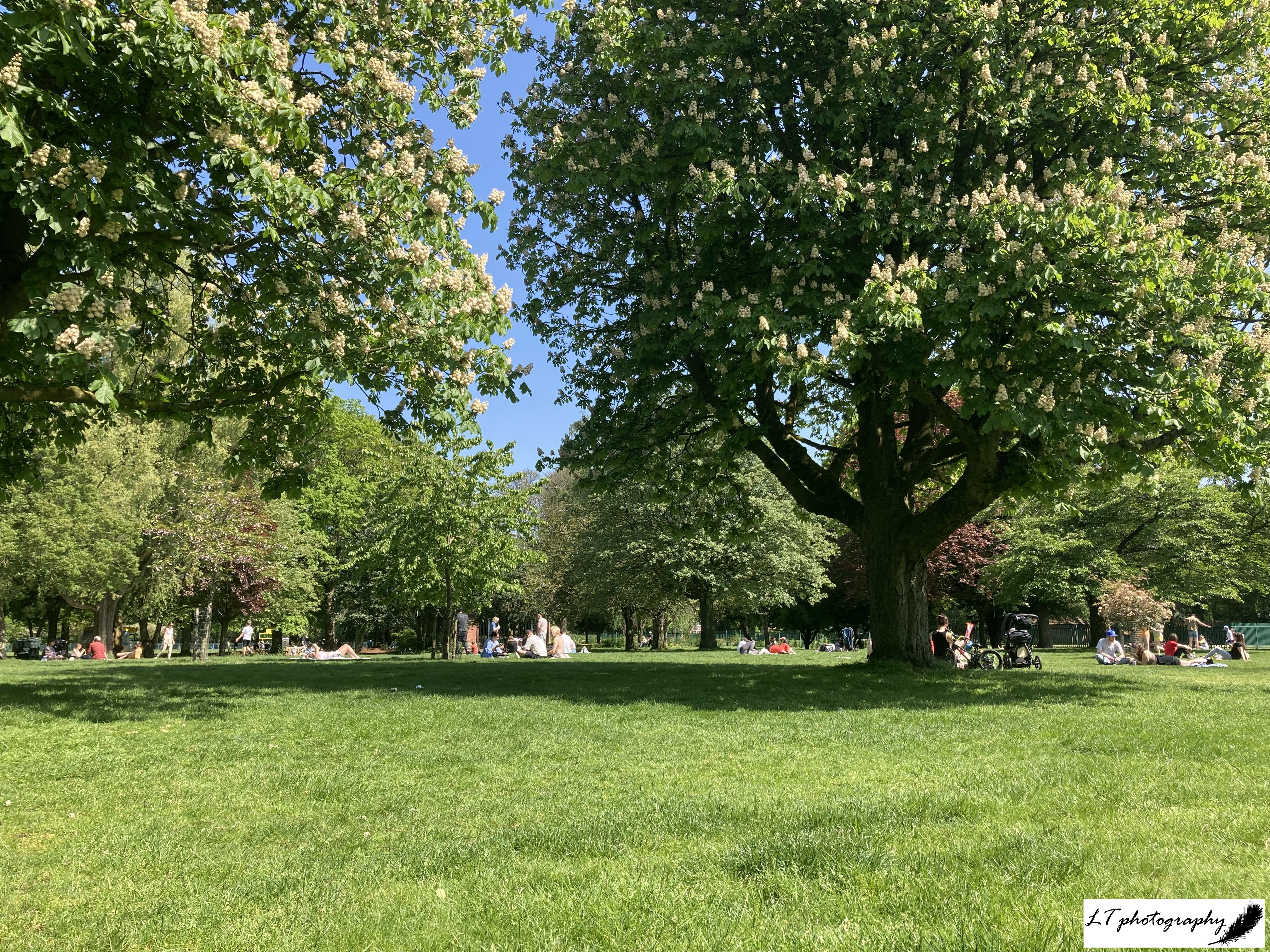
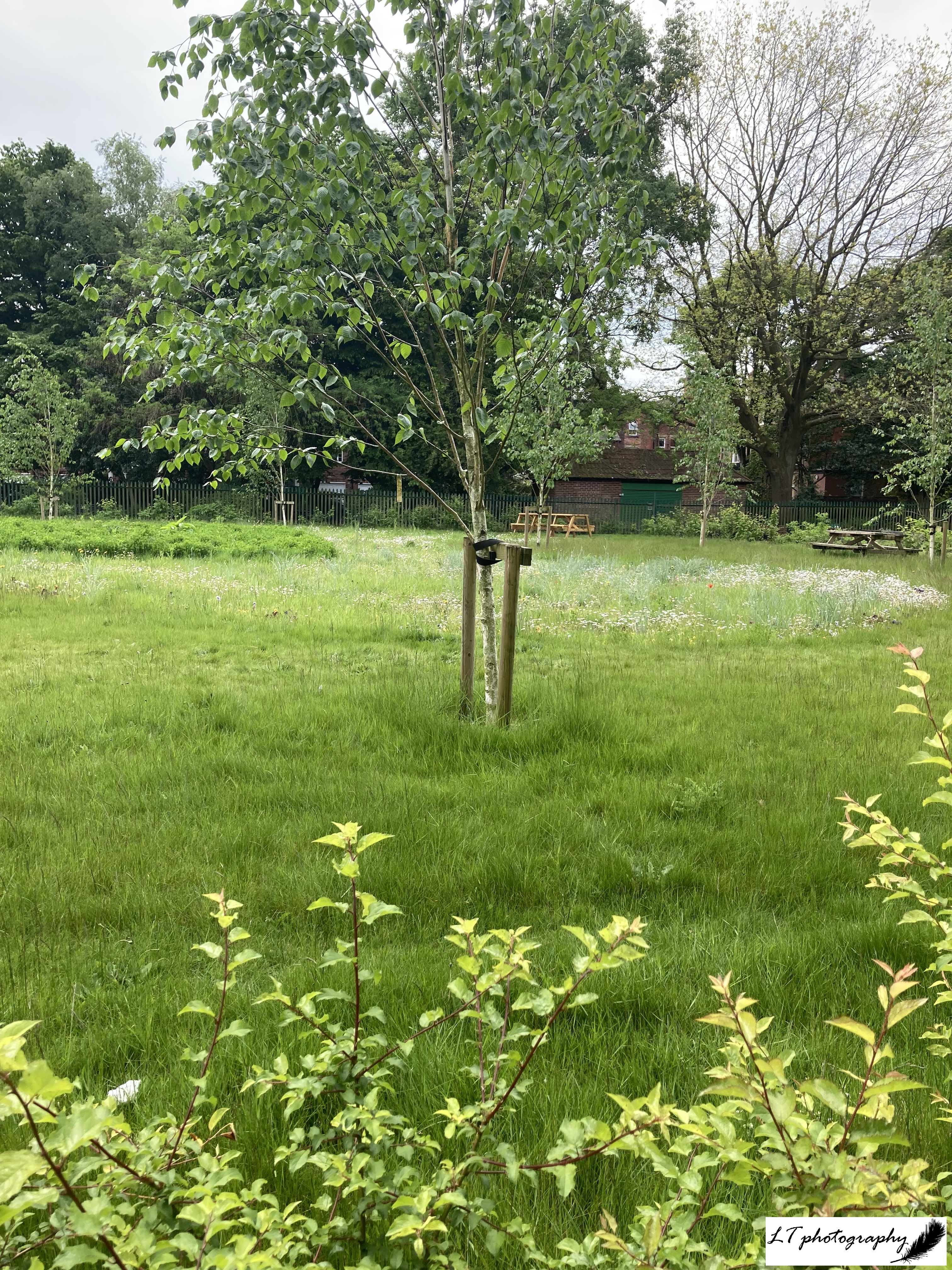
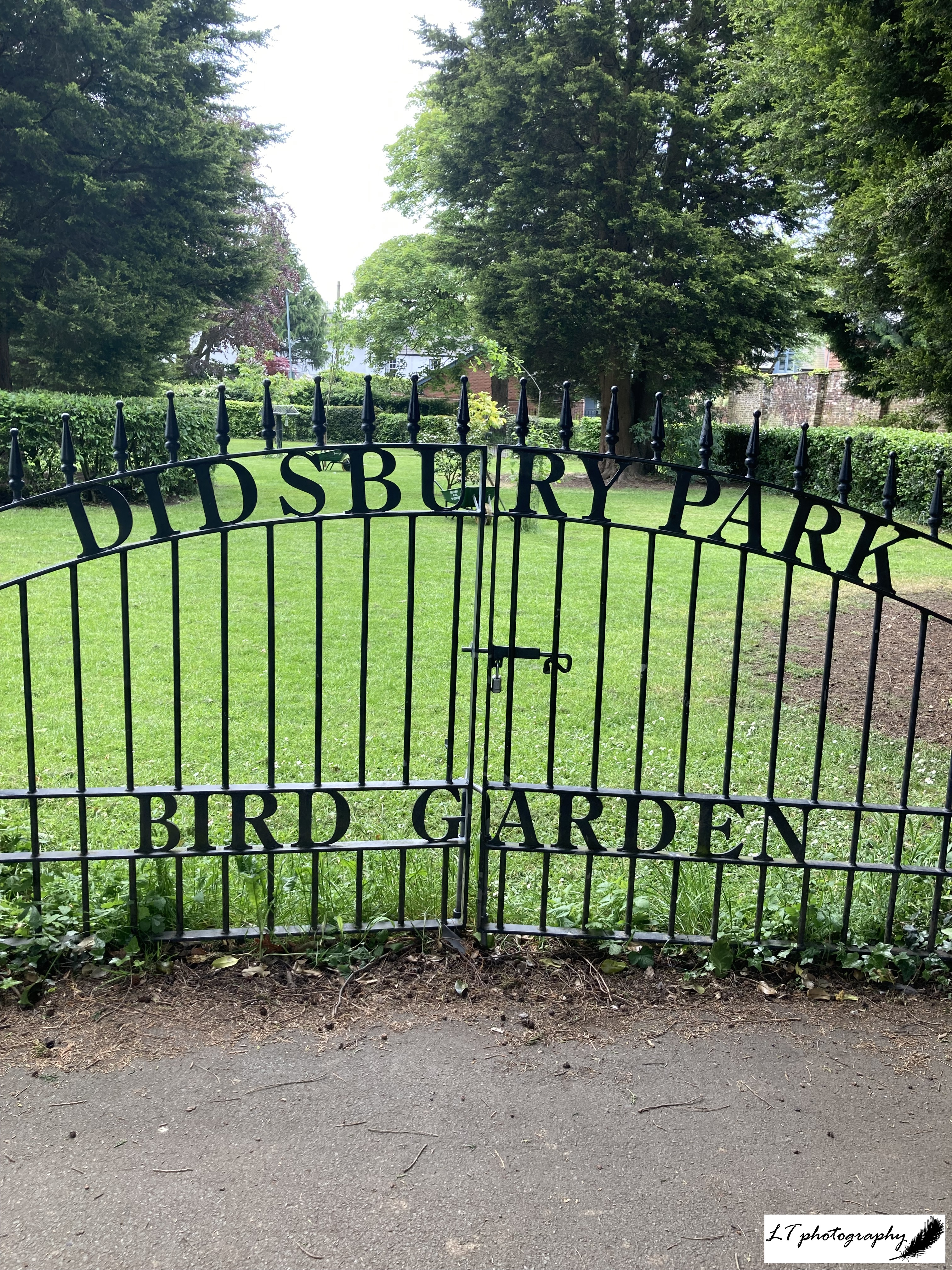
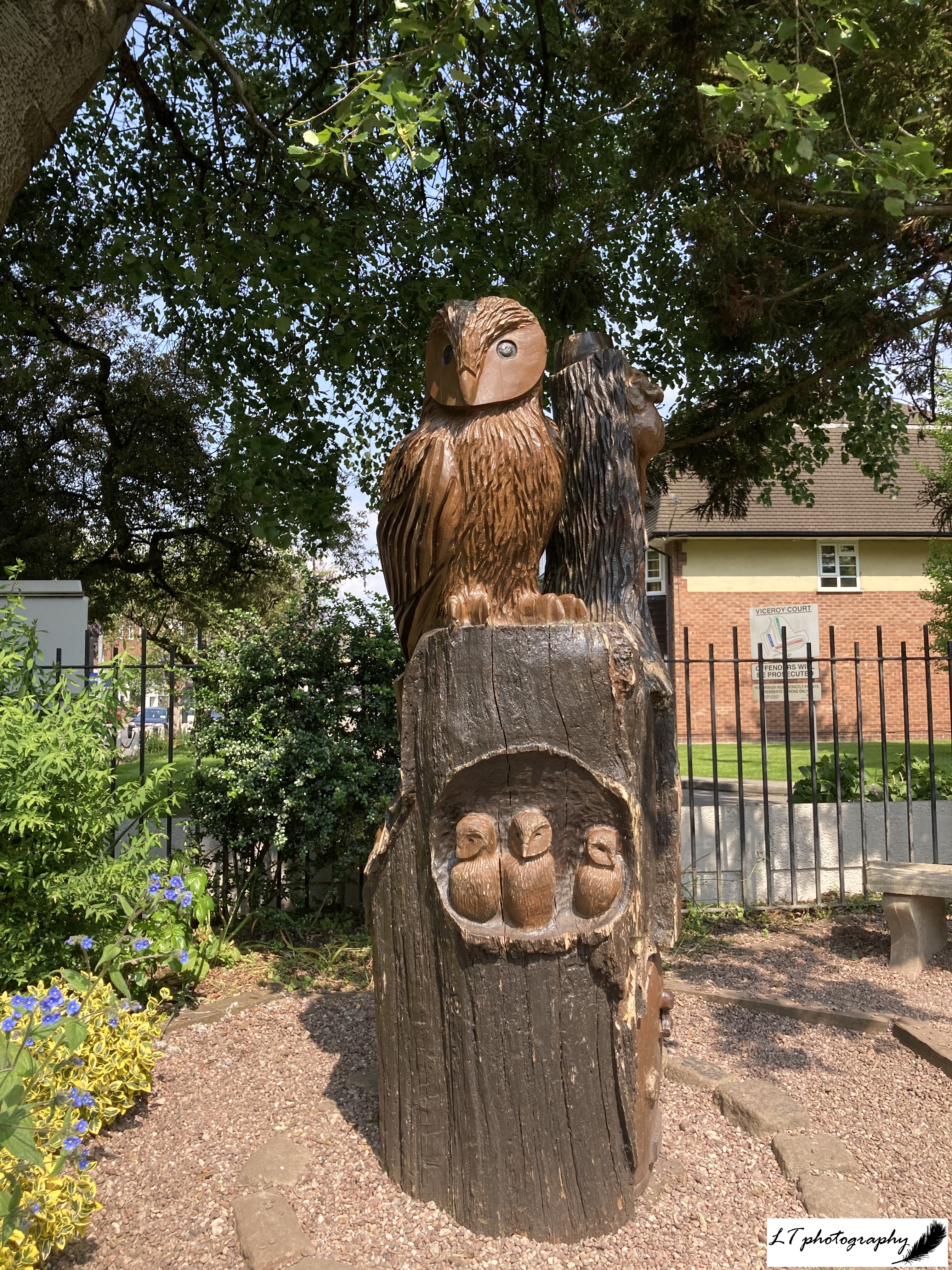
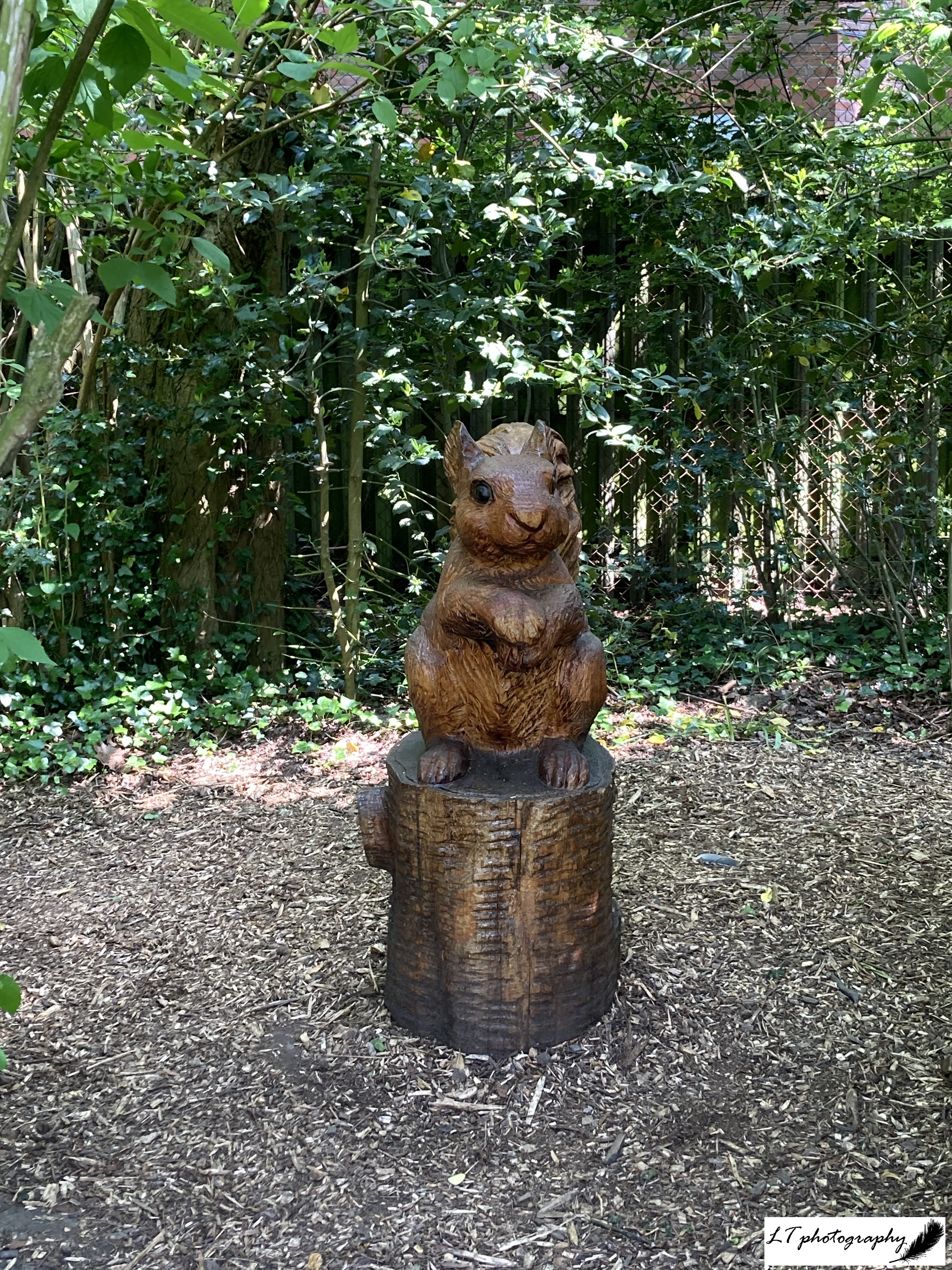
For me, when first entering the park, I took in the many flowering tree species, such as horse chestnut and wild cherry, and flowerbeds abuzz with insects. Though only a short walk to take in all the park had to offer, there were also surprises to be found. This included a wildflower meadow, wood carvings tucked away, and even a bird garden managed for different bird species, including providing food for the pair of nuthatches I saw feeding their fledged young up in the trees. The park was a lovely example of how even small green spaces are so important for city wildlife!
Fletcher Moss, Didsbury
A 5 minute walk from Didsbury Park and also situated in the south of Manchester, Fletcher Moss Park is perfect for a dog walk, birdwatching, or a Sunday morning ramble. Mine and Emma’s adventure to Fletcher Moss started at the Parsonage Gardens, a tranquil area surrounding the old home of the park’s namesake Fletcher Moss. In May, the gardens were particularly spectacular with azaleas and wisteria in flower, along with flowerbeds awash with colour and alive with bees and orange-tip butterflies. Walking on past compost heaps and an alpine greenhouse, we made our way out on to Stenner Lane.

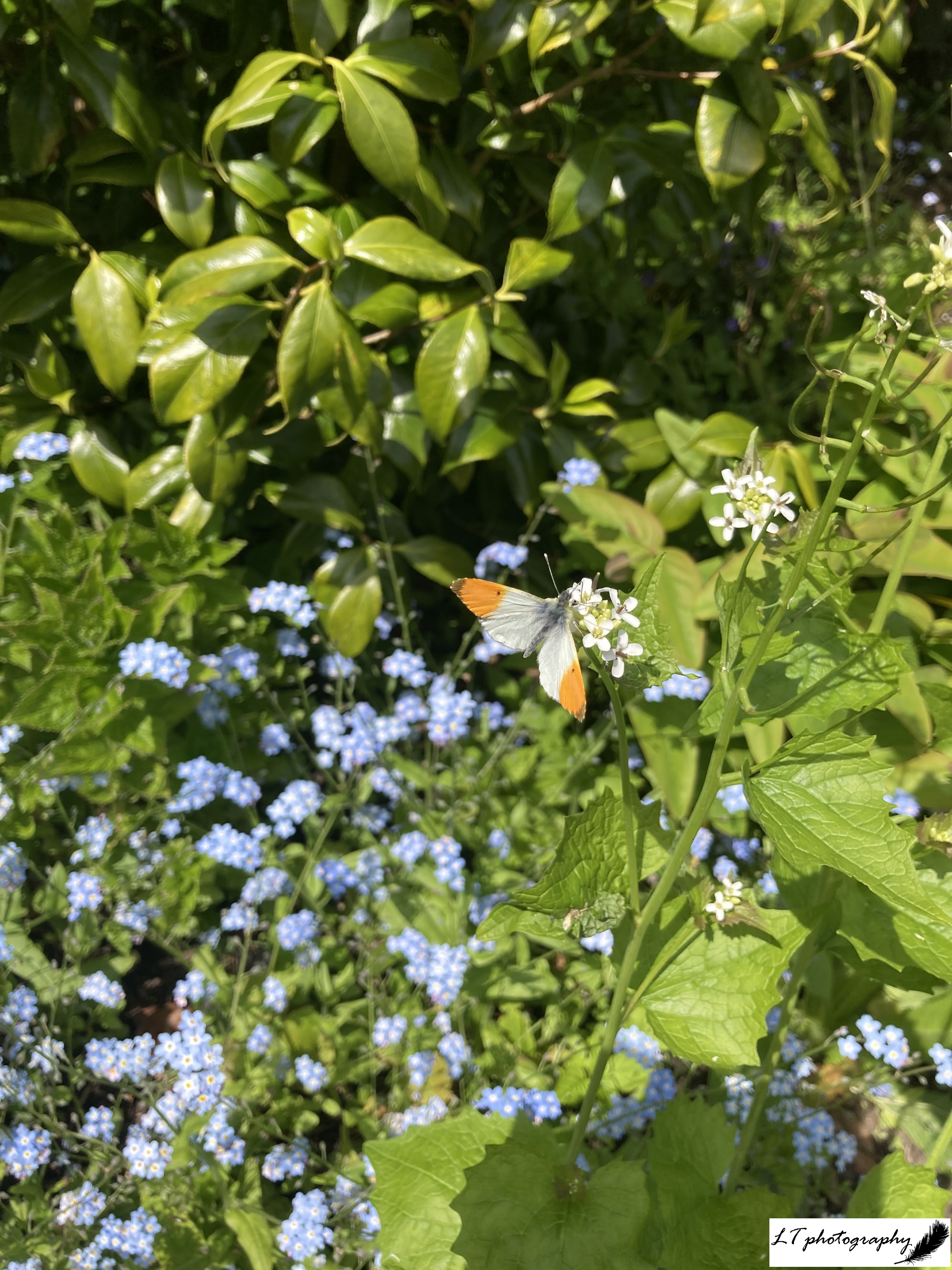
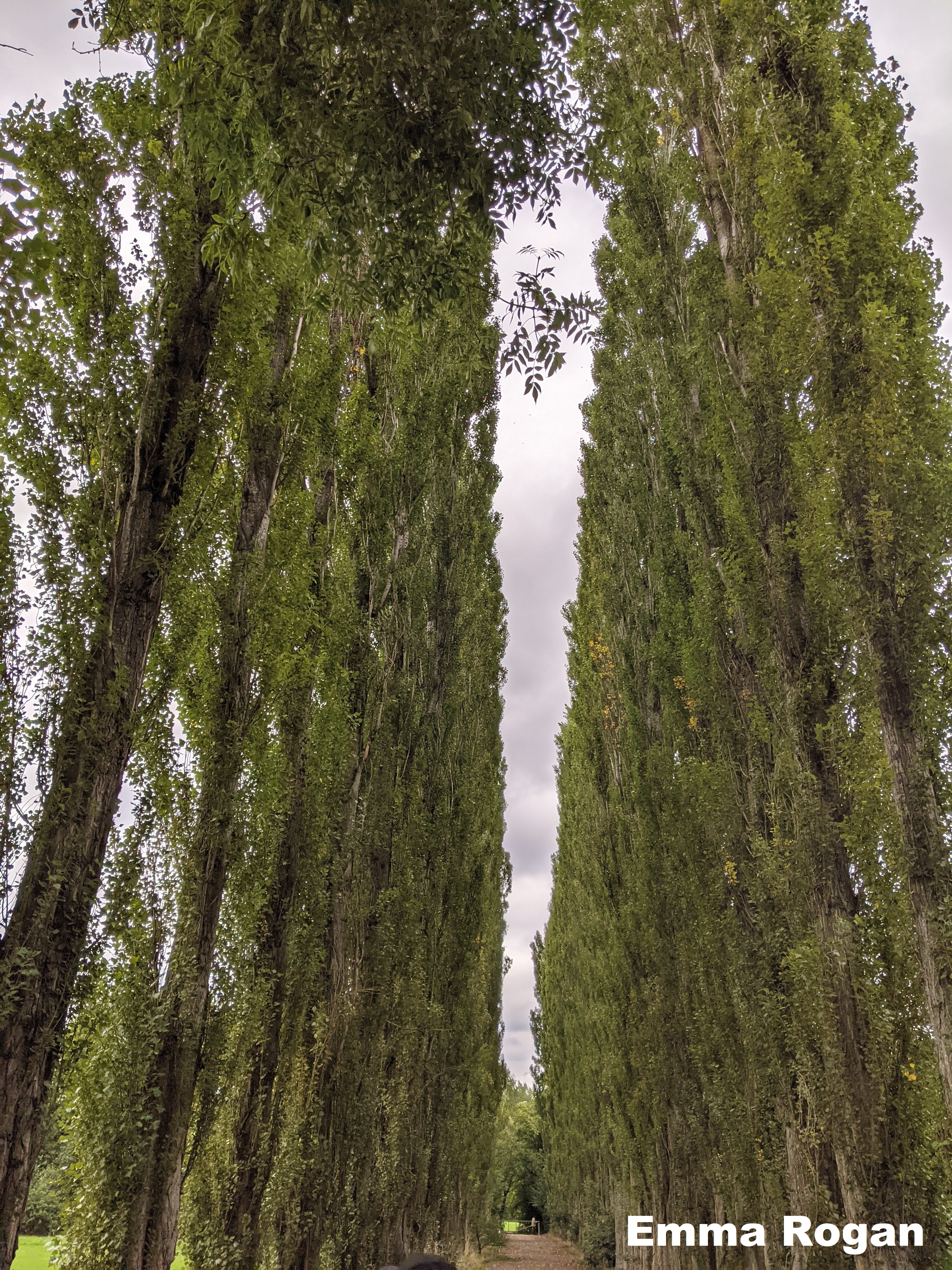
After a short walk, we left the lane behind with its swathes of wild garlic and sights of the magnificent poplar avenue, to join the banks of the meandering River Mersey. Along it’s stretches, we came across Simon’s Bridge constructed in 1901, and a whole host of wildlife, all with a backdrop of the noise of the M60 close by. Though the river had much wildlife on offer, such as colourful brimstone butterflies, on this part of the walk I was most interested in the bird species to be seen. This ranged from the city specialists, such as ring-necked parakeets and magpies, to smaller species, such as great tits, dunnocks and chiffchaffs, and water birds, such as canada geese, mallard ducks and even a female goosander.


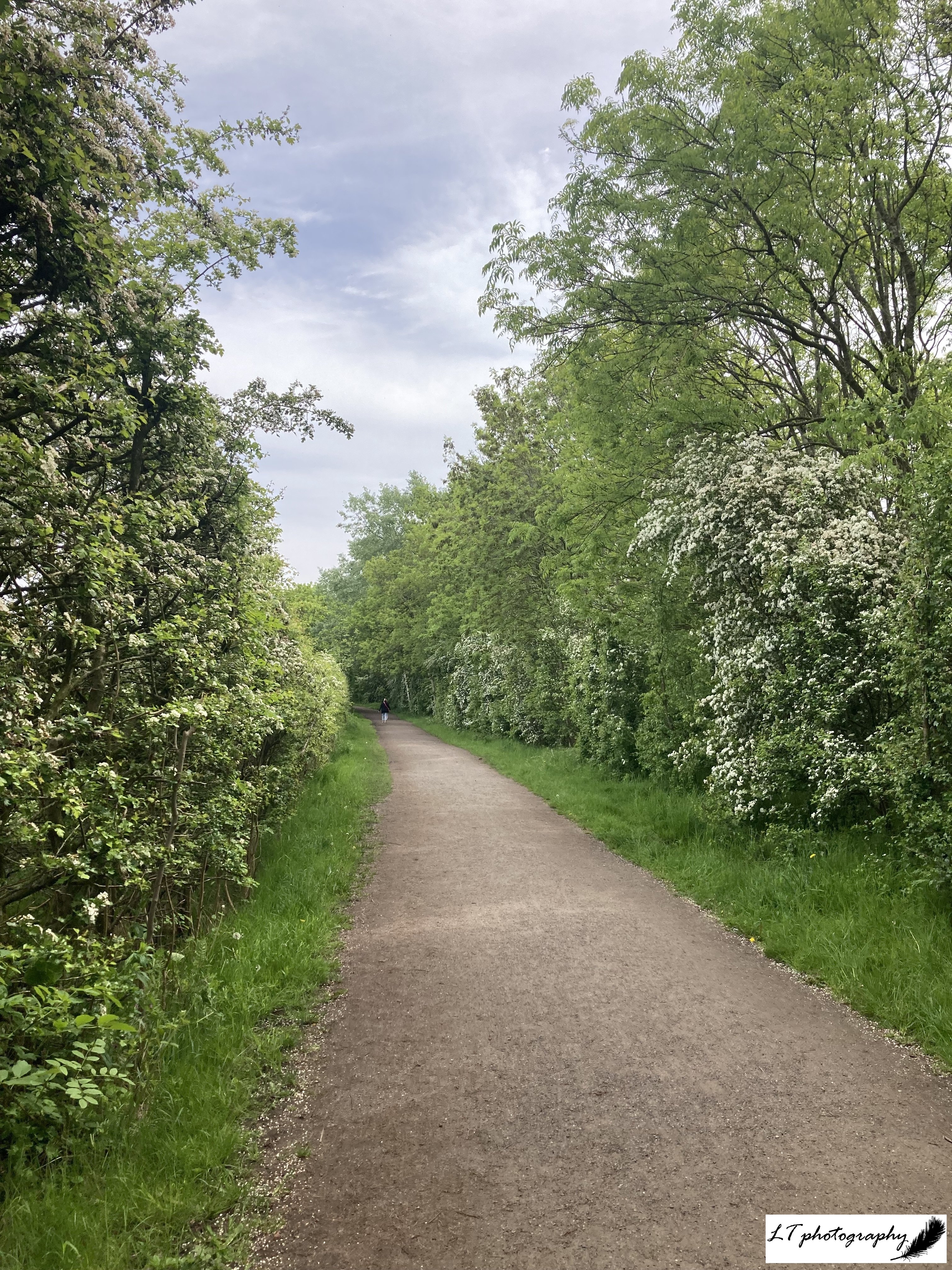
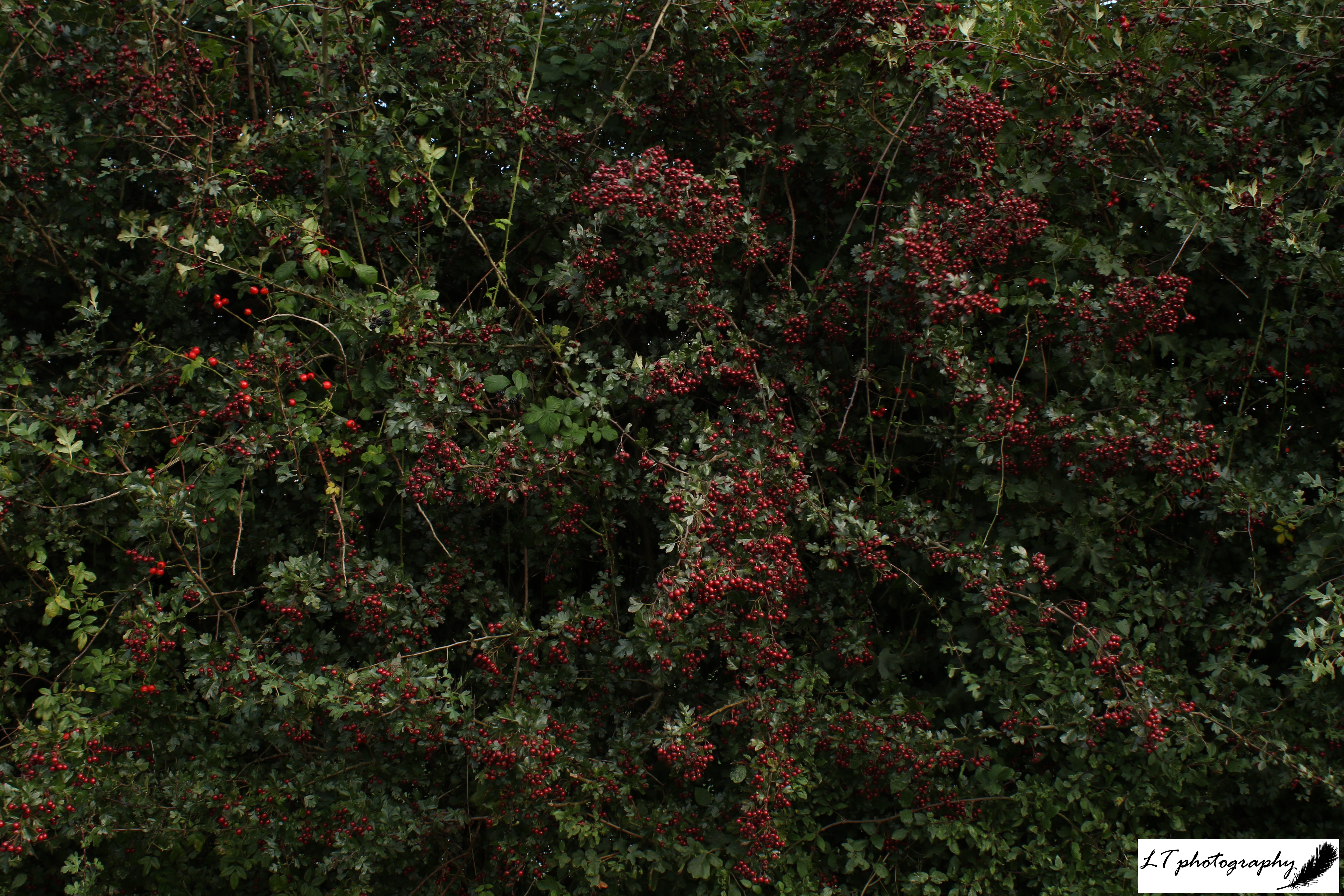
Once breaking away from the calming flow of the river, the habitat changed from edge habitat to grassland to woodland all within a couple of kilometres. Through Millgate Fields we experienced hedgerows full of heady-scented hawthorn flowers, small white butterflies, and cows grazing, before venturing into Stenner Woods, with ponds of tadpoles, moorhens and speckled wood butterflies. The path then led us out for a much needed drink at the Alpine Tea Room.

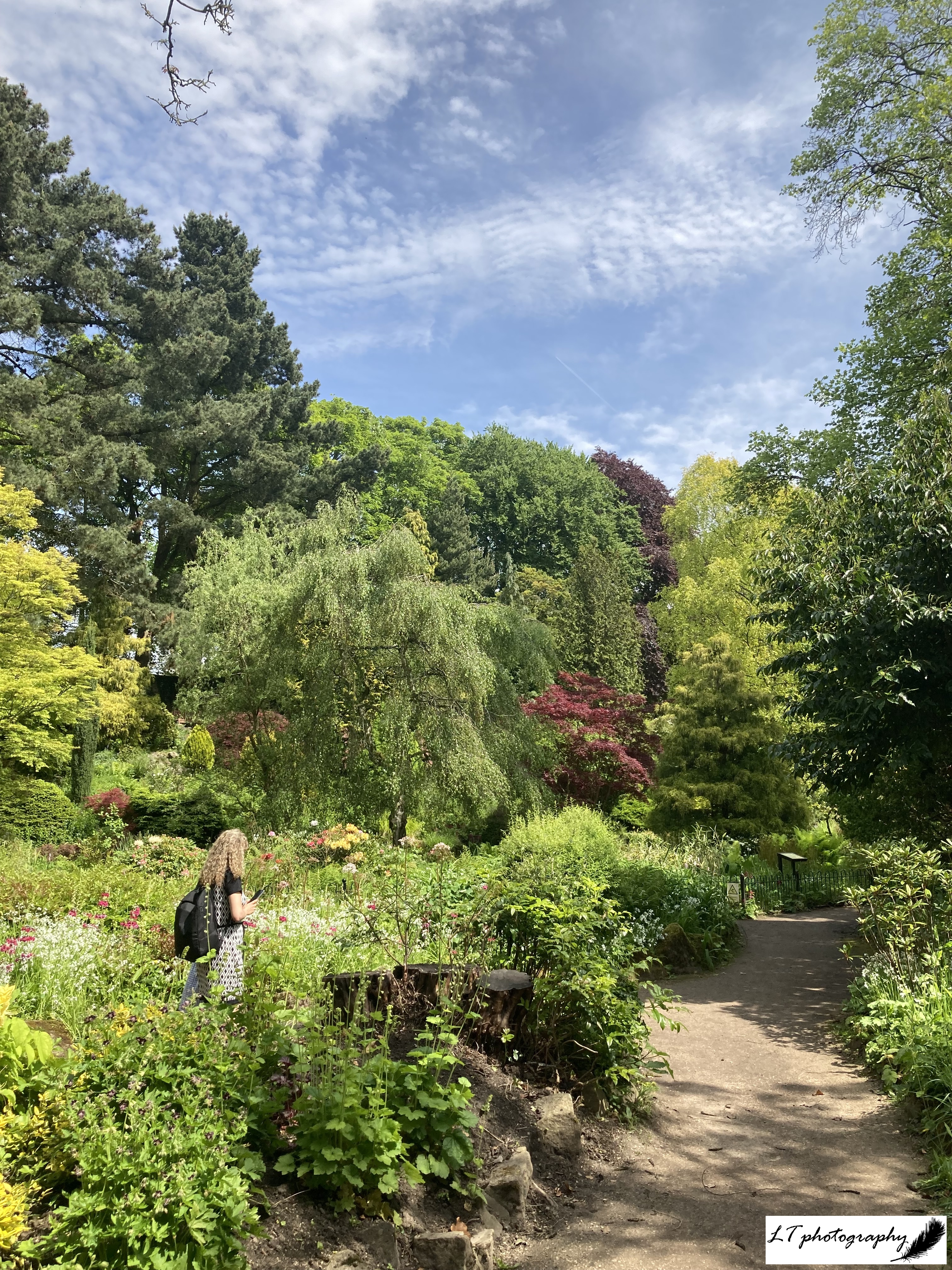
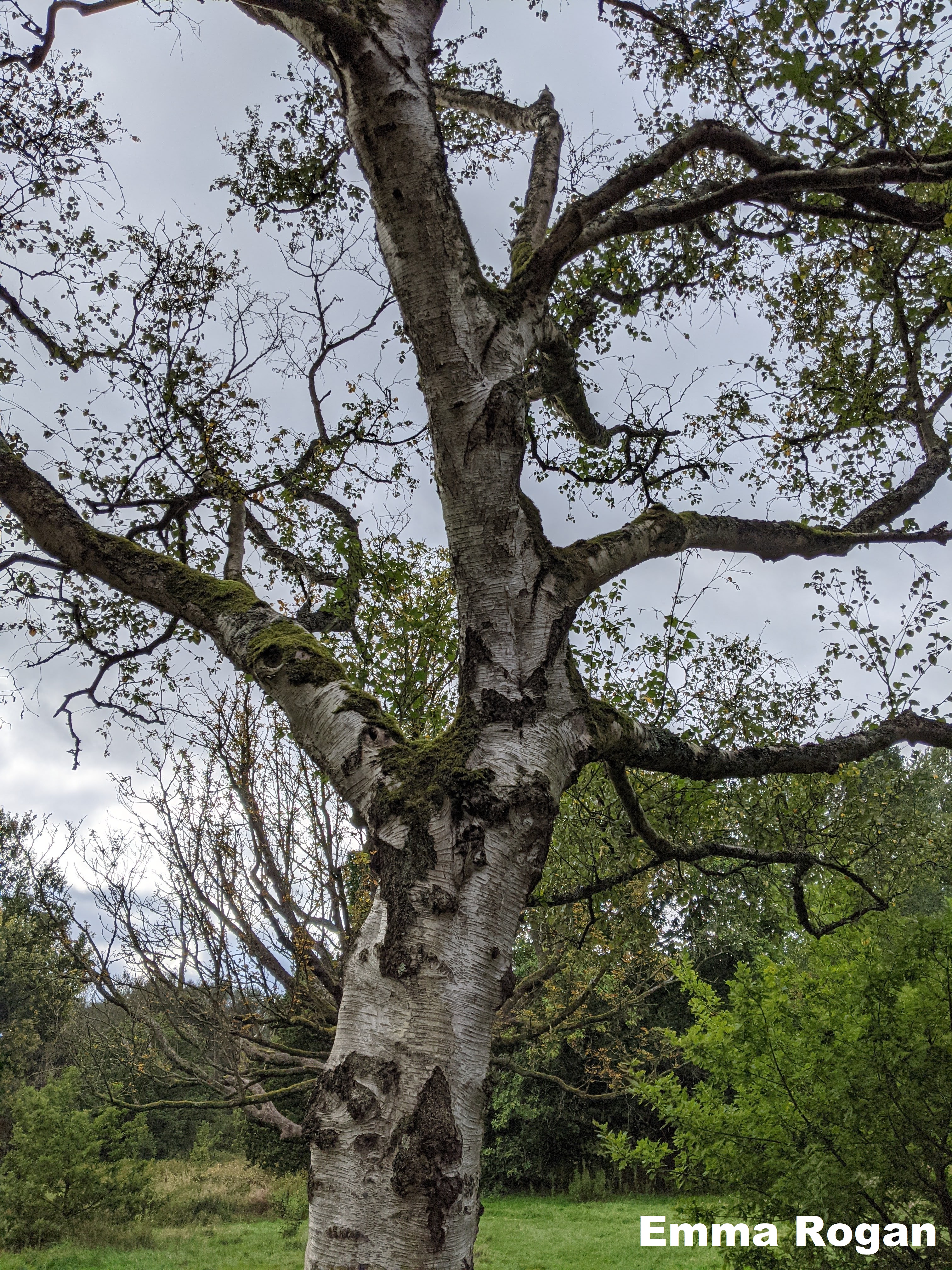
After our drinks, we continued on our journey, passing through Fletcher Moss Botanical Gardens, situated on a sunny south-facing slope. Within these gardens we found mini waterfalls, rock gardens, ponds containing many reshwater snails, giant rhubarb, exotic and unusual plants, damselflies, and small birds, such as wrens and robins, up in the trees. Following the path out through the gardens and park, under towering horse chestnuts and silver birches, we finally came to the end of our ramble.

Styal Country Park and NT Quarry Bank, Wilmslow
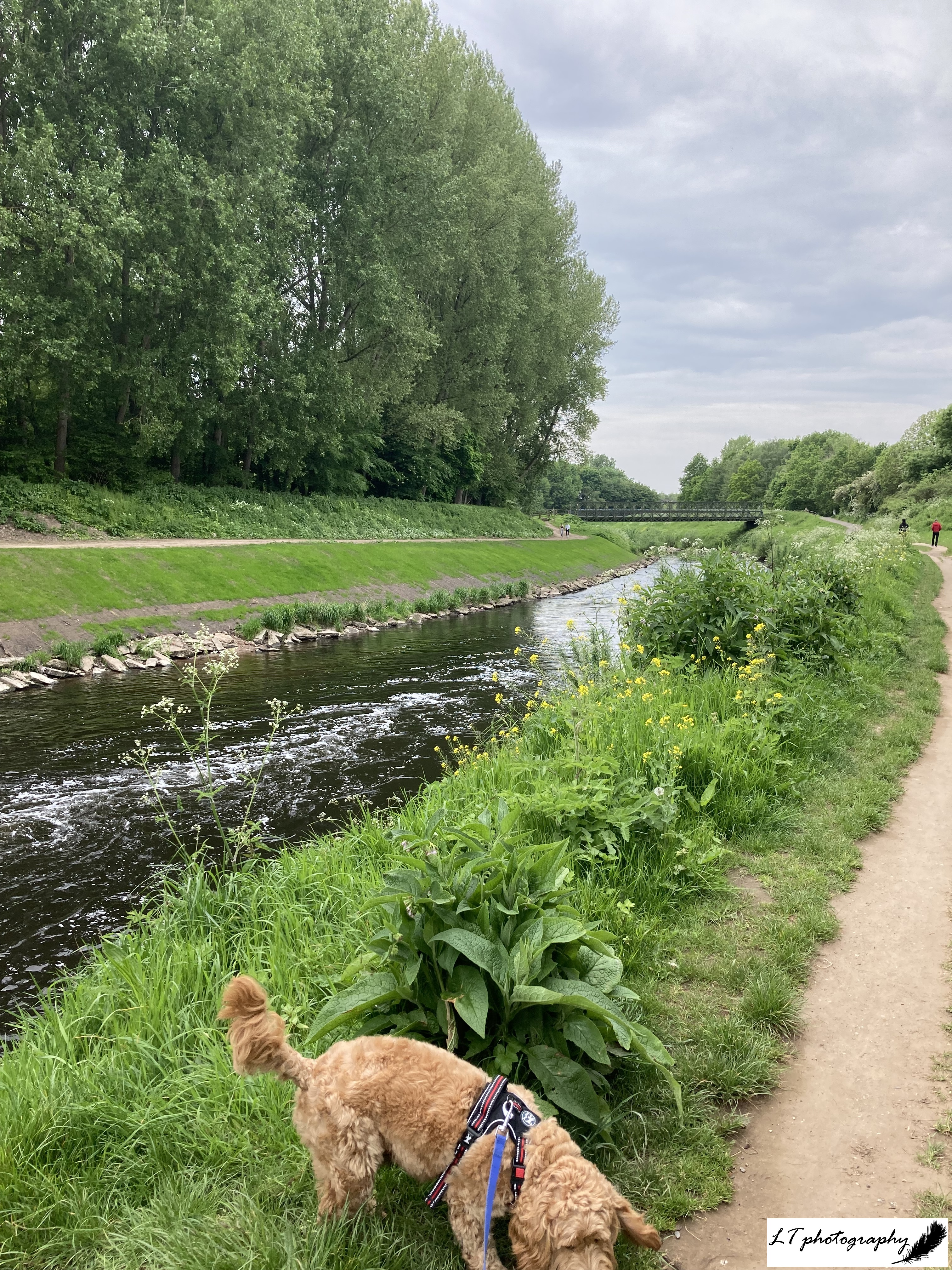
Another great way to venture out in nature is with a furry friend by your side, something I have missed over the last couple of years. So what better way to spend an afternoon than with my friend Emma and her sister’s cockapoo Persy, just outside of the city area of Manchester.

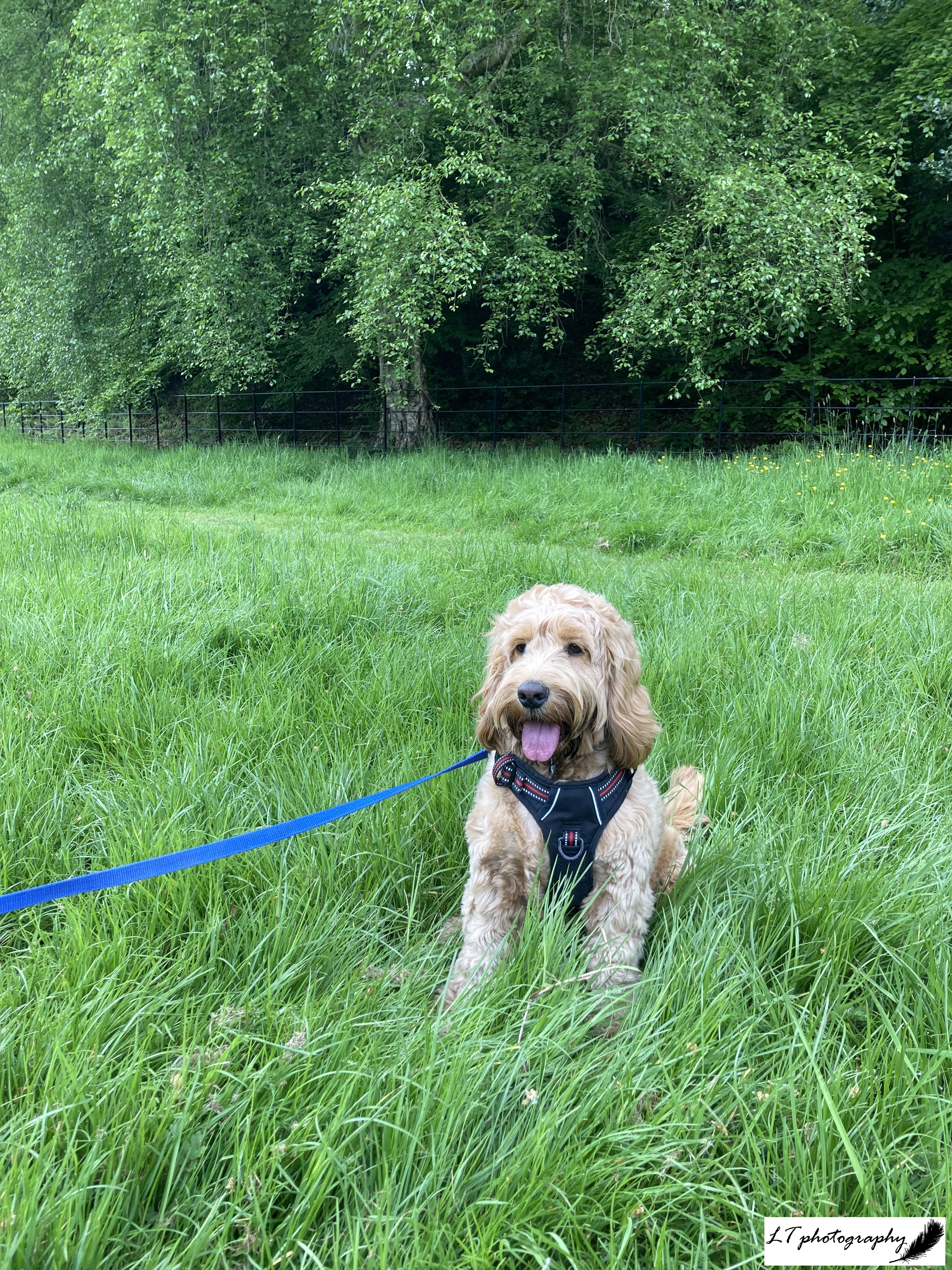
Starting at the Styal Country Park car park, our walk took us through fields perfect for running through, woodland filled with birds and squirrels, and along the banks of the River Bollin. Going at the active pace of Persy, we quickly stumbled upon the National Trust’s Quarry Bank, an old cotton mill first built at the start of the Industrial Revolution in 1784. The factory looking like a flash back in time, also boasts a magnificent walled garden, filled in May with the vibrant colours of rhododendrons, camellias, and borders filled many different species.

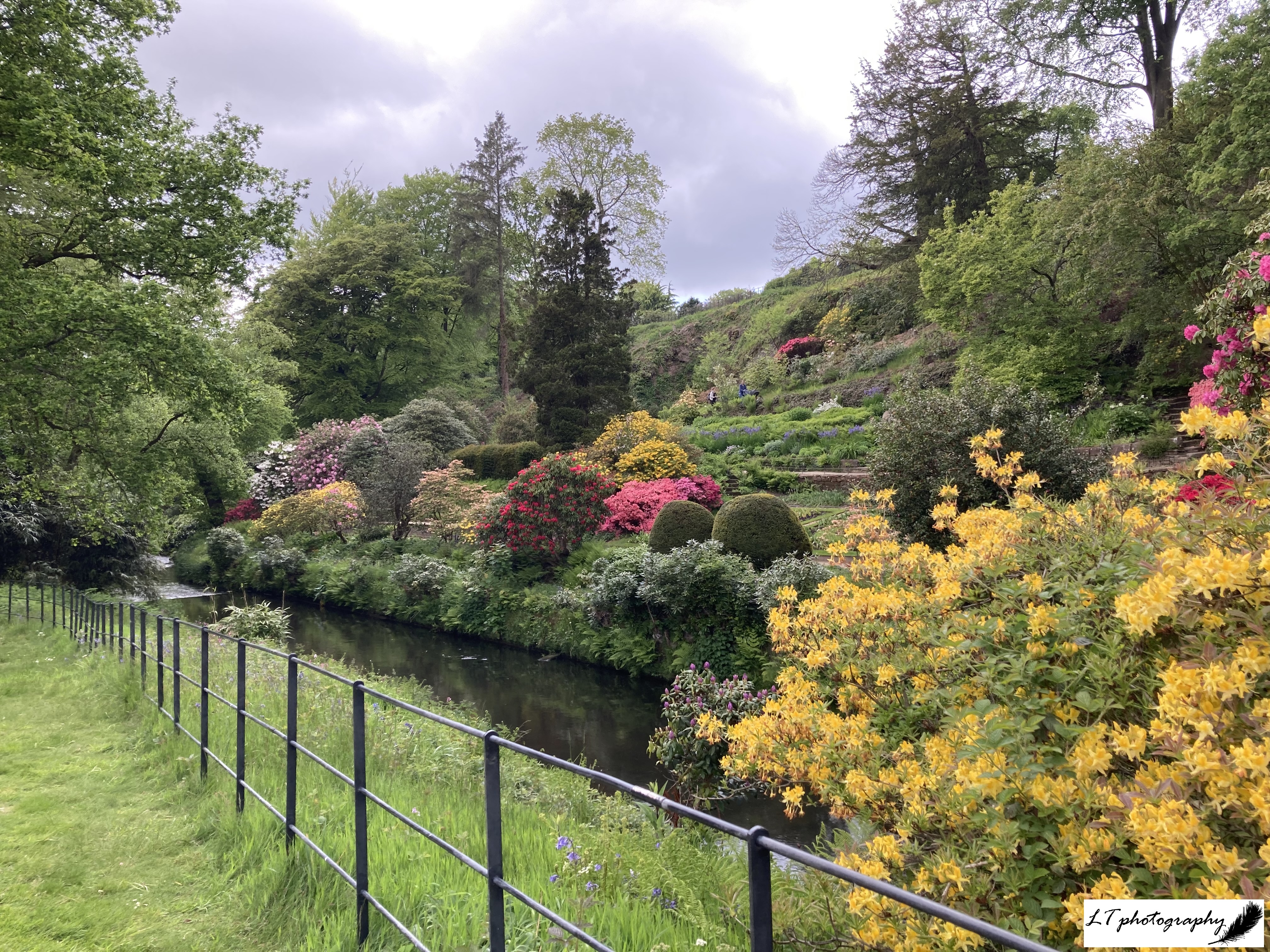
We topped off our adventure with a cup of tea in the National Trust cafe, and Persy leading us on our last stretch of walk through the gorges and woodland west of Quarry Bank. With robins, song thrushes, mallard ducks, woodpigeons, blackbirds, mandarin ducks, chiffchaffs, and nuthatches making appearances, among others, it was a great end to an afternoon wild walk.


Chorlton Water Park and the River Mersey, Chorlton
After a lovely dog walk at Styal, Emma and I were excited towards the end of my trip to take Persy on another walk to do some exploring. This time we headed to Chorlton Water Park within the south of the city bounds. An interesting nature reserve, it was formed when gravel was excavated from the site of Barlow Hall Farm for the M60 construction in the 1970s. The remaining pit was flooded, forming a central lake, surrounded by grassland, woodland and the River Mersey. Complete with fishing and pond-dipping platforms, and a play area, this green area is a site for both wildlife and the community alike.

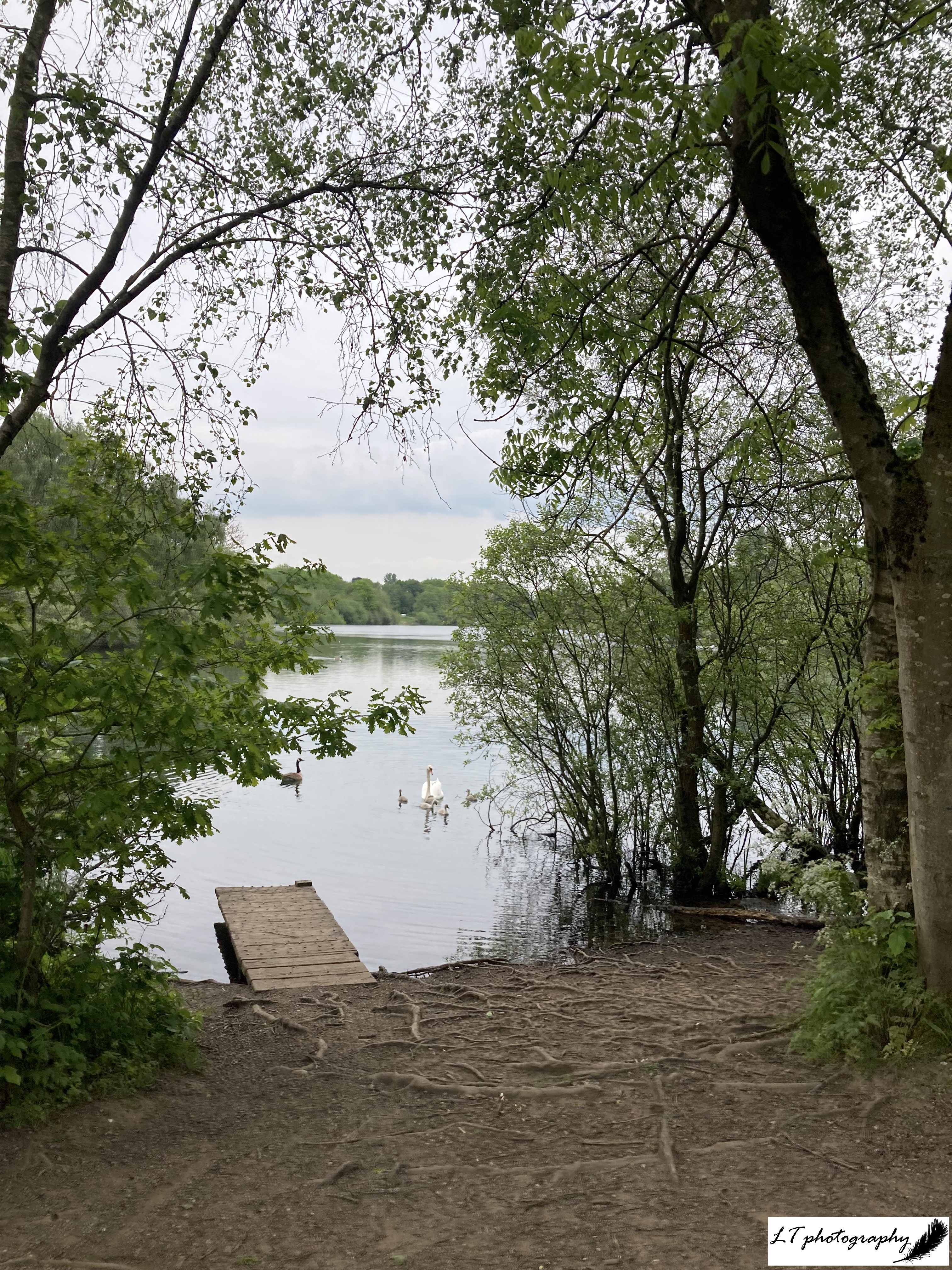
With Persy by our side, Emma and I first took a walk around the lake, taking in the birds on the water framed by willows and yellow flag irises, including Canada geese, mallard ducks, and mute swans all with young. Once we had completed this circuit, we extended our walk by heading east along the River Mersey back to Didsbury. The path was framed by froths of cow parsley and hawthorn, and added to by flitting butterflies, such as orange-tips, and a melodic bird soundtrack of tits, blackbirds, robins, dunnocks, wrens, chiffchaffs, and blackcaps. Though a simple route, it was really lovely to walk within an urban area, but be surrounded by nature and accompanied by wildlife the whole way!

Green Manchester
As a true country mouse and nature lover, when I am on holiday and travelling, I am always looking out for wildlife to discover, and green spaces to explore. So on my recent trip to visit friends and family up north, my time spent with my fellow animal-loving friend Emma was a real joy. City trips and activities were mixed with nature walks and lots of time enjoying being outside in green spaces. This ranged from areas within the city of Manchester, to further afield, such as a fantastic day trip to the Peak District via a 1 hour train.


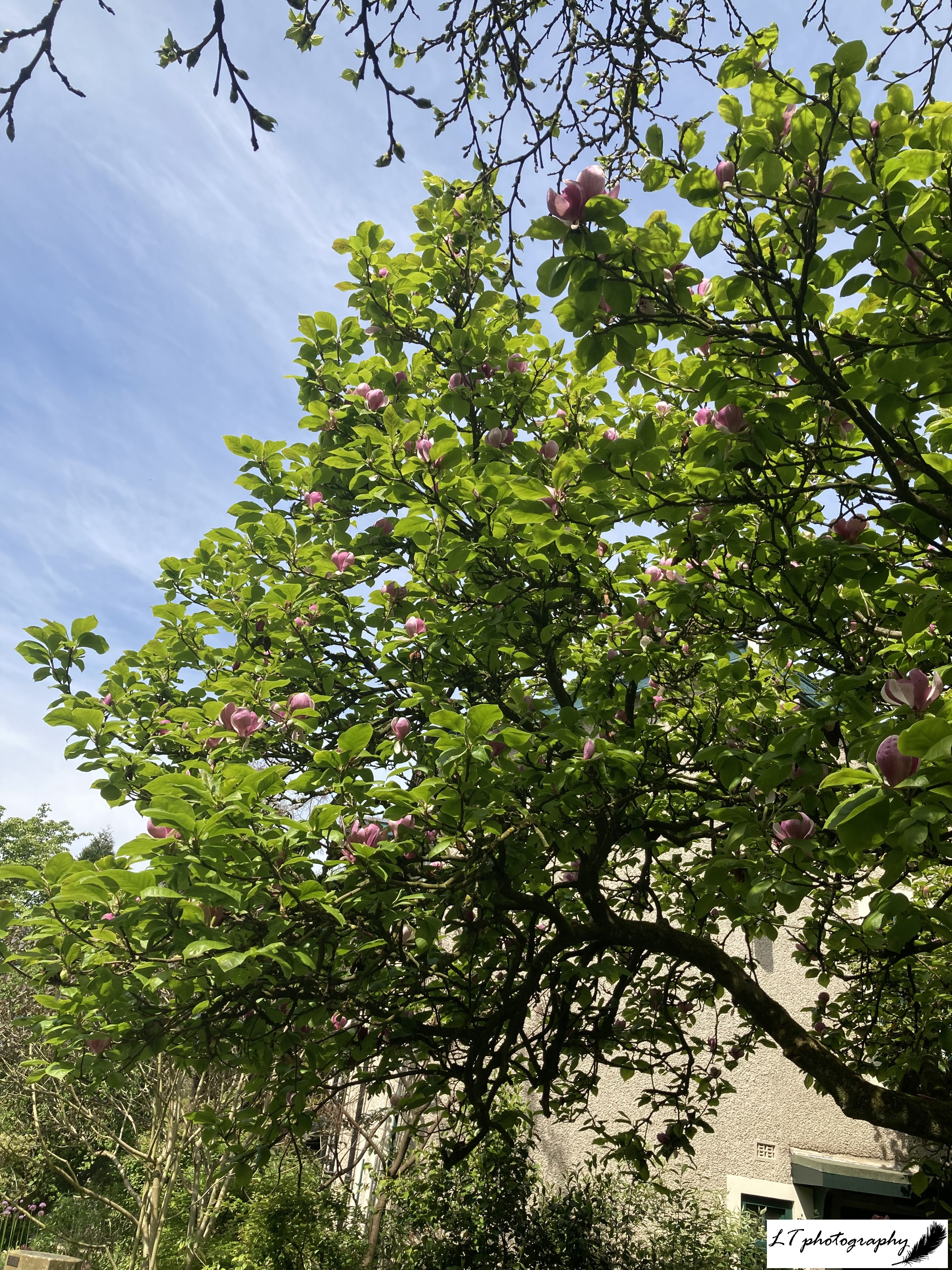
When it came to being a naturalist in Manchester, the city surprised me with how much it had to offer. With a city-wide focus on providing homes for wildlife and recovering habitat lost within urban areas, you are never too far from a park or green space to escape to. There are also bee hives to be found on rooftops across the city centre, hedgehog highways being created between suburban gardens, new nature reserves being created each year, and much more to excite the urban naturalist. It just goes to show that wherever you live, nature can be accessed and enjoyed by all!
Disclosure: Unmarked photos taken by Emma Rogan















 Laura's Wild World