Rural Dorset vs. Urban Manchester: Magical Minibeasts

Series in collaboration with guest writer Emma Rogan

Rolling green hills, trees sprawling across the landscape, hedgerows thick with plant and animal life, flowers growing up here and there, and rivers flowing through it all. The light of an orange sunset cast out over the city by a soaring glass tower block, the lonely lights of a crane against an evening sky, busy streets lit up for Christmas filled with music and laughter. Everyone’s idea of idyll varies, but for nature any landscape could provide a home. Let us explore.

Growing up within her family’s 250 acres of land, for naturalist Laura, rural Dorset is home. In what may be called the ‘middle of nowhere’ for an urban adventurer, Laura grew up alongside wildlife from barn owls and hares to grass snakes, damselflies, and oak trees. With parents that nurtured her to take an interest from a young age in looking after the wildlife they saw on their doorstep, this landscape has made her the conservationist and scientist she is today. Now her home provides inspiration for her photography and writing, including her Laura’s Wild World blog. Check out her blog here.
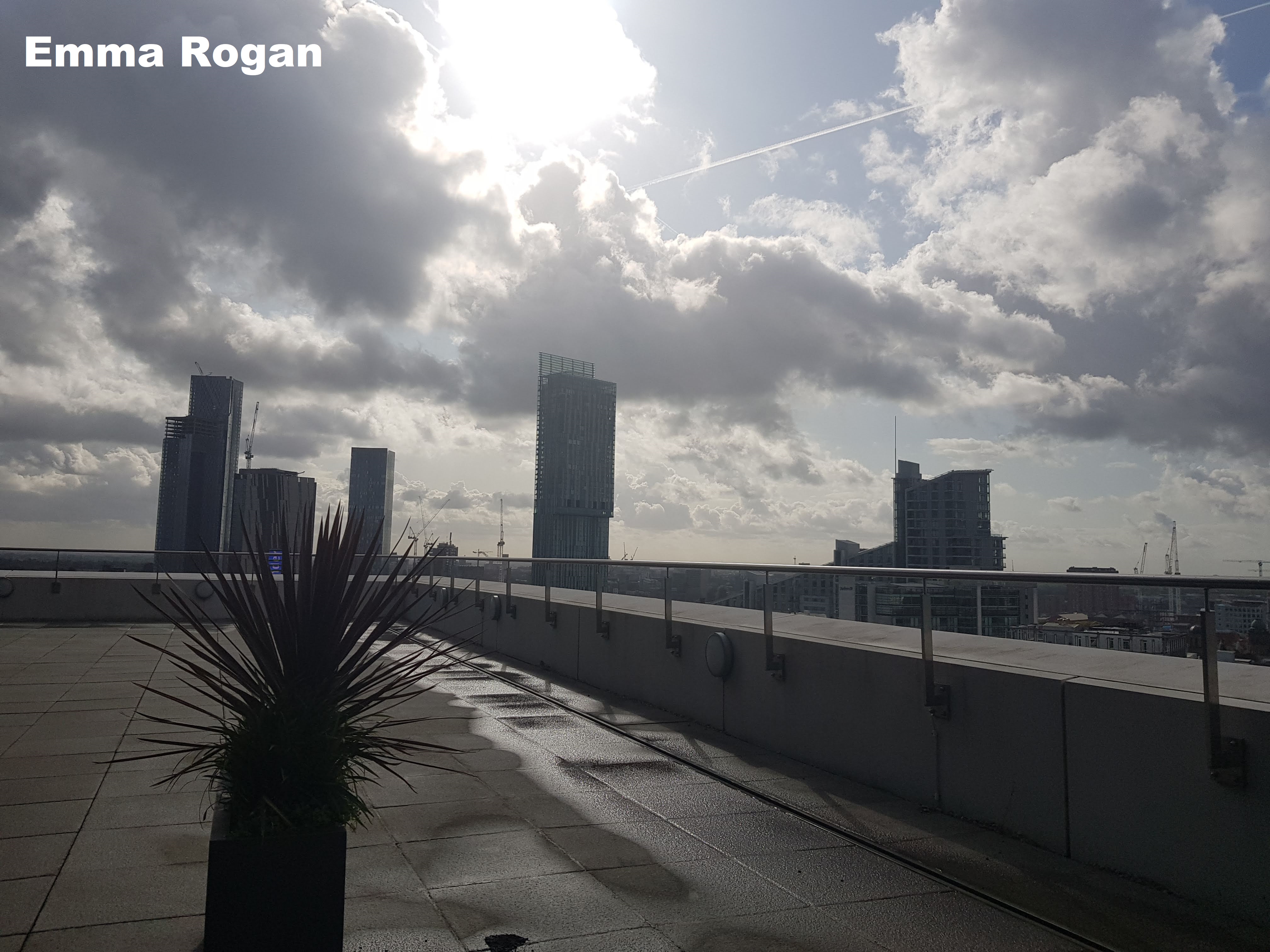
Guest for this series and wildlife enthusiast, Emma grew up in Manchester and will always be a city girl at heart. As a child she loved to watch nature documentaries and daydreamed about faraway places, but over time she fell in love with the wildlife that also calls Manchester its home. Emma has spent the past year documenting the lives of the insects, birds, squirrels and foxes that stop by her little rectangle of garden, and exploring the local woods alongside the River Mersey with her mum. Check out her page here.

In this brand new blog series, we take a look at the local wildlife that can be found in two very different home locations. Though at a contrast with each other, we will see how nature can make its home in both rural and urban landscapes, and the wealth of life that can be explored on anyone’s doorstep. At a time when it is so important that we protect and conserve the natural environment around us, let us inspire you as we take an adventure to explore a smaller side to nature.
Laura’s Countryside Minibeasts

Today was a warm and breezy day, perfect for walking through my family’s Dorset farmland in just a T-shirt and shorts. It was the kind of day though when you could feel the first breath of autumn in the air, kept at bay by the bleaching late-August sun. Pushing the cooler days to come to the back of my mind, I set out to try to see what smaller creatures I could find out in nature.
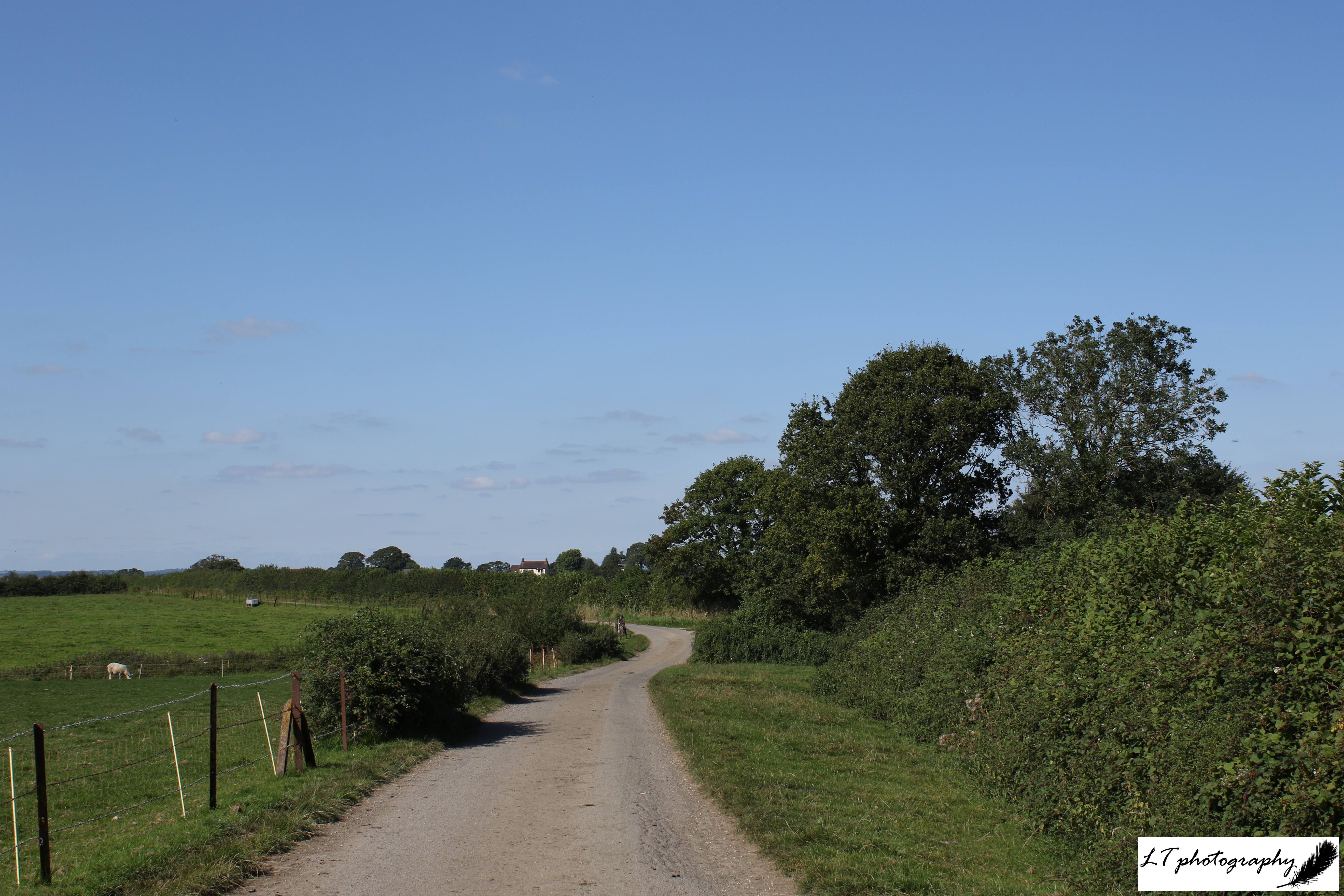
Journeying along tracks, through grass fields, over rivers, through tall maize, past a chalk ridge, and back home to my garden, my quest bore more and more fruits along the way. With every turn I got to experience a colourful and spectacular diversity of butterflies from small coppers to peacocks, got to be serenaded by grasshoppers singing their chirping tune, and to be joined by crane flies lazily hanging in the hazy golden light as I walked along on my own.

As my minibeast list grew, I stopped here and there to take a closer look, such as to gaze at beautifully banded snails hanging from nettles, or to photograph minibeasts, such as the curious looking froghoppers making maize leaves their home. I was loving it! The main highlight of my adventure though, had to be discovering a treasure trove of dragonfly and damselfly species on and around the pond in our conservation field. One minute I would see the golden-brown of an unknown dragonfly fly past me, before catching sight of common blue demoiselles dancing in the air and red-veined darters defending territories over the water. I was amazed at how many beautifully-coloured species I saw in such a short space of time!
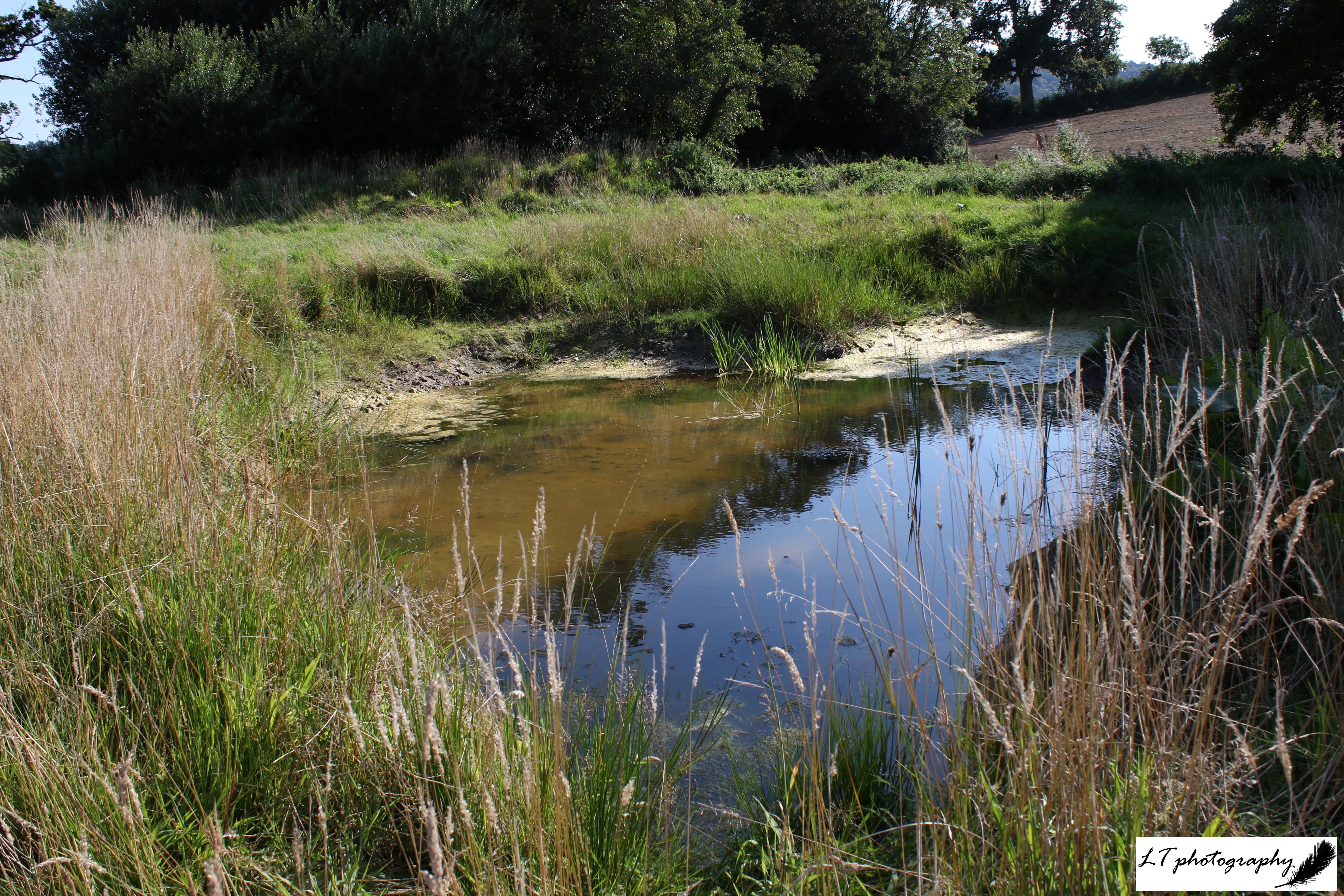
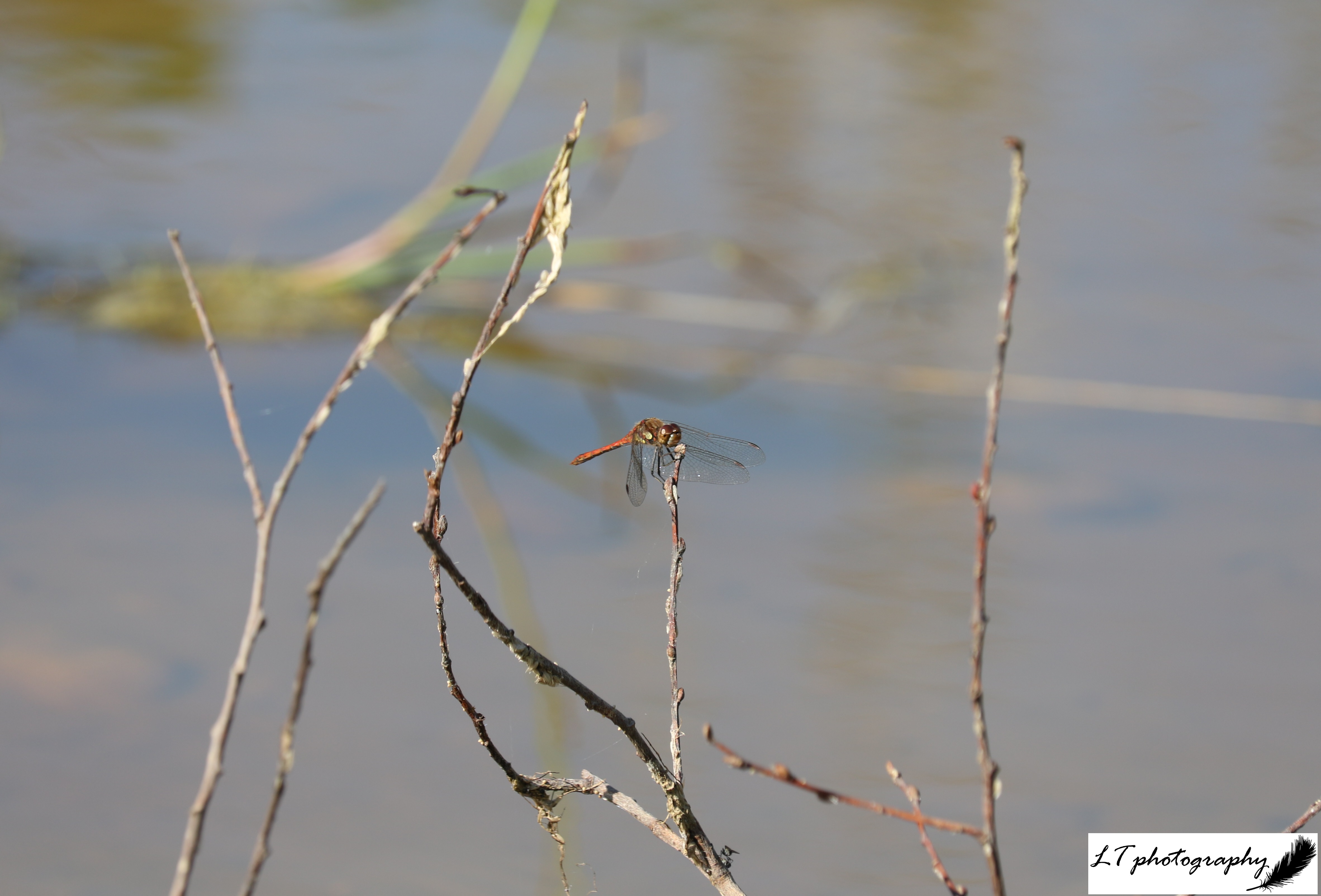
When I set out on my minibeast adventure, I was not entirely sure what I would find at this late stage of August. Whatever I thought though, by the end I was having a really great time, seeing some cool minibeasts ranging from busy honey bees enjoying a medley of flowers to many butterflies adorning buddleia bushes like gemstones. It really brought home that you never know what you might find until you open your eyes to the world around you. I am no invertebrate expert, but I was still able to take in all the wonders this mini world had to offer. It was a great break from life, though more importantly, a game changer!

Emma’s Minibeast Hunt in the City

Unbelievably, the afternoon I’d planned to go on my Minibeast Hunt was beautifully warm and sunny with a slight breeze. This is a rarity in Manchester! I gleefully pulled on my walking boots and headed out with my other half to Fletcher Moss, a nearby park and woodland alongside the River Mersey. We spent an hour wandering through the Parsonage Gardens, down to the river (down, down, doooown by the riveeeer – any Baldur’s Gate 3 fans?), and through the woods, making a brief stop for ice cream along the way!

The Old Parsonage and it’s beautiful walled garden was left to the citizens of Manchester by Alderman Fletcher Moss in 1919, and has since become a much-loved community space which is carefully looked after by volunteers. The garden was buzzing with pollinators drawn in by the variety of flowers, the echinops was particularly popular! It’s always lovely to see bees out and about in Manchester, as bees are the symbol of our city.

We then walked down the hill and took a winding path towards the river. The first stop on our riverside walk was Simon Bridge, a green iron bridge across the River Mersey which was gifted to the people of Didsbury by Henry Simon in 1901. Plenty of bees, wasps and hoverflies flew past us as we walked, but our second stop came when we heard what we thought was the singing of a grasshopper! This necessitated ten minutes of searching and more than a few curious glances before we found the little guy sat solemnly on a blade of grass.

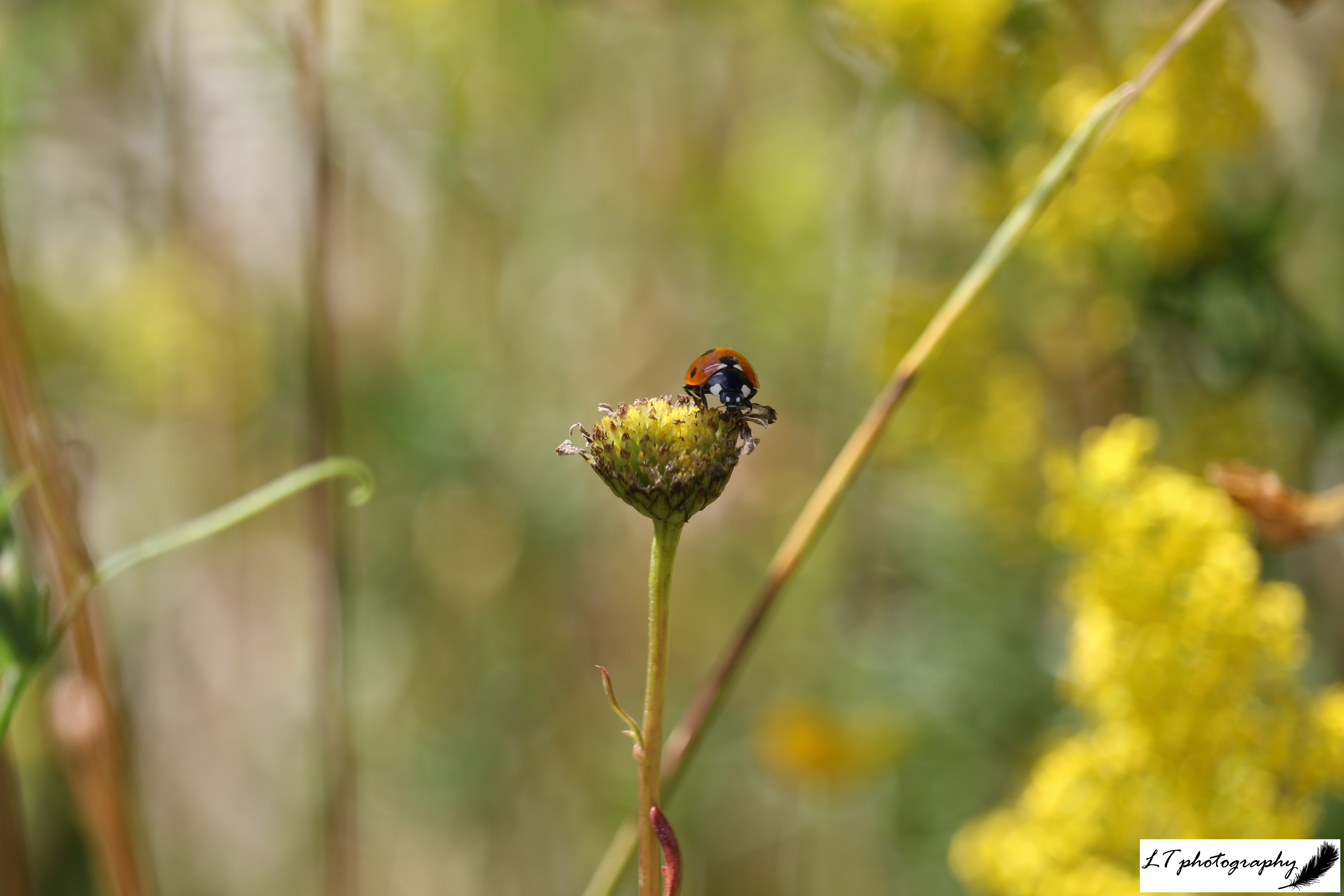
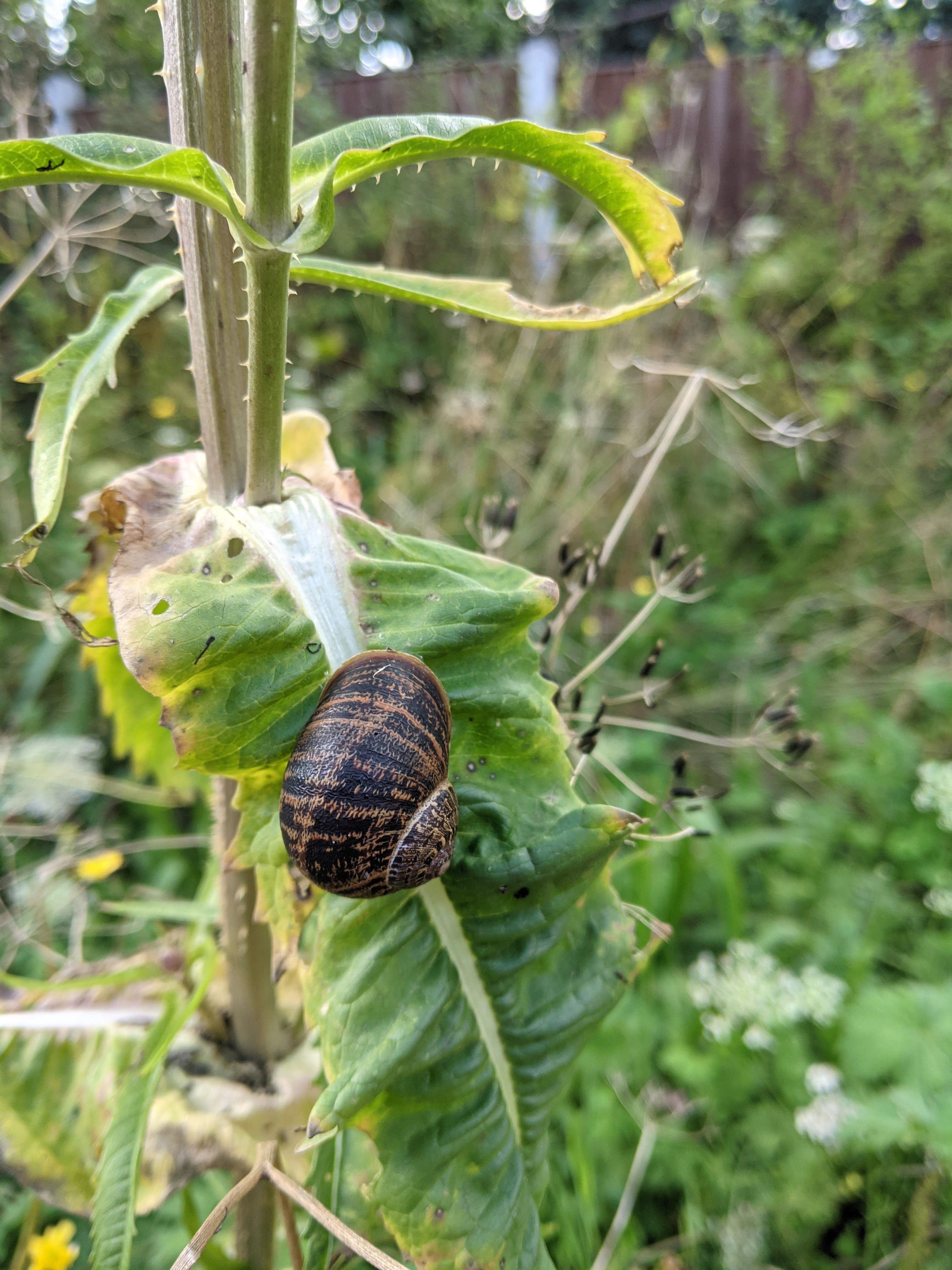
As we wandered on, our path took us away from the river and back up into Stenner Woods, a small area of woodland in the original Mersey Valley flood plain. It was at this point that a dragonfly decided to join us! Unfortunately, he wouldn’t stay still long enough for me to take a picture. We also came across a snail clinging to a thistle, and a ladybird nestled between the spines of a teasel, and a very hungry group of mint leaf beetles. Butterflies were noticeably absent, as we spotted only one female meadow brown butterfly during our walk. Our final stop was at a small pond area, where we saw what seemed to be hundreds of pond skaters!
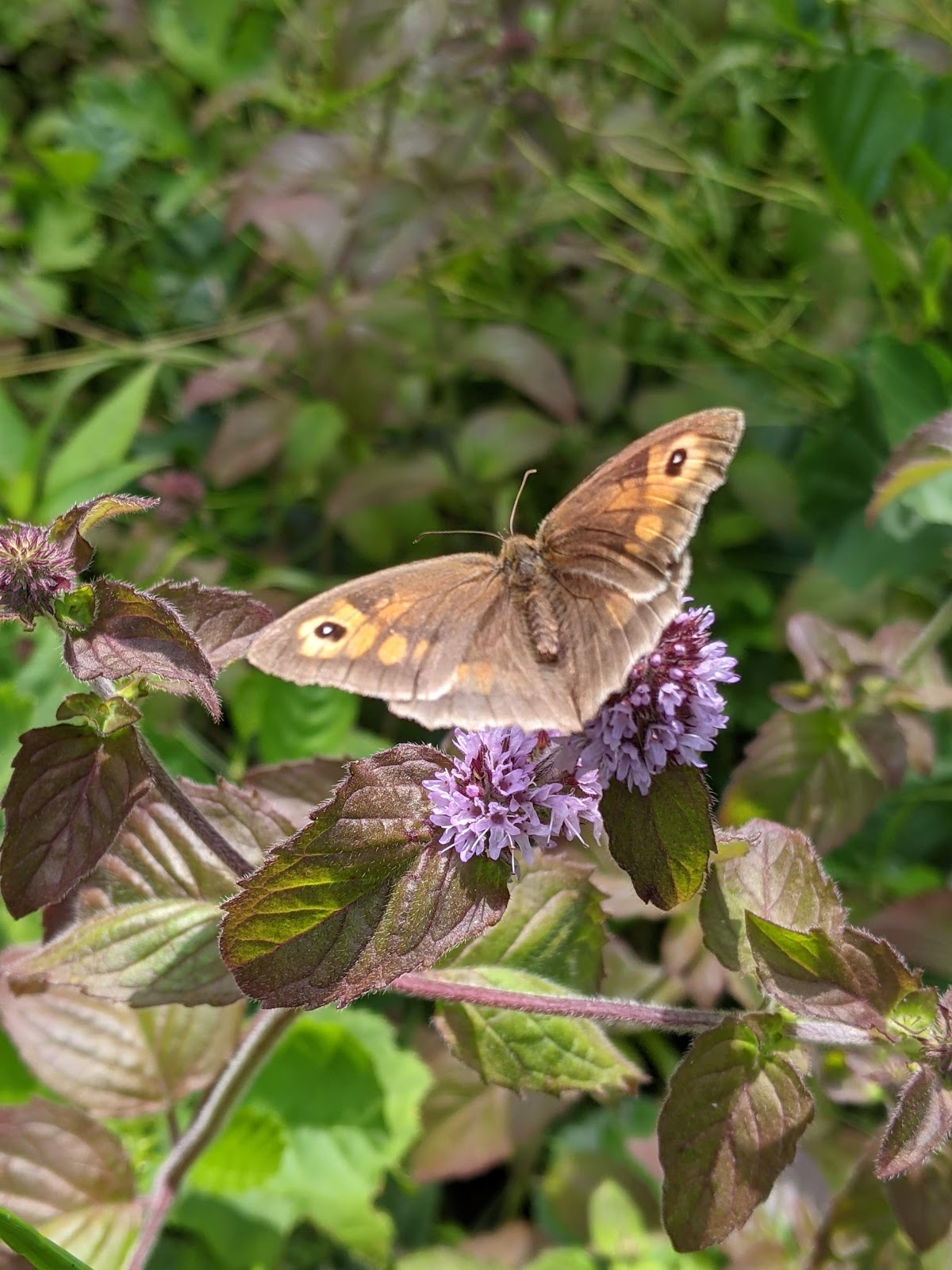
I’ve been fond of bees for quite a few years (I even wrote my dissertation on bees!), but I don’t often take the time to pause and notice the other minibeasts that live in my local area. This minibeast hunt was a great opportunity to challenge myself to look closer, and I felt very lucky to gain a snapshot into the lives of these smallest of animals.

Minibeasts

When people think of animals they usually think of lions, bears or elephants, for example, forgetting the smaller less observed animals in nature. The minibeasts we walk past each day though, can be equally majestic and awe-inspiring. Butterflies in spectacular colours, weird and wonderful froghoppers, or wriggling hard-working earthworms. All play an important role in nature, but tend to go unnoticed and be underappreciated.
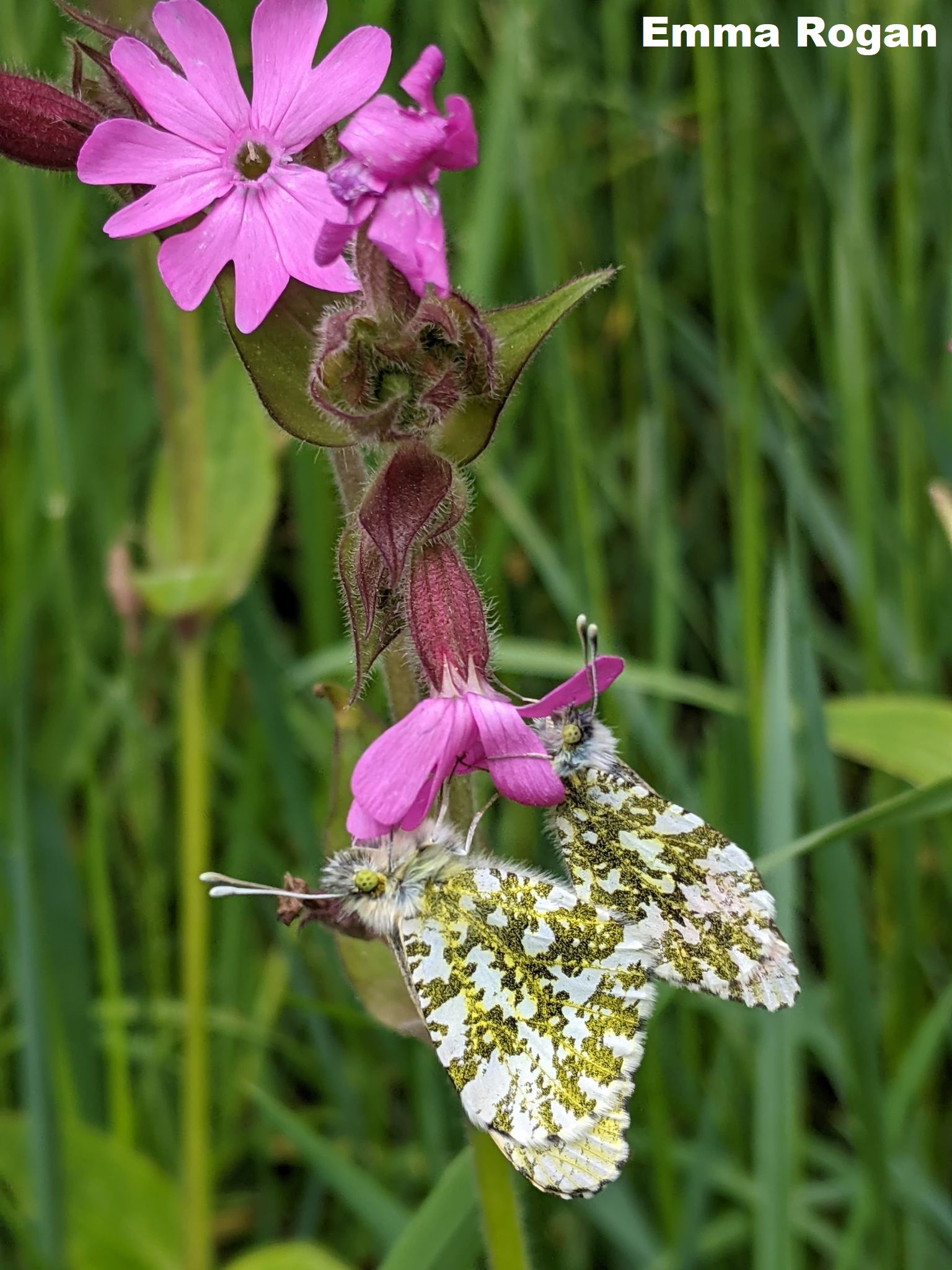
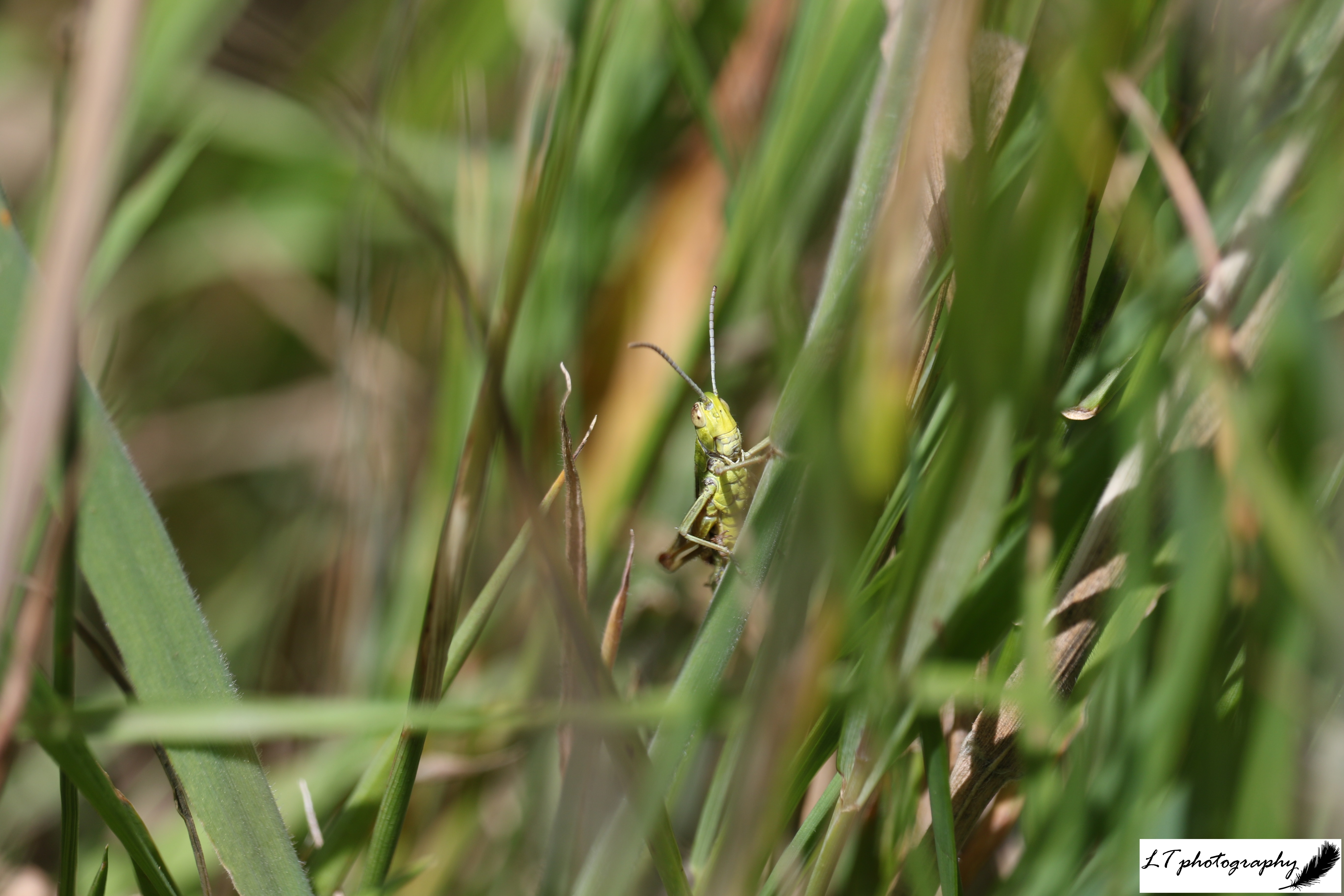
On both Emma and Laura’s minibeast adventures though, they found taking the time to focus on the smaller things eye opening. They might live in very different areas, but the green spaces they both have access to show an amazingly similar host of minibeasts. From grasshoppers to dragonflies, amazing minibeasts can be found anywhere. By challenging yourself to look closer at the smaller things in life, you can learn a lot, be provided with inspiration and even experience a moment of distraction and escape. Minibeasts are colourful, unusual, and awe-inspiring, so why not stop and find out what you could discover too?

26 Years of the BTO’s Garden BirdWatch: Getting Involved During Lockdown

As winter creeps into the landscape and a second lockdown keeps us close to home, our gardens are once again coming alive. Wrens creep through the undergrowth catching insects, Robins sing to defend small territories, and Long-Tailed Tits flit between hedgerows foraging in family groups. It’s not just the birds though, other species are settling down to see out the winter in our gardens too, from butterflies and toads to hedgehogs and ladybirds.

With this year being a bit different, I have found it a great time to take part in the BTO’s Garden BirdWatch, to further connect with nature, boost my mental health, and do my bit. Gardens are very important homes for wildlife, not just at this time of year, so now is an important time for us to understand how we can better help the wildlife that share our gardens with us. If you have a bit of time on your hands, want to do something a bit different, or are interested in the wildlife on your doorstep, then this survey could be just what you need!

The BTO and the Garden BirdWatch

So, what is the BTO? Well, the BTO stands for the British Trust for Ornithology, where ornithology refers to the study of birds. Started in Oxford in 1933, this now Norfolk-based charity aims to engage people with science whilst advancing the understanding of birds and now other wildlife species. With over 60,000 dedicated volunteers, and projects ranging from bird ringing and Cuckoo tracking to urban gull and bat surveys, the BTO has gone from strength-to-strength.

Set up in 1995, one popular BTO project has been the Garden Birdwatch, a project aiming to understand the relationship between wildlife species and our gardens, and how and why some of these species populations may be undergoing change. In a nutshell, the Garden BirdWatch is about participants recording the birds they see in their garden, along with mammals, amphibians, reptiles, butterflies, bumblebees, and dragonflies. As vital habitat for wildlife continues to decrease, whilst the importance of gardens as substitute habitat increases, the information we can provide now can be used to better tailor help to support wildlife in the future.

So why should you take part? Well, the Garden BirdWatch is a great way to enjoy the wildlife in your garden, improve your knowledge, and allow you to follow the annual cycle of life. Taking part is also easy! All you need is a garden, a minimum of 20 minutes a week, and a way to identify the species you see. You do not need to have a big or elaborate garden, put food out, or be an expert. With the Garden BirdWatch currently being free for a year, signing up is easy. Provide a few details about your garden, and get started recording the garden birds and other wildlife that visit you.

Why not join thousands of other volunteers today, and do something new from the comfort of your own home!

Examples of Results

Last year marked the 25th year of the Garden BirdWatch, and so the BTO have now been able to use 25 years of weekly garden observations to begin analysing the relationship between our gardens and wildlife. For example:

  • Goldfinches, Woodpigeons, Nuthatches, and Jackdaws have become an increasingly common sight in our gardens, relying on our gardens for vital foraging habitat
  • Song Thrushes, Greenfinches, Starlings, and House Sparrows have become a less common sight in our gardens since 1995, due to a range of factors from disease to loss of habitat

I have now been taking part in the BTO’s Garden BirdWatch for the last 21 weeks. This time has gone past so fast, but has opened my mind to the diversity and abundance of species that visit my garden through the seasons. To sum up my time so far, here are some of my results:

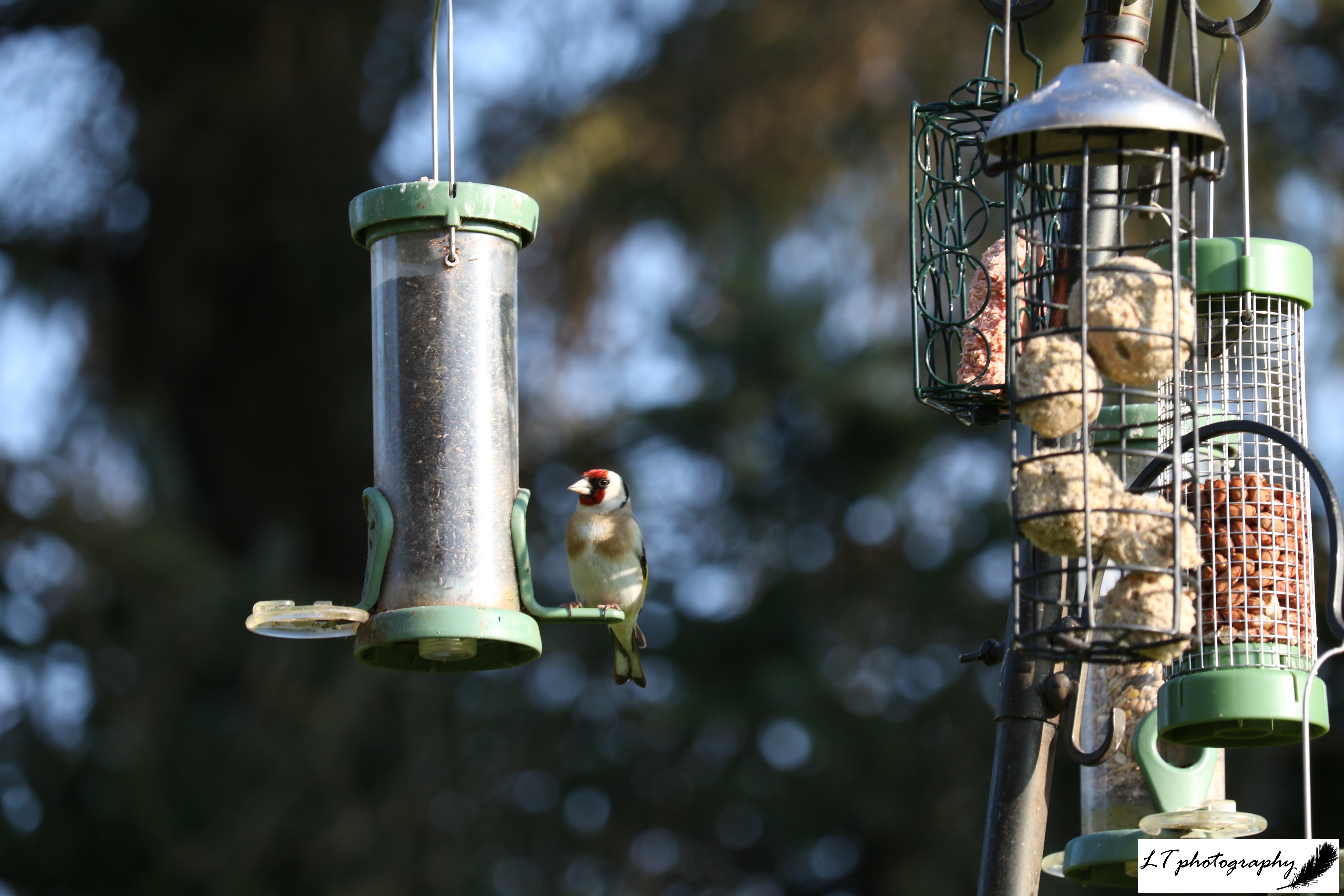
  • I have observed 26 different bird species in my garden, with the most abundant species being Starlings (50 on 28th July) and House Sparrows (40 on 28th July), followed by Goldfinches (30 on 1st October)
  • Every week Blue Tits, Great Tits, Collared Doves, Pheasants, Goldfinches, and House Sparrows have been consistently recorded
  • As summer has moved into autumn and winter, Coal Tits, Jackdaws, and flocks of Goldfinches have become newly reliant on my garden, whereas Great-Spotted Woodpeckers, flocks of House Sparrows, Pheasants, flocks of Starlings, and Sparrowhawks have decreased their visits
  • No week or month has been the same, with summer highlights including Greenfinches, Siskins, Chiffchaffs, and Garden Warblers!

So, why not see what wildlife you can encounter this winter?

Spring 2020: In Photos

As the world was thrown into disarray with the full force of a pandemic, our daily lives were hit by lockdown, slowing and grounding to a halt. For the natural world outside our windows though, spring was just beginning, with days warming, buds bursting, and migrants making their return. Even when our own lives were being disrupted, the natural world was carrying on.

13_06_20_Farm_Chalk_Mound_Rough_Hawkbit_Small_Tortoiseshell_Butterfly_2

For me, spring has been a real lifeline this year. With the natural world bursting with life, I was able to draw real strength from the return of the swallows, the flowering of the bluebells and the trees becoming cloaked in delicate new leaves. Every moment I could spend out in nature gave me the strength to continue as if nothing had changed, cherishing every moment for what it was. For this I am grateful, and I really appreciate that I am lucky to have the beautiful Dorset countryside right on my doorstep.

As spring begins to make its exit, I wanted to take some moments to reflect on a time that has taught me a lot, brought me some real magic through the natural world, and will be remembered for as many good memories as those eclipsed by Covid-19. To begin with, here are a selection of my favourite photos from this spring. They range from spring wonderment to heart-warming moments, that all mean something to me.

Spring 2020 in photos

1) Small Tortoiseshell Butterfly – The photo featured above was taken only last week, and reminds me of how valuable the time I spend expanding my knowledge of nature really is, including the identification of butterflies and flowers. I found this Small Tortoiseshell butterfly on a 10m long chalk mound that my parents have created for wildlife within our farmland, and it really is coming into its own this year!

16_04_20_Horseshoe_Woods_Bluebells_Spider_Dewdrop_3

2) Bluebell & Spider – When the bluebells are flowering, it has to be one of my most favourite times of the year. As the woodland floor transforms to a carpet of blue purple, I feel at my happiest and enjoy noticing new details each year, such as the spider hunting on these drooping bells.

2) 20_03_20_Farm_Goldfinch_2

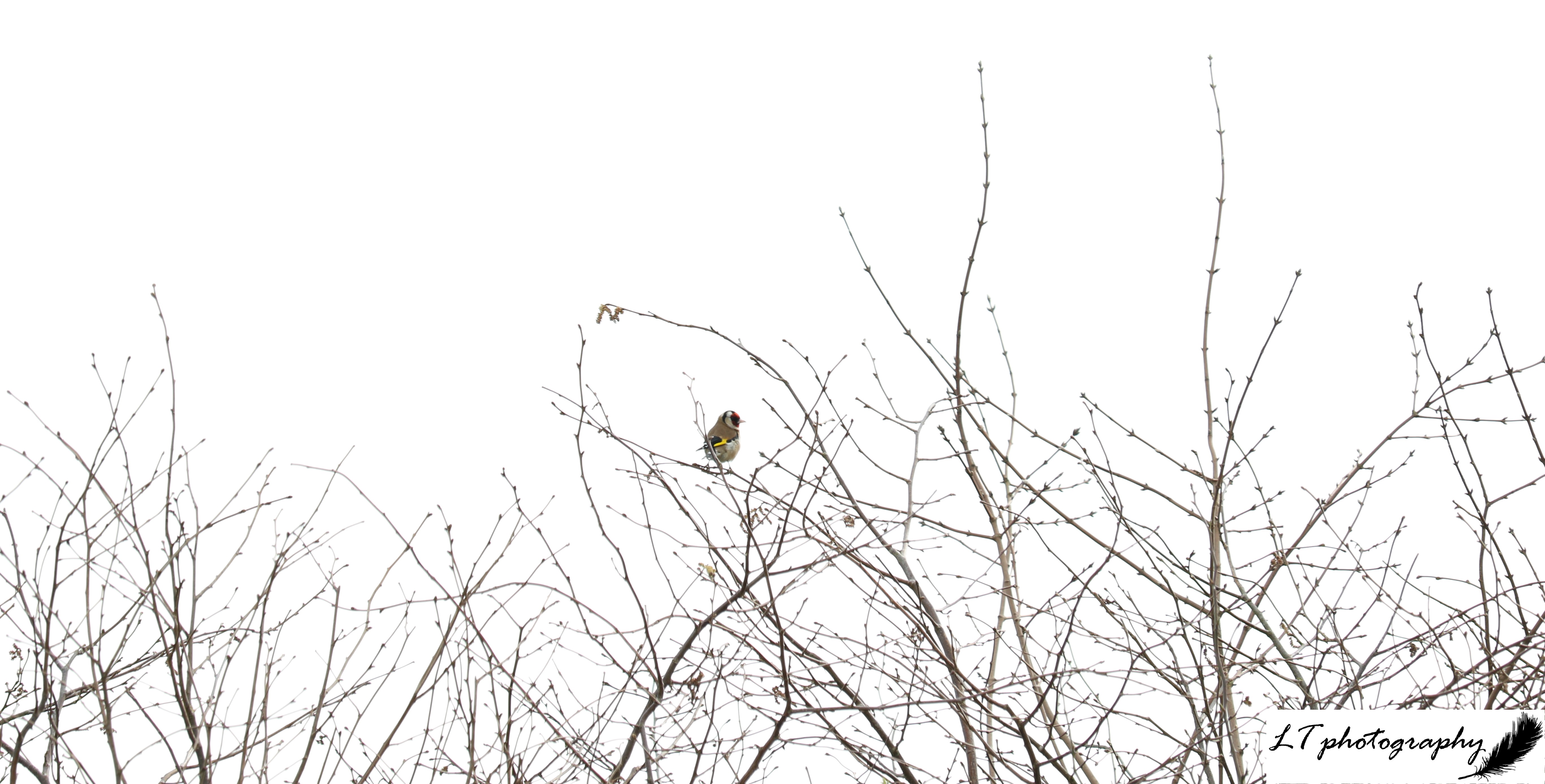
3) Goldfinch – I love the simplicity of this photo of a Goldfinch taken back in March. The bright colours of the bird vividly stand out from the swelling buds and bare twigs of the hazel in this hedgerow. It was enough to brighten a moment on a decidedly chilly spring day.

15_04_20_Farm_Flowers_Stitchwort_3

4) Stitchwort – Every flower is unique and different in its own way. With Greater Stitchwort, every flower stands out like a small white star, carpeting verges, hedgerows and woodlands alike.

07_05_20_Farm_Dandelion_Seeds_4

5) Dandelion Seeds – Now as an adult I still hold on to the child-like curiosity that a dandelion invokes. With hundreds of parachuting seeds waiting to fly, this dandelion creates a beautiful fluffy silhouette in the spring sunshine.

20_03_20_Farm_Lleyn_Lamb_3

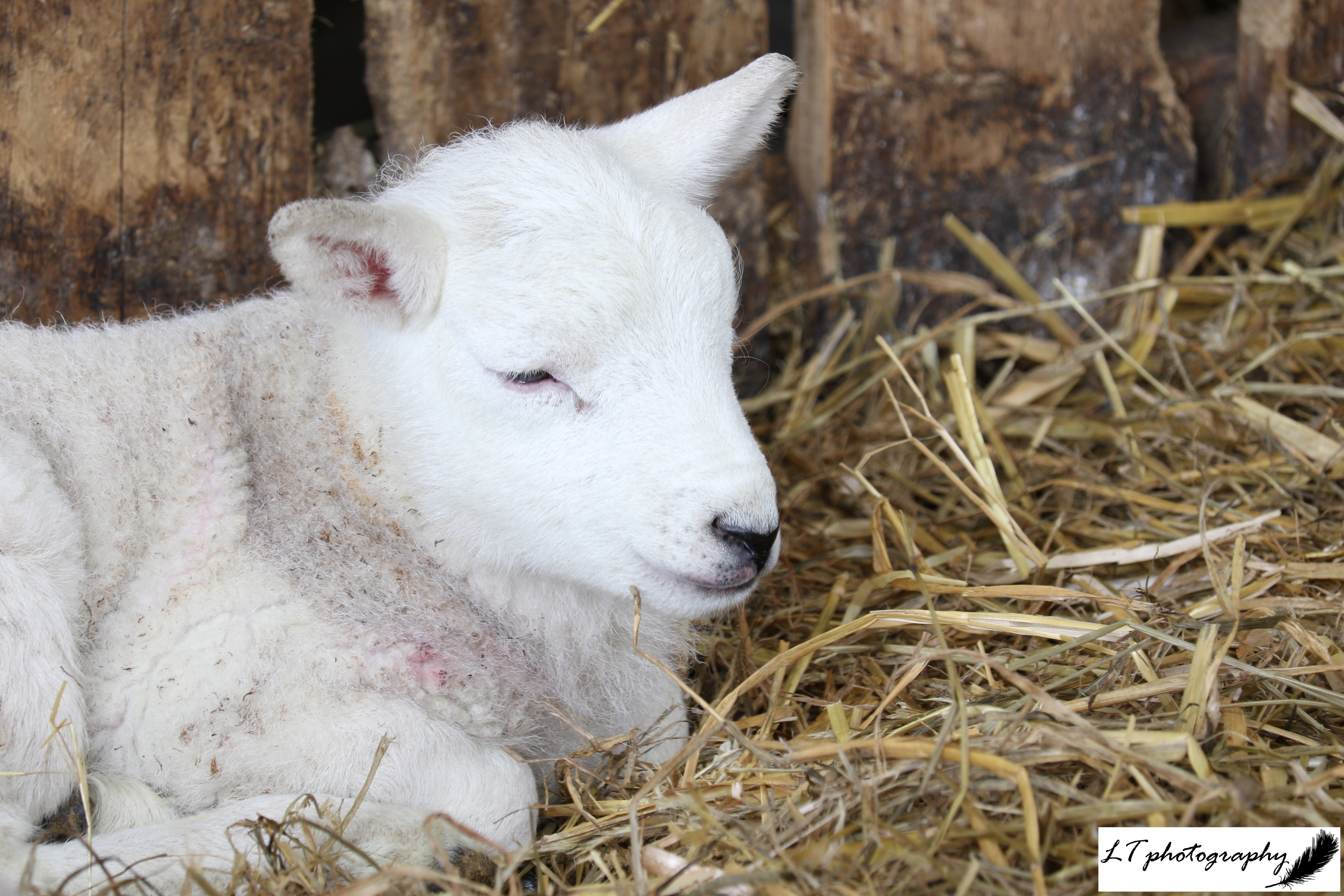
6) Lleyn Lamb – This photo is as it seems, a photo of a sleepy newborn lamb, born earlier this year. I am proud to say that I come from a farming background in the heart of Dorset. It has been this that has provided me with a spectacular backdrop to learn about the natural world around me, given me the knowledge and experiences to be able to make informed decisions about how I live my life, and given me an understanding of the important relationship between the environment and modern agriculture.

07_05_20_Farm_Wild_Garlic_Insect_3

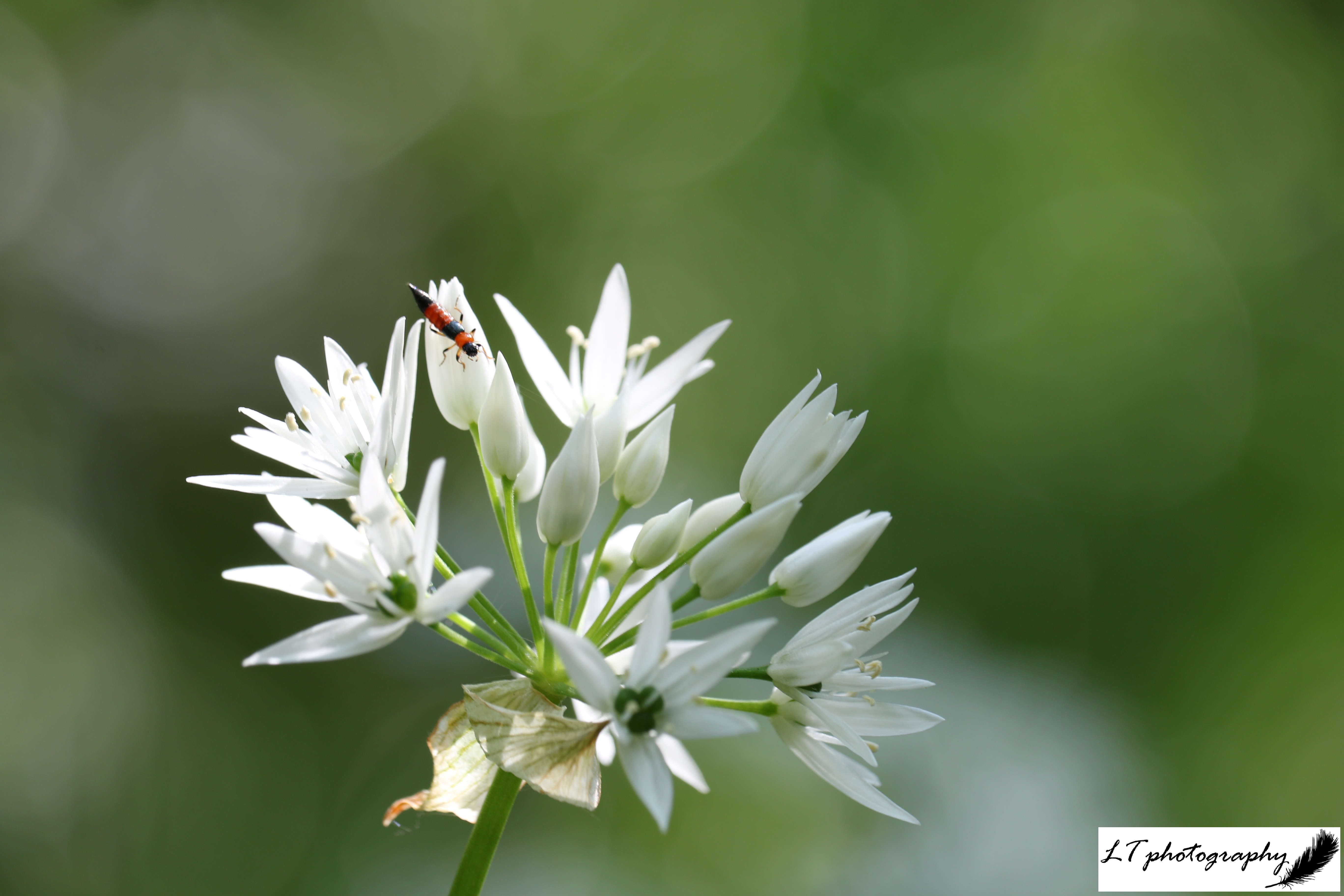
7) Wild Garlic & Insect – I love to notice the details in nature and get down to the level of the ‘small things’. This may be noticing the curl of an unfurling fern, the patterns on the petals of a tiny flower, or the jewel-like colours of an insect exploring a cluster of star-shaped wild garlic flowers.

13_05_20_Farm_Sunrise_Hangings_Gate

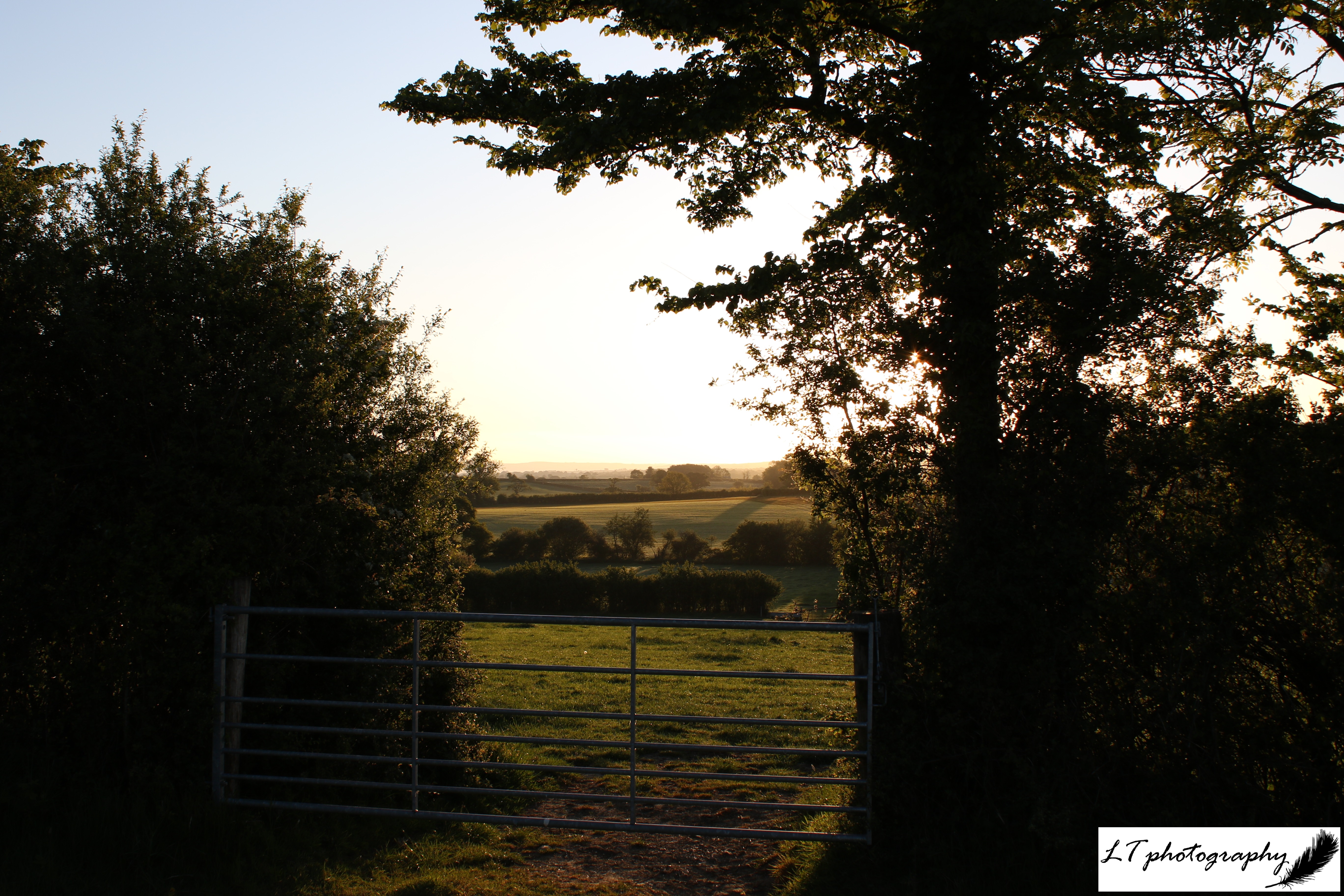
8) Sunrise – One of the best times of day has usually come and gone by the time most people have woken up in the morning. A sunrise is a golden time though to get out, listen to the birds singing and watch as the world wakes up around you. There is nothing like it!

07_05_20_Farm_Rabbit_Baby_Black_6

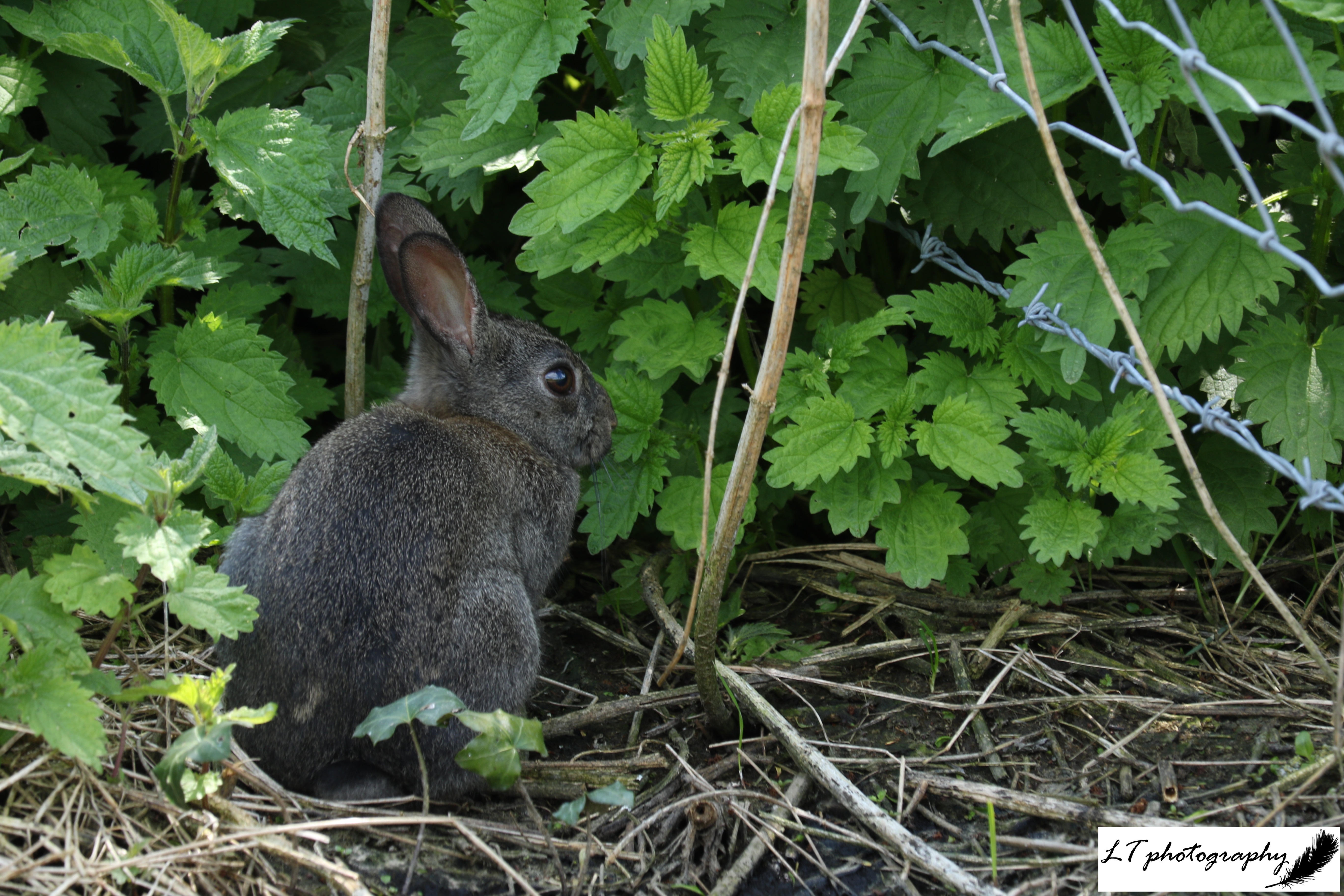
9) Dark Rabbit – One of my more unusual sightings this year has to be this rabbit, that has notably darker fur compared to the usual European rabbit. It was small in size, and though showing wild instincts, it was slightly less fearful of us humans. Everyday it could be found sunning itself in a small open area within vegetation situated behind our farm buildings.

8) 16_04_20_Horseshoe_Woods_Flower_Moschatel_8

10) Moschatel – Every year I try and learn one new species of flowering plant that can be found in our woodlands and surrounding countryside. This year it was the turn of Moschatel. An often overlooked flower due to its greenish colour, Moschatel is also known as Townhall Clock, due to its flowers having 5 faces that make it look like a cube or townhall clock in shape.

15_04_20_Farm_Bird_Chiffchaff

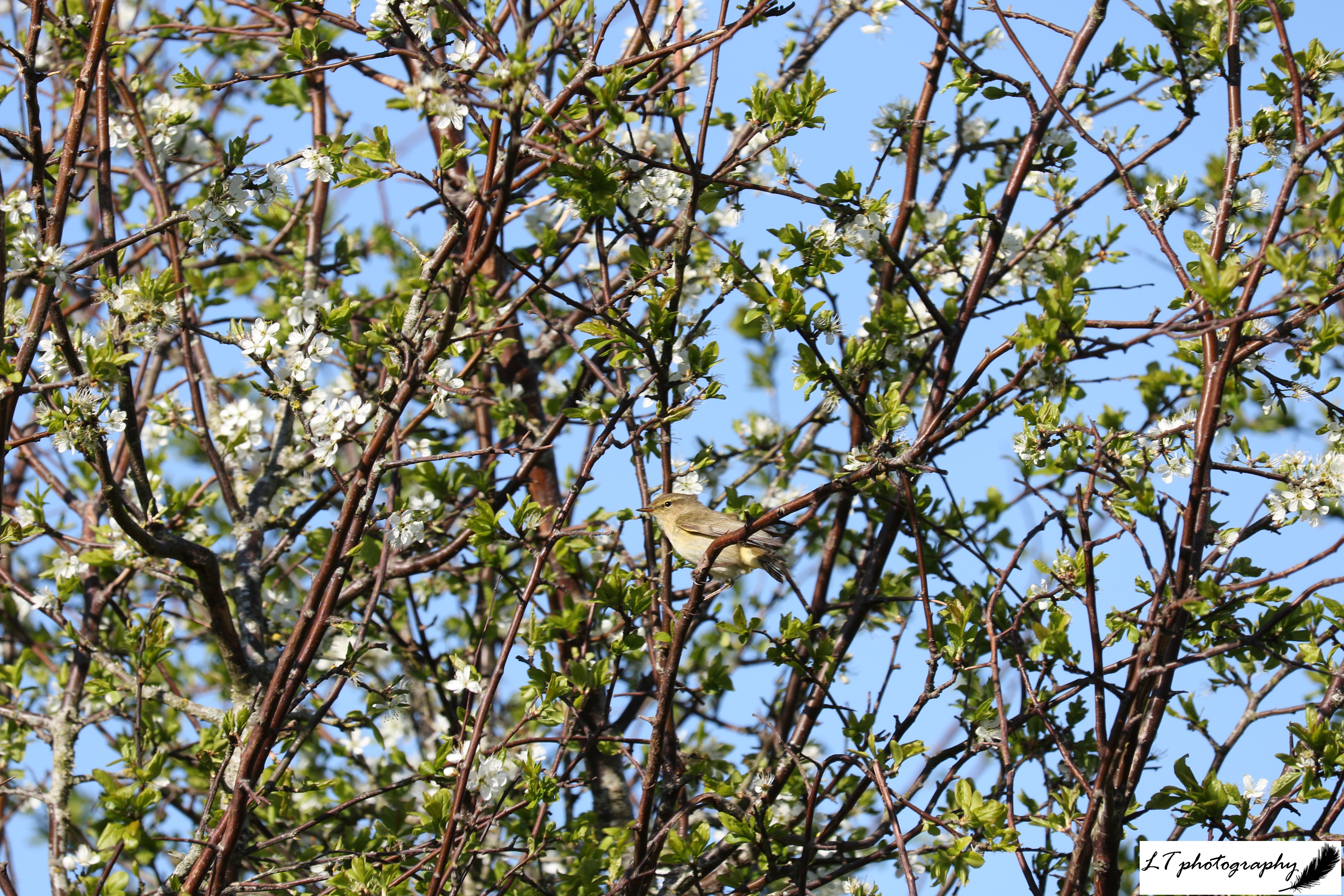
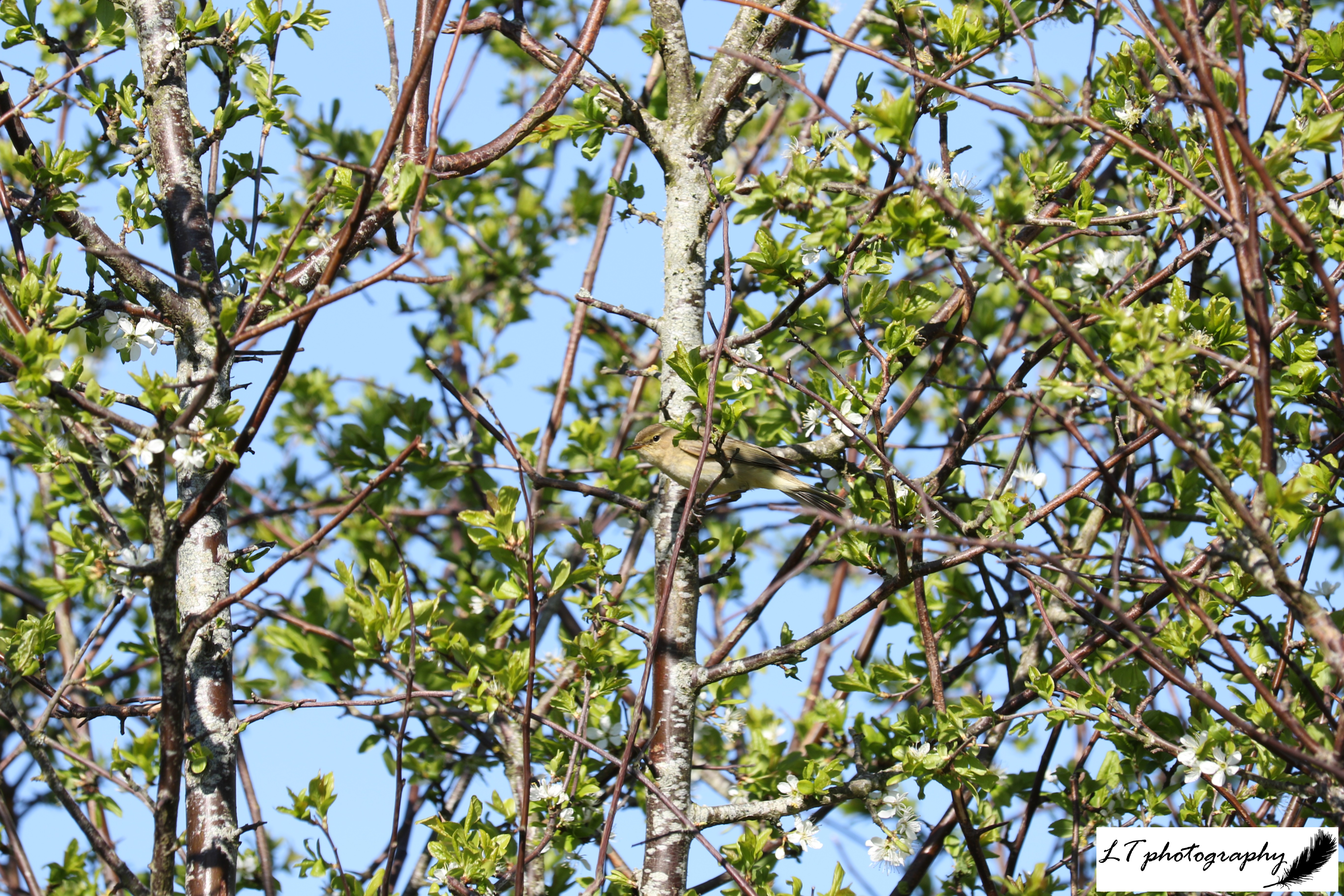
11) Chiffchaff – One of my highlights of spring every year is the return of the Chiffchaff. When I hear this bird sing for the first time each year, I feel like spring has truly arrived, so I am particularly saddened when their singing finally falls silent as autumn grips the landscape.

15_04_20_Farm_Badger_Alley_Feather

12) Feather – This photo is a good example of the beauty of detail. It is simple, but a spot of light highlights the real elegance of this contour feather, now left to lay amongst the vegetation.

15_04_20_Farm_Beef_Cows_Dream

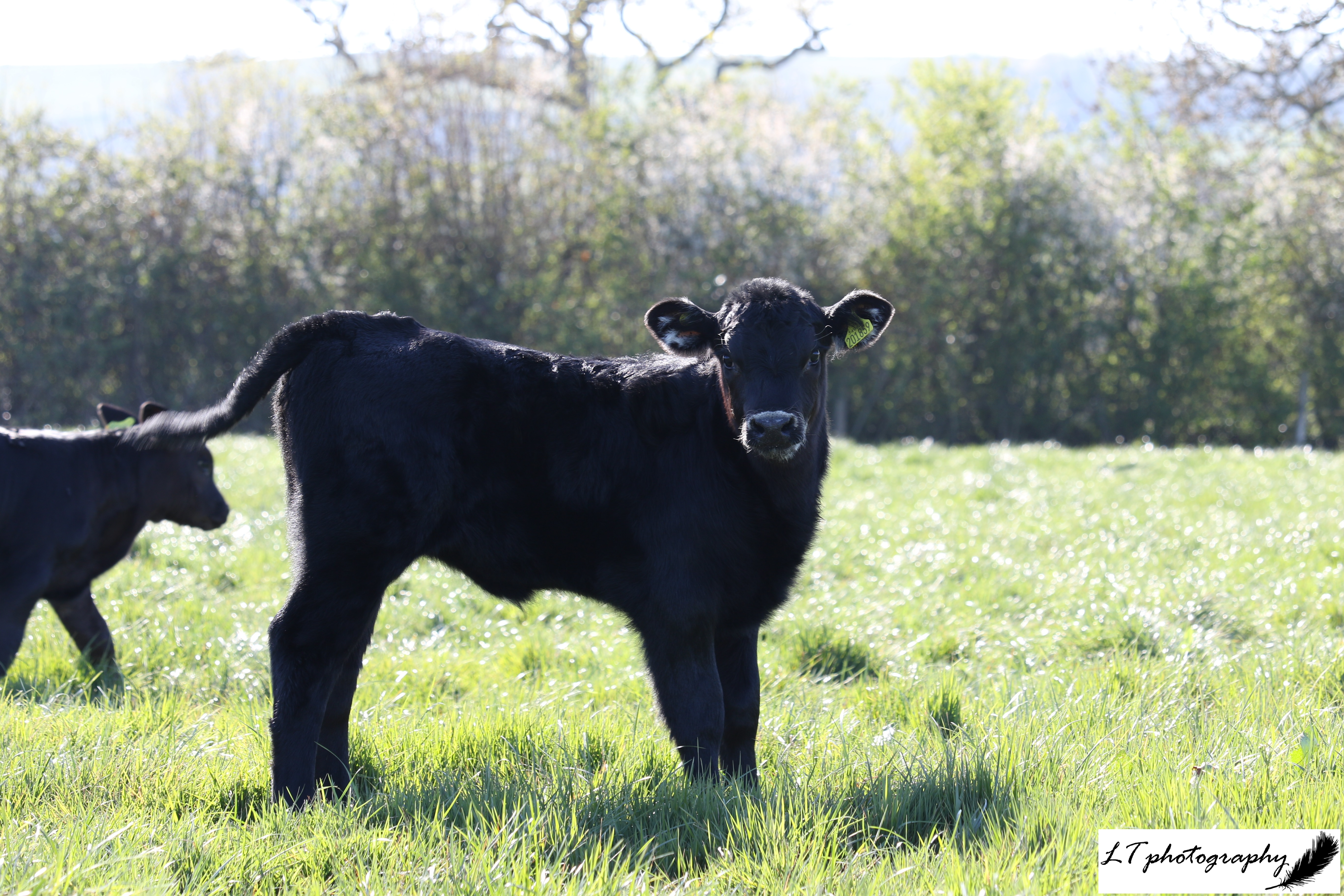
13) Aberdeen Angus Calf – This inquisitive and interestingly marked calf is another photo that connects with my farming roots. Spring is synonymous with new life, from on the farm to the wider countryside, and this little one was just one of many, precious and to be celebrated.

07_05_20_Farm_Hart's-Tongue_Fern_Spider

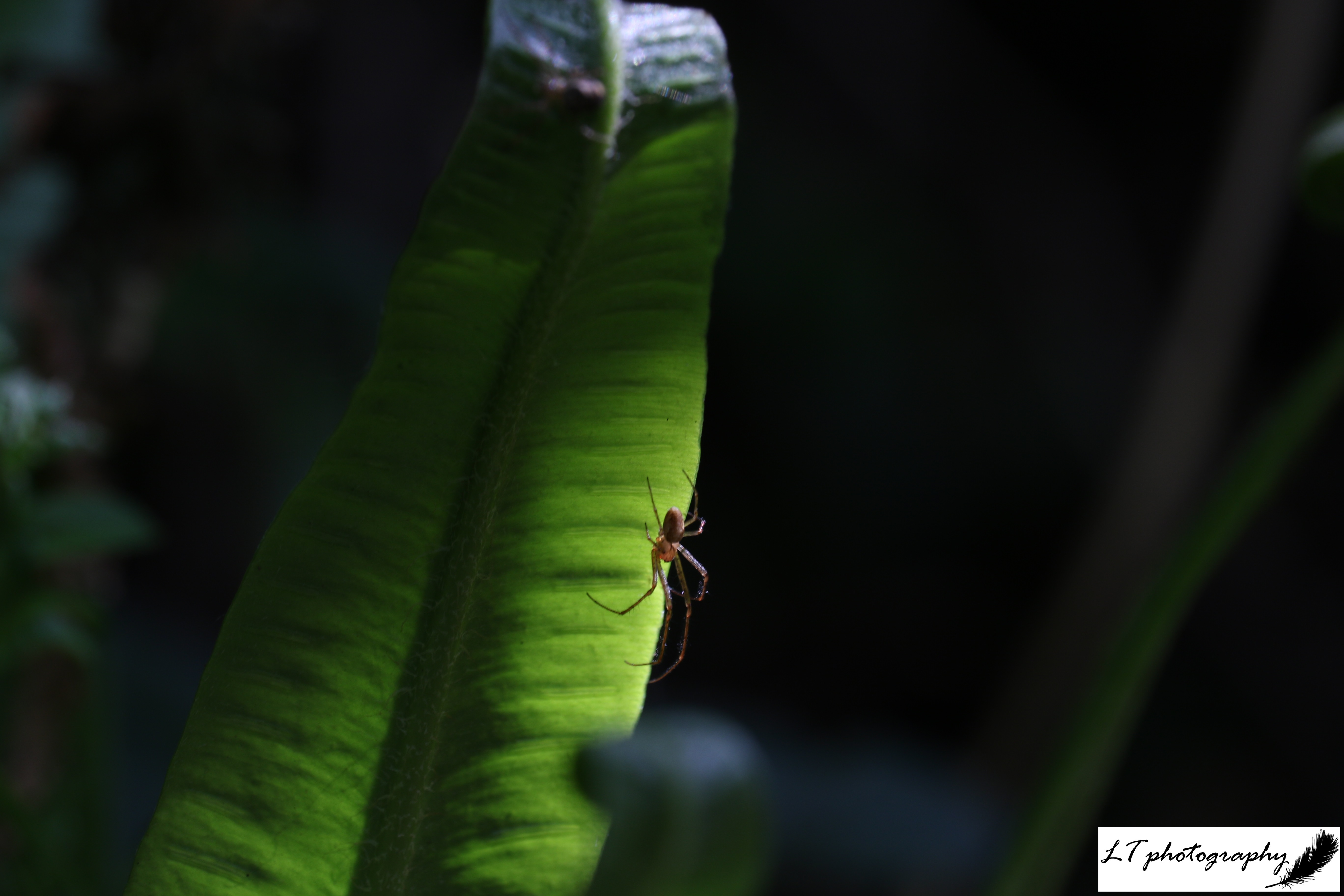
14) Spider & Hart’s-Tongue Fern – Some days I walk along in my own world and the wildlife around me merges into one. Other days the world becomes bigger though and I see every detail pop out at me, such as with this spider making its home on a Hart’s-Tongue fern.

M2E54L167-167R388B312

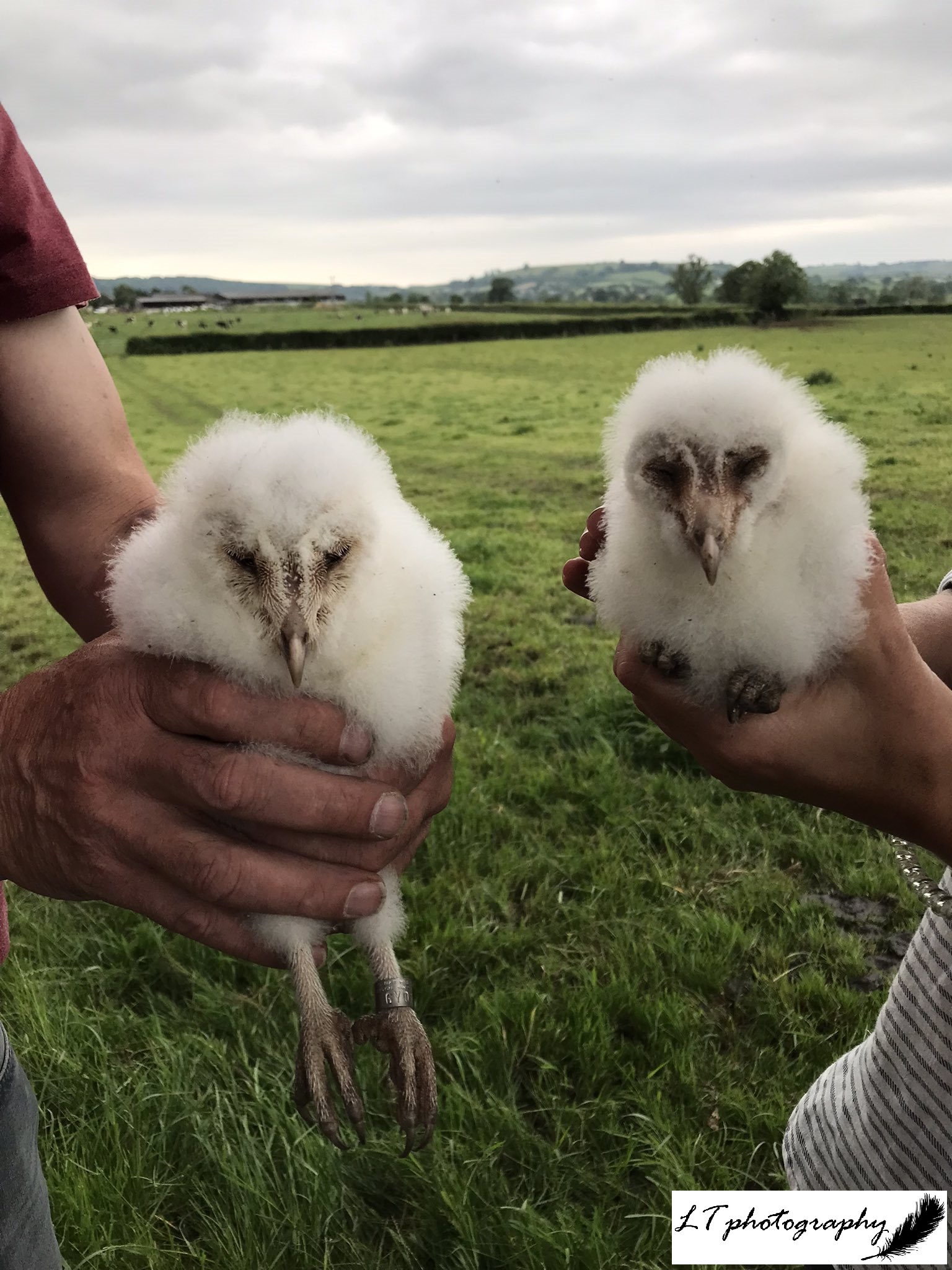
15) Fox Cub – As people who follow my blog or social media will already know, this spring I have had fun yet again using my camera trap on my family’s land. This has to be one of my favourite photos from this year! It was a totally unexpected surprise when this fox cub turned up on my camera trap.

13_06_20_Farm_Chalk_Barn_Owl_Pellet_Tree_Bank_Vole

16) Vole Bones – With the return of breeding barn owls to my family’s farm, I had some fun one afternoon dissecting the pellets left by these owls. It is definitely a very rewarding feeling when you are then able to identify the species the bones you find come from. Here I believe this mandible to be from a bank vole.

IMG-1149

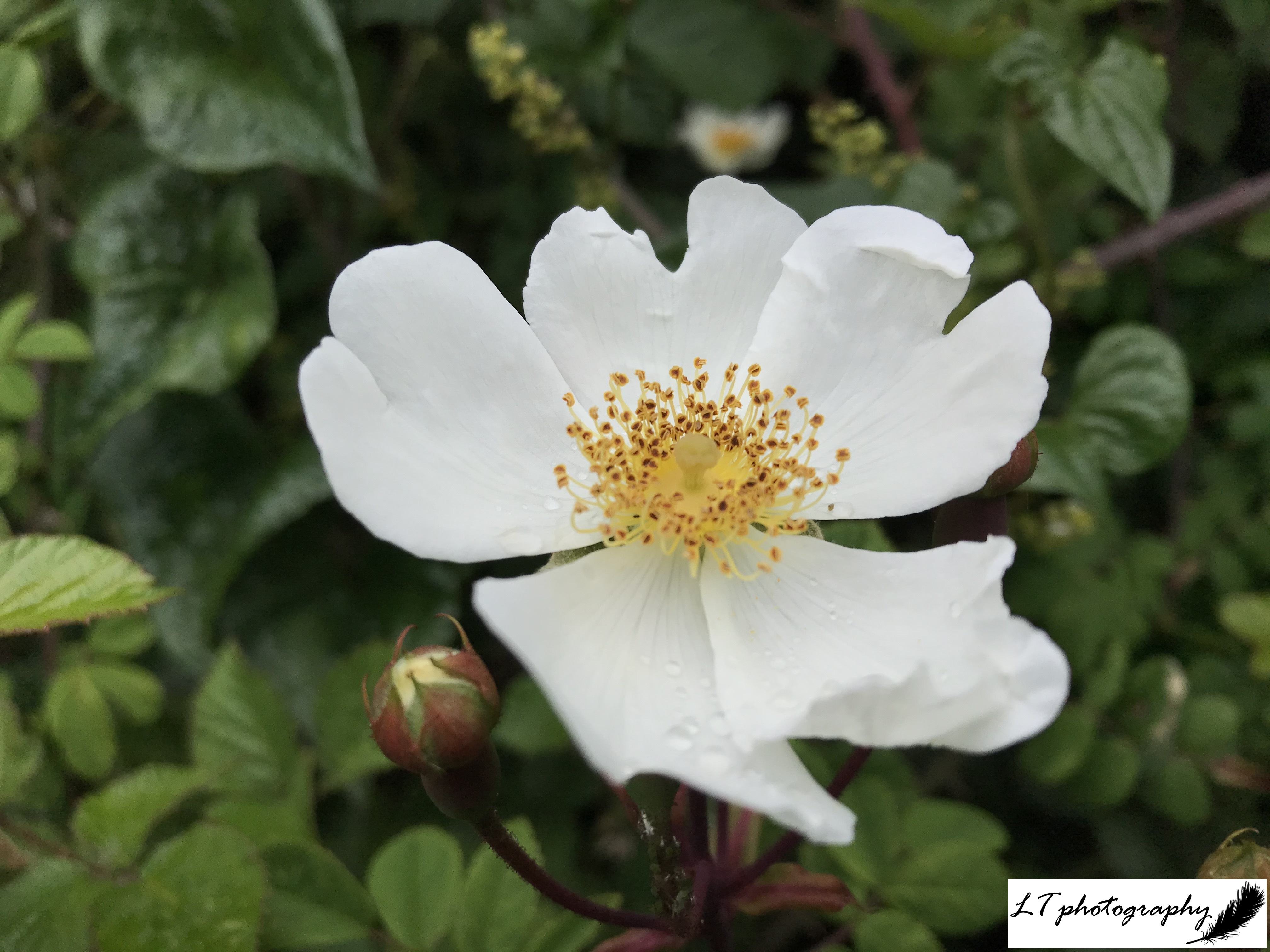
17) Field Rose – I have always loved taking photos of flowers and capturing their small details. Here a field rose, you can clearly see the reproductive organs from the stamens to the stigma.

How to… Identify Hedgerow Plants

Whizzing past our car windows, naturally bordering our fields and gardens, or providing a home for wildlife. Often going unseen and unnoticed, hedgerows are a widespread and overlooked habitat right on our doorsteps. Bountiful and bursting with life, each hedge is unique from the next, with a story to be told and a world to be explored.

Blackthorn 5

From butterflies and birds to hedgehogs and dormice, an incredible number of species rely on the plants in our hedges for their survival, such as food, shelter, and corridors along which to travel. They do not just play a role for wildlife though, holding value in the wider landscape, providing us with services such as stopping soil erosion and buffering pollution. In this way, hedgerows have been important for humans and wildlife alike for hundreds of years!

20_03_20_Farm_Goldfinch_2

The first hedgerows can be dated back to the Bronze Age, when farmers cleared woodland to grow crops, leaving carefully maintained strips to act as boundaries. Some of these strips of ancient woodland can still be found today! Since then hedges have grown in popularity, but following the Second World War, many were ripped up to provide more space to grow food and for development. Despite approximately half of all hedges in Britain being lost during this time, thankfully the remaining were given protected status in 1997.

13_05_20_Farm_Sunrise_Hangings_Trees

The hedgerows rolling across our countryside today are a piece of history, full of life and colour and provide us with a whole host of resources. So, why not try and see this for yourself, and take a moment to see what you can find in a hedgerow local to you? To help, here’s my simple guide to identifying some of our iconic hedgerow species.

Hedgerow Plants

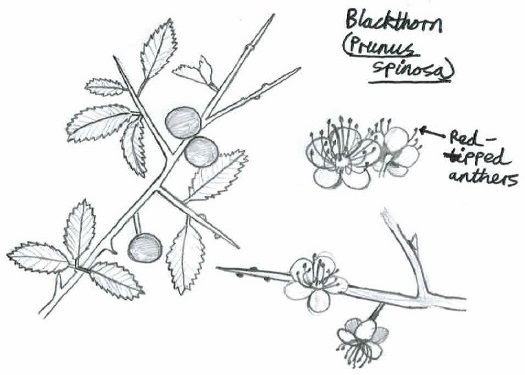
Blackthorn (Prunus spinosa)Blackthorn

  • Family: Rose – related to fruiting trees such as cherries and plums
  • Size: Up to 4m tall
  • Stems and twigs: Blackish and thorny
  • Leaves: 2-4cm long, oval-shaped tapering to a point with toothed margins
  • Flowers: Snow-white and 5-petalled with red-tipped anthers in the centre. Flowers late March-April, appearing BEFORE the leaves
  • Seeds: Produces fruit (sloes) which are small blackish plums with a bluish powdery surface. Tongue-numbingly tart to eat but popular to flavour gin
  • Range: Widespread and common throughout most of Britain
  • Fun Facts: Blackthorn, long used for making items such as walking and riding sticks, has long been associated with witchcraft

Spindle (Euonymus europaeus)Spindle

  • Indicator of an ancient hedgerow
  • Family: Staff-vine
  • Size: Up to 9m tall
  • Stems and twigs: Bark and 4-sided twigs are deep green, darkening with age
  • Leaves: 3-13cm long, shiny, mid-green, oval-shaped tapering to a point with finely toothed margins, and turning distinctively pinkish-red in autumn
  • Flowers: Greenish-white and 4-petalled in small overlooked stalked clusters. Flowers May-June
  • Seeds: Distinctive 4-lobed bright coral-pink berries
  • Range: Less common in Scotland and Ireland, found throughout England and Wales, but most frequent in the south
  • Fun Facts: The hard dense wood of spindle was used from ancient times to make spindles, whereas the leaves and seeds were powdered to dust on the skin of children to drive away lice

Cow parsley (Anthriscus sylvestris) Cow parsley

  • Family: Carrot – related to species such as parsnips and poison hemlock
  • Size: ~1m tall
  • Stems and twigs: Stems are hollow and furrowed, often becoming purple
  • Leaves: Fresh green, 3-pinnate, and sharply cut
  • Flowers: White, forming clusters known as umbels. Flowers April-June
  • Seeds: Round, smooth and broad-based
  • Range: Widespread and common throughout Britain and strongly associated with hedgerows
  • Fun Facts: Its folk-name is ‘Queen Anne’s lace’. This comes from a folk tale which said that the flowers would bloom for Queen Anne and her ladies in waiting and reflect the delicate lace they wore

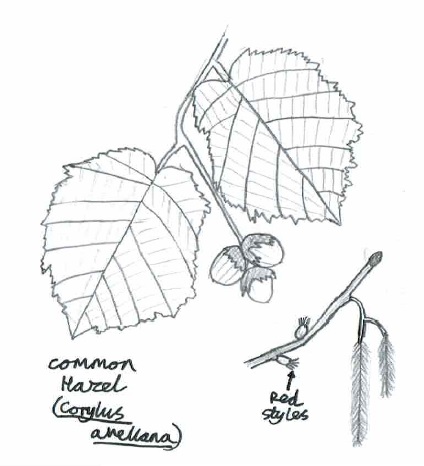
Common Hazel (Corylus avellana)Hazel

  • Family: Birch – related to species such as silver birch, alders and hornbeams
  • Size: Up to 8m tall
  • Stems and twigs: Bark coppery brown, smooth and tending to peel
  • Leaves: 5-12cm long and almost circular with sawtooth edges
  • Flowers: Male= lemon-yellow catkins; Female= Tiny and bud-like with red styles. Flowers January-March BEFORE the leaves
  • Seeds: An edible nut encased at first in a thick-green husk before ripening in autumn
  • Range: Widespread and common throughout Britain
  • Fun Facts: Hazel rods have historically been used for a range of purposes from hurdles and coracles for fishing to house building and basketwork

Dog Rose (Rosa canina)

  • Family: Rose
  • Size: Up to 4m tall
  • Stems and twigs: Arching stems with broad-based strongly hooked prickles
  • Leaves: Dark green and oval-shaped tapering to a point with toothed edges
  • Flowers: Flat and fragrant white or pale pink, with large petals and hairless stalks. Flowers June-July
  • Seeds: Fruit, known as a hip, that is egg-shaped and bright red
  • Range: Most common and variable wild rose, widespread throughout Britain, but most frequent in the south
  • Fun Facts: Adopted as a symbol of the British monarchy and England since the reign of Henry VII. It is also a valuable medicinal plant, with its hips being made into a Vitamin C rich syrup for children

Field Rose (Rosa arvensis)

  • Compared to the Dog Rose, the Field Rose is shorter, growing up to about 2m, with slightly smaller, cup-shaped creamy-white flowers that flower about a fortnight later, from June-July. Also, the flowers’ sepals are often purplish, the styles are in a column, and the hips are smaller and often more round. The Field Rose’s range does not stretch as far north as that of the Dog Rose, being absent from Scotland

Roses

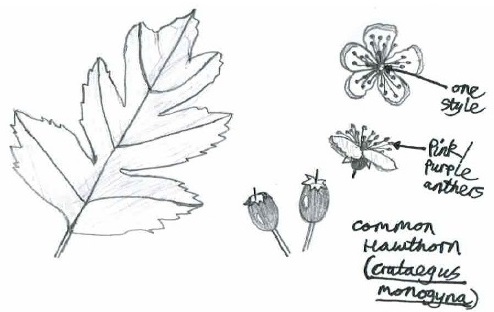
Common Hawthorn (Crataegus monogyna)Hawthorn

  • Family: Rose
  • Size: Up to 10m tall
  • Stems and twigs: Very thorny and hairless
  • Leaves: Leafing in April, the leaves are shiny and roughly oval-shaped with 3-5 deeply cut lobes
  • Flowers: White fragrant (sickly sweet) flowers with pink/purple anthers, only one style and 5 petals. Become deeper pink as they fade
  • Seeds: Fruit, known as haws, have a single seed and ripen to a bright red
  • Range: Widespread and common throughout Britain
  • Fun Facts: Hawthorn is linked to Christian, pagan and medieval rites, and has ancient associations with May Day. Bringing hawthorn blossom in your house was believed to bring in illness and death upon you

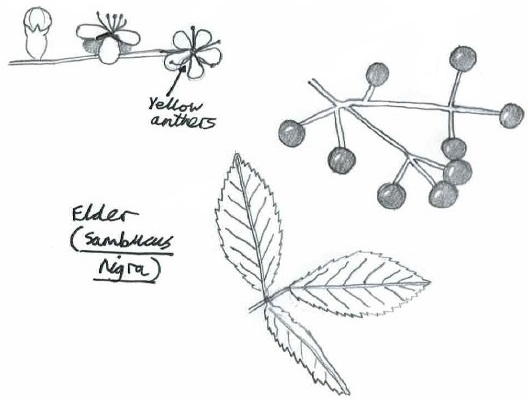
Elder (Sambucus nigra)Elder

  • Family: Previously in the honeysuckle family , but now reclassified in moschatel
  • Size: Up to 10m tall
  • Stems and twigs: Strong smelling with corky and fissured bark
  • Leaves: Dark green, pinnate with 5-7 leaflets
  • Flowers: White, small and fragrant in flat-topped clusters with yellow anthers. Flowers May-August
  • Seeds: Produces a juicy edible purplish-black berry
  • Range: Widespread and common throughout Britain
  • Fun Facts: Has many uses from wines and jams, to toys and dyes. Also, it was believed that planting an elder tree near your house would keep the Devil away

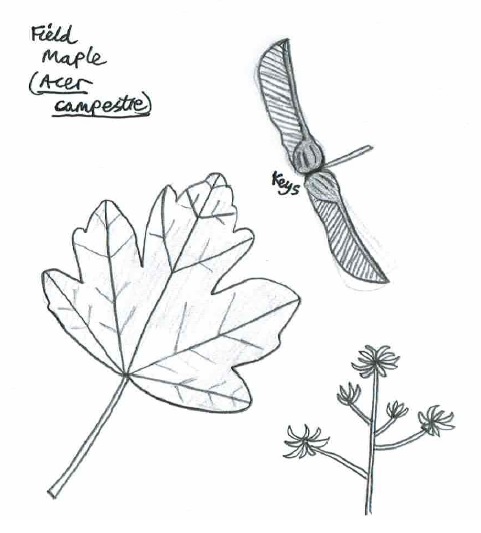
Field Maple (Acer campestre)Field Maple

  • Family: Soapberry – related to horse chestnut and lychee
  • Size: Up to 25m tall
  • Stems and twigs: Twigs downy
  • Leaves: Much smaller than sycamore at 4-7cm long and wide, rather bluntly lobed (3-5), and dark green. Turn distinctively amber in autumn
  • Flowers: Yellowish-green and carried in upright spikes. Flowers May-June after the leaves
  • Seeds: The seeds, known as keys, are winged and paired forming an angle of 180 degrees
  • Range: Common in England and East Wales, but less common elsewhere
  • Fun Facts: Wood used for furniture veneers, wall panelling, and violin-making, but previously used to make domestic utensils such as drinking bowls. As with all maple trees, the sap of the field maple can be used to make maple syrup

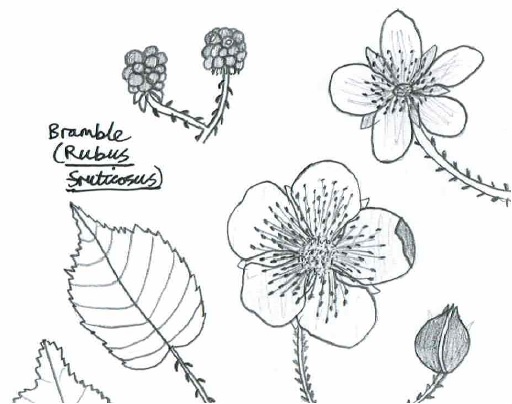
Bramble (Rubus fruticosus)Bramble

  • Family: Rose – closely related to species such as raspberries and dewberries
  • Size: Up to 4m tall or long
  • Stems and twigs: Prickly and half-evergreen
  • Leaves: 3-5 broad, toothed leaflets
  • Flowers: White or pink and flowers from May onwards
  • Seeds: Fruit is the familiar edible blackberry that starts green, then turns red, finally ripening to purple-black
  • Range: Widespread and common throughout Britain
  • Fun Facts: Folklore dictates that blackberries should not be picked after Old Michaelmas Day in October, as the Devil has sullied them. Brambles were also previously planted on graves to stop sheep grazing

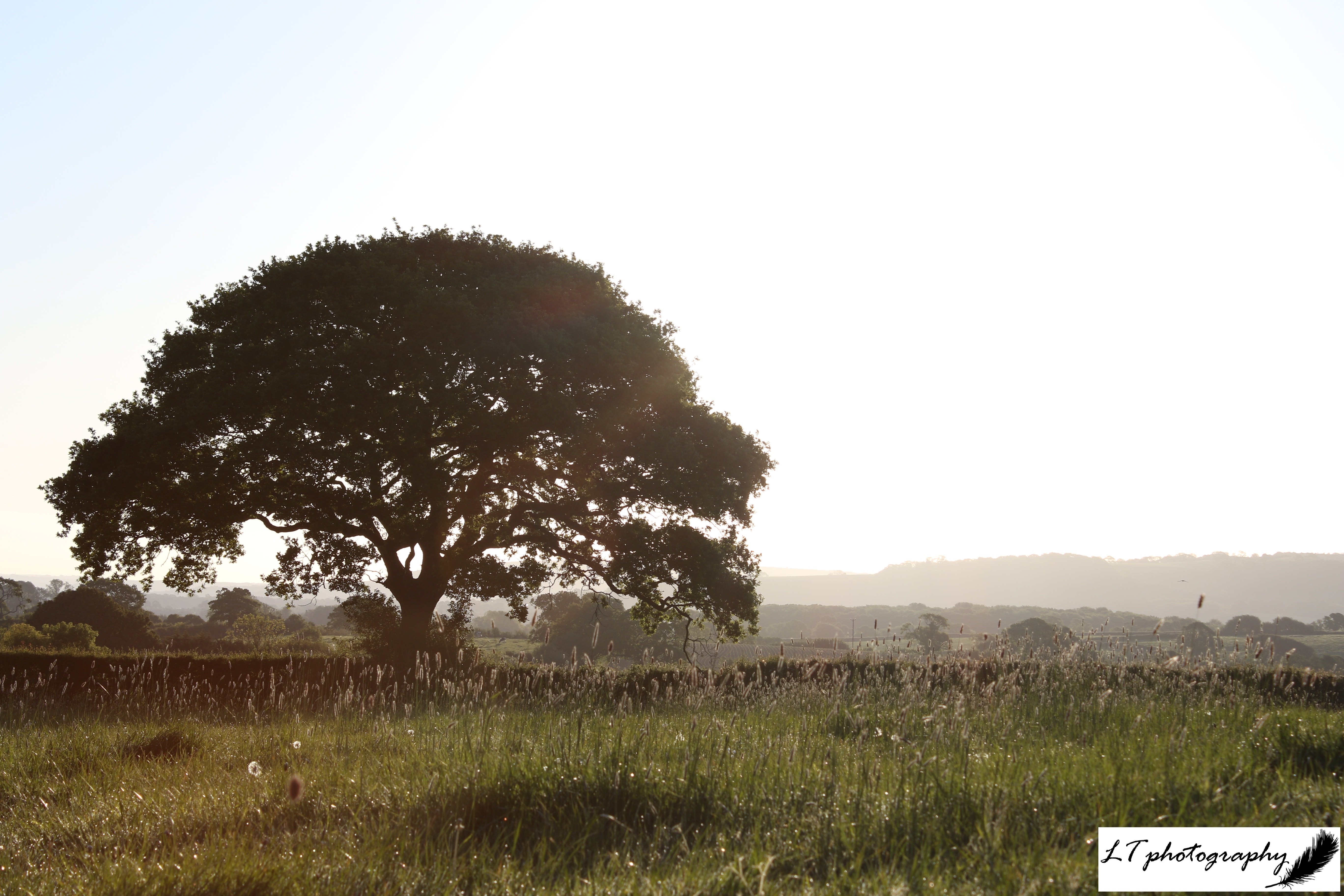
Pedunculate or English oak (Quercus robur)

  • Family: Beech – related to species such as beech and sweet chestnut
  • Size: Up to 40m tall
  • Stems and twigs: Massive rugged grey-brown trunk and broad crown
  • Leaves: 10-12cm long, oblong, usually broader at the base and lobed, turning brown in autumn
  • Flowers: Yellow-green catkins flowering April-June
  • Seeds: Produces the familiar acorn, with scaly cups and clusters carried on long stalks
  • Range: Widespread and common throughout Britain
  • Fun Facts: Druids in Celtic Britain held the oak tree sacred, with the oak becoming an English national symbol of strength

13_05_20_Sunrise_Oak_Tree_Grass_3

Sessile oak (Quercus petraea)

  • Differs to Pedunculate Oak in that the leaves taper to an unlobed base and have long stalks. Also, the clustered acorns are almost stalk-less with downy cups. Prefers more acid soils and is more common in the West of Britain

Oak Trees

Other species

  • There are lots of flowering species to also be found at the base of hedges. To help with identifying these, check out my ‘How to… Identify Woodland Flowers’ guide, to help with crossover species, such as bluebells, primroses, and moschatel

All photos and drawings are my own