This year spring has been a very unusual and unpredictable couple of months for nature. Last year, spring took its time to unfurl, and this year saw a similar trend. A very dry February, a very wet March, a cold April, and then a wet followed by hot and dry May, made for a slow start to spring, and a short and vibrant season.
Despite an odd spring this year, the season has been an enjoyable and fulfilling one for me. It has been filled with lots of wild adventures, experiences, and colourful moments. With my camera by my side (or phone), I have spent lots of time this year capturing and exploring spring in all its shades and vibrancy. Here’s just a few of the many versions of my spring 2023.
Spring In Photos
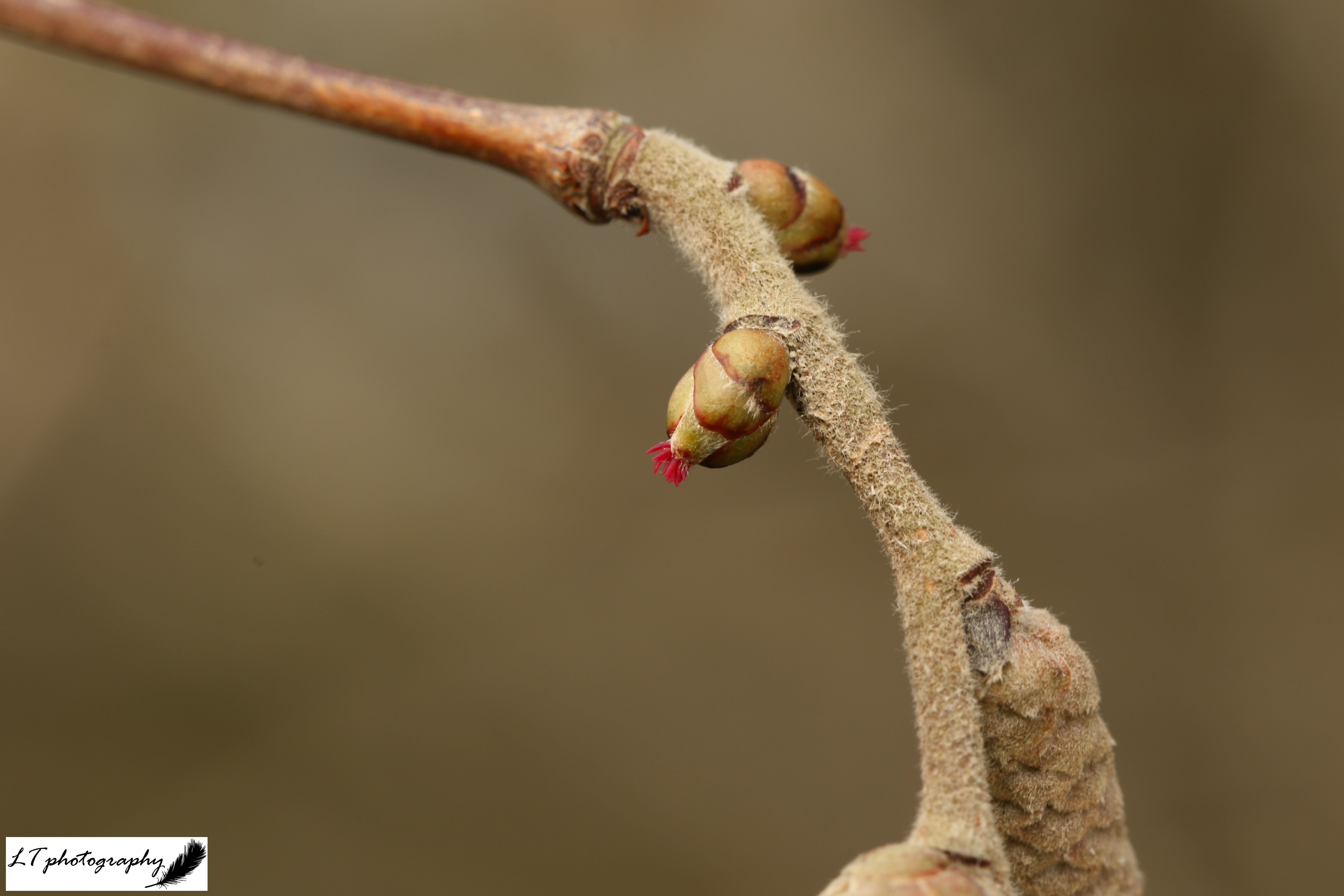
Seeing Red – When people think of hazel flowers, catkins always come to mind, hanging like lamb-tails and powdered with yellow pollen. These are just the male flowers, with the female ones taking the form of understated buds topped with bright red tufts of styles, adding much needed pops of colour at the start of spring.
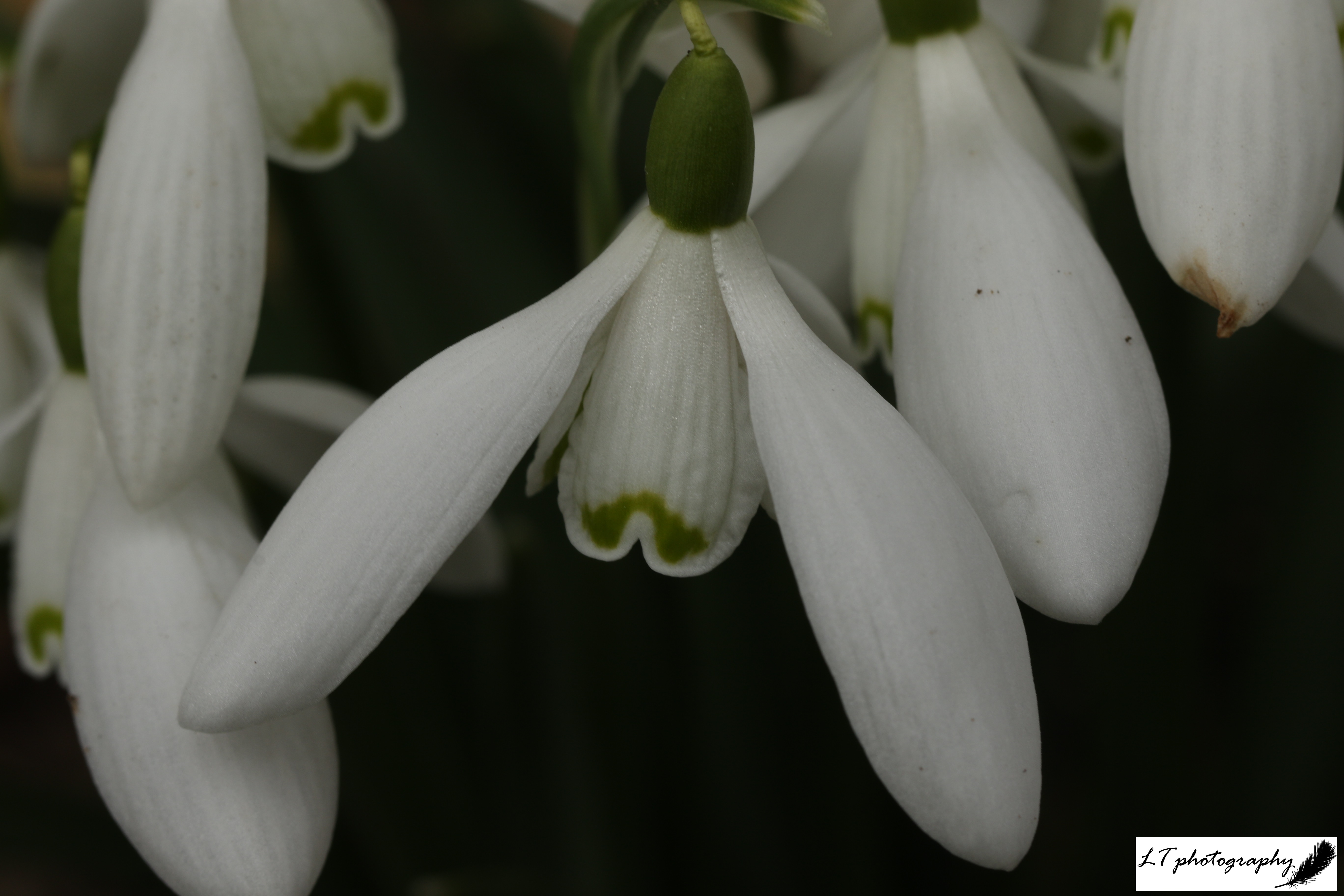
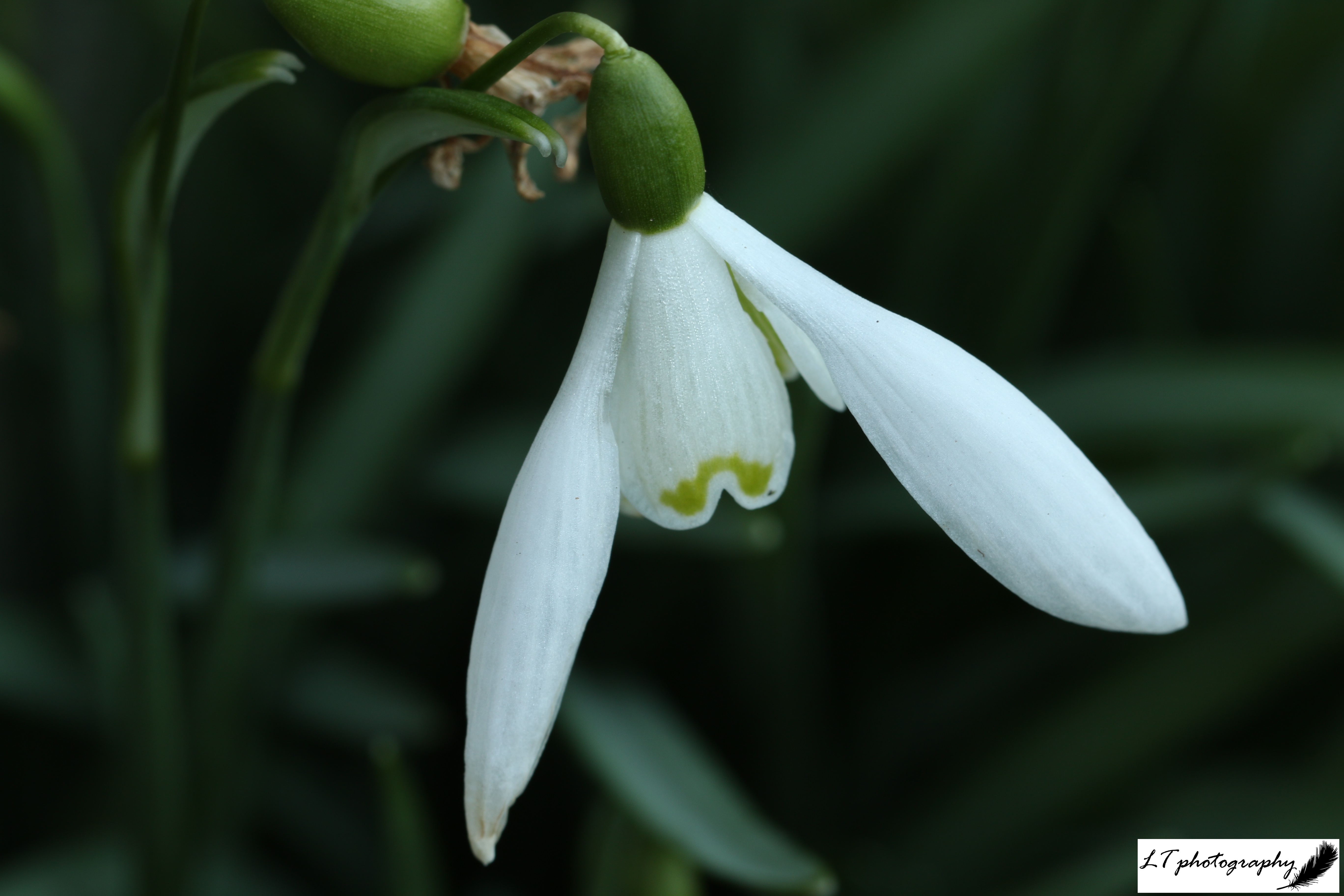
Glistening Snowdrops – This year I spent much time photographing snowdrops in different ways, making the most of the flowers staying around later into spring. Here I enjoy the glisten of the simple white petals of a nodding snowdrop.
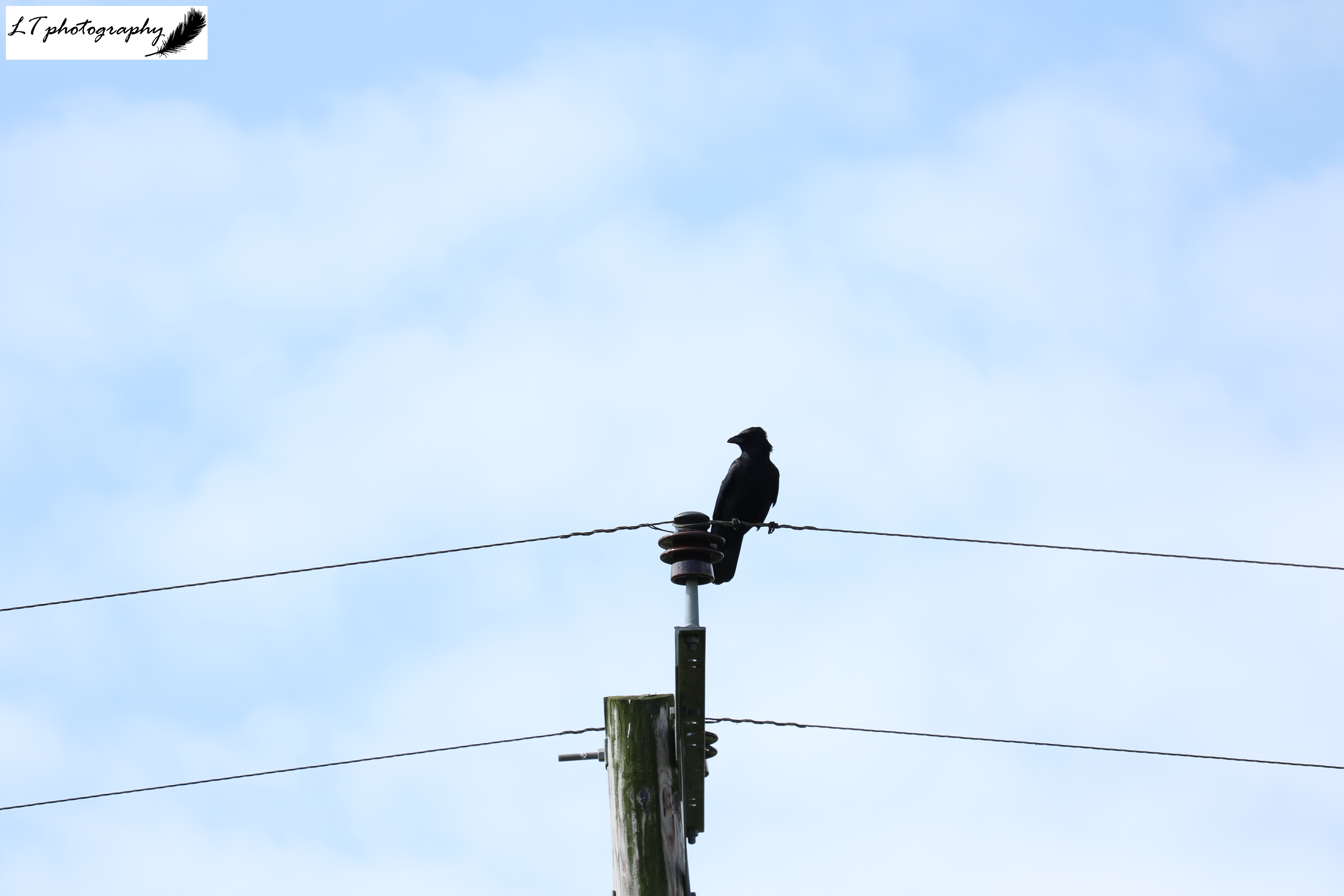
Walking the Line – This crow can be easily recognised from its silhouetted form against the pastels of a blue sky in early spring. A simple photo but an effective one.
Pretty in Pastel – A cheerful sign of spring, primroses get their name from the latin for ‘first rose’. Flowering early in spring, they are often seen as a harbinger of the season, brightening the bleak winter landscape.
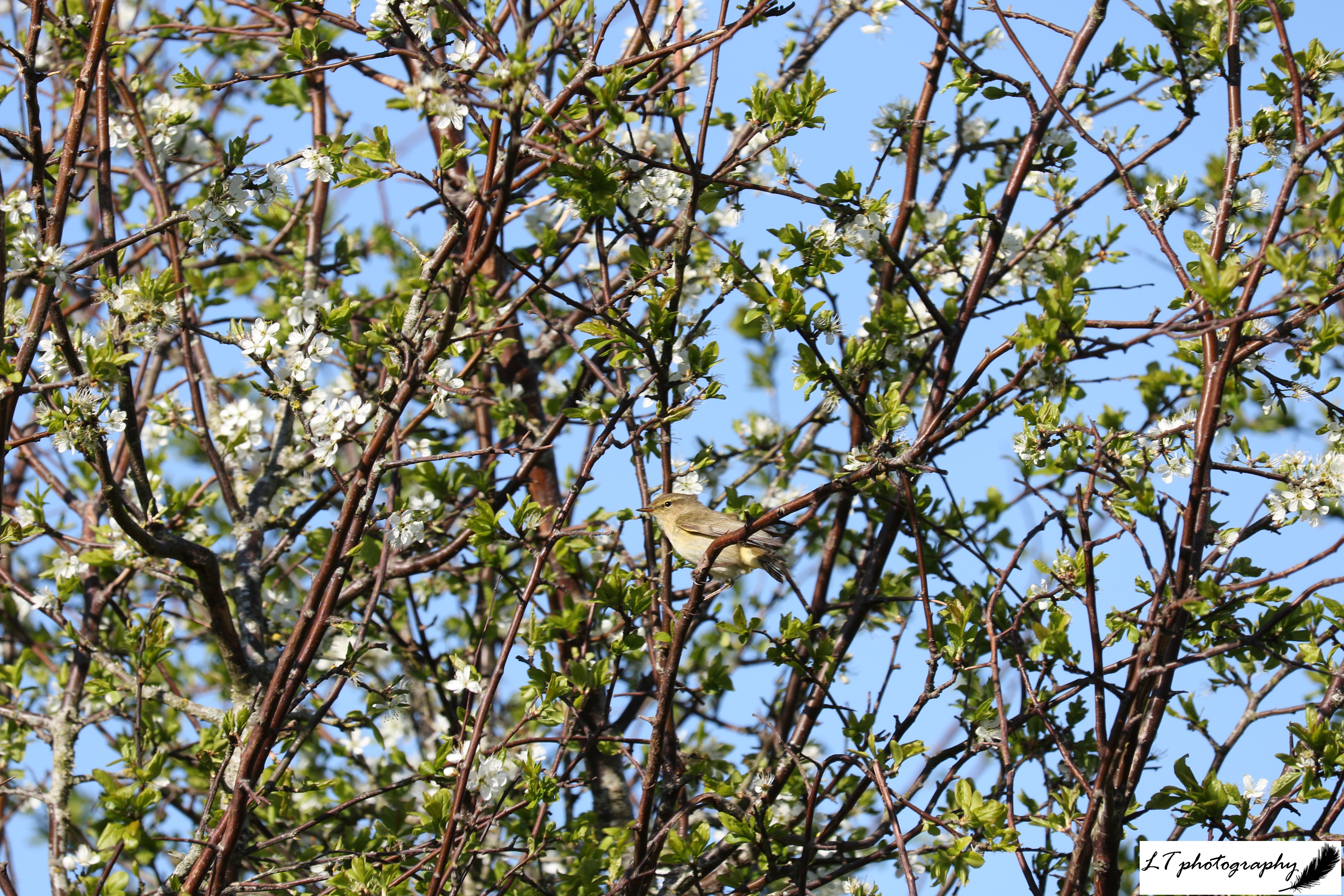
Blossoming Chiffchaffs – Chiffchaffs are a real highlight of spring for me, adding to the soundtrack for trees blossoming and leaves unfurling, flowers blooming, and the landscape becoming alive with life once again. I had always wanted to try and capture them amongst this backdrop and this year I had my opportunity to do just that!
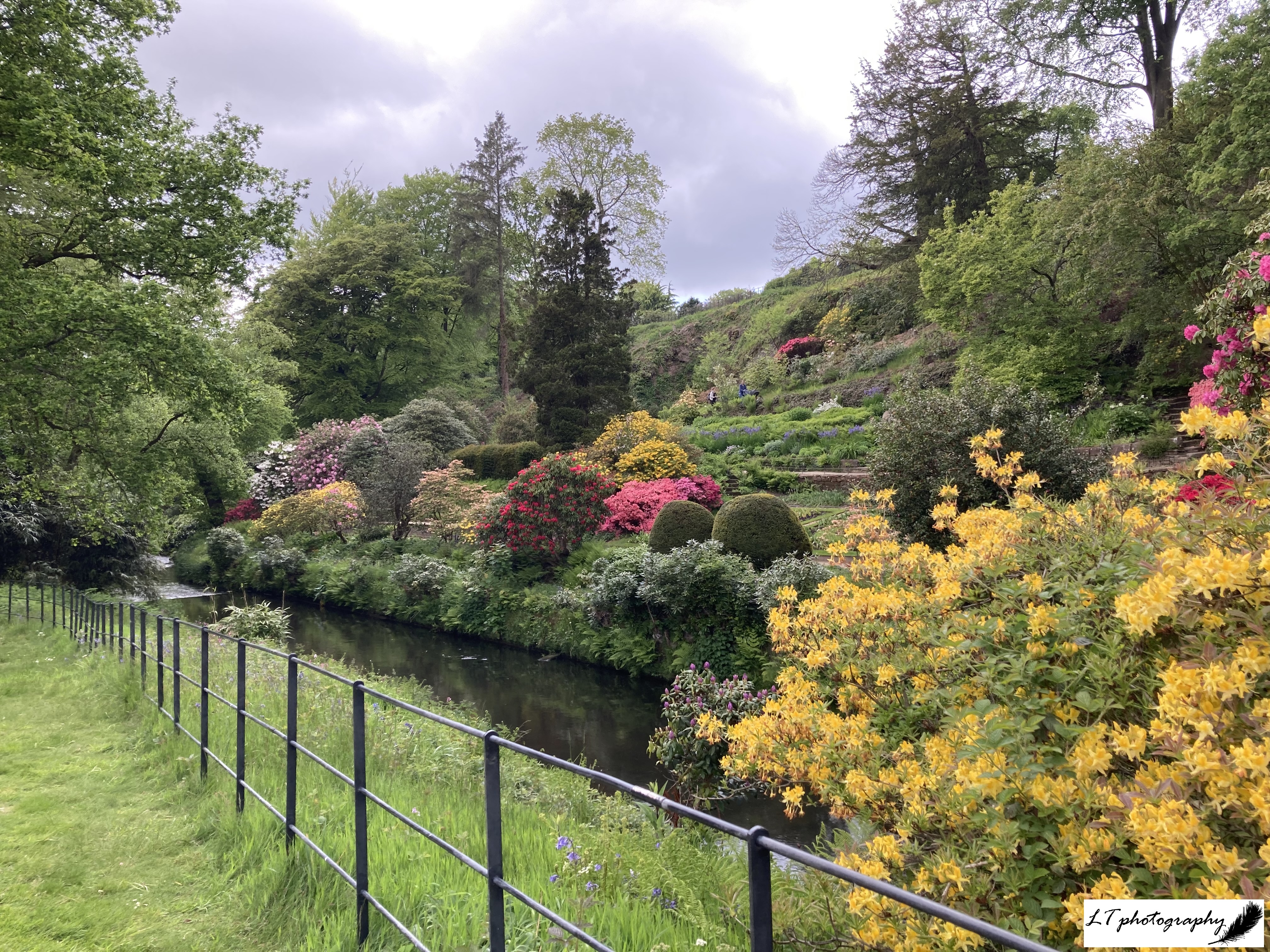
Quarry Bank Comes to Life – A National Trust property in Cheshire (check out A Naturalist in Manchester), Quarry Bank’s gardens come to life in spring with a fantastic array of colours!
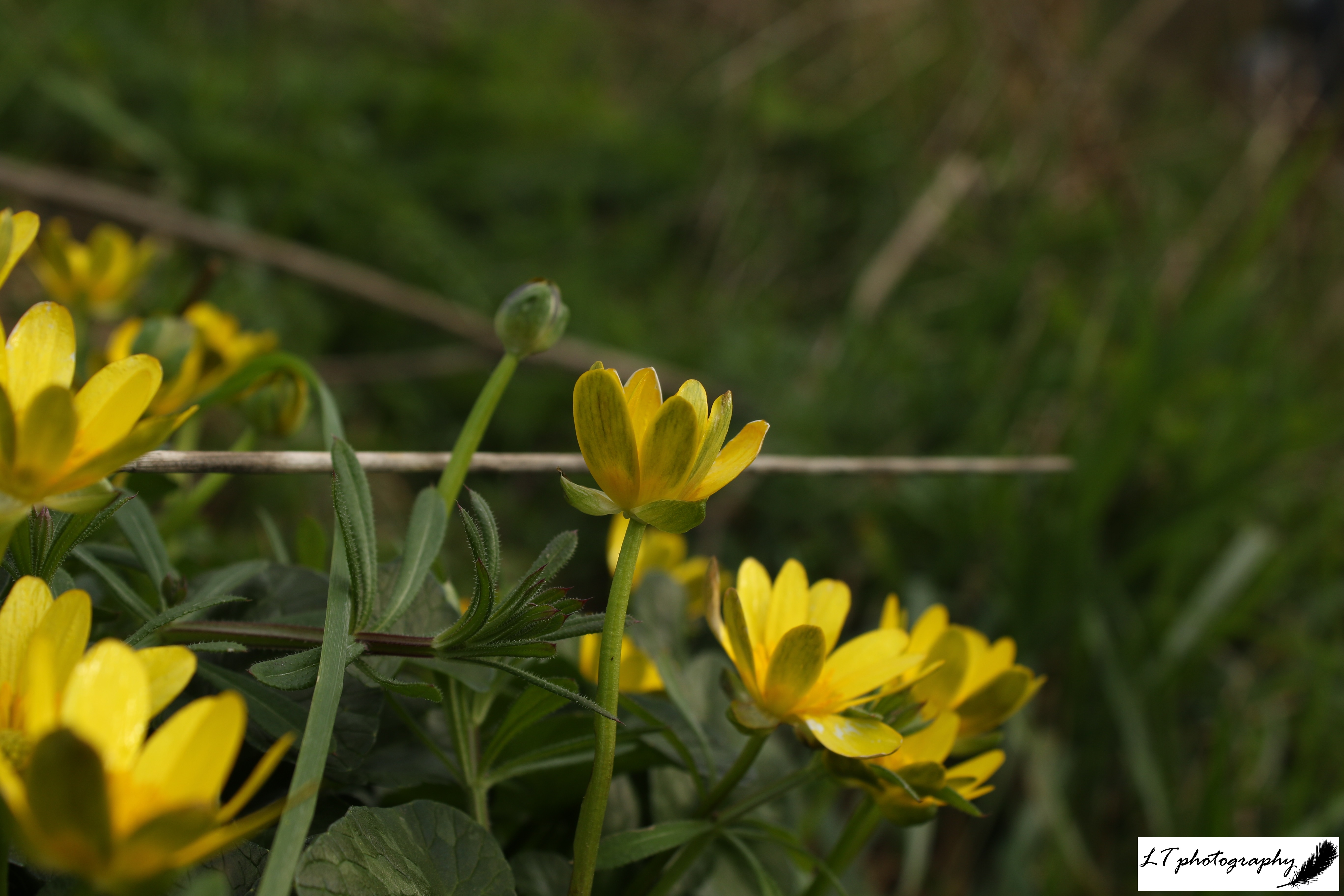
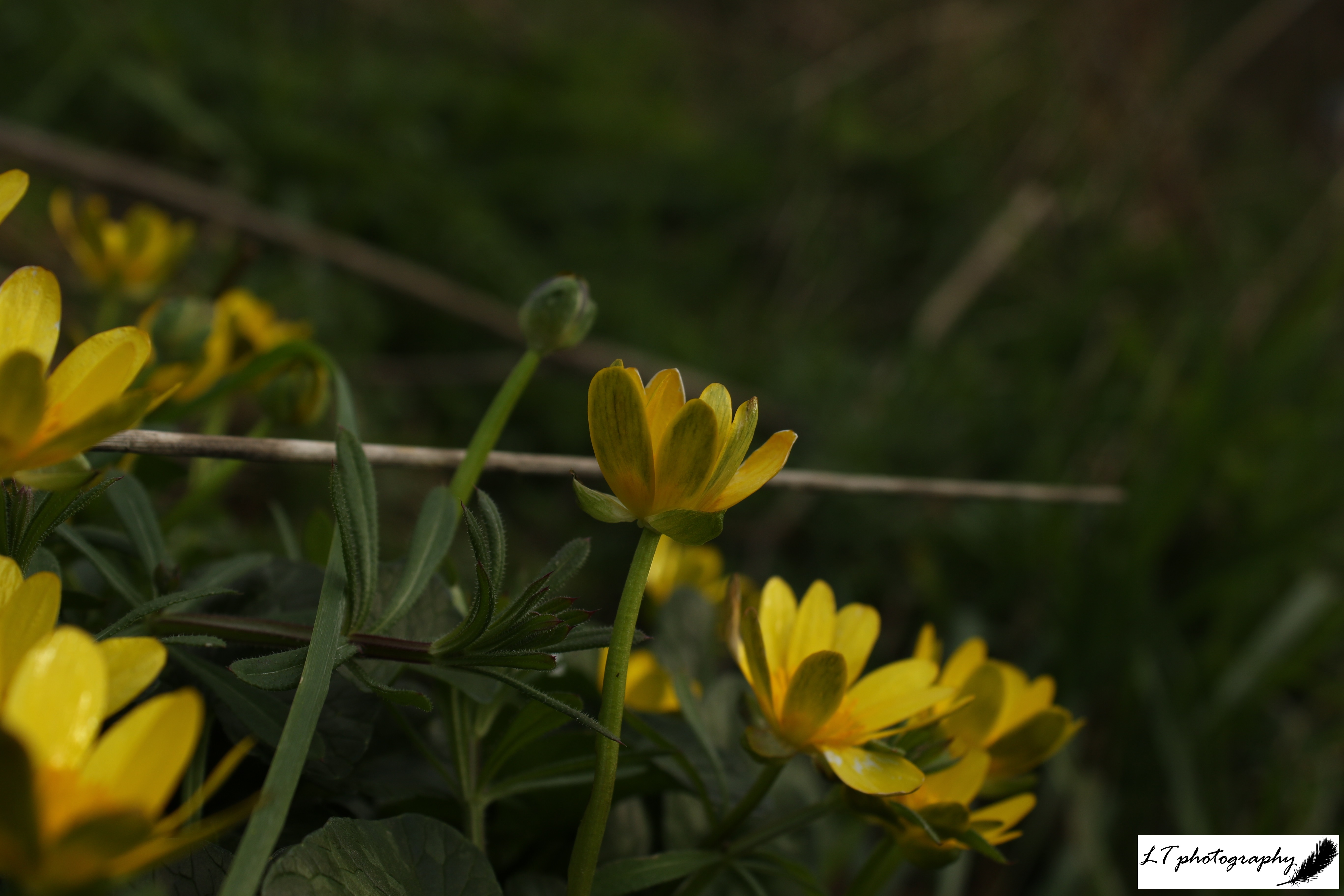
Sunshine Celandine – Celandines are another classic spring flower, helping to provide a joyful pop of colour, as winter slips away. I always enjoy the challenge each year of trying to photograph them in new and interesting ways.
The Hare [Not] In A Hurry – Whilst walking in my local woods, I caught sight of this lovely pair in a neighbouring field. It was lovely to sit and watch them for awhile as they groomed themselves and interacted with each other, never knowing that I was there.
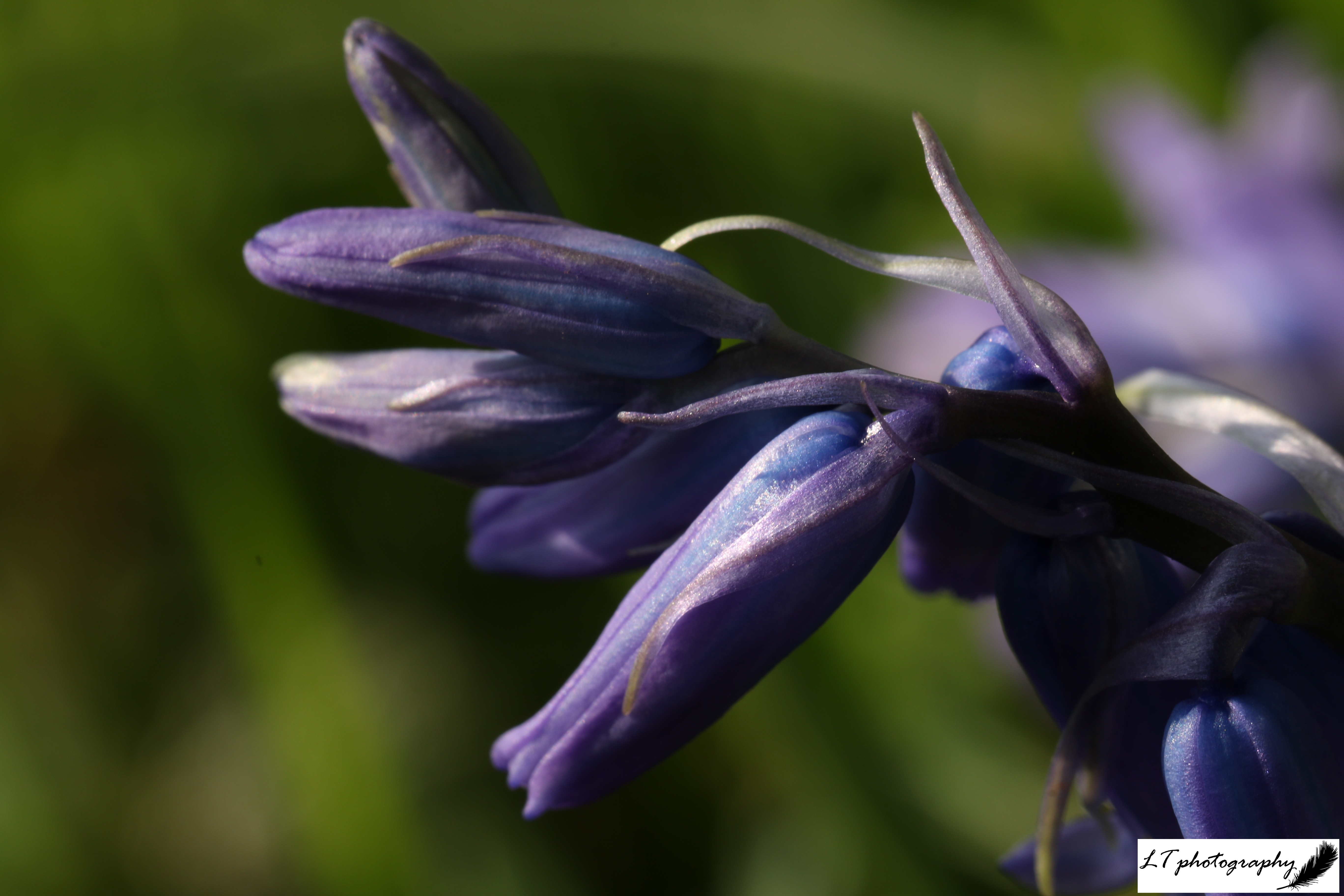
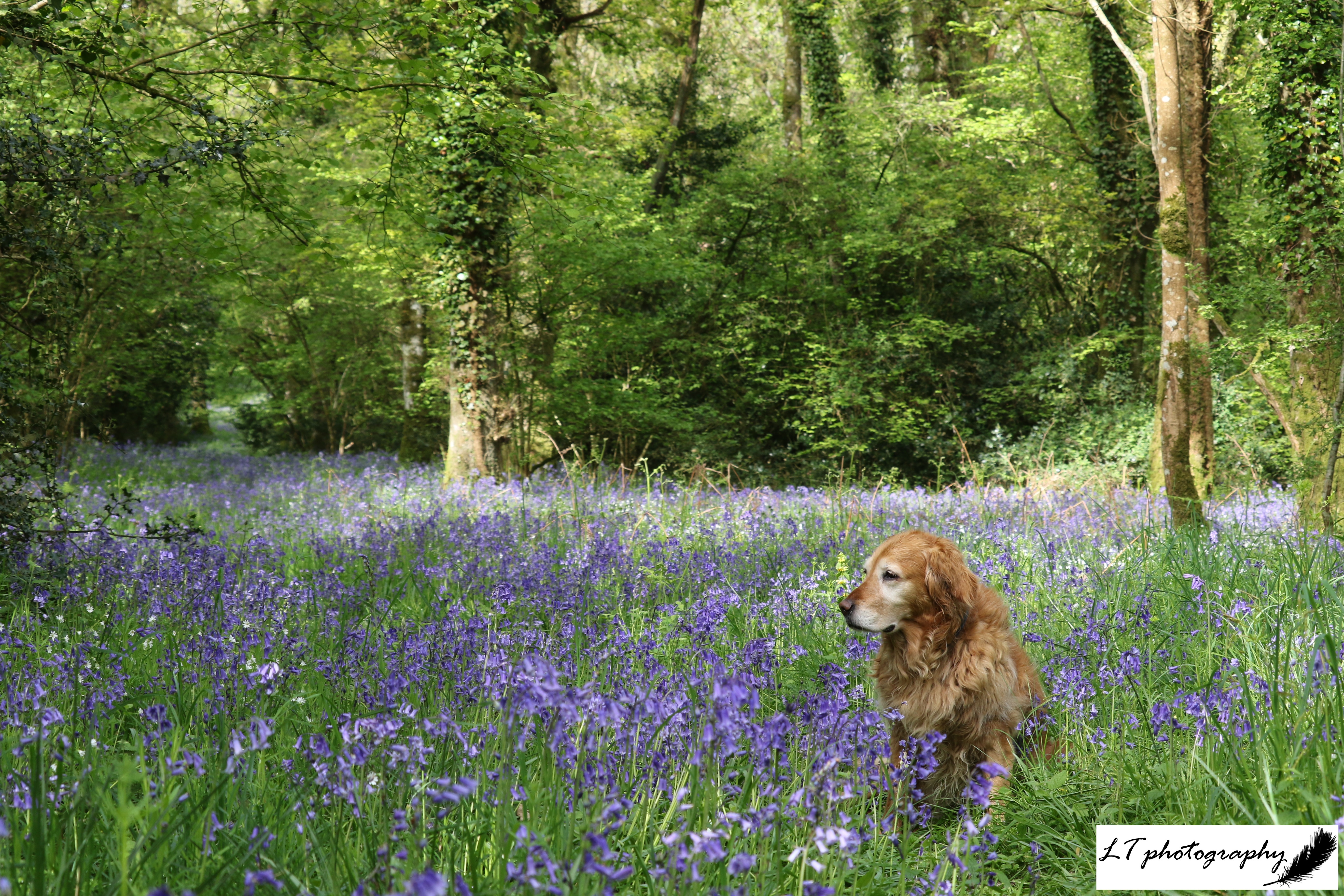
In The Blue – People familiar with my blog and photos will know that bluebells are one of my favourite spring flowers, as they fill me with joy when I see a woodland floor carpeted with their fantastic blue. The bells individually are like magic themselves.
Leading the Way – A lone early-purple orchid bordering an animal track running through a woodland. These spotty-leaved plants can be found in clusters or as here, on their own, amongst the trees.
Woodland Wonders – The wood anemone is another of my favourite spring flowers, appearing like little stars in the green of a woodland floor. Being found in light spots, they are an indicator of ancient woodland.
On the Way to the Peak – Set against a spectacular backdrop of the Peak District, my friend Emma and I passed these stone stacks on the ridge up to Mam Tor. They provide an interesting feature to the rugged landscape.
A Patch of Light – It’s not the first time that I have enjoyed photographing wild garlic in spots of sunshine, but these clusters of white stars always add a bit of enchantment to the landscape.
Ewe and Me – This photo was taken during my first time out with my swanky, but hard-earned, new telephoto lens, and I was hooked. It is so enjoyable to get up, close and personal with animals without having to disturb their natural behaviour!
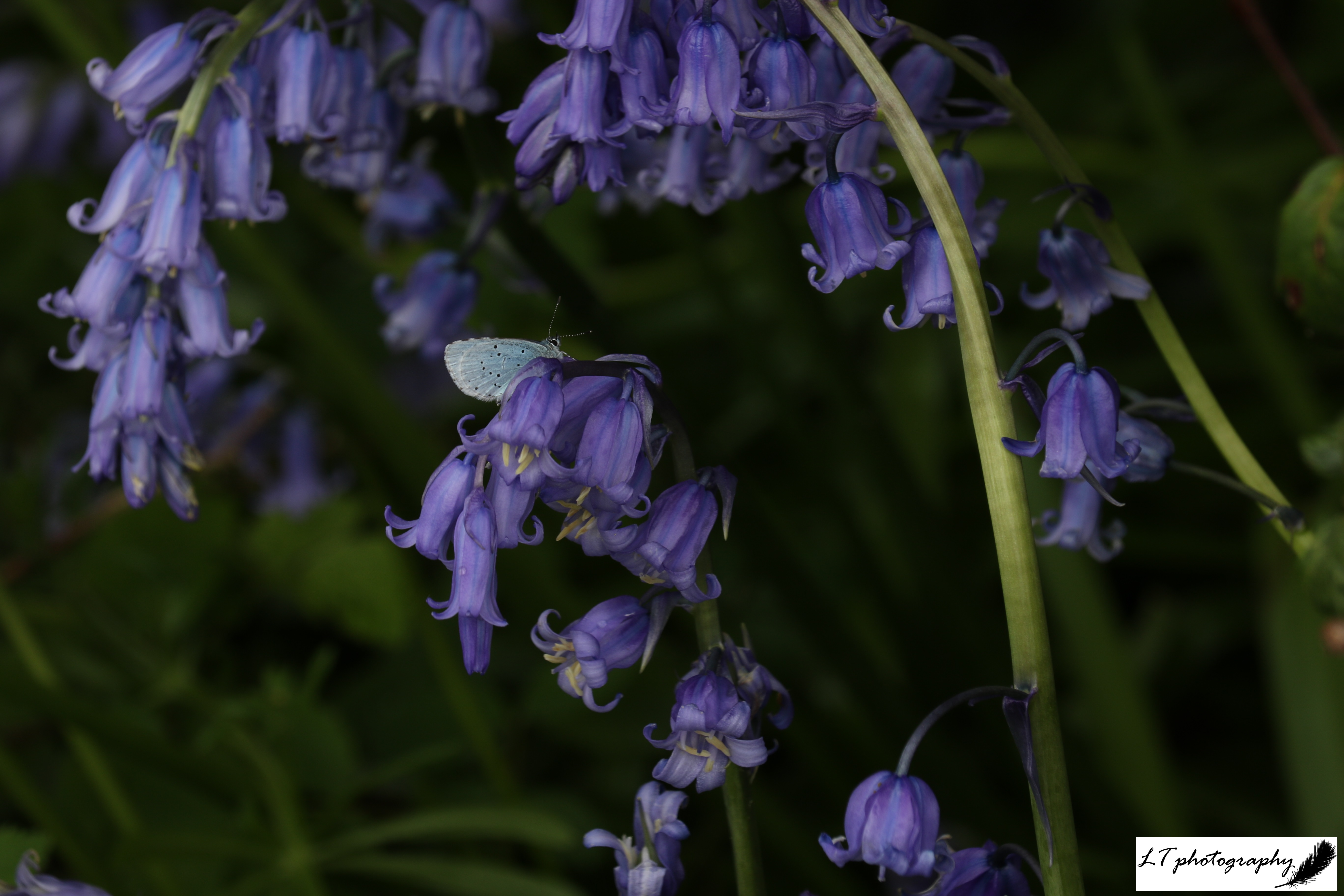
Blue-Toned – This was a chance sighting, but a wonderful one to see a holly blue butterfly on the deep purple-blue of bluebells. Wonderful!
Terrific Tawnies – One of my highlights of spring was having our first brood of tawny owl chicks hatch within one of our nest boxes. These two chicks grew on to both fledge successfully from their box!
A city of industry, Manchester is well known for its textiles, football, music, and transport links. It is lesser known though for its connection to nature, such as the city’s proud centuries-old symbol of the worker bee, and the wildlife that call the city and wider area home, from barn owls and otters to hedgehogs and peregrine falcons. With over half of urban Greater Manchester currently being made up of green or blue spaces, the city itself now aims to tackle biodiversity loss, beginning with the 2020 Edinburgh Declaration.
As Manchester works to recover and improve spaces for nature and wildlife of all shapes and sizes in an ever-changing environment, it is an interesting time to explore what the city and Greater Manchester has to offer. On a recent trip to visit my friend and fellow wildlife lover Emma Rogan in her home city (see Rural vs. Urban), I got to do just that. Through a series of different adventures, Emma introduced me to what Manchester has to offer to the naturalist over the course of a week. So what did I discover?
Didsbury Park, Didsbury
Situated in the south of the city, this modest green space has been a popular recreational spot since its redesign in the 1920s. Managed by a team of volunteers, Didsbury park meets the needs of the community with a play area, football pitch, bowling green, and cafe. Alongside the human elements, the park also puts an emphasis on providing habitats for wildlife where possible.
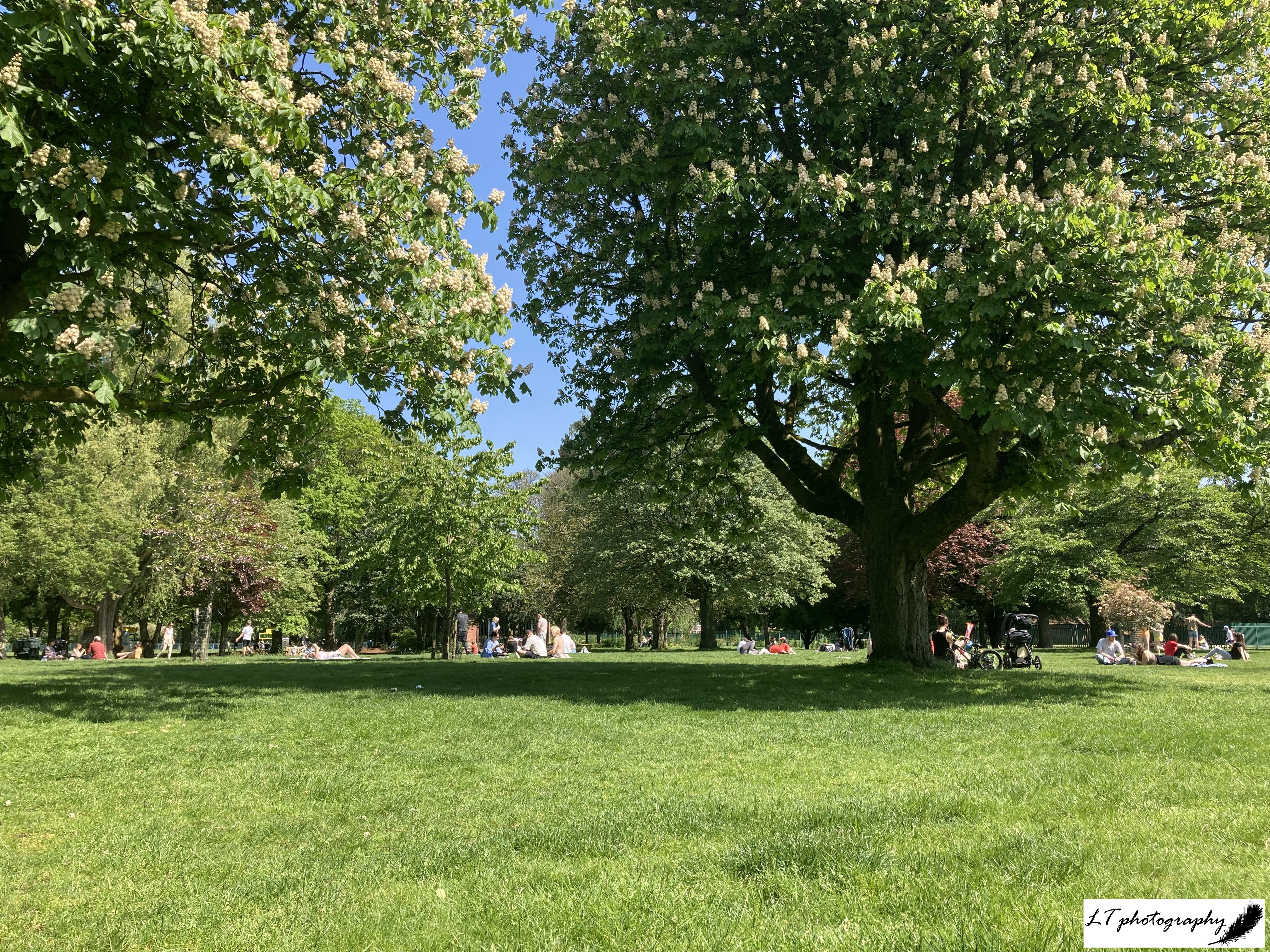
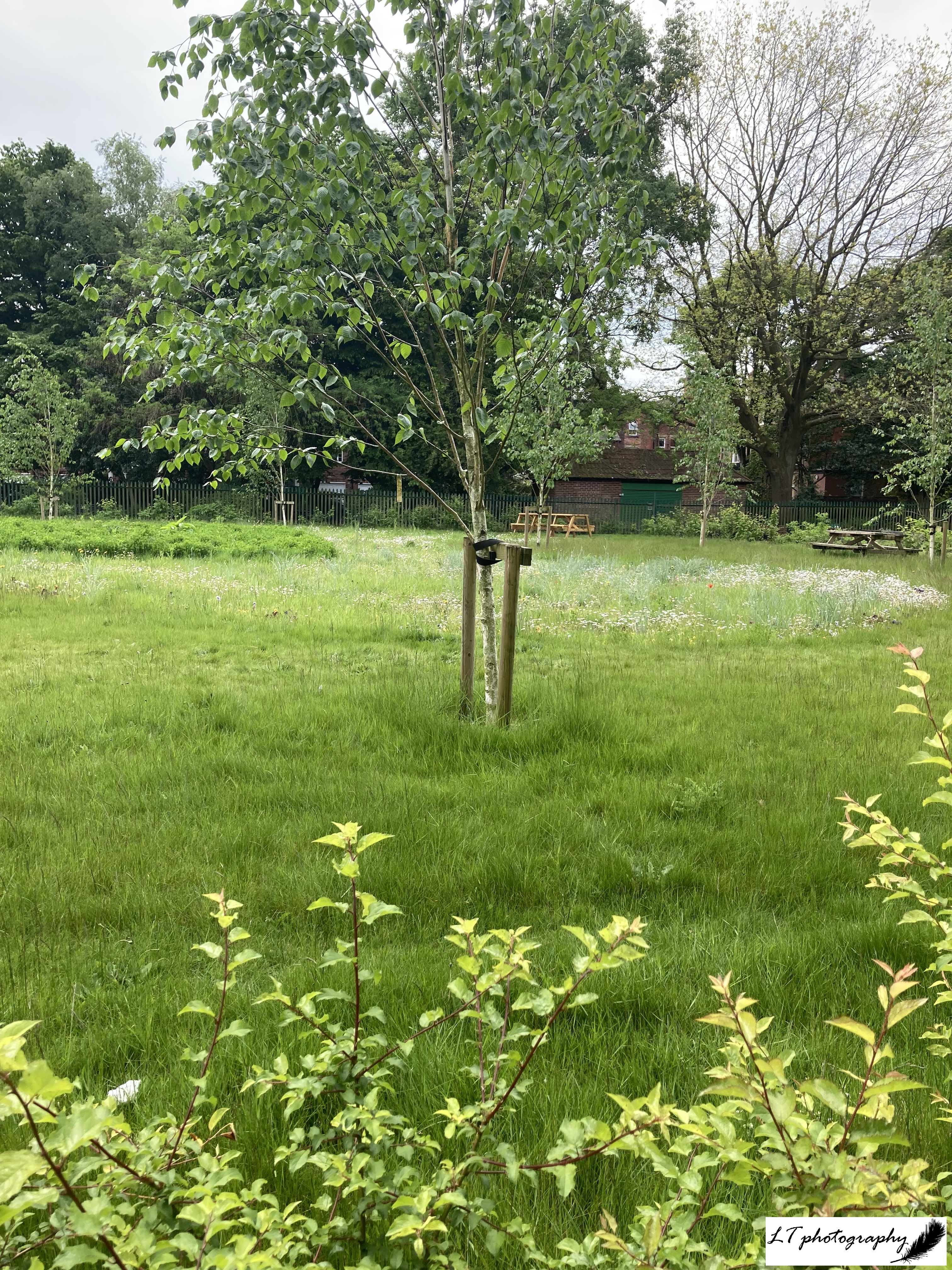
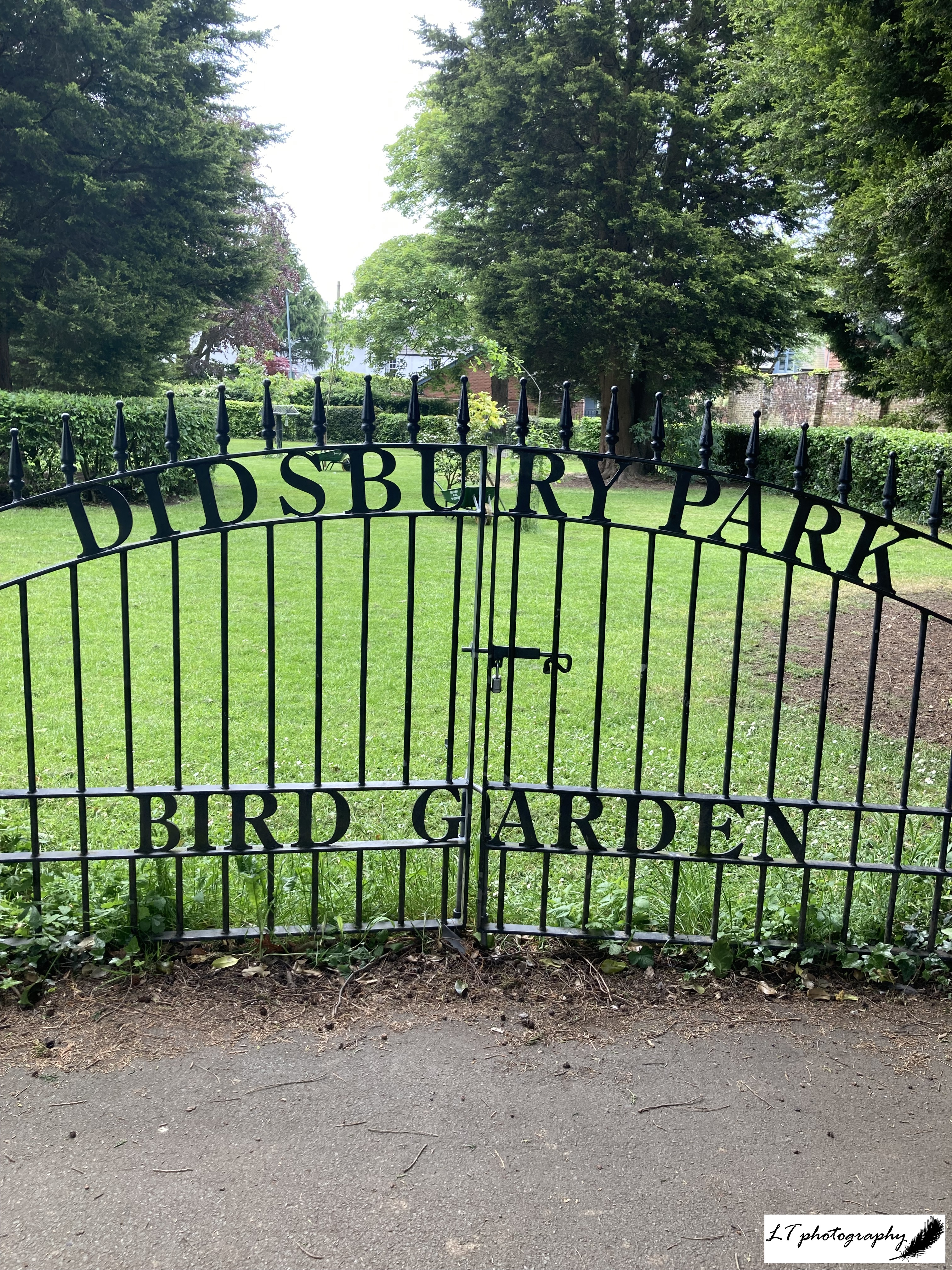
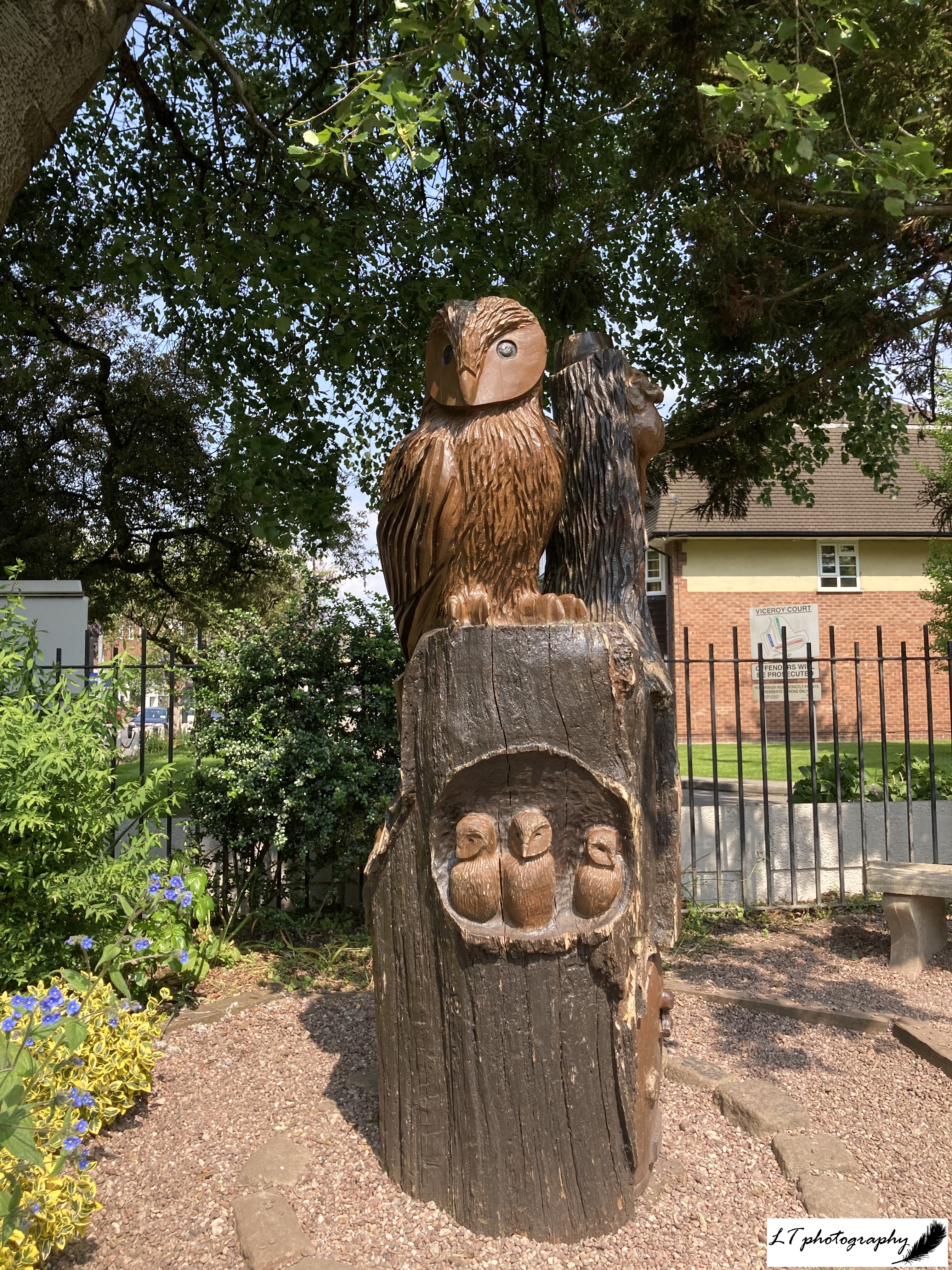
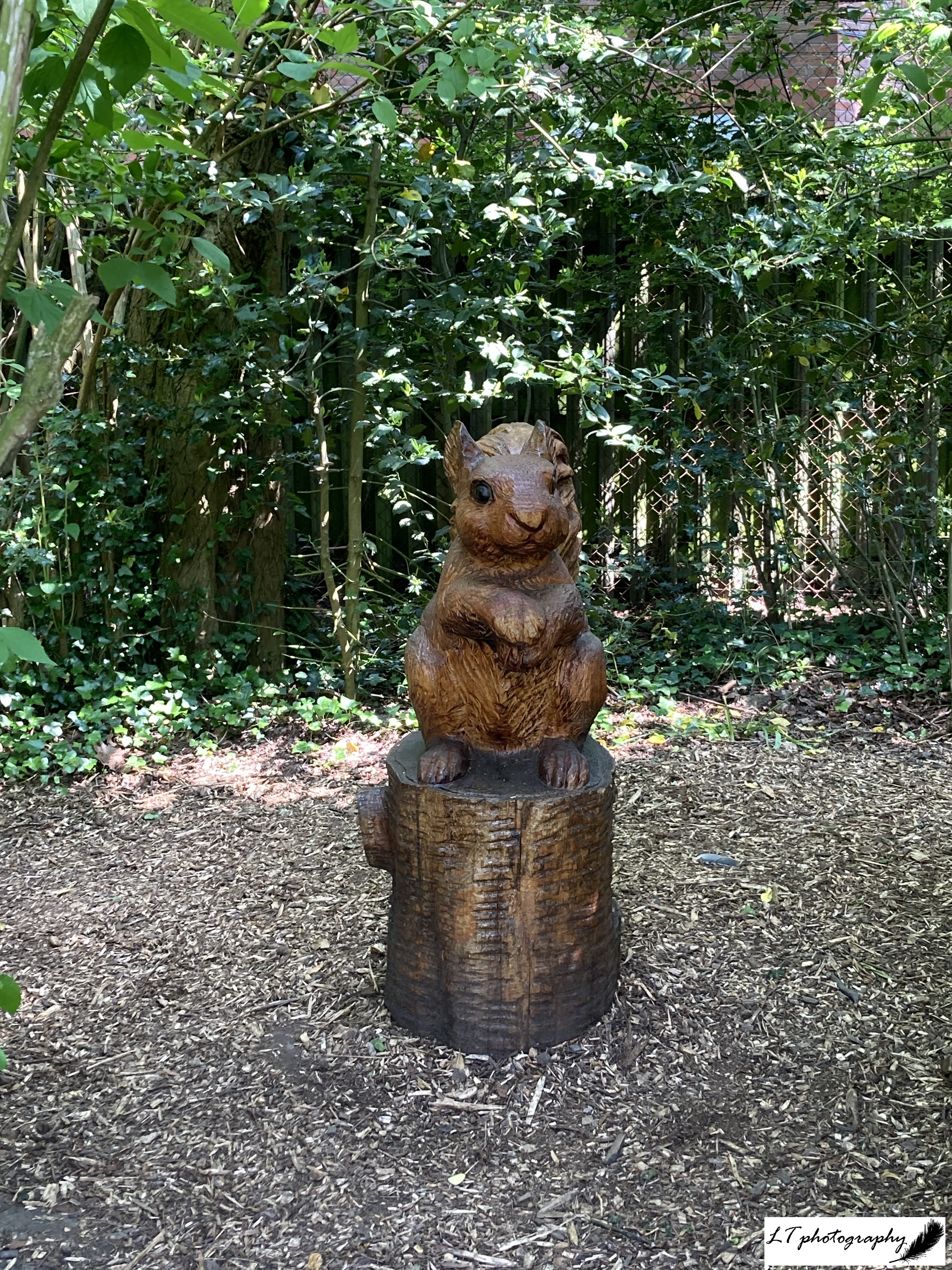
For me, when first entering the park, I took in the many flowering tree species, such as horse chestnut and wild cherry, and flowerbeds abuzz with insects. Though only a short walk to take in all the park had to offer, there were also surprises to be found. This included a wildflower meadow, wood carvings tucked away, and even a bird garden managed for different bird species, including providing food for the pair of nuthatches I saw feeding their fledged young up in the trees. The park was a lovely example of how even small green spaces are so important for city wildlife!
Fletcher Moss, Didsbury
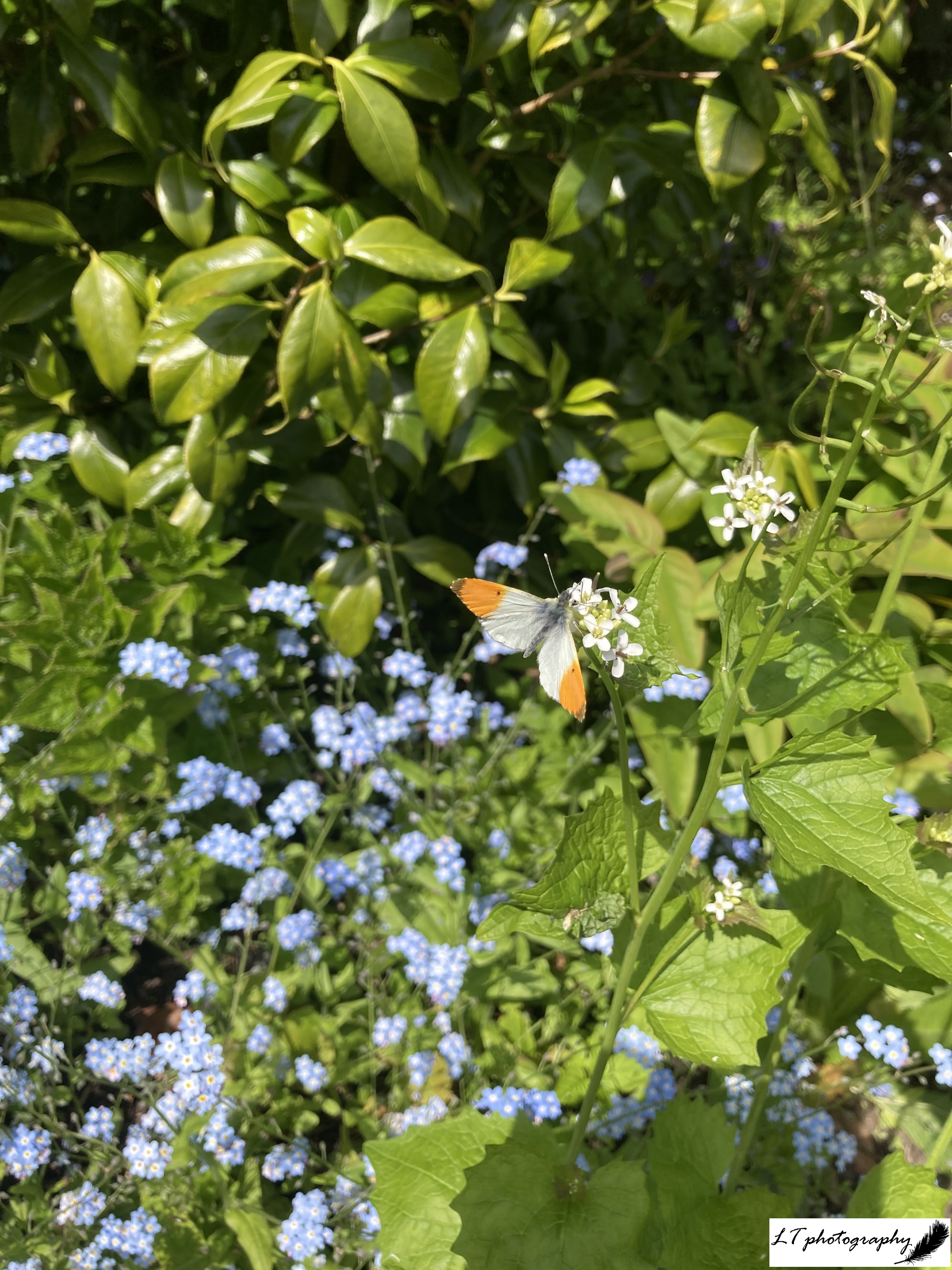
A 5 minute walk from Didsbury Park and also situated in the south of Manchester, Fletcher Moss Park is perfect for a dog walk, birdwatching, or a Sunday morning ramble. Mine and Emma’s adventure to Fletcher Moss started at the Parsonage Gardens, a tranquil area surrounding the old home of the park’s namesake Fletcher Moss. In May, the gardens were particularly spectacular with azaleas and wisteria in flower, along with flowerbeds awash with colour and alive with bees and orange-tip butterflies. Walking on past compost heaps and an alpine greenhouse, we made our way out on to Stenner Lane.
After a short walk, we left the lane behind with its swathes of wild garlic and sights of the magnificent poplar avenue, to join the banks of the meandering River Mersey. Along it’s stretches, we came across Simon’s Bridge constructed in 1901, and a whole host of wildlife, all with a backdrop of the noise of the M60 close by. Though the river had much wildlife on offer, such as colourful brimstone butterflies, on this part of the walk I was most interested in the bird species to be seen. This ranged from the city specialists, such as ring-necked parakeets and magpies, to smaller species, such as great tits, dunnocks and chiffchaffs, and water birds, such as canada geese, mallard ducks and even a female goosander.
Once breaking away from the calming flow of the river, the habitat changed from edge habitat to grassland to woodland all within a couple of kilometres. Through Millgate Fields we experienced hedgerows full of heady-scented hawthorn flowers, small white butterflies, and cows grazing, before venturing into Stenner Woods, with ponds of tadpoles, moorhens and speckled wood butterflies. The path then led us out for a much needed drink at the Alpine Tea Room.
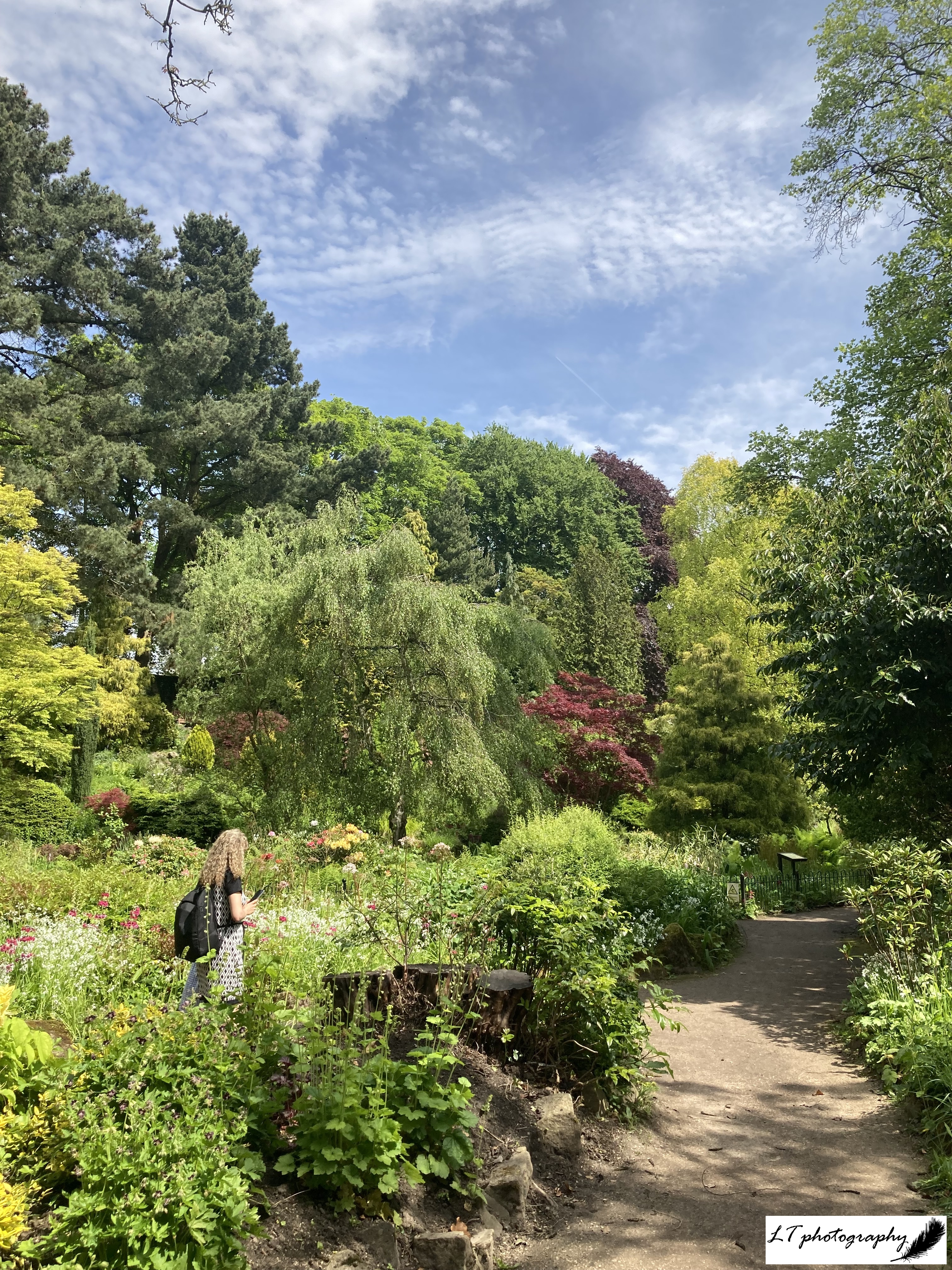
After our drinks, we continued on our journey, passing through Fletcher Moss Botanical Gardens, situated on a sunny south-facing slope. Within these gardens we found mini waterfalls, rock gardens, ponds containing many reshwater snails, giant rhubarb, exotic and unusual plants, damselflies, and small birds, such as wrens and robins, up in the trees. Following the path out through the gardens and park, under towering horse chestnuts and silver birches, we finally came to the end of our ramble.
Styal Country Park and NT Quarry Bank, Wilmslow
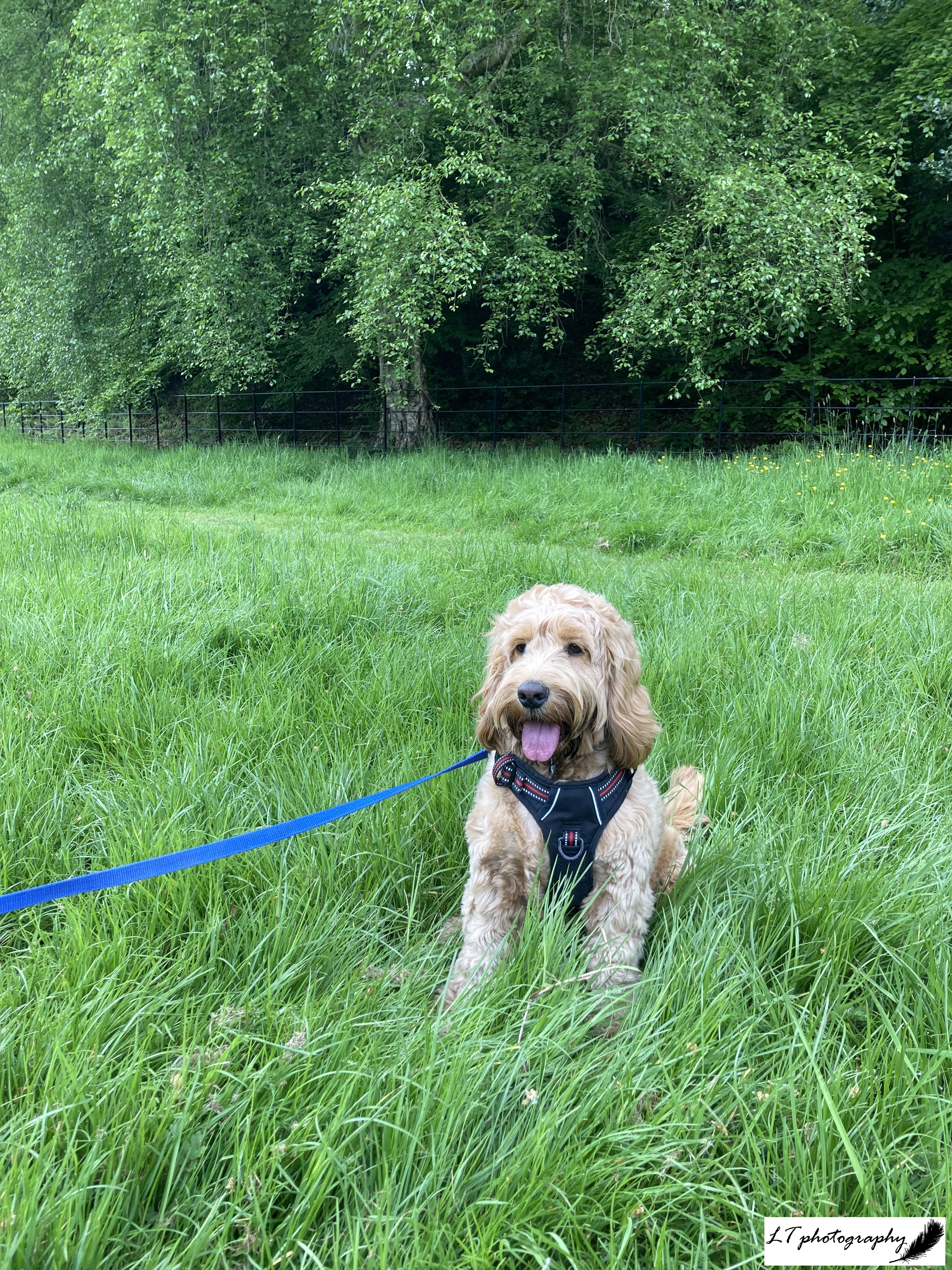
Another great way to venture out in nature is with a furry friend by your side, something I have missed over the last couple of years. So what better way to spend an afternoon than with my friend Emma and her sister’s cockapoo Persy, just outside of the city area of Manchester.
Starting at the Styal Country Park car park, our walk took us through fields perfect for running through, woodland filled with birds and squirrels, and along the banks of the River Bollin. Going at the active pace of Persy, we quickly stumbled upon the National Trust’s Quarry Bank, an old cotton mill first built at the start of the Industrial Revolution in 1784. The factory looking like a flash back in time, also boasts a magnificent walled garden, filled in May with the vibrant colours of rhododendrons, camellias, and borders filled many different species.
We topped off our adventure with a cup of tea in the National Trust cafe, and Persy leading us on our last stretch of walk through the gorges and woodland west of Quarry Bank. With robins, song thrushes, mallard ducks, woodpigeons, blackbirds, mandarin ducks, chiffchaffs, and nuthatches making appearances, among others, it was a great end to an afternoon wild walk.
Chorlton Water Park and the River Mersey, Chorlton
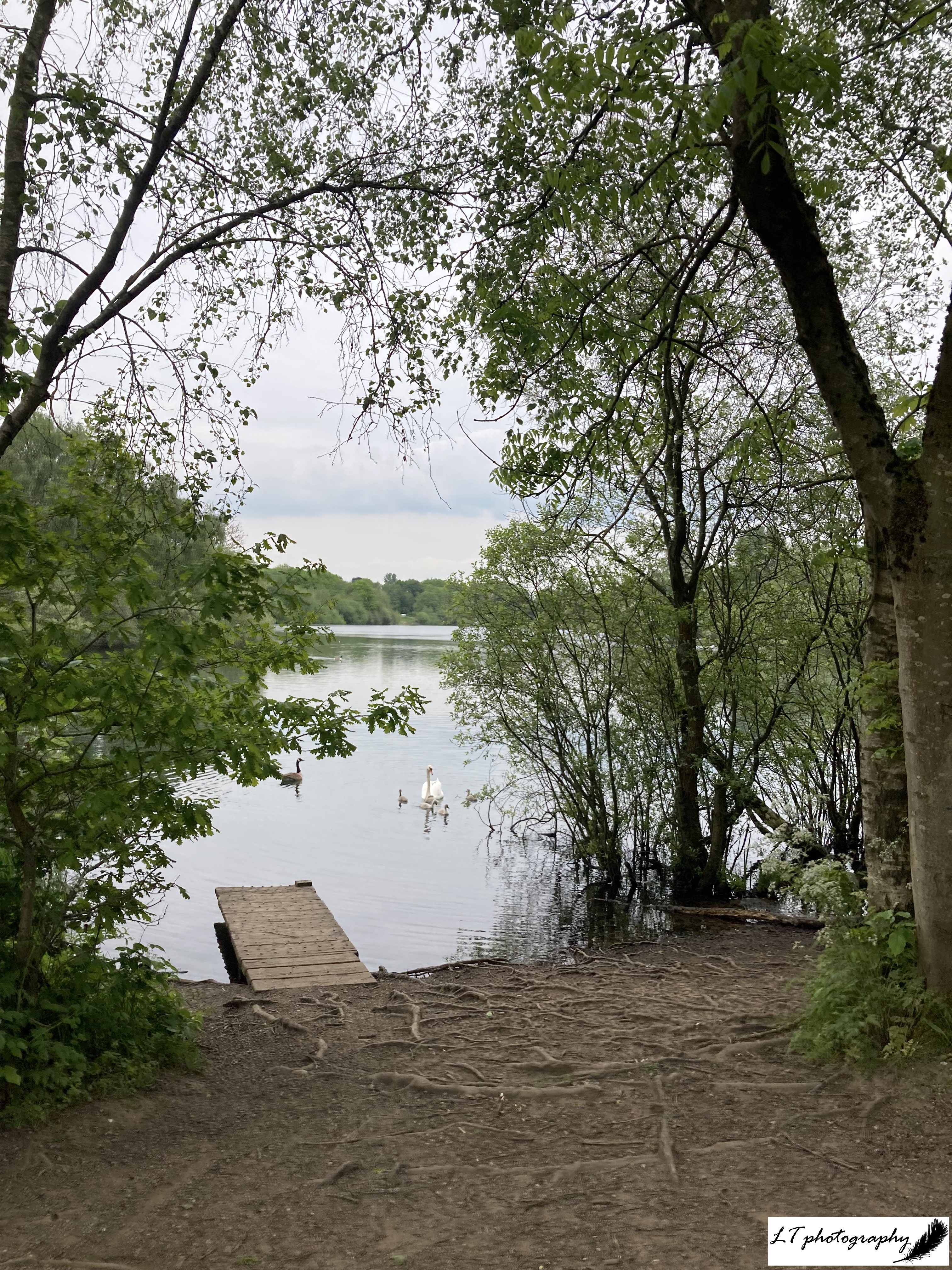
After a lovely dog walk at Styal, Emma and I were excited towards the end of my trip to take Persy on another walk to do some exploring. This time we headed to Chorlton Water Park within the south of the city bounds. An interesting nature reserve, it was formed when gravel was excavated from the site of Barlow Hall Farm for the M60 construction in the 1970s. The remaining pit was flooded, forming a central lake, surrounded by grassland, woodland and the River Mersey. Complete with fishing and pond-dipping platforms, and a play area, this green area is a site for both wildlife and the community alike.
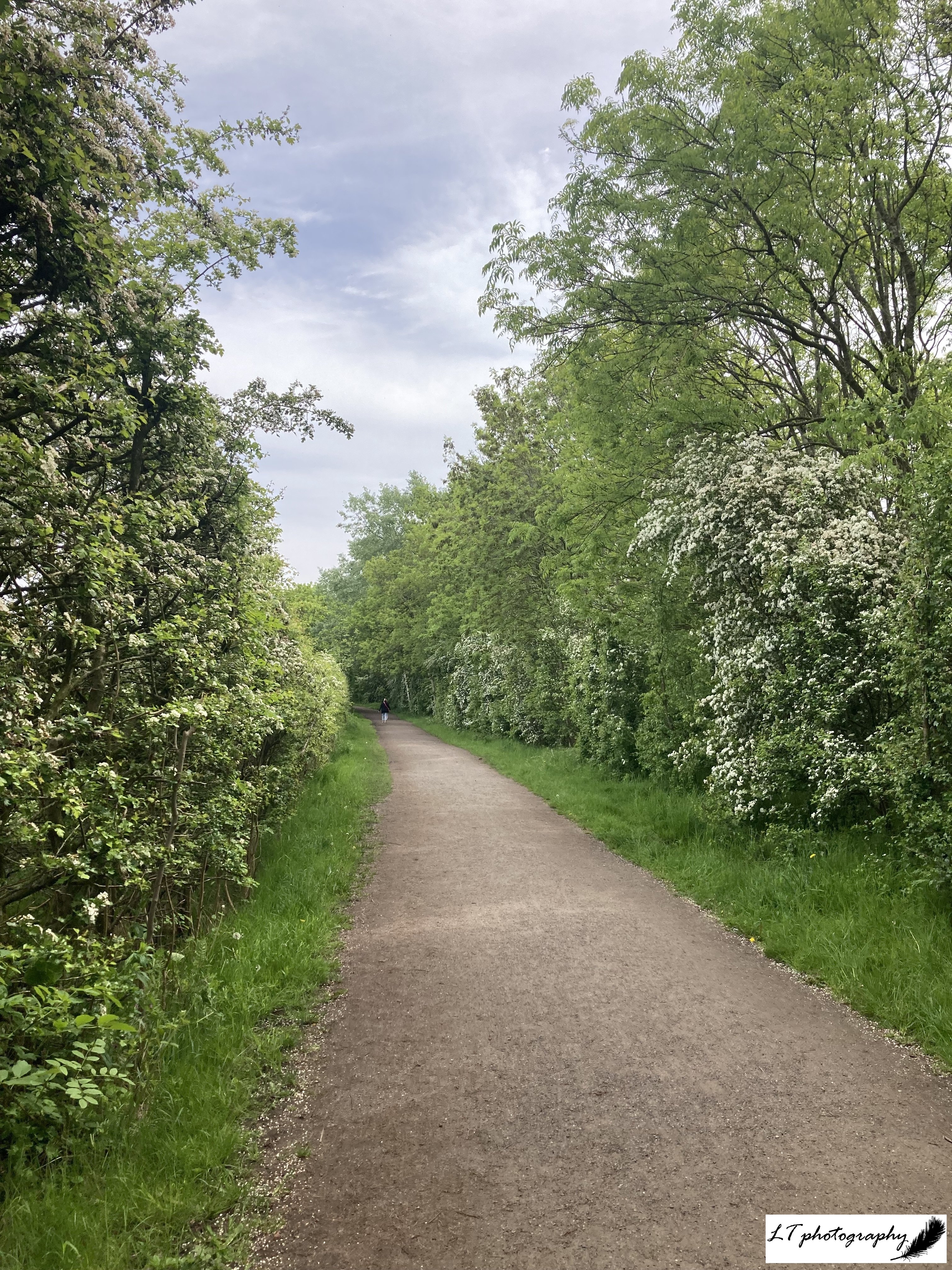
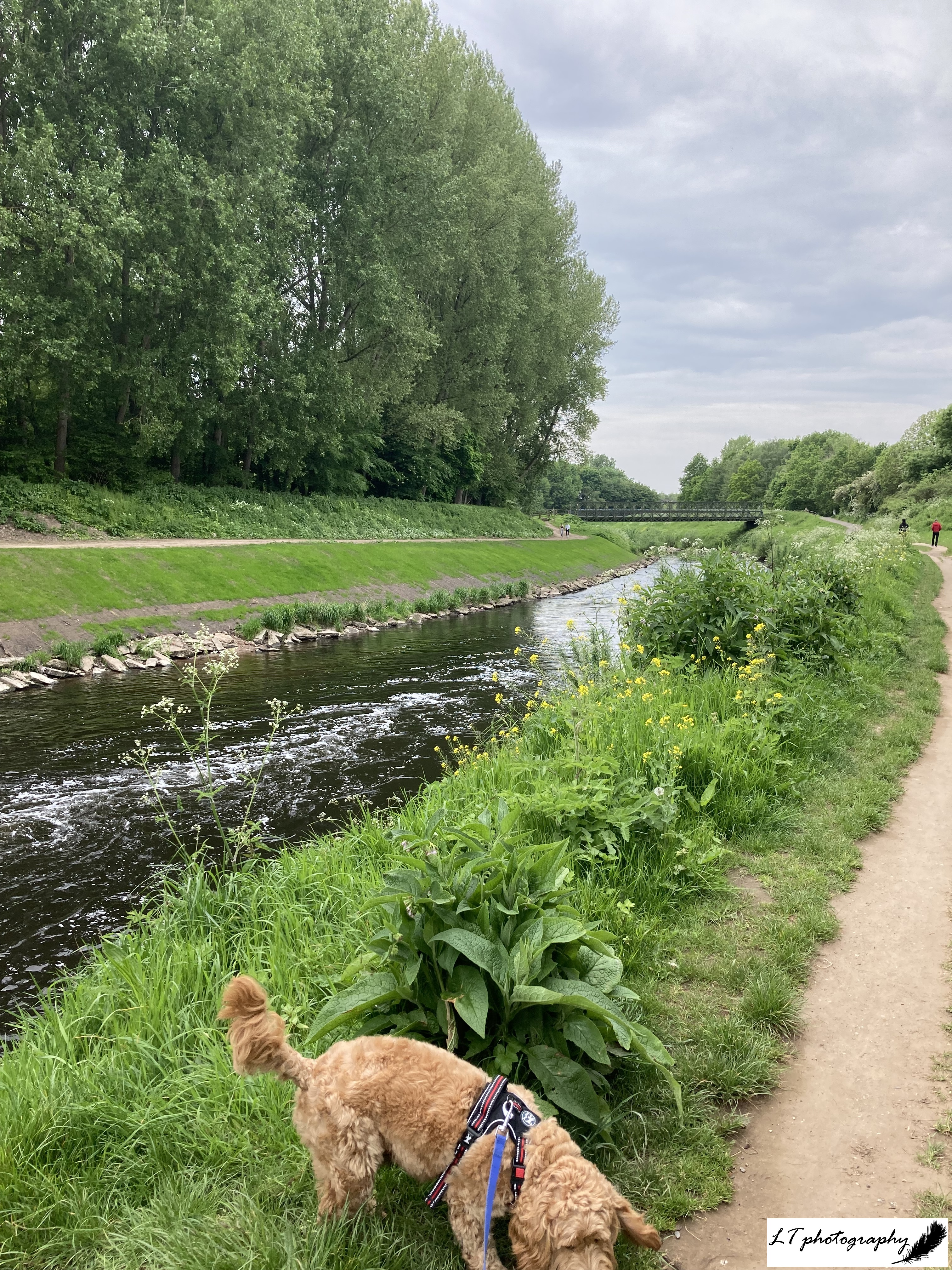
With Persy by our side, Emma and I first took a walk around the lake, taking in the birds on the water framed by willows and yellow flag irises, including Canada geese, mallard ducks, and mute swans all with young. Once we had completed this circuit, we extended our walk by heading east along the River Mersey back to Didsbury. The path was framed by froths of cow parsley and hawthorn, and added to by flitting butterflies, such as orange-tips, and a melodic bird soundtrack of tits, blackbirds, robins, dunnocks, wrens, chiffchaffs, and blackcaps. Though a simple route, it was really lovely to walk within an urban area, but be surrounded by nature and accompanied by wildlife the whole way!
Green Manchester
As a true country mouse and nature lover, when I am on holiday and travelling, I am always looking out for wildlife to discover, and green spaces to explore. So on my recent trip to visit friends and family up north, my time spent with my fellow animal-loving friend Emma was a real joy. City trips and activities were mixed with nature walks and lots of time enjoying being outside in green spaces. This ranged from areas within the city of Manchester, to further afield, such as a fantastic day trip to the Peak District via a 1 hour train.
When it came to being a naturalist in Manchester, the city surprised me with how much it had to offer. With a city-wide focus on providing homes for wildlife and recovering habitat lost within urban areas, you are never too far from a park or green space to escape to. There are also bee hives to be found on rooftops across the city centre, hedgehog highways being created between suburban gardens, new nature reserves being created each year, and much more to excite the urban naturalist. It just goes to show that wherever you live, nature can be accessed and enjoyed by all!
This year the Spring Equinox occurred on the 20th March, marking the point when the sun sat directly over the Earth’s equator heading northward, alongside the start of a new season, in our case spring. With spring comes longer day lengths, milder temperatures, regrowth, new beginnings, and the literal ‘springing’ of plants from the ground. After tough winters and a period of dormancy for nature, the sights of spring understandably lift spirits and create hope and joy.
As we look ahead to spring and what it means to us all, people will also be looking for the first signs of its arrival to tell them the season is upon us. With an increase in activity within nature, these signs can differ for different people, with examples including the first snowdrops, mammals coming out of hibernation, or even birds such as Rooks beginning to nest. For Emma, my Rural vs Urban blog series co-writer (check it out!), her first signs of spring in Manchester are as follows:
Signs of spring in Manchester, as typed from the tram on a lovely spring day: sunshine reflected off the sides of the glass buildings, daffodils and crocuses bravely making an appearance on the grass banks, seeing the first few Manchester bees buzzing about, thinking that it’s warm enough to leave the house without a coat then realising you made a mistake when it pours down with rain later in the day, and sitting outside at the pub!
Though we may all have our own personal favourites, there are some popular first signs of spring that can easily be looked for in anyone’s local area across Britain. Why not try to find them all yourself?
1. Hazel Catkins
Hazel is one of the first of our native species to flower at the start of the year, bringing real colour and joy to the still wintery landscape
Latin Name: Corylus avellana
Name: Catkin refers to long cylindrical clusters of small flowers
When to See: January to April
Where to See: Woodlands, scrub areas and hedgerows
Identifying Features: Lemon-yellow with pollen when open, and shaped like a lambstail, hanging in clusters from hazel branches
Range: Widespread throughout Britain
2. Yellow Flowers
After a cold and grey winter, nothing raises the spirit like the blooming of sunshine yellow flowers in the landscape, a symbol of rebirth and new beginnings
When to See: Daffodils= February to May; celandines= March to May; primroses= February to May; cowslips= April to May
Where to See: Daffodils= gardens, parks and woodlands; celandines= woodland, grassland and gardens; primroses= woodland, hedgerows, and gardens; cowslips= grassland, woodland and hedgerows
Identifying Features: Daffodils= inner trumpet shape with a crown of petals; celandines= shiny yellow stars; primroses= rosettes of pale petals with darker centres; cowslips= bell-shaped within a green casing
3. Frogspawn
A symbol of spring that captures the imagination from a young age with its strange and sudden appearance early each spring
What is it?: The eggs are most commonly laid by the common frog (Rana temporaria)
When to See: Mainly February to March
Where to See: Just below the surface of ponds and streams
Identifying Features: Floating clumps of jelly that are made up of lots of small jelly eggs with a black dot or developing tadpole at their centres
Range: Widespread across Britain but more likely to be seen in certain areas
4. Buzzing Bees
The sound of queen bees buzzing lazily around in warm sunshine is a real sound of spring, symbolising new life to come
When to See: Buff-tailed= February to October; red-tailed= mainly March to August; tree= mainly March to July; white-tailed= March to October
Where to See: All can be seen in a wide range of habitats from woodland and farmland to gardens and heathland
Identifying Features: Buff-tailed= yellow collar near head and another on abdomen with queens having buff ‘tails’ and workers white with buff line above; red-tailed= black with red ‘tails’ with males having two yellow bands on thorax and one at base of abdomen; tree= ginger-brown thorax and black abdomen with white tail; white-tailed= black with two lemon-yellow bands on body and white ‘tail’
5. Chiffchaff
This tiny little bird is one of the earliest birds to arrive from warmer winter climes, and sing its heart out, heralding the start of spring
Latin Name:Phylloscopus collybita
Name: Named after its distinctive ‘chiff chaff chiff chaff’ song
When to See: Some winter in the UK, but can be heard singing from March to October when migrants return
Where to See: Woodland, scrubland, parks and gardens
Identifying Features: Green or dusky olive; short pale eye stripe; moderately dark eye stripe; dark legs; fine often dark bill; continuous tail-flicking movement; distinctive song
Range: Widespread across Britain, apart from more mountainous areas of Scotland
6. Pussy Willow
Emerging early on in the year, pussy willow is a real symbol of the beginnings of spring, and is often used as decorations at Easter
Latin Name:Salix caprea but also could refer to Salix cinerea
Name: Pussy willow is a colloquial name for goat willow, but is now often used for grey willow too. This is due to their furry male catkins looking like the soft, furry paws of a cat
When to See: February to April
Where to See: Woodland, hedgerows, scrub and damper, more open ground
Identifying Features: The more noticeable male flowers are the silver-grey, fluffy, and oval catkins standing upright from willow branches. They turn yellow when covered with pollen
Range: Widespread across Britain
7. Brimstone Butterfly
Though warmer, milder weather leads to the emerging of different butterfly species, the first brimstone butterfly is often the first species seen and its warm colour has connotations of sunshine and cheerfulness
Latin Name:Gonepteryx rhamni
Name: Brimstone is the old name for sulphur, which is the colour of the male butterfly’s wings
When to See: March onwards
Where to See: Can be seen in a wide variety of habitats, but the larval foodplants are alder buckthorn and buckthorn which is more scarcely distributed
Identifying Features: Veined wings with pale-yellow undersides and an orange dot on each wing. The uppersides are sulphurous yellow on males and paler on females
Range: Common in England and Wales, less common in Ireland, and very rare in Scotland
8. Spring Blossom
Everyone knows that spring is truly underway when blossom starts to coat trees and hedgerows in spectacular pastel fashion. It is a real spirit lifter after a long winter!
When to See: Blackthorn= March to April; wild cherry= April to May; hawthorn= April to June
Where to See: Blackthorn= hedgerows, woodland margins and scrubland; wild cherry= woodlands, gardens and hedgerows; hawthorn= hedgerows, woodland margins and scrubland
Identifying Features: Blackthorn= flowers white with 5 petals and red-tipped anthers; wild cherry= white flowers cup-shaped and with 5 petals; hawthorn= white flowers with 5 petals, pink or purple anthers and sickly sweet scent
9. Barn Swallow
This iconic bird makes a 6000 mile migration from Africa to breed in the UK, arriving with warmer weather and active exploration of potential nest sites
Latin Name:Hirundo rustica
Name: Barn comes from typically nesting in barns and out-houses, and the latin Hirundo means swallow
When to See: March to October
Where to See: Open country, perching on wires, and hunting low over grassland or water
Identifying Features: Blue-black; red forehead and throat; dark throat; long, pointed wings; deeply forked tail; agile flight
Range: Widespread across Britain
10. Common Bluebell
Over half of the world’s population of bluebells can be found in the UK, making for some incredible spring spectacles across Britain
Latin Name:Hyacinthoides non-scriptus
Name: Named for their distinctive flowers
When to See: March to June
Where to See: Carpeting woodlands, hedgerows, scrubland, on sea-cliffs and mountains
Identifying Features: Long, narrow green leaves; purple-blue bell-shaped flowers hanging from long stems; strong sweet scent
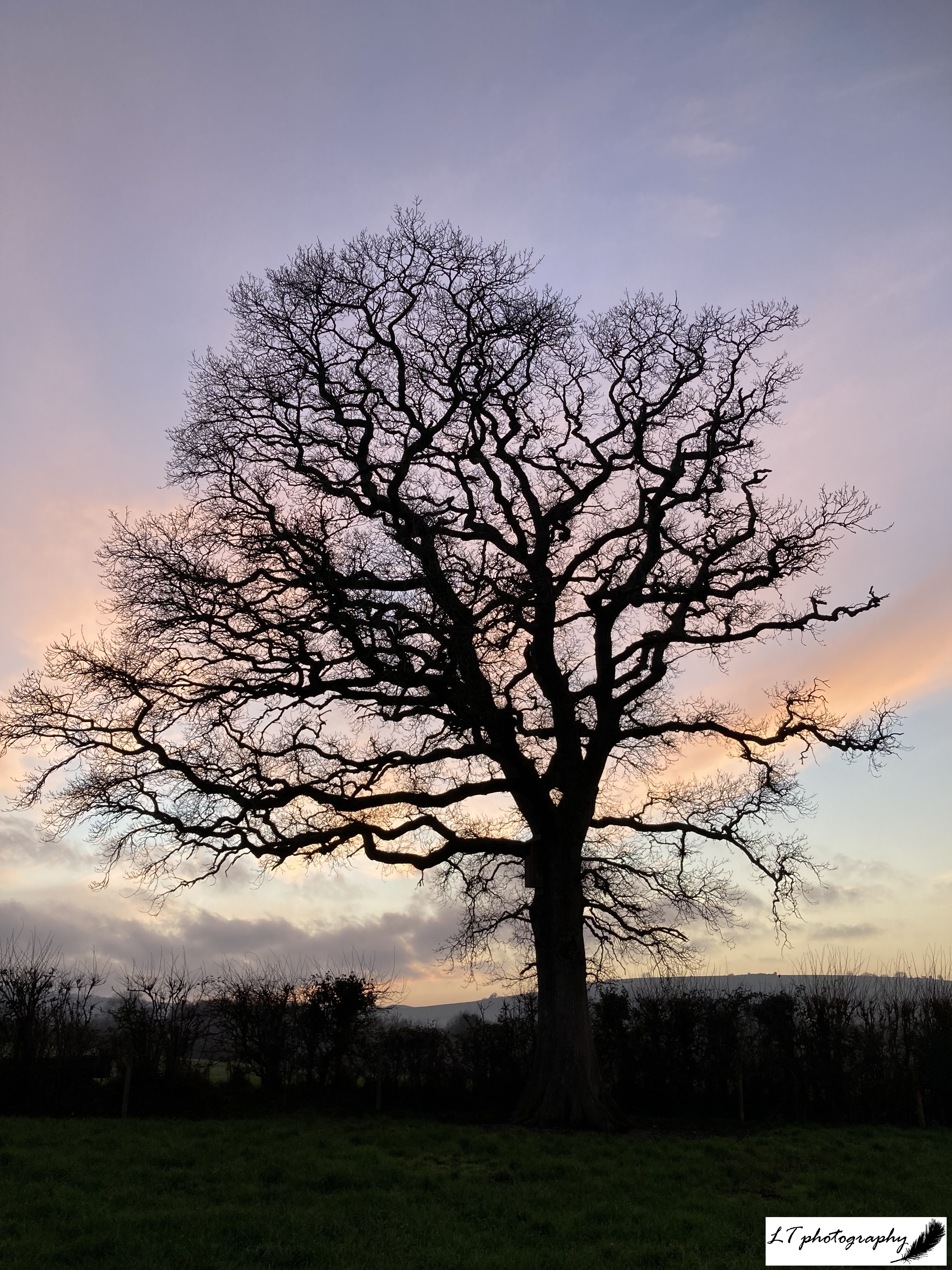
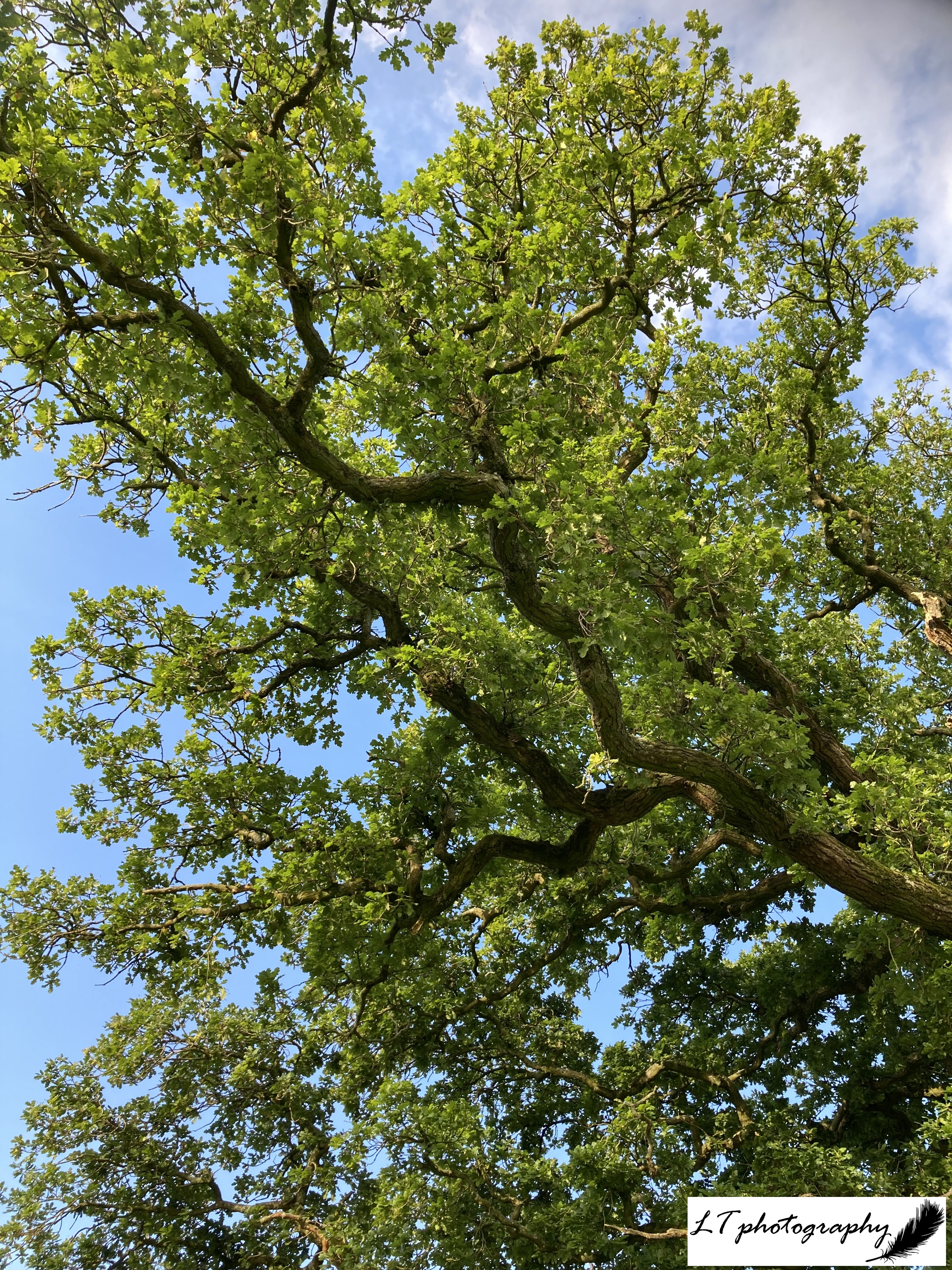
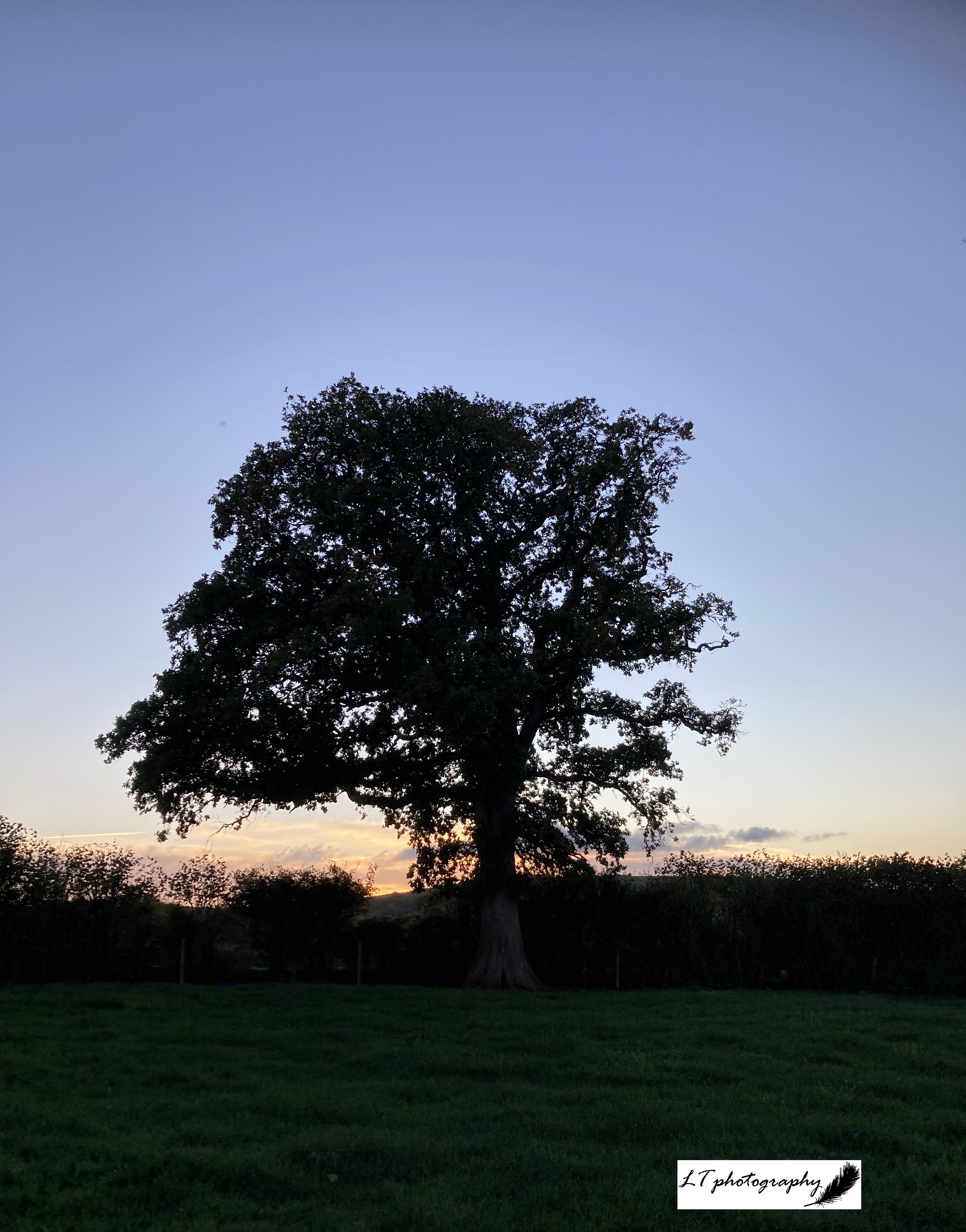
In the depths of the Dorset countryside, amongst hills, fields, rivers and hedgerows, an oak tree stands tall, stretching its branches over its corner of a field. Having stood proud for many years, each year this tree goes through its cycle, starting with its skeletal form, and moving through budburst, flowering and leaves unfurling, to shedding its green cloak in the autumn at the start of its long winter sleep. Hopefully it will keep continuing its cycle for many years to come.
Every year the rest of nature also goes through its cycle of life, overlooked by this oak tree. From the beginning of new life to the death of others, from howling gales to sleepy sunshine, from constant neighbours to new wildlife spectacles, this tree stands tall through it all. So for this piece, lets follow a year in the life of this particular oak tree in 2022, and see what can be experienced in just one spot.
January
As a new year began, the landscape lay in slumber, riding out the worst of a harsh winter. Hibernating animals, seeds and bulbs laying beneath the earth, and trees standing tall in dormancy. The oak tree was no different, slumbering through a very chilly January 2022, with many dry, cold, and foggy spells. A number of mornings began with the glittering shine of thick hoar frost, turning the landscape into a crisp, white world. During clear nights, the oak tree was surrounded by tawny owls ‘twit-ing’ and ‘twoo-ing’, rekindling pair bonds. By day birds were busy, robins defending feeding patches and forming pairs, great tits singing their squeaky gate songs, and buzzards hunting over the open countryside.
February
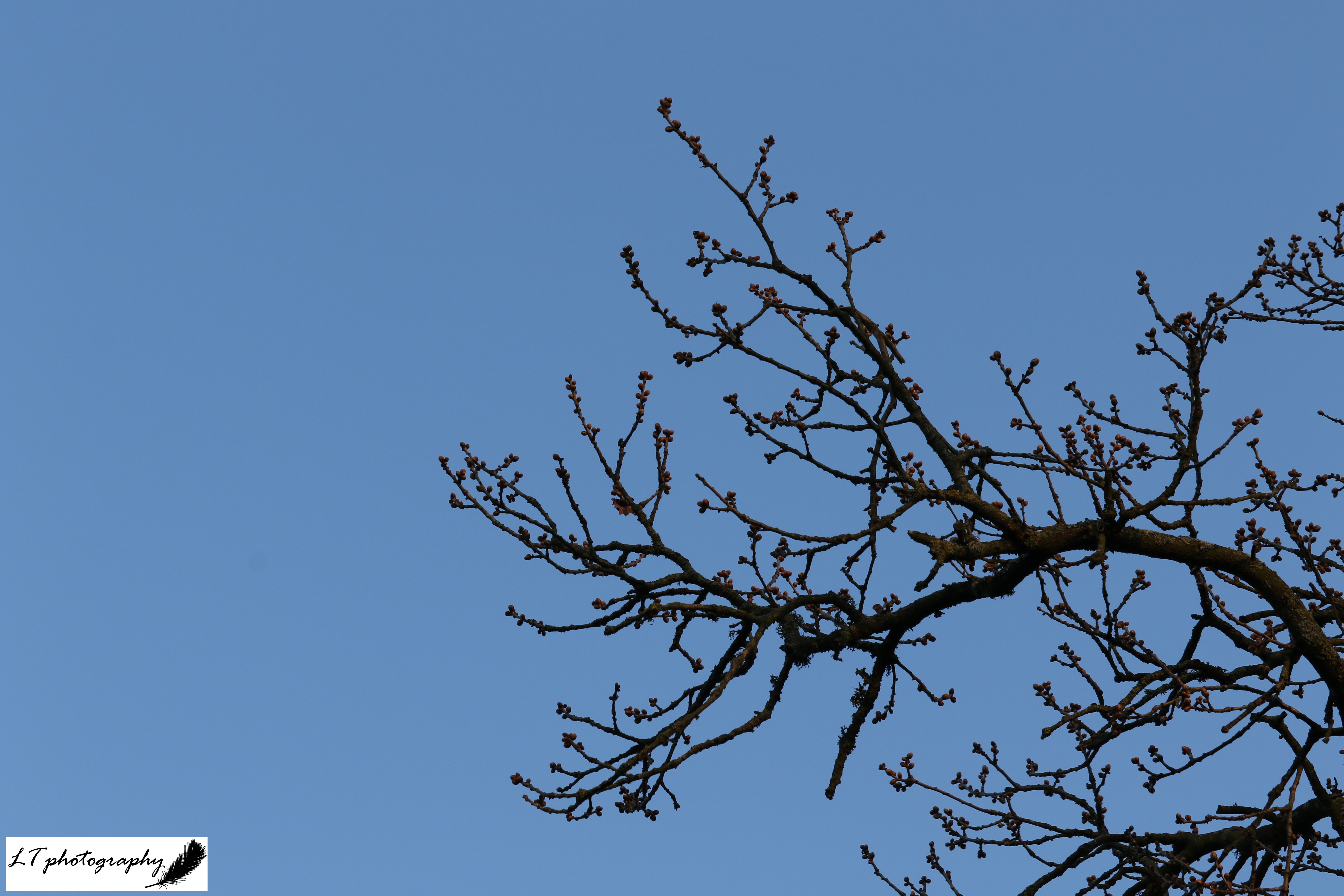
As a new month unfolded, the oak tree still stood slumbering, lichen dotting its bark and its buds hard and scaly, waiting. The oak tree may have been dormant, but around it subtle changes were beginning to appear in the landscape. White snowdrops nodding their heads under the hedgerows, lemon yellow catkins blowing in the breeze, and a woodpecker drumming on a trunk nearby. At night, male badgers pass by on the hunt for a mate, and foxes can be heard making their chilling howls, with females now heavily pregnant. February was a wet and very stormy month, but the the tree stood strong throughout.
March
As spring began to unfold, the oak tree experienced a month of unpredictable weather, moving from cold frosty nights to some very hot days. Despite this, change was in the air, with the oak tree beginning to wake up and show swelling in its buds. This was mirrored in the landscape, through blackthorn dripping white from the hedgerows, primroses creating a yellow carpet beneath, and the distinctive nodding heads of bluebells beginning to pop up everywhere. The oak tree also witnessed the first chiffchaff singing, the first brimstone butterfly flitting by, and even the first tawny owl nesting in the oak tree’s box before being unfortunately predated. Mammals were beginning to range further from their homes and other species were making their returns, such as the melodious blackcap.
April
A new month dawned, and the oak tree was becoming a symbol of new life. The first pale green leaves were unfurling and yellowy-green flowers were now hanging down from its branches. Drier, more stable weather meant the oak tree was now standing side-by-side with bovine neighbours, whilst many species were making use of the oak tree itself, such as blackbirds singing from its heights. Hedgerows and meadows around were also coming to life, with spectacular springtime flowers, from snowy stitchwort to sunshine celandines and cowslips. Daily, foxes can be found passing by, off hunting to bring back pheasants and rabbits to their cubs that are growing fast. The oak’s paddock also becomes a feeding ground for wonderful returning swallows and house martins, just the tip of the fantastic spring wildlife that were there to be discovered.
May
As spring blossomed into its full potential, the oak tree became adorned in its full cloak of fresh green leaves, thriving on warmer, calmer weather. The tree’s neighbouring hedgerow also began to bloom into life with flurries of white hawthorn flowers and the swelling cream buds of elder flowers. The tree was now home to a new family of woodpeckers, as well as some boisterous young squirrels and blue tits flitting between the leaves picking off oak eggar moth caterpillars. New life and its signs were everywhere, with fox cubs playing above ground, a male cuckoo singing, and even a female kestrel sitting on eggs in a lone oak tree in the next field. The landscape was buzzing with life!
June
As June hit, the oak tree was experiencing the peak of spring and its ending for another year. The oak tree continued to flourish whilst watching the cycle of nature surrounding it. House martins dancing on the wing, swallows hunting low over the fields, swifts speeding past screaming, red kites circling over fields following tractors cutting grass, hares grazing by falling light, a roe deer quietly sneaking past, and fox cubs beginning to roam. Not too far away the clutch of kestrel eggs had hatched and the chicks were beginning to grow fast!
July
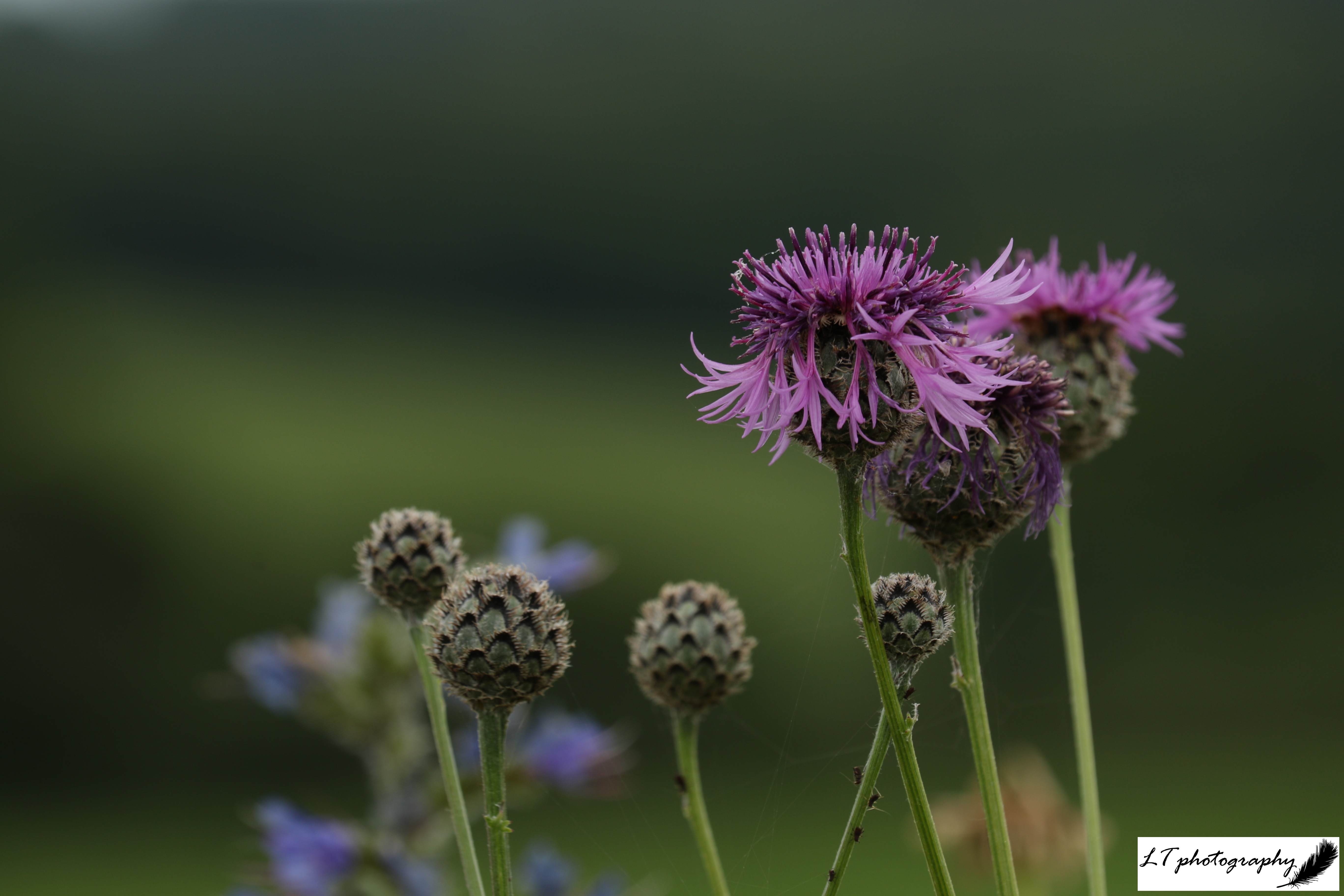
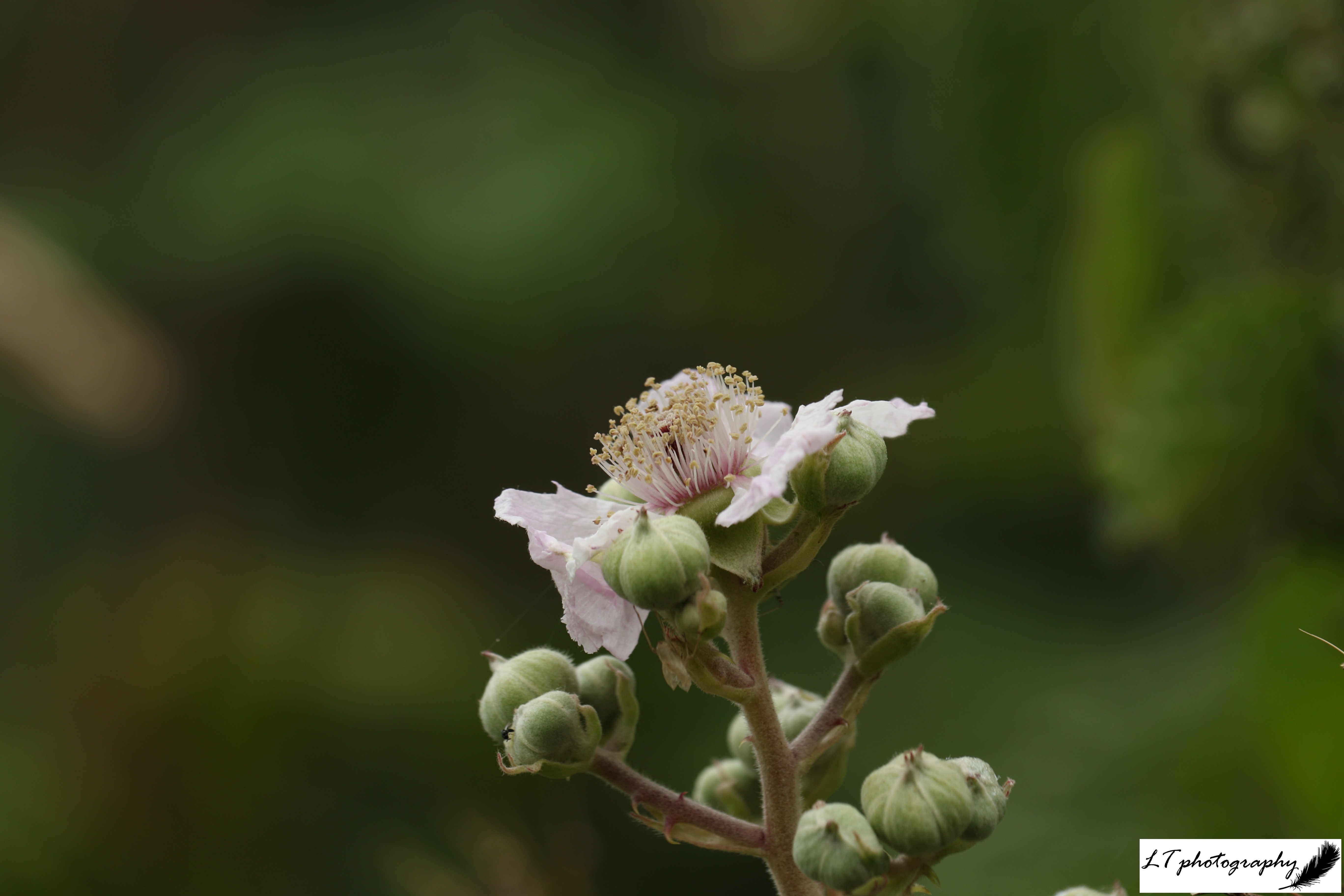
Though a calm and sunny month, July was by far a very hot one, with some extreme heat waves hitting the oak tree and its home, its leaves now deepening to a dark green. In the midst of heat, the landscape was still dotted with colour in the form of wildflowers, from red campion and knapweed to bramble and swathes of cow parsley. Butterflies were busy on the wing, with the sight of a red admiral flitting by the oak tree in lazy summer sunshine being a tranquil sight to the eye. A highlight of the month was the yellowhammers singing their metallic song from the nearby hedgerows, and the neighbouring kestrel nest producing 4 healthy chicks to fledging and leaving their tree silent for another year.
August
Following on from July, August saw the descent of the countryside into a worsening drought state. Now the oak tree’s leaves were starting to look dusty and sad, whilst the oak began to produce young acorns, small and green. The lush summer was beginning to fade, though colour still could be found in the form of darting blue damselflies, orange flashes of a meadow brown butterfly, and the first shining blackberries. As nature’s season of new life passes, with fox cubs becoming more independent and young birds now feeding up ahead of migrating, the tree watches on, as a new mother cow gives birth in the shade of its lofty boughs.
September
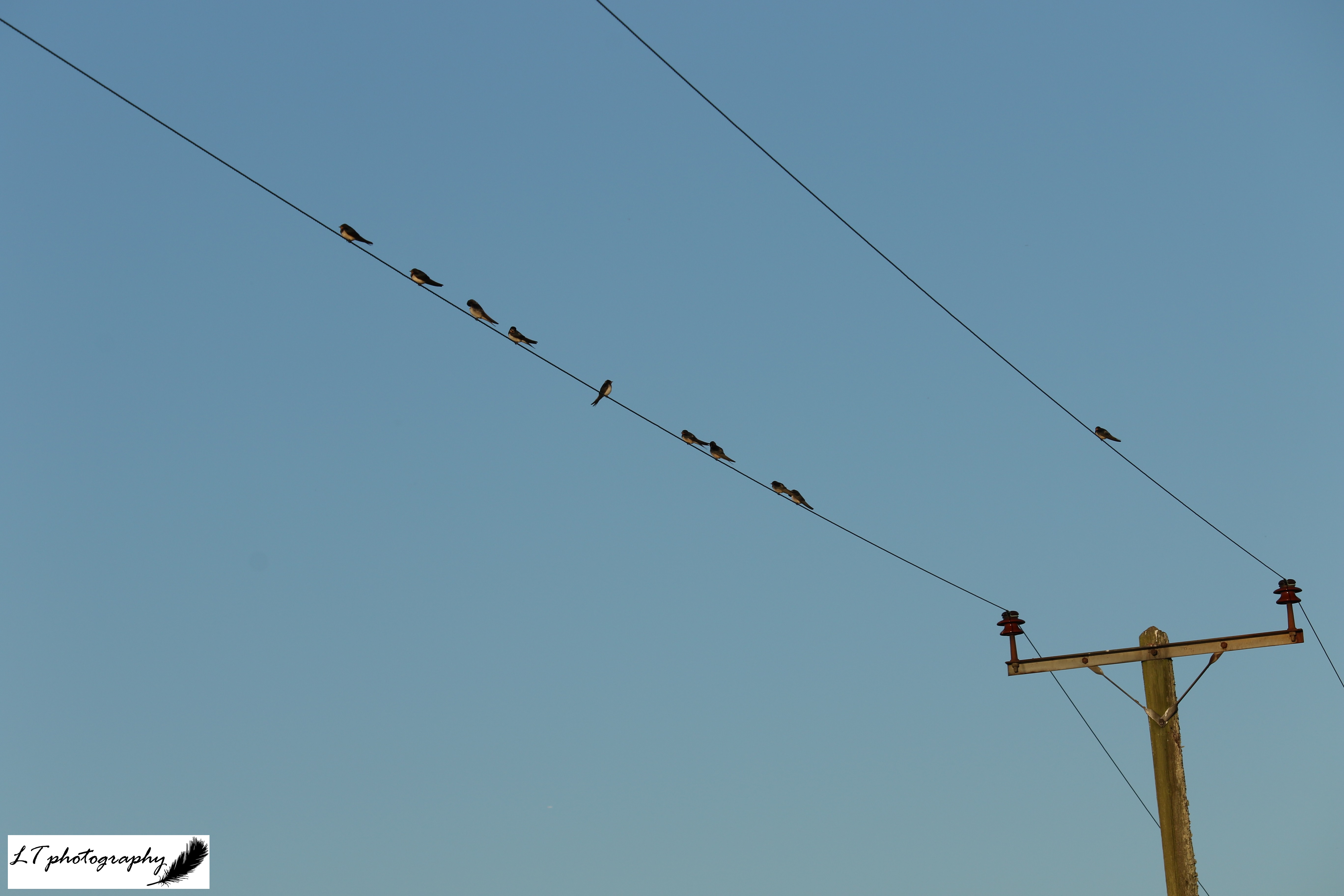
With the onset of autumn, the oak tree experienced the continuation of warm weather alongside the return of some rain showers. This was enough for the tree to green up once again and for its plentiful little green acorns to swell into the typical acorns we all know. The oak’s bounty was also joined by hedgerows filled with hazel nuts and shining berries, such as elder, rose hips, hawthorn, and sloes. This bounty was attracting an array of species, including wasps, blackbirds and jays. The oak tree also overlooked other spectacular sights from spider webs glistening with morning dew, red kites scavenging close by, charms of colourful goldfinches feeding on seedheads, swallows lining up on telegraph lines in the evening sun, and some fantastic sights of a family of linnets.
October
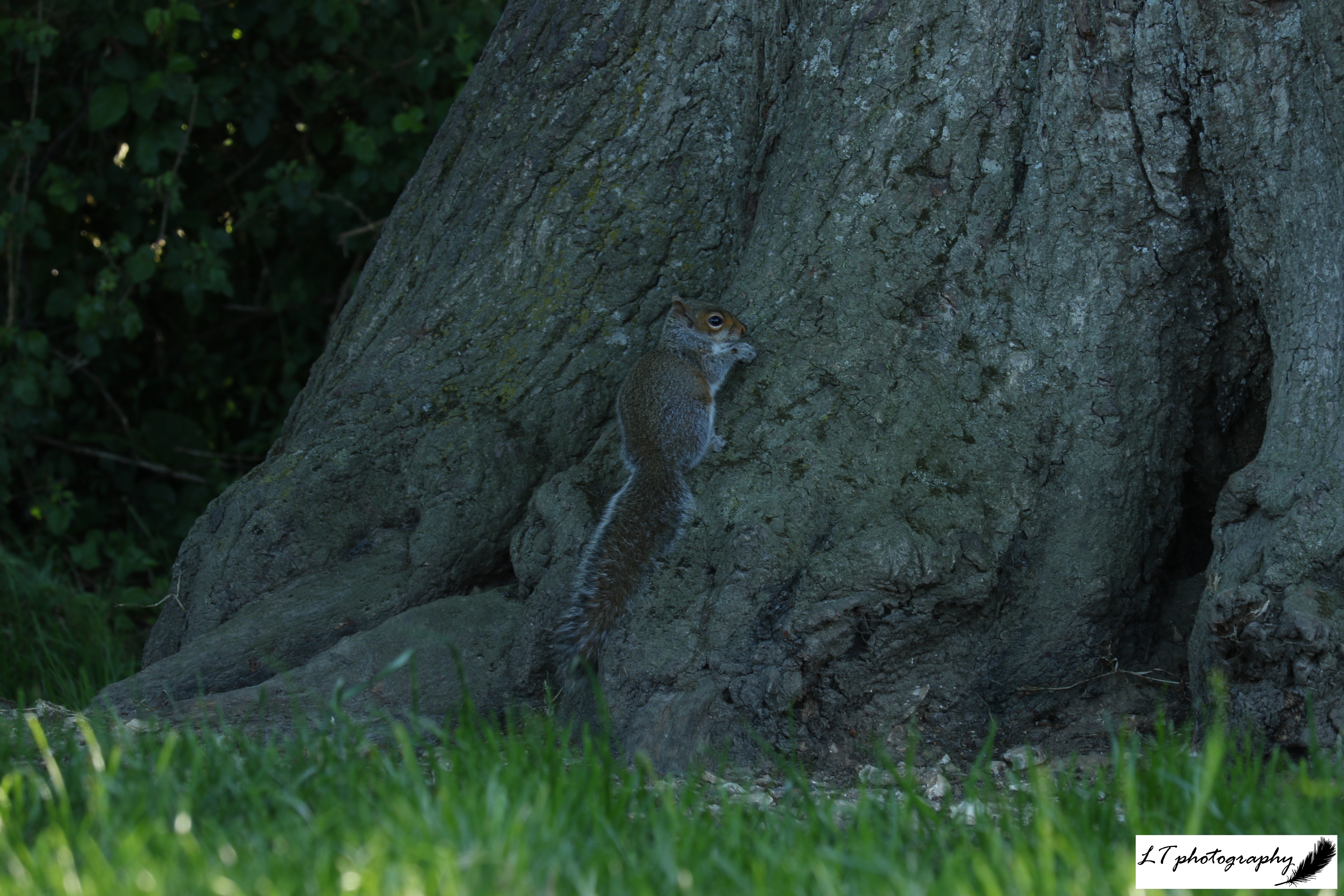
The mild weather continued into October, with the oak tree now covered with ripening acorns, and leaves beginning to be tinted with spots of orange and brown. These acorns were already being utilised by grey squirrels and migrating woodpigeons, amongst other species. With the oak tree’s bovine neighbours beginning to leave the tree behind for the winter, the oak was left alone overlooking the landscape changing colour spectacularly, from the pinks of spindle to the yellows of silver birch. The oak tree also watched over other autumn spectacles, such as craneflies lazily flying over the grass in warm sunshine, roe deer bucks chasing does, and the growing of magnificent fungi, such as the oak’s own bracket fungus. The landscape is alive at night too, with the return of calling tawny owls, the snuffling of badgers, and the exploring of now fully grown fox cubs.
November
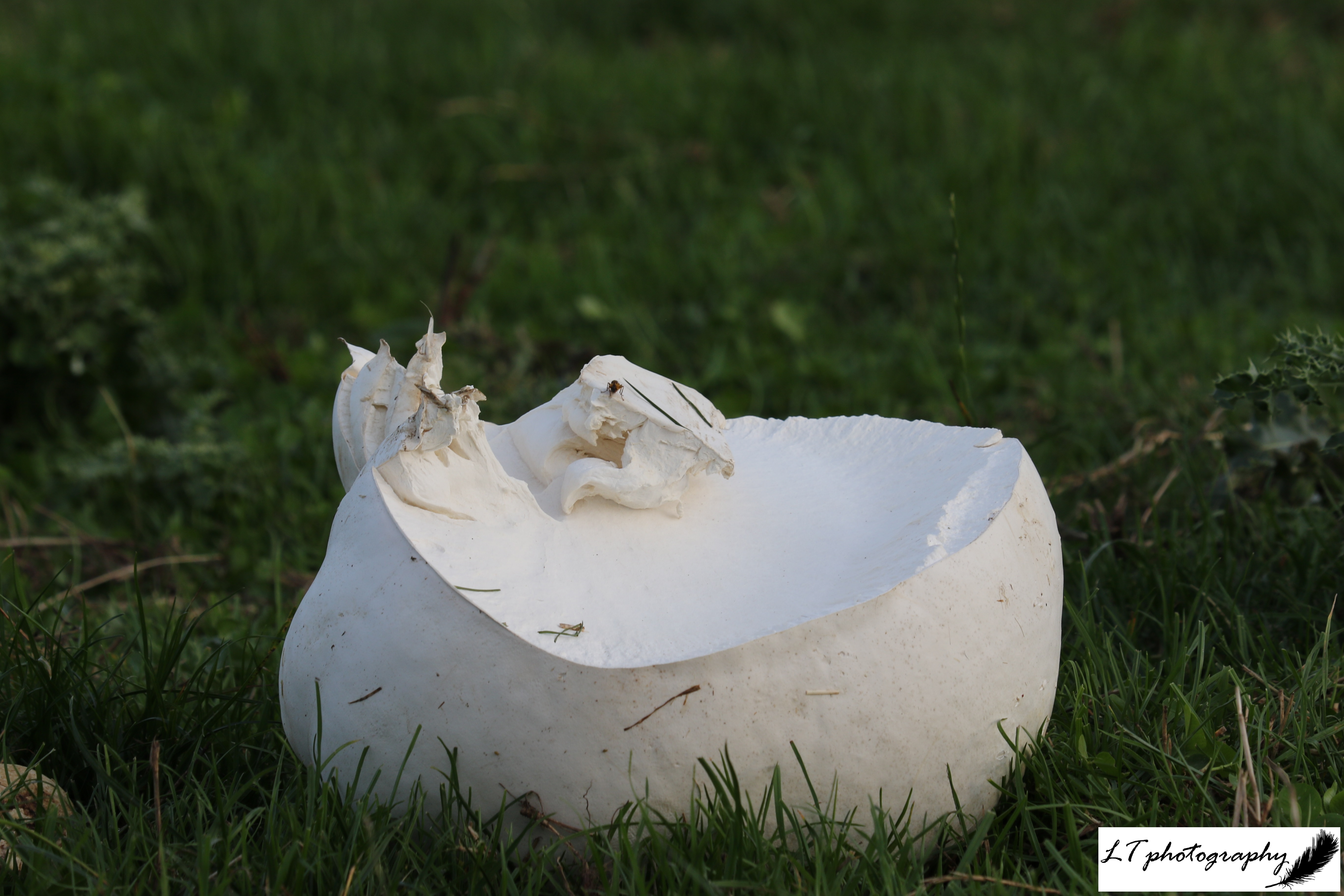
A mild November led to it being a very wet and windy month for the oak tree and its home. Ripe acorns now lay scattered around the trunk of the tree, and brown and orange leaves were now being blown free with each storm. On calmer days, the landscape was still showing lots of wildlife activity, with territorial robins fighting, families of long-tailed tits flying between hedgerows, flocks of meadow pipits feeding out in the fields, and large flocks of fieldfare and redwings making themselves at home. Whilst exploring around the oak tree, fantastical puffballs could be found in the grass, late ivy flowers and the start of its black berries in the hedgerows, and spectacular pink and orange spindle berries in the hedges further away from the oak.
December
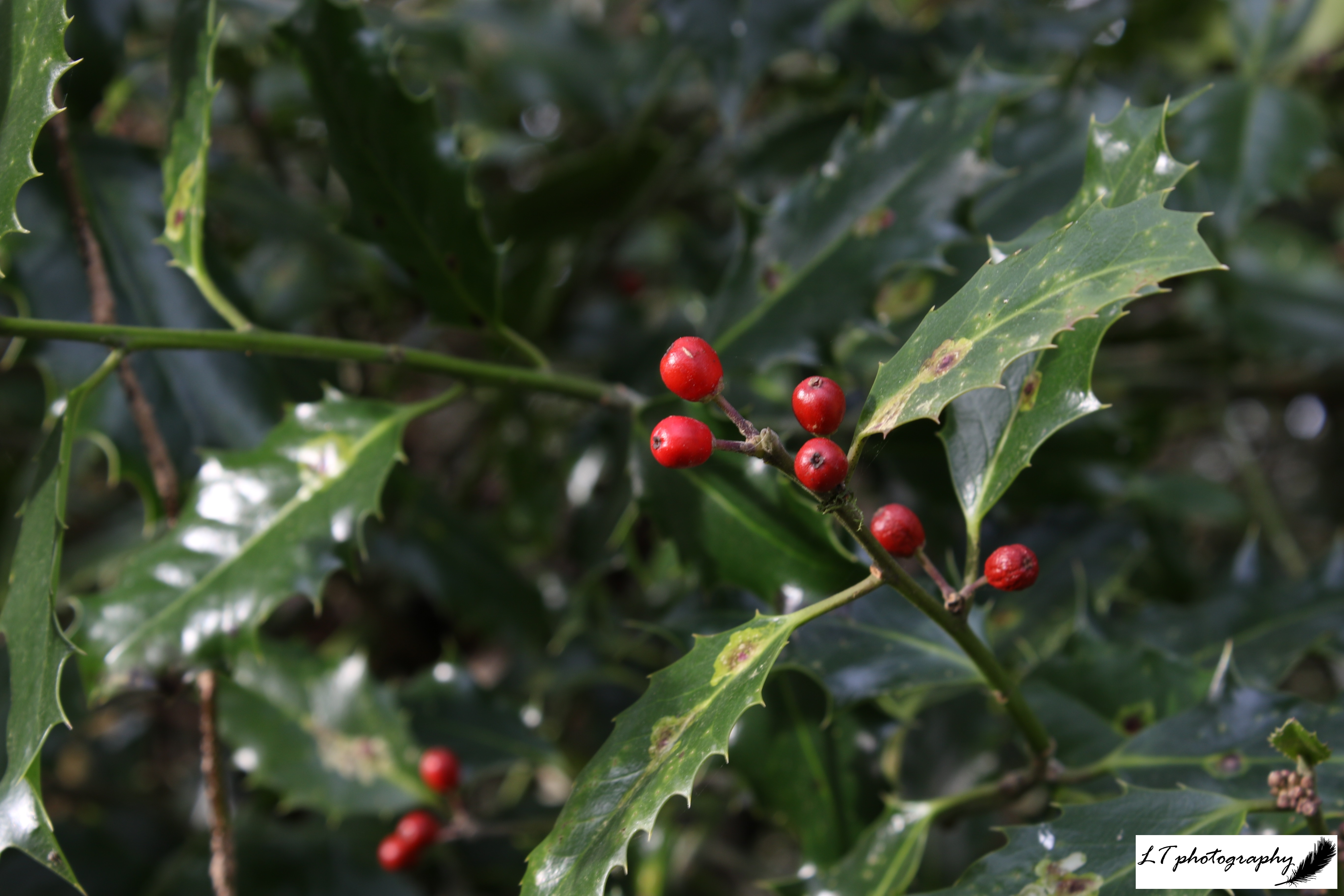
To wrap up the year, December marked a change in the weather, with colder, drier, and sunnier days, and some spells of real hard frosts and frozen ground. By now the landscape was beginning to fall into its winter slumber once again, as was the oak tree, with only the hardier species still active. A lone cattle egret, a murmuration of starlings, wagging grey and pied wagtails, a hare passing through, and hunting barn owls included. As the tree’s surroundings lose their colour, a little can still be found with the shining green of a hart’s-tongue fern or the blood red of holly berries in the hedgerows. Here the year is drawing to a close, with a fantastic sunset and the oak’s last leaf floating softly to the ground.
I sit flicking through the new photos and videos of rabbits, pheasants, active adult foxes, territorial badgers, and female roe deer passing through by my camera trap. Exciting, but wait what was that? I stumble across a video taken at night. There an adult fox is climbing the outside of the sett with a special surprise for me. Two dark long-tailed fluffy bundles. I could not believe my eyes to see my first cubs of the year this young!
This year I have had the best year yet for camera trapping on my family’s farm in Dorset. With 8 sites, ranging from woodland to hedgerows, and now using 2 camera traps, I was able to capture some fantastic moments from March through to June. Highlights included 2 setts both with badger cubs, an illusive fox, feeding female roe deer, and a fox den discovery. Check out my blog post from last week to find out more!
My favourite site from this spring was one I have used regularly over the last few years. Badger Alley is a 210m stretch of bridleway bordered either side by hedges that have grown up to form an arch over the path. Along this tunnel lies two separate badger setts that were both once active, but are now mainly abandoned by badgers. Though less frequently used by badgers themselves, these setts are now home to a whole host of other animal species, whilst also being a busy highway for wildlife.
With infrequent use by humans, it is unsurprising that Badger Alley is a haven for wildlife. To explore, I ended up keeping my brand new camera trap at the site over 67 days from 17th April to 16th June, changing the set up between 4 angles during this time. This camera takes both videos and photos, so keep an eye out for the full videos coming soon. For now, lets find out what species call Badger Alley home in 2022.
The Characters of Badger Alley
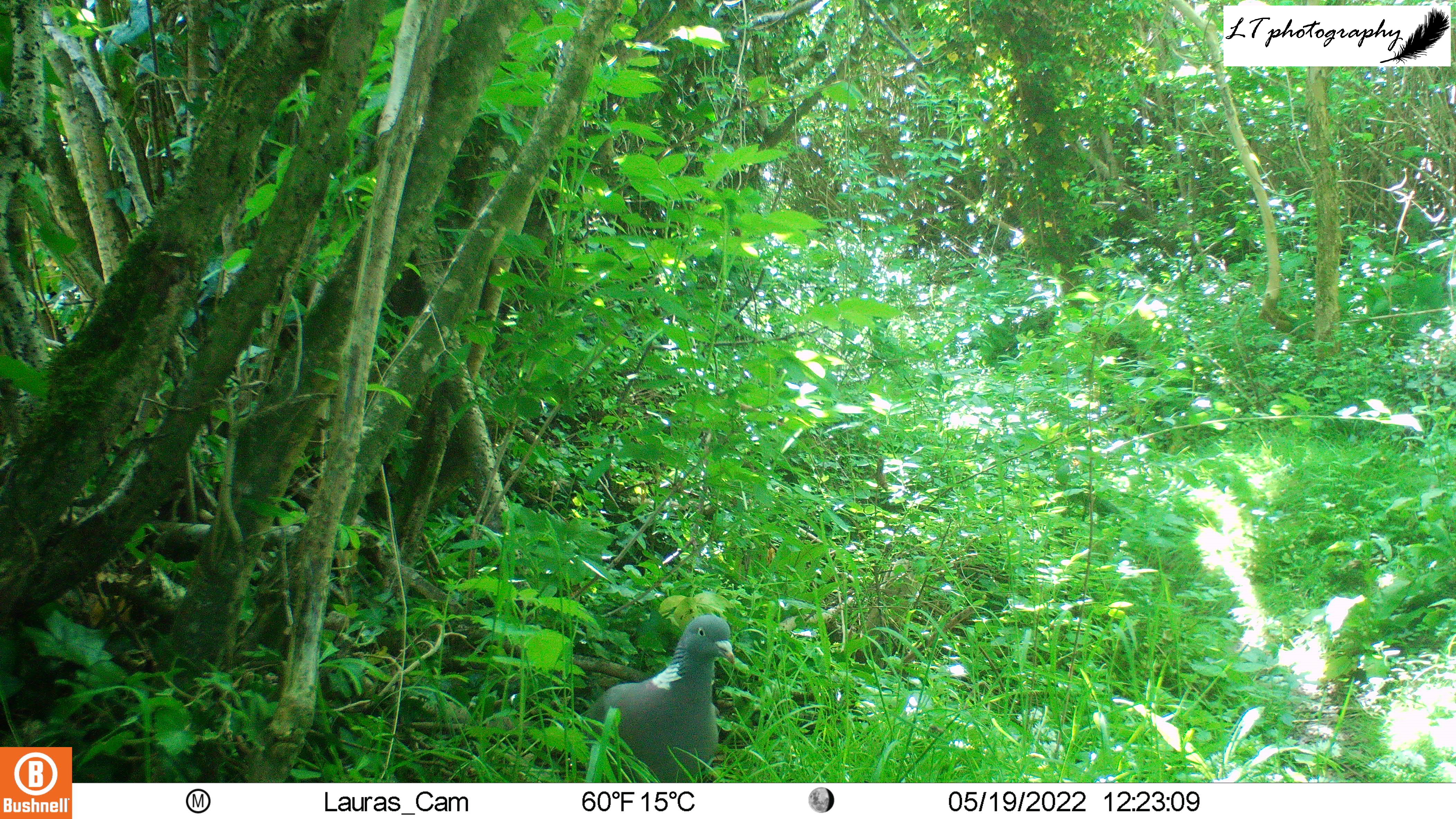
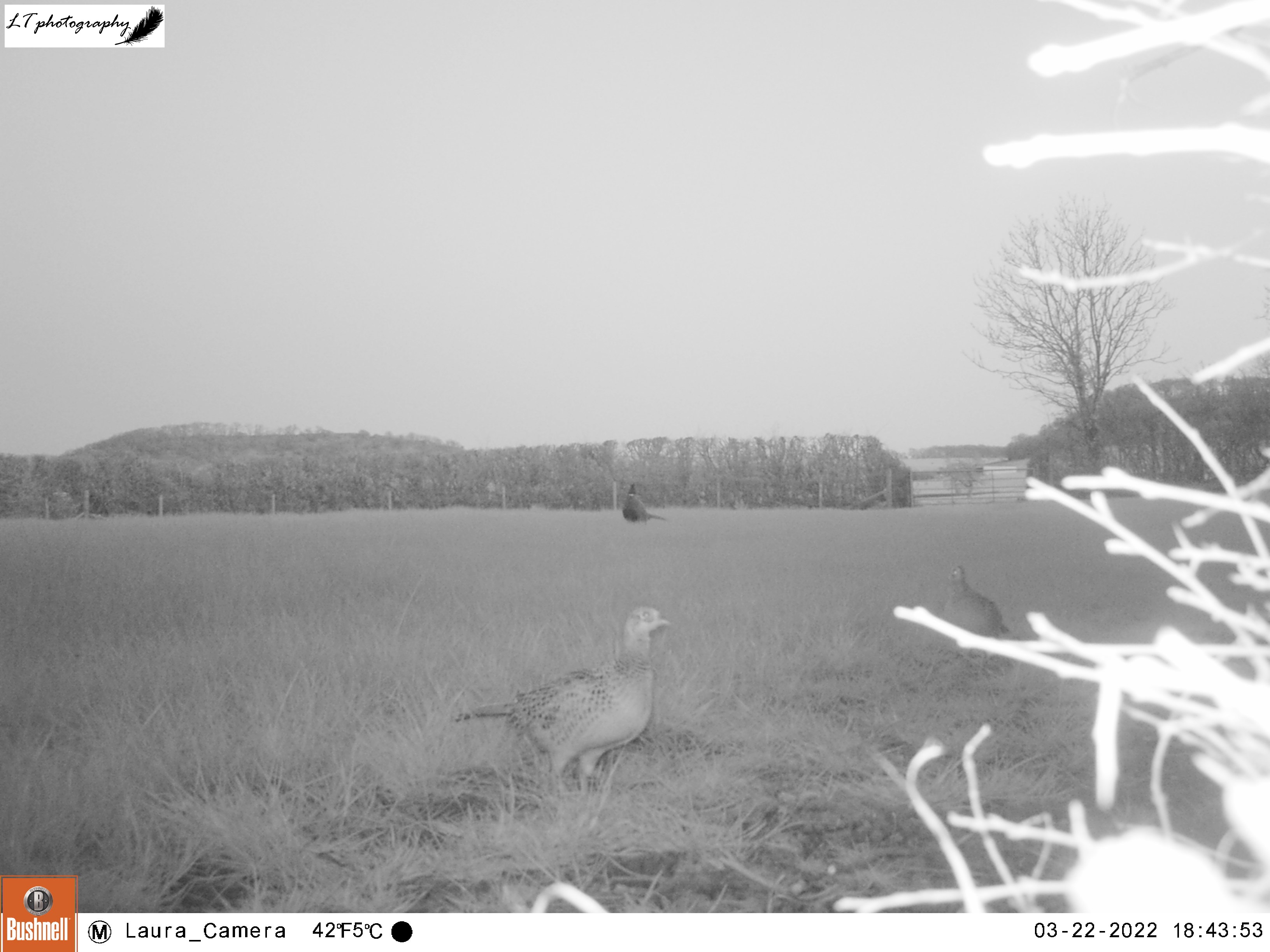
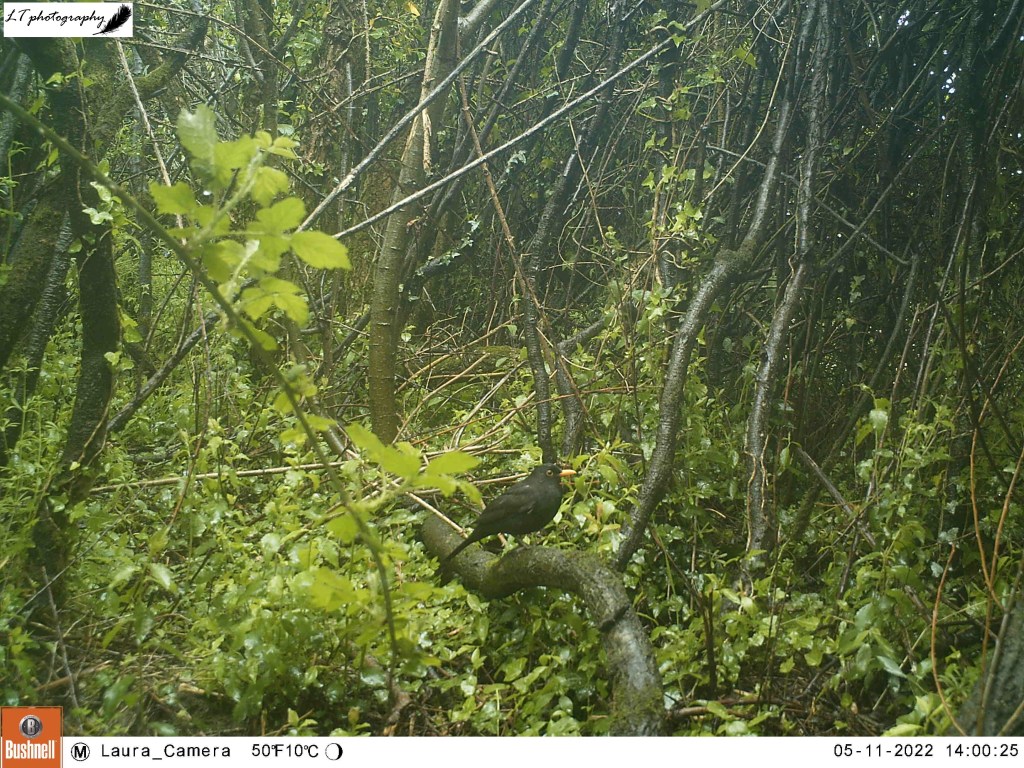
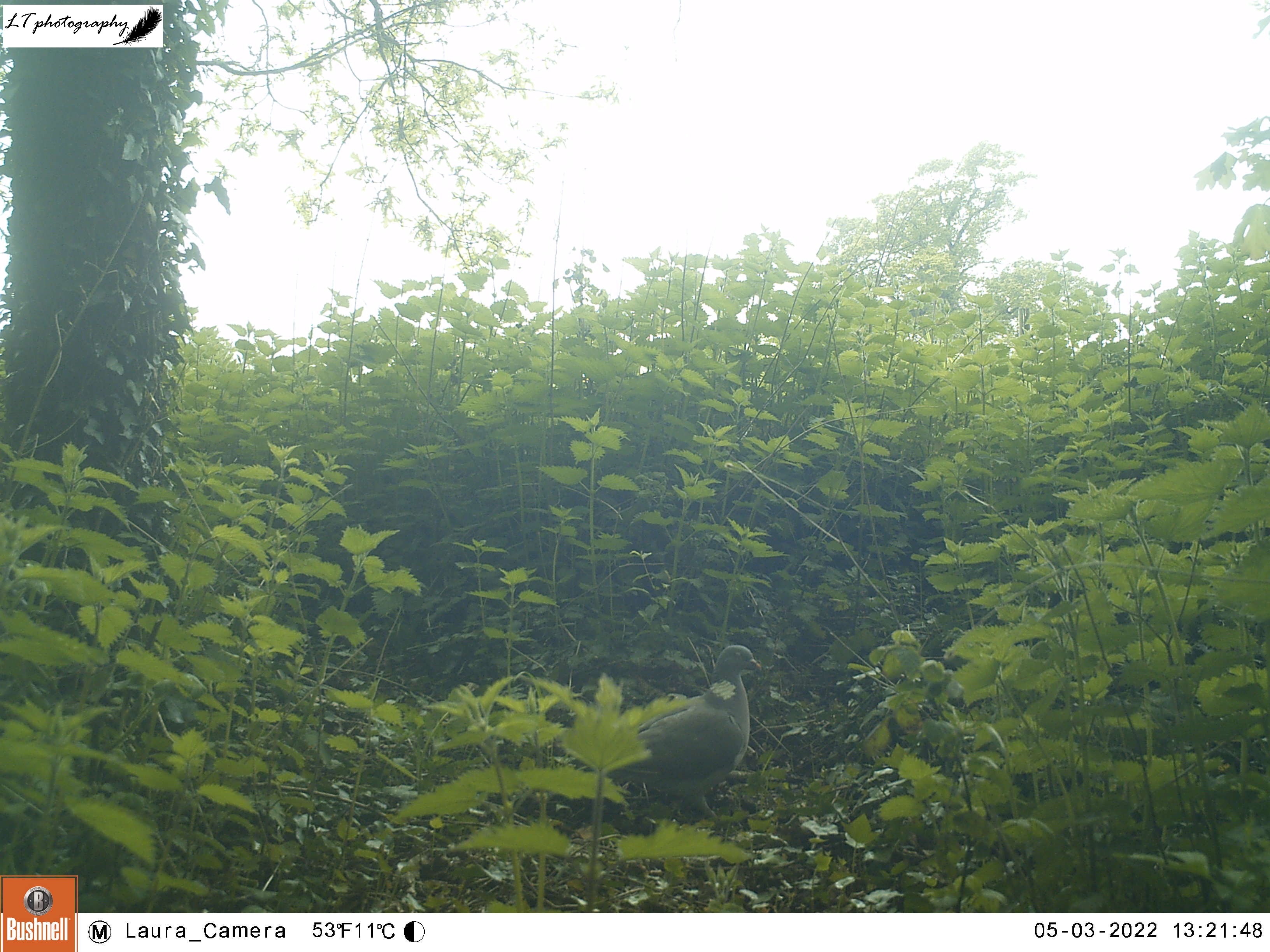
Amongst the species that call Badger Alley home, a number of birds nest along its length. During the 67 days my camera was observing this site, I captured evidence of 4 common non-native and native bird species. Amongst these, there were 6 sightings of pheasants released from a local shoot, all males strutting their stuff and showing off their bright breeding plumage. There were also 5 sightings of woodpigeons feeding, 3 sightings of blackbirds defending territories, and 1 sighting of a robin carrying food in its beak. These are just a few of the birds that frequent Badger Alley.
Along with birds, lots of different mammal species also make use of Badger Alley. This year my camera trap caught sight of two smaller mammal species: grey squirrels and rabbits. Non-native grey squirrels were only seen on my camera 3 times, but made their presence known rushing around in a hurry. The rabbits were a more common sight, being seen 23 days out of the 67 recorded. These rabbits populate both Badger Alley setts and are increasing steadily in numbers. My camera watched on as rabbits fought with each other, mixed with other species, and raised their babies. Though a less common sight for many people now, our successful rabbit populations have become an important food source for other species in our area.
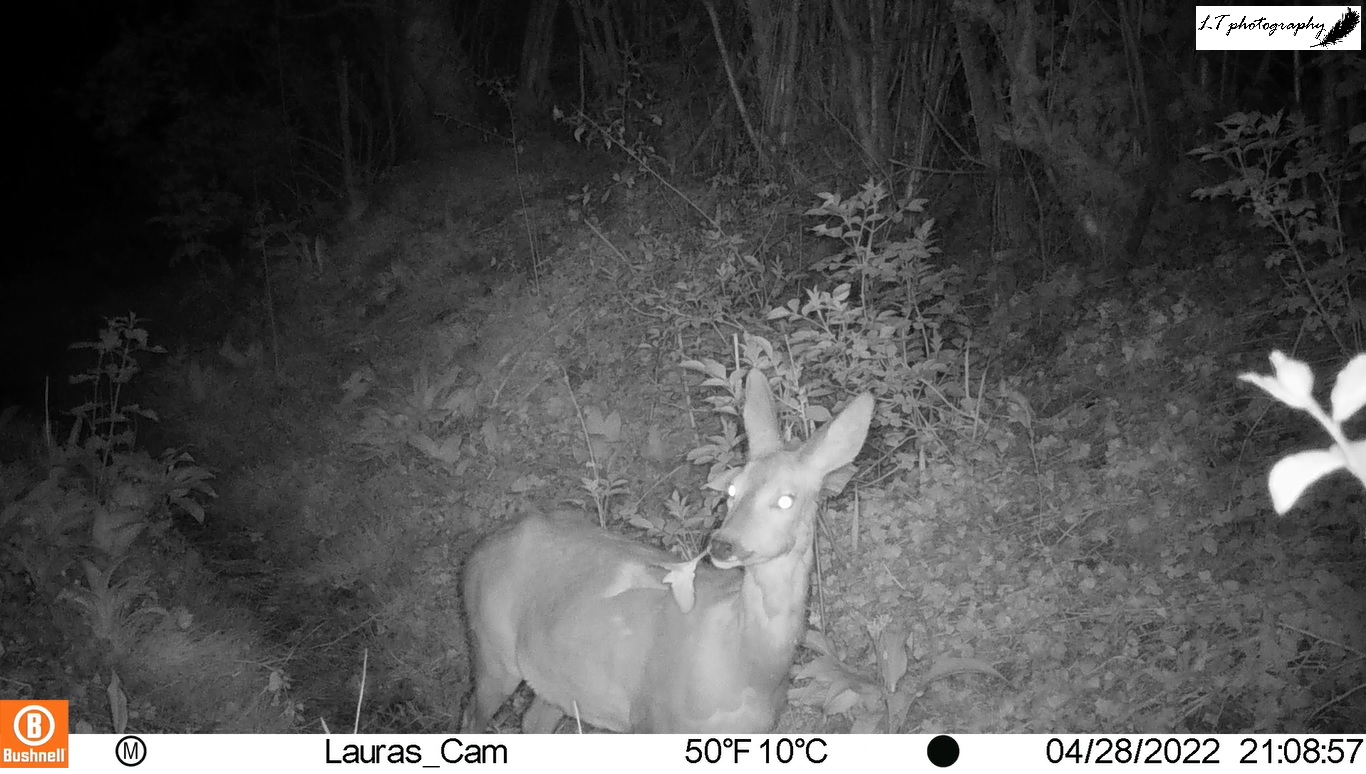
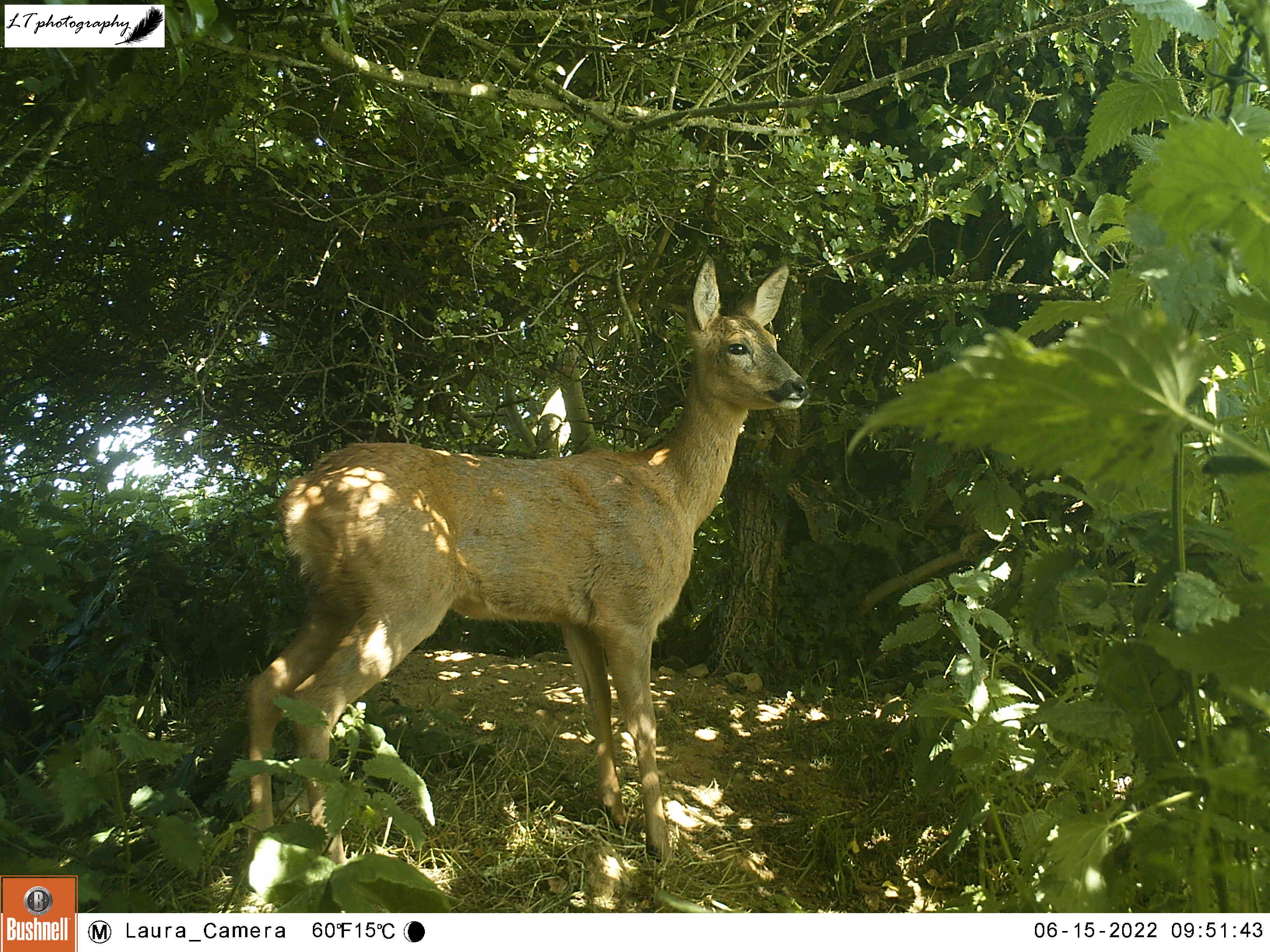
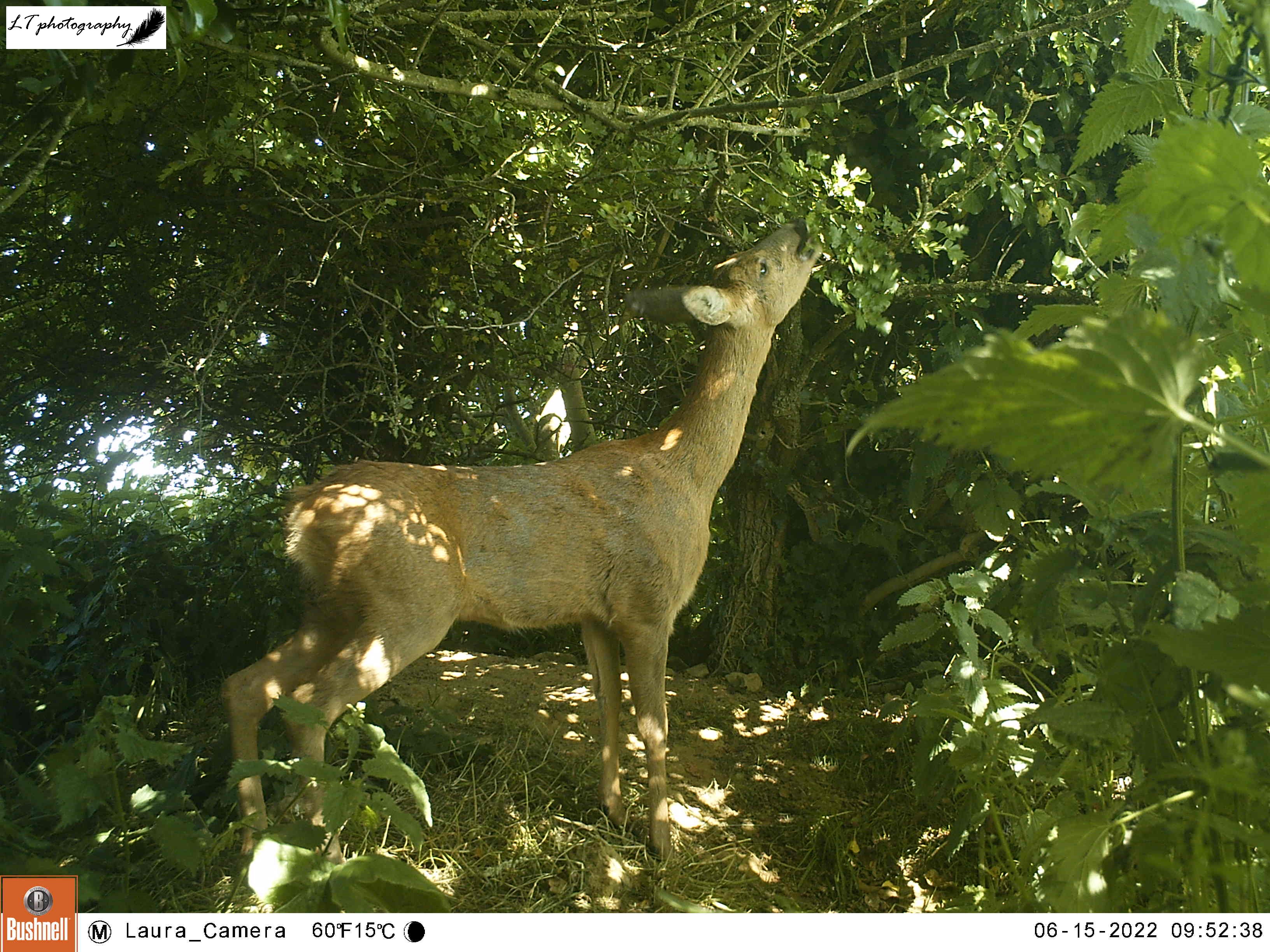
Deer populations have been experiencing increases in the countryside over the last few years, and Badger Alley has become a popular throughway as a result. This year my camera trap recorded roe deer sightings on 22 days of 67, with different variations of individuals, from lone males and females to males following females around. Some of the highlights include a deer being particularly interested in my camera, a female feeding alone, and the unusual sight of a female with a missing back leg. An individual that stole the show though, was not a roe deer, but a muntjac. I have never seen a muntjac on our land before, so my camera caught my very first sighting for me!
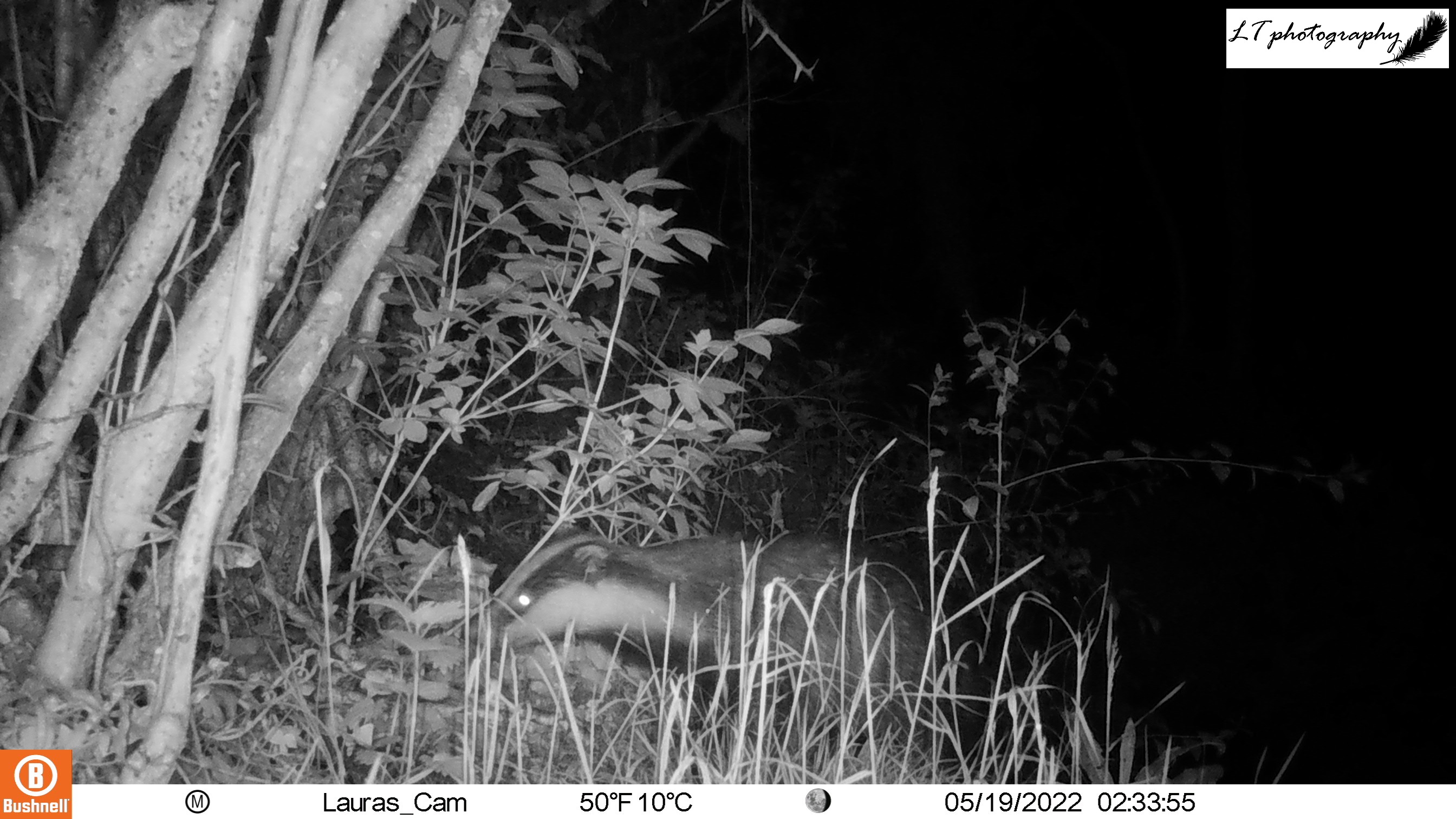
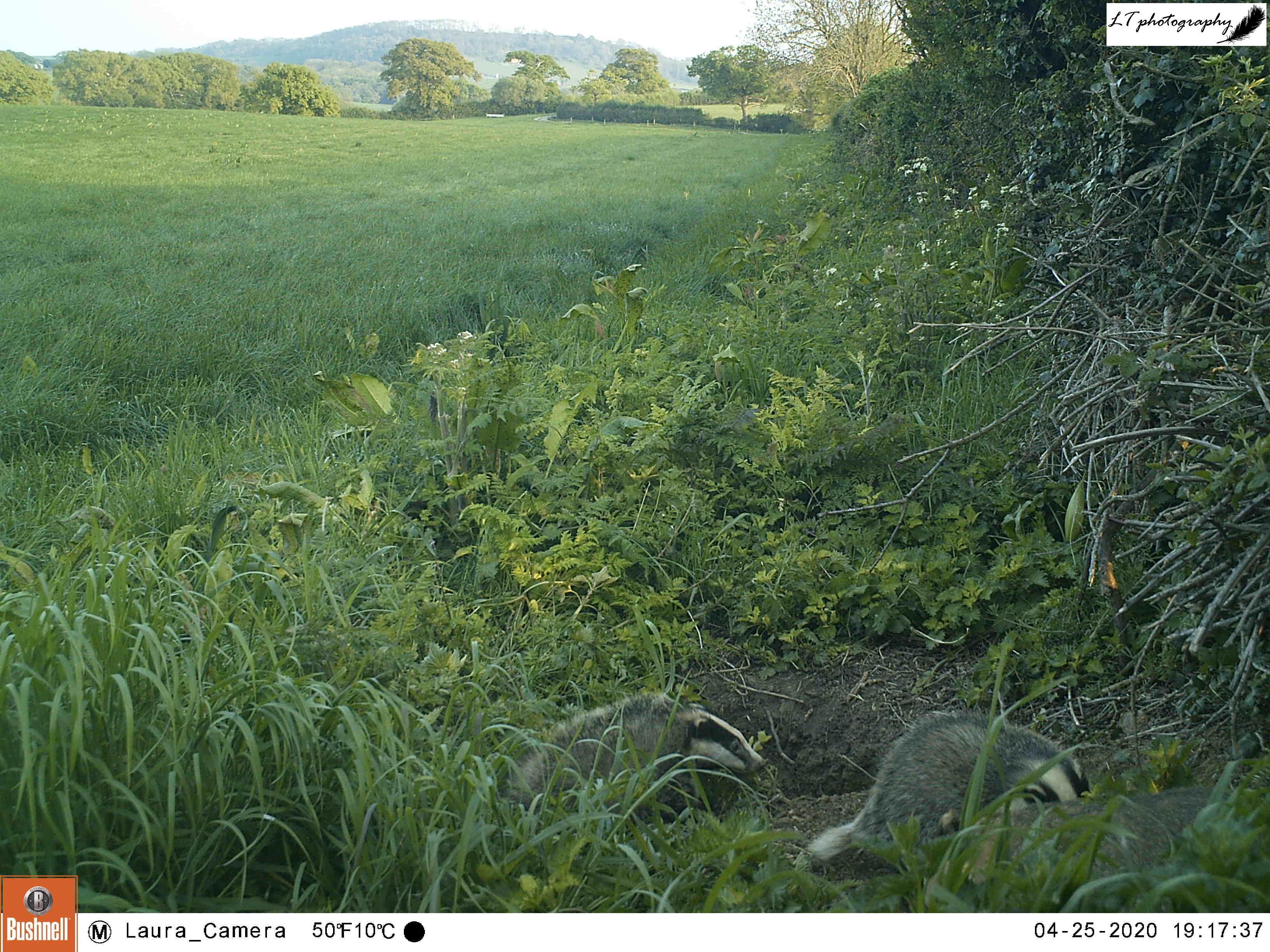
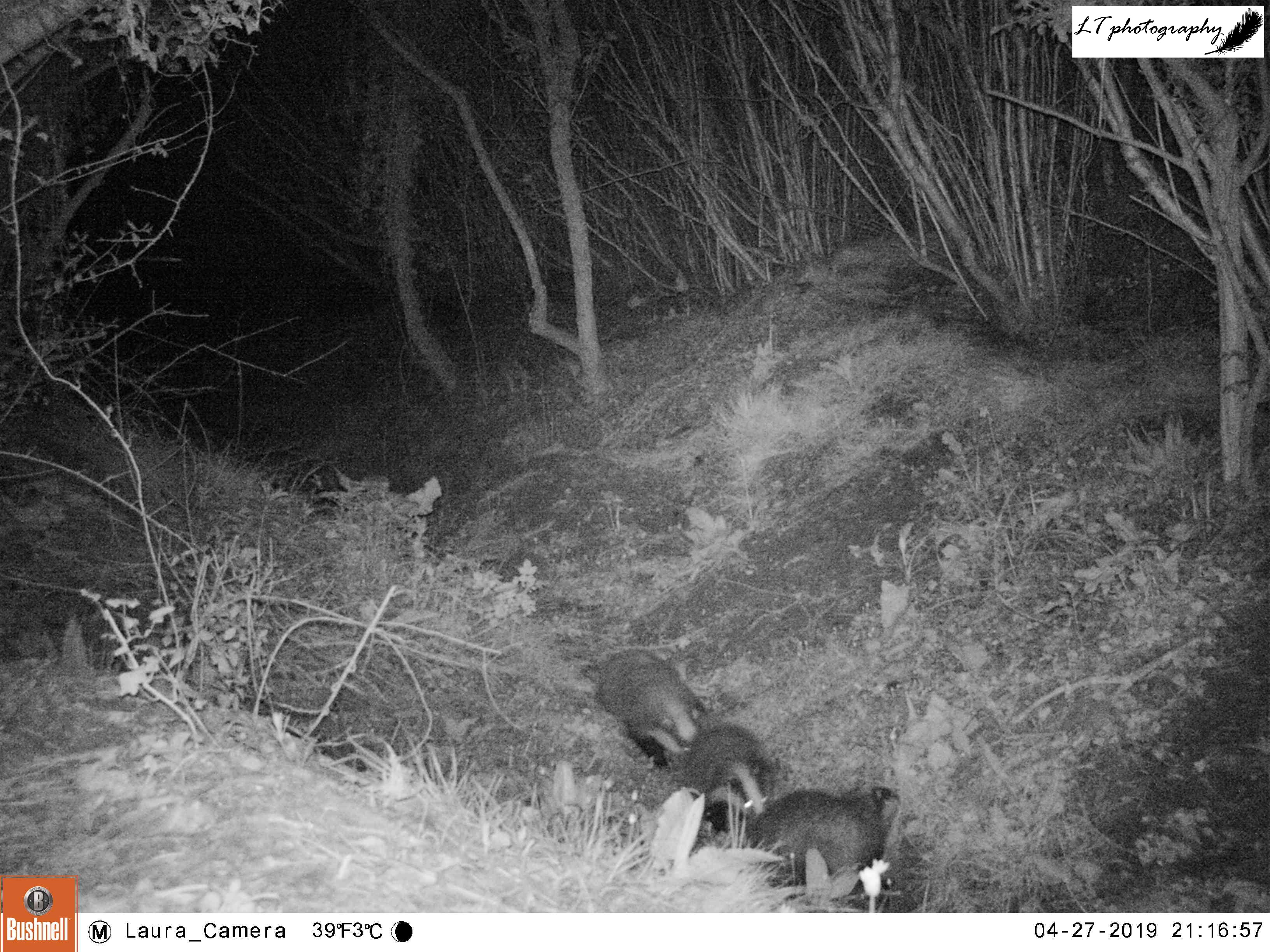
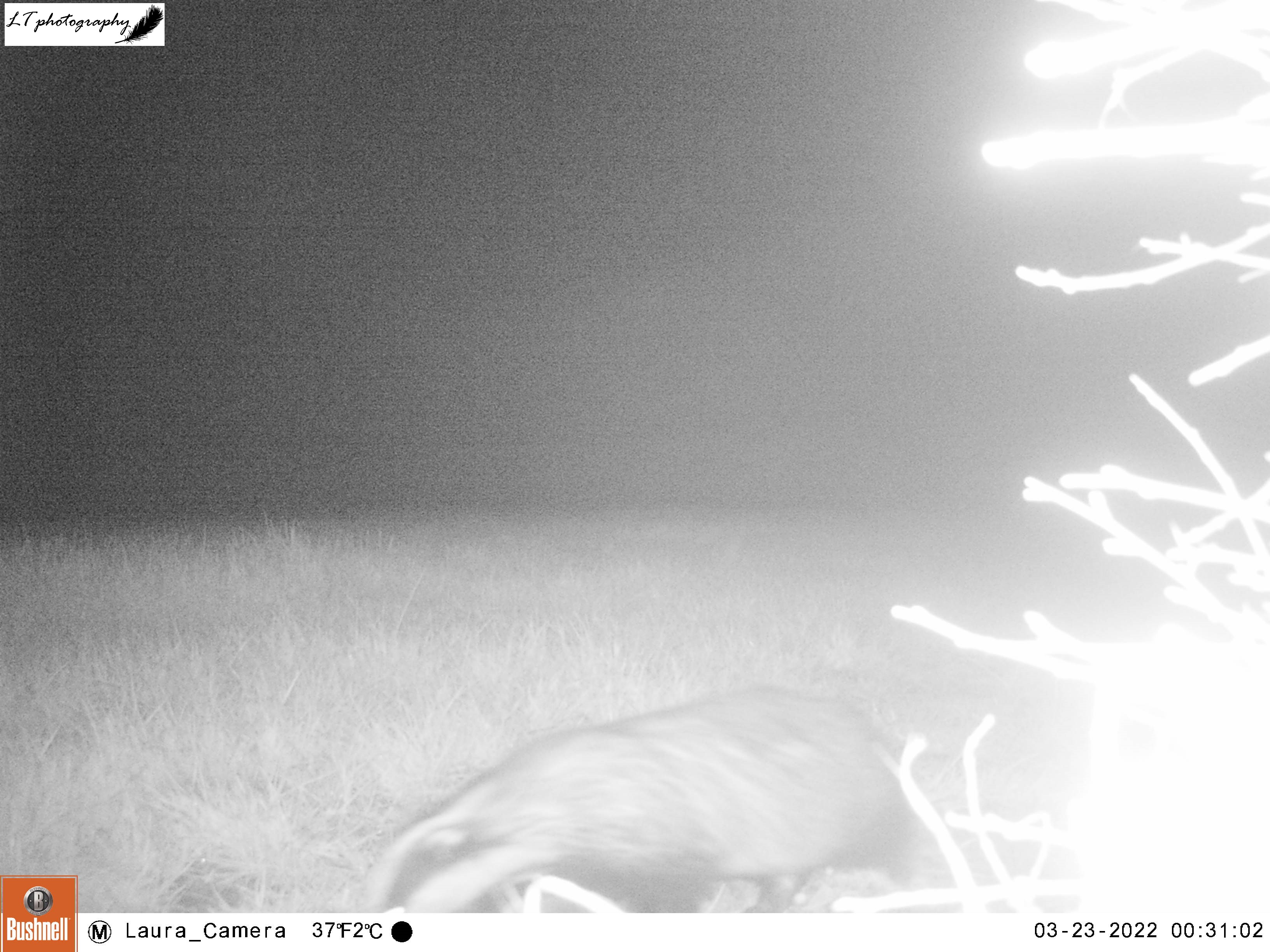
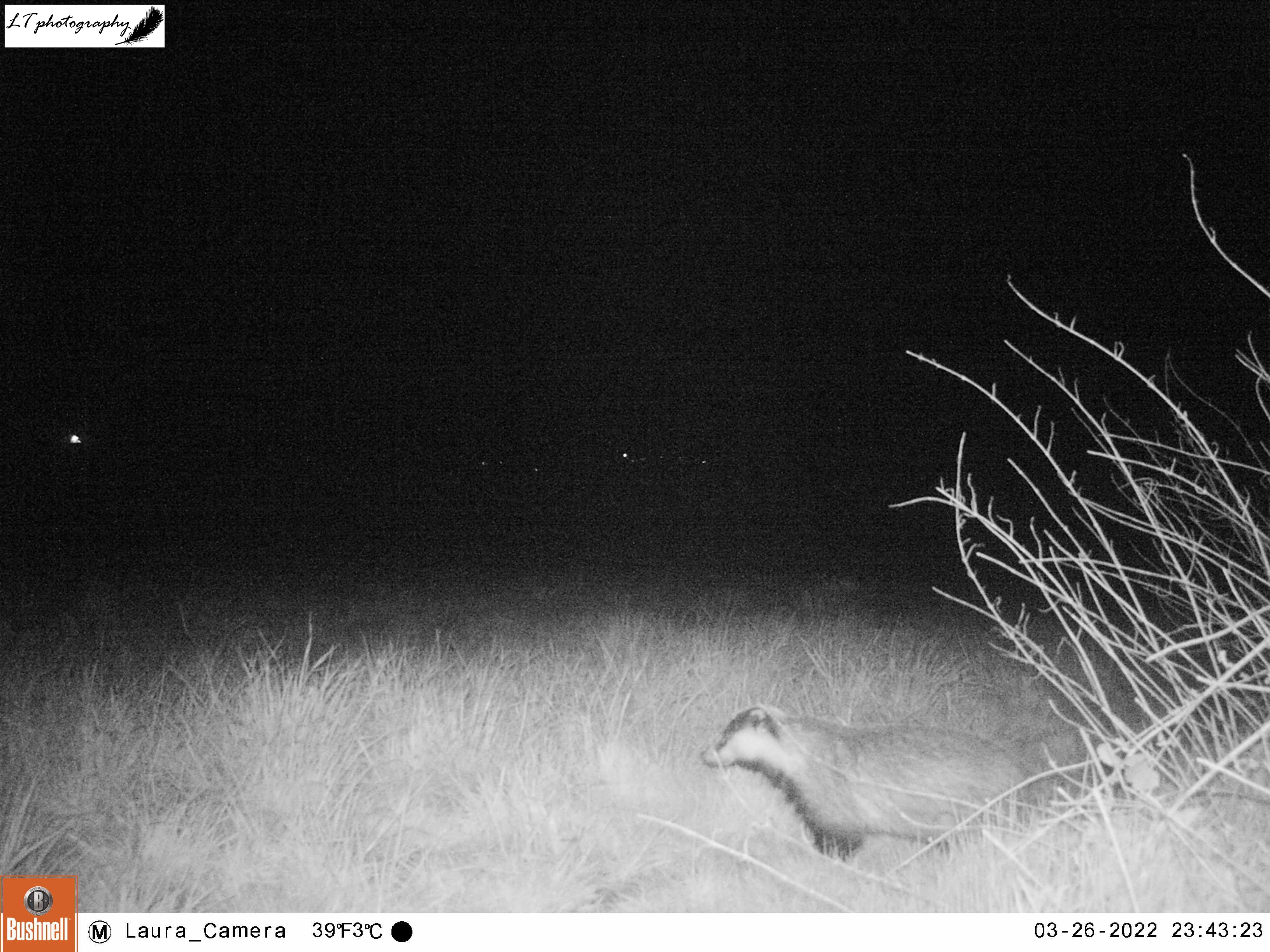
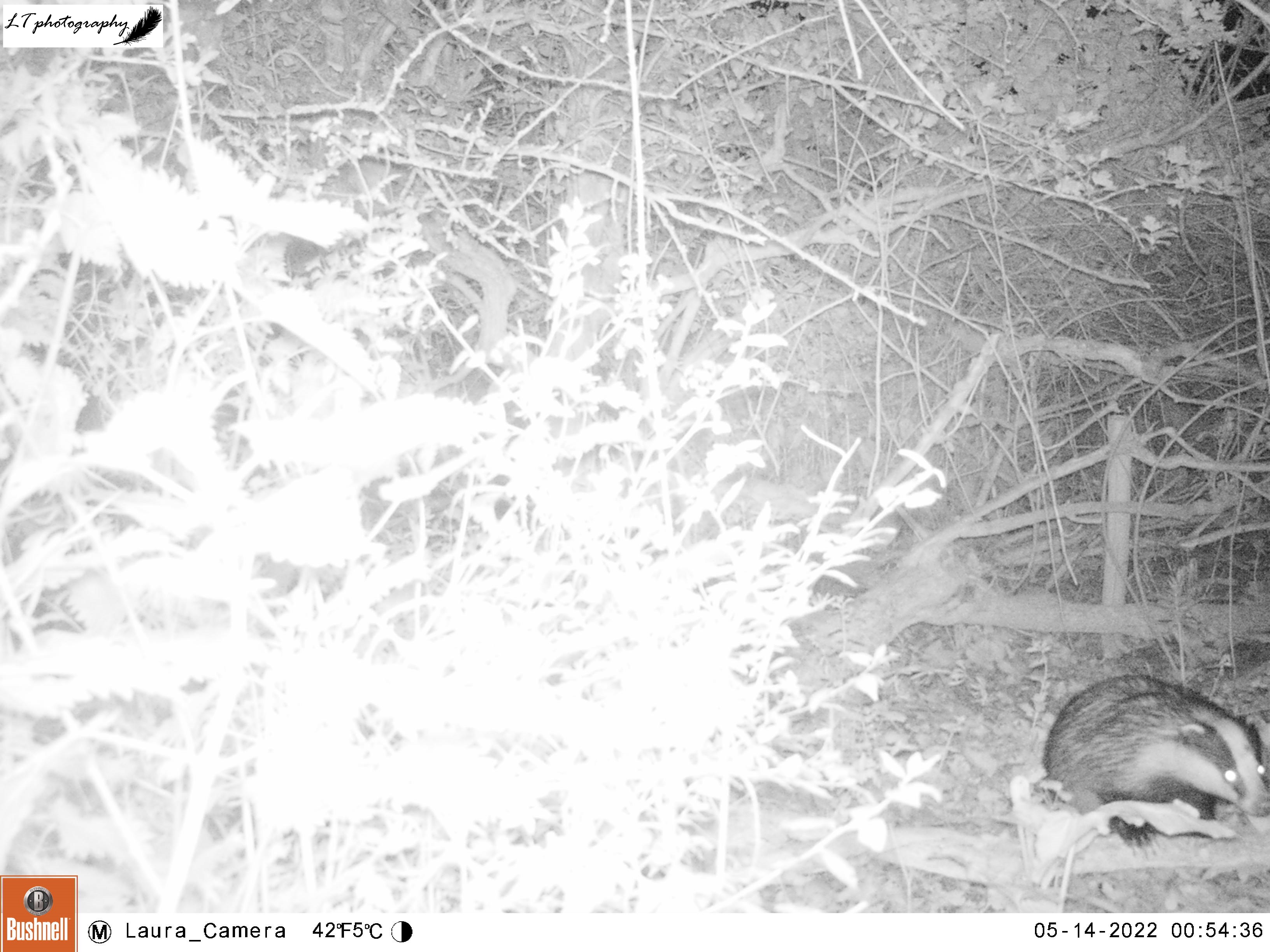
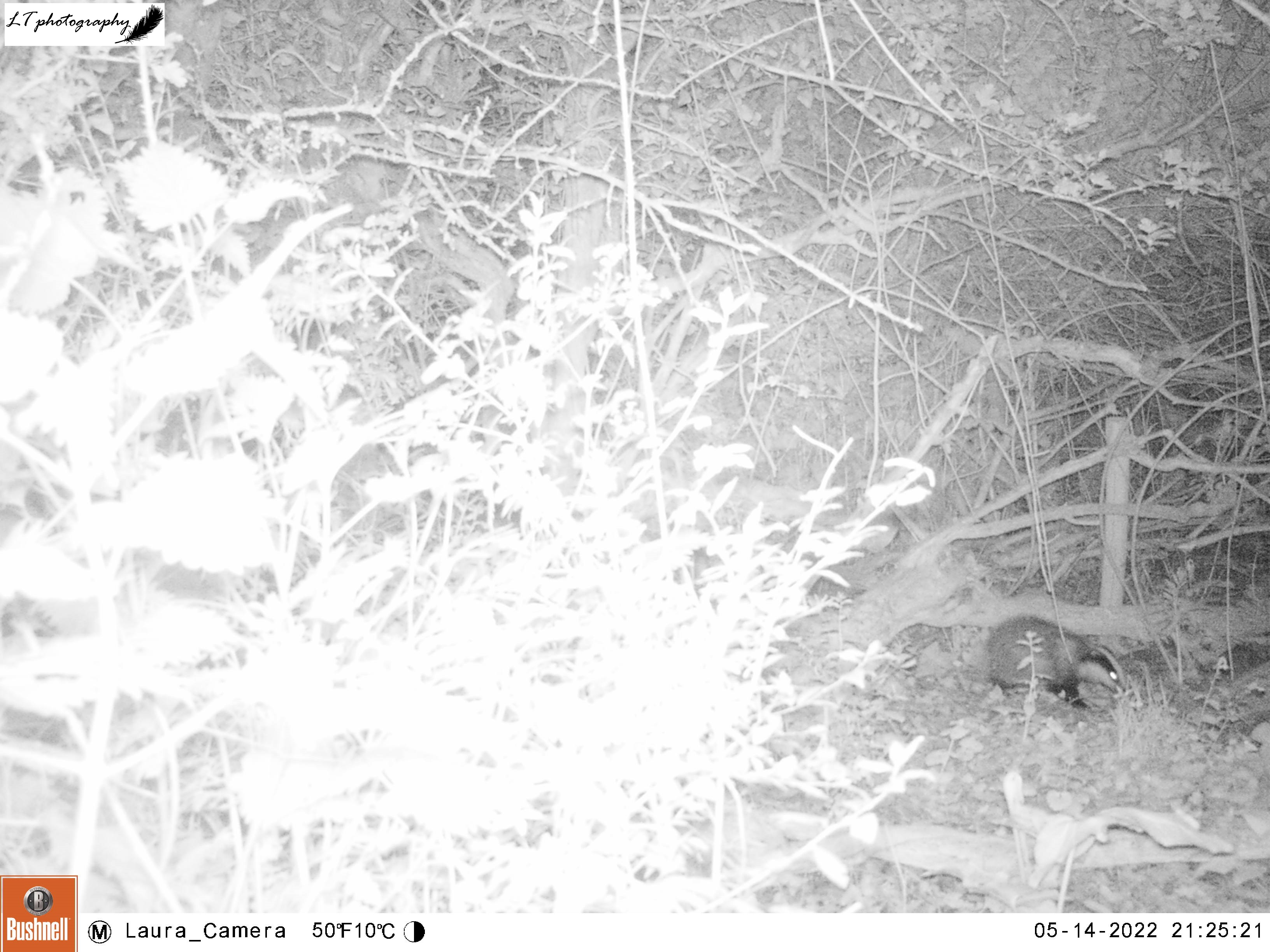
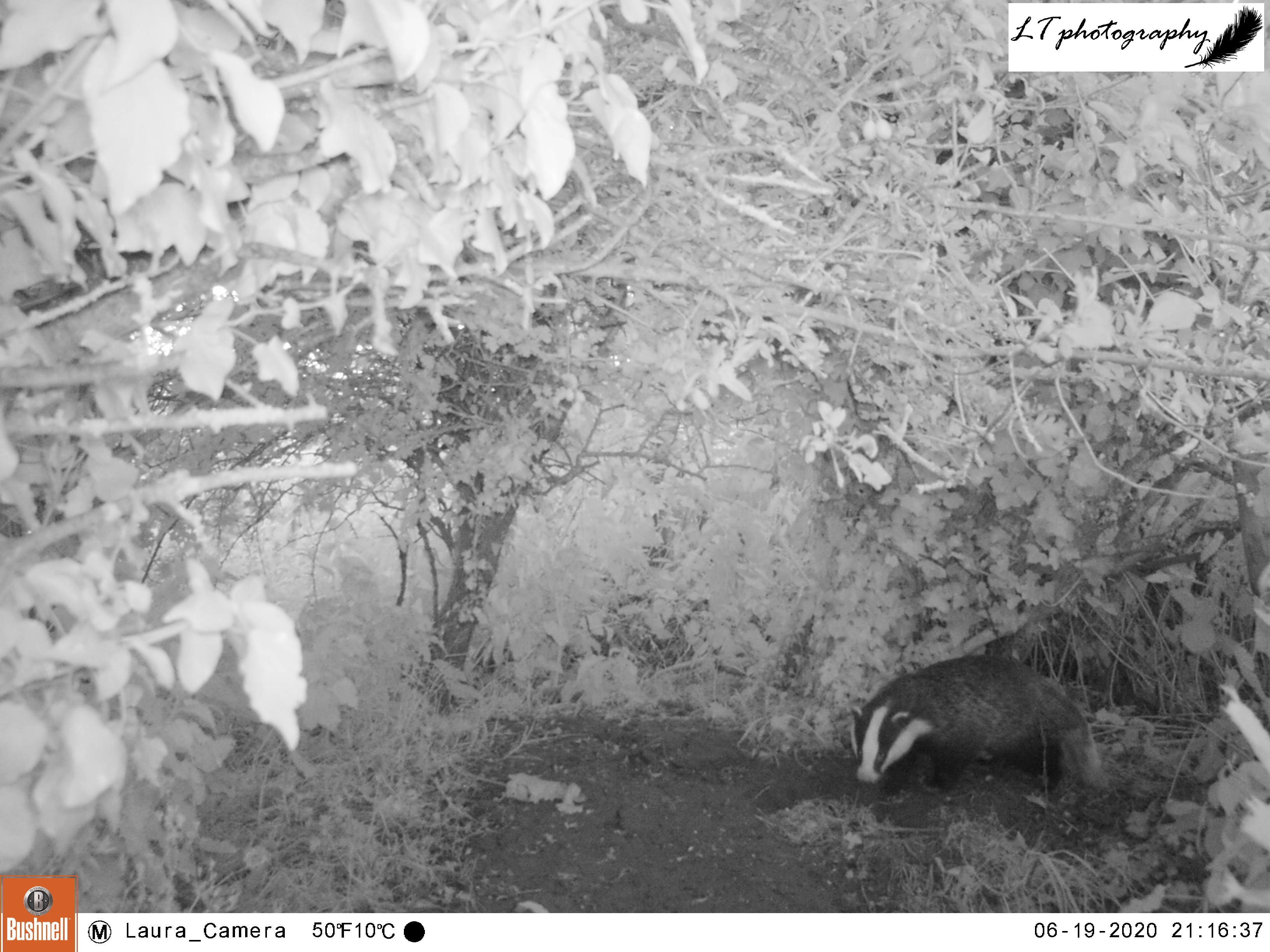
Badger Alley was once named for an active badger population, but in more recent years the setts have become abandoned. This year my camera trap caught 4 separate sightings of badgers, with all the individuals taking a particular interest in the lower sett. One day saw a badger passing through and scent marking, another saw two badgers being interested in the camera, and the last two saw a badger looking very interested in one entrance to the lower sett. Maybe one day these satellite individuals will return to form a family in Badger Alley once again.
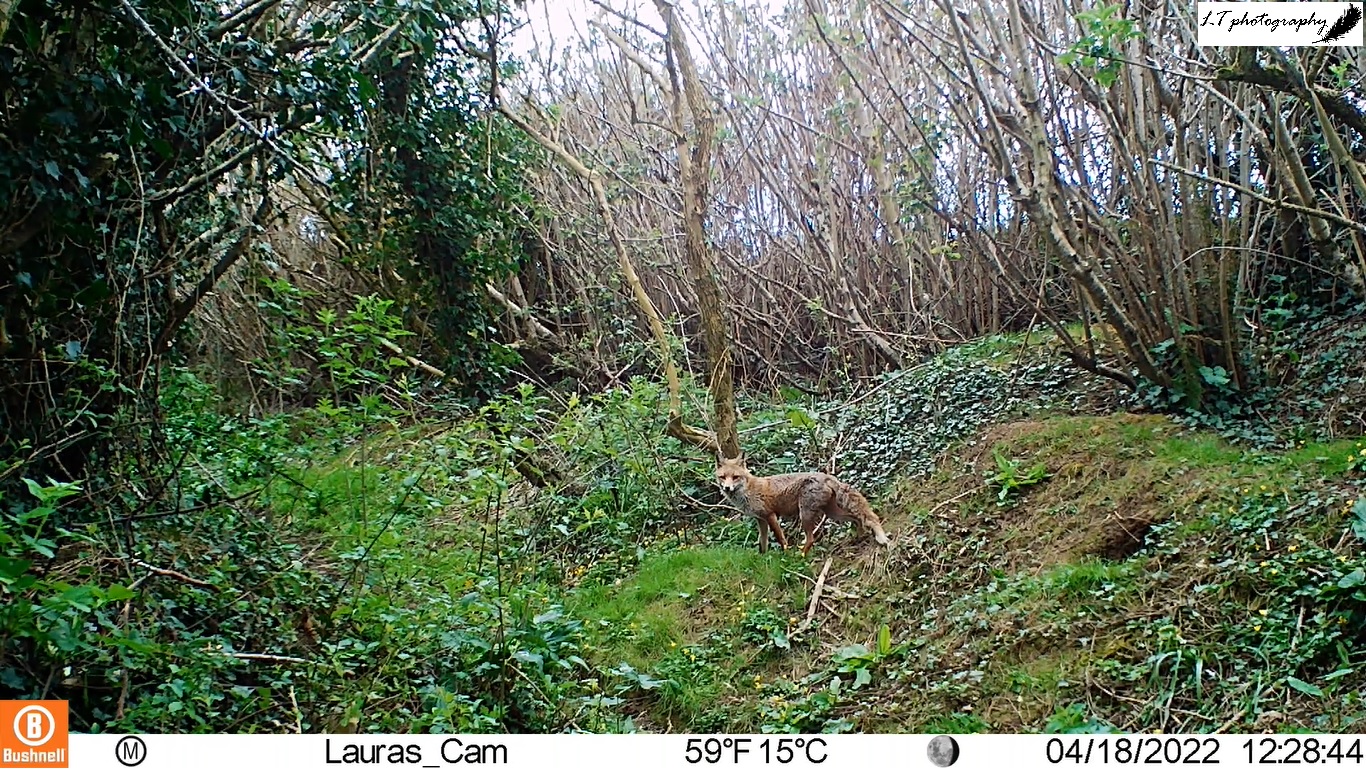
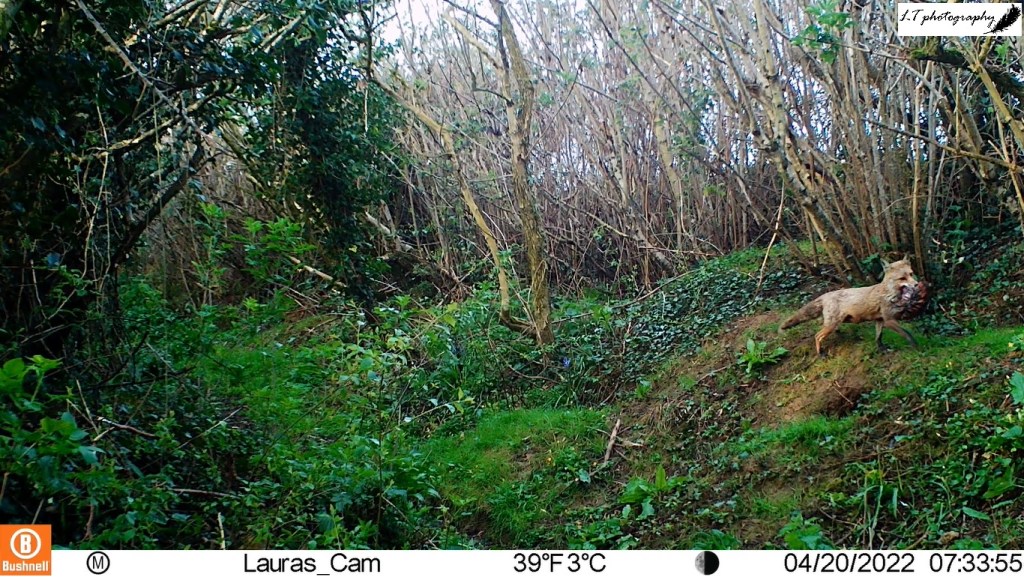
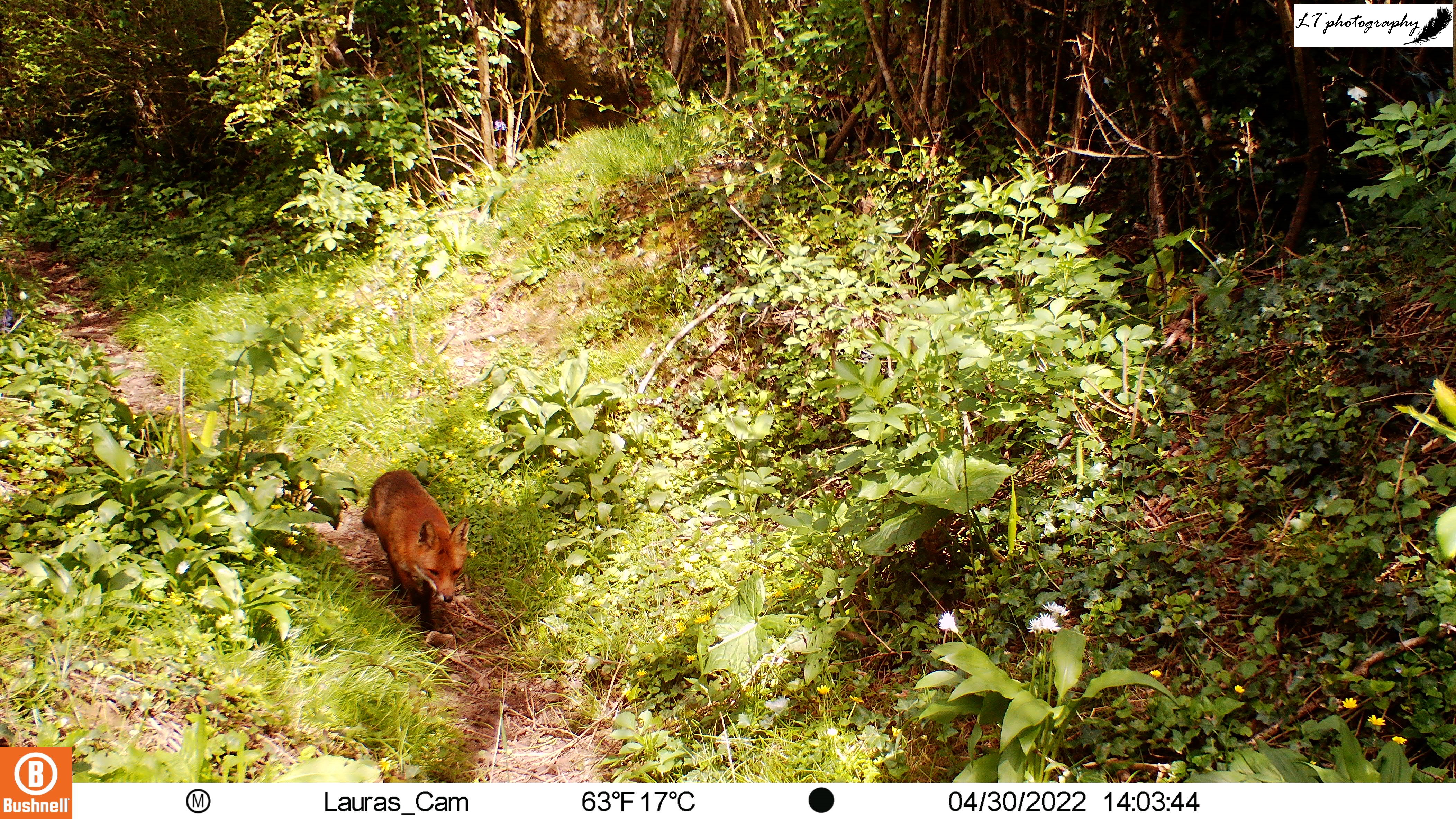
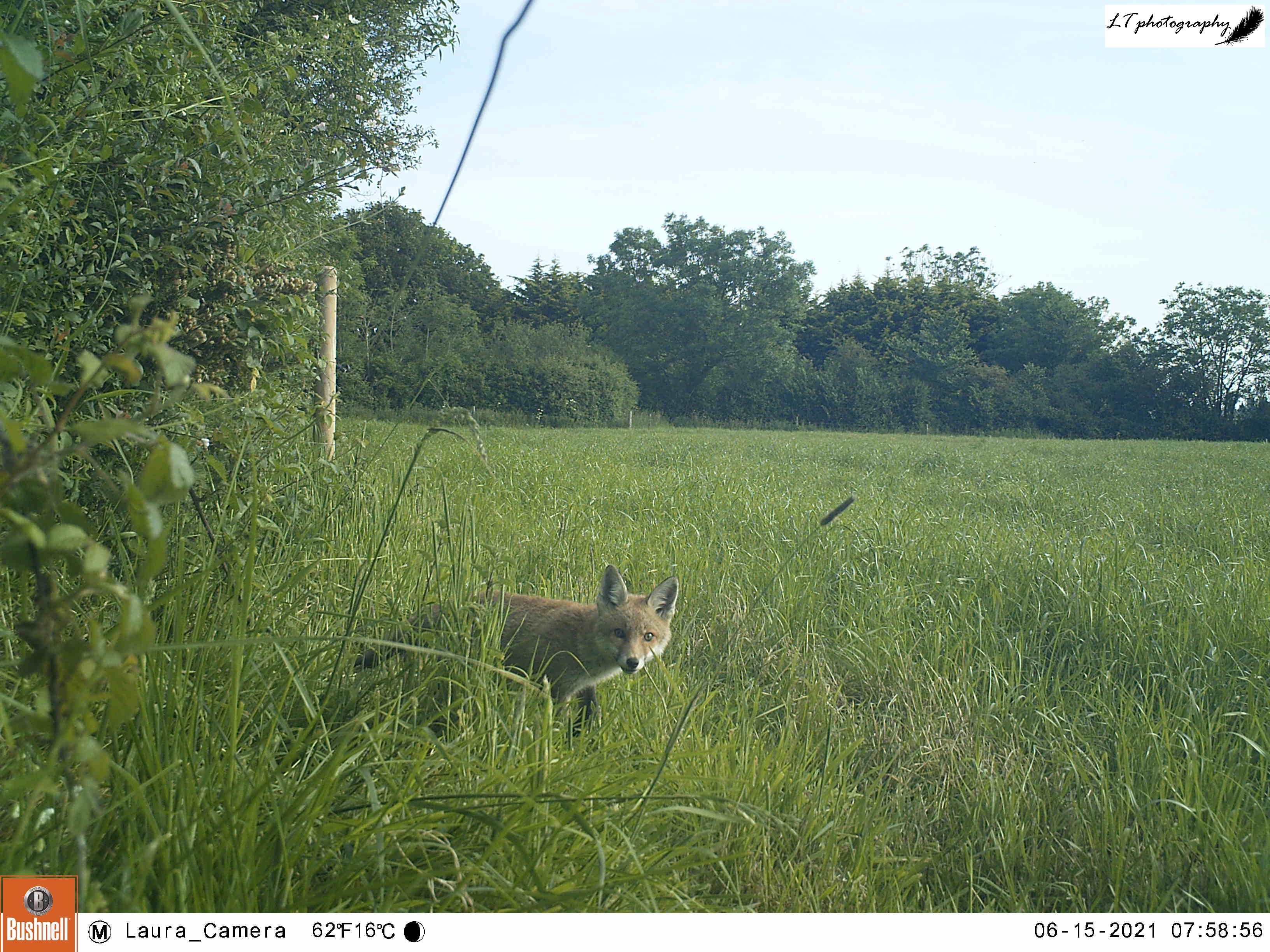
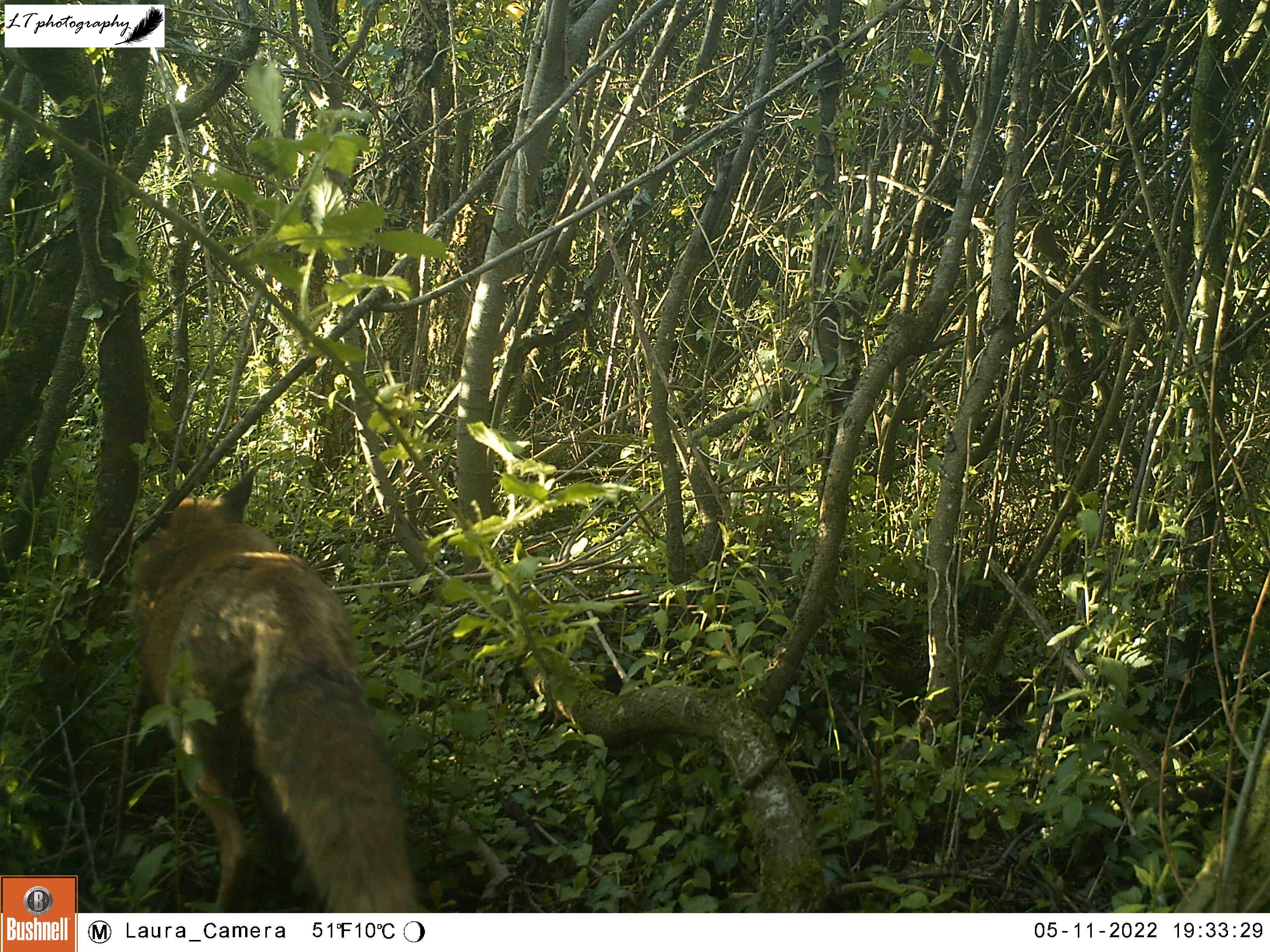
This year’s most observed species in Badger Alley was by far the fox, being recorded 37 days out of 67. During this time it was really lovely to see some fantastic photos and videos from my camera trap, of adult foxes living in and passing through Badger Alley. In particular one family was shown to be living in the lower sett, whilst another was living around the corner from Badger Alley in Cowleighs. This allowed me to watch the daily lives of different foxes, such as bringing food in the form of pheasants or rabbits, and I have really enjoyed it.
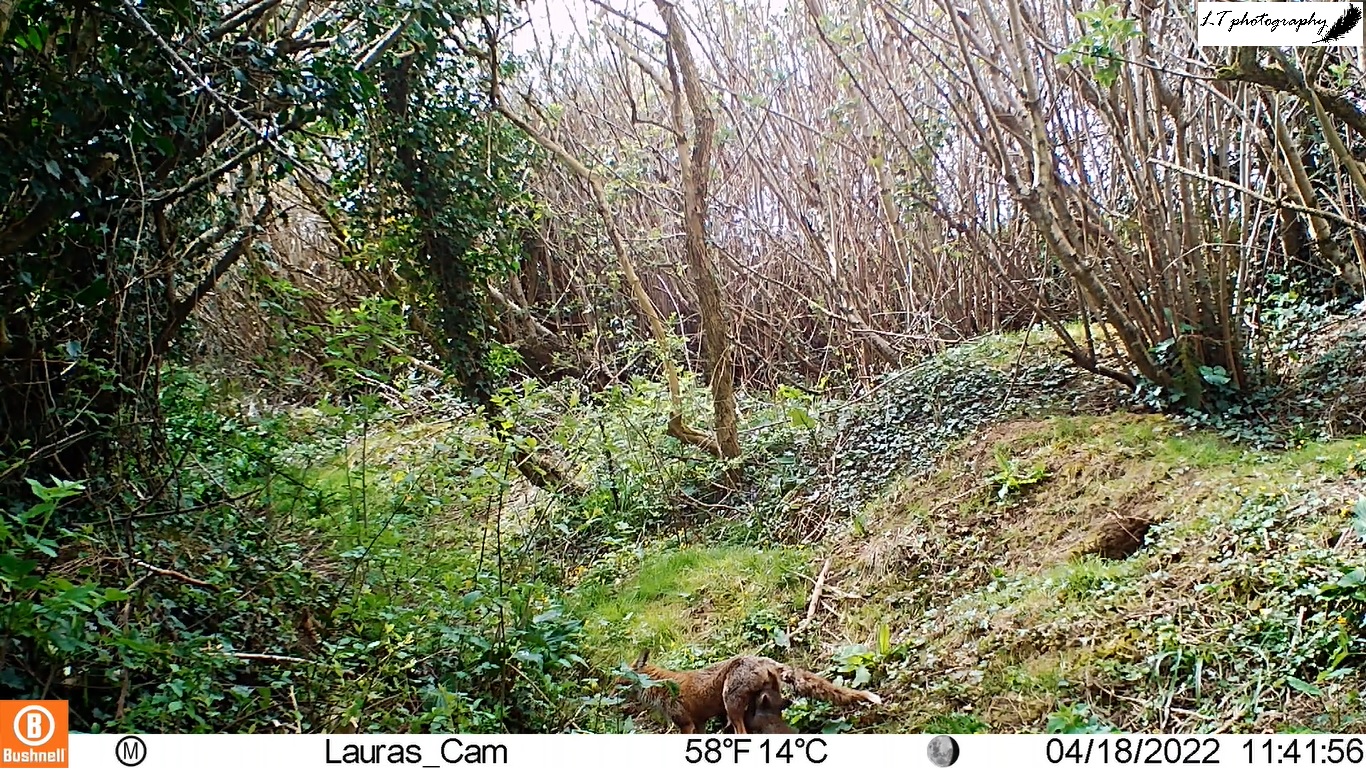
The highlight for me of the whole of this spring season has to be the fox cubs. To add to the photos from the Cowleighs’s fox family (check out last week’s blog post), for the second year running fox cubs were born in Badger Alley. They are the reason I first set up my camera there this year, following a sighting of little cubs by my dad in person. My camera trap gave me my first sight of the family on the 18th April, with an amazing video of the female walking up the path followed by two little brown cubs trying to suckle her.
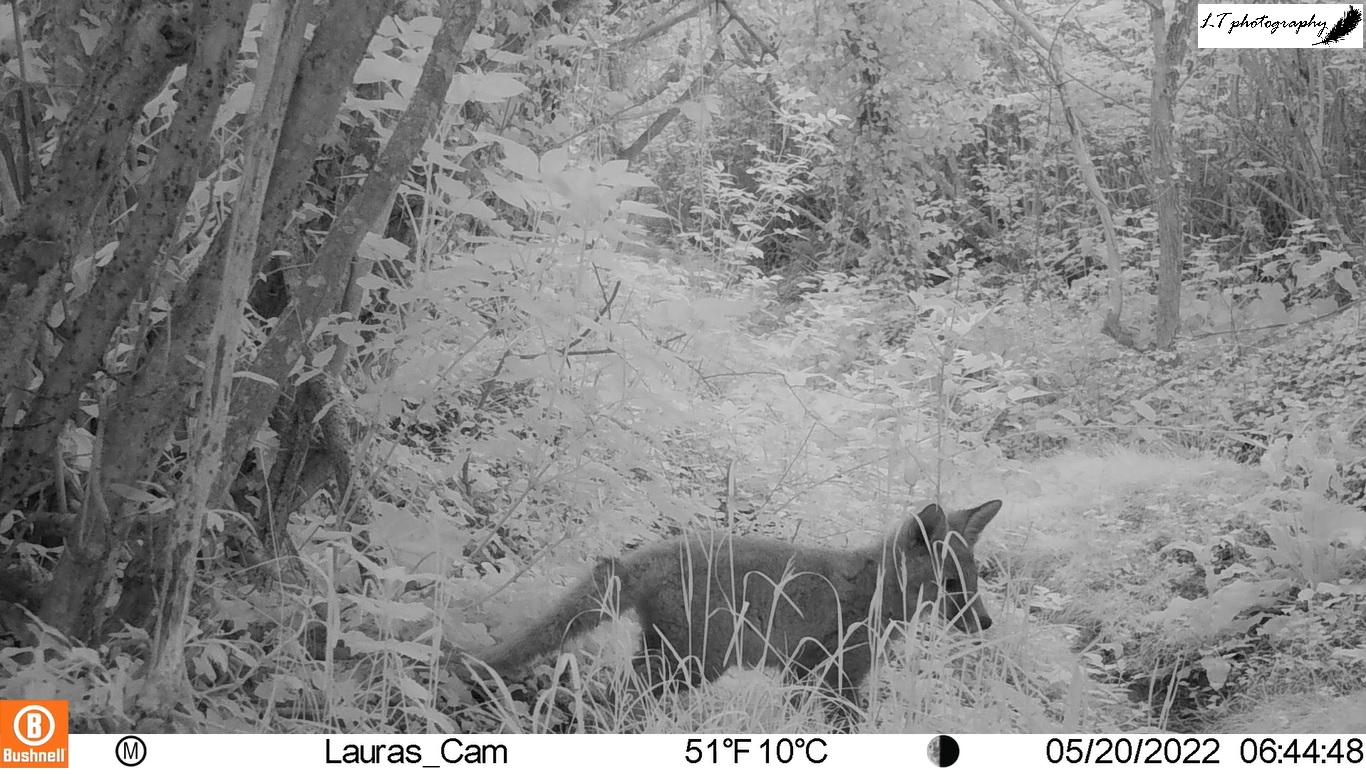
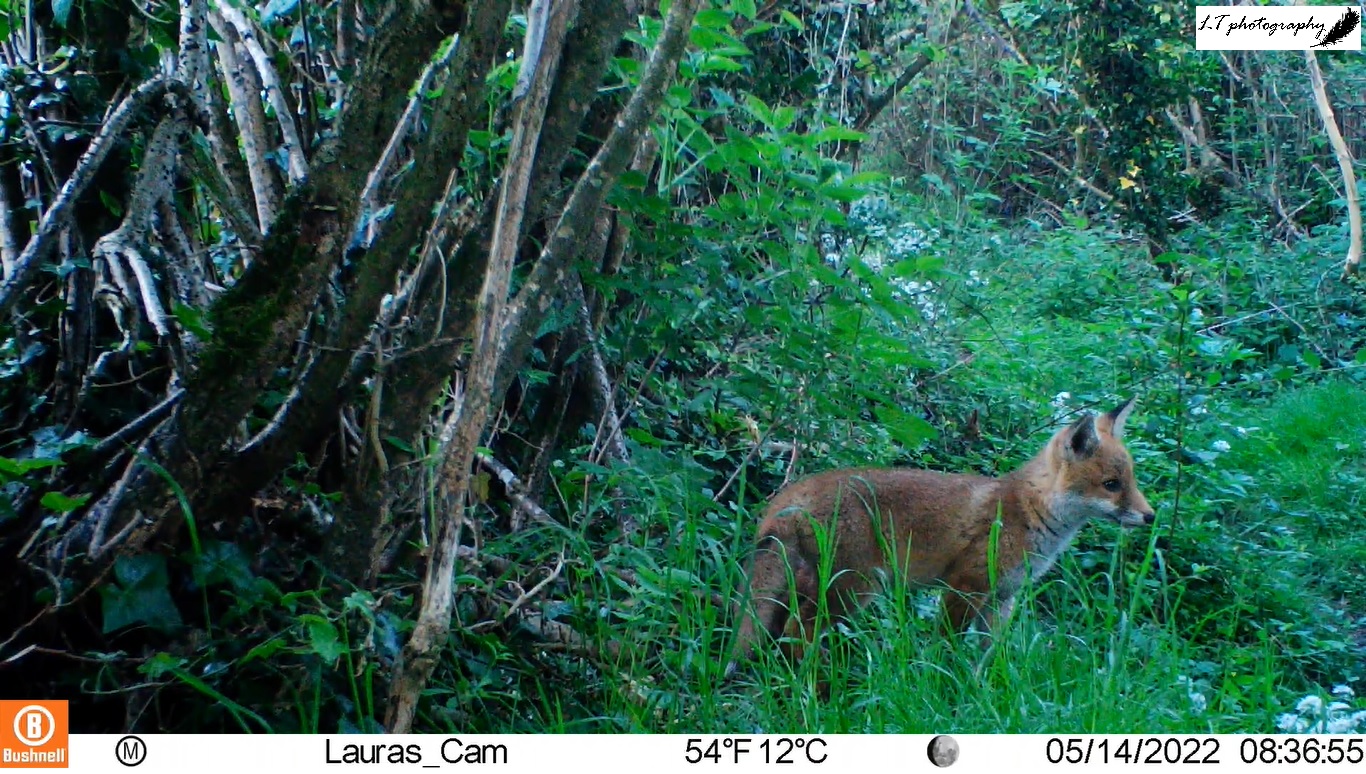
Over the next two months, my camera allowed me to watch the two fox cubs grow from small brown things following their parents around to two large mini foxes exploring their surroundings together and solo. These cubs were little delights to observe, giving me some special moments and mood boosters along the way. I hope these two cubs in particular survive their first winter and go on to have families of their own in the future.
“The camera is an instrument that teaches people how to see without a camera” – Dorothea Lange
“The two most engaging powers of a photograph are to make new things familiar and familiar things new” – William Thackeray
As each year passes, and spring rolls around once again, I set out with my trusty camera trap to record the wildlife that call my family’s Dorset farm home. Remote cameras are a great way to delve into and explore the hidden worlds of the wildlife that live alongside us, without causing disturbance. You never know what you may discover, and so there is nothing quite like the excitement I feel each time I check my cameras.
For the last few years I have spent an increasing amount of time using my camera traps to explore and survey my area of Dorset, and each year the results have got better and better. Species recorded range from small mammals and birds up to larger more iconic mammal species, such as badgers. These adventures have allowed me to open my eyes to the species that goes unnoticed on the farm each day, and to help my family forge a deeper connection with the wildlife we strive to manage and protect. Check out my blog posts from 2019, 2020, and 2021 for more!
This year I have visited 8 locations on my family’s farm, using both my old camera trap and brand new model to see what I could discover (check out next week’s blog post for the 8th location). Last year 6 locations were used that were all visited this year also. Some of these sites were used with a set purpose and question to answer, whereas others are just great sites to use for exploring wildlife. This year 9 species were recorded, with 1 new one to add to the collection. Read on to find out what my camera traps found!
Camera Trapping 2022
Little Wood Field
This year I set up my camera trap 12 days earlier than last year, beginning with a new site. I had spotted an interesting tree at the edge of a small field, where a hole had been dug between its roots, and I wanted to know who may have dug it. So I set up my camera watching the track in the field leading to the hole, and left it from 22nd-26th March to see what I could find.
It was a good start to spring camera trapping, but with mixed results. Different arrangements of male and female pheasants made an appearance every day, birds in the form of magpies, a woodpigeon, and a carrion crow were seen, and potential home owners came in the form of a fox and a badger. Though the badger may have possibly been using the hole, in the end I came to the conclusion that the hole was not currently in use.
MonkwoodField
For my next site, I returned to a new site from last year, a small abandoned satellite badger sett that had been home to a family of foxes. When I went to put out my camera, I could see that a new hole had been dug in the sett, so I set my camera to watch the track heading from the field directly to this new hole over 2 nights (26th-27th March), due to stormy weather.
In the short time it was operating, my camera trap was productive, with a displaying male pheasant, a fox passing through (maybe the same from Little Wood?), and the sett’s current resident. My camera was able to show that the new hole belonged to a lone badger, most probably a male.
Later on in the season I decided to see where the fox may have been coming from, and returned to Monkwood Field. I chose to set my camera trap in the corner of the field on a tree trunk within the hedge, looking at the animal tracks that run through it. I did not know what results I would get, but after nearly a week (8th-13th May), my camera actually did quite well, despite not pinpointing where the fox may have been coming from. I caught sight of the fox a few times, and got some nice photos of a territorial male bullfinch and territorial male blackbird.
Quarry FieldBadger Sett
For the last 3 years running, I returned my camera trap to my highly successful site at the active Quarry Field badger sett. Each year I have set my camera up on a fence post in an open space within a hedge lying directly above the sett, pointing in one of 2 directions. Previously, it has been a great site to capture the resident badger family and the other animals sharing the sett, in particular fox families. Last year, in this way, I got to watch the antics of 2 fox cubs living in the sett.
For a week during April (16th-23rd), my camera trap watched this site. During this time, rabbits were a common sight every day, day and night, along with a busy badger every night. So far there was no sign of any foxes at the sett, as in past years.
As this site still seemed to be a productive one, I returned to the sett with my camera trap for a second round once some time had passed. For 2 weeks (6th-20th June), my camera was very busy, capturing rabbits, male and female roe deer, a territorial male blackbird, and at least one fox passing through. The best photos though came in the form of the sett’s resident badgers, and two small editions. An active family, it was amazing to watch the cubs and adults feeding, grooming and playing each day.
Gill Hill Copse
This copse has been another of my regular camera trapping sites over the past 3 years. At this site, I tend to set my camera up on a tree, as with this year where I set it watching an animal track passing through the copse.
This year, over 6 days (23rd-29th April), my camera was not particularly busy, but did capture one of the many male pheasants in the area, as well as a fox passing through.
Dorset County CouncilWood
The small piece of wood close to my home is another site that I have used over the last 3 years, situated next to this year’s new Little Wood site. This year, I first visited the wood at the beginning of May, setting up my camera on a tree to face an animal track coming off a quiet road into the wood. After a week (2nd-8th May), my camera had caught photos of a one off woodpigeon and a regular badger.
As spring passed away, I decided to give my camera trap one last go in the wood, over 4 days between 20th and 24th June. This time I set up my camera further within the little wood, facing a clearing. Though the only animal photographed during this time was a fox, I was still excited to see the charismatic species passing through.
Badger Field Badger Sett
My oldest camera trap site is an active badger sett in a hedgerow between two fields. Over the years this sett has given me badgers, fox cubs, and even a field mouse. This year I returned and set my camera up in its usual spot on the trunk of a small tree in the open space within the hedge above the sett. Within a week (13th-21st May), I caught sight of a blackbird, a fox, and a badger. Though no fox cubs, this active sett excitingly had badger cubs again, like the Quarry Field sett.
CowleighsPaddock
Towards the end of my spring camera trapping, I tried another new site in the hope of capturing sight of a particular species. This year has been a very good year for foxes on our farm, for example with 3 potential breeding females living along the same connecting hedgeline. Though at the beginning of spring I had discovered one litter of fox cubs (check out next week’s blog post), I had yet to find any others. I had a hunch about one den though, potentially situated in a ditch alongside a small paddock. I set up my camera trap and waited 2 weeks to see what I would find (22nd May-4th June).
My camera trap did not fail me. Alongside a showy male pheasant, my camera caught the photos I had hoped for. At least one fox cub can be seen playing and exploring in the long grass in the paddock outside the ditch, along with photos of an adult female bringing food to the same spot. Though from these photos I cannot confirm how many fox cubs are in this litter, it is great to know that they are there and doing well! A great spring this year!
Every June the Wildlife Trusts hold their annual 30 Days Wild challenge, aiming to connect more people with nature. It is free and easy to get involved with, and is a great way to have fun, relax, and learn something new. It is completely up to you how you spend your 30 days, with every ‘Random Act of Wildness’ counting. Now in its 8th year, the Wildlife Trusts hope that this year will have been the challenge’s best year yet.
For the last 3 years, I have been taking part in 30 Days Wild each June. From baking to birdwatching, this challenge has been an opportunity to slow down and spend more time out in nature. If you want to read all about my previous years participating in 30 Days Wild, check out my blog posts from 2020 and 2021.
For this year, I wanted to try something a little bit different. Instead of intentionally trying to do something wild every day, I wanted to simply appreciate nature in my everyday life. Being a very active, outdoor person, I wanted to see how in 30 Days I naturally connect with nature on an average day-to-day basis. Read on to find out all about my 30 Days Wild 2022!
30 Days Wild2022
Wednesday 1st: The first day of the month was a busy one, but in my downtime I spent part of my evening exploring my farm’s and neighbours’ buildings for occupied swallow nests ahead of monitoring them over the coming weeks. So far I have found 4 that were either lined or already had eggs laid or chicks hatched.
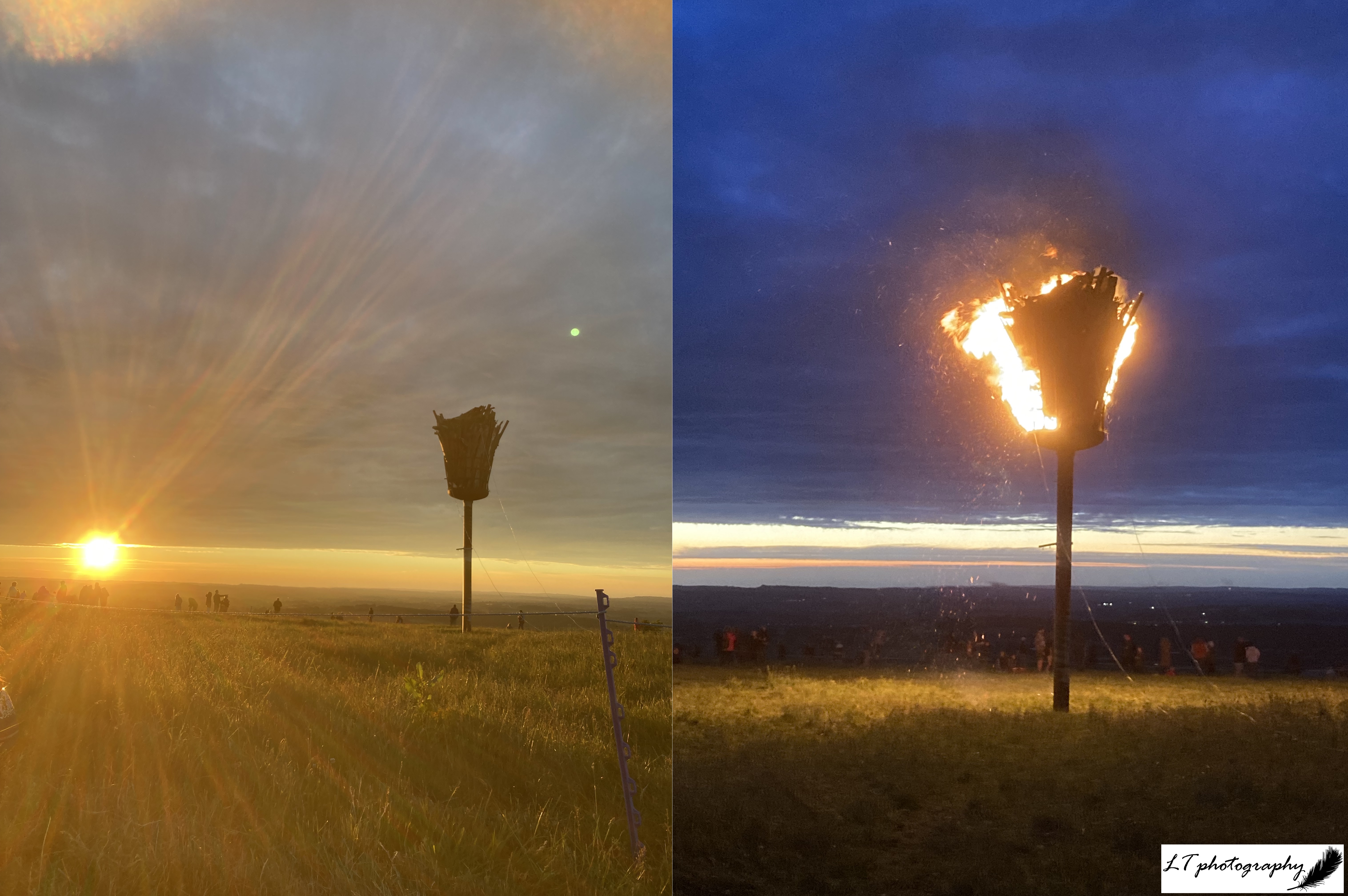
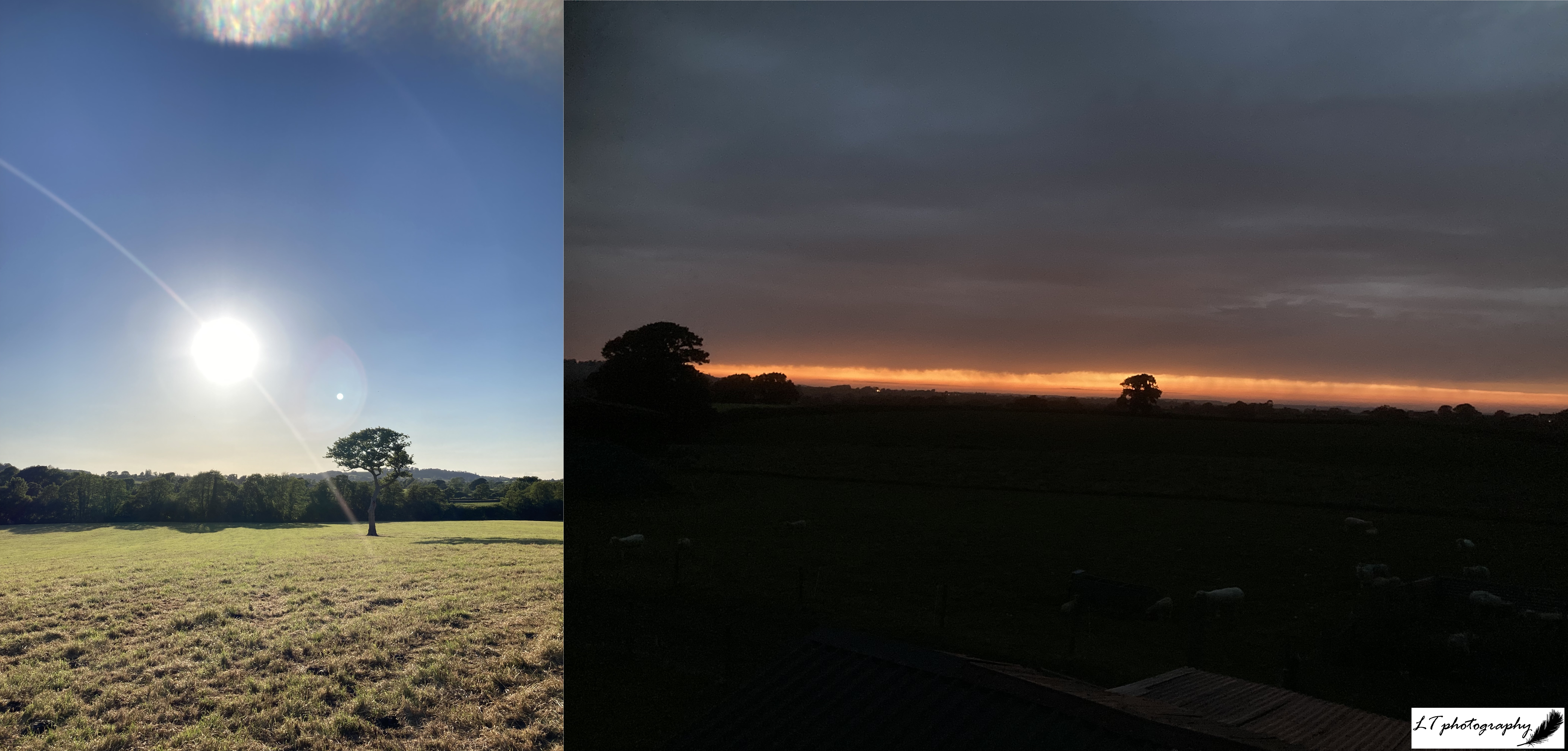
Thursday 2nd: I spent my Thursday working, but also taking some time to relax out in nature. This included going out for a hack on my neighbour’s lovely mare Marsha with a friend and her horse, and watching a spectacular sunset with friends on Okeford Hill for Okeford Fitzpaine’s Platinum Jubilee beacon lighting.
Friday 3rd: This Friday was my first Wild Friday of the month on my blog. For this one, I went back to one of my very favourite times of the year: the blooming of the bluebells. This post had a twist though as I explored a little further and focused on the life amongst the bluebells this year.
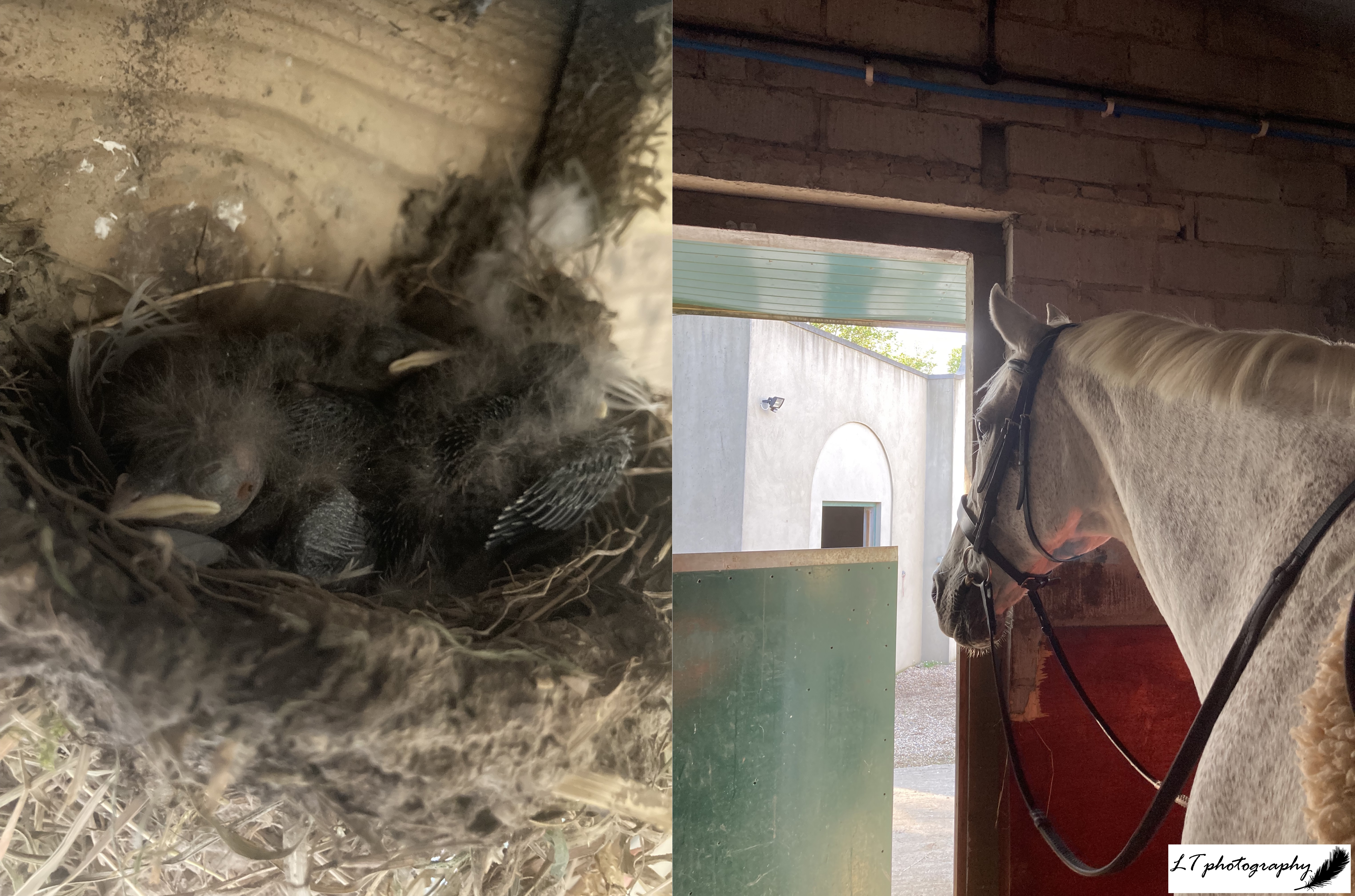
Saturday 4th: As the breeding season for birds continued, I took some time today to check some of my nests. My barn owl nest box was looking good, and I discovered an interesting new nest tree on the farm (stay tuned!). I also discovered a robin’s nest hidden in the middle of a rubbish pile where the chicks are close to fledging.
Sunday 5th: On a more chilled work day, I began reading Simon King’s book ‘The Shetland Diaries’ and continued sketching butterflies and their caterpillars for my next blog post. A little bit of escapism!
Monday 6th: Today I got to ring my first swallow chicks of the year, with one nest that has done well and is 2 weeks ahead of all the others. I hope the chicks continue doing well and fledge successfully! The rest of the day I was out working in nature, until I ended up hurting my knee and going to A and E!
Tuesday 7th: Despite a stitched up knee, between rest and easy jobs, I still went to check my current bird nests. I now have 5 swallow nests, 1 with my ringed chicks and 4 with eggs, and discovered my second kestrel nest of the year.
Wednesday 8th: My wild highlight of the day came in the form of fluffy goslings. At lunch my neighbour’s family of Canada geese got spooked and the parents flew off. The 6-8 goslings fled in fright and I did my best to catch them back up. I only found 4, but I was able to successfully release them back to their lake and their parents thankfully returned to them later on in the day.
Thursday 9th: I began my busy day, that included some habitat maintenance, bright and early with the dawn chorus and a wonderful sunrise. It was a great start to the day, listening to the songs of robins, song thrushes, chiffchaffs, and more.
Friday 10th: Today’s wild time was spent out in nature walking a lovely little dog called Kaya for the Cinnamon Trust. It was also Wild Friday on this blog once again, and this Friday’s post was one of my favourites to put together. With a collection of facts, my photos, and my own drawings, my post was a How to.. guide to identifying common British butterfly species.
Saturday 11th: Today I had a lot on my mind, weighing me down. So I thought it was the perfect time to take a break and be mindful in nature. It was just what I needed to clear my head and calm my body, allowing me to pick myself up and carry on.
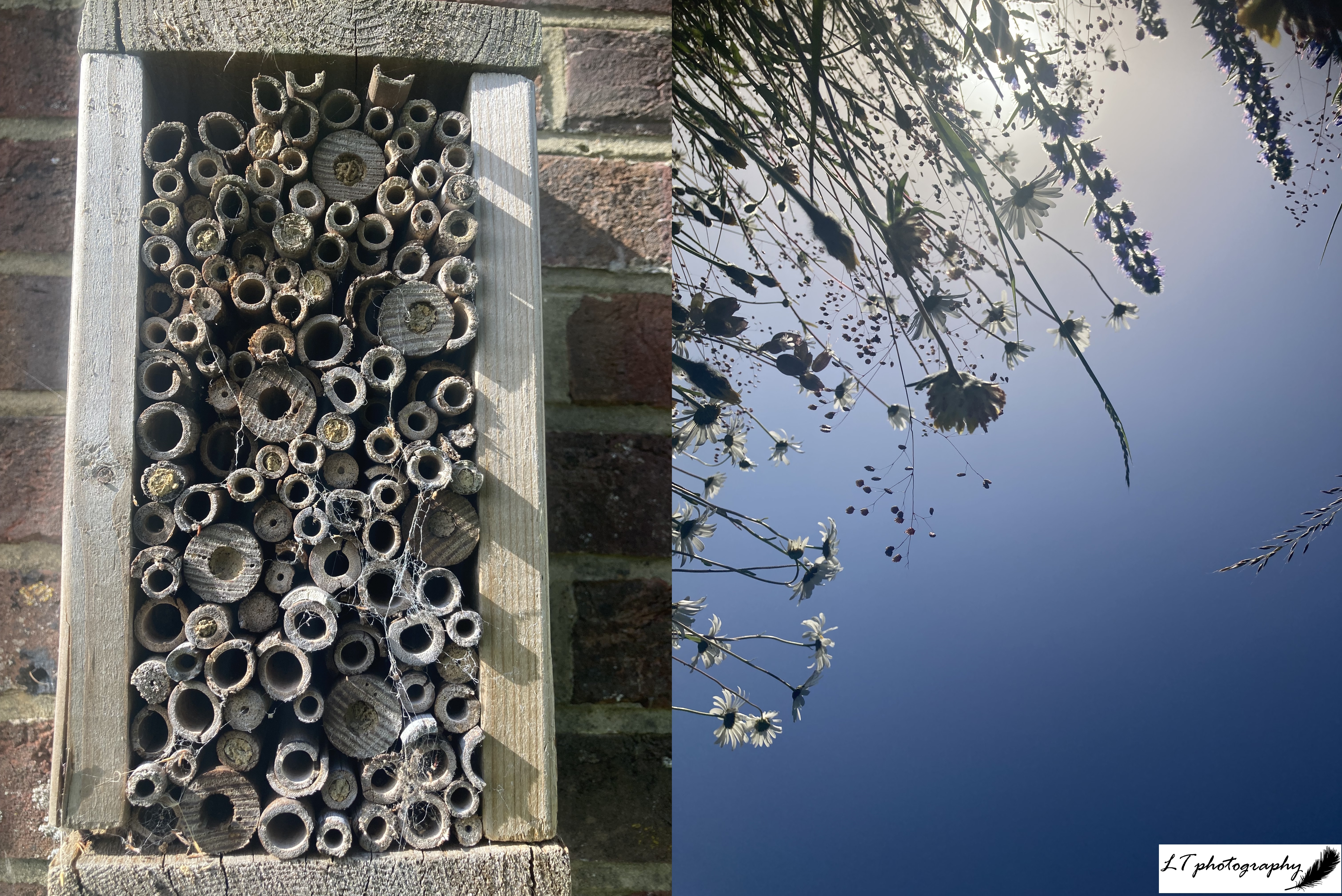
Sunday 12th:I took the day easy, giving my knee some more time to rest. I did though check my bee hotel, which is currently being well used, and spent a really lovely summer’s evening with my brother and his family in their wonderful little garden.
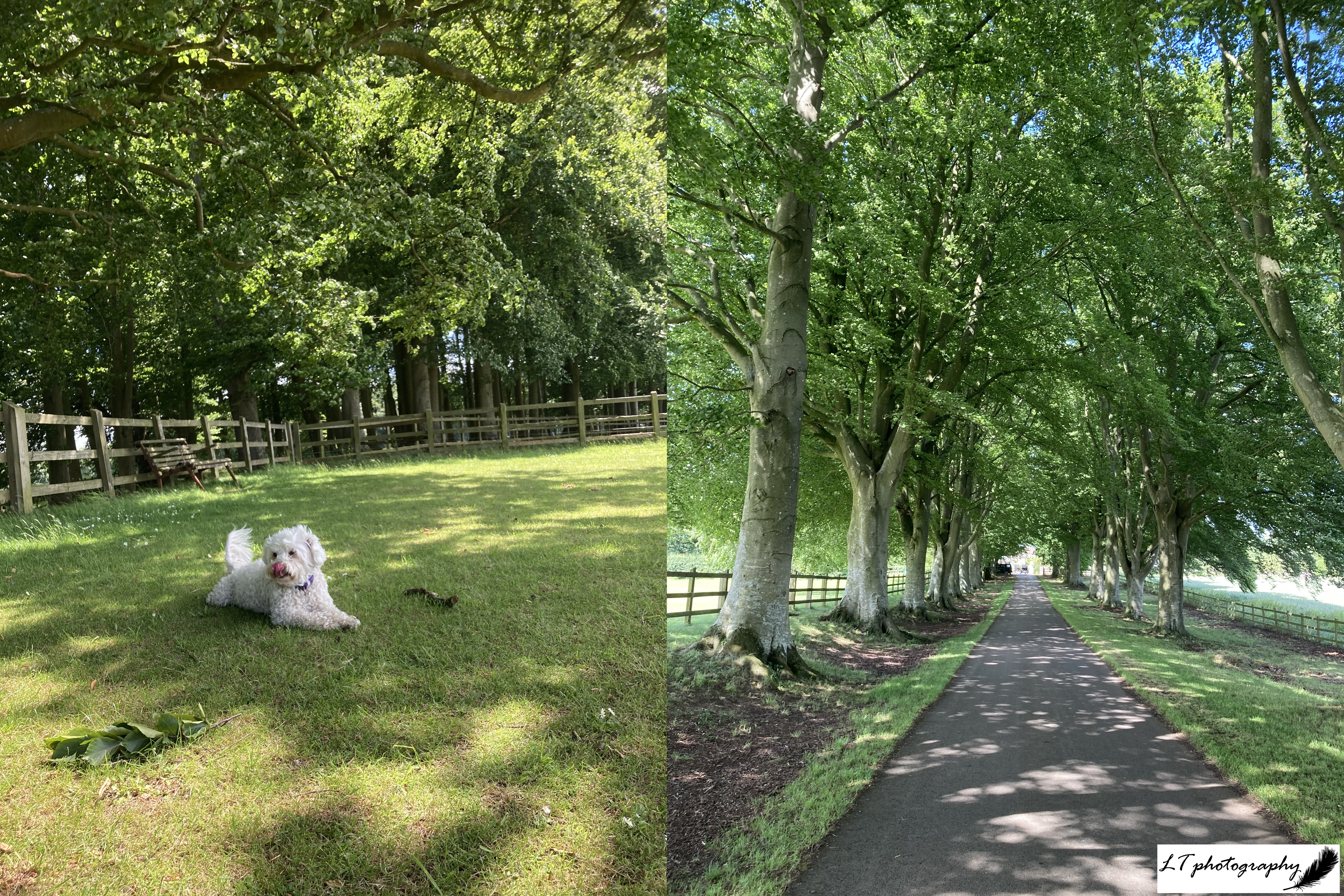
Monday 13th: Today was another day when I got to walk the little dog Kaya, and this time we escaped the hot day by walking in the shade of a huge avenue of trees and looking out for all the wildflowers we could find.
Tuesday 14th: Today was a special day on the farm for me. I got to ring the first of this year’s barn owl chicks, which is always a real pleasure, but I also got to ring our very first kestrel chicks on the farm! Stay tuned to this blog later on in the year to find out how our barn owls (and kestrels) have fared this year.
Wednesday 15th: My wild highlight of today’s work day was seeing fox cubs. On my daily travels around our land, I saw not one family of fox cubs, but 3, all out playing and exploring. Whatever people might think of foxes, fox cubs are a real joy to watch.
Thursday 16th: Though a day late, today I made my usual swallow nest checks. My 5 nests are doing well, 1 ringed brood of 5 staying close to their nest, 2 nests nearly ready to be ringed, and 2 more that are just hatching.
Friday 17th: I was outside most of the day, but my wild highlight has to be watching 4 red kites swooping over the fields following grass being cut by tractors. It was also Wild Friday on this blog, and so this Friday’s post was a collection of some of my favourite photos from spring 2020.
Saturday 18th: In between work hours, I used my free time to finish hand painting the bee hotel I had been working on for my niece’s 4th birthday. I really enjoyed painting it and I was very happy with the end result! Maybe I will have to do more wild wood painting in the future!
Sunday 19th: As I had a more relaxed day, I headed out and collected recent photos and videos from my two camera traps that are out and active at the moment. This is my favourite part of camera trapping, and my cameras did not disappoint. Check out my blog posts coming in the next few weeks to see all about my camera trapping adventures this spring!
Monday 20th:Around work today, I picked the first gooseberries of the year, explored what flowers are currently out right now, and watched a lovely sunset.
Tuesday 21st:Today I spent most of the day working away from the main hub of our farm, provided with wild moments including listening to yellowhammers sing, watching adult kestrels feeding their chicks, and escaping a swarm of honey bees. To finish the day, I got to ring another 2 of my 5 swallow nests. I am enjoying monitoring my small swallow population!
Wednesday 22nd: As Wednesday rolled around once again, I was back checking on my swallows that have yet to reach the ringing stage. Now 1 nest has completely fledged, another 2 have been ringed, 1 is ready to ring, and unfortunately 1 of my nests has been predated. This year has definitely been a tough one for swallows once again, but it is good to have seen some chicks fledge already.
Thursday 23rd: After a couple of weeks resting up from my knee injury, I was finally back out on horseback. I went for a lovely chilled hack out around my local area on Marsha, taking in lots of wildlife, including singing greenfinches and a hunting buzzard.
Friday 24th: Today I enjoyed sharing the last Wild Friday on my Laura’s Wild World blog this June. This particular post celebrates spring by looking at how spring happened in 2022. It was an interesting post to put together!
Saturday 25th: For the first day I had had off in a long time, I had been invited to a ‘Greylag Goose Roundup’. This event was being held at Poole Park to catch geese for a project where each year as many as possible of the current population are being coloured ring. It was a great day of catching up with other bird ringers and getting to ring my very first greylag goose!
Sunday 26th: Today I woke up to the rain falling and quenching the thirst of the land right now. It was great to take some time to appreciate the falling rain, before getting some drier spells to walk the countryside.
Monday 27th: Again another day begun with rain, before heating up and drying out. After a busy day, I enjoyed taking a break from life and walking around our land, exploring nature. Flocks of juvenile goldfinches, knapweed blossoming into purple flowers, and hares grazing in the fields, just some of the few sights to be beheld.
Tuesday 28th: This morning I had another lovely ride out on Marsha, with some of my wild highlights being a buzzard trying to hide in a tree, painted lady butterflies on the wing, and hedgerows full of wildflowers. This afternoon I had a good walk with my Dad watching butterflies and birds, including meadow browns and red kites.
Wednesday 29th: Today when I was not working or going to appointments, I spent time organising my wildlife photos and camera trap photos, and playing outside with my young nieces, who both love nature in their own individual ways.
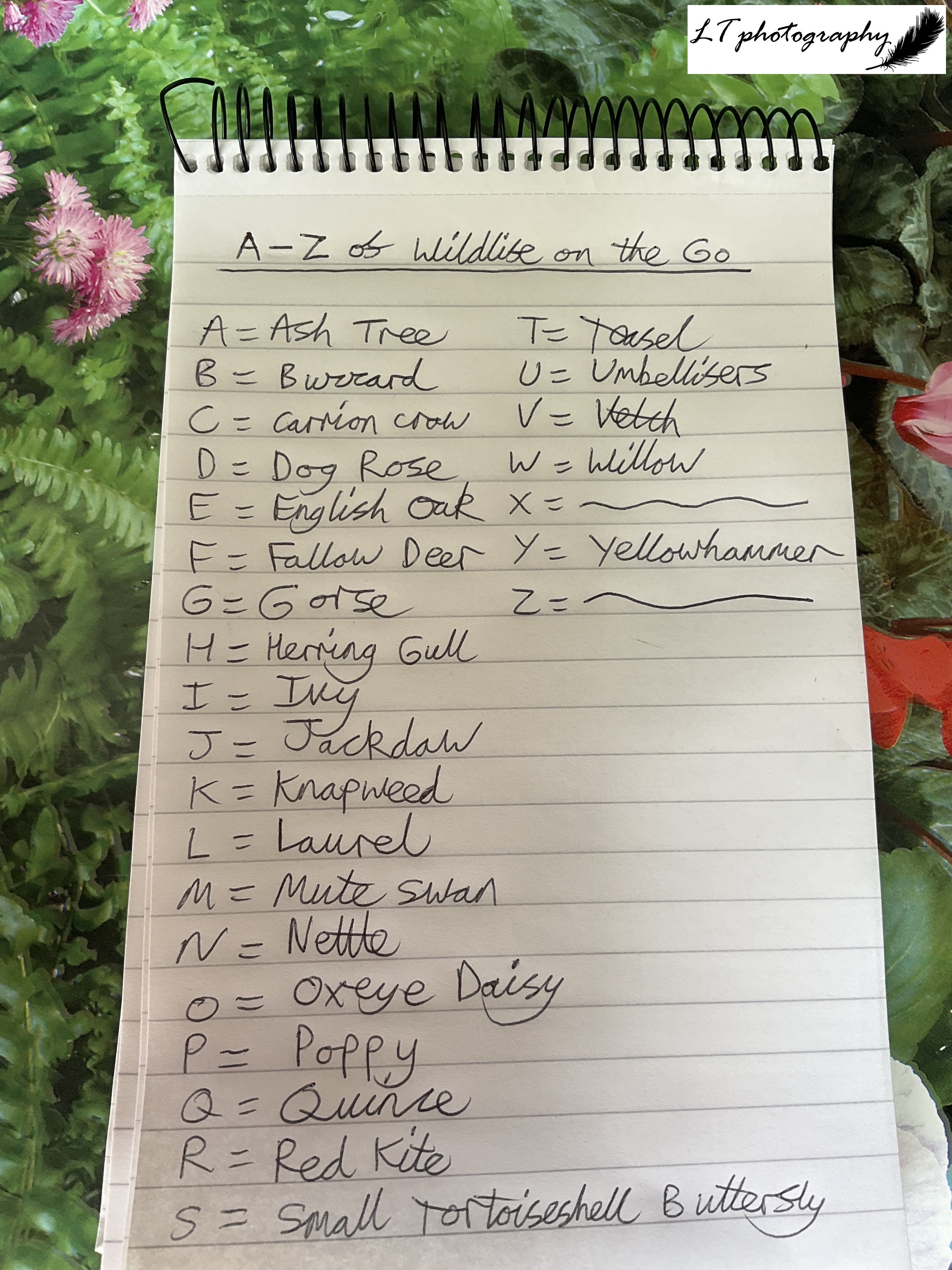
Thursday 30th: For the last day of this year’s 30 Days Wild, I have been travelling up to London by bus to spend a few days exploring with my mum. For something a little different, I challenged myself to my annual A-Z of wildlife, but a travel edition. Here’s how I got on:
Looking back at my June this year, I was very busy, but the month shows that I naturally take time each day to connect with and appreciate nature. This could be through harvesting food, walking out in nature, or even getting involved in conservation projects. Being outside out in nature is important for my mental health, for my inspiration, and for my lifestyle, and so after this year’s 30 Days Wild, I now appreciate our natural environment even more so. Here’s for living every day a wild one!
Spring this year has been a joyful and colourful experience. In 2020, spring was a lifeline during lockdown. In 2021, spring was a turbulent and unpredictable season, with some real wonderous moments to behold. This year though, I have simply enjoyed every moment that spring had to offer, watching as the season swelled into being and slipped out once again with the heat of the summer sun.
This spring the season began slower, but reached its peak quickly once it got going. In Dorset, from blossom and bursting leaves to nesting birds and breeding mammals, spring bloomed spectacularly, with so much new life on offer. During this time I made lots of adventures out with my camera and took many, many photos. Here are just a few of my favourites from spring 2022.
Spring 2022: In Photos
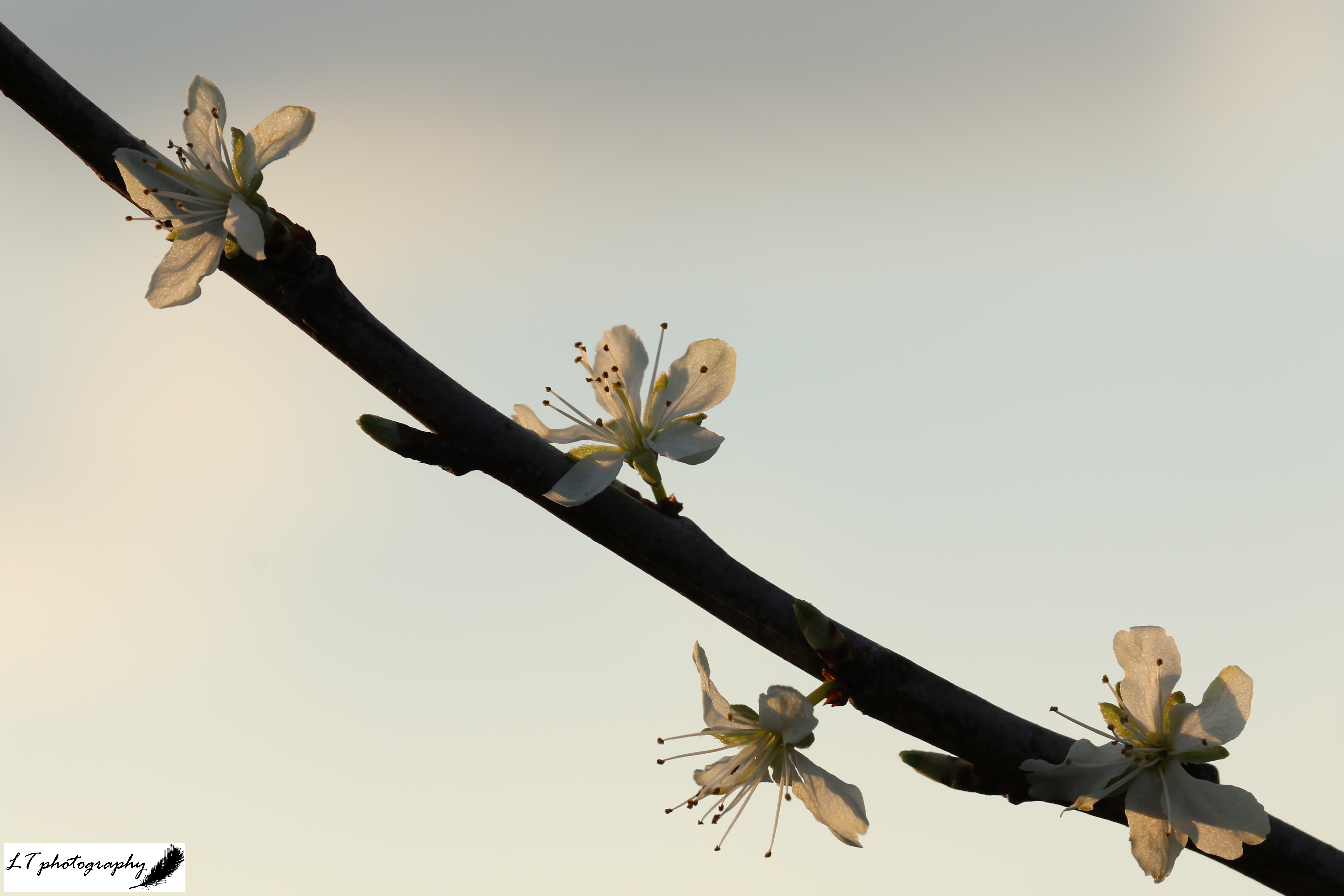
Sunset Damson Blossom – This year the blossom of fruiting trees was fantastic. Our damson tree blossomed without being bitten by frost or hit by strong winds, so hopefully it will be a good year for damsons
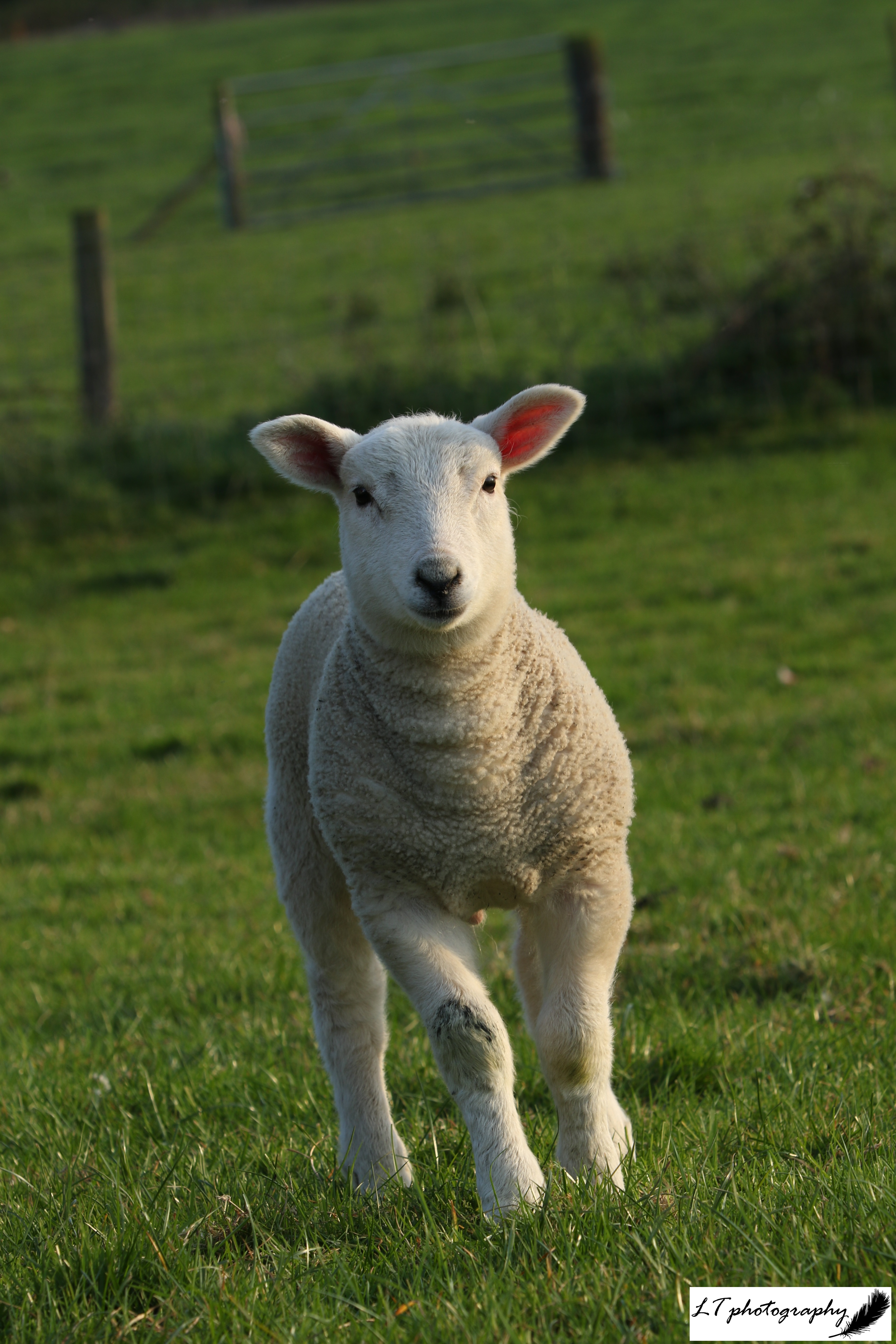
Lambing at Home – My mum has her own mini flock of Lleyn ewes, a Lleyn ram, and a Charolais ram, and for us spring would not be spring without lambs springing around the fields!
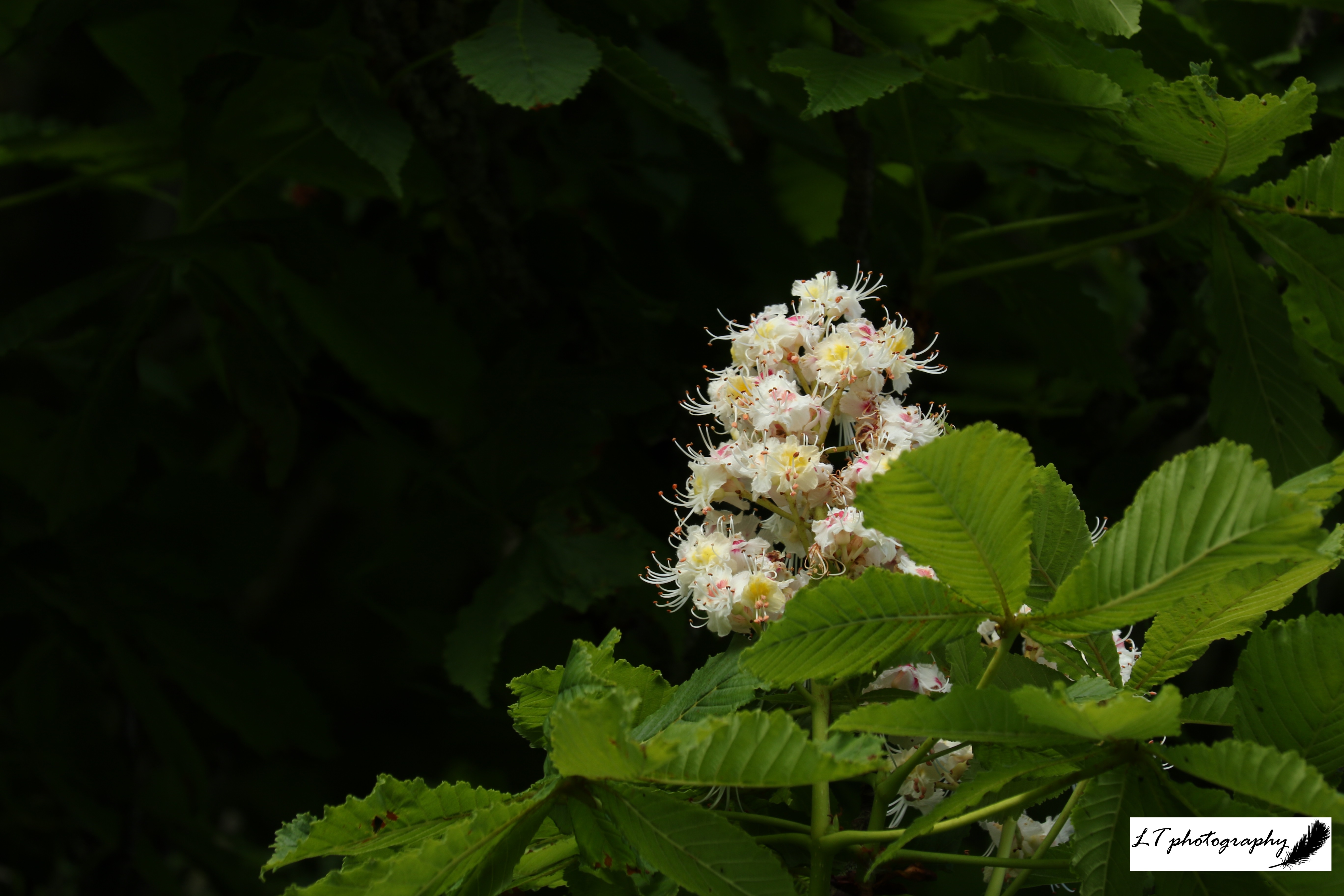
Horse Chestnut Flowers – Often tree flowers are simple, green and unassuming, but not those of horse chestnut trees. Horse chestnut flowers form a candelabra of fantastic white flowers with dots of pink and yellow, towering high in the boughs of the trees
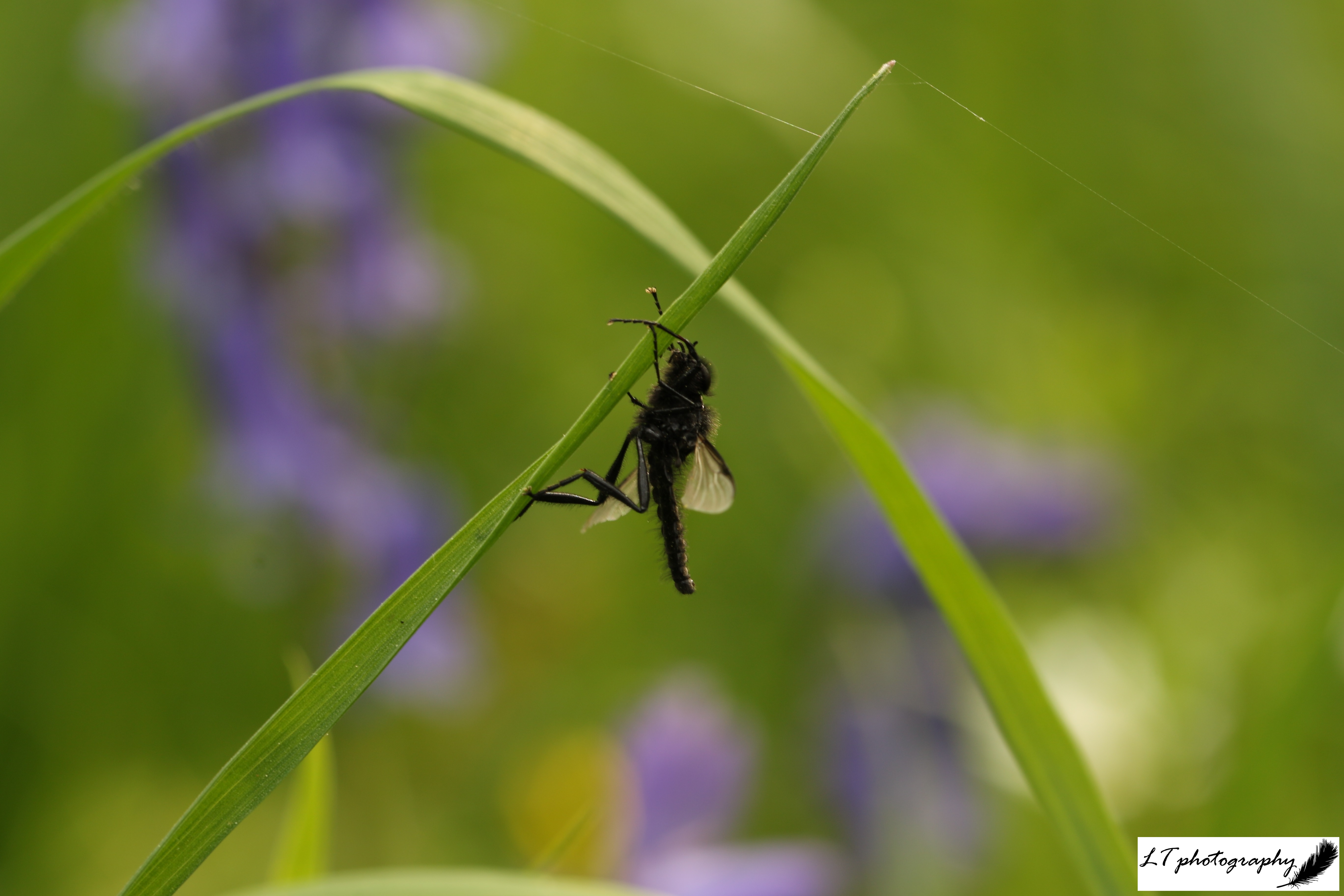
Woodland Minibeasts – This year during the bluebell bloom, I focused on exploring the hidden life amongst the bluebells (check out my previous post for more). One of my finds during my hunts was this fly which looks to be a St. Mark’s fly. This fly gets its name due to emerging around St. Mark’s Day in April each year
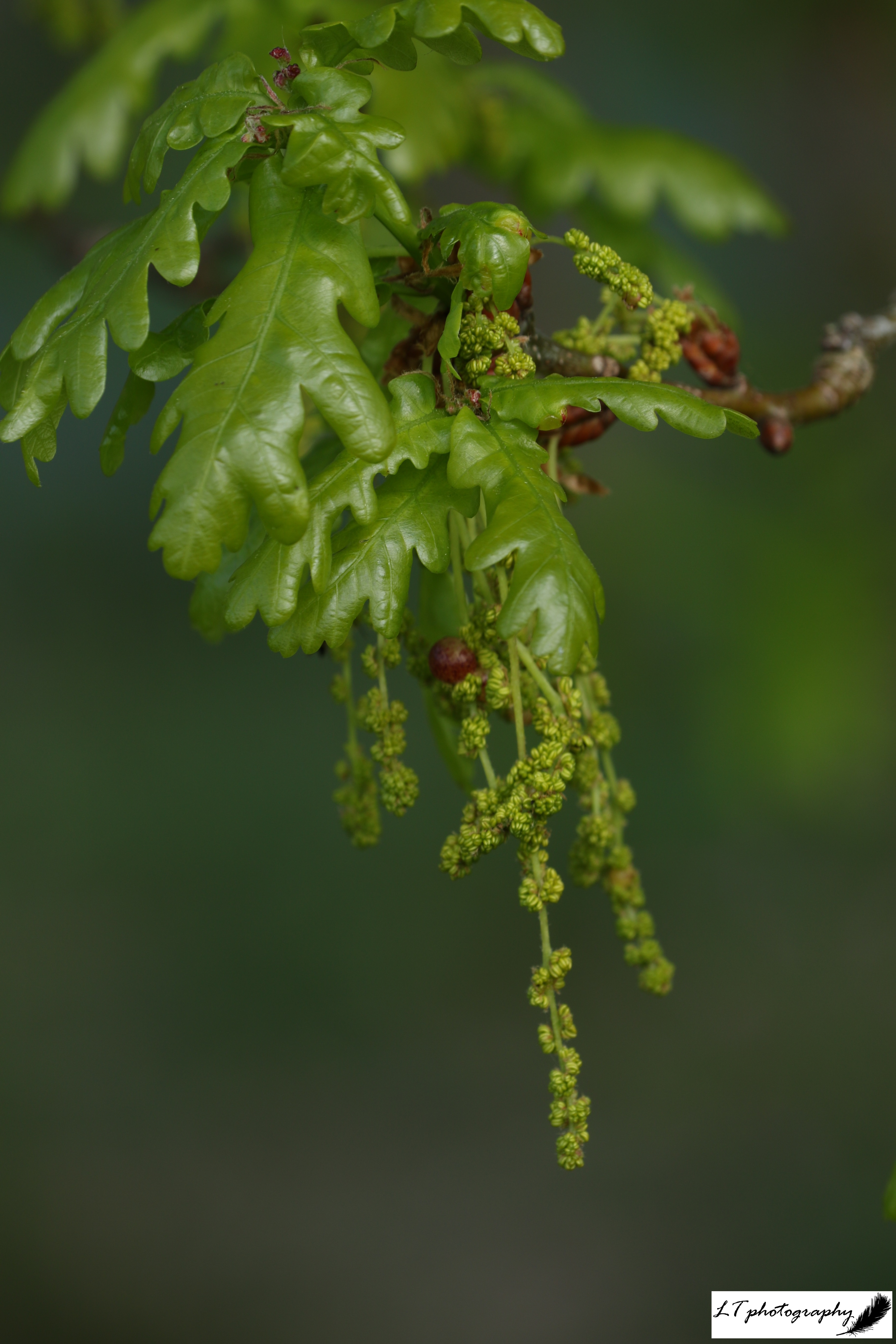
Oak Flowers – Though horse chestnut flowers are showy, some tree flowers are fantastic in a subtler way. The flowers of English oak trees hang down in green streamers from their branches, looking pretty swaying softly in gentle spring breezes
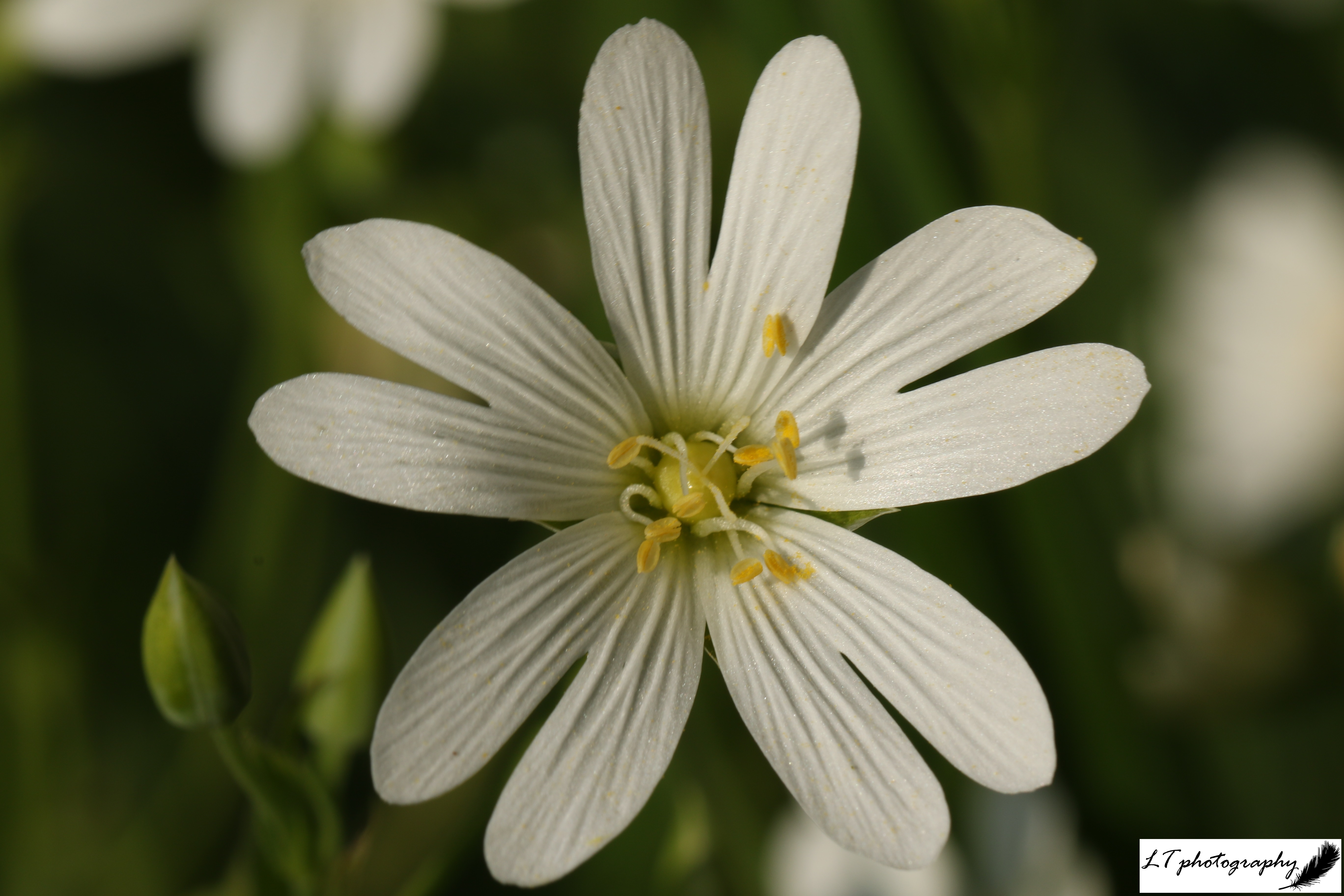
Up Close With Stitchwort Flowers – Stitchwort flowers or ‘Shirt-buttons’ are white stars spotting the countryside throughout spring. Taking a closer look, this particular flower looks weird and wonderful with stamens that curl around each other
Super Snail – This white-lipped snail is a simple, but colourful individual amongst the green of spring. Their swirling shells are a great subject to photograph
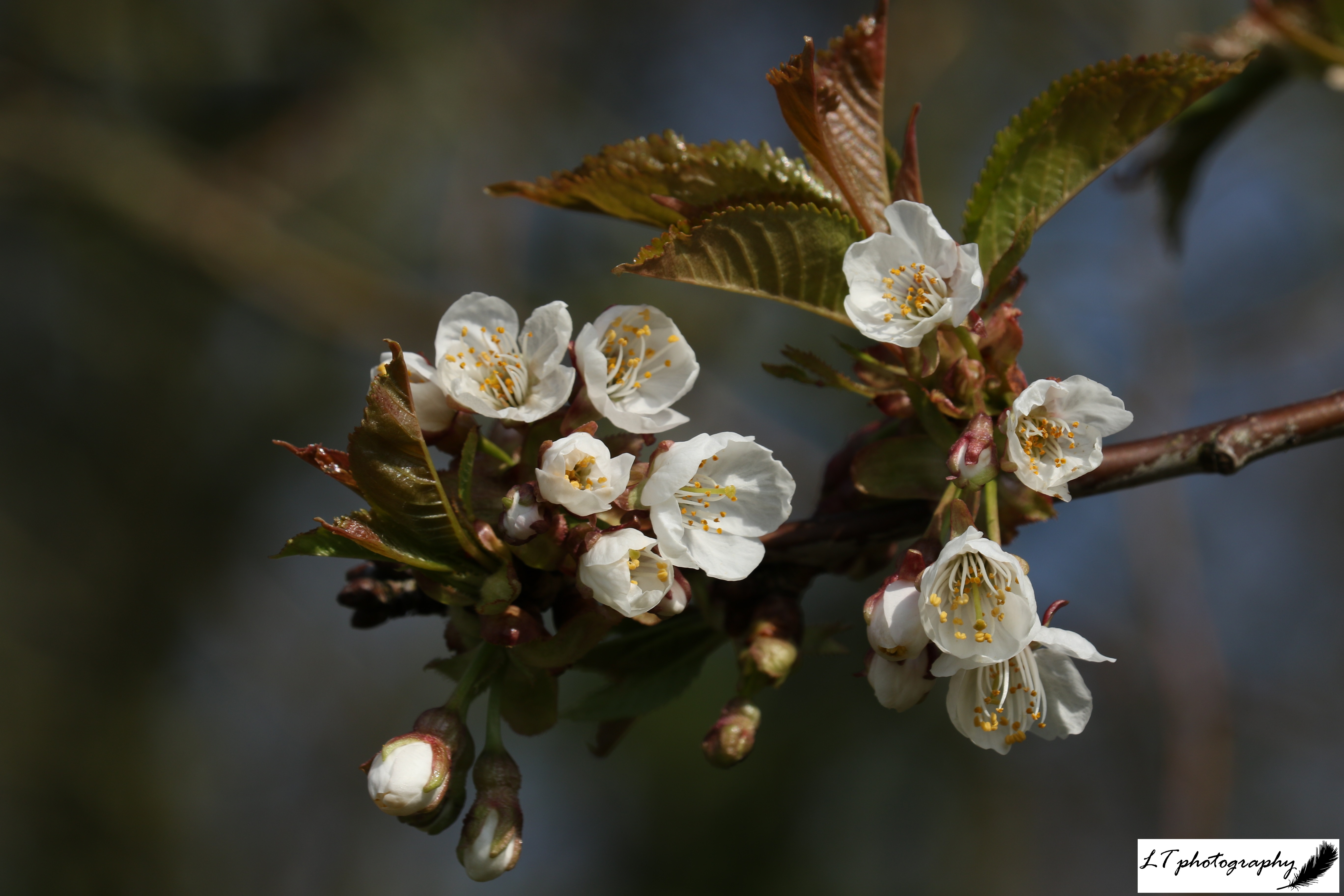
Wild Cherry Blossom – Every year one of my favourite flowering trees is the Wild Cherry. There’s nothing like banches covered in blankets of white set against a bright green backdrop of new leaves
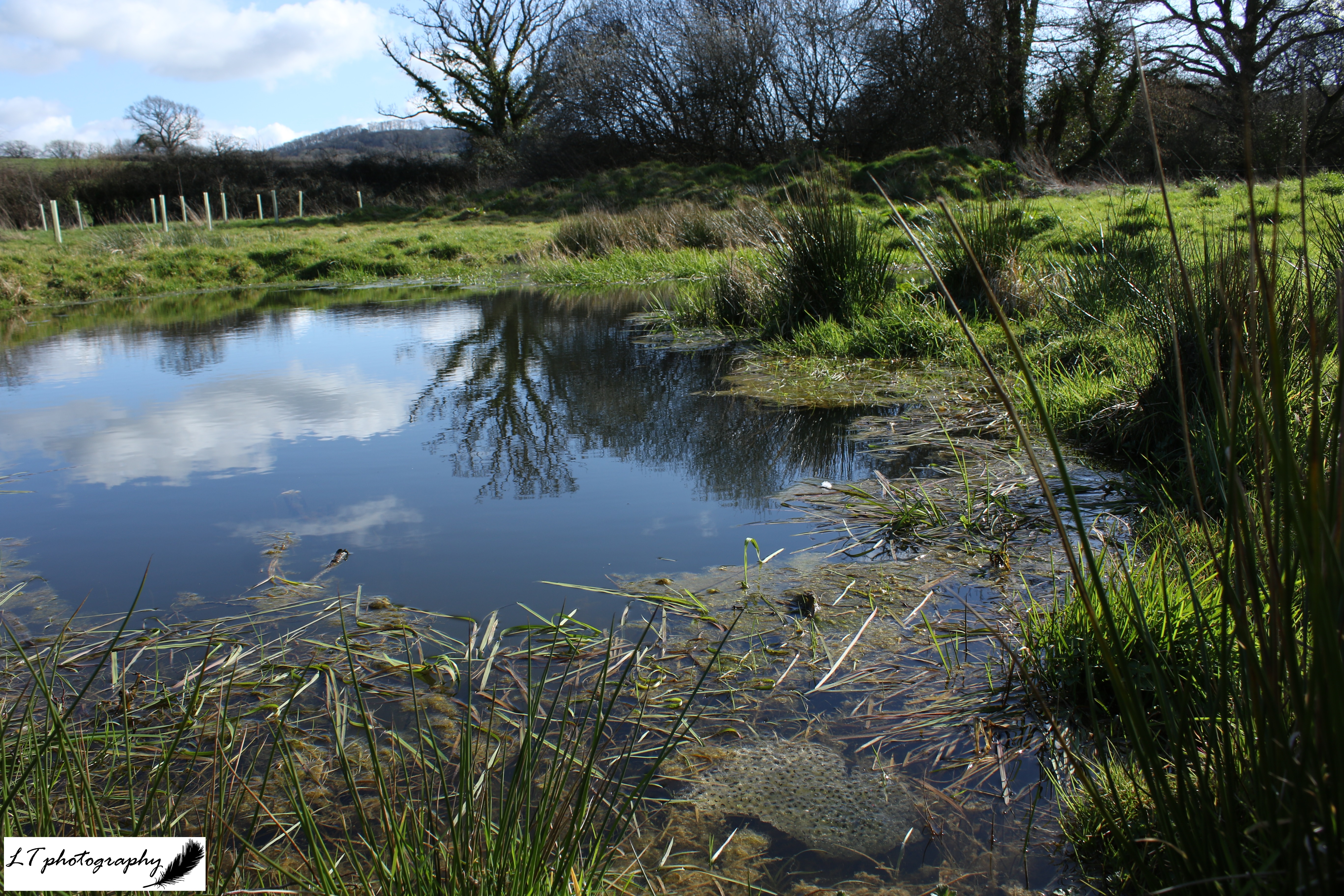
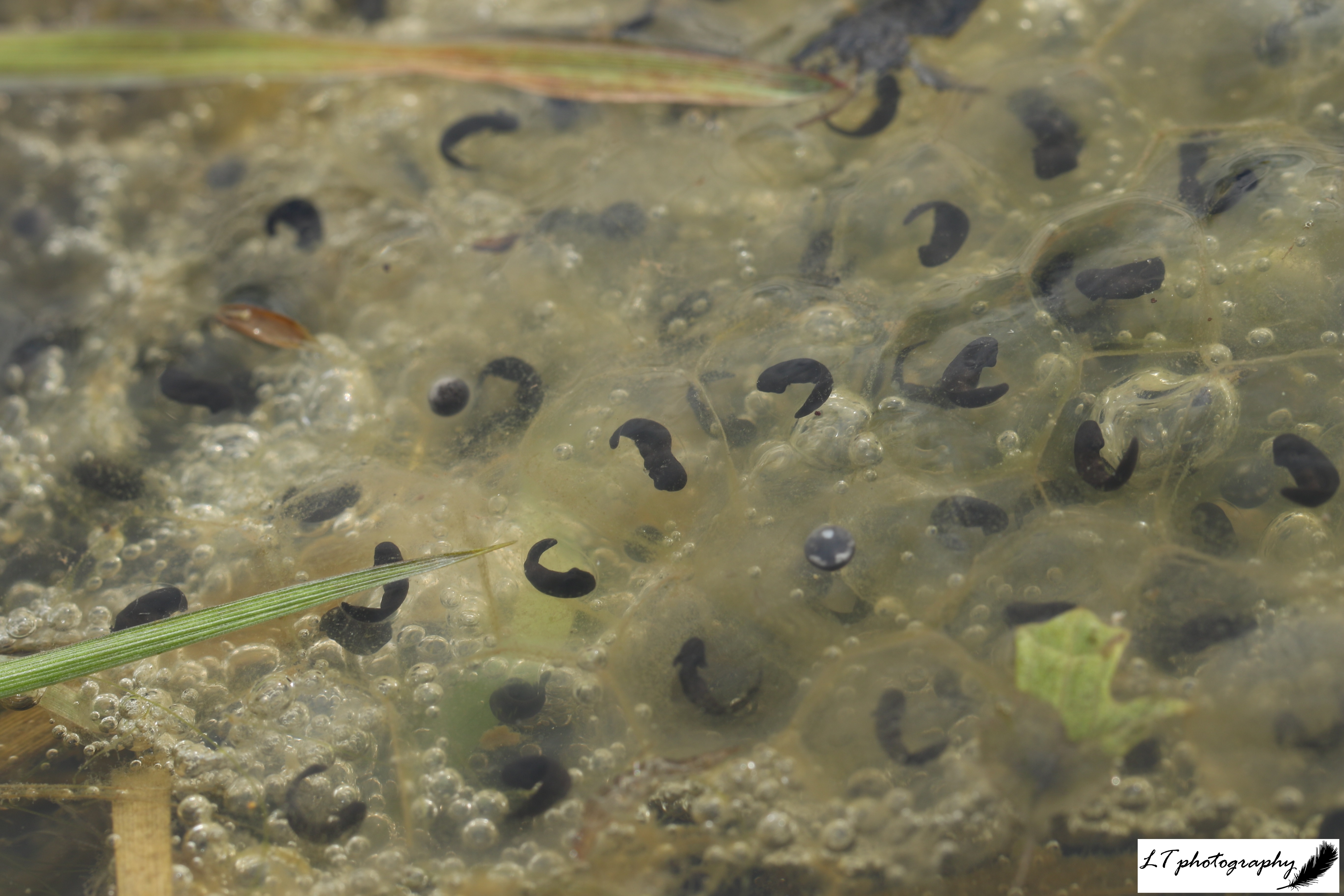
Fabulous First Frogspawn – In 2020, we started digging a pond in our own mini nature reserve at home on our farm. This year we were excited to find our very first frogspawn! It was amazing to watch the tadpoles change and transform over time
1 O’Clock, 2 O’Clock,Dandelion Clock – All children find magic and wonderment in dandelion clocks and their parachute seeds. Even as an adult I still find inspiration in their fragile globe-like forms
Majestic Beasts – My mum has her own herd of beef cross suckler cows and an Aberdeen angus bull that are free range and raise their own calves. We especially enjoy watching the calves grow up and grow into themselves over their very first year of life
Apple Blossom – As a family we have always enjoyed growing and foraging for our own food in our local area. Though last year was not a very good year for fruit, this year looks to be a better year, apples included
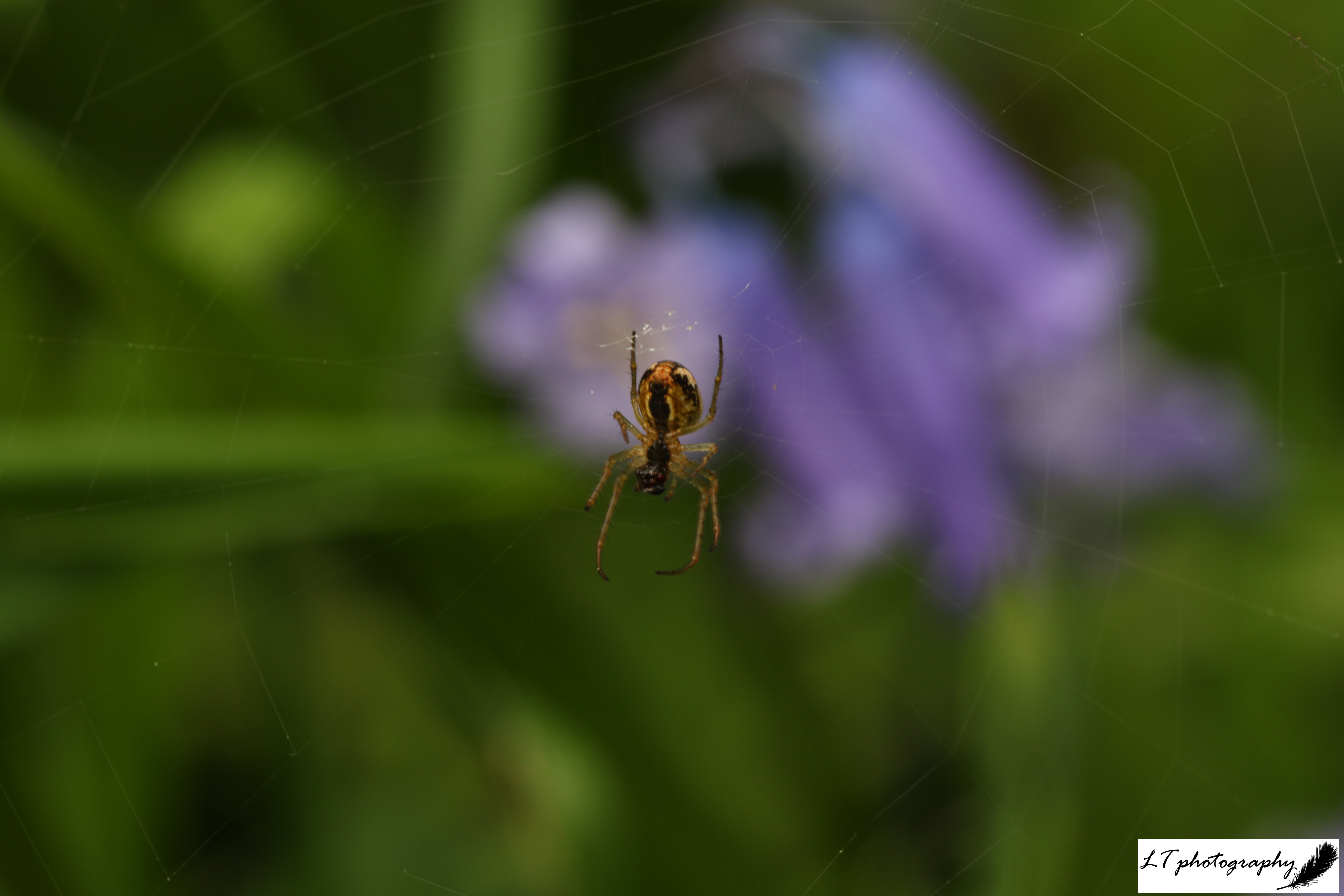
Woodland Spider – Just like the St. Mark’s fly, whilst exploring a woodland of bluebells, I found this species of orb-weaver spider. The bluebells were home to many, many of these little arachnids all weaving their webs between flowers, waiting to catch a meal
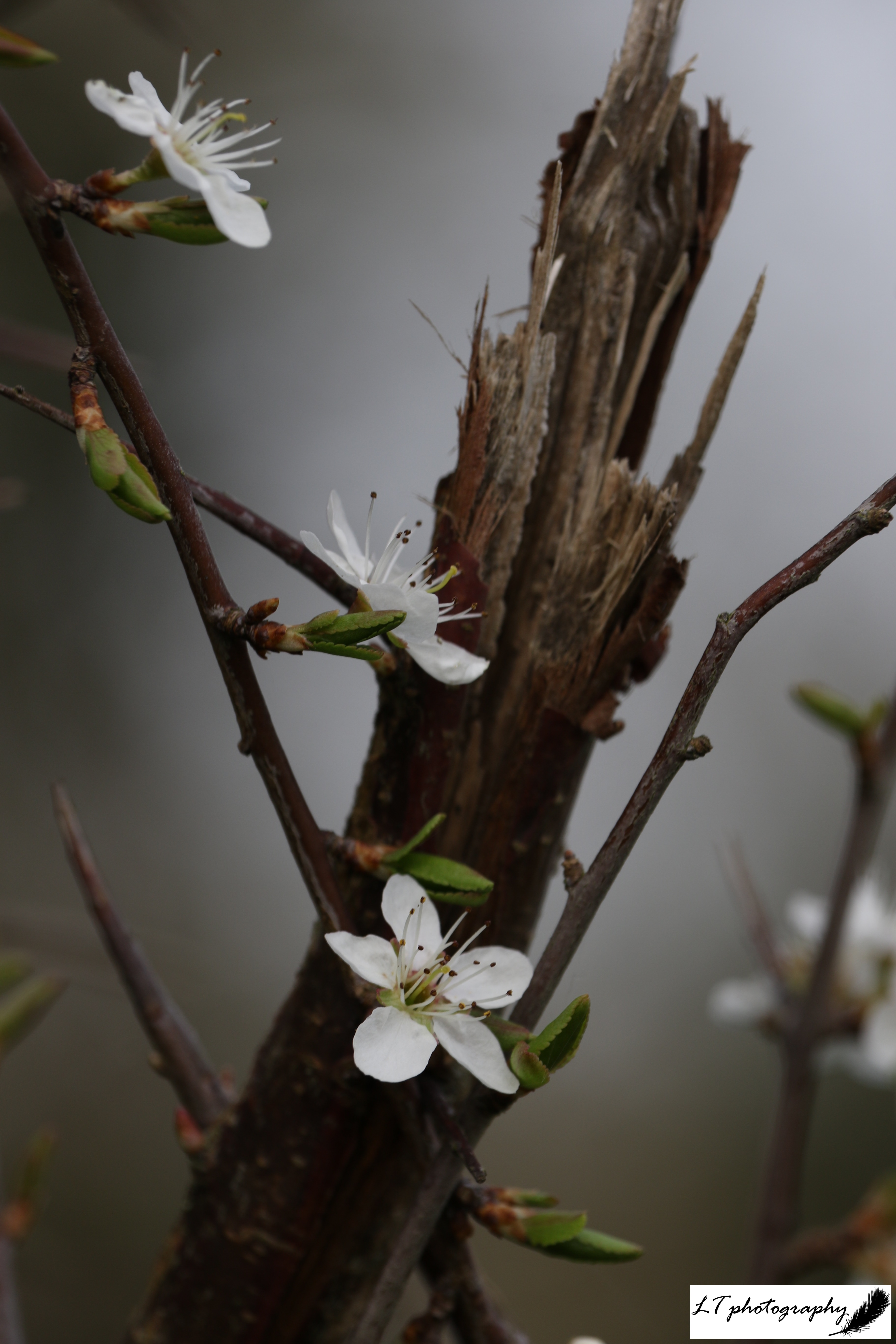
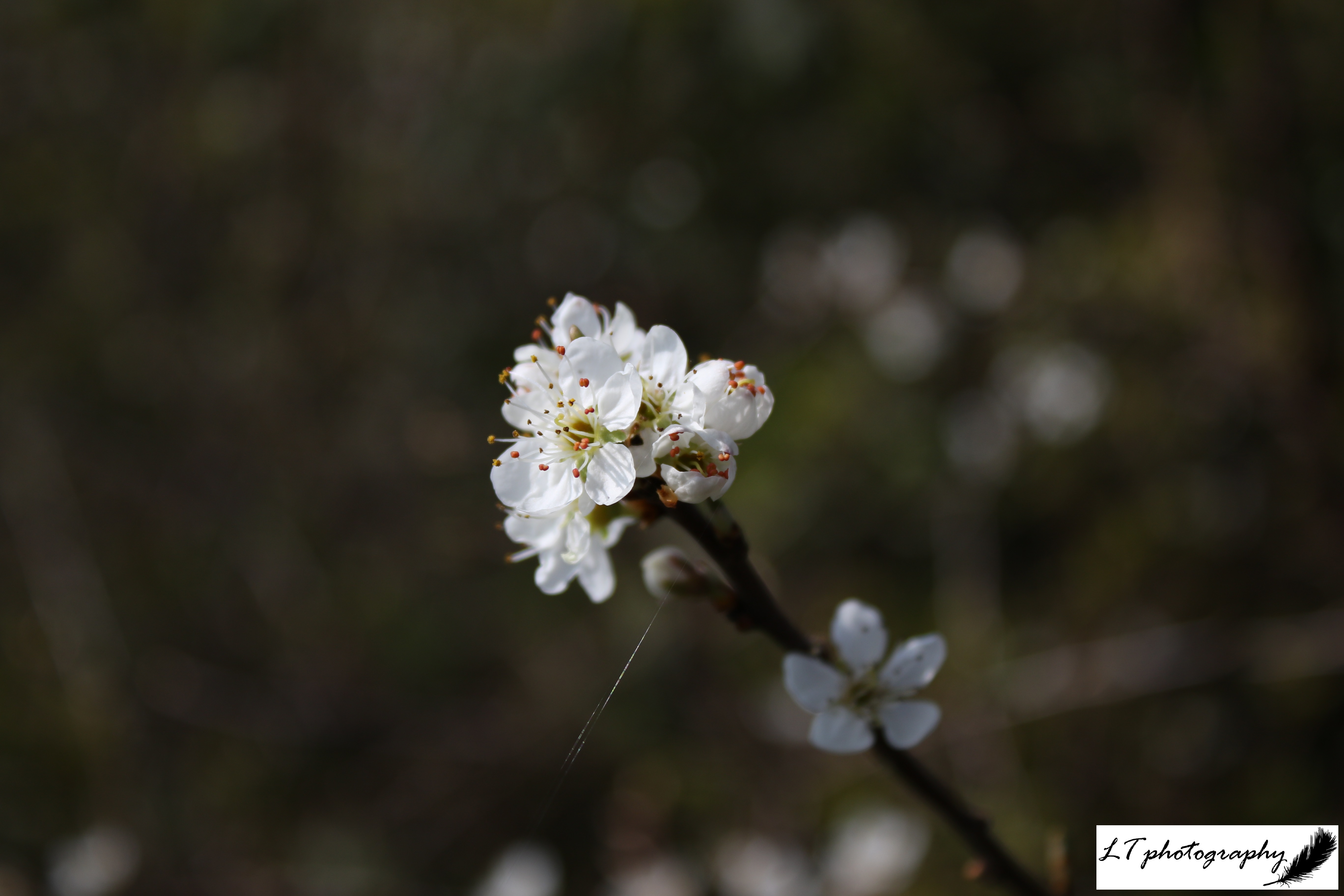
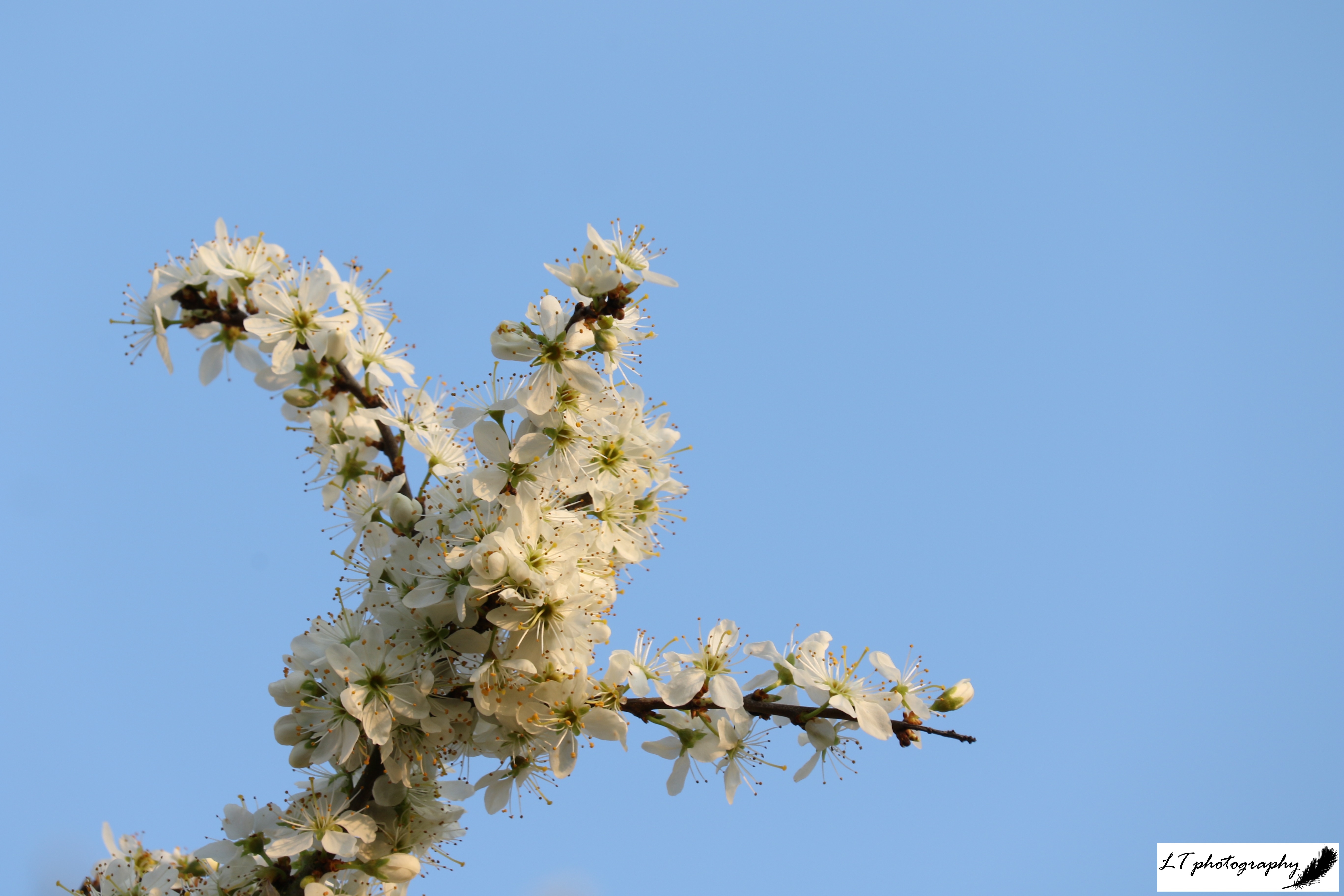
Beautiful Blackthorn Blossom – Every year one of my favourite parts of spring is blackthorn. The snow white flowers of blackthorn winter bring colour to the landscape at a time when things are still grey and spring is only just trickling in
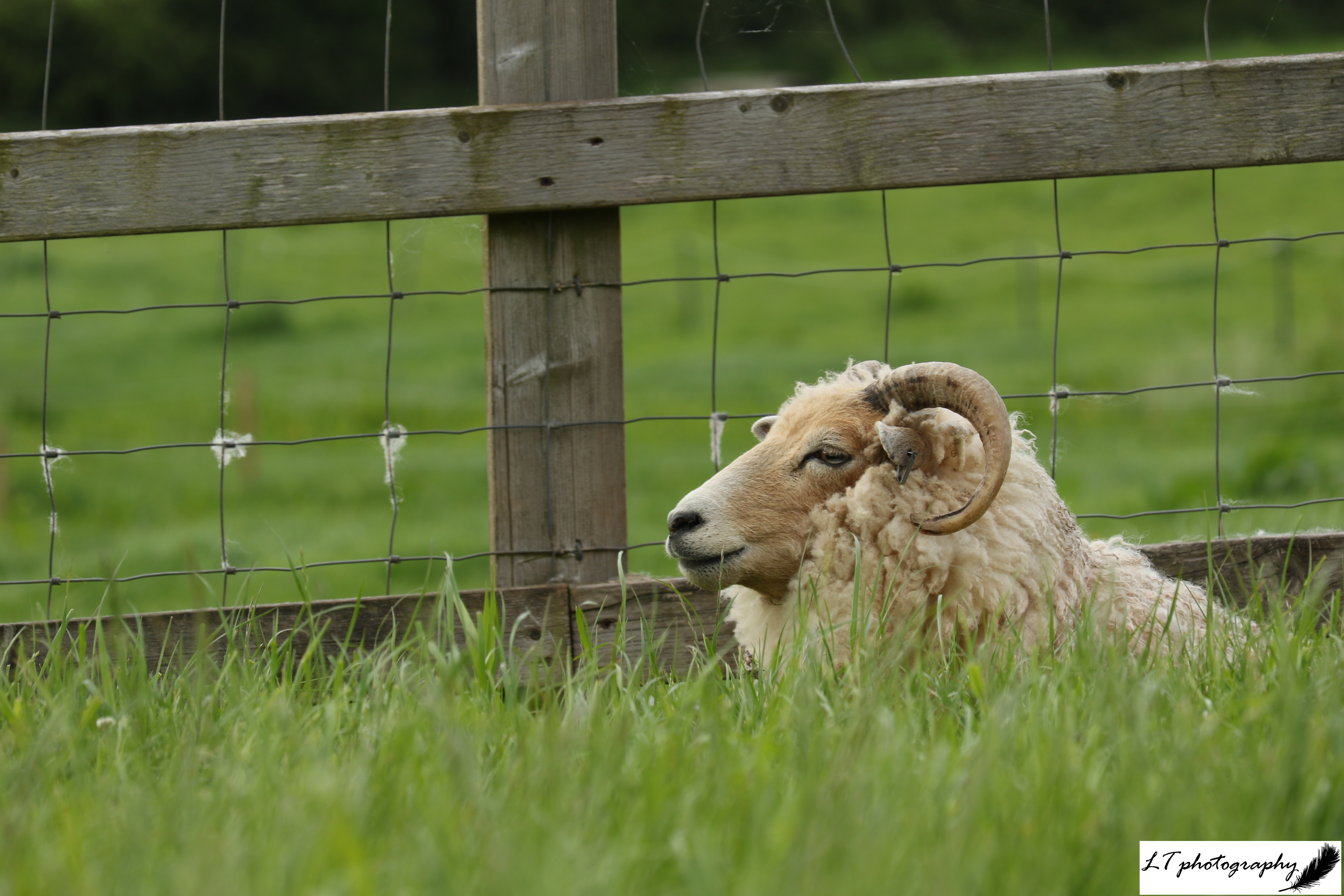
Portland Pets – This year I spent some time photographing my neighbour’s pedigree Portland flock. These small sheep, topped off with curling horns, have a great character and warm colour to them which make it a joy to take their portraits again and again
A flash of colour flitting by in the heat of the summer sun. Twisting this way and that, showing off amazing aerial acrobatics above a meadow of long, waving grass. A butterfly, small but standing out against a backdrop of browns, yellows, reds, blues and whites. Floating like a leaf down to a flower, the butterfly stops, flicking its wings before coming to a stop, wings outstretched in the sunshine. What could this beauty be?
Butterflies come in all shapes, sizes and colours, and can be found in a variety of habitats, from big cities to more remote areas. They are also a popular cultural symbol across the globe, with symbolism ranging from rebirth and transformation to representing the human soul. Along with their long history of capturing the mind and imagination of people, in nature, butterflies are great indicators of the health of habitats and are an important part of the food chain. As is the common story right now, butterflies are unfortunately threatened by habitat loss and degradation, as well as climate change, pesticide use, and invasive species. They need our help!
To be able to help butterflies, we need to understand them better. In the UK, we have 59 species, with only 2 being migrants. Though butterflies are more noticeable for people to identify, most Brits can only name but a handful of species. As we ease into summer, now is a great time to brush up your knowledge of what species you can identify. Here’s 13 to get you started!
Butterflies
Brimstone (Gonepteryx rhamni)
Family: White and Yellow butterflies
Size: Large (60-74mm wide)
Butterfly appearance: Look like veined-leaves with pale-yellow undersides and an orange dot on each wing. Uppersides: Males= sulphurous yellow; Female= paler in colour
Caterpillar food plants: Buckthorn and Alder Buckthorn
On the wing: Can be seen throughout the year, but most commonly during spring
Winter: Hibernate as adults in wooded areas
Distribution: Common in England and Wales, less common in Ireland, and very rare in Scotland
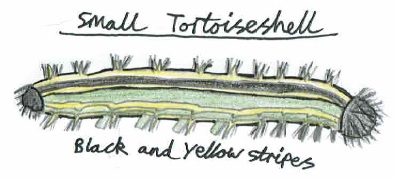
Small Tortoiseshell (Aglais urticae)
Family: Brush-footed butterflies
Size: Medium (45-60mm wide)
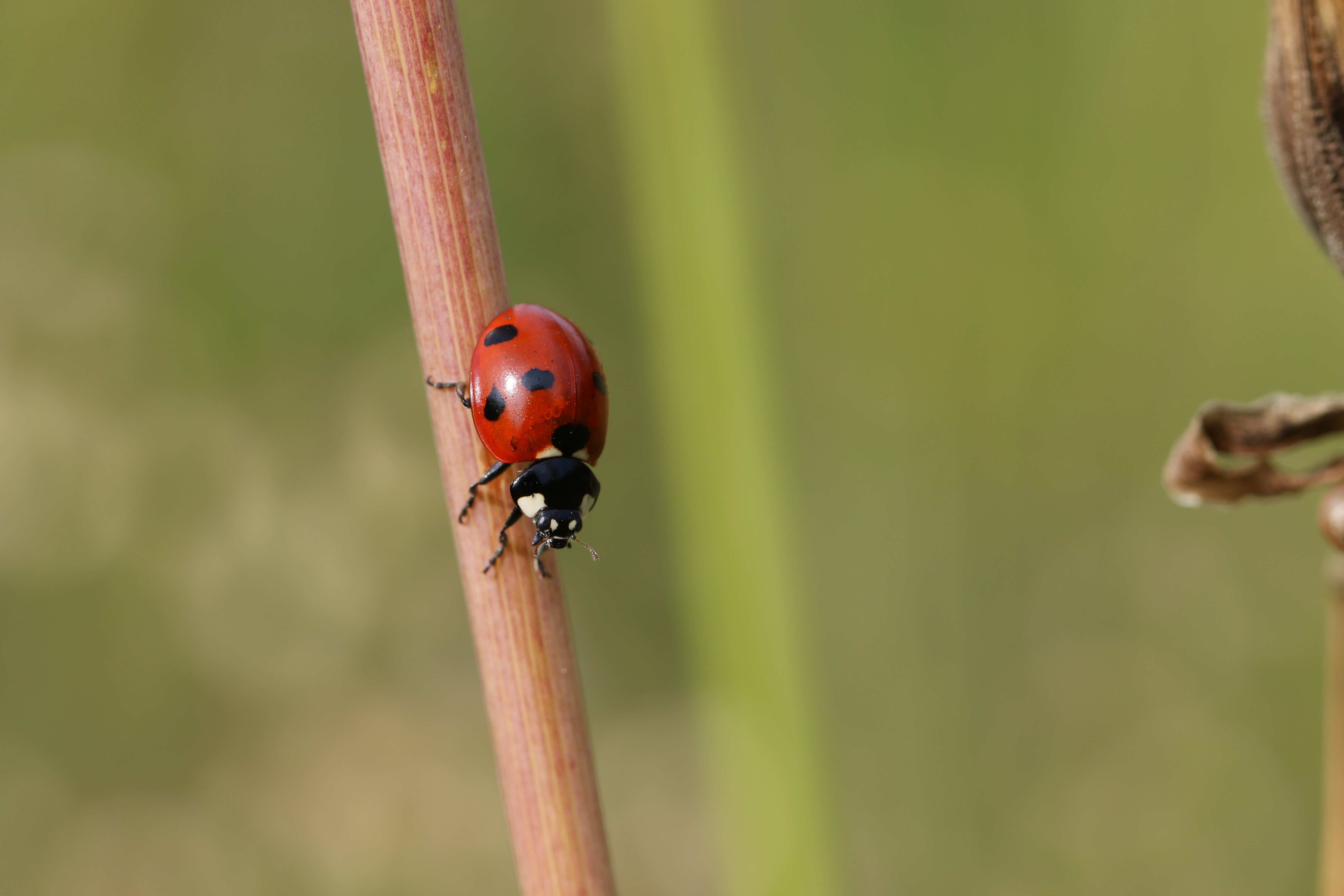
Butterfly appearance: Bright orange wings with a black pattern, white patch close to each outer top edge, and a border of blue half-moons. Underside dark and light brown
Caterpillar food plants: Nettles
On the wing: March-October
Winter: Hibernate as adults in sites, such as tree hollows and sheds
Distribution: Widespread throughout Britain
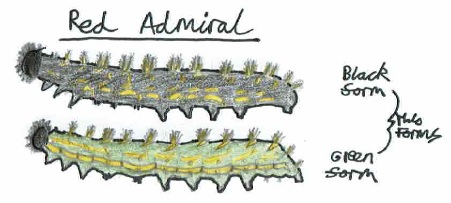
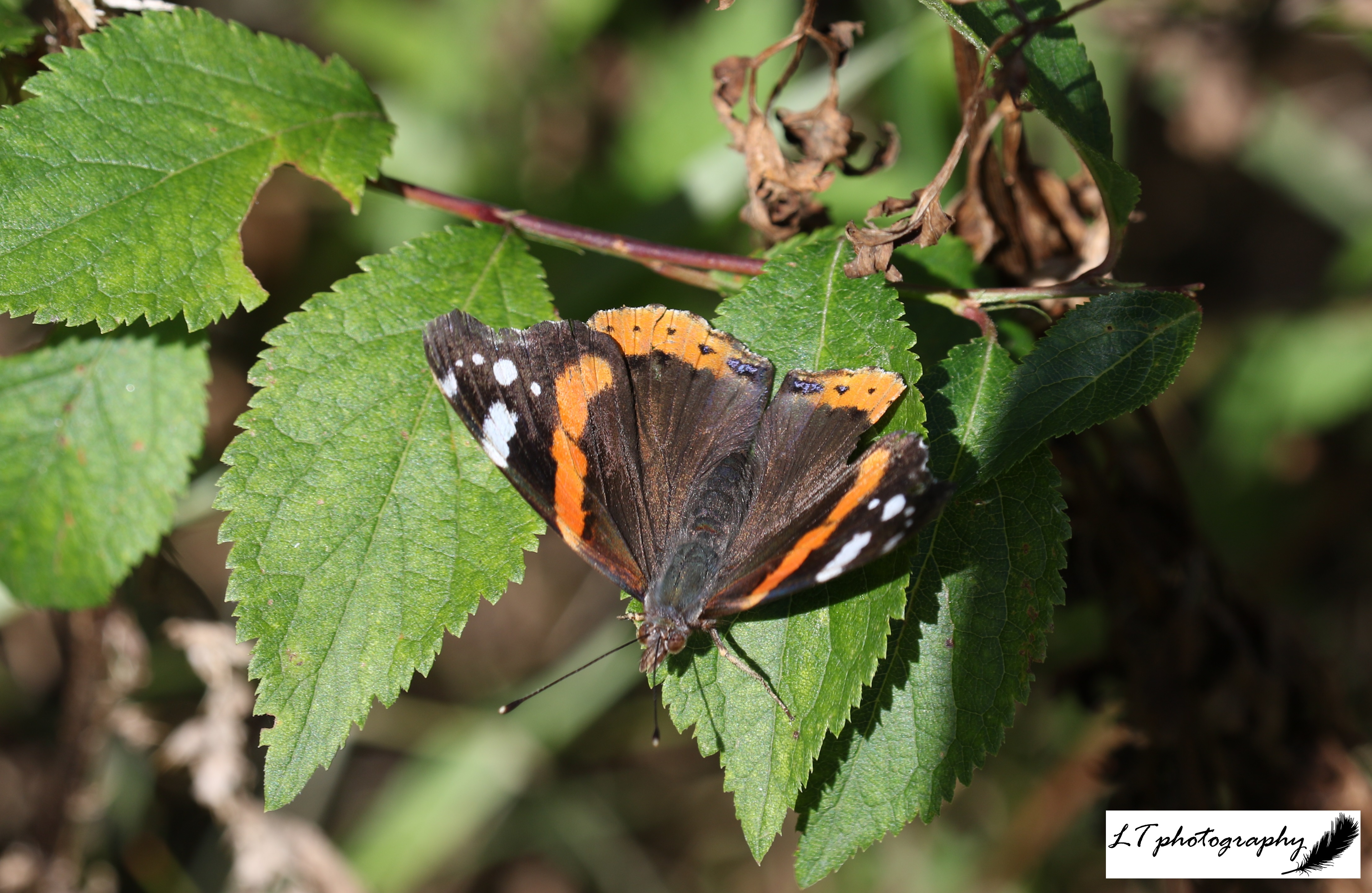
Red Admiral (Vanessa atalanta)
Family: Brush-footed butterflies
Size: Large (64-78mm wide)
Butterfly appearance: Black wings with red bands and white markings. Underside is similar, but paler and more mottled
Caterpillar food plants: Nettles
On the wing: March-October
Winter: Hibernate as adults
Distribution: Widespread throughout Britain
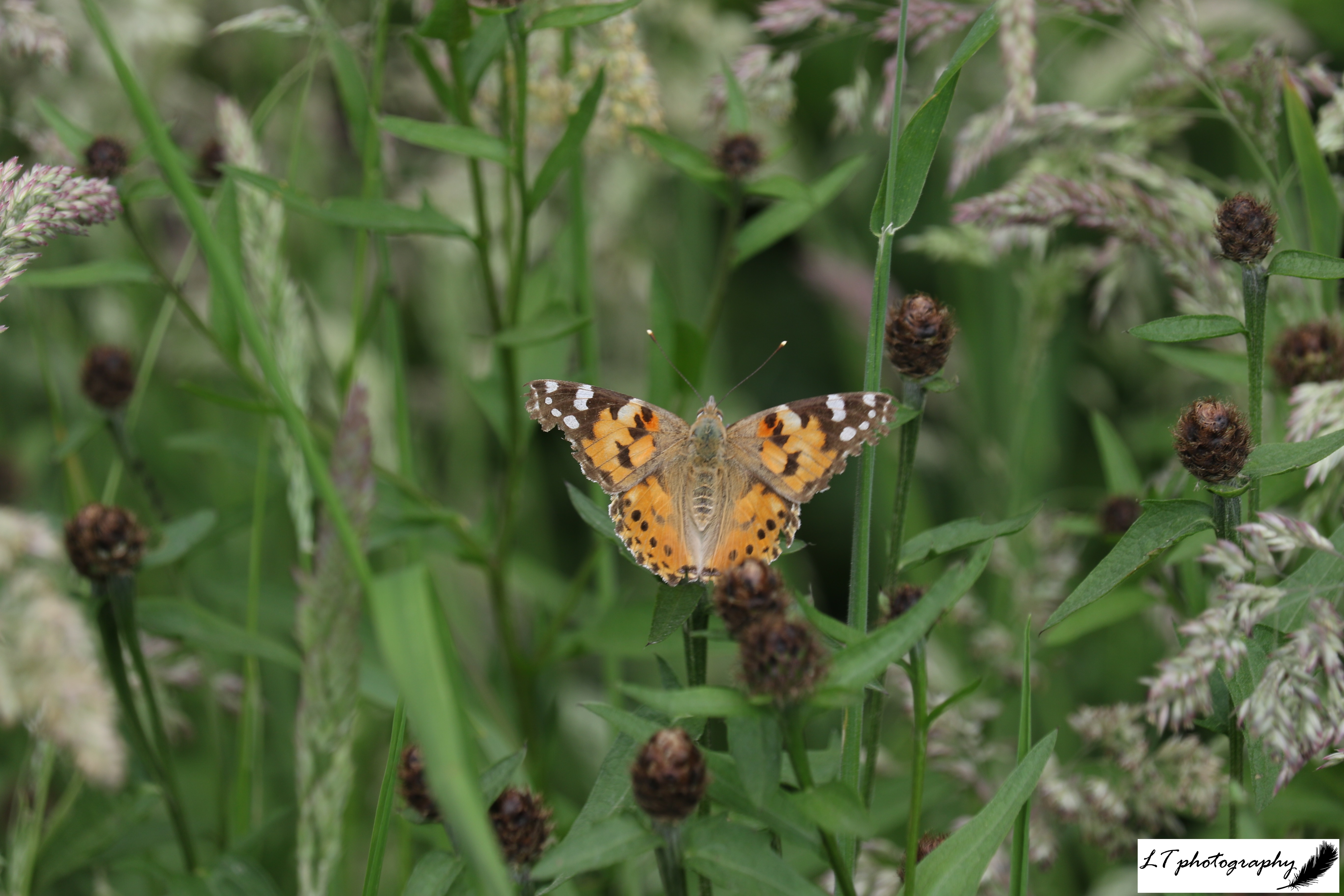
Painted Lady (Vanessa cardui)
Family: Brush-footed butterflies
Size: Medium/Large (58-74mm)
Butterfly appearance: Orange wings with black and white markings. Underside is similar, but paler and more mottled
Caterpillar food plants: Thistles and sometimes nettles and mallows
On the wing: March-October
Winter: Migrate from Africa each spring
Distribution: Widespread across Britain
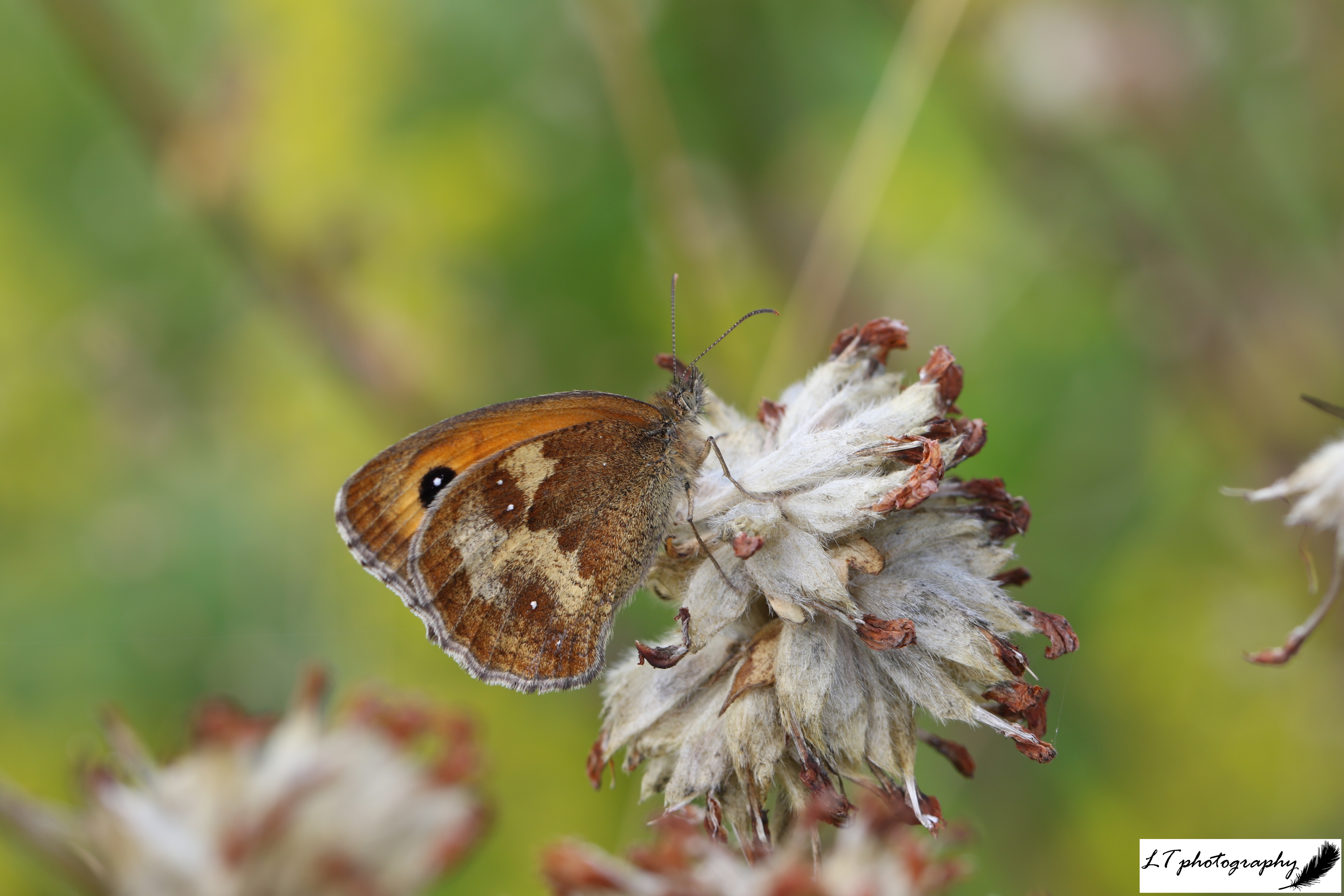
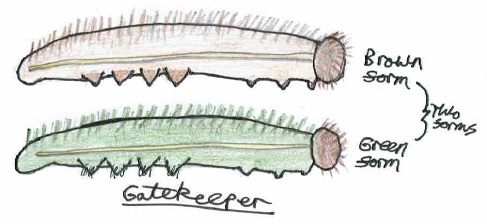
Gatekeeper (Pyronia tithonus)
Family: Brush-footed (brown) butterflies
Size: Medium (37-48mm wide)
Butterfly appearance: Orange and brown wings on top with a black false eye on each wing. Males are smaller and richer in colour than females, with distinct dark band across the forewing. Underside of the forewing is largely orange and the hindwing yellow and brown
Caterpillar food plants: Fine grasses, such as fescues
On the wing: June-September
Winter: Hibernate as caterpillars
Distribution: Most common in southern and central England and Wales
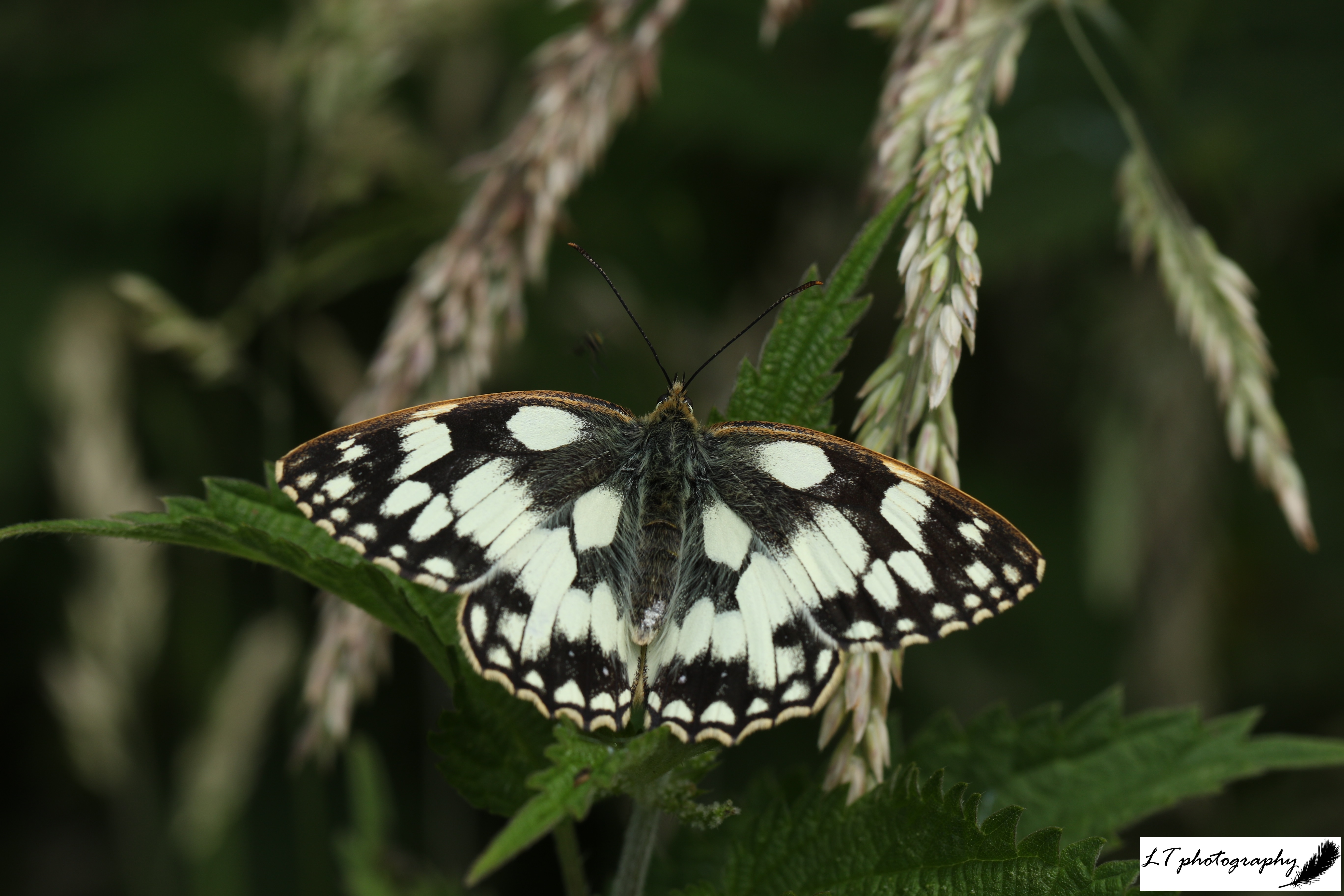
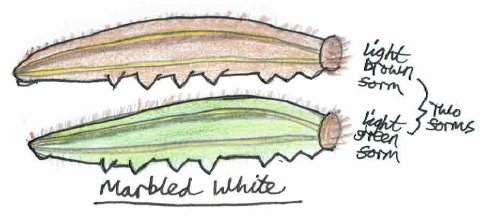
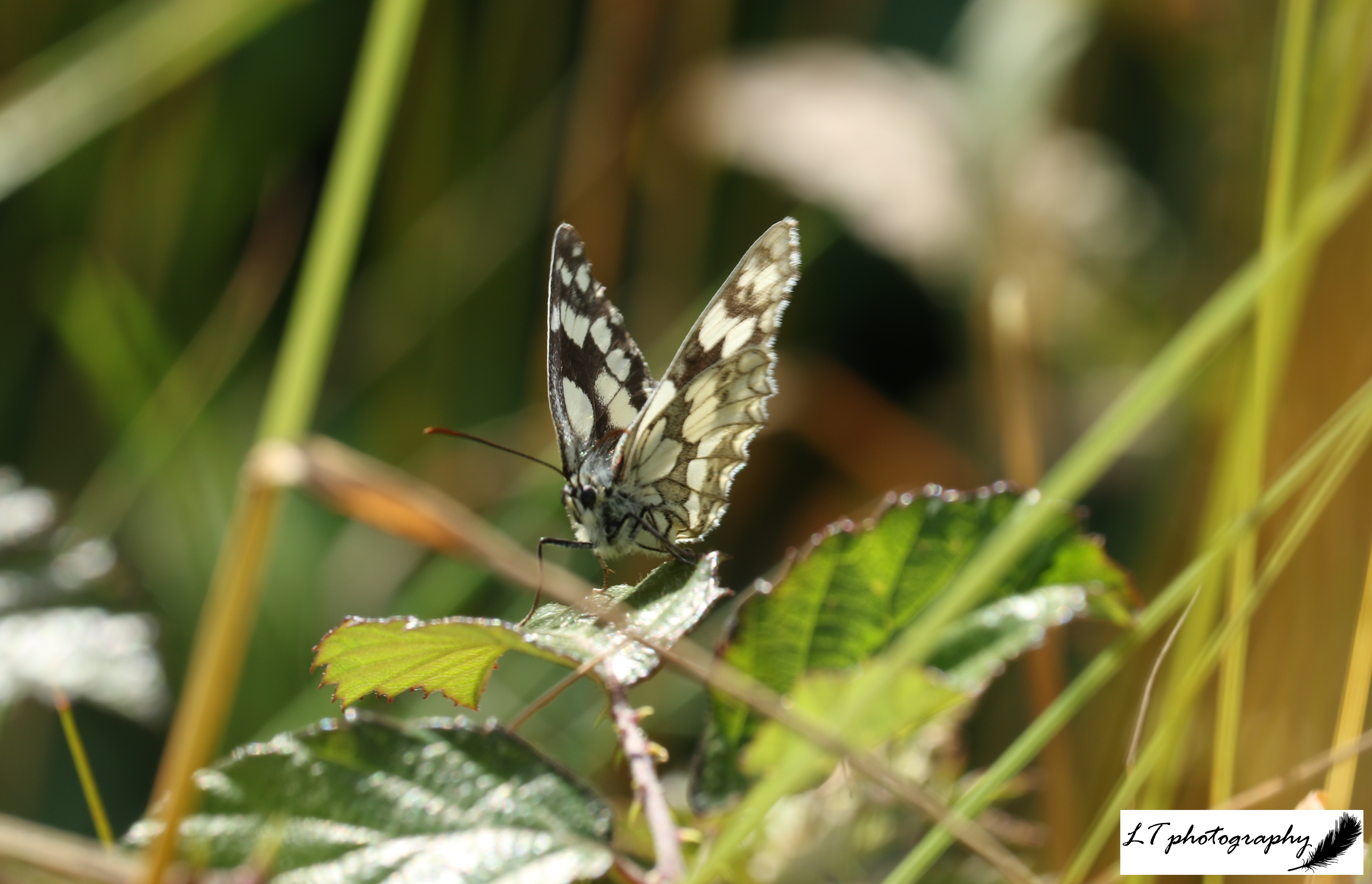
Marbled White (Melanargia galathea)
Family: Brush-footed (brown) butterflies
Size: Medium (53-58mm wide)
Butterfly appearance: Distinctive black and white chequered wings that vary in pattern between individuals. Undersidesnot so brightly marked with eye-spots and grey or yellowish bands
Caterpillar food plants: Grasses, such as red fescue and sheep’s-fescue
On the wing: June-August
Winter: Hibernate as caterpillars
Distribution: Southern and central England and Wales
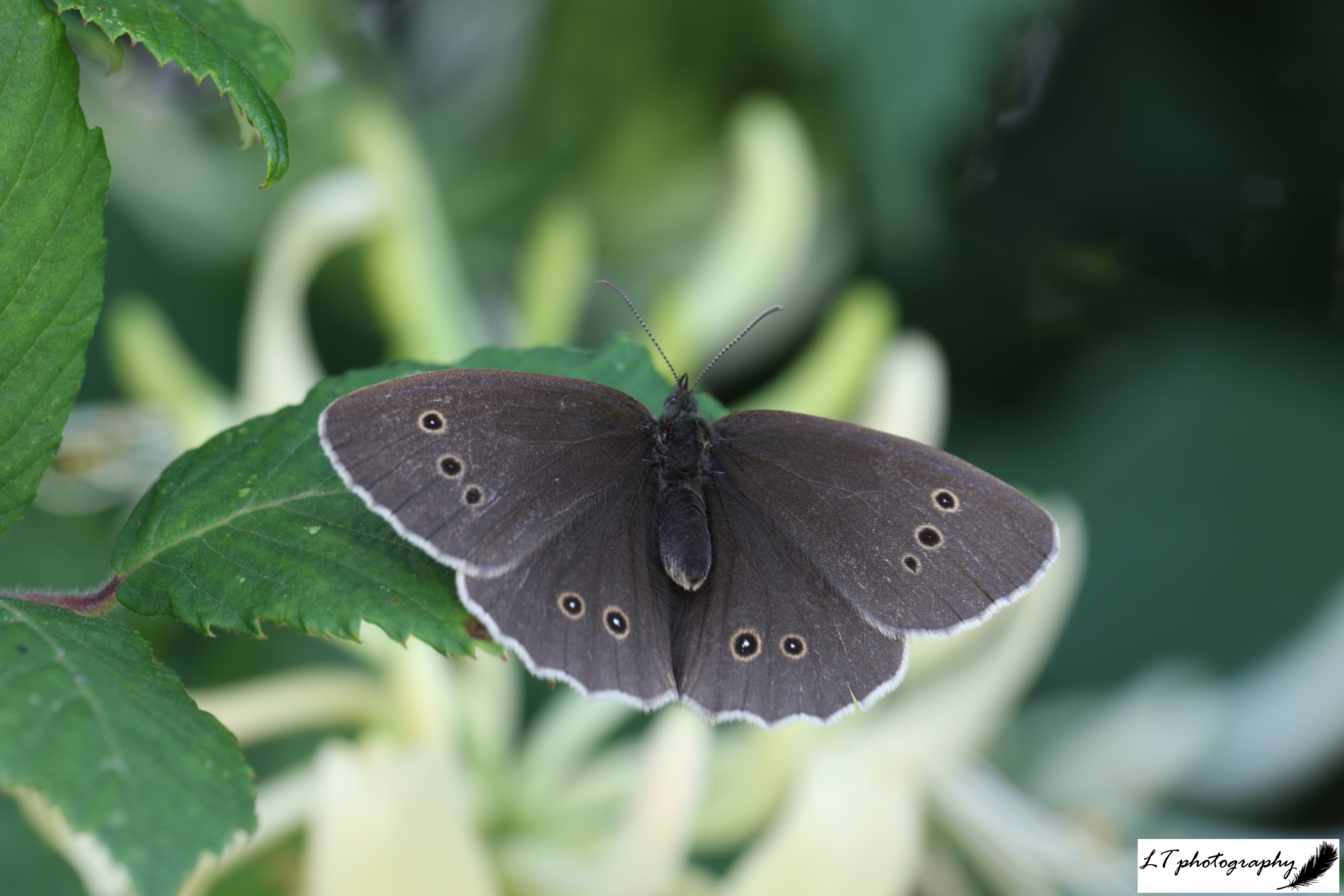
Ringlet (Aphantopus hyperantus)
Family: Brush-footed (brown) butterflies
Size: Medium (42-52mm wide)
Butterfly appearance: Begin velvety with deep blackish brown wings bordered by white. Iconic rings on wings vary in number, size and shape. Females larger with more pronounced markings
Caterpillar food plants: Various grasses including cock’s-foot and tufted hair-grass
On the wing: June-August
Winter: Hibernate as caterpillars
Distribution: Everywhere apart from northern Scotland
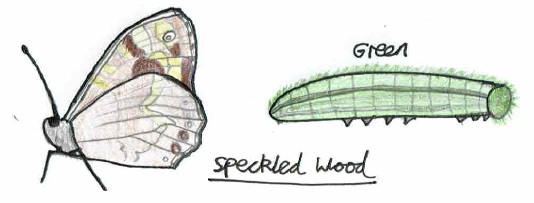
Speckled Wood (Pararge aegeria)
Family: Brush-footed (brown) butterflies
Size: Medium (46-56mm wide)
Butterfly appearance: Dark brown with cream spots, though the female’s are larger. Forewings have a false eye and hindwings have three false eyes. Undersides mottled brown
Caterpillar food plants: Various grasses including false brome, cock’s-foot, Yorkshire fog, and common couch
On the wing: March-October
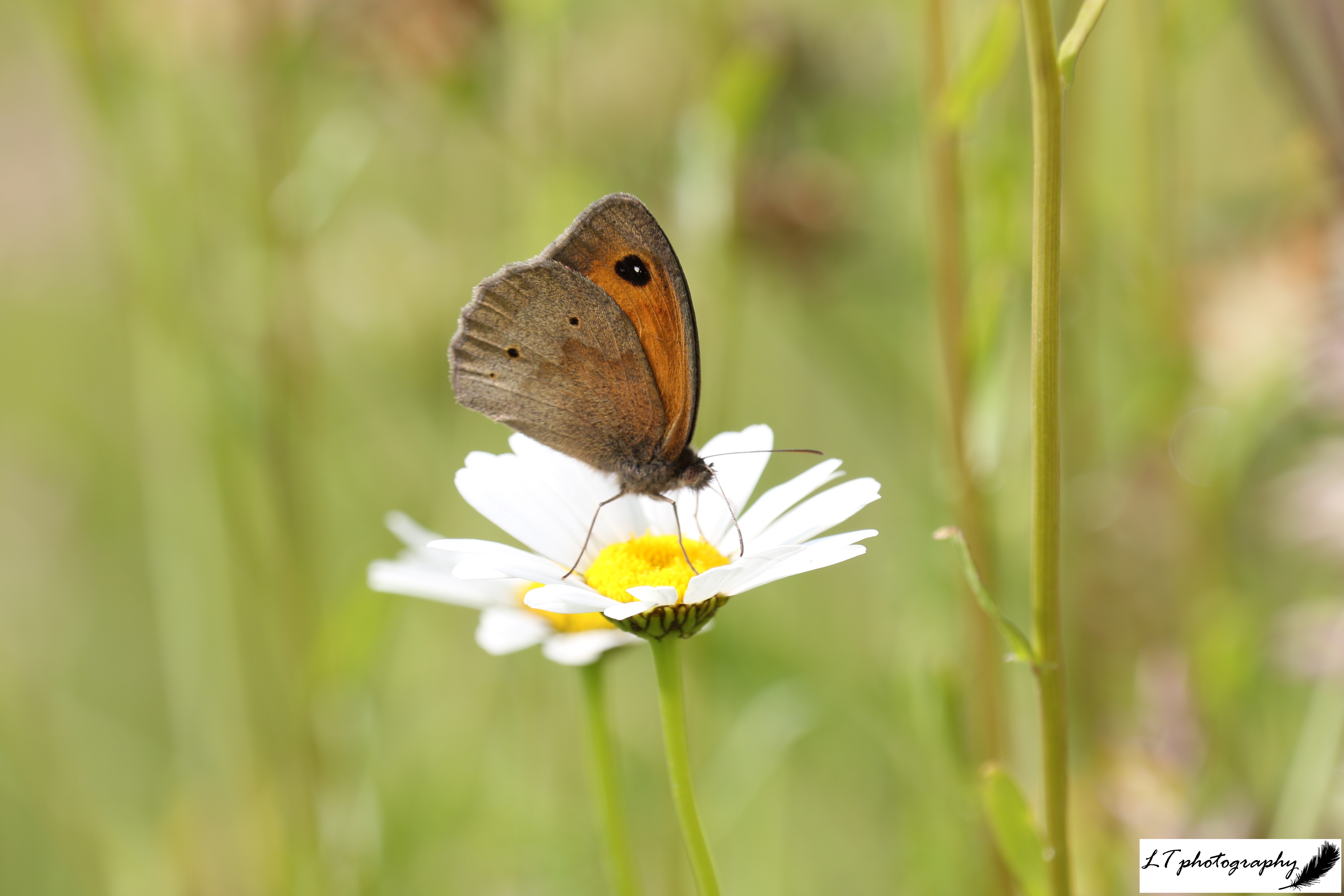
Winter: Hibernate as caterpillars or a chrysalis
Distribution: Throughout England (except the far north), Wales and Ireland, and in northern Scotland
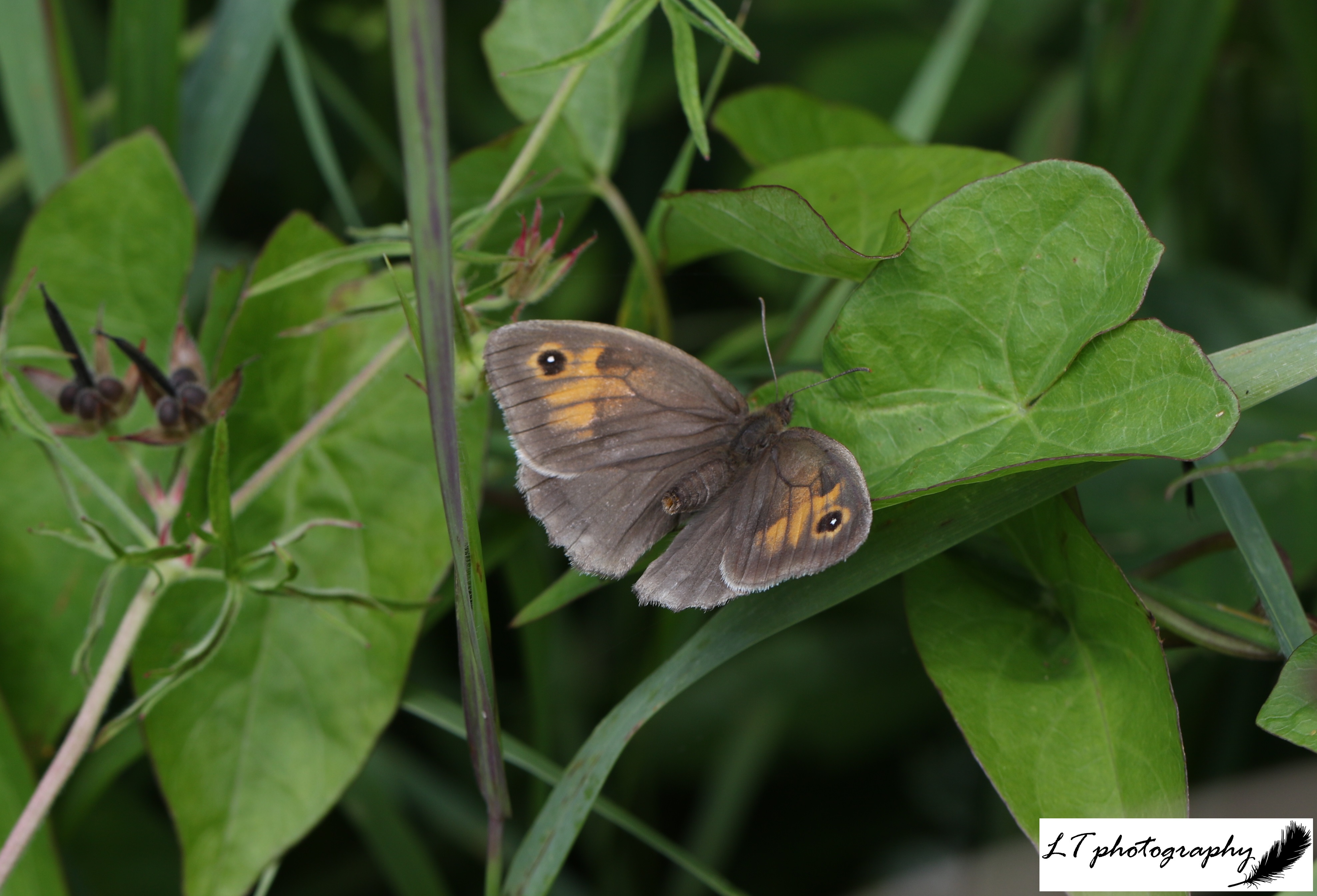
Meadow Brown (Maniola jurtina)
Family: Brush-footed (brown) butterflies
Size: Medium (40-60mm wide)
Butterfly appearance: Male= dark brown with dark scent patch on forewing and faint orange smudge; Female= lighter brown with more orange on wings. Underside is largely orange with mottled brown hindwing
Caterpillar food plants: Wide range of grasses from fine fescues to coarse cock’s-foot
On the wing: May-September
Winter: Hibernate as caterpillars
Distribution: Widespread across Britain
Comma (Polygonia c-album)
Family: Brush-footed butterflies
Size: Medium/Large (50-64mm)
Butterfly appearance: Orange wings with brown patterns and scalloped edges to wings. Mottled underside with white, comma-like mark on hindwing
Caterpillar food plants: Nettle, elm and hop
On the wing: Spring after hibernation; Summer brood= June-July; Autumn brood= August-September
Winter: Hibernate as adults, camouflaged as a leaf
Distribution: Widespread across England and Wales, rare in southern Scotland and Northern Ireland
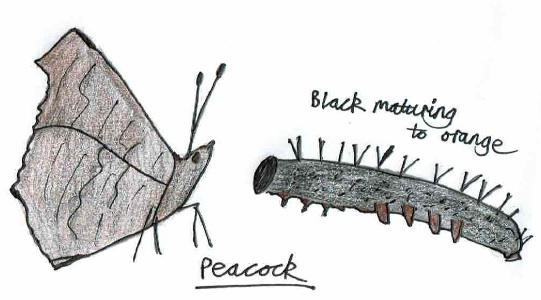
Peacock (Aglais io)
Family: Brush-footed butterflies
Size: Large (63-75mm wide)
Butterfly appearance: Red wings with four large false eyes. Undersides almost black
Caterpillar food plants: Nettles
On the wing: Spring after hibernation, and June-September
Winter: Hibernate as adults in hollow trees and buildings
Distribution: Widespread across Britain
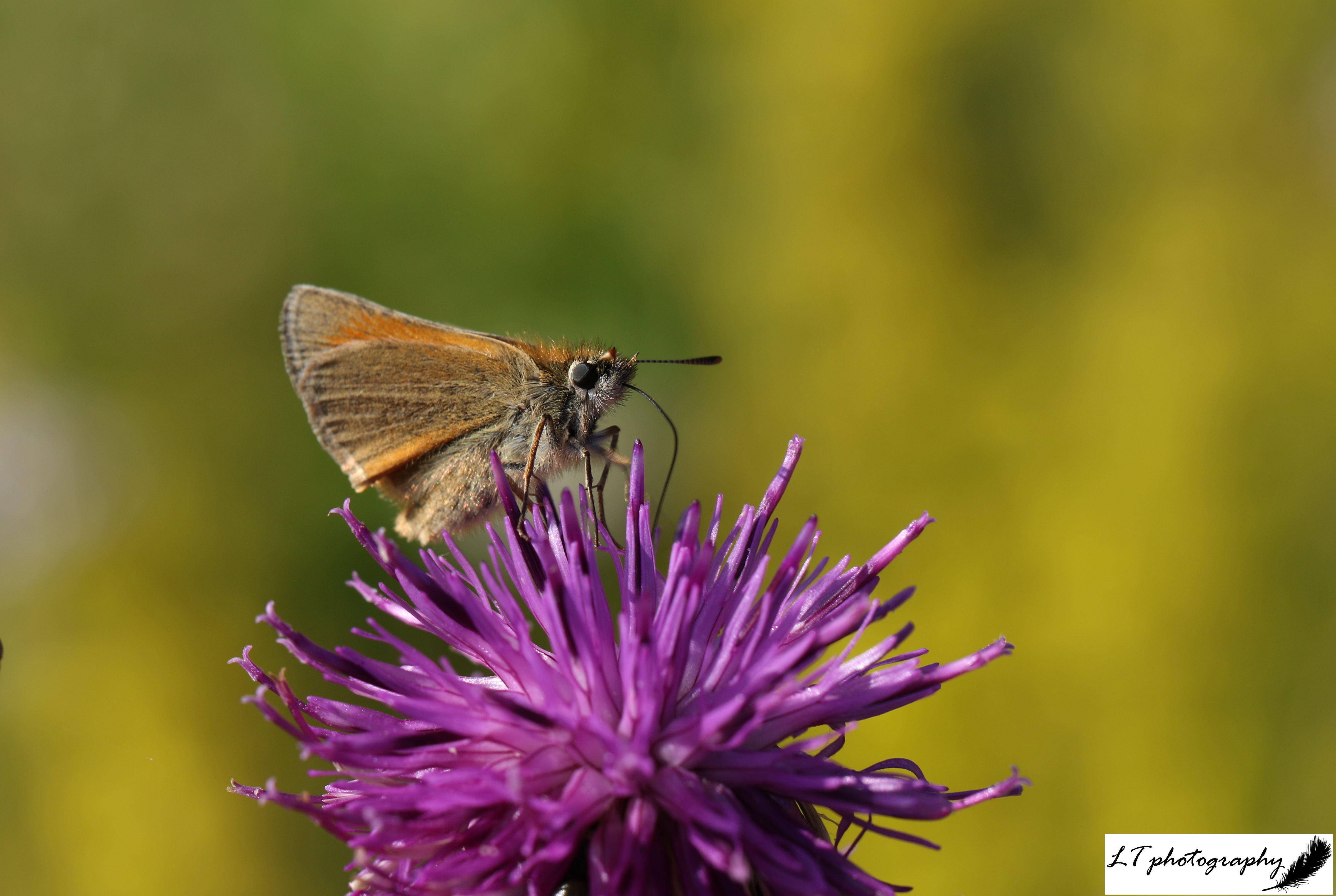
Small Skipper (Thymelicus sylvestris)
Family: Skippers
Size: Small (25-34mm wide)
Butterfly appearance: Orange on top with a black edge, and paler undersides. Male= dark stripe in centre of fore-wing. Antenna tip is orange below
Caterpillar food plants: Yorkshire fog and other tall grasses
On the wing: June-September
Winter: Hibernate as caterpillars
Distribution: Widespread up to North Yorkshire and Scottish border
Large Skipper (Ochlodes venatus)
Family: Skippers
Size: Small (28-36mm wide)
Butterfly appearance: Wings rich brown with orange patches, but male has a dark bar in the centre of the forewing. Underside mottled orange
Caterpillar food plants: Cock’s-foot and other tall grasses
On the wing: May-September
Winter: Hibernate as caterpillars
Distribution: Throughout England, Wales, and in Dumfries and Galloway
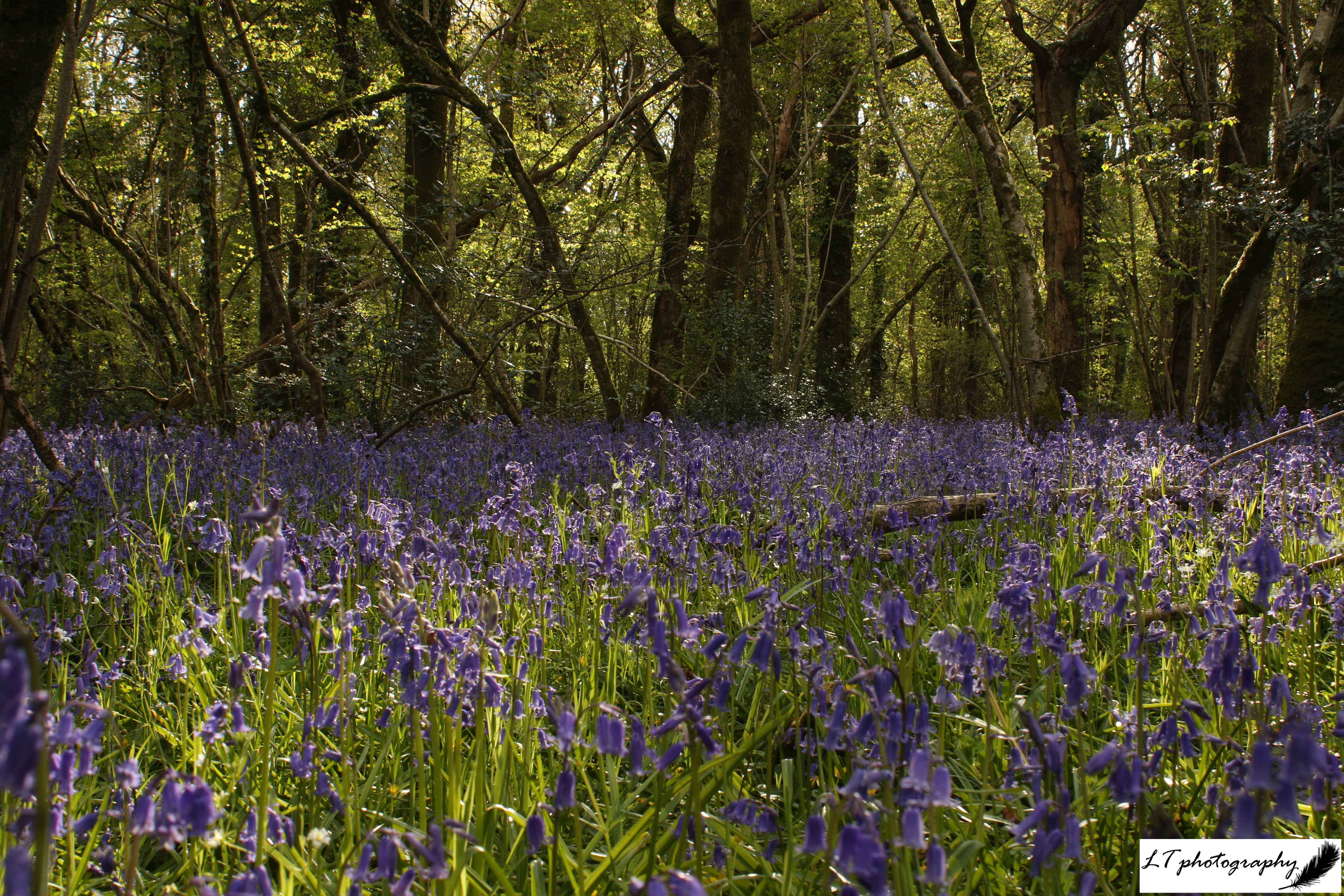
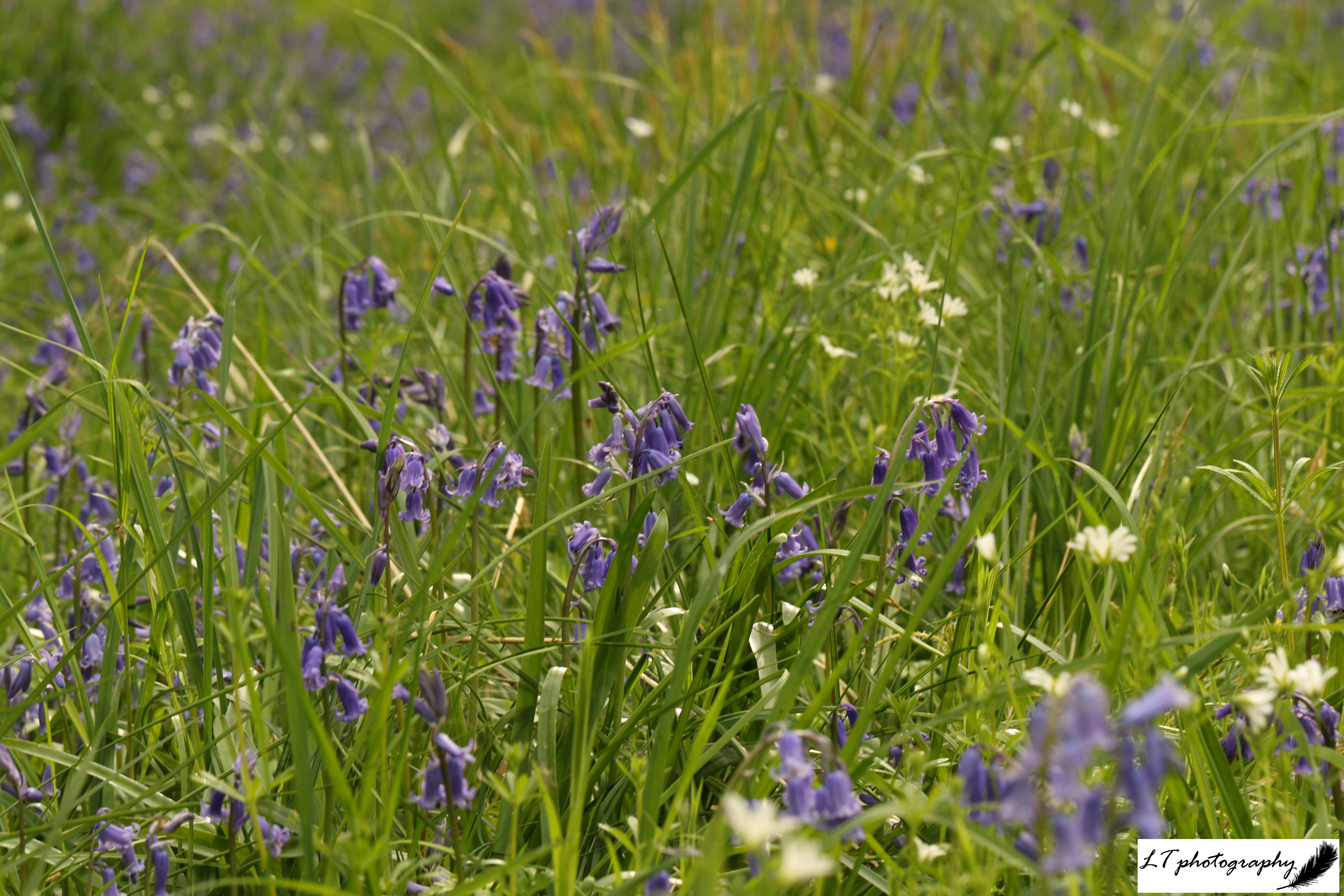
‘When you go down to the woods today, you’re sure of a big surprise’, and in late April to early May, this surprise comes in the form of a fantastic mass event! During this time, our woodlands are blanketed with a sweeping carpet of colour; a rich mass of violet-blue, made up of thousands of nodding heads. This popular spring spectacle is a heady treat for the senses, epitomising the beauty of British springtime. This is not all that our woodlands have to offer at this time though, with the Bluebells making us overlook some humbler stars of the show.
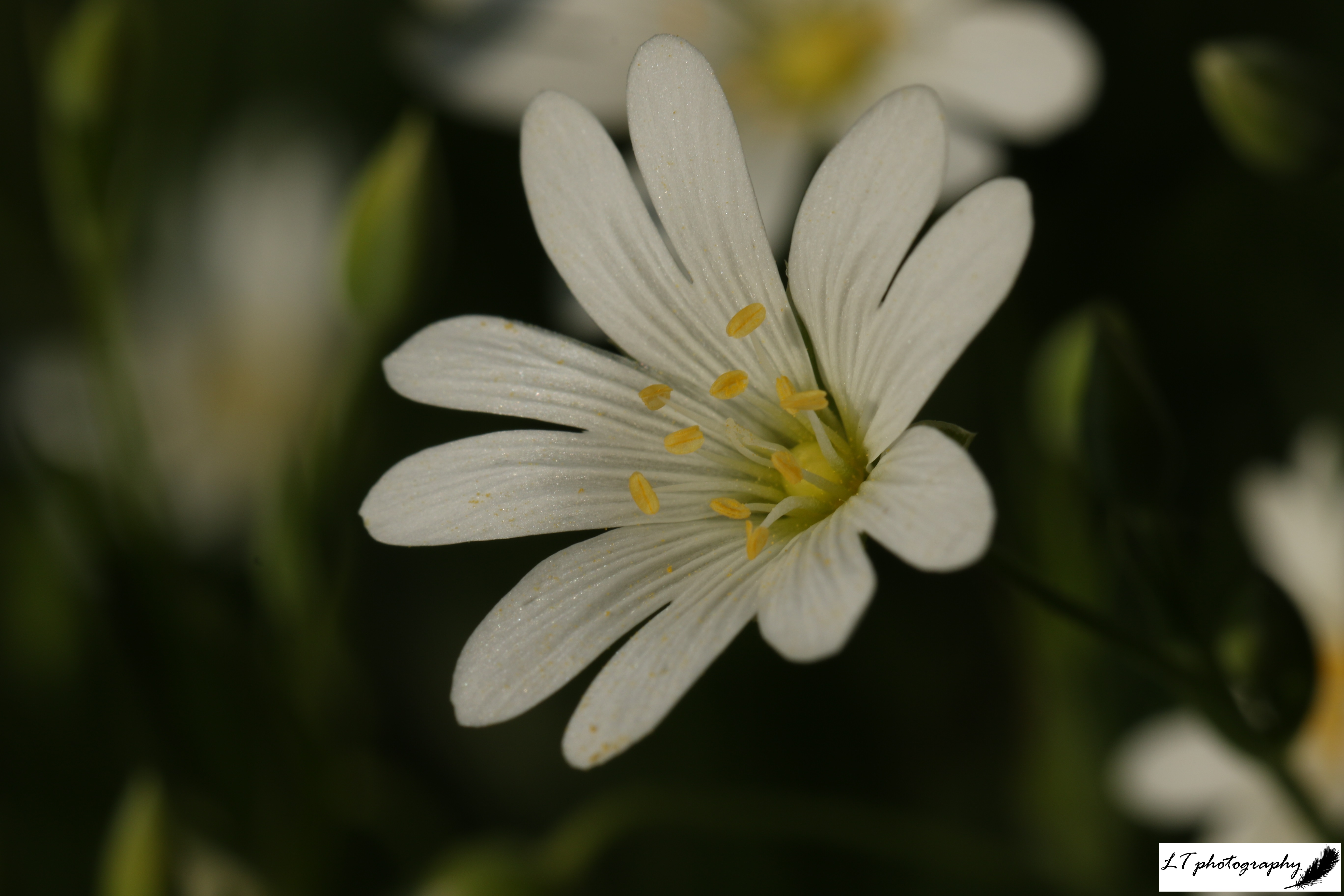
So when walking through the Bluebells, why not stop and look around you for a moment. ‘Daddy’s-shirt-buttons’ or Greater Stitchwort can be found dotted throughout the woodland carpet, white star-shaped flowers on slender stems. In thicker patches of green, clusters of green-centred stars can also be found on sturdy stems, their pungent scent giving them away as the flowers of Wild Garlic. These are joined closer to the ground by the white-cupped faces of the Wood Anemone, heads turned to the sun, merging into the galaxy of colour.
The palette is added to by splashes of pink and yellow. Shining yellow stars of Lesser Celandine float above heart-shaped leaves. The green-spiked Yellow Archangel, like a nettle, adorned with rings of butter-yellow flowers, each with their own hood. You can also find Early Purple Orchids beneath the trees, pink spikes growing from purple-splattered green leaves. Closer to the ground, the glittering pink faces of Herb Robert add to the show.
Amongst the Bluebells, there is not just a colourful backdrop of flowers to be found, but a hidden world to be discovered. Down at Bluebell level, the woodland floor comes alive. Spiders spin webs from Bluebell to Bluebell hoping to catch a meal, whilst Bumblebees fly from flower to flower collecting nectar and pollen for their colonies. They are joined by a fantastic array of flies, varying in size, shape, and colour.
If you take an even closer look at the flowers, you might even find some more hidden characters that capture your mind and inspire your imagination. Camouflaged spiders, weird and wonderful weevils, colourful shield bugs, fascinating beetles, and even patchwork snails are waiting to be found. Minibeasts and their tiny worlds can create a sense of calm and simple joy, an easy example being a graceful Butterfly gently flitting by through dappled spring sunshine.
Walking through the Bluebells is a wonderful visual experience, but if you open your ears, then another world can also be added to this. The fluting notes of the Song Thrush, the onomatopoeic song of the Chiffchaff, the melodic Robin, or the powerful trilling song of the Wren. All flow together to create a symphony of bird song, a soundtrack fit for the spectacle that is the blooming of the Bluebells.
‘When you go down to the woods today, you’re sure of a big surprise’, and in spring this might just be bigger than you expect. Next time the Bluebells are blooming, why not stop and see what you might find amongst those nodding heads.






























































































 Laura's Wild World