Spring 2024: How It Happened

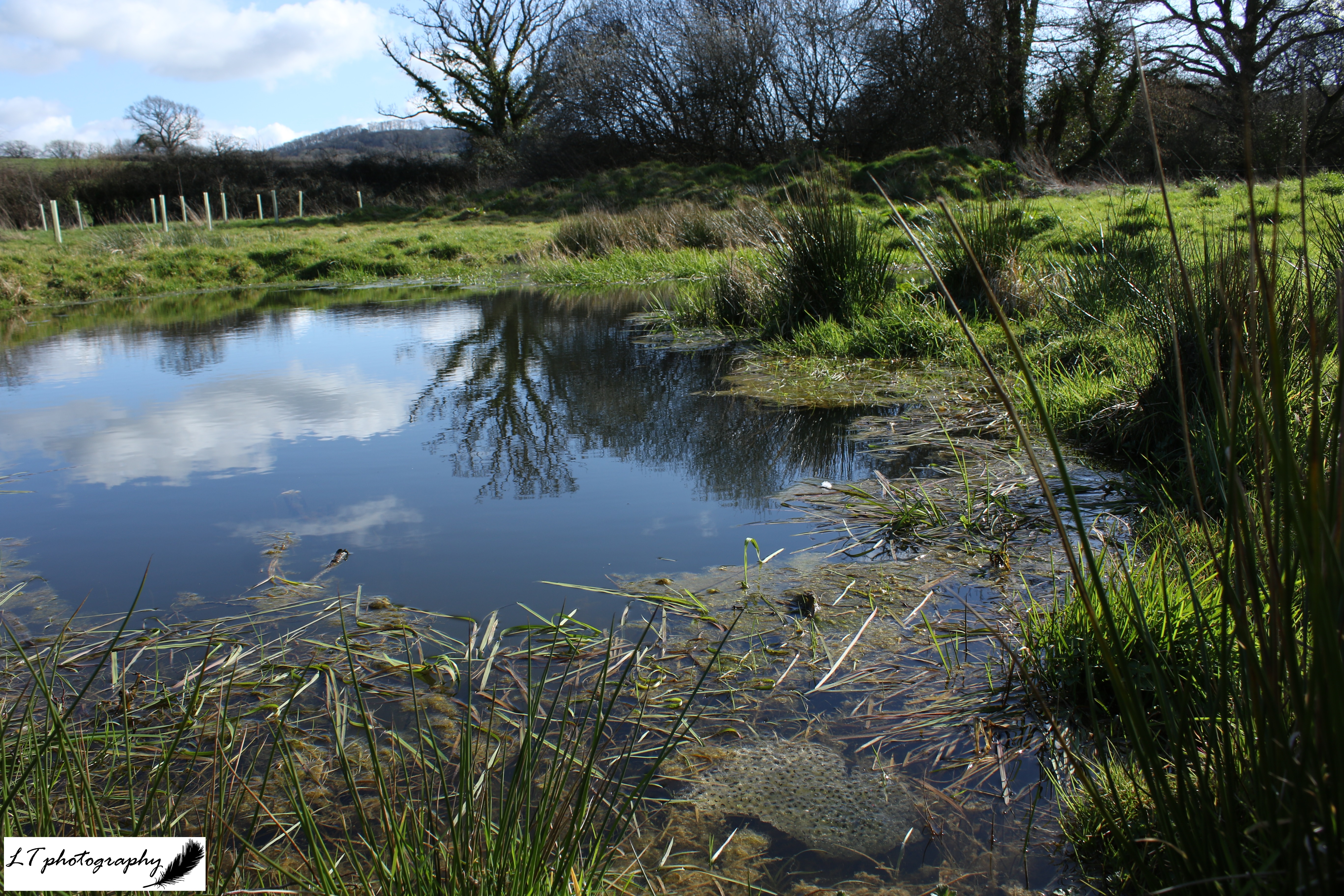
Over the last few years, it has been noticeable that weather patterns and average temperatures have been changing and highly unpredictable, leading to the seasons, such as spring, varying from month-to-month and year-to-year, especially here in Dorset. For example, last year spring began a wash out, moving to cold and stormy spells, before ending with heat waves. This year was an equally odd series of spring weather events with a cold start to the season, followed by wet weather with northerly winds, and finishing with drier spells. It was on average warmer and wetter, but cold nights continued for a long time, and had a noticeable effect on plant growth patterns being seen.
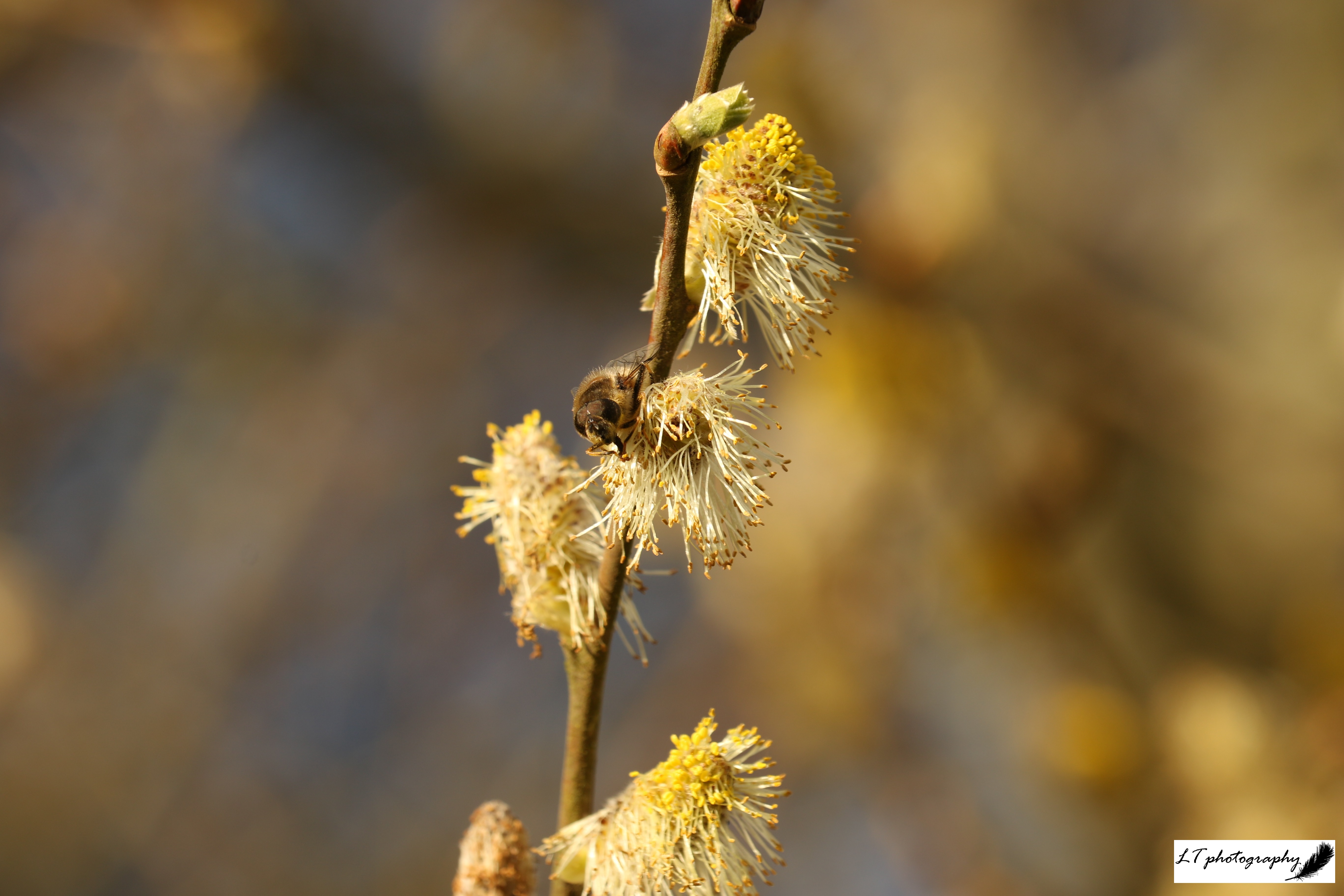
Spring 2023 encountered trends for later spring events and a slow start to spring, which helped to create a mismatch between species and spring events. With a warmer, wetter winter before spring this year, and often above average spring temperatures, it is likely the trends this year may differ to those of 2023. It will be interesting to see if this has had an effect though, by looking at trends for some tree, shrub, flower, insect and bird species. How will spring 2024 have shaped up? Read on to see how my favourite season unfurled this year!

Trees

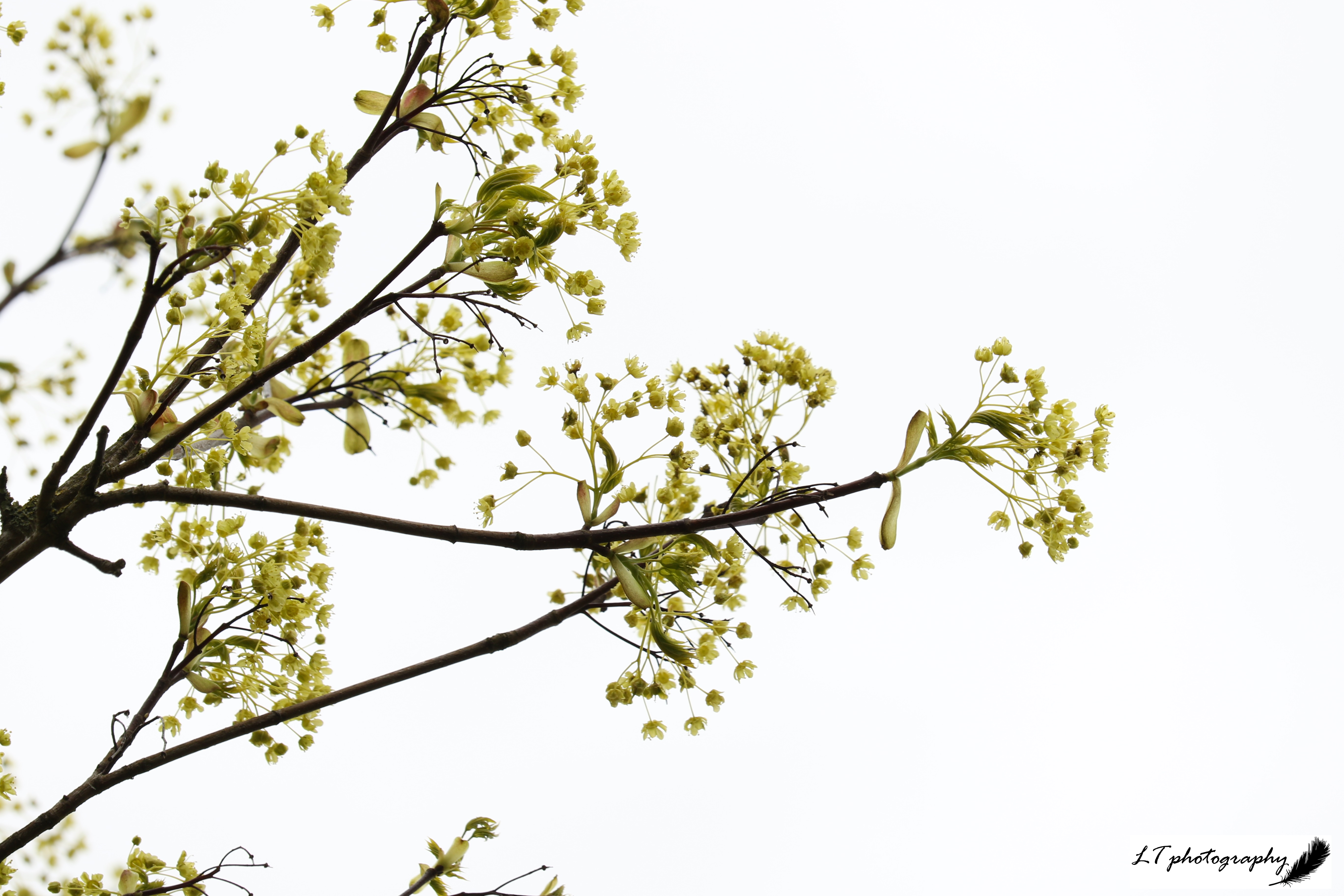
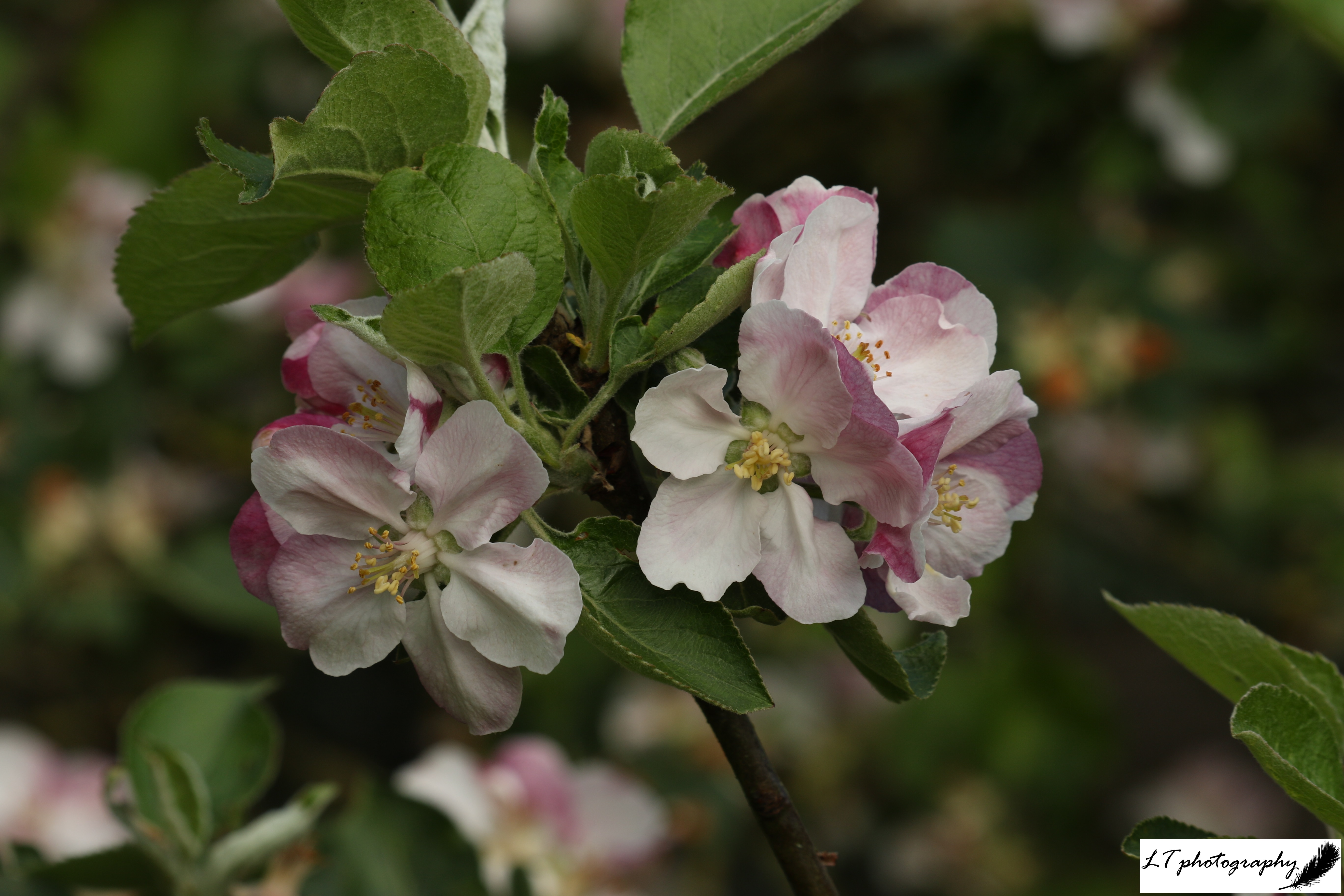
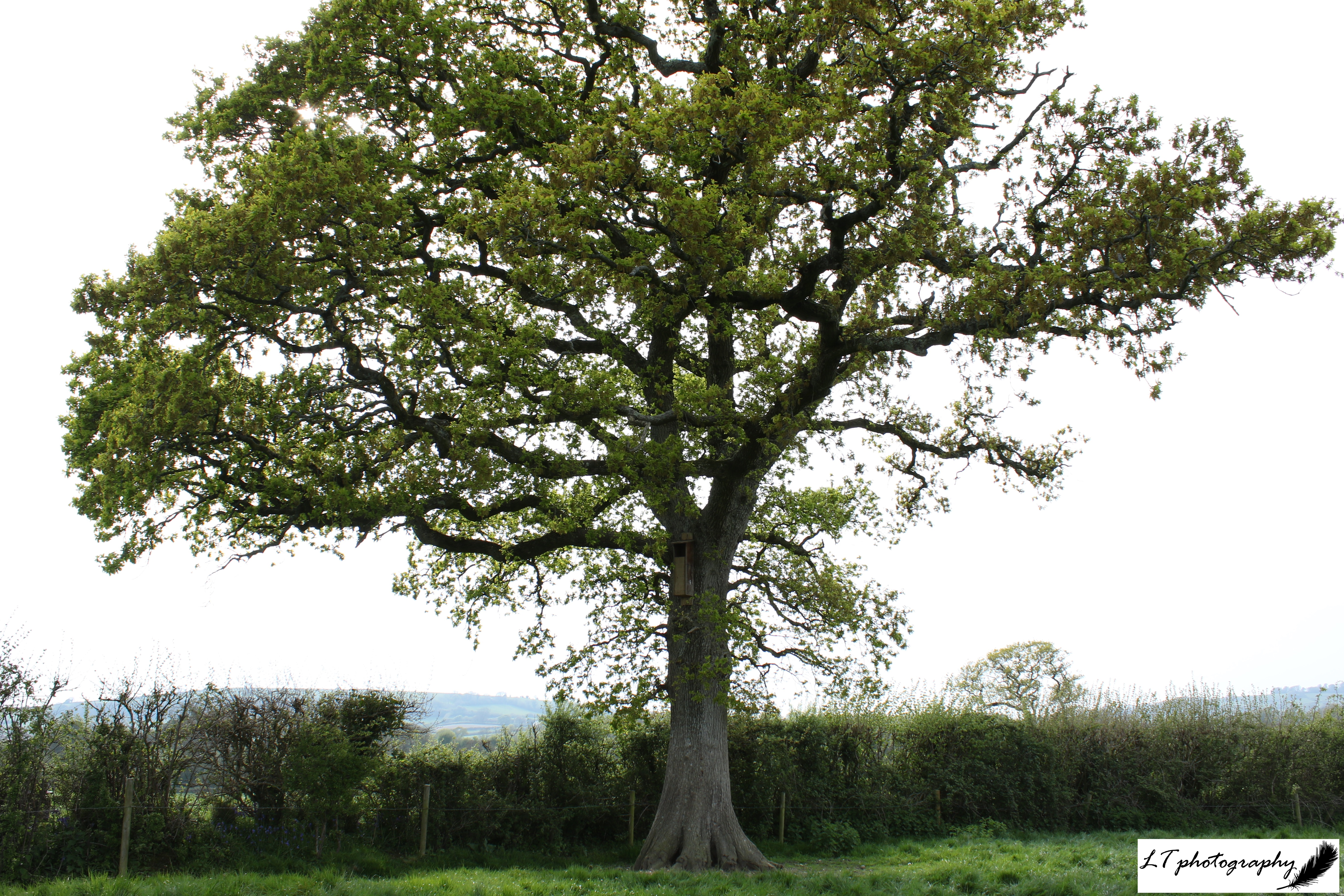
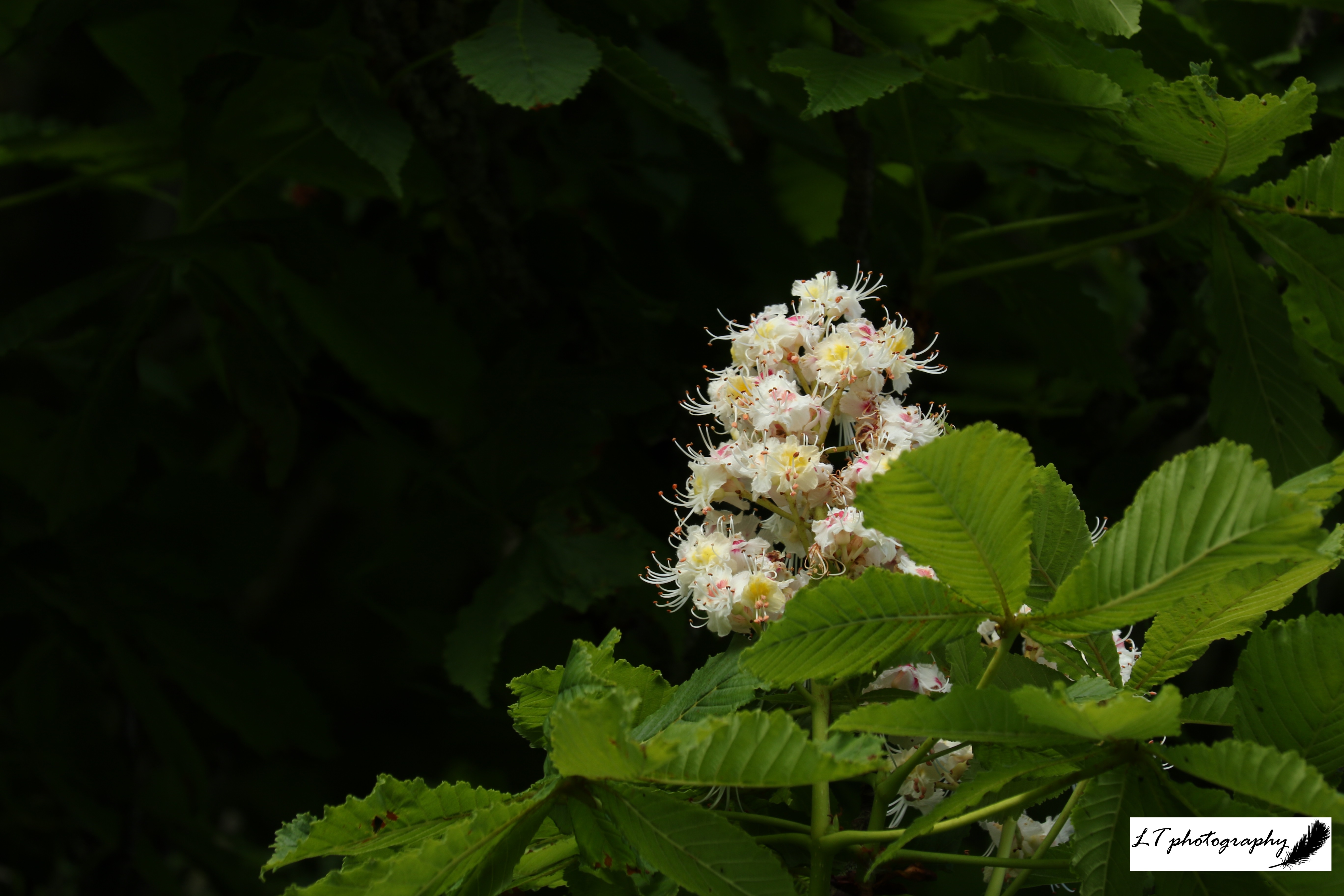
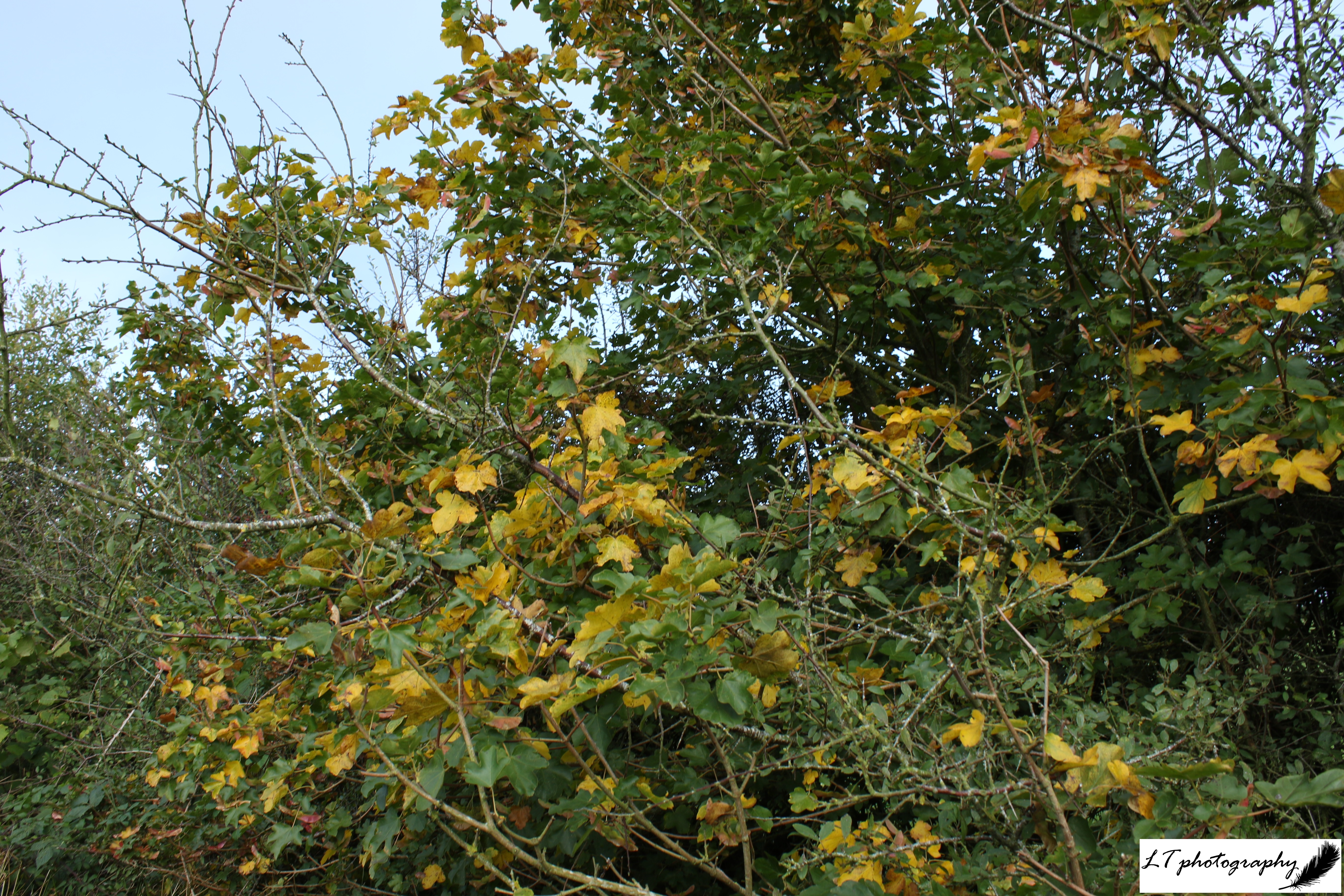
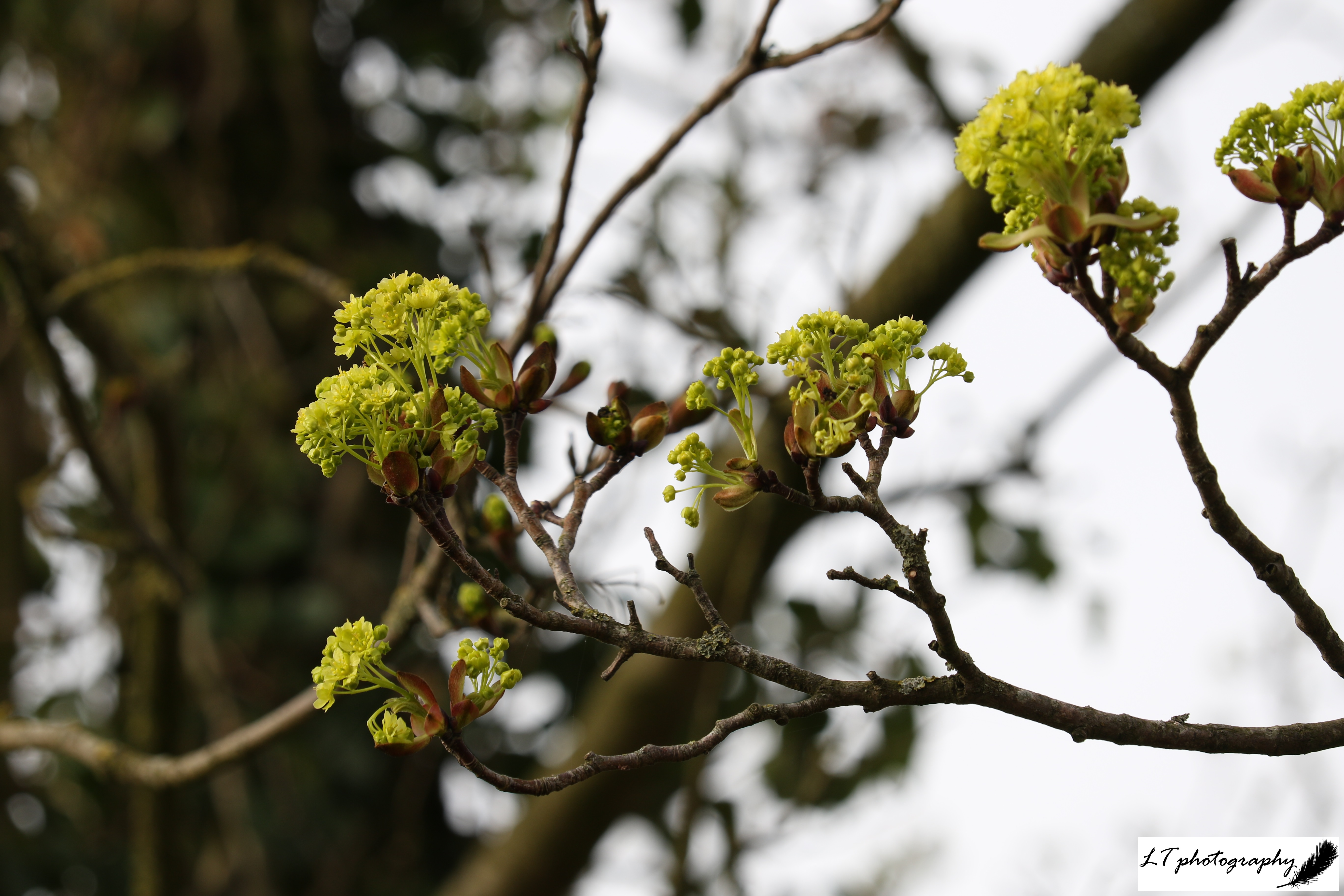
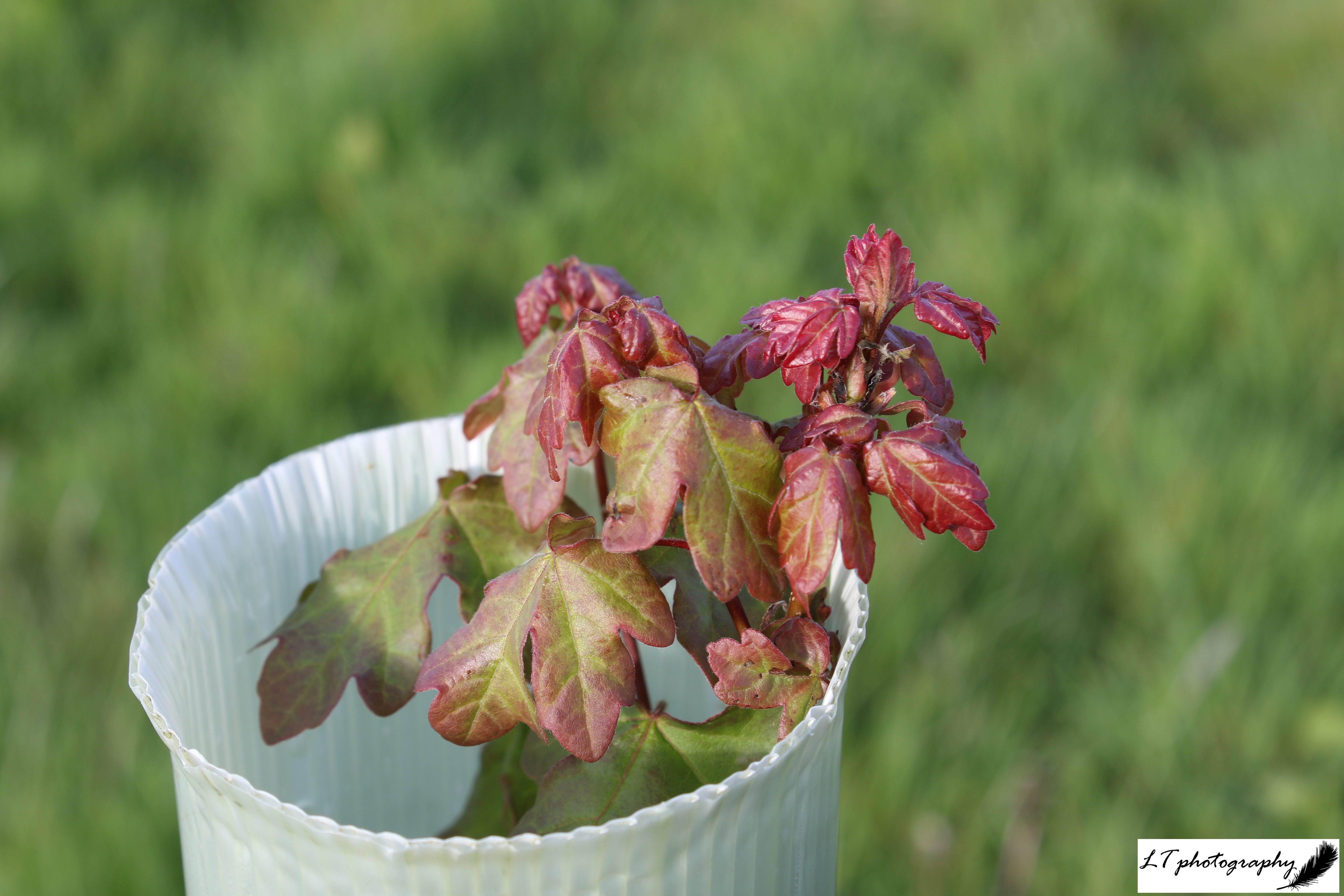
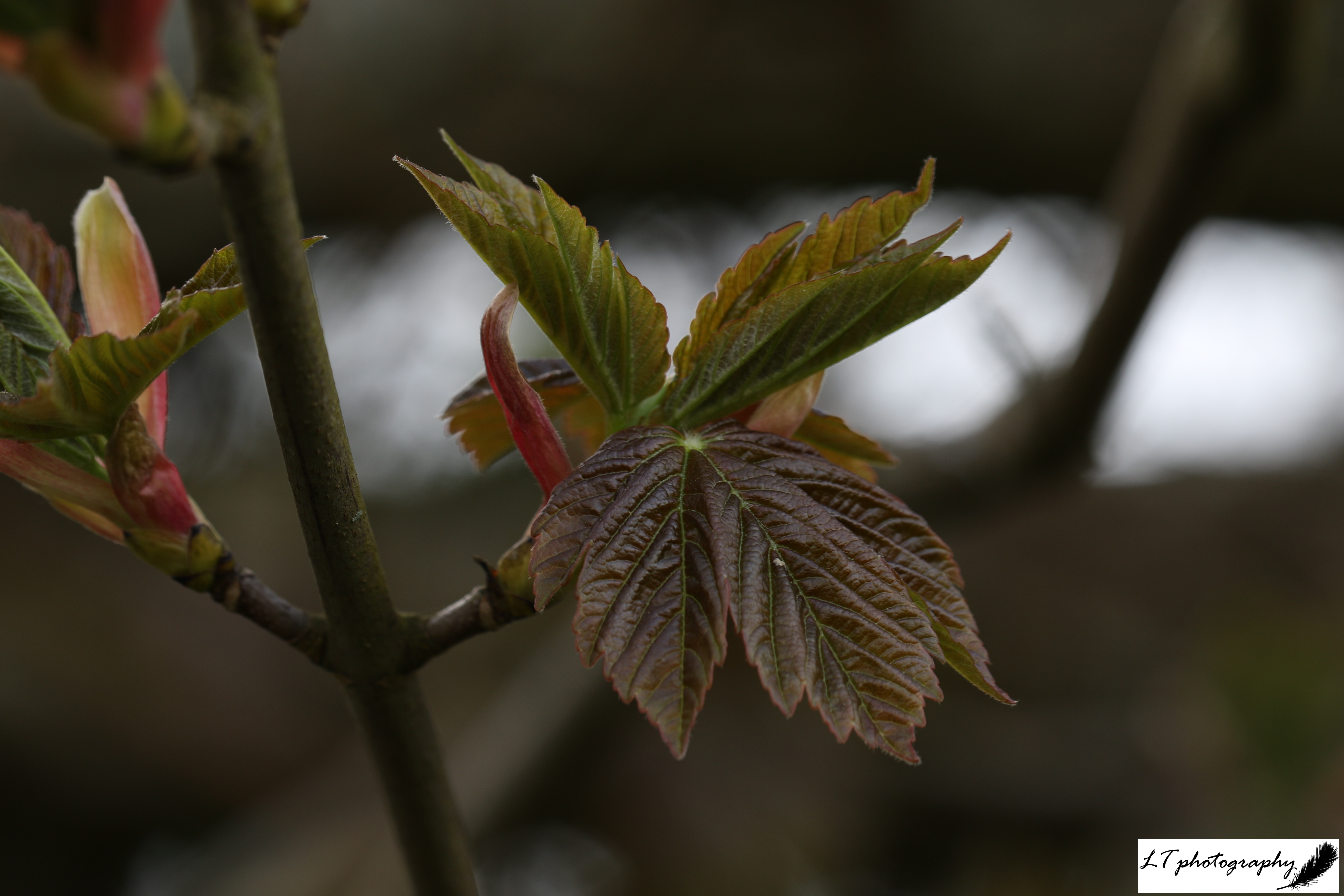
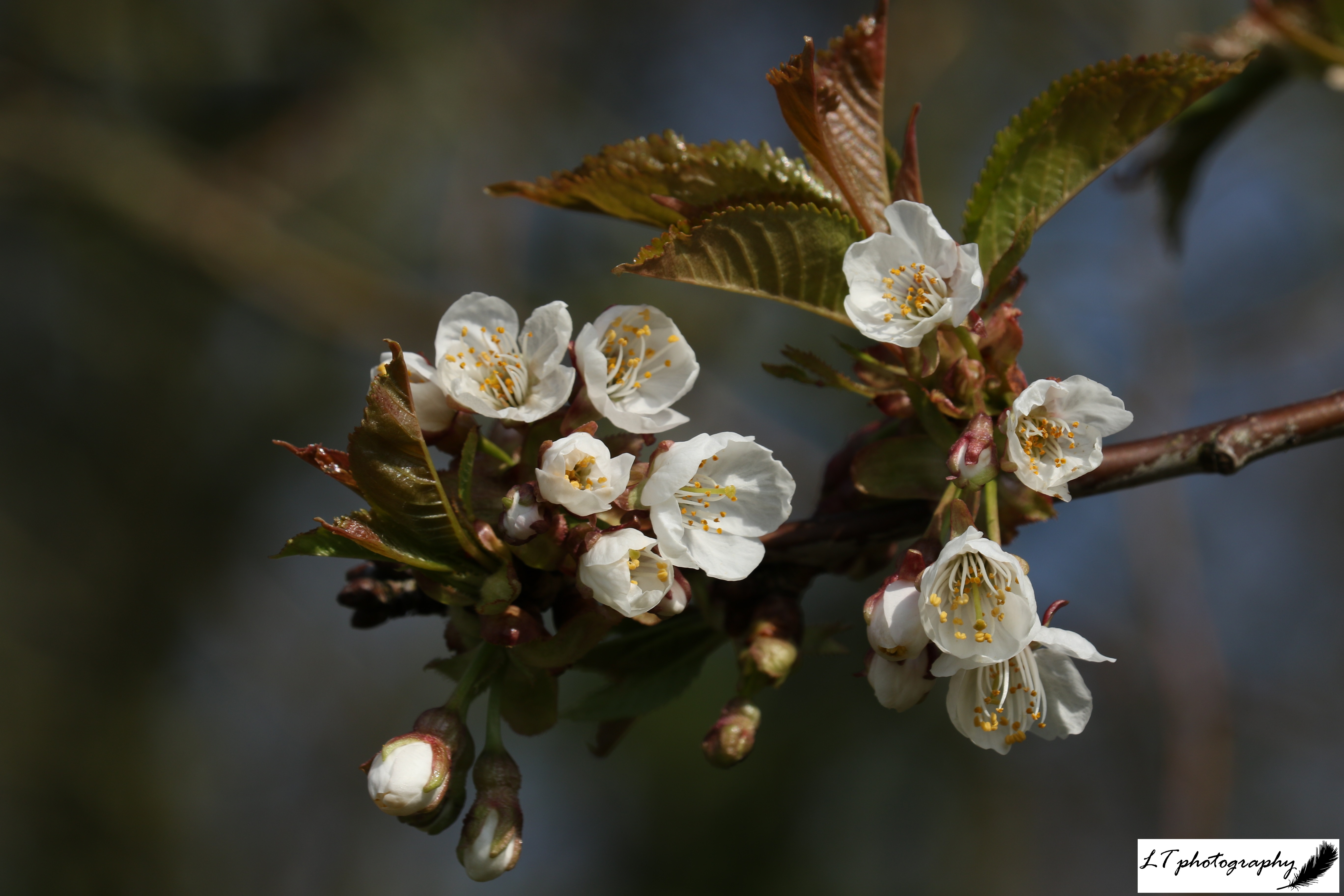
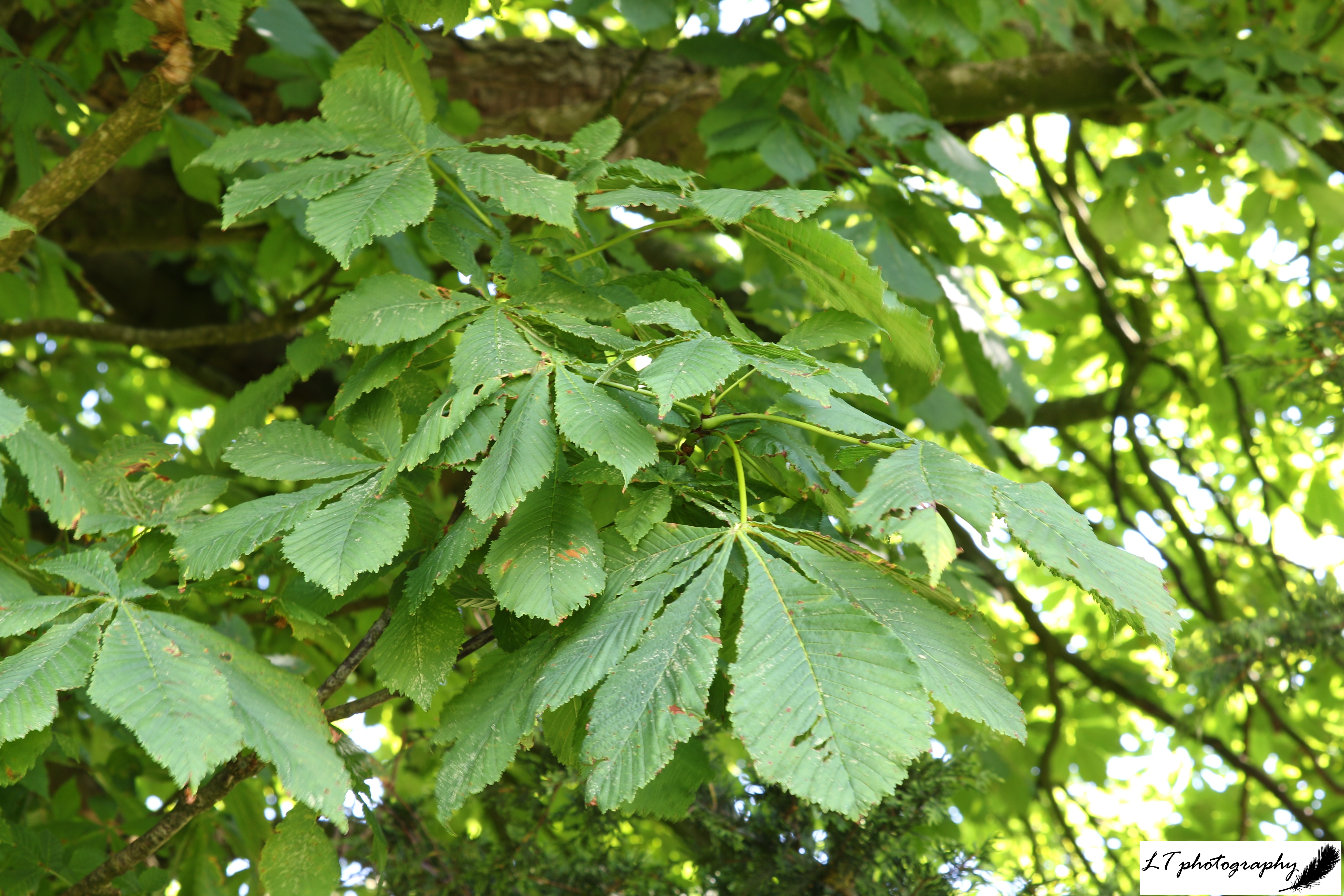
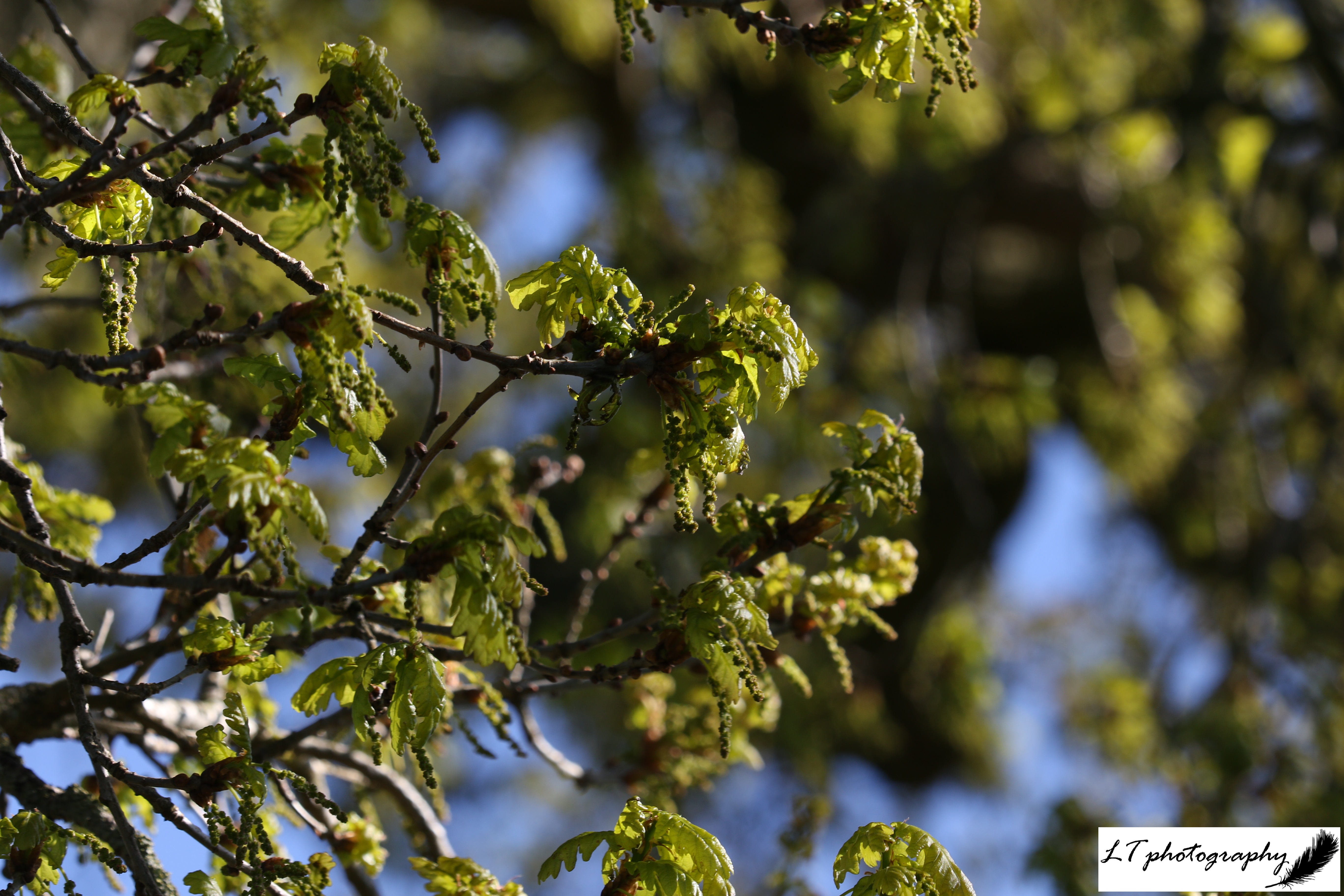
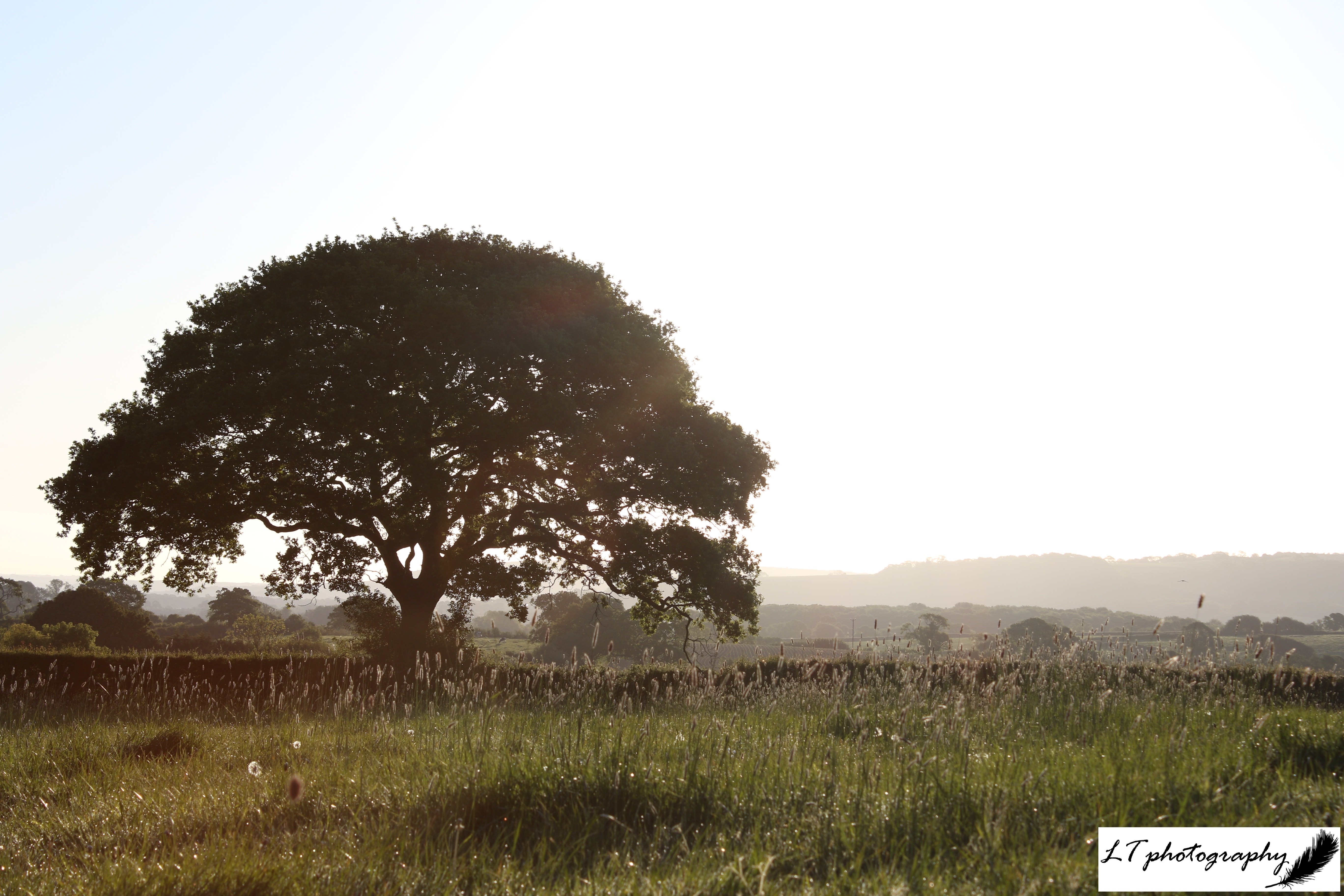
During 2023, spring emergence dates for trees showed a trend for on average later dates, ranging from 1 to 28 days later. In 2024 though, the majority of spring tree dates were earlier, as seen with field maple, horse chestnut, english oak, and wild cherry, ranging from 1 to 22 days earlier from March through to May. Alder dates though were fractionally later, as were ash and sycamore flowering, and silver birch and norway maple budburst, but the other events for these species occurred earlier. The on average warmer and wetter weather will most likely be the reason for these trends, allowing trees to get a head start this year.

Flowers

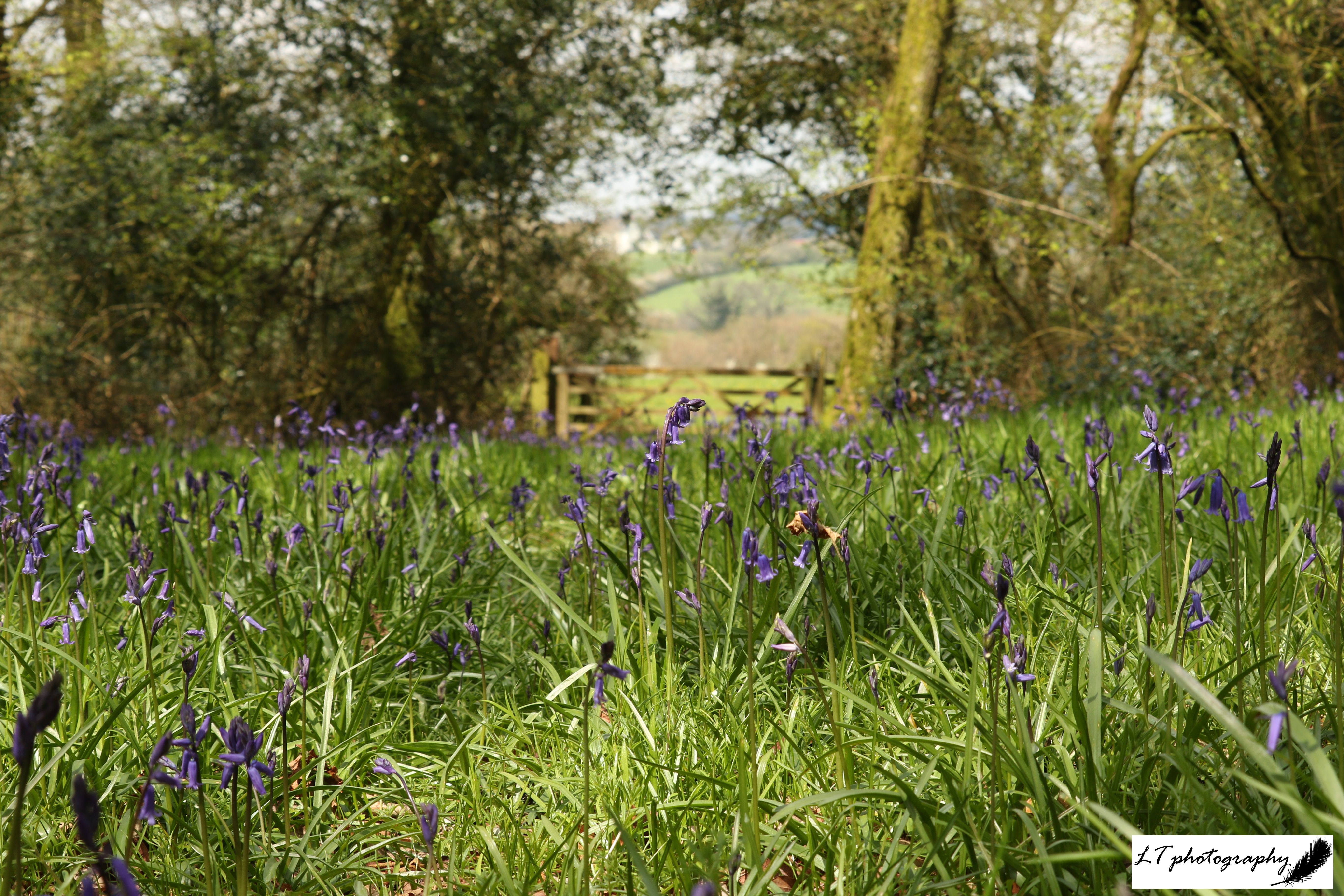
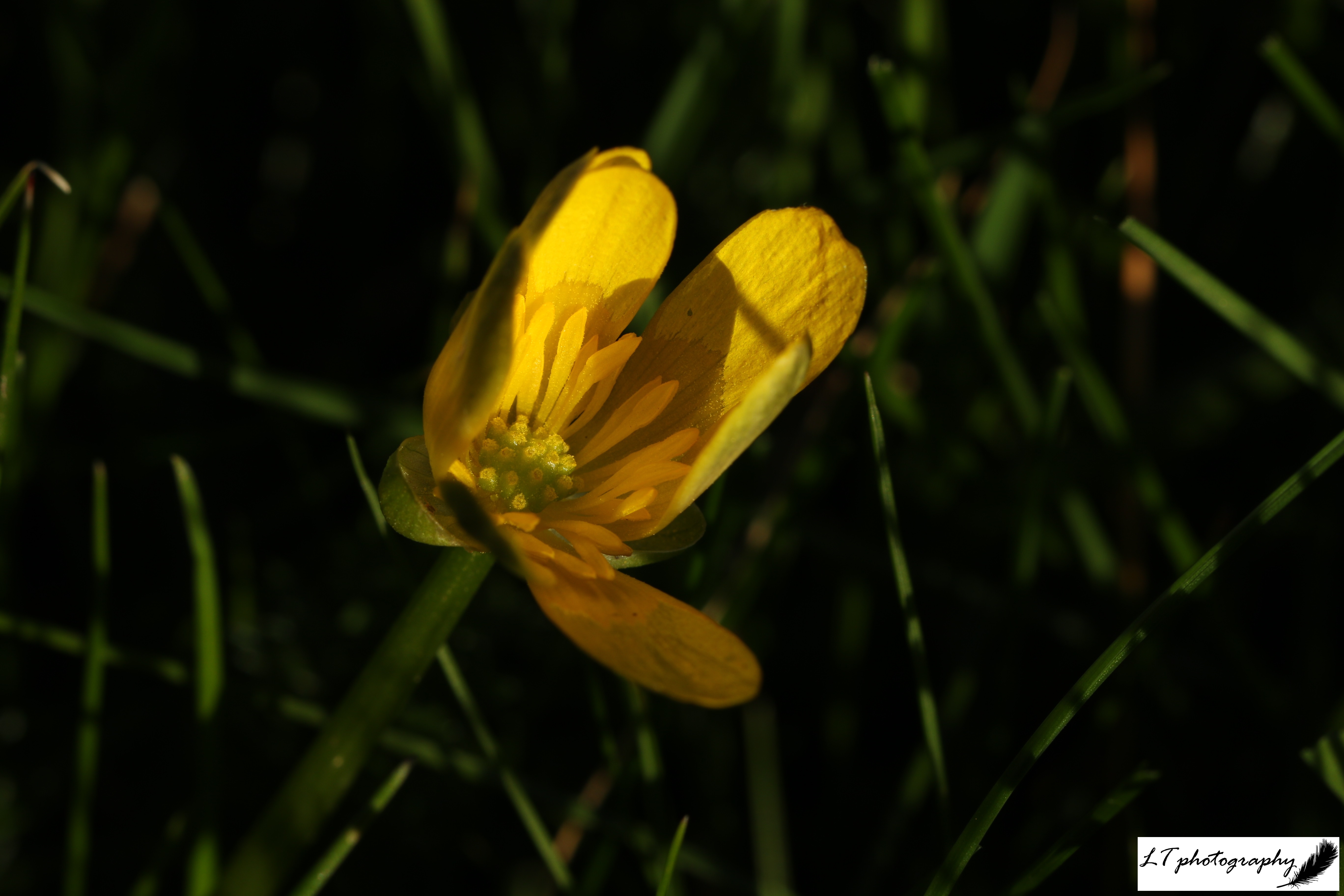
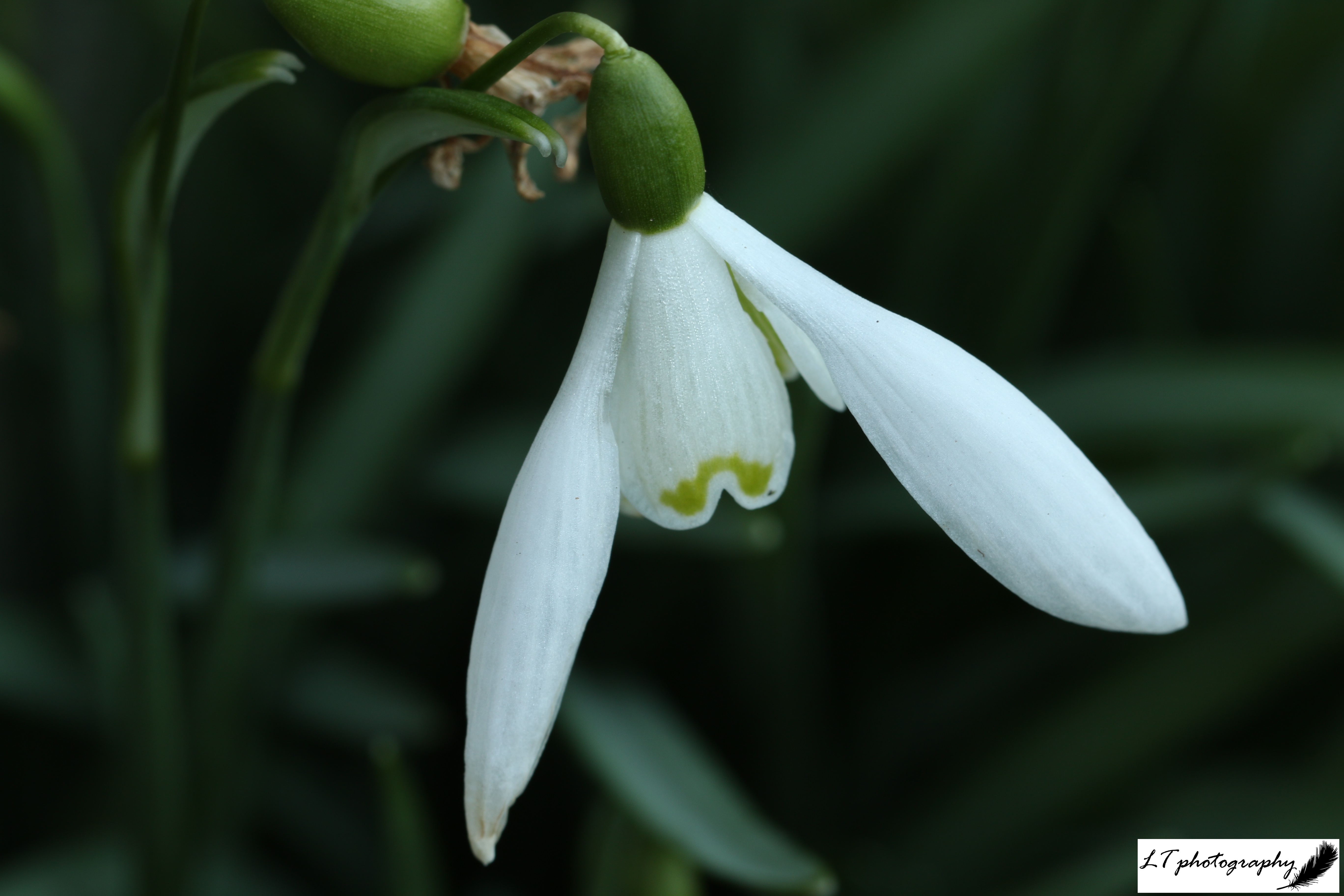
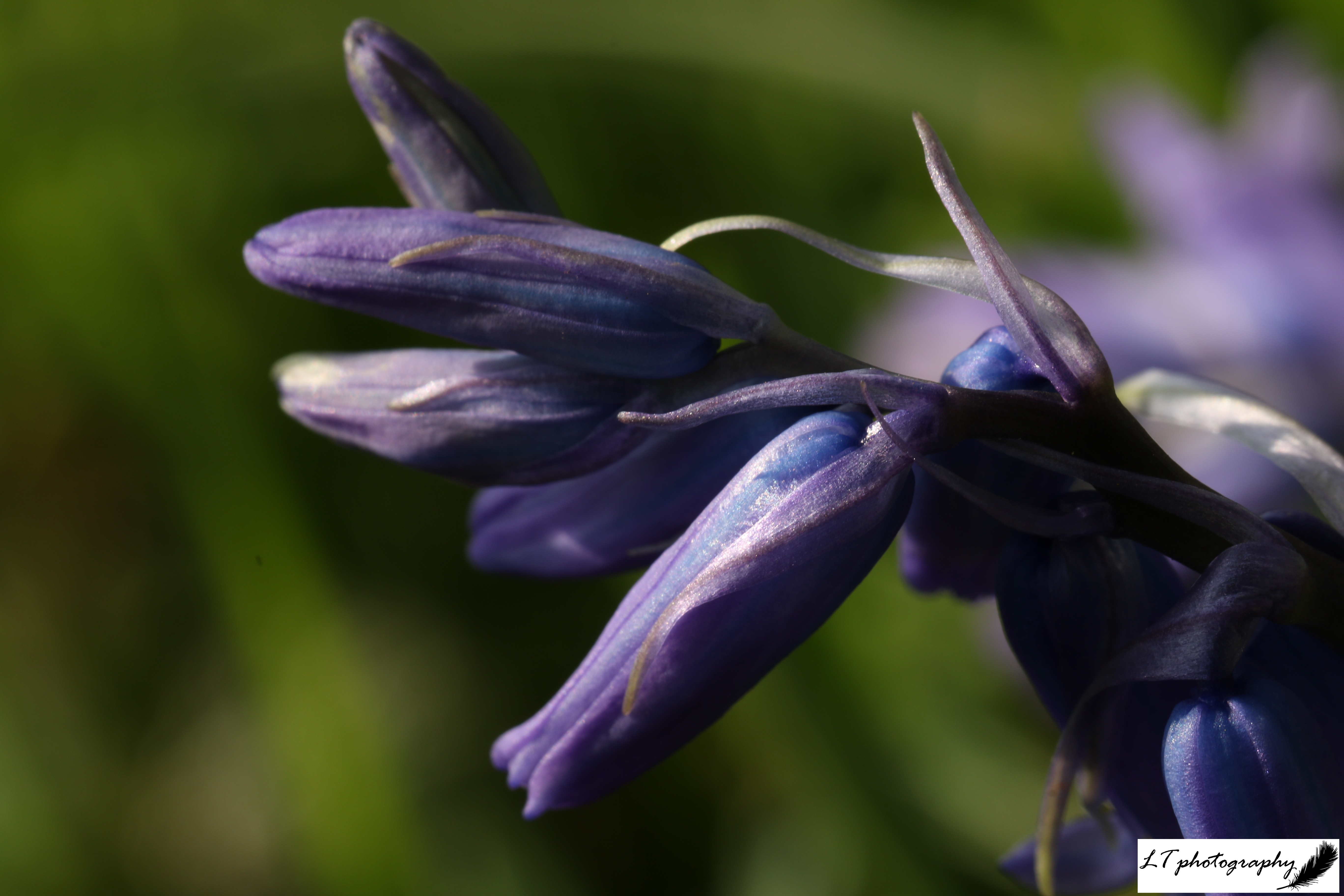
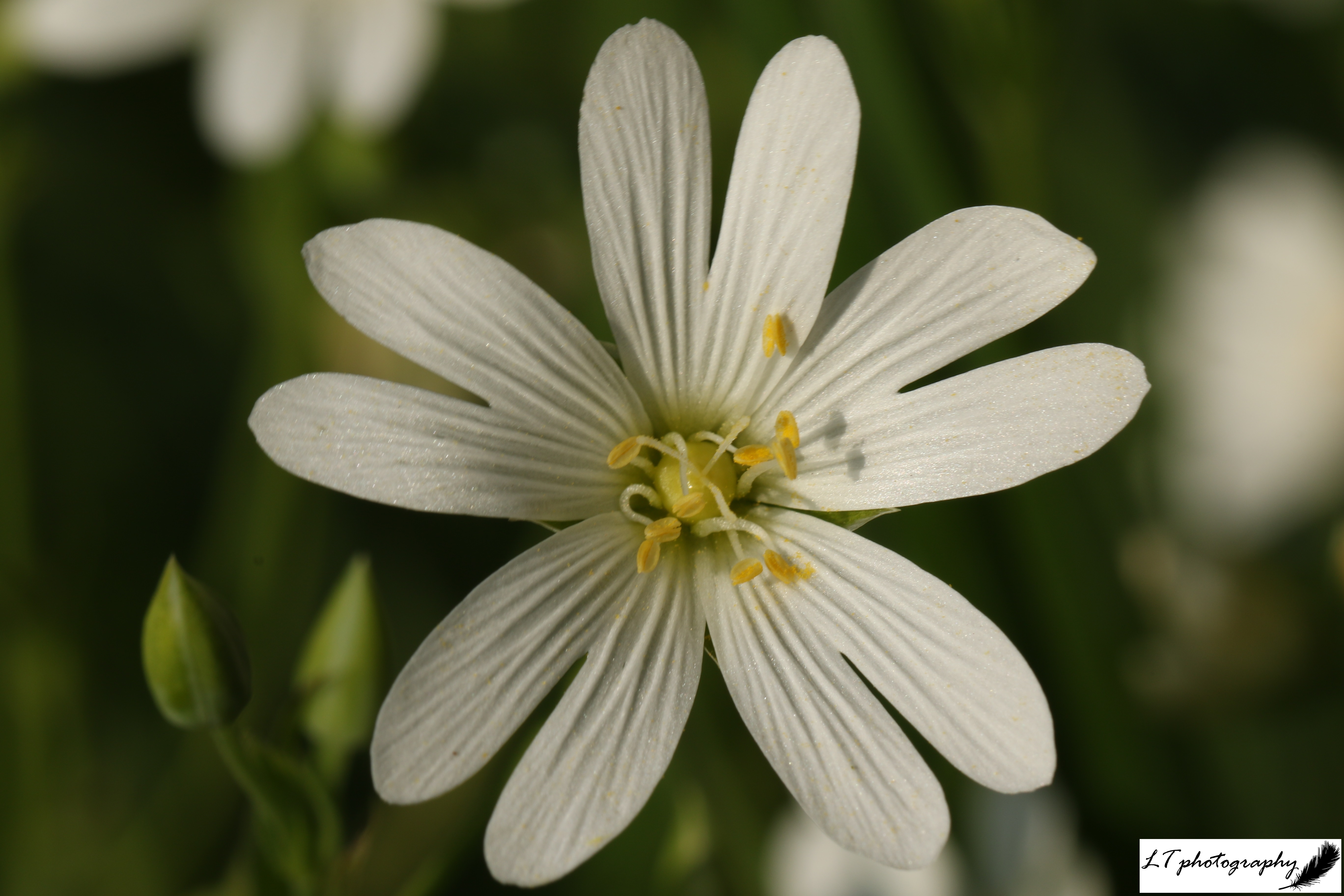
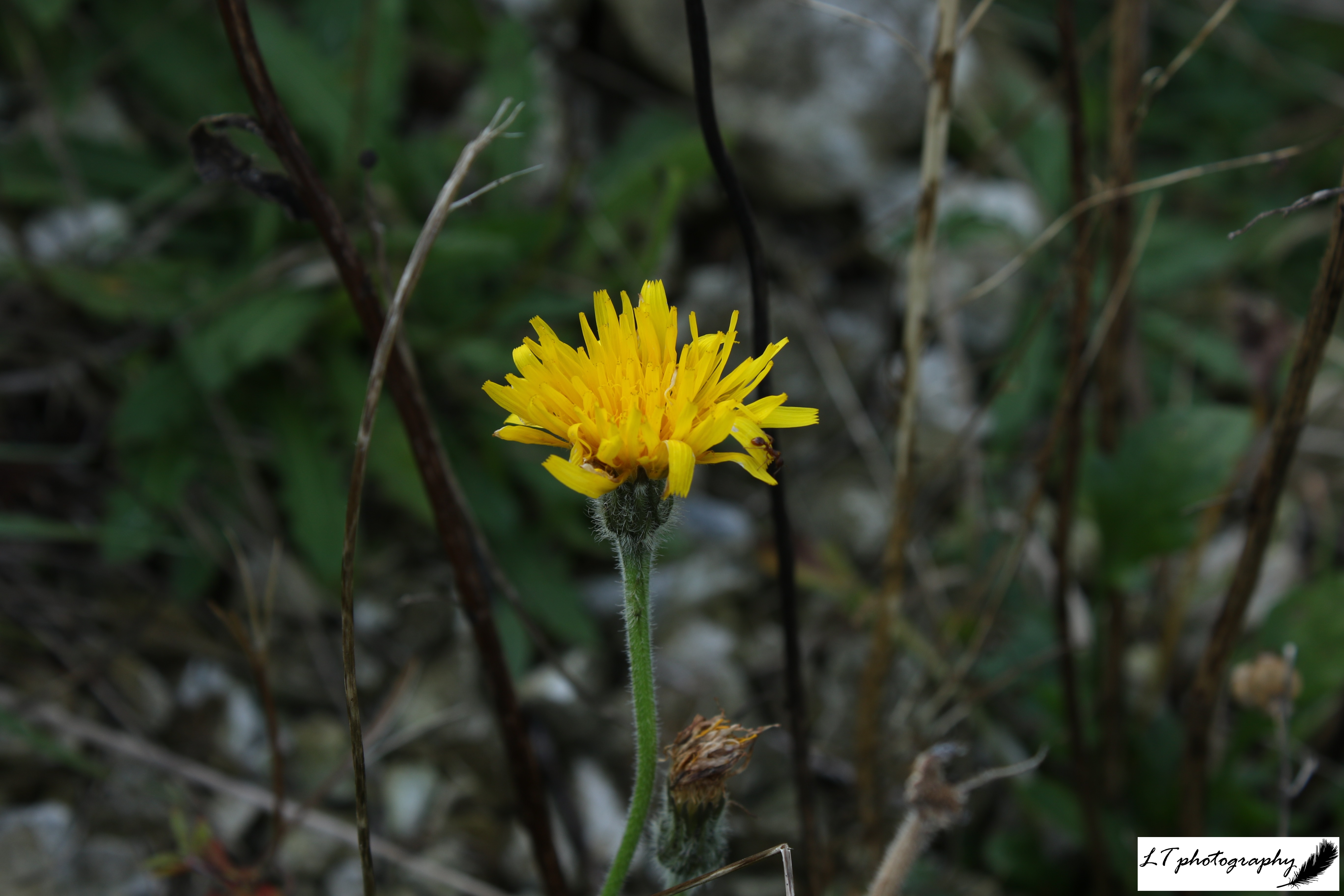
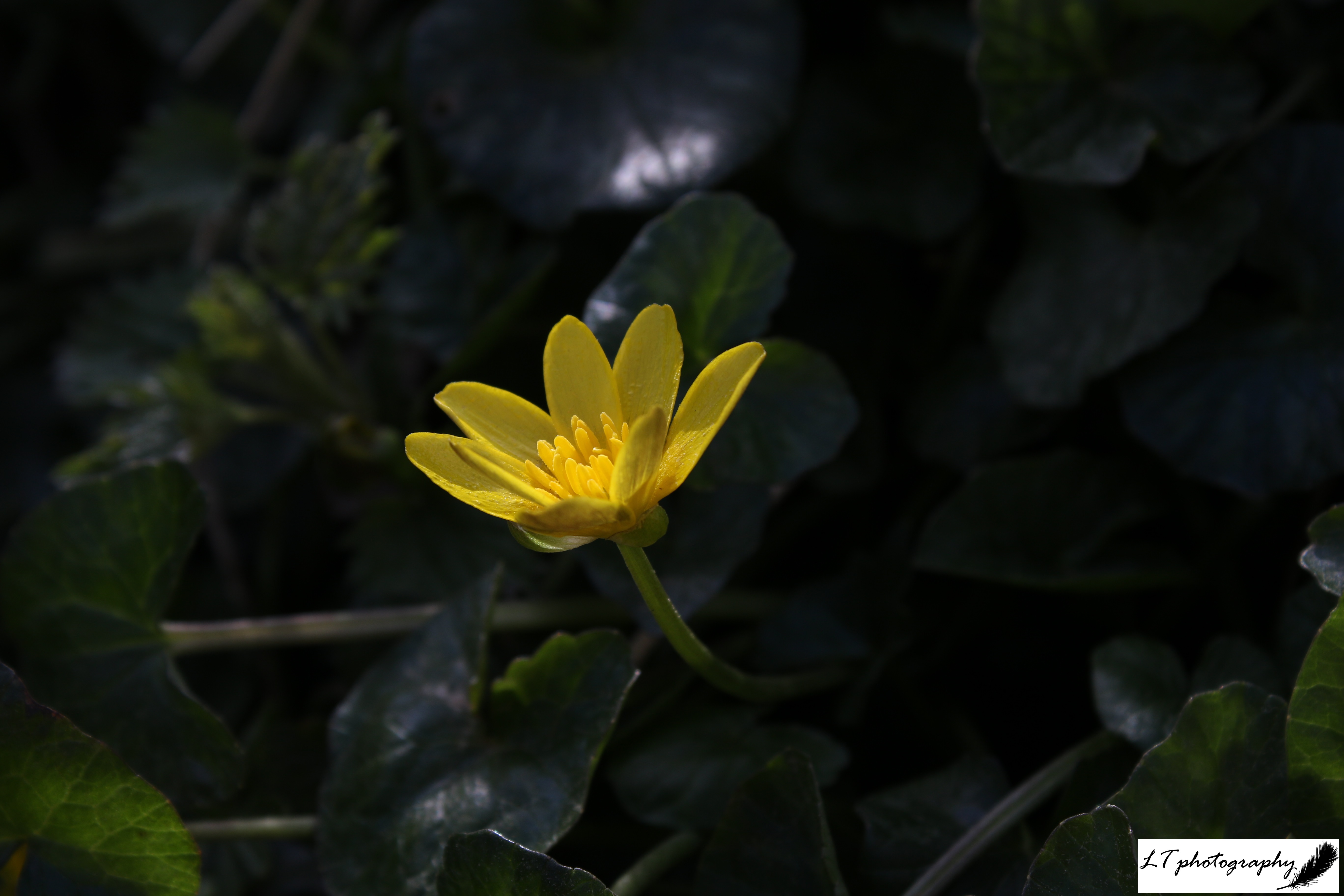
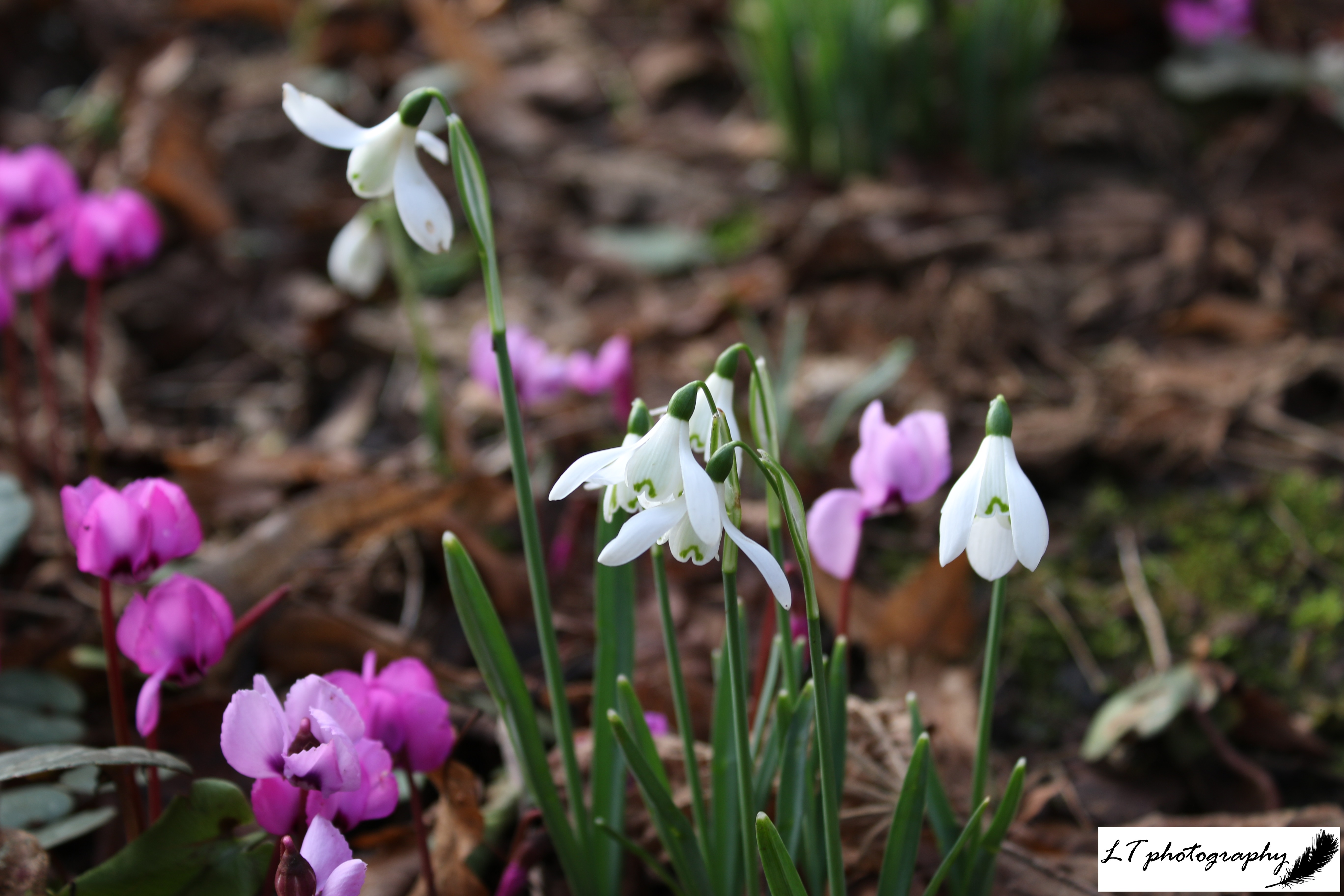
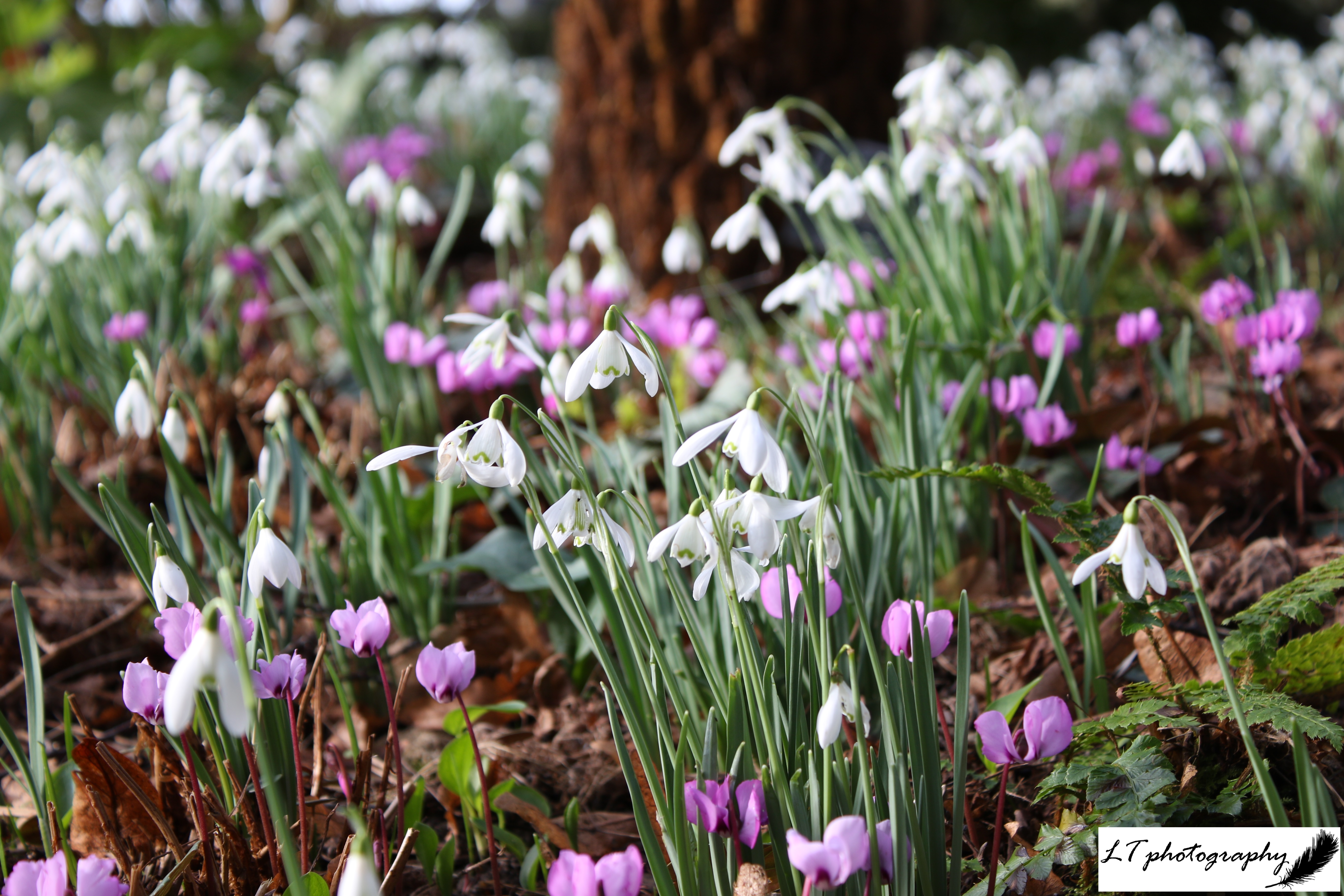
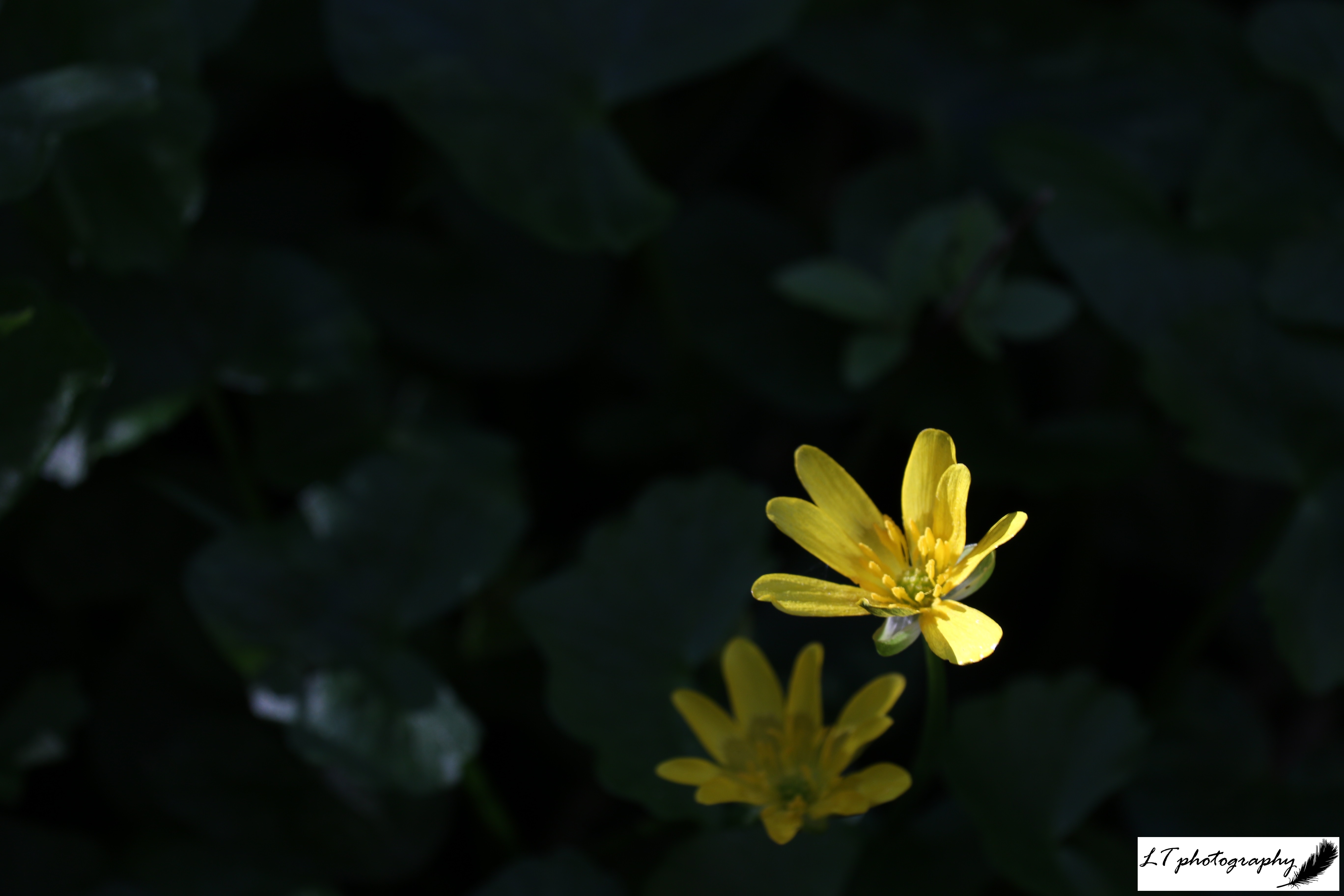
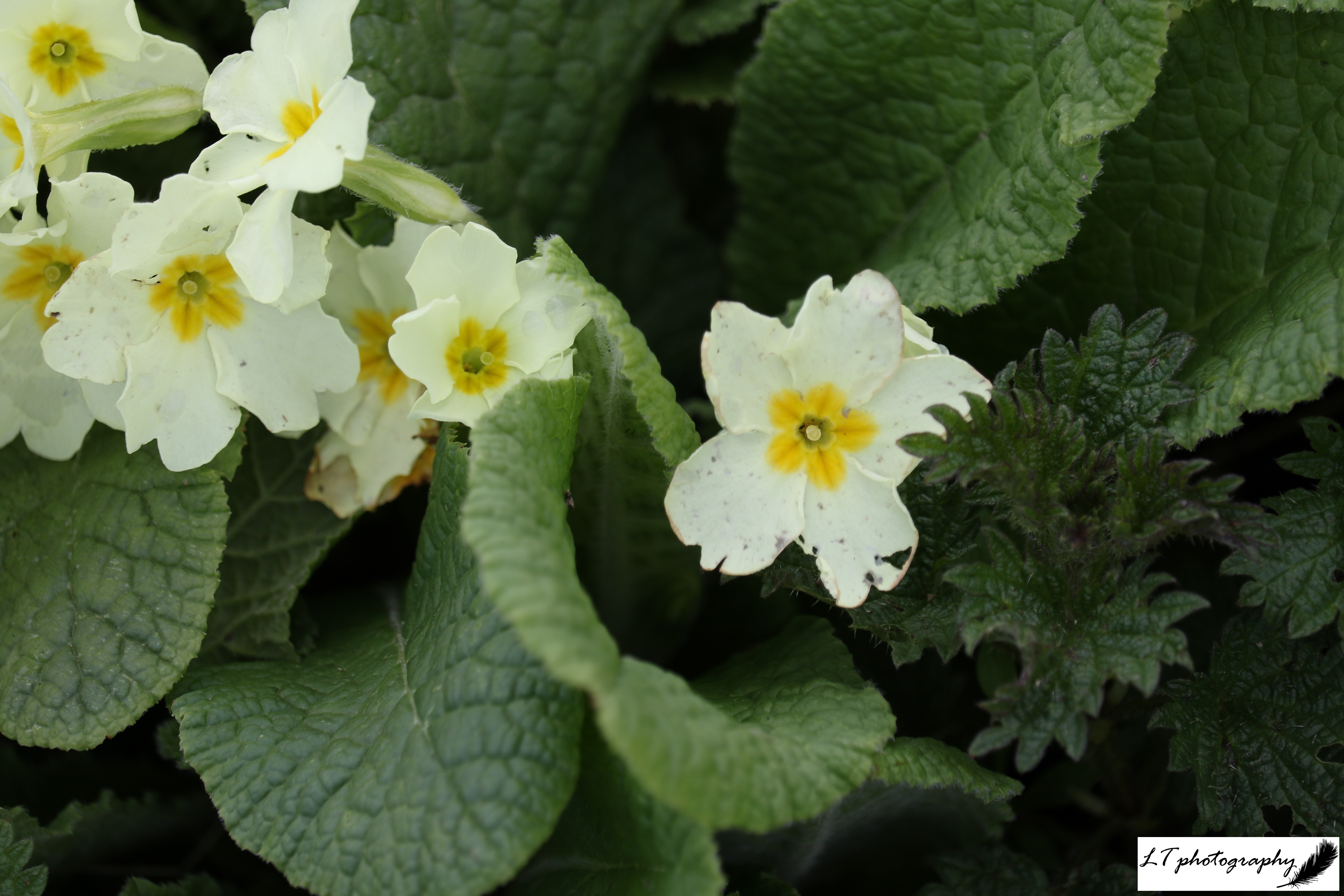
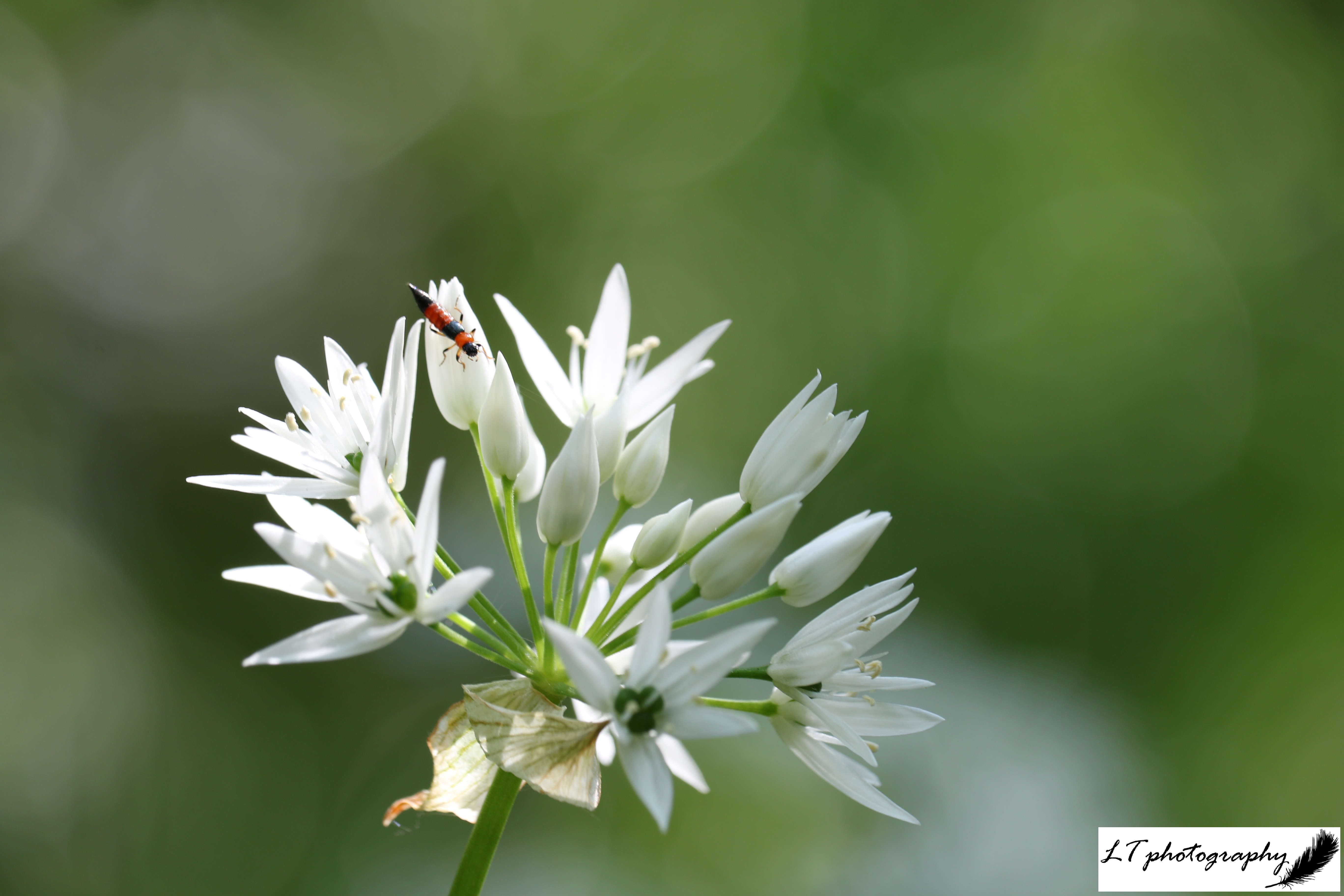
Plants flowering during spring 2023 occurred on average later, varying from 1 to 16 days. During spring 2024 though, flowering has occurred earlier, as was the trend with tree species. For snowdrops, lesser celandines, primroses, greater stitchwort, wood anemones, early purple orchids, wild garlic, yellow archangel, cuckooflowers, oxeye daisies, and bluebells flowering occurred 1 to 32 days earlier between January and May. The exceptions were found with daffodils, flowering 6 days later during February, and cowslips, 4 days later during April. It would be understandable thus to think that the warmer, wetter weather of the start of spring will have had a heavy influence on these events, just like with trees.

Insects

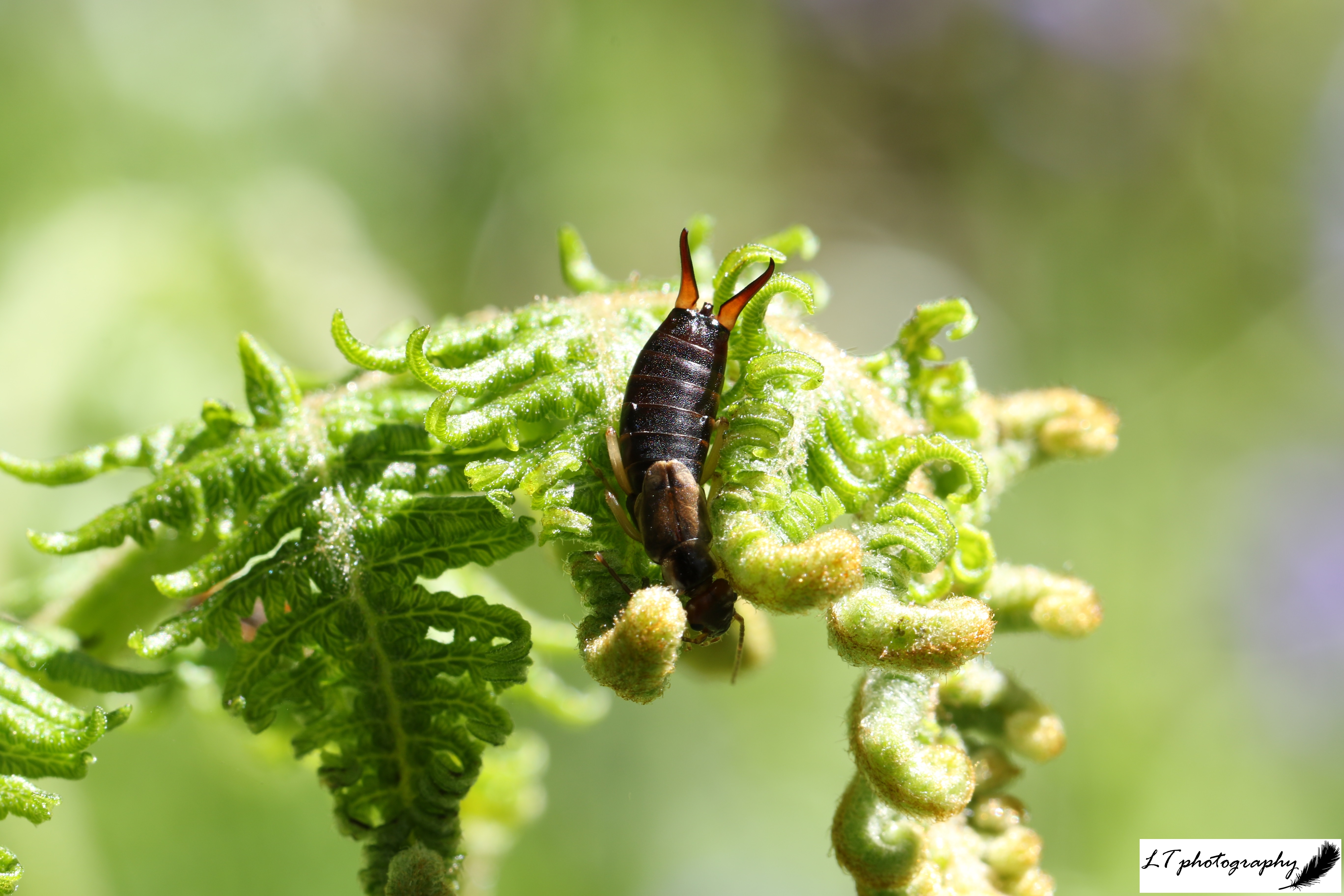
Of 12 species that had the emergence date recorded during spring 2023, the majority emerged later than the year before, ranging from 2 to 46 days later. This year though, spring 2024 saw the occurrence of a 50:50 split for the 10 species that had their emergence date recorded, with some species from 2023 yet to be seen at all, such as painted lady butterflies.

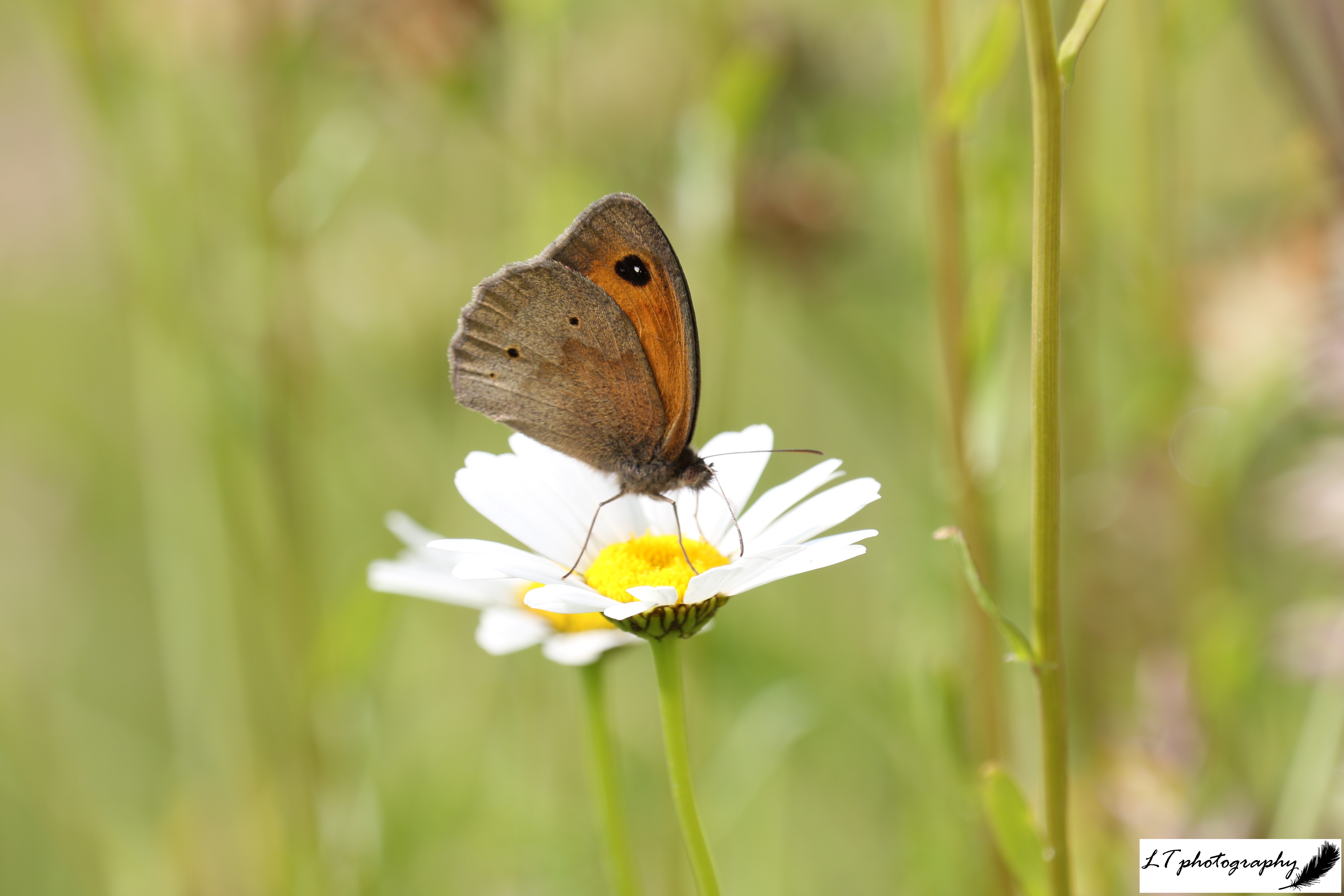
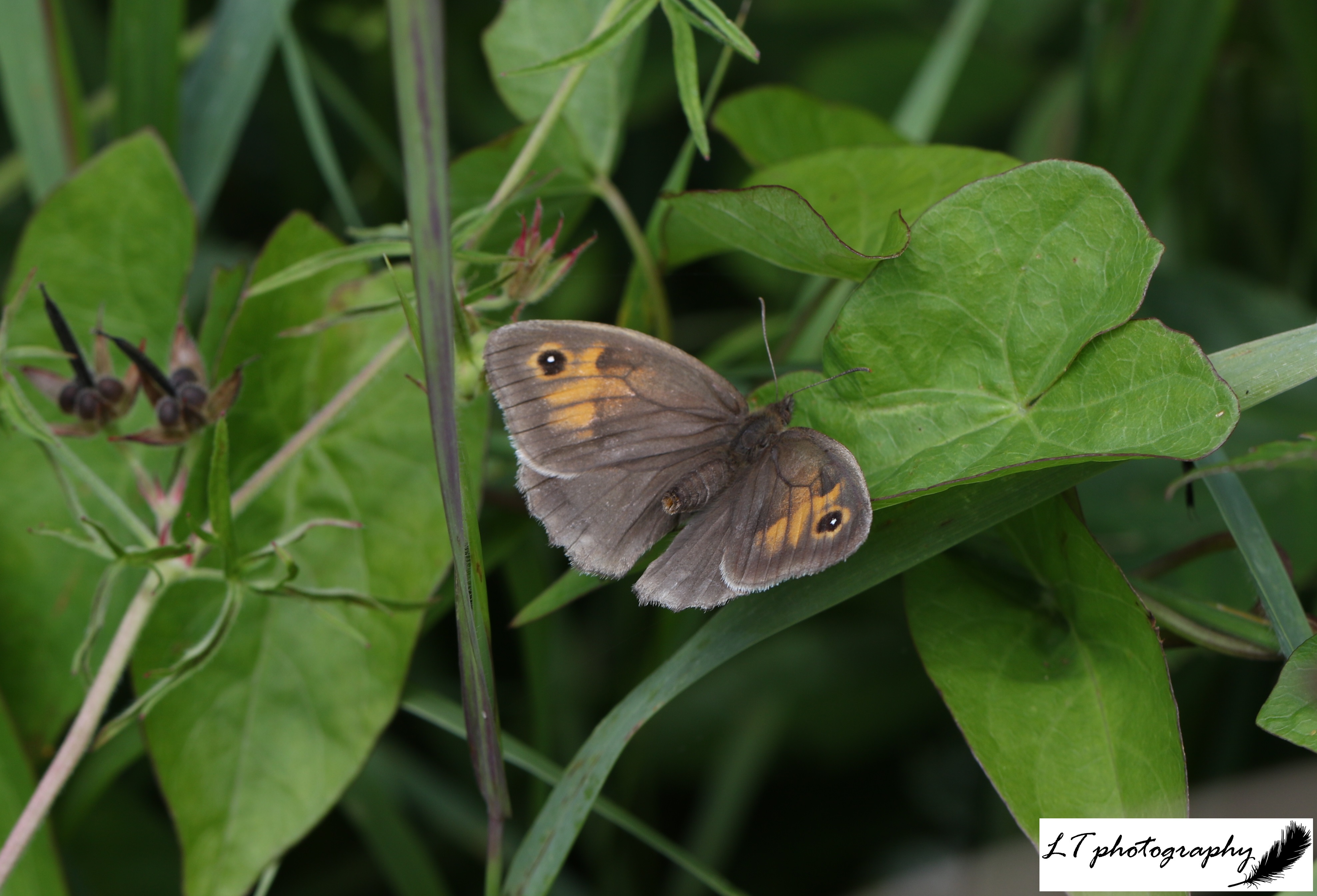
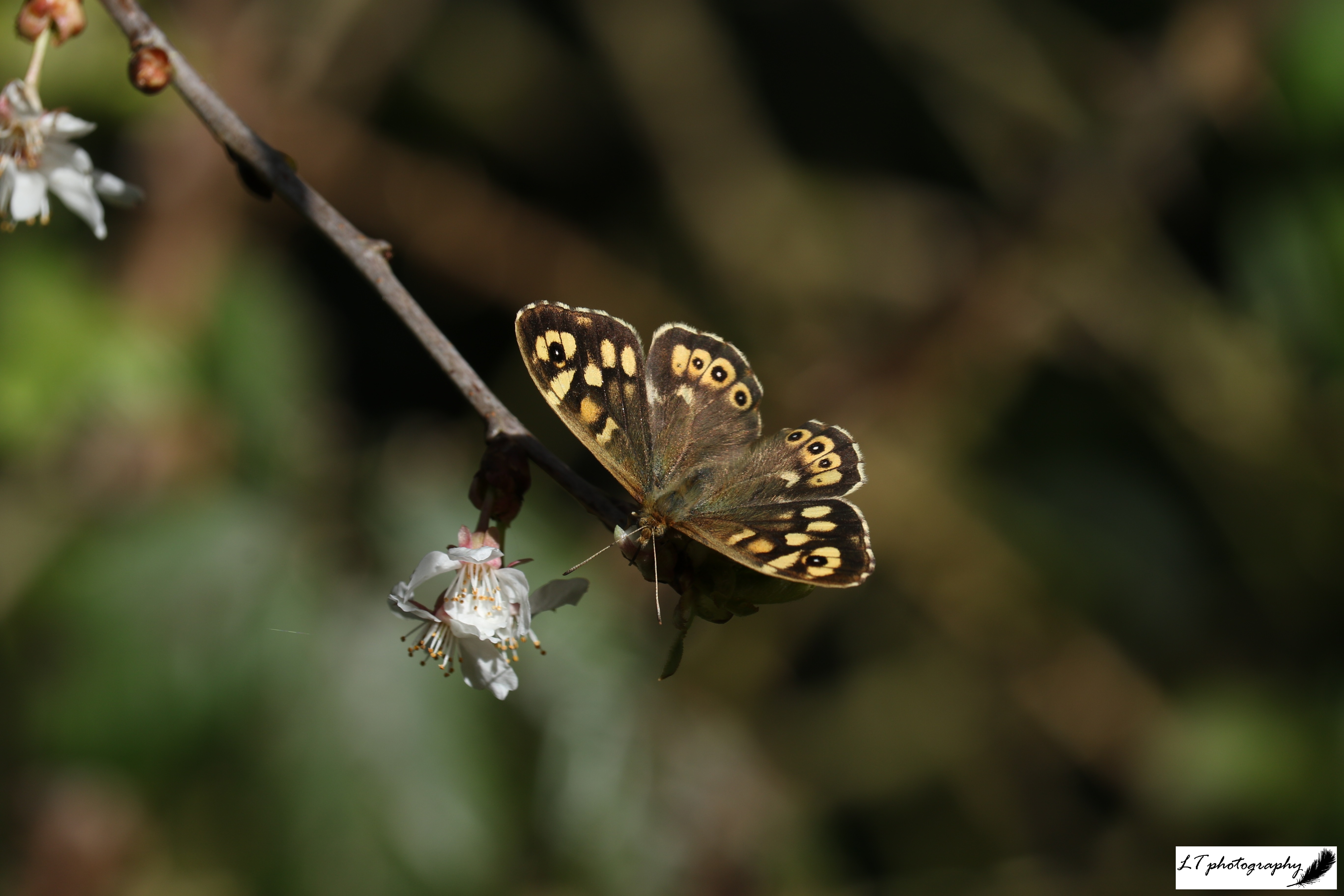
Buff-tailed bumblebees, 7-spotted ladybirds, and orange tip, red admiral, and speckled wood butterflies all emerged earlier this year, ranging from 2 to 46 days earlier. Conversely, queen wasps, and brimstone, peacock, gatekeeper, and small tortoiseshell butterflies all emerged later than 2023, ranging from 8 to 47 days later. Though not complete for all, the split does tend to be due to March to April species emerging earlier this year whereas April to June species emerged later this year. This may be due to April being a cooler, wetter month this year, impacting insect species more greatly than plant species that were already making their advance and were less impacted.
Shrubs

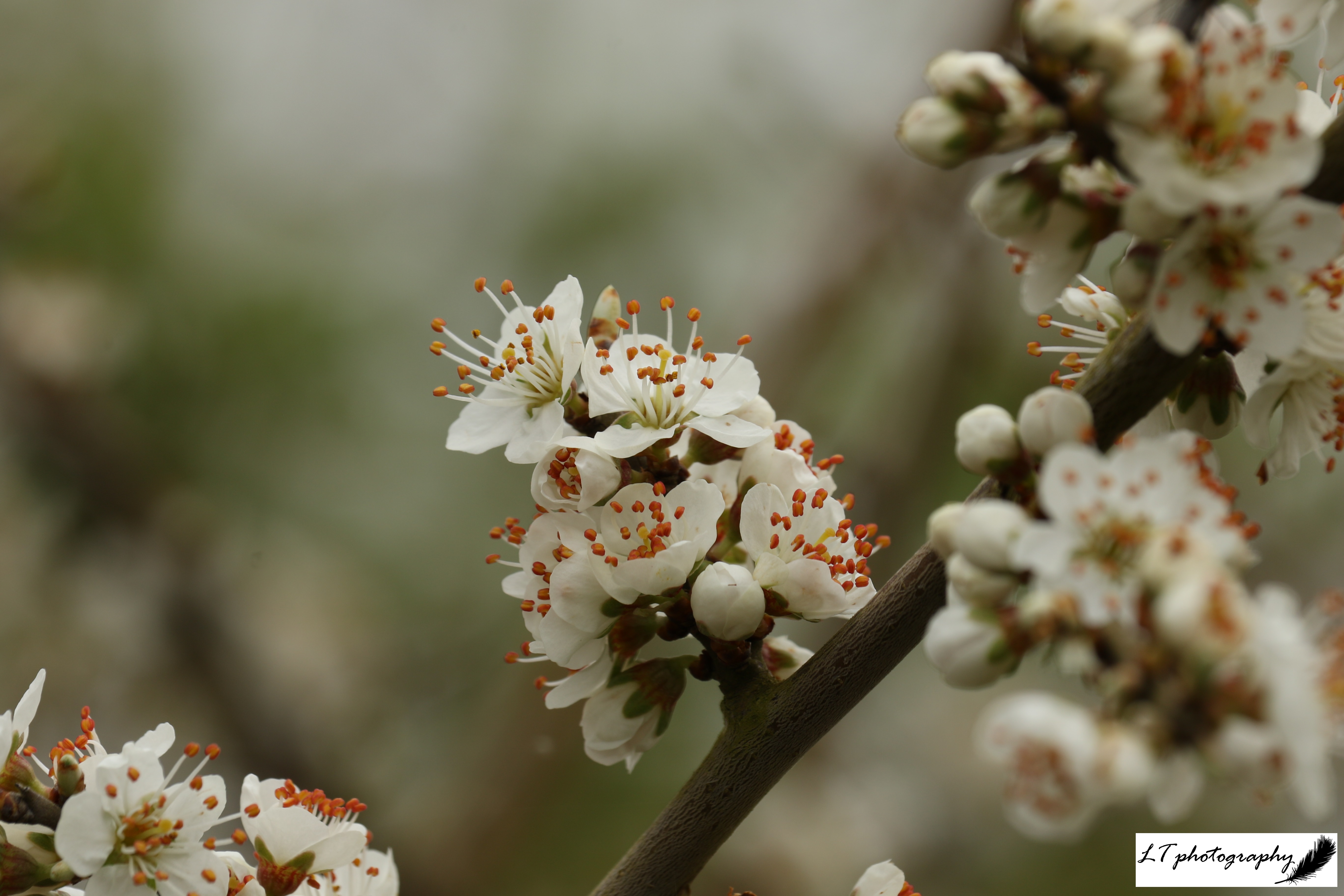
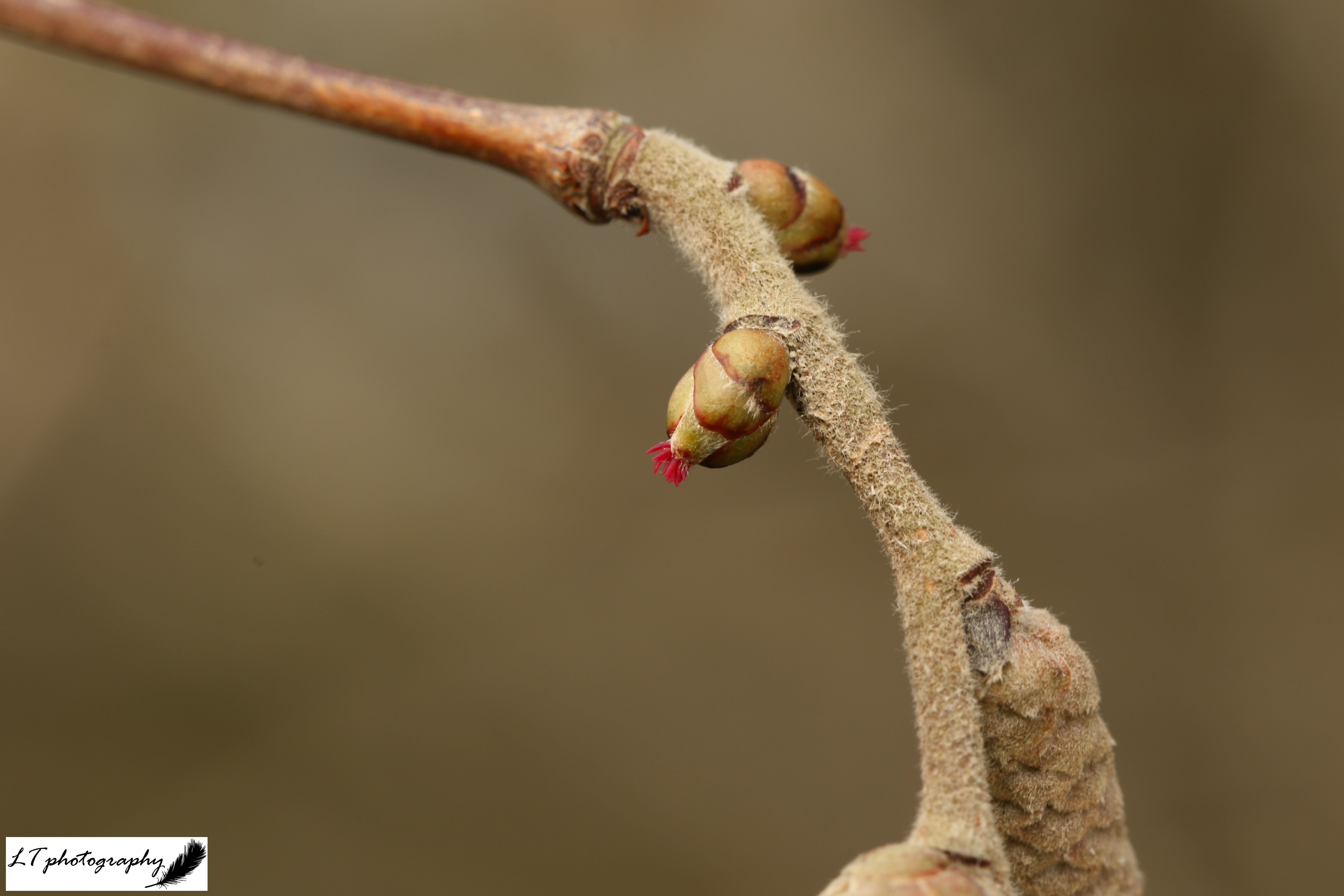
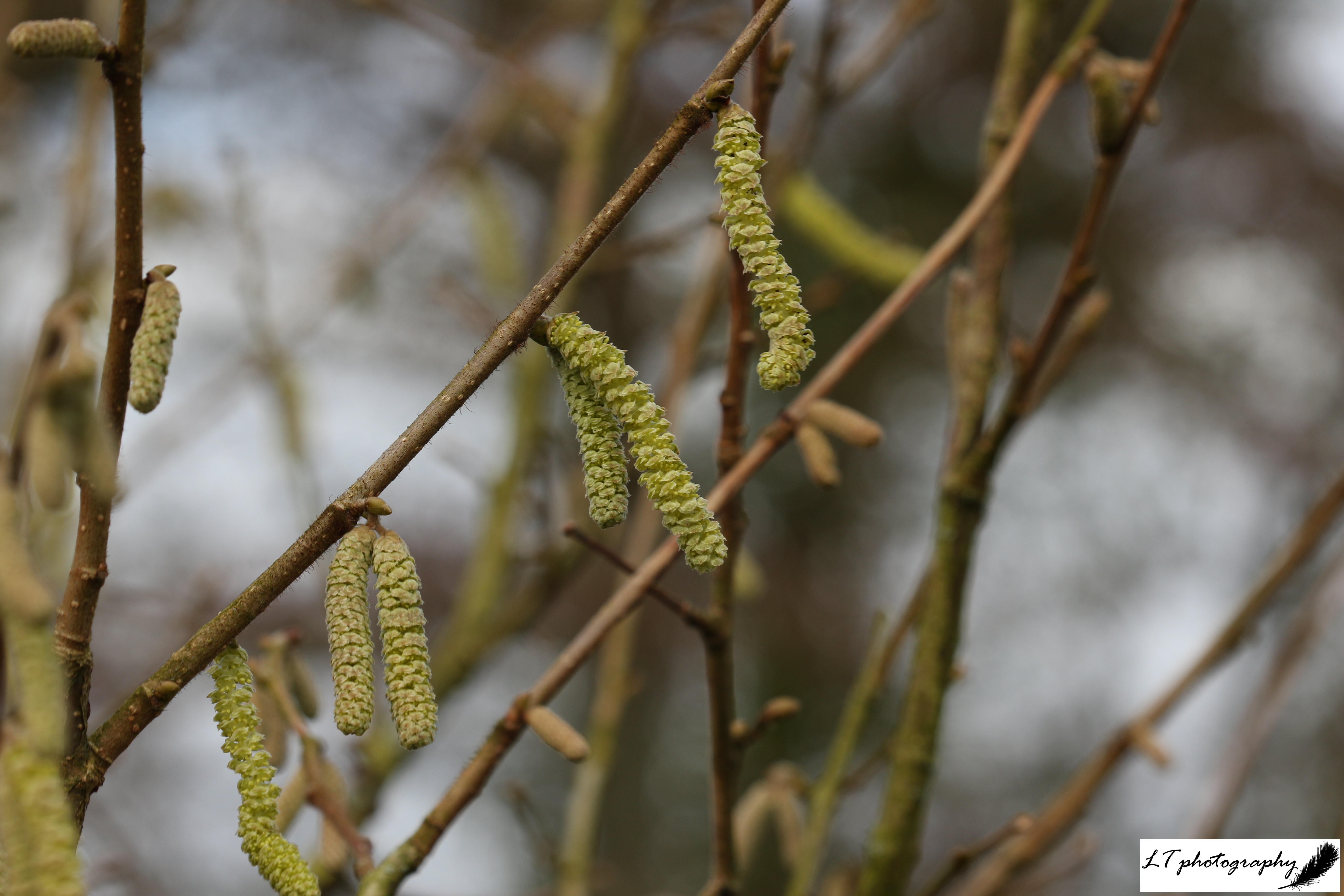
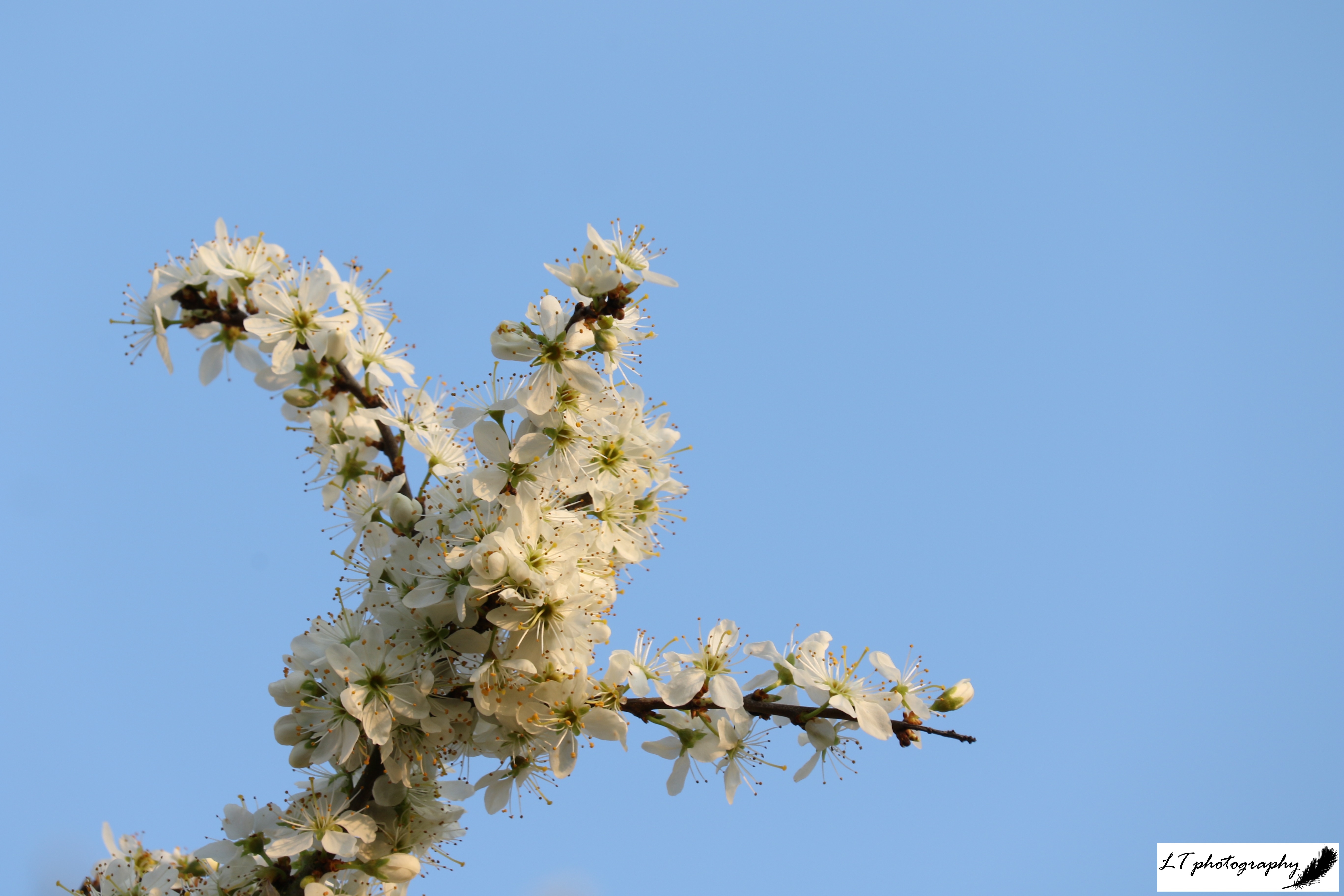
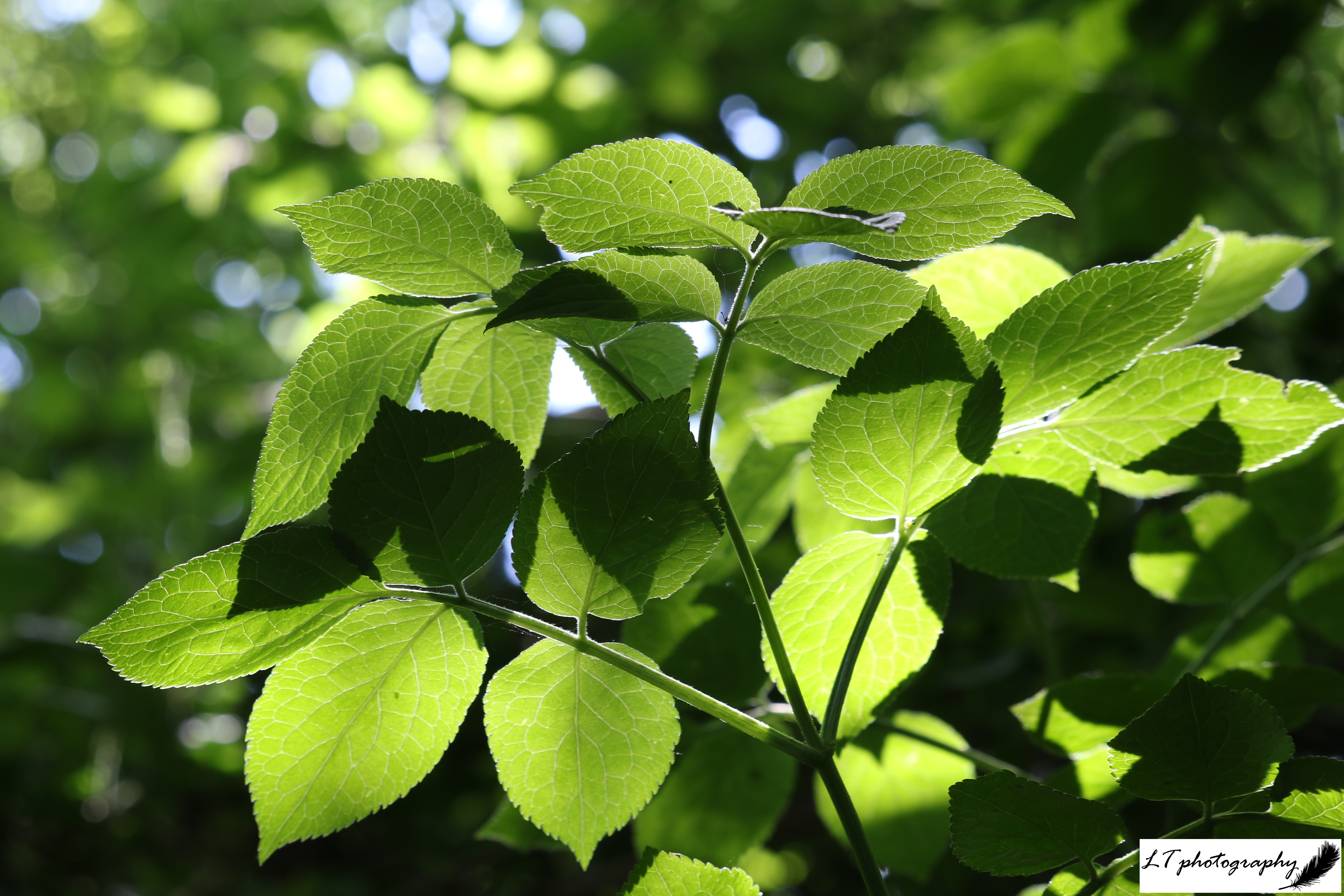
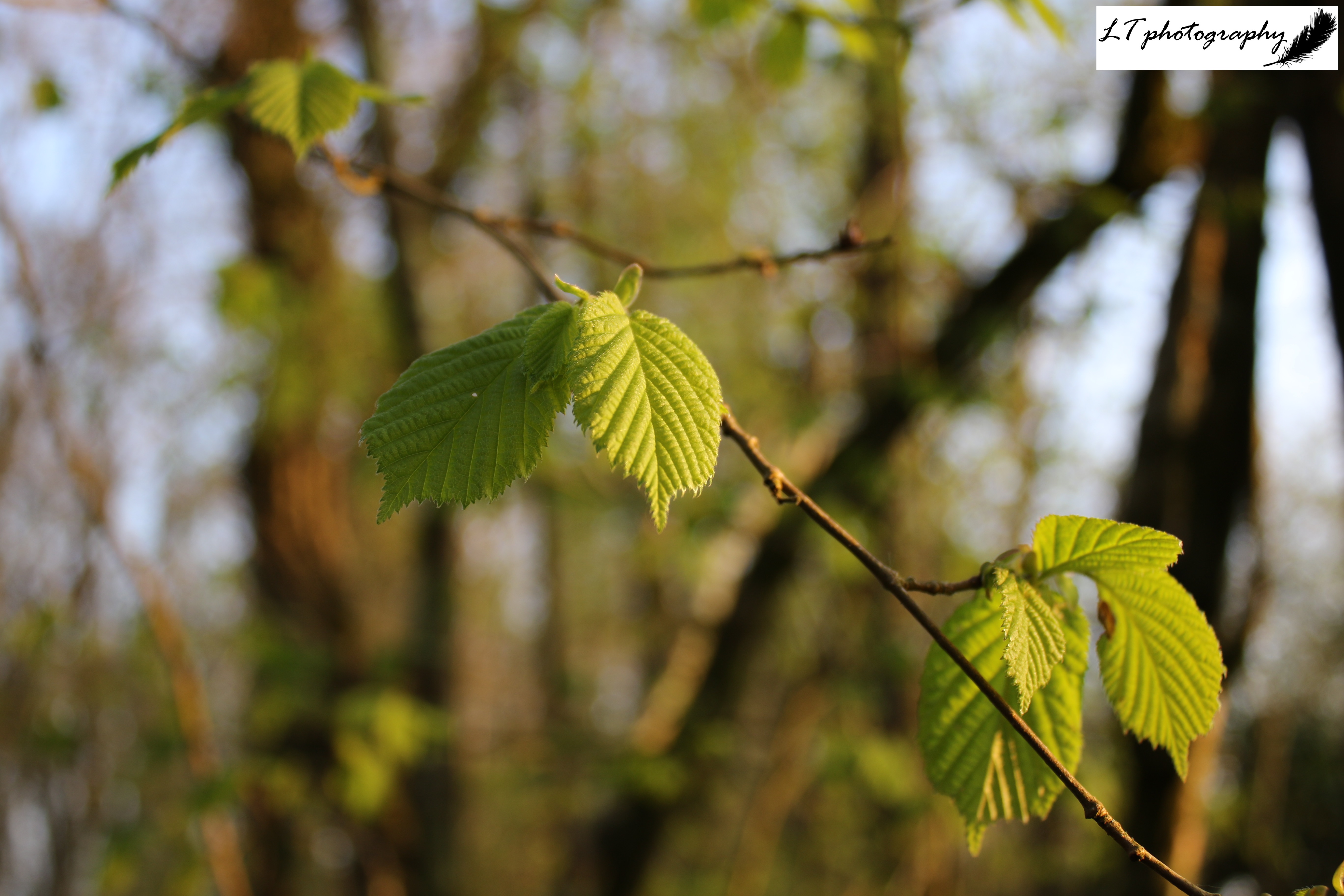
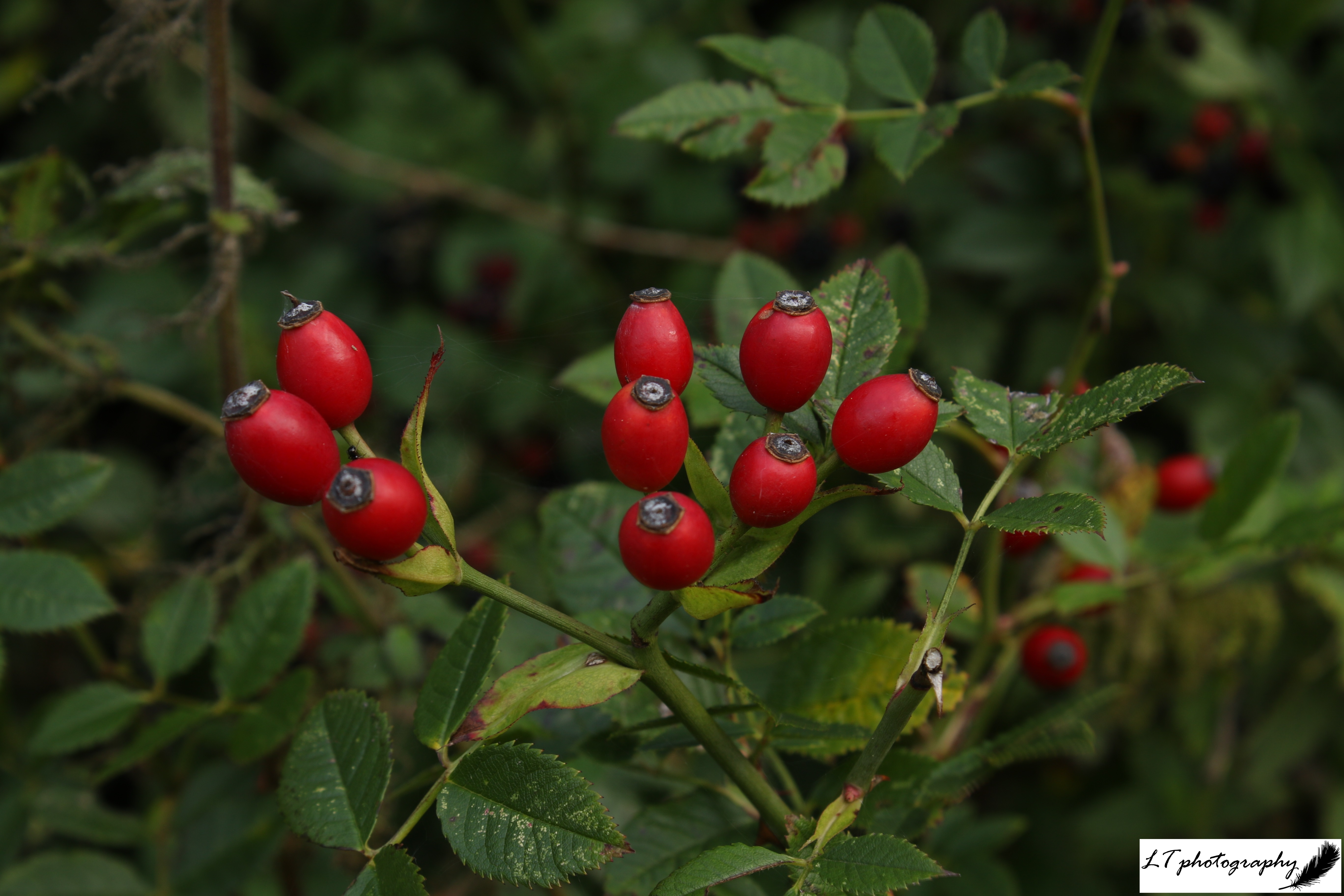
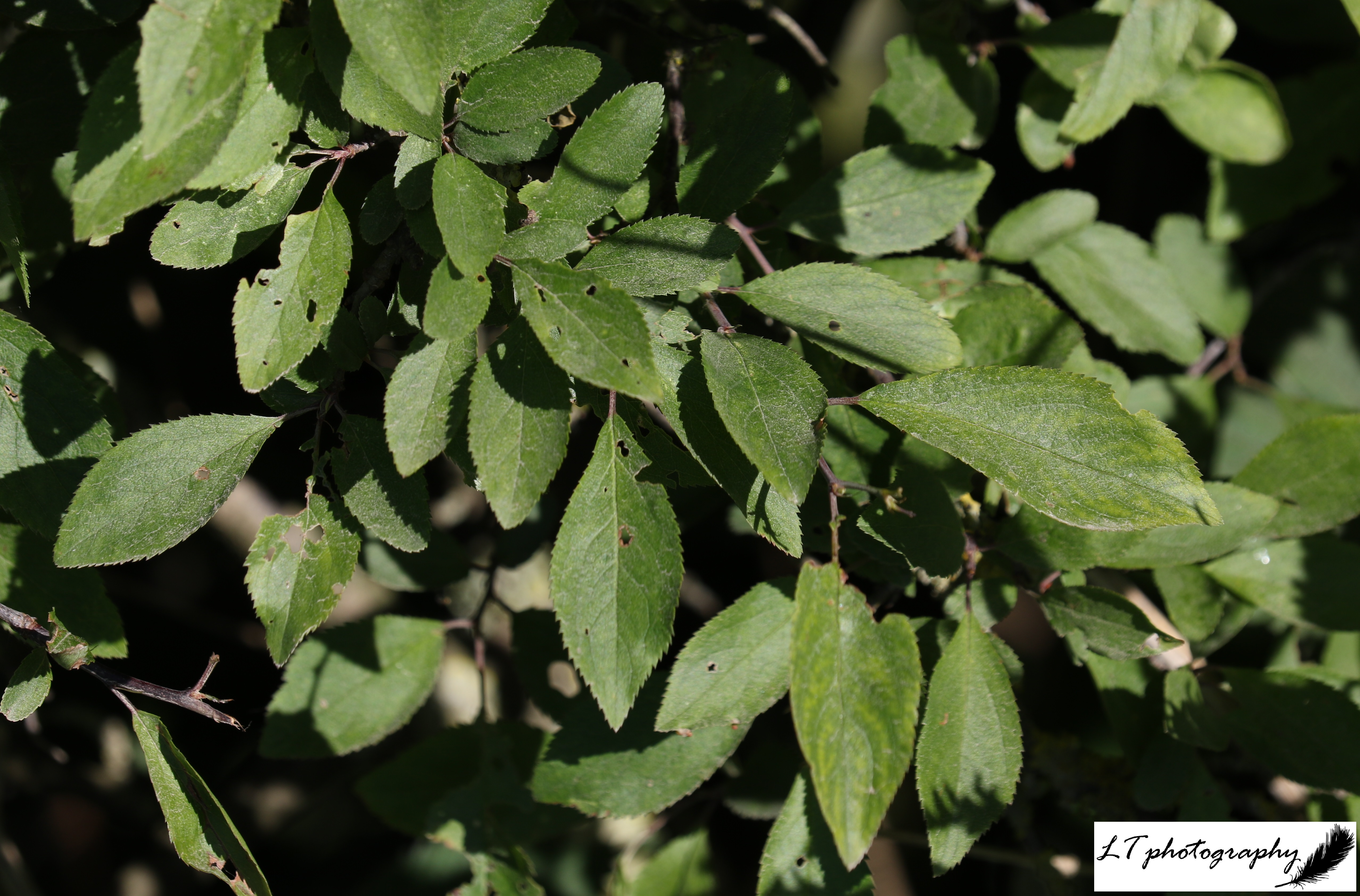
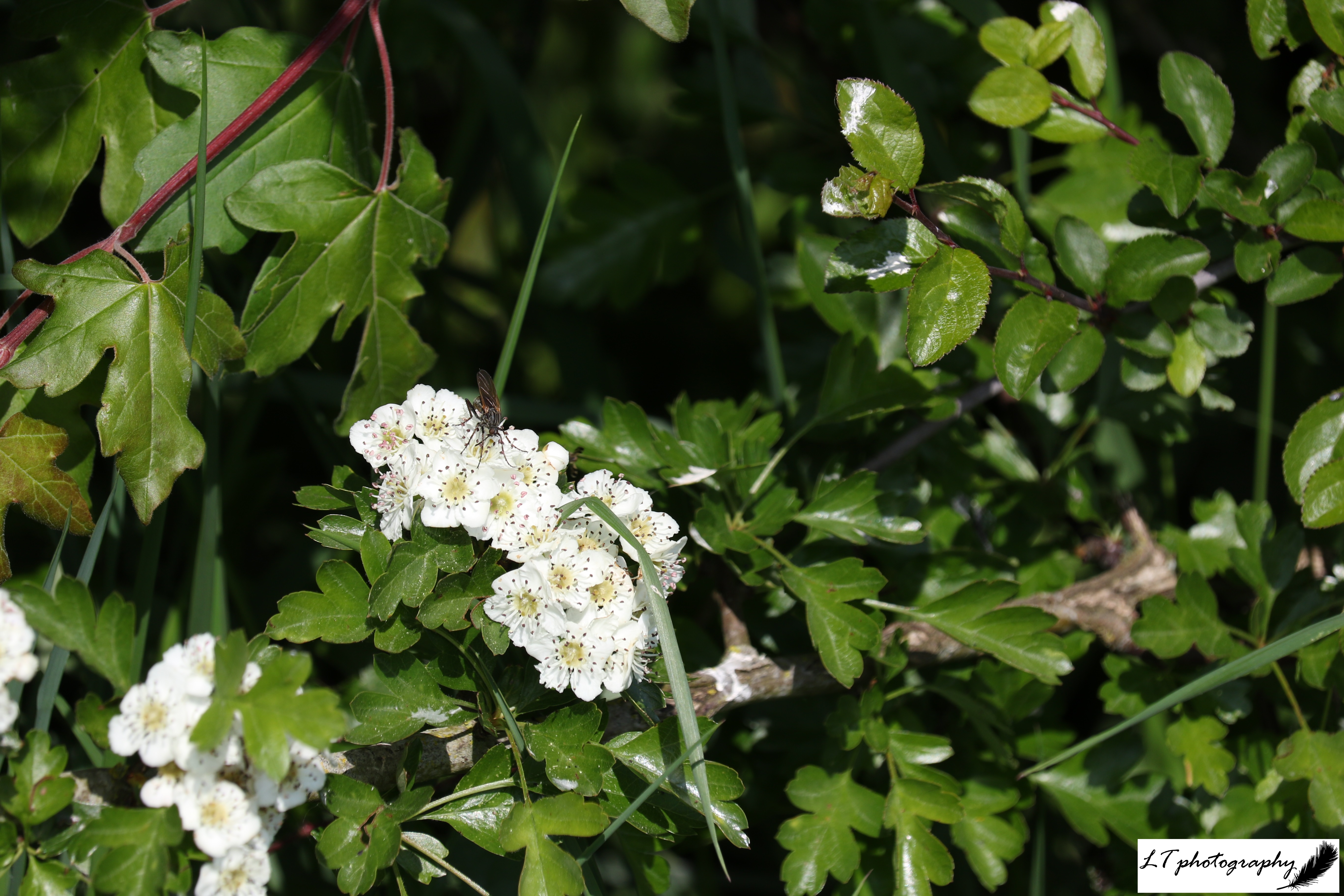
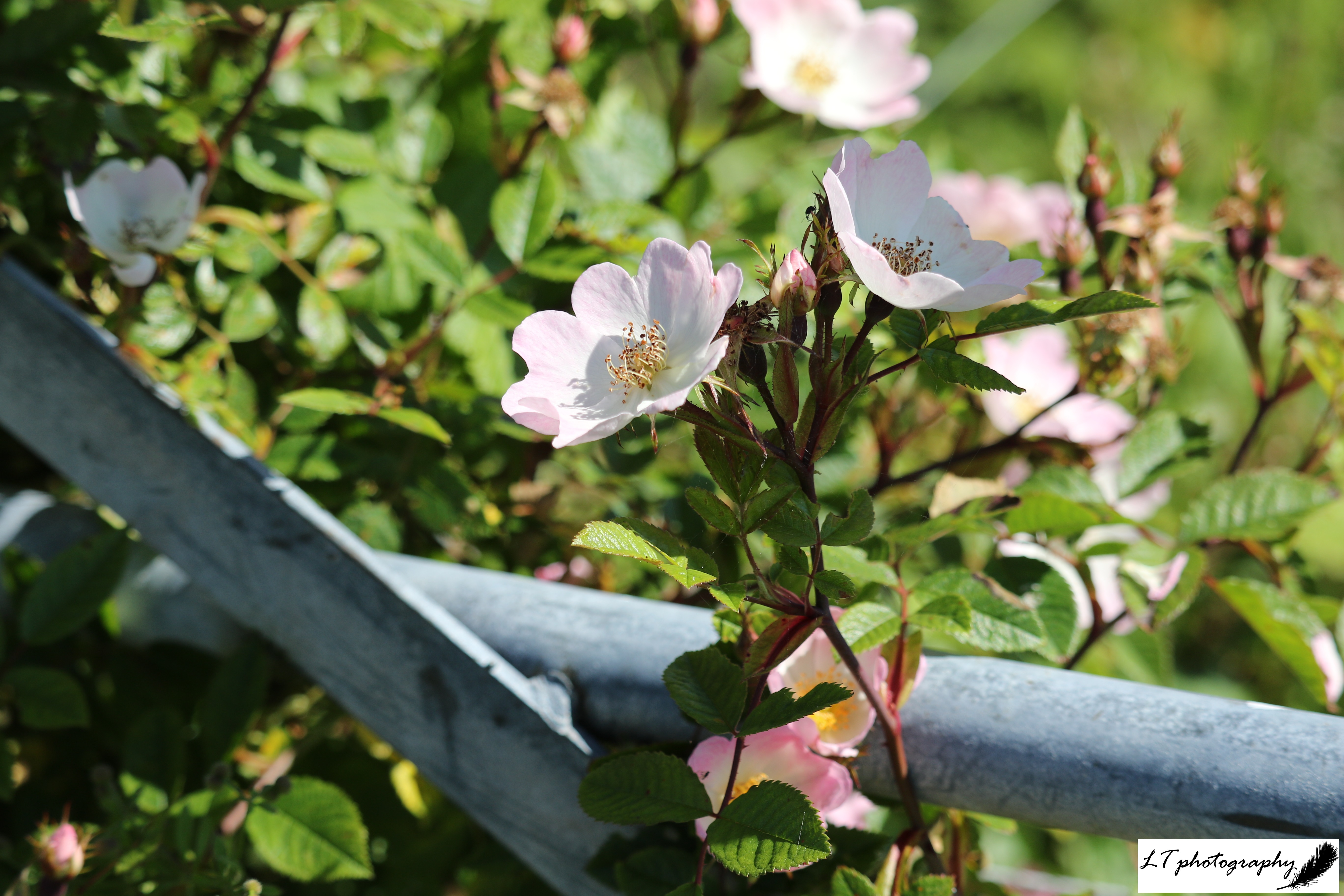
Spring 2023 mainly showed a trend for later shrub budburst, leaf unfurling and flowering, ranging from 3-27 days from March to May. In contrast, for spring 2024, the majority of events for shrubs occurred earlier, ranging from 1 to 53 days earlier from December through to May. These included for blackthorn, dog rose, elder, hawthorn and hazel, with the only later event being for red female hazel flowers being observed. This trend shows similarities to those of trees and spring flowering plants, and would be similarly due to a warmer, wetter winter and start of spring, allowing events to occur earlier and shrubs to get a head start on the season.

Birds

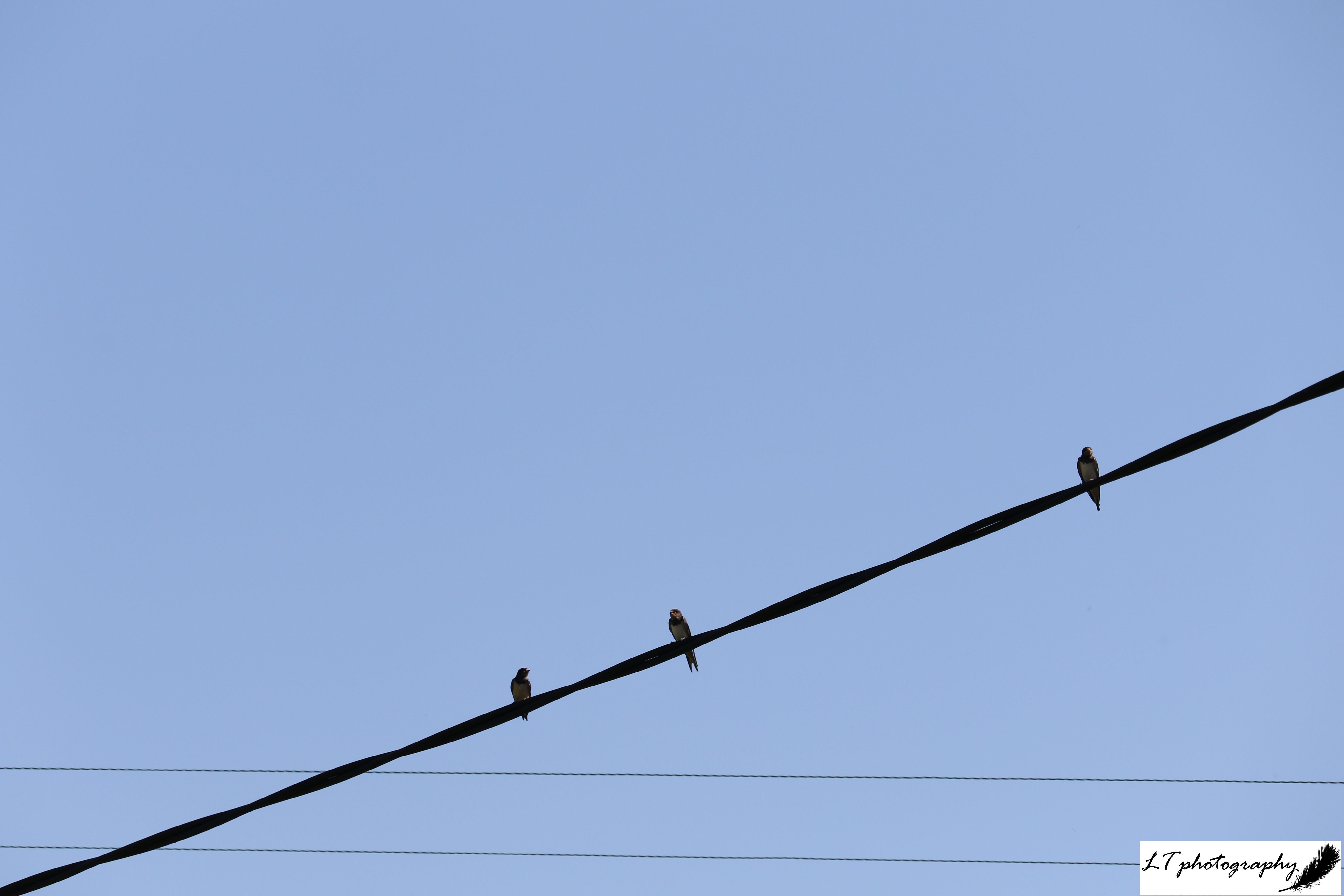
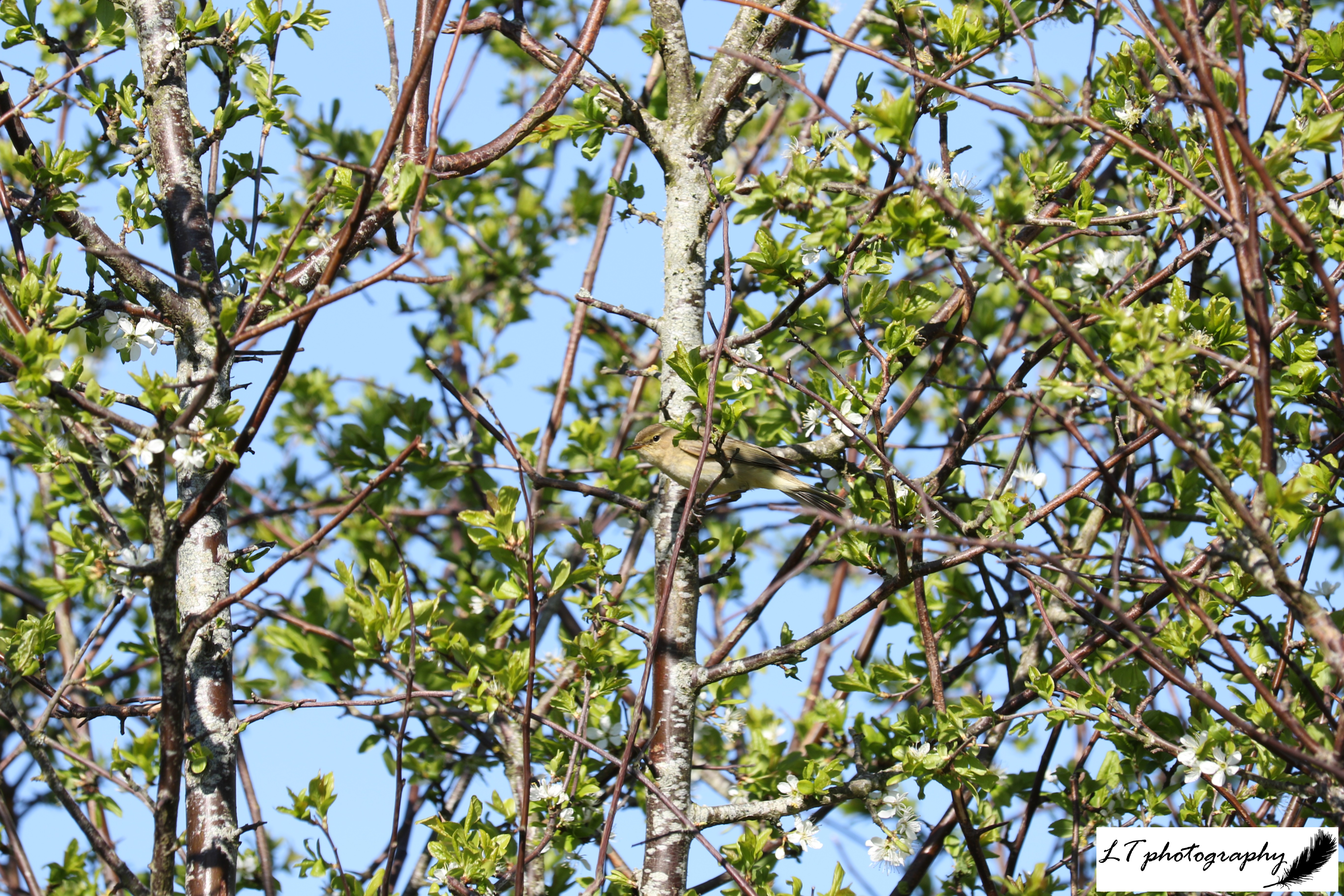
Following on from the last two years (2022 and 2023), the dates of bird events during spring 2024 showed no clear trend, with a split between different species and events. Rooks began building their nests earlier, chiffchaffs and swallows arrived earlier, song thrushes and yellowhammers first sang earlier, and the first wrens fledged earlier. Conversely, blackbirds first sang later, the first blackbirds fledged later, blackcaps, cuckoos and house martins arrived later, and great-spotted woodpeckers drummed later.
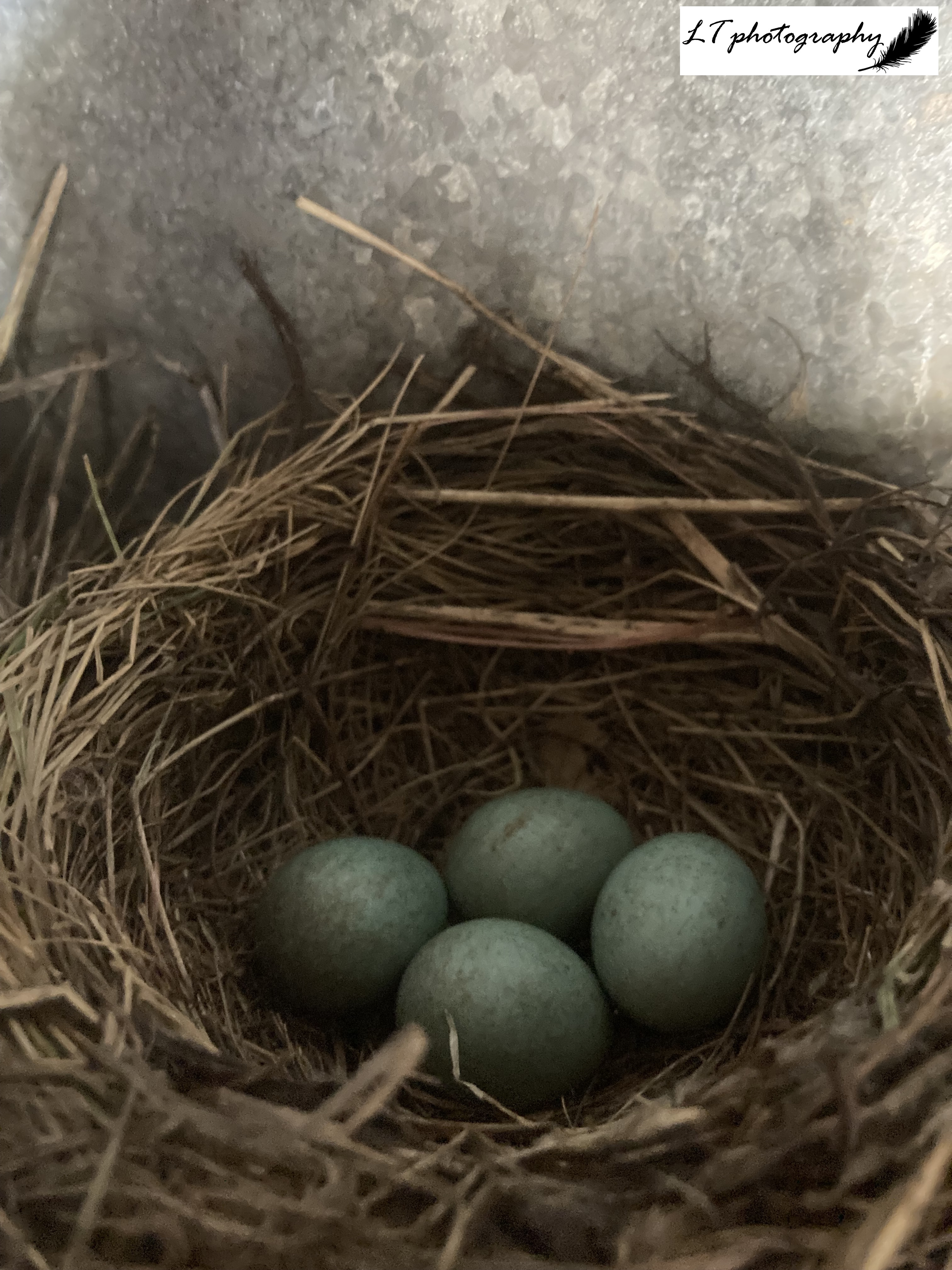
Some of these event timing changes will be due to spring temperatures and weather conditions on short term and long term scales. Other reasons are less obvious currently, but the hope is that bird events will still have been timed right with other species to make the most of resources this year.

Conclusion

Spring 2024 was a thoroughly odd season, varying from month-to-month, but feeling like wet weather prevailed more than the normal. In the end it was vibrant and colourful, though missing the traditional spring feeling. This year spring was heavily effected by climatic changes and changes to weather patterns, and this may become typical during the springs to come. It is really hard to predict then how each season will play out, and it will be interesting to see now how all British species cope with such unpredictability as time goes on. Only time will tell!
Species List

  • Alder (Tree) Alnus glutinosa
  • Ash (Tree) Fraxinus excelsior
  • Blackbird (Bird) Turdus merula
  • Blackcap (Bird) Sylvia atricapilla
  • Blackthorn (Shrub) Prunus spinosa
  • Bluebell (Flowering Plant) Hyacinthoides non-scripta
  • Brimstone butterfly (Insect) Gonepteryx rhamni
  • Buff-tailed bumblebee (Insect) Bombus terrestris
  • Chiffchaff (Bird) Phylloscopus collybita
  • Common wasp (Insect) Vespula vulgaris
  • Cowslip (Flowering Plant) Primula veris
  • Cuckoo (Bird) Cuculus canorus
  • Cuckooflower (Flowering Plant) Cardamine pratensis
  • Daffodil (Flowering Plant) Narcissus spp.
  • Dog rose (Shrub) Rosa canina
  • Early purple orchid (Flowering Plant) Orchis mascula
  • Elder (Shrub) Sambucus nigra
  • English oak (Tree) Quercus robur
  • Field maple (Tree) Acer campestre
  • Gatekeeper butterfly (Insect) Pyronia tithonus
  • Greater stitchwort (Flowering Plant) Stellaria holostea
  • Great-spotted woodpecker (Bird) Dendrocopos major
  • Hawthorn (Shrub) Crataegus monogyna
  • Hazel (Shrub) Crataegus monogyna
  • Horse chestnut (Tree) Aesculus hippocastanum
  • House martin (Bird) Delichon urbicum
  • Lesser celandine (Flowering Plant) Ficaria verna
  • Norway maple (Tree) Acer platanoides
  • Orange-tip butterfly (Insect) Anthocharis cardamines
  • Oxeye daisy (Flowering Plant) Leucanthemum vulgare
  • Peacock butterfly (Insect) Aglais io
  • Primrose (Flowering Plant) Primula vulgaris
  • Red admiral butterfly (Insect) Vanessa atalanta
  • Rook (Bird) Corvus frugilegus
  • Seven-spot ladybird (Insect) Coccinella septempunctata)
  • Silver birch (Tree) Betula pendula
  • Small tortoiseshell butterfly (Insect) Aglais urticae
  • Snowdrop (Flowering Plant) Galanthus spp.
  • Song thrush (Bird) Turdus philomelos
  • Speckled wood butterfly (Insect) Pararge aegeria
  • Swallow (Bird) Hirundo rustica
  • Sycamore (Tree) Acer pseudoplatanus
  • Wild cherry (Tree) Prunus avium
  • Wild garlic (Flowering Plant) Allium ursinum
  • Wood anemone (Flowering Plant) Anemone nemorosa
  • Wren (Bird) Troglodytes troglodytes
  • Yellow archangel (Flowering Plant) Lamium galeobdolon
  • Yellowhammer (Bird) Emberiza citrinella

Spring 2023: How It Happened

The last few years spring has been unusual and unpredictable, with the effects of climate change changing from month-to-month, year-to-year in Dorset. This year has fitted into this with months switching back and forth between record breaking dry spells or heat waves to rainfall or low temperatures. This is bound to have had an effect on nature and the wildlife around us, which is interesting to explore.

Last year there were trends towards earlier spring events or a slow start to spring and then a speeding up to events in April. I can already suggest that spring this year was slow to start as it gave me the opportunity to really experience spring as it got under way and unfolded in front of me. It will be interesting to see though, if this was the trend for trees, shrubs, flowers, insects and birds alike, if the trend differs to 2022 and how spring shaped up as a whole. Read on to see how my favourite season went this year in all its vibrancy!

Trees

Though in 2022 spring emergence dates for trees had crept earlier than the year before, in 2023 nearly all tree dates were later than 2022, following a more similar trend to 2021 and the proceeding years. Field maple and silver birch both flowered earlier in April, but otherwise ash, horse chestnut, english oak, wild cherry and Norway maple all budburst, unfurled leaves and flowered between 1 and 28 days later from March through to May. The same could be said for the leaves of field maple and silver birch. It was odd to see trees though, lacking their fineries for so long this year!

Flowers

In 2022, flowering times varied between species, but this could be split into half flowering earlier and half later than the year before. This year primroses, cuckooflowers and bluebells in woodland all flowered earlier (4, 2 and 1 day earlier respectively), but flowering trends generally followed a more similar pattern to to those of tree events, occurring later. For snowdrops, lesser celandines, daffodils, stitchwort, cowslips, wood anemones, early purple orchids, wild garlic, oxeye daisies, and hedgerow bluebells this was 1-16 days later between January and June. Interestingly yellow archangel was noticeably absent during its usual flowering time, and instead flowered 36 days later than in 2022 on 17th May, being greatly affected by climate and a great indicator of spring conditions.

Insects

Of 13 species recorded emerging during spring 2022, only 2 did not emerge earlier than the year before: the buff-tailed bumblebee and orange-tip butterfly. For 2023, spring flipped dates back around for insect emergences, with 10 out of 12 recorded species emerging later than the year before. This ranged from 2 days later with the speckled wood butterfly to 46 days later with the red admiral butterfly. The exceptions were peacock and comma butterflies, being recorded 15 and 36 days earlier respectively. This could be due to the colder spring impacting and delaying emergences, for example the brimstone butterfly, a common sign of spring, delayed its emergence until the 3rd of April 2023.

Shrubs

For shrub species recorded in 2022, spring events occurred both earlier and later than in 2021, with no obvious trends. In comparison, spring 2023 showed an obvious trend, with nearly all recorded budburst, first leaf unfurling and flowering for 6 species, occurring later than 2022. The exceptions were dog rose flowering earlier in May and hazel catkins flowering earlier in January. The other spring events took place 3-27 days later from February to May. It was an odd year to see blackthorn flowering 2 weeks later within March and meeting its peak in April, and hawthorn first flowering in May, later than usual.

Birds

There was a split with spring bird events in 2022, with events closer to the start of the season occurring later, and those towards the second half occurring earlier than 2021. For 2023, it seems that the dates of spring bird events were also split, but this time with less clear a trend. Rooks began building nests later and most birds fledged young later, but swallows arrived on the 11th April once again, and blackbirds began singing earlier in February. Some differences in event occurrence can be explained by spring temperatures and weather conditions, whereas some are less easily explained for 2023. It is expected though that the later spring will have an overall effect on bird species through other spring events occurring later.

Conclusion

Spring 2023 varied from month-to-month with weather, temperatures, natural events and vibrancy. As a whole, a general unsettled and cooler time led to spring events occurring later than the year before for many species. The concern is though, that there may be a mismatch between the occurrence of events for different species, such as trees and birds, which could have had a greater impact than currently known. Time will tell what the impact of spring 2023 may be!

Species List

  • Ash (Tree) Fraxinus excelsior
  • Blackbird (Bird) Turdus merula
  • Blackcap (Bird) Sylvia atricapilla
  • Blackthorn (Shrub) Prunus spinosa
  • Bluebell (Flowering Plant) Hyacinthoides non-scripta
  • Brimstone butterfly (Insect) Gonepteryx rhamni
  • Buff-tailed bumblebee (Insect) Bombus terrestris
  • Chiffchaff (Bird) Phylloscopus collybita
  • Comma butterfly (Insect) Polygonia c-album
  • Cowslip (Flowering Plant) Primula veris
  • Cuckoo (Bird) Cuculus canorus
  • Cuckooflower (Flowering Plant) Cardamine pratensis
  • Daffodil (Flowering Plant) Narcissus spp.
  • Dog rose (Shrub) Rosa canina
  • Early purple orchid (Flowering Plant) Orchis mascula
  • Elder (Shrub) Sambucus nigra
  • English oak (Tree) Quercus robur
  • Field maple (Tree) Acer campestre
  • Goldfinch (Bird) Carduelis carduelis
  • Greater stitchwort (Flowering Plant) Stellaria holostea
  • Great-spotted woodpecker (Bird) Dendrocopos major
  • Hawthorn (Shrub) Crataegus monogyna
  • Hazel (Shrub) Crataegus monogyna
  • Horse chestnut (Tree) Aesculus hippocastanum
  • House martin (Bird) Delichon urbicum
  • House sparrow (Bird) Passer domesticus
  • Lesser celandine (Flowering Plant) Ficaria verna
  • Meadow brown butterfly (Insect) Maniola jurtina
  • Norway maple (Tree) Acer platanoides
  • Orange-tip butterfly (Insect) Anthocharis cardamines
  • Oxeye daisy (Flowering Plant) Leucanthemum vulgare
  • Painted lady butterfly (Insect) Vanessa cardui
  • Peacock butterfly (Insect) Aglais io
  • Primrose (Flowering Plant) Primula vulgaris
  • Red admiral butterfly (Insect) Vanessa atalanta
  • Red-tailed bumblebee (Insect) Bombus lapidarius
  • Rook (Bird) Corvus frugilegus
  • Seven-spot ladybird (Insect) Coccinella septempunctata)
  • Silver birch (Tree) Betula pendula
  • Small tortoiseshell butterfly (Insect) Aglais urticae
  • Snowdrop (Flowering Plant) Galanthus spp.
  • Song thrush (Bird) Turdus philomelos
  • Speckled wood butterfly (Insect) Pararge aegeria
  • Starling (Bird) Sturnus vulgaris
  • Swallow (Bird) Hirundo rustica
  • Swift (Bird) Apus apus
  • Wild cherry (Tree) Prunus avium
  • Wild garlic (Flowering Plant) Allium ursinum
  • Wood anemone (Flowering Plant) Anemone nemorosa
  • Wren (Bird) Troglodytes troglodytes
  • Yellow archangel (Flowering Plant) Lamium galeobdolon
  • Yellowhammer (Bird) Emberiza citrinella
Spring 2022: How It Happened

This year spring has been a blast of colour, abundance, and new beginnings. Though April experienced some cooler weather, and storms blew up here and there, on the whole spring was calm and dry. What characterised this spring most of all though was the weather being warmer in general, making spring 2022 the 5th warmest on average with a quarter less rainfall. Turbulent winter weather led to a slower start to spring, but the increasing warmer days led to spring speeding up and going out in a hurry in my home area of Dorset.

Last year weather patterns had a big influence on spring events, with events moving earlier or later as a result. For many species, events actually occurred later in spring in Dorset in 2021 due to cooler and wetter weather overall. For example, compared to 2020, oak leaves unfurled 31 days later, bluebells flowered 4 days later, and swallows arrived 5 days later. It was an unsual spring that was still joyful, but showed the unexpected impact that climate change is already having on spring events.

After the unpredictability of spring 2021, it will be interesting to see how spring events have fared this year in 2022. How is spring looking as a season overall in 2022? Did specific spring events get back on track or continue to become later? And did spring events continue to follow weather patterns? Read on to find out!

Trees

This year on my family’s farm we have seen a general trend for tree budburst, first leaf and first flowering occurring earlier than in 2021, showing dates more similar to those of 2020 or ones that were even earlier. This was true for beech (Fagus sylvatica), field maple (Acer campestre), horse chestnut (Aesculus hippocastanum), english oak (Quercus robur), wild cherry (Prunus avium), and Norway maple (Acer platanoides) trees, all between 9 and 28 days earlier. This was similar for ash (Fraxinus excelsior) and silver birch (Betula pendula) trees, but ash showed budburst 10 days later and silver birch first leaves 4 days later.

For first flowers, horse chestnut and ash trees shared the earlier trend with them blooming 2 and 34 days earlier respectively. For field maple, english oak, silver birch, wild cherry, and Norway maple flowers though, flowers actually appeared anywhere between 1 to 24 days later.

Shrubs

For blackthorn (Prunus spinosa), dog rose (Rosa canina), elder (Sambucus nigra), hawthorn (Crataegus monogyna), lilac (Syringa vulgaris), and hazel (Crataegus monogyna) first flowering occurred earlier than in 2021. This ranged from hazel flowers 5 days earlier to blackthorn flowers 21 days earlier.

Surprisingly for first budburst and first leaf, the opposite trend was actually shown. For blackthorn, dog rose, elder, hawthorn, and lilac these spring events were seen to occur on the same day as 2021 or later by 2-13 days. As these shrub events occur more towards the start of spring, maybe the slow start to spring was having an effect. Hazel budburst occurred 12 days earlier instead, but first leaf was delayed and ended up fitting the trend, unfurling 13 days later on 24th March.

Flowers

Though snowdrops (Galanthus spp.) first showed their snowy heads 12 days earlier on 6th January, first flowering was 6 days later for daffodils (Narcissus spp.) on 25th January, 11 days later for lesser celandines (Ficaria verna) on 26th January, and 45 days later for primroses (Primula vulgaris) on 14th February.

Other spring flowering species had a more mixed response to the season, either appearing earlier or later compared to 2021, as we moved from March to April. The earlier appearers were:

  • Bluebell (Hyacinthoides non-scripta) – 6 days earlier on 26th March
  • Early purple orchid (Orchis mascula) – 11 days earlier on 7th April
  • Yellow archangel (Lamium galeobdolon) – 22 days earlier on 11th April
  • Wild garlic (Allium ursinum) – 1 day earlier on 19th April
  • Oxeye daisy (Leucanthemum vulgare) – 16 days earlier on 18th May

The later appearers were:

  • Wood anemone (Anemone nemorosa) – 2 days later on 1st April
  • Greater stitchwort (Stellaria holostea) – 3 days later on 4th April
  • Cuckooflower (Cardamine pratensis) – 2 days later on 10th April
  • Cowslips (Primula veris) – 9 days later on 11th April

Grasses

This year all recorded grass species flowered earlier. Meadow foxtail (Alopecurus pratensis) first flowered 18 days earlier on 22nd April, Yorkshire fog (Holcus lanatus) 33 days earlier on 10th May, and cocksfoot (Dactylis glomerata) 21 days earlier on 19th May.

Birds

With birds, the first spring events of the year occurred later on average. For example, song thrushes (Turdus philomelos) were first heard singing 18 days later on 19th January, rooks (Corvus frugilegus) were first seen building their nests 2 days later on 27th February, and blackbirds (Turdus merula) were first heard singing 6 days later on 16th February.

As we reached March, events occurred earlier than in 2021, with chiffchaffs Phylloscopus collybita) arriving 3 days earlier on 13th March, cuckoos (Cuculus canorus), blackcaps (Sylvia atricapilla), and yellowhammers (Emberiza citrinella) first singing 3, 7 and 14 days earlier respecitvely in April, and great-spotted woodpeckers (Dendrocopos major) first fledging 10 days earlier on 6th June. Swallows (Hirundo rustica) were an exception though first returning to our land 1 day later on 11th April.

Insects

The majority of insects I recorded were first seen on the wing on our land earlier than in 2021, making the most of our more stable weather, These were:

  • Red-tailed bumblebee (Bombus lapidarius) – 27 days earlier on 3rd March
  • 7-spot ladybird (Coccinella septempunctata) – 1 day earlier on 19th March
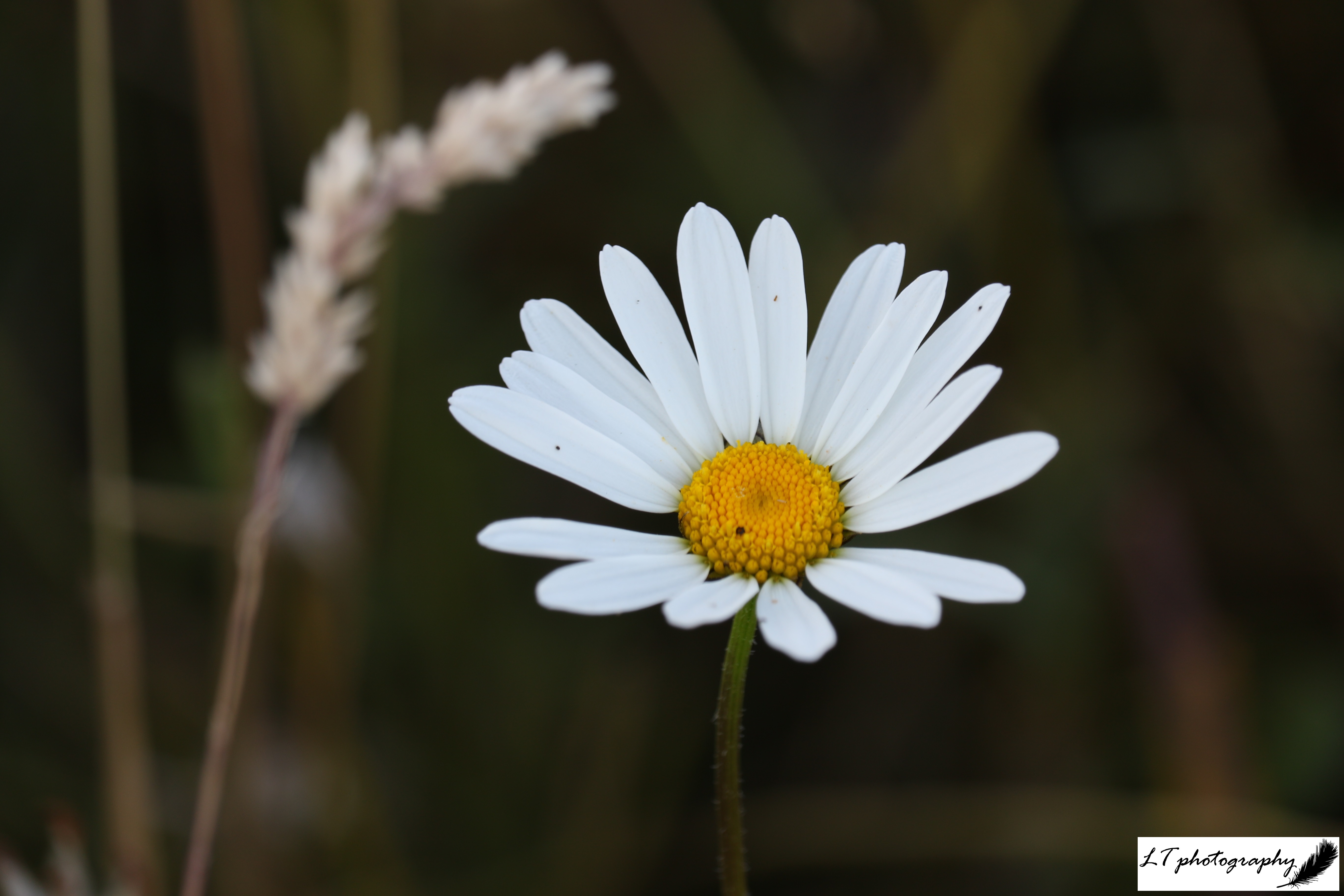
  • Peacock butterfly (Aglais io) – 10 days earlier on 20th March
  • Small tortoiseshell butterfly (Aglais urticae) – 16 days earlier on 22nd March
  • Brimstone butterfly (Gonepteryx rhamni) – 26 days earlier on 23rd March
  • Red admiral butterfly (Vanessa atalanta) – 14 days earlier on 24th March
  • Speckled wood butterfly (Pararge aegeria) – 53 days earlier on 21st April
  • Small white butterfly (Pieris rapae) – 14 days earlier on 8th May
  • Painted lady butterfly (Vanessa cardui) – 43 days earlier on 17th May
  • Meadow brown butterfly (Maniola jurtina) – 27 days earlier on 22nd May
  • Comma butterfly (Polygonia c-album) – 31 days earlier on 17th June
The exceptions were the buff-tailed bumblebee (Bombus terrestris) that emerged 19 days later on 18th March and orange-tip butterfly (Anthocharis cardamines) first seen 18 days later on 18th April.

Summary

This year during spring, plants tended to flower earlier, which could be due to the on average less turbulent weather, alongside the possibility of stress responses being triggered by the increasing temperatures at times. As a result flowers appeared earlier and went over more quickly.

Budburst and leaves did not follow as consistent a trend, but on average plants went through these spring events later than 2021. This may be due to many of these events occurring more towards the beginning of spring, when day length and temperature increases would have only just started to take an effect. Bird events followed spring in general with a slow start and a quick finish, whilst insects emerged earlier, as expected after last year’s unpredictable weather.

This year I have enjoyed all that spring had to offer, though it felt like once it got started it rushed through to its finish. In the moment it was a glorious season, but was cut short in its splendour. Being my favourite season, this year I was particularly sad when the season went over in to summer. Let’s see what will happen during the seasons to come and enjoy the adventures to be had!

Rural Dorset vs. Urban Manchester: Autumnal Plants and Fungi

Series in collaboration with guest writer Emma Rogan

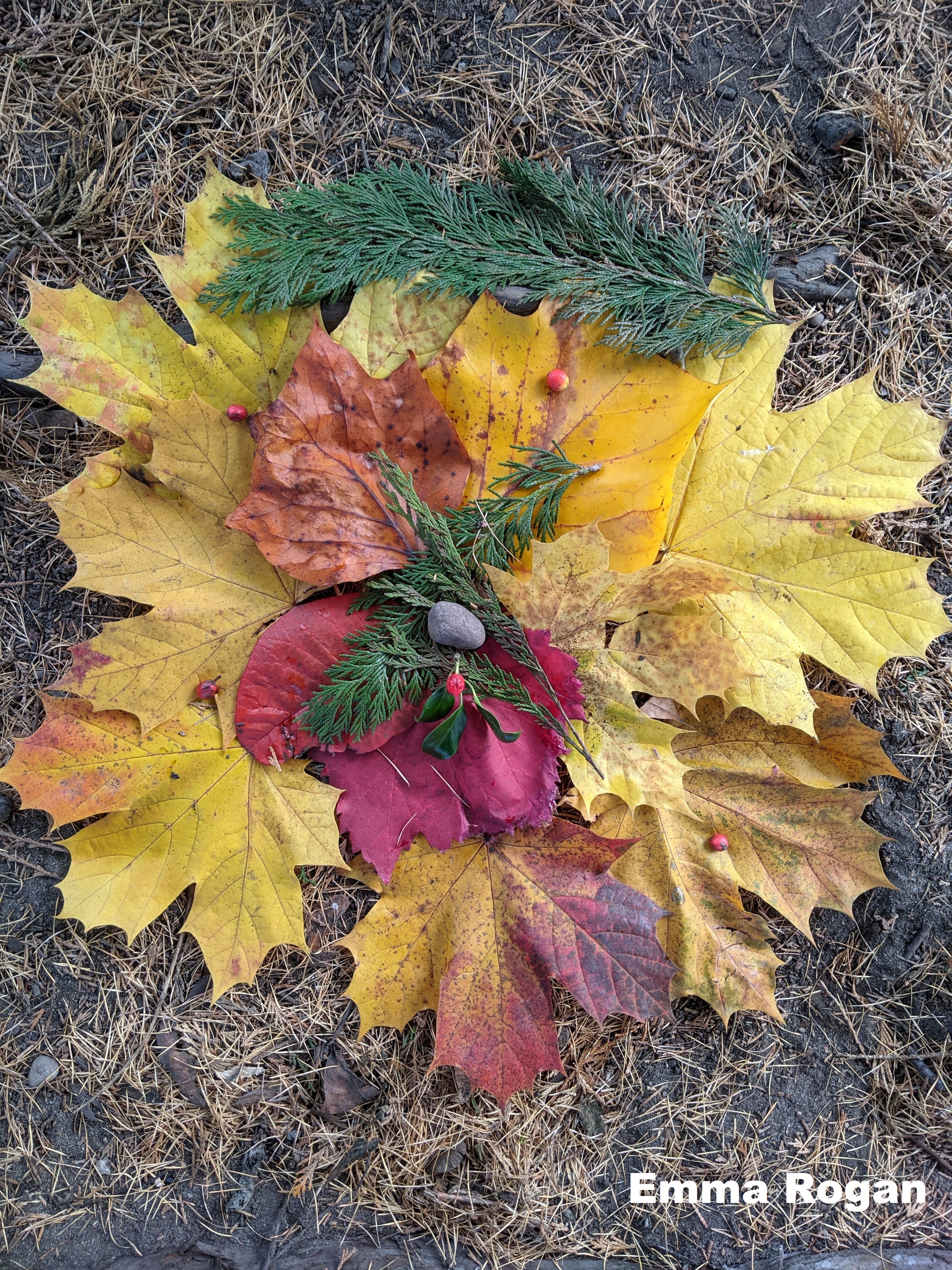
Autumn is a time of plenty, painted with fantastic colours, such as leaves changing, berries and nuts adorning unveiling branches, and the emergence of marvellous mushrooms. Wherever you go during this time, autumn may be moving at a different pace, but the vein of change runs throughout. In Dorset, autumn begins with the first blackberries in August, the start of the migration of birds to warmer climes, and the beginning of a bite in the early morning. In Manchester these signs can also be found, but the change in season is more easily spotted by the increasing carpet of amber leaves on the pavement. For nature, this time of bounty and activity foreshadows the days of dormancy to come.

Last time in Rural vs. Urban, Dorset-born naturalist Laura was joined by Manchester-born wildlife enthusiast and friend Emma, to explore the magical minibeasts that could be found in their local patches. From grasshoppers to froghoppers, both Laura and Emma were amazed by the variety of species they found in such a short space of time! No experts on minibeasts, just enthusiastic adults, their eyes were opened to this miniature world by slowing down and focussing on the smaller things. In this way, we can gain a lot, from escapism to inspiration.

In this next instalment of Rural vs. Urban, we move into autumn with Laura and Emma exploring their home areas to see in the change of the seasons. As colours change and leaves fall, what will location and season mean for the plant and fungi life observed? What treasures will be discovered as we go back to the golden days of autumn?

Laura’s Plants and Fungi in the Countryside

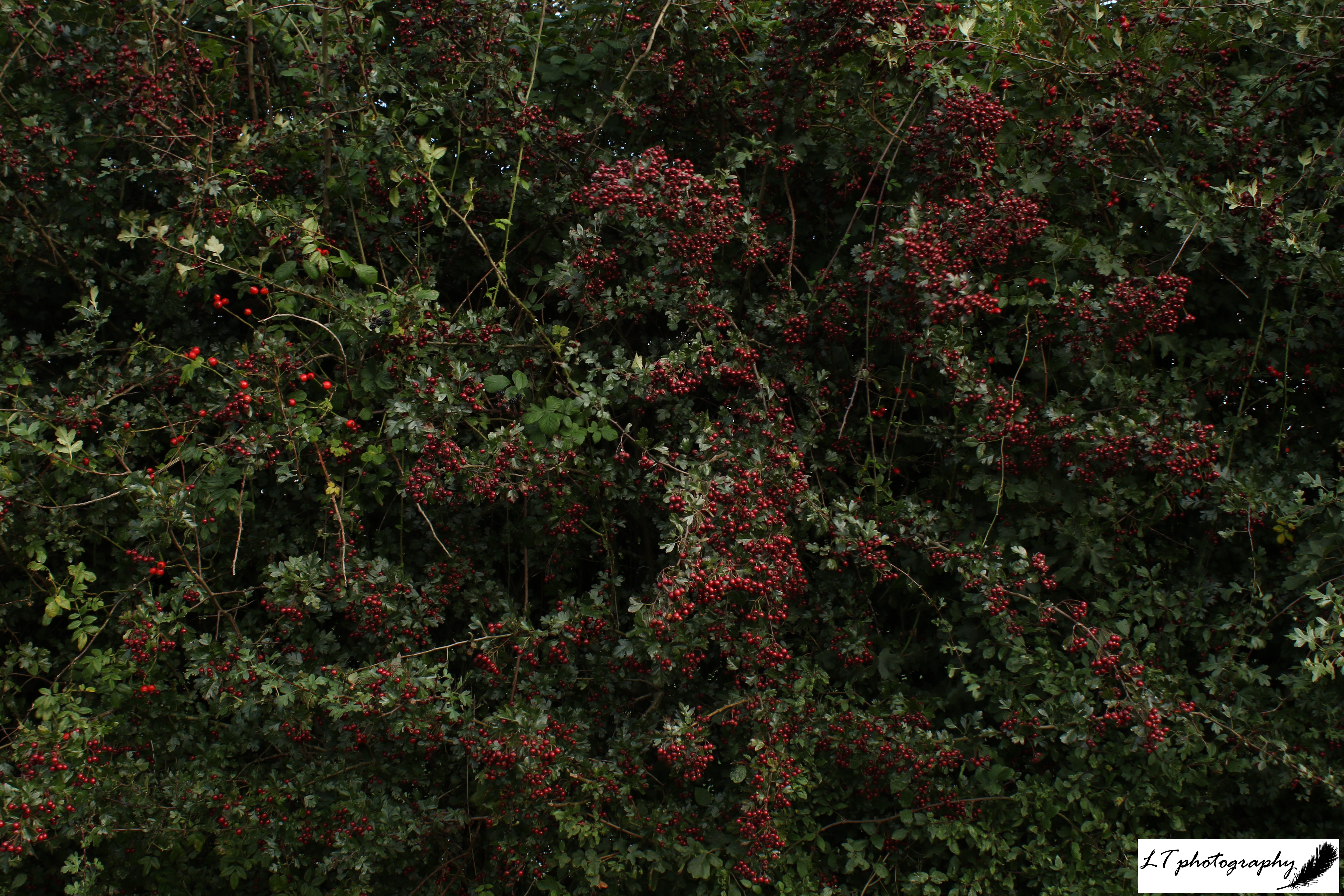
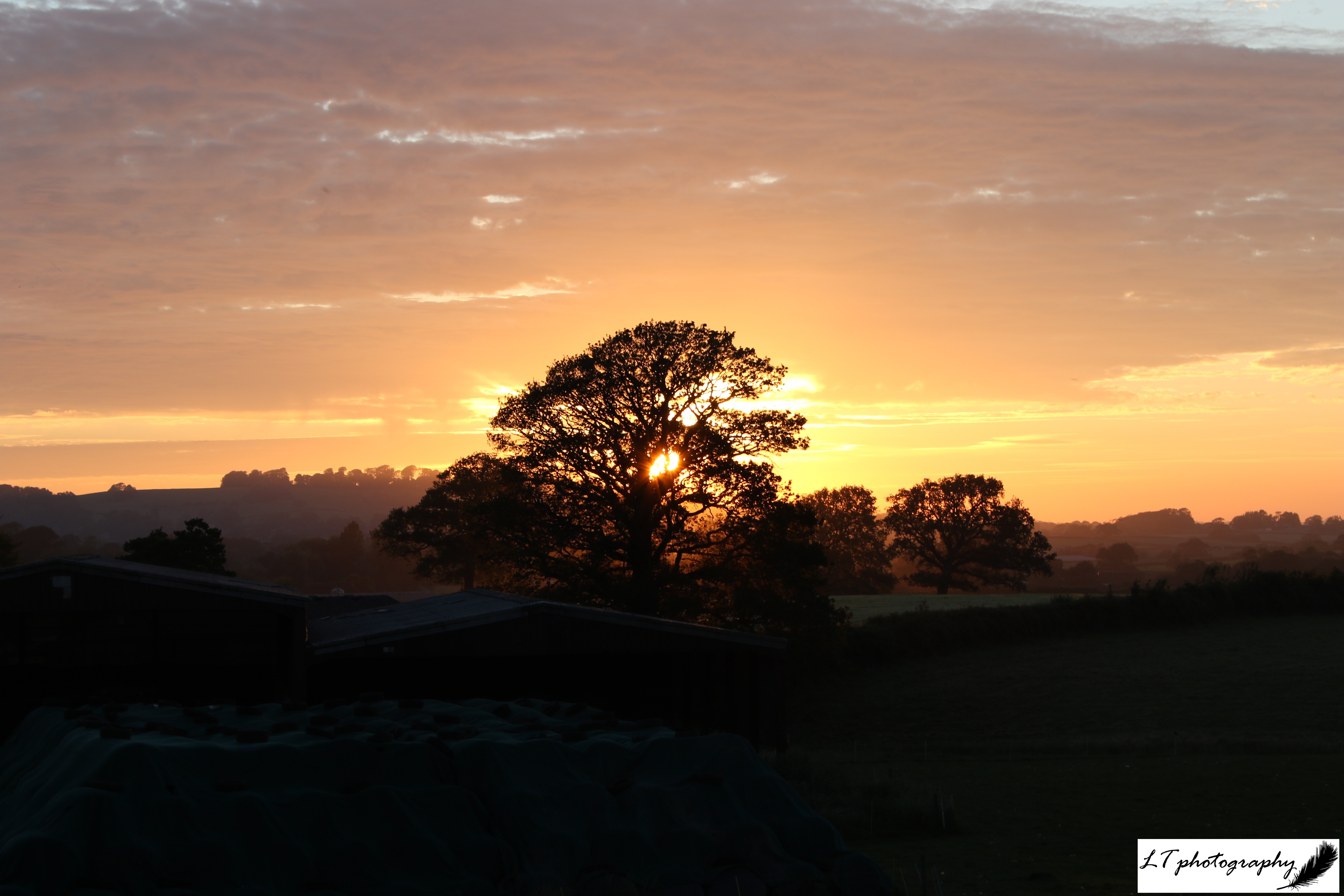
This year autumn could be felt in cold mornings and stormy weather, but did not start showing its true face until October. I first took in the change of the season with a walk to my local woods on the 6th October, seeing the ruby red gleam of Hawthorn berries and a spectacular sunset of chilly blues and pinks. I was finally inspired explore all that autumn had to offer.

So, on the next day, I ventured out into my family’s land to take in all that nature had to offer, as autumn made its slow decline towards putting the landscape to sleep. Leaves were yet to start falling on this day, other than being ripped from their branches in strong winds, but were beginning to show a change in colour. Purples, reds, yellows, oranges, browns, and also the spectacular pink of Spindle leaves. By far the most common trees to be found in my local area though, are Pedunculate Oak, Field Maple, Hazel, Blackthorn, Elder, and Hawthorn; Oaks being a personal favourite.

The warm weather this autumn has meant that it has felt even slower in its start. So it was not surprising on my walk to find a variety of flowers still out, ranging from Herb Robert and Wild Marjoram to Meadow Cranesbill and Rough Hawkbit. With their presence at least, they will have provided an extended food source for wildlife that were yet to hide for the winter, for example Small Tortoiseshell Butterflies that were still on the wing. They also added colour to the magnificent display of nature’s bounty this autumn, which included the rich reds of Rose hips and the deep blues of sloes.

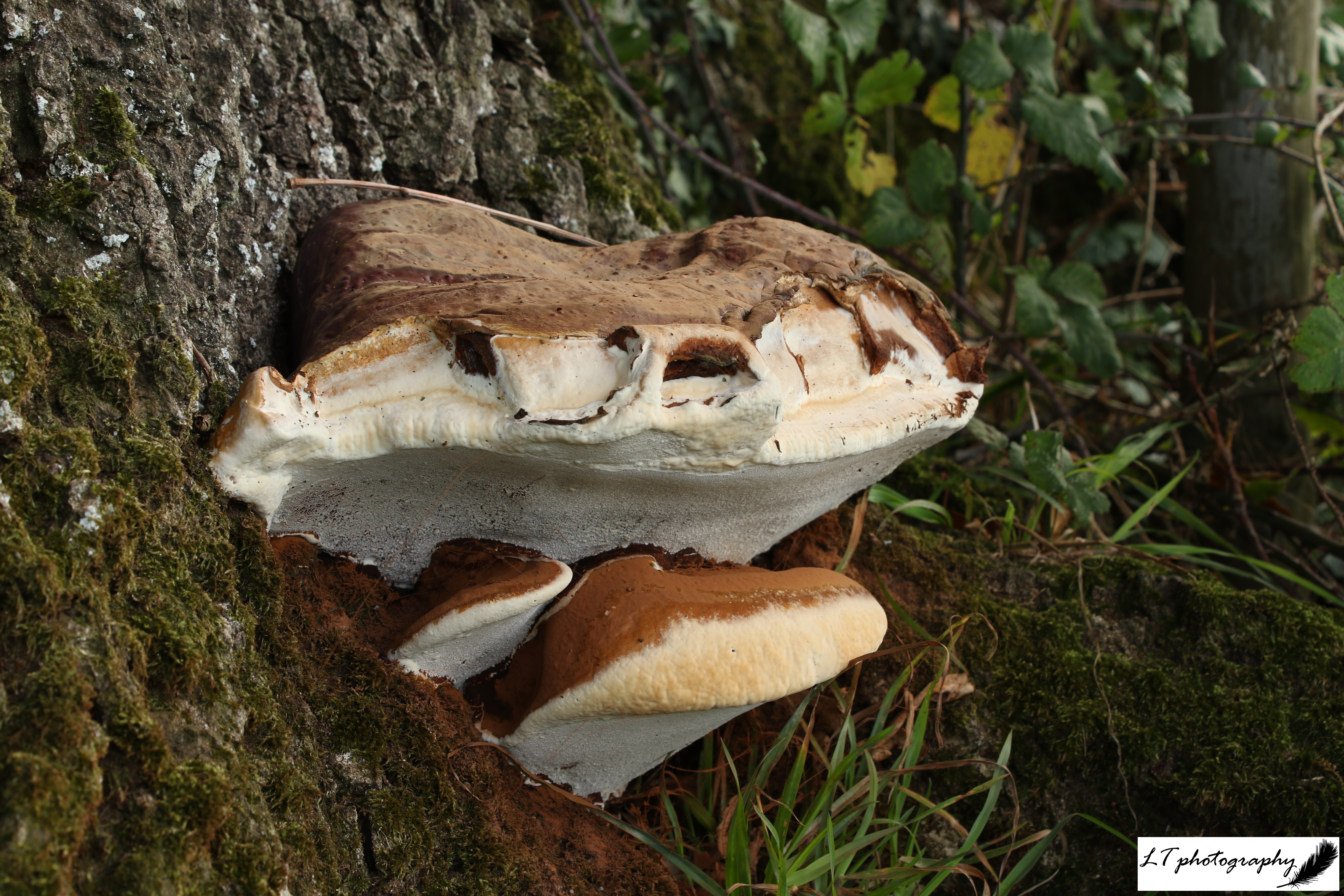
The warm and damp weather also provided the perfect conditions for fruiting fungi, an area where my knowledge is yet to fledge. Two species I did learn on my exploration though, were the pale, peeling Shaggy Inkcap and the unusual hulking forms of Bracket fungus, possibly Southern. Looking for fungi showed me that every day is a learning day and that our knowledge is ever expanding!

To round off my autumn adventure, I picked some apples from our apple trees to make a family favourite, an apple cake. The cake was simple to make, but went down a treat!

Emma’s Urban Plants and Fungi Adventure

For me, no time of the year evokes a feeling of new beginnings more than September. Perhaps it’s a throwback to when September meant the start of a new school year, but the changing of the season always lifts my spirits. Autumn is the season of hot chocolate, curling up with a book, re-watching Gilmore Girls for the fourth (okay, sixth…) time, and wrapping up warm to head out for a walk in the crisp autumn sun! Which, on September 26th, is exactly what me and my partner did.

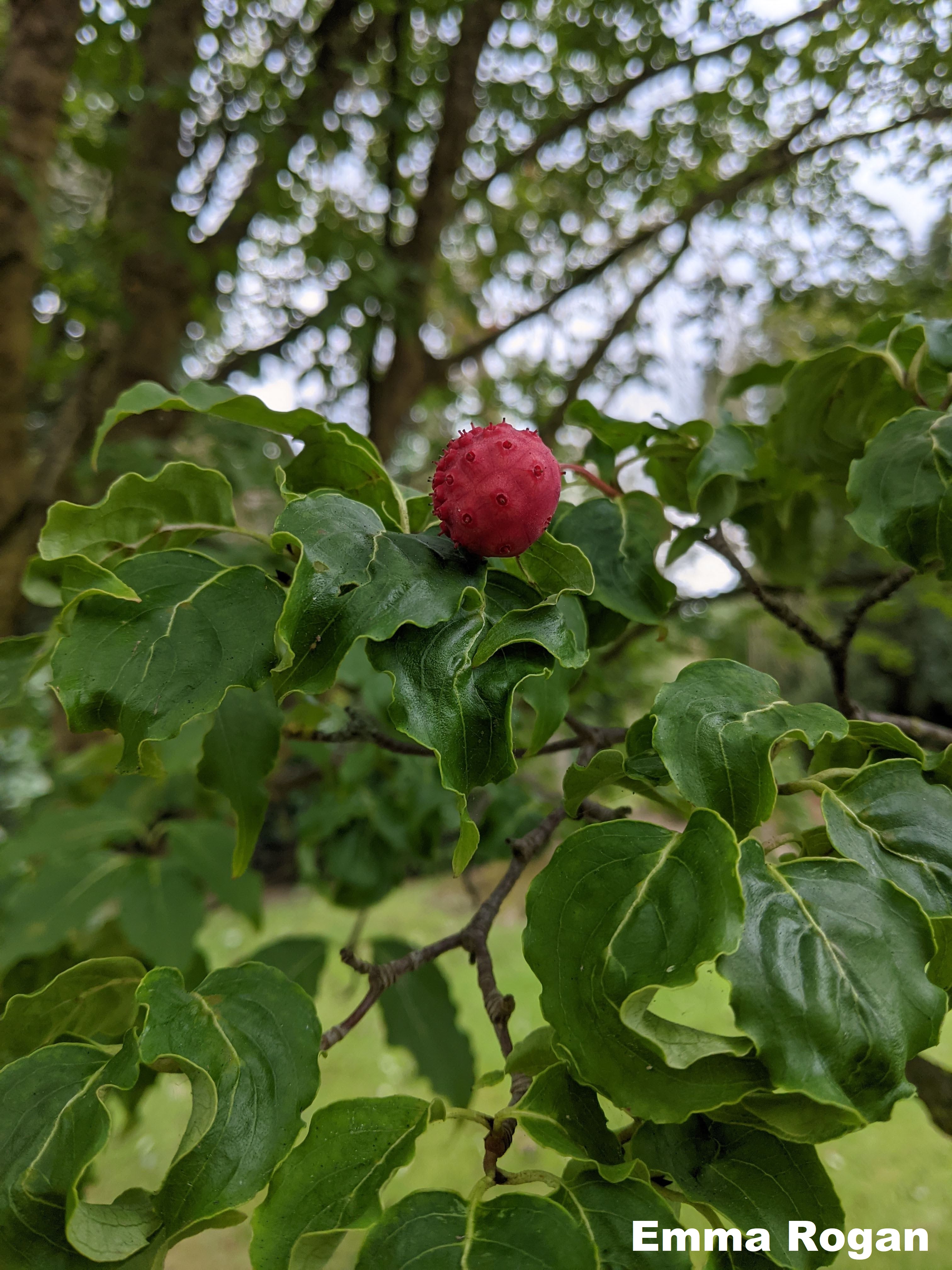
Our first stop, as usual, was the beloved Parsonage Gardens in Didsbury. This beautiful walled garden provides a home for an amazing variety of trees, looked after by a dedicated team of volunteers. My favourite is the old mulberry tree at the entrance to the gardens, but we also found a corkscrew hazel, a yew tree with bright red berries, some bamboo, a sargent’s rowan tree, a Chinese dogwood, and some ferns! I love ferns because of how ancient they are. With a fossil record dating back to the middle Devonian (383-393 million years ago) they are one of the oldest groups of plants on Earth. A piece of ancient history on our doorstep!

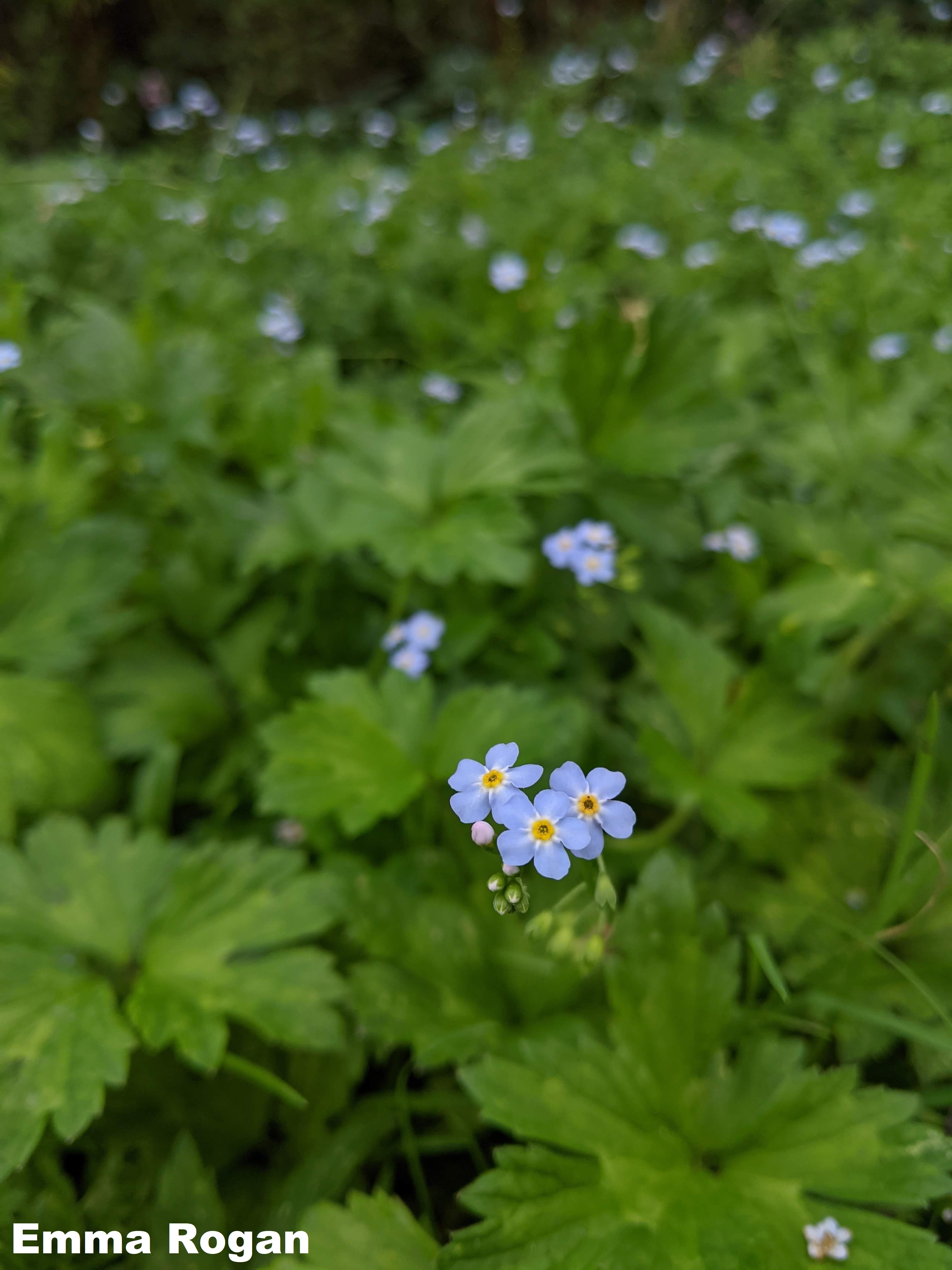
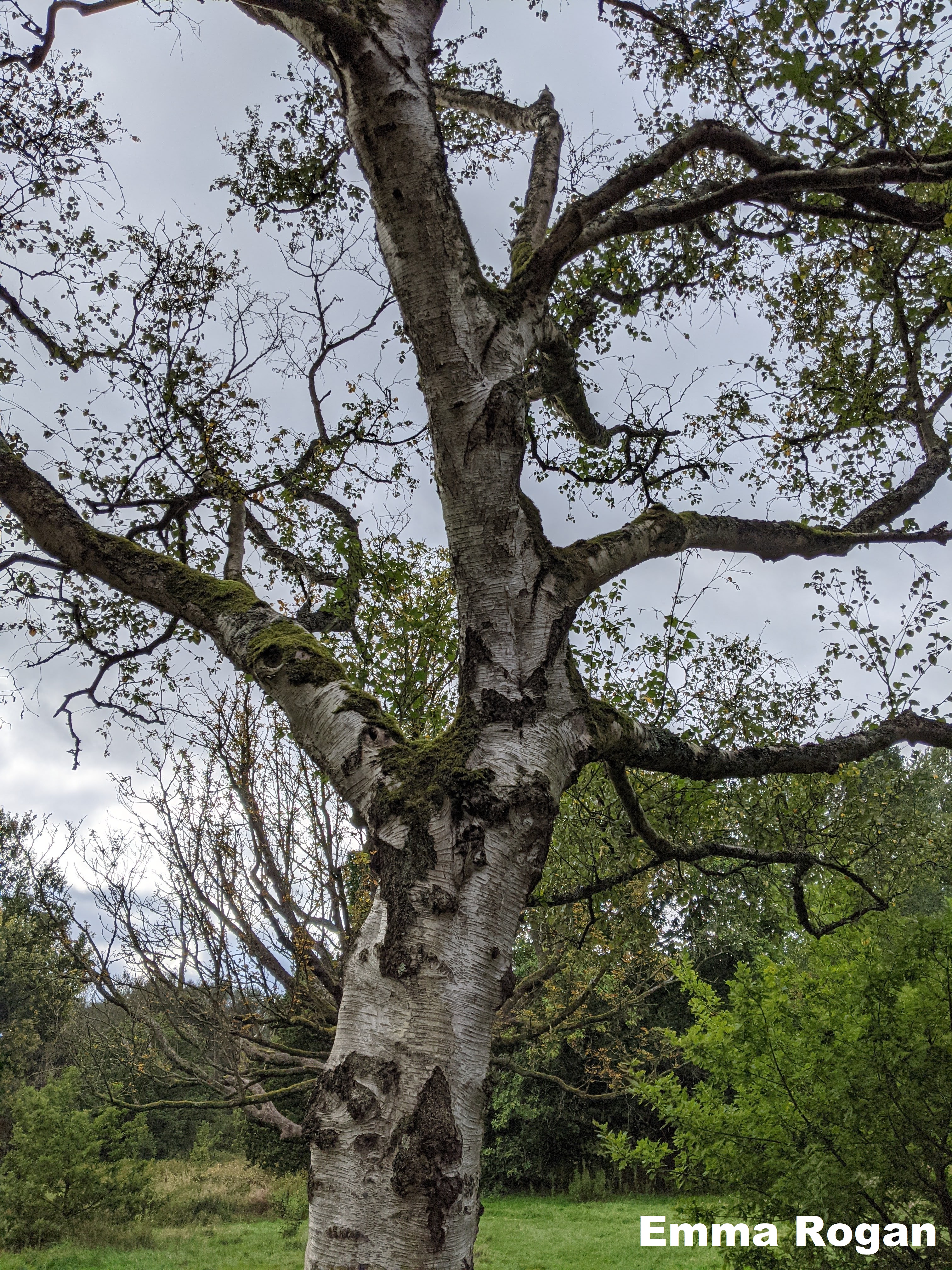
As we walked down the hill to Fletcher Moss Gardens, we passed the Church of St James on Stenner Lane. St James is the second oldest church in Manchester, dating back to 1275. I paused for a moment to admire the ivy spilling over the walls surrounding the church garden, before continuing on. The species we encountered as we wandered through Fletcher Moss ranged from the small (forget-me-nots) to the large (silver birch). We also found another rowan tree, the bane of witches! Rowan has an illustrious history in British folklore as red was considered the best colour for fighting evil, so it was planted by houses so that it’s red berries could protect the occupants from witches.

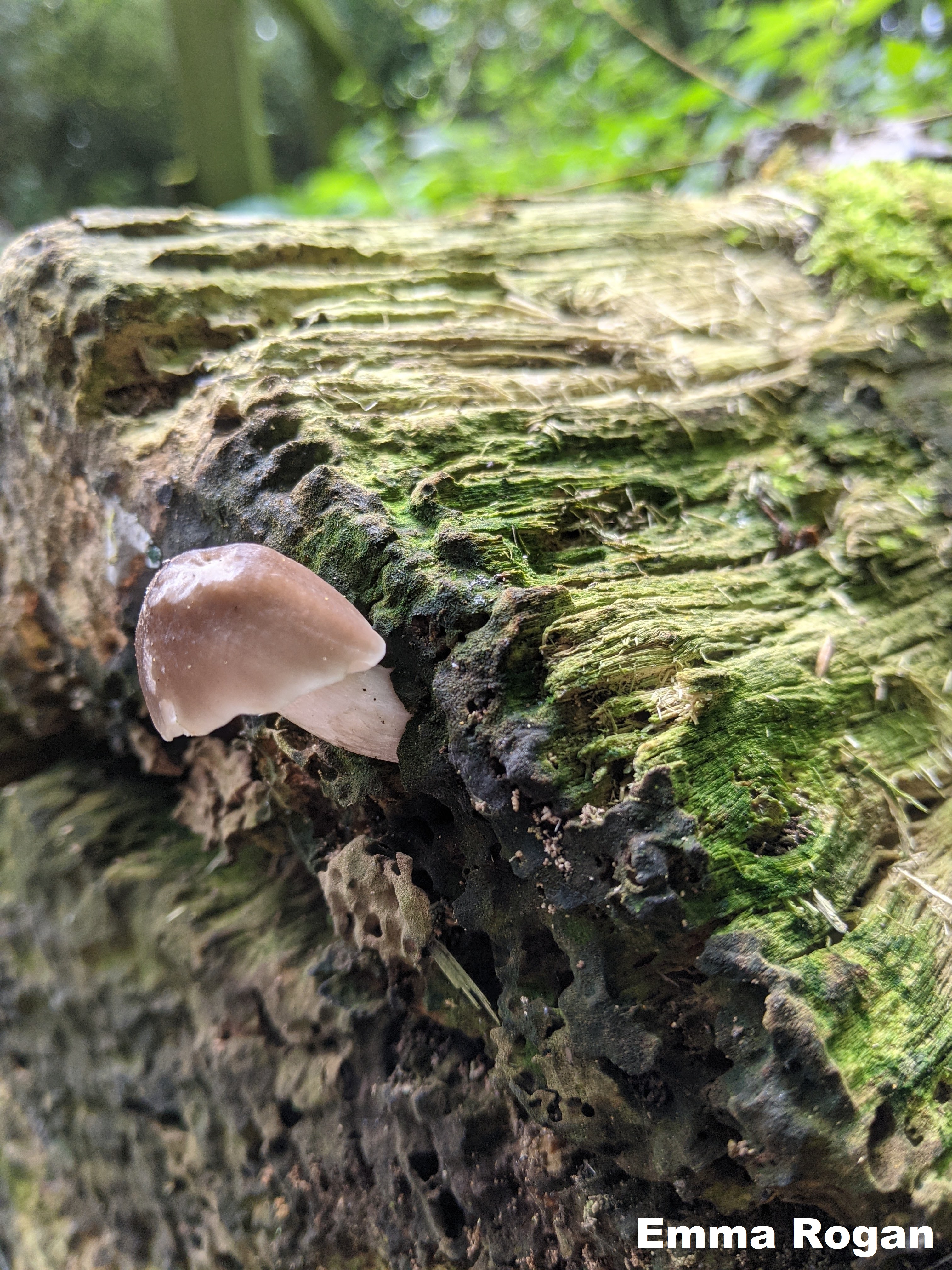
Our walk took us further into Stenner Woods, where we were on the lookout for fungi. This is not my area of expertise, but I’ve done my best to identify what we found! Growing on the side of a fallen log was a small mushroom which I think is a type of inkcap, and on top of another log was a large, flat mushroom with a white underside which I think is a giant polypore. Like Laura I spotted some bracket fungus, although the fungus looked to be past it’s best so I was not sure of the species! While searching through the woodland for fungi, I also came across an abandoned spider’s web adorned with raindrops which looked like crystals.

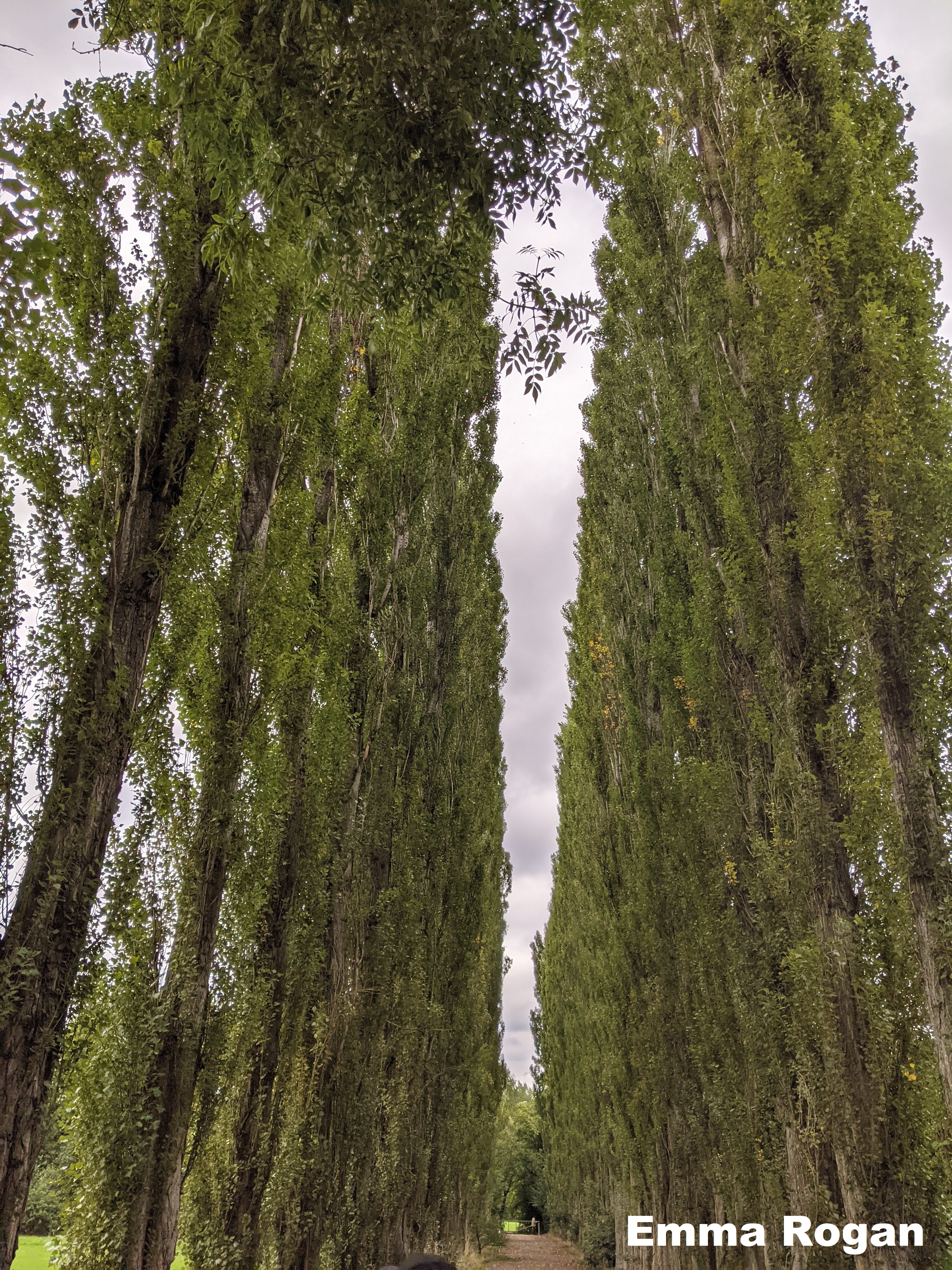
We ended our plant and fungi hunt by walking through the iconic poplar grove which leads from the river back to Stenner Lane. I had a lovely time on my autumn adventure, but I think I need to brush up on my fungus identification skills!

Autumnal Plants and Fungi

Autumn is usually defined as the season between summer and winter when leaves change colour and fall, the weather becomes cooler, and a time of full maturity is reached, such as crops becoming ripe. Autumn is so much more than this though, with it often being a favourite time of year for many, encapsulated in a feeling of cosiness, plentifulness and change. For Laura at this time of year, the sunsets are spectacular, the nights full of starry skies, and surroundings full of natural food on offer. For Emma, frost sparkles on bright leaves, the morning air becomes crisp, and the smell of hot chocolate is a welcome aroma.

This season is also a time for plants and fungi to reach the ends of their annual cycle and go out with a bang. As Laura and Emma found, autumn is a vibrant season before winter’s slumber descends on the landscape. It was interesting to see some variation between the two locations though, such as in Manchester more exotic species thrive and autumn marches forward earlier than in Dorset. This would be due to the naturally milder climate found in an urban setting, but temperatures tending to be colder in the North-West than the balmier South-West.

Still there were treasures to be found in both locations, with plants and fungi taking centre stage. Colourful, bountiful and spectacular, such species capture the imagination and provide a lifeline in nature. Engulfed in the cold and storminess of winter, we can now look back on the golden glow of autumn days with a smile, before we begin to look forward to the return of new life once again.

Spring 2021: How It Happened

This spring has been an unexpected, unpredictable and turbulent season, that has taken its time to unfurl. Traditionally spring is a season that is characterised as calm and dry, with days getting longer and warmer, and the potential for cooler nights. As lighter evenings returned this year though, spring was far from traditional, with a stormy then hot March, cold and frosty April, and a wash out of a May.

Since 2017, I have recorded the dates of the events of spring every year, and with the start of my blog, every year since I have analysed and compared spring events to see how the season took form. Last year I showed that the timing of spring events is heavily linked to spring weather, resulting in either earlier or later occurrence accordingly. Over the last couple of years this has varied alot, so it will be interesting to see what has gone on this year.

This spring a lot has been going on for me, but I have still found time to be out in nature as much as possible and to enjoy the time when one season slips into another. It has felt that spring has dragged on longer this year, with the potential effects of spring starting warm and progressing to cold, then wet. So as this spring comes to a gradual close and the heat sets in, it is time to find out what actually went on during spring 2021.

Trees

This year there was a general trend for trees being later in their bud burst, leaves unfurling, and flowering compared to 2020. Even before the frosty nights of April, silver birch (Betula pendula) buds burst 14 days later on 26th March, Norway maple (Acer platanoides) first flowered 5 days later on 26th March, and beech (Fagus sylvatica) buds burst 14 days later on 27th March.
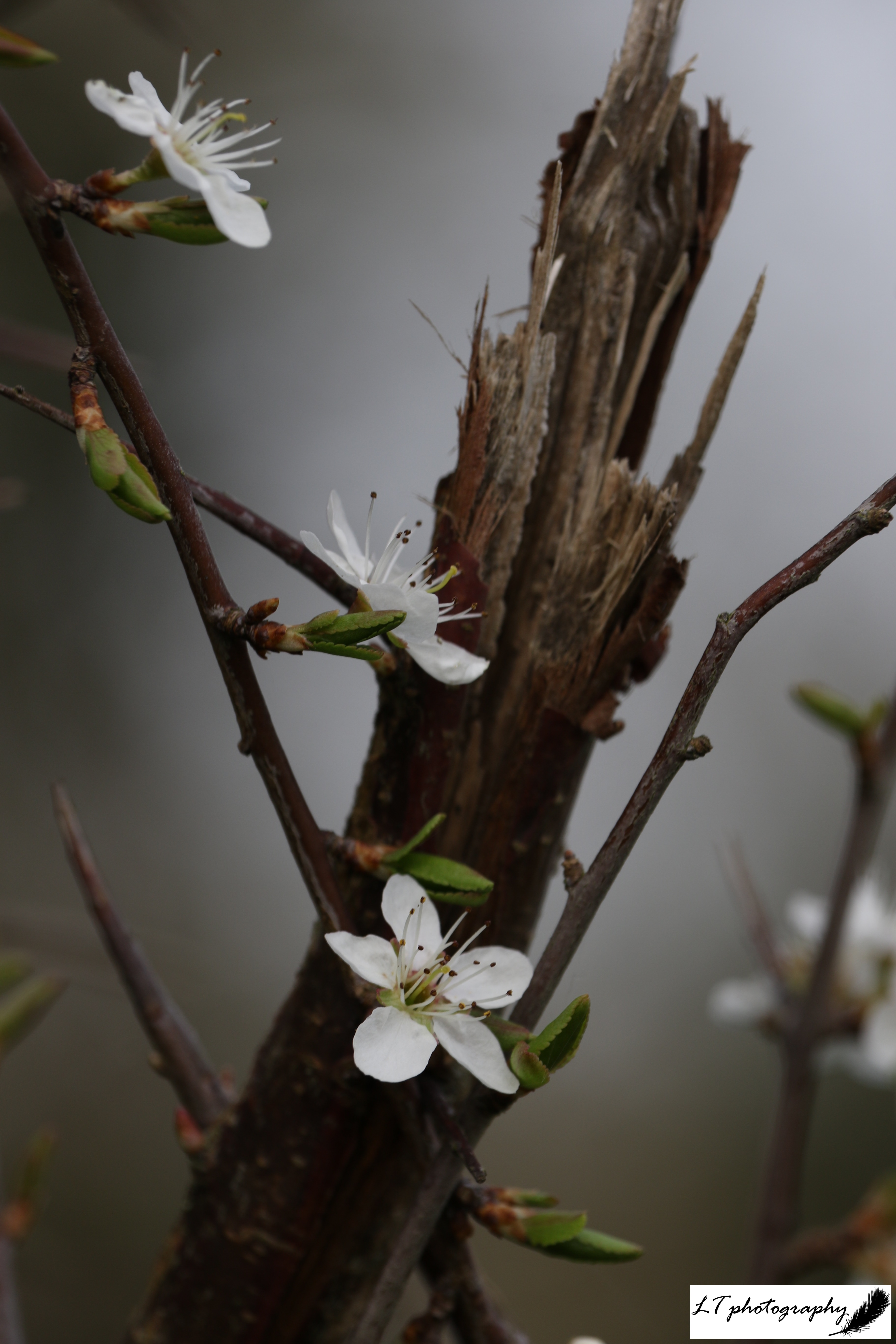
As we moved through April and into May, spring events began to stretch even further in their lateness. For example, wild cherry (Prunus avium) buds burst 35 days later on 8th April, horse chestnut (Aesculus hippocastanum) first flowered 18 days later on 20th April, alder (Alnus glutinosa) buds burst 15 days later on 21st April, the first lime (Tilia x europaea) leaves unfurled 23 days later on 26th April, pedunculate/english oak (Quercus robur) leaves first unfurled 31 days later on 5th May, and ash (Fraxinus excelsior) flowered 37 days later on 9th May.

Field maple (Acer campestre) did not follow this trend though, with bud burst being 10 days earlier on 26th March, and first leaves unfurling 5 days earlier on 1st April. This may be as these trees missed the worst of the spring weather, but for the other trees spring events ranged from being 1 to 37 days late!

Shrubs

For a lot of the shrub species I monitored a similar trend was shown as with tree species, being later compared to 2020. For example, elder (Sambucus nigra) leaves first unfurled 34 days later on 18th March, blackthorn (Prunus spinosa) first flowered 17 days later on 23rd March, and hawthorn (Crataegus monogyna) first flowered 23 days later on 11th May.

Though half of the shrubs I monitored were later in their spring events, ranging anywhere from 2-34 days later, two species did not completely fit this trend. For lilac (Syringa vulgaris) bud burst occurred 12 days earlier on 24th February, but flowered 17 days later on 2nd May. This was the same for dog rose (Rosa canina), where buds burst 12 days earlier on 22nd February, but first flowered 22 days later on 8th June. For both of these species though, it is the spring events occurring before April that are earlier, as the ones occurring in April and May were not immune to the frosts and heavy rainfall like the other shrubs.

Flowers

For many of our commonly associated spring flower species, there was a little more of a split between appearing earlier or later, but on average they flowered later compared to 2020. Snowdrops (Galanthus spp.) first flowered 15 days later on 18th January, wood anemones (Anemone nemorosa) 8 days later on 30th March, bluebells (Hyacinthoides non-scripta) and greater stitchwort (Stellaria holostea) both 4 days later on 1st April, cowslips (Primula veris) 12 days later on 2nd April, early purple orchid (Orchis mascula) 12 days later on 18th April, wild garlic (Allium ursinum) 14 days later on 20th April, and oxeye daisy (Leucanthemum vulgare) 16 days later on 3rd June.

The exceptions were a section of earlier flowering species, including primrose (Primula vulgaris) first flowering 27 days earlier on 31st December, lesser celandine (Ficaria verna) 3 days earlier on 15th January, daffodil (Narcissus spp.) 22 days earlier on 19th January, and cuckooflower (Cardamine pratensis) 10 days earlier on 8th April. These flowers would have been influenced by a warmer winter and start to spring, generally flowering before the cold spell in April.

Birds

On average, bird species spring events have also become later this year compared to 2020. I heard my first song thrush (Turdus philomelos) singing 17 days later on 1st January, I saw my first rook (Corvus frugilegus) nests being built 10 days later on 25th February, and I heard my first chiffchaff (Phylloscopus collybita) on 16th March. April and May events were again influenced, for example I saw my first swallow (Hirundo rustica) 5 days later on 10th April, saw my first house martin (Delichon urbicum) 9 days later on 21st April, heard my first cuckoo (Cuculus canorus) 3 days later on 1st May, and saw my first swift (Apus apus) 10 days later on 16th May.

There were two exceptions though, where I recorded hearing my first blackbird (Turdus merula) singing 13 days earlier on 10th February, and saw my first blackcap (Sylvia atricapilla) 8 days earlier on 14th April. These would most likely relate to other influencing factors, such as overwintering in the UK or habitat requirements.

Insects

Compared to previous years, I have still yet to see some species of butterfly that would typically be on the wing by now, such as gatekeeper butterflies (Pyronia tithonus). For the insects I have seen though, again there was a split in event occurrence compared to 2020. For example, I saw my first small tortoiseshell butterfly (Aglais urticae) 2 days later on 7th April, red admiral butterfly (Vanessa atalanta) 26 days later on 7th April, brimstone butterfly (Gonepteryx rhamni) 26 days later on 18th April, and speckled wood butterfly (Pararge aegeria) 52 days later on 13th June.

The early emergers came in the form of my first buff-tailed bumblebee (Bombus terrestris) 14 days earlier on 27th February, peacock butterfly (Aglais io) 5 days earlier on 30th March, orange-tip butterfly (Anthocharis cardamines) 13 days earlier on 31st March, and red-tailed bumblebee (Bombus lapidarius) 12 days earlier on 19th April. Despite these species appearing earlier in spring, later flowering plants will have had a knock-on effect for them due to a mismatch in timing for food. Only further down the line will we be able to see the extent of this impact.

Summary

This year I have recorded more spring dates than I have done so before, such as alder trees flowering, first yellowhammer singing, and first green-veined white butterfly, which will be useful information during the years to come. This reflects how I have felt more in touch with nature this year even with the unusual weather patterns, such as alot of rain! It became clear as we went through May though, that there was a trend for events happening later and later. This is why I was so interested to see how far this trend actually extended amongst species.

Last year I wrote that spring events are ‘in fact getting later, which will be related to… weather and environmental factors here and further afield’. This year this has turned out to be the case, which shows how climate change is having more of an impact through changes in weather patterns rather than just warmer temperatures. Earlier spring events have been getting earlier with warmer winters, but heavy rainfall and colder starts to spring have been affecting late March to May events most. I wonder now what impact this might have as we move forward, for example greater mismatches in ecological timings.

How to… Identify British Tree Species

A majestic oak standing tall in the landscape, watching as centuries pass it by. A silver birch with drooping branches, embellished with leaves, slowly blowing in the breeze. An alder leaning over the edge of a river, spreading its branches to shade the bank beneath it. From capturing the imaginations of children to symbolising strength and life for adults, trees in all their forms are an important part of the landscape and culture within Britain.

With over 70 species in the UK alone, trees come in all shapes and sizes, and can be found anywhere from our highlands to our cities. Trees colonised Britain following the last glaciation, and have since become intertwined with our very own history. They provide us with so much, including resources, such as medicines and building materials, improved air quality, homes for wildlife, and even cultural services, such as therapy through forest bathing. Thus, they are a very important part of our environment!

Now, as our reliance on trees grows and the threats to them increase, it is surprising how little people know about trees in general. For example, the average Brit is unable to name more than five tree species, and a third even believe a money tree is a real species! With two thirds of the public now wanting to learn a little more about the trees in their area, here’s my handy guide to help you identify 10 common tree species that can be found in the UK.

Tree Species

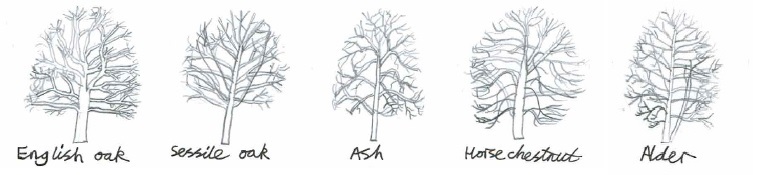
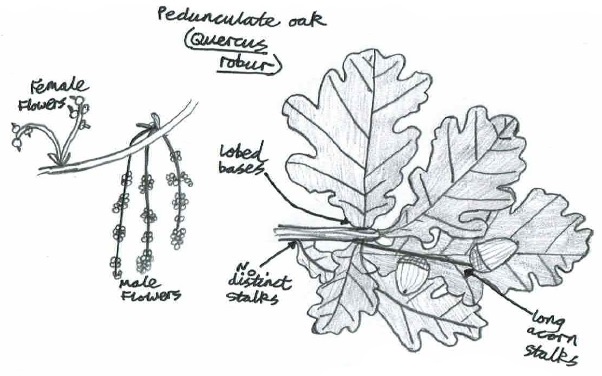
1. Pedunculate or English Oak (Quercus robur)

  • Family: Fagaceae – related to species such as beech and sweet chestnut
  • Origin: Native
  • Shape and size: Up to 40m tall, upward-reaching and broad crown
  • Stems and twigs: Massive rugged grey-brown trunk
  • Leaves: 10-12cm long, oblong, and lobed, turning brown in autumn
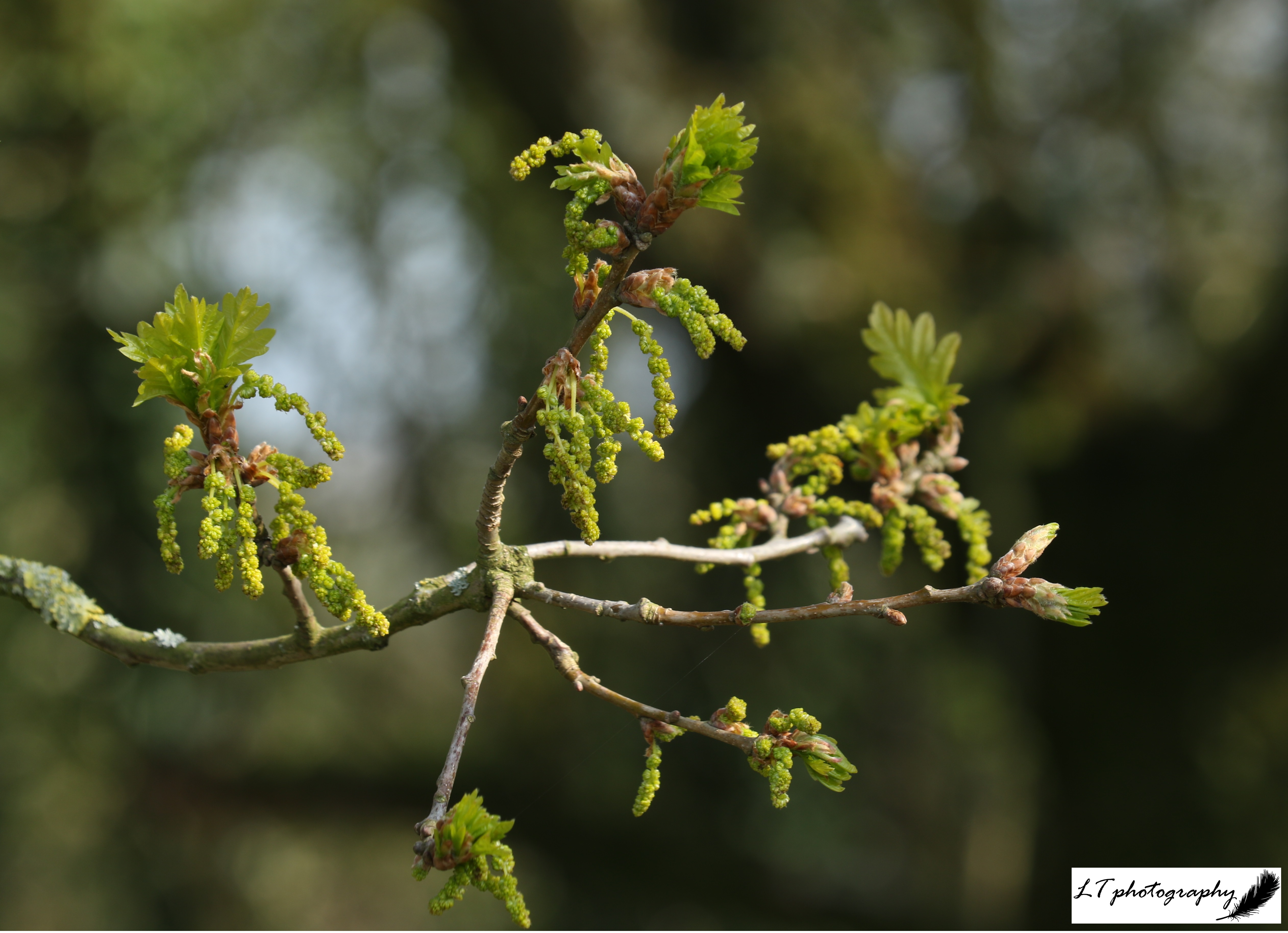
  • Flowers: On the same tree and flowering April-June. Male flowers= yellow-green catkins; female flowers= pinkish and on short stalks
  • Seeds: Produces the familiar acorn, with scaly cups and clusters carried on long stalks
  • Range & habitat: Widespread and common throughout Britain, found in habitats ranging from deciduous and mixed woodlands to open grassland and hedgerows

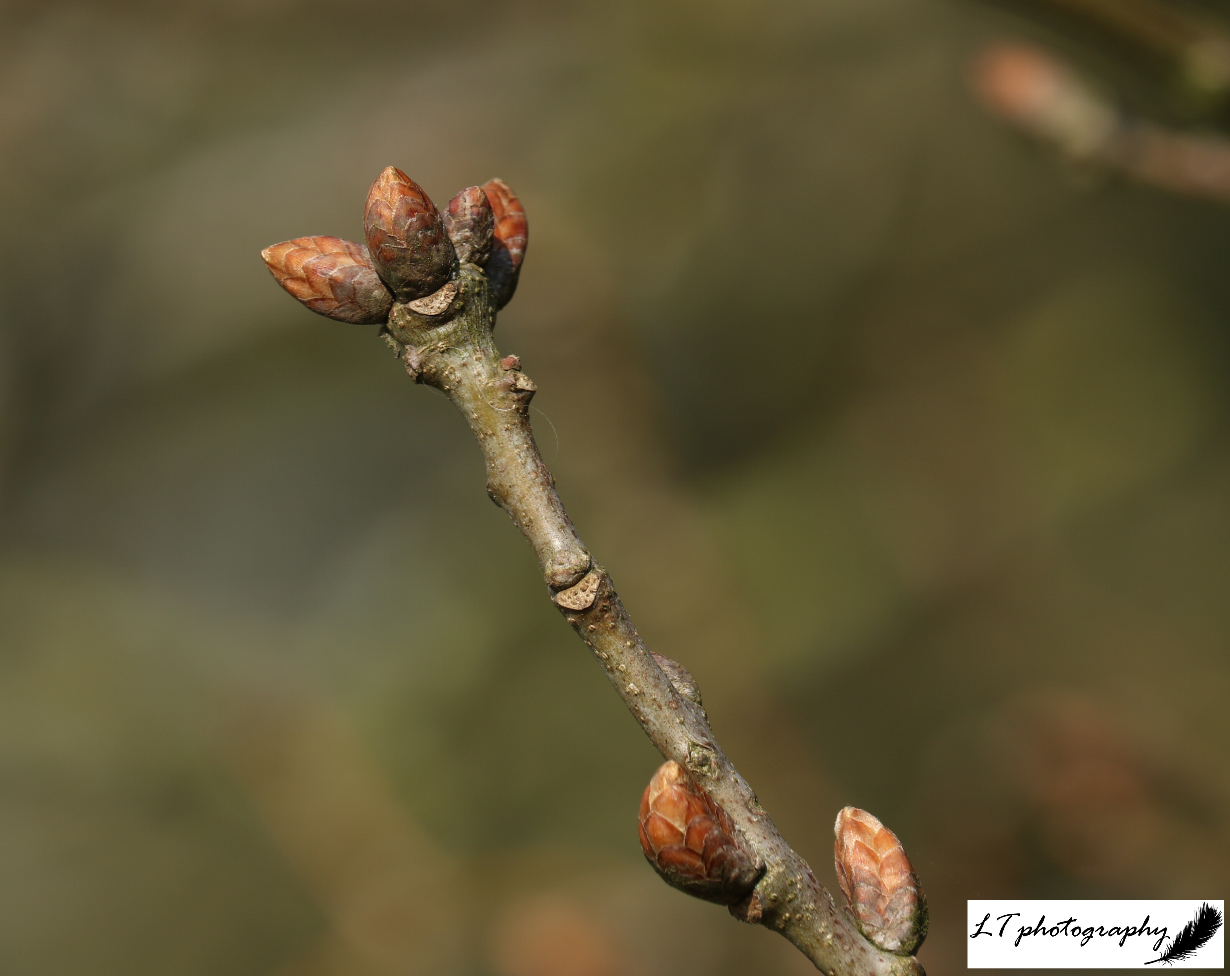
In Winter: Look for rounded buds that have overlapping scales and are found in clusters at the end of each shoot

2. Sessile oak (Quercus petraea)

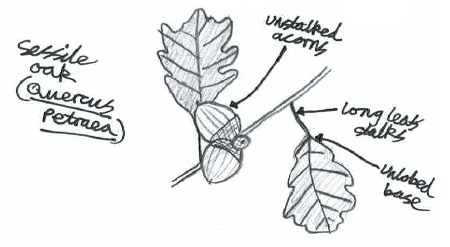
  • Differs to Pedunculate Oak in that the leaves taper to an unlobed base and have long stalks.
  • Buds in winter have more scales (more than 20).
  • Also, the clustered acorns are almost stalk-less with downy cups.
  • Narrower in shape, prefers more acid soils, and is more common in the West of Britain.

3. Common Ash (Fraxinus excelsior)

  • Family: Oleaceae – related to olive trees and lilac
  • Origin: Native
  • Shape and size: Tall and domed with widely spaced branches, growing up to 35m
  • Stems and twigs: Bark is pale brown to grey, becoming rugged with age
  • Leaves: Opposite and toothed, with 9-13 stalked leaflets that have long tips
  • Flowers: Male and female flowers typically grow on different trees, but both have purple flowers growing in clusters before the leaves
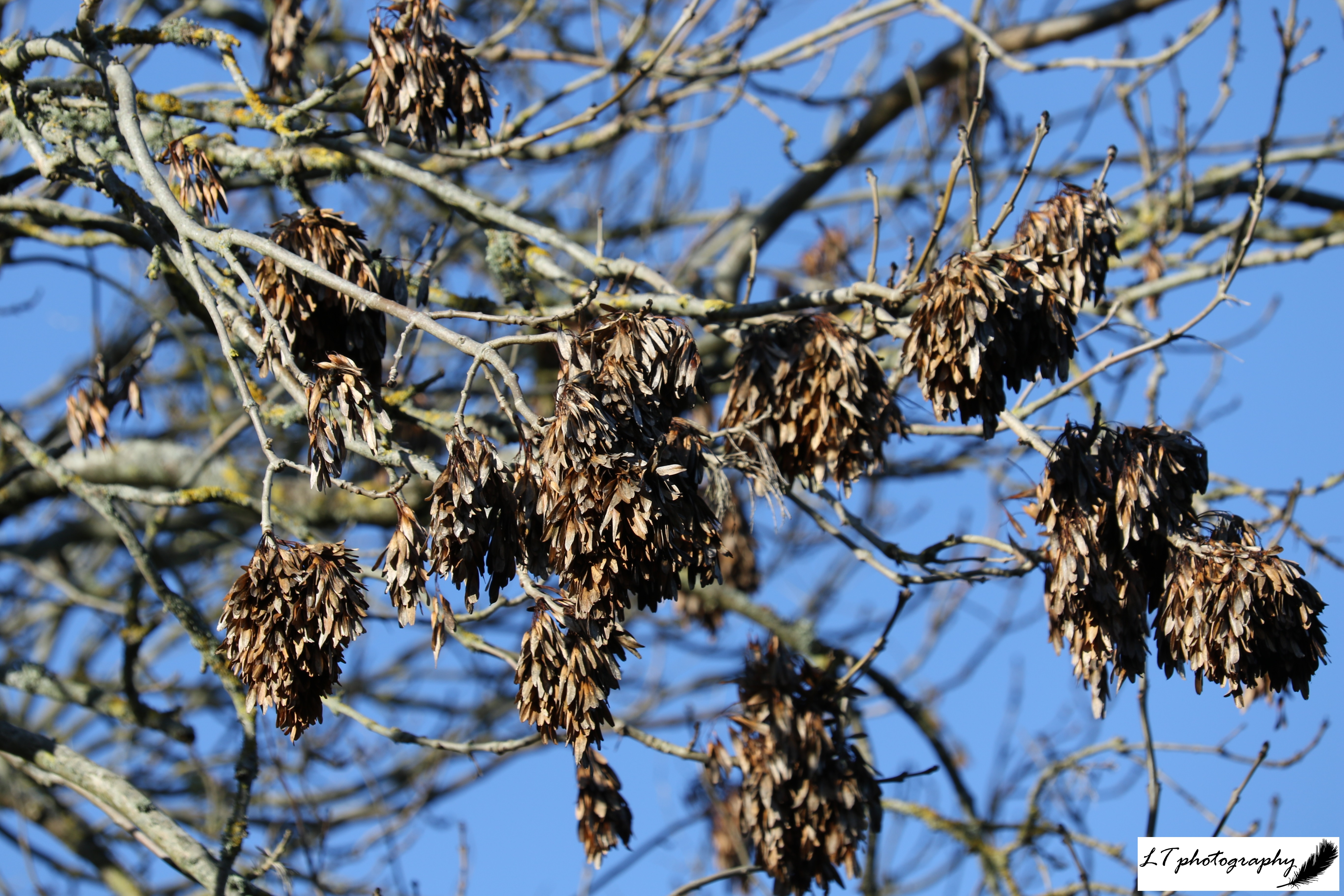
  • Seeds: Single seeds with a long wing (known as keys)
  • Range & habitat: Woods and hedges, in particular flourishing on a lime-rich/well-drained soil

In Winter: Smooth twigs with distinctive hairless black buds, and ridged bark on adult trees that resembles a diamond pattern

4. Horse Chestnut (Aesculus hippocastanum)

  • Family: Sapindaceae – related to lychee and maples
  • Origin: Non-native (introduced in the 1500s from the Balkan peninsula in southeastern Europe)
  • Shape and size: Arching branches, usually turned up at the ends, growing up to 35m tall
  • Stems and twigs: Bark is scaly and red-brown or dark grey-brown
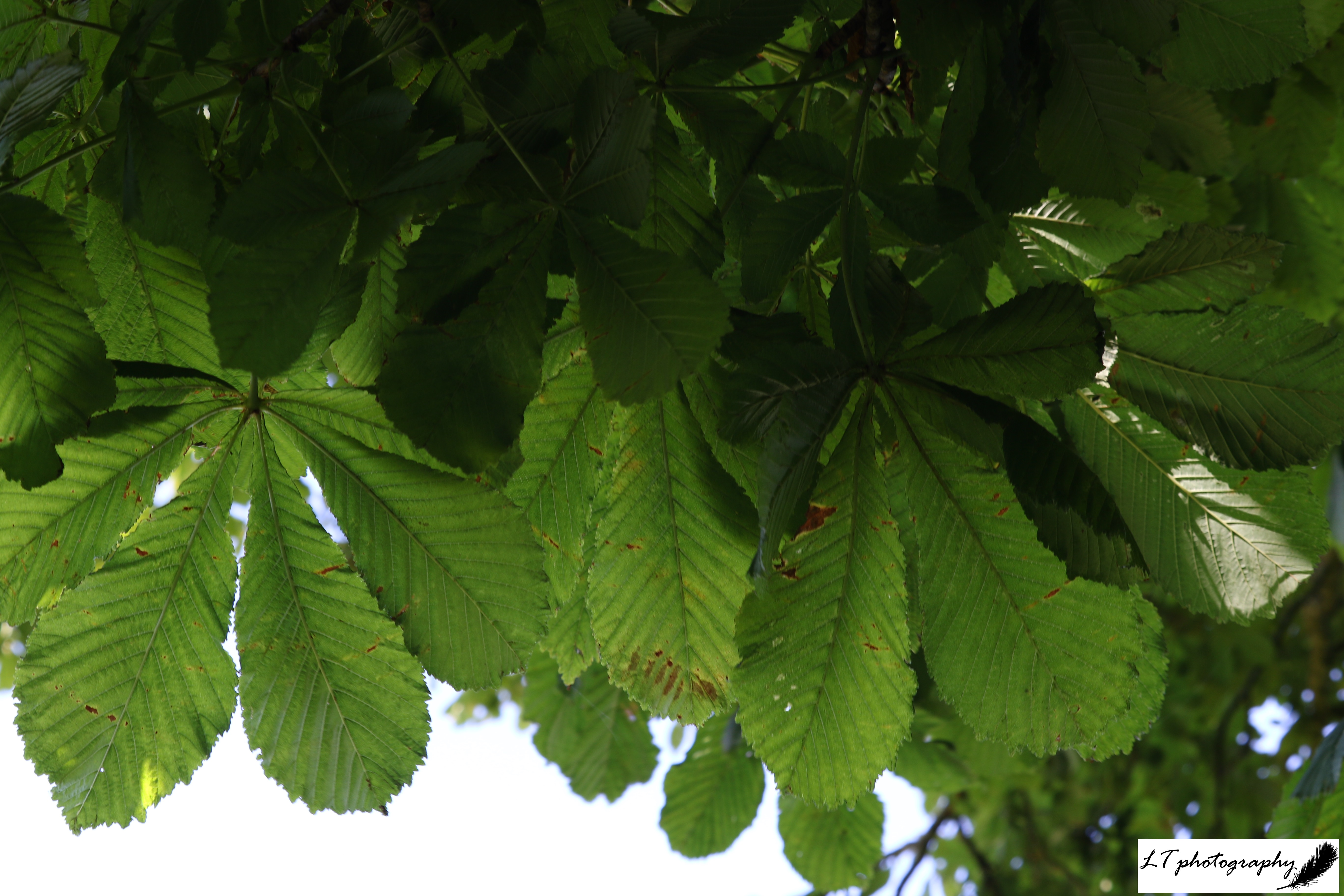
  • Leaves: Five to seven large, thick, stalkless leaflets with pronounced veins and a long, tapering base
  • Flowers: Showy spike (candle) of white flowers with a yellow to pink spot
  • Seeds: Spiny fruit contains one or more shiny conkers
  • Range & habitat: It has now become a widespread and common sight across Britain, tolerating a wide range of soils

In Winter: Smooth bark and sticky buds

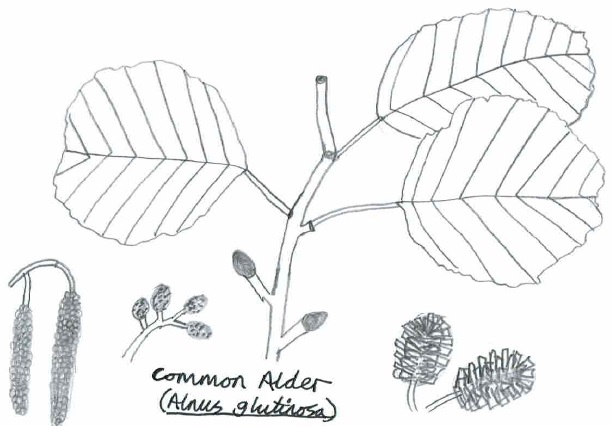
5. Common Alder (Alnus glutinosa)

  • Family: Betulaceae – related to hazel and birches
  • Origin: Native
  • Shape and size: Regular branching and conical shape, growing up to 25m
  • Stems and twigs: Dark brown bark that is often rough and sprouts young shoots
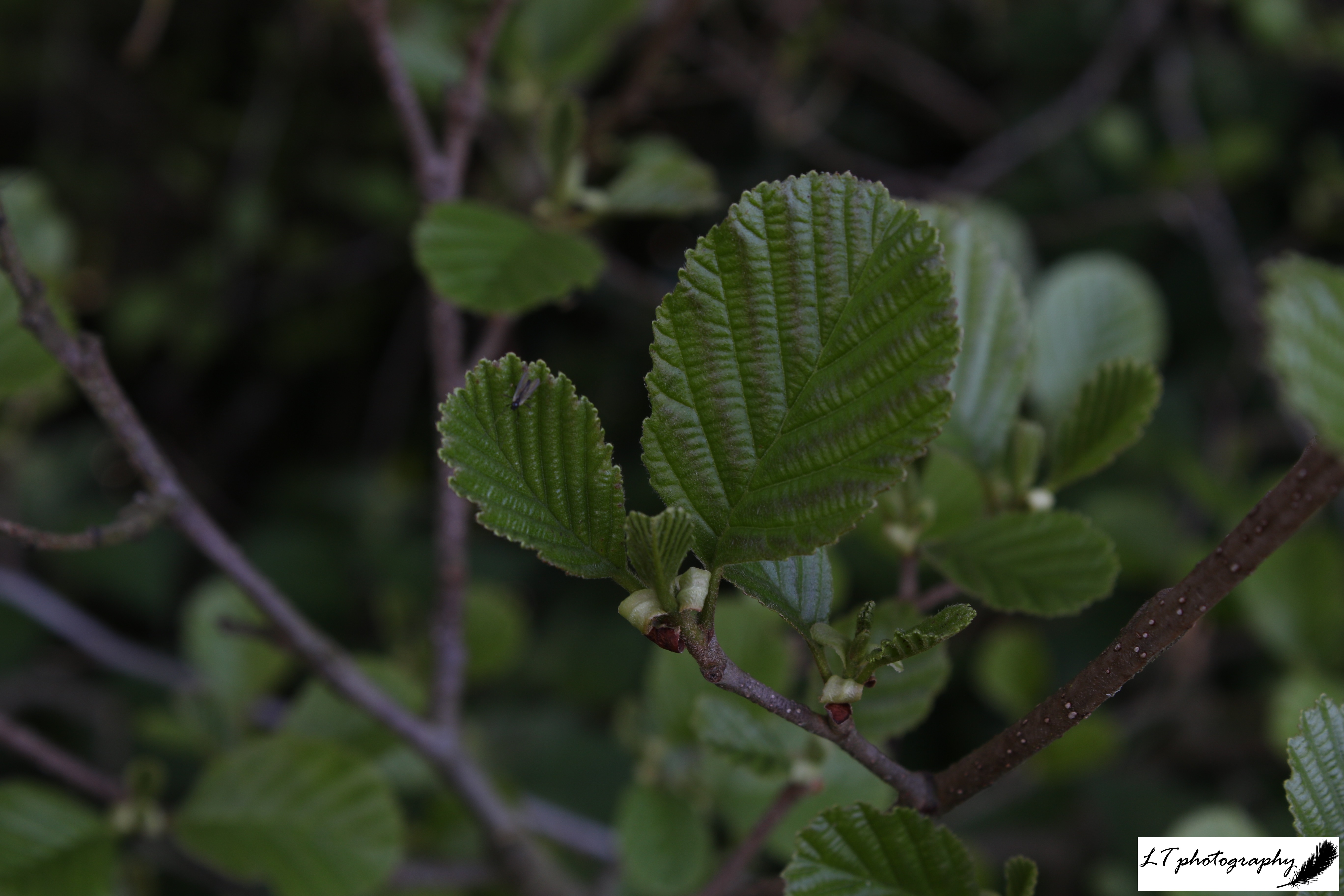
  • Leaves: Alternate, rounded, sometimes notched at the tip, and dark green
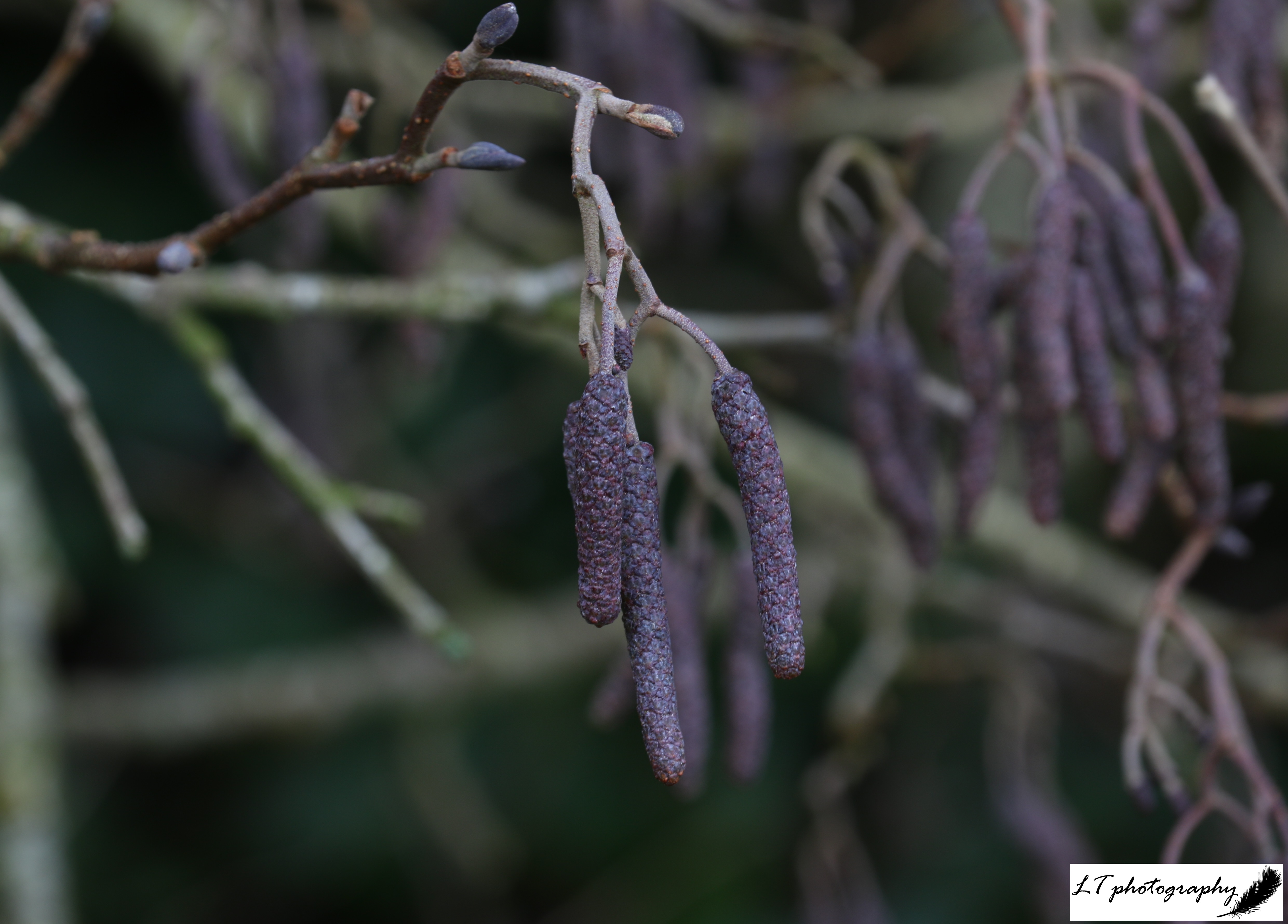
  • Flowers: Male and female catkins grow on the same tree, before the leaves. Male catkins= lambs’ tails; female catkins= small and egg-shaped
  • Seeds: Female catkins turn into a small cone, drying from green to brown, releasing the seeds. The seeds have corky outgrowths that keep them afloat on water
  • Range & habitat: Thrives in wet ground and is often seen lining the banks of rivers and streams across Britain

In Winter: Appears dull purplish due to purplish buds

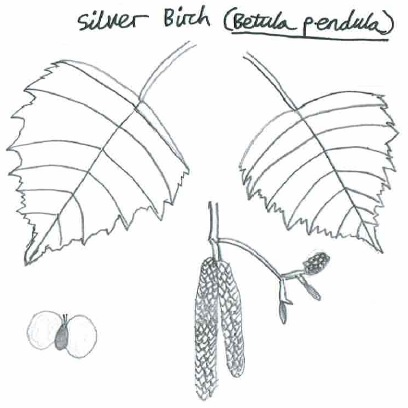
6. Silver Birch (Betula pendula)

  • Family: Betulaceae – related to alders, hazels and hornbeams
  • Origin: Native
  • Shape and size: Erect with pointed crown and drooping branches, reaching up to 30m
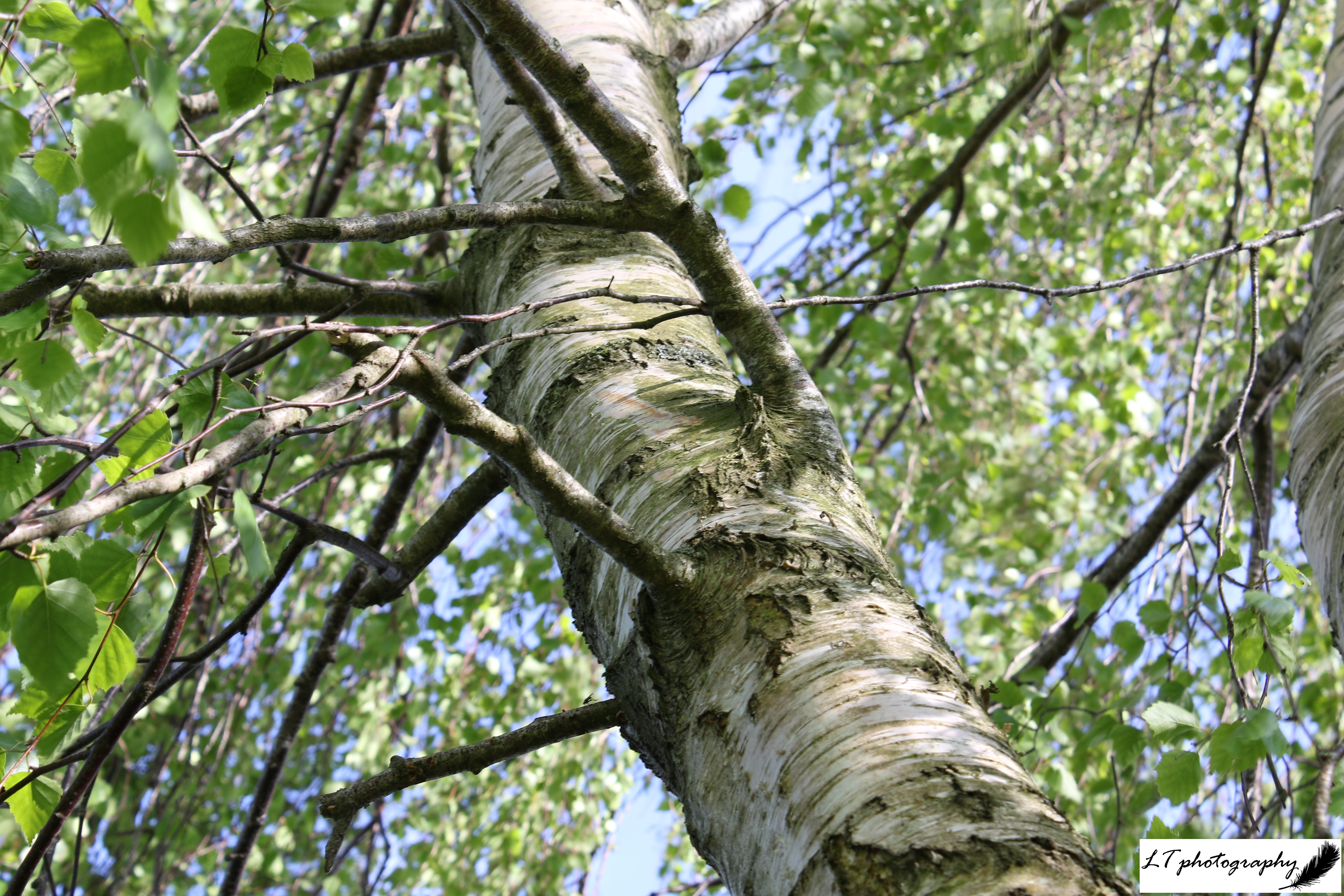
  • Stems and twigs: Young bark reddish, maturing to black and papery-white bark. Twigs smooth with small dark bumps
  • Leaves: Alternate, triangular and shiny, on slender stalks. Edges are ragged, with smaller teeth between larger main teeth
  • Flowers: Male catkins= purply-brown; female catkins= smaller and pale green
  • Seeds: Two winged and wind-borne, released in winter
  • Range & habitat: Form natural woodlands on light, dry soils throughout Britain

In Winter: Distinctive shape and bark

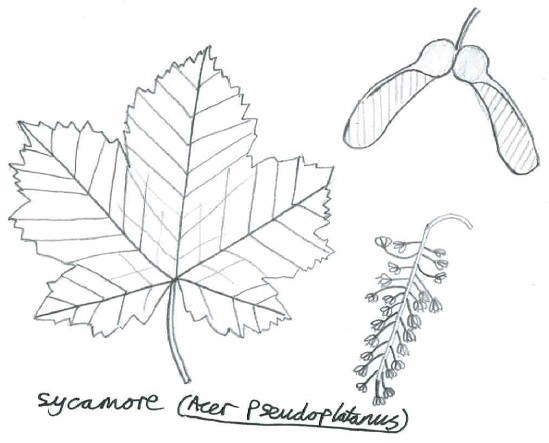
7. Sycamore (Acer pseudoplatanus)

  • Family: Sapindaceae – related to maples and horse chestnut
  • Origin: Non-native (introduced from Europe either in the 1500s or by the Romans)
  • Shape and size: Massive domed outline, with dense foliage and heavy lower branches, growing up to 35m
  • Stems and twigs: Grey fissured bark ages to pinkish-brown
  • Leaves: Opposite, five-lobed, and upper side dark green
  • Flowers: Greeny-yellow flowers in hanging clusters appear with the leaves
  • Seeds: Hairless keys in right-angled pairs
  • Range & habitat: Grow vigorously in all parts of Britain, being widely planted on their own for shelter or in woodlands and hedgerows

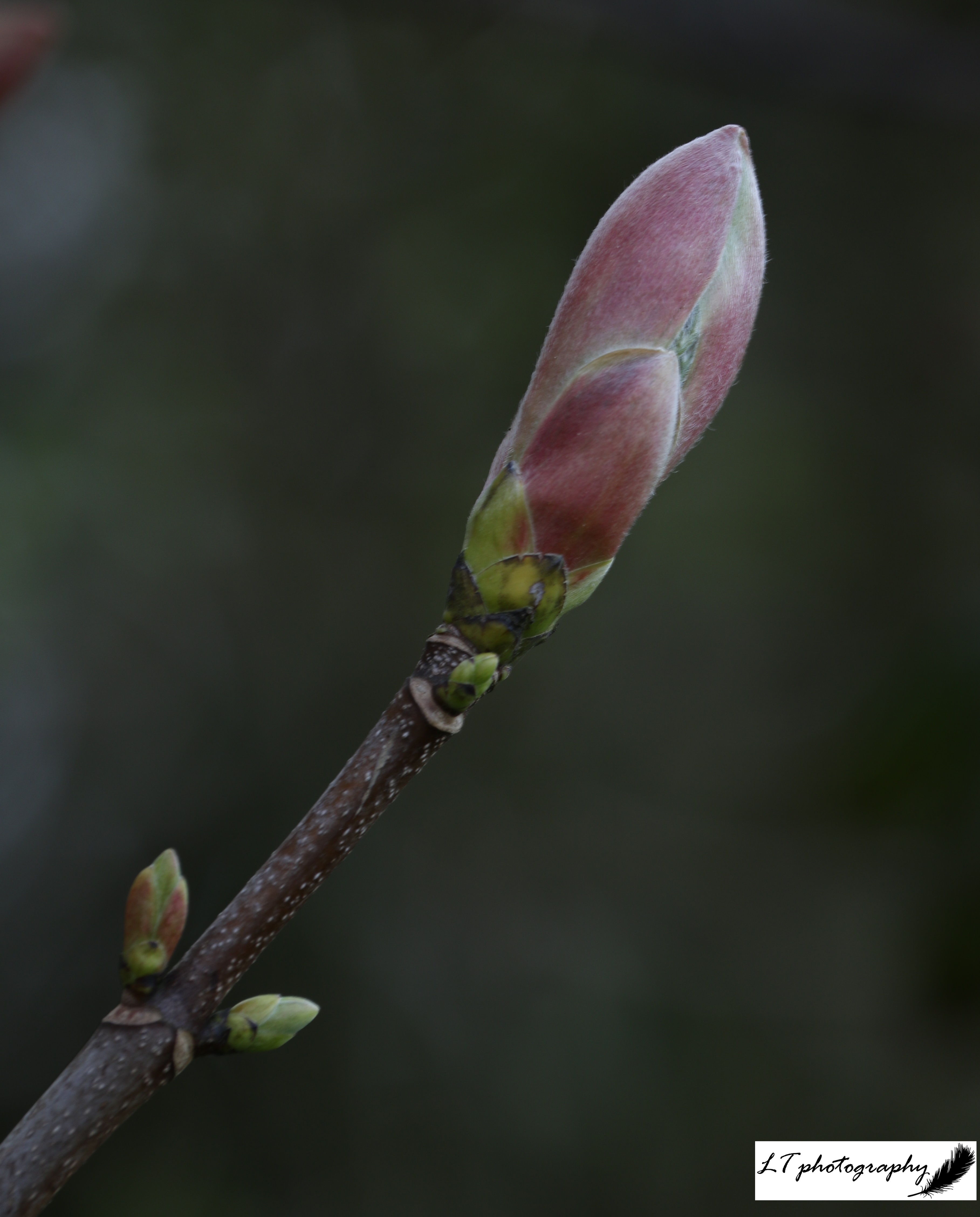
In Winter: Distinctive shape and bark

8. Wild Cherry (Prunus avium)

  • Family: Rosaceae – related to roses
  • Origin: Native
  • Shape and size: Pyramidal shape, reaching up to 30m
  • Stems and twigs: Shiny, red-brown bark peels in horizontal strips
  • Leaves: Alternate and oval with long points and regular, forward-pointing teeth, and two conspicuous red glands at the top of the stalk
  • Flowers: White flowers (blossom) appear before the leaves in small, loose clusters
  • Seeds: Produces round, red cherries
  • Range & habitat: Native throughout the UK, being found in woodlands and hedgerows

In Winter: Distinctive bark

9. Common Hazel (Corylus avellana)

  • Family: Betulaceae – related to birches, alders and hornbeams
  • Origin: Native
  • Shape and size: Many stems rise from the ‘stool’, which if left uncut can reach 9m
  • Stems and twigs: Bark coppery brown, smooth and tending to peel
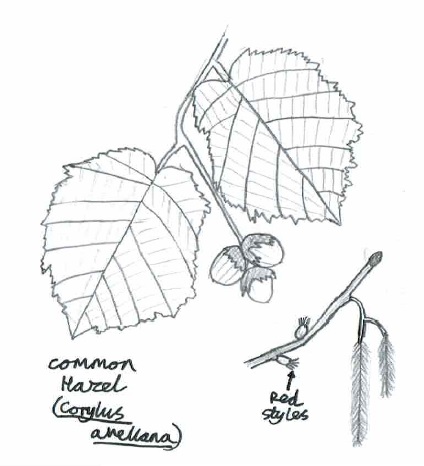
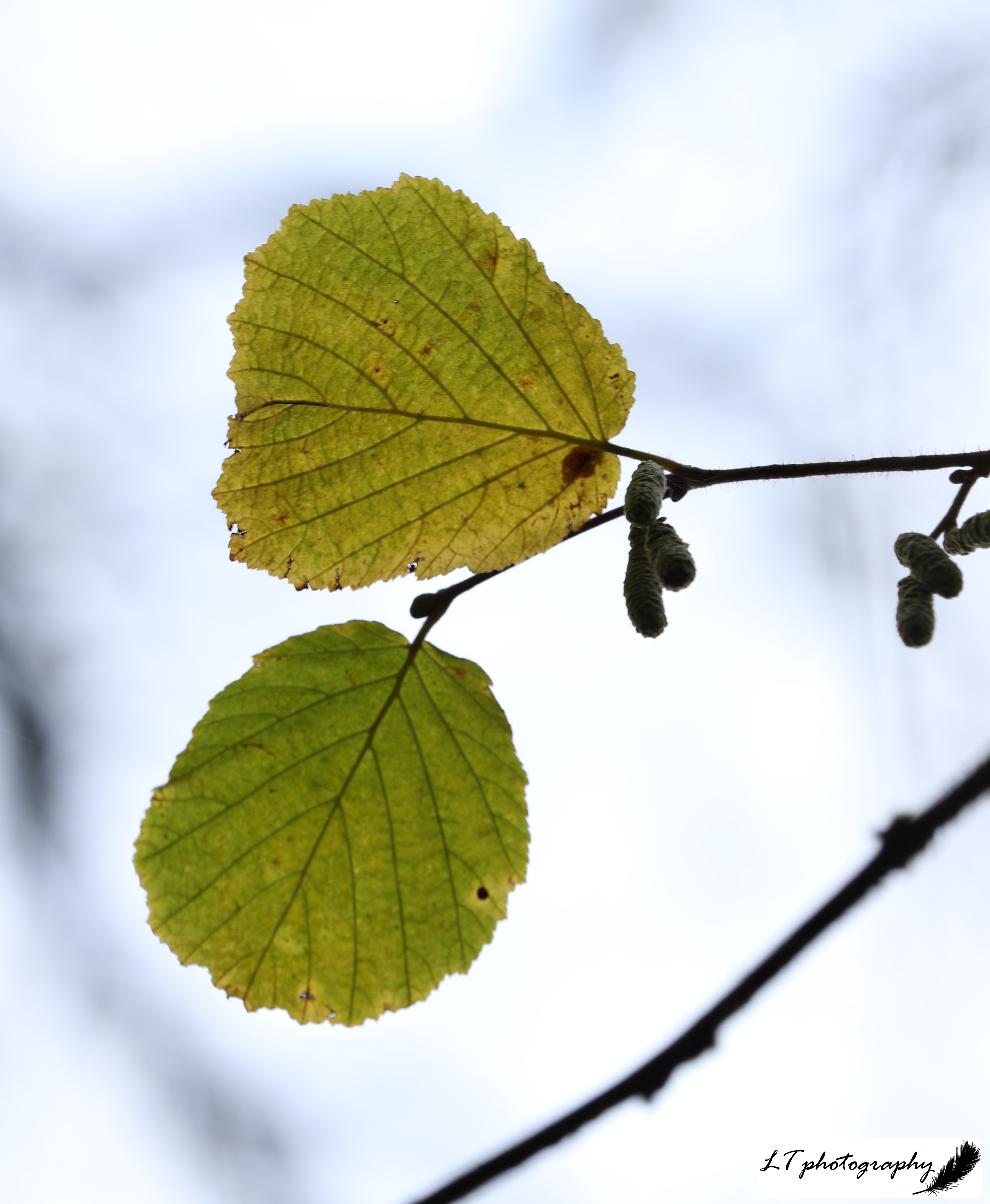
  • Leaves: Alternate, almost circular with sawtooth edges, hairy, and soft to the touch
  • Flowers: Male and female flowers found on the same tree. Male= lemon-yellow lambstail catkins; Female= tiny buds with red tassels
  • Seeds: An edible nut encased in a thick-green husk, ripening in autumn
  • Range & habitat: Grows throughout Britain, often found in woods, scrub areas, and hedges

In Winter: Distinctive shape and bark, accompanied by the male catkins from December

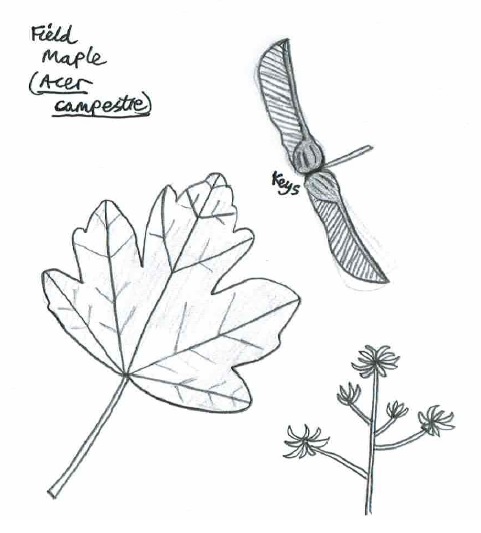
10. Field Maple (Acer campestre)

  • Family: Sapindaceae – related to lychee and horse chestnut
  • Origin: Native
  • Shape and size: Round-shaped tree with branches that droop at the end, growing up to 26m
  • Stems and twigs: Bark is grey or light brown and twigs downy, later corky
  • Leaves: Emerging leaves have a pinkish tinge, turning dull-green, and are opposite and small, with three main, round-tipped lobes and two smaller basal lobes
  • Flowers: Small yellow-green flowers form erect clusters
  • Seeds: Each pair of seed wings lie in an almost straight line, are often tinged with pink
  • Range & habitat: Frequent in England and East Wales in woods and hedgerows

In Winter: Sinuous trunk and distinctive shape

Drawings and photos all my own

Spring 2020: How It Happened

Walking through the trees, in dappled early morning sunlight, through swathes of brilliant blue. Standing rooted to the spot, hearing the first Chiffchaff, Swallow, Cuckoo. Sitting in breezy sunshine, learning to identify Hawkbits, Vetches and Viper’s-Bugloss. These are just some of the highlights of my spring this year, wild and full of life. With each new day, there was a new wild highlight to be had.

13_05_20_Farm_Sunrise_Hangings_Gate

Following on from my post last week about my favourite photos from this spring (check out Spring 2020: In Photos), I wanted to continue celebrating the lifeline that has been spring and the natural world for me during lockdown. This week I am looking at how spring unfolded this year in my local area and how it looked now the summer is hitting our shores.

Since 2015 I have been writing down a lot of my observations about spring each year. This means I can now look at spring 2020 in light of how the last few years have actually looked and see if anything interesting comes up. Last year I did this in more detail, so for that check out my post called: How Spring Happened 2017-2019.

22_06_19_Farm_Chalk_Mound_Oxeye_Daisies_6

So, did a favourite of my mum’s, the Chiffchaff, return by Mother’s Day this year? Did the Oak burst into leaf before the Ash (and so are we in for a splash)? And did the song of the Cuckoo return to my family’s land for another year? As spring now slips into summer, it is time for me to reflect on an extra special spring.

Trees

One of the very first trees to start showing signs of life each spring at my home in Dorset, is the Horse Chestnut (Aesculus hippocastanum). This year the first buds burst on the 18th of February, which shows a gradual shift forwards over the last few years, being 6 days earlier than last year, and a month earlier than 2018. The first leaf then unfurled on the 10th of March (9 days later than 2019), followed by the first flowers on the 2nd of April (13 days earlier than 2019).

Due to a cold start to spring and a very wet winter, which left the ground cold and waterlogged, Pedunculate (English) Oaks (Quercus robur) were late to make a start, with the first budburst seen on the 2nd of April, 37 days later than 2019. They got going quickly though, with leaves bursting forth by the 8th of April (4 days earlier than 2019) and flowers blooming by the 12th of April (13 days earlier than 2019).

Despite the ground, the trend this year was towards earlier budburst, first leaves and first flowers. Silver Birch (Betula pendula) buds burst on the 15th March, 15 days earlier than 2019; Ash (Fraxinus excelsior) flowered on the 2nd of April, 18 days earlier than 2019; Field Maple (Acer campestre) buds burst on the 5th of April, 13 days earlier than 2019. Grey Willow (Salix cinerea) bucked the trend though, first flowering on the 24th of February, later than last year by 10 days.

This year I added Alder (Alnus glutinosa), Beech (Fagus sylvatica), Lime (Tilia x europaea), Wild Cherry (Prunus avium), and Norway Maple (Acer platanoides) to my spring records, but I did not make observations for Sycamore as in previous years. Lime buds burst on the 14th of March, followed by the first leaf on the 3rd of April; Wild Cherry buds burst on the 15th of March, followed by the first leaf 1 month later and first flower 15 days after that; Norway Maple first flowered on the 21st of March; Alder buds burst on the 6th of April; and Beech buds burst on the 10th of April.

Shrubs

Hazel (Corylus avellana) is one species that flowers early in the year, providing a first hint of colour in a wintry landscape. This year I first saw the male catkins on the 8th of January, followed by the female red flowers on the 1st of February (5 days later than 2019). The first hazel leaf then unfurled 43 days later on the 14th of March.

Blackthorn (Prunus spinosa) is another species that flowers before it produces its leaves, cloaking hedgerows in drifts of snowy white and accompanying a ‘blackthorn winter’ in early spring. This year the first flowers burst open on the 6th of March, 5 days later than last year, but 24 days earlier than 2018.

After the early flowering species have brought colour to our countryside, Hawthorn (Crataegus monogyna) is one of the first shrubs to burst into leaf in the hedgerows. This year its buds first burst on the 2nd of March, 5 days later than 2019, followed by the first leaf unfurling 10 days after (28 days earlier than 2019). Their flowers then followed a month after, on the 18th of April, 10 days earlier than 2019.

07_05_20_Farm_Hawthorn_Flowers_3

A similar trend was shown with Lilac (Syringa vulgaris), where budburst took place on the 8th of March, 13 days later than 2019. The first leaf then unfurled 3 days later too, on the 25th of March, and the first flowers bloomed on the 15th of April, 7 days earlier than 2019.

The flowers of Elder (Sambucus nigra) are well known and iconic in our countryside, popular for making elderflower cordial. This year Elder flowered early, with the first flowers being seen at home on the 25th of April (22 days earlier than 2019). Just like Elder, the Dog Rose (Rosa canina) is another late bloomer, which opened its petals for the first time on the 17th of May this year (11 days earlier than last year).

Flowers 

The very first flowers to be seen blooming in the countryside is the dainty snow white Snowdrop (Galanthus spp.). Over the last few years the drooping heads of snowdrops have been flowering earlier each year. This year though, it appeared only 1 day earlier than 2019, welcoming in the year on the 3rd of January.

Snowdrops were soon followed by other iconic spring species, in the form of the first Lesser Celandine (Ficaria verna) on the 18th of January (44 days earlier than 2019), the first Primrose (Primula vulgaris) on the 27th of January (8 days earlier than 2019), and the first Daffodils (Narcissus spp.); on the 2nd of February (the same day as last year!).

As spring went on, the Snowdrops and sunshine yellows were joined by Wood Anemones (Anemone nemorosa) on the 22nd of March, Bluebells (Hyacinthoides non-scripta) on the 28th of March, Wild Garlic (Allium ursinum) on the 6th of April, Cuckooflowers (Cardamine pratensis) on the 18th of April, and Oxeye Daisies (Leucanthemum vulgare) on the 18th of May, all occurring 6-17 days earlier than last year.

This year I also included three new flowering species to my spring records: Cowslips (Primula veris), Greater Stitchwort (Stellaria holostea), and Early Purple Orchids (Orchis mascula). I saw the first Cowslip flower on the 20th of March, the first Greater Stitchwort on the 28th of March, and the first Early Purple Orchid on the 6th of April.

Grasses

This year I was so busy in May and the first half of June that I completely overlooked the flowering of 3 common perennial grass species in my local area: Cock’s-foot (Dactylis glomerata), Timothy (Phleum pratense), and Yorkshire Fog (Holcus lanatus). I did though catch Meadow Foxtail (Alopecurus pratensis) flowering, which first occurred on the 22nd of April (23 days earlier than 2019).

13_05_20_Sunrise_Meadow

Birds

With the start of every new year, I begin to keep my eye out for the start of the Rooks (Corvus frugilegus) nesting in the bare and skeletal forms of large oak trees near my home. This year they kept me waiting awhile though, with the first signs of nest building appearing on the 15th of February, 17 days later than 2019.

Unlike the start of the Rooks nesting though, the start of male Song Thrushes (Turdus philomelos) singing crept even earlier than last spring. This was 13 days earlier in fact, with me hearing my first on the 15th of December in 2019! This was not reflected by Blackbirds (Turdus merula) though, as I heard my first male singing on the 23rd of February, 17 days later than 2019.

One of my favourite first signs that spring has begun has to be the return of the Chiffchaff (Phylloscopus collybita). This year they returned to my home in Dorset on the 1st of March, 17 days earlier than 2019.

15_04_20_Farm_Bird_Chiffchaff

The glorious return of the Chiffchaffs were then eagerly followed by the first Swallow (Hirundo rustica) on the 5th of April (1 day later than 2019), the first House Martin (Delichon urbicum) on the 12th of April (12 days earlier than 2019), the first Blackcap (Sylvia atricapilla) on the 22nd of April (11 days later than 2018), and the first Swift (Apus apus) on the 6th of May (19 days earlier than 2018). A Cuckoo (Cuculus canorus) did make its exciting return to my family’s land too, which I heard for the first time on the 28th of April (24 days earlier than last year).

25_06_20_Farm_Birds_Swallow_Chicks

Insects 

This year the majority of the insects I observed, emerged later than they did last year in 2019. I saw my first Brimstone Butterfly (Gonepteryx rhamni) on the 24th of March, my first Peacock Butterfly (Aglais io) on the 4th of April, my first Small Tortoiseshell Butterfly (Aglais urticae) on the 5th of April, my first Orange-Tip Butterfly (Anthocharis cardamines) on the 13th of April, my first Red-Tailed Bumblebee (Bombus lapidarius) on the 1st of May, and my first queen Wasp (Vespula vulgaris) on the 7th of May, with all ranging anywhere between 4 and 37 days later in date than last year.

The ones that did not follow this pattern though, were the Speckled Wood Butterfly (Pararge aegeria) first seen on the same day as last year on the 22nd of April, and the Red Admiral Butterfly (Vanessa atalanta) that was first seen 29 days earlier on the 22nd of April. This year I also added Buff-Tailed Bumblebee (Bombus terrestris) to my observations, seeing the first at home on the 13th of March.

25_05_19_Horseshoe_Wood_Speckled_Wood_Butterfly_7

This Year

This year it has definitely been an interesting and joyful experience to watch how spring unfolded. It started with early signs during the winter, before arriving with a blaze of glory in March.

13_05_20_Sunrise_Oak_Tree_Grass_3

This last winter was a warm, wet and windy one, which left the ground cold and waterlogged for quite a while into spring. A number of species such as Oak trees struggled with this, but for many it did not stop them from emerging on time or earlier, such as snowdrops and field maples. This variation continued with bird species, some arriving and beginning breeding earlier and some later. For a lot of the insect species though, they emerged late, which will have had a lot to do with the less than ideal weather conditions this spring, for example frosts in April. Thus, how spring is changing year-to-year definitely has a lot to do with changing weather conditions.

So as spring fades to summer heat, I can now say that the Chiffchaff made its return to the British Isles by Mother’s Day, the Oak burst into leaf before the Ash (and so we are in for a splash!), and a Cuckoo made its return to my home. It has definitely been a great spring this year!

How to… Identify Hedgerow Plants

Whizzing past our car windows, naturally bordering our fields and gardens, or providing a home for wildlife. Often going unseen and unnoticed, hedgerows are a widespread and overlooked habitat right on our doorsteps. Bountiful and bursting with life, each hedge is unique from the next, with a story to be told and a world to be explored.

Blackthorn 5

From butterflies and birds to hedgehogs and dormice, an incredible number of species rely on the plants in our hedges for their survival, such as food, shelter, and corridors along which to travel. They do not just play a role for wildlife though, holding value in the wider landscape, providing us with services such as stopping soil erosion and buffering pollution. In this way, hedgerows have been important for humans and wildlife alike for hundreds of years!

20_03_20_Farm_Goldfinch_2

The first hedgerows can be dated back to the Bronze Age, when farmers cleared woodland to grow crops, leaving carefully maintained strips to act as boundaries. Some of these strips of ancient woodland can still be found today! Since then hedges have grown in popularity, but following the Second World War, many were ripped up to provide more space to grow food and for development. Despite approximately half of all hedges in Britain being lost during this time, thankfully the remaining were given protected status in 1997.

13_05_20_Farm_Sunrise_Hangings_Trees

The hedgerows rolling across our countryside today are a piece of history, full of life and colour and provide us with a whole host of resources. So, why not try and see this for yourself, and take a moment to see what you can find in a hedgerow local to you? To help, here’s my simple guide to identifying some of our iconic hedgerow species.

Hedgerow Plants

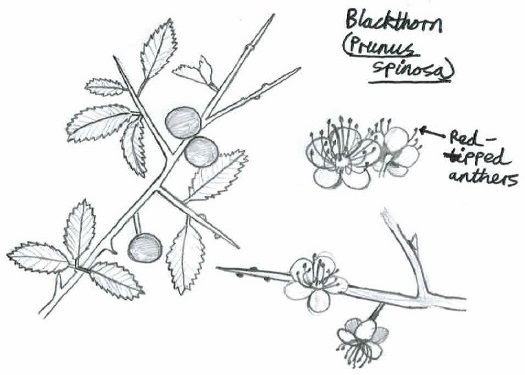
Blackthorn (Prunus spinosa)Blackthorn

  • Family: Rose – related to fruiting trees such as cherries and plums
  • Size: Up to 4m tall
  • Stems and twigs: Blackish and thorny
  • Leaves: 2-4cm long, oval-shaped tapering to a point with toothed margins
  • Flowers: Snow-white and 5-petalled with red-tipped anthers in the centre. Flowers late March-April, appearing BEFORE the leaves
  • Seeds: Produces fruit (sloes) which are small blackish plums with a bluish powdery surface. Tongue-numbingly tart to eat but popular to flavour gin
  • Range: Widespread and common throughout most of Britain
  • Fun Facts: Blackthorn, long used for making items such as walking and riding sticks, has long been associated with witchcraft

Spindle (Euonymus europaeus)Spindle

  • Indicator of an ancient hedgerow
  • Family: Staff-vine
  • Size: Up to 9m tall
  • Stems and twigs: Bark and 4-sided twigs are deep green, darkening with age
  • Leaves: 3-13cm long, shiny, mid-green, oval-shaped tapering to a point with finely toothed margins, and turning distinctively pinkish-red in autumn
  • Flowers: Greenish-white and 4-petalled in small overlooked stalked clusters. Flowers May-June
  • Seeds: Distinctive 4-lobed bright coral-pink berries
  • Range: Less common in Scotland and Ireland, found throughout England and Wales, but most frequent in the south
  • Fun Facts: The hard dense wood of spindle was used from ancient times to make spindles, whereas the leaves and seeds were powdered to dust on the skin of children to drive away lice

Cow parsley (Anthriscus sylvestris) Cow parsley

  • Family: Carrot – related to species such as parsnips and poison hemlock
  • Size: ~1m tall
  • Stems and twigs: Stems are hollow and furrowed, often becoming purple
  • Leaves: Fresh green, 3-pinnate, and sharply cut
  • Flowers: White, forming clusters known as umbels. Flowers April-June
  • Seeds: Round, smooth and broad-based
  • Range: Widespread and common throughout Britain and strongly associated with hedgerows
  • Fun Facts: Its folk-name is ‘Queen Anne’s lace’. This comes from a folk tale which said that the flowers would bloom for Queen Anne and her ladies in waiting and reflect the delicate lace they wore

Common Hazel (Corylus avellana)Hazel

  • Family: Birch – related to species such as silver birch, alders and hornbeams
  • Size: Up to 8m tall
  • Stems and twigs: Bark coppery brown, smooth and tending to peel
  • Leaves: 5-12cm long and almost circular with sawtooth edges
  • Flowers: Male= lemon-yellow catkins; Female= Tiny and bud-like with red styles. Flowers January-March BEFORE the leaves
  • Seeds: An edible nut encased at first in a thick-green husk before ripening in autumn
  • Range: Widespread and common throughout Britain
  • Fun Facts: Hazel rods have historically been used for a range of purposes from hurdles and coracles for fishing to house building and basketwork

Dog Rose (Rosa canina)

  • Family: Rose
  • Size: Up to 4m tall
  • Stems and twigs: Arching stems with broad-based strongly hooked prickles
  • Leaves: Dark green and oval-shaped tapering to a point with toothed edges
  • Flowers: Flat and fragrant white or pale pink, with large petals and hairless stalks. Flowers June-July
  • Seeds: Fruit, known as a hip, that is egg-shaped and bright red
  • Range: Most common and variable wild rose, widespread throughout Britain, but most frequent in the south
  • Fun Facts: Adopted as a symbol of the British monarchy and England since the reign of Henry VII. It is also a valuable medicinal plant, with its hips being made into a Vitamin C rich syrup for children

Field Rose (Rosa arvensis)

  • Compared to the Dog Rose, the Field Rose is shorter, growing up to about 2m, with slightly smaller, cup-shaped creamy-white flowers that flower about a fortnight later, from June-July. Also, the flowers’ sepals are often purplish, the styles are in a column, and the hips are smaller and often more round. The Field Rose’s range does not stretch as far north as that of the Dog Rose, being absent from Scotland

Roses

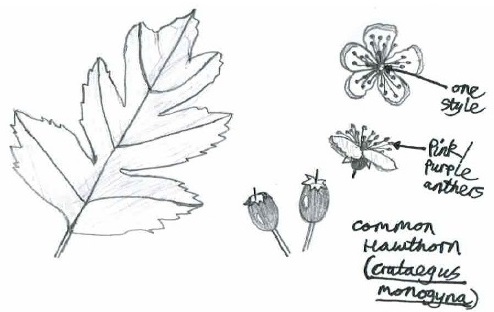
Common Hawthorn (Crataegus monogyna)Hawthorn

  • Family: Rose
  • Size: Up to 10m tall
  • Stems and twigs: Very thorny and hairless
  • Leaves: Leafing in April, the leaves are shiny and roughly oval-shaped with 3-5 deeply cut lobes
  • Flowers: White fragrant (sickly sweet) flowers with pink/purple anthers, only one style and 5 petals. Become deeper pink as they fade
  • Seeds: Fruit, known as haws, have a single seed and ripen to a bright red
  • Range: Widespread and common throughout Britain
  • Fun Facts: Hawthorn is linked to Christian, pagan and medieval rites, and has ancient associations with May Day. Bringing hawthorn blossom in your house was believed to bring in illness and death upon you

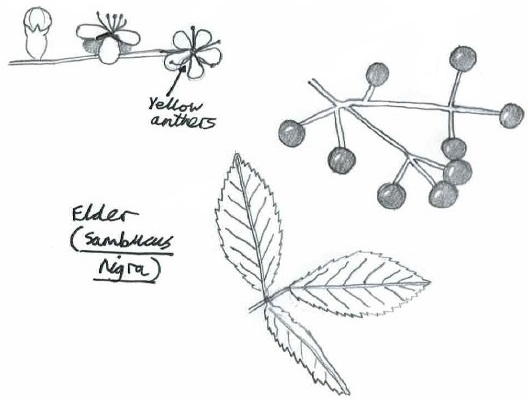
Elder (Sambucus nigra)Elder

  • Family: Previously in the honeysuckle family , but now reclassified in moschatel
  • Size: Up to 10m tall
  • Stems and twigs: Strong smelling with corky and fissured bark
  • Leaves: Dark green, pinnate with 5-7 leaflets
  • Flowers: White, small and fragrant in flat-topped clusters with yellow anthers. Flowers May-August
  • Seeds: Produces a juicy edible purplish-black berry
  • Range: Widespread and common throughout Britain
  • Fun Facts: Has many uses from wines and jams, to toys and dyes. Also, it was believed that planting an elder tree near your house would keep the Devil away

Field Maple (Acer campestre)Field Maple

  • Family: Soapberry – related to horse chestnut and lychee
  • Size: Up to 25m tall
  • Stems and twigs: Twigs downy
  • Leaves: Much smaller than sycamore at 4-7cm long and wide, rather bluntly lobed (3-5), and dark green. Turn distinctively amber in autumn
  • Flowers: Yellowish-green and carried in upright spikes. Flowers May-June after the leaves
  • Seeds: The seeds, known as keys, are winged and paired forming an angle of 180 degrees
  • Range: Common in England and East Wales, but less common elsewhere
  • Fun Facts: Wood used for furniture veneers, wall panelling, and violin-making, but previously used to make domestic utensils such as drinking bowls. As with all maple trees, the sap of the field maple can be used to make maple syrup

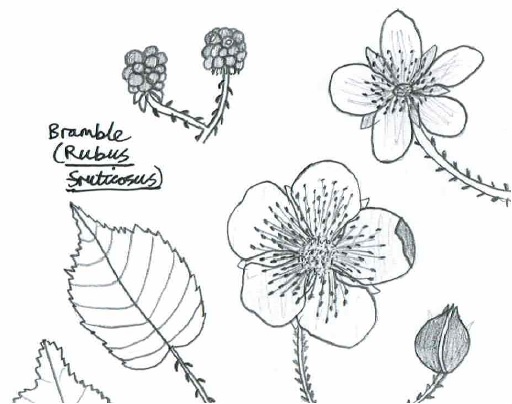
Bramble (Rubus fruticosus)Bramble

  • Family: Rose – closely related to species such as raspberries and dewberries
  • Size: Up to 4m tall or long
  • Stems and twigs: Prickly and half-evergreen
  • Leaves: 3-5 broad, toothed leaflets
  • Flowers: White or pink and flowers from May onwards
  • Seeds: Fruit is the familiar edible blackberry that starts green, then turns red, finally ripening to purple-black
  • Range: Widespread and common throughout Britain
  • Fun Facts: Folklore dictates that blackberries should not be picked after Old Michaelmas Day in October, as the Devil has sullied them. Brambles were also previously planted on graves to stop sheep grazing

Pedunculate or English oak (Quercus robur)

  • Family: Beech – related to species such as beech and sweet chestnut
  • Size: Up to 40m tall
  • Stems and twigs: Massive rugged grey-brown trunk and broad crown
  • Leaves: 10-12cm long, oblong, usually broader at the base and lobed, turning brown in autumn
  • Flowers: Yellow-green catkins flowering April-June
  • Seeds: Produces the familiar acorn, with scaly cups and clusters carried on long stalks
  • Range: Widespread and common throughout Britain
  • Fun Facts: Druids in Celtic Britain held the oak tree sacred, with the oak becoming an English national symbol of strength

13_05_20_Sunrise_Oak_Tree_Grass_3

Sessile oak (Quercus petraea)

  • Differs to Pedunculate Oak in that the leaves taper to an unlobed base and have long stalks. Also, the clustered acorns are almost stalk-less with downy cups. Prefers more acid soils and is more common in the West of Britain

Oak Trees

Other species

  • There are lots of flowering species to also be found at the base of hedges. To help with identifying these, check out my ‘How to… Identify Woodland Flowers’ guide, to help with crossover species, such as bluebells, primroses, and moschatel

All photos and drawings are my own