The last few years spring has been unusual and unpredictable, with the effects of climate change changing from month-to-month, year-to-year in Dorset. This year has fitted into this with months switching back and forth between record breaking dry spells or heat waves to rainfall or low temperatures. This is bound to have had an effect on nature and the wildlife around us, which is interesting to explore.

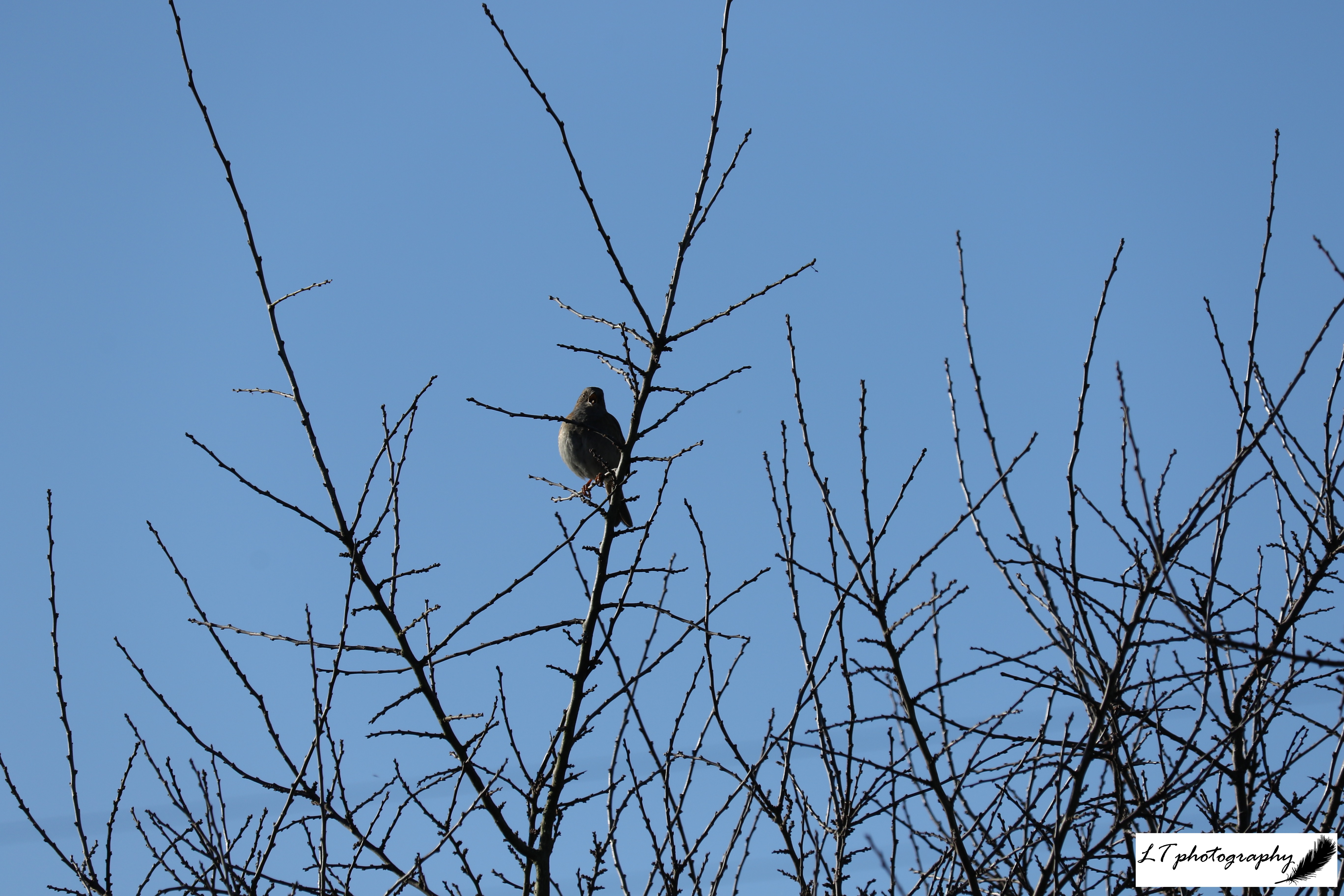
Last year there were trends towards earlier spring events or a slow start to spring and then a speeding up to events in April. I can already suggest that spring this year was slow to start as it gave me the opportunity to really experience spring as it got under way and unfolded in front of me. It will be interesting to see though, if this was the trend for trees, shrubs, flowers, insects and birds alike, if the trend differs to 2022 and how spring shaped up as a whole. Read on to see how my favourite season went this year in all its vibrancy!

Trees
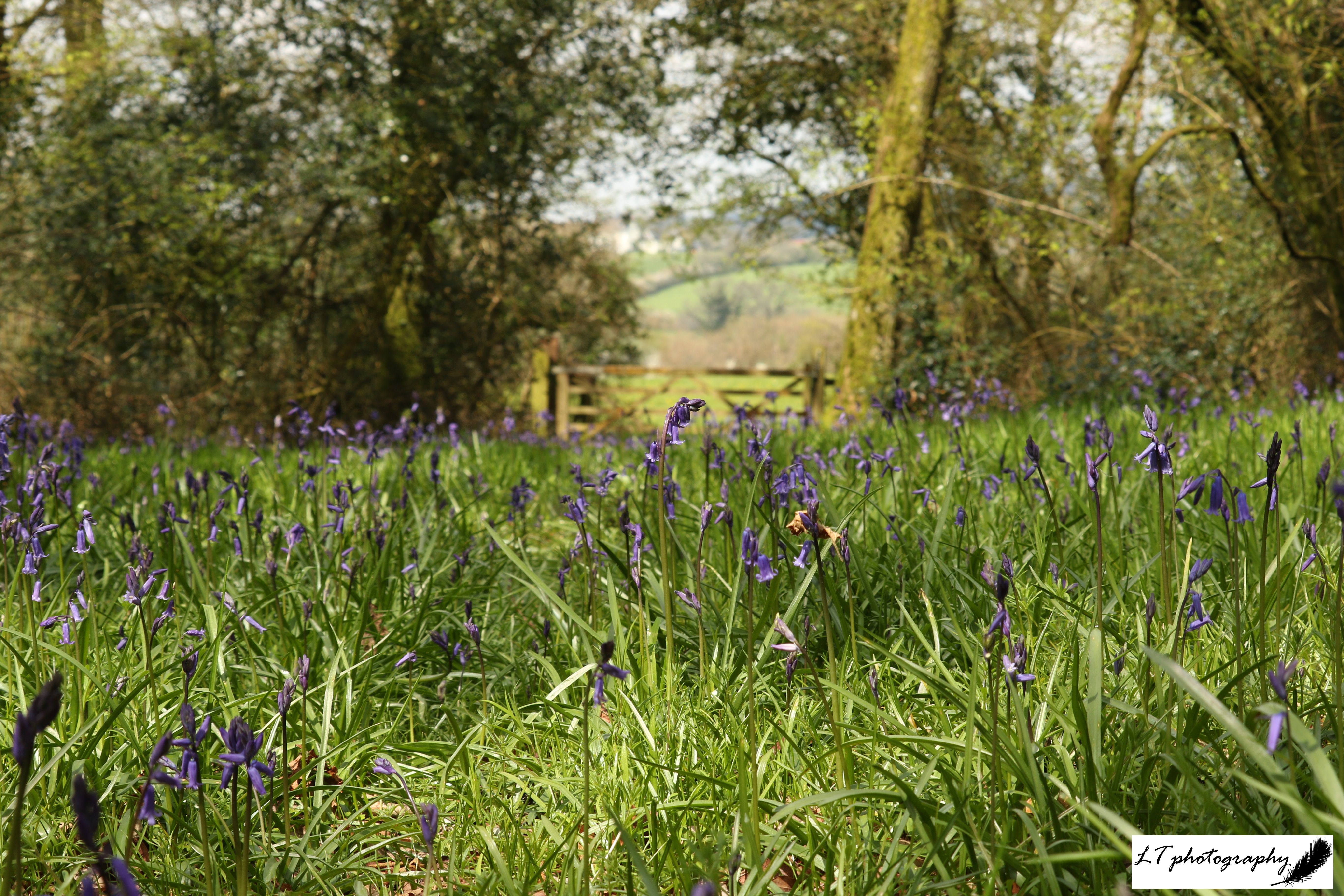
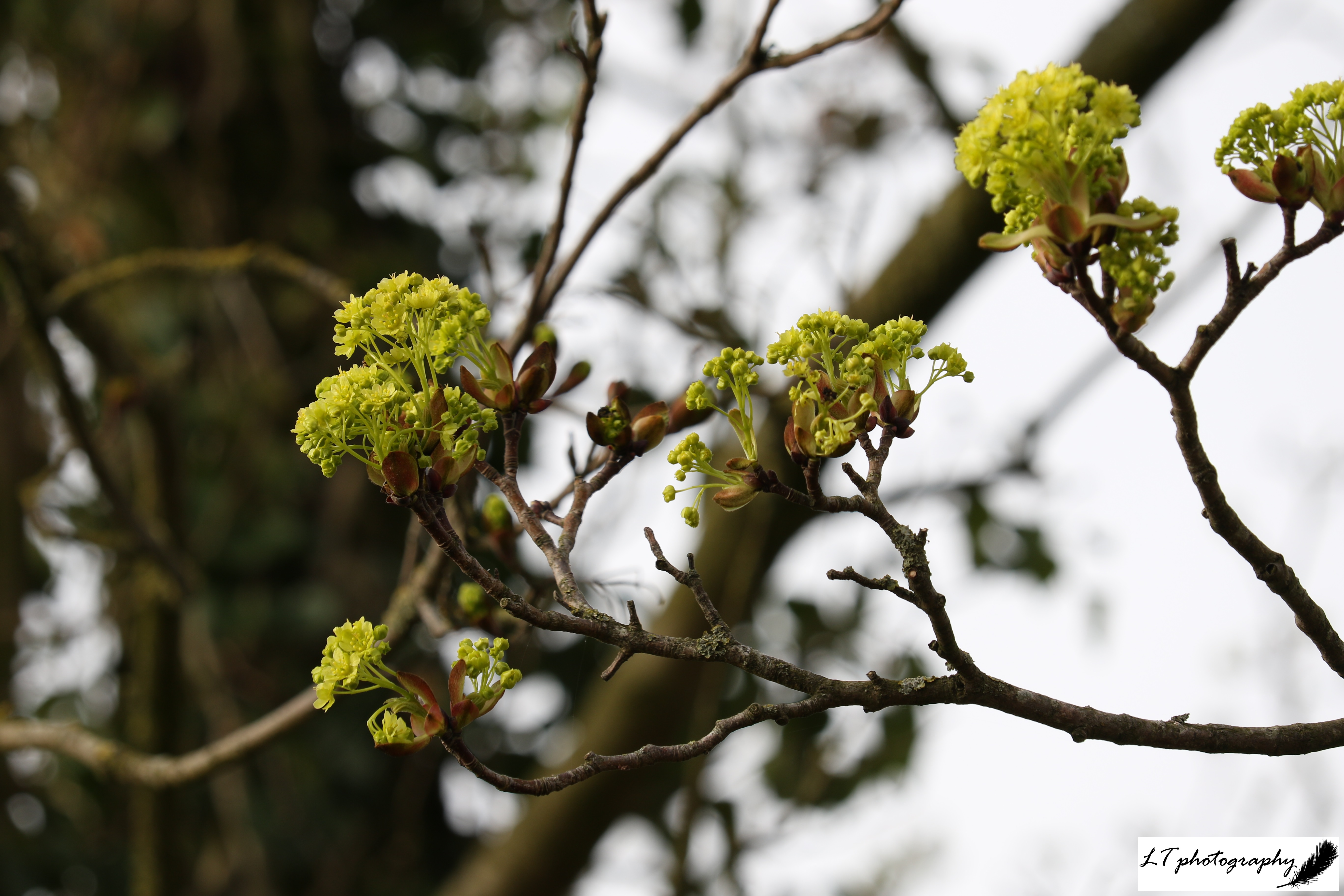
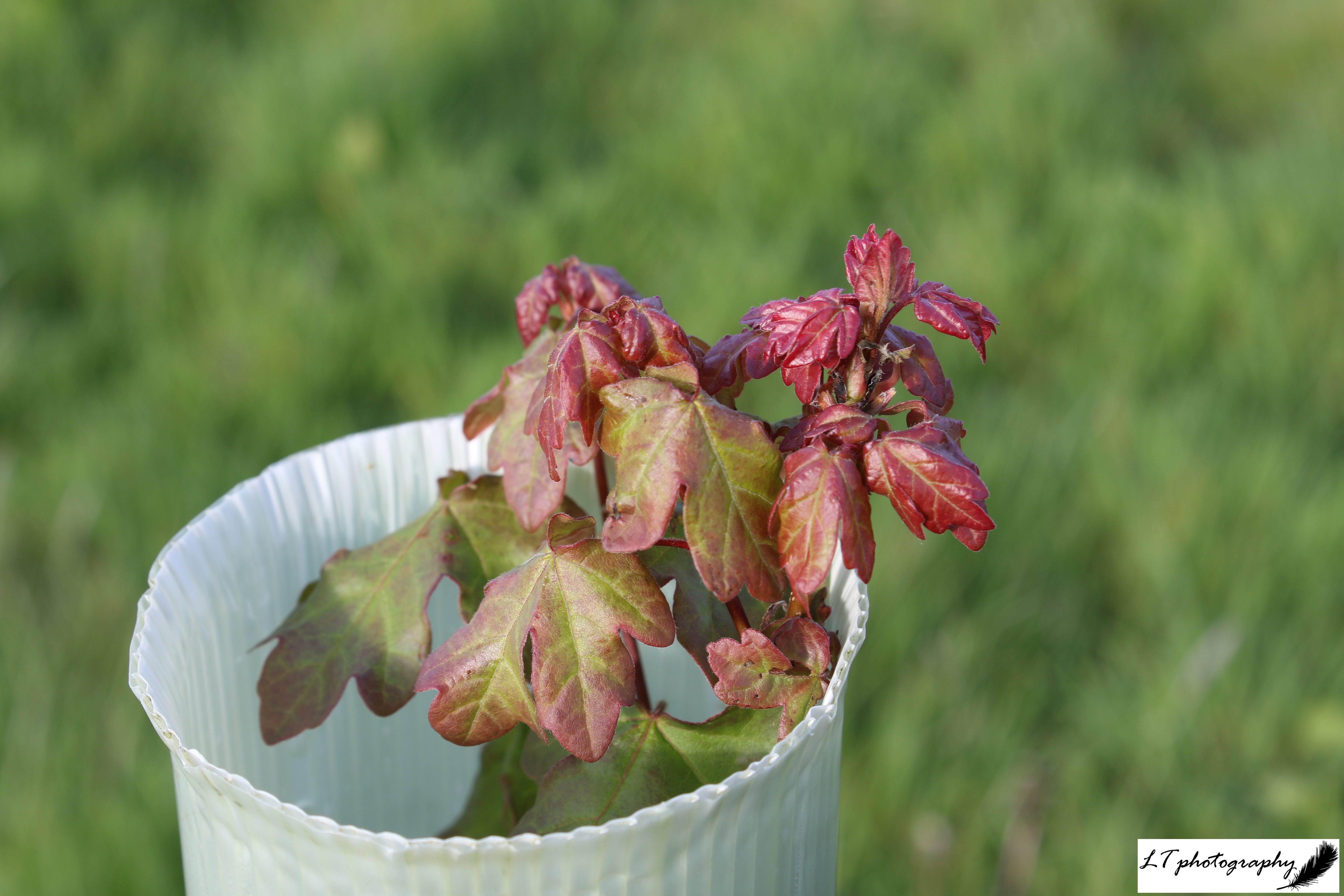
Though in 2022 spring emergence dates for trees had crept earlier than the year before, in 2023 nearly all tree dates were later than 2022, following a more similar trend to 2021 and the proceeding years. Field maple and silver birch both flowered earlier in April, but otherwise ash, horse chestnut, english oak, wild cherry and Norway maple all budburst, unfurled leaves and flowered between 1 and 28 days later from March through to May. The same could be said for the leaves of field maple and silver birch. It was odd to see trees though, lacking their fineries for so long this year!
Flowers
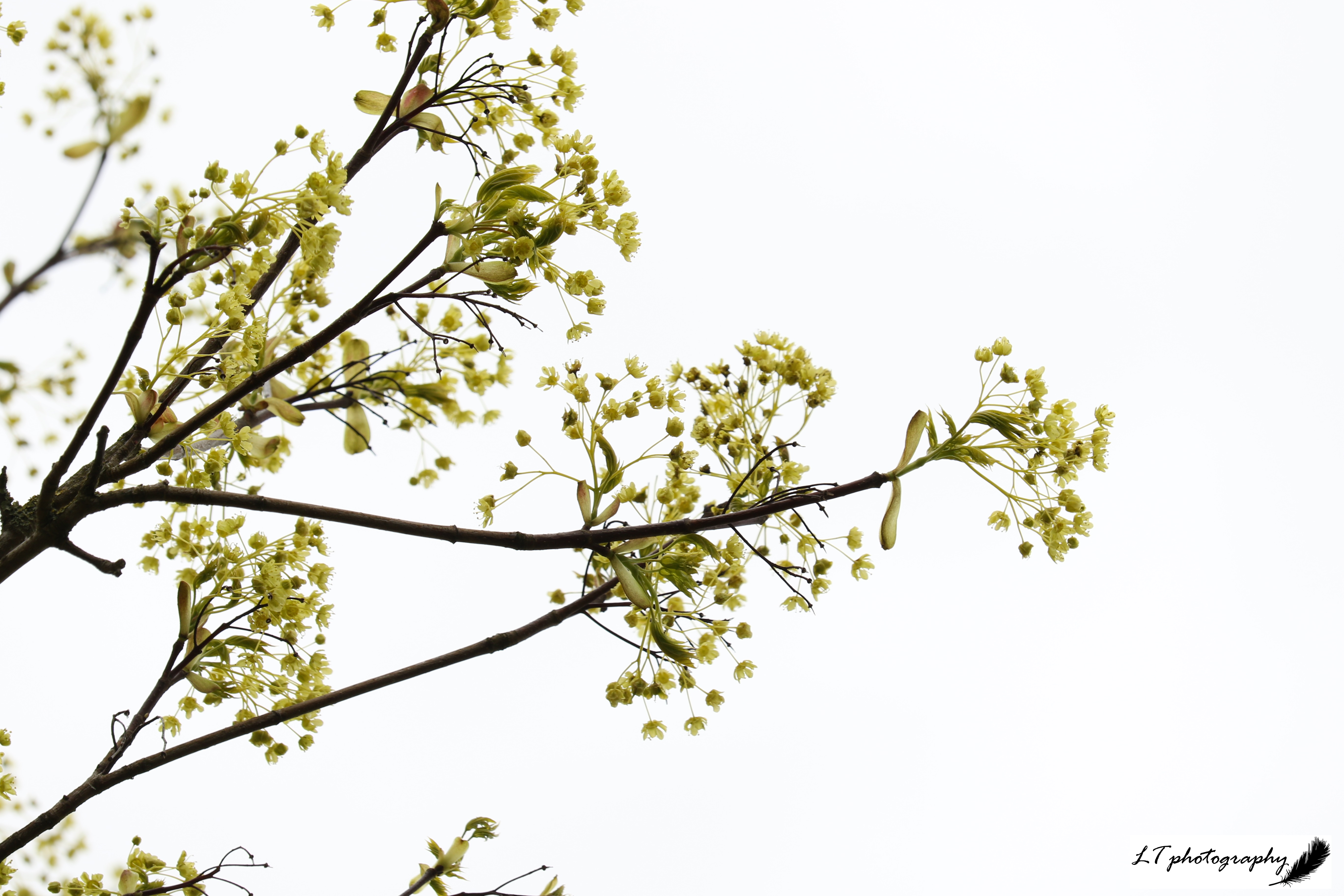
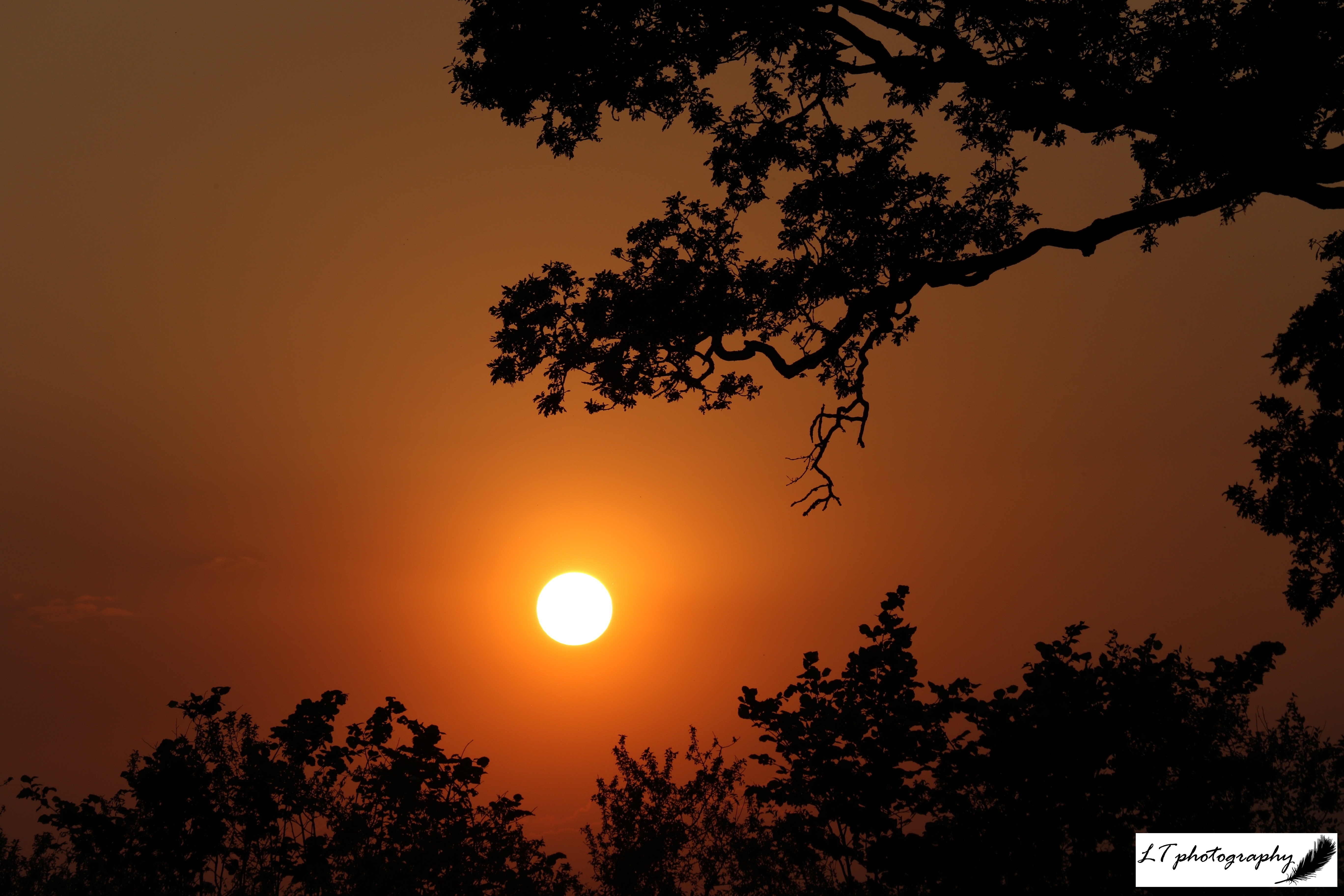
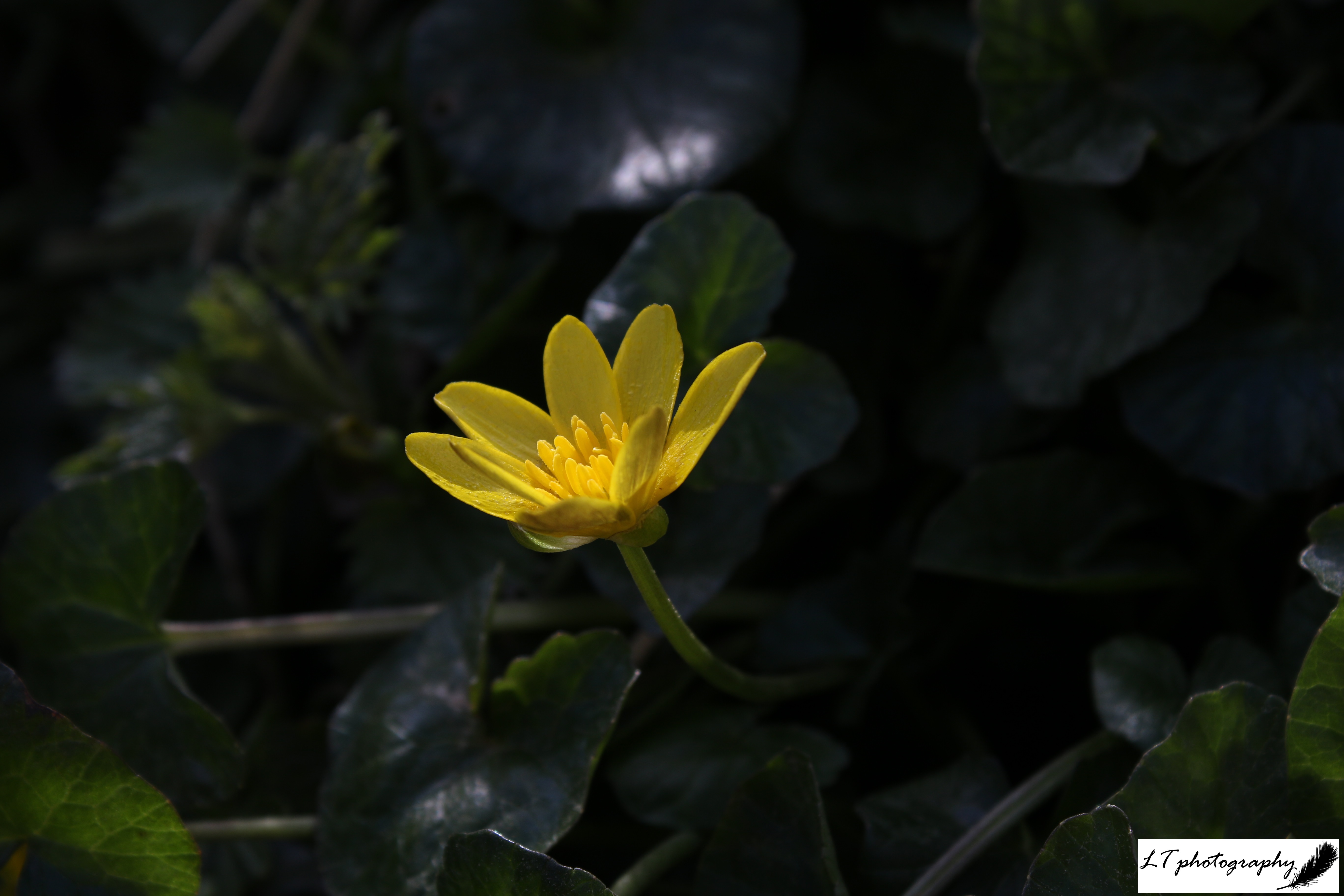
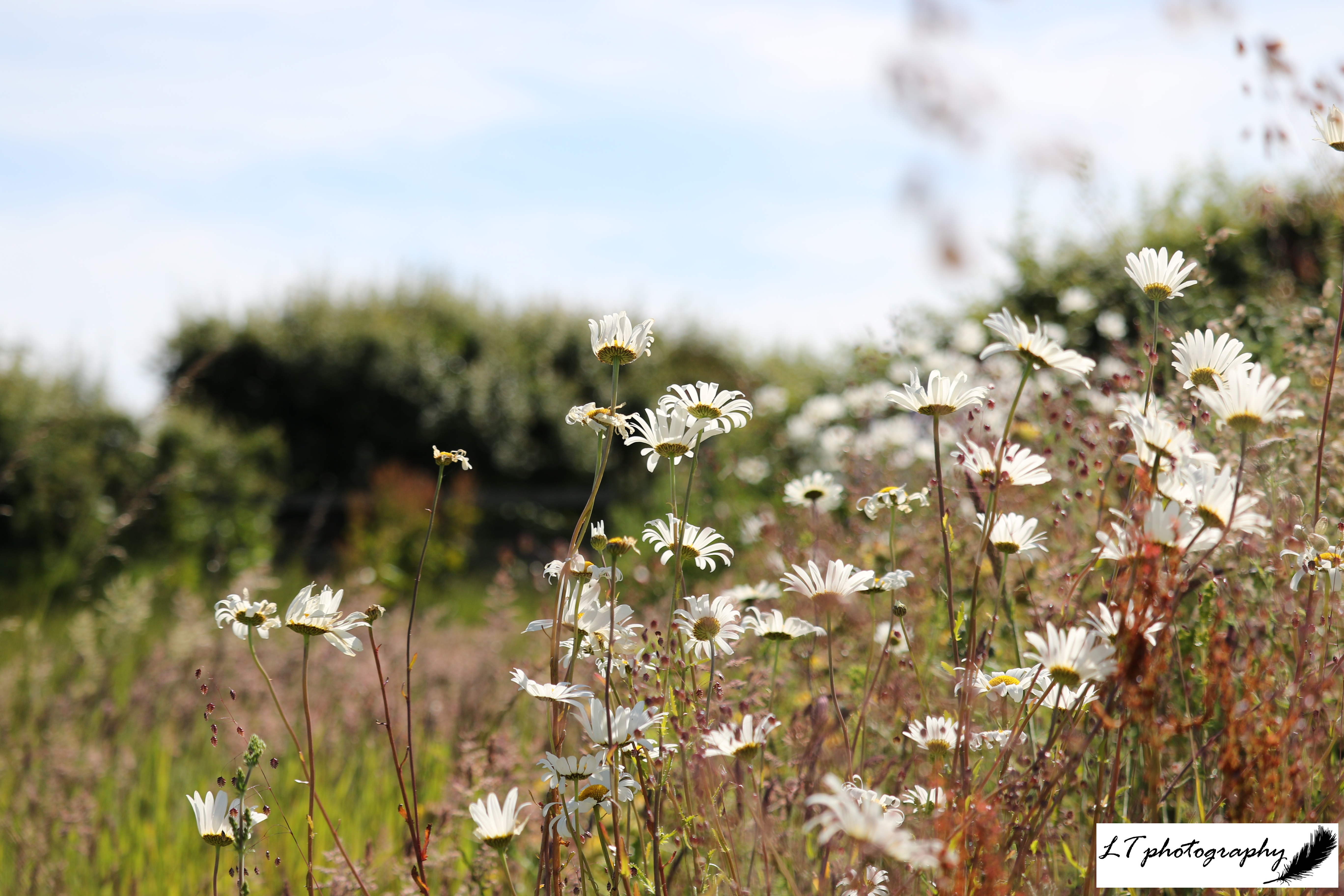
In 2022, flowering times varied between species, but this could be split into half flowering earlier and half later than the year before. This year primroses, cuckooflowers and bluebells in woodland all flowered earlier (4, 2 and 1 day earlier respectively), but flowering trends generally followed a more similar pattern to to those of tree events, occurring later. For snowdrops, lesser celandines, daffodils, stitchwort, cowslips, wood anemones, early purple orchids, wild garlic, oxeye daisies, and hedgerow bluebells this was 1-16 days later between January and June. Interestingly yellow archangel was noticeably absent during its usual flowering time, and instead flowered 36 days later than in 2022 on 17th May, being greatly affected by climate and a great indicator of spring conditions.


Insects
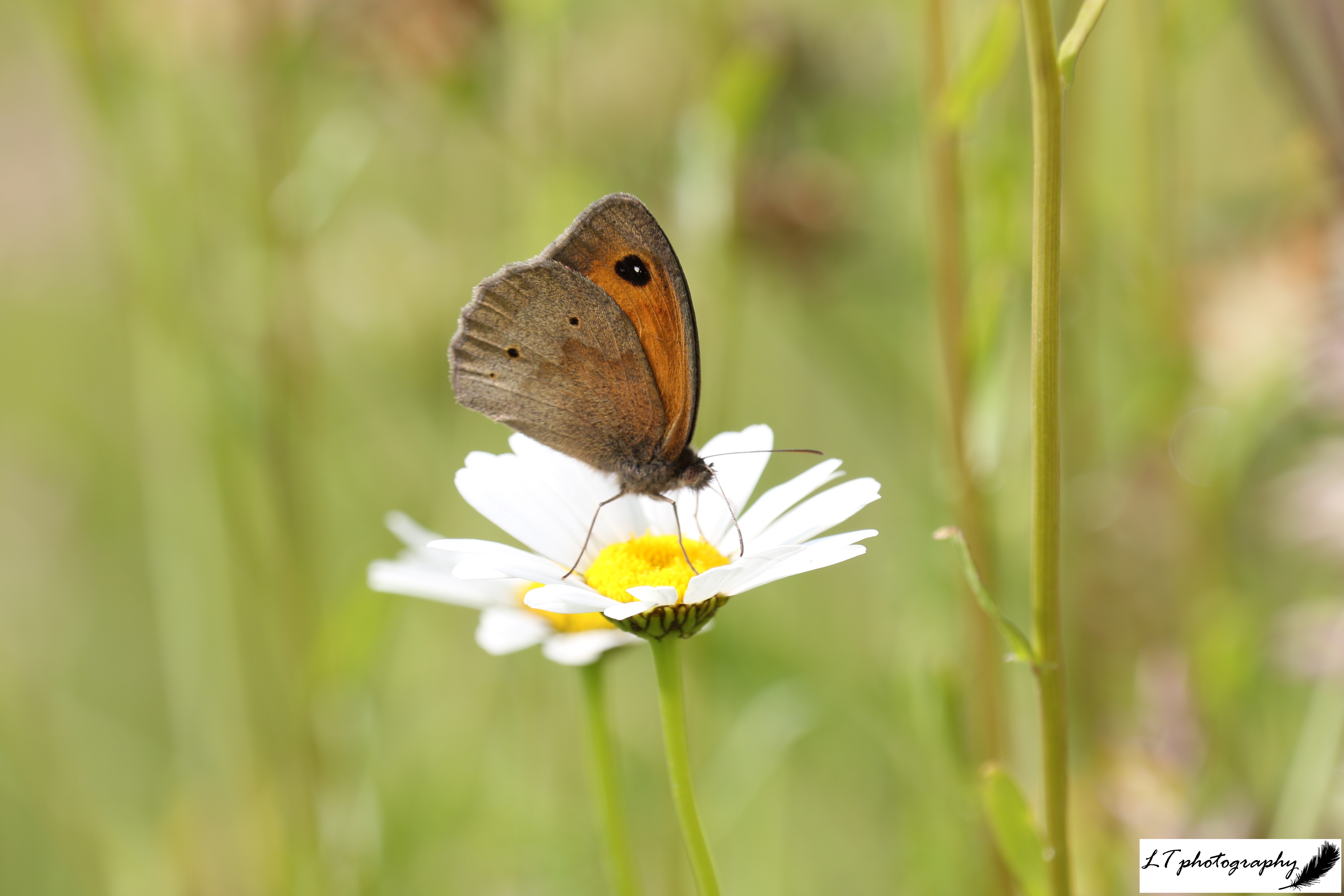
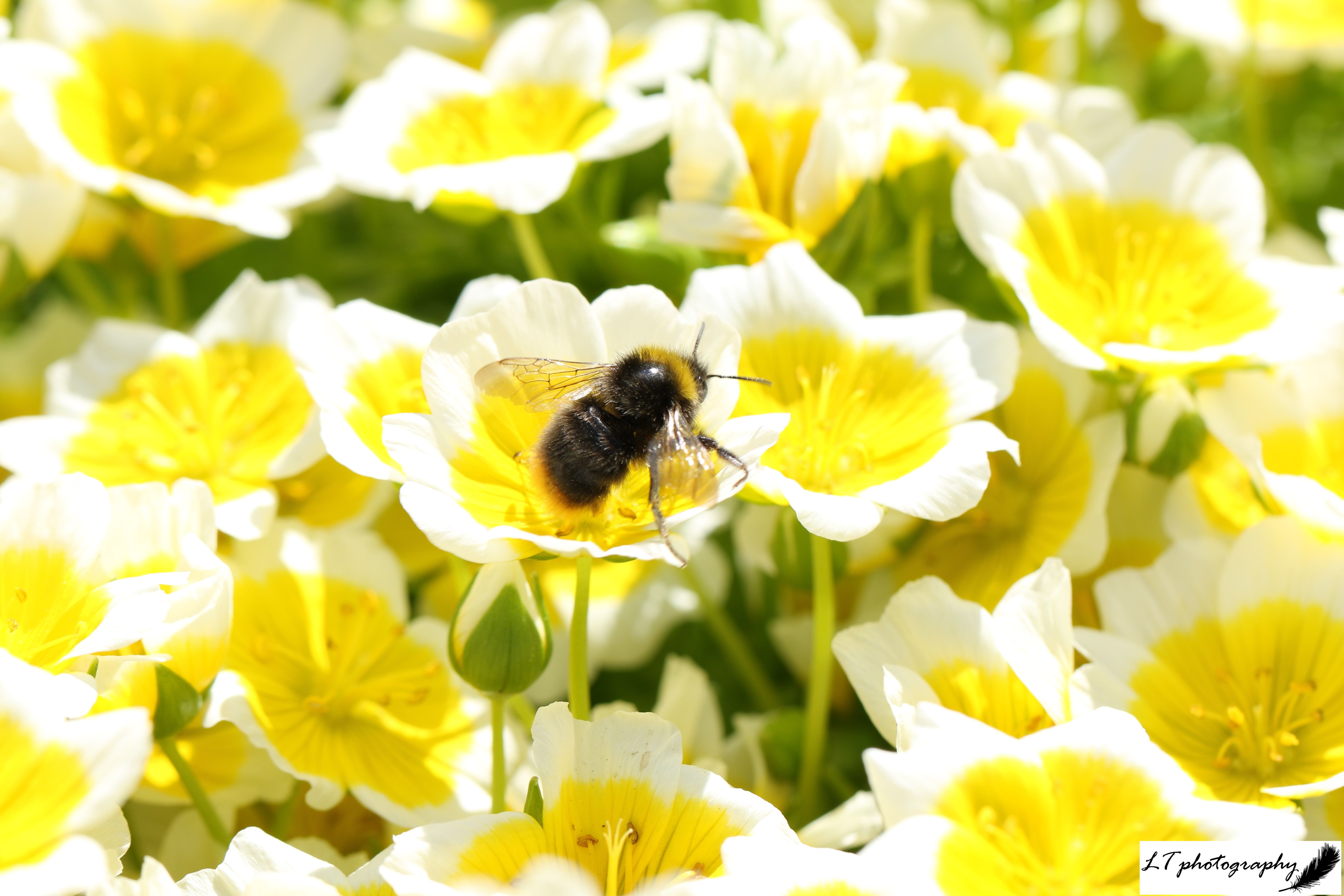
Of 13 species recorded emerging during spring 2022, only 2 did not emerge earlier than the year before: the buff-tailed bumblebee and orange-tip butterfly. For 2023, spring flipped dates back around for insect emergences, with 10 out of 12 recorded species emerging later than the year before. This ranged from 2 days later with the speckled wood butterfly to 46 days later with the red admiral butterfly. The exceptions were peacock and comma butterflies, being recorded 15 and 36 days earlier respectively. This could be due to the colder spring impacting and delaying emergences, for example the brimstone butterfly, a common sign of spring, delayed its emergence until the 3rd of April 2023.

Shrubs
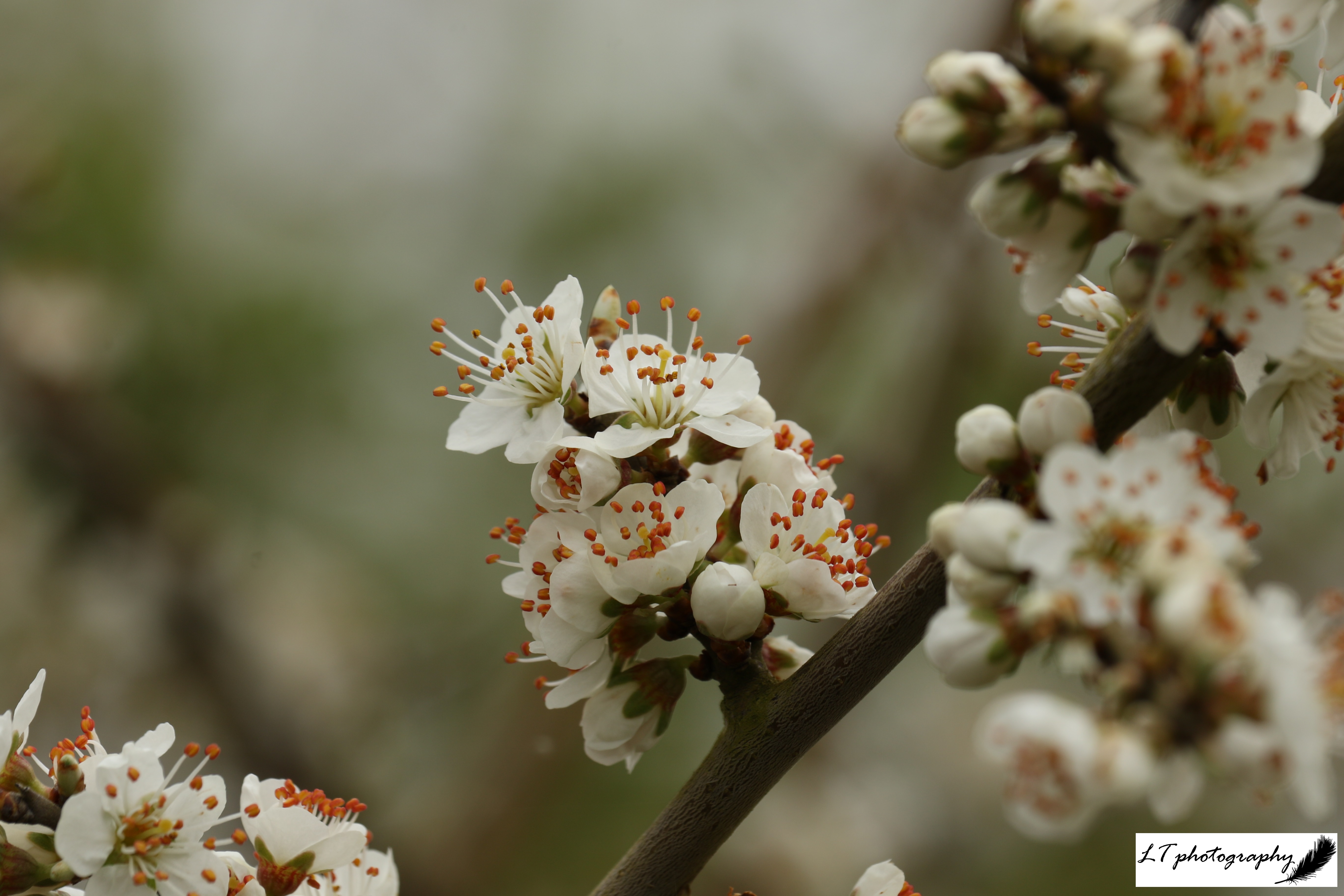
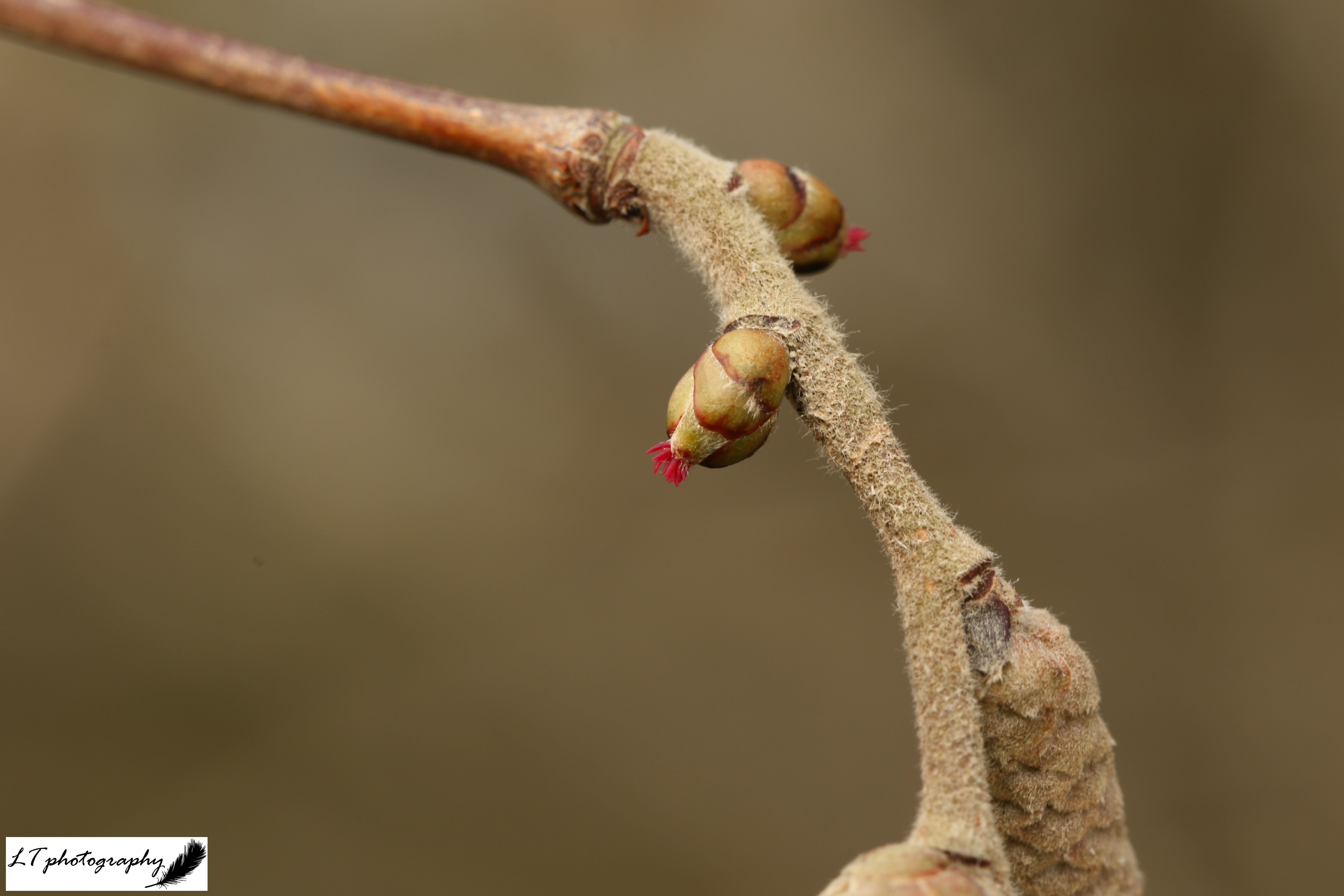
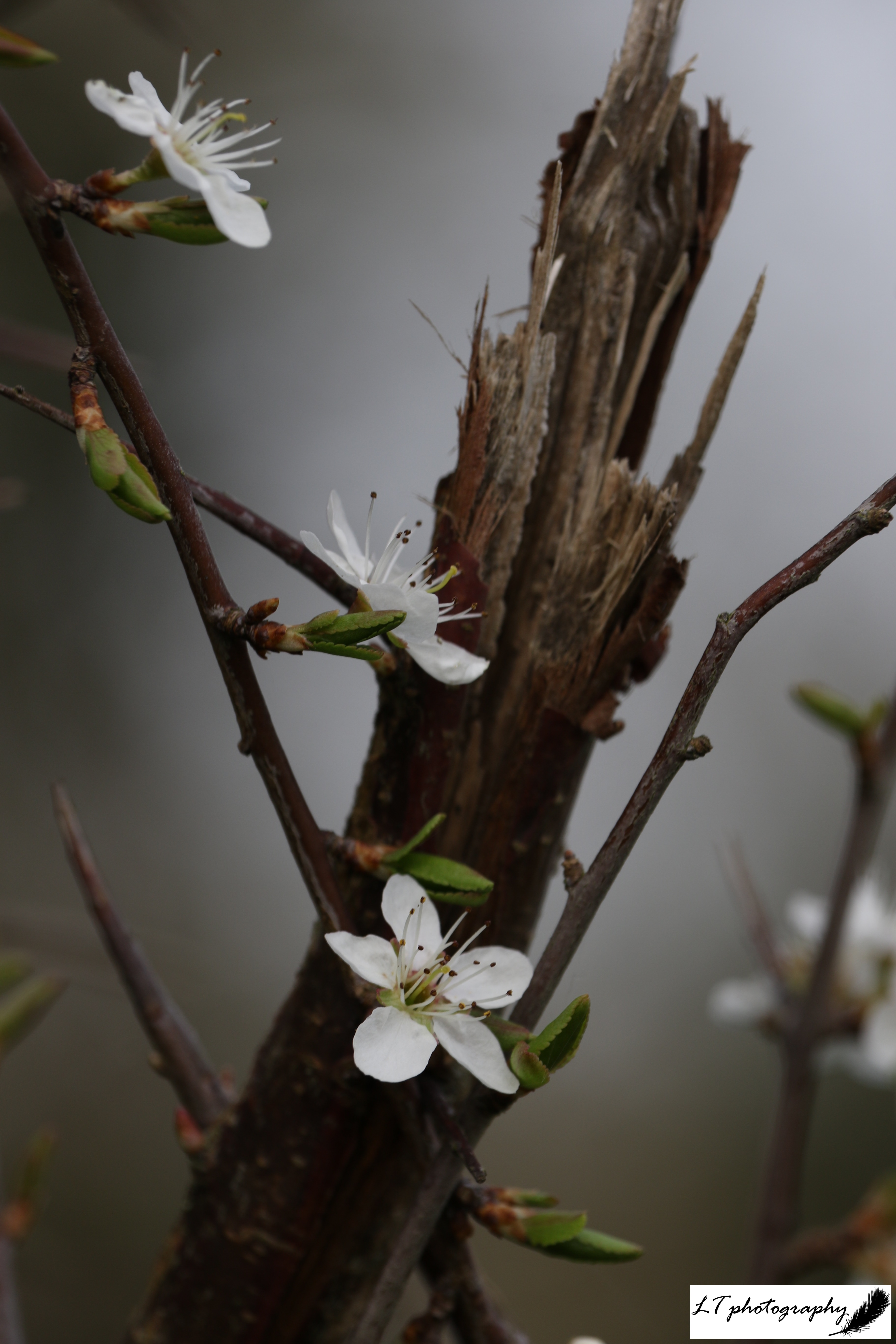
For shrub species recorded in 2022, spring events occurred both earlier and later than in 2021, with no obvious trends. In comparison, spring 2023 showed an obvious trend, with nearly all recorded budburst, first leaf unfurling and flowering for 6 species, occurring later than 2022. The exceptions were dog rose flowering earlier in May and hazel catkins flowering earlier in January. The other spring events took place 3-27 days later from February to May. It was an odd year to see blackthorn flowering 2 weeks later within March and meeting its peak in April, and hawthorn first flowering in May, later than usual.

Birds
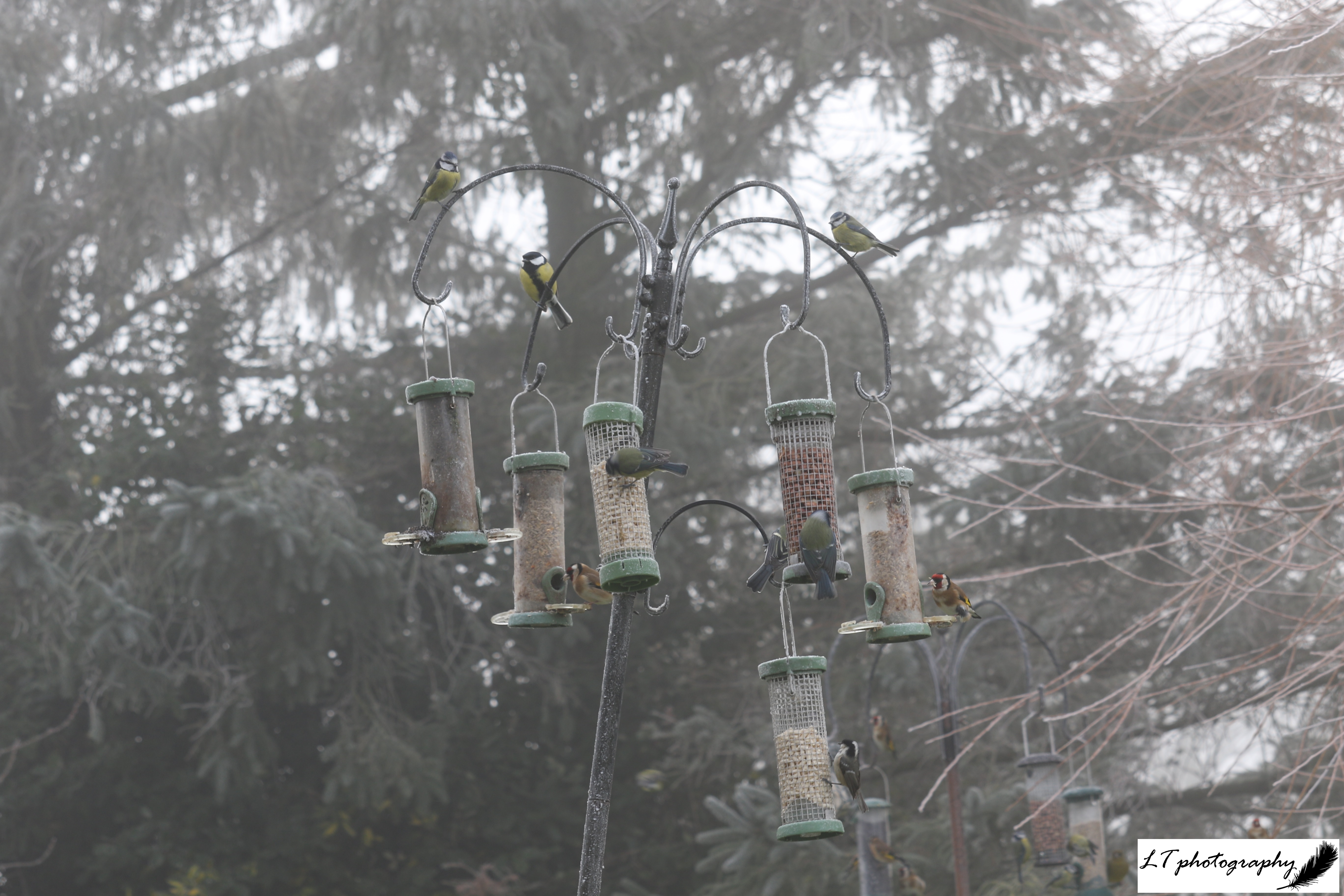
There was a split with spring bird events in 2022, with events closer to the start of the season occurring later, and those towards the second half occurring earlier than 2021. For 2023, it seems that the dates of spring bird events were also split, but this time with less clear a trend. Rooks began building nests later and most birds fledged young later, but swallows arrived on the 11th April once again, and blackbirds began singing earlier in February. Some differences in event occurrence can be explained by spring temperatures and weather conditions, whereas some are less easily explained for 2023. It is expected though that the later spring will have an overall effect on bird species through other spring events occurring later.


Conclusion
Spring 2023 varied from month-to-month with weather, temperatures, natural events and vibrancy. As a whole, a general unsettled and cooler time led to spring events occurring later than the year before for many species. The concern is though, that there may be a mismatch between the occurrence of events for different species, such as trees and birds, which could have had a greater impact than currently known. Time will tell what the impact of spring 2023 may be!

Species List
- Ash (Tree) Fraxinus excelsior
- Blackbird (Bird) Turdus merula
- Blackcap (Bird) Sylvia atricapilla
- Blackthorn (Shrub) Prunus spinosa
- Bluebell (Flowering Plant) Hyacinthoides non-scripta
- Brimstone butterfly (Insect) Gonepteryx rhamni
- Buff-tailed bumblebee (Insect) Bombus terrestris
- Chiffchaff (Bird) Phylloscopus collybita
- Comma butterfly (Insect) Polygonia c-album
- Cowslip (Flowering Plant) Primula veris
- Cuckoo (Bird) Cuculus canorus
- Cuckooflower (Flowering Plant) Cardamine pratensis
- Daffodil (Flowering Plant) Narcissus spp.
- Dog rose (Shrub) Rosa canina
- Early purple orchid (Flowering Plant) Orchis mascula
- Elder (Shrub) Sambucus nigra
- English oak (Tree) Quercus robur
- Field maple (Tree) Acer campestre
- Goldfinch (Bird) Carduelis carduelis
- Greater stitchwort (Flowering Plant) Stellaria holostea
- Great-spotted woodpecker (Bird) Dendrocopos major
- Hawthorn (Shrub) Crataegus monogyna
- Hazel (Shrub) Crataegus monogyna
- Horse chestnut (Tree) Aesculus hippocastanum
- House martin (Bird) Delichon urbicum
- House sparrow (Bird) Passer domesticus
- Lesser celandine (Flowering Plant) Ficaria verna
- Meadow brown butterfly (Insect) Maniola jurtina
- Norway maple (Tree) Acer platanoides
- Orange-tip butterfly (Insect) Anthocharis cardamines
- Oxeye daisy (Flowering Plant) Leucanthemum vulgare
- Painted lady butterfly (Insect) Vanessa cardui
- Peacock butterfly (Insect) Aglais io
- Primrose (Flowering Plant) Primula vulgaris
- Red admiral butterfly (Insect) Vanessa atalanta
- Red-tailed bumblebee (Insect) Bombus lapidarius
- Rook (Bird) Corvus frugilegus
- Seven-spot ladybird (Insect) Coccinella septempunctata)
- Silver birch (Tree) Betula pendula
- Small tortoiseshell butterfly (Insect) Aglais urticae
- Snowdrop (Flowering Plant) Galanthus spp.
- Song thrush (Bird) Turdus philomelos
- Speckled wood butterfly (Insect) Pararge aegeria
- Starling (Bird) Sturnus vulgaris
- Swallow (Bird) Hirundo rustica
- Swift (Bird) Apus apus
- Wild cherry (Tree) Prunus avium
- Wild garlic (Flowering Plant) Allium ursinum
- Wood anemone (Flowering Plant) Anemone nemorosa
- Wren (Bird) Troglodytes troglodytes
- Yellow archangel (Flowering Plant) Lamium galeobdolon
- Yellowhammer (Bird) Emberiza citrinella
















 Laura's Wild World