This year the Spring Equinox occurred on the 20th March, marking the point when the sun sat directly over the Earth’s equator heading northward, alongside the start of a new season, in our case spring. With spring comes longer day lengths, milder temperatures, regrowth, new beginnings, and the literal ‘springing’ of plants from the ground. After tough winters and a period of dormancy for nature, the sights of spring understandably lift spirits and create hope and joy.


As we look ahead to spring and what it means to us all, people will also be looking for the first signs of its arrival to tell them the season is upon us. With an increase in activity within nature, these signs can differ for different people, with examples including the first snowdrops, mammals coming out of hibernation, or even birds such as Rooks beginning to nest. For Emma, my Rural vs Urban blog series co-writer (check it out!), her first signs of spring in Manchester are as follows:
Signs of spring in Manchester, as typed from the tram on a lovely spring day: sunshine reflected off the sides of the glass buildings, daffodils and crocuses bravely making an appearance on the grass banks, seeing the first few Manchester bees buzzing about, thinking that it’s warm enough to leave the house without a coat then realising you made a mistake when it pours down with rain later in the day, and sitting outside at the pub!
Though we may all have our own personal favourites, there are some popular first signs of spring that can easily be looked for in anyone’s local area across Britain. Why not try to find them all yourself?


1. Hazel Catkins
- Hazel is one of the first of our native species to flower at the start of the year, bringing real colour and joy to the still wintery landscape
- Latin Name: Corylus avellana
- Name: Catkin refers to long cylindrical clusters of small flowers
- When to See: January to April
- Where to See: Woodlands, scrub areas and hedgerows
- Identifying Features: Lemon-yellow with pollen when open, and shaped like a lambstail, hanging in clusters from hazel branches
- Range: Widespread throughout Britain


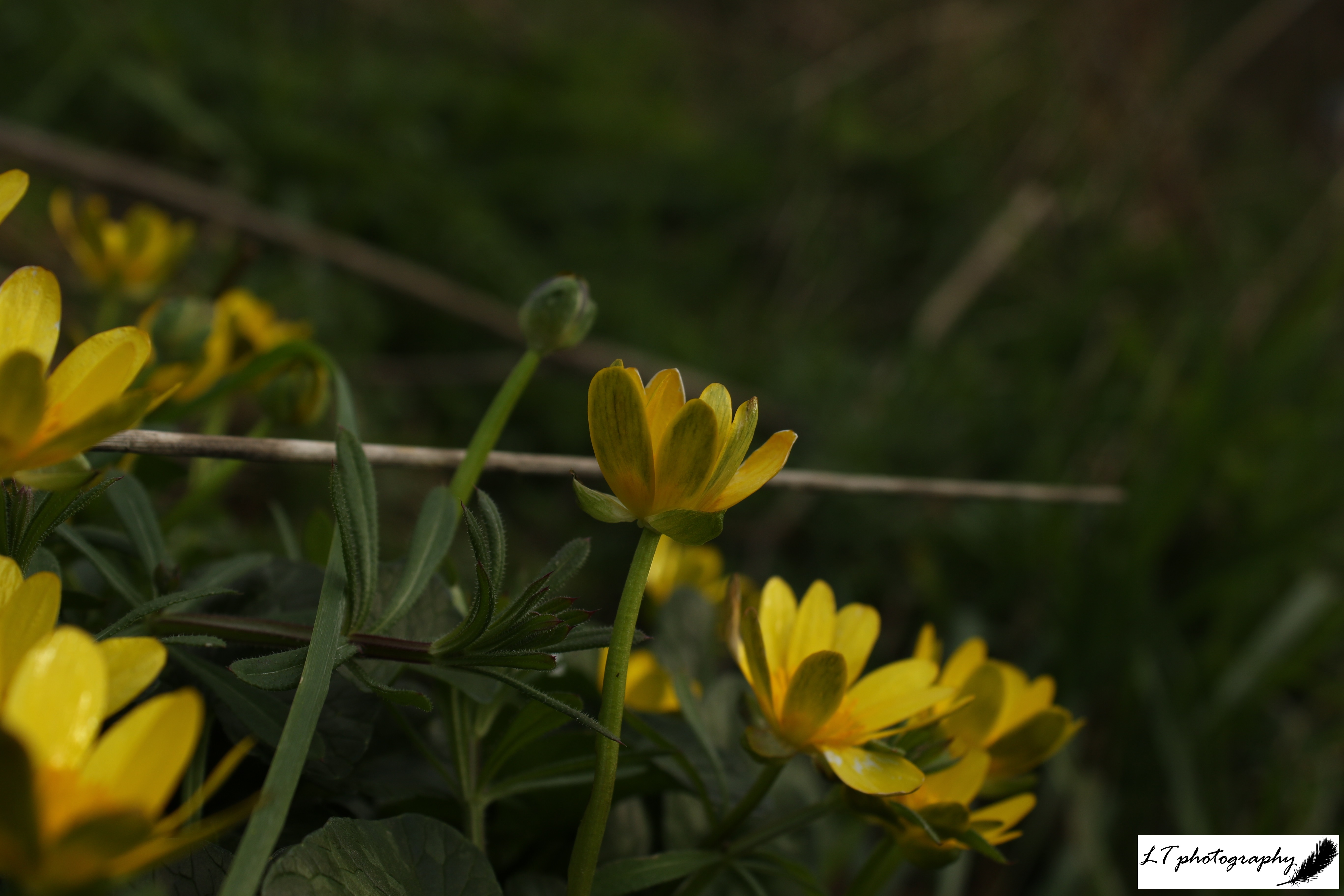
2. Yellow Flowers
- After a cold and grey winter, nothing raises the spirit like the blooming of sunshine yellow flowers in the landscape, a symbol of rebirth and new beginnings
- Most Popular: Daffodils (Narcissus spp,); lesser celandines (Ficaria verna); primroses (Primula vulgaris); cowslips (Primula veris)
- When to See: Daffodils= February to May; celandines= March to May; primroses= February to May; cowslips= April to May
- Where to See: Daffodils= gardens, parks and woodlands; celandines= woodland, grassland and gardens; primroses= woodland, hedgerows, and gardens; cowslips= grassland, woodland and hedgerows
- Identifying Features: Daffodils= inner trumpet shape with a crown of petals; celandines= shiny yellow stars; primroses= rosettes of pale petals with darker centres; cowslips= bell-shaped within a green casing



3. Frogspawn
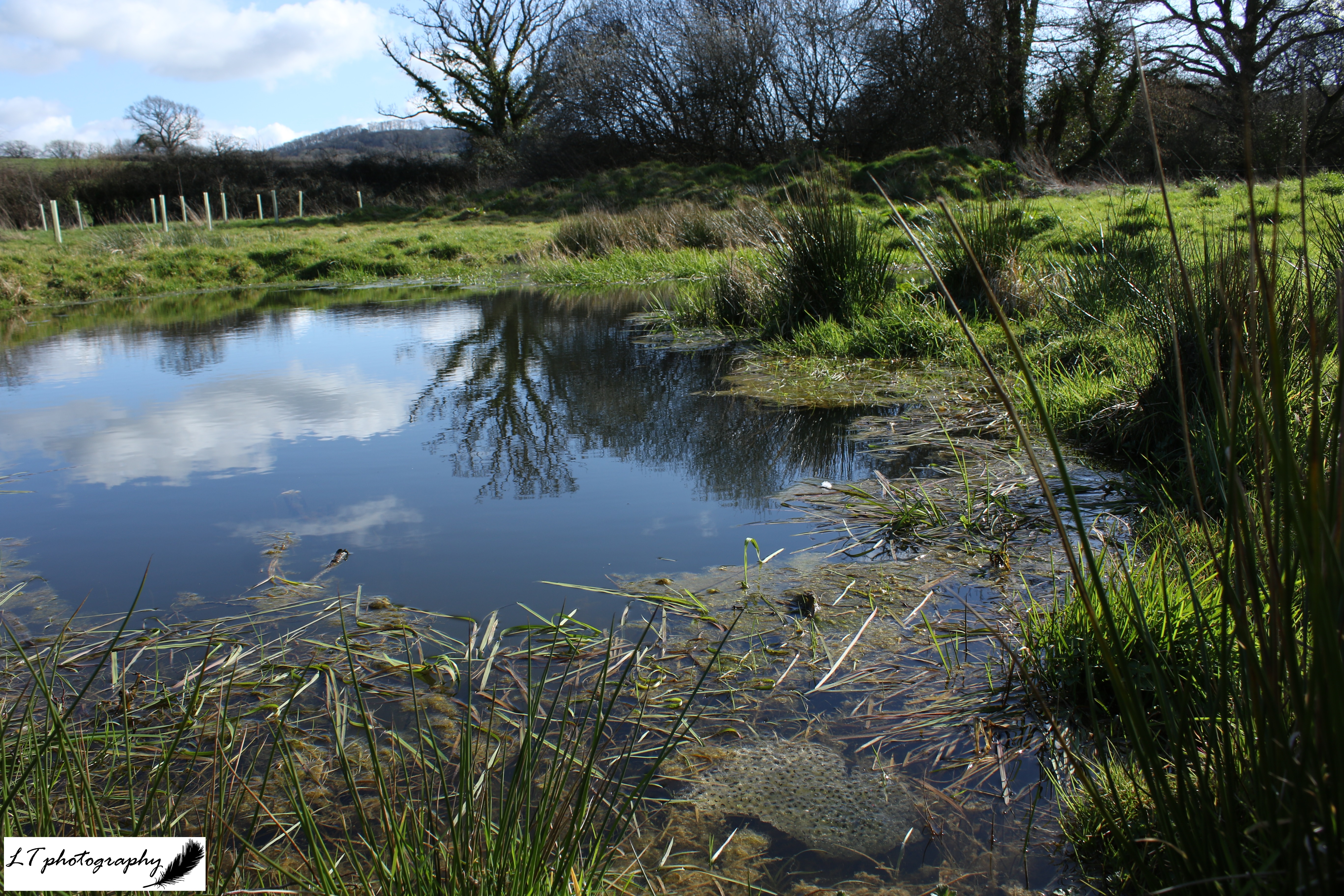
- A symbol of spring that captures the imagination from a young age with its strange and sudden appearance early each spring
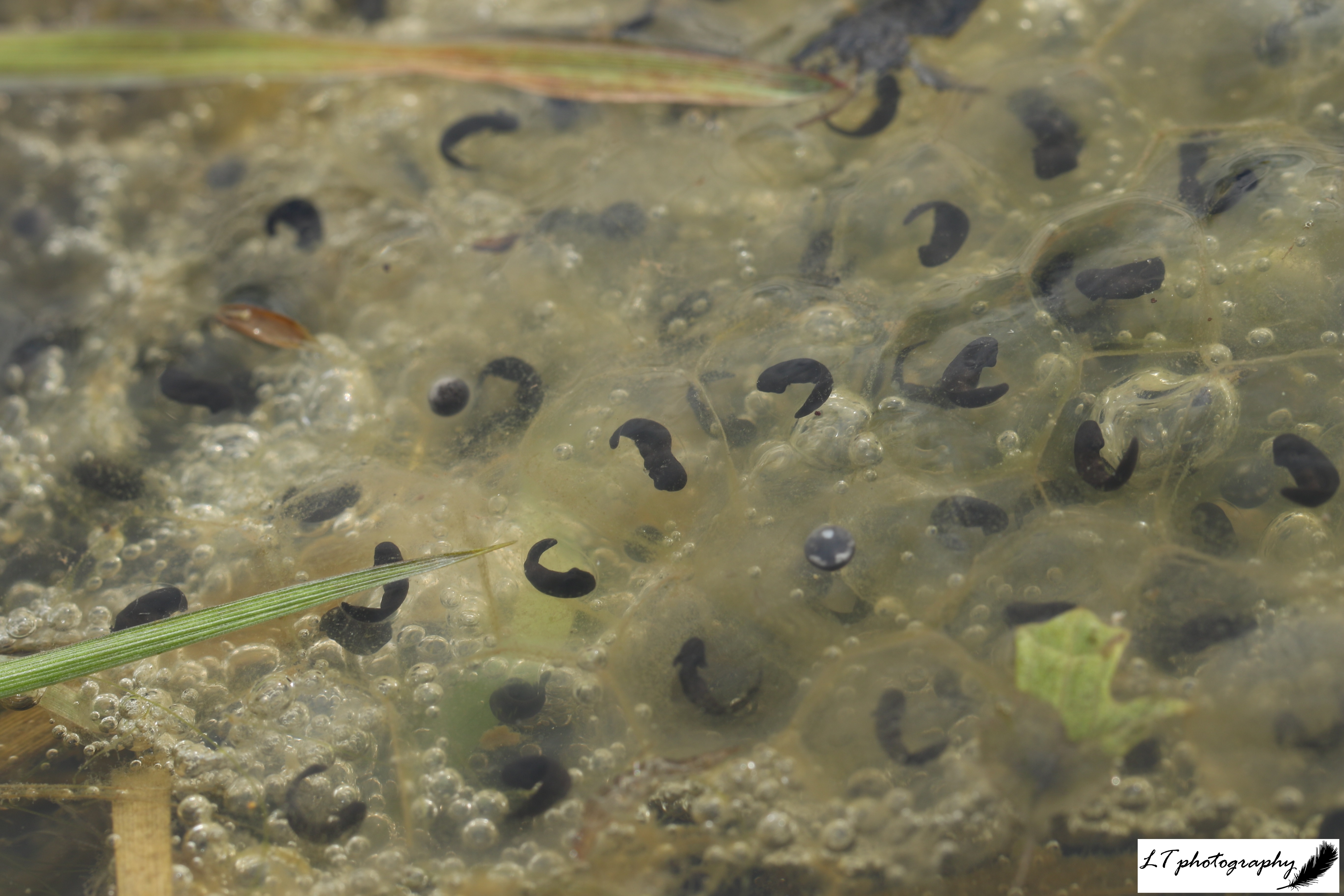
- What is it?: The eggs are most commonly laid by the common frog (Rana temporaria)
- When to See: Mainly February to March
- Where to See: Just below the surface of ponds and streams
- Identifying Features: Floating clumps of jelly that are made up of lots of small jelly eggs with a black dot or developing tadpole at their centres
- Range: Widespread across Britain but more likely to be seen in certain areas

4. Buzzing Bees
- The sound of queen bees buzzing lazily around in warm sunshine is a real sound of spring, symbolising new life to come
- Examples: Buff-tailed bumblebee (Bombus terrestris); red-tailed bumblebee (Bombus lapidarius); tree bumblebee (Bombus hypnorum); white-tailed bumblebee (Bombus lucorum)
- When to See: Buff-tailed= February to October; red-tailed= mainly March to August; tree= mainly March to July; white-tailed= March to October
- Where to See: All can be seen in a wide range of habitats from woodland and farmland to gardens and heathland
- Identifying Features: Buff-tailed= yellow collar near head and another on abdomen with queens having buff ‘tails’ and workers white with buff line above; red-tailed= black with red ‘tails’ with males having two yellow bands on thorax and one at base of abdomen; tree= ginger-brown thorax and black abdomen with white tail; white-tailed= black with two lemon-yellow bands on body and white ‘tail’


5. Chiffchaff
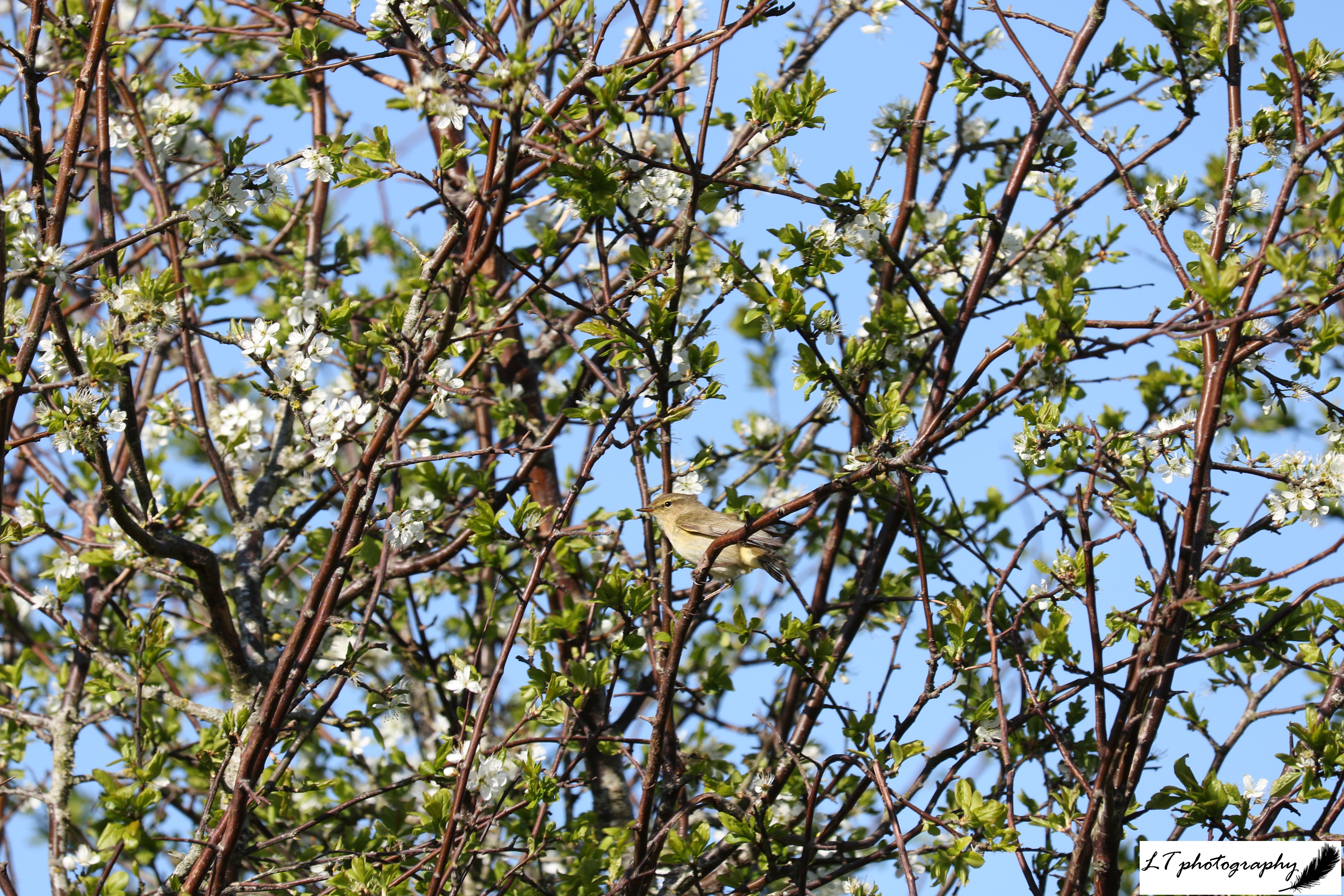
- This tiny little bird is one of the earliest birds to arrive from warmer winter climes, and sing its heart out, heralding the start of spring
- Latin Name: Phylloscopus collybita
- Name: Named after its distinctive ‘chiff chaff chiff chaff’ song
- When to See: Some winter in the UK, but can be heard singing from March to October when migrants return
- Where to See: Woodland, scrubland, parks and gardens
- Identifying Features: Green or dusky olive; short pale eye stripe; moderately dark eye stripe; dark legs; fine often dark bill; continuous tail-flicking movement; distinctive song
- Range: Widespread across Britain, apart from more mountainous areas of Scotland

6. Pussy Willow
- Emerging early on in the year, pussy willow is a real symbol of the beginnings of spring, and is often used as decorations at Easter
- Latin Name: Salix caprea but also could refer to Salix cinerea
- Name: Pussy willow is a colloquial name for goat willow, but is now often used for grey willow too. This is due to their furry male catkins looking like the soft, furry paws of a cat
- When to See: February to April
- Where to See: Woodland, hedgerows, scrub and damper, more open ground
- Identifying Features: The more noticeable male flowers are the silver-grey, fluffy, and oval catkins standing upright from willow branches. They turn yellow when covered with pollen
- Range: Widespread across Britain


7. Brimstone Butterfly
- Though warmer, milder weather leads to the emerging of different butterfly species, the first brimstone butterfly is often the first species seen and its warm colour has connotations of sunshine and cheerfulness
- Latin Name: Gonepteryx rhamni
- Name: Brimstone is the old name for sulphur, which is the colour of the male butterfly’s wings
- When to See: March onwards
- Where to See: Can be seen in a wide variety of habitats, but the larval foodplants are alder buckthorn and buckthorn which is more scarcely distributed
- Identifying Features: Veined wings with pale-yellow undersides and an orange dot on each wing. The uppersides are sulphurous yellow on males and paler on females
- Range: Common in England and Wales, less common in Ireland, and very rare in Scotland

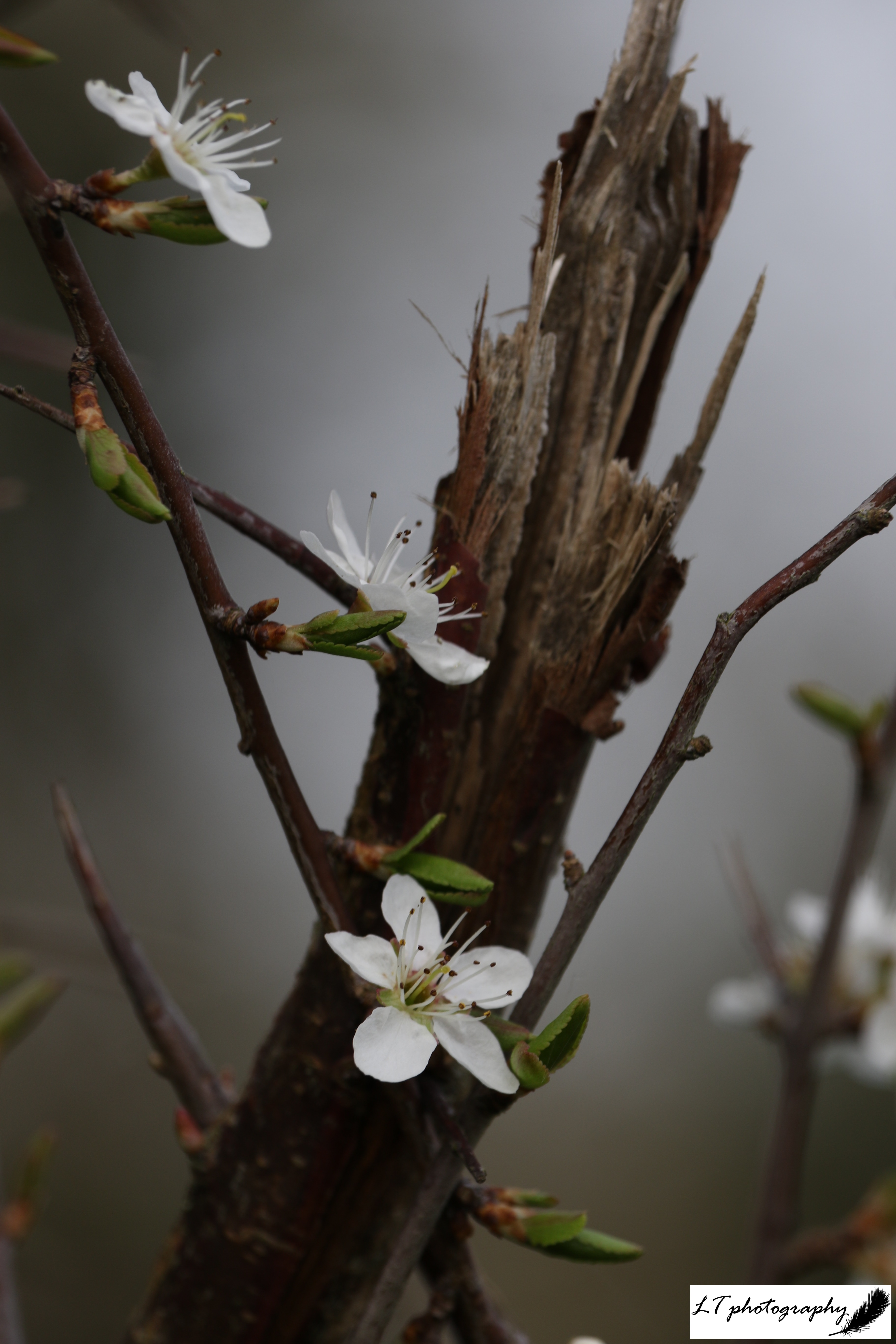
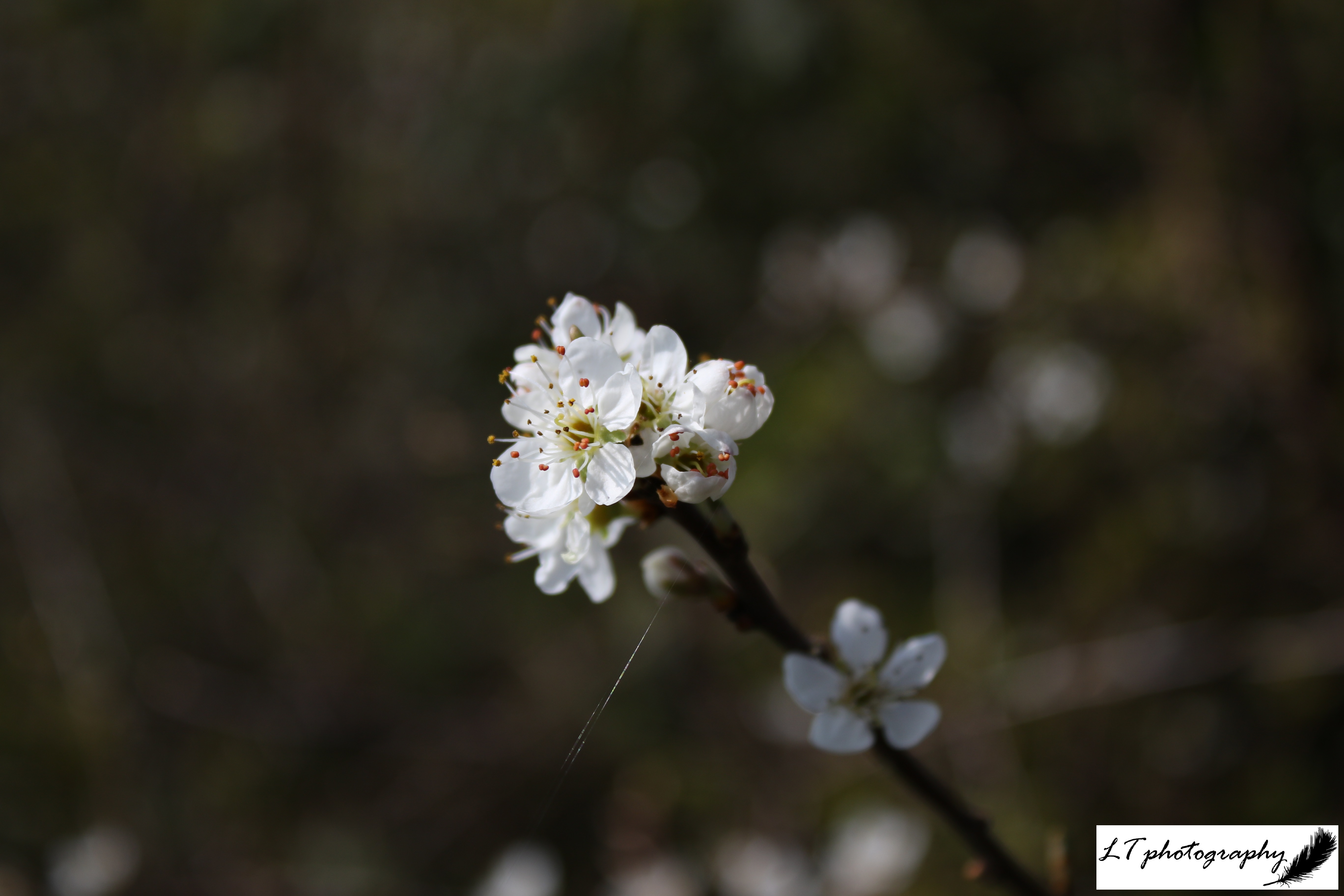
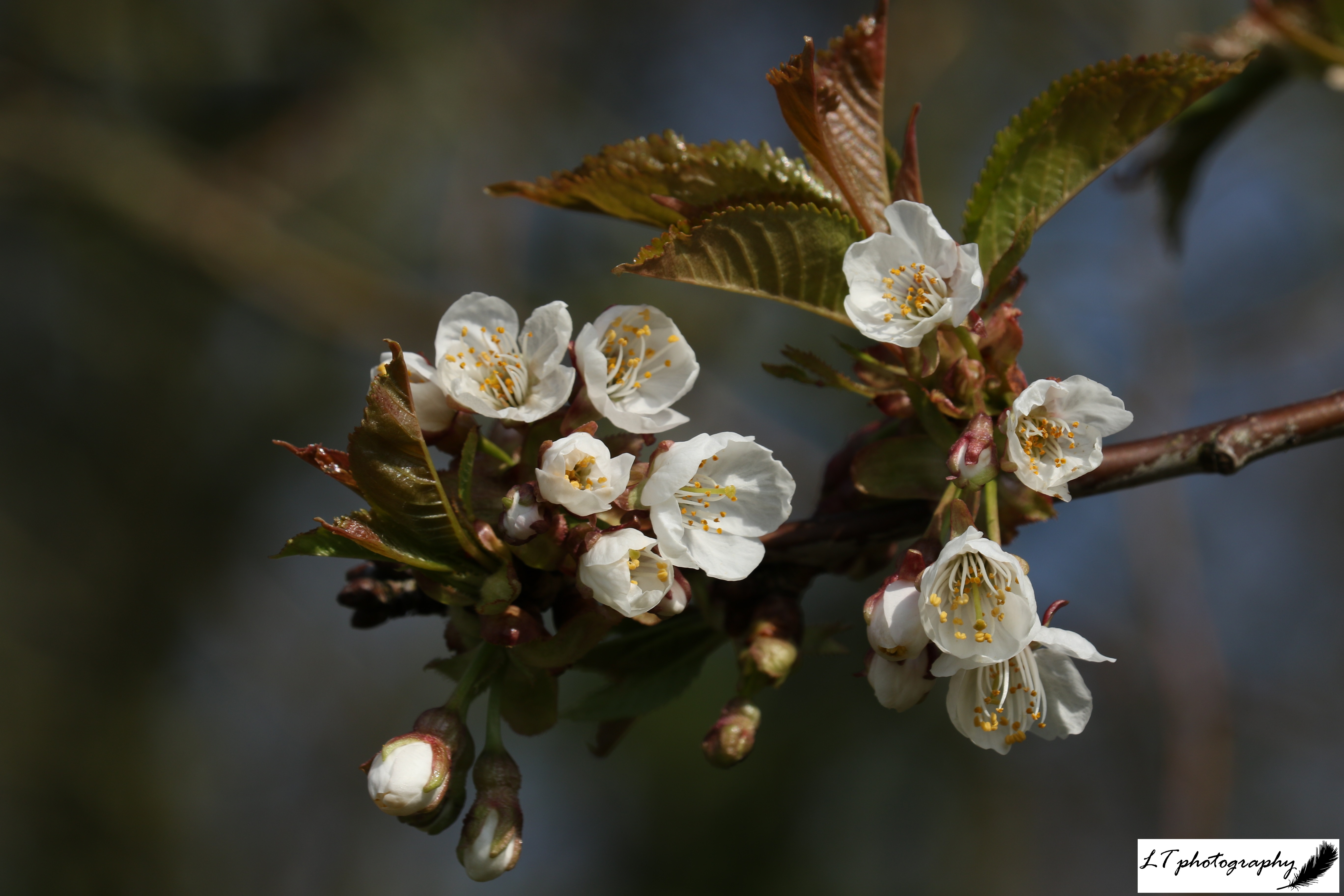
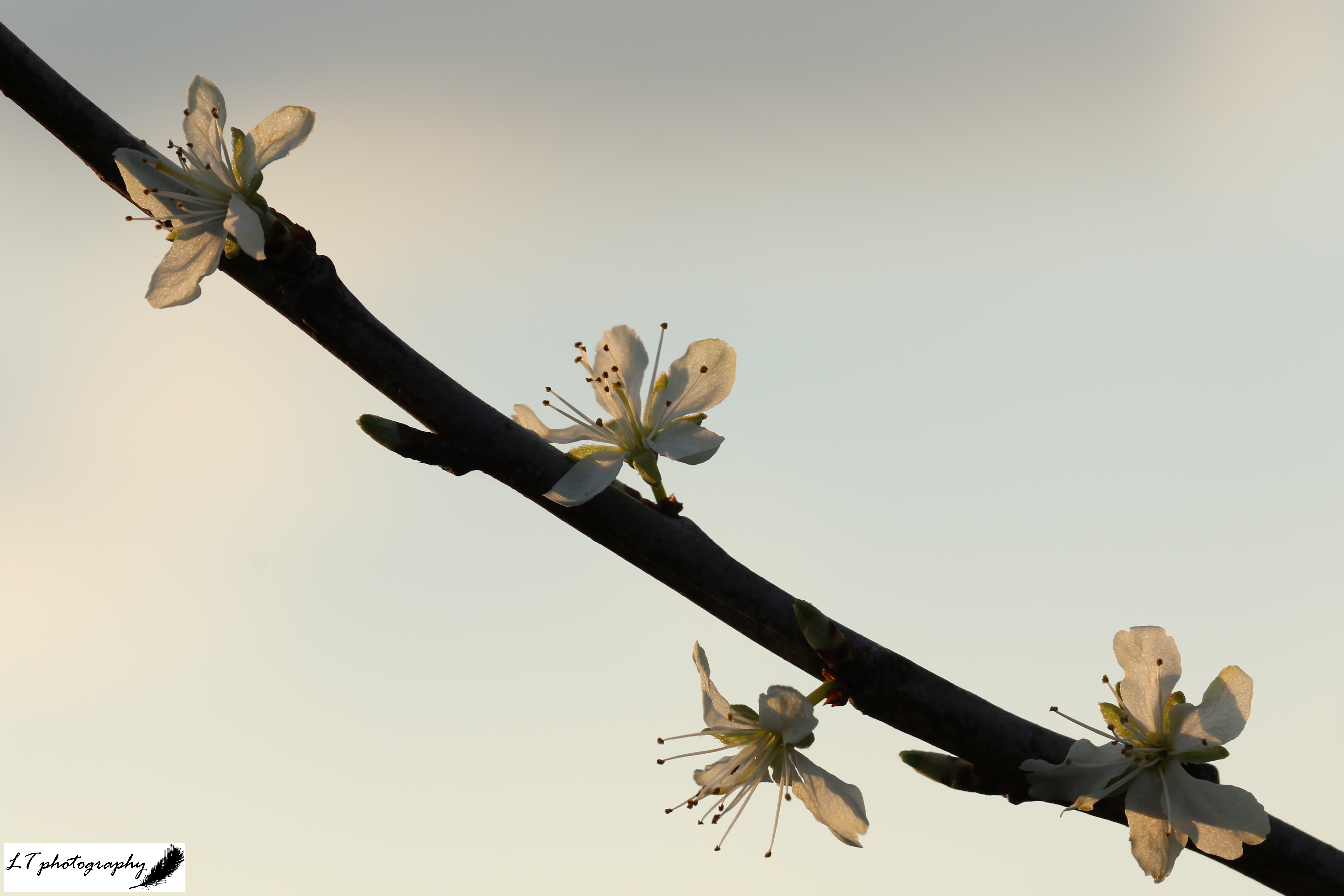
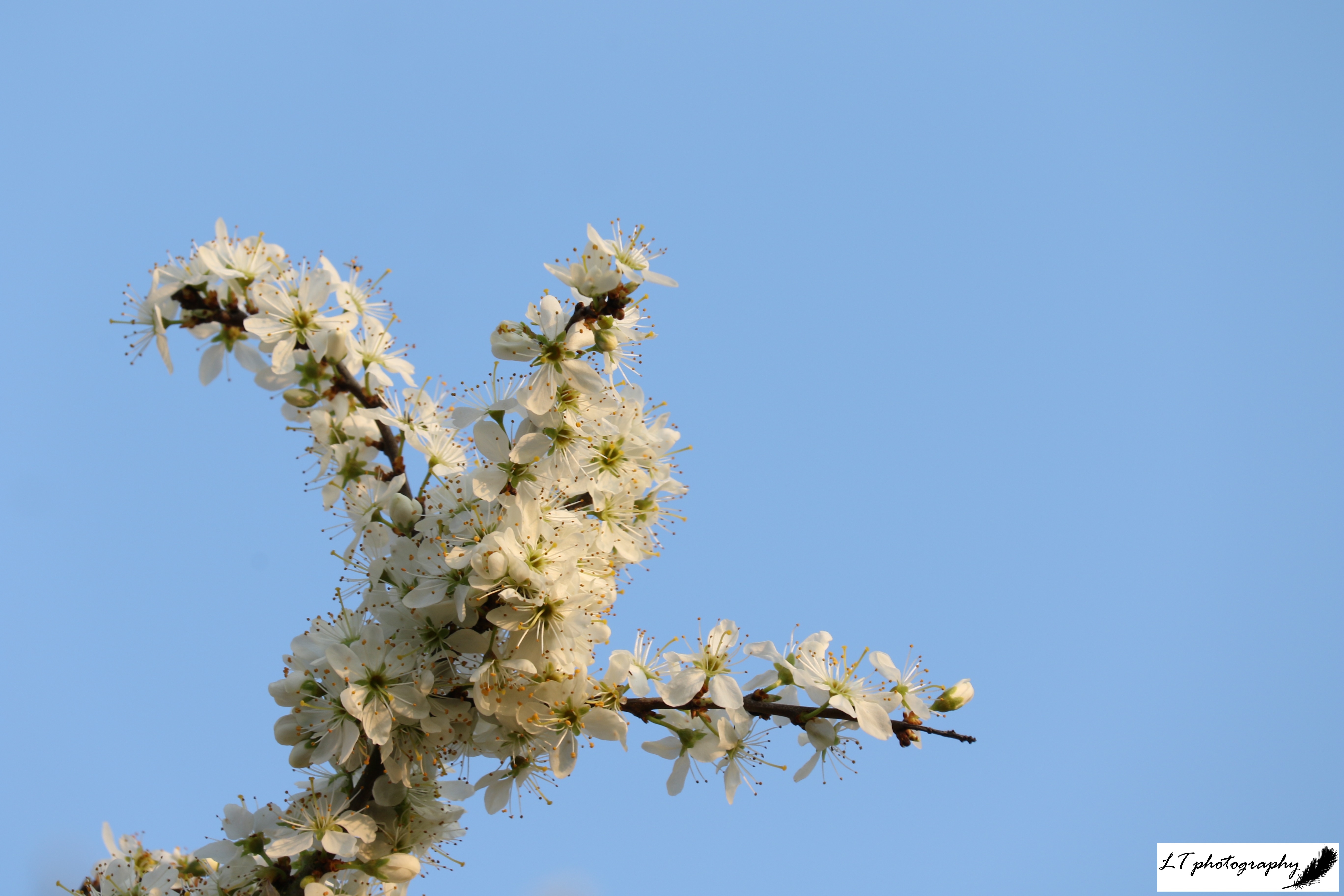
8. Spring Blossom
- Everyone knows that spring is truly underway when blossom starts to coat trees and hedgerows in spectacular pastel fashion. It is a real spirit lifter after a long winter!
- Examples: Blackthorn (Prunus spinosa); wild cherry (Prunus avium); hawthorn (Crataegus monogyna)
- When to See: Blackthorn= March to April; wild cherry= April to May; hawthorn= April to June
- Where to See: Blackthorn= hedgerows, woodland margins and scrubland; wild cherry= woodlands, gardens and hedgerows; hawthorn= hedgerows, woodland margins and scrubland
- Identifying Features: Blackthorn= flowers white with 5 petals and red-tipped anthers; wild cherry= white flowers cup-shaped and with 5 petals; hawthorn= white flowers with 5 petals, pink or purple anthers and sickly sweet scent

9. Barn Swallow
- This iconic bird makes a 6000 mile migration from Africa to breed in the UK, arriving with warmer weather and active exploration of potential nest sites
- Latin Name: Hirundo rustica
- Name: Barn comes from typically nesting in barns and out-houses, and the latin Hirundo means swallow
- When to See: March to October
- Where to See: Open country, perching on wires, and hunting low over grassland or water
- Identifying Features: Blue-black; red forehead and throat; dark throat; long, pointed wings; deeply forked tail; agile flight
- Range: Widespread across Britain

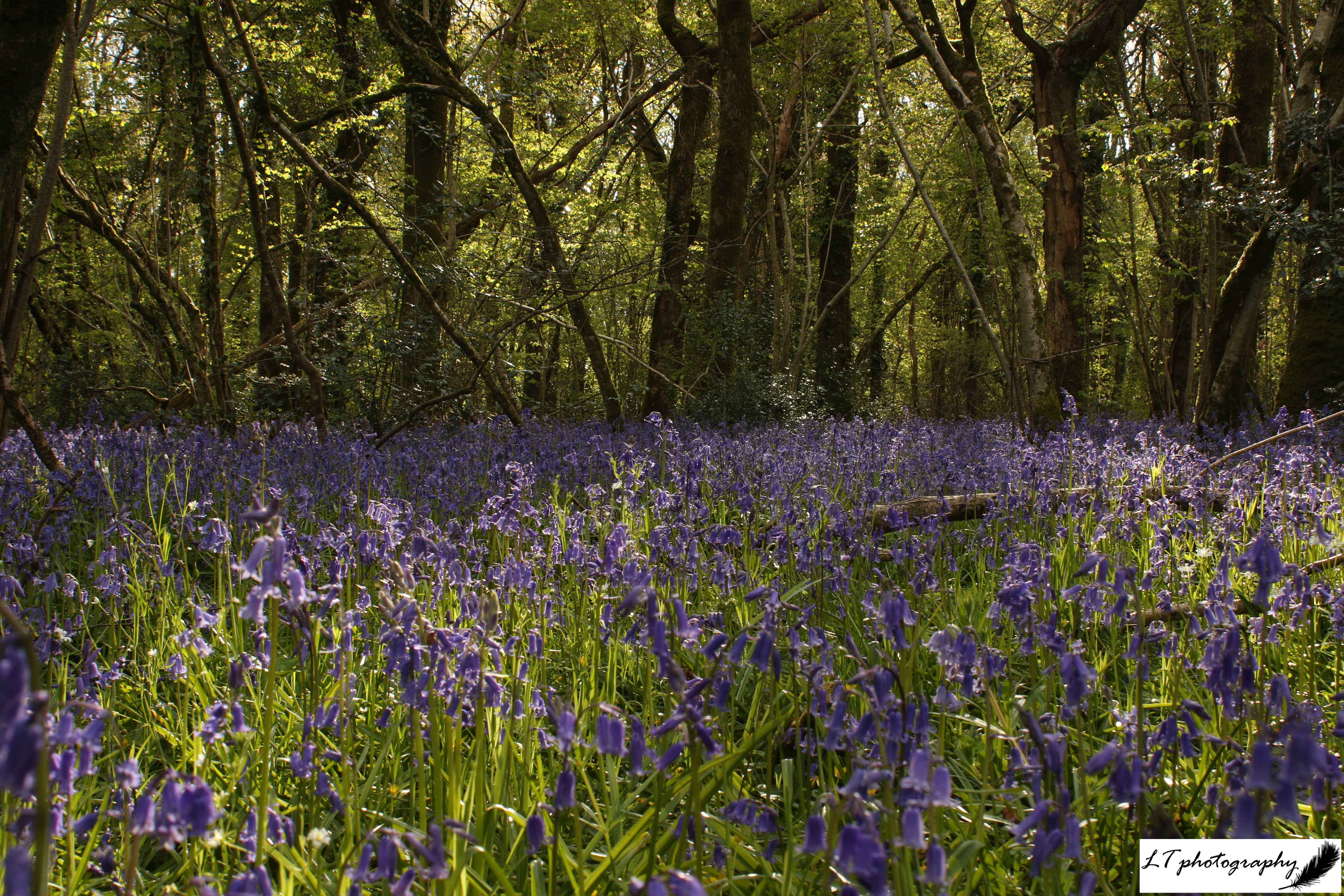
10. Common Bluebell

- Over half of the world’s population of bluebells can be found in the UK, making for some incredible spring spectacles across Britain
- Latin Name: Hyacinthoides non-scriptus
- Name: Named for their distinctive flowers
- When to See: March to June
- Where to See: Carpeting woodlands, hedgerows, scrubland, on sea-cliffs and mountains
- Identifying Features: Long, narrow green leaves; purple-blue bell-shaped flowers hanging from long stems; strong sweet scent
- Range: Widespread across Britain












 Laura's Wild World