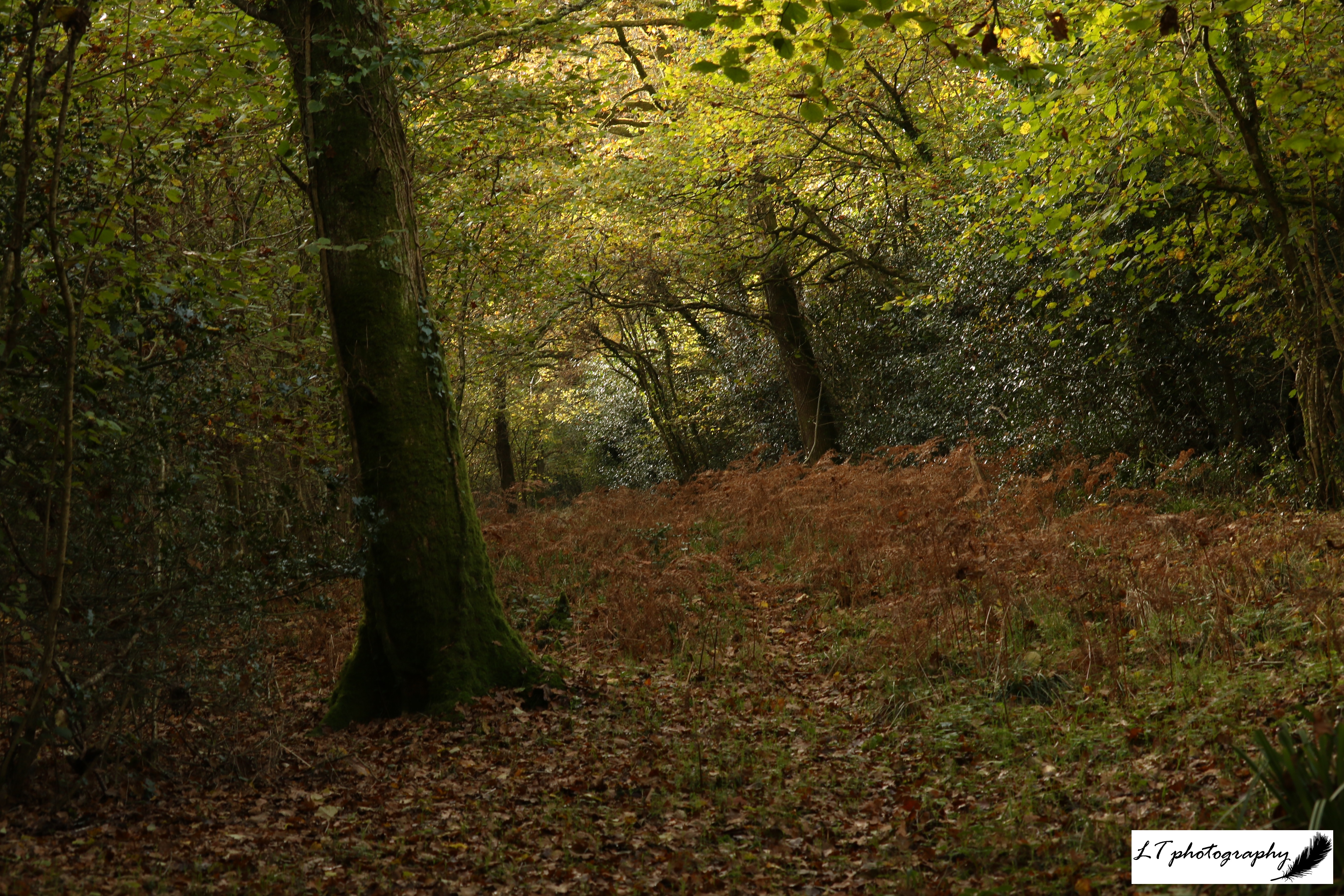
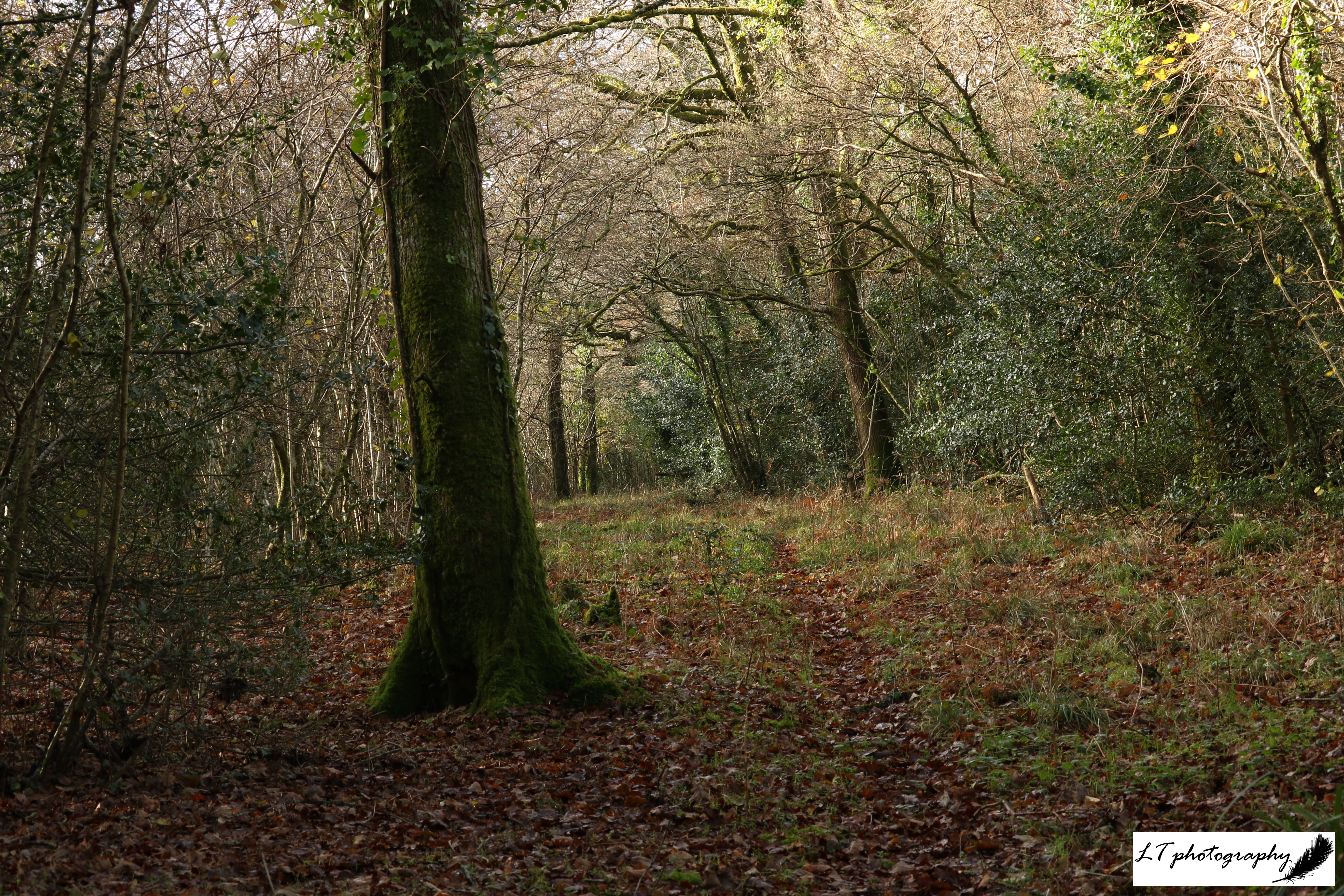
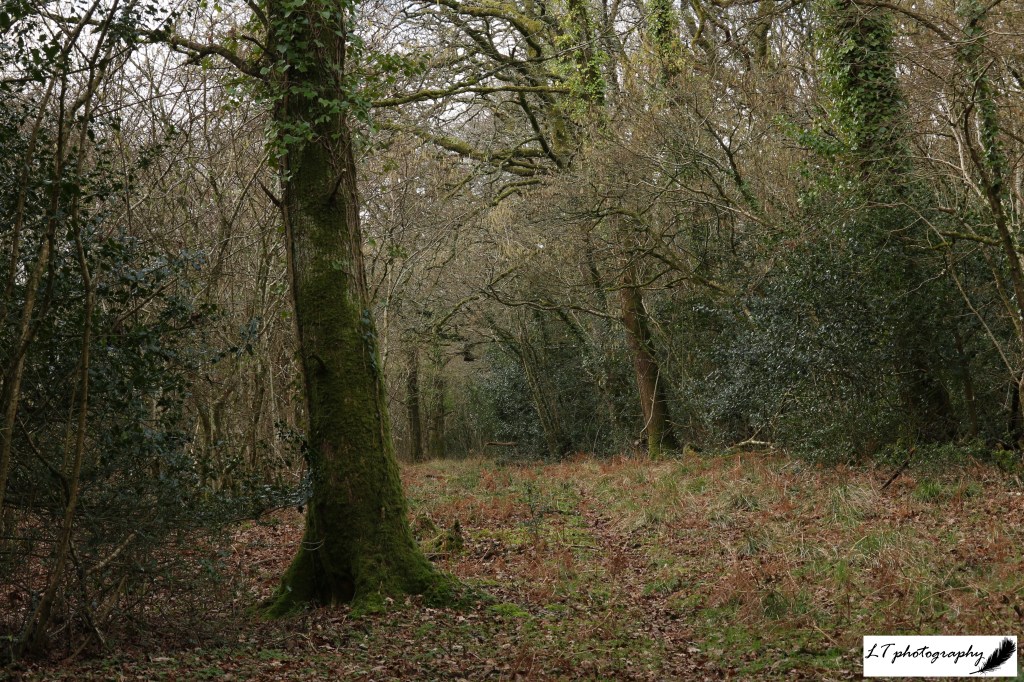
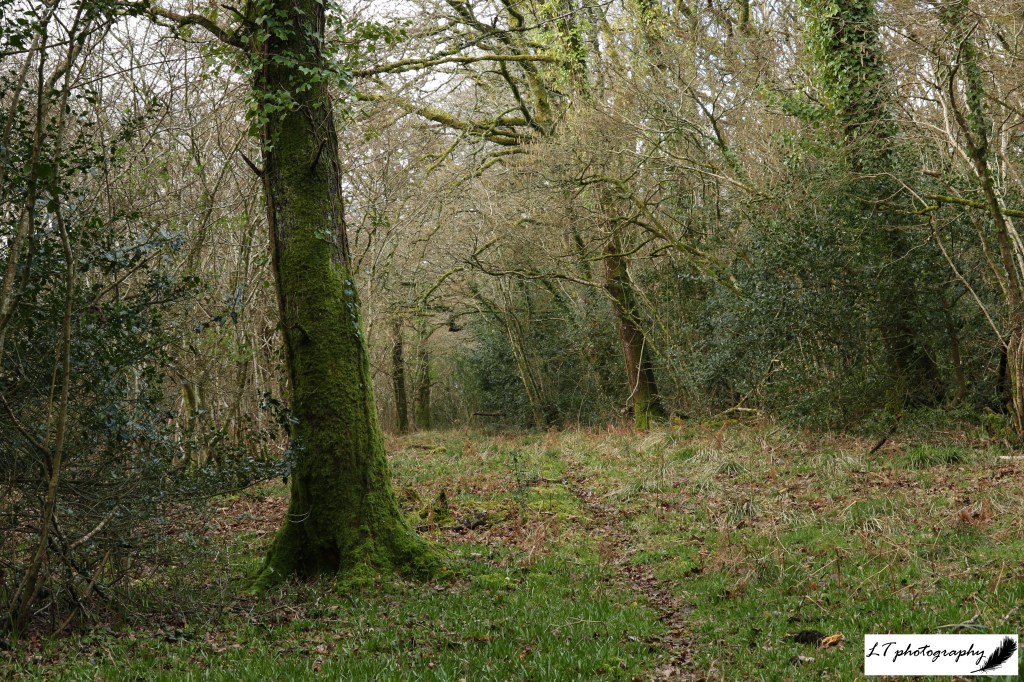
A Year in the Life of a Woodland – Part 2

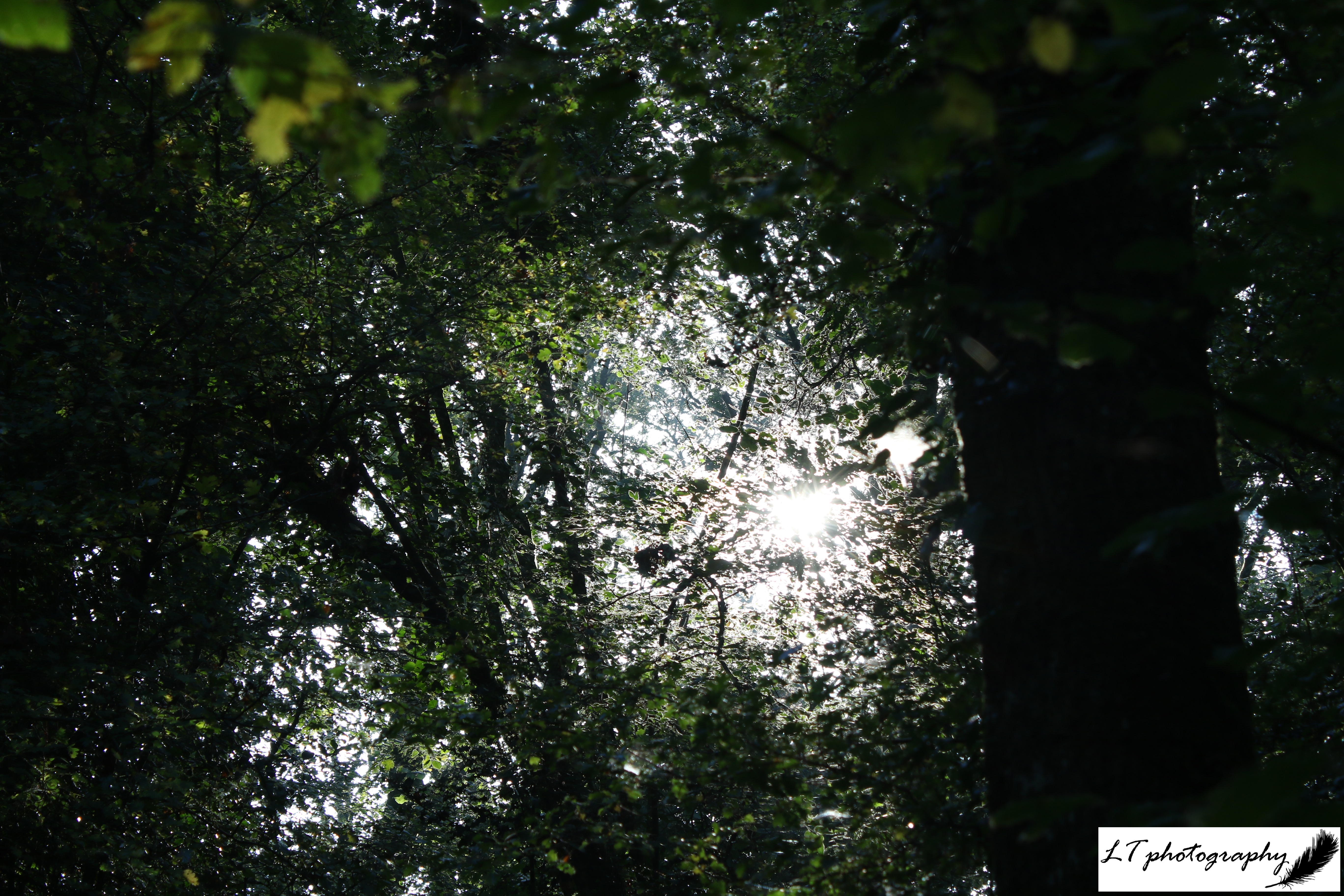
Throughout 2024, I followed in person a year in the life of an ancient, broadleaved woodland in the heart of rural Dorset. I followed its progress from certain points within its bounds, and observed the beauty the woodland had to offer throughout the seasons. It was really interesting to see what goes on during each month of the year within a classic english country woodland, and to be able see the subtle differences as time went on.

Previously on my blog, I left the woodland at the end of June after six months of colourful adventures. I watched as winter transformed into a vibrant spring and moved towards the summer months. From majestic skeletal trees and the unrolling of green to carpets of blue and flashes of beautiful butterflies, the woodland showed itself to be a master of changing its finery in dramatic style. To read more, check out Part 1 on my blog!

This time I delve into the second half of 2024 amongst the trees, as summer brings tranquil days, autumn comes with a riot of colour, and the woodland slips back into its winter slumber. How will these months differ to those of the first half of the year and what can we learn as the days regress once again. Here’s part 2 of my A Year in the Life of a Woodland.

July

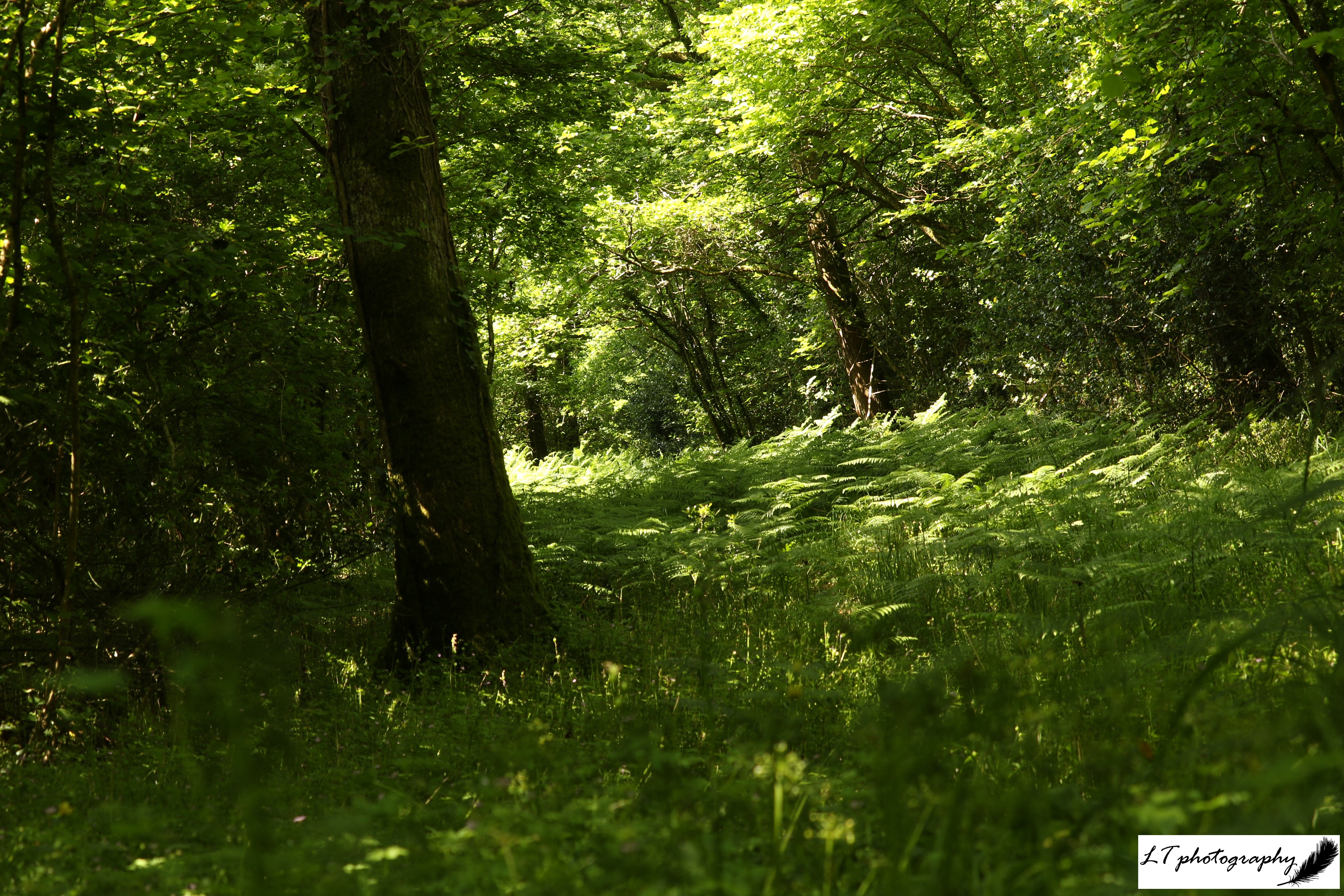
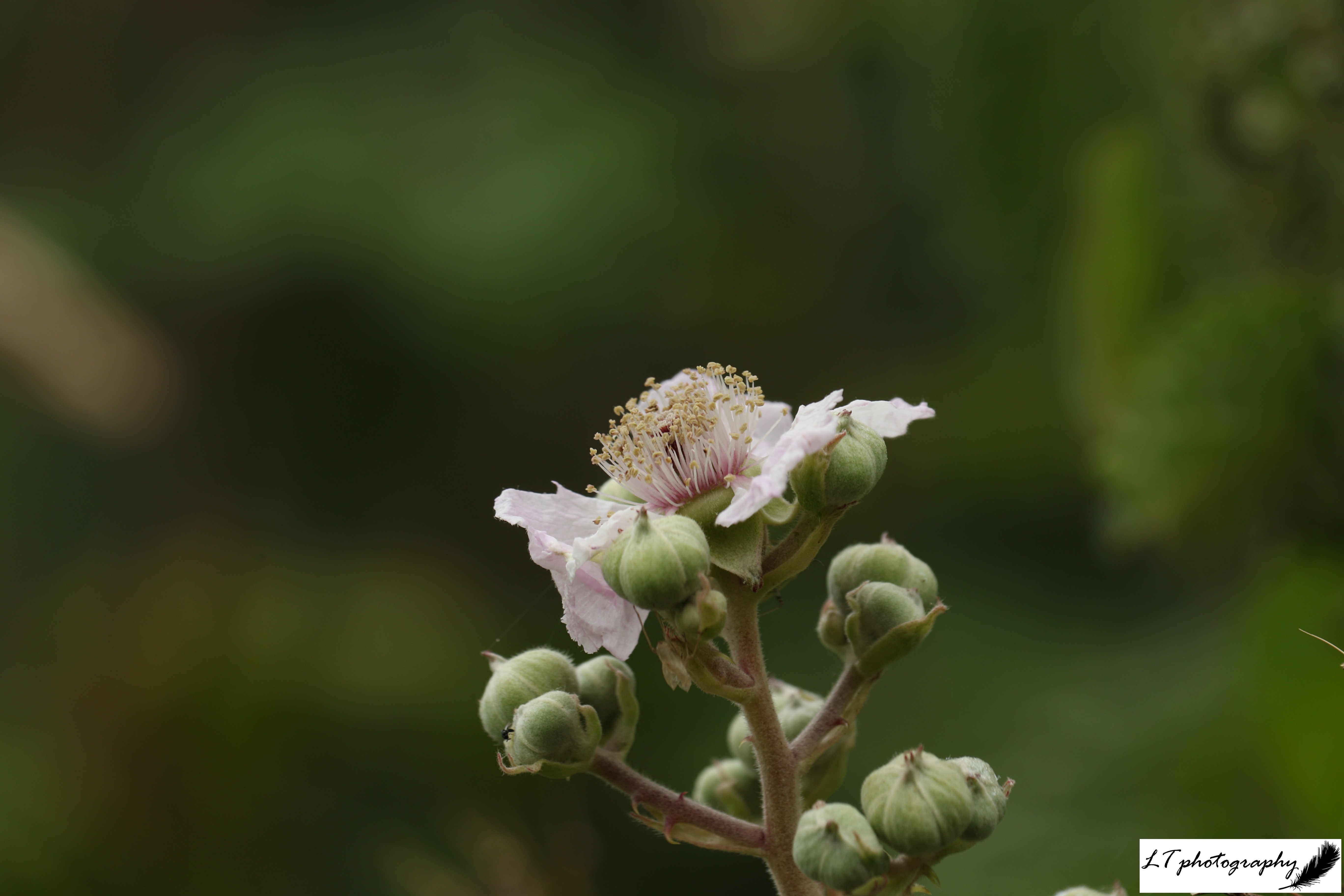
Summer has arrived! Stepping into the woodland, humid warmth is replaced by a refreshing cool within the shade of the tall trees. All around the undergrowth is starting to die back, with flower heads dropping their spent petals and seeds beginning to be produced. Herb robert survives on though, with nodding heads of still bright pink flowers, whilst honeysuckle hangs from the trees, giving off their heady scent, and enchanter’s nightshade and bramble flowers start to appear. Amongst all this, ferns now stand tall along open tracks and wooodland glades, lush green and stealing the summer sunlight from any plants tucked below.

Birds of the woodland are now concentrating on feeding their young or are even coming to the end of this year’s breeding season. Distant chiffchaffs and wrens sing on though, alongside woodpigeons calling, and tits communicating up in the trees. Buzzing flies can also be heard on warmer days, whilst dragonflies dance along woodland borders on silent wings. A fox slinks by through the shadows of the trees, on silent paws, at ease, only turning its head as it walks by. With the woodland now full of new life, the excitement and activity of spring is ebbing away, and we welcome the days of the more relaxed summer season.

August

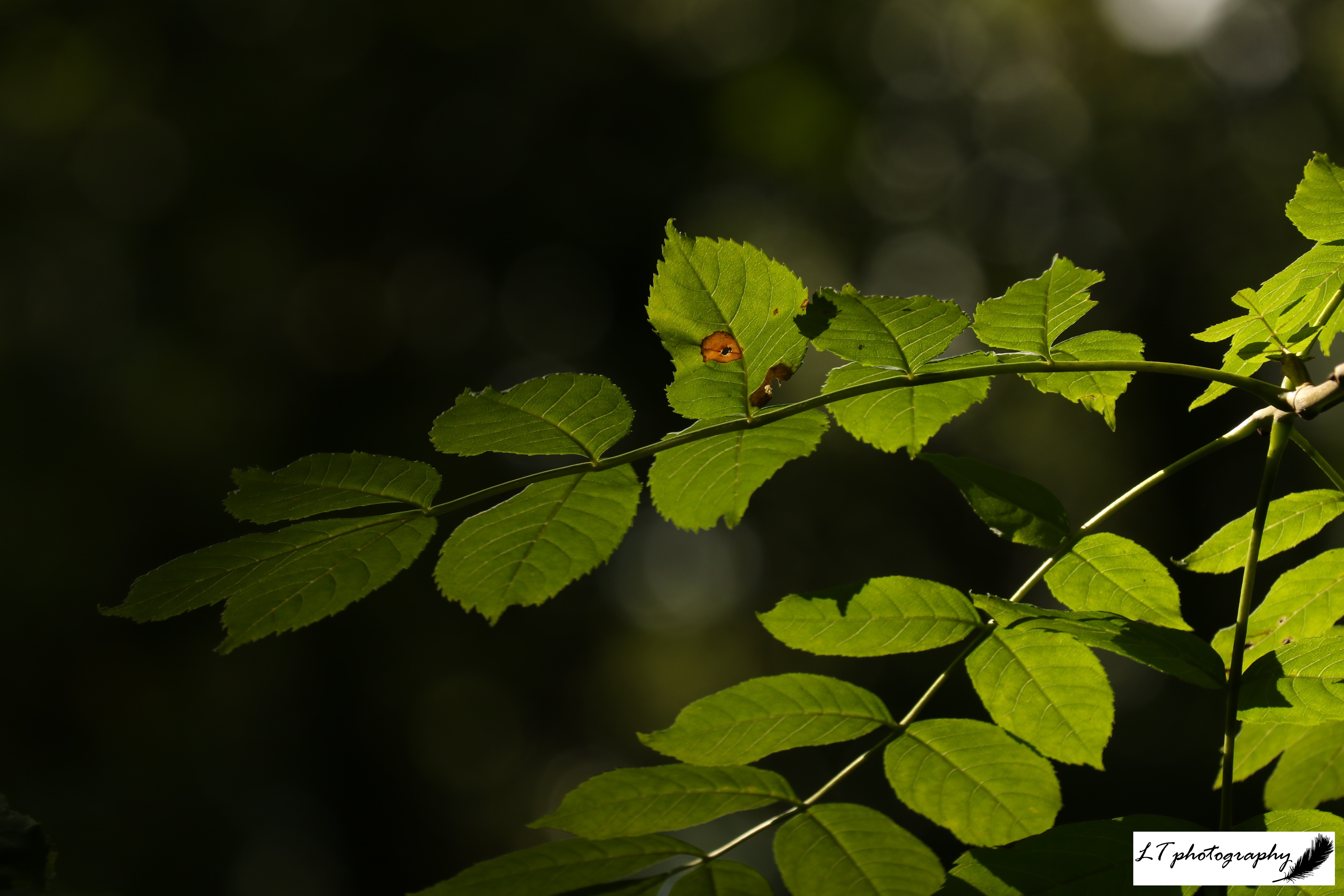
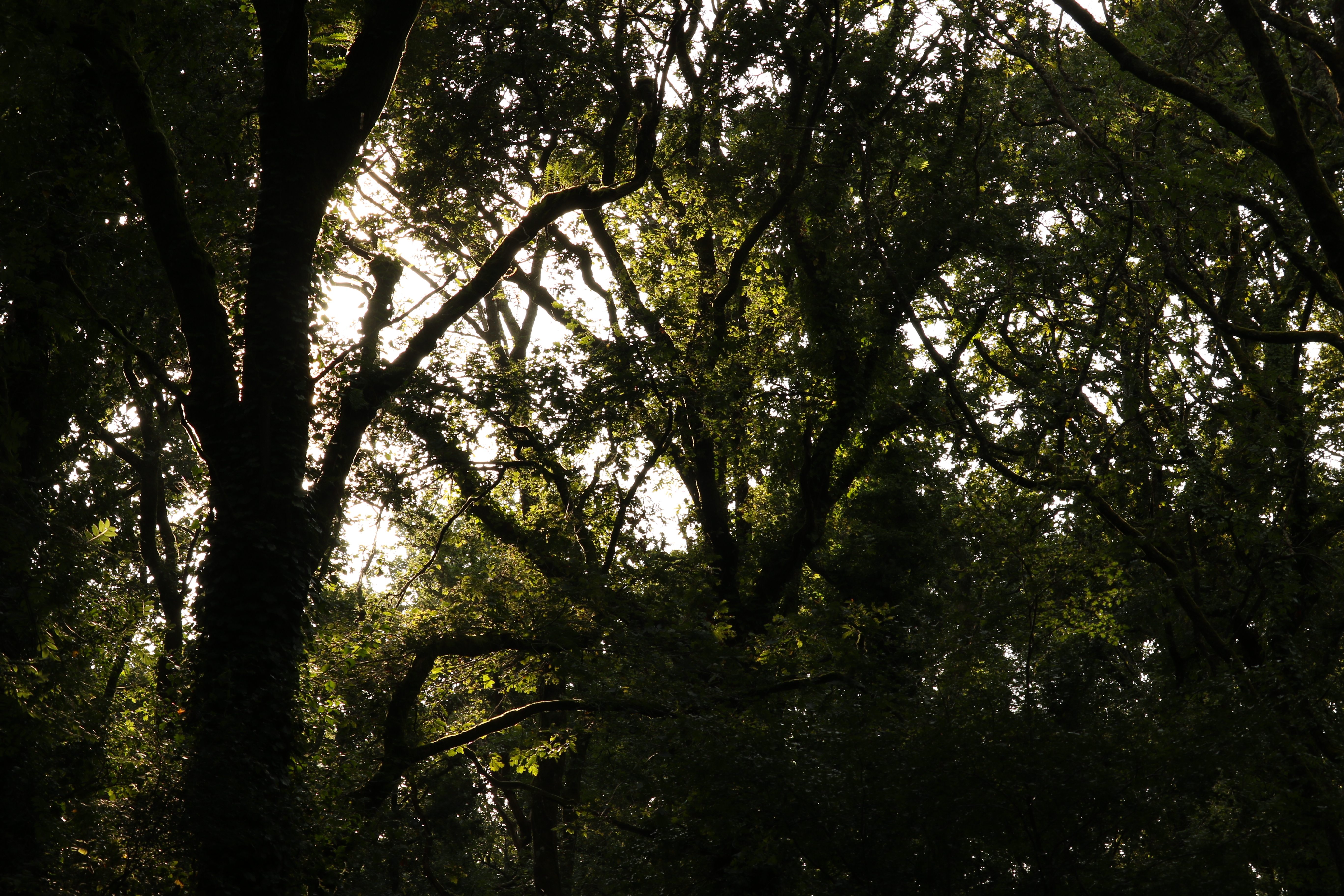
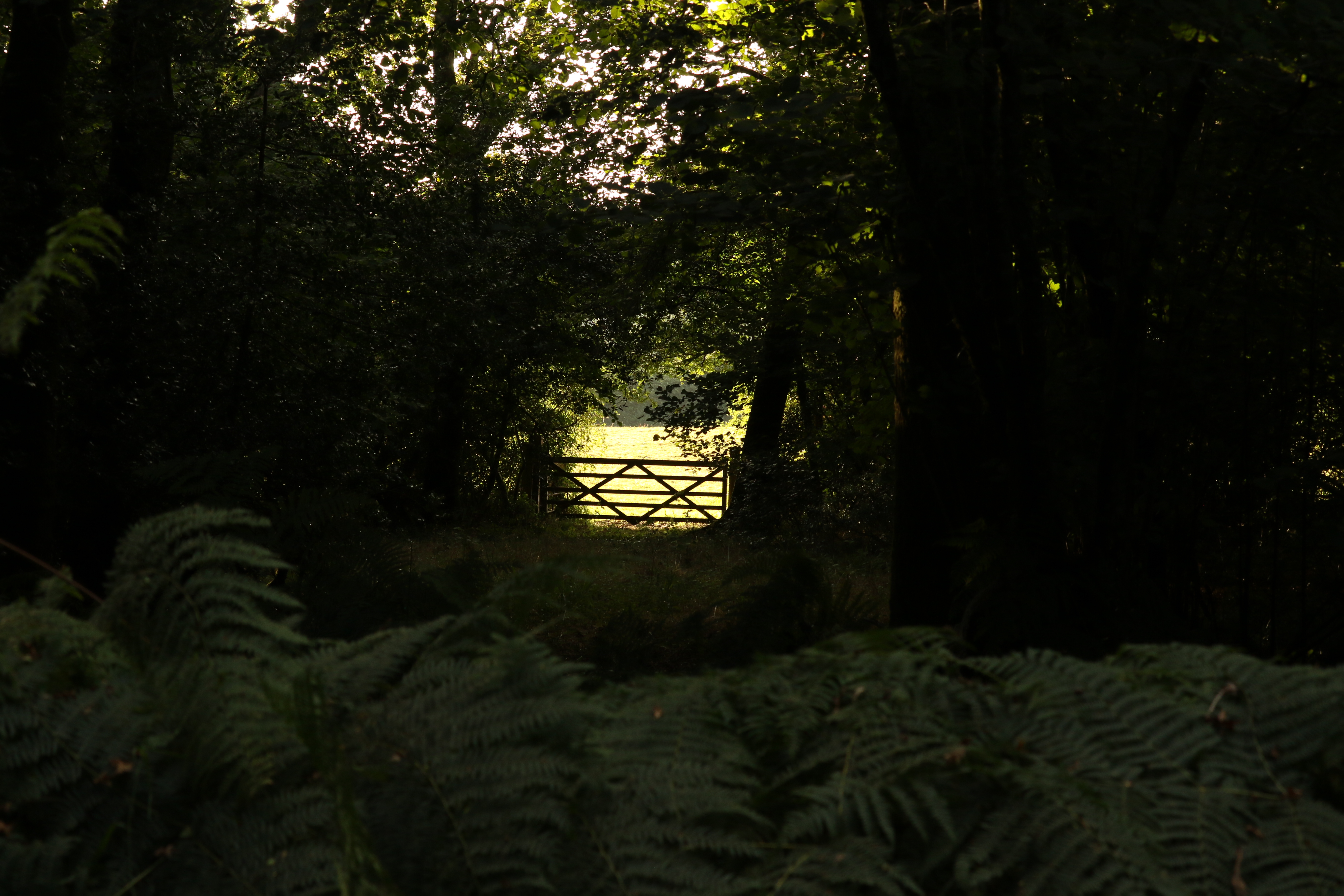
The woods are returning to their quieter state once again. The days are beginning to shorten in small increments, and the first whisperings of autumn can be felt. The start of August has been interesting with the woods seeing hot days broken up with spells of grey and heavy showers. As evening sun breaks through the still lush, but battered canopy, it’s noticeable that the woodland floor is picking up pace receding now. The hint of colour from flowers is completely disappearing, whilst the green undergrowth is beginning to show the brown leaf litter layer below.

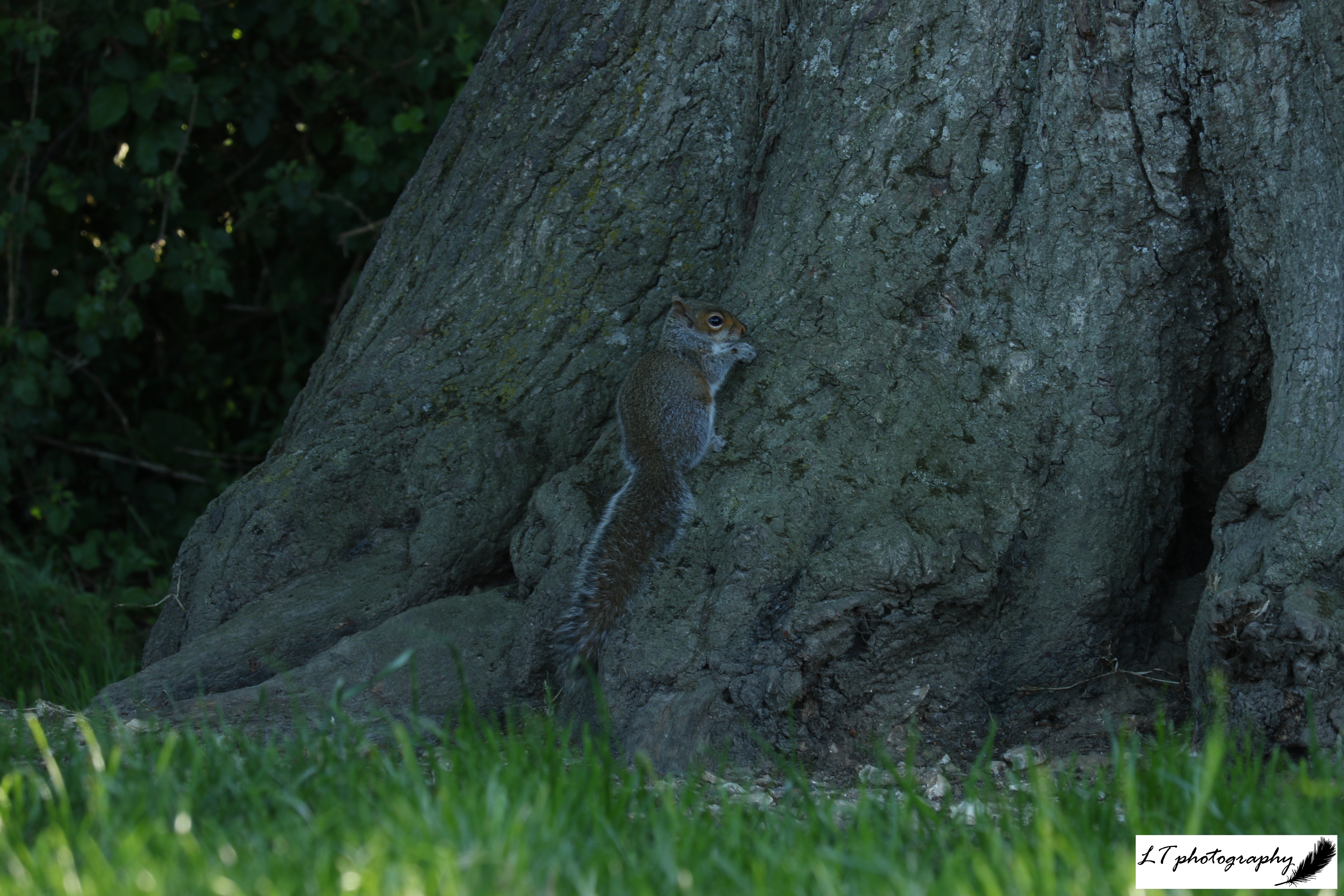
Silence blankets the woodland, broken by wind up in the tree canopy, distant bird contact calls, and noise beyond the woodland altogether. The joyful bird song of spring has long served it’s purpose, and now the time has come when summer visitors are beginning to think of moving on to warmer climes, as the first signs of autumn have arrived. Plants hang with fat seed heads, hazel trees are laden with nuts that are already being pilfered, grey squirrels can be heard alarm calling up in the trees, and jays are popping up with their rough screaming calls. It’s a time of bounty and fruitfulness, a time to celebrate what nature has given us this year, and a time to prepare for the slumber to come.
September

The first breath of chilly air has arrived and rarer dry days have an edge to them. Another change in the year is coming, as the woodland floor dies back, leaving increasing patches of last year’s leaf litter open to the air once again. In places grass is crowding out other species on woodland rides, whilst ferns begin to turn brown, like fire catching their leaves’ edges. The first holly berries are beginning to redden, hazel trees are bedecked in green nuts, ripe blackberries are already beginning to soften, and oaks are growing their iconic nuts complete with their classic cups.

The mornings are now renewed with a gentle soundtrack of calling birds in the woodland, with residents claiming territories and migrants passing through on their way. Nuthatches, wrens, goldcrests and robins are amongst this cohort, creating a bubble of bird song. The afternoons are quieter, filled with lazily buzzing insects, and the odd animal sound. This afternoon though, the woodland soundscape is broken up with the sound of a great-spotted woodpecker moving from tree to tree and tapping to find food beneath bark. 

October

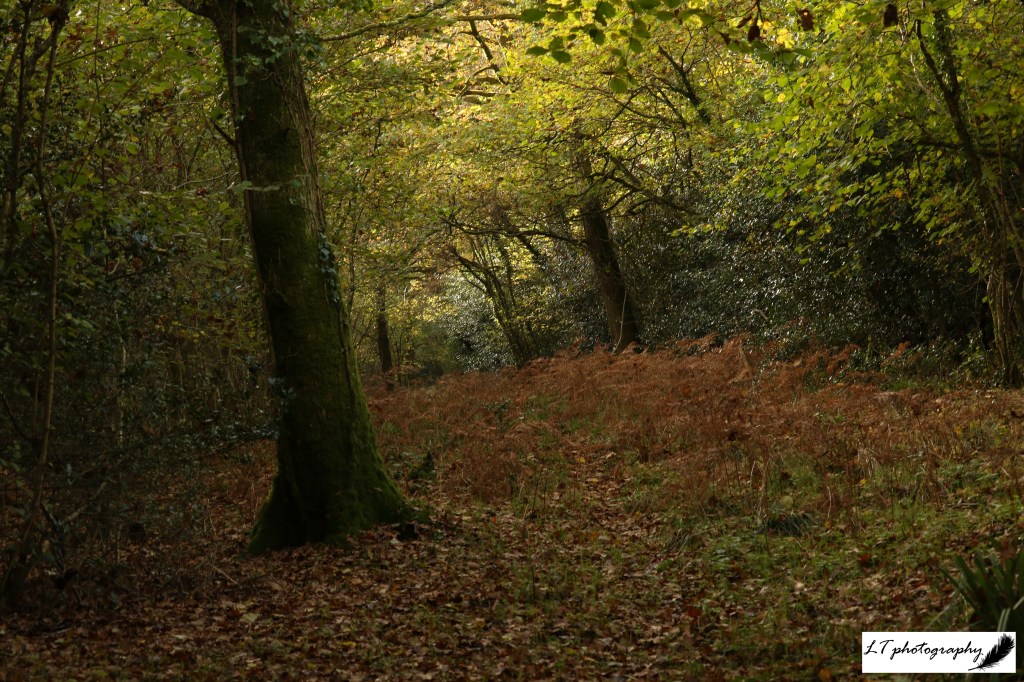
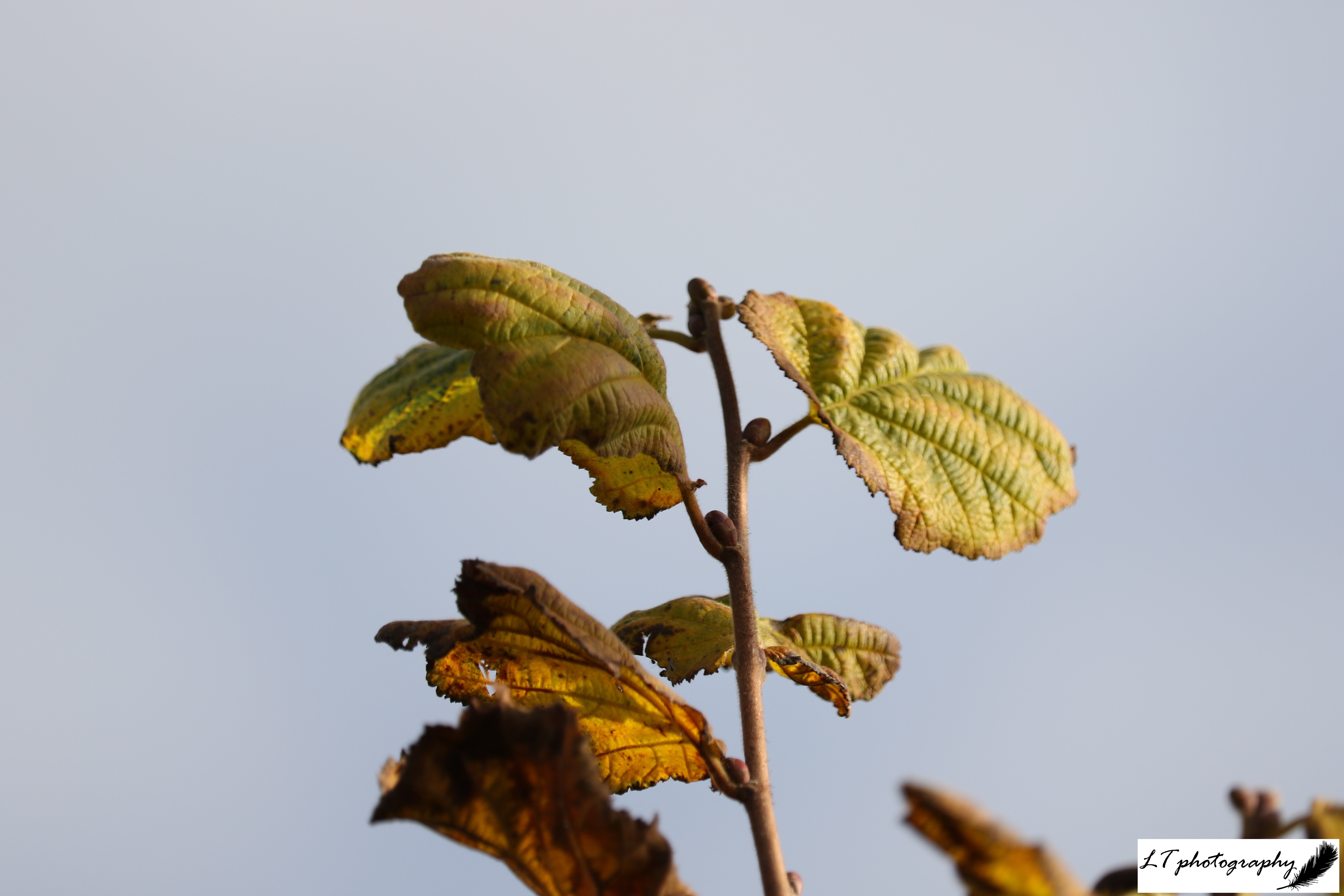
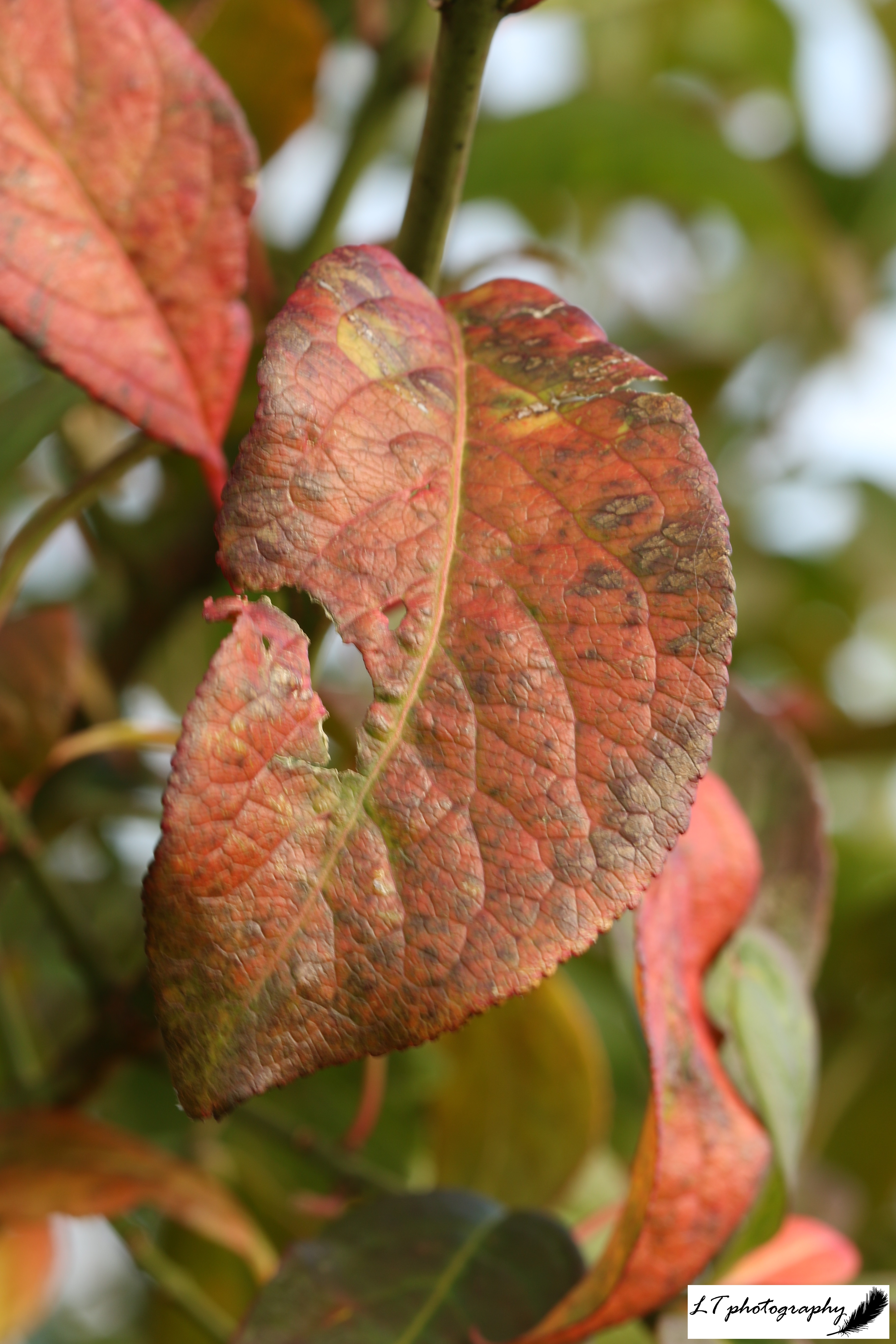
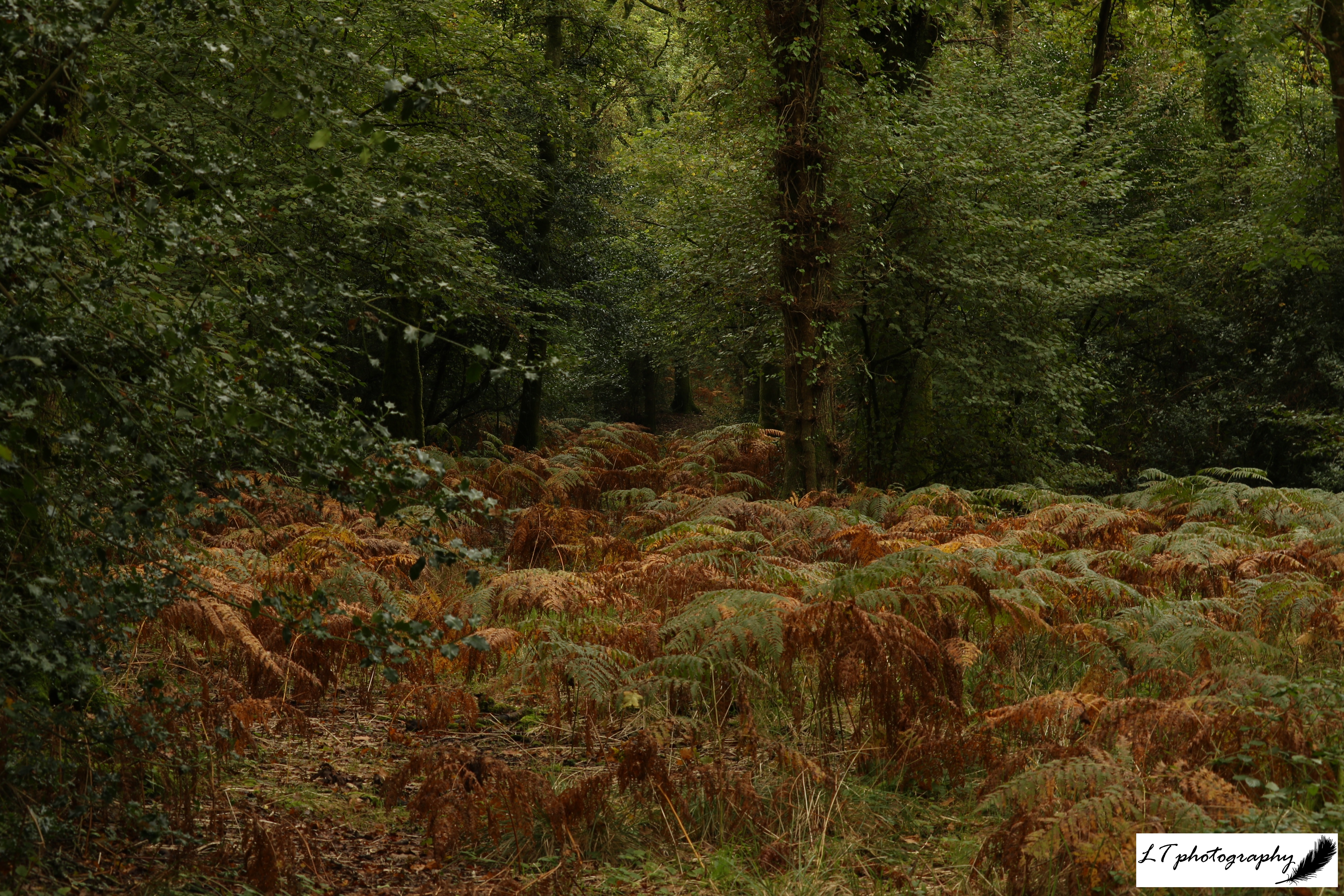
Nights are drawing in, temperatures are beginning to cool, and the dampness in the air is creeping in. Trees, such as oak, hazel and ash, are beginning to show changes to the colour of their leaves, adding yellows, reds, and oranges to their palette. As the trees signal the start of changing out of their finery, the ferns covering the woodland floor below are now fully on fire, curling up and browning away. As this dying off progresses, new life is symbolised through nuts, seeds and berries, such as the first ripe holly berries, shiny and red, waiting to be eaten. To buck the trend, ivy tendrils are sprouting clusters of green balls, their late flowers that will reach their peak in November.
Most of the summer avian residents will have begun their travels to warmer climes, leaving overwintering birds moving through and residents staying put. For example, our native robins are beginning to sing strong once again, needing to defend their important territories throughout the winter. Tits can be heard beginning to travel in small feeding flocks, whilst wrens and goldcrests flit in the branches currently going solo. Mammals do not make an appearance during my visit, but there are signs of the badgers, foxes, roe deer and squirrels that call the woods home. Times are bountiful for those who can find it, but harsher days are on their way!

November

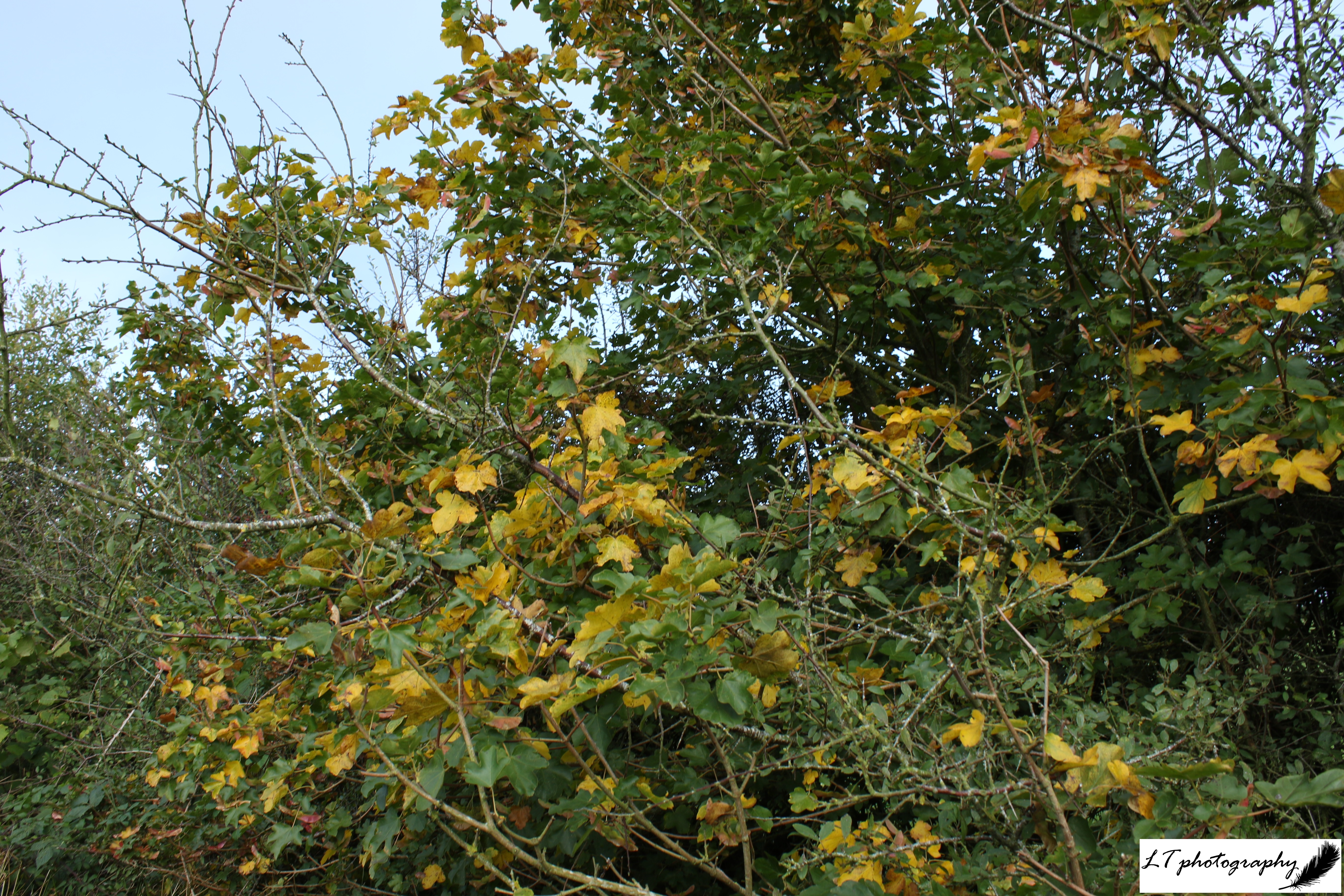
The arrival of November is accompanied by shortening day lengths and biting northerly winds. Mostly the month begins calm in the woodland with grey or sunny days. As trees continue to take in the goodness of this year’s bounty of leaves, the green of summer has been fully taken over by bright fierce colours in the canopy, with the orange of oak, yellow of hazel, gold of field maple, and red of hawthorn, amongst others. The leaves also begin to fall from on high, twirling to the ground and beginning to form a crunchy leaf litter under foot. The trees are going to go out with a riot of colour!

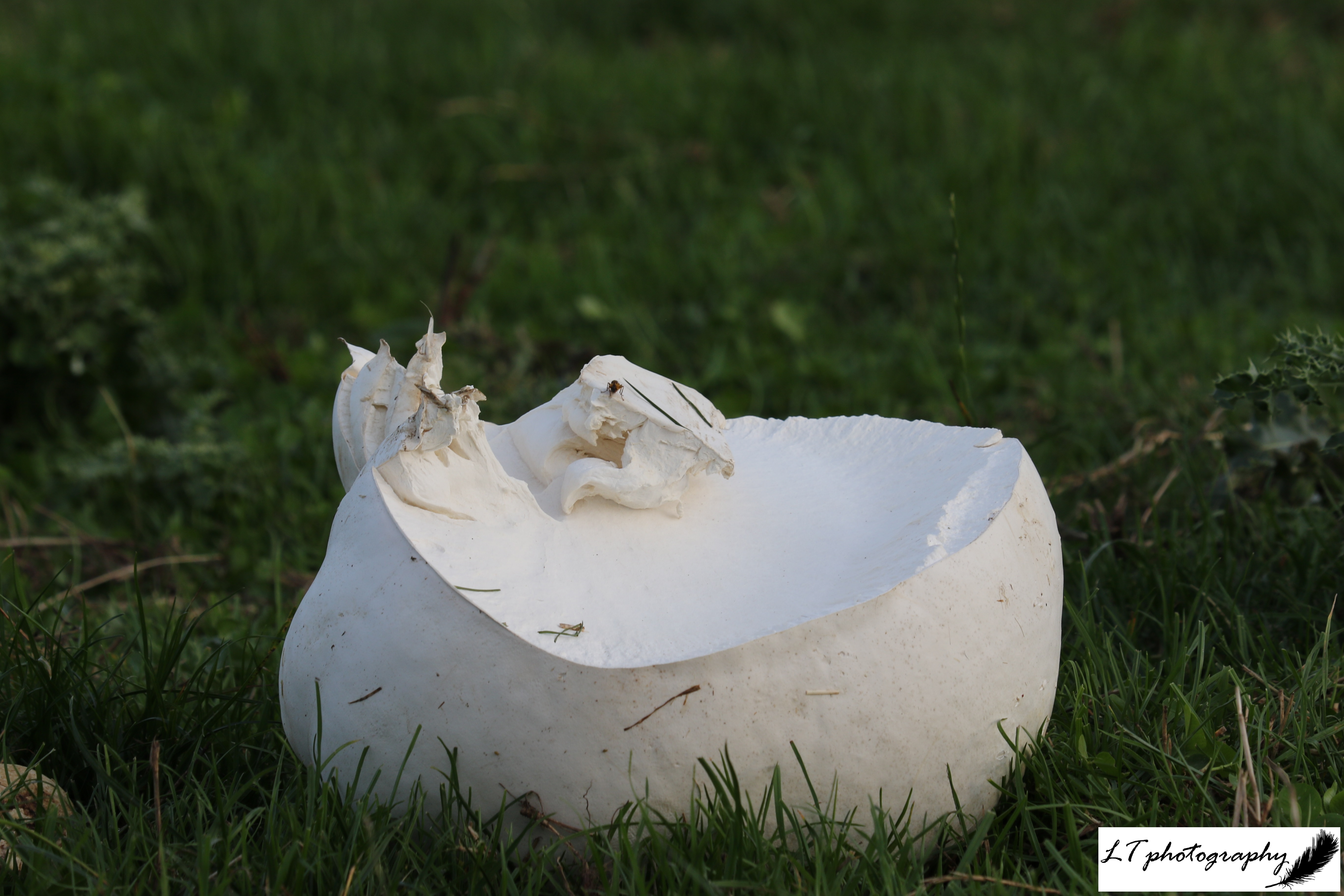
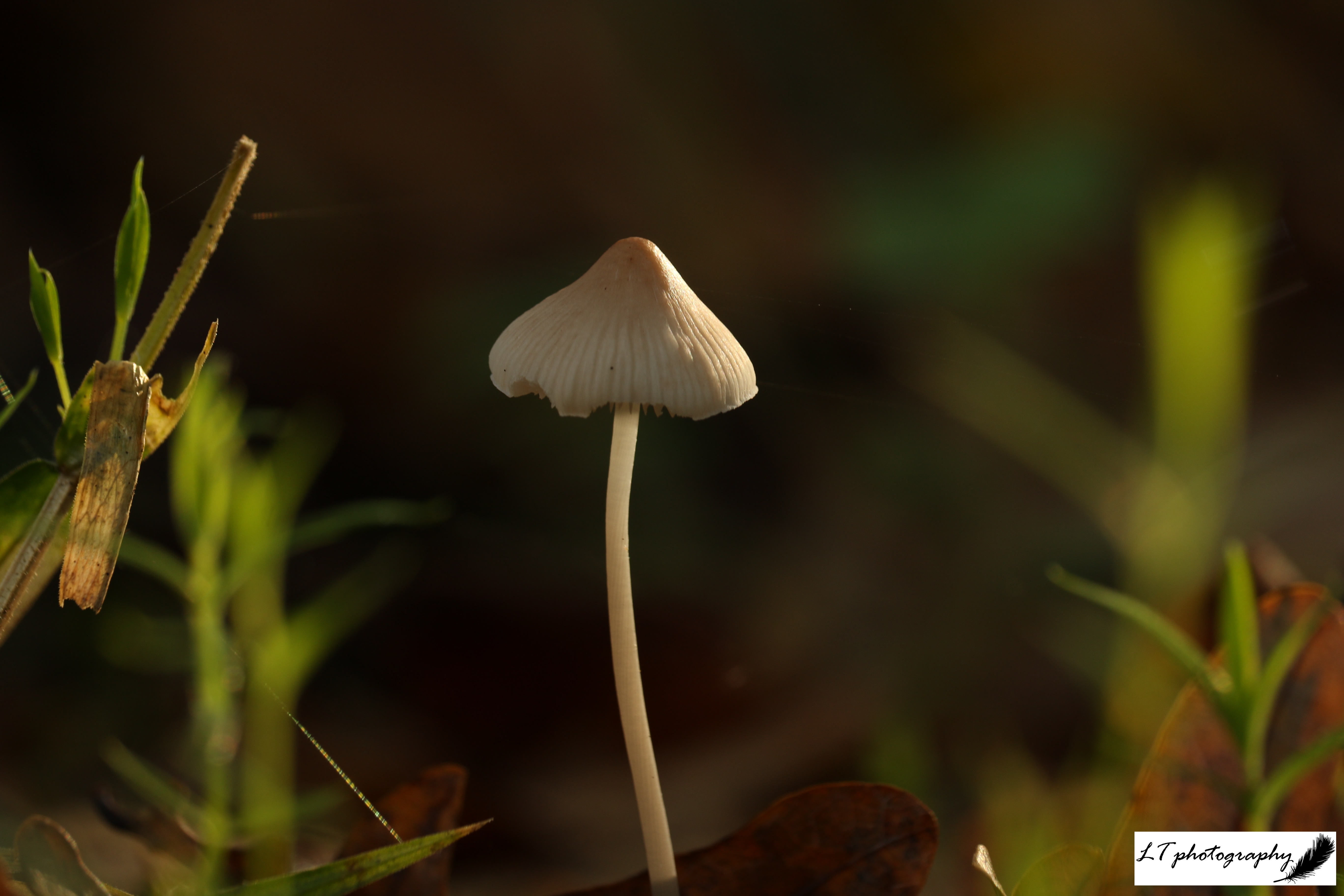
The soft sunlight falling through the trees marks a slowing of time and activity for wildlife. Pheasants meander amongst the trees being released from local shoots. A raucous jay echoes through the still trees. Mushrooms poke up from the leaf litter here and there creating a more ethereal quality to the woodland during this time. It finally feels like autumn has arrived just at the point when people look towards the closing of the year in a month’s time. Time to savour the last hurrah of nature!

December

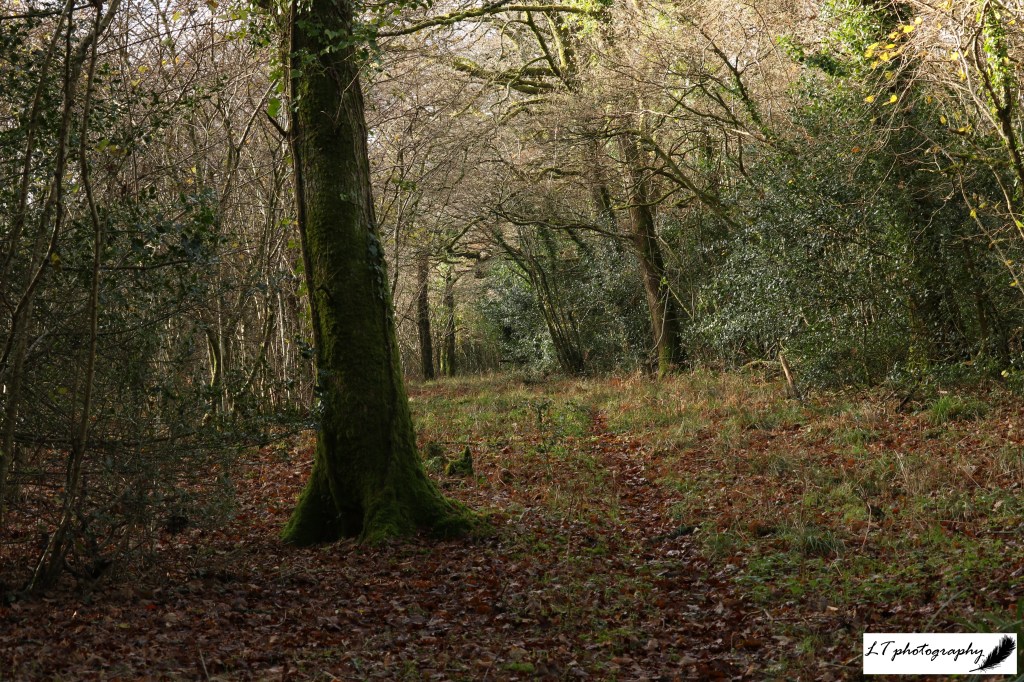
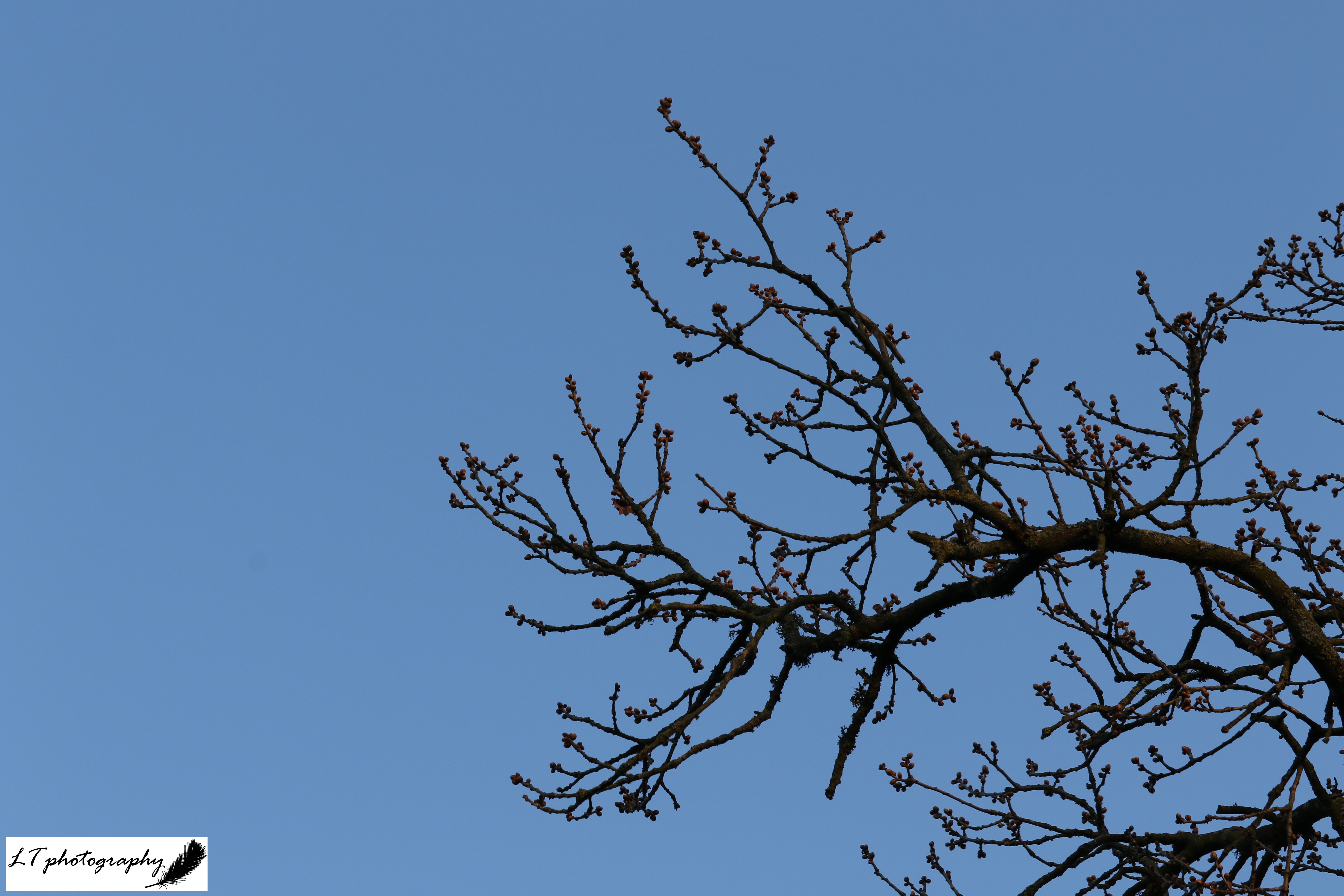
The year is rolling on to its close once again and winter is fully upon us. As I step back into the woodland for one last walk of the year, a cool breeze bites my cheeks whilst cheerful sunshine falls through the trees. Now I find myself surrounded by leafless forms once again, bare, skeletal, but magnificent, especially the ancient oaks. The last few hazel leaves cling to their branches, but most trees have now shed their finery, and a new carpet of leaf litter satisfyingly crunches beneath my feet. The trees are putting nutrients back into the earth as they now lay in slumber.

Up above my head, I can hear a soft tap, tap, tap. The sound of a great-spotted woodpecker moving from tree to tree once again, and tapping for food under their barks. Birds call all around me, from angry wrens, territorial robins, and hungry blue tits, to a raven passing overhead, blackbirds on the wing, and even a nuthatch going about its business. Badgers will now be sleeping more, whilst foxes are more active, thinking about breeding once again. There is still so much life to be found out in this Dorset woodland, even if all are just trying to survive through to another year. December is rolling on and a new year beckons!

A Year In The Life Of An Oak Tree

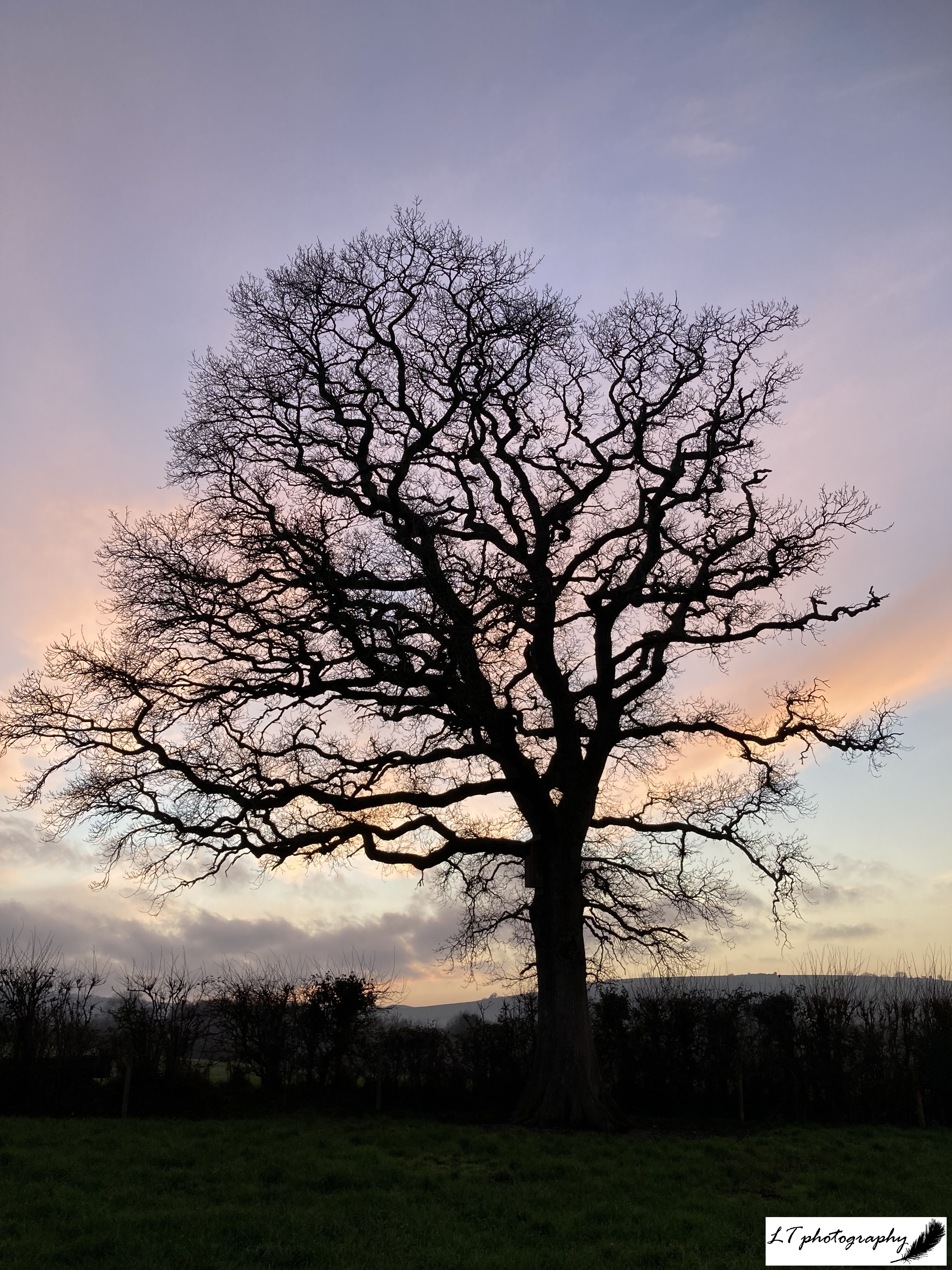
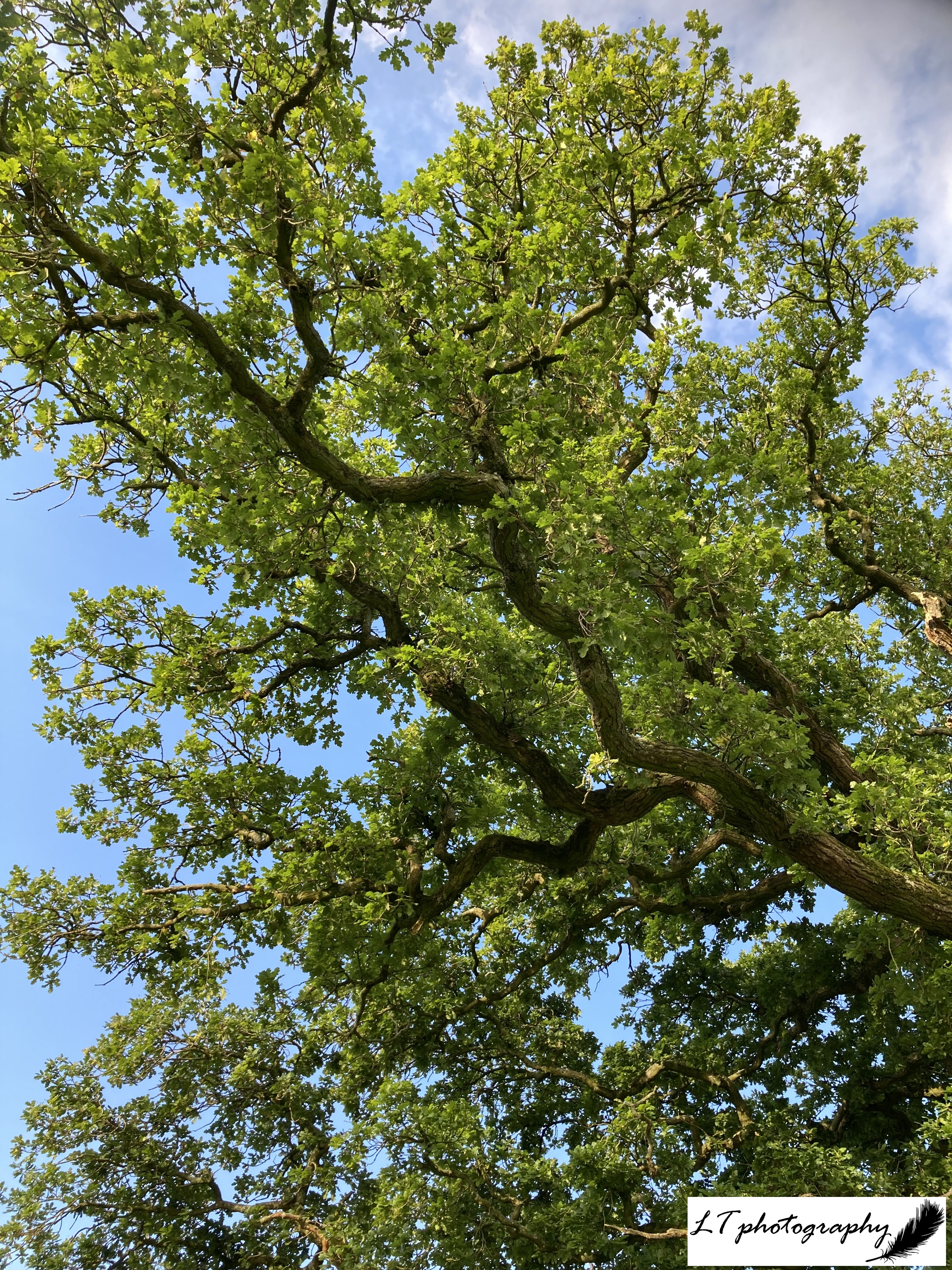
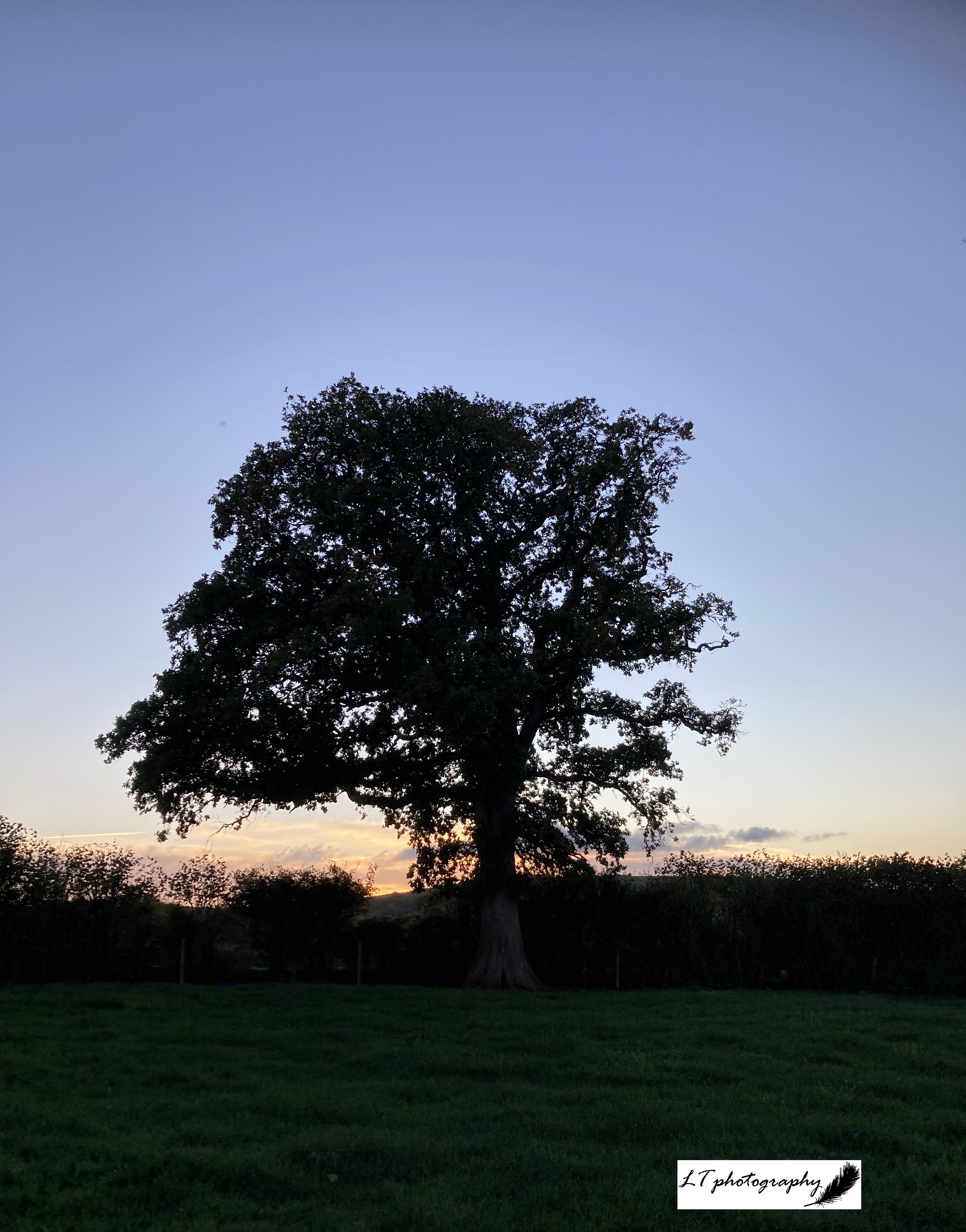
In the depths of the Dorset countryside, amongst hills, fields, rivers and hedgerows, an oak tree stands tall, stretching its branches over its corner of a field. Having stood proud for many years, each year this tree goes through its cycle, starting with its skeletal form, and moving through budburst, flowering and leaves unfurling, to shedding its green cloak in the autumn at the start of its long winter sleep. Hopefully it will keep continuing its cycle for many years to come.

Every year the rest of nature also goes through its cycle of life, overlooked by this oak tree. From the beginning of new life to the death of others, from howling gales to sleepy sunshine, from constant neighbours to new wildlife spectacles, this tree stands tall through it all. So for this piece, lets follow a year in the life of this particular oak tree in 2022, and see what can be experienced in just one spot.

January

As a new year began, the landscape lay in slumber, riding out the worst of a harsh winter. Hibernating animals, seeds and bulbs laying beneath the earth, and trees standing tall in dormancy. The oak tree was no different, slumbering through a very chilly January 2022, with many dry, cold, and foggy spells. A number of mornings began with the glittering shine of thick hoar frost, turning the landscape into a crisp, white world. During clear nights, the oak tree was surrounded by tawny owls ‘twit-ing’ and ‘twoo-ing’, rekindling pair bonds. By day birds were busy, robins defending feeding patches and forming pairs, great tits singing their squeaky gate songs, and buzzards hunting over the open countryside.

February

As a new month unfolded, the oak tree still stood slumbering, lichen dotting its bark and its buds hard and scaly, waiting. The oak tree may have been dormant, but around it subtle changes were beginning to appear in the landscape. White snowdrops nodding their heads under the hedgerows, lemon yellow catkins blowing in the breeze, and a woodpecker drumming on a trunk nearby. At night, male badgers pass by on the hunt for a mate, and foxes can be heard making their chilling howls, with females now heavily pregnant. February was a wet and very stormy month, but the the tree stood strong throughout.

March

As spring began to unfold, the oak tree experienced a month of unpredictable weather, moving from cold frosty nights to some very hot days. Despite this, change was in the air, with the oak tree beginning to wake up and show swelling in its buds. This was mirrored in the landscape, through blackthorn dripping white from the hedgerows, primroses creating a yellow carpet beneath, and the distinctive nodding heads of bluebells beginning to pop up everywhere. The oak tree also witnessed the first chiffchaff singing, the first brimstone butterfly flitting by, and even the first tawny owl nesting in the oak tree’s box before being unfortunately predated. Mammals were beginning to range further from their homes and other species were making their returns, such as the melodious blackcap.

April

A new month dawned, and the oak tree was becoming a symbol of new life. The first pale green leaves were unfurling and yellowy-green flowers were now hanging down from its branches. Drier, more stable weather meant the oak tree was now standing side-by-side with bovine neighbours, whilst many species were making use of the oak tree itself, such as blackbirds singing from its heights. Hedgerows and meadows around were also coming to life, with spectacular springtime flowers, from snowy stitchwort to sunshine celandines and cowslips. Daily, foxes can be found passing by, off hunting to bring back pheasants and rabbits to their cubs that are growing fast. The oak’s paddock also becomes a feeding ground for wonderful returning swallows and house martins, just the tip of the fantastic spring wildlife that were there to be discovered.

May

As spring blossomed into its full potential, the oak tree became adorned in its full cloak of fresh green leaves, thriving on warmer, calmer weather. The tree’s neighbouring hedgerow also began to bloom into life with flurries of white hawthorn flowers and the swelling cream buds of elder flowers. The tree was now home to a new family of woodpeckers, as well as some boisterous young squirrels and blue tits flitting between the leaves picking off oak eggar moth caterpillars. New life and its signs were everywhere, with fox cubs playing above ground, a male cuckoo singing, and even a female kestrel sitting on eggs in a lone oak tree in the next field. The landscape was buzzing with life!

June

As June hit, the oak tree was experiencing the peak of spring and its ending for another year. The oak tree continued to flourish whilst watching the cycle of nature surrounding it. House martins dancing on the wing, swallows hunting low over the fields, swifts speeding past screaming, red kites circling over fields following tractors cutting grass, hares grazing by falling light, a roe deer quietly sneaking past, and fox cubs beginning to roam. Not too far away the clutch of kestrel eggs had hatched and the chicks were beginning to grow fast!

July

Though a calm and sunny month, July was by far a very hot one, with some extreme heat waves hitting the oak tree and its home, its leaves now deepening to a dark green. In the midst of heat, the landscape was still dotted with colour in the form of wildflowers, from red campion and knapweed to bramble and swathes of cow parsley. Butterflies were busy on the wing, with the sight of a red admiral flitting by the oak tree in lazy summer sunshine being a tranquil sight to the eye. A highlight of the month was the yellowhammers singing their metallic song from the nearby hedgerows, and the neighbouring kestrel nest producing 4 healthy chicks to fledging and leaving their tree silent for another year.

August

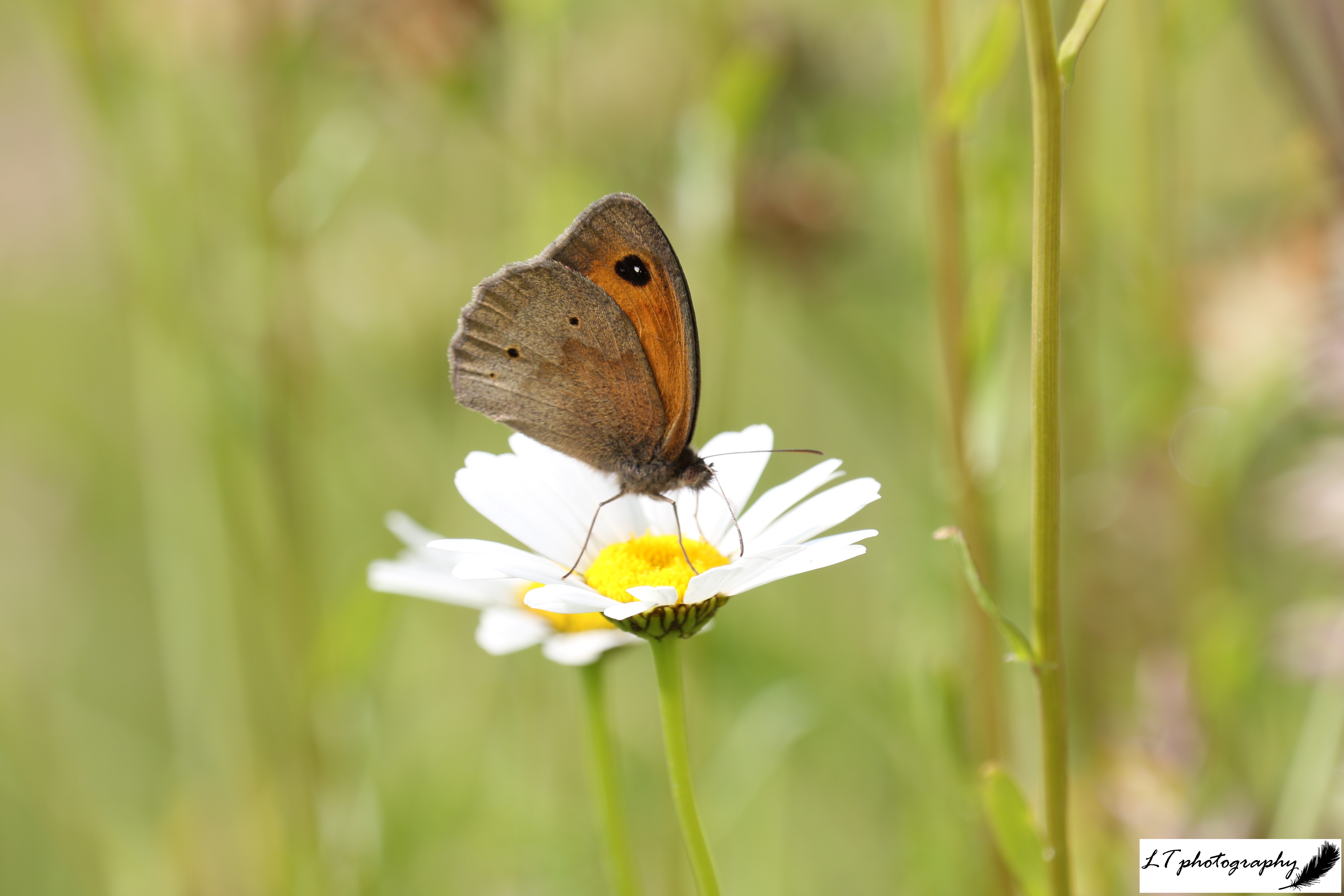
Following on from July, August saw the descent of the countryside into a worsening drought state. Now the oak tree’s leaves were starting to look dusty and sad, whilst the oak began to produce young acorns, small and green. The lush summer was beginning to fade, though colour still could be found in the form of darting blue damselflies, orange flashes of a meadow brown butterfly, and the first shining blackberries. As nature’s season of new life passes, with fox cubs becoming more independent and young birds now feeding up ahead of migrating, the tree watches on, as a new mother cow gives birth in the shade of its lofty boughs.

September

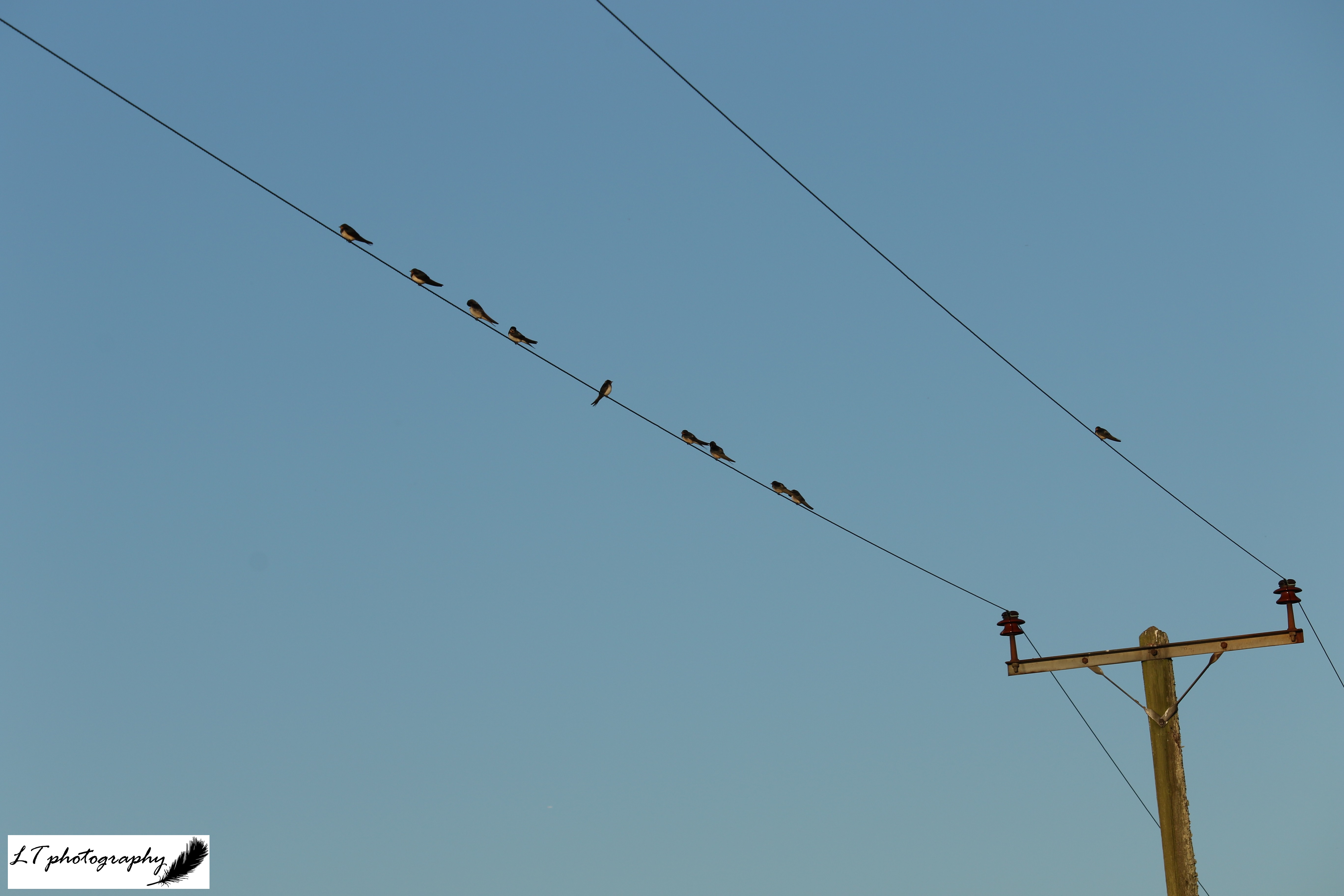
With the onset of autumn, the oak tree experienced the continuation of warm weather alongside the return of some rain showers. This was enough for the tree to green up once again and for its plentiful little green acorns to swell into the typical acorns we all know. The oak’s bounty was also joined by hedgerows filled with hazel nuts and shining berries, such as elder, rose hips, hawthorn, and sloes. This bounty was attracting an array of species, including wasps, blackbirds and jays. The oak tree also overlooked other spectacular sights from spider webs glistening with morning dew, red kites scavenging close by, charms of colourful goldfinches feeding on seedheads, swallows lining up on telegraph lines in the evening sun, and some fantastic sights of a family of linnets.

October

The mild weather continued into October, with the oak tree now covered with ripening acorns, and leaves beginning to be tinted with spots of orange and brown. These acorns were already being utilised by grey squirrels and migrating woodpigeons, amongst other species. With the oak tree’s bovine neighbours beginning to leave the tree behind for the winter, the oak was left alone overlooking the landscape changing colour spectacularly, from the pinks of spindle to the yellows of silver birch. The oak tree also watched over other autumn spectacles, such as craneflies lazily flying over the grass in warm sunshine, roe deer bucks chasing does, and the growing of magnificent fungi, such as the oak’s own bracket fungus. The landscape is alive at night too, with the return of calling tawny owls, the snuffling of badgers, and the exploring of now fully grown fox cubs.

November

A mild November led to it being a very wet and windy month for the oak tree and its home. Ripe acorns now lay scattered around the trunk of the tree, and brown and orange leaves were now being blown free with each storm. On calmer days, the landscape was still showing lots of wildlife activity, with territorial robins fighting, families of long-tailed tits flying between hedgerows, flocks of meadow pipits feeding out in the fields, and large flocks of fieldfare and redwings making themselves at home. Whilst exploring around the oak tree, fantastical puffballs could be found in the grass, late ivy flowers and the start of its black berries in the hedgerows, and spectacular pink and orange spindle berries in the hedges further away from the oak.

December

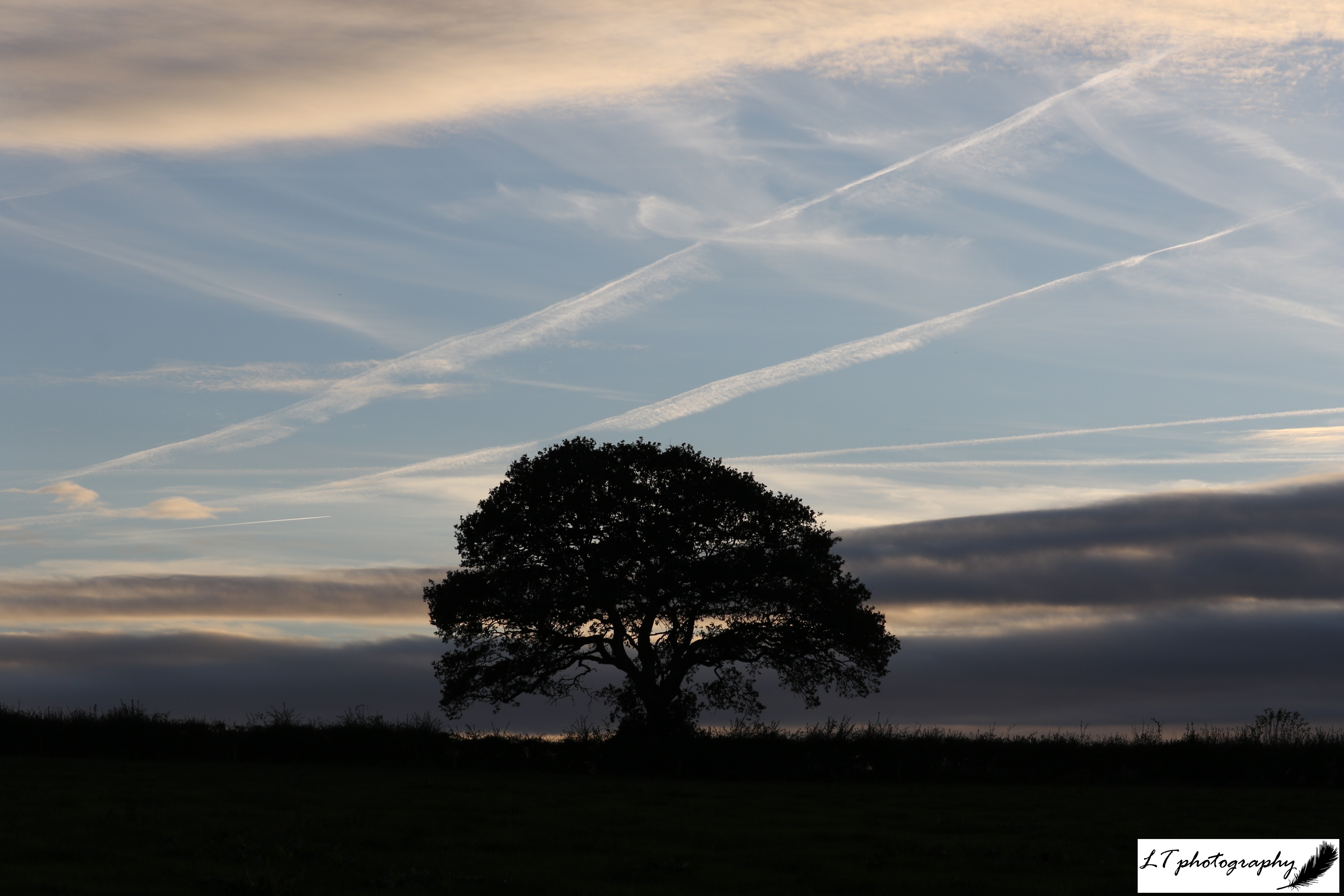
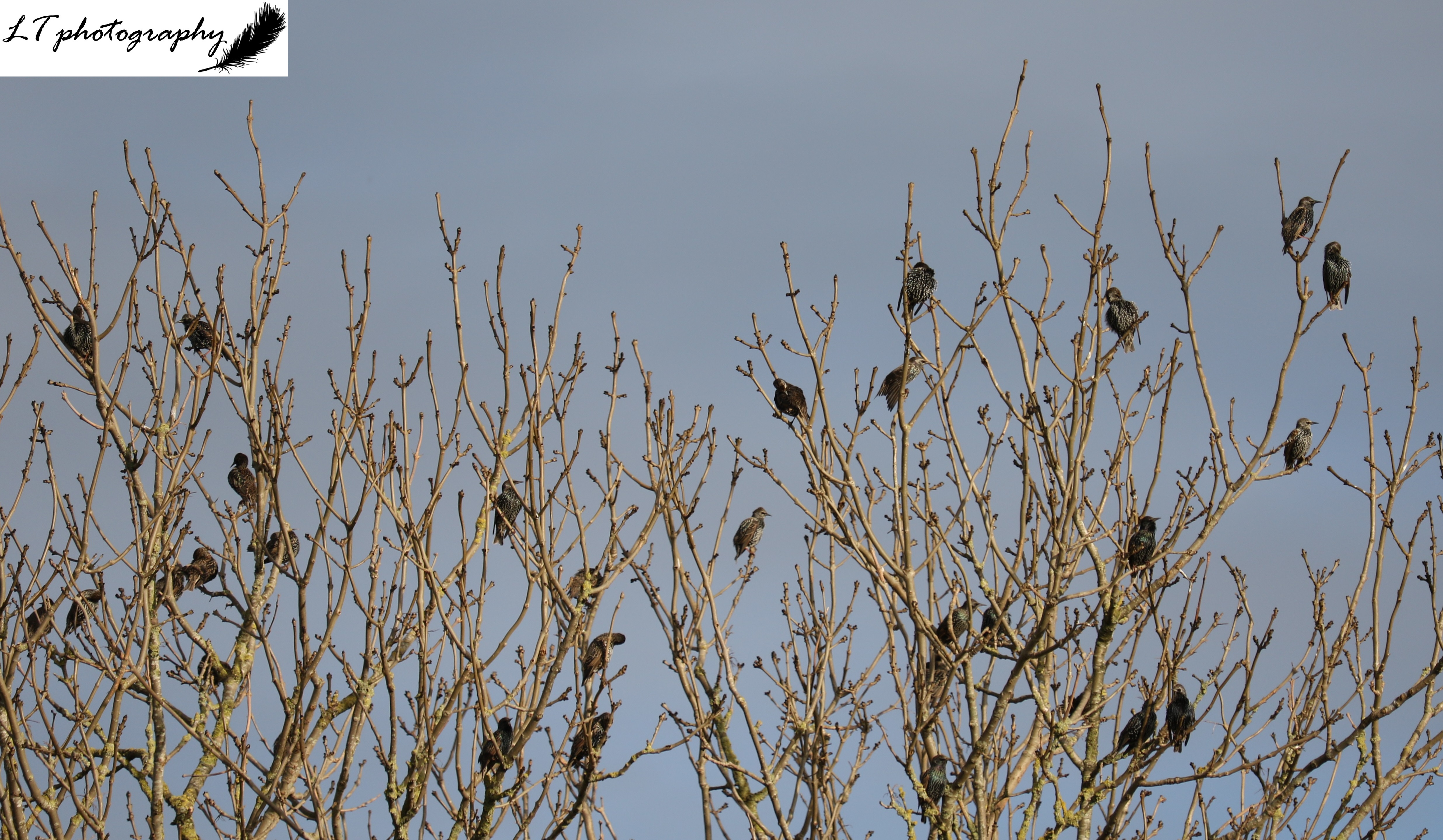
To wrap up the year, December marked a change in the weather, with colder, drier, and sunnier days, and some spells of real hard frosts and frozen ground. By now the landscape was beginning to fall into its winter slumber once again, as was the oak tree, with only the hardier species still active. A lone cattle egret, a murmuration of starlings, wagging grey and pied wagtails, a hare passing through, and hunting barn owls included. As the tree’s surroundings lose their colour, a little can still be found with the shining green of a hart’s-tongue fern or the blood red of holly berries in the hedgerows. Here the year is drawing to a close, with a fantastic sunset and the oak’s last leaf floating softly to the ground.

Rural Dorset vs. Urban Manchester: Autumnal Plants and Fungi

Series in collaboration with guest writer Emma Rogan

Autumn is a time of plenty, painted with fantastic colours, such as leaves changing, berries and nuts adorning unveiling branches, and the emergence of marvellous mushrooms. Wherever you go during this time, autumn may be moving at a different pace, but the vein of change runs throughout. In Dorset, autumn begins with the first blackberries in August, the start of the migration of birds to warmer climes, and the beginning of a bite in the early morning. In Manchester these signs can also be found, but the change in season is more easily spotted by the increasing carpet of amber leaves on the pavement. For nature, this time of bounty and activity foreshadows the days of dormancy to come.

Last time in Rural vs. Urban, Dorset-born naturalist Laura was joined by Manchester-born wildlife enthusiast and friend Emma, to explore the magical minibeasts that could be found in their local patches. From grasshoppers to froghoppers, both Laura and Emma were amazed by the variety of species they found in such a short space of time! No experts on minibeasts, just enthusiastic adults, their eyes were opened to this miniature world by slowing down and focussing on the smaller things. In this way, we can gain a lot, from escapism to inspiration.

In this next instalment of Rural vs. Urban, we move into autumn with Laura and Emma exploring their home areas to see in the change of the seasons. As colours change and leaves fall, what will location and season mean for the plant and fungi life observed? What treasures will be discovered as we go back to the golden days of autumn?

Laura’s Plants and Fungi in the Countryside

This year autumn could be felt in cold mornings and stormy weather, but did not start showing its true face until October. I first took in the change of the season with a walk to my local woods on the 6th October, seeing the ruby red gleam of Hawthorn berries and a spectacular sunset of chilly blues and pinks. I was finally inspired explore all that autumn had to offer.

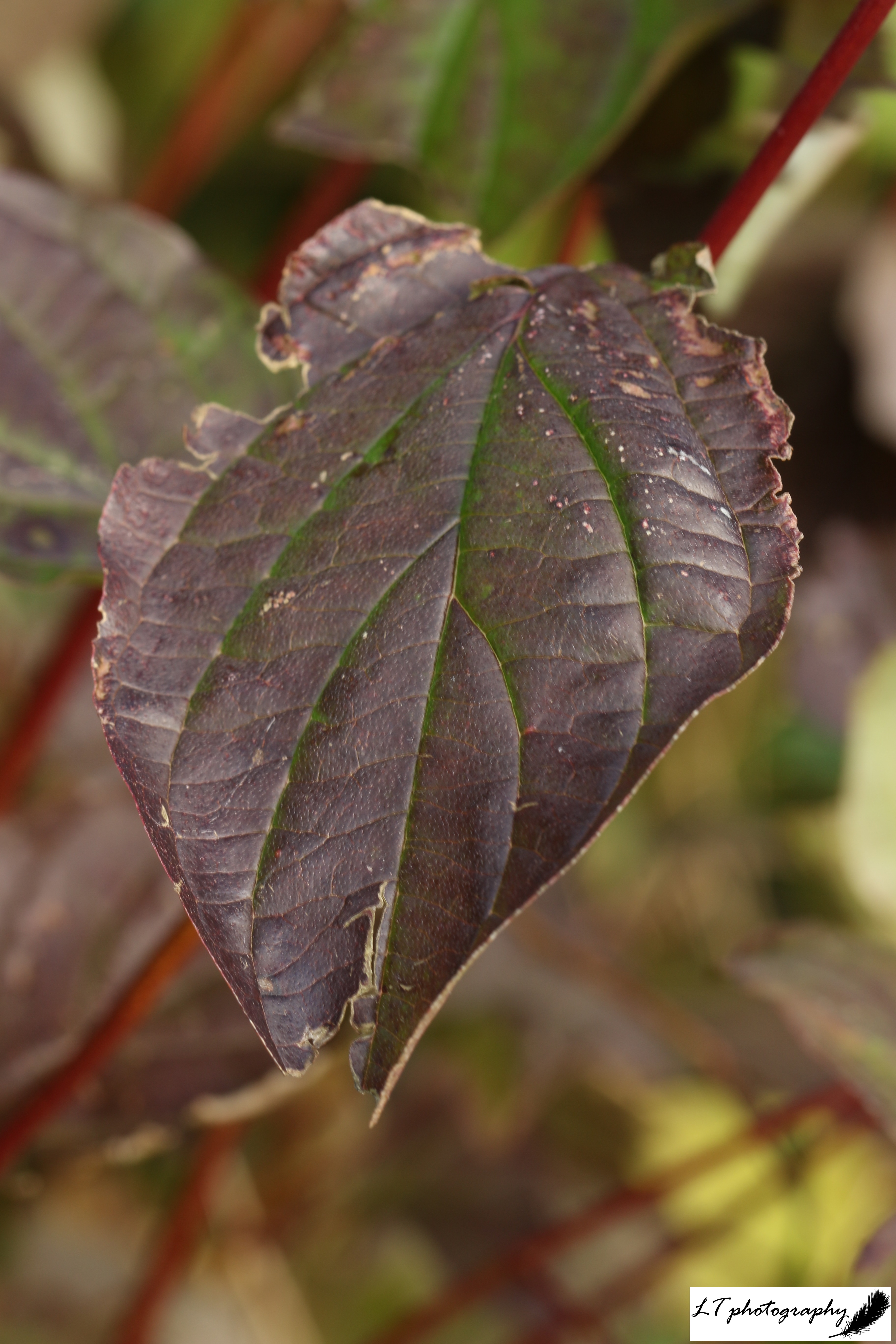
So, on the next day, I ventured out into my family’s land to take in all that nature had to offer, as autumn made its slow decline towards putting the landscape to sleep. Leaves were yet to start falling on this day, other than being ripped from their branches in strong winds, but were beginning to show a change in colour. Purples, reds, yellows, oranges, browns, and also the spectacular pink of Spindle leaves. By far the most common trees to be found in my local area though, are Pedunculate Oak, Field Maple, Hazel, Blackthorn, Elder, and Hawthorn; Oaks being a personal favourite.

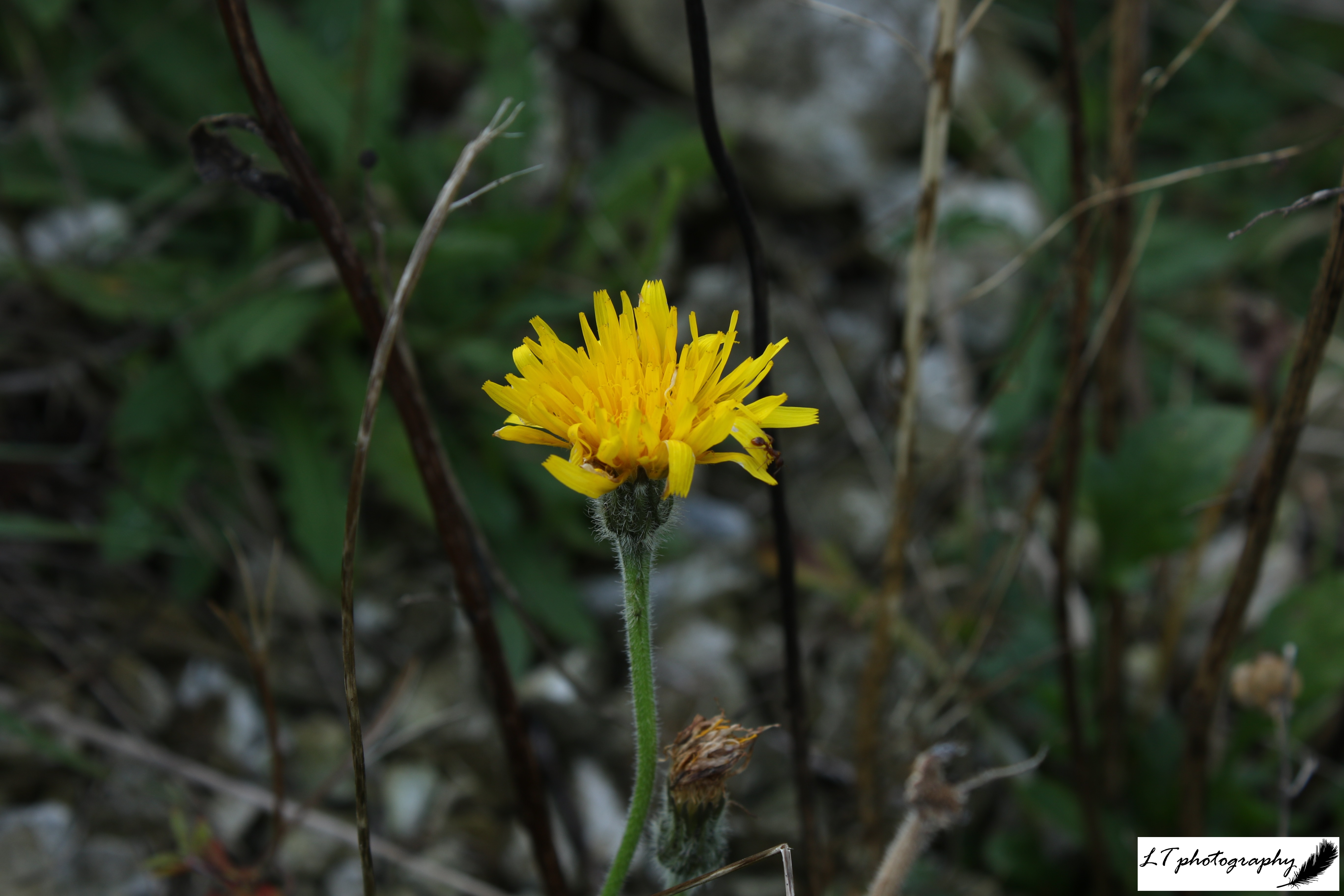
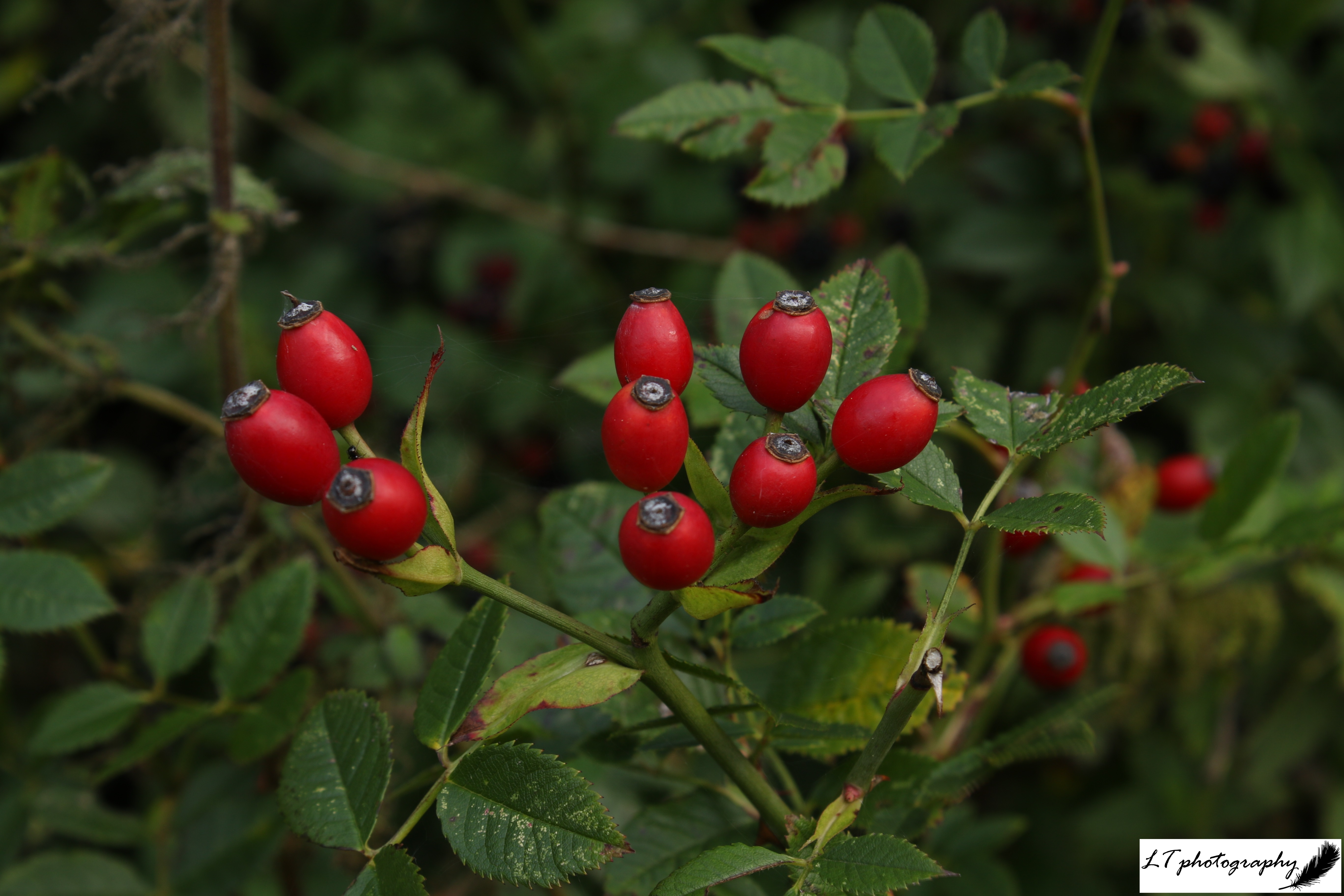
The warm weather this autumn has meant that it has felt even slower in its start. So it was not surprising on my walk to find a variety of flowers still out, ranging from Herb Robert and Wild Marjoram to Meadow Cranesbill and Rough Hawkbit. With their presence at least, they will have provided an extended food source for wildlife that were yet to hide for the winter, for example Small Tortoiseshell Butterflies that were still on the wing. They also added colour to the magnificent display of nature’s bounty this autumn, which included the rich reds of Rose hips and the deep blues of sloes.

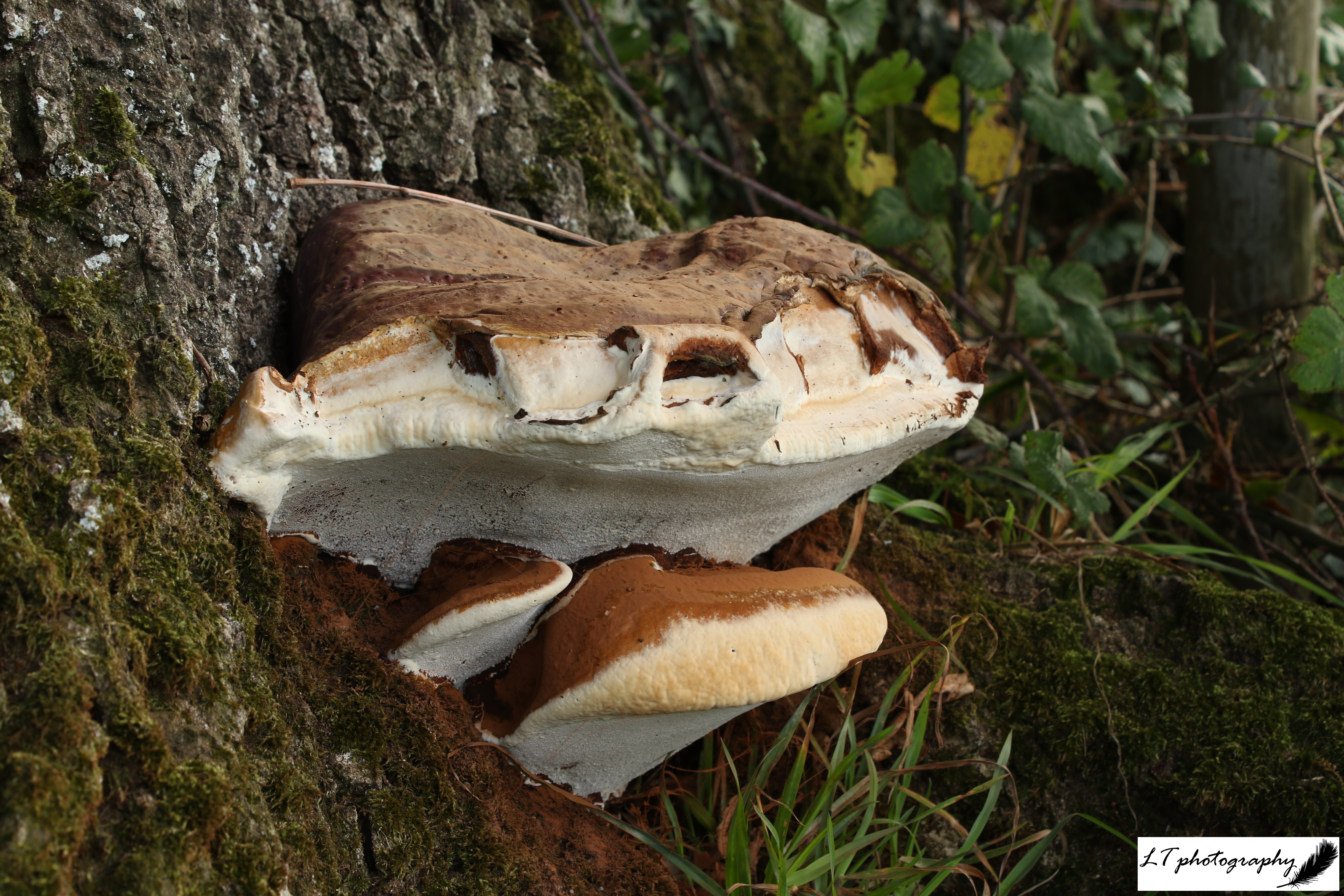
The warm and damp weather also provided the perfect conditions for fruiting fungi, an area where my knowledge is yet to fledge. Two species I did learn on my exploration though, were the pale, peeling Shaggy Inkcap and the unusual hulking forms of Bracket fungus, possibly Southern. Looking for fungi showed me that every day is a learning day and that our knowledge is ever expanding!

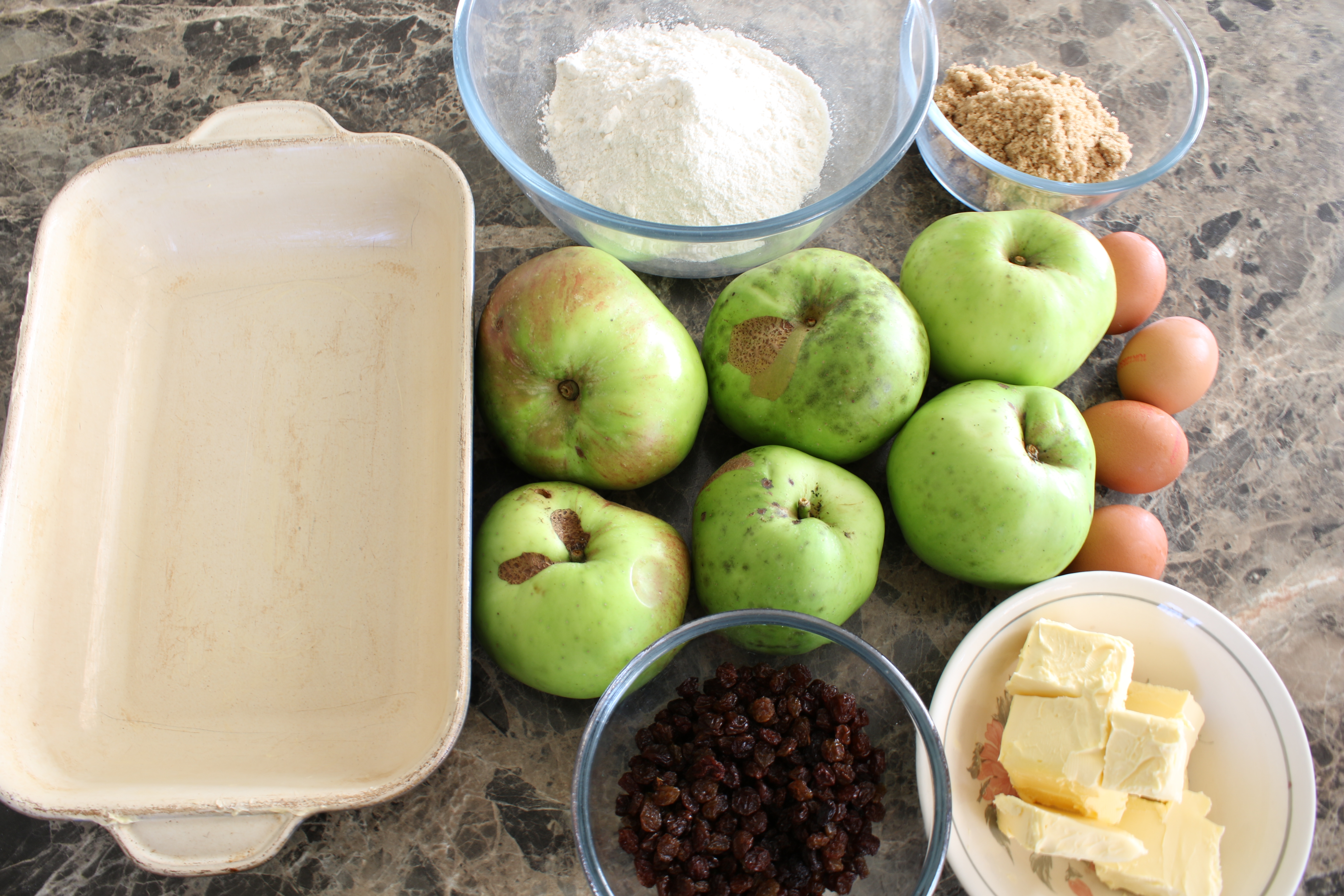
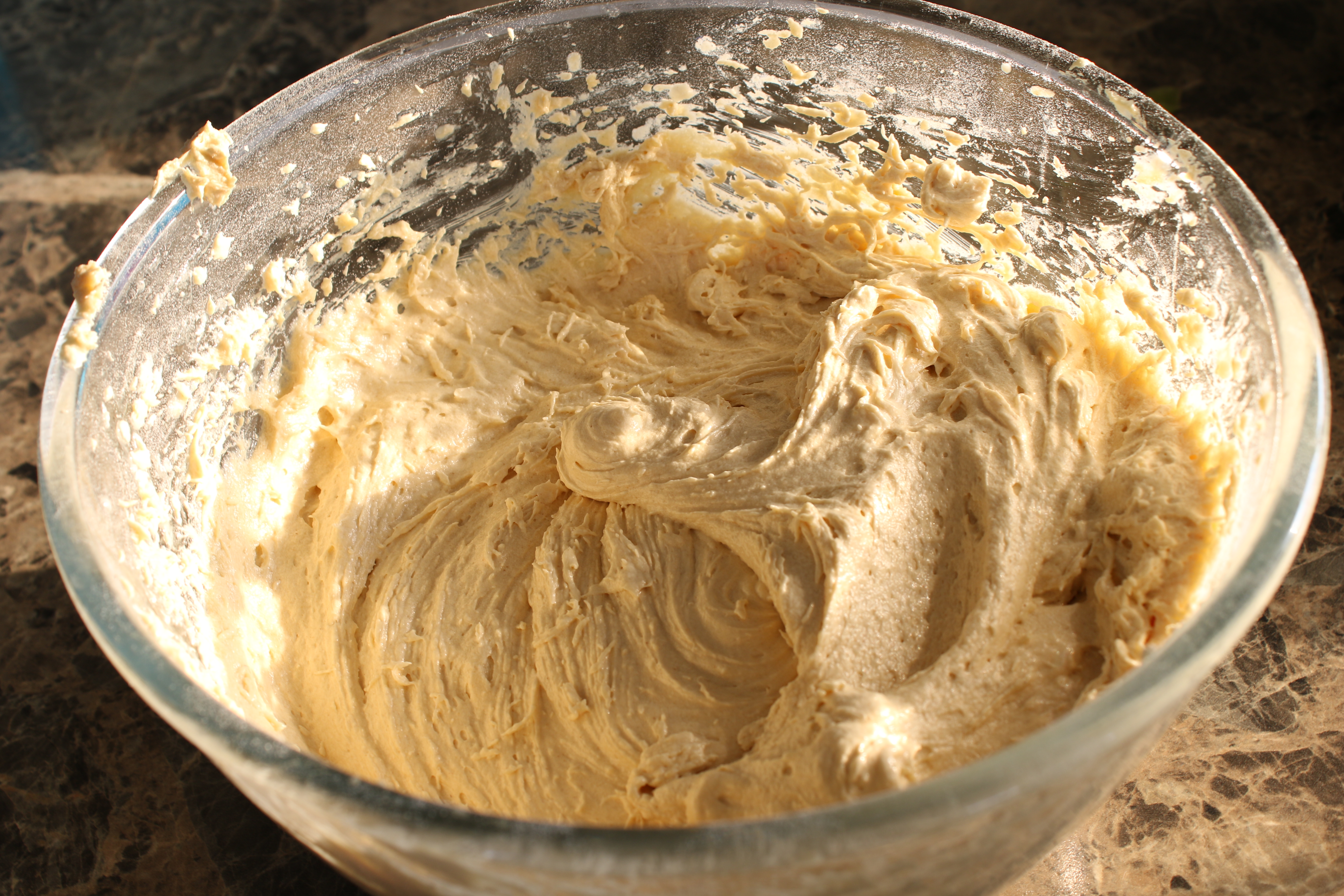
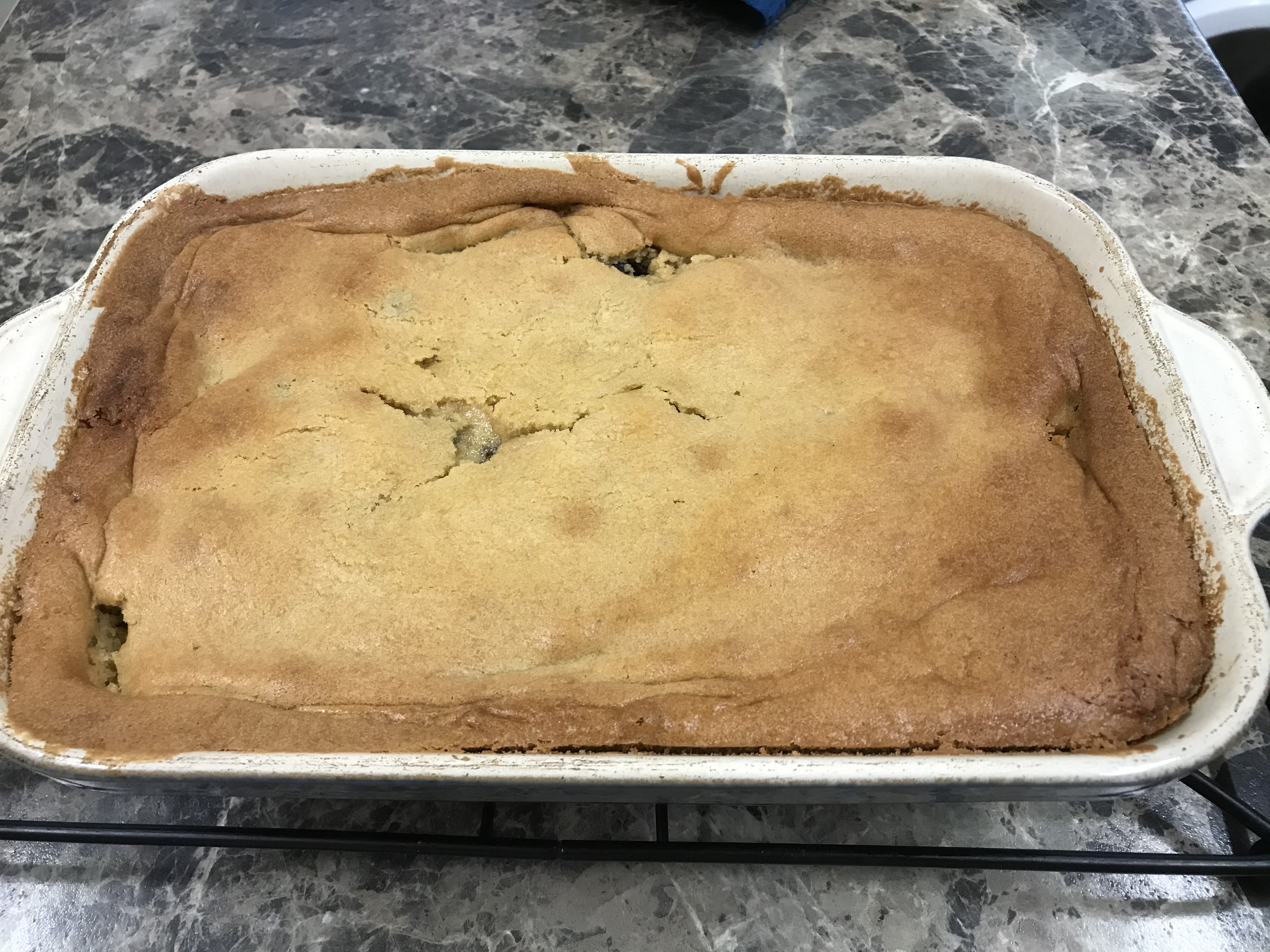
To round off my autumn adventure, I picked some apples from our apple trees to make a family favourite, an apple cake. The cake was simple to make, but went down a treat!

Emma’s Urban Plants and Fungi Adventure

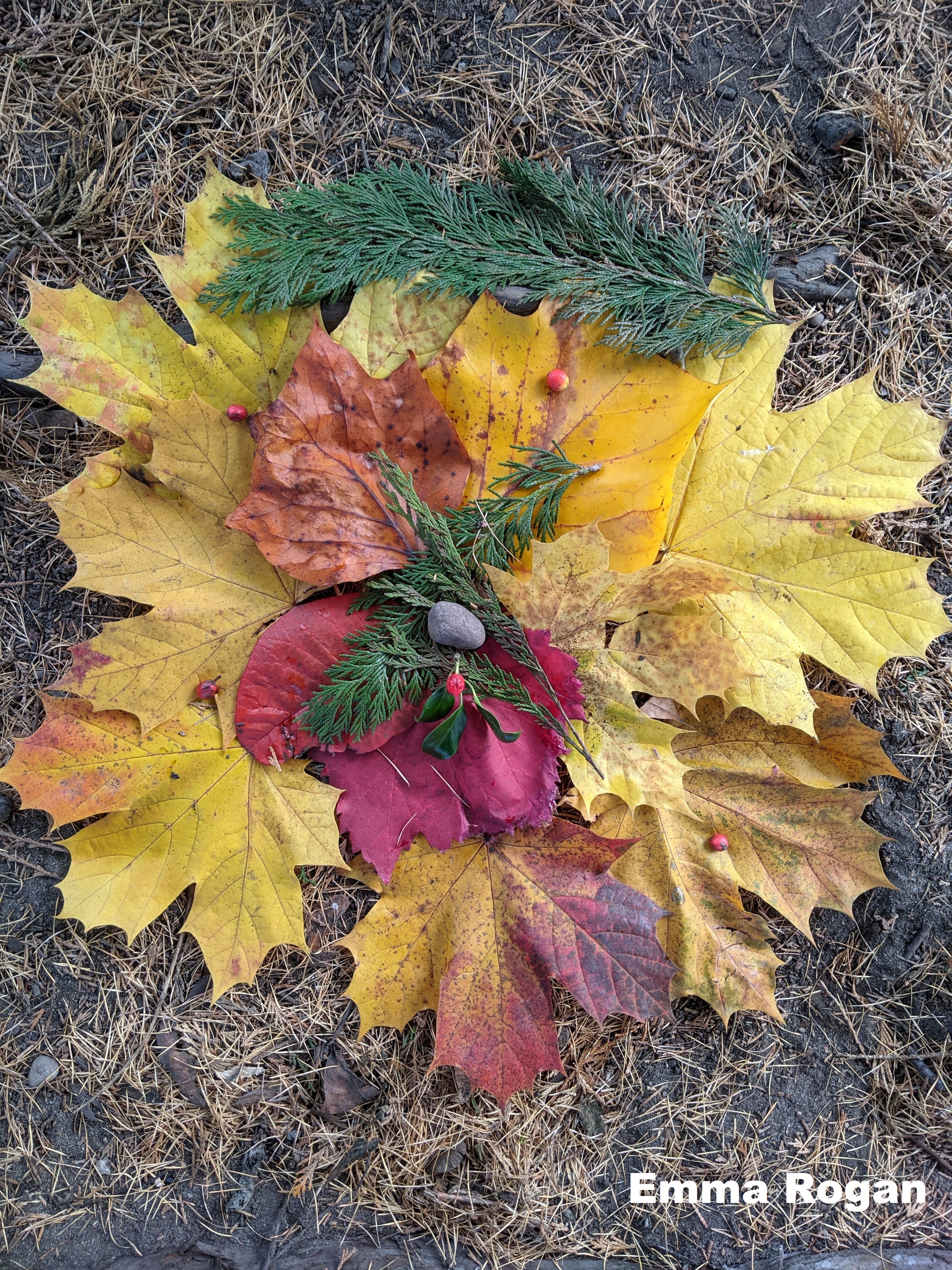
For me, no time of the year evokes a feeling of new beginnings more than September. Perhaps it’s a throwback to when September meant the start of a new school year, but the changing of the season always lifts my spirits. Autumn is the season of hot chocolate, curling up with a book, re-watching Gilmore Girls for the fourth (okay, sixth…) time, and wrapping up warm to head out for a walk in the crisp autumn sun! Which, on September 26th, is exactly what me and my partner did.

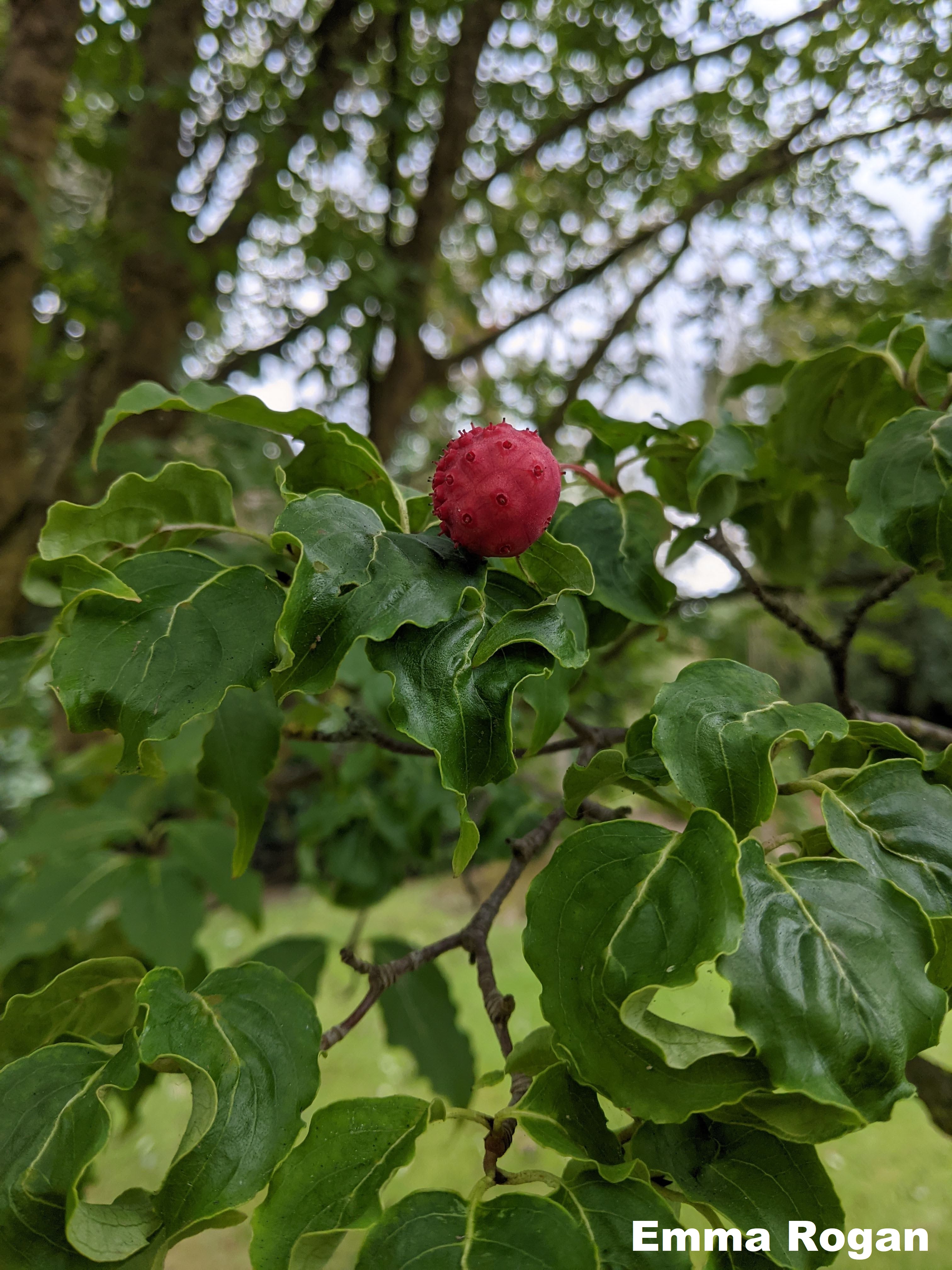
Our first stop, as usual, was the beloved Parsonage Gardens in Didsbury. This beautiful walled garden provides a home for an amazing variety of trees, looked after by a dedicated team of volunteers. My favourite is the old mulberry tree at the entrance to the gardens, but we also found a corkscrew hazel, a yew tree with bright red berries, some bamboo, a sargent’s rowan tree, a Chinese dogwood, and some ferns! I love ferns because of how ancient they are. With a fossil record dating back to the middle Devonian (383-393 million years ago) they are one of the oldest groups of plants on Earth. A piece of ancient history on our doorstep!
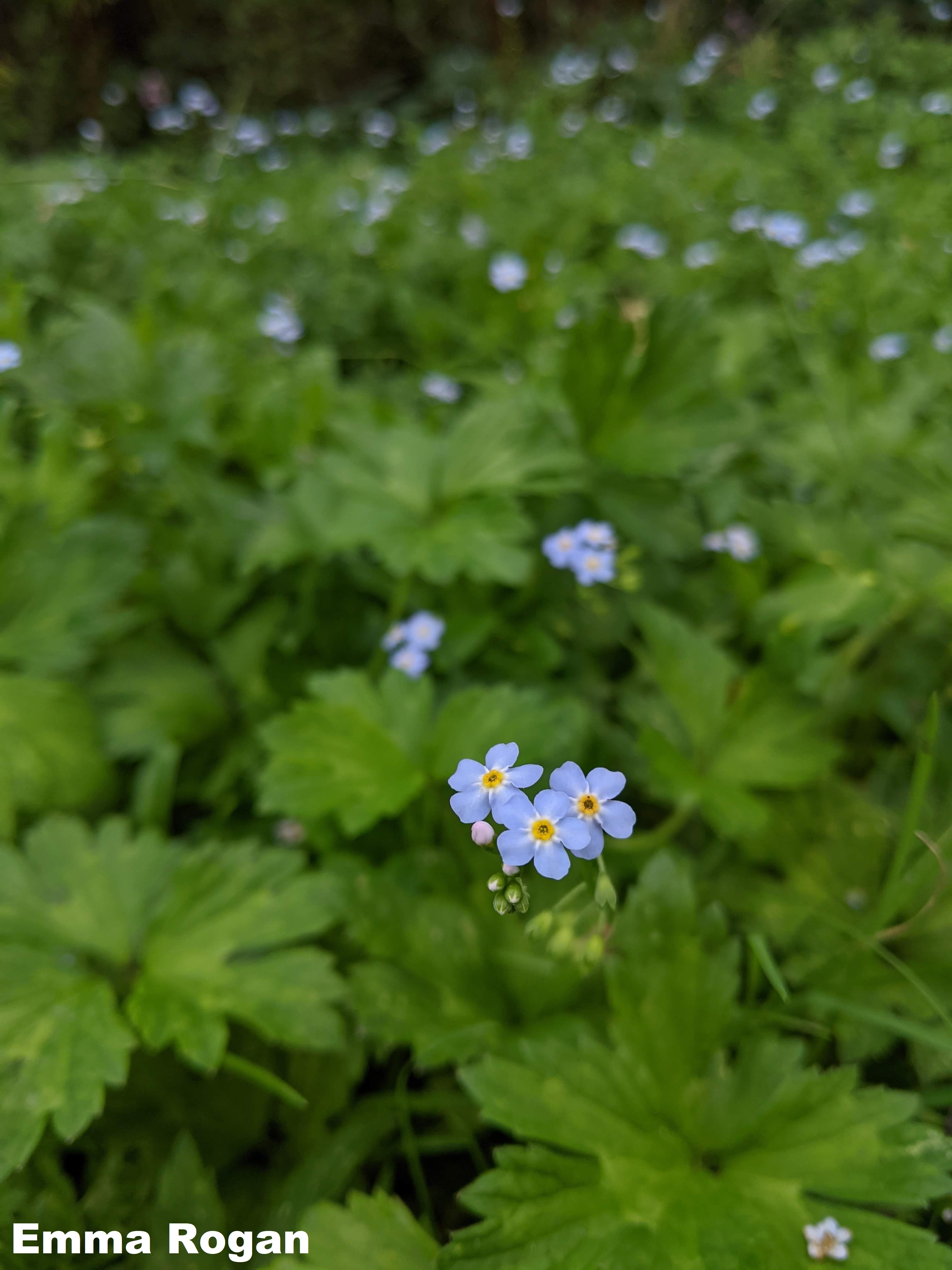
As we walked down the hill to Fletcher Moss Gardens, we passed the Church of St James on Stenner Lane. St James is the second oldest church in Manchester, dating back to 1275. I paused for a moment to admire the ivy spilling over the walls surrounding the church garden, before continuing on. The species we encountered as we wandered through Fletcher Moss ranged from the small (forget-me-nots) to the large (silver birch). We also found another rowan tree, the bane of witches! Rowan has an illustrious history in British folklore as red was considered the best colour for fighting evil, so it was planted by houses so that it’s red berries could protect the occupants from witches.

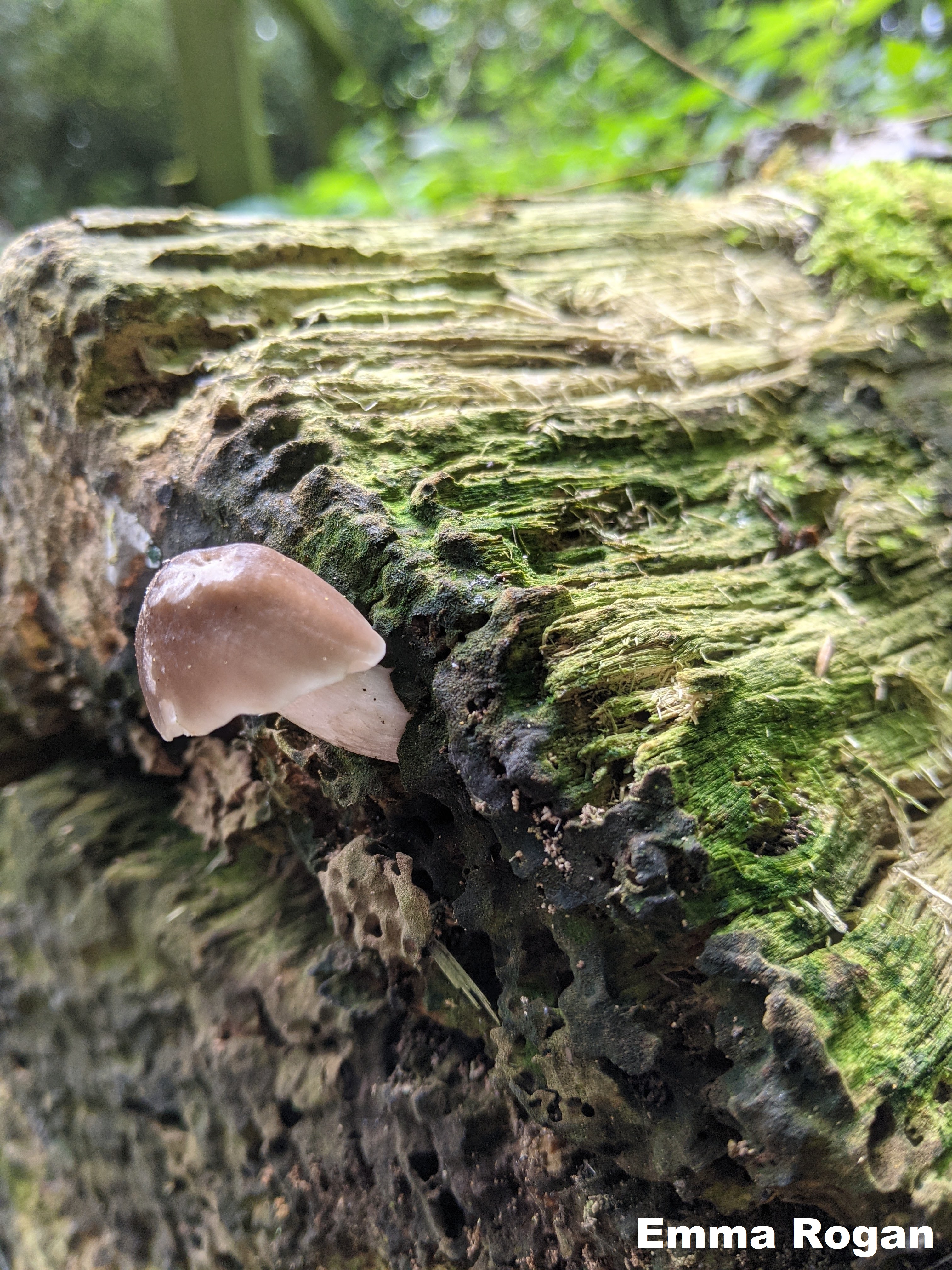
Our walk took us further into Stenner Woods, where we were on the lookout for fungi. This is not my area of expertise, but I’ve done my best to identify what we found! Growing on the side of a fallen log was a small mushroom which I think is a type of inkcap, and on top of another log was a large, flat mushroom with a white underside which I think is a giant polypore. Like Laura I spotted some bracket fungus, although the fungus looked to be past it’s best so I was not sure of the species! While searching through the woodland for fungi, I also came across an abandoned spider’s web adorned with raindrops which looked like crystals.
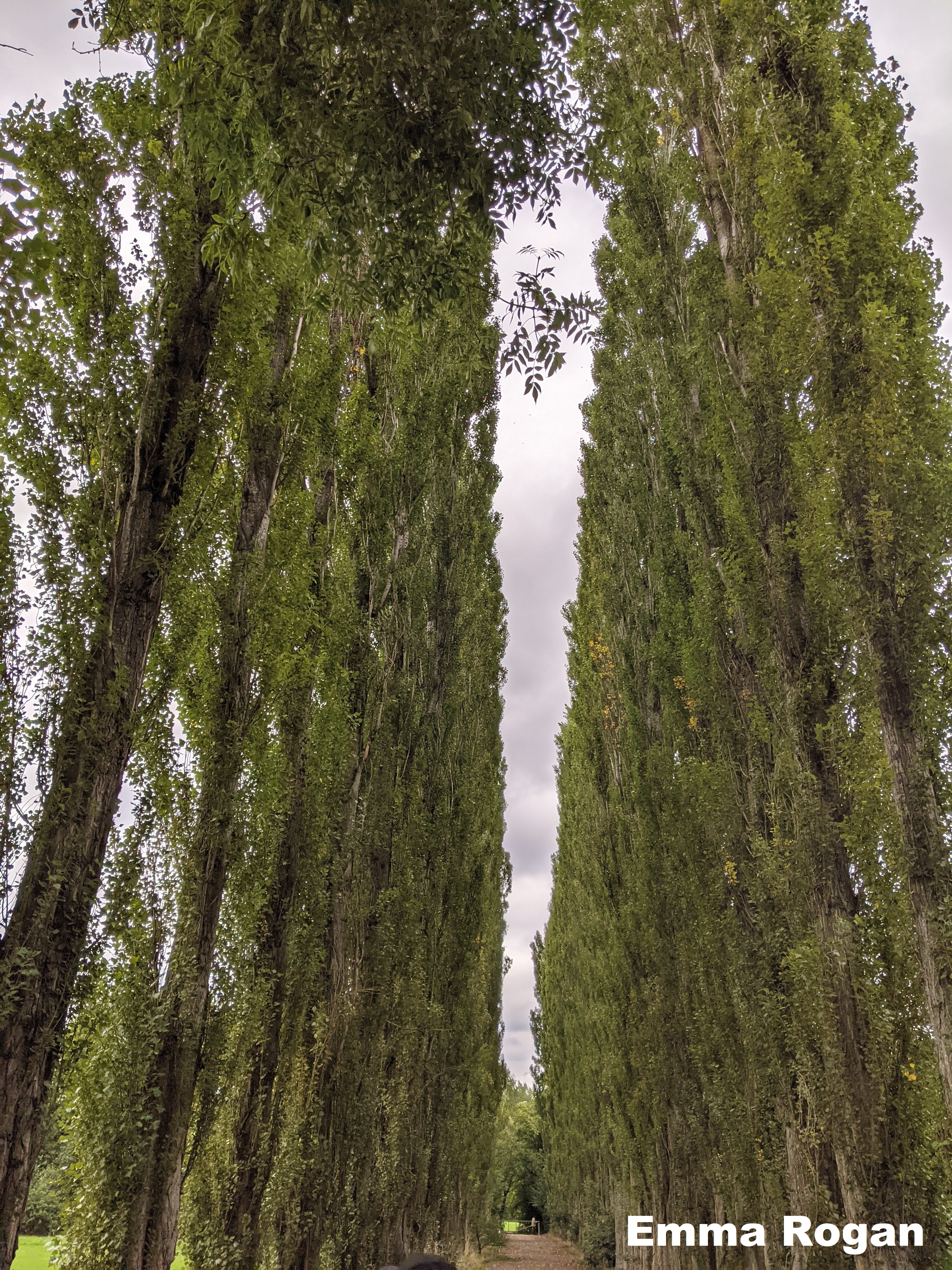
We ended our plant and fungi hunt by walking through the iconic poplar grove which leads from the river back to Stenner Lane. I had a lovely time on my autumn adventure, but I think I need to brush up on my fungus identification skills!

Autumnal Plants and Fungi

Autumn is usually defined as the season between summer and winter when leaves change colour and fall, the weather becomes cooler, and a time of full maturity is reached, such as crops becoming ripe. Autumn is so much more than this though, with it often being a favourite time of year for many, encapsulated in a feeling of cosiness, plentifulness and change. For Laura at this time of year, the sunsets are spectacular, the nights full of starry skies, and surroundings full of natural food on offer. For Emma, frost sparkles on bright leaves, the morning air becomes crisp, and the smell of hot chocolate is a welcome aroma.

This season is also a time for plants and fungi to reach the ends of their annual cycle and go out with a bang. As Laura and Emma found, autumn is a vibrant season before winter’s slumber descends on the landscape. It was interesting to see some variation between the two locations though, such as in Manchester more exotic species thrive and autumn marches forward earlier than in Dorset. This would be due to the naturally milder climate found in an urban setting, but temperatures tending to be colder in the North-West than the balmier South-West.

Still there were treasures to be found in both locations, with plants and fungi taking centre stage. Colourful, bountiful and spectacular, such species capture the imagination and provide a lifeline in nature. Engulfed in the cold and storminess of winter, we can now look back on the golden glow of autumn days with a smile, before we begin to look forward to the return of new life once again.

How to… Make the Most of Autumn’s Bounty

Leaves rustling beneath my feet, golden, russet, auburn. Crisp, dewy mornings, adorned with misty tendrils and spider’s webs. Hedgerows hung with bright berries, and woodlands dotted with fantastical fungi. Cosy nights in, whilst the night comes alive with Tawnys and foraging mammals. Lazily buzzing insects, murmurations, Red Kites soaring, waders and wildfowl, and endless wonder.

Autumn means different things to different people, but it is deep rooted in the natural world around us. A season of reflection and change, it is the favourite season of many. Some people celebrate turning a new leaf, some the drop in temperature and cosiness that comes with it, some the festivities, and others celebrate the little things, from migrating birds to reconnecting with nature. To all though, it is a bountiful season, marked with plentiful food and the first whispers of winter.

Historically, autumn is associated with harvest time and bringing in the food of the land before winter. From corn dolls to harvest festivals, autumn is symbolic in British tradition and culture. It has been inspiration for poets and writers alike including Keats (‘Season of mists and mellow fruitfulness’) and Jane Austen (‘the thousand poetical descriptions extant of autumn’). It is an important time of year to check in with the status of wildlife, whilst also being a time of spiritual significance for many.

As temperatures begin to drop and the leaves begin to change, it is time for us all to get out there, watch amazing sunrises and sunsets, forage for food, and stay connected with mother nature. With autumn being deep rooted in what lays outside our doors, here’s a guide to just some of the important species flourishing in autumn.

Autumn Species

Unless you are 100% sure of what something is and if it is edible, then do not eat it! Also, harvest only what you need and leave the rest for wildlife!

Hazel (Corylus avellana)

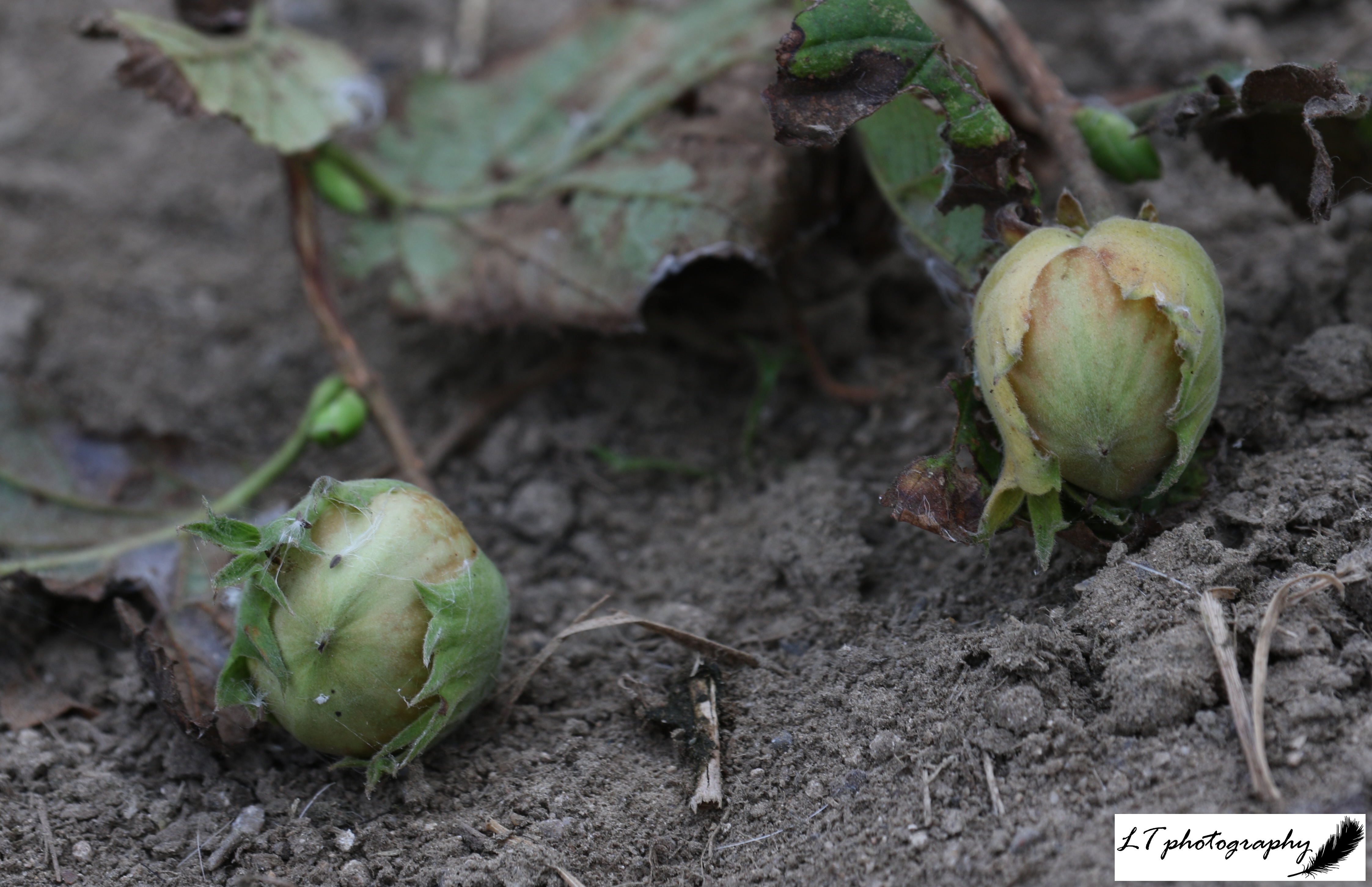
  • Fruit: The popular hazelnut, an edible nut that begins with a thick-green husk, before ripening to a brown in autumn
  • For Wildlife: A favourite food of Grey Squirrels, Dormice and Wood Mice, amongst other species, often being cached for winter
  • How to Identify: Circular-shaped leaves with toothed edges and tapering to a point; coppery brown smooth to peeling bark; lemon-yellow catkins and tiny red bud-like flowers in spring
  • Autumn Facts: Until the First World War, Holy Cross Day on the 14th September was traditionally a school holiday, where children would go nut gathering

Bramble (Rubus fruticosus)

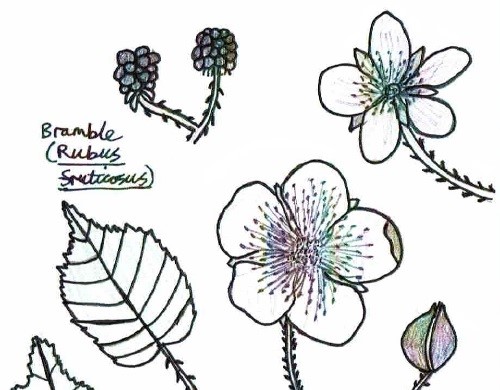
  • Fruit: The familiar edible blackberry that begins green, then turns red, before ripening to purple-black in autumn. Blackberry picking is a favourite part of autumn for many!
  • For Wildlife: The berries are a valuable food source for mammals, such as badgers, and small birds, such as Blackcaps
  • How to Identify: Oval-shaped leaves with toothed edges and tapering to a point; prickly and half-evergreen stems; white or pink flowers from spring onwards
  • Autumn Facts: Folklore in Britain dictates that blackberries should not be picked after Old Michaelmas Day (11th October), as the Devil has by then made them unfit to eat

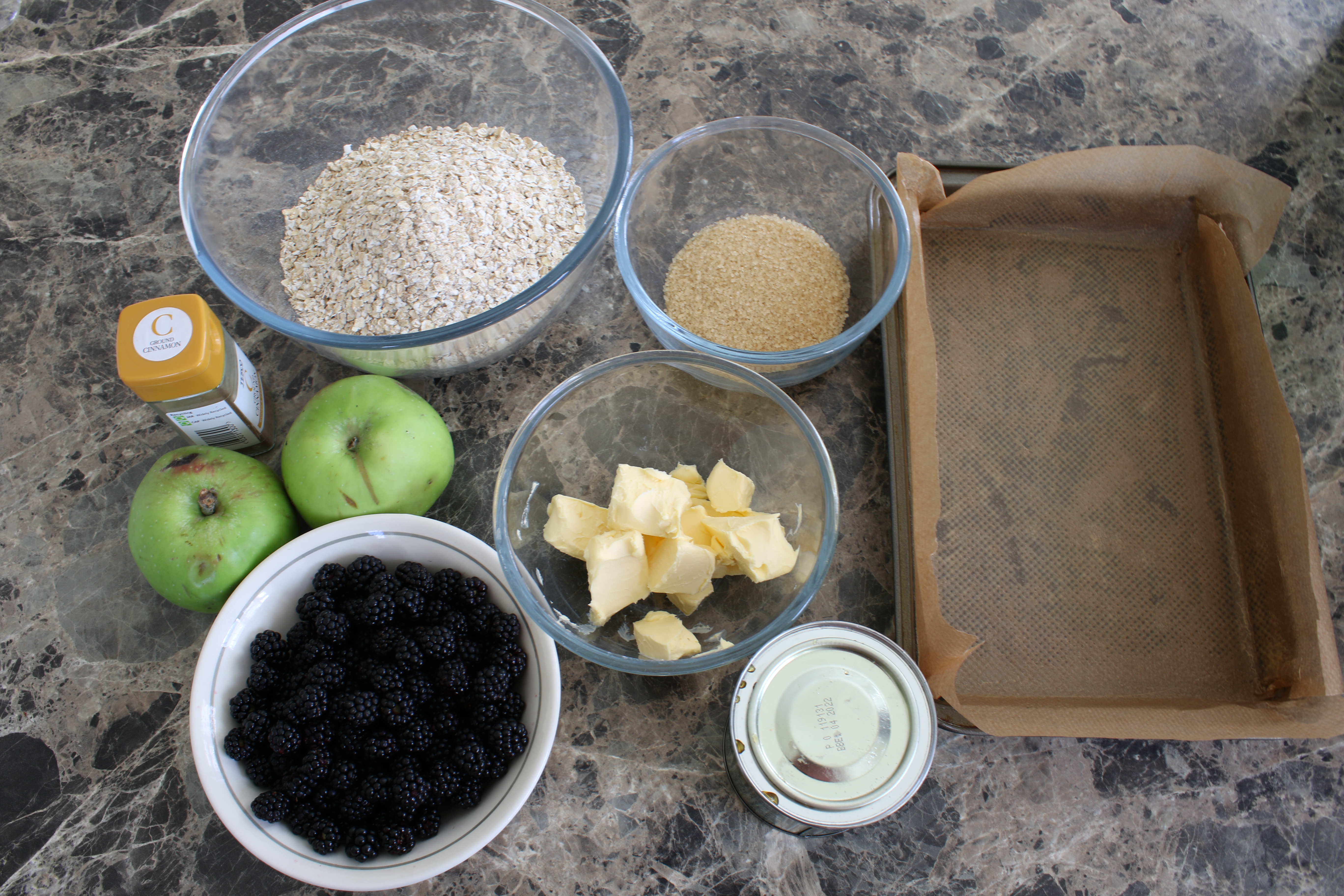
Recipe:

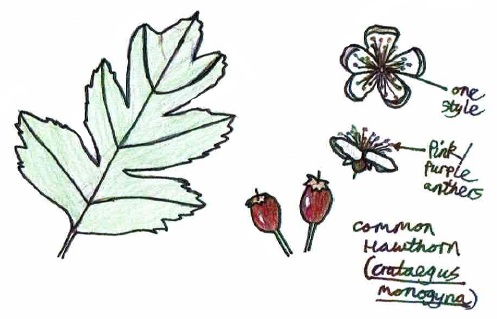
Hawthorn (Crataegus monogyna)

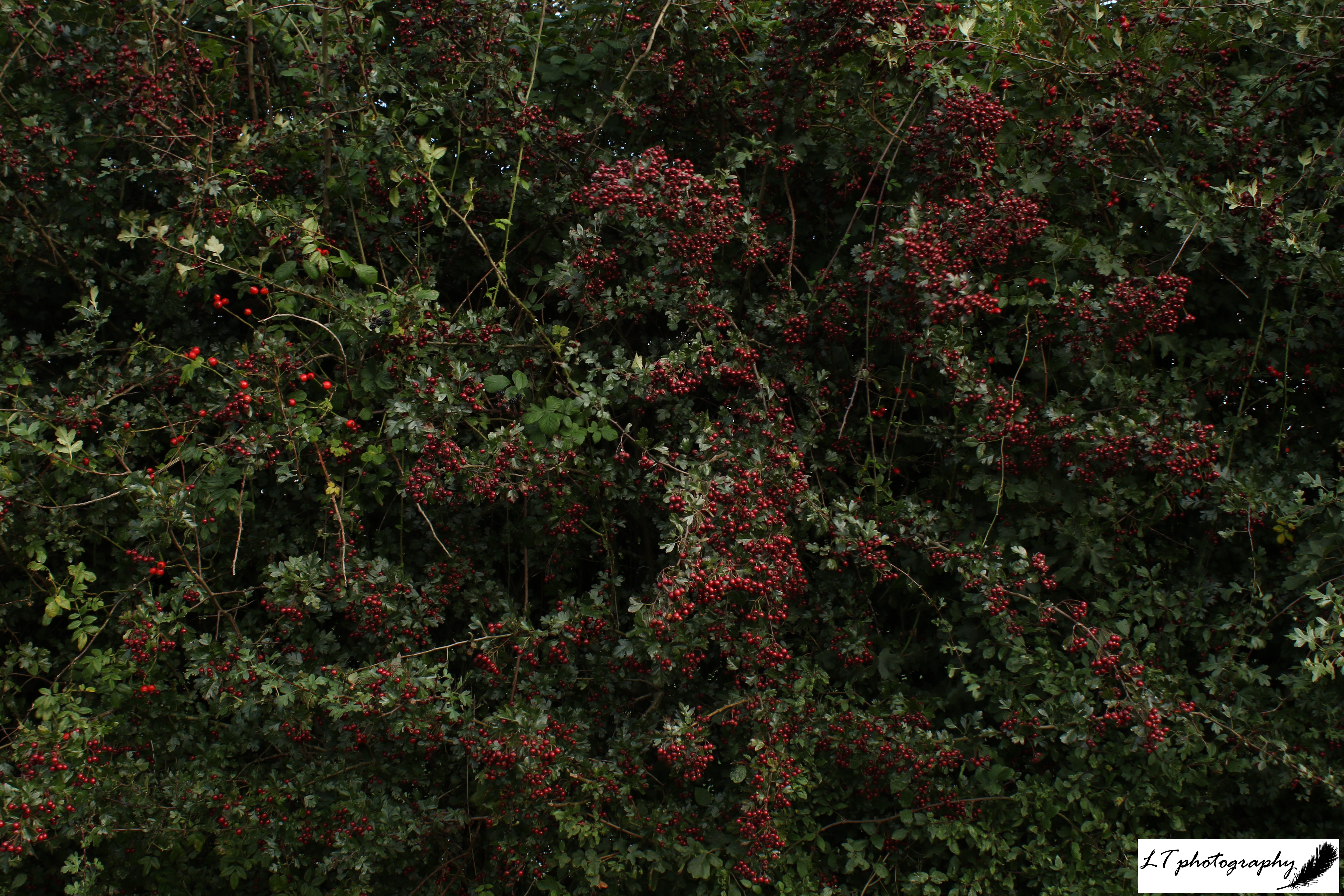
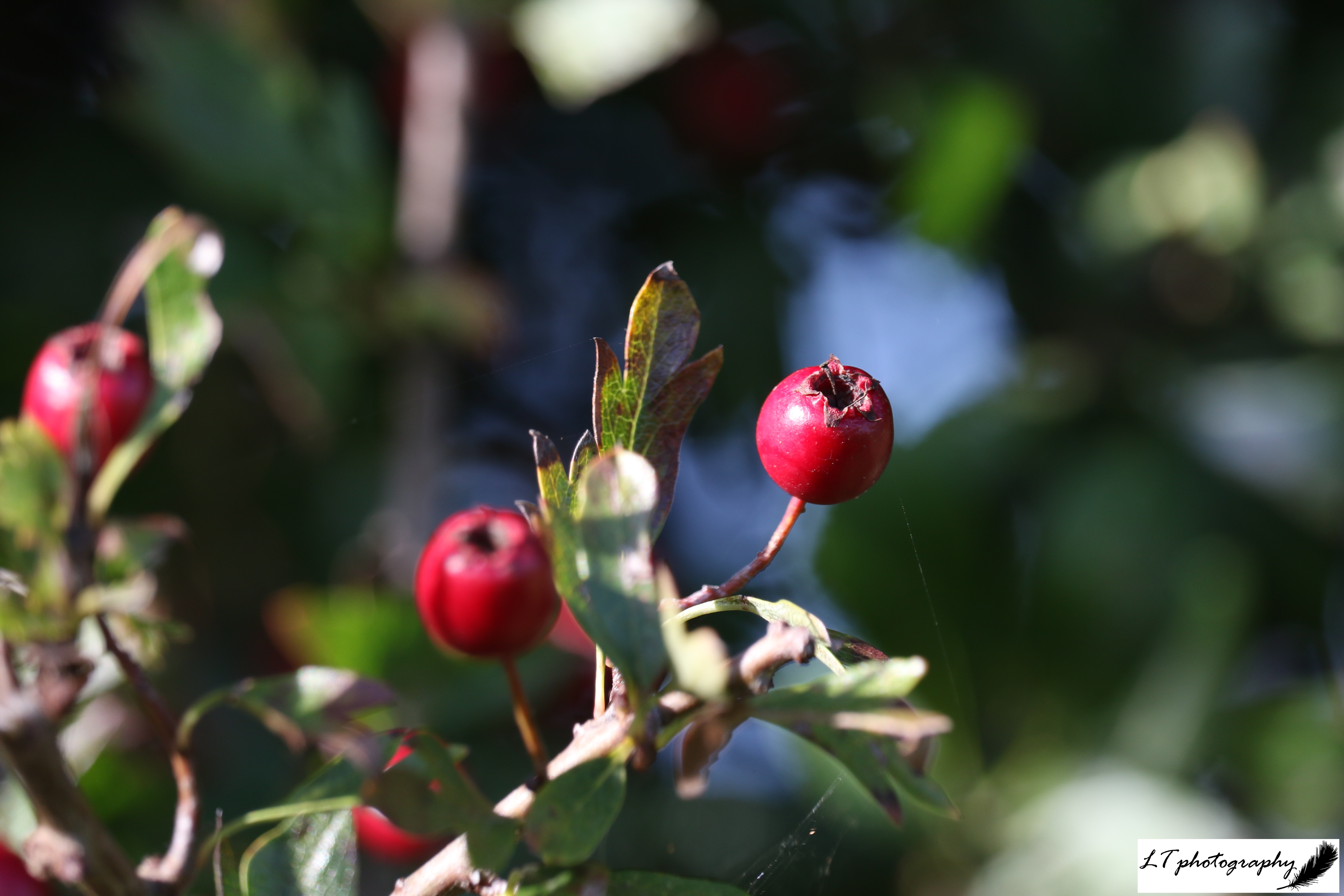
  • Fruit: Hawthorn berries, sometimes known as haws, are edible but their single seed is toxic to humans. They ripen to a bright red, is likened to over-ripe apples in taste, and are used to make jams, jellies and wines
  • For Wildlife: Important source of food during autumn and winter for small mammals and birds, including Blackbirds and Redwings
  • How to Identify: Shiny leaves that are oval-shaped with deeply cut lobes; thorny stems and twigs; white fragant flowers with 5 petals fading to pink
  • Autumn Facts: One of the main uses of Hawthorn is to treat high blood pressure, widening blood vessels and increasing blood flow 

Blackthorn (Prunus spinosa)

  • Fruit: Produces edible, but tongue-numbing, sloes which are small blackish plums with a bluish powdery surface. Popular to flavour gin!
  • For Wildlife: A feast for birds in autumn and winter that help to disperse the plant’s seeds
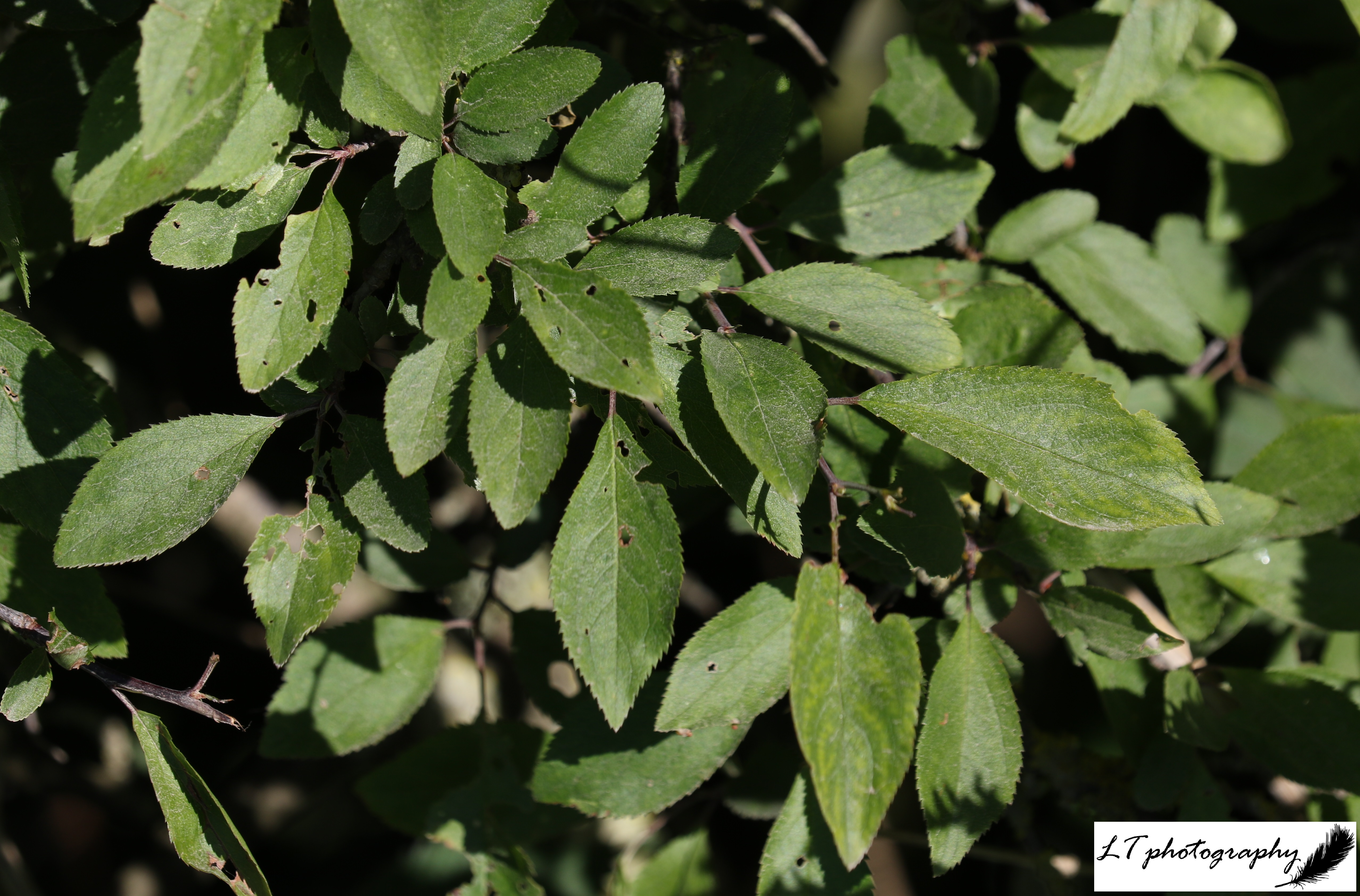
  • How to identify: Oval-shaped leaves with toothed edges and tapering to a point; blackish, thorny stems and twigs; snow-white and 5-petalled flowers with red-tipped anthers in the centre
  • Autumn Facts: Sloes are rich in vitamin C and have been used to treat stomach disorders, blood purification, teeth whitening, and even gum problems

Recipe:

Pedunculate Oak (Quercus robur)

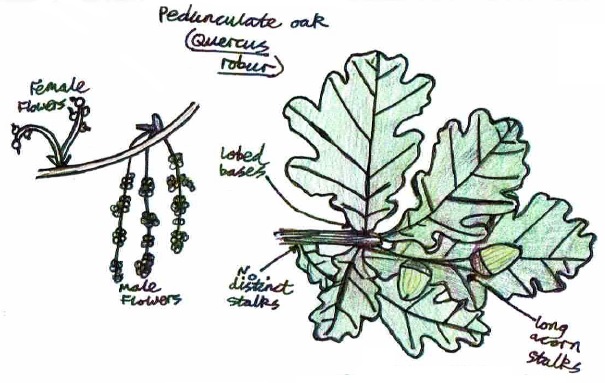
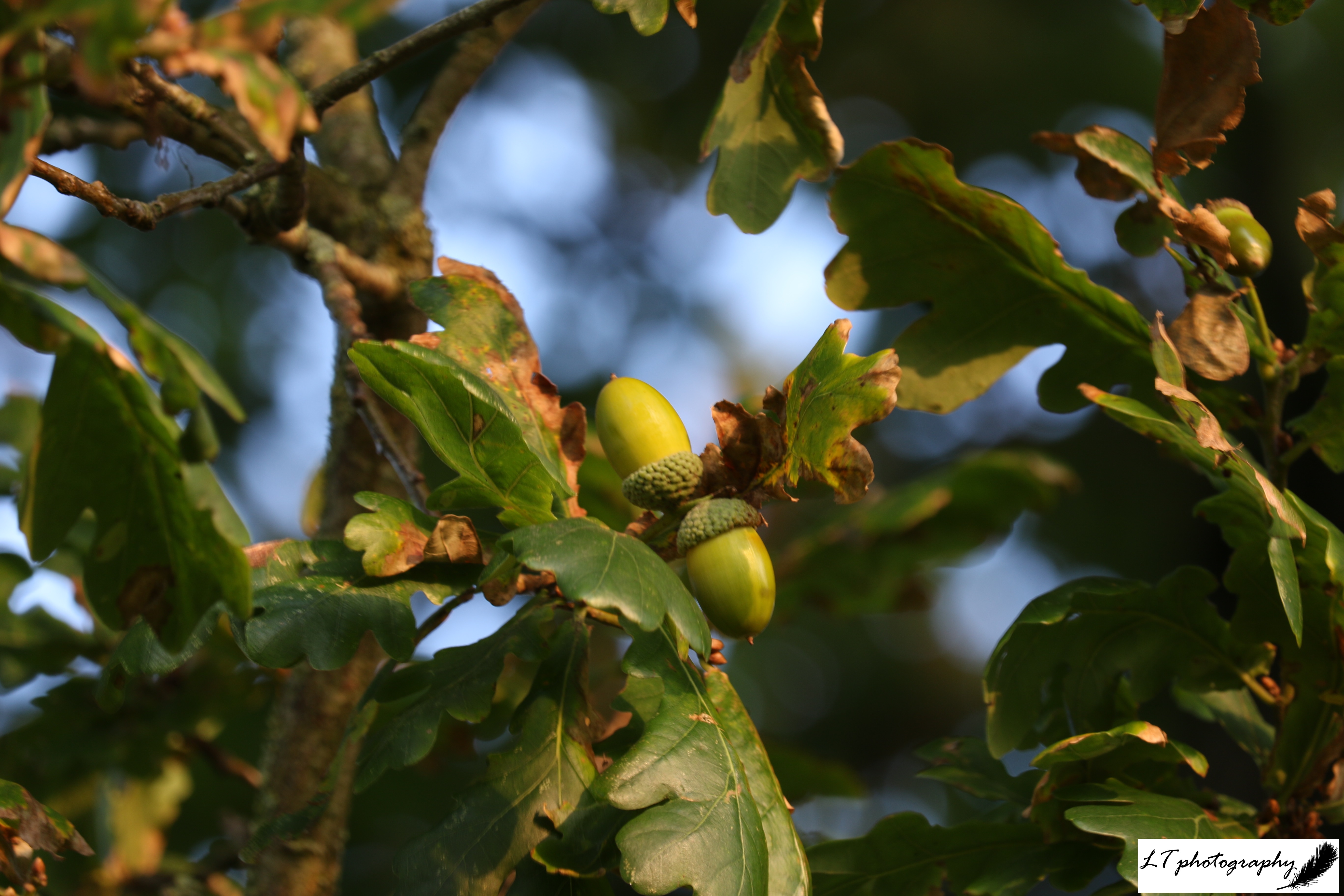
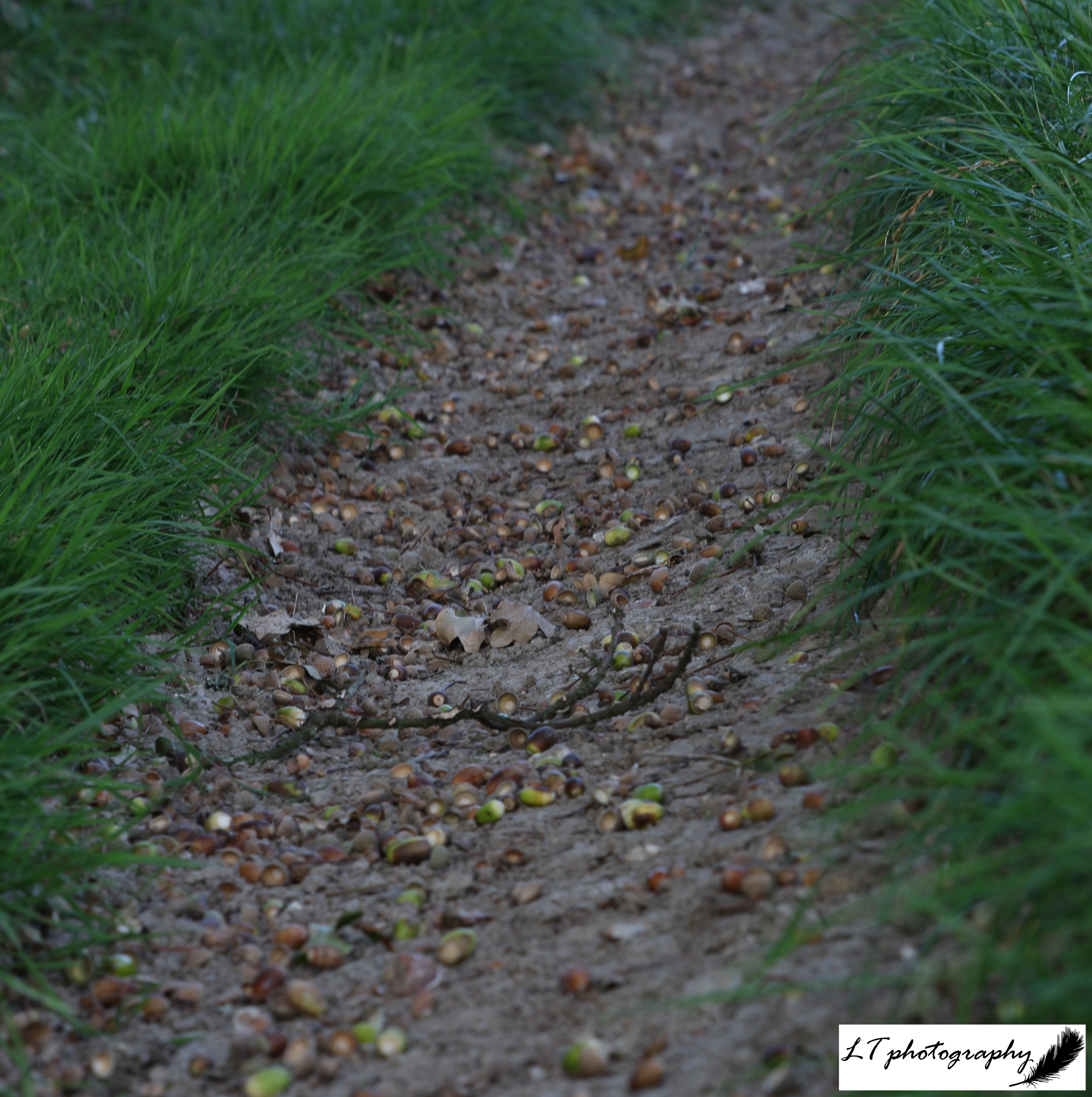
  • Fruit: Produces the familiar acorn, with scaly cups and clusters carried on long stalks. Contain tannins that are toxic and bitter to humans, but can be leached out to make edible
  • For Wildlife: An important rich source of food for species such as Jays, Mice, Squirrels and Badgers, often being cached for winter
  • How to Identify: Large, oblong leaves, broader at the base and lobed, turning brown in autumn; massive rugged grey-brown trunk and broad crown; yellow-green catkins in spring
  • Autumn Facts: The most important texts in British history, such as the Magna Carta, were written in Oak gall ink

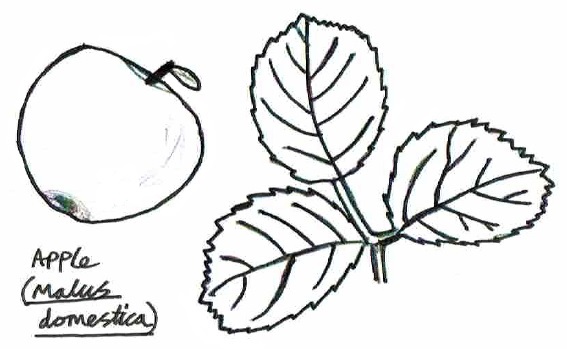
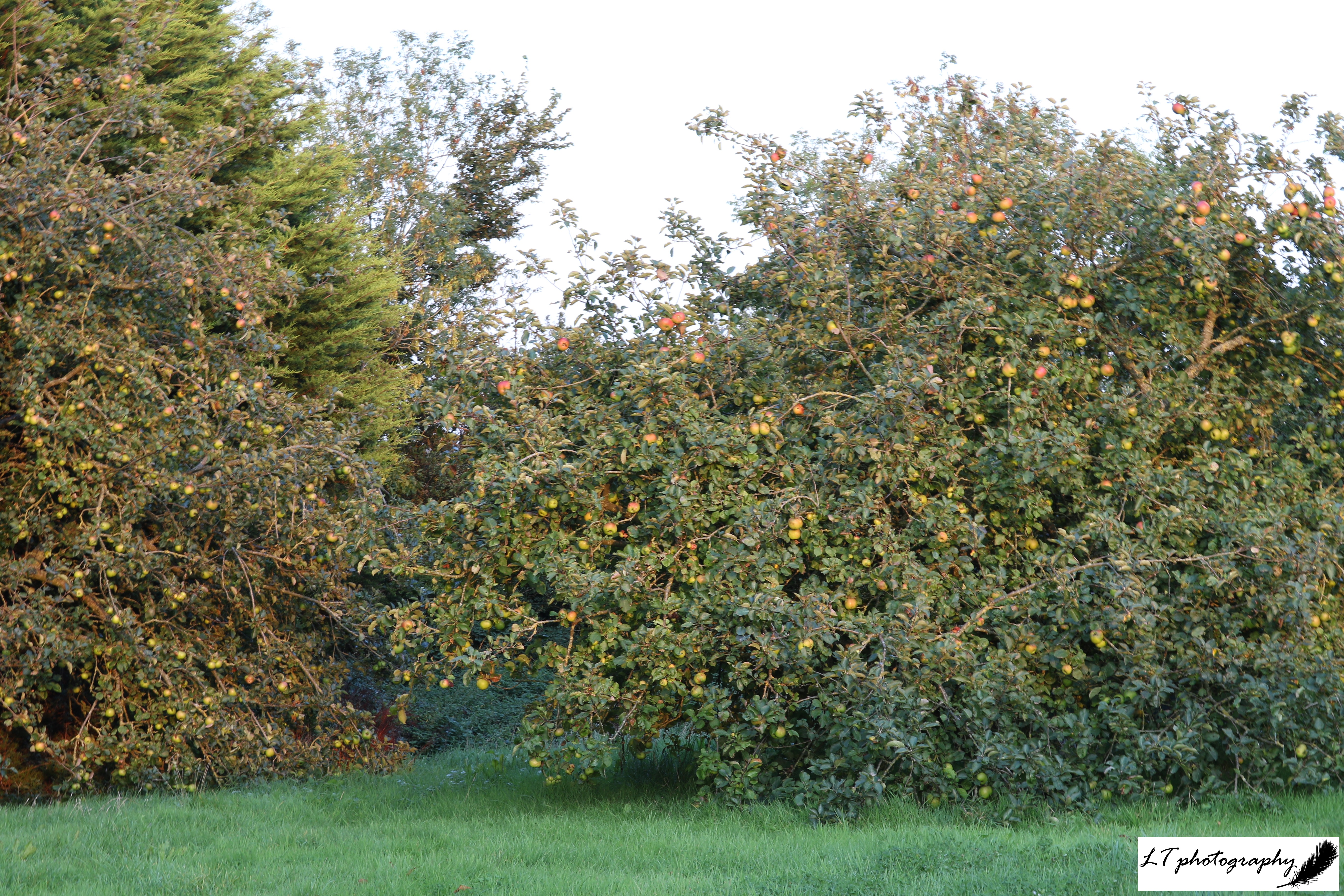
Apple (Malus domestica)

  • Fruit: Though not native to the UK, domestic Apple trees produce the popular apple which is now cultivated across the globe
  • For Wildlife: Apples are not just for humans, being a popular food source for wildlife too. Birds, such as Thrushes, and mammals, such as Badgers, feast on the fallen and ripening fruit
  • How to Identify: Dark green and typically oval-shaped leaves with toothed edges, and hair underneath; flowers are five-petalled and pink to white in colour
  • Autumn Facts: Most apples are still picked by hand and the world’s top apple producers are China, United States, Turkey, Poland and Italy

Recipe:

Dog Rose (Rosa canina)

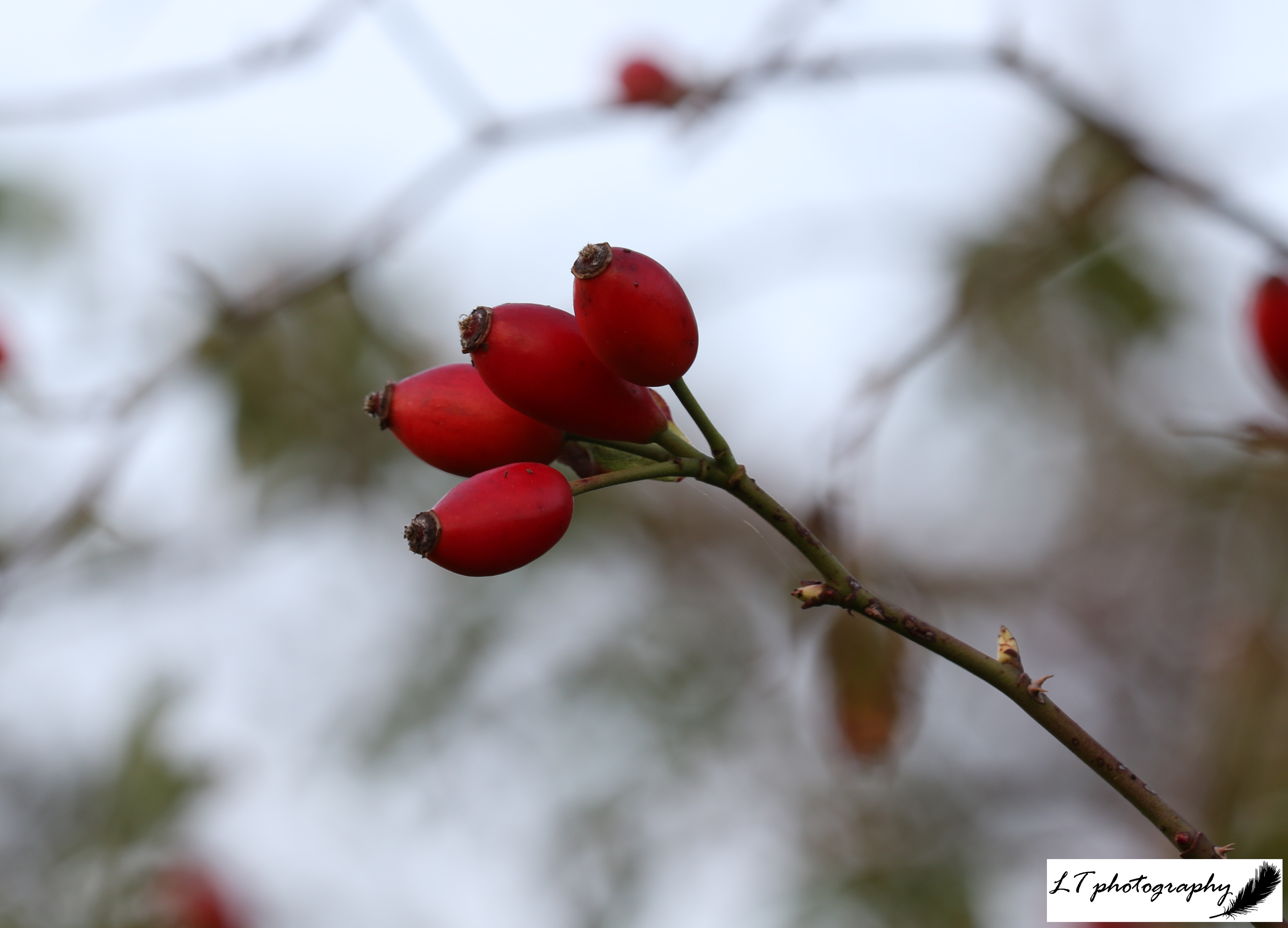
  • Fruit: Berries known as hips, that are edible, egg-shaped and bright red. Popularly used for a wide range of food and drink
  • For Wildlife: The hips are eaten by fruit-eating birds, such as Fieldfare and Waxwings, and small mammals, such as Bank Voles
  • How to identify: Dark green and oval-shaped with toothed edges and tapering to a point; arching stems with broad-based strongly hooked prickles; flat and fragrant white or pale pink flowers with large petals and hairless stalks
  • Autumn Facts: It is a valuable medicinal plant, with the hips being made into a vitamin C rich syrup for children (20 times the amount that is in orange juice)

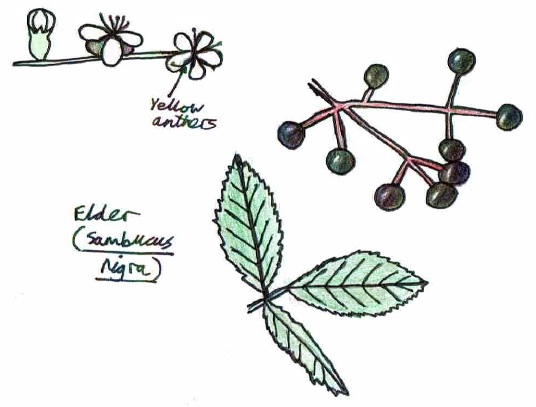
Elder (Sambucus nigra)

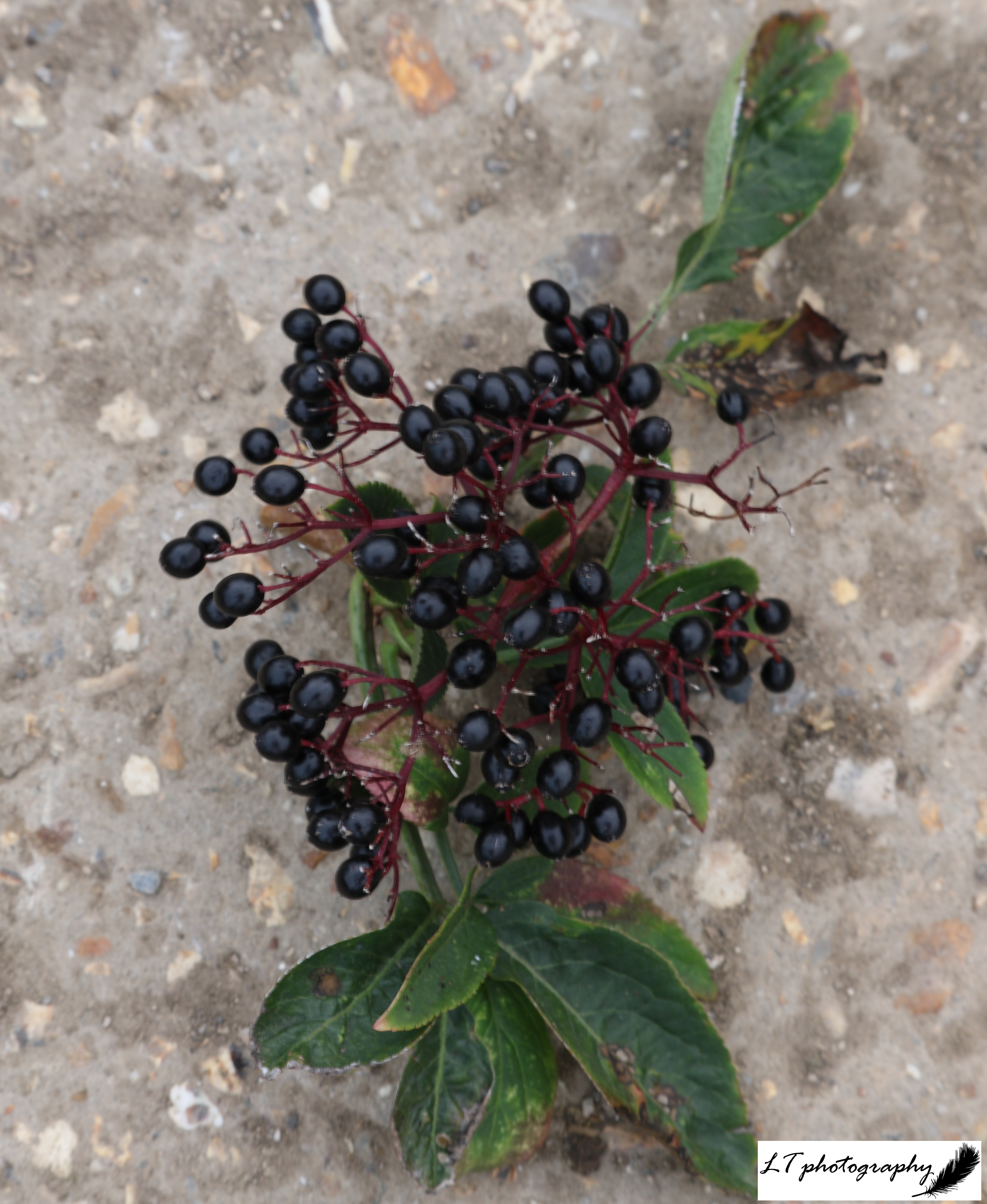
  • Fruit: Juicy edible purplish-black berries, known as elderberries, that are used to make a variety of wines, juices, jams and jellies
  • For Wildlife: The berries are eaten by both birds and small mammals, from Whitethroats to Dormice
  • How to identify: Long, dark green oval-shaped leaves with finely toothed edges and tapering to a point; strong smelling bark that is corky and fissured; white, small and fragrant flowers in flat-topped clusters
  • Autumn Facts: One of the most commonly used medicinal plants across the world, from Native Americans using it to treat infections to the Egyptians using it to improve their complexions and heal burns

Recipe:

Spindle (Euonymus europaeus)

  • Fruit: Spindle berries are toxic to humans, with a laxative effect. They are highly distinctive, with 4-lobes and being bright coral-pink
  • For Wildlife: Provide food for a variety of species including mice, birds and even Foxes
  • How to Identify: Shiny oval-shaped leaves with finely toothed edges and tapering to a point that turn distinctively pinkish-red in autumn; deep green 4-sided twigs darkening with age; greenish-white 4-petalled flowers in clusters
  • Autumn Facts: Spindle is at its best and most colourful during autumn with warm leaves and berries

Golden days of autumn

As we ease into the holiday season and creep closer to the closing of the year, it is time to contemplate and reflect, be thankful for what we have, and celebrate what is important to you. Looking outwards during this time, to the world beyond the window, autumn has now also made its departure. Skeletal trees, howling gales, freezing temperatures, and dormancy characterise the landscape, though there are hidden gems to be found. As you cuddle up in your home on this cold winter’s evening, let us now remember back to those golden days of autumn.

Autumn as it happened

When I think of autumn, the first thoughts that come to mind are dazzling colours, falling leaves collecting in drifts on the ground, bountiful fruit, and migrant birds passing through. Though my favourite season tends to be blossoming spring, autumn is a time that is often the favourite of many. Each season has something special to offer and autumn is no different!

This year autumn has been a bit more unpredictable and turbulent in its advancement than many other years, being the 5th wettest english autumn since records began. Despite this, it has mainly progressed in the traditional fashion.

September saw evening temperatures drop, the start of misty mornings with spider webs shining with dew, ripening fruit and nuts, grey squirrels beginning to cache food, the emergence of the first autumn fungi, and the start of birds moving through.

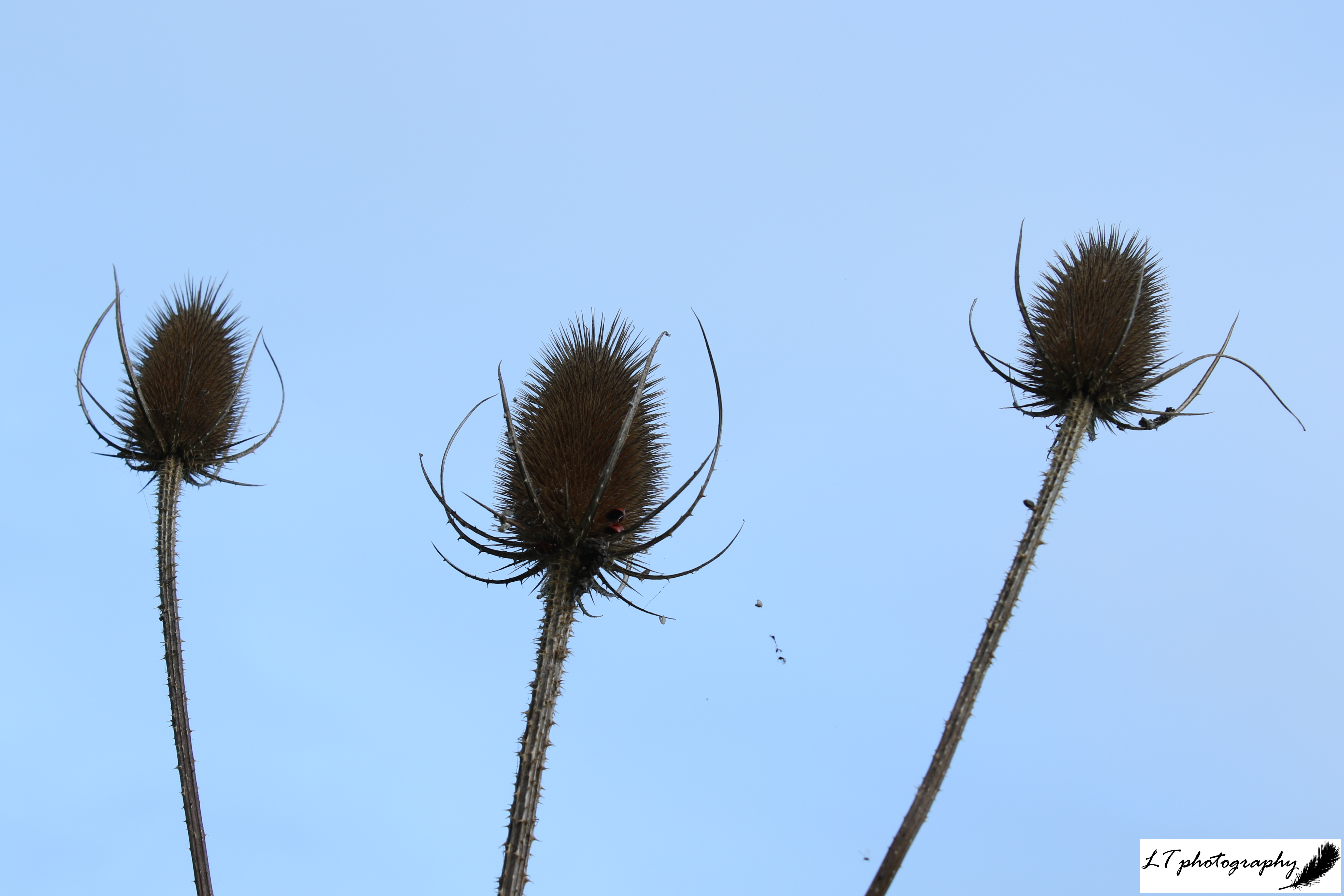
October saw the trees beginning to change, becoming decked out in resplendent colour, fungi in abundance, the buzz of late insects such as wasps and honeybees, goldfinches harvesting seeds from thistles and teasels, fallen acorns becoming available as a valuable food source, the squawks of jays collecting nuts, and by the end of the month most migrants had moved on.

As the season of decline and decay moved on also, November saw oak trees in colour, other trees losing their leaves on mass, cackling fieldfare in the hedgerows, withering bracken, plentiful ripe seeds and fruit, redwings making their return, wildfowl and wading birds settling in for winter, thrushes and blackbirds harvesting fruit, winter flocks forming as they scavenge in bushes and along hedgerows, and lengthening nights.

By the end of November, most of the trees and hedgerows were bare of leaves, conditions were cooler, frost and fog were more common in the mornings, and winter was on its way.

A day in the woods

As part of my celebration of autumn this year, I made a visit to my favourite local woods. On this October trip, I spent time being mindful, capturing the world around me through words and through a lens.

‘As I step into the woods, it is noticeable how the vegetation is beginning to die away, though the ferns still stand sentinel over the woodland floor. Looking closer though, fungi is dotted everwhere. Small capped mushrooms stand only a couple of centimetres tall, whilst larger and more exquisite shapes stand taller and hang from the trunks of trees.

A nuthatch lands on a branch above my head. I look up and see that autumn is already in full swing, with the trees working at different paces, creating a spectacular mosaic of colour from fading greens to copper and gold. The trees are beginning to lose their magnificent mantels in spectacular style. Berries adorn holly and hawthorn bushes, shining scarlet in the strained autumn light.

My other senses are also stimulated. To my nose, the forest smells fresh, though with every step the woodland floor releases an aroma of damp decay and rotting vegetation. On my exposed skin, a gentle cool breeze plays, whilst midges crawl and bite.

My ears are most active though. Long-tailed tits flit from tree to tree around me, making high-pitched calls as they feed as a family, characteristic of autumn. Robins and tits also sing their songs in the trees around, before a wren sounds its alarm call and the other birds join in. Further away, still in the forest, pheasants fight, a collared dove coos, and a jay caws its raucous call as it goes about its way, storing food for winter. Outside of the wood, I can also hear farm sounds along with crows and rooks cawing.

Though the buzz of woodland life is beginning to slow, decay and slip away, the landscape is still full of life.’

Sunlight

The science of autumn

Why do leaves change colour?

  • This process is triggered by changing day length and is sped up by increased sunlight and cooler temperatures. It occurs when pigments, such as chlorophyll, is broken down, and then transported back into the branch. The colour is produced by the remaining degraded pigments in the leaf. Different amounts of pigment left in leaves creates the different colours.

Why do birds migrate?

  • Birds migrate from areas of low or decreasing resources, such as food, to areas of high or increasing resources. It can be triggered by factors such as changes in day length, temperature, or is simply a genetic predisposition. Migration can vary from short within-country movement to long-distance migration. It is still not fully understood how birds navigate during migration, but suggestions include using landmarks or an inbuilt magnetic compass.

Starlings

How do mammals survive the winter?

  • A variety of adaptations are used during the winter by different mammal species. They grow longer, thicker coats. increase food intake to produce fat reserves, and create underground nests where they can sleep through colder days. Mammals that find it difficult to cope during the winter, such as those that eat mainly insects, instead slow their body processes down nearly to a stand still to survive. This is called hibernation with common examples being seen in hedgehogs, bats and dormice.

Rabbit

The end of autumn’s glory

This year’s autumn has been fantastically colourful trees and woodlands, incredible wildlife displays and cliche autumnal moments.

Buzzard and Pheasants

One of my highlights has to be experiencing some of the more interesting migrants that rock up on the British shores during autumn. For me these included wacky wrynecks and marvellous marsh warblers giving some exciting moments.

Now autumn 2019 has come and gone in a blaze of glory, though it was a little wet at times!

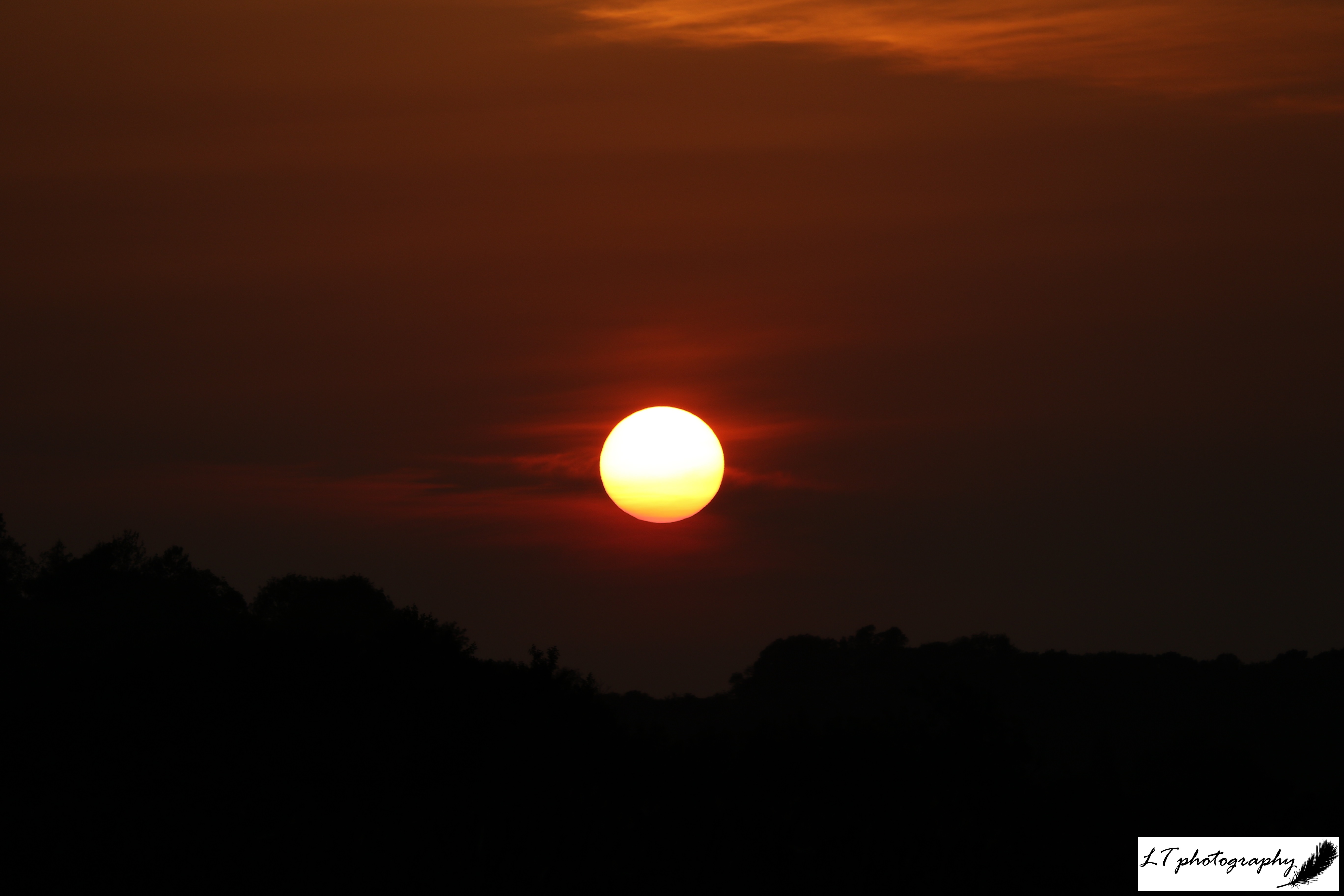
Sunset