Wildlife Photos for 2021

Last year was an unusual one for us all, as we got used to a new reality, but for me it was also a year of colour, amazing wildlife, and fabulous adventures. I learnt alot and was able to continue to grow as a person, which includes my skill in wildlife photography and passion for communicating nature with you all. To celebrate, here’s a collection of my nature photos spanning 2021, capturing a range of themes, species and stories, and holding a feel good factor. Enjoy!

January

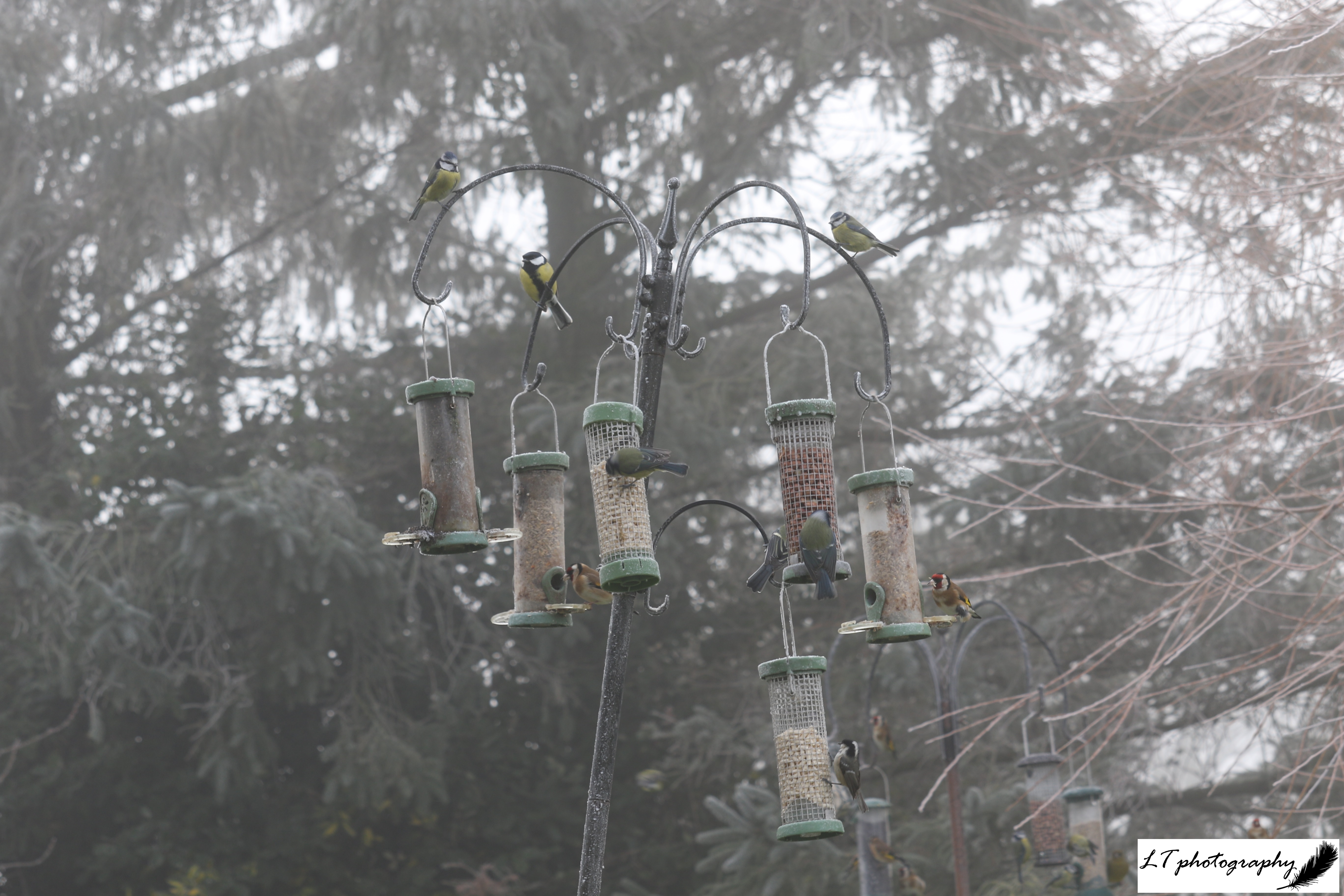
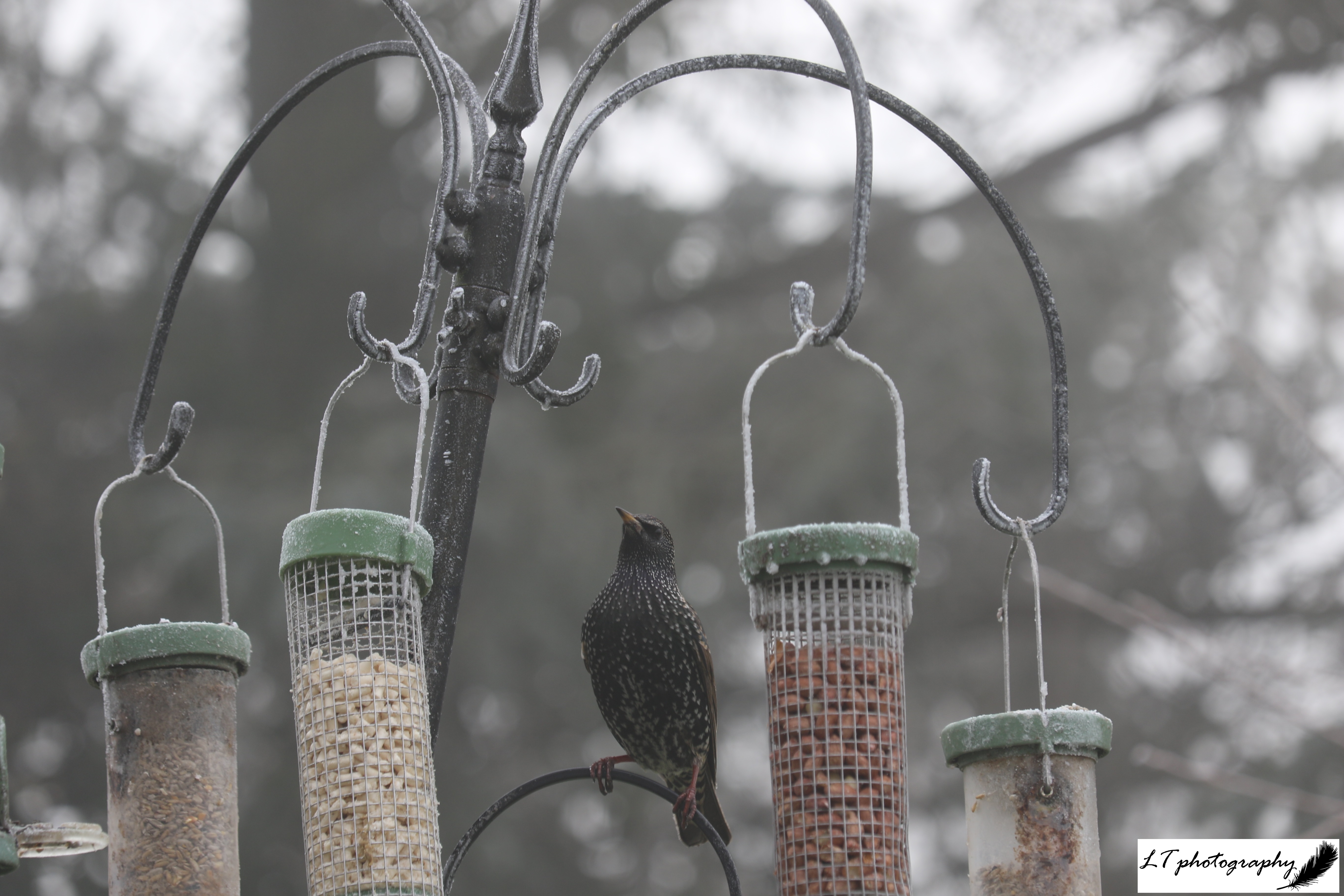
I began my year taking advantage of frosty mornings to capture the birds relying on our garden during the winter. Here a starling looking magnificent in its speckled plumage.

February

In 2021 I made it my mission to take my first up close photos of snowdrops. I enjoyed the challenge, brightening up a gloomier start to my year.

March

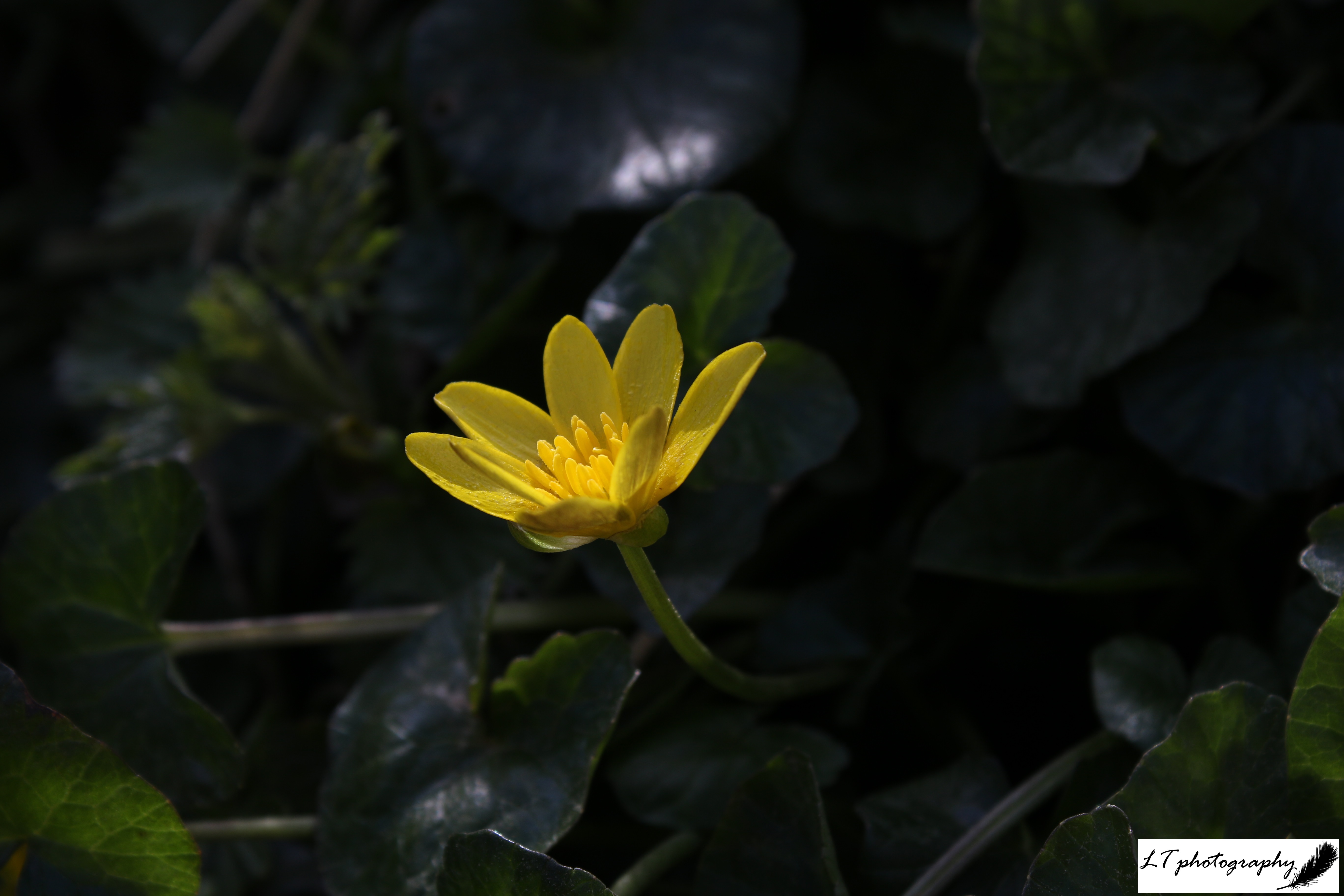
As the first signs of spring began to arrive, my focus turned to the ground and colourful spring flowers. Here a celandine peaks out its sunshine head from a thick cluster of green leaves.

April

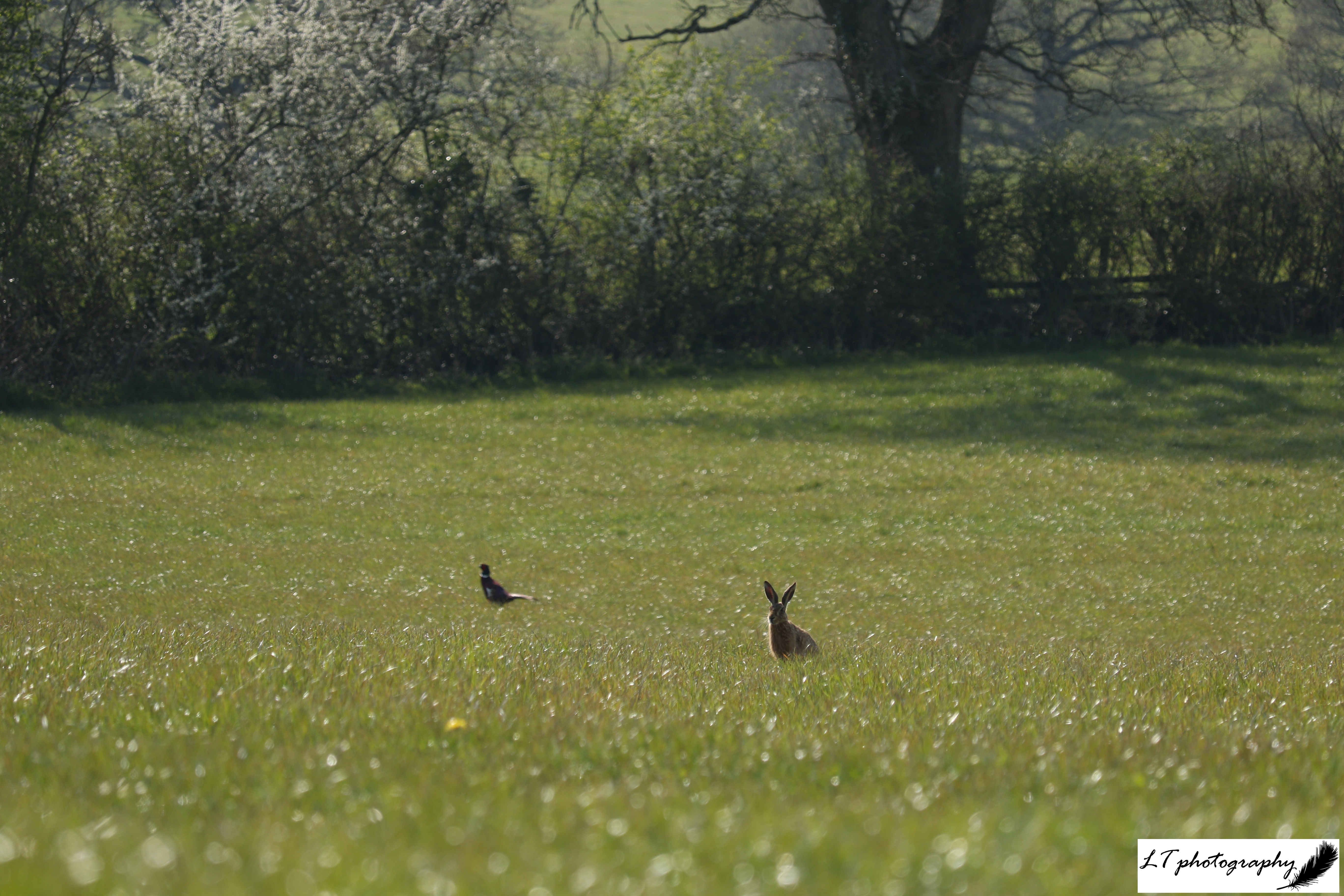
As spring burst into life, my focus turned to the animal species now becoming active in the rural landscape. Here is a relaxed hare (and pheasant) that I ended up spending a sunny afternoon watching feed on this hillside.
Each year grey wagtails are becoming a more and more frequent sight on my family’s farmland. We now have a soft spot for them as they brighten gloomy winter days and add a flash of colour in spring sunshine.

May

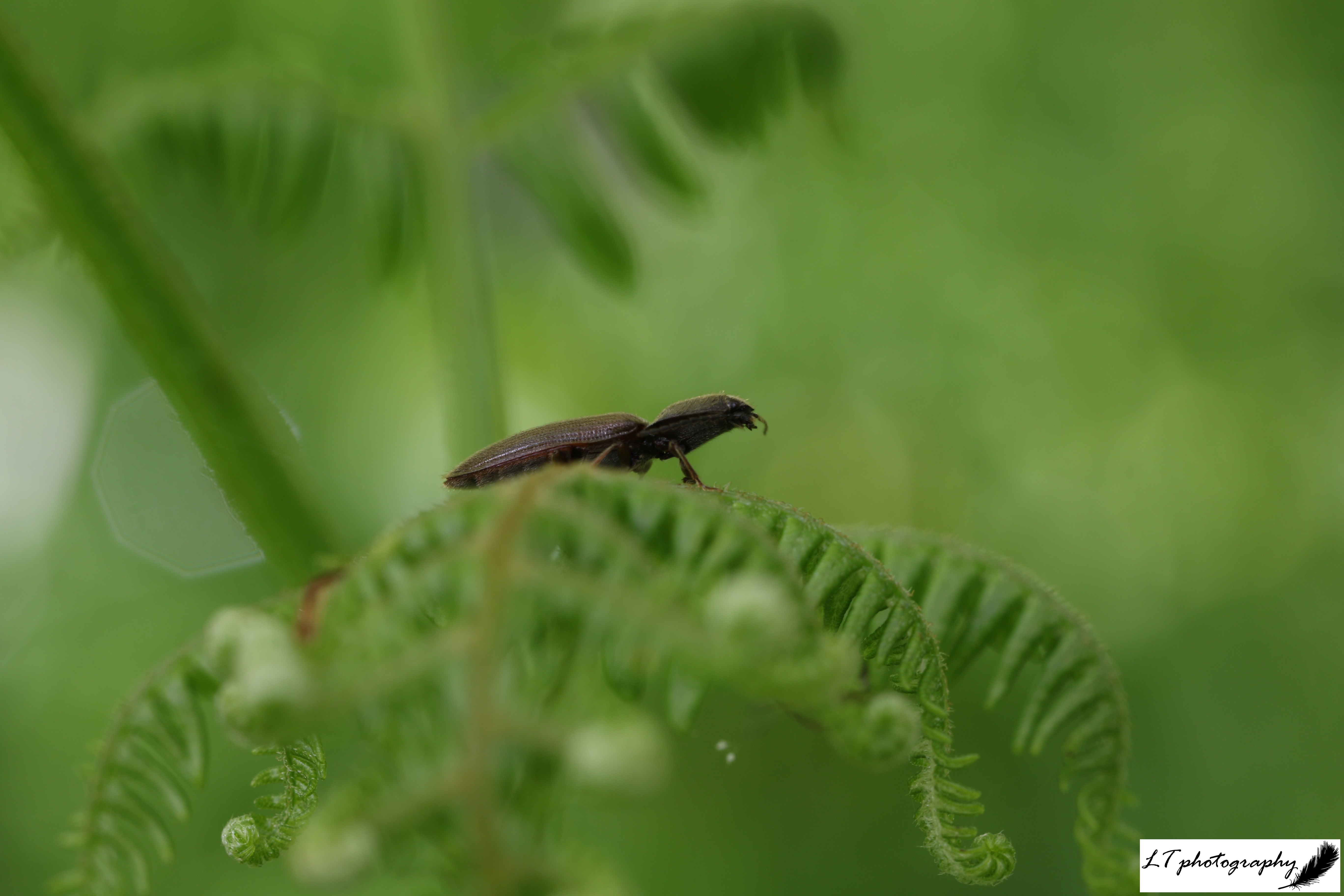
In 2021 I bought my very first macro lens which I was very excited about. It was great fun to head out with no set challenge, and just see what I could find!

June

Last year was definitely the year of butterflies for me. I had alot of fun expanding my knowledge of species and getting to see an increasing number living on my family’s land, such as this meadow brown.

July

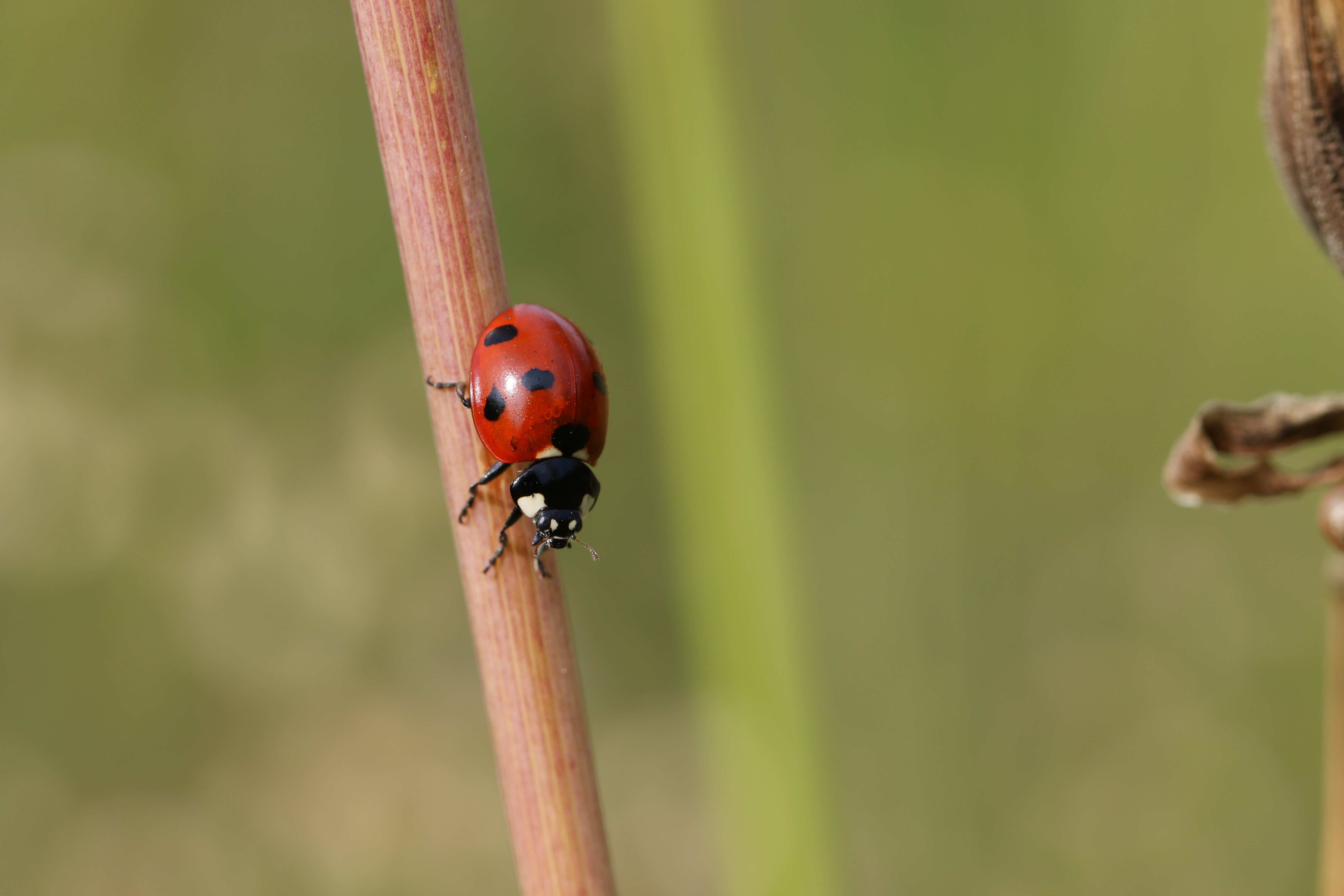
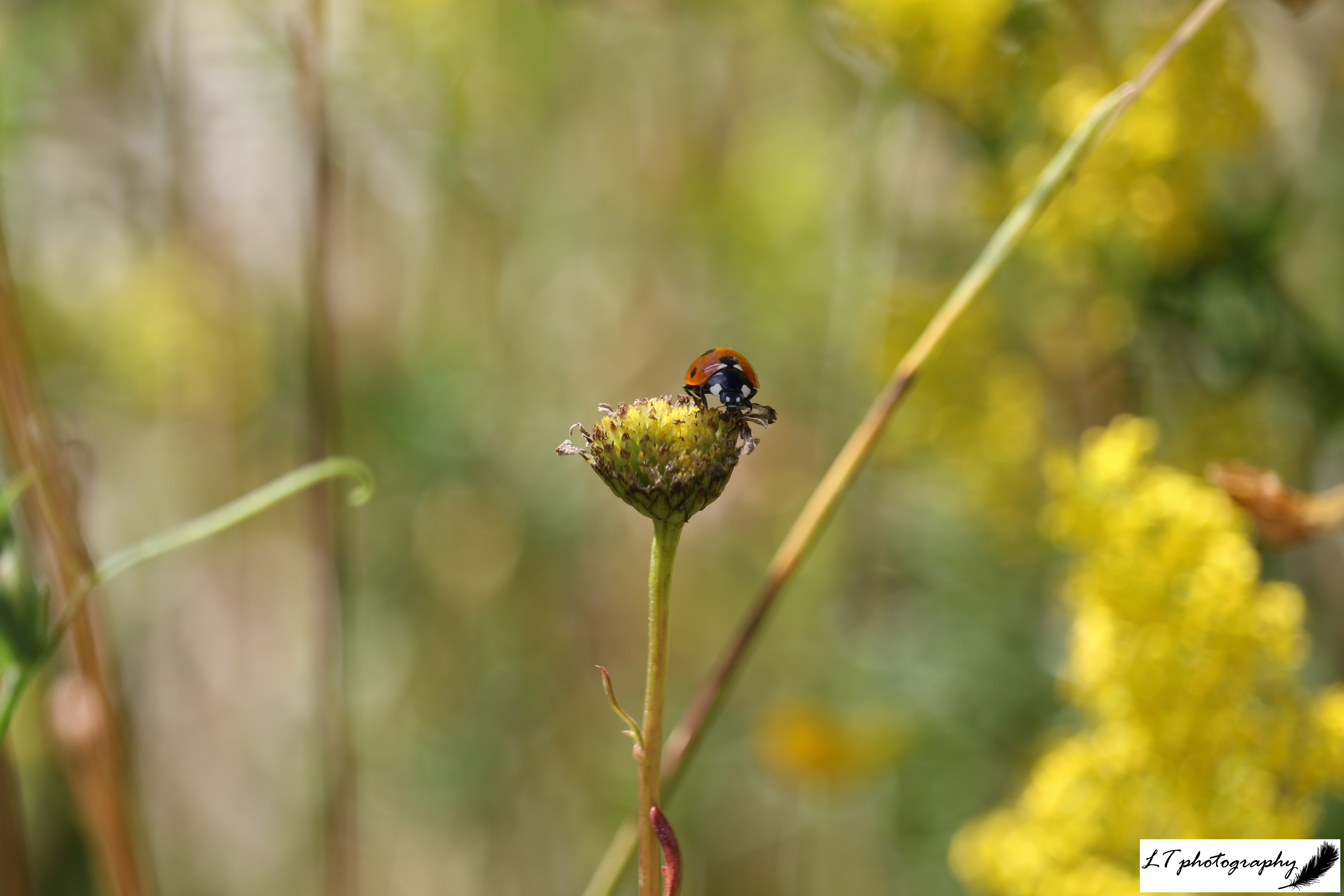
A series of photos that I took of this ladybird became some of my favourites for myself and my family in 2021!
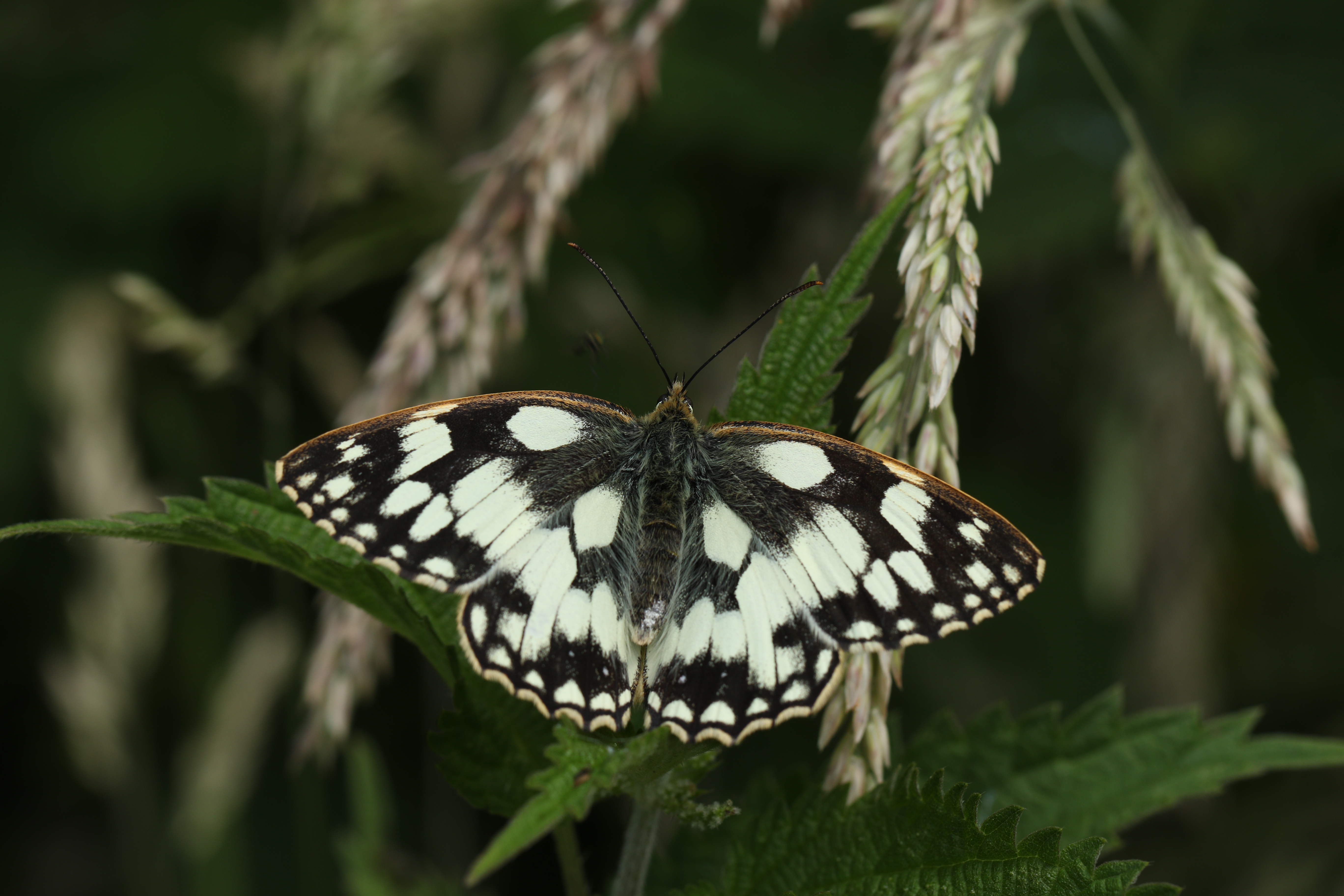
Another one of my 2021 favourites, a spectacular marbled white!

August

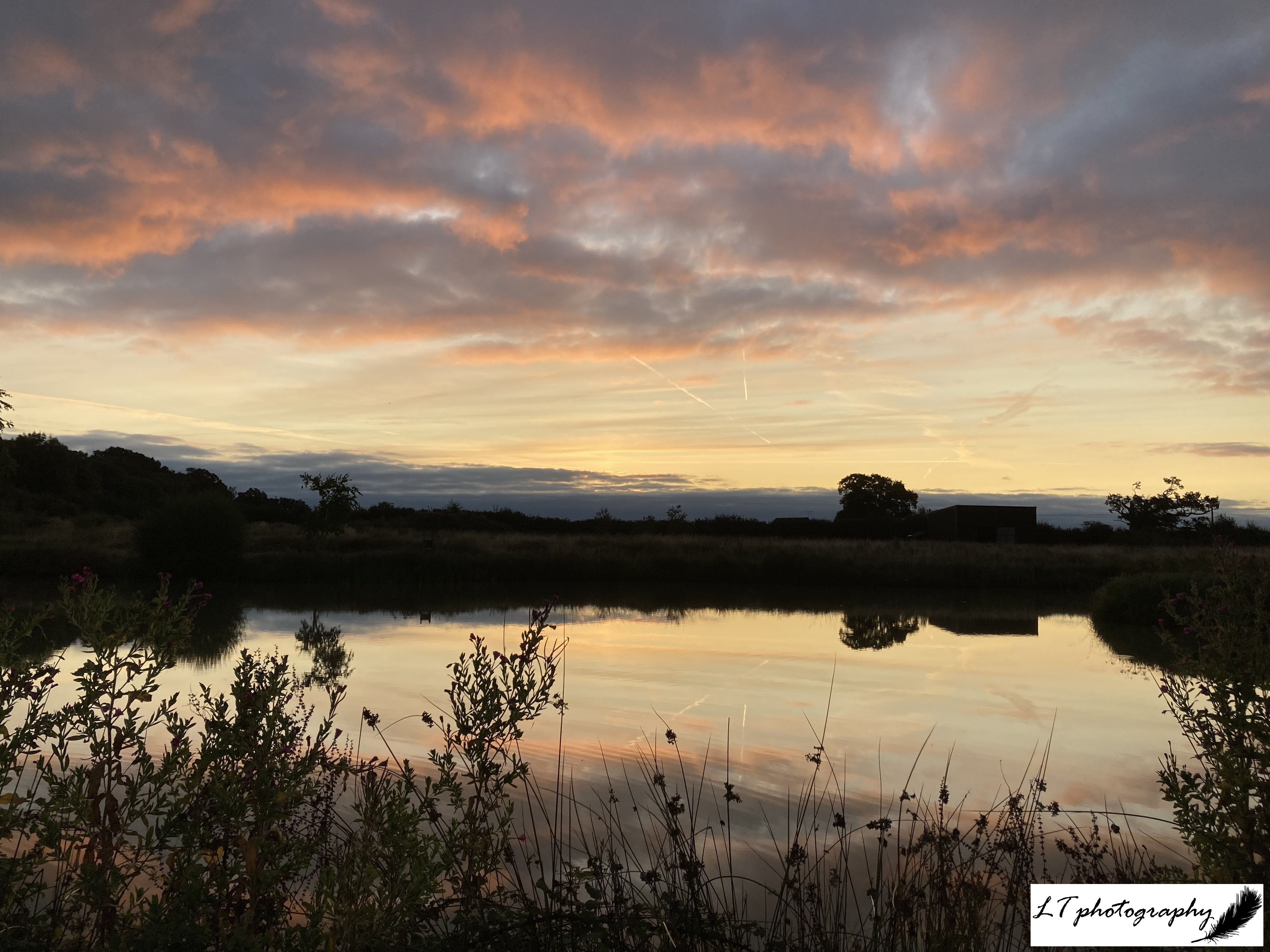
There’s something special about a sunrise over water with pinks, oranges and yellows streaked across the sky like a watercolour.

September

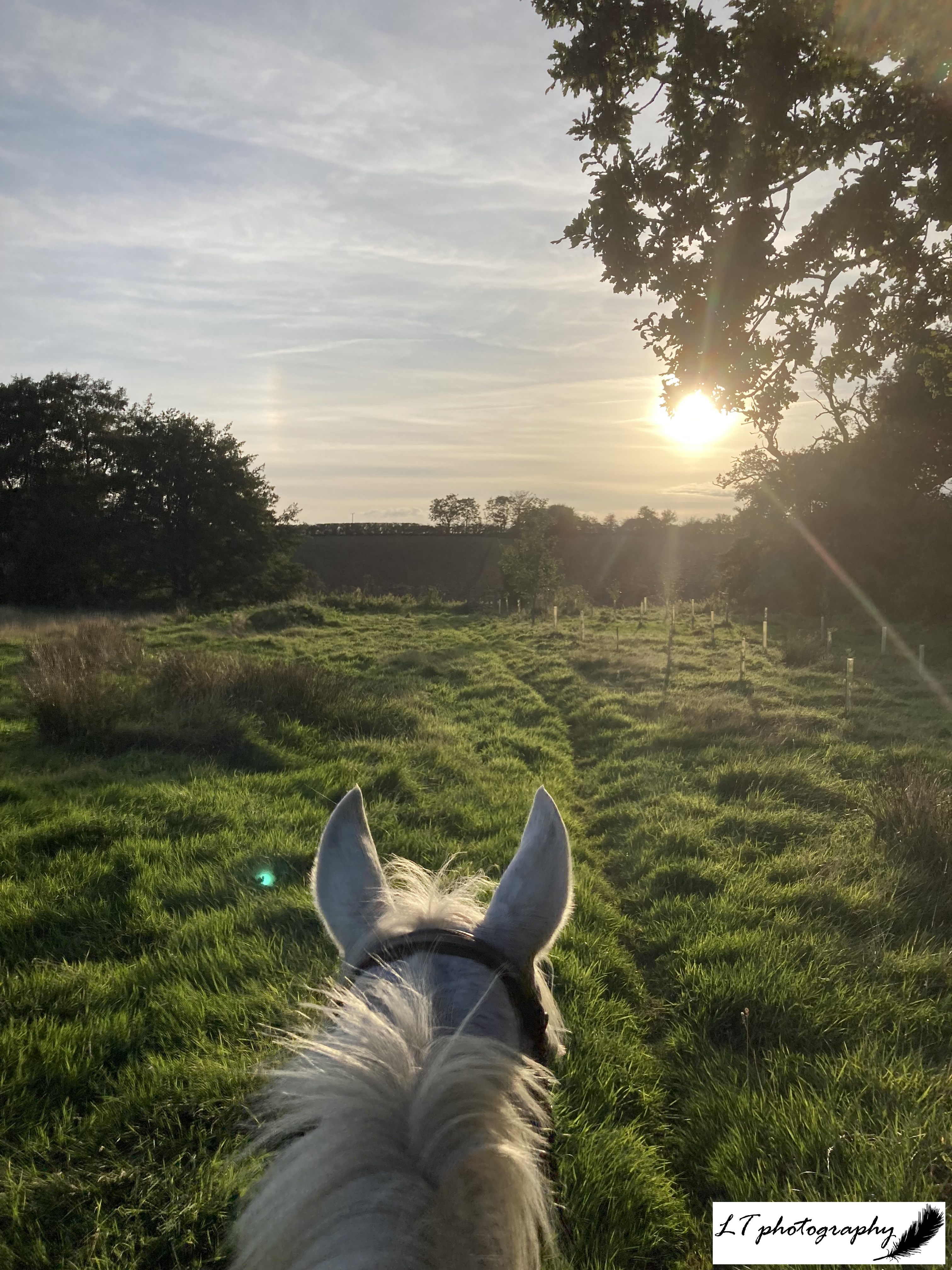
One of my favourite places to be is between two ears exploring the countryside. Here I also had the golden glow of a setting autumn sun to make my ride even more magical.

October

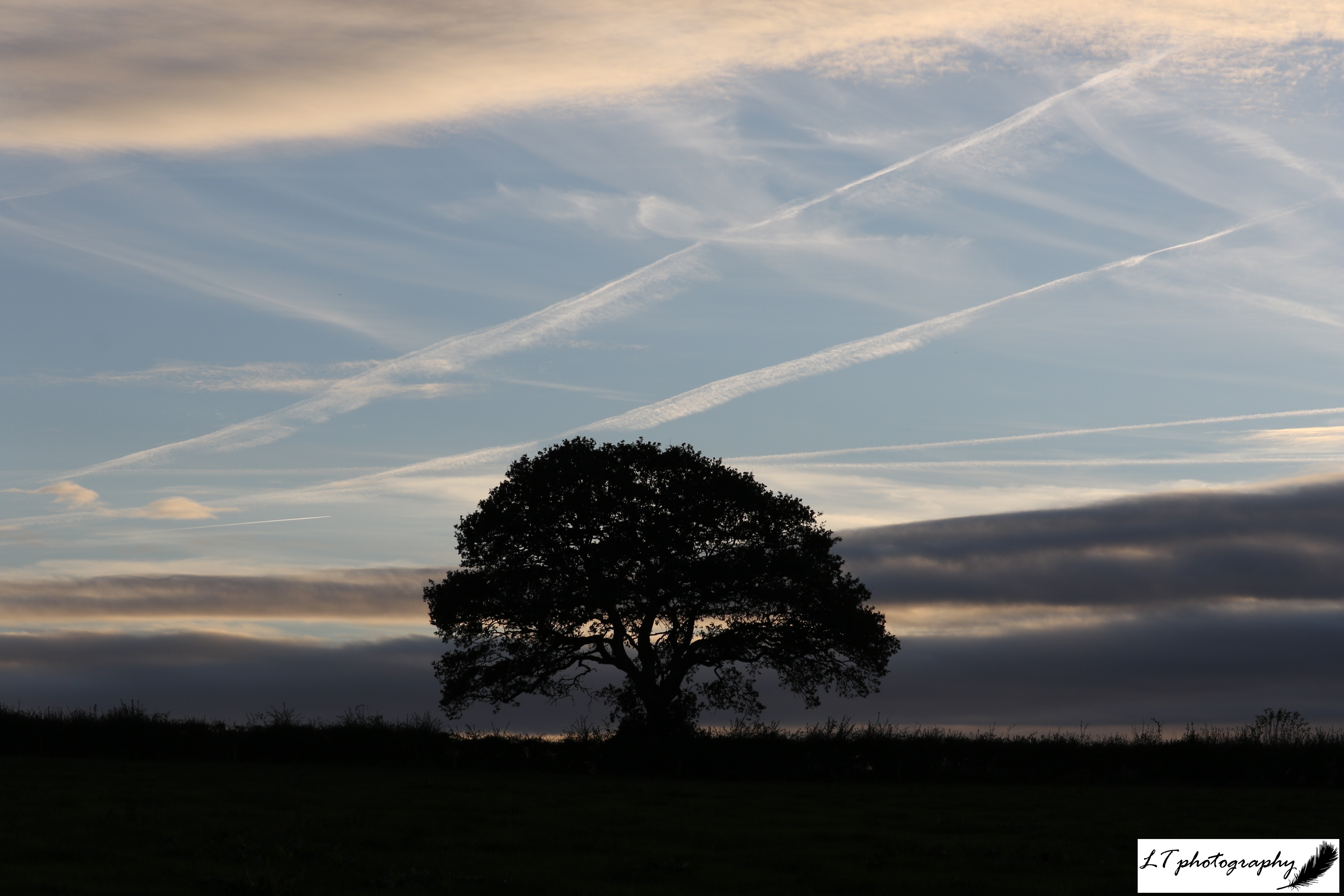
Autumn has some of the best sunsets, with everyday promising something different. Here an oak tree holds on to its leaves as autumn continues its advance through the landscape.

November

A magical part of late autumn is seeing the sun rise over dewy fields covered in a blanket of wafting spiders’ webs. These are produced by thousands of small spiders active before winter arrives.

December

To round off the year, one of my wildlife activities was to plant some new fruiting trees and shrubs down in my family’s conservation field (here a crab apple). Tree planting is definitely a rewarding activity at this time of year!

Here’s to new adventures in 2022!

My 30 Days Wild 2021: A Wild Month

June has been one of those months that has passed by in the blink of an eye. Rainy days quickly moved into scorching heat and then back to rain, framing the last of spring’s events. Every day I have tried to be outside as much as possible, with my happy place being out in nature. From work to down time, my life and hobbies revolve around the wild and the natural world around me. This is why I love to share my experiences with others, to excite, inspire, and instill, and to help motivate people to protect and conserve what is left of our natural world.

It is not surprising then that I am always up for a wild challenge. Last year this took the form of the Wildlife Trusts’ 30 Days Wild, an annual nature challenge that has now run for 6 years, with more than a million people taking part last year. This challenge aims to bring people closer to nature whilst making a positive difference for wildlife and its conservation. All you have to do is complete one ‘Random Act of Wildness’ each day for the whole of June. It is that simple!

Last year I really enjoyed participating in 30 Days Wild, with the challenge enriching my days, helping me to relax, and allowing me to develop a deeper connection with the natural world around me. It also gave me an added focus on days that were busy and stressful, keeping me centred and moving forward. My Random Acts of Wildness ranged from making bird food and picking fruit, to dissecting barn owl pellets and learning my chalkland wildflower species. So it was an easy decision this year to take part once again.

Here’s what I got up to during 30 Days Wild 2021:

Day 1: Tuesday 1st (Work)

For the start of my 30 Days Wild, I began strong.

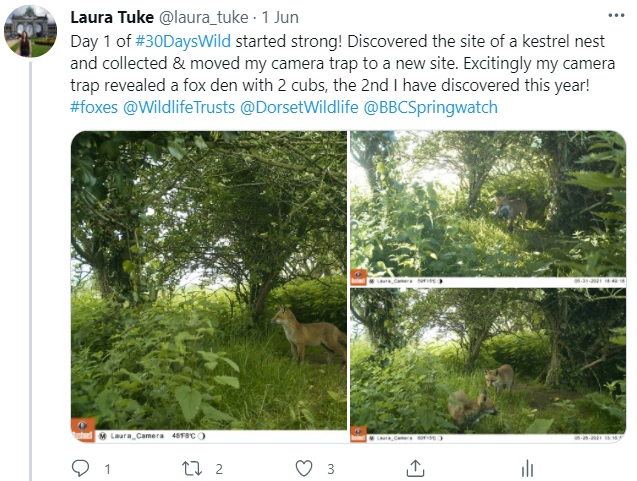
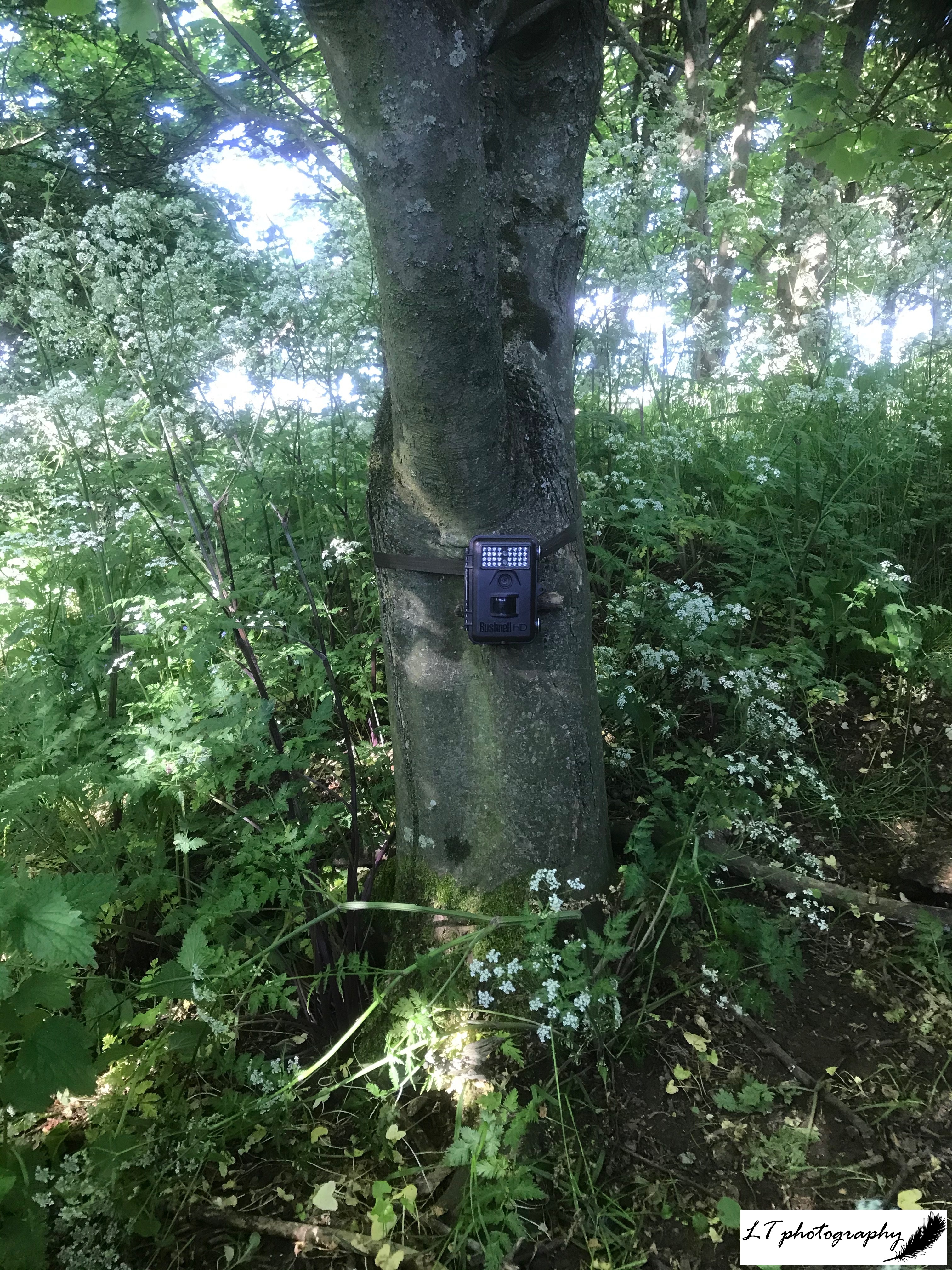
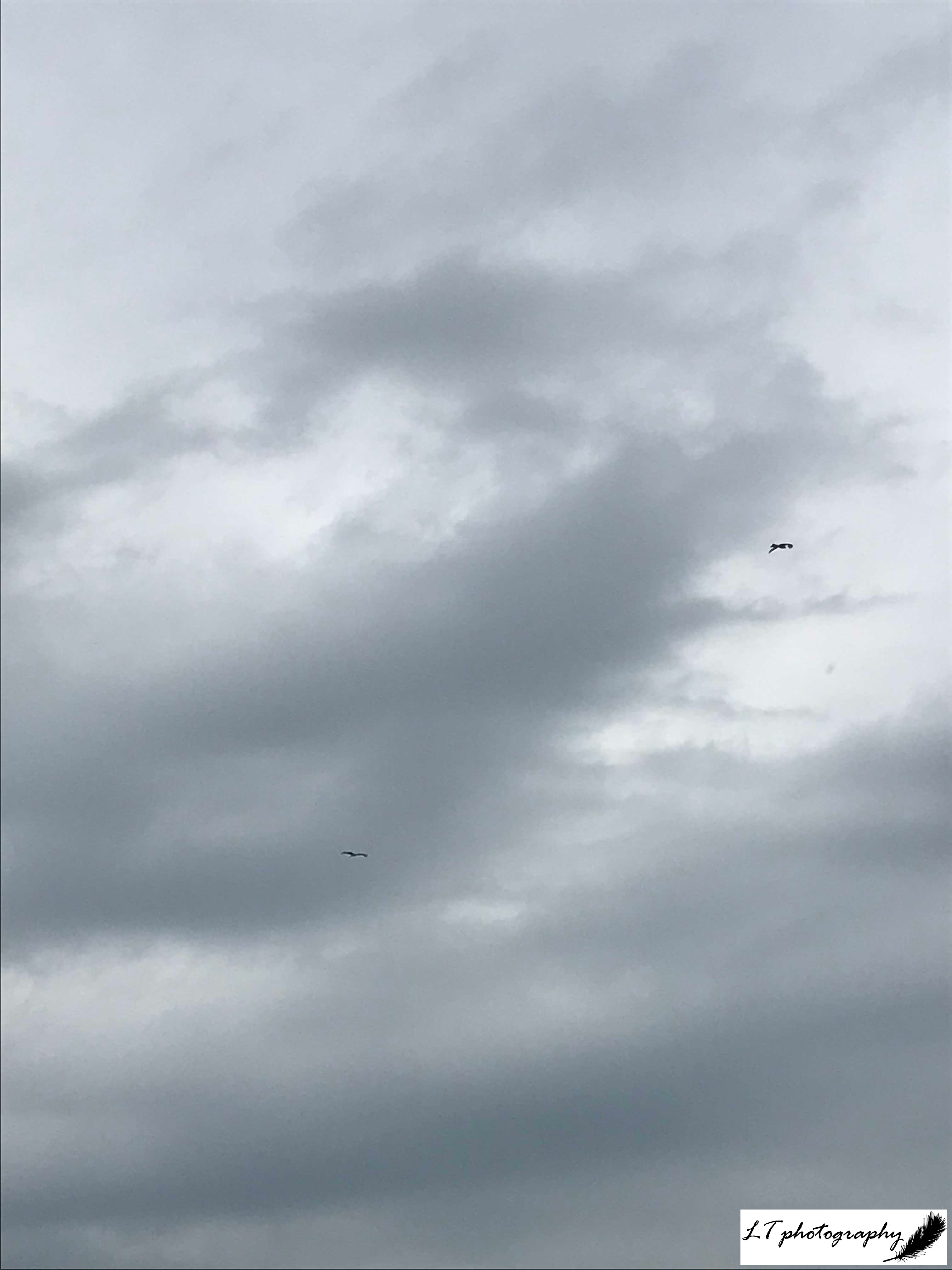
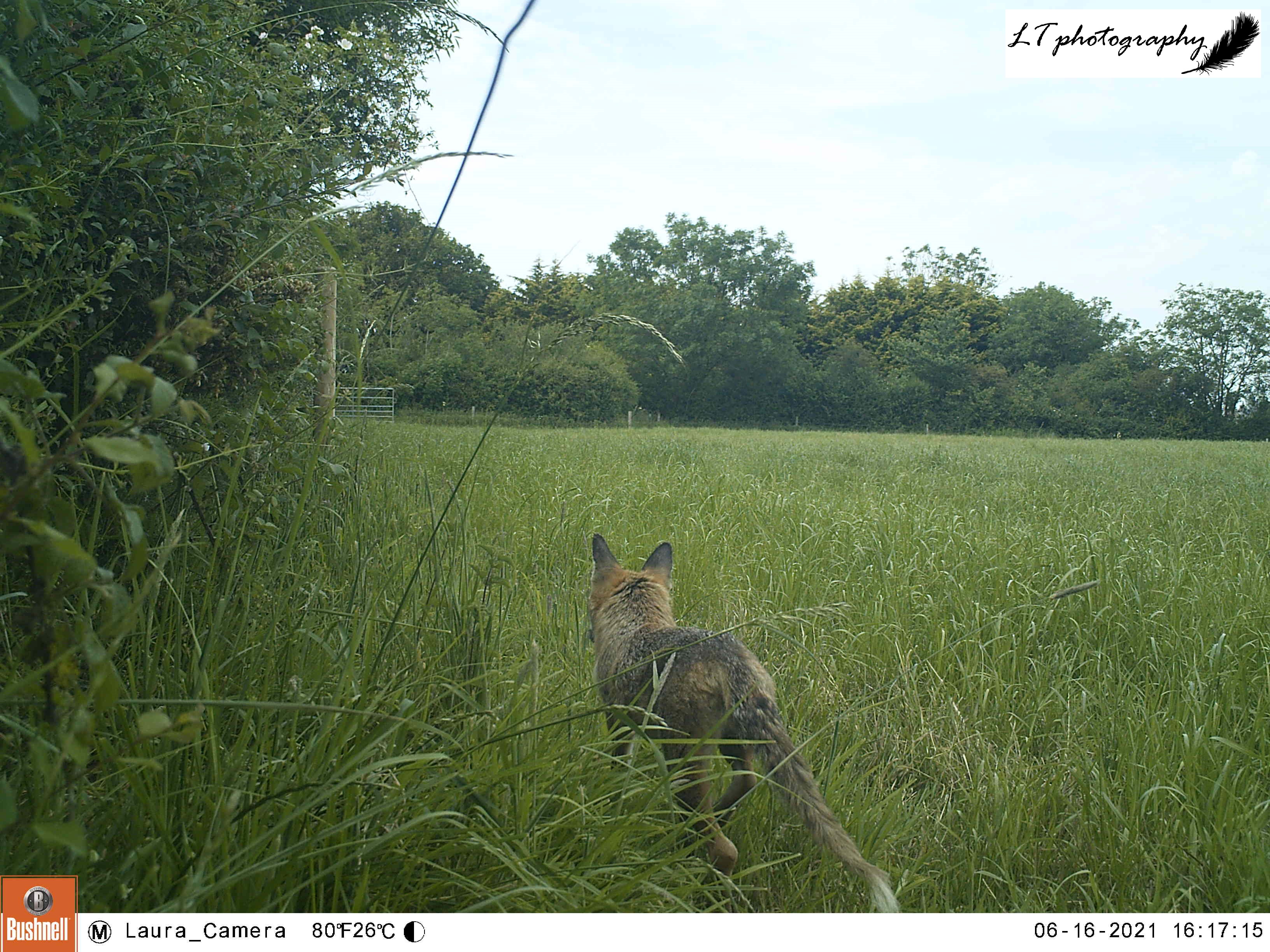
After failing to find an active kestrel nest last year, I finally found the natural nest I had been hoping for! I also checked and moved my camera trap after a week out at a badger sett, discovering my second family of foxes of this year, with it being by far my best camera trapping season yet!

Day 2: Wednesday 2nd (Day Off)

I love an adventure, and so today I ventured out into my local area in the rain to take in as many different habitats and species as possible, with the highlight being 4 red kites sitting in a tree on my family’s land. After drying off and allowing the rain to pass, that afternoon I headed back outside, this time to test my brand new macro lens and get stuck in to the world of the small.

Day 3: Thursday 3rd (Day Off)

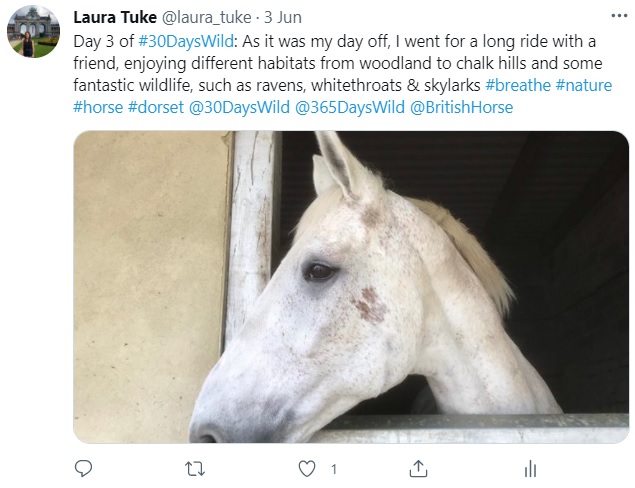
For my second day off, I made the most of free time and went for a long ride with a friend, the highlight being riding through chalk grasslands, embellished with colourful flowers and melodious birds. Being on horseback in this way allows me to take in a range of wildlife in a short period of time and also give me great up-close views.

Day 4: Friday 4th (Work)

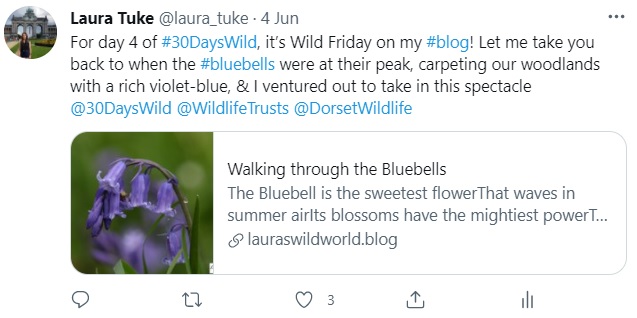
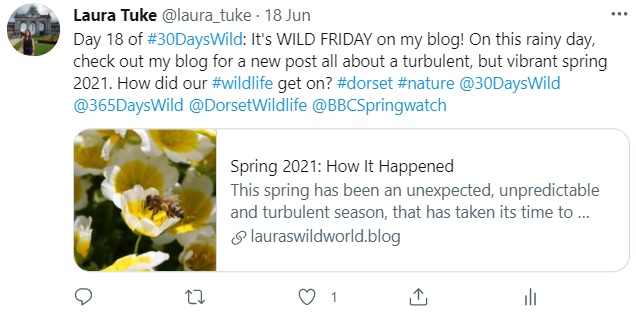
For spring, my wildlife blog has been back up and running, and every Friday has been a Wild Friday. For this week, my new post was all about the spring bluebells, which are one of my favourite parts of spring each year. Check it out on my blog now!

Day 5: Saturday 5th (Work)

After a long day at work, I still had energy to work on some of my nature projects. This included putting my dad together a list of all the bird species seen on my family’s land in the last year (65!), and learning how to fill in nest records for the BTO’s Nest Record Scheme, beginning with a blackbird’s, kestrel’s, and barn owl’s nest.

Day 6: Sunday 6th (Work)

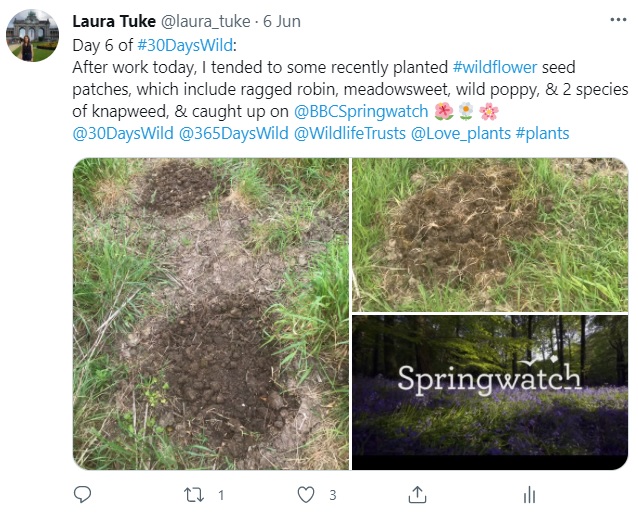
A week ago I cleared a small wildlife area of docks and sowed some homemade wildlife mixes, so this evening after work I headed over to the area to do some management and to water the seeds. I then headed home to finish off my day with Thursday’s and Friday’s missed episodes of Springwatch.

Day 7: Monday 7th (Work)

After catching my neice’s cold, today I felt particularly under the weather. It was a perfect way then to spend my evening curled up in an armchair reading some lovely nature blogs to cheer myself up before an early night.

Day 8: Tuesday 8th (Work)

My happy place is out in nature, and so I have been enjoying working at the moment on my family’s farm in Dorset, and keeping an open mind to what I might discover during day-to-day life. Today I had everything from peacock butterflies and Lackey moth caterpillars, to yellowhammers singing and brown hares grazing within 10 metres of me!

Day 9: Wednesday 9th (Day Off)

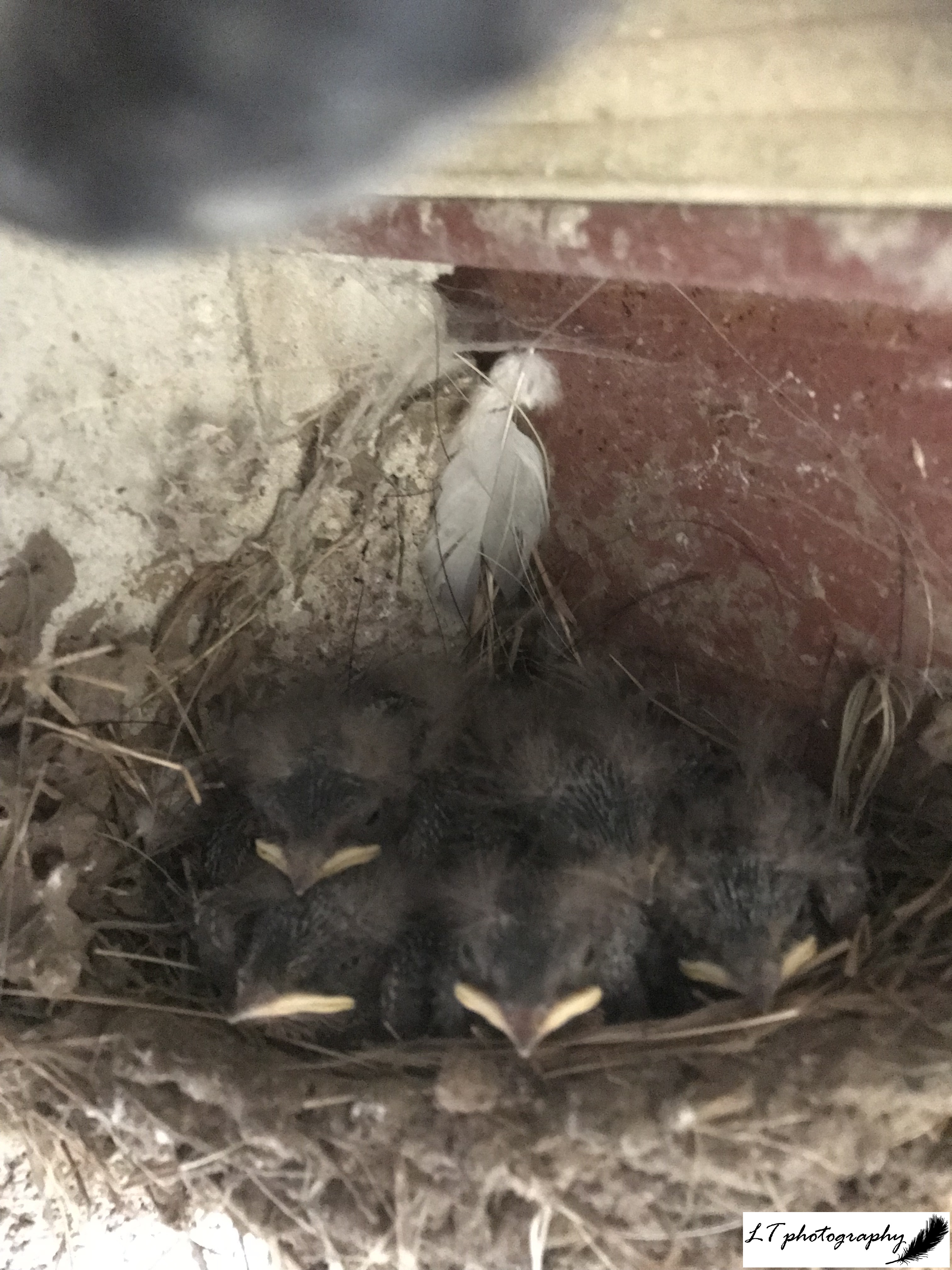
I began my first of two days by heading to my bird ringing trainer’s private nature reserve to help with summer maintenance work, before returning home to check the kestrel nest and to head round to my next door neighbour’s to look for active swallow nests (4 so far!).

Day 10: Thursday 10th (Day Off)

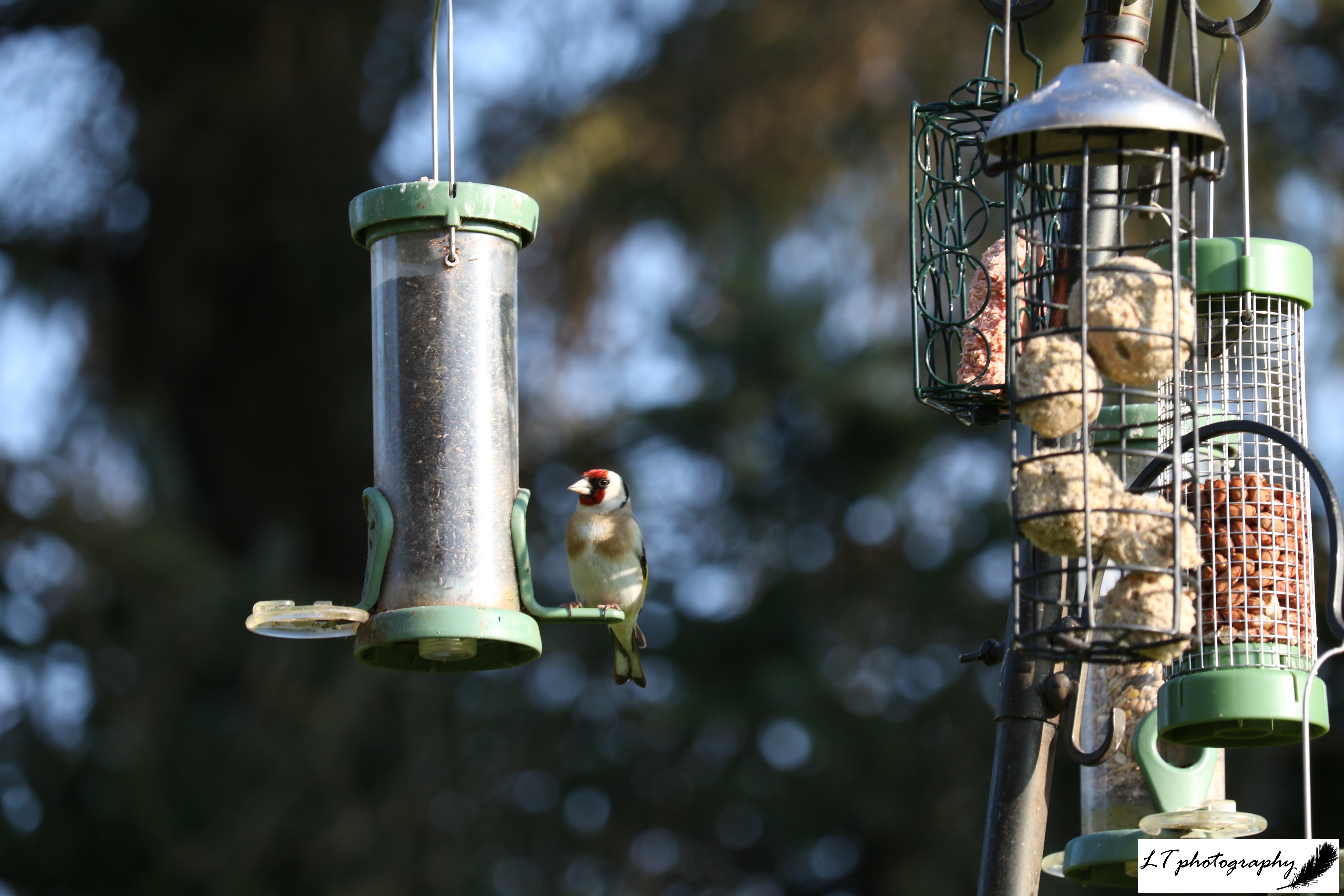
For my second day off, I had a lovely relaxing hack with Marsha exploring a new route near my home, and spent time watching and counting the birds visiting the feeders in my garden. From pheasants and house sparrows to goldfinches and greenfinches, all species and their abundance are recorded in my garden and sent off at the end of the week to the BTO’s Garden BirdWatch scheme.

Day 11: Friday 11th (Work)

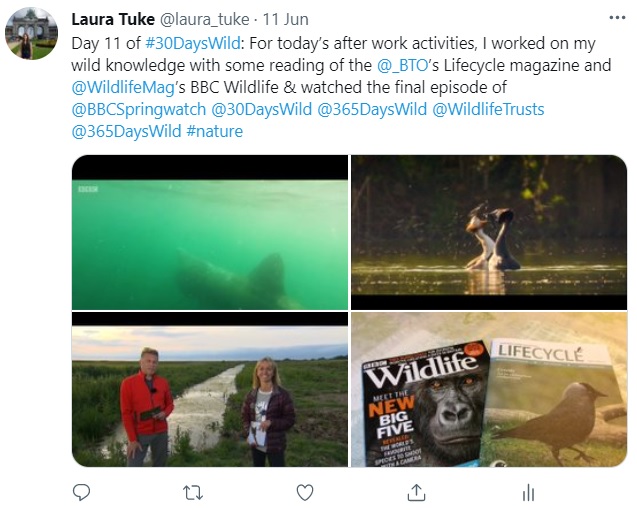
Today after work I spent time expanding my wildlife knowledge through reading the BTO’s Lifecycle magazine and BBC Wildlife magazine, and watching the very last episode of 2021’s Springwatch.

Day 12: Saturday 12th (Work)

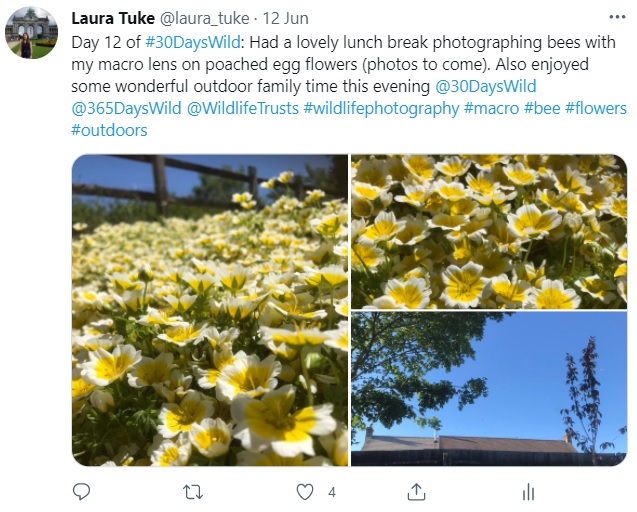
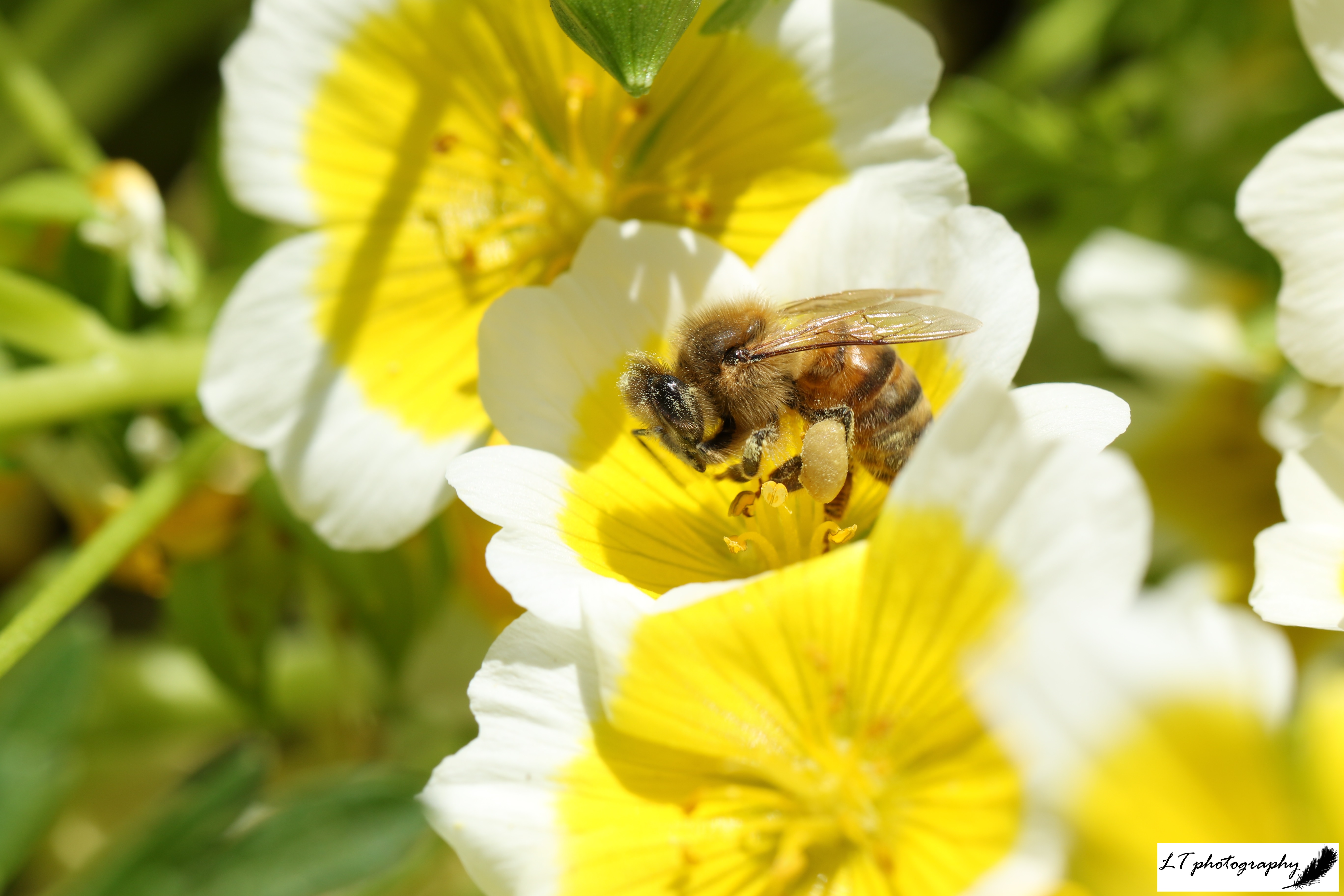
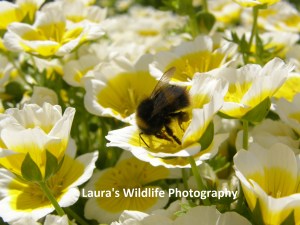
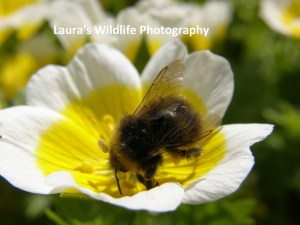
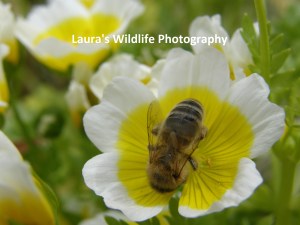
Today I used my lunch break to take photos of the bees buzzing around the poached egg flowers in my family’s garden using my brand new macro lens (very exciting!). My evening was then spent relaxing with my family in my brother and sister-in-law’s garden for a lovely family bbq in the setting sun.

Day 13: Sunday 13th (Work)

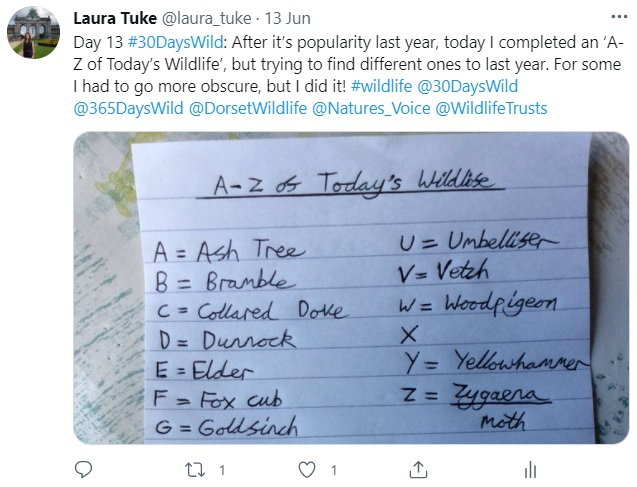
Last year I completed a self-set challenge to find an example of wildlife for every letter of the alphabet during just 1 day. Today I decided to have a go once again, but with the added challenge of finding different examples compared to last year. It was tough, but I did it!

Day 14: Monday 14th (Work)

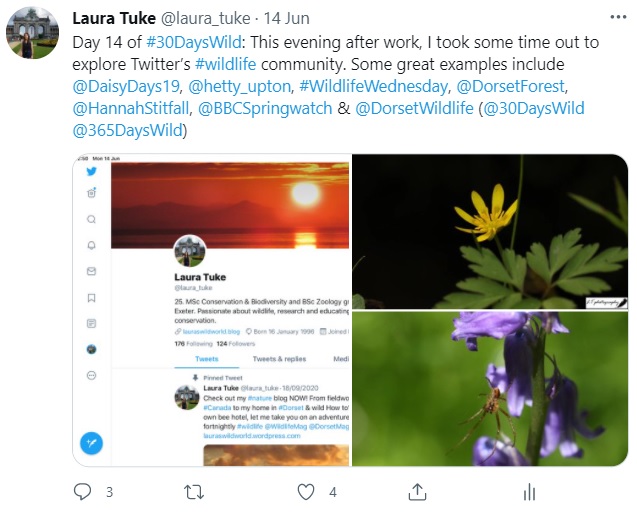
After a long day at work, I spent some time exploring Twitter’s wildlife community, visiting some of my favourite and some new pages. Why not check them out yourself to find out what they have been getting up to?

Day 15: Tuesday 15th (Work)

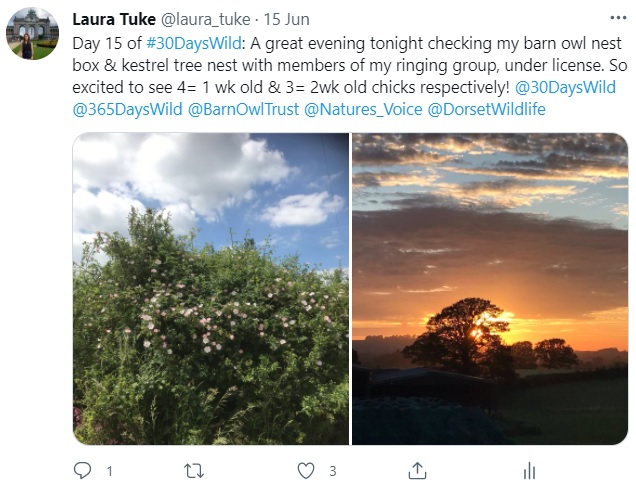
After work, I had a really lovely evening checking my family’s barn owl nest box and kestrel tree nest with fully licensed members of my ringing group. We were excited to find the adult female barn owl brooding 4 young and the adult female kestrel feeding 3 two week old chicks!

Day 16: Wednesday 16th (Day Off)

To finish off a jam packed day off, I went for a lovely evening walk that began with just me and my camera and ended with me also carrying my camera trap and family’s farm cat. He likes to have a walk, but he gets tired too easily!

Day 17: Thursday 17th (Day Off)

Around my usual horse riding today, I kept myself busy with my wildlife photography, using my camera, taking photos off of memory cards, organising photos, and sorting my camera trap.

Day 18: Friday 18th (Work)

Today was another ‘Wild Friday‘ on my blog meaning a brand new blog post went up all about how spring 2021 unfurled. A little scientific, a little anecdotal, and a little visual-based, it was an enjoyable piece to write.

Day 19: Saturday 19th (Work)

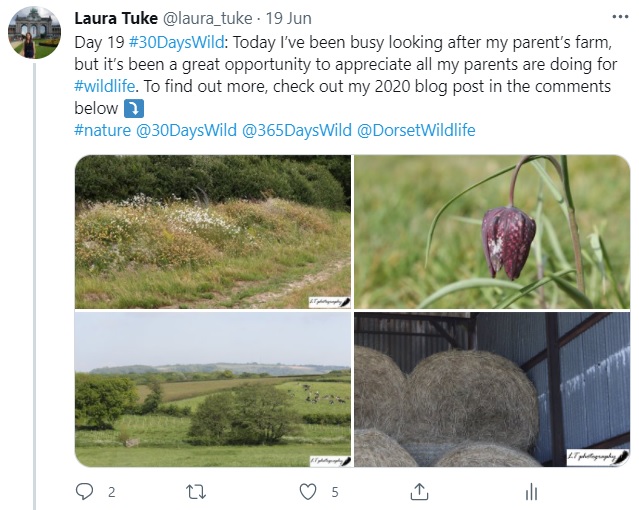
Today I have been very busy looking after my parents’ farm whilst they are away. It has been a great opportunity to take in all that the farm has to offer and to appreciate all the work my parents have done and are doing for wildlife on the farm, from digging ponds to planting trees.

For more information check out my 2020 blog post called ‘Giving Nature a Home on the Farm’.

Day 20: Sunday 20th (Work)

After a busy few days looking after the farm, this afternoon I took some time to relax with my family, and be a proud aunt seeing how my very intelligent neice is learning more and more about wildlife. To top off my day, I took part in the Wildlife Trusts Big Wild Quiz, getting a respectable 28 out of 35.

Day 21: Monday 21st (Work)

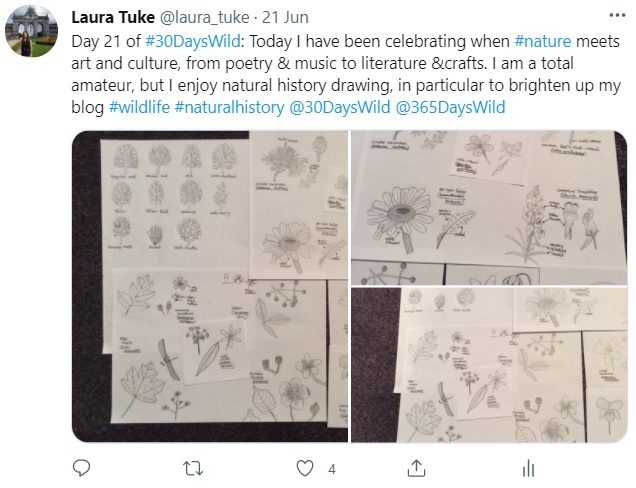
Nature has a strong influence on british culture, influencing everything from music to art and literature. Nature is also a great inspiration for my own creativity, for example encouraging me to improve my own ability to draw and sketch, and to use my drawings to illustrate my wild ‘How to’ guides.

Day 22: Tuesday 22nd (Work)

After a busy day at work, I decided that for today’s Random Act of Wildness I would make a valuable donation to Dorset Wildlife Trust. Any donation that can be made is important for such organisations to be able to do their conservation work, such as rewilding and habitat management.

Day 23: Wednesday 23rd (Day Off)

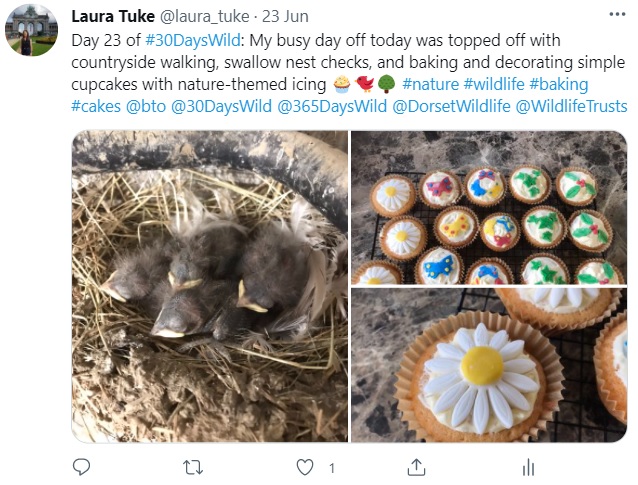
Around a lovely much needed catch up with and old friend, I spent my day off countryside walking, checking swallow nests, and baking. I followed suit of last year’s baking, and kept it simple with yummy sponge cakes with wild decorations, in the form of flowers, butterflies and leaves. A lot of fun!

Day 24: Thursday 24th (Day Off)

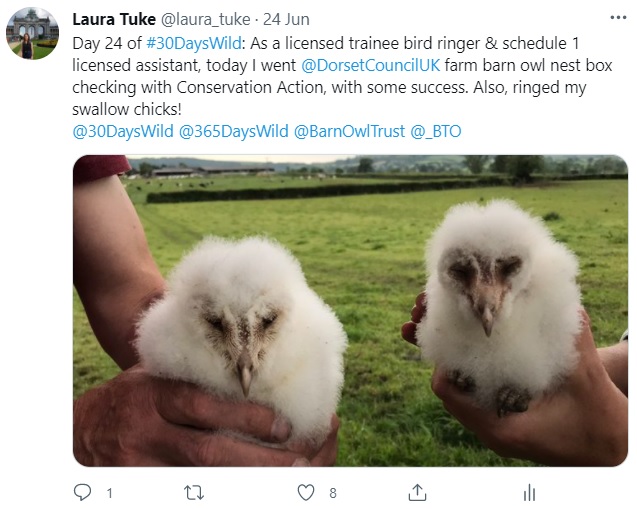
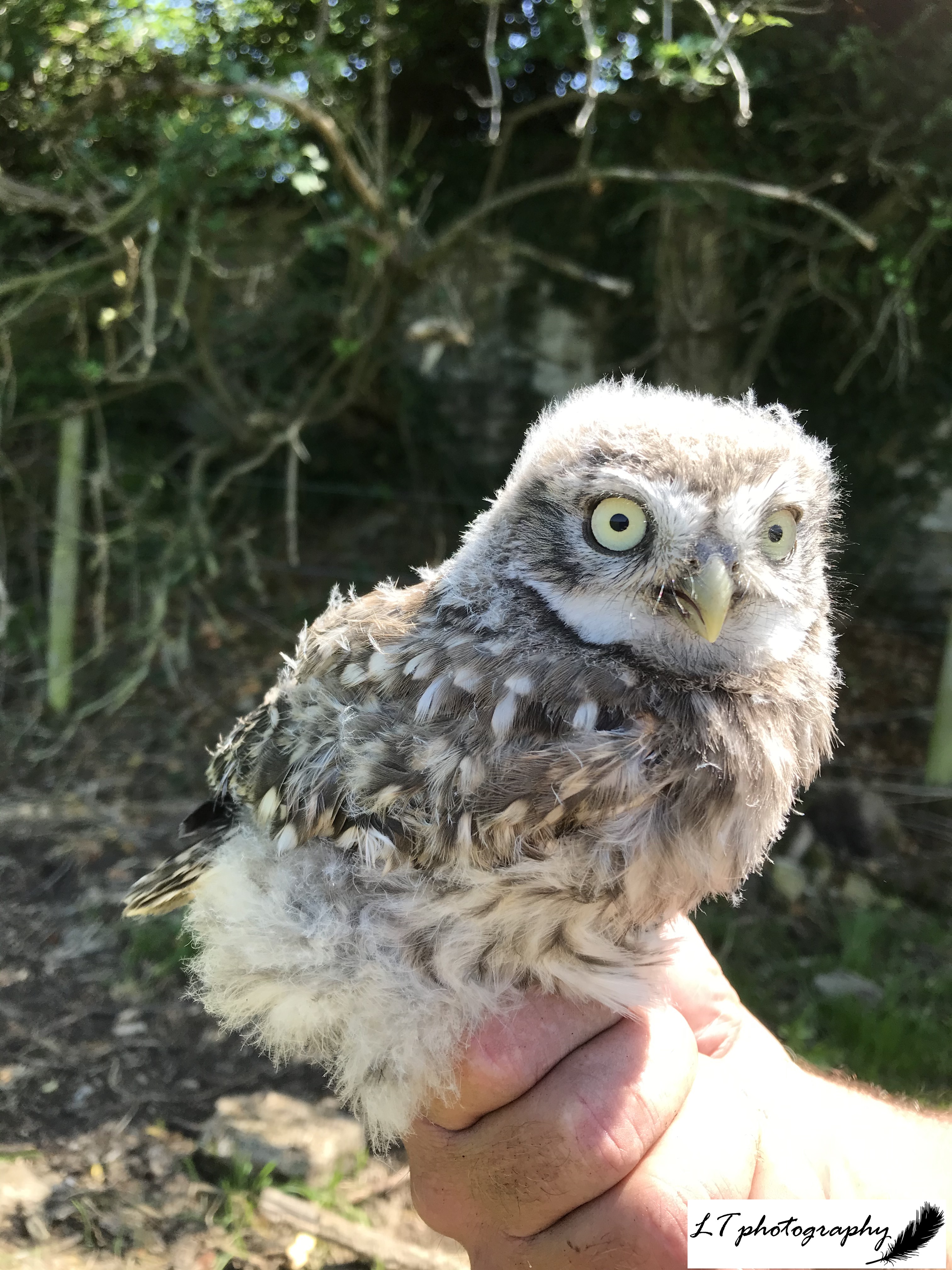
Today I spent my day checking barn owl nest boxes with Dorset County Council and Alan who I ring with at Conservation Action. Such experiences always feel like a privilege to me and it was a great training experience, topped off with ringing 3 out of 4 of my swallow nests.

Day 25: Friday 25th (Work)

Today was Wild Friday on my blog, with this week’s post being all about my how spring looked for me personally, featuring 16 of my favourite photos from the season. They are either aesthetically pleasing, a great memory, or just bring me joy. Check it out now!

Day 26: Saturday 26th (Work)

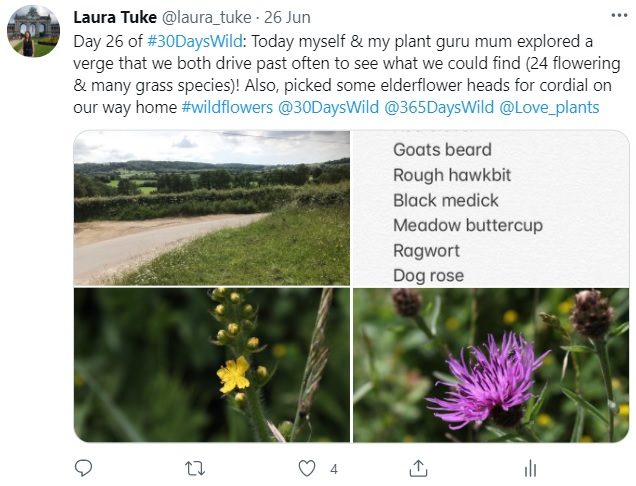
Today on a much needed afternoon off, activities included exploring a road verge in my local area to ID plants with my mum (24 wildflower species), and picking elderflower heads to make this year’s elderflower cordial.

Day 27: Sunday 27th (Work)

For the last 2 years I have been enjoying training as a bird ringer, and have become a member of my trainer’s conservation group called Conservation Action. We are based in Dorset and the South West and aim to protect, restore and preserve biodiversity, promote conservation, and to research and monitor the state of nature.

For more information, check out our website at www.conservationactionuk.org or our Twitter and Instagram pages.

Day 28: Monday 28th (Work)

Though my happy place is being outside in all weathers, today was one of those days when I got a bit too wet and then a bit too sweaty. The day was still very productive, so I felt content at the end of the day to head home and curl up with my current wild book: Gavin Thurston’s ‘Journeys into the Wild: Secret Life of a Cameraman’.

Day 29: Tuesday 29th (Work)

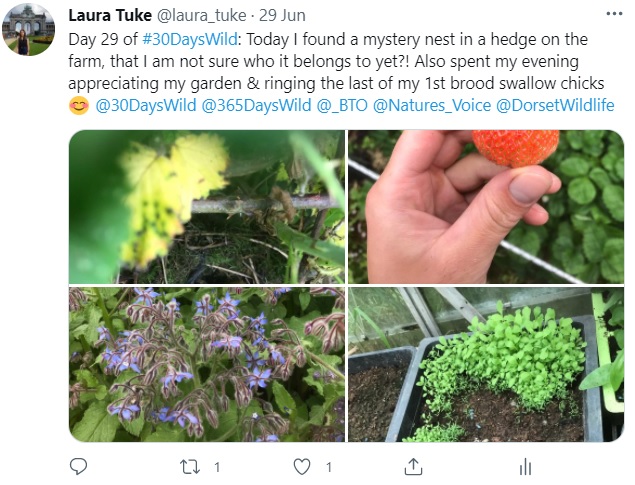
Today I accidentally found a bird’s nest at waist height in a hedge on my family’s farm, spent a lovely half hour out in my garden, the flowers thick with bumblebees, and ringed my final of first brood swallow nest.

Day 30: Wednesday 30th (Day Off)

Today I had a glorious last day of 30 Days Wild. I had a lovely early morning walk with my mum, took photos of the many butterflies on the farm at the moment, and finished the day checking barn owl boxes with my bird ringing training as the sun set

A lovely, active and wild month spent in some of the best ways possible!
26 Years of the BTO’s Garden BirdWatch: Getting Involved During Lockdown

As winter creeps into the landscape and a second lockdown keeps us close to home, our gardens are once again coming alive. Wrens creep through the undergrowth catching insects, Robins sing to defend small territories, and Long-Tailed Tits flit between hedgerows foraging in family groups. It’s not just the birds though, other species are settling down to see out the winter in our gardens too, from butterflies and toads to hedgehogs and ladybirds.

With this year being a bit different, I have found it a great time to take part in the BTO’s Garden BirdWatch, to further connect with nature, boost my mental health, and do my bit. Gardens are very important homes for wildlife, not just at this time of year, so now is an important time for us to understand how we can better help the wildlife that share our gardens with us. If you have a bit of time on your hands, want to do something a bit different, or are interested in the wildlife on your doorstep, then this survey could be just what you need!

The BTO and the Garden BirdWatch

So, what is the BTO? Well, the BTO stands for the British Trust for Ornithology, where ornithology refers to the study of birds. Started in Oxford in 1933, this now Norfolk-based charity aims to engage people with science whilst advancing the understanding of birds and now other wildlife species. With over 60,000 dedicated volunteers, and projects ranging from bird ringing and Cuckoo tracking to urban gull and bat surveys, the BTO has gone from strength-to-strength.

Set up in 1995, one popular BTO project has been the Garden Birdwatch, a project aiming to understand the relationship between wildlife species and our gardens, and how and why some of these species populations may be undergoing change. In a nutshell, the Garden BirdWatch is about participants recording the birds they see in their garden, along with mammals, amphibians, reptiles, butterflies, bumblebees, and dragonflies. As vital habitat for wildlife continues to decrease, whilst the importance of gardens as substitute habitat increases, the information we can provide now can be used to better tailor help to support wildlife in the future.

So why should you take part? Well, the Garden BirdWatch is a great way to enjoy the wildlife in your garden, improve your knowledge, and allow you to follow the annual cycle of life. Taking part is also easy! All you need is a garden, a minimum of 20 minutes a week, and a way to identify the species you see. You do not need to have a big or elaborate garden, put food out, or be an expert. With the Garden BirdWatch currently being free for a year, signing up is easy. Provide a few details about your garden, and get started recording the garden birds and other wildlife that visit you.

Why not join thousands of other volunteers today, and do something new from the comfort of your own home!

Examples of Results

Last year marked the 25th year of the Garden BirdWatch, and so the BTO have now been able to use 25 years of weekly garden observations to begin analysing the relationship between our gardens and wildlife. For example:

  • Goldfinches, Woodpigeons, Nuthatches, and Jackdaws have become an increasingly common sight in our gardens, relying on our gardens for vital foraging habitat
  • Song Thrushes, Greenfinches, Starlings, and House Sparrows have become a less common sight in our gardens since 1995, due to a range of factors from disease to loss of habitat

I have now been taking part in the BTO’s Garden BirdWatch for the last 21 weeks. This time has gone past so fast, but has opened my mind to the diversity and abundance of species that visit my garden through the seasons. To sum up my time so far, here are some of my results:

  • I have observed 26 different bird species in my garden, with the most abundant species being Starlings (50 on 28th July) and House Sparrows (40 on 28th July), followed by Goldfinches (30 on 1st October)
  • Every week Blue Tits, Great Tits, Collared Doves, Pheasants, Goldfinches, and House Sparrows have been consistently recorded
  • As summer has moved into autumn and winter, Coal Tits, Jackdaws, and flocks of Goldfinches have become newly reliant on my garden, whereas Great-Spotted Woodpeckers, flocks of House Sparrows, Pheasants, flocks of Starlings, and Sparrowhawks have decreased their visits
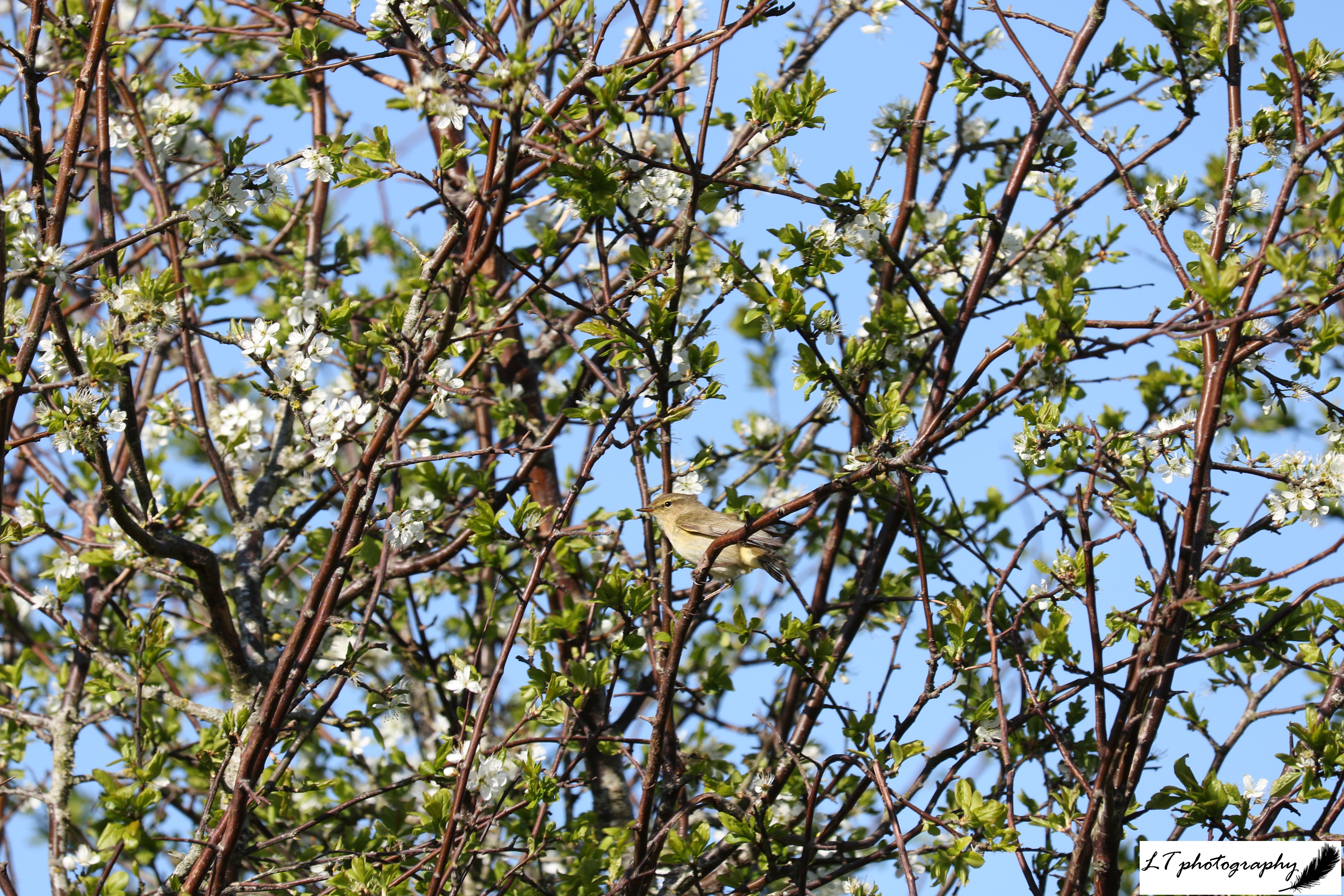
  • No week or month has been the same, with summer highlights including Greenfinches, Siskins, Chiffchaffs, and Garden Warblers!

So, why not see what wildlife you can encounter this winter?

How to… Make Your Own Bee Hotel

As the planet continues to experience the loss of plants and animals on an unprecedented scale, it is now increasingly important that we all try and do our bit for nature. Though it can be disheartening and tough to know what to do sometimes, making one small step could be a real start to making a difference. For example, one easy thing you could do, is to provide a home for wildlife, such as a wildflower area, pond, or even a bee hotel.

The increasingly popular bee hotel is a home that is made for solitary bees, which include Leafcutter and Mason bees, and are those that live on their own rather than in colonies, make up about 90% of UK bee species, and are very important pollinators. With the loss of 97% of wildflower meadows since the Second World War, along with other factors such as pesticides and intensive farming practices, solitary bees are now heavily under threat, with less suitable habitat currently available to them.

One way we can help, is to produce nesting sites in the form of bee hotels. These structures are made up of a frame filled with tubes mimicking the natural cavities solitary bees use to nest in, which are typically tunnels in dead wood or hard soil. From spring to summer, different species will build inside these tubes, lay their eggs, add a supply of nectar and pollen, and block up the entrance. The eggs will then hatch, feed, and pupate, before emerging the following spring.

Though spring is the best time to make and put up a bee hotel, you can make one anytime you wish. There are also no set rules on how to make or use a bee hotel, as they are a relatively new phenomenon and advice on them is changing all the time. For now though, here’s some guidance I can give to help you make your very own bee hotel. They can take some time to make, but are very rewarding, and are also a great activity to currently do as part of your 30 Days Wild challenge!

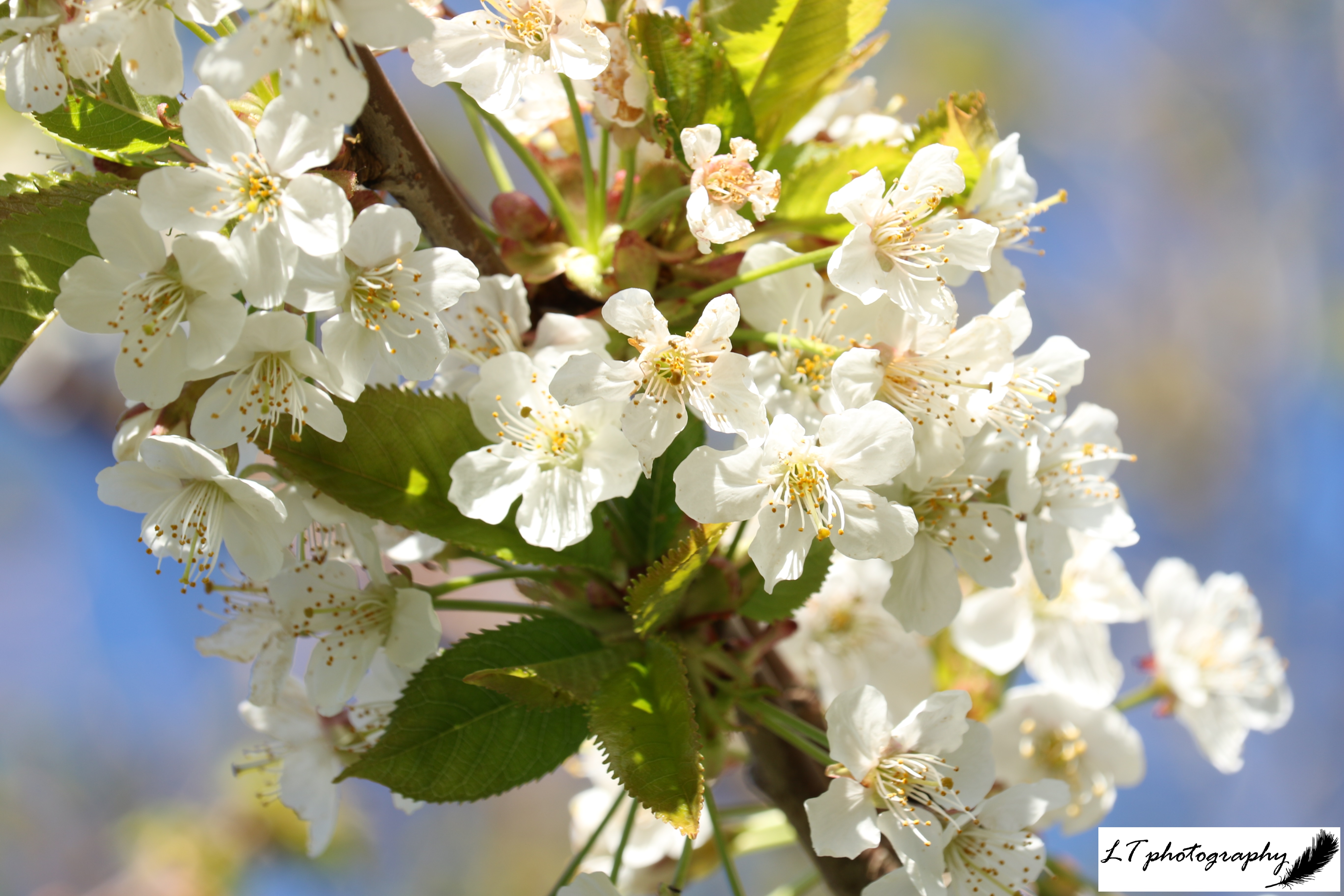
Cherry Blossom

How to make a bee hotelWooden Planks

Examples of considerations include:

  • Simple or aesthetically pleasing and complex design?
  • Vertical or horizontal?
  • Sloped or flat, overhanging roof?
  • For your garden or a small space e.g. a window sill?
  • Use only recycled and reclaimed resources?

Always think of the bees when making your decisions though!
What you need:

  • Offcuts of planks of untreated wood, about 1.5cm thick
  • Tape measure and pencilSaw
  • Saw
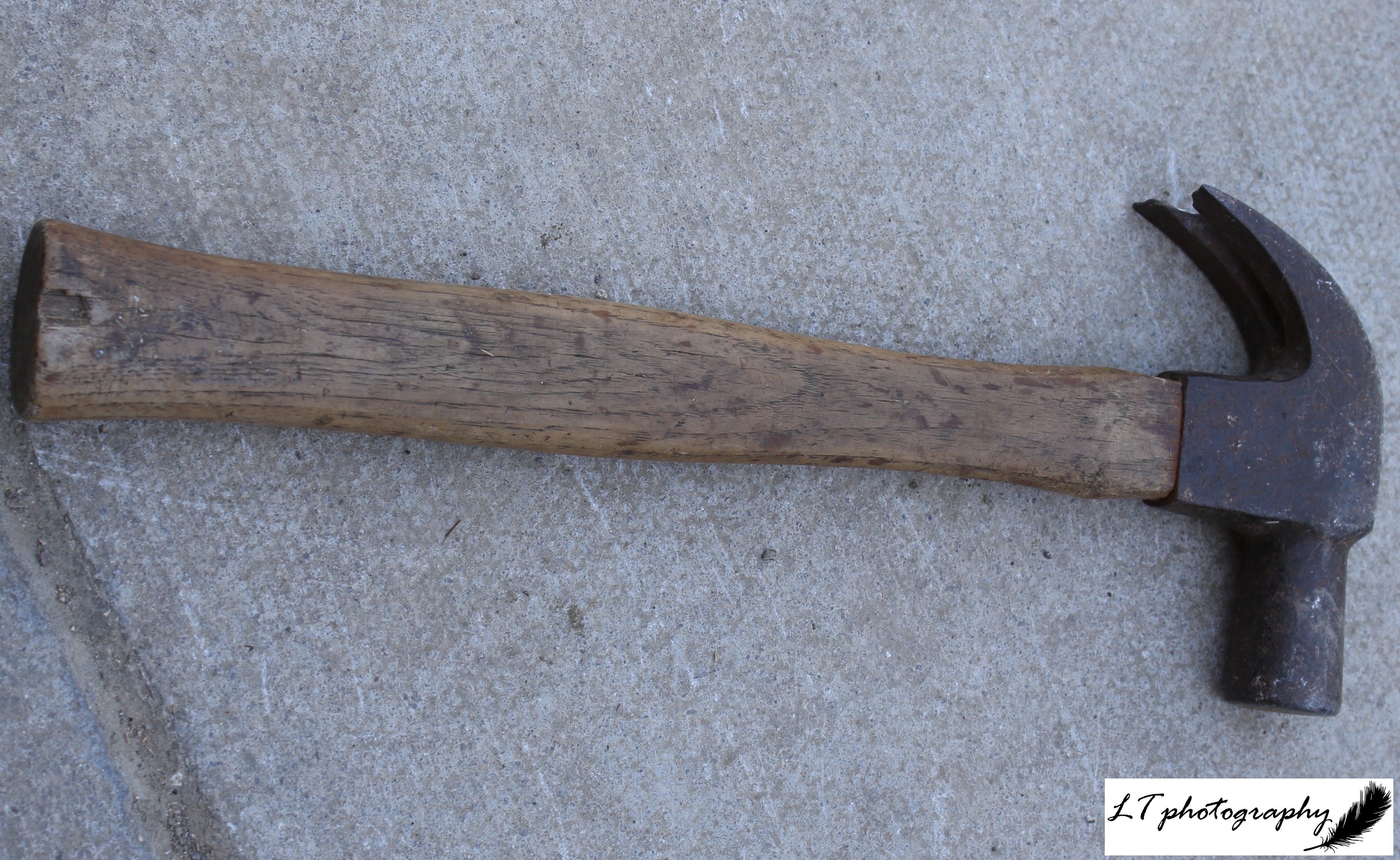
  • Hammer and nails
  • Sand paper
  • Tubes varying in size from about 2-12mm, with a length of at least 10mm, though ideally about 16mm. For example: bamboo canes, hollow plant stems such as sunflower stems, or bespoke bee tubes
  • Chunks of untreated hardwood or Hammerlogs
  • Drill
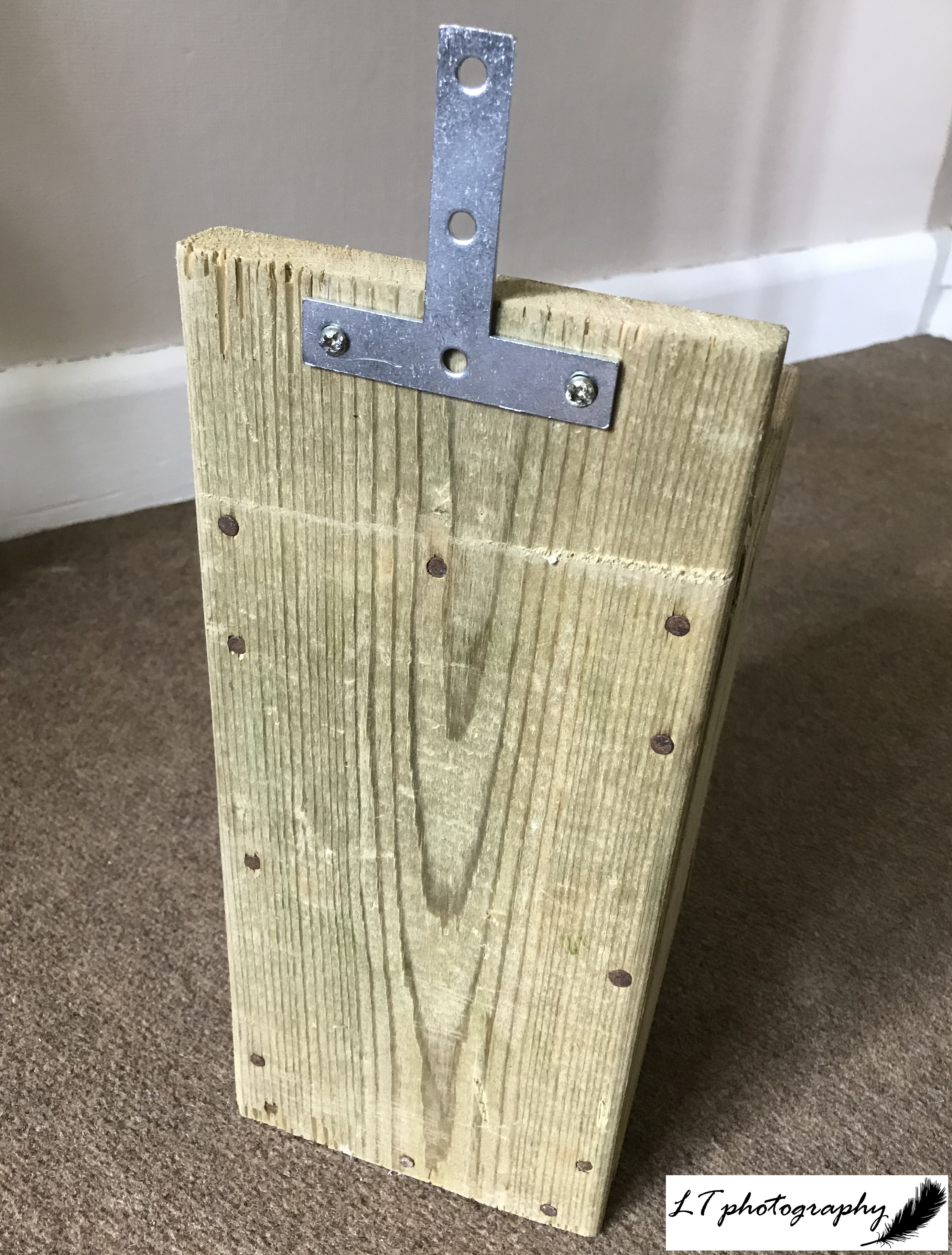
  • Bits to hang up the bee hotel e.g. T bracket, screws, screw driver, Rawlplug wall plugs

T Bracket


Step by step guide:

  1. Decide on your bee hotel design. Bear in mind, that smaller is better to be able to easily move the bee hotel around and to encourage bees to nest at lower densities
  2. Use a tape measure and pencil to mark out the pieces of wood you need; the most simple designs have 5 pieces. Then use a saw to cut your wood, and sand paper to sand down any rough or uneven edges

  3. Use a hammer and as many nails as you need, to create the frame of your bee hotel
  4. Cut your chosen tubes to the right length to fit into the frame of your bee hotel, and sand paper off any rough ends. By using several different sizes of tubes, you increase the chance of attracting a wider range of bee species, due to variation in their preference for nest tunnel size. You can also drill holes into chunks of untreated hardwood or logs to create some more variety in your bee hotel
  5. Carefully build up your frame with your tubes and drilled wood, until it is filled. I suggest lying your bee hotel on a tilted surface to make this easier to do

  6. Decide on a suitable location for your bee hotel. It is important to place it in full sunlight, for example facing south or south-east, at least 1 metre above the ground, and not covered by vegetation
  7. Hang your bee hotel up. For mine I used a t bracket, screws, screw driver, drill and rawlplug wall plugs to attach it to the south side of my house
  8. Then wait for the bees to come to you!
Tips

  • The smaller the bee hotel is, the more effective it will be!
  • Create an overhang to give the bee hotel tubes some better protection from the rain
  • Every autumn take down your bee hotel and store it in a cool and dry location, to reduce risks such as of fungal infections
  • For best results, clean the bee hotel out every year, including removing, cleaning and preparing any pupae for release the following year

The bee hotel I made is far from perfect, but I hope it gives you some inspiration to help make yourself an even better bee hotel!

How to…Use and Make the Most of a Camera Trap

There is nothing like the exhilaration of camera trapping. Setting up the camera trap/trail camera in a golden location, waiting with anticipation for the camera check day, and riding a rollercoaster when capturing something totally unexpected. Camera trapping is one highly addictive activity!

M2E31L53-53R392B293

So why is camera trapping so popular? Well, camera traps allow us to non-invasively open up a normally unseen world. This is a thrilling thing to be able to do, giving us the addictive ability to observe wildlife up close and personal without disturbance. In this way, camera traps can be used as an important tool to identify the presence or absence of species, monitor animal populations and record interesting behaviour.

M2E1L0-13R350B300

At home on my family’s farm, I use my camera trap to carry out surveys across our land, to find out what wildlife is present, how abundant these species are, and to experience new life in spring in all its glory. However you choose to use your camera trap, I can only say for you to have lots of fun and adventures whilst doing it!

M2E45L145-145R394B315

Buying a camera trap

So where do you start if you do not already own a camera trap? Well all off-the-shelf camera traps have similar components and operate on the same principles: a digital camera connected to an infrared sensor that “sees” warm moving objects. Camera traps typically range from £30 to £1000, meaning there is a lot of choice out there. To find the camera trap that is right for you though, you should consider these key questions:

  • How much are you willing to spend?
  • What are you going to be wanting to use it for?
  • Where are you going to be using it?
  • Do you want to use it during the daytime, night-time (black and white or colour) or both?
  • Do you want to take photos, videos or both?
  • Will you want increased capabilities, such as wireless, geo-tagging or higher detection capabilities?

The camera trap I use is a simple Bushnell model that I bought many years ago now for about £120.

How to use a camera trap to get the best from it

Camera traps have a lot of potential as they can remain operational 24/7 and can be left in the field for long periods of time. To increase your chance of camera trap success though, you need to set it up properly to maximise animal detection. Here are some handy tips to get you started:

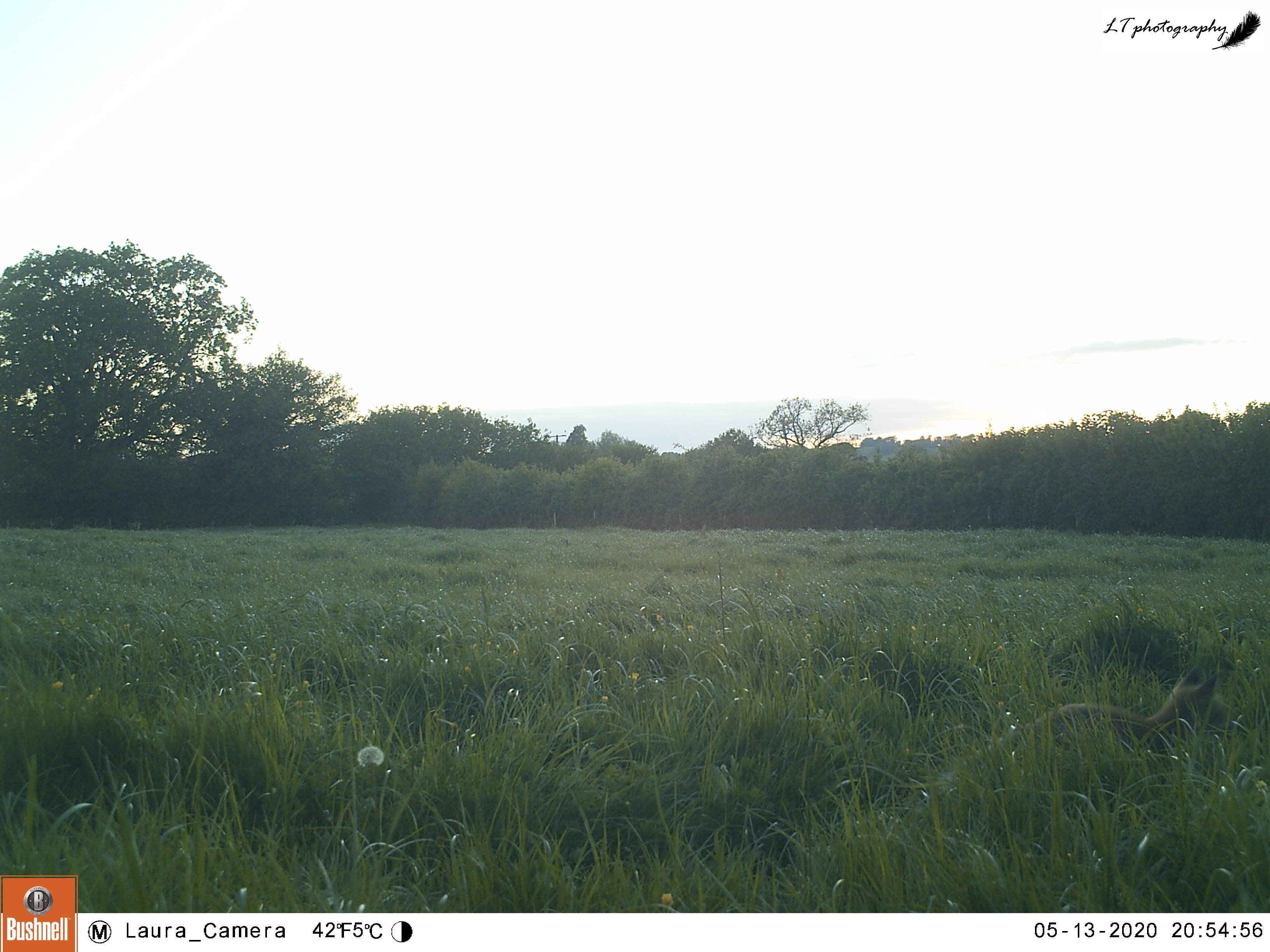
  1. Visit your chosen site before setting up your camera trap to make sure it is the best site possible.16_04_20_Farm_Badger_Alley_5
  2. Do not forget to make sure your camera has another battery life and SD card room each time you set it up.
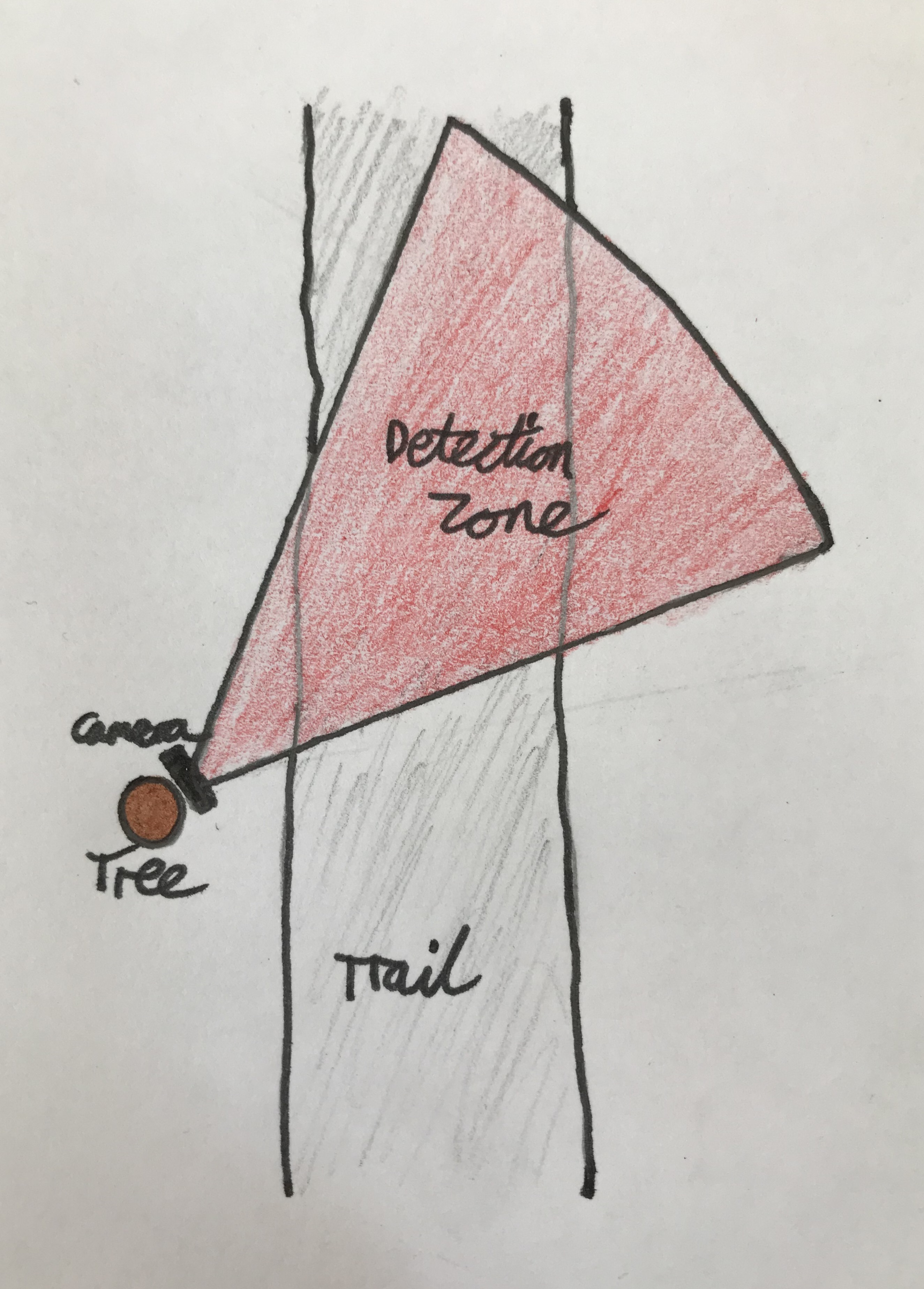
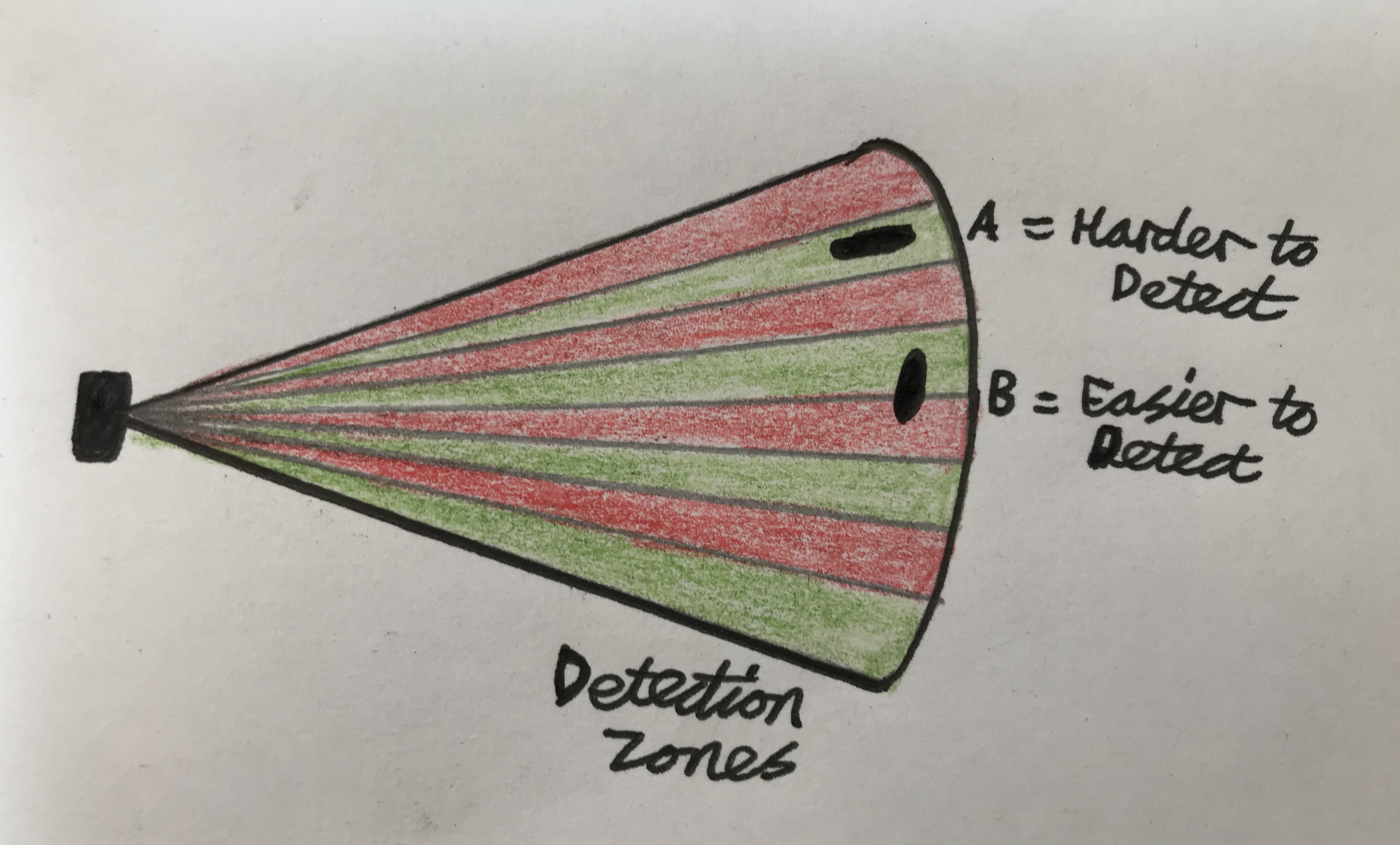
  3. Carefully select where to mount your camera trap, such as a sturdy tree or post, to make sure your camera will be supported and  positioned to take in your chosen field of view.Detection zone
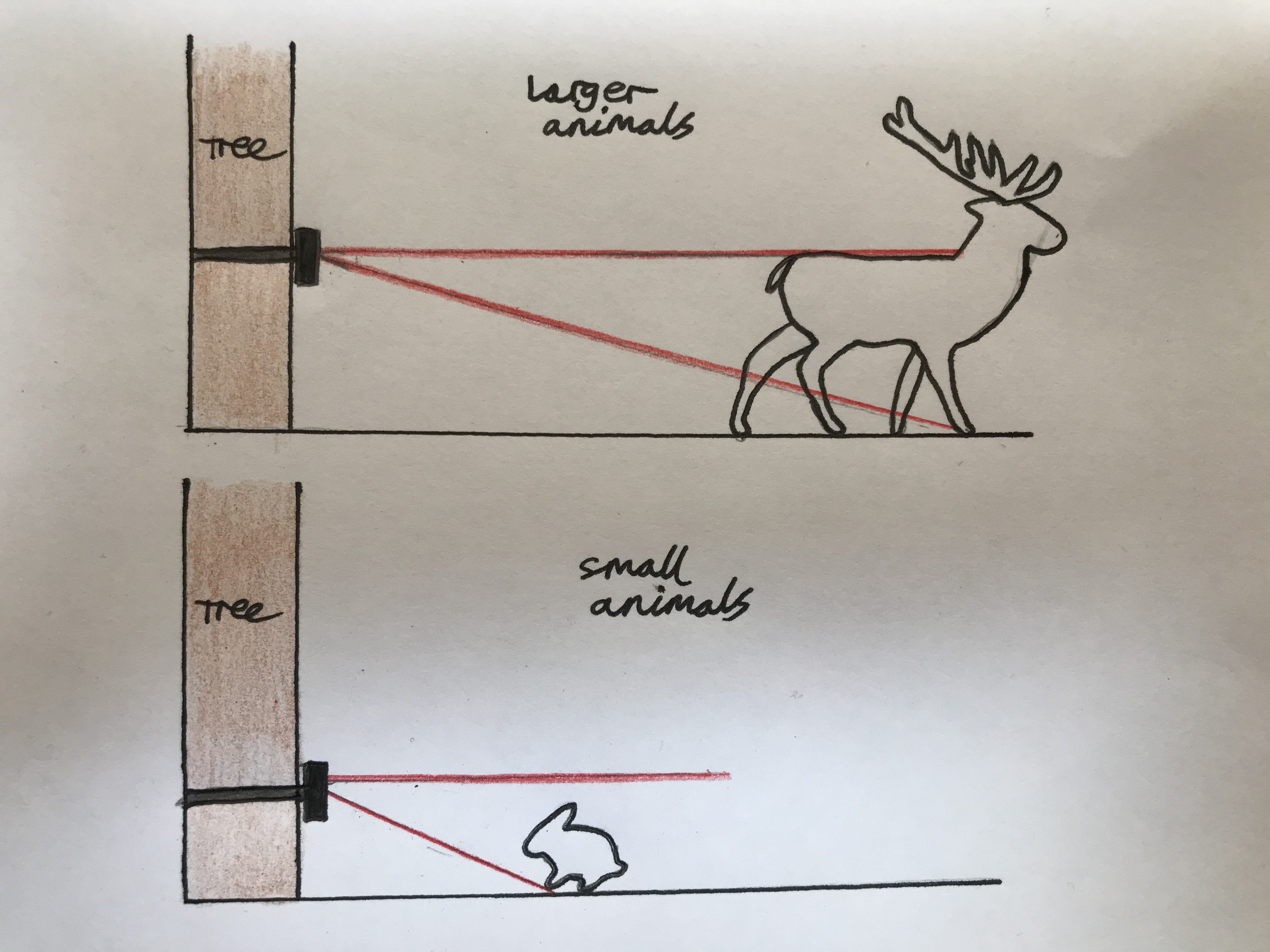
  4. Consider the height of the animal(s) you are trying to capture to increase detection and inclusion in the frame. For the best result, position your camera trap so it sits just below the target’s shoulder height.Camera Height
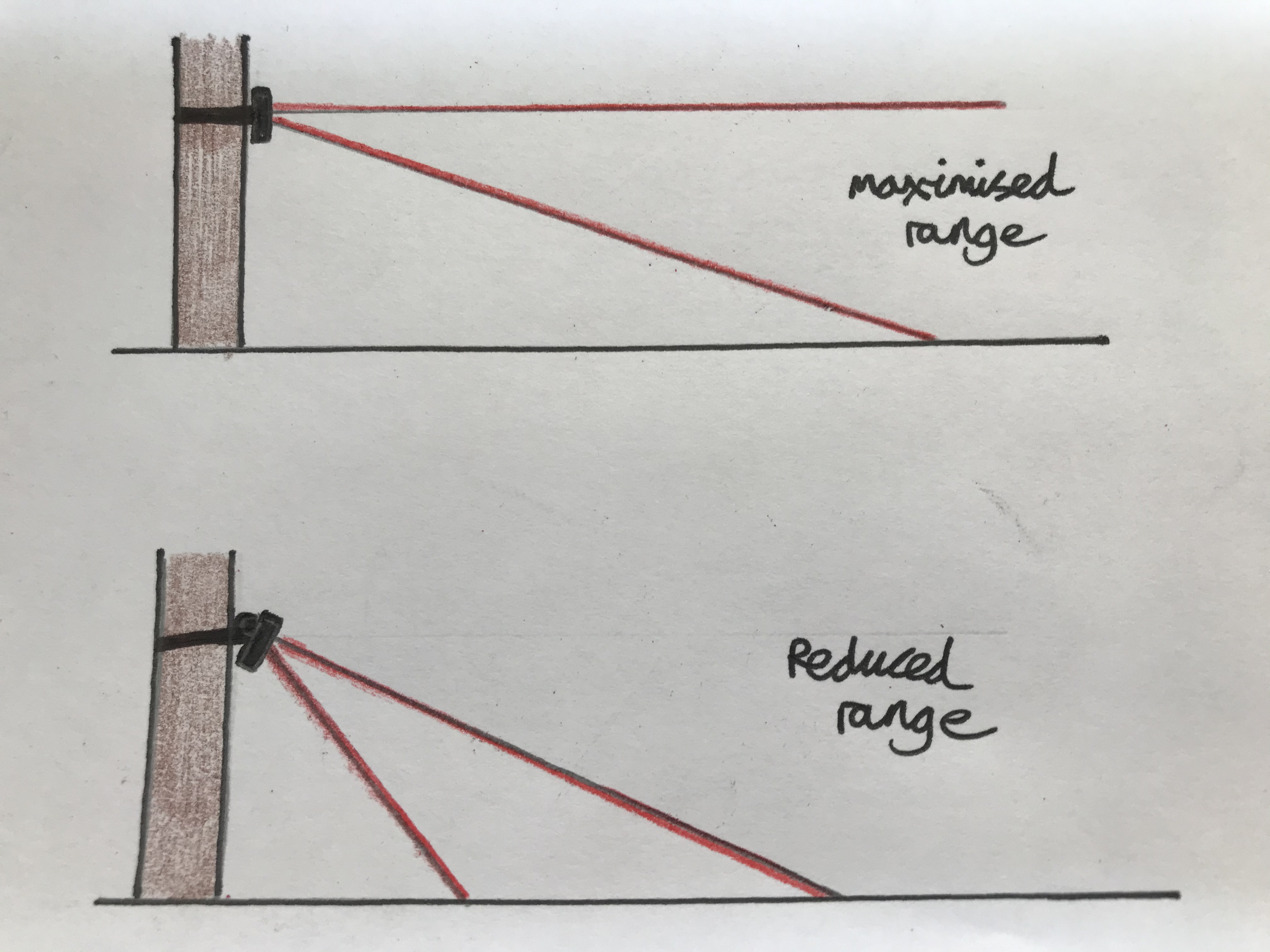
  5. Camera angle is as important as height when positioning the camera trap. For best result and to increase the detection range, you want the camera trap to aim horizontally at the subject. A stick is a great way to get a better angle for your camera. Camera angle
  6. Think about where you want the animal to be positioned in the frame. Larger animals are easier to detect so will be detected at longer ranges compared to smaller ones, and animals walking across the camera trap’s field of view will be more easily detected compared to walking towards it.Animal Position
  7. Try to reduce the number of false triggers by trimming back vegetation that could trigger the camera if moving in the wind. Do not remove enough to disturb your intended subjects though!
  8. And always do your research! The more you know about a site or species, the more likely you will get results.

Inspiration for camera trap sites and uses

Over the few years I have owned my own camera trap, I have used it for a number of different purposes and in a variety of locations. Here are some examples of my own work to help inspire you:

  • Abroad – In 2017, I was lucky enough to spend 2 weeks in Costa Rica on a field course for my Bachelor’s degree, and so I decided to take my camera trap along with me. This allowed me to get some cool sightings of some interesting wildlife

M2E43L24-32R350B300

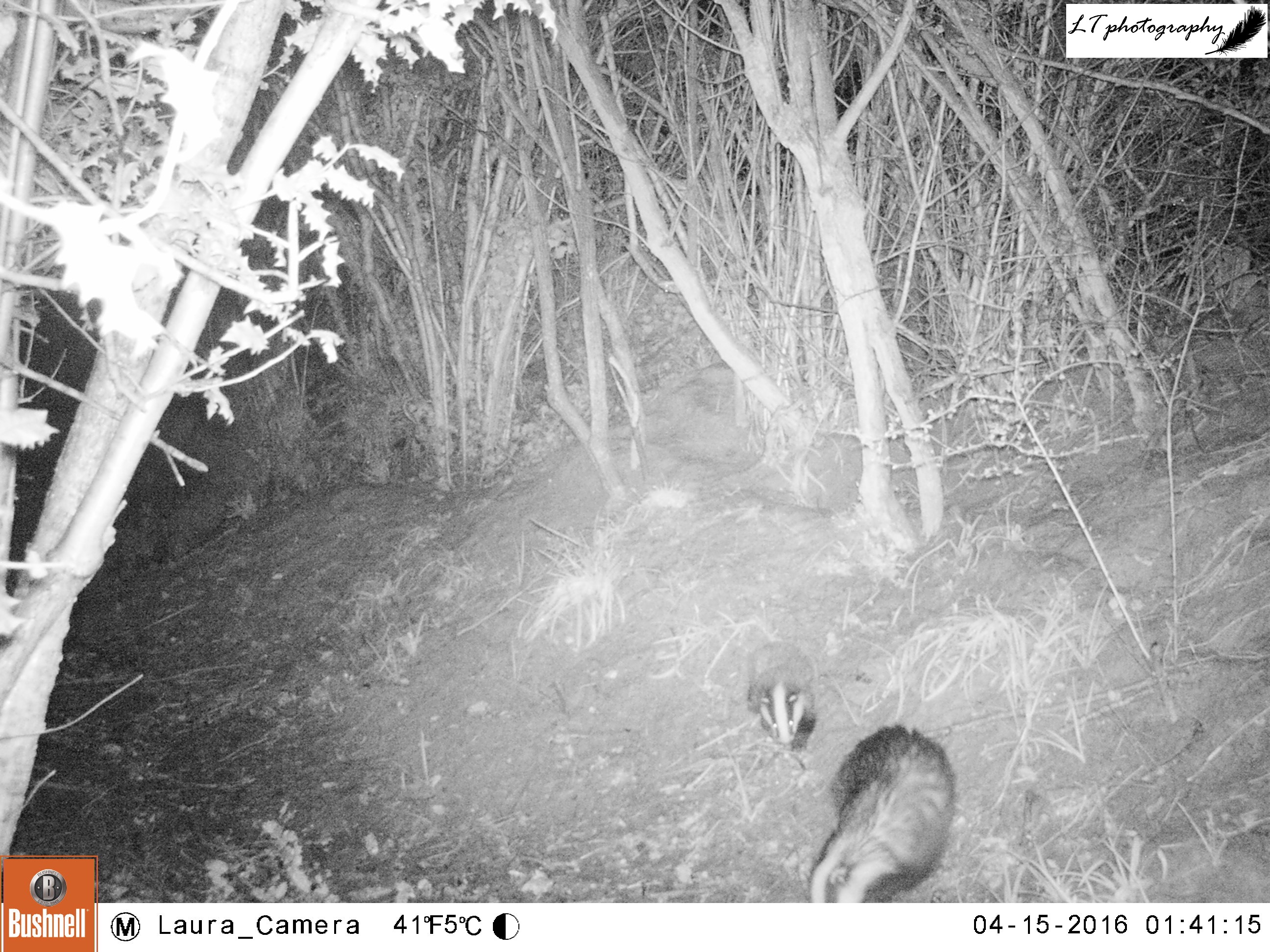
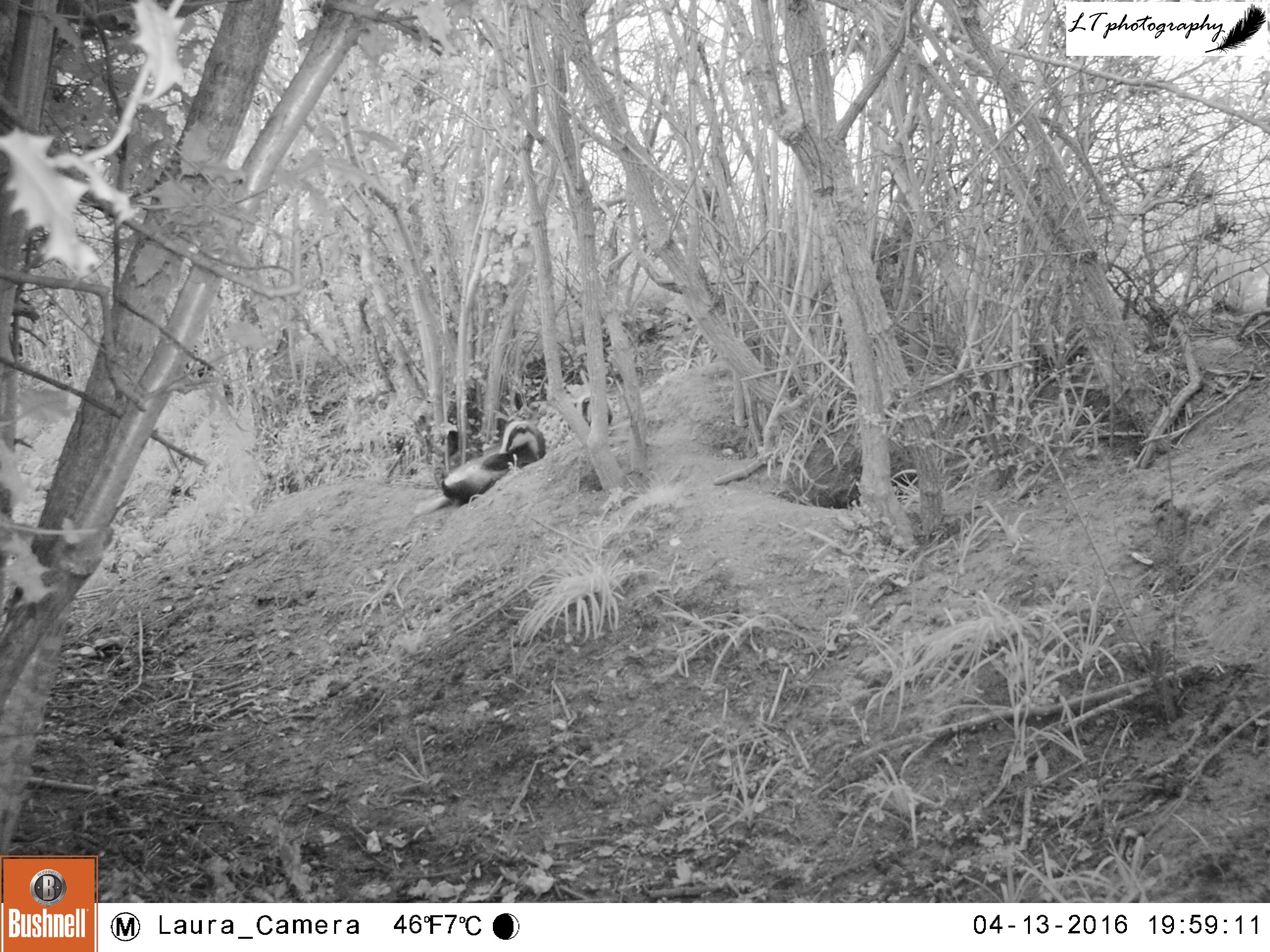
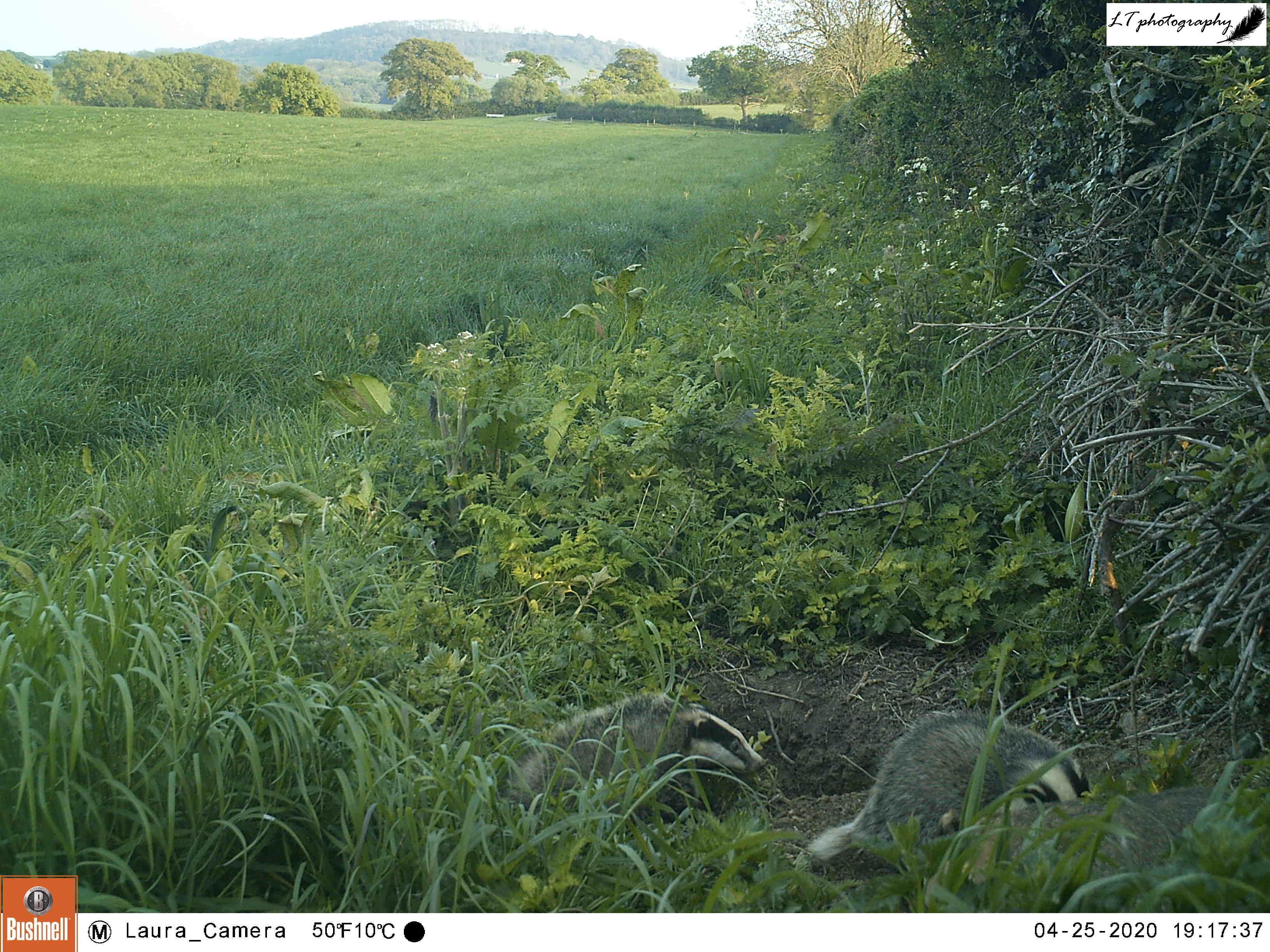
  • Badger setts – A popular choice for a camera trap site is at a badger sett. With 3 established badger setts on my family’s land, I have previously had all sorts of interesting results by observing setts in this way. In particular, it has always been great to see how different species cohabit such locations.

M2E40L17-25R350B300

M2E54L167-167R388B312

M2E54L172-172R388B317

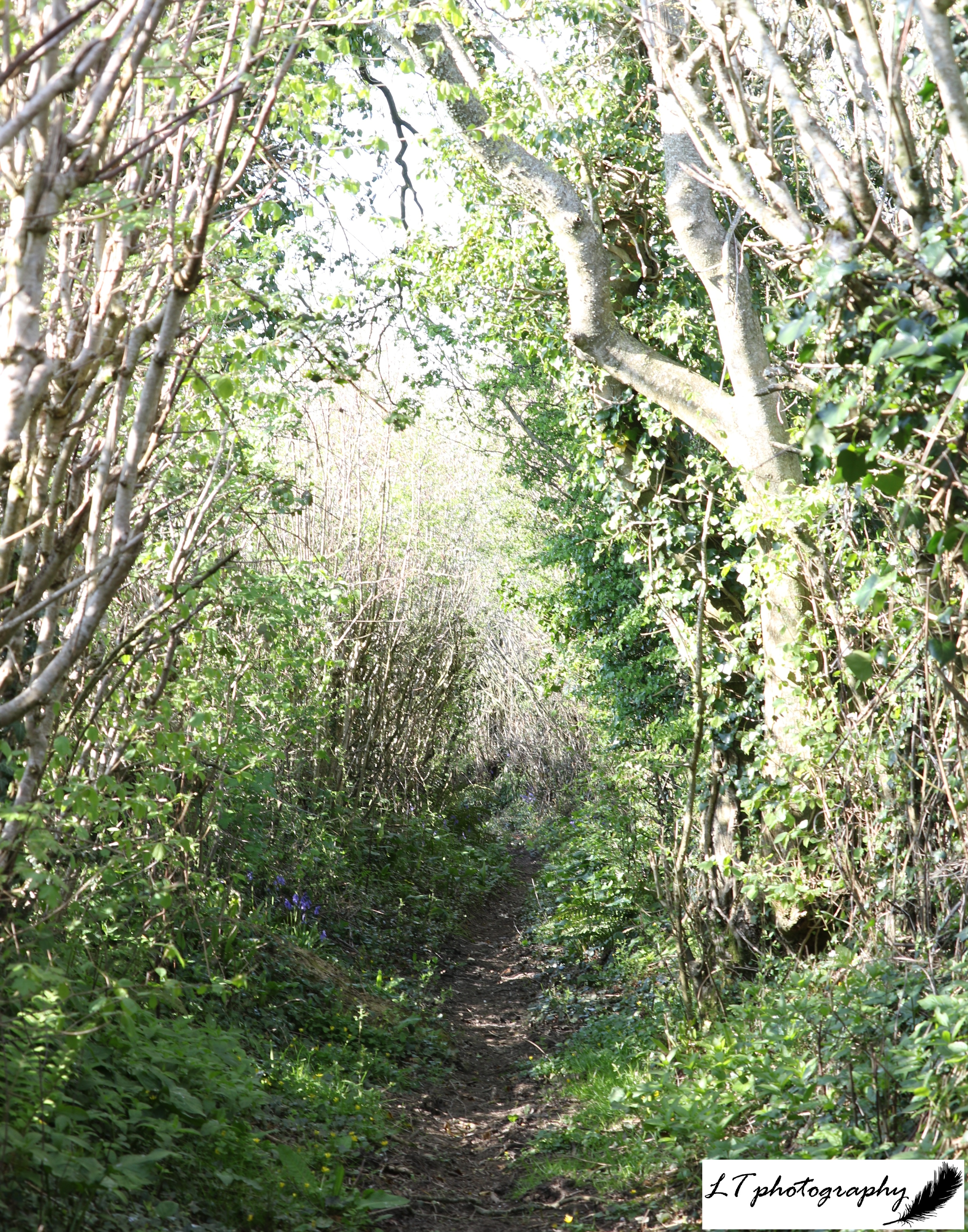
  • Paths – A great place I have found to put my camera trap is on an enclosed footpath on our land. This is because the path, fondly known as Badger Alley, is bordered either side by hedges, is in the vicinity of used and disused badger setts, and is frequently used by wildlife but infrequently by humans. Always be aware of how safe a camera trap may be on footpaths though!

M2E43L126-126R396B311

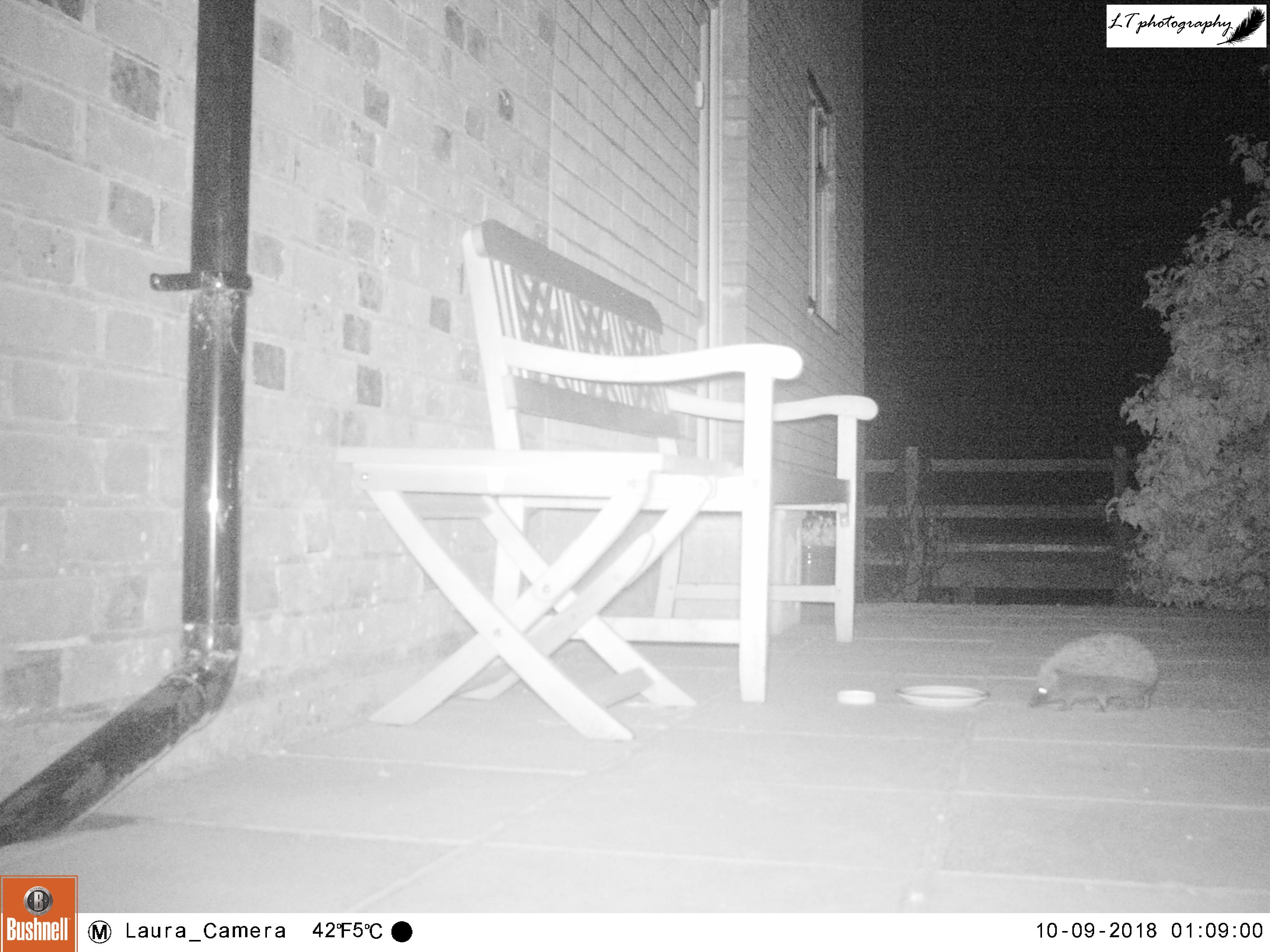
Garden – One of my all time favourite projects I used my camera trap for, was to get photos of our own special garden visitor in October 2018. I love getting to see the wildlife that is truly on our doorstep!

M2E1L0-8R350B300

  • Woodland – I have previously found that a woodland can be an interesting place to capture wildlife. The result can often be unexpected or interesting, with less of an idea of what might turn up.

M2E51L160-159R390B314

Animal trail – Another great way to try and capture the wildlife that is in your local area is to find and set up your camera trap on a well used animal trail. It is interesting to find out what animals are actually making those tracks!

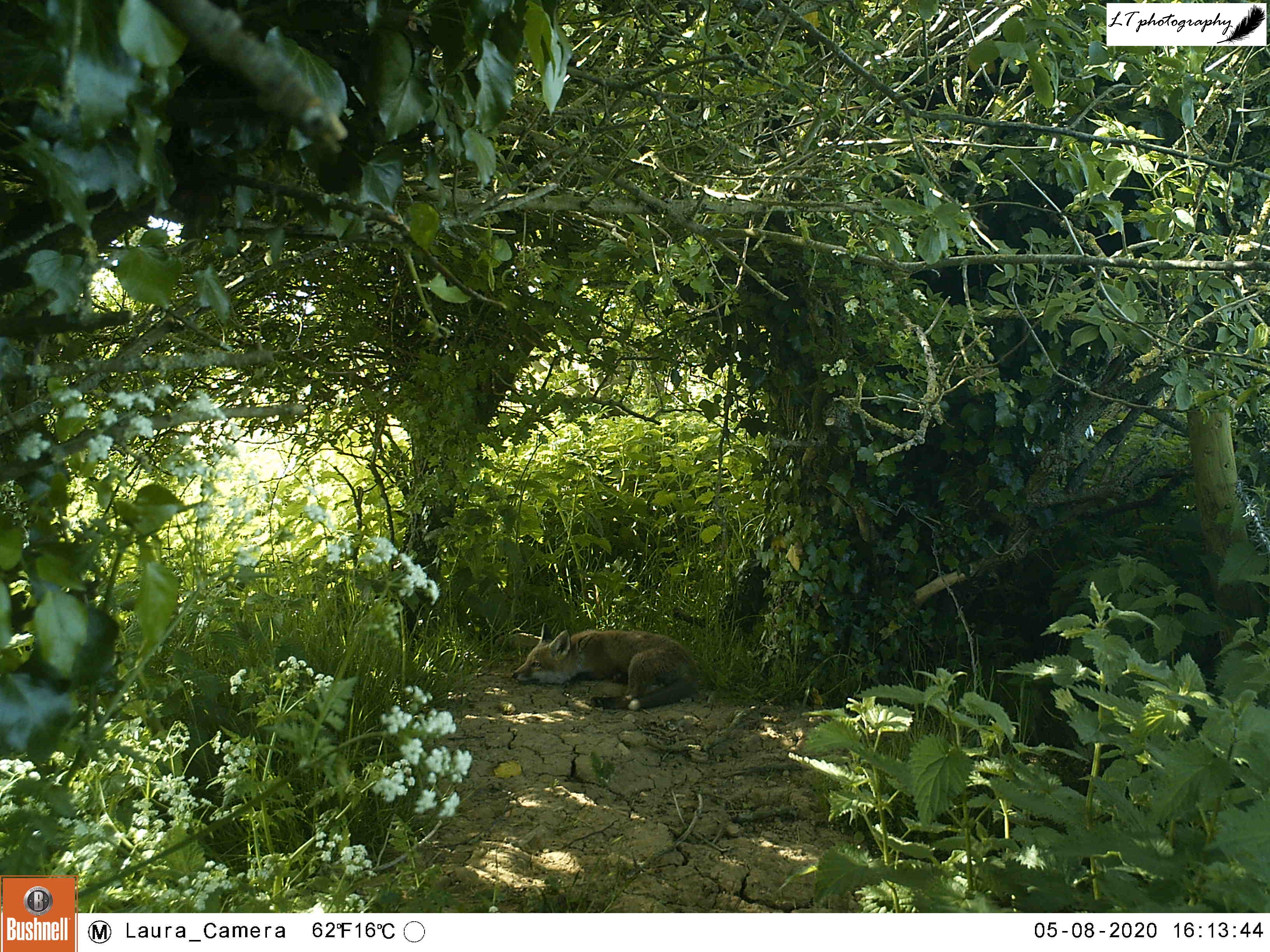
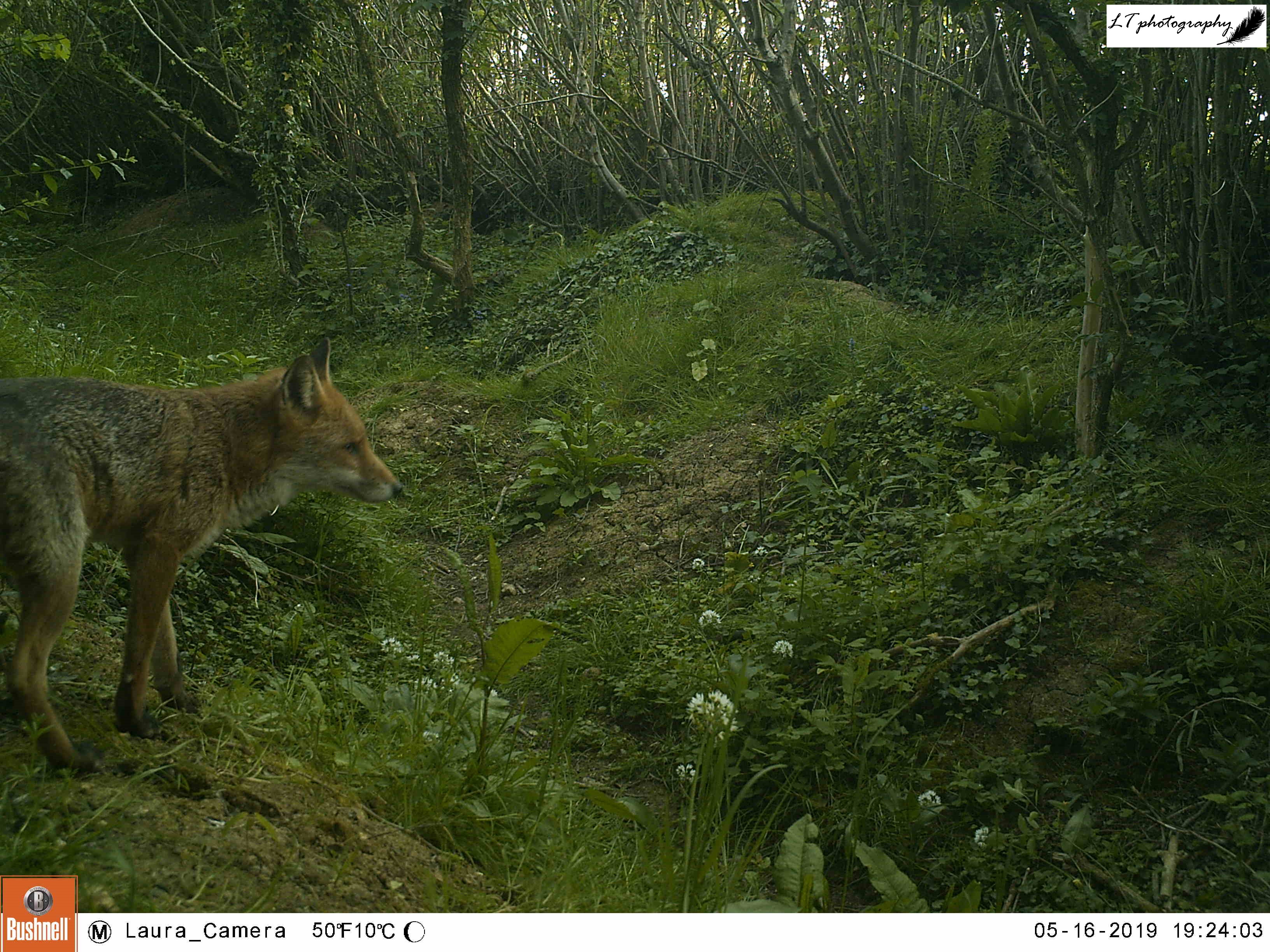
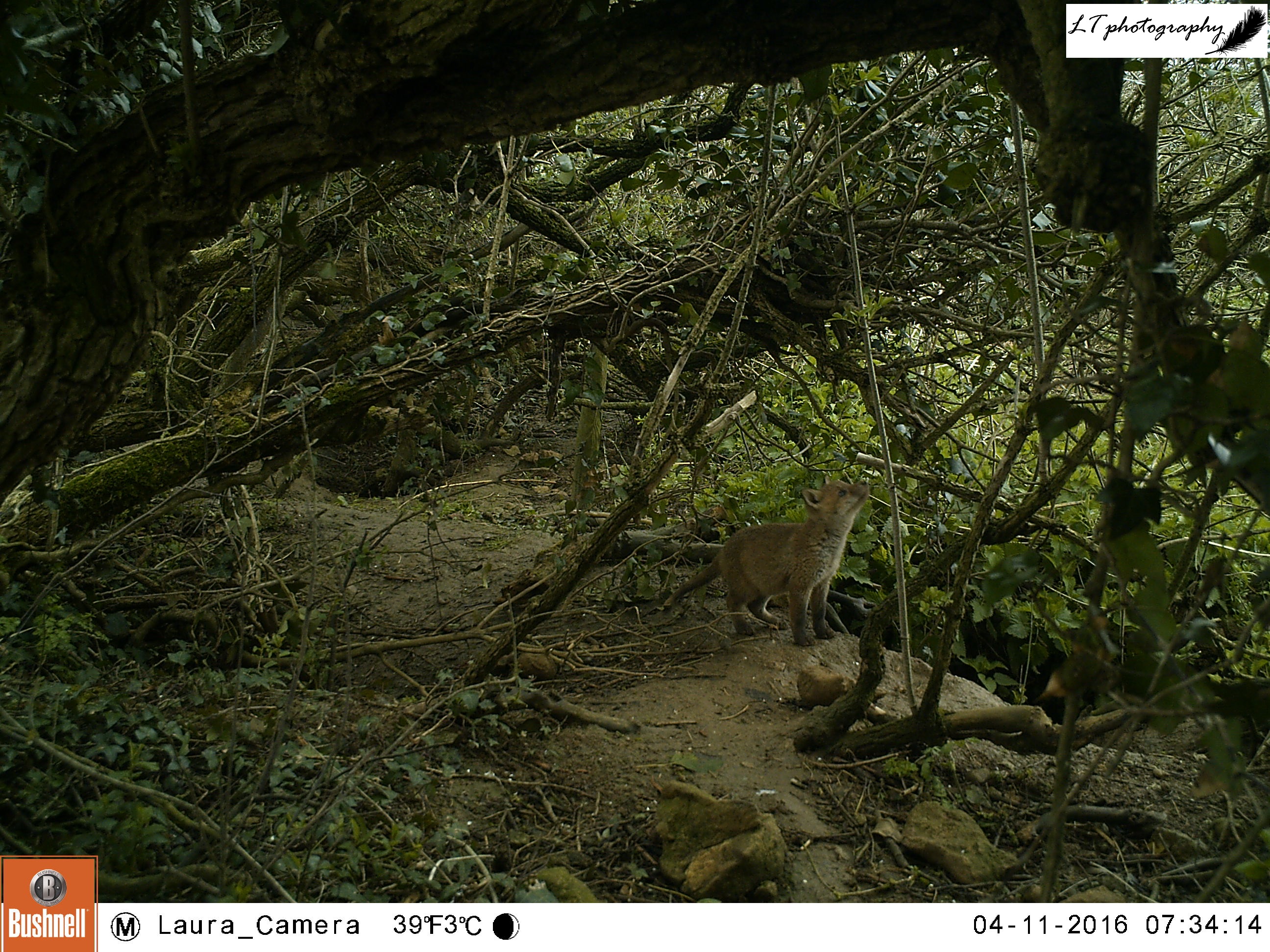
Specific animals – Often when camera trapping, you want to capture a specific animal, which leads to research and setting up the camera trap in a position where this animal has been sighted. Relating to this, my other favourite camera trap project has been to capture fox cubs above ground and to observe their behaviour. This has resulted in many cute photos over the years!

M2E31L60-60R392B300

Now it’s your turn! Even if you do not own/want to own a camera trap, there are always ways around it, for example why don’t you see if you can borrow one from somewhere or someone.

Though camera trapping does not always go to plan, the results can be truly satisfying. Time to see what you can find!

For more camera trap action, check out my blog post from last year called: Spring Countryside Camera Trap Surveys

Journey to Sable Island: The city of Halifax

With research trips to remote and out of the way locations, this can often give the opportunity to experience other destinations along the way. Whether this be other remote locations, diverse habitats or even big cities, these stops can be as exciting as reaching the final destination. For many years now I have enjoyed travelling in groups and on my own to many locations around the world, and love to experience new, diverse and exciting places.

Though this summer the majority of my trip to Canada was spent on vibrant Sable Island (see other blog posts for more details), I did spend a couple of days either end in Halifax, Nova Scotia. Despite being lesser-known, the city of Halifax had a lot to offer the eager traveller and topped off my 5 week stay in Canada. In commemoration, here’s some of my Halifax highlights and memorable moments:

Staying in a Canadian university dorm room

For the first three nights I spent in Canada, before heading over to Sable Island, I stayed in Gerard Hall, a hall of residence for students at Dalhousie University in Halifax. Though it was the summer, meaning no students were currently in residence, I still got to experience the feel of a film cliché North American dormitory, with shared rooms and large mixed-sex bathrooms. This was very different to my university experience as a fresher back in England.

Dormitory room

Food

During my time in Halifax, before and after staying on Sable, I got to try lots of different food, which is often one of my favourite parts of travelling. This included Tim Hortons in the airport, breakfast at a Canadian breakfast bar,

vegan food from the Heartwood stall on Halifax waterfront, food from local restaurants, such as piatto pizzeria + enoteca (Italian), and Man Bean (Vietnamese),

Man Bean restaurant

and my favourite, city style cheesecake from the Sweet Hereafter Cheesecakery (a place that also has dairy-free and gluten-free options).

City style cheesecake

Though I did not necessarily try traditional Canadian food whilst in Halifax itself, I did thoroughly enjoy myself!

Halifax tourist spots

Two of the tourist attractions I visited whilst in Halifax were the Public Gardens and the Citadel fort.

Halifax Public Gardens were a lovely spot to escape from the hustle and bustle of the city. I spent some time there walking in the gardens and sitting and reading a book by the lake.

Halifax Public Gardens Bridge

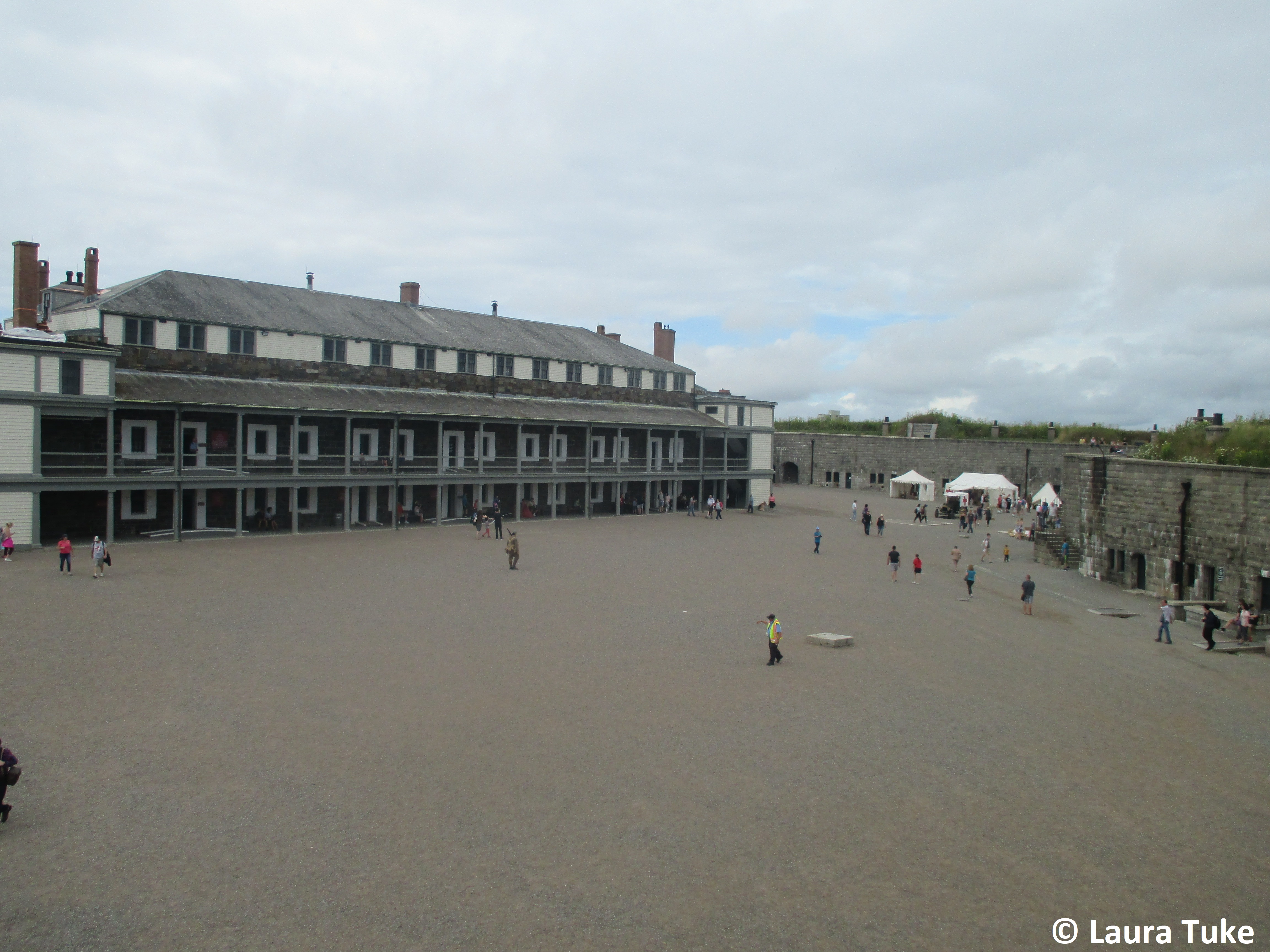
On the same day in August that I visited the Halifax Public Gardens, I also made a trip to Citadel Hill to explore the Halifax Citadel fort and its current First World War commemorations. I always enjoy learning a bit about the history of the places I visit and Halifax was no different.

Halifax citadel fort

Halifax citadel fort trenches

Halifax 2018 Buskers Festival 

One of my favourite finds from my time in Halifax, was the 2018 Halifax Buskers Festival that was going on during the weekend I first arrived. This festival celebrates the best professional street performers from around the world, who are invited specially to perform at this annual event situated along the Halifax Waterfront.

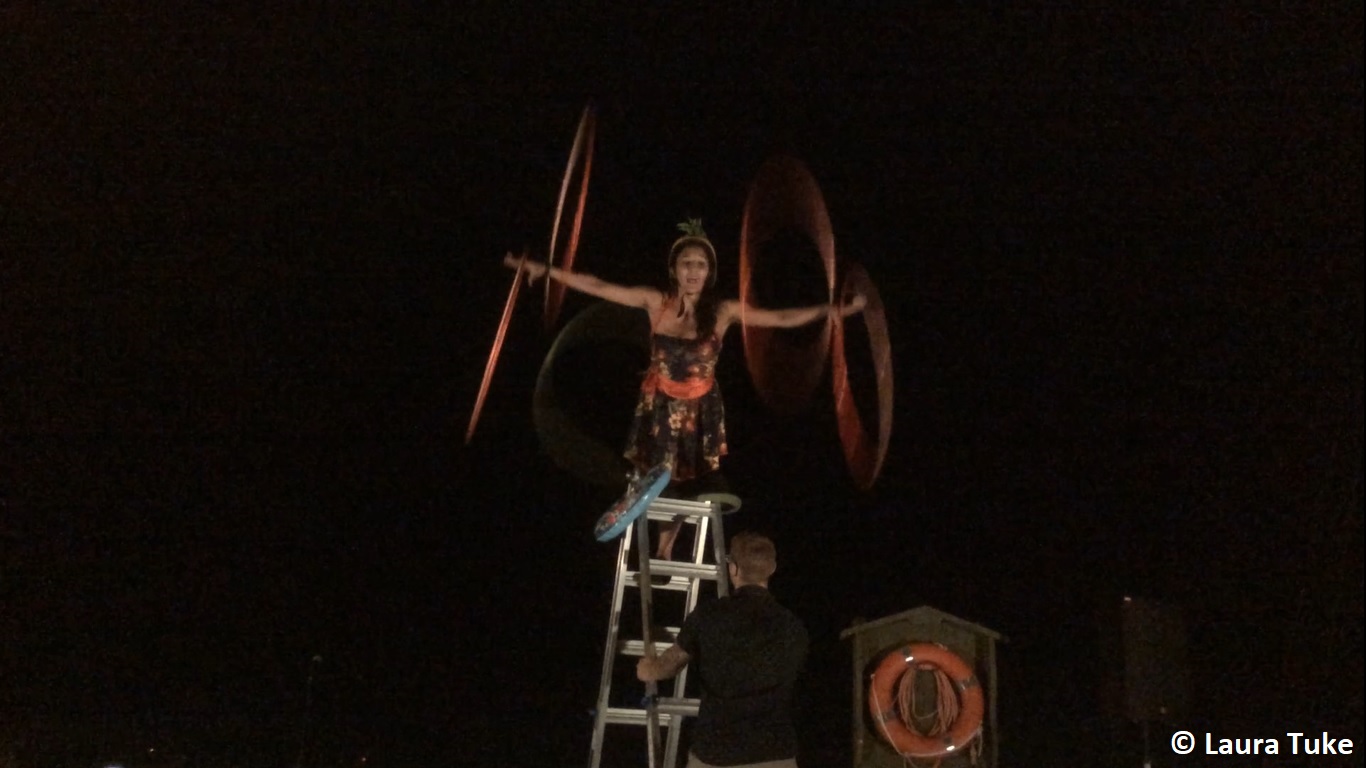
During this weekend I got to watch shows from a range of acts, including Hannah Cryle (circus acrobatic street show), Nigel Blackstorm (the heavy metal magician), The Flyin’ Hawaiian Show (circus acrobat), Break City All Stars (street dance group), Incendia Motus (acrobatics with fire) and Jack Wise (magician). My favourite show of them all by far though was ‘Her Majesty’s’ Secret Circus show, which was a clever mix of action-packed stunt-comedy performed by two talented individuals. Definitely brightened my day!

Hannah Cryle

Hannah Cryle

The Flyin' Hawaiian Show

The Flyin’ Hawaiian Show

Natal Day fireworks

Halifax Waterfront

One of my favourite parts of Halifax was the Waterfront. Along this stretch you can take a walk, look out across the harbour and explore the shops, restaurants and attractions along the way. It is one part of Halifax that allows you to escape from the main part of the city and take in some of the best views Halifax has to offer.

Halifax harbour sunset

The little things

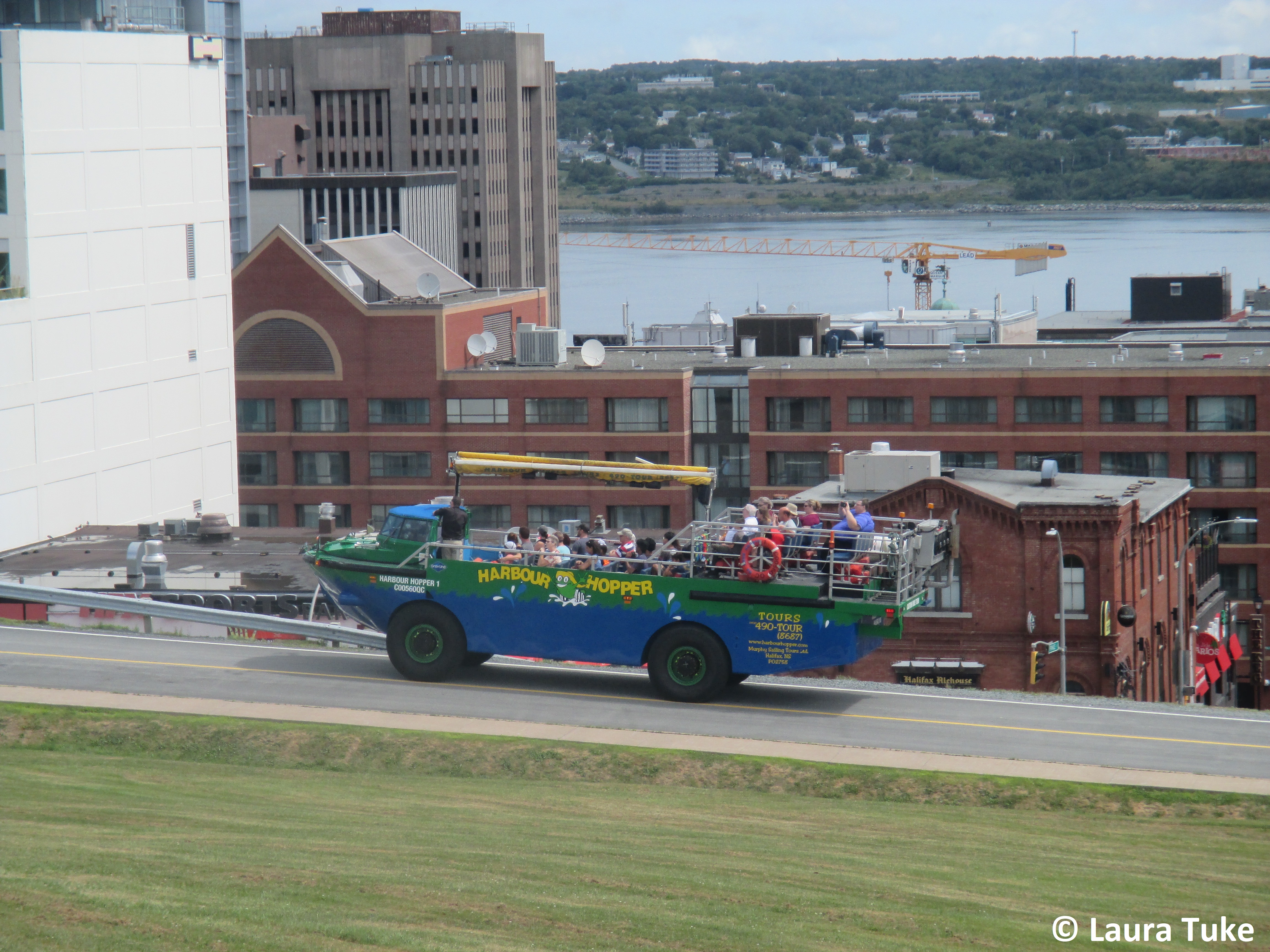
I have many many more highlights of mine that I could share from my time in Halifax, but in that way I could go on forever. Other highlights include everything from a ‘play me’ piano in the street, rainbow zebra crossings, the ‘horses of Halifax’, harbour hopper tour vehicles driving around, maple ice-cream, souvenir shopping, and long walks around Downtown Halifax.

Harbour hopper

Winter into spring: March on the farm

With the month of March comes the arrival of spring, symbolising the start of another year’s new growth and a transition following the bleaker winter months. March has often been associated with the saying ‘comes in like a lion, goes out like a lion’, referring to the weather. This was true about this March, with wild weather and strong winds featuring at the beginning of March, before the weather becoming more calm as the month progressed.

As traditional, during March, wildfowl made a sudden departure, fox cubs were born, buzzards established breeding orders, hawthorn and elder broke into leaf, small tortoiseshells emerged, nest building began, small warblers such as chiffchaffs returned from Africa, crocuses flowered, summer visitors began to return, and winter migrants began to migrate to their summer territories.

Though primroses, daffodils, celandines and blackthorn first flowered during February, it was nice to see all these flowers still blooming throughout March. Song birds during March could be heard singing, and the first woodland flowers began to come out at the end of March. The traditional ‘Mad’ March hares also made an appearance, with females resisting the advances of amorous males.

The beginning of Spring is symbolised by lengthening days and increasing temperatures. At the end of March, with the clocks going forward an hour, lengthening days were fulfilled, but this year the increasing temperatures did not make an appearance during March. After the stormier weather at the beginning of March, a cold spell set in, halting the advancement of Spring. This was symbolised with sycamore and silver birch being late coming into leaf, wood anemones and ferns being late to come out in the woods, and Blackbirds nesting late.

On the farm, new lives began during March. Aberdeen Angus suckler cows gave birth to their calves and three of our four mules gave birth to lambs, highlighting one of my favourite parts of the farming calendar.

My highlight of March was beginning to use my new Bushnell camera trap to photograph and video the wildlife on the farm, including the local badgers.

Winter into spring: January on the farm

January is often a cold and bare month, no leaves on the trees and an atmosphere of dormancy. But I say, if you just look closely enough, beauty is still there to be found.

January is the month when snowdrops begin to spring from the earth, hinting at the new life that is to come with spring.

Trees stand bare and leafless, showing off their magnificent skeletal shapes.

The last of the autumn’s berries still laden the hedgerows throughout January this year, in particular bright red rose hips.

As well, windfalls still lie beneath the apple trees from last years crop, ready for the taking. Badgers make frequent trips to the orchard to take advantage of the food source, and all that can be seen as evidence of these raids, are the discarded left overs of apples out in the nearby fields.

IMG_1226

Many gulls feed on the farmland fields during the daytime, with the flocks being mainly made up of herring gulls and great-black backed gulls. Usually also during the winter, flocks of starlings feed around the farm, but they only appeared for the first time this winter, near the beginning of January. Currently they can be seen flocking on the fields to feed or chattering away in the trees around our farm buildings. As well, iconic of this time of year, fieldfares and redwings can be seen feeding in the fields.

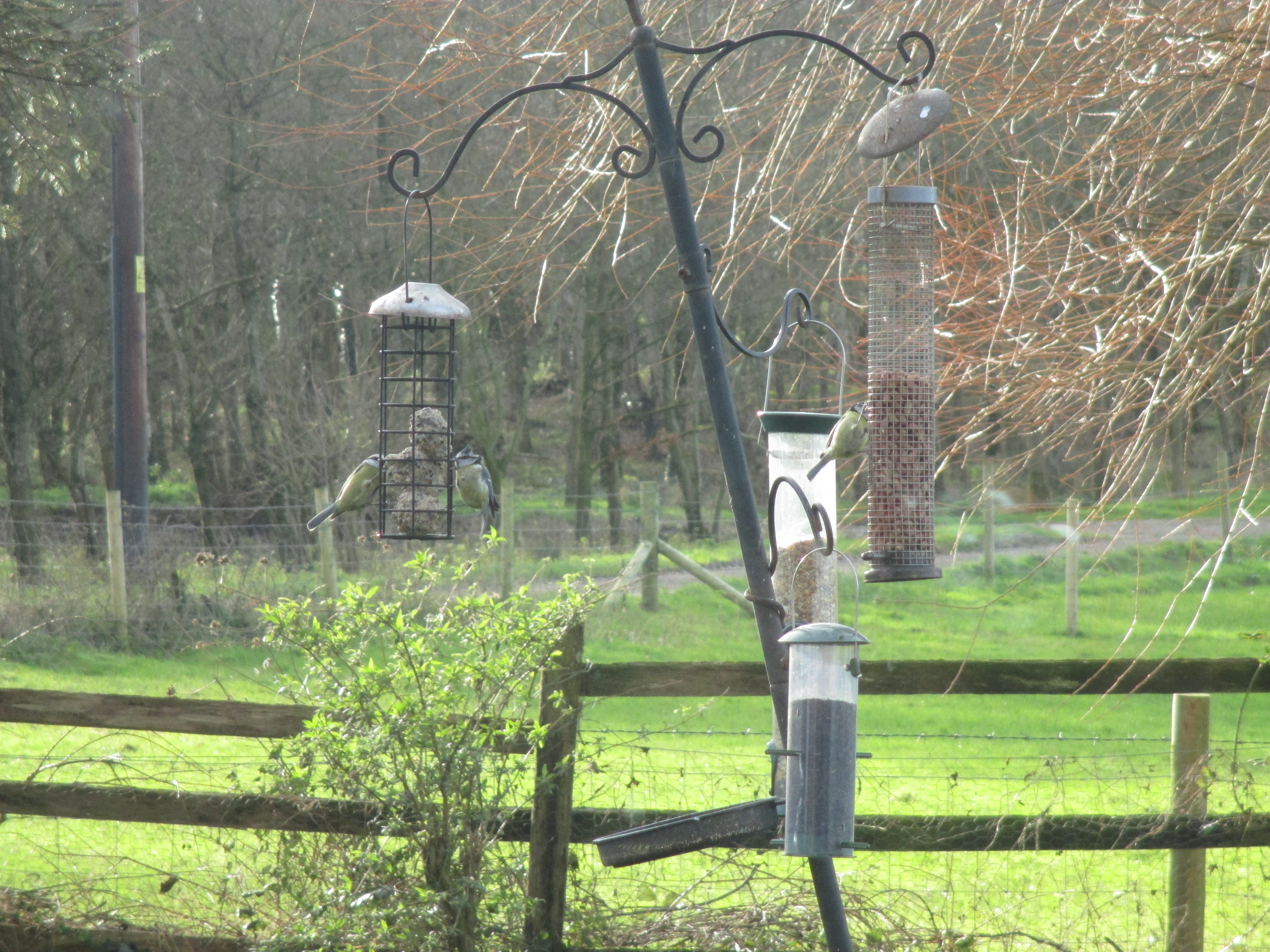
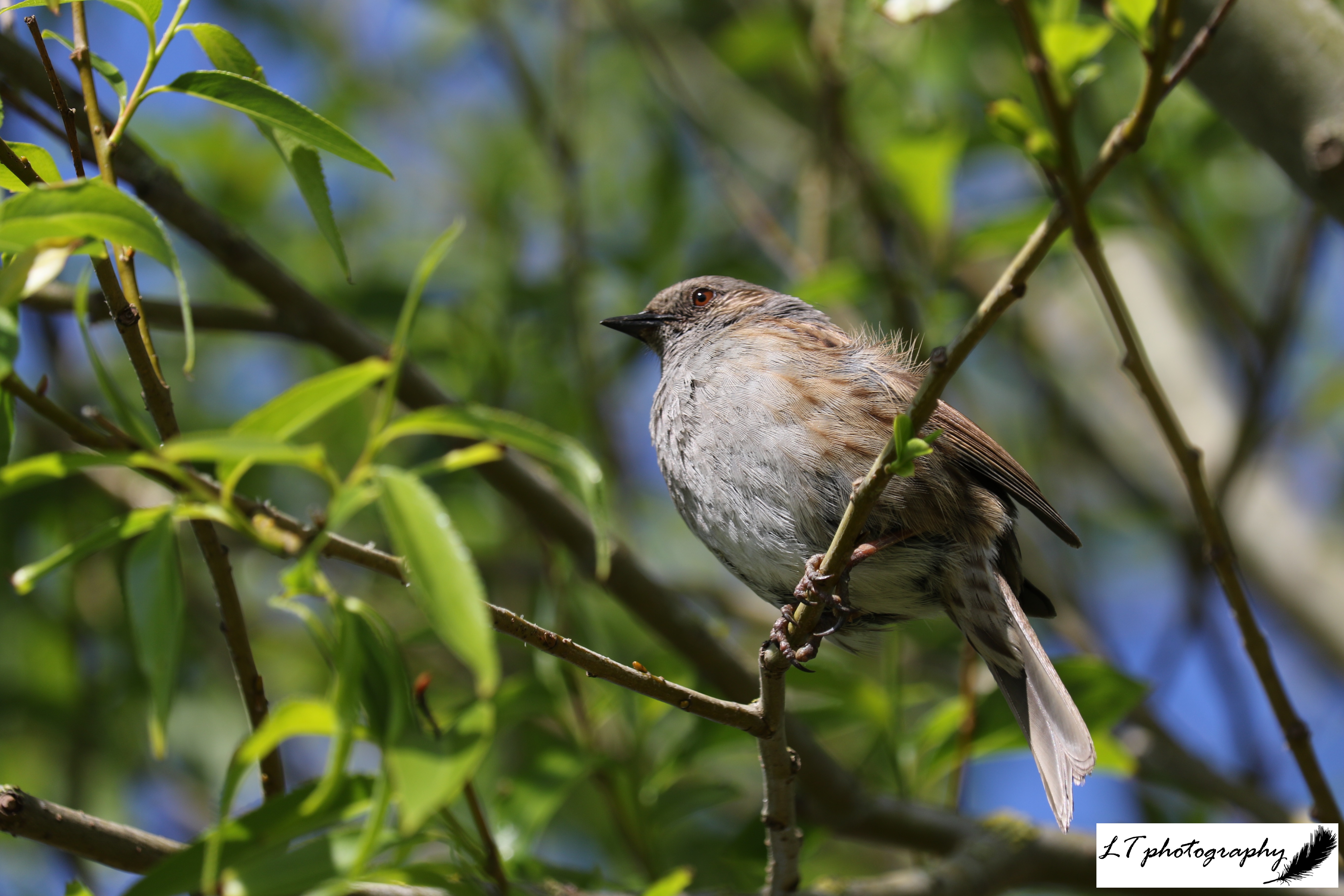
During the daytime, lots and lots of birds visit the bird feeders in the garden, to feed on peanuts and mixed seed. These bird species include, blue tits, chaffinches, great tits, goldfinches, house sparrows, dunnocks and great spotted woodpeckers.

IMG_1239

During the night at this time of year, tawny owls can be heard calling, as they attempt to rekindle pair bonds before the breeding season begins from February onwards. Also, female foxes can be heard calling to males, as they become receptive for mating.

Some mornings are woken up to a frost covered landscape. It makes things look particularly magical with the ground sparkling in the morning sunshine. With changes in winter weather though, these mornings have become rare in Dorset during this winter.

This January, change is in the air. Not the change of tradition, but change that feels wrong. Daffodils began to shoot from the beginning of January and primroses appeared in the hedgerows.

My highlight of January 2016 has to be, seeing a lone kestrel hunting close to our house everyday. A magnificent sight to see a bird hovering, still in mid air, before swooping down to catch a vole.

Gorgeous great spotted woodpeckers

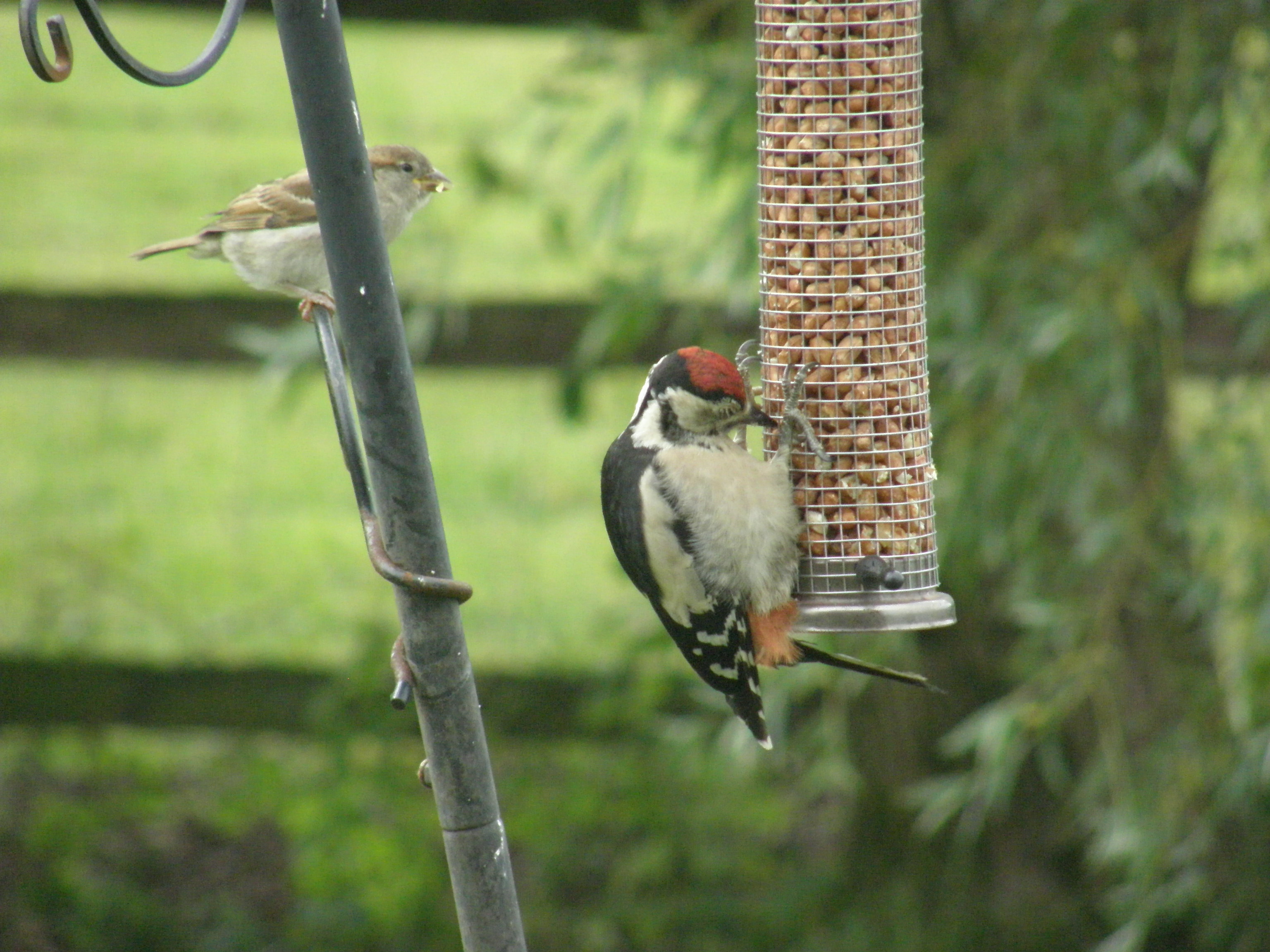
Every year, during the breeding season, I am lucky to have great spotted woodpeckers returning to my family’s garden to feed on peanuts from our bird feeders.

In my opinion, great spotted woodpeckers are beautiful birds with colourful markings and a distinct call.

In particular, I love to watch the birds fly to our garden in pairs from our nearby wood, and as the season progresses, seeing one of the pair come less and less, leading to eventually seeing them both return together with their chicks to feed them from the feeders.

This year I saw a couple of different pairs using our feeders, and a number of chicks being bred as well. I loved being able to watch the birds from my window, seeing a parent collecting peanuts from the feeder and flying to the chick hiding at the edge of the garden, before being fed.

Nearer the end of the season, with chicks dispersing, the parents began coming less and less, until the same older chick was seen coming to feed in our garden daily.

Last week i took some photos of the youngster on two consecutive days and the second day was the last time i saw a great spotted woodpecker feeding in our garden.

OLYMPUS DIGITAL CAMERA

OLYMPUS DIGITAL CAMERA

OLYMPUS DIGITAL CAMERA

OLYMPUS DIGITAL CAMERA

OLYMPUS DIGITAL CAMERA

Photographing Bees

On Wednesday 10th June, I was sat in my garden and noticed the sheer number of bees being attracted to one particular plant. This plant was poached egg (Limnanthes douglasii) and in my garden there is a 3m x 1m bed of it growing. This plant with white flowers with a yellow centre, grow for a period between May and September, and have a sweet heady smell.

Bees and hoverflies in particular love this plant, and on this day, i thought i had a great opportunity to try and get some good photos of bees visiting the plant.

Out of the insects that visited the plant, the most common were buff-tailed bumblebees and honey bees, which i predominately photographed. Here’s some of my photos I took with an old Olympus digital camera I had handy:

OLYMPUS DIGITAL CAMERA

OLYMPUS DIGITAL CAMERA

OLYMPUS DIGITAL CAMERA

OLYMPUS DIGITAL CAMERA

OLYMPUS DIGITAL CAMERA

OLYMPUS DIGITAL CAMERA

OLYMPUS DIGITAL CAMERA

OLYMPUS DIGITAL CAMERA