How to… Identify UK Butterfly Species

A flash of colour flitting by in the heat of the summer sun. Twisting this way and that, showing off amazing aerial acrobatics above a meadow of long, waving grass. A butterfly, small but standing out against a backdrop of browns, yellows, reds, blues and whites. Floating like a leaf down to a flower, the butterfly stops, flicking its wings before coming to a stop, wings outstretched in the sunshine. What could this beauty be?

Butterflies come in all shapes, sizes and colours, and can be found in a variety of habitats, from big cities to more remote areas. They are also a popular cultural symbol across the globe, with symbolism ranging from rebirth and transformation to representing the human soul. Along with their long history of capturing the mind and imagination of people, in nature, butterflies are great indicators of the health of habitats and are an important part of the food chain. As is the common story right now, butterflies are unfortunately threatened by habitat loss and degradation, as well as climate change, pesticide use, and invasive species. They need our help!

To be able to help butterflies, we need to understand them better. In the UK, we have 59 species, with only 2 being migrants. Though butterflies are more noticeable for people to identify, most Brits can only name but a handful of species. As we ease into summer, now is a great time to brush up your knowledge of what species you can identify. Here’s 13 to get you started!

Butterflies

Brimstone (Gonepteryx rhamni)

  • Family: White and Yellow butterflies
  • Size: Large (60-74mm wide)
  • Butterfly appearance: Look like veined-leaves with pale-yellow undersides and an orange dot on each wing. Uppersides: Males= sulphurous yellow; Female= paler in colour
  • Caterpillar food plants: Buckthorn and Alder Buckthorn
  • On the wing: Can be seen throughout the year, but most commonly during spring
  • Winter: Hibernate as adults in wooded areas
  • Distribution: Common in England and Wales, less common in Ireland, and very rare in Scotland

Small Tortoiseshell (Aglais urticae)
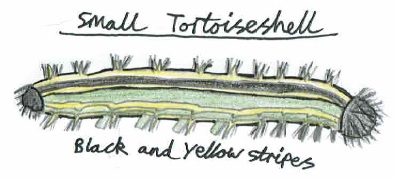
  • Family: Brush-footed butterflies
  • Size: Medium (45-60mm wide)
  • Butterfly appearance: Bright orange wings with a black pattern, white patch close to each outer top edge, and a border of blue half-moons. Underside dark and light brown
  • Caterpillar food plants: Nettles
  • On the wing: March-October
  • Winter: Hibernate as adults in sites, such as tree hollows and sheds
  • Distribution: Widespread throughout Britain

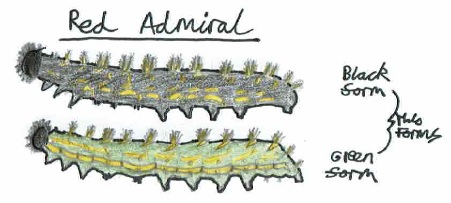
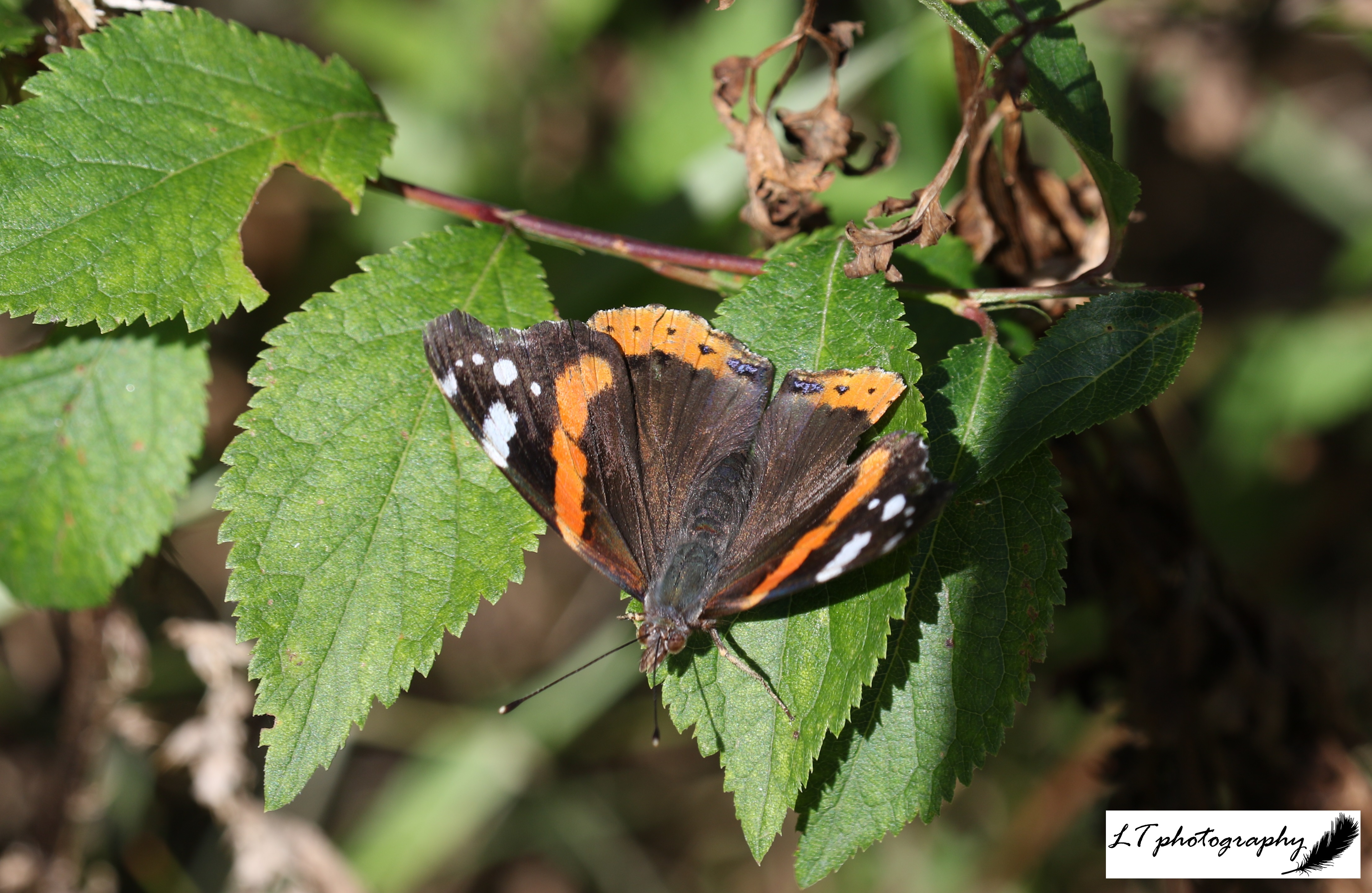
Red Admiral (Vanessa atalanta)

  • Family: Brush-footed butterflies
  • Size: Large (64-78mm wide)
  • Butterfly appearance: Black wings with red bands and white markings. Underside is similar, but paler and more mottled
  • Caterpillar food plants: Nettles
  • On the wing: March-October
  • Winter: Hibernate as adults
  • Distribution: Widespread throughout Britain

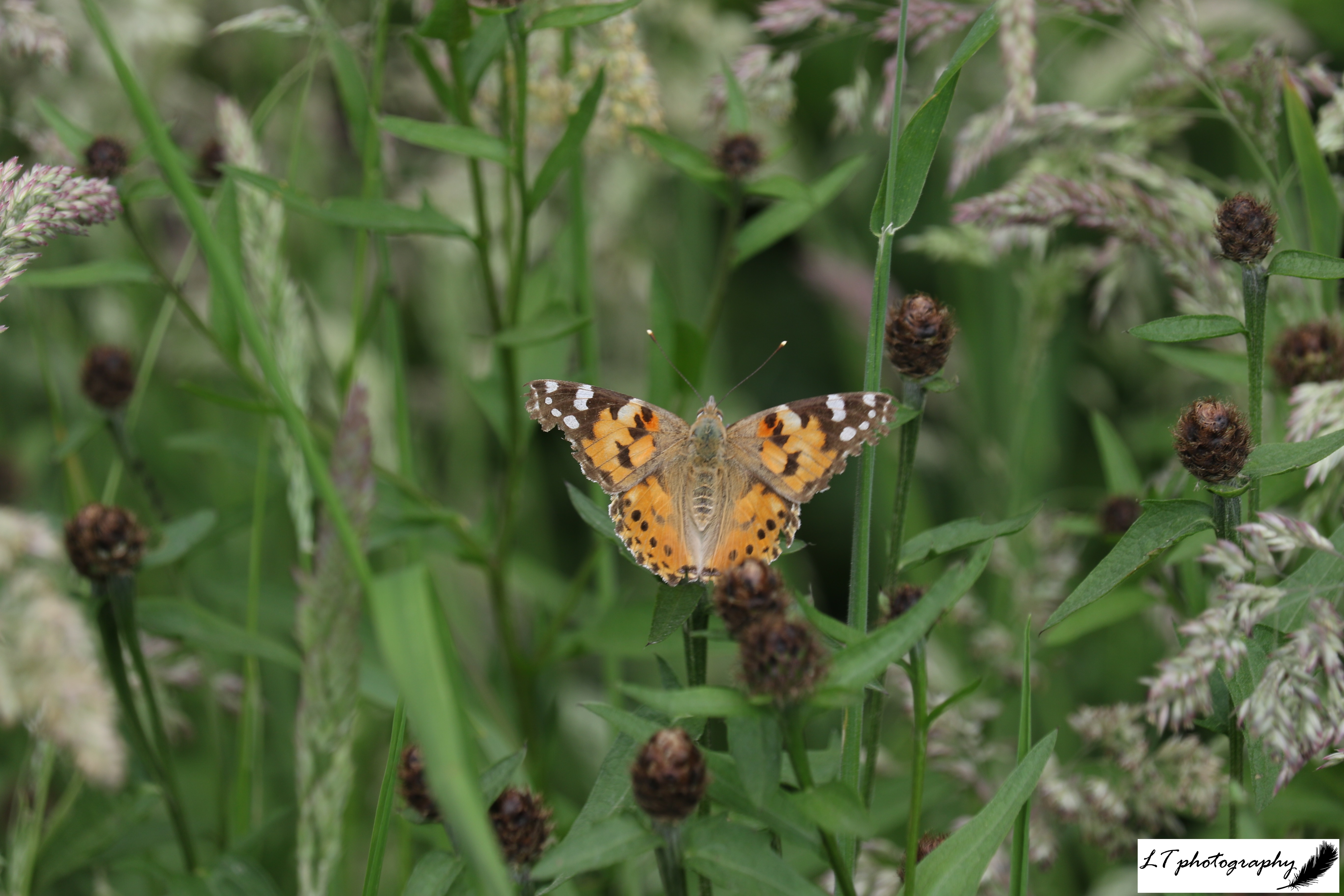
Painted Lady (Vanessa cardui)

  • Family: Brush-footed butterflies
  • Size: Medium/Large (58-74mm)
  • Butterfly appearance: Orange wings with black and white markings. Underside is similar, but paler and more mottled
  • Caterpillar food plants: Thistles and sometimes nettles and mallows
  • On the wing: March-October
  • Winter: Migrate from Africa each spring
  • Distribution: Widespread across Britain
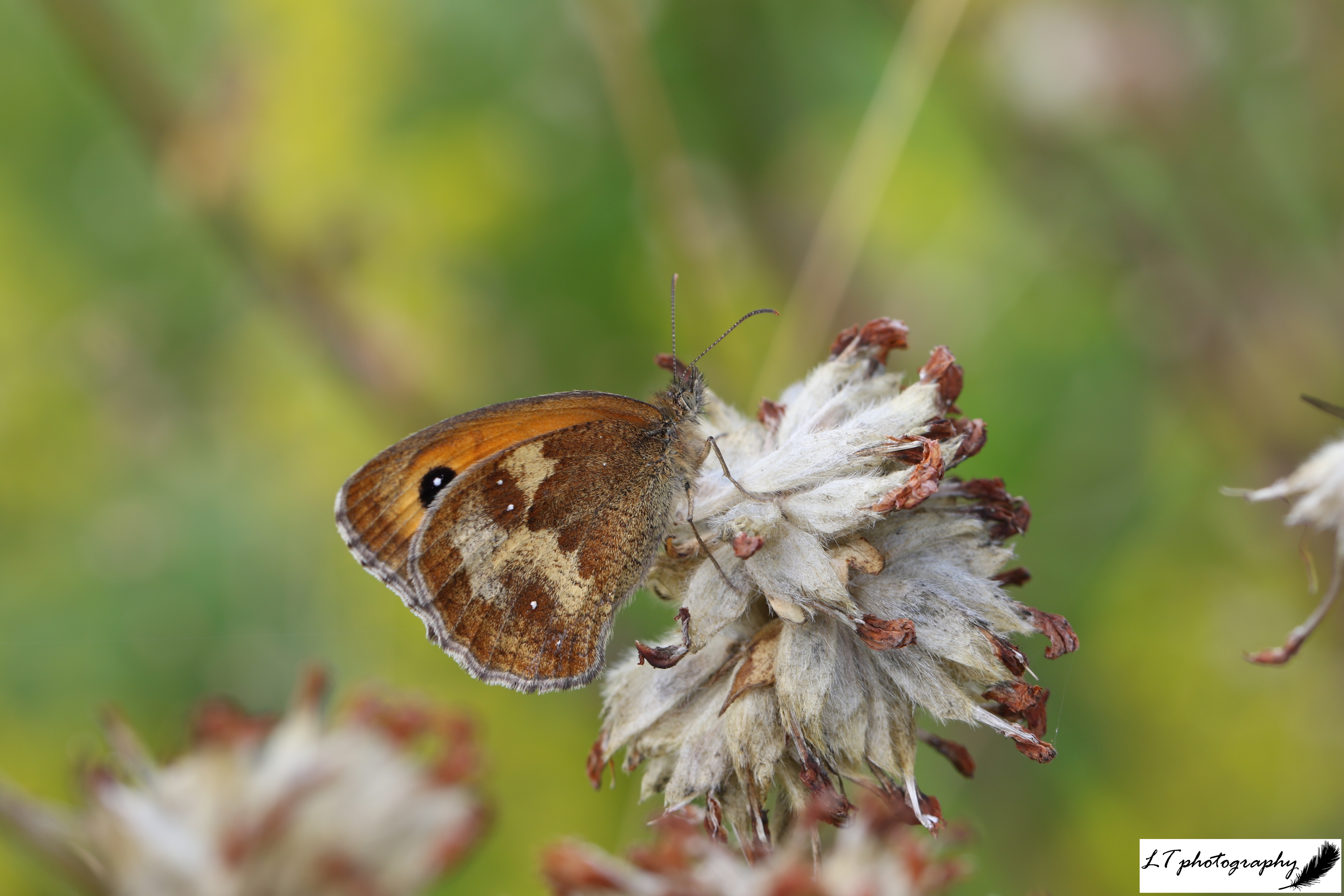
Gatekeeper (Pyronia tithonus)
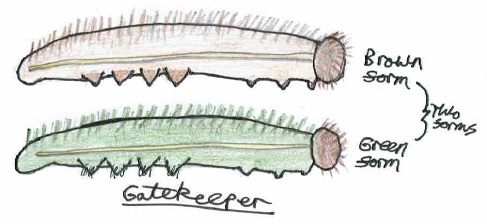
  • Family: Brush-footed (brown) butterflies
  • Size: Medium (37-48mm wide)
  • Butterfly appearance: Orange and brown wings on top with a black false eye on each wing. Males are smaller and richer in colour than females, with distinct dark band across the forewing. Underside of the forewing is largely orange and the hindwing yellow and brown
  • Caterpillar food plants: Fine grasses, such as fescues
  • On the wing: June-September
  • Winter: Hibernate as caterpillars
  • Distribution: Most common in southern and central England and Wales

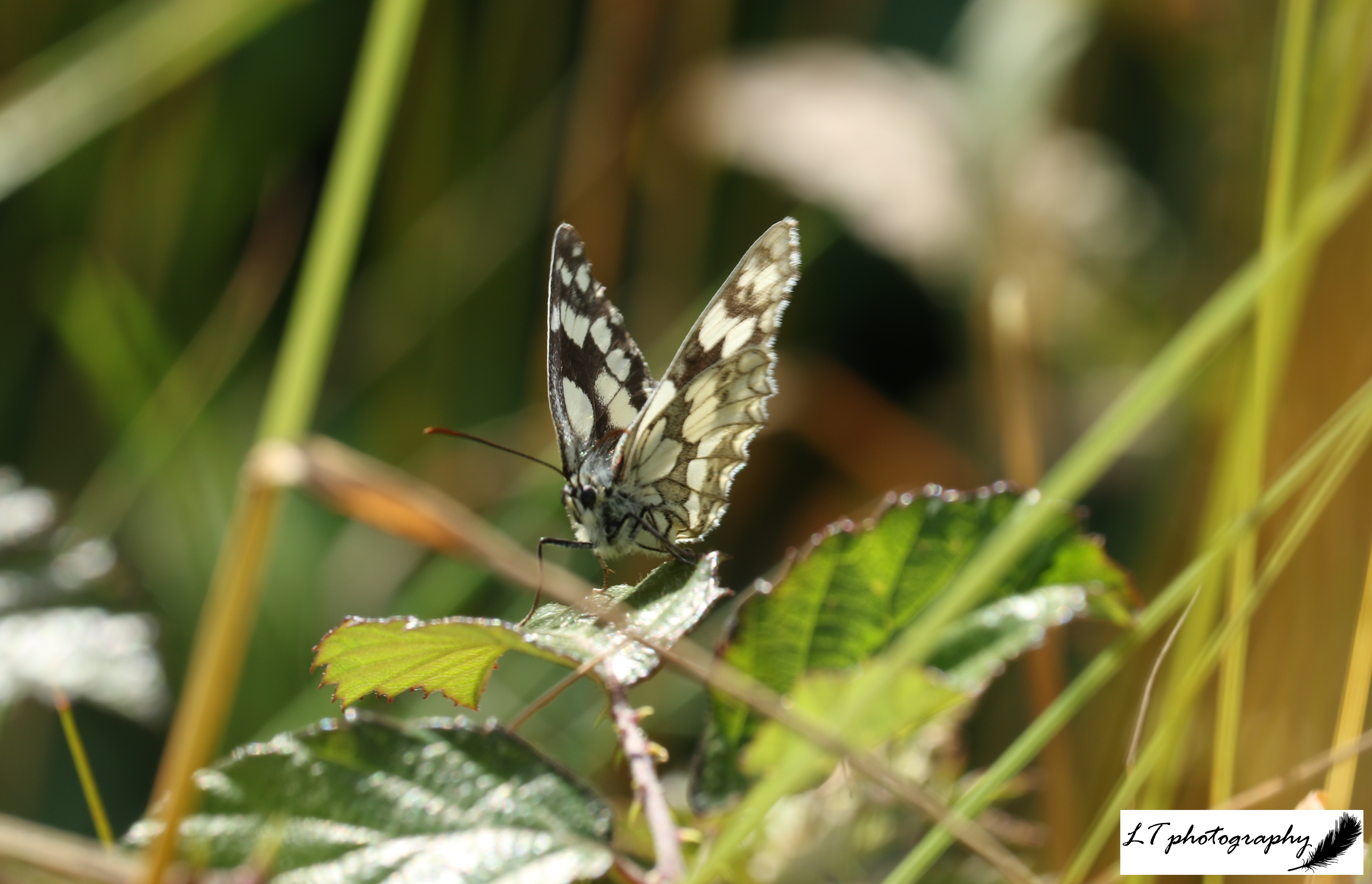
Marbled White (Melanargia galathea)
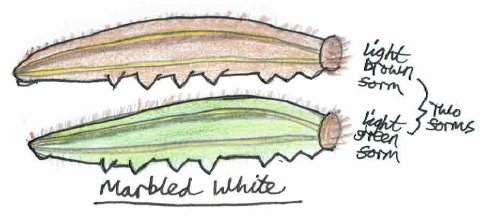
  • Family: Brush-footed (brown) butterflies
  • Size: Medium (53-58mm wide)
  • Butterfly appearance: Distinctive black and white chequered wings that vary in pattern between individuals. Undersidesnot so brightly marked with eye-spots and grey or yellowish bands
  • Caterpillar food plants: Grasses, such as red fescue and sheep’s-fescue
  • On the wing: June-August
  • Winter: Hibernate as caterpillars
  • Distribution: Southern and central England and Wales
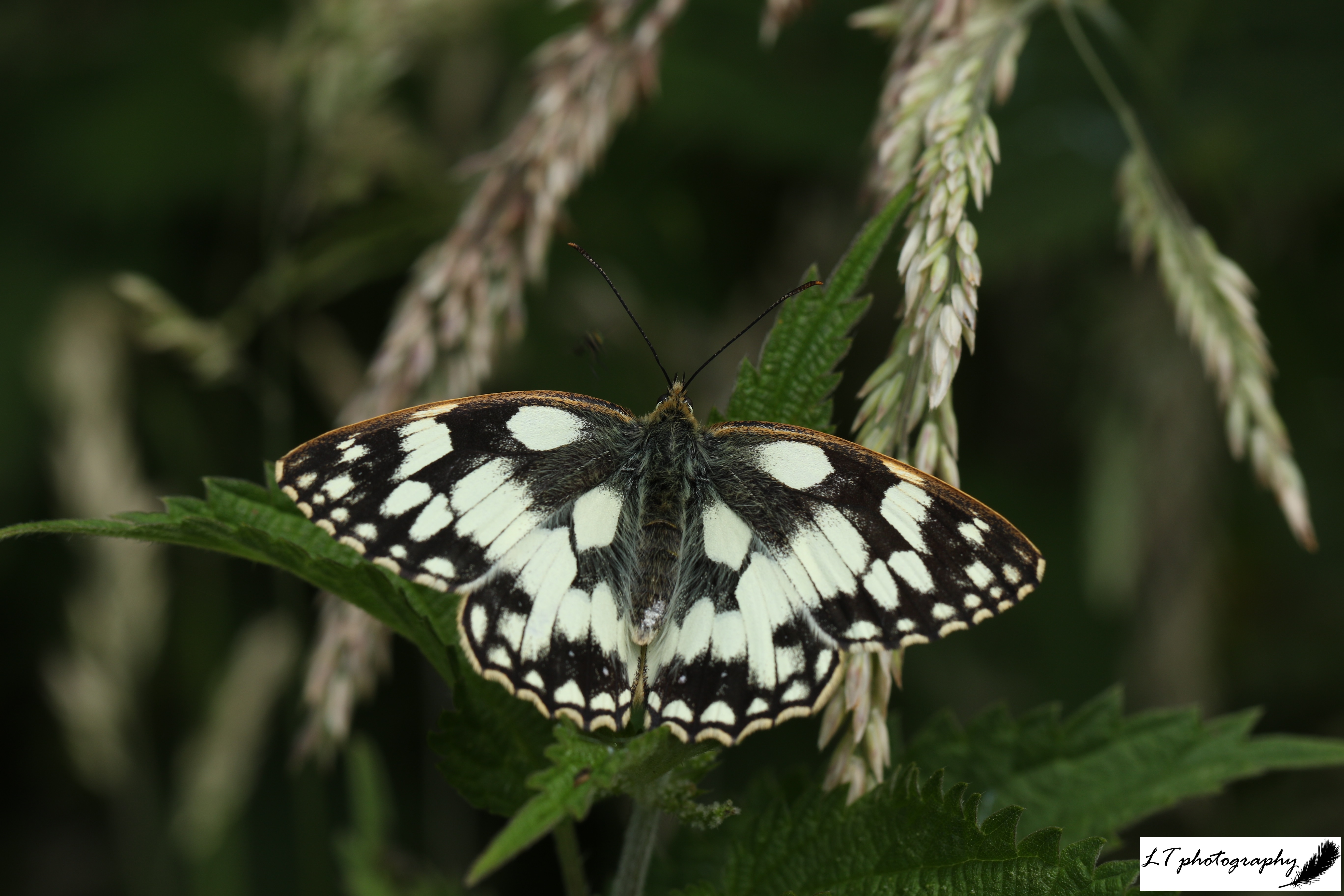
Ringlet (Aphantopus hyperantus)

  • Family: Brush-footed (brown) butterflies
  • Size: Medium (42-52mm wide)
  • Butterfly appearance: Begin velvety with deep blackish brown wings bordered by white. Iconic rings on wings vary in number, size and shape. Females larger with more pronounced markings
  • Caterpillar food plants: Various grasses including cock’s-foot and tufted hair-grass
  • On the wing: June-August
  • Winter: Hibernate as caterpillars
  • Distribution: Everywhere apart from northern Scotland
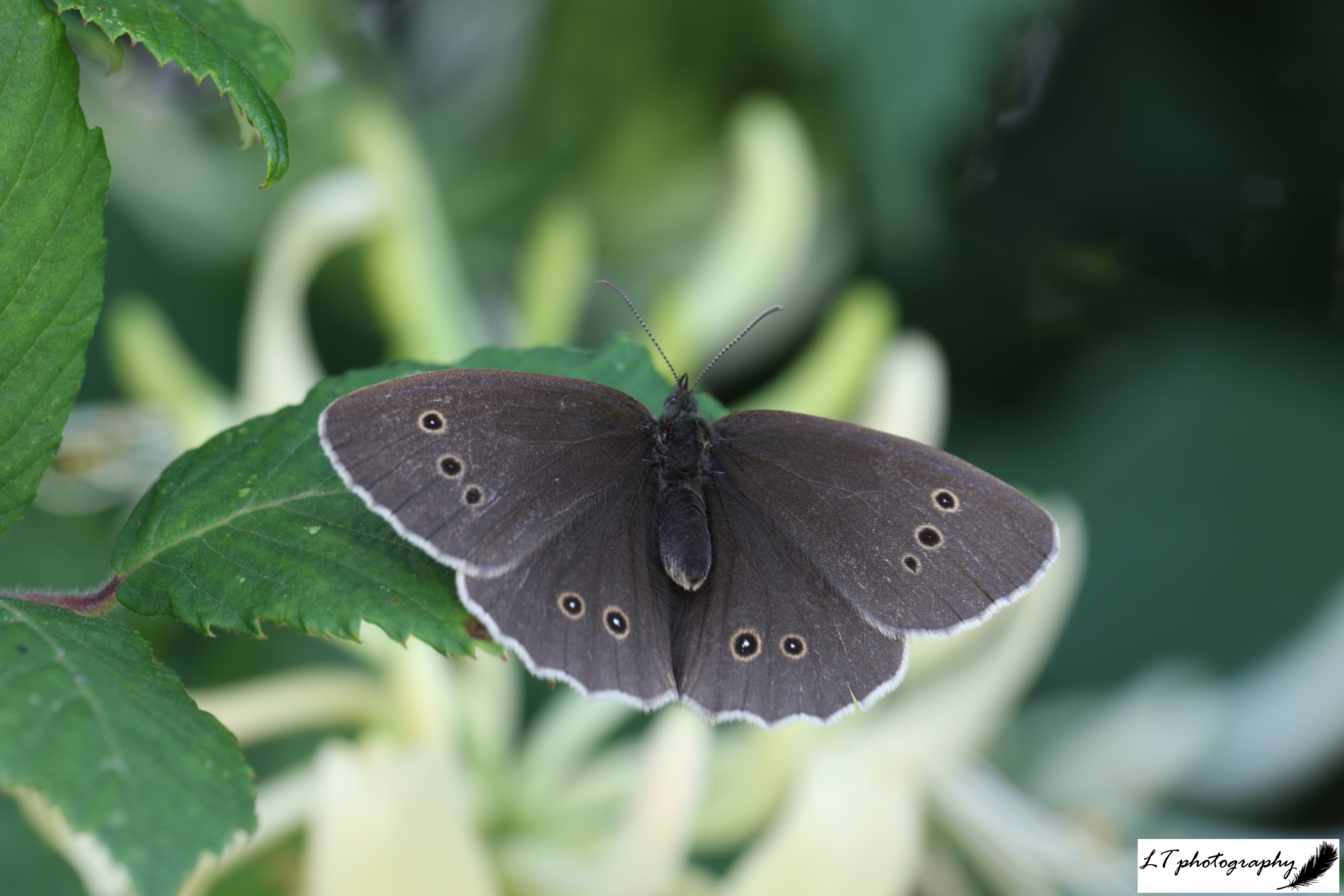
Speckled Wood (Pararge aegeria)
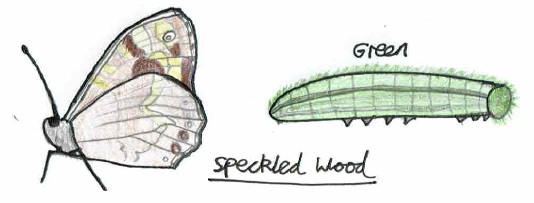
  • Family: Brush-footed (brown) butterflies
  • Size: Medium (46-56mm wide)
  • Butterfly appearance: Dark brown with cream spots, though the female’s are larger. Forewings have a false eye and hindwings have three false eyes. Undersides mottled brown
  • Caterpillar food plants: Various grasses including false brome, cock’s-foot, Yorkshire fog, and common couch
  • On the wing: March-October
  • Winter: Hibernate as caterpillars or a chrysalis
  • Distribution: Throughout England (except the far north), Wales and Ireland, and in northern Scotland

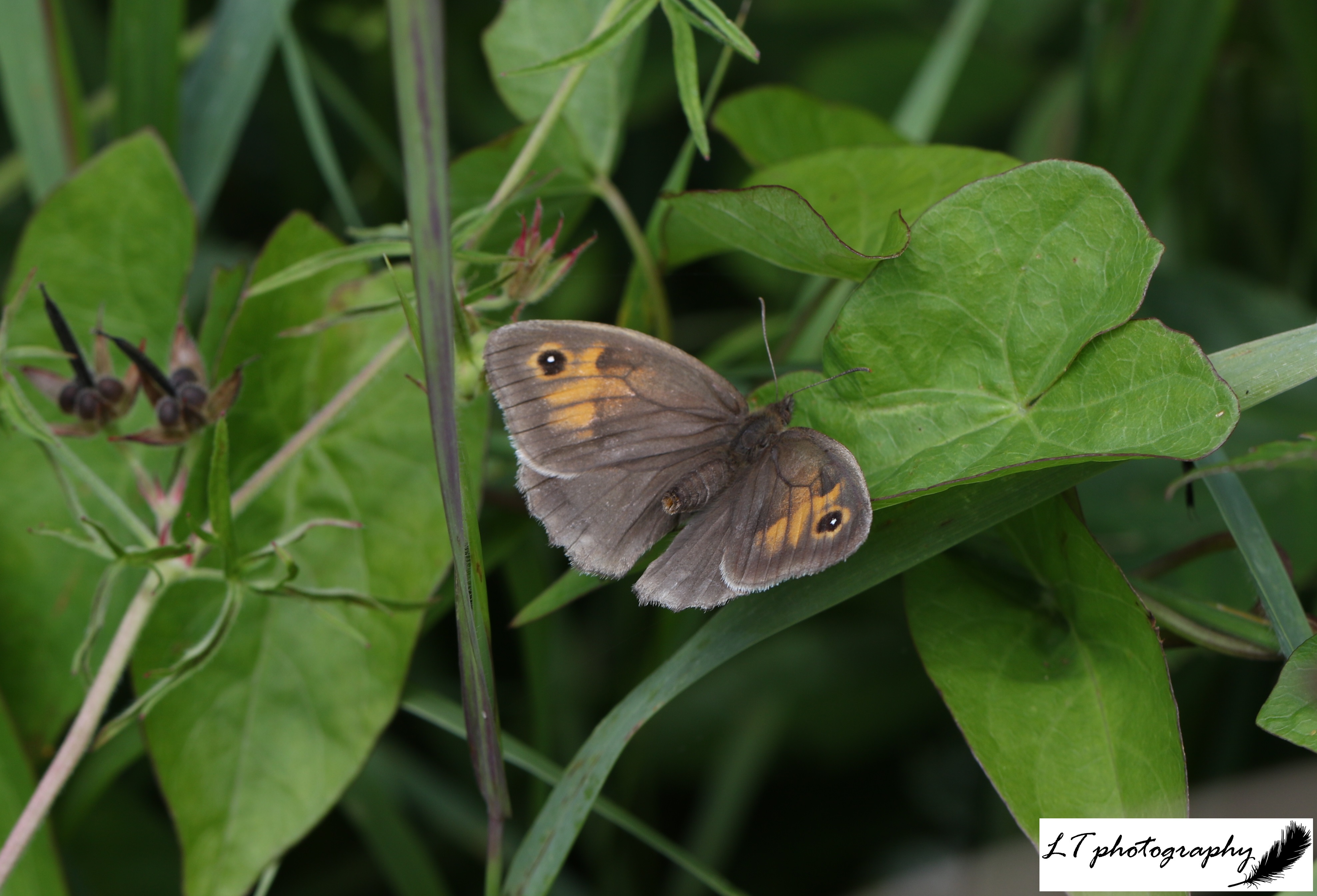
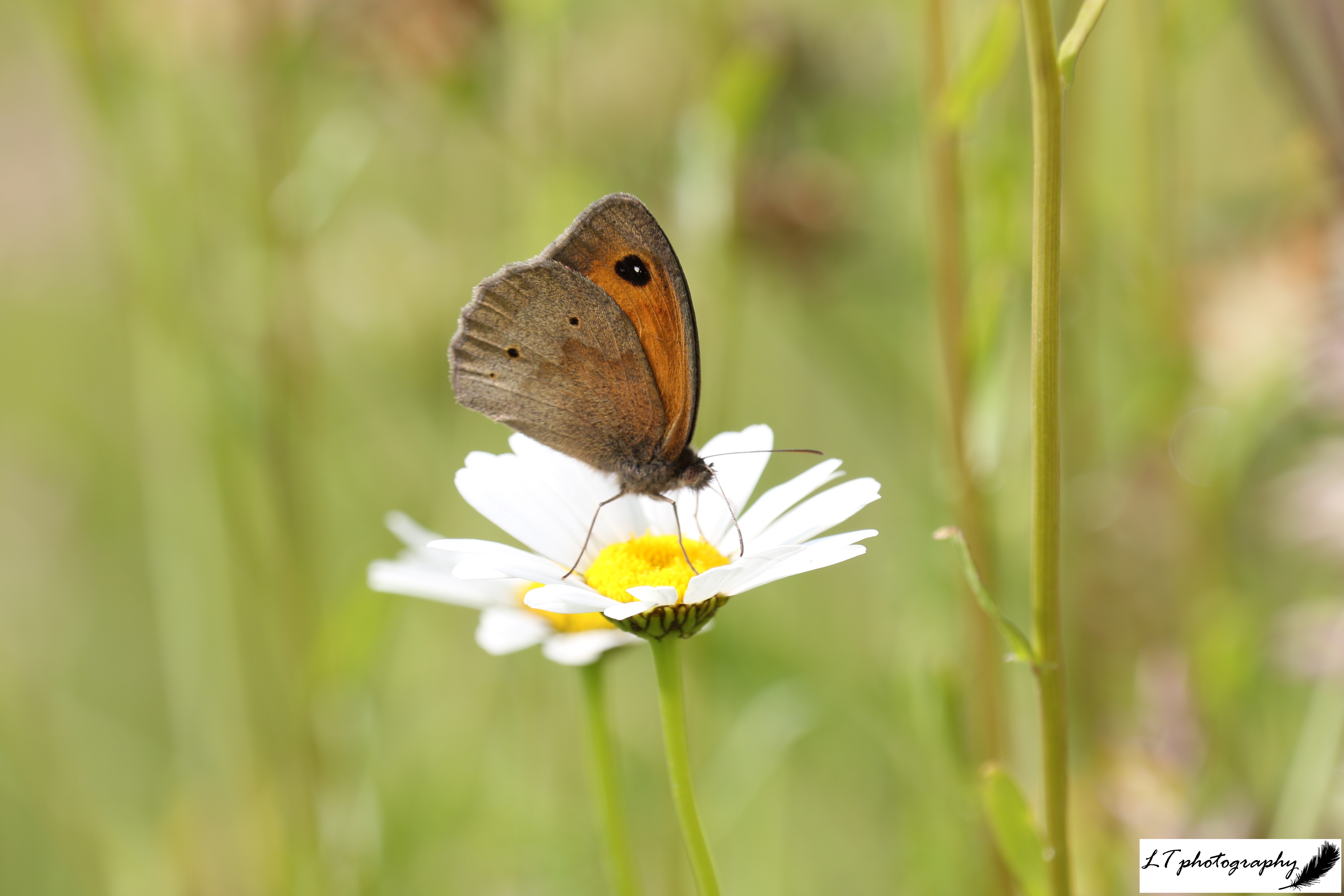
Meadow Brown (Maniola jurtina)

  • Family: Brush-footed (brown) butterflies
  • Size: Medium (40-60mm wide)
  • Butterfly appearance: Male= dark brown with dark scent patch on forewing and faint orange smudge; Female= lighter brown with more orange on wings. Underside is largely orange with mottled brown hindwing
  • Caterpillar food plants: Wide range of grasses from fine fescues to coarse cock’s-foot
  • On the wing: May-September
  • Winter: Hibernate as caterpillars
  • Distribution: Widespread across Britain
Comma (Polygonia c-album)

  • Family: Brush-footed butterflies
  • Size: Medium/Large (50-64mm)
  • Butterfly appearance: Orange wings with brown patterns and scalloped edges to wings. Mottled underside with white, comma-like mark on hindwing
  • Caterpillar food plants: Nettle, elm and hop
  • On the wing: Spring after hibernation; Summer brood= June-July; Autumn brood= August-September
  • Winter: Hibernate as adults, camouflaged as a leaf
  • Distribution: Widespread across England and Wales, rare in southern Scotland and Northern Ireland

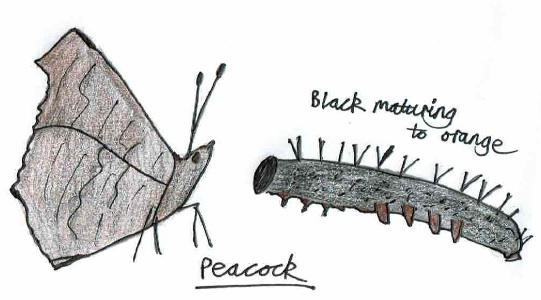
Peacock (Aglais io)

  • Family: Brush-footed butterflies
  • Size: Large (63-75mm wide)
  • Butterfly appearance: Red wings with four large false eyes. Undersides almost black
  • Caterpillar food plants: Nettles
  • On the wing: Spring after hibernation, and June-September
  • Winter: Hibernate as adults in hollow trees and buildings
  • Distribution: Widespread across Britain
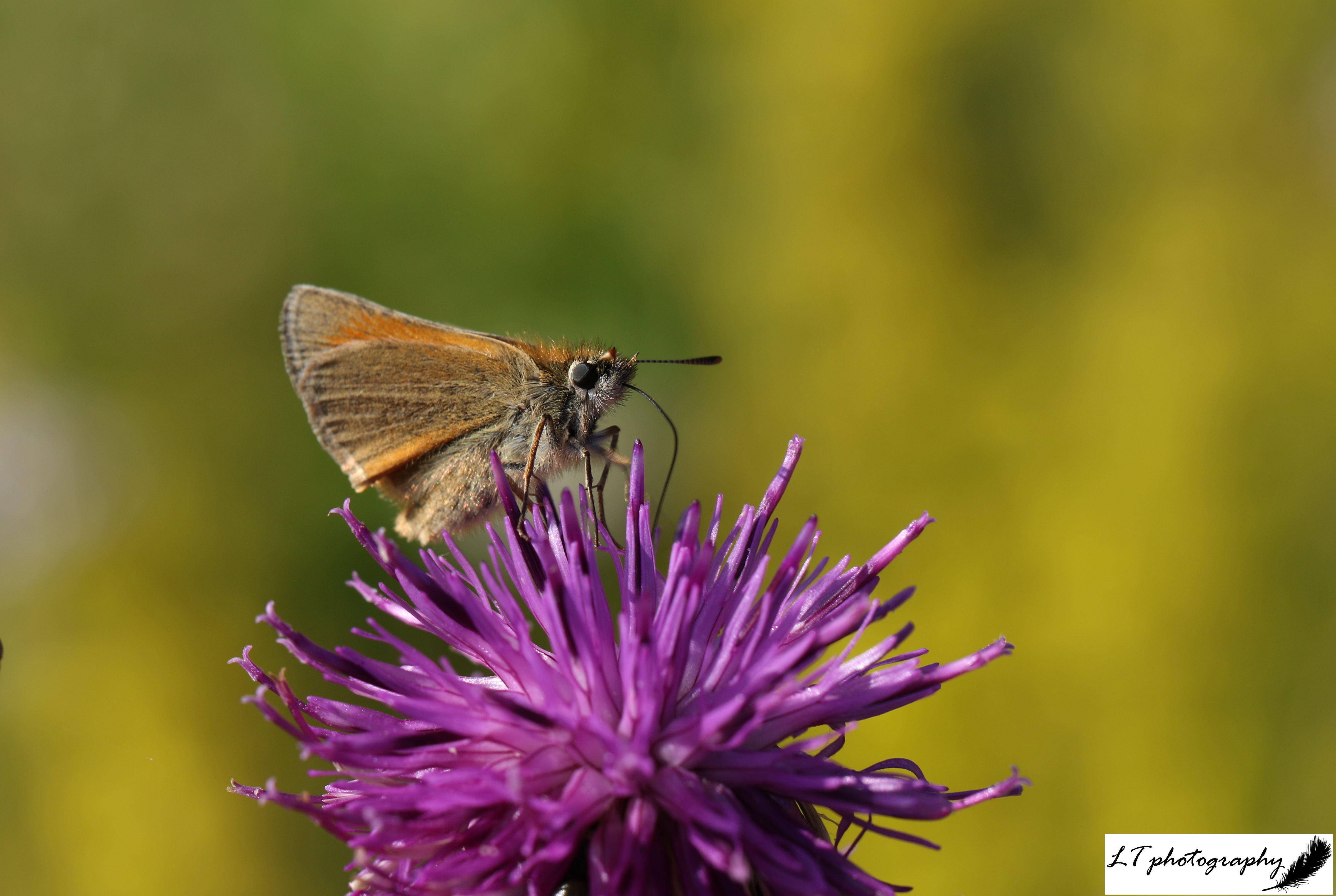
Small Skipper (Thymelicus sylvestris)

  • Family: Skippers
  • Size: Small (25-34mm wide)
  • Butterfly appearance: Orange on top with a black edge, and paler undersides. Male= dark stripe in centre of fore-wing. Antenna tip is orange below
  • Caterpillar food plants: Yorkshire fog and other tall grasses
  • On the wing: June-September
  • Winter: Hibernate as caterpillars
  • Distribution: Widespread up to North Yorkshire and Scottish border
Large Skipper (Ochlodes venatus)

  • Family: Skippers
  • Size: Small (28-36mm wide)
  • Butterfly appearance: Wings rich brown with orange patches, but male has a dark bar in the centre of the forewing. Underside mottled orange
  • Caterpillar food plants: Cock’s-foot and other tall grasses
  • On the wing: May-September
  • Winter: Hibernate as caterpillars
  • Distribution: Throughout England, Wales, and in Dumfries and Galloway

Spring 2021: How It Happened

This spring has been an unexpected, unpredictable and turbulent season, that has taken its time to unfurl. Traditionally spring is a season that is characterised as calm and dry, with days getting longer and warmer, and the potential for cooler nights. As lighter evenings returned this year though, spring was far from traditional, with a stormy then hot March, cold and frosty April, and a wash out of a May.

Since 2017, I have recorded the dates of the events of spring every year, and with the start of my blog, every year since I have analysed and compared spring events to see how the season took form. Last year I showed that the timing of spring events is heavily linked to spring weather, resulting in either earlier or later occurrence accordingly. Over the last couple of years this has varied alot, so it will be interesting to see what has gone on this year.

This spring a lot has been going on for me, but I have still found time to be out in nature as much as possible and to enjoy the time when one season slips into another. It has felt that spring has dragged on longer this year, with the potential effects of spring starting warm and progressing to cold, then wet. So as this spring comes to a gradual close and the heat sets in, it is time to find out what actually went on during spring 2021.

Trees

This year there was a general trend for trees being later in their bud burst, leaves unfurling, and flowering compared to 2020. Even before the frosty nights of April, silver birch (Betula pendula) buds burst 14 days later on 26th March, Norway maple (Acer platanoides) first flowered 5 days later on 26th March, and beech (Fagus sylvatica) buds burst 14 days later on 27th March.

As we moved through April and into May, spring events began to stretch even further in their lateness. For example, wild cherry (Prunus avium) buds burst 35 days later on 8th April, horse chestnut (Aesculus hippocastanum) first flowered 18 days later on 20th April, alder (Alnus glutinosa) buds burst 15 days later on 21st April, the first lime (Tilia x europaea) leaves unfurled 23 days later on 26th April, pedunculate/english oak (Quercus robur) leaves first unfurled 31 days later on 5th May, and ash (Fraxinus excelsior) flowered 37 days later on 9th May.

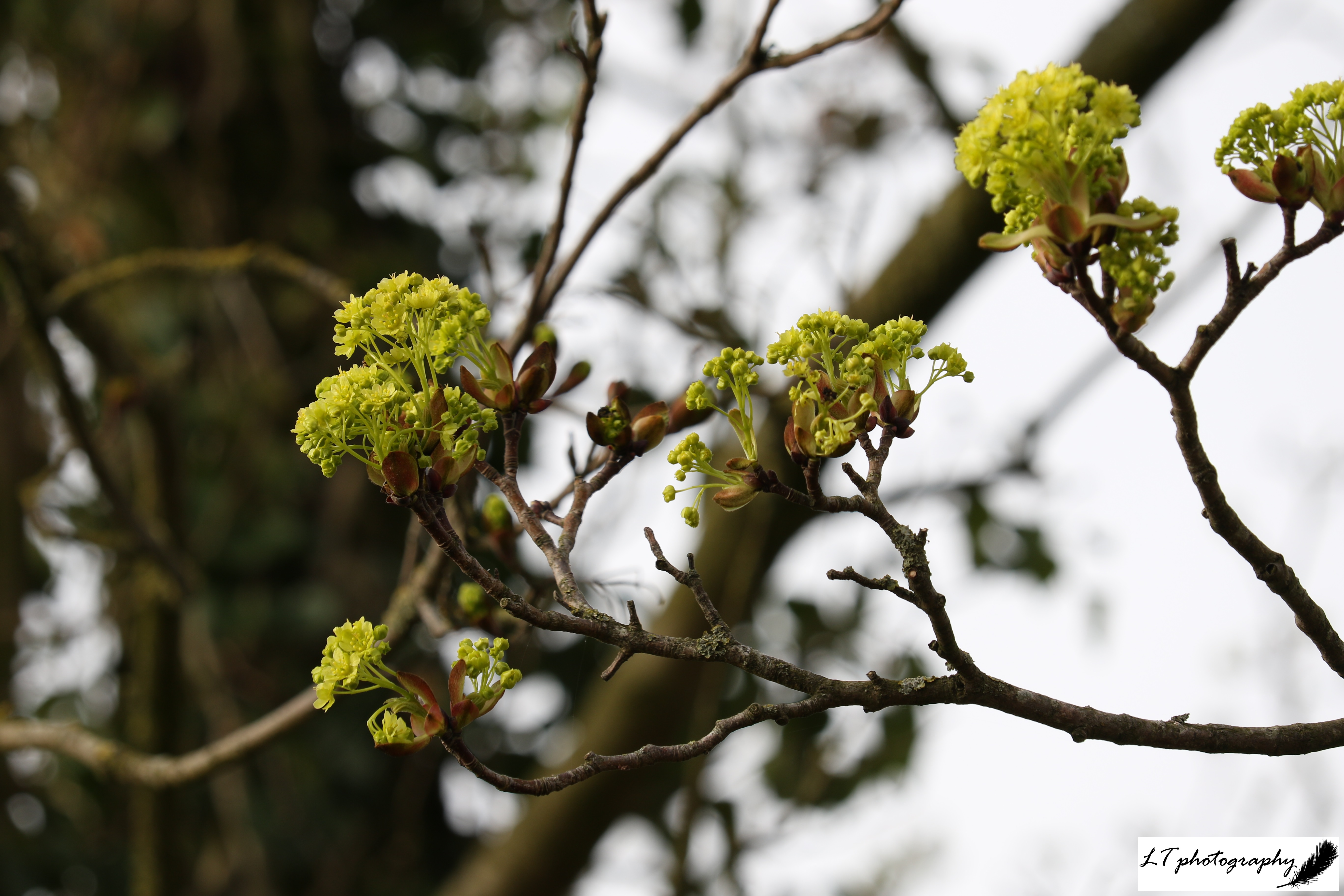
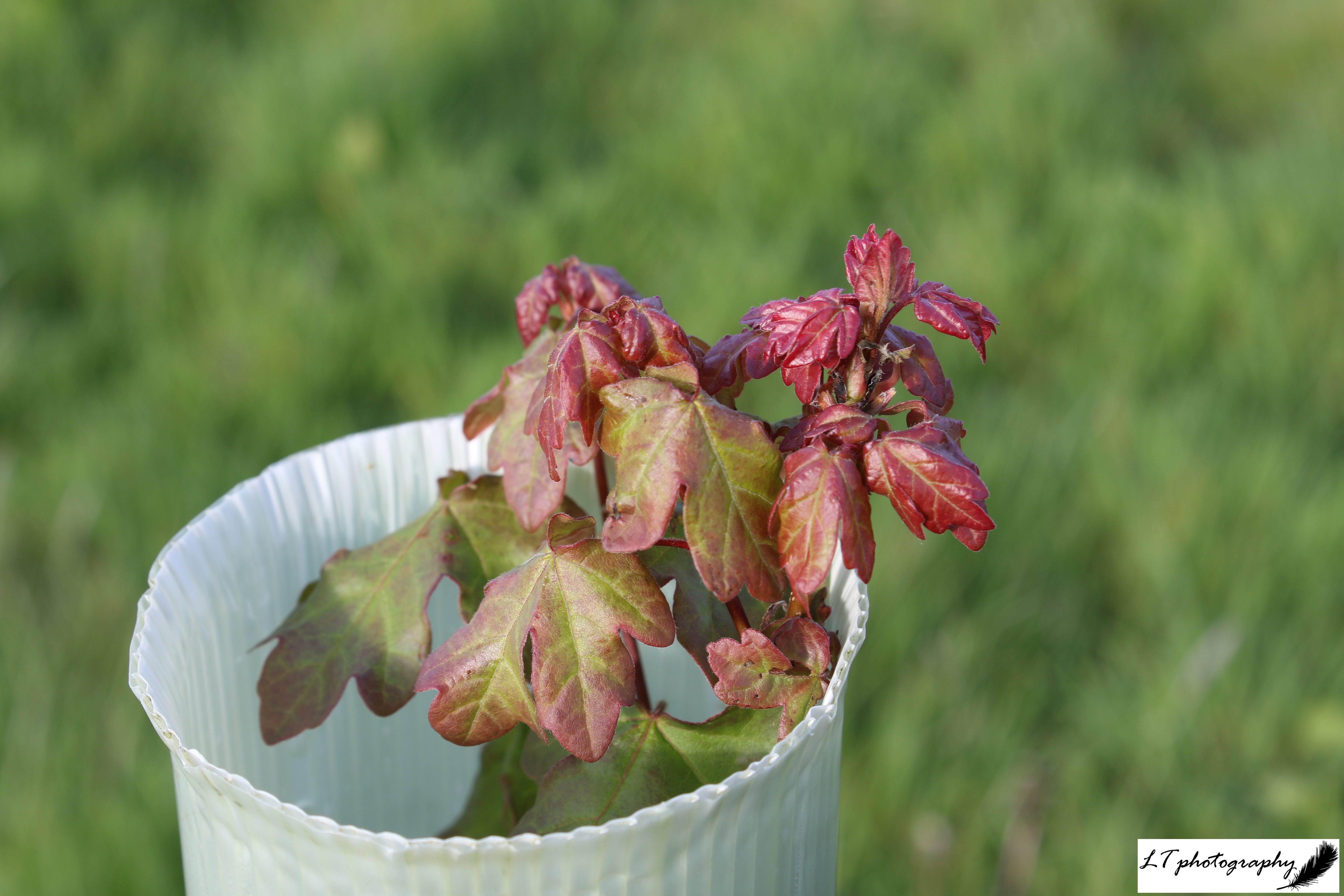
Field maple (Acer campestre) did not follow this trend though, with bud burst being 10 days earlier on 26th March, and first leaves unfurling 5 days earlier on 1st April. This may be as these trees missed the worst of the spring weather, but for the other trees spring events ranged from being 1 to 37 days late!

Shrubs

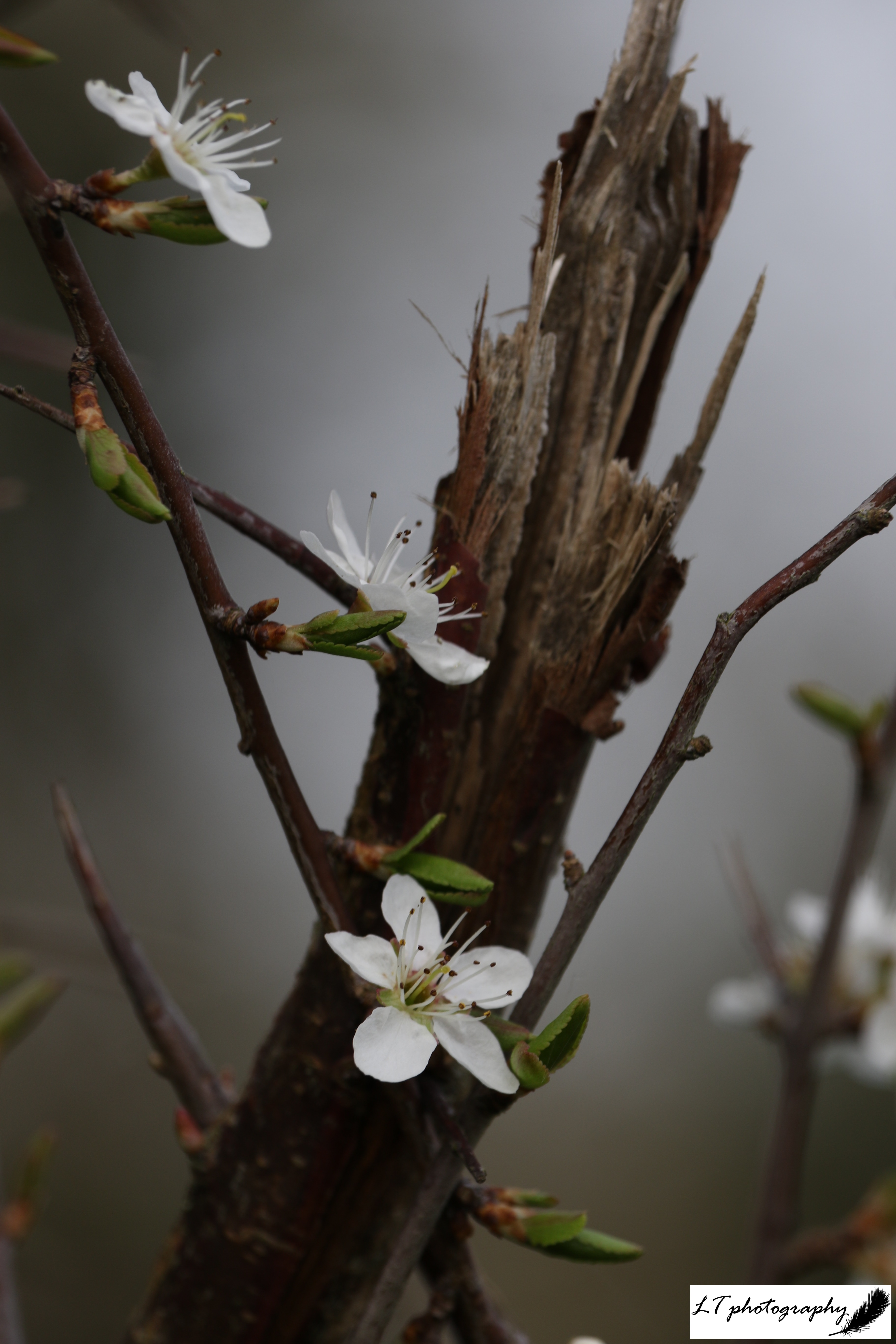
For a lot of the shrub species I monitored a similar trend was shown as with tree species, being later compared to 2020. For example, elder (Sambucus nigra) leaves first unfurled 34 days later on 18th March, blackthorn (Prunus spinosa) first flowered 17 days later on 23rd March, and hawthorn (Crataegus monogyna) first flowered 23 days later on 11th May.

Though half of the shrubs I monitored were later in their spring events, ranging anywhere from 2-34 days later, two species did not completely fit this trend. For lilac (Syringa vulgaris) bud burst occurred 12 days earlier on 24th February, but flowered 17 days later on 2nd May. This was the same for dog rose (Rosa canina), where buds burst 12 days earlier on 22nd February, but first flowered 22 days later on 8th June. For both of these species though, it is the spring events occurring before April that are earlier, as the ones occurring in April and May were not immune to the frosts and heavy rainfall like the other shrubs.

Flowers

For many of our commonly associated spring flower species, there was a little more of a split between appearing earlier or later, but on average they flowered later compared to 2020. Snowdrops (Galanthus spp.) first flowered 15 days later on 18th January, wood anemones (Anemone nemorosa) 8 days later on 30th March, bluebells (Hyacinthoides non-scripta) and greater stitchwort (Stellaria holostea) both 4 days later on 1st April, cowslips (Primula veris) 12 days later on 2nd April, early purple orchid (Orchis mascula) 12 days later on 18th April, wild garlic (Allium ursinum) 14 days later on 20th April, and oxeye daisy (Leucanthemum vulgare) 16 days later on 3rd June.

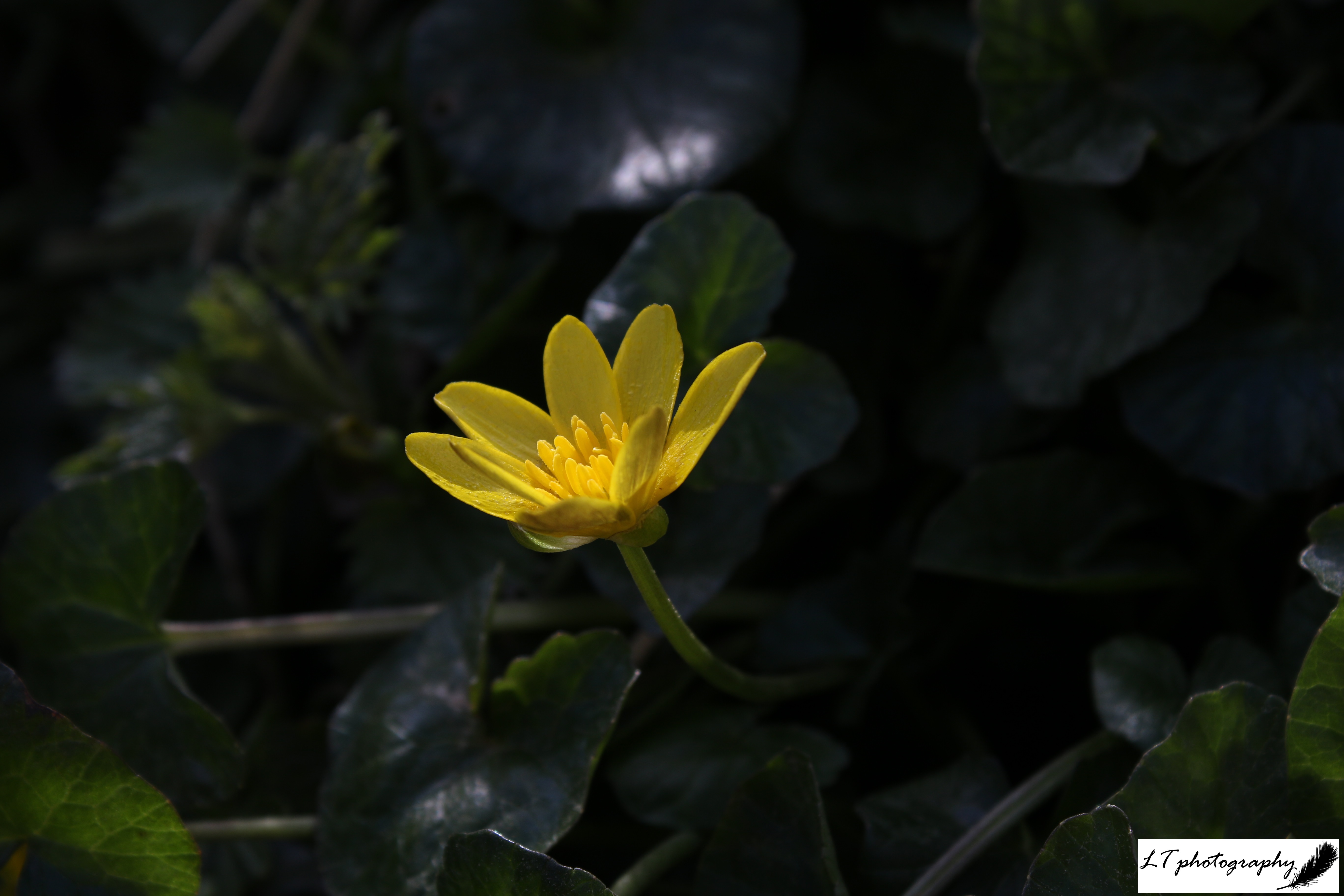
The exceptions were a section of earlier flowering species, including primrose (Primula vulgaris) first flowering 27 days earlier on 31st December, lesser celandine (Ficaria verna) 3 days earlier on 15th January, daffodil (Narcissus spp.) 22 days earlier on 19th January, and cuckooflower (Cardamine pratensis) 10 days earlier on 8th April. These flowers would have been influenced by a warmer winter and start to spring, generally flowering before the cold spell in April.

Birds

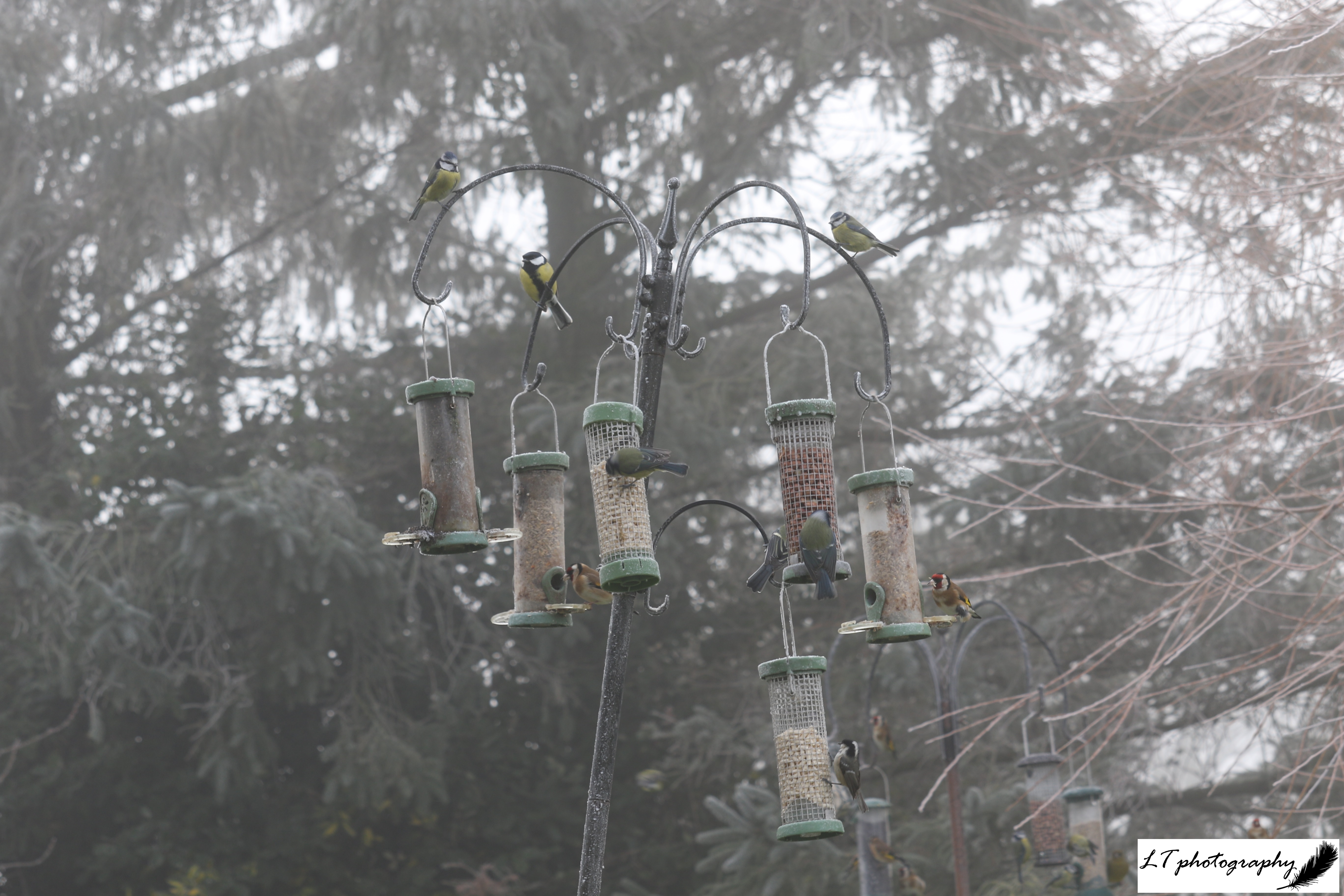
On average, bird species spring events have also become later this year compared to 2020. I heard my first song thrush (Turdus philomelos) singing 17 days later on 1st January, I saw my first rook (Corvus frugilegus) nests being built 10 days later on 25th February, and I heard my first chiffchaff (Phylloscopus collybita) on 16th March. April and May events were again influenced, for example I saw my first swallow (Hirundo rustica) 5 days later on 10th April, saw my first house martin (Delichon urbicum) 9 days later on 21st April, heard my first cuckoo (Cuculus canorus) 3 days later on 1st May, and saw my first swift (Apus apus) 10 days later on 16th May.

There were two exceptions though, where I recorded hearing my first blackbird (Turdus merula) singing 13 days earlier on 10th February, and saw my first blackcap (Sylvia atricapilla) 8 days earlier on 14th April. These would most likely relate to other influencing factors, such as overwintering in the UK or habitat requirements.

Insects

Compared to previous years, I have still yet to see some species of butterfly that would typically be on the wing by now, such as gatekeeper butterflies (Pyronia tithonus). For the insects I have seen though, again there was a split in event occurrence compared to 2020. For example, I saw my first small tortoiseshell butterfly (Aglais urticae) 2 days later on 7th April, red admiral butterfly (Vanessa atalanta) 26 days later on 7th April, brimstone butterfly (Gonepteryx rhamni) 26 days later on 18th April, and speckled wood butterfly (Pararge aegeria) 52 days later on 13th June.

The early emergers came in the form of my first buff-tailed bumblebee (Bombus terrestris) 14 days earlier on 27th February, peacock butterfly (Aglais io) 5 days earlier on 30th March, orange-tip butterfly (Anthocharis cardamines) 13 days earlier on 31st March, and red-tailed bumblebee (Bombus lapidarius) 12 days earlier on 19th April. Despite these species appearing earlier in spring, later flowering plants will have had a knock-on effect for them due to a mismatch in timing for food. Only further down the line will we be able to see the extent of this impact.

Summary

This year I have recorded more spring dates than I have done so before, such as alder trees flowering, first yellowhammer singing, and first green-veined white butterfly, which will be useful information during the years to come. This reflects how I have felt more in touch with nature this year even with the unusual weather patterns, such as alot of rain! It became clear as we went through May though, that there was a trend for events happening later and later. This is why I was so interested to see how far this trend actually extended amongst species.

Last year I wrote that spring events are ‘in fact getting later, which will be related to… weather and environmental factors here and further afield’. This year this has turned out to be the case, which shows how climate change is having more of an impact through changes in weather patterns rather than just warmer temperatures. Earlier spring events have been getting earlier with warmer winters, but heavy rainfall and colder starts to spring have been affecting late March to May events most. I wonder now what impact this might have as we move forward, for example greater mismatches in ecological timings.