Rural Dorset vs. Urban Manchester: Wildlife Camera Trapping in 2021

Series in collaboration with guest writer Emma Rogan

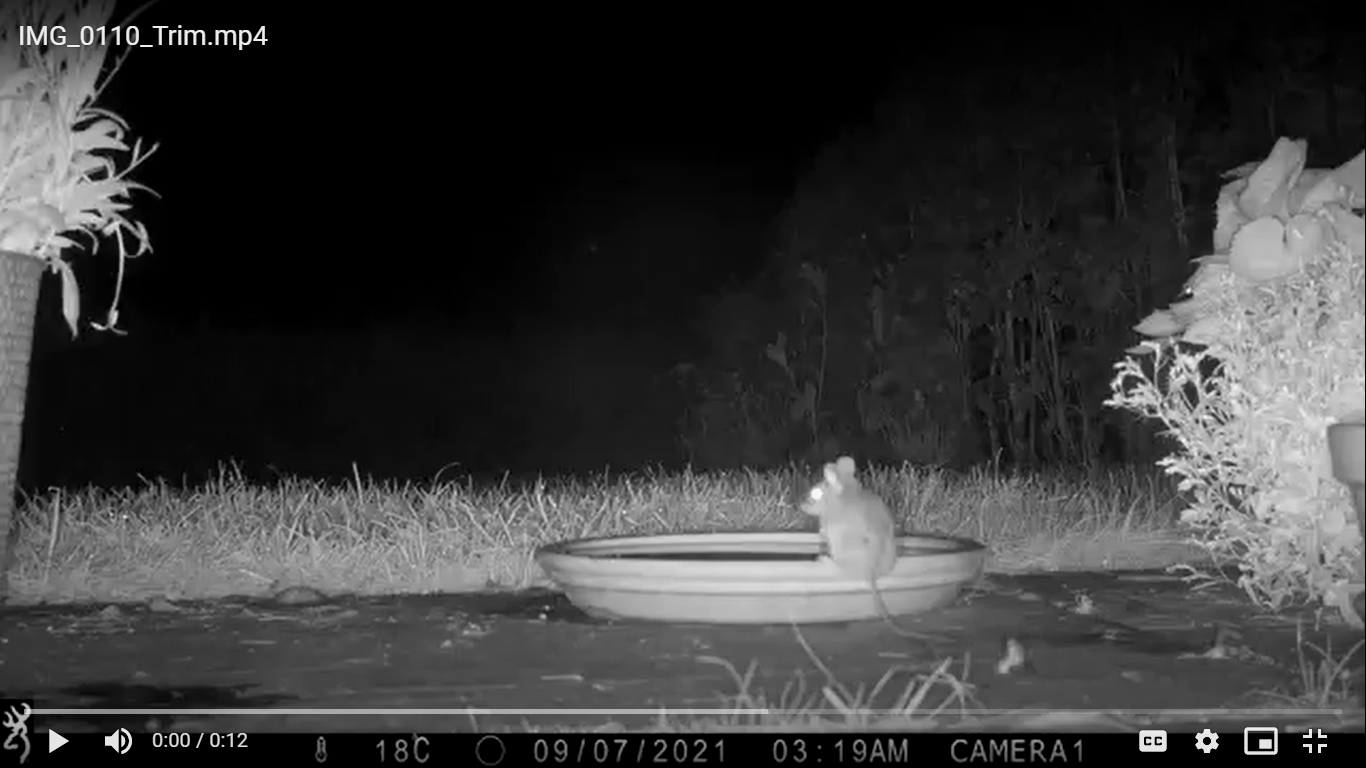
Fox cubs playing in secluded hedgerows, badgers wandering along field margins, and male pheasants displaying in woodlands. Wildlife cameras are a great way to capture the behaviour and presence of wildlife, and can open up a hidden world not so easily accessible in person. More often wildlife cameras are associated with exploring the rural, but they are also a great way to explore the world closer to home. Hedgehogs snuffling through gardens looking for food, birds jostling for space on feeders, or even rodents clearing up after avian visitors. Camera trapping allows us to connect to nature wherever we live, from rolling hills to suburban oases.
Last time in Rural vs. Urban, we embraced autumn in all its colours and forms, with the main focus being the plant and fungi stars of the show. Dorset-born naturalist Laura delved into the magnificent and colourful display autumn had to offer, and found inspiration in the season, from her writing to her baking. Joining Laura for this series, Manchester-born wildlife enthusiast Emma explored the history and culture rooted in the plants she discovered, and found a much-needed moment of calm in her busy day-to-day life. Though both found differences in their comparative landscapes, they both found fungi to be fascinating and wondrous, but an area of knowledge in need of improvement.
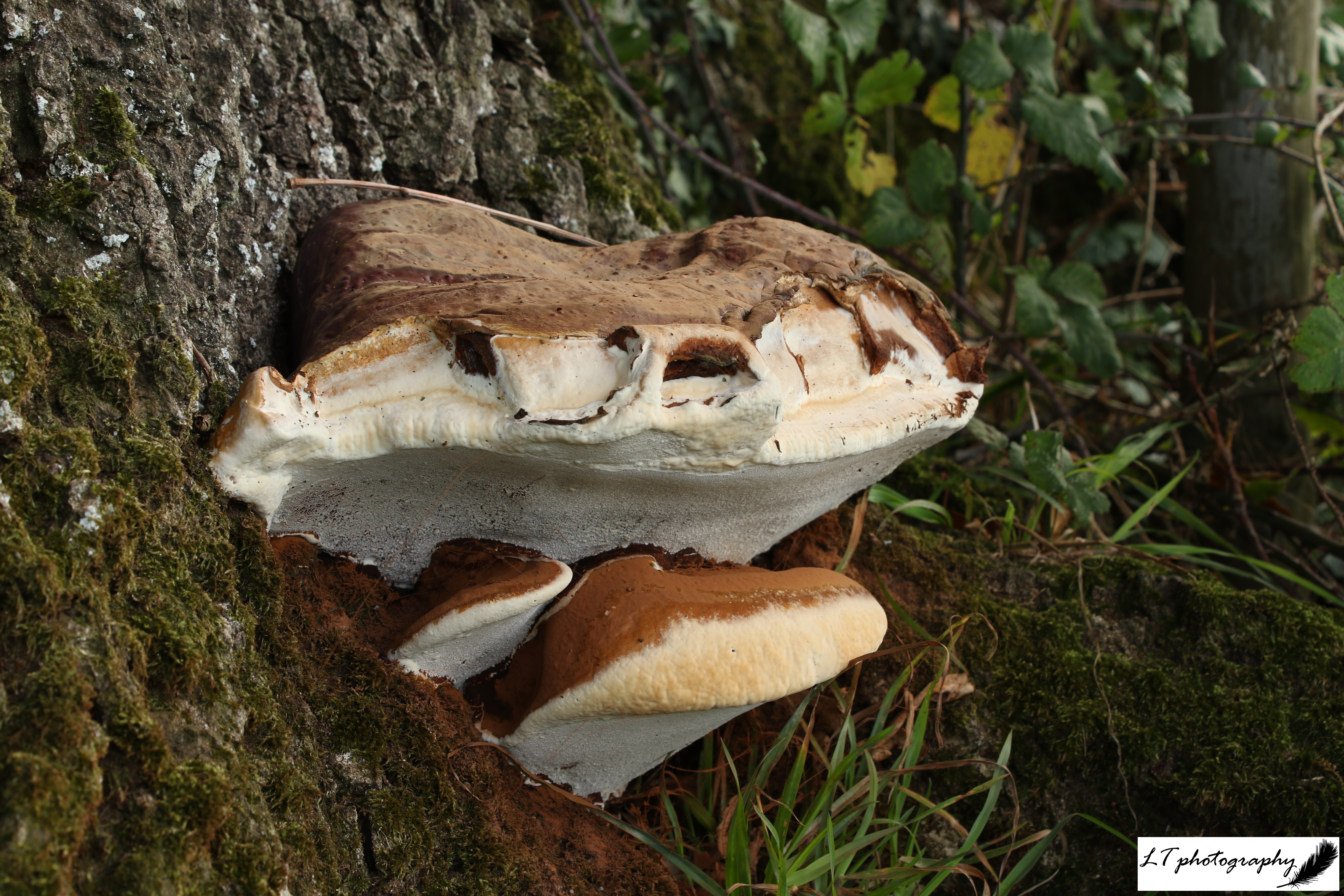
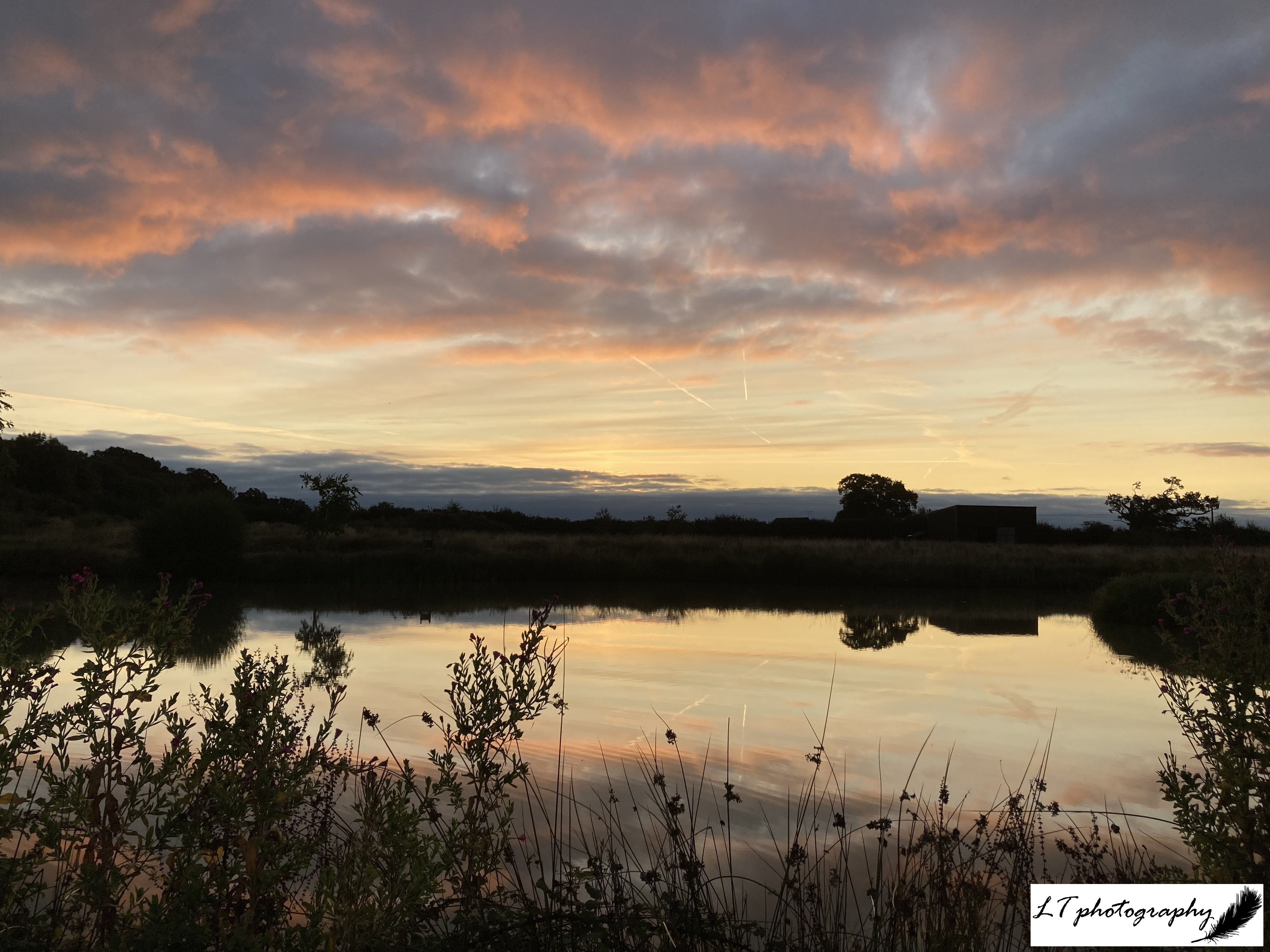
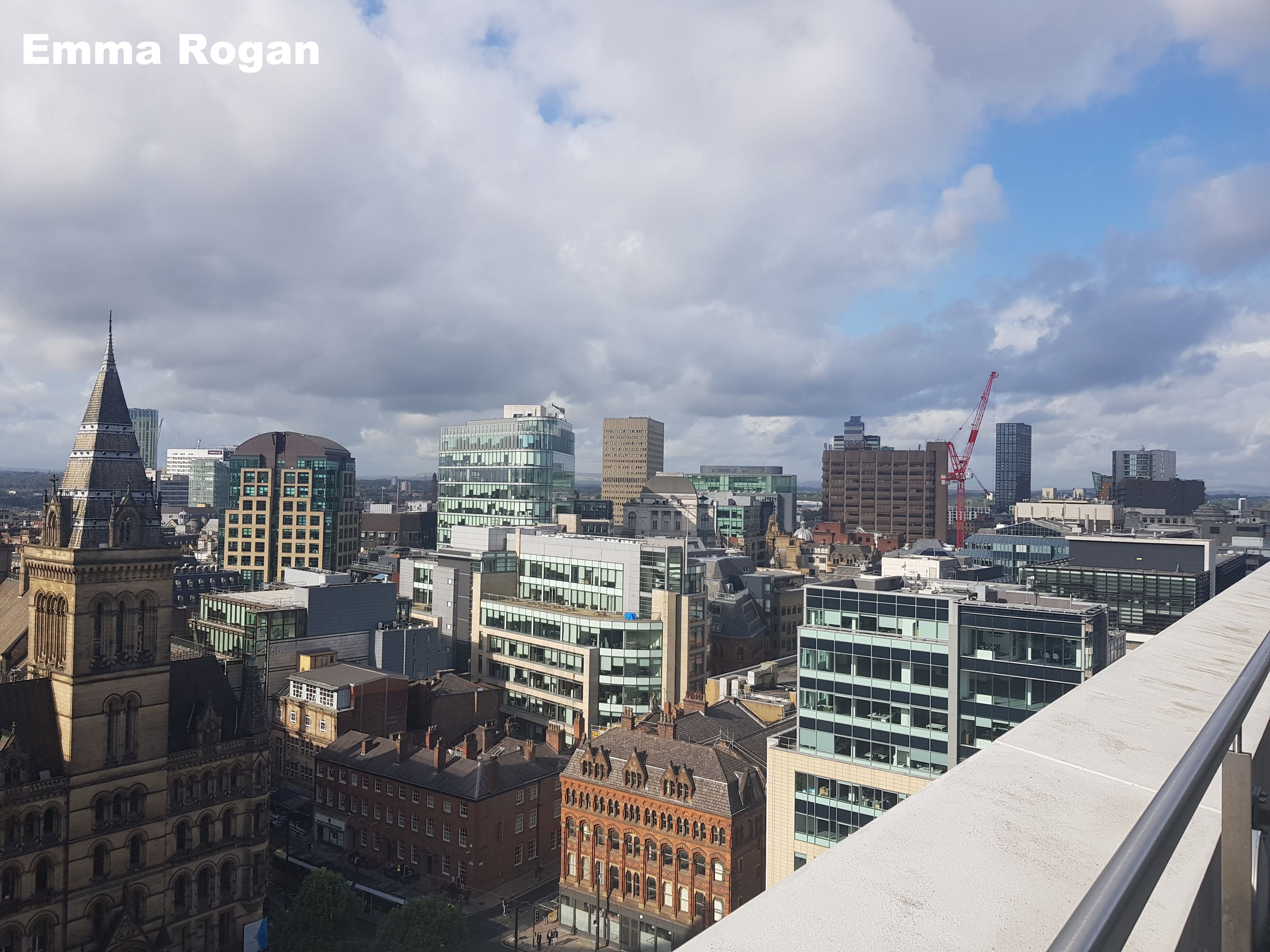
In this next instalment of Rural vs. Urban, we explore the use of camera traps in the two different landscapes and see how they have allowed Laura and Emma to connect with their local wildlife. We will see how species may differ between the city and countryside, as well as behaviours and even interactions between species. It will be interesting to see what we may learn from looking back at fantastic camera trap photos from both locations, as they help us to uncover the secret lives of wildlife. Join us on our adventures to find out what we discovered!
Laura’s Camera Trapping in Dorset

Over the last few years I have become well known online for my camera trap photos exploring the lives of the wildlife living on my family’s land in Dorset. In particular, each spring I keep my camera trap out 24/7, moving it between locations, to capture spring unfurling for my animal neighbours. By doing so I have gained a lot of enjoyment from seeing what I could discover, and have been able to expand my own knowledge of my local wildlife and their hidden lives. To experience some of my previous camera trap adventures, check out my earlier blog posts from 2019 and 2020.

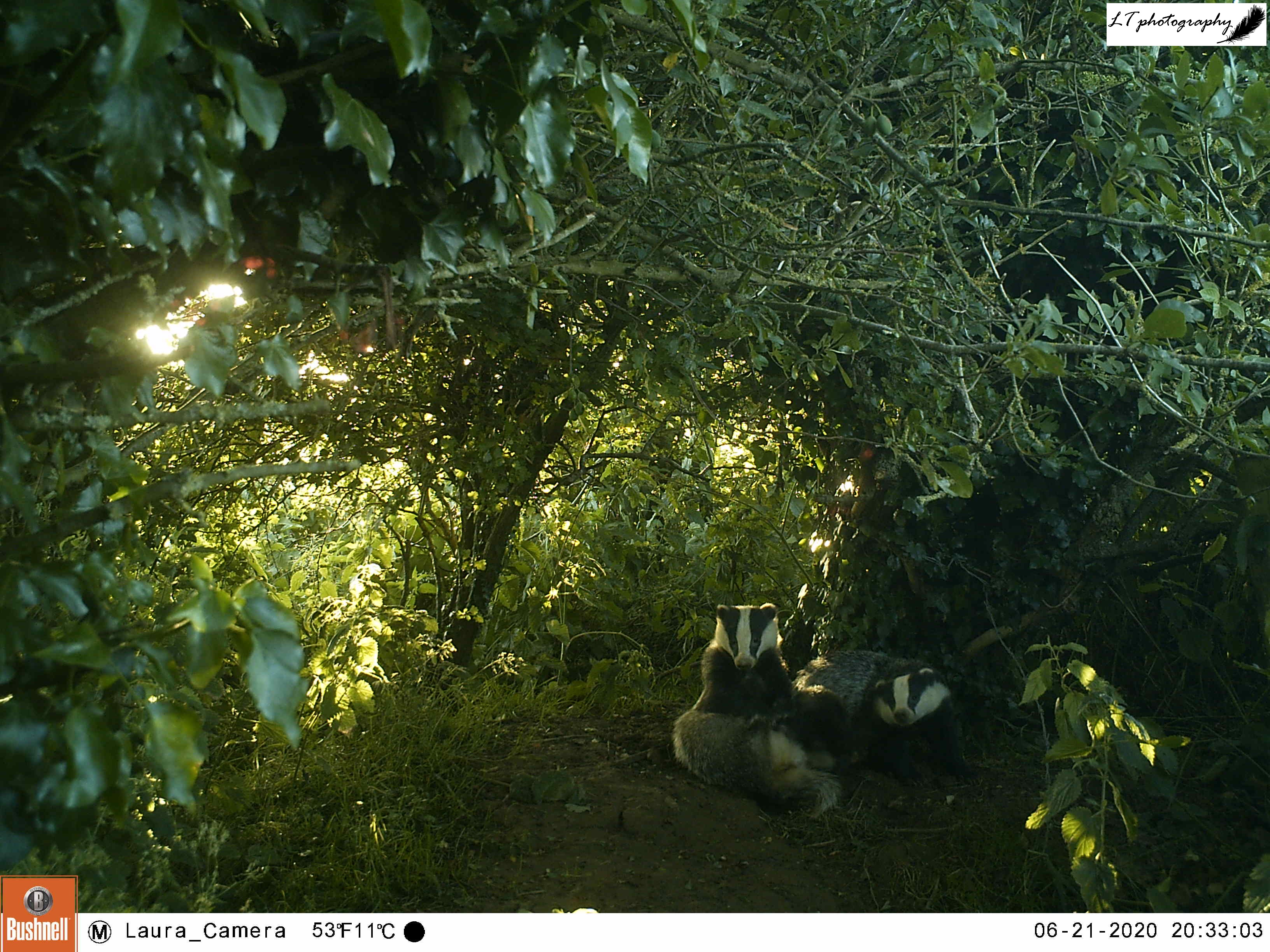
Last year, in 2021, my camera trap did not fail to amaze me and allowed me to continue my adventure exploring and capturing local wildlife. Throughout the spring my camera moved between 6 different locations across 250 acres, varying from badger setts to woodland. Between these locations I captured a total of 13 different species in 2021, which were rabbit, badger, roe deer, fox, partridge, pheasant, grey squirrel, magpie, blackbird, field vole, hare, woodpigeon, and the humble bumblebee.
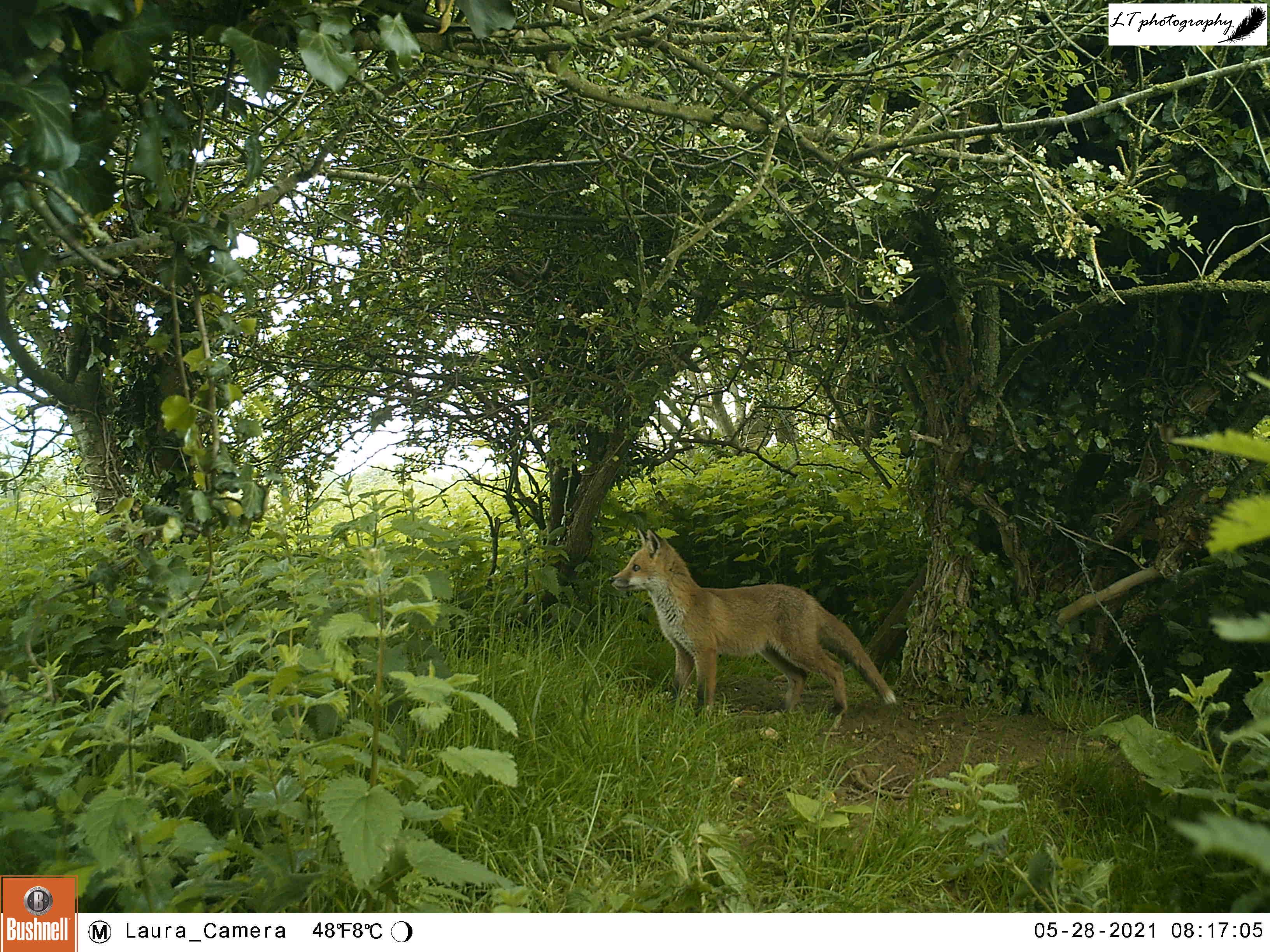
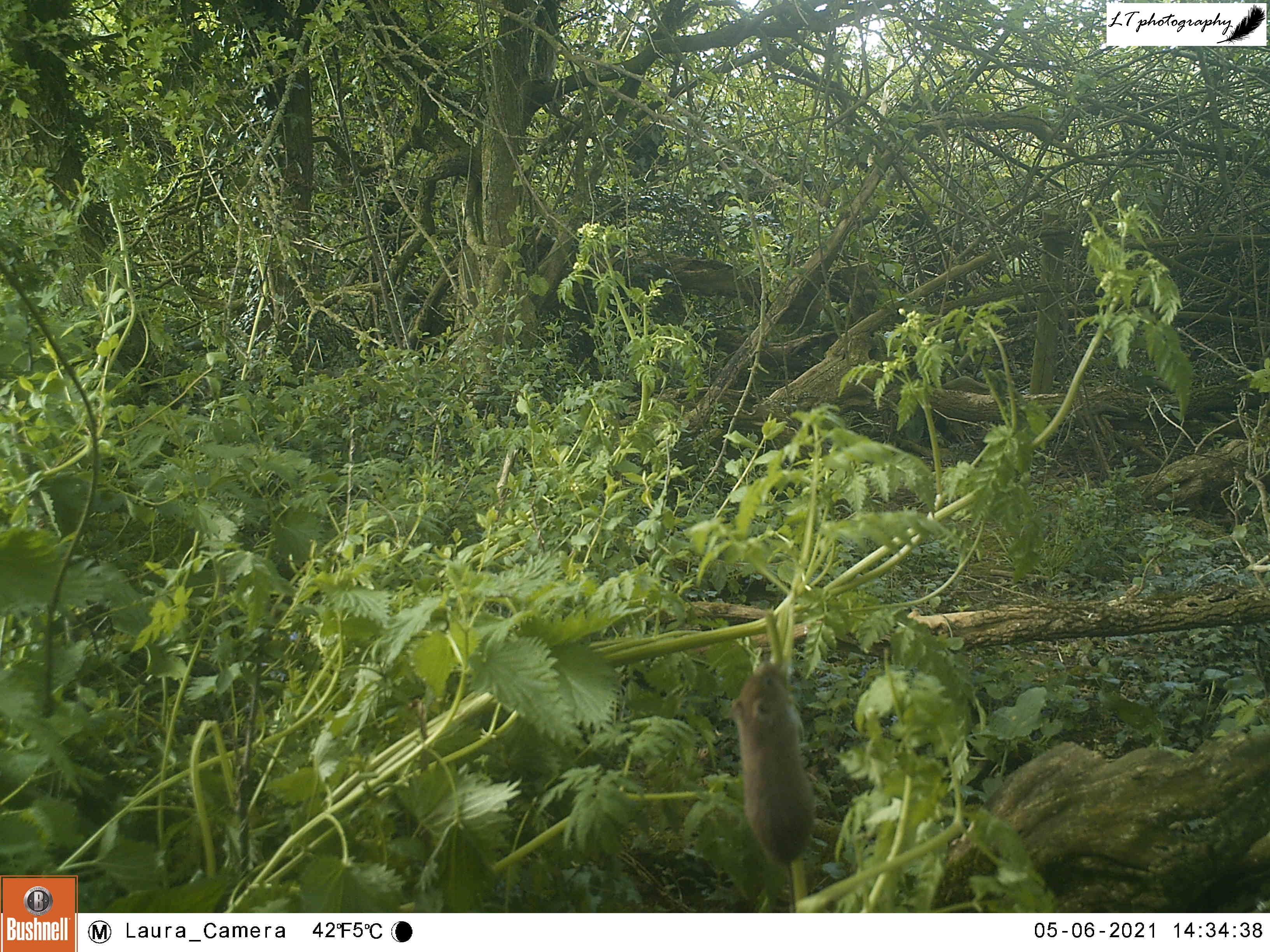
One of my highlights from 2021 was capturing some new species for my collection, even if my first photos of them were blurry . These included my first hare (or the back of one!), a field vole climbing up cow parsley stalks, and even a bumblebee buzzing about. This is one of the reasons I get excited when checking my camera trap photos, as you never know what you may discover!

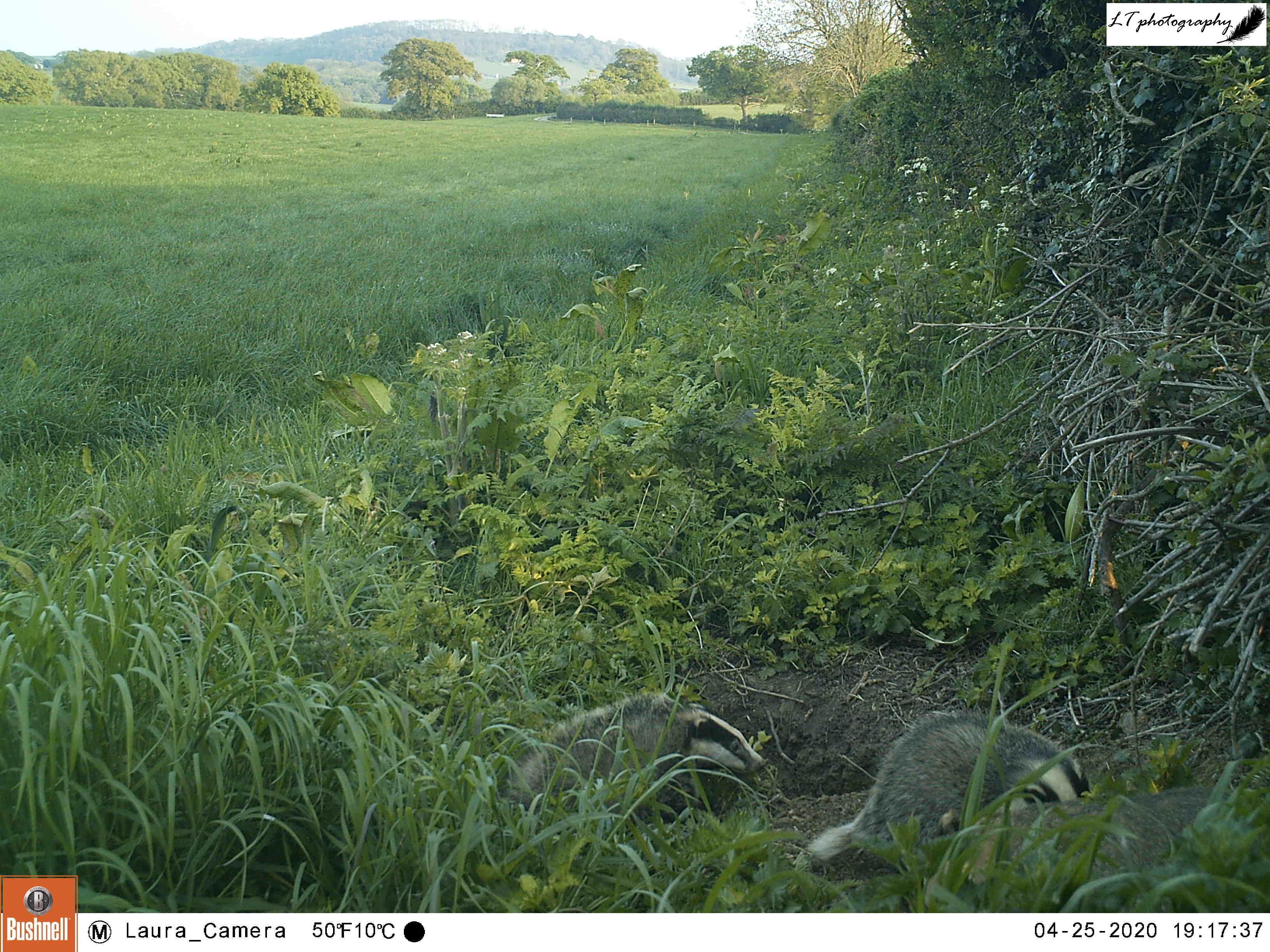
Another part of camera trapping in 2021 was getting to further experience animal species living side by side in harmony. For example, at one badger sett I saw a family of badgers sharing their home with rabbits and a family of foxes. Also, at another location, I got to see fox cubs learning about their surroundings and interacting with other species, such as roe deer. Very cool!

One of my favourite parts of 2021 though, has to be all the fox families I discovered! During this year, the most commonly seen species on my camera trap, to my surprise, was the fox (at every location!). In some cases I specifically aimed to capture this species, such as staking out a possible fox den, but in others foxes just happened to be living there or passing through. So by the end of spring, I had discovered 3 litters of fox cubs and a number of frequently used fox trails. What was most special of all was getting to experience fox cubs exploring their natural habitat and interacting with each other without me disturbing them. Magical!

After camera trapping in spring, my camera trap was given a well earned break until November. To round off the year, I staked out my garden to check out the birds that call it home. To find out more, stay tuned for next week’s blog post!

Emma’s Camera Trapping in Manchester

Although the past two years have been strange and sad in many ways, my little rectangle of garden has been a constant source of joy. During the first lockdown I started to spend a lot more time in the garden, which made me curious about the lives of the insects, birds, squirrels and foxes that also call our garden their home. So, in December 2020, I got my first wildlife camera!
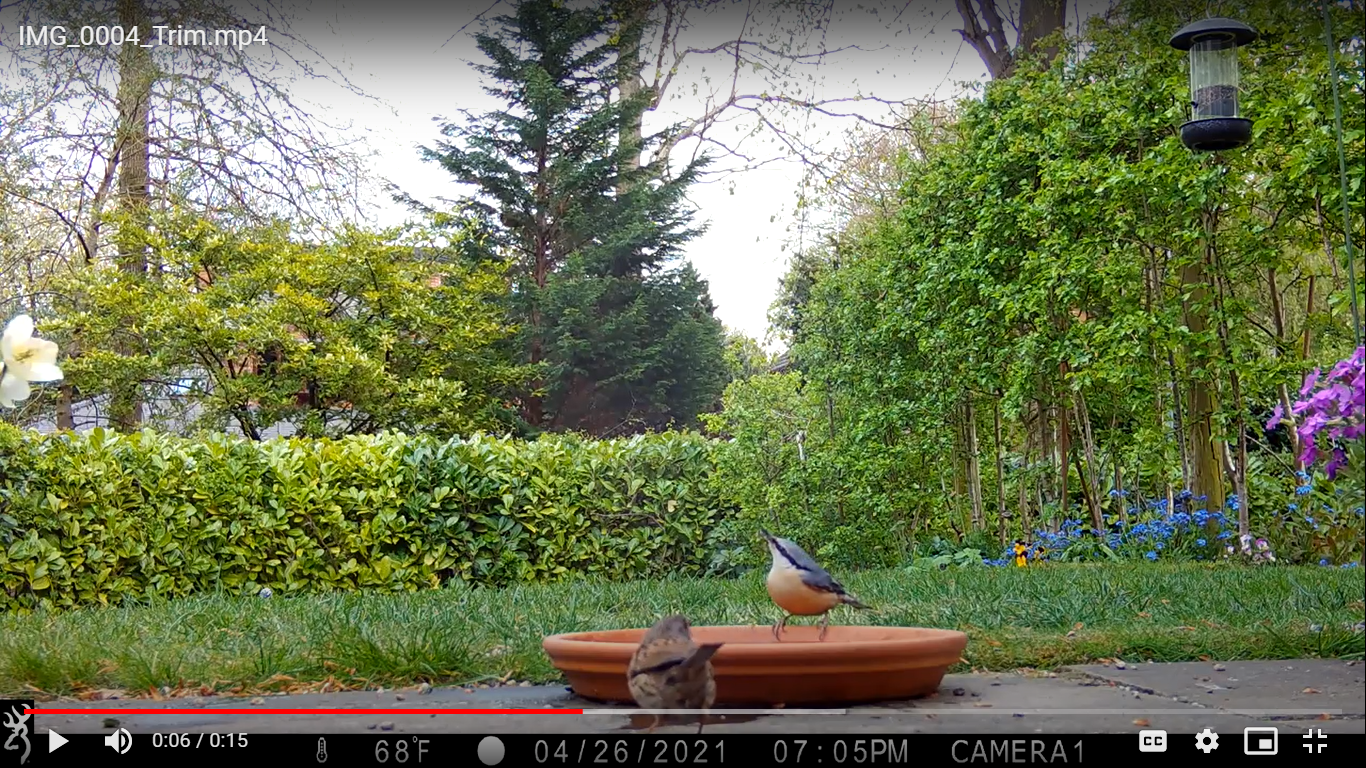
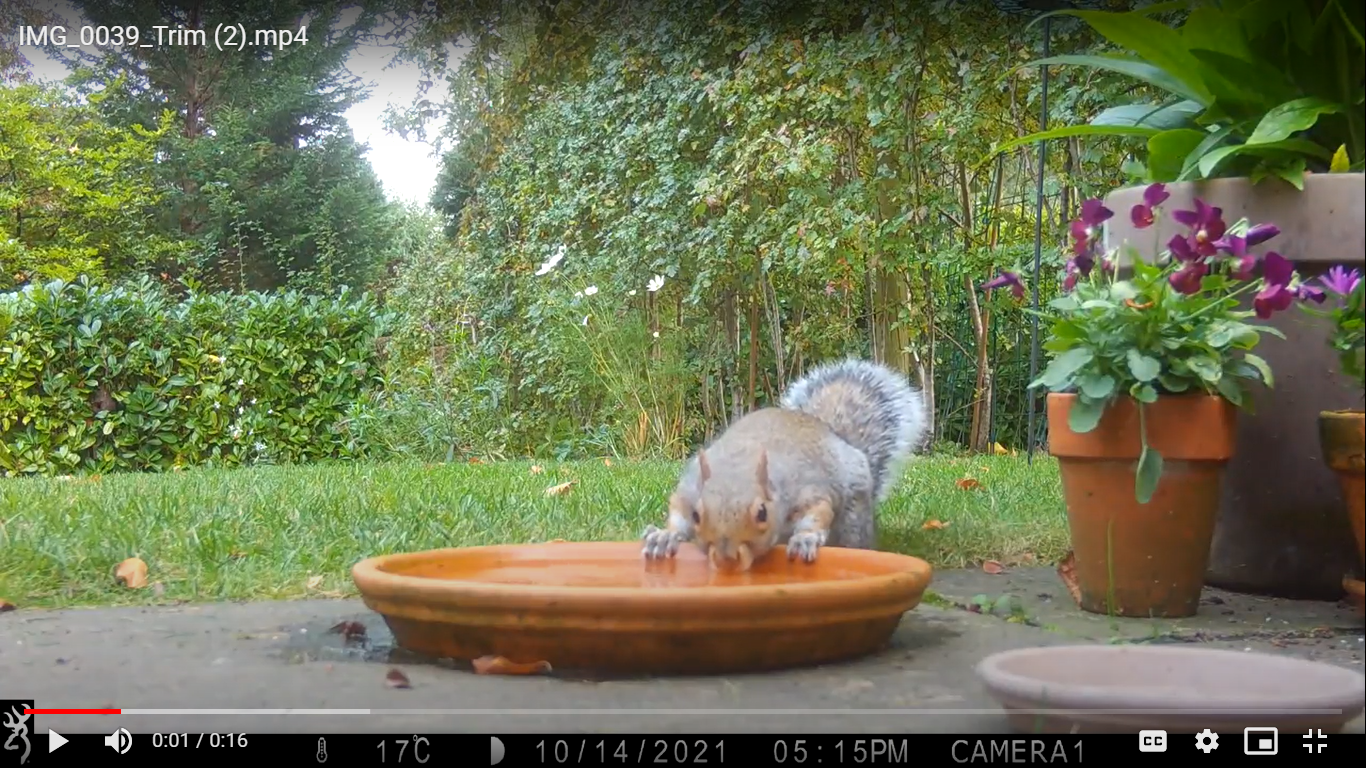
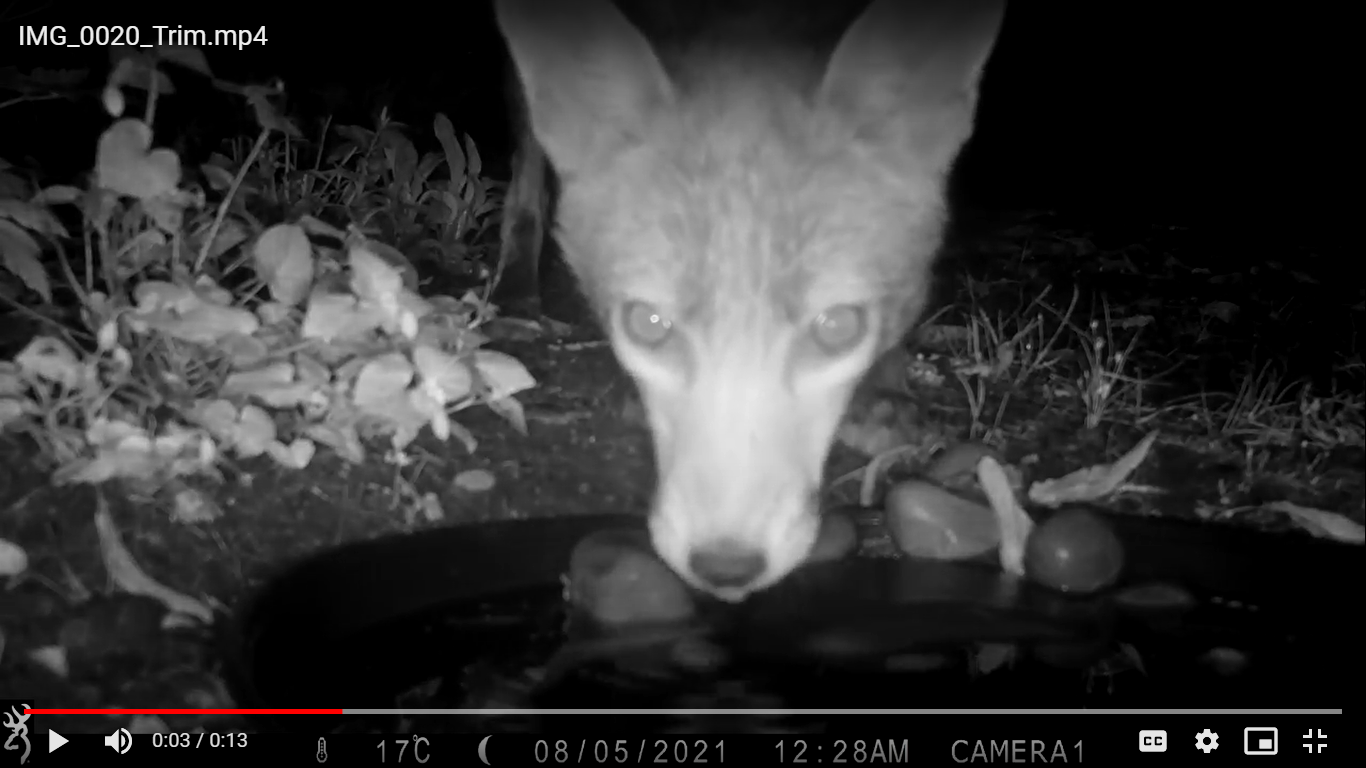
The first time I left my camera out overnight, I was delighted to have captured a variety of animals including squirrels, the neighbour’s cat and a fox. It’s far from unusual to spot a fox late at night in my area, but something about seeing a fox going about its usually secret business made this sighting feel special. “I got a fox!” I yelled excitedly down the stairs. From that point onwards, I had caught the camera trapping bug.
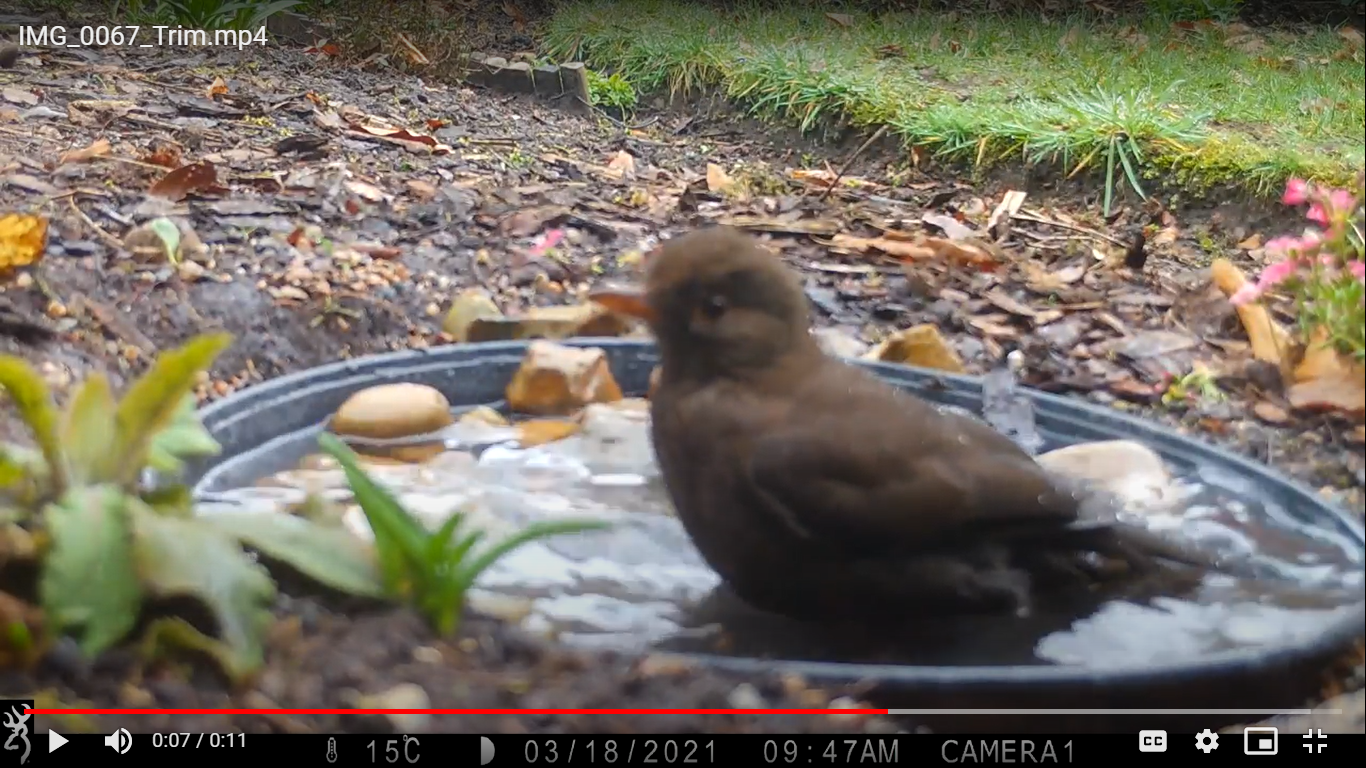
Camera trapping has allowed me to get to know the unique personalities of our garden visitors, and also to see how their behaviour towards us changed over time. Our lovely Mrs Blackbird used to wait until we’d gone back inside before she’d sneak up the side of the garden to eat her evening plate of mealworms, but now she feels brave enough to hop around the empty plate chirping indignantly until someone gets the message. We also realised that Mr and Mrs Blackbird would always come for their dinner one at a time, and would only eat half the plate each! Now that’s true love.
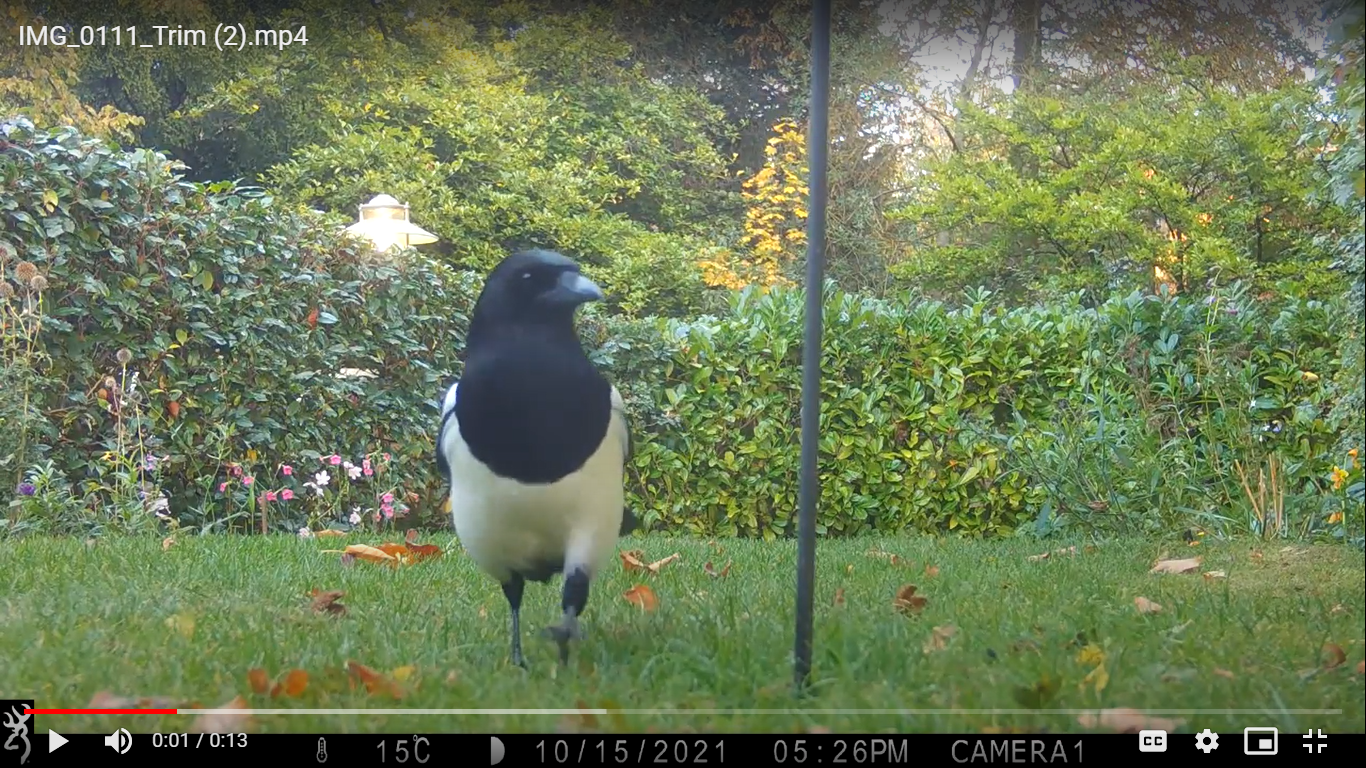
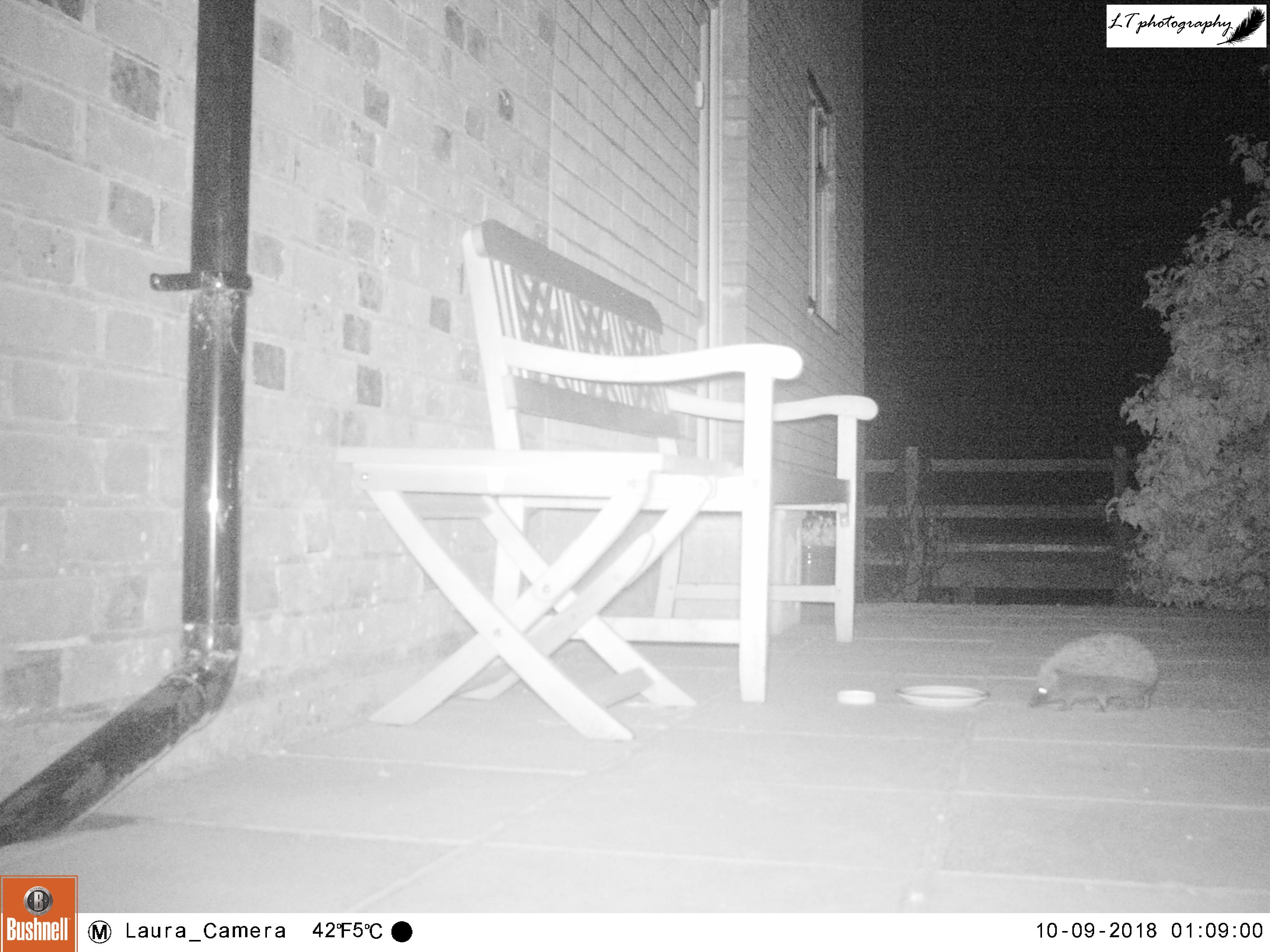
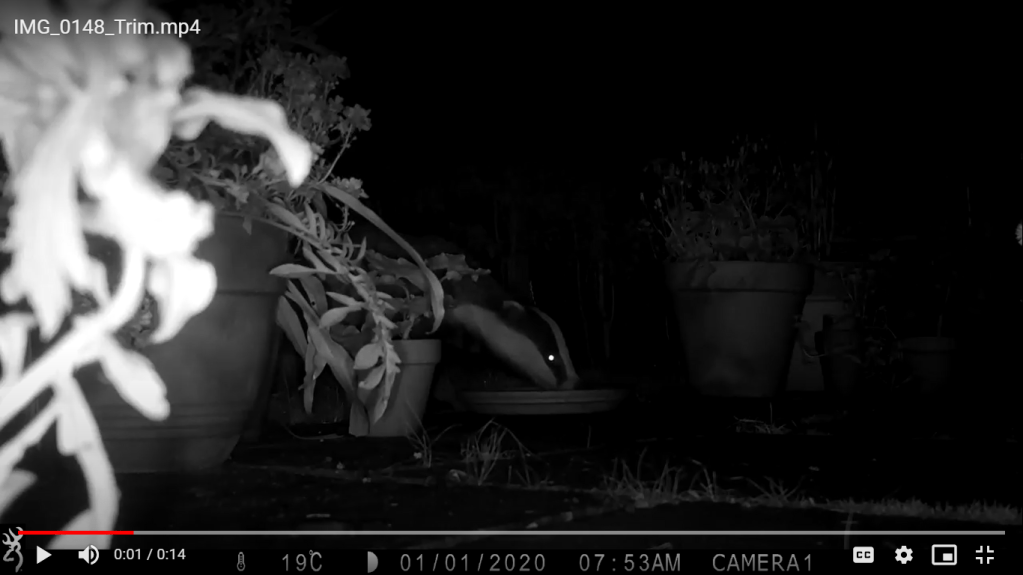
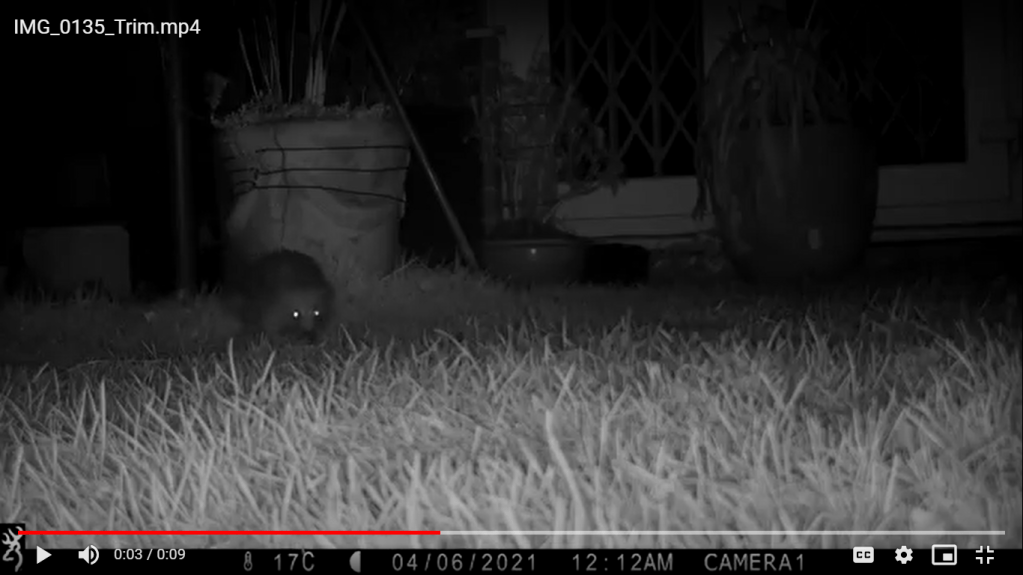
My most exciting capture came on an equally exciting day. On the morning of the day I was due to get my Professional level ACA results, I checked my camera and was amazed to see that a badger had stopped by for a drink! The badger must have brought good luck with him, as thankfully I passed the exams. I was also delighted to see a hedgehog wandering through my boyfriend’s garden one night. We named him Podge, and for a while he was an extremely cute regular visitor. Finally, I can’t talk about camera trapping without mentioning my love for our magpies, who have kept us well entertained all year swaggering around the garden and stealing all the snacks we put out!
One thing I’ve learned from my experience camera trapping this year is that although cities may be full of people, we have a huge variety of wildlife roaming around just outside our front doors. I hope that more people will feel inspired to get to know the wild visitors passing through their streets and gardens, and even leave out some food and water to make them feel welcome!

The Wonders of Camera Trapping

Camera trapping is a learning experience and an eye-opening adventure, providing an unedited and up-close view of the more secretive lives of our wild neighbours. For Laura, camera trapping in 2021 continued to expand her record and understanding of the animals that call her local area home. Moving forward she would like to begin collecting videos of her local wildlife and buy a new camera trap to expand her camera trapping efforts.

Giving nature a home is something every one of us can do. For Emma, camera trapping taught her that even a small green space in an urban landscape can support a huge variety of wildlife; bees, badgers, woodpeckers, nuthatches, squirrels, hedgehogs and many more! In 2022, Emma wants to make her garden a haven for wildlife, and hopefully capture a frog moving into the frog pond she and her mum built.
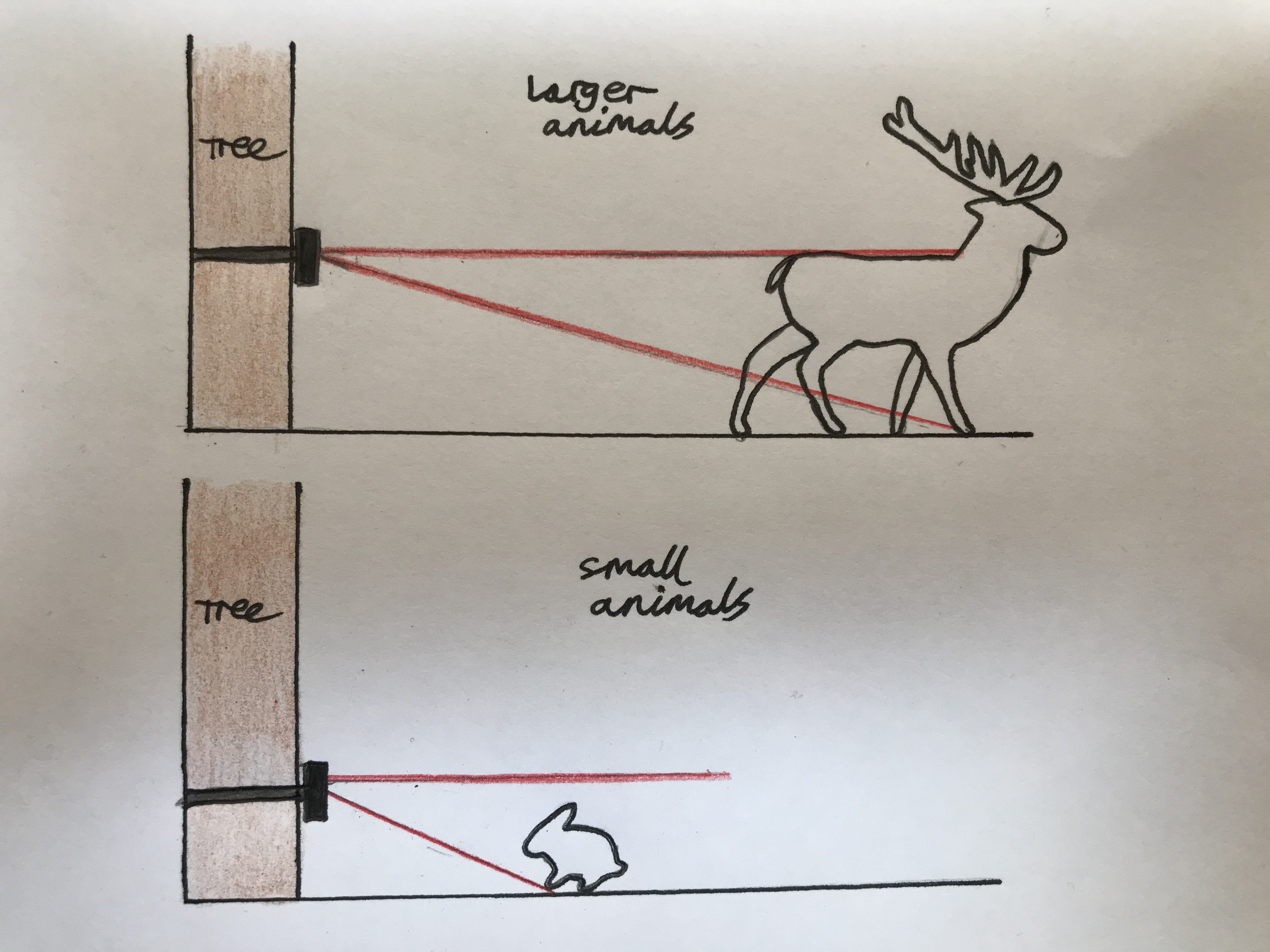
At a time when nature is struggling most, it is important for us all to do our bit. Sometimes it is difficult to know how, but if you can understand your local patch better, this can become a lot easier. Using a camera trap is a great and easy way to do this, allowing you to create that connection with your local wildlife, however big or small. If you would like to know more or are inspired to try it out yourself, check out Laura’s blog post about ‘How to… Use and Make the Most of a Camera Trap‘.

How to… Make Your Own Bird Nest Box

As our summer visitors, such as Swallows and Willow Warblers, leave us for sunnier shores, and we wait for our winter returnees, such as Redwings, the world outside our doors is slowing down and wildlife is preparing for the colder times to come. Autumn is a time for extraordinary spectacles, storing up food and changing colours, but also a time for us to do our bit, to help our wild neighbours with their preparations, and to prepare for a new year to come. This can range from cleaning ponds and putting out food, to planting trees and creating wood piles. It is also importantly a time to provide new homes for nature.
Previously, in spring/summer I posted on my blog about how to make a home for nature in the form of a bee hotel (see How to… Make Your Own Bee Hotel). A bee hotel is aimed at providing solitary bees (90% of UK bee species) with a place to nest, and for my blog I made a bee hotel that has now had some success. There are other forms of homes that we can make for wildlife though, for example for different species of bird.

In the UK, more than a quarter of all bird species are of the highest conservation concern, with a decline in breeding birds (44 million) between 1967 and 2009. This means that conserving and creating habitat for birds is an important issue, and something we can all get involved in. One example of an easy way is to put up nest boxes, which mimic natural habitat. They create an effective artificial cavity for birds, providing an accessible alternative for species that are currently experiencing the loss of breeding habitat and winter roosting sites.

Nest boxes come in a variety of shapes, sizes and designs, which will depend on the species of choice and the purpose they need to fulfill. Though you can put up a nest box at any time of year, the best time is right now, ready to be used as a roosting site throughout winter and for breeding in the spring. This way you can increase the chance of your nest box being a success next year. There are no set rules though, so why not try making your own today!

How to Make a Bird Nest Box

What you need:

  • A plank or offcuts of untreated wood, about 15mm thick for insulation
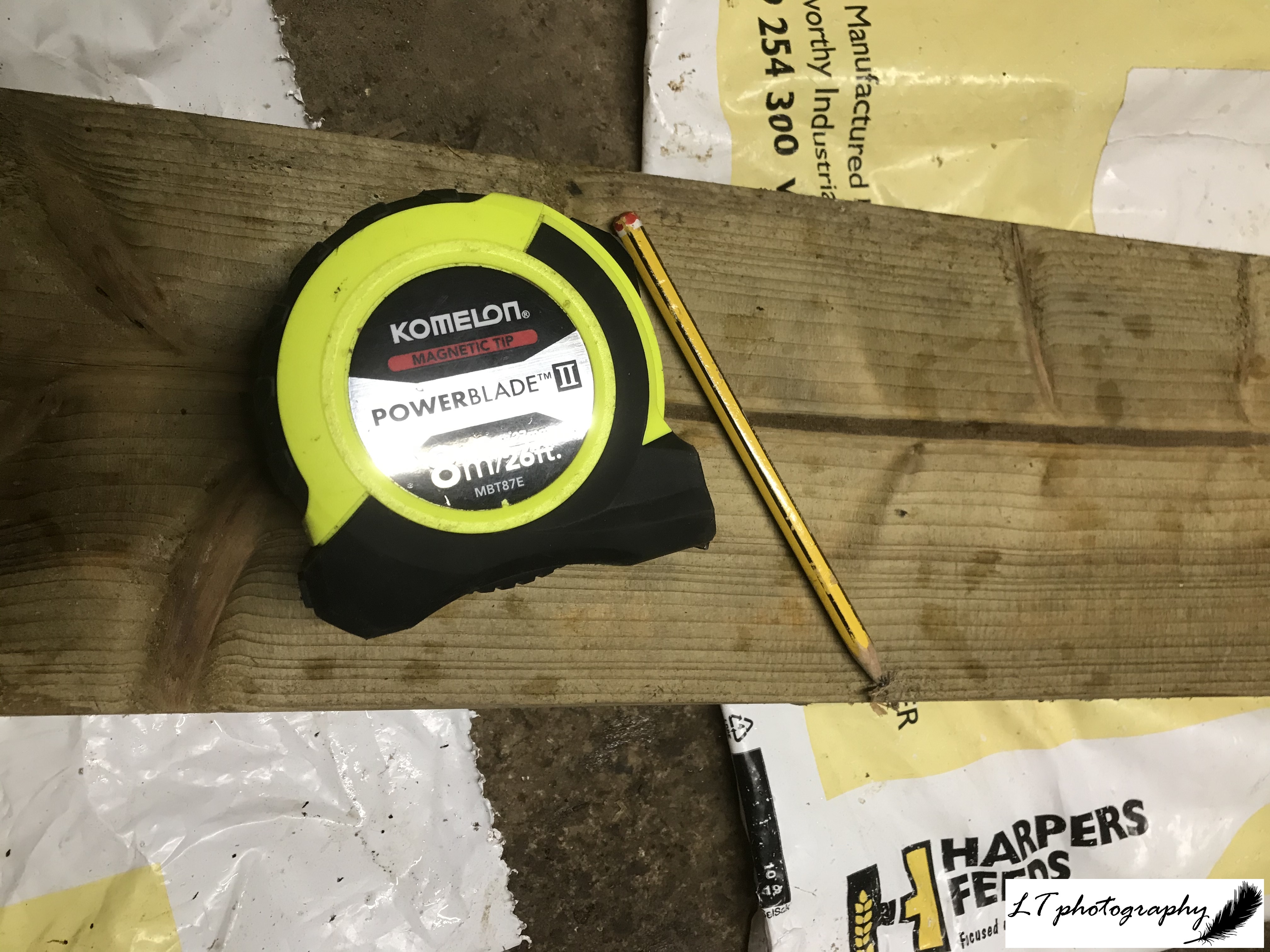
  • Tape measure & pencil
  • Hand or power saw
  • Drill & different sized drill bits
  • Sand paper
  • Hammer & nails
  • Screws
  • Sealant, a piece of rubber or something similar
  • Optional: Hole plate

Step by Step Guide:

  1. Decide on your nest box design. Your nest box will most likely be aimed at a certain species, such as Robins or House Sparrows. You can also choose particular design features, such as a flat or apex roof. For the purpose of this guide though, I will provide instructions to make a standard Tit nest box.
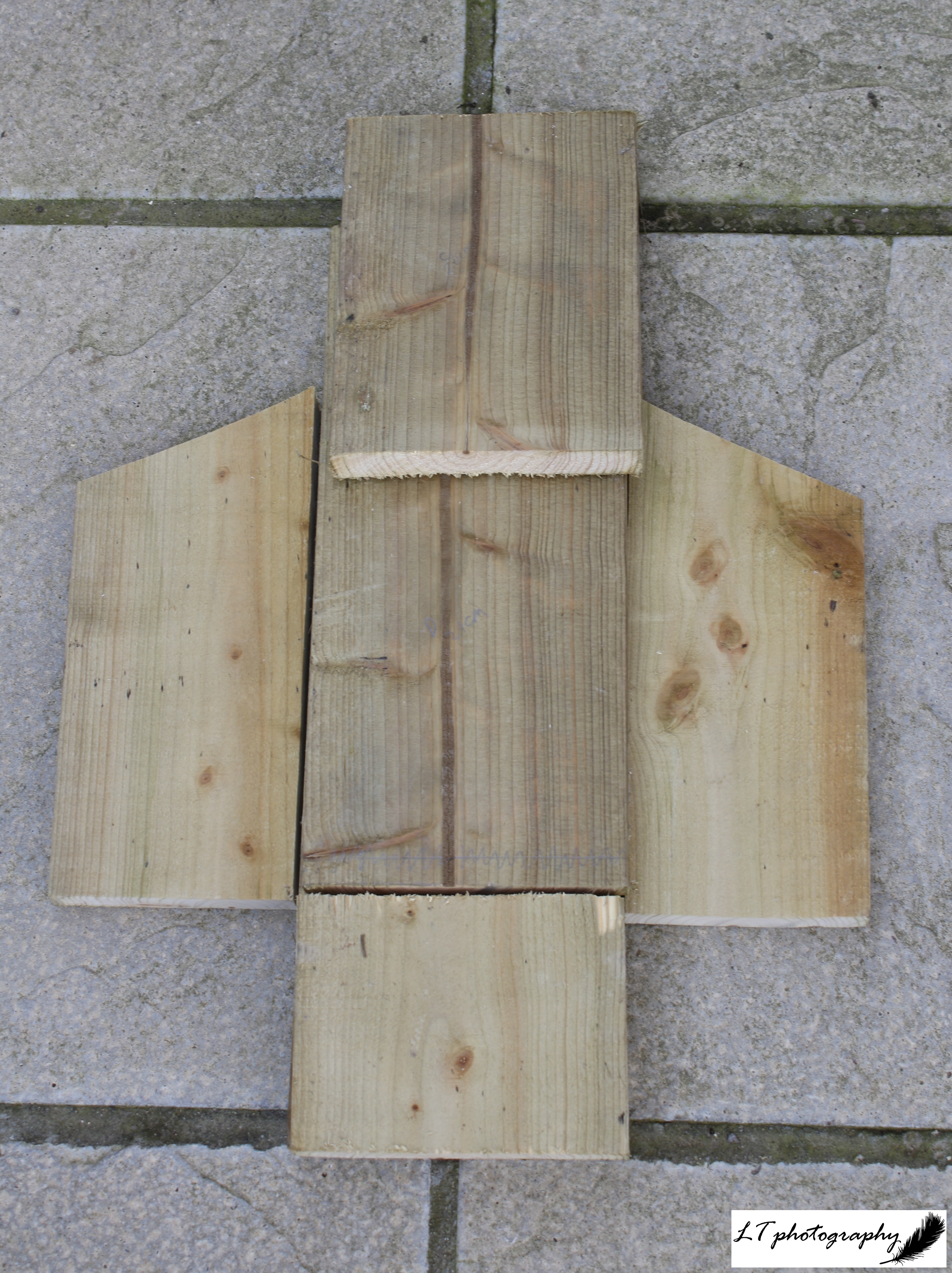
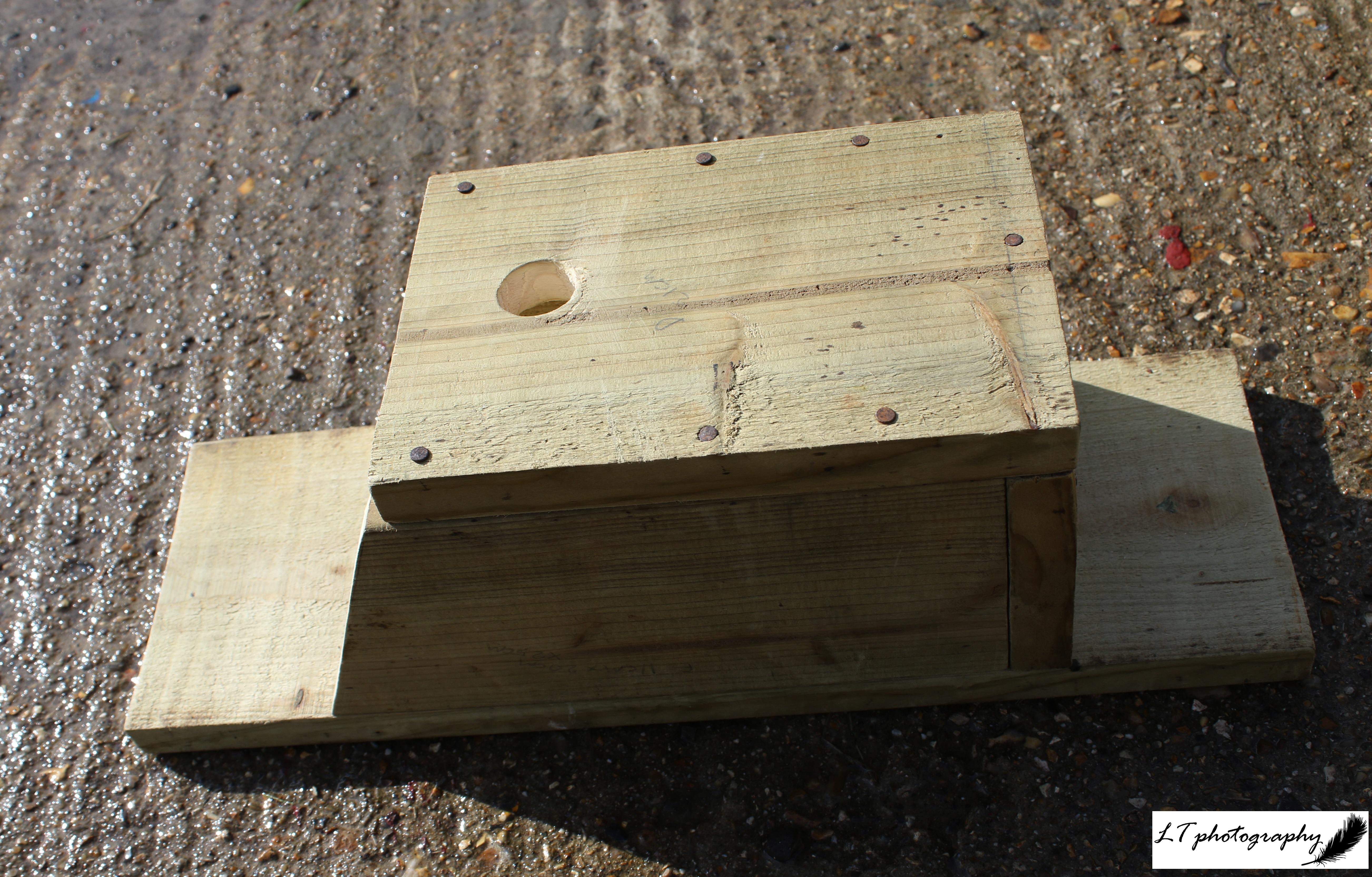
  1. Use a tape measure and pencil to mark out the wood you need, either by creating templates out of paper or cardboard, or by drawing straight onto the wood. For this design you will need 6 pieces: a back (45cm x 15cm); a base (11cm x 15cm); a front (21cm x 15cm); a roof (20cm x 15cm); and 2 side panels (25cm high at the back, 20cm high at the front, and 11cm wide). Use a hand or power saw to cut the wood into the 6 pieces needed.
  1. Next, take the front panel and use a wide drill bit to make a hole towards the top of the panel, at least 125mm up, which the birds will use to enter the nest box. The size of the hole will vary between different species, but for my nest box I made a 25mm hole, aimed at Blue Tits and similar Tit species.
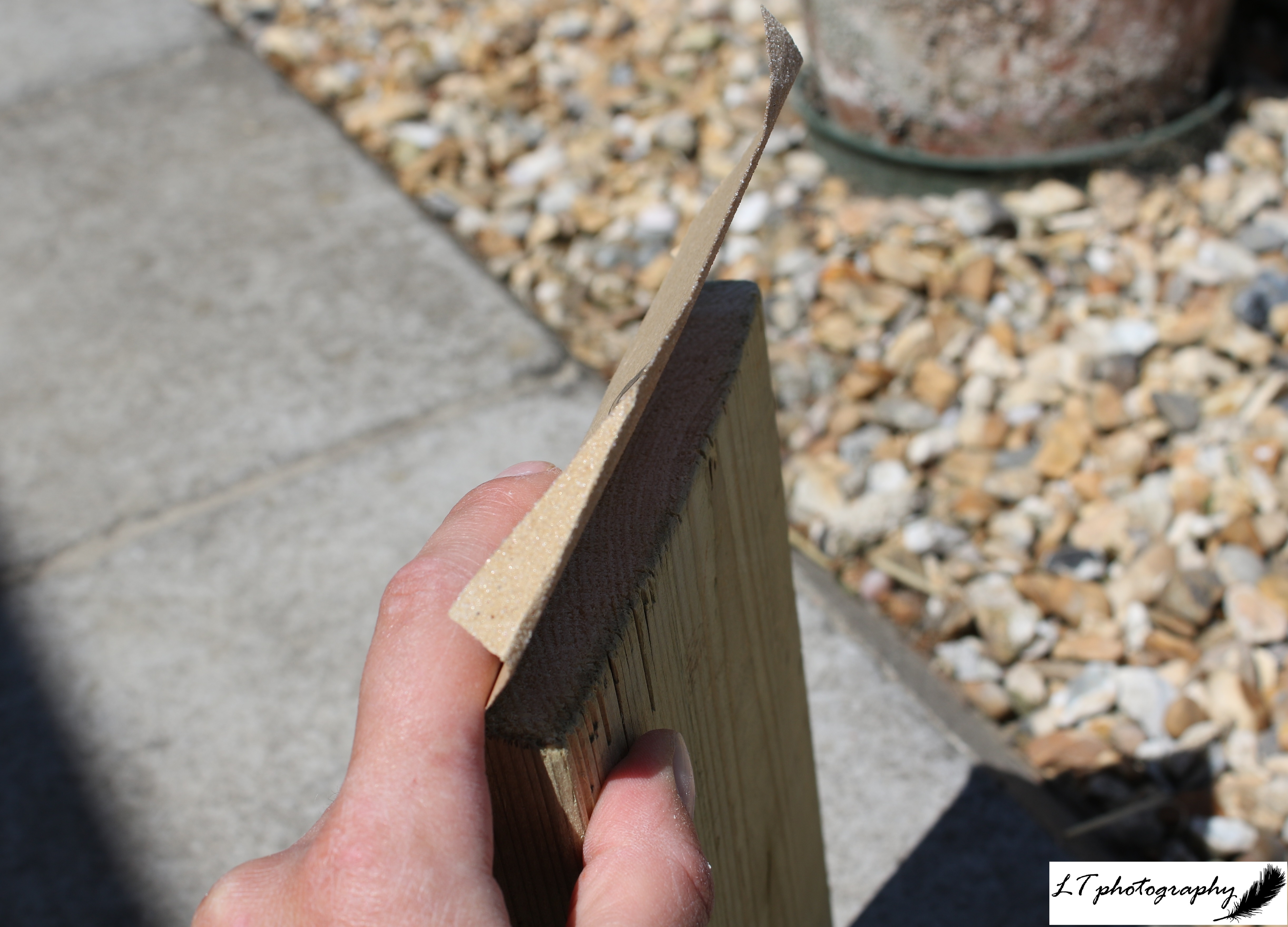
  1. Use sand paper to sand down any rough or uneven edges of the wood, that otherwise could cause problems for birds using the box.
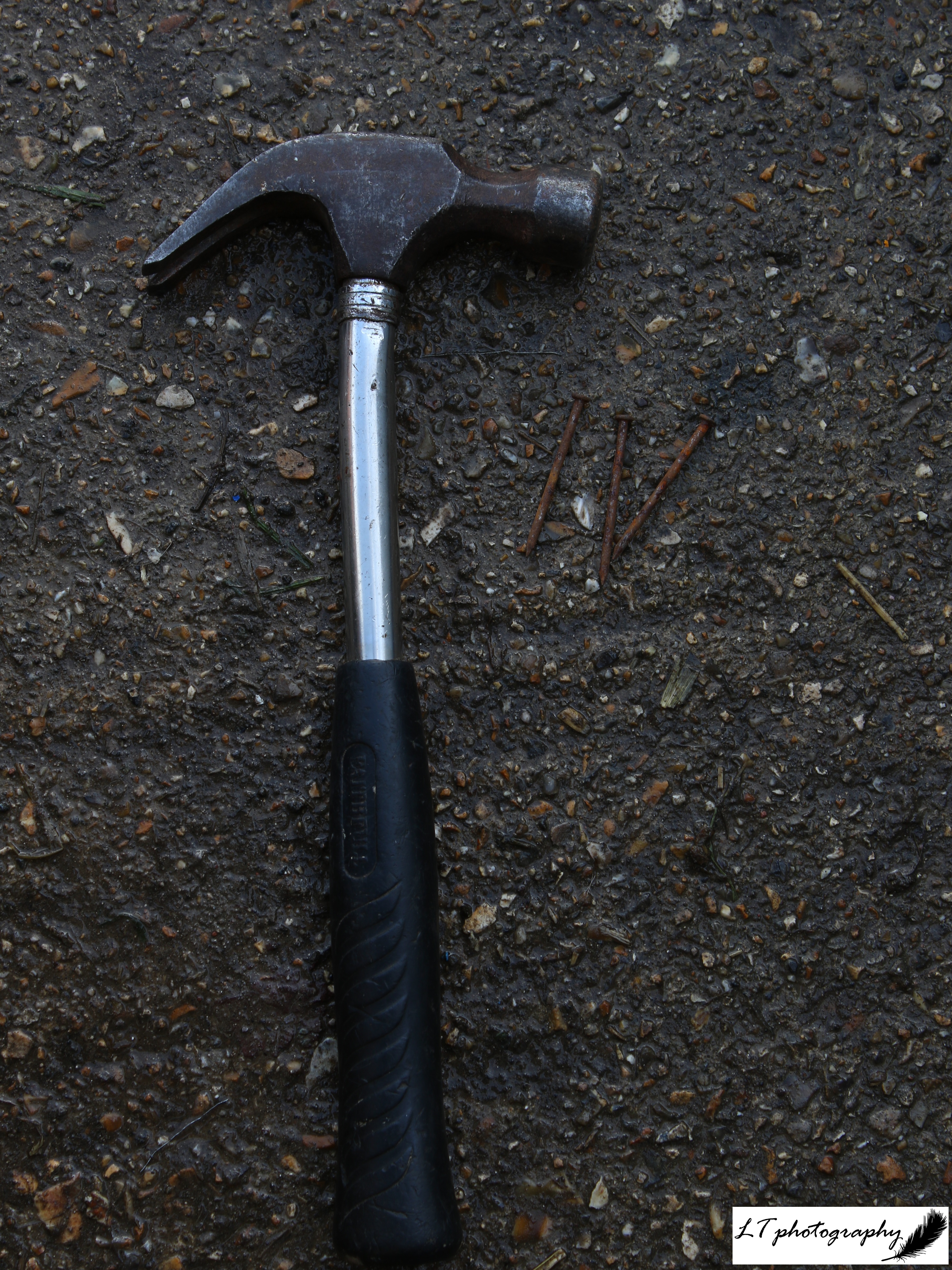
  1. Use a hammer and as many nails as you need to make the back, base, sides and front fit together forming the main body of the nest box. It is often best to mark where the nails will go first and partially drive each nail through the first piece of wood first (e.g. the back), which will make nailing the pieces together easier and help avoid splitting the wood.
  1. Attach the roof to the box using screws that you can later remove when needing to clean the nest box out. Seal the gap between the roof and the back of the nest box with either flexible sealant or an attached flap of recycled rubber.

Optional editions: Add a nest box hole plate to the front of the box to prevent predators from enlarging the nest box hole and larger bird species using the box. Also, you could apply a water-based wood preservative product to the outside of the box to prolong its life and help to repel water.

Tips on putting your nest box up

  • Unless there is shade during the day, position the nest box facing between north and east to avoid strong sunlight.
  • Choose a location which is 2-4 metres above ground level, out of reach of predators, and away from constant disturbance.
  • Make sure there is a clear flight path to the entrance of the nest box and that there is shelter from bad weather.
  • Place your box away from the location of any other nest boxes to reduce the chances of competition.
  • Avoid using nails to attach the box to a tree, as they may cause harm. Instead try to tie the box to the trunk or hang it, or otherwise use stainless steel screws or nails that do not rust.

Enjoy!

Giving Nature a Home on the Farm

‘Give fools their gold, and knaves their power; let fortune’s bubbles rise and fall; who sows a field, or trains a flower, or plants a tree, is more than all’ – John Greenleaf Whittier 

‘Your deepest roots are in nature. No matter who you are, where you live, or what kind of life you lead, you remain irrevocably linked with the rest of creation’ – Charles Cook

My family and I live on a 250 acre mixed dairy farm in the heart of beautiful Dorset, complete with sheep and beef cows. My parents took the farm on from Dorset County Council in 1995, at a time when it was only 50 acres, and have now expanded it to the 250 acres it is today. As long as I can remember, the farm has been my home. It is a part of who I am, providing the backdrop for me to learn about the natural world, to make informed decisions about how I live my life, and to become passionate about conservation. I have my parents to thank for this.

In 2019, the latest State of Nature report showed that agricultural change has been the largest driver of biodiversity loss over the last 45 years in the UK. With 72% of UK land area being used for agriculture and food production, land management changes have had a significant impact on the wildlife that call these areas home. As we now move forward, we need to focus on agriculture, not with contempt and negativity, but with optimism. If we are to continue to produce food in the UK, we need to focus on working with farmers to make farming sustainable, cost-effective, and most importantly with wildlife in mind.

Growing up on a farm, I have always been aware of how agriculture is heavily intertwined with the environment. My Mum and Dad have always believed in their roles as guardians for the wildlife and natural habitats that call our land home, and are dedicated to conserving and increasing biodiversity. Though it can be tough to create a balance, my Dad believes that farming, through careful management, can produce food in an economically sustainable way, whilst supporting and enhancing the natural environment. Here are some of the examples of how my family are successfully working to give nature a home on our farm.

(1) The Bridge Field

Project:

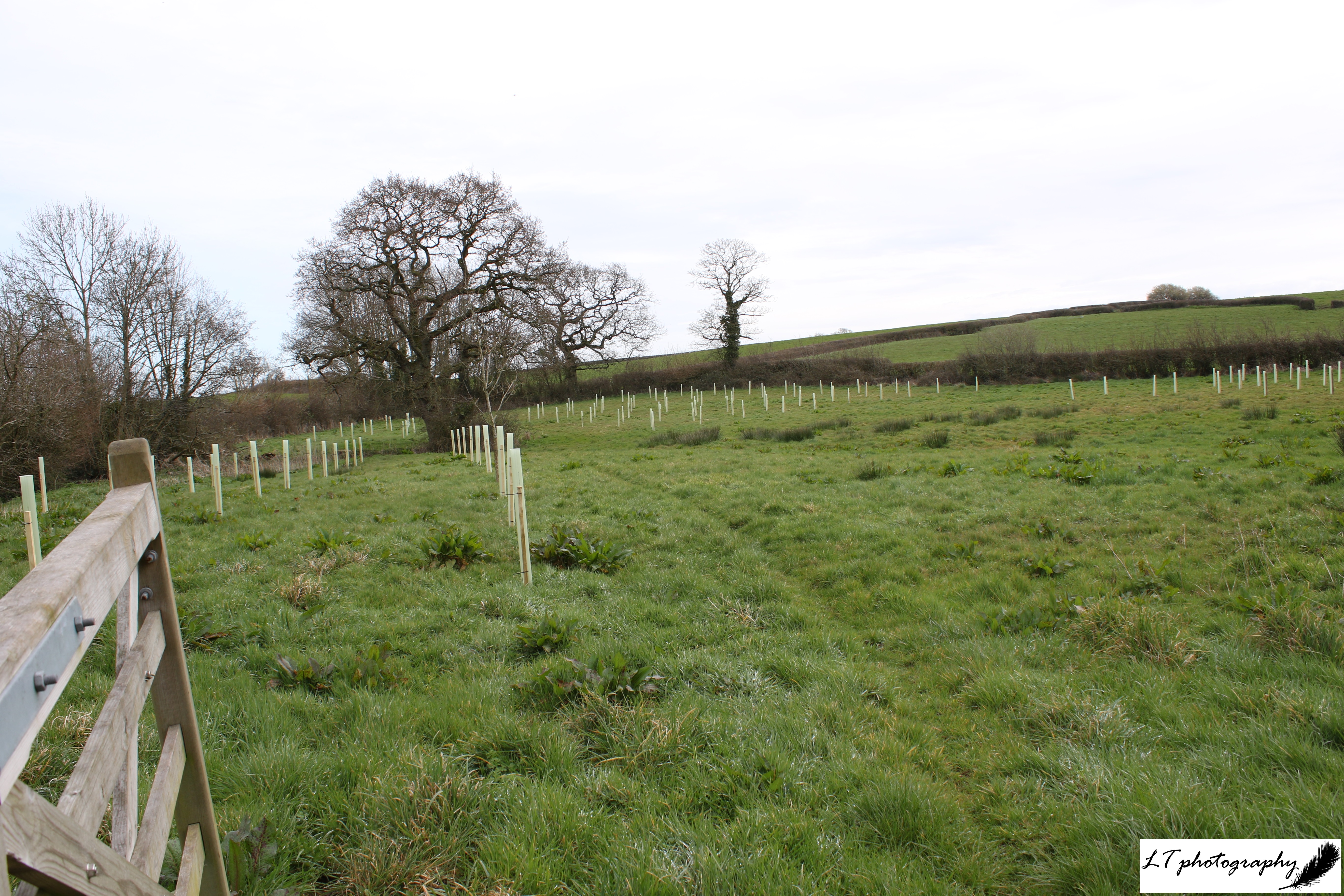
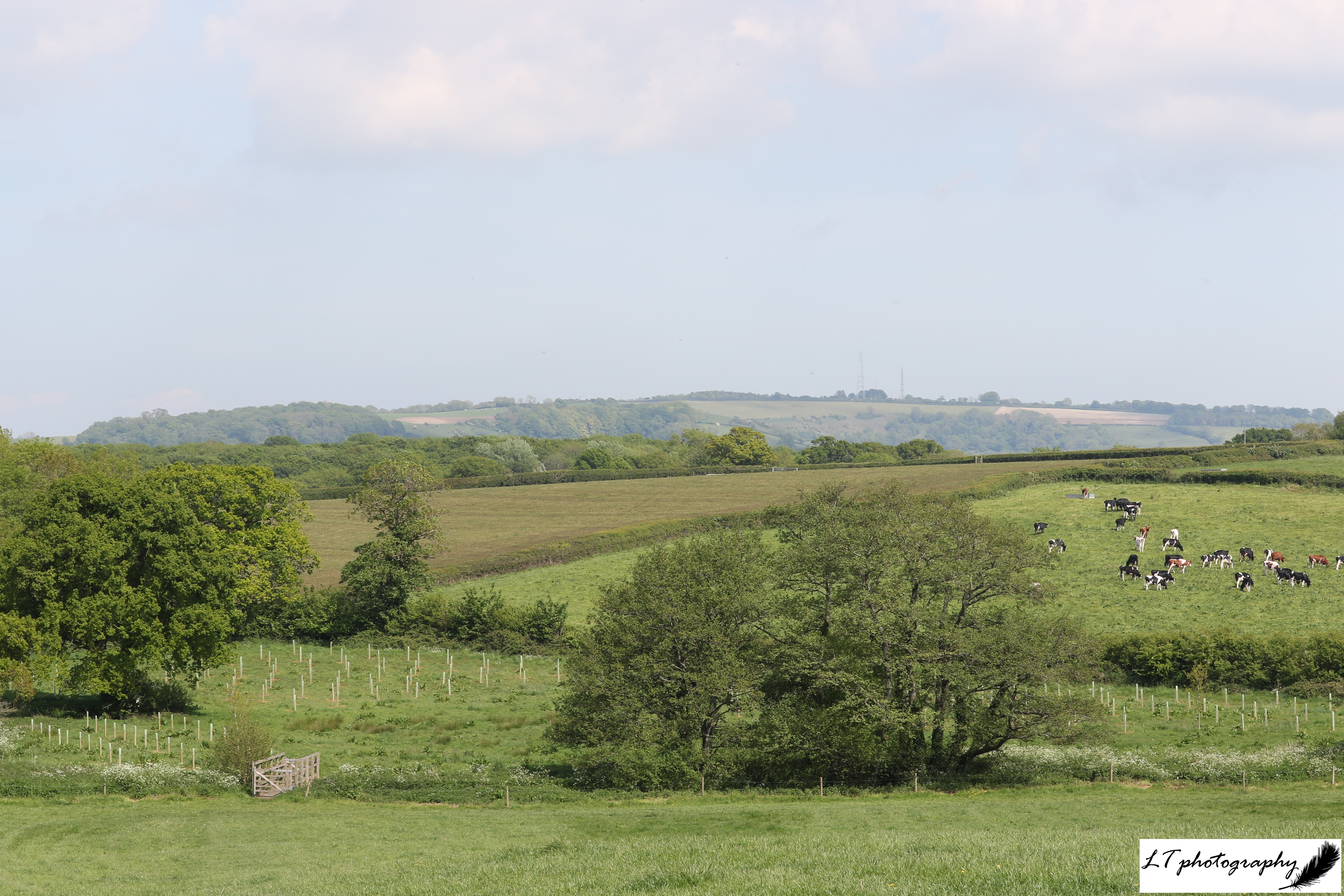
The field is a small, triangular-shaped, 3 acre field, bordered by hedges and a river. It was taken on in 2014 with some other land, and is less ideal for agricultural use due to its shape and often being wet. Hence, it has been left untouched, apart from one late cut of haylage each year and dock management. This year my parents decided to begin the process of restoring the land, with the aim of giving it back to nature.

So far:

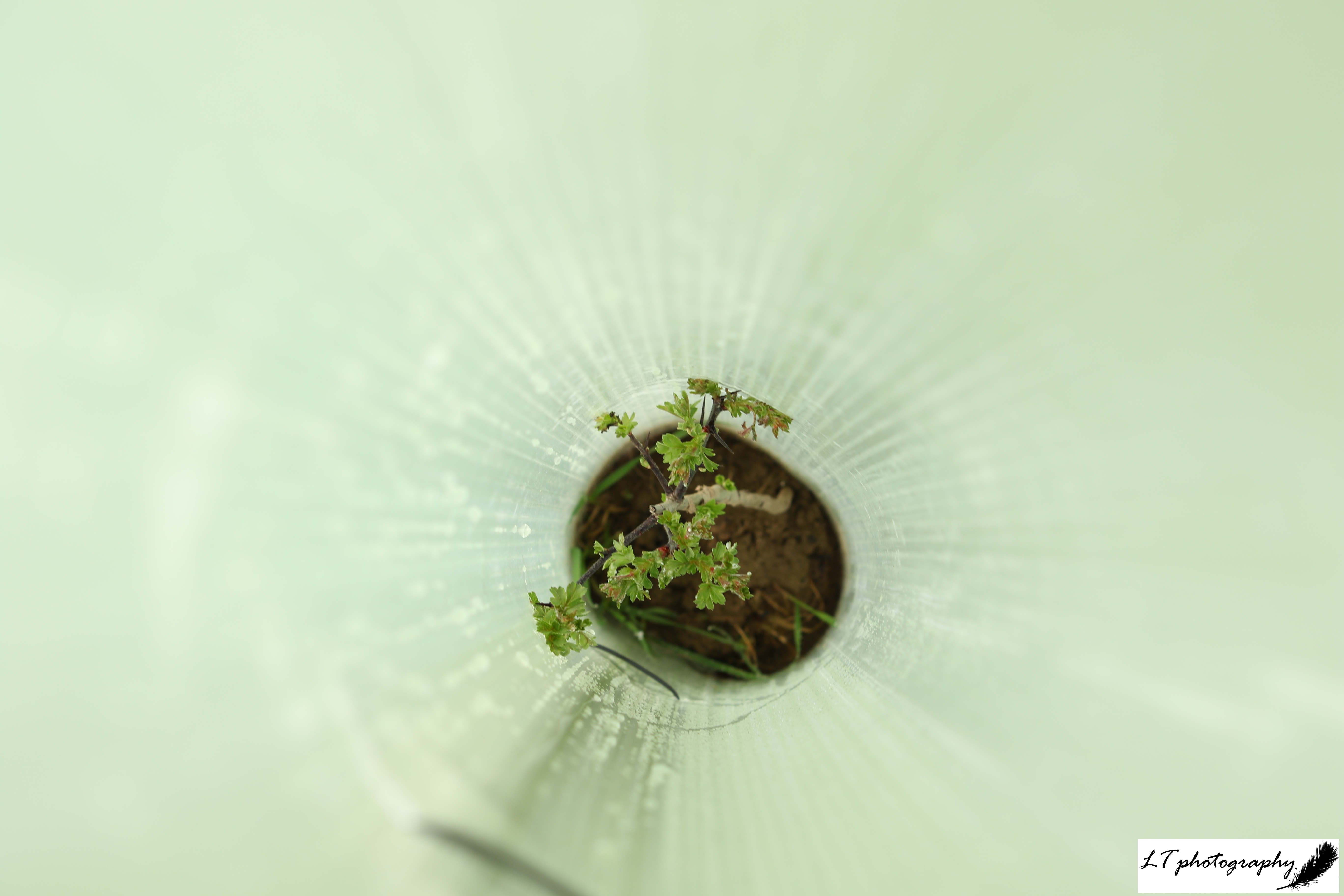
  • At the beginning of the year, we bought in and planted 219 native tree and shrub saplings of 9 species, including Goat Willow and Rowan. The hope is to create a rich and valuable habitat for wildlife.
  • We began managing the grass in the field, which is mainly Yorkshire Fog, to increase species composition. The grass has formed a dense stand across the field and is currently excluding nearly all other species.

Next aims:

  • See how the trees and shrubs grow on
  • Plant natural wildflower species using plugs, bulbs and seeds
  • Create a water source, such as a pond
07_05_20_Farm_Bridge_Field_Trees_2

(2) The Chalk Mound

Project:

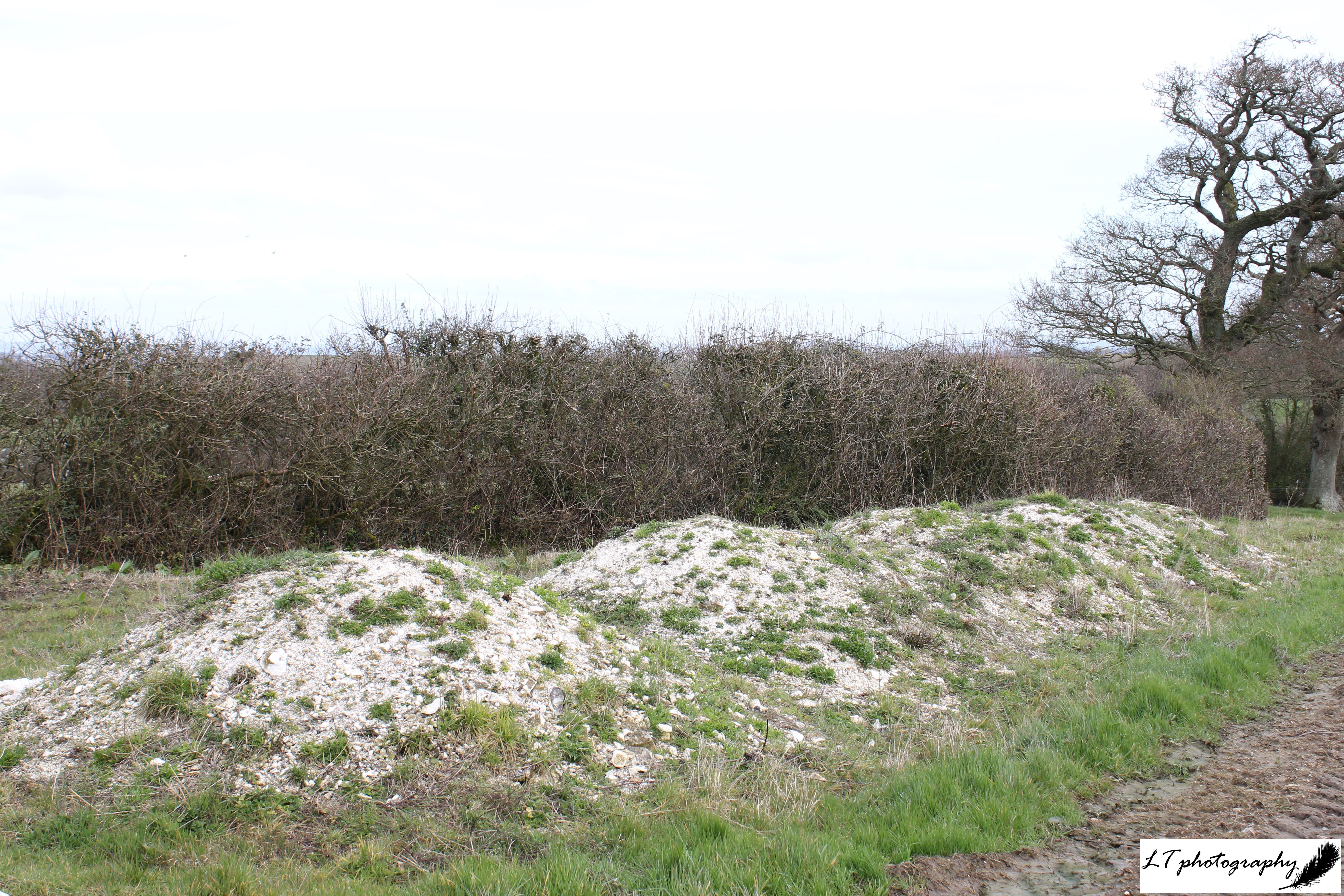
Towards the centre of our land you can find a small triangular area of land that is bordered by hedges and a track. My parents took on this area with some other land in 2014, but it was not anything special. In 2017, my Dad decided to use it to make a small piece of chalk habitat, in our clay area, acting as a perfect stopover location between chalk downland to the north and south of us.

So far:

  • We bought in 40 tonnes of quarried chalk and shaped it into a mound which is 10m by 3m, and 2m in height.
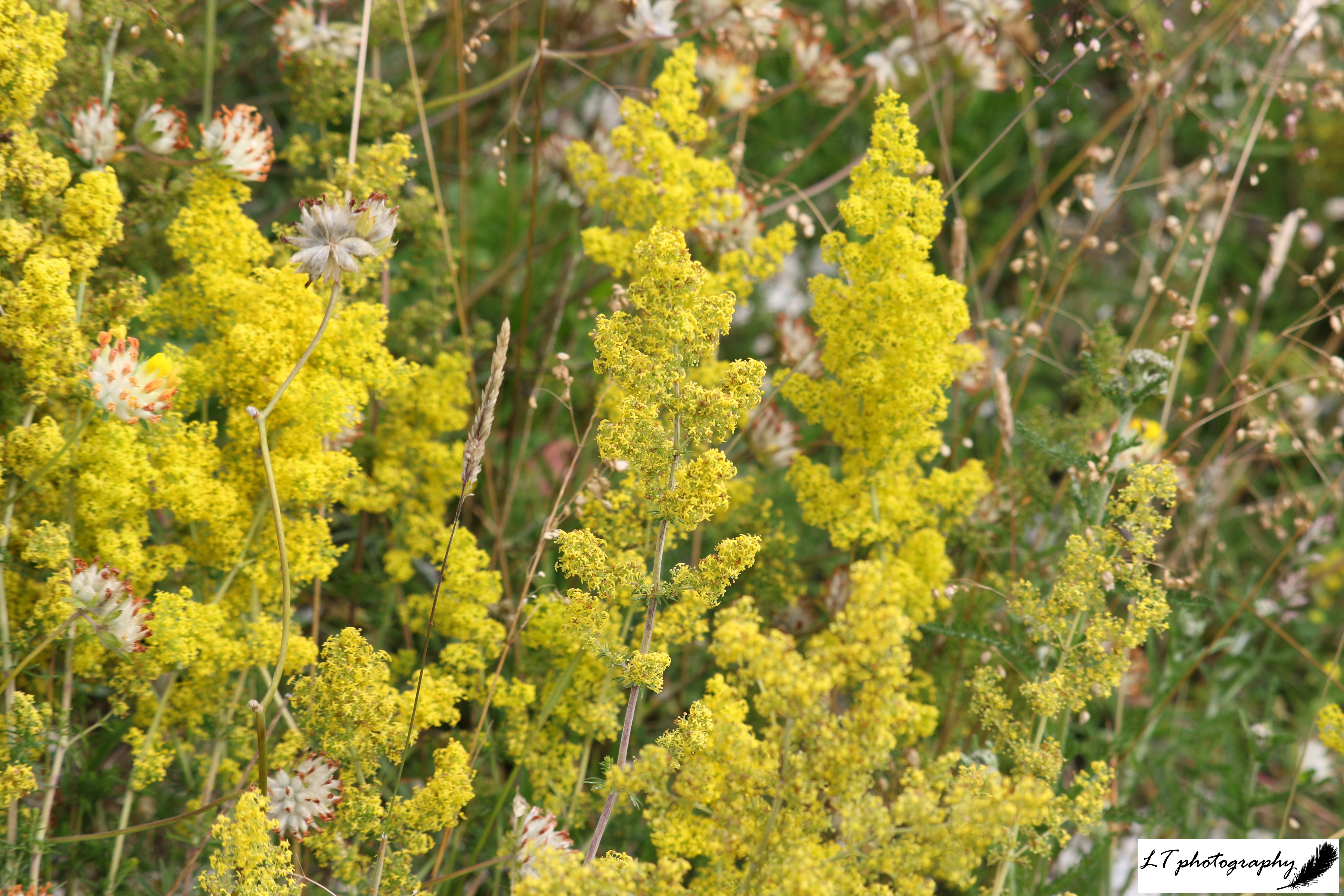
  • We planted a selection of plant plugs and seeds gifted to us, ranging from Quaking Grass and Kidney Vetch to Rough Hawkbit and Lady’s Bedstraw.
  • For the first year, the mound was regularly watered as the plant plugs and seeds became established, but after that they were left to grow on, with minimal management.

Next aims:

  • Continue to enjoy the now thriving habitat that is attracting lots of insects, from butterflies to bees
  • Boost numbers of certain species such as Wild Thyme
  • Complete autumn management of the encroaching Yorkshire Fog grass at the mound’s edges

(3) Wildflower Verges and Rough Areas

Project:

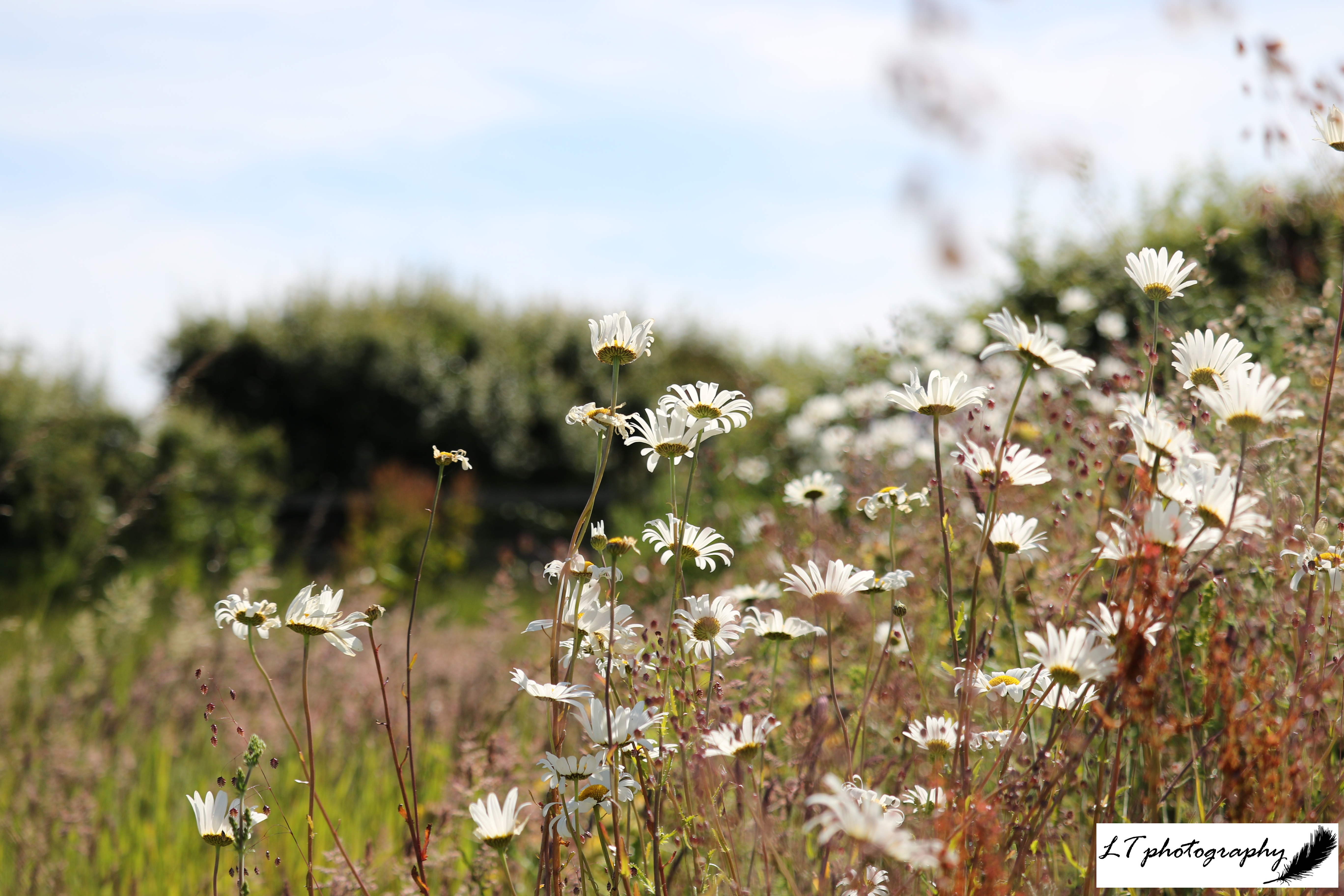
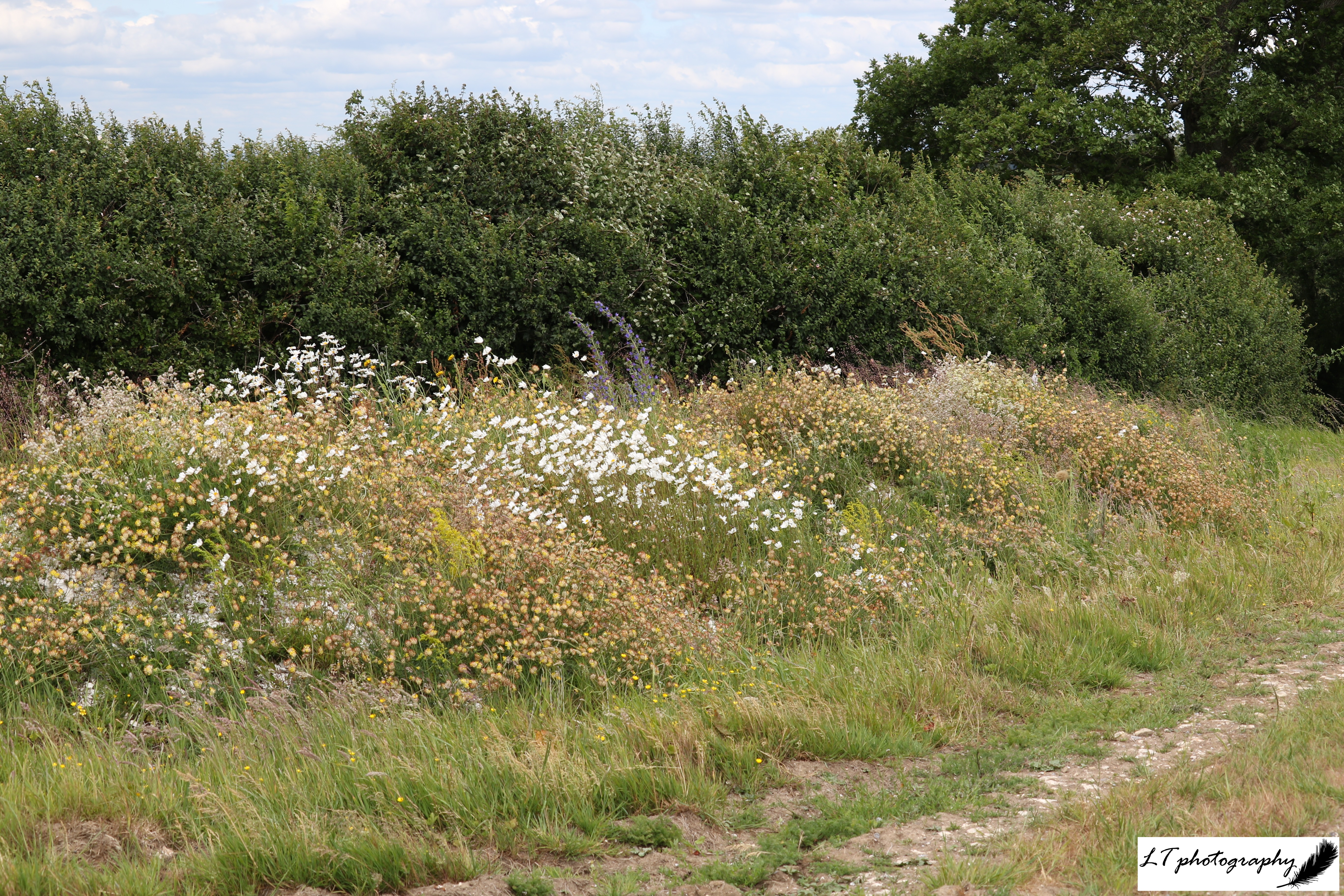
As part of managing our land, my Dad leaves areas and verges uncut and able to thrive, providing valuable habitat for wildlife. One of my Dad’s inspirations for doing this is to provide rough grassland habitat for his favourite bird, the Barn Owl. Barn Owls use such areas to hunt, as it provides cover for their rodent prey. It is also great habitat for other species, such as the majestic Brown Hare.

Different forms so far:

  • Fenced off areas to keep livestock out but allow wildlife in.
  • Verges and strips left to grow up and increase in species diversity.
  • Wildflower verges planted to provide food for different species at different times of year.
  • Field margins created, maintained and protected, meaning a field is never worked up to the hedgerows.

Next aims:

  • Allow areas to continue to increase in diversity and composition
  • Continue to create a mosaic of habitats on the land

(4) Trees and Woodlands

Project:

I am a huge fan of trees, and my family are no different. Throughout our land you will find lots of different species, such as Ash, Alder, Wild Cherry and Oaks, varying in size, shape, and age. They play very important and varying roles in the landscape, from singular trees in fields and hedgerows, to the many growing in copses and woodlands around the farm. We now want to continue to preserve them and increase their numbers.

So far:

  • Over many years, we have been planting more trees wherever we can, with this year’s main project being the Bridge Field.
  • We continue to look after and manage the small woodland areas on our land.
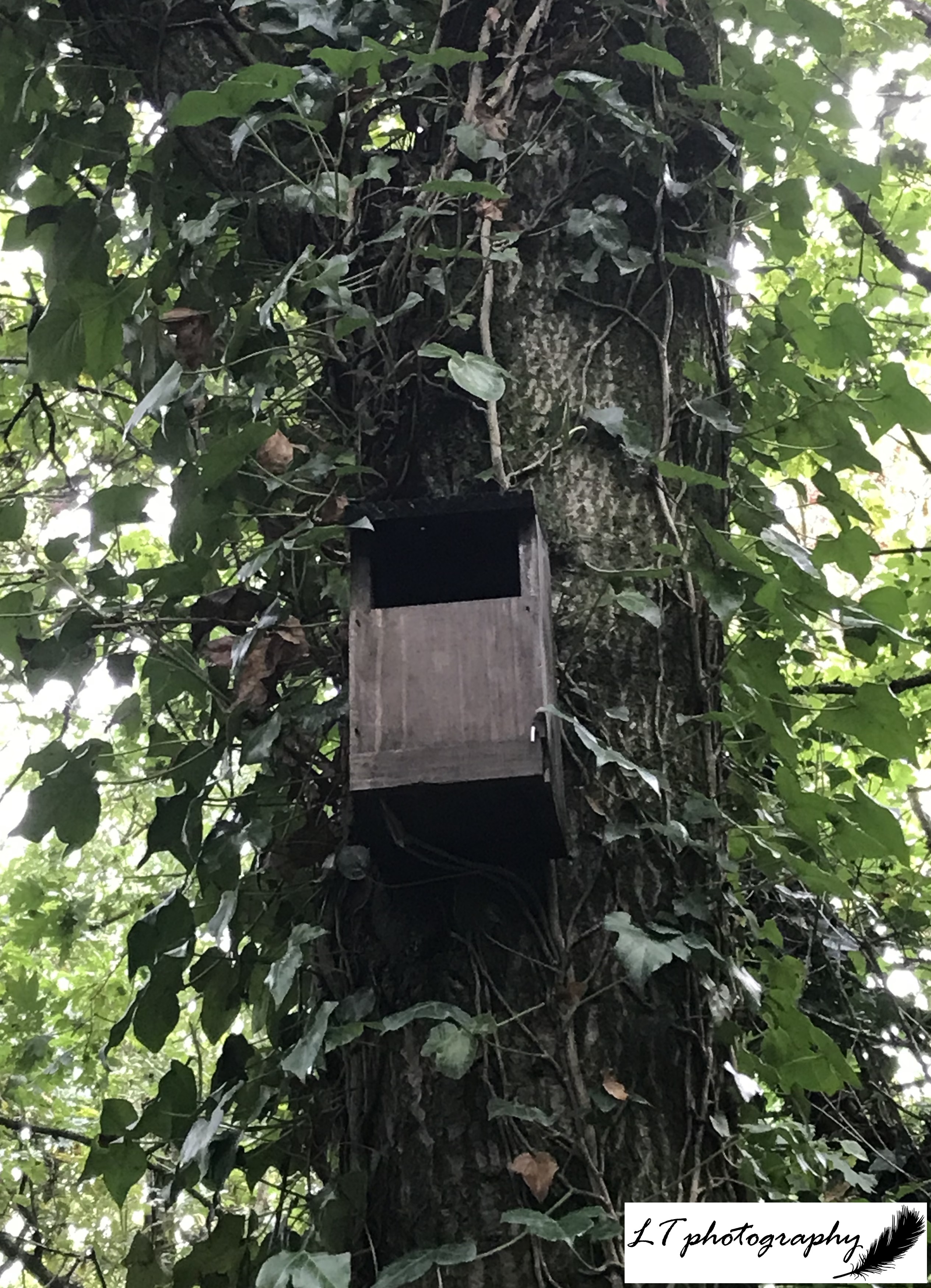
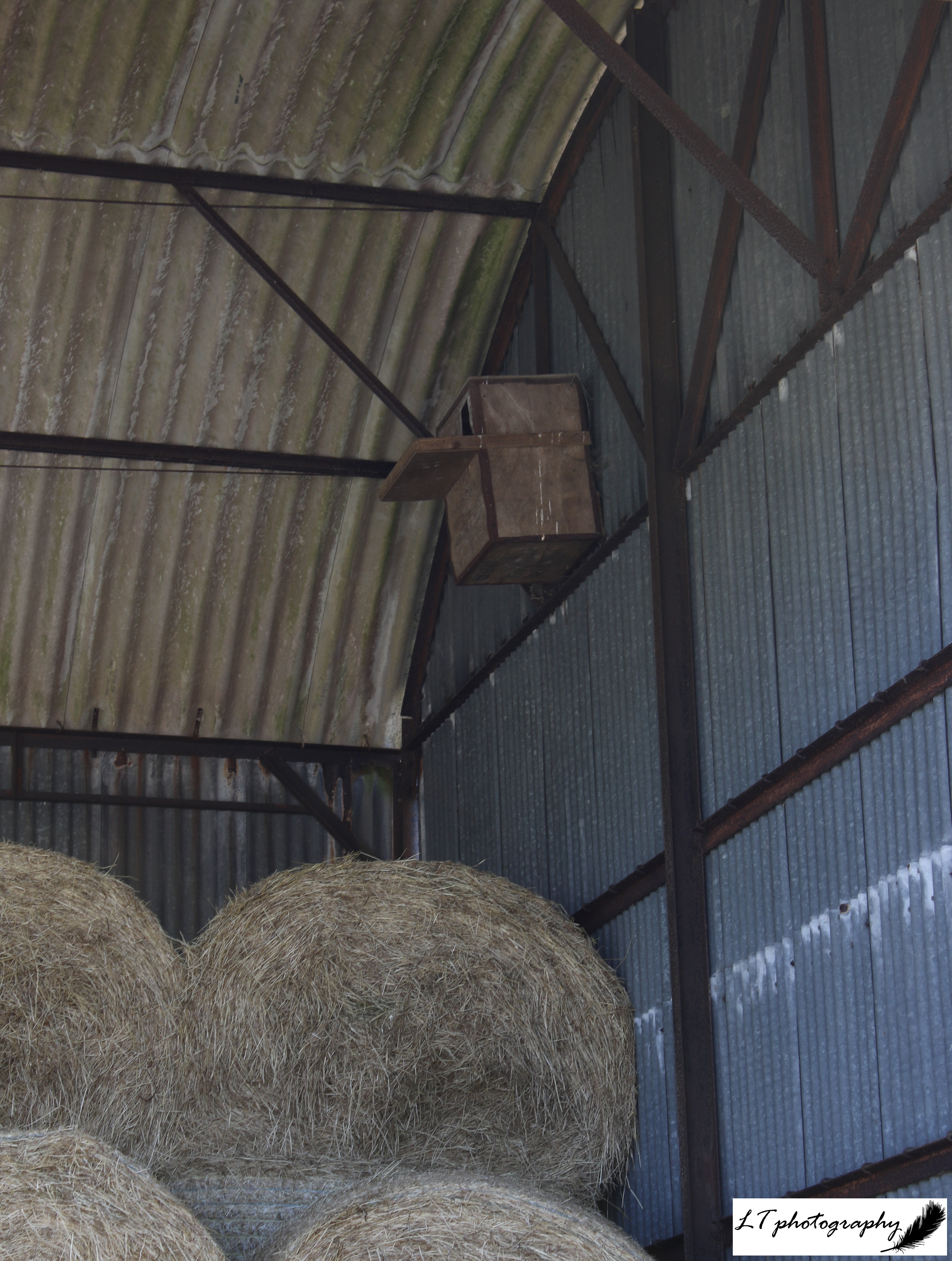
  • We are putting up lots of different nest boxes around the farm, from small Tit boxes to larger Owl boxes.

Next aims:

  • Put up more nest boxes, including Little Owl and Kestrel
  • Monitor nest box use each year
  • Allow trees, such as mature Oaks, to naturally age and return to the ground

(5) Hedgerows

Project:

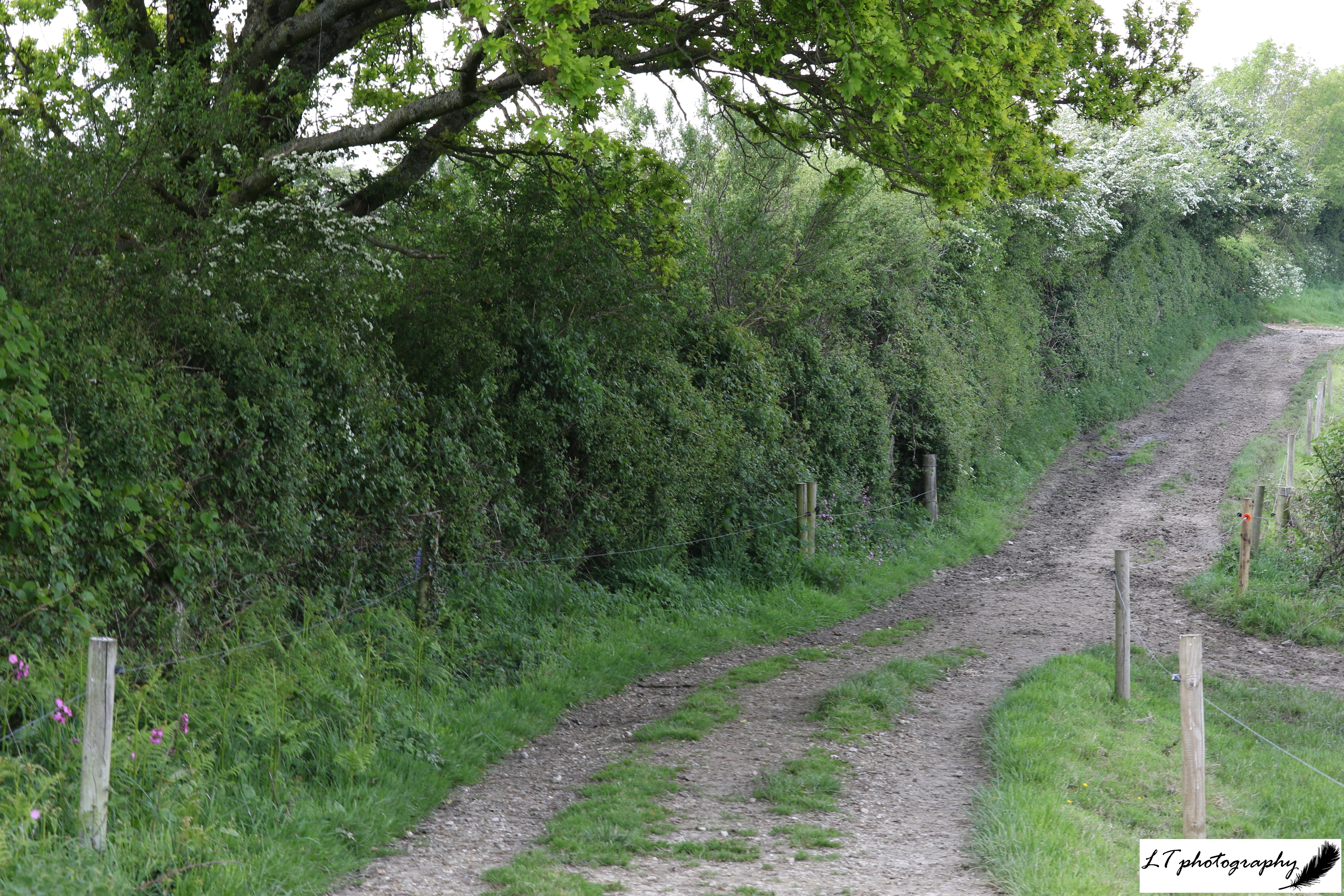
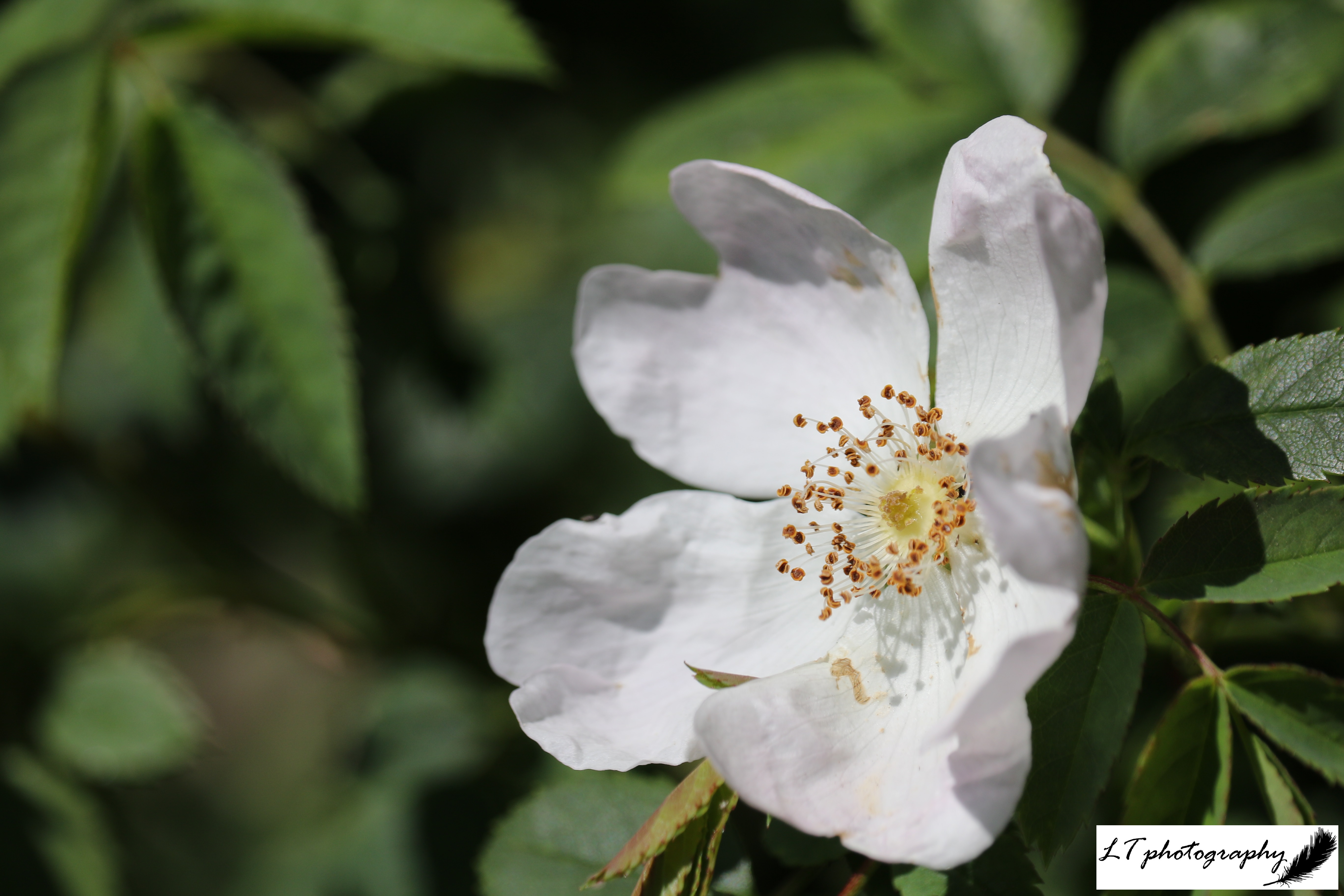
On my family’s land there are a lot of hedgerows, which are a hugely important habitat for a whole host of wildlife. They range in age and composition, including species such as Spindle, Blackthorn, Ash and Dog Rose. They also provide different services, such as food and shelter, throughout the course of a year, for lots of different species.

So far:

  • We carefully manage hedgerows with wildlife in mind each year.
  • Hedgecutting is practiced on a rotational basis and in late winter if the ground holds up. They are only cut by my Dad or brother who are skilled at cutting the hedges correctly and with care.
  • We annually manage and maintain field margins and ditches.
  • Hedgelaying has been used in the past but only when a hedge is in need of restoration.

Next Aims:

  • Maintain the high standard of hedgerows
  • Allow diversity to continue to increase

Future Aims

With 41% of species in decline since 1970, biodiversity loss and the latest State of Nature report cannot be overlooked. Whilst there is still hope that we can bring things back from the brink, and reverse the decline, to do so we need to act now. We need to create more homes for wildlife, protect what is left of our natural environment, and manage land with wildlife in mind.

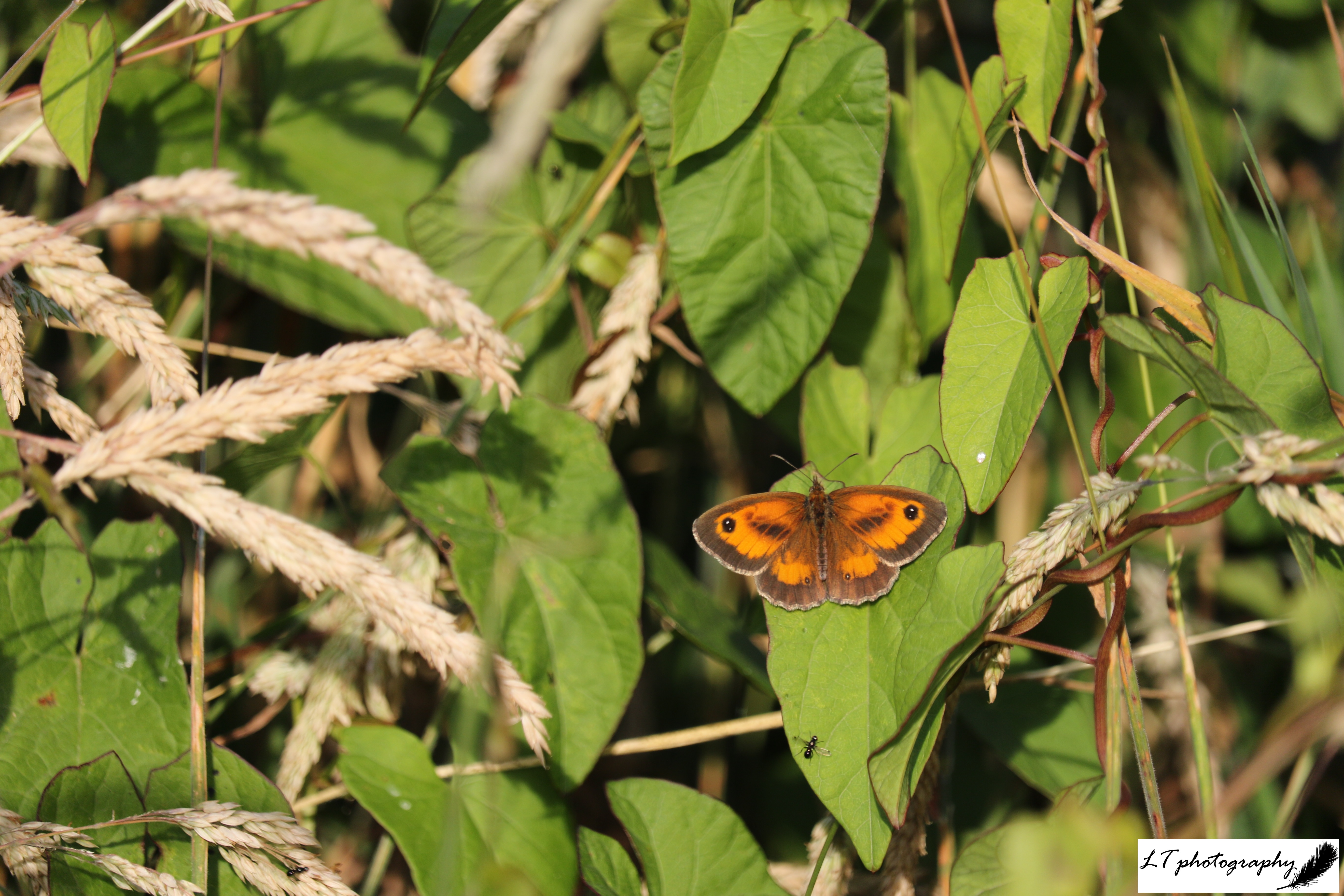
On the farm this process is in full swing and gaining momentum each year. In this way, we are trying to make our land more wildlife friendly, managing and creating habitats for wildlife. Now, Skylarks can be heard singing all around the farm each morning, Brown Hares are increasing in number, Butterfly and Moths are becoming more species diverse, and Yellowhammers are becoming increasingly common. There are so many more examples from the big to the small, from Hedgehogs to Newts, but my Dad’s favourite has to be his Barn Owls. Over the last few years Barn Owls have made our land their regular home, with 2 Barn Owl pairs successfully breeding last year!

My Dad now wants to continue my Mum’s and his work dedicated to the environment, from helping farmland birds to reducing our carbon footprint. He wants to continue to show how conservation and increasing biodiversity can go hand in hand with conventional farming, allowing food to be produced whilst looking after the environment. A great example of this is the RSPB’s Hope Farm in Cambridgeshire, an arable farm where careful and targeted management is now having results. It makes me optimistic that if we now focus on working with farmers to give nature a home on their farms in the right way, then this could make a real difference to reversing species decline in the future.