Feathers fluffy, downy, soft to the touch. A heart of feathers outlining inquisitive eyes. A new beginning, hints of the precious adult to come. A hope, a prayer, a future. An endearing beginning for the reticent guardian of twilight – Original Piece

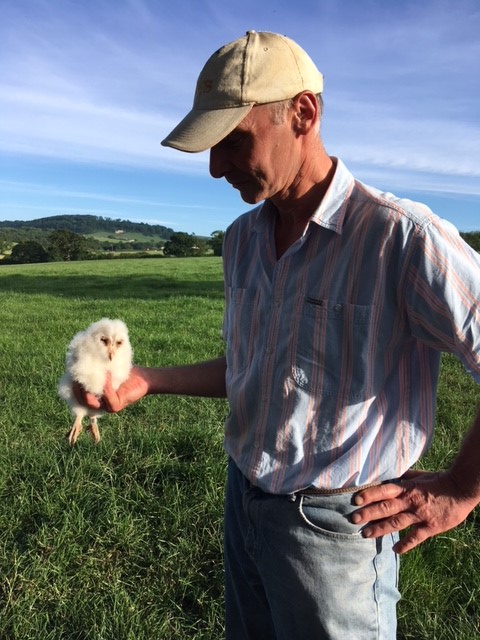
As a very unusual summer comes to an end, with it also comes the end of another breeding season for the Barn Owls that call my family’s farm home. For many years now, Barn Owls have increasingly become an important species on the farm, giving an indication of habitat quality and changes in the environment.
Last year the Owls had their best year yet, with two separate pairs on the farm, one nesting in a tree and one in a nest box, fledging two chicks each. It was also the start of Barn Owl chicks being ringed on the farm, which was very exciting for us all. If you want to read more about these Barn Owls, take a look at my previous posts, including Barn Owls in the Depths of Dorset, and Barmy about Barn Owls.

This Year
This year has been another year filled with the joys of this species. From sightings around the farm throughout the seasons, to fledged chicks during the summer, it has been really special. This year we were not lucky enough to have 2 known pairs breed again on the farm, but we were lucky enough to have 1 pair breed in our Barn Owl nest box. In the end the pair hatched 4 chicks, with 2 surviving to successfully fledge in August, which was exciting nonetheless. Though no Barn Owls have bred in the old oak tree this year, it has also been actively used, becoming a popular roosting site for one or more individuals.


Conservation Action and the Barn Owl chicks
Following our Barn Owl chicks being ringed last year, I have now joined the North Dorset-based Conservation Action group, becoming a trainee bird ringer. Conservation Action is a group of experienced ornithologists and BTO trained ringers, dedicated to conserving and preserving the natural environment, ringing bird species to increase knowledge, and raising awareness of conservation efforts in younger generations. Focuses range from migrating species in Autumn to Owls and my favourites, the birds of prey.
Last year Conservation Action monitored a total of 47 Barn Owl nest boxes across Dorset, leading to 66 Barns Owls being successfully ringed (63 owlets and 3 adults). It was a great year for Barn Owls and Conservation Action alike!

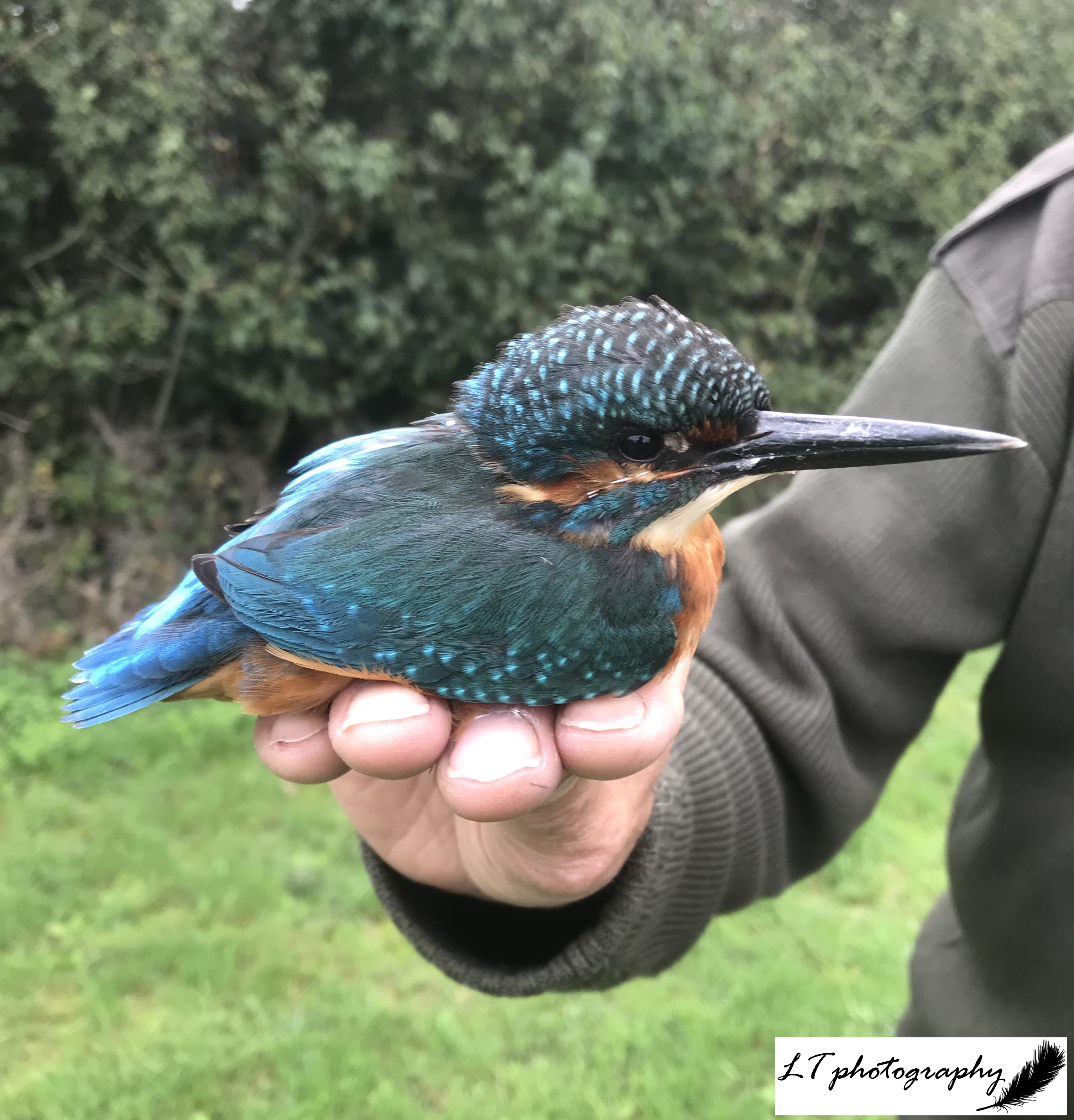
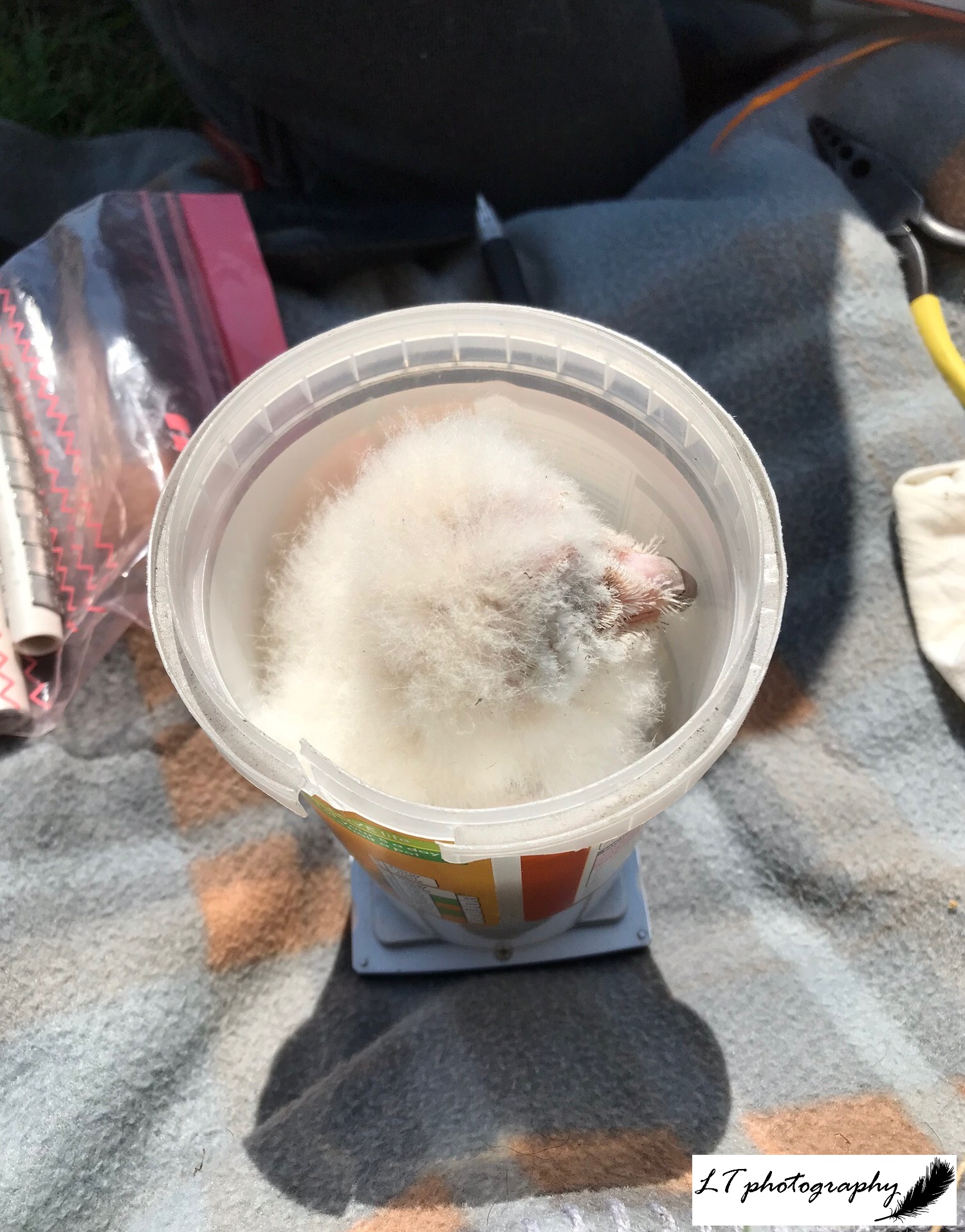
Now a member of Conservation Action and a trainee bird ringer, this year I was very excited at the prospect of Barn Owls breeding once again on our land. For this breeding season I got the opportunity to become an accredited agent under a Schedule 1 Permit, meaning that I was fully licensed to assist with Barn Owl nest box checks and monitoring, including our very own box. So it was an absolute privilege to be able to ring, under supervision, my very own 2 Barn Owl chicks this year. Such incredible birds and such a special experience, which was made all the better by getting to experience it alongside my parents and 2 year old niece!

Their Importance
Barn Owls are one important indicator species for farmland and grassland in Britain, meaning that they can tell us a lot about the condition of these habitats. With Barn Owls having made a comeback to my family’s farmland, it has also shown how changes to land management can restore and create habitat for wildlife, including for other species with related habitat needs (for more information see my post Giving Nature a Home on the Farm).

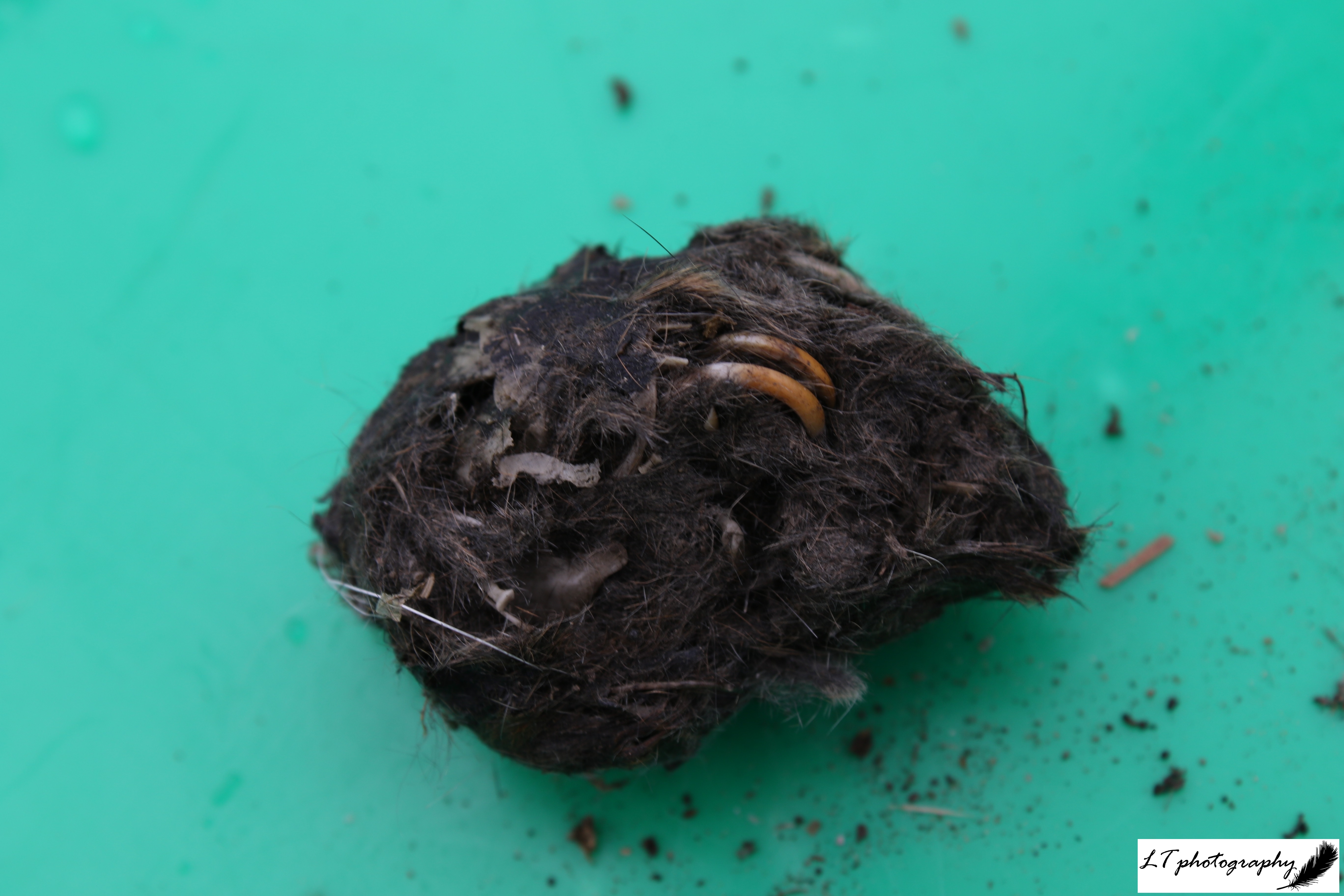
Barn Owls have also helped me to find out more about the small mammal species living on our land. This has been through dissecting pellets left by the owls, that I have previously written about in my post: How to… Be a Barn Owl Pellet Detective. For example, pellets from the roost tree have shown remains belonging to Bank Voles, Field Voles, Common Shrews, and Brown Rats, whereas pellets from the nest box barn have shown remains belonging to Field Voles, Bank Voles, Common Shrews, Pygmy Shrews, and Mice.


Moving Forward
After this year’s Barn Owl breeding season, and the excitement of Barn Owls continuing to breed on the farm, things are looking exciting for the future! It will be interesting though, to see how Barn Owls fared across Dorset and the UK this year as a whole, and to see if the farm’s 1 breeding pair followed the general trend. I also look forward to now getting more involved in monitoring Barn Owls in Dorset, spreading word of the work Conservation Action are doing, and the potential of ringing more of my own Barn Owls next year!
On the farm we now aim to continue working with Barn Owls and other wildlife in mind, and to monitor the success of new projects, including putting up nest boxes for Kestrels, Tawny Owls and Little Owls. In many ways the future looks bright to me!
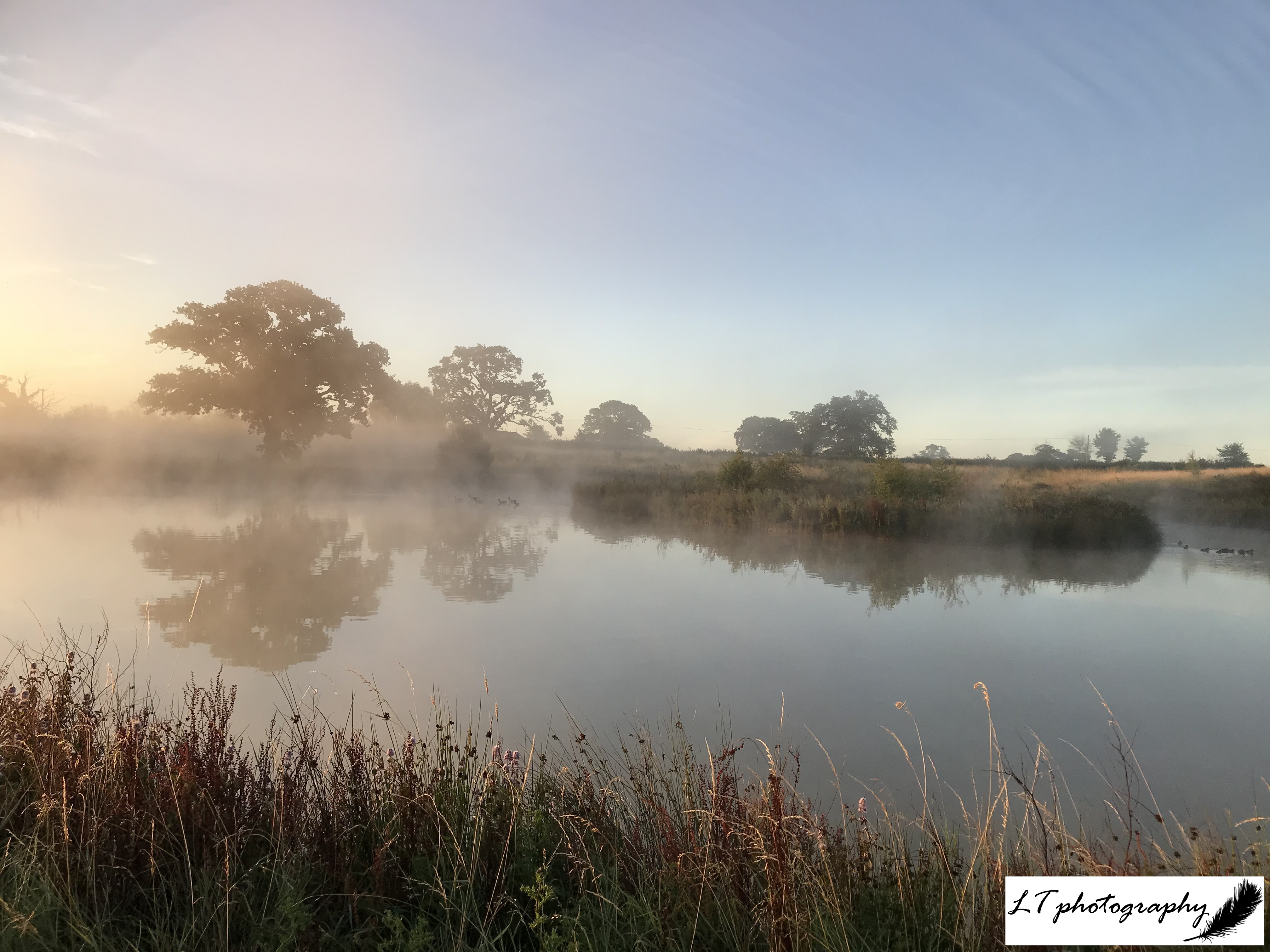


 American marram grass (Ammophila breviligulata)= Most common species
 Beach pea (Lathyrus japonicas var. maritimus)
 Common yarrow (Achillea millefolium var. occidentalis)
 Sea sandwort (Honckenya peploides sp. robusta)
 Common wild rose (Rosa virginiana)
 Lowbush blueberry (Vaccinium angustifolium)
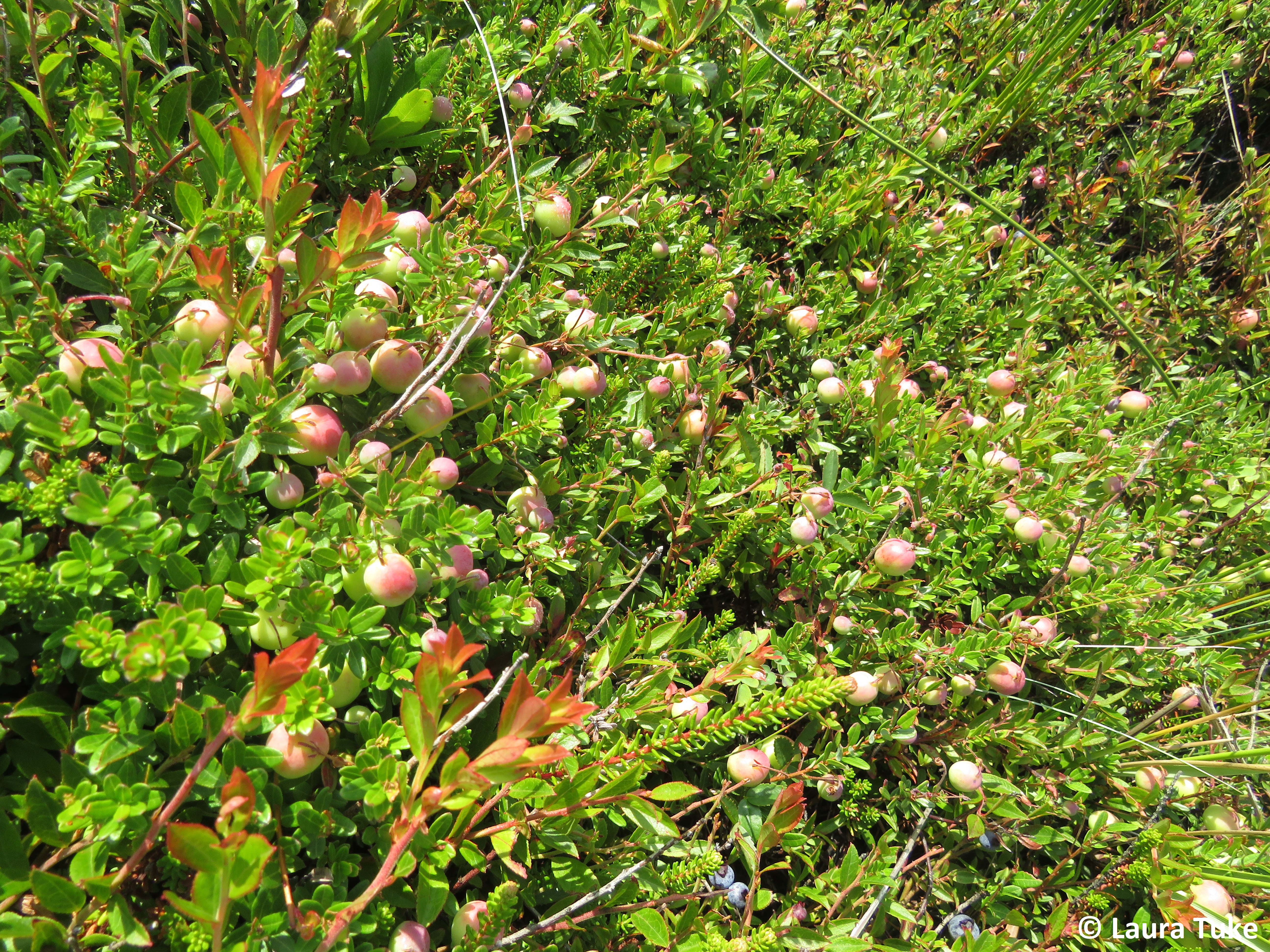 Large cranberry (Vaccinium macrocarpon)
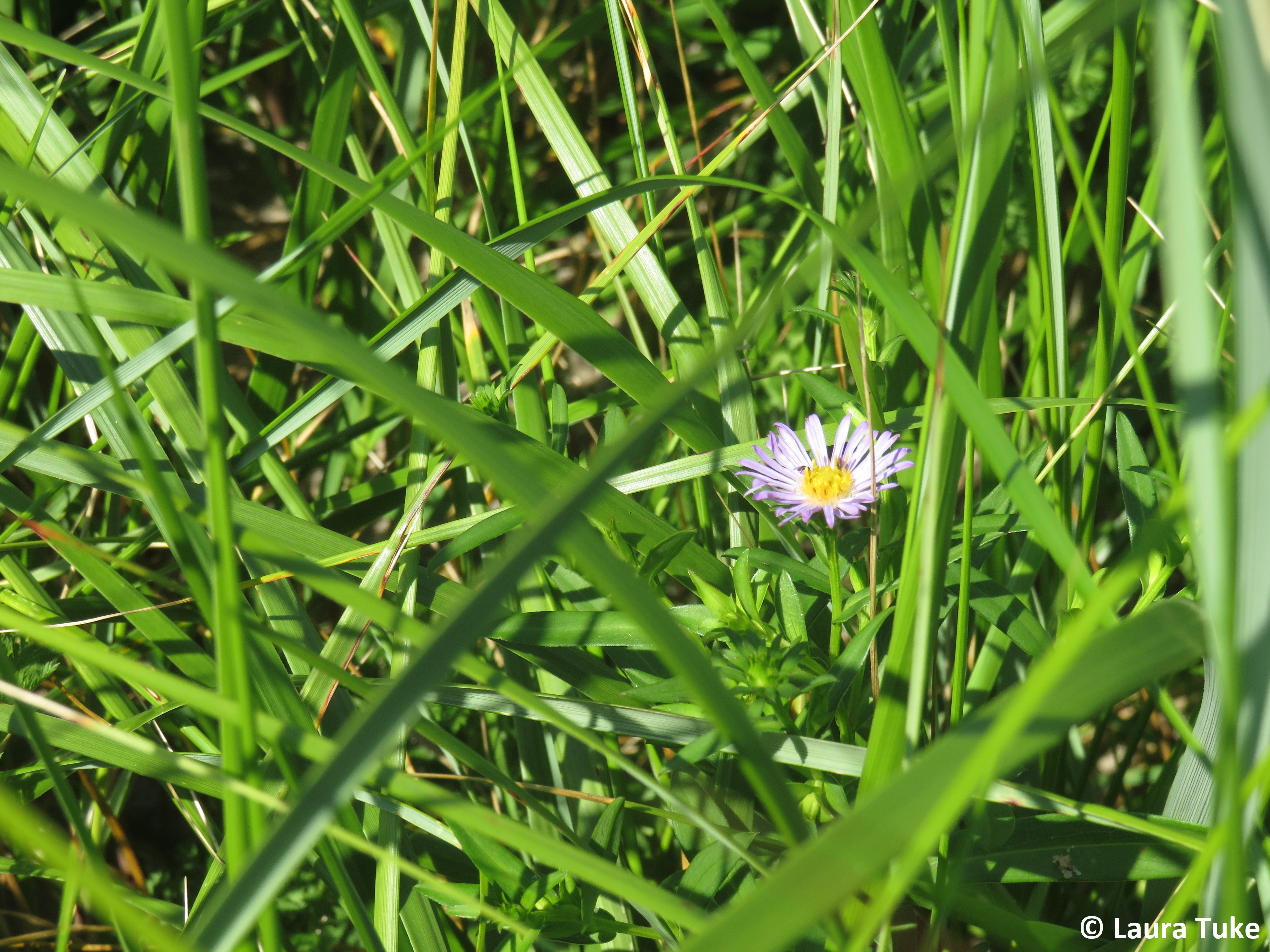 New York aster (Symphyotrichum novi-belgii)
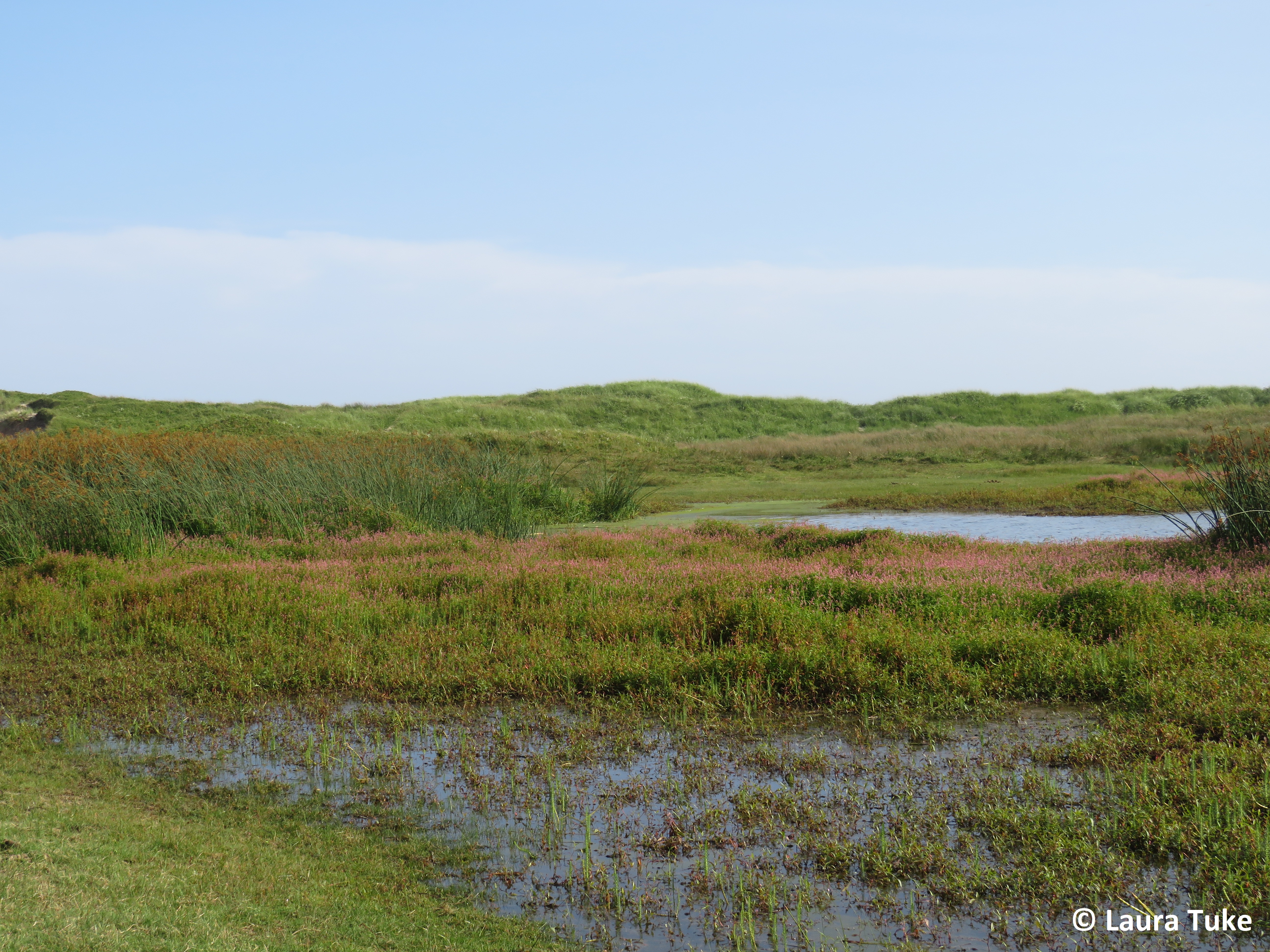 Swamp smartweed (Polygonum hydropiperoides)
 Wild strawberry (Fragaria virginiana sp. glauca)
 Small flowered evening primrose (Oenothera parviflora)
 Blue flag iris (Iris versicolor)
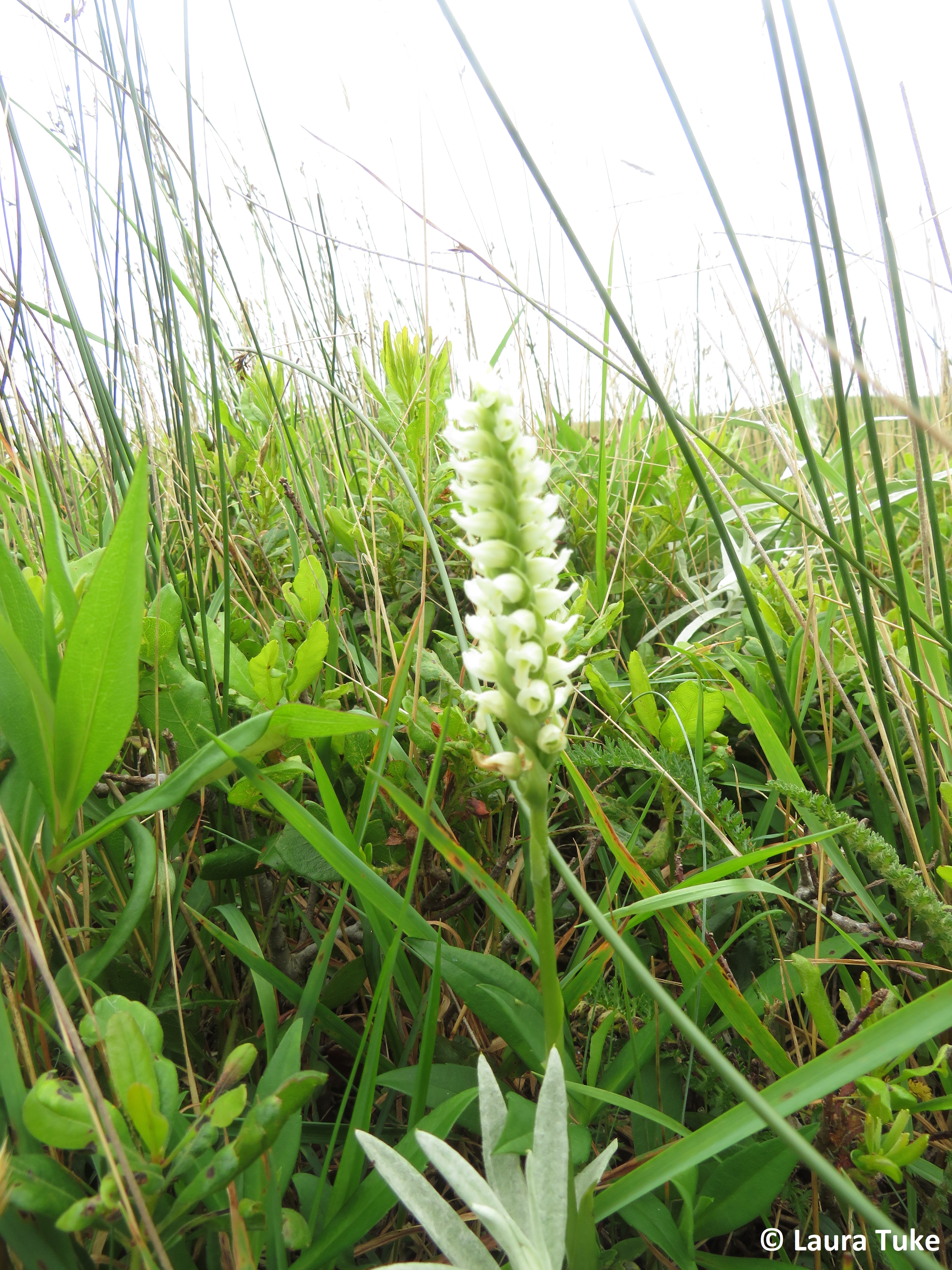 Hooded ladies’ tresses (Spiranthes romanzoffiana)
 Blue-eyed grass (Sisyrinchium angustifolium)
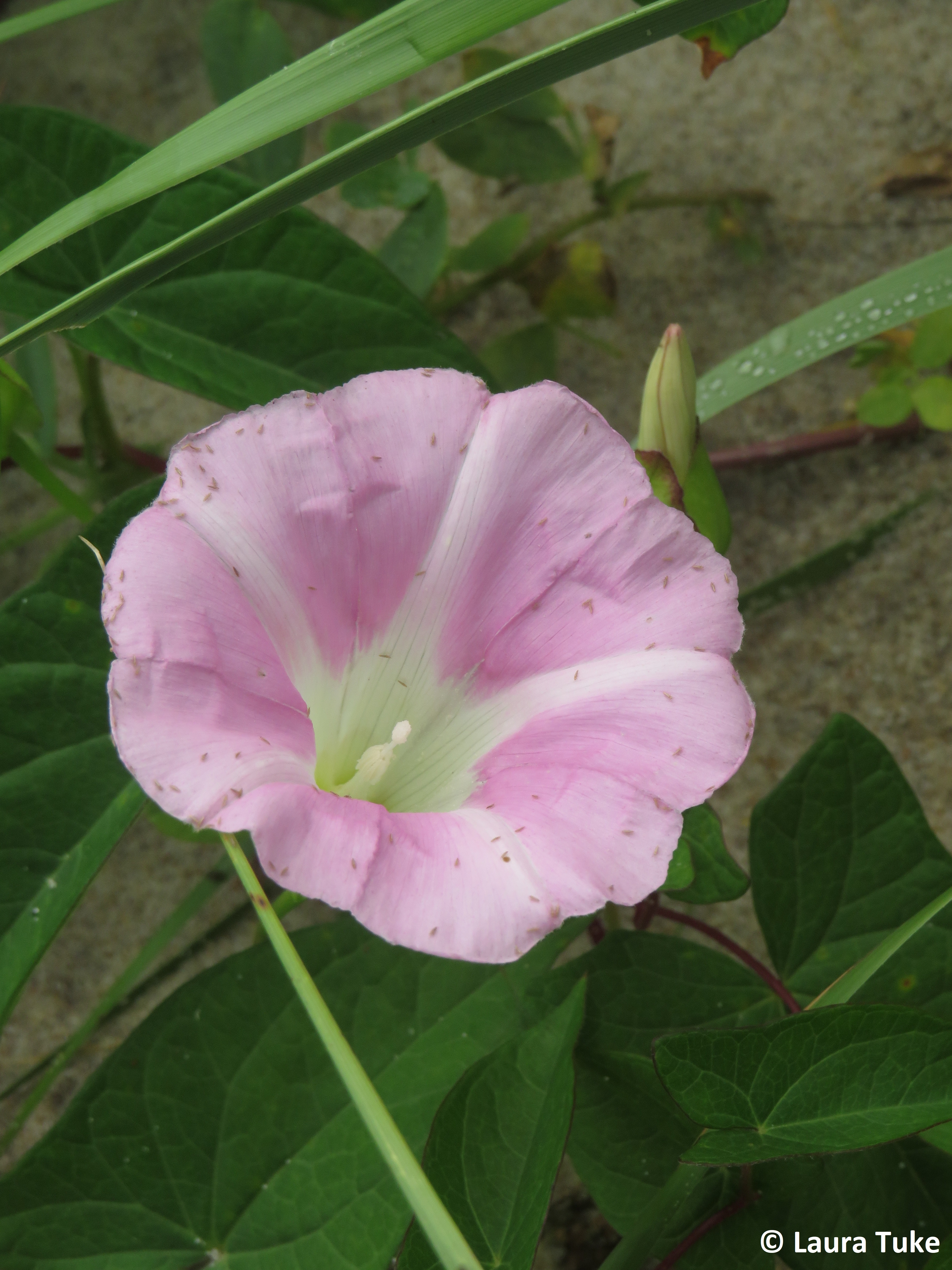 Hedge bindweed (Calystegia sepium)
 Seaside goldenrod (Solidago sempervirens)
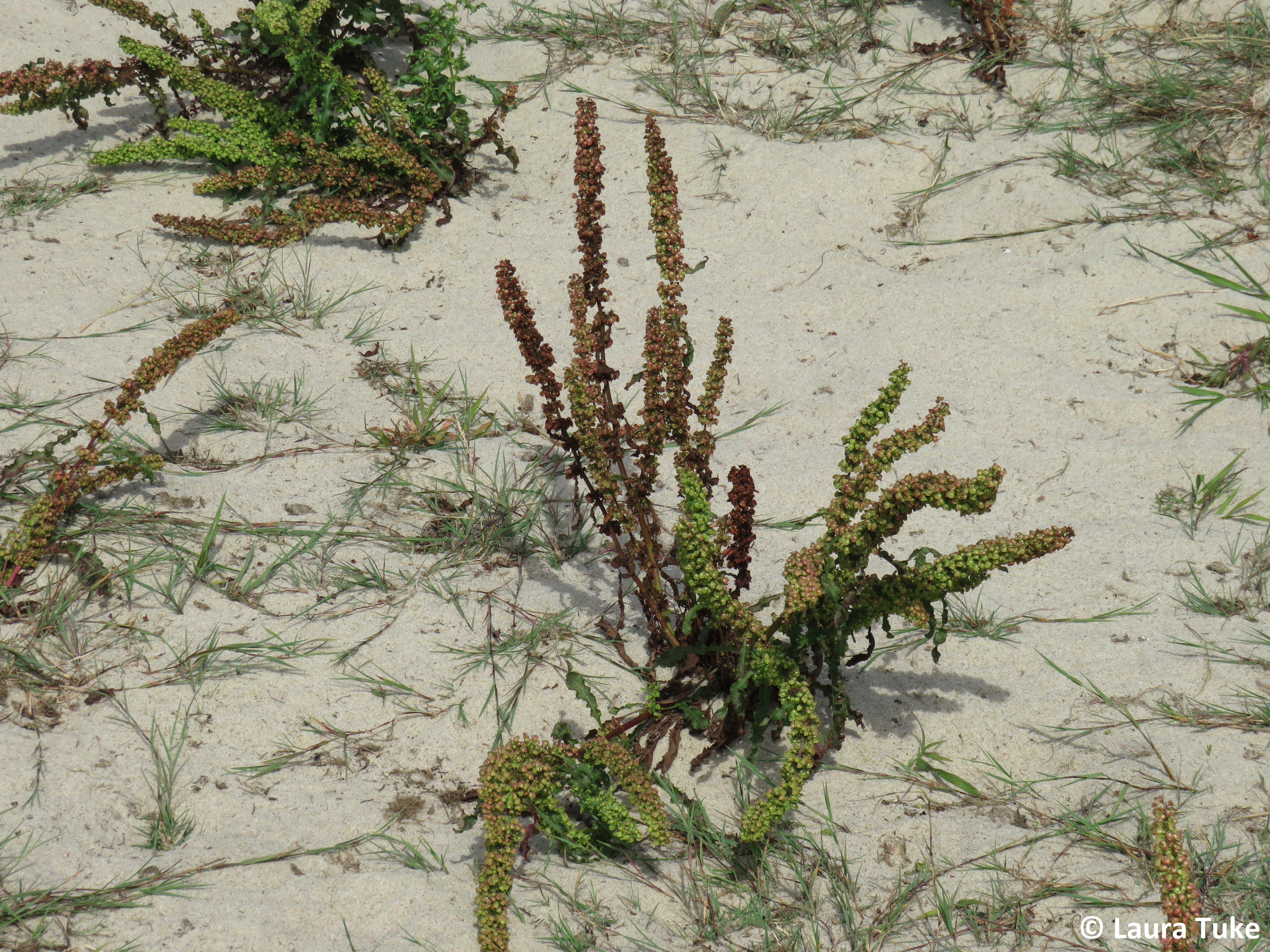 Curled dock (Rumex crispus)
 Black knapweed (Centaurea nigra)
 Laura's Wild World