Spring/Summer Camera Trapping 2025

One of my favourite activities each year is camera trapping. The feeling you get of putting out a camera trap in a carefully chosen location and position, and waiting to find out what it may find. Opening the memory card file on a laptop, and seeing what may or may not be waiting for you. Sometimes you may not find anything, and other times you get more than you bargained for!
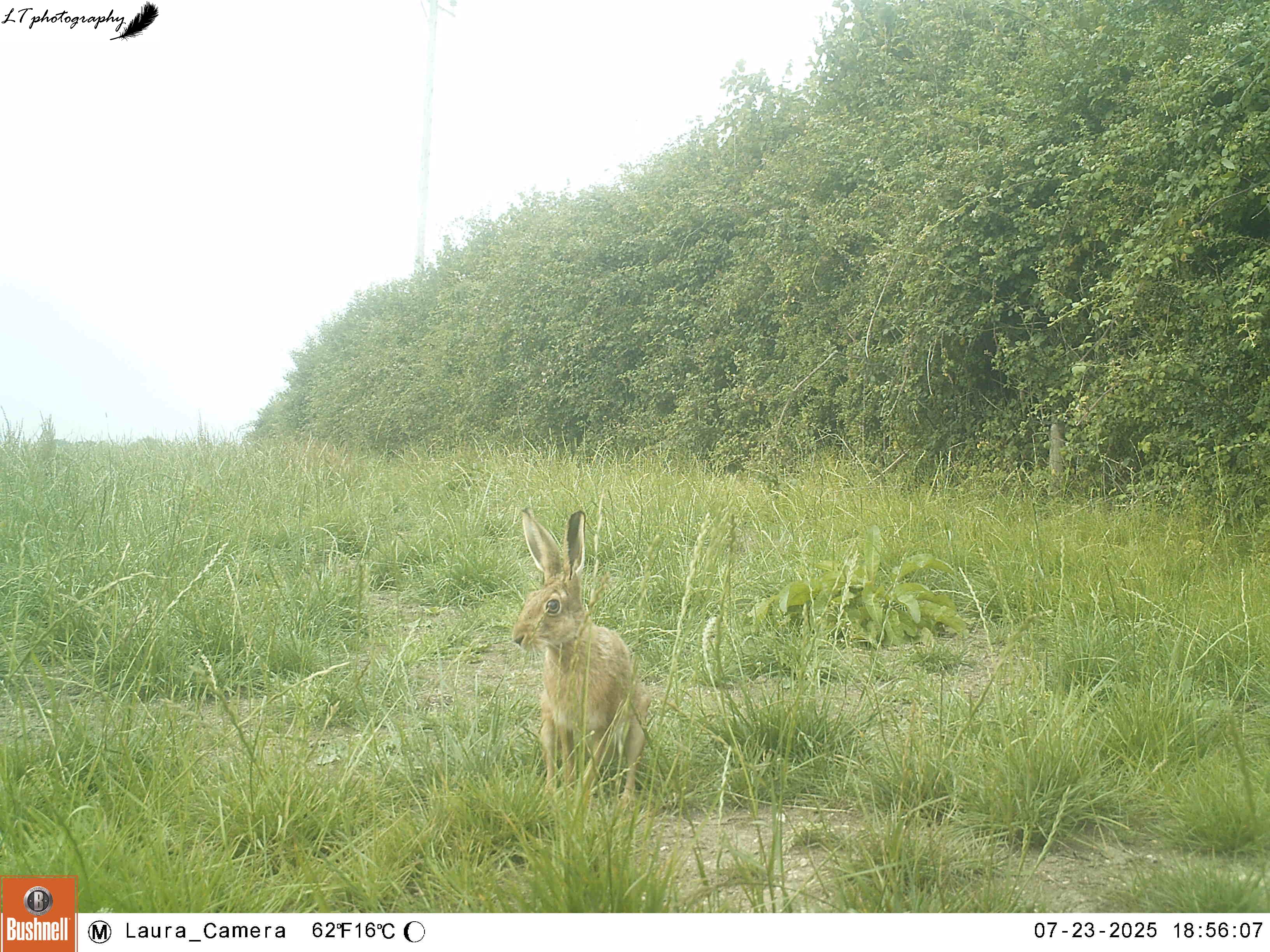
Over the years I have followed families of foxes, watched badgers return to abandoned setts, and even counted up to 5 hedgehogs in one shot in my mother’s garden. It is not just mammals that I have enjoyed, but I have also seen courting woodpigeons, red-legged partridges dust bathing, and even robins feeding their fledged young. You never quite know what is awaiting for you!
So looking back, how did 2025 go for my camera trapping adventures?

The Situation

When spring arrived in 2025, I got back out with my 2 camera traps, with the aim to try and capture the wildlife that call my family’s farm home. Beginning on the 7th March, my camera traps worked their way around 20 sites across 250 acres, finishing on the 22nd August.
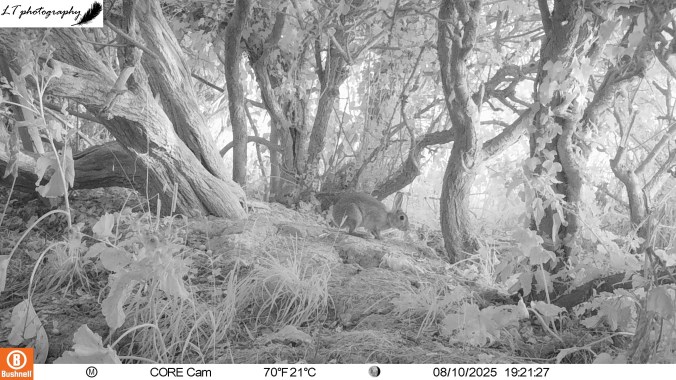
Habitat varied from various sized areas of woodland and semi-improved grassland to water meadows and wildflower meadows, with sites chosen based on the presence of animal activity, such as holes dug or animal tracks, or clearings within more dense habitat. No set pattern was followed for moving the camera traps between sites, other than the majority of the time maintaining a week between moves, and some sites were visited more than once over the spring and summer.

So what did I find?
Species

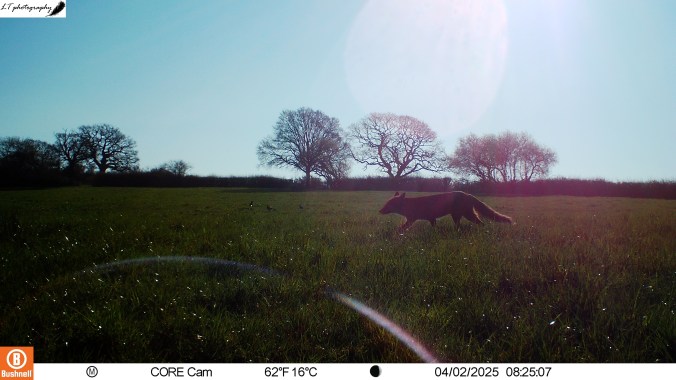
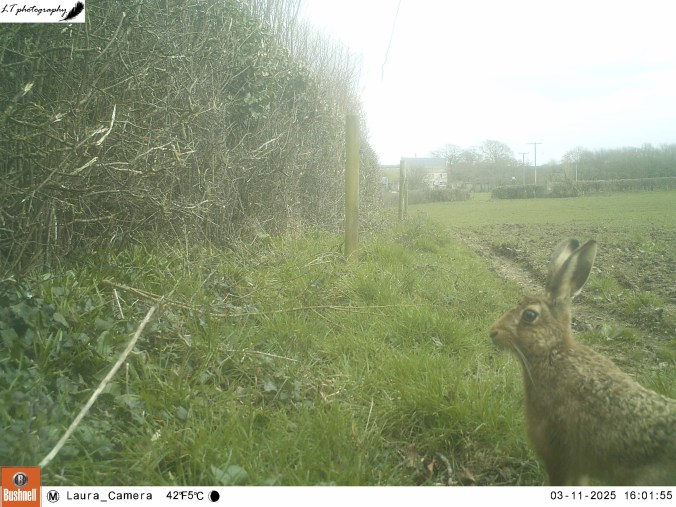
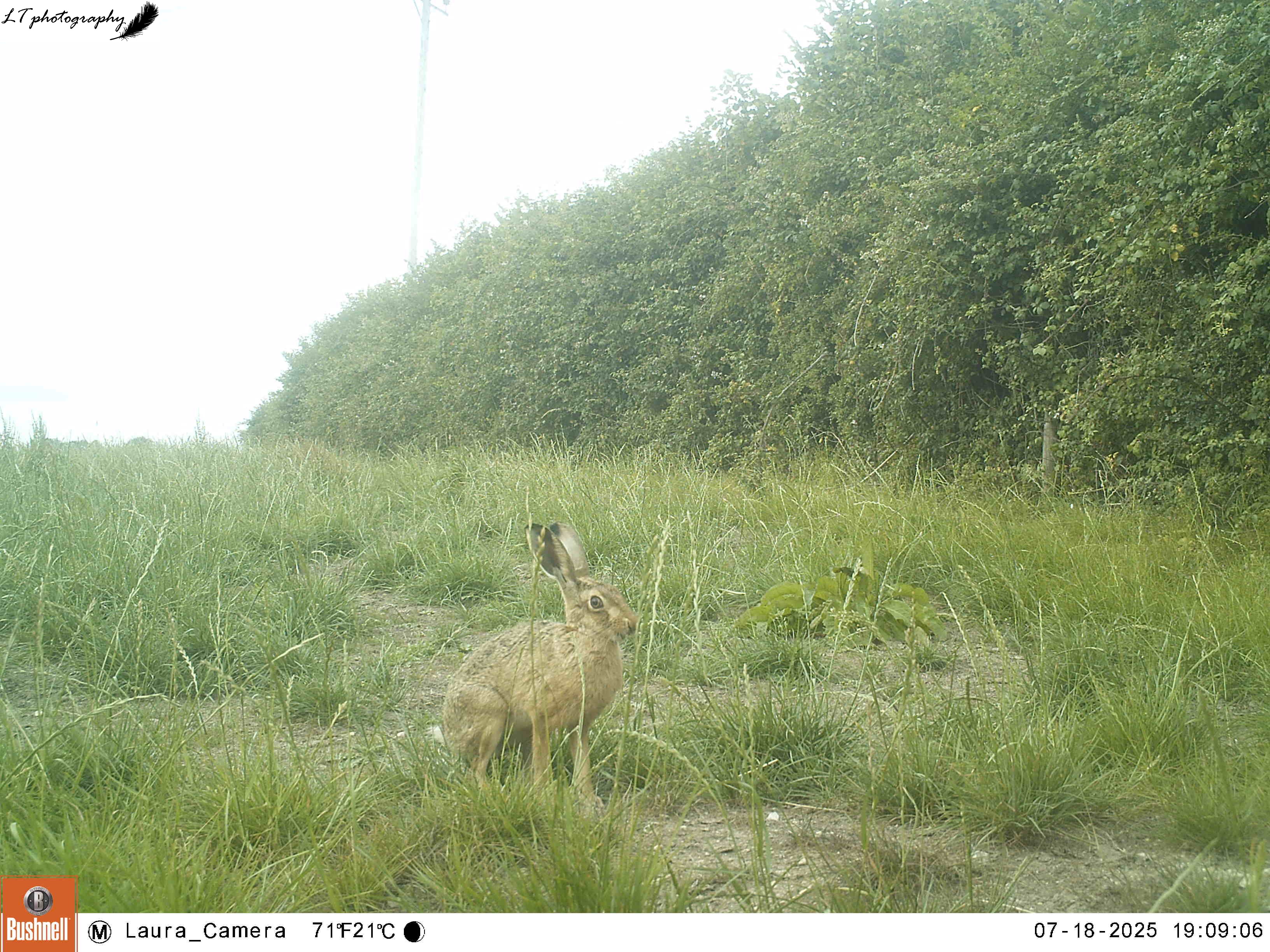
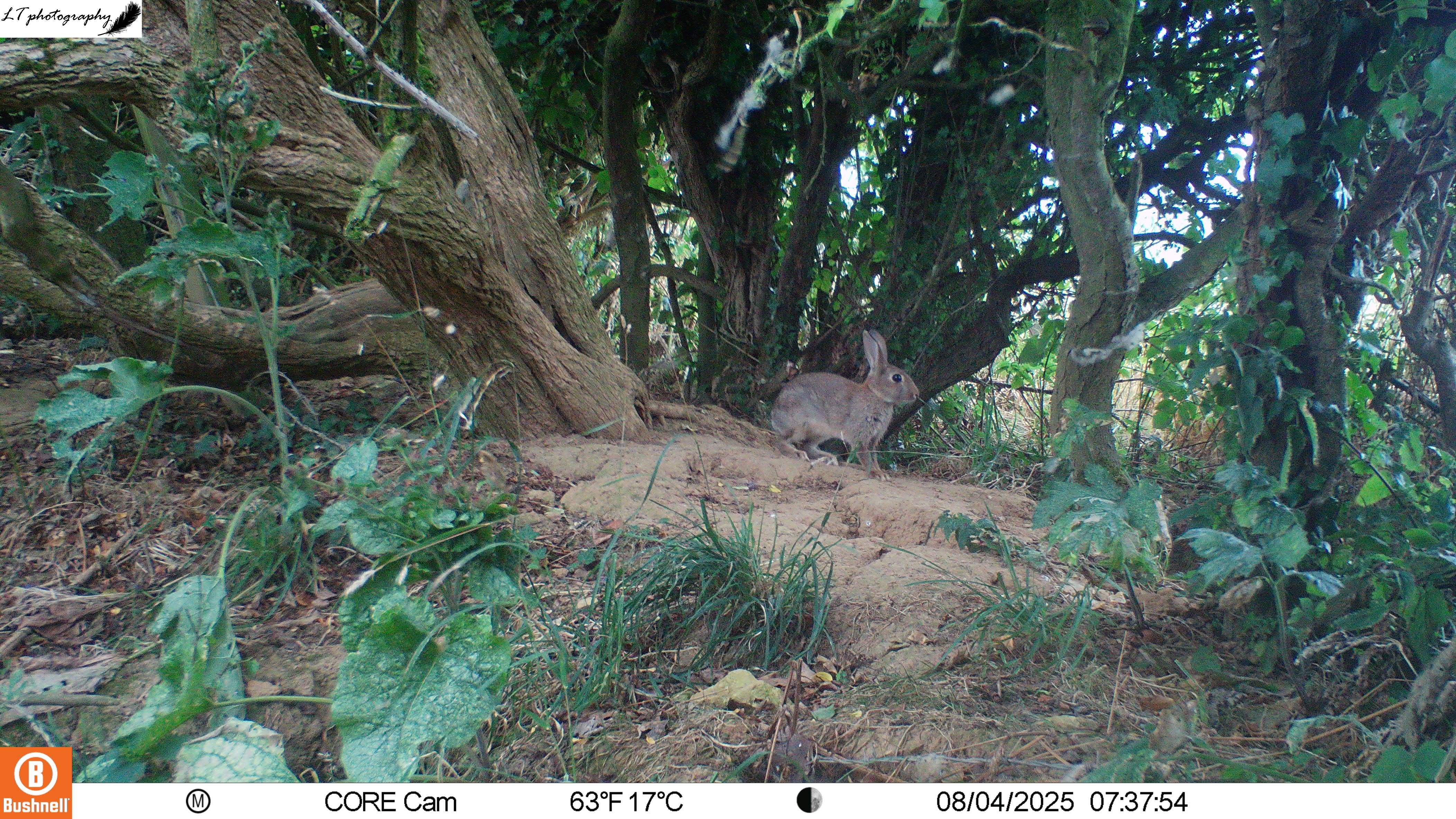
This year I captured 18 different species of wild animal on my camera traps in my local area. Of these species, 9 were birds (red-legged partridge, pheasant, magpie, woodpigeon, sparrowhawk, robin, blackbird, carrion crow, song thrush) and 9 were mammals (fox, hare, grey squirrel, muntjac deer, hedgehog, rabbit, roe deer, badger, and rat). These species were captured across the whole of the time period, but some species were seen more at certain times, such as hares or rabbits later on in the season, when the quantity of sightings of other species were reduced.
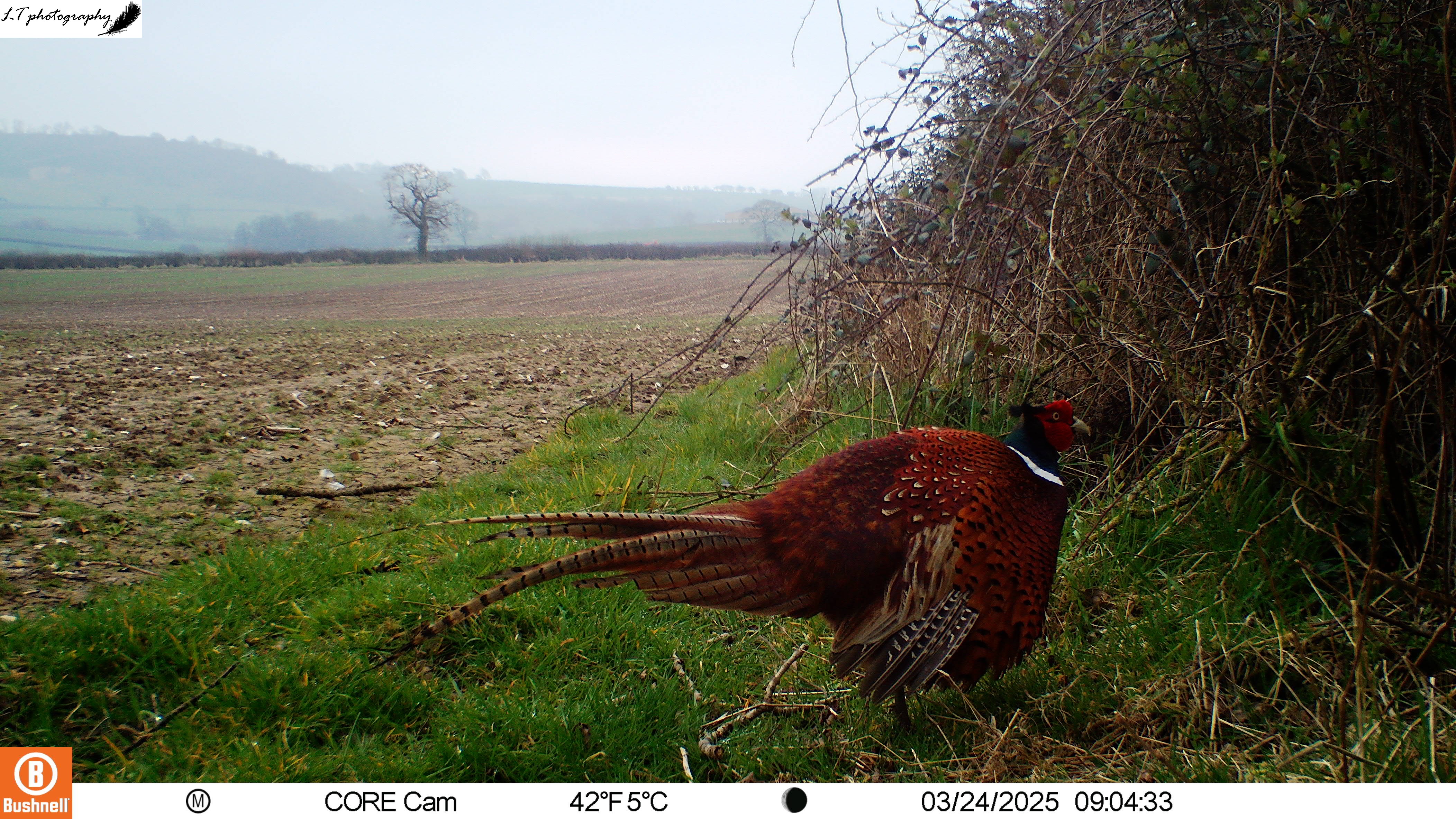
Pheasants and red-legged partridges were seen across the whole of the farm, between 1 and 30 times at different sites, due to the high numbers of these species being present because of game shoot releases at the start of every autumn in my local area. Other widespread species were woodpigeons, grey squirrels, and roe deer, which all tend to be highly abundant species in my local area, as seen.
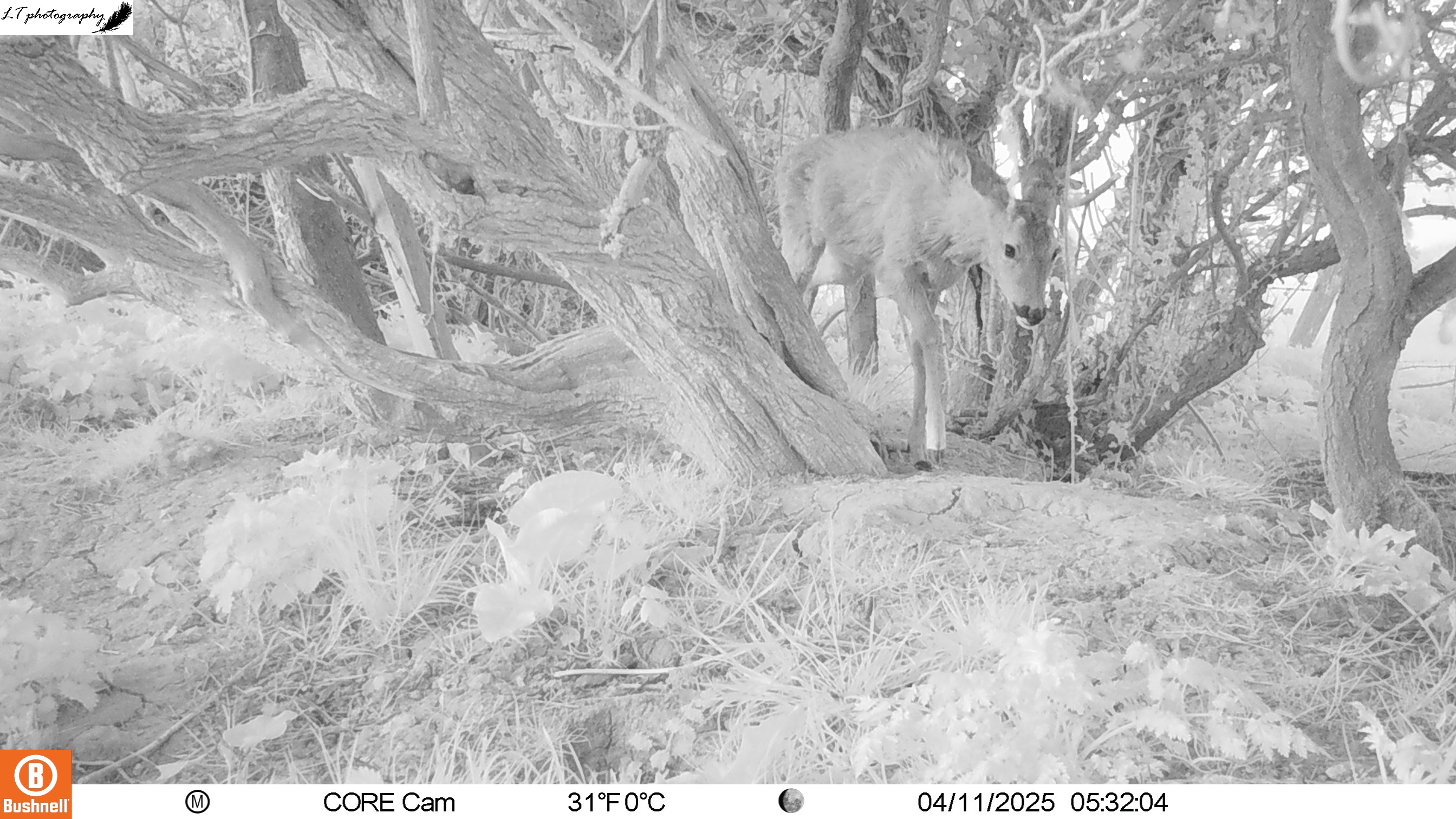
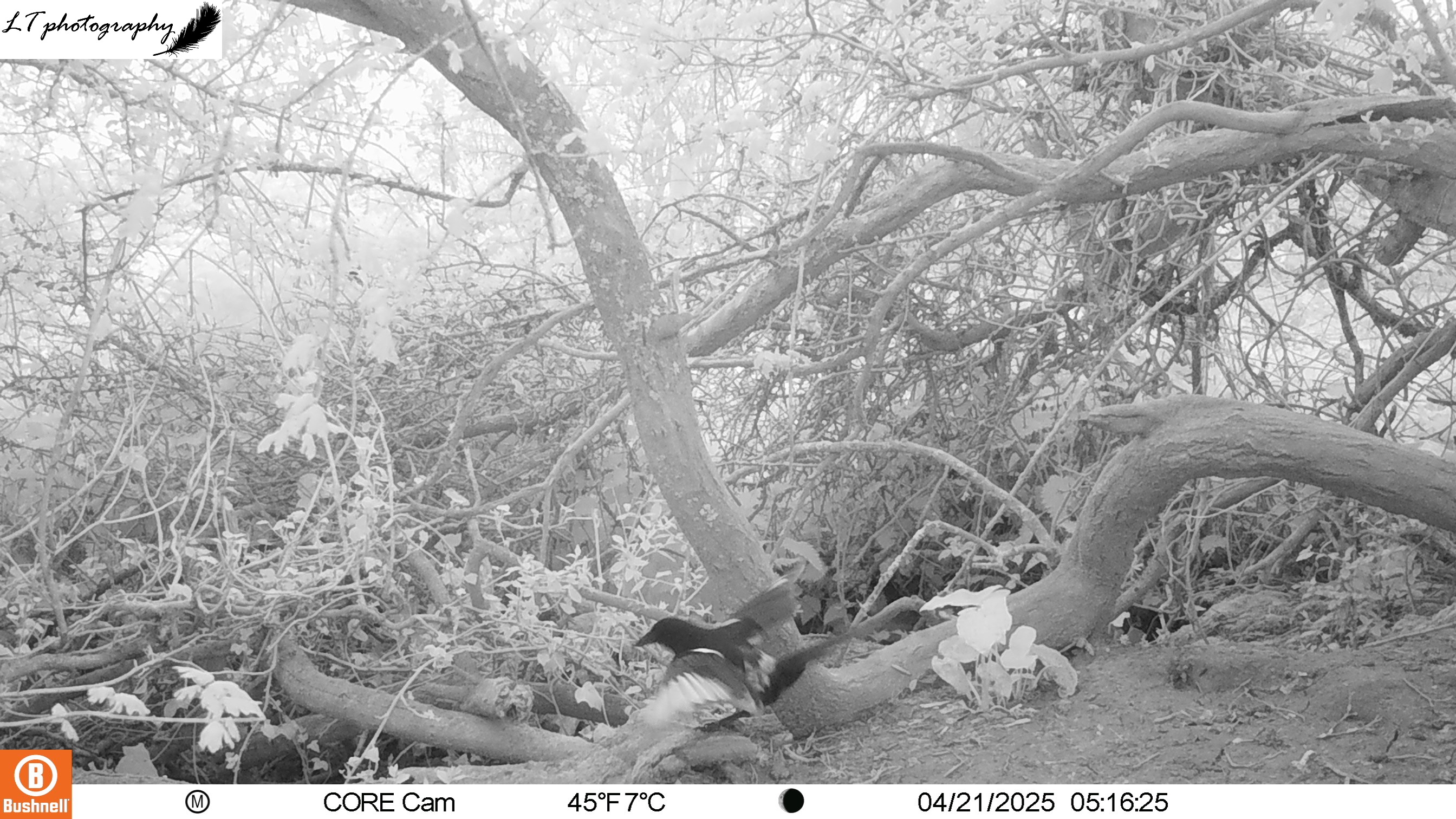
Alongside typical camera trap species, I got to capture some more unsual sightings from my camera traps. On one wildlife motorway, I observed a muntjac deer passing through, which has happened in previous years, but is not as widespread an occurance on our farm. I also captured a sparrowhawk flying along a hedgerow hunting at the edge of a field, and had other chance bird encounters in the form of blackbirds, robins and carrion crows separately hopping around badger setts, song thrushes in the gateway of a field, and magpies out in different open spaces.
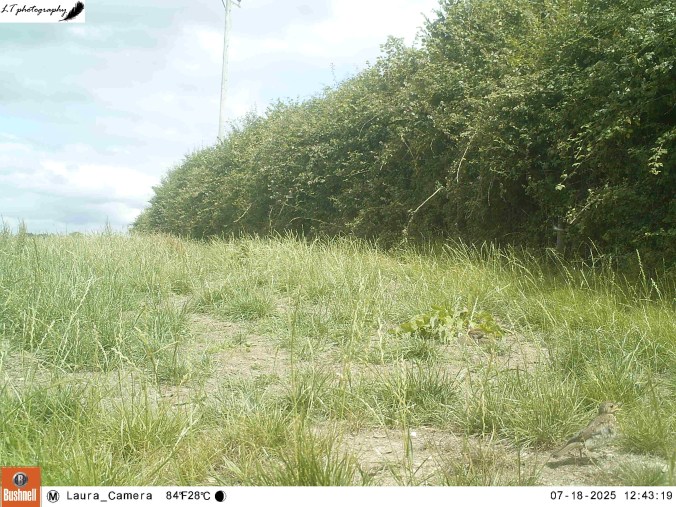
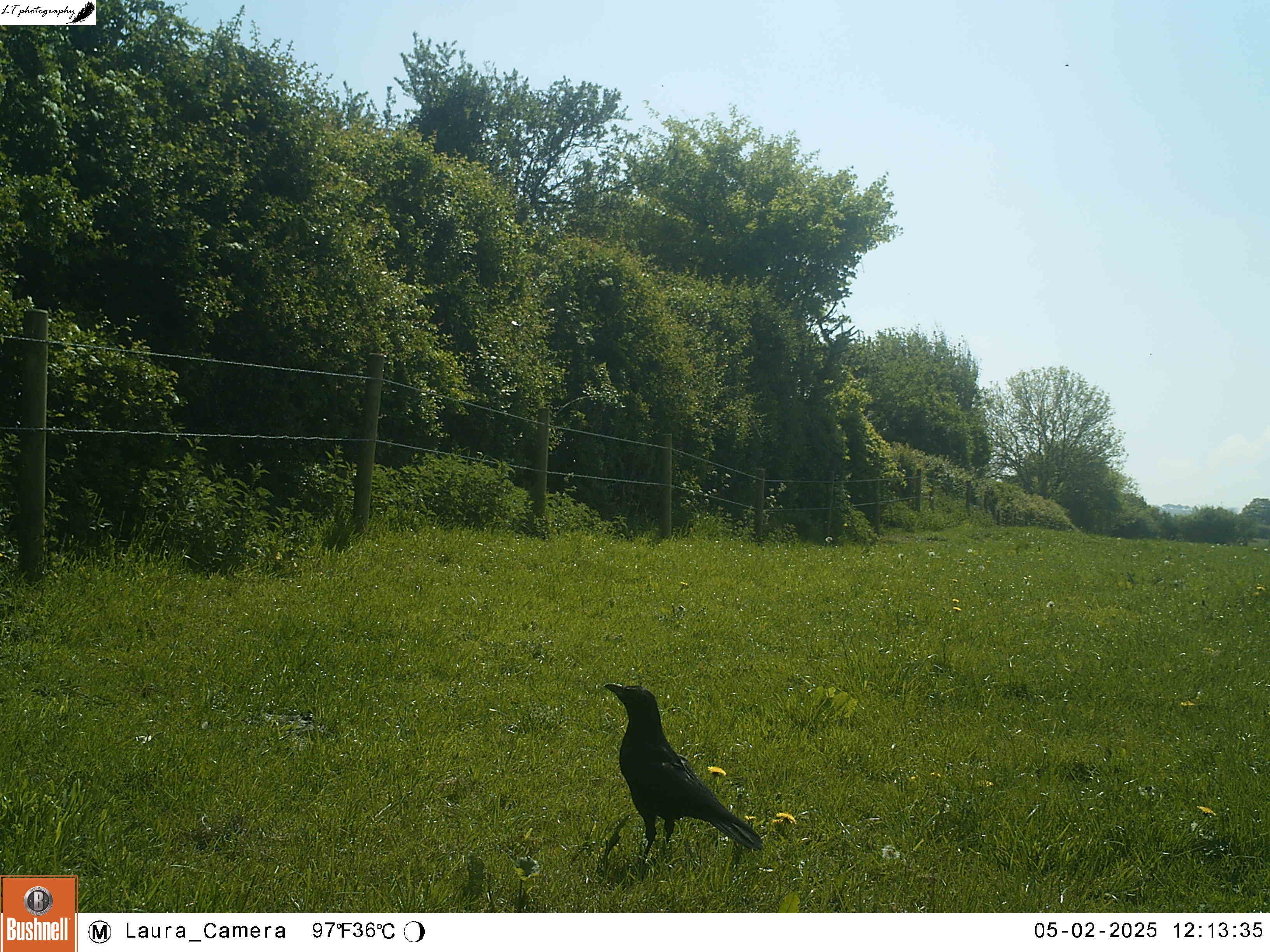
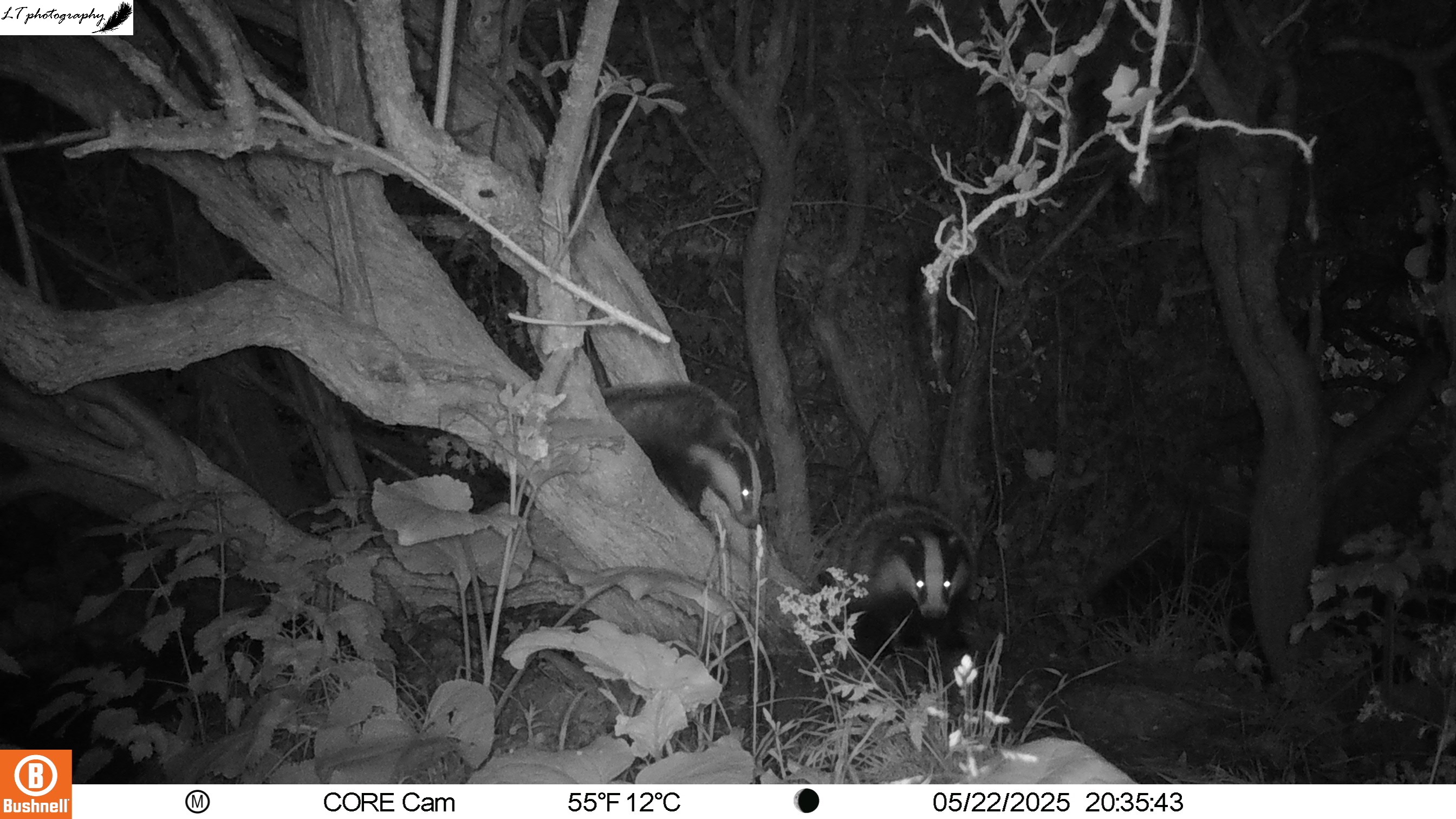
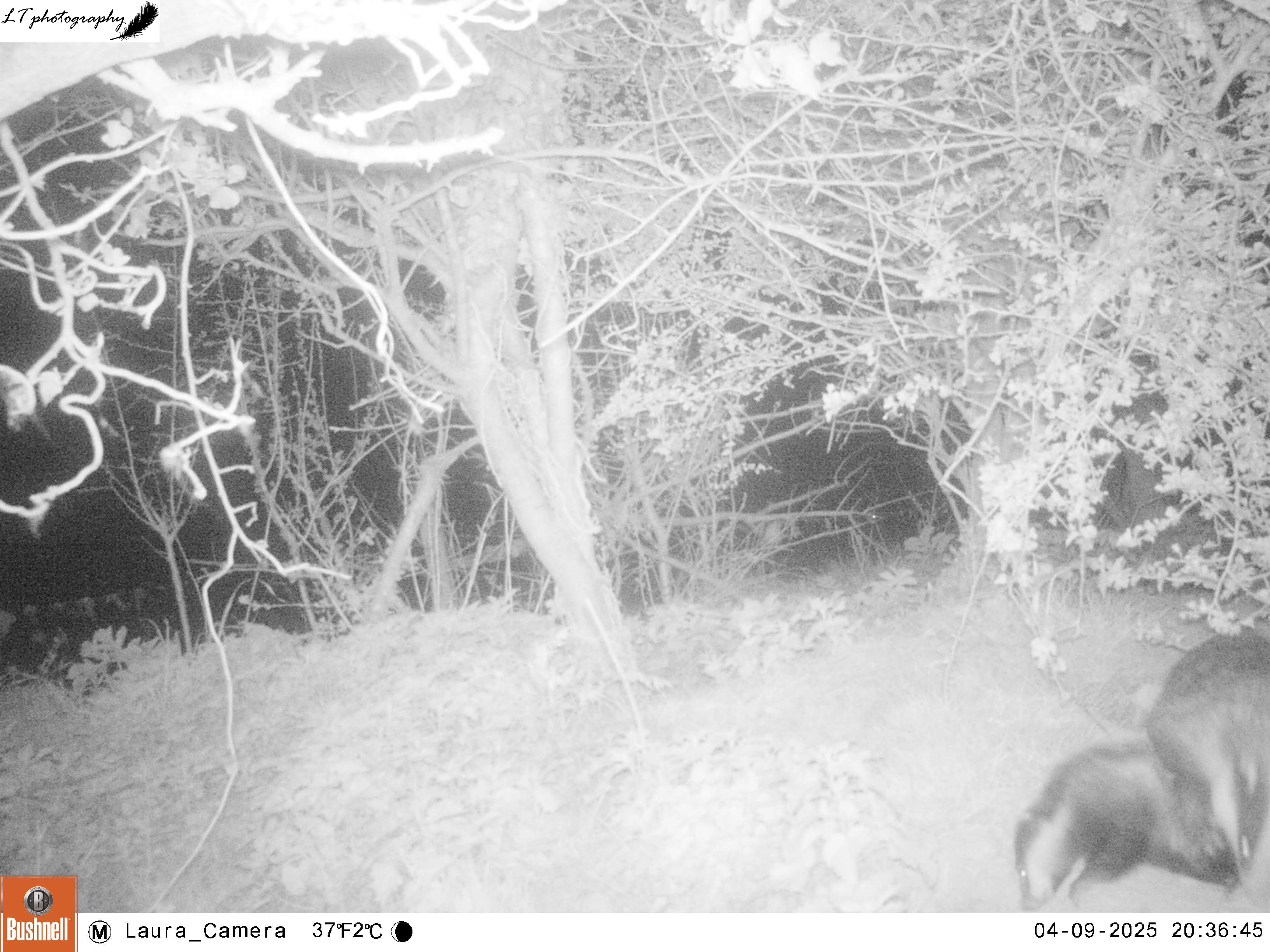
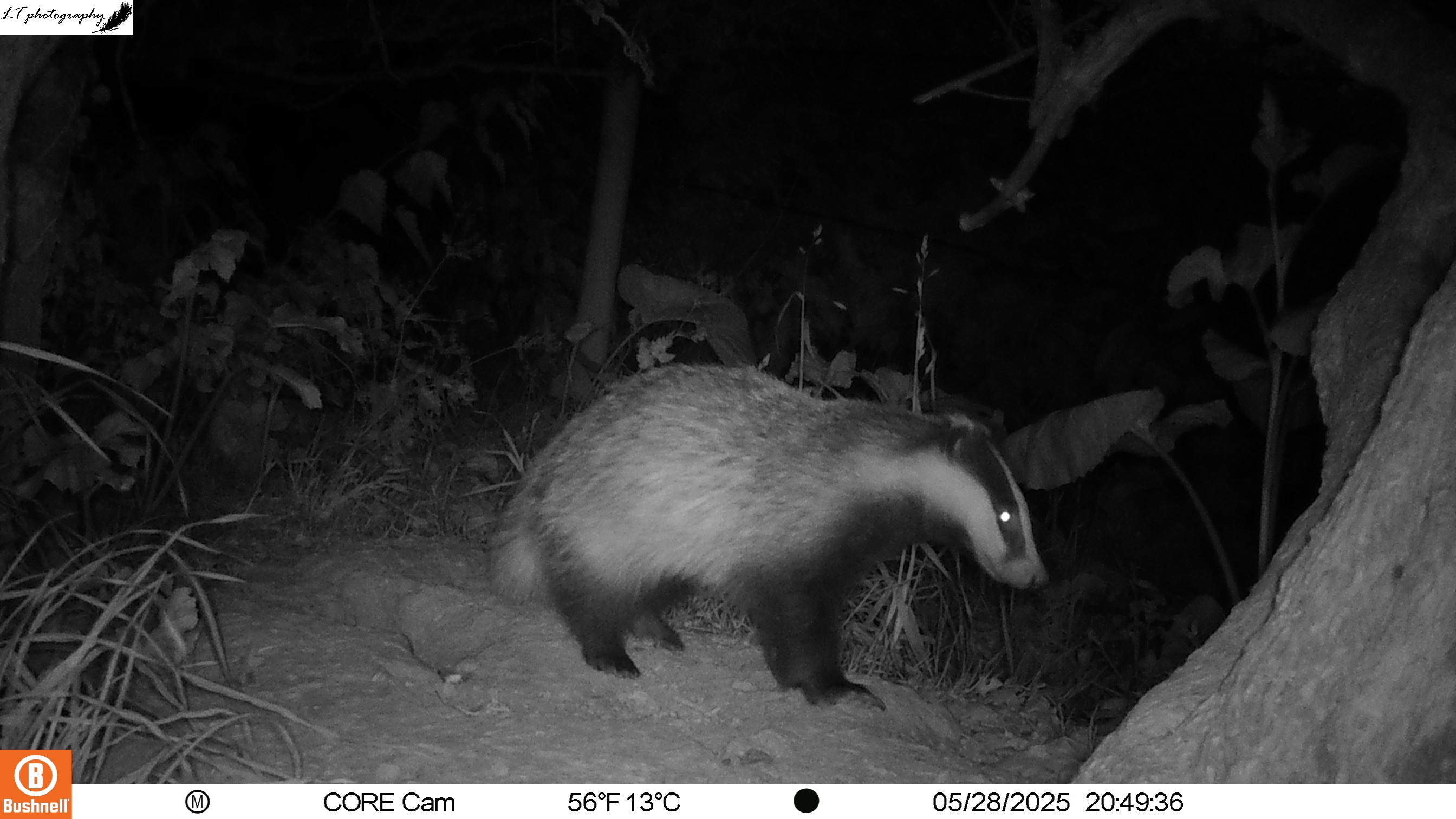
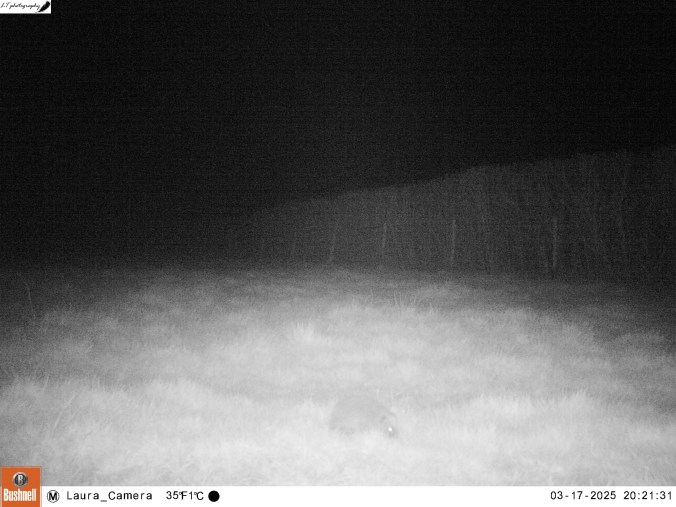
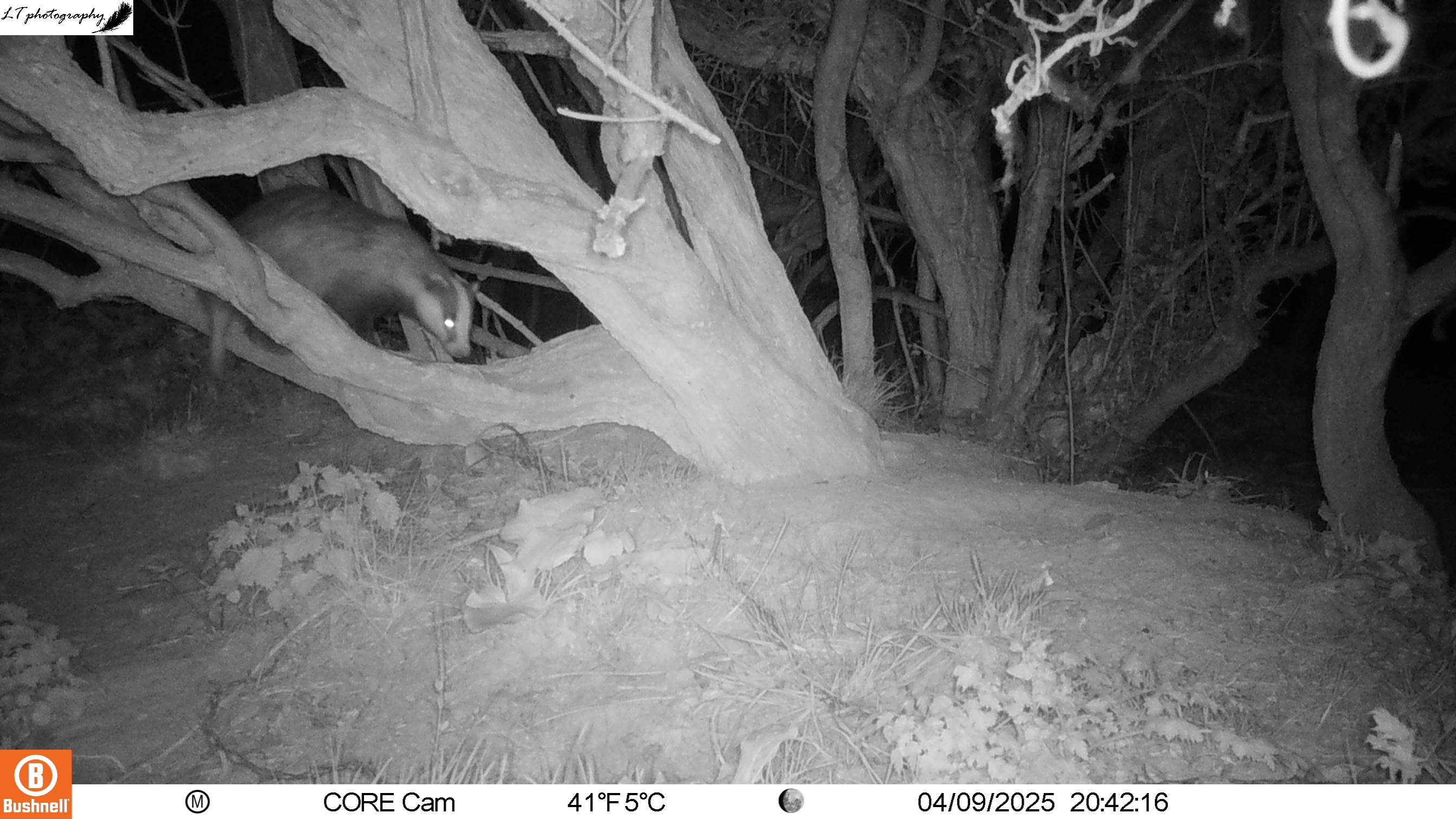
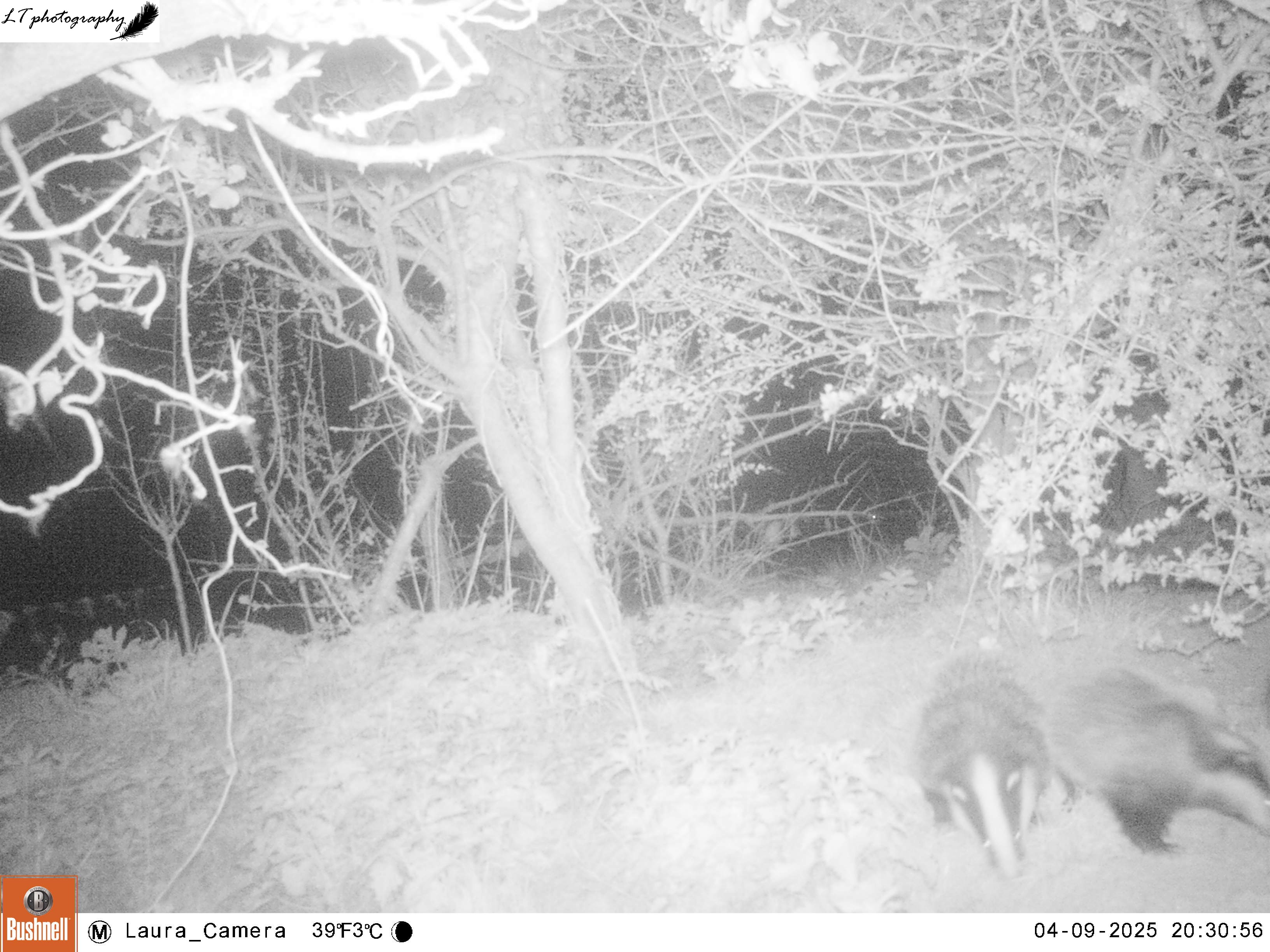
My camera traps caught as well the hidden lives of some iconic mammal species. Badgers were mainly found at 3 sett locations, loafing around, socialising and raising their young, but could also be found passing through fields on their travels. Hedgehogs made an appearance once again, being captured in a paddock close to the farm buldings every night. An increasing icon though, was the brown hare. Hares were captured at nearly all field sites, from water meadows and wildflower meadows, to crops and more intensive grazed grassland. In one extended 15 day period in July, in a field entrance, hares were even captured on 82 separate occasions!
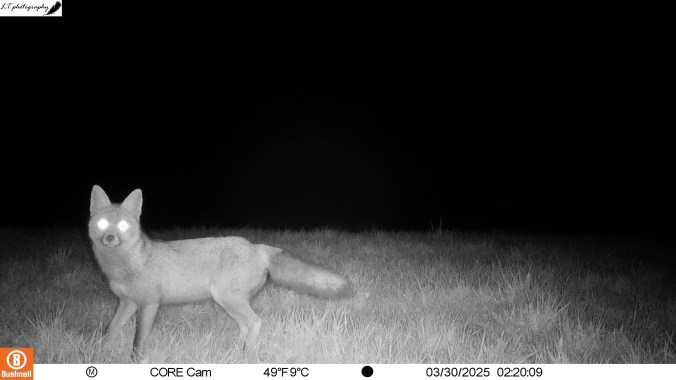
My ultimate favourite species of camera trapping in 2025 though, was the fox. Check out my next blog post to find why!
Habitat

The most successful and species diverse sites were 2 different field edges with hedgerows, the 3 established setts, and a semi-improved field left to grow long. I never quite know how camera trapping will go, but it has shown that a diversity of habitats is important for a diversity of wildlife. It has paid off to also try out some different habitats and sites each year, and not just stick to the same favourites, as you never know what you may find!
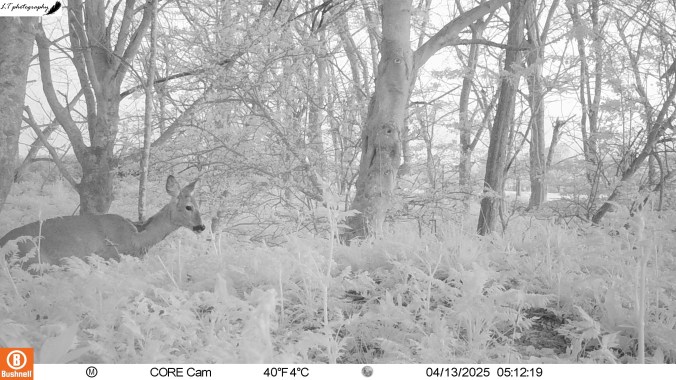
Highlights

Muntjac on a Motorway
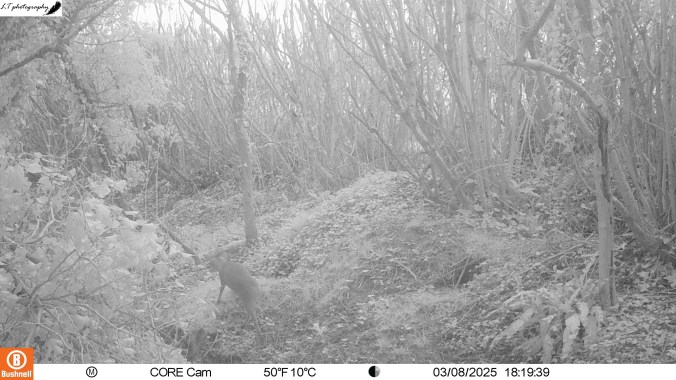
Partridges Dust Bathing
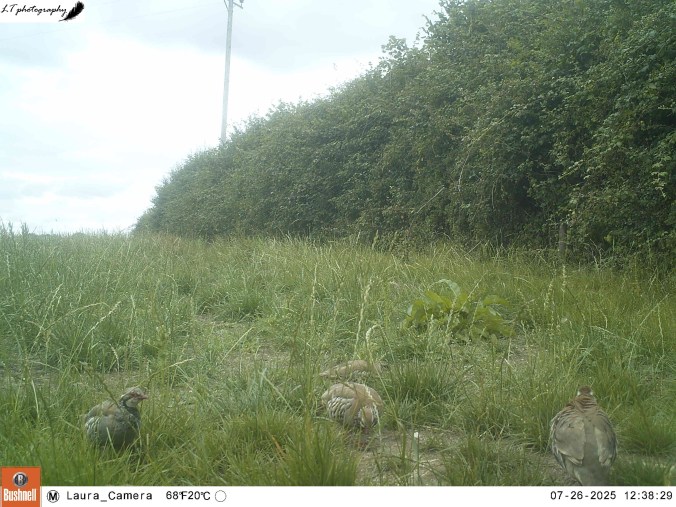
Badgers Climbing Trees
Secret Lives of Rabbits
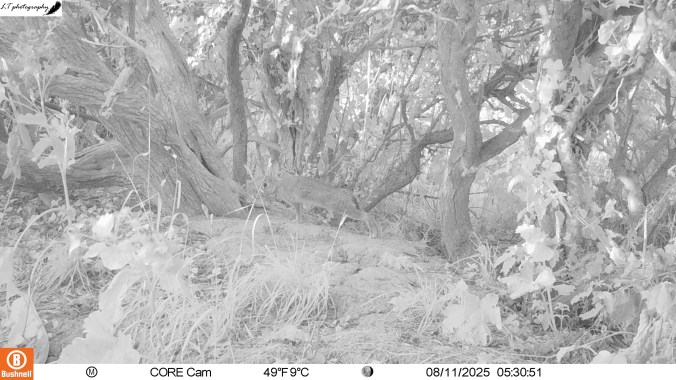
Socialising Hares
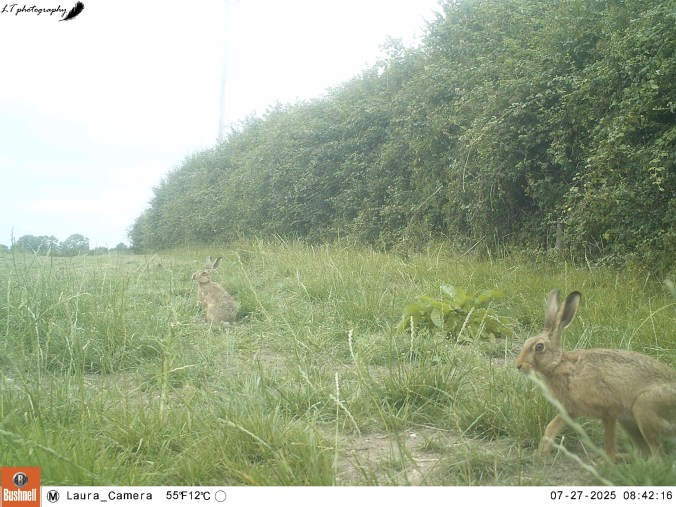
Badger Family Dynamics
Breeding Barn Owls 2020

Feathers fluffy, downy, soft to the touch. A heart of feathers outlining inquisitive eyes. A new beginning, hints of the precious adult to come. A hope, a prayer, a future. An endearing beginning for the reticent guardian of twilight – Original Piece

As a very unusual summer comes to an end, with it also comes the end of another breeding season for the Barn Owls that call my family’s farm home. For many years now, Barn Owls have increasingly become an important species on the farm, giving an indication of habitat quality and changes in the environment.

Last year the Owls had their best year yet, with two separate pairs on the farm, one nesting in a tree and one in a nest box, fledging two chicks each. It was also the start of Barn Owl chicks being ringed on the farm, which was very exciting for us all. If you want to read more about these Barn Owls, take a look at my previous posts, including Barn Owls in the Depths of Dorset, and Barmy about Barn Owls.

This Year

This year has been another year filled with the joys of this species. From sightings around the farm throughout the seasons, to fledged chicks during the summer, it has been really special. This year we were not lucky enough to have 2 known pairs breed again on the farm, but we were lucky enough to have 1 pair breed in our Barn Owl nest box. In the end the pair hatched 4 chicks, with 2 surviving to successfully fledge in August, which was exciting nonetheless. Though no Barn Owls have bred in the old oak tree this year, it has also been actively used, becoming a popular roosting site for one or more individuals.

Conservation Action and the Barn Owl chicks

Following our Barn Owl chicks being ringed last year, I have now joined the North Dorset-based Conservation Action group, becoming a trainee bird ringer. Conservation Action is a group of experienced ornithologists and BTO trained ringers, dedicated to conserving and preserving the natural environment, ringing bird species to increase knowledge, and raising awareness of conservation efforts in younger generations. Focuses range from migrating species in Autumn to Owls and my favourites, the birds of prey.

Last year Conservation Action monitored a total of 47 Barn Owl nest boxes across Dorset, leading to 66 Barns Owls being successfully ringed (63 owlets and 3 adults). It was a great year for Barn Owls and Conservation Action alike!

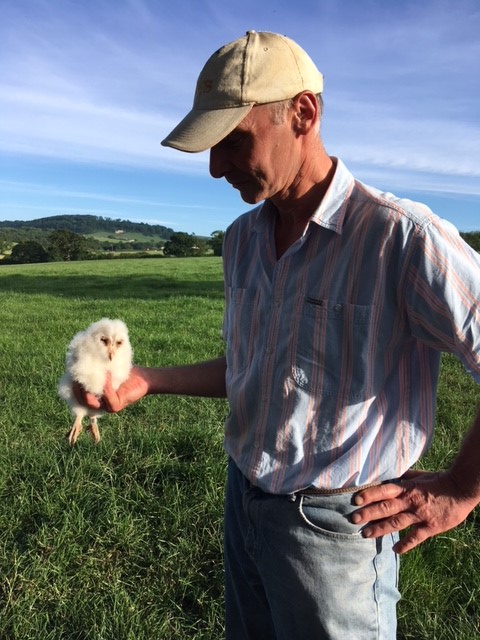
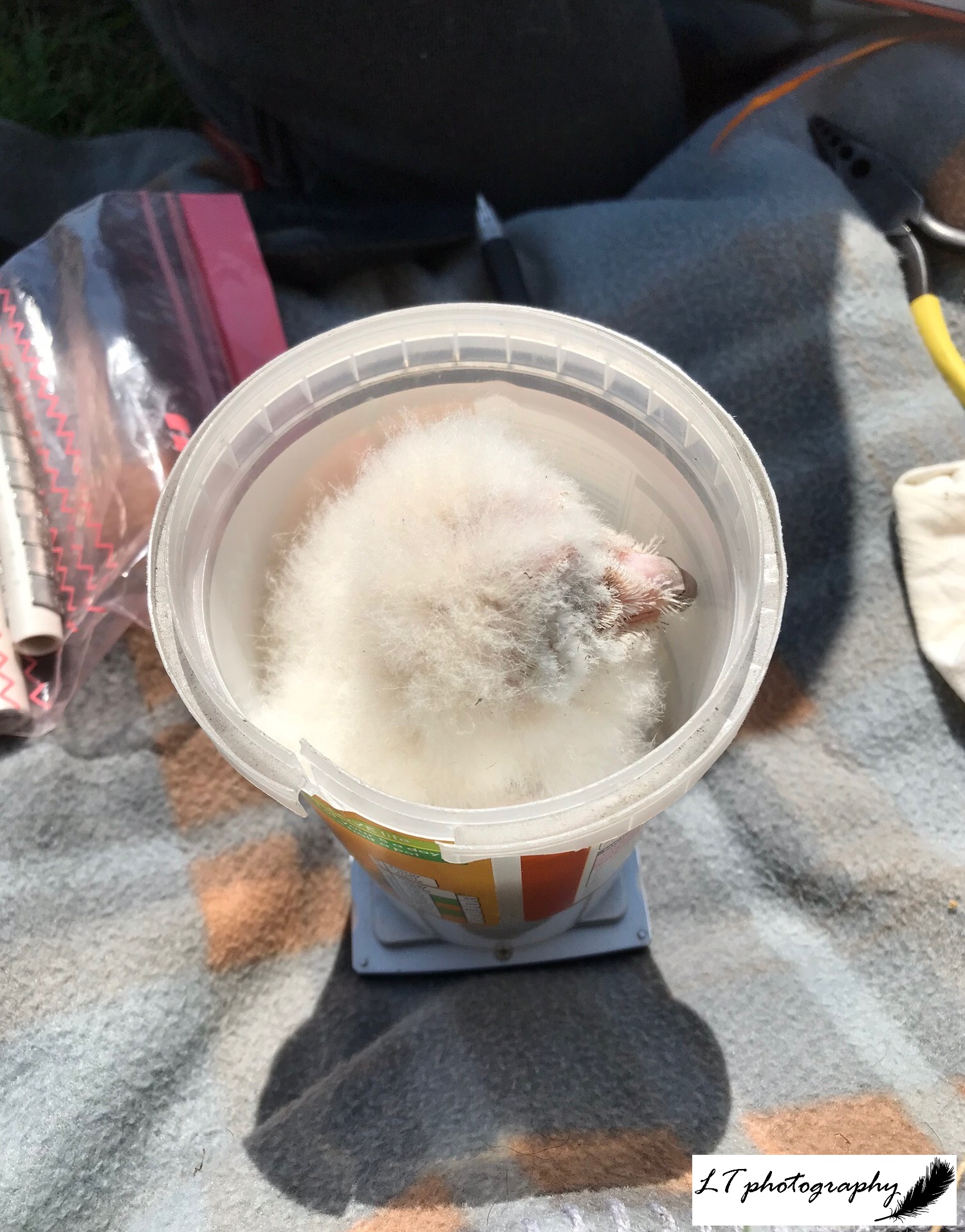
Now a member of Conservation Action and a trainee bird ringer, this year I was very excited at the prospect of Barn Owls breeding once again on our land. For this breeding season I got the opportunity to become an accredited agent under a Schedule 1 Permit, meaning that I was fully licensed to assist with Barn Owl nest box checks and monitoring, including our very own box. So it was an absolute privilege to be able to ring, under supervision, my very own 2 Barn Owl chicks this year. Such incredible birds and such a special experience, which was made all the better by getting to experience it alongside my parents and 2 year old niece!

Their Importance

Barn Owls are one important indicator species for farmland and grassland in Britain, meaning that they can tell us a lot about the condition of these habitats. With Barn Owls having made a comeback to my family’s farmland, it has also shown how changes to land management can restore and create habitat for wildlife, including for other species with related habitat needs (for more information see my post Giving Nature a Home on the Farm).

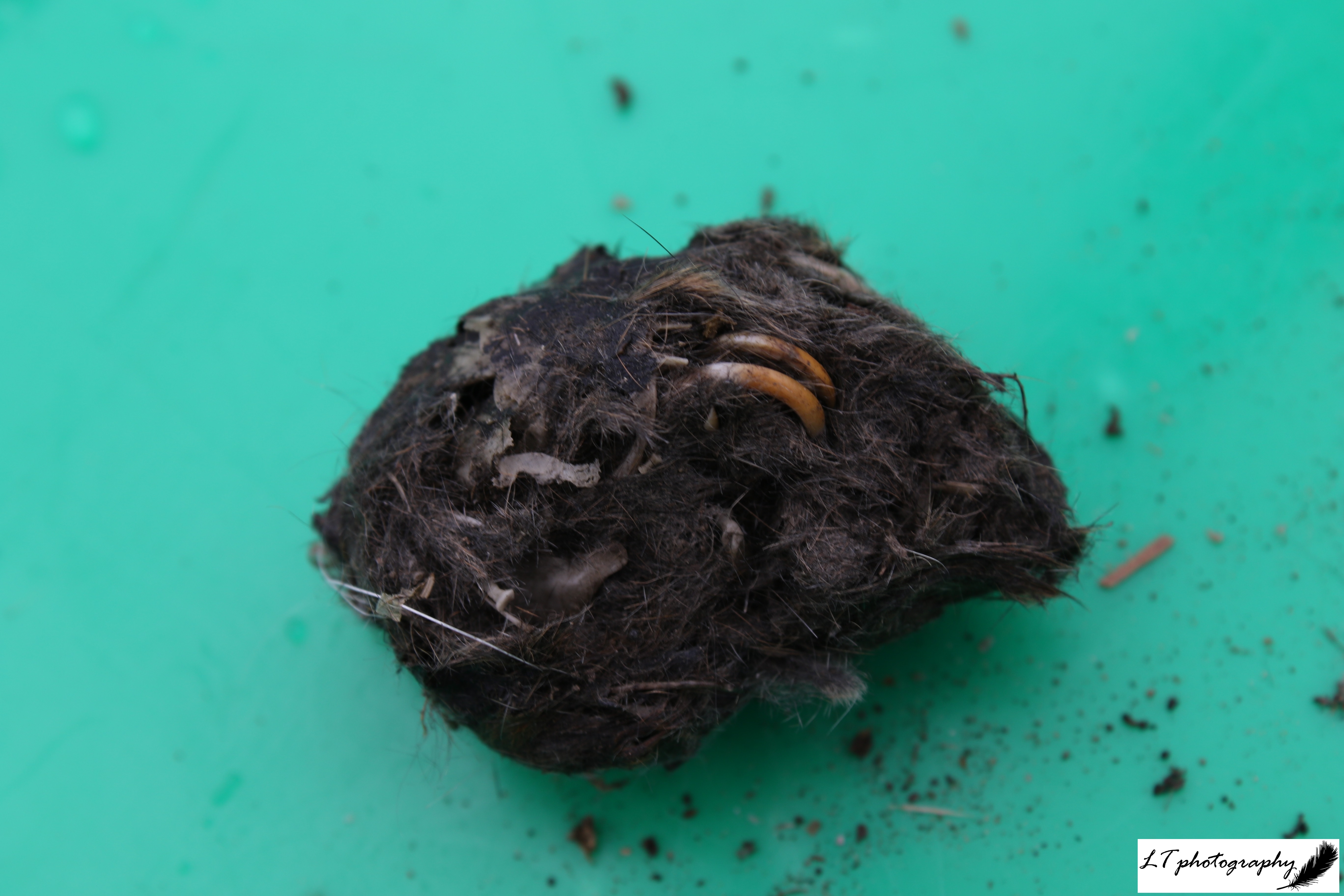
Barn Owls have also helped me to find out more about the small mammal species living on our land. This has been through dissecting pellets left by the owls, that I have previously written about in my post: How to… Be a Barn Owl Pellet Detective. For example, pellets from the roost tree have shown remains belonging to Bank Voles, Field Voles, Common Shrews, and Brown Rats, whereas pellets from the nest box barn have shown remains belonging to Field Voles, Bank Voles, Common Shrews, Pygmy Shrews, and Mice.

Moving Forward

After this year’s Barn Owl breeding season, and the excitement of Barn Owls continuing to breed on the farm, things are looking exciting for the future! It will be interesting though, to see how Barn Owls fared across Dorset and the UK this year as a whole, and to see if the farm’s 1 breeding pair followed the general trend. I also look forward to now getting more involved in monitoring Barn Owls in Dorset, spreading word of the work Conservation Action are doing, and the potential of ringing more of my own Barn Owls next year!

On the farm we now aim to continue working with Barn Owls and other wildlife in mind, and to monitor the success of new projects, including putting up nest boxes for Kestrels, Tawny Owls and Little Owls. In many ways the future looks bright to me!

Guide to Sable Island’s habitats and plants

Look deep into nature, and then you will understand everything better – Albert Einstein

Sable Island, 250km from Halifax, Nova Scotia, Canada, is an island made entirely of sand. For approximately two thirds of the island runs a series of high dunes, flanked by two long sandy beaches, and are considered one of the largest dune systems in Eastern Canada. With the island experiencing a maritime temperate climate, the island sustains a range of habitat types, which include grassland, heath, sandwort, freshwater ponds, brackish ponds, and non-vegetated terrain.

Due to strong winds and a lack of soil, the island is treeless (apart from one) and is dominated by low-growing plant species. When on the island myself, one thing i loved, other than the vast variety of plant species, was the strong smell of lush green vegetation that would bombard my sense of smell everytime i was out and about walking.

Plant Species

In 2016, 183 vascular plant species were recorded on Sable Island, in which 34% were considered alien species.

Here’s a selection of different, more notable species that can be found on Sable Island:

Common species

Marram grasslandAmerican marram grass (Ammophila breviligulata)= Most common species

Beach peaBeach pea (Lathyrus japonicas var. maritimus)

Common yarrowCommon yarrow (Achillea millefolium var. occidentalis)

SandwortSea sandwort (Honckenya peploides sp. robusta)

Common wild roseCommon wild rose (Rosa virginiana)
Edible fruit and fragrant flowers

Lowbush blueberryLowbush blueberry (Vaccinium angustifolium)
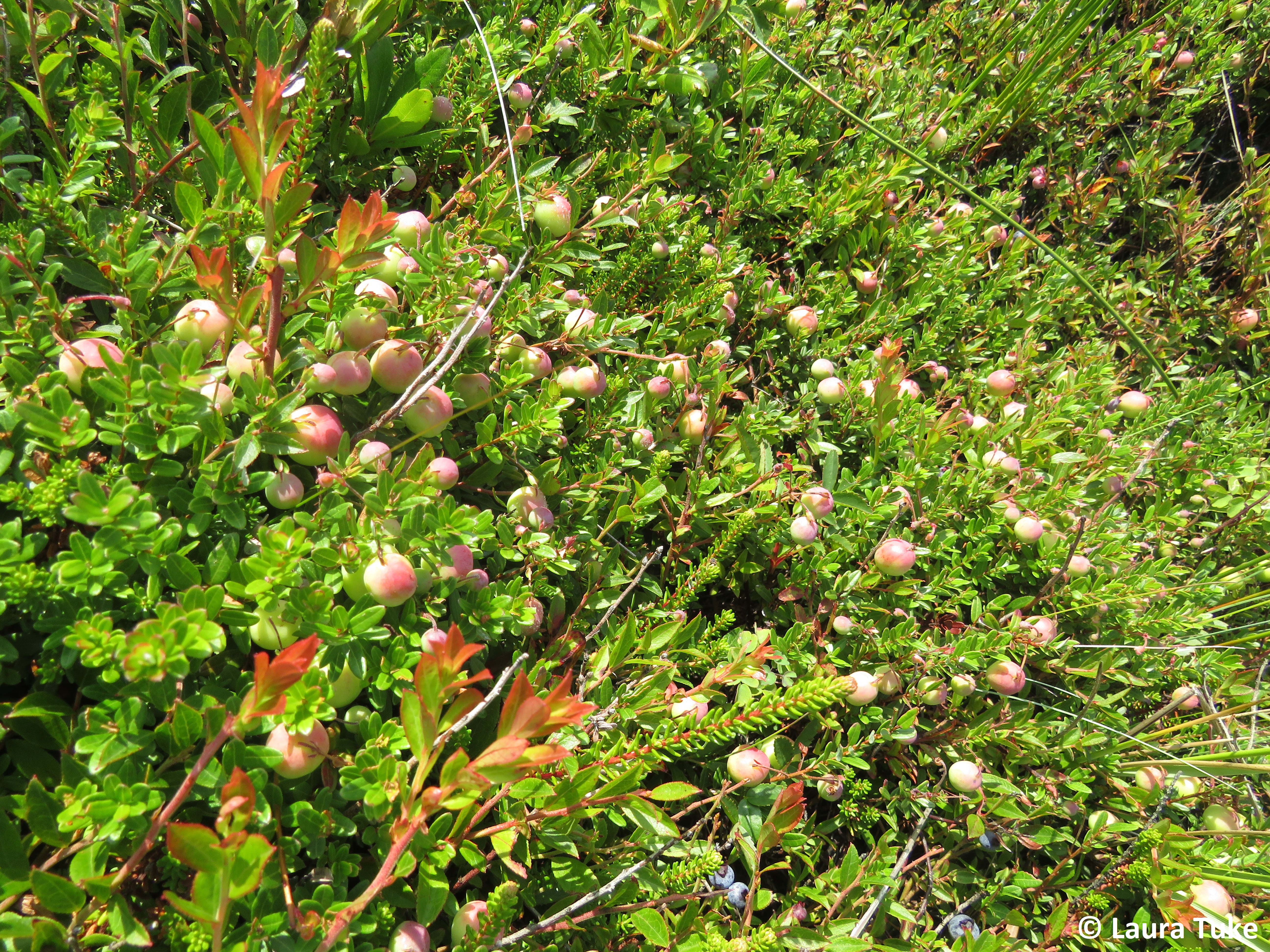
Edible fruit

Large cranberryLarge cranberry (Vaccinium macrocarpon)
Edible fruit

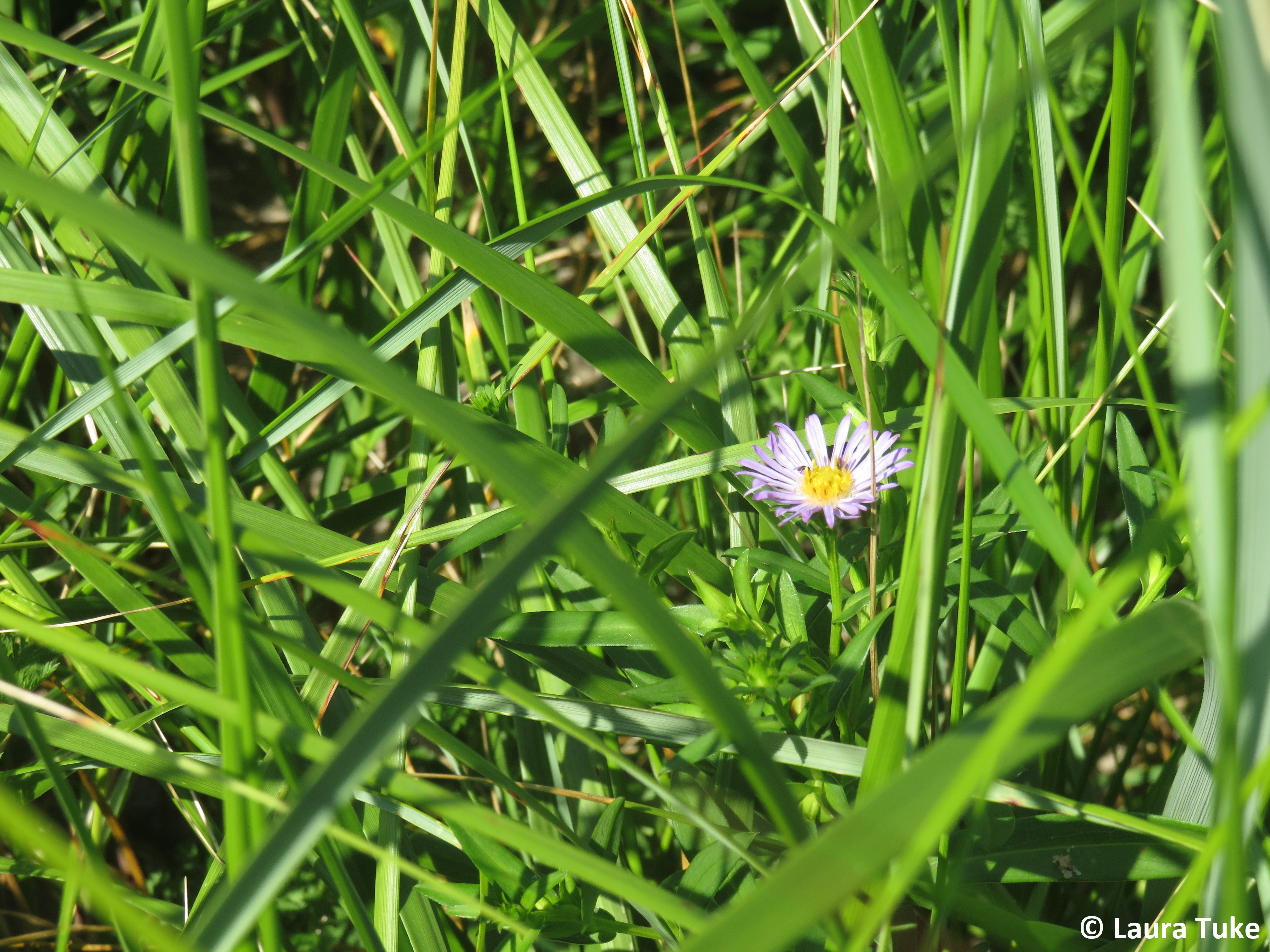
New york asterNew York aster (Symphyotrichum novi-belgii)
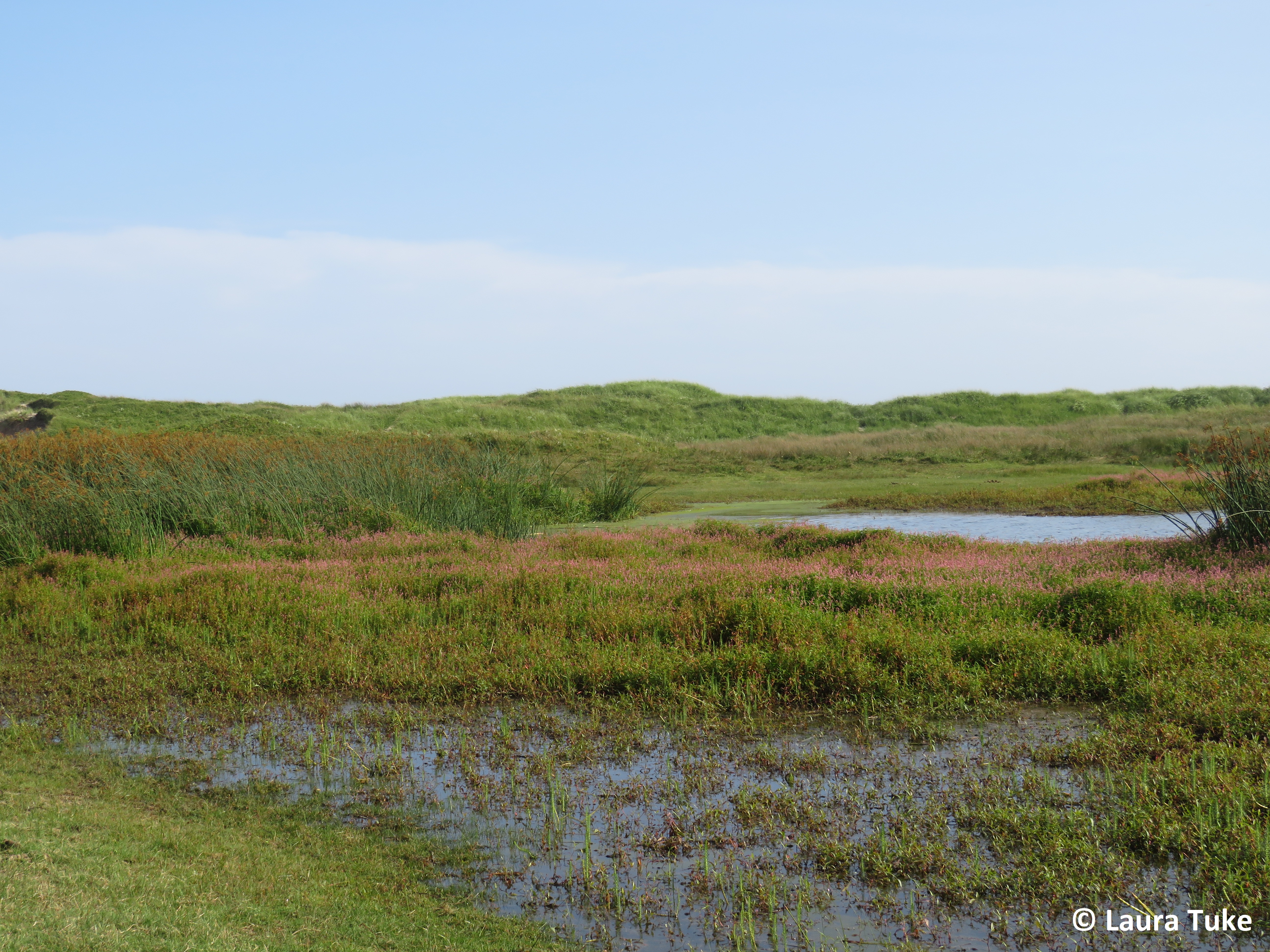
Swamp smartweed

Stretch of swamp smartweedSwamp smartweed (Polygonum hydropiperoides)

Wild strawberryWild strawberry (Fragaria virginiana sp. glauca)
Edible fruit

Small flowered evening primroseSmall flowered evening primrose (Oenothera parviflora)

Blue flag irisBlue flag iris (Iris versicolor)

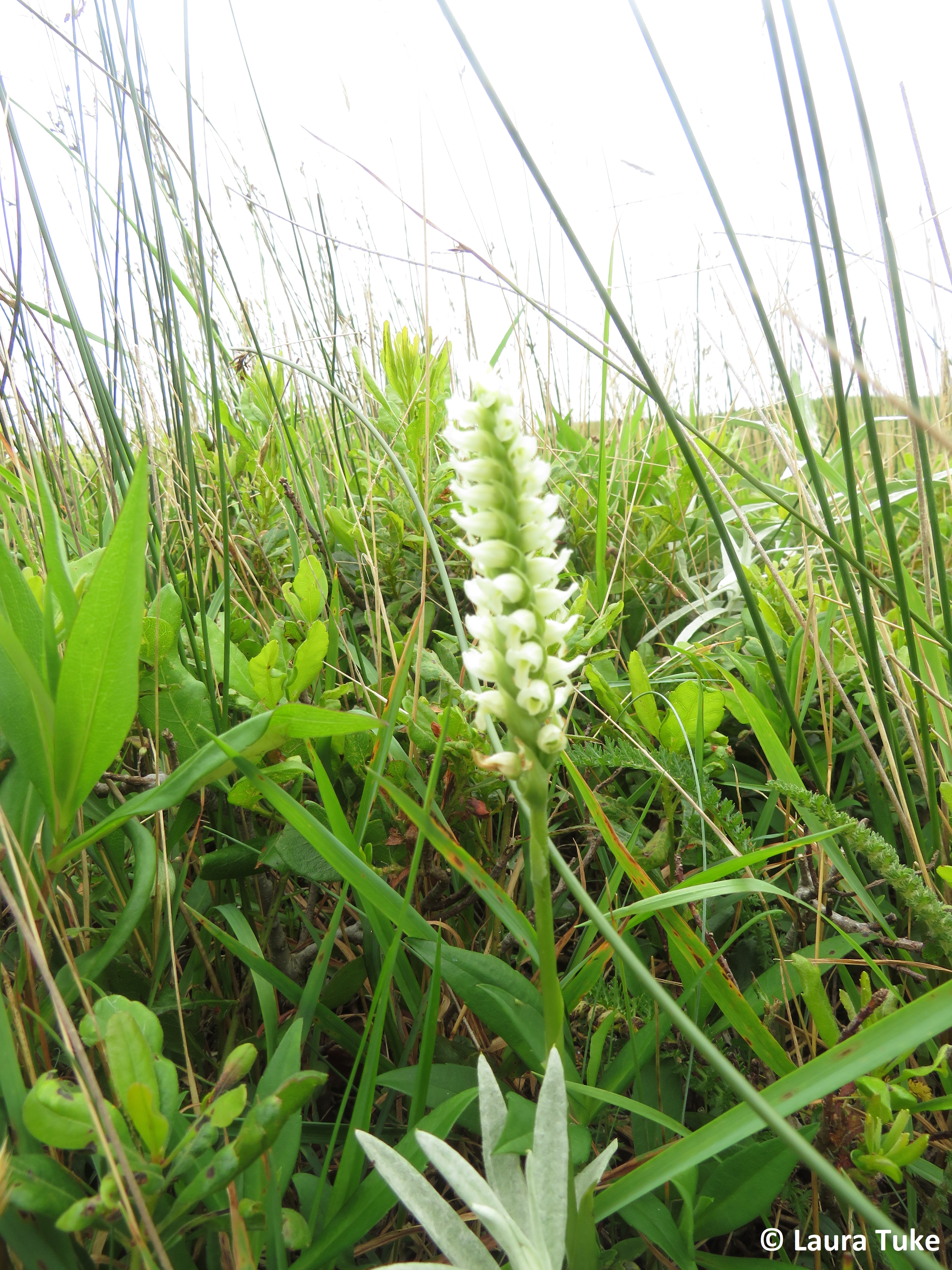
Hooded Ladies' tressesHooded ladies’ tresses (Spiranthes romanzoffiana)

Blue eyed grassBlue-eyed grass (Sisyrinchium angustifolium)
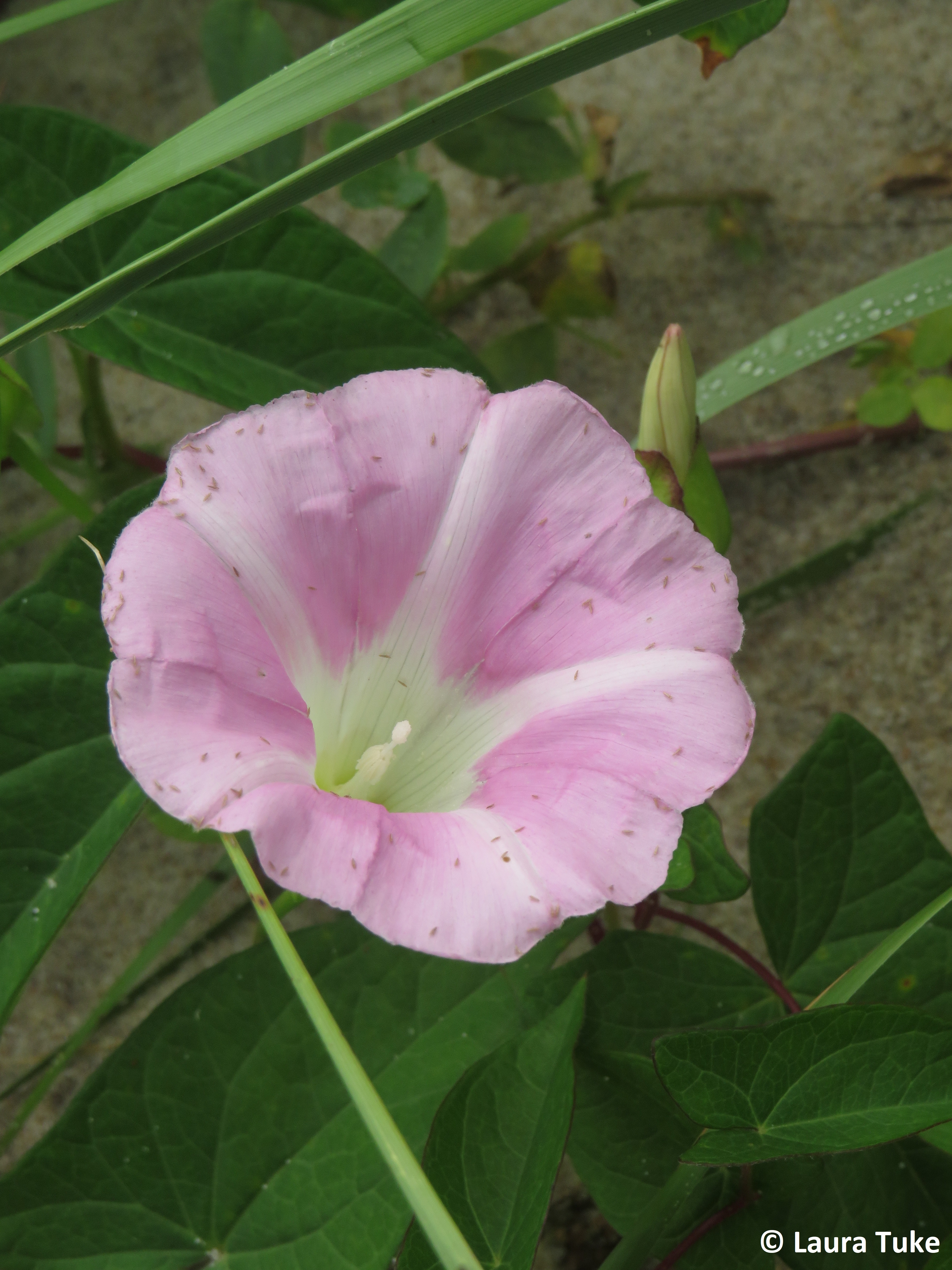
Hedge bindweedHedge bindweed (Calystegia sepium)

Seaside goldenrodSeaside goldenrod (Solidago sempervirens)
Also:
Pearly everlasting (Anaphalis margaritacea)
Creeping juniper (Juniperus horizontalis)
Common juniper (Juniperus communis var. megistocarpa)
Star-flowered false solomon’s seal (Maianthemum stellatum)
Black crowberry (Empetrum nigrum)= Edible fruit
Bayberry (Morella pensylvanica)= Edible fruit and aromatic leaves
Wand dewberry (Rubus arcuans)= Edible fruit
Threepetal bedstraw (Galium trifidum)

Juncus


Rushes and sedges

Baltic rush (Juncus balticus var. littoralis)
Canada rush (Juncus canadensis)
Slender rush (Juncus tenuis)
Jointleaf rush (Juncus articulatus)

Star sedge (Carex echinata)
Soft-stemmed bulrush (Schoenoplectus tabernaemontani)


Other grass species (Poa and fescue)

Red fescue (Festuca rubra)
Annual meadow grass (Poa annua)
Kentucky bluegrass (Poa pratensis)
Bentgrass (Agrostis scabra)

Introduced species

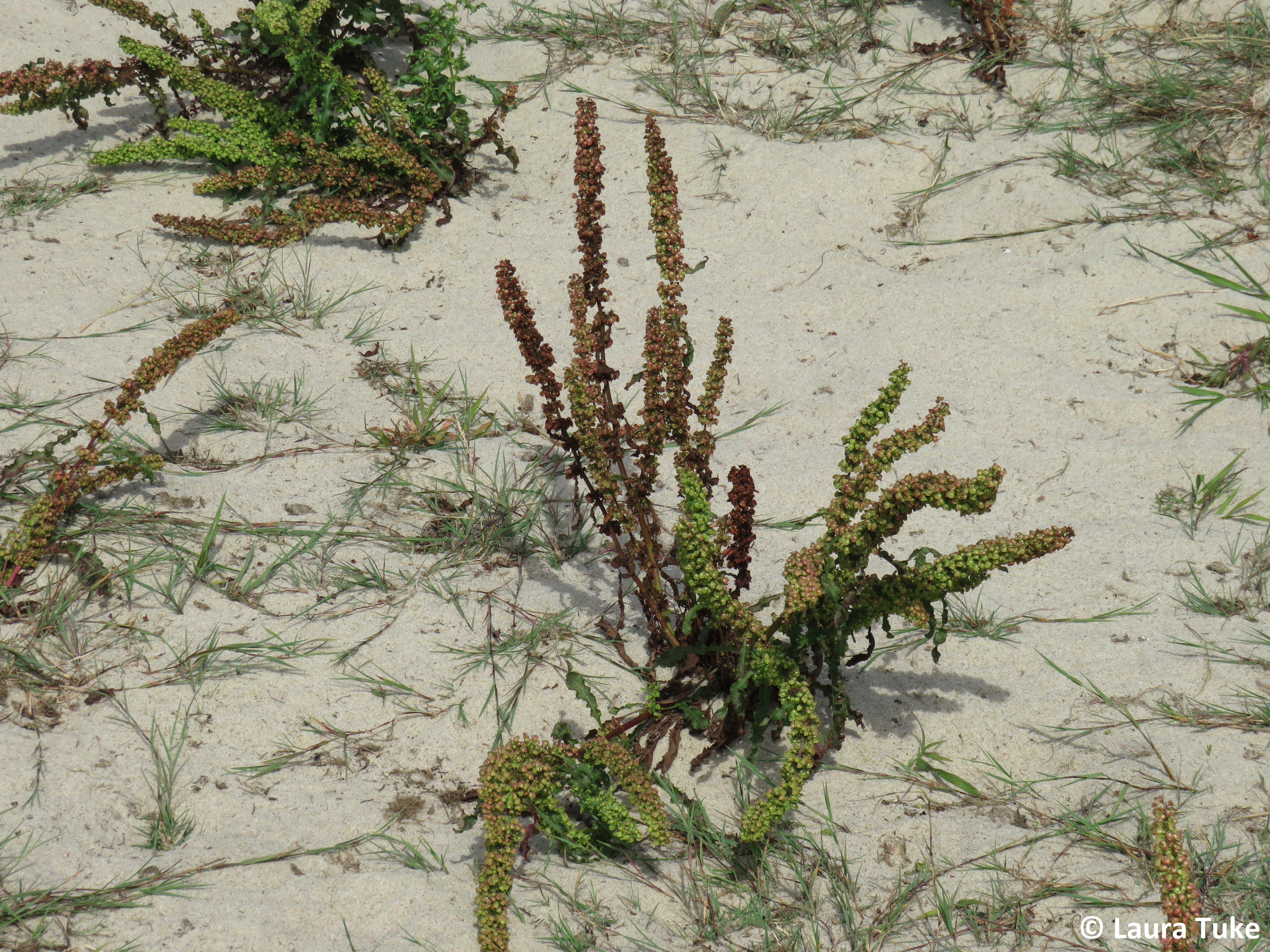
Curled dockCurled dock (Rumex crispus)

Black knapweedBlack knapweed (Centaurea nigra)

Also:
White clover (Trifolium repens)
Common heather (Calluna vulgaris)
Red clover (Trifolium pratense)
Common plantain (Plantago major)
English plantain (Plantago lanceolata)

Sable Island’s Only Tree

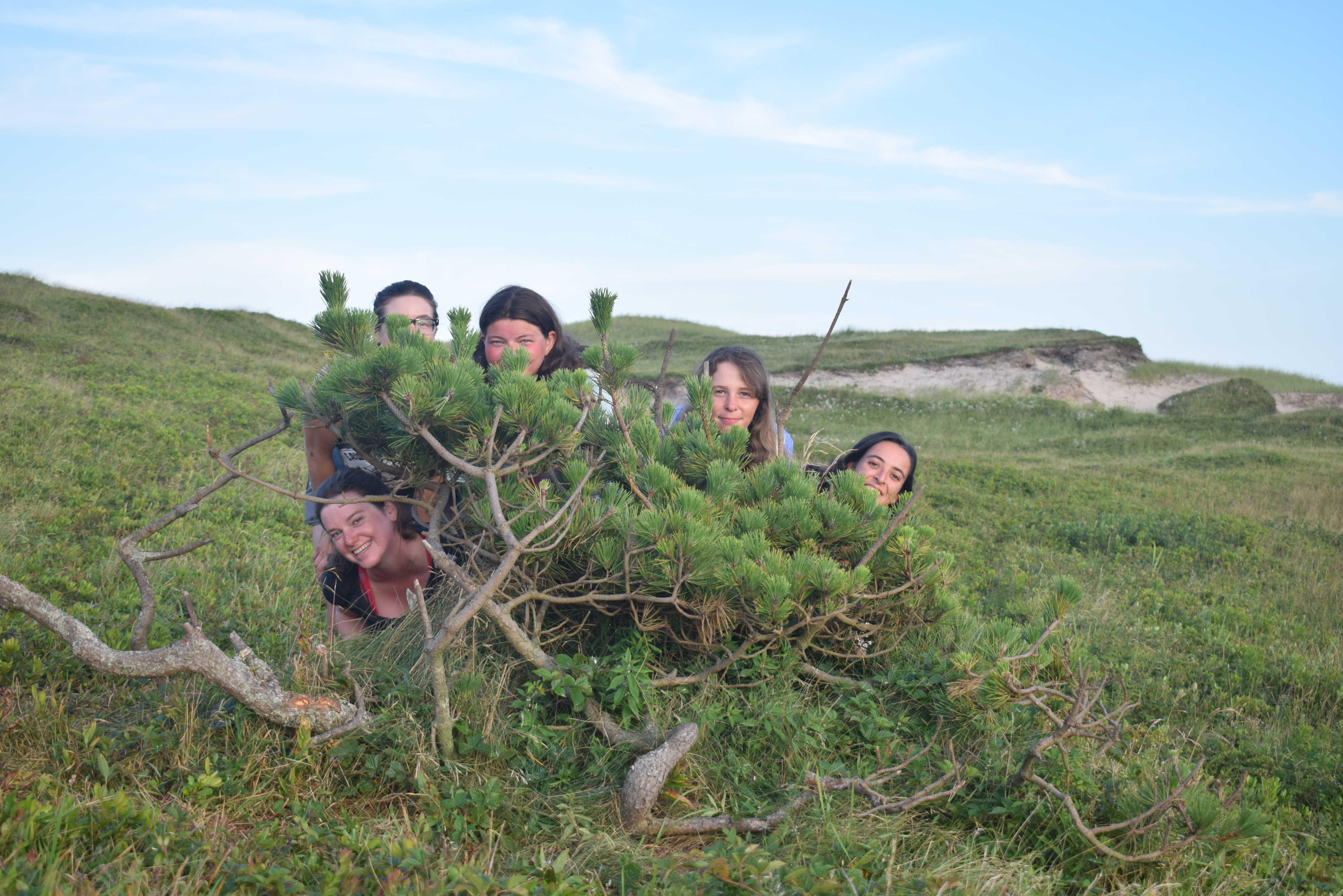
On Sable Island, due to the extreme conditions, there is only one living tree. This tree is a Scot’s pine, standing at a few feet tall. It was planted 50 years ago and can be found at the ‘Pine Tree Pond’ near Main Station on the island.

Here’s a couple of photos of the tree with the Sable Island Horse Project’s crew for the second half of this year’s summer field season:

DSC_0419DSC_0424