Exploring Birds on the Farm 2024

All my life I have loved nature and all it has to offer us, and over the years my knowledge of this aspect of our world has been ever growing. Within this, since 2019, I have been training as a bird ringer in Dorset, growing my passion for birds and enjoying experiencing and sharing this with others. I have had some really great experiences myself with birds in this way already, which has included exploring and beginning to ring the birds that call my family’s Dorset farm home, and giving me a new perspective of the wildlife on my doorstep.
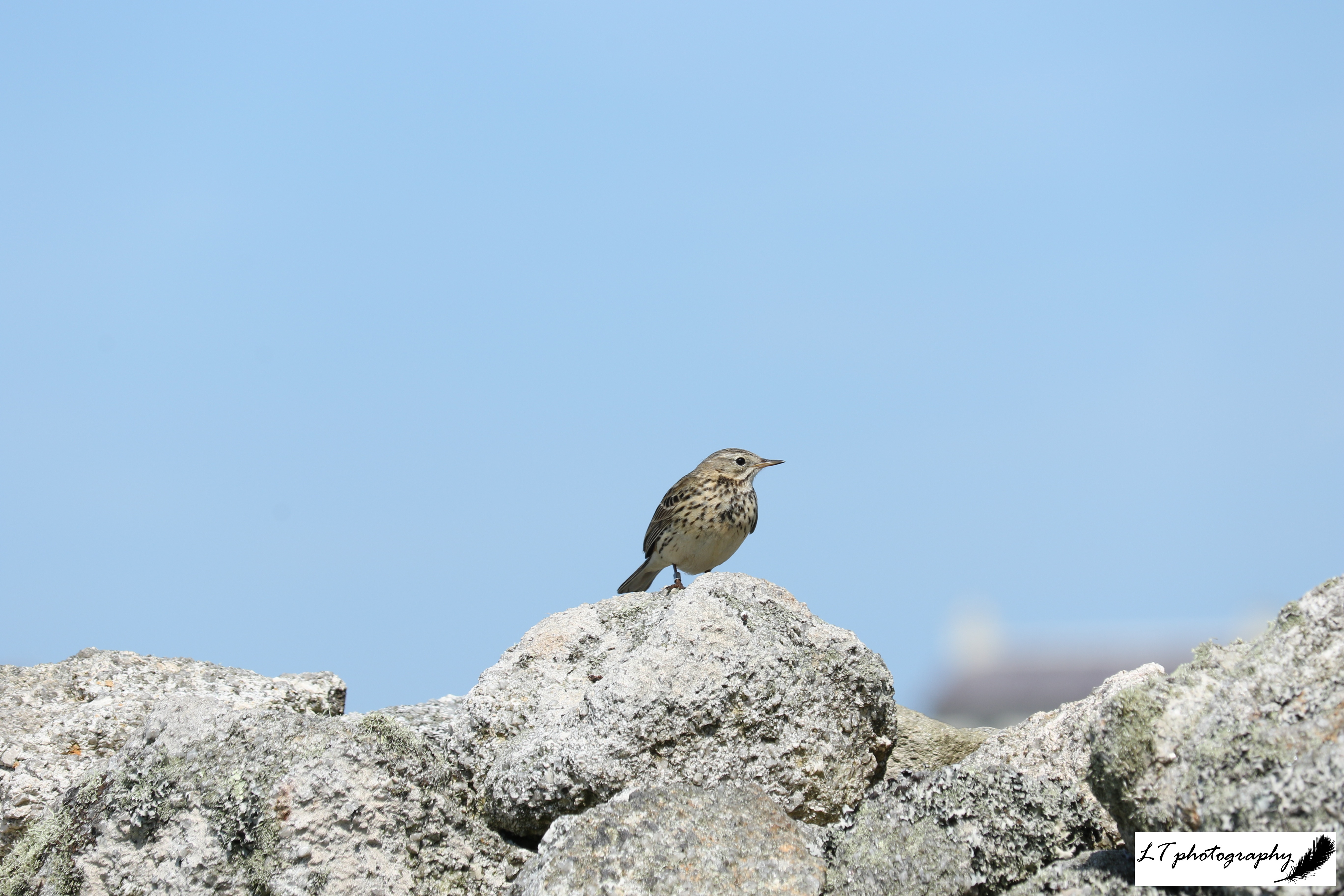
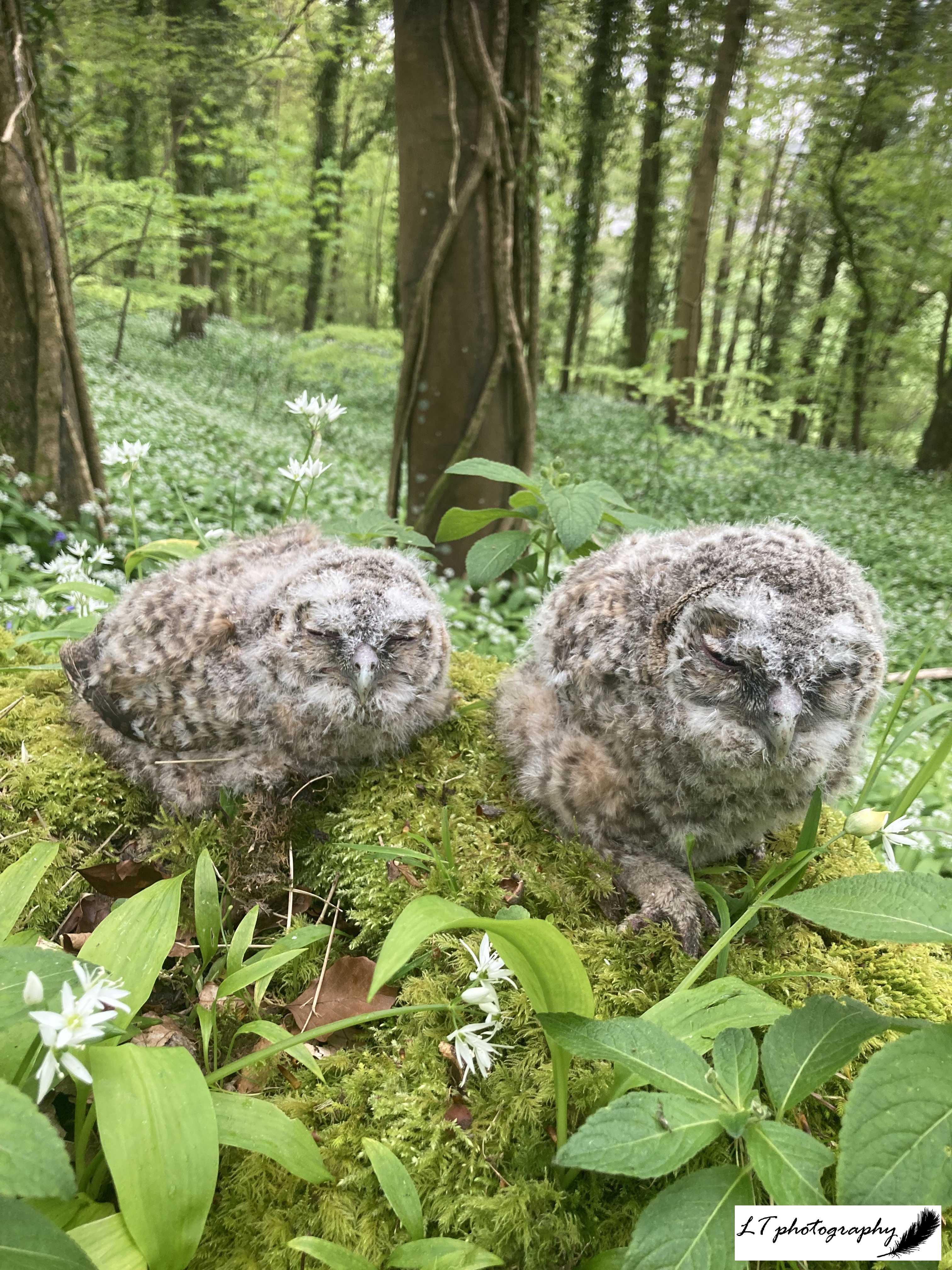
In 2023, I had finally gained my bird ringing C permit with some restrictions, and could now ring endorsed species independently. With this under my belt, during that year I got to watch my local swallow population grow, take control of monitoring our barn owl population (under a Schedule 1 license), mist net in my garden on my own, and gain new endorsements. This all felt like such an achievement to me already.

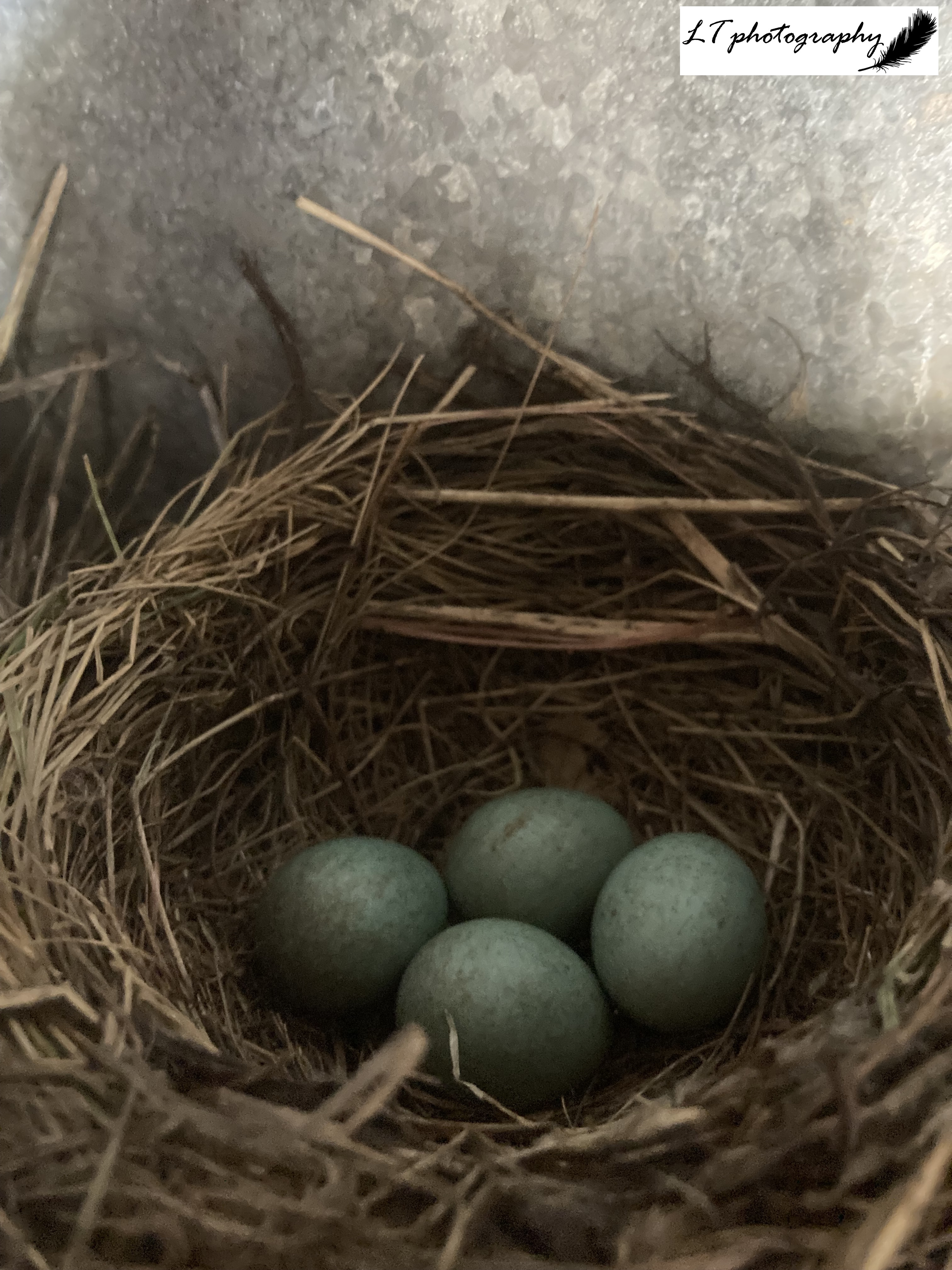
Well last year, I was able to build on my previous years of bird ringing, and expand my projects on my family’s Dorset farm, to have the best year yet. I again monitored our farm’s swallow and barn owl populations, began monitoring my own tit populations, continued gaining more and more confidence solo mist netting, and worked towards increasing my permit endorsements. Check out how my year in birds on the farm went during 2024!
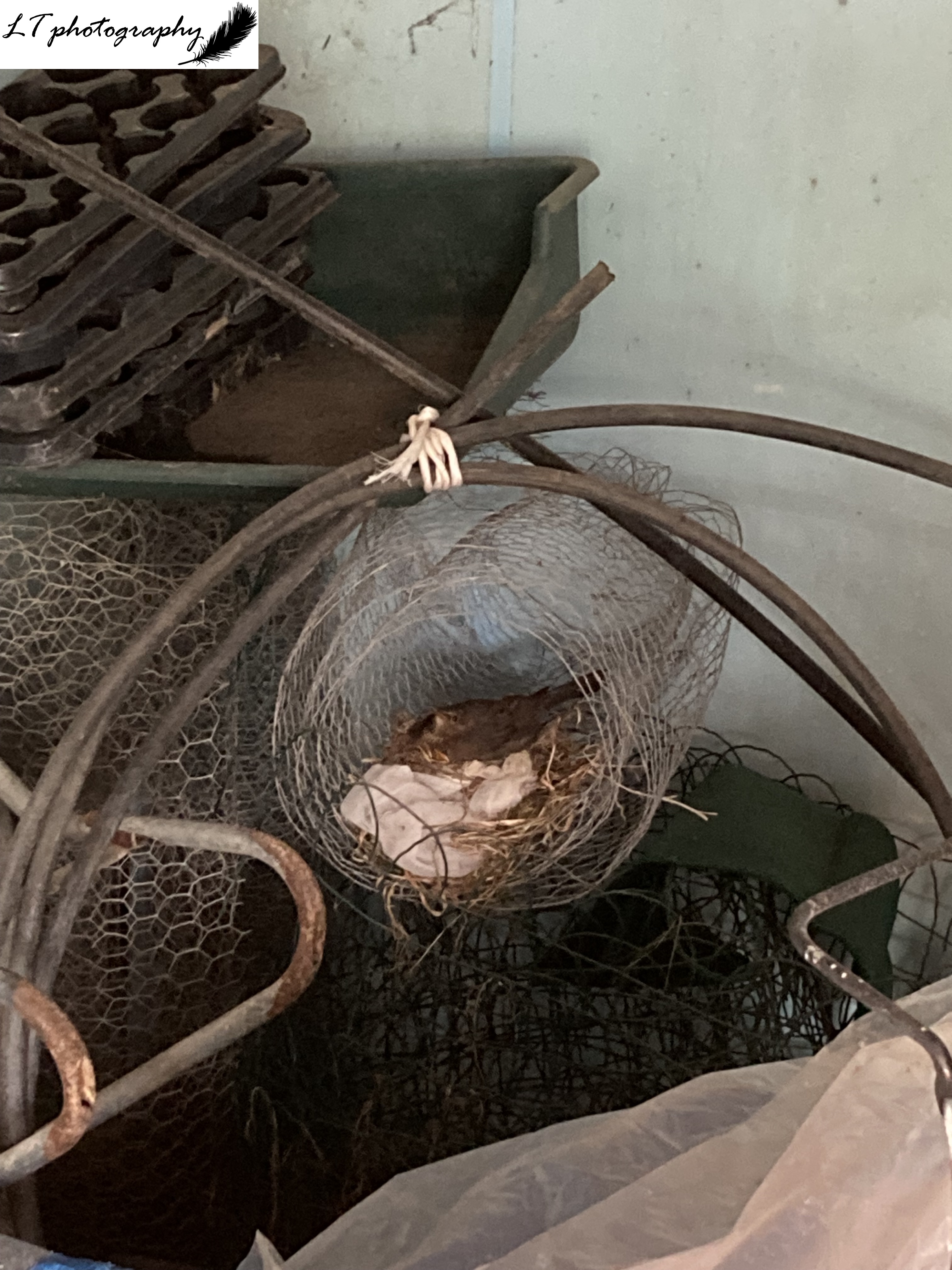
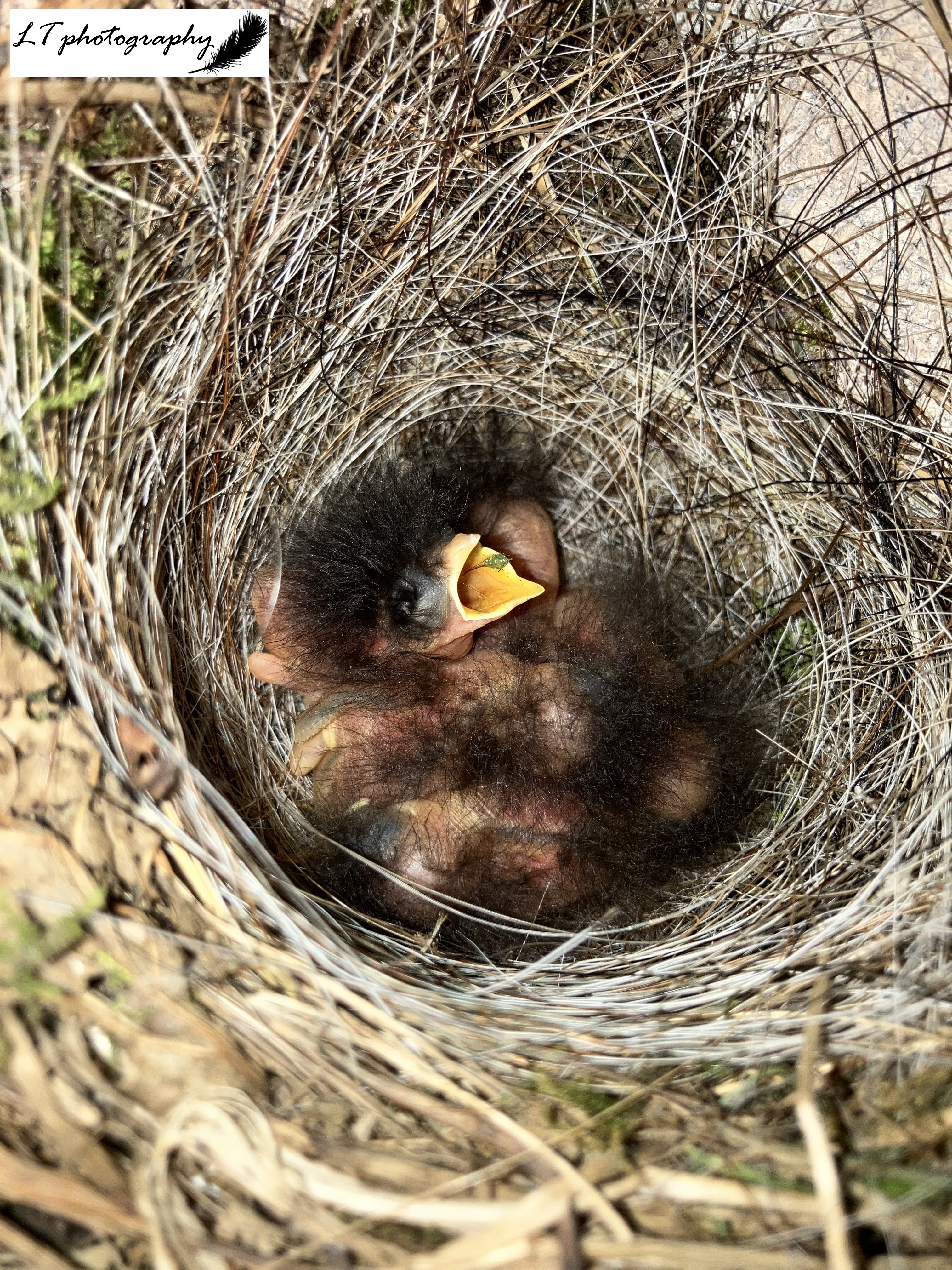
Swallows

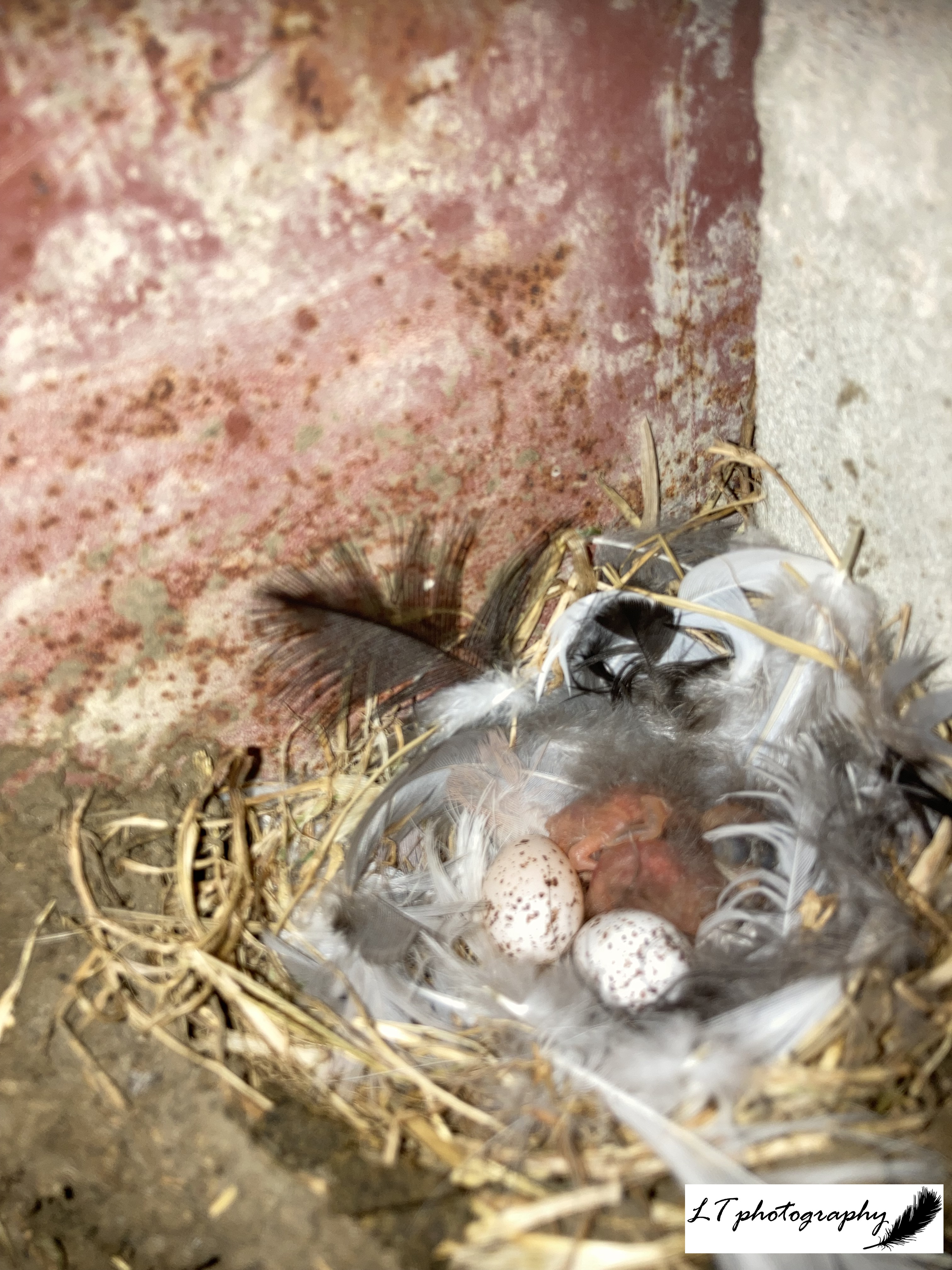
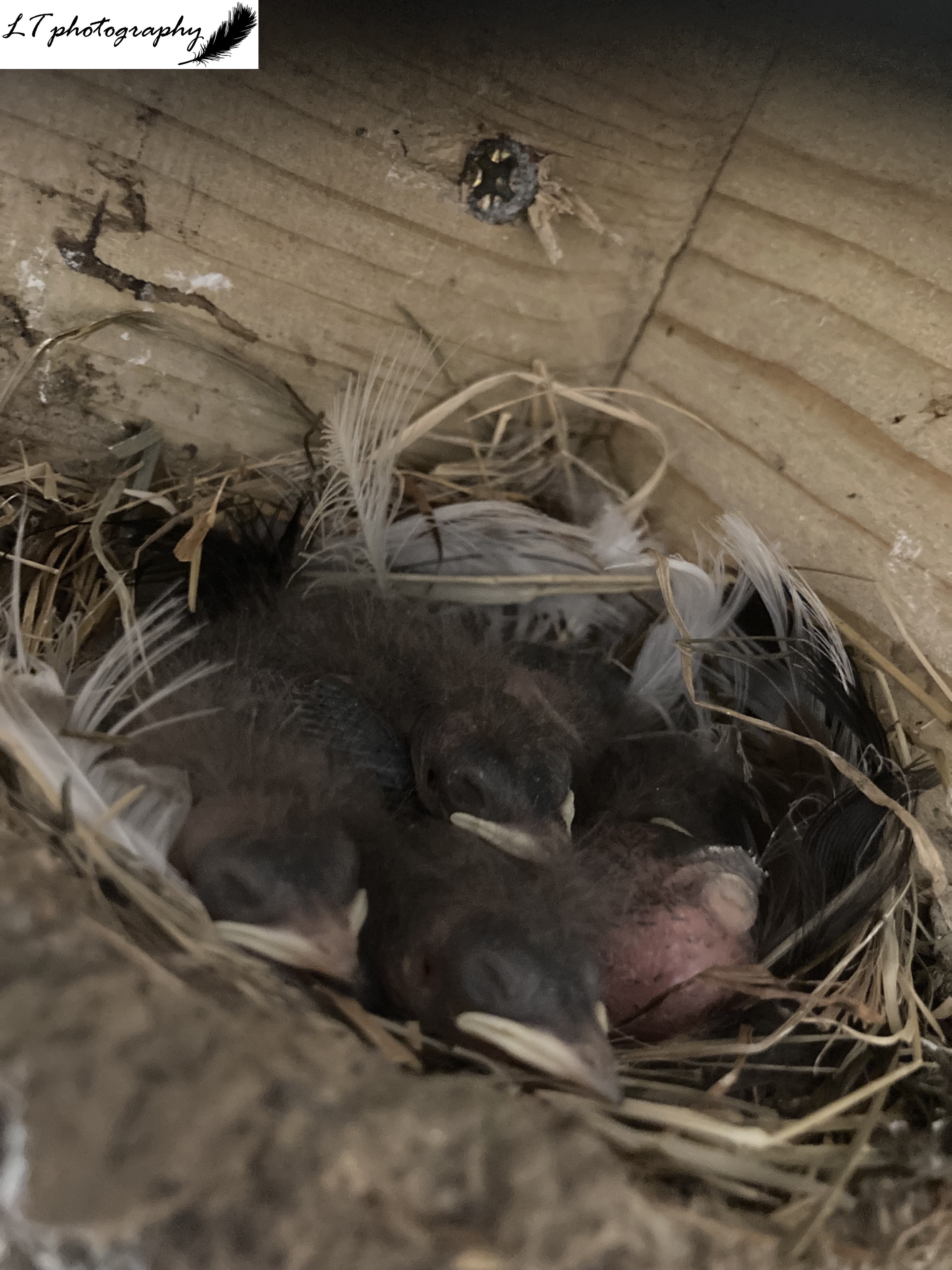
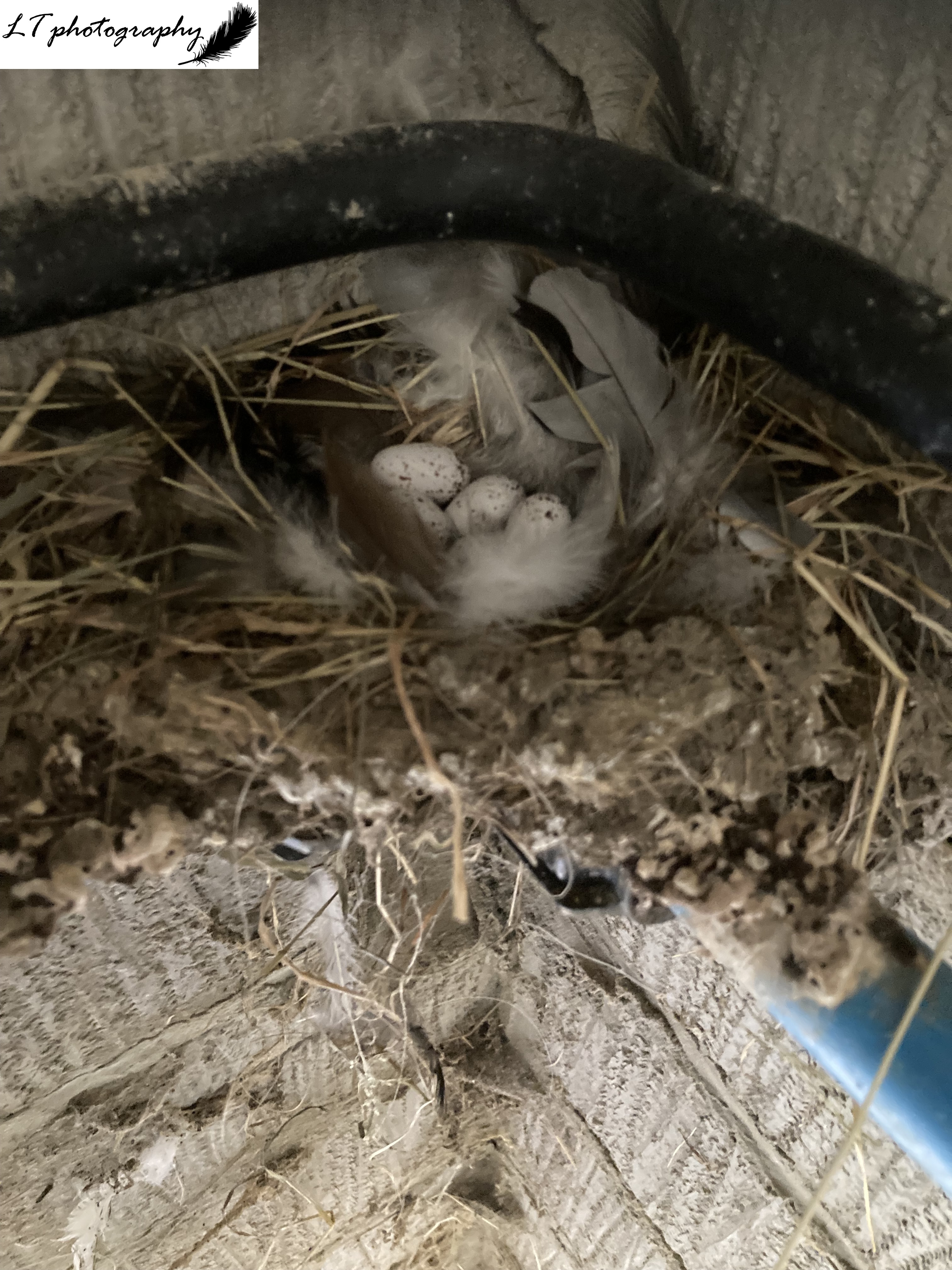
Following a poor breeding season for my local swallows in 2022, with my own permit under my belt, in 2023 the swallows had a more positive season. From 10 nesting attempts on the farm and on my neighbours’ property, I was able to ring and watch 42 chicks fledge, alongside at least missing one brood of chicks being raised to fledging. It made me excited for what another year would bring for my local swallow population.

So moving forward to 2024, the swallows did not disappoint, with a long breeding season running from May to September. Across this time, 14 nesting attempts were made on the farm and on my neighbours’ property, more attempts overall than during the 2023 season. Of these 14 nesting attempts, 7 attempts were made by the same 3 pairs, with one pair managing 3 broods totalling 10 chicks in all. From all successful attempts, I was able to ring and watch 56 swallow chicks fledge, up by 14 for me on 2023.
Barn Owls

For many years my family’s farm has been a safe haven for breeding barn owls, which has been a real privilege to experience. In 2022, 2 pairs of barn owls bred on the farm, with both fledging 2 chicks each, and in 2023, just one pair was discovered breeding, but this pair successfully fledged 3 chicks.
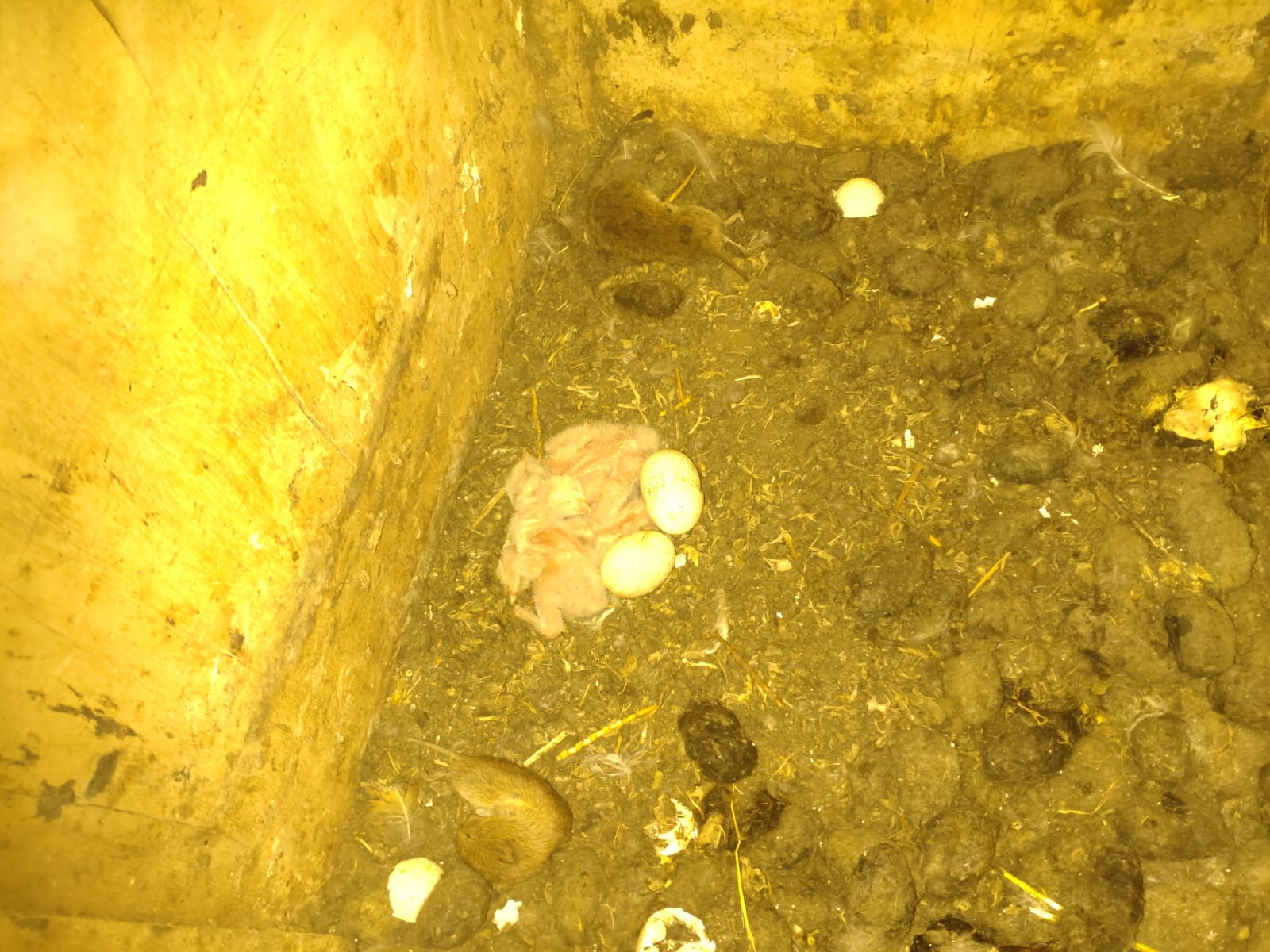
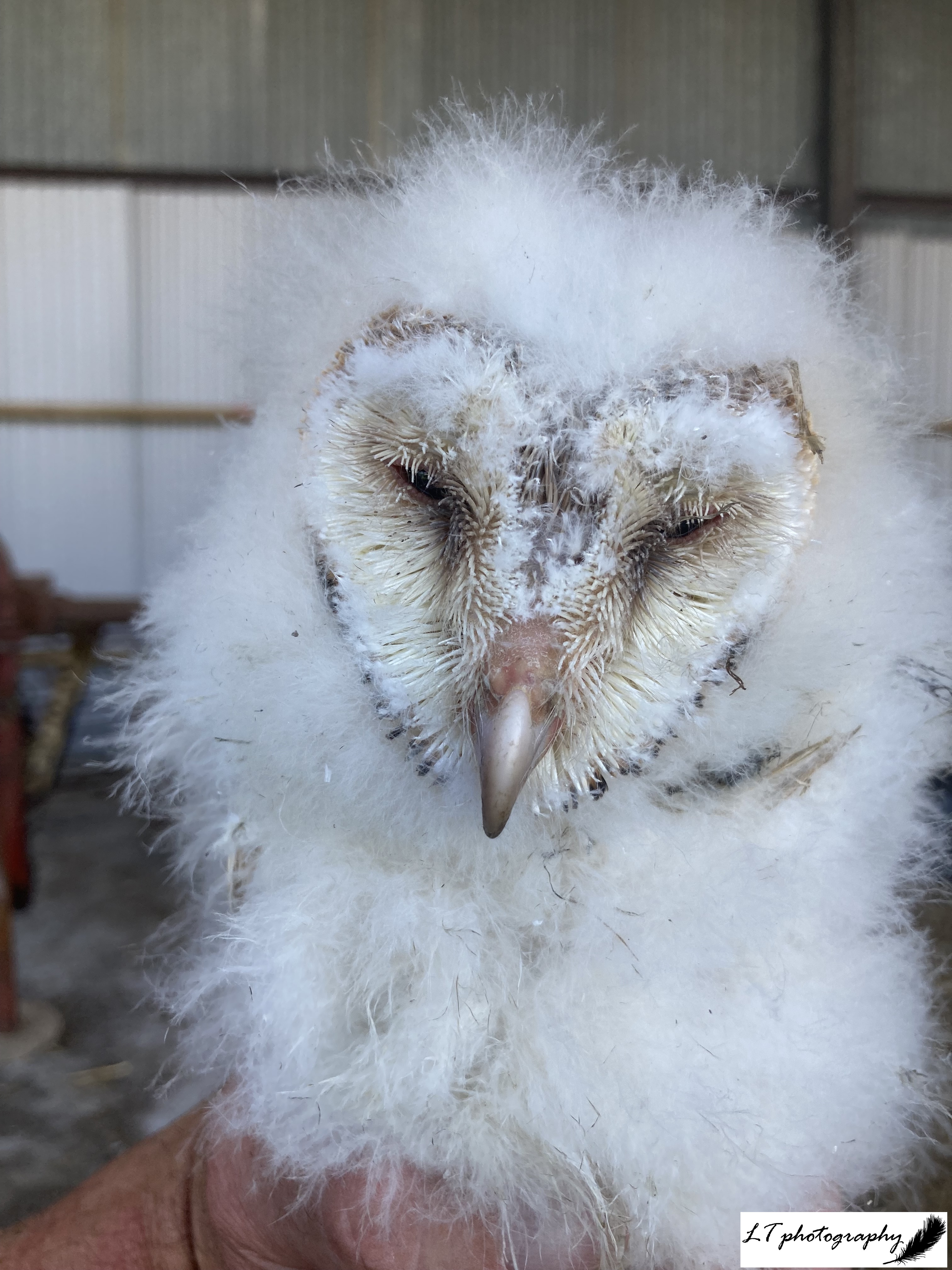
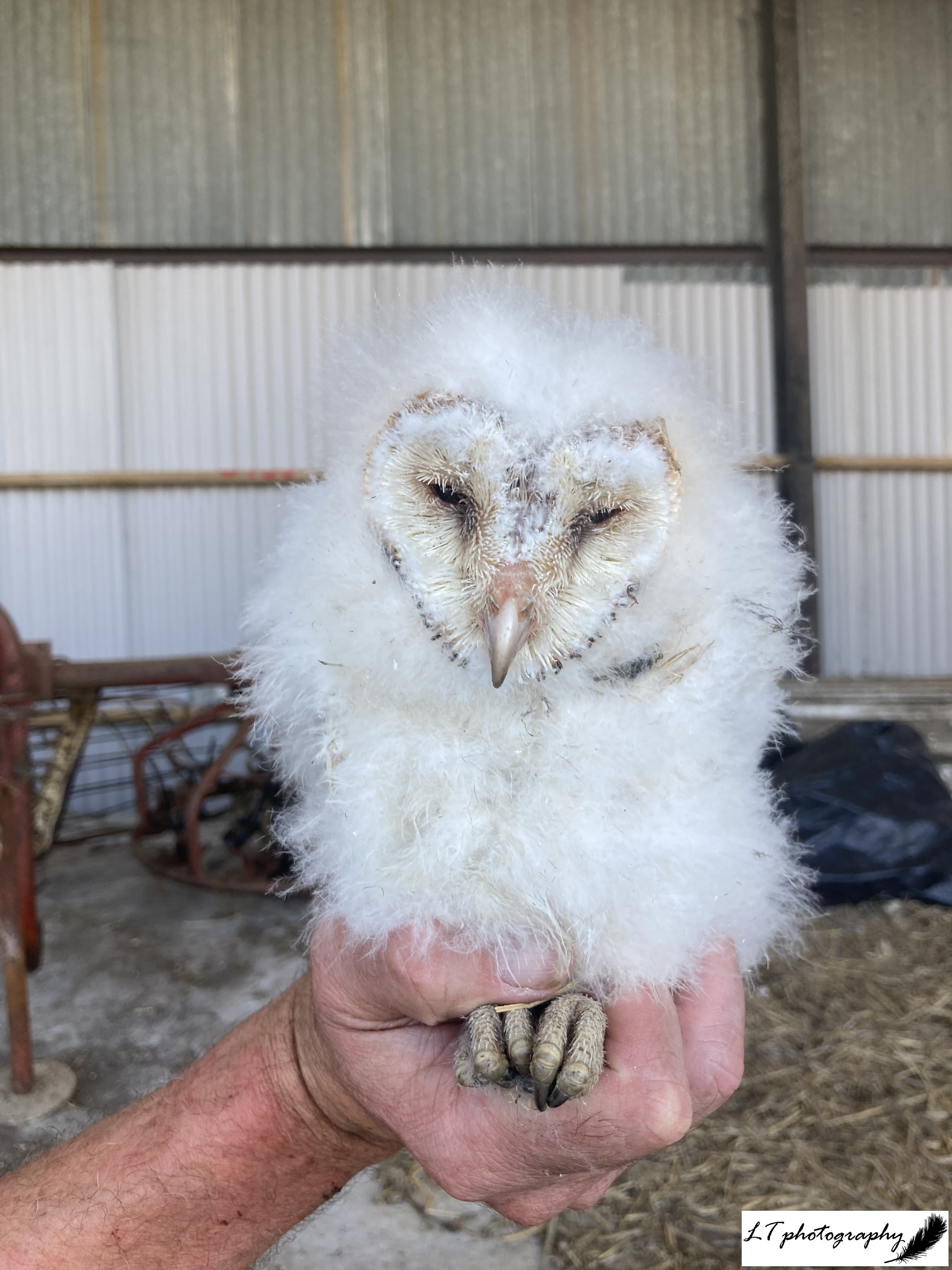
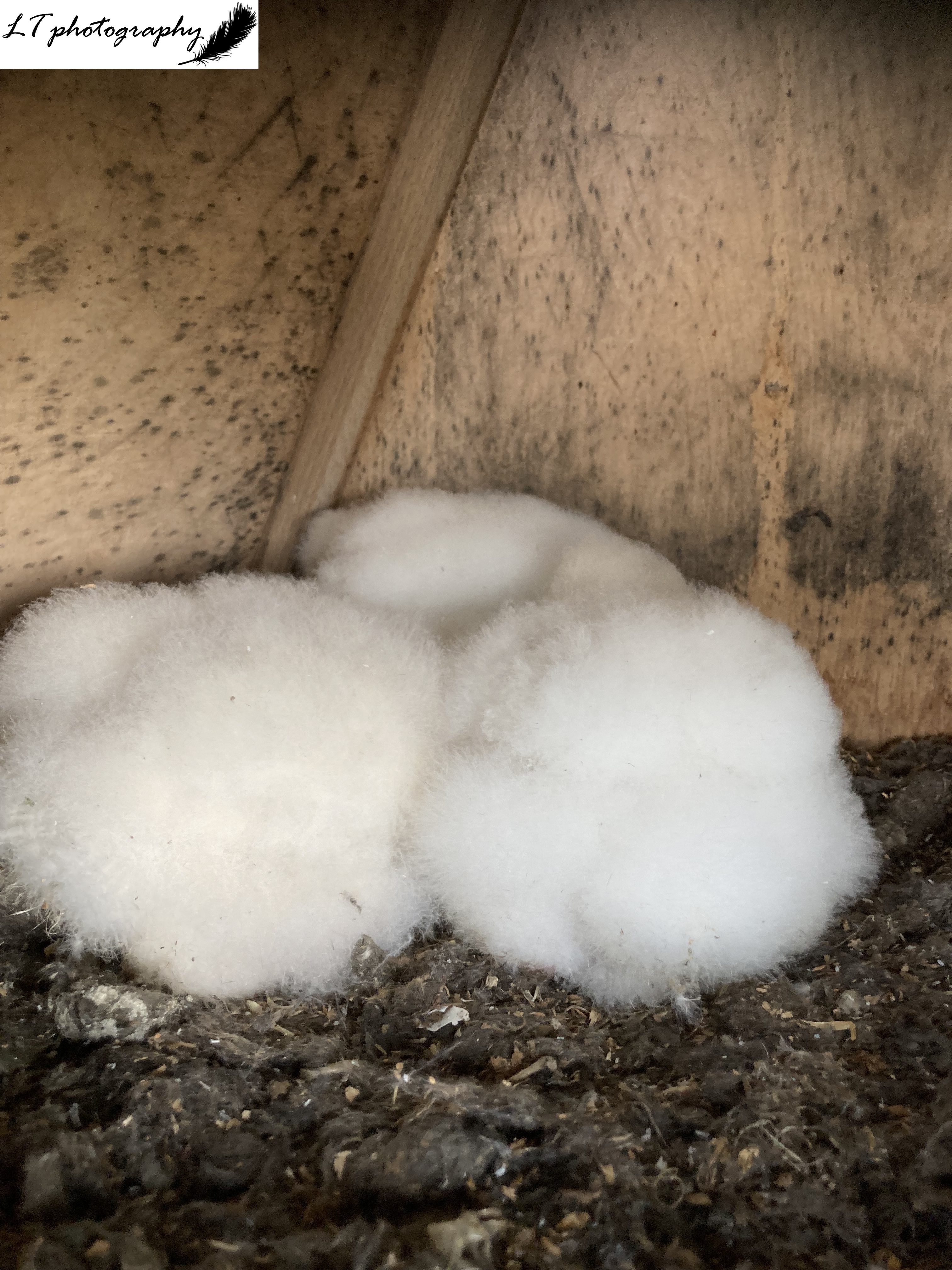
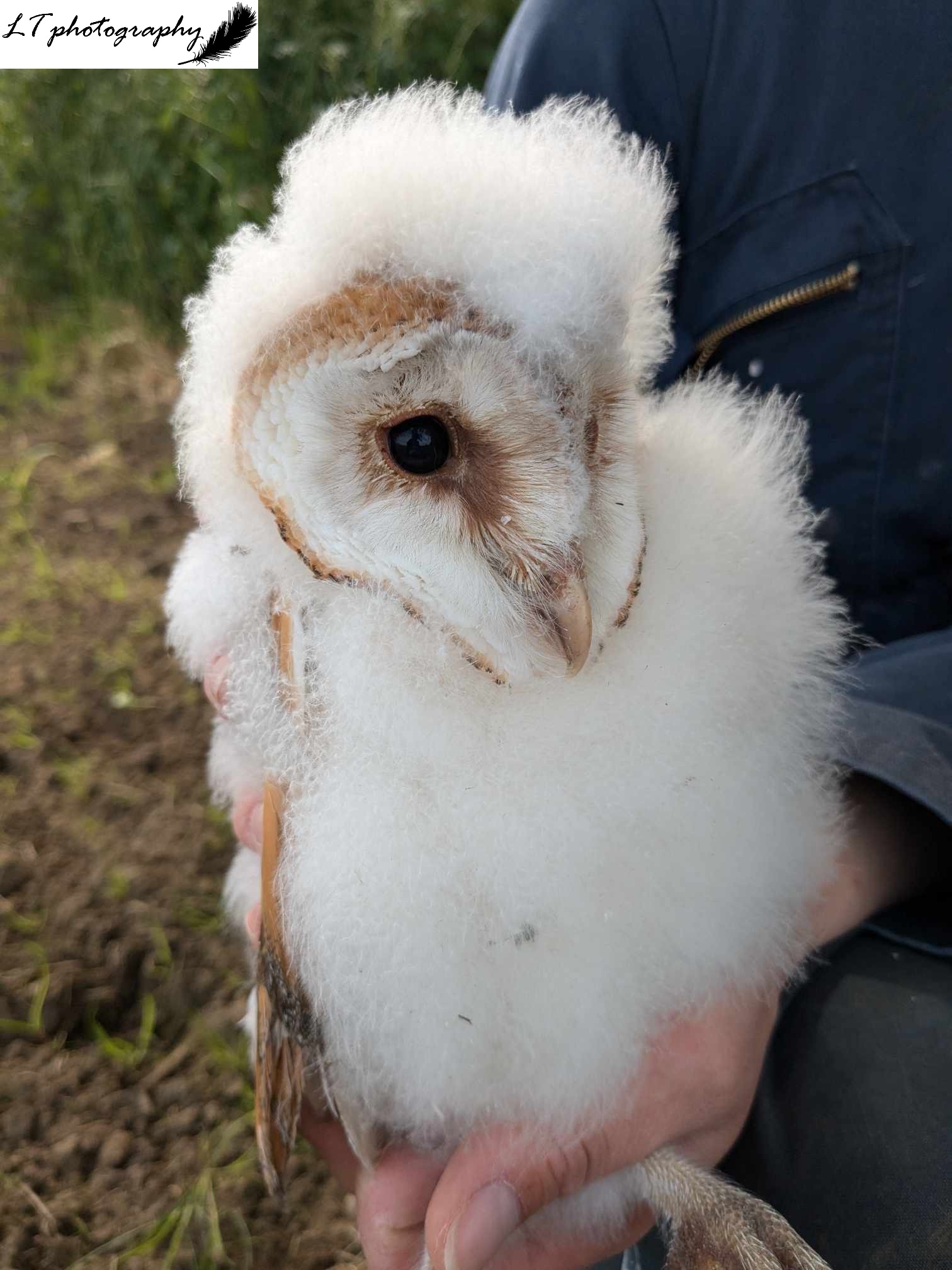
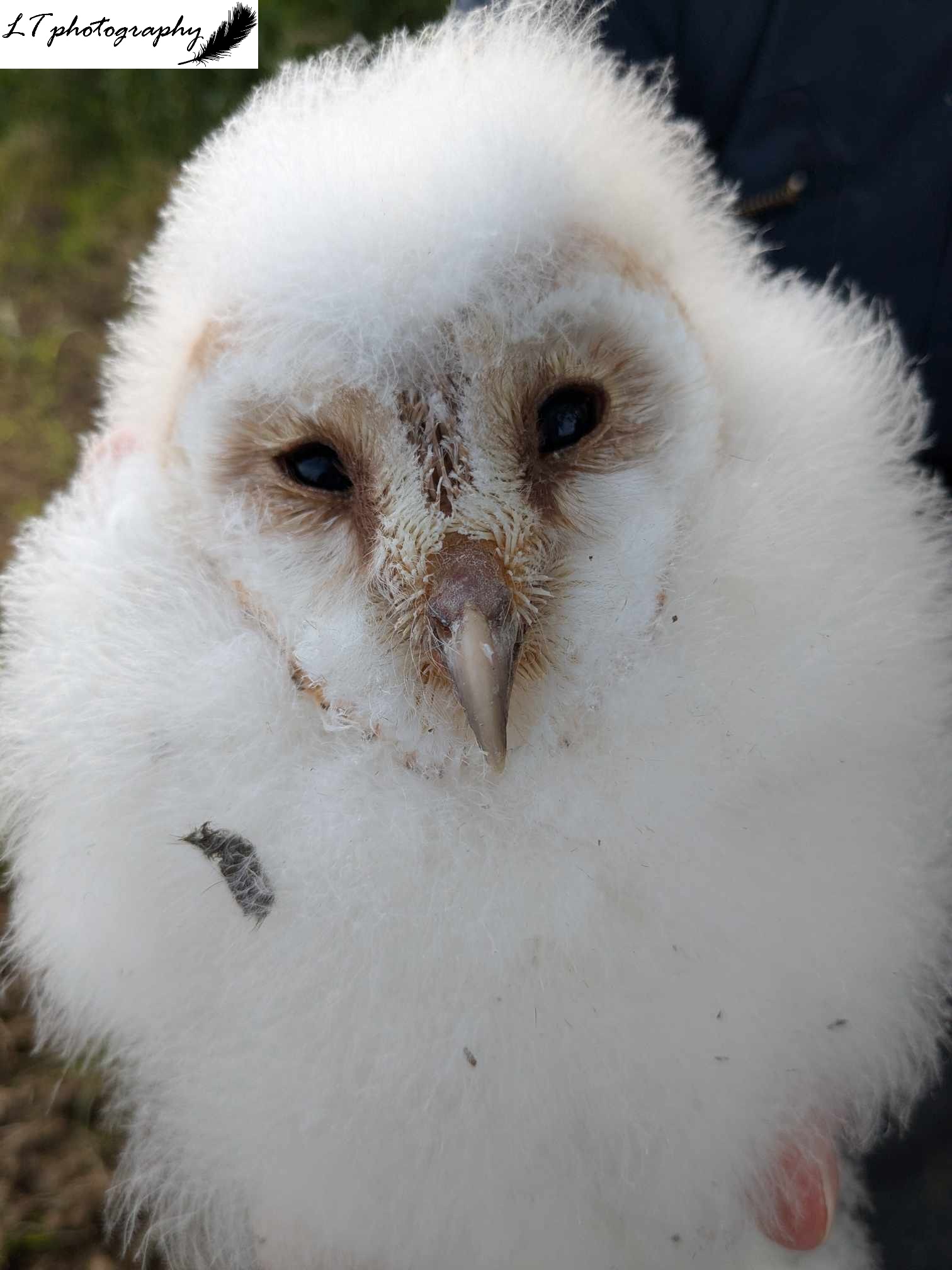
At the very beginning of 2024, my dad put up an outside barn owl nest box, that I had bought him for christmas 2023, on the tree that barn owls had previously nested in. We did not expect it to be used for breeding during its first year up, but we were in for a big surprise. First, I was able to ring 3 lovely barn owl chicks from the barn nest box (following 3 chicks last year), and share doing so with my 7 and 4 year old nieces. One week later I was able to ring another 3 chicks, this time, fantastically, in our brand new field nest box. I was also able to share these chicks, this time with my Manchester buddy and fellow Zoology graduate, Emma Rogan. What a great year for barn owls on our farm!
Tit Nest Boxes

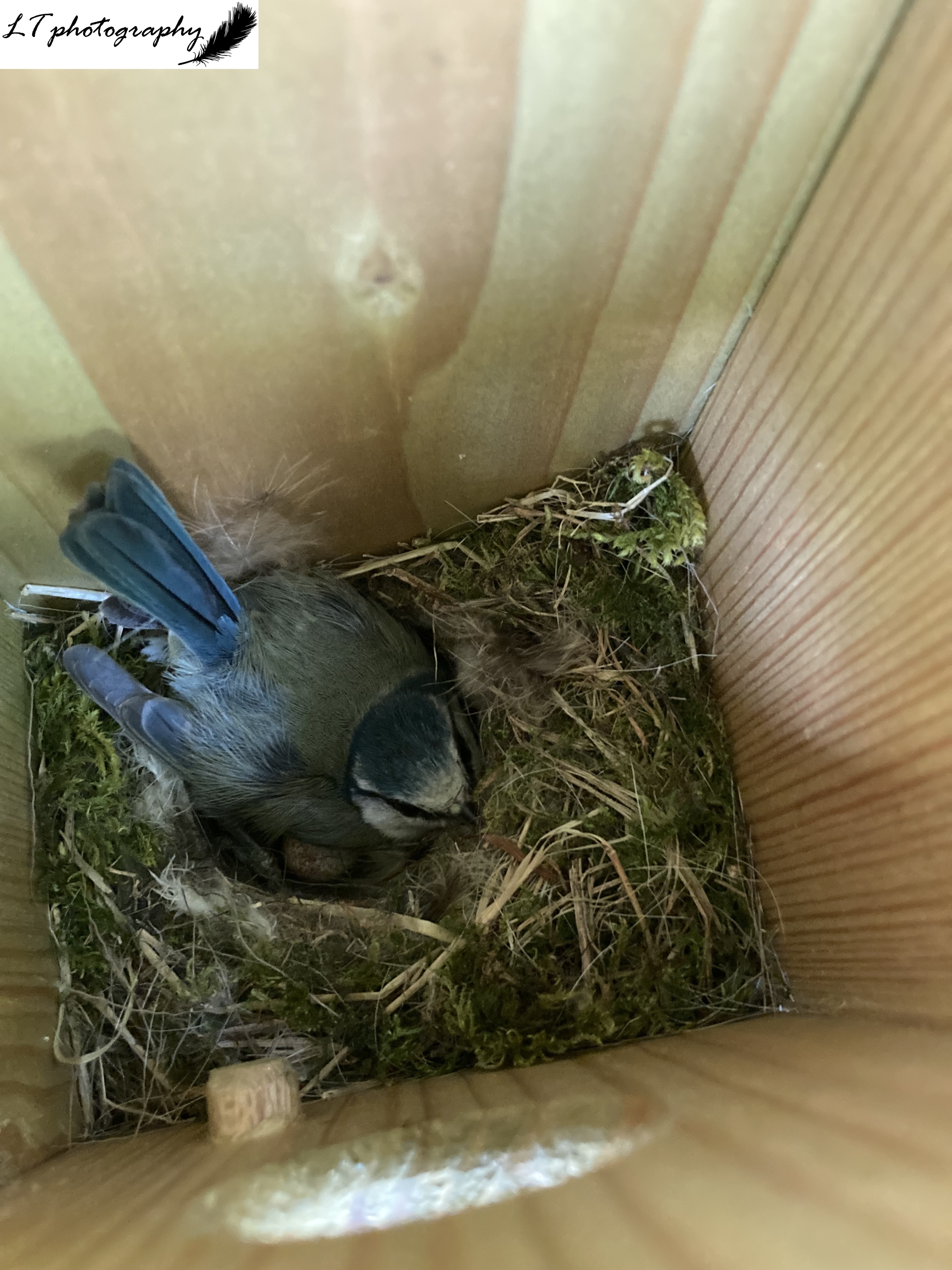
In 2024, I finally gained my cavity nesting pulli endorsement, which means I could now ring such chicks independently. Making the most of this opportunity, I added to the 4 tit nest boxes already set up on my family’s farm, and put up another 7 across different locations and habitats, to see how well they would do. Through May and June, I kept a close eye on all boxes, and ended with 6 of 11 being used to raise and fledge chicks successfully, all blue tit broods. In total, they gave me the opportunity to ring 44 blue tit chicks, with brood sizes ranging from 3 to 10, alongside one adult female caught at one of the nests.

Chicks Ringed For Training

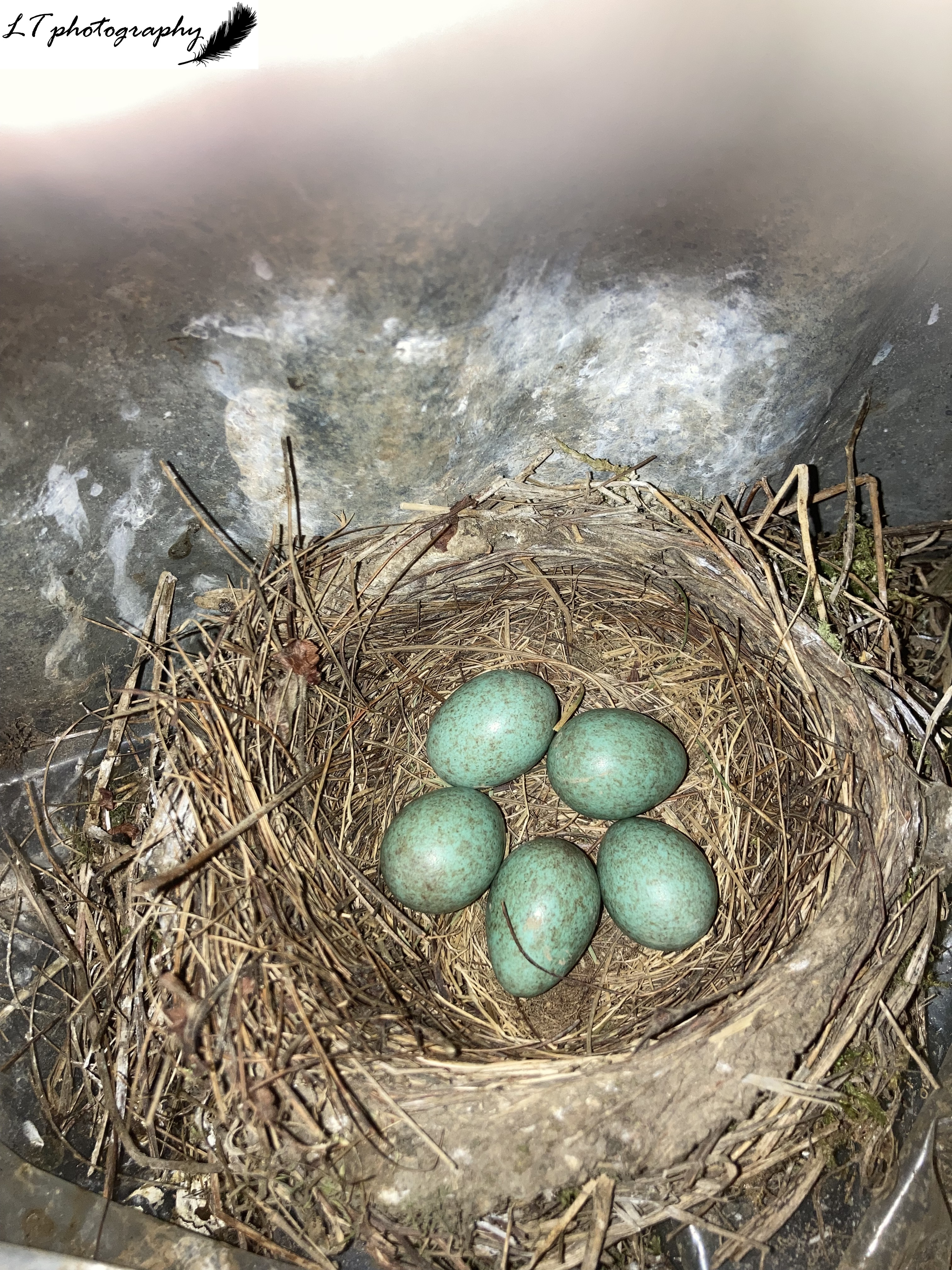
In 2024, I was now working towards my full open nesting pulli endorsement for my permit. Blackbirds did well to add to my totals, with 4 nests being found easily around our farm and home (2 being attempts by the same pair). From these 4 attempts, I got the opportunity to ring and observe the fledging of 17 chicks, adding to only 4 chicks rung in 2023.
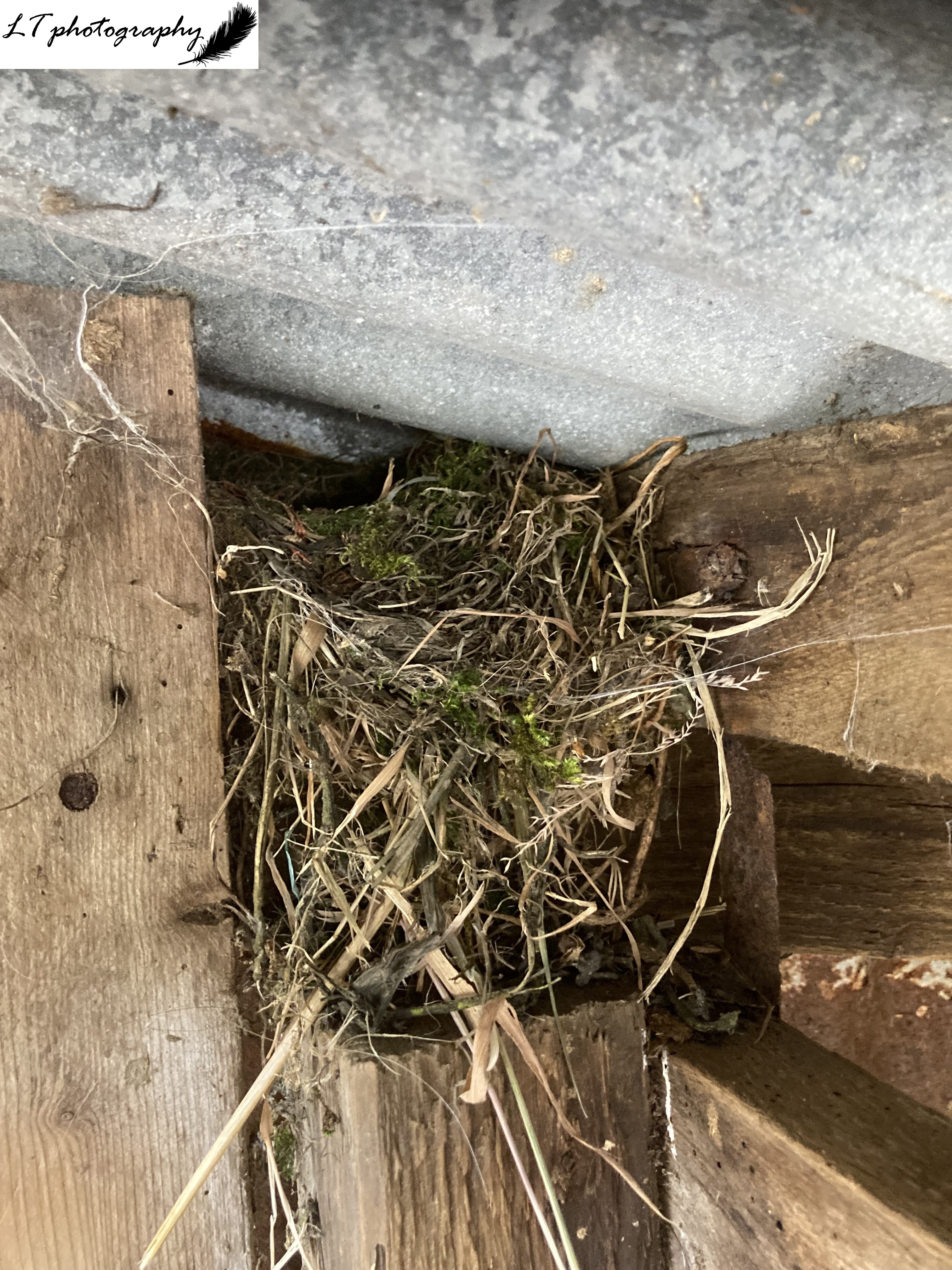
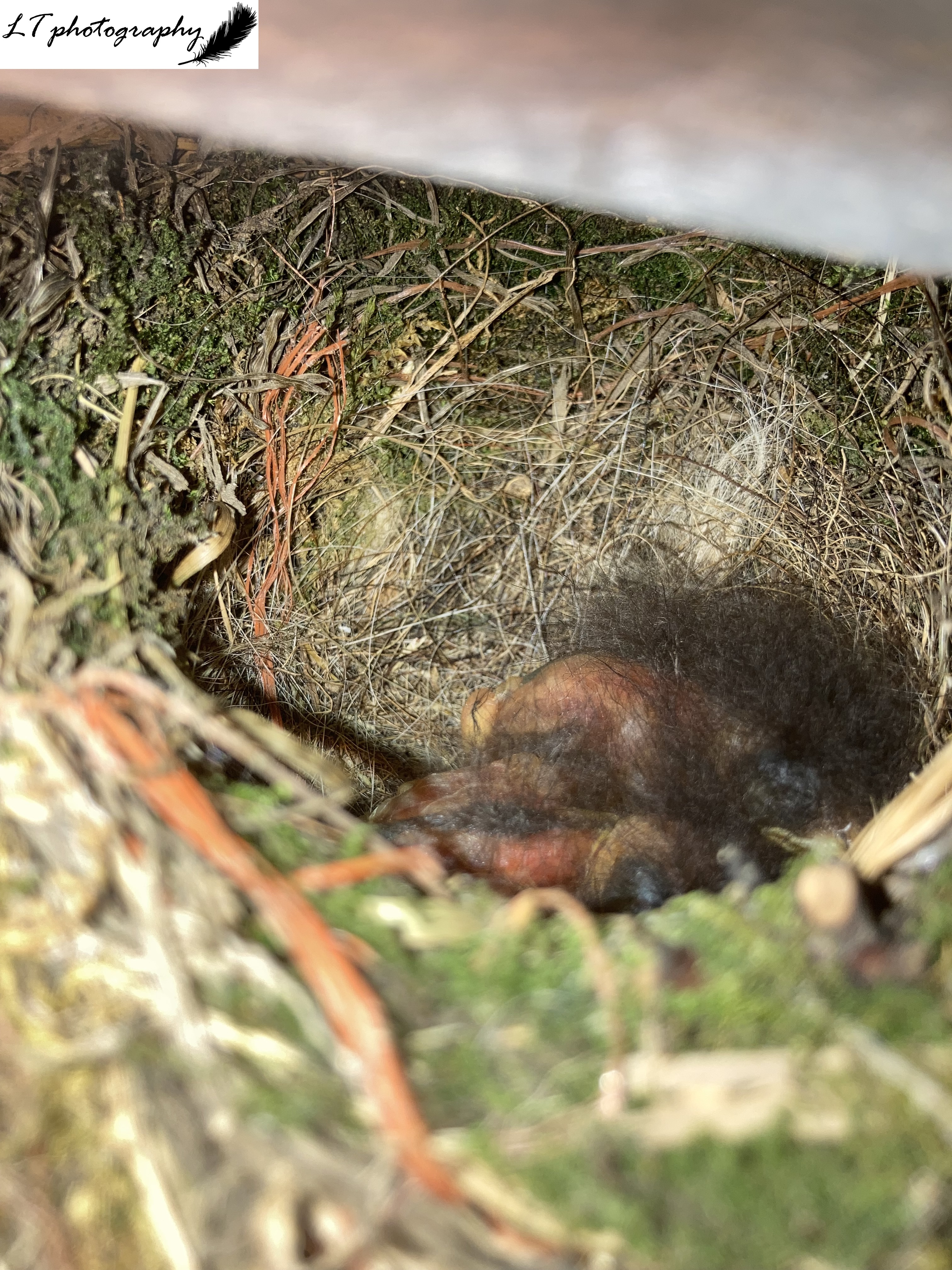
I also had a new chick species for me during 2024, in the form of the robin. Though I only found one nest during this time, I did get to ring 2 healthy chicks that were raised to fledging. Moving forward, in 2025, it would be my aim to try to further continue working towards my full endorsement.
Garden Mist Netting

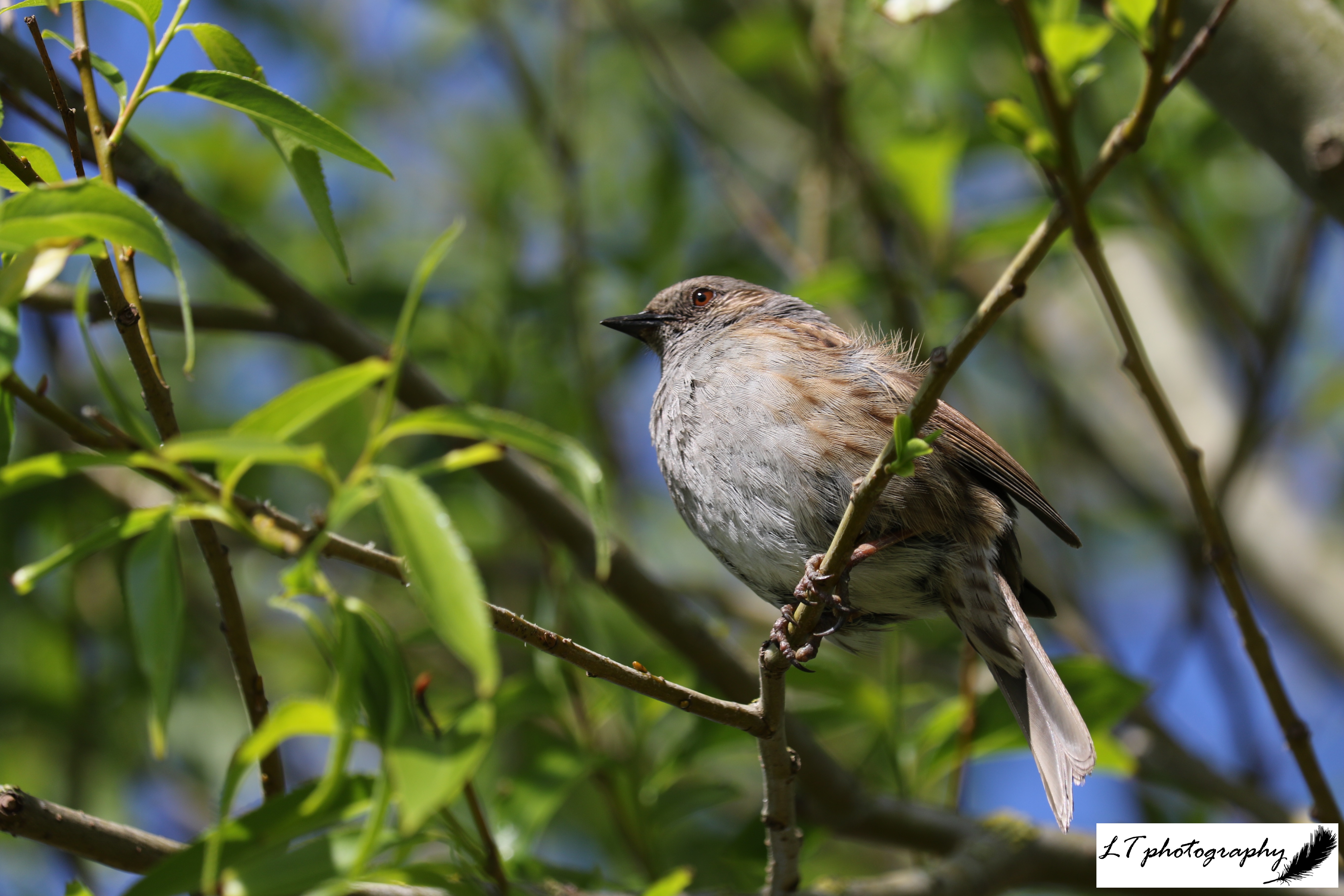
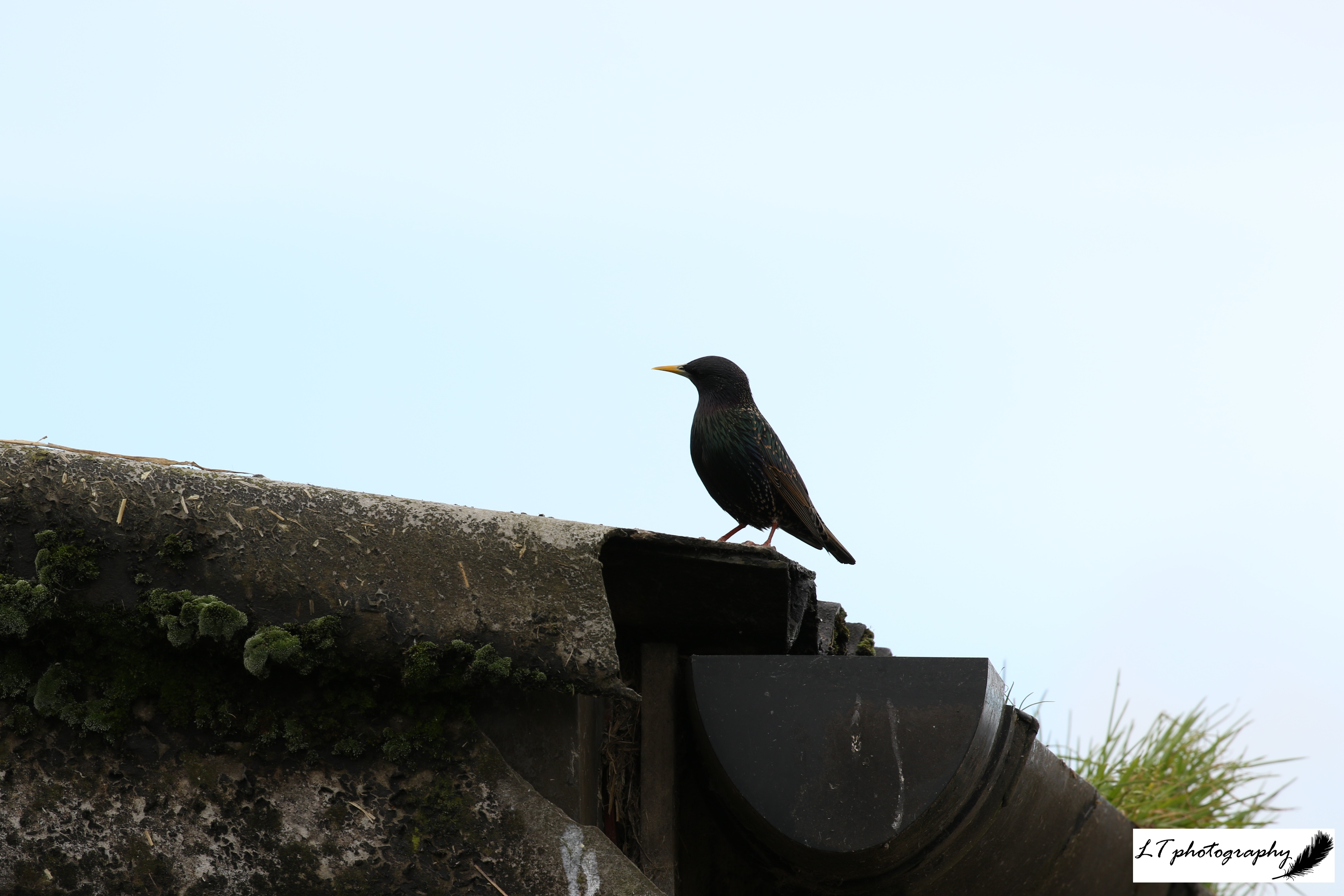
During 2024, I mist netted solo in my own garden using 2 nets during both August and December, with 2 sessions completed during each month. In August, I caught a total of 28 birds, with 4 being retraps, and including house sparrows, dunnocks, great tits, blue tits, blackbirds, goldfinches, and robins. In December, I caught 74 birds, which was a greater number compared to August, due to them being more reliant on visiting the garden to feed. Thirteen of these birds were retraps, and species overall included house sparrows, dunnocks, great tits, blue tits, starlings, and coal tits. I really enjoyed being able to continue mist netting on my own patch during 2024, but as always I wished I had had more time to do so.
My Highlights and Hopes

During 2024, I had a great year with my ringing experiences at home on my family farm. I experienced our swallow population having their best year yet, with the same being said for our barn owls. Though we did not find tawny owls breeding on the farm during this particular year, I did get to do my first solo ringing of blue tit chicks, and ringed my first robin chicks too. I gained more confidence with mist netting on my own, whilst also gaining more experience with blackbird chicks.
Moving on from 2024, my main aims have been to increase my experience further with ringing open nesting species chicks, in the hopes of gaining my endorsement for my permit. I also hoped for an even better swallow year, to increase the number of tit boxes I would be monitoring during their breeding season, and to add some new nest boxes, such as kestrel to the farm. Overall, I just looked forward to being able to follow the bird breeding season once again.
Breeding Birds on the Farm in 2022

In the heart of rolling Dorset, you can find my family’s home, a 250 acre mixed dairy farm with the hope of producing food alongside conserving and promoting nature. As a naturalist and conservationist, the farm is my base for exploring, learning and putting ideas into practice. With an increasing variety of habitats, there is an increasing amount of wildlife to experience, explore and enjoy, in particular a fantastic diversity and abundance of bird species (explore my blog for more adventures).

In 2019, I got the opportunity to begin training as a bird ringer with a local trainer, which was one skill that I always wanted to gain. Whilst working towards gaining my next permit, a C permit, my training has allowed me to acquire greater knowledge and a new perspective of the birds that call my family’s farm home. In 2022, my C permit was in reach and my training gave me some new experiences and some continued fantastic moments. Whilst the breeding season for birds currently plays out for 2023, I want to look back on my experiences for 2022 to see what can be learnt, including our amazing barn owls.

Kestrels

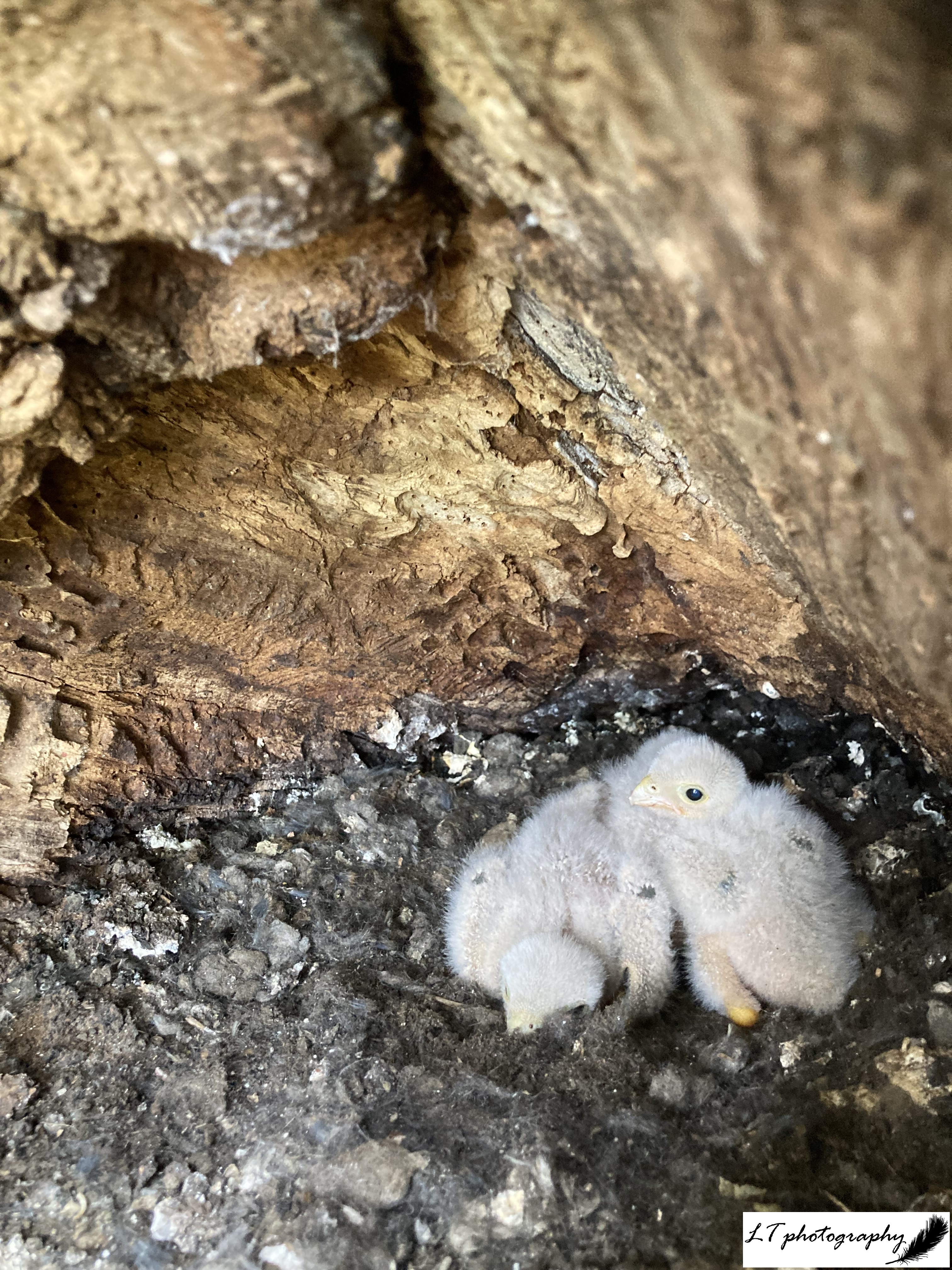
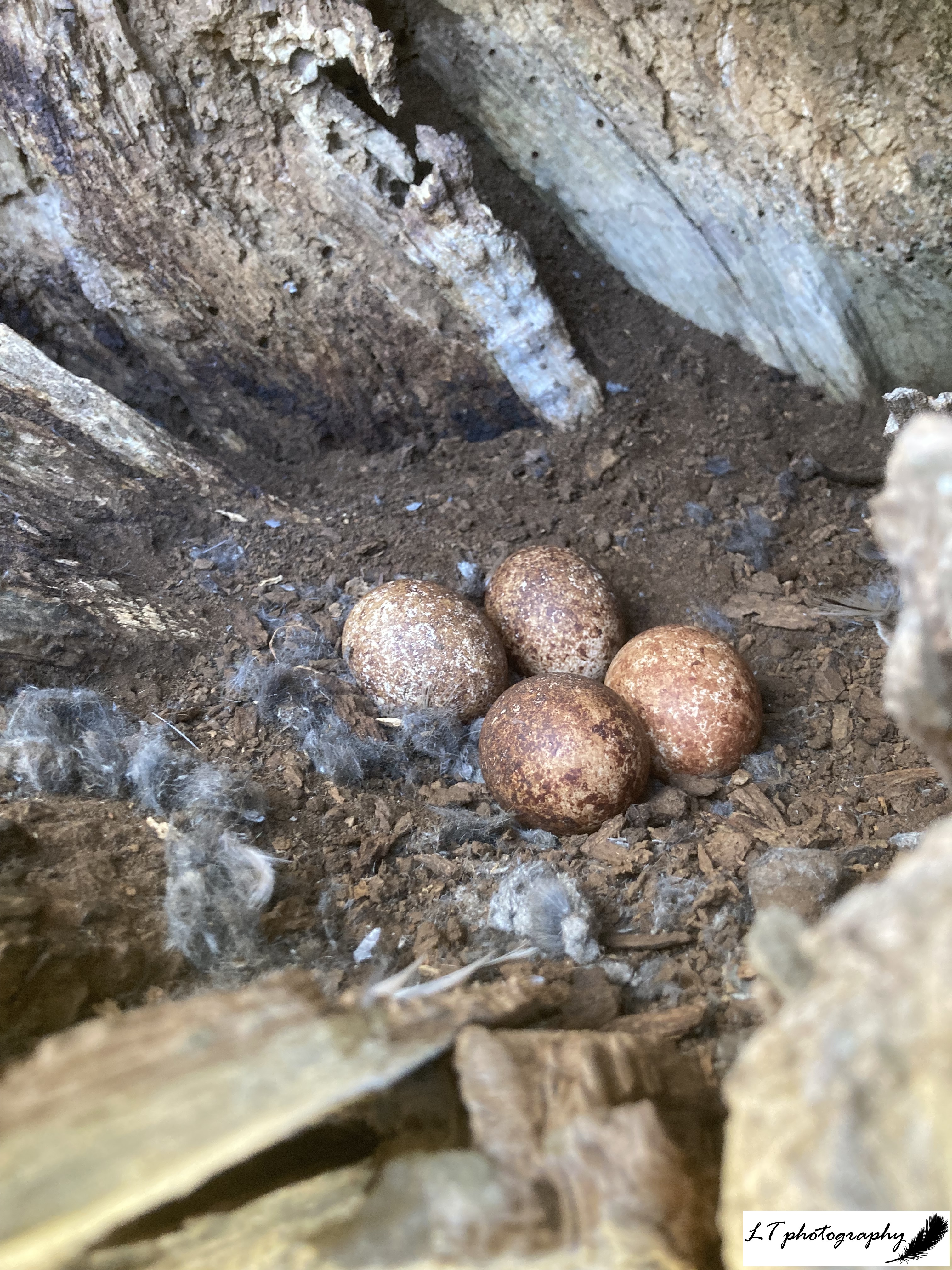
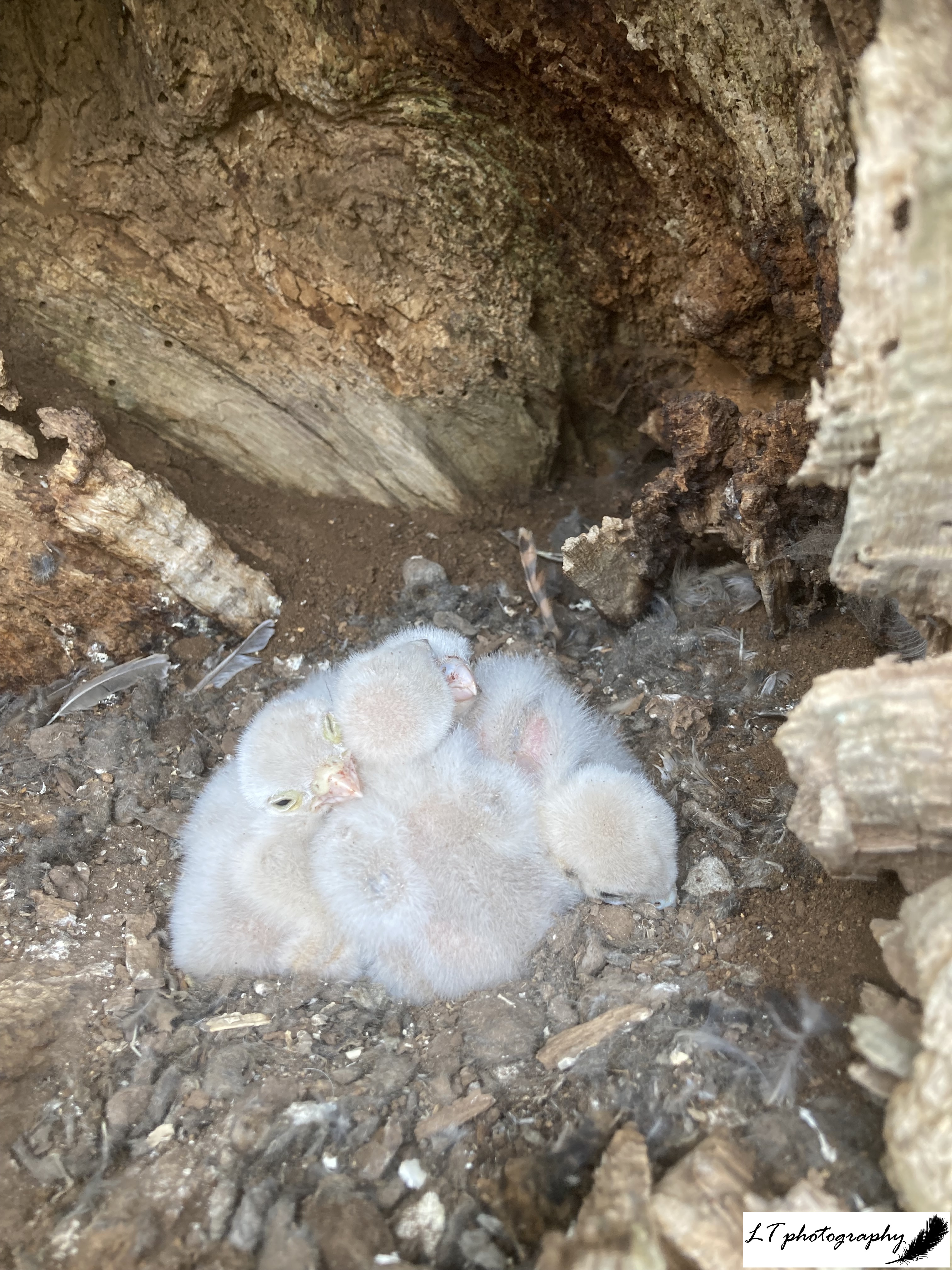
In previous years on the farm, we have known kestrels have been breeding here, but not where they were nesting. In 2021, we did find one nest within a hole in an ash tree, where a pair hatched 3 chicks. Two weeks later though, at the end of June that year, bad weather unfortunately led to the chicks not surviving, potentially due to the nest being exposed to the harsh weather. Thankfully in 2022, this same hole was used again by a pair of kestrels, and they successfully reared 3 chicks fledging in the first week of July, and I was lucky to have the opportunity to ring them too.

I was as well lucky enough to discover another pair of kestrels nesting in a hole in an oak tree at the other end of the farm. This pair was also successful, raising 4 chicks to fledging in the second week of July, that again I got to ring when they were still in the nest. With spring having been odd this year, kestrels are late breeding, so it will be interesting to see how it plays out for them.

Swallows

Year-on-year, the swallows return to nest within our farm buildings and our neighbour’s outbuildings, and still do so even if population numbers are not as high as they used to be. For 2022, I began my nest checks of the two properties as part of my ringing training on the 25th May. During this check I found 5 nests in use, with one already containing eggs. These 5 eggs hatched on the 27th May, and marked the start of a rocky breeding season for the swallows. With the first round of nests, 4 nests got to the chick stage, but only 2 fledged chicks (3 and 5 respectively). One of these nests then successfully went on to rear another brood of 4 chicks to fledging, though most pairs did not re-nest as the weather was very hot and dry last summer. Fingers crossed for a better year this year!

Barn Owls

Barn owls go hand-in-hand with my family’s farm, so it is unsurprising that they are my father’s favourite bird species. With our nest box being a popular site each year, since 2019, barn owl chicks have been ringed on the farm by my ringing group, even before I started with my own ringing training. In 2021, Barn owls had a tough year though, with bad weather having an impact on their success rate on the farm. Thankfully in 2022 they had more luck, with a pair nesting in our box hatching 5 chicks, varying in size, at the end of June. They went on to successfully fledge 2 chicks. The icing on the cake was discovering another barn owl pair nesting in a hole in the ash tree also used by one of our kestrel pairs. These particular barn owls hatched eggs at the beginning of June, and went on to fledge 2 chicks too. Fantastic!

Garden Visitors

In 2022, as I worked towards finishing my training to get my bird ringing C permit, I got to do 2 days of ringing in my garden for the very first time. Though fairly small, our garden is a hub of avian activity daily, so I was excited to see what mist nets would catch. On the first day we caught 100 new birds (30 house sparrows, 30 great tits, 23 blue tits, 7 starlings, 4 chaffinches, 2 robins, 2 blackbirds, and 2 great-spotted woodpeckers), with a lot being juveniles. On the second day, 2 1/2 weeks later, a morning spent mist netting caught another 101 birds, with 92 being new (33 blue tits, 33 house sparrows, 7 great tits, 4 chaffinches, 3 robins, 3 great-spotted woodpeckers, 1 blackbird, and 1 goldfinch). It was really interesting to get the opportunity to get an idea of how many birds there really are in my area and producing young each year. Apparently alot!

All birds were ringed under license and following rules to ensure the health and welfare of the birds handled.

I look forward to seeing what 2023 will shape up to be!

26 Years of the BTO’s Garden BirdWatch: Getting Involved During Lockdown

As winter creeps into the landscape and a second lockdown keeps us close to home, our gardens are once again coming alive. Wrens creep through the undergrowth catching insects, Robins sing to defend small territories, and Long-Tailed Tits flit between hedgerows foraging in family groups. It’s not just the birds though, other species are settling down to see out the winter in our gardens too, from butterflies and toads to hedgehogs and ladybirds.

With this year being a bit different, I have found it a great time to take part in the BTO’s Garden BirdWatch, to further connect with nature, boost my mental health, and do my bit. Gardens are very important homes for wildlife, not just at this time of year, so now is an important time for us to understand how we can better help the wildlife that share our gardens with us. If you have a bit of time on your hands, want to do something a bit different, or are interested in the wildlife on your doorstep, then this survey could be just what you need!

The BTO and the Garden BirdWatch

So, what is the BTO? Well, the BTO stands for the British Trust for Ornithology, where ornithology refers to the study of birds. Started in Oxford in 1933, this now Norfolk-based charity aims to engage people with science whilst advancing the understanding of birds and now other wildlife species. With over 60,000 dedicated volunteers, and projects ranging from bird ringing and Cuckoo tracking to urban gull and bat surveys, the BTO has gone from strength-to-strength.

Set up in 1995, one popular BTO project has been the Garden Birdwatch, a project aiming to understand the relationship between wildlife species and our gardens, and how and why some of these species populations may be undergoing change. In a nutshell, the Garden BirdWatch is about participants recording the birds they see in their garden, along with mammals, amphibians, reptiles, butterflies, bumblebees, and dragonflies. As vital habitat for wildlife continues to decrease, whilst the importance of gardens as substitute habitat increases, the information we can provide now can be used to better tailor help to support wildlife in the future.

So why should you take part? Well, the Garden BirdWatch is a great way to enjoy the wildlife in your garden, improve your knowledge, and allow you to follow the annual cycle of life. Taking part is also easy! All you need is a garden, a minimum of 20 minutes a week, and a way to identify the species you see. You do not need to have a big or elaborate garden, put food out, or be an expert. With the Garden BirdWatch currently being free for a year, signing up is easy. Provide a few details about your garden, and get started recording the garden birds and other wildlife that visit you.

Why not join thousands of other volunteers today, and do something new from the comfort of your own home!

Examples of Results

Last year marked the 25th year of the Garden BirdWatch, and so the BTO have now been able to use 25 years of weekly garden observations to begin analysing the relationship between our gardens and wildlife. For example:

  • Goldfinches, Woodpigeons, Nuthatches, and Jackdaws have become an increasingly common sight in our gardens, relying on our gardens for vital foraging habitat
  • Song Thrushes, Greenfinches, Starlings, and House Sparrows have become a less common sight in our gardens since 1995, due to a range of factors from disease to loss of habitat

I have now been taking part in the BTO’s Garden BirdWatch for the last 21 weeks. This time has gone past so fast, but has opened my mind to the diversity and abundance of species that visit my garden through the seasons. To sum up my time so far, here are some of my results:

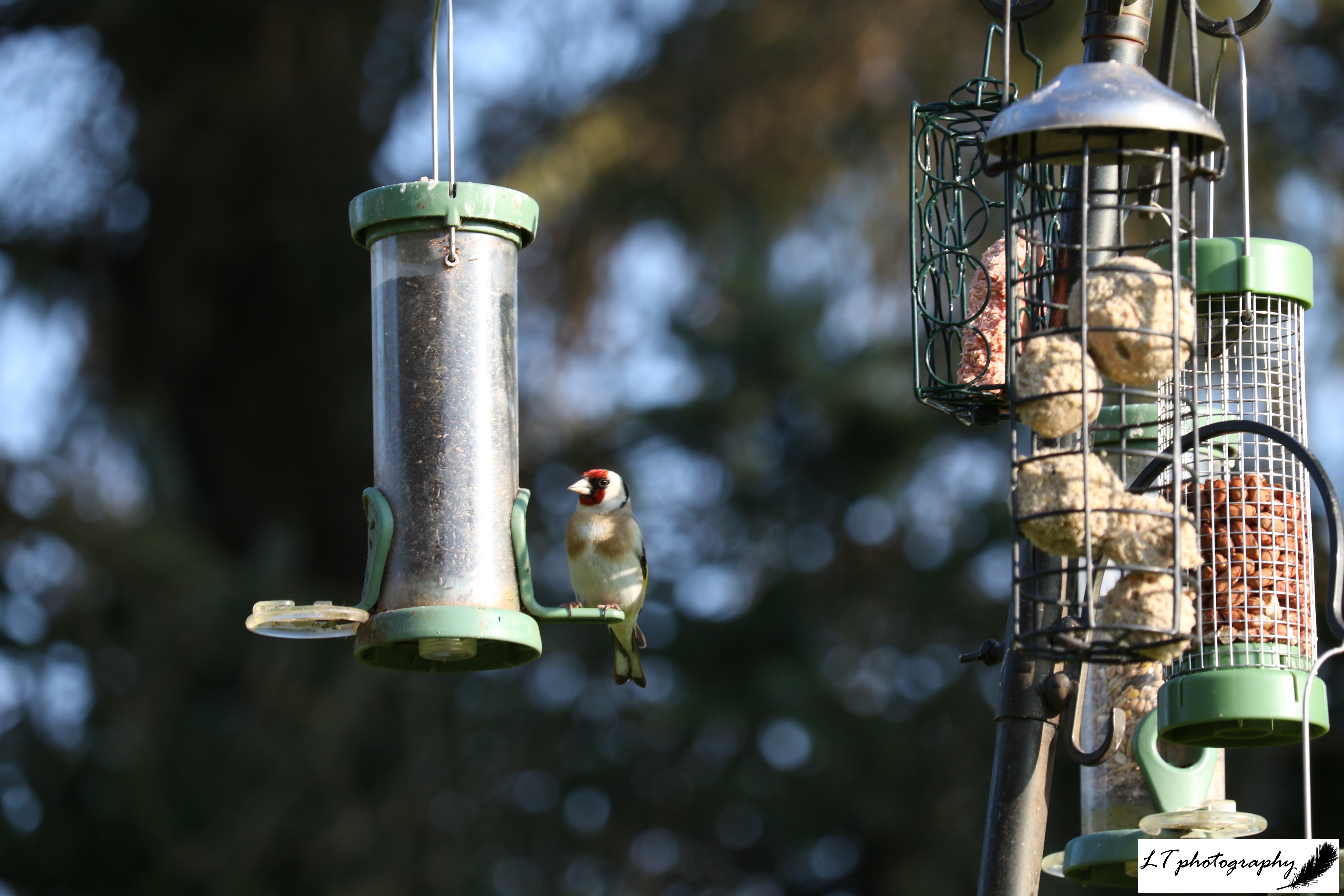
  • I have observed 26 different bird species in my garden, with the most abundant species being Starlings (50 on 28th July) and House Sparrows (40 on 28th July), followed by Goldfinches (30 on 1st October)
  • Every week Blue Tits, Great Tits, Collared Doves, Pheasants, Goldfinches, and House Sparrows have been consistently recorded
  • As summer has moved into autumn and winter, Coal Tits, Jackdaws, and flocks of Goldfinches have become newly reliant on my garden, whereas Great-Spotted Woodpeckers, flocks of House Sparrows, Pheasants, flocks of Starlings, and Sparrowhawks have decreased their visits
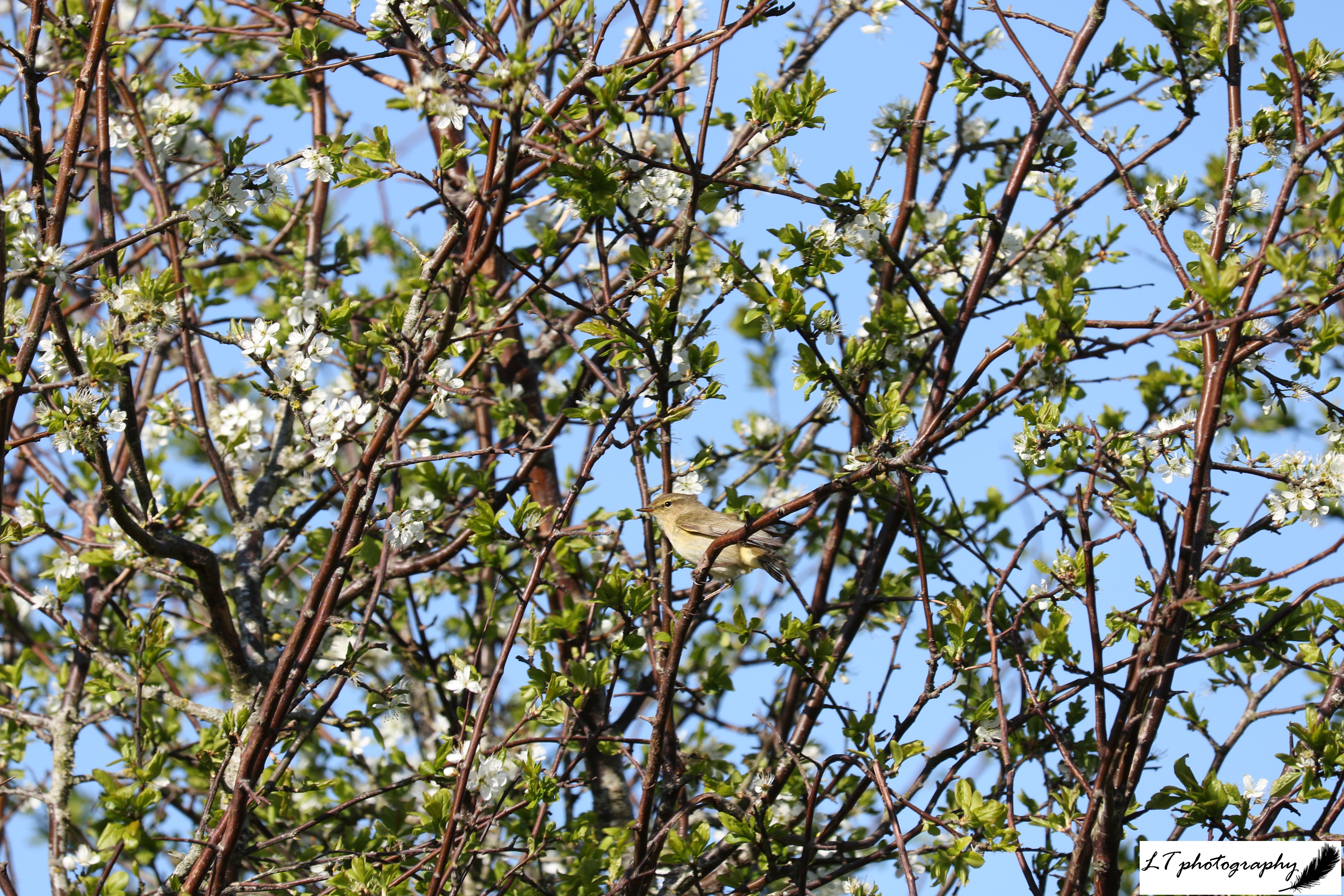
  • No week or month has been the same, with summer highlights including Greenfinches, Siskins, Chiffchaffs, and Garden Warblers!

So, why not see what wildlife you can encounter this winter?