The Twists of Christmas Traditions

December is a time for magic and the sparking of our imaginations to bring us warmth through bleak days and long cold nights. As the end of the month draws near, our worlds are filling with images of twinkling lights, decadent festive food, and idyllic Christmas card scenes. We welcome Christmas traditions back into our homes, spend time being thankful for what we have, and spend time with family. For how Christmas is shaped today we have the Victorians to thank, but for many of our modern day traditions their origins lay even further back, from times when celebrations were deep rooted in our wild landscapes. As Christmas creeps closer, let’s take a look back at the origins of a few popular traditions, and get in touch with our wild and remarkable past.
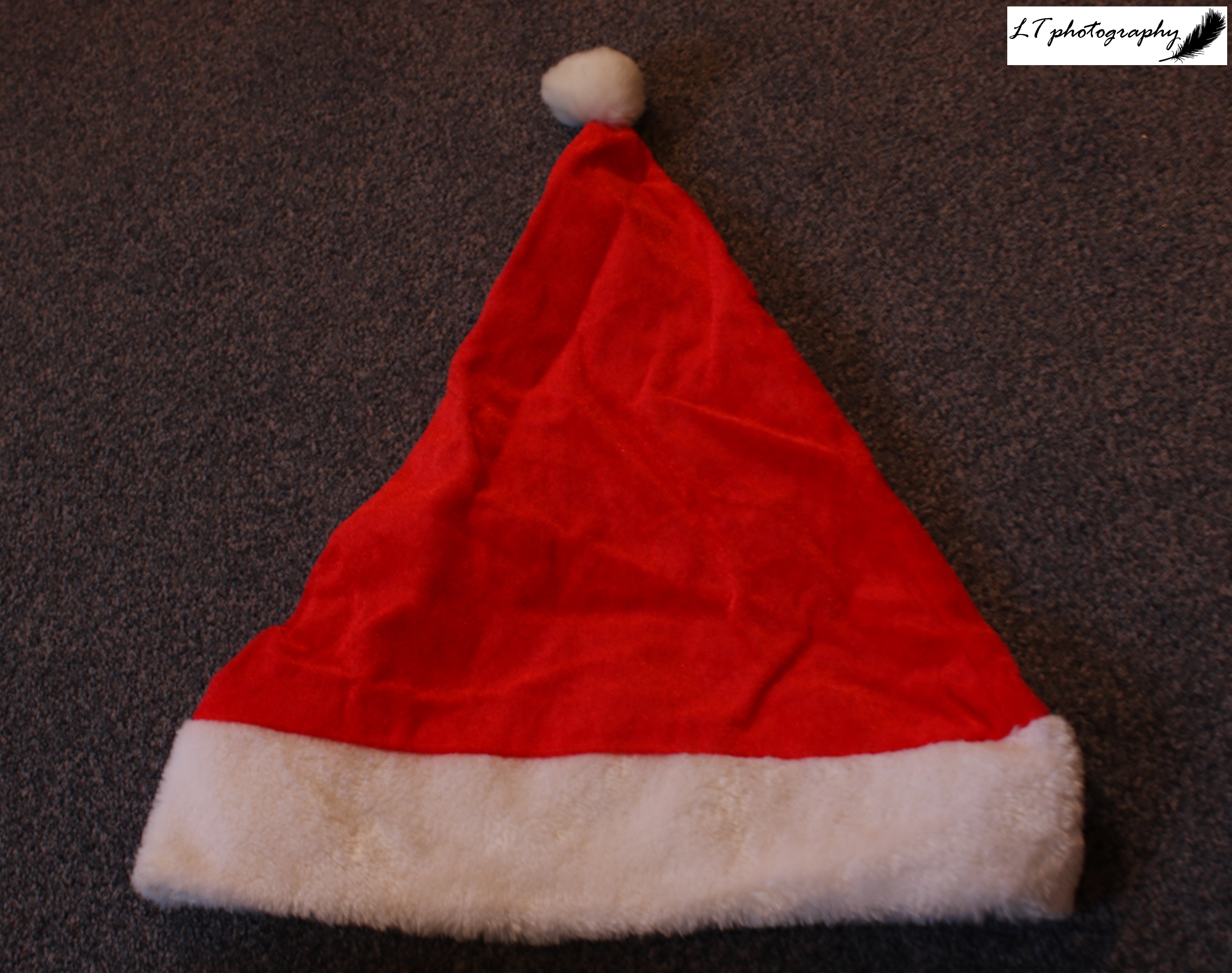
The celebration of mid-winter can be traced as far back as the Roman times. Even before the birth of Jesus, the Romans celebrated this time of year with a festival called Saturnalia, a pagan festival honouring Saturn the Roman god of agriculture and fertility. It was a celebration of the year’s harvest, whilst looking forward to the spring and return of the sun, and trying to ensure a successful next harvest. Starting around the 17th of December, the Romans would offer gifts and sacrifices, decorate their houses with wreaths and greenery, wear colourful clothing, light candles, hold feasts, and be merry. Today’s paper crowns and festive hats can also be traced back to the Romans and Saturnalia. Thus, it is not a new thing to honour the end of the year and welcome the next with colourful celebrations and festivities!

One part of the magic of Christmas for me is the making of sweet treats that are only associated with this time of year. For example, sweet biscuits have long been made to mark Christmas festivities, gaining their spiced flavour, reminiscent of winter, during the Middle Ages. This evolved into gingerbread men, first appearing in 16th century England when Queen Elizabeth I had them made to impress foreign dignitaries and subjects in court. A century later, gingerbread houses joined Christmas traditions, becoming popular in Germany in 1812 following the publication of the Brothers Grimm story, Hansel and Gretel. For many years now I have continued the tradition of making both gingerbread men and houses as part of my Christmas celebrations!

Though the first sweet mince pie is a more recent creation, the first genuine mince pie was enjoyed during the Middle Ages, hundreds of years ago. These mince pies were instead filled with savoury minced meat, chopped fruit, and a preserving liquid, and were larger than those we know today. Traditionally people would eat one of these mince pies every day from Christmas to Twelfth Night (5th January), otherwise it was said that they would suffer misfortune for the whole of the next year. Since then the mince pie has undergone its evolution, becoming the mince pie many of us know and love today.

From the Yule log to stollen, many Christmas sweet treats have been around for hundreds of years. One such is the iconic candy cane that originated in 1670’s Germany. It was said that they were first made as white candy sticks by the choirmaster of Cologne cathedral to give to young singers to keep them still during the long Christmas Eve church services each year. If this is true or not, by 1900 they had taken on their curved shape, red stripes and peppermint flavouring reminiscent of Christmas.


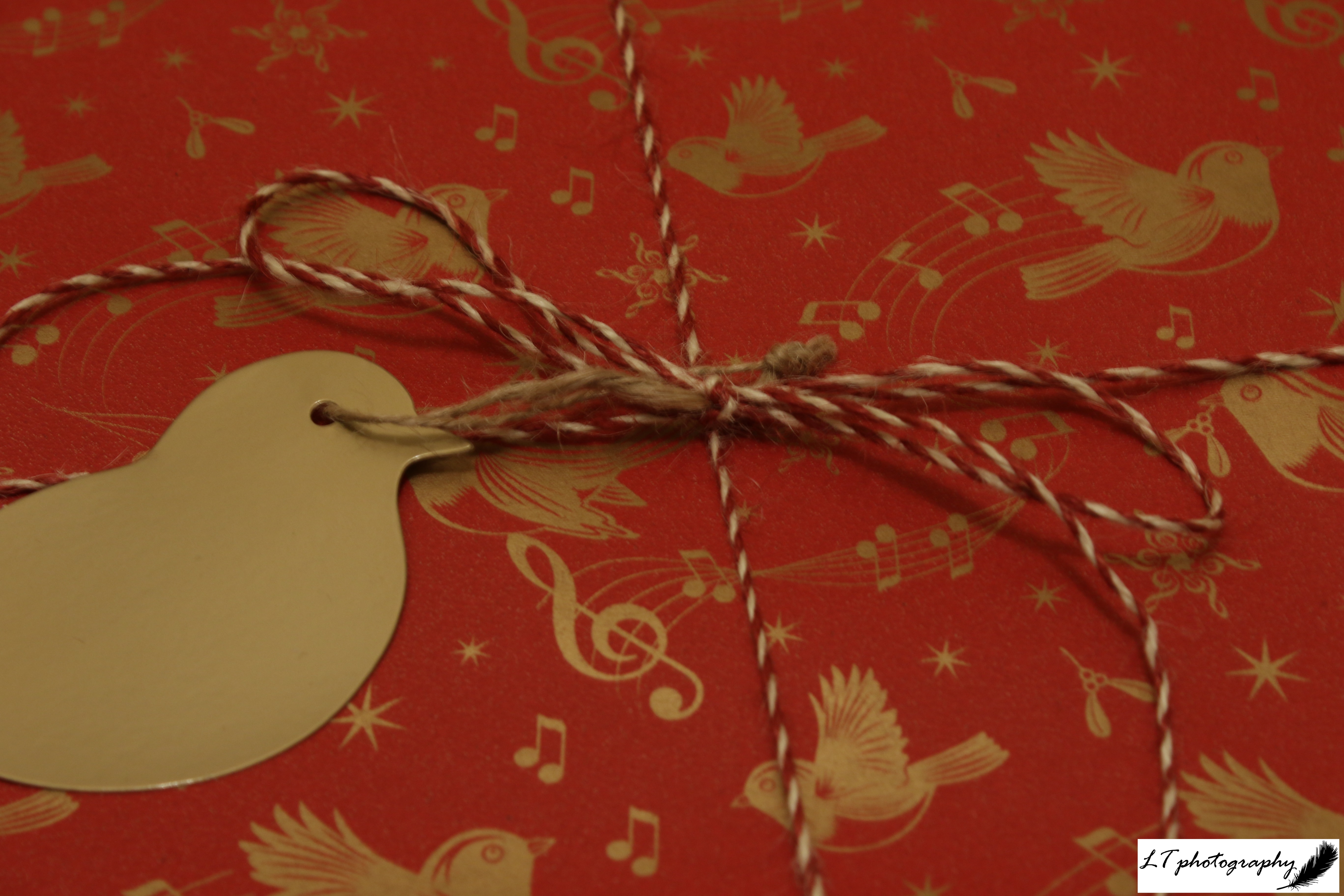
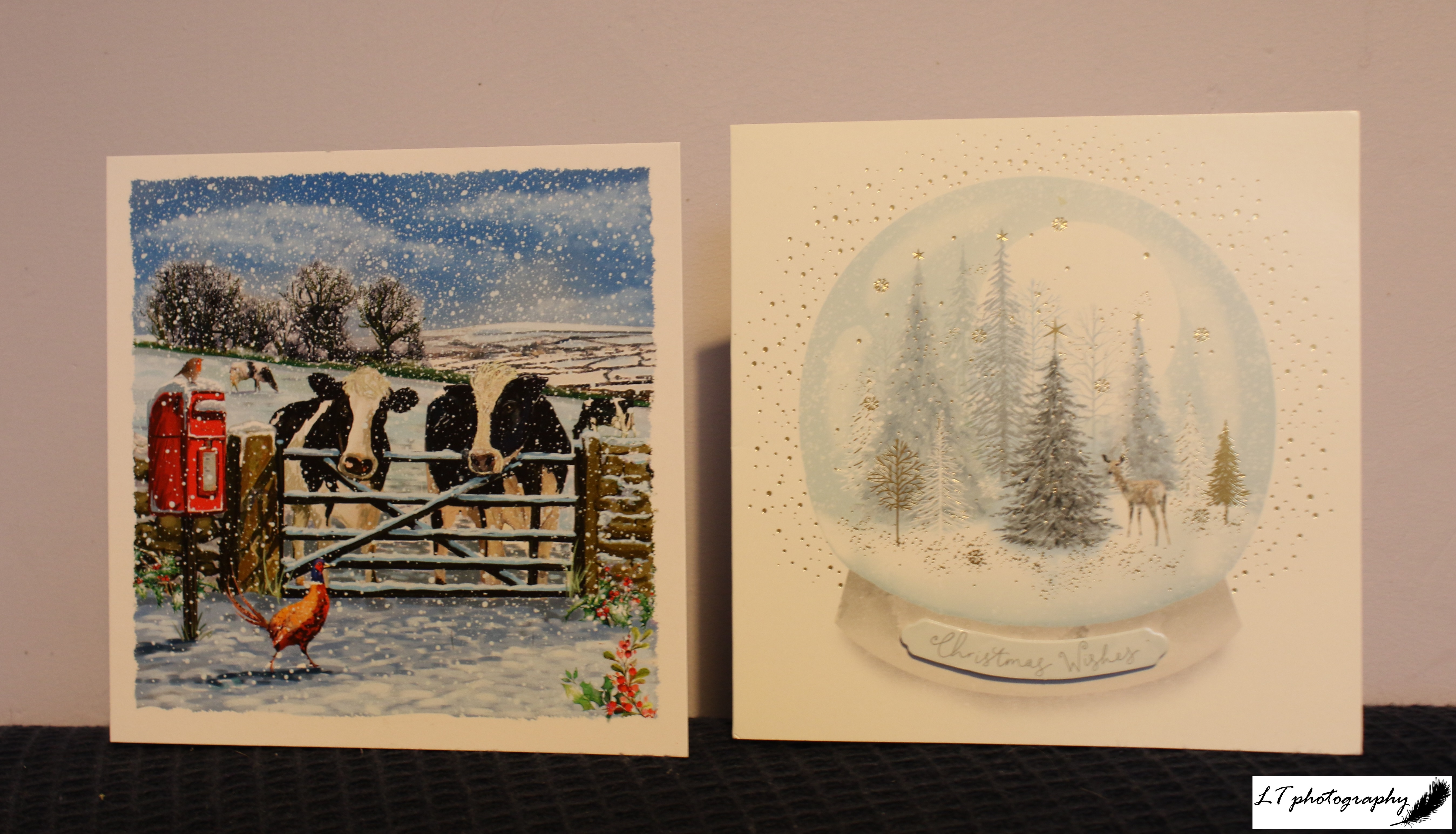
Many of our Christmas traditions and symbols are rooted in nature, for example one popular symbol of Christmas close to nature is the Robin. It is unknown exactly why this is so, but there are lots of interesting legends and reasons associated. For example:

  • A Robin was at the birth of Jesus, and fanned the flames of the dying fire to keep Mary and Jesus warm. The Robin’s breast was scorched by a stray ember though, and so for the bird’s kindness, Mary declared that this badge of kindness would in memory pass on to the Robin’s descendants
  • In the UK, Robins are seen in increased numbers in our gardens during the winter months
  • Royal Mail postmen were nicknamed Robins during the Victorian times due to their bright red uniforms

Whatever the true reason, they are a colourful addition to Christmas celebrations!

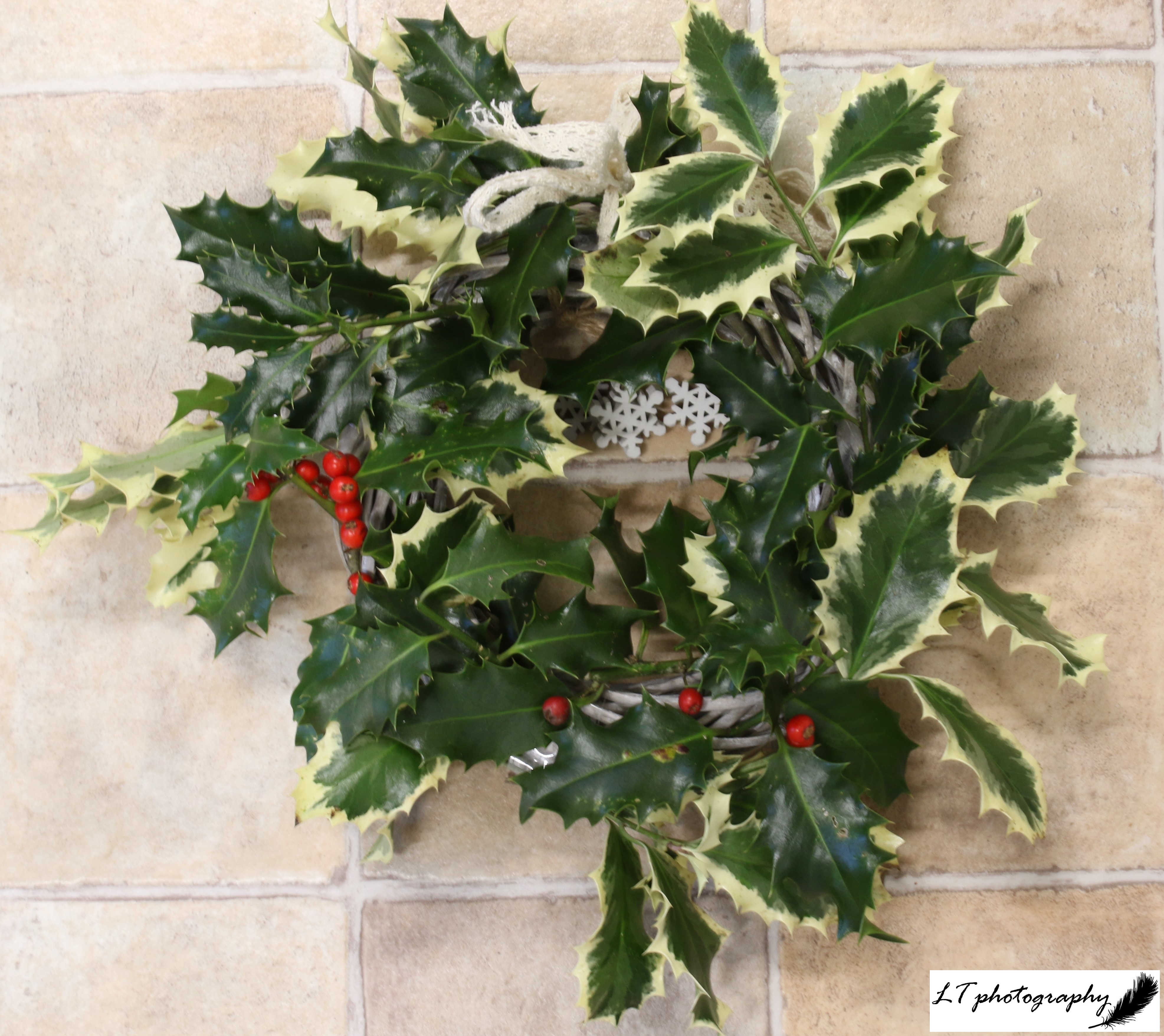
Even the origins of Father Christmas can be connected to nature. Though the image of Santa Claus and his reindeer sleigh first came to our shores from America in the 1870s, the idea of Father Christmas has been around for a very long time. Father Christmas was once associated with pagan winter festivals in the 17th century and represented the coming of spring. He was dressed all in green with a wreath of Holly, Mistletoe, or Ivy and was a symbol of happy times, and those to come, brightening winter celebrations.
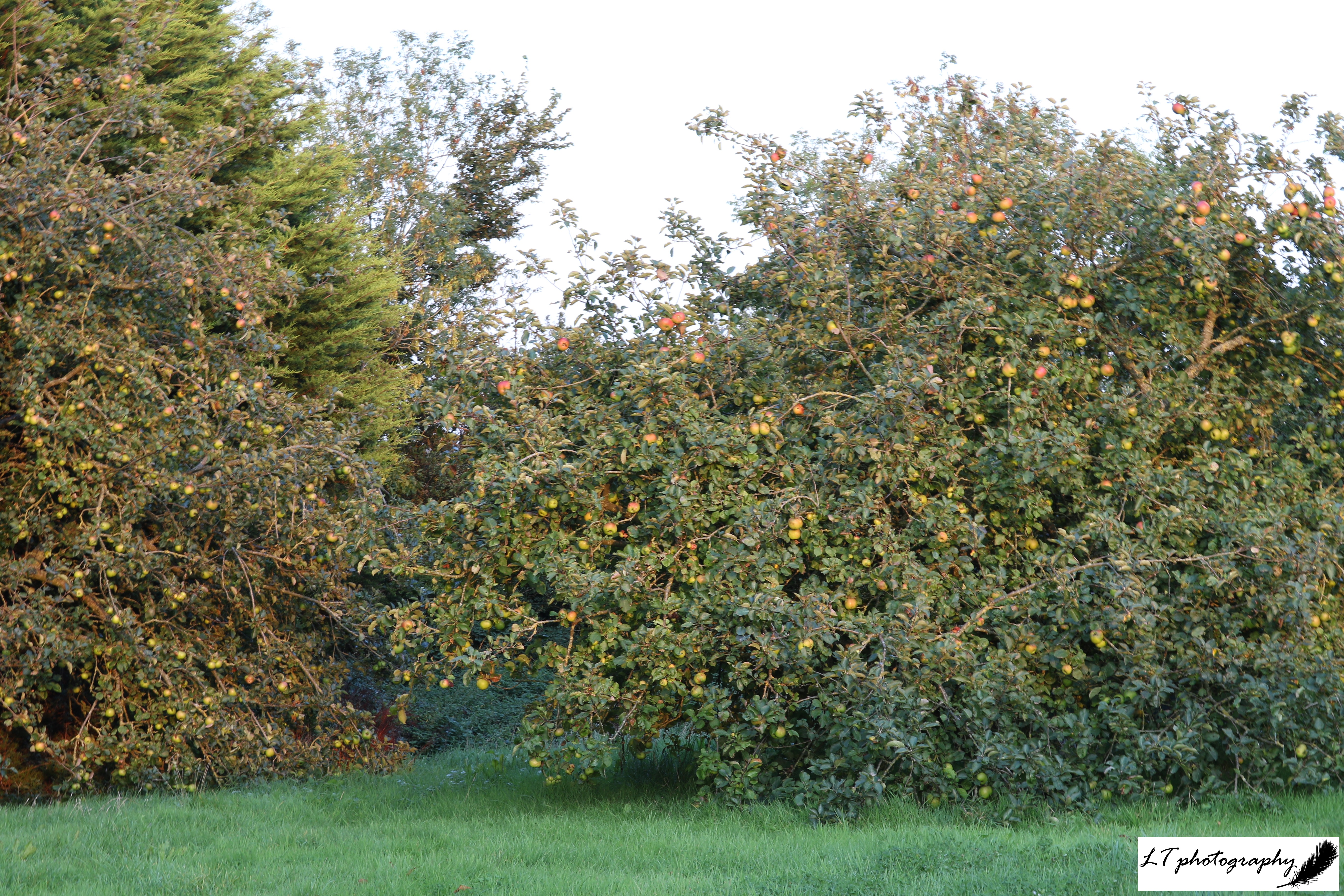
During the festive period, one ancient custom is still being practised in orchards across the country. Traditionally held on Twelfth Night (5th January), this 400 year old tradition is called Apple Wassailing, where wassail comes from the Anglo-Saxon for whole or healthy. During these celebrations, a wassail king and queen would lead a group of revellers to an orchard, where cider would be poured over the roots of the largest and most prolific apple tree, known as the Apple Tree Man, cider-soaked toast would be hung in its branches, and a toast would be made to the health of the tree. This tradition aimed to scare away bad spirits in the orchard and wake up the trees in the hope of a bountiful harvest next autumn!

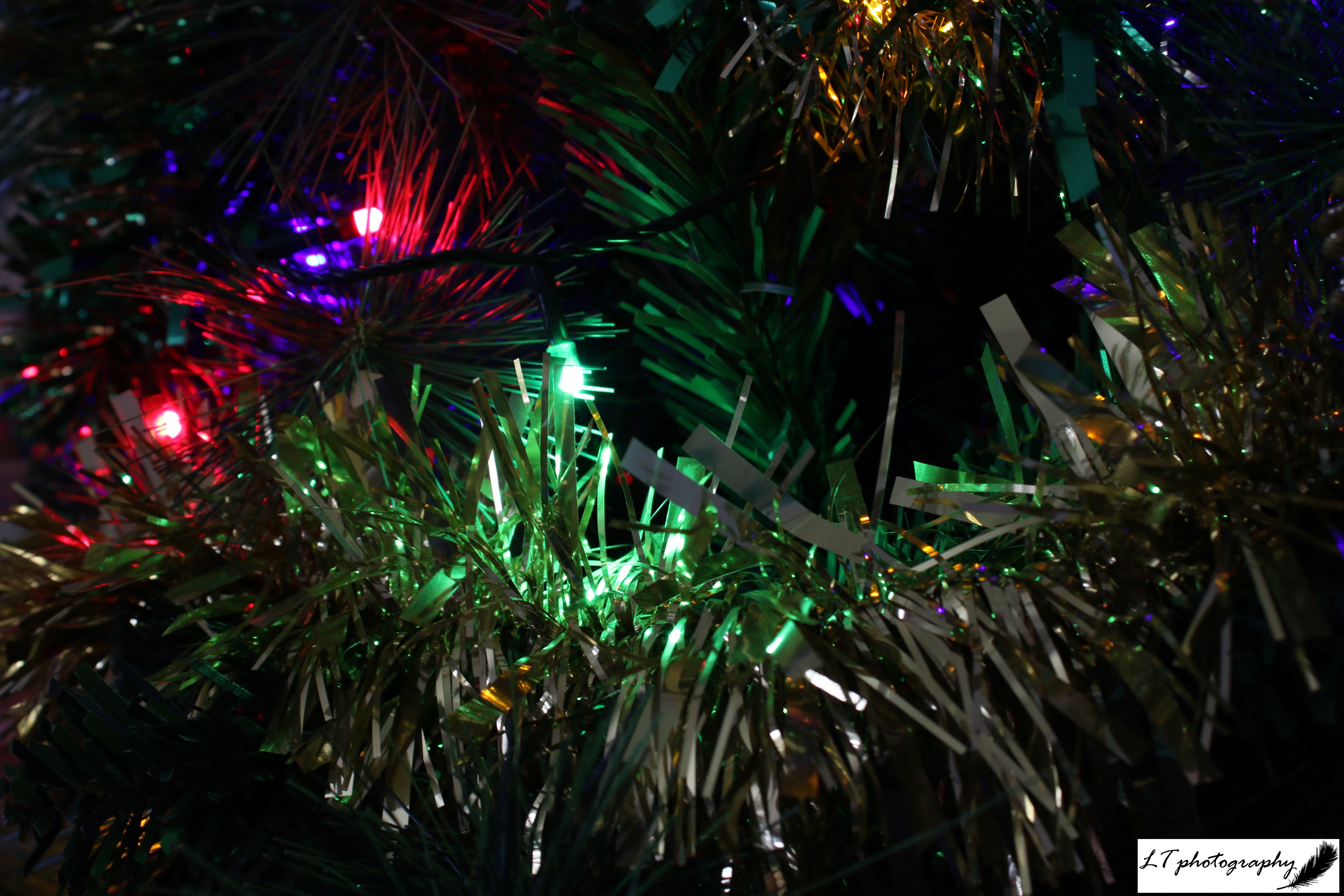
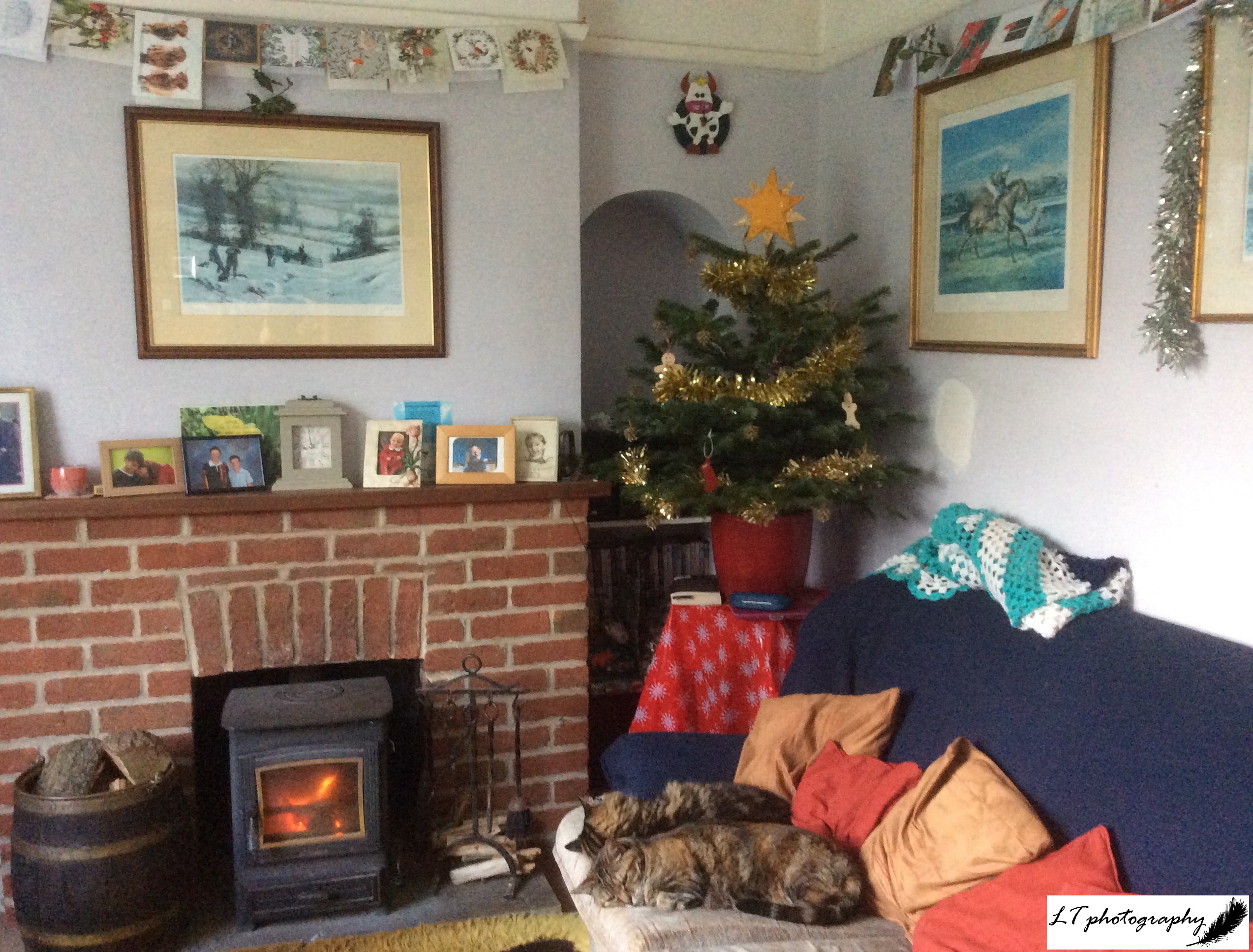
One of the most popular modern Christmas traditions still celebrated across the UK is putting up a Christmas tree. Last year alone, ninety per cent of families in the UK put up a Christmas tree in their home. This tradition first became popular during the Victorian era, when Queen Victoria’s husband Prince Albert brought trees over from Germany for his family in 1840. Despite this, the first Christmas tree was actually brought to England in 1800, by Queen Charlotte, the wife of King George III.

Greenery has long been used to decorate homes during the winter, with trees even being used during the Roman times. In some countries, evergreen boughs were believed to keep evil spirits and illness away, but most importantly they were a reminder that abundance would once again return. Check out my next Christmas-themed blog post out on Monday 21st to take a look at the history of natural decorations, and how you can bring some natural colour into your own home this Christmas.
However you celebrate Christmas time, it is important to stop and think about where our traditions come from. They are rich in history and meaning and can allow us to anchor ourselves during a turbulent season. My favourite parts of Christmas often relate to nature and baking, which have long been a part of celebrating this time of year. Why not join me in honouring our history and start a new Christmas tradition this year!
How to… Make the Most of Autumn’s Bounty

Leaves rustling beneath my feet, golden, russet, auburn. Crisp, dewy mornings, adorned with misty tendrils and spider’s webs. Hedgerows hung with bright berries, and woodlands dotted with fantastical fungi. Cosy nights in, whilst the night comes alive with Tawnys and foraging mammals. Lazily buzzing insects, murmurations, Red Kites soaring, waders and wildfowl, and endless wonder.

Autumn means different things to different people, but it is deep rooted in the natural world around us. A season of reflection and change, it is the favourite season of many. Some people celebrate turning a new leaf, some the drop in temperature and cosiness that comes with it, some the festivities, and others celebrate the little things, from migrating birds to reconnecting with nature. To all though, it is a bountiful season, marked with plentiful food and the first whispers of winter.

Historically, autumn is associated with harvest time and bringing in the food of the land before winter. From corn dolls to harvest festivals, autumn is symbolic in British tradition and culture. It has been inspiration for poets and writers alike including Keats (‘Season of mists and mellow fruitfulness’) and Jane Austen (‘the thousand poetical descriptions extant of autumn’). It is an important time of year to check in with the status of wildlife, whilst also being a time of spiritual significance for many.

As temperatures begin to drop and the leaves begin to change, it is time for us all to get out there, watch amazing sunrises and sunsets, forage for food, and stay connected with mother nature. With autumn being deep rooted in what lays outside our doors, here’s a guide to just some of the important species flourishing in autumn.

Autumn Species

Unless you are 100% sure of what something is and if it is edible, then do not eat it! Also, harvest only what you need and leave the rest for wildlife!
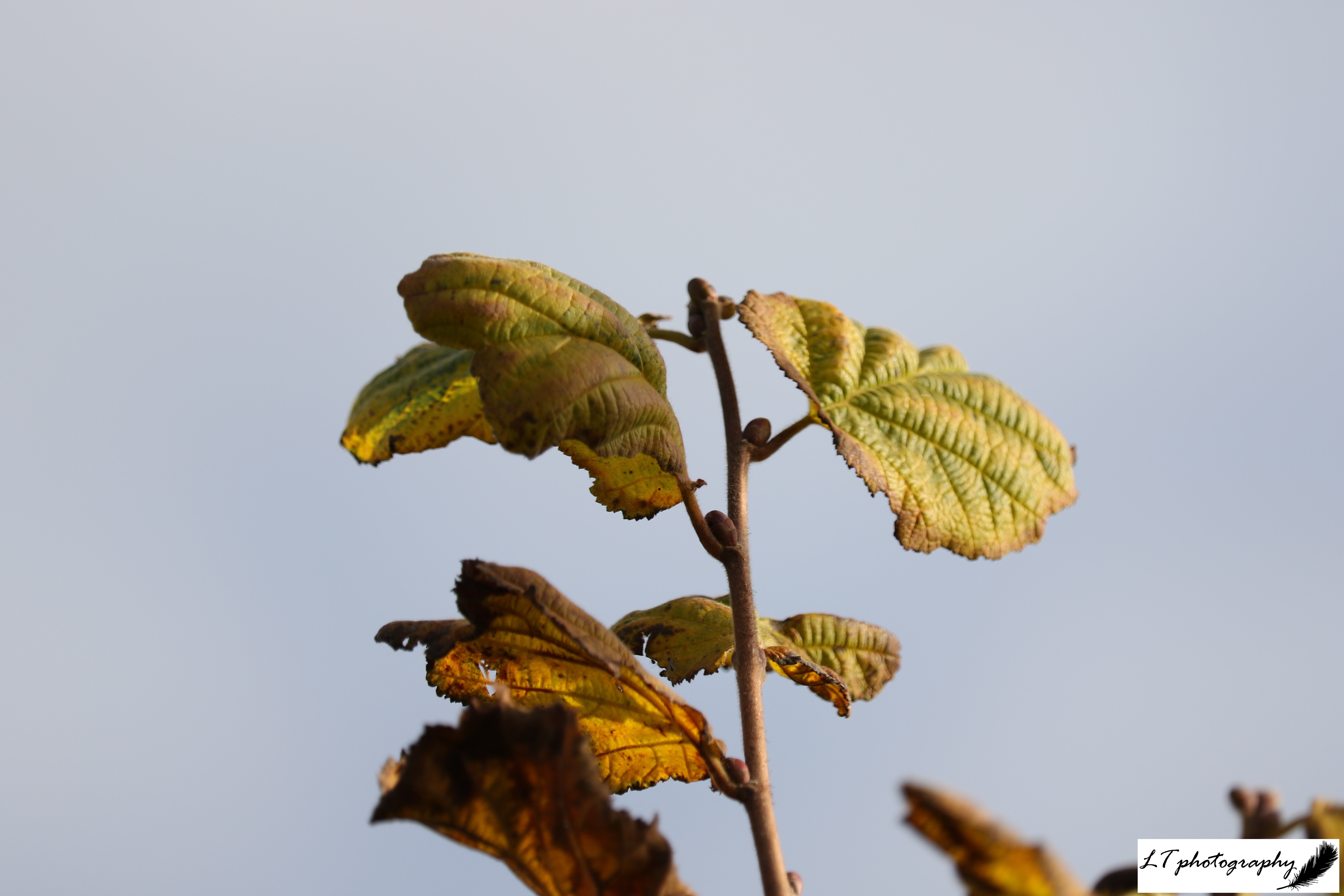
Hazel (Corylus avellana)

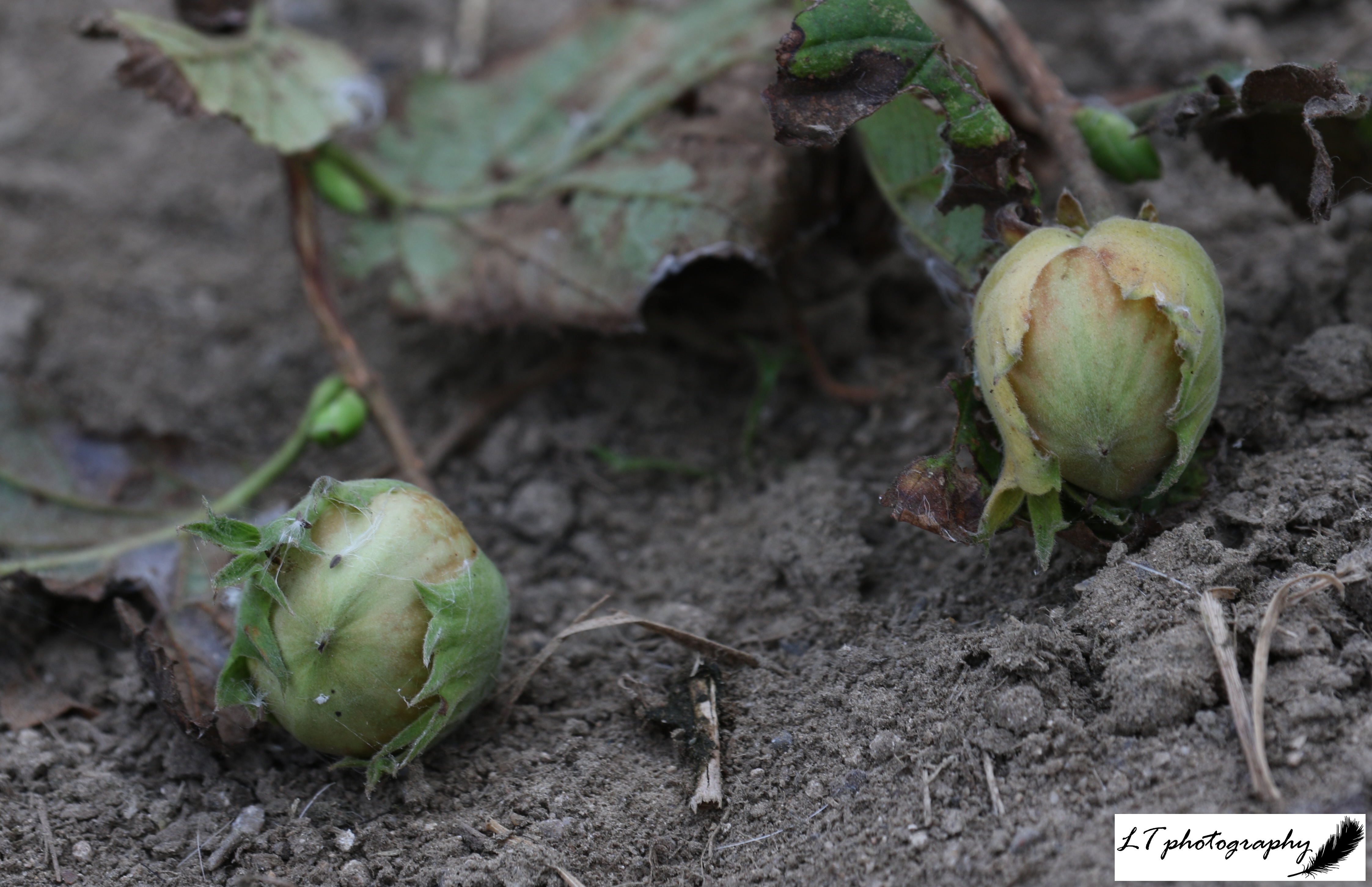
  • Fruit: The popular hazelnut, an edible nut that begins with a thick-green husk, before ripening to a brown in autumn
  • For Wildlife: A favourite food of Grey Squirrels, Dormice and Wood Mice, amongst other species, often being cached for winter
  • How to Identify: Circular-shaped leaves with toothed edges and tapering to a point; coppery brown smooth to peeling bark; lemon-yellow catkins and tiny red bud-like flowers in spring
  • Autumn Facts: Until the First World War, Holy Cross Day on the 14th September was traditionally a school holiday, where children would go nut gathering

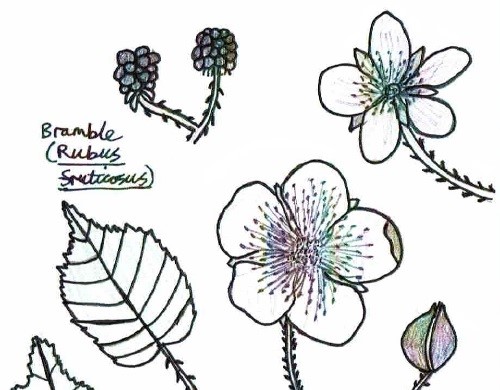
Bramble (Rubus fruticosus)

  • Fruit: The familiar edible blackberry that begins green, then turns red, before ripening to purple-black in autumn. Blackberry picking is a favourite part of autumn for many!
  • For Wildlife: The berries are a valuable food source for mammals, such as badgers, and small birds, such as Blackcaps
  • How to Identify: Oval-shaped leaves with toothed edges and tapering to a point; prickly and half-evergreen stems; white or pink flowers from spring onwards
  • Autumn Facts: Folklore in Britain dictates that blackberries should not be picked after Old Michaelmas Day (11th October), as the Devil has by then made them unfit to eat

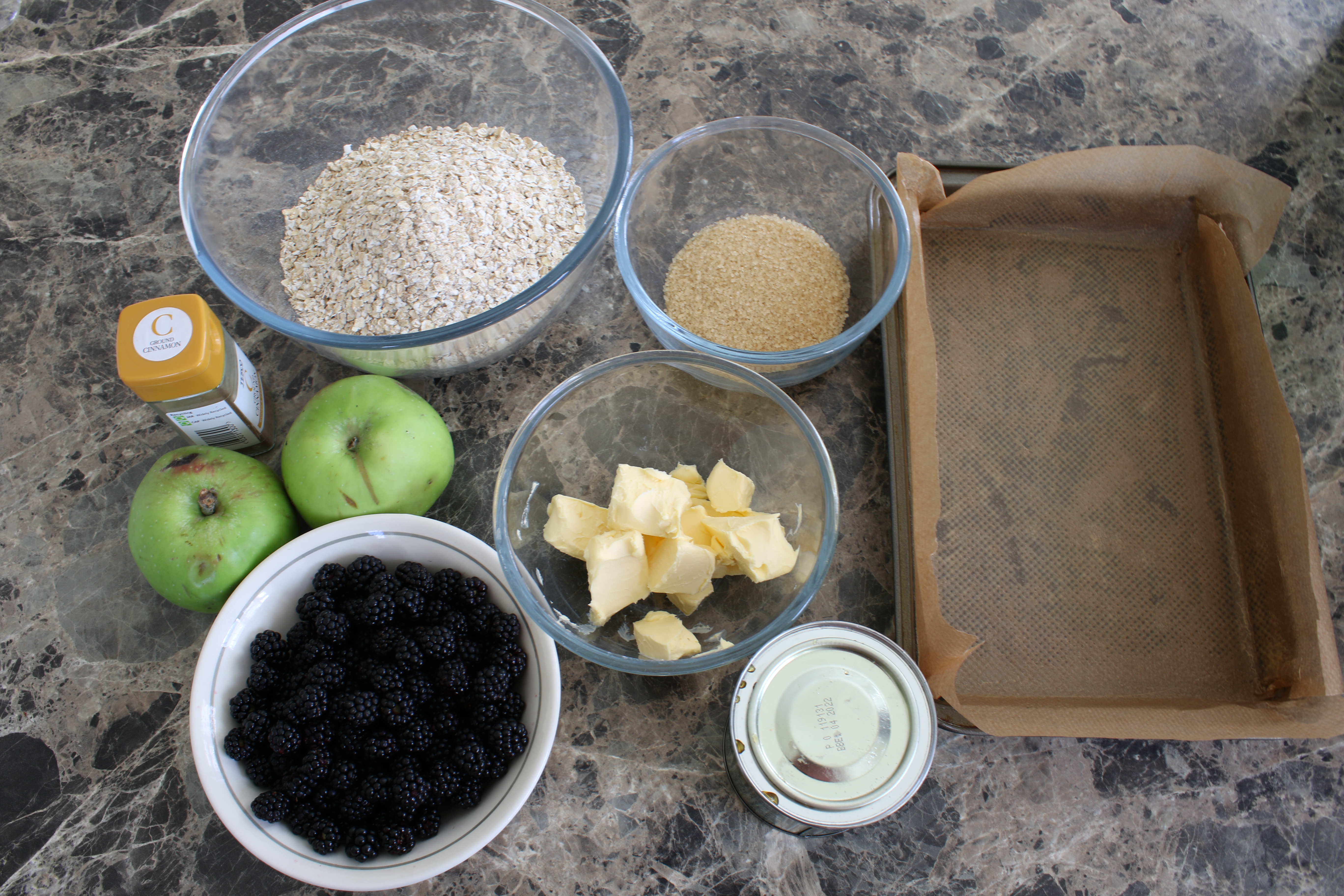
Recipe:

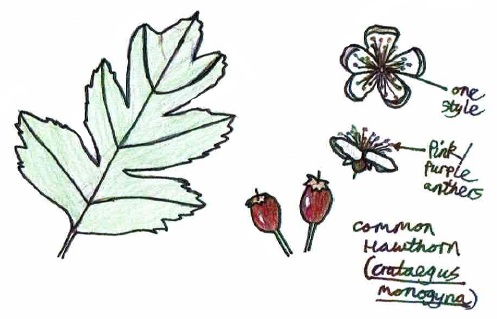
Hawthorn (Crataegus monogyna)

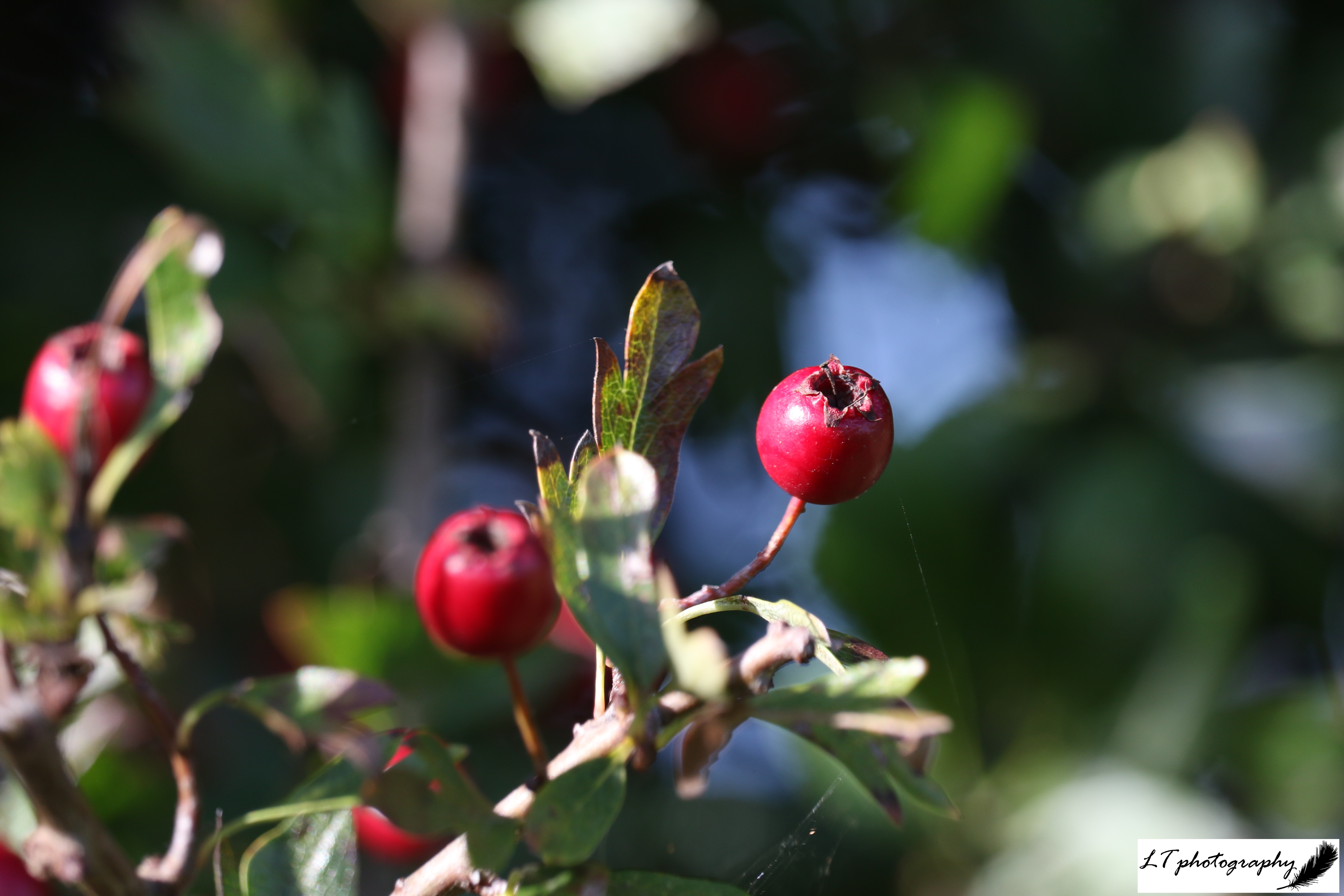
  • Fruit: Hawthorn berries, sometimes known as haws, are edible but their single seed is toxic to humans. They ripen to a bright red, is likened to over-ripe apples in taste, and are used to make jams, jellies and wines
  • For Wildlife: Important source of food during autumn and winter for small mammals and birds, including Blackbirds and Redwings
  • How to Identify: Shiny leaves that are oval-shaped with deeply cut lobes; thorny stems and twigs; white fragant flowers with 5 petals fading to pink
  • Autumn Facts: One of the main uses of Hawthorn is to treat high blood pressure, widening blood vessels and increasing blood flow 

Blackthorn (Prunus spinosa)

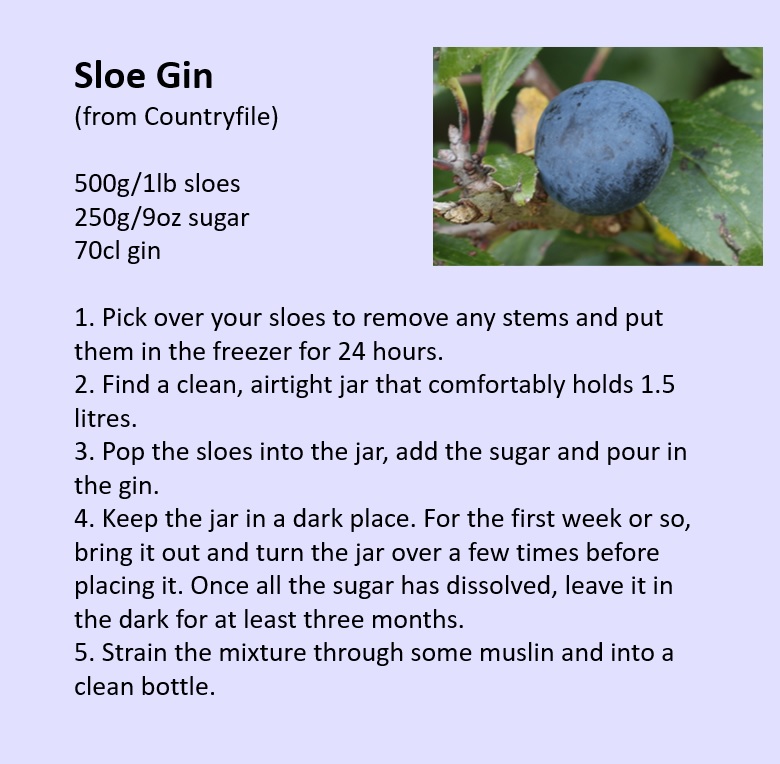
  • Fruit: Produces edible, but tongue-numbing, sloes which are small blackish plums with a bluish powdery surface. Popular to flavour gin!
  • For Wildlife: A feast for birds in autumn and winter that help to disperse the plant’s seeds
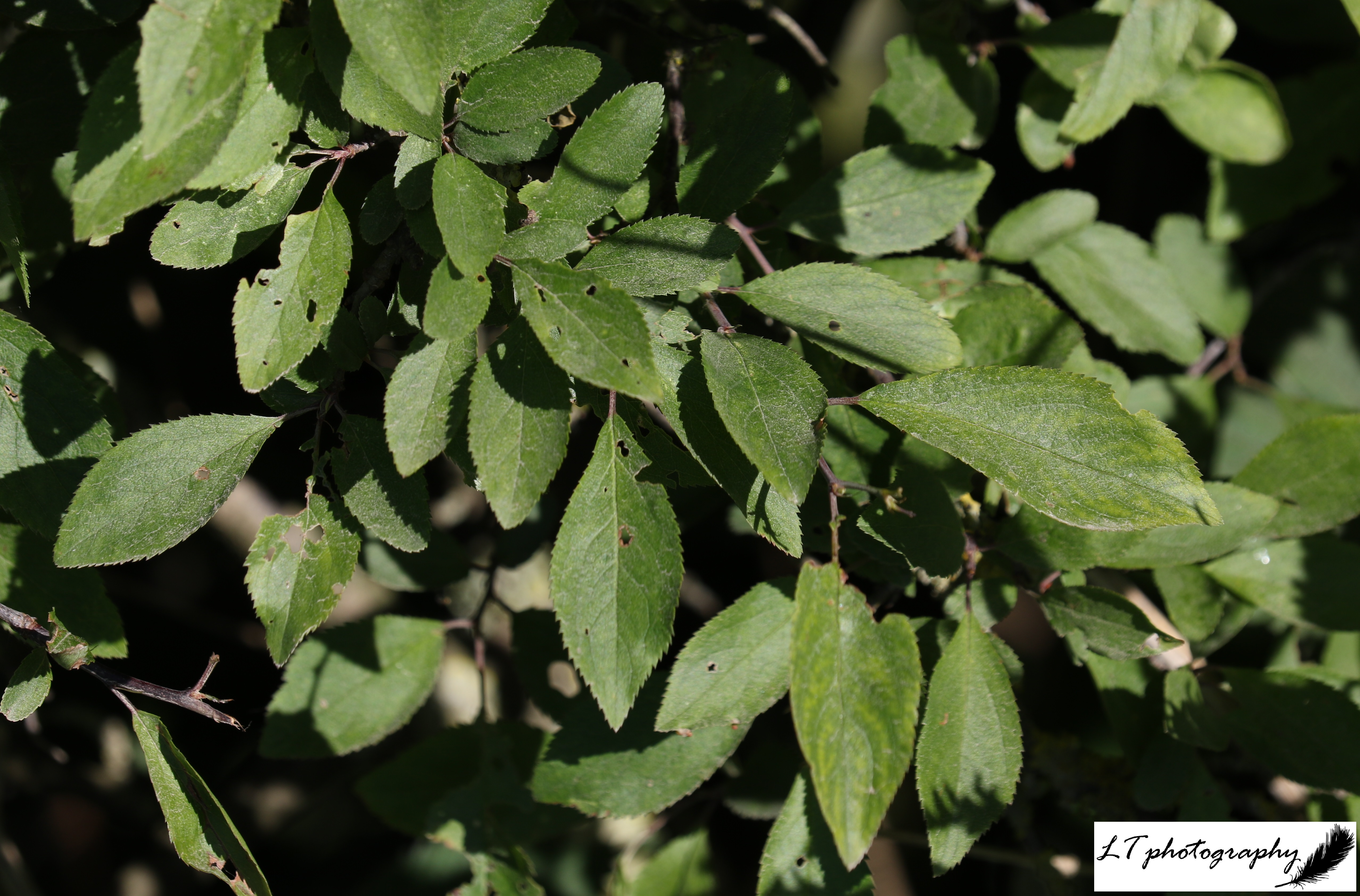
  • How to identify: Oval-shaped leaves with toothed edges and tapering to a point; blackish, thorny stems and twigs; snow-white and 5-petalled flowers with red-tipped anthers in the centre
  • Autumn Facts: Sloes are rich in vitamin C and have been used to treat stomach disorders, blood purification, teeth whitening, and even gum problems

Recipe:

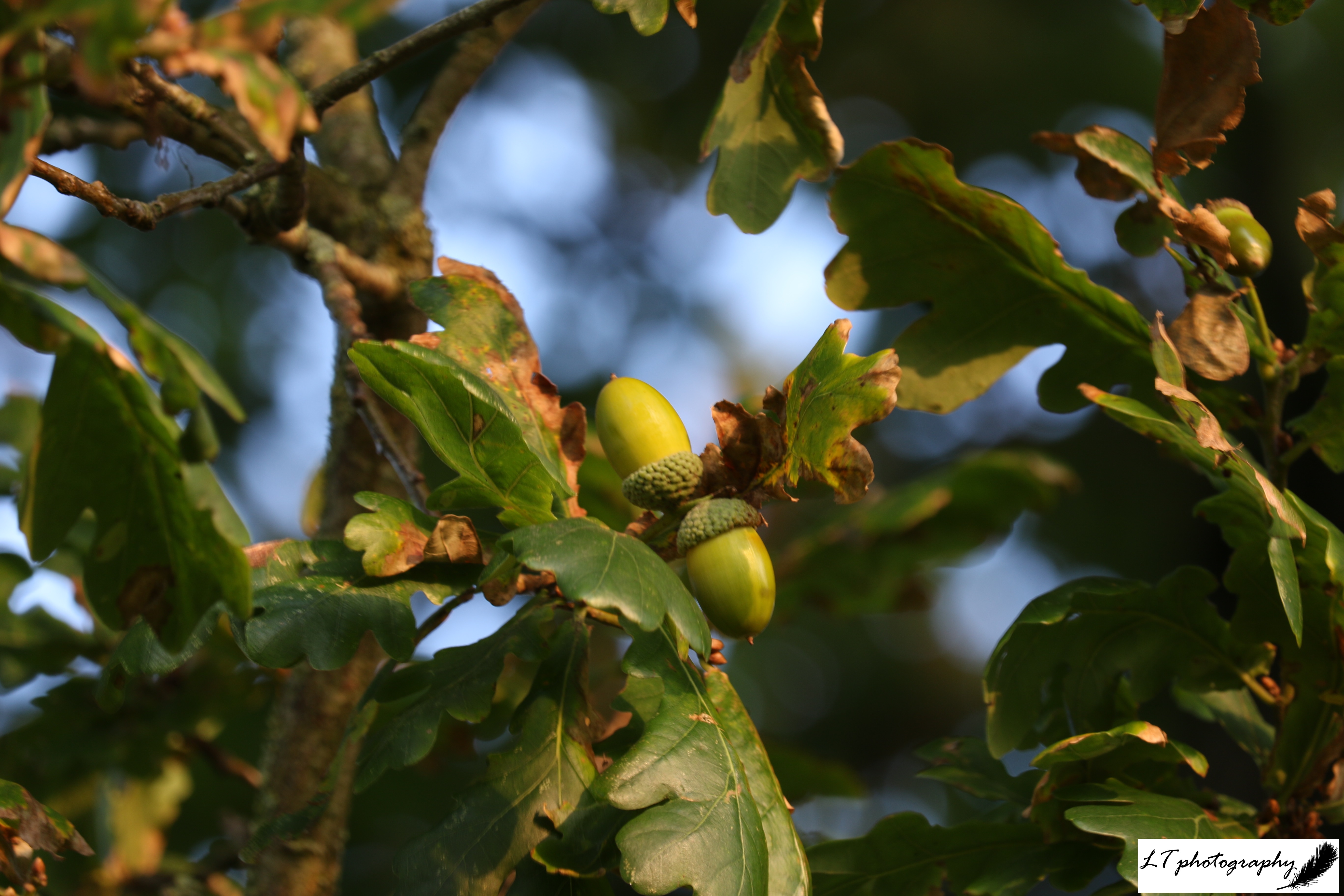
Pedunculate Oak (Quercus robur)

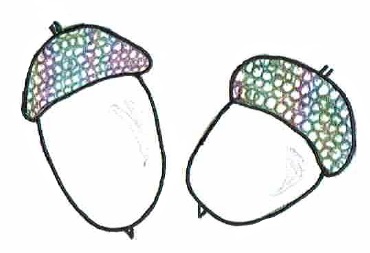
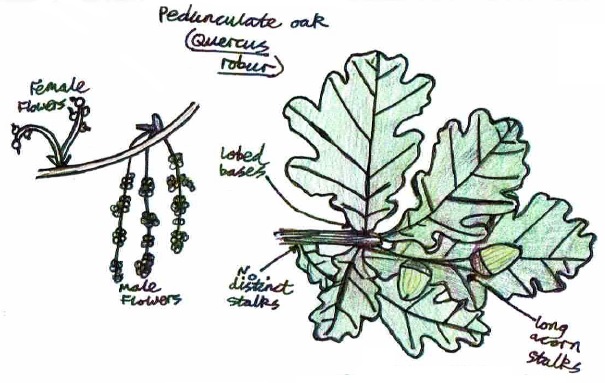
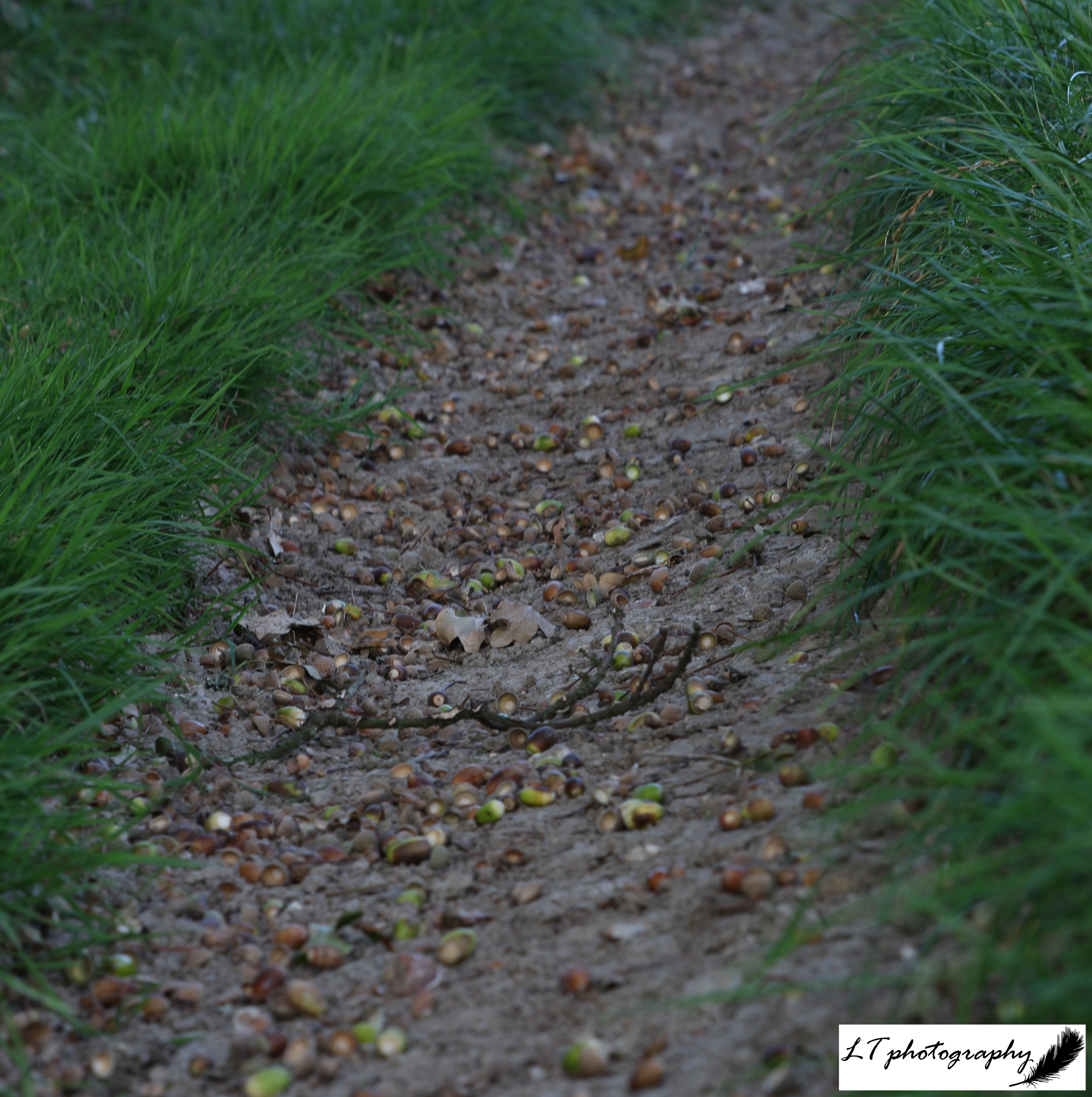
  • Fruit: Produces the familiar acorn, with scaly cups and clusters carried on long stalks. Contain tannins that are toxic and bitter to humans, but can be leached out to make edible
  • For Wildlife: An important rich source of food for species such as Jays, Mice, Squirrels and Badgers, often being cached for winter
  • How to Identify: Large, oblong leaves, broader at the base and lobed, turning brown in autumn; massive rugged grey-brown trunk and broad crown; yellow-green catkins in spring
  • Autumn Facts: The most important texts in British history, such as the Magna Carta, were written in Oak gall ink

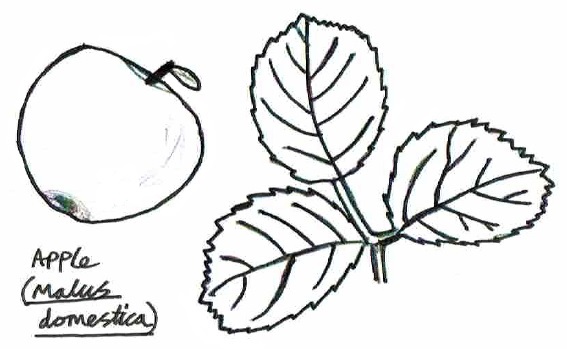
Apple (Malus domestica)

  • Fruit: Though not native to the UK, domestic Apple trees produce the popular apple which is now cultivated across the globe
  • For Wildlife: Apples are not just for humans, being a popular food source for wildlife too. Birds, such as Thrushes, and mammals, such as Badgers, feast on the fallen and ripening fruit
  • How to Identify: Dark green and typically oval-shaped leaves with toothed edges, and hair underneath; flowers are five-petalled and pink to white in colour
  • Autumn Facts: Most apples are still picked by hand and the world’s top apple producers are China, United States, Turkey, Poland and Italy

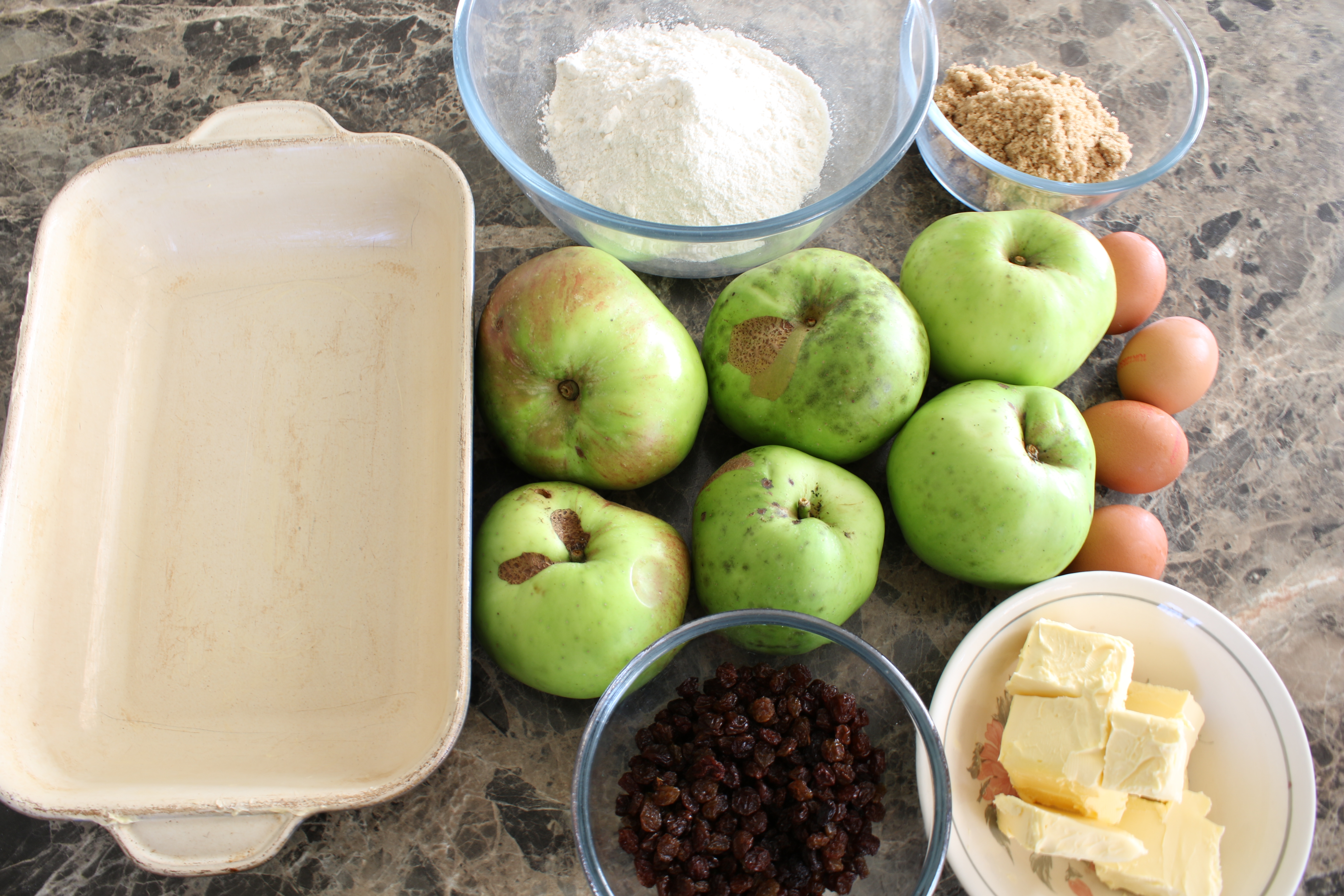
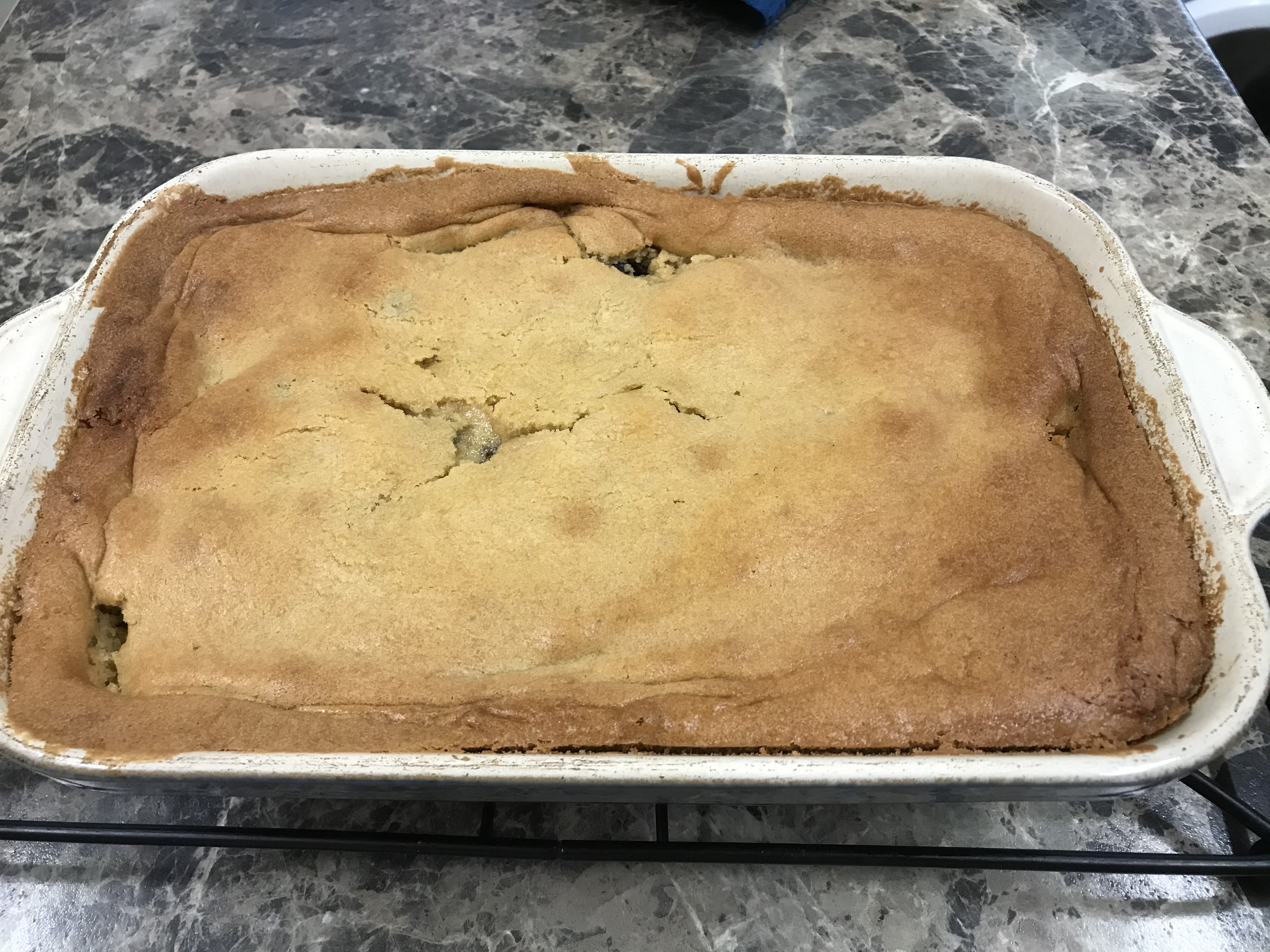
Recipe:

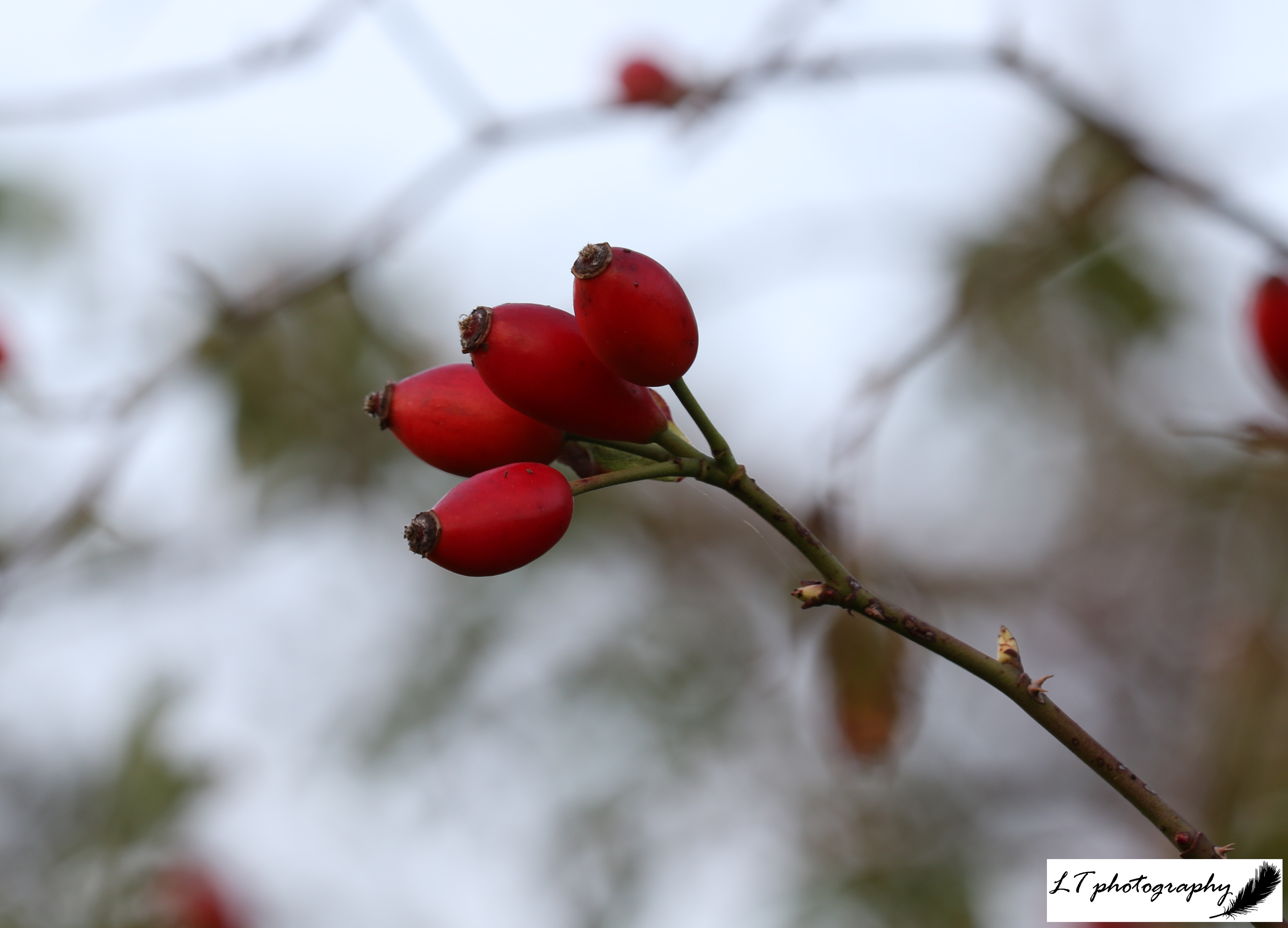
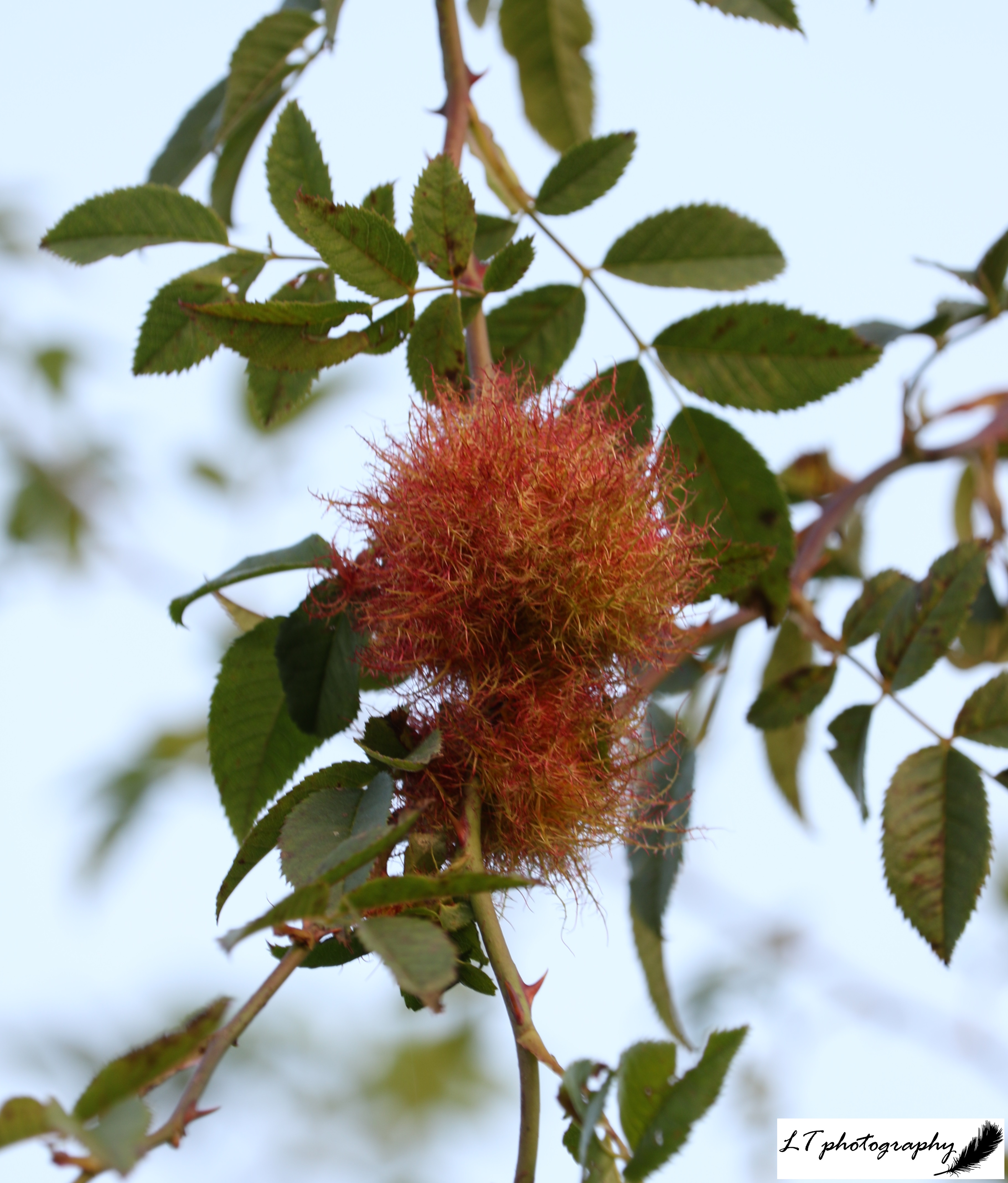
Dog Rose (Rosa canina)

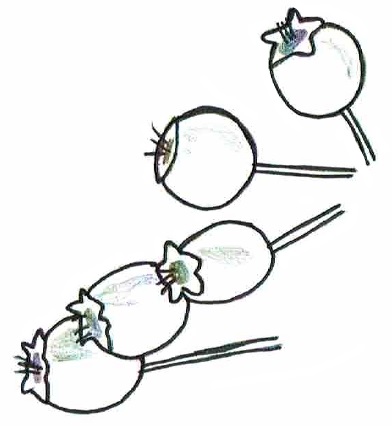
  • Fruit: Berries known as hips, that are edible, egg-shaped and bright red. Popularly used for a wide range of food and drink
  • For Wildlife: The hips are eaten by fruit-eating birds, such as Fieldfare and Waxwings, and small mammals, such as Bank Voles
  • How to identify: Dark green and oval-shaped with toothed edges and tapering to a point; arching stems with broad-based strongly hooked prickles; flat and fragrant white or pale pink flowers with large petals and hairless stalks
  • Autumn Facts: It is a valuable medicinal plant, with the hips being made into a vitamin C rich syrup for children (20 times the amount that is in orange juice)

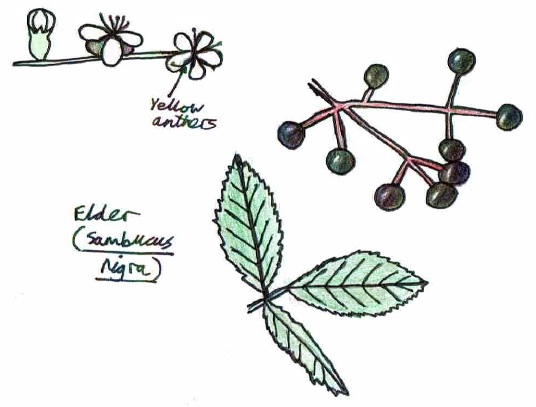
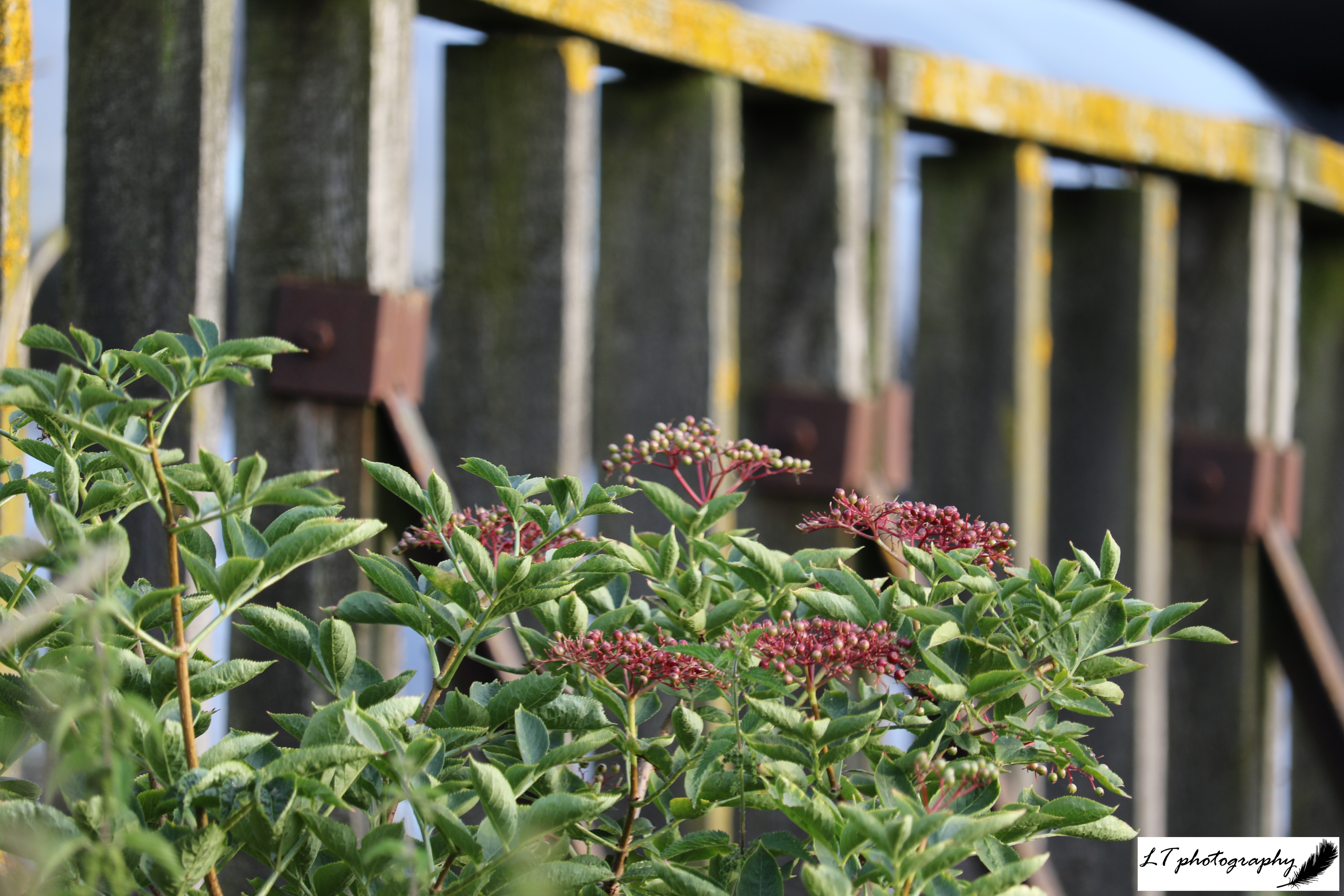
Elder (Sambucus nigra)

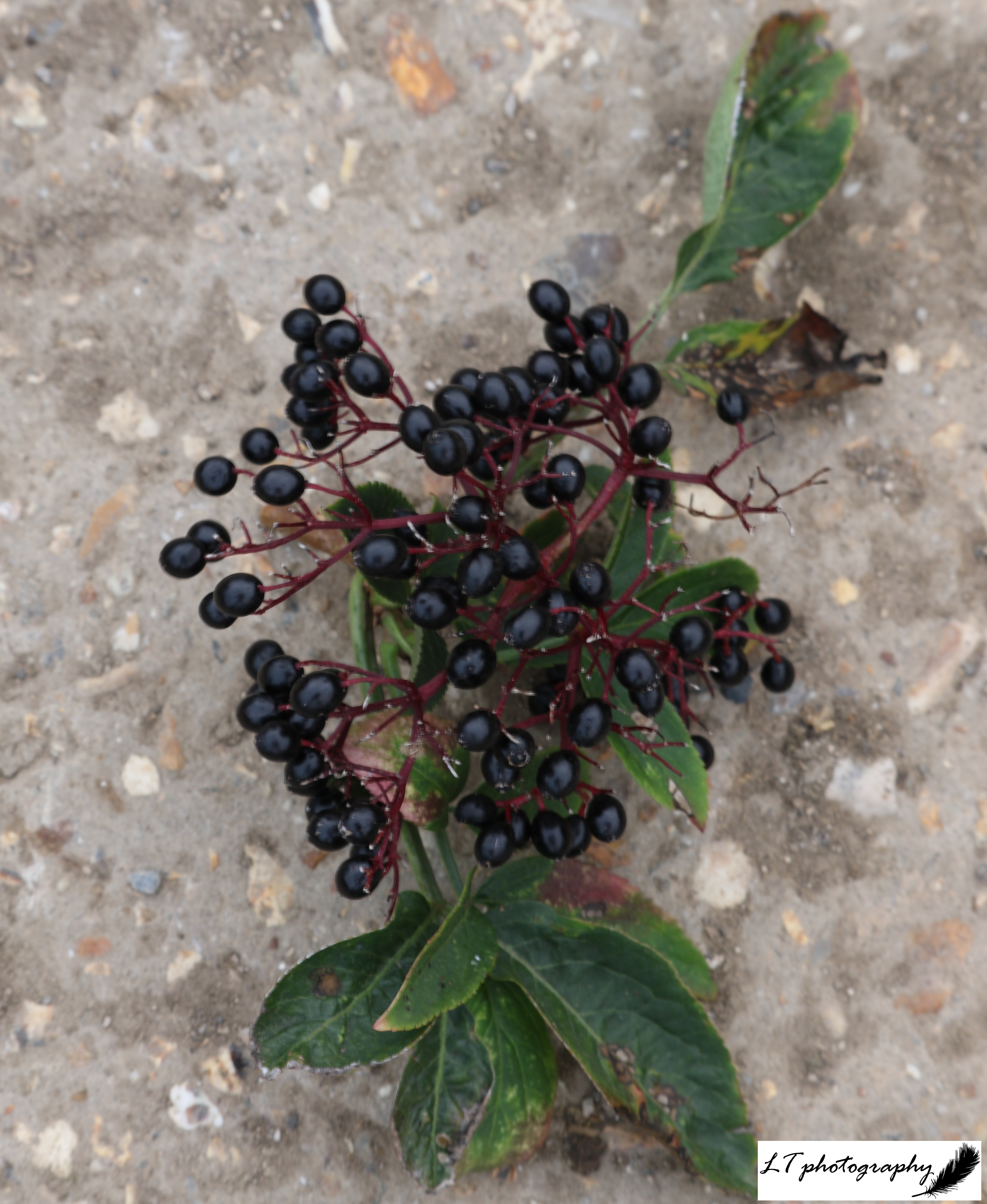
  • Fruit: Juicy edible purplish-black berries, known as elderberries, that are used to make a variety of wines, juices, jams and jellies
  • For Wildlife: The berries are eaten by both birds and small mammals, from Whitethroats to Dormice
  • How to identify: Long, dark green oval-shaped leaves with finely toothed edges and tapering to a point; strong smelling bark that is corky and fissured; white, small and fragrant flowers in flat-topped clusters
  • Autumn Facts: One of the most commonly used medicinal plants across the world, from Native Americans using it to treat infections to the Egyptians using it to improve their complexions and heal burns

Recipe:

Spindle (Euonymus europaeus)

  • Fruit: Spindle berries are toxic to humans, with a laxative effect. They are highly distinctive, with 4-lobes and being bright coral-pink
  • For Wildlife: Provide food for a variety of species including mice, birds and even Foxes
  • How to Identify: Shiny oval-shaped leaves with finely toothed edges and tapering to a point that turn distinctively pinkish-red in autumn; deep green 4-sided twigs darkening with age; greenish-white 4-petalled flowers in clusters
  • Autumn Facts: Spindle is at its best and most colourful during autumn with warm leaves and berries