Spring Camera Trapping 2024 – Part. 1: March, April & Early May

Year-on-year, the landscape waking up after its winter slumber inspires me to re-explore the wildlife becoming active in my local area. In Dorset, my family’s farm is home to a wide range of mammal and bird species, amongst others, with new additions being observed every year. Despite this, on a day-to-day basis many species are often not seen, living more secretive lives.

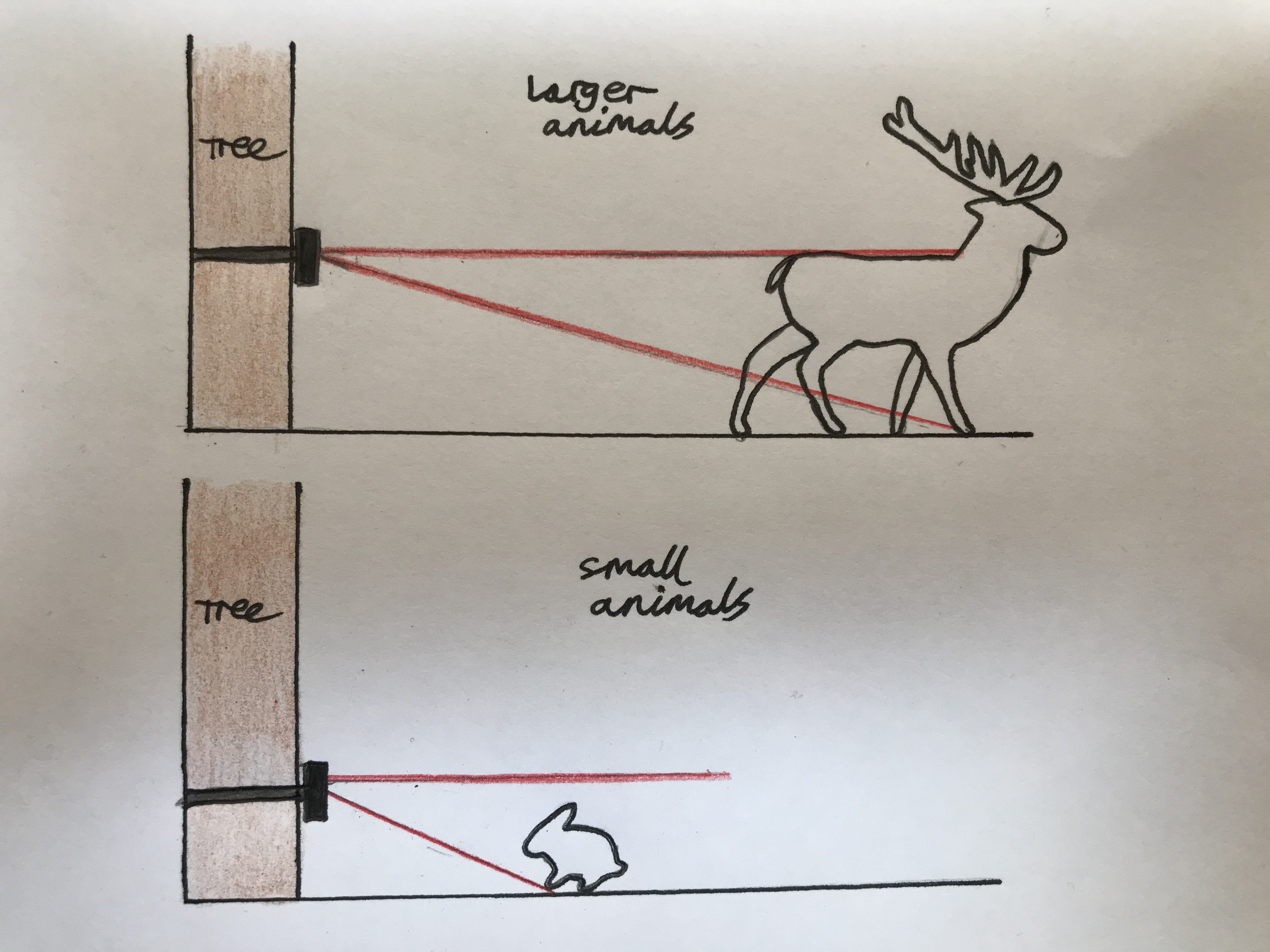
A great, unobtrusive way to be able to observe wildlife on my family’s farm is to use a camera trap. A camera trap is a small waterproof camera that is triggered by movement. The camera then records either photos, video or both, and my cameras store these on a memory card (check out my How to.. guide for more info). By using a camera trap in the right way, you can get some really amazing views of wildlife, all without individuals being aware of the camera and being disturbed.
This year, from the 10th March onwards, I began setting up and changing the location of my two camera traps every week, to see what I could find and learn this year about my local wildlife. Over a few months, I used a variety of different locations close to home, and also revisited some over that time period too. Some locations, such as my Badger Alley site, have been used for many years now, whereas some, such as my Bridge Field site, were used for the first time this year. Lets now go back to early spring to find out what my camera traps learnt and observed this year!

March

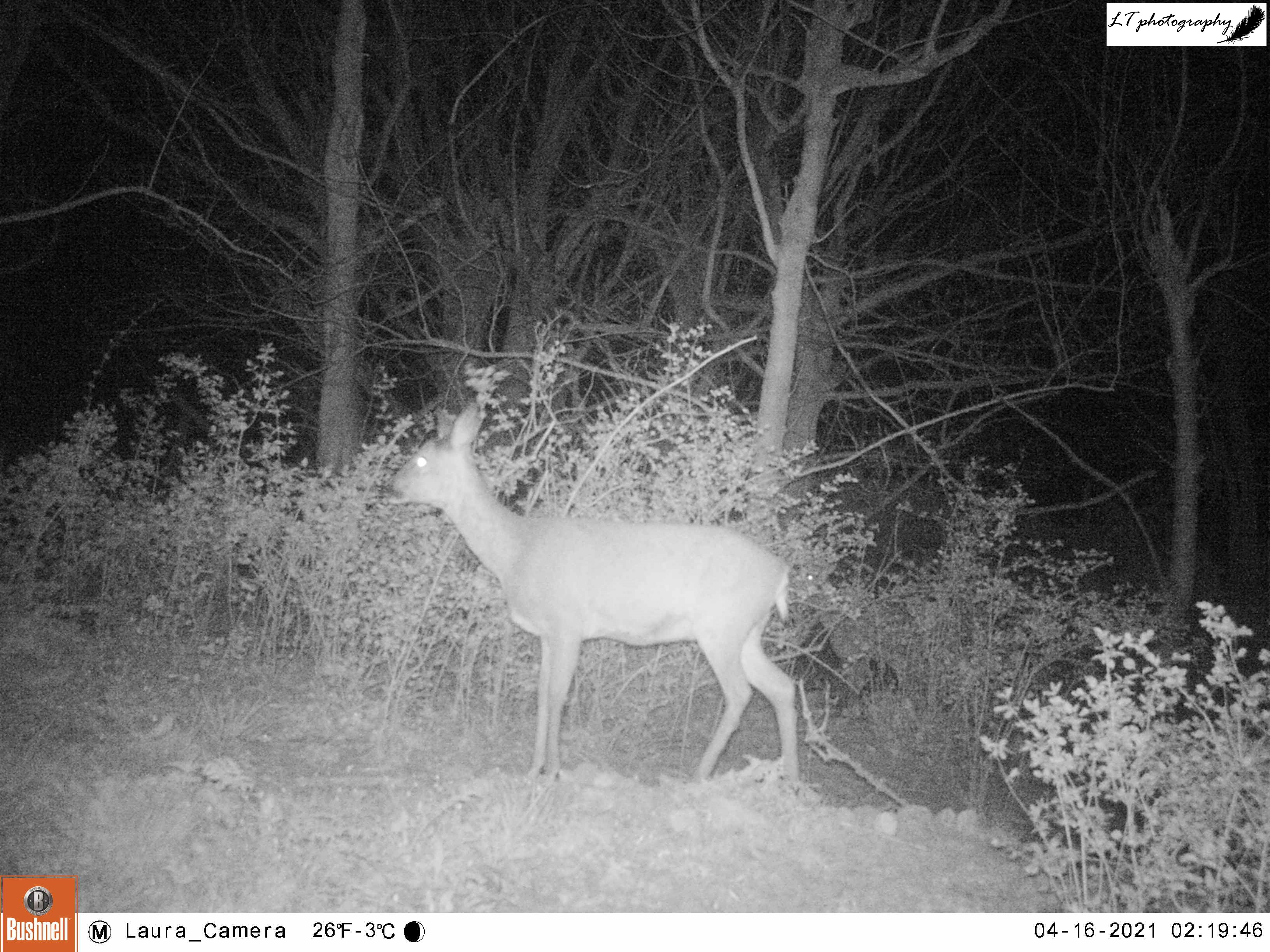
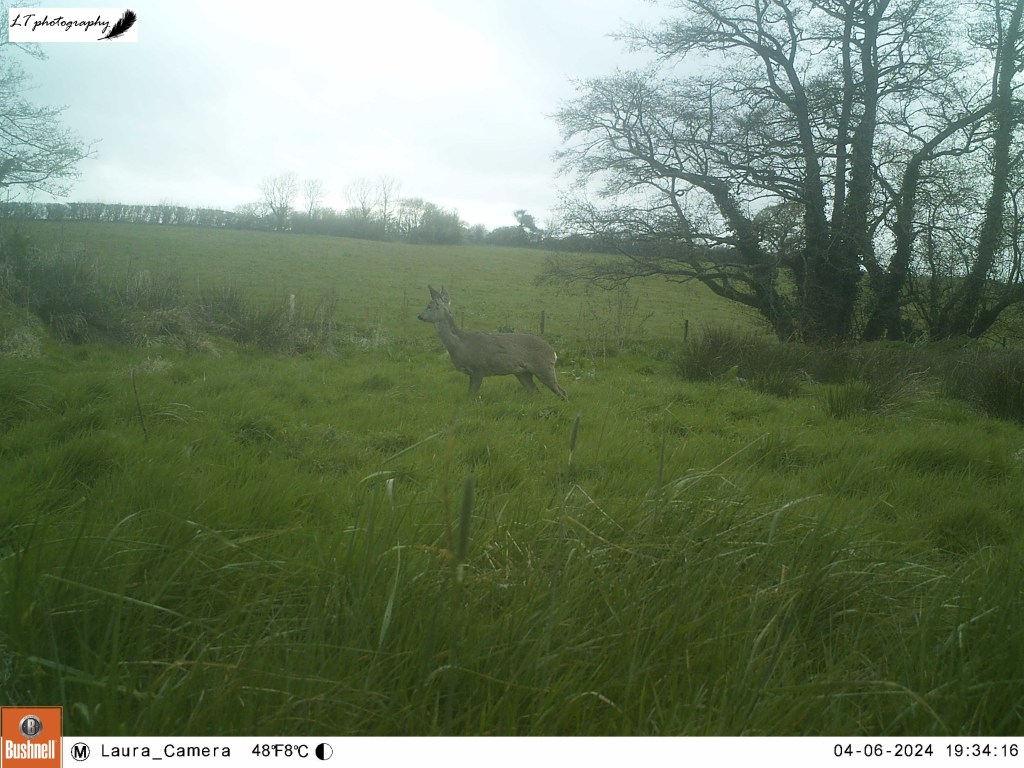
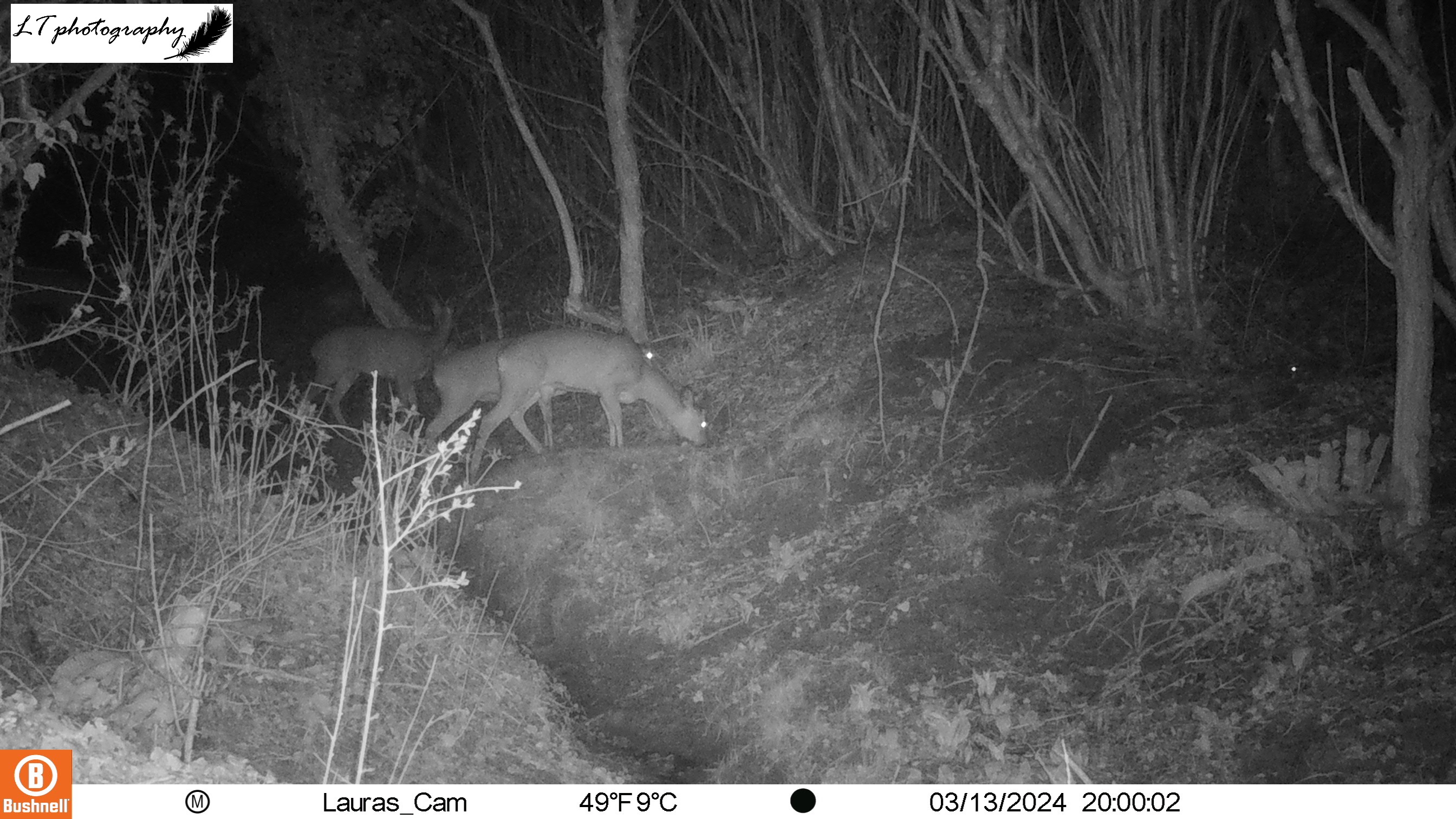
As the landscape slowly wakes up and new growth begins to carpet fields, woodlands, and hedgerows, the local wildlife is also beginning to become more active as they go about their day-to-day lives. In early spring, roe deer are still living in non-territorial mixed-sex groups of varying size with groups sharing limited food sources. This year, across the farm, my camera traps observed many roe deer groups passing through the landscape during March, including males growing antlers covered in soft velvety skin, and females with growing pregnant bellies. In particular, this spring groups stayed together quite a while due to fluctuating weather affecting the growth and abundance of plants.
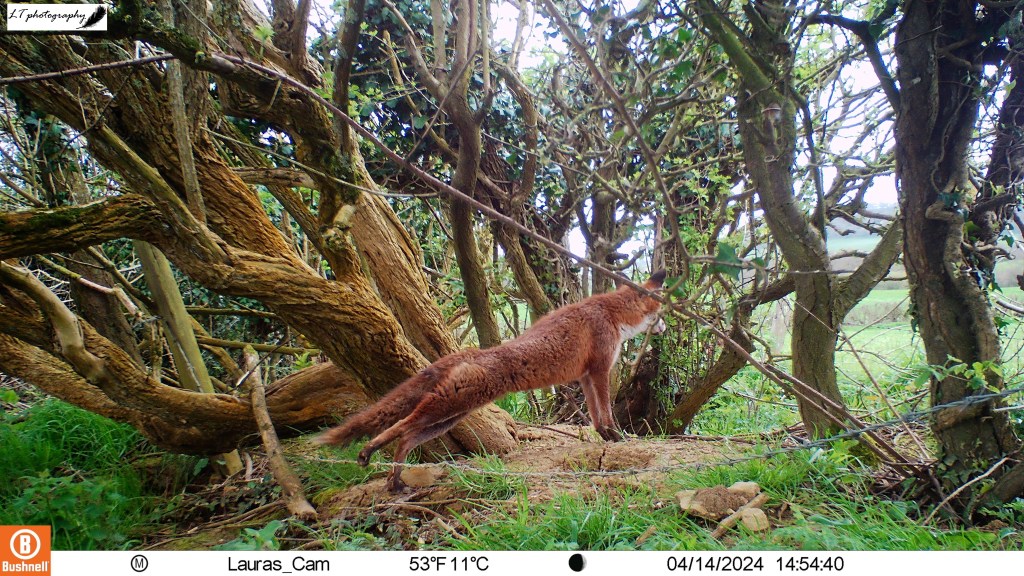
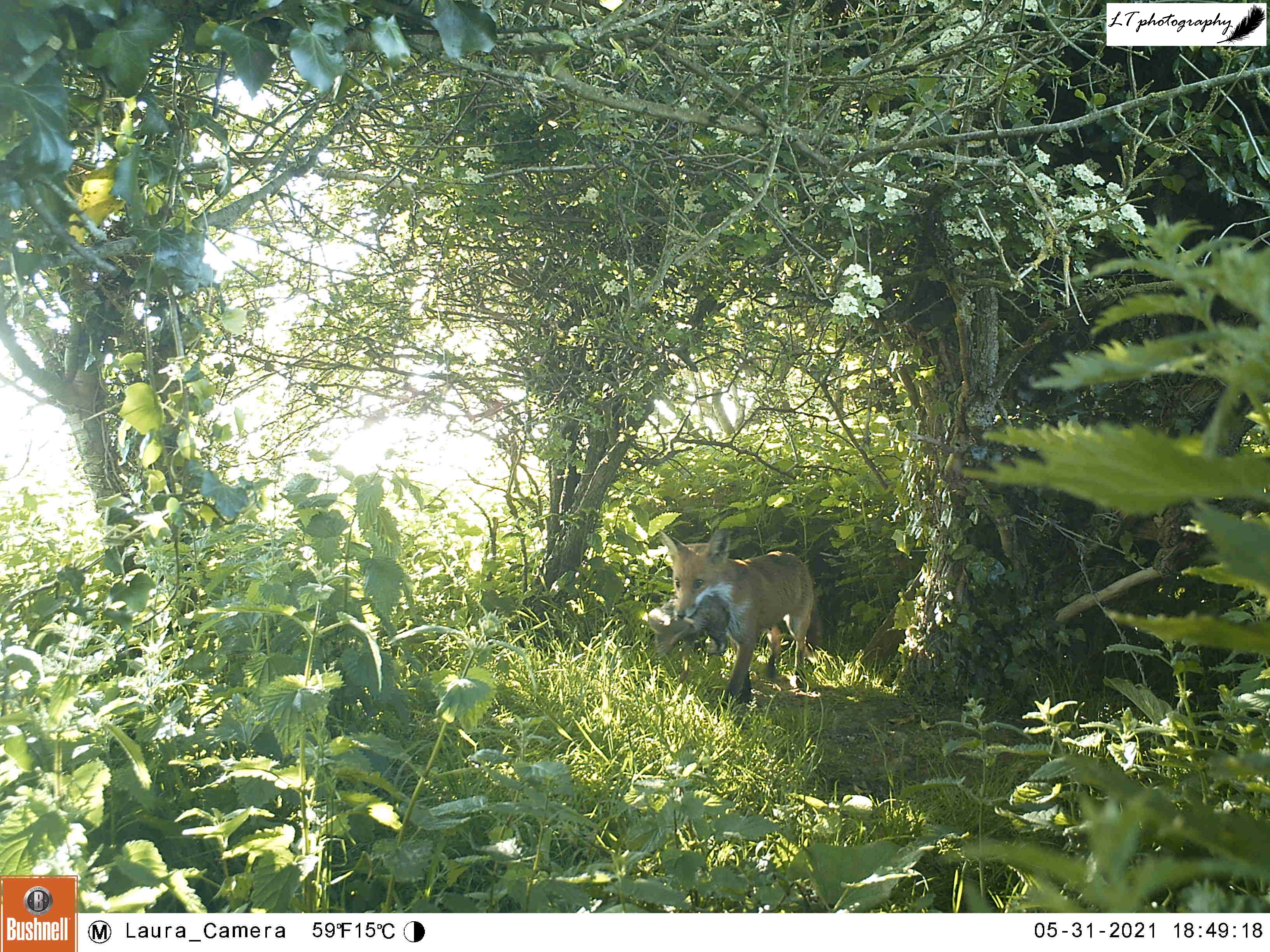
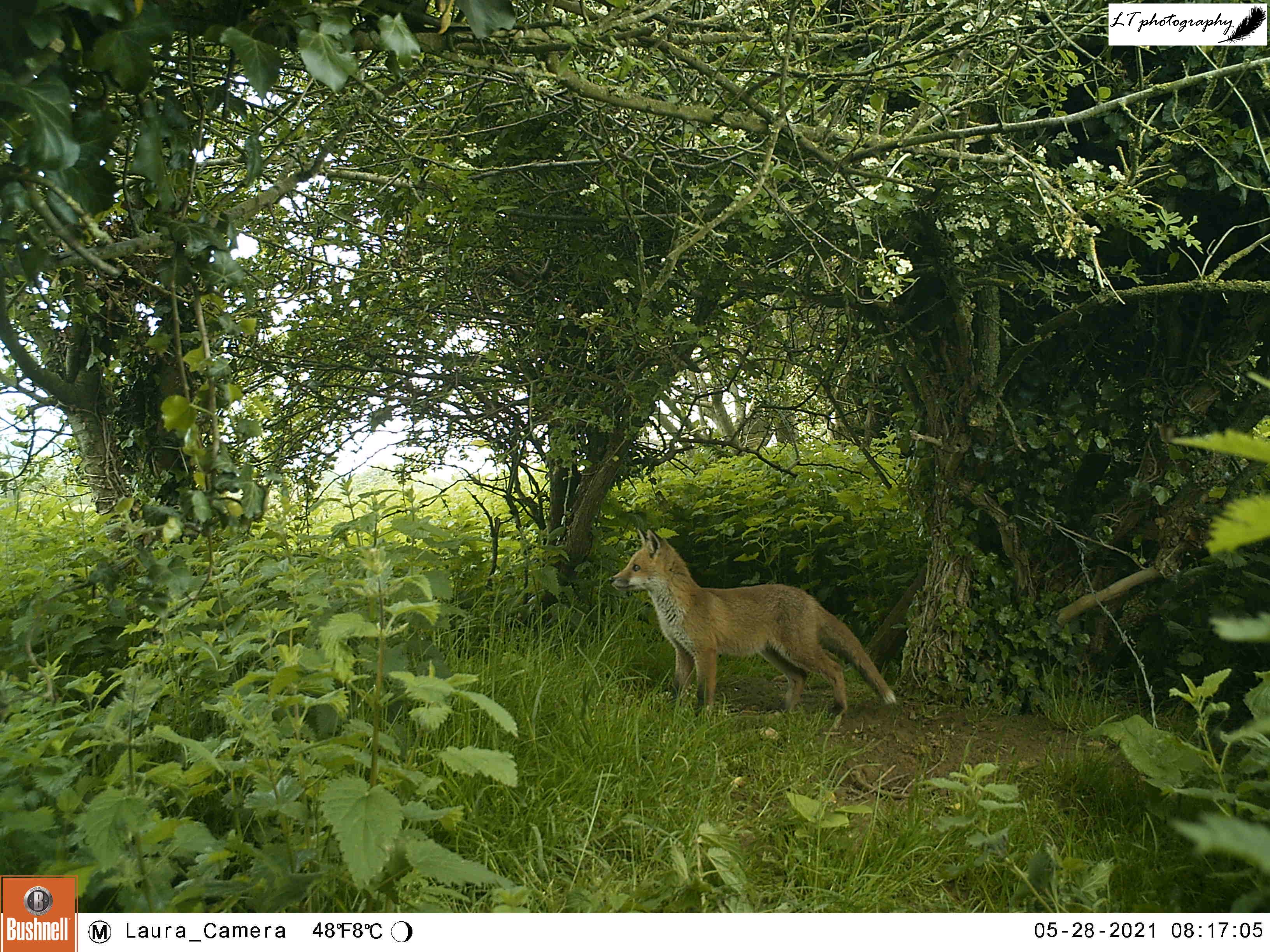
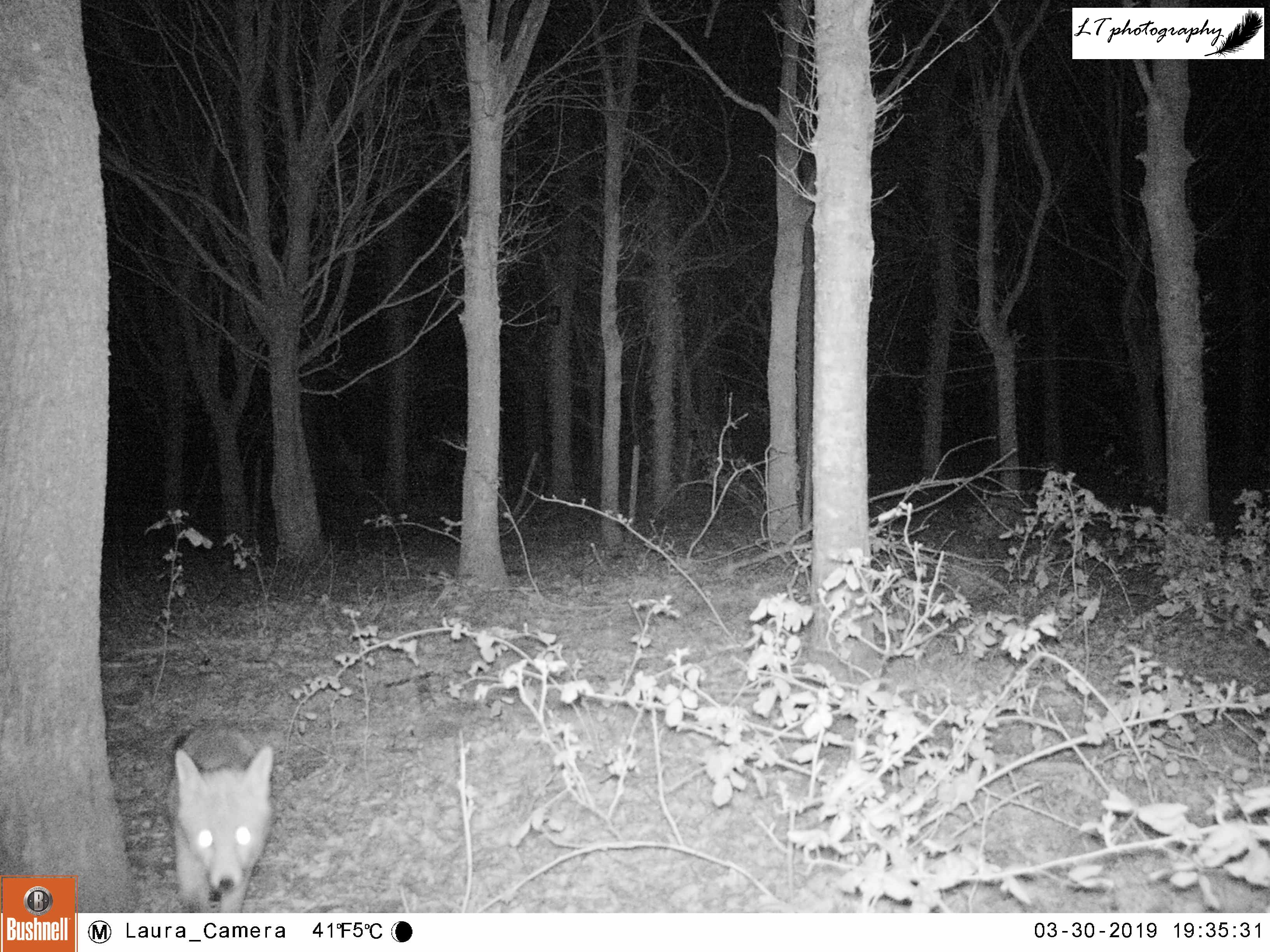
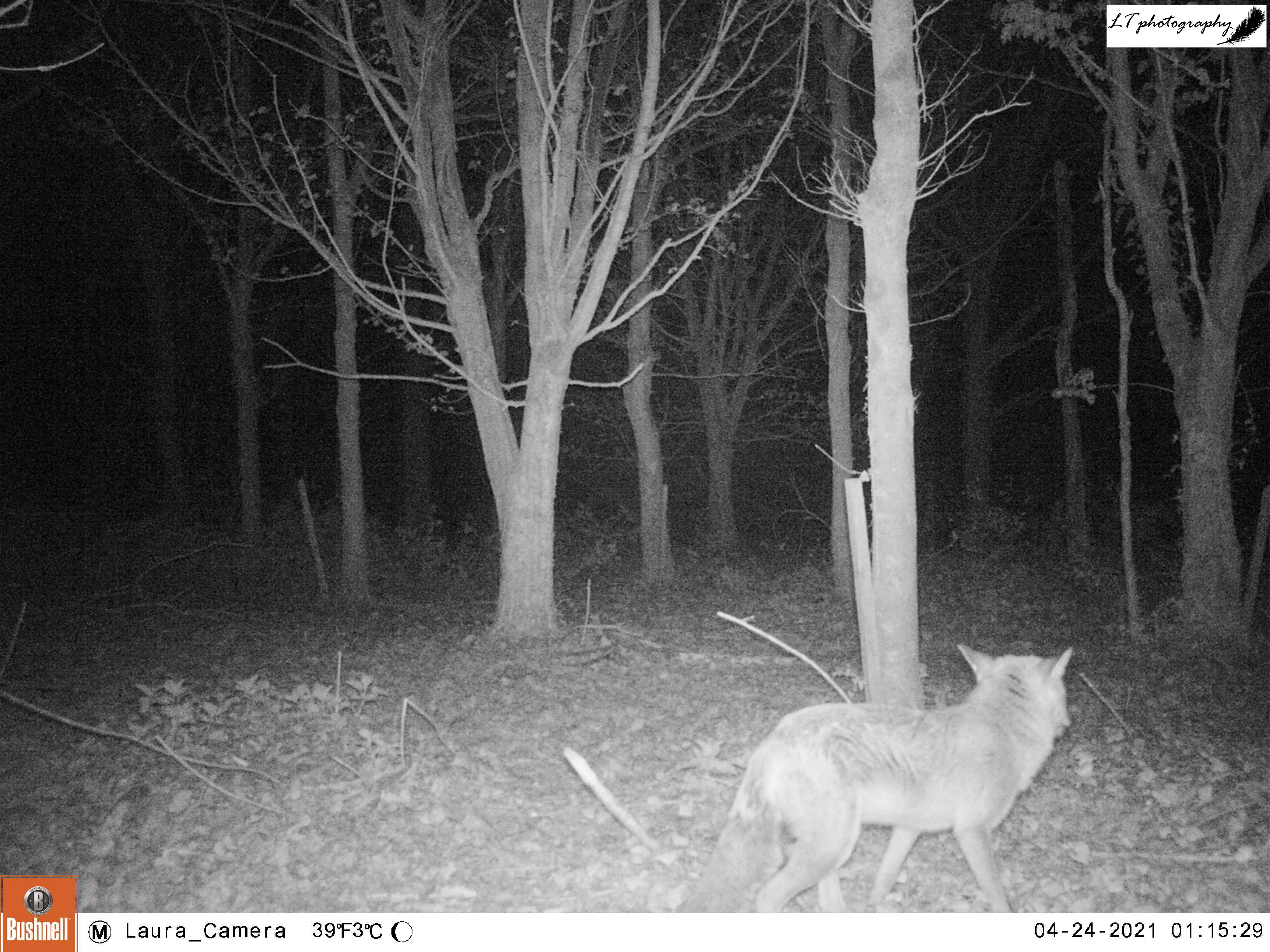
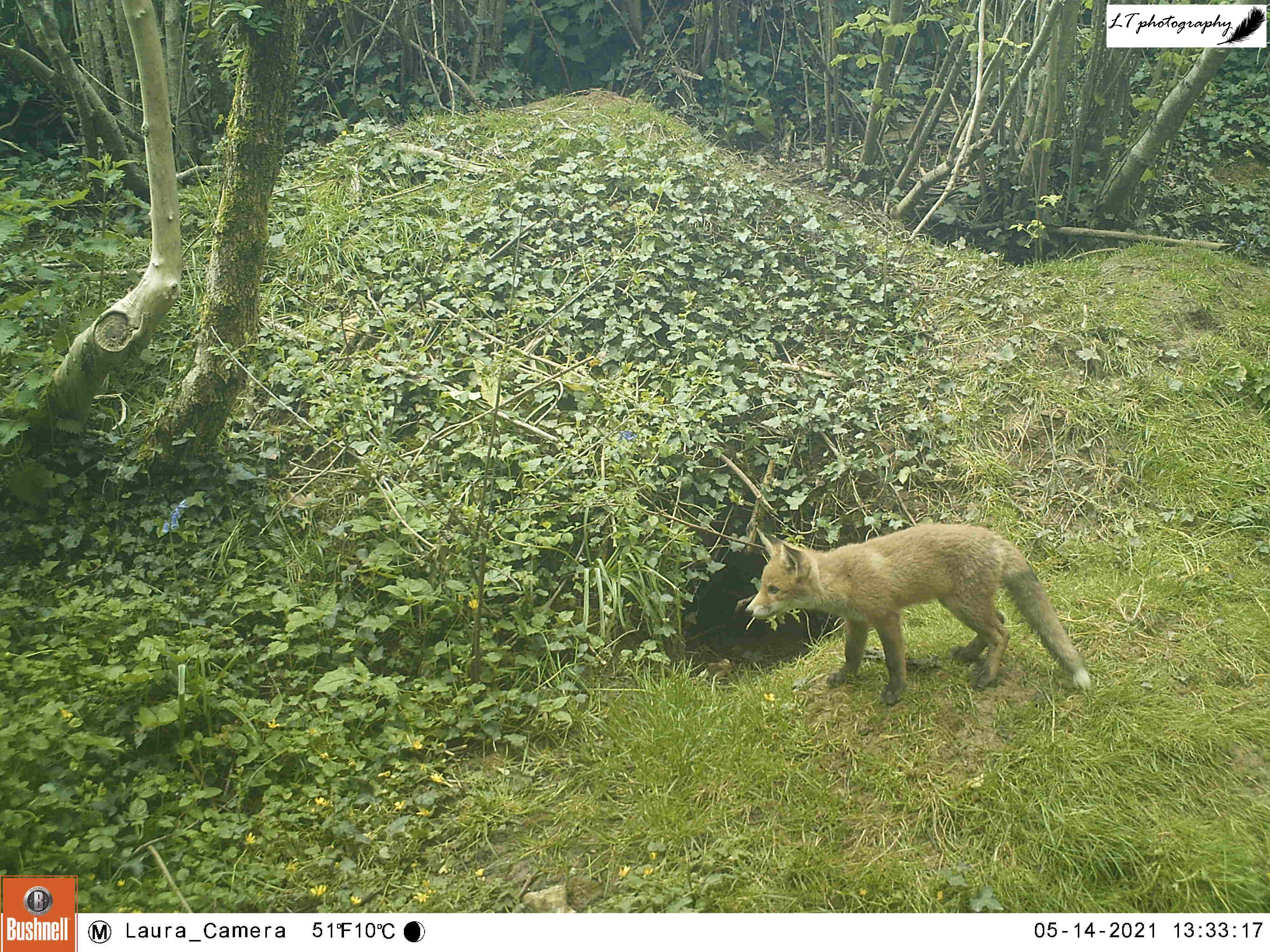
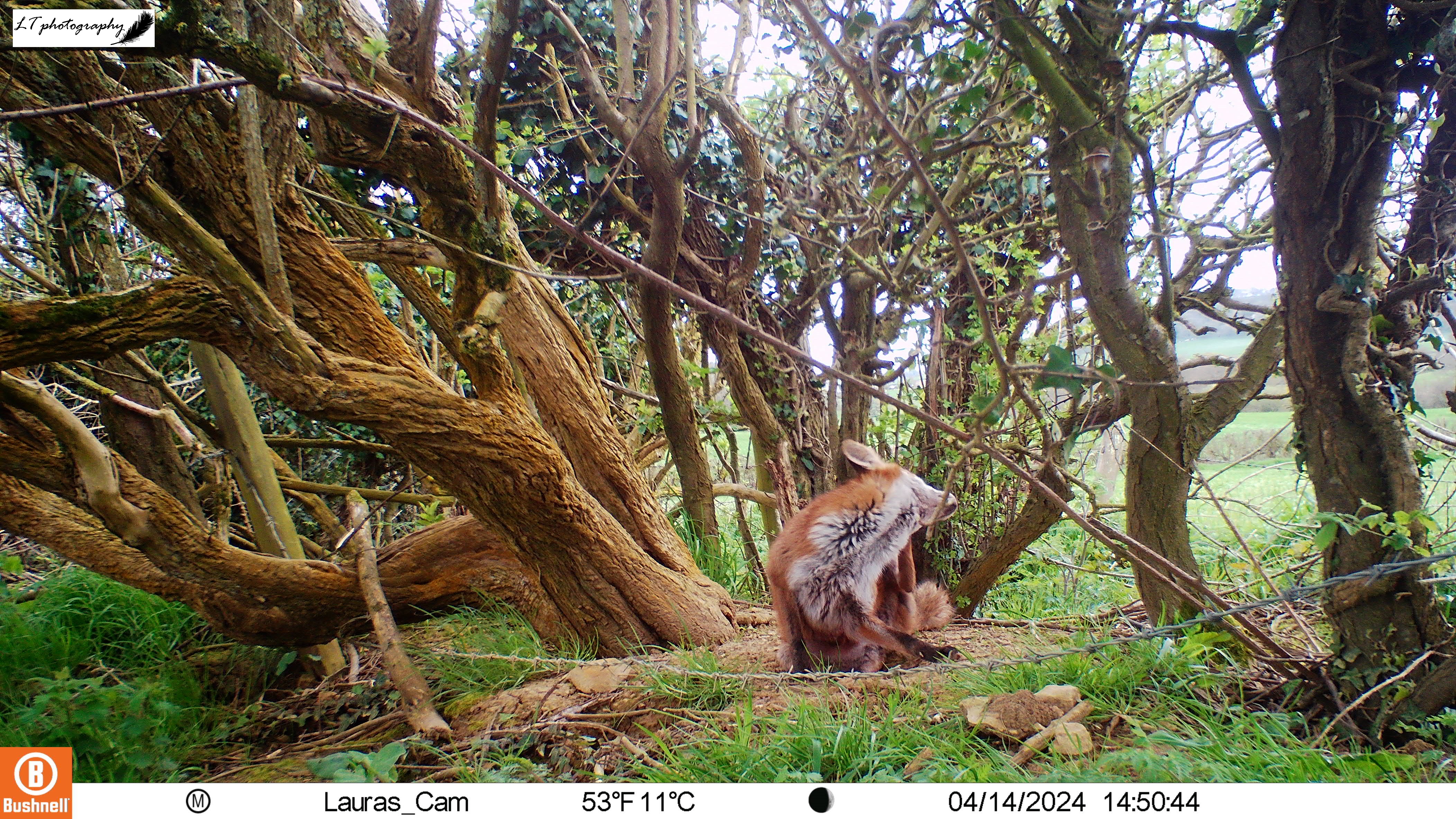
March is the peak time for fox cubs being born in Britain, and so typically during this month vixens stay below ground in their den to give birth and keep their cubs warm whilst still vulnerable. This means during early spring, foxes seen tend to be males hunting and providing for their mates. During this time this year, my camera traps often caught foxes carrying prey, such as pheasants and rabbits, and travelling the same tracks daily. These sightings are a wonderful sign that there is new life arriving somewhere out there in the local landscape.

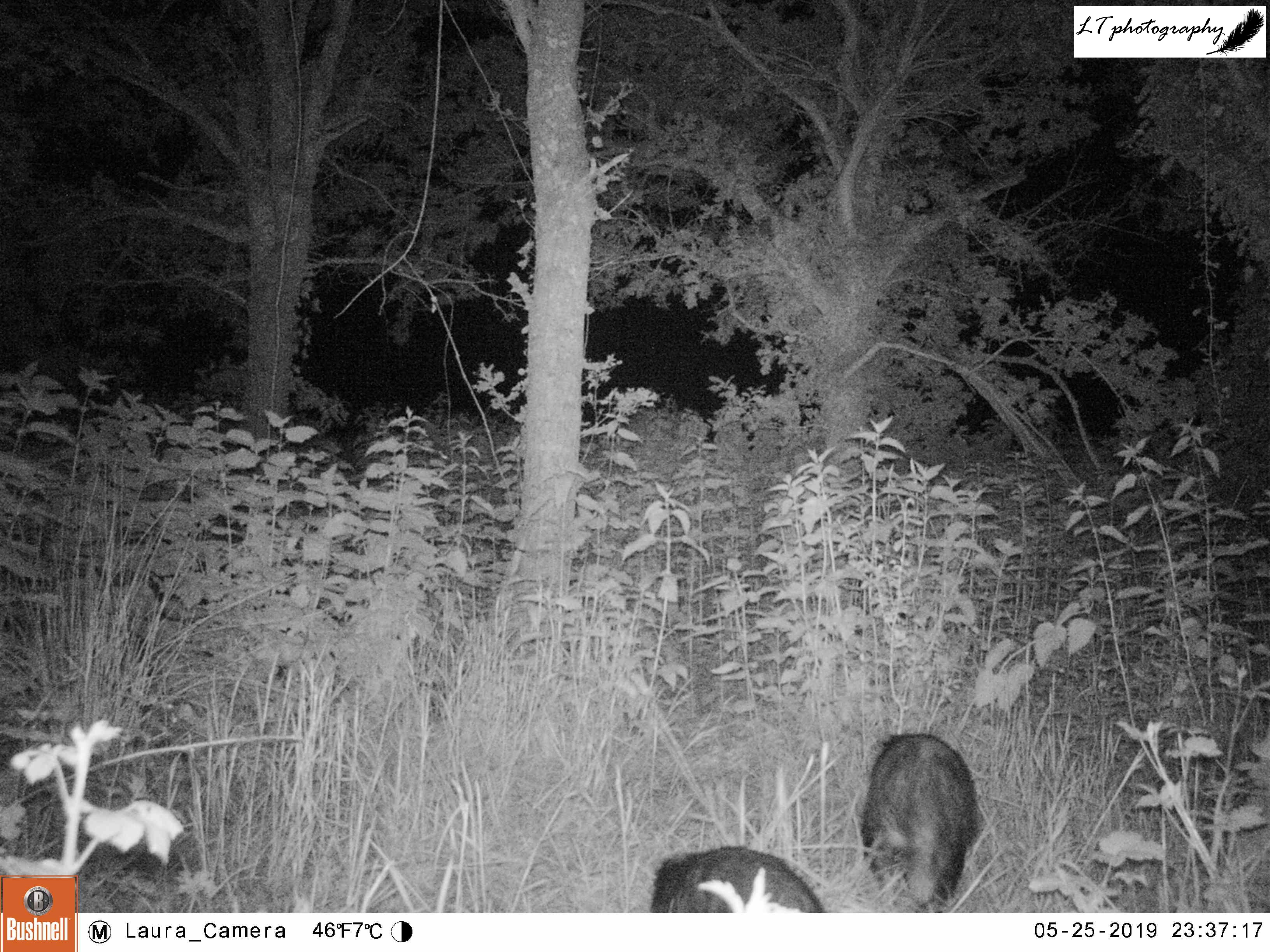
March is the month of winter drawing to a close and spring beginning to breathe life into the land again. With my camera traps at the ready, and well-trodden paths often the best place to observe wildlife, I was able to capture a range of sights and surprises varying from grey squirrels digging up nuts buried in the autumn to badgers searching for food to territorial fighting of breeding woodpigeons. You never quite know what you will see!

Species Seen: Rabbit, brown rat, fox, badger, pheasant, roe deer, woodpigeon, grey squirrel

April

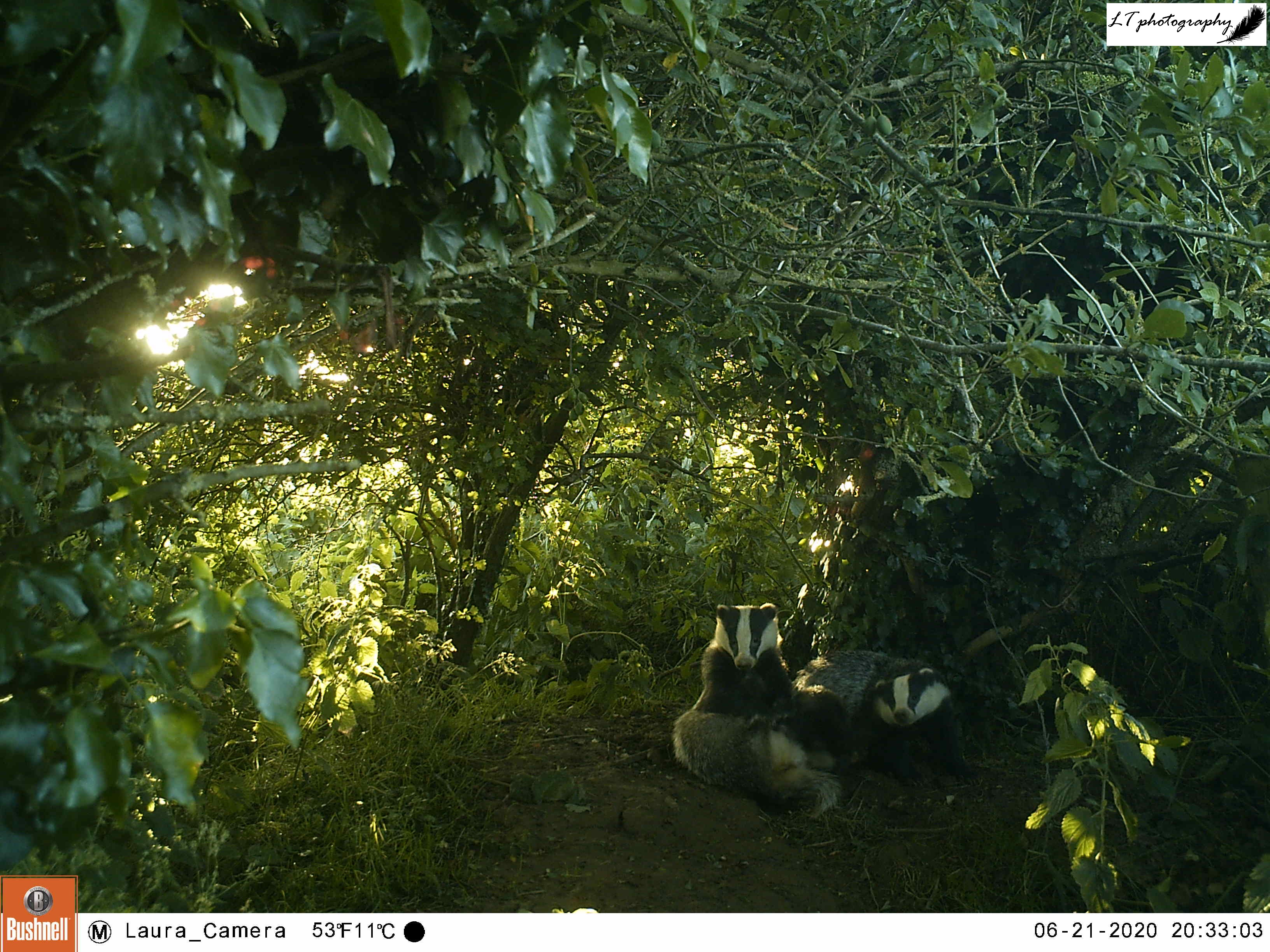
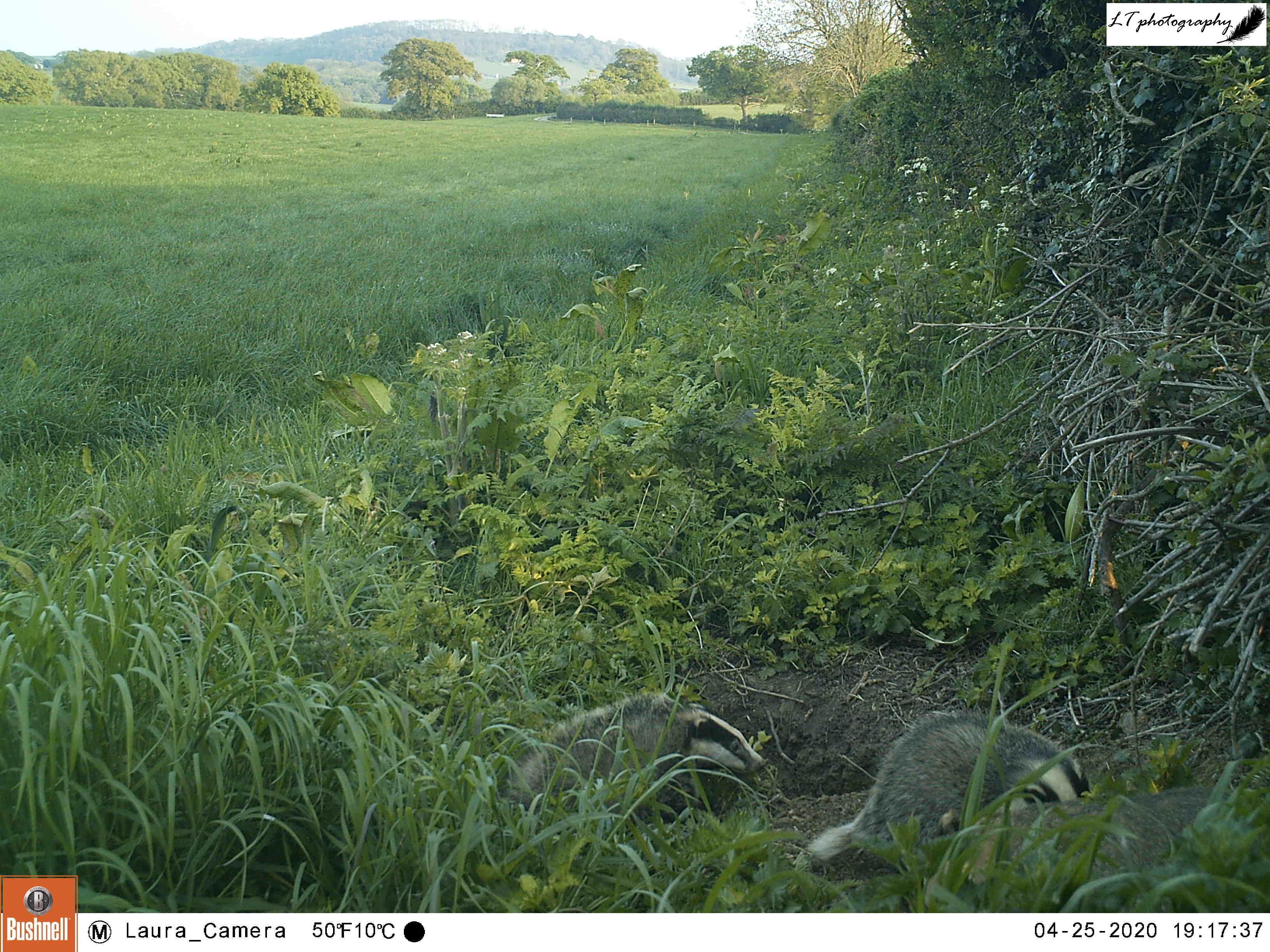
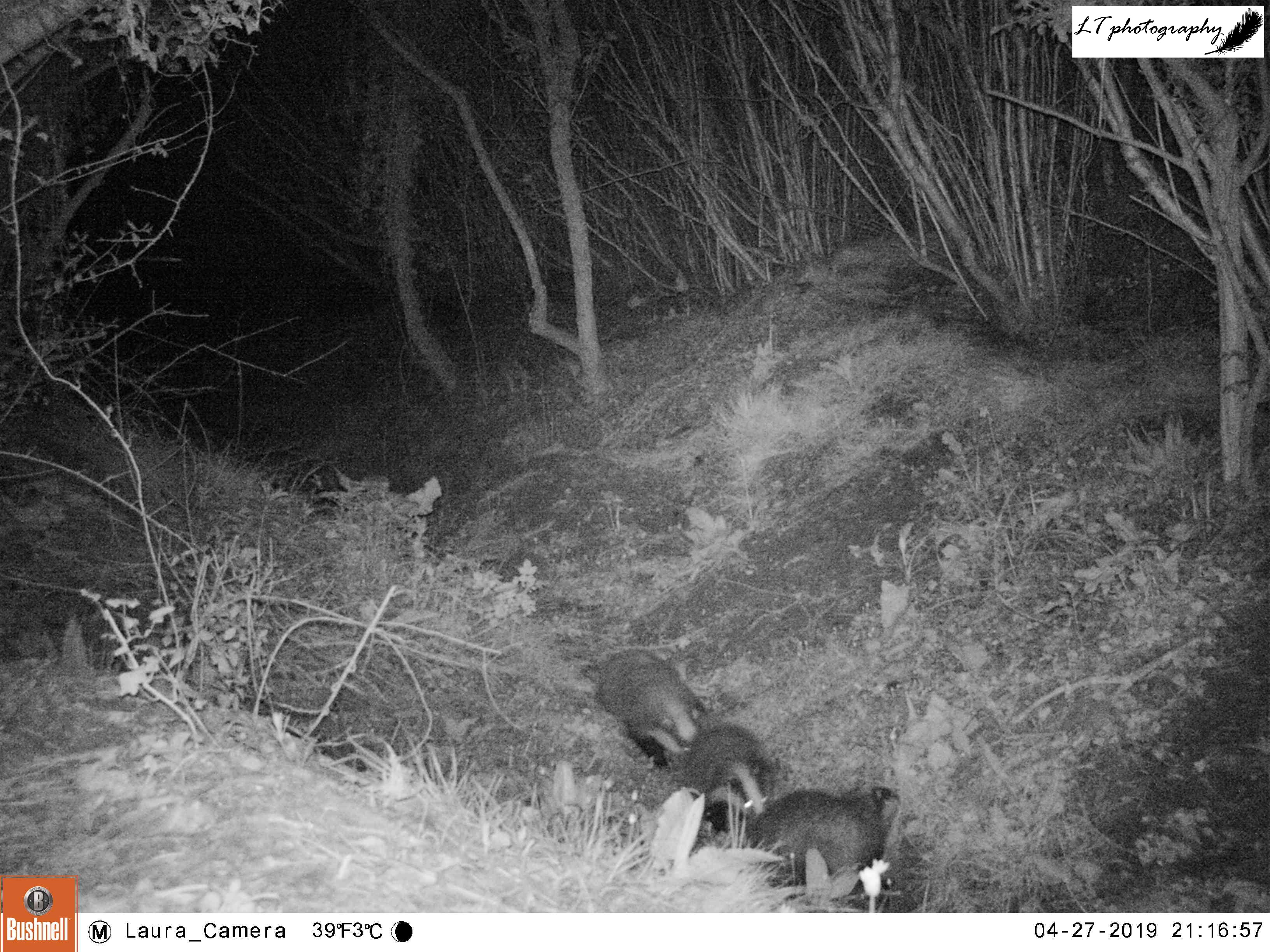
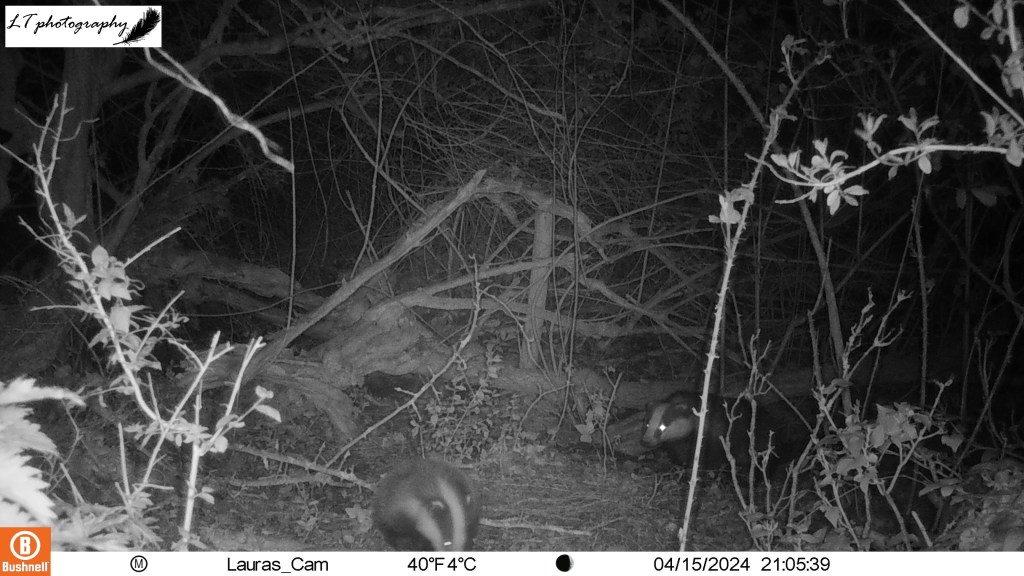
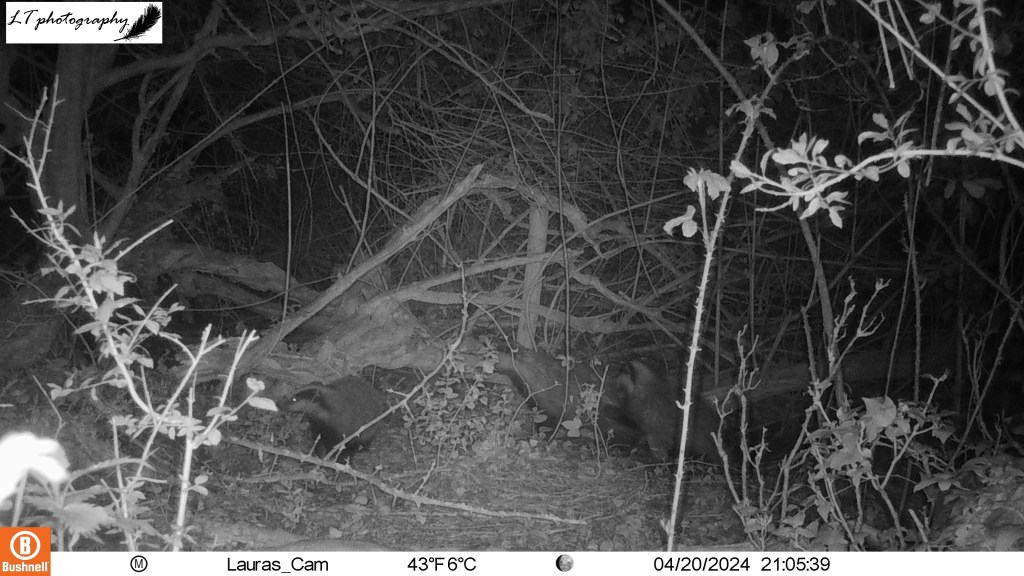
April marks the appearance of abundant new life, with leaves unfurling on trees, blossom dripping from hedgerows, and spring flowers popping up across the landscape. This month is also full of new life for many animal species local to me too, with signs of this being picked up on my camera traps. Being typically born in February, badger cubs now begin to explore the entrance to their setts and the immediate area. This year I was lucky to capture one particular family of badgers with their cubs beginning to explore above ground during April, and not just views of adults walking on by. To be able to watch any young animals playing and exploring the world for the first time is truly an incredible experience!
Though this year I was not lucky enough to capture fox cubs emerging in April for the first time, as in more recent years, my camera traps still picked up views of adult foxes frequenting areas that could have been home to possible den sites. Vixens during April will still be heavily relied on by their cubs, leaving the male to still be the main food provider and protecter of the den. My camera traps captured possible views of some very diligent dads in my local area this year!
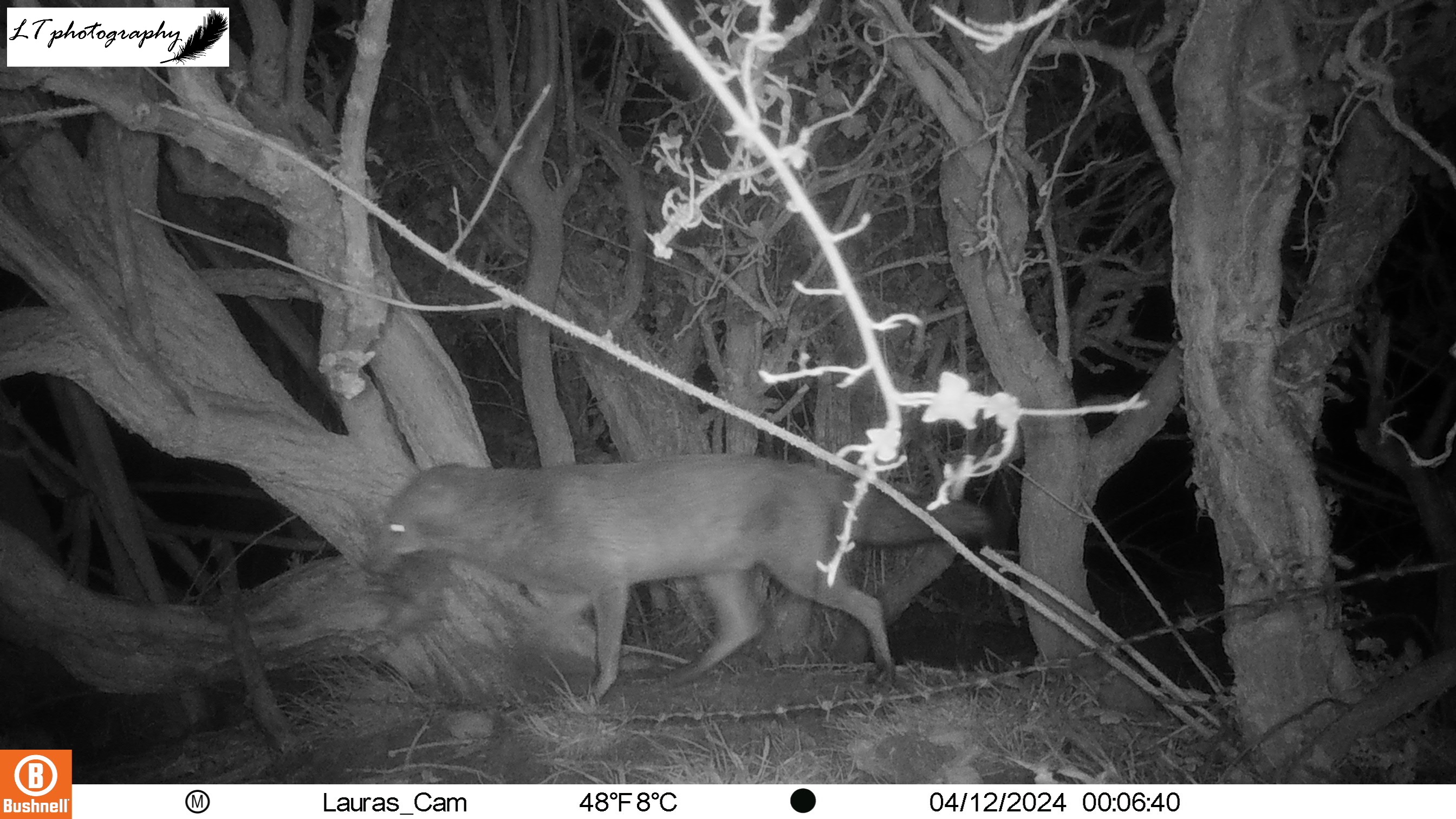
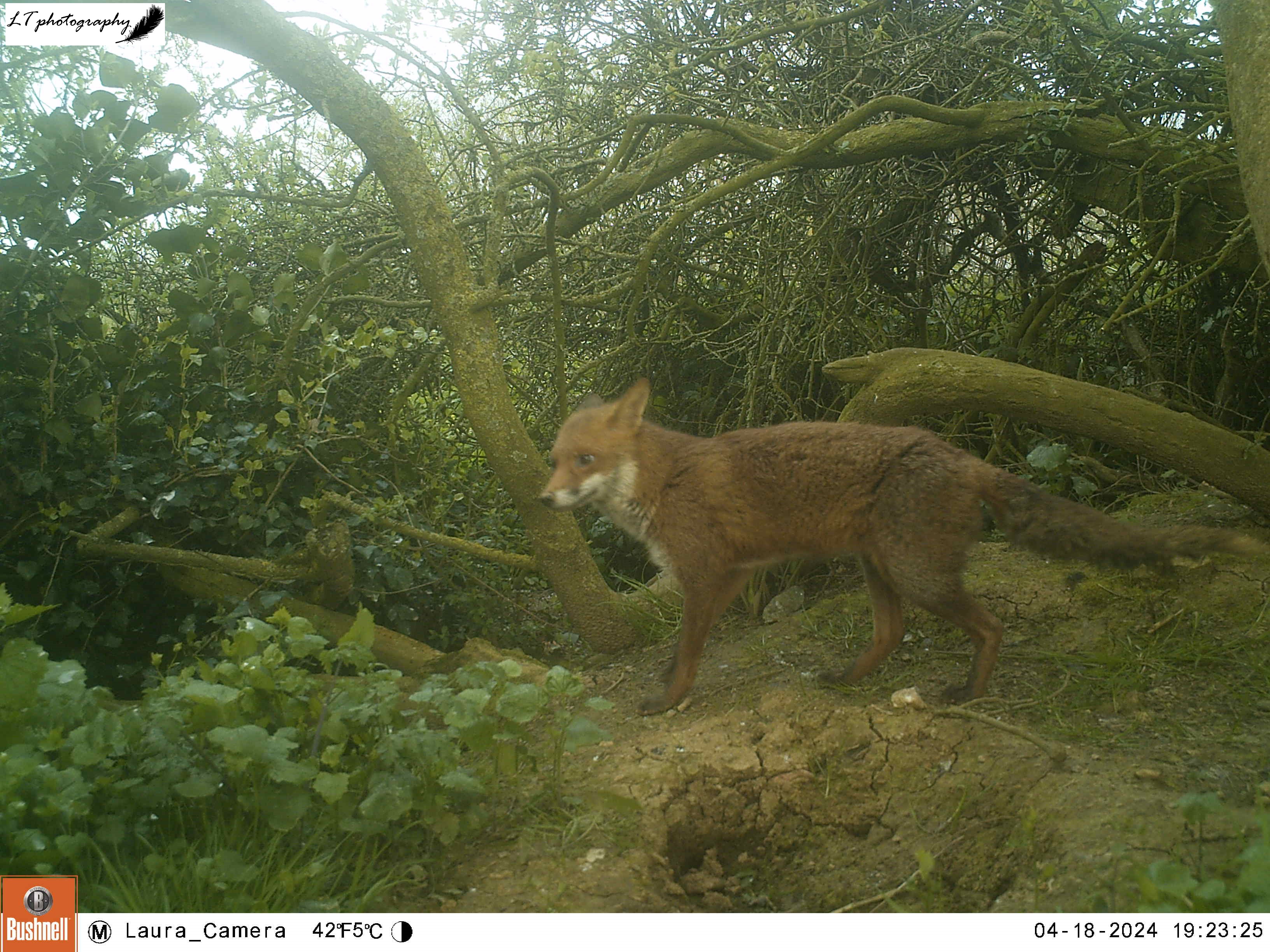
During this month of spring, not all species and individuals are yet to have young relying upon them, with females instead feeding up ahead and males keeping to themselves. One species in particular that my camera traps observed doing this was the hedgehog, an abundant visitor to my family’s garden, typically emerging from hibernation at the end of March or early April. Other stars spotted were hares not in a hurry and some boisterous roe bucks.

Species List: Pheasant, roe deer, brown hare, fox, badger, carrion crow, brown rat, grey squirrel, blackbird, woodpigeon, magpie, jackdaw, hedgehog, house sparrow

Early May

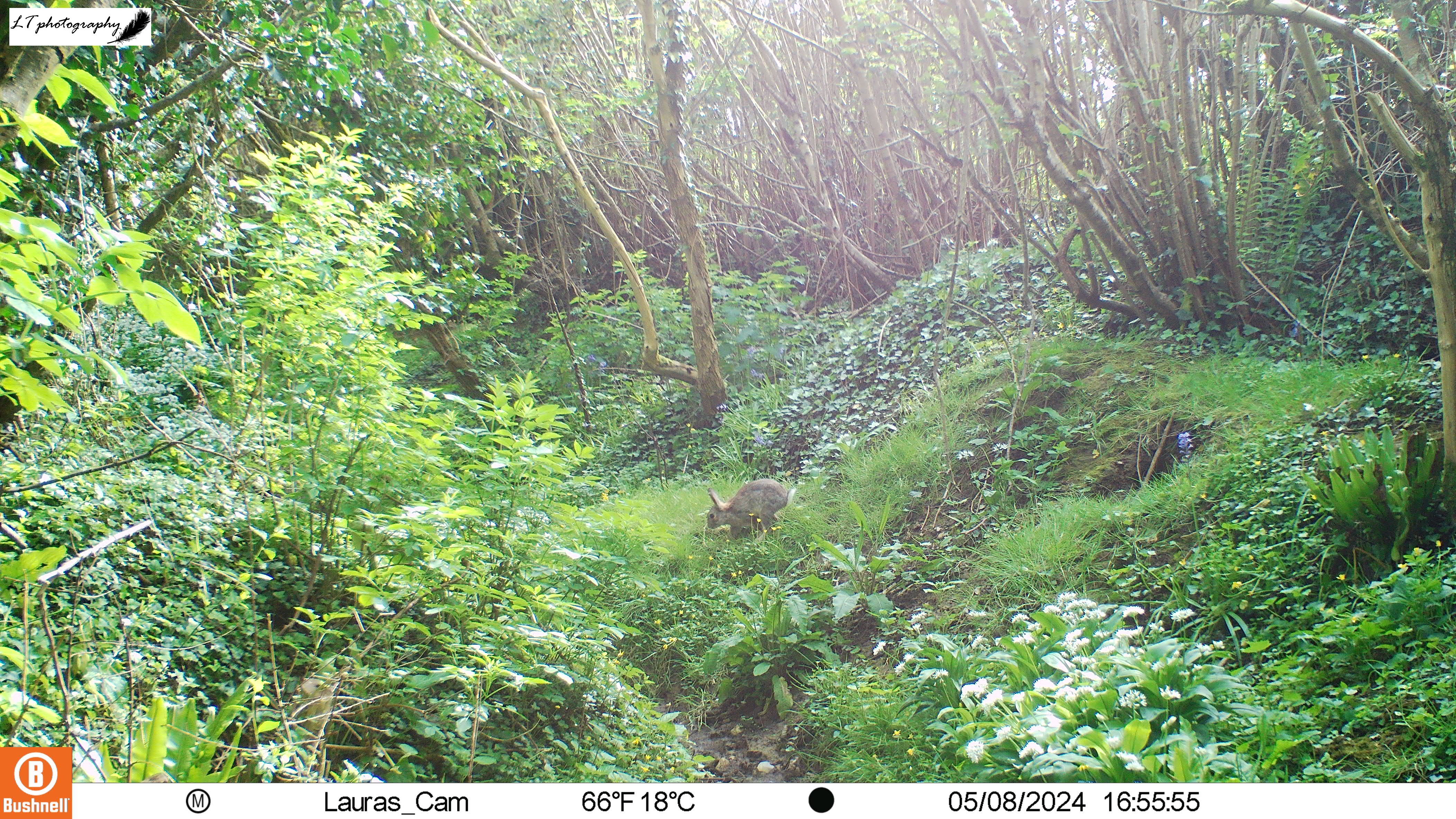
As the spring season rolls into the month of May, the landscape is now a hive of activity. Plants abundantly grow and blossom into colour, and many species are focussed on having and raising young, and passing on their genes to the next generation. May is a great month to glimpse hidden behaviour of wildlife and take in a different side to many species. This year this included rabbits socialising, nosy roe deer, and foxes climbing trees.

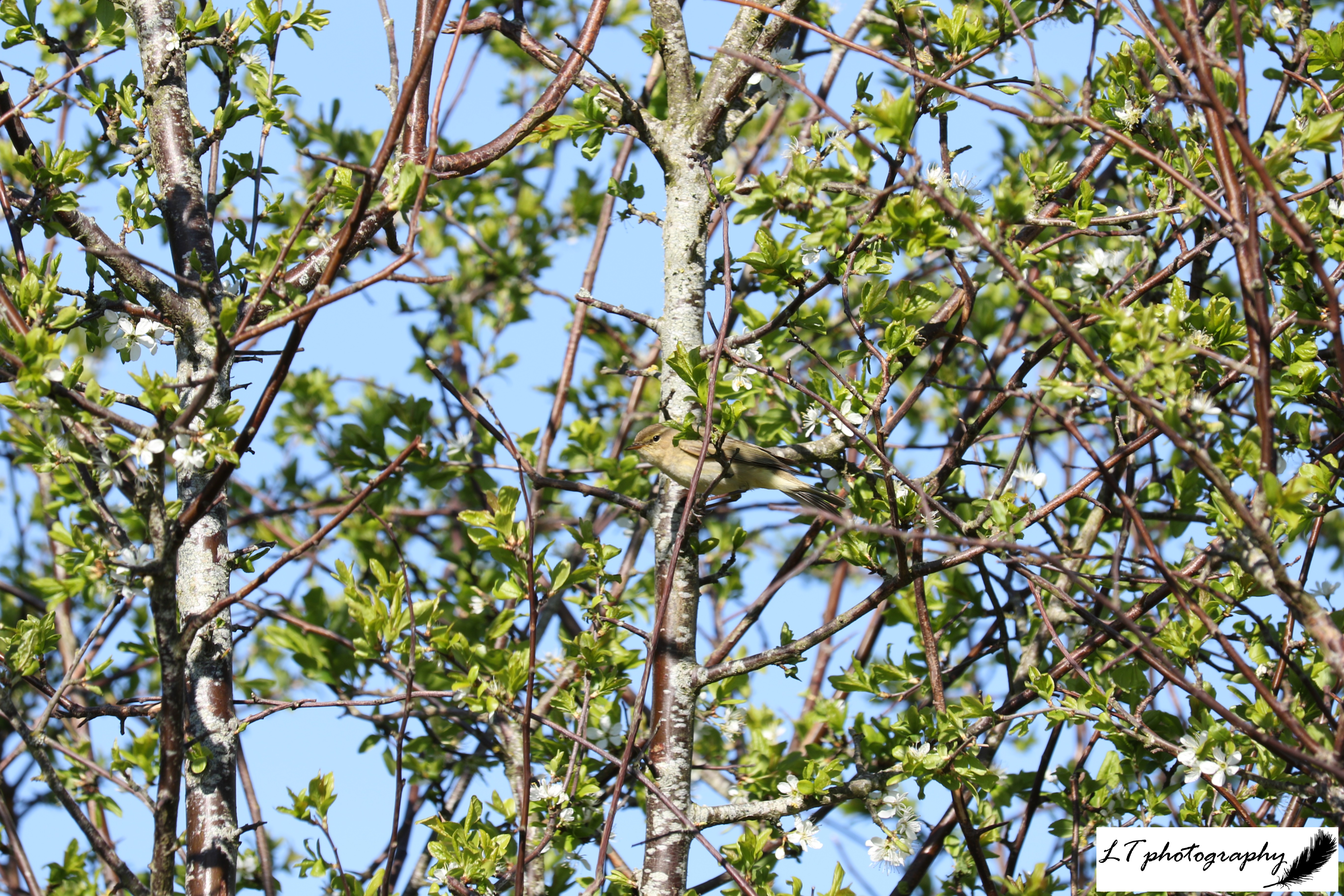
As birds nest, hatch chicks and feed young, individuals are also at their most active. This often means my camera traps get some glimpses of such species on the go. This May these included many woodpigeons, robins finding food, and chiffchaffs flitting through hedgerows. It is great that camera traps allow me to observe some of our local feathered species as well.
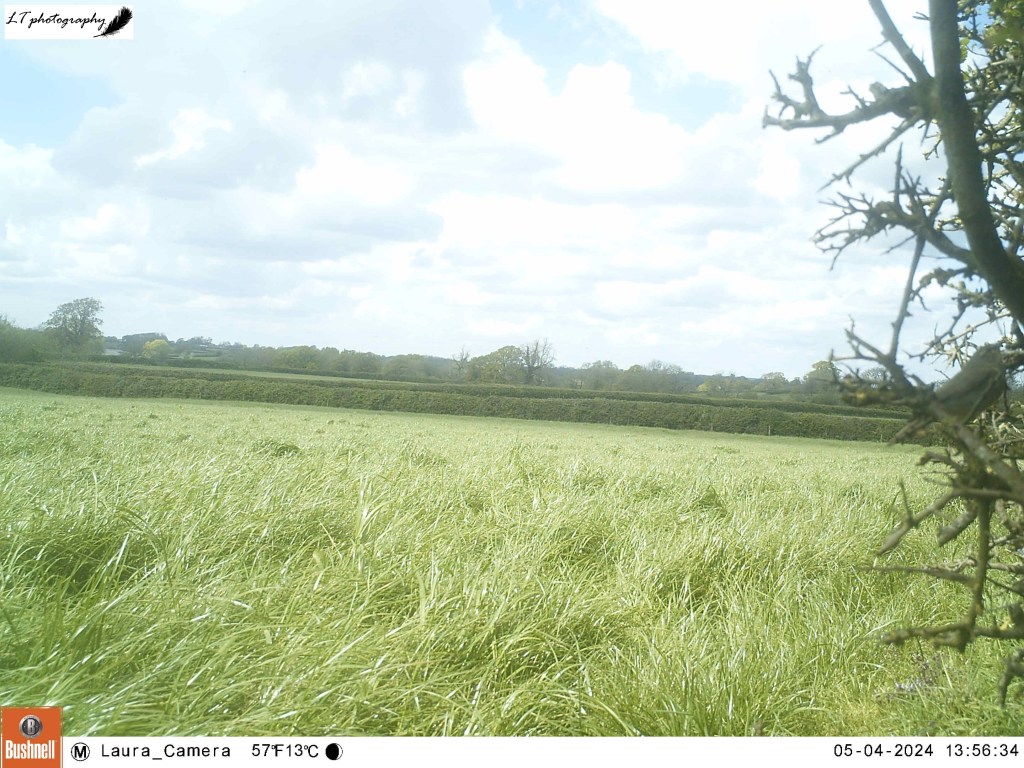
My favourite surprise this May though, was multiple sightings of muntjac deer on our land once again. Though muntjac are non-native and can be a problem in many areas, on our land my family and I have never observed muntjac with our own eyes before. Therefore, my camera traps have given us an interesting and unexpected glimpse into the presence of this deer species on our farm, and their movement through our area.

Species List: Roe deer, pheasant, chiffchaff, robin, muntjac deer, rabbit, woodpigeon, brown rat, grey squirrel, fox

Exploring With My Camera Trap Spring 2021

After I click open the file on my camera trap, I press next through a male pheasant strutting his stuff and a female roe deer passing through, until a photo makes me stop. There towards the back of the shot are two small brown shapes. I move through the rest of the photos as day passes into night, and watch as these two rough and tumble through the photos, exploring, playing and watching their wild neighbours go past, ending with one sitting stock still in front of the camera. My camera trap had successfully found my first litter of fox cubs of the year!

The last few years I have become known for my exploration of my family’s farm in Dorset using a camera trap. My camera trap allows me to delve into the lives of my wild neighbours without intrusion or disturbance of their natural behaviour, and to use my photos to inspire others to open their eyes and be motivated to conserve our local wildlife. It is always a rollercoaster of emotions, never knowing what my camera trap might find, but in the end it is a very rewarding experience. If you are interested in getting your own camera trap or knowing how to make the most of your own, check out my ‘How to… Use and Make the Most of a Camera Trap’ guide for some more information.

My camera trap has been a very useful tool for me over the last few years, so since 2019 I have spent my spring seasons moving my camera trap around different sites across 250 acres of farmland, taking in different species and behaviour. In 2019, I saw 12 species of birds and mammals, including families of badgers and a family of three fox cubs. In 2020, my camera trapping got even more interesting, with badger cubs, a couple of litters of fox cubs, and lots of roe deer sightings. The most enjoyable shots are always the most unexpected though, despite from time to time getting a photo bomber or two, for example in the form of our farm cat!
This spring I have been out and about once again on the farm with my camera trap. This year I selected six different sites across our land, with the hope of capturing some of the normal sights, along with some new ones. As the spring has now come to an end, activity has dropped across these sites, and thus it is time to see how spring has been captured by my camera trap this year.

Camera Trapping Spring 2021

Quarry Field Badger Sett

My first camera trapping site this year was an active badger sett to the east of my family’s land. It sits between a silage field and a maize field in a wide and thick hedgerow, and is a great crossroads for animals passing through. I have used this site in previous years for camera trapping, with varying success, such as last year’s highlights of badger cubs and a lively, lone fox cub.

This year I set my camera trap up at the sett for a week (3rd-10th April), moving the position and angle every other day to increase my chances of capturing wildlife. It paid off as I had a successful first week, with rabbits, roe deer, badgers, and a fox.

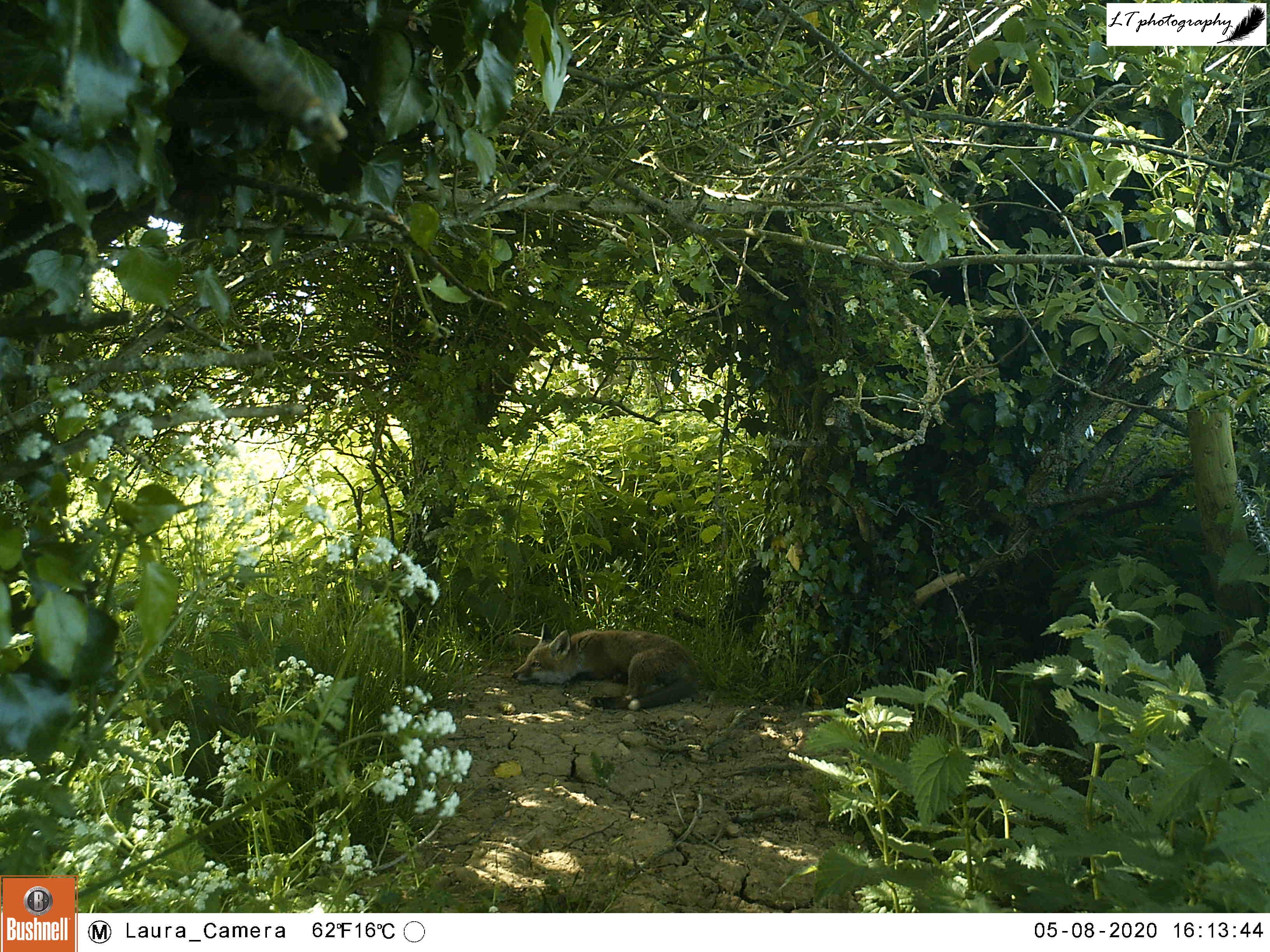
Due to seeing a lone fox cub at this site last year, the presence of an adult fox at the sett once again led me to return with my camera trap seven weeks later for another week (27th May-1st June). My hunch paid off as my camera trap returned photos of two fox cubs playing, living alongside a badger family, and being fed by a parent.

Gill Hill Copse

For my next site, I set my camera trap up within a copse surrounded by a cow grazing field west of the Quarry Field badger sett. During early spring this is a great site to capture wildlife moving through the landscape as the copse is a great stopping place. I have used this site before, and last year I saw species, such as roe deer and foxes.

This year I used my camera in the copse for just one week (11th-18th April), but moved its position within the copse every couple of days. I captured photos of a territorial male pheasant, an adult badger, a grey squirrel, an adult fox, and a rather comical sequence of photos of two female roe deer being spied on by a hiding male. As vegetation in the copse grows up and spring progresses, camera trapping success decreases at this site, but it was nice to see some life early on this spring.

Dorset County Council Wood

For my third site, I set my camera trap within a small, young wood that can be found at the centre of my family’s land, bordered by a road and a meadow. I have used this wood before, with some positive sightings in 2019 of foxes and badgers passing through.

This year I tried the wood again for a couple of days (19th-24th April), with some overall disappointing results. A male pheasant and magpie were seen, with an adult fox being seen twice, but overall the wood was quiet, reflecting a lack of diversity evident in this unmanaged woodland. I did not return to the wood again during this spring as a result.

Badger Field Sett

For my fourth camera trapping site, I returned to an active badger sett towards the centre of my family’s land. The sett is bordered by grazing land on both sides, and is set within a wide, thick hedge, extending out into the field on its east side. Last year I used my camera trap to look within the sett and to the sett entrances on either side, and saw adult badgers, badger cubs, and an adult fox. This was unsurprising as the sett is a thriving mixed site for badgers, foxes and rabbits alike.

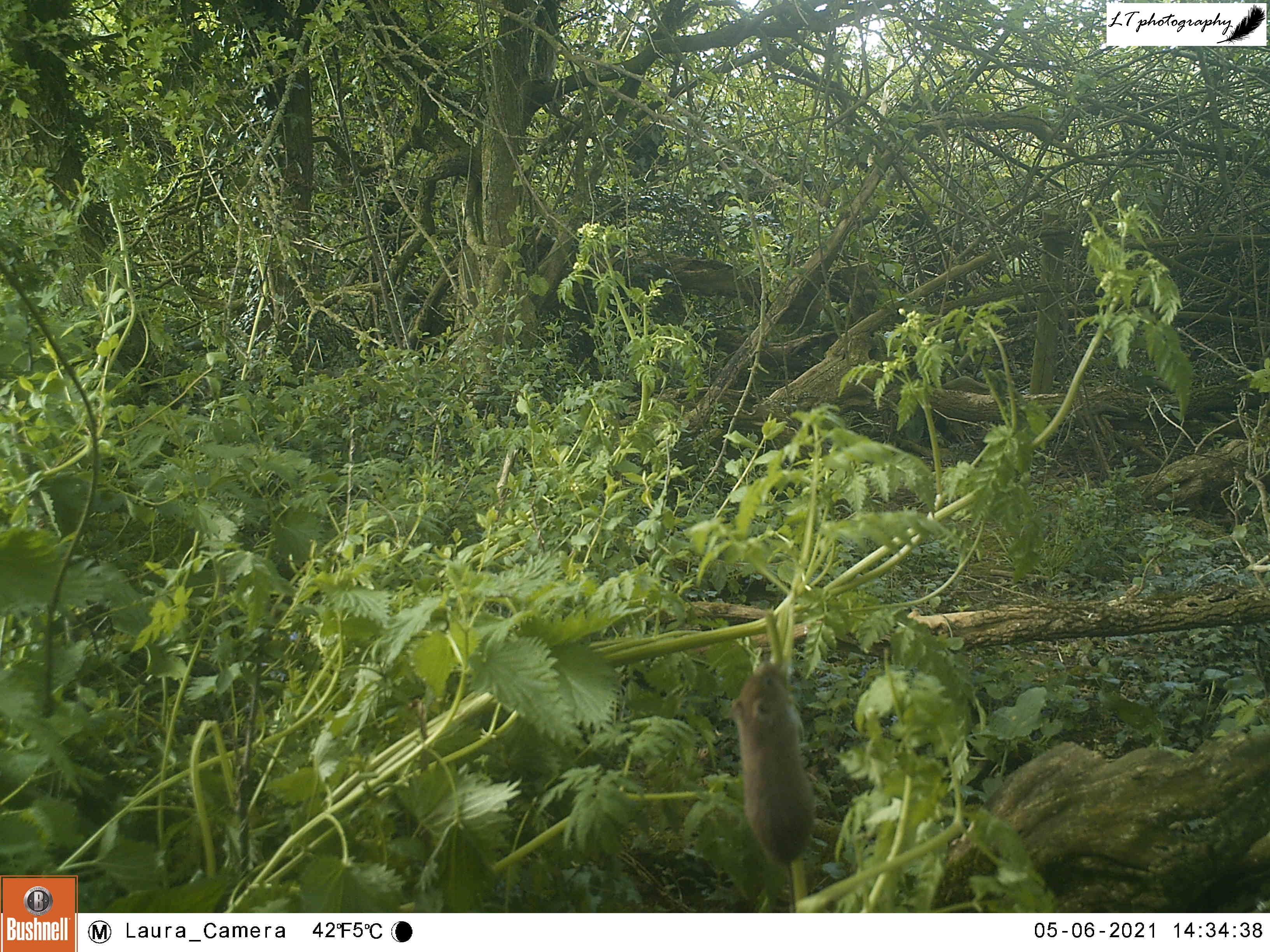
This year I positioned my camera trap first on the western side of the sett (25th-27th April), before positioning it directly within the area above the sett (4th-7th May). Pointing my camera trap at the animal track running along the side of the sett, I captured an adult badger, adult fox, and my first hare! Above the sett, my camera trap was more active, capturing lots of badger activity, woodpigeons, blackbirds, and red-legged partridges, and a surprising sighting of a field vole climbing vegetation. It was a lovely sequence of photos!

Badger Alley

For my fifth site, I chose to return to one of my favourite locations, the familiarly known Badger Alley. Badger Alley is an enclosed footpath that has dug out animal holes along half of its length, split into two old badger setts. In 2019 this was a super site for seeing badgers wondering its length, but last year it was obvious that wildlife numbers had declined, badgers in particular.

This year I spent two stints setting up my camera trap along Badger Alley. Firstly, I spent five days with my camera trap trained on the non-active lower sett, changing the camera’s position after two days (10th-14th May). Amongst photos of a female roe deer and a displaying male pheasant, I got lots of really lovely photos of two fox cubs playing and exploring their world.

I then returned to Badger Alley in June, moving my camera from the non-active lower sett (5th-11th June) to the sett further up (11th-14th June). By now my camera trap found that the family of foxes had moved on, with only the female and new male roe deer appearing at the lower sett. What was really sad, was finding that Badger Alley has now been fully abandoned by badgers, with the higher sett now being home to just rabbits. A slightly disappointing end to my camera trap’s time at Badger Alley!

Monkwood

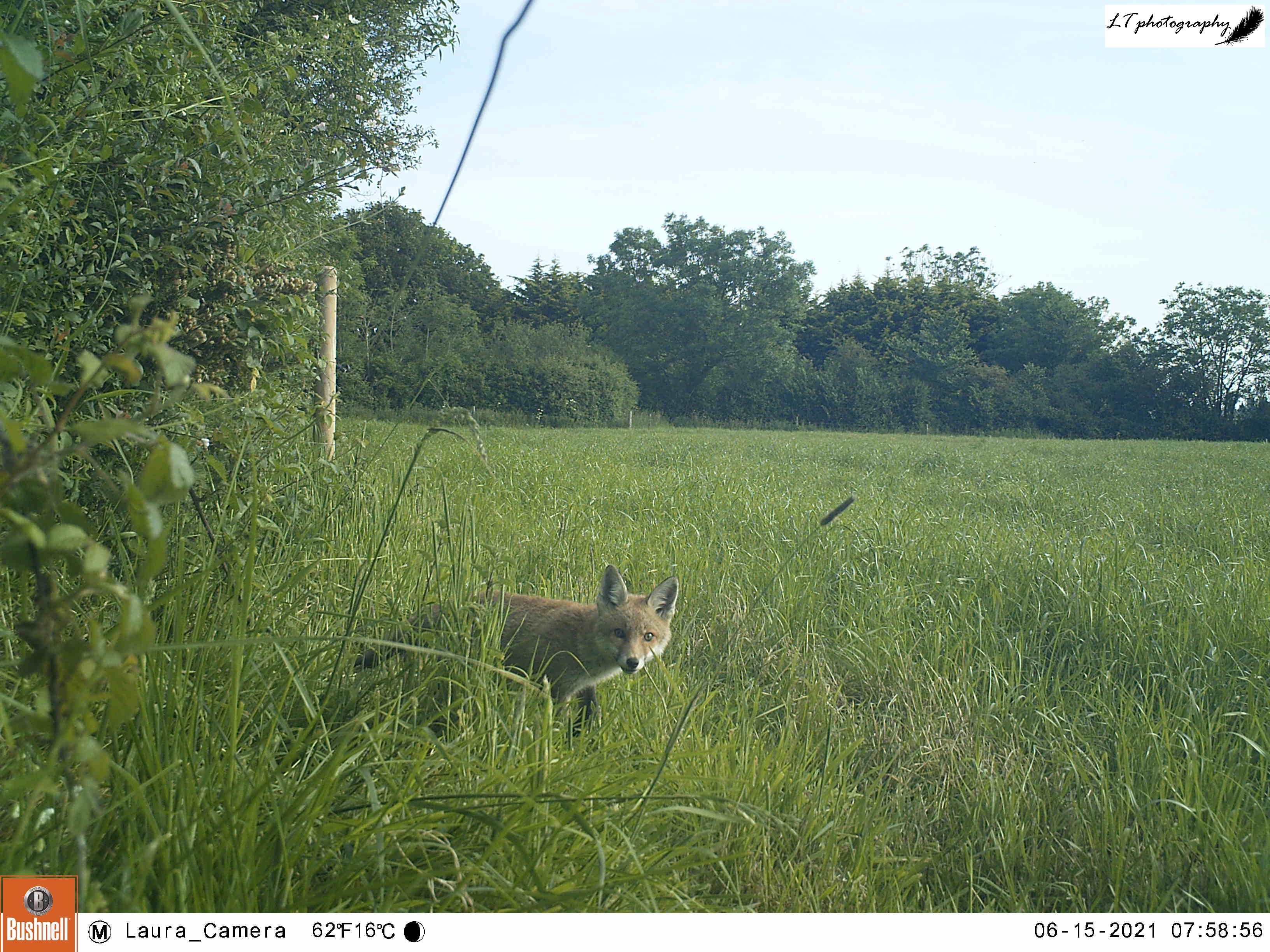
To finish camera trapping during the spring season, I took a bet on a site where there was a possibility of finding another litter of fox cubs. This site was a hedge in the middle of cow grazing land, where I had not previously camera trapped before. I chose to set my camera trap up on a fence post pointing along the hedgeline where I had found holes into the hedge, and left my camera for a couple of days (14th-16th June).

On retrieving my camera trap, I was excited to find that my instincts had been right and my camera trap had shot photos of two fox cubs and an adult. It was a lovely end to my spring camera trapping season!

Spring 2020: In Photos

As the world was thrown into disarray with the full force of a pandemic, our daily lives were hit by lockdown, slowing and grounding to a halt. For the natural world outside our windows though, spring was just beginning, with days warming, buds bursting, and migrants making their return. Even when our own lives were being disrupted, the natural world was carrying on.

13_06_20_Farm_Chalk_Mound_Rough_Hawkbit_Small_Tortoiseshell_Butterfly_2

For me, spring has been a real lifeline this year. With the natural world bursting with life, I was able to draw real strength from the return of the swallows, the flowering of the bluebells and the trees becoming cloaked in delicate new leaves. Every moment I could spend out in nature gave me the strength to continue as if nothing had changed, cherishing every moment for what it was. For this I am grateful, and I really appreciate that I am lucky to have the beautiful Dorset countryside right on my doorstep.

As spring begins to make its exit, I wanted to take some moments to reflect on a time that has taught me a lot, brought me some real magic through the natural world, and will be remembered for as many good memories as those eclipsed by Covid-19. To begin with, here are a selection of my favourite photos from this spring. They range from spring wonderment to heart-warming moments, that all mean something to me.

Spring 2020 in photos

1) Small Tortoiseshell Butterfly – The photo featured above was taken only last week, and reminds me of how valuable the time I spend expanding my knowledge of nature really is, including the identification of butterflies and flowers. I found this Small Tortoiseshell butterfly on a 10m long chalk mound that my parents have created for wildlife within our farmland, and it really is coming into its own this year!

16_04_20_Horseshoe_Woods_Bluebells_Spider_Dewdrop_3

2) Bluebell & Spider – When the bluebells are flowering, it has to be one of my most favourite times of the year. As the woodland floor transforms to a carpet of blue purple, I feel at my happiest and enjoy noticing new details each year, such as the spider hunting on these drooping bells.

2) 20_03_20_Farm_Goldfinch_2

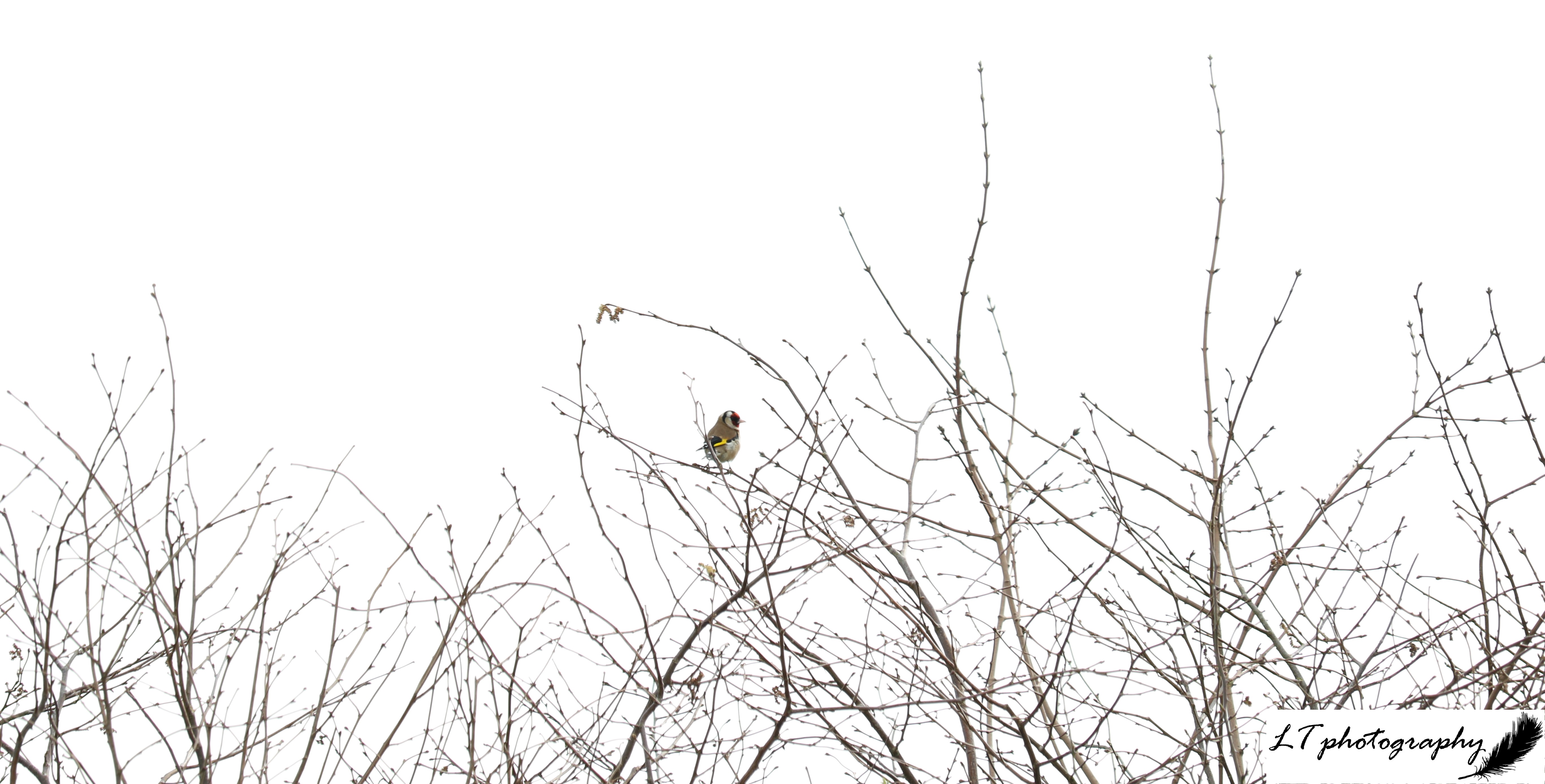
3) Goldfinch – I love the simplicity of this photo of a Goldfinch taken back in March. The bright colours of the bird vividly stand out from the swelling buds and bare twigs of the hazel in this hedgerow. It was enough to brighten a moment on a decidedly chilly spring day.

15_04_20_Farm_Flowers_Stitchwort_3

4) Stitchwort – Every flower is unique and different in its own way. With Greater Stitchwort, every flower stands out like a small white star, carpeting verges, hedgerows and woodlands alike.

07_05_20_Farm_Dandelion_Seeds_4

5) Dandelion Seeds – Now as an adult I still hold on to the child-like curiosity that a dandelion invokes. With hundreds of parachuting seeds waiting to fly, this dandelion creates a beautiful fluffy silhouette in the spring sunshine.

20_03_20_Farm_Lleyn_Lamb_3

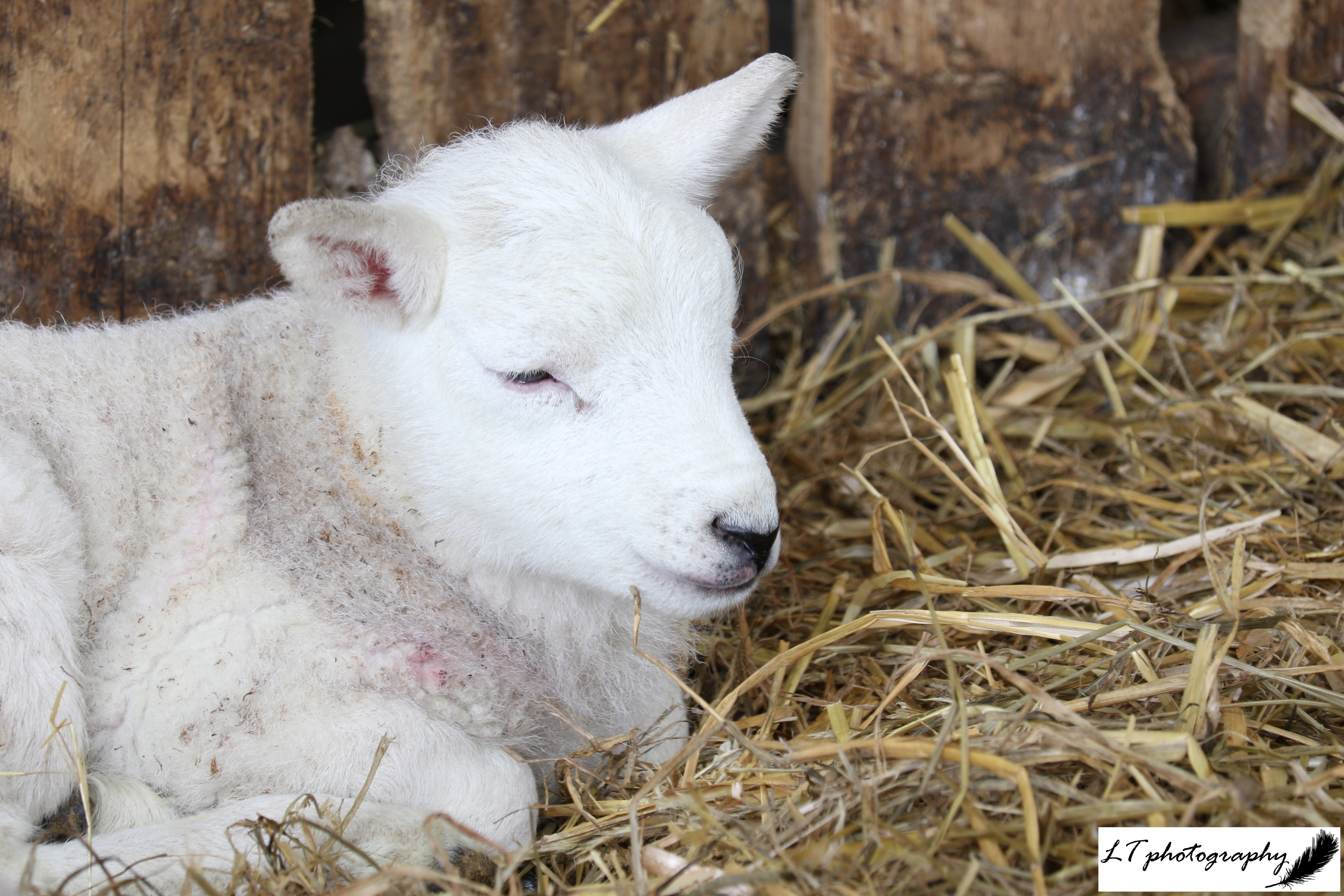
6) Lleyn Lamb – This photo is as it seems, a photo of a sleepy newborn lamb, born earlier this year. I am proud to say that I come from a farming background in the heart of Dorset. It has been this that has provided me with a spectacular backdrop to learn about the natural world around me, given me the knowledge and experiences to be able to make informed decisions about how I live my life, and given me an understanding of the important relationship between the environment and modern agriculture.

07_05_20_Farm_Wild_Garlic_Insect_3

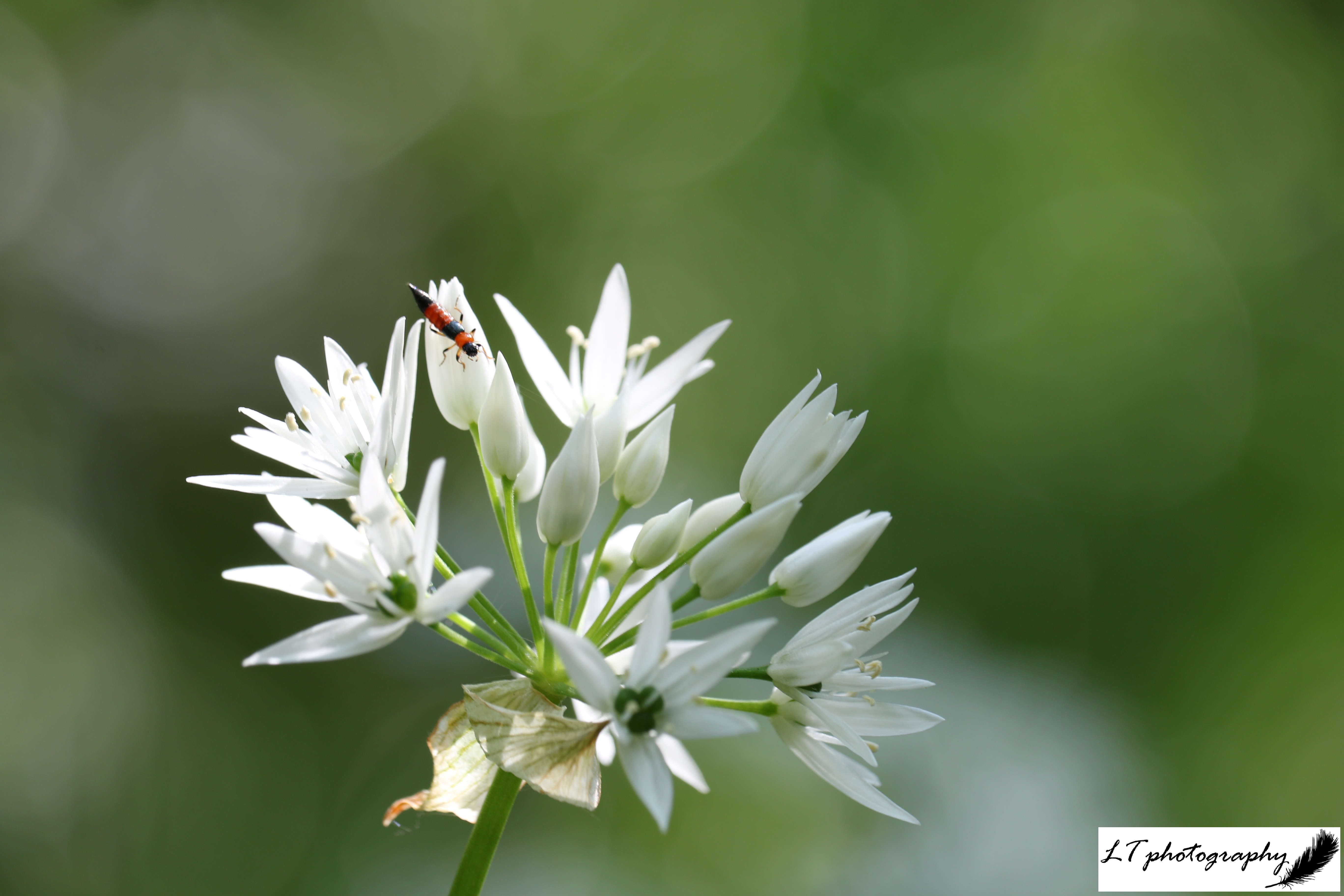
7) Wild Garlic & Insect – I love to notice the details in nature and get down to the level of the ‘small things’. This may be noticing the curl of an unfurling fern, the patterns on the petals of a tiny flower, or the jewel-like colours of an insect exploring a cluster of star-shaped wild garlic flowers.

13_05_20_Farm_Sunrise_Hangings_Gate

8) Sunrise – One of the best times of day has usually come and gone by the time most people have woken up in the morning. A sunrise is a golden time though to get out, listen to the birds singing and watch as the world wakes up around you. There is nothing like it!

07_05_20_Farm_Rabbit_Baby_Black_6

9) Dark Rabbit – One of my more unusual sightings this year has to be this rabbit, that has notably darker fur compared to the usual European rabbit. It was small in size, and though showing wild instincts, it was slightly less fearful of us humans. Everyday it could be found sunning itself in a small open area within vegetation situated behind our farm buildings.

8) 16_04_20_Horseshoe_Woods_Flower_Moschatel_8

10) Moschatel – Every year I try and learn one new species of flowering plant that can be found in our woodlands and surrounding countryside. This year it was the turn of Moschatel. An often overlooked flower due to its greenish colour, Moschatel is also known as Townhall Clock, due to its flowers having 5 faces that make it look like a cube or townhall clock in shape.

15_04_20_Farm_Bird_Chiffchaff

11) Chiffchaff – One of my highlights of spring every year is the return of the Chiffchaff. When I hear this bird sing for the first time each year, I feel like spring has truly arrived, so I am particularly saddened when their singing finally falls silent as autumn grips the landscape.

15_04_20_Farm_Badger_Alley_Feather

12) Feather – This photo is a good example of the beauty of detail. It is simple, but a spot of light highlights the real elegance of this contour feather, now left to lay amongst the vegetation.

15_04_20_Farm_Beef_Cows_Dream

13) Aberdeen Angus Calf – This inquisitive and interestingly marked calf is another photo that connects with my farming roots. Spring is synonymous with new life, from on the farm to the wider countryside, and this little one was just one of many, precious and to be celebrated.

07_05_20_Farm_Hart's-Tongue_Fern_Spider

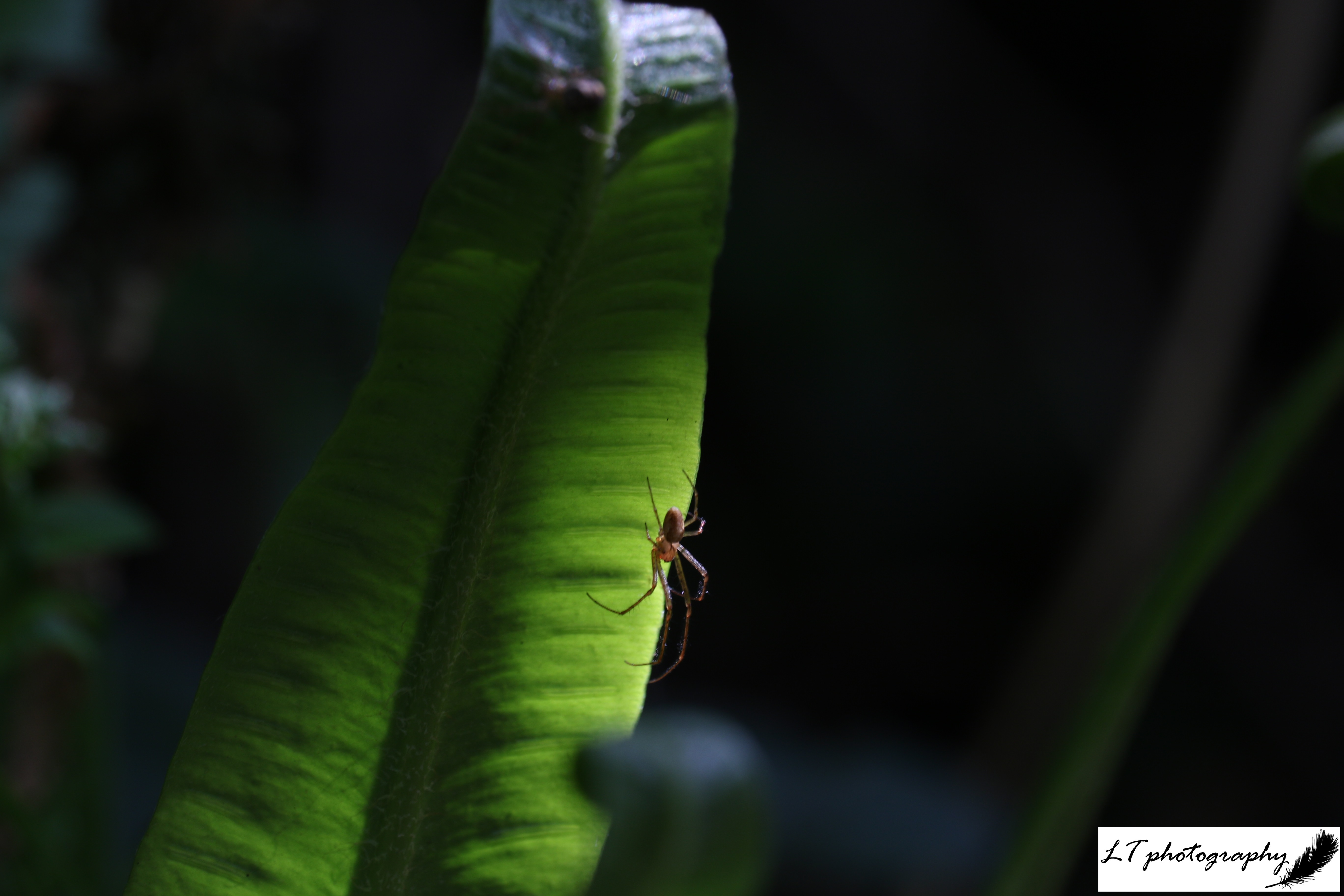
14) Spider & Hart’s-Tongue Fern – Some days I walk along in my own world and the wildlife around me merges into one. Other days the world becomes bigger though and I see every detail pop out at me, such as with this spider making its home on a Hart’s-Tongue fern.

M2E54L167-167R388B312

15) Fox Cub – As people who follow my blog or social media will already know, this spring I have had fun yet again using my camera trap on my family’s land. This has to be one of my favourite photos from this year! It was a totally unexpected surprise when this fox cub turned up on my camera trap.

13_06_20_Farm_Chalk_Barn_Owl_Pellet_Tree_Bank_Vole

16) Vole Bones – With the return of breeding barn owls to my family’s farm, I had some fun one afternoon dissecting the pellets left by these owls. It is definitely a very rewarding feeling when you are then able to identify the species the bones you find come from. Here I believe this mandible to be from a bank vole.

IMG-1149

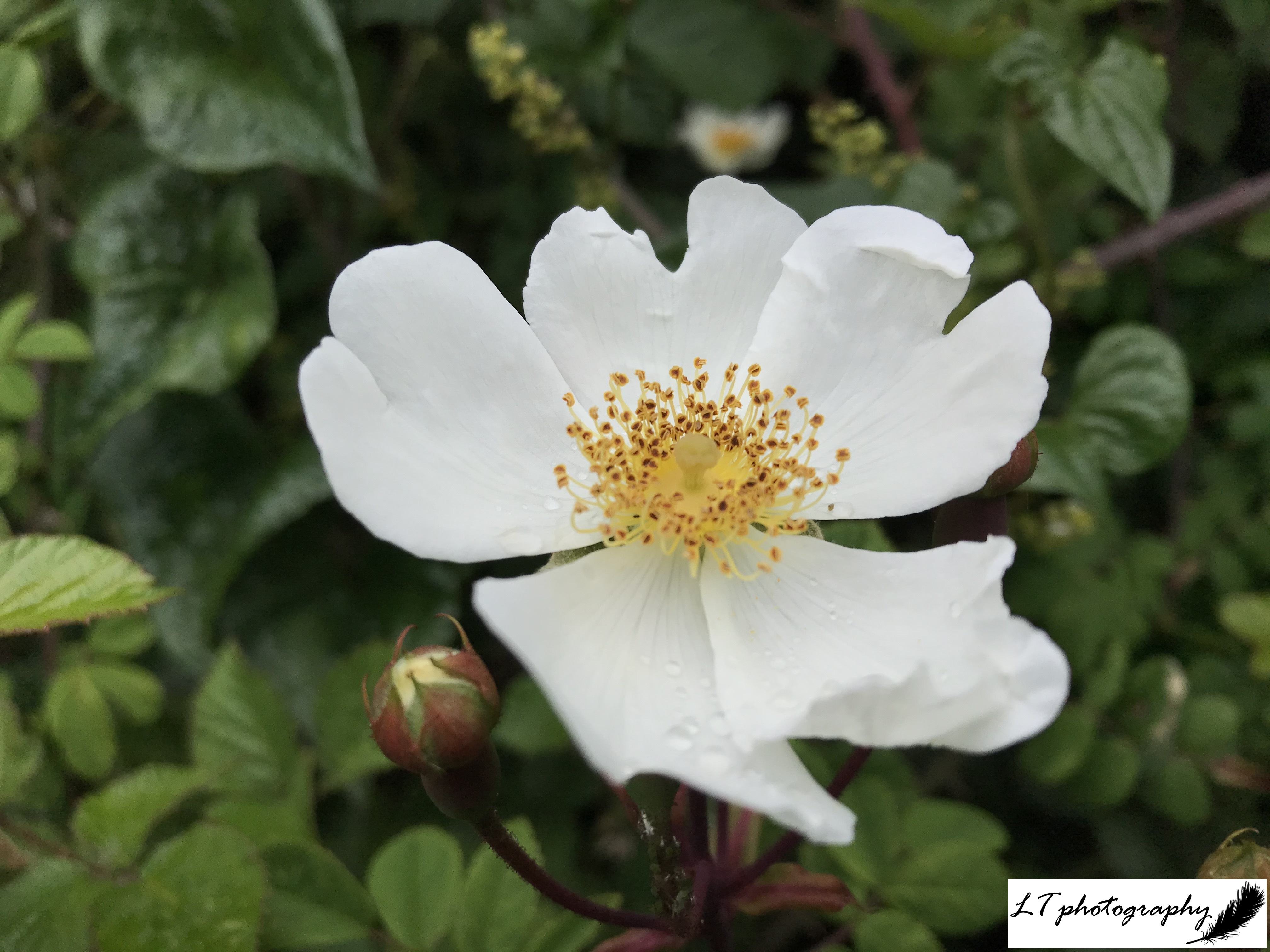
17) Field Rose – I have always loved taking photos of flowers and capturing their small details. Here a field rose, you can clearly see the reproductive organs from the stamens to the stigma.