A Naturalist in Manchester

A city of industry, Manchester is well known for its textiles, football, music, and transport links. It is lesser known though for its connection to nature, such as the city’s proud centuries-old symbol of the worker bee, and the wildlife that call the city and wider area home, from barn owls and otters to hedgehogs and peregrine falcons. With over half of urban Greater Manchester currently being made up of green or blue spaces, the city itself now aims to tackle biodiversity loss, beginning with the 2020 Edinburgh Declaration.

As Manchester works to recover and improve spaces for nature and wildlife of all shapes and sizes in an ever-changing environment, it is an interesting time to explore what the city and Greater Manchester has to offer. On a recent trip to visit my friend and fellow wildlife lover Emma Rogan in her home city (see Rural vs. Urban), I got to do just that. Through a series of different adventures, Emma introduced me to what Manchester has to offer to the naturalist over the course of a week. So what did I discover?

Didsbury Park, Didsbury

Situated in the south of the city, this modest green space has been a popular recreational spot since its redesign in the 1920s. Managed by a team of volunteers, Didsbury park meets the needs of the community with a play area, football pitch, bowling green, and cafe. Alongside the human elements, the park also puts an emphasis on providing habitats for wildlife where possible.
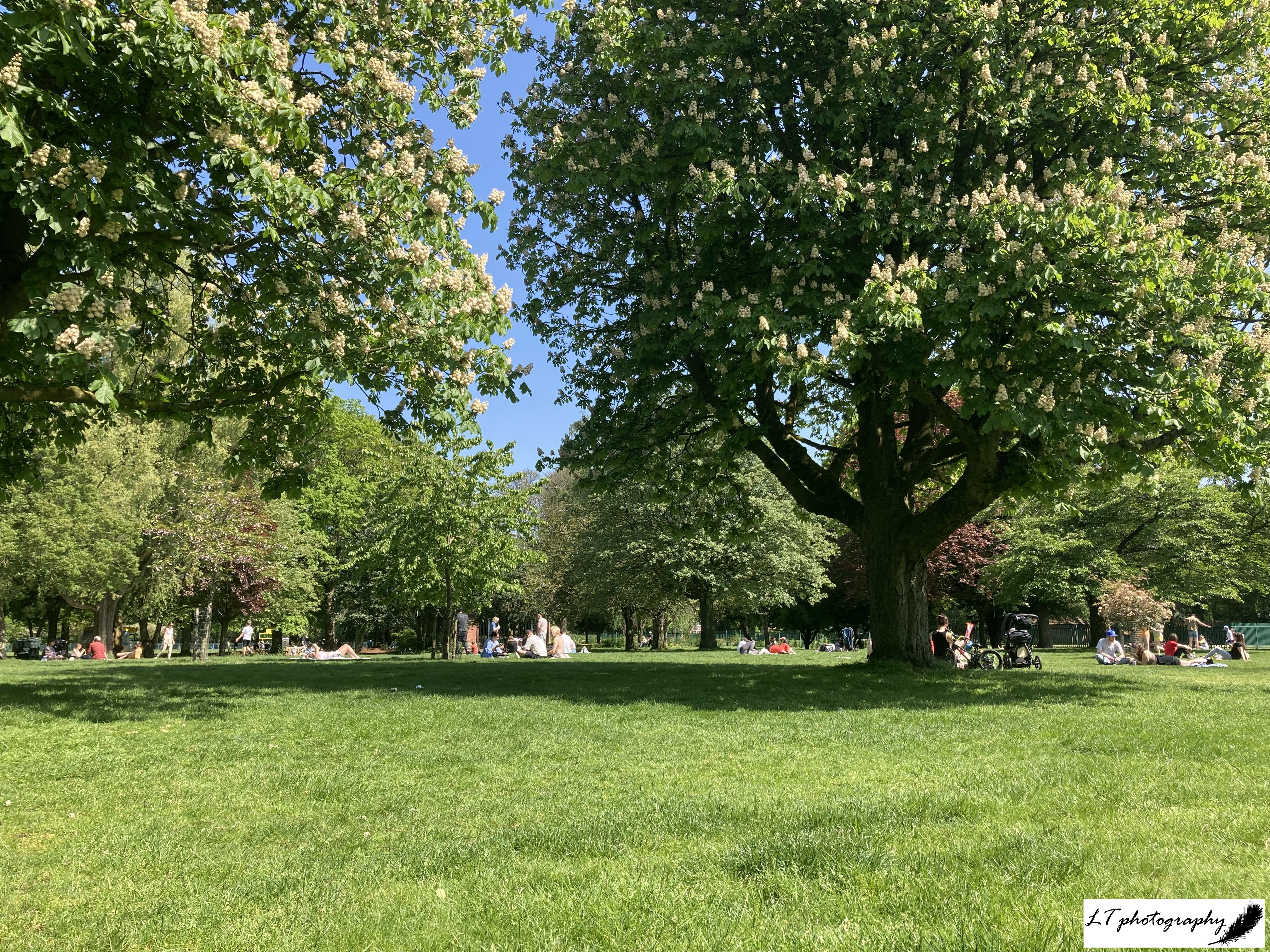
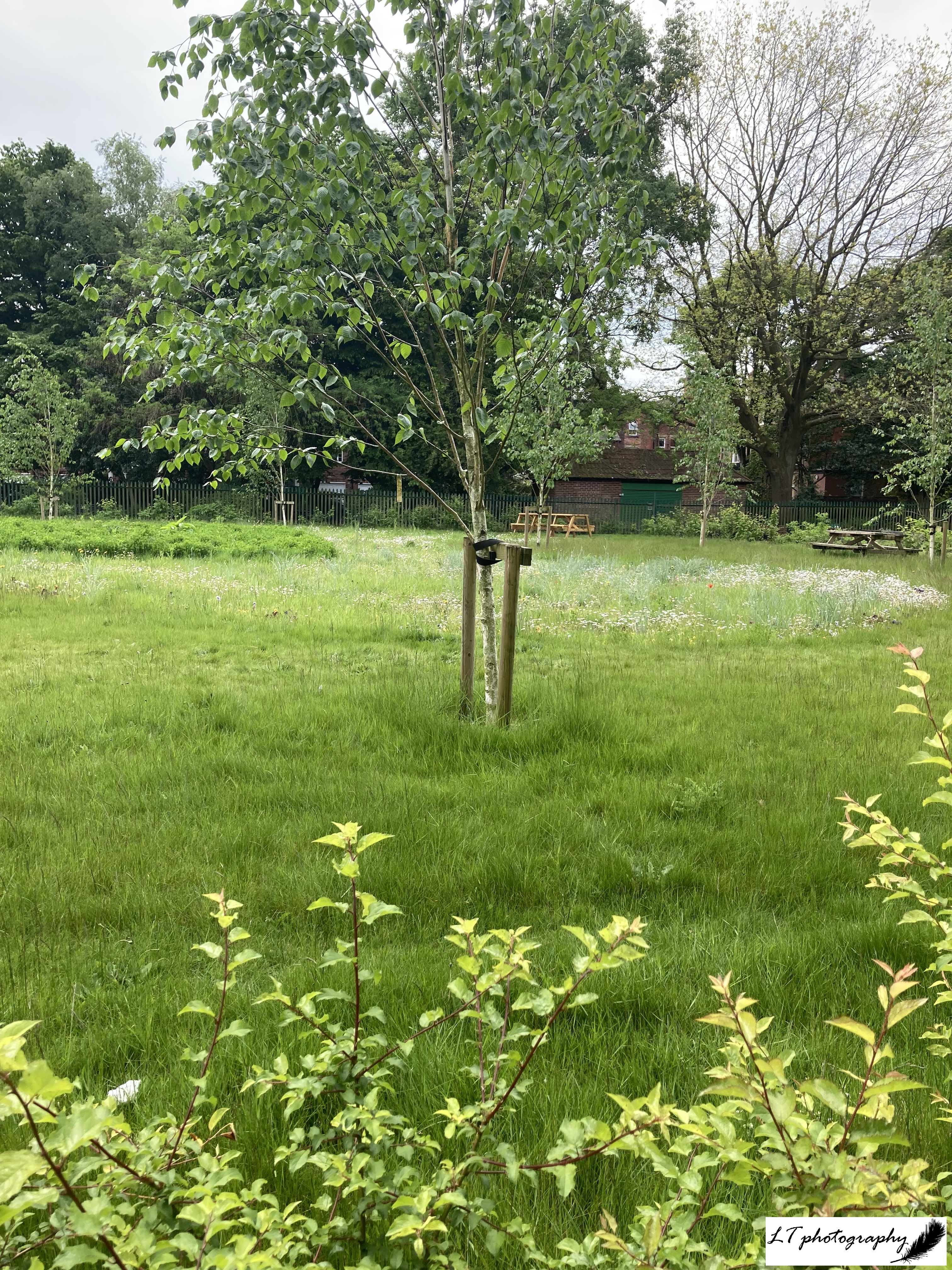
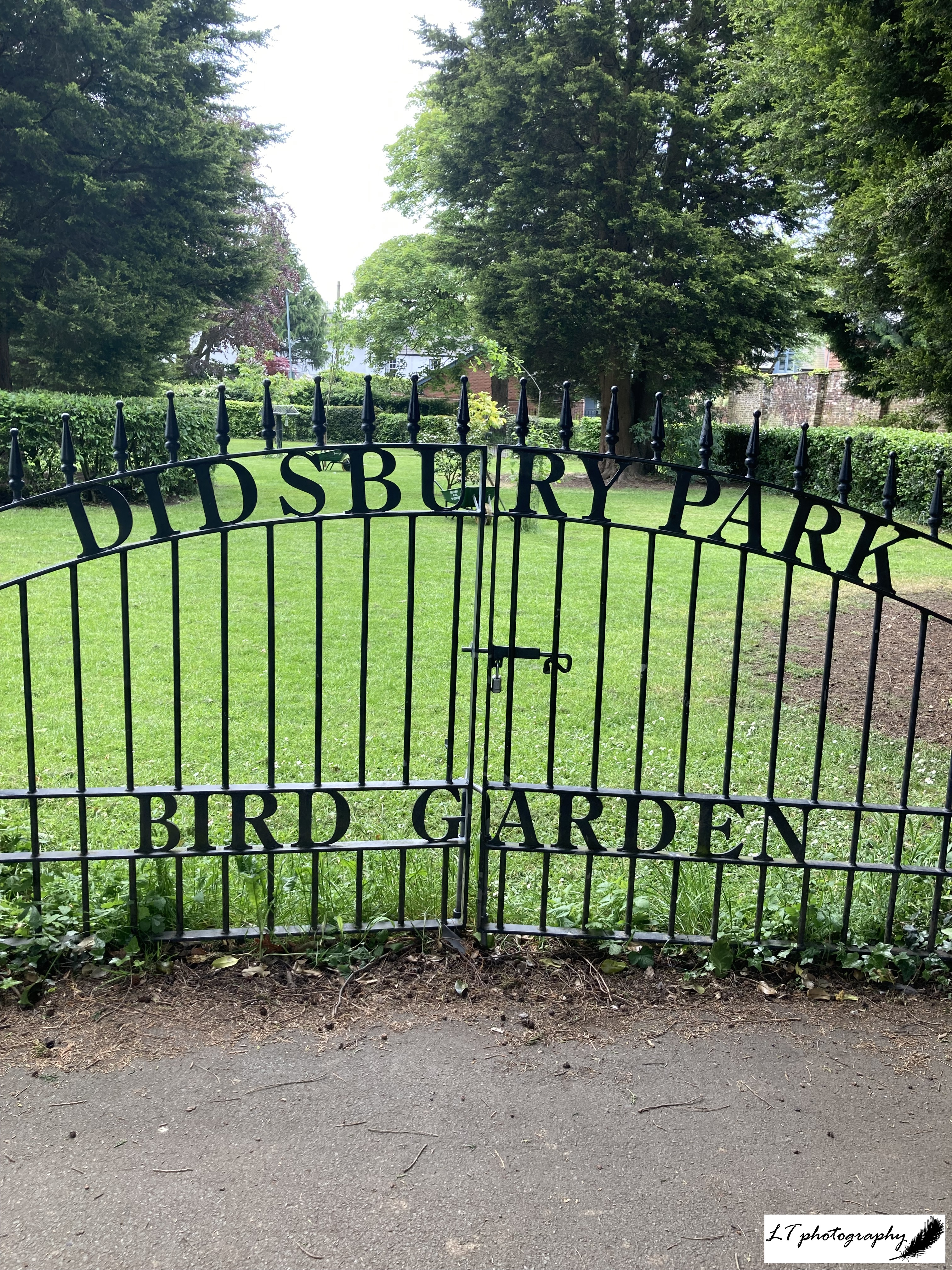
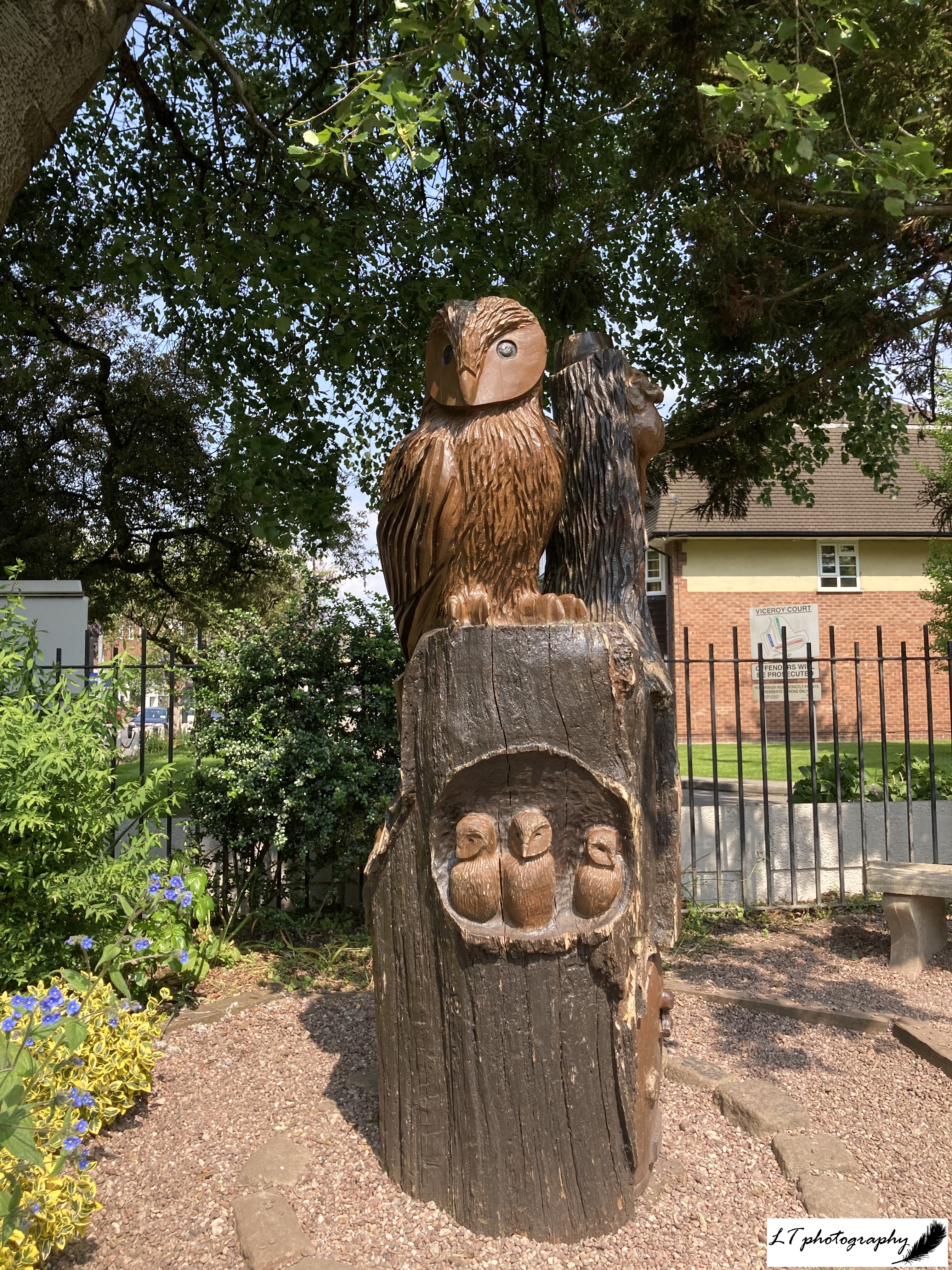
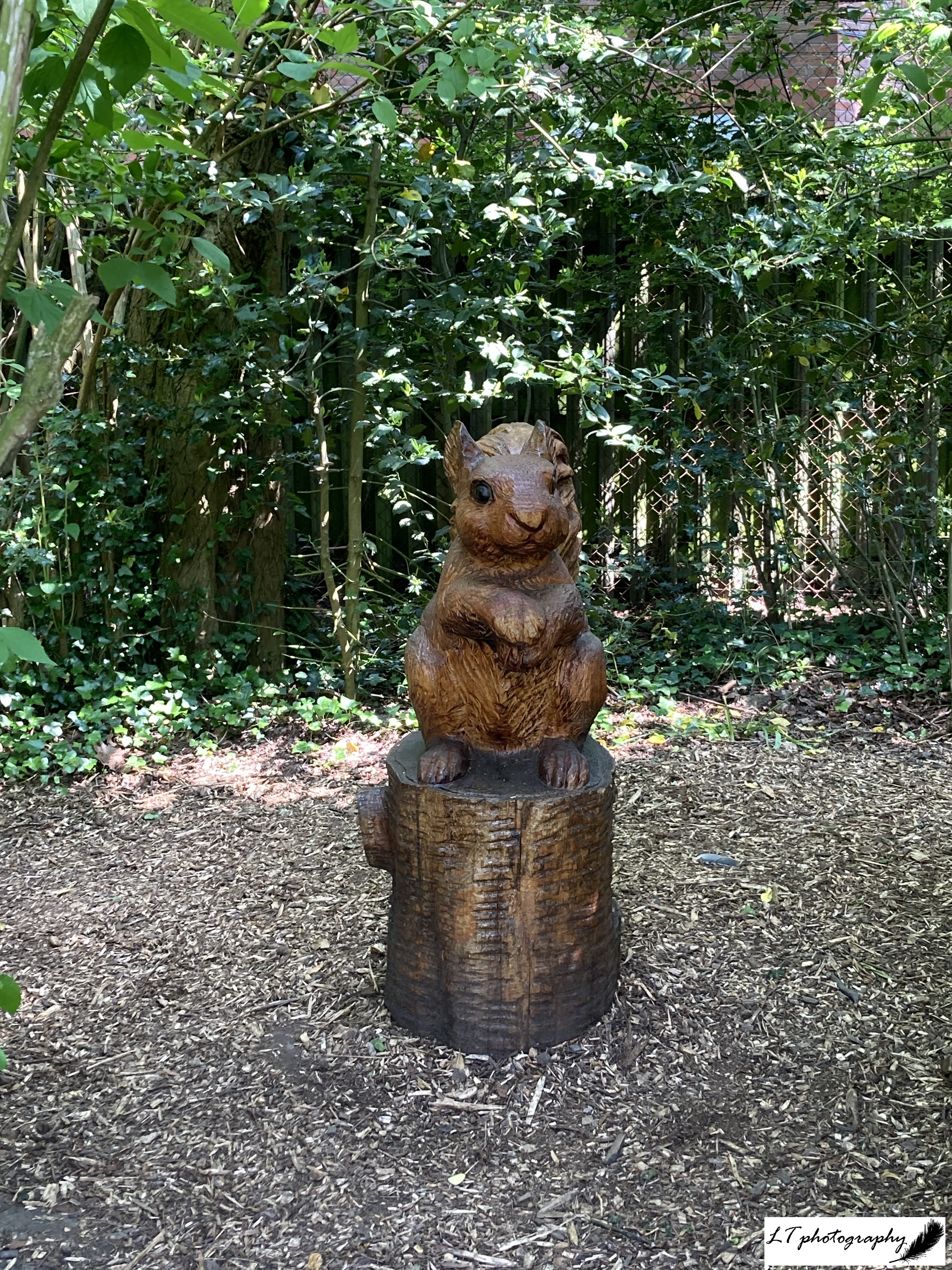
For me, when first entering the park, I took in the many flowering tree species, such as horse chestnut and wild cherry, and flowerbeds abuzz with insects. Though only a short walk to take in all the park had to offer, there were also surprises to be found. This included a wildflower meadow, wood carvings tucked away, and even a bird garden managed for different bird species, including providing food for the pair of nuthatches I saw feeding their fledged young up in the trees. The park was a lovely example of how even small green spaces are so important for city wildlife!
Fletcher Moss, Didsbury

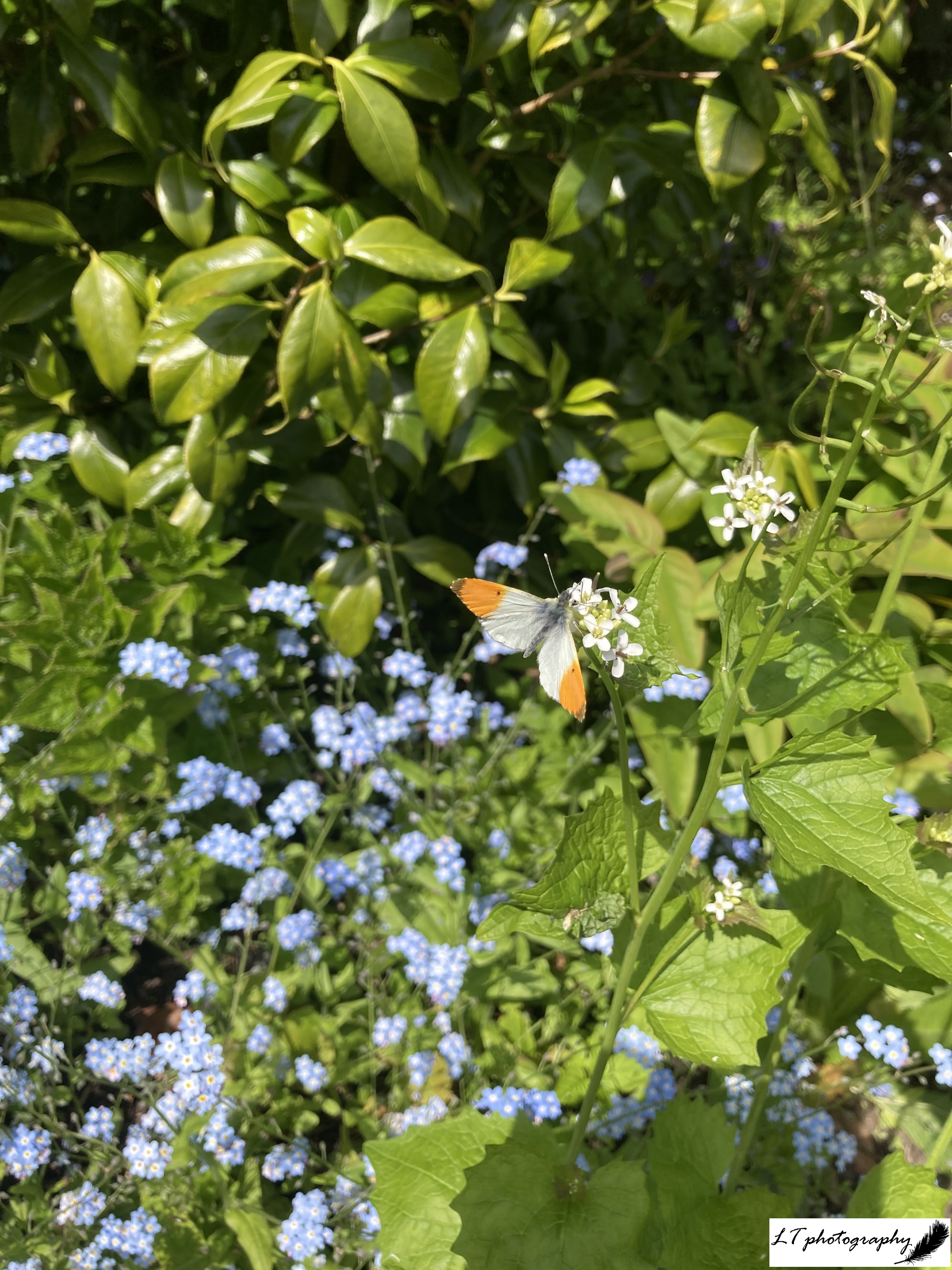
A 5 minute walk from Didsbury Park and also situated in the south of Manchester, Fletcher Moss Park is perfect for a dog walk, birdwatching, or a Sunday morning ramble. Mine and Emma’s adventure to Fletcher Moss started at the Parsonage Gardens, a tranquil area surrounding the old home of the park’s namesake Fletcher Moss. In May, the gardens were particularly spectacular with azaleas and wisteria in flower, along with flowerbeds awash with colour and alive with bees and orange-tip butterflies. Walking on past compost heaps and an alpine greenhouse, we made our way out on to Stenner Lane.

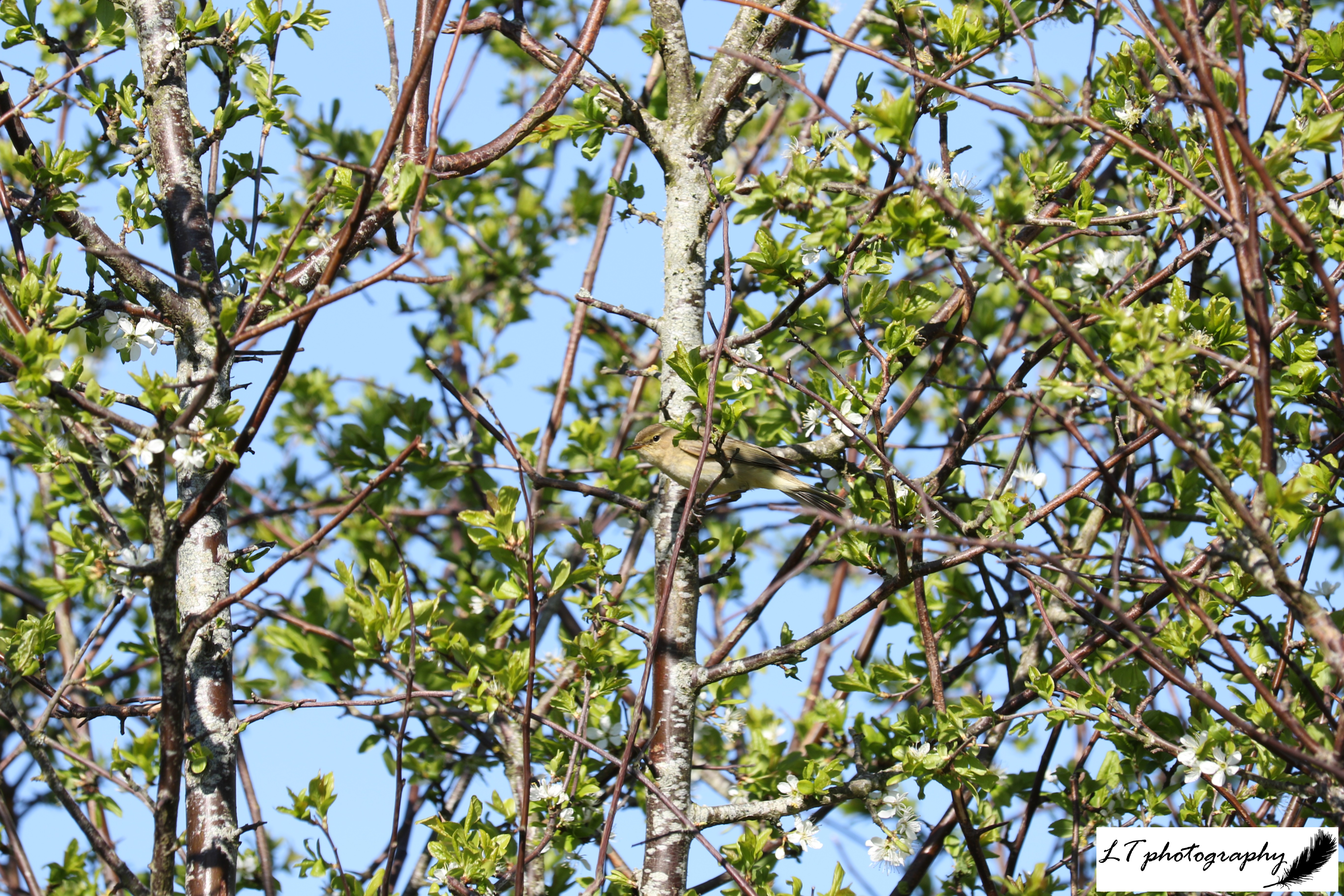
After a short walk, we left the lane behind with its swathes of wild garlic and sights of the magnificent poplar avenue, to join the banks of the meandering River Mersey. Along it’s stretches, we came across Simon’s Bridge constructed in 1901, and a whole host of wildlife, all with a backdrop of the noise of the M60 close by. Though the river had much wildlife on offer, such as colourful brimstone butterflies, on this part of the walk I was most interested in the bird species to be seen. This ranged from the city specialists, such as ring-necked parakeets and magpies, to smaller species, such as great tits, dunnocks and chiffchaffs, and water birds, such as canada geese, mallard ducks and even a female goosander.

Once breaking away from the calming flow of the river, the habitat changed from edge habitat to grassland to woodland all within a couple of kilometres. Through Millgate Fields we experienced hedgerows full of heady-scented hawthorn flowers, small white butterflies, and cows grazing, before venturing into Stenner Woods, with ponds of tadpoles, moorhens and speckled wood butterflies. The path then led us out for a much needed drink at the Alpine Tea Room.
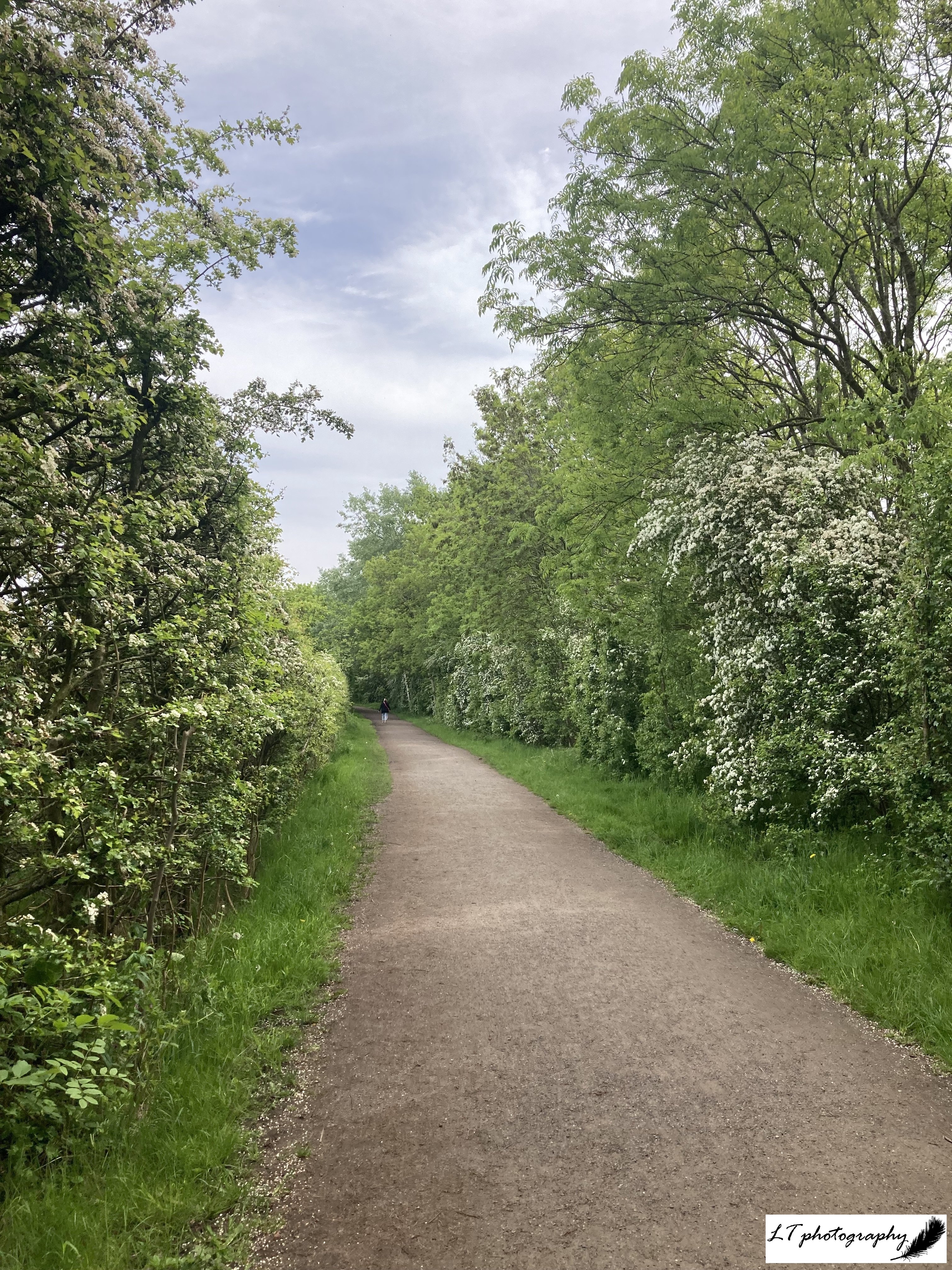
After our drinks, we continued on our journey, passing through Fletcher Moss Botanical Gardens, situated on a sunny south-facing slope. Within these gardens we found mini waterfalls, rock gardens, ponds containing many reshwater snails, giant rhubarb, exotic and unusual plants, damselflies, and small birds, such as wrens and robins, up in the trees. Following the path out through the gardens and park, under towering horse chestnuts and silver birches, we finally came to the end of our ramble.

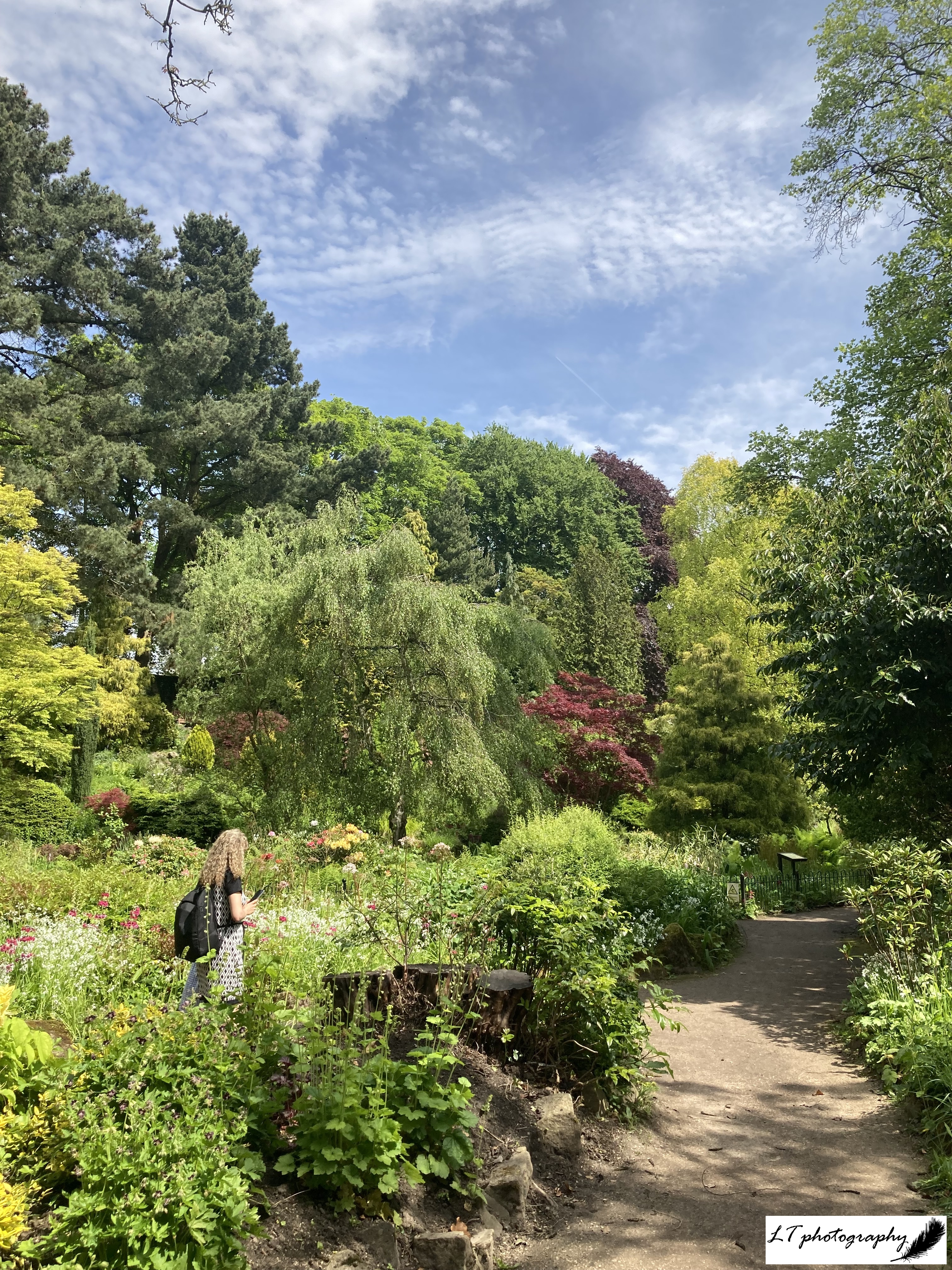
Styal Country Park and NT Quarry Bank, Wilmslow

Another great way to venture out in nature is with a furry friend by your side, something I have missed over the last couple of years. So what better way to spend an afternoon than with my friend Emma and her sister’s cockapoo Persy, just outside of the city area of Manchester.

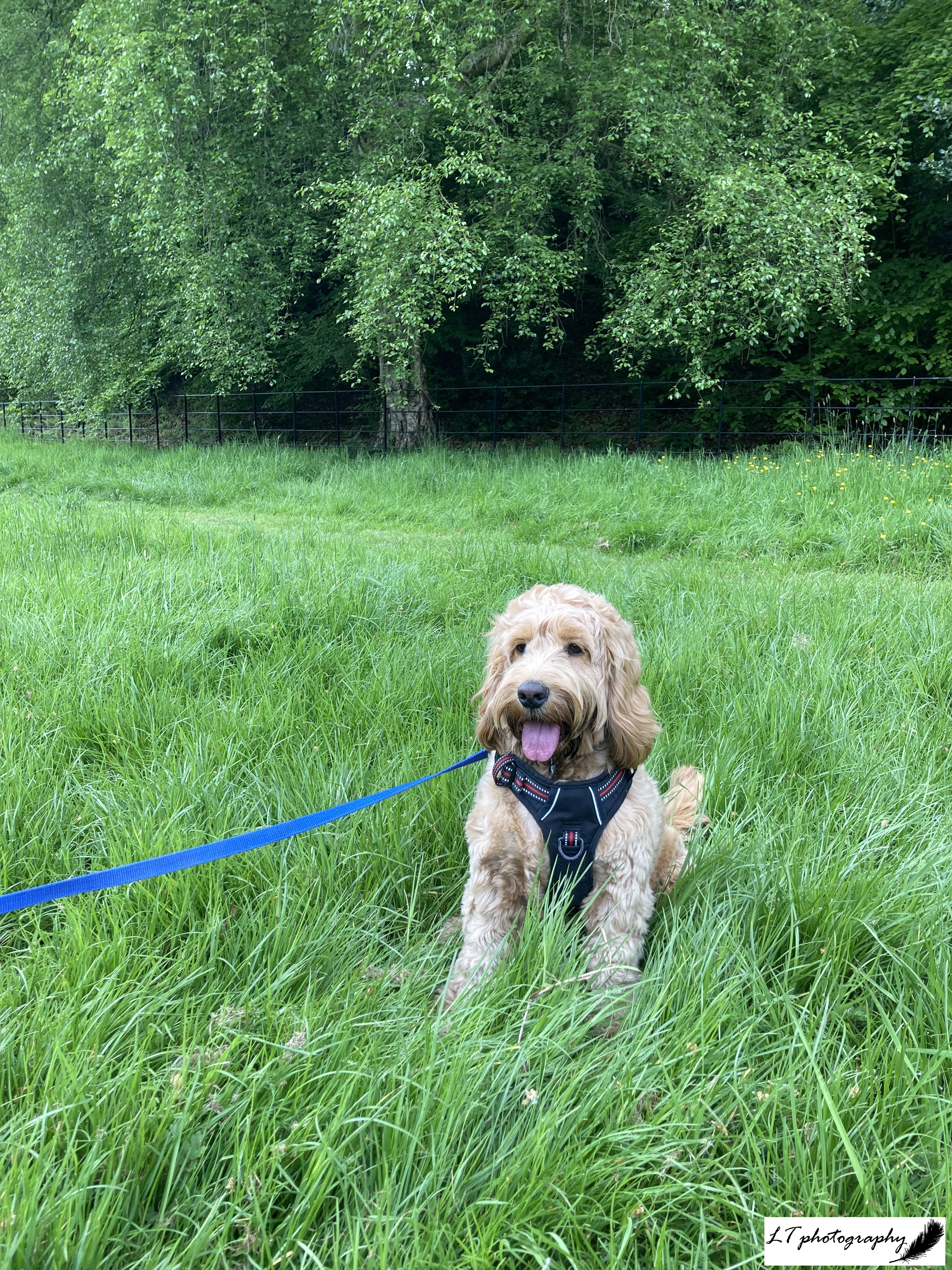
Starting at the Styal Country Park car park, our walk took us through fields perfect for running through, woodland filled with birds and squirrels, and along the banks of the River Bollin. Going at the active pace of Persy, we quickly stumbled upon the National Trust’s Quarry Bank, an old cotton mill first built at the start of the Industrial Revolution in 1784. The factory looking like a flash back in time, also boasts a magnificent walled garden, filled in May with the vibrant colours of rhododendrons, camellias, and borders filled many different species.

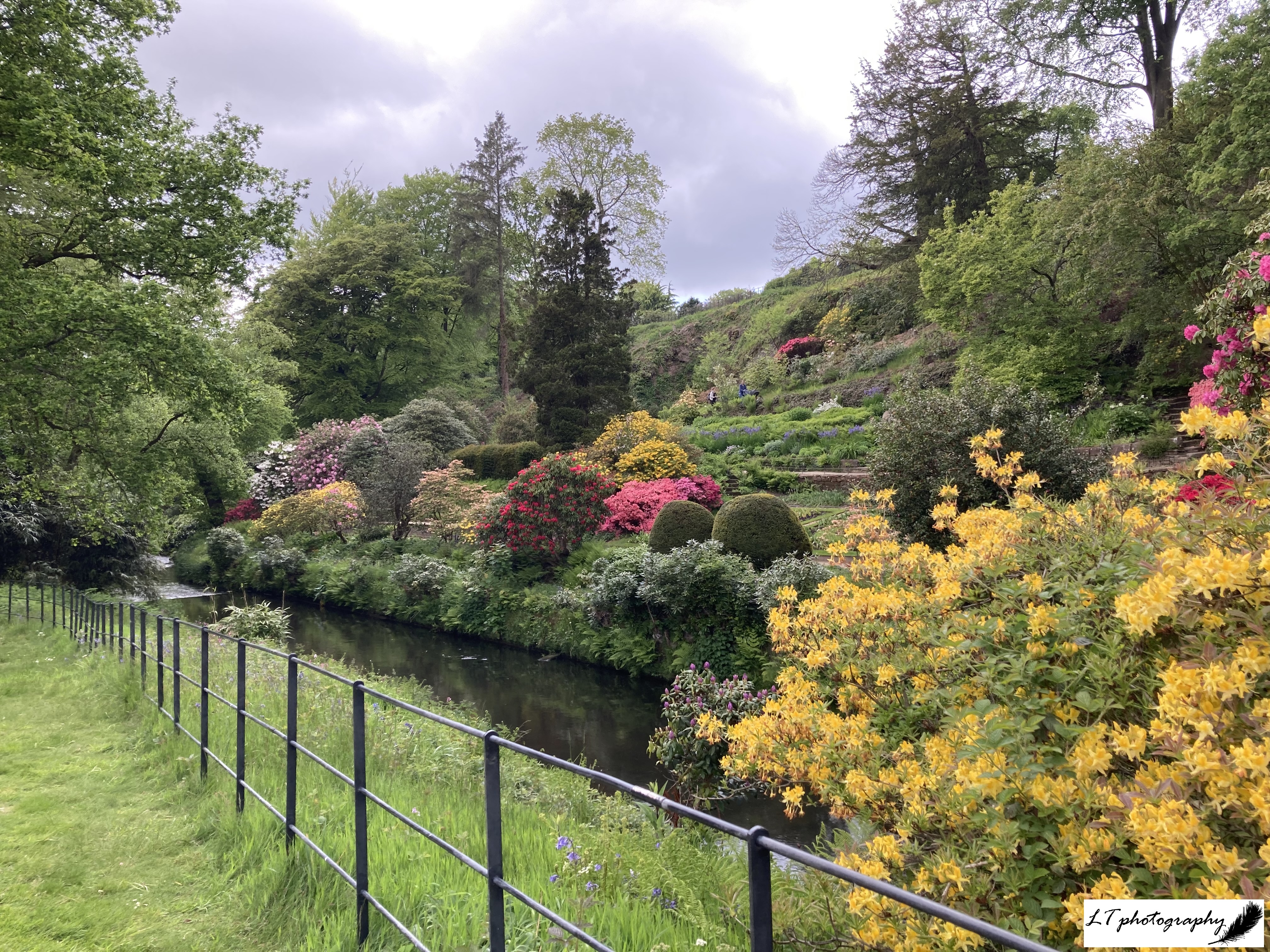
We topped off our adventure with a cup of tea in the National Trust cafe, and Persy leading us on our last stretch of walk through the gorges and woodland west of Quarry Bank. With robins, song thrushes, mallard ducks, woodpigeons, blackbirds, mandarin ducks, chiffchaffs, and nuthatches making appearances, among others, it was a great end to an afternoon wild walk.

Chorlton Water Park and the River Mersey, Chorlton

After a lovely dog walk at Styal, Emma and I were excited towards the end of my trip to take Persy on another walk to do some exploring. This time we headed to Chorlton Water Park within the south of the city bounds. An interesting nature reserve, it was formed when gravel was excavated from the site of Barlow Hall Farm for the M60 construction in the 1970s. The remaining pit was flooded, forming a central lake, surrounded by grassland, woodland and the River Mersey. Complete with fishing and pond-dipping platforms, and a play area, this green area is a site for both wildlife and the community alike.

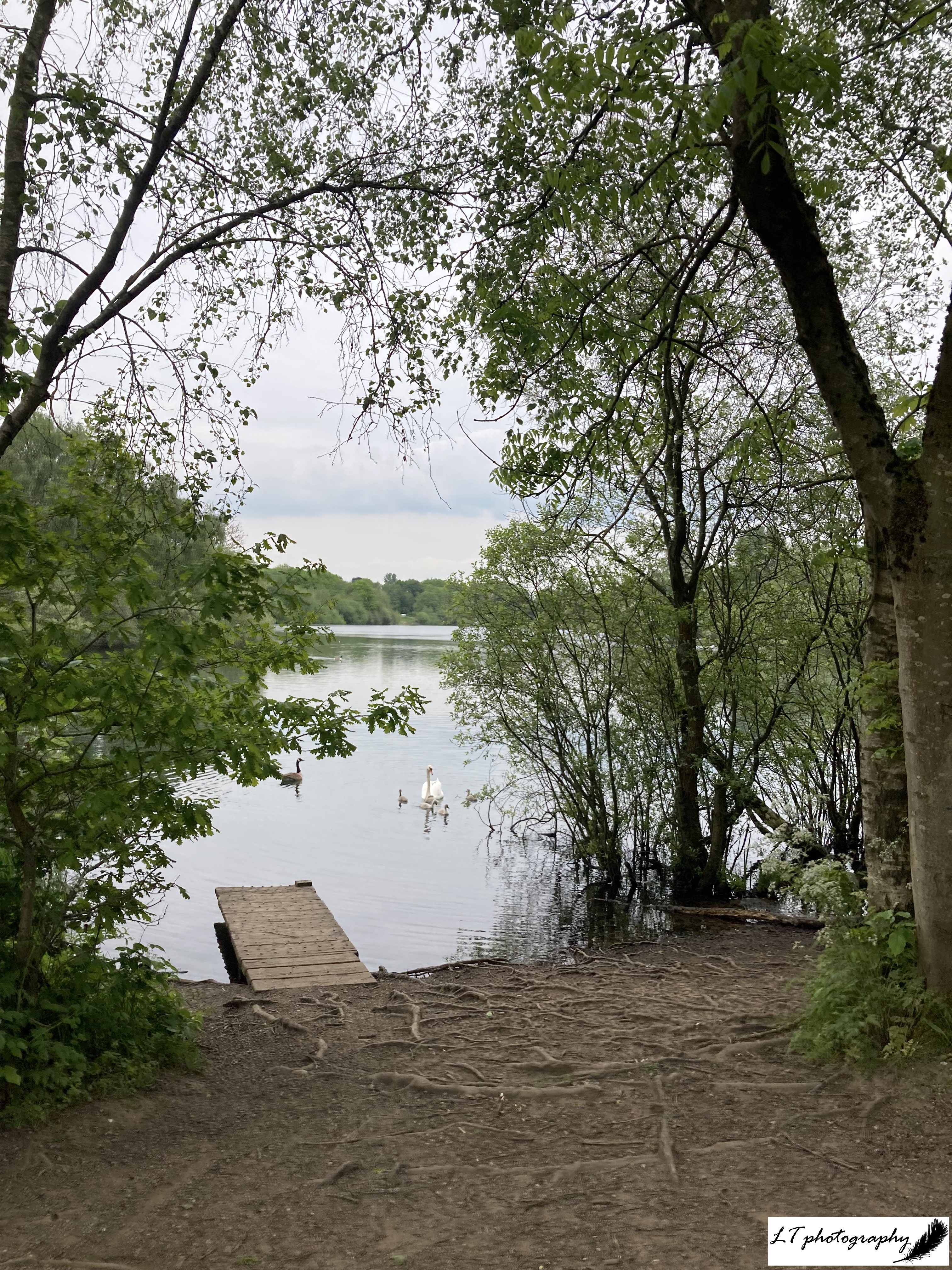
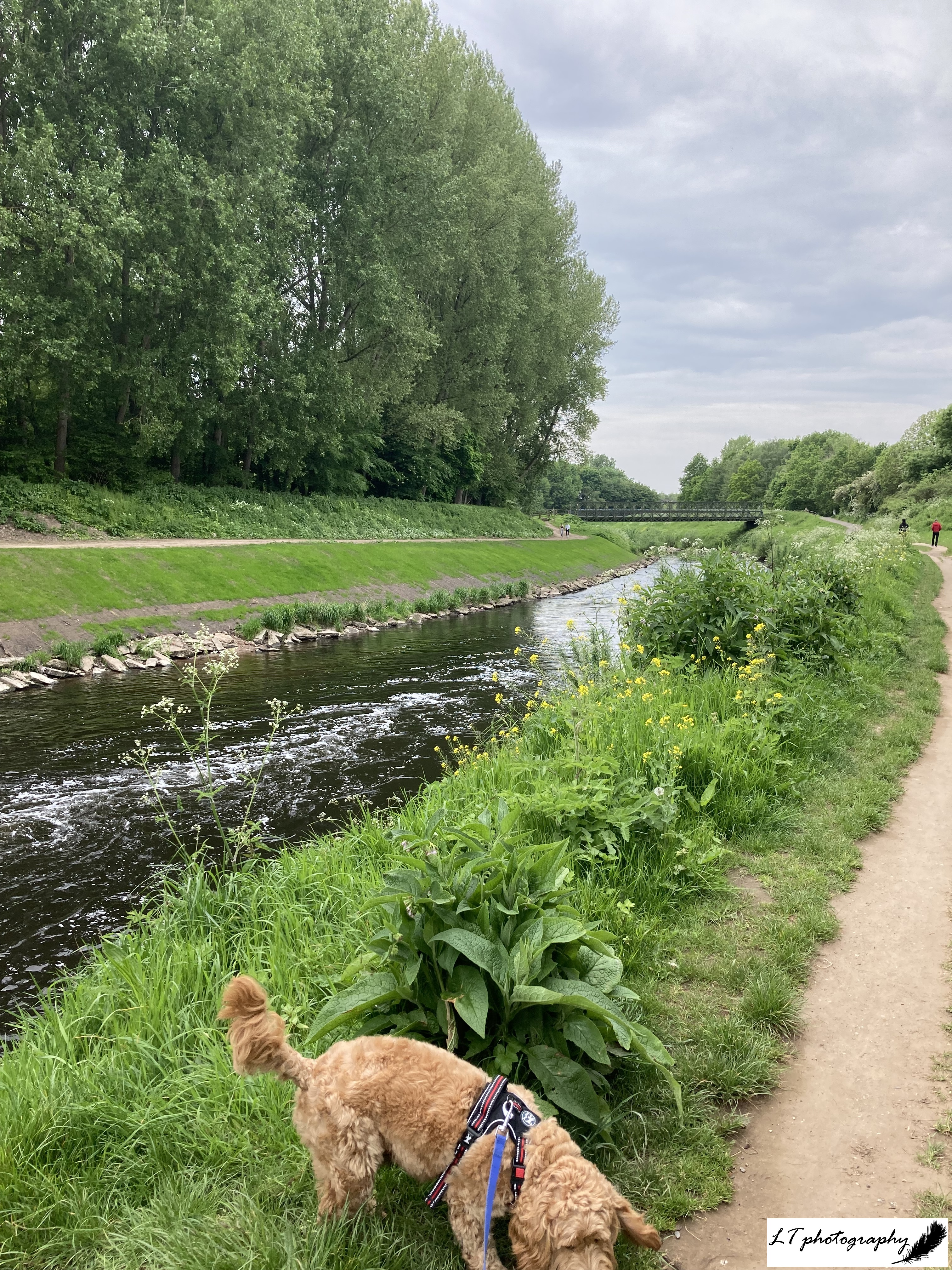
With Persy by our side, Emma and I first took a walk around the lake, taking in the birds on the water framed by willows and yellow flag irises, including Canada geese, mallard ducks, and mute swans all with young. Once we had completed this circuit, we extended our walk by heading east along the River Mersey back to Didsbury. The path was framed by froths of cow parsley and hawthorn, and added to by flitting butterflies, such as orange-tips, and a melodic bird soundtrack of tits, blackbirds, robins, dunnocks, wrens, chiffchaffs, and blackcaps. Though a simple route, it was really lovely to walk within an urban area, but be surrounded by nature and accompanied by wildlife the whole way!

Green Manchester

As a true country mouse and nature lover, when I am on holiday and travelling, I am always looking out for wildlife to discover, and green spaces to explore. So on my recent trip to visit friends and family up north, my time spent with my fellow animal-loving friend Emma was a real joy. City trips and activities were mixed with nature walks and lots of time enjoying being outside in green spaces. This ranged from areas within the city of Manchester, to further afield, such as a fantastic day trip to the Peak District via a 1 hour train.


When it came to being a naturalist in Manchester, the city surprised me with how much it had to offer. With a city-wide focus on providing homes for wildlife and recovering habitat lost within urban areas, you are never too far from a park or green space to escape to. There are also bee hives to be found on rooftops across the city centre, hedgehog highways being created between suburban gardens, new nature reserves being created each year, and much more to excite the urban naturalist. It just goes to show that wherever you live, nature can be accessed and enjoyed by all!
Disclosure: Unmarked photos taken by Emma Rogan

A Year In The Life Of An Oak Tree

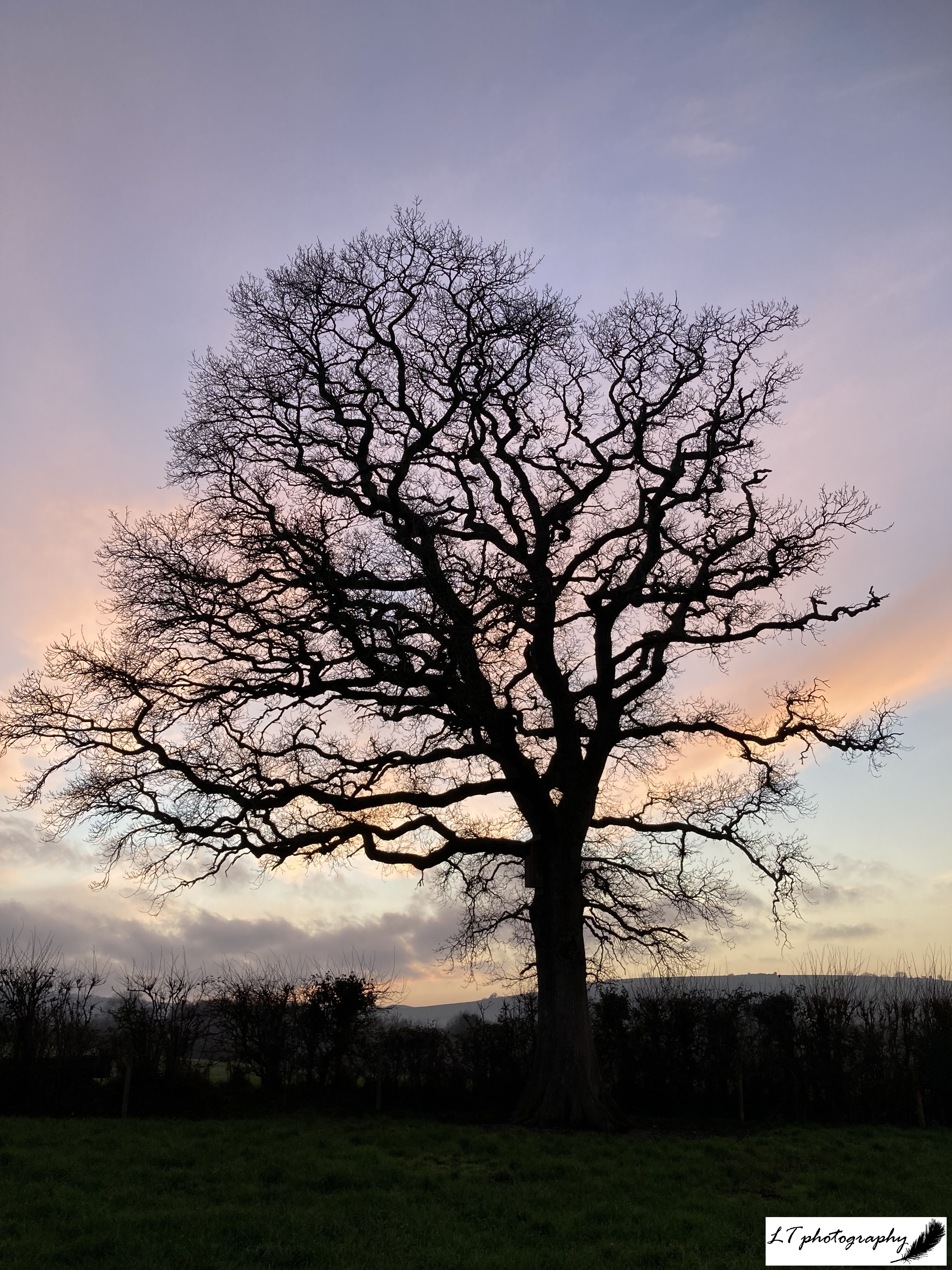
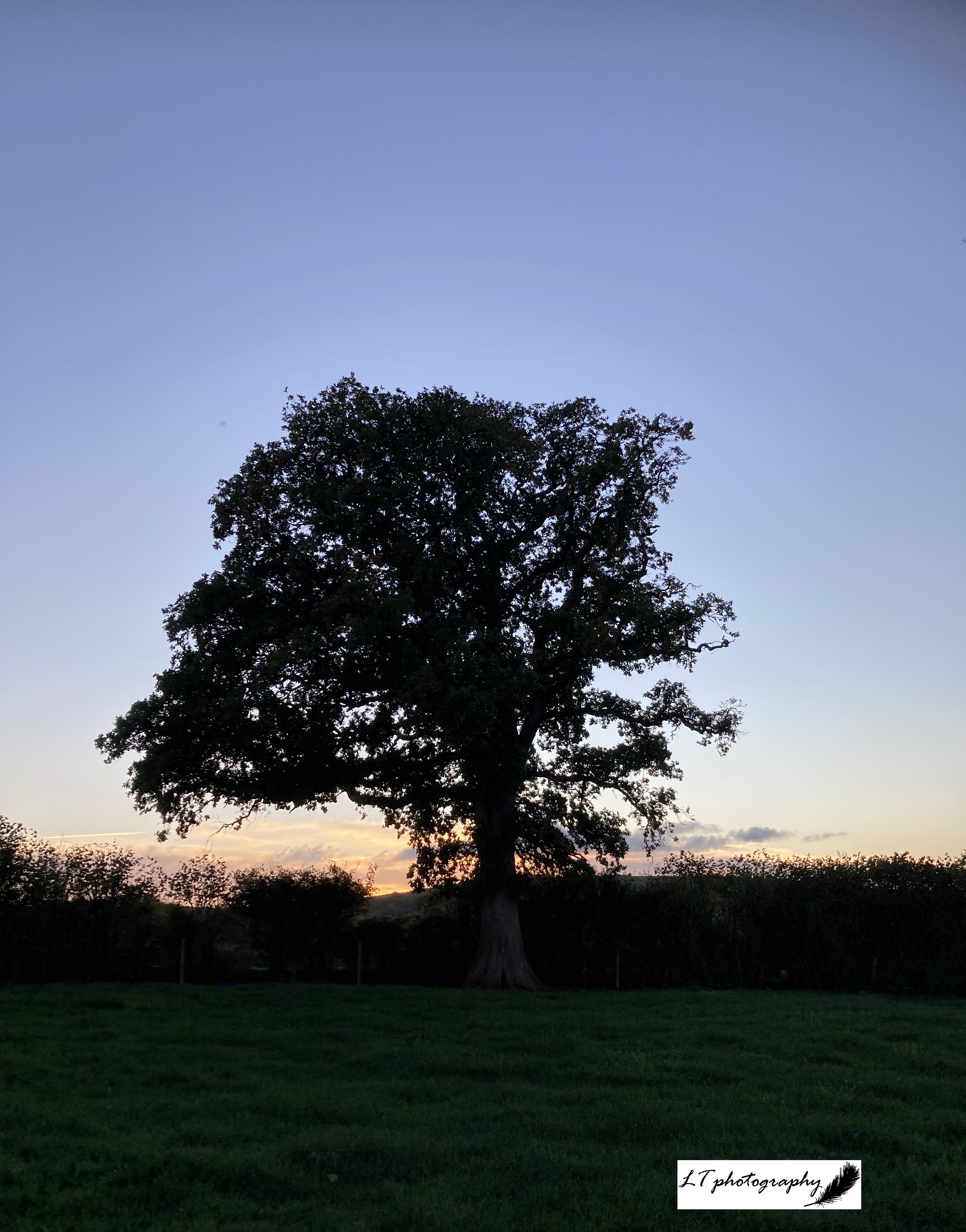
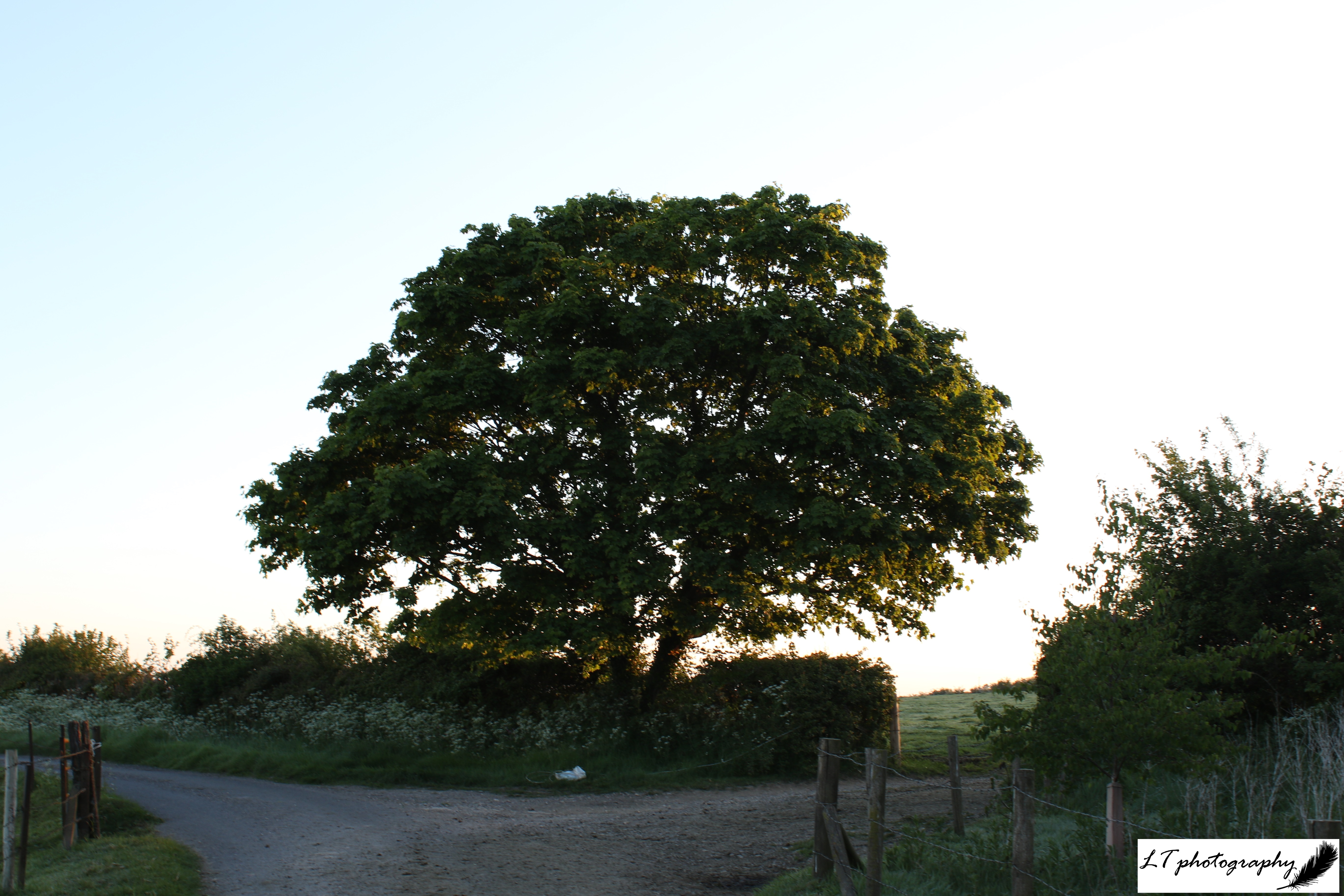
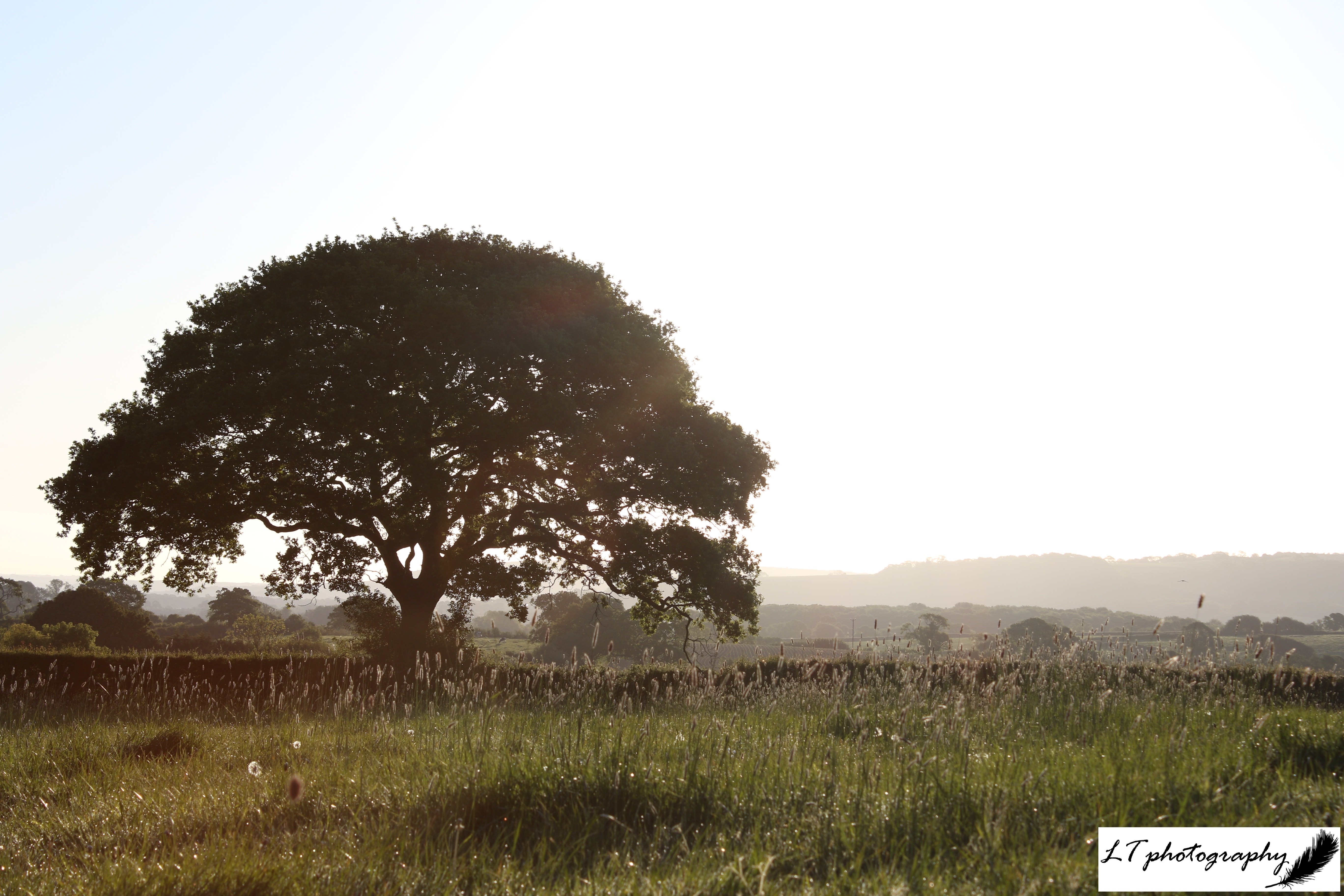
In the depths of the Dorset countryside, amongst hills, fields, rivers and hedgerows, an oak tree stands tall, stretching its branches over its corner of a field. Having stood proud for many years, each year this tree goes through its cycle, starting with its skeletal form, and moving through budburst, flowering and leaves unfurling, to shedding its green cloak in the autumn at the start of its long winter sleep. Hopefully it will keep continuing its cycle for many years to come.

Every year the rest of nature also goes through its cycle of life, overlooked by this oak tree. From the beginning of new life to the death of others, from howling gales to sleepy sunshine, from constant neighbours to new wildlife spectacles, this tree stands tall through it all. So for this piece, lets follow a year in the life of this particular oak tree in 2022, and see what can be experienced in just one spot.

January

As a new year began, the landscape lay in slumber, riding out the worst of a harsh winter. Hibernating animals, seeds and bulbs laying beneath the earth, and trees standing tall in dormancy. The oak tree was no different, slumbering through a very chilly January 2022, with many dry, cold, and foggy spells. A number of mornings began with the glittering shine of thick hoar frost, turning the landscape into a crisp, white world. During clear nights, the oak tree was surrounded by tawny owls ‘twit-ing’ and ‘twoo-ing’, rekindling pair bonds. By day birds were busy, robins defending feeding patches and forming pairs, great tits singing their squeaky gate songs, and buzzards hunting over the open countryside.

February

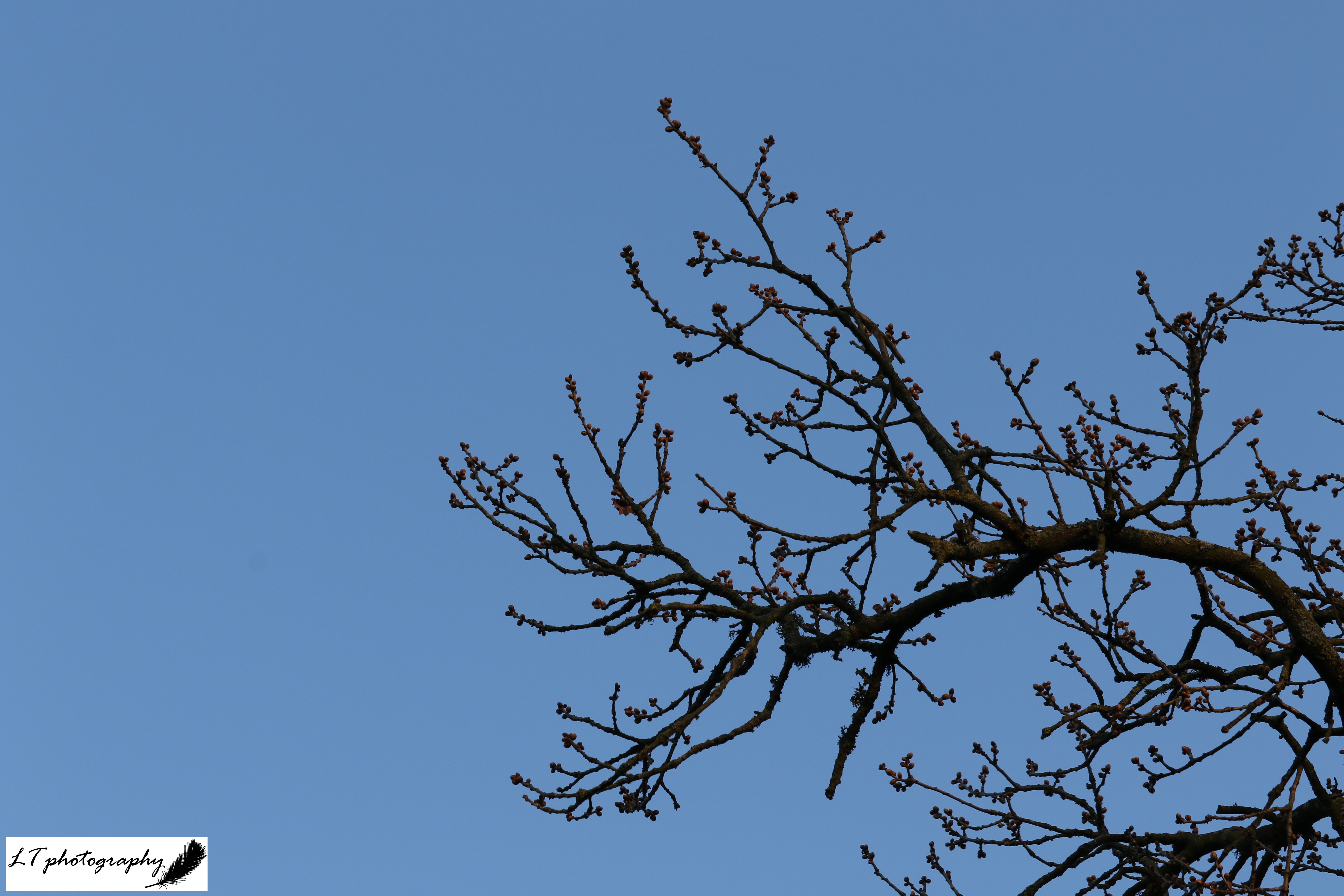
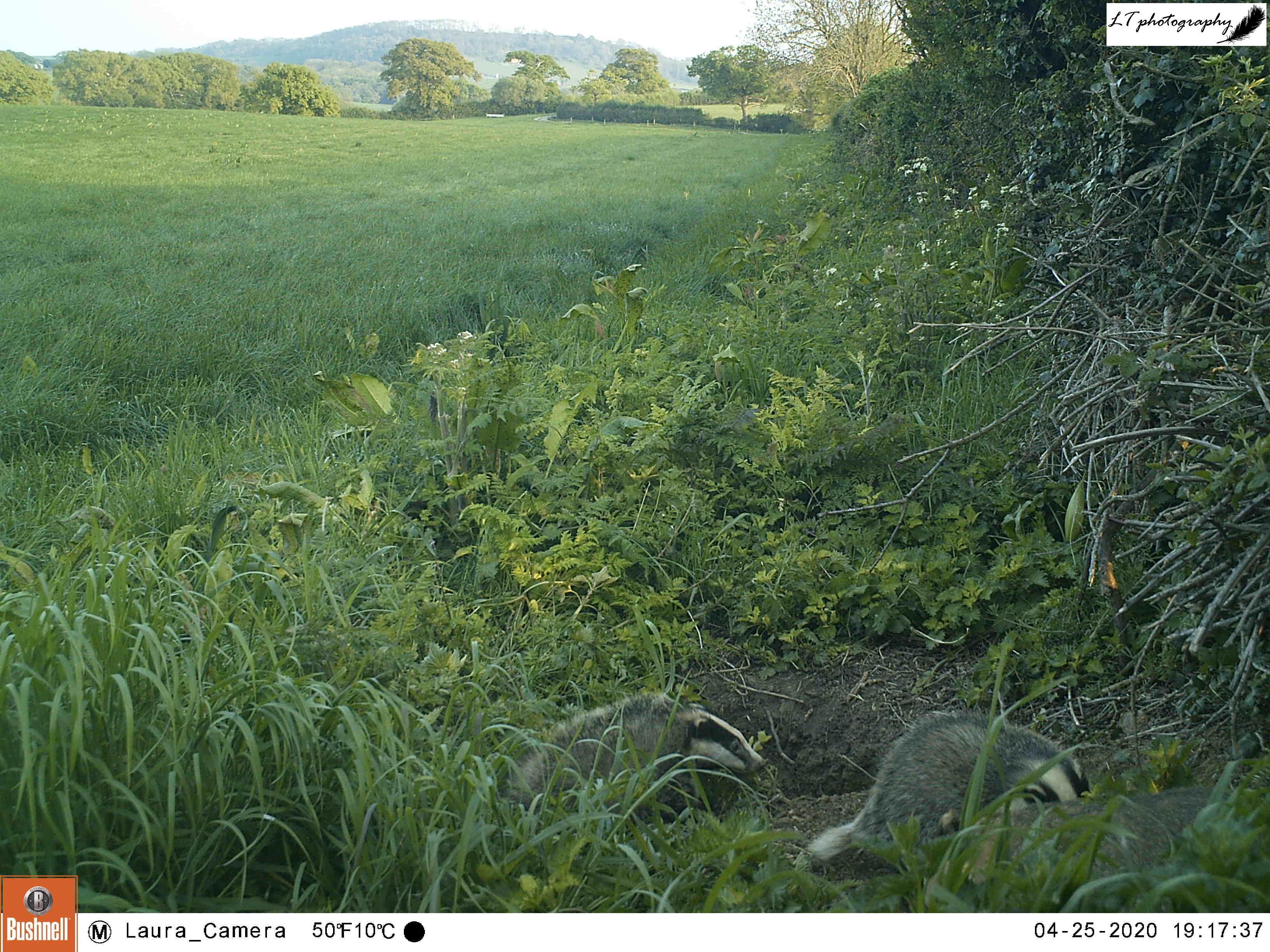
As a new month unfolded, the oak tree still stood slumbering, lichen dotting its bark and its buds hard and scaly, waiting. The oak tree may have been dormant, but around it subtle changes were beginning to appear in the landscape. White snowdrops nodding their heads under the hedgerows, lemon yellow catkins blowing in the breeze, and a woodpecker drumming on a trunk nearby. At night, male badgers pass by on the hunt for a mate, and foxes can be heard making their chilling howls, with females now heavily pregnant. February was a wet and very stormy month, but the the tree stood strong throughout.

March

As spring began to unfold, the oak tree experienced a month of unpredictable weather, moving from cold frosty nights to some very hot days. Despite this, change was in the air, with the oak tree beginning to wake up and show swelling in its buds. This was mirrored in the landscape, through blackthorn dripping white from the hedgerows, primroses creating a yellow carpet beneath, and the distinctive nodding heads of bluebells beginning to pop up everywhere. The oak tree also witnessed the first chiffchaff singing, the first brimstone butterfly flitting by, and even the first tawny owl nesting in the oak tree’s box before being unfortunately predated. Mammals were beginning to range further from their homes and other species were making their returns, such as the melodious blackcap.

April

A new month dawned, and the oak tree was becoming a symbol of new life. The first pale green leaves were unfurling and yellowy-green flowers were now hanging down from its branches. Drier, more stable weather meant the oak tree was now standing side-by-side with bovine neighbours, whilst many species were making use of the oak tree itself, such as blackbirds singing from its heights. Hedgerows and meadows around were also coming to life, with spectacular springtime flowers, from snowy stitchwort to sunshine celandines and cowslips. Daily, foxes can be found passing by, off hunting to bring back pheasants and rabbits to their cubs that are growing fast. The oak’s paddock also becomes a feeding ground for wonderful returning swallows and house martins, just the tip of the fantastic spring wildlife that were there to be discovered.

May

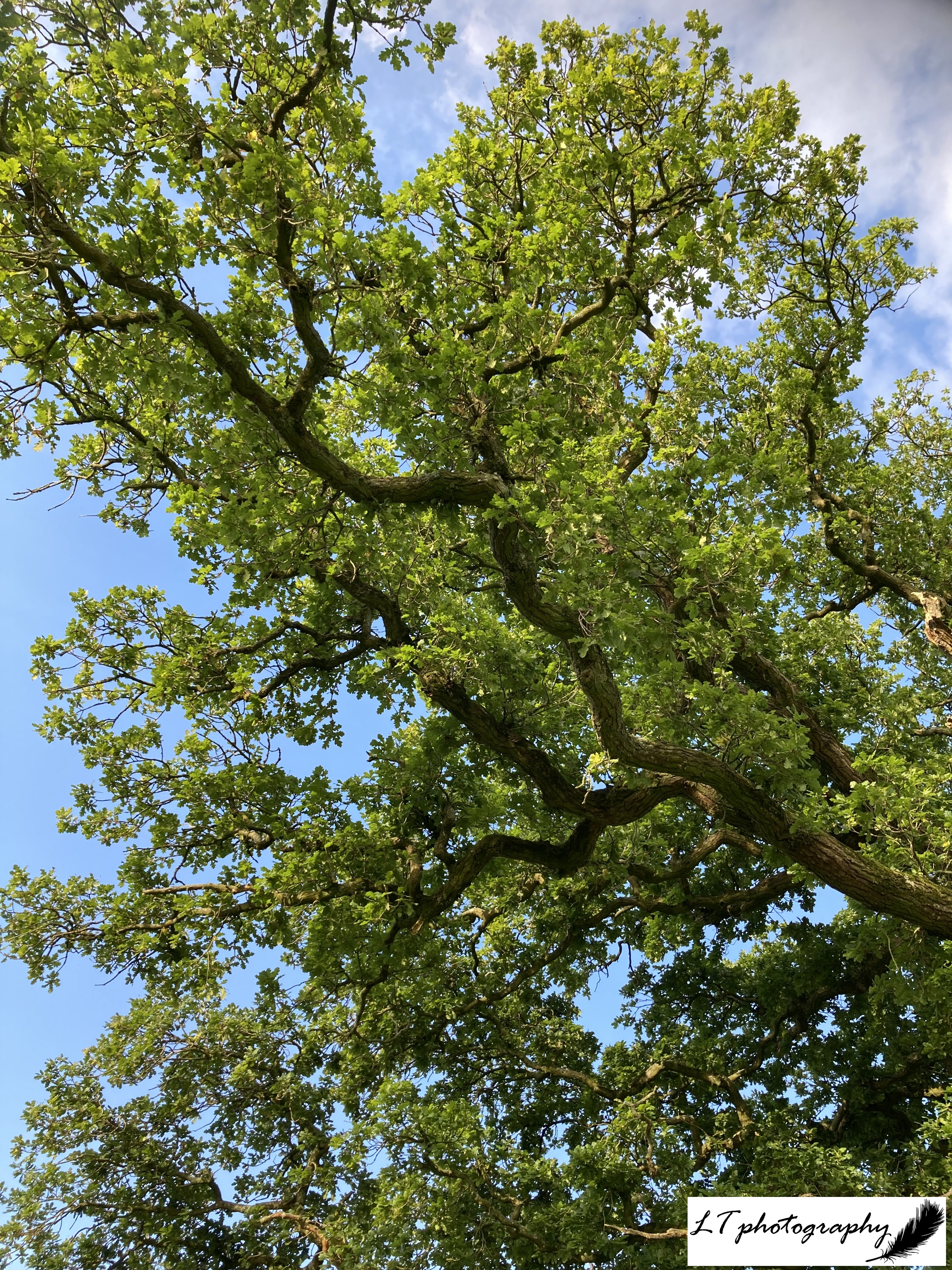
As spring blossomed into its full potential, the oak tree became adorned in its full cloak of fresh green leaves, thriving on warmer, calmer weather. The tree’s neighbouring hedgerow also began to bloom into life with flurries of white hawthorn flowers and the swelling cream buds of elder flowers. The tree was now home to a new family of woodpeckers, as well as some boisterous young squirrels and blue tits flitting between the leaves picking off oak eggar moth caterpillars. New life and its signs were everywhere, with fox cubs playing above ground, a male cuckoo singing, and even a female kestrel sitting on eggs in a lone oak tree in the next field. The landscape was buzzing with life!

June

As June hit, the oak tree was experiencing the peak of spring and its ending for another year. The oak tree continued to flourish whilst watching the cycle of nature surrounding it. House martins dancing on the wing, swallows hunting low over the fields, swifts speeding past screaming, red kites circling over fields following tractors cutting grass, hares grazing by falling light, a roe deer quietly sneaking past, and fox cubs beginning to roam. Not too far away the clutch of kestrel eggs had hatched and the chicks were beginning to grow fast!

July

Though a calm and sunny month, July was by far a very hot one, with some extreme heat waves hitting the oak tree and its home, its leaves now deepening to a dark green. In the midst of heat, the landscape was still dotted with colour in the form of wildflowers, from red campion and knapweed to bramble and swathes of cow parsley. Butterflies were busy on the wing, with the sight of a red admiral flitting by the oak tree in lazy summer sunshine being a tranquil sight to the eye. A highlight of the month was the yellowhammers singing their metallic song from the nearby hedgerows, and the neighbouring kestrel nest producing 4 healthy chicks to fledging and leaving their tree silent for another year.

August

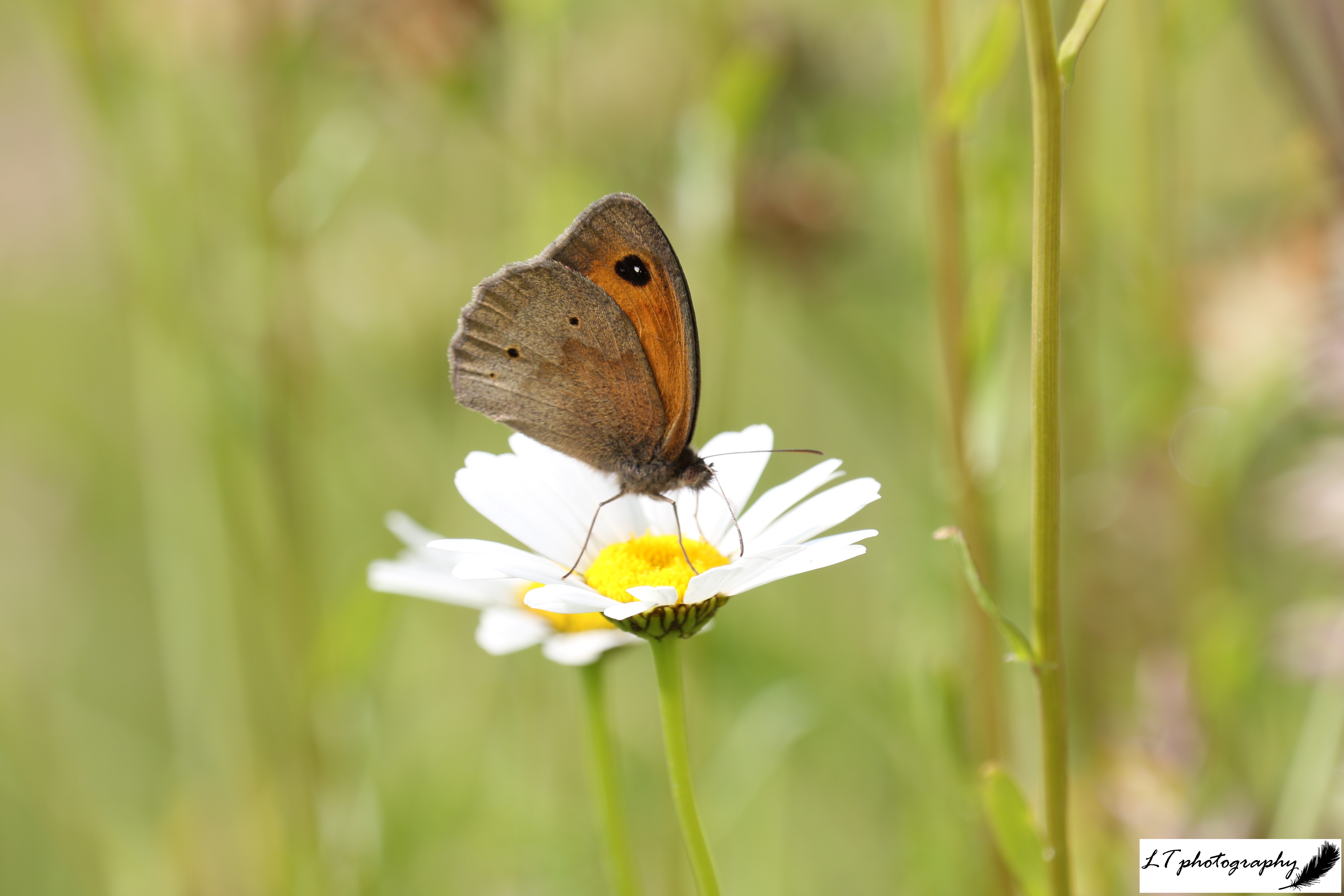
Following on from July, August saw the descent of the countryside into a worsening drought state. Now the oak tree’s leaves were starting to look dusty and sad, whilst the oak began to produce young acorns, small and green. The lush summer was beginning to fade, though colour still could be found in the form of darting blue damselflies, orange flashes of a meadow brown butterfly, and the first shining blackberries. As nature’s season of new life passes, with fox cubs becoming more independent and young birds now feeding up ahead of migrating, the tree watches on, as a new mother cow gives birth in the shade of its lofty boughs.

September

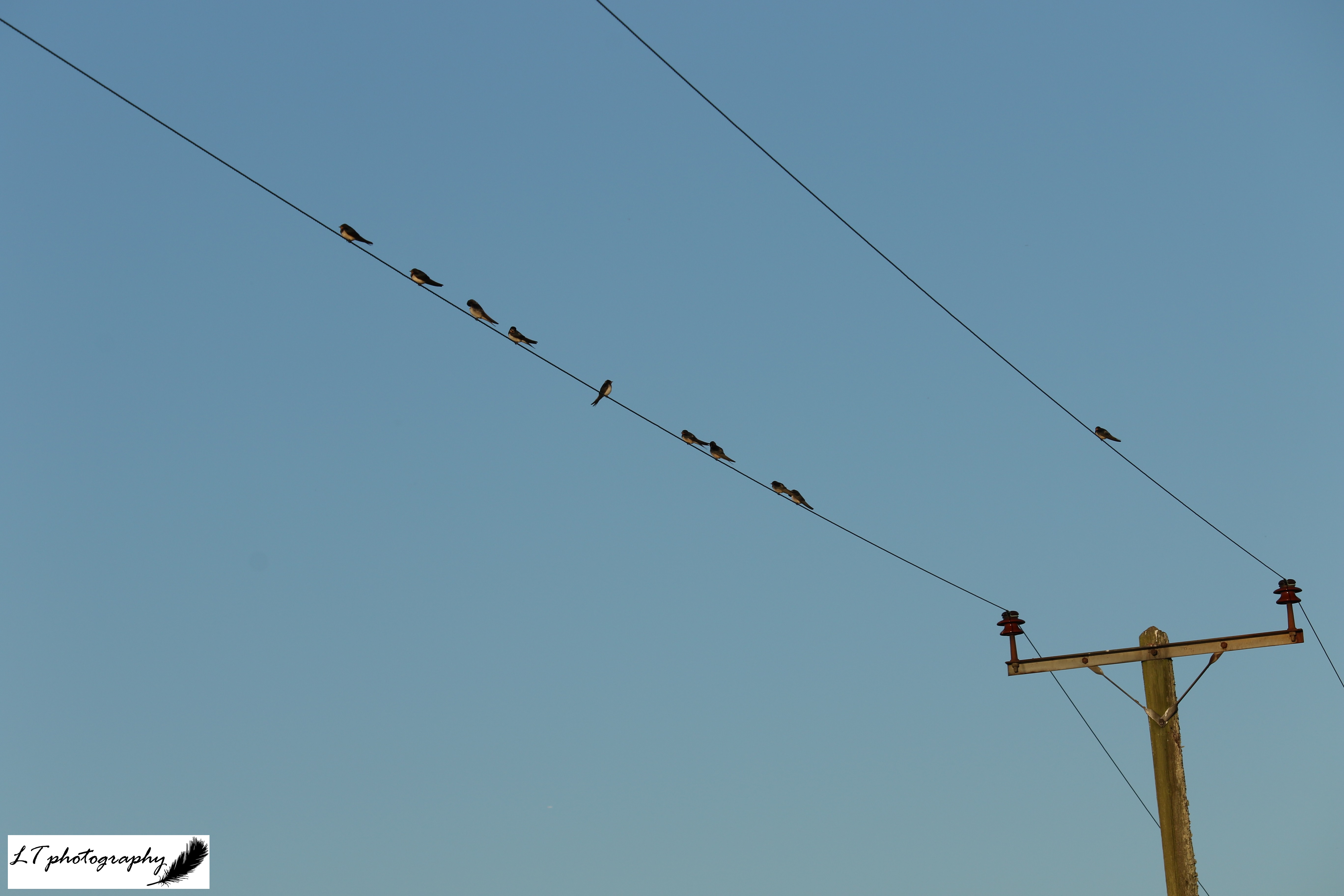
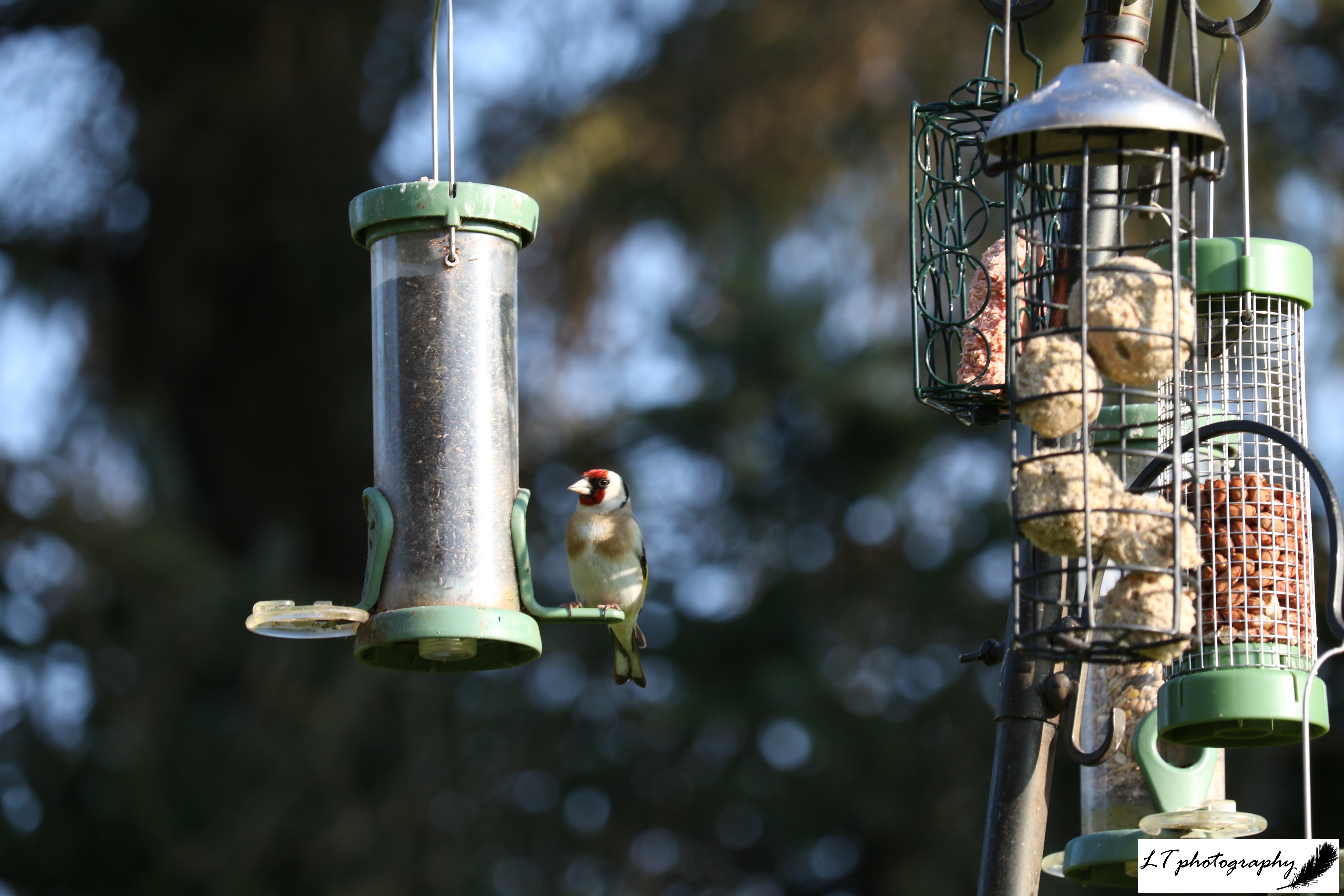
With the onset of autumn, the oak tree experienced the continuation of warm weather alongside the return of some rain showers. This was enough for the tree to green up once again and for its plentiful little green acorns to swell into the typical acorns we all know. The oak’s bounty was also joined by hedgerows filled with hazel nuts and shining berries, such as elder, rose hips, hawthorn, and sloes. This bounty was attracting an array of species, including wasps, blackbirds and jays. The oak tree also overlooked other spectacular sights from spider webs glistening with morning dew, red kites scavenging close by, charms of colourful goldfinches feeding on seedheads, swallows lining up on telegraph lines in the evening sun, and some fantastic sights of a family of linnets.

October

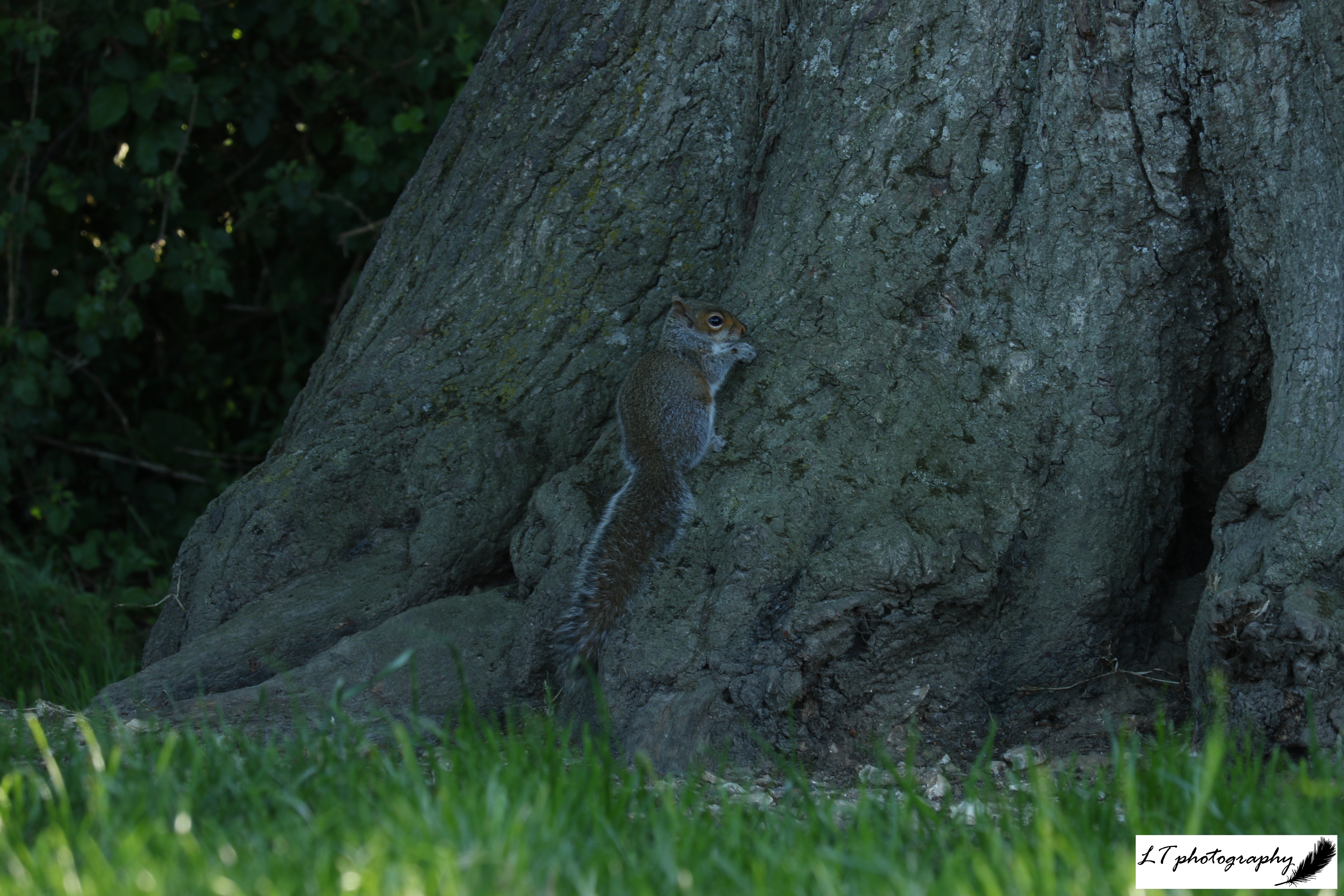
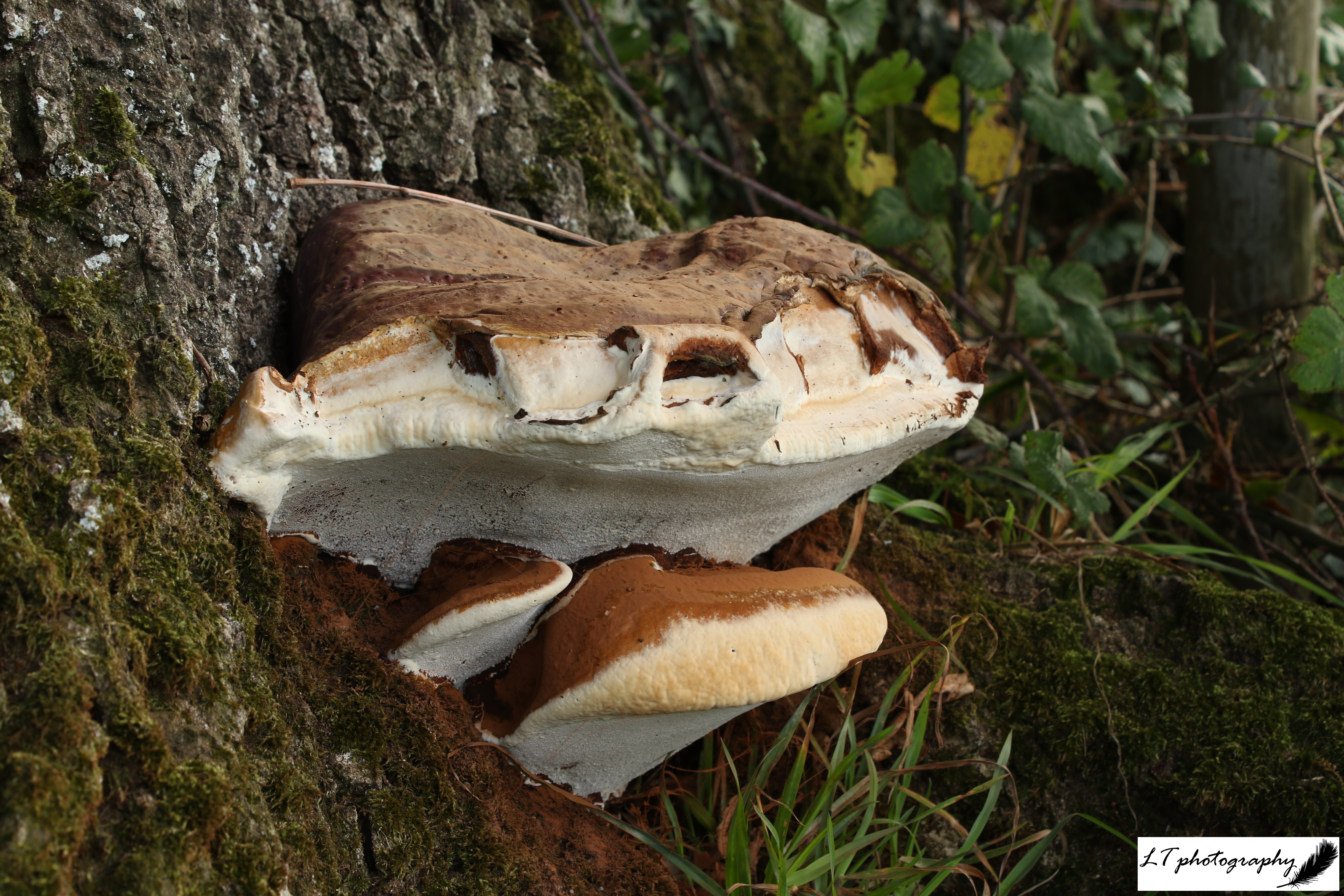
The mild weather continued into October, with the oak tree now covered with ripening acorns, and leaves beginning to be tinted with spots of orange and brown. These acorns were already being utilised by grey squirrels and migrating woodpigeons, amongst other species. With the oak tree’s bovine neighbours beginning to leave the tree behind for the winter, the oak was left alone overlooking the landscape changing colour spectacularly, from the pinks of spindle to the yellows of silver birch. The oak tree also watched over other autumn spectacles, such as craneflies lazily flying over the grass in warm sunshine, roe deer bucks chasing does, and the growing of magnificent fungi, such as the oak’s own bracket fungus. The landscape is alive at night too, with the return of calling tawny owls, the snuffling of badgers, and the exploring of now fully grown fox cubs.

November

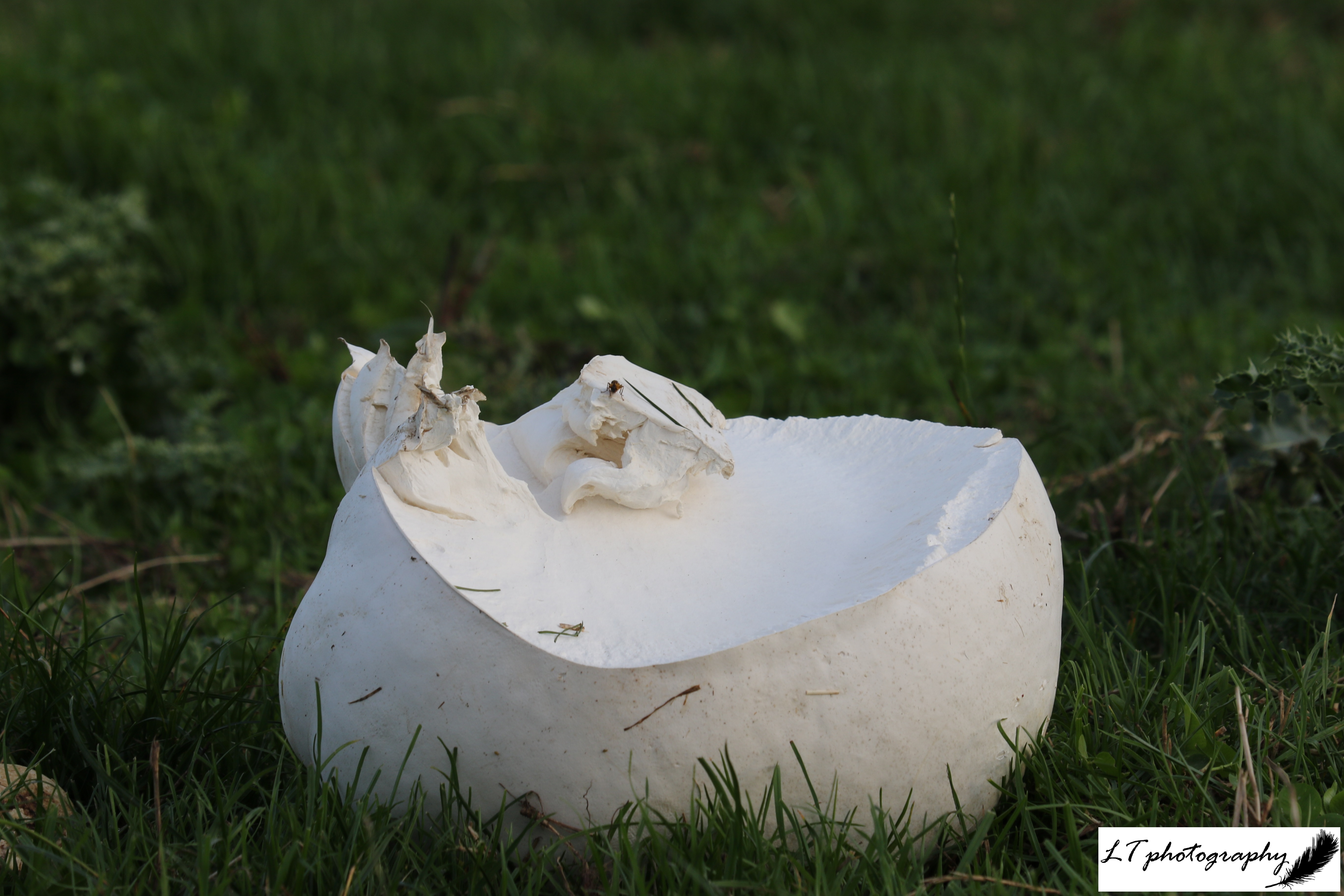
A mild November led to it being a very wet and windy month for the oak tree and its home. Ripe acorns now lay scattered around the trunk of the tree, and brown and orange leaves were now being blown free with each storm. On calmer days, the landscape was still showing lots of wildlife activity, with territorial robins fighting, families of long-tailed tits flying between hedgerows, flocks of meadow pipits feeding out in the fields, and large flocks of fieldfare and redwings making themselves at home. Whilst exploring around the oak tree, fantastical puffballs could be found in the grass, late ivy flowers and the start of its black berries in the hedgerows, and spectacular pink and orange spindle berries in the hedges further away from the oak.

December

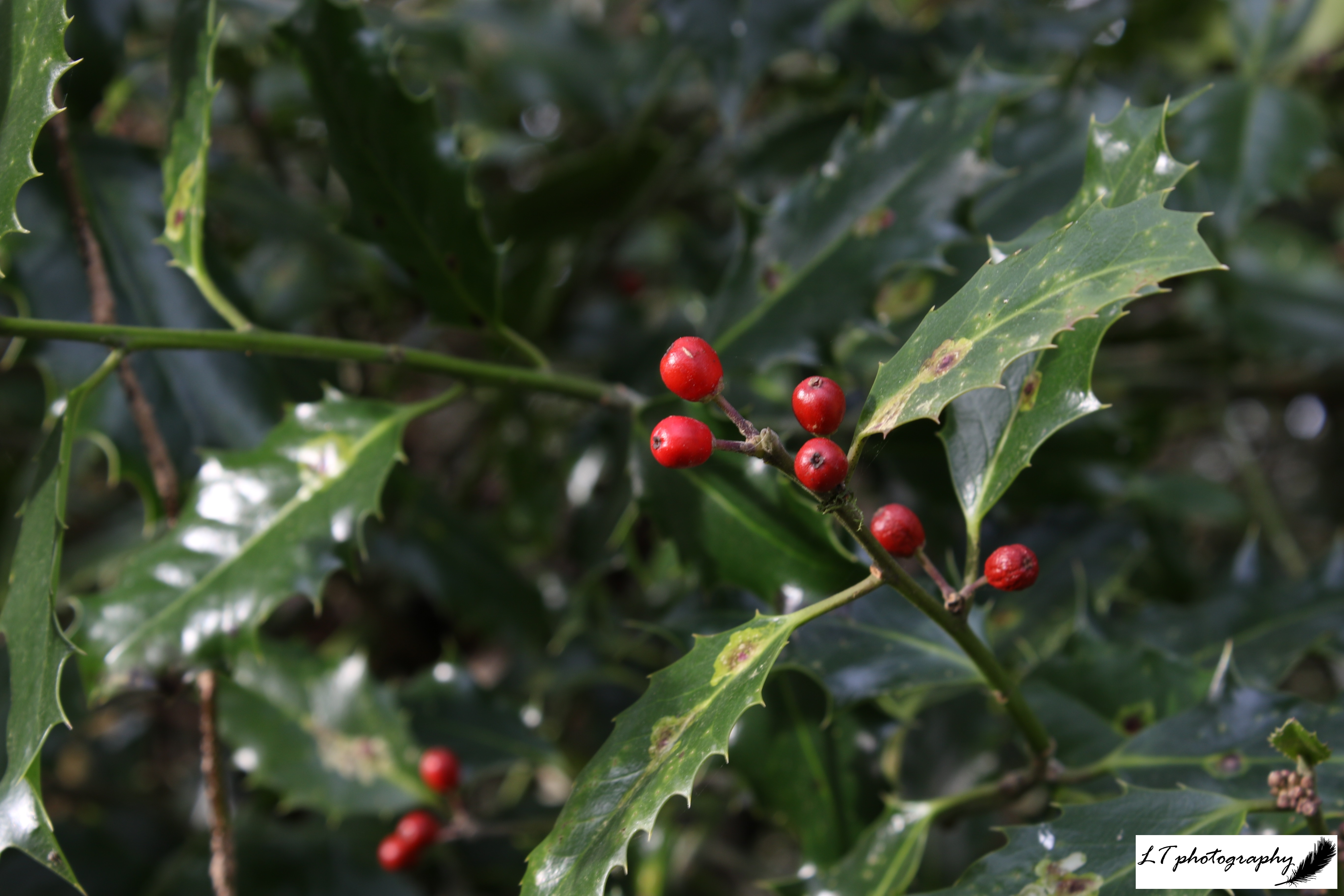
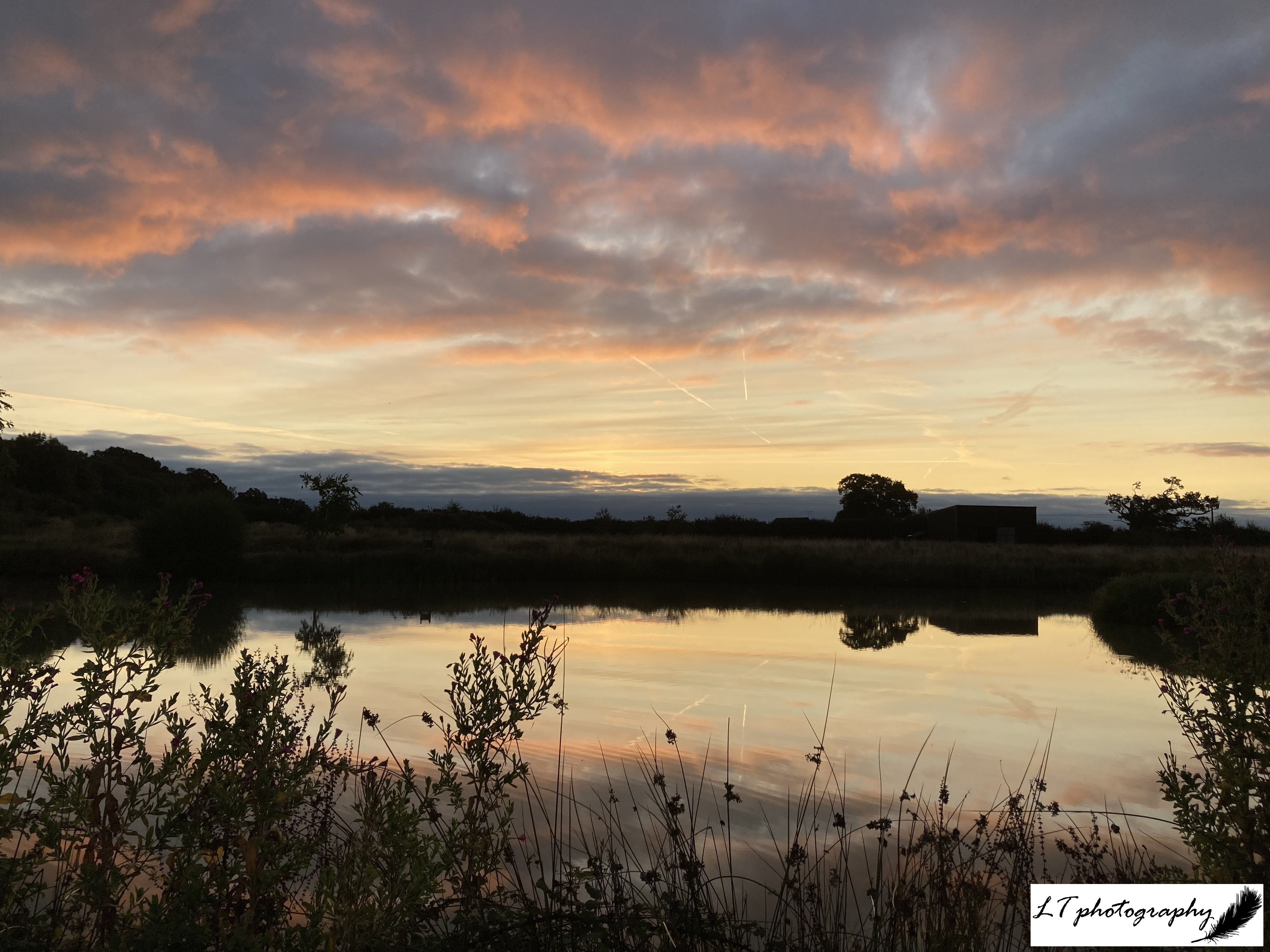
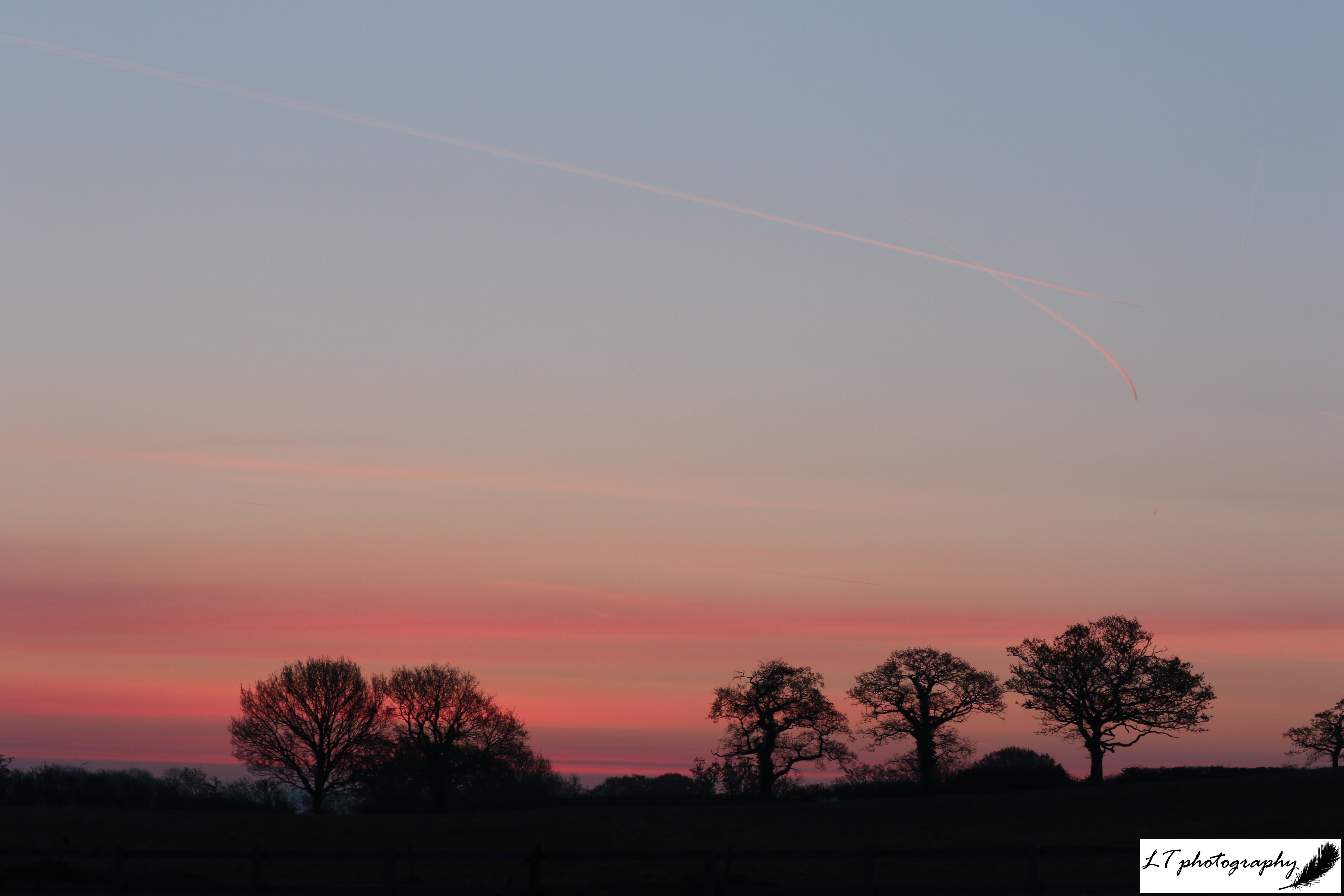
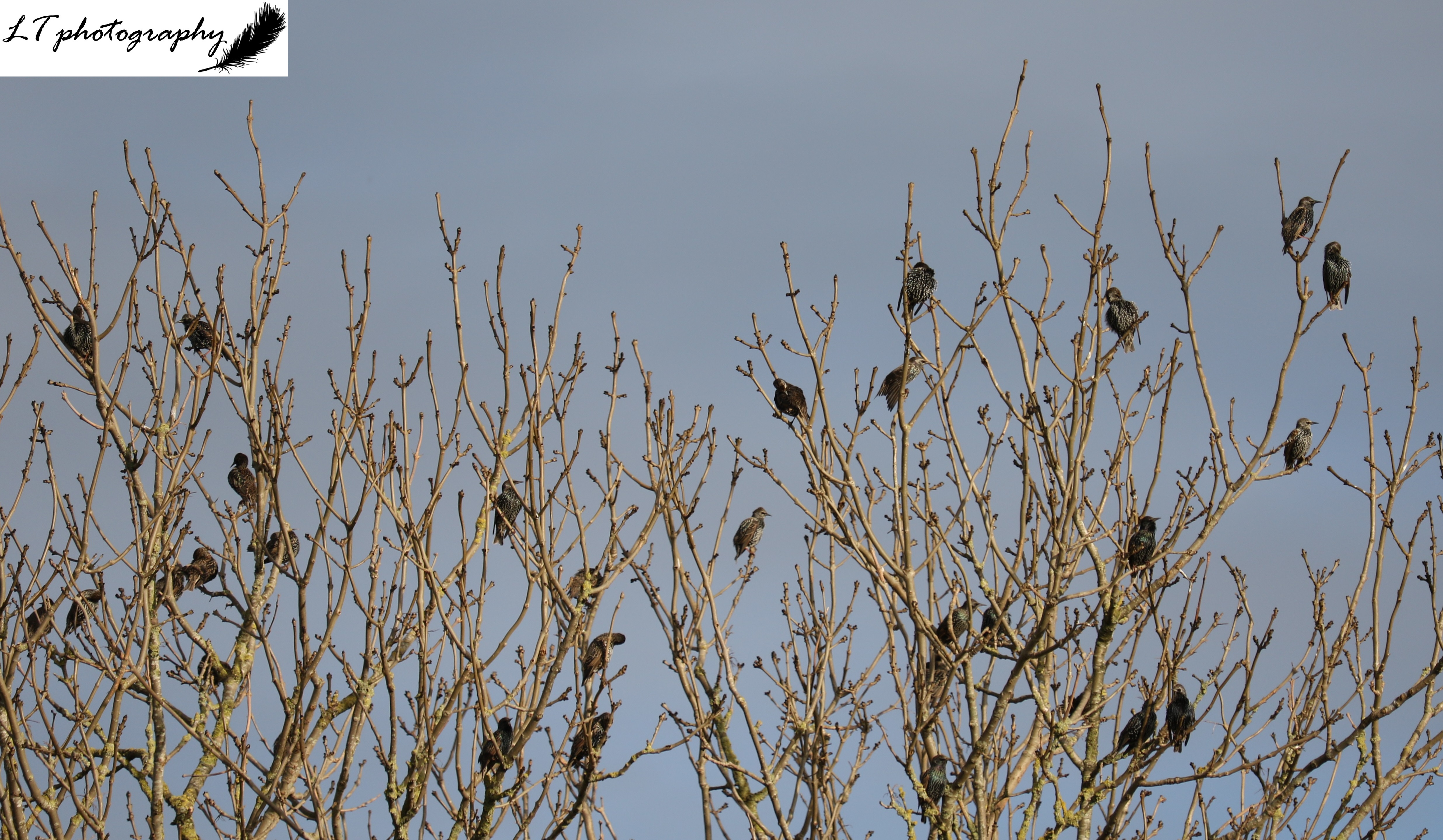
To wrap up the year, December marked a change in the weather, with colder, drier, and sunnier days, and some spells of real hard frosts and frozen ground. By now the landscape was beginning to fall into its winter slumber once again, as was the oak tree, with only the hardier species still active. A lone cattle egret, a murmuration of starlings, wagging grey and pied wagtails, a hare passing through, and hunting barn owls included. As the tree’s surroundings lose their colour, a little can still be found with the shining green of a hart’s-tongue fern or the blood red of holly berries in the hedgerows. Here the year is drawing to a close, with a fantastic sunset and the oak’s last leaf floating softly to the ground.

Rural Dorset vs. Urban Manchester: Wildlife Camera Trapping in 2021

Series in collaboration with guest writer Emma Rogan
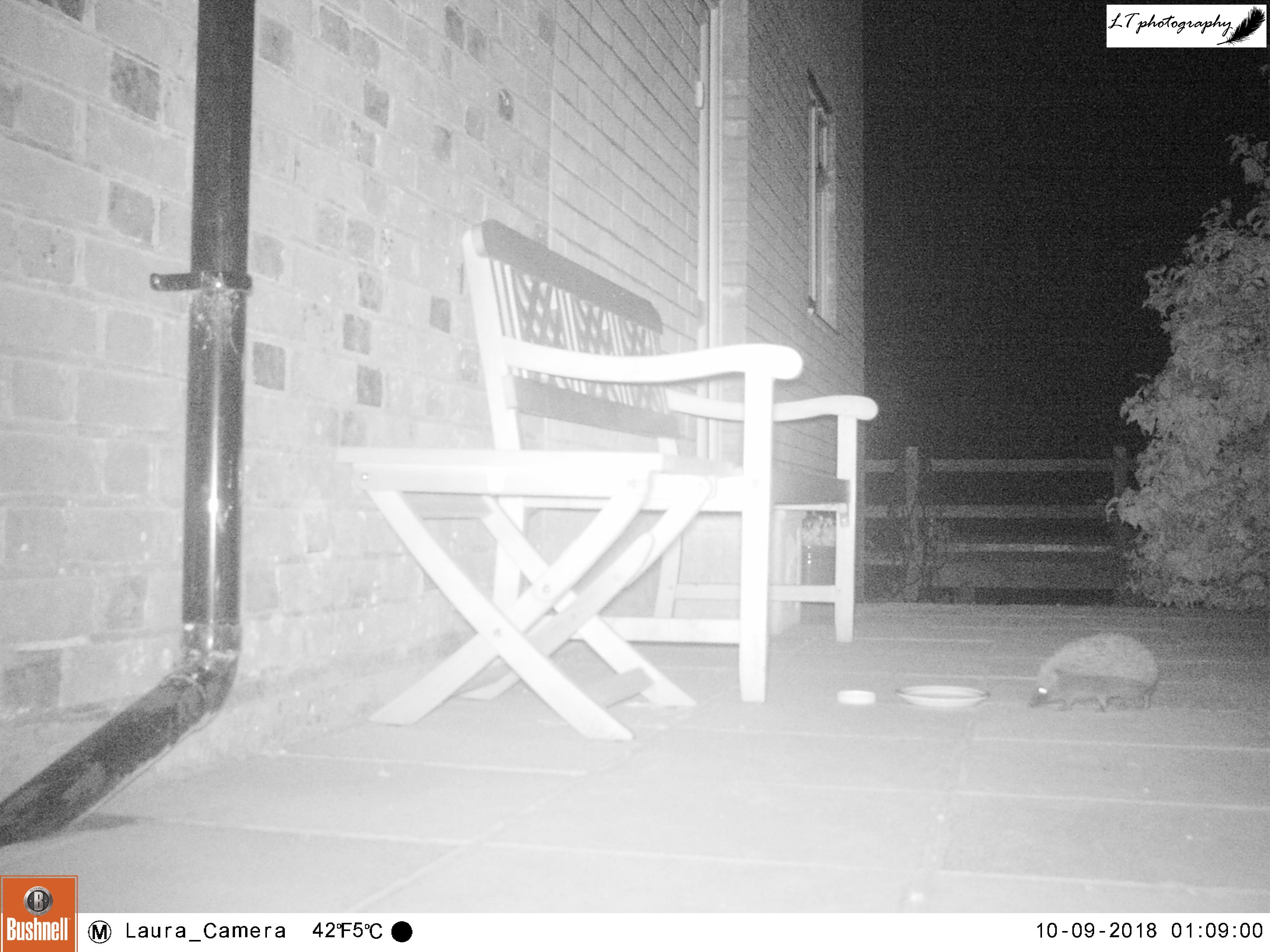
Fox cubs playing in secluded hedgerows, badgers wandering along field margins, and male pheasants displaying in woodlands. Wildlife cameras are a great way to capture the behaviour and presence of wildlife, and can open up a hidden world not so easily accessible in person. More often wildlife cameras are associated with exploring the rural, but they are also a great way to explore the world closer to home. Hedgehogs snuffling through gardens looking for food, birds jostling for space on feeders, or even rodents clearing up after avian visitors. Camera trapping allows us to connect to nature wherever we live, from rolling hills to suburban oases.

Last time in Rural vs. Urban, we embraced autumn in all its colours and forms, with the main focus being the plant and fungi stars of the show. Dorset-born naturalist Laura delved into the magnificent and colourful display autumn had to offer, and found inspiration in the season, from her writing to her baking. Joining Laura for this series, Manchester-born wildlife enthusiast Emma explored the history and culture rooted in the plants she discovered, and found a much-needed moment of calm in her busy day-to-day life. Though both found differences in their comparative landscapes, they both found fungi to be fascinating and wondrous, but an area of knowledge in need of improvement.

In this next instalment of Rural vs. Urban, we explore the use of camera traps in the two different landscapes and see how they have allowed Laura and Emma to connect with their local wildlife. We will see how species may differ between the city and countryside, as well as behaviours and even interactions between species. It will be interesting to see what we may learn from looking back at fantastic camera trap photos from both locations, as they help us to uncover the secret lives of wildlife. Join us on our adventures to find out what we discovered!

Laura’s Camera Trapping in Dorset

Over the last few years I have become well known online for my camera trap photos exploring the lives of the wildlife living on my family’s land in Dorset. In particular, each spring I keep my camera trap out 24/7, moving it between locations, to capture spring unfurling for my animal neighbours. By doing so I have gained a lot of enjoyment from seeing what I could discover, and have been able to expand my own knowledge of my local wildlife and their hidden lives. To experience some of my previous camera trap adventures, check out my earlier blog posts from 2019 and 2020.

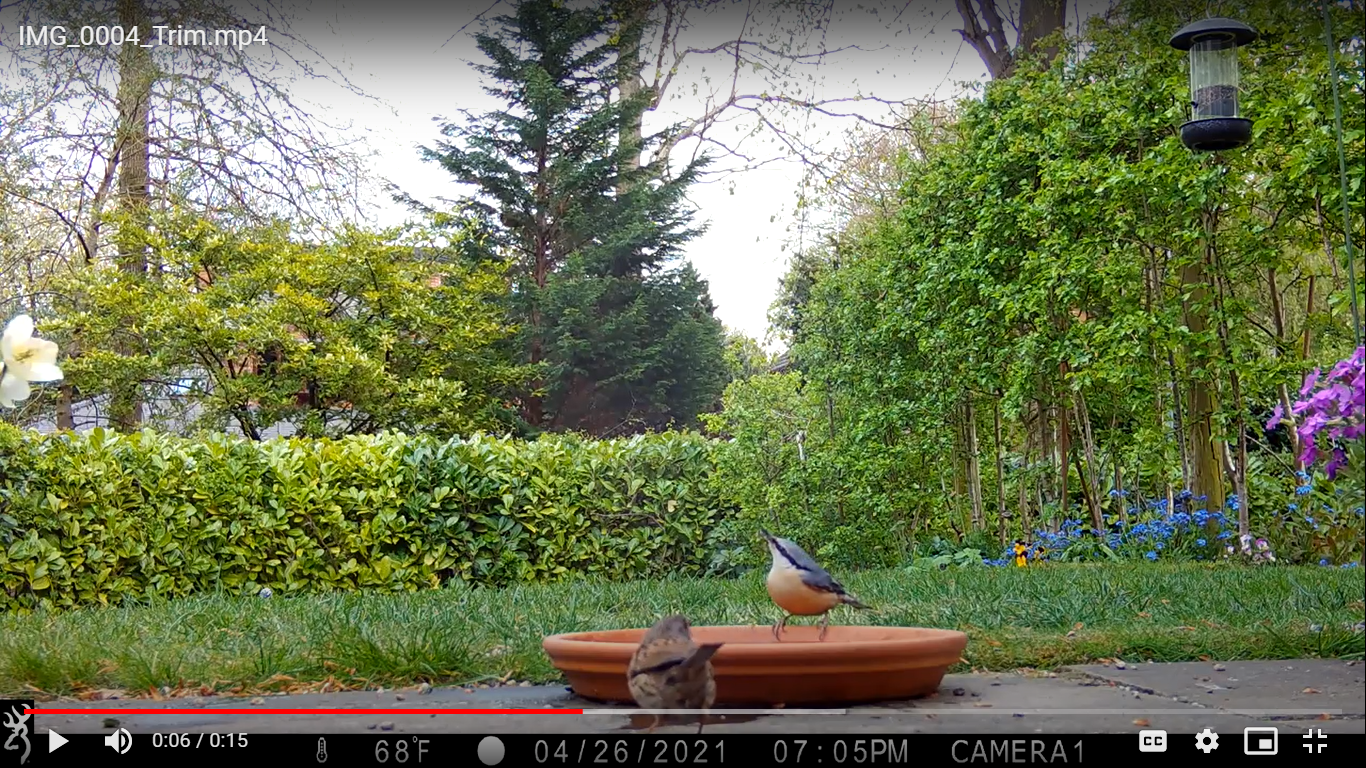
Last year, in 2021, my camera trap did not fail to amaze me and allowed me to continue my adventure exploring and capturing local wildlife. Throughout the spring my camera moved between 6 different locations across 250 acres, varying from badger setts to woodland. Between these locations I captured a total of 13 different species in 2021, which were rabbit, badger, roe deer, fox, partridge, pheasant, grey squirrel, magpie, blackbird, field vole, hare, woodpigeon, and the humble bumblebee.

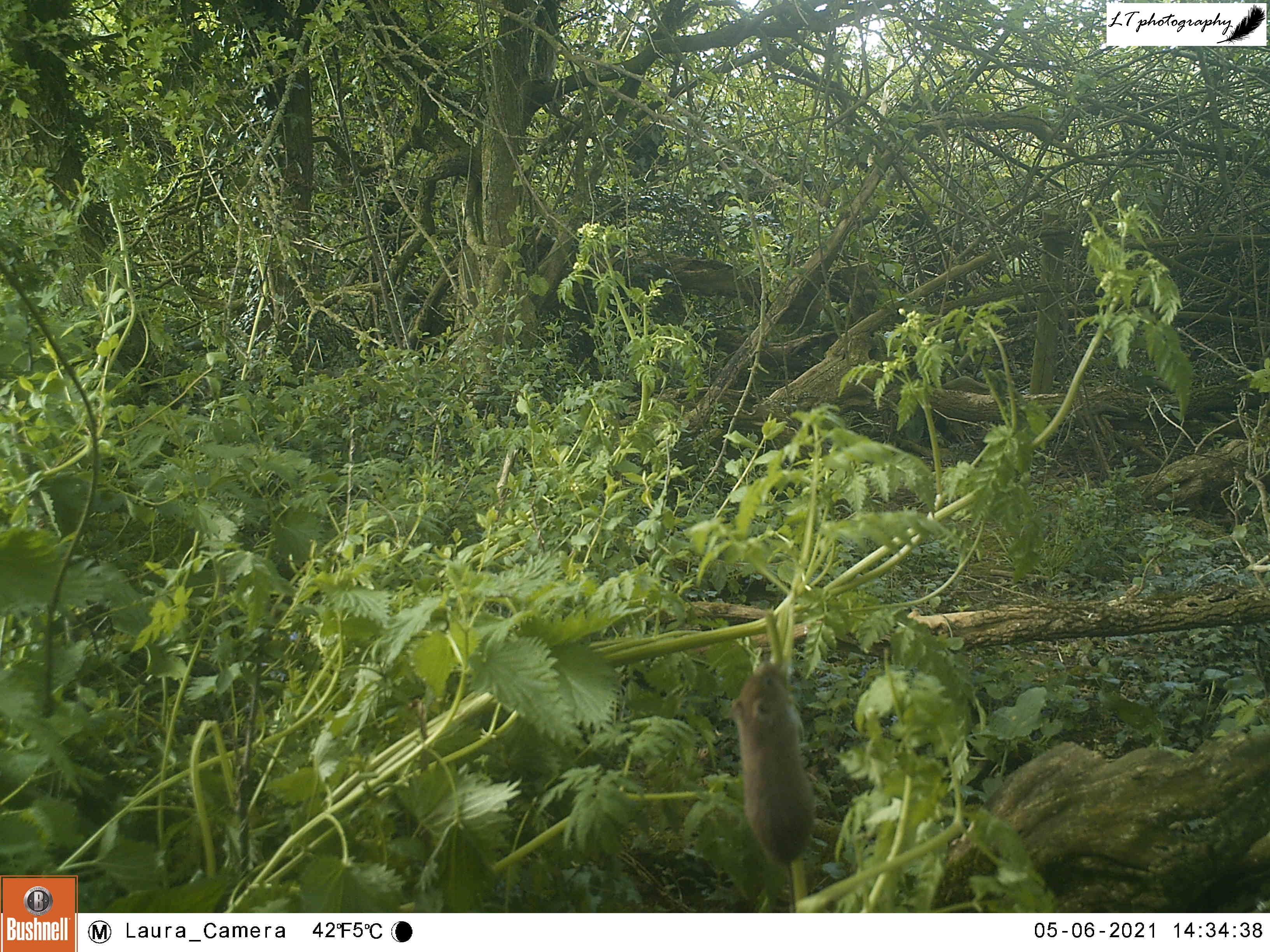
One of my highlights from 2021 was capturing some new species for my collection, even if my first photos of them were blurry . These included my first hare (or the back of one!), a field vole climbing up cow parsley stalks, and even a bumblebee buzzing about. This is one of the reasons I get excited when checking my camera trap photos, as you never know what you may discover!

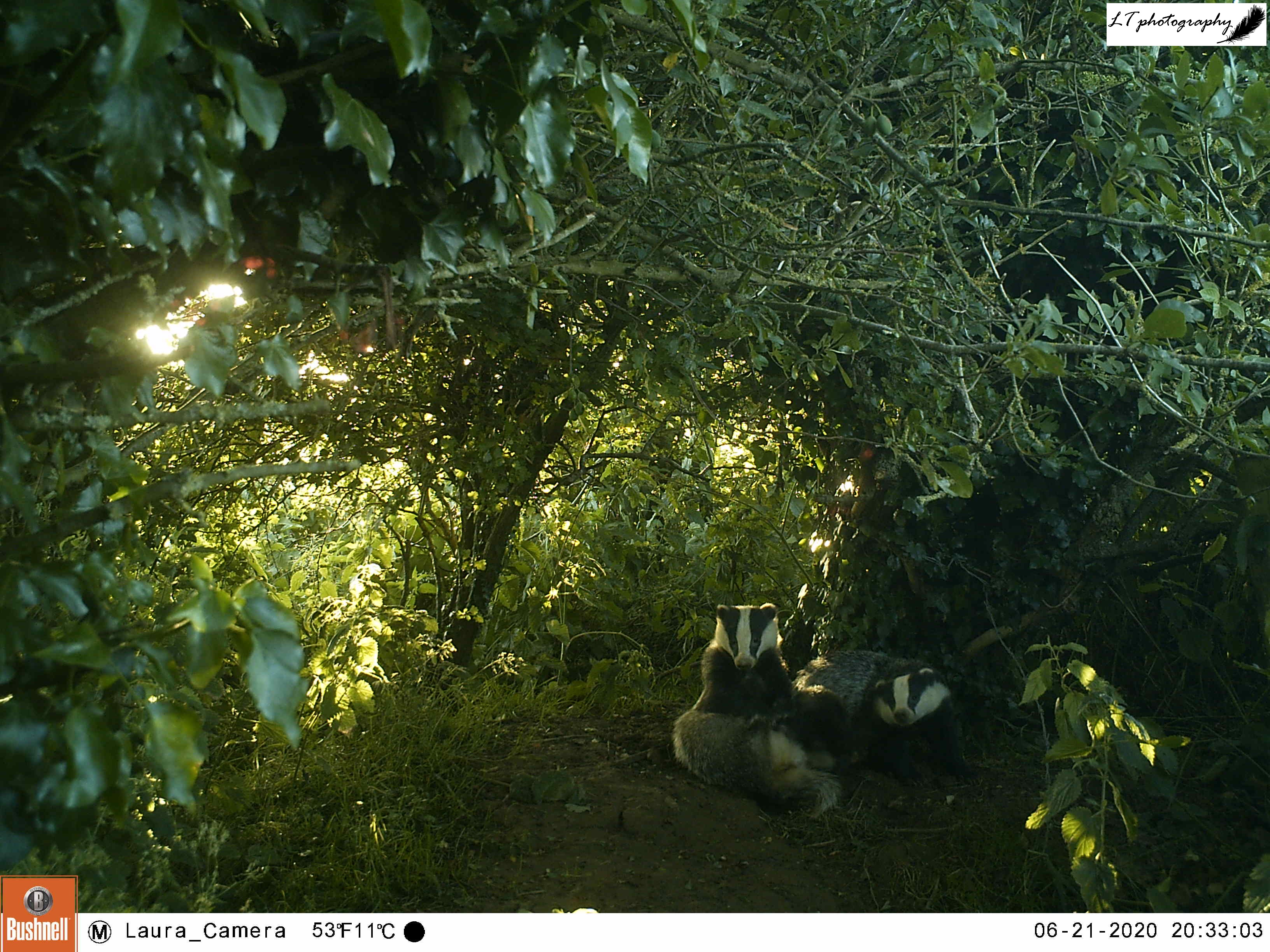
Another part of camera trapping in 2021 was getting to further experience animal species living side by side in harmony. For example, at one badger sett I saw a family of badgers sharing their home with rabbits and a family of foxes. Also, at another location, I got to see fox cubs learning about their surroundings and interacting with other species, such as roe deer. Very cool!

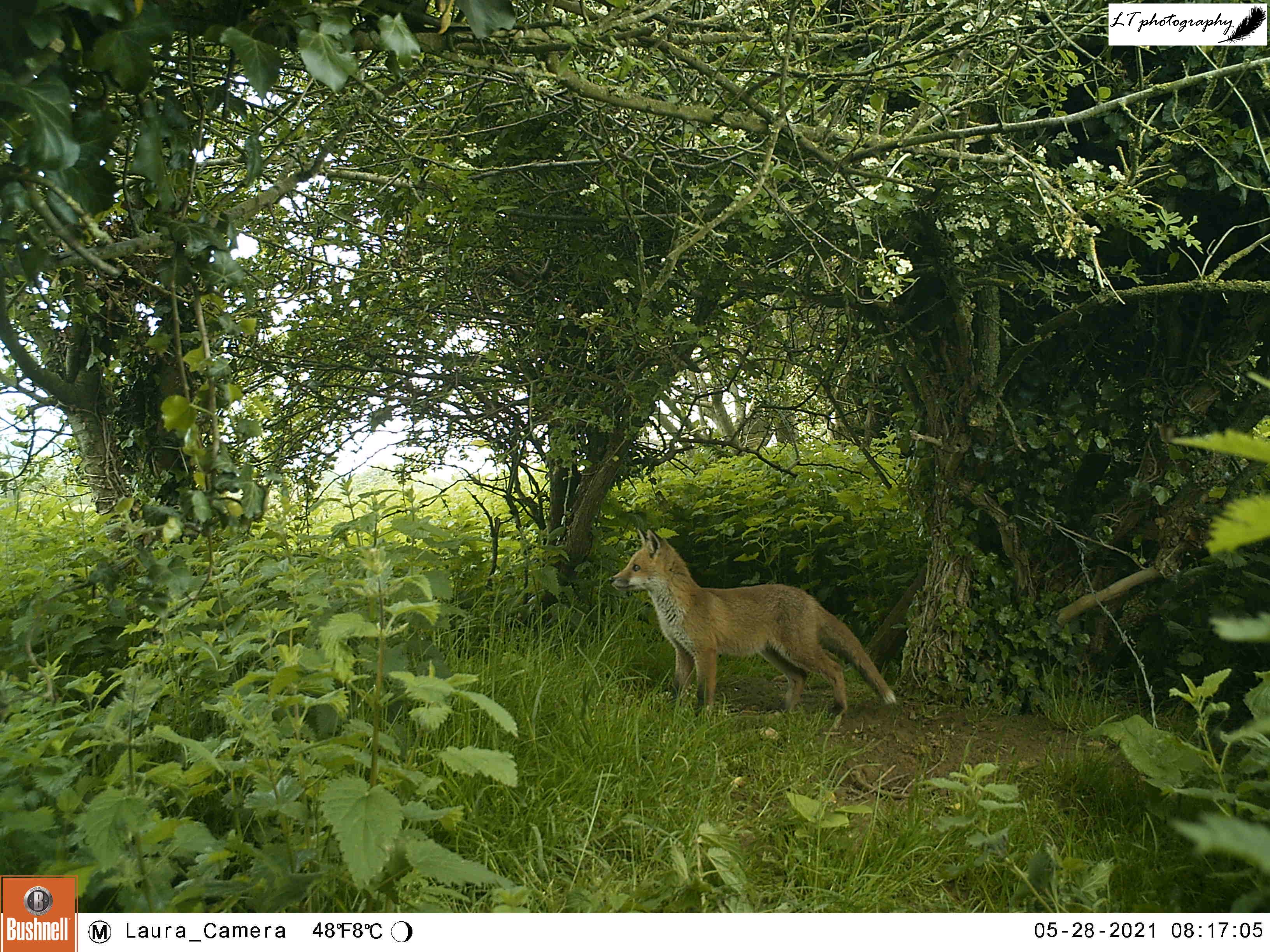
One of my favourite parts of 2021 though, has to be all the fox families I discovered! During this year, the most commonly seen species on my camera trap, to my surprise, was the fox (at every location!). In some cases I specifically aimed to capture this species, such as staking out a possible fox den, but in others foxes just happened to be living there or passing through. So by the end of spring, I had discovered 3 litters of fox cubs and a number of frequently used fox trails. What was most special of all was getting to experience fox cubs exploring their natural habitat and interacting with each other without me disturbing them. Magical!

After camera trapping in spring, my camera trap was given a well earned break until November. To round off the year, I staked out my garden to check out the birds that call it home. To find out more, stay tuned for next week’s blog post!

Emma’s Camera Trapping in Manchester

Although the past two years have been strange and sad in many ways, my little rectangle of garden has been a constant source of joy. During the first lockdown I started to spend a lot more time in the garden, which made me curious about the lives of the insects, birds, squirrels and foxes that also call our garden their home. So, in December 2020, I got my first wildlife camera!

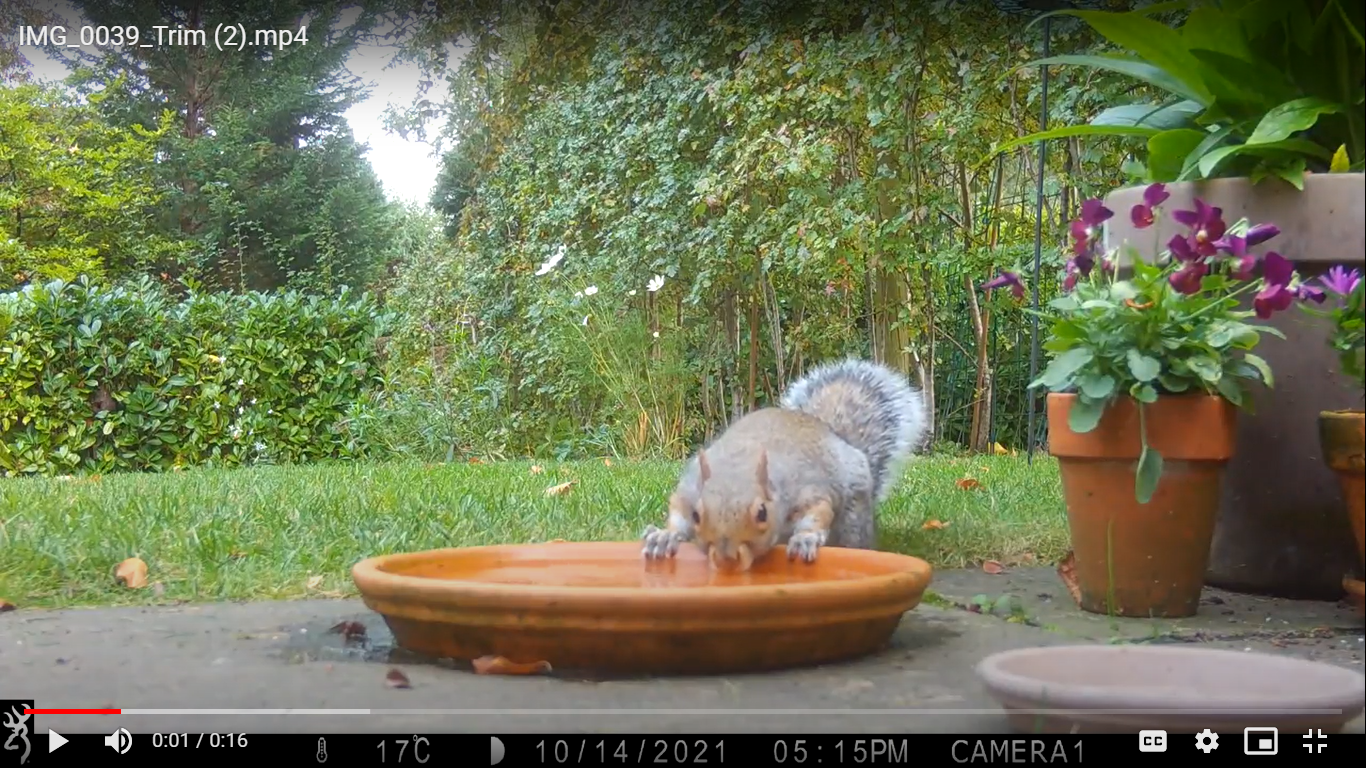
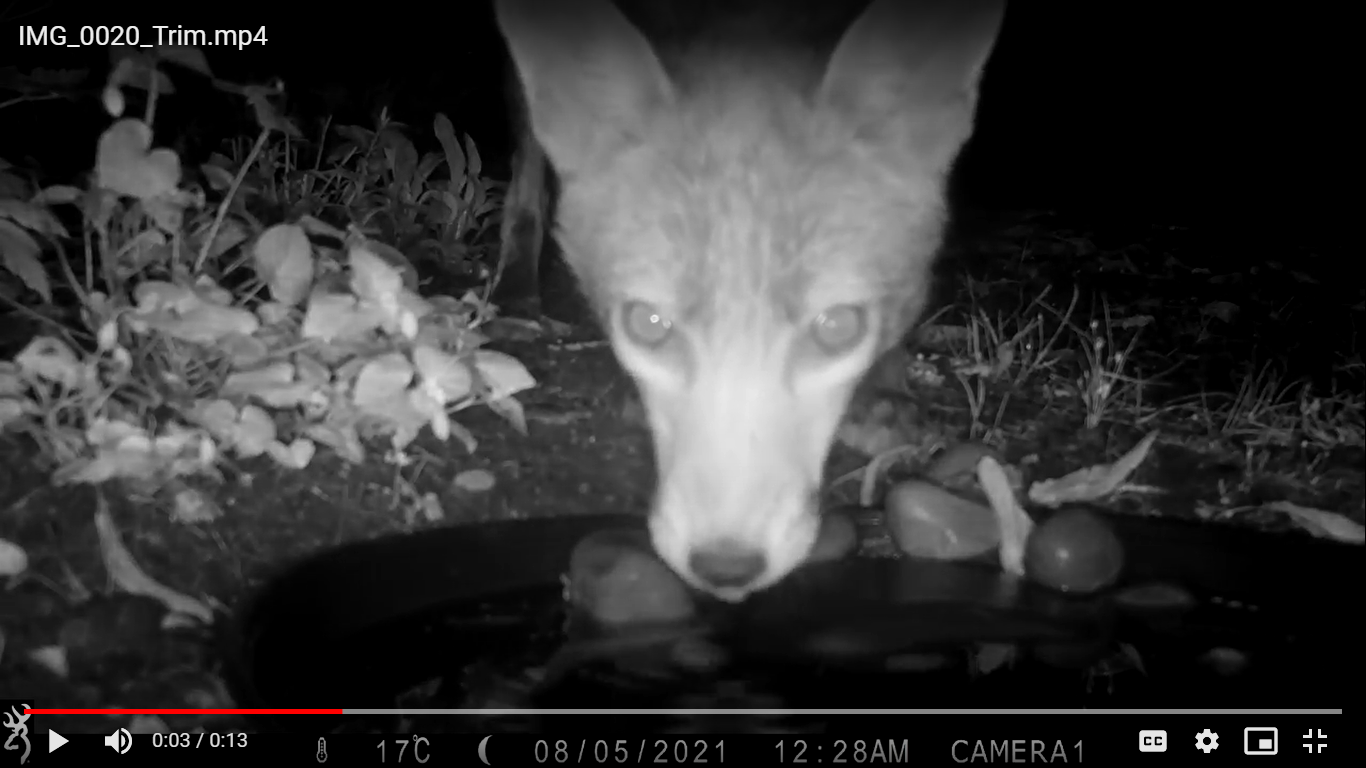
The first time I left my camera out overnight, I was delighted to have captured a variety of animals including squirrels, the neighbour’s cat and a fox. It’s far from unusual to spot a fox late at night in my area, but something about seeing a fox going about its usually secret business made this sighting feel special. “I got a fox!” I yelled excitedly down the stairs. From that point onwards, I had caught the camera trapping bug.

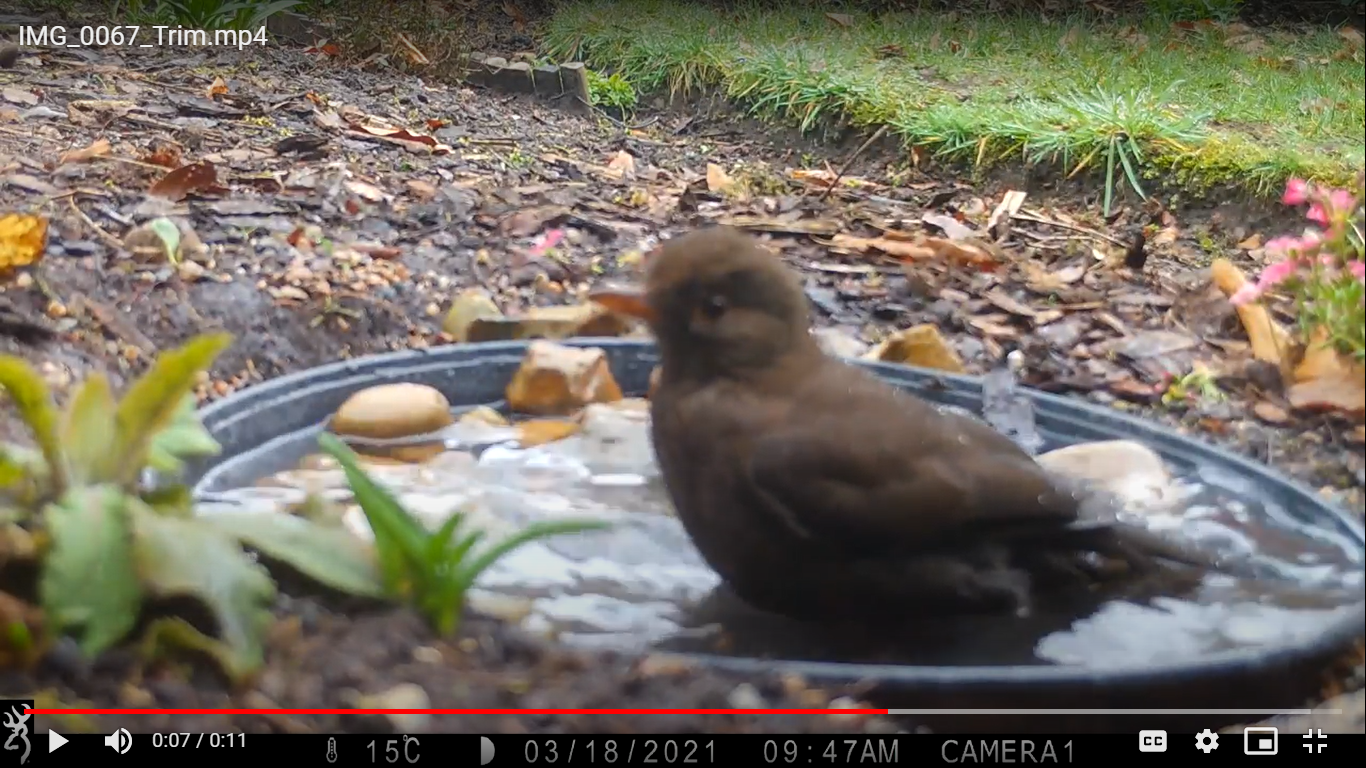
Camera trapping has allowed me to get to know the unique personalities of our garden visitors, and also to see how their behaviour towards us changed over time. Our lovely Mrs Blackbird used to wait until we’d gone back inside before she’d sneak up the side of the garden to eat her evening plate of mealworms, but now she feels brave enough to hop around the empty plate chirping indignantly until someone gets the message. We also realised that Mr and Mrs Blackbird would always come for their dinner one at a time, and would only eat half the plate each! Now that’s true love.

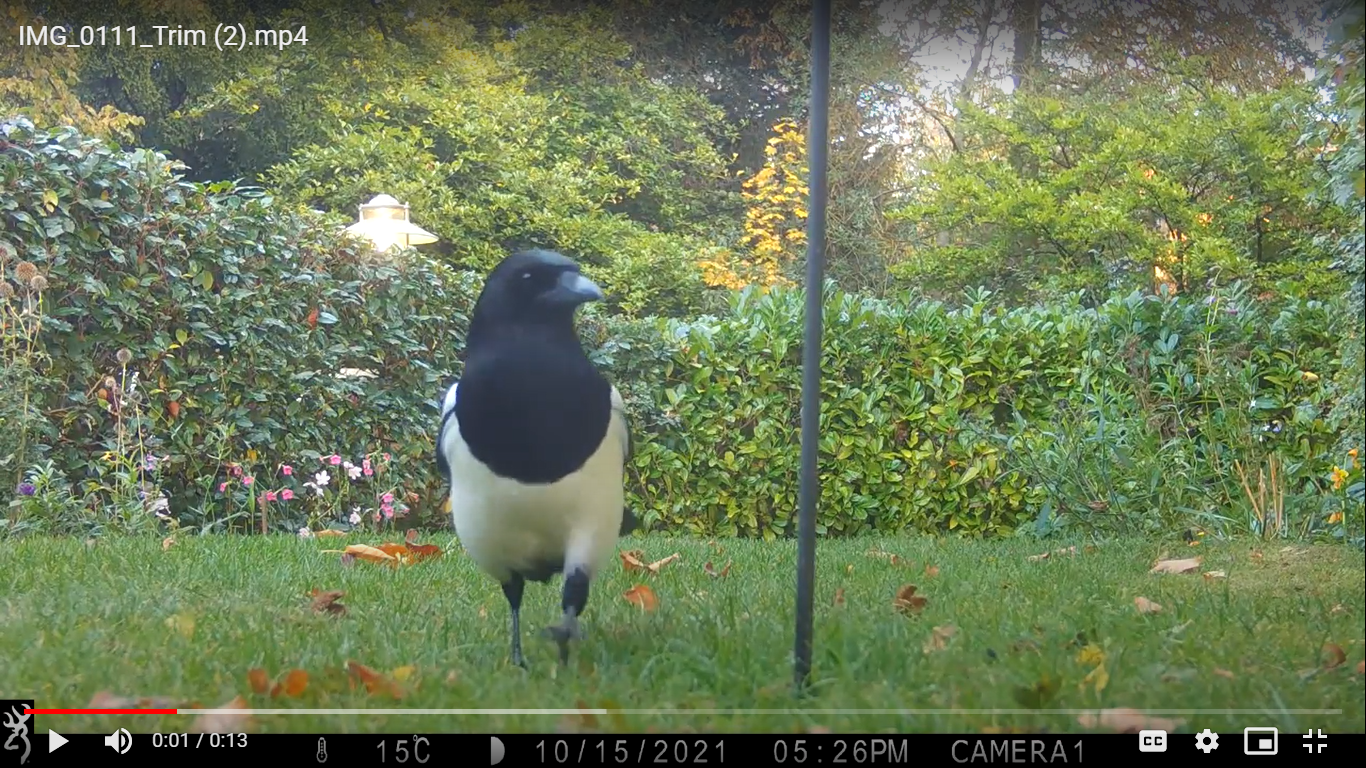
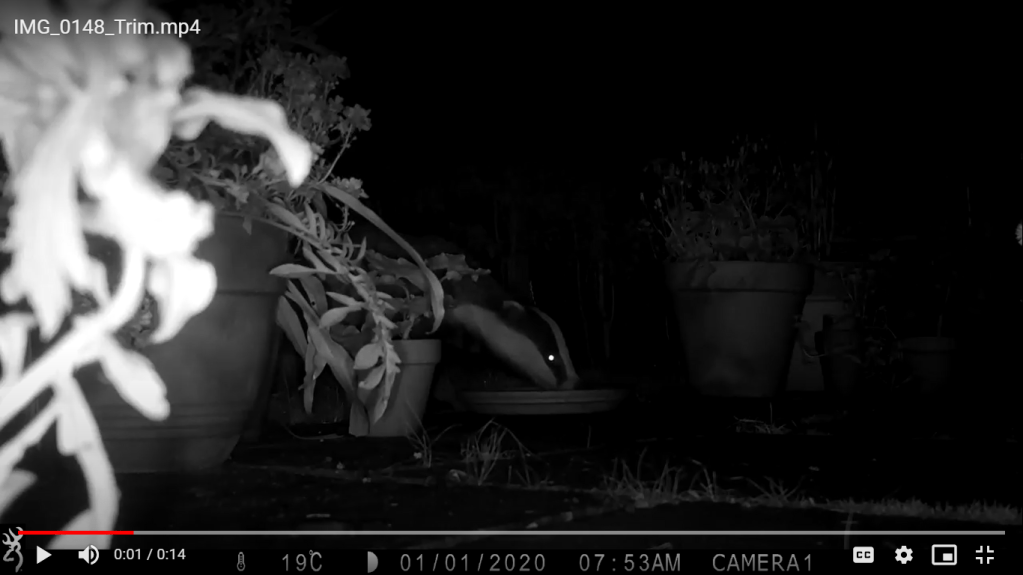
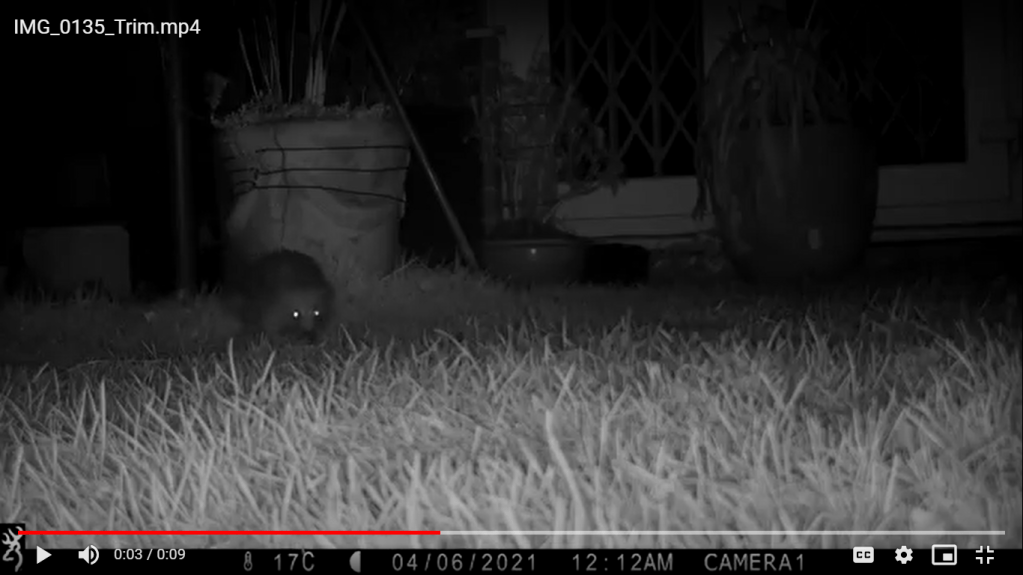
My most exciting capture came on an equally exciting day. On the morning of the day I was due to get my Professional level ACA results, I checked my camera and was amazed to see that a badger had stopped by for a drink! The badger must have brought good luck with him, as thankfully I passed the exams. I was also delighted to see a hedgehog wandering through my boyfriend’s garden one night. We named him Podge, and for a while he was an extremely cute regular visitor. Finally, I can’t talk about camera trapping without mentioning my love for our magpies, who have kept us well entertained all year swaggering around the garden and stealing all the snacks we put out!

One thing I’ve learned from my experience camera trapping this year is that although cities may be full of people, we have a huge variety of wildlife roaming around just outside our front doors. I hope that more people will feel inspired to get to know the wild visitors passing through their streets and gardens, and even leave out some food and water to make them feel welcome!

The Wonders of Camera Trapping

Camera trapping is a learning experience and an eye-opening adventure, providing an unedited and up-close view of the more secretive lives of our wild neighbours. For Laura, camera trapping in 2021 continued to expand her record and understanding of the animals that call her local area home. Moving forward she would like to begin collecting videos of her local wildlife and buy a new camera trap to expand her camera trapping efforts.

Giving nature a home is something every one of us can do. For Emma, camera trapping taught her that even a small green space in an urban landscape can support a huge variety of wildlife; bees, badgers, woodpeckers, nuthatches, squirrels, hedgehogs and many more! In 2022, Emma wants to make her garden a haven for wildlife, and hopefully capture a frog moving into the frog pond she and her mum built.

At a time when nature is struggling most, it is important for us all to do our bit. Sometimes it is difficult to know how, but if you can understand your local patch better, this can become a lot easier. Using a camera trap is a great and easy way to do this, allowing you to create that connection with your local wildlife, however big or small. If you would like to know more or are inspired to try it out yourself, check out Laura’s blog post about ‘How to… Use and Make the Most of a Camera Trap‘.

Giving Nature a Home on the Farm

‘Give fools their gold, and knaves their power; let fortune’s bubbles rise and fall; who sows a field, or trains a flower, or plants a tree, is more than all’ – John Greenleaf Whittier 

‘Your deepest roots are in nature. No matter who you are, where you live, or what kind of life you lead, you remain irrevocably linked with the rest of creation’ – Charles Cook

My family and I live on a 250 acre mixed dairy farm in the heart of beautiful Dorset, complete with sheep and beef cows. My parents took the farm on from Dorset County Council in 1995, at a time when it was only 50 acres, and have now expanded it to the 250 acres it is today. As long as I can remember, the farm has been my home. It is a part of who I am, providing the backdrop for me to learn about the natural world, to make informed decisions about how I live my life, and to become passionate about conservation. I have my parents to thank for this.

In 2019, the latest State of Nature report showed that agricultural change has been the largest driver of biodiversity loss over the last 45 years in the UK. With 72% of UK land area being used for agriculture and food production, land management changes have had a significant impact on the wildlife that call these areas home. As we now move forward, we need to focus on agriculture, not with contempt and negativity, but with optimism. If we are to continue to produce food in the UK, we need to focus on working with farmers to make farming sustainable, cost-effective, and most importantly with wildlife in mind.

Growing up on a farm, I have always been aware of how agriculture is heavily intertwined with the environment. My Mum and Dad have always believed in their roles as guardians for the wildlife and natural habitats that call our land home, and are dedicated to conserving and increasing biodiversity. Though it can be tough to create a balance, my Dad believes that farming, through careful management, can produce food in an economically sustainable way, whilst supporting and enhancing the natural environment. Here are some of the examples of how my family are successfully working to give nature a home on our farm.

(1) The Bridge Field

Project:

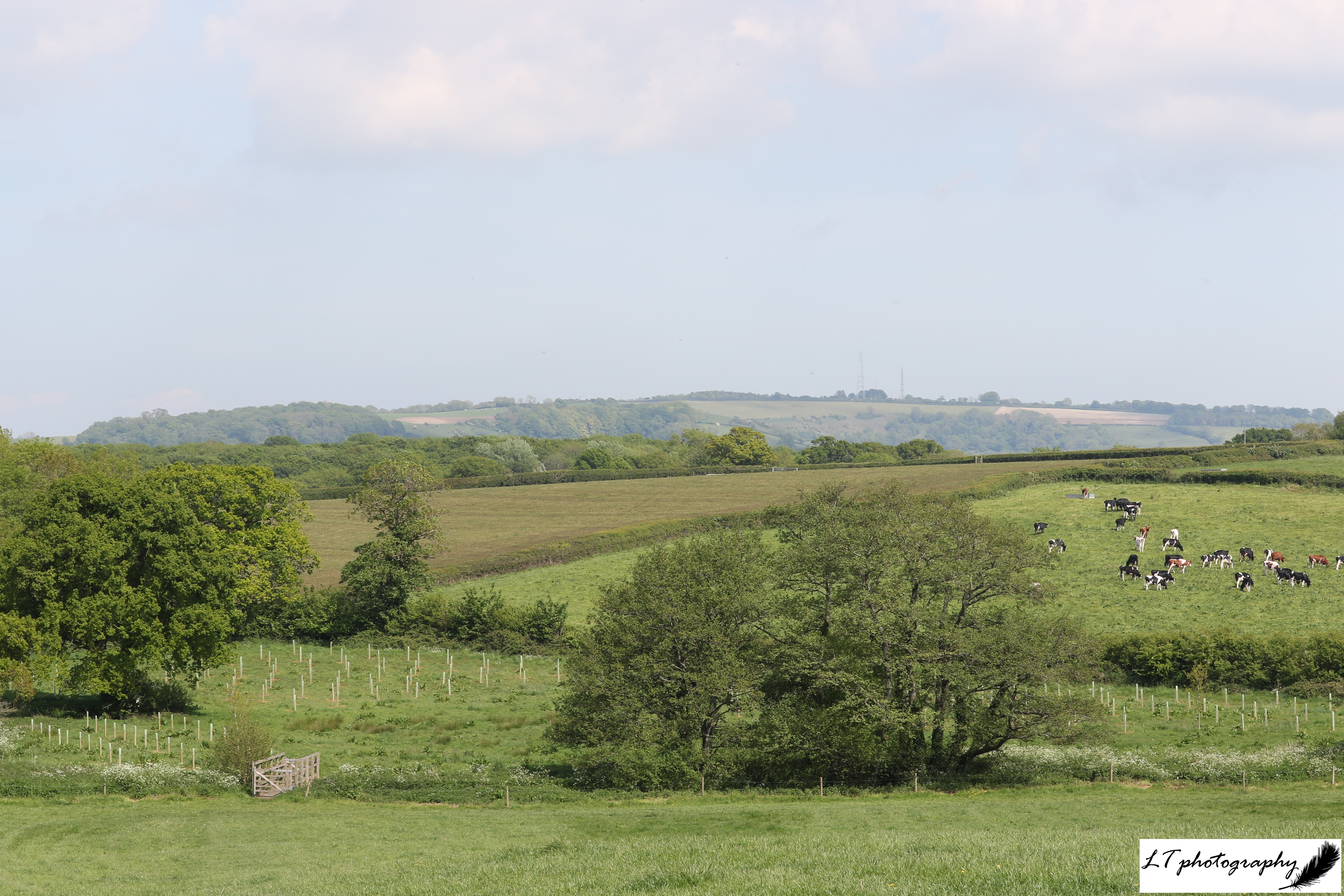
The field is a small, triangular-shaped, 3 acre field, bordered by hedges and a river. It was taken on in 2014 with some other land, and is less ideal for agricultural use due to its shape and often being wet. Hence, it has been left untouched, apart from one late cut of haylage each year and dock management. This year my parents decided to begin the process of restoring the land, with the aim of giving it back to nature.

So far:

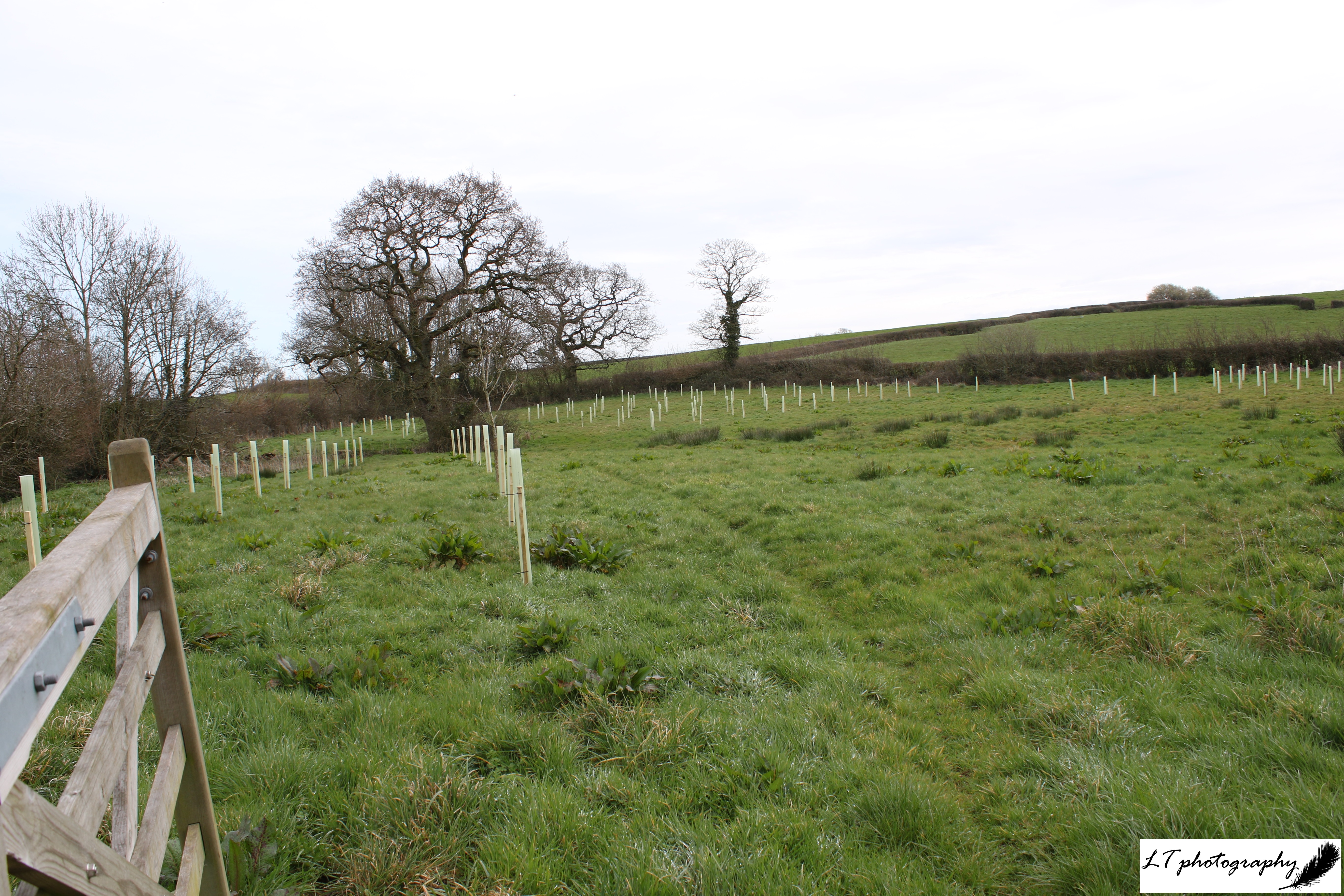
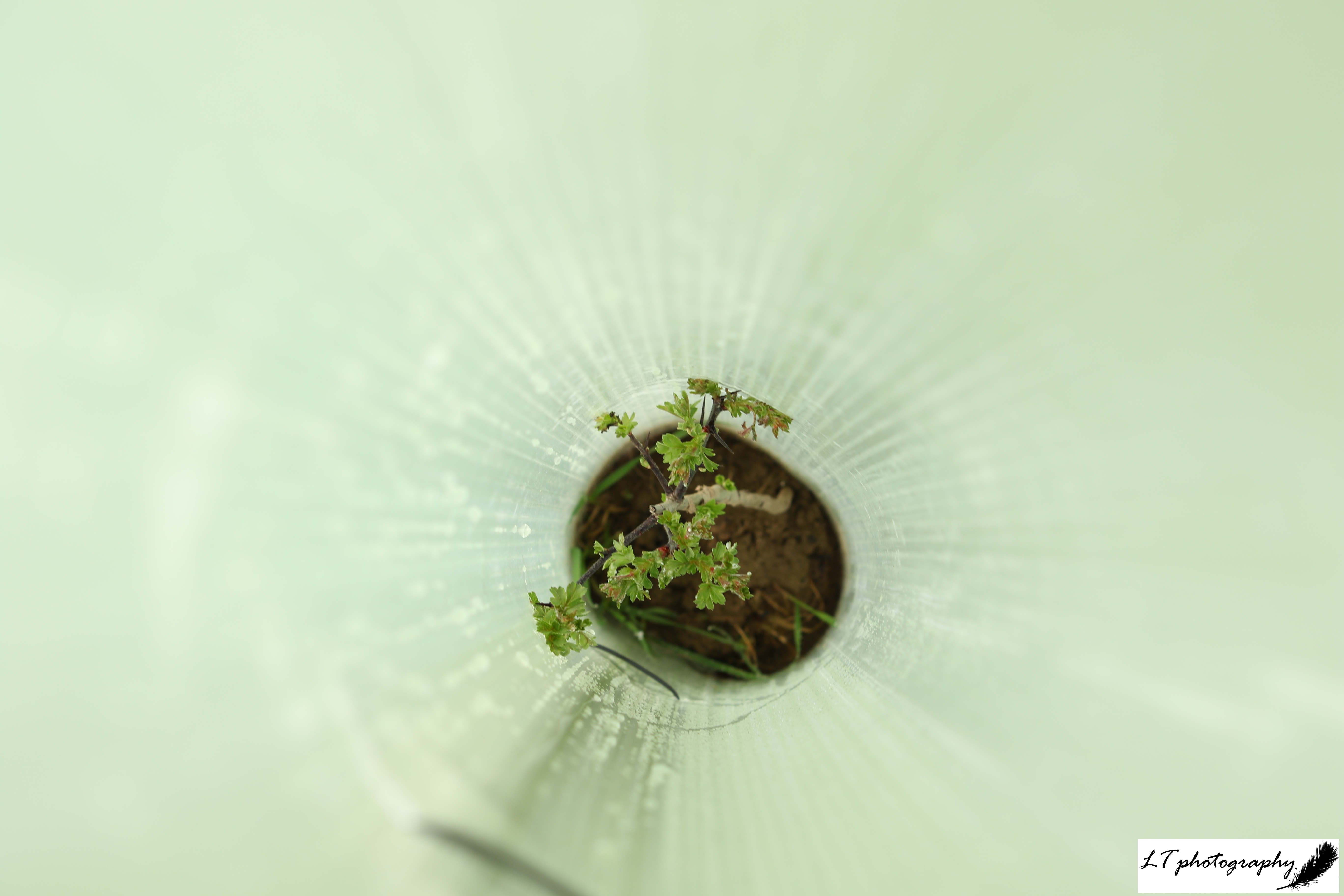
  • At the beginning of the year, we bought in and planted 219 native tree and shrub saplings of 9 species, including Goat Willow and Rowan. The hope is to create a rich and valuable habitat for wildlife.
  • We began managing the grass in the field, which is mainly Yorkshire Fog, to increase species composition. The grass has formed a dense stand across the field and is currently excluding nearly all other species.

Next aims:

  • See how the trees and shrubs grow on
  • Plant natural wildflower species using plugs, bulbs and seeds
  • Create a water source, such as a pond
07_05_20_Farm_Bridge_Field_Trees_2

(2) The Chalk Mound

Project:

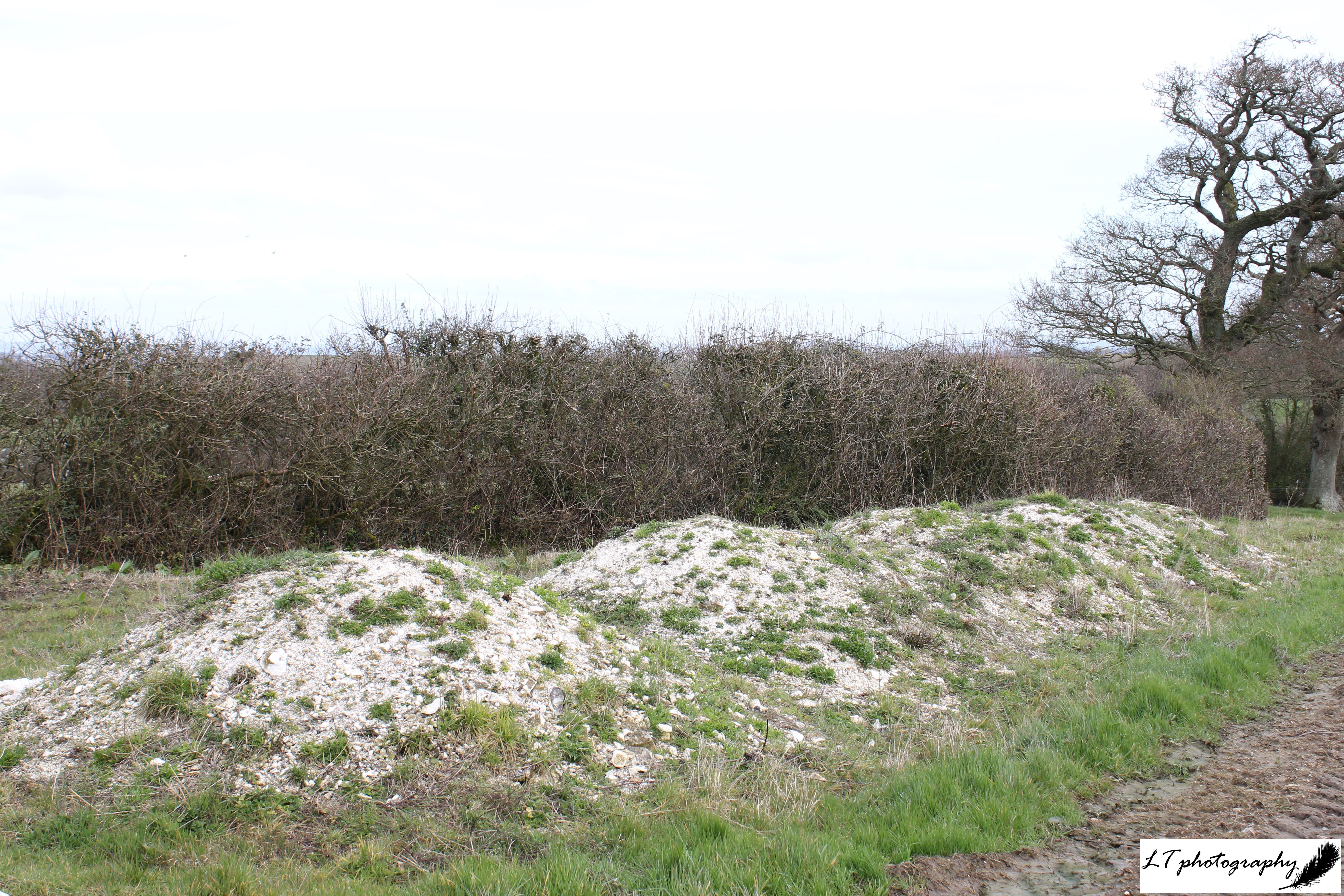
Towards the centre of our land you can find a small triangular area of land that is bordered by hedges and a track. My parents took on this area with some other land in 2014, but it was not anything special. In 2017, my Dad decided to use it to make a small piece of chalk habitat, in our clay area, acting as a perfect stopover location between chalk downland to the north and south of us.
So far:

  • We bought in 40 tonnes of quarried chalk and shaped it into a mound which is 10m by 3m, and 2m in height.
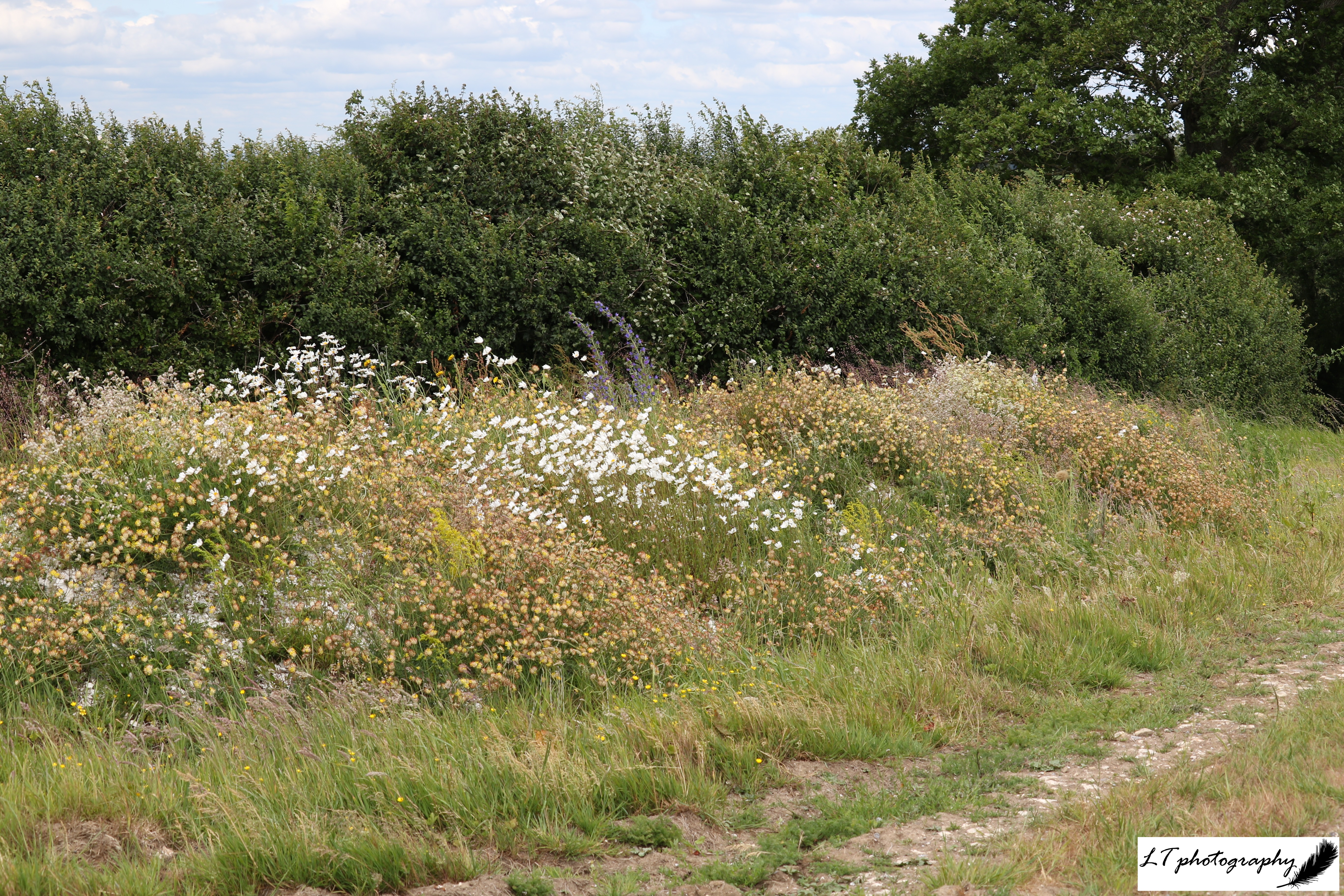
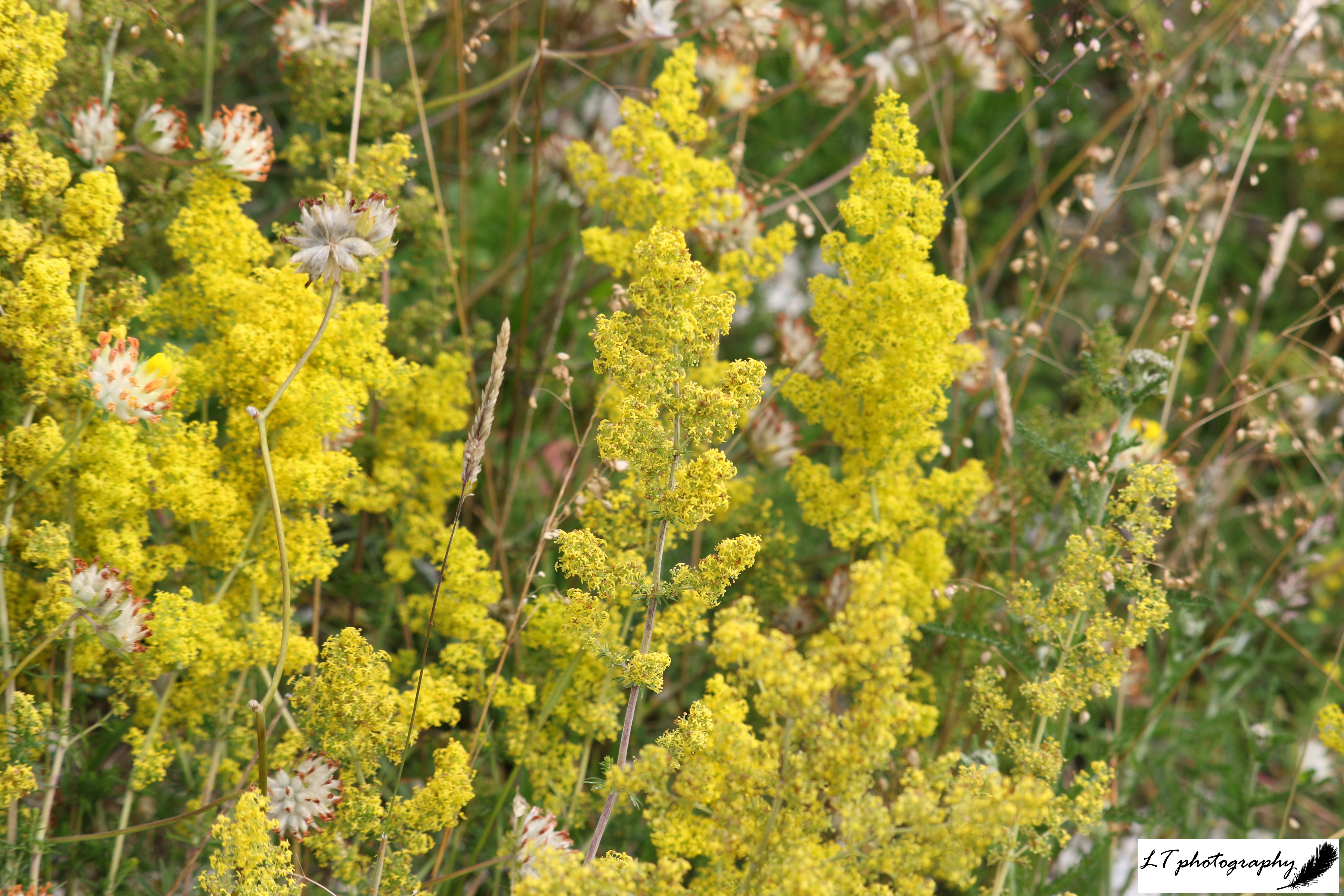
  • We planted a selection of plant plugs and seeds gifted to us, ranging from Quaking Grass and Kidney Vetch to Rough Hawkbit and Lady’s Bedstraw.
  • For the first year, the mound was regularly watered as the plant plugs and seeds became established, but after that they were left to grow on, with minimal management.

Next aims:

  • Continue to enjoy the now thriving habitat that is attracting lots of insects, from butterflies to bees
  • Boost numbers of certain species such as Wild Thyme
  • Complete autumn management of the encroaching Yorkshire Fog grass at the mound’s edges

(3) Wildflower Verges and Rough Areas

Project:

As part of managing our land, my Dad leaves areas and verges uncut and able to thrive, providing valuable habitat for wildlife. One of my Dad’s inspirations for doing this is to provide rough grassland habitat for his favourite bird, the Barn Owl. Barn Owls use such areas to hunt, as it provides cover for their rodent prey. It is also great habitat for other species, such as the majestic Brown Hare.

Different forms so far:

  • Fenced off areas to keep livestock out but allow wildlife in.
  • Verges and strips left to grow up and increase in species diversity.
  • Wildflower verges planted to provide food for different species at different times of year.
  • Field margins created, maintained and protected, meaning a field is never worked up to the hedgerows.

Next aims:

  • Allow areas to continue to increase in diversity and composition
  • Continue to create a mosaic of habitats on the land

(4) Trees and Woodlands

Project:

I am a huge fan of trees, and my family are no different. Throughout our land you will find lots of different species, such as Ash, Alder, Wild Cherry and Oaks, varying in size, shape, and age. They play very important and varying roles in the landscape, from singular trees in fields and hedgerows, to the many growing in copses and woodlands around the farm. We now want to continue to preserve them and increase their numbers.

So far:

  • Over many years, we have been planting more trees wherever we can, with this year’s main project being the Bridge Field.
  • We continue to look after and manage the small woodland areas on our land.
  • We are putting up lots of different nest boxes around the farm, from small Tit boxes to larger Owl boxes.

Next aims:

  • Put up more nest boxes, including Little Owl and Kestrel
  • Monitor nest box use each year
  • Allow trees, such as mature Oaks, to naturally age and return to the ground

(5) Hedgerows

Project:

On my family’s land there are a lot of hedgerows, which are a hugely important habitat for a whole host of wildlife. They range in age and composition, including species such as Spindle, Blackthorn, Ash and Dog Rose. They also provide different services, such as food and shelter, throughout the course of a year, for lots of different species.

So far:

  • We carefully manage hedgerows with wildlife in mind each year.
  • Hedgecutting is practiced on a rotational basis and in late winter if the ground holds up. They are only cut by my Dad or brother who are skilled at cutting the hedges correctly and with care.
  • We annually manage and maintain field margins and ditches.
  • Hedgelaying has been used in the past but only when a hedge is in need of restoration.

Next Aims:

  • Maintain the high standard of hedgerows
  • Allow diversity to continue to increase

Future Aims

With 41% of species in decline since 1970, biodiversity loss and the latest State of Nature report cannot be overlooked. Whilst there is still hope that we can bring things back from the brink, and reverse the decline, to do so we need to act now. We need to create more homes for wildlife, protect what is left of our natural environment, and manage land with wildlife in mind.

On the farm this process is in full swing and gaining momentum each year. In this way, we are trying to make our land more wildlife friendly, managing and creating habitats for wildlife. Now, Skylarks can be heard singing all around the farm each morning, Brown Hares are increasing in number, Butterfly and Moths are becoming more species diverse, and Yellowhammers are becoming increasingly common. There are so many more examples from the big to the small, from Hedgehogs to Newts, but my Dad’s favourite has to be his Barn Owls. Over the last few years Barn Owls have made our land their regular home, with 2 Barn Owl pairs successfully breeding last year!

My Dad now wants to continue my Mum’s and his work dedicated to the environment, from helping farmland birds to reducing our carbon footprint. He wants to continue to show how conservation and increasing biodiversity can go hand in hand with conventional farming, allowing food to be produced whilst looking after the environment. A great example of this is the RSPB’s Hope Farm in Cambridgeshire, an arable farm where careful and targeted management is now having results. It makes me optimistic that if we now focus on working with farmers to give nature a home on their farms in the right way, then this could make a real difference to reversing species decline in the future.

How to… Identify Hedgerow Plants

Whizzing past our car windows, naturally bordering our fields and gardens, or providing a home for wildlife. Often going unseen and unnoticed, hedgerows are a widespread and overlooked habitat right on our doorsteps. Bountiful and bursting with life, each hedge is unique from the next, with a story to be told and a world to be explored.

Blackthorn 5

From butterflies and birds to hedgehogs and dormice, an incredible number of species rely on the plants in our hedges for their survival, such as food, shelter, and corridors along which to travel. They do not just play a role for wildlife though, holding value in the wider landscape, providing us with services such as stopping soil erosion and buffering pollution. In this way, hedgerows have been important for humans and wildlife alike for hundreds of years!

20_03_20_Farm_Goldfinch_2

The first hedgerows can be dated back to the Bronze Age, when farmers cleared woodland to grow crops, leaving carefully maintained strips to act as boundaries. Some of these strips of ancient woodland can still be found today! Since then hedges have grown in popularity, but following the Second World War, many were ripped up to provide more space to grow food and for development. Despite approximately half of all hedges in Britain being lost during this time, thankfully the remaining were given protected status in 1997.

13_05_20_Farm_Sunrise_Hangings_Trees

The hedgerows rolling across our countryside today are a piece of history, full of life and colour and provide us with a whole host of resources. So, why not try and see this for yourself, and take a moment to see what you can find in a hedgerow local to you? To help, here’s my simple guide to identifying some of our iconic hedgerow species.

Hedgerow Plants

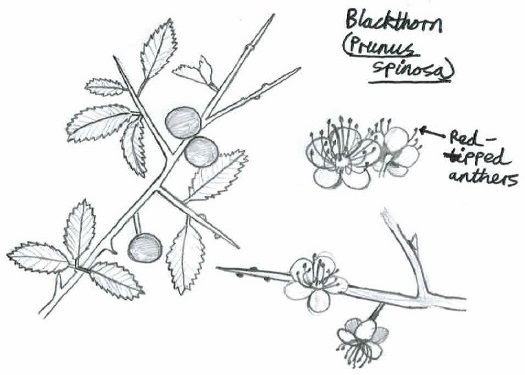
Blackthorn (Prunus spinosa)Blackthorn

  • Family: Rose – related to fruiting trees such as cherries and plums
  • Size: Up to 4m tall
  • Stems and twigs: Blackish and thorny
  • Leaves: 2-4cm long, oval-shaped tapering to a point with toothed margins
  • Flowers: Snow-white and 5-petalled with red-tipped anthers in the centre. Flowers late March-April, appearing BEFORE the leaves
  • Seeds: Produces fruit (sloes) which are small blackish plums with a bluish powdery surface. Tongue-numbingly tart to eat but popular to flavour gin
  • Range: Widespread and common throughout most of Britain
  • Fun Facts: Blackthorn, long used for making items such as walking and riding sticks, has long been associated with witchcraft

Spindle (Euonymus europaeus)Spindle

  • Indicator of an ancient hedgerow
  • Family: Staff-vine
  • Size: Up to 9m tall
  • Stems and twigs: Bark and 4-sided twigs are deep green, darkening with age
  • Leaves: 3-13cm long, shiny, mid-green, oval-shaped tapering to a point with finely toothed margins, and turning distinctively pinkish-red in autumn
  • Flowers: Greenish-white and 4-petalled in small overlooked stalked clusters. Flowers May-June
  • Seeds: Distinctive 4-lobed bright coral-pink berries
  • Range: Less common in Scotland and Ireland, found throughout England and Wales, but most frequent in the south
  • Fun Facts: The hard dense wood of spindle was used from ancient times to make spindles, whereas the leaves and seeds were powdered to dust on the skin of children to drive away lice

Cow parsley (Anthriscus sylvestris) Cow parsley

  • Family: Carrot – related to species such as parsnips and poison hemlock
  • Size: ~1m tall
  • Stems and twigs: Stems are hollow and furrowed, often becoming purple
  • Leaves: Fresh green, 3-pinnate, and sharply cut
  • Flowers: White, forming clusters known as umbels. Flowers April-June
  • Seeds: Round, smooth and broad-based
  • Range: Widespread and common throughout Britain and strongly associated with hedgerows
  • Fun Facts: Its folk-name is ‘Queen Anne’s lace’. This comes from a folk tale which said that the flowers would bloom for Queen Anne and her ladies in waiting and reflect the delicate lace they wore

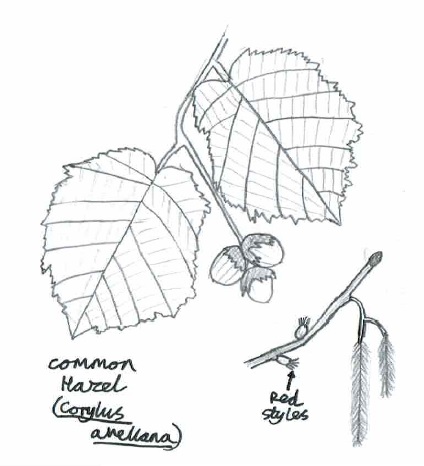
Common Hazel (Corylus avellana)Hazel

  • Family: Birch – related to species such as silver birch, alders and hornbeams
  • Size: Up to 8m tall
  • Stems and twigs: Bark coppery brown, smooth and tending to peel
  • Leaves: 5-12cm long and almost circular with sawtooth edges
  • Flowers: Male= lemon-yellow catkins; Female= Tiny and bud-like with red styles. Flowers January-March BEFORE the leaves
  • Seeds: An edible nut encased at first in a thick-green husk before ripening in autumn
  • Range: Widespread and common throughout Britain
  • Fun Facts: Hazel rods have historically been used for a range of purposes from hurdles and coracles for fishing to house building and basketwork

Dog Rose (Rosa canina)

  • Family: Rose
  • Size: Up to 4m tall
  • Stems and twigs: Arching stems with broad-based strongly hooked prickles
  • Leaves: Dark green and oval-shaped tapering to a point with toothed edges
  • Flowers: Flat and fragrant white or pale pink, with large petals and hairless stalks. Flowers June-July
  • Seeds: Fruit, known as a hip, that is egg-shaped and bright red
  • Range: Most common and variable wild rose, widespread throughout Britain, but most frequent in the south
  • Fun Facts: Adopted as a symbol of the British monarchy and England since the reign of Henry VII. It is also a valuable medicinal plant, with its hips being made into a Vitamin C rich syrup for children

Field Rose (Rosa arvensis)

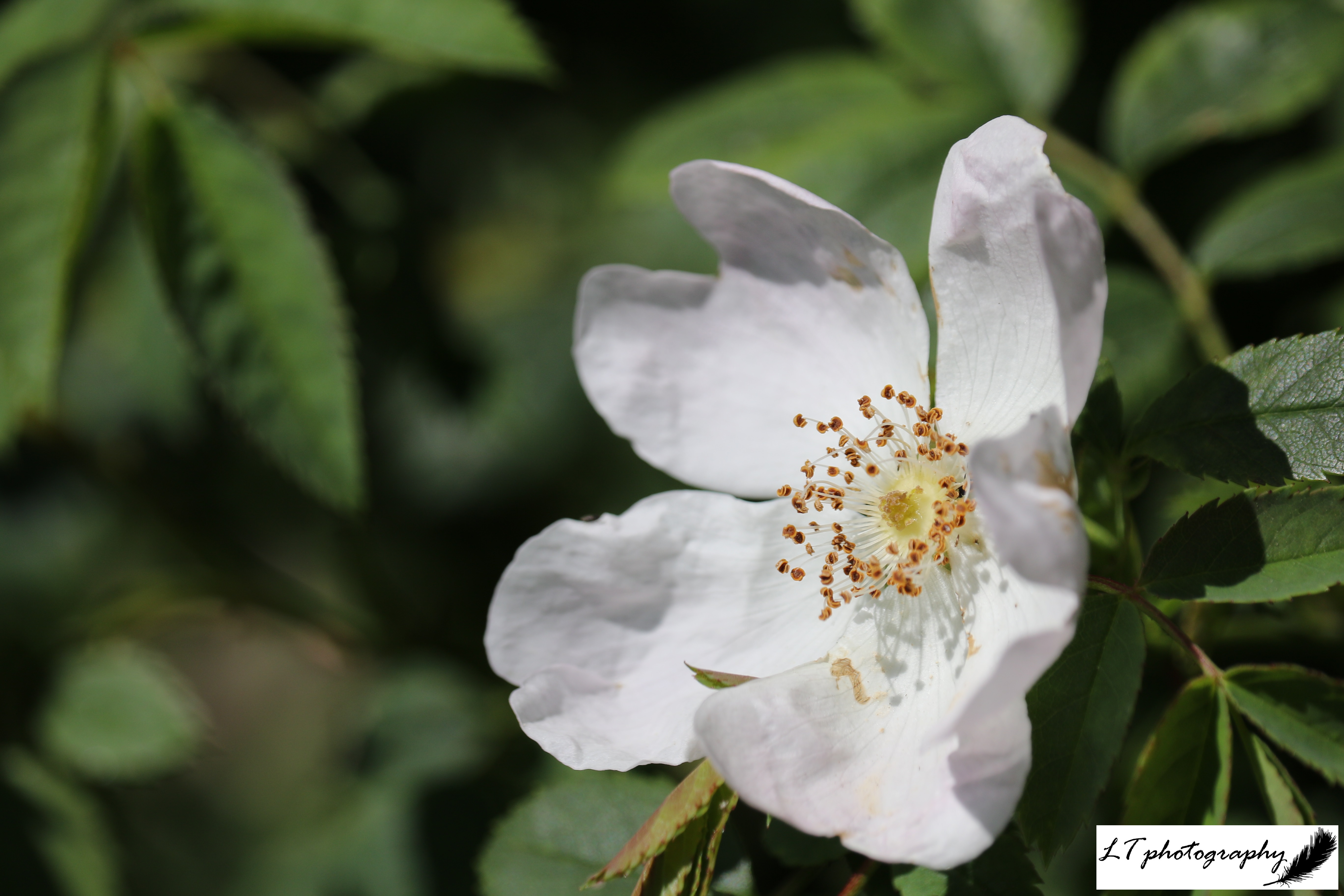
  • Compared to the Dog Rose, the Field Rose is shorter, growing up to about 2m, with slightly smaller, cup-shaped creamy-white flowers that flower about a fortnight later, from June-July. Also, the flowers’ sepals are often purplish, the styles are in a column, and the hips are smaller and often more round. The Field Rose’s range does not stretch as far north as that of the Dog Rose, being absent from Scotland

Roses

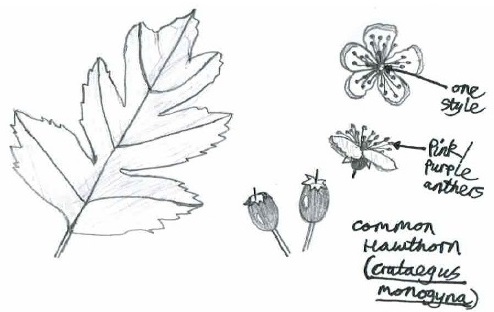
Common Hawthorn (Crataegus monogyna)Hawthorn

  • Family: Rose
  • Size: Up to 10m tall
  • Stems and twigs: Very thorny and hairless
  • Leaves: Leafing in April, the leaves are shiny and roughly oval-shaped with 3-5 deeply cut lobes
  • Flowers: White fragrant (sickly sweet) flowers with pink/purple anthers, only one style and 5 petals. Become deeper pink as they fade
  • Seeds: Fruit, known as haws, have a single seed and ripen to a bright red
  • Range: Widespread and common throughout Britain
  • Fun Facts: Hawthorn is linked to Christian, pagan and medieval rites, and has ancient associations with May Day. Bringing hawthorn blossom in your house was believed to bring in illness and death upon you

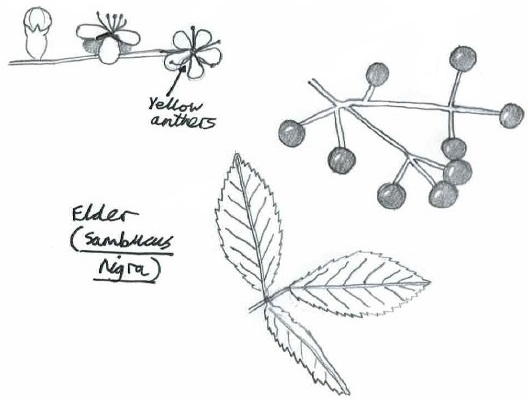
Elder (Sambucus nigra)Elder

  • Family: Previously in the honeysuckle family , but now reclassified in moschatel
  • Size: Up to 10m tall
  • Stems and twigs: Strong smelling with corky and fissured bark
  • Leaves: Dark green, pinnate with 5-7 leaflets
  • Flowers: White, small and fragrant in flat-topped clusters with yellow anthers. Flowers May-August
  • Seeds: Produces a juicy edible purplish-black berry
  • Range: Widespread and common throughout Britain
  • Fun Facts: Has many uses from wines and jams, to toys and dyes. Also, it was believed that planting an elder tree near your house would keep the Devil away
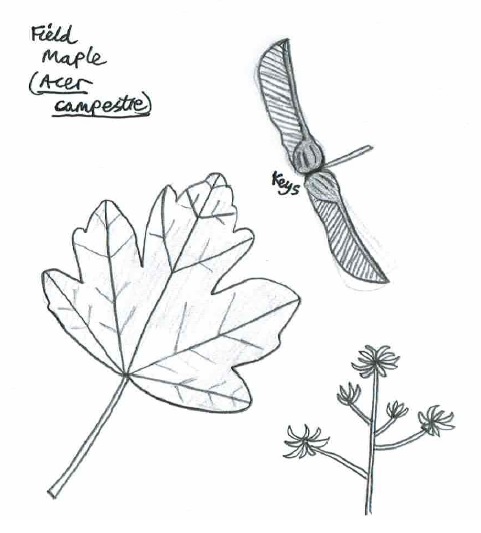
Field Maple (Acer campestre)Field Maple

  • Family: Soapberry – related to horse chestnut and lychee
  • Size: Up to 25m tall
  • Stems and twigs: Twigs downy
  • Leaves: Much smaller than sycamore at 4-7cm long and wide, rather bluntly lobed (3-5), and dark green. Turn distinctively amber in autumn
  • Flowers: Yellowish-green and carried in upright spikes. Flowers May-June after the leaves
  • Seeds: The seeds, known as keys, are winged and paired forming an angle of 180 degrees
  • Range: Common in England and East Wales, but less common elsewhere
  • Fun Facts: Wood used for furniture veneers, wall panelling, and violin-making, but previously used to make domestic utensils such as drinking bowls. As with all maple trees, the sap of the field maple can be used to make maple syrup

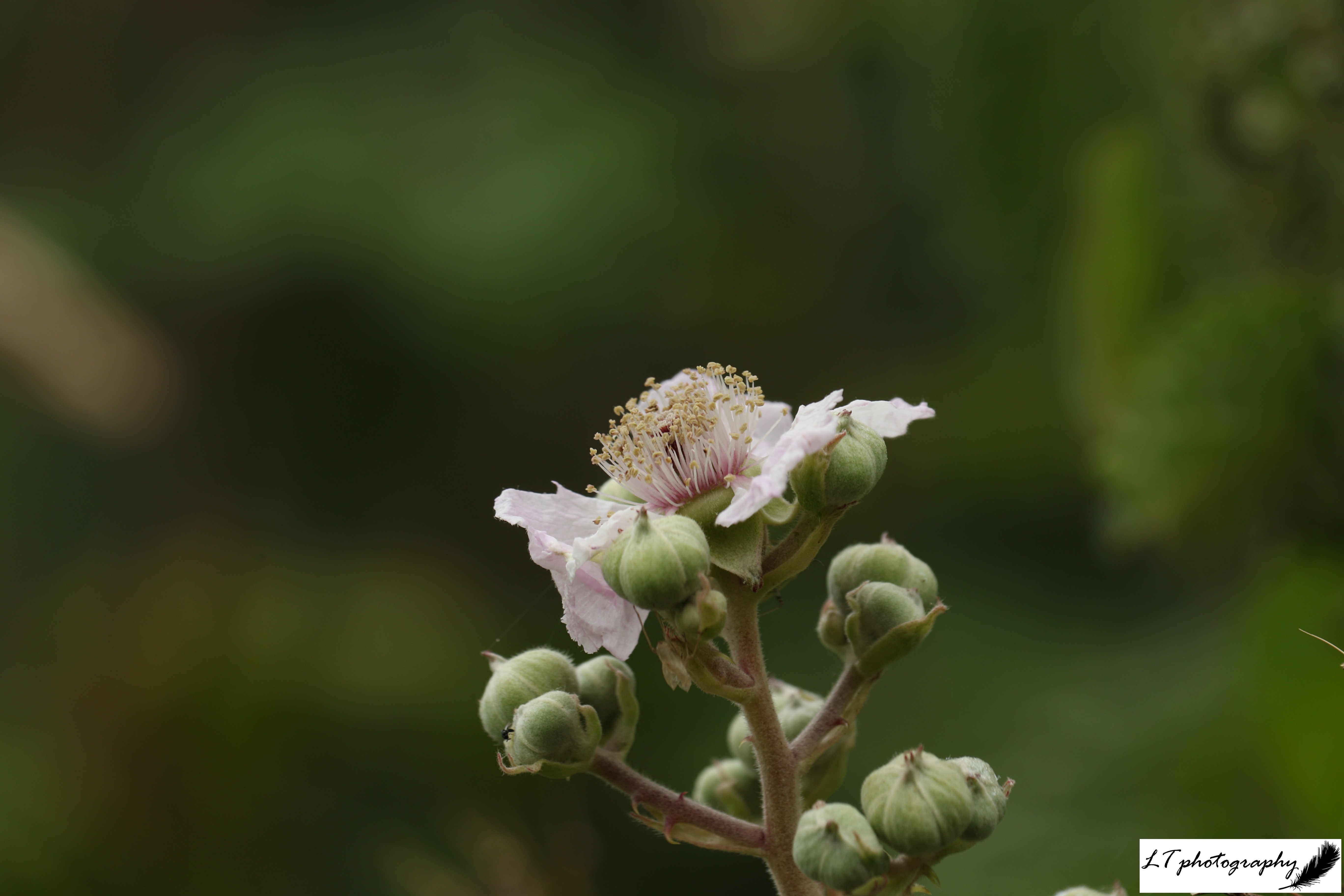
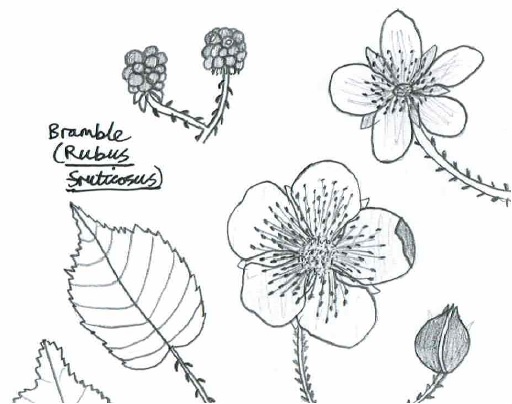
Bramble (Rubus fruticosus)Bramble

  • Family: Rose – closely related to species such as raspberries and dewberries
  • Size: Up to 4m tall or long
  • Stems and twigs: Prickly and half-evergreen
  • Leaves: 3-5 broad, toothed leaflets
  • Flowers: White or pink and flowers from May onwards
  • Seeds: Fruit is the familiar edible blackberry that starts green, then turns red, finally ripening to purple-black
  • Range: Widespread and common throughout Britain
  • Fun Facts: Folklore dictates that blackberries should not be picked after Old Michaelmas Day in October, as the Devil has sullied them. Brambles were also previously planted on graves to stop sheep grazing

Pedunculate or English oak (Quercus robur)

  • Family: Beech – related to species such as beech and sweet chestnut
  • Size: Up to 40m tall
  • Stems and twigs: Massive rugged grey-brown trunk and broad crown
  • Leaves: 10-12cm long, oblong, usually broader at the base and lobed, turning brown in autumn
  • Flowers: Yellow-green catkins flowering April-June
  • Seeds: Produces the familiar acorn, with scaly cups and clusters carried on long stalks
  • Range: Widespread and common throughout Britain
  • Fun Facts: Druids in Celtic Britain held the oak tree sacred, with the oak becoming an English national symbol of strength

13_05_20_Sunrise_Oak_Tree_Grass_3

Sessile oak (Quercus petraea)

  • Differs to Pedunculate Oak in that the leaves taper to an unlobed base and have long stalks. Also, the clustered acorns are almost stalk-less with downy cups. Prefers more acid soils and is more common in the West of Britain

Oak Trees

Other species

  • There are lots of flowering species to also be found at the base of hedges. To help with identifying these, check out my ‘How to… Identify Woodland Flowers’ guide, to help with crossover species, such as bluebells, primroses, and moschatel

All photos and drawings are my own

Golden days of autumn

As we ease into the holiday season and creep closer to the closing of the year, it is time to contemplate and reflect, be thankful for what we have, and celebrate what is important to you. Looking outwards during this time, to the world beyond the window, autumn has now also made its departure. Skeletal trees, howling gales, freezing temperatures, and dormancy characterise the landscape, though there are hidden gems to be found. As you cuddle up in your home on this cold winter’s evening, let us now remember back to those golden days of autumn.

Autumn as it happened

When I think of autumn, the first thoughts that come to mind are dazzling colours, falling leaves collecting in drifts on the ground, bountiful fruit, and migrant birds passing through. Though my favourite season tends to be blossoming spring, autumn is a time that is often the favourite of many. Each season has something special to offer and autumn is no different!

This year autumn has been a bit more unpredictable and turbulent in its advancement than many other years, being the 5th wettest english autumn since records began. Despite this, it has mainly progressed in the traditional fashion.

September saw evening temperatures drop, the start of misty mornings with spider webs shining with dew, ripening fruit and nuts, grey squirrels beginning to cache food, the emergence of the first autumn fungi, and the start of birds moving through.

October saw the trees beginning to change, becoming decked out in resplendent colour, fungi in abundance, the buzz of late insects such as wasps and honeybees, goldfinches harvesting seeds from thistles and teasels, fallen acorns becoming available as a valuable food source, the squawks of jays collecting nuts, and by the end of the month most migrants had moved on.

As the season of decline and decay moved on also, November saw oak trees in colour, other trees losing their leaves on mass, cackling fieldfare in the hedgerows, withering bracken, plentiful ripe seeds and fruit, redwings making their return, wildfowl and wading birds settling in for winter, thrushes and blackbirds harvesting fruit, winter flocks forming as they scavenge in bushes and along hedgerows, and lengthening nights.

By the end of November, most of the trees and hedgerows were bare of leaves, conditions were cooler, frost and fog were more common in the mornings, and winter was on its way.

A day in the woods

As part of my celebration of autumn this year, I made a visit to my favourite local woods. On this October trip, I spent time being mindful, capturing the world around me through words and through a lens.

‘As I step into the woods, it is noticeable how the vegetation is beginning to die away, though the ferns still stand sentinel over the woodland floor. Looking closer though, fungi is dotted everwhere. Small capped mushrooms stand only a couple of centimetres tall, whilst larger and more exquisite shapes stand taller and hang from the trunks of trees.

A nuthatch lands on a branch above my head. I look up and see that autumn is already in full swing, with the trees working at different paces, creating a spectacular mosaic of colour from fading greens to copper and gold. The trees are beginning to lose their magnificent mantels in spectacular style. Berries adorn holly and hawthorn bushes, shining scarlet in the strained autumn light.

My other senses are also stimulated. To my nose, the forest smells fresh, though with every step the woodland floor releases an aroma of damp decay and rotting vegetation. On my exposed skin, a gentle cool breeze plays, whilst midges crawl and bite.

My ears are most active though. Long-tailed tits flit from tree to tree around me, making high-pitched calls as they feed as a family, characteristic of autumn. Robins and tits also sing their songs in the trees around, before a wren sounds its alarm call and the other birds join in. Further away, still in the forest, pheasants fight, a collared dove coos, and a jay caws its raucous call as it goes about its way, storing food for winter. Outside of the wood, I can also hear farm sounds along with crows and rooks cawing.

Though the buzz of woodland life is beginning to slow, decay and slip away, the landscape is still full of life.’

Sunlight

The science of autumn

Why do leaves change colour?

  • This process is triggered by changing day length and is sped up by increased sunlight and cooler temperatures. It occurs when pigments, such as chlorophyll, is broken down, and then transported back into the branch. The colour is produced by the remaining degraded pigments in the leaf. Different amounts of pigment left in leaves creates the different colours.

Why do birds migrate?

  • Birds migrate from areas of low or decreasing resources, such as food, to areas of high or increasing resources. It can be triggered by factors such as changes in day length, temperature, or is simply a genetic predisposition. Migration can vary from short within-country movement to long-distance migration. It is still not fully understood how birds navigate during migration, but suggestions include using landmarks or an inbuilt magnetic compass.

Starlings

How do mammals survive the winter?

  • A variety of adaptations are used during the winter by different mammal species. They grow longer, thicker coats. increase food intake to produce fat reserves, and create underground nests where they can sleep through colder days. Mammals that find it difficult to cope during the winter, such as those that eat mainly insects, instead slow their body processes down nearly to a stand still to survive. This is called hibernation with common examples being seen in hedgehogs, bats and dormice.

Rabbit

The end of autumn’s glory

This year’s autumn has been fantastically colourful trees and woodlands, incredible wildlife displays and cliche autumnal moments.

Buzzard and Pheasants

One of my highlights has to be experiencing some of the more interesting migrants that rock up on the British shores during autumn. For me these included wacky wrynecks and marvellous marsh warblers giving some exciting moments.

Now autumn 2019 has come and gone in a blaze of glory, though it was a little wet at times!

Sunset