A flash of colour flitting by in the heat of the summer sun. Twisting this way and that, showing off amazing aerial acrobatics above a meadow of long, waving grass. A butterfly, small but standing out against a backdrop of browns, yellows, reds, blues and whites. Floating like a leaf down to a flower, the butterfly stops, flicking its wings before coming to a stop, wings outstretched in the sunshine. What could this beauty be?

Butterflies come in all shapes, sizes and colours, and can be found in a variety of habitats, from big cities to more remote areas. They are also a popular cultural symbol across the globe, with symbolism ranging from rebirth and transformation to representing the human soul. Along with their long history of capturing the mind and imagination of people, in nature, butterflies are great indicators of the health of habitats and are an important part of the food chain. As is the common story right now, butterflies are unfortunately threatened by habitat loss and degradation, as well as climate change, pesticide use, and invasive species. They need our help!

To be able to help butterflies, we need to understand them better. In the UK, we have 59 species, with only 2 being migrants. Though butterflies are more noticeable for people to identify, most Brits can only name but a handful of species. As we ease into summer, now is a great time to brush up your knowledge of what species you can identify. Here’s 13 to get you started!
Butterflies
Brimstone (Gonepteryx rhamni)
- Family: White and Yellow butterflies
- Size: Large (60-74mm wide)
- Butterfly appearance: Look like veined-leaves with pale-yellow undersides and an orange dot on each wing. Uppersides: Males= sulphurous yellow; Female= paler in colour
- Caterpillar food plants: Buckthorn and Alder Buckthorn
- On the wing: Can be seen throughout the year, but most commonly during spring
- Winter: Hibernate as adults in wooded areas
- Distribution: Common in England and Wales, less common in Ireland, and very rare in Scotland

Small Tortoiseshell (Aglais urticae)
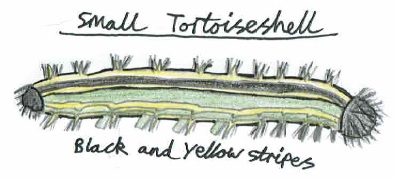
- Family: Brush-footed butterflies
- Size: Medium (45-60mm wide)
- Butterfly appearance: Bright orange wings with a black pattern, white patch close to each outer top edge, and a border of blue half-moons. Underside dark and light brown
- Caterpillar food plants: Nettles
- On the wing: March-October
- Winter: Hibernate as adults in sites, such as tree hollows and sheds
- Distribution: Widespread throughout Britain


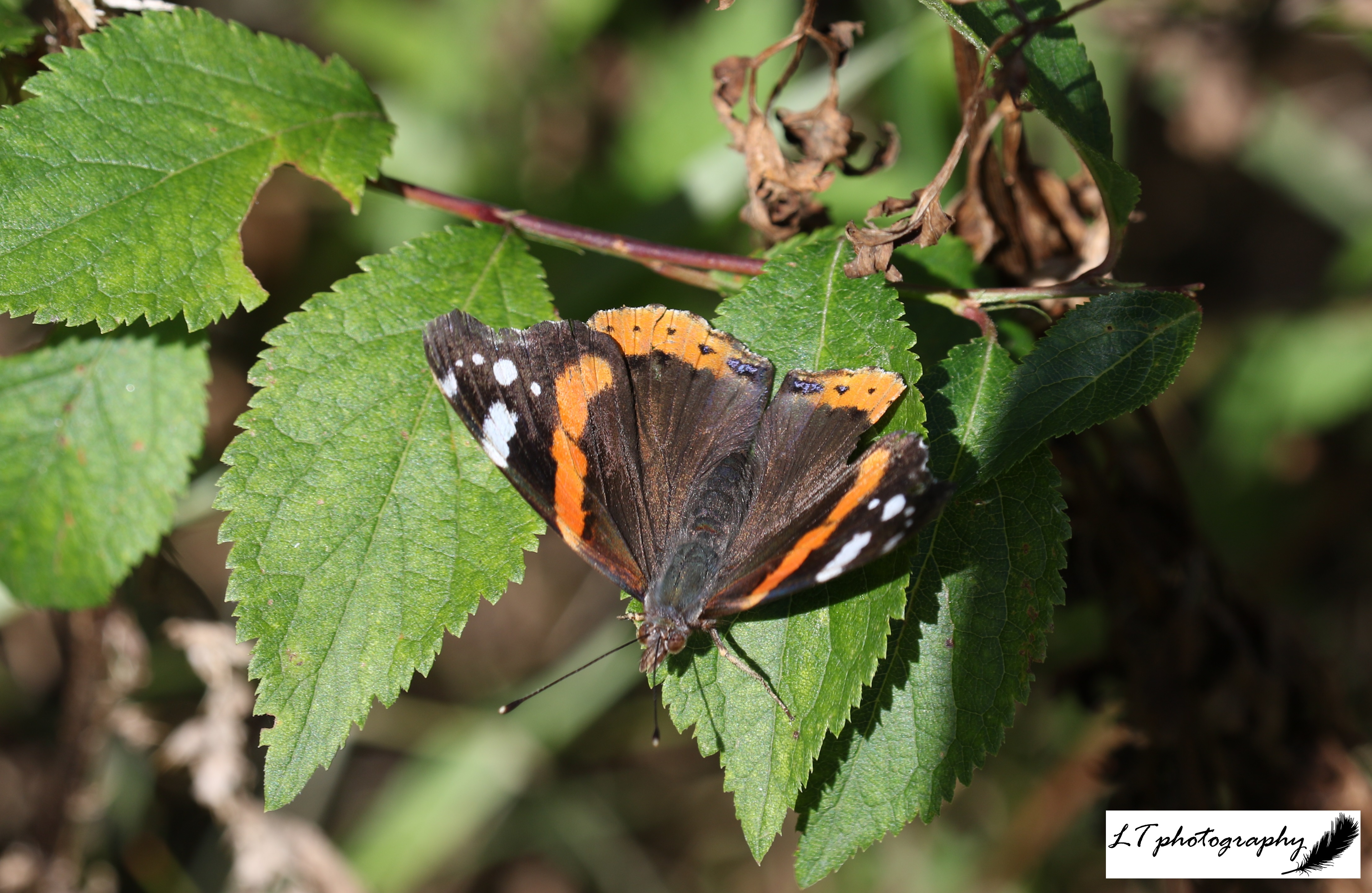
Red Admiral (Vanessa atalanta)
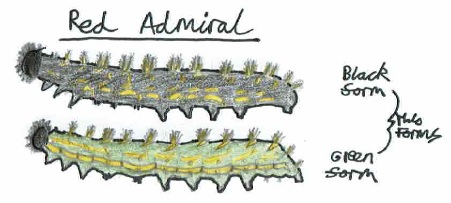
- Family: Brush-footed butterflies
- Size: Large (64-78mm wide)
- Butterfly appearance: Black wings with red bands and white markings. Underside is similar, but paler and more mottled
- Caterpillar food plants: Nettles
- On the wing: March-October
- Winter: Hibernate as adults
- Distribution: Widespread throughout Britain

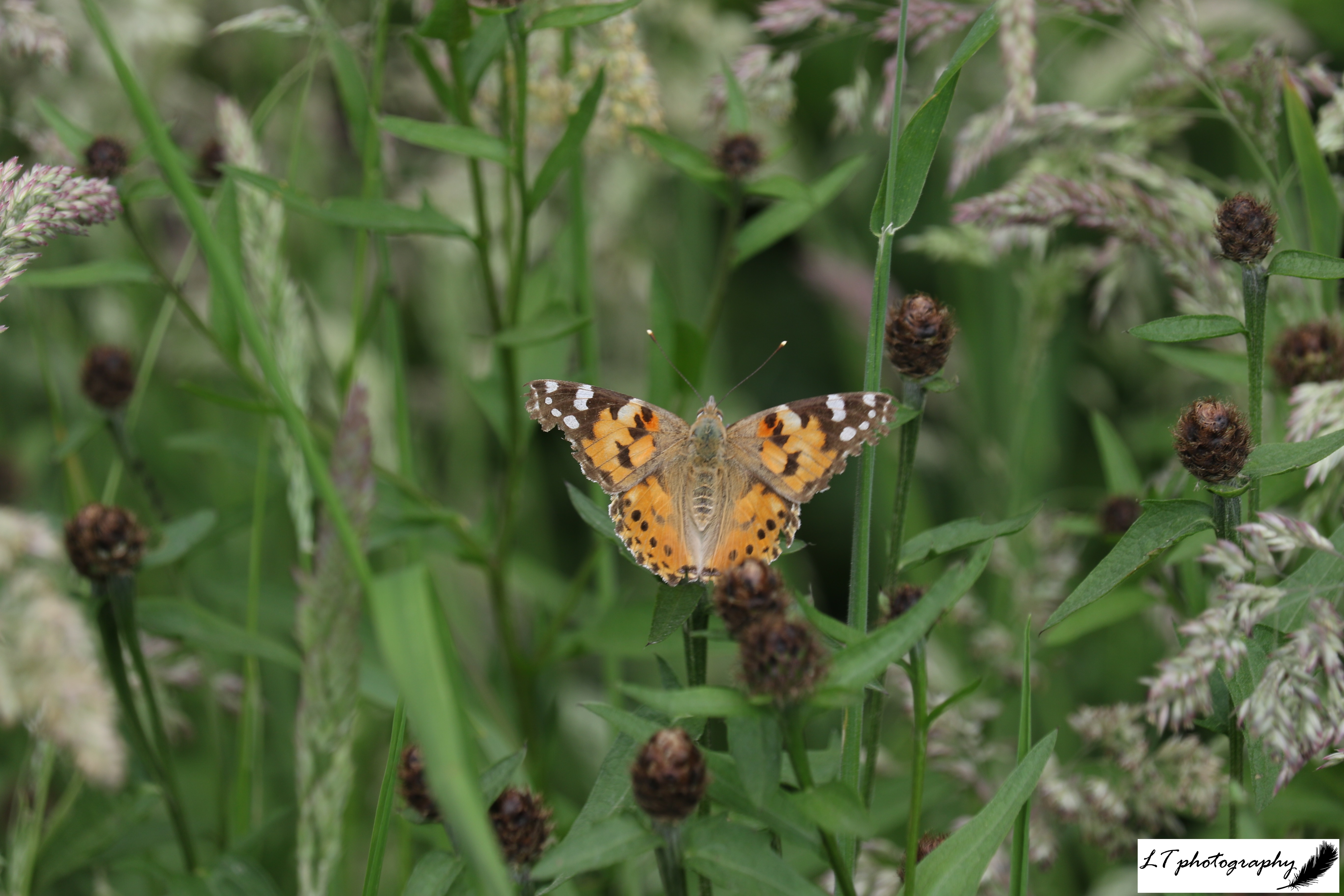
Painted Lady (Vanessa cardui)

- Family: Brush-footed butterflies
- Size: Medium/Large (58-74mm)
- Butterfly appearance: Orange wings with black and white markings. Underside is similar, but paler and more mottled
- Caterpillar food plants: Thistles and sometimes nettles and mallows
- On the wing: March-October
- Winter: Migrate from Africa each spring
- Distribution: Widespread across Britain
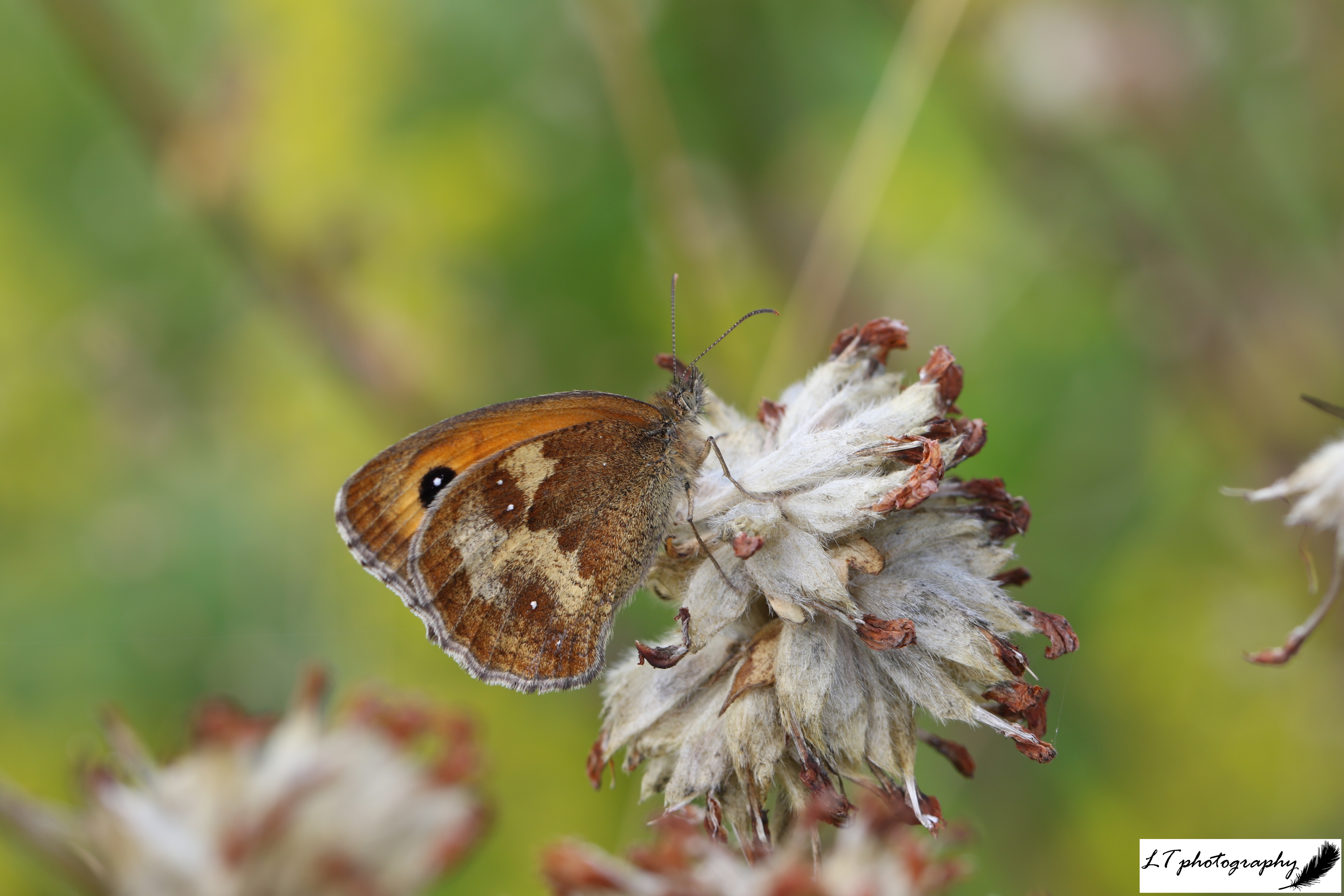
Gatekeeper (Pyronia tithonus)
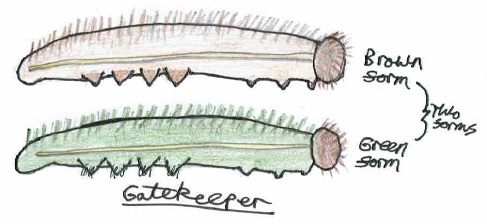
- Family: Brush-footed (brown) butterflies
- Size: Medium (37-48mm wide)
- Butterfly appearance: Orange and brown wings on top with a black false eye on each wing. Males are smaller and richer in colour than females, with distinct dark band across the forewing. Underside of the forewing is largely orange and the hindwing yellow and brown
- Caterpillar food plants: Fine grasses, such as fescues
- On the wing: June-September
- Winter: Hibernate as caterpillars
- Distribution: Most common in southern and central England and Wales

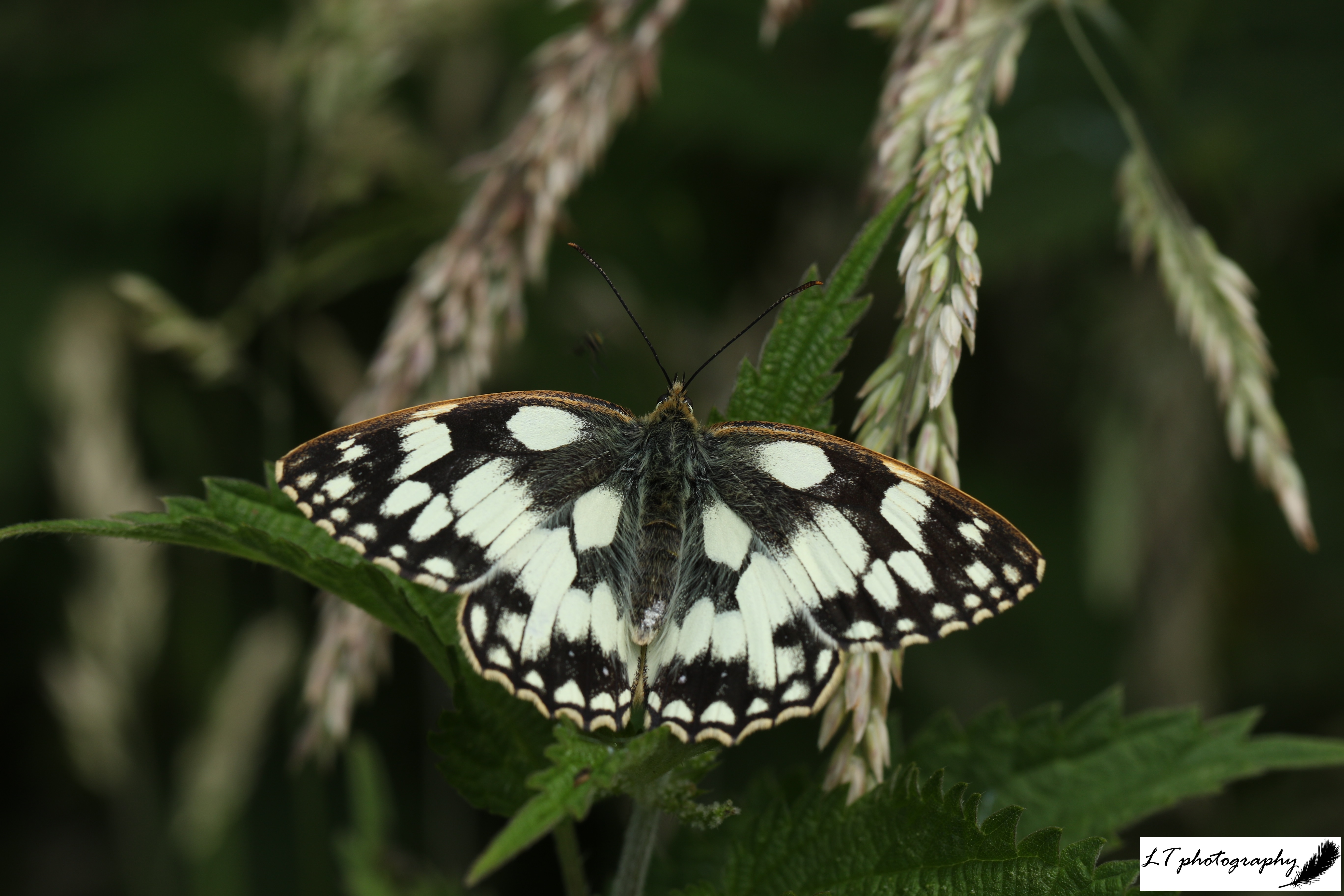
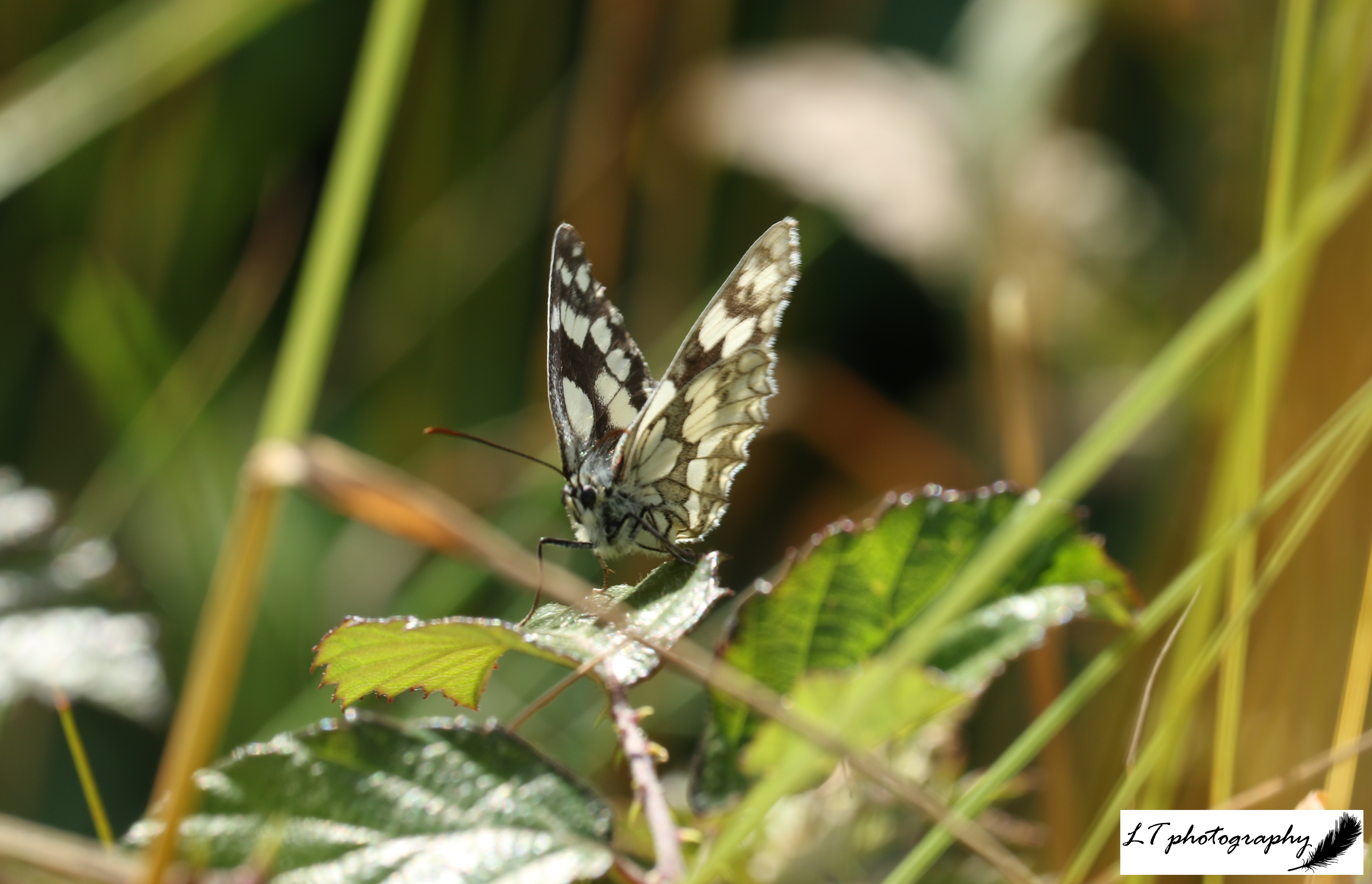
Marbled White (Melanargia galathea)
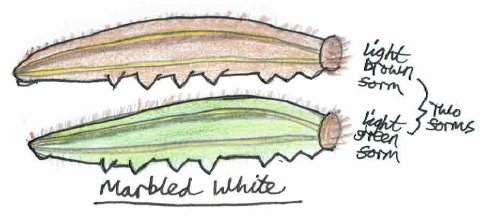
- Family: Brush-footed (brown) butterflies
- Size: Medium (53-58mm wide)
- Butterfly appearance: Distinctive black and white chequered wings that vary in pattern between individuals. Undersidesnot so brightly marked with eye-spots and grey or yellowish bands
- Caterpillar food plants: Grasses, such as red fescue and sheep’s-fescue
- On the wing: June-August
- Winter: Hibernate as caterpillars
- Distribution: Southern and central England and Wales
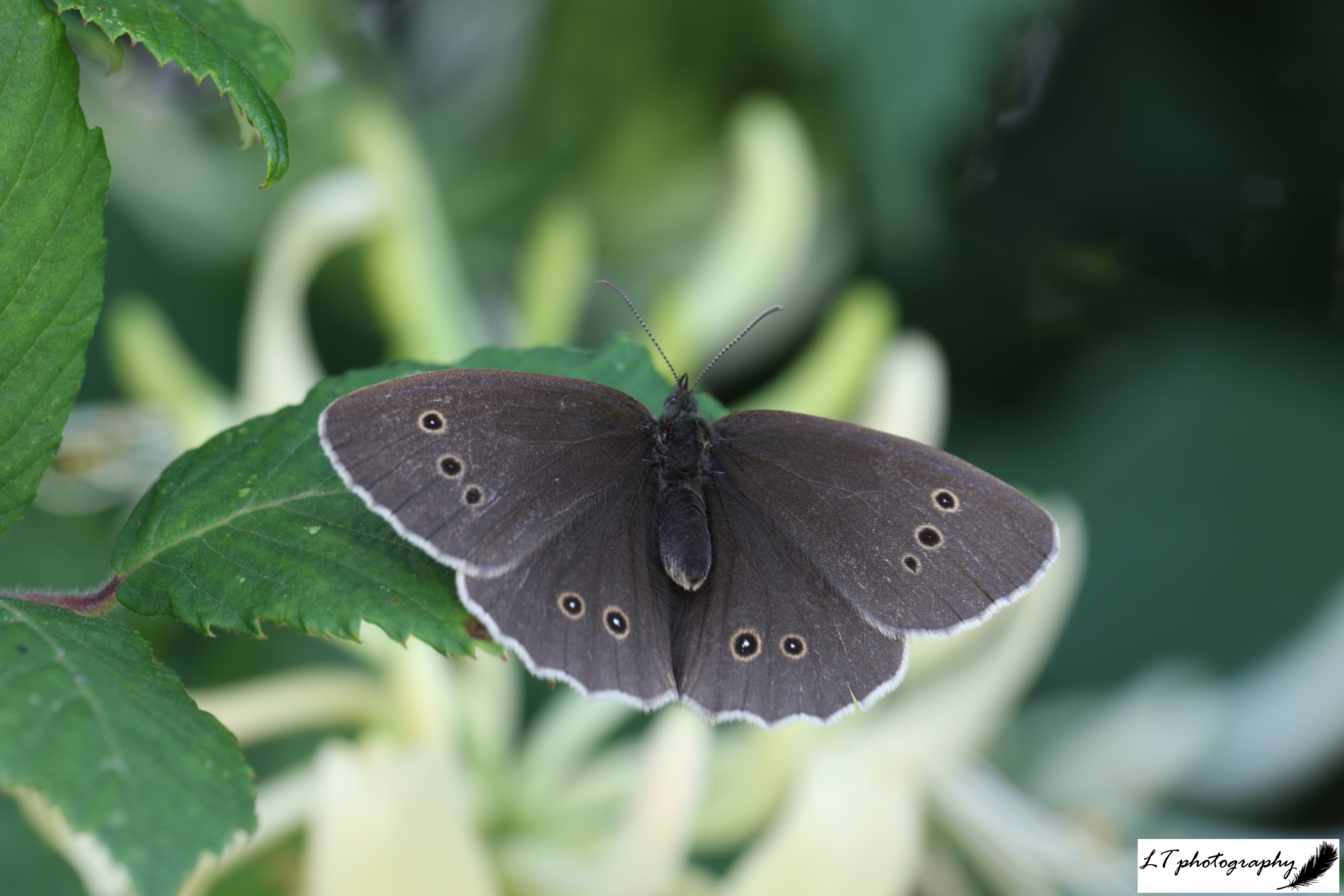
Ringlet (Aphantopus hyperantus)

- Family: Brush-footed (brown) butterflies
- Size: Medium (42-52mm wide)
- Butterfly appearance: Begin velvety with deep blackish brown wings bordered by white. Iconic rings on wings vary in number, size and shape. Females larger with more pronounced markings
- Caterpillar food plants: Various grasses including cock’s-foot and tufted hair-grass
- On the wing: June-August
- Winter: Hibernate as caterpillars
- Distribution: Everywhere apart from northern Scotland

Speckled Wood (Pararge aegeria)
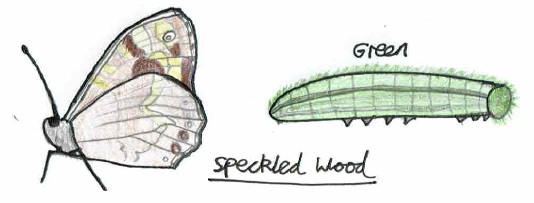
- Family: Brush-footed (brown) butterflies
- Size: Medium (46-56mm wide)
- Butterfly appearance: Dark brown with cream spots, though the female’s are larger. Forewings have a false eye and hindwings have three false eyes. Undersides mottled brown
- Caterpillar food plants: Various grasses including false brome, cock’s-foot, Yorkshire fog, and common couch
- On the wing: March-October
- Winter: Hibernate as caterpillars or a chrysalis
- Distribution: Throughout England (except the far north), Wales and Ireland, and in northern Scotland

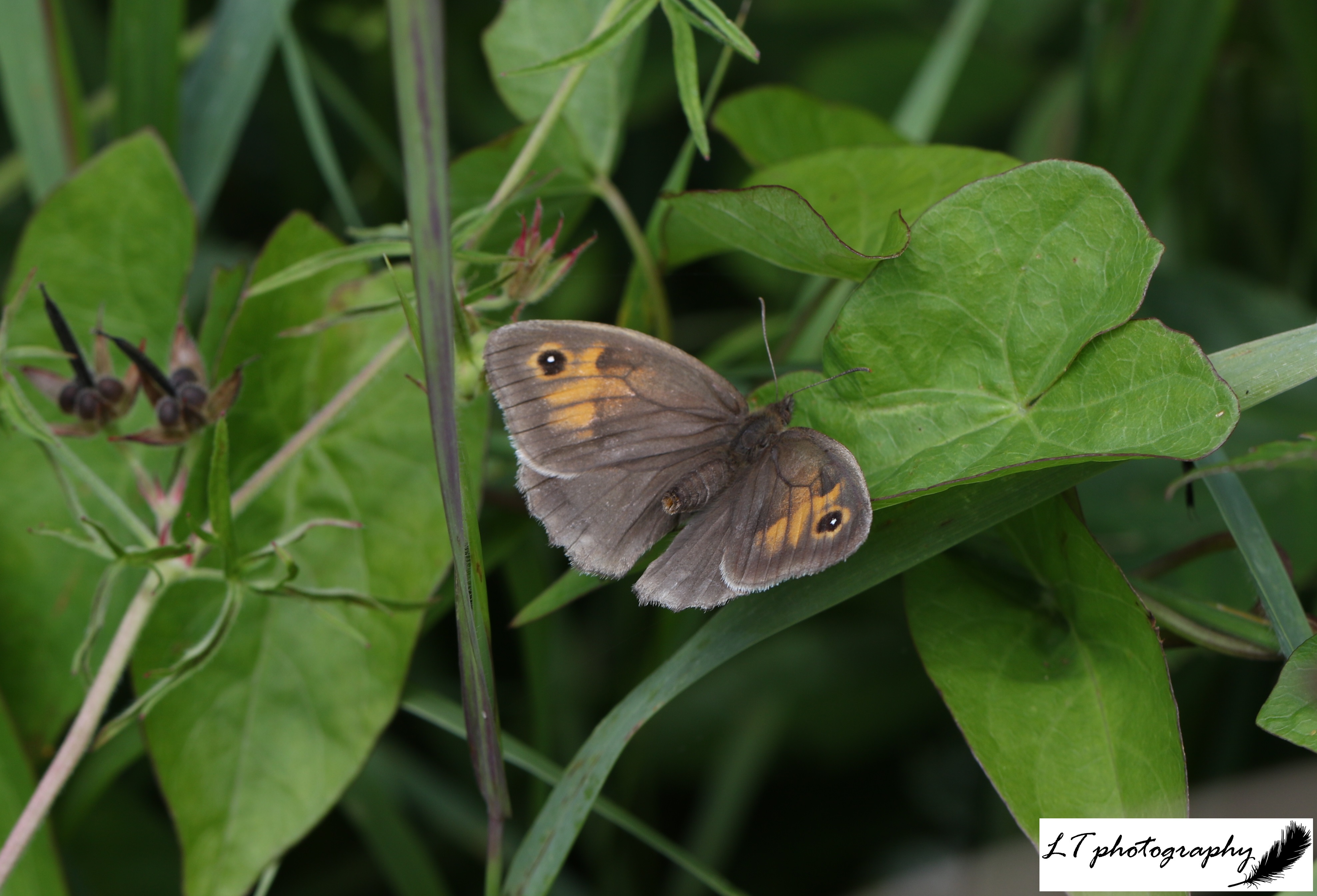
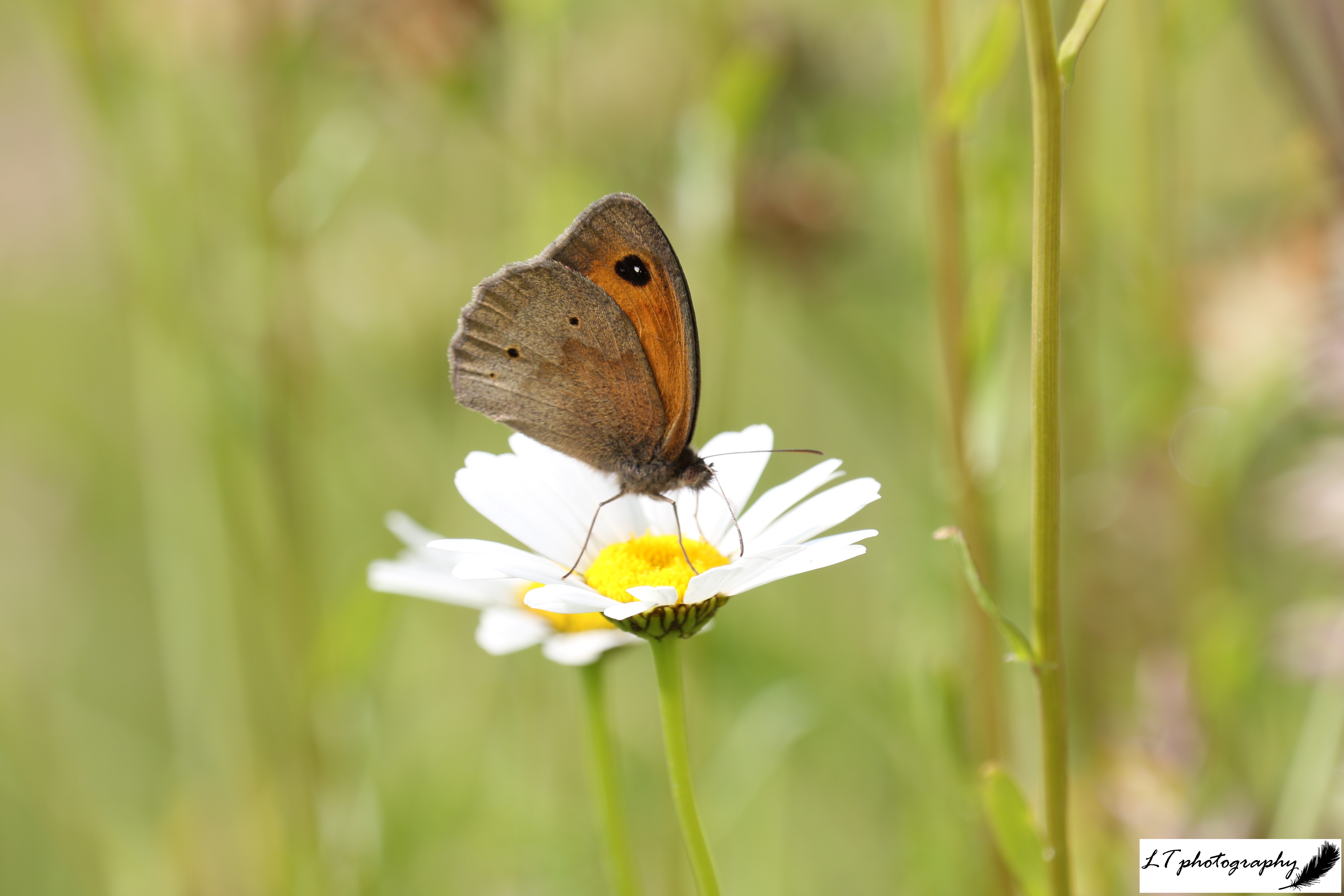
Meadow Brown (Maniola jurtina)

- Family: Brush-footed (brown) butterflies
- Size: Medium (40-60mm wide)
- Butterfly appearance: Male= dark brown with dark scent patch on forewing and faint orange smudge; Female= lighter brown with more orange on wings. Underside is largely orange with mottled brown hindwing
- Caterpillar food plants: Wide range of grasses from fine fescues to coarse cock’s-foot
- On the wing: May-September
- Winter: Hibernate as caterpillars
- Distribution: Widespread across Britain
Comma (Polygonia c-album)
- Family: Brush-footed butterflies
- Size: Medium/Large (50-64mm)
- Butterfly appearance: Orange wings with brown patterns and scalloped edges to wings. Mottled underside with white, comma-like mark on hindwing
- Caterpillar food plants: Nettle, elm and hop
- On the wing: Spring after hibernation; Summer brood= June-July; Autumn brood= August-September
- Winter: Hibernate as adults, camouflaged as a leaf
- Distribution: Widespread across England and Wales, rare in southern Scotland and Northern Ireland

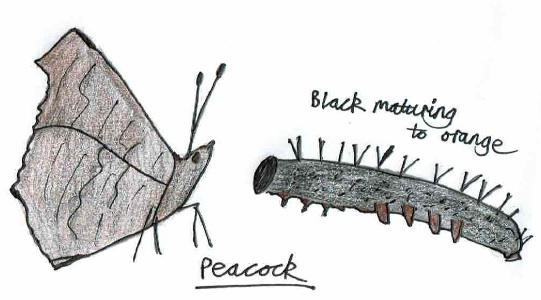
Peacock (Aglais io)
- Family: Brush-footed butterflies
- Size: Large (63-75mm wide)
- Butterfly appearance: Red wings with four large false eyes. Undersides almost black
- Caterpillar food plants: Nettles
- On the wing: Spring after hibernation, and June-September
- Winter: Hibernate as adults in hollow trees and buildings
- Distribution: Widespread across Britain


Small Skipper (Thymelicus sylvestris)

- Family: Skippers
- Size: Small (25-34mm wide)
- Butterfly appearance: Orange on top with a black edge, and paler undersides. Male= dark stripe in centre of fore-wing. Antenna tip is orange below
- Caterpillar food plants: Yorkshire fog and other tall grasses
- On the wing: June-September
- Winter: Hibernate as caterpillars
- Distribution: Widespread up to North Yorkshire and Scottish border
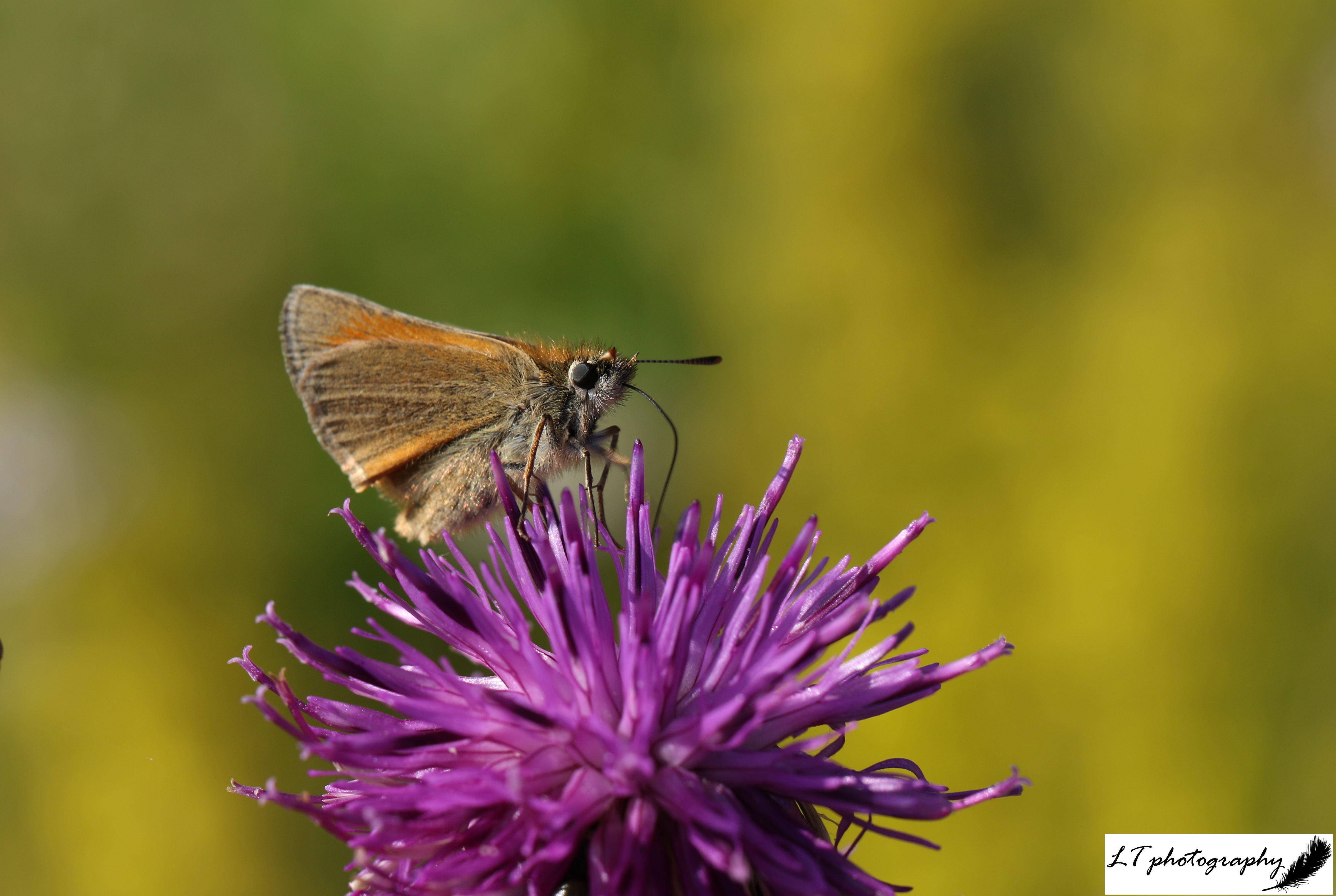

Large Skipper (Ochlodes venatus)

- Family: Skippers
- Size: Small (28-36mm wide)
- Butterfly appearance: Wings rich brown with orange patches, but male has a dark bar in the centre of the forewing. Underside mottled orange
- Caterpillar food plants: Cock’s-foot and other tall grasses
- On the wing: May-September
- Winter: Hibernate as caterpillars
- Distribution: Throughout England, Wales, and in Dumfries and Galloway





 Laura's Wild World