12 Days of Laura’s Wild Photos 2025

My year, last year, was heavily rooted in nature, from new life and wild hobbies to holidays and my nature photography. It was a year to grow and expand my horizons, to experiment and continue to enjoy and capture the magic of the natural world around us. Some of my many highlights include getting up to watch the sun rise over Devon, hiking through Herefordshire, and producing my very first mass produced calendar.

It is typical on my adventures to have a camera in tow or at least a phone or camera trap, and so every year I now use the 12 Days of Christmas to look back on 12 moments of the year in photos. I never know what photos I will end up selecting of so many, but to me they are all snapshots of nature’s hidden beauty, and allow me to bring a splash of colour to people’s homes during the tough winter months.

Here are my latest 12 Days of Laura’s Wild Photos all in one place!

The 12 Days

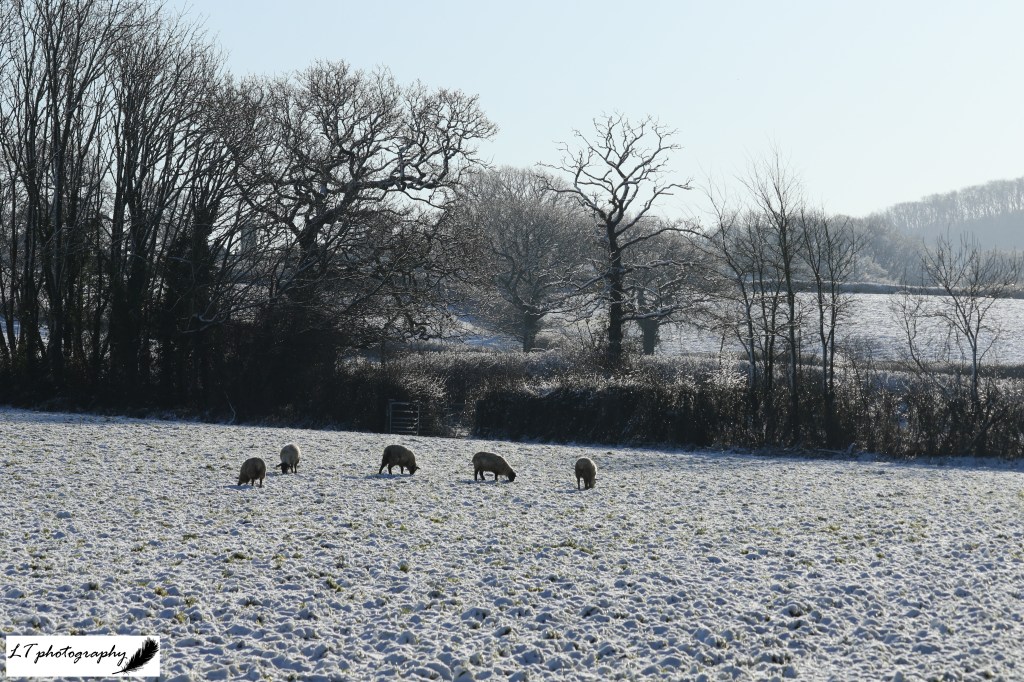
Day 1 – On Christmas Day, I shared a photo taken during the January snows of 2025. I love the skeletal trees providing a backdrop for young sheep grazing on a blanket of glistening snow.
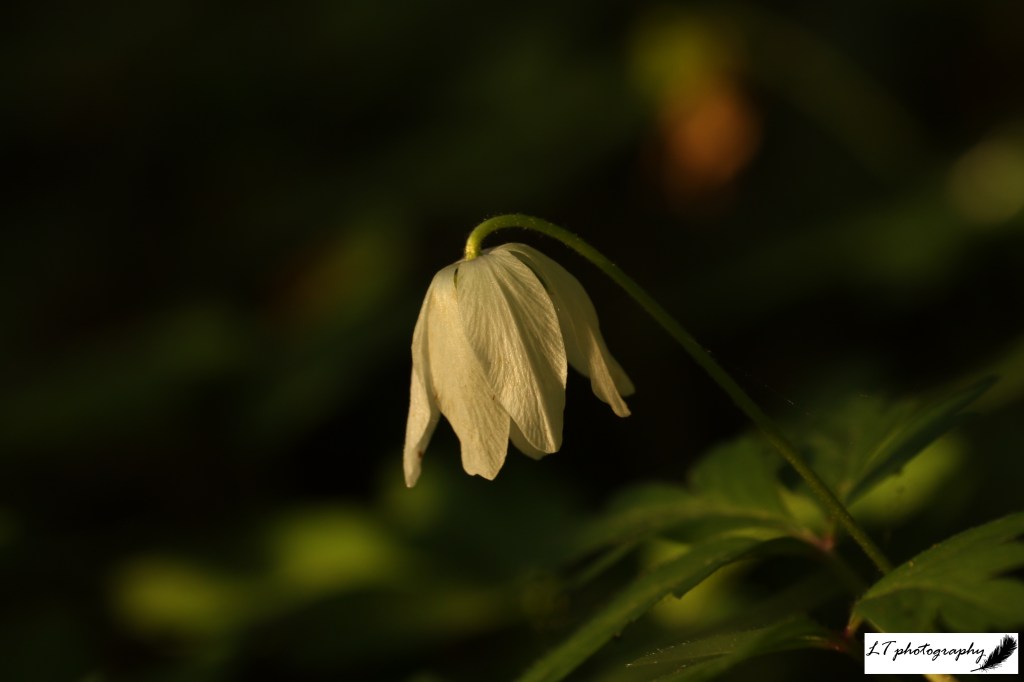
Day 2 – In my nature photography, I love playing with the use of light and shape to capture a moment of wild magic. Here this wild anemone, nestled in the undergrowth of a spring woodland, is a moment of new growth, warmth and hidden beauty.
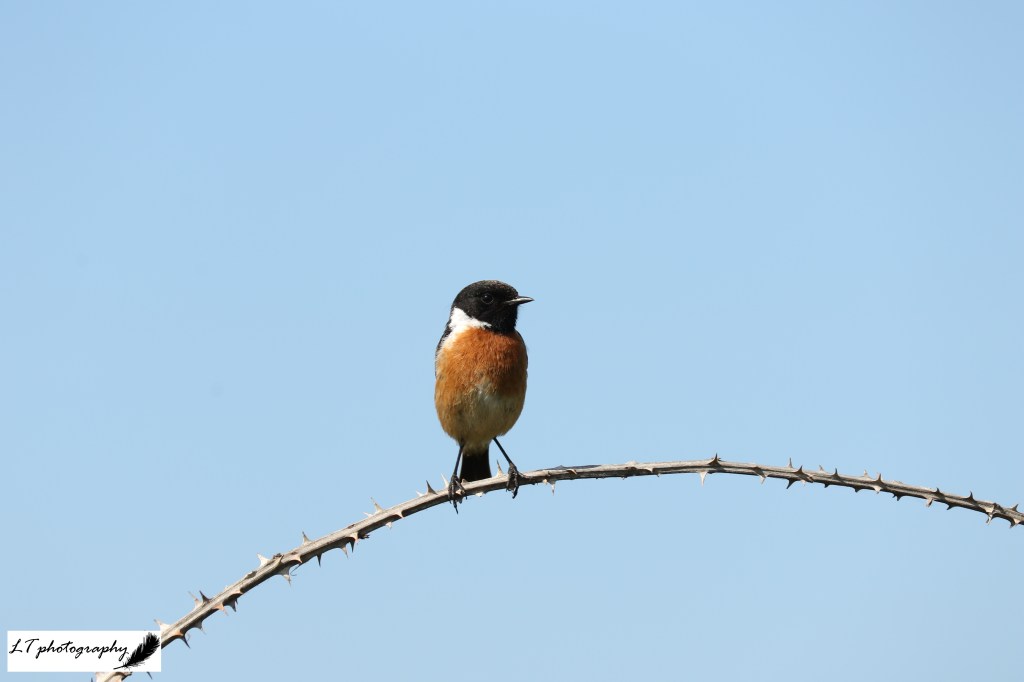
Day 3 – I love an adventure, from exploring close to home and holidaying in the UK to enjoying the wilds of another continent. This stonechat comes from one of my 2025 adventures, when I took a break in beautiful North Devon with my urban buddy Emma Rogan (check out Rural vs Urban).
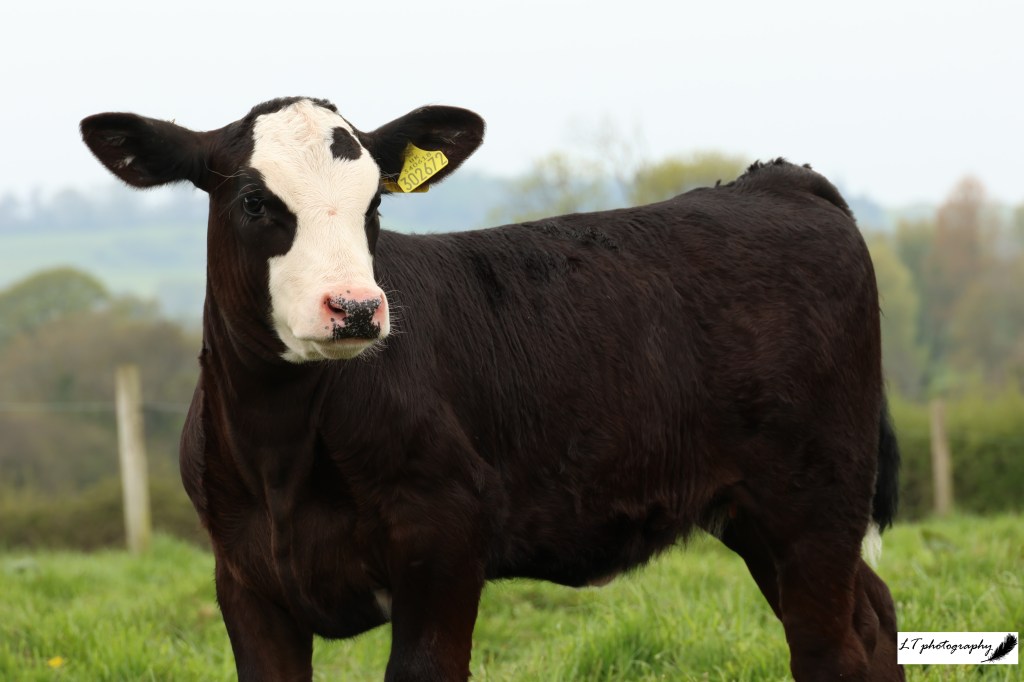
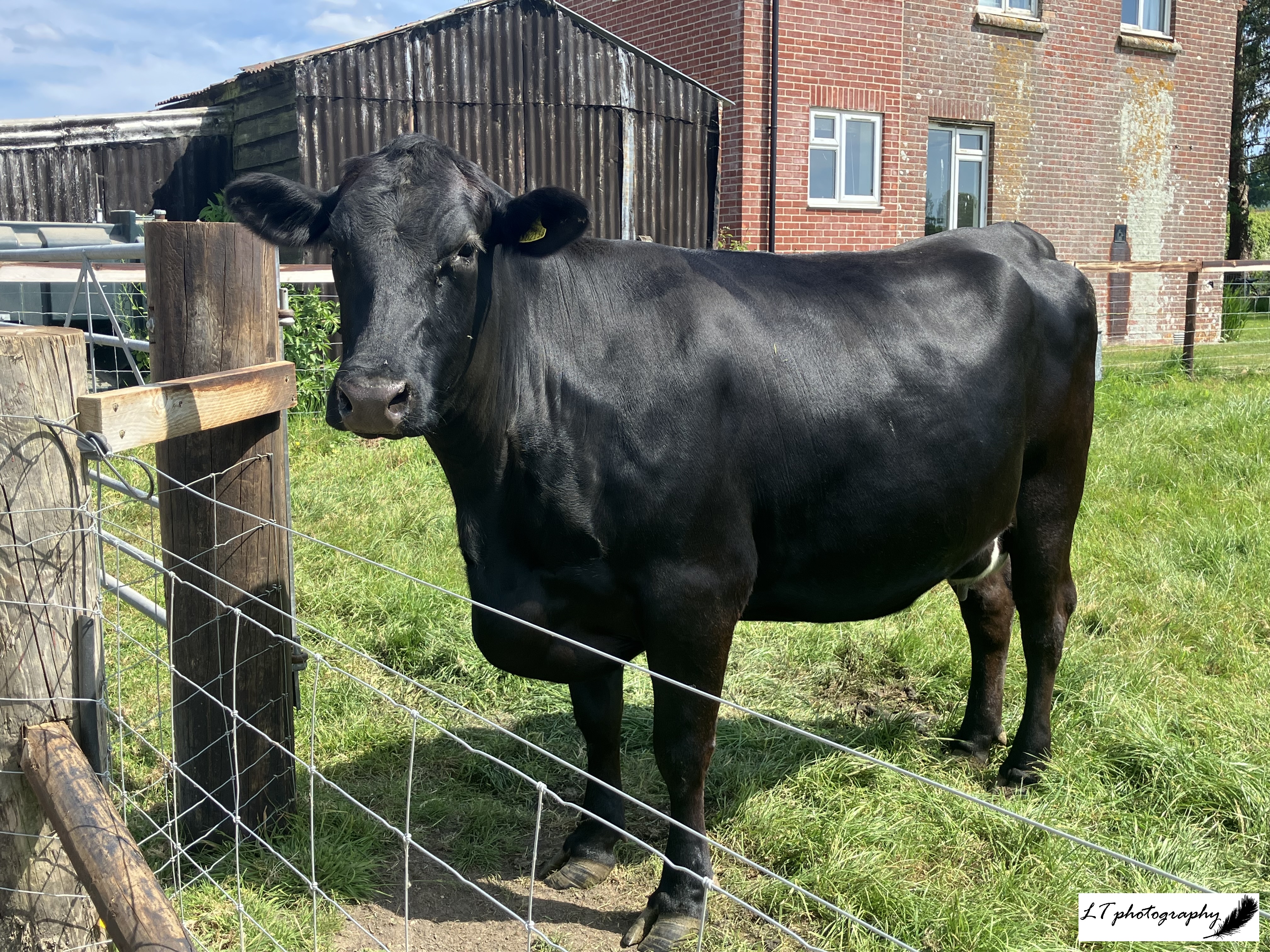
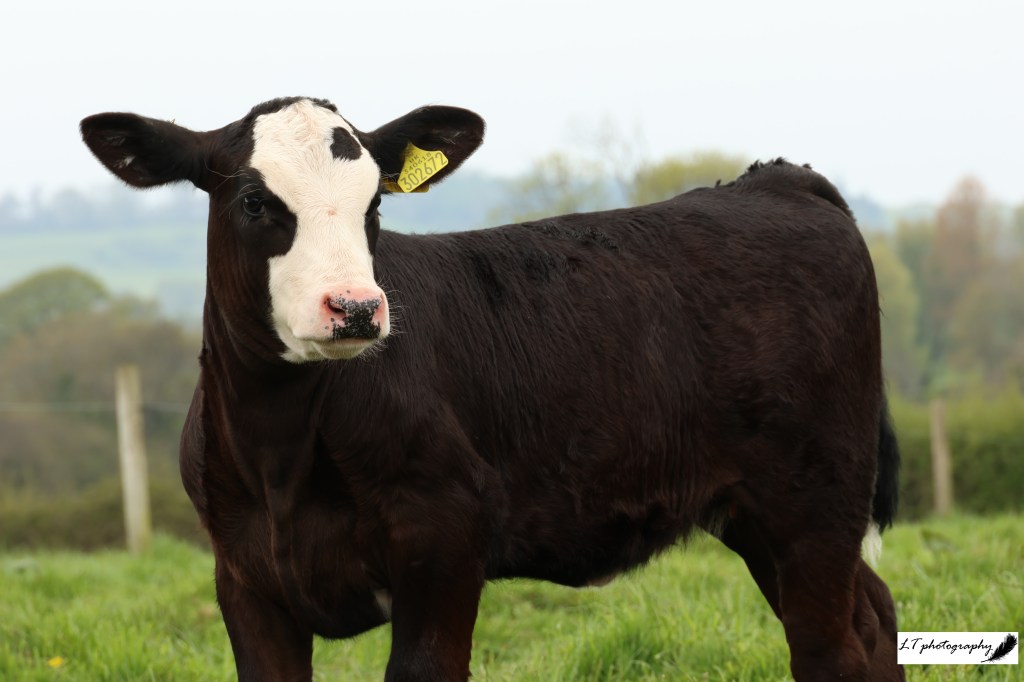
Day 4 – I will always be a farmer’s daughter at heart, and from this place I get hours of enjoyment sat in fields capturing the characters and antics of cows and calves. You never know what will happen or who will be the star, and here is a young suckler calf called Orchid, on a grey but lush green day during April 2025.
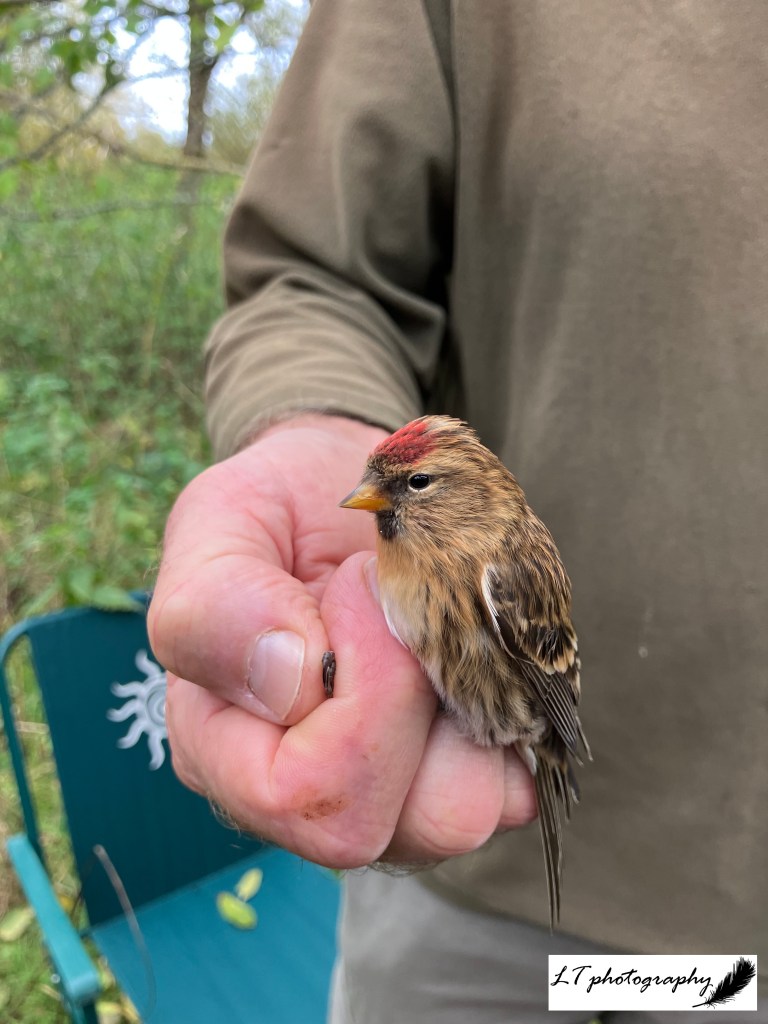
Day 5 – Another part of my life alongside photography is bird ringing, where birds are safely caught and ringed with a metal ring to allow all sorts of data to be collected about their populations. Here’s one of my favourite birds caught in 2025, a very smartly marked lesser redpoll.
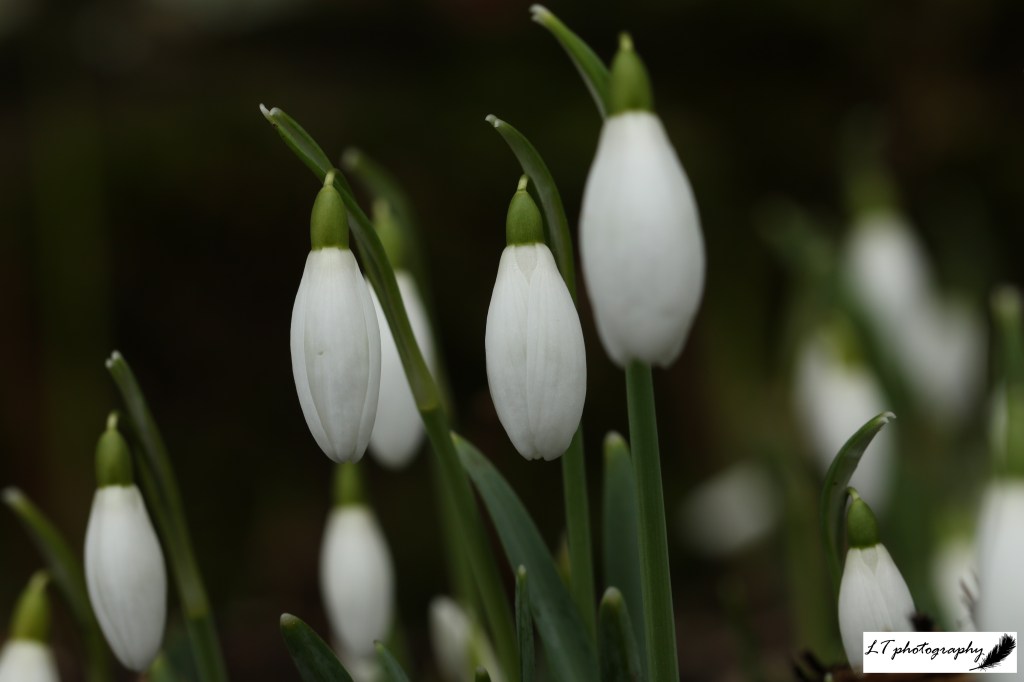
Day 6 – The first true herald of spring days to come, snowdrops are iconic, bursting forth at the start of the new year and bringing hope to all. There’s something magic about seeing their opalescent heads nodding in a cool breeze after the darkest weeks of winter.
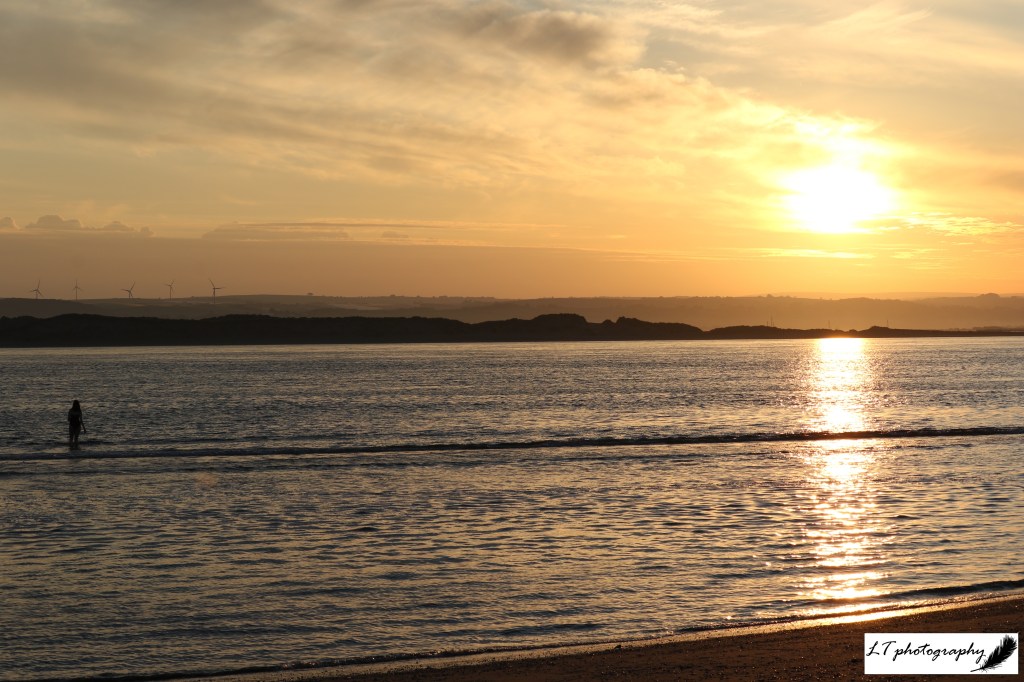
Day 7 – I am known for loving capturing a beautiful sunset, but that does not mean that I am not a fan of a fiery sunrise, the start is just a bit more painful for me! Here is the stunning beginning of a day on a North Devon estuary, with wind turbines and morning swimmer adding to the magic.
Day 8 – Like these gorgeous wild poppies, my 2025 was a year of growth with this blog having its best year yet, many adventures being embarked on, and the start of my nature photography business flourishing. I am so so thankful to everyone’s support, so watch this space!
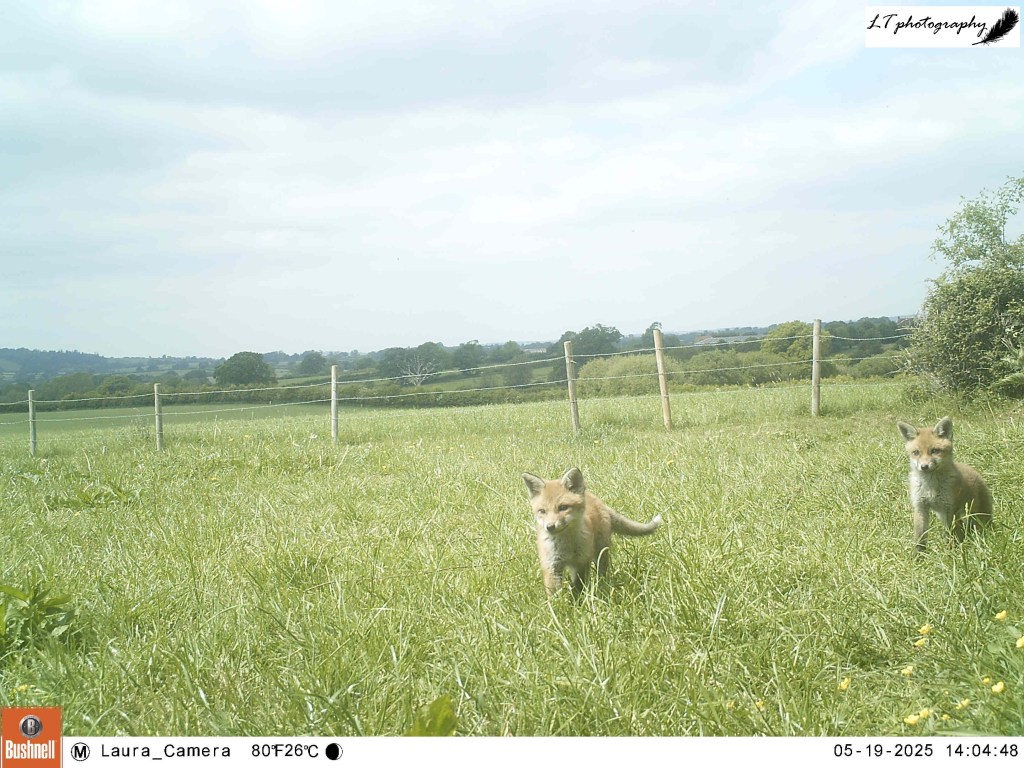
Day 9 – Another of my wild hobbies is camera trapping, where I use a trail camera to unobtrusively observe the unseen lives of our common British wildlife. A firm favourite of mine is the fox, with their tough cubs giving hours of pleasure to watch. Here is just one of many of the photos taken last year yet to be shared with you all!
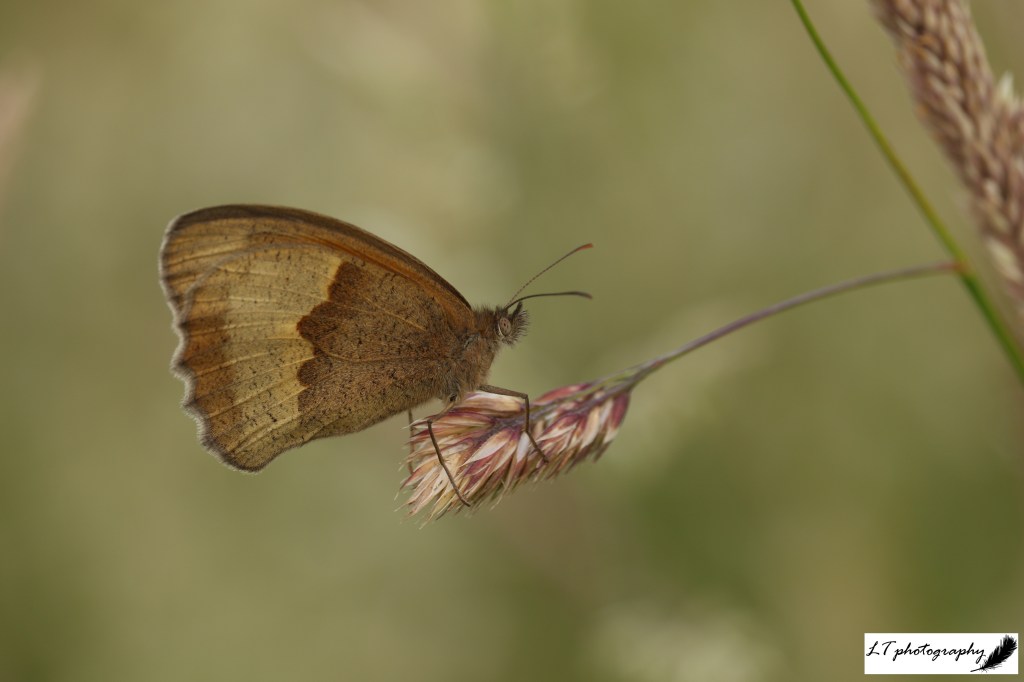
Day 10 – Last year I printed and mass sold my very first nature calendar, and I was overwhelmed by the response. This photo featured in the calendar was of a simple meadow brown butterfly in a wild meadow in Herefordshire, but gives us an up close view of these often overlooked minibeasts. ‘Dull brown’ can also be captivating!
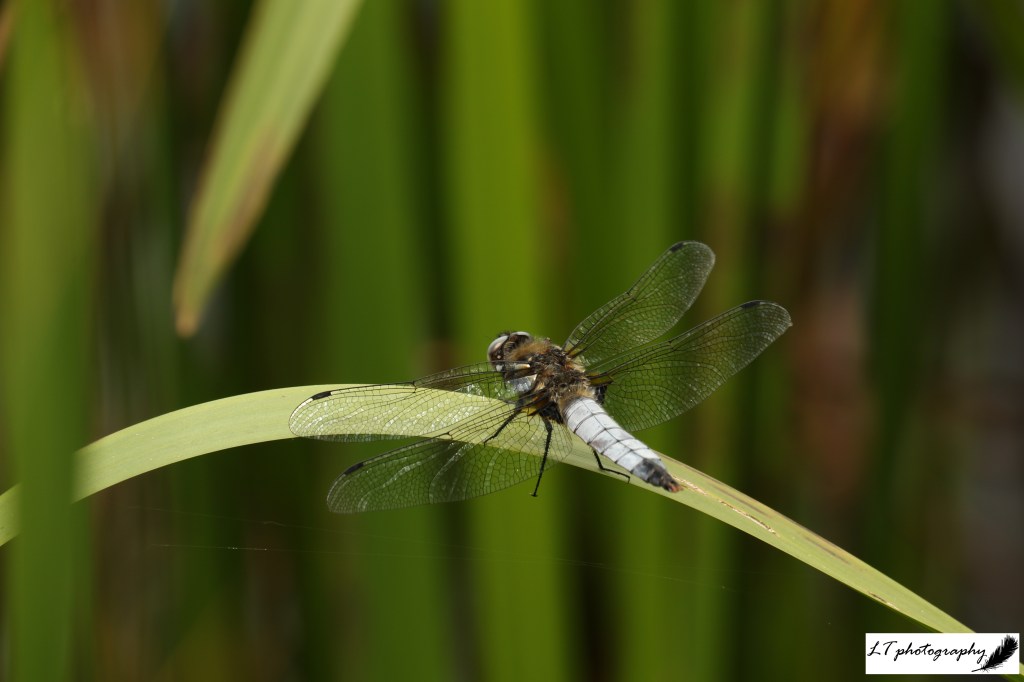
Day 11 – As I neared the end of my 12 Days of Laura’s Wild Photos for 2025, I kept things simple with this dragonfly. Another interesting creature, dragonflies are a game to capture, super fast and often changing their course quickly as they hunt over water. It is a moment to breathe when they finally fall to rest for a short time!
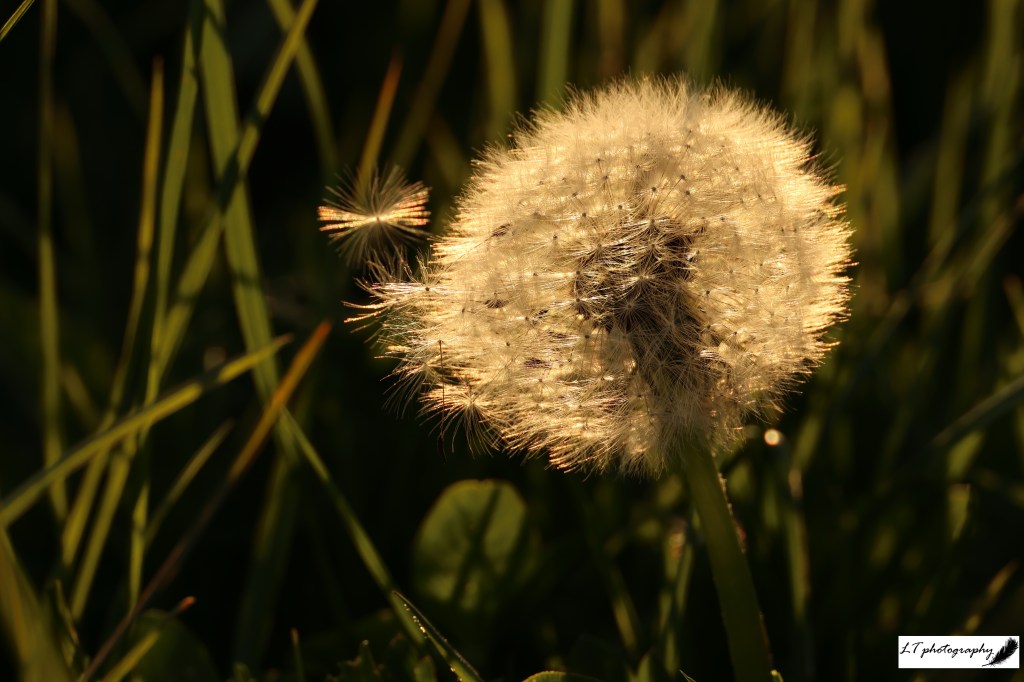
Day 12 – There is something magical about a dandelion clock. I believe it is the childlike wonder they invoke for most people, and here, in warm spring sunlight, this dandelion even has seeds beginning to parachute from its main head, floating on the wind to a new place of rest.

Spring In Photos 2025

“The beautiful spring came; and when nature resumes her loveliness, the human soul is apt to revive also” — Harriet Ann Jacobs

As I learn to love how all the seasons in nature have something different to offer, I cannot help but still feel my heart sing when I see the first blooms of spring, hear the first chiffchaff echo across a field, or see the first butterfly flit past on a sunny day. Spring is a time for the renewal of hope, a celebration of colour and vibrancy, and a time that often feels like a collective sigh of relief. It is a season of optimism, and new possibilities, but also passes, like this year, in a blink of an eye.

This year though, I have really embraced the capturing of different light, colour and subjects during spring, giving myself the freedom to explore nature through a lens. As part of this, I also began to experiment with a new camera as part of my photography kit, and kept open minded during the process. It will take a while to sort through all the photos taken so far this year, but for now here is a snapshot of my spring 2025, through a lens, camera or iphone.

Spring In Photos 2025

The new addition to the Tuke family (Barley)

Walking through the Daffodowndillies

My Raven and her baby boy Jackdaw

One of my favourite first signs of spring, the Wood Anemone

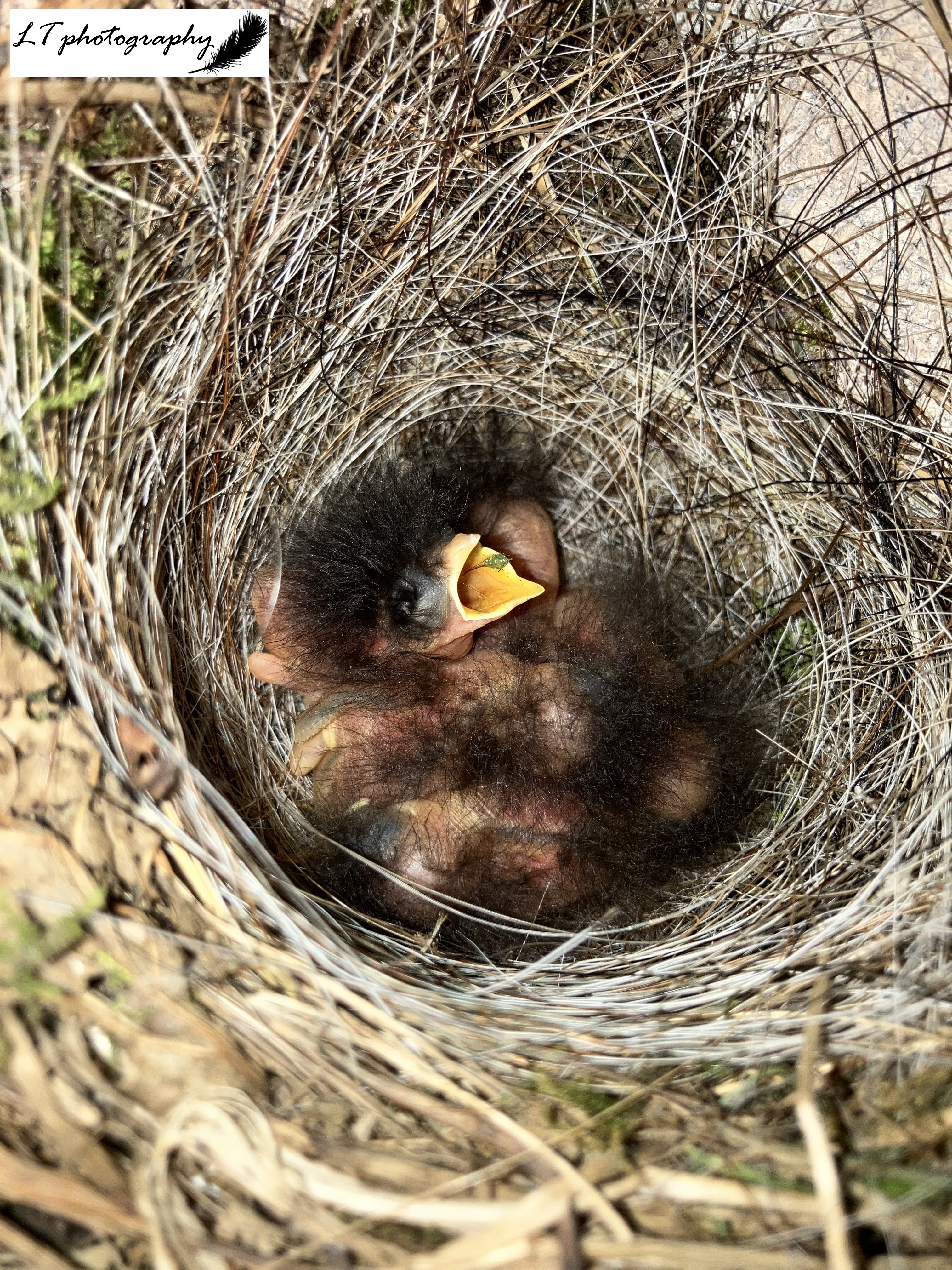
The start of new life (here Blue Tits and Robins)

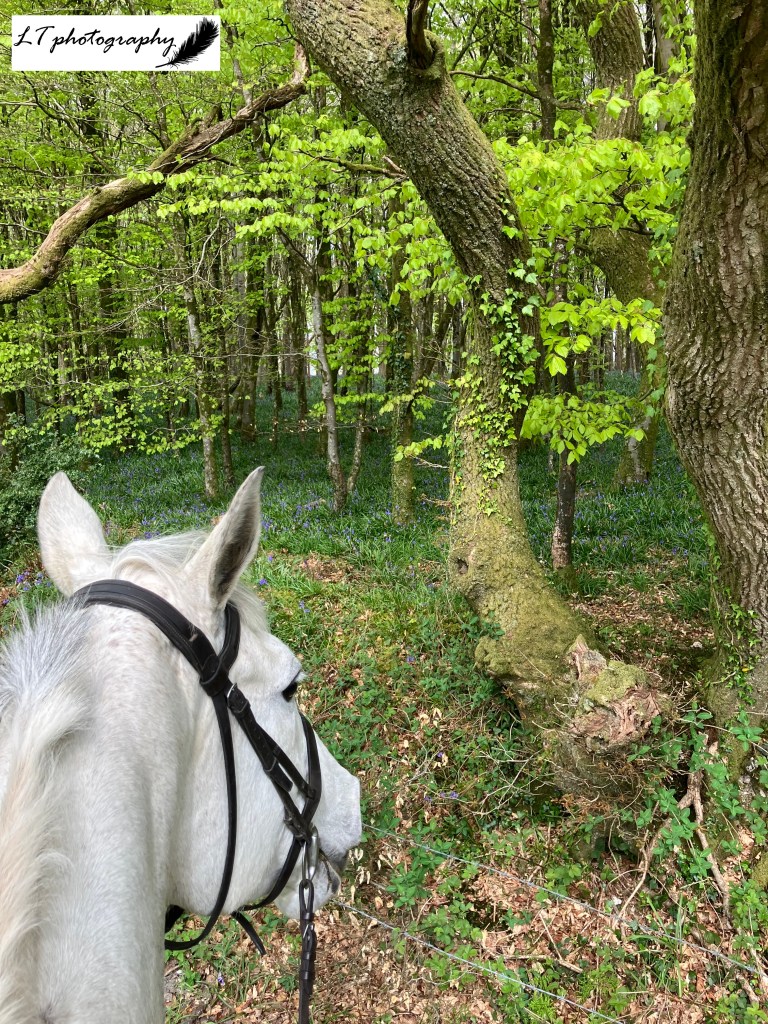
Enjoying the Bluebells from horseback (Dove)

Sunrise swimming in Appledore

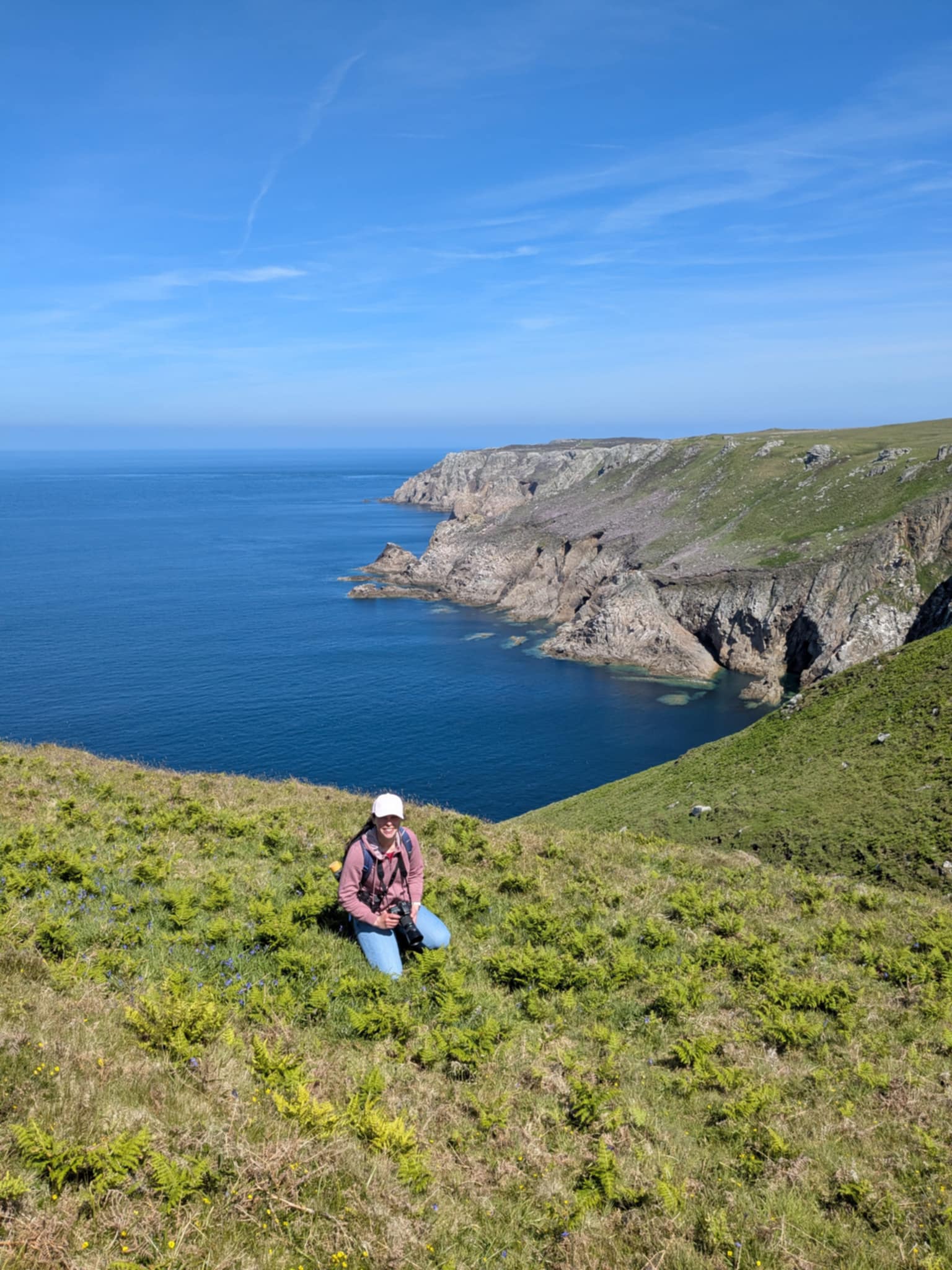
Birdwatching on Lundy (Devon)

In my element, camera in hand and fantastic wildlife (Lundy, Devon)

The vibrancy of spring (A Speckled Wood Butterfly on a Rhododendron)

My suckler calves always love to pose for a photo (Orchid)

Herefordshire in the Golden Hour

This is just a very small snapshot of my year so far! More to come.

A Naturalist in Manchester

A city of industry, Manchester is well known for its textiles, football, music, and transport links. It is lesser known though for its connection to nature, such as the city’s proud centuries-old symbol of the worker bee, and the wildlife that call the city and wider area home, from barn owls and otters to hedgehogs and peregrine falcons. With over half of urban Greater Manchester currently being made up of green or blue spaces, the city itself now aims to tackle biodiversity loss, beginning with the 2020 Edinburgh Declaration.

As Manchester works to recover and improve spaces for nature and wildlife of all shapes and sizes in an ever-changing environment, it is an interesting time to explore what the city and Greater Manchester has to offer. On a recent trip to visit my friend and fellow wildlife lover Emma Rogan in her home city (see Rural vs. Urban), I got to do just that. Through a series of different adventures, Emma introduced me to what Manchester has to offer to the naturalist over the course of a week. So what did I discover?

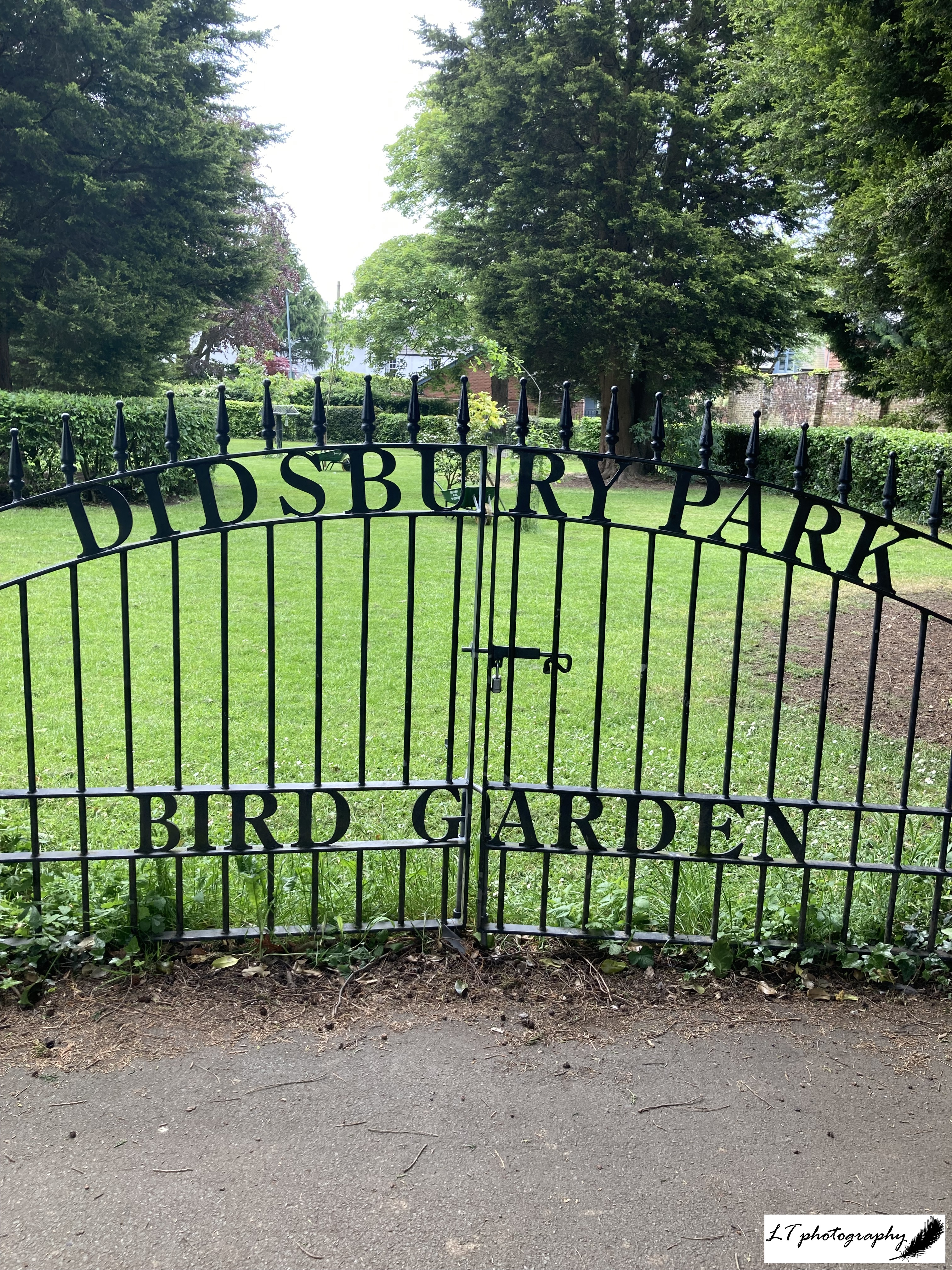
Didsbury Park, Didsbury

Situated in the south of the city, this modest green space has been a popular recreational spot since its redesign in the 1920s. Managed by a team of volunteers, Didsbury park meets the needs of the community with a play area, football pitch, bowling green, and cafe. Alongside the human elements, the park also puts an emphasis on providing habitats for wildlife where possible.

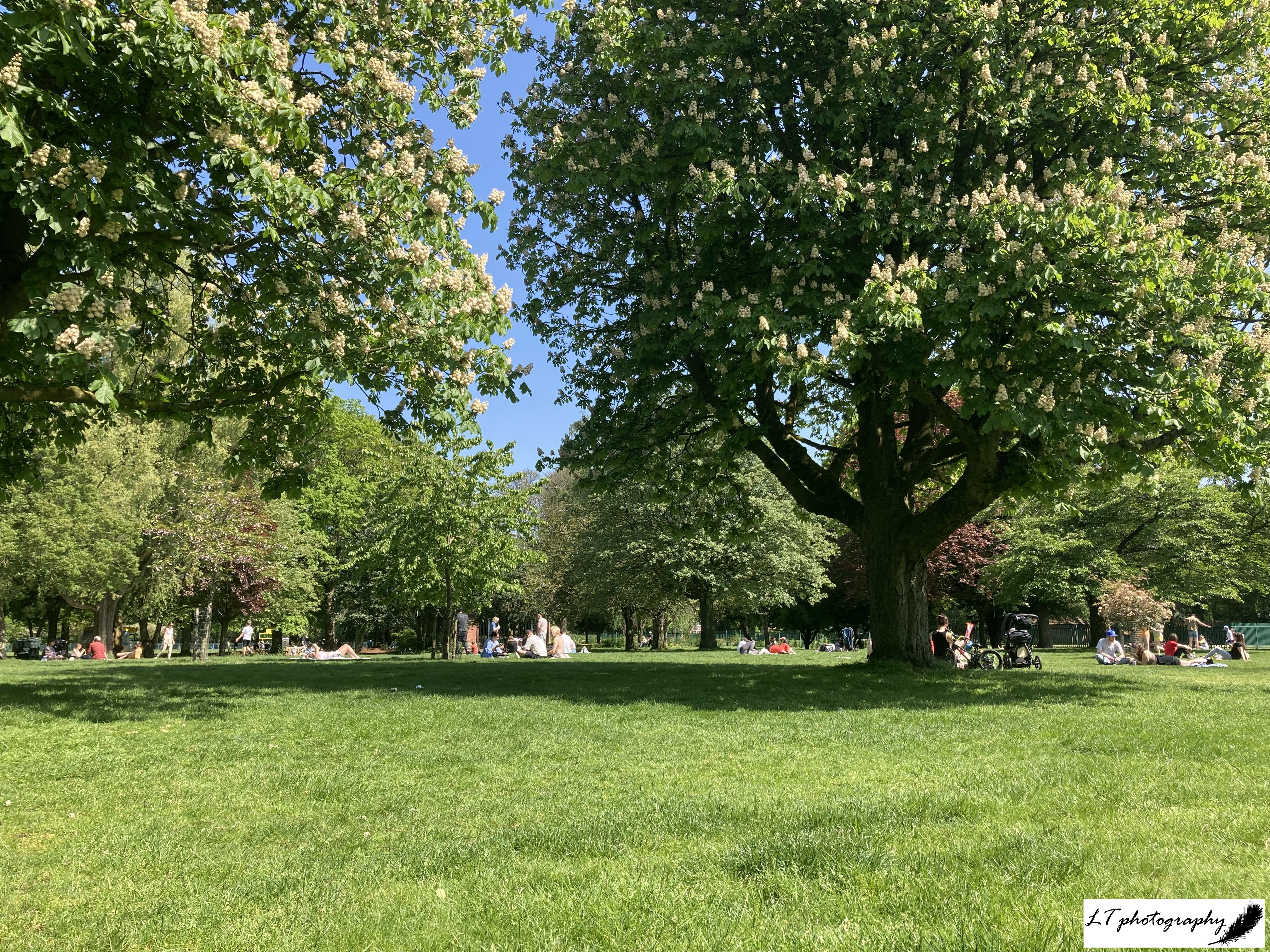
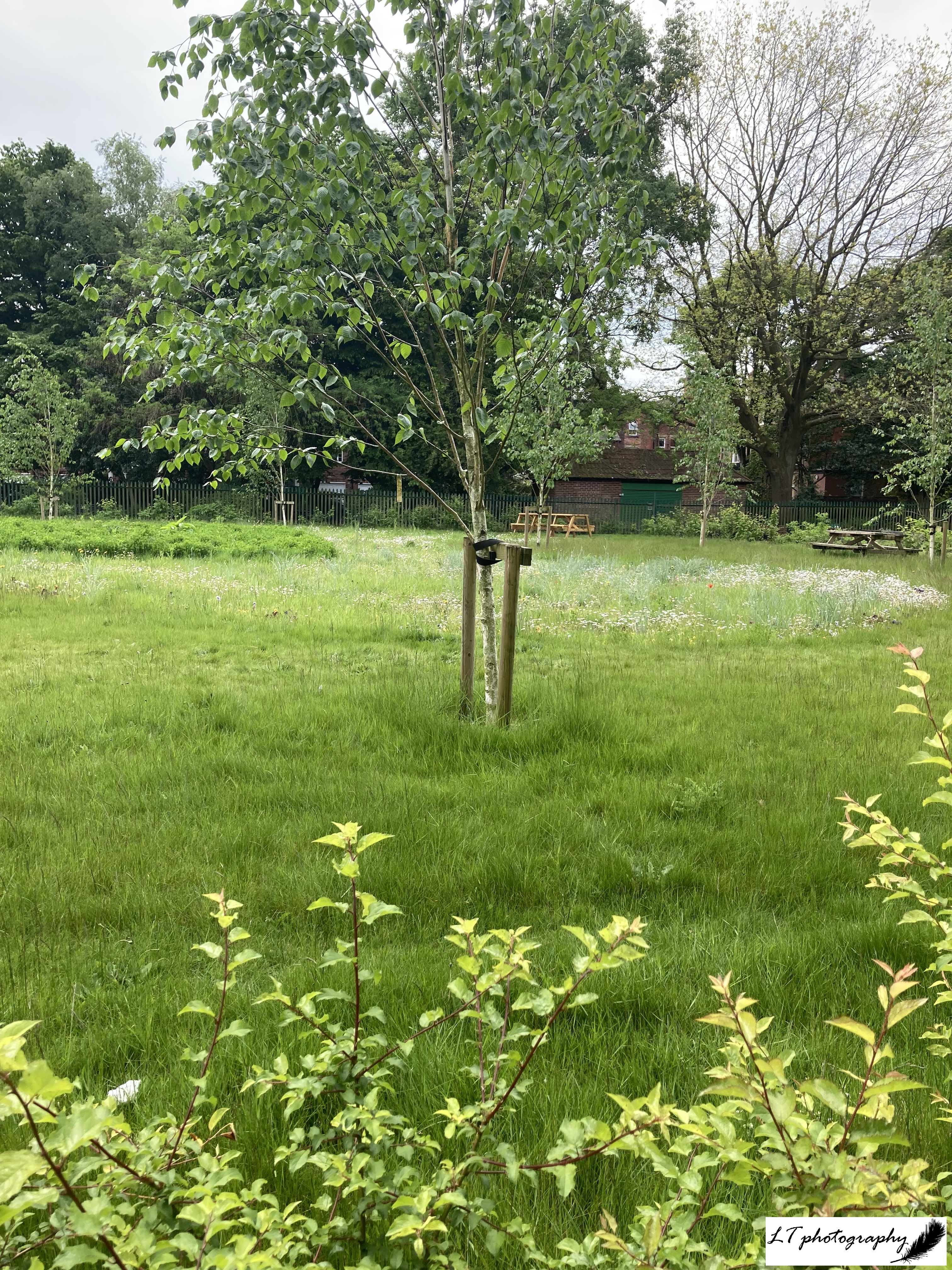
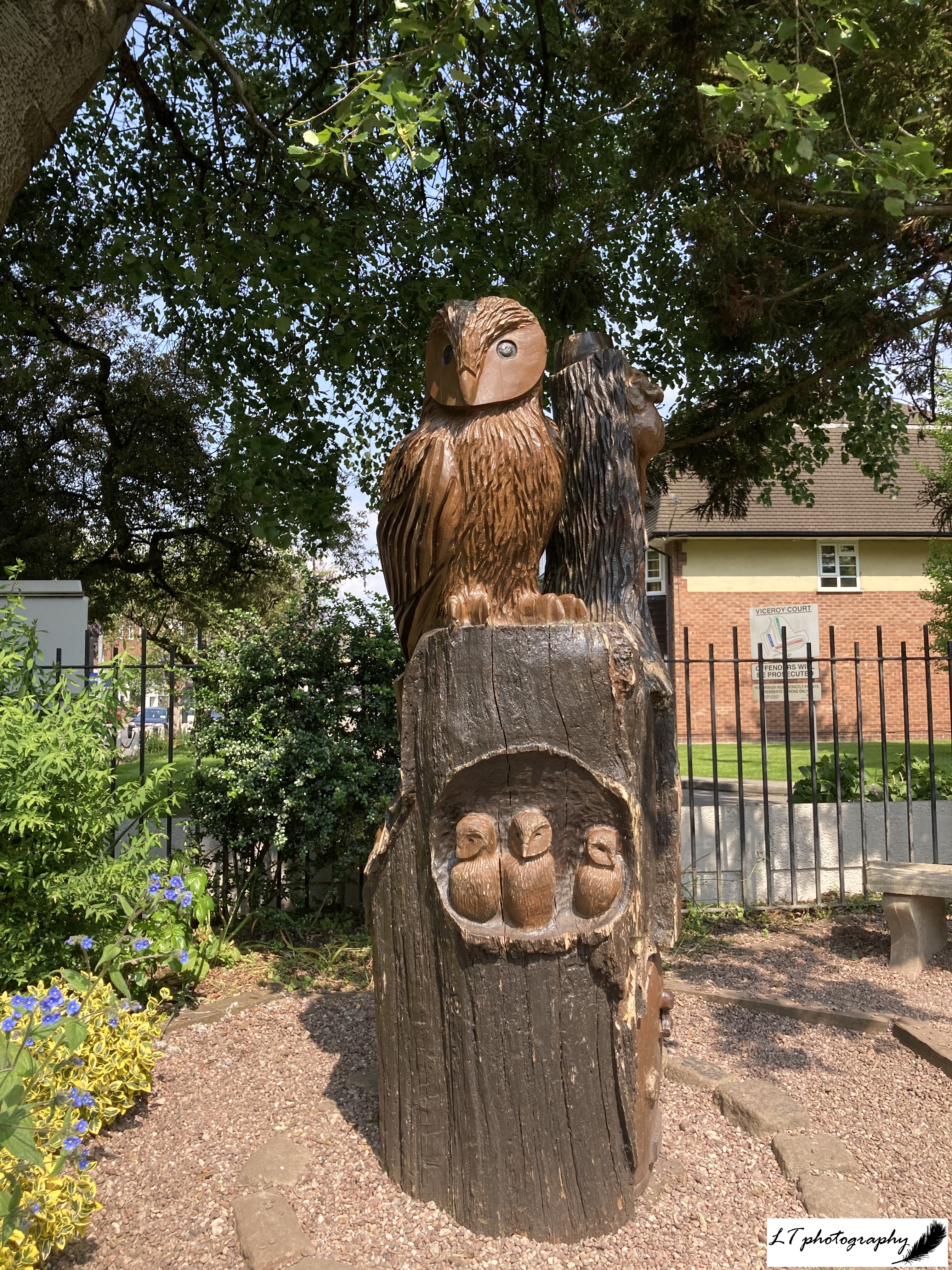
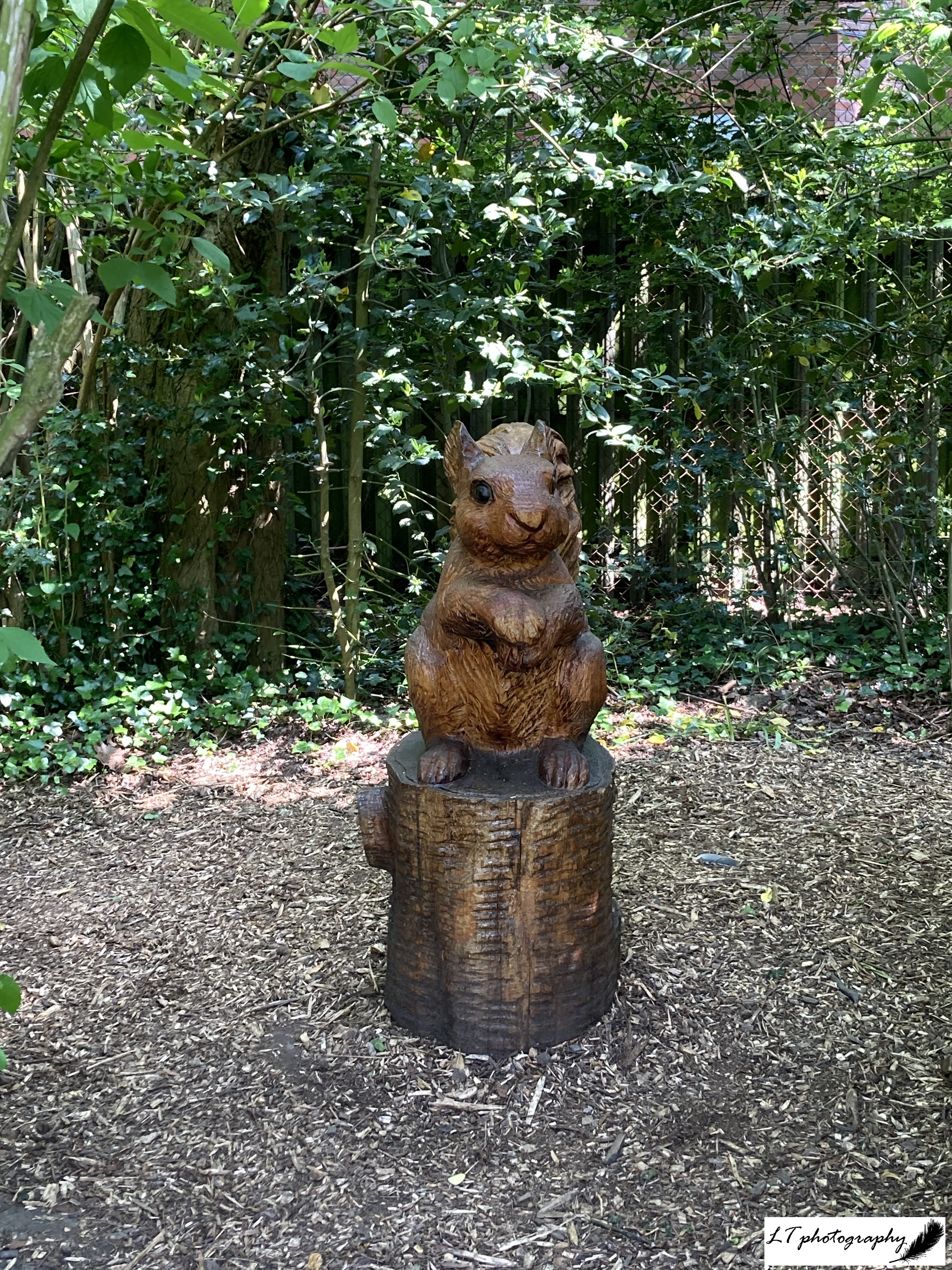
For me, when first entering the park, I took in the many flowering tree species, such as horse chestnut and wild cherry, and flowerbeds abuzz with insects. Though only a short walk to take in all the park had to offer, there were also surprises to be found. This included a wildflower meadow, wood carvings tucked away, and even a bird garden managed for different bird species, including providing food for the pair of nuthatches I saw feeding their fledged young up in the trees. The park was a lovely example of how even small green spaces are so important for city wildlife!

Fletcher Moss, Didsbury

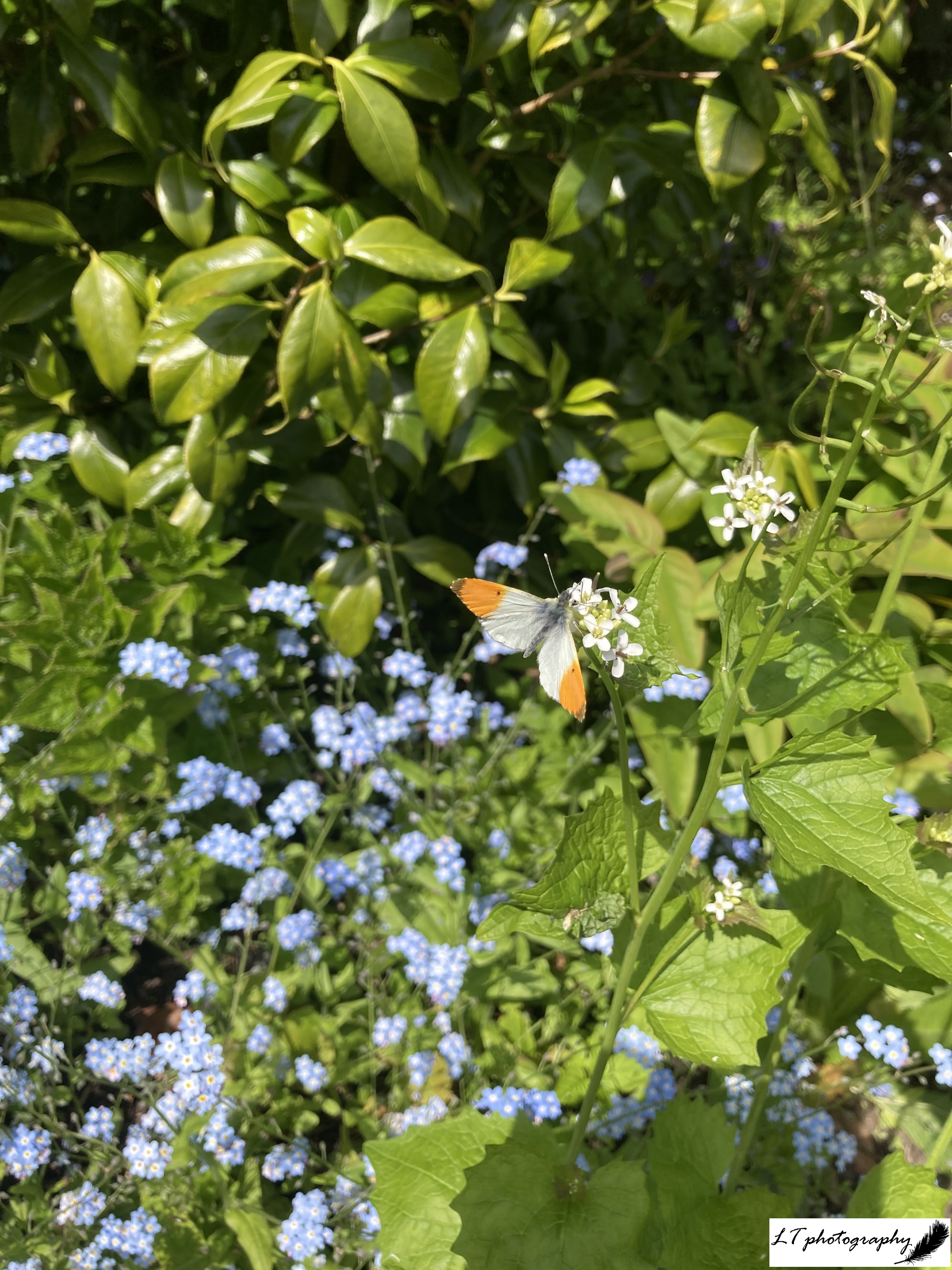
A 5 minute walk from Didsbury Park and also situated in the south of Manchester, Fletcher Moss Park is perfect for a dog walk, birdwatching, or a Sunday morning ramble. Mine and Emma’s adventure to Fletcher Moss started at the Parsonage Gardens, a tranquil area surrounding the old home of the park’s namesake Fletcher Moss. In May, the gardens were particularly spectacular with azaleas and wisteria in flower, along with flowerbeds awash with colour and alive with bees and orange-tip butterflies. Walking on past compost heaps and an alpine greenhouse, we made our way out on to Stenner Lane.

After a short walk, we left the lane behind with its swathes of wild garlic and sights of the magnificent poplar avenue, to join the banks of the meandering River Mersey. Along it’s stretches, we came across Simon’s Bridge constructed in 1901, and a whole host of wildlife, all with a backdrop of the noise of the M60 close by. Though the river had much wildlife on offer, such as colourful brimstone butterflies, on this part of the walk I was most interested in the bird species to be seen. This ranged from the city specialists, such as ring-necked parakeets and magpies, to smaller species, such as great tits, dunnocks and chiffchaffs, and water birds, such as canada geese, mallard ducks and even a female goosander.

Once breaking away from the calming flow of the river, the habitat changed from edge habitat to grassland to woodland all within a couple of kilometres. Through Millgate Fields we experienced hedgerows full of heady-scented hawthorn flowers, small white butterflies, and cows grazing, before venturing into Stenner Woods, with ponds of tadpoles, moorhens and speckled wood butterflies. The path then led us out for a much needed drink at the Alpine Tea Room.

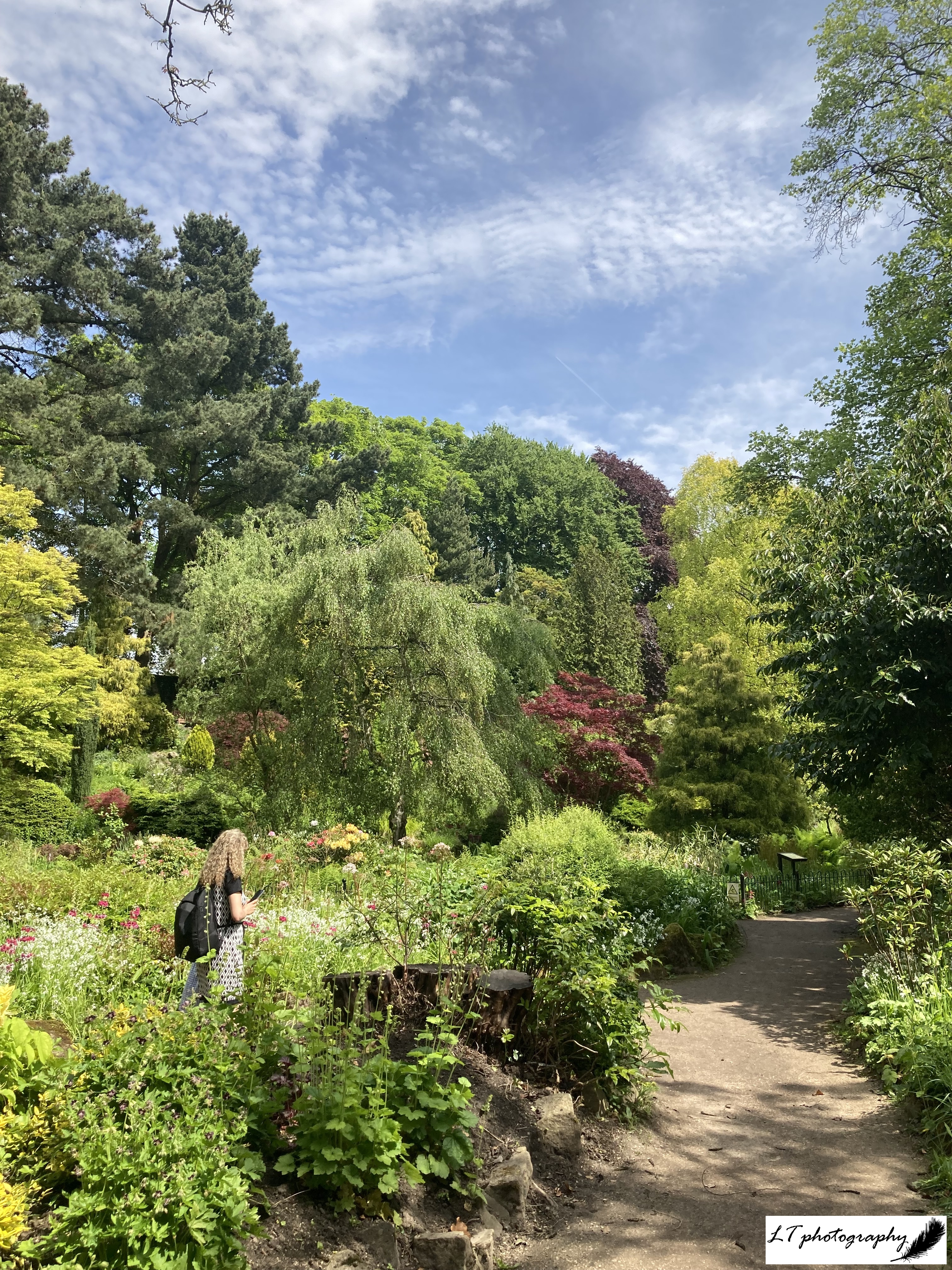
After our drinks, we continued on our journey, passing through Fletcher Moss Botanical Gardens, situated on a sunny south-facing slope. Within these gardens we found mini waterfalls, rock gardens, ponds containing many reshwater snails, giant rhubarb, exotic and unusual plants, damselflies, and small birds, such as wrens and robins, up in the trees. Following the path out through the gardens and park, under towering horse chestnuts and silver birches, we finally came to the end of our ramble.

Styal Country Park and NT Quarry Bank, Wilmslow

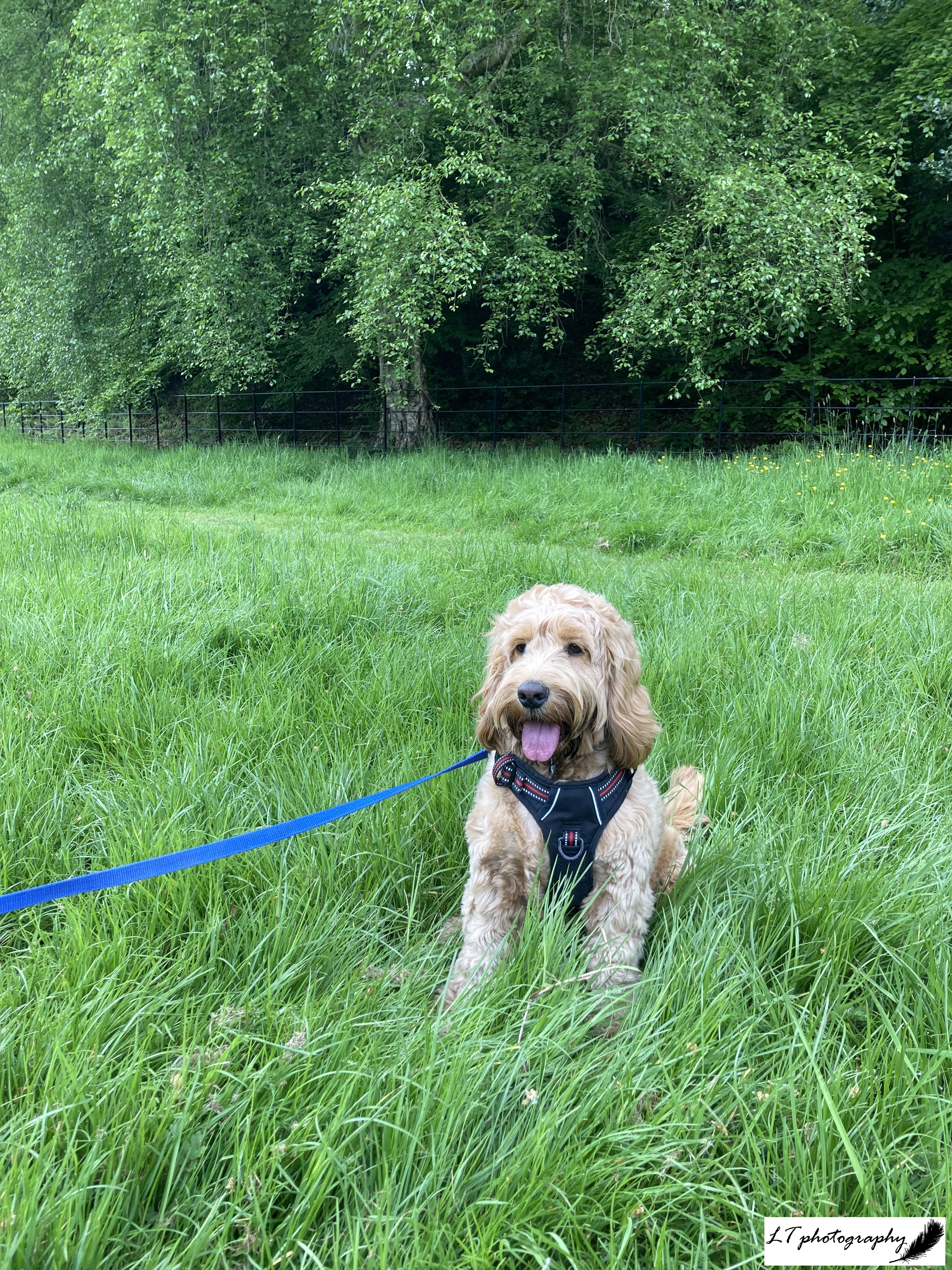
Another great way to venture out in nature is with a furry friend by your side, something I have missed over the last couple of years. So what better way to spend an afternoon than with my friend Emma and her sister’s cockapoo Persy, just outside of the city area of Manchester.

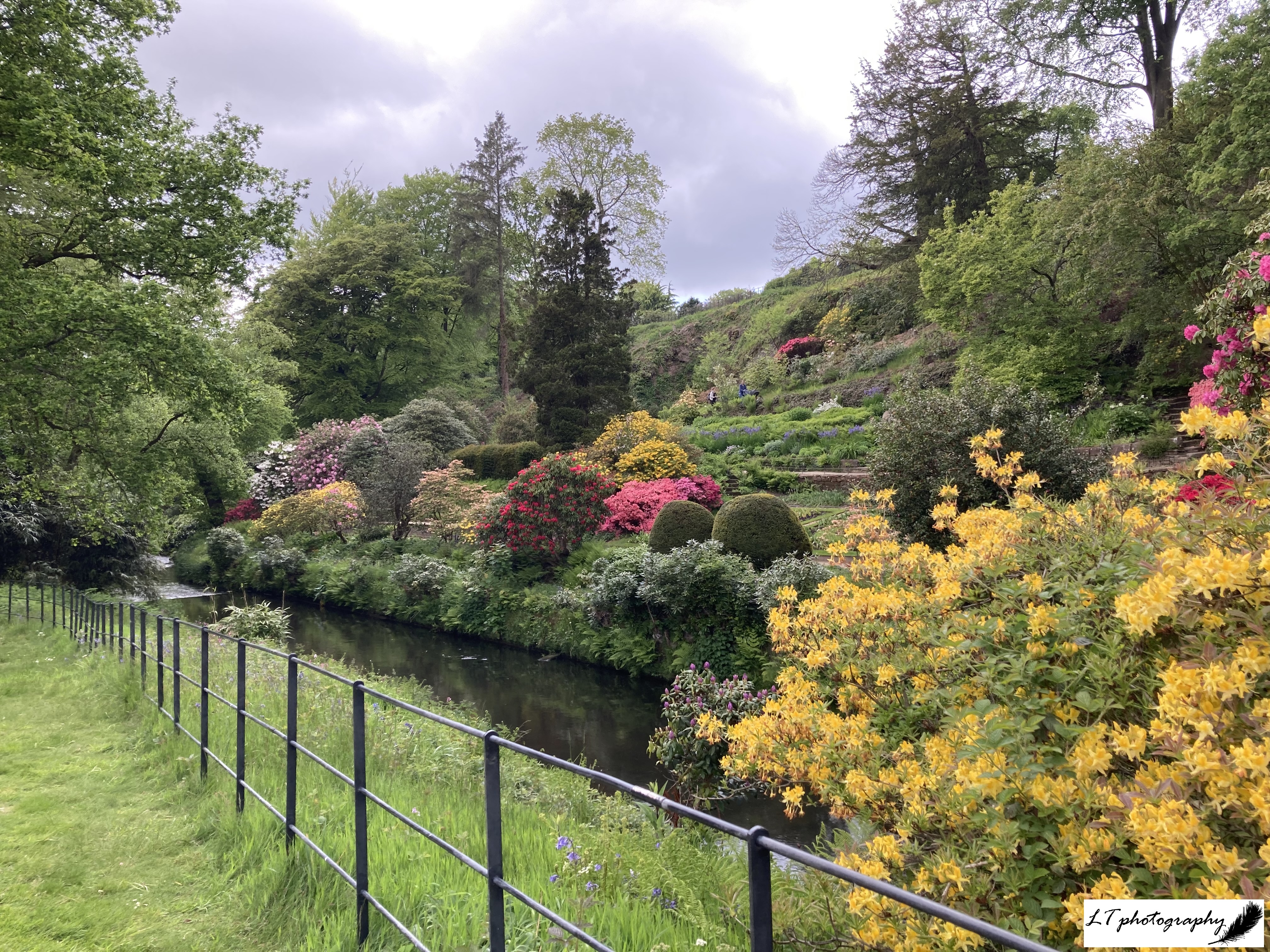
Starting at the Styal Country Park car park, our walk took us through fields perfect for running through, woodland filled with birds and squirrels, and along the banks of the River Bollin. Going at the active pace of Persy, we quickly stumbled upon the National Trust’s Quarry Bank, an old cotton mill first built at the start of the Industrial Revolution in 1784. The factory looking like a flash back in time, also boasts a magnificent walled garden, filled in May with the vibrant colours of rhododendrons, camellias, and borders filled many different species.

We topped off our adventure with a cup of tea in the National Trust cafe, and Persy leading us on our last stretch of walk through the gorges and woodland west of Quarry Bank. With robins, song thrushes, mallard ducks, woodpigeons, blackbirds, mandarin ducks, chiffchaffs, and nuthatches making appearances, among others, it was a great end to an afternoon wild walk.

Chorlton Water Park and the River Mersey, Chorlton

After a lovely dog walk at Styal, Emma and I were excited towards the end of my trip to take Persy on another walk to do some exploring. This time we headed to Chorlton Water Park within the south of the city bounds. An interesting nature reserve, it was formed when gravel was excavated from the site of Barlow Hall Farm for the M60 construction in the 1970s. The remaining pit was flooded, forming a central lake, surrounded by grassland, woodland and the River Mersey. Complete with fishing and pond-dipping platforms, and a play area, this green area is a site for both wildlife and the community alike.

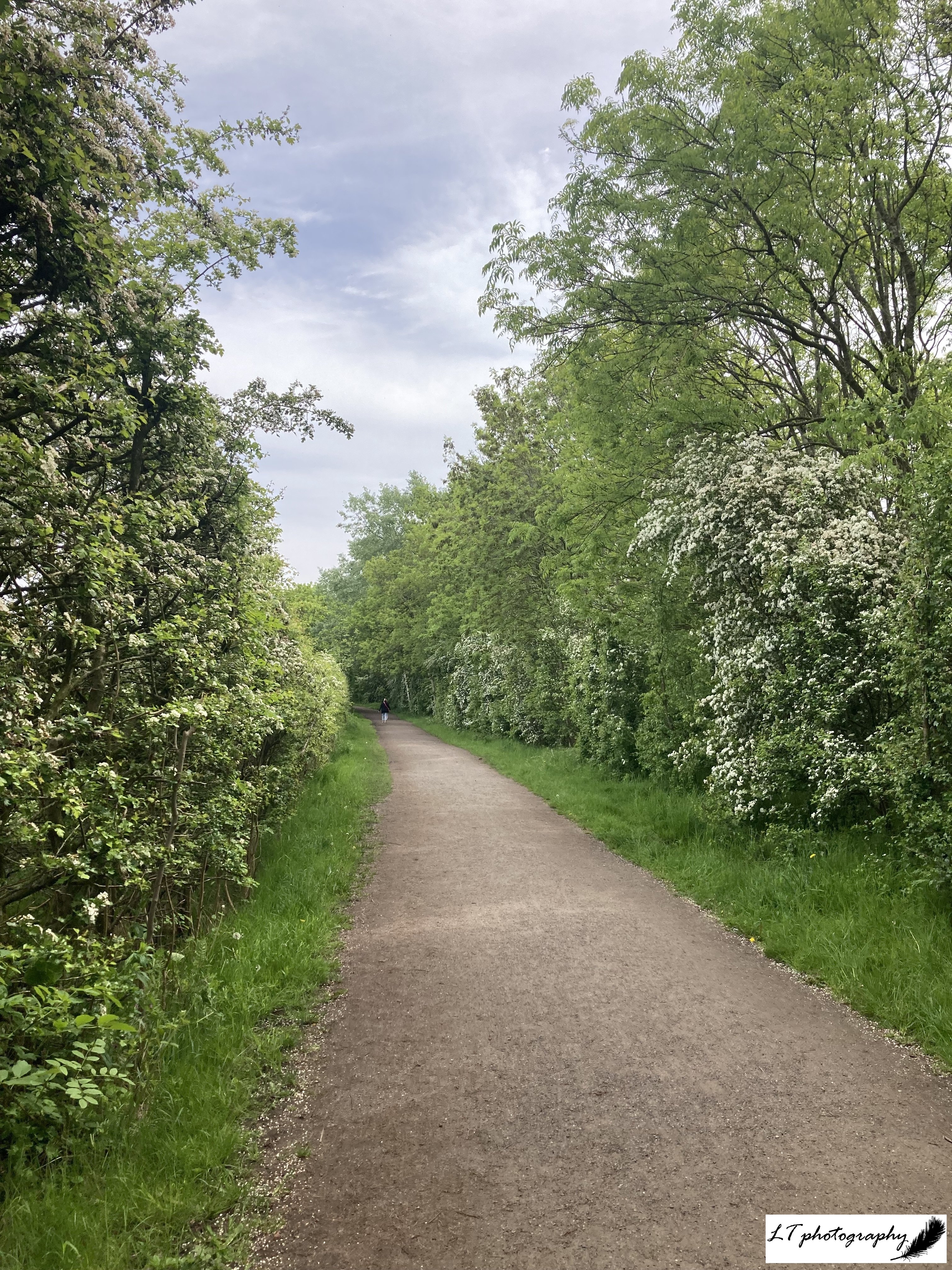
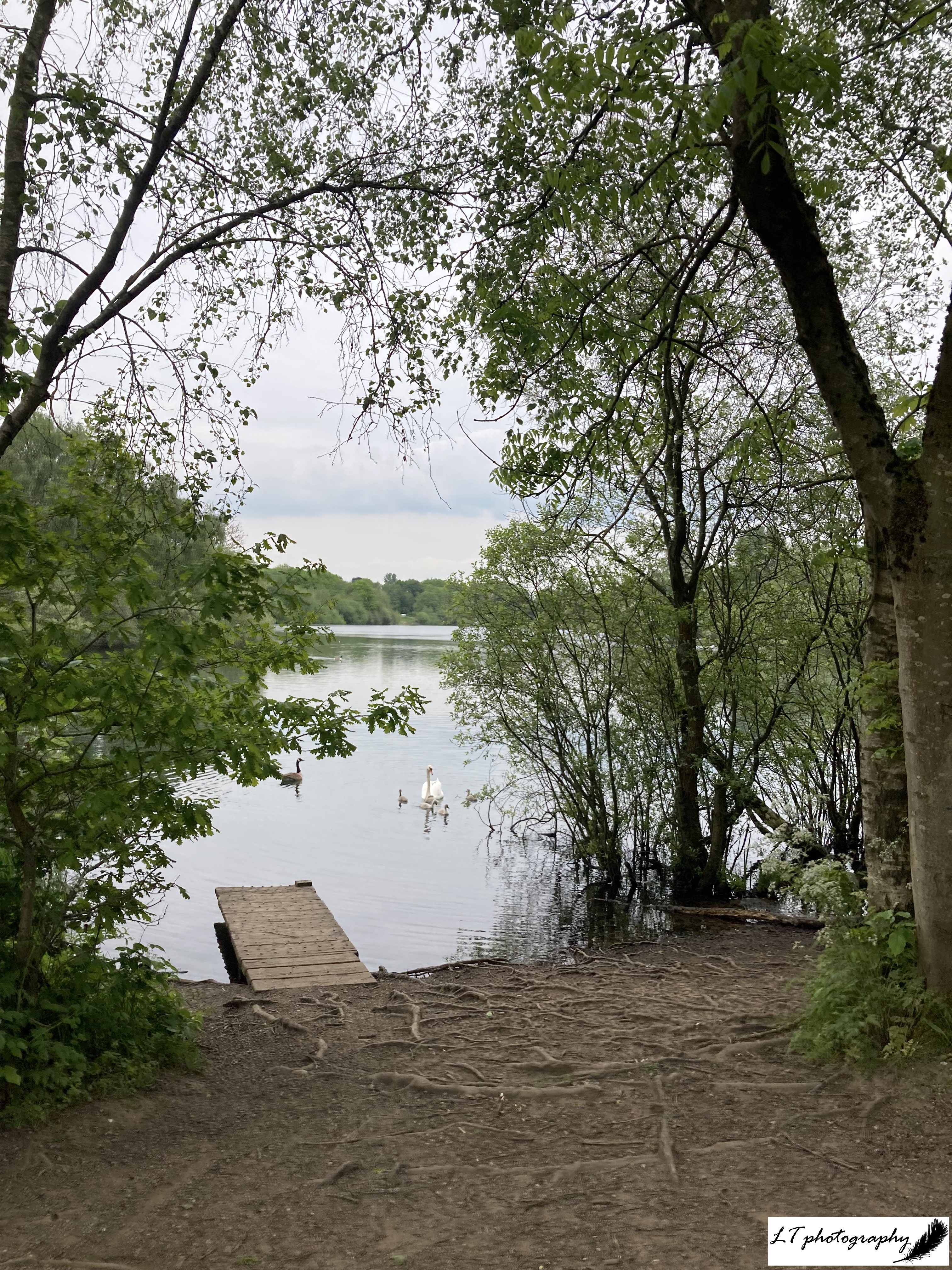
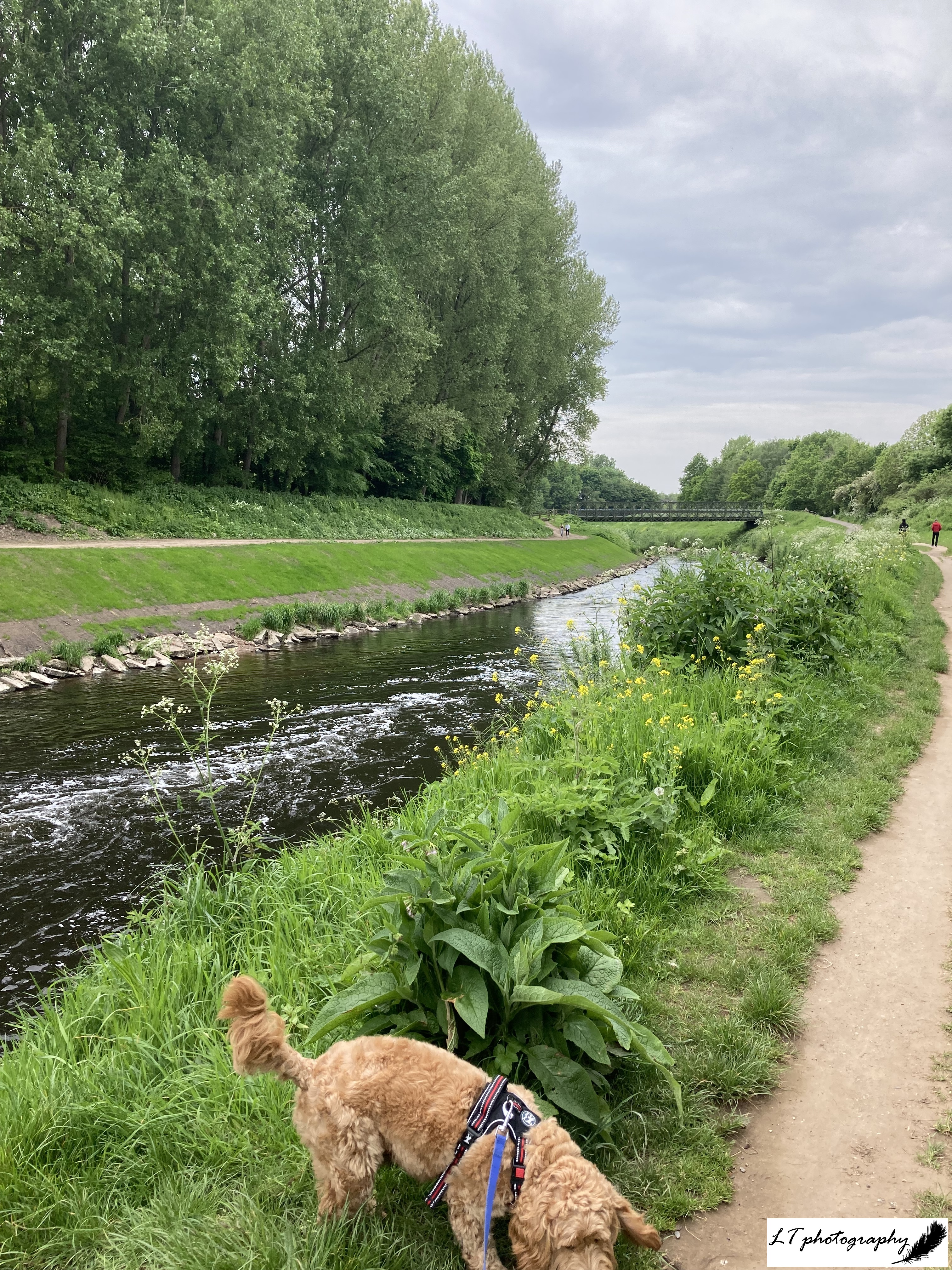
With Persy by our side, Emma and I first took a walk around the lake, taking in the birds on the water framed by willows and yellow flag irises, including Canada geese, mallard ducks, and mute swans all with young. Once we had completed this circuit, we extended our walk by heading east along the River Mersey back to Didsbury. The path was framed by froths of cow parsley and hawthorn, and added to by flitting butterflies, such as orange-tips, and a melodic bird soundtrack of tits, blackbirds, robins, dunnocks, wrens, chiffchaffs, and blackcaps. Though a simple route, it was really lovely to walk within an urban area, but be surrounded by nature and accompanied by wildlife the whole way!

Green Manchester

As a true country mouse and nature lover, when I am on holiday and travelling, I am always looking out for wildlife to discover, and green spaces to explore. So on my recent trip to visit friends and family up north, my time spent with my fellow animal-loving friend Emma was a real joy. City trips and activities were mixed with nature walks and lots of time enjoying being outside in green spaces. This ranged from areas within the city of Manchester, to further afield, such as a fantastic day trip to the Peak District via a 1 hour train.

When it came to being a naturalist in Manchester, the city surprised me with how much it had to offer. With a city-wide focus on providing homes for wildlife and recovering habitat lost within urban areas, you are never too far from a park or green space to escape to. There are also bee hives to be found on rooftops across the city centre, hedgehog highways being created between suburban gardens, new nature reserves being created each year, and much more to excite the urban naturalist. It just goes to show that wherever you live, nature can be accessed and enjoyed by all!

Disclosure: Unmarked photos taken by Emma Rogan
Golden days of autumn

As we ease into the holiday season and creep closer to the closing of the year, it is time to contemplate and reflect, be thankful for what we have, and celebrate what is important to you. Looking outwards during this time, to the world beyond the window, autumn has now also made its departure. Skeletal trees, howling gales, freezing temperatures, and dormancy characterise the landscape, though there are hidden gems to be found. As you cuddle up in your home on this cold winter’s evening, let us now remember back to those golden days of autumn.

Autumn as it happened

When I think of autumn, the first thoughts that come to mind are dazzling colours, falling leaves collecting in drifts on the ground, bountiful fruit, and migrant birds passing through. Though my favourite season tends to be blossoming spring, autumn is a time that is often the favourite of many. Each season has something special to offer and autumn is no different!

This year autumn has been a bit more unpredictable and turbulent in its advancement than many other years, being the 5th wettest english autumn since records began. Despite this, it has mainly progressed in the traditional fashion.

September saw evening temperatures drop, the start of misty mornings with spider webs shining with dew, ripening fruit and nuts, grey squirrels beginning to cache food, the emergence of the first autumn fungi, and the start of birds moving through.

October saw the trees beginning to change, becoming decked out in resplendent colour, fungi in abundance, the buzz of late insects such as wasps and honeybees, goldfinches harvesting seeds from thistles and teasels, fallen acorns becoming available as a valuable food source, the squawks of jays collecting nuts, and by the end of the month most migrants had moved on.

As the season of decline and decay moved on also, November saw oak trees in colour, other trees losing their leaves on mass, cackling fieldfare in the hedgerows, withering bracken, plentiful ripe seeds and fruit, redwings making their return, wildfowl and wading birds settling in for winter, thrushes and blackbirds harvesting fruit, winter flocks forming as they scavenge in bushes and along hedgerows, and lengthening nights.

By the end of November, most of the trees and hedgerows were bare of leaves, conditions were cooler, frost and fog were more common in the mornings, and winter was on its way.

A day in the woods

As part of my celebration of autumn this year, I made a visit to my favourite local woods. On this October trip, I spent time being mindful, capturing the world around me through words and through a lens.

‘As I step into the woods, it is noticeable how the vegetation is beginning to die away, though the ferns still stand sentinel over the woodland floor. Looking closer though, fungi is dotted everwhere. Small capped mushrooms stand only a couple of centimetres tall, whilst larger and more exquisite shapes stand taller and hang from the trunks of trees.

A nuthatch lands on a branch above my head. I look up and see that autumn is already in full swing, with the trees working at different paces, creating a spectacular mosaic of colour from fading greens to copper and gold. The trees are beginning to lose their magnificent mantels in spectacular style. Berries adorn holly and hawthorn bushes, shining scarlet in the strained autumn light.

My other senses are also stimulated. To my nose, the forest smells fresh, though with every step the woodland floor releases an aroma of damp decay and rotting vegetation. On my exposed skin, a gentle cool breeze plays, whilst midges crawl and bite.

My ears are most active though. Long-tailed tits flit from tree to tree around me, making high-pitched calls as they feed as a family, characteristic of autumn. Robins and tits also sing their songs in the trees around, before a wren sounds its alarm call and the other birds join in. Further away, still in the forest, pheasants fight, a collared dove coos, and a jay caws its raucous call as it goes about its way, storing food for winter. Outside of the wood, I can also hear farm sounds along with crows and rooks cawing.

Though the buzz of woodland life is beginning to slow, decay and slip away, the landscape is still full of life.’

Sunlight

The science of autumn

Why do leaves change colour?

  • This process is triggered by changing day length and is sped up by increased sunlight and cooler temperatures. It occurs when pigments, such as chlorophyll, is broken down, and then transported back into the branch. The colour is produced by the remaining degraded pigments in the leaf. Different amounts of pigment left in leaves creates the different colours.

Why do birds migrate?

  • Birds migrate from areas of low or decreasing resources, such as food, to areas of high or increasing resources. It can be triggered by factors such as changes in day length, temperature, or is simply a genetic predisposition. Migration can vary from short within-country movement to long-distance migration. It is still not fully understood how birds navigate during migration, but suggestions include using landmarks or an inbuilt magnetic compass.

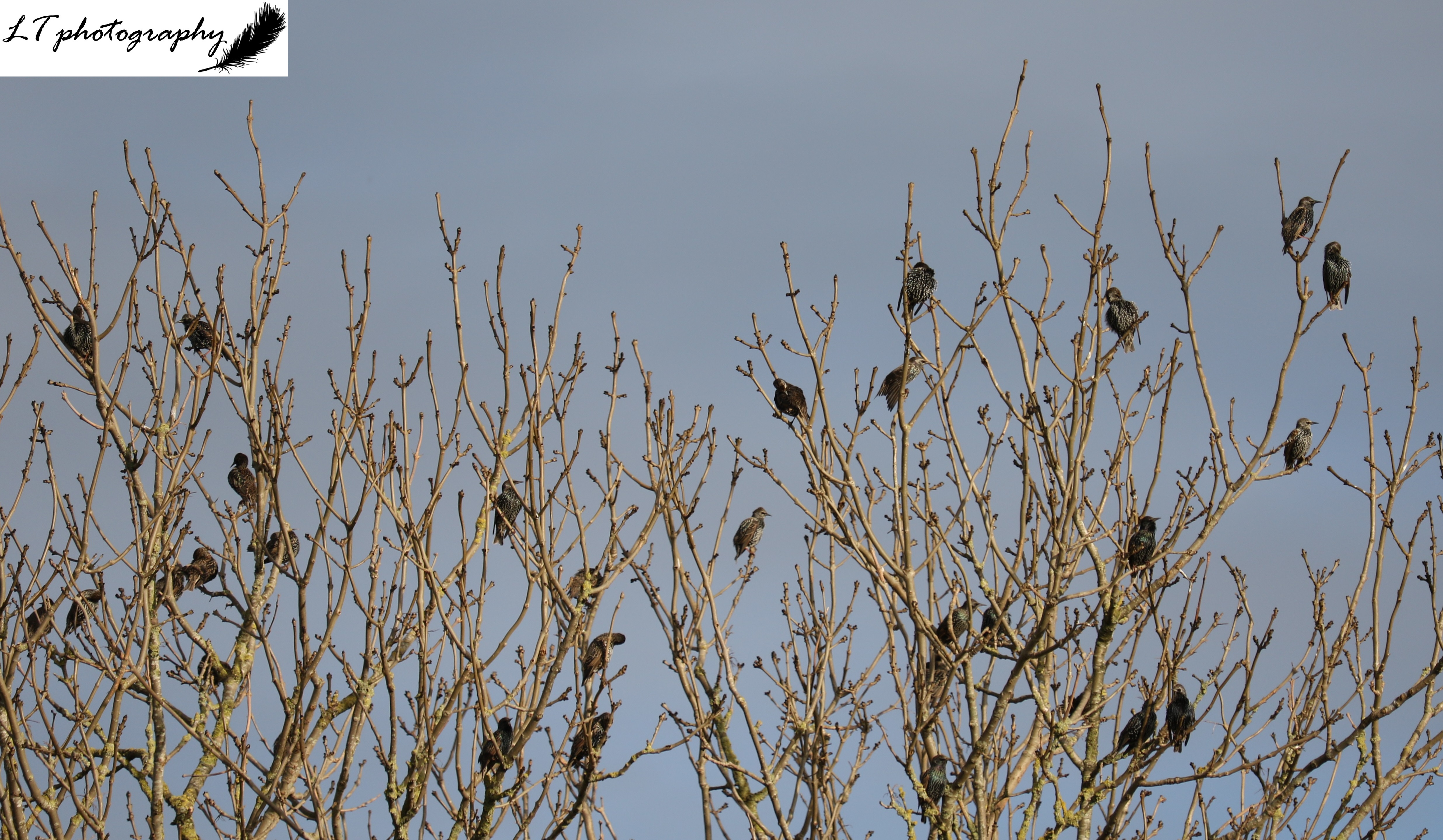
Starlings

How do mammals survive the winter?

  • A variety of adaptations are used during the winter by different mammal species. They grow longer, thicker coats. increase food intake to produce fat reserves, and create underground nests where they can sleep through colder days. Mammals that find it difficult to cope during the winter, such as those that eat mainly insects, instead slow their body processes down nearly to a stand still to survive. This is called hibernation with common examples being seen in hedgehogs, bats and dormice.

Rabbit

The end of autumn’s glory

This year’s autumn has been fantastically colourful trees and woodlands, incredible wildlife displays and cliche autumnal moments.

Buzzard and Pheasants

One of my highlights has to be experiencing some of the more interesting migrants that rock up on the British shores during autumn. For me these included wacky wrynecks and marvellous marsh warblers giving some exciting moments.

Now autumn 2019 has come and gone in a blaze of glory, though it was a little wet at times!

Sunset