A Year in the Life of a Woodland – Part 2

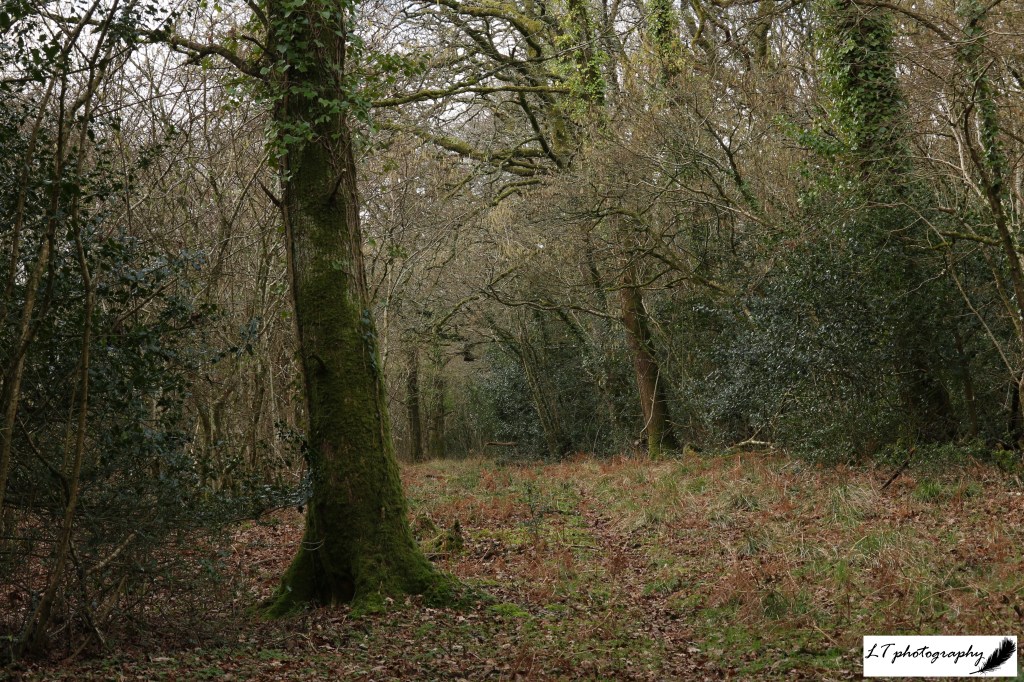
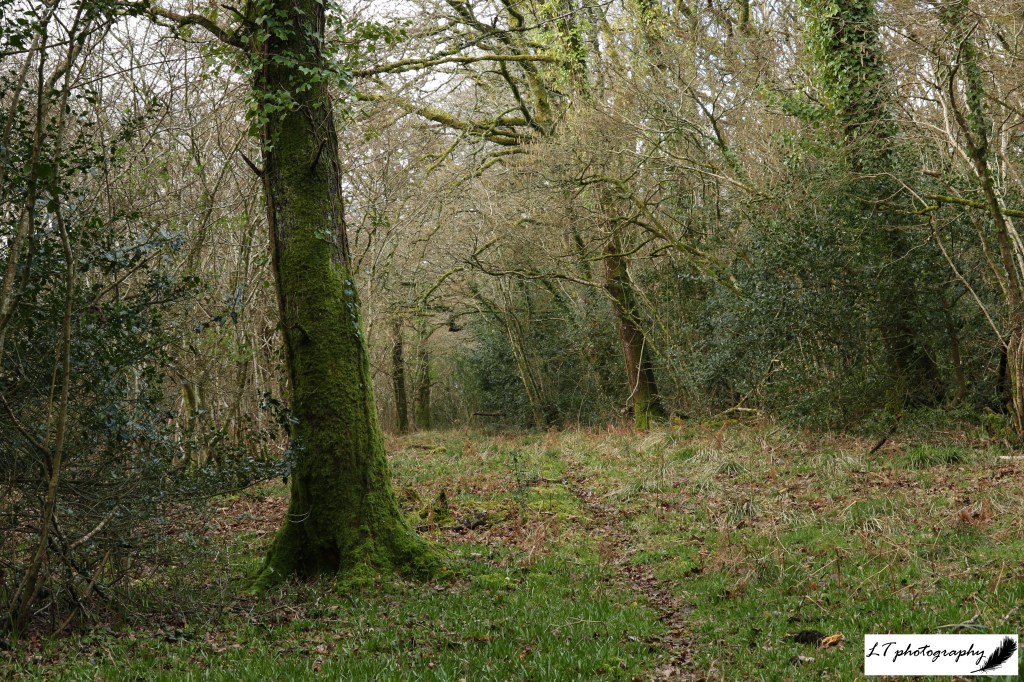
Throughout 2024, I followed in person a year in the life of an ancient, broadleaved woodland in the heart of rural Dorset. I followed its progress from certain points within its bounds, and observed the beauty the woodland had to offer throughout the seasons. It was really interesting to see what goes on during each month of the year within a classic english country woodland, and to be able see the subtle differences as time went on.

Previously on my blog, I left the woodland at the end of June after six months of colourful adventures. I watched as winter transformed into a vibrant spring and moved towards the summer months. From majestic skeletal trees and the unrolling of green to carpets of blue and flashes of beautiful butterflies, the woodland showed itself to be a master of changing its finery in dramatic style. To read more, check out Part 1 on my blog!

This time I delve into the second half of 2024 amongst the trees, as summer brings tranquil days, autumn comes with a riot of colour, and the woodland slips back into its winter slumber. How will these months differ to those of the first half of the year and what can we learn as the days regress once again. Here’s part 2 of my A Year in the Life of a Woodland.

July

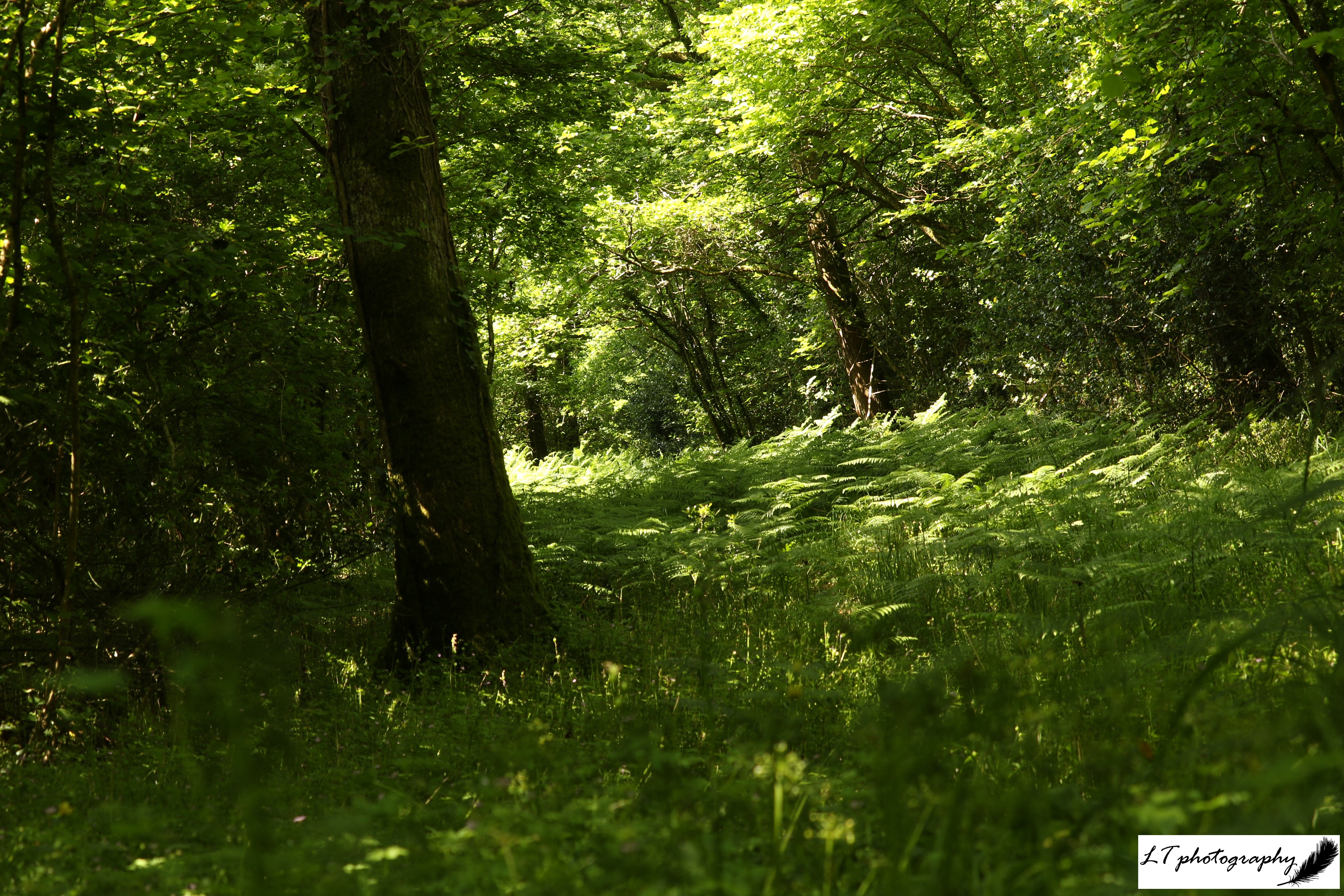
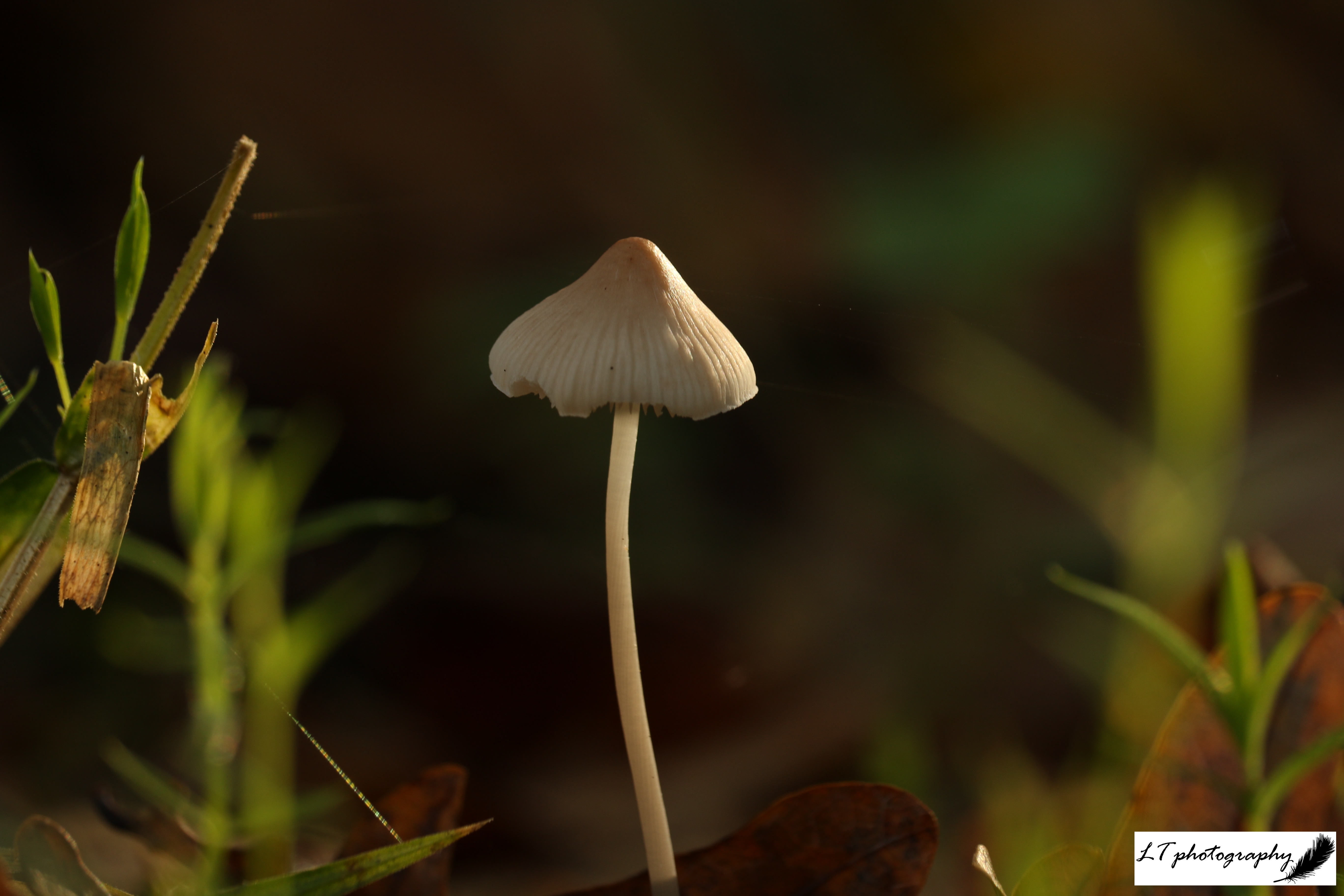
Summer has arrived! Stepping into the woodland, humid warmth is replaced by a refreshing cool within the shade of the tall trees. All around the undergrowth is starting to die back, with flower heads dropping their spent petals and seeds beginning to be produced. Herb robert survives on though, with nodding heads of still bright pink flowers, whilst honeysuckle hangs from the trees, giving off their heady scent, and enchanter’s nightshade and bramble flowers start to appear. Amongst all this, ferns now stand tall along open tracks and wooodland glades, lush green and stealing the summer sunlight from any plants tucked below.

Birds of the woodland are now concentrating on feeding their young or are even coming to the end of this year’s breeding season. Distant chiffchaffs and wrens sing on though, alongside woodpigeons calling, and tits communicating up in the trees. Buzzing flies can also be heard on warmer days, whilst dragonflies dance along woodland borders on silent wings. A fox slinks by through the shadows of the trees, on silent paws, at ease, only turning its head as it walks by. With the woodland now full of new life, the excitement and activity of spring is ebbing away, and we welcome the days of the more relaxed summer season.

August

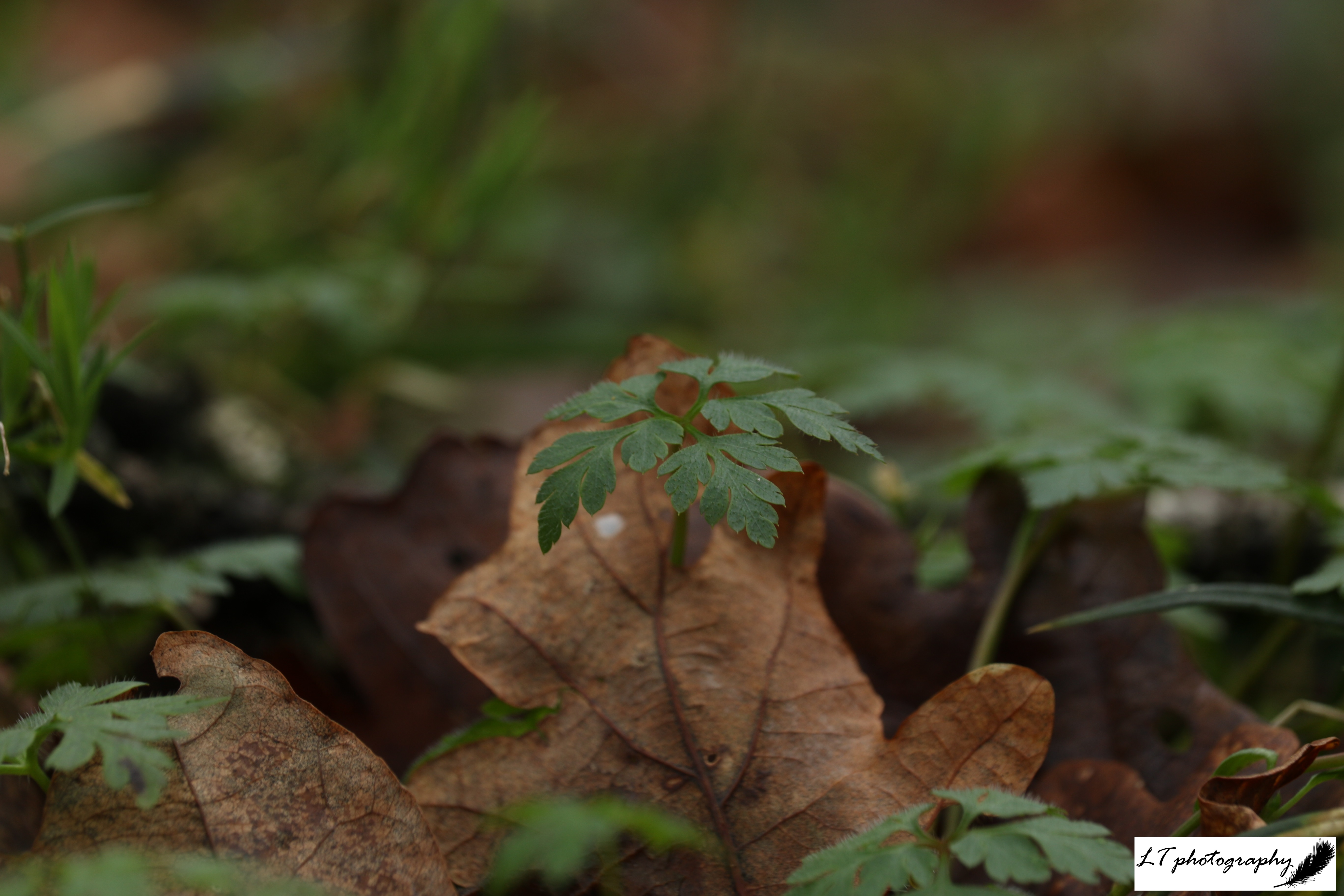
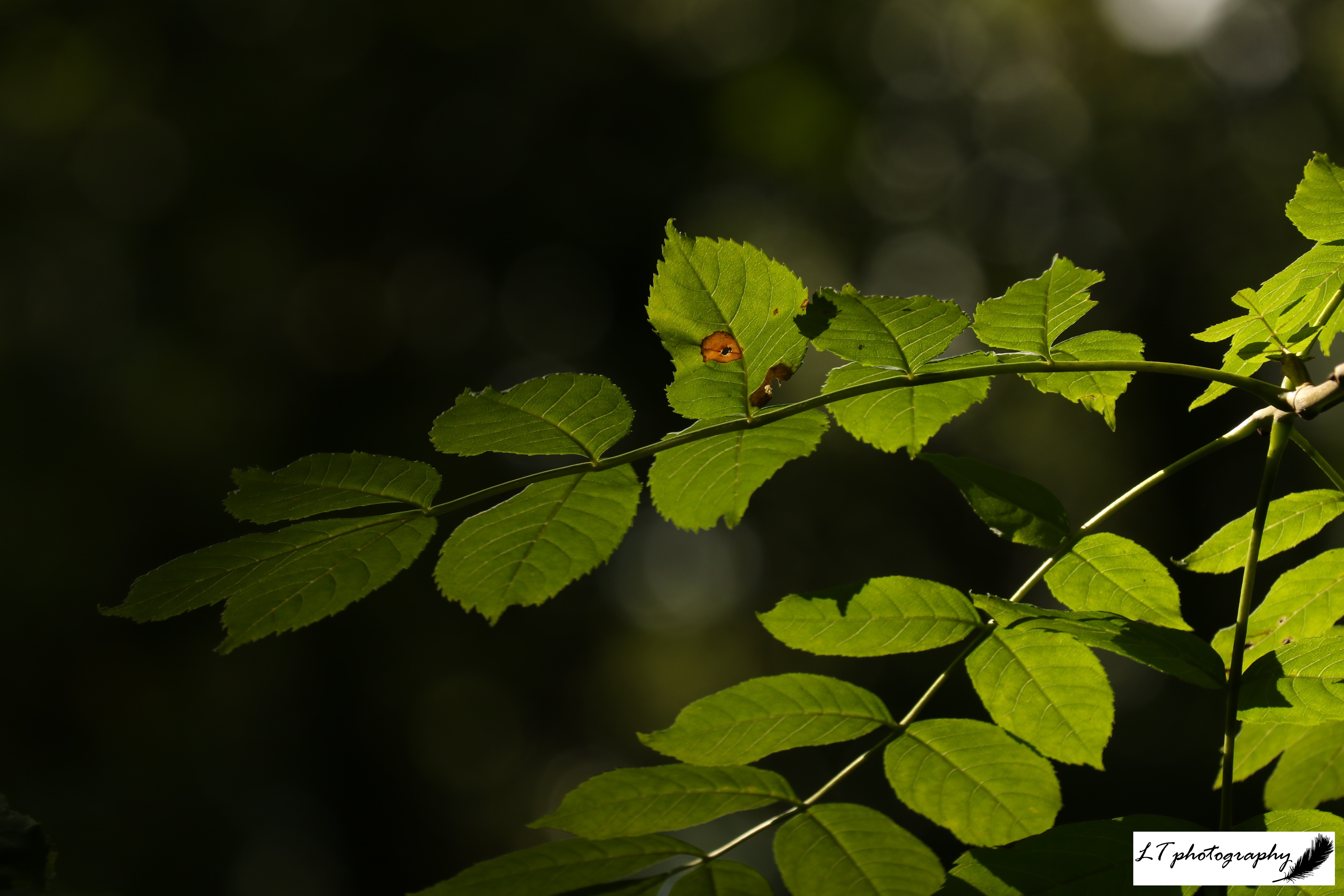
The woods are returning to their quieter state once again. The days are beginning to shorten in small increments, and the first whisperings of autumn can be felt. The start of August has been interesting with the woods seeing hot days broken up with spells of grey and heavy showers. As evening sun breaks through the still lush, but battered canopy, it’s noticeable that the woodland floor is picking up pace receding now. The hint of colour from flowers is completely disappearing, whilst the green undergrowth is beginning to show the brown leaf litter layer below.

Silence blankets the woodland, broken by wind up in the tree canopy, distant bird contact calls, and noise beyond the woodland altogether. The joyful bird song of spring has long served it’s purpose, and now the time has come when summer visitors are beginning to think of moving on to warmer climes, as the first signs of autumn have arrived. Plants hang with fat seed heads, hazel trees are laden with nuts that are already being pilfered, grey squirrels can be heard alarm calling up in the trees, and jays are popping up with their rough screaming calls. It’s a time of bounty and fruitfulness, a time to celebrate what nature has given us this year, and a time to prepare for the slumber to come.
September

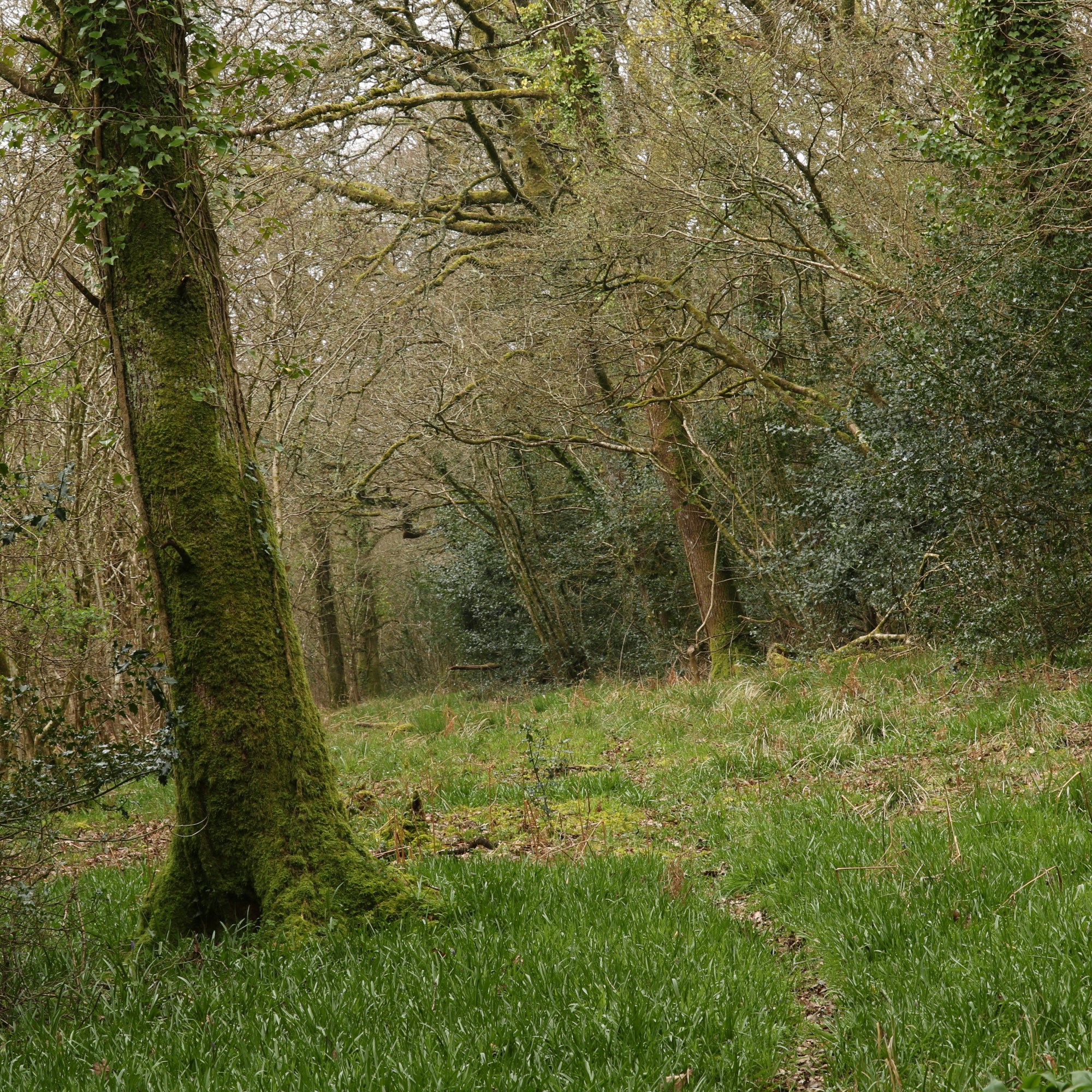
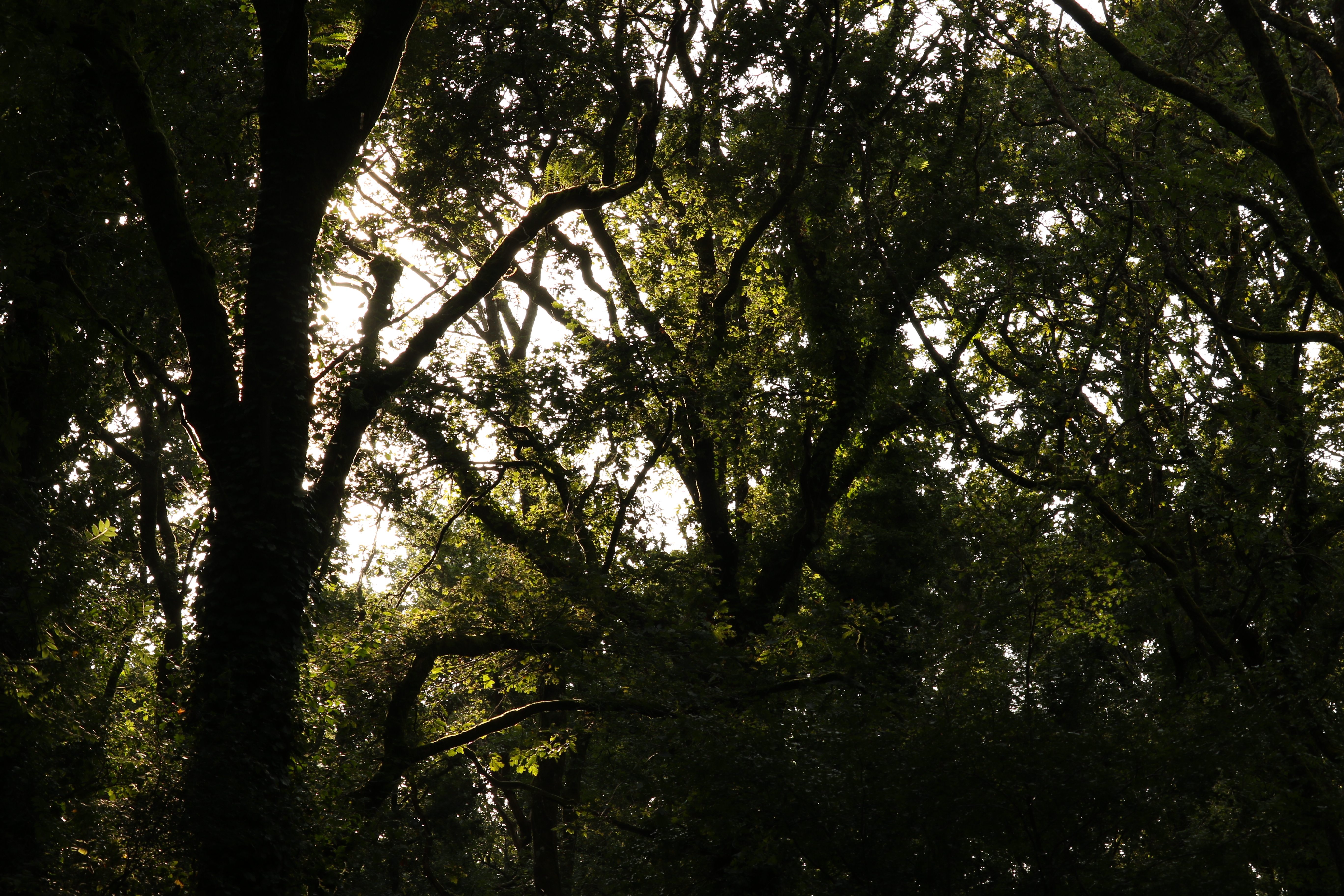
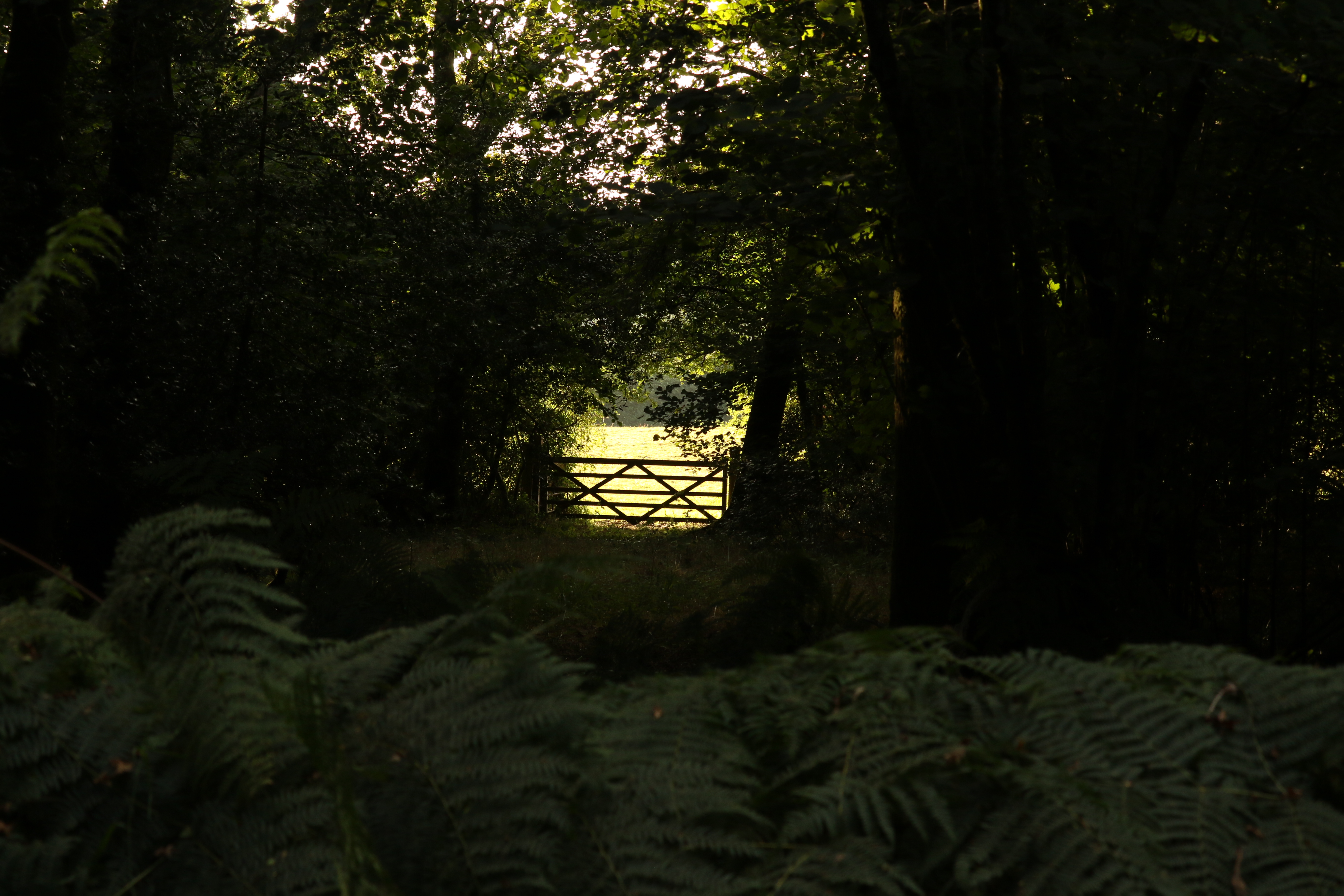
The first breath of chilly air has arrived and rarer dry days have an edge to them. Another change in the year is coming, as the woodland floor dies back, leaving increasing patches of last year’s leaf litter open to the air once again. In places grass is crowding out other species on woodland rides, whilst ferns begin to turn brown, like fire catching their leaves’ edges. The first holly berries are beginning to redden, hazel trees are bedecked in green nuts, ripe blackberries are already beginning to soften, and oaks are growing their iconic nuts complete with their classic cups.

The mornings are now renewed with a gentle soundtrack of calling birds in the woodland, with residents claiming territories and migrants passing through on their way. Nuthatches, wrens, goldcrests and robins are amongst this cohort, creating a bubble of bird song. The afternoons are quieter, filled with lazily buzzing insects, and the odd animal sound. This afternoon though, the woodland soundscape is broken up with the sound of a great-spotted woodpecker moving from tree to tree and tapping to find food beneath bark. 

October

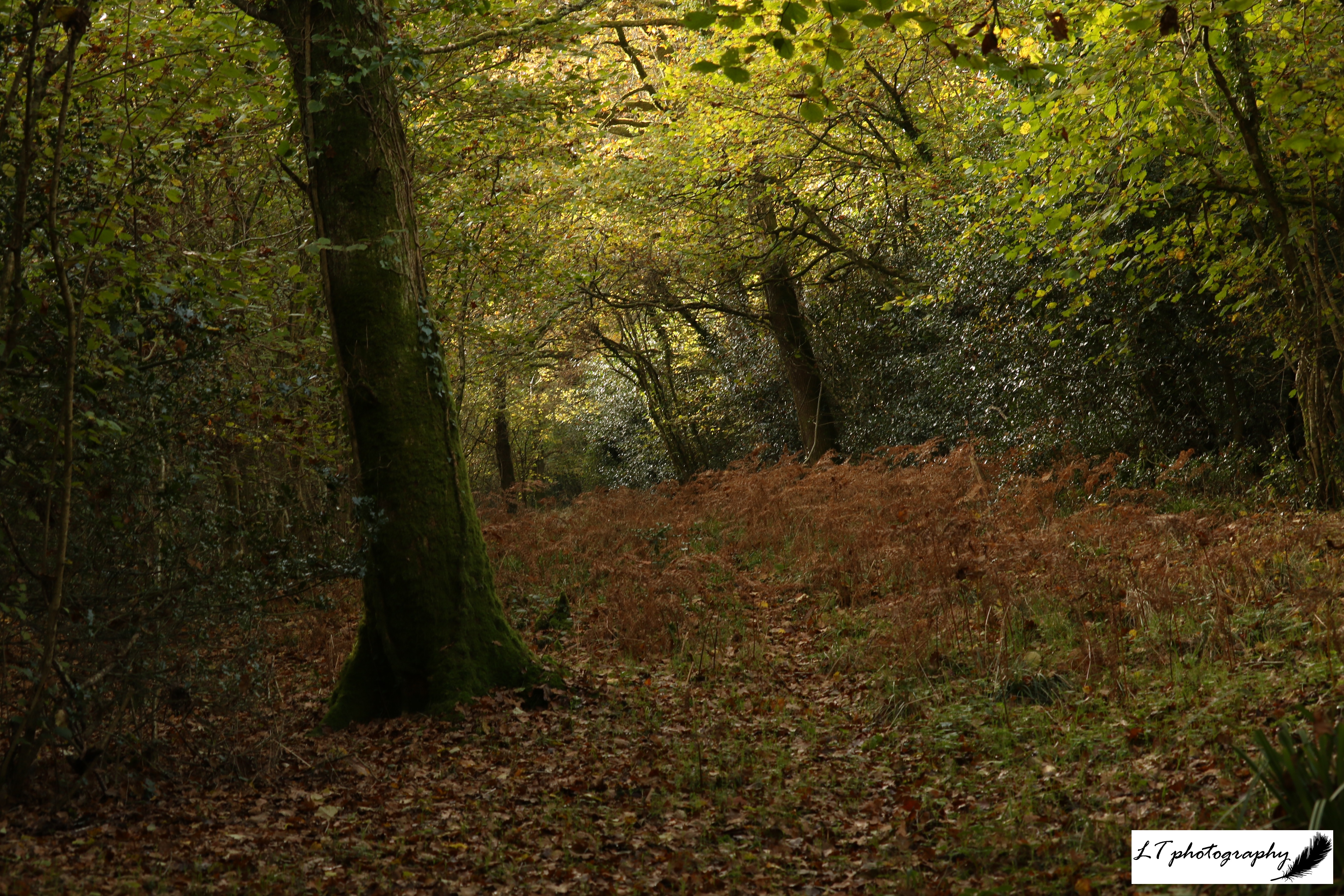
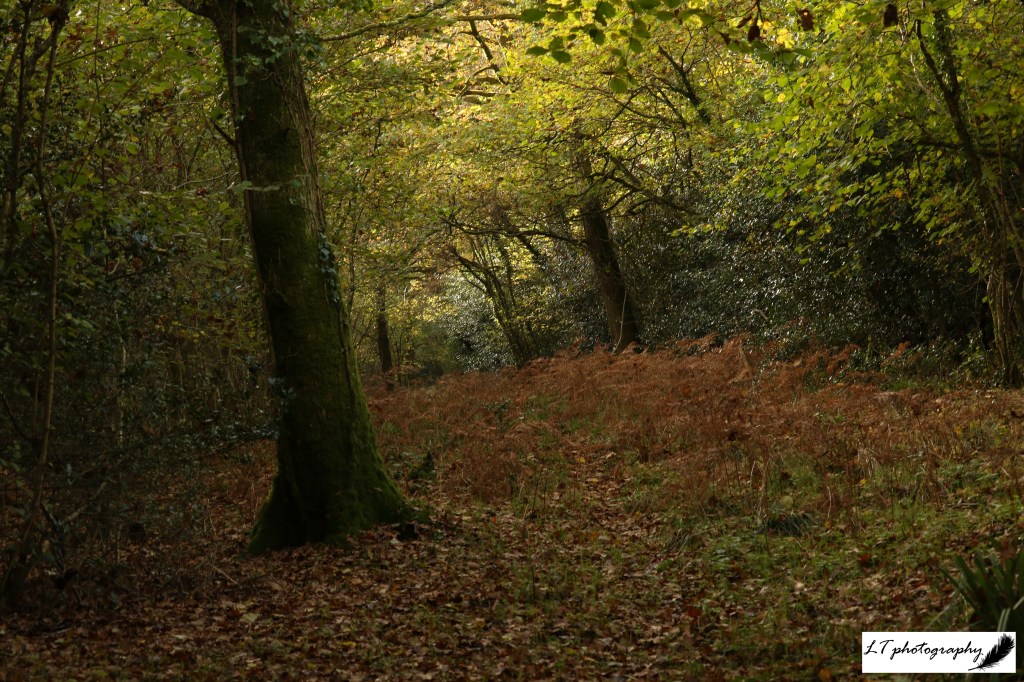
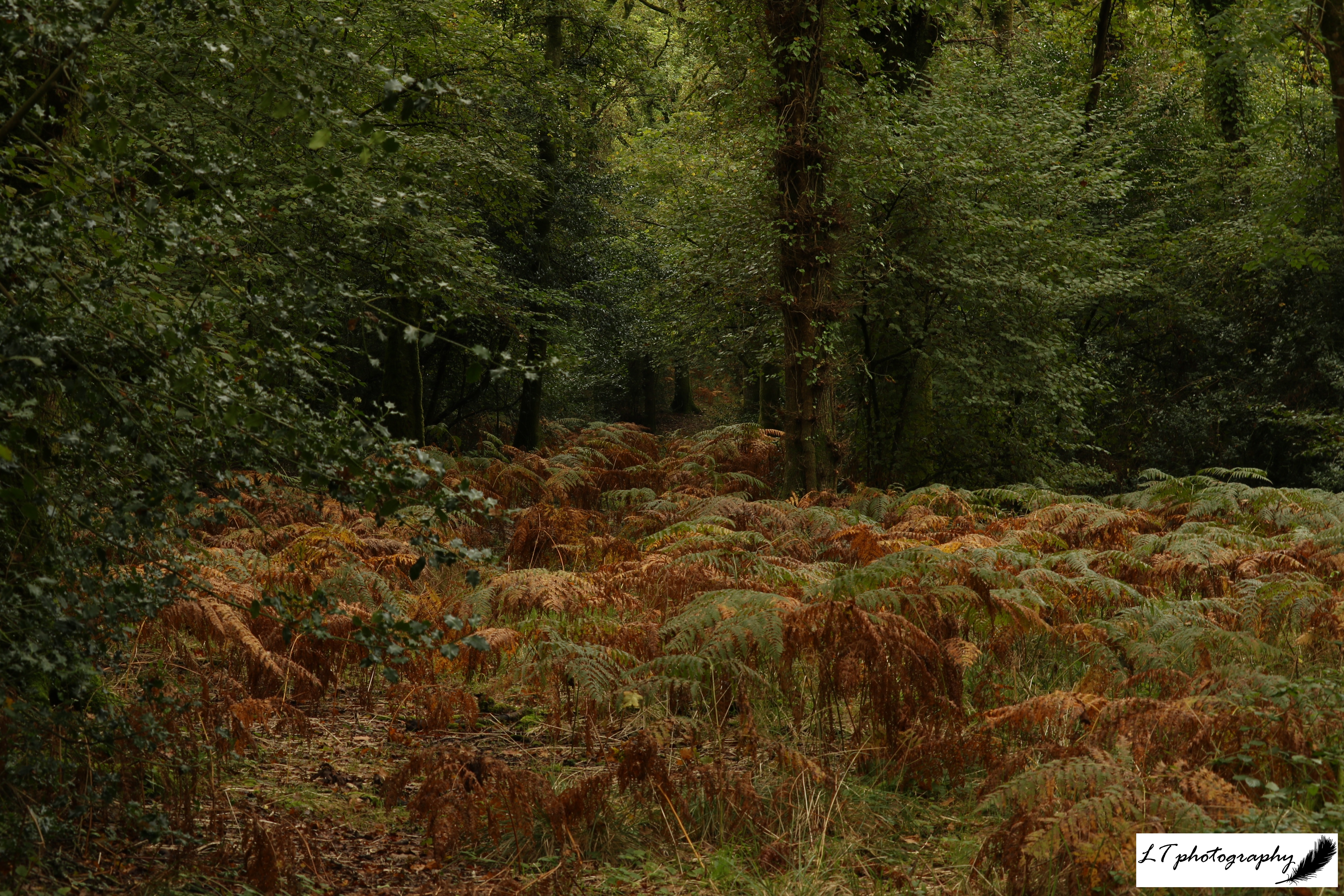
Nights are drawing in, temperatures are beginning to cool, and the dampness in the air is creeping in. Trees, such as oak, hazel and ash, are beginning to show changes to the colour of their leaves, adding yellows, reds, and oranges to their palette. As the trees signal the start of changing out of their finery, the ferns covering the woodland floor below are now fully on fire, curling up and browning away. As this dying off progresses, new life is symbolised through nuts, seeds and berries, such as the first ripe holly berries, shiny and red, waiting to be eaten. To buck the trend, ivy tendrils are sprouting clusters of green balls, their late flowers that will reach their peak in November.
Most of the summer avian residents will have begun their travels to warmer climes, leaving overwintering birds moving through and residents staying put. For example, our native robins are beginning to sing strong once again, needing to defend their important territories throughout the winter. Tits can be heard beginning to travel in small feeding flocks, whilst wrens and goldcrests flit in the branches currently going solo. Mammals do not make an appearance during my visit, but there are signs of the badgers, foxes, roe deer and squirrels that call the woods home. Times are bountiful for those who can find it, but harsher days are on their way!

November

The arrival of November is accompanied by shortening day lengths and biting northerly winds. Mostly the month begins calm in the woodland with grey or sunny days. As trees continue to take in the goodness of this year’s bounty of leaves, the green of summer has been fully taken over by bright fierce colours in the canopy, with the orange of oak, yellow of hazel, gold of field maple, and red of hawthorn, amongst others. The leaves also begin to fall from on high, twirling to the ground and beginning to form a crunchy leaf litter under foot. The trees are going to go out with a riot of colour!

The soft sunlight falling through the trees marks a slowing of time and activity for wildlife. Pheasants meander amongst the trees being released from local shoots. A raucous jay echoes through the still trees. Mushrooms poke up from the leaf litter here and there creating a more ethereal quality to the woodland during this time. It finally feels like autumn has arrived just at the point when people look towards the closing of the year in a month’s time. Time to savour the last hurrah of nature!

December

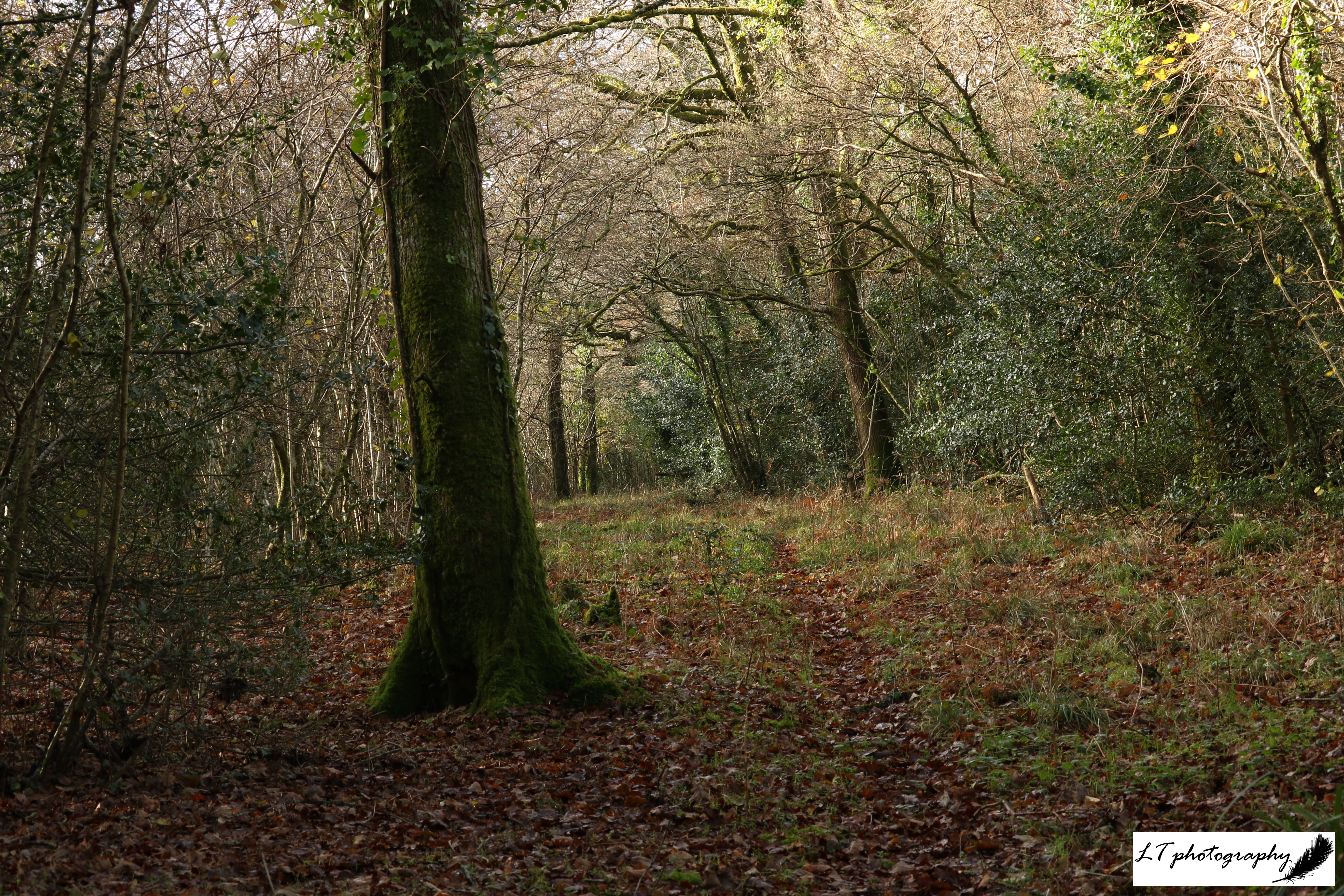
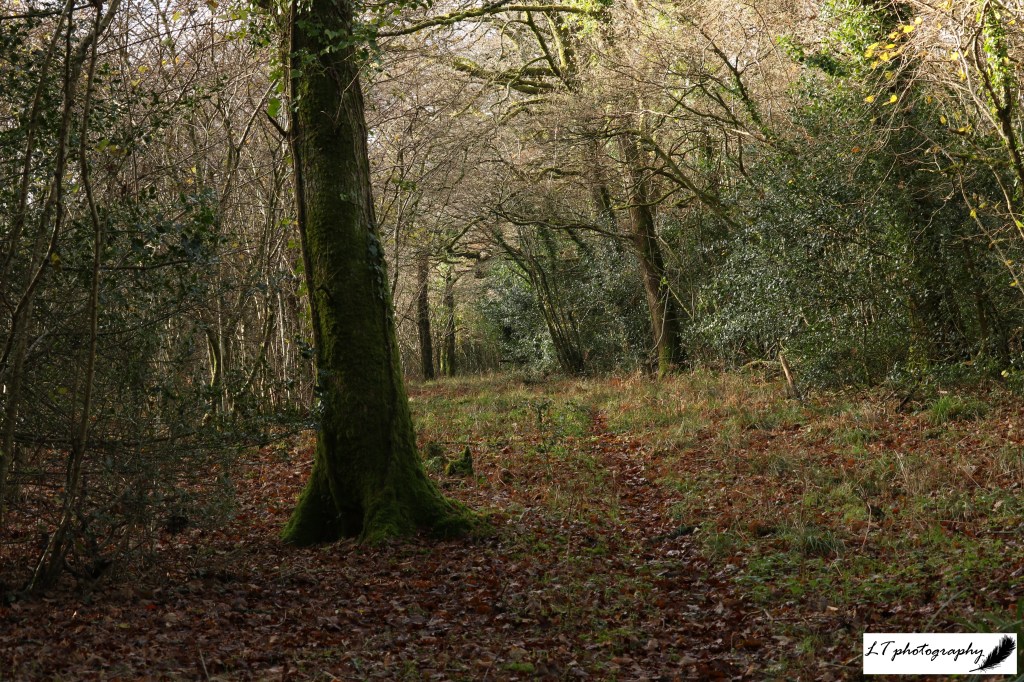
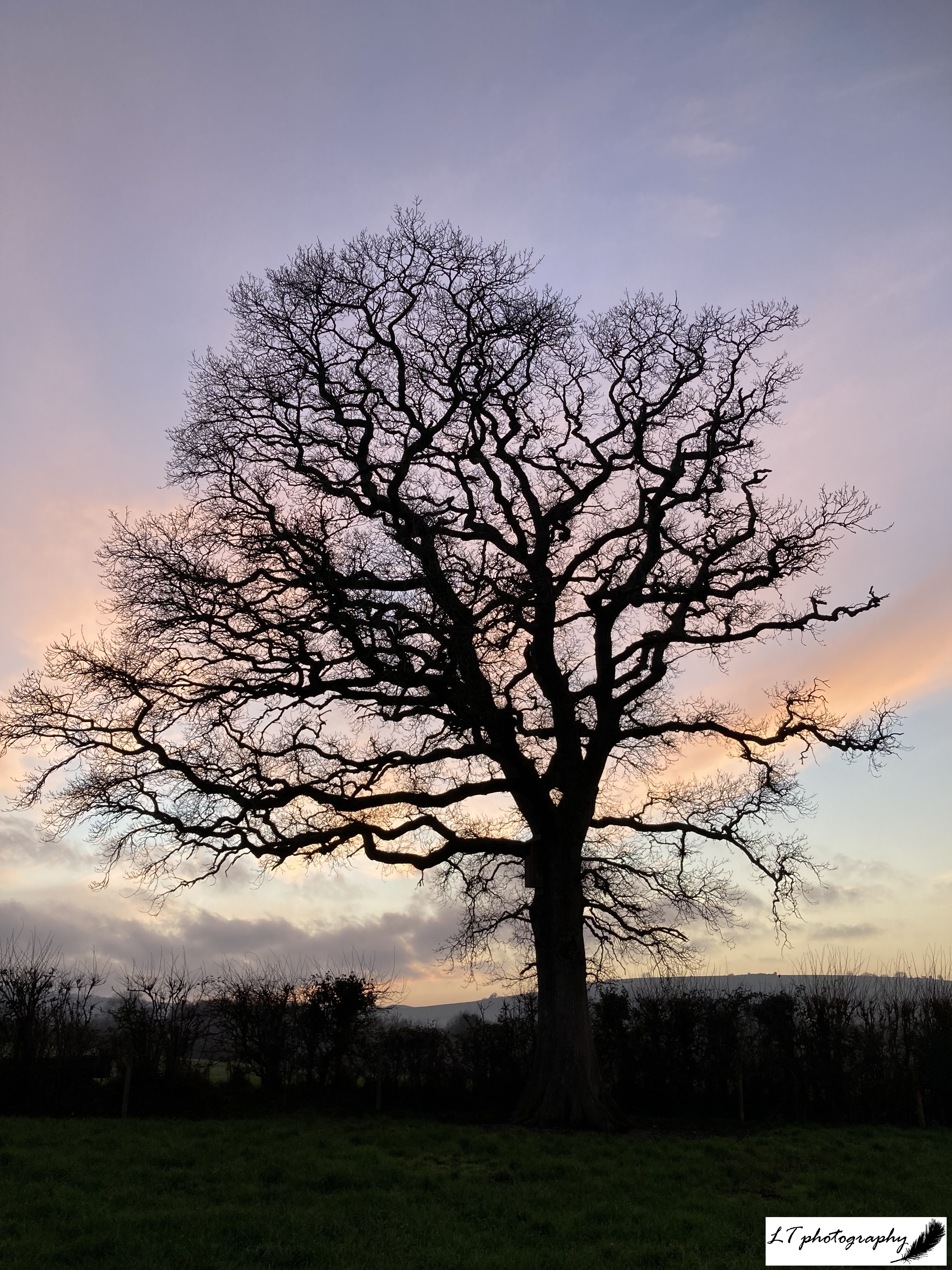
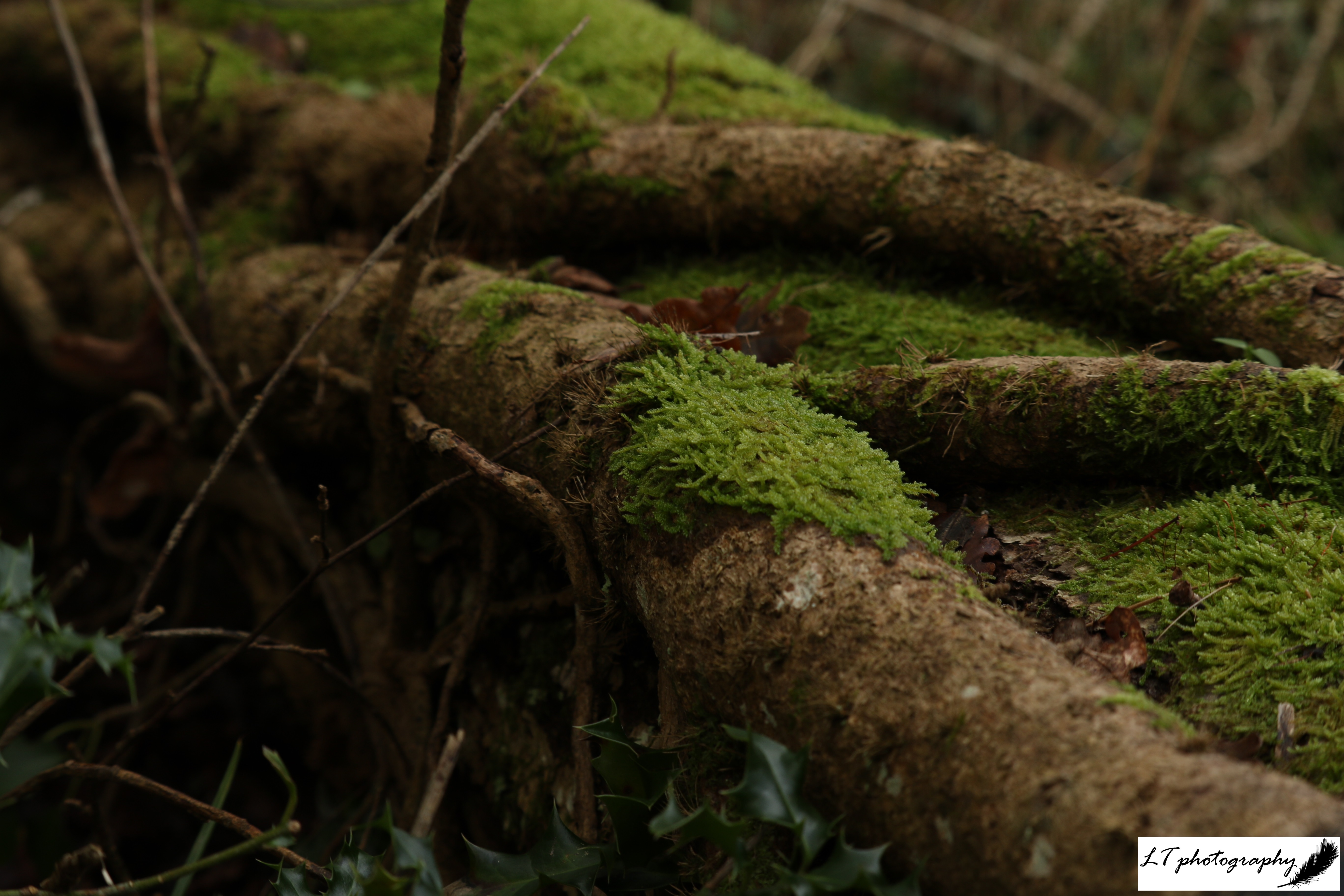
The year is rolling on to its close once again and winter is fully upon us. As I step back into the woodland for one last walk of the year, a cool breeze bites my cheeks whilst cheerful sunshine falls through the trees. Now I find myself surrounded by leafless forms once again, bare, skeletal, but magnificent, especially the ancient oaks. The last few hazel leaves cling to their branches, but most trees have now shed their finery, and a new carpet of leaf litter satisfyingly crunches beneath my feet. The trees are putting nutrients back into the earth as they now lay in slumber.

Up above my head, I can hear a soft tap, tap, tap. The sound of a great-spotted woodpecker moving from tree to tree once again, and tapping for food under their barks. Birds call all around me, from angry wrens, territorial robins, and hungry blue tits, to a raven passing overhead, blackbirds on the wing, and even a nuthatch going about its business. Badgers will now be sleeping more, whilst foxes are more active, thinking about breeding once again. There is still so much life to be found out in this Dorset woodland, even if all are just trying to survive through to another year. December is rolling on and a new year beckons!

A Year In The Life Of A Woodland – Part 1

In 2022, I followed the annual cycle of one particular oak tree as it went through its own life stages, and watched the landscape change from its corner of a Dorset field. The tree encountered hunting barn owls, howling gales, breeding kestrels, and even a family of foxes, and observed such a vibrant year in nature even just from one spot. So for 2024, I wanted to follow such a story again, but this time on a different scale.

This year I am following a year in the life of an ancient, broadleaved woodland in the heart of rural, rolling Dorset. I will follow its progress from certain points within its bounds, and observe the beauty the woodland has to offer throughout the seasons. I look forward to seeing what goes on through the year, and the subtle differences from month to month at its heart. To start, I bring to you the first half of a year in the life of a woodland (January-June).

January

Entering the woods again at the start of a new year, there is a distinct feeling that the landscape currently lies in slumber. Though in previous years January has experienced wintery weather with cold spells characterised by hoar frosts and sheets of snow, this year the bite is missing from the weather, allowing the first signs of new life to appear already. The low winter sun breaks through the sturdy trunks of dormant trees, shining weak rays on the green leaves of woodland plants beginning to pop up underfoot, wood anemone and bluebells included.

Up in the naked boughs of the trees, birds fly from branch to branch, including blue tits, great tits, and goldcrests, buzzards whirl in the skies above, and pheasants make their raucous call now and again. Remaining holly and hawthorn berries provide a spot of colour against ivy and plentiful moss, but with the first lush greens and pastel yellows popping up, such as hazel catkins dangling from the trees, the woods are hinting at change. These are the first whisperings of spring in the stillness of the woodland, with more signs being found at night, such as tawny owls loudly defending their territories, and badgers and foxes increasing their roaming amongst the trees.

February

As a new month begins, the landscape feels like it is very much still in the grips of winter. A grey gloom hangs over the woodland, with the overcast sky threatening an endless possibility of rain. Where February 2023 was a cold, dry month, February 2024 is reflecting continued milder and wetter weather than average, with sunshine being much in demand. It is still not warm enough for any further advancement in the signs of spring from the previous month though, with the woodland floor still being mainly dressed in warm browns. Despite this, those first whisperings of new life can still be seen, with the slow marching growth of shoots of well known species, such as bluebell and stitchwort.

The mosses and lichens are also now joined by the much needed warm yellows of primroses and celandines, along with the red gems that are female hazel flowers. The slumbering woodland is currently the backdrop for the day-toiday life of its winter residents, but with the addition of blackbirds and song thrushes now starting to sing their melodious songs ahead of breeding in the spring.

March

As March begins, the start of blackthorn winter brings biting winds from the north, creating a break in 2024’s trend for warmer and wetter weather, which continues for the rest of the month. A rare calm day though sees the woodland bathed in soft, early spring sunshine, as it begins to finally switch from its shroud of brown to greens, with a carpet of new growth. Bluebell leaves are marching on in their advance of growth, making the most of increasing temperatures, whilst spear-shaped wild garlic leaves now carpet areas around the ambling streams through the middle of the wood. Hazel catkins are now fading to a creamy yellow, and their red female flowers are joined by swelling leaf buds. Though spring is advancing quickly, the woodland still waits for more flowers to keep company with the primroses and celandines.

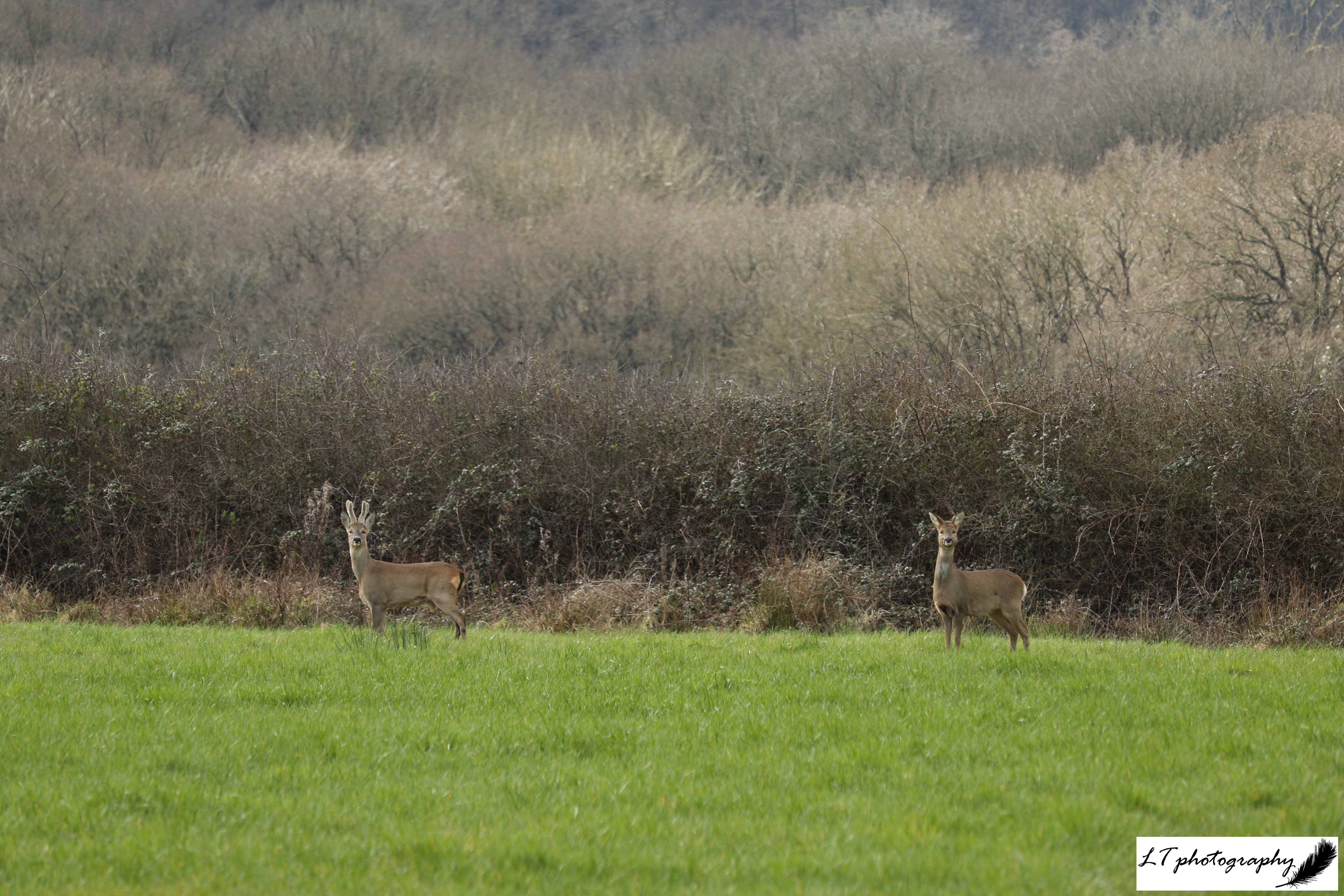
A difference lies up in the trees. The woodland is coming alive with the sound of bird species that have wintered here in the UK and do not have to travel as far to return to their breeding territories. From great tits and blue tits, to wrens and goldcrests, a range of calls and songs can be heard, cut through by the sound of great-spotted woodpeckers drumming near and far. Mammals are beginning to become more active too, with grey squirrels fighting for territory and roe deer groups roaming through and around the woods. Spring is on its way!

April

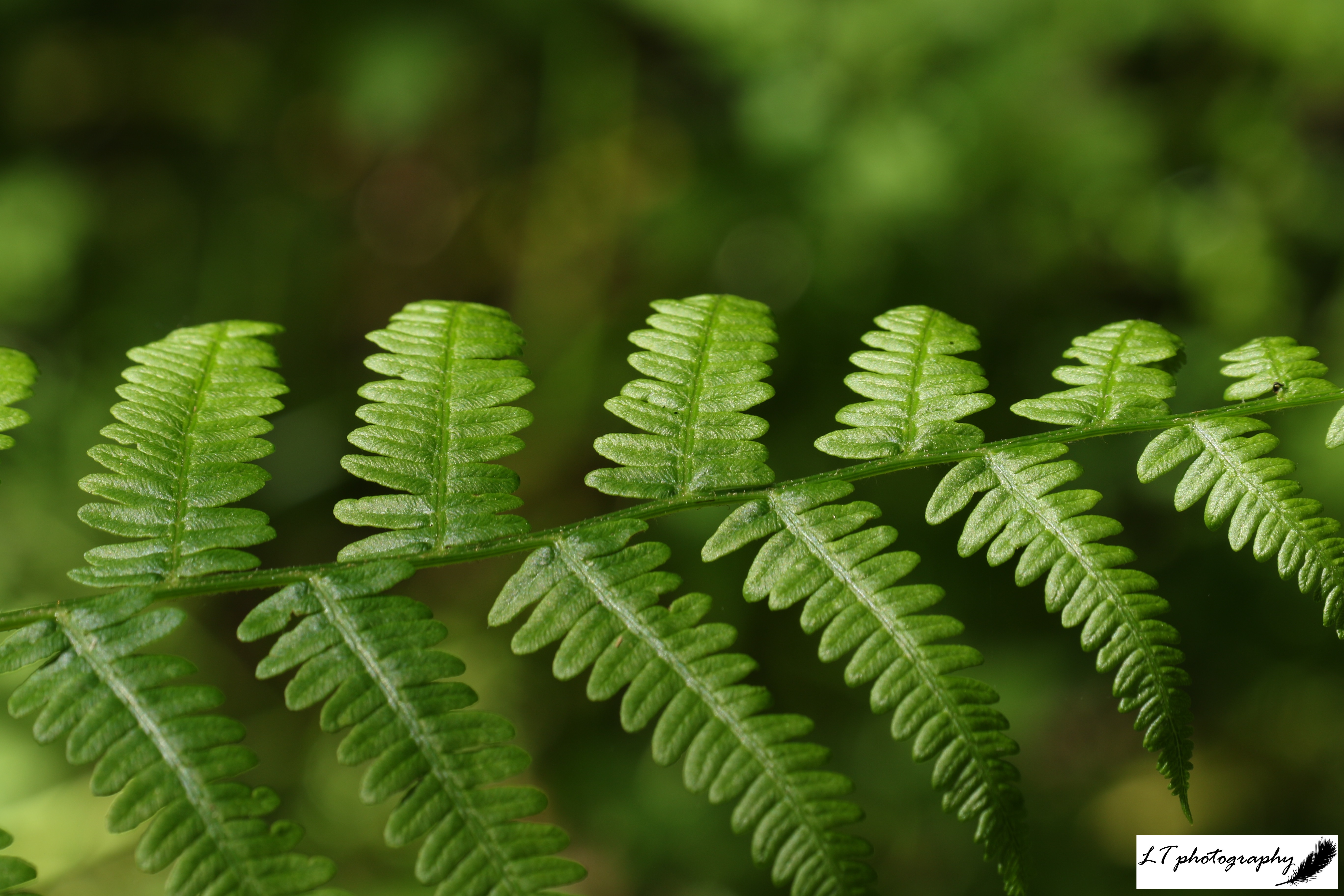
As spring unfurls, the weather of April feels reminiscent of 2023, with cooler, damper weather dominating due to persistent north winds and plenty of rain. In the woods growth continues to move forward, but at a noticeably slower pace than could be expected. The month opens with tree buds swelling, hazel and hawthorn leaves bursting forth, and trees dripping with blackthorn and willow flowers. The woodland floor is coming to life now with a never ending mat of purple dog violets, pale green moschatel, yellow celandines and primroses, white stitchwort, the beginnings of purple-blue bluebells, and the fantastic starry heads of wood anemones. Wild garlic leaves continue to grow around the bubbling streams, smelling noticeably pungent now and beginning to show the whites of flower buds, whilst ferns unfurl their hairy coils across the woodland.

As the woodland bursts into life, it is accompanied by an intensifying soundtrack. In the background a rich tapestry of bird song can be heard, as migrants make their return, from great tits, blue tits and wrens, to chiffchaffs, blackbirds and robins. These include the continued crow of pheasants, the cat-like mewling of buzzards circling overhead, and the barks of grey squirrels. Listening more closely though, buzzing can now be heard as bees and flies make the most of flowers now blooming. The woodland finally feels alive after the first three months of the year taking its toll, though it waits for the return of some warm spring sunshine.

May

On a quiet afternoon at the start of the month, stepping amongst the trees is like stepping into a whole new world compared to the start of the year. Sunlight falls soft through new green leaves, dappling the woodland floor with warmth and light. At the base of the trees, the floor is now a lush green carpet of plant life. The cooler weather of April has meant that some April events have continued on into May, such as the bluebells, whilst the wind now coming from the south bringing warmer weather is beginning to promote much needed new growth.

Bluebells are just going over their peak after a spectacular show of rich purple-blue that has been breathtaking. Amongst hanging bells, stitchwort is continuing to open new flowers, alongside shocks of pink from herb Robert. New flowers appear in the forms of early-purple orchids, and red campion. Yellow archangel that took some time to arrive is becoming bleached to a creamy yellow, whereas wood anemones are bidding their final farewell. Wild garlic persists as do bright yellow celandines, adding to the show. Things move on though, as the ferns begin to overshadow the bluebells with their green fronds. Spring marches on.

With plant life becoming abundant, the woodland is now abuzz with insects of many kinds, whilst spiders make their homes between the flowers. Midges are particularly prevalent this year with a damp spring too! A highlight right now though, is the woodland’s bird life, with the continued singing of many species that call the woods home and are breeding right now, the chiffchaff really standing out in particular. Somewhere in a hole in a tree, maybe a tall oak, a female blue tit will now be sat tight on her eggs, growing the next generation of blue tits. 

June

As I step into the woodland on one of the first dry days in a while, my surroundings move from bright light to light spots and shadows. The tree canopy is now nearing completion and lush green oak, ash and hazel blanket out the light. Below on the woodland floor, a change has occurred. Spring stars have finally made their leave, and riotous bluebells, early-purple orchids, and wild garlic have been replaced by a dense green carpet of leaves. Herb Robert has taken over, with pink flowers creating a joyful pop of colour. Also these flowers are joined by white pig nut, purple germander speedwell, and pink foxgloves, and the lst yellow archangel, stitchwort and vibrant dog violets. The green seed pods of previous flowers remain, and a bluebell here and there when lucky, but now ferns stand tall above the woodland floor, unfurling their final leaves and making a canopy of their own.

As the spring season bids us farewell, it’s now the time of new life and growth, which is currently evident in the woodland. The drone of insects has lessened as flowers go over, but can still be found with flashes of blue damselflies, battling speckled wood butterflies, and striped flies. The first young of mammals, such as foxes, and birds, such as tawny owls, are also now venturing out to explore their new world. This can be heard up in the trees with the songs of birds and the alarm calls of protective parents. Summer and lazy days are on their way!

How to… Identify British Tree Species (Part 2)

A holly.tree shining bright with red berries and prickly green leaves in the grey of a wintertime woodland. An ancient evergreen yew standing watch over the final resting place of our ancestors. A colour-changing spindle cream flowered and glossy green in spring, turning to psychedelic pinks and oranges in autumn. Trees come in all shapes and sizes, often differing wildly from each other, but all can be found embedded in the landscape and culture of Britain.

In the last chapter of my How to… Identify British Tree Species guide, I focussed on 10 tree species that can easily be found across the UK, from the majestic oak to the graceful silver birch. These are but a few of the now 80 odd native and non-native species that can be found in the UK. From providing food to flood prevention, from the countryside to the city, trees can be found playing important roles across the country right now.

Following on from my last guide, part 2 covers 10 more tree species that can easily be found across Britain. This handy guide of facts, drawings, and photos is here to help you to identify these species at any time of year. Here’s to learning something new everyday!

Tree Species

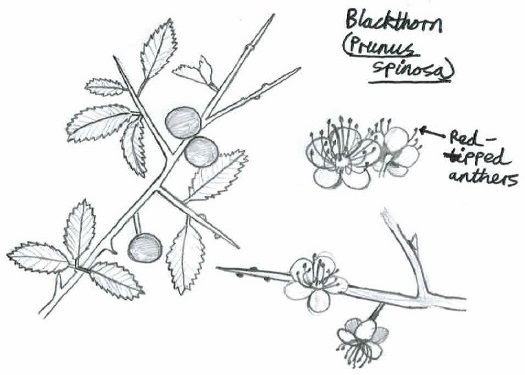
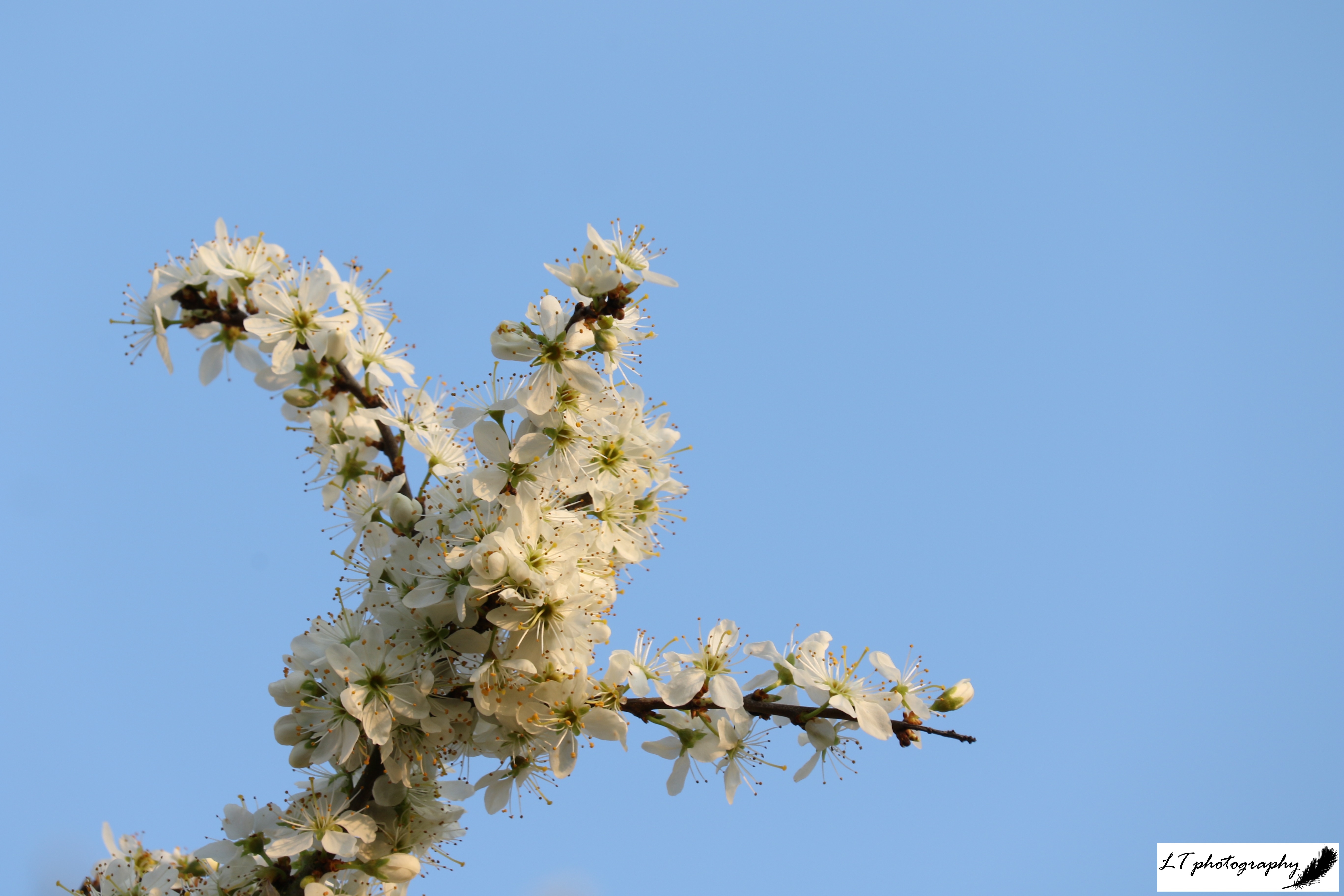
Blackthorn (Prunus spinosa)

  • Family: Rose – related to fruiting trees such as cherry and plum
  • Origin: Native
  • Shape and Size: Large shrub, occasionally small tree, up to 4m, forming impenetrable thickets
  • Stems and Twigs: Young twigs downy, maturing to dark brown bark, that shows orange beneath, with thorns
  • Leaves: Small, oval, alternate, tapering to a point, toothed margins, dull above and hairy beneath
  • Flowers: Flowers are white with 5 petals and red-tipped anthers. Flowers appear late March-April, before the leaves, often alongside cold weather known as Blackthorn winter
  • Seeds: Produces round, blue-black fruit (sloes) with a single seed (stone)
  • Range and Habitat: Grows on the edge of scrub woodlands and in hedgerows

In Winter: Twigs are dark and not shiny, with thorns at least 2cm long

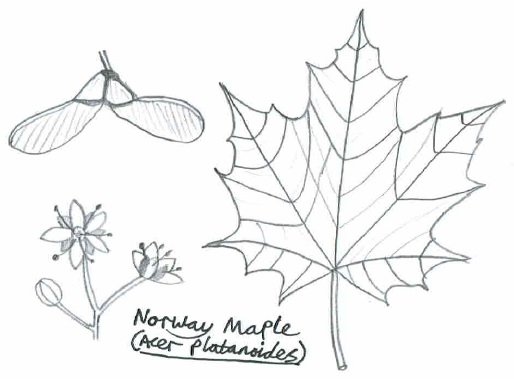
Norway Maple (Acer platanoides)

  • Family: Sapindaceae – related to lychee and horse chestnut
  • Origin: Non-native (introduced in the 17th century from Europe and Asia)
  • Shape and Size: Shorter and more slender tree, reaching up to 30m
  • Stems and Twigs: Bark is grey with many small fissures (not flaking), and twigs are slender and brown with tiny white spots
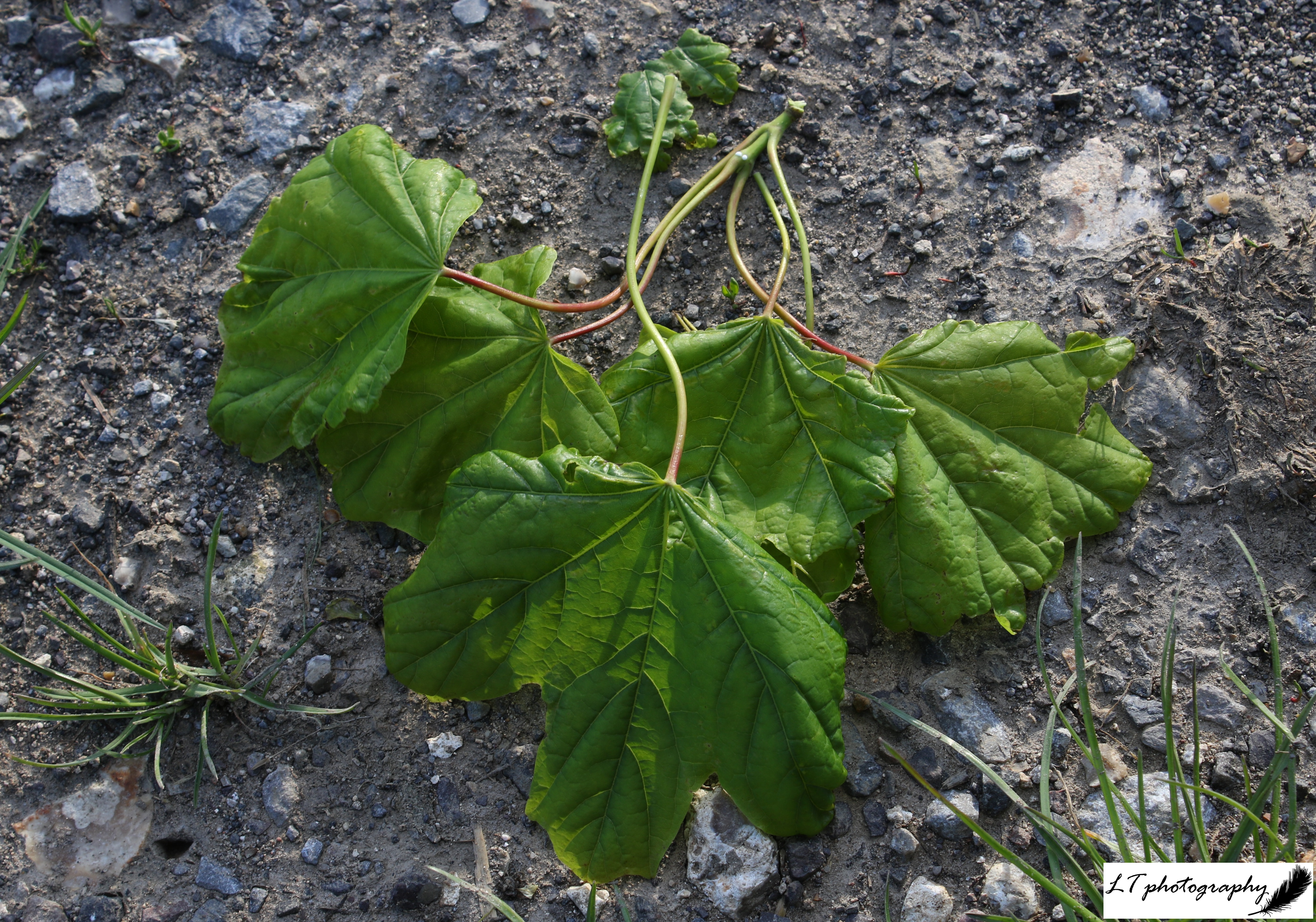
  • Leaves: Thin, light green leaves, opposite and have long pointed lobes
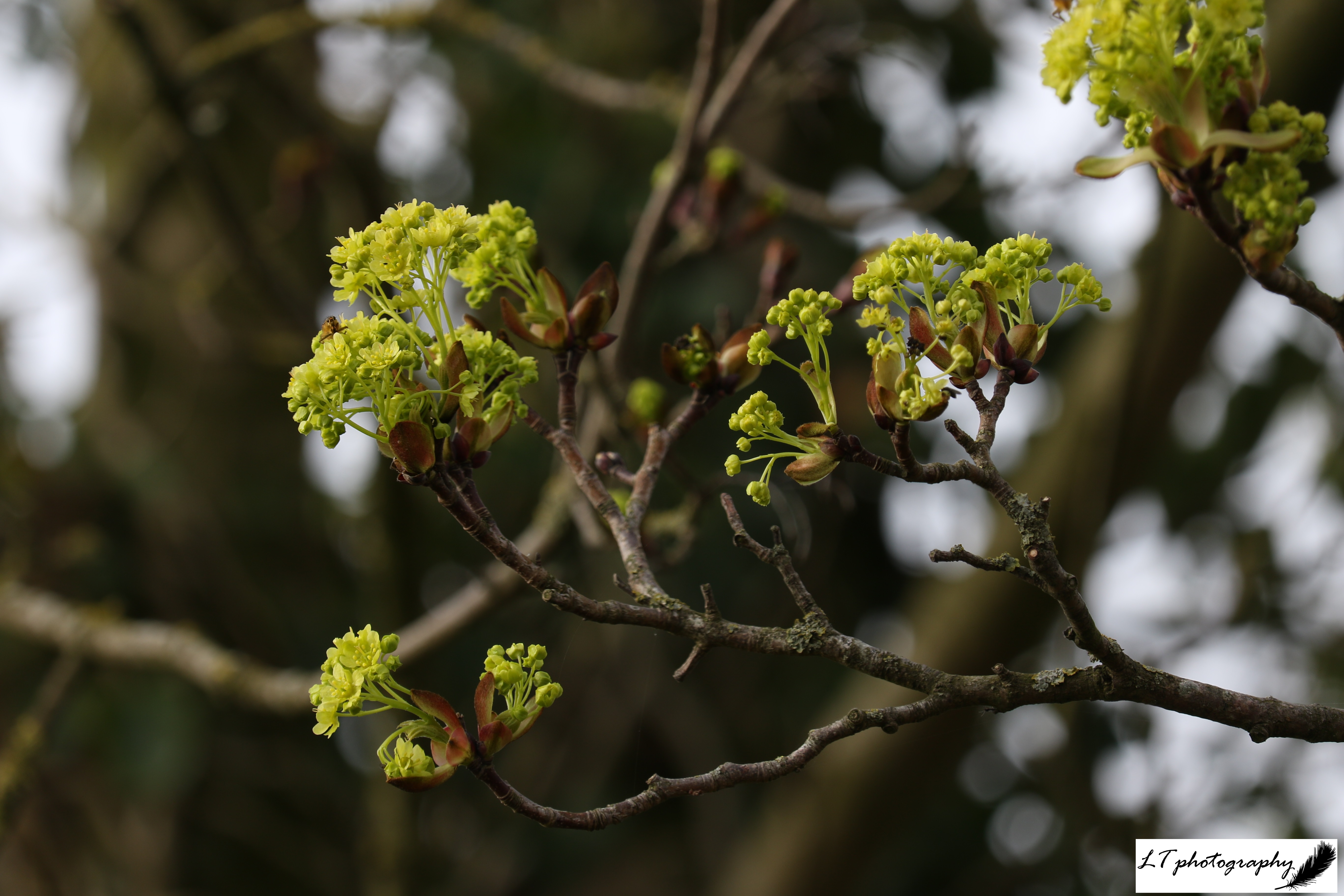
  • Flowers: Erect clusters of pale yellow flowers, before the leaves (April-May)
  • Seeds: Winged keys in opposite pairs
  • Range and Habitat: Increasingly planted and self-sown in parks, gardens, and hedges

In Winter: Distinctive shape and bark, and individual buds that are green and red

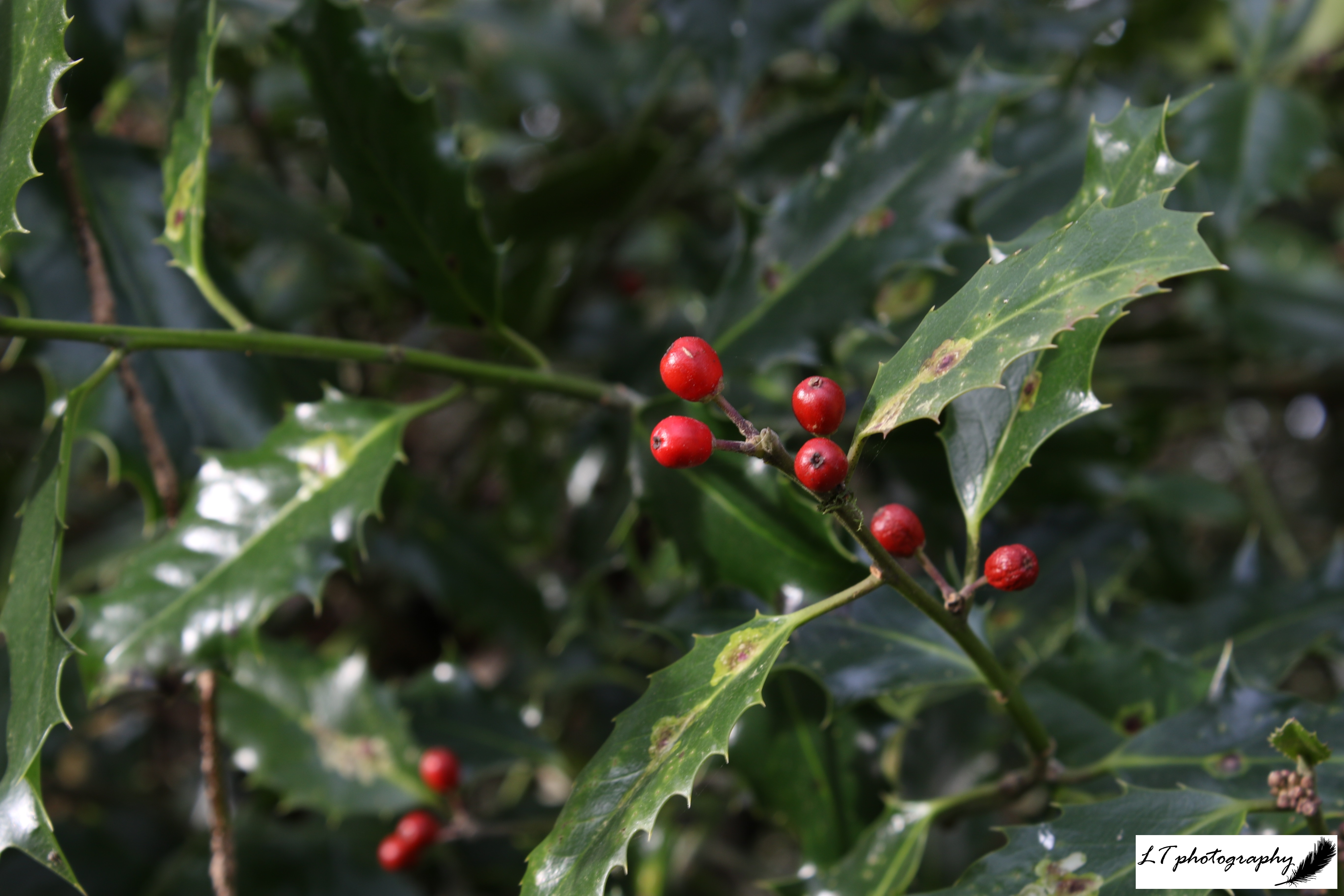
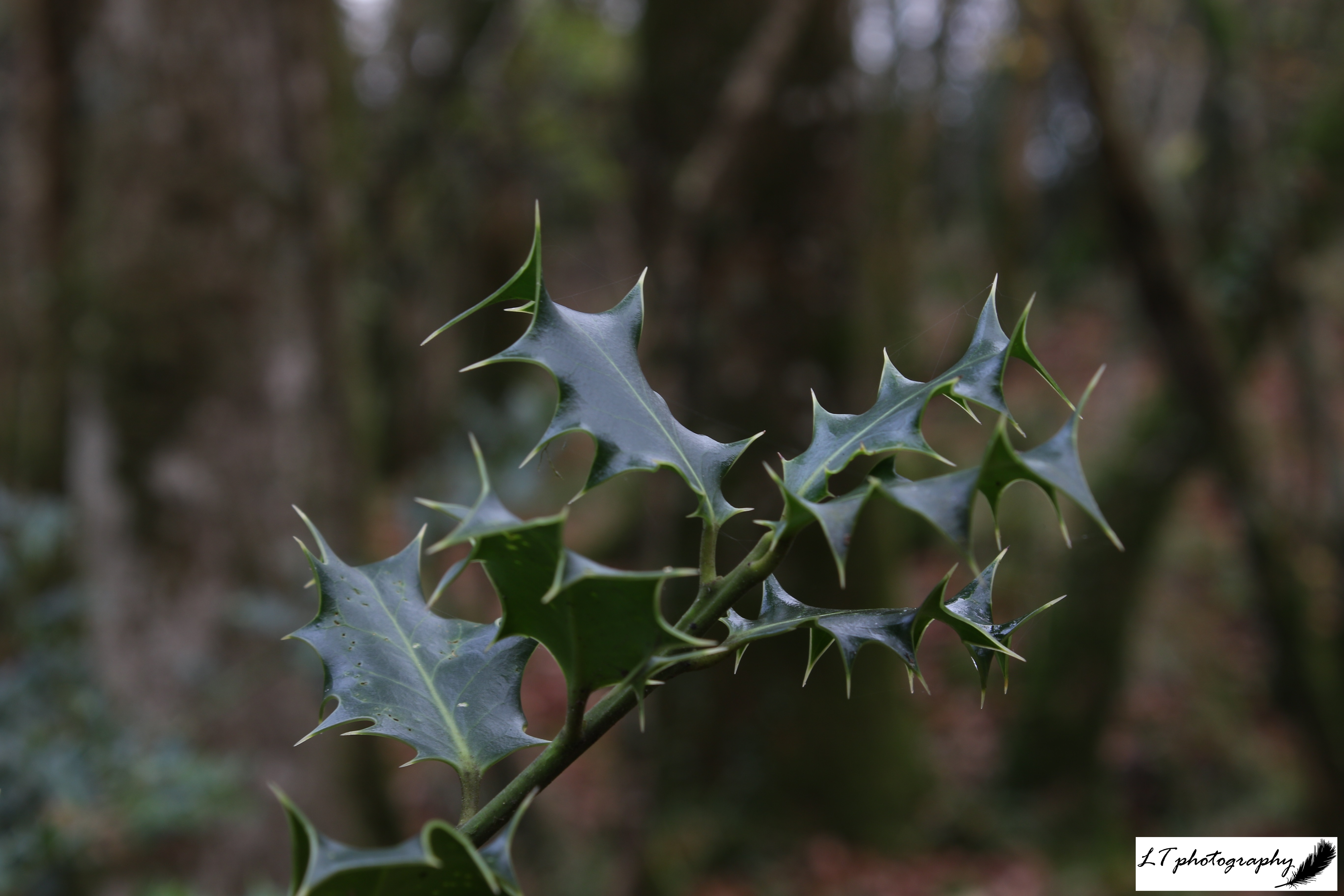
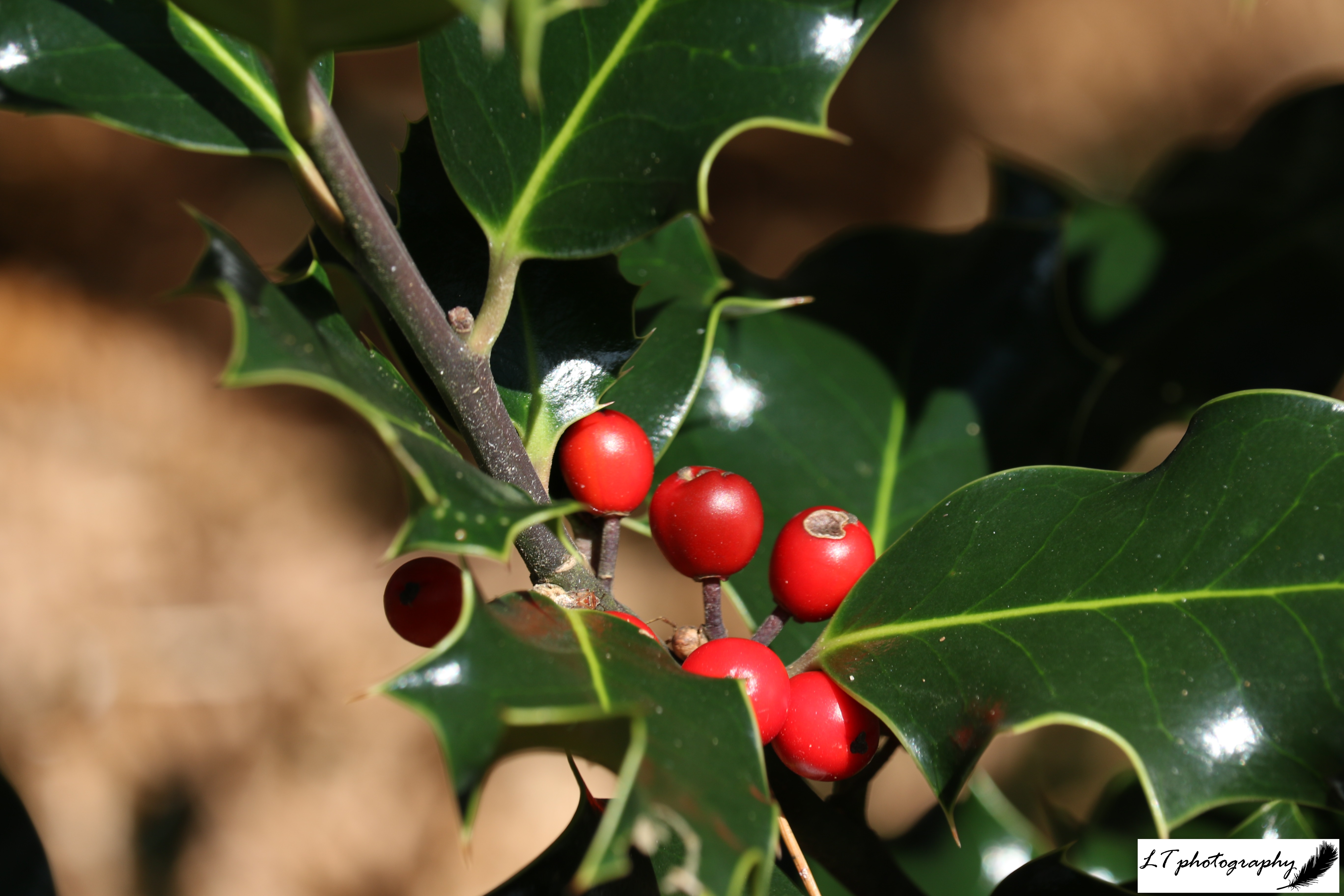
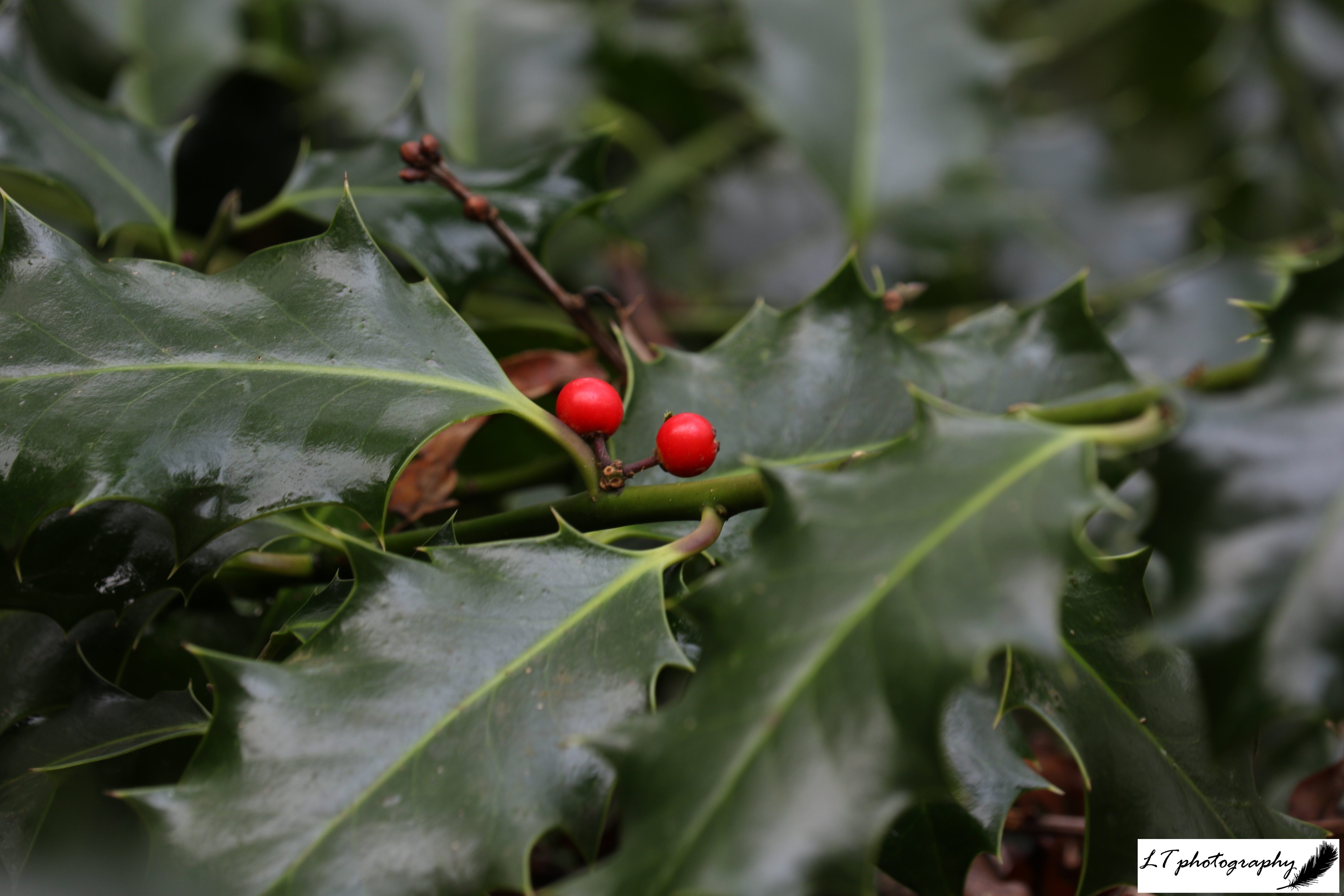
Holly (Ilex aquifolium)

  • Family: Aquifoliaceae – holly trees
  • Origin: Native
  • Shape and Size: Narrow-crowned, conical tree with regular branching, reaching up to 20m
  • Stems and Twigs: Bark is green when young, becoming smooth and grey with age
  • Leaves: Alternate, long, glossy, spiny teeth, and waxy on top, matt and pale green beneath
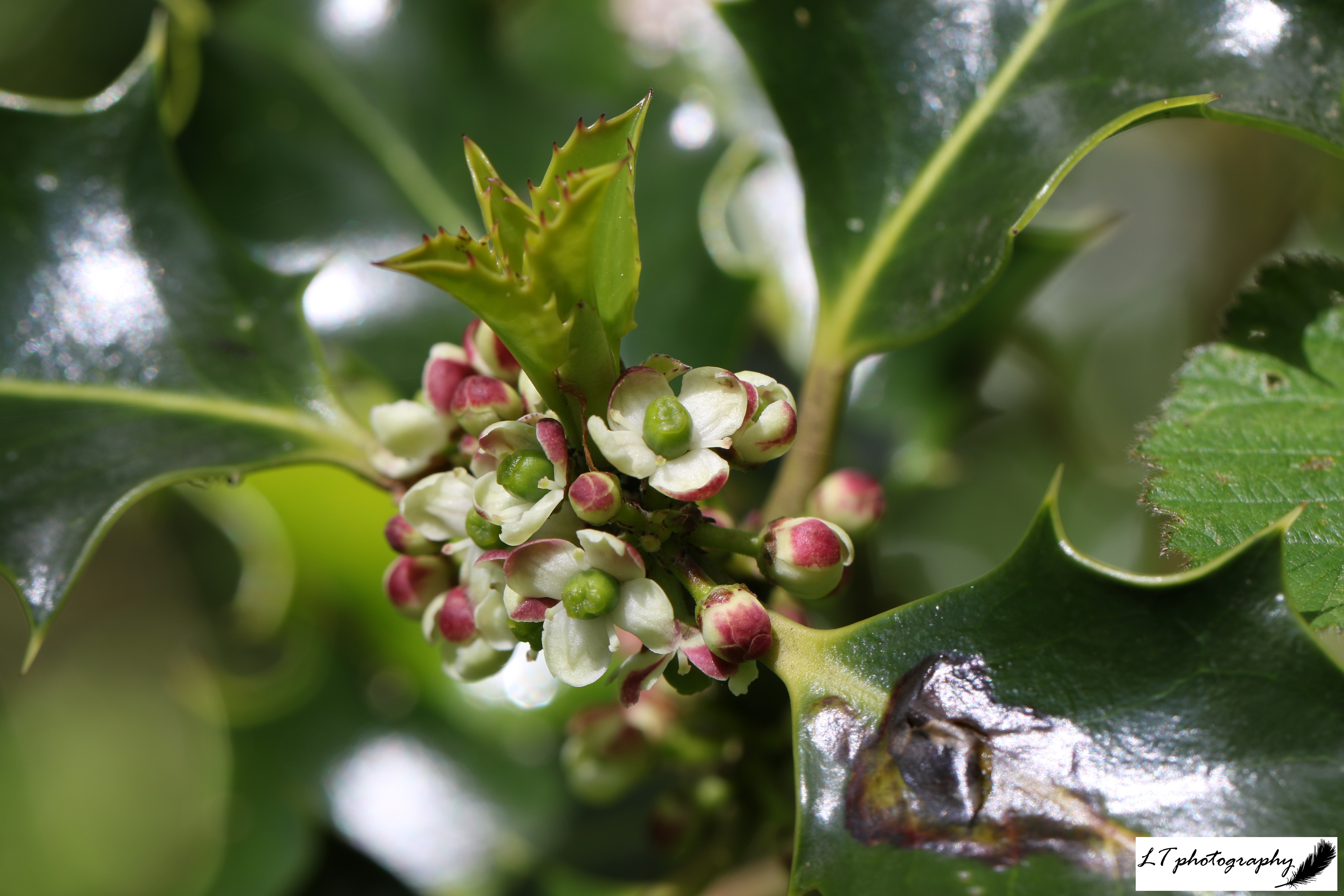
  • Flowers: White, 4-petalled and in close clusters, with male and female flowers on separate trees (May-August)
  • Seeds: Red berries with small seeds, only found on female trees
  • Range and Habitat: Can be found everywhere across the British Isles but prefers drier soils

In Winter: Evergreen spiky leaves and red berries, a symbol of Christmas

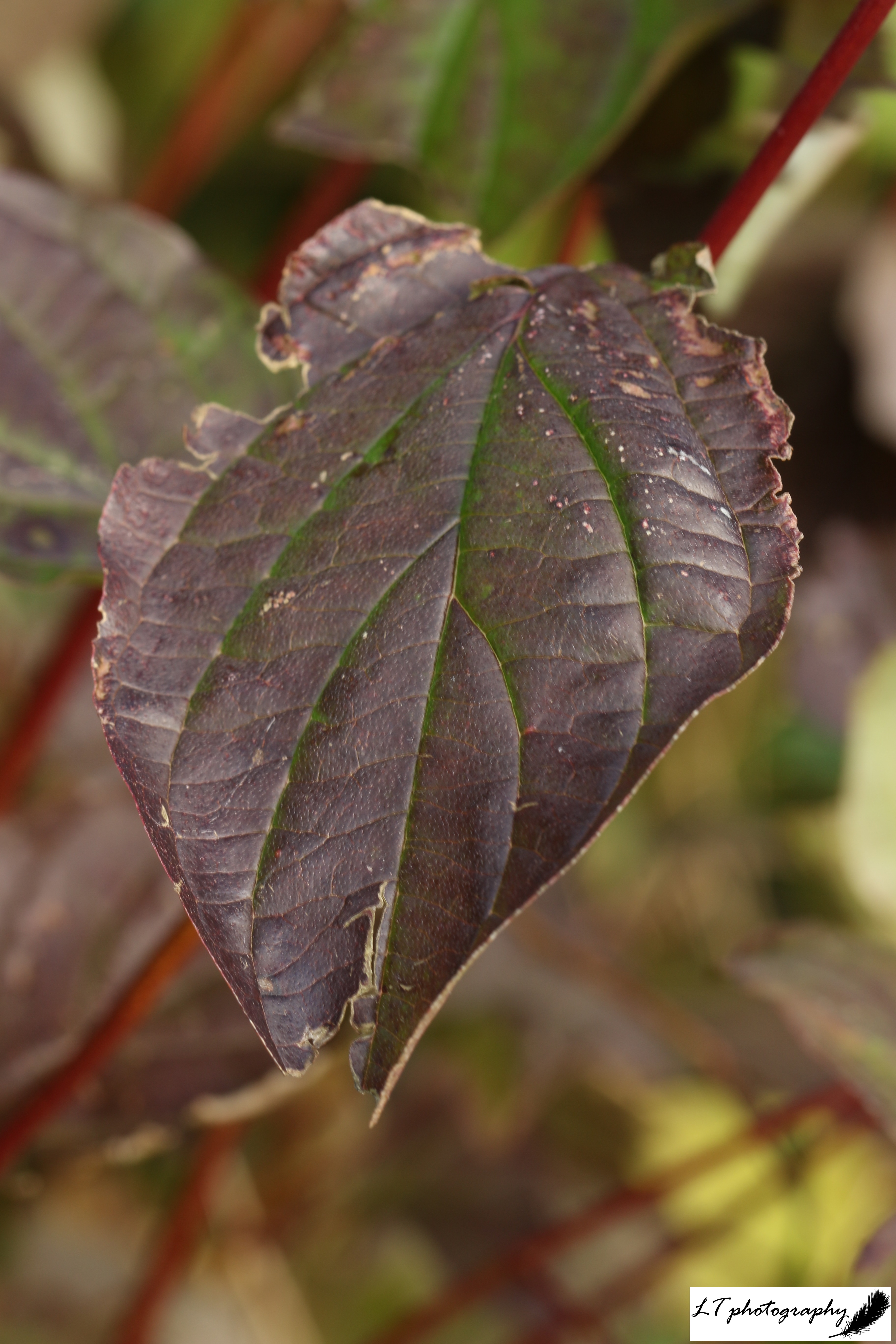
Dogwood (Cornus sanguinea)

  • Family: Cornaceae – dogwoods
  • Origin: Native
  • Shape and Size: Tall and deciduous sending out suckers to form dense thickets (up to 10m)
  • Stems and Twigs: Bark grey and smooth with shallow ridges, giving off a fetid smell when bruised, attractive to insects
  • Leaves: Opposite, long, oval, pointed, hairy on both sides, side veins curving forward, and no teeth. Crimson colouring in late autumn
  • Flowers: Greenish-white 4-petalled flowers (June-July)
  • Seeds: Round, bitter, black berries in clusters (sometimes called ‘dogberries’), ripening in August or September
  • Range and Habitat: Frequent in Midlands and South, grows chiefly on chalk soils, but also found in woodlands, scrub and hedges

In Winter: New twigs are bright red

Common Lime (Tilia x europaea)

  • Family: Mallow family – related to trees such as cotton and cacao
  • Origin: Native
  • Shape and Size: Tall tree with long slender branches that start near the ground (up to 40m)
  • Stems and Twigs: Young bark is smooth and grey, whereas old bark is fissured
  • Leaves: Long and heart-shaped with small teeth and tapering to a point. Dark green and hairless above, whereas undersides are paler with white or buff hairs in the vein junctions
  • Flowers: Greenish-yellow 5-petalled flowers that are sweet smelling (late June-July)
  • Seeds: Encapsulated in small round hanging fruits, hairy, faintly ribbed and with pointed tips
  • Range and Habitat: Widespread in rows or avenues in streets, parks and also hedges

In Winter: Red, hairy twigs and shoots

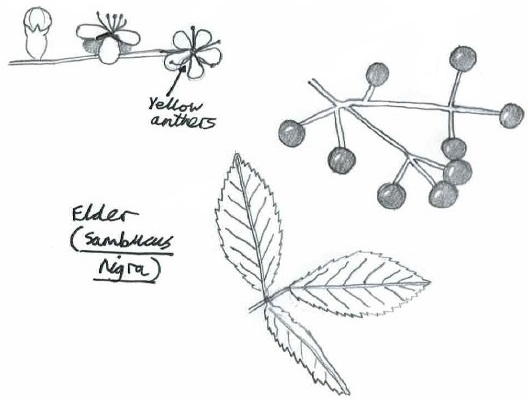
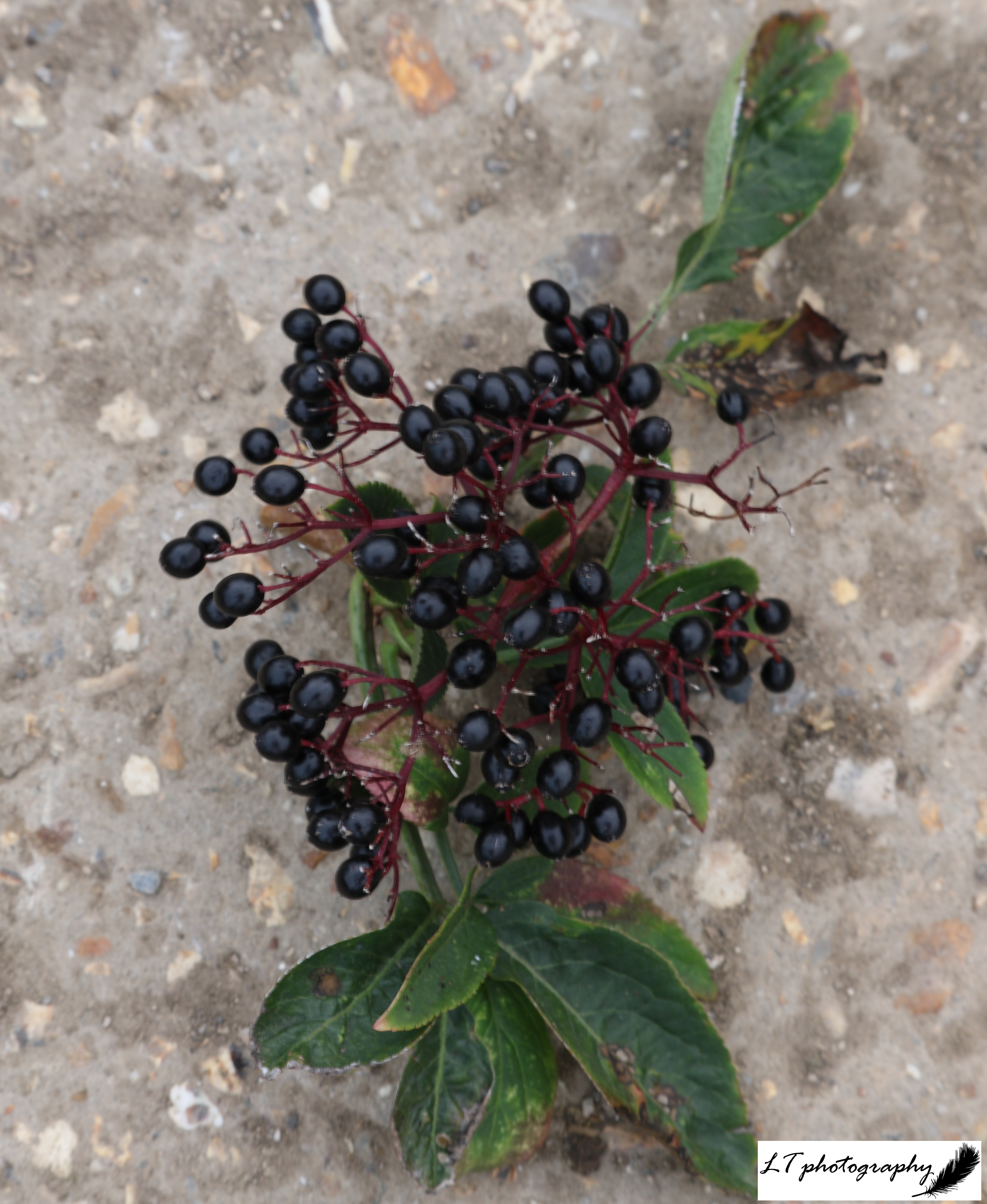
Elder (Sambucus nigra)

  • Family: Adoxaceae – previously in the honeysuckle family , but now reclassified in moschatel
  • Origin: Native
  • Shape and Size: Bushy shrub with many stems or growing into a small tree (up to 10m)
  • Stems and Twigs: Light brown bark is thick, corky, fissured, and strong smelling
  • Leaves: Long, dark green, and opposite, with leaflets in pairs, rounded, stalked and with teeth
  • Flowers: Creamy-white, small, and sweetly fragrant in flat-topped clusters with yellow anthers (May-August)
  • Seeds: Produces a juicy, edible, purplish-black berry
  • Range and Habitat: Widespread and common throughout Britain, particularly flourishing where nitrogen content high

In Winter: Pungent, hollow-stemmed twigs and often dotted with light-brown bumps

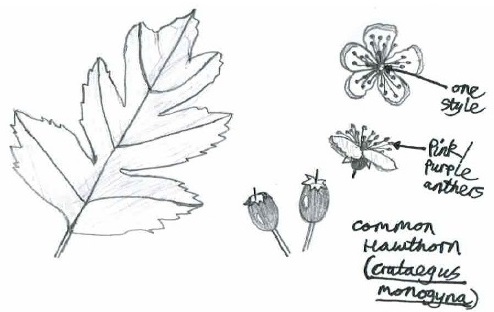
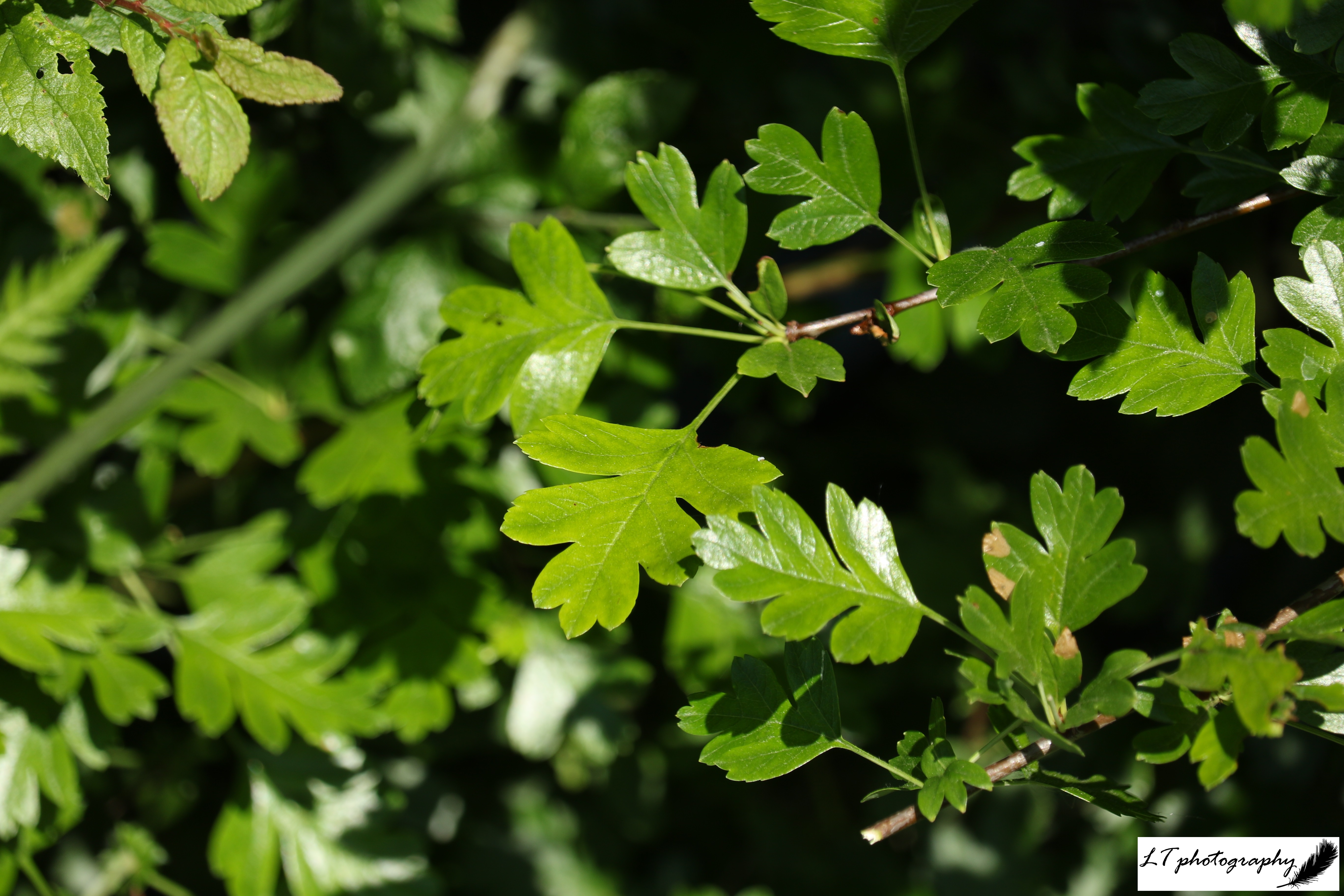
Hawthorn (Crataegus monogyna)

  • Family: Rose – related to fruit trees such as apricots and apples
  • Origin: Native
  • Shape and Size: Quick growing, becoming a dense shrub or single stemmed tree (up to 15m)
  • Stems and Twigs: Bark is hairless and greyish-brown, with many small scales and sharp spines
  • Leaves: Alternate, long, toothed, shiny, lobed, and roughly oval-shaped
  • Flowers: Showy white and fragrant (sickly sweet) with 5 petals, and pink or purple anthers (late April-June). Become deep pink as they fade
  • Seeds: Fleshy fruits (haws) turn dark wine-red and contain a single seed
  • Range and Habitat: Widespread and common throughout Britain, in hedges, scrub or woodland margins

In Winter: Spines emerging alongside buds on the twigs

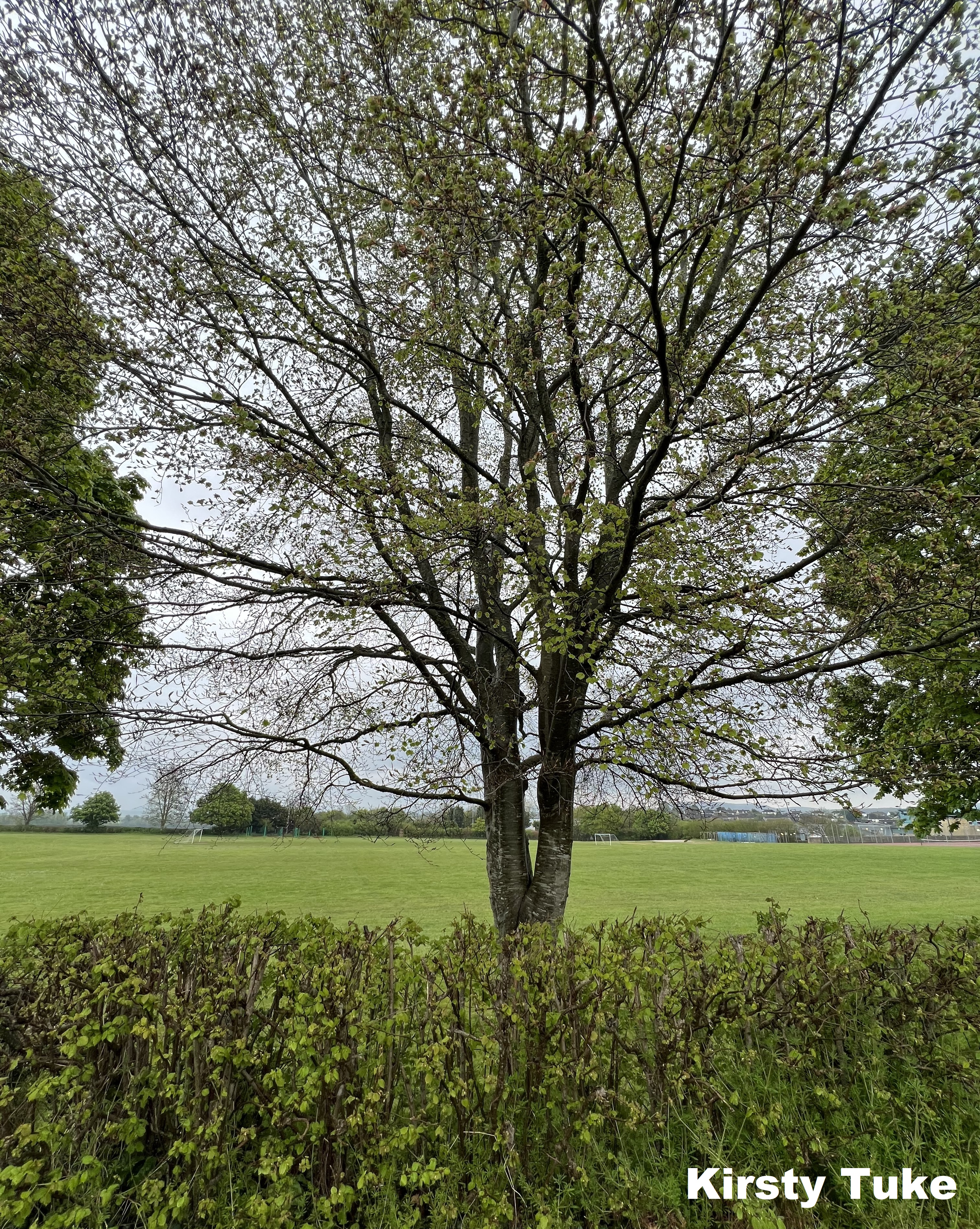
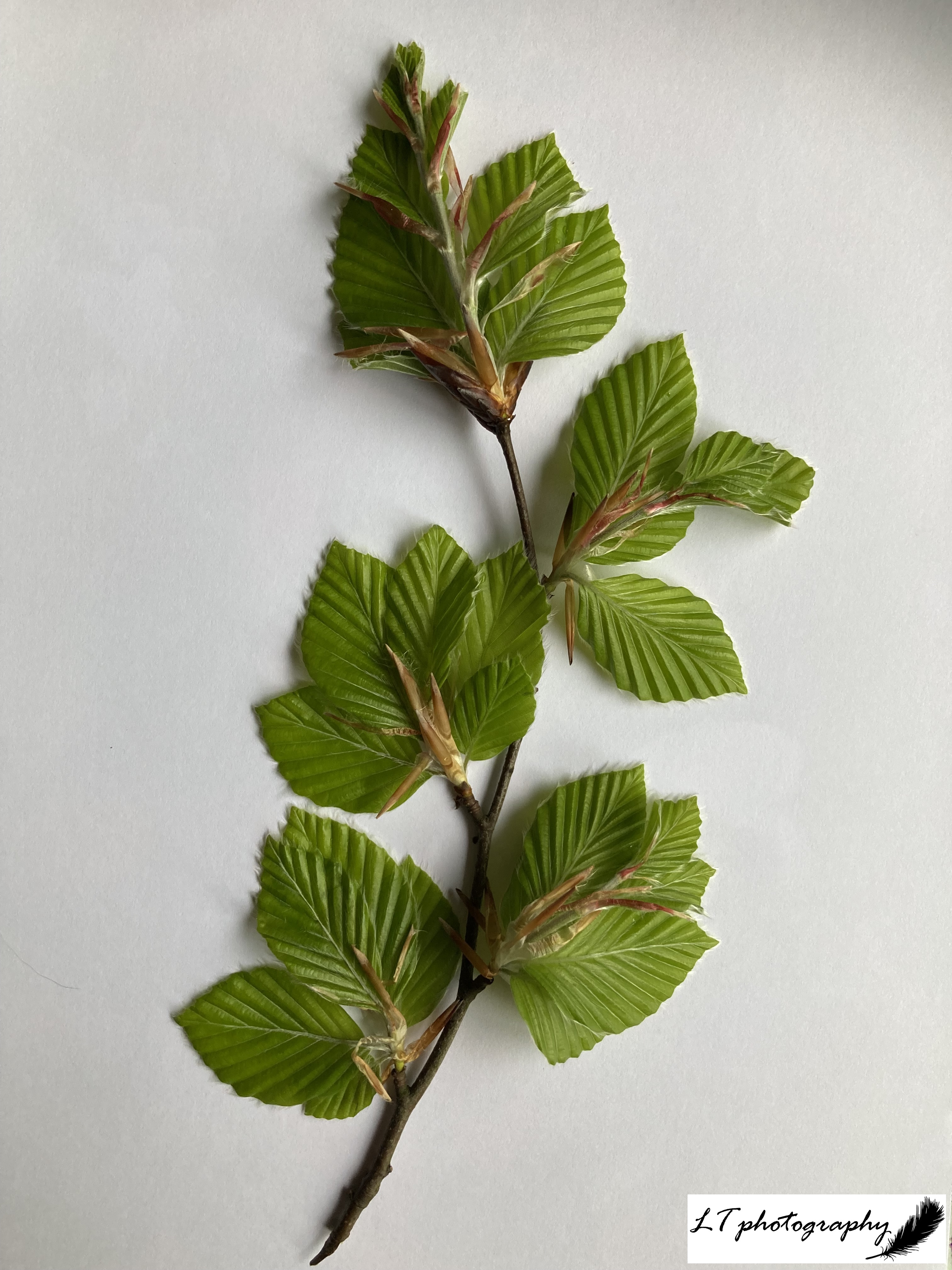
Beech (Fugus sylvatica)

  • Family: Beech – includes chestnuts and oaks
  • Origin: Native
  • Shape and Size: Older trees have a massive, many-branched dome, whereas young trees are slimmer and more conical in outline (up to 36m)
  • Stems and Twigs: Smooth grey bark may break into small squares
  • Leaves: Long, wavy margins, alternate, hairy leaf edges, and shiny green on both surfaces
  • Flowers: Young leaves appear with yellow long-stalked male flowers on tassel-like stalks, and greenish white female flowers (May)
  • Seeds: Four-lobed husk are two triangular nutlets (mast)
  • Range and Habitat: Native in woods in the south, but widely planted elsewhere

In Winter: Often hold on to leaves and have sharply-pointed buds

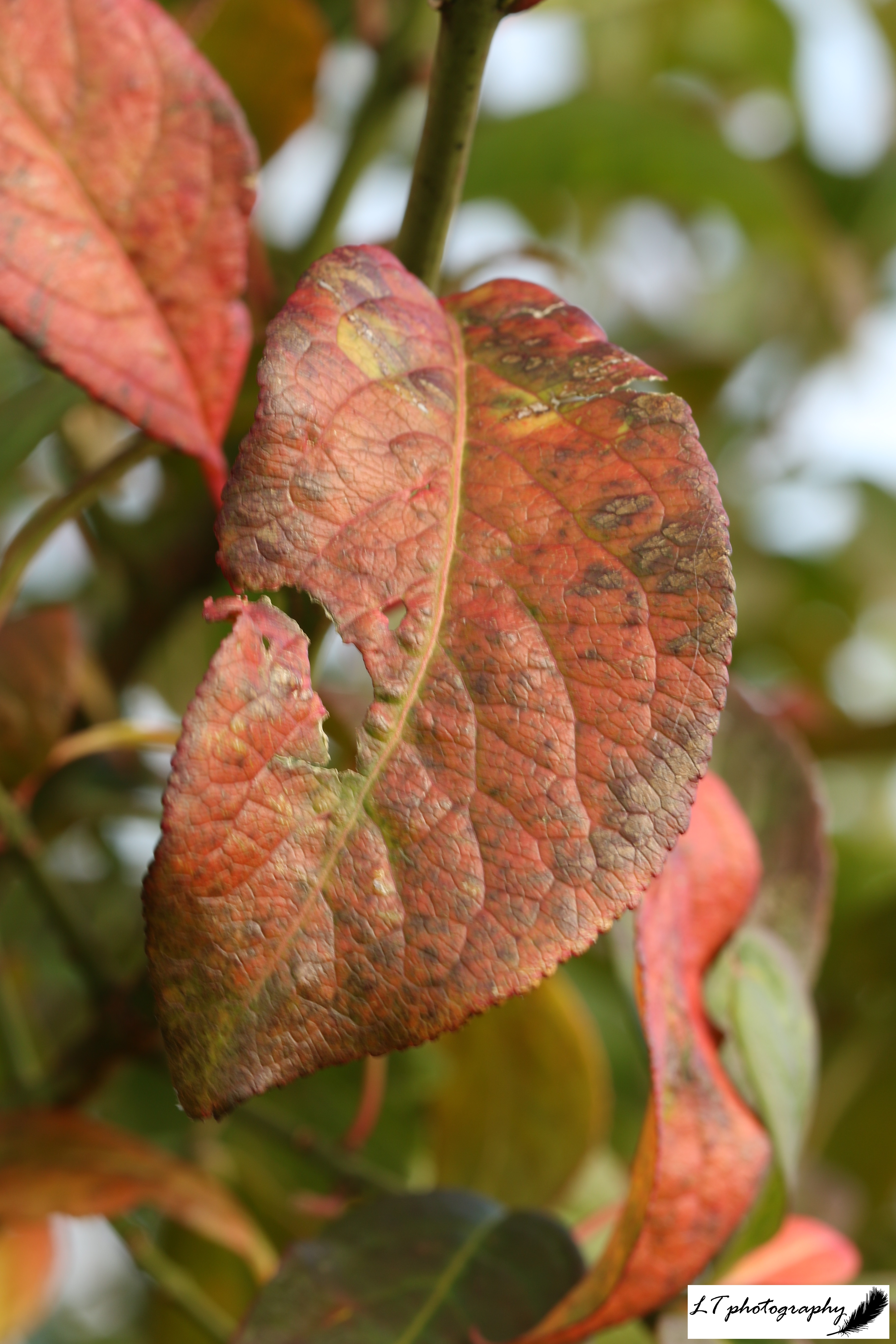
Spindle (Euonymus europaeus)

  • Family: Staff-vine
  • Origin: Native
  • Shape and Size: Small tree or big bush up to 6m
  • Stems and Twigs: Young, smooth, greenish bark later turns grey
  • Leaves: Light green leaves are opposite, thin, oval-shaped, and pointed, with small finely toothed margins. Turn pinkish-red in autumn
  • Flowers: Small greenish-yellow flowers with 4 narrow petals (May-June)
  • Seeds: Four-lobed seed capsules, which turn a deep pinkish-red when ripe.
  • Range and Habitat: Grows throughout England and Wales, most frequent in the South, but rarer in Scotland and Ireland. Found in woods, scrub, and hedgerows, in particular on lime

In Winter: Buds and twigs are angular with four sides

Yew (Taxus baccata)

  • Family: Yew
  • Origin: Native
  • Shape and Size: Round-headed tree with dark foliage, often has many trunks (reaches up to 20m)
  • Stems and Twigs: Smooth, light brown bark flakes to red patches
  • Leaves: Needles dark green on top and matt yellow-green on underside
  • Flowers: Male and female flowers are found on separate trees. Male flower is yellow, and tiny female flower is green (February-April)
  • Seeds: Bright red ripened fruits, much enjoyed by birds, partially encloses a single seed that is poisonous to humans
  • Range and Habitat: Found in woods, scrub, screes, downs and often on lime

In Winter: Evergreen needle-like leaves present all year round

Drawings are my own work

How to… Bring Nature Into Your Home This Christmas

Christmas for me, alongside being all about family, friendship and feeling grateful, is deep rooted in nature. This is not unusual though, as people have been taking direction from nature during mid-winter celebrations for thousands of years. From the Romans decorating their homes with greenery to the Victorian Christmas tree, from pagans to Christians, the inspiration for how Christmas looks today has often come from the world outside our doors. For me, every year during December, I also bring nature into my home in the form of plant life. But why and how?

Plants and Christmas

During the winter and Christmas period, it’s popular for evergreens to be brought into our homes to be used as decorations. This practice has been observed for thousands of years, evolving but often holding the same symbolism and meaning. Evergreens are a traditional symbol of everlasting life due to their longevity, and were worshipped by pagans as symbols of immortality and everlasting light, being used to ward off illness and evil spirits. The bright natural colours of evergreens have also long provided inspiration for many, and still do during the cold, dark days of winter. They are a symbol of celebration and remind us that the days of spring will return in time.

Some Christmas examples include:

Mistletoe – A long history in Britain from being sacred to the druids and warding off evil spirits during the Middle Ages to symbolising healing, shelter and fertility. It was once banned from Christian churches due to its pagan links. The Victorians gave the plant its modern tradition of being hung in a doorway to kiss under, though the exact reason why we do this is still unknown.

Holly – Long associated with fertility, protection and eternal life in Britain, due to being able to withstand harsh conditions. It was originally brought into people’s homes to ward off witches and malevolent spirits during the dark months, before being adopted by the Church to symbolise Jesus’ sacrifice (prickles= thorns and berries= spilt blood).

Poinsettas – Native to Mexico and brought over from America, the flowers have become a meaningful symbol of Christmas. Their star shape is thought to symbolise the Star of Bethlehem, and the colours either purity or the spilt blood of Christ. For some, Poinsettas also symbolise new life.

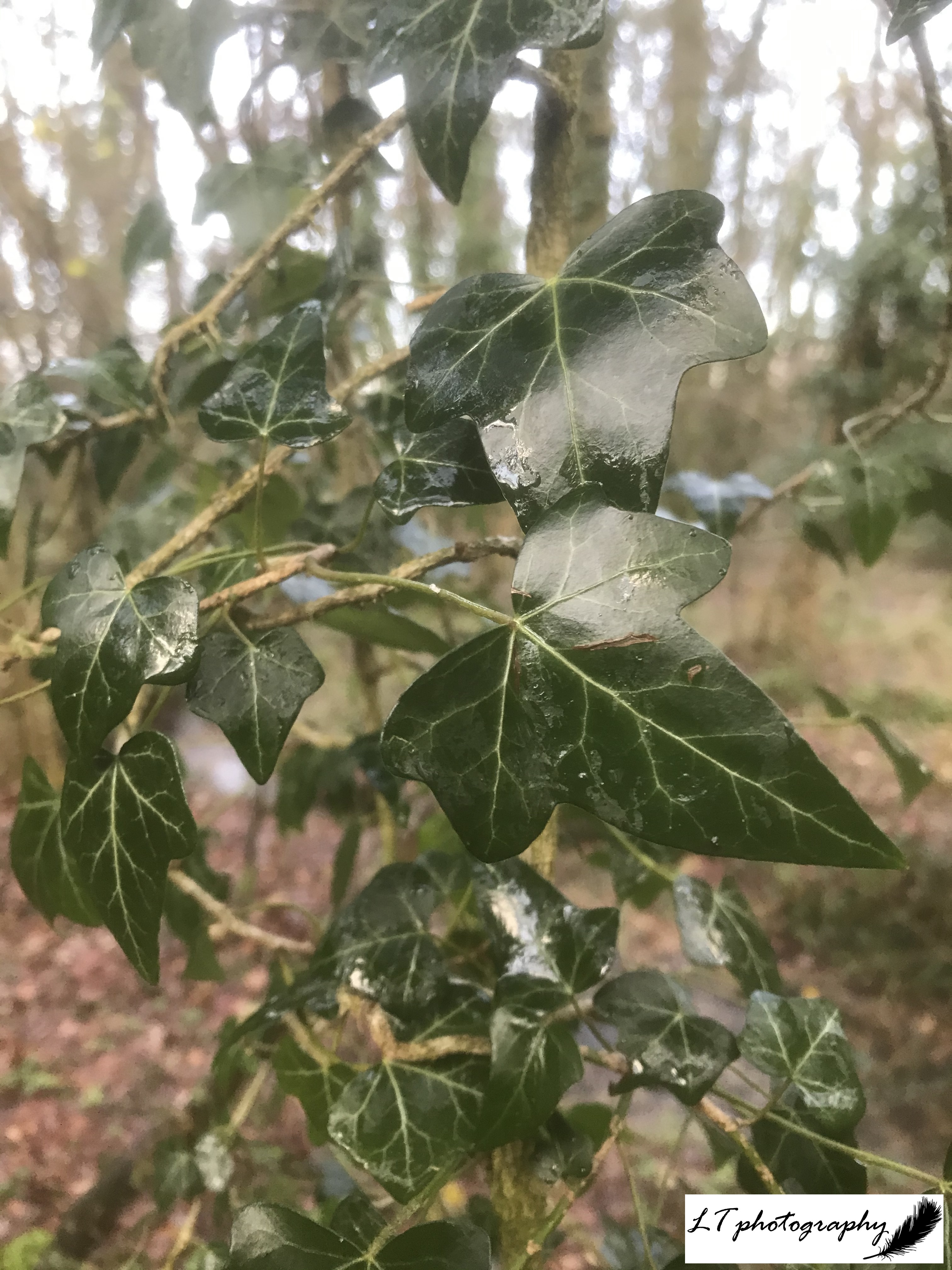
Ivy – Symbolises everlasting life, resurrection, rebirth, and the coming of spring. During Christmas time, Ivy is closely associated with Holly, being once considered a female plant whereas Holly was the matching male plant. It was said that whichever of these two species was brought into the house first during the winter, would predict whether a man or woman would be in charge of the house for the next year. Now popular at Christmas, Ivy was once banished from homes by the Christian church due to its ability to grow in the shade, giving it associations with secrecy and debauchery.

How to make your own Christmas decorations

Bringing nature into your home is a great way to brighten things up and add a bit of colour to your Christmas festivities. Though it is understandable if you feel daunted by the prospect of turning your hand to making your very own decorations for the first time, such as a wreath or centrepiece, it is actually a simple and a great way to create decorations personal to you. Using natural materials can be a fun and easy way to do this, so why not try something new and have a go! For a little inspiration and some tips, here are some of the decorations that I put together for my family home each year, including this year.

Popularly Used Species

  • Holly – With and without berries
  • Ivy
  • Rose hips
  • Teasels – Some sprayed with non-toxic paint

Centrepiece and Mantlepiece Decorations

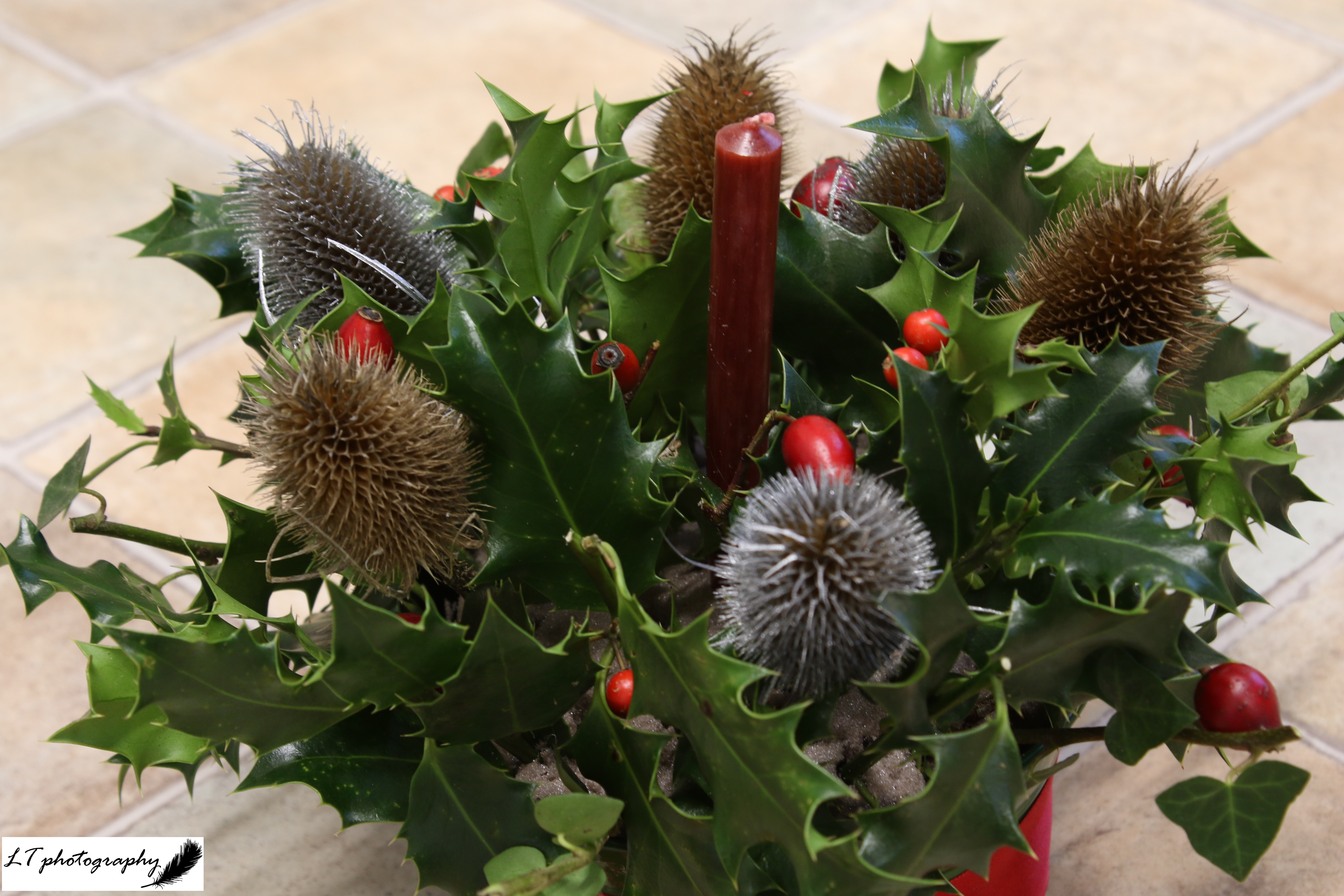
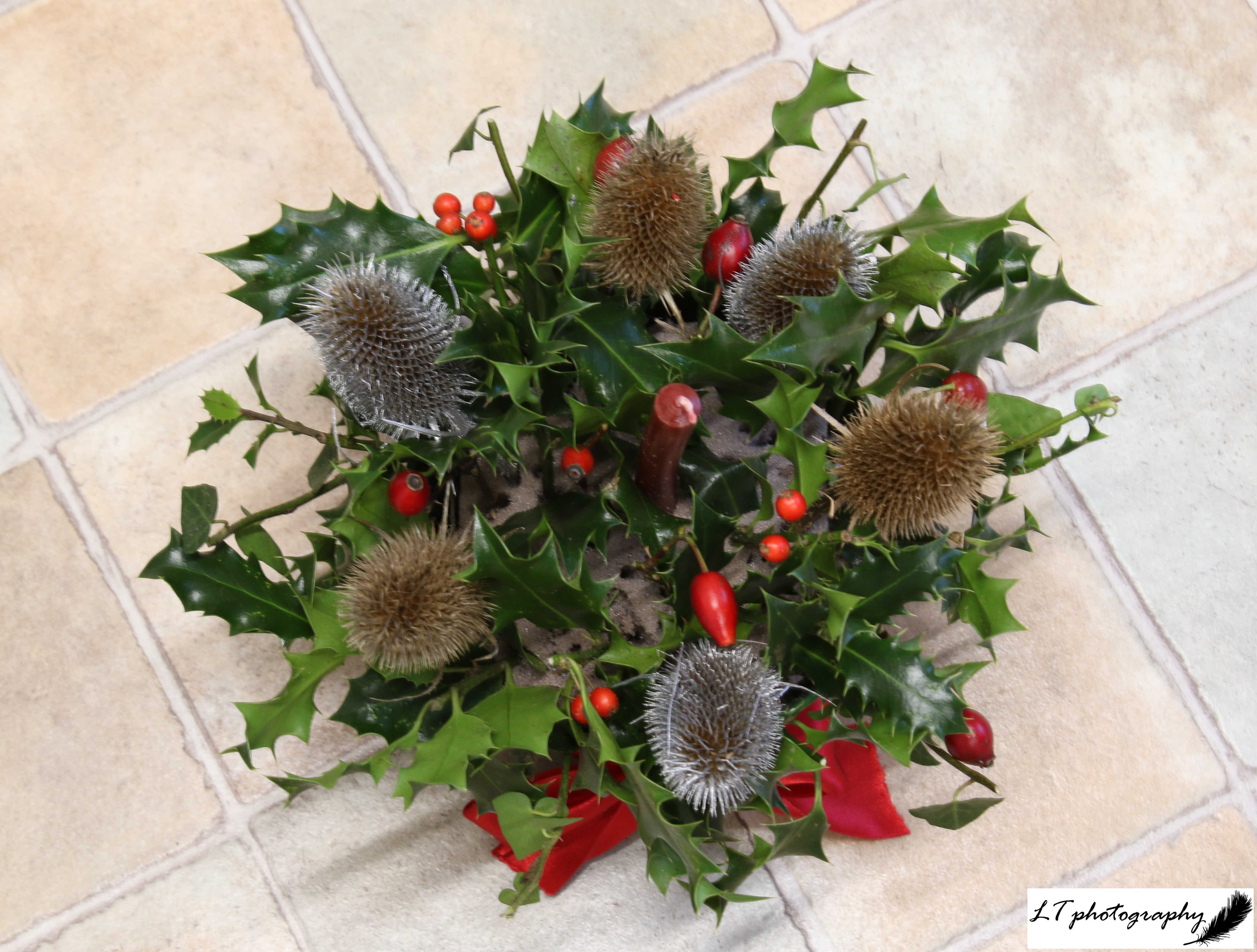
For my centrepiece and mantelpiece decorations, every year I simply use a couple of small metal buckets with a bit of oasis in them. My squares of oasis are reused again and again each year, so if you are starting out it is better to use a non-toxic, biodegradable alternative that will not harm the environment.

To begin putting together one of my Christmas arrangements, I start with placing a candle at the centre (though it is simply for decoration). I then build up from there, beginning with a few Teasels around or behind the candle, then adding Holly with and without berries, Rose hips, and Ivy. You can arrange the greenery however you want and add what you like. It is a bit of fun of course!

Basic Wreath

A wreath’s circular shape has long been seen as a symbol of eternal love and rebirth. They can first be traced back to early Roman times, where wreaths were made and given during the festival of Saturnalia each year (check out my blog post: The Twists of Christmas Traditions for more information).

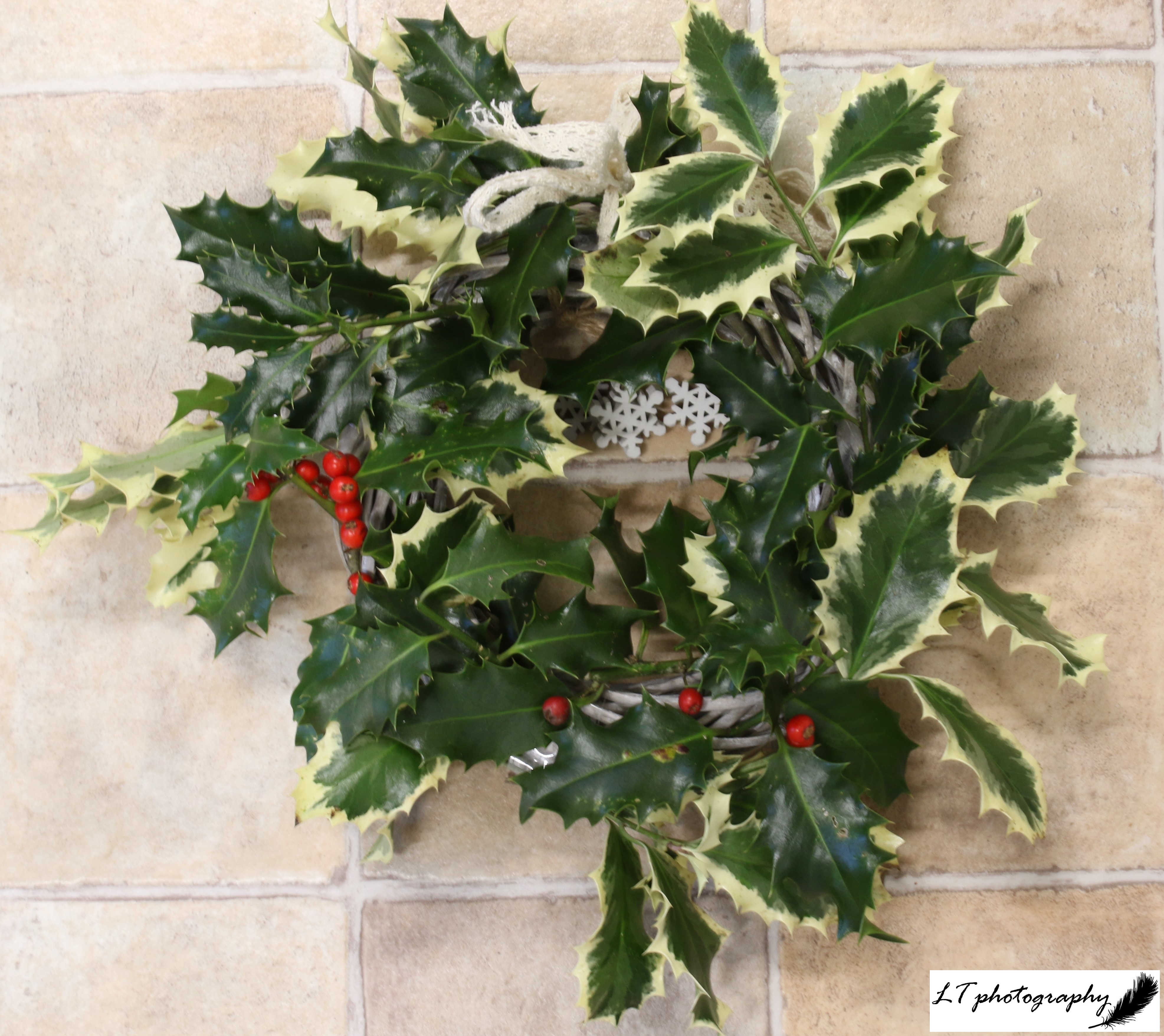
To begin my wreath, I use a basic wooden wreath as my base and work from there. I usually start by wrapping Holly around the base and adding extra Holly with and without berries. This year I was happy with just Holly, but other years I have added Ivy and other greenery, and decorations such as ribbon. Less is more though, and watch out for the Holly’s spiky prickles!

Vase Arrangements

To finish my Christmas decorations, I like to use whatever greenery I have left to create some simple vase arrangements in fun vases. Teasels and Ivy are a great mix for this, adding a little colour and decoration to any room.

Warning

When collecting your greenery, pick only what you need, especially when picking plants with berries, such as Holly. These berries are a source of food for animals during the winter, so it is important that we leave some for them too.

Stay safe and Merry Christmas!