How to… Identify All Year Round Garden Birds

Photographs will be updated in the future

In the UK, 633 wild bird species have been recorded up to 2024, from eagles and owls to kingfishers and thrushes. Between 2015 and 2020 though, almost half of all bird species in the UK were seen to have experienced a decline in number, adding to a steady decline over 50 years. Some of the biggest factors have been increased development, agricultural intensification, habitat loss, lack of woodland management, disease, and climate change, amongst others.

As bird species continue to lose access to habitat and food sources across the UK, our gardens, however big or small, are becoming an important lifeline for populations. ‘Garden birds’ refer to any species that visit and utilise a garden, and species will depend on what food, water, and habitat is available, and also the habitats that can be found around a garden. This often leads to variation in what people may see from garden-to-garden.

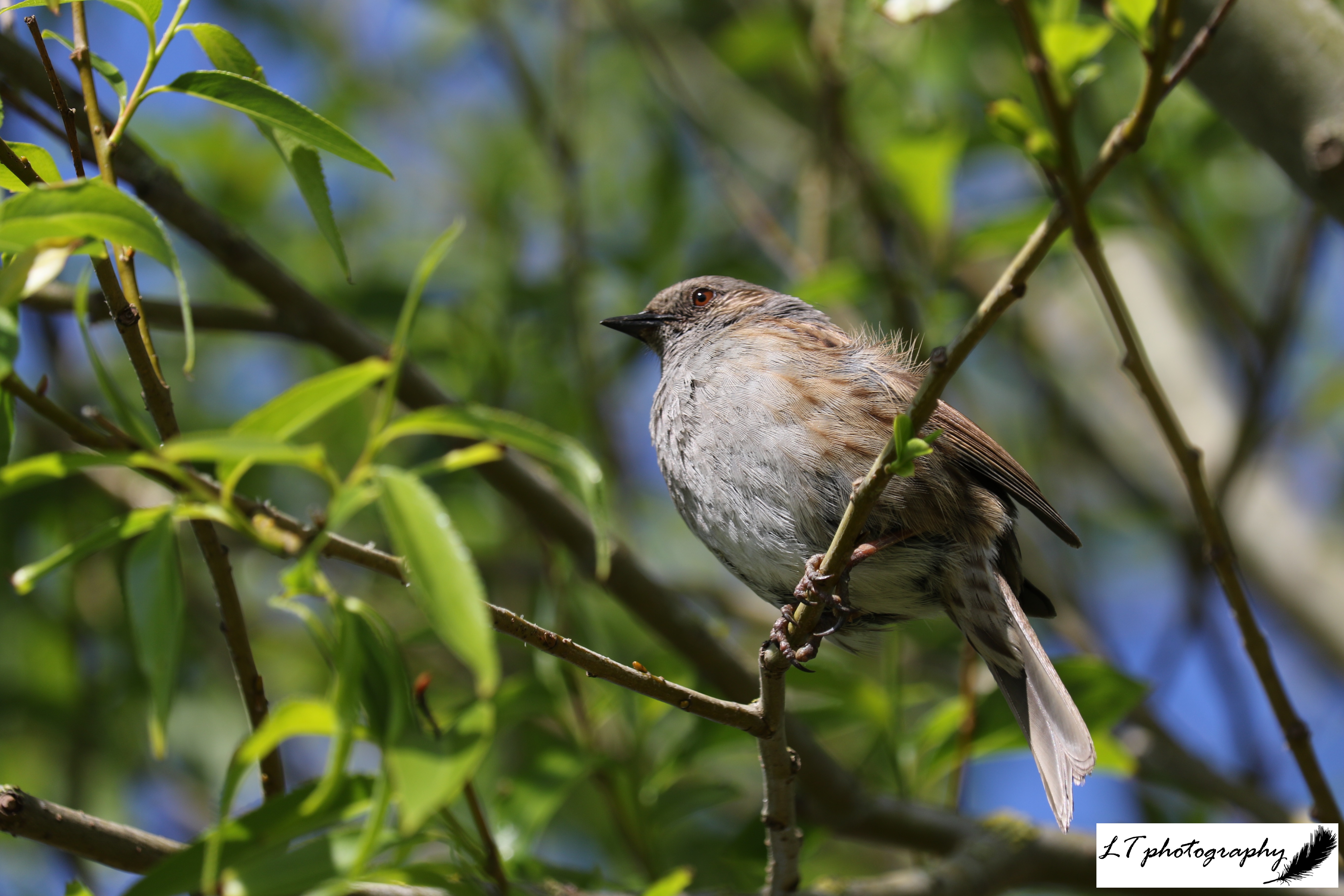
Despite differences, there are a number of birds that are more likely to be seen in gardens, and it is great to know what you may be seeing to help easily tailor your garden for their use, such as what bird food to offer. To help identify species, here you can find a helpful guide to 10 birds that can often be seen in gardens across the UK, even when their populations are decreasing in number. Take a look below!

Species:

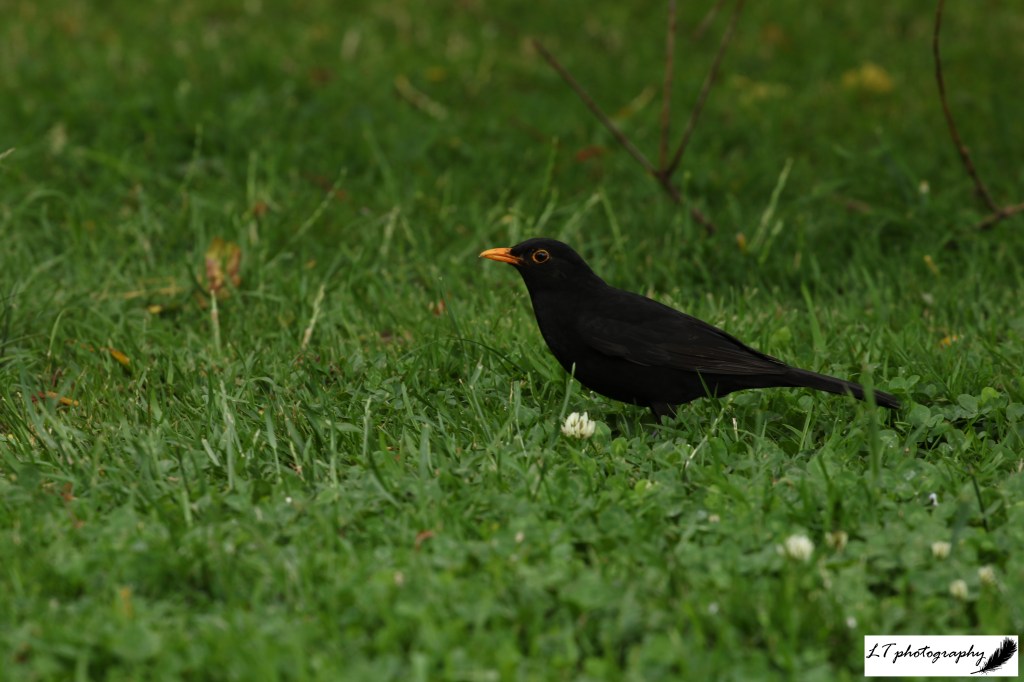
Common Blackbird (Turdus merula)

  • Length: 23.5 – 29cm
  • Weight: 80 – 125g
  • Colour: Adult males are all black with a yellow beak, whilst adult females are dark brown with a more dull beak. Young start as a speckled version of the female and change to adult feathers through moulting their feathers
  • What To Feed: Mealworms, fat balls, or sunflower hearts on the floor or in a ground feeder
  • Breeding Season: March to Late July
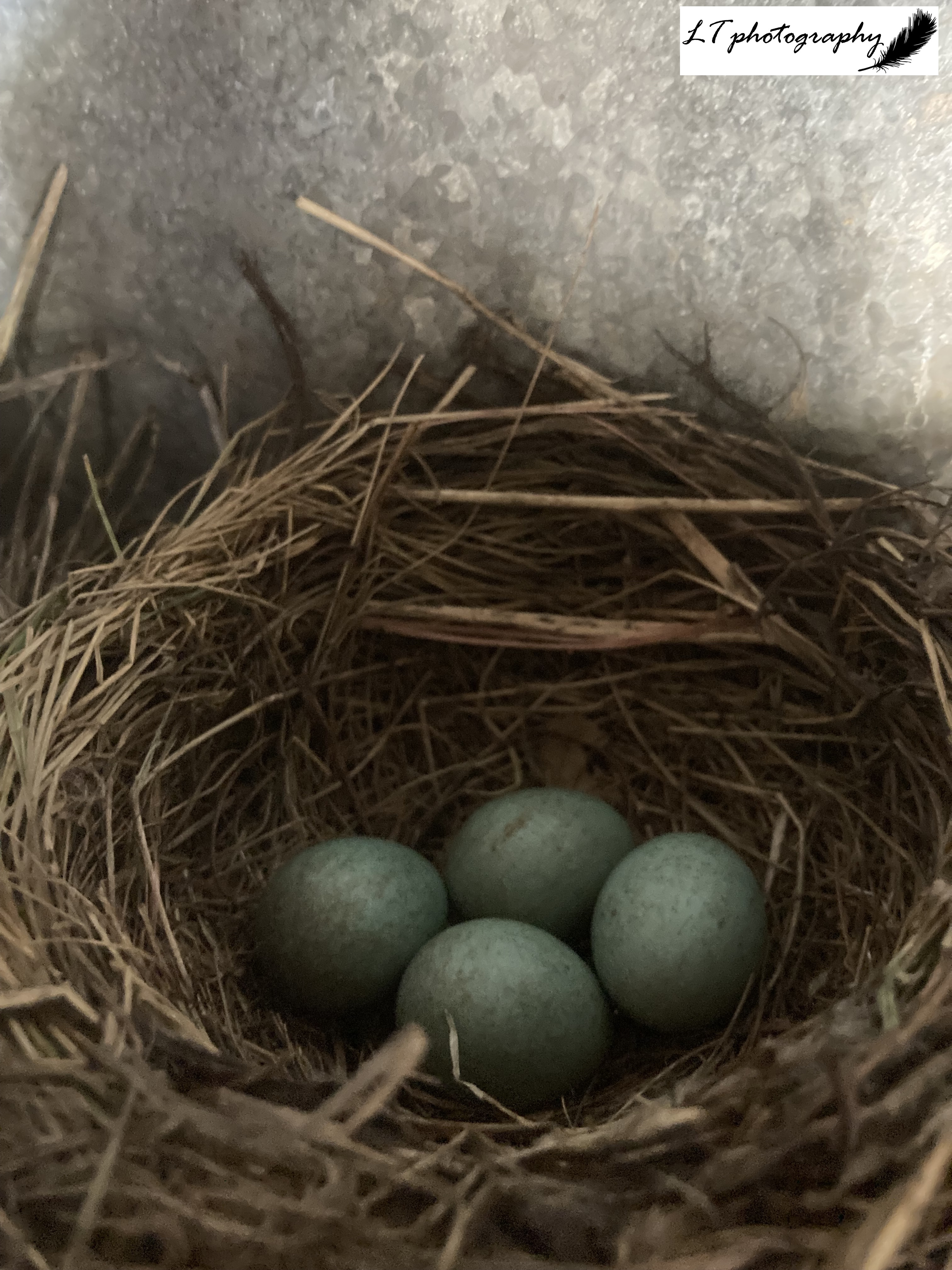
  • Nest: A round cup made of twigs, grass and other plant materials, close to the ground in adequate cover
  • UK Conservation status: Green

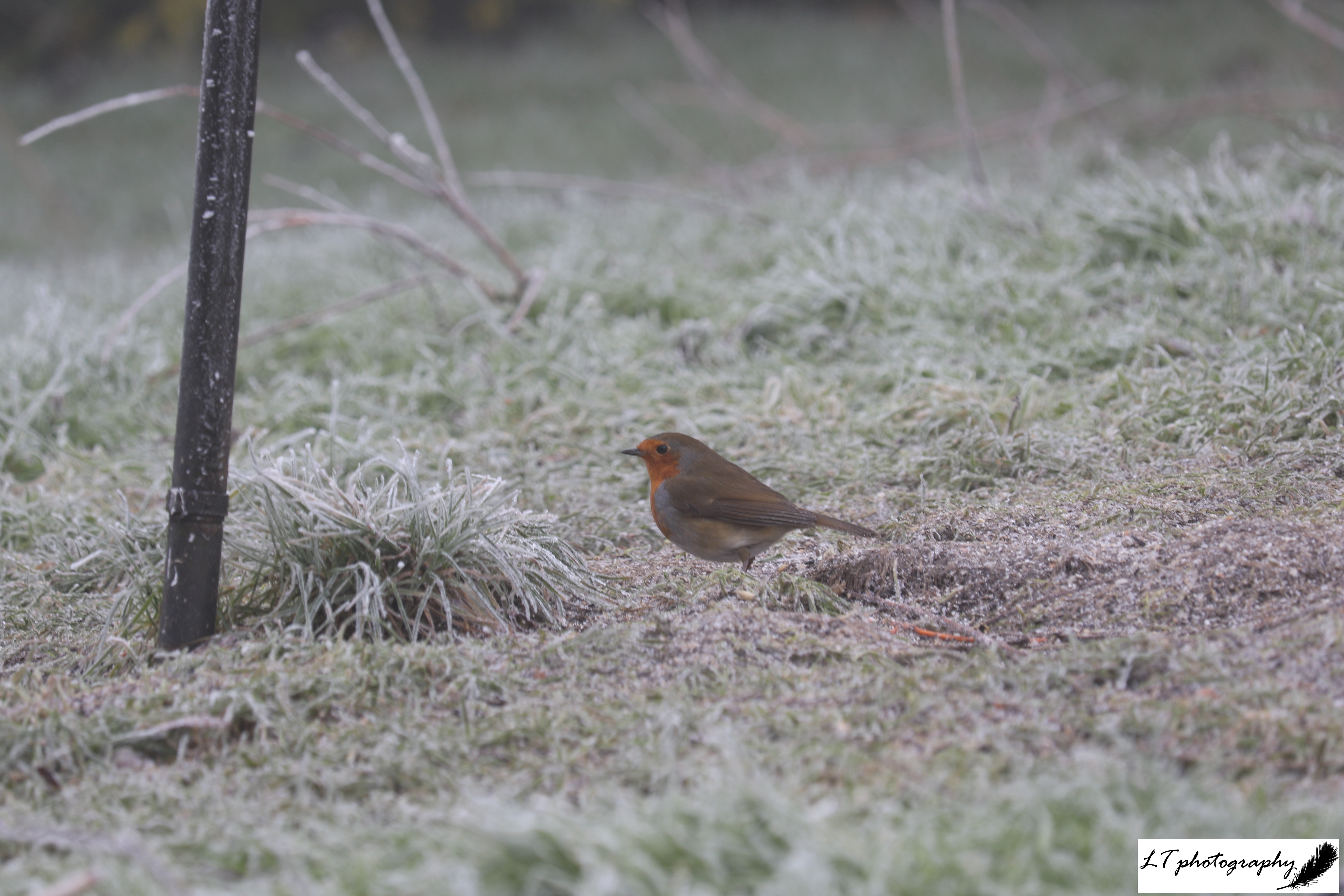
European Robin (Erithacus rubecula)

  • Length: 12.5 – 14cm
  • Weight: 13 – 21g
  • Colour: Adult males and females look the same, both brown with an orange-red breast and white underside. The young start a speckled brown
  • What To Feed: Mealworms, suet, or seeds on a ground feeder, bird table or bird feeder with platform
  • Breeding Season: March to mid-August
  • Nest: A round cup made of grass, moss and leaves and lined with hair and maybe feathers, usually tucked in a hole, crevice or behind something
  • UK Conservation Status: Green

House Sparrow (Passer domesticus)

  • Length: 14 – 16cm
  • Weight: 23 – 35g
  • Colour: Adult males have a grey crown and cheeks, chestnut sides to head, black bib, grey underparts, rufous-brown back, and white wing-bar. Adult females and young (until body moult) have buff-brown upperparts, underparts grey, brown cap and cream supercilium behind eye
  • What To Feed: Will eat a range food, including seeds and grains from feeders
  • Breeding Season: March to August
  • Nest: In cavities, where dried plant material is stuffed in to make an untidy sphere which is then lined with softer materials, such as feathers
  • UK Conservation Status: Red

Blue Tit (Cyanistes caeruleus)

  • Length: 13.5 – 15cm
  • Weight: 9 – 13.5g
  • Colour: Blue crown, wings and tail, white cheeks, black eye-stripe, underparts yellow, and greyish-black central belly stripe. Their young begin with more dull feathers and yellowish cheeks
  • What To Feed: Fat balls, suet, peanuts, or sunflower seeds from hanging feeders
  • Breeding Season: March to June
  • Nest: Built inside cavities and formed of a cup of plant material, such as moss, lined with soft materials, such as feathers, wool and fur
  • UK Conservation Status: Green

Great Tit (Parus major)

  • Length: 13.5 – 15cm
  • Weight: 14 – 22g
  • Colour: Black head with white cheeks, moss-green back, blue-grey wings and tails, yellow underparts and black central belly-band. Males have wider, more defined belly-band. Young begin more dull and with yellowish cheeks
  • What To Feed: Suet, fat balls, peanuts, or sunflower seeds in hanging feeders
  • Breeding Season: March to July
  • Nest: Built inside cavities, formed of a cup of twigs, roots, moss, lichen and/or grasses, and lined with soft materials, such as hair or plant material
  • UK Conservation Status: Green

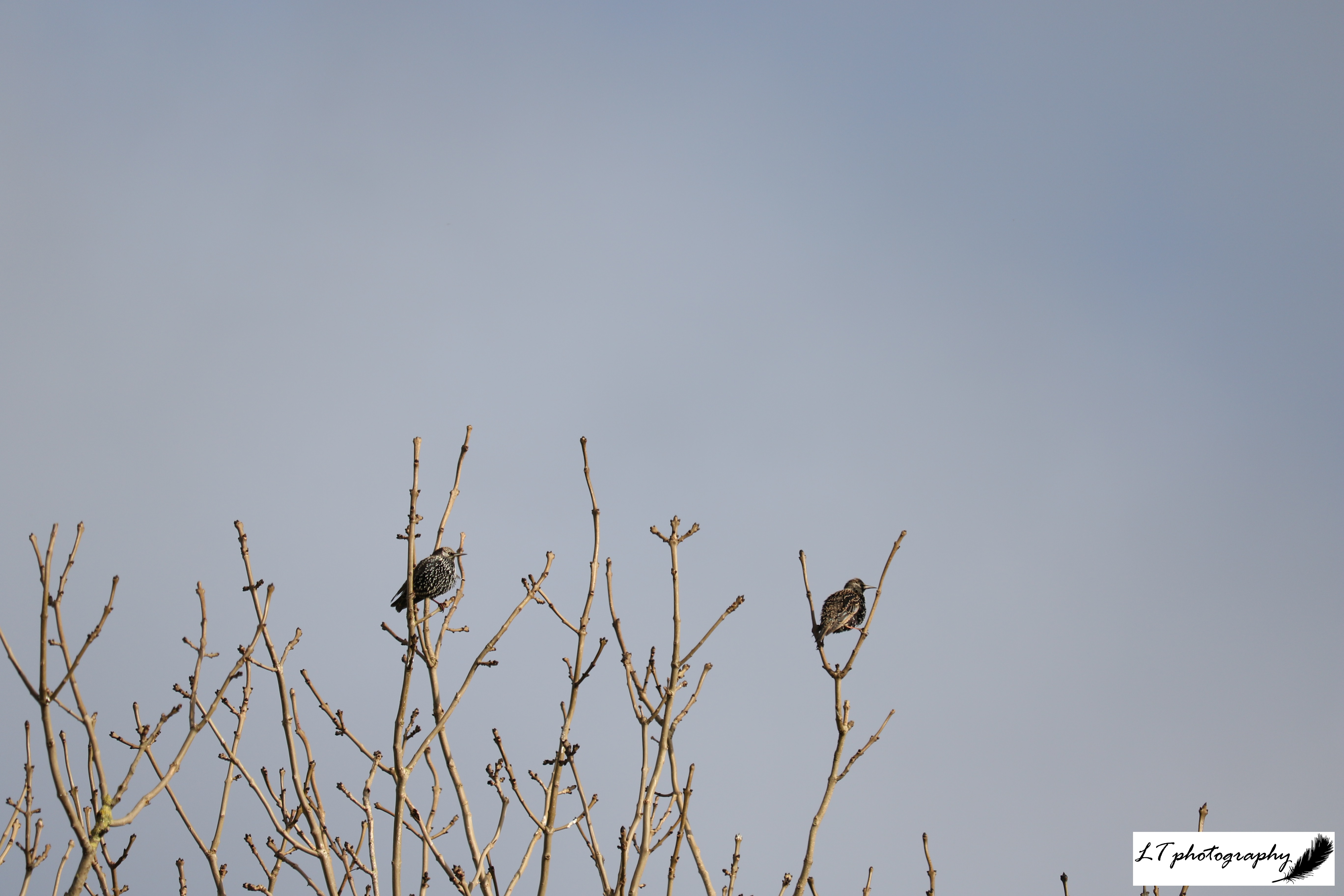
Starling (Sturnus vulgaris)

  • Length: 19 – 22cm
  • Weight: 60 – 97g
  • Colour: Black bird with long-pointed yellow bill, white spots dotted through plumage, a green-purple sheen to the feathers and pale pink legs. The young start with grey-brown feathers and change with body moult
  • What To Feed: Suet, peanuts or sunflower hearts in hanging and ground feeders
  • Breeding Season: March-July
  • Nest: In holes and cavities in trees and buildings, made up of a messy depression of plant stems, grass, and moss, and often lined with feathers or wool
  • UK Conservation Status: Red

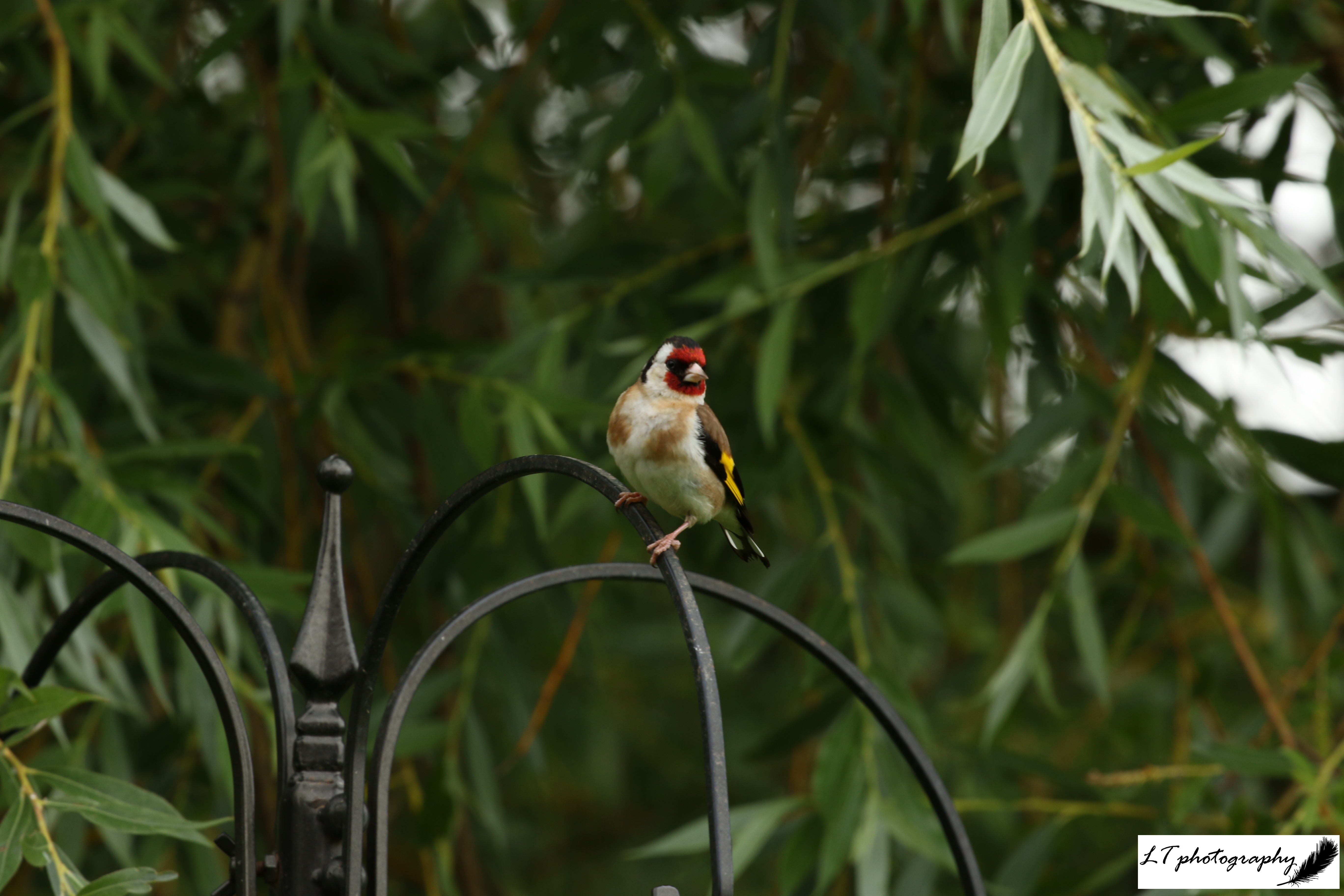
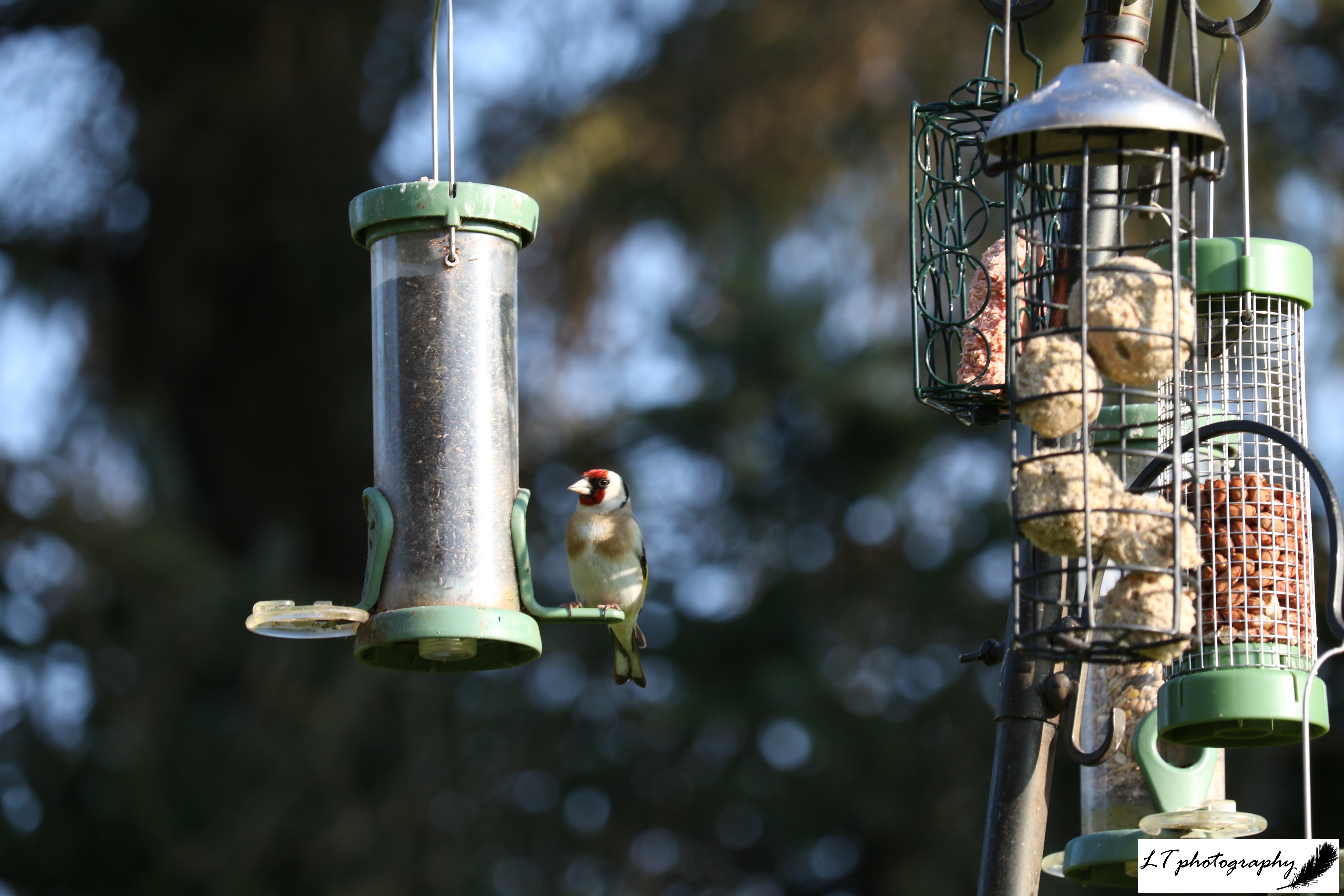
Goldfinch (Carduelis carduelis)

  • Length: 12 – 13.5cm
  • Weight: 13 – 20g
  • Colour: Adults have a black and white head with red face, brown back, black wings with yellow bar, and black tail with white spots. Young lack colourful head until body moult
  • What To Feed: Sunflower hearts, niger seeds or mixed seed in hanging feeders
  • Breeding Season: April to August
  • Nest: A neat cup made of moss, grass, wool, and hair, relatively far off of the ground in tight tree branches, hedges or shrubs
  • UK Conservation Status: Green

Chaffinch (Fringilla coelebs)

  • Length: 14 – 16cm
  • Weight: 17.5 – 29g
  • Colour: Adult males have pinky-red cheeks and breast, and blue-grey crown and neck, whereas adult females and young lack the colourful head and instead have a grey-green one. All have a distinct pale rump and double white wing bars
  • What To Feed: Peanuts, sunflower seeds, seed mixes, or suet in hanging or ground feeders
  • Breeding Season: April to June
  • Nest: Deep cup of lichens, grass, roots and feathers, lined with plant down, feathers or wool, usually in the fork of a tree, shrub or hedgerow
  • UK Conservation Status: Green

Collared Dove (Streptopelia decaocto)

  • Length: 29 – 33cm
  • Weight: 168 – 249g
  • Colour: Pale pinky-grey-brown feathers, black neck collar, dark eye, grey underparts, and reddish feet
  • What To Feed: Small seeds from ground feeders or bird tables
  • Breeding Season: March to September
  • Nest: Sparse platform of twigs and leaves in trees or high up in buildings
  • UK Conservation Status: Green

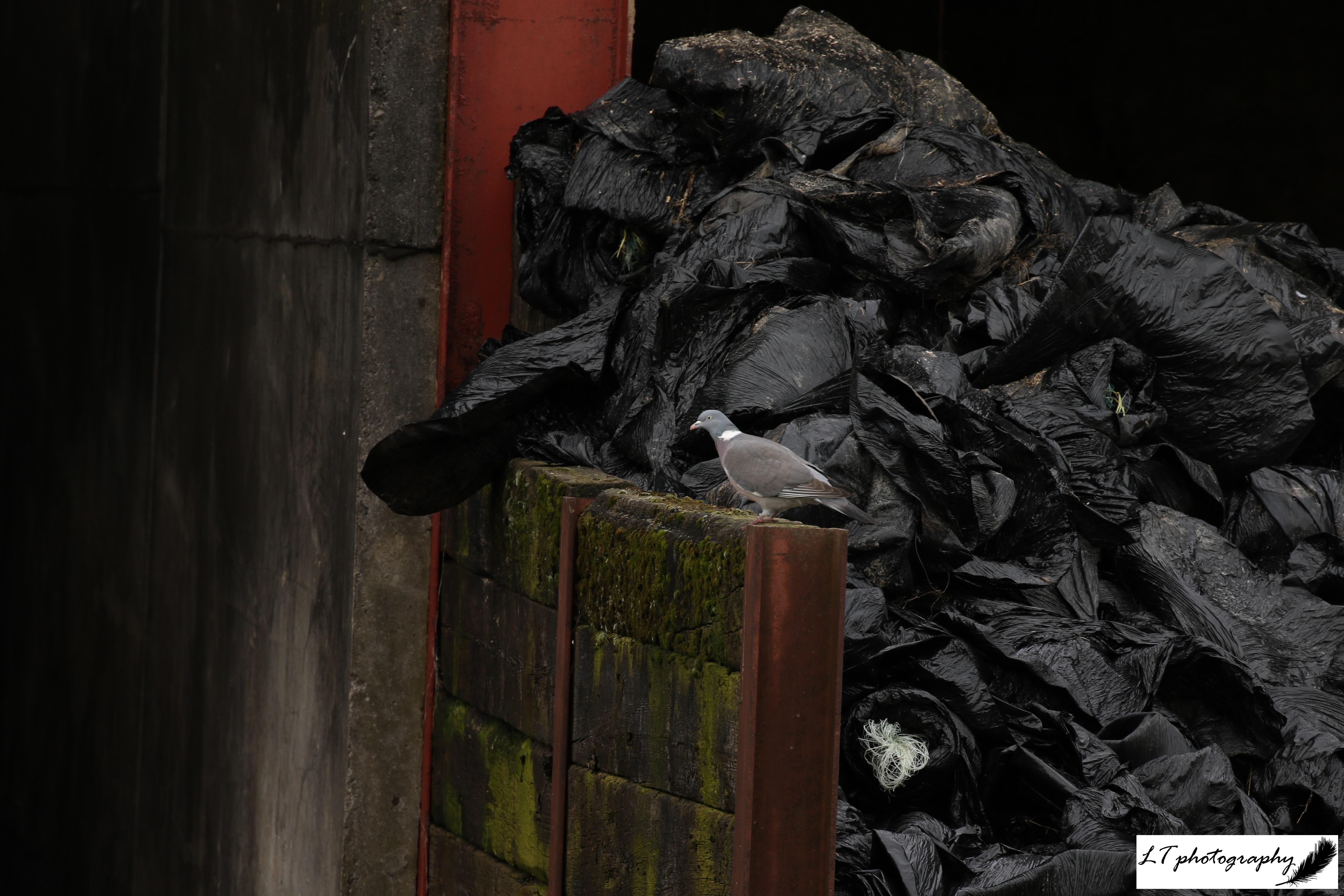
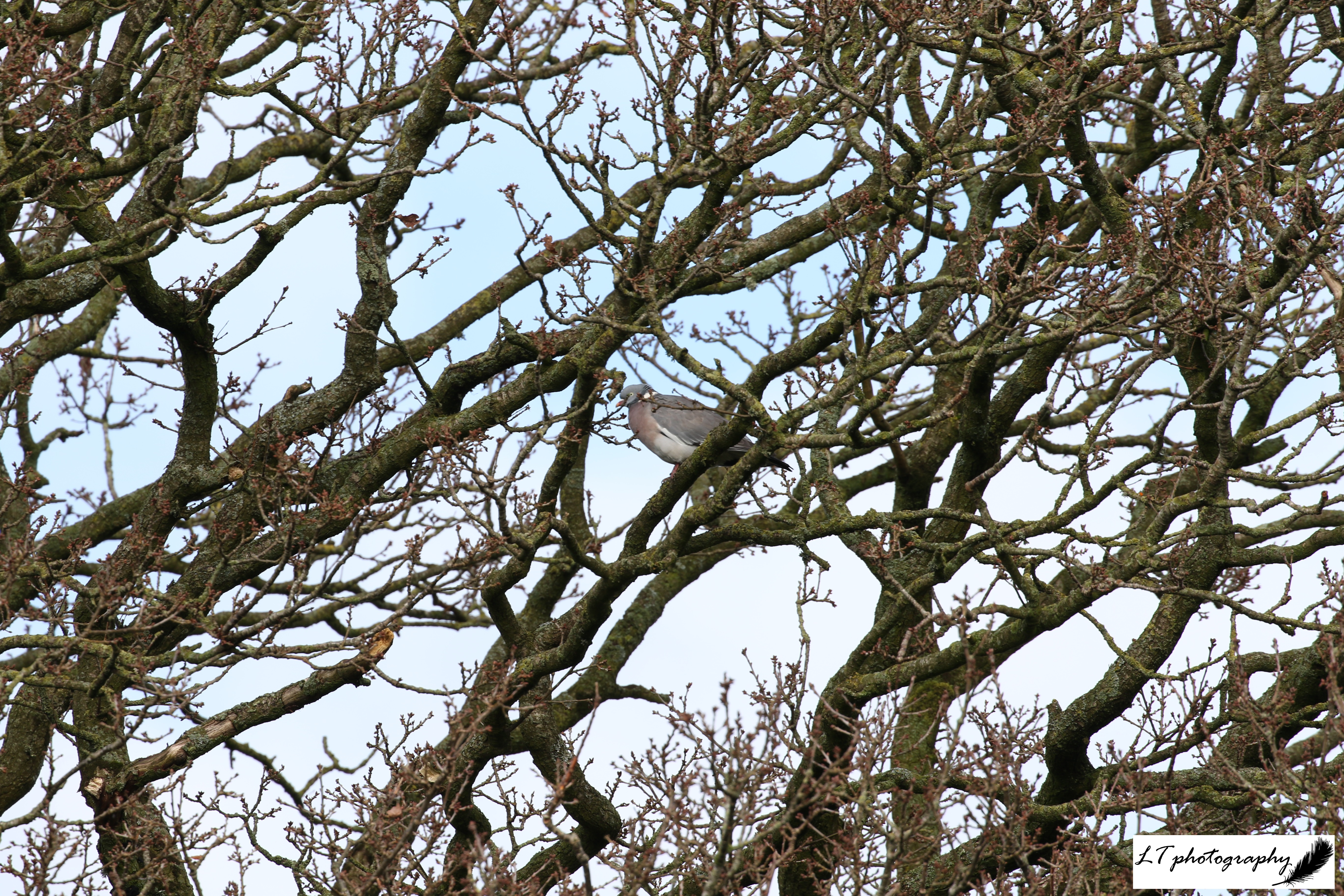
Woodpigeon (Columba palumbus)

  • Length: 38 – 43cm
  • Weight: 325 – 620g
  • Colour: Grey-blue head and back, pinky-red belly, large white patch on neck, sides of neck iridescent purple and green, white wing patches and pink legs. Young are pale with no neck patch.
  • What To Feed: Only British herbivorous bird. Feed seeds on a bird table, ground feeder or the ground
  • Breeding Season: February to November
  • Nest: Simple platform constructed from sticks in trees, shrubs, vegetation or ledges
  • UK Conservation Status: Amber

How to… Identify Signs of Spring in Britain

This year the Spring Equinox occurred on the 20th March, marking the point when the sun sat directly over the Earth’s equator heading northward, alongside the start of a new season, in our case spring. With spring comes longer day lengths, milder temperatures, regrowth, new beginnings, and the literal ‘springing’ of plants from the ground. After tough winters and a period of dormancy for nature, the sights of spring understandably lift spirits and create hope and joy.

As we look ahead to spring and what it means to us all, people will also be looking for the first signs of its arrival to tell them the season is upon us. With an increase in activity within nature, these signs can differ for different people, with examples including the first snowdrops, mammals coming out of hibernation, or even birds such as Rooks beginning to nest. For Emma, my Rural vs Urban blog series co-writer (check it out!), her first signs of spring in Manchester are as follows:

Signs of spring in Manchester, as typed from the tram on a lovely spring day: sunshine reflected off the sides of the glass buildings, daffodils and crocuses bravely making an appearance on the grass banks, seeing the first few Manchester bees buzzing about, thinking that it’s warm enough to leave the house without a coat then realising you made a mistake when it pours down with rain later in the day, and sitting outside at the pub!

Though we may all have our own personal favourites, there are some popular first signs of spring that can easily be looked for in anyone’s local area across Britain. Why not try to find them all yourself?

1. Hazel Catkins

  • Hazel is one of the first of our native species to flower at the start of the year, bringing real colour and joy to the still wintery landscape
  • Latin Name: Corylus avellana
  • Name: Catkin refers to long cylindrical clusters of small flowers
  • When to See: January to April
  • Where to See: Woodlands, scrub areas and hedgerows
  • Identifying Features: Lemon-yellow with pollen when open, and shaped like a lambstail, hanging in clusters from hazel branches
  • Range: Widespread throughout Britain

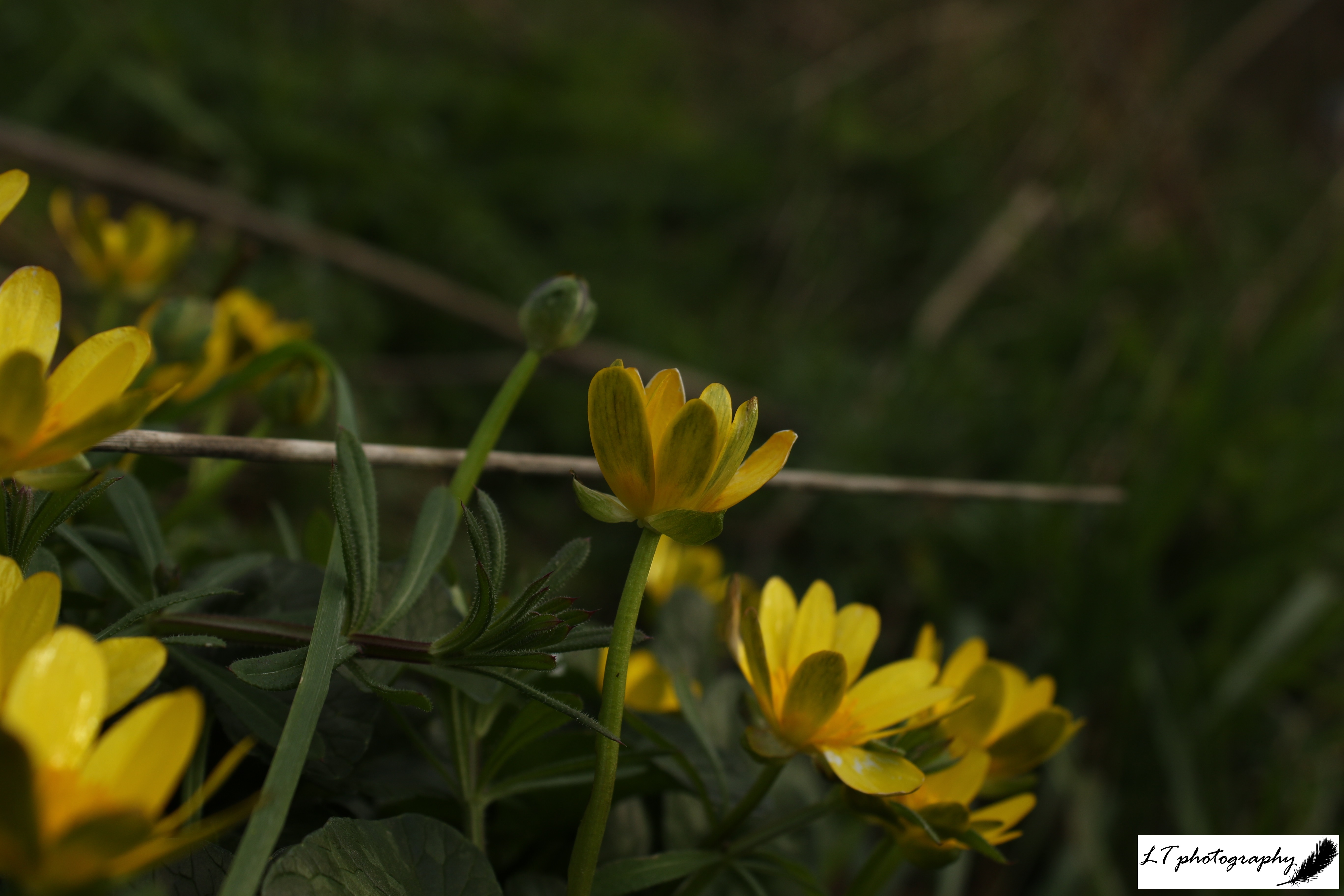
2. Yellow Flowers

  • After a cold and grey winter, nothing raises the spirit like the blooming of sunshine yellow flowers in the landscape, a symbol of rebirth and new beginnings
  • Most Popular: Daffodils (Narcissus spp,); lesser celandines (Ficaria verna); primroses (Primula vulgaris); cowslips (Primula veris)
  • When to See: Daffodils= February to May; celandines= March to May; primroses= February to May; cowslips= April to May
  • Where to See: Daffodils= gardens, parks and woodlands; celandines= woodland, grassland and gardens; primroses= woodland, hedgerows, and gardens; cowslips= grassland, woodland and hedgerows
  • Identifying Features: Daffodils= inner trumpet shape with a crown of petals; celandines= shiny yellow stars; primroses= rosettes of pale petals with darker centres; cowslips= bell-shaped within a green casing

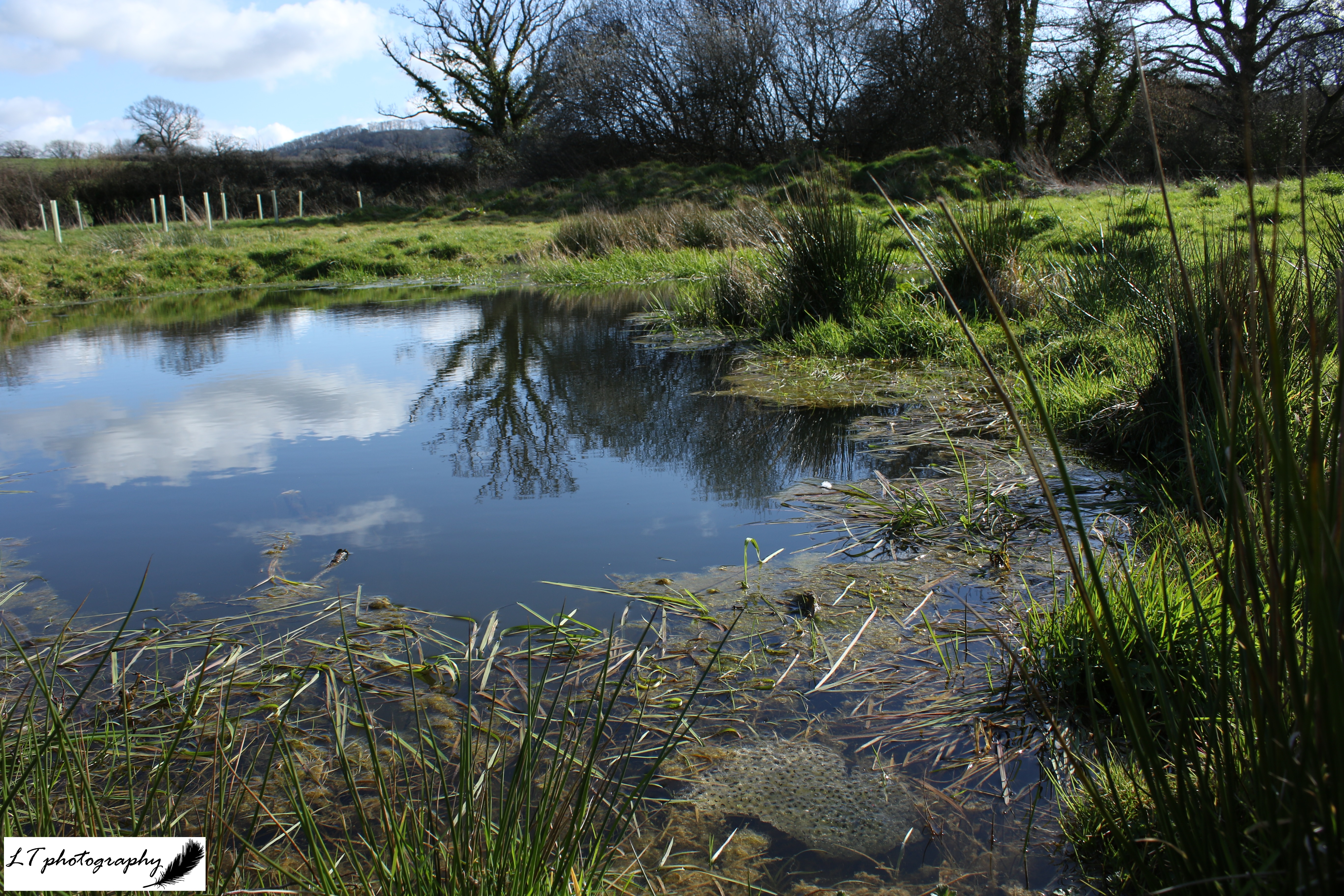
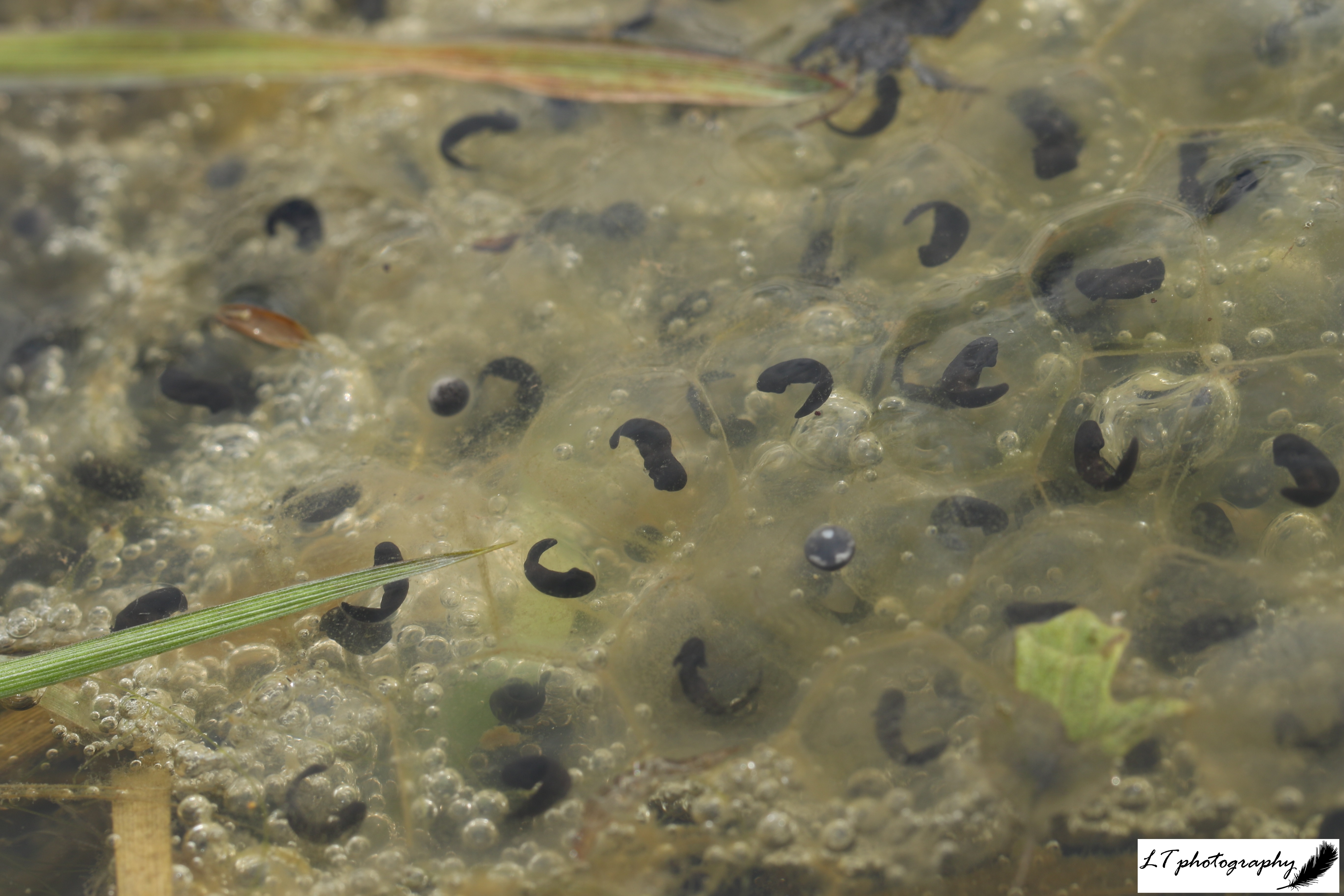
3. Frogspawn

  • A symbol of spring that captures the imagination from a young age with its strange and sudden appearance early each spring
  • What is it?: The eggs are most commonly laid by the common frog (Rana temporaria)
  • When to See: Mainly February to March
  • Where to See: Just below the surface of ponds and streams
  • Identifying Features: Floating clumps of jelly that are made up of lots of small jelly eggs with a black dot or developing tadpole at their centres
  • Range: Widespread across Britain but more likely to be seen in certain areas

4. Buzzing Bees

  • The sound of queen bees buzzing lazily around in warm sunshine is a real sound of spring, symbolising new life to come
  • Examples: Buff-tailed bumblebee (Bombus terrestris); red-tailed bumblebee (Bombus lapidarius); tree bumblebee (Bombus hypnorum); white-tailed bumblebee (Bombus lucorum)
  • When to See: Buff-tailed= February to October; red-tailed= mainly March to August; tree= mainly March to July; white-tailed= March to October
  • Where to See: All can be seen in a wide range of habitats from woodland and farmland to gardens and heathland
  • Identifying Features: Buff-tailed= yellow collar near head and another on abdomen with queens having buff ‘tails’ and workers white with buff line above; red-tailed= black with red ‘tails’ with males having two yellow bands on thorax and one at base of abdomen; tree= ginger-brown thorax and black abdomen with white tail; white-tailed= black with two lemon-yellow bands on body and white ‘tail’

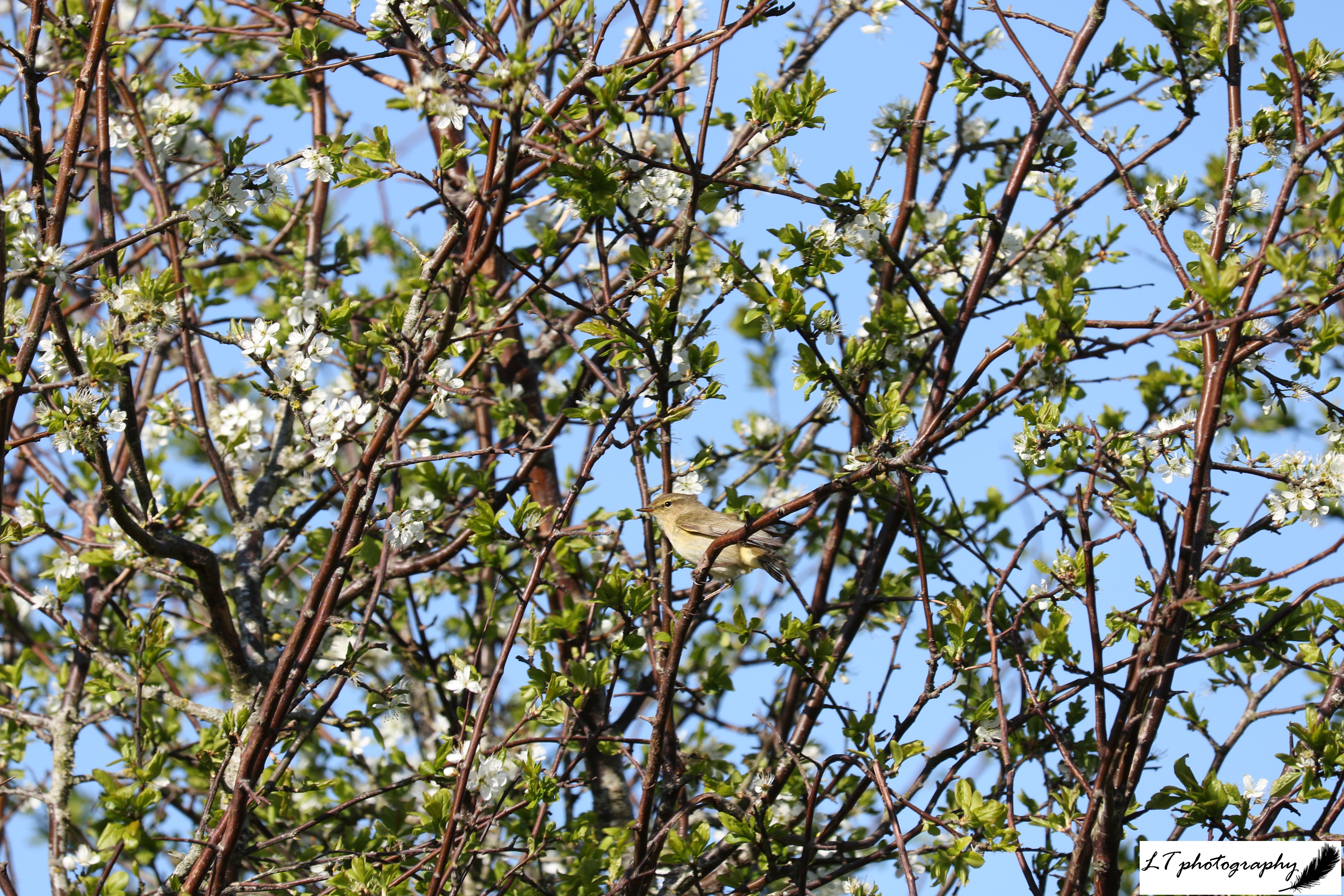
5. Chiffchaff

  • This tiny little bird is one of the earliest birds to arrive from warmer winter climes, and sing its heart out, heralding the start of spring
  • Latin Name: Phylloscopus collybita
  • Name: Named after its distinctive ‘chiff chaff chiff chaff’ song
  • When to See: Some winter in the UK, but can be heard singing from March to October when migrants return
  • Where to See: Woodland, scrubland, parks and gardens
  • Identifying Features: Green or dusky olive; short pale eye stripe; moderately dark eye stripe; dark legs; fine often dark bill; continuous tail-flicking movement; distinctive song
  • Range: Widespread across Britain, apart from more mountainous areas of Scotland

6. Pussy Willow

  • Emerging early on in the year, pussy willow is a real symbol of the beginnings of spring, and is often used as decorations at Easter
  • Latin Name: Salix caprea but also could refer to Salix cinerea
  • Name: Pussy willow is a colloquial name for goat willow, but is now often used for grey willow too. This is due to their furry male catkins looking like the soft, furry paws of a cat
  • When to See: February to April
  • Where to See: Woodland, hedgerows, scrub and damper, more open ground
  • Identifying Features: The more noticeable male flowers are the silver-grey, fluffy, and oval catkins standing upright from willow branches. They turn yellow when covered with pollen
  • Range: Widespread across Britain

7. Brimstone Butterfly

  • Though warmer, milder weather leads to the emerging of different butterfly species, the first brimstone butterfly is often the first species seen and its warm colour has connotations of sunshine and cheerfulness
  • Latin Name: Gonepteryx rhamni
  • Name: Brimstone is the old name for sulphur, which is the colour of the male butterfly’s wings
  • When to See: March onwards
  • Where to See: Can be seen in a wide variety of habitats, but the larval foodplants are alder buckthorn and buckthorn which is more scarcely distributed
  • Identifying Features: Veined wings with pale-yellow undersides and an orange dot on each wing. The uppersides are sulphurous yellow on males and paler on females
  • Range: Common in England and Wales, less common in Ireland, and very rare in Scotland

8. Spring Blossom

  • Everyone knows that spring is truly underway when blossom starts to coat trees and hedgerows in spectacular pastel fashion. It is a real spirit lifter after a long winter!
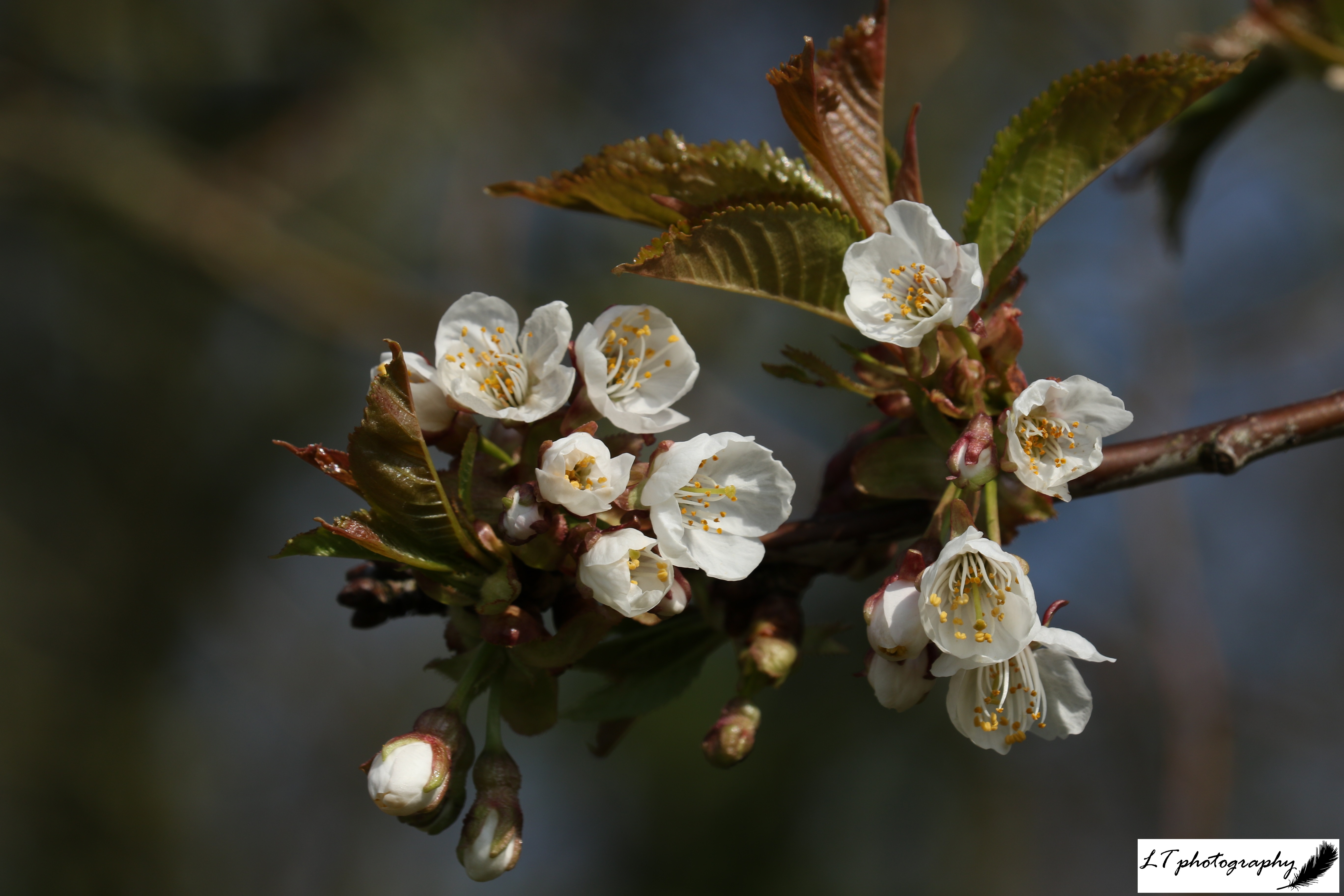
  • Examples: Blackthorn (Prunus spinosa); wild cherry (Prunus avium); hawthorn (Crataegus monogyna)
  • When to See: Blackthorn= March to April; wild cherry= April to May; hawthorn= April to June
  • Where to See: Blackthorn= hedgerows, woodland margins and scrubland; wild cherry= woodlands, gardens and hedgerows; hawthorn= hedgerows, woodland margins and scrubland
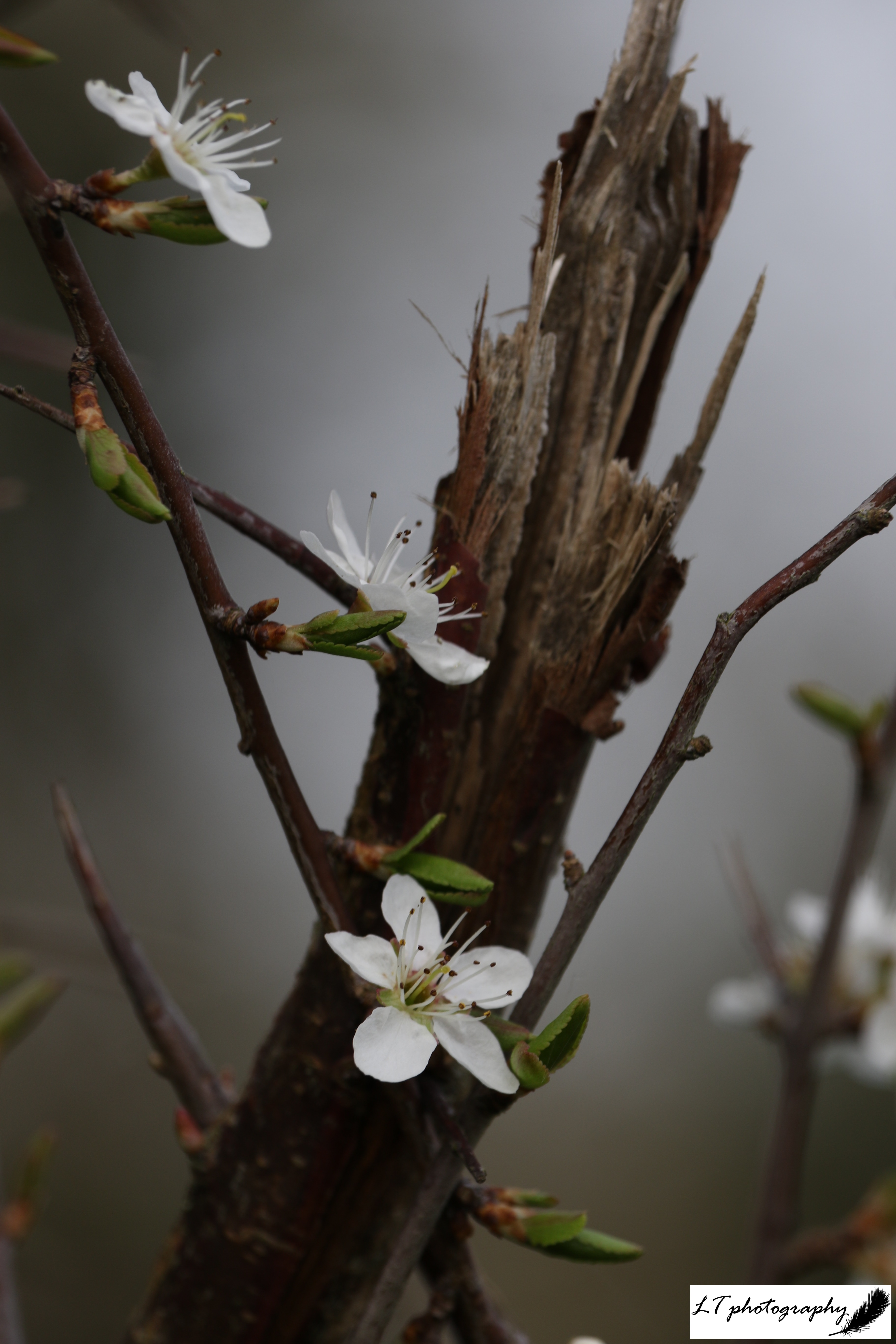
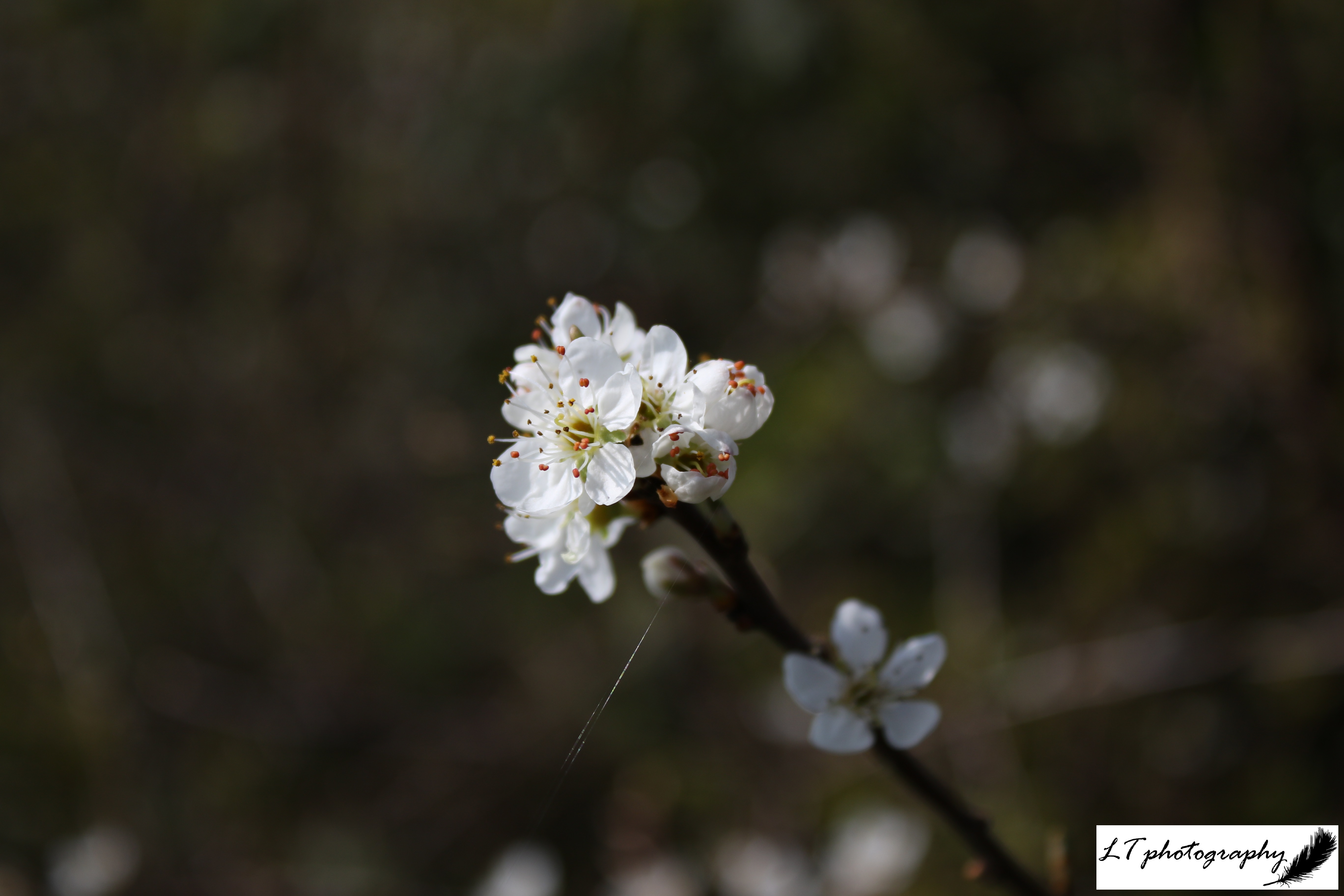
  • Identifying Features: Blackthorn= flowers white with 5 petals and red-tipped anthers; wild cherry= white flowers cup-shaped and with 5 petals; hawthorn= white flowers with 5 petals, pink or purple anthers and sickly sweet scent

9. Barn Swallow

  • This iconic bird makes a 6000 mile migration from Africa to breed in the UK, arriving with warmer weather and active exploration of potential nest sites
  • Latin Name: Hirundo rustica
  • Name: Barn comes from typically nesting in barns and out-houses, and the latin Hirundo means swallow
  • When to See: March to October
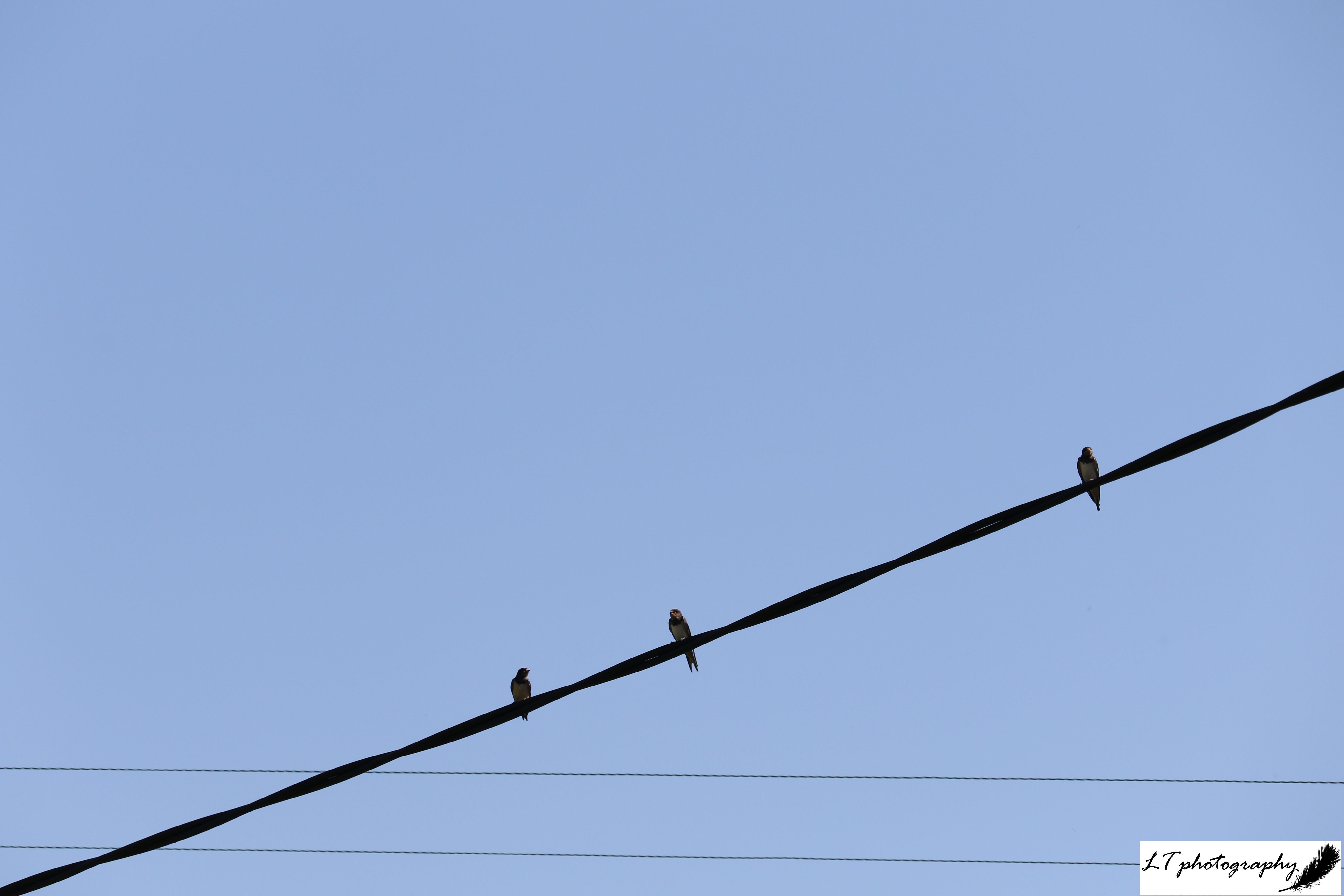
  • Where to See: Open country, perching on wires, and hunting low over grassland or water
  • Identifying Features: Blue-black; red forehead and throat; dark throat; long, pointed wings; deeply forked tail; agile flight
  • Range: Widespread across Britain

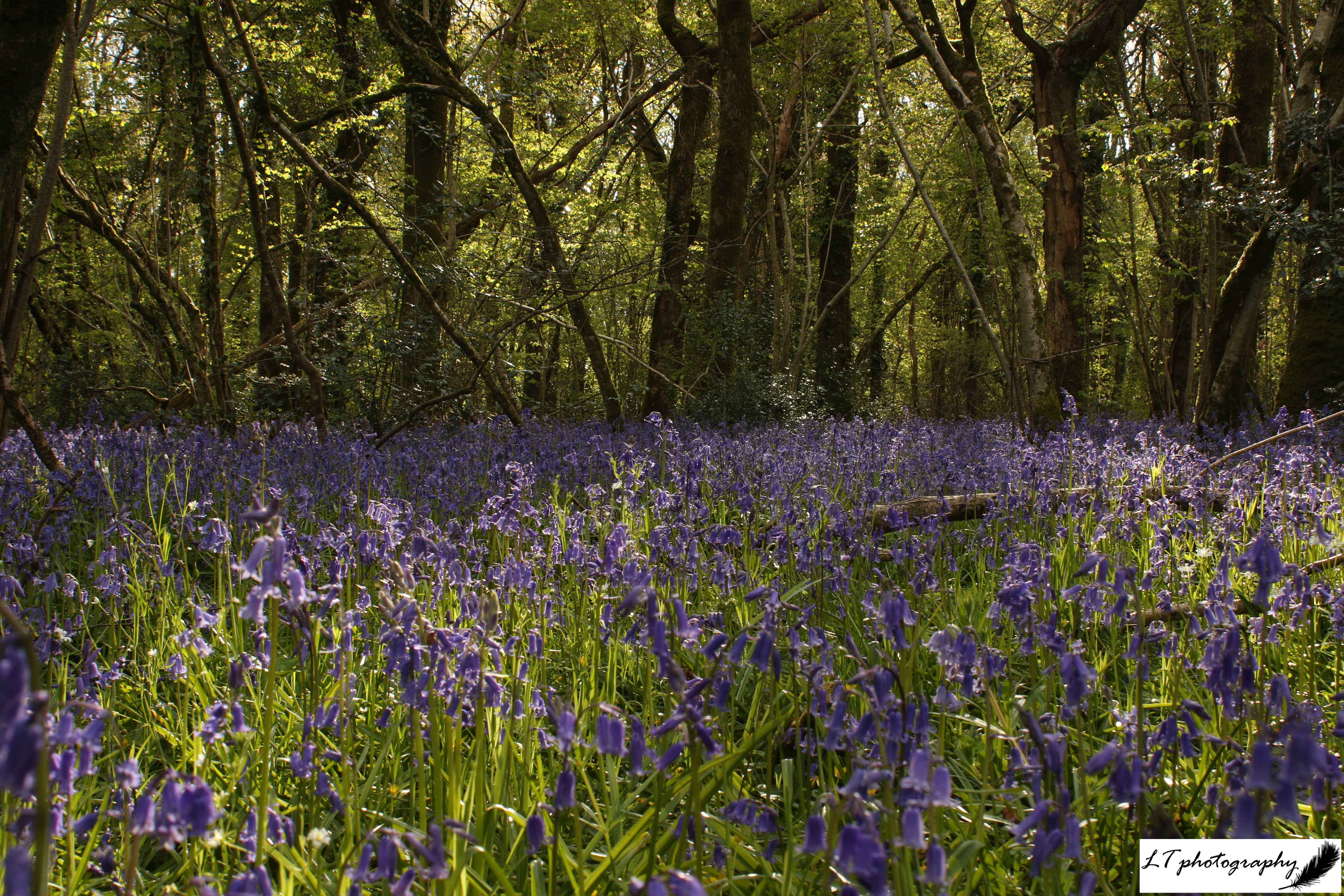
10. Common Bluebell

  • Over half of the world’s population of bluebells can be found in the UK, making for some incredible spring spectacles across Britain
  • Latin Name: Hyacinthoides non-scriptus
  • Name: Named for their distinctive flowers
  • When to See: March to June
  • Where to See: Carpeting woodlands, hedgerows, scrubland, on sea-cliffs and mountains
  • Identifying Features: Long, narrow green leaves; purple-blue bell-shaped flowers hanging from long stems; strong sweet scent
  • Range: Widespread across Britain

How to… Identify British Tree Species (Part 2)

A holly.tree shining bright with red berries and prickly green leaves in the grey of a wintertime woodland. An ancient evergreen yew standing watch over the final resting place of our ancestors. A colour-changing spindle cream flowered and glossy green in spring, turning to psychedelic pinks and oranges in autumn. Trees come in all shapes and sizes, often differing wildly from each other, but all can be found embedded in the landscape and culture of Britain.

In the last chapter of my How to… Identify British Tree Species guide, I focussed on 10 tree species that can easily be found across the UK, from the majestic oak to the graceful silver birch. These are but a few of the now 80 odd native and non-native species that can be found in the UK. From providing food to flood prevention, from the countryside to the city, trees can be found playing important roles across the country right now.

Following on from my last guide, part 2 covers 10 more tree species that can easily be found across Britain. This handy guide of facts, drawings, and photos is here to help you to identify these species at any time of year. Here’s to learning something new everyday!

Tree Species

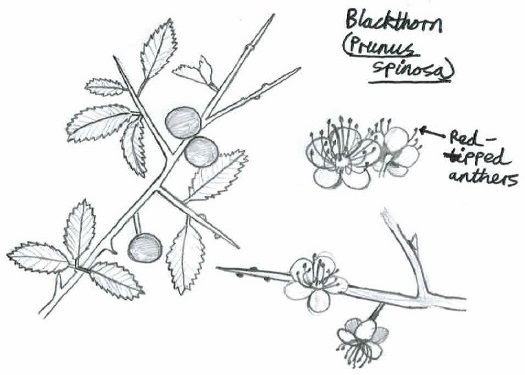
Blackthorn (Prunus spinosa)

  • Family: Rose – related to fruiting trees such as cherry and plum
  • Origin: Native
  • Shape and Size: Large shrub, occasionally small tree, up to 4m, forming impenetrable thickets
  • Stems and Twigs: Young twigs downy, maturing to dark brown bark, that shows orange beneath, with thorns
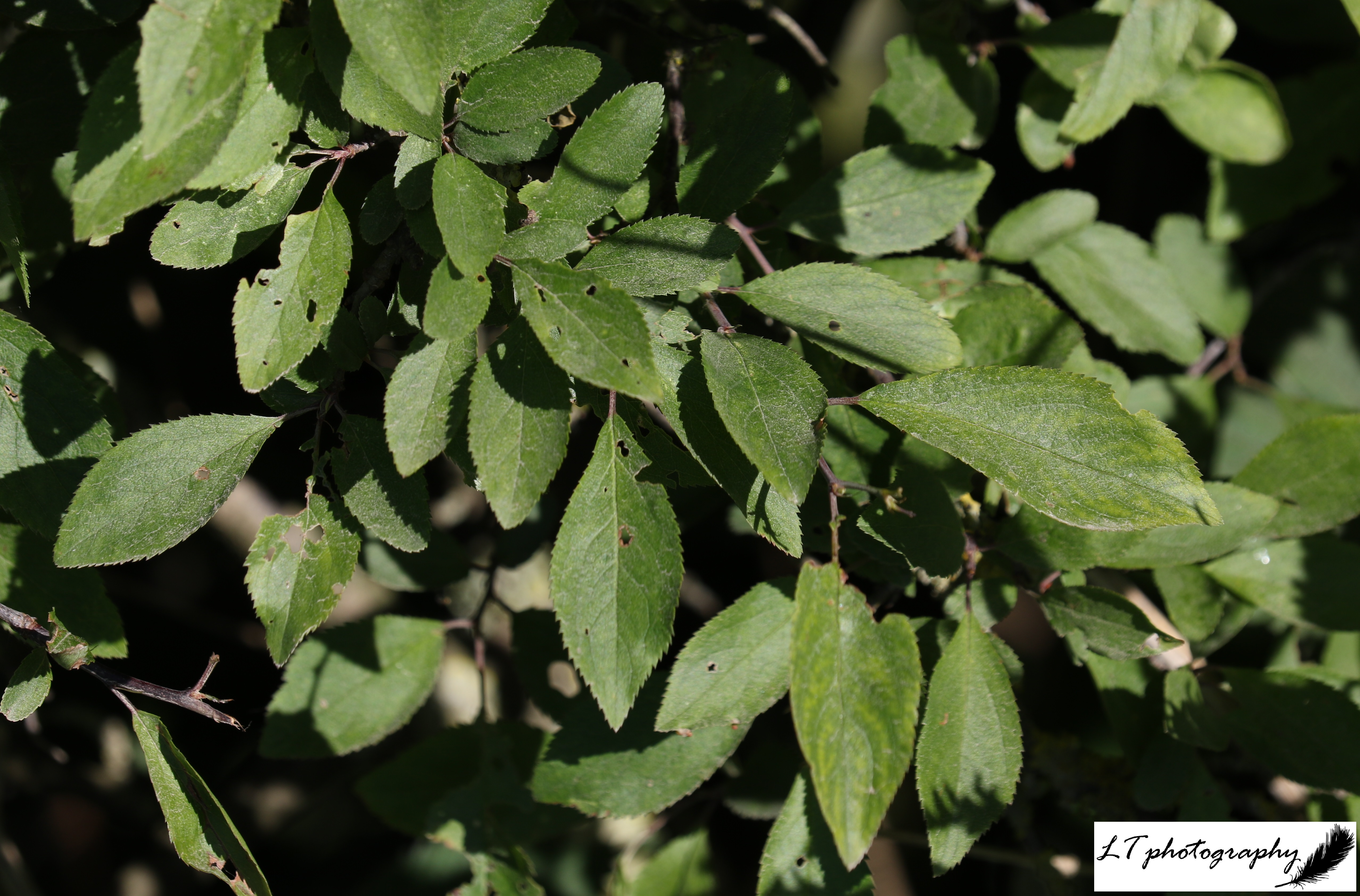
  • Leaves: Small, oval, alternate, tapering to a point, toothed margins, dull above and hairy beneath
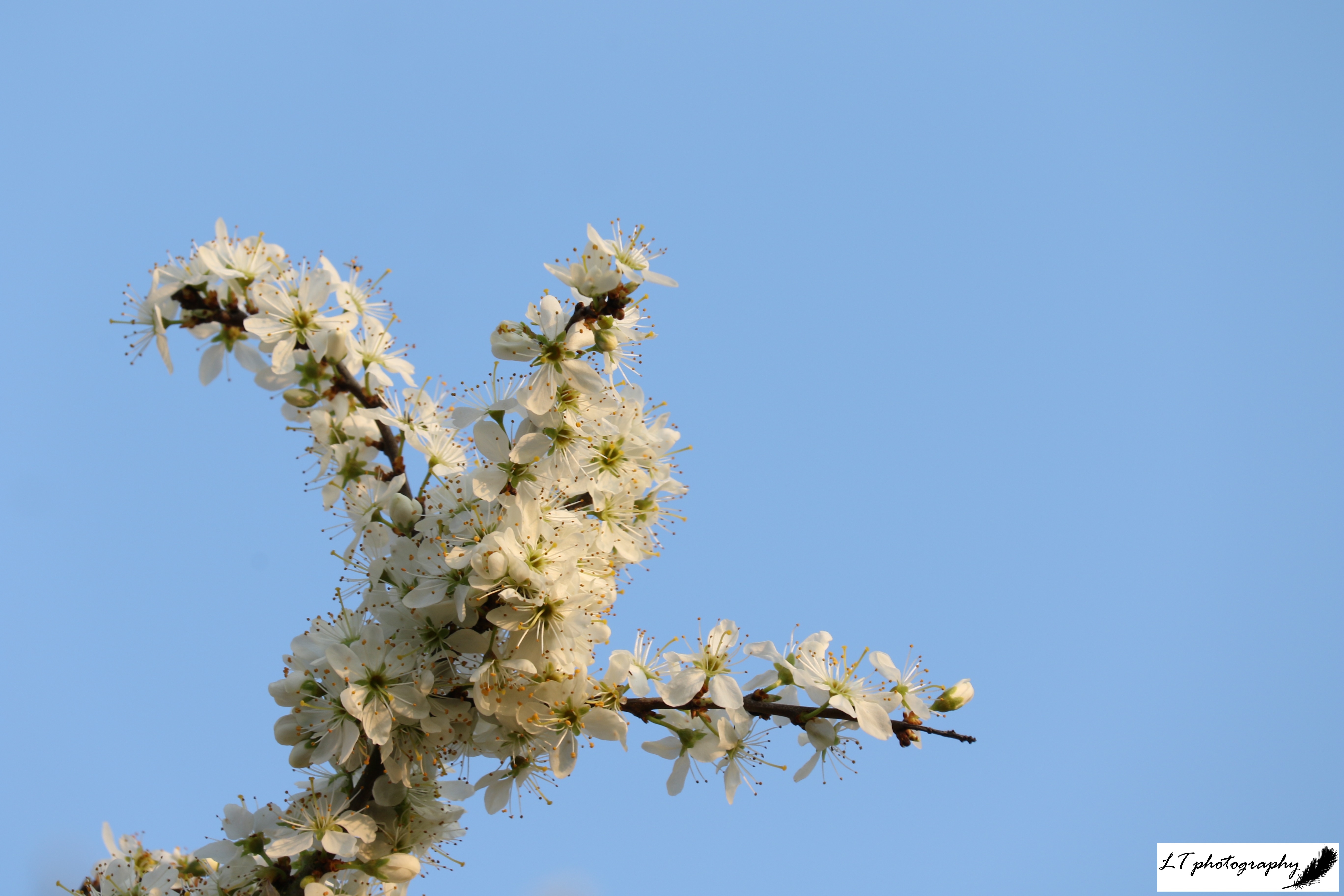
  • Flowers: Flowers are white with 5 petals and red-tipped anthers. Flowers appear late March-April, before the leaves, often alongside cold weather known as Blackthorn winter
  • Seeds: Produces round, blue-black fruit (sloes) with a single seed (stone)
  • Range and Habitat: Grows on the edge of scrub woodlands and in hedgerows

In Winter: Twigs are dark and not shiny, with thorns at least 2cm long

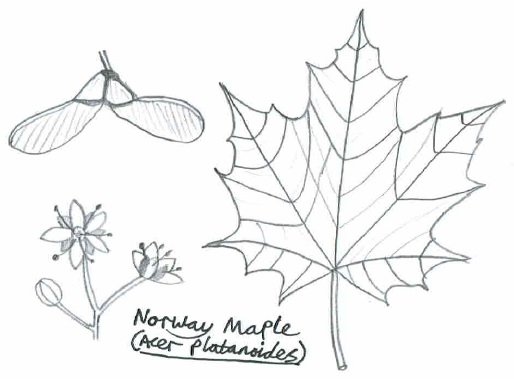
Norway Maple (Acer platanoides)

  • Family: Sapindaceae – related to lychee and horse chestnut
  • Origin: Non-native (introduced in the 17th century from Europe and Asia)
  • Shape and Size: Shorter and more slender tree, reaching up to 30m
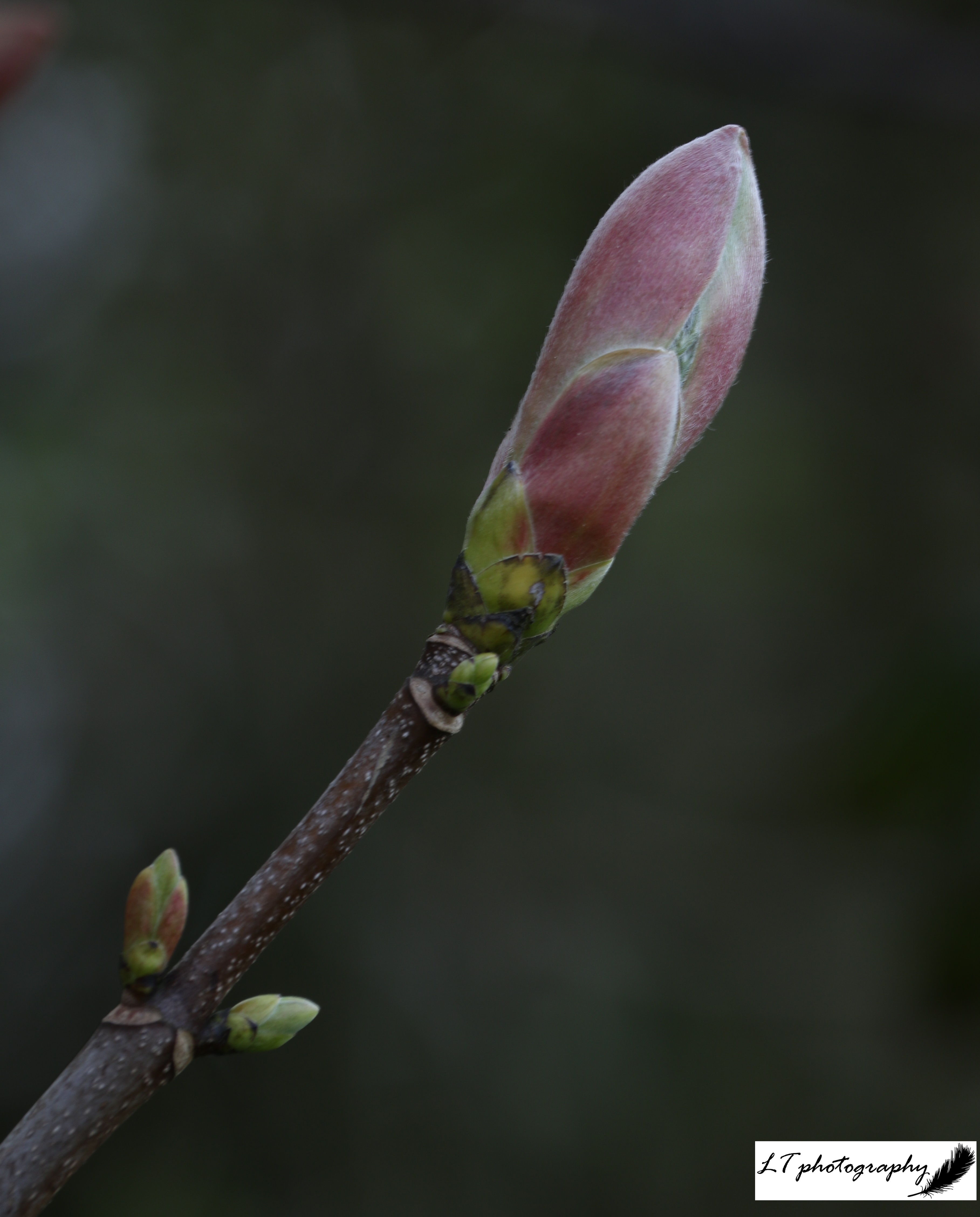
  • Stems and Twigs: Bark is grey with many small fissures (not flaking), and twigs are slender and brown with tiny white spots
  • Leaves: Thin, light green leaves, opposite and have long pointed lobes
  • Flowers: Erect clusters of pale yellow flowers, before the leaves (April-May)
  • Seeds: Winged keys in opposite pairs
  • Range and Habitat: Increasingly planted and self-sown in parks, gardens, and hedges

In Winter: Distinctive shape and bark, and individual buds that are green and red

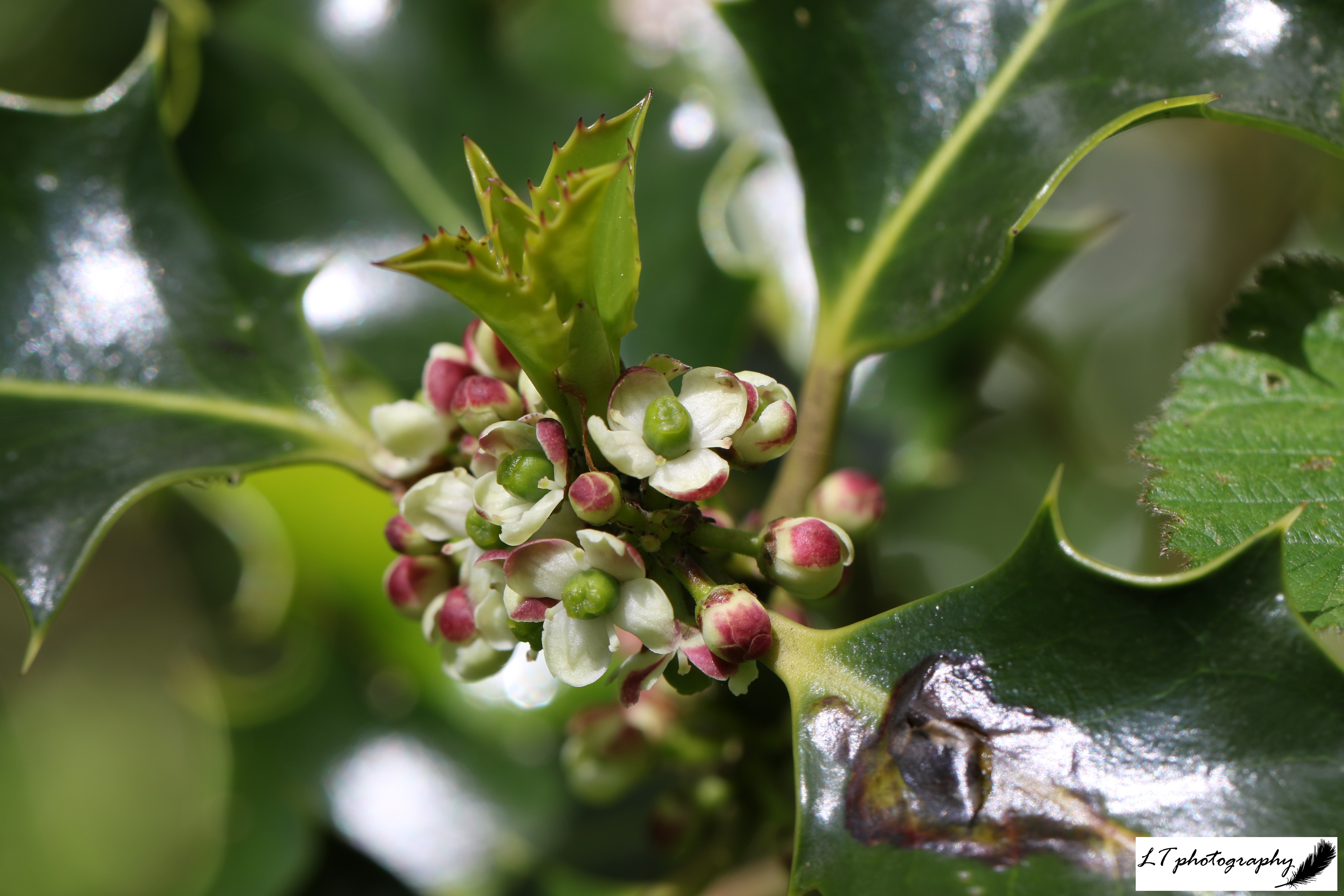
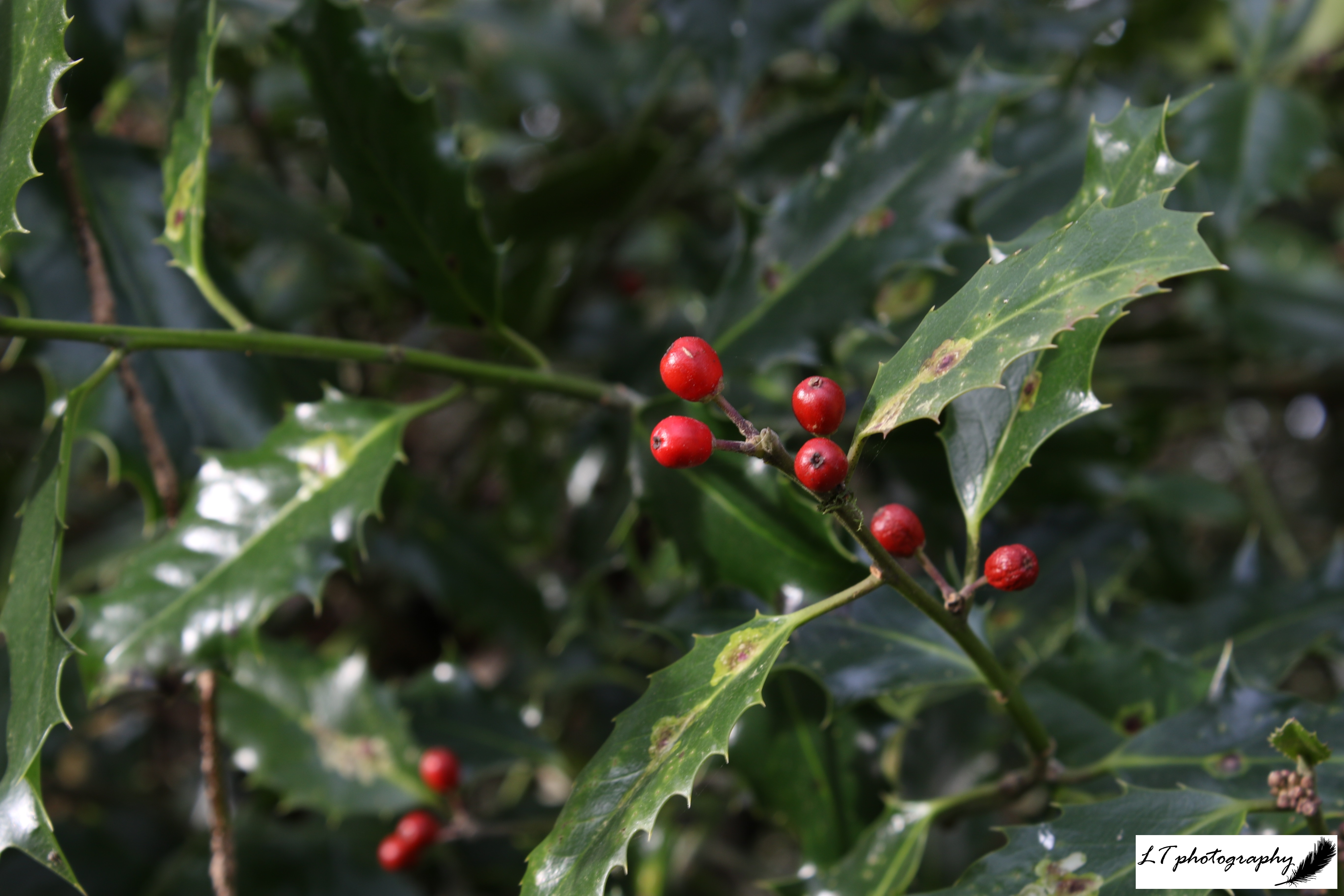
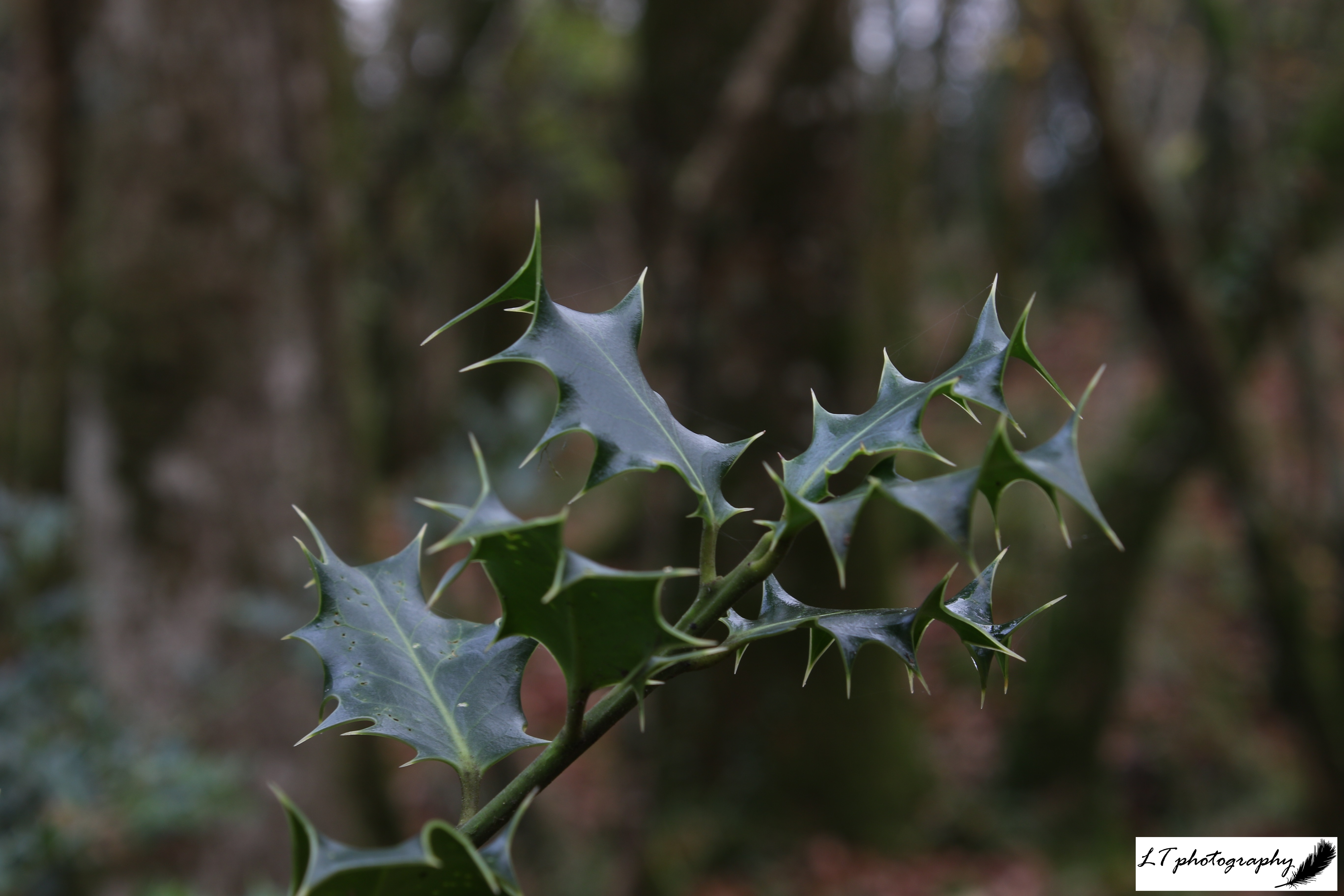
Holly (Ilex aquifolium)

  • Family: Aquifoliaceae – holly trees
  • Origin: Native
  • Shape and Size: Narrow-crowned, conical tree with regular branching, reaching up to 20m
  • Stems and Twigs: Bark is green when young, becoming smooth and grey with age
  • Leaves: Alternate, long, glossy, spiny teeth, and waxy on top, matt and pale green beneath
  • Flowers: White, 4-petalled and in close clusters, with male and female flowers on separate trees (May-August)
  • Seeds: Red berries with small seeds, only found on female trees
  • Range and Habitat: Can be found everywhere across the British Isles but prefers drier soils

In Winter: Evergreen spiky leaves and red berries, a symbol of Christmas

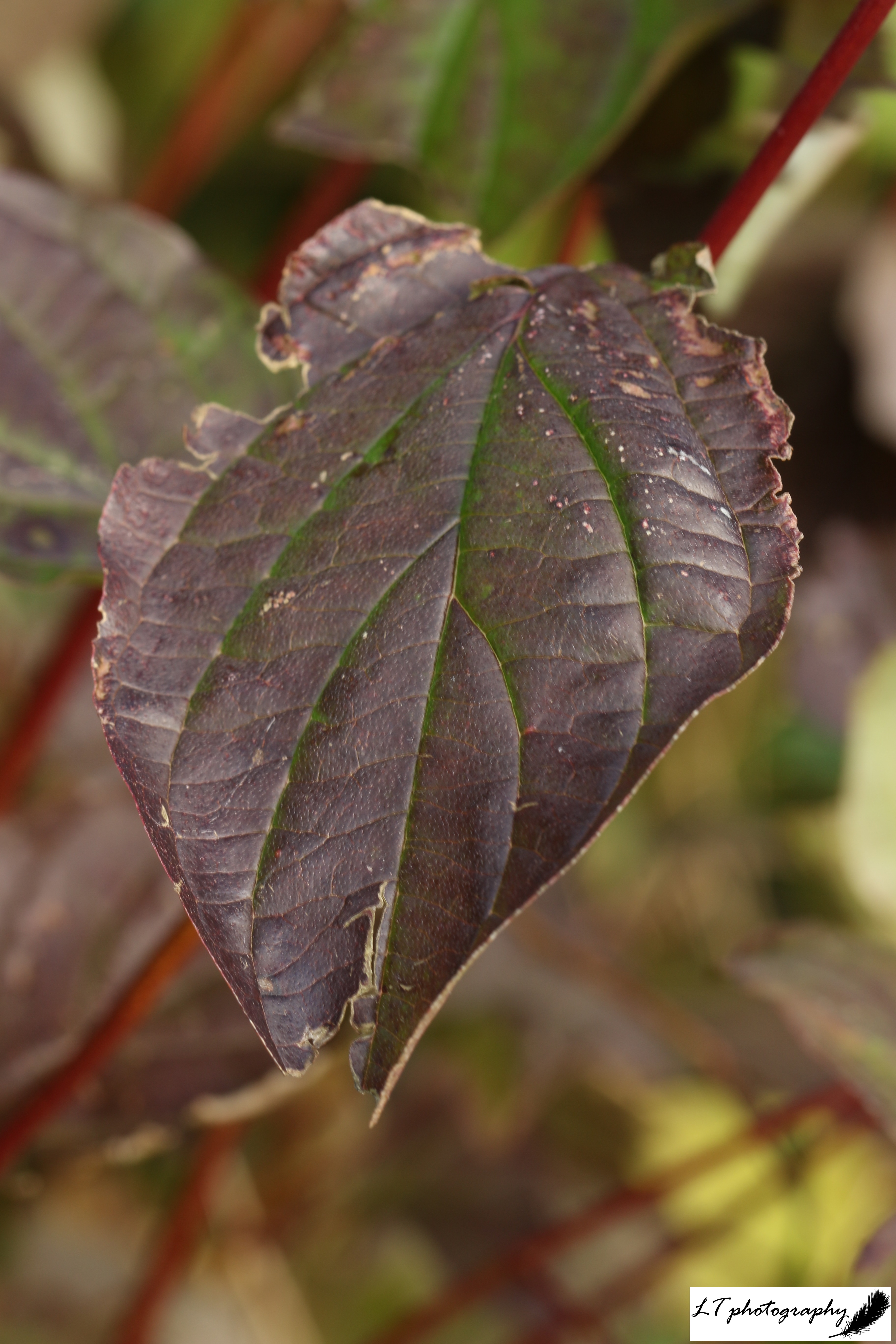
Dogwood (Cornus sanguinea)

  • Family: Cornaceae – dogwoods
  • Origin: Native
  • Shape and Size: Tall and deciduous sending out suckers to form dense thickets (up to 10m)
  • Stems and Twigs: Bark grey and smooth with shallow ridges, giving off a fetid smell when bruised, attractive to insects
  • Leaves: Opposite, long, oval, pointed, hairy on both sides, side veins curving forward, and no teeth. Crimson colouring in late autumn
  • Flowers: Greenish-white 4-petalled flowers (June-July)
  • Seeds: Round, bitter, black berries in clusters (sometimes called ‘dogberries’), ripening in August or September
  • Range and Habitat: Frequent in Midlands and South, grows chiefly on chalk soils, but also found in woodlands, scrub and hedges

In Winter: New twigs are bright red

Common Lime (Tilia x europaea)

  • Family: Mallow family – related to trees such as cotton and cacao
  • Origin: Native
  • Shape and Size: Tall tree with long slender branches that start near the ground (up to 40m)
  • Stems and Twigs: Young bark is smooth and grey, whereas old bark is fissured
  • Leaves: Long and heart-shaped with small teeth and tapering to a point. Dark green and hairless above, whereas undersides are paler with white or buff hairs in the vein junctions
  • Flowers: Greenish-yellow 5-petalled flowers that are sweet smelling (late June-July)
  • Seeds: Encapsulated in small round hanging fruits, hairy, faintly ribbed and with pointed tips
  • Range and Habitat: Widespread in rows or avenues in streets, parks and also hedges

In Winter: Red, hairy twigs and shoots

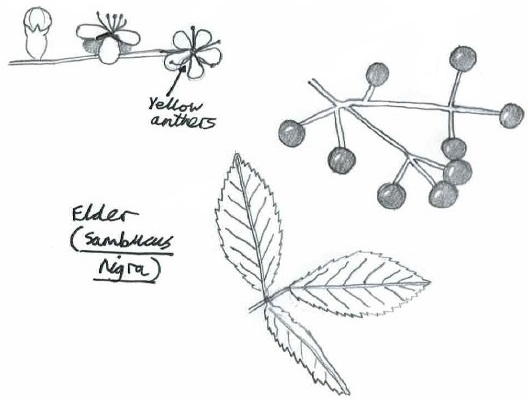
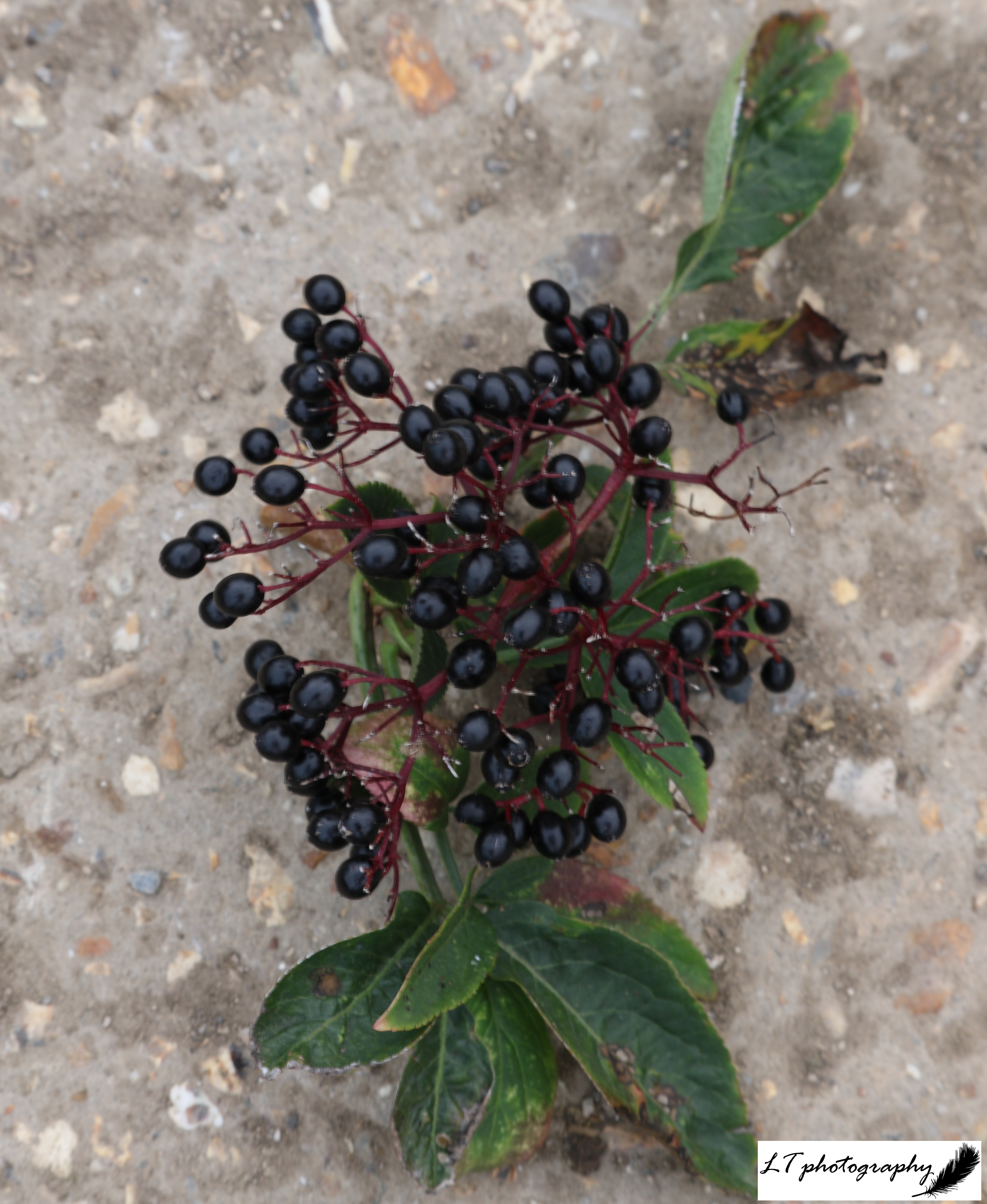
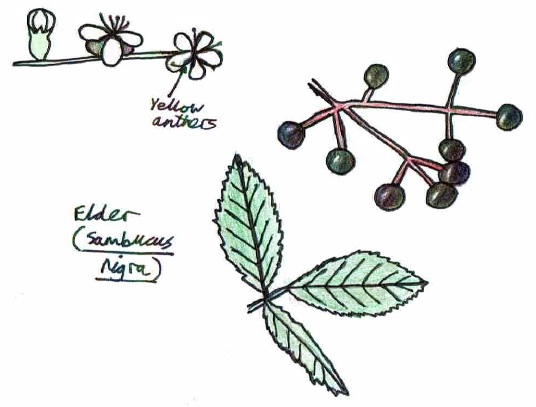
Elder (Sambucus nigra)

  • Family: Adoxaceae – previously in the honeysuckle family , but now reclassified in moschatel
  • Origin: Native
  • Shape and Size: Bushy shrub with many stems or growing into a small tree (up to 10m)
  • Stems and Twigs: Light brown bark is thick, corky, fissured, and strong smelling
  • Leaves: Long, dark green, and opposite, with leaflets in pairs, rounded, stalked and with teeth
  • Flowers: Creamy-white, small, and sweetly fragrant in flat-topped clusters with yellow anthers (May-August)
  • Seeds: Produces a juicy, edible, purplish-black berry
  • Range and Habitat: Widespread and common throughout Britain, particularly flourishing where nitrogen content high

In Winter: Pungent, hollow-stemmed twigs and often dotted with light-brown bumps

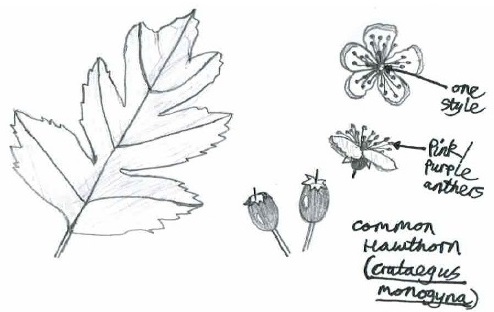
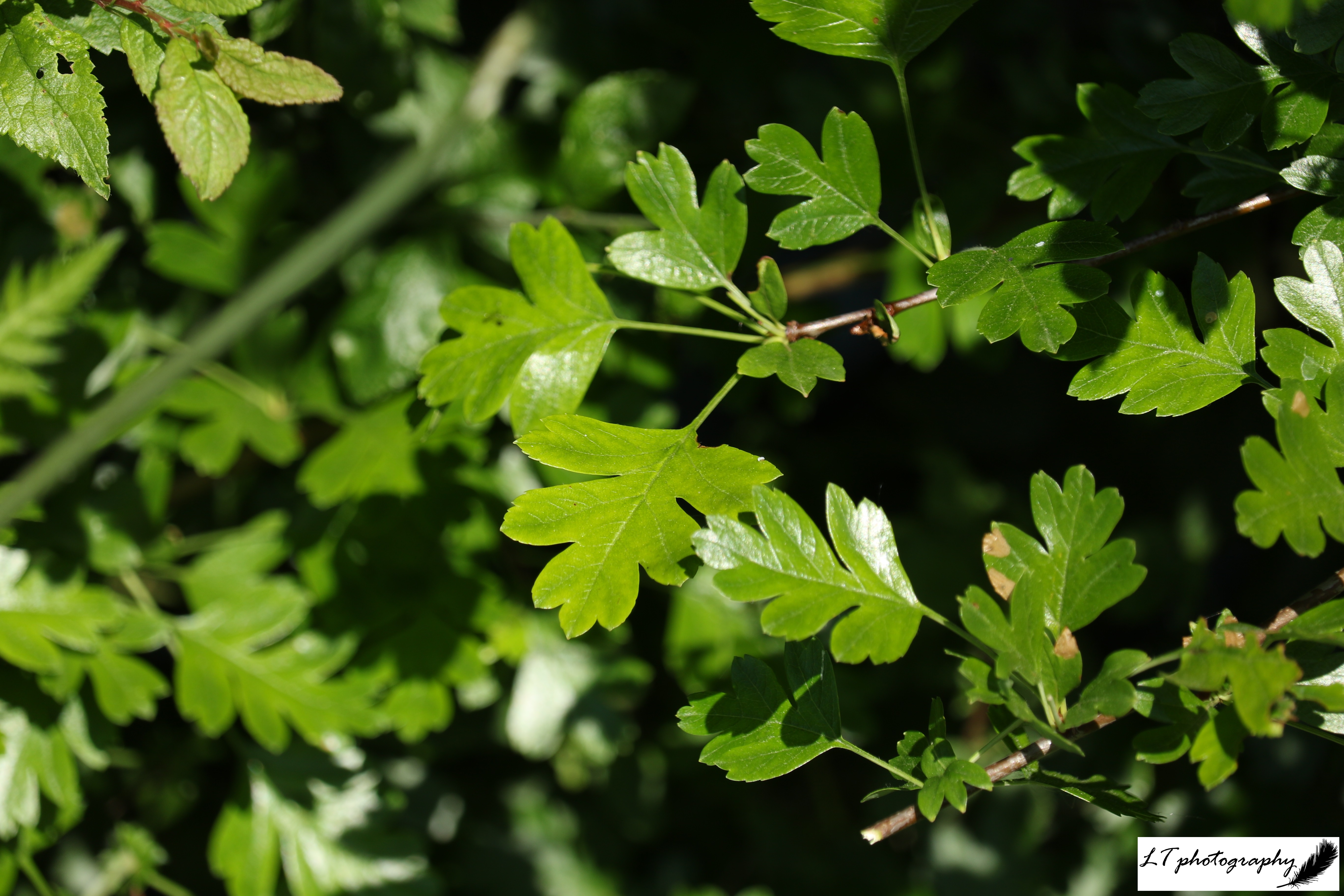
Hawthorn (Crataegus monogyna)

  • Family: Rose – related to fruit trees such as apricots and apples
  • Origin: Native
  • Shape and Size: Quick growing, becoming a dense shrub or single stemmed tree (up to 15m)
  • Stems and Twigs: Bark is hairless and greyish-brown, with many small scales and sharp spines
  • Leaves: Alternate, long, toothed, shiny, lobed, and roughly oval-shaped
  • Flowers: Showy white and fragrant (sickly sweet) with 5 petals, and pink or purple anthers (late April-June). Become deep pink as they fade
  • Seeds: Fleshy fruits (haws) turn dark wine-red and contain a single seed
  • Range and Habitat: Widespread and common throughout Britain, in hedges, scrub or woodland margins

In Winter: Spines emerging alongside buds on the twigs

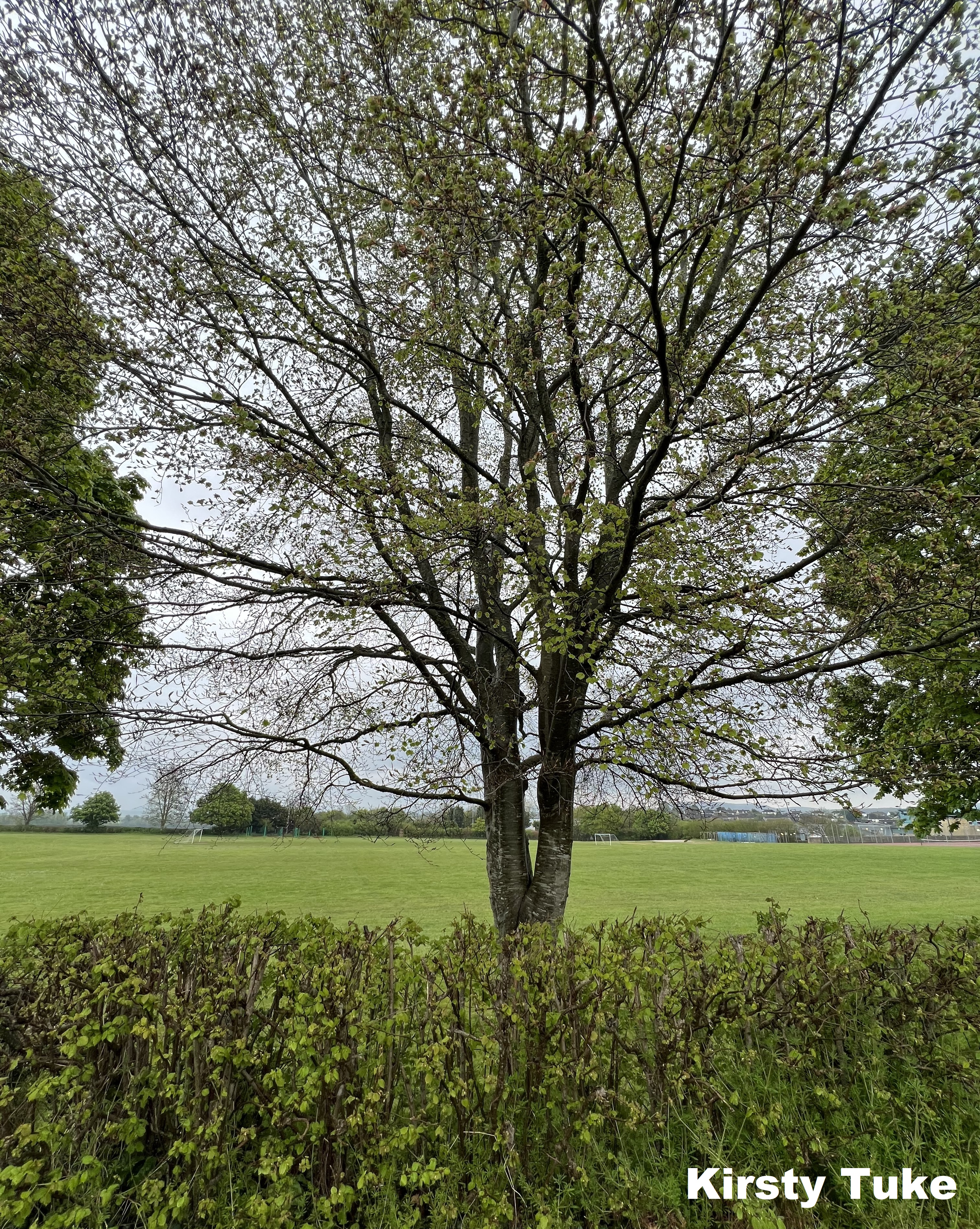
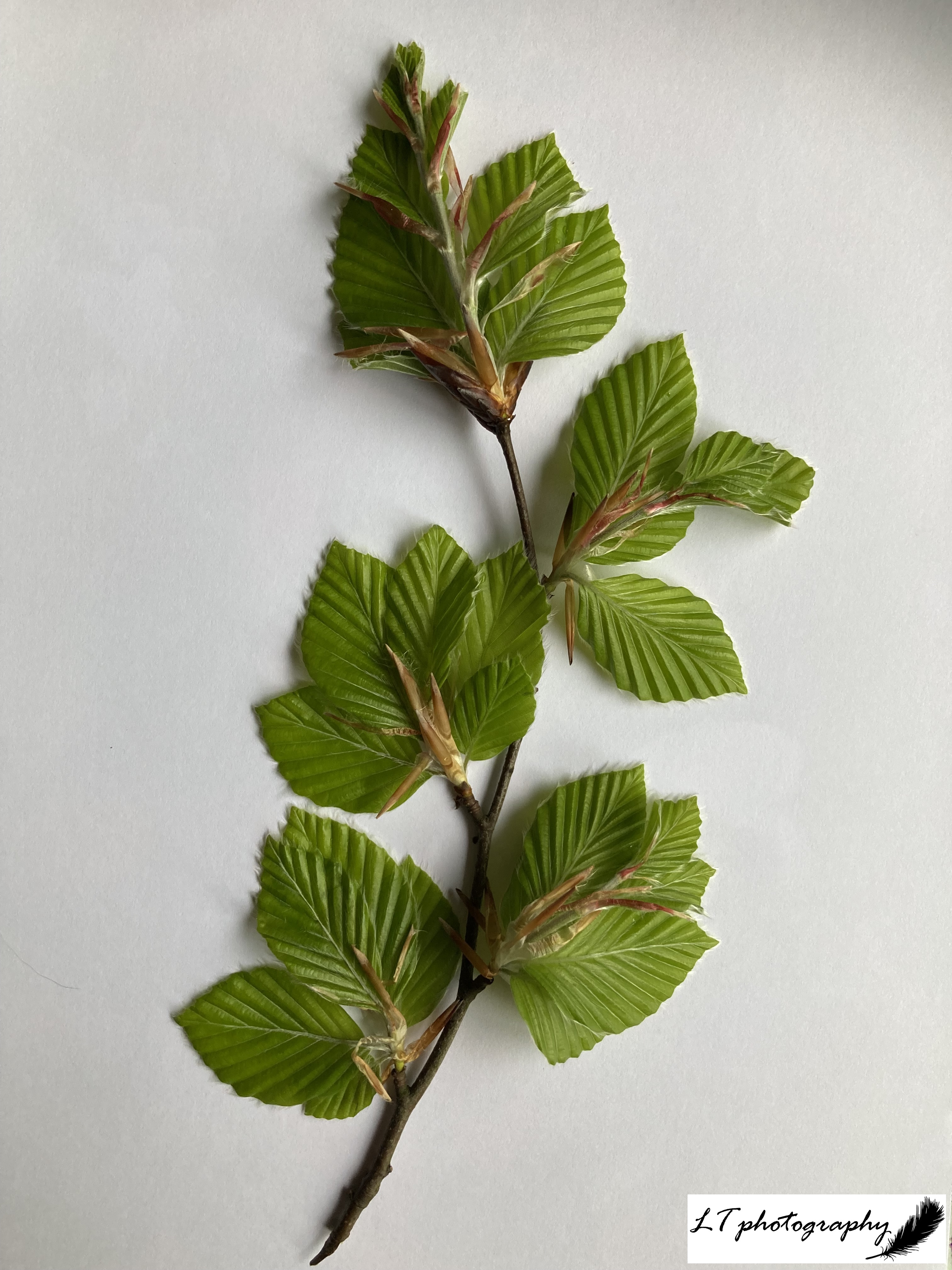
Beech (Fugus sylvatica)

  • Family: Beech – includes chestnuts and oaks
  • Origin: Native
  • Shape and Size: Older trees have a massive, many-branched dome, whereas young trees are slimmer and more conical in outline (up to 36m)
  • Stems and Twigs: Smooth grey bark may break into small squares
  • Leaves: Long, wavy margins, alternate, hairy leaf edges, and shiny green on both surfaces
  • Flowers: Young leaves appear with yellow long-stalked male flowers on tassel-like stalks, and greenish white female flowers (May)
  • Seeds: Four-lobed husk are two triangular nutlets (mast)
  • Range and Habitat: Native in woods in the south, but widely planted elsewhere

In Winter: Often hold on to leaves and have sharply-pointed buds

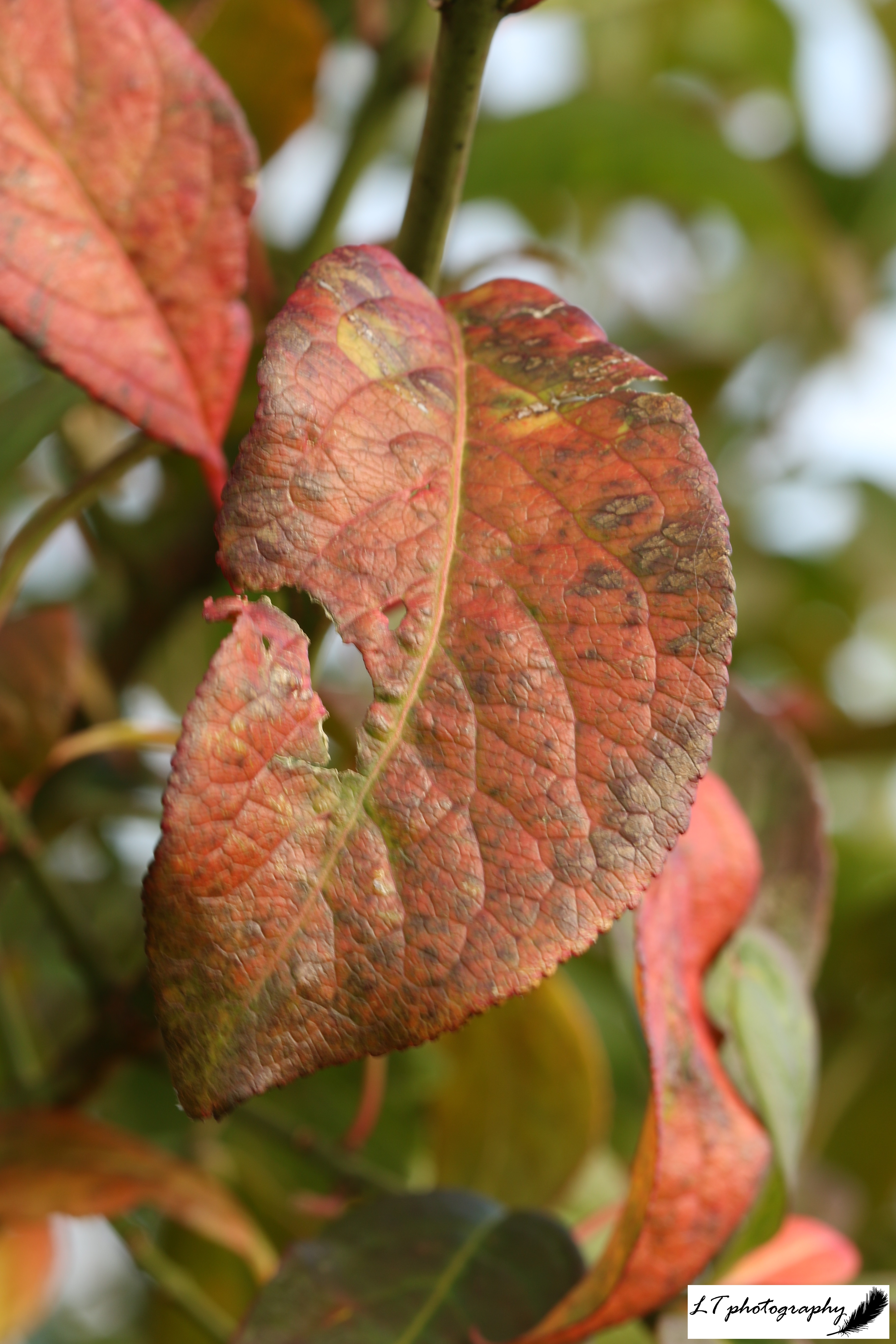
Spindle (Euonymus europaeus)

  • Family: Staff-vine
  • Origin: Native
  • Shape and Size: Small tree or big bush up to 6m
  • Stems and Twigs: Young, smooth, greenish bark later turns grey
  • Leaves: Light green leaves are opposite, thin, oval-shaped, and pointed, with small finely toothed margins. Turn pinkish-red in autumn
  • Flowers: Small greenish-yellow flowers with 4 narrow petals (May-June)
  • Seeds: Four-lobed seed capsules, which turn a deep pinkish-red when ripe.
  • Range and Habitat: Grows throughout England and Wales, most frequent in the South, but rarer in Scotland and Ireland. Found in woods, scrub, and hedgerows, in particular on lime

In Winter: Buds and twigs are angular with four sides

Yew (Taxus baccata)

  • Family: Yew
  • Origin: Native
  • Shape and Size: Round-headed tree with dark foliage, often has many trunks (reaches up to 20m)
  • Stems and Twigs: Smooth, light brown bark flakes to red patches
  • Leaves: Needles dark green on top and matt yellow-green on underside
  • Flowers: Male and female flowers are found on separate trees. Male flower is yellow, and tiny female flower is green (February-April)
  • Seeds: Bright red ripened fruits, much enjoyed by birds, partially encloses a single seed that is poisonous to humans
  • Range and Habitat: Found in woods, scrub, screes, downs and often on lime

In Winter: Evergreen needle-like leaves present all year round

Drawings are my own work

How to… Identify British Tree Species

A majestic oak standing tall in the landscape, watching as centuries pass it by. A silver birch with drooping branches, embellished with leaves, slowly blowing in the breeze. An alder leaning over the edge of a river, spreading its branches to shade the bank beneath it. From capturing the imaginations of children to symbolising strength and life for adults, trees in all their forms are an important part of the landscape and culture within Britain.

With over 70 species in the UK alone, trees come in all shapes and sizes, and can be found anywhere from our highlands to our cities. Trees colonised Britain following the last glaciation, and have since become intertwined with our very own history. They provide us with so much, including resources, such as medicines and building materials, improved air quality, homes for wildlife, and even cultural services, such as therapy through forest bathing. Thus, they are a very important part of our environment!

Now, as our reliance on trees grows and the threats to them increase, it is surprising how little people know about trees in general. For example, the average Brit is unable to name more than five tree species, and a third even believe a money tree is a real species! With two thirds of the public now wanting to learn a little more about the trees in their area, here’s my handy guide to help you identify 10 common tree species that can be found in the UK.

Tree Species

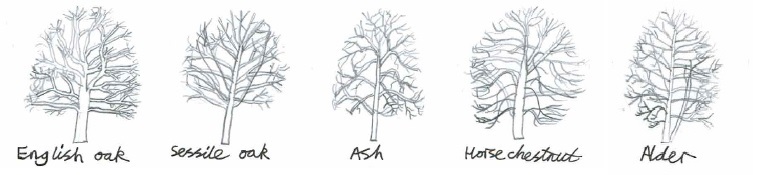
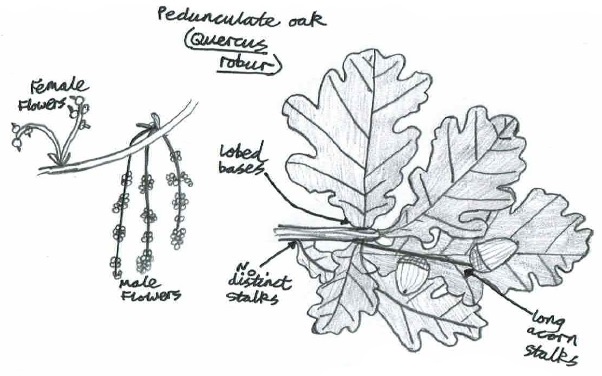
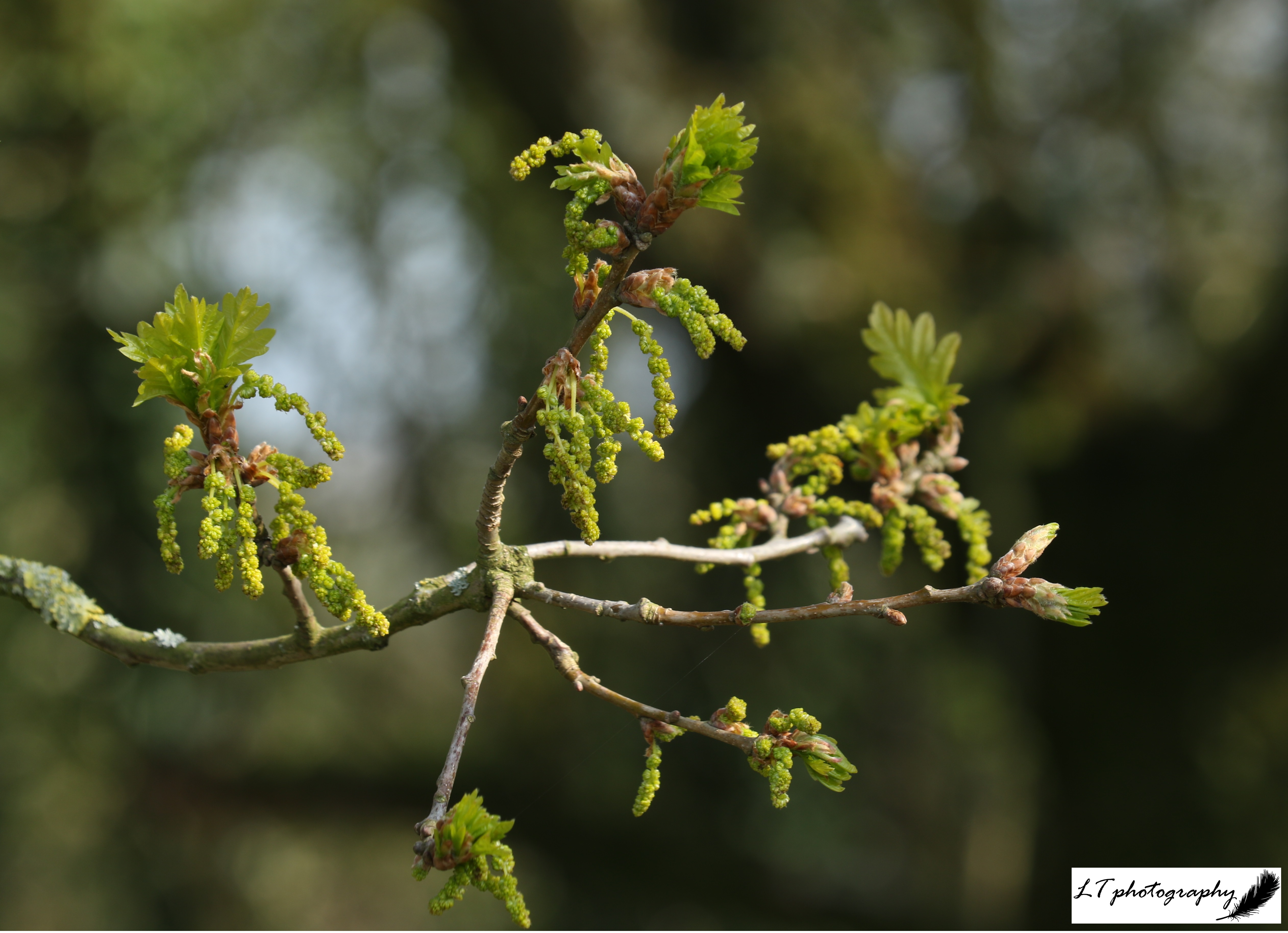
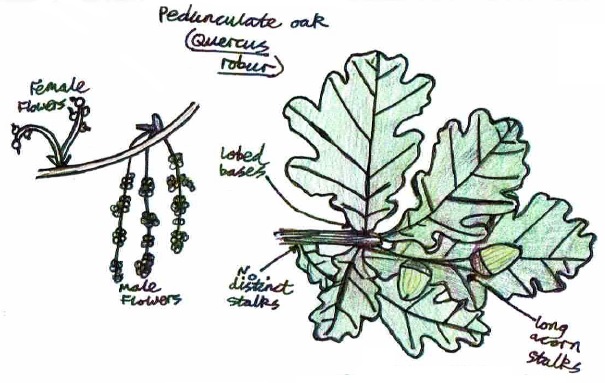
1. Pedunculate or English Oak (Quercus robur)

  • Family: Fagaceae – related to species such as beech and sweet chestnut
  • Origin: Native
  • Shape and size: Up to 40m tall, upward-reaching and broad crown
  • Stems and twigs: Massive rugged grey-brown trunk
  • Leaves: 10-12cm long, oblong, and lobed, turning brown in autumn
  • Flowers: On the same tree and flowering April-June. Male flowers= yellow-green catkins; female flowers= pinkish and on short stalks
  • Seeds: Produces the familiar acorn, with scaly cups and clusters carried on long stalks
  • Range & habitat: Widespread and common throughout Britain, found in habitats ranging from deciduous and mixed woodlands to open grassland and hedgerows

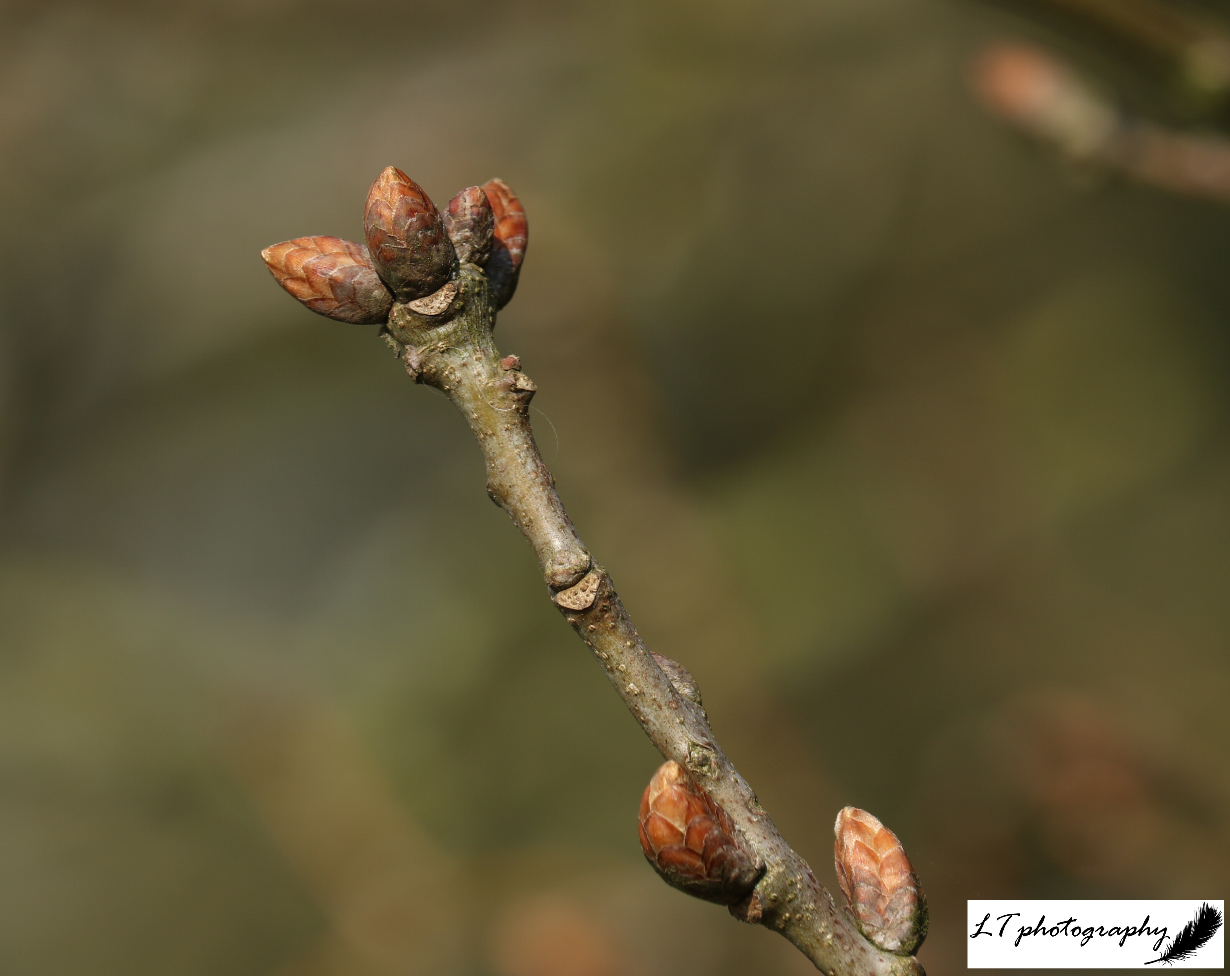
In Winter: Look for rounded buds that have overlapping scales and are found in clusters at the end of each shoot

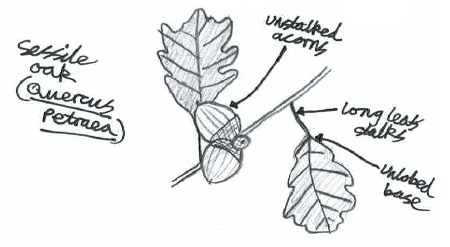
2. Sessile oak (Quercus petraea)

  • Differs to Pedunculate Oak in that the leaves taper to an unlobed base and have long stalks.
  • Buds in winter have more scales (more than 20).
  • Also, the clustered acorns are almost stalk-less with downy cups.
  • Narrower in shape, prefers more acid soils, and is more common in the West of Britain.

3. Common Ash (Fraxinus excelsior)

  • Family: Oleaceae – related to olive trees and lilac
  • Origin: Native
  • Shape and size: Tall and domed with widely spaced branches, growing up to 35m
  • Stems and twigs: Bark is pale brown to grey, becoming rugged with age
  • Leaves: Opposite and toothed, with 9-13 stalked leaflets that have long tips
  • Flowers: Male and female flowers typically grow on different trees, but both have purple flowers growing in clusters before the leaves
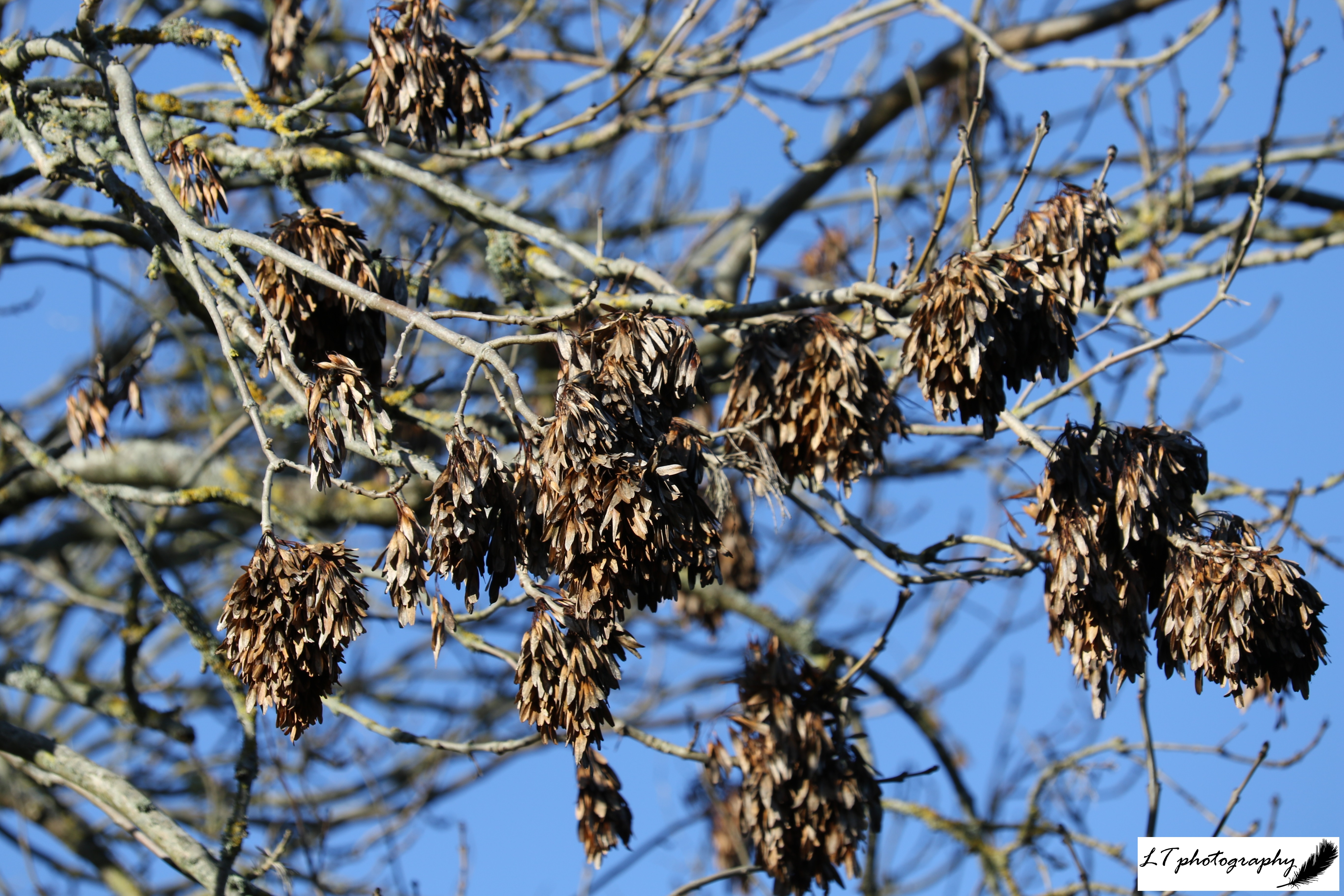
  • Seeds: Single seeds with a long wing (known as keys)
  • Range & habitat: Woods and hedges, in particular flourishing on a lime-rich/well-drained soil

In Winter: Smooth twigs with distinctive hairless black buds, and ridged bark on adult trees that resembles a diamond pattern

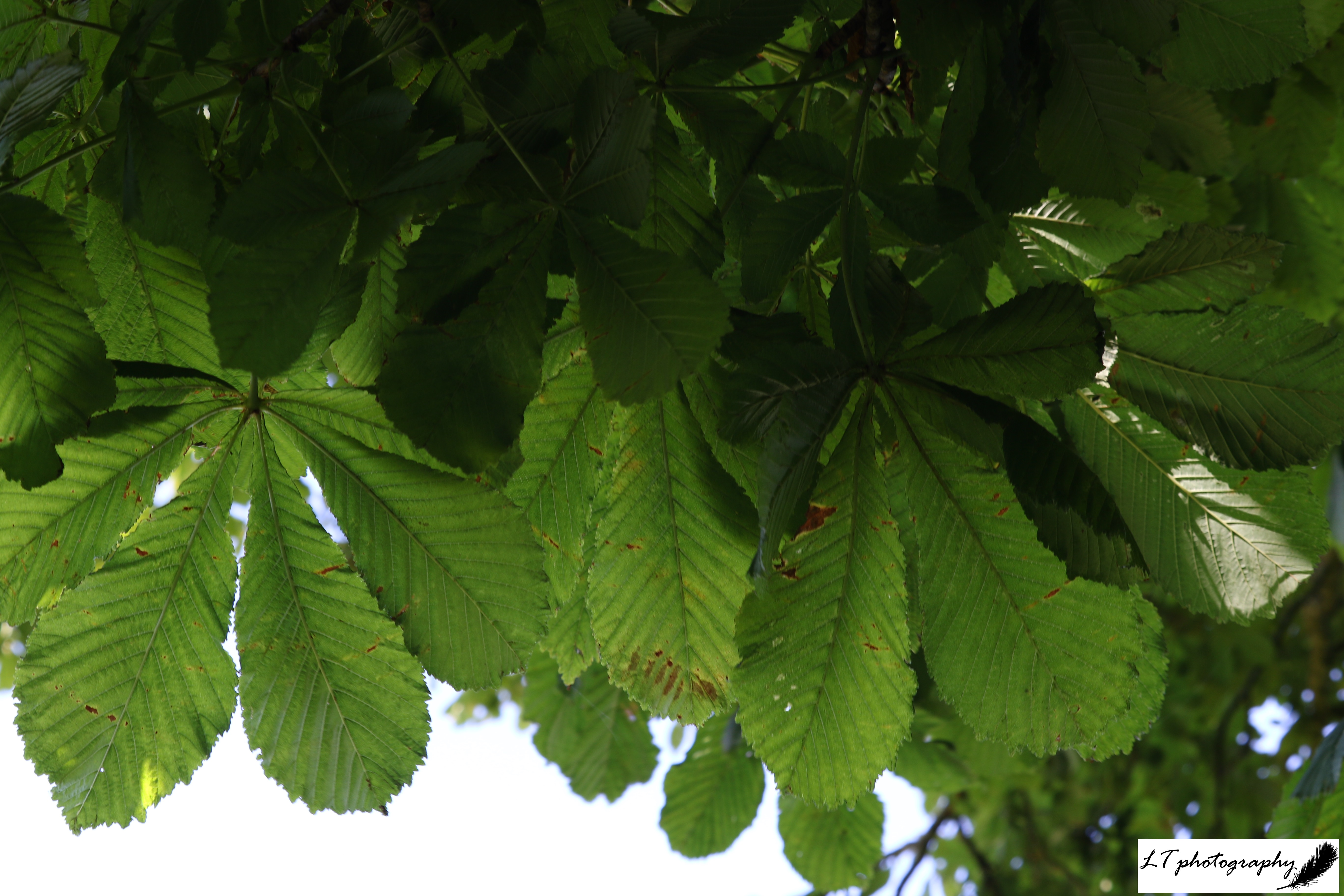
4. Horse Chestnut (Aesculus hippocastanum)

  • Family: Sapindaceae – related to lychee and maples
  • Origin: Non-native (introduced in the 1500s from the Balkan peninsula in southeastern Europe)
  • Shape and size: Arching branches, usually turned up at the ends, growing up to 35m tall
  • Stems and twigs: Bark is scaly and red-brown or dark grey-brown
  • Leaves: Five to seven large, thick, stalkless leaflets with pronounced veins and a long, tapering base
  • Flowers: Showy spike (candle) of white flowers with a yellow to pink spot
  • Seeds: Spiny fruit contains one or more shiny conkers
  • Range & habitat: It has now become a widespread and common sight across Britain, tolerating a wide range of soils

In Winter: Smooth bark and sticky buds

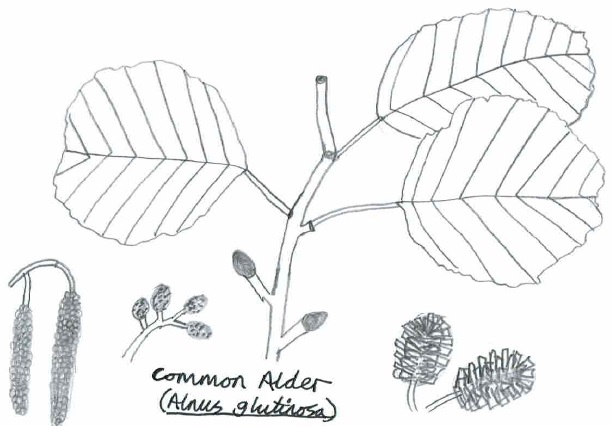
5. Common Alder (Alnus glutinosa)

  • Family: Betulaceae – related to hazel and birches
  • Origin: Native
  • Shape and size: Regular branching and conical shape, growing up to 25m
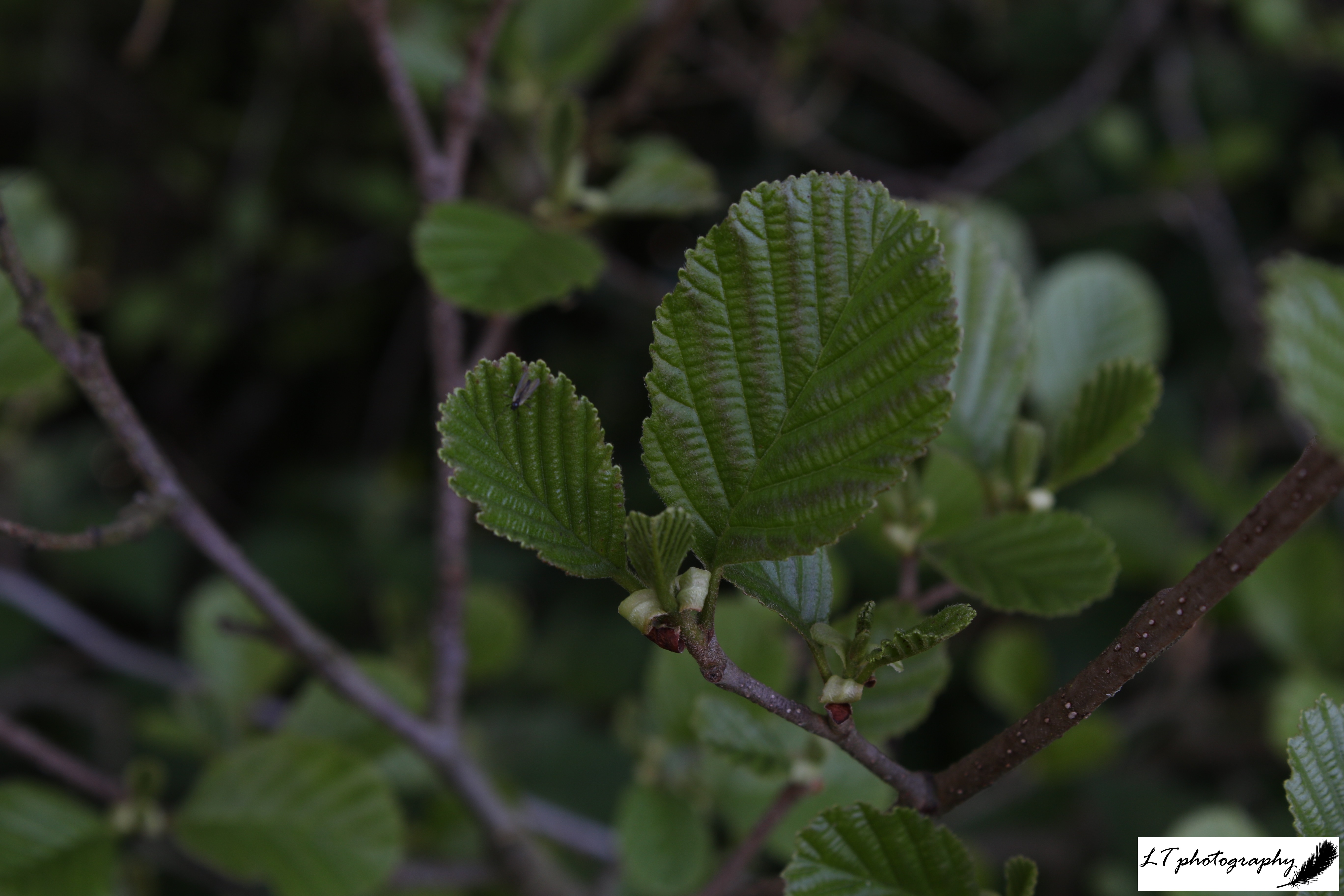
  • Stems and twigs: Dark brown bark that is often rough and sprouts young shoots
  • Leaves: Alternate, rounded, sometimes notched at the tip, and dark green
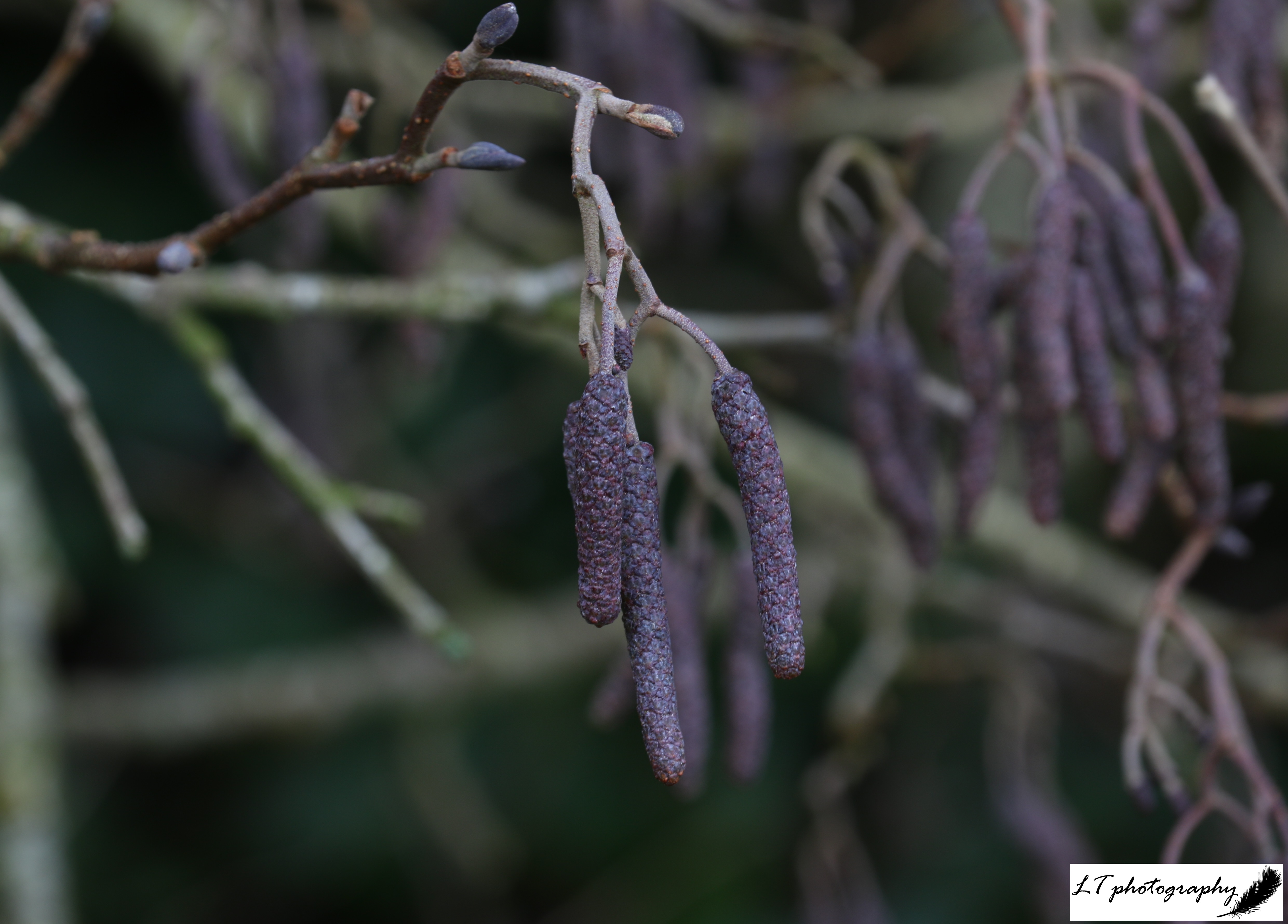
  • Flowers: Male and female catkins grow on the same tree, before the leaves. Male catkins= lambs’ tails; female catkins= small and egg-shaped
  • Seeds: Female catkins turn into a small cone, drying from green to brown, releasing the seeds. The seeds have corky outgrowths that keep them afloat on water
  • Range & habitat: Thrives in wet ground and is often seen lining the banks of rivers and streams across Britain

In Winter: Appears dull purplish due to purplish buds

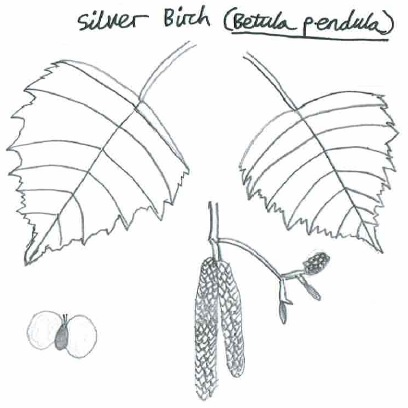
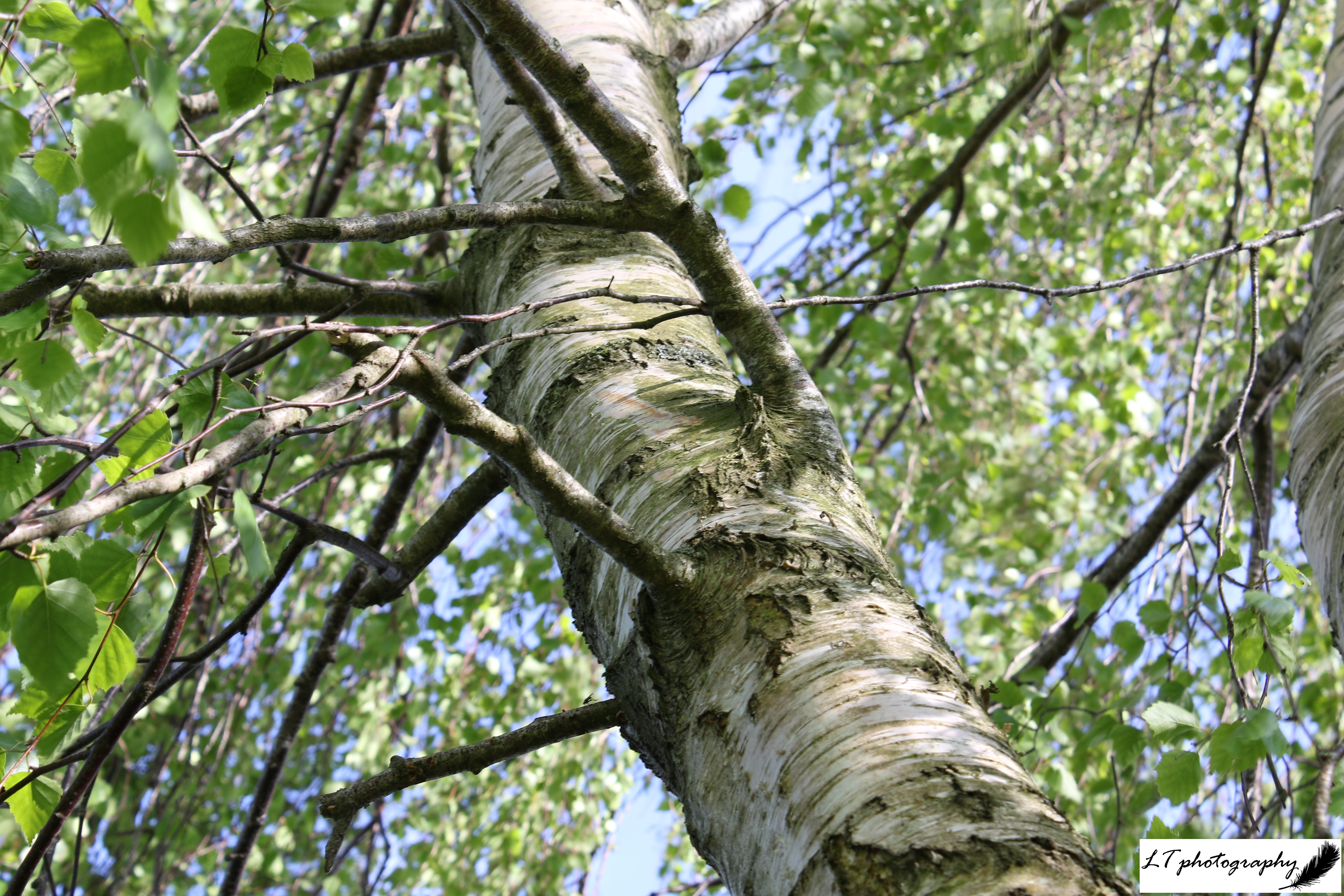
6. Silver Birch (Betula pendula)

  • Family: Betulaceae – related to alders, hazels and hornbeams
  • Origin: Native
  • Shape and size: Erect with pointed crown and drooping branches, reaching up to 30m
  • Stems and twigs: Young bark reddish, maturing to black and papery-white bark. Twigs smooth with small dark bumps
  • Leaves: Alternate, triangular and shiny, on slender stalks. Edges are ragged, with smaller teeth between larger main teeth
  • Flowers: Male catkins= purply-brown; female catkins= smaller and pale green
  • Seeds: Two winged and wind-borne, released in winter
  • Range & habitat: Form natural woodlands on light, dry soils throughout Britain

In Winter: Distinctive shape and bark

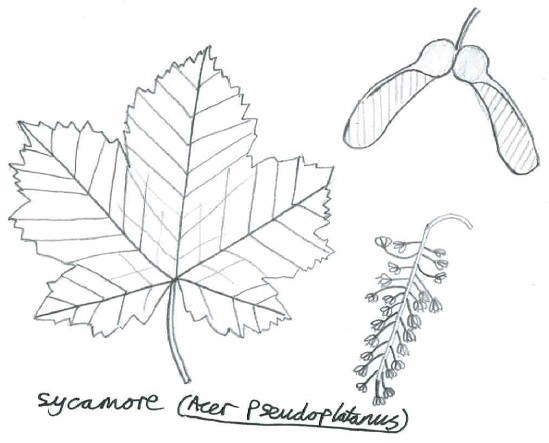
7. Sycamore (Acer pseudoplatanus)

  • Family: Sapindaceae – related to maples and horse chestnut
  • Origin: Non-native (introduced from Europe either in the 1500s or by the Romans)
  • Shape and size: Massive domed outline, with dense foliage and heavy lower branches, growing up to 35m
  • Stems and twigs: Grey fissured bark ages to pinkish-brown
  • Leaves: Opposite, five-lobed, and upper side dark green
  • Flowers: Greeny-yellow flowers in hanging clusters appear with the leaves
  • Seeds: Hairless keys in right-angled pairs
  • Range & habitat: Grow vigorously in all parts of Britain, being widely planted on their own for shelter or in woodlands and hedgerows

In Winter: Distinctive shape and bark

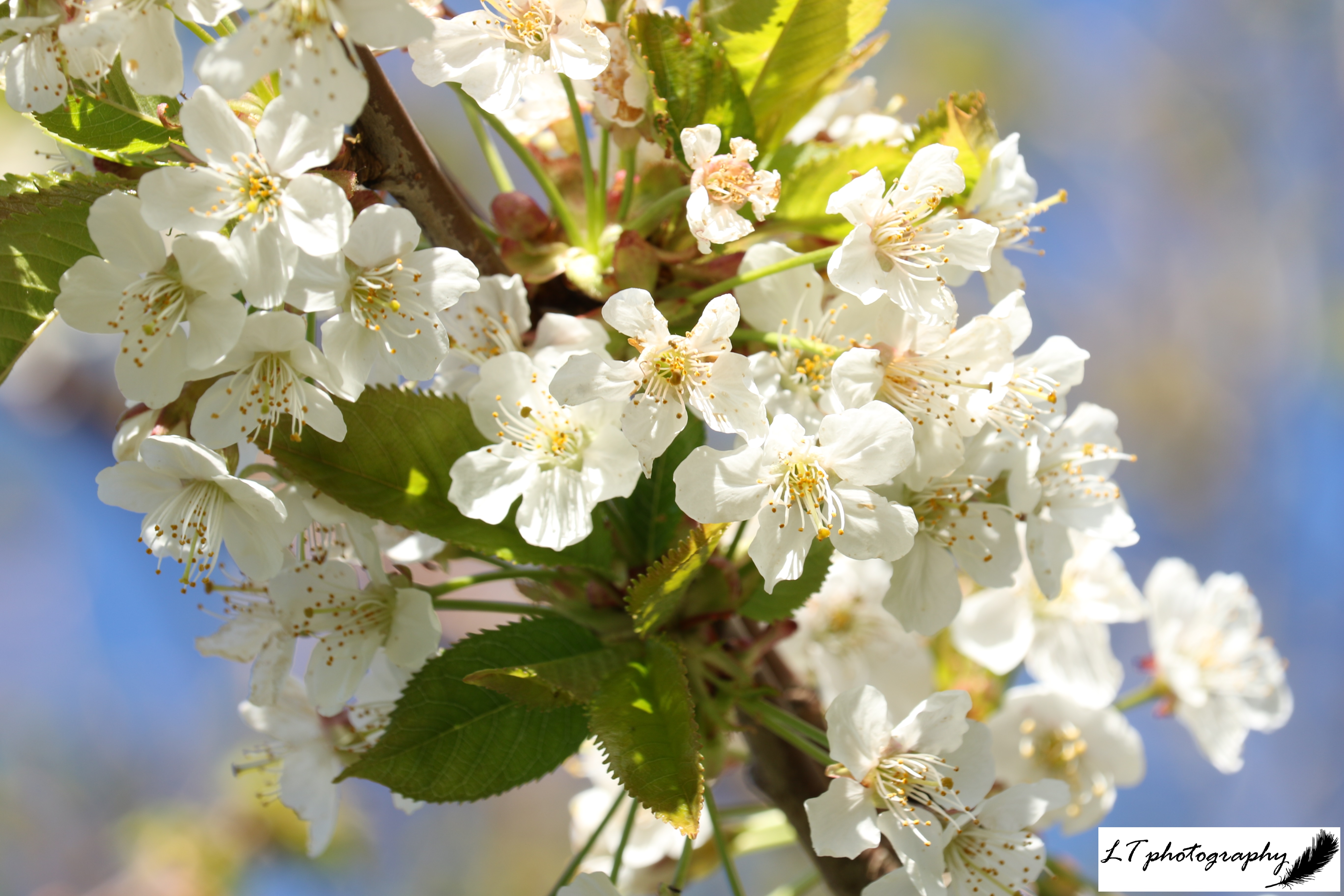
8. Wild Cherry (Prunus avium)

  • Family: Rosaceae – related to roses
  • Origin: Native
  • Shape and size: Pyramidal shape, reaching up to 30m
  • Stems and twigs: Shiny, red-brown bark peels in horizontal strips
  • Leaves: Alternate and oval with long points and regular, forward-pointing teeth, and two conspicuous red glands at the top of the stalk
  • Flowers: White flowers (blossom) appear before the leaves in small, loose clusters
  • Seeds: Produces round, red cherries
  • Range & habitat: Native throughout the UK, being found in woodlands and hedgerows

In Winter: Distinctive bark

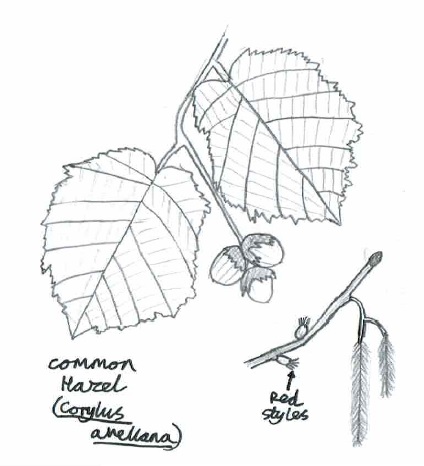
9. Common Hazel (Corylus avellana)

  • Family: Betulaceae – related to birches, alders and hornbeams
  • Origin: Native
  • Shape and size: Many stems rise from the ‘stool’, which if left uncut can reach 9m
  • Stems and twigs: Bark coppery brown, smooth and tending to peel
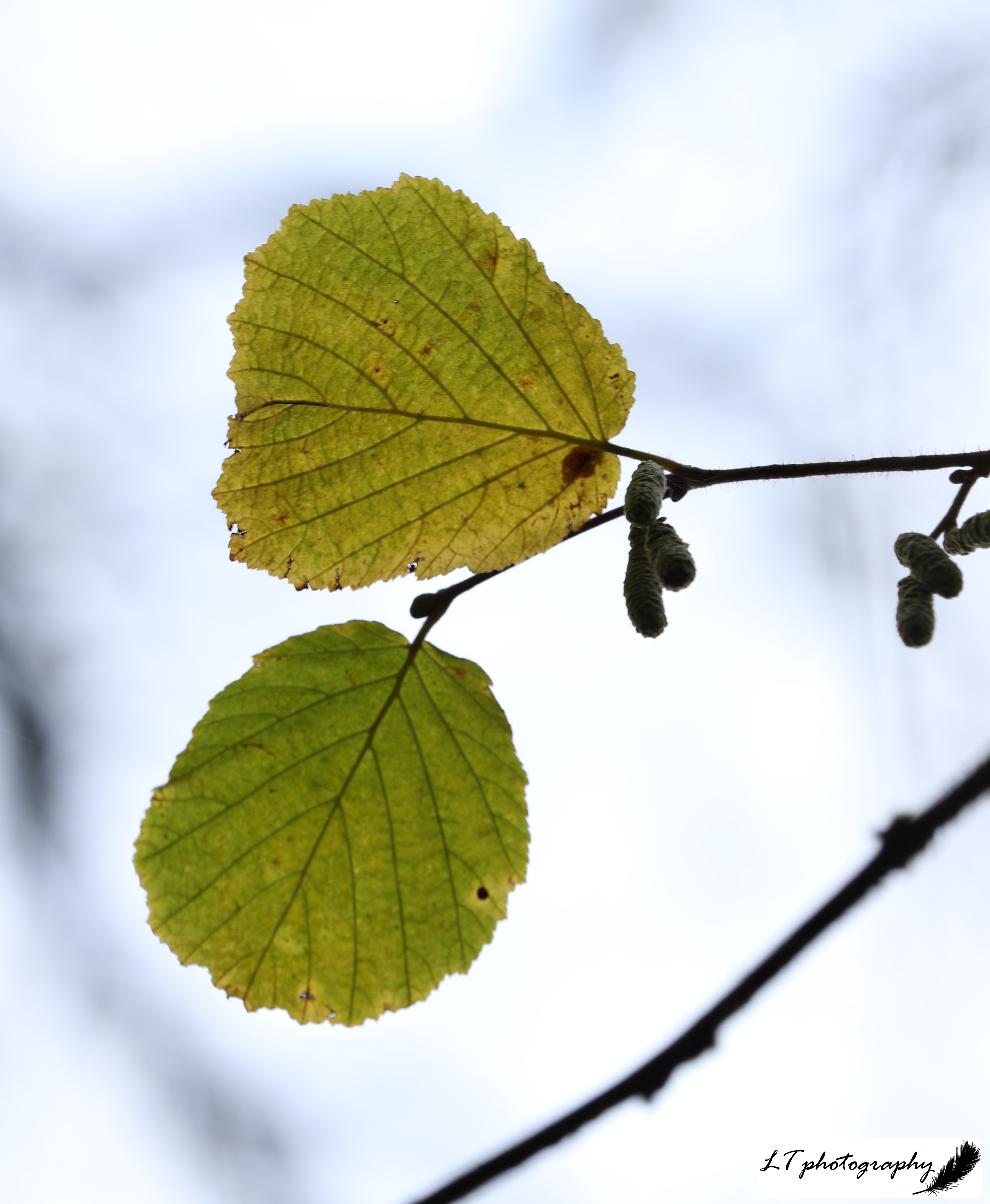
  • Leaves: Alternate, almost circular with sawtooth edges, hairy, and soft to the touch
  • Flowers: Male and female flowers found on the same tree. Male= lemon-yellow lambstail catkins; Female= tiny buds with red tassels
  • Seeds: An edible nut encased in a thick-green husk, ripening in autumn
  • Range & habitat: Grows throughout Britain, often found in woods, scrub areas, and hedges

In Winter: Distinctive shape and bark, accompanied by the male catkins from December
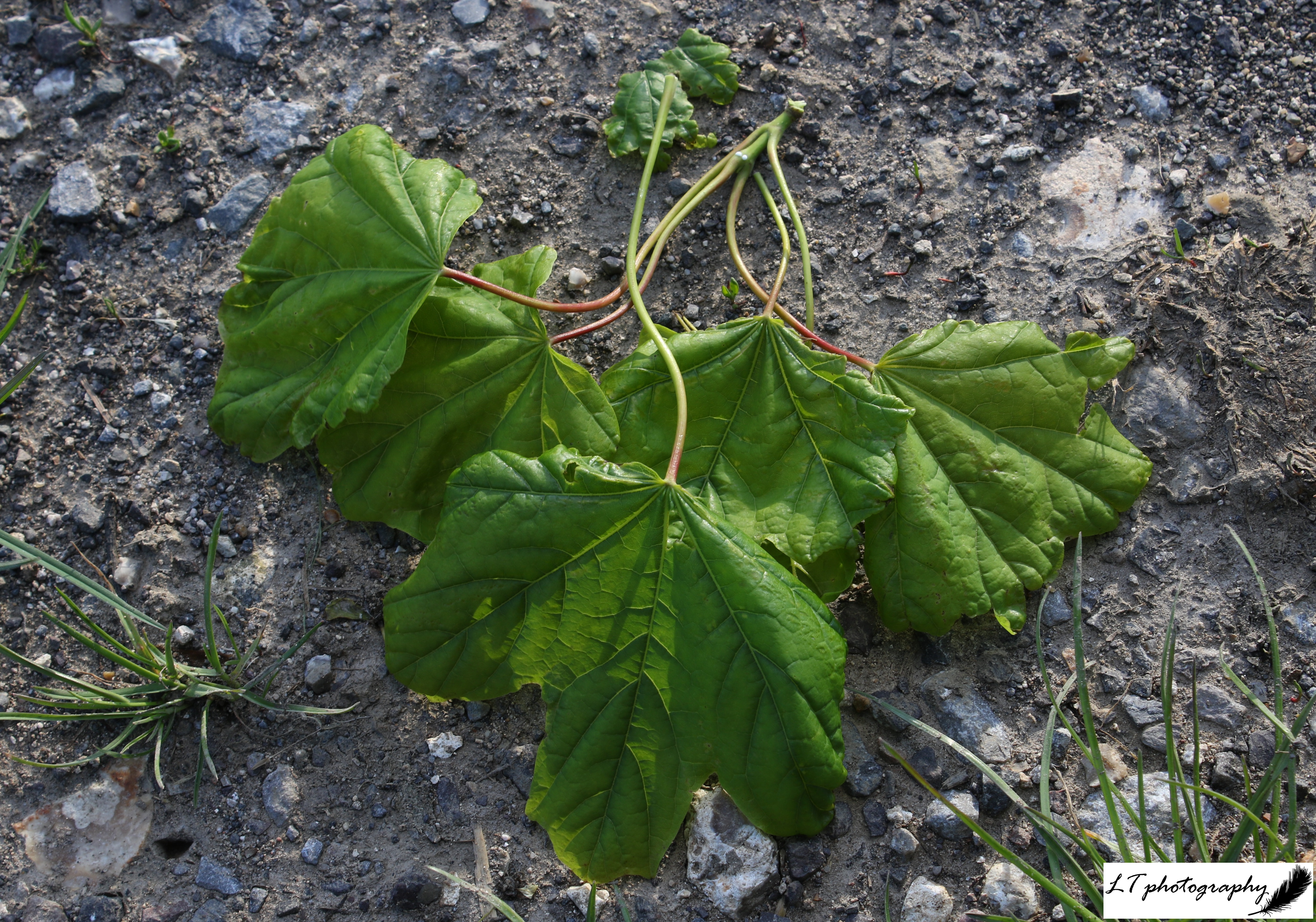
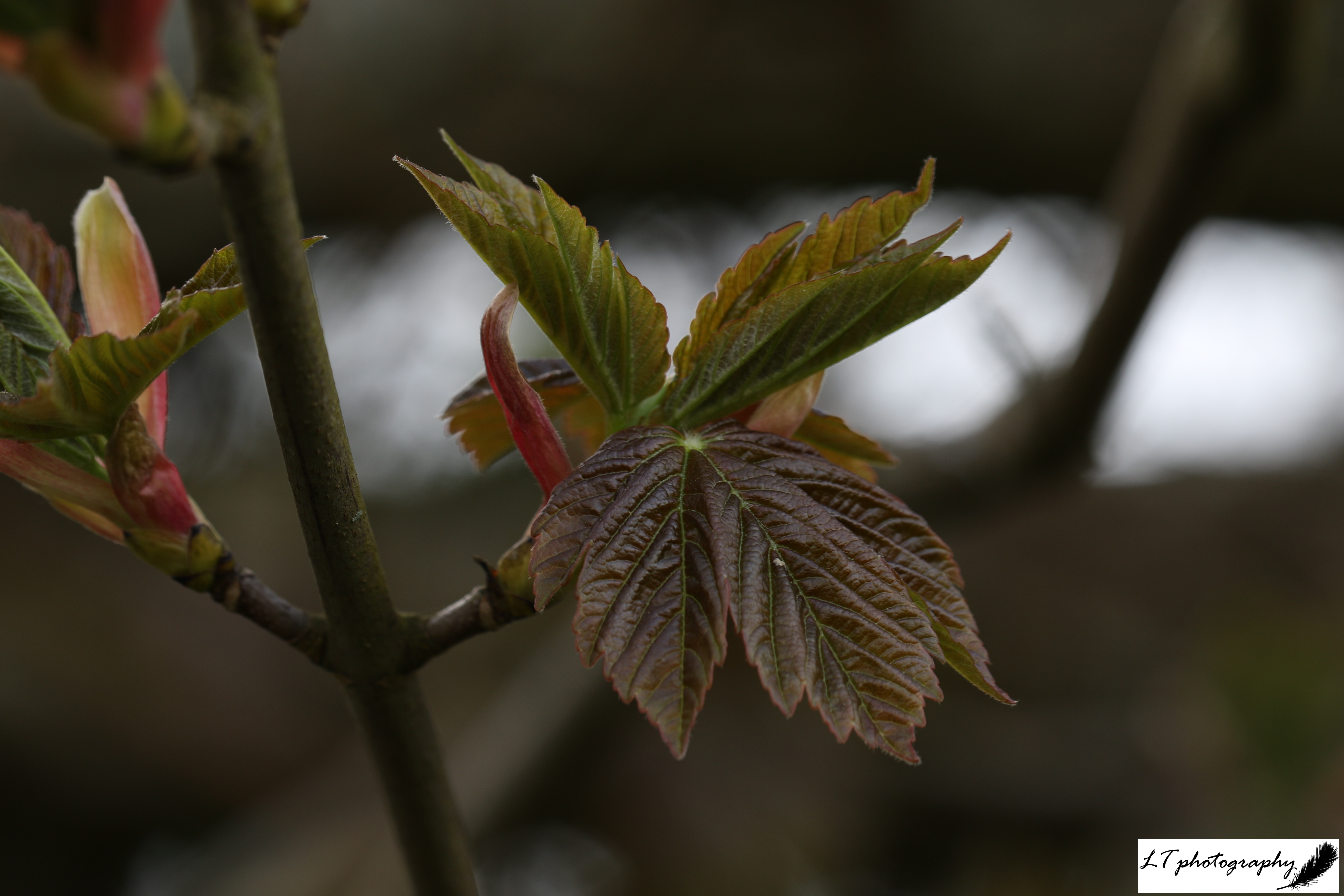
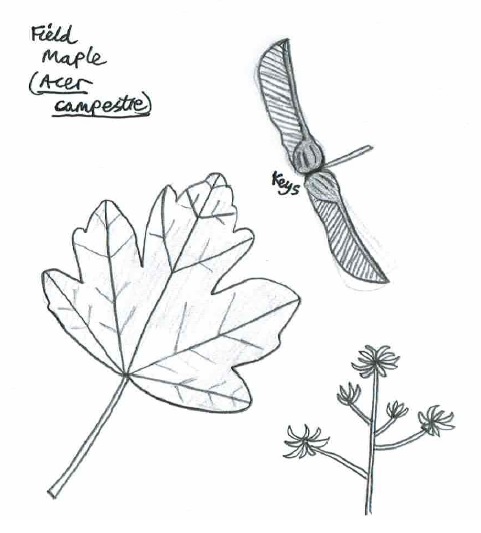
10. Field Maple (Acer campestre)
  • Family: Sapindaceae – related to lychee and horse chestnut
  • Origin: Native
  • Shape and size: Round-shaped tree with branches that droop at the end, growing up to 26m
  • Stems and twigs: Bark is grey or light brown and twigs downy, later corky
  • Leaves: Emerging leaves have a pinkish tinge, turning dull-green, and are opposite and small, with three main, round-tipped lobes and two smaller basal lobes
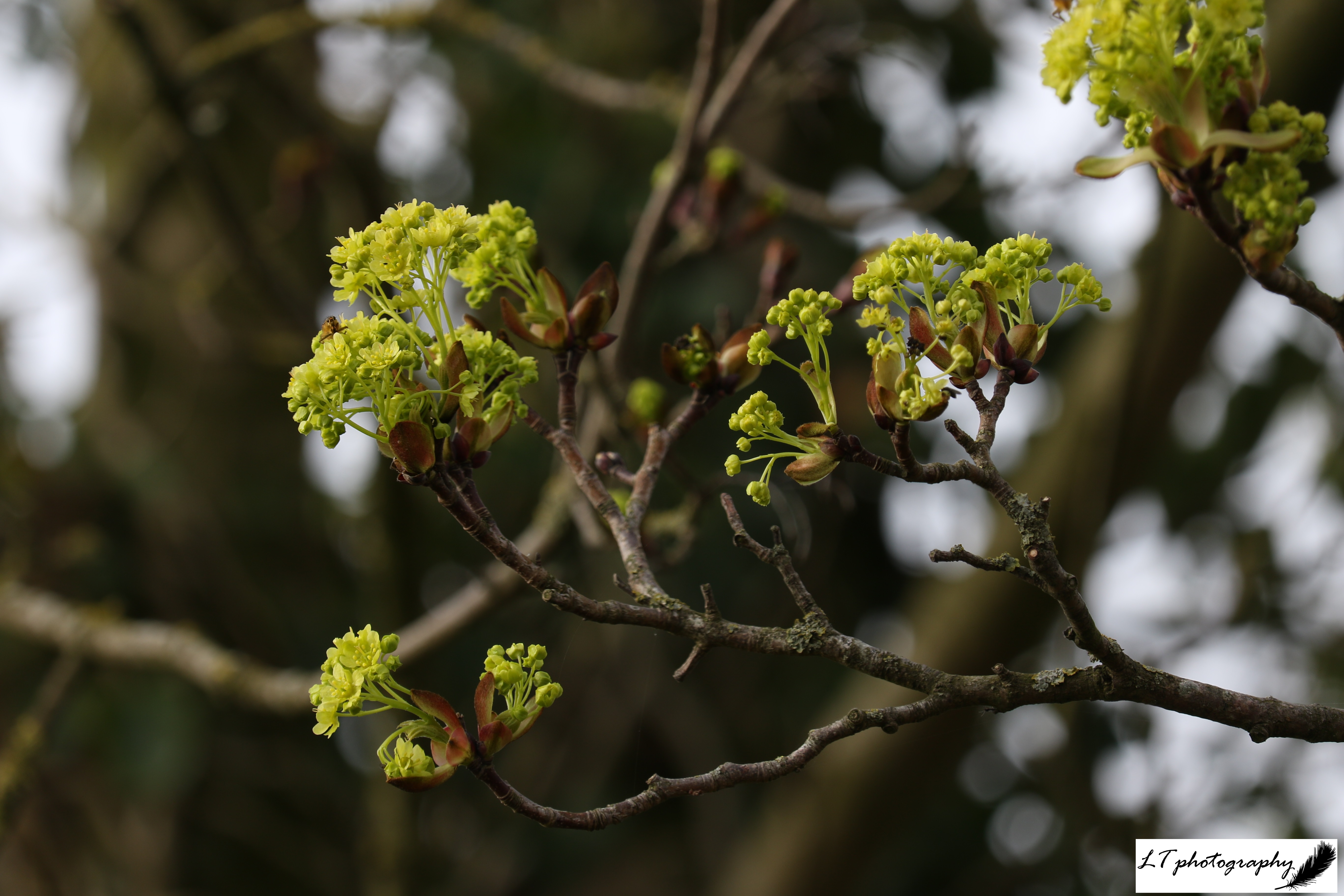
  • Flowers: Small yellow-green flowers form erect clusters
  • Seeds: Each pair of seed wings lie in an almost straight line, are often tinged with pink
  • Range & habitat: Frequent in England and East Wales in woods and hedgerows

In Winter: Sinuous trunk and distinctive shape

Drawings and photos all my own

How to… Bring Nature Into Your Home This Christmas

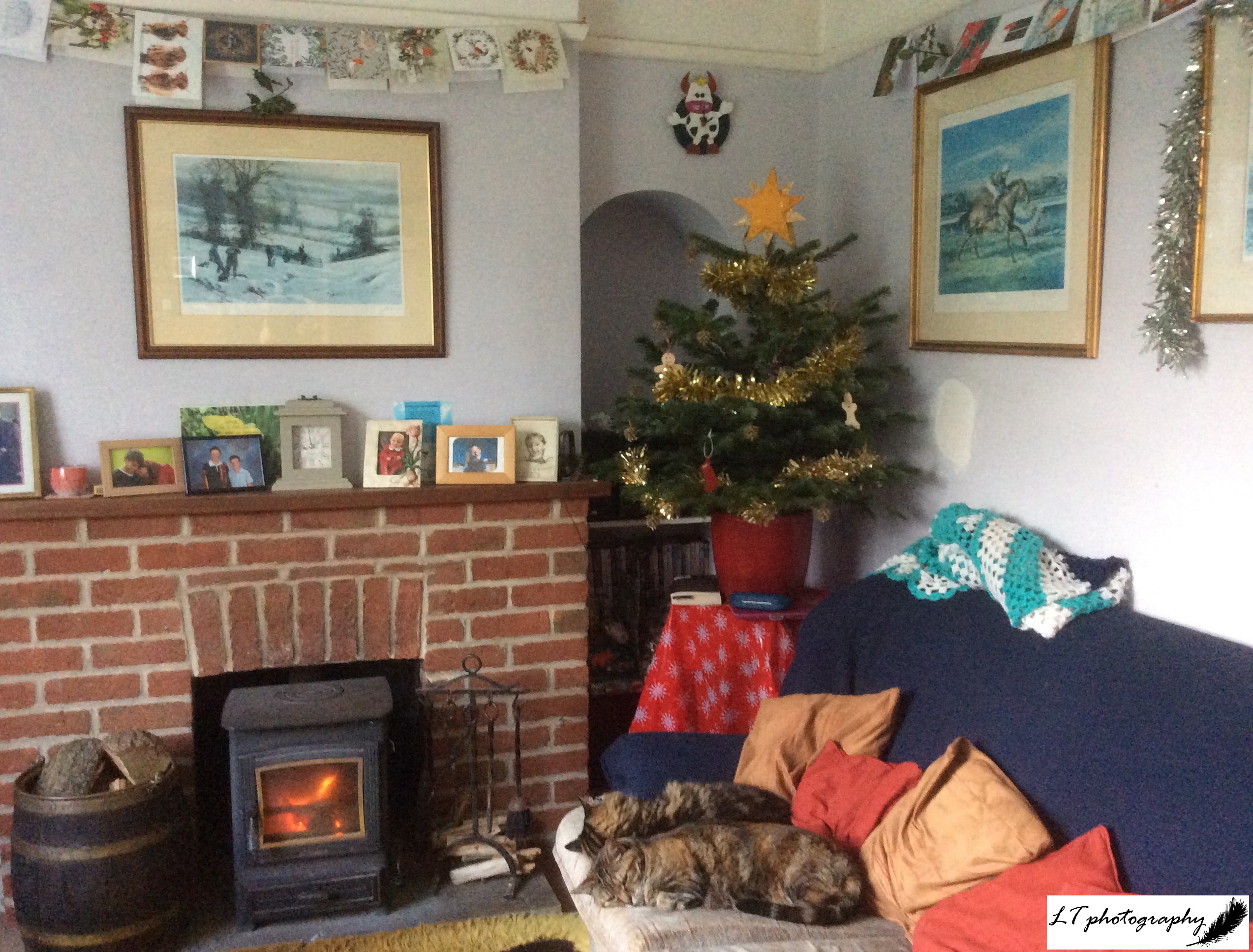
Christmas for me, alongside being all about family, friendship and feeling grateful, is deep rooted in nature. This is not unusual though, as people have been taking direction from nature during mid-winter celebrations for thousands of years. From the Romans decorating their homes with greenery to the Victorian Christmas tree, from pagans to Christians, the inspiration for how Christmas looks today has often come from the world outside our doors. For me, every year during December, I also bring nature into my home in the form of plant life. But why and how?

Plants and Christmas

During the winter and Christmas period, it’s popular for evergreens to be brought into our homes to be used as decorations. This practice has been observed for thousands of years, evolving but often holding the same symbolism and meaning. Evergreens are a traditional symbol of everlasting life due to their longevity, and were worshipped by pagans as symbols of immortality and everlasting light, being used to ward off illness and evil spirits. The bright natural colours of evergreens have also long provided inspiration for many, and still do during the cold, dark days of winter. They are a symbol of celebration and remind us that the days of spring will return in time.

Some Christmas examples include:

Mistletoe – A long history in Britain from being sacred to the druids and warding off evil spirits during the Middle Ages to symbolising healing, shelter and fertility. It was once banned from Christian churches due to its pagan links. The Victorians gave the plant its modern tradition of being hung in a doorway to kiss under, though the exact reason why we do this is still unknown.

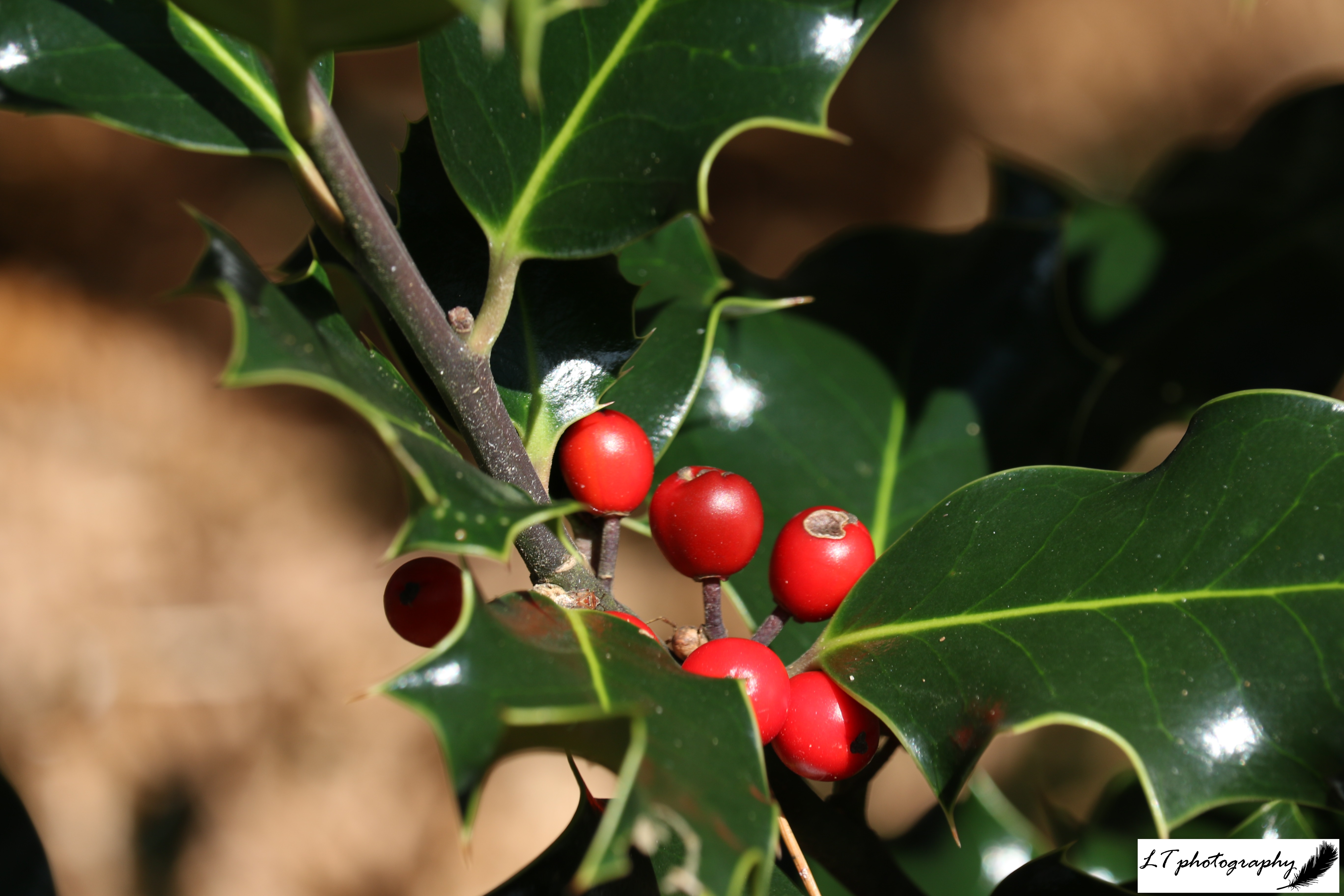
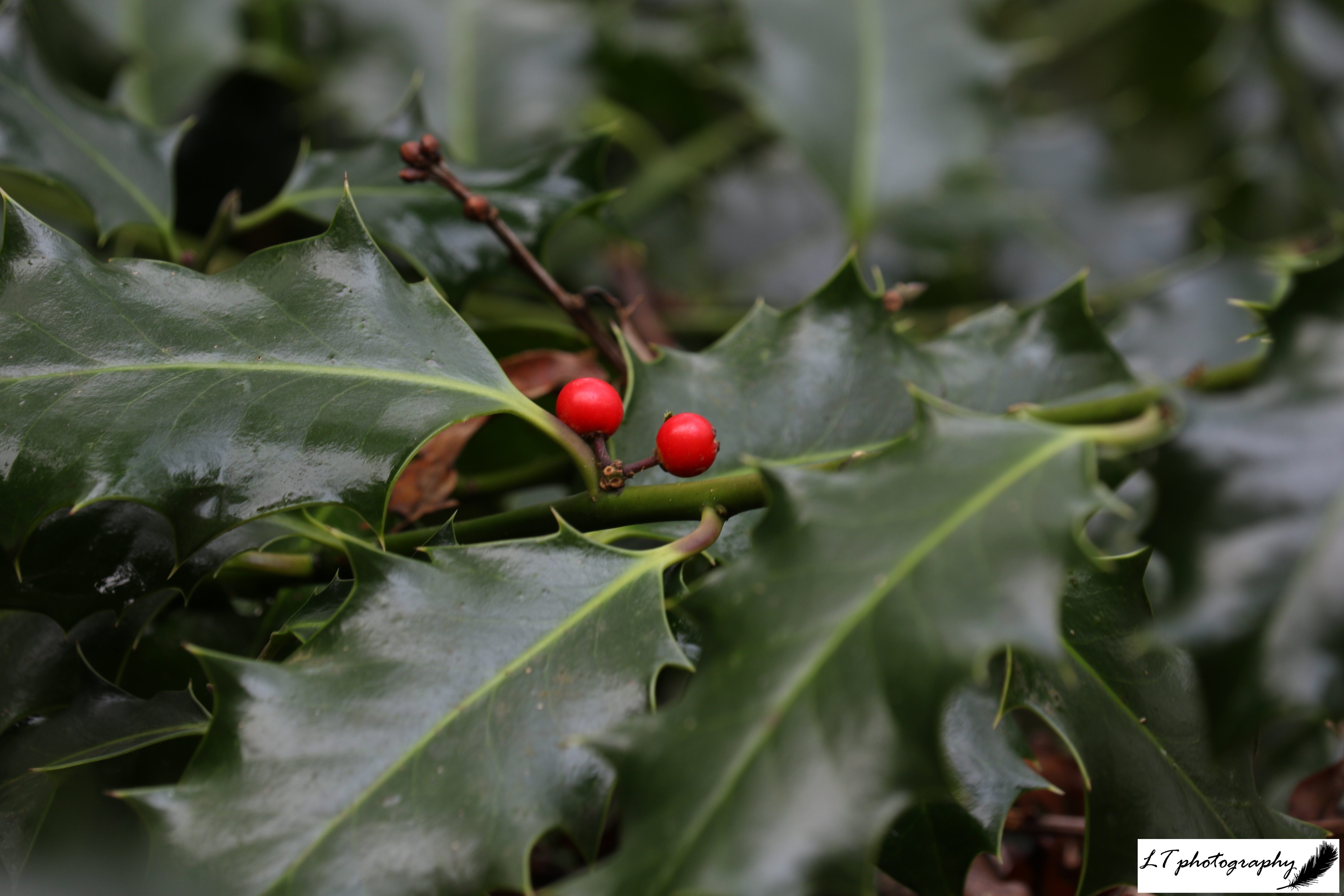
Holly – Long associated with fertility, protection and eternal life in Britain, due to being able to withstand harsh conditions. It was originally brought into people’s homes to ward off witches and malevolent spirits during the dark months, before being adopted by the Church to symbolise Jesus’ sacrifice (prickles= thorns and berries= spilt blood).

Poinsettas – Native to Mexico and brought over from America, the flowers have become a meaningful symbol of Christmas. Their star shape is thought to symbolise the Star of Bethlehem, and the colours either purity or the spilt blood of Christ. For some, Poinsettas also symbolise new life.

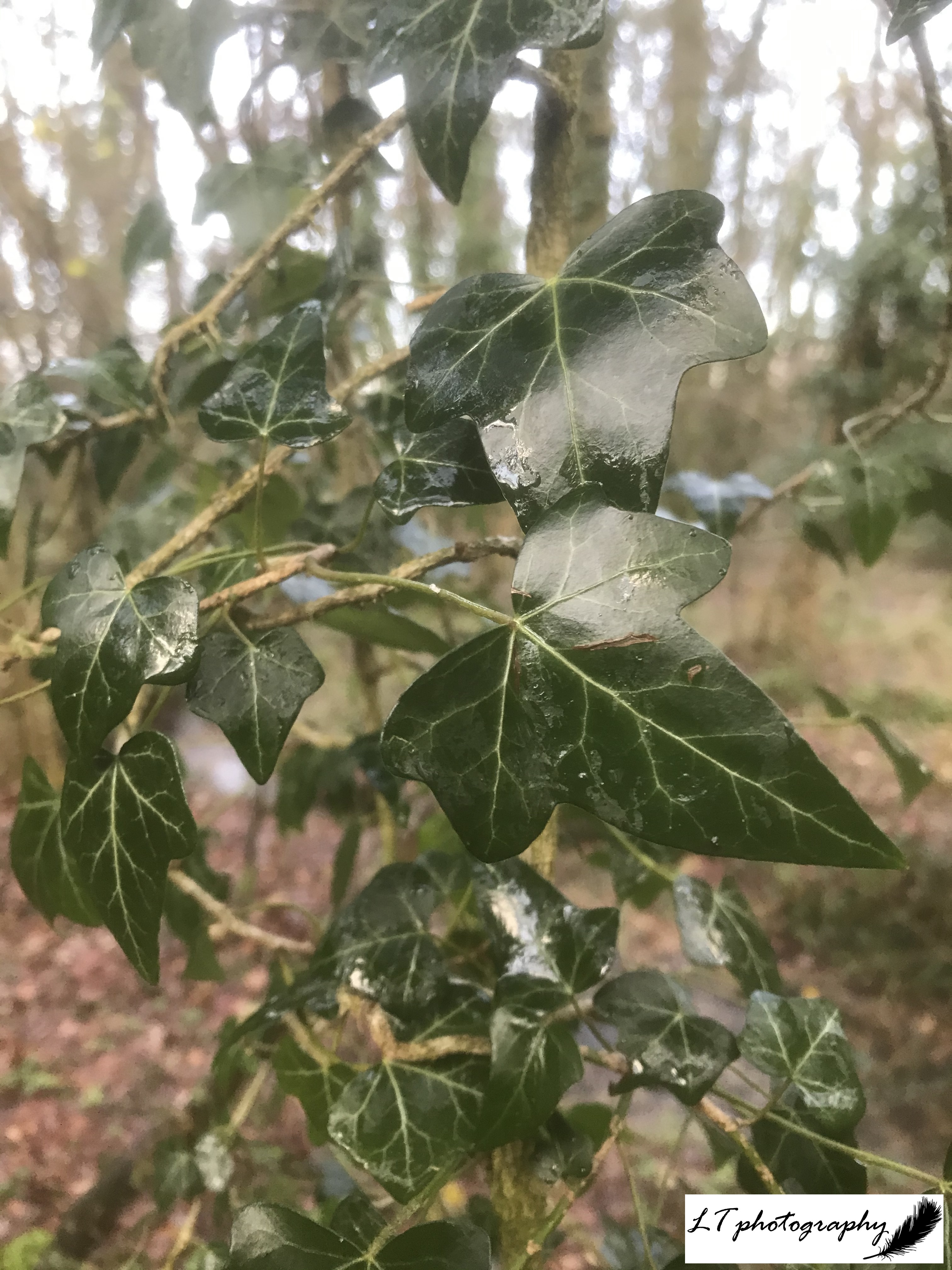
Ivy – Symbolises everlasting life, resurrection, rebirth, and the coming of spring. During Christmas time, Ivy is closely associated with Holly, being once considered a female plant whereas Holly was the matching male plant. It was said that whichever of these two species was brought into the house first during the winter, would predict whether a man or woman would be in charge of the house for the next year. Now popular at Christmas, Ivy was once banished from homes by the Christian church due to its ability to grow in the shade, giving it associations with secrecy and debauchery.

How to make your own Christmas decorations

Bringing nature into your home is a great way to brighten things up and add a bit of colour to your Christmas festivities. Though it is understandable if you feel daunted by the prospect of turning your hand to making your very own decorations for the first time, such as a wreath or centrepiece, it is actually a simple and a great way to create decorations personal to you. Using natural materials can be a fun and easy way to do this, so why not try something new and have a go! For a little inspiration and some tips, here are some of the decorations that I put together for my family home each year, including this year.

Popularly Used Species

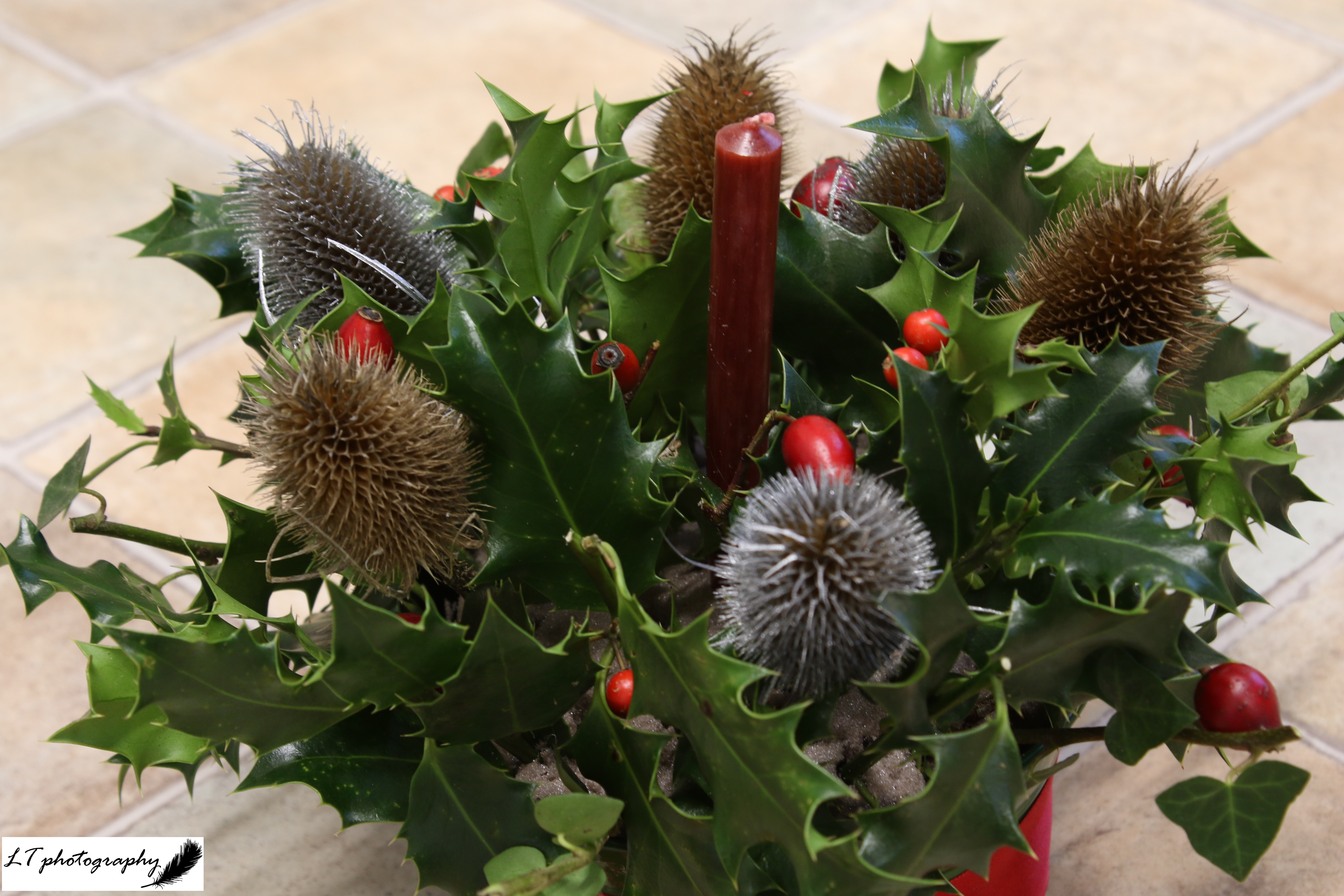
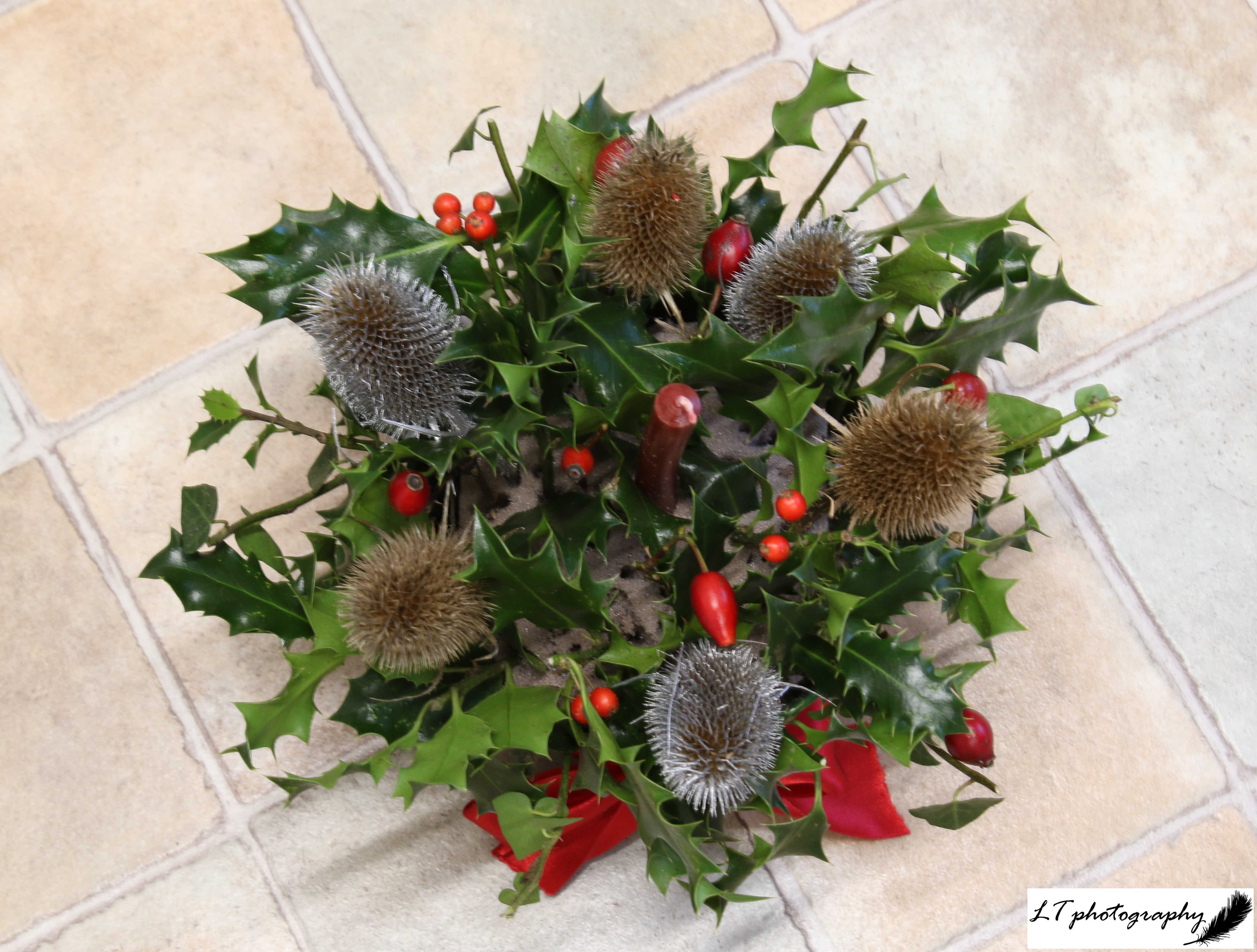
  • Holly – With and without berries
  • Ivy
  • Rose hips
  • Teasels – Some sprayed with non-toxic paint

Centrepiece and Mantlepiece Decorations

For my centrepiece and mantelpiece decorations, every year I simply use a couple of small metal buckets with a bit of oasis in them. My squares of oasis are reused again and again each year, so if you are starting out it is better to use a non-toxic, biodegradable alternative that will not harm the environment.

To begin putting together one of my Christmas arrangements, I start with placing a candle at the centre (though it is simply for decoration). I then build up from there, beginning with a few Teasels around or behind the candle, then adding Holly with and without berries, Rose hips, and Ivy. You can arrange the greenery however you want and add what you like. It is a bit of fun of course!

Basic Wreath

A wreath’s circular shape has long been seen as a symbol of eternal love and rebirth. They can first be traced back to early Roman times, where wreaths were made and given during the festival of Saturnalia each year (check out my blog post: The Twists of Christmas Traditions for more information).

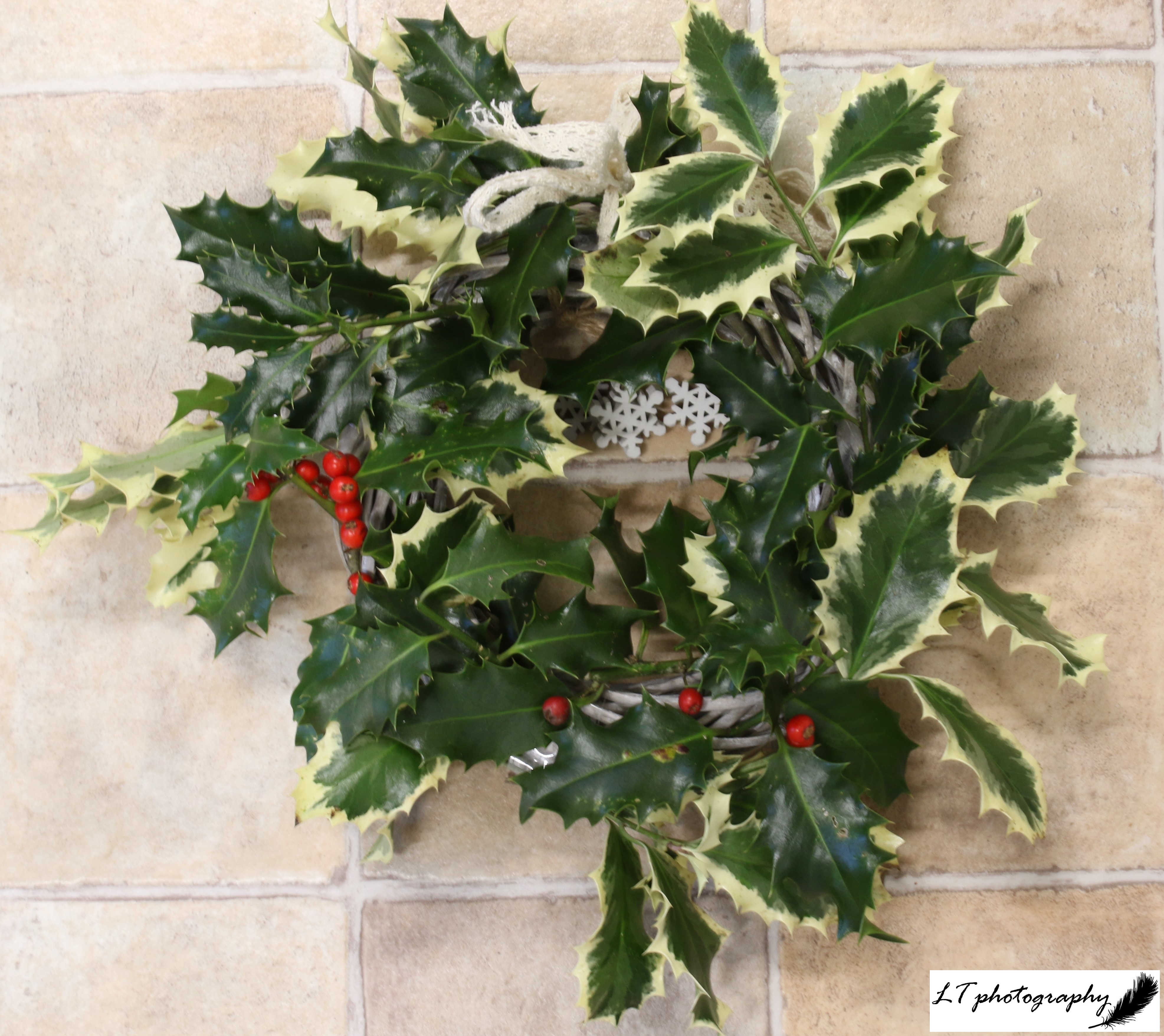
To begin my wreath, I use a basic wooden wreath as my base and work from there. I usually start by wrapping Holly around the base and adding extra Holly with and without berries. This year I was happy with just Holly, but other years I have added Ivy and other greenery, and decorations such as ribbon. Less is more though, and watch out for the Holly’s spiky prickles!

Vase Arrangements

To finish my Christmas decorations, I like to use whatever greenery I have left to create some simple vase arrangements in fun vases. Teasels and Ivy are a great mix for this, adding a little colour and decoration to any room.

Warning

When collecting your greenery, pick only what you need, especially when picking plants with berries, such as Holly. These berries are a source of food for animals during the winter, so it is important that we leave some for them too.

Stay safe and Merry Christmas!

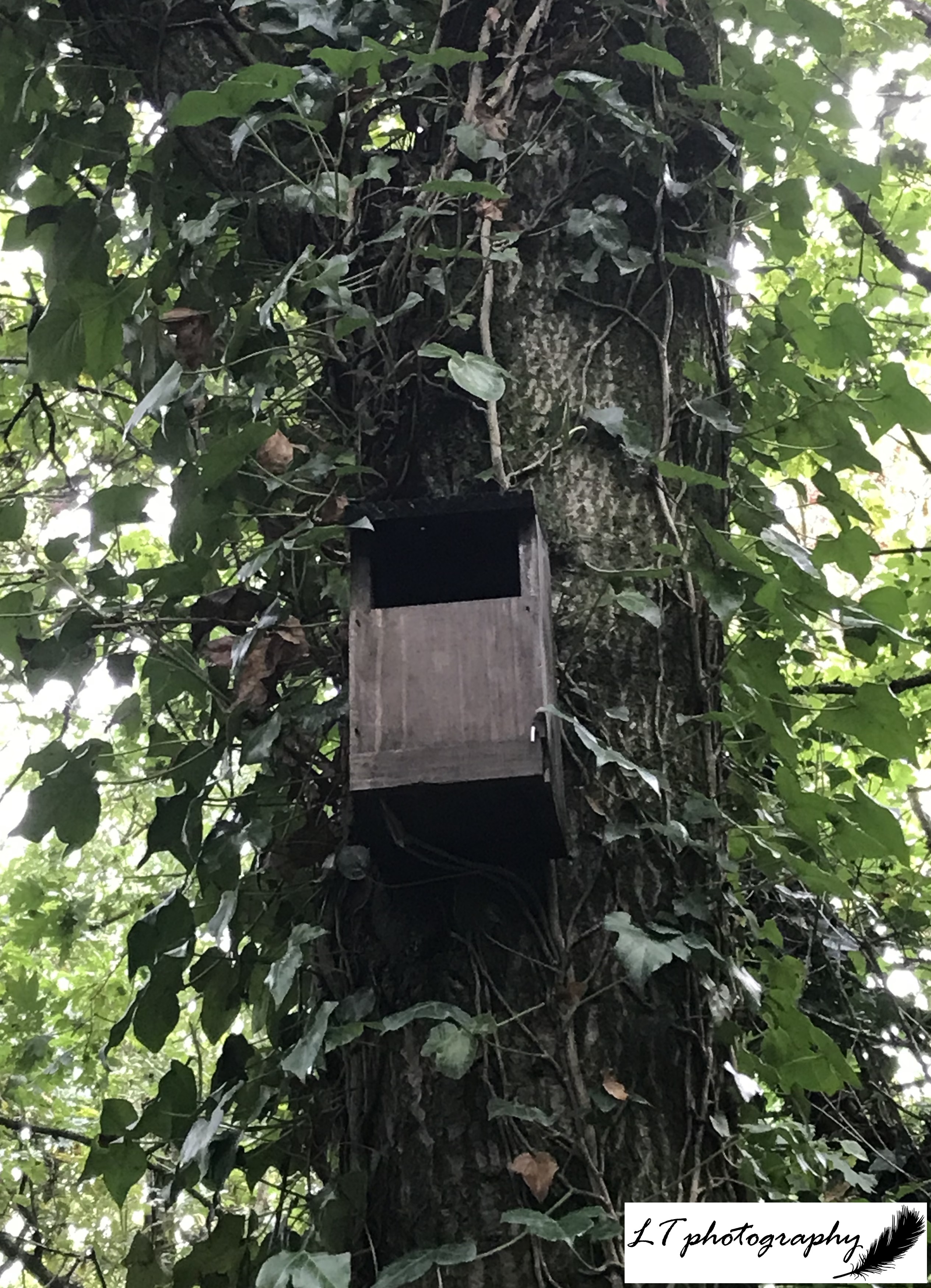
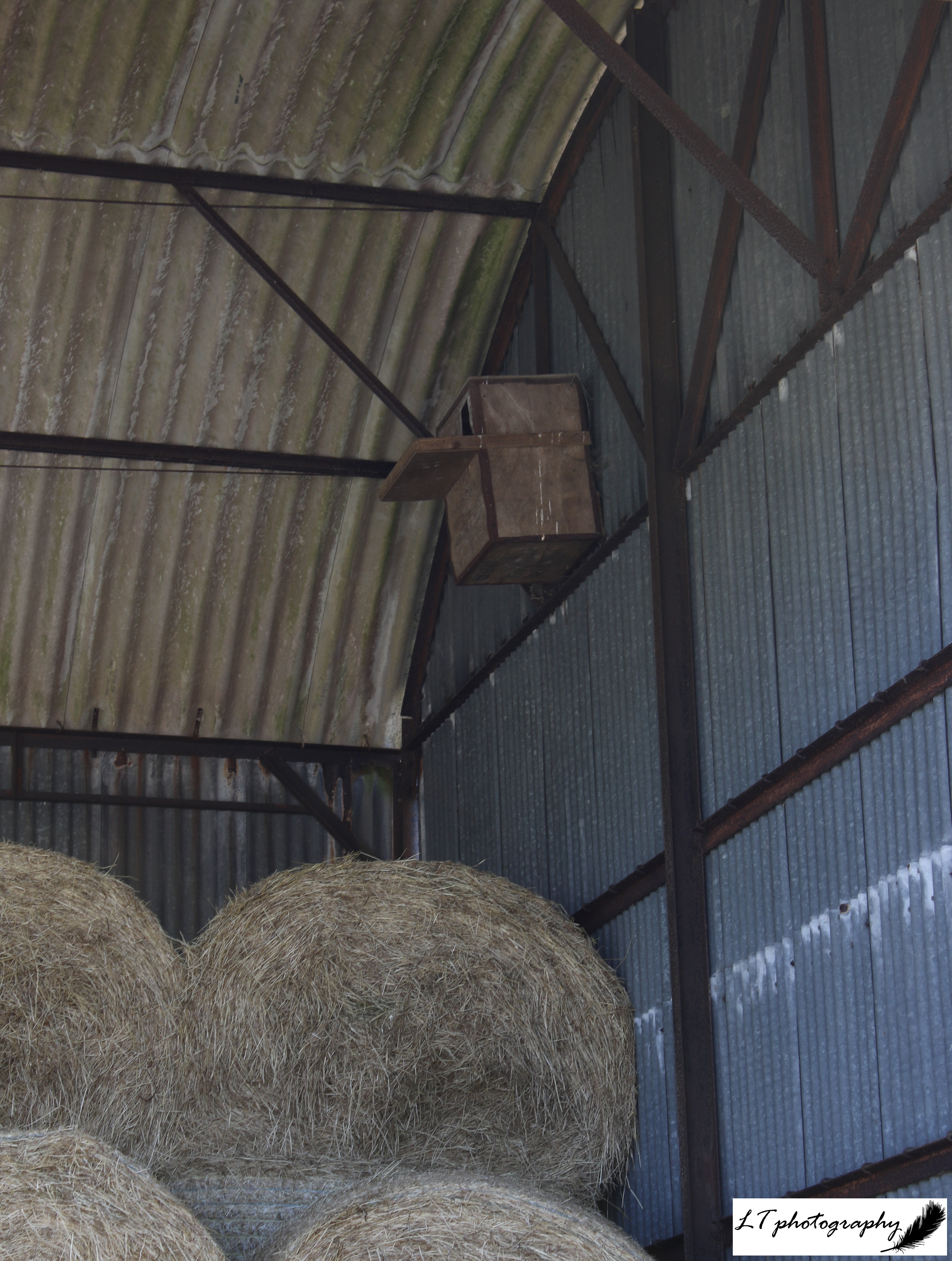
How to… Make Your Own Bird Nest Box

As our summer visitors, such as Swallows and Willow Warblers, leave us for sunnier shores, and we wait for our winter returnees, such as Redwings, the world outside our doors is slowing down and wildlife is preparing for the colder times to come. Autumn is a time for extraordinary spectacles, storing up food and changing colours, but also a time for us to do our bit, to help our wild neighbours with their preparations, and to prepare for a new year to come. This can range from cleaning ponds and putting out food, to planting trees and creating wood piles. It is also importantly a time to provide new homes for nature.

Previously, in spring/summer I posted on my blog about how to make a home for nature in the form of a bee hotel (see How to… Make Your Own Bee Hotel). A bee hotel is aimed at providing solitary bees (90% of UK bee species) with a place to nest, and for my blog I made a bee hotel that has now had some success. There are other forms of homes that we can make for wildlife though, for example for different species of bird.

In the UK, more than a quarter of all bird species are of the highest conservation concern, with a decline in breeding birds (44 million) between 1967 and 2009. This means that conserving and creating habitat for birds is an important issue, and something we can all get involved in. One example of an easy way is to put up nest boxes, which mimic natural habitat. They create an effective artificial cavity for birds, providing an accessible alternative for species that are currently experiencing the loss of breeding habitat and winter roosting sites.

Nest boxes come in a variety of shapes, sizes and designs, which will depend on the species of choice and the purpose they need to fulfill. Though you can put up a nest box at any time of year, the best time is right now, ready to be used as a roosting site throughout winter and for breeding in the spring. This way you can increase the chance of your nest box being a success next year. There are no set rules though, so why not try making your own today!

How to Make a Bird Nest Box

What you need:

  • A plank or offcuts of untreated wood, about 15mm thick for insulation
  • Tape measure & pencil
  • Hand or power saw
  • Drill & different sized drill bits
  • Sand paper
  • Hammer & nails
  • Screws
  • Sealant, a piece of rubber or something similar
  • Optional: Hole plate

Step by Step Guide:

  1. Decide on your nest box design. Your nest box will most likely be aimed at a certain species, such as Robins or House Sparrows. You can also choose particular design features, such as a flat or apex roof. For the purpose of this guide though, I will provide instructions to make a standard Tit nest box.
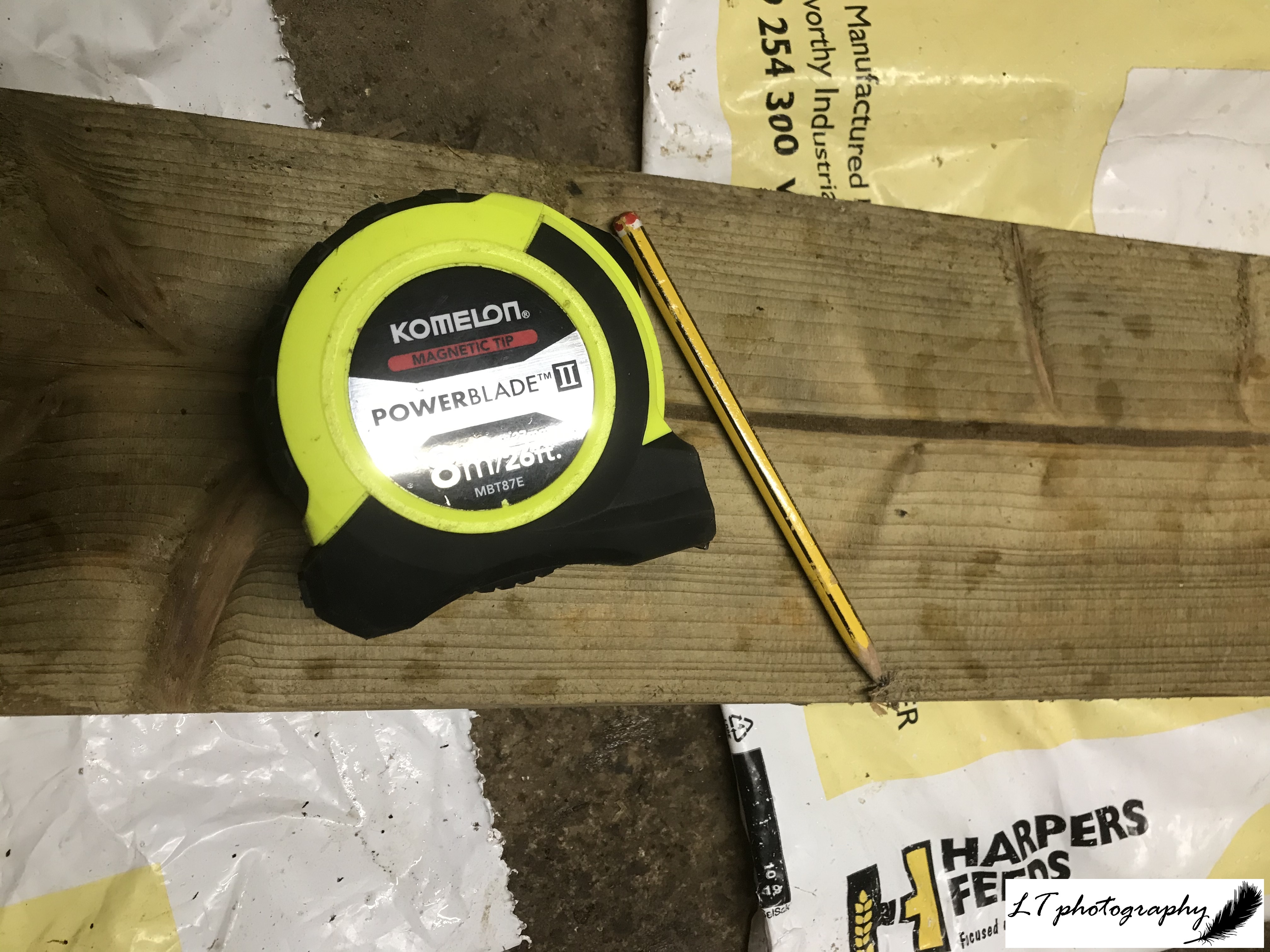
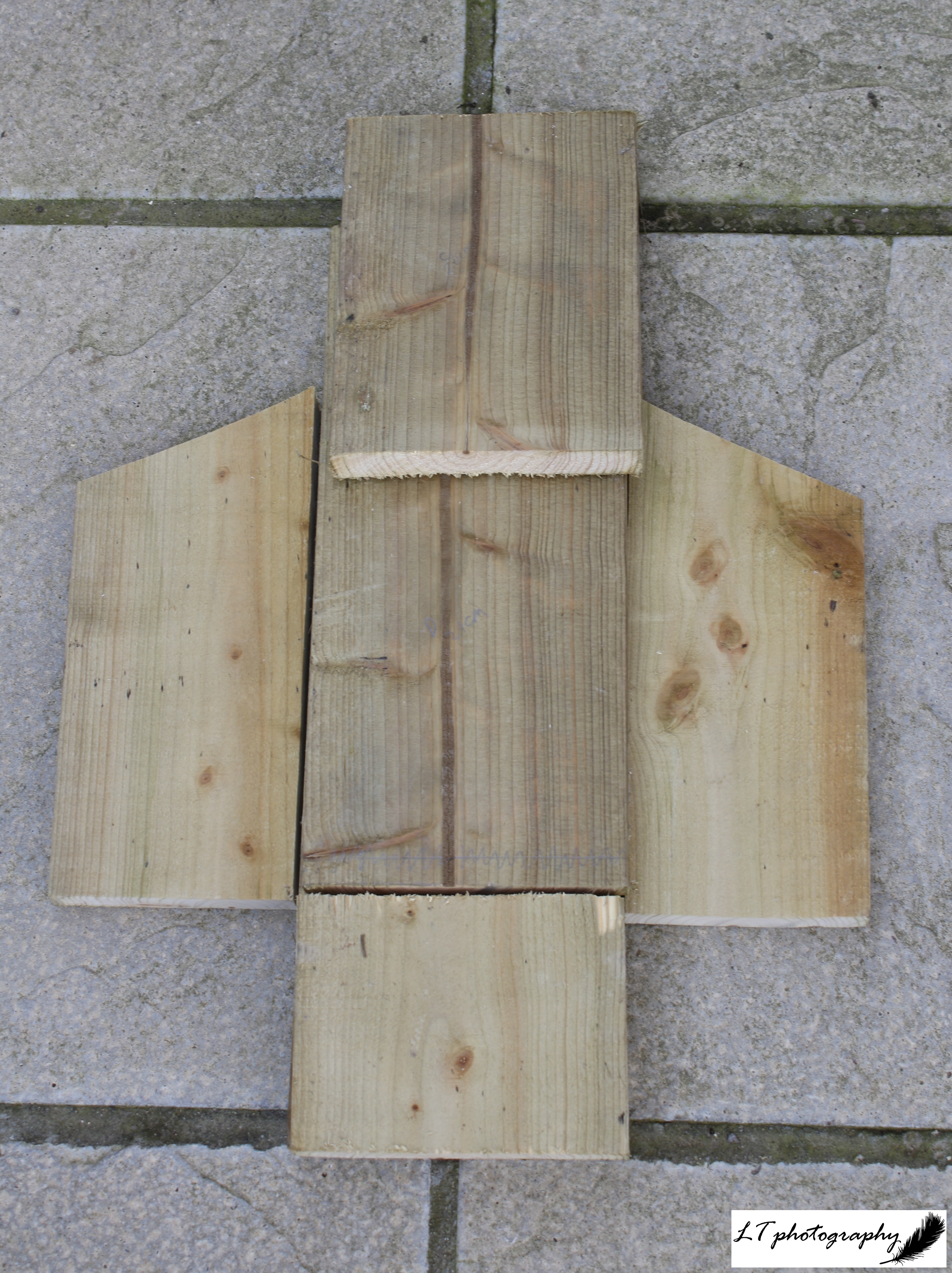
  1. Use a tape measure and pencil to mark out the wood you need, either by creating templates out of paper or cardboard, or by drawing straight onto the wood. For this design you will need 6 pieces: a back (45cm x 15cm); a base (11cm x 15cm); a front (21cm x 15cm); a roof (20cm x 15cm); and 2 side panels (25cm high at the back, 20cm high at the front, and 11cm wide). Use a hand or power saw to cut the wood into the 6 pieces needed.
  1. Next, take the front panel and use a wide drill bit to make a hole towards the top of the panel, at least 125mm up, which the birds will use to enter the nest box. The size of the hole will vary between different species, but for my nest box I made a 25mm hole, aimed at Blue Tits and similar Tit species.
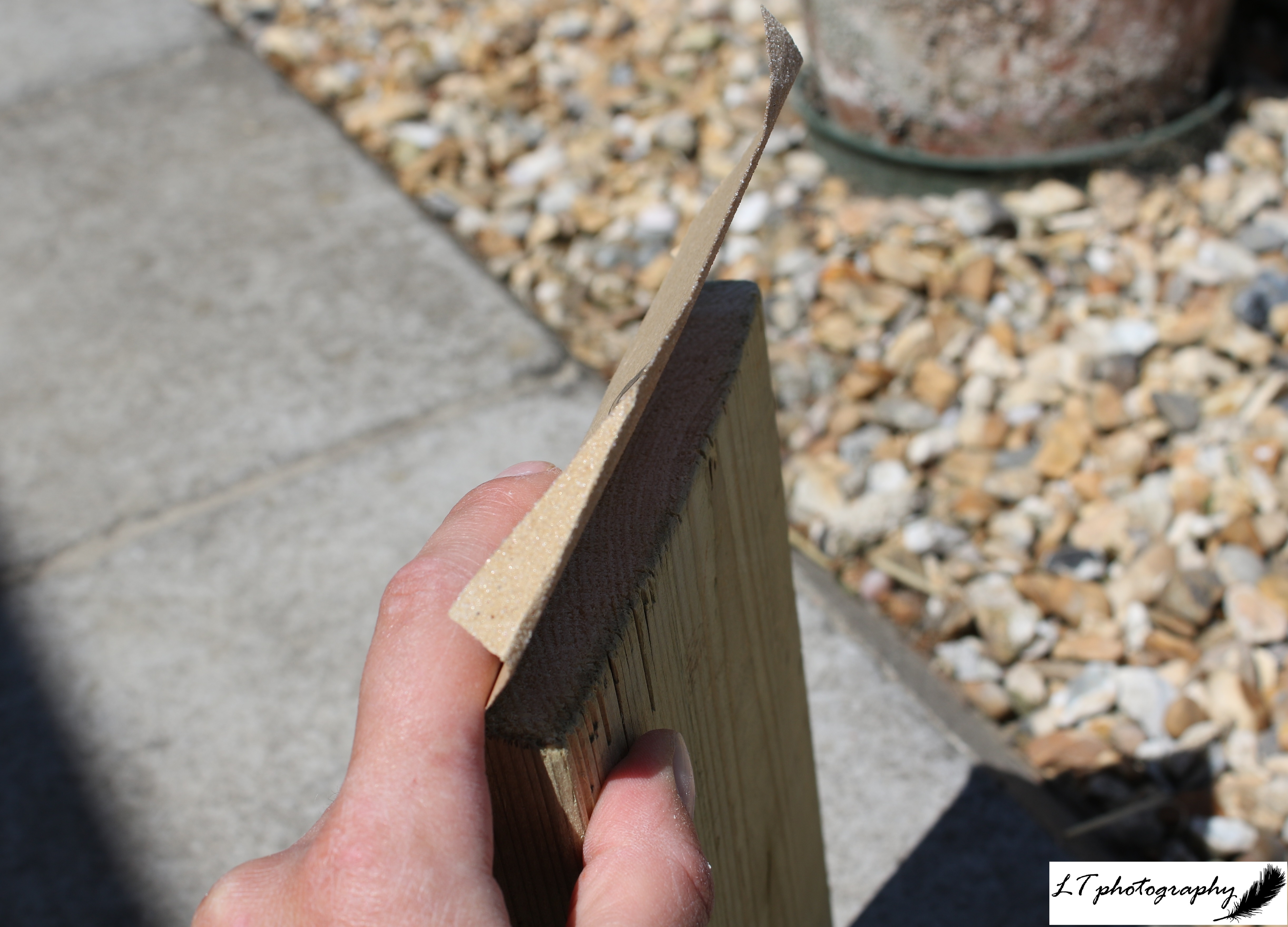
  1. Use sand paper to sand down any rough or uneven edges of the wood, that otherwise could cause problems for birds using the box.
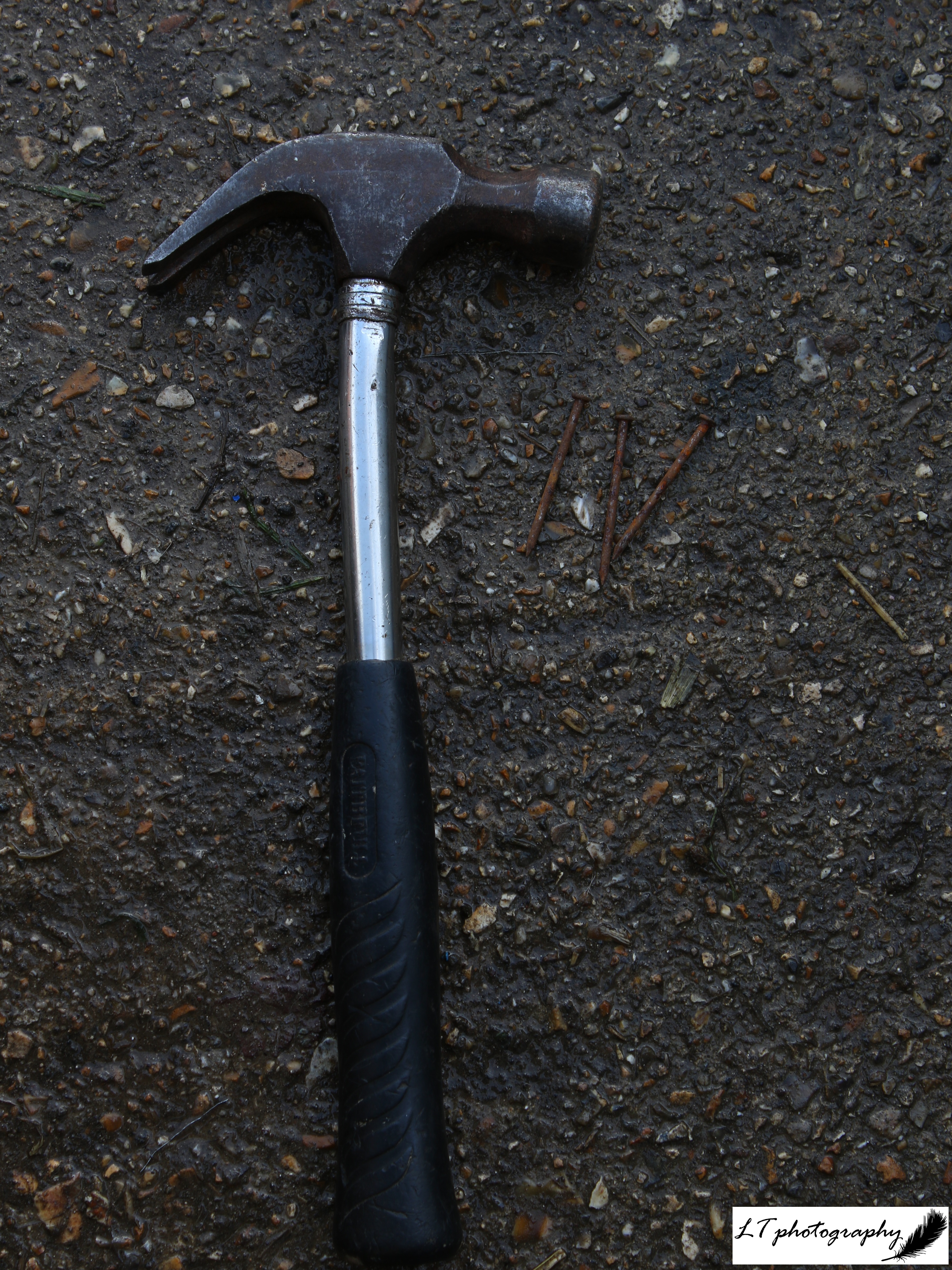
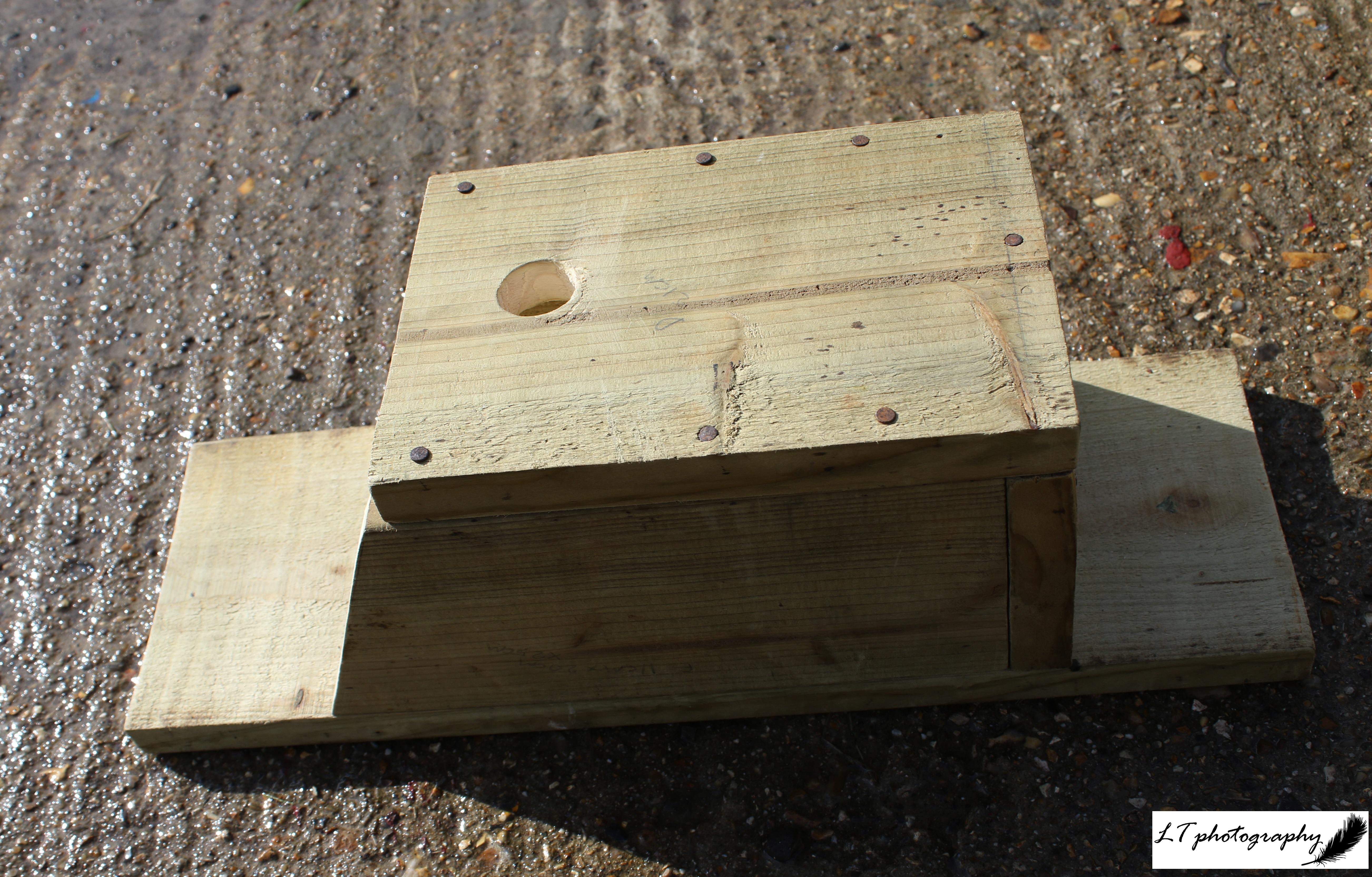
  1. Use a hammer and as many nails as you need to make the back, base, sides and front fit together forming the main body of the nest box. It is often best to mark where the nails will go first and partially drive each nail through the first piece of wood first (e.g. the back), which will make nailing the pieces together easier and help avoid splitting the wood.
  1. Attach the roof to the box using screws that you can later remove when needing to clean the nest box out. Seal the gap between the roof and the back of the nest box with either flexible sealant or an attached flap of recycled rubber.

Optional editions: Add a nest box hole plate to the front of the box to prevent predators from enlarging the nest box hole and larger bird species using the box. Also, you could apply a water-based wood preservative product to the outside of the box to prolong its life and help to repel water.

Tips on putting your nest box up

  • Unless there is shade during the day, position the nest box facing between north and east to avoid strong sunlight.
  • Choose a location which is 2-4 metres above ground level, out of reach of predators, and away from constant disturbance.
  • Make sure there is a clear flight path to the entrance of the nest box and that there is shelter from bad weather.
  • Place your box away from the location of any other nest boxes to reduce the chances of competition.
  • Avoid using nails to attach the box to a tree, as they may cause harm. Instead try to tie the box to the trunk or hang it, or otherwise use stainless steel screws or nails that do not rust.

Enjoy!

How to… Make the Most of Autumn’s Bounty

Leaves rustling beneath my feet, golden, russet, auburn. Crisp, dewy mornings, adorned with misty tendrils and spider’s webs. Hedgerows hung with bright berries, and woodlands dotted with fantastical fungi. Cosy nights in, whilst the night comes alive with Tawnys and foraging mammals. Lazily buzzing insects, murmurations, Red Kites soaring, waders and wildfowl, and endless wonder.

Autumn means different things to different people, but it is deep rooted in the natural world around us. A season of reflection and change, it is the favourite season of many. Some people celebrate turning a new leaf, some the drop in temperature and cosiness that comes with it, some the festivities, and others celebrate the little things, from migrating birds to reconnecting with nature. To all though, it is a bountiful season, marked with plentiful food and the first whispers of winter.

Historically, autumn is associated with harvest time and bringing in the food of the land before winter. From corn dolls to harvest festivals, autumn is symbolic in British tradition and culture. It has been inspiration for poets and writers alike including Keats (‘Season of mists and mellow fruitfulness’) and Jane Austen (‘the thousand poetical descriptions extant of autumn’). It is an important time of year to check in with the status of wildlife, whilst also being a time of spiritual significance for many.

As temperatures begin to drop and the leaves begin to change, it is time for us all to get out there, watch amazing sunrises and sunsets, forage for food, and stay connected with mother nature. With autumn being deep rooted in what lays outside our doors, here’s a guide to just some of the important species flourishing in autumn.

Autumn Species

Unless you are 100% sure of what something is and if it is edible, then do not eat it! Also, harvest only what you need and leave the rest for wildlife!

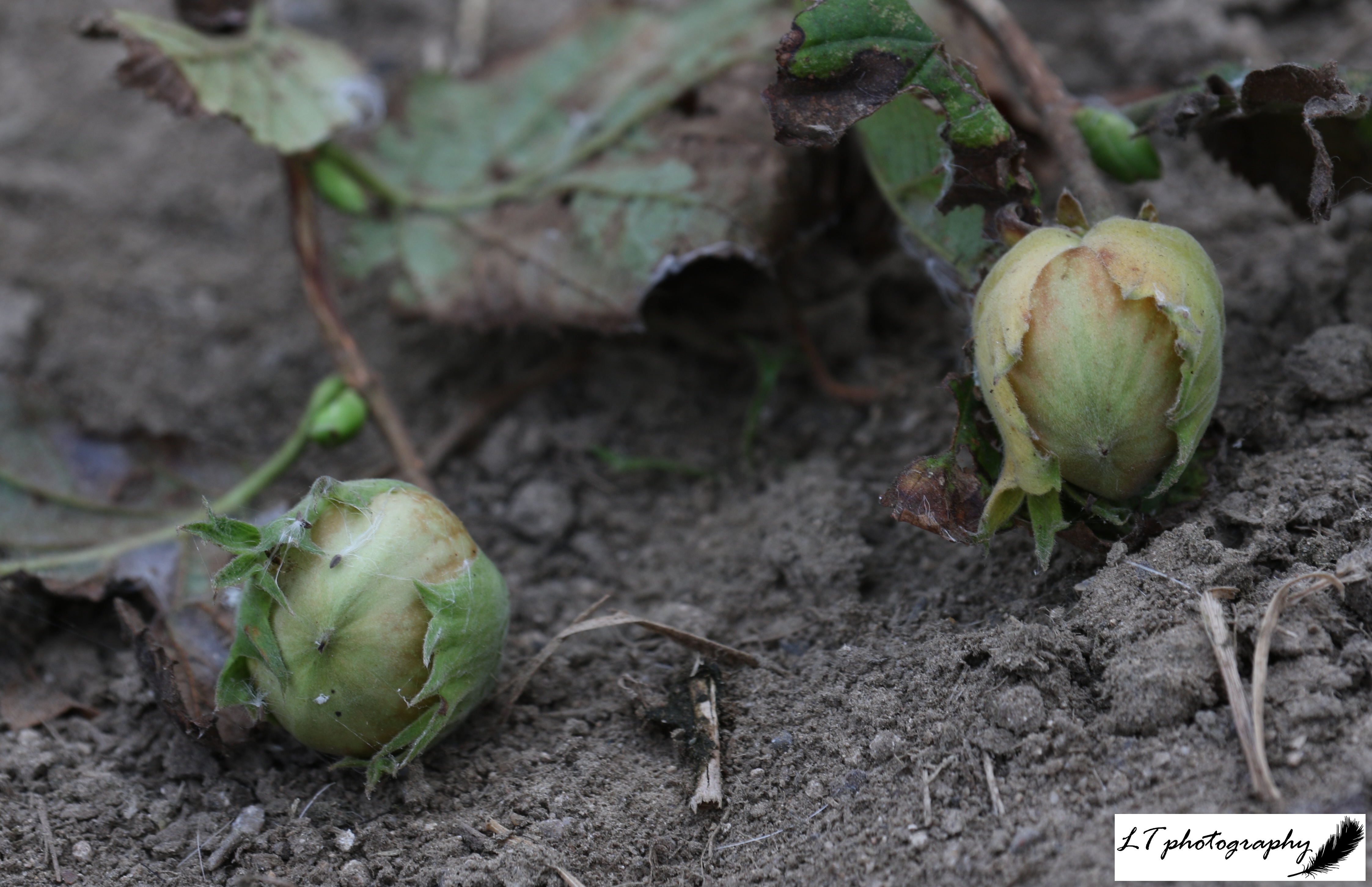
Hazel (Corylus avellana)

  • Fruit: The popular hazelnut, an edible nut that begins with a thick-green husk, before ripening to a brown in autumn
  • For Wildlife: A favourite food of Grey Squirrels, Dormice and Wood Mice, amongst other species, often being cached for winter
  • How to Identify: Circular-shaped leaves with toothed edges and tapering to a point; coppery brown smooth to peeling bark; lemon-yellow catkins and tiny red bud-like flowers in spring
  • Autumn Facts: Until the First World War, Holy Cross Day on the 14th September was traditionally a school holiday, where children would go nut gathering

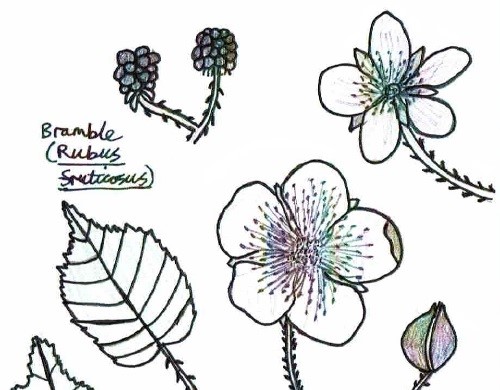
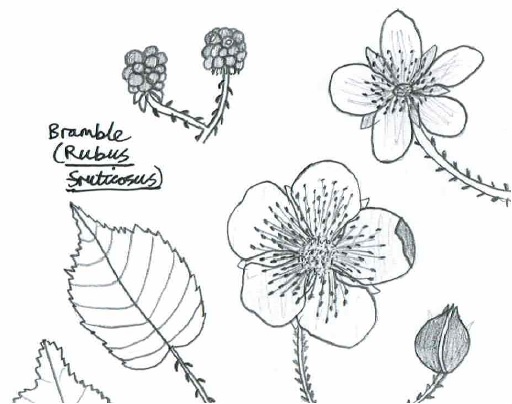
Bramble (Rubus fruticosus)

  • Fruit: The familiar edible blackberry that begins green, then turns red, before ripening to purple-black in autumn. Blackberry picking is a favourite part of autumn for many!
  • For Wildlife: The berries are a valuable food source for mammals, such as badgers, and small birds, such as Blackcaps
  • How to Identify: Oval-shaped leaves with toothed edges and tapering to a point; prickly and half-evergreen stems; white or pink flowers from spring onwards
  • Autumn Facts: Folklore in Britain dictates that blackberries should not be picked after Old Michaelmas Day (11th October), as the Devil has by then made them unfit to eat

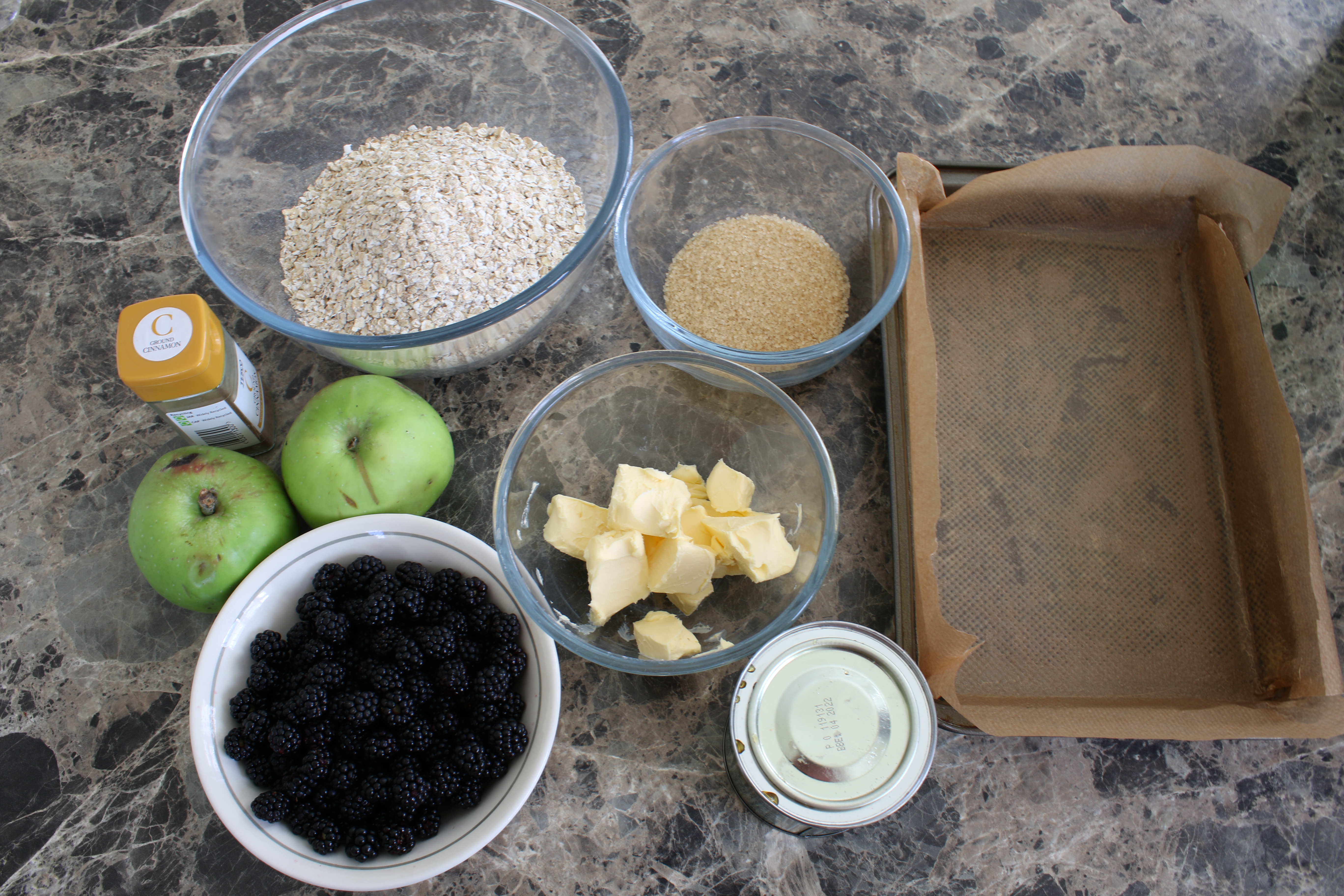
Recipe:

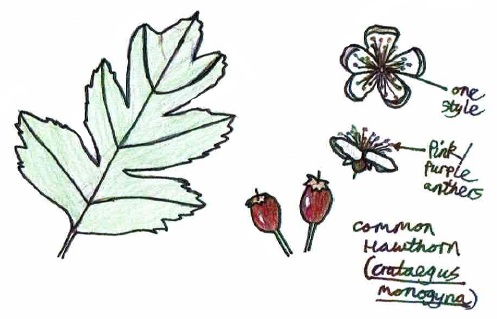
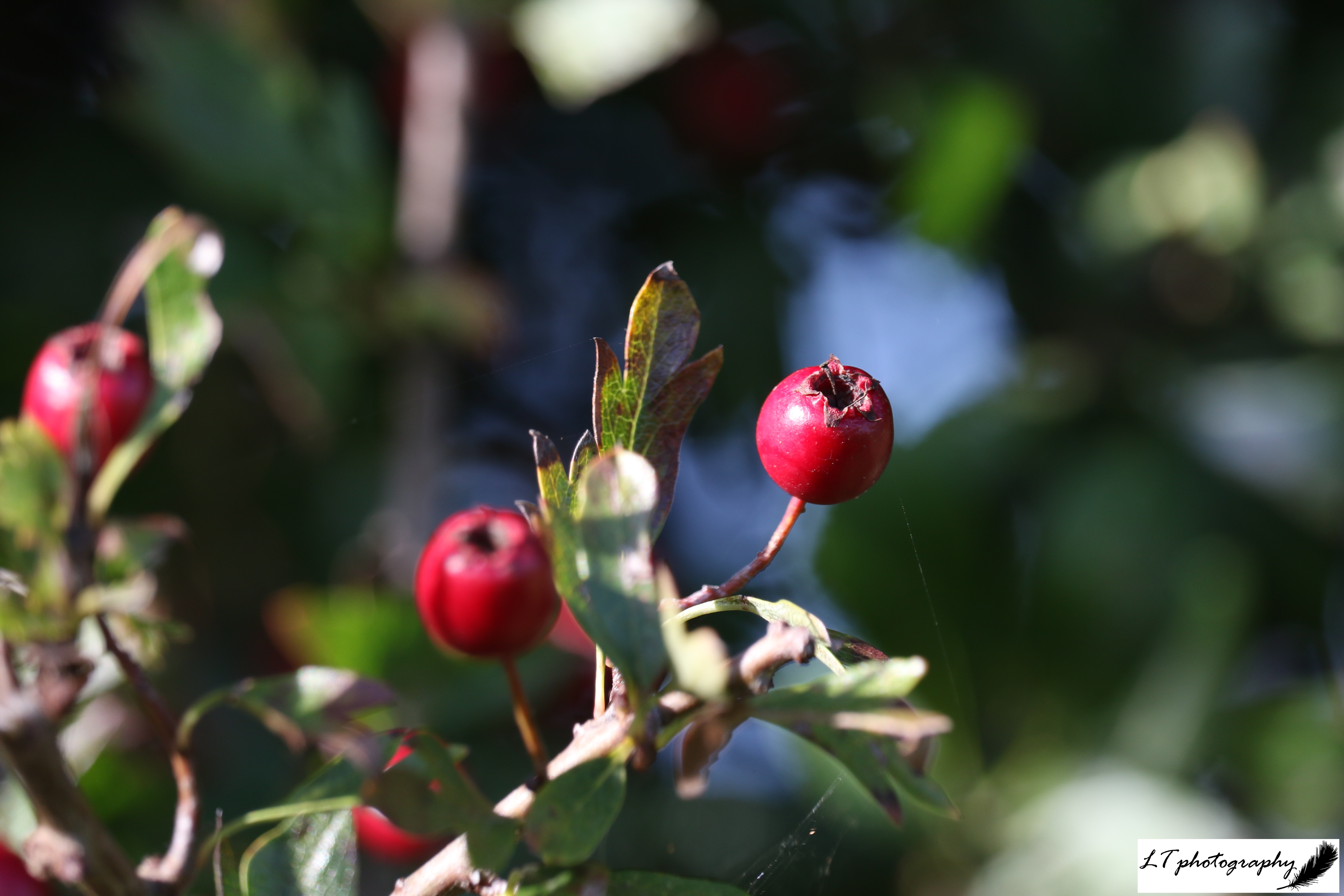
Hawthorn (Crataegus monogyna)

  • Fruit: Hawthorn berries, sometimes known as haws, are edible but their single seed is toxic to humans. They ripen to a bright red, is likened to over-ripe apples in taste, and are used to make jams, jellies and wines
  • For Wildlife: Important source of food during autumn and winter for small mammals and birds, including Blackbirds and Redwings
  • How to Identify: Shiny leaves that are oval-shaped with deeply cut lobes; thorny stems and twigs; white fragant flowers with 5 petals fading to pink
  • Autumn Facts: One of the main uses of Hawthorn is to treat high blood pressure, widening blood vessels and increasing blood flow 

Blackthorn (Prunus spinosa)

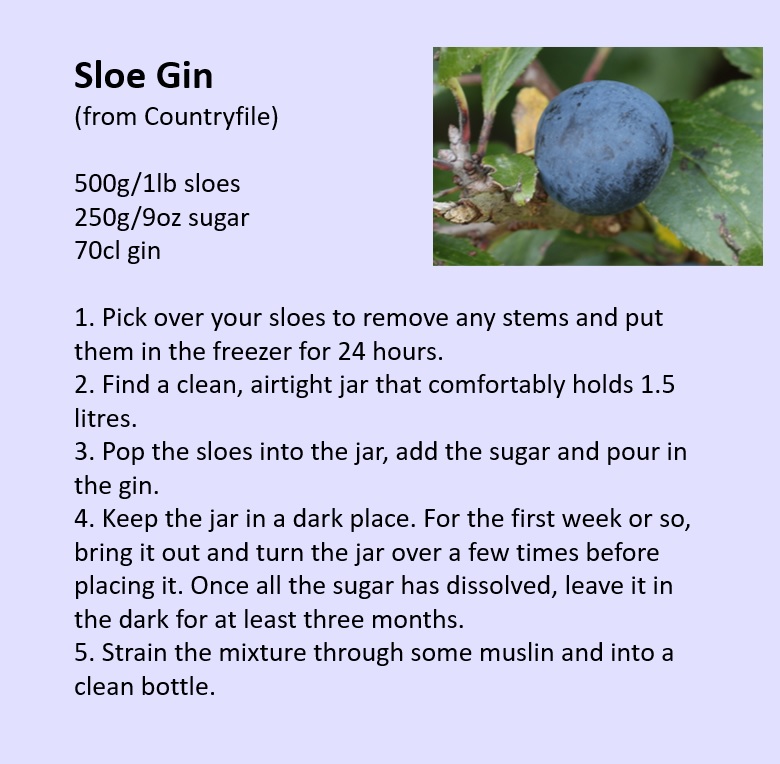
  • Fruit: Produces edible, but tongue-numbing, sloes which are small blackish plums with a bluish powdery surface. Popular to flavour gin!
  • For Wildlife: A feast for birds in autumn and winter that help to disperse the plant’s seeds
  • How to identify: Oval-shaped leaves with toothed edges and tapering to a point; blackish, thorny stems and twigs; snow-white and 5-petalled flowers with red-tipped anthers in the centre
  • Autumn Facts: Sloes are rich in vitamin C and have been used to treat stomach disorders, blood purification, teeth whitening, and even gum problems

Recipe:

Pedunculate Oak (Quercus robur)

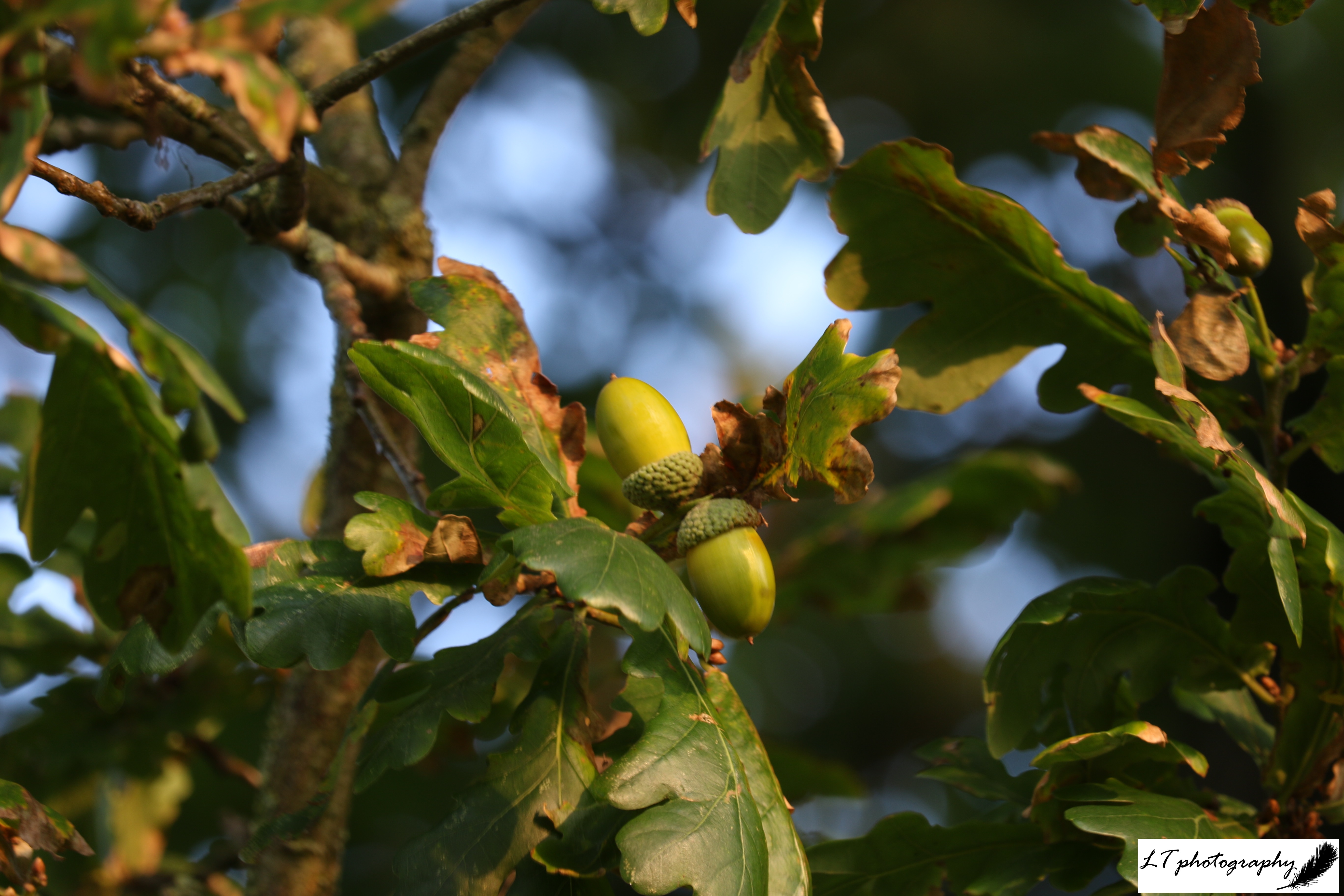
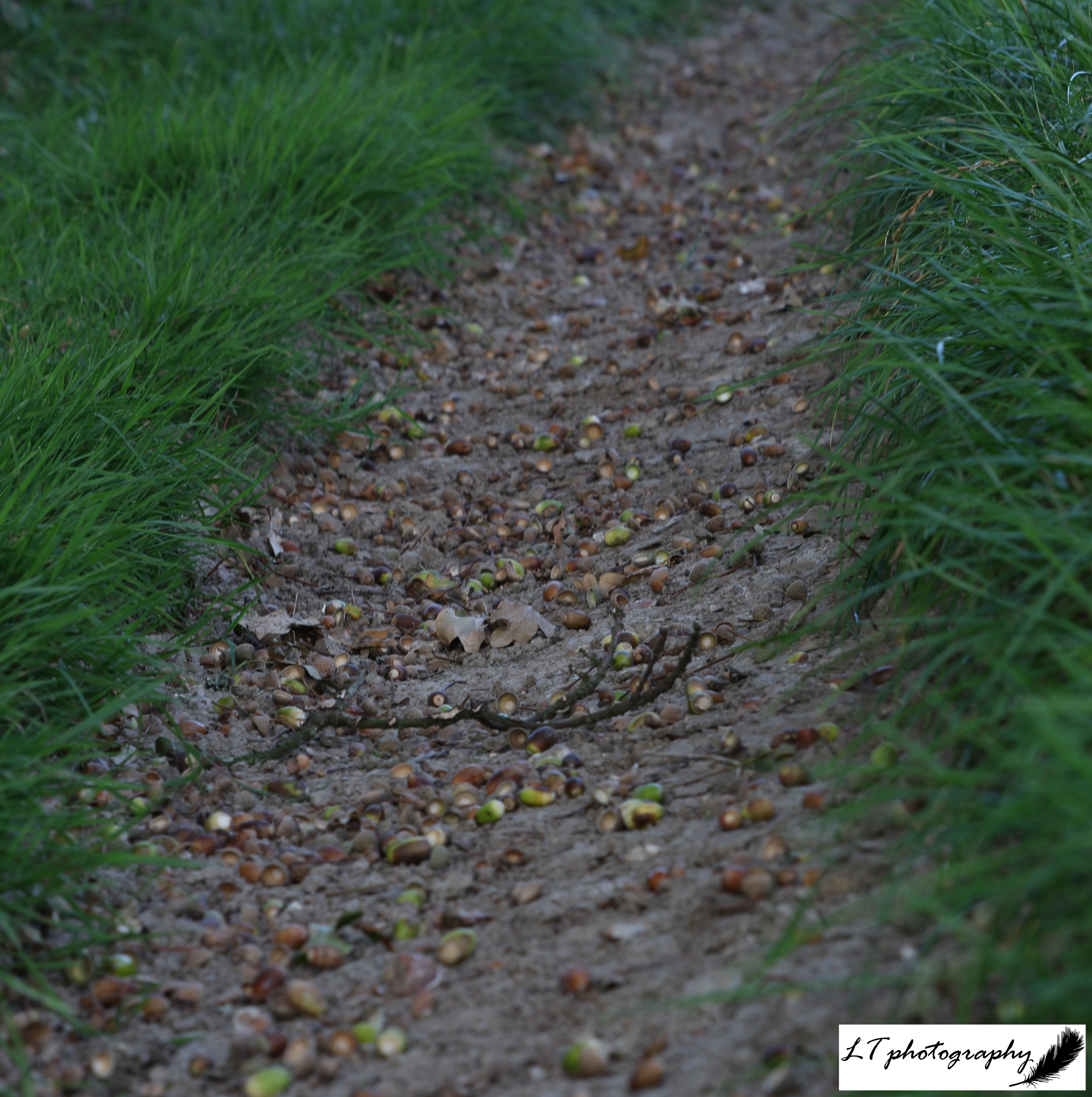
  • Fruit: Produces the familiar acorn, with scaly cups and clusters carried on long stalks. Contain tannins that are toxic and bitter to humans, but can be leached out to make edible
  • For Wildlife: An important rich source of food for species such as Jays, Mice, Squirrels and Badgers, often being cached for winter
  • How to Identify: Large, oblong leaves, broader at the base and lobed, turning brown in autumn; massive rugged grey-brown trunk and broad crown; yellow-green catkins in spring
  • Autumn Facts: The most important texts in British history, such as the Magna Carta, were written in Oak gall ink

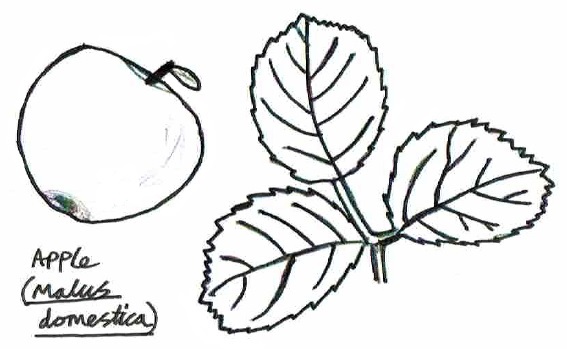
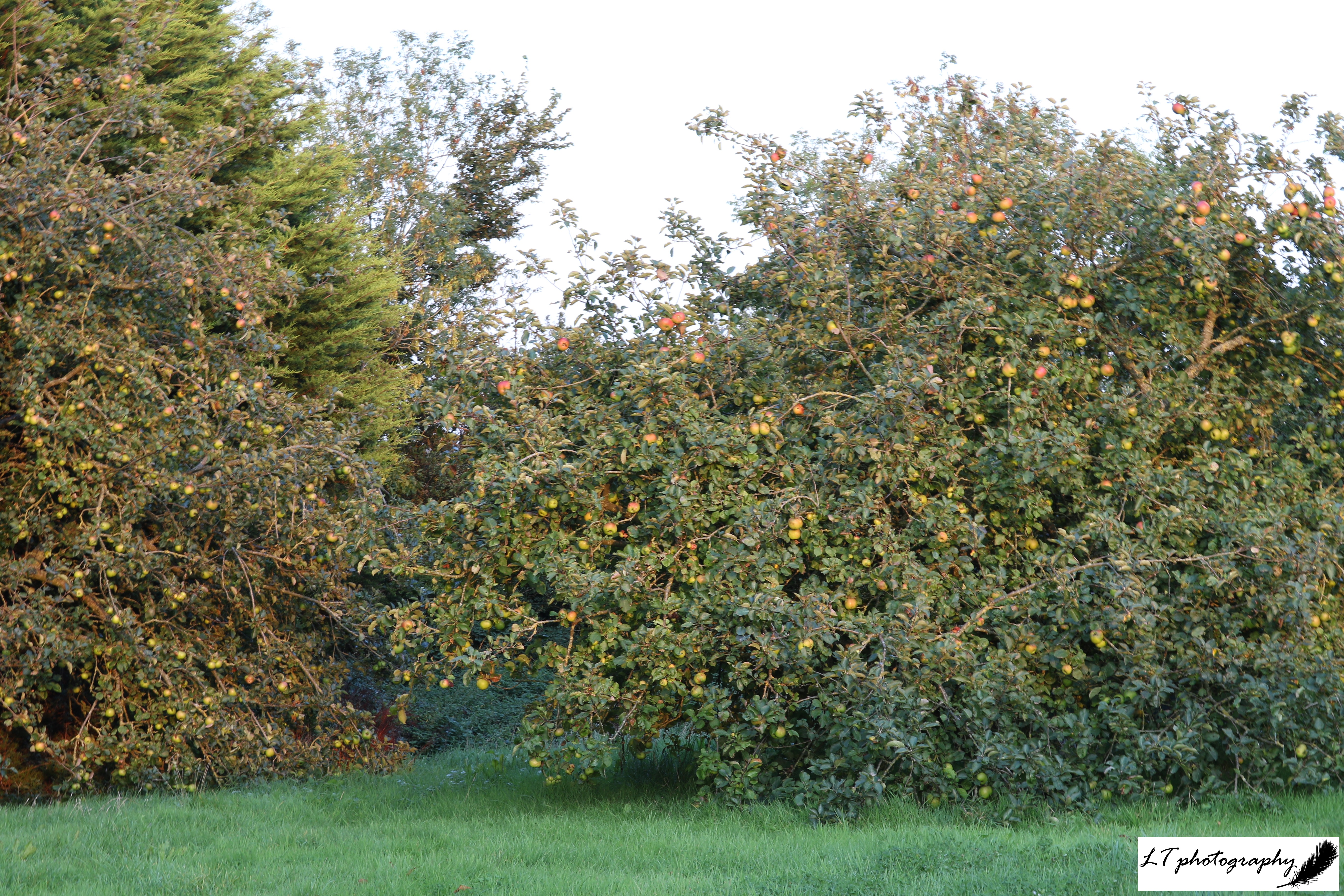
Apple (Malus domestica)

  • Fruit: Though not native to the UK, domestic Apple trees produce the popular apple which is now cultivated across the globe
  • For Wildlife: Apples are not just for humans, being a popular food source for wildlife too. Birds, such as Thrushes, and mammals, such as Badgers, feast on the fallen and ripening fruit
  • How to Identify: Dark green and typically oval-shaped leaves with toothed edges, and hair underneath; flowers are five-petalled and pink to white in colour
  • Autumn Facts: Most apples are still picked by hand and the world’s top apple producers are China, United States, Turkey, Poland and Italy

Recipe:

Dog Rose (Rosa canina)

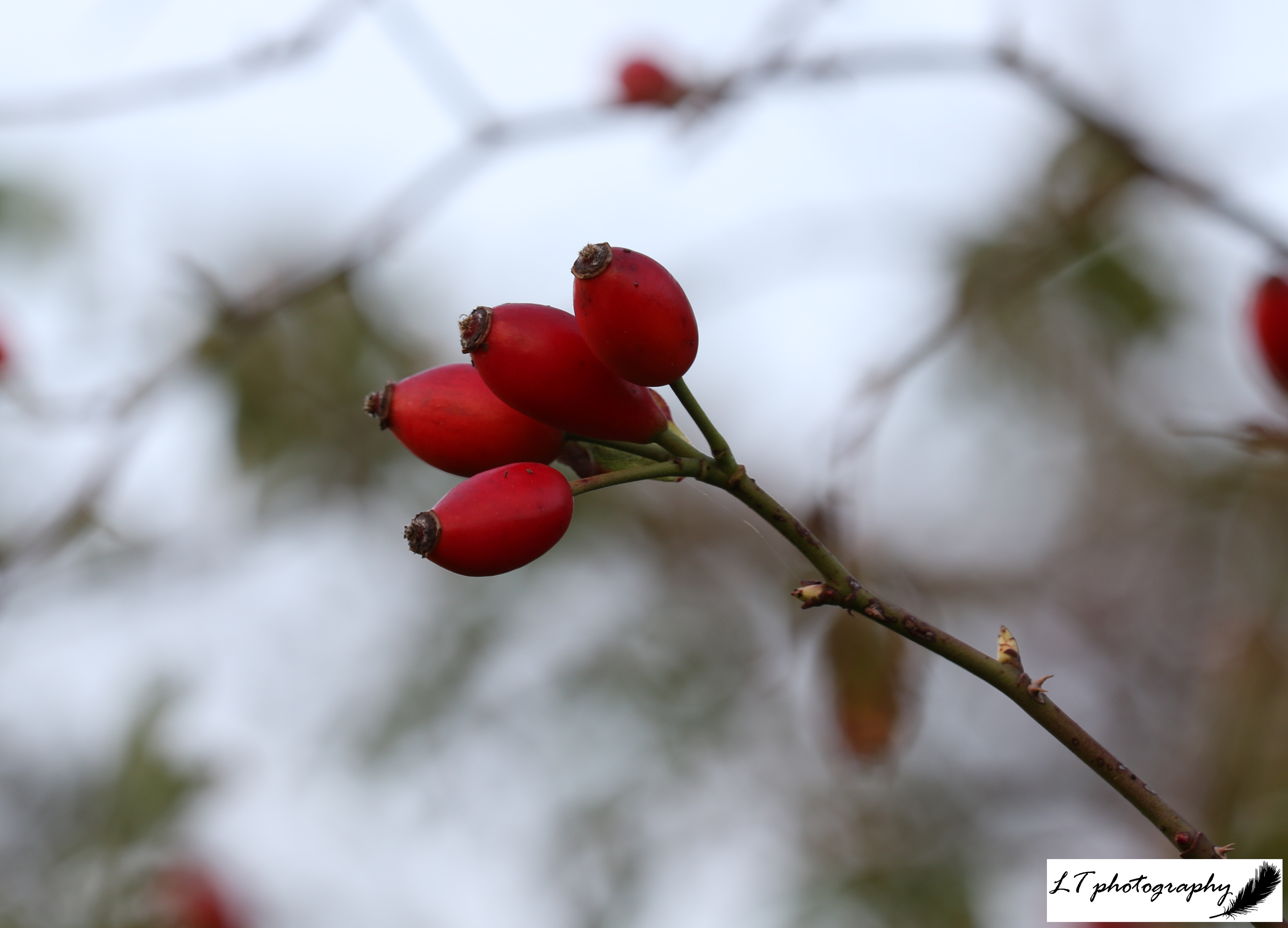
  • Fruit: Berries known as hips, that are edible, egg-shaped and bright red. Popularly used for a wide range of food and drink
  • For Wildlife: The hips are eaten by fruit-eating birds, such as Fieldfare and Waxwings, and small mammals, such as Bank Voles
  • How to identify: Dark green and oval-shaped with toothed edges and tapering to a point; arching stems with broad-based strongly hooked prickles; flat and fragrant white or pale pink flowers with large petals and hairless stalks
  • Autumn Facts: It is a valuable medicinal plant, with the hips being made into a vitamin C rich syrup for children (20 times the amount that is in orange juice)

Elder (Sambucus nigra)

  • Fruit: Juicy edible purplish-black berries, known as elderberries, that are used to make a variety of wines, juices, jams and jellies
  • For Wildlife: The berries are eaten by both birds and small mammals, from Whitethroats to Dormice
  • How to identify: Long, dark green oval-shaped leaves with finely toothed edges and tapering to a point; strong smelling bark that is corky and fissured; white, small and fragrant flowers in flat-topped clusters
  • Autumn Facts: One of the most commonly used medicinal plants across the world, from Native Americans using it to treat infections to the Egyptians using it to improve their complexions and heal burns

Recipe:

Spindle (Euonymus europaeus)

  • Fruit: Spindle berries are toxic to humans, with a laxative effect. They are highly distinctive, with 4-lobes and being bright coral-pink
  • For Wildlife: Provide food for a variety of species including mice, birds and even Foxes
  • How to Identify: Shiny oval-shaped leaves with finely toothed edges and tapering to a point that turn distinctively pinkish-red in autumn; deep green 4-sided twigs darkening with age; greenish-white 4-petalled flowers in clusters
  • Autumn Facts: Spindle is at its best and most colourful during autumn with warm leaves and berries

How to… Identify Chalkland Wildflowers

Colourful, radiant, buzzing with life, a piece of paradise in the summer sunshine. All words to describe a small piece of chalk habitat nestled within the heart of my family’s farm in Dorset. Amidst a clay-dominated landscape, this small creation aims to emulate the approximately 41,000 hectares of lowland chalk grassland that can still be found across the UK. This super rich habitat contains over 40 species of flowering plants in every one square metre, giving chalk grassland its reputation as the tropical rainforest of Europe! Sadly though, 50% of chalk grassland has already been lost in Dorset alone since the 1950s.

In 2017, my Dad made the decision to transform a small triangular area of land on our farm into our very own chalk paradise. Though we do not live immediately on chalk downland, it can be found to the North and South of us. This makes our location ideal to create stopover habitat or a wildlife corridor, for the myriad of species that rely on these diverse plant communities. Following bringing in 40 tonnes of quarried chalk and lots of wildflower plugs and seeds, we now have a thriving 10m by 3m and 2m in height chalk mound.

Though my family’s chalk habitat is still in its relative infancy, over time it is transforming into a wildlife haven. From Grasshoppers and Marbled White Butterflies to blue Butterflies and Carder Bees, new species are popping up each and every year. This mini habitat has also been a great place for my mum to teach me all about the plant species that call chalkland grassland home. With her inspiration, I have put together a simple guide to identifying just some of the many wildflower species that are appearing on our mound.

Chalkland Wildflowers

Wild Marjoram (Origanum vulgare)Wild Marjoram

  • Family: Mint
  • Lifespan: Perennial (lives for several years)
  • Size: Short to medium height (30-60cm)
  • Stems: Erect, dark-red, downy and either round or square
  • Leaves: Oval, often slightly toothed, stalked, and 1.5-4.5cm in length
  • Flowers: Dark purple buds in loose clustered heads, opening to pale purple 6-8mm long flowers. Strongly aromatic. Flowers July-September
  • Range: Found throughout the UK (particularly in the South), but scarcer in Scotland
  • Fun Facts: This culinary herb is a symbol of happiness descended from Roman legend, with Origanum meaning ‘mountain joy’

Kidney Vetch (Anthyllis vulneraria)Kidney Vetch

  • Family: Legume
  • Lifespan: Annual (lives for one year) or perennial
  • Size: Sprawling and medium in height (up to 60cm), but very variable
  • Stems: Silkily hairy, round, and often greyish
  • Leaves: In pairs, they are silky white below and green above, and are 30-60mm in length
  • Flowers: Yellow, orange or a fiery red, and downy-white below. They are found in single heads (12-15mm across) or sometimes pairs. Flowers April-September
  • Range: Found throughout the UK, especially around the coast
  • Fun Facts: In the Middle Ages, it was known for speeding up wound healing, with vulneraria meaning ‘wound healer’. It was also once used to commonly treat kidney disorders

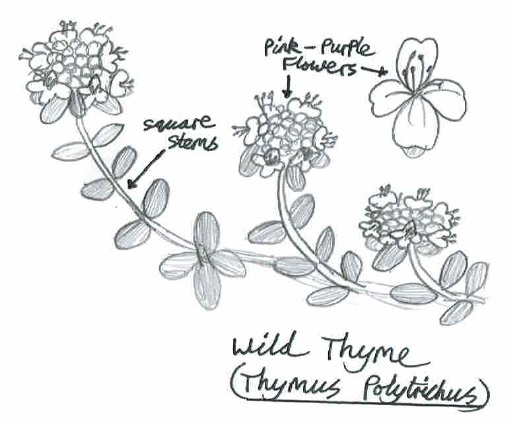
Wild Thyme (Thymus polytrichus) Wild Thyme

  • Family: Mint
  • Lifespan: Perennial
  • Size: Low to the ground, forming a mat of non-flowering rooting stems (up to 10cm in height)
  • Stems: Square with erect flowering stems
  • Leaves: Evergreen, short stalked, very small oval 4-8mm leaves in opposite pairs
  • Flowers: Faintly aromatic with pink-purple flowers in round and dense heads. Flowers May-September
  • Range: Widespread in South East England, but scattered distribution elsewhere
  • Fun Facts: Long regarded as the favourite flower of fairies, and associated with love. The Greek thumon though means ‘that which is included in a sacrifice’

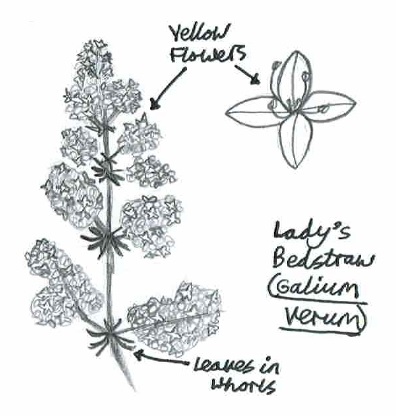
Lady’s Bedstraw (Galium verum)Lady's Bedstraw

  • Family: Madder/Bedstraw
  • Lifespan: Perennial
  • Size: Short to medium in height, often sprawling (up to 100cm)
  • Stems: Four-angled, almost hairless stems
  • Leaves: Dark green, long, narrow, shiny leaves in whorls of 8-12. Said to smell of new-mown hay
  • Flowers: Bright golden yellow, 2-4mm wide, in clusters, with a sweet honey-like scent. Only Bedstraw species in the UK with yellow flowers. Flowers June-September
  • Range: Widespread
  • Fun Facts: Associated with the story of the Virgin Mary giving birth to the baby Jesus, leading to the belief that a woman lying on a mattress of Lady’s Bedstraw would have a safe and easy childbirth

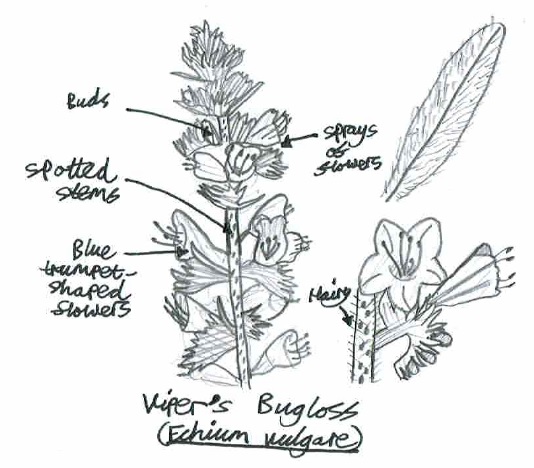
Viper’s Bugloss (Echium vulgare)Viper's Bugloss

  • Family: Borage/Forget-Me-Not
  • Lifespan: Biennial (flowers in its second year before dying) or perennial
  • Size: Medium to tall in height (up to 100cm)
  • Stems: Roughly hairy and spotted (red-based bristles)
  • Leaves: Narrow, oval-shaped lower leaves
  • Flowers: Flowers in drooping clusters of pink buds that open to become erect, blue, trumpet-shaped, open-mouthed flowers, 10-20mm long, in branched spikes. Flowers May-September
  • Range: Scattered distribution across the UK, being most common in the South
  • Fun Facts: The plant’s name comes from a time when it was believed to be a cure for snake-bites, reinforced by the dead flower-heads resembling a viper’s head

Rough Hawkbit (Leontodon hispidus)Rough Hawkbit

  • Family: Daisy
  • Lifespan: Perennial
  • Size: Short to medium in height (up to 60cm)
  • Stems: Very hairy, unbranched, leafless, and slightly swollen at the top
  • Leaves: Form a rosette of bluntly lobed leaves at the base of the flowering stem
  • Flowers: Golden-yellow, though often orange or reddish beneath, solitary and 20-40mm wide. Forms seed heads that look like dandelion clocks. Flowers late May-October
  • Range: Widespread and fairly abundant across the UK, apart from in the far North
  • Fun Facts: In Greek, Leontodon means ‘Lion’s tooth’, referring to the toothed leaves. The flowers are also rich in nectar and smell sweetly of honey

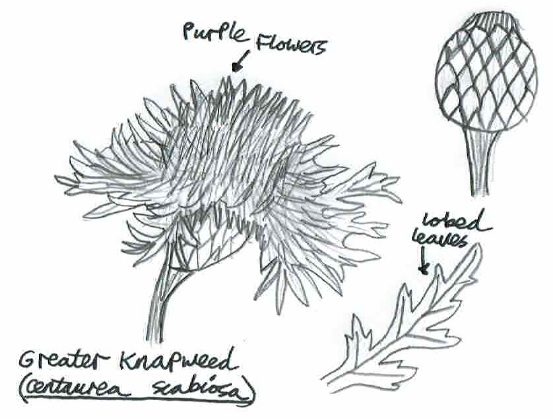
Greater Knapweed (Centaurea scabiosa)Greater Knapweed

  • Family: Daisy
  • Lifespan: Perennial
  • Size: Medium to tall in height (30-120cm)
  • Stems: Erect and grooved
  • Leaves: Lobed, where the lobes are positioned in pairs either side of the leaf centre. The leaves are 100-250mm long
  • Flowers: Purple, solitary and 30-60mm across. Flowers July-September
  • Range: Scattered across the UK, but predominantly grows in England
  • Fun Facts: Commonly used to treat wounds, bruises, sores and similar conditions

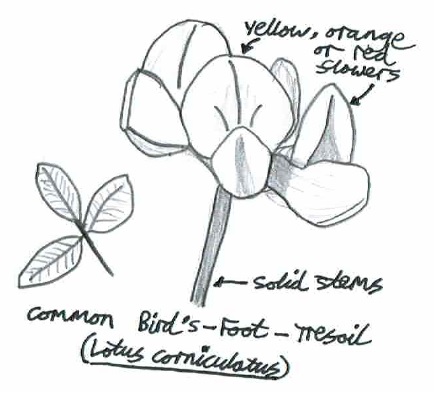
Common Bird’s-Foot-Trefoil (Lotus corniculatus)Common Bird's Foot Trefoil

  • Family: Legume
  • Lifespan: Perennial
  • Size: Short or medium in height and sprawling (up to 50cm)
  • Stems: Solid not hollow, and trailing
  • Leaves: Greyish-green, downy or hairless, and oval-shaped tapering to a point
  • Flowers: Deep yellow or orange, often partly red, and 10-16mm long, often 2-7 per flower head. Flowers May-September
  • Range: Widespread
  • Fun Facts: It has more than 70 common folk names including Eggs and Bacon. The name Bird’s-Foot-Trefoil reflects the resemblance to a bird’s foot, and is a larval food plant of Green Hairstreak and Dingy Skipper Butterflies

Ox-eye Daisy (Leucanthemum vulgare)Ox Eye Daisy

  • Family: Daisy
  • Lifespan: Perennial
  • Size: Medium in height (20-75cm)
  • Stems: Round, angled or square, erect, and slightly hairy
  • Leaves: Long-stalked, dark green, spoon-shaped, toothed and in a rosette around the base of the flowering stem
  • Flowers:  White, 20-60mm across, solitary and on sparsely leafy stalks. Flowers May-September
  • Range: Widespread
  • Fun Facts: In past times, an extract was obtained by boiling the plant down, that  was used in salves and medicines to cure a variety of ailments from liver disease to runny eyes. Largest native daisy species

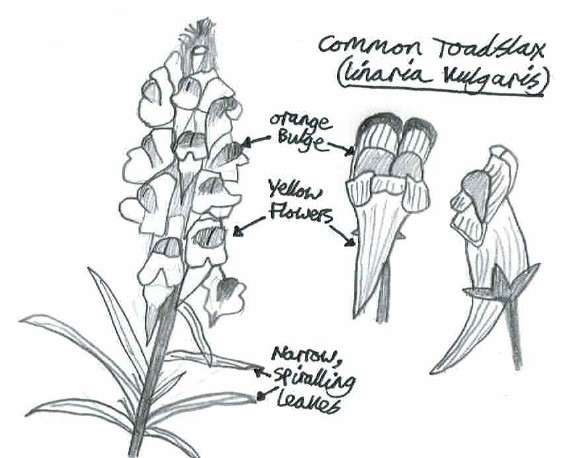
Common Toadflax (Linaria vulgaris)Common Toadflax

  • Family: Plantain
  • Lifespan: Perennial
  • Size: Short to medium in height (30-80cm)
  • Stems: Erect, grey-green, and hairless
  • Leaves: 30-80mm long, very narrow, untoothed, and spirally arranged up the stems
  • Flowers: 15-35mm long, yellow with an orange bulge and long straight spur, forming stalked spikes. Flowers June-October
  • Range: Widespread
  • Fun Facts: Most common Toadflax species in the UK, getting its name from previously being considered as useless, fit only for toads

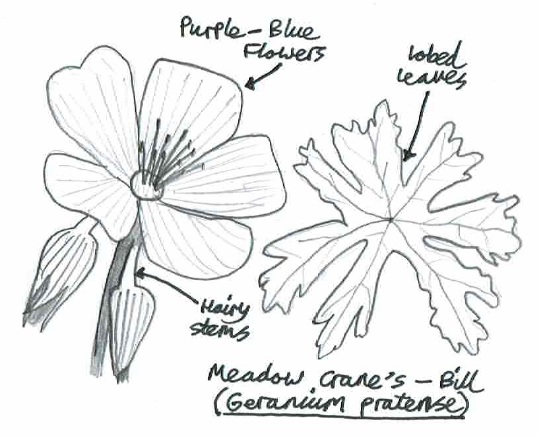
Meadow Crane’s-Bill (Geranium pratense)Meadow Cranesbill

  • Family: Geranium
  • Lifespan: Perennial
  • Size: Medium to tall in height (30-100cm)
  • Stems: Hairy, erect, and often reddish
  • Leaves: Have 5-9 lobes, cut nearly to the base
  • Flowers: Soft violet blue, petals not notched, 15-30mm wide. Flowers June-September
  • Range: Found throughout the UK, but rarer in South West England and East Anglia
  • Fact: With lesser known names such as ‘Jingling Johnny’ or Loving Andrews, it is a horticultural favourite dating back to before the Elizabethan times

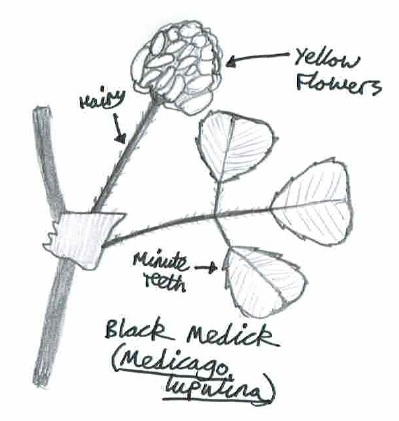
Black Medick (Medicago lupulina)Black Medick

  • Family: Legume
  • Lifespan: Annual or short-lived perennial
  • Size: Low in height (up to 60cm), and sprawling or erect
  • Stem: Round or square and hairy
  • Leaves: Trefoil, downy, and 5-20mm in length, with minute teeth
  • Flowers: Bright yellow and small, with 10-50 to one short-stalked rounded head (3-8mm wide). Flowers April-October
  • Range: Widespread across the UK, but sparser in Scotland
  • Facts: Name means ‘plant of the Medes’, referring to an ancient Middle Eastern people, whilst lupulina means ‘hop-like’, due to similarities with Hop Trefoil


Now get out there and see what you can find!


Drawings and photos all my own

How to… Make Your Own Bee Hotel

As the planet continues to experience the loss of plants and animals on an unprecedented scale, it is now increasingly important that we all try and do our bit for nature. Though it can be disheartening and tough to know what to do sometimes, making one small step could be a real start to making a difference. For example, one easy thing you could do, is to provide a home for wildlife, such as a wildflower area, pond, or even a bee hotel.

The increasingly popular bee hotel is a home that is made for solitary bees, which include Leafcutter and Mason bees, and are those that live on their own rather than in colonies, make up about 90% of UK bee species, and are very important pollinators. With the loss of 97% of wildflower meadows since the Second World War, along with other factors such as pesticides and intensive farming practices, solitary bees are now heavily under threat, with less suitable habitat currently available to them.

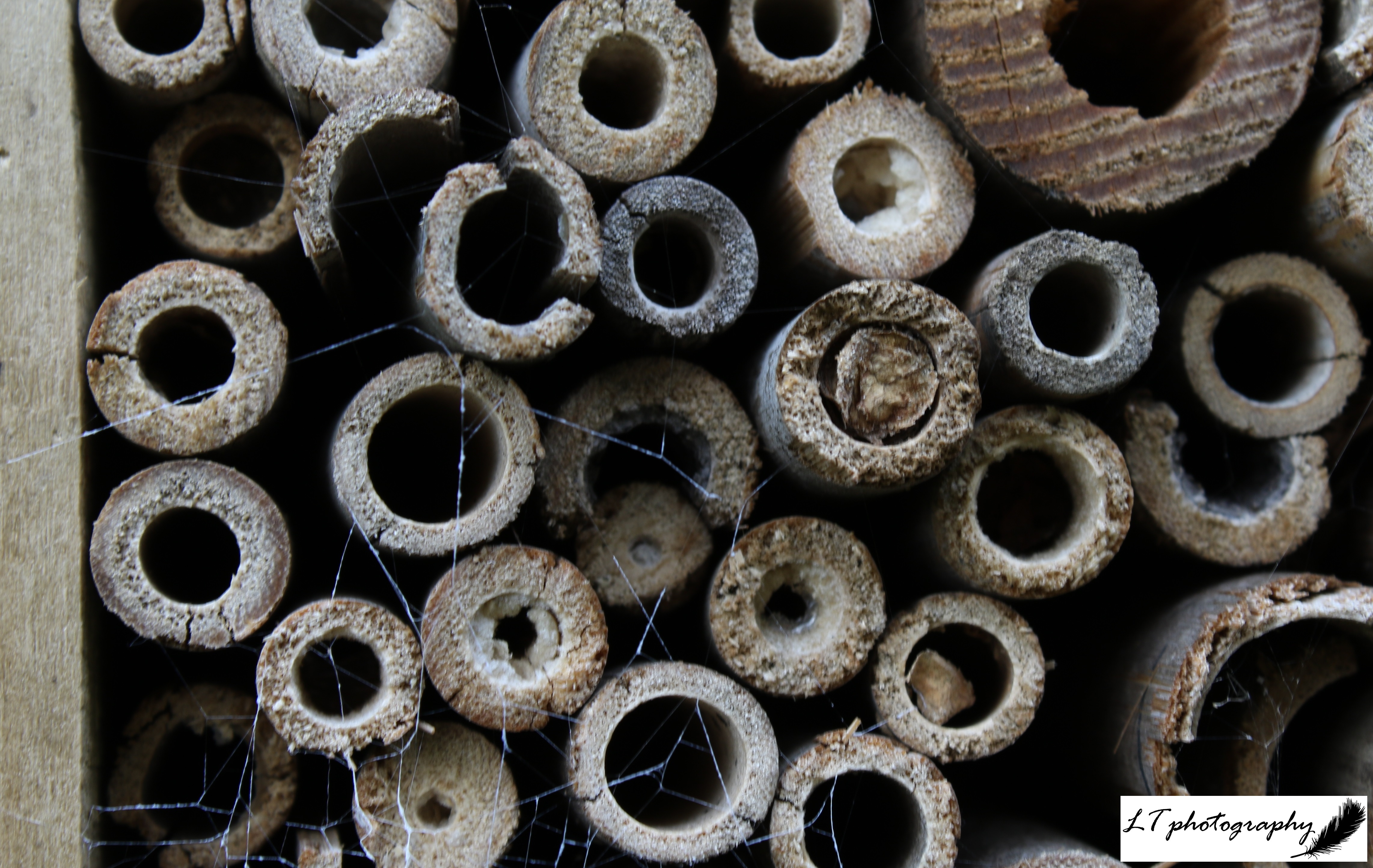
One way we can help, is to produce nesting sites in the form of bee hotels. These structures are made up of a frame filled with tubes mimicking the natural cavities solitary bees use to nest in, which are typically tunnels in dead wood or hard soil. From spring to summer, different species will build inside these tubes, lay their eggs, add a supply of nectar and pollen, and block up the entrance. The eggs will then hatch, feed, and pupate, before emerging the following spring.

Though spring is the best time to make and put up a bee hotel, you can make one anytime you wish. There are also no set rules on how to make or use a bee hotel, as they are a relatively new phenomenon and advice on them is changing all the time. For now though, here’s some guidance I can give to help you make your very own bee hotel. They can take some time to make, but are very rewarding, and are also a great activity to currently do as part of your 30 Days Wild challenge!

Cherry Blossom

How to make a bee hotelWooden Planks

Examples of considerations include:

  • Simple or aesthetically pleasing and complex design?
  • Vertical or horizontal?
  • Sloped or flat, overhanging roof?
  • For your garden or a small space e.g. a window sill?
  • Use only recycled and reclaimed resources?

Always think of the bees when making your decisions though!

What you need:

  • Offcuts of planks of untreated wood, about 1.5cm thick
  • Tape measure and pencilSaw
  • Saw
  • Hammer and nails
  • Sand paper
  • Tubes varying in size from about 2-12mm, with a length of at least 10mm, though ideally about 16mm. For example: bamboo canes, hollow plant stems such as sunflower stems, or bespoke bee tubes
  • Chunks of untreated hardwood or Hammerlogs
  • Drill
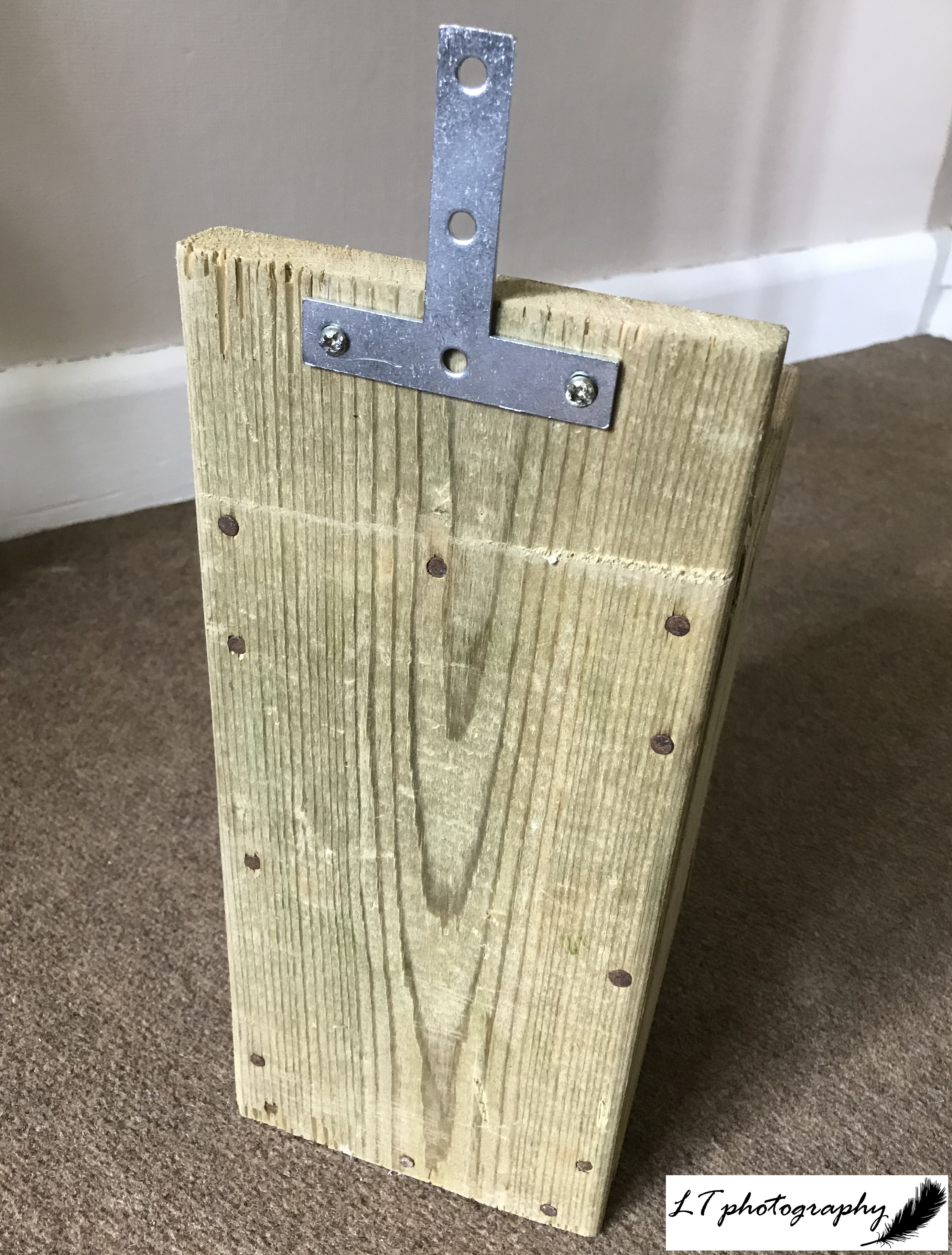
  • Bits to hang up the bee hotel e.g. T bracket, screws, screw driver, Rawlplug wall plugs

T Bracket


Step by step guide:

  1. Decide on your bee hotel design. Bear in mind, that smaller is better to be able to easily move the bee hotel around and to encourage bees to nest at lower densities
  2. Use a tape measure and pencil to mark out the pieces of wood you need; the most simple designs have 5 pieces. Then use a saw to cut your wood, and sand paper to sand down any rough or uneven edges

  3. Use a hammer and as many nails as you need, to create the frame of your bee hotel
  4. Cut your chosen tubes to the right length to fit into the frame of your bee hotel, and sand paper off any rough ends. By using several different sizes of tubes, you increase the chance of attracting a wider range of bee species, due to variation in their preference for nest tunnel size. You can also drill holes into chunks of untreated hardwood or logs to create some more variety in your bee hotel
  5. Carefully build up your frame with your tubes and drilled wood, until it is filled. I suggest lying your bee hotel on a tilted surface to make this easier to do

  6. Decide on a suitable location for your bee hotel. It is important to place it in full sunlight, for example facing south or south-east, at least 1 metre above the ground, and not covered by vegetation
  7. Hang your bee hotel up. For mine I used a t bracket, screws, screw driver, drill and rawlplug wall plugs to attach it to the south side of my house
  8. Then wait for the bees to come to you!

Tips

  • The smaller the bee hotel is, the more effective it will be!
  • Create an overhang to give the bee hotel tubes some better protection from the rain
  • Every autumn take down your bee hotel and store it in a cool and dry location, to reduce risks such as of fungal infections
  • For best results, clean the bee hotel out every year, including removing, cleaning and preparing any pupae for release the following year

The bee hotel I made is far from perfect, but I hope it gives you some inspiration to help make yourself an even better bee hotel!

How to… Identify Hedgerow Plants

Whizzing past our car windows, naturally bordering our fields and gardens, or providing a home for wildlife. Often going unseen and unnoticed, hedgerows are a widespread and overlooked habitat right on our doorsteps. Bountiful and bursting with life, each hedge is unique from the next, with a story to be told and a world to be explored.

Blackthorn 5

From butterflies and birds to hedgehogs and dormice, an incredible number of species rely on the plants in our hedges for their survival, such as food, shelter, and corridors along which to travel. They do not just play a role for wildlife though, holding value in the wider landscape, providing us with services such as stopping soil erosion and buffering pollution. In this way, hedgerows have been important for humans and wildlife alike for hundreds of years!

20_03_20_Farm_Goldfinch_2

The first hedgerows can be dated back to the Bronze Age, when farmers cleared woodland to grow crops, leaving carefully maintained strips to act as boundaries. Some of these strips of ancient woodland can still be found today! Since then hedges have grown in popularity, but following the Second World War, many were ripped up to provide more space to grow food and for development. Despite approximately half of all hedges in Britain being lost during this time, thankfully the remaining were given protected status in 1997.

13_05_20_Farm_Sunrise_Hangings_Trees

The hedgerows rolling across our countryside today are a piece of history, full of life and colour and provide us with a whole host of resources. So, why not try and see this for yourself, and take a moment to see what you can find in a hedgerow local to you? To help, here’s my simple guide to identifying some of our iconic hedgerow species.

Hedgerow Plants

Blackthorn (Prunus spinosa)Blackthorn

  • Family: Rose – related to fruiting trees such as cherries and plums
  • Size: Up to 4m tall
  • Stems and twigs: Blackish and thorny
  • Leaves: 2-4cm long, oval-shaped tapering to a point with toothed margins
  • Flowers: Snow-white and 5-petalled with red-tipped anthers in the centre. Flowers late March-April, appearing BEFORE the leaves
  • Seeds: Produces fruit (sloes) which are small blackish plums with a bluish powdery surface. Tongue-numbingly tart to eat but popular to flavour gin
  • Range: Widespread and common throughout most of Britain
  • Fun Facts: Blackthorn, long used for making items such as walking and riding sticks, has long been associated with witchcraft

Spindle (Euonymus europaeus)Spindle

  • Indicator of an ancient hedgerow
  • Family: Staff-vine
  • Size: Up to 9m tall
  • Stems and twigs: Bark and 4-sided twigs are deep green, darkening with age
  • Leaves: 3-13cm long, shiny, mid-green, oval-shaped tapering to a point with finely toothed margins, and turning distinctively pinkish-red in autumn
  • Flowers: Greenish-white and 4-petalled in small overlooked stalked clusters. Flowers May-June
  • Seeds: Distinctive 4-lobed bright coral-pink berries
  • Range: Less common in Scotland and Ireland, found throughout England and Wales, but most frequent in the south
  • Fun Facts: The hard dense wood of spindle was used from ancient times to make spindles, whereas the leaves and seeds were powdered to dust on the skin of children to drive away lice

Cow parsley (Anthriscus sylvestris) Cow parsley

  • Family: Carrot – related to species such as parsnips and poison hemlock
  • Size: ~1m tall
  • Stems and twigs: Stems are hollow and furrowed, often becoming purple
  • Leaves: Fresh green, 3-pinnate, and sharply cut
  • Flowers: White, forming clusters known as umbels. Flowers April-June
  • Seeds: Round, smooth and broad-based
  • Range: Widespread and common throughout Britain and strongly associated with hedgerows
  • Fun Facts: Its folk-name is ‘Queen Anne’s lace’. This comes from a folk tale which said that the flowers would bloom for Queen Anne and her ladies in waiting and reflect the delicate lace they wore

Common Hazel (Corylus avellana)Hazel

  • Family: Birch – related to species such as silver birch, alders and hornbeams
  • Size: Up to 8m tall
  • Stems and twigs: Bark coppery brown, smooth and tending to peel
  • Leaves: 5-12cm long and almost circular with sawtooth edges
  • Flowers: Male= lemon-yellow catkins; Female= Tiny and bud-like with red styles. Flowers January-March BEFORE the leaves
  • Seeds: An edible nut encased at first in a thick-green husk before ripening in autumn
  • Range: Widespread and common throughout Britain
  • Fun Facts: Hazel rods have historically been used for a range of purposes from hurdles and coracles for fishing to house building and basketwork

Dog Rose (Rosa canina)

  • Family: Rose
  • Size: Up to 4m tall
  • Stems and twigs: Arching stems with broad-based strongly hooked prickles
  • Leaves: Dark green and oval-shaped tapering to a point with toothed edges
  • Flowers: Flat and fragrant white or pale pink, with large petals and hairless stalks. Flowers June-July
  • Seeds: Fruit, known as a hip, that is egg-shaped and bright red
  • Range: Most common and variable wild rose, widespread throughout Britain, but most frequent in the south
  • Fun Facts: Adopted as a symbol of the British monarchy and England since the reign of Henry VII. It is also a valuable medicinal plant, with its hips being made into a Vitamin C rich syrup for children

Field Rose (Rosa arvensis)

  • Compared to the Dog Rose, the Field Rose is shorter, growing up to about 2m, with slightly smaller, cup-shaped creamy-white flowers that flower about a fortnight later, from June-July. Also, the flowers’ sepals are often purplish, the styles are in a column, and the hips are smaller and often more round. The Field Rose’s range does not stretch as far north as that of the Dog Rose, being absent from Scotland

Roses

Common Hawthorn (Crataegus monogyna)Hawthorn

  • Family: Rose
  • Size: Up to 10m tall
  • Stems and twigs: Very thorny and hairless
  • Leaves: Leafing in April, the leaves are shiny and roughly oval-shaped with 3-5 deeply cut lobes
  • Flowers: White fragrant (sickly sweet) flowers with pink/purple anthers, only one style and 5 petals. Become deeper pink as they fade
  • Seeds: Fruit, known as haws, have a single seed and ripen to a bright red
  • Range: Widespread and common throughout Britain
  • Fun Facts: Hawthorn is linked to Christian, pagan and medieval rites, and has ancient associations with May Day. Bringing hawthorn blossom in your house was believed to bring in illness and death upon you

Elder (Sambucus nigra)Elder

  • Family: Previously in the honeysuckle family , but now reclassified in moschatel
  • Size: Up to 10m tall
  • Stems and twigs: Strong smelling with corky and fissured bark
  • Leaves: Dark green, pinnate with 5-7 leaflets
  • Flowers: White, small and fragrant in flat-topped clusters with yellow anthers. Flowers May-August
  • Seeds: Produces a juicy edible purplish-black berry
  • Range: Widespread and common throughout Britain
  • Fun Facts: Has many uses from wines and jams, to toys and dyes. Also, it was believed that planting an elder tree near your house would keep the Devil away

Field Maple (Acer campestre)Field Maple

  • Family: Soapberry – related to horse chestnut and lychee
  • Size: Up to 25m tall
  • Stems and twigs: Twigs downy
  • Leaves: Much smaller than sycamore at 4-7cm long and wide, rather bluntly lobed (3-5), and dark green. Turn distinctively amber in autumn
  • Flowers: Yellowish-green and carried in upright spikes. Flowers May-June after the leaves
  • Seeds: The seeds, known as keys, are winged and paired forming an angle of 180 degrees
  • Range: Common in England and East Wales, but less common elsewhere
  • Fun Facts: Wood used for furniture veneers, wall panelling, and violin-making, but previously used to make domestic utensils such as drinking bowls. As with all maple trees, the sap of the field maple can be used to make maple syrup

Bramble (Rubus fruticosus)Bramble

  • Family: Rose – closely related to species such as raspberries and dewberries
  • Size: Up to 4m tall or long
  • Stems and twigs: Prickly and half-evergreen
  • Leaves: 3-5 broad, toothed leaflets
  • Flowers: White or pink and flowers from May onwards
  • Seeds: Fruit is the familiar edible blackberry that starts green, then turns red, finally ripening to purple-black
  • Range: Widespread and common throughout Britain
  • Fun Facts: Folklore dictates that blackberries should not be picked after Old Michaelmas Day in October, as the Devil has sullied them. Brambles were also previously planted on graves to stop sheep grazing

Pedunculate or English oak (Quercus robur)

  • Family: Beech – related to species such as beech and sweet chestnut
  • Size: Up to 40m tall
  • Stems and twigs: Massive rugged grey-brown trunk and broad crown
  • Leaves: 10-12cm long, oblong, usually broader at the base and lobed, turning brown in autumn
  • Flowers: Yellow-green catkins flowering April-June
  • Seeds: Produces the familiar acorn, with scaly cups and clusters carried on long stalks
  • Range: Widespread and common throughout Britain
  • Fun Facts: Druids in Celtic Britain held the oak tree sacred, with the oak becoming an English national symbol of strength

13_05_20_Sunrise_Oak_Tree_Grass_3

Sessile oak (Quercus petraea)

  • Differs to Pedunculate Oak in that the leaves taper to an unlobed base and have long stalks. Also, the clustered acorns are almost stalk-less with downy cups. Prefers more acid soils and is more common in the West of Britain

Oak Trees

Other species

  • There are lots of flowering species to also be found at the base of hedges. To help with identifying these, check out my ‘How to… Identify Woodland Flowers’ guide, to help with crossover species, such as bluebells, primroses, and moschatel

All photos and drawings are my own