Spring Camera Trapping 2024 – Part. 1: March, April & Early May

Year-on-year, the landscape waking up after its winter slumber inspires me to re-explore the wildlife becoming active in my local area. In Dorset, my family’s farm is home to a wide range of mammal and bird species, amongst others, with new additions being observed every year. Despite this, on a day-to-day basis many species are often not seen, living more secretive lives.

A great, unobtrusive way to be able to observe wildlife on my family’s farm is to use a camera trap. A camera trap is a small waterproof camera that is triggered by movement. The camera then records either photos, video or both, and my cameras store these on a memory card (check out my How to.. guide for more info). By using a camera trap in the right way, you can get some really amazing views of wildlife, all without individuals being aware of the camera and being disturbed.
This year, from the 10th March onwards, I began setting up and changing the location of my two camera traps every week, to see what I could find and learn this year about my local wildlife. Over a few months, I used a variety of different locations close to home, and also revisited some over that time period too. Some locations, such as my Badger Alley site, have been used for many years now, whereas some, such as my Bridge Field site, were used for the first time this year. Lets now go back to early spring to find out what my camera traps learnt and observed this year!

March

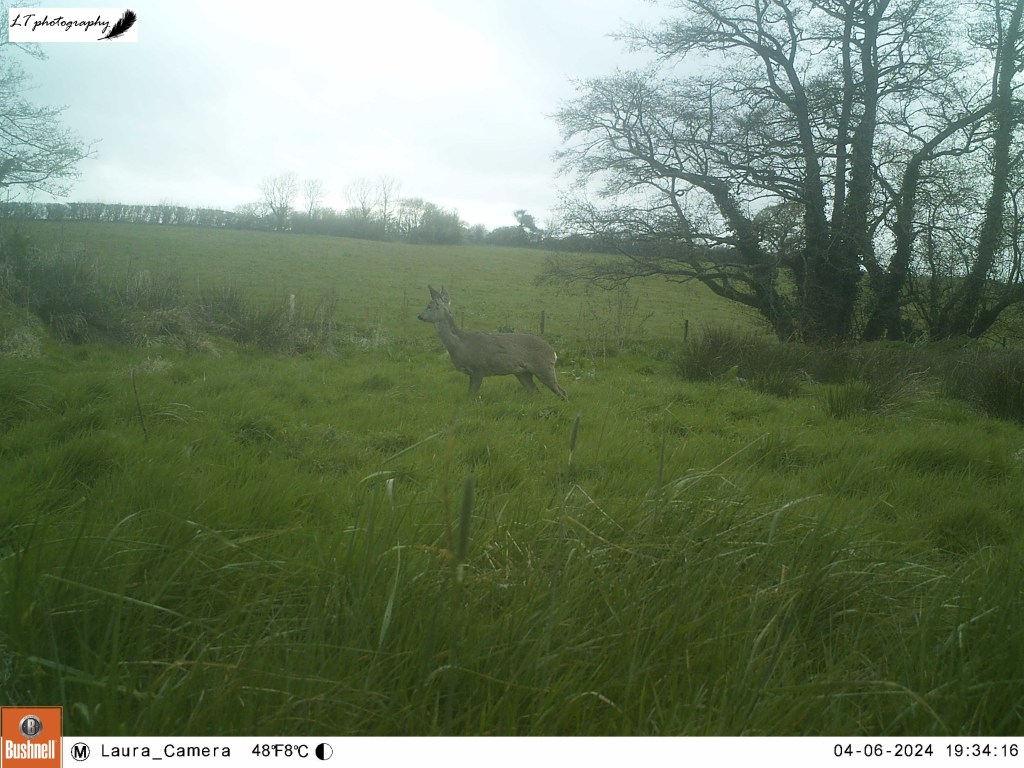
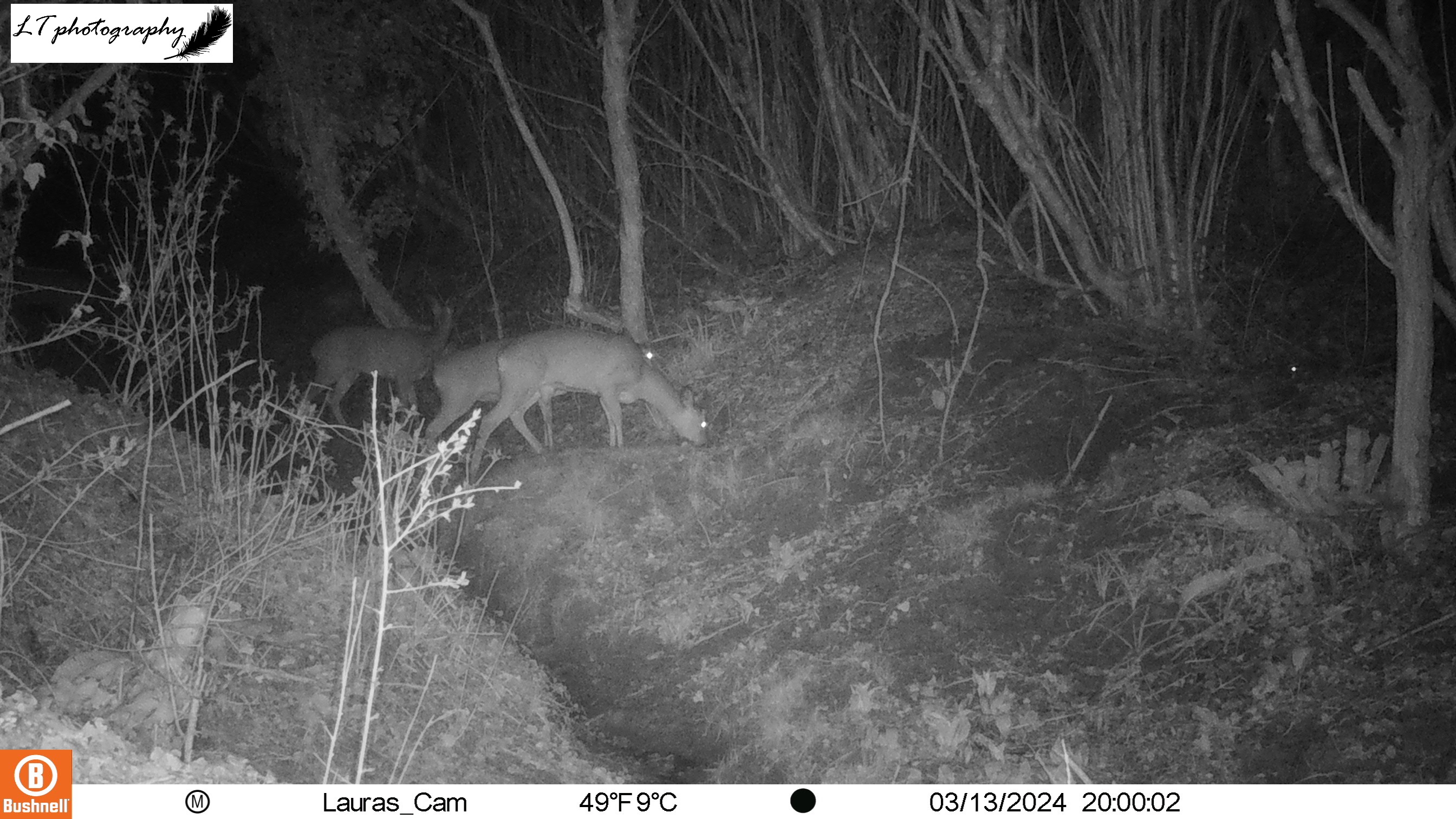
As the landscape slowly wakes up and new growth begins to carpet fields, woodlands, and hedgerows, the local wildlife is also beginning to become more active as they go about their day-to-day lives. In early spring, roe deer are still living in non-territorial mixed-sex groups of varying size with groups sharing limited food sources. This year, across the farm, my camera traps observed many roe deer groups passing through the landscape during March, including males growing antlers covered in soft velvety skin, and females with growing pregnant bellies. In particular, this spring groups stayed together quite a while due to fluctuating weather affecting the growth and abundance of plants.
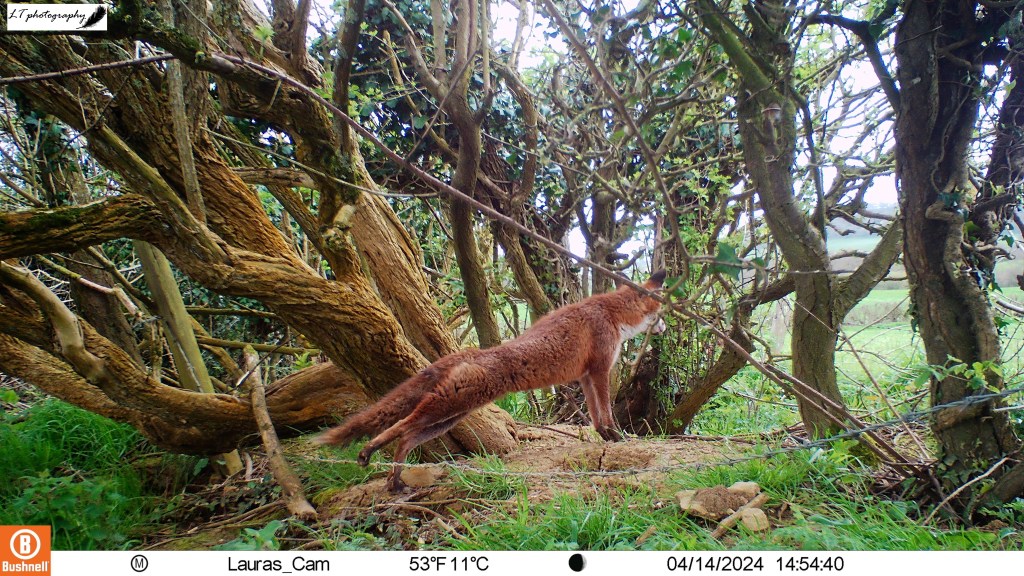
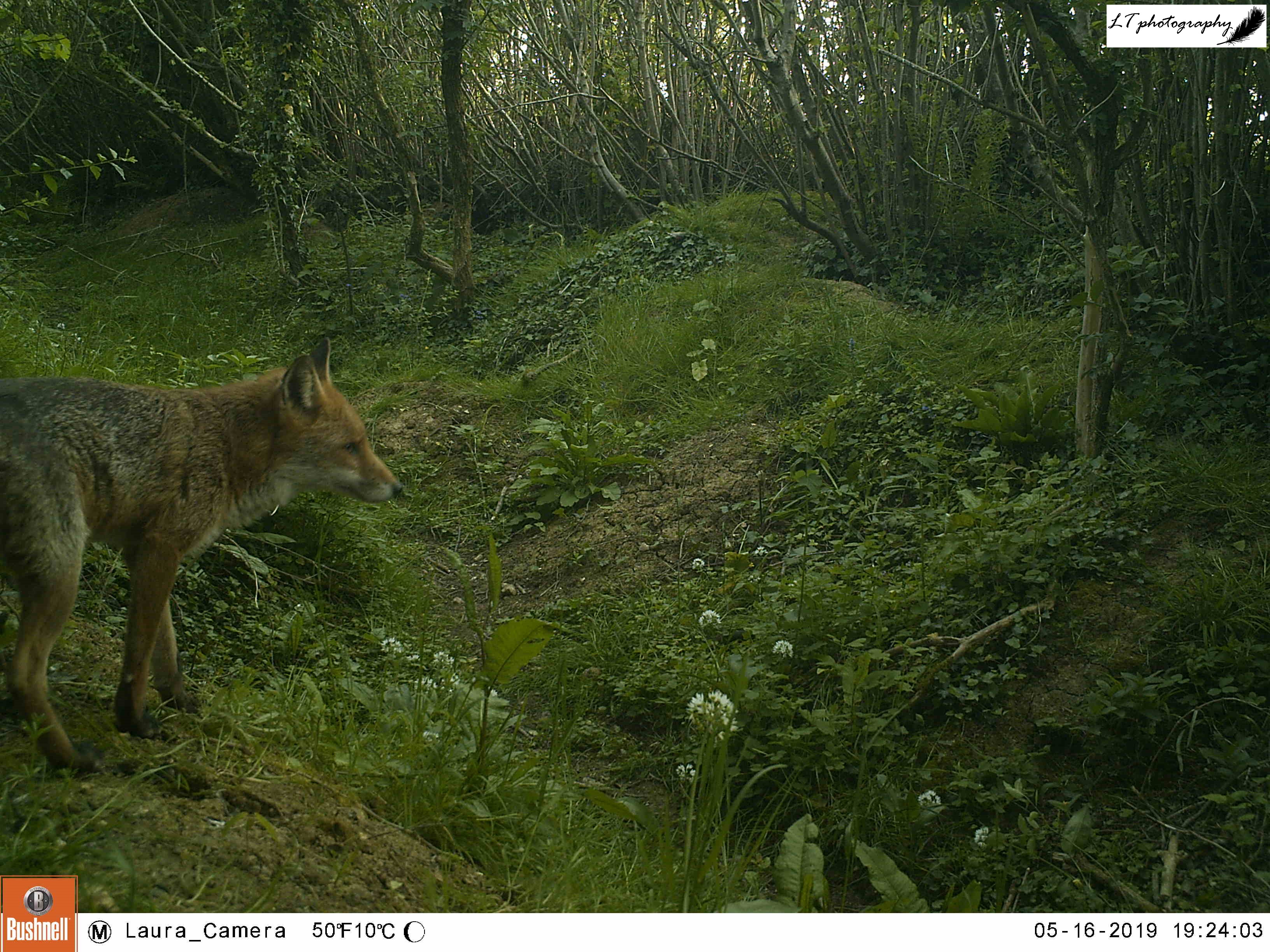
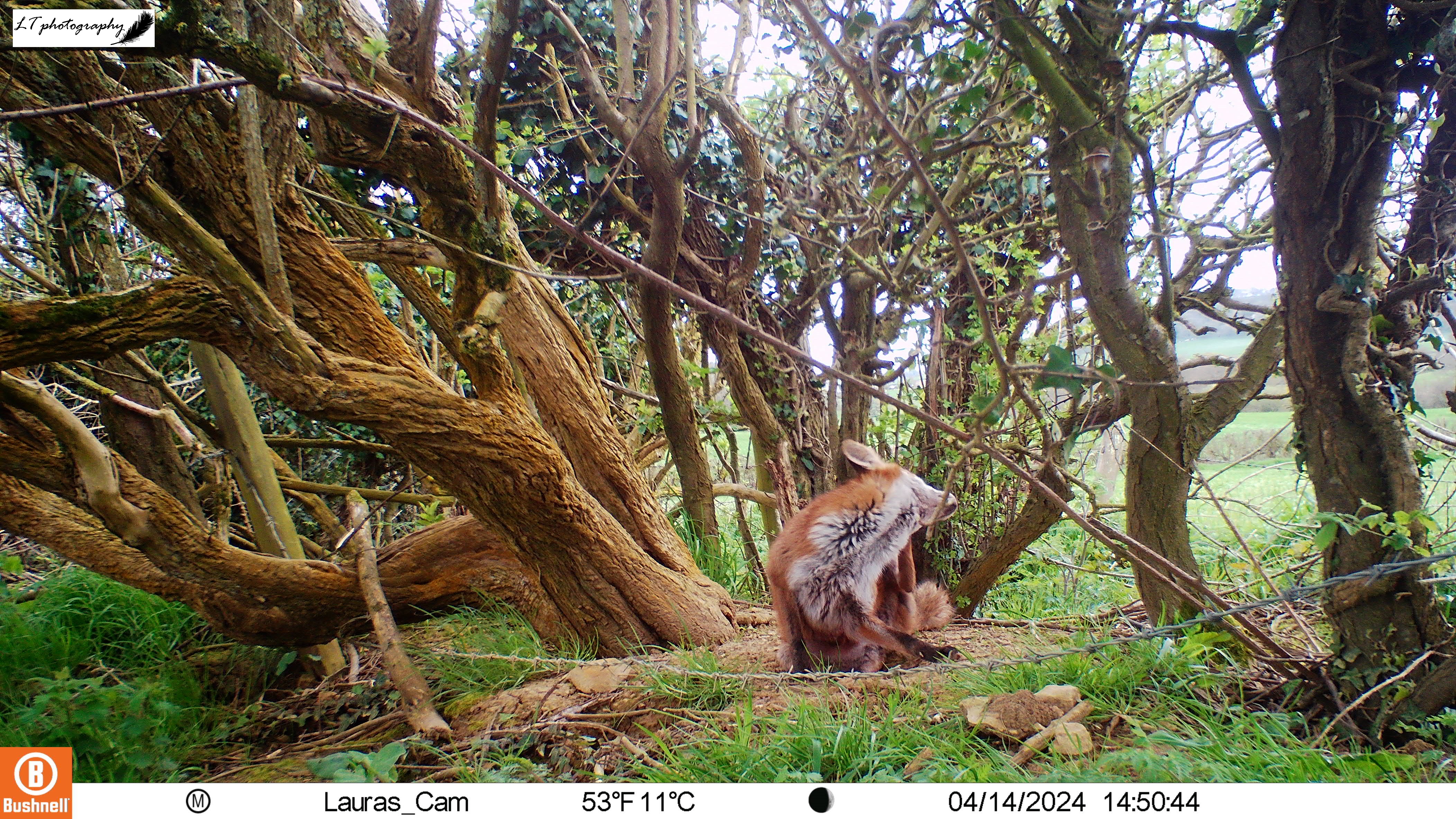
March is the peak time for fox cubs being born in Britain, and so typically during this month vixens stay below ground in their den to give birth and keep their cubs warm whilst still vulnerable. This means during early spring, foxes seen tend to be males hunting and providing for their mates. During this time this year, my camera traps often caught foxes carrying prey, such as pheasants and rabbits, and travelling the same tracks daily. These sightings are a wonderful sign that there is new life arriving somewhere out there in the local landscape.

March is the month of winter drawing to a close and spring beginning to breathe life into the land again. With my camera traps at the ready, and well-trodden paths often the best place to observe wildlife, I was able to capture a range of sights and surprises varying from grey squirrels digging up nuts buried in the autumn to badgers searching for food to territorial fighting of breeding woodpigeons. You never quite know what you will see!

Species Seen: Rabbit, brown rat, fox, badger, pheasant, roe deer, woodpigeon, grey squirrel

April

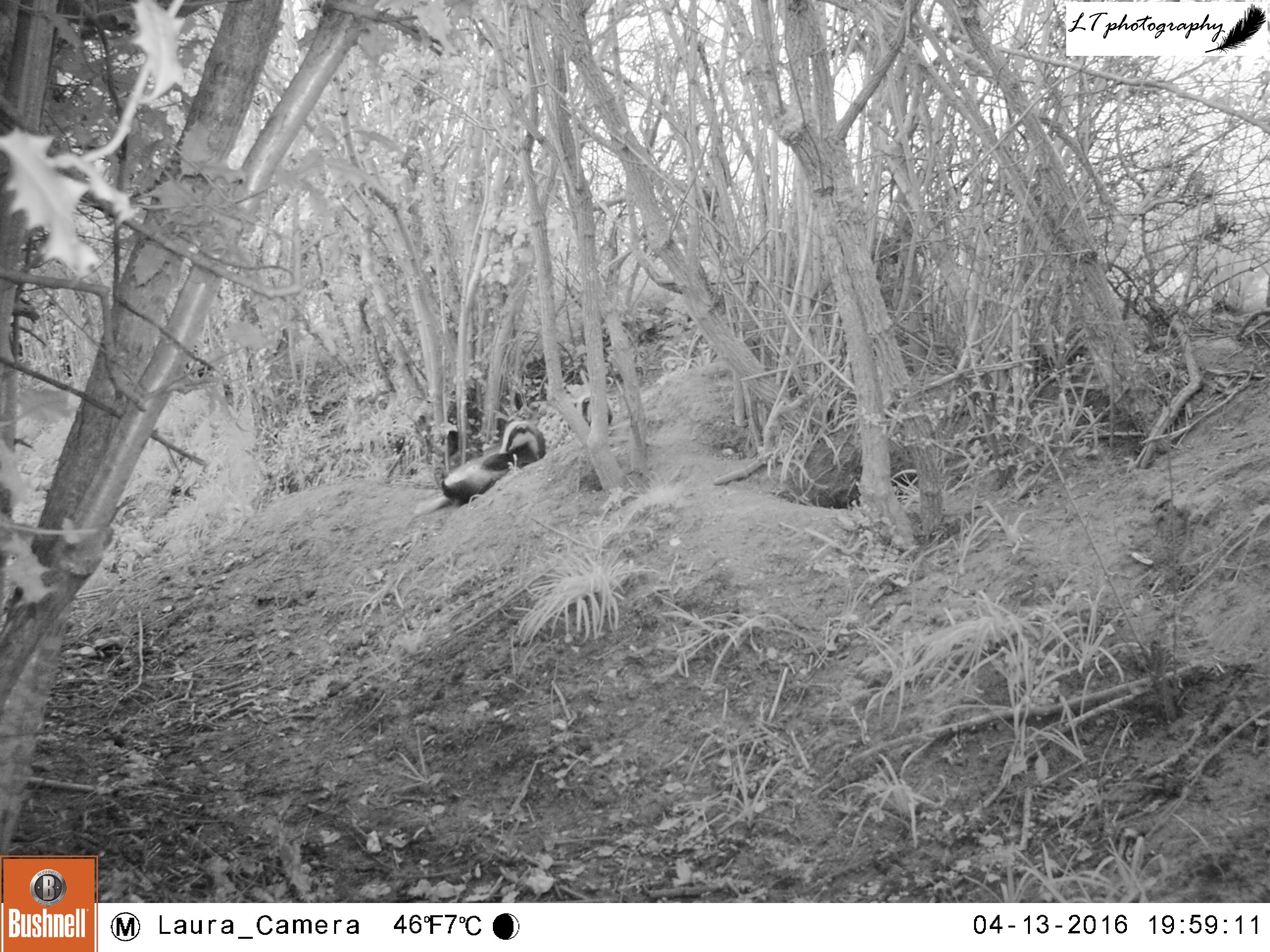
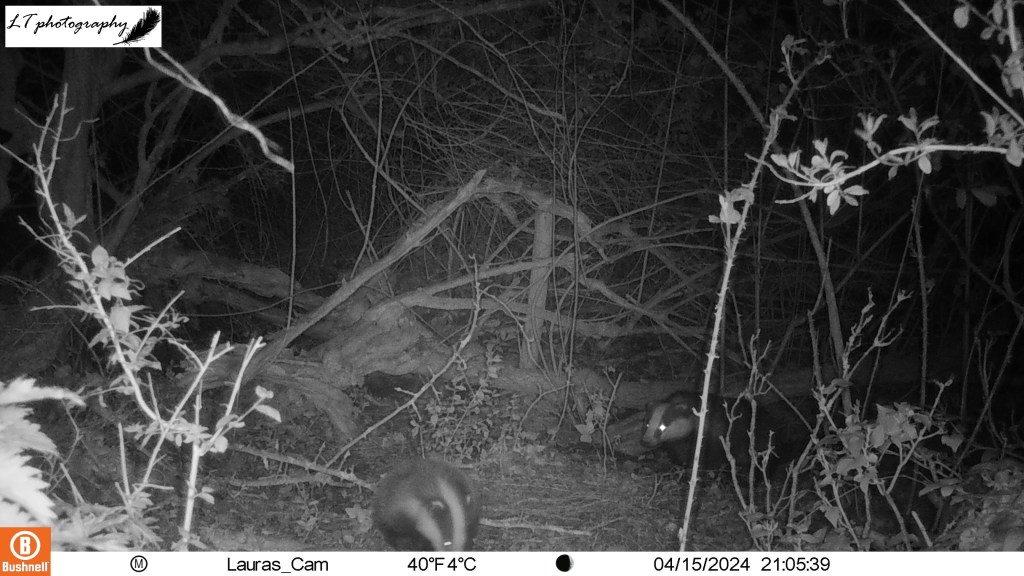
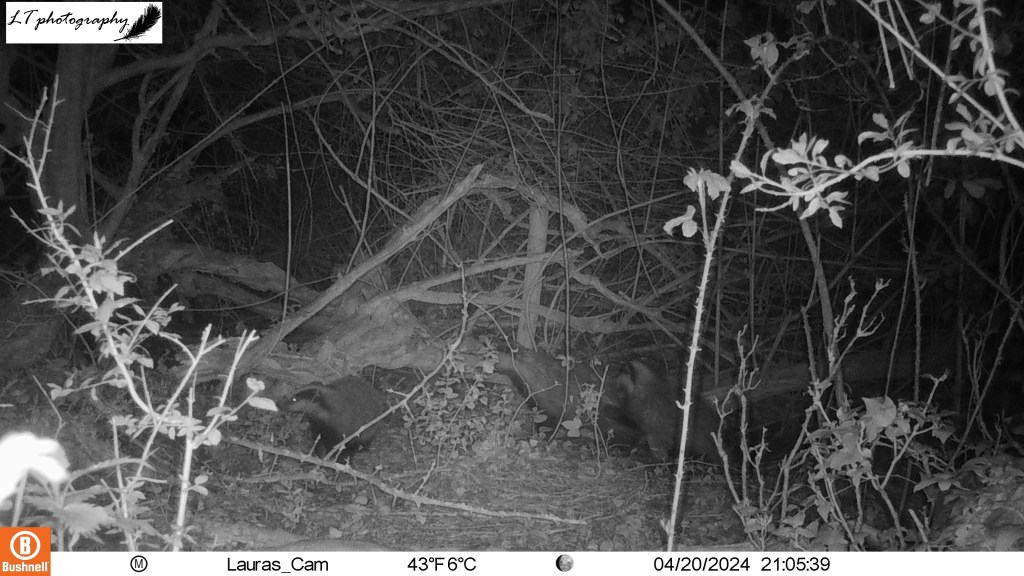
April marks the appearance of abundant new life, with leaves unfurling on trees, blossom dripping from hedgerows, and spring flowers popping up across the landscape. This month is also full of new life for many animal species local to me too, with signs of this being picked up on my camera traps. Being typically born in February, badger cubs now begin to explore the entrance to their setts and the immediate area. This year I was lucky to capture one particular family of badgers with their cubs beginning to explore above ground during April, and not just views of adults walking on by. To be able to watch any young animals playing and exploring the world for the first time is truly an incredible experience!
Though this year I was not lucky enough to capture fox cubs emerging in April for the first time, as in more recent years, my camera traps still picked up views of adult foxes frequenting areas that could have been home to possible den sites. Vixens during April will still be heavily relied on by their cubs, leaving the male to still be the main food provider and protecter of the den. My camera traps captured possible views of some very diligent dads in my local area this year!
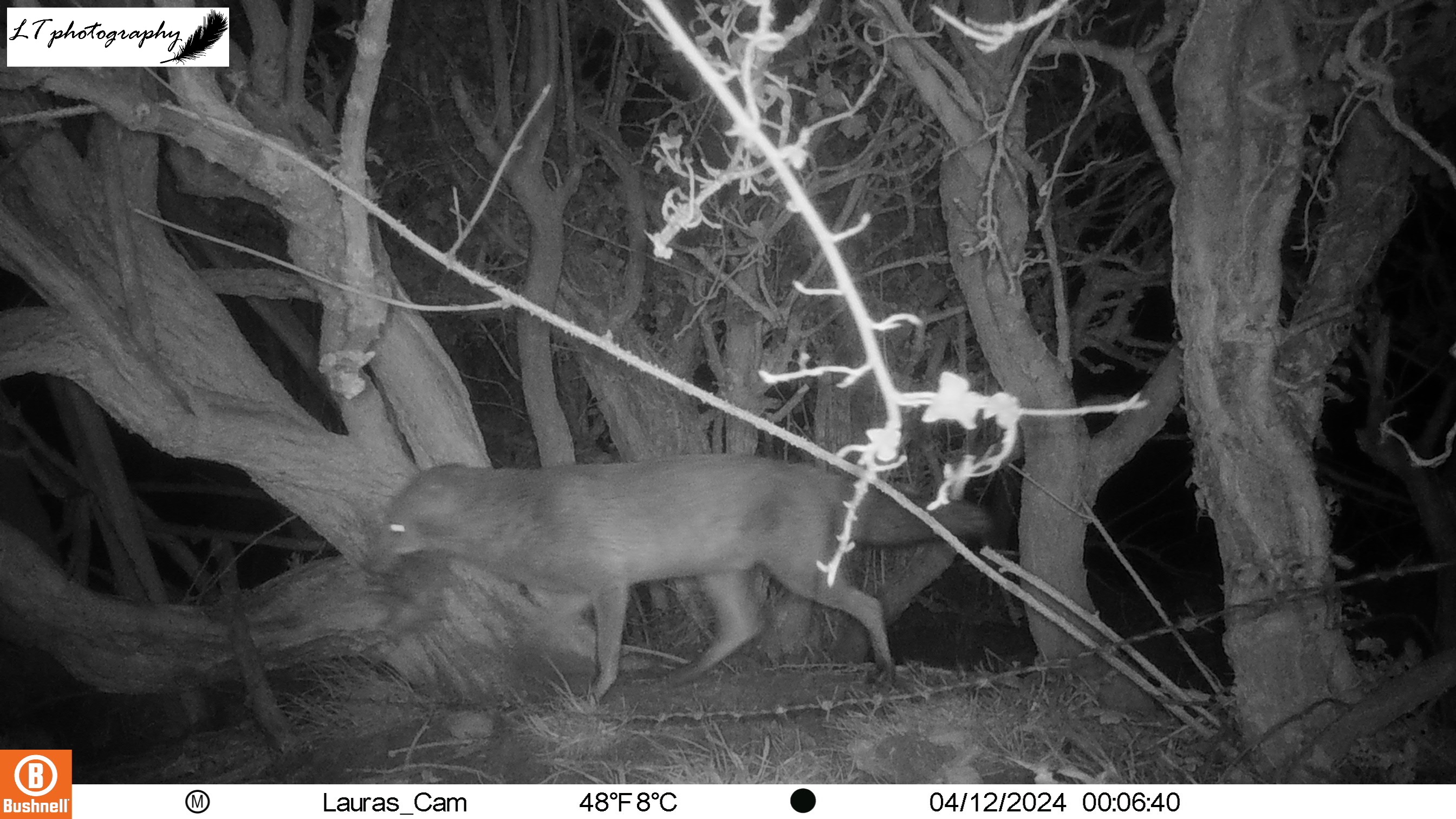
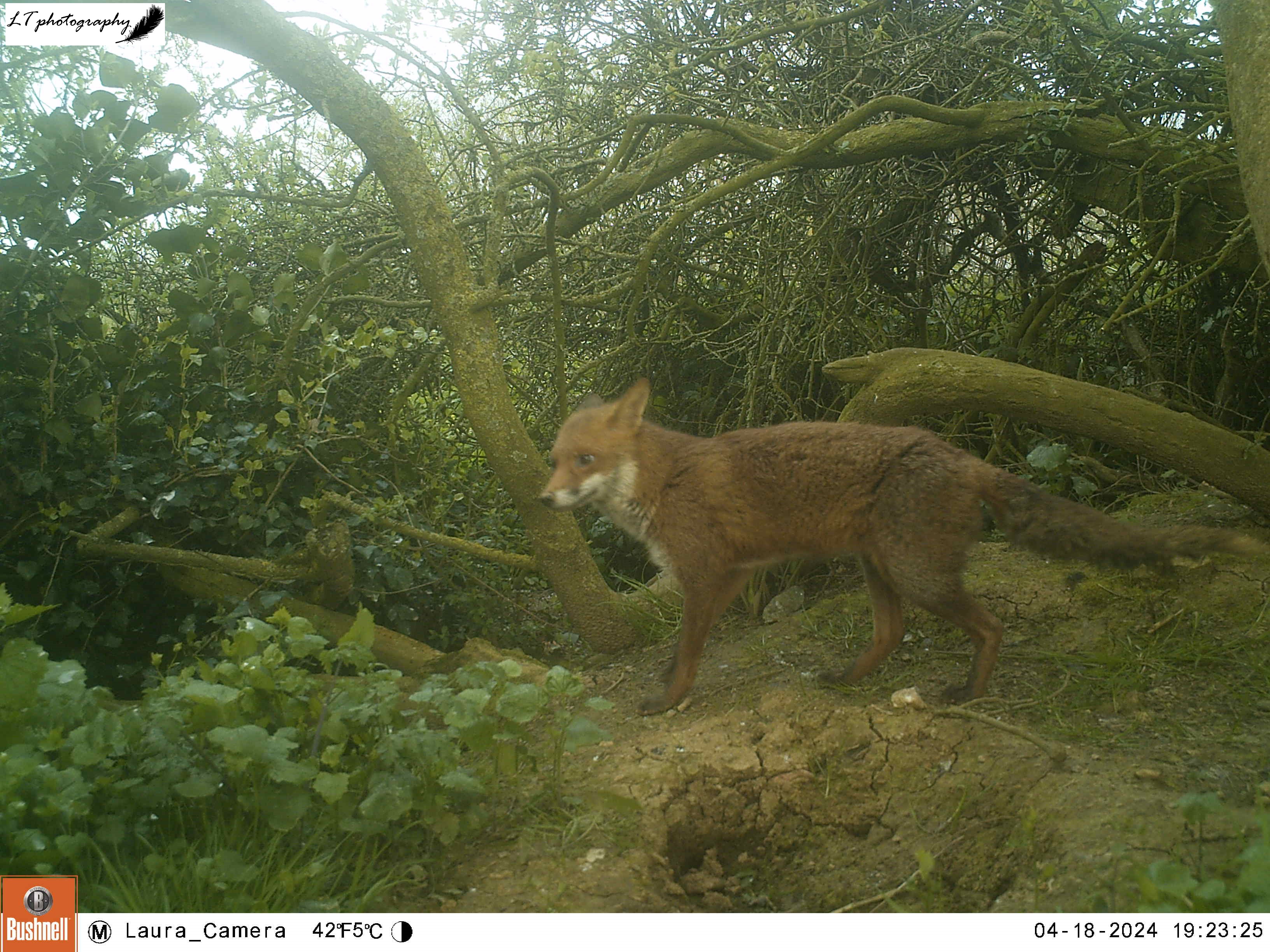
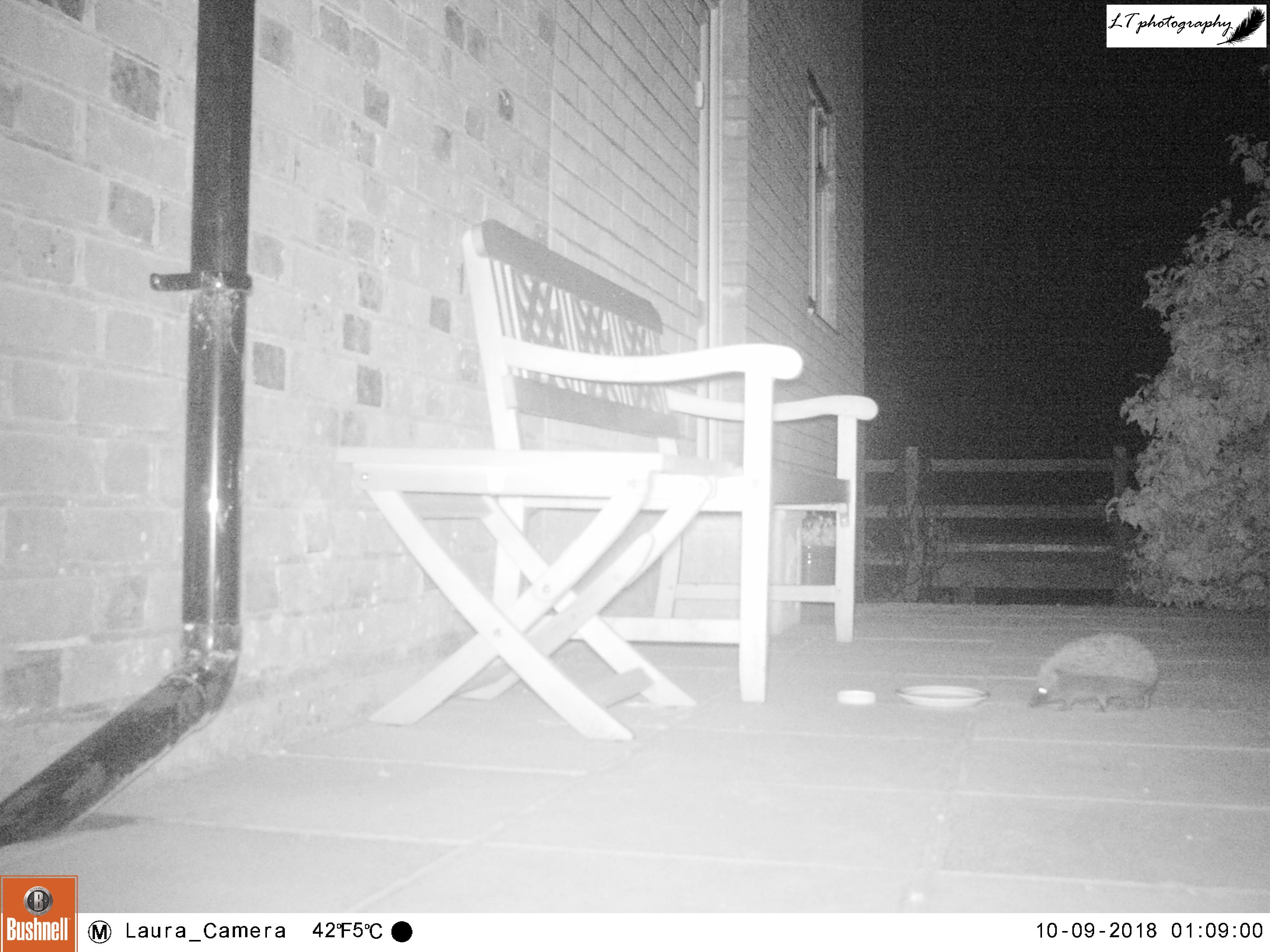
During this month of spring, not all species and individuals are yet to have young relying upon them, with females instead feeding up ahead and males keeping to themselves. One species in particular that my camera traps observed doing this was the hedgehog, an abundant visitor to my family’s garden, typically emerging from hibernation at the end of March or early April. Other stars spotted were hares not in a hurry and some boisterous roe bucks.

Species List: Pheasant, roe deer, brown hare, fox, badger, carrion crow, brown rat, grey squirrel, blackbird, woodpigeon, magpie, jackdaw, hedgehog, house sparrow

Early May

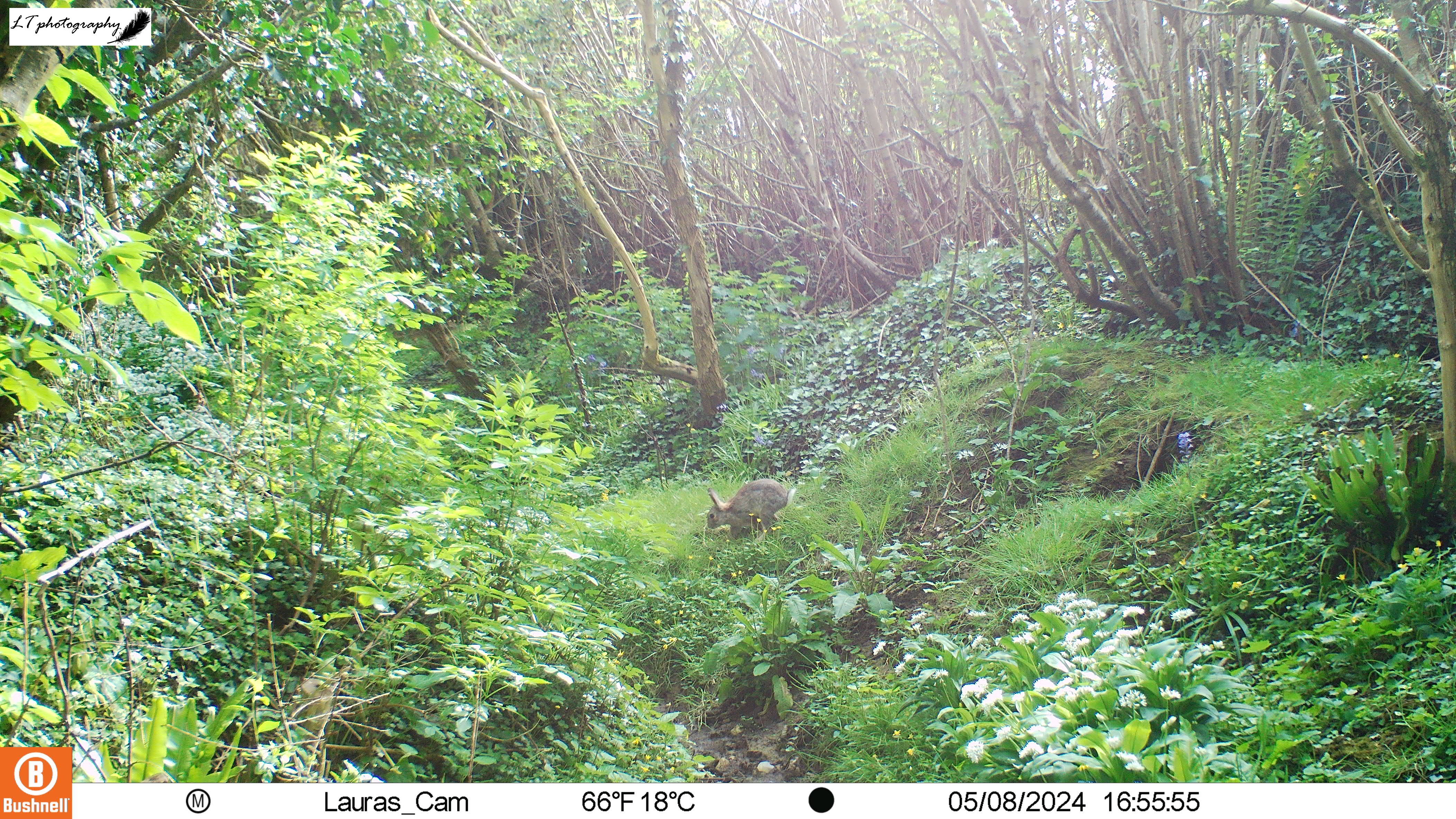
As the spring season rolls into the month of May, the landscape is now a hive of activity. Plants abundantly grow and blossom into colour, and many species are focussed on having and raising young, and passing on their genes to the next generation. May is a great month to glimpse hidden behaviour of wildlife and take in a different side to many species. This year this included rabbits socialising, nosy roe deer, and foxes climbing trees.

As birds nest, hatch chicks and feed young, individuals are also at their most active. This often means my camera traps get some glimpses of such species on the go. This May these included many woodpigeons, robins finding food, and chiffchaffs flitting through hedgerows. It is great that camera traps allow me to observe some of our local feathered species as well.
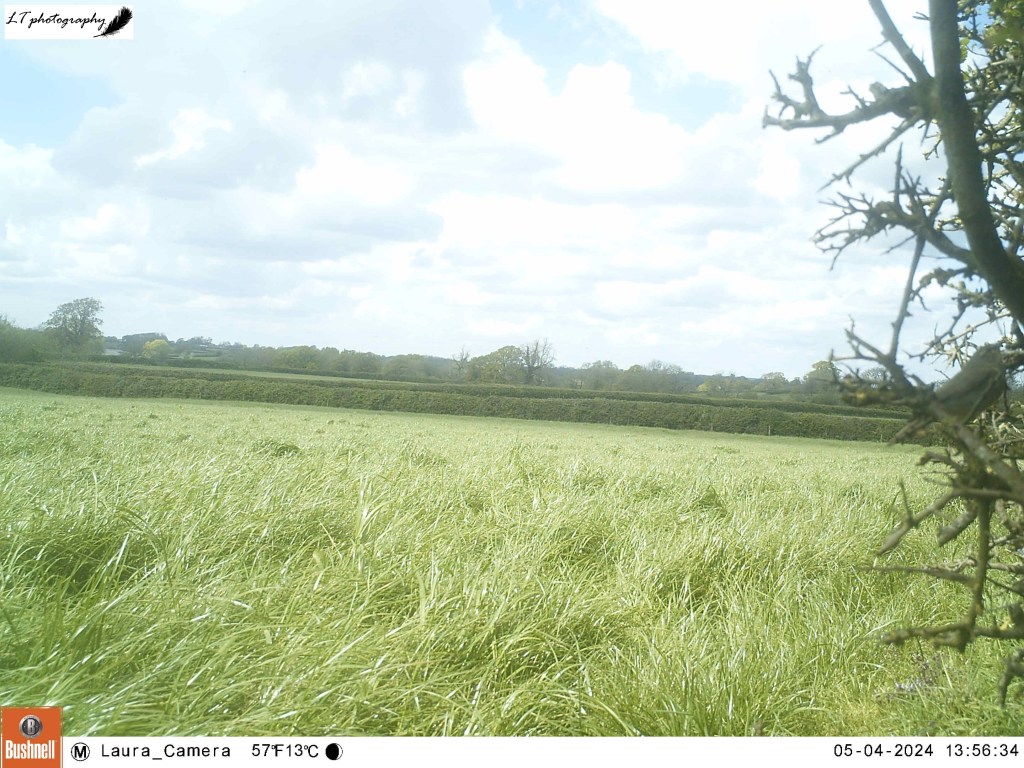
My favourite surprise this May though, was multiple sightings of muntjac deer on our land once again. Though muntjac are non-native and can be a problem in many areas, on our land my family and I have never observed muntjac with our own eyes before. Therefore, my camera traps have given us an interesting and unexpected glimpse into the presence of this deer species on our farm, and their movement through our area.

Species List: Roe deer, pheasant, chiffchaff, robin, muntjac deer, rabbit, woodpigeon, brown rat, grey squirrel, fox

How to… Identify UK Butterfly Species

A flash of colour flitting by in the heat of the summer sun. Twisting this way and that, showing off amazing aerial acrobatics above a meadow of long, waving grass. A butterfly, small but standing out against a backdrop of browns, yellows, reds, blues and whites. Floating like a leaf down to a flower, the butterfly stops, flicking its wings before coming to a stop, wings outstretched in the sunshine. What could this beauty be?

Butterflies come in all shapes, sizes and colours, and can be found in a variety of habitats, from big cities to more remote areas. They are also a popular cultural symbol across the globe, with symbolism ranging from rebirth and transformation to representing the human soul. Along with their long history of capturing the mind and imagination of people, in nature, butterflies are great indicators of the health of habitats and are an important part of the food chain. As is the common story right now, butterflies are unfortunately threatened by habitat loss and degradation, as well as climate change, pesticide use, and invasive species. They need our help!

To be able to help butterflies, we need to understand them better. In the UK, we have 59 species, with only 2 being migrants. Though butterflies are more noticeable for people to identify, most Brits can only name but a handful of species. As we ease into summer, now is a great time to brush up your knowledge of what species you can identify. Here’s 13 to get you started!

Butterflies

Brimstone (Gonepteryx rhamni)

  • Family: White and Yellow butterflies
  • Size: Large (60-74mm wide)
  • Butterfly appearance: Look like veined-leaves with pale-yellow undersides and an orange dot on each wing. Uppersides: Males= sulphurous yellow; Female= paler in colour
  • Caterpillar food plants: Buckthorn and Alder Buckthorn
  • On the wing: Can be seen throughout the year, but most commonly during spring
  • Winter: Hibernate as adults in wooded areas
  • Distribution: Common in England and Wales, less common in Ireland, and very rare in Scotland

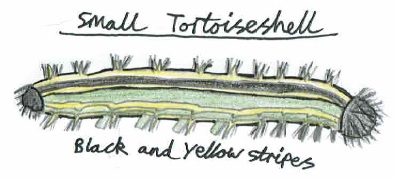
Small Tortoiseshell (Aglais urticae)

  • Family: Brush-footed butterflies
  • Size: Medium (45-60mm wide)
  • Butterfly appearance: Bright orange wings with a black pattern, white patch close to each outer top edge, and a border of blue half-moons. Underside dark and light brown
  • Caterpillar food plants: Nettles
  • On the wing: March-October
  • Winter: Hibernate as adults in sites, such as tree hollows and sheds
  • Distribution: Widespread throughout Britain

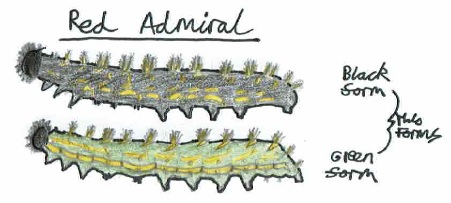
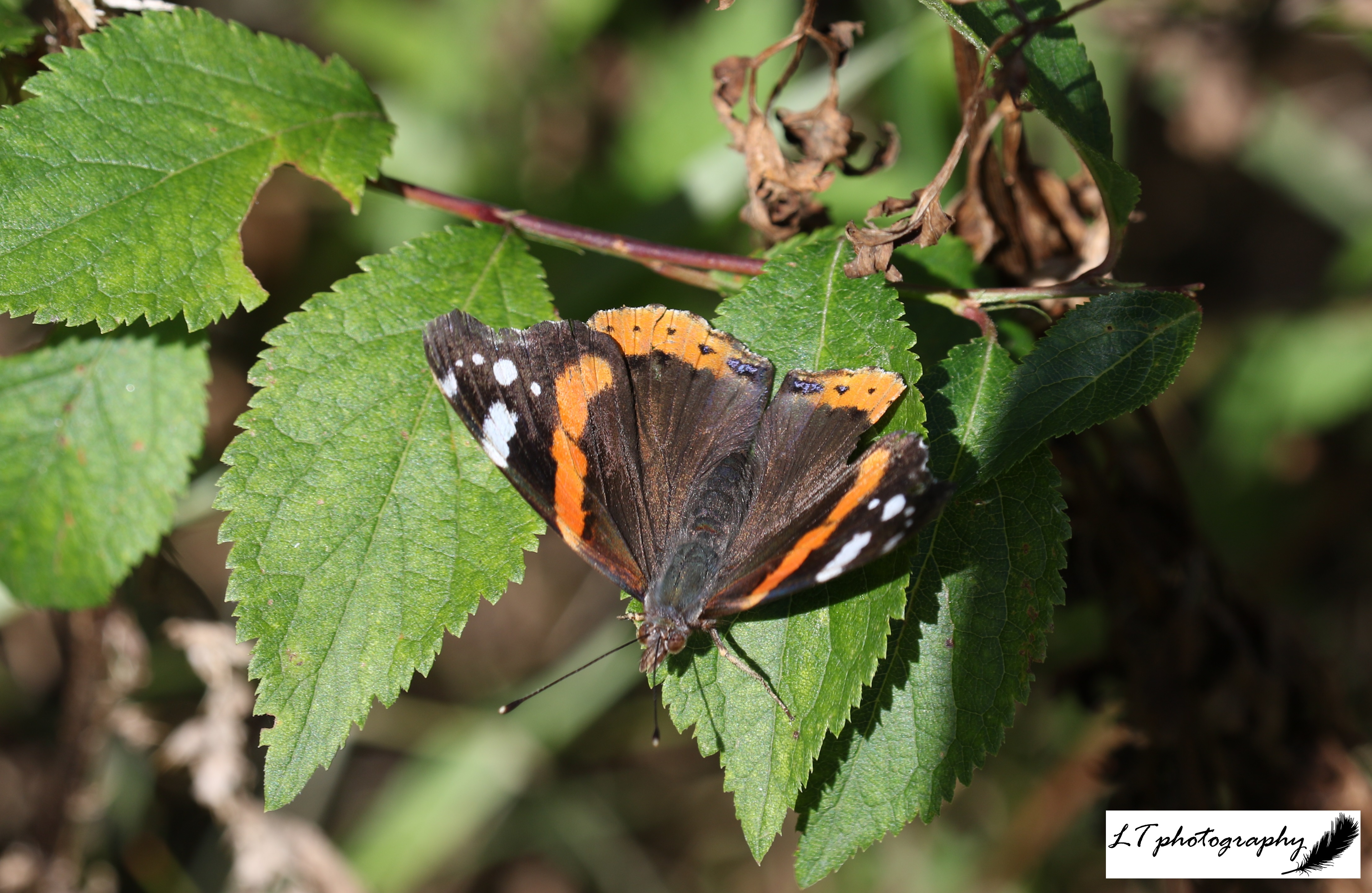
Red Admiral (Vanessa atalanta)

  • Family: Brush-footed butterflies
  • Size: Large (64-78mm wide)
  • Butterfly appearance: Black wings with red bands and white markings. Underside is similar, but paler and more mottled
  • Caterpillar food plants: Nettles
  • On the wing: March-October
  • Winter: Hibernate as adults
  • Distribution: Widespread throughout Britain

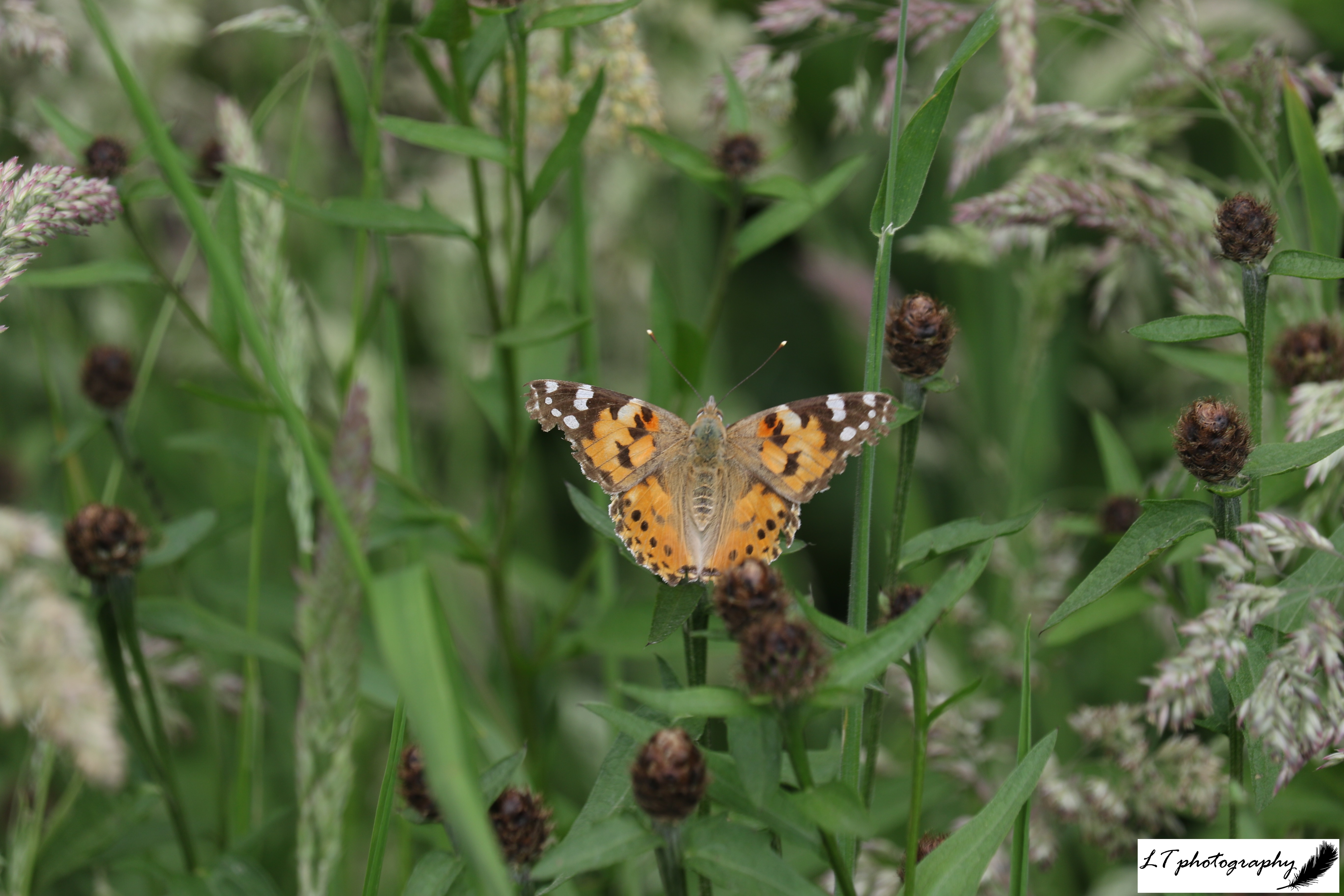
Painted Lady (Vanessa cardui)

  • Family: Brush-footed butterflies
  • Size: Medium/Large (58-74mm)
  • Butterfly appearance: Orange wings with black and white markings. Underside is similar, but paler and more mottled
  • Caterpillar food plants: Thistles and sometimes nettles and mallows
  • On the wing: March-October
  • Winter: Migrate from Africa each spring
  • Distribution: Widespread across Britain

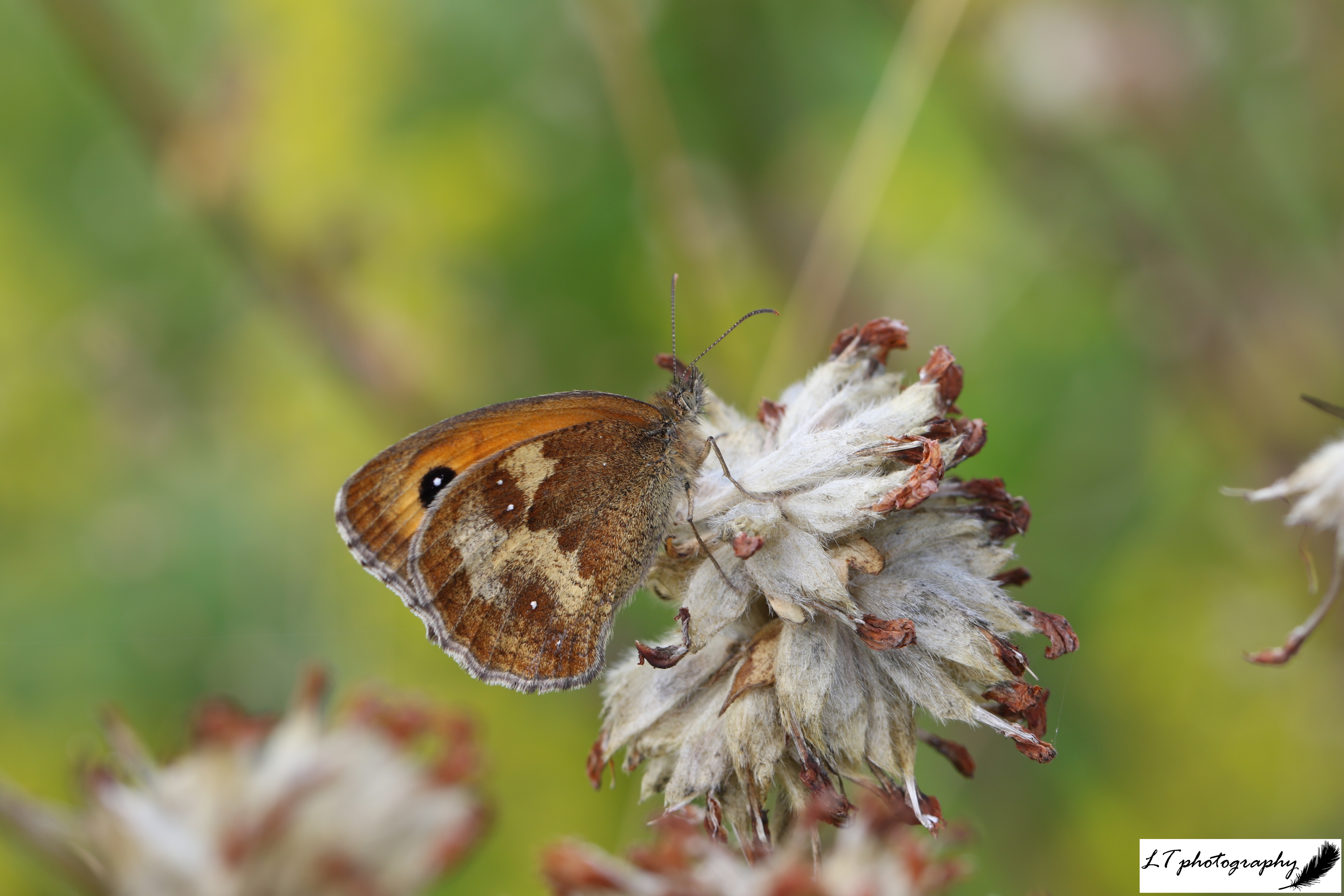
Gatekeeper (Pyronia tithonus)

  • Family: Brush-footed (brown) butterflies
  • Size: Medium (37-48mm wide)
  • Butterfly appearance: Orange and brown wings on top with a black false eye on each wing. Males are smaller and richer in colour than females, with distinct dark band across the forewing. Underside of the forewing is largely orange and the hindwing yellow and brown
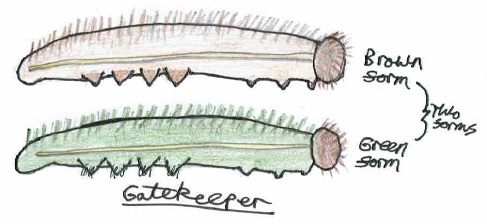
  • Caterpillar food plants: Fine grasses, such as fescues
  • On the wing: June-September
  • Winter: Hibernate as caterpillars
  • Distribution: Most common in southern and central England and Wales

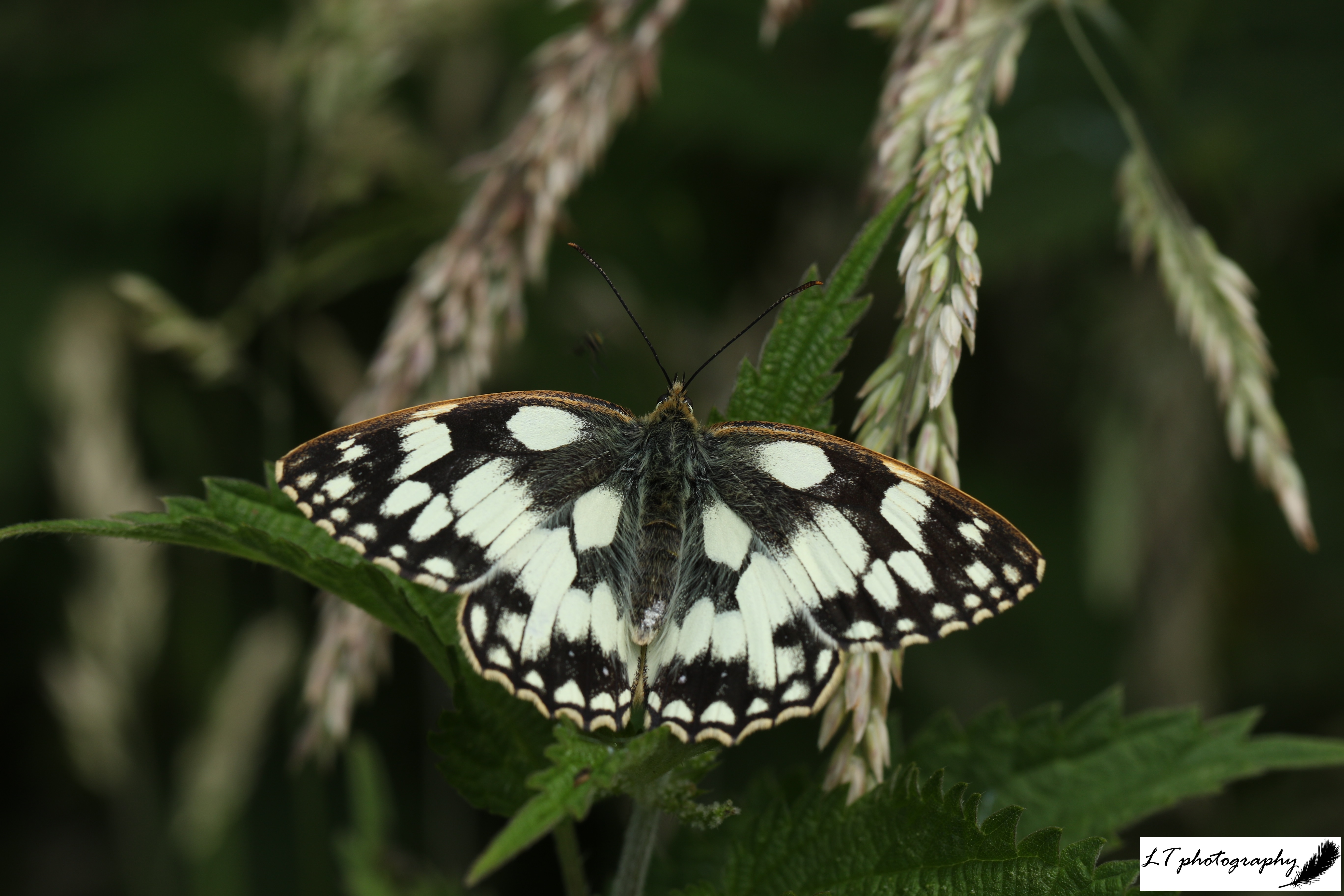
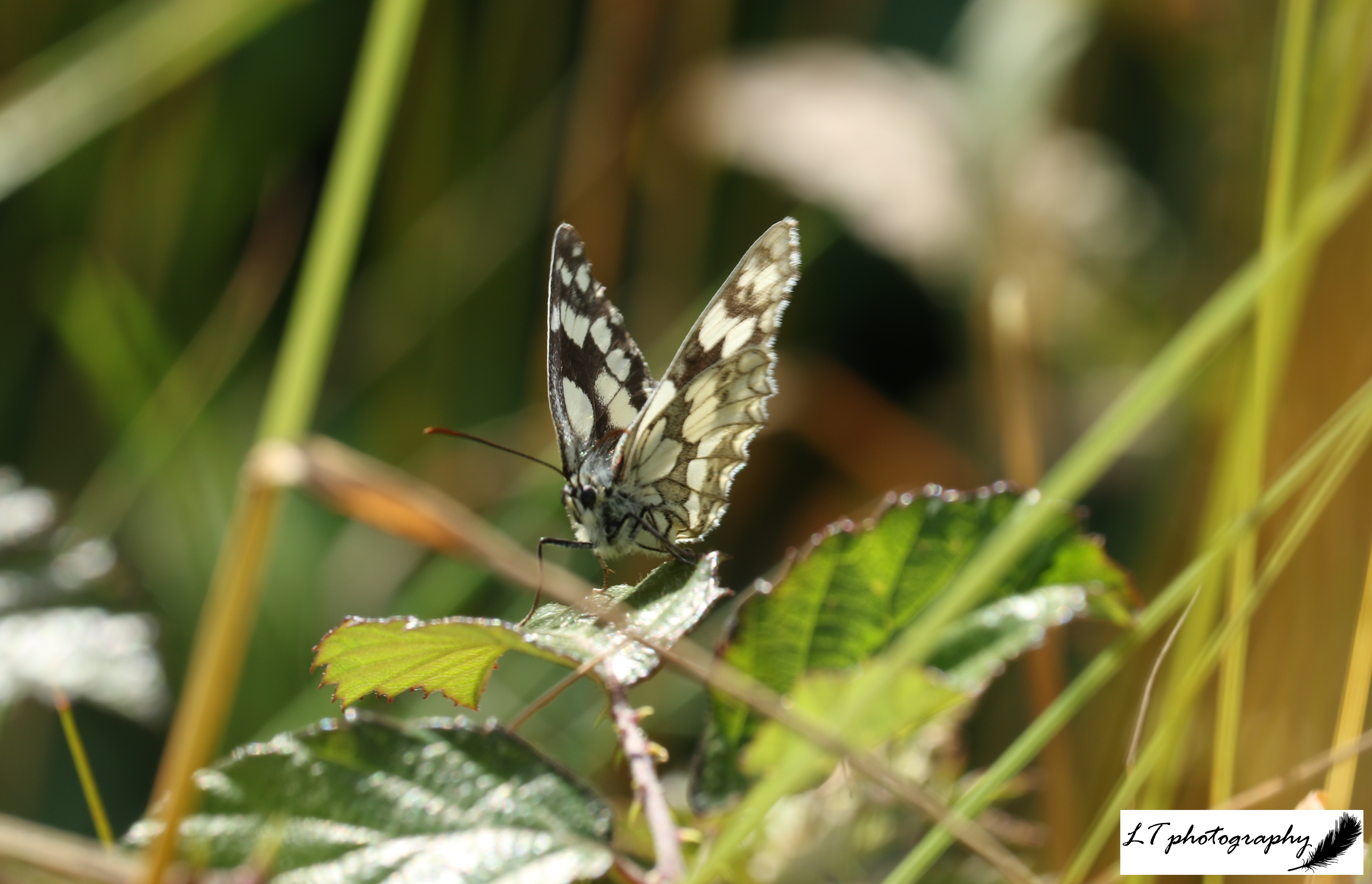
Marbled White (Melanargia galathea)

  • Family: Brush-footed (brown) butterflies
  • Size: Medium (53-58mm wide)
  • Butterfly appearance: Distinctive black and white chequered wings that vary in pattern between individuals. Undersidesnot so brightly marked with eye-spots and grey or yellowish bands
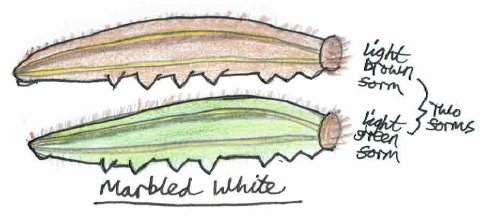
  • Caterpillar food plants: Grasses, such as red fescue and sheep’s-fescue
  • On the wing: June-August
  • Winter: Hibernate as caterpillars
  • Distribution: Southern and central England and Wales

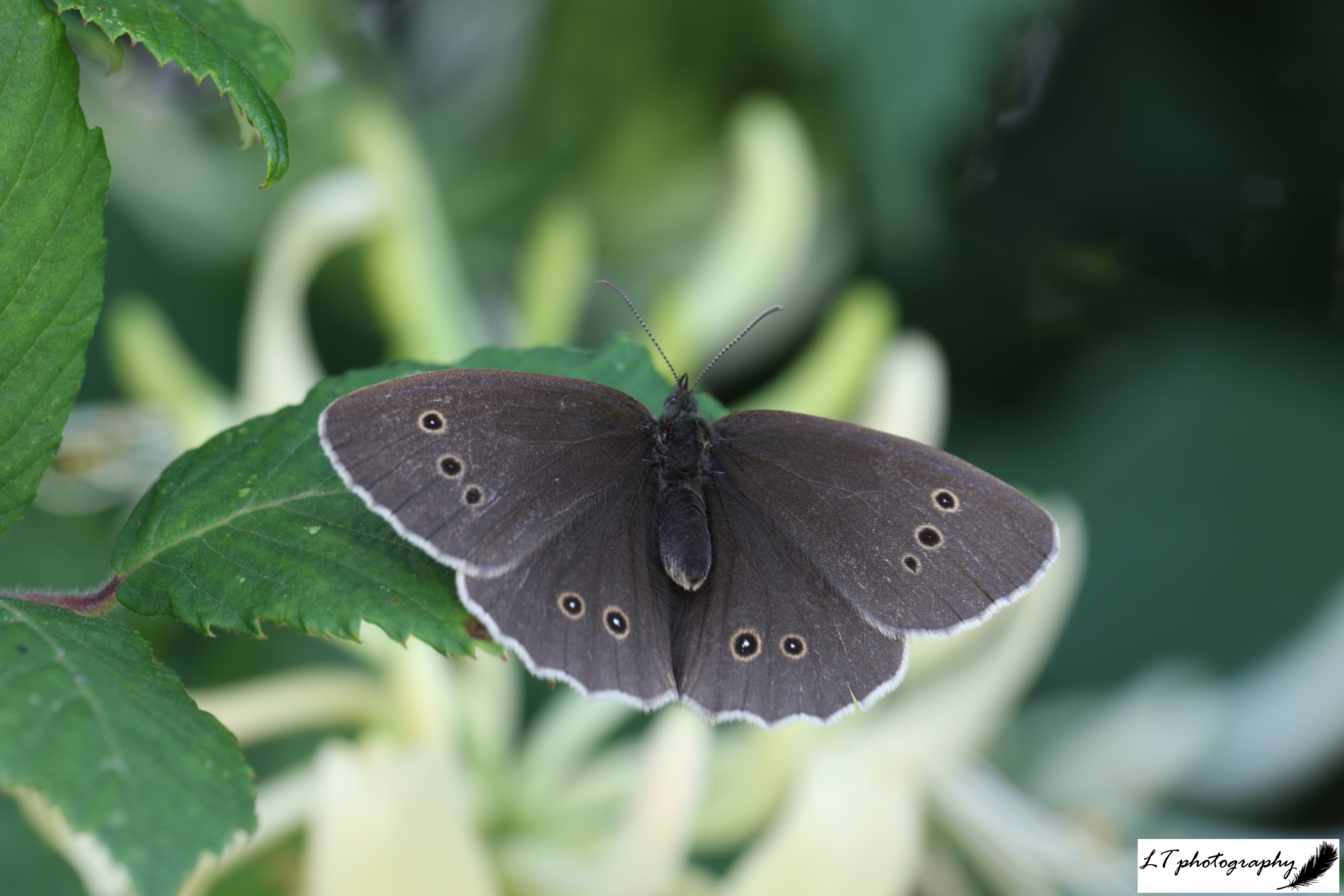
Ringlet (Aphantopus hyperantus)

  • Family: Brush-footed (brown) butterflies
  • Size: Medium (42-52mm wide)
  • Butterfly appearance: Begin velvety with deep blackish brown wings bordered by white. Iconic rings on wings vary in number, size and shape. Females larger with more pronounced markings
  • Caterpillar food plants: Various grasses including cock’s-foot and tufted hair-grass
  • On the wing: June-August
  • Winter: Hibernate as caterpillars
  • Distribution: Everywhere apart from northern Scotland

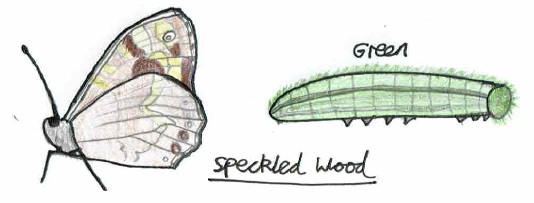
Speckled Wood (Pararge aegeria)

  • Family: Brush-footed (brown) butterflies
  • Size: Medium (46-56mm wide)
  • Butterfly appearance: Dark brown with cream spots, though the female’s are larger. Forewings have a false eye and hindwings have three false eyes. Undersides mottled brown
  • Caterpillar food plants: Various grasses including false brome, cock’s-foot, Yorkshire fog, and common couch
  • On the wing: March-October
  • Winter: Hibernate as caterpillars or a chrysalis
  • Distribution: Throughout England (except the far north), Wales and Ireland, and in northern Scotland

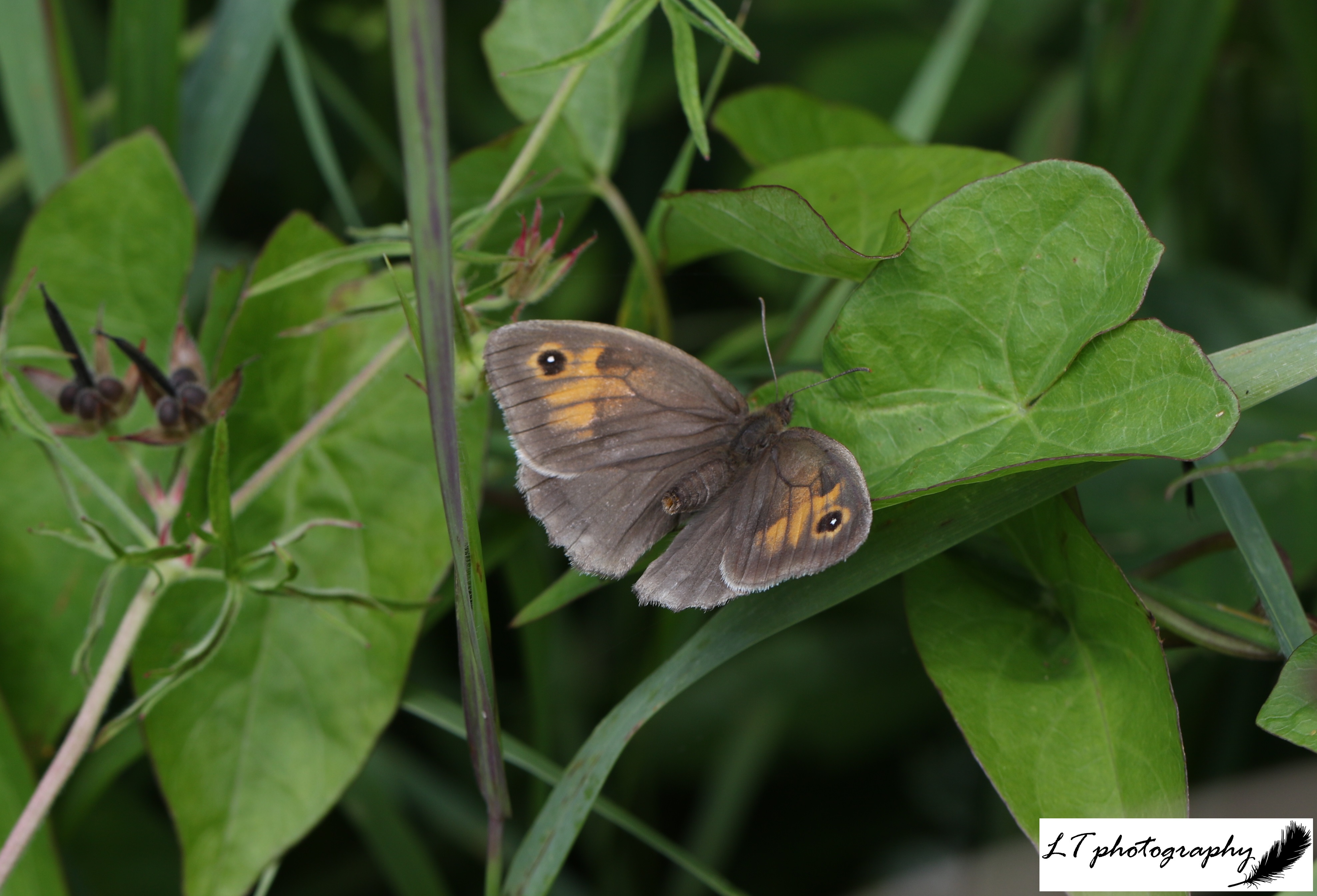
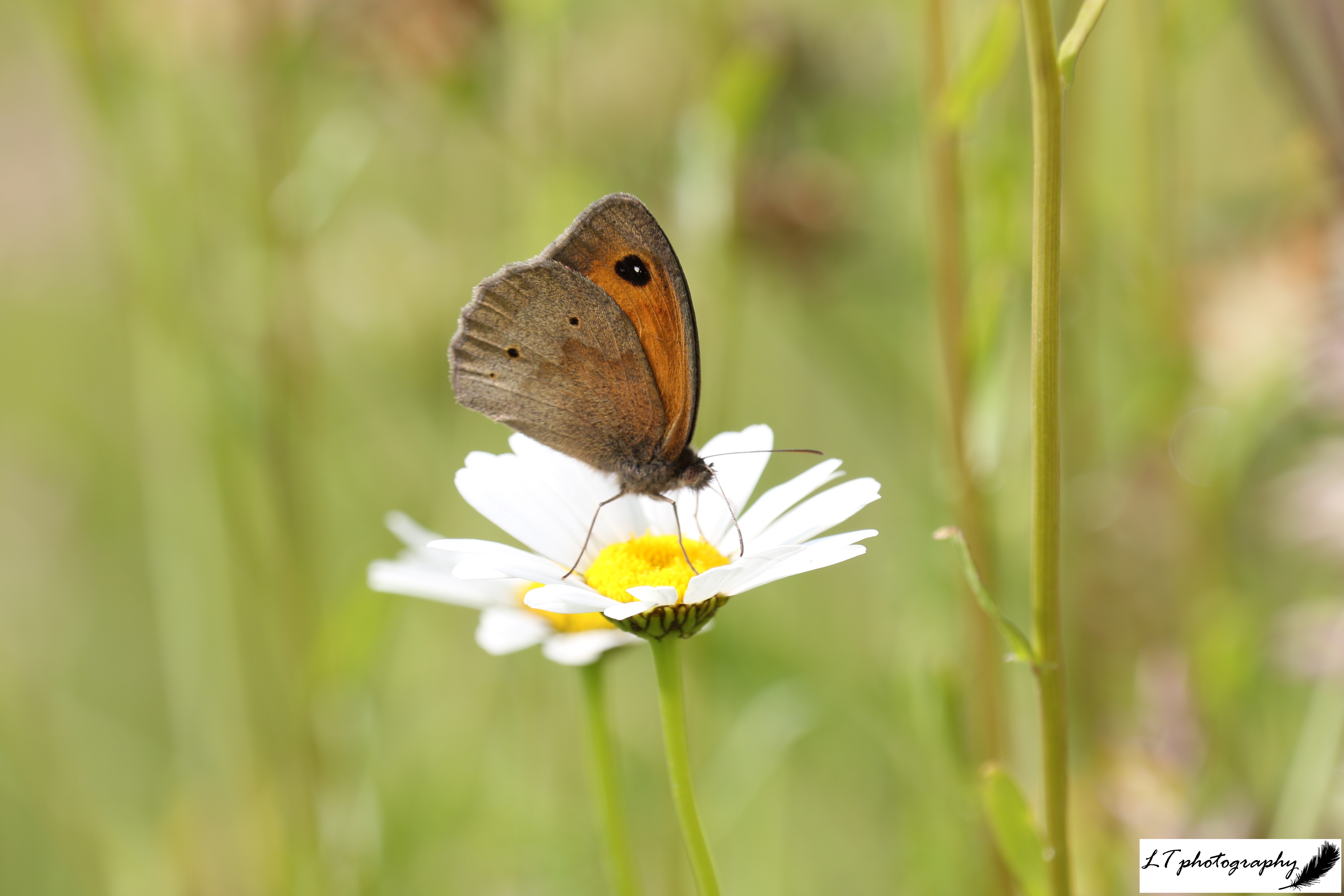
Meadow Brown (Maniola jurtina)

  • Family: Brush-footed (brown) butterflies
  • Size: Medium (40-60mm wide)
  • Butterfly appearance: Male= dark brown with dark scent patch on forewing and faint orange smudge; Female= lighter brown with more orange on wings. Underside is largely orange with mottled brown hindwing
  • Caterpillar food plants: Wide range of grasses from fine fescues to coarse cock’s-foot
  • On the wing: May-September
  • Winter: Hibernate as caterpillars
  • Distribution: Widespread across Britain

Comma (Polygonia c-album)

  • Family: Brush-footed butterflies
  • Size: Medium/Large (50-64mm)
  • Butterfly appearance: Orange wings with brown patterns and scalloped edges to wings. Mottled underside with white, comma-like mark on hindwing
  • Caterpillar food plants: Nettle, elm and hop
  • On the wing: Spring after hibernation; Summer brood= June-July; Autumn brood= August-September
  • Winter: Hibernate as adults, camouflaged as a leaf
  • Distribution: Widespread across England and Wales, rare in southern Scotland and Northern Ireland

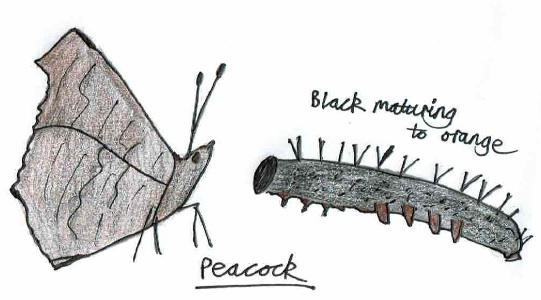
Peacock (Aglais io)

  • Family: Brush-footed butterflies
  • Size: Large (63-75mm wide)
  • Butterfly appearance: Red wings with four large false eyes. Undersides almost black
  • Caterpillar food plants: Nettles
  • On the wing: Spring after hibernation, and June-September
  • Winter: Hibernate as adults in hollow trees and buildings
  • Distribution: Widespread across Britain

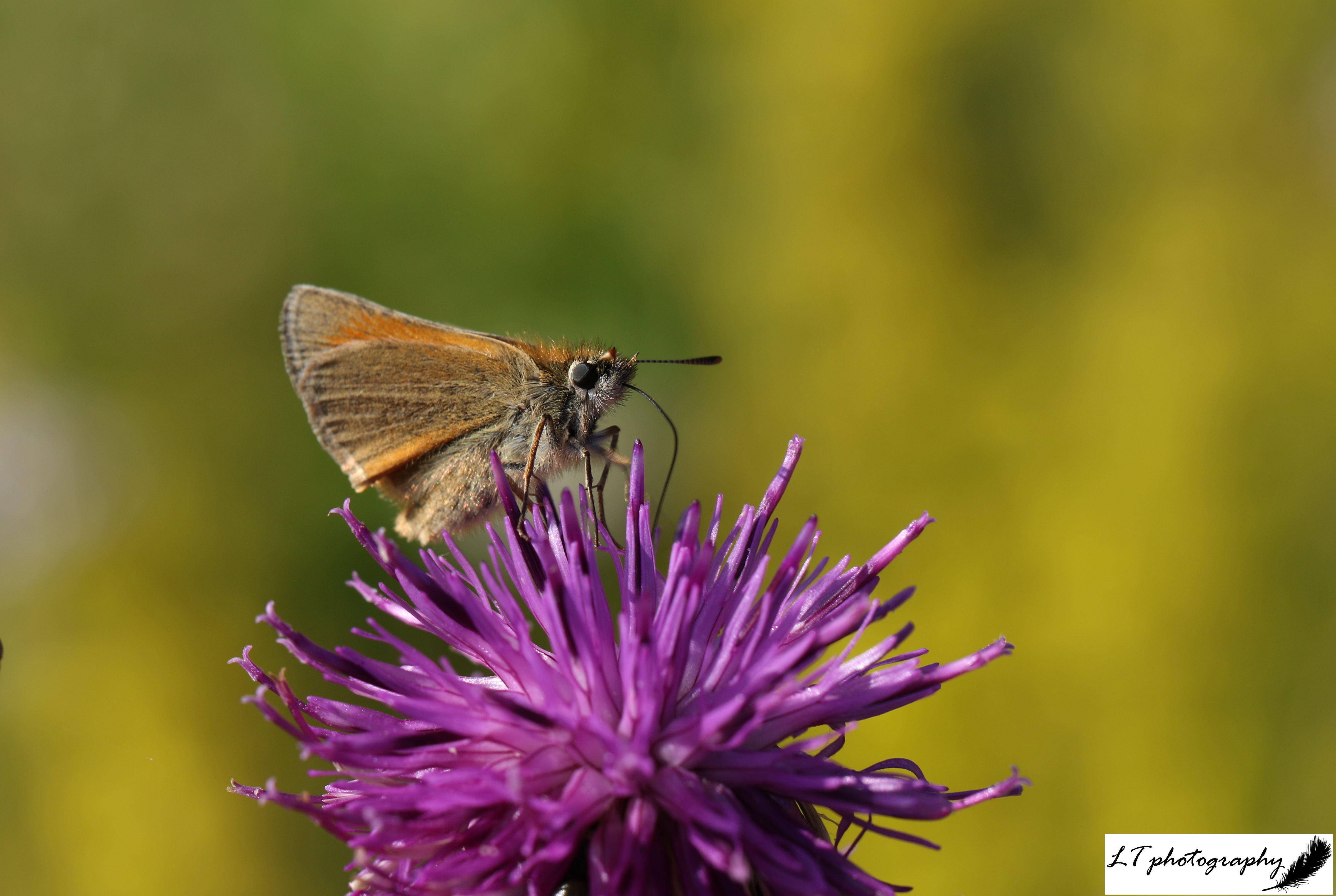
Small Skipper (Thymelicus sylvestris)

  • Family: Skippers
  • Size: Small (25-34mm wide)
  • Butterfly appearance: Orange on top with a black edge, and paler undersides. Male= dark stripe in centre of fore-wing. Antenna tip is orange below
  • Caterpillar food plants: Yorkshire fog and other tall grasses
  • On the wing: June-September
  • Winter: Hibernate as caterpillars
  • Distribution: Widespread up to North Yorkshire and Scottish border

Large Skipper (Ochlodes venatus)

  • Family: Skippers
  • Size: Small (28-36mm wide)
  • Butterfly appearance: Wings rich brown with orange patches, but male has a dark bar in the centre of the forewing. Underside mottled orange
  • Caterpillar food plants: Cock’s-foot and other tall grasses
  • On the wing: May-September
  • Winter: Hibernate as caterpillars
  • Distribution: Throughout England, Wales, and in Dumfries and Galloway

Spring Countryside Camera Trapping 2020

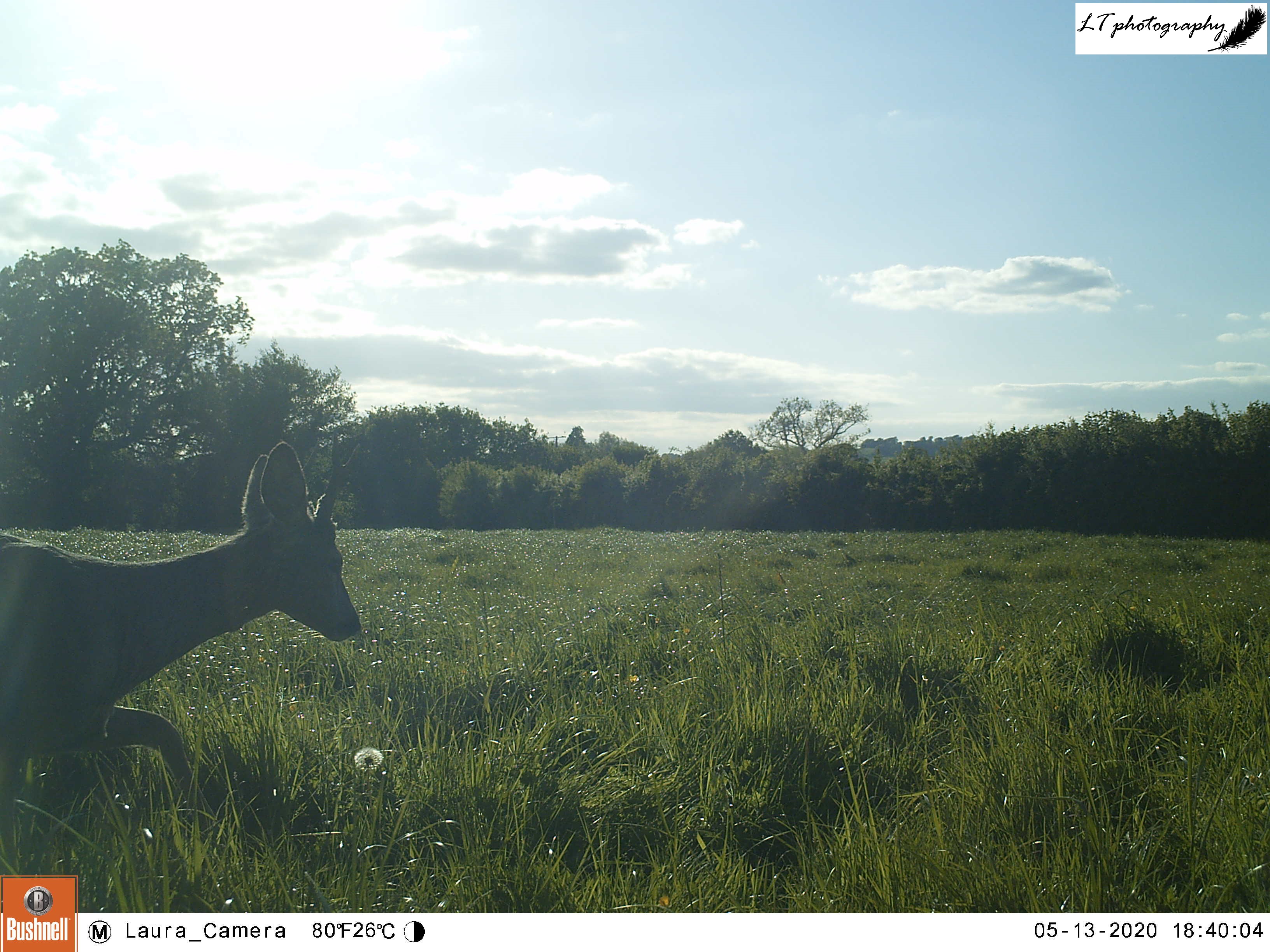
Through the stillness of an early morning mist, a shape appears, carefully stepping through the short undergrowth. She weaves through the trees, stopping to pick and browse as she goes. Then she stops, motionless. Ears pricked she listens out into the gloom, something catching her attention. Magnificent silhouette, the more impressive for her swollen belly, a sign of new life to come. Here she is captured, a glimpse of a world unknown, forever immortalised in a frame.

Camera traps provide a window into another world, one that is often unseen and unknown. As technology improves and efforts increase, humans are now capturing the natural world in increasing detail, observing new behaviours, and keeping track of wildlife that would otherwise be difficult to monitor. Camera traps also provide us as individuals with the opportunity to open our eyes to the world that lies outside our doors. To find out more about camera traps, how to use them, and for some inspiration, check out my ‘How to… Use and Make the Most of a Camera Trap’ post.

Since I got my camera trap a few years ago, it has become an important way for me to explore the hidden world around me. In particular, during spring 2019, I spent 10 weeks conducting camera trap surveys across 5 sites on my family’s land in Dorset. It was a lot of fun to see what species I could detect and in what numbers, whilst seeing how things changed over a period of time. For my results, check out my ‘Spring Countryside Camera Trap Surveys’ post on my blog.

Camera Trapping 2020

This year, despite COVID-19 leading to a national lockdown, I tried to utilise the time I got to spend outside to get my camera trap out as much as possible. The result was some successful and really enjoyable camera trap experiences throughout the spring, which helped to keep me going. On my adventures, I chose to focus on a mixture of 5 new and old sites, including Badger setts, a footpath, a Sycamore copse and a meadow. It was great to once again monitor the animal populations on our farm, experience new life, and to see if something interesting might turn up!

Highlights

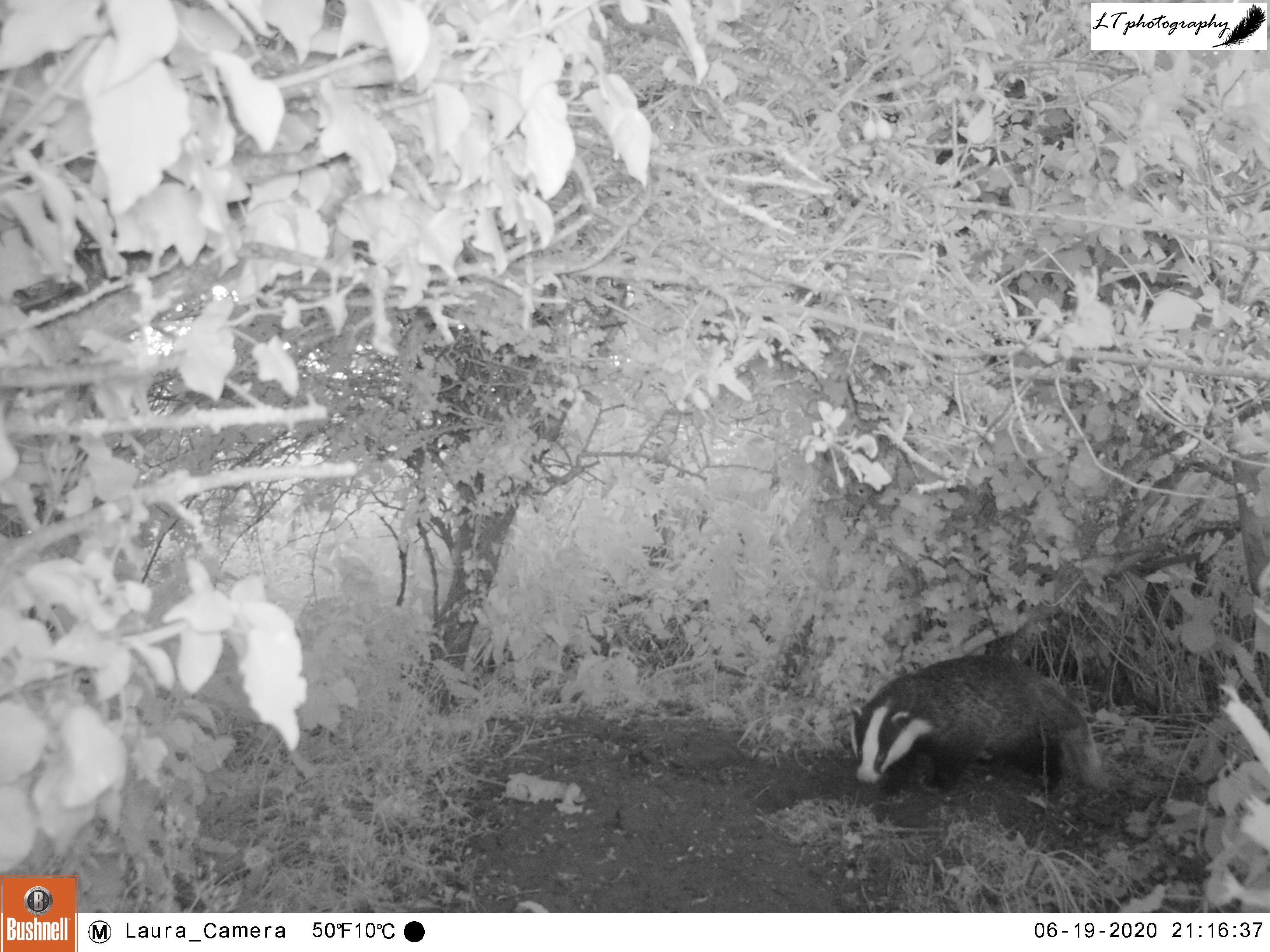
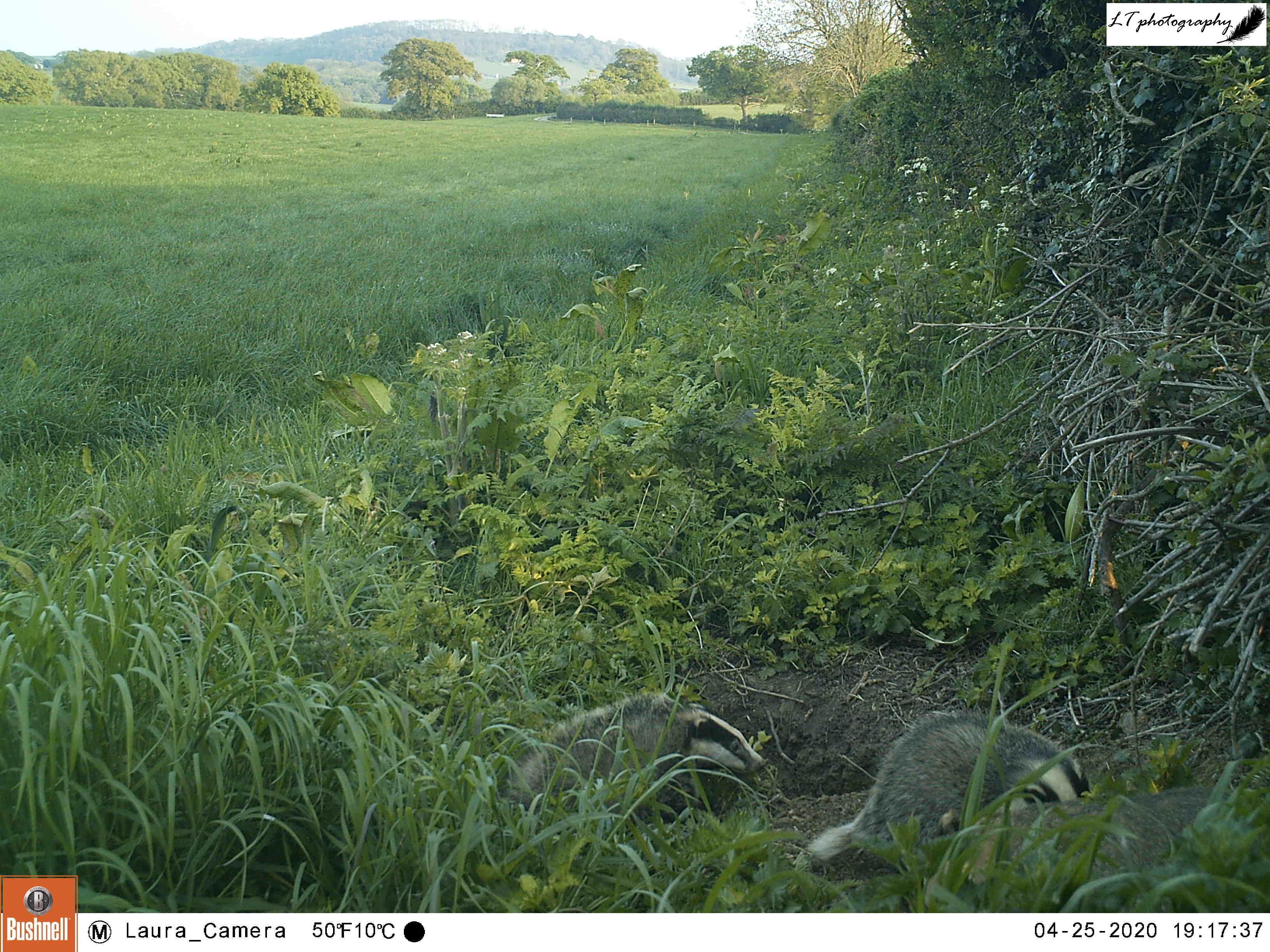
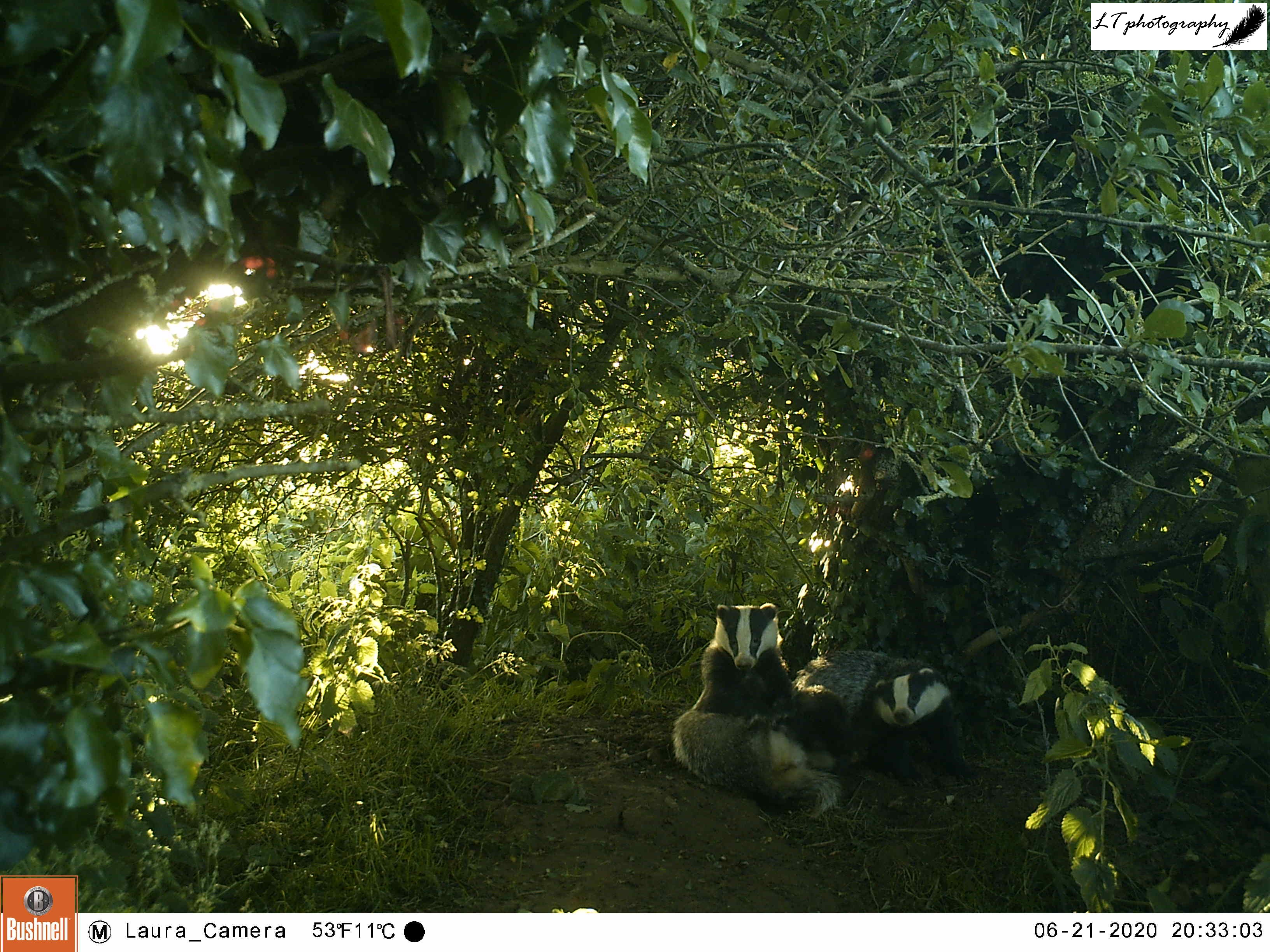
The real stars of my camera trapping this spring just happened to be our British large mammals. In particular some of my highlights involved fantastic sightings of charismatic Badgers. One of my favourites was capturing 2 cubs playing and fighting outside the entrance of a sett at all times of day in April, with a parent often popping in to check on them. I also had some great luck at another sett in June, where my camera trap captured 2 Badger cubs interacting with each other in their natural habitat, in an open area within a hedge. It was really great to see!

This year Foxes were also popular sights on my camera trap. These ranged from adults and cubs at their dens to being captured on the move, giving me a new insight into their lives and interactions. Roe Deer were also a popular sight on my camera trap as they moved through their habitat and spent time foraging, with does and bucks often being seen separately at these same locations. All wildlife are fantastic to be able to experience in this way though!

When Things Go Wrong!

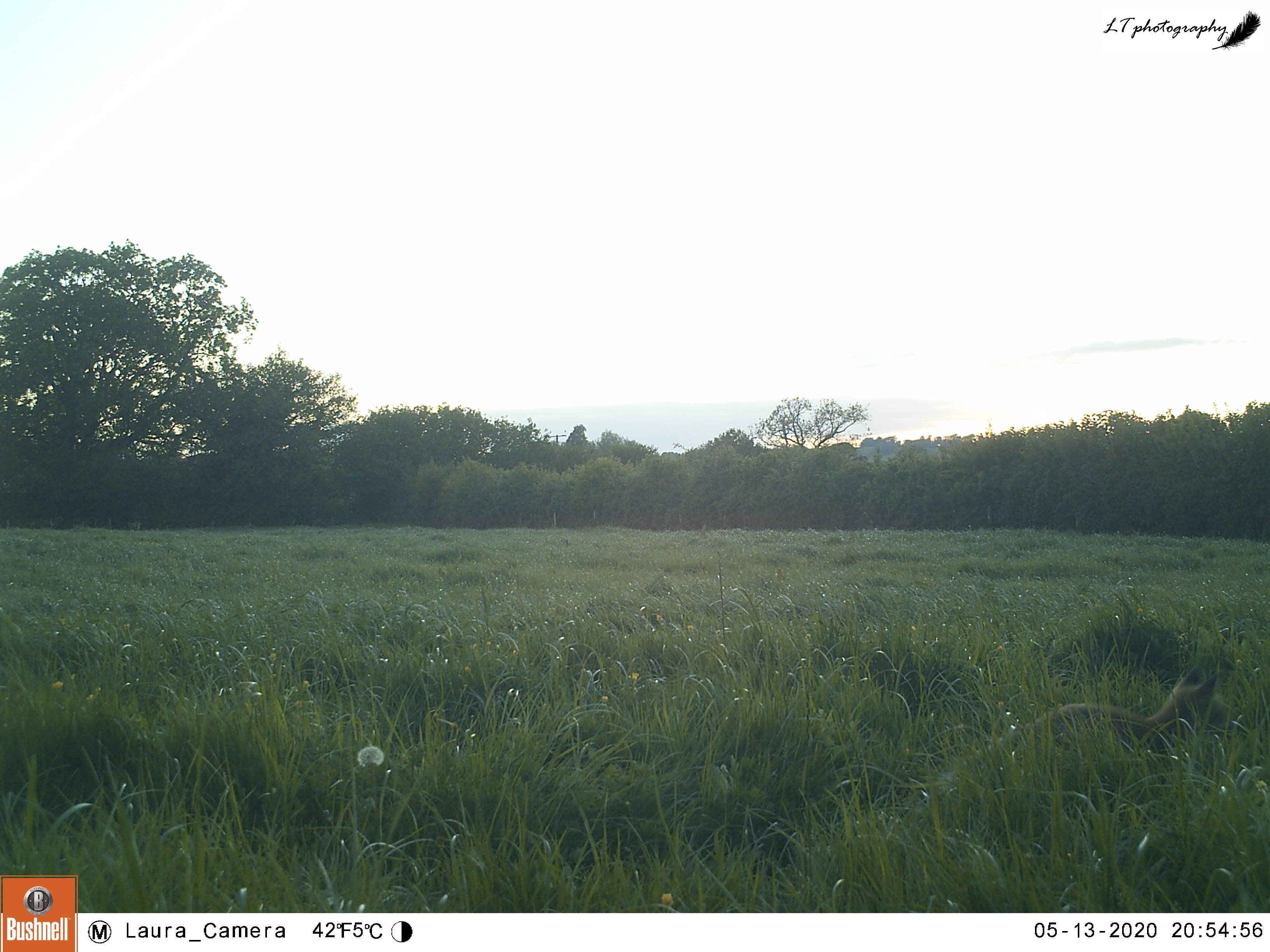
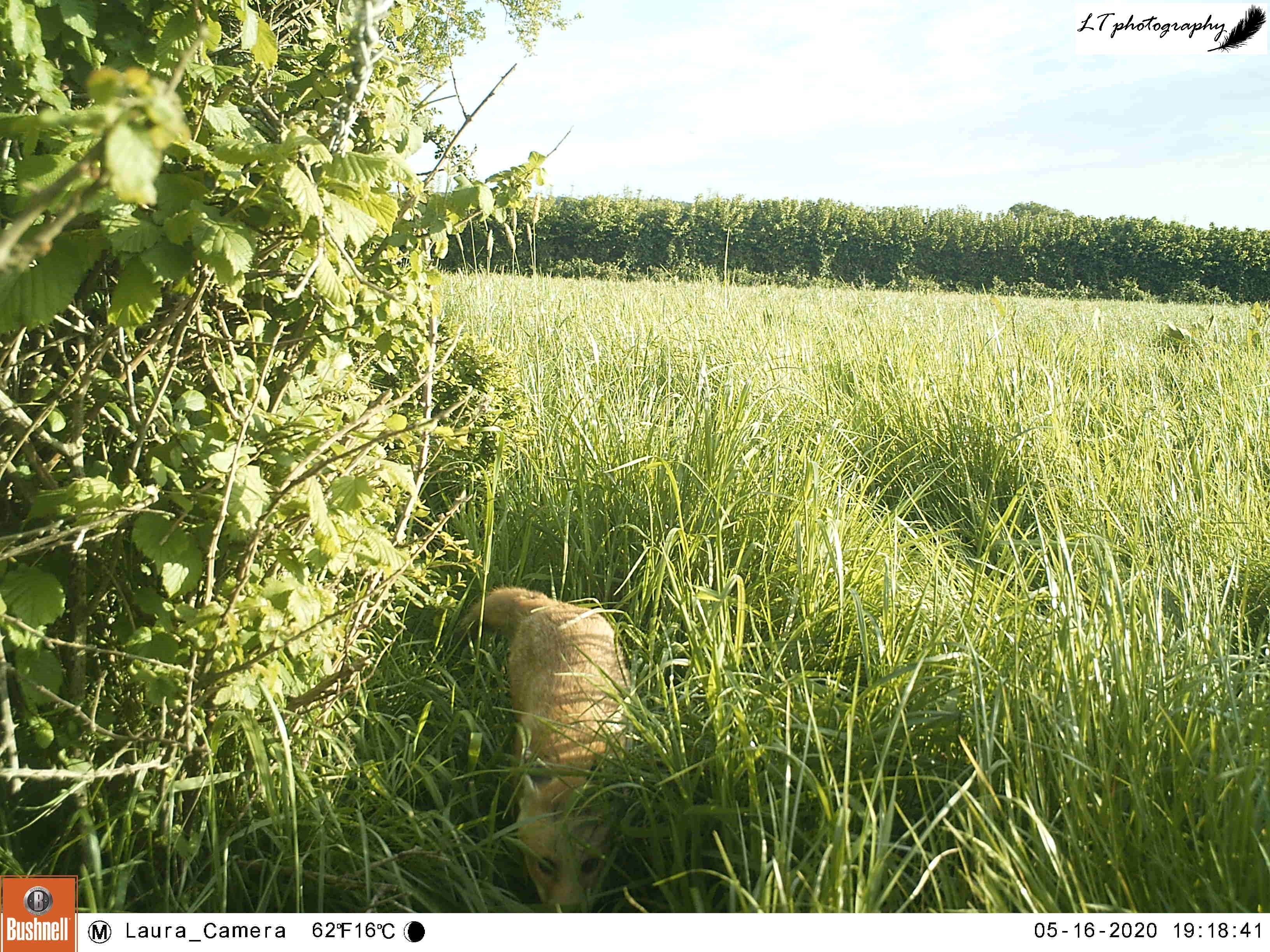
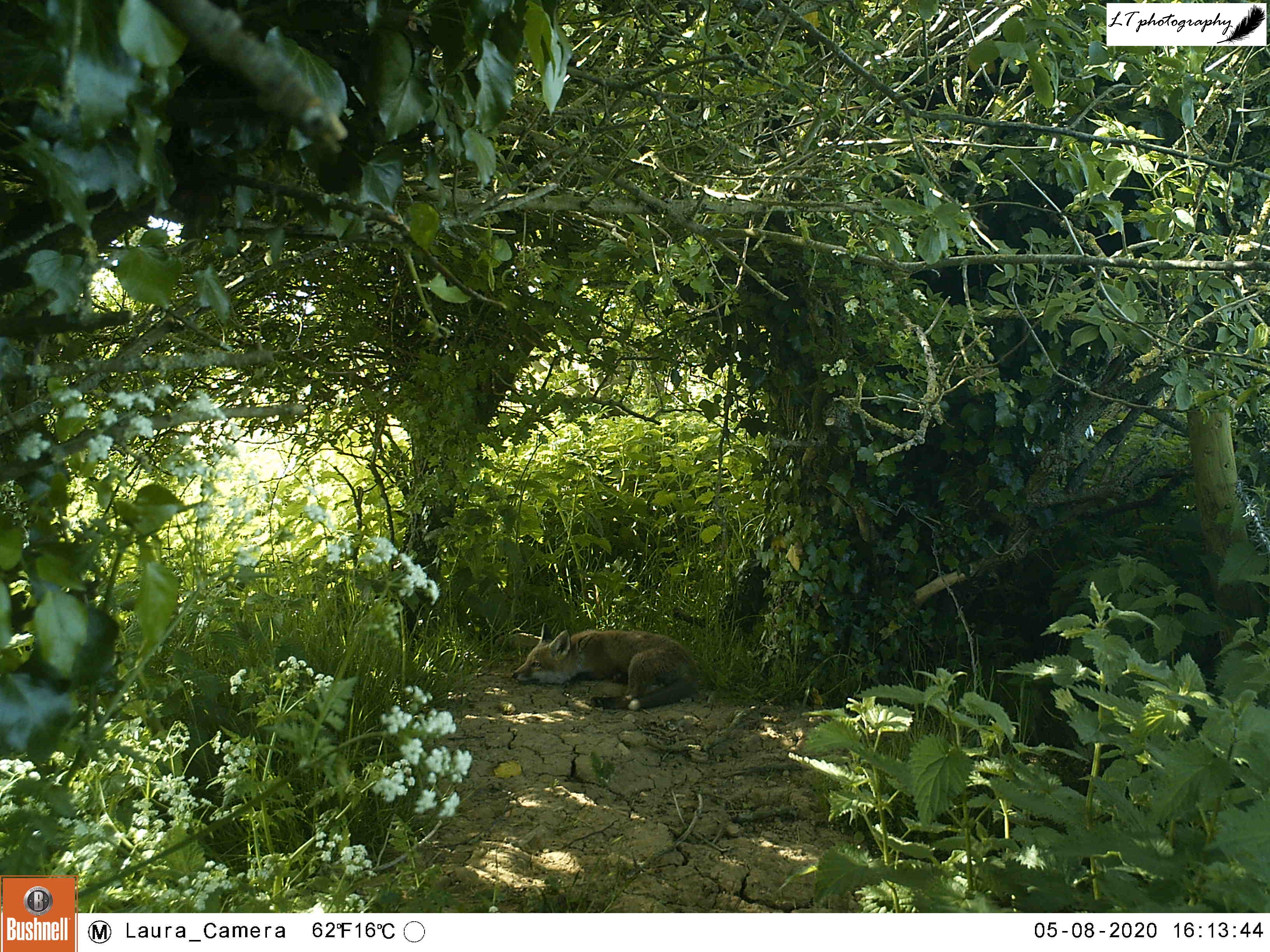
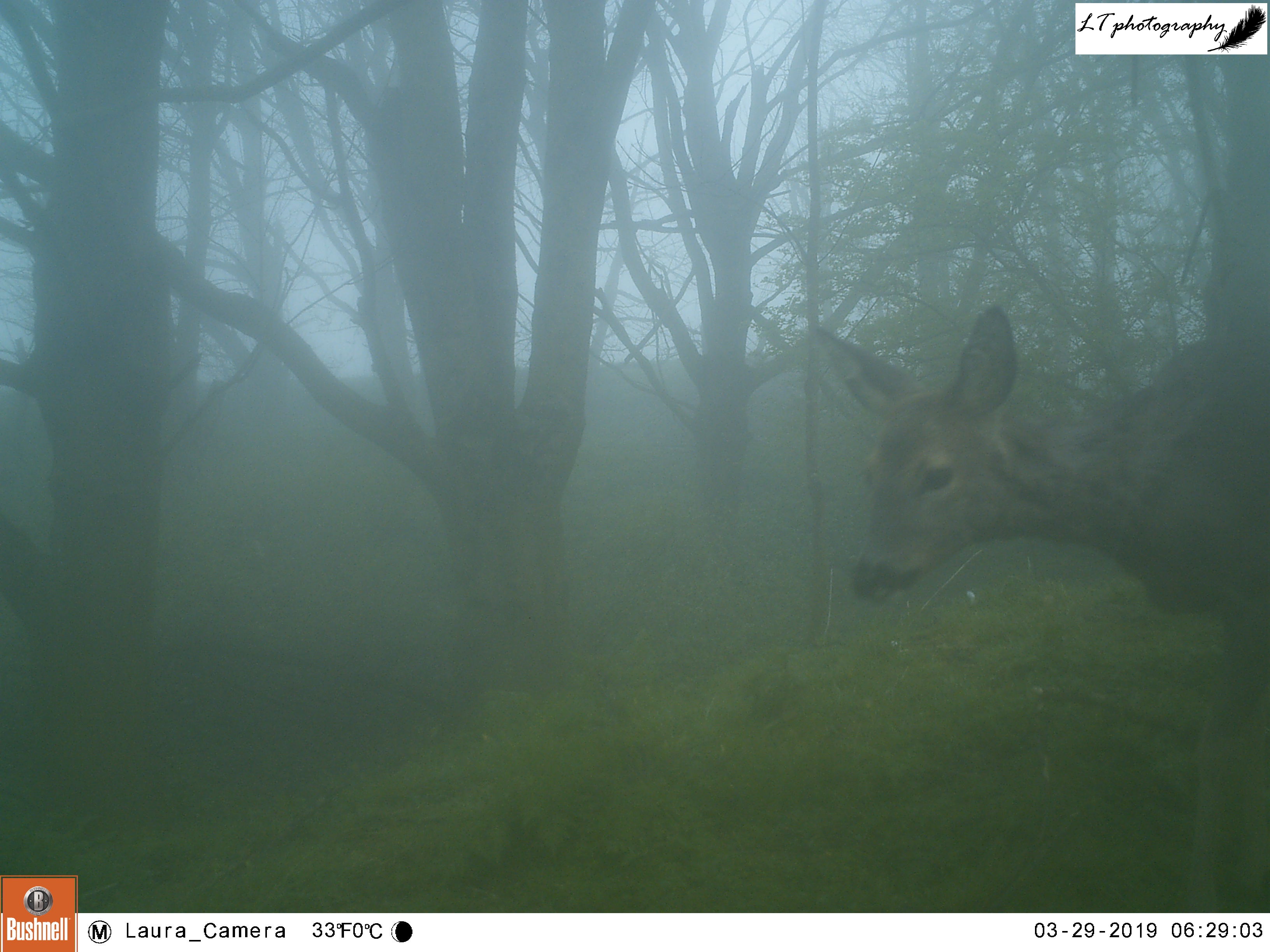
With the highs of camera trapping, there are always bound to be some lows. With many successful days camera trapping this year, my low came in the form of one project not quite going to plan! After sightings of a new fox den at the border of a hay meadow, I set out to try and get photos of this family. Over the course of two weeks I threw all my ideas and efforts at achieving my goal, but over and over again the cubs alluded me. Instead my camera seemed to spend more time capturing the local Roe deer population in this particular location! Here though are some of the glimpses I did catch of this elusive family:
The Best Bit!

There is always going to be one highlight that stands out from a season camera trapping. For me this year my best bit came in the form of a surprise. Whilst having my camera trap out on an active Badger sett for a week in May and then in June, my camera, amongst many photos of Badgers and their cubs, caught some unexpected shots of a lone Fox cub. In my photos, most days the cub would spend its time sleeping and playing alone in the central area of a hedge above a Badger sett. Sometimes it also made an entrance at night, but it was always seen alone. It was an interesting insight into this cub’s more unusual world.
As the natural world now begins to descend into a deep slumber, get out there now and explore, allowing your surroundings to give you strength, whilst leaving nothing but footprints.