Beautiful Barn Owls Breeding In 2021

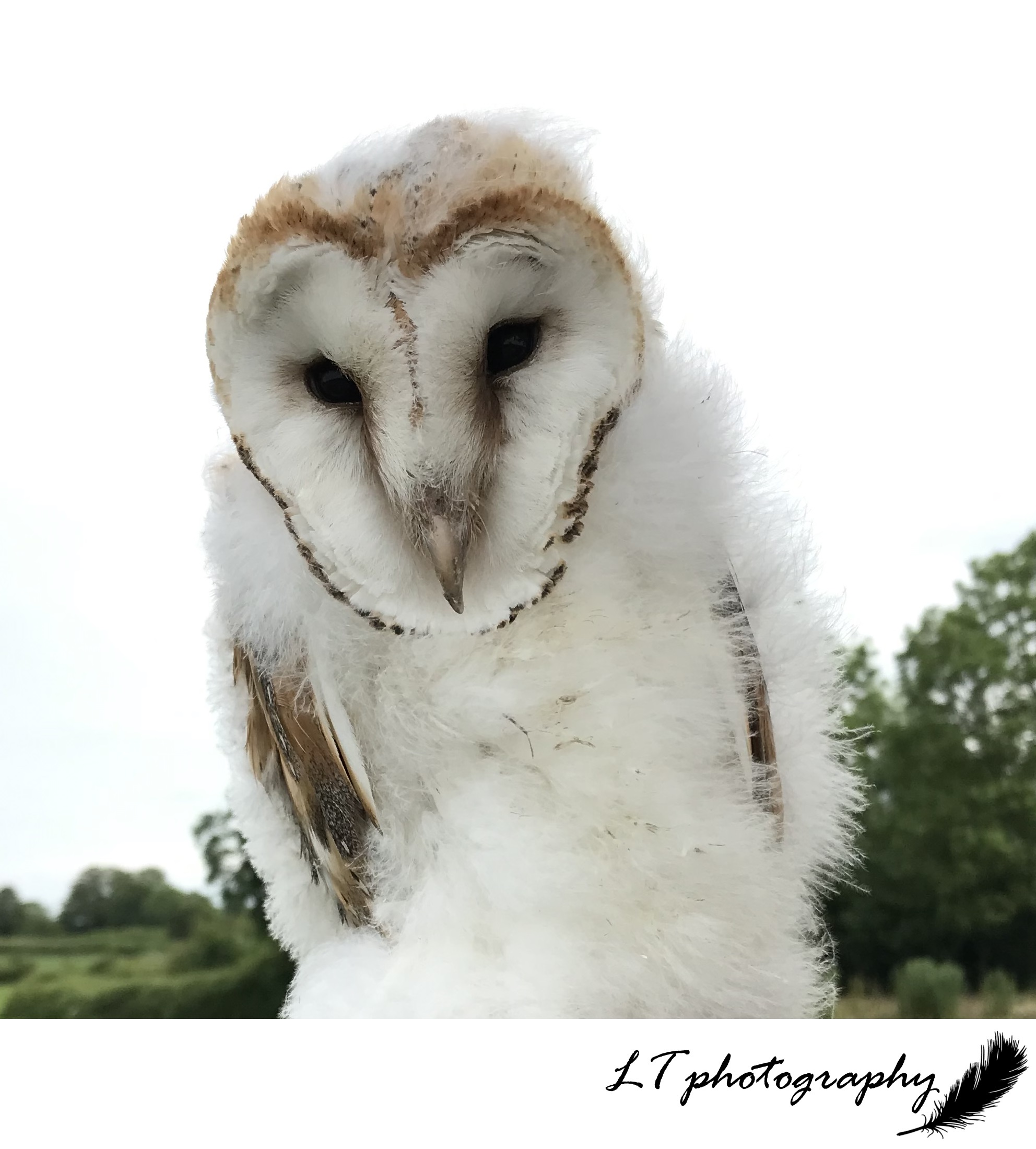
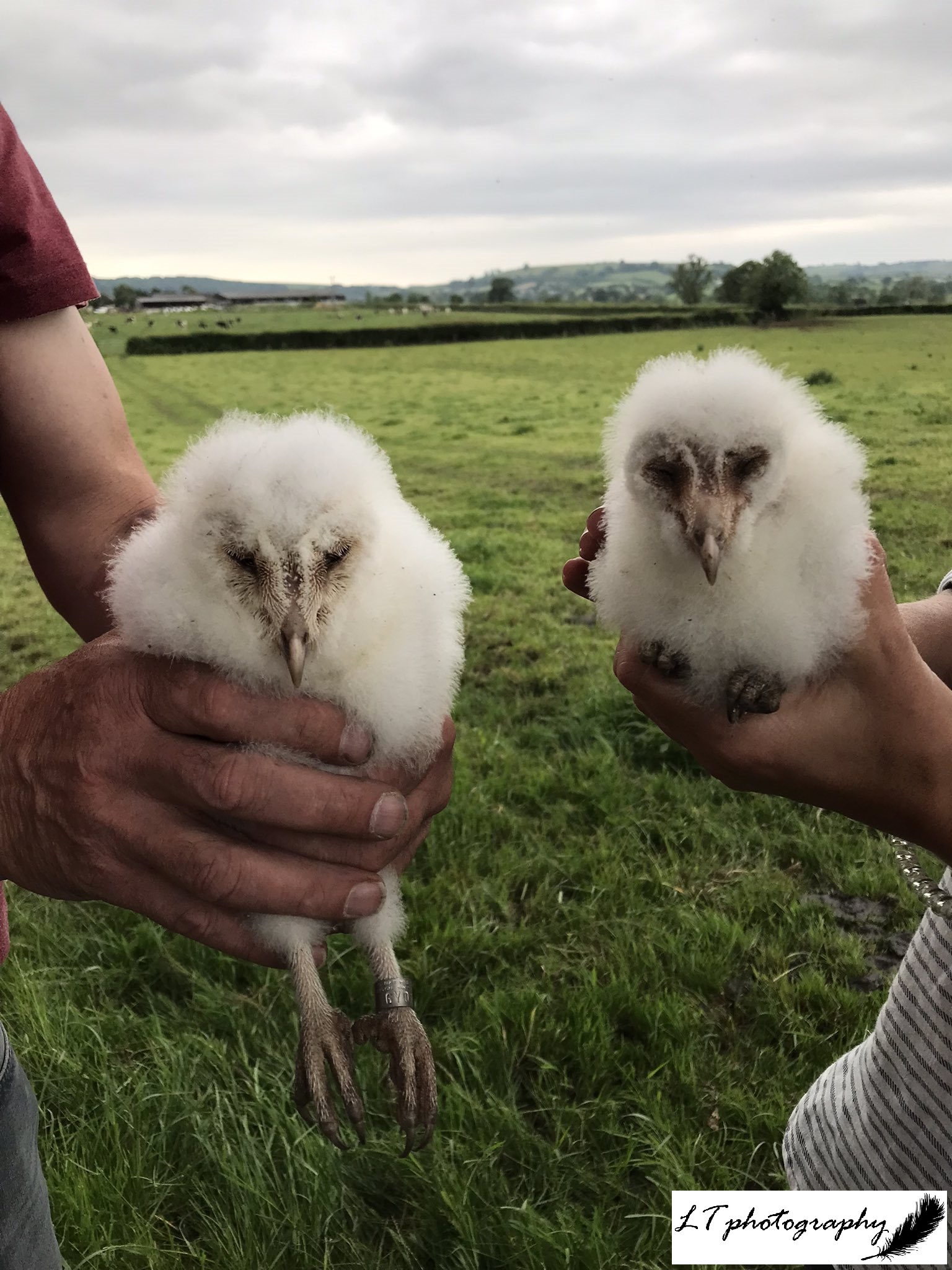
Heart racing with excitement as I take that first step on to the ladder. One step, two step, and the next and the next, until I reach the box high in the rafters of the empty barn. Tap, tap on the side of the box to double check that the adult has left, before reaching quietly for the latch. As I carefully open the little door to the box, I then get my first peak of what may lay inside. There, at the back of the box, balls of downy feathers topped each with a pair of inquisitive eyes outlined by a heart of new feathers. Hope, elation, and pure joy – Original Piece

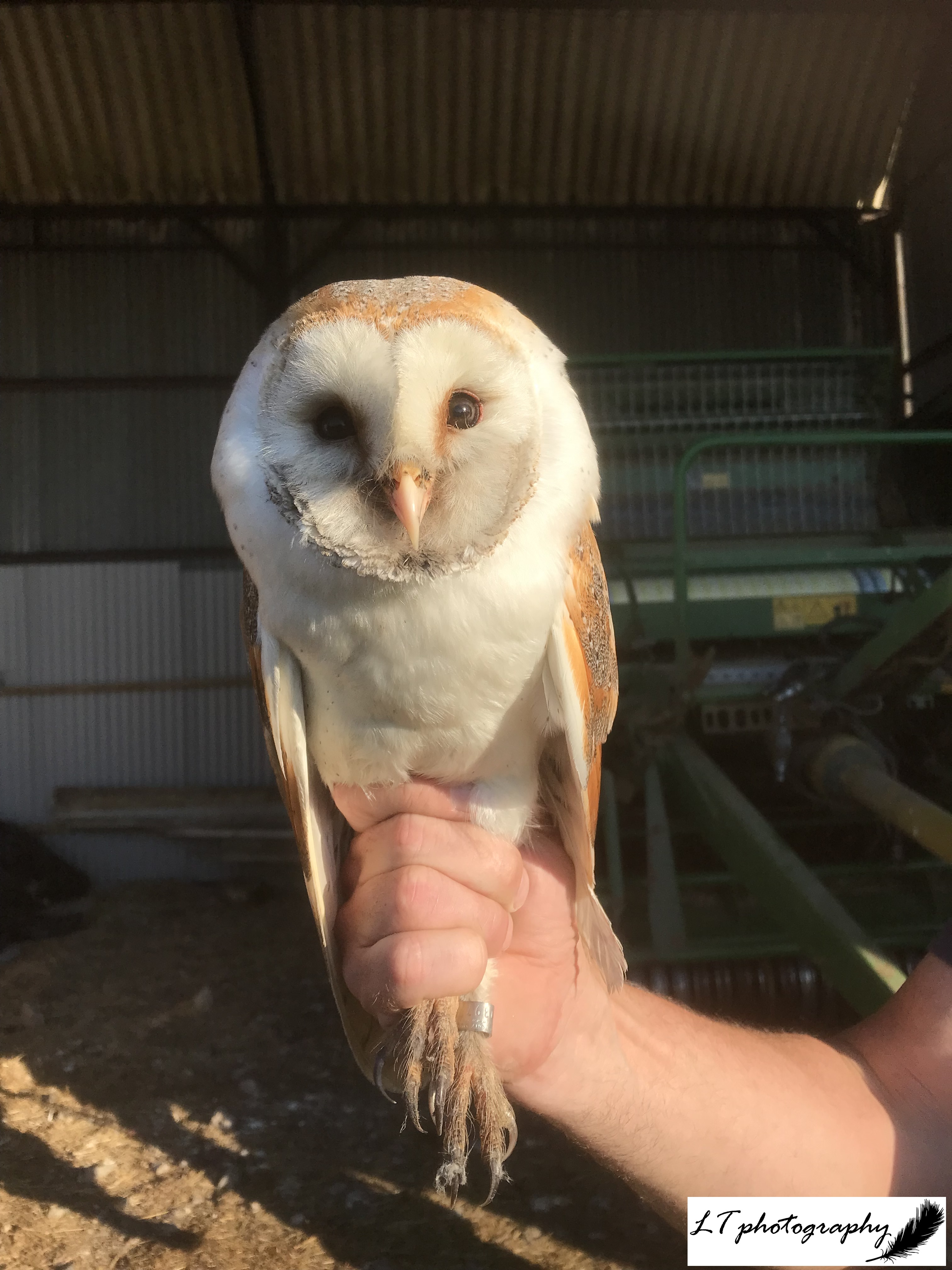
Iconic, distinct, and delightful, Barn Owls are a much-loved species of the British countryside. This protected species is often less commonly seen though, emerging on silent wings to hunt mainly at dawn and dusk. They are a particularly special species for my family, being an important indicator of the health of British farmland, such as our own, whilst also being a charismatic species to live alongside.

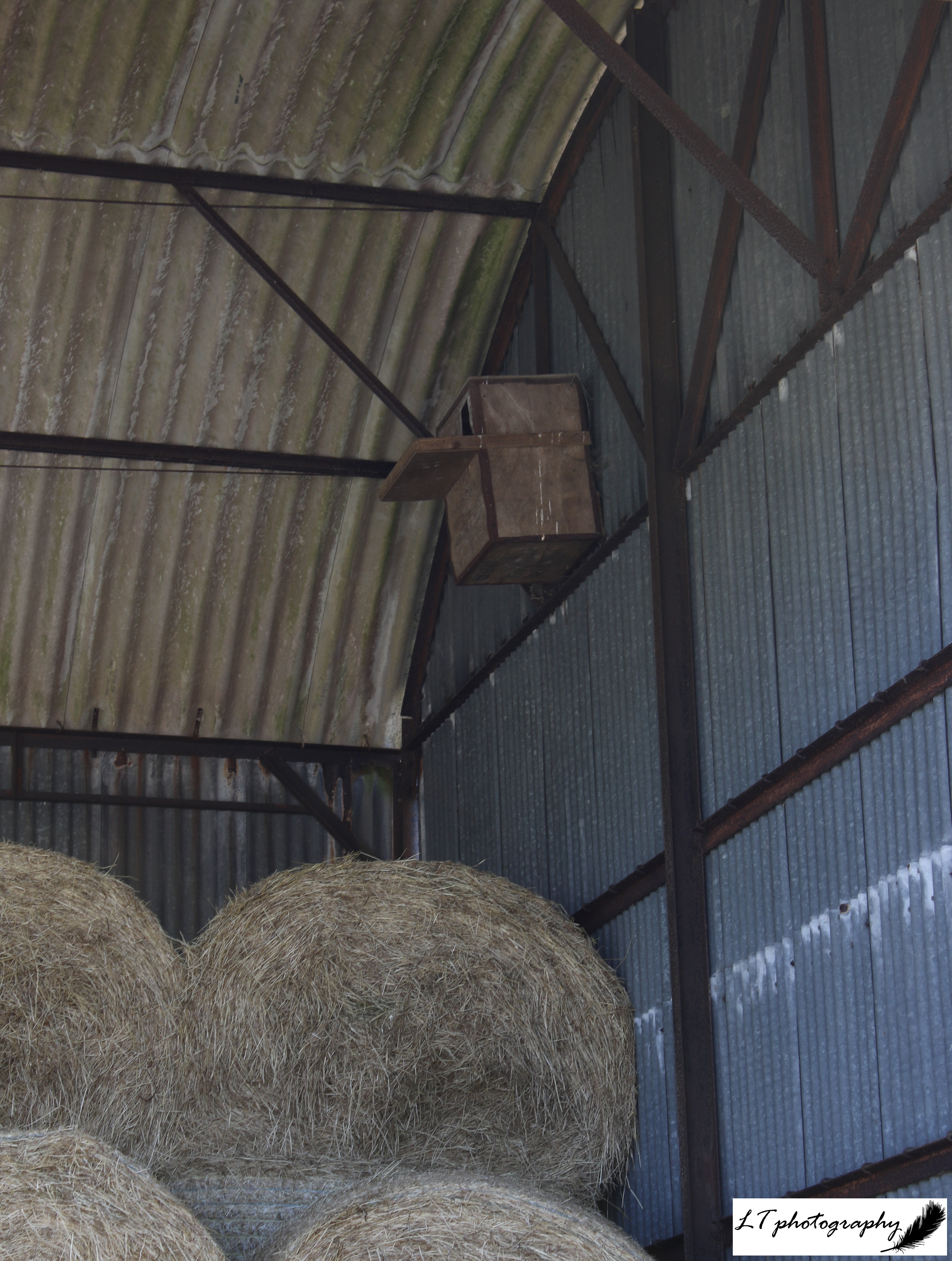
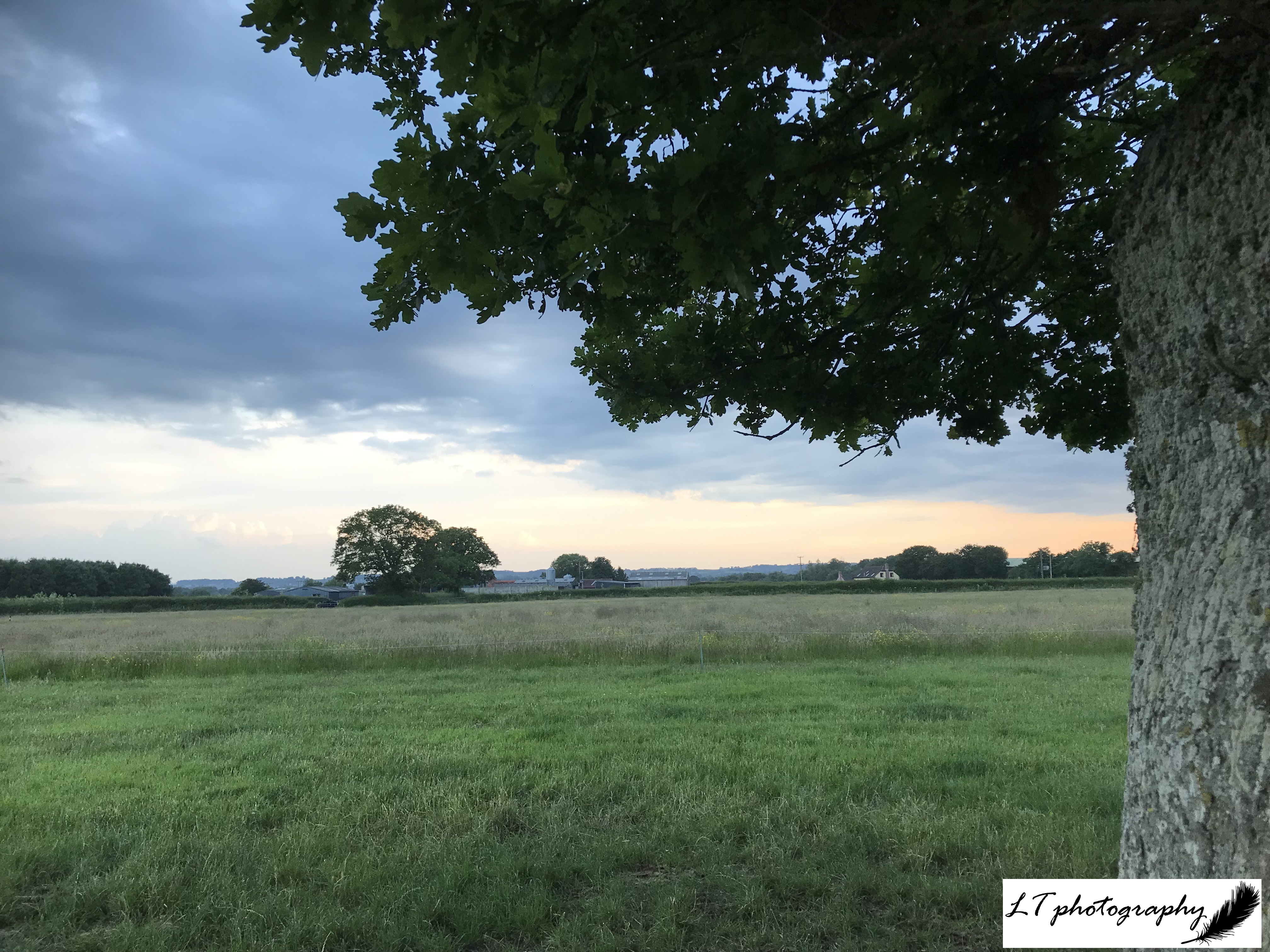
My family’s relationship with Barn Owls began in 2015, with the putting up of a nest box in one of our farm barns. Though Barn Owls have always been in our area, previously in very low numbers, our nest box finally allowed us to draw a pair of Barn Owls right into the heart of our farmland. This box has led to 7 years, so far, of regular Barn Owl sightings, the annual ringing of chicks, and a growing Barn Owl population. To find out more about the last 7 years, check out my previous Barn Owl blog posts.

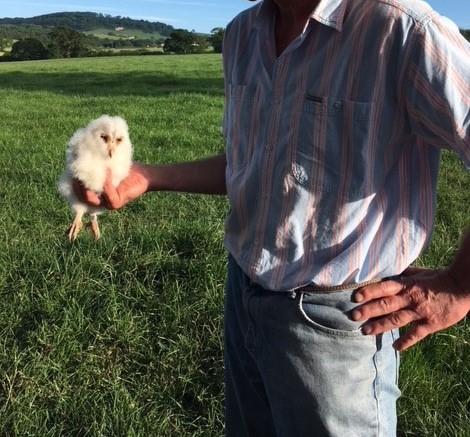
The year of 2020 was a tough one for humans, but a more productive one for Barn Owls. Though we did not end up discovering any wild nesting pairs on the farm that year, we once again had Barn Owls in our barn nest box. The pair hatched 4 chicks from 4 eggs, and raised 2 successfully to fledging in August. This was a special moment as these were the very first Barn Owl chicks that I got to ring myself. Following this success, we had a super winter of seeing Barn Owls hunting every day the weather was settled.

For 2021, I had the privilege of getting more involved in Barn Owl nest box checks across Dorset with Conservation Action (CA). This project aims to preserve and conserve nature, to promote wildlife conservation, and to undertake research and monitoring of wildlife populations. As part of CA’s work, the last few years Barn Owl boxes have been checked on Dorset County Council farms (in which my family’s farm originally came under). From being involved in some of these nest box checks and from a few private Barn Owl boxes (not including my family’s own), I got to check 6 boxes and ring 10 chicks. It was a great experience, not to be missed!

My own Barn Owl nest box was first checked last year on the 15th June. On this day we found that the resident pair had hatched 4 chicks from 4 eggs in the box, all 4 being under 7 days old. We were also able to catch and ring the adult female, allowing us to identify her as a first time breeder at 2 years old. We then made sure the Barn Owls were not further disturbed for a month, before excitingly checking the box once again. Unfortunately the 2 smallest chicks and 1 of the larger chicks did not make it, probably due to the weather, leaving 1 strong healthy chick to survive to fledging.

What happened with our Barn Owls fitted in with the trend for 2021. Out of 81 boxes checked, only 21 boxes (26%) were being used by a pair, down from 39% in 2020. This reflects that Barn Owls were having a more difficult year, following a cold, then wet spring. Despite this, on average 2 owlets survived per box, a better statistic, reflecting the similar brood size average for 2020. With such turbulent weather, we were still very happy to have one Barn Owl chick fledge from the box in 2021.

After another winter (2021-2022) seeing Barn Owls hunting most days, we are looking forward to this year’s Barn Owl breeding season. By now we have seen a pair regularly around our nest box and have made a first licensed check of the box. Things are looking positive, so stay tuned to see how breeding goes on my family’s farm this year. Each year habitat changes and improves on our land, so we will also be interested to see how a new year and hopefully more stable weather will affect our Barn Owls. Here’s to a hopefully more successful 2022!

Barn Owls are a protected species, so all nest boxes were checked under full license, with all Barn Owls being ringed under license and special supervision. All birds handed were always put first in all situations, with minimum disturbance being made to the nesting birds and sites. Barn Owls are ringed to allow us to gain greater knowledge of this species to help better conserve this species and their preferred habitats.

How to… Bring Nature Into Your Home This Christmas

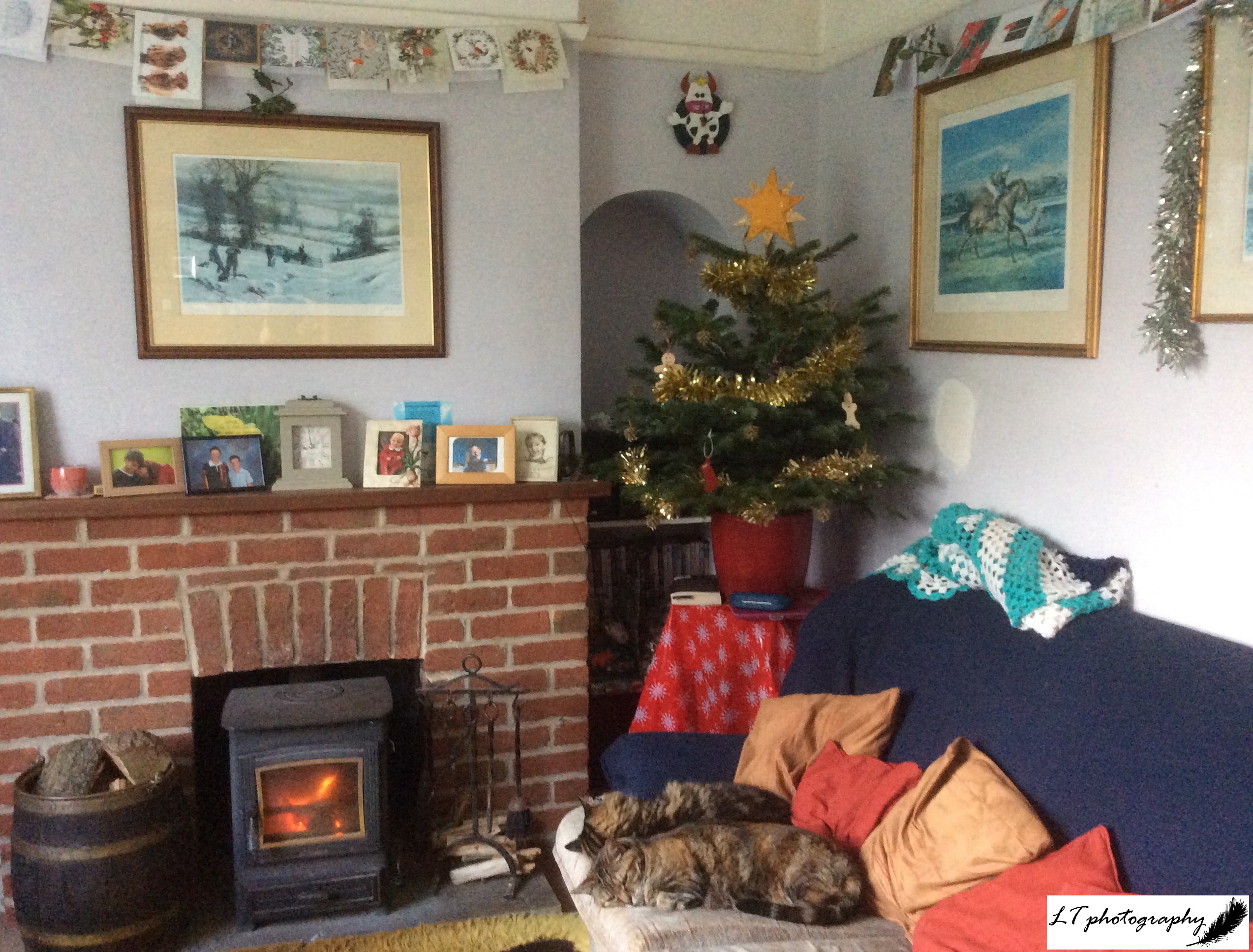
Christmas for me, alongside being all about family, friendship and feeling grateful, is deep rooted in nature. This is not unusual though, as people have been taking direction from nature during mid-winter celebrations for thousands of years. From the Romans decorating their homes with greenery to the Victorian Christmas tree, from pagans to Christians, the inspiration for how Christmas looks today has often come from the world outside our doors. For me, every year during December, I also bring nature into my home in the form of plant life. But why and how?

Plants and Christmas

During the winter and Christmas period, it’s popular for evergreens to be brought into our homes to be used as decorations. This practice has been observed for thousands of years, evolving but often holding the same symbolism and meaning. Evergreens are a traditional symbol of everlasting life due to their longevity, and were worshipped by pagans as symbols of immortality and everlasting light, being used to ward off illness and evil spirits. The bright natural colours of evergreens have also long provided inspiration for many, and still do during the cold, dark days of winter. They are a symbol of celebration and remind us that the days of spring will return in time.

Some Christmas examples include:

Mistletoe – A long history in Britain from being sacred to the druids and warding off evil spirits during the Middle Ages to symbolising healing, shelter and fertility. It was once banned from Christian churches due to its pagan links. The Victorians gave the plant its modern tradition of being hung in a doorway to kiss under, though the exact reason why we do this is still unknown.

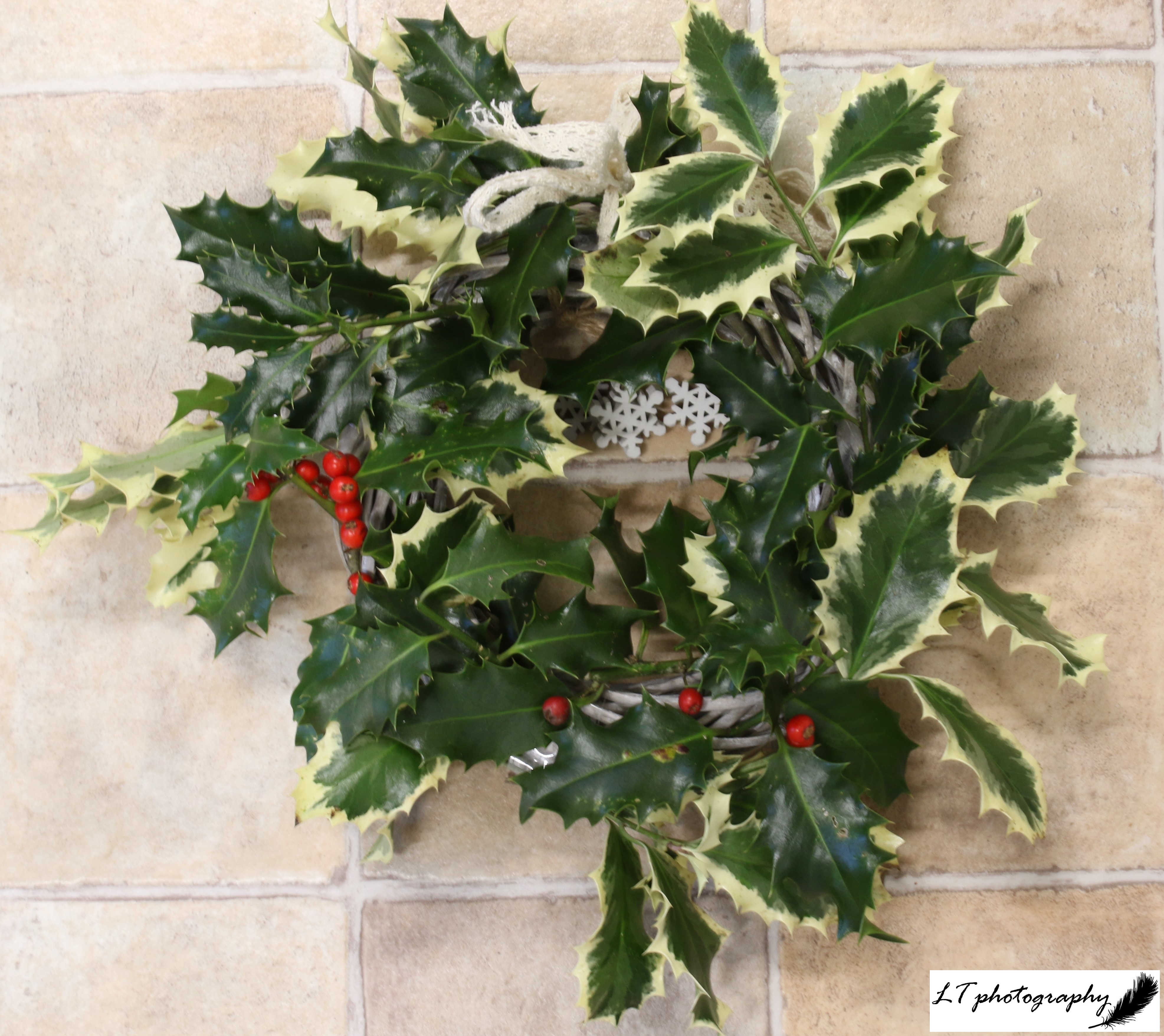
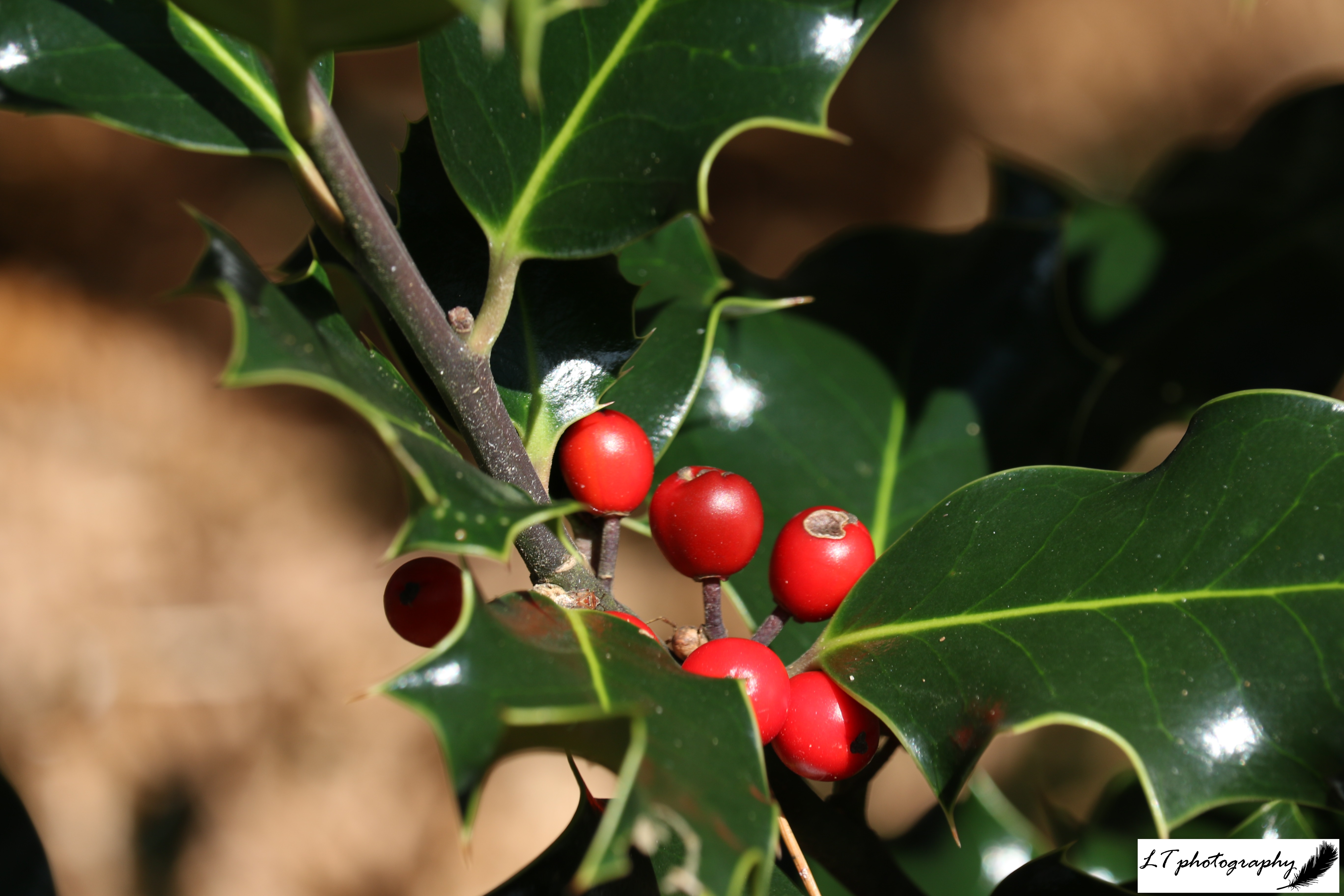
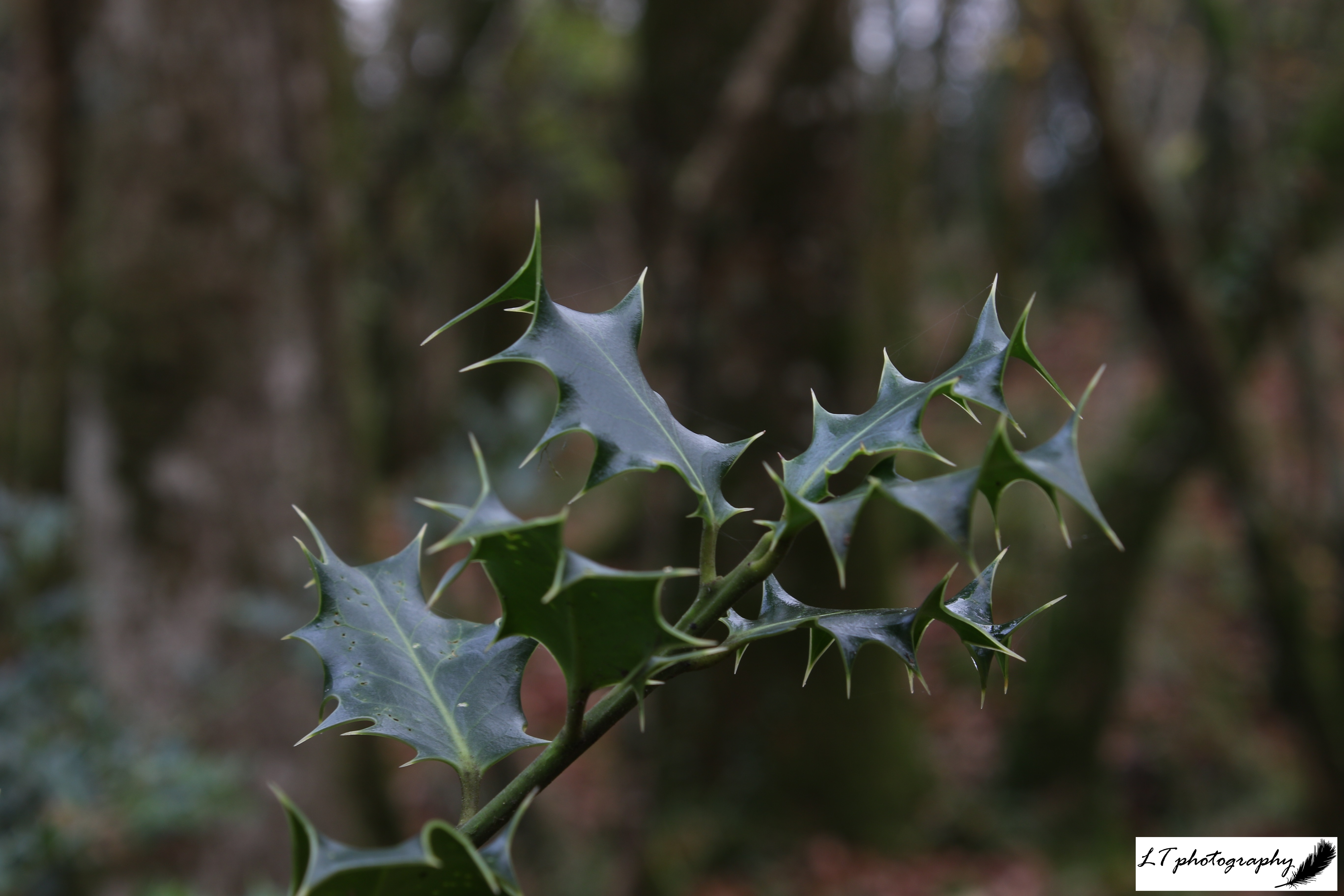
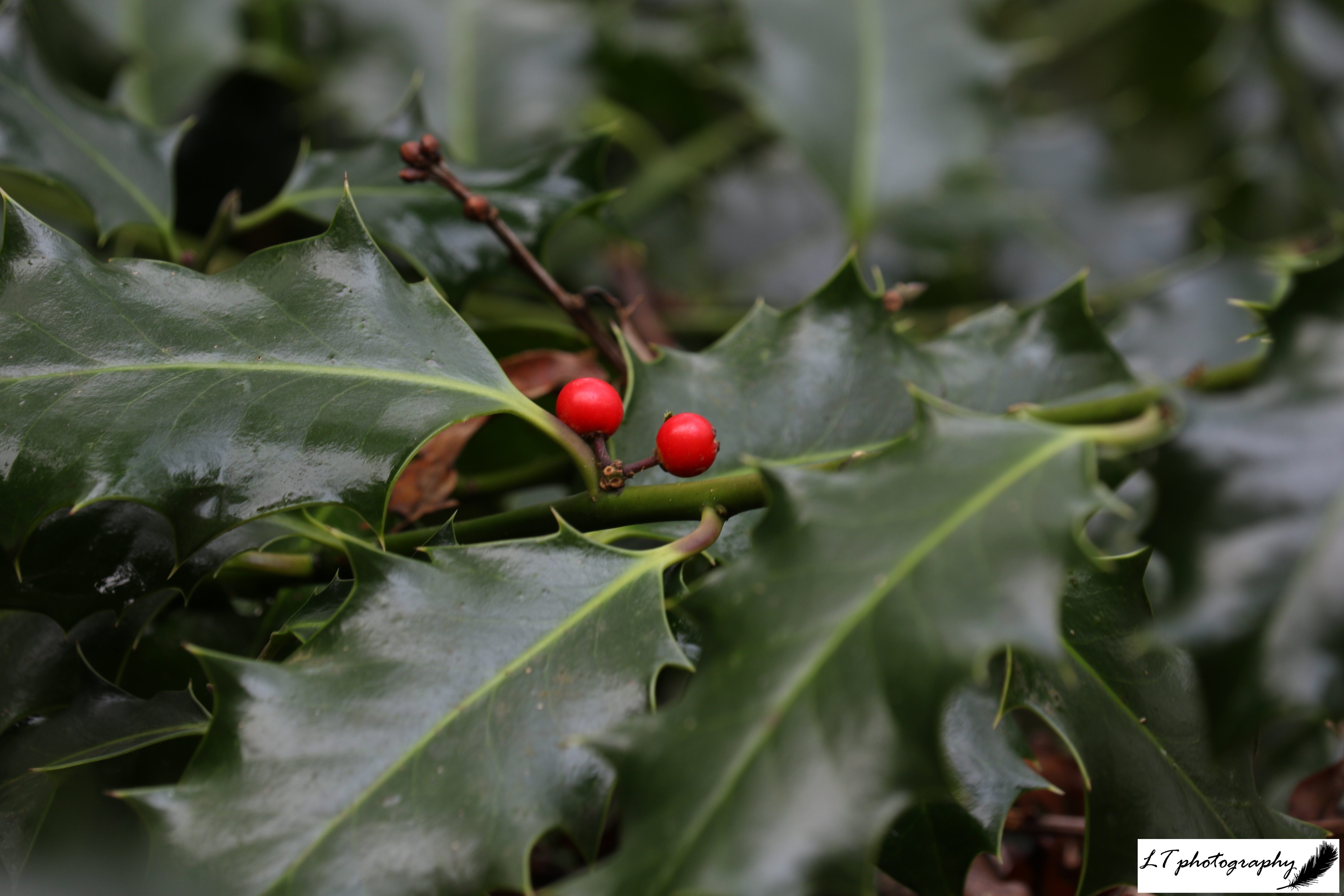
Holly – Long associated with fertility, protection and eternal life in Britain, due to being able to withstand harsh conditions. It was originally brought into people’s homes to ward off witches and malevolent spirits during the dark months, before being adopted by the Church to symbolise Jesus’ sacrifice (prickles= thorns and berries= spilt blood).

Poinsettas – Native to Mexico and brought over from America, the flowers have become a meaningful symbol of Christmas. Their star shape is thought to symbolise the Star of Bethlehem, and the colours either purity or the spilt blood of Christ. For some, Poinsettas also symbolise new life.

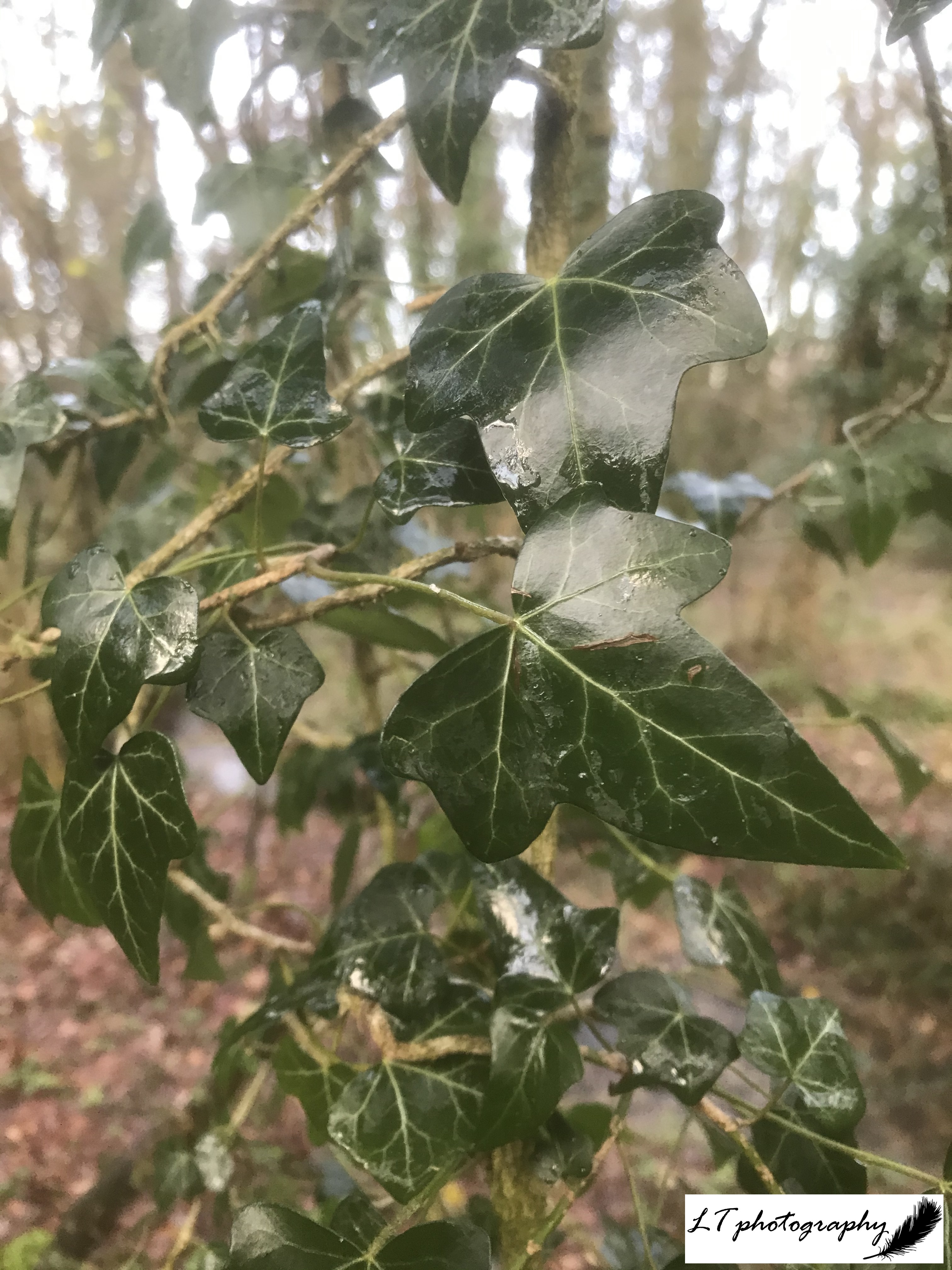
Ivy – Symbolises everlasting life, resurrection, rebirth, and the coming of spring. During Christmas time, Ivy is closely associated with Holly, being once considered a female plant whereas Holly was the matching male plant. It was said that whichever of these two species was brought into the house first during the winter, would predict whether a man or woman would be in charge of the house for the next year. Now popular at Christmas, Ivy was once banished from homes by the Christian church due to its ability to grow in the shade, giving it associations with secrecy and debauchery.

How to make your own Christmas decorations

Bringing nature into your home is a great way to brighten things up and add a bit of colour to your Christmas festivities. Though it is understandable if you feel daunted by the prospect of turning your hand to making your very own decorations for the first time, such as a wreath or centrepiece, it is actually a simple and a great way to create decorations personal to you. Using natural materials can be a fun and easy way to do this, so why not try something new and have a go! For a little inspiration and some tips, here are some of the decorations that I put together for my family home each year, including this year.

Popularly Used Species

  • Holly – With and without berries
  • Ivy
  • Rose hips
  • Teasels – Some sprayed with non-toxic paint

Centrepiece and Mantlepiece Decorations

For my centrepiece and mantelpiece decorations, every year I simply use a couple of small metal buckets with a bit of oasis in them. My squares of oasis are reused again and again each year, so if you are starting out it is better to use a non-toxic, biodegradable alternative that will not harm the environment.

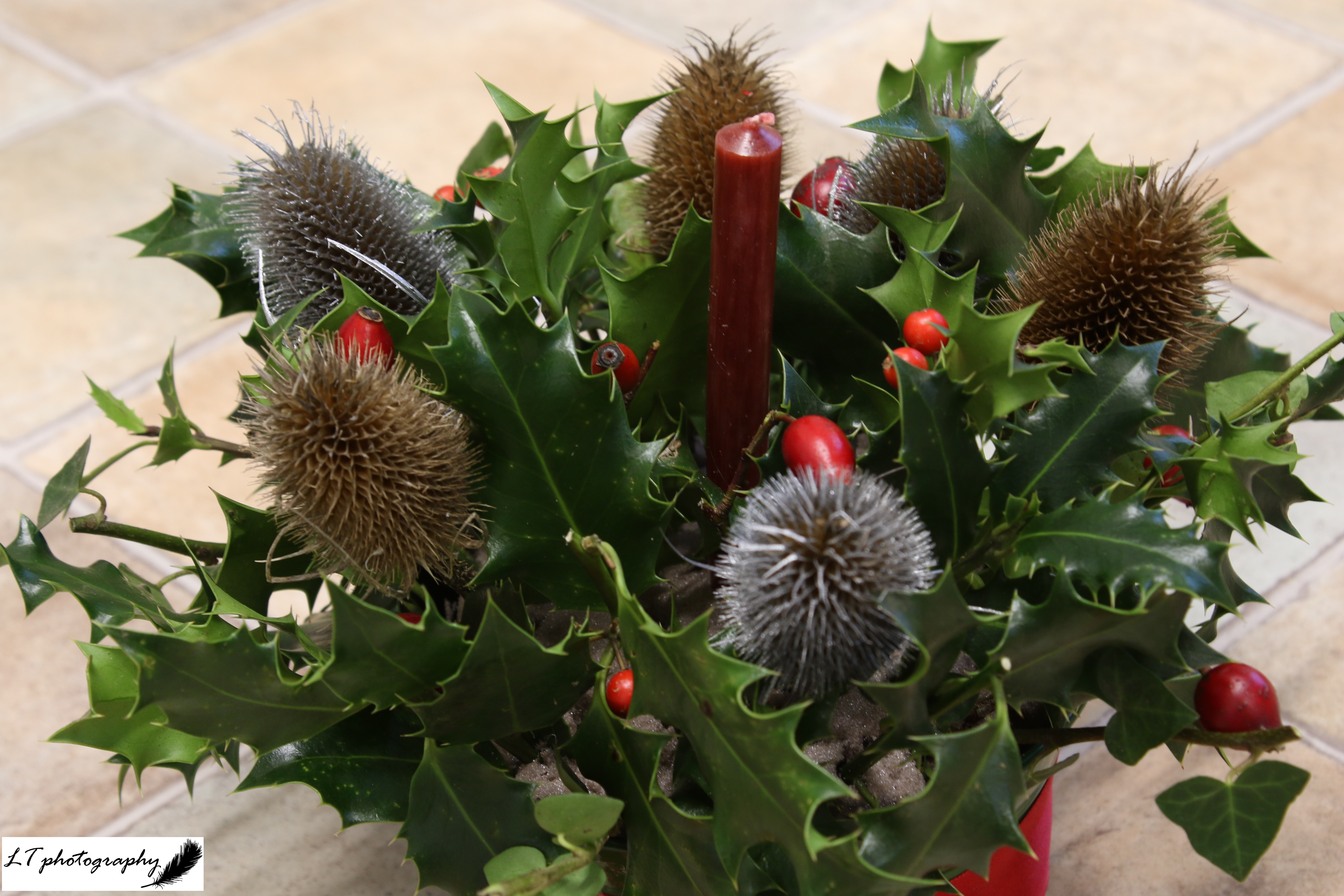
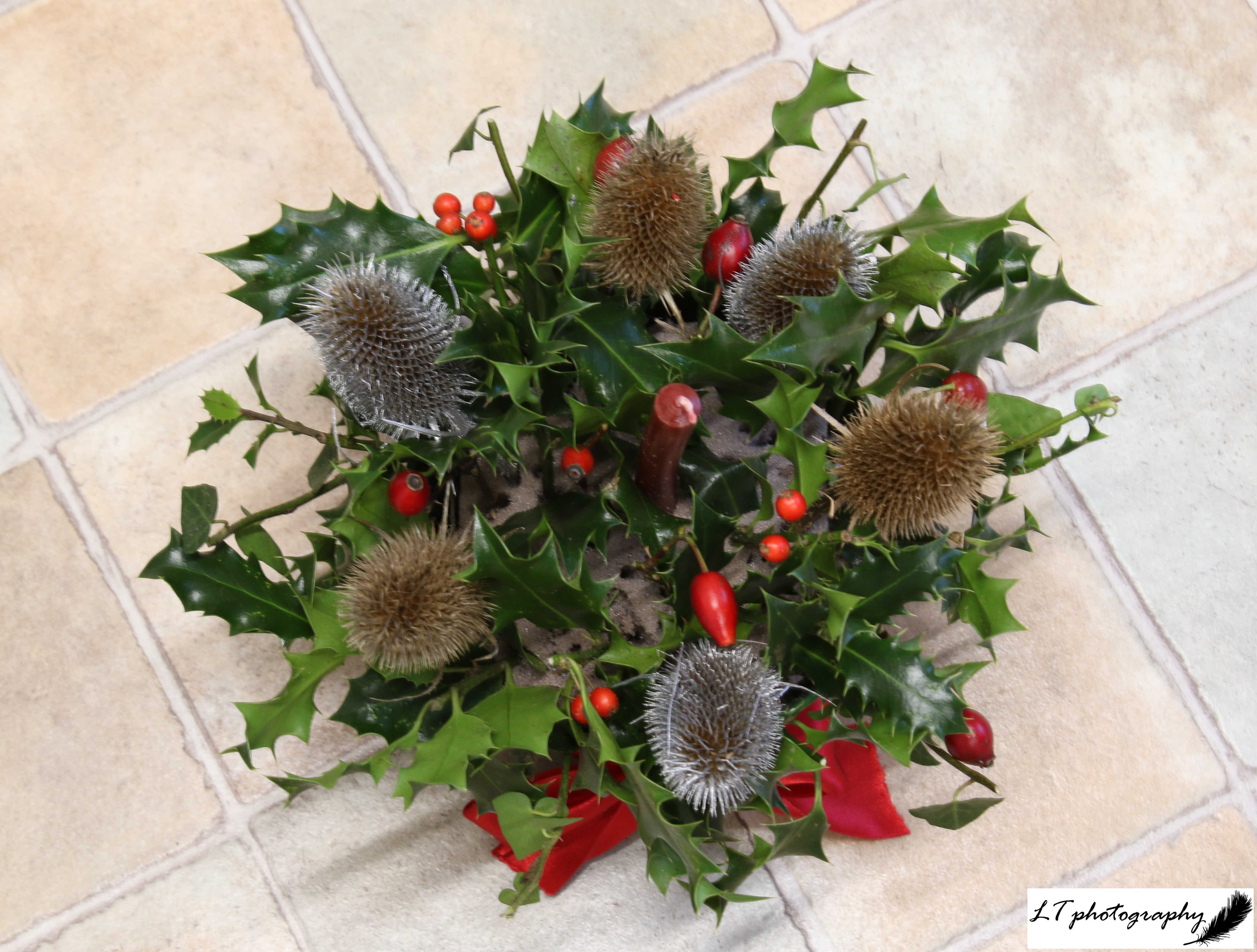
To begin putting together one of my Christmas arrangements, I start with placing a candle at the centre (though it is simply for decoration). I then build up from there, beginning with a few Teasels around or behind the candle, then adding Holly with and without berries, Rose hips, and Ivy. You can arrange the greenery however you want and add what you like. It is a bit of fun of course!

Basic Wreath

A wreath’s circular shape has long been seen as a symbol of eternal love and rebirth. They can first be traced back to early Roman times, where wreaths were made and given during the festival of Saturnalia each year (check out my blog post: The Twists of Christmas Traditions for more information).

To begin my wreath, I use a basic wooden wreath as my base and work from there. I usually start by wrapping Holly around the base and adding extra Holly with and without berries. This year I was happy with just Holly, but other years I have added Ivy and other greenery, and decorations such as ribbon. Less is more though, and watch out for the Holly’s spiky prickles!

Vase Arrangements

To finish my Christmas decorations, I like to use whatever greenery I have left to create some simple vase arrangements in fun vases. Teasels and Ivy are a great mix for this, adding a little colour and decoration to any room.

Warning

When collecting your greenery, pick only what you need, especially when picking plants with berries, such as Holly. These berries are a source of food for animals during the winter, so it is important that we leave some for them too.

Stay safe and Merry Christmas!
How to…Use and Make the Most of a Camera Trap

There is nothing like the exhilaration of camera trapping. Setting up the camera trap/trail camera in a golden location, waiting with anticipation for the camera check day, and riding a rollercoaster when capturing something totally unexpected. Camera trapping is one highly addictive activity!

M2E31L53-53R392B293

So why is camera trapping so popular? Well, camera traps allow us to non-invasively open up a normally unseen world. This is a thrilling thing to be able to do, giving us the addictive ability to observe wildlife up close and personal without disturbance. In this way, camera traps can be used as an important tool to identify the presence or absence of species, monitor animal populations and record interesting behaviour.

M2E1L0-13R350B300

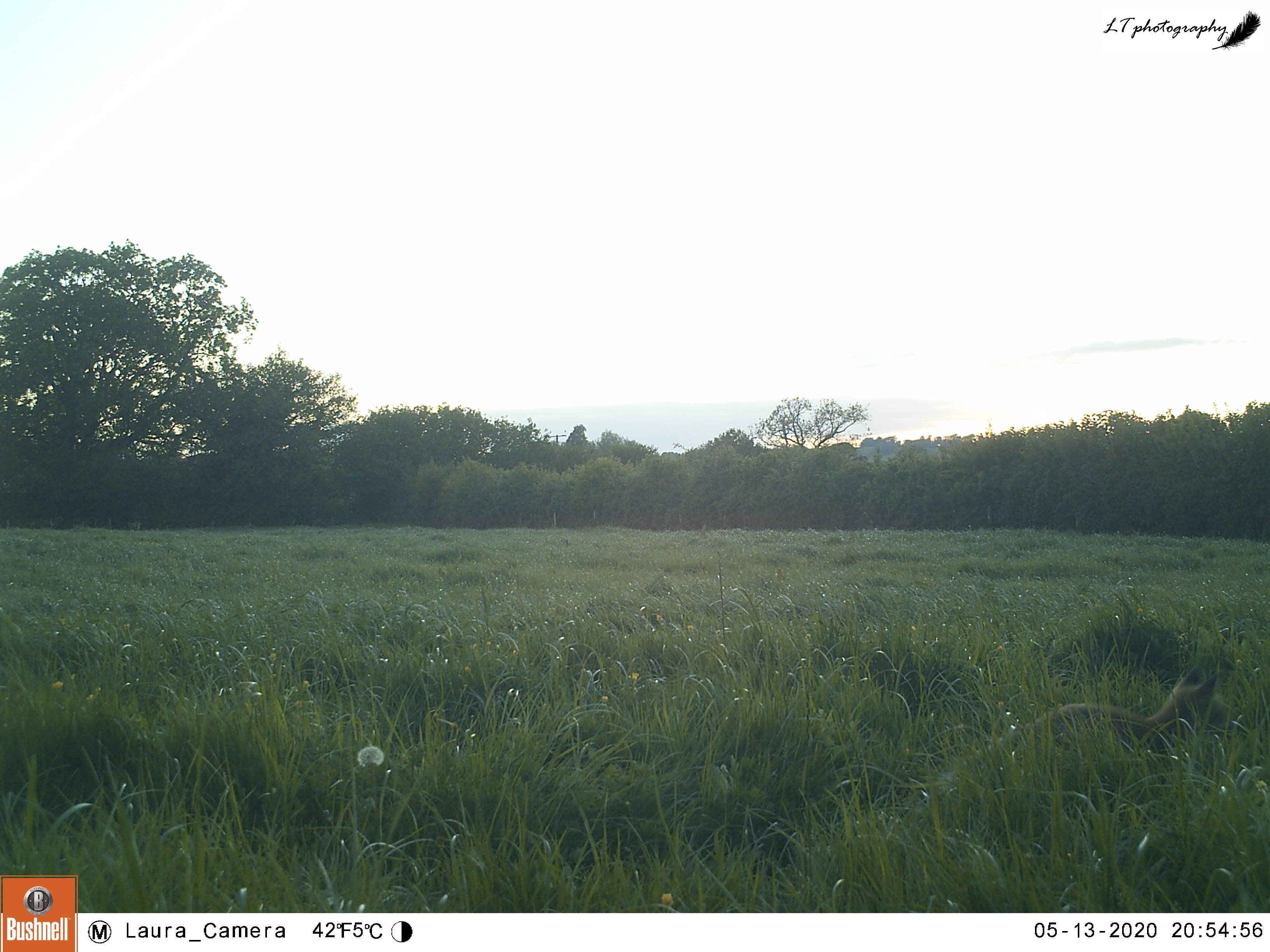
At home on my family’s farm, I use my camera trap to carry out surveys across our land, to find out what wildlife is present, how abundant these species are, and to experience new life in spring in all its glory. However you choose to use your camera trap, I can only say for you to have lots of fun and adventures whilst doing it!

M2E45L145-145R394B315

Buying a camera trap

So where do you start if you do not already own a camera trap? Well all off-the-shelf camera traps have similar components and operate on the same principles: a digital camera connected to an infrared sensor that “sees” warm moving objects. Camera traps typically range from £30 to £1000, meaning there is a lot of choice out there. To find the camera trap that is right for you though, you should consider these key questions:

  • How much are you willing to spend?
  • What are you going to be wanting to use it for?
  • Where are you going to be using it?
  • Do you want to use it during the daytime, night-time (black and white or colour) or both?
  • Do you want to take photos, videos or both?
  • Will you want increased capabilities, such as wireless, geo-tagging or higher detection capabilities?

The camera trap I use is a simple Bushnell model that I bought many years ago now for about £120.

How to use a camera trap to get the best from it

Camera traps have a lot of potential as they can remain operational 24/7 and can be left in the field for long periods of time. To increase your chance of camera trap success though, you need to set it up properly to maximise animal detection. Here are some handy tips to get you started:

  1. Visit your chosen site before setting up your camera trap to make sure it is the best site possible.16_04_20_Farm_Badger_Alley_5
  2. Do not forget to make sure your camera has another battery life and SD card room each time you set it up.
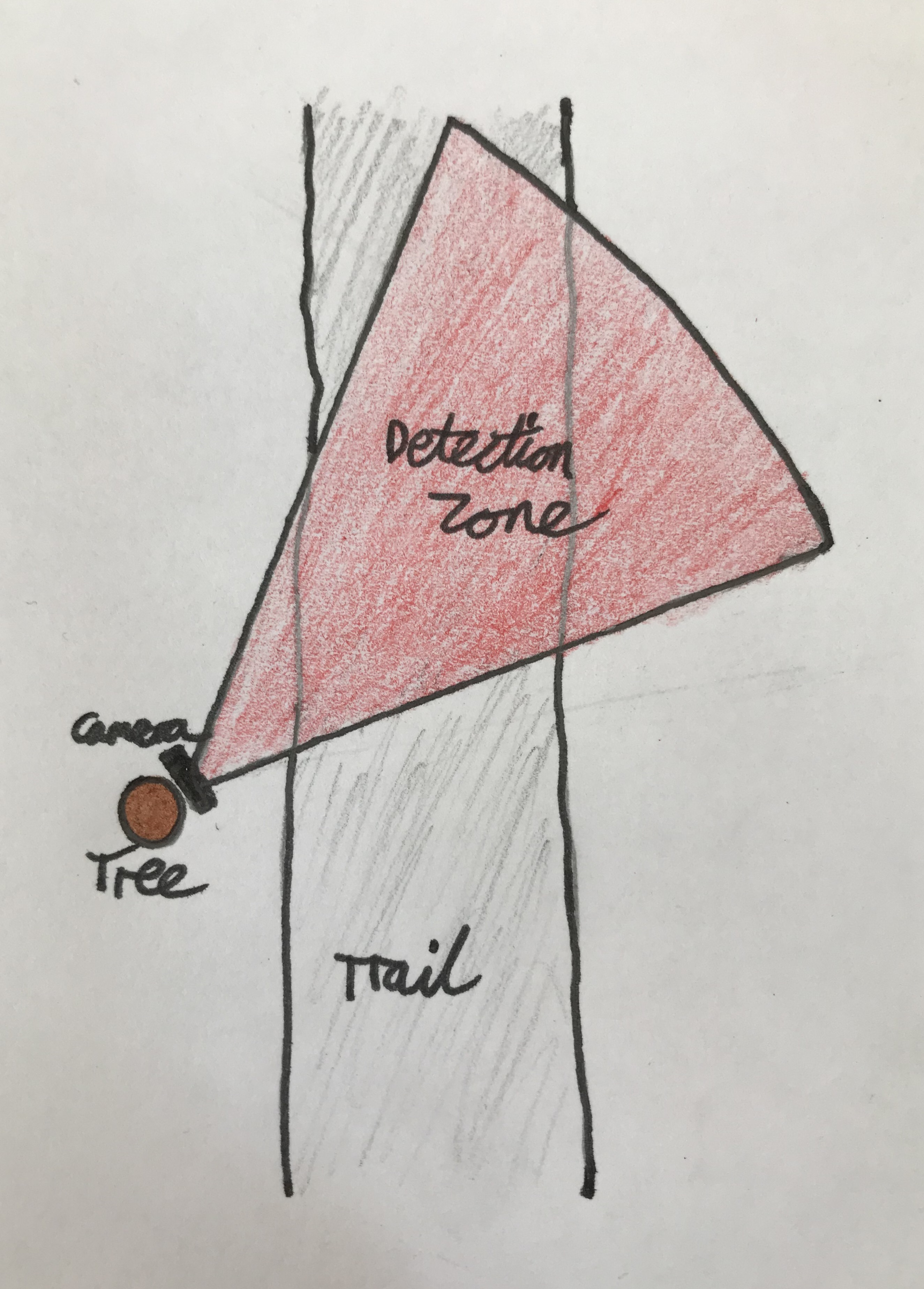
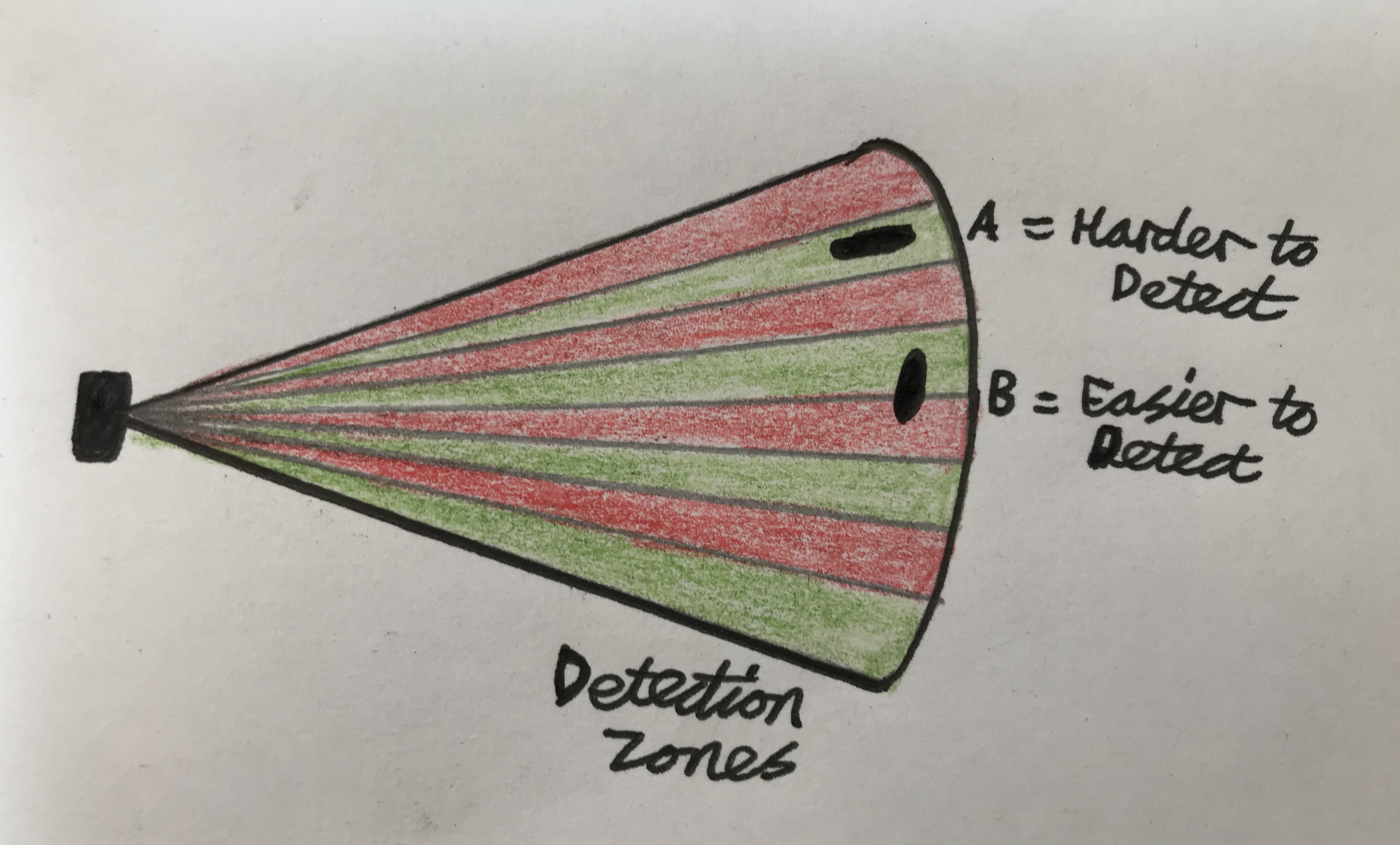
  3. Carefully select where to mount your camera trap, such as a sturdy tree or post, to make sure your camera will be supported and  positioned to take in your chosen field of view.Detection zone
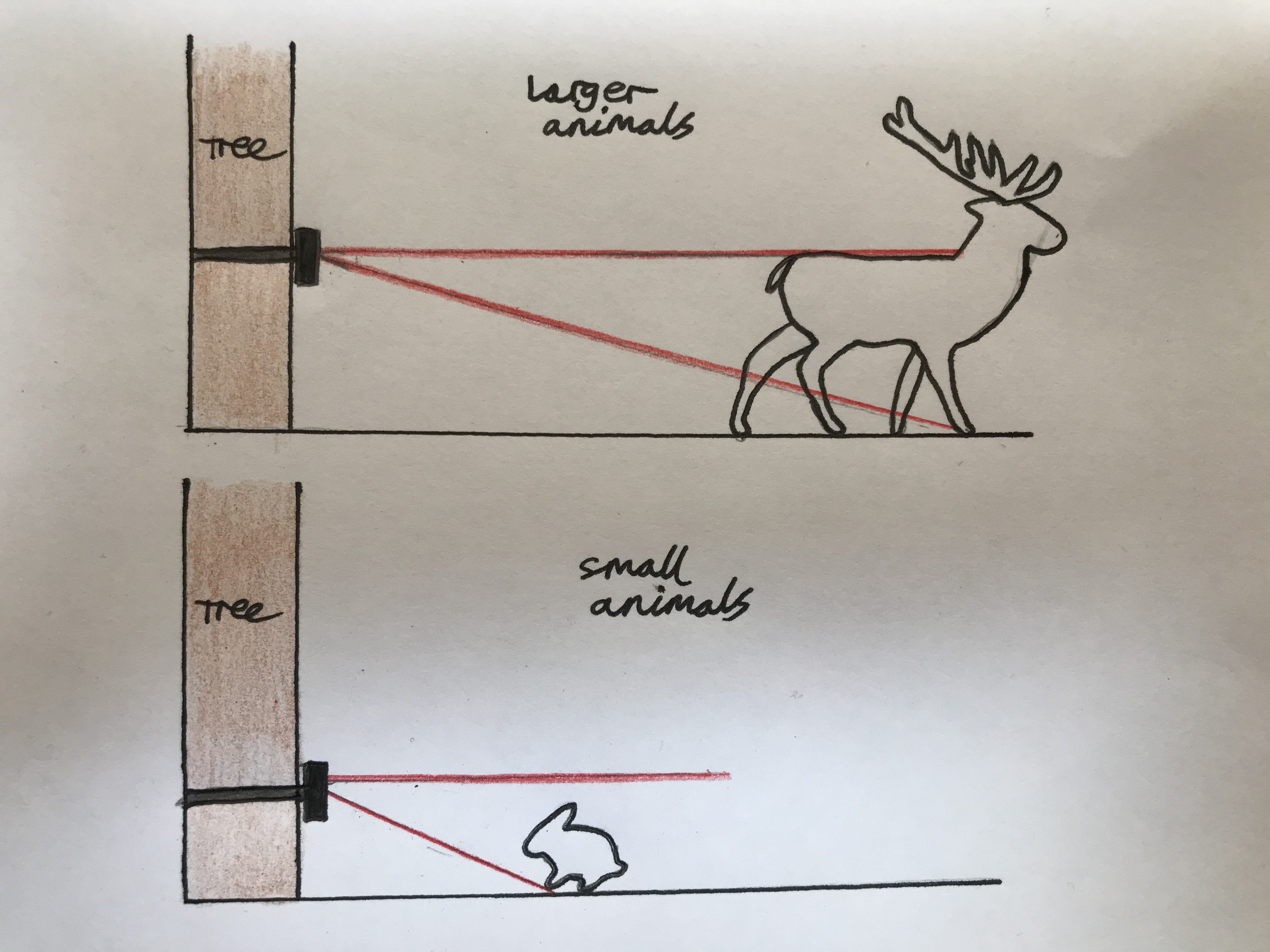
  4. Consider the height of the animal(s) you are trying to capture to increase detection and inclusion in the frame. For the best result, position your camera trap so it sits just below the target’s shoulder height.Camera Height
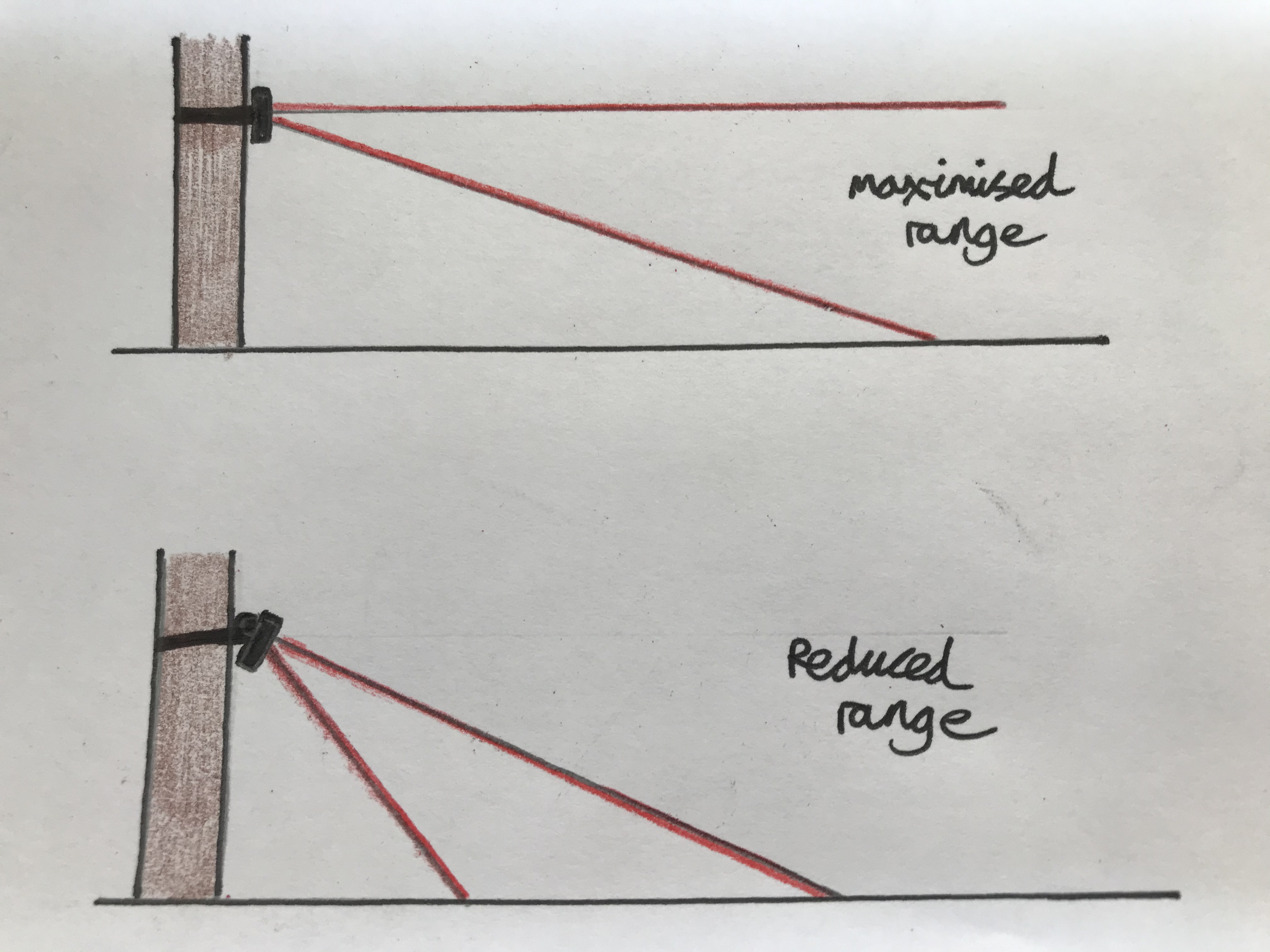
  5. Camera angle is as important as height when positioning the camera trap. For best result and to increase the detection range, you want the camera trap to aim horizontally at the subject. A stick is a great way to get a better angle for your camera. Camera angle
  6. Think about where you want the animal to be positioned in the frame. Larger animals are easier to detect so will be detected at longer ranges compared to smaller ones, and animals walking across the camera trap’s field of view will be more easily detected compared to walking towards it.Animal Position
  7. Try to reduce the number of false triggers by trimming back vegetation that could trigger the camera if moving in the wind. Do not remove enough to disturb your intended subjects though!
  8. And always do your research! The more you know about a site or species, the more likely you will get results.

Inspiration for camera trap sites and uses

Over the few years I have owned my own camera trap, I have used it for a number of different purposes and in a variety of locations. Here are some examples of my own work to help inspire you:

  • Abroad – In 2017, I was lucky enough to spend 2 weeks in Costa Rica on a field course for my Bachelor’s degree, and so I decided to take my camera trap along with me. This allowed me to get some cool sightings of some interesting wildlife

M2E43L24-32R350B300

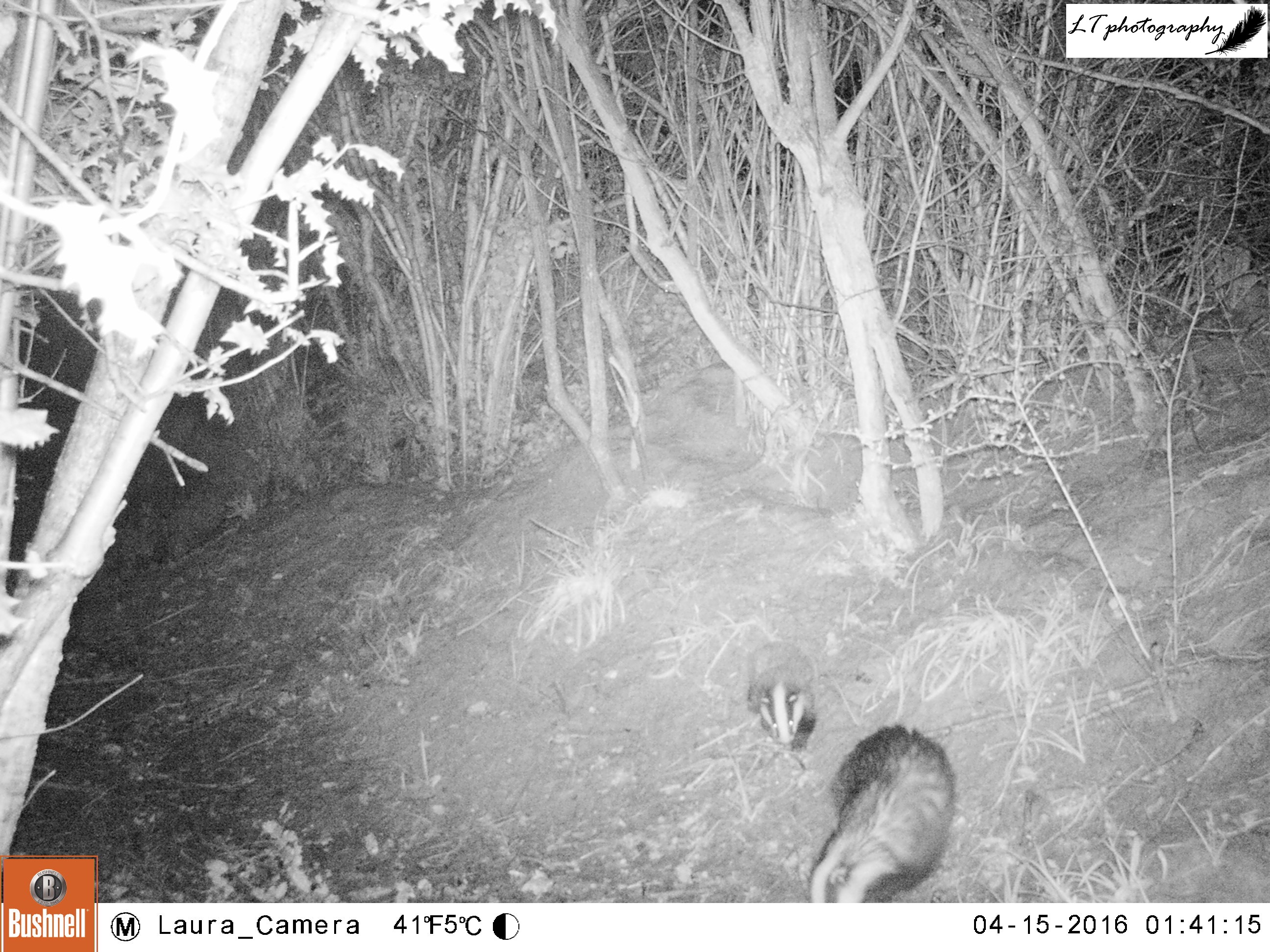
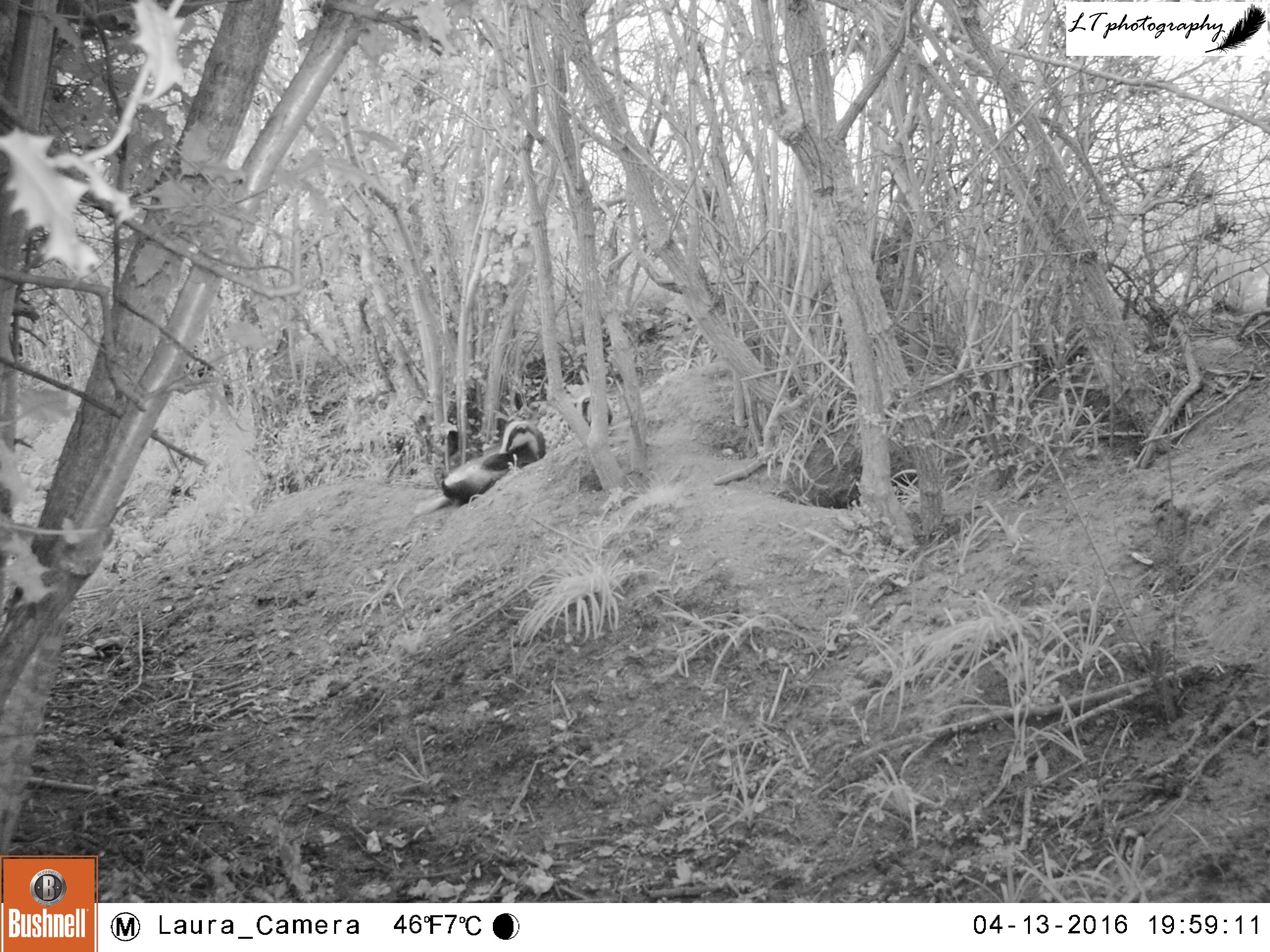
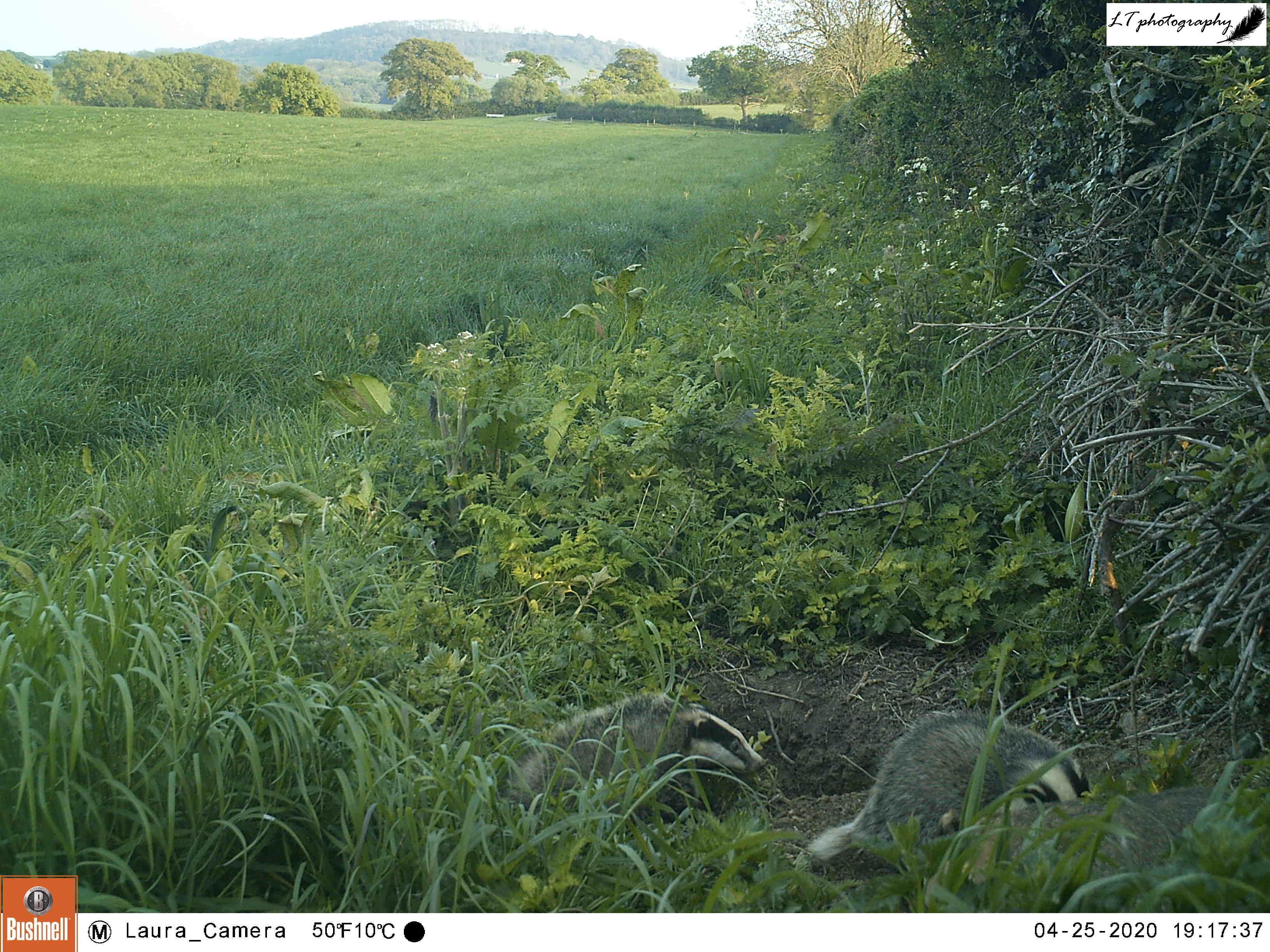
  • Badger setts – A popular choice for a camera trap site is at a badger sett. With 3 established badger setts on my family’s land, I have previously had all sorts of interesting results by observing setts in this way. In particular, it has always been great to see how different species cohabit such locations.

M2E40L17-25R350B300

M2E54L167-167R388B312

M2E54L172-172R388B317

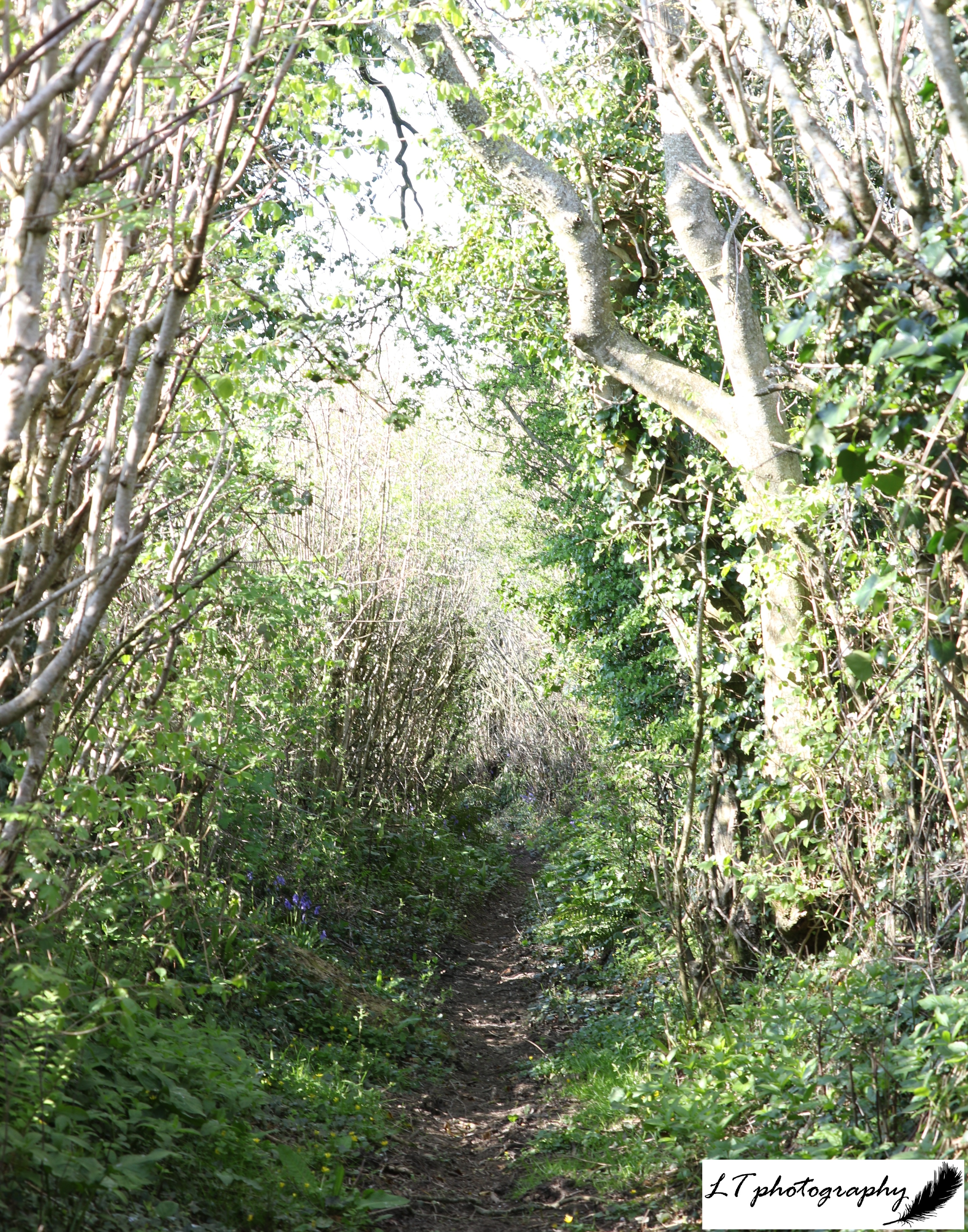
  • Paths – A great place I have found to put my camera trap is on an enclosed footpath on our land. This is because the path, fondly known as Badger Alley, is bordered either side by hedges, is in the vicinity of used and disused badger setts, and is frequently used by wildlife but infrequently by humans. Always be aware of how safe a camera trap may be on footpaths though!

M2E43L126-126R396B311

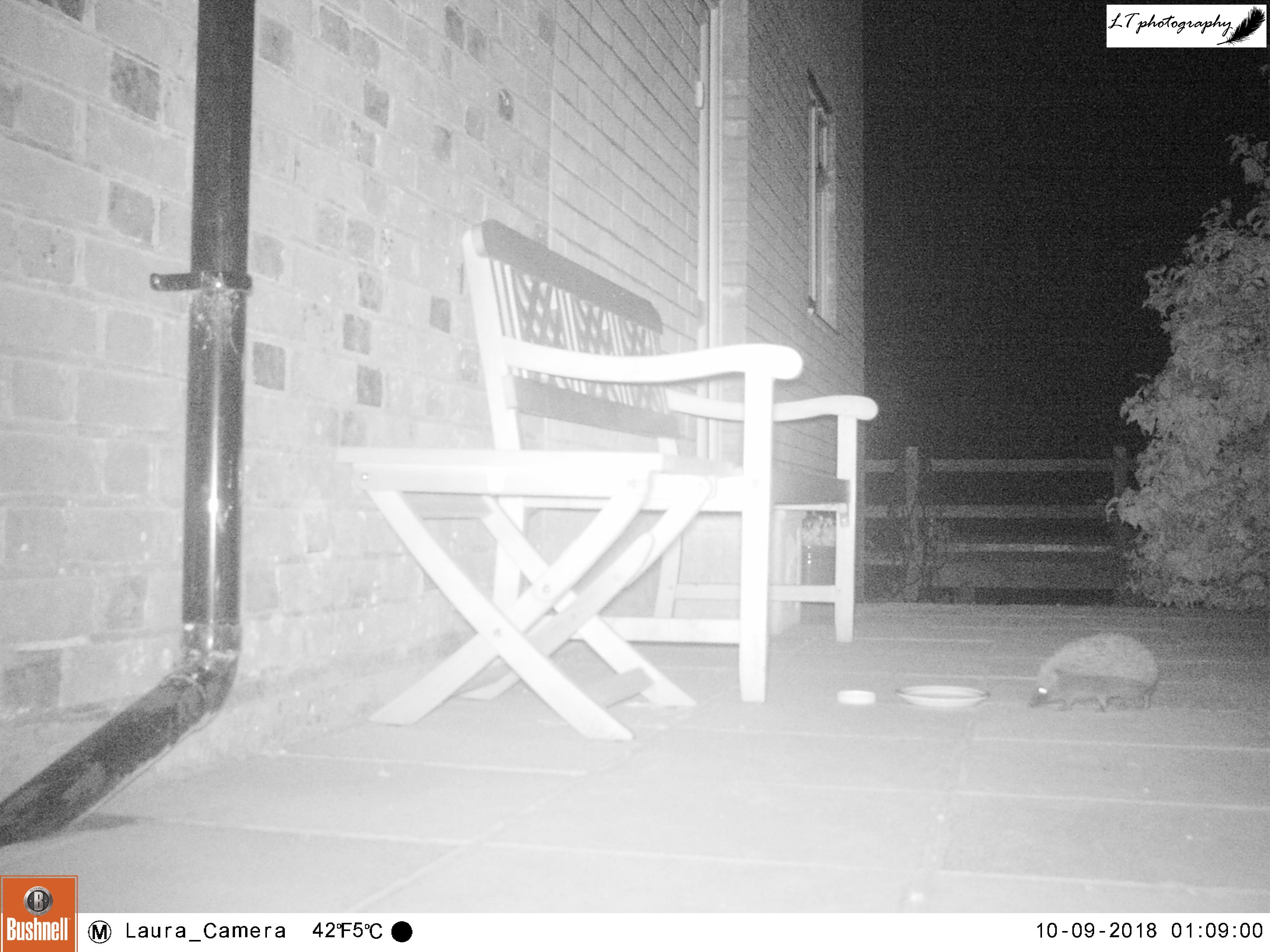
Garden – One of my all time favourite projects I used my camera trap for, was to get photos of our own special garden visitor in October 2018. I love getting to see the wildlife that is truly on our doorstep!

M2E1L0-8R350B300

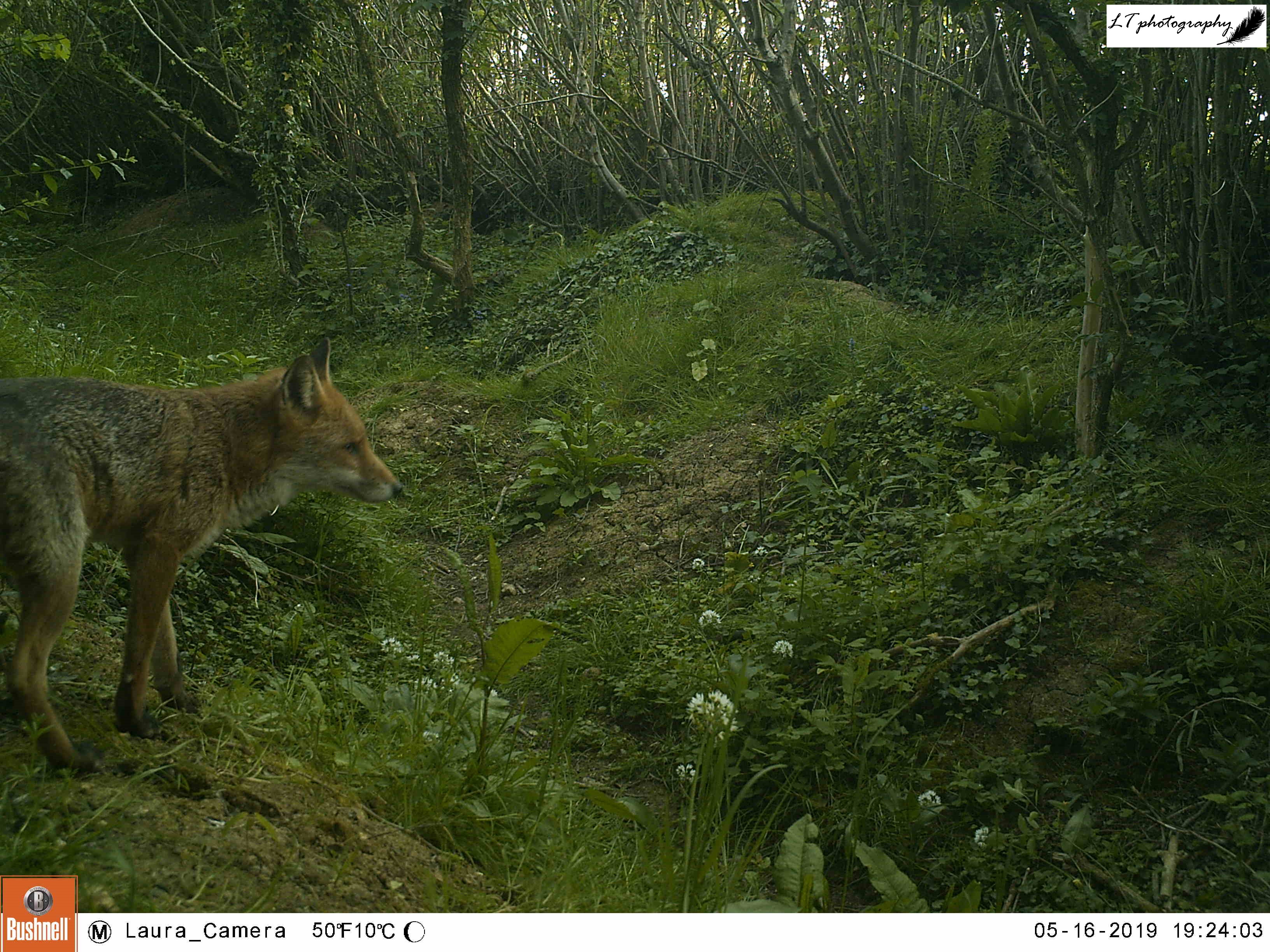
  • Woodland – I have previously found that a woodland can be an interesting place to capture wildlife. The result can often be unexpected or interesting, with less of an idea of what might turn up.

M2E51L160-159R390B314

Animal trail – Another great way to try and capture the wildlife that is in your local area is to find and set up your camera trap on a well used animal trail. It is interesting to find out what animals are actually making those tracks!

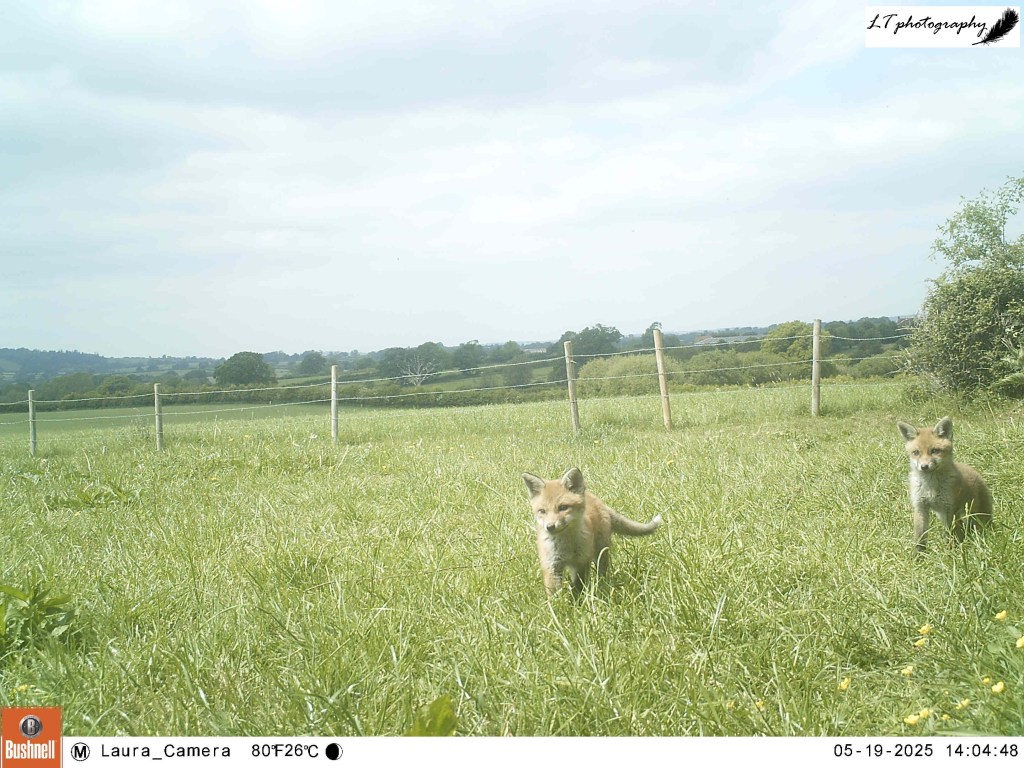
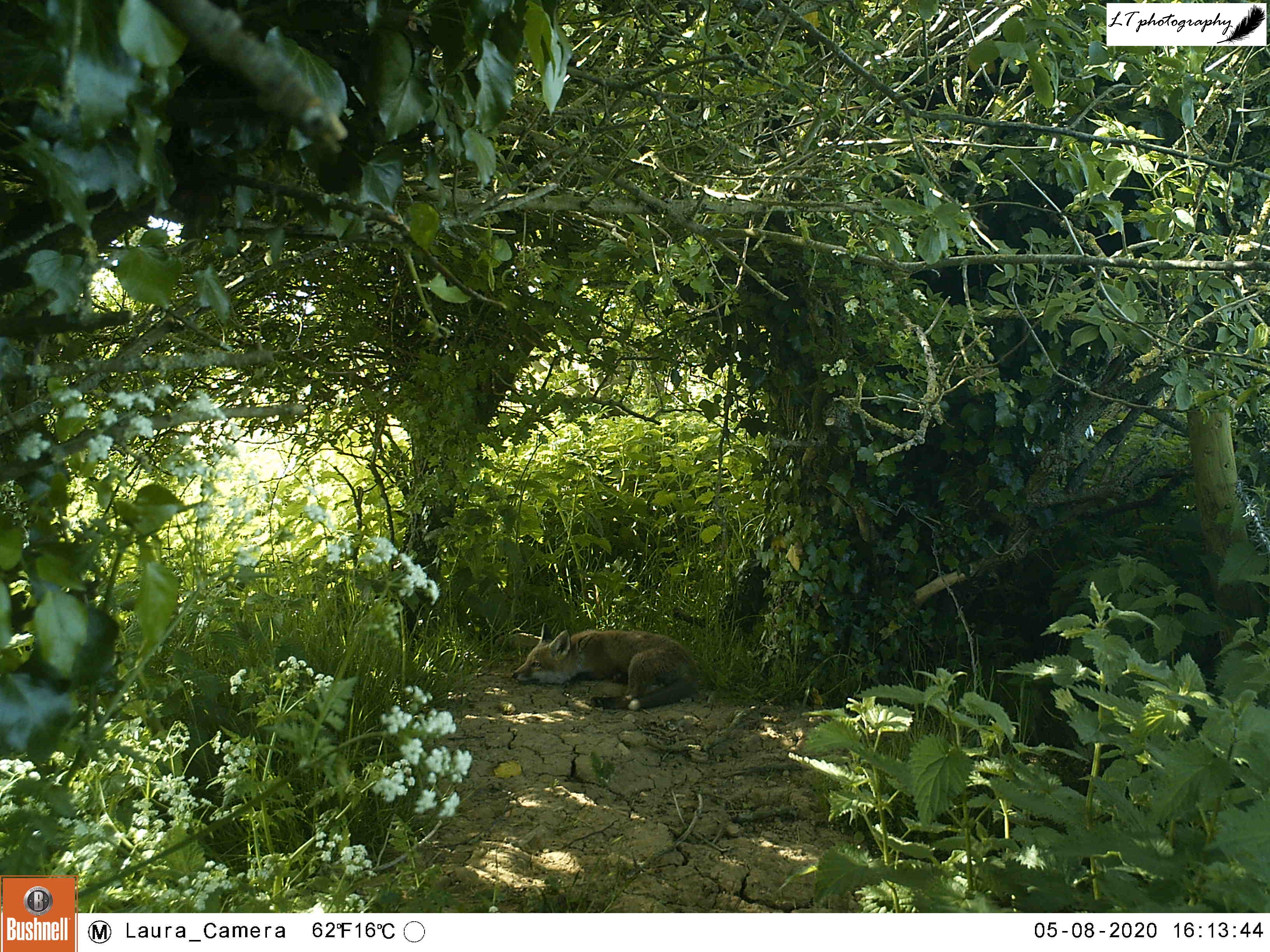
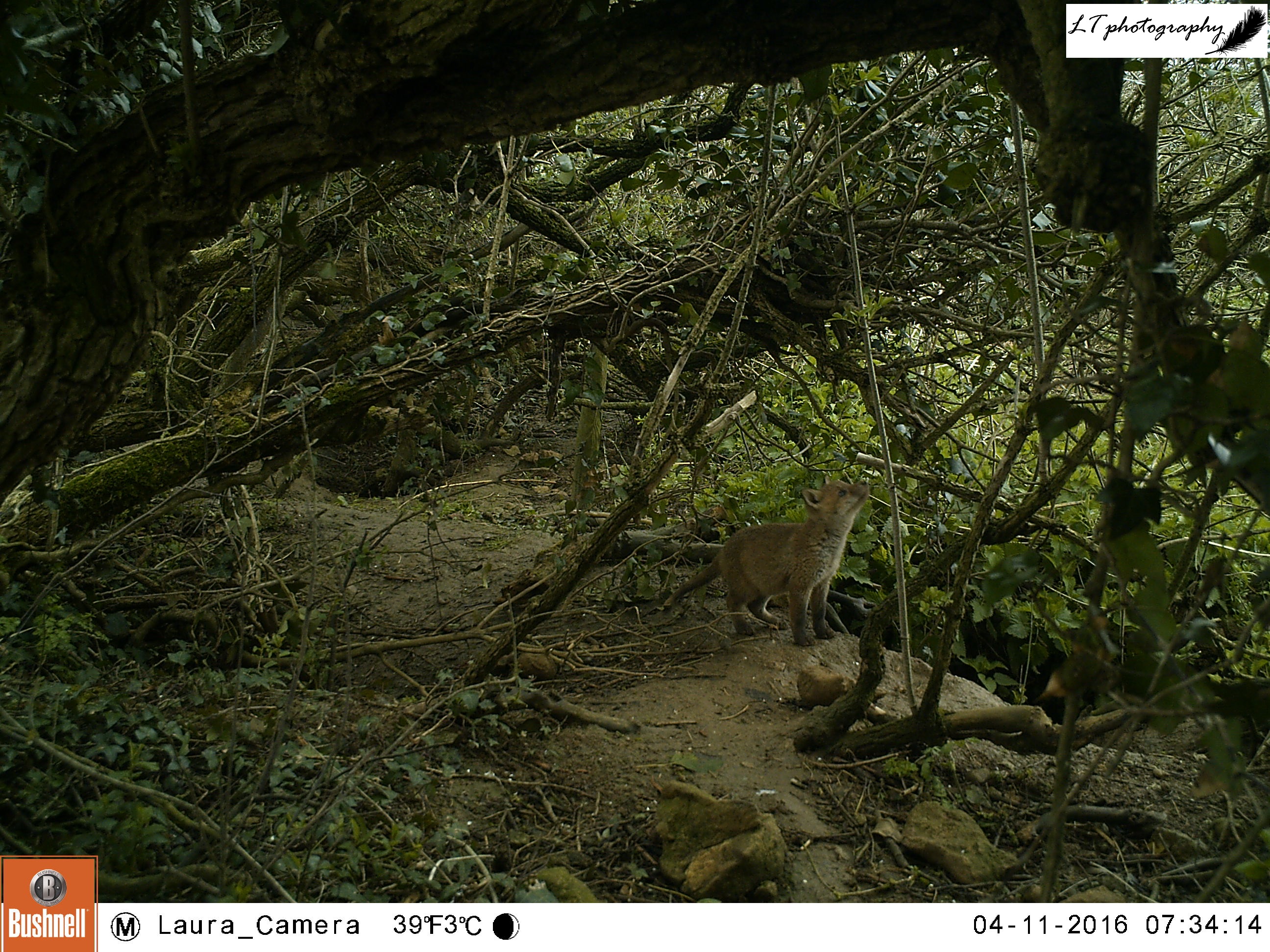
Specific animals – Often when camera trapping, you want to capture a specific animal, which leads to research and setting up the camera trap in a position where this animal has been sighted. Relating to this, my other favourite camera trap project has been to capture fox cubs above ground and to observe their behaviour. This has resulted in many cute photos over the years!
M2E31L60-60R392B300

Now it’s your turn! Even if you do not own/want to own a camera trap, there are always ways around it, for example why don’t you see if you can borrow one from somewhere or someone.

Though camera trapping does not always go to plan, the results can be truly satisfying. Time to see what you can find!

For more camera trap action, check out my blog post from last year called: Spring Countryside Camera Trap Surveys