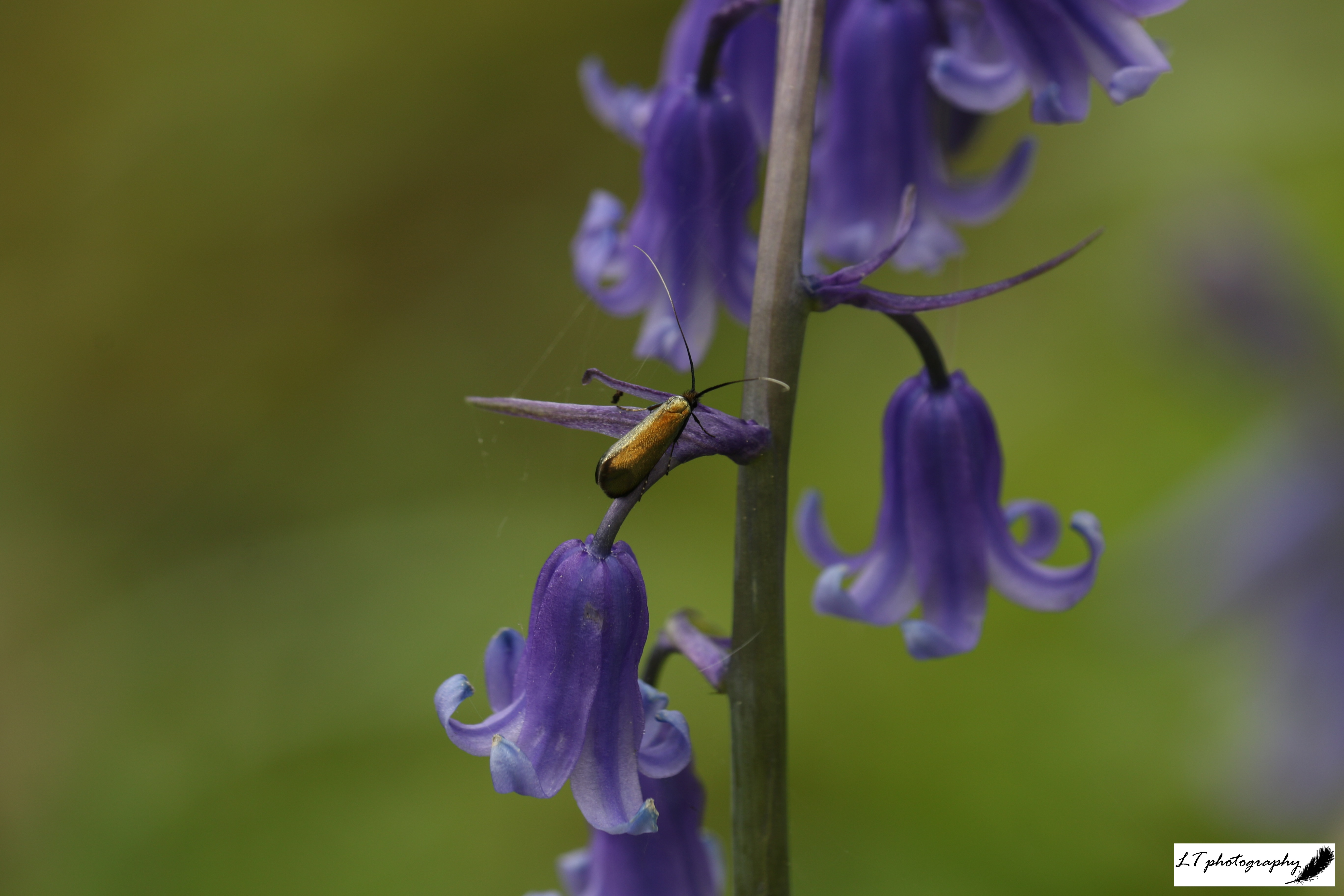
A Year In The Life Of A Woodland – Part 1

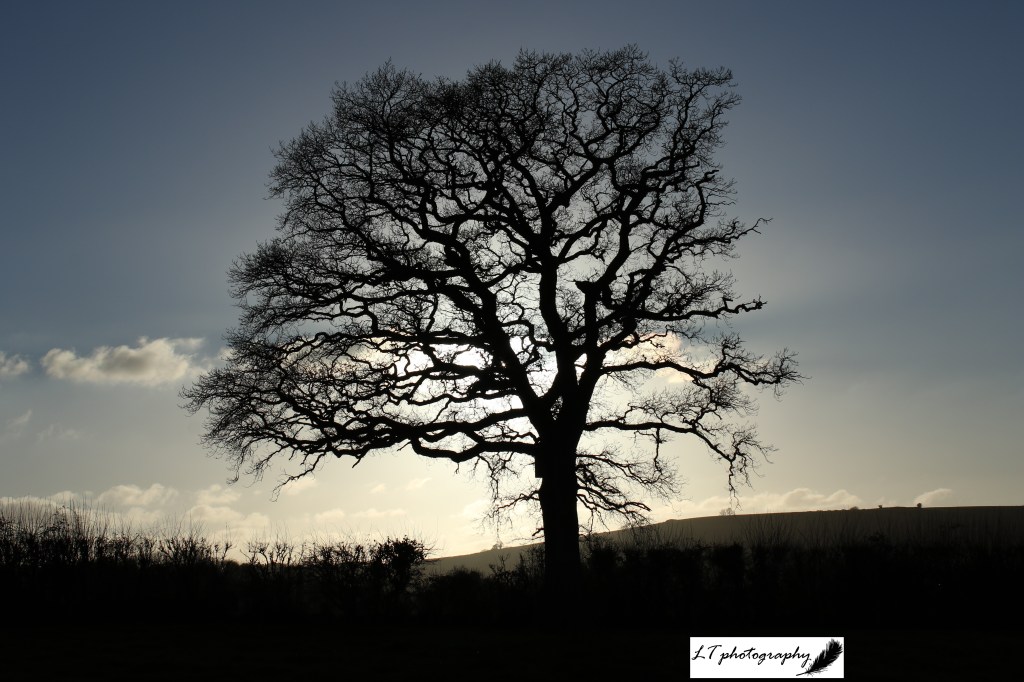
In 2022, I followed the annual cycle of one particular oak tree as it went through its own life stages, and watched the landscape change from its corner of a Dorset field. The tree encountered hunting barn owls, howling gales, breeding kestrels, and even a family of foxes, and observed such a vibrant year in nature even just from one spot. So for 2024, I wanted to follow such a story again, but this time on a different scale.
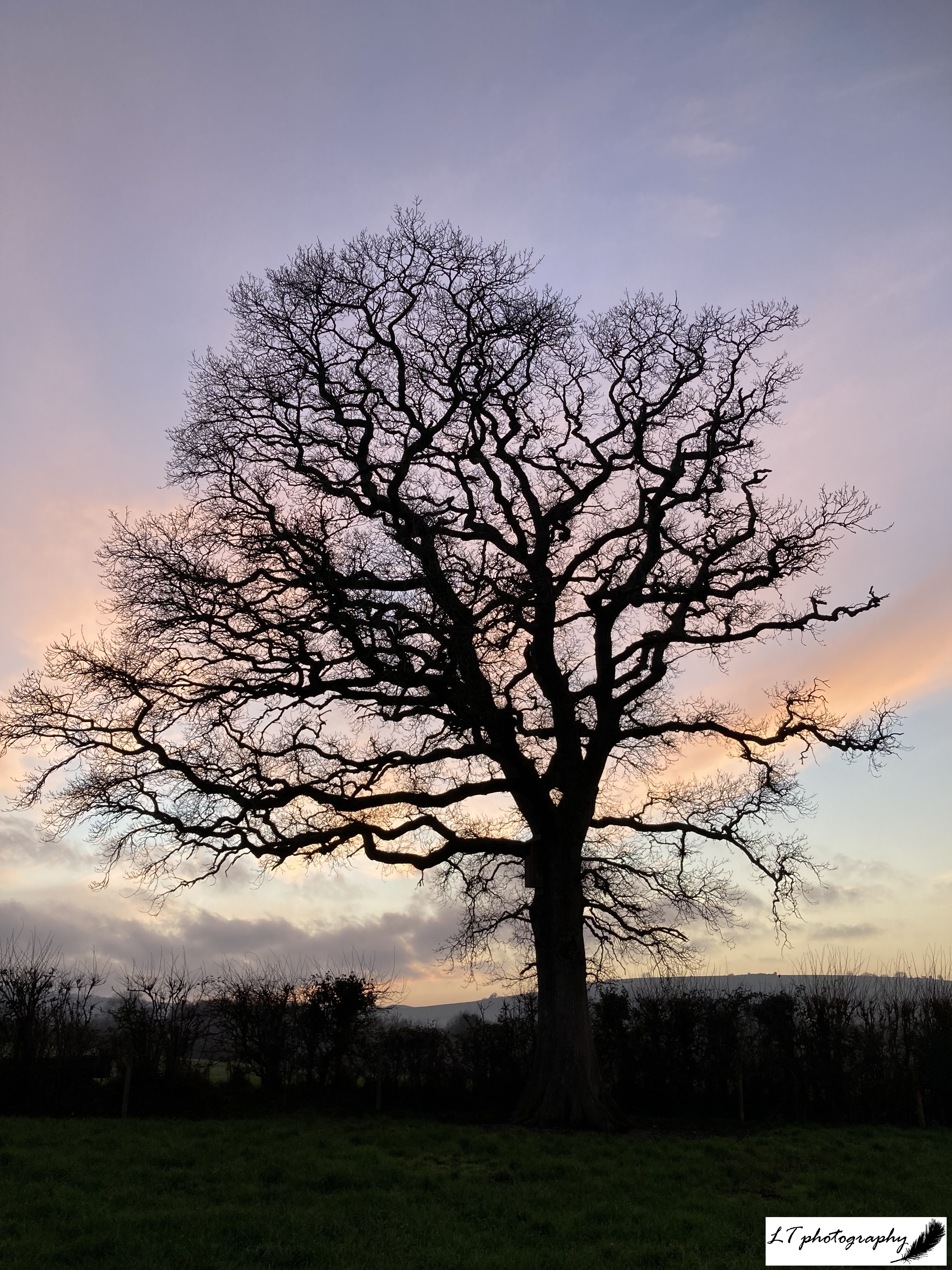
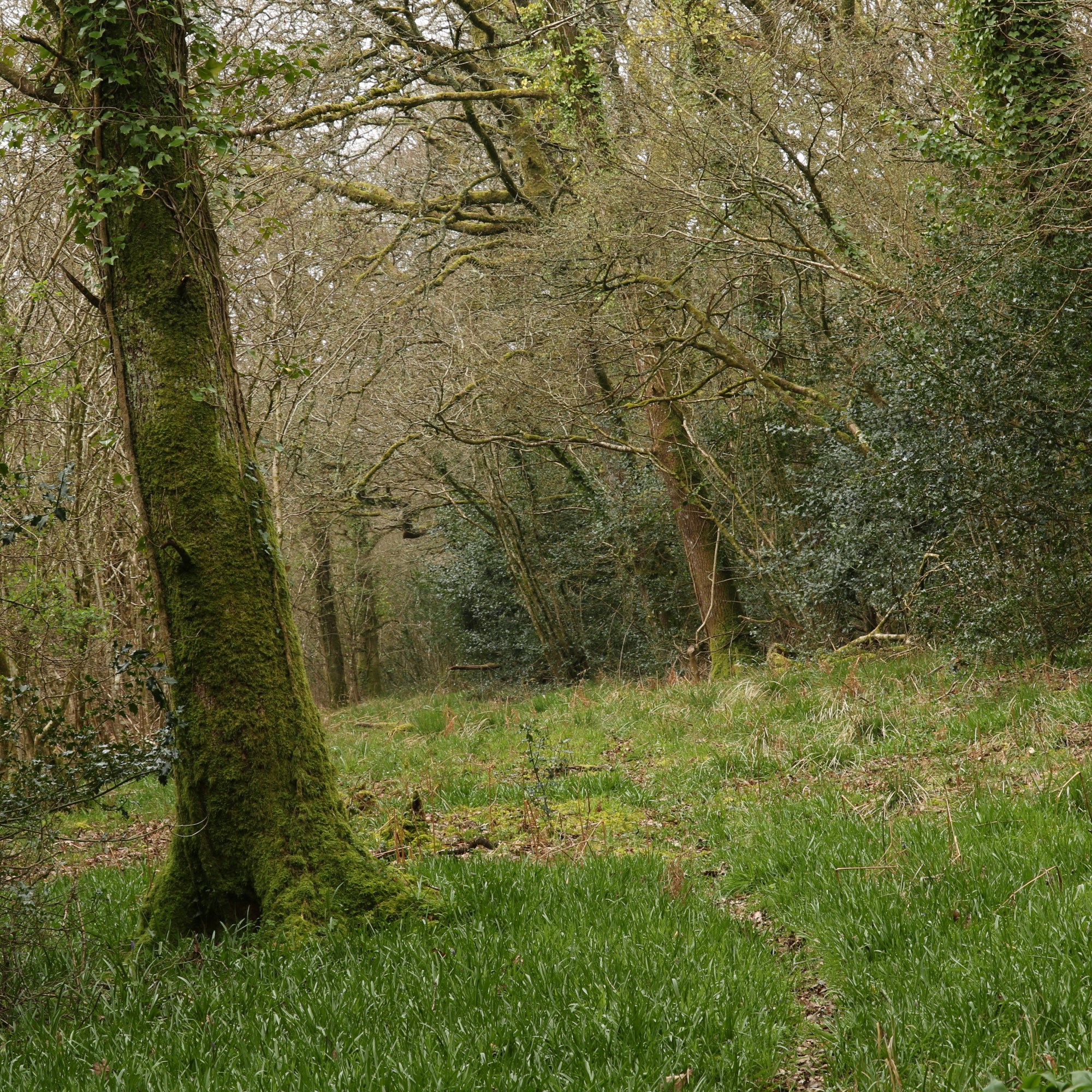
This year I am following a year in the life of an ancient, broadleaved woodland in the heart of rural, rolling Dorset. I will follow its progress from certain points within its bounds, and observe the beauty the woodland has to offer throughout the seasons. I look forward to seeing what goes on through the year, and the subtle differences from month to month at its heart. To start, I bring to you the first half of a year in the life of a woodland (January-June).

January

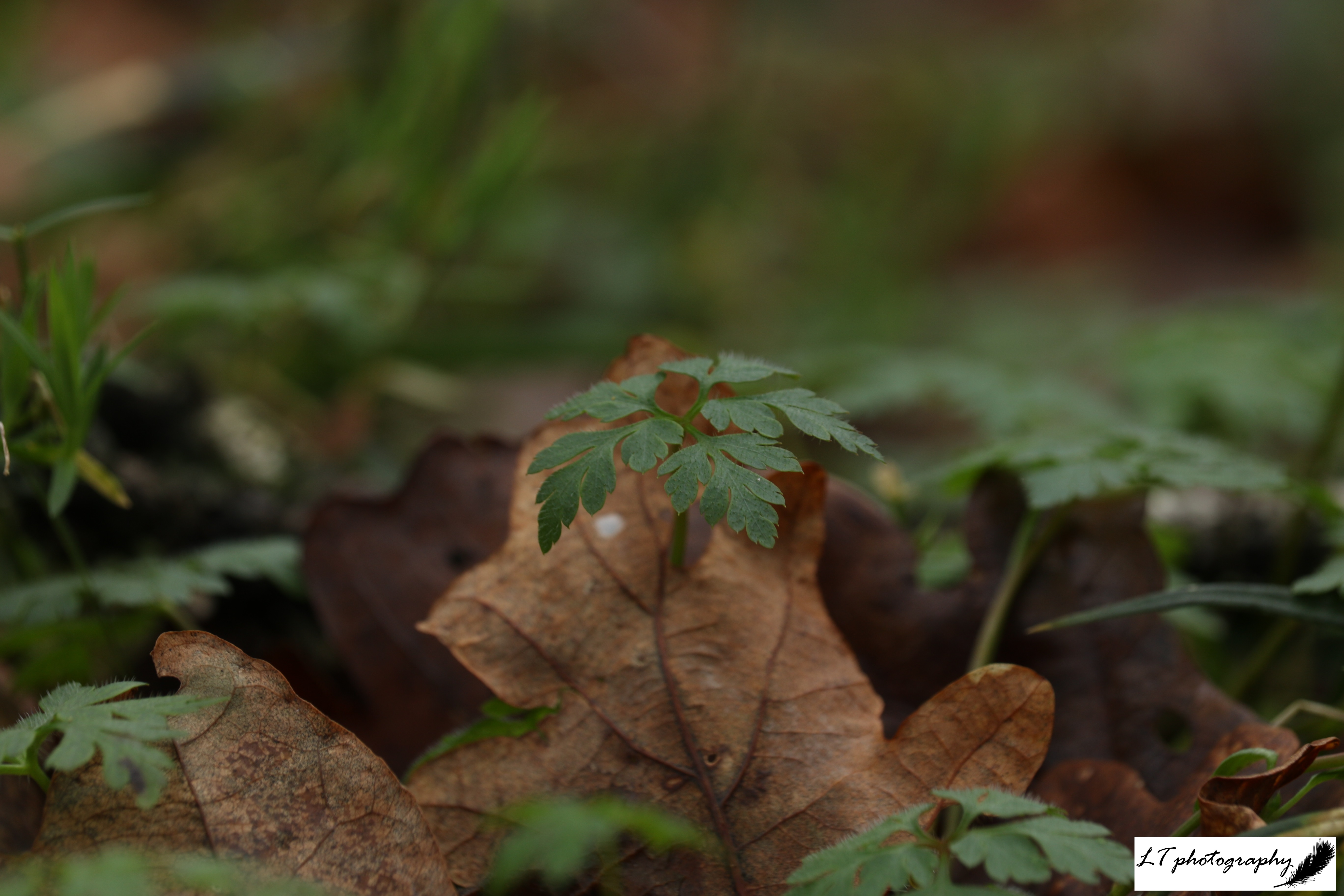
Entering the woods again at the start of a new year, there is a distinct feeling that the landscape currently lies in slumber. Though in previous years January has experienced wintery weather with cold spells characterised by hoar frosts and sheets of snow, this year the bite is missing from the weather, allowing the first signs of new life to appear already. The low winter sun breaks through the sturdy trunks of dormant trees, shining weak rays on the green leaves of woodland plants beginning to pop up underfoot, wood anemone and bluebells included.

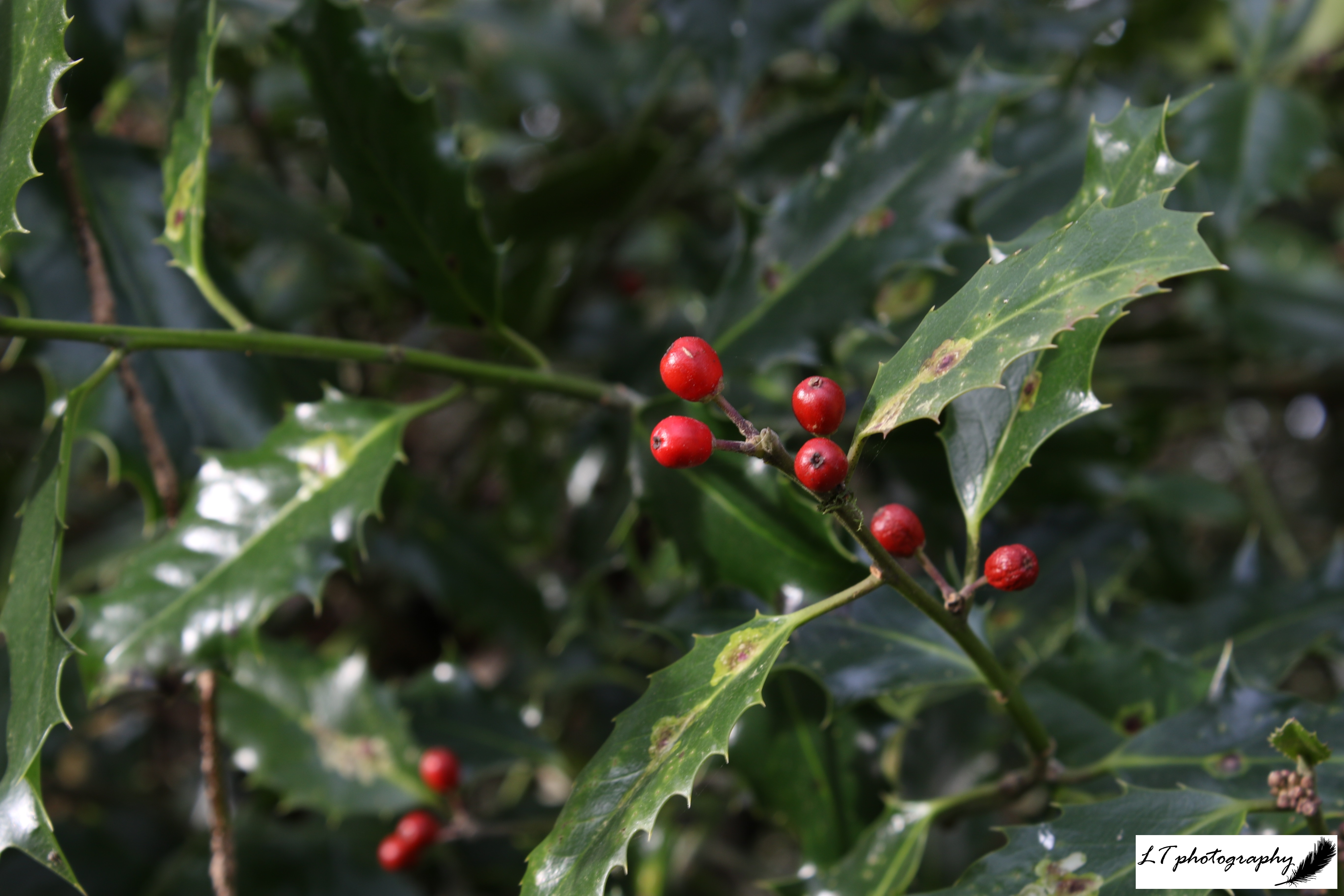
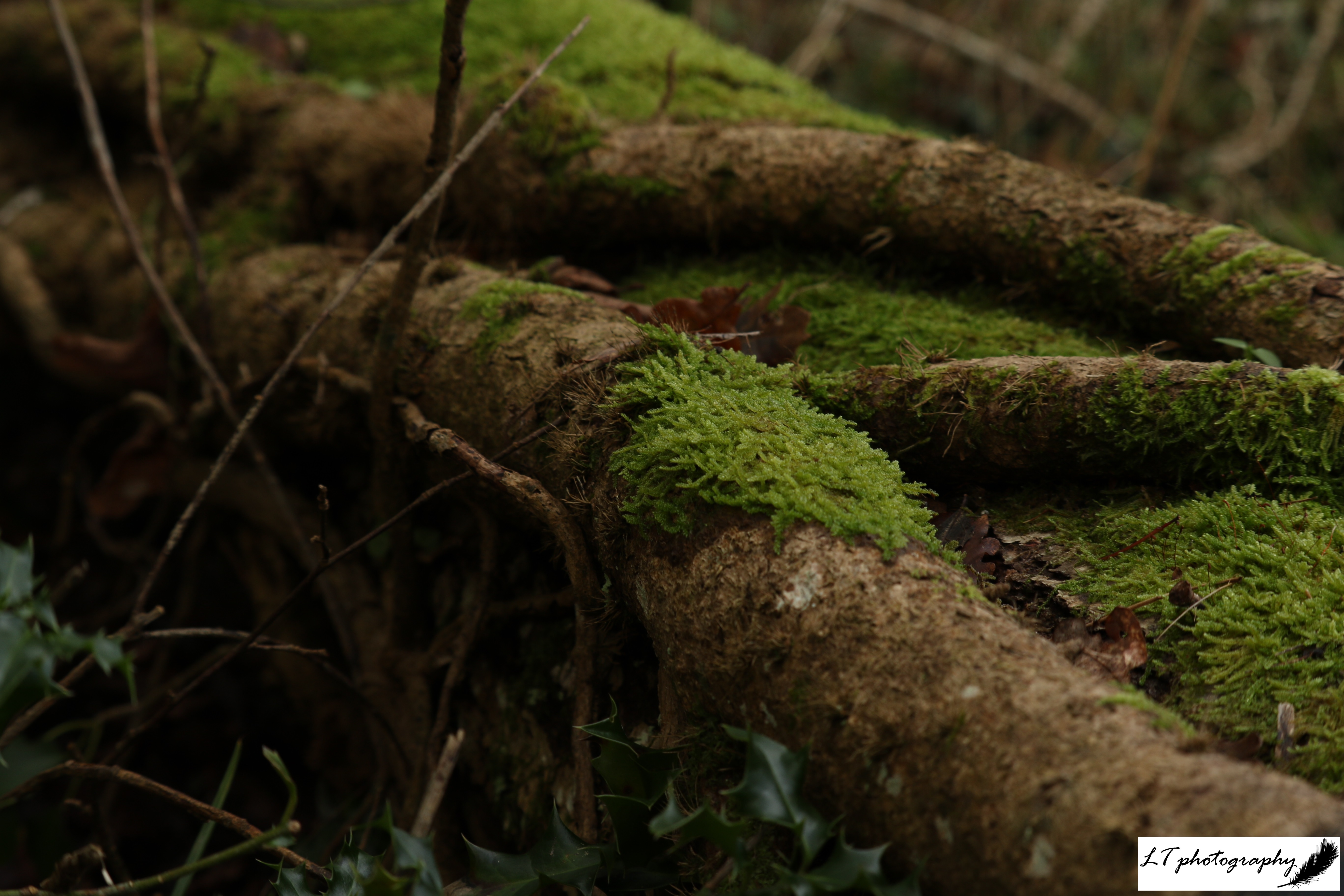
Up in the naked boughs of the trees, birds fly from branch to branch, including blue tits, great tits, and goldcrests, buzzards whirl in the skies above, and pheasants make their raucous call now and again. Remaining holly and hawthorn berries provide a spot of colour against ivy and plentiful moss, but with the first lush greens and pastel yellows popping up, such as hazel catkins dangling from the trees, the woods are hinting at change. These are the first whisperings of spring in the stillness of the woodland, with more signs being found at night, such as tawny owls loudly defending their territories, and badgers and foxes increasing their roaming amongst the trees.
February

As a new month begins, the landscape feels like it is very much still in the grips of winter. A grey gloom hangs over the woodland, with the overcast sky threatening an endless possibility of rain. Where February 2023 was a cold, dry month, February 2024 is reflecting continued milder and wetter weather than average, with sunshine being much in demand. It is still not warm enough for any further advancement in the signs of spring from the previous month though, with the woodland floor still being mainly dressed in warm browns. Despite this, those first whisperings of new life can still be seen, with the slow marching growth of shoots of well known species, such as bluebell and stitchwort.

The mosses and lichens are also now joined by the much needed warm yellows of primroses and celandines, along with the red gems that are female hazel flowers. The slumbering woodland is currently the backdrop for the day-toiday life of its winter residents, but with the addition of blackbirds and song thrushes now starting to sing their melodious songs ahead of breeding in the spring.

March

As March begins, the start of blackthorn winter brings biting winds from the north, creating a break in 2024’s trend for warmer and wetter weather, which continues for the rest of the month. A rare calm day though sees the woodland bathed in soft, early spring sunshine, as it begins to finally switch from its shroud of brown to greens, with a carpet of new growth. Bluebell leaves are marching on in their advance of growth, making the most of increasing temperatures, whilst spear-shaped wild garlic leaves now carpet areas around the ambling streams through the middle of the wood. Hazel catkins are now fading to a creamy yellow, and their red female flowers are joined by swelling leaf buds. Though spring is advancing quickly, the woodland still waits for more flowers to keep company with the primroses and celandines.

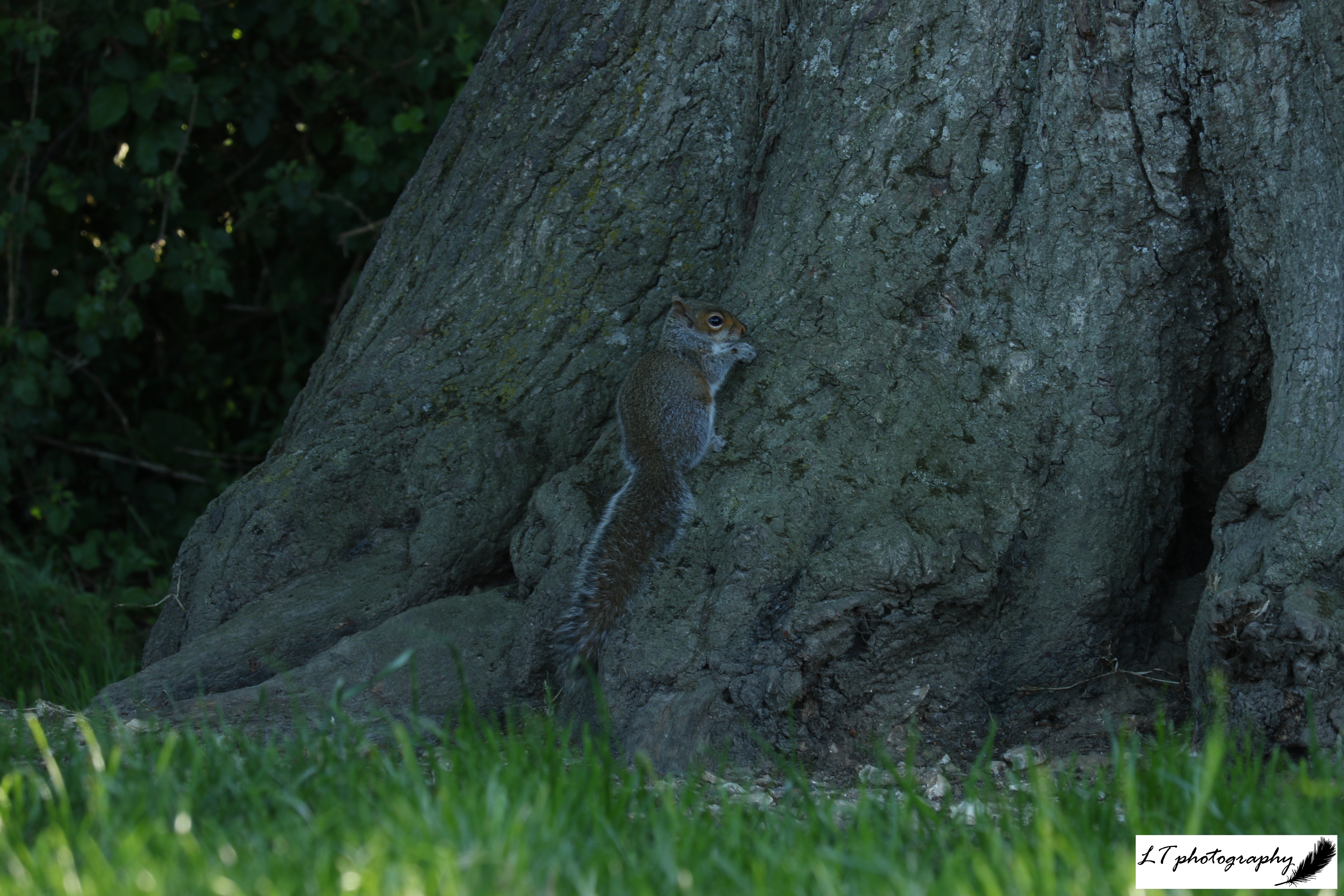
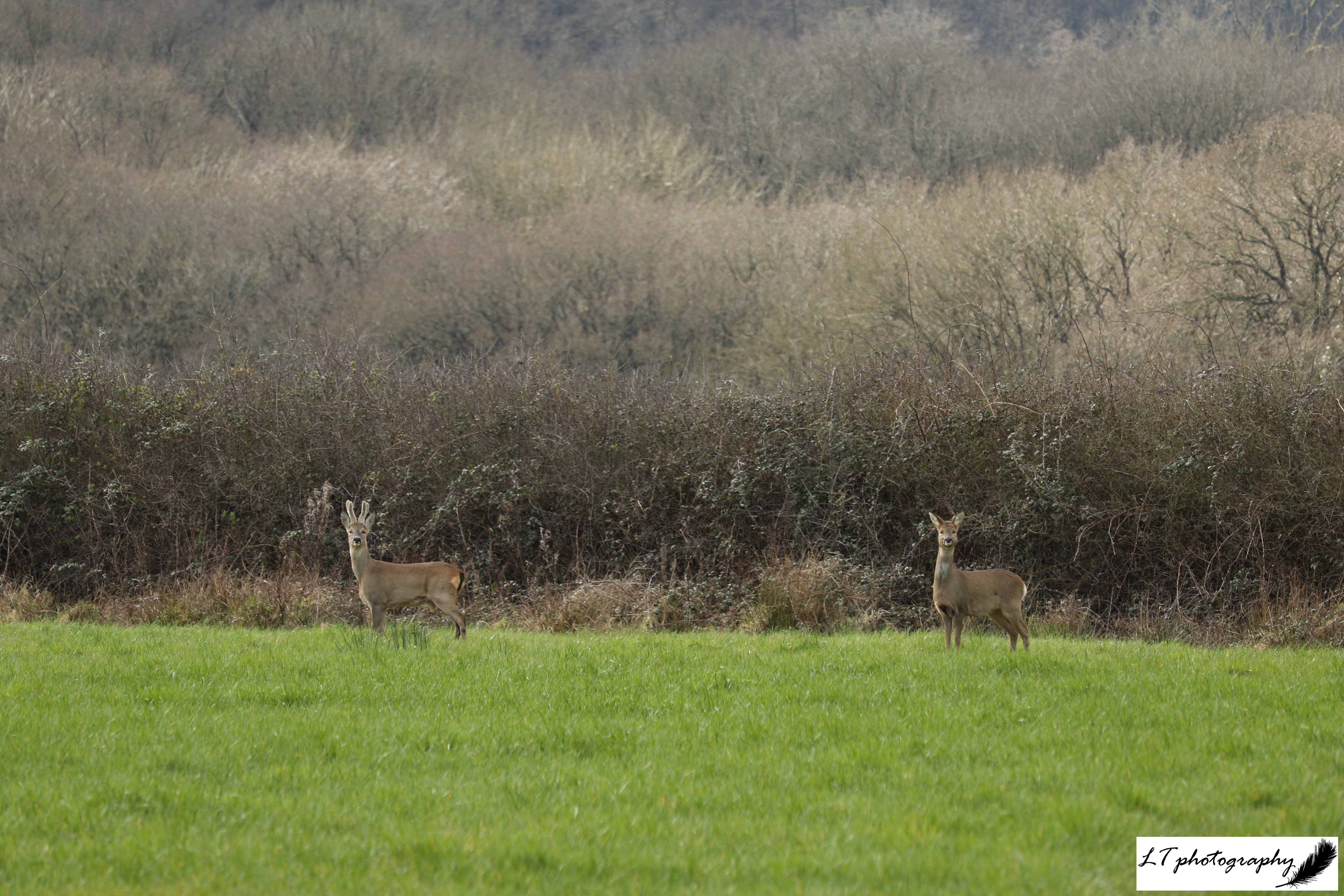
A difference lies up in the trees. The woodland is coming alive with the sound of bird species that have wintered here in the UK and do not have to travel as far to return to their breeding territories. From great tits and blue tits, to wrens and goldcrests, a range of calls and songs can be heard, cut through by the sound of great-spotted woodpeckers drumming near and far. Mammals are beginning to become more active too, with grey squirrels fighting for territory and roe deer groups roaming through and around the woods. Spring is on its way!
April

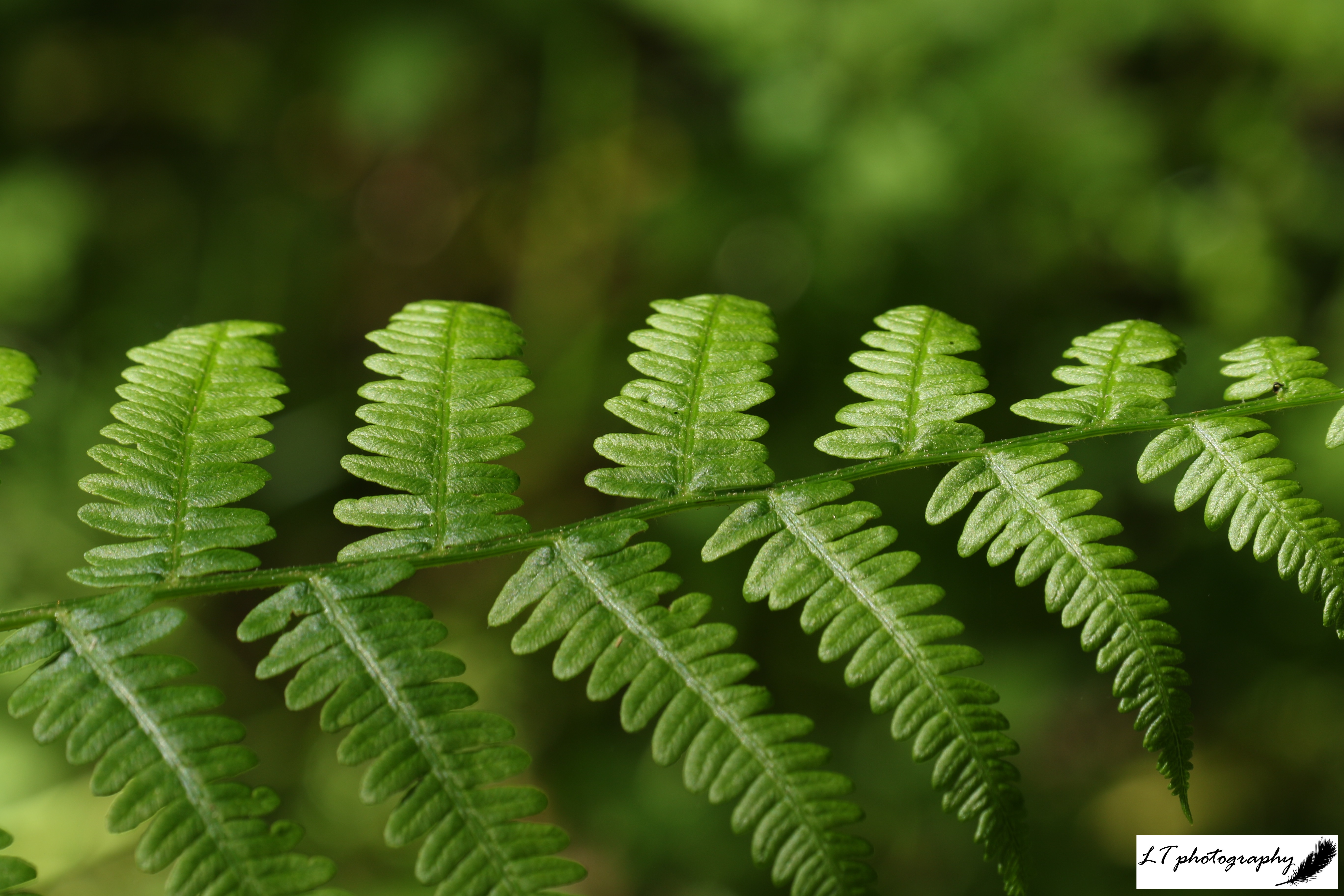
As spring unfurls, the weather of April feels reminiscent of 2023, with cooler, damper weather dominating due to persistent north winds and plenty of rain. In the woods growth continues to move forward, but at a noticeably slower pace than could be expected. The month opens with tree buds swelling, hazel and hawthorn leaves bursting forth, and trees dripping with blackthorn and willow flowers. The woodland floor is coming to life now with a never ending mat of purple dog violets, pale green moschatel, yellow celandines and primroses, white stitchwort, the beginnings of purple-blue bluebells, and the fantastic starry heads of wood anemones. Wild garlic leaves continue to grow around the bubbling streams, smelling noticeably pungent now and beginning to show the whites of flower buds, whilst ferns unfurl their hairy coils across the woodland.

As the woodland bursts into life, it is accompanied by an intensifying soundtrack. In the background a rich tapestry of bird song can be heard, as migrants make their return, from great tits, blue tits and wrens, to chiffchaffs, blackbirds and robins. These include the continued crow of pheasants, the cat-like mewling of buzzards circling overhead, and the barks of grey squirrels. Listening more closely though, buzzing can now be heard as bees and flies make the most of flowers now blooming. The woodland finally feels alive after the first three months of the year taking its toll, though it waits for the return of some warm spring sunshine.

May

On a quiet afternoon at the start of the month, stepping amongst the trees is like stepping into a whole new world compared to the start of the year. Sunlight falls soft through new green leaves, dappling the woodland floor with warmth and light. At the base of the trees, the floor is now a lush green carpet of plant life. The cooler weather of April has meant that some April events have continued on into May, such as the bluebells, whilst the wind now coming from the south bringing warmer weather is beginning to promote much needed new growth.

Bluebells are just going over their peak after a spectacular show of rich purple-blue that has been breathtaking. Amongst hanging bells, stitchwort is continuing to open new flowers, alongside shocks of pink from herb Robert. New flowers appear in the forms of early-purple orchids, and red campion. Yellow archangel that took some time to arrive is becoming bleached to a creamy yellow, whereas wood anemones are bidding their final farewell. Wild garlic persists as do bright yellow celandines, adding to the show. Things move on though, as the ferns begin to overshadow the bluebells with their green fronds. Spring marches on.

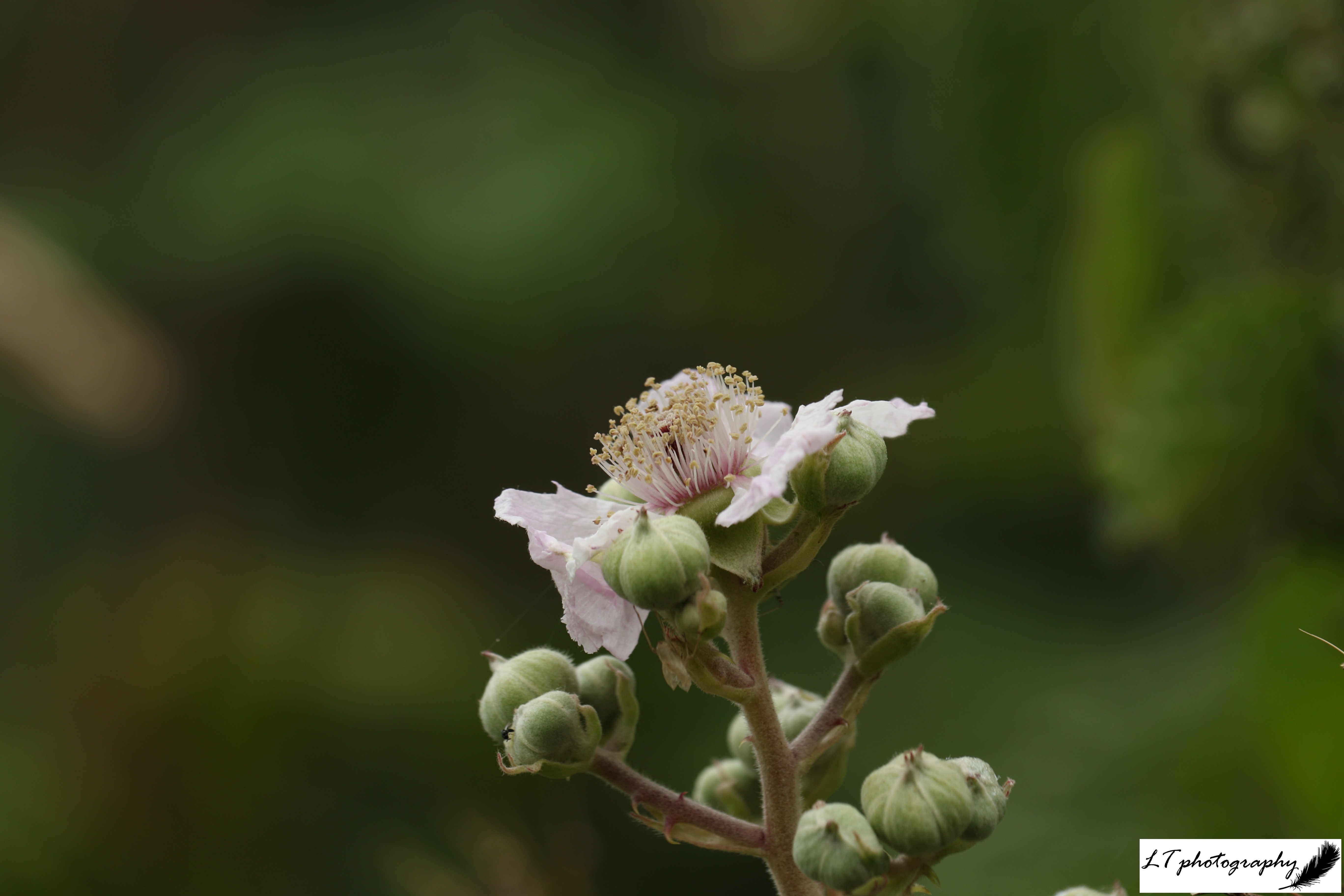
With plant life becoming abundant, the woodland is now abuzz with insects of many kinds, whilst spiders make their homes between the flowers. Midges are particularly prevalent this year with a damp spring too! A highlight right now though, is the woodland’s bird life, with the continued singing of many species that call the woods home and are breeding right now, the chiffchaff really standing out in particular. Somewhere in a hole in a tree, maybe a tall oak, a female blue tit will now be sat tight on her eggs, growing the next generation of blue tits. 

June

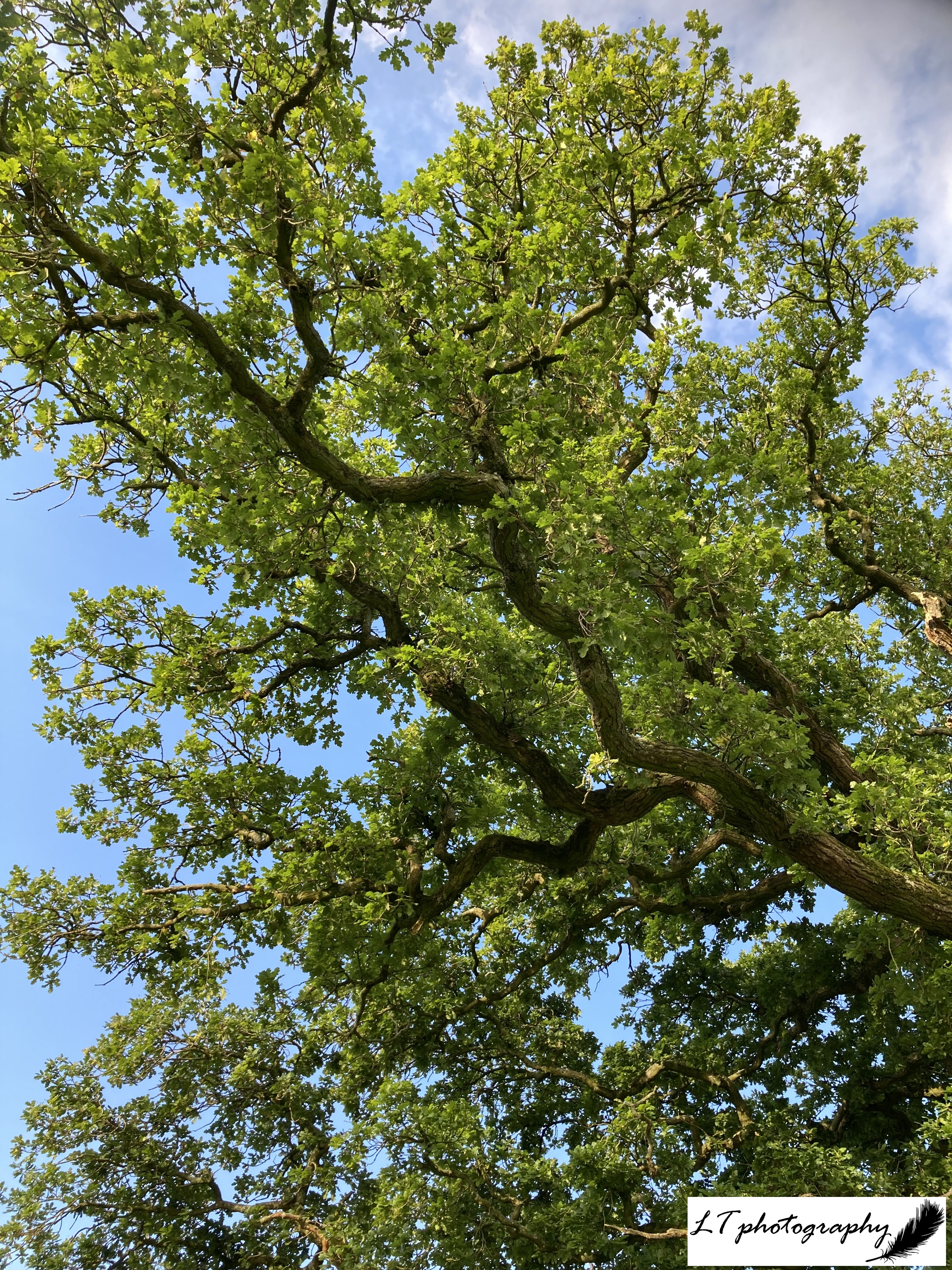
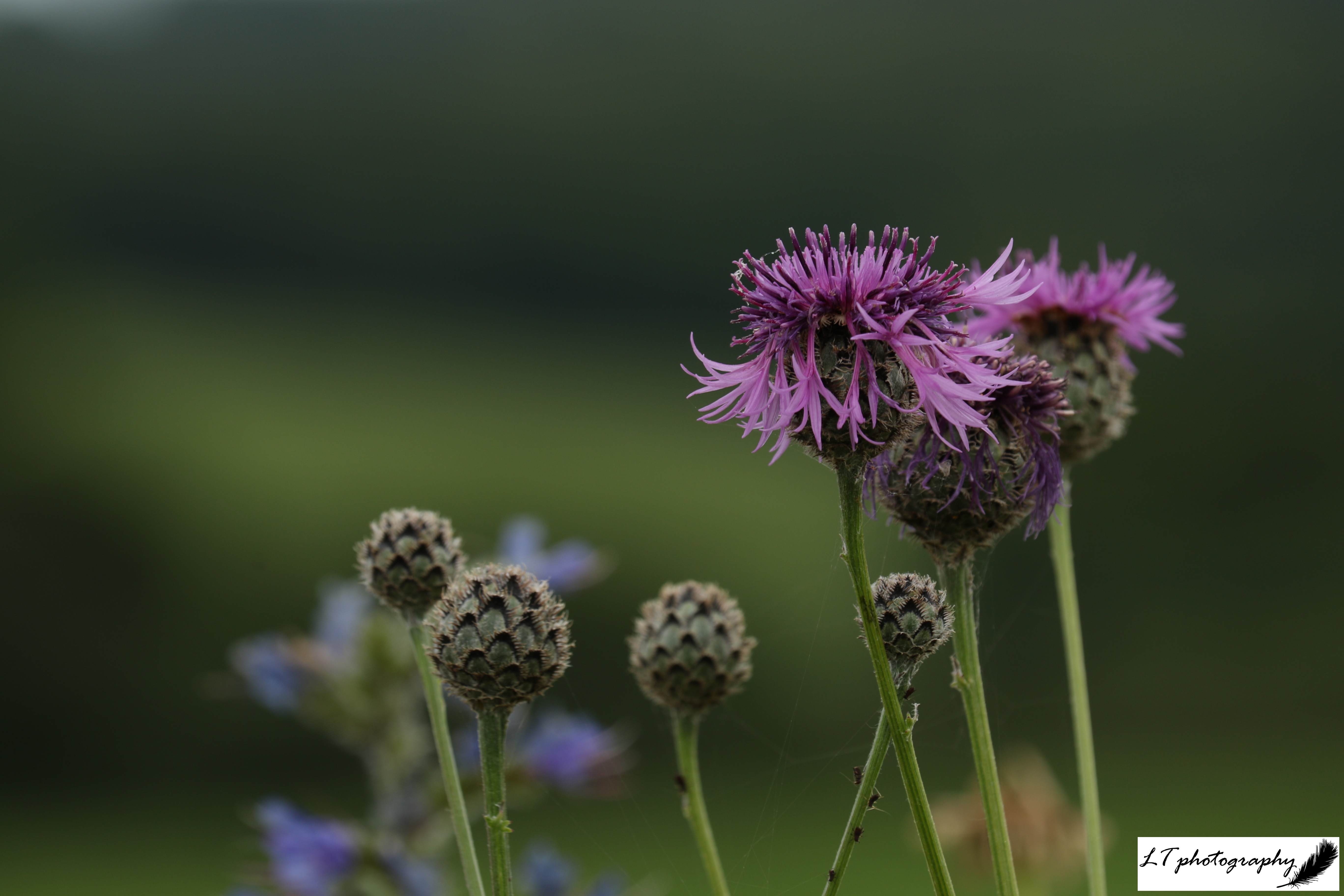
As I step into the woodland on one of the first dry days in a while, my surroundings move from bright light to light spots and shadows. The tree canopy is now nearing completion and lush green oak, ash and hazel blanket out the light. Below on the woodland floor, a change has occurred. Spring stars have finally made their leave, and riotous bluebells, early-purple orchids, and wild garlic have been replaced by a dense green carpet of leaves. Herb Robert has taken over, with pink flowers creating a joyful pop of colour. Also these flowers are joined by white pig nut, purple germander speedwell, and pink foxgloves, and the lst yellow archangel, stitchwort and vibrant dog violets. The green seed pods of previous flowers remain, and a bluebell here and there when lucky, but now ferns stand tall above the woodland floor, unfurling their final leaves and making a canopy of their own.

As the spring season bids us farewell, it’s now the time of new life and growth, which is currently evident in the woodland. The drone of insects has lessened as flowers go over, but can still be found with flashes of blue damselflies, battling speckled wood butterflies, and striped flies. The first young of mammals, such as foxes, and birds, such as tawny owls, are also now venturing out to explore their new world. This can be heard up in the trees with the songs of birds and the alarm calls of protective parents. Summer and lazy days are on their way!

Nature Photos For 2022

Last year was a very unpredictable year for all walks of life, but for me it was another fantastic year for wildlife, with some wild firsts and much inspiration to be taken from nature. With each new year, I take it as a fresh opportunity to enhance my skill as a wildlife photographer and to also immerse myself in the wildlife that can be found all around me. There is so much to celebrate in nature and so much beauty to be found, and 2022 did not disappoint in this. So to look back on the year, here’s a collection of photos spanning 2022, from my photographic adventures through to simply finding inspiration from nature in my life. Enjoy!

2022

January

The start to the year felt a little grey and bleak, but adventuring out with my camera I was able to find some life and activity in the landscape, which can always be found if you look closely enough. In this photo, this little blue tit looks so small, as they are, but I love how its bright colours pop out from its surroundings.

February

For me one of the joys of my year in 2022 was following the life of one particular oak tree and visiting it regularly to experience its annual cycle and those of the wildlife living within its close surroundings (check out my A Year In The Life Of An Oak Tree blog post).

March

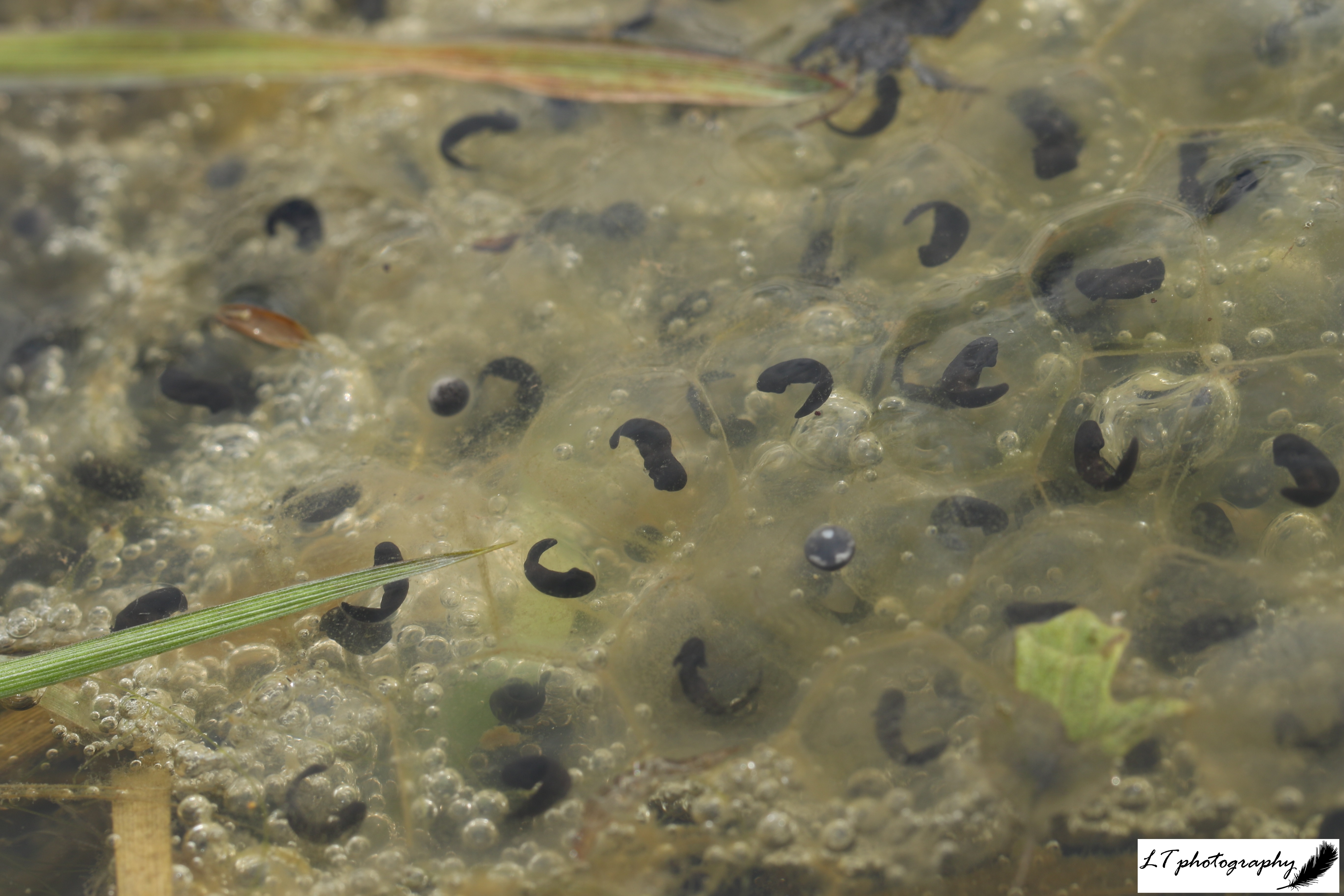
One wildlife first for me in 2022 was discovering frog spawn for the first time in my family’s new pond in our conservation field. I enjoyed making multiple trips to this site at the beginning of spring to enjoy, explore the development of tadpoles and all its intricacies, and to take some cool photos.

April

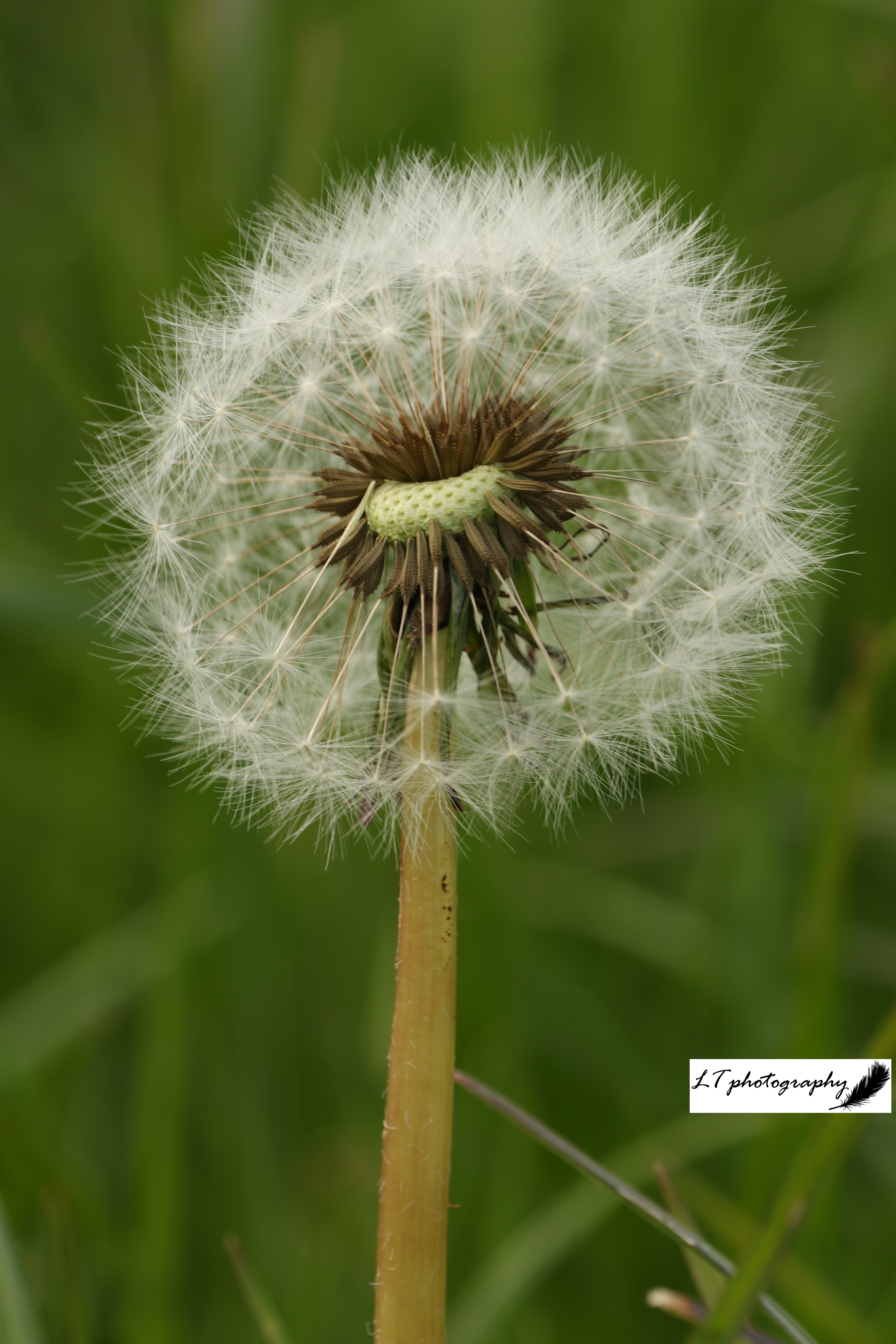
Sometimes the most simple of subjects can be the most satisfying to photograph, showing a different side to their shape and form. Dandelions such as this one are a favourite of mine as they are a common sight, but have a hint of the magical when you look a little closer. This particular photo has also become a favourite with some of my friends and family.

May

This beautiful boy was a spontaneous joy to photograph and has inspired me to see the beauty in even the more common of inhabitants to be found in nature. All can inspire!

June

Last year was another fantastic year for camera trapping in my local area. From roe deer to fox cubs, I got to record some magical sights, including this wonderfully patterned British mammal and the antics of one particular family.

July

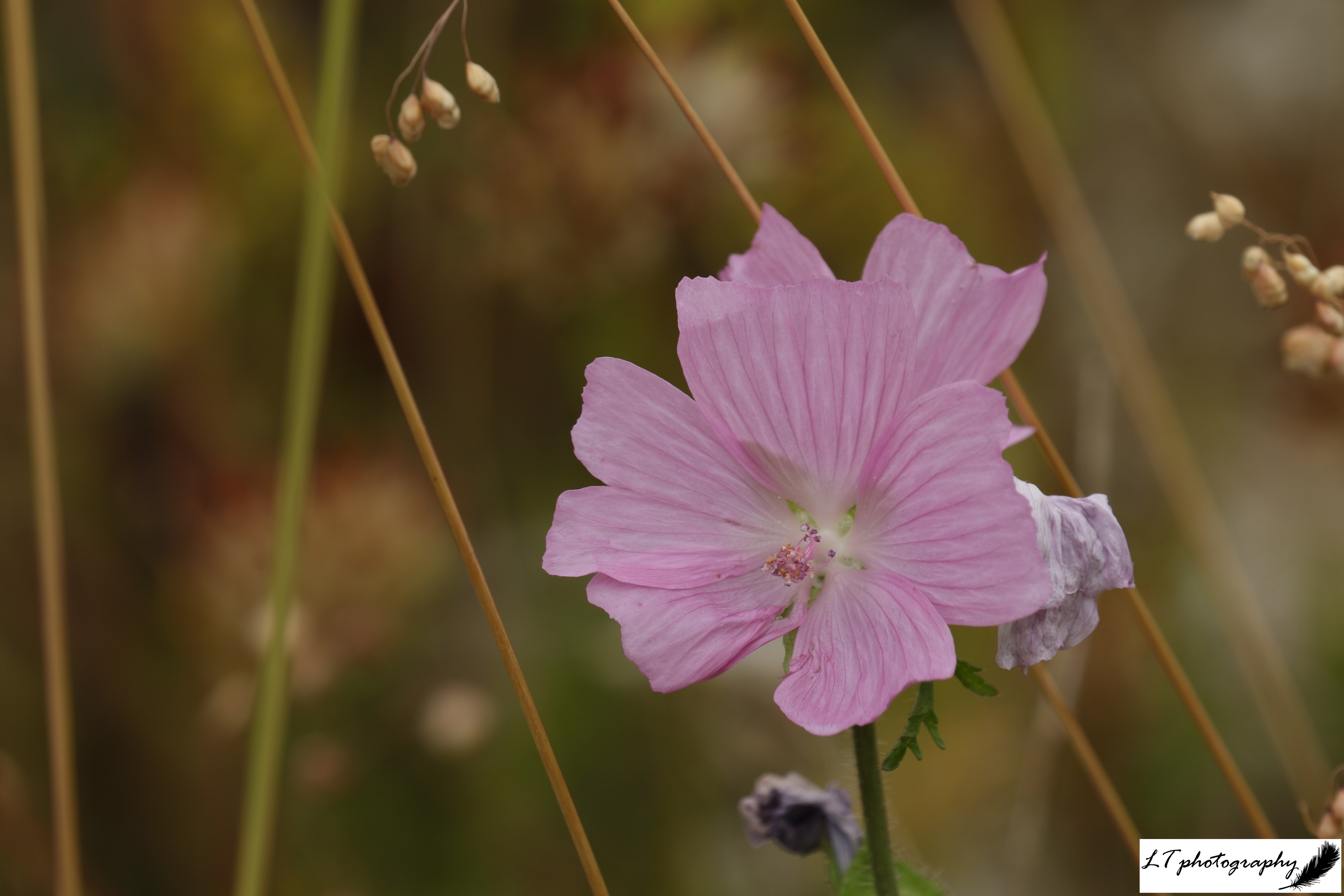
In summer, the countryside around my home in Dorset is alive with the scent and colour of many different species of wildflower, from meadowsweet and dog roses to bird’s-foot-trefoil and wild marjoram. Pictured here is the flower of the common mallow which can be found in a variety of habitats, in this case on a wild chalk mound.

August

Summer is a great time to see lots of weird and wonderful moths, including this red underwing, that will even venture into your garden and home at this time. With over 2500 species of moths in the UK alone, there are lots to discover!

September

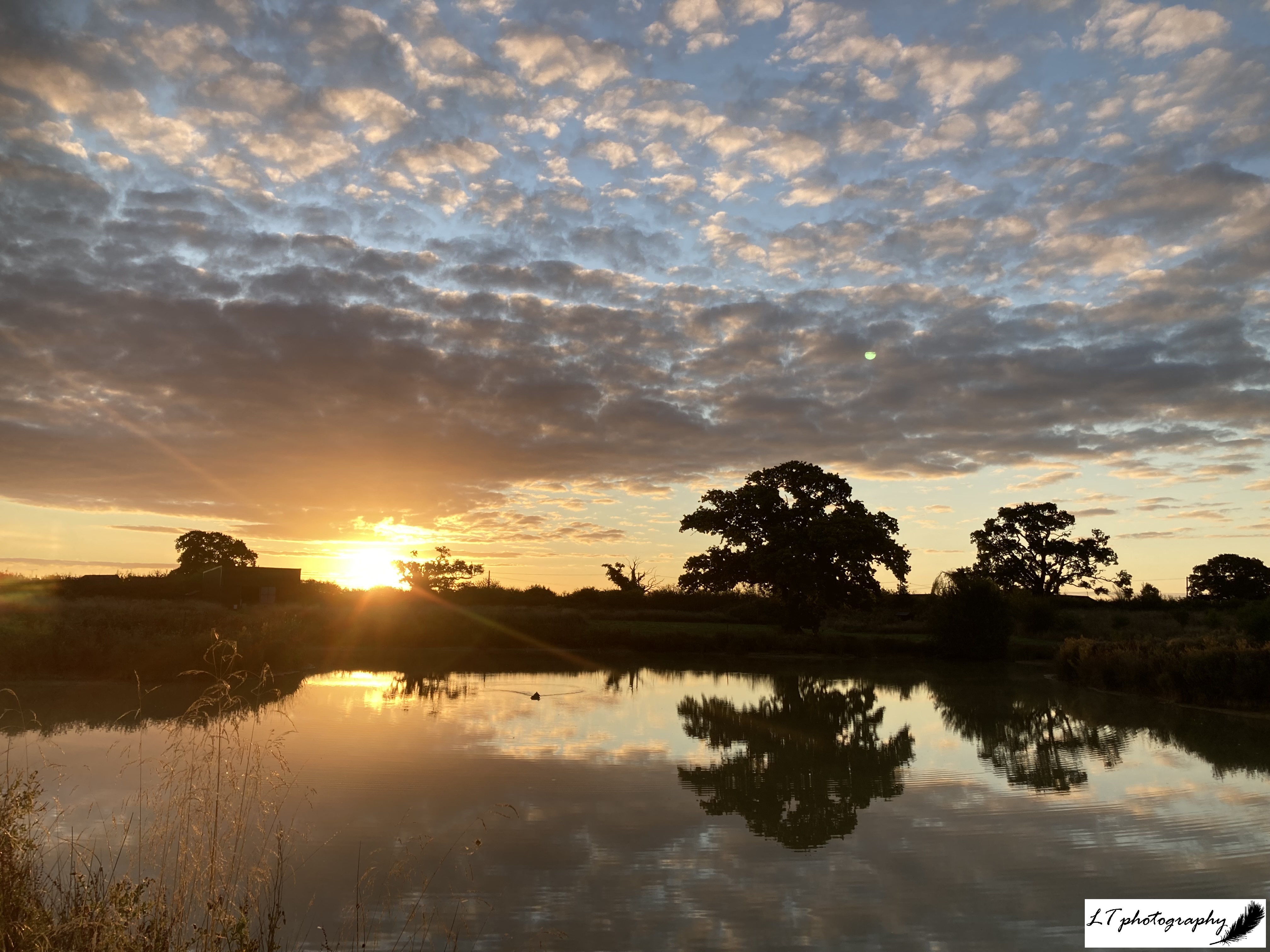
Summer mornings waking up very early to go and take part in autumn migration bird ringing is made all the more better by fantastic sunrises, such as this one from September. That golden light over water is simply magical!

October

Though I do not celebrate Halloween myself, I have made it my annual tradition at the end of October to carve a pumpkin with a nature-themed design. The design for my 2022 pumpkin was the shapes of leaves of 5 different tree species, including oak, field maple and hazel.

November

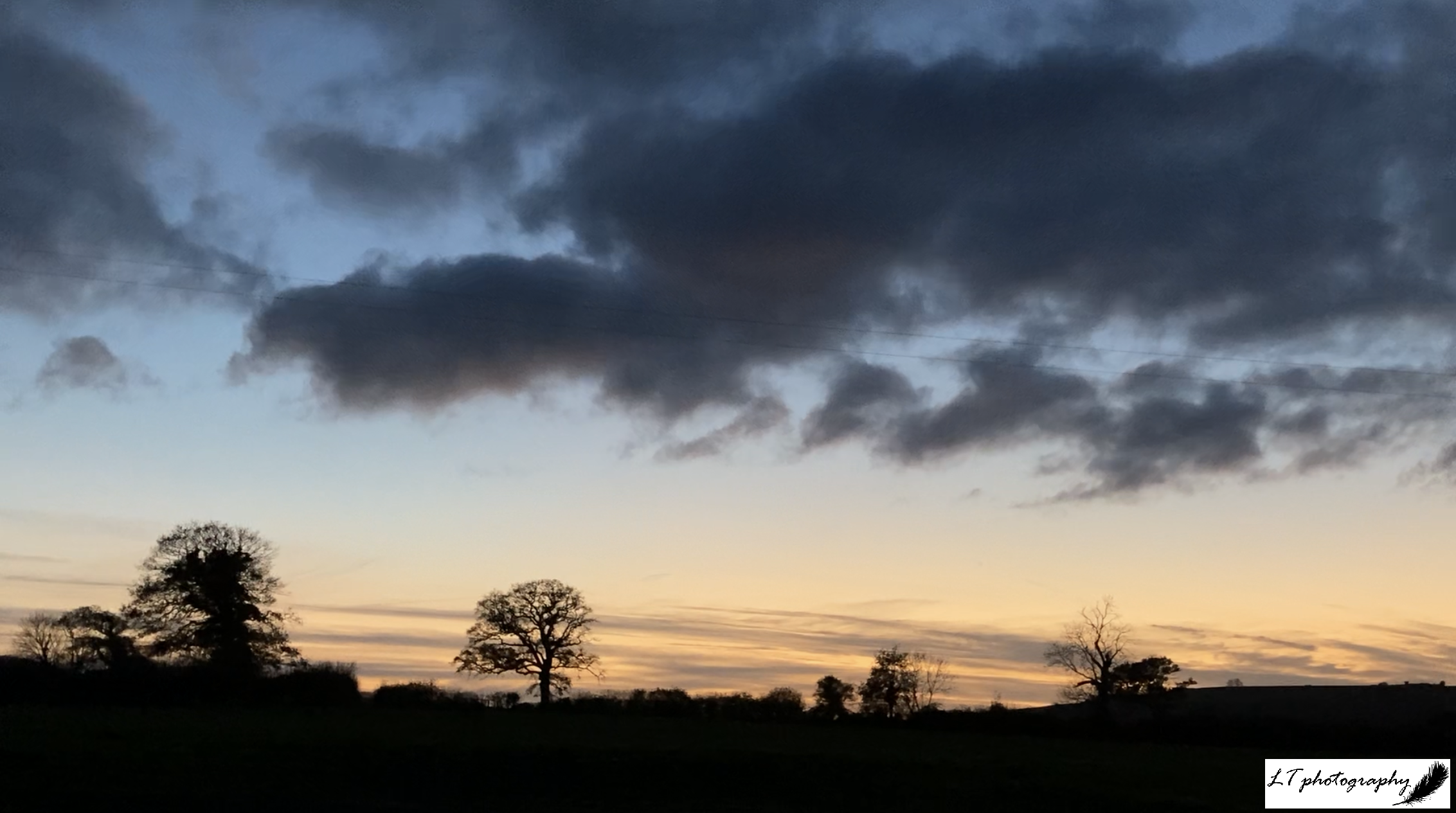
November is a month that observes the end of autumn and the start of winter in Dorset, with greyer skies, shorter days, and the landscape falling into a slumbering state. As a result, a colourful sunset can really brighten up a less spectacular day at this time of year.

December

Though my family and I only have a small Christmas celebration each year, part of advent for me is making Christmas decorations using greenery and natural colourful plants (check out my How to… Bring Nature into Your Home at Christmas blog post for more). Here pictured are some of 2022’s Christmas decorations.

A Year In The Life Of An Oak Tree

In the depths of the Dorset countryside, amongst hills, fields, rivers and hedgerows, an oak tree stands tall, stretching its branches over its corner of a field. Having stood proud for many years, each year this tree goes through its cycle, starting with its skeletal form, and moving through budburst, flowering and leaves unfurling, to shedding its green cloak in the autumn at the start of its long winter sleep. Hopefully it will keep continuing its cycle for many years to come.

Every year the rest of nature also goes through its cycle of life, overlooked by this oak tree. From the beginning of new life to the death of others, from howling gales to sleepy sunshine, from constant neighbours to new wildlife spectacles, this tree stands tall through it all. So for this piece, lets follow a year in the life of this particular oak tree in 2022, and see what can be experienced in just one spot.

January

As a new year began, the landscape lay in slumber, riding out the worst of a harsh winter. Hibernating animals, seeds and bulbs laying beneath the earth, and trees standing tall in dormancy. The oak tree was no different, slumbering through a very chilly January 2022, with many dry, cold, and foggy spells. A number of mornings began with the glittering shine of thick hoar frost, turning the landscape into a crisp, white world. During clear nights, the oak tree was surrounded by tawny owls ‘twit-ing’ and ‘twoo-ing’, rekindling pair bonds. By day birds were busy, robins defending feeding patches and forming pairs, great tits singing their squeaky gate songs, and buzzards hunting over the open countryside.

February

As a new month unfolded, the oak tree still stood slumbering, lichen dotting its bark and its buds hard and scaly, waiting. The oak tree may have been dormant, but around it subtle changes were beginning to appear in the landscape. White snowdrops nodding their heads under the hedgerows, lemon yellow catkins blowing in the breeze, and a woodpecker drumming on a trunk nearby. At night, male badgers pass by on the hunt for a mate, and foxes can be heard making their chilling howls, with females now heavily pregnant. February was a wet and very stormy month, but the the tree stood strong throughout.

March

As spring began to unfold, the oak tree experienced a month of unpredictable weather, moving from cold frosty nights to some very hot days. Despite this, change was in the air, with the oak tree beginning to wake up and show swelling in its buds. This was mirrored in the landscape, through blackthorn dripping white from the hedgerows, primroses creating a yellow carpet beneath, and the distinctive nodding heads of bluebells beginning to pop up everywhere. The oak tree also witnessed the first chiffchaff singing, the first brimstone butterfly flitting by, and even the first tawny owl nesting in the oak tree’s box before being unfortunately predated. Mammals were beginning to range further from their homes and other species were making their returns, such as the melodious blackcap.

April

A new month dawned, and the oak tree was becoming a symbol of new life. The first pale green leaves were unfurling and yellowy-green flowers were now hanging down from its branches. Drier, more stable weather meant the oak tree was now standing side-by-side with bovine neighbours, whilst many species were making use of the oak tree itself, such as blackbirds singing from its heights. Hedgerows and meadows around were also coming to life, with spectacular springtime flowers, from snowy stitchwort to sunshine celandines and cowslips. Daily, foxes can be found passing by, off hunting to bring back pheasants and rabbits to their cubs that are growing fast. The oak’s paddock also becomes a feeding ground for wonderful returning swallows and house martins, just the tip of the fantastic spring wildlife that were there to be discovered.

May

As spring blossomed into its full potential, the oak tree became adorned in its full cloak of fresh green leaves, thriving on warmer, calmer weather. The tree’s neighbouring hedgerow also began to bloom into life with flurries of white hawthorn flowers and the swelling cream buds of elder flowers. The tree was now home to a new family of woodpeckers, as well as some boisterous young squirrels and blue tits flitting between the leaves picking off oak eggar moth caterpillars. New life and its signs were everywhere, with fox cubs playing above ground, a male cuckoo singing, and even a female kestrel sitting on eggs in a lone oak tree in the next field. The landscape was buzzing with life!

June

As June hit, the oak tree was experiencing the peak of spring and its ending for another year. The oak tree continued to flourish whilst watching the cycle of nature surrounding it. House martins dancing on the wing, swallows hunting low over the fields, swifts speeding past screaming, red kites circling over fields following tractors cutting grass, hares grazing by falling light, a roe deer quietly sneaking past, and fox cubs beginning to roam. Not too far away the clutch of kestrel eggs had hatched and the chicks were beginning to grow fast!

July

Though a calm and sunny month, July was by far a very hot one, with some extreme heat waves hitting the oak tree and its home, its leaves now deepening to a dark green. In the midst of heat, the landscape was still dotted with colour in the form of wildflowers, from red campion and knapweed to bramble and swathes of cow parsley. Butterflies were busy on the wing, with the sight of a red admiral flitting by the oak tree in lazy summer sunshine being a tranquil sight to the eye. A highlight of the month was the yellowhammers singing their metallic song from the nearby hedgerows, and the neighbouring kestrel nest producing 4 healthy chicks to fledging and leaving their tree silent for another year.

August

Following on from July, August saw the descent of the countryside into a worsening drought state. Now the oak tree’s leaves were starting to look dusty and sad, whilst the oak began to produce young acorns, small and green. The lush summer was beginning to fade, though colour still could be found in the form of darting blue damselflies, orange flashes of a meadow brown butterfly, and the first shining blackberries. As nature’s season of new life passes, with fox cubs becoming more independent and young birds now feeding up ahead of migrating, the tree watches on, as a new mother cow gives birth in the shade of its lofty boughs.

September

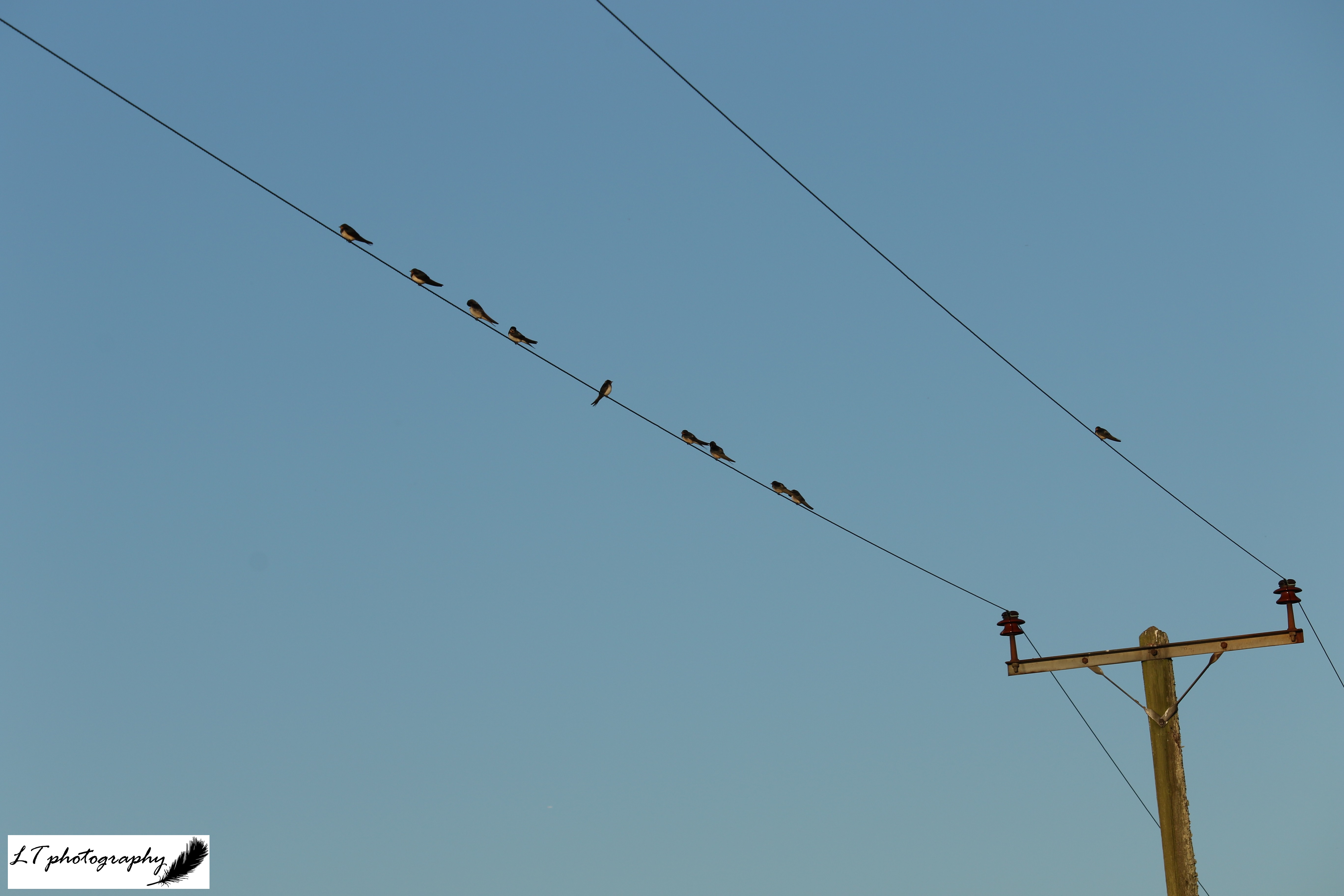
With the onset of autumn, the oak tree experienced the continuation of warm weather alongside the return of some rain showers. This was enough for the tree to green up once again and for its plentiful little green acorns to swell into the typical acorns we all know. The oak’s bounty was also joined by hedgerows filled with hazel nuts and shining berries, such as elder, rose hips, hawthorn, and sloes. This bounty was attracting an array of species, including wasps, blackbirds and jays. The oak tree also overlooked other spectacular sights from spider webs glistening with morning dew, red kites scavenging close by, charms of colourful goldfinches feeding on seedheads, swallows lining up on telegraph lines in the evening sun, and some fantastic sights of a family of linnets.

October

The mild weather continued into October, with the oak tree now covered with ripening acorns, and leaves beginning to be tinted with spots of orange and brown. These acorns were already being utilised by grey squirrels and migrating woodpigeons, amongst other species. With the oak tree’s bovine neighbours beginning to leave the tree behind for the winter, the oak was left alone overlooking the landscape changing colour spectacularly, from the pinks of spindle to the yellows of silver birch. The oak tree also watched over other autumn spectacles, such as craneflies lazily flying over the grass in warm sunshine, roe deer bucks chasing does, and the growing of magnificent fungi, such as the oak’s own bracket fungus. The landscape is alive at night too, with the return of calling tawny owls, the snuffling of badgers, and the exploring of now fully grown fox cubs.

November

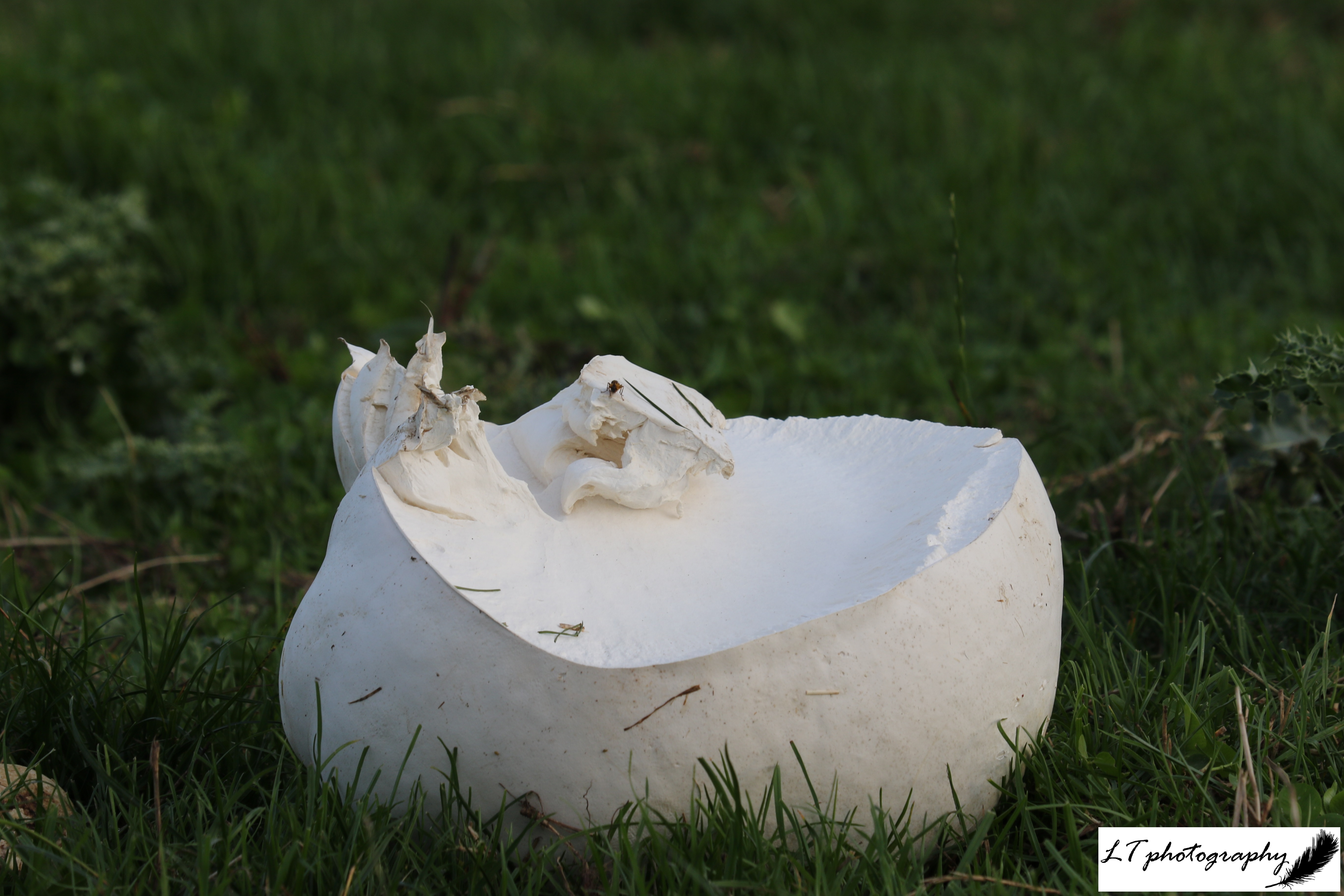
A mild November led to it being a very wet and windy month for the oak tree and its home. Ripe acorns now lay scattered around the trunk of the tree, and brown and orange leaves were now being blown free with each storm. On calmer days, the landscape was still showing lots of wildlife activity, with territorial robins fighting, families of long-tailed tits flying between hedgerows, flocks of meadow pipits feeding out in the fields, and large flocks of fieldfare and redwings making themselves at home. Whilst exploring around the oak tree, fantastical puffballs could be found in the grass, late ivy flowers and the start of its black berries in the hedgerows, and spectacular pink and orange spindle berries in the hedges further away from the oak.

December

To wrap up the year, December marked a change in the weather, with colder, drier, and sunnier days, and some spells of real hard frosts and frozen ground. By now the landscape was beginning to fall into its winter slumber once again, as was the oak tree, with only the hardier species still active. A lone cattle egret, a murmuration of starlings, wagging grey and pied wagtails, a hare passing through, and hunting barn owls included. As the tree’s surroundings lose their colour, a little can still be found with the shining green of a hart’s-tongue fern or the blood red of holly berries in the hedgerows. Here the year is drawing to a close, with a fantastic sunset and the oak’s last leaf floating softly to the ground.

Wildlife Photos for 2021

Last year was an unusual one for us all, as we got used to a new reality, but for me it was also a year of colour, amazing wildlife, and fabulous adventures. I learnt alot and was able to continue to grow as a person, which includes my skill in wildlife photography and passion for communicating nature with you all. To celebrate, here’s a collection of my nature photos spanning 2021, capturing a range of themes, species and stories, and holding a feel good factor. Enjoy!

January

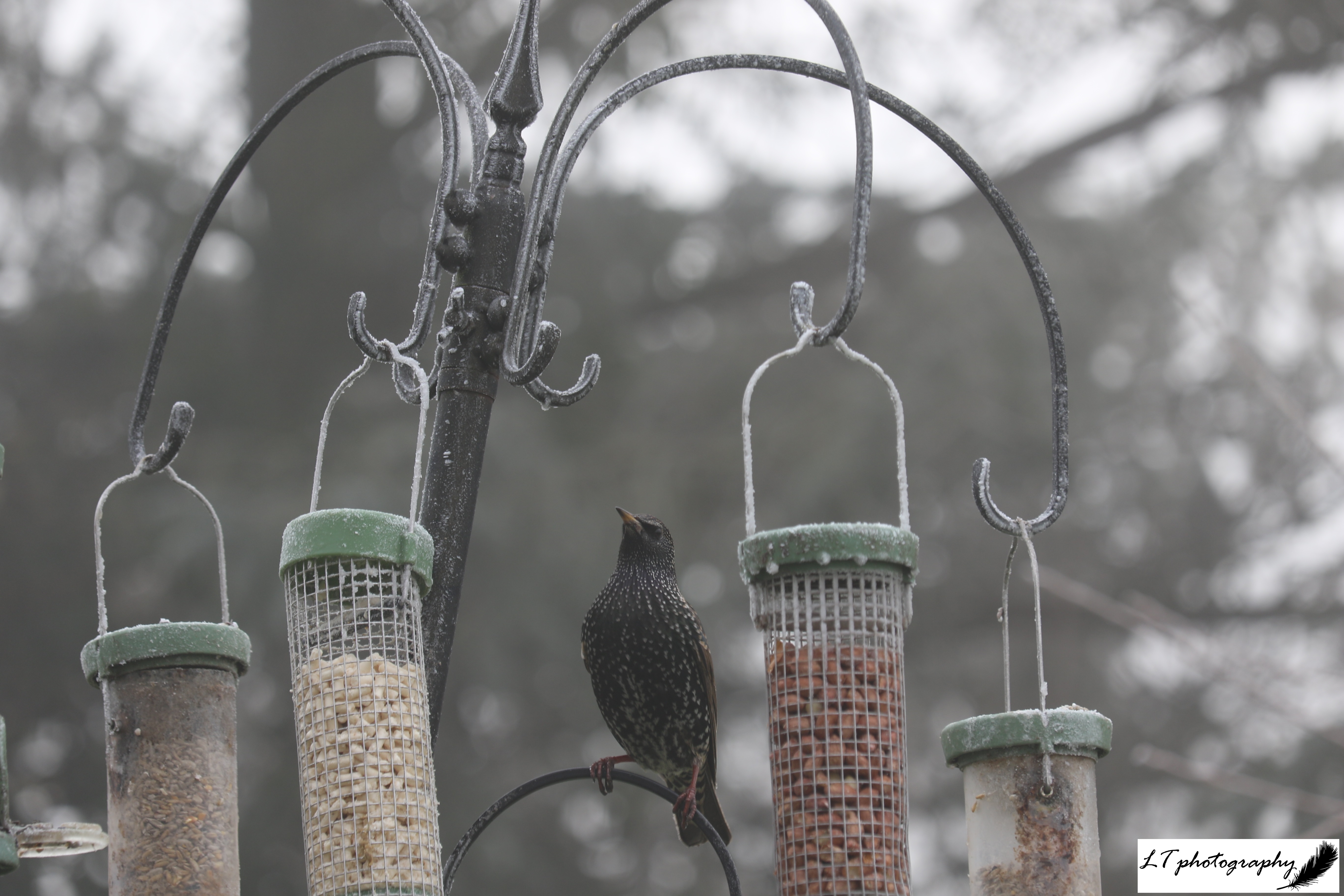
I began my year taking advantage of frosty mornings to capture the birds relying on our garden during the winter. Here a starling looking magnificent in its speckled plumage.

February

In 2021 I made it my mission to take my first up close photos of snowdrops. I enjoyed the challenge, brightening up a gloomier start to my year.

March

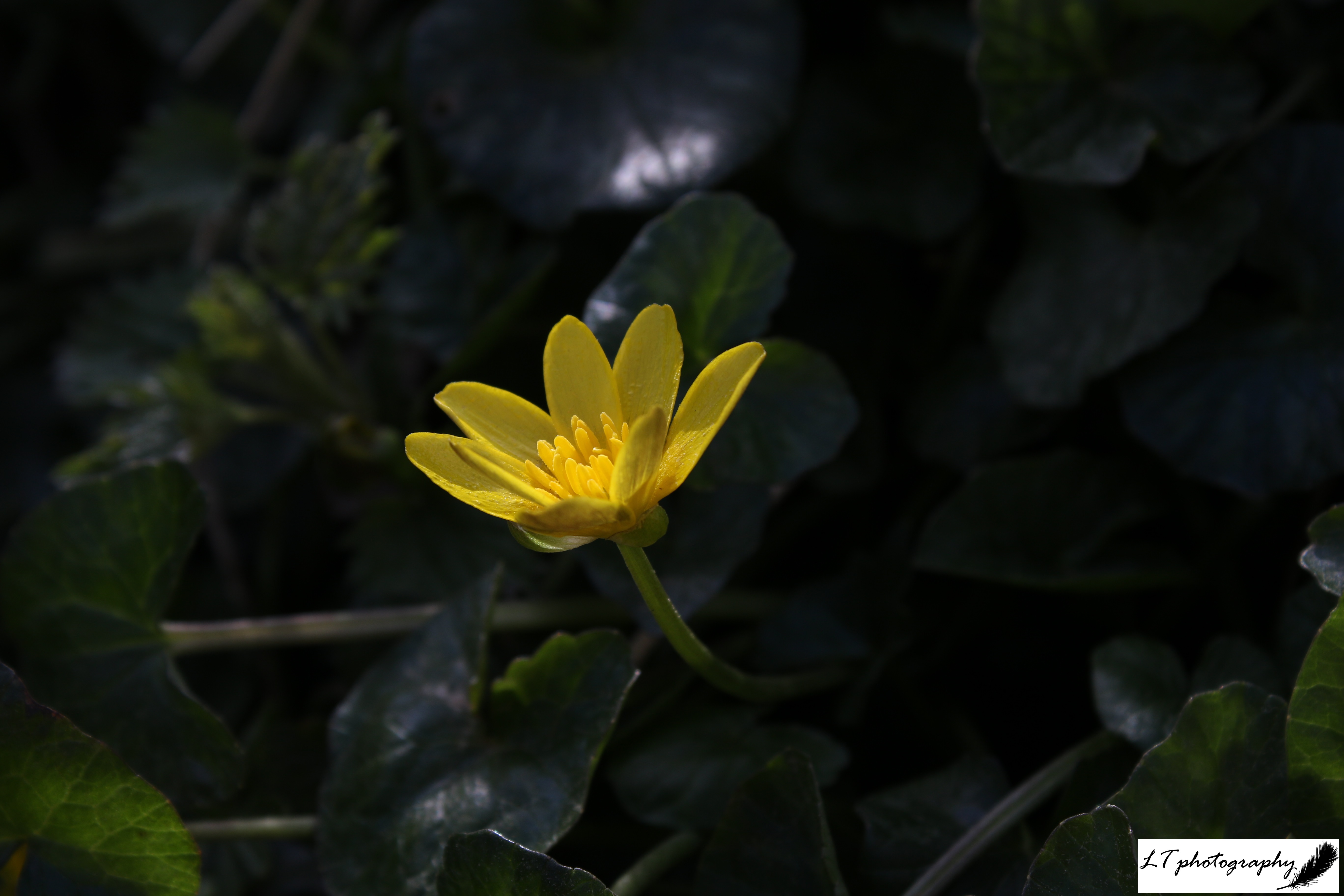
As the first signs of spring began to arrive, my focus turned to the ground and colourful spring flowers. Here a celandine peaks out its sunshine head from a thick cluster of green leaves.

April

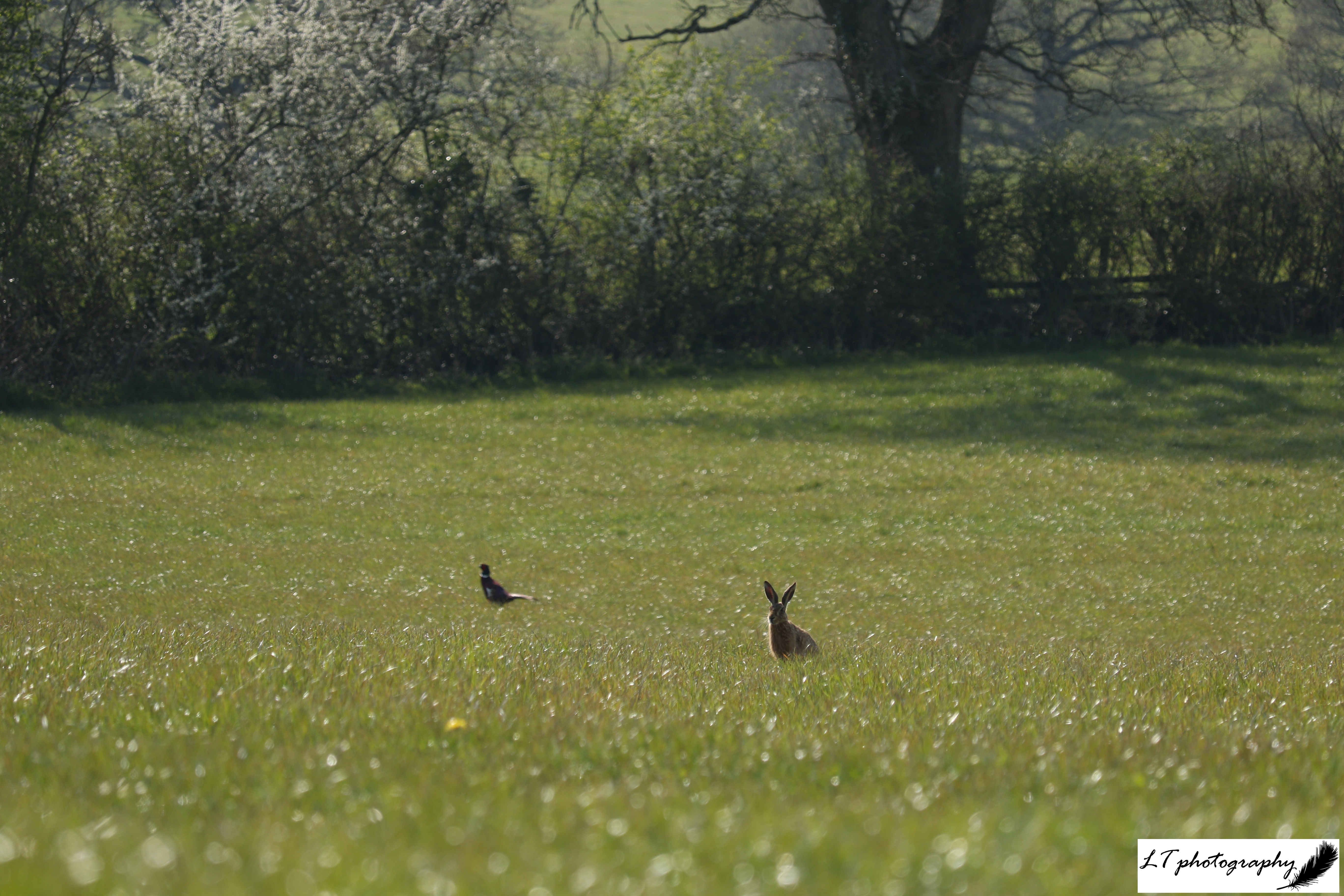
As spring burst into life, my focus turned to the animal species now becoming active in the rural landscape. Here is a relaxed hare (and pheasant) that I ended up spending a sunny afternoon watching feed on this hillside.
Each year grey wagtails are becoming a more and more frequent sight on my family’s farmland. We now have a soft spot for them as they brighten gloomy winter days and add a flash of colour in spring sunshine.

May

In 2021 I bought my very first macro lens which I was very excited about. It was great fun to head out with no set challenge, and just see what I could find!

June

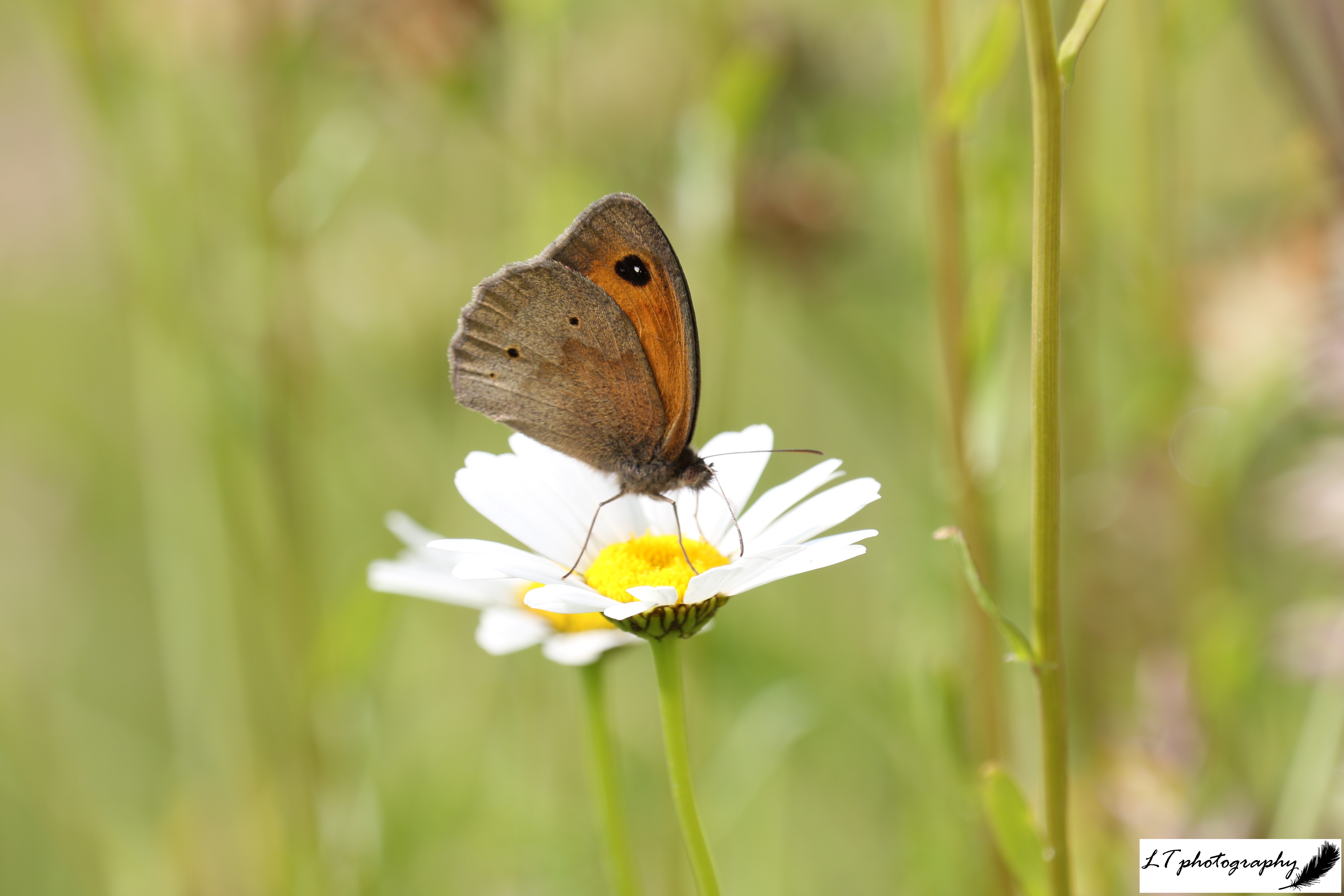
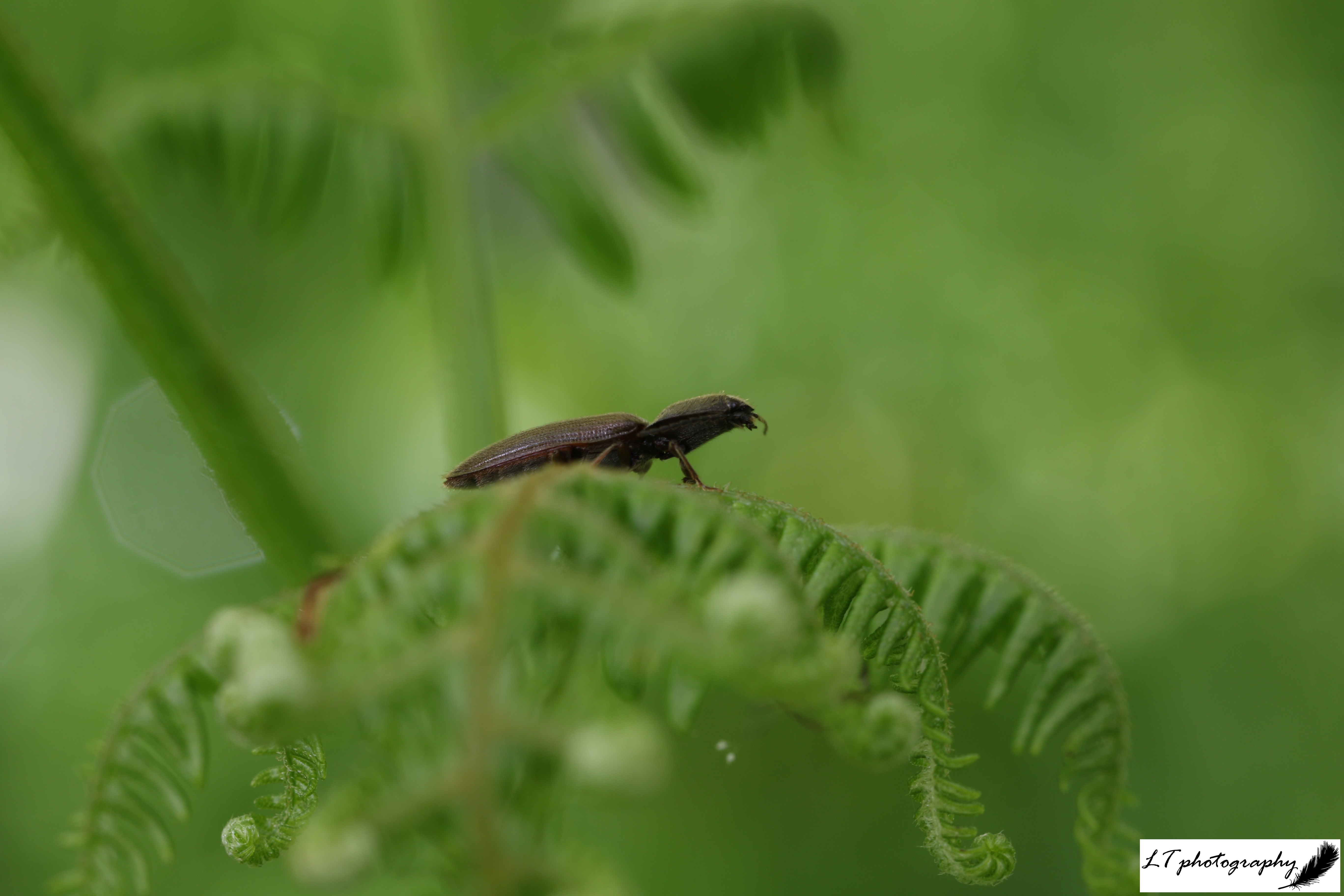
Last year was definitely the year of butterflies for me. I had alot of fun expanding my knowledge of species and getting to see an increasing number living on my family’s land, such as this meadow brown.

July

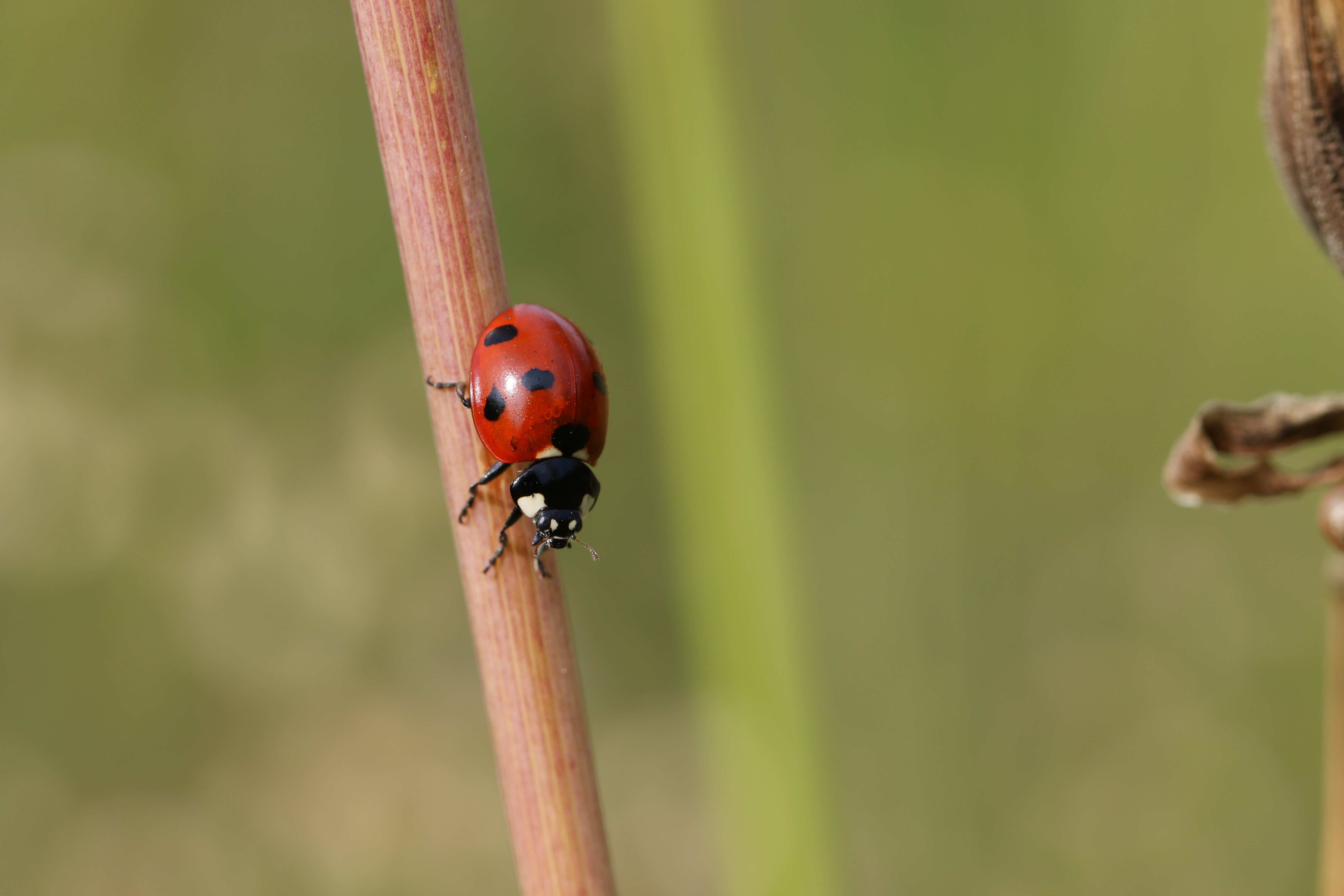
A series of photos that I took of this ladybird became some of my favourites for myself and my family in 2021!
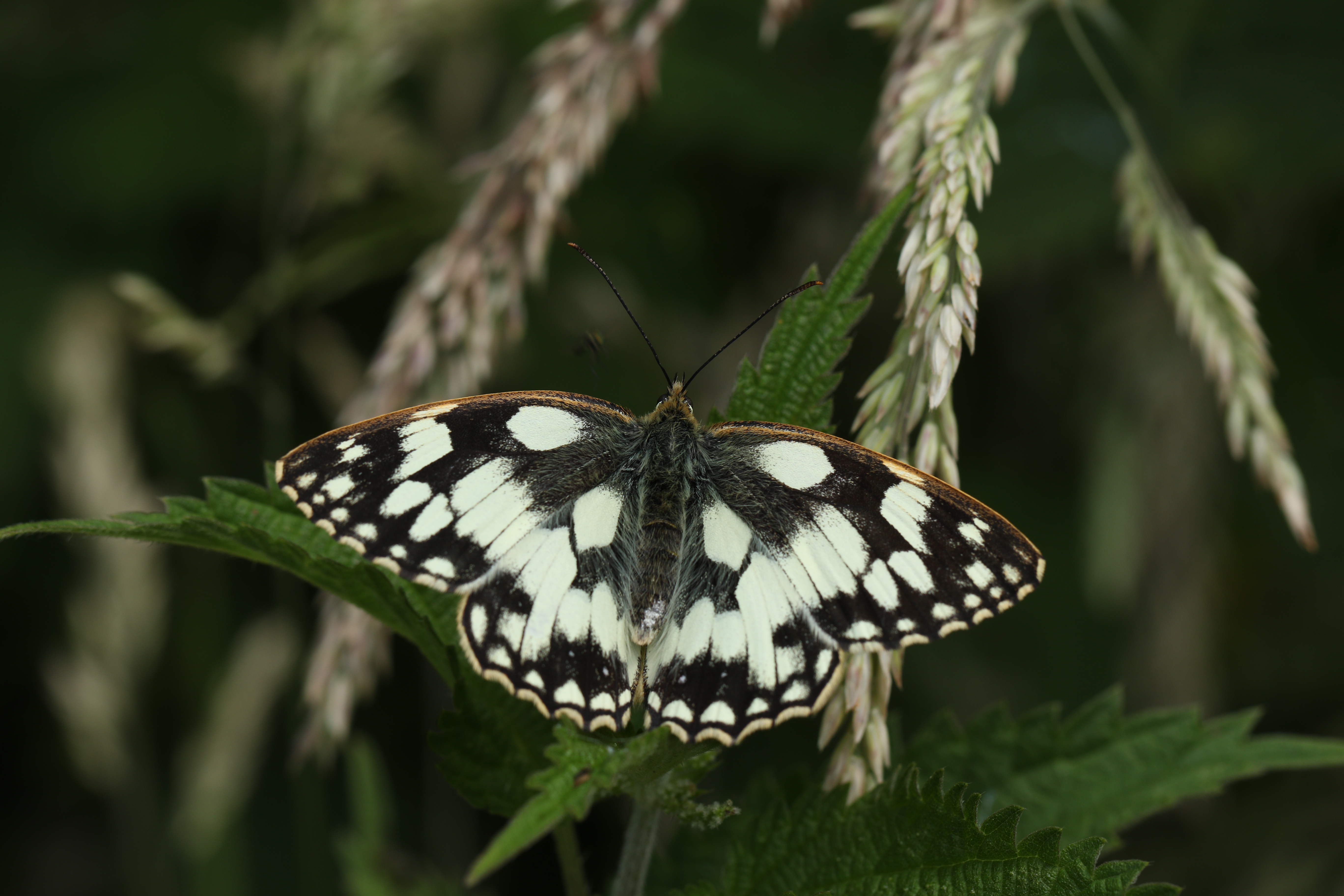
Another one of my 2021 favourites, a spectacular marbled white!

August

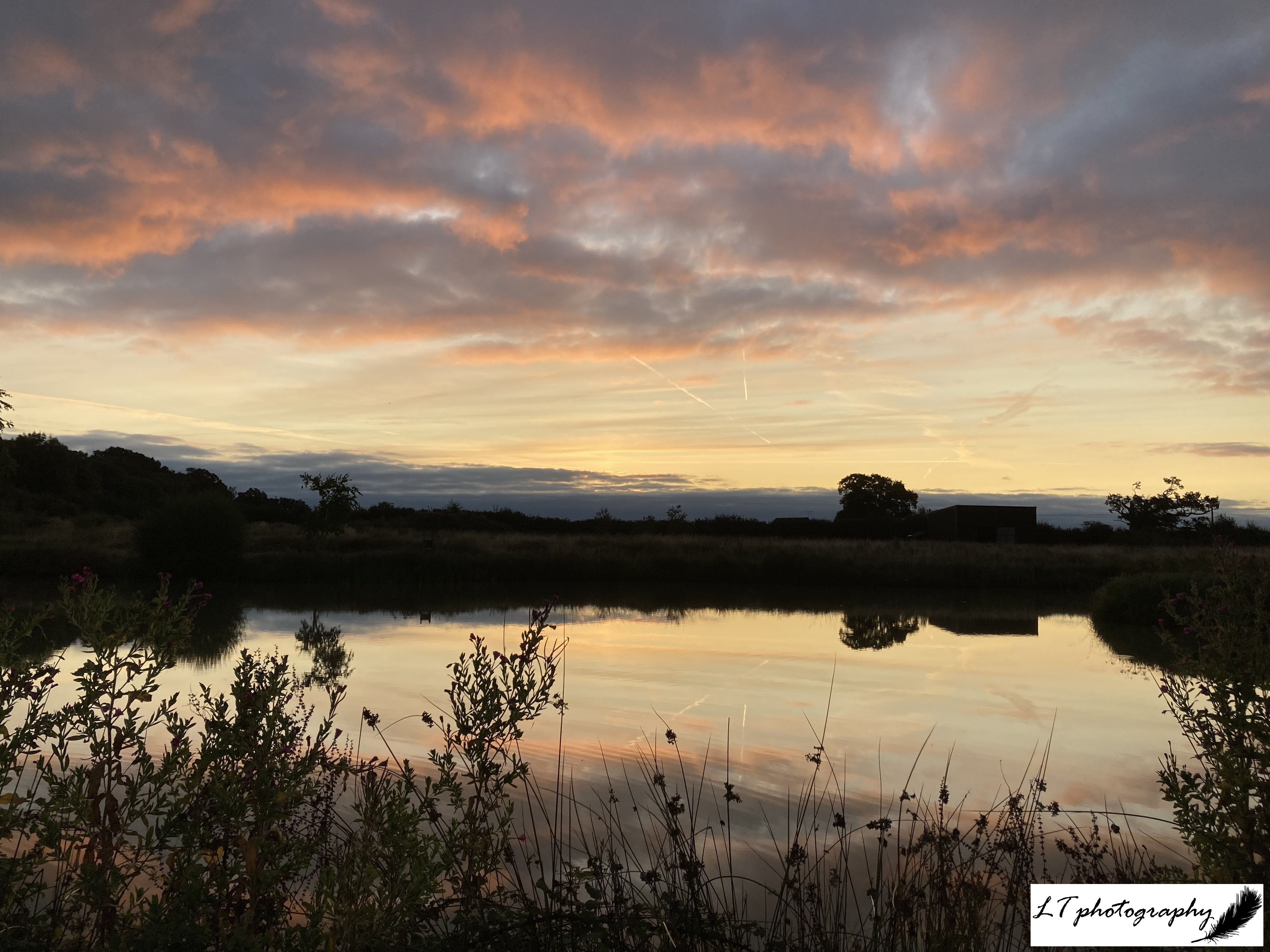
There’s something special about a sunrise over water with pinks, oranges and yellows streaked across the sky like a watercolour.

September

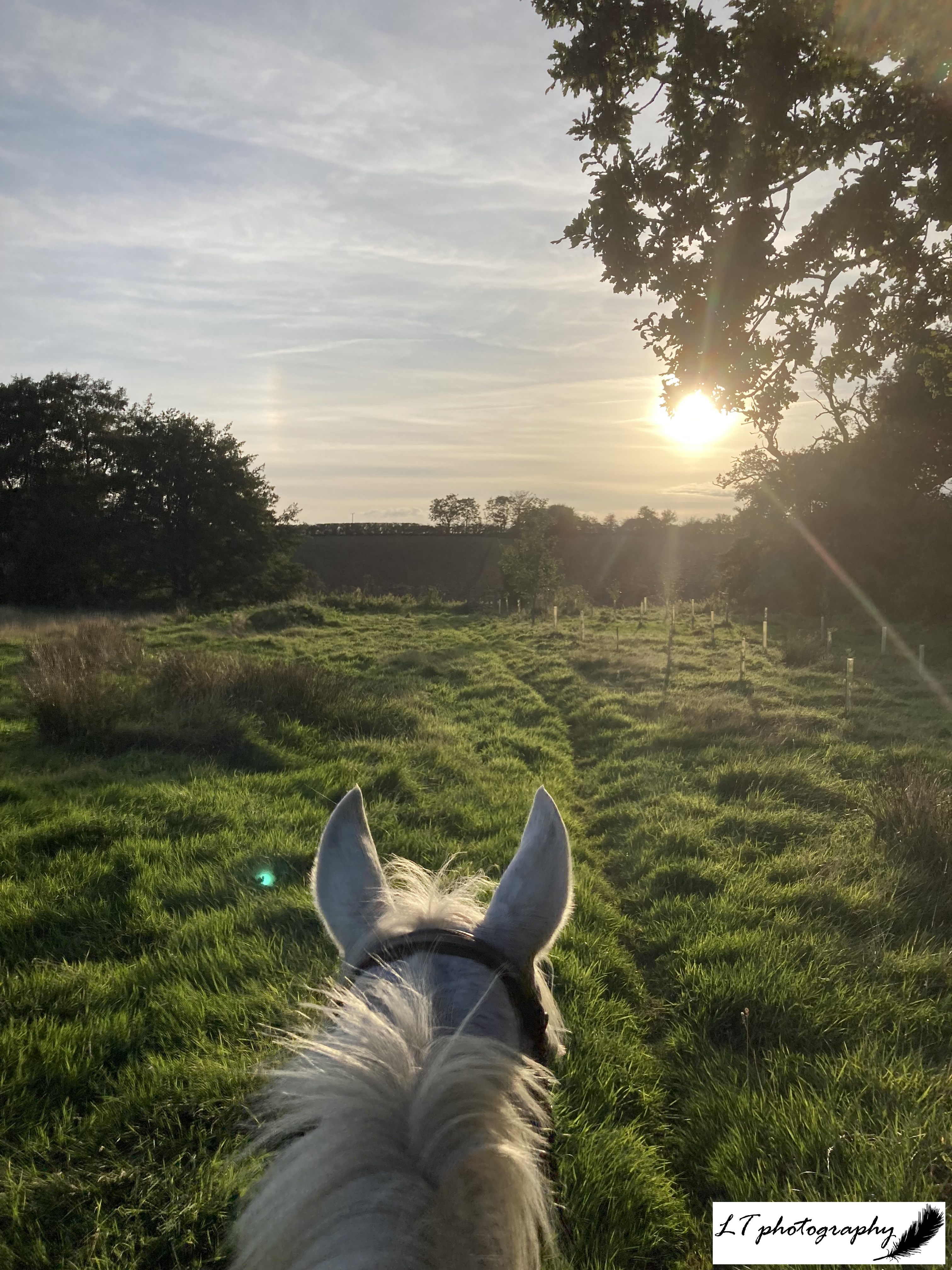
One of my favourite places to be is between two ears exploring the countryside. Here I also had the golden glow of a setting autumn sun to make my ride even more magical.

October

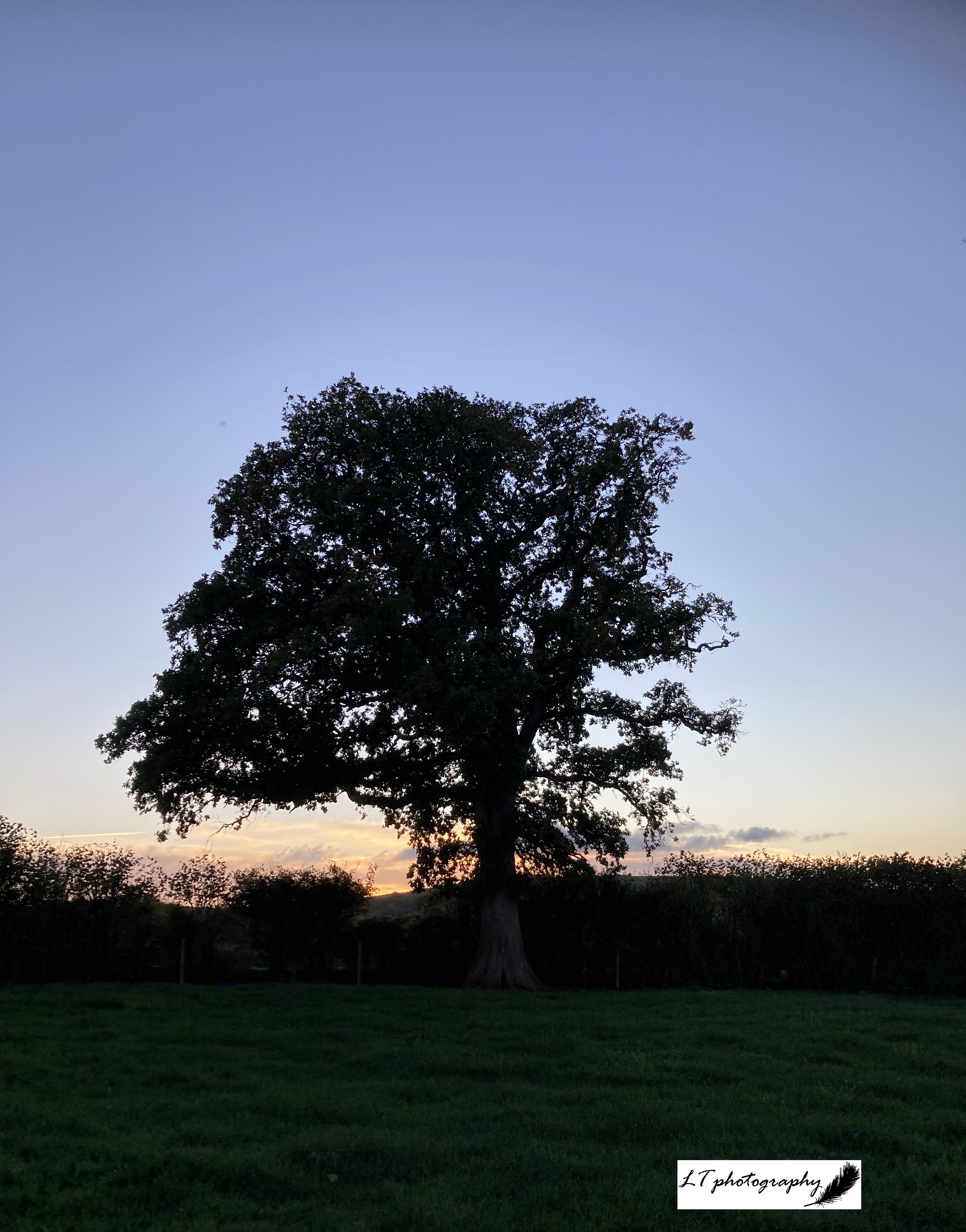
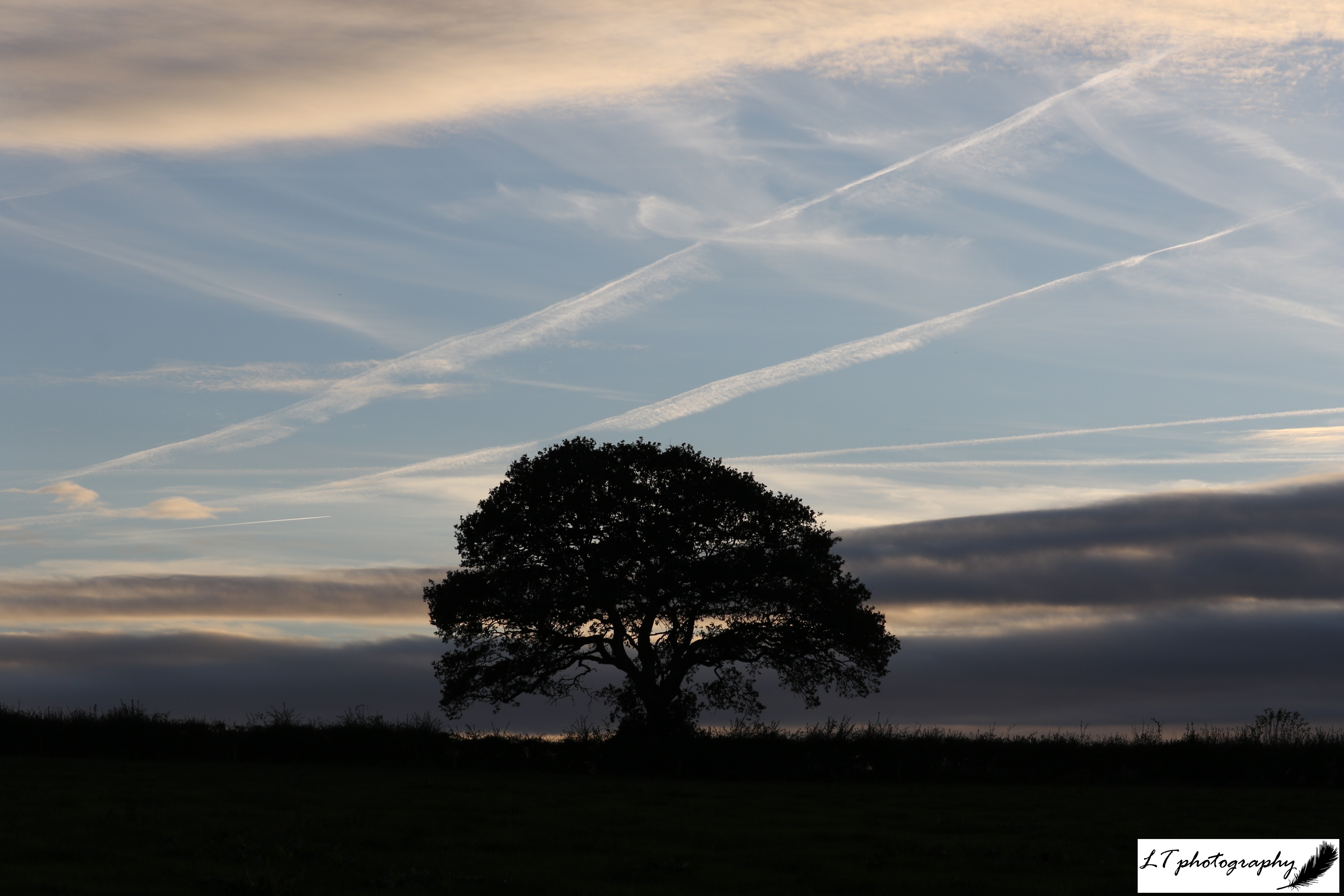
Autumn has some of the best sunsets, with everyday promising something different. Here an oak tree holds on to its leaves as autumn continues its advance through the landscape.

November

A magical part of late autumn is seeing the sun rise over dewy fields covered in a blanket of wafting spiders’ webs. These are produced by thousands of small spiders active before winter arrives.

December

To round off the year, one of my wildlife activities was to plant some new fruiting trees and shrubs down in my family’s conservation field (here a crab apple). Tree planting is definitely a rewarding activity at this time of year!

Here’s to new adventures in 2022!

40 years of the RSPB’s Big Garden Birdwatch: How can you get involved?

Next weekend the RSPB is holding its annual Big Garden Birdwatch. Many people may have heard of this event before and may have even participated in it (if so thank you), but many people may have never heard of it before though. Either way, with the event celebrating its 40th anniversary this year, I wanted to take a moment to look back at the Birdwatch’s interesting history, wide-ranging impact and more importantly how you could get involved this year to help make it the biggest year yet!

For those of you who may not know, the RSPB (standing for the Royal Society for the Protection of Birds) was founded in 1889 by ornithologist Emily Williamson with the aim of stopping birds being exploited for fashion. Over the following 130 years, the RSPB has grown in size and popularity, and among other things, has acquired at least 209 nature reserves, raised lots of money for conservation projects and created many popular events such as the annual Big Garden Birdwatch. Following its start as an event aimed at children in 1979 in collaboration with Blue Peter, the Birdwatch has now been running for an amazing 40 years, with the hope of many more years to come.

With over half a million people taking part each year now, the Big Garden Birdwatch has officially become the world’s largest wildlife survey. Clocking up over 8 million watch hours and more than 130 million bird sightings, the survey has amassed four decades worth of valuable results for the RSPB. What happens each year to these results though? Well once collated into one big data set they are analysed to monitor trends, and allow us to understand the state of British wildlife such as to identify species declines, and to help protect and conserve it.

To give you an idea of some of the basic results the Birdwatch can provide, lets take a look back at some of last year’s results published by the RSPB. To start, the top 10 garden birds in the UK and Northern Ireland in 2018 were found to be:

2018 big garden birdwatch results

(c) RSPB

  1. House sparrow
  2. Starling
  3. Blue tit
  4. Blackbird
  5. Woodpigeon
  6. Goldfinch (11% rise from 2017)
  7. Great tit
  8. Robin
  9. Long-tailed tit
  10. Chaffinch

The 2018 survey also showed big increases from the past year in the number of sightings of winter visitors, such as siskins and bramblings, and a 5% increase in greenfinch sightings. Despite house sparrows being the most commonly seen species in our gardens in 2018, since its beginning, the Big Garden Birdwatch has seen house sparrow sightings drop year on year, with a 57% decline over 40 years.

In relation to the survey itself though, since 1979 participants have increased in number from approximately 34,000 children to more than half a million individuals of all ages. Whatever your experience or knowledge of birds and wildlife, this is one event where anyone can now get involved. In addition to helping out the RSPB, this survey could also have wide ranging benefits for yourself too. For example it could:

  • Allow you to take a moment to appreciate what is in your garden or local green space
  • Aid your mental health by spending time out in nature and/or being mindful of your local wildlife
  • Allow you to get involved in citizen science where your involvement could have a big difference for scientific knowledge and species conservation
  • It is a bit of fun!

So, if you are interested in the world’s largest wildlife survey, how could you get involved? First, go to the ‘Bird Garden Birdwatch 2019’ section of the RSPB website and either request a free postal pack, download a counting form and bird ID guide or decide to complete the Birdwatch online. Then pick a day between 26th-28th January to sit and watch the birds in your garden or local green space. Follow the rules for counting the birds, and when your hour is complete either send your results to the RSPB by post or online. How you do your Birdwatch though is entirely up to you. It’s simple!


img_0749

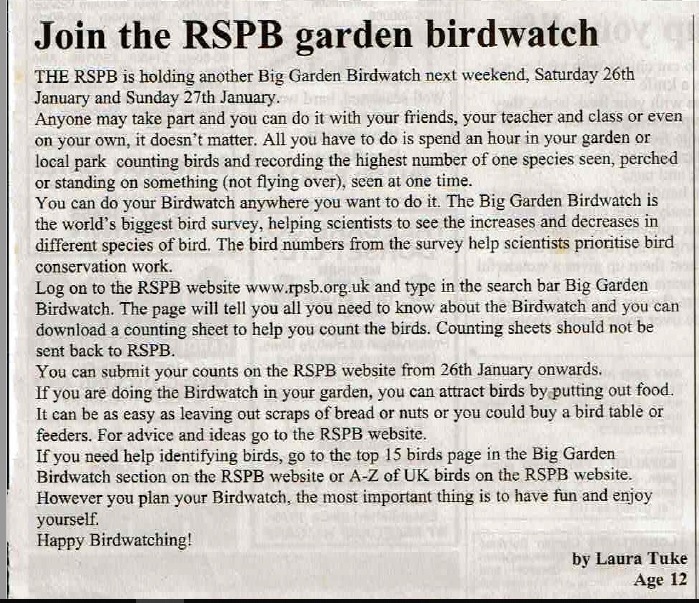
As a result, the Big Garden Birdwatch has now helped to inspire many new generations of birdwatchers and I can say that I am included among them. This was evident at the age of 12, when I decided to write a piece for my local magazine trying to get more people (even then) involved in the Birdwatch. Though my knowledge, writing and understanding of the world has come a long way over the last 11 years, my passion for wildlife, its conservation and its communication have remained the same. So why not listen to 12 year old Laura, do the same as me, and take part in this year’s Big Garden Birdwatch!

big garden birdwatch article

This blog post has been written independently from the RSPB, but all RSPB Big Garden Birdwatch resources and facts used in this blog post, such as seen in the photos of the resources included in the postal pack I received, are entirely the property of the RSPB


Winter into spring: January on the farm

January is often a cold and bare month, no leaves on the trees and an atmosphere of dormancy. But I say, if you just look closely enough, beauty is still there to be found.

January is the month when snowdrops begin to spring from the earth, hinting at the new life that is to come with spring.

Trees stand bare and leafless, showing off their magnificent skeletal shapes.

The last of the autumn’s berries still laden the hedgerows throughout January this year, in particular bright red rose hips.

As well, windfalls still lie beneath the apple trees from last years crop, ready for the taking. Badgers make frequent trips to the orchard to take advantage of the food source, and all that can be seen as evidence of these raids, are the discarded left overs of apples out in the nearby fields.

IMG_1226

Many gulls feed on the farmland fields during the daytime, with the flocks being mainly made up of herring gulls and great-black backed gulls. Usually also during the winter, flocks of starlings feed around the farm, but they only appeared for the first time this winter, near the beginning of January. Currently they can be seen flocking on the fields to feed or chattering away in the trees around our farm buildings. As well, iconic of this time of year, fieldfares and redwings can be seen feeding in the fields.

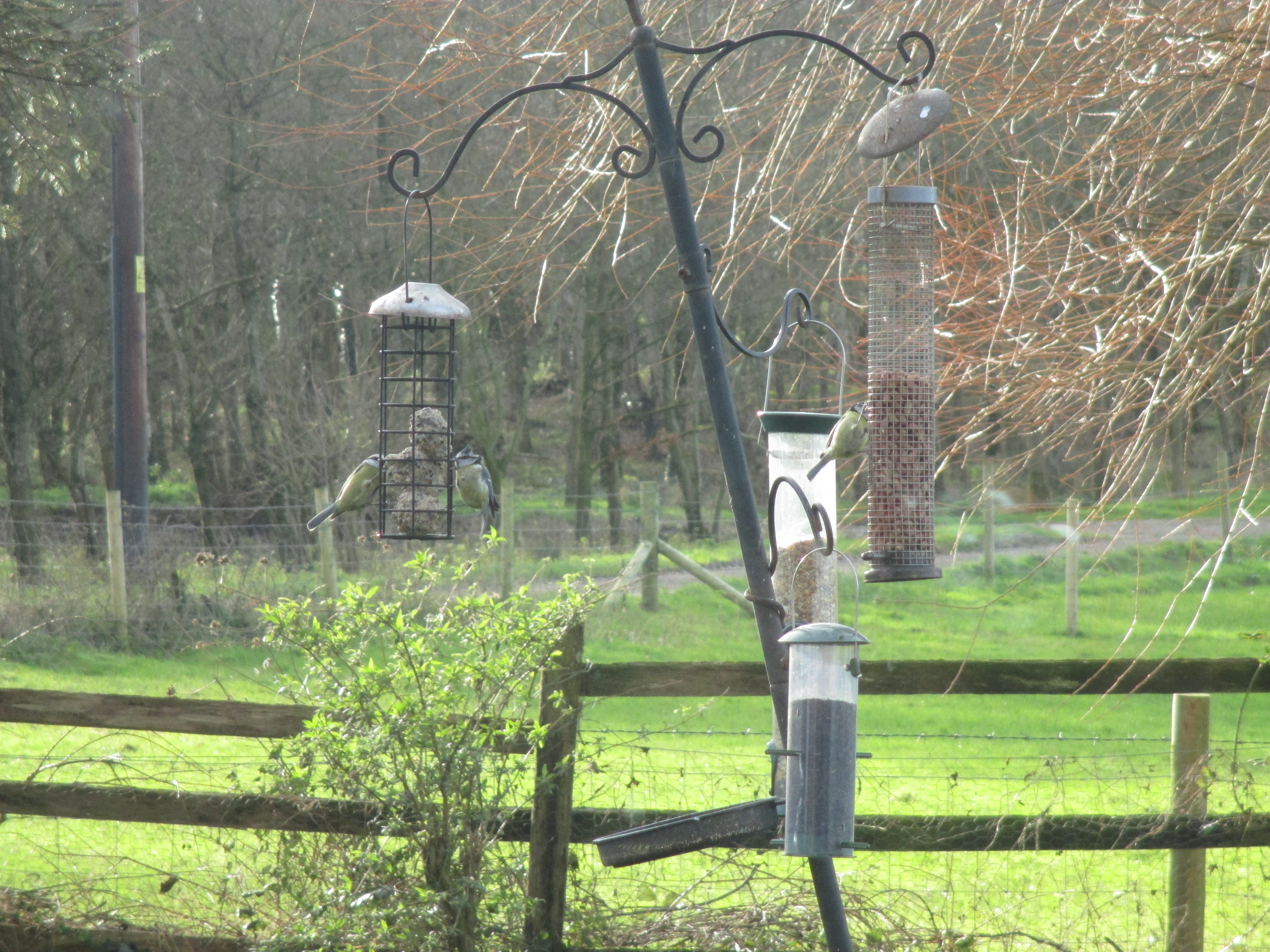
During the daytime, lots and lots of birds visit the bird feeders in the garden, to feed on peanuts and mixed seed. These bird species include, blue tits, chaffinches, great tits, goldfinches, house sparrows, dunnocks and great spotted woodpeckers.

IMG_1239

During the night at this time of year, tawny owls can be heard calling, as they attempt to rekindle pair bonds before the breeding season begins from February onwards. Also, female foxes can be heard calling to males, as they become receptive for mating.

Some mornings are woken up to a frost covered landscape. It makes things look particularly magical with the ground sparkling in the morning sunshine. With changes in winter weather though, these mornings have become rare in Dorset during this winter.

This January, change is in the air. Not the change of tradition, but change that feels wrong. Daffodils began to shoot from the beginning of January and primroses appeared in the hedgerows.

My highlight of January 2016 has to be, seeing a lone kestrel hunting close to our house everyday. A magnificent sight to see a bird hovering, still in mid air, before swooping down to catch a vole.