Spring How It Happened In Nature 2025

Spring 2025 felt like an unusual spring this year, with unpredictable weather patterns and trends being hard to pinpoint. Looking back at meteorological records though, despite sudden changeable weather and some cold snaps early on, March, April, May and June were in fact on average warmer and sunnier than previous years, with wet ground drying up fast. As a result, this season felt like it went by in a flash this year and was harder to hold on to, in the present and in memory.

Spring 2024 was even more changeable in weather patterns compared to this year, but still showed some consistent phenological trends (check out Spring 2024: How It Happened). Plant species showed events occurring earlier due to warmer temperatures, whilst insect and bird species showed a split in occurrence, affected by some increased rainfall at certain periods. With spring 2025 also exhibiting some changeability, but overall warmer temperatures, I wonder how spring events played out this year. Let’s take a look at tree, flowering, shrub, insect and bird species to get a snapshot of how things turned out this year in comparison to previous years.

Trees

During 2024, spring emergence dates were on average earlier for most tree species due to warmer and wetter spring weather. In 2025 though, the trend is less easy to discern, with events ranging anywhere from 1 to 30 days earlier, 1 to 21 days later, or even the same day. The trend does not relate to month, but timing of events differed between species, with all english oak events occurring later, whilst all sycamore events occurred earlier, which may signify varying factors at play. There’s also no trend occurring with tree species between the years either, such as becoming earlier or later over time. This year’s spring did feel like the weather was highly changeable at times though, switching from warm to cold, wet to dry, and may have created small scale fluctuation from week to week, despite overall warmer weather.
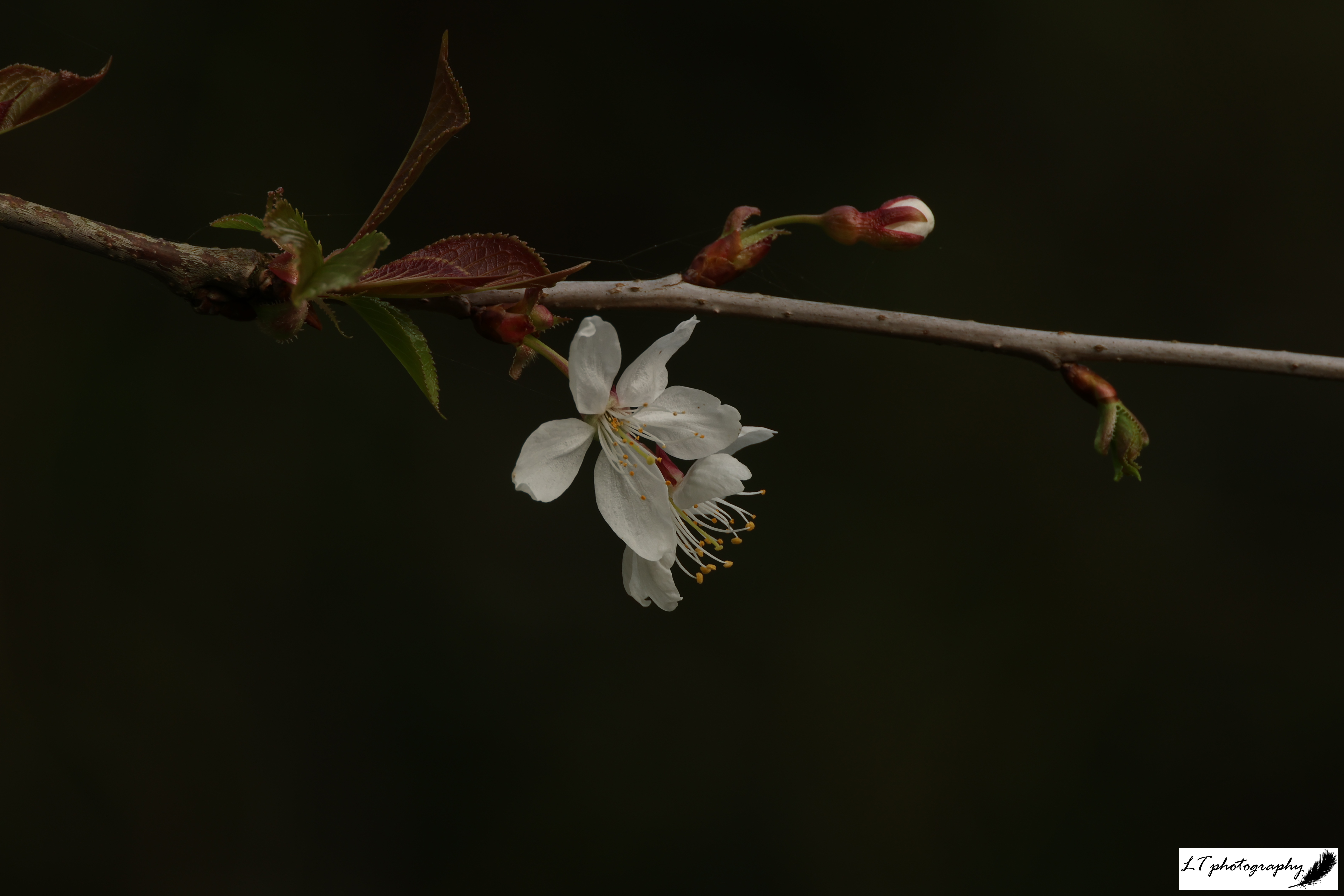
Flowers

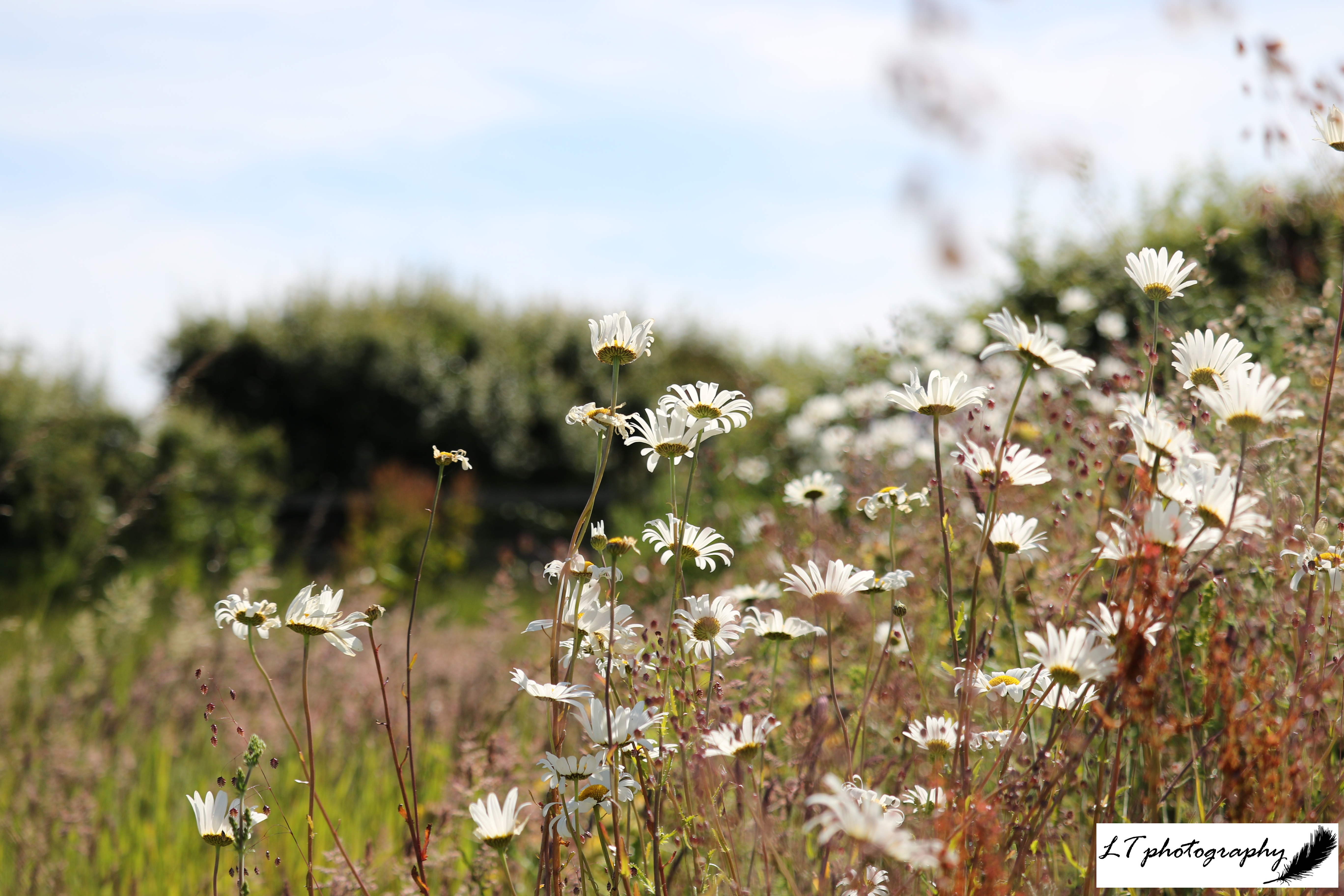
Plants flowering during spring 2024 occurred on average earlier, varying from 1 to 16 days. Following the same situation as with tree species, during spring 2025, the occurrence of plants flowering showed no true trend, with a 50:50 split between earlier or later. Primroses, cowslips, wood anemones, early purple orchids, yellow archangel, and oxeye daisies all first flowered 3-14 days earlier, whereas snowdrops, lesser celandines, daffodils, stitchwort, wild garlic, cuckooflowers, and bluebells all first flowered 5-21 days later. Like with the trees, no pattern was shown connected to month, and flowering this spring may instead also be due to fluctuating weather and temperature patterns.

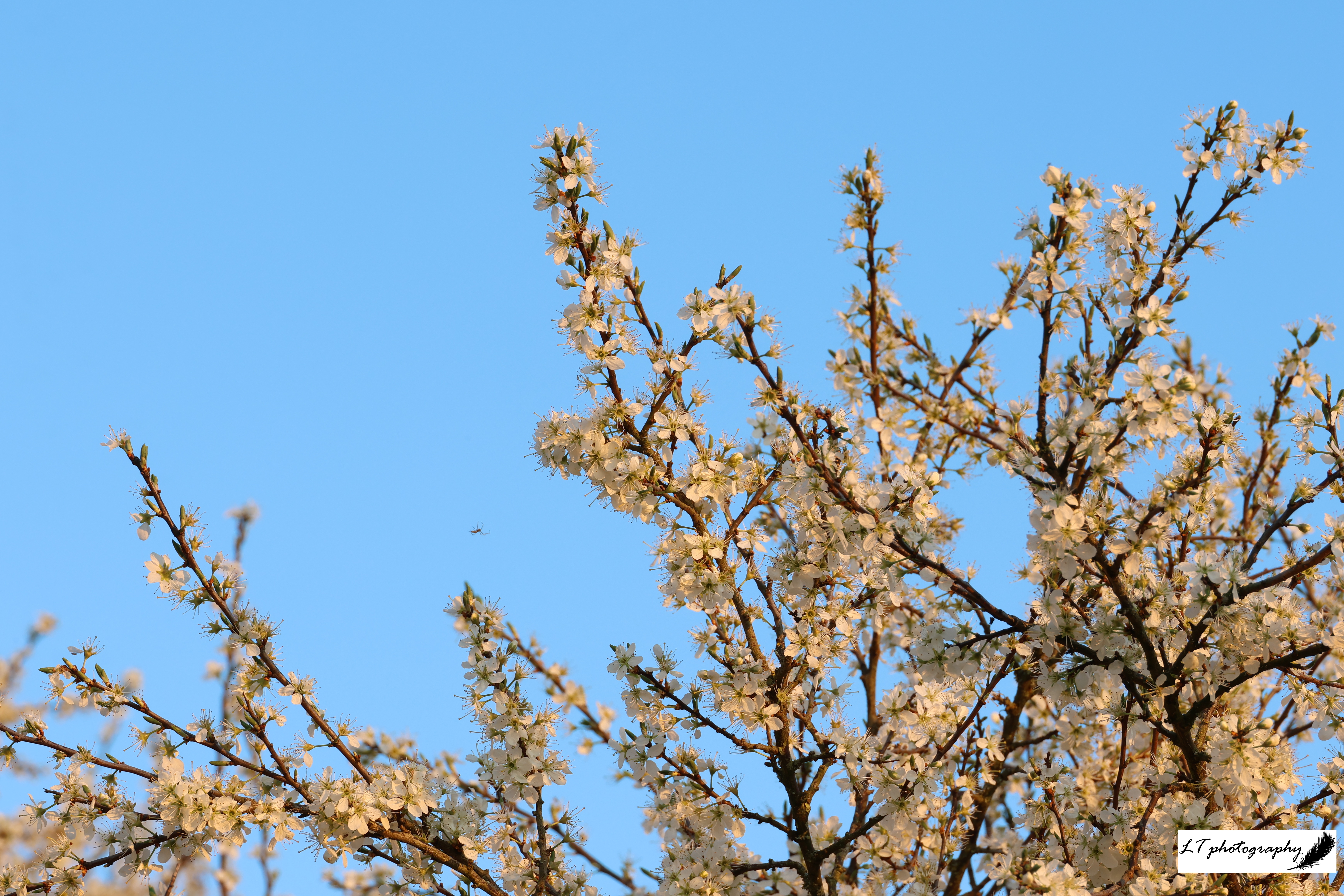
Shrubs

During spring 2024, the majority of shrub events occurred earlier, ranging from 1 to 53 days. In spring 2025 though, there was more of a split. Of 18 recorded events, 10 were later than 2024, ranging from 1 to 29 days, 1 was the same day, and 7 were earlier than 2024, ranging from 4 to 20 days. Some species, such as blackthorn and elder, had all later events, but most species shared variation between budburst, leaves unfurling, and flowering. It is unsurprising that shrubs followed what was seen with other plant species though, being affected by the same factors, causing no discernable trends.

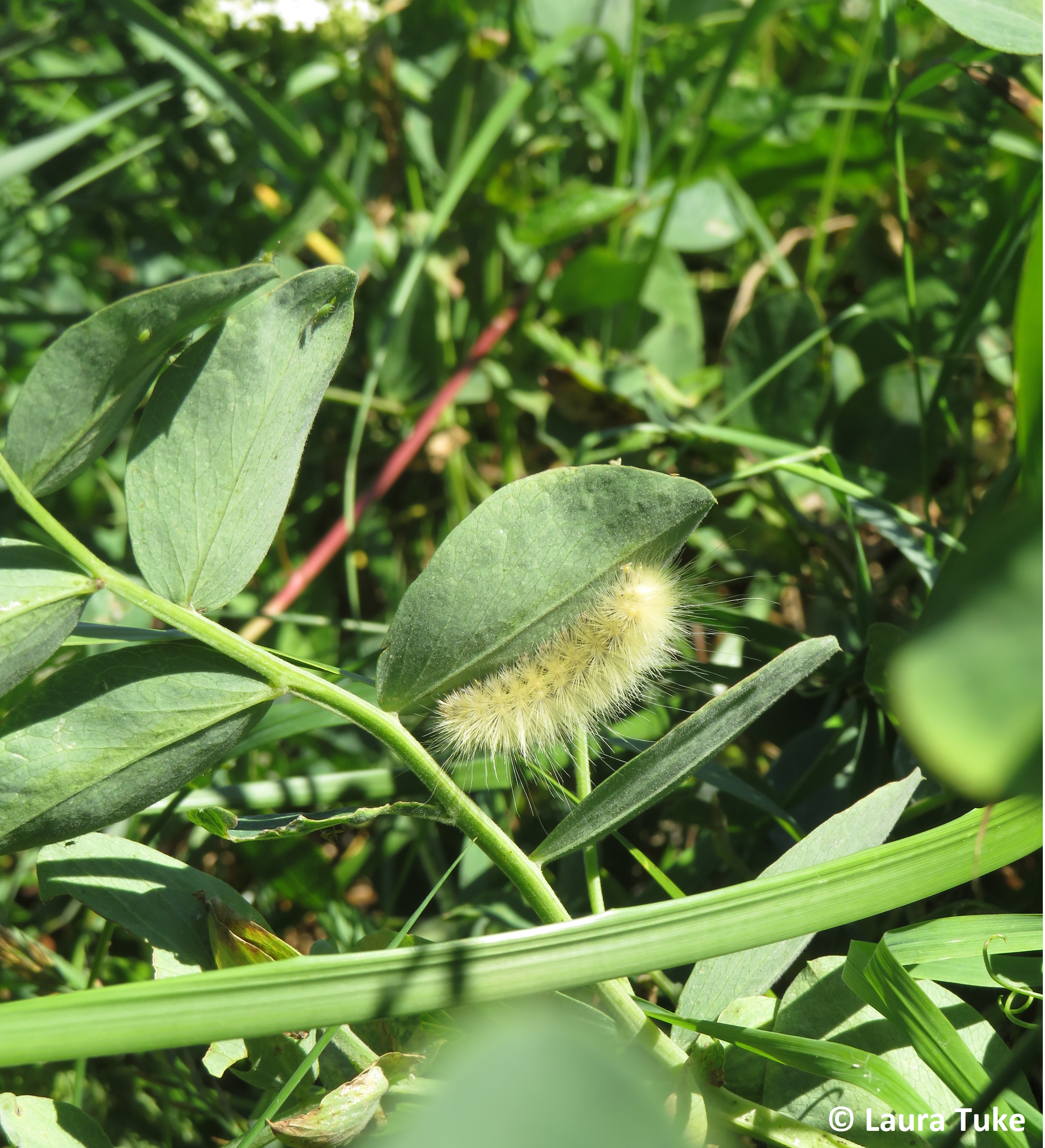
Insects

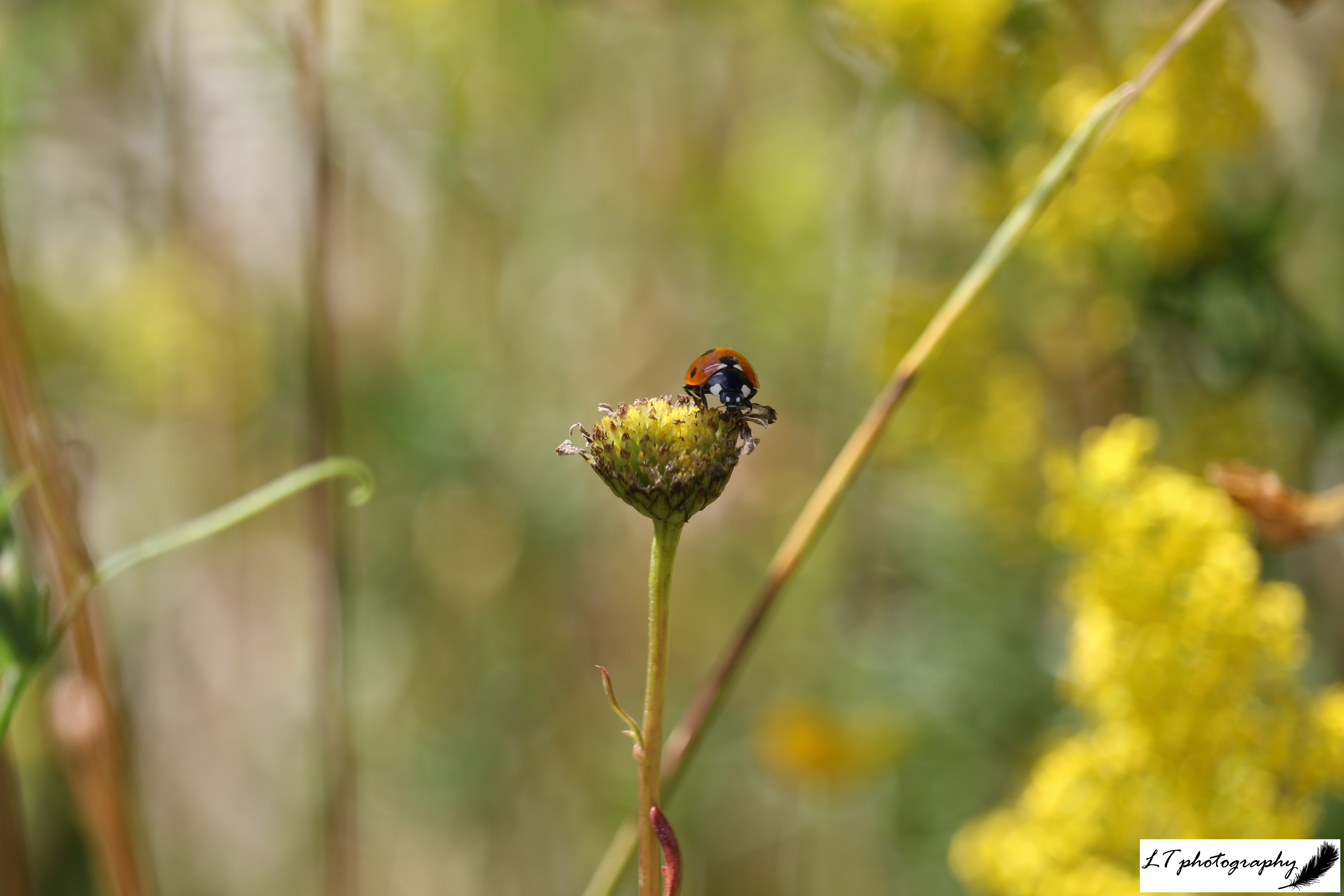
Of 10 species that had their first emergence date recorded during spring 2024, a 50:50 split was found for earlier and later dates. This year for the same 10 species though, there was a skew towards earlier emergences. For brimstone butterflies, buff-tailed bumblebees, 7-spotted ladybirds, peacock butterflies, small tortoiseshell butterflies, small white butterflies, and queen wasps, emergence ranged from 1-47 days earlier this spring. The exceptions were orange tip butterflies, red admiral butterflies, and speckled wood butterflies, emerging later by 4-32 days during April. Where plant species showed no great pattern between springs 2024 and 2025, these insect species recorded do show more earlier emergences, with on average warmer weather allowing this to occur.

Birds

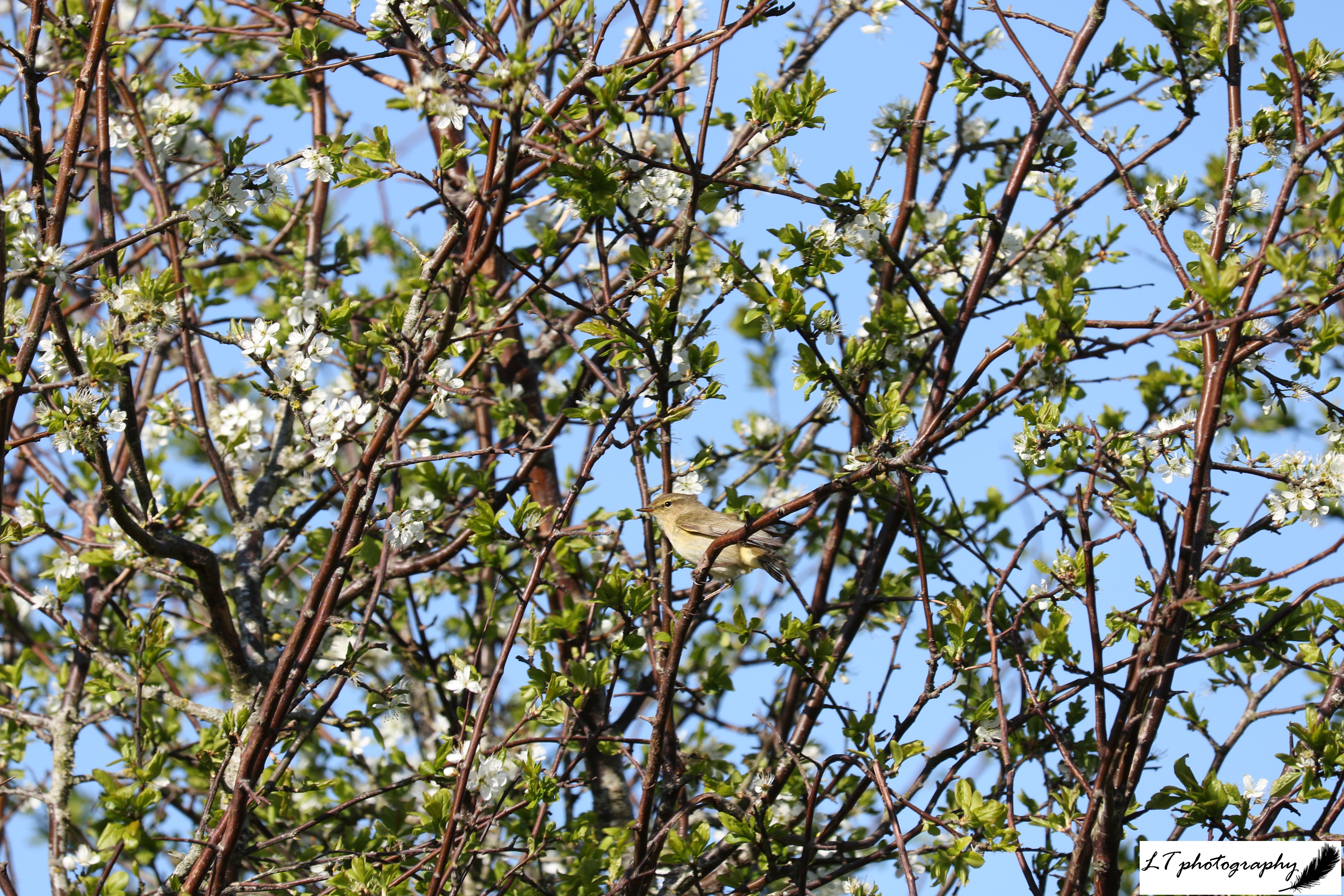
Over the last three years of recording bird events during spring, no clear trend was observed between years for the bird species that were recorded. For spring 2025 though, the events recorded were shown to have occurred on the same day as in 2024, or 1 to 26 days earlier. For example, cuckoos were heard earlier during April, and juvenile blackbirds were seen earlier, fledging during April. It is really interesting that where this year plant events were occurring all over the place compared to during previous years, bird species were responding earlier to spring conditions. This could be due to weather conditions being on average milder, whilst food sources were also made available earlier during spring this year.

Conclusion

When I first began writing this phenological report for my family’s Dorset farm this year, I began with the recorded plant species and was unable to find any observable trends between years and species, and within species. Though I was starting to feel that absence of trends was still important, things were looking more interesting when I turned my attention to recorded insect and bird species events. Both insect and bird species showed trends towards events occurring earlier this spring, which is more noticeable after a lack of trends over the last couple of years. These show that the season being on average warmer and sunnier this year did have an impact on animal species, even if more factors were involved in what was seen with recorded plant species.

Species List

  • Alder (Tree) Alnus glutinosa
  • Ash (Tree) Fraxinus excelsior
  • Blackbird (Bird) Turdus merula
  • Blackcap (Bird) Sylvia atricapilla
  • Blackthorn (Shrub) Prunus spinosa
  • Bluebell (Flowering Plant) Hyacinthoides non-scripta
  • Brimstone butterfly (Insect) Gonepteryx rhamni
  • Buff-tailed bumblebee (Insect) Bombus terrestris
  • Chiffchaff (Bird) Phylloscopus collybita
  • Common wasp (Insect) Vespula vulgaris
  • Cowslip (Flowering Plant) Primula veris
  • Cuckoo (Bird) Cuculus canorus
  • Cuckooflower (Flowering Plant) Cardamine pratensis
  • Daffodil (Flowering Plant) Narcissus spp.
  • Dog rose (Shrub) Rosa canina
  • Early purple orchid (Flowering Plant) Orchis mascula
  • Elder (Shrub) Sambucus nigra
  • English oak (Tree) Quercus robur
  • Field maple (Tree) Acer campestre
  • Greater stitchwort (Flowering Plant) Stellaria holostea
  • Great-spotted woodpecker (Bird) Dendrocopos major
  • Hawthorn (Shrub) Crataegus monogyna
  • Hazel (Shrub) Crataegus monogyna
  • Horse chestnut (Tree) Aesculus hippocastanum
  • Lesser celandine (Flowering Plant) Ficaria verna
  • Norway maple (Tree) Acer platanoides
  • Orange-tip butterfly (Insect) Anthocharis cardamines
  • Oxeye daisy (Flowering Plant) Leucanthemum vulgare
  • Peacock butterfly (Insect) Aglais io
  • Primrose (Flowering Plant) Primula vulgaris
  • Lilac (Shrub) Syringa vulgaris
  • Red admiral butterfly (Insect) Vanessa atalanta
  • Rook (Bird) Corvus frugilegus
  • Seven-spot ladybird (Insect) Coccinella septempunctata)
  • Silver birch (Tree) Betula pendula
  • Small tortoiseshell butterfly (Insect) Aglais urticae
  • Small white butterfly
  • Snowdrop (Flowering Plant) Galanthus spp.
  • Song thrush (Bird) Turdus philomelos
  • Speckled wood butterfly (Insect) Pararge aegeria
  • Swallow (Bird) Hirundo rustica
  • Sycamore (Tree) Acer pseudoplatanus
  • Wild cherry (Tree) Prunus avium
  • Wild garlic (Flowering Plant) Allium ursinum
  • Wood anemone (Flowering Plant) Anemone nemorosa
  • Yellow archangel (Flowering Plant) Lamium galeobdolon

26 Years of the BTO’s Garden BirdWatch: Getting Involved During Lockdown

As winter creeps into the landscape and a second lockdown keeps us close to home, our gardens are once again coming alive. Wrens creep through the undergrowth catching insects, Robins sing to defend small territories, and Long-Tailed Tits flit between hedgerows foraging in family groups. It’s not just the birds though, other species are settling down to see out the winter in our gardens too, from butterflies and toads to hedgehogs and ladybirds.

With this year being a bit different, I have found it a great time to take part in the BTO’s Garden BirdWatch, to further connect with nature, boost my mental health, and do my bit. Gardens are very important homes for wildlife, not just at this time of year, so now is an important time for us to understand how we can better help the wildlife that share our gardens with us. If you have a bit of time on your hands, want to do something a bit different, or are interested in the wildlife on your doorstep, then this survey could be just what you need!

The BTO and the Garden BirdWatch

So, what is the BTO? Well, the BTO stands for the British Trust for Ornithology, where ornithology refers to the study of birds. Started in Oxford in 1933, this now Norfolk-based charity aims to engage people with science whilst advancing the understanding of birds and now other wildlife species. With over 60,000 dedicated volunteers, and projects ranging from bird ringing and Cuckoo tracking to urban gull and bat surveys, the BTO has gone from strength-to-strength.

Set up in 1995, one popular BTO project has been the Garden Birdwatch, a project aiming to understand the relationship between wildlife species and our gardens, and how and why some of these species populations may be undergoing change. In a nutshell, the Garden BirdWatch is about participants recording the birds they see in their garden, along with mammals, amphibians, reptiles, butterflies, bumblebees, and dragonflies. As vital habitat for wildlife continues to decrease, whilst the importance of gardens as substitute habitat increases, the information we can provide now can be used to better tailor help to support wildlife in the future.

So why should you take part? Well, the Garden BirdWatch is a great way to enjoy the wildlife in your garden, improve your knowledge, and allow you to follow the annual cycle of life. Taking part is also easy! All you need is a garden, a minimum of 20 minutes a week, and a way to identify the species you see. You do not need to have a big or elaborate garden, put food out, or be an expert. With the Garden BirdWatch currently being free for a year, signing up is easy. Provide a few details about your garden, and get started recording the garden birds and other wildlife that visit you.

Why not join thousands of other volunteers today, and do something new from the comfort of your own home!

Examples of Results

Last year marked the 25th year of the Garden BirdWatch, and so the BTO have now been able to use 25 years of weekly garden observations to begin analysing the relationship between our gardens and wildlife. For example:

  • Goldfinches, Woodpigeons, Nuthatches, and Jackdaws have become an increasingly common sight in our gardens, relying on our gardens for vital foraging habitat
  • Song Thrushes, Greenfinches, Starlings, and House Sparrows have become a less common sight in our gardens since 1995, due to a range of factors from disease to loss of habitat

I have now been taking part in the BTO’s Garden BirdWatch for the last 21 weeks. This time has gone past so fast, but has opened my mind to the diversity and abundance of species that visit my garden through the seasons. To sum up my time so far, here are some of my results:

  • I have observed 26 different bird species in my garden, with the most abundant species being Starlings (50 on 28th July) and House Sparrows (40 on 28th July), followed by Goldfinches (30 on 1st October)
  • Every week Blue Tits, Great Tits, Collared Doves, Pheasants, Goldfinches, and House Sparrows have been consistently recorded
  • As summer has moved into autumn and winter, Coal Tits, Jackdaws, and flocks of Goldfinches have become newly reliant on my garden, whereas Great-Spotted Woodpeckers, flocks of House Sparrows, Pheasants, flocks of Starlings, and Sparrowhawks have decreased their visits
  • No week or month has been the same, with summer highlights including Greenfinches, Siskins, Chiffchaffs, and Garden Warblers!

So, why not see what wildlife you can encounter this winter?

How spring happened 2017-2019

Over the last few years, I have taken part in recording how spring has unfurled at my home in Dorset, for a citizen science scheme. As at the end of each spring I upload my results to an online site, in 2017 I decided that I should be writing my observations down for myself in my wildlife journal, making it easy to look back on them in the future.

Now I have recorded dates for many different wildlife spring events, from trees coming into leaf to the return of migrants, for 2017, 2018, and 2019. So here, I want to take a moment to look back at these and reflect on what they may show about spring and its current emergence, and if there is anything interesting we can take from this.

10_05_19_Horseshoe_Woods_Cassie_Bluebells_11

Trees

In my local area, you can find a large variety of native and non-native tree species. Over the last 3 years, I have consistently made observations for 5 tree species: ash, sycamore, horse chestnut, pedunculate oak and silver birch.

25_05_19_Outside

For the 5 tree species, some similar patterns can be observed from my recorded spring dates for the last 3 years. In 2018, a colder winter was experienced, with heavy snowfalls taking place in January, February and March. Evidently this had an effect on the timing of budburst, first leaf and first flowering for tree species, in comparison to the year before.

Budburst was 36 days later for ash trees (27/04/18), 10 days later for sycamore trees (08/04/18), 19 days later for horse chestnut trees (20/03/18), 21 days later for oak trees (18/04/18), and 26 days later for silver birch trees (12/04/18). The same amount of lateness was also seen with the first leaf and first flowering for these tree species in 2018.

19_04_19_Farm_Oak_Tree_2

Due to the weather of spring 2018, this meant that when looking at how this year’s spring unfurled (2019) in comparison to last year, predictably budburst, first leaf and first flowering took place 4-53 days earlier than 2018. When comparing 2019 with 2017 though, I am able to get an idea of the average trend for the three years. For example, ash and silver birch events are getting later, as are horse chestnut flowering and sycamore first leaf. Sycamore, horse chestnut and oak generally show a trend though of spring events getting earlier, from a couple of days to a month.

30_03_19_Farm_Horse_Chestnut_Tree_2

Shrubs

For shrubs, the selection I have been observing during spring each year are: blackthorn, dog rose, elder, hawthorn and lilac. From 2017-2019, a similar trend was predominantly observed in these species as with tree species.

In comparison to 2017, blackthorn first flowering was 14 days later in 2018 (30/03/18), elder budburst was 9 days later (13/03/18), elder first leaf was 23 days later (30/03/18) , hawthorn budburst was 33 days later (02/04/18), hawthorn first leaf was 6 days later (08/04/18), and lilac first flowering was 27 days later (07/05/18).

Then when looking at 2019, spring dates were earlier in comparison to 2018, with blackthorn budburst, first leaf and first flowering being 20, 9 and 29 days earlier, dog rose budburst, first leaf and first flowering being 22 and 29 days earlier, elder budburst, first leaf and first flowering being 9, 24 and 8 days earlier, hawthorn budburst and first flowering being 36 and 13 days earlier, and lilac first flowering being 14 days earlier.

Also, similarly to tree species, blackthorn and elder both showed that from 2017 to 2019 spring events have become earlier on average. Hawthorn and lilac showed the opposite trend though, with hawthorn first leaf and first flowering becoming later over the 3 years on average, if only by 7-13 days.

21_04_19_Garden_Lilac_Sunset

Flowers 

In comparing spring between 2017, 2018 and 2019, it is evident that for many plant species the same trends have been shown from year to year. This is not true for all though, as between bluebells, cuckooflowers, lesser celandines, oxeye daisies, snowdrops and wood anemones, flowering times varied from being later in 2018 and earlier in 2019, to being earlier overall, or being similar overall.

22_06_19_Farm_Chalk_Mound_Oxeye_Daisies_10

  • Bluebells flowered 17 days later in 2018 (13/04/18) than 2017, and then 10 days earlier in 2019 compared to 2018. From 2017 to 2019, this was 7 days later overall.

  • Cuckooflowers flowered 16 days later in 2018 (20/04/18) than 2017, and then 12 days earlier in 2019 compared to 2018. From 2017 to 2019, this was 4 days later overall.
  • Lesser celandines flowered 5 days earlier from 2017 to 2018 (24/02/18), followed by another 13 days earlier in 2019.

  • Snowdrops flowered 10 days earlier from 2017 to 2018 (10/01/18), followed by another 7 days earlier in 2019.
  • Wood anemones flowered around a similar date at the beginning of March each year.

12_04_19_Horseshoe_Wood_Anemone_7

  • Oxeye daisies flowered around a similar date at the end of May each year.

Grasses

Grass species also showed a differing trend to tree and shrub species for 2017-2019, with a united pattern of flowering later each year. When observing spring events with grasses, I observe from year to year 4 species: cocksfoot, meadow foxtail, timothy, and yorkshire fog.

22_06_19_Farm_Chalk_Mound_Yorkshire_Fog_Grass_2

Only timothy had observations made for 2017, and so in comparing with 2018, it was found to have flowered 18 days later (18/05/18). This is in line with comparisons between 2018 and 2019, where it was found that cocksfoot flowered 4 days later (30/05/19), meadow foxtail flowered 14 days later (15/05/19), timothy flowered 23 days later (10/06/19), and yorkshire fog flowered 14 days later (12/06/19).

Birds

Though I have started increasing my recordings of different bird species during spring, I only have records for 2+ years for rooks, blackcaps, chiffchaffs, house martins, song thrushes, cuckoos, and swallows.

  • Following the first snowfall of the year, rooks were first seen to be nest building 16 days earlier in 2018 (04/02/18) than 2017, but with no snow, this was 11 days later in 2019.
  • Blackcaps returned to my local area 12 days later in 2018 (11/04/18) than 2017.
  • Chiffchaffs returned 13 days later in 2018 (26/03/18) than 2017, following the last of the snow and cold weather. Consequently, in 2019 they returned 8 days earlier than 2019 (15/02/19), closer to the 2017 date.
  • House martins returned 12 days later in 2018 (25/05/18) than 2017, whilst being 31 days earlier in 2019 than 2018.
  • Male song thrushes were first heard singing in 2018 on 28/01/18, 8 days earlier than 2017. In 2019, this occurred a lot earlier though, 30 days earlier, falling on 29/12/18.
  • Male cuckoo heard calling at a similar time at the end of May in 2018 and 2019.
  • Swallows returned to my local area at a similar time at the end of March/beginning of April in 2017, 2018 and 2019.

Insects

22_06_19_Garden_Yellow_Flower_Bee

In line with tree and shrub species, the first sightings recorded each spring of insects followed a general pattern of emerging later in 2018 than 2017, and earlier in 2019 than 2018. This was true for:

  • Brimstone butterflies – 13 days later on 14th April 2018 and 47 days earlier on 26th February 2019
  • Peacock butterflies – 14 days later on 20th April 2018 and 26 days earlier on 25th March 2019
  • Small tortoiseshell butterflies – 31 days later on 26th April 2018 and 25 days earlier on 1st April 2019
  • Speckled wood butterflies – 20 days later on 26th April 2018 and 4 days earlier on 22nd April 2019
  • Orange tip butterflies – 28 days later on 4th May 2018 and 33 days earlier on 1st April 2019
  • Red admiral butterflies – 27 days earlier on 22nd April 2019 
  • 7-spot ladybirds – 19 days later on 25th April 2018
  • Queen wasps – 47 days earlier on 31st March 2019
  • Red-tailed bumblebees – 13 days earlier on 21st April 2019

25_05_19_Horseshoe_Wood_Speckled_Wood_Butterfly_3

Summary

With my love of spring, each year I have enjoyed recording the dates of when things happen during spring, such as the first swallow, first leaf or first elder flower. It has been satisfying now to be able to take a moment to put a few of my records together and take a look at how spring has unfurled over the last few years and what this could mean.

For some species, events are getting earlier, probably due to warmer temperatures earlier on in the year and during the winter before. For others, they are in fact getting later, which will be related to other weather and environmental factors here and further afield. Either way, the ‘norm’ is changing and it will be interesting to see how this could progress over the next few years to come.

19_04_19_Farm_Cows_Milk_Blackthorn_3

Sable Island’s Birds vs. Invertebrates

The wonders of nature are endless – Walt Disney

When people think of Sable Island, they may think of a windswept island of sand, the island’s famous feral horses, or its involvement in maritime stories. More overlooked is Sable’s vibrant collection of fauna and flora, the latter having previously been touched upon in my ‘Guide to Sable Island’s habitats and plants’. When considering Sable’s fauna though, the most abundant can be split into its birds and its invertebrates.

Birds

Juvenile gull

Over Sable’s recorded history, at least 340 bird species have been observed on the island. These species span from American kestrel (Falco sparverius) to ruby-throated hummingbird (Archilochus colubris) to red-breasted nuthatch (Sitta canadensis), the last being one species I got to see myself this summer on Sable.

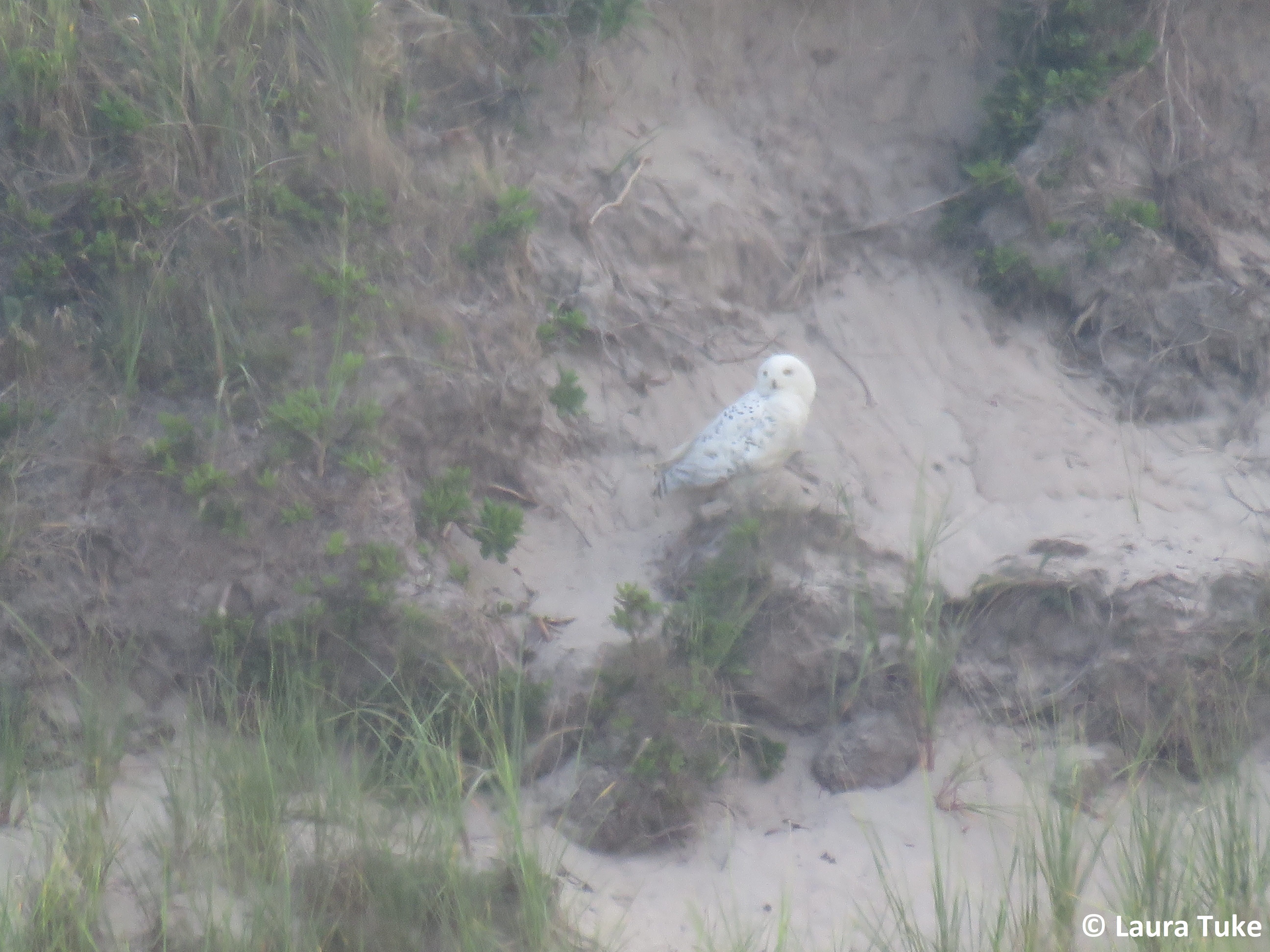
More than 45% of bird species that have been observed on Sable though, are termed as vagrants. This means that they have strayed from their usual range, for example arriving on the island due to being blown off course by strong winds during migration. As a result, I had the pleasure of seeing one iconic species during my stay this summer; a snowy owl (Nyctea scandiaca), floating like a ghost between the island’s dunes.

Snowy owl 3

Snowy Owl

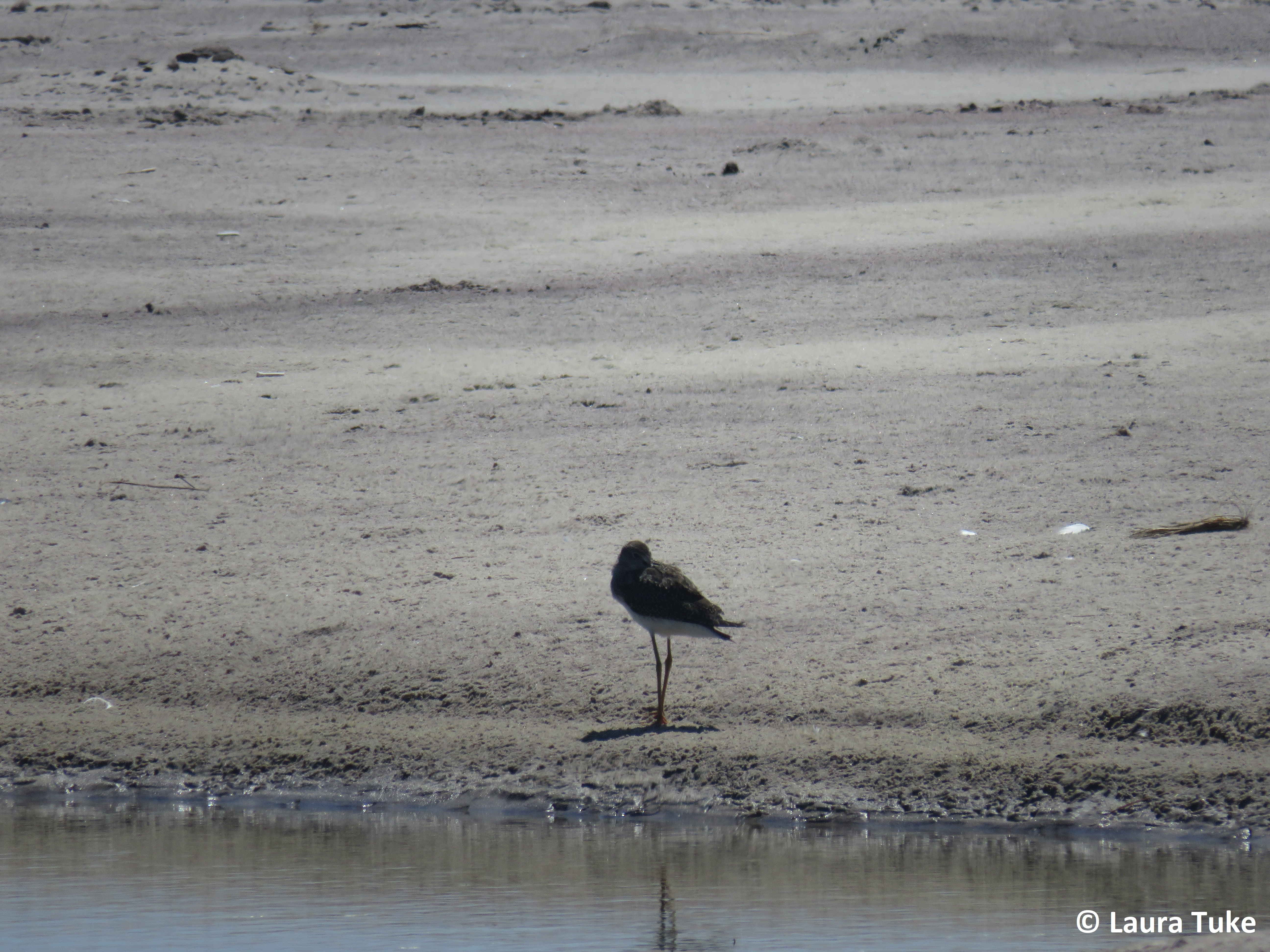
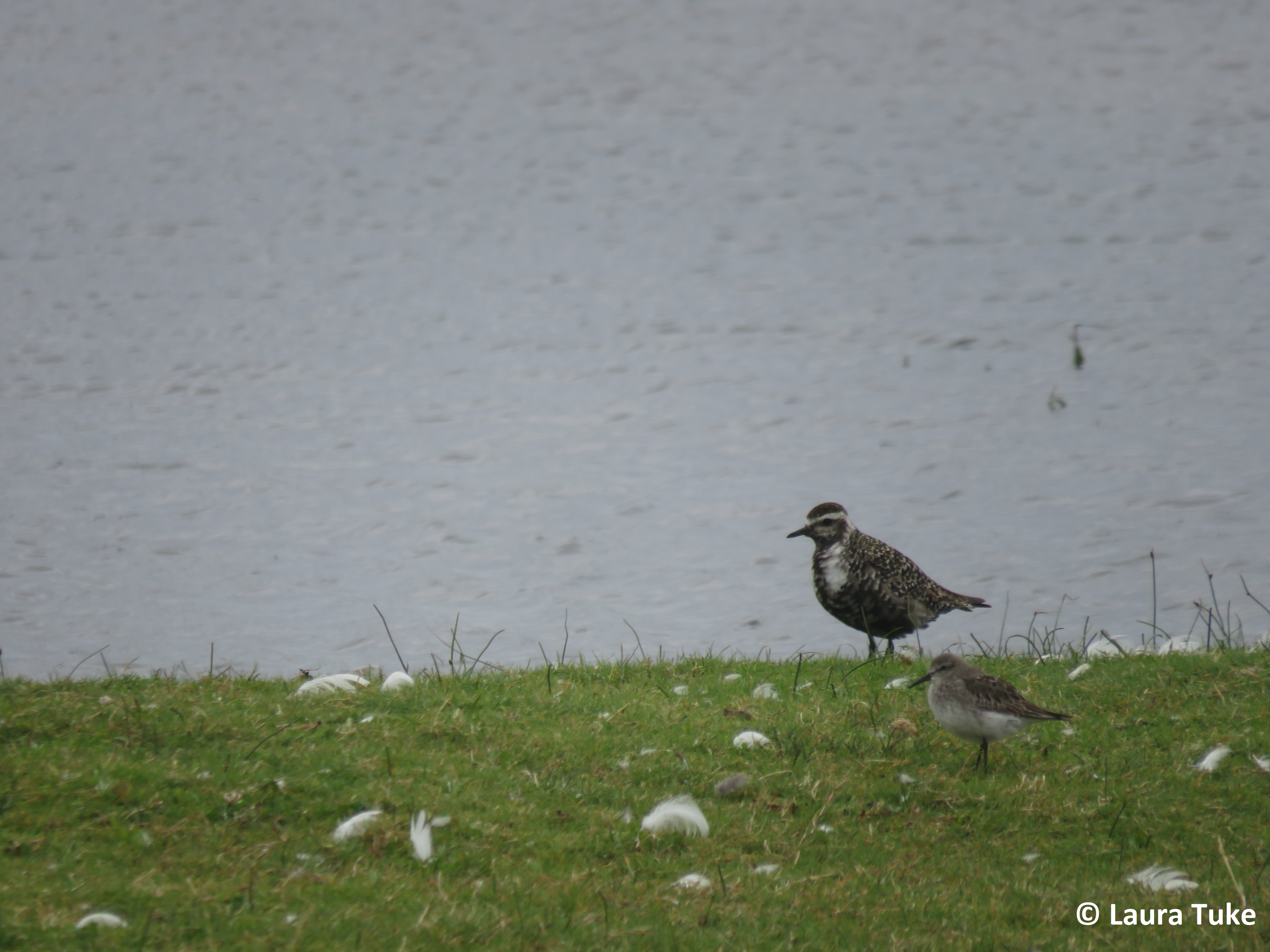
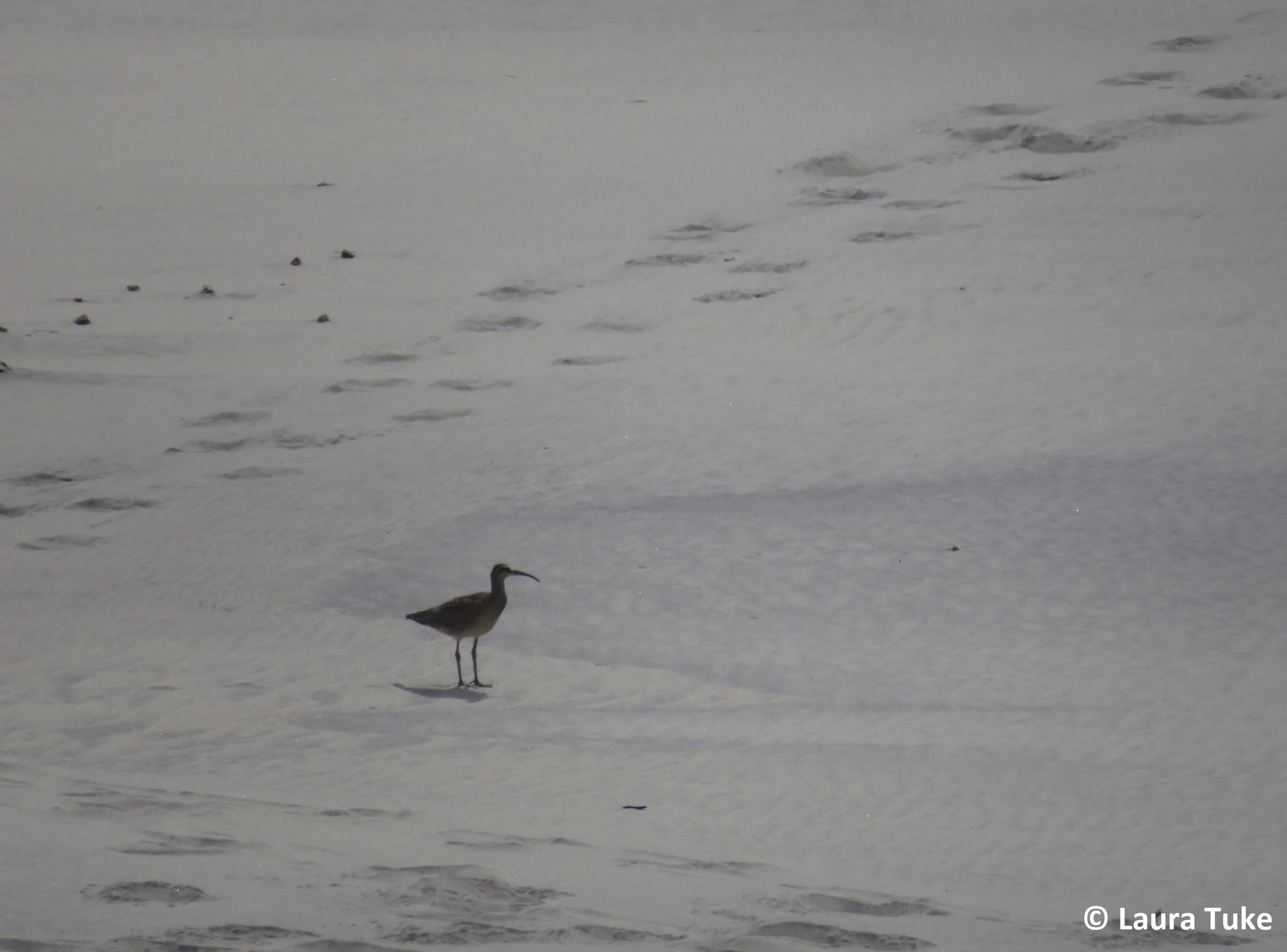
Many species also use the island as a stopover site during their migration, for example waders, raptors and warblers. Regular migrant species include willet (Catoptrophorus semipalmatus), sooty shearwater (Puffinus griseus), grey-cheeked thrush (Catharus minimus) and:

Yellowlegs

Yellowlegs

Female American Golden Plover and sandpiper

Female American golden plover (Pluvialis dominica) (sandpiper in foreground)

Ruddy turnstone

Ruddy turnstone (Arenaria interpres)

Sanderling

Sanderling (Calidris alba)

Whimbrel

Whimbrel (Numenius phaeopus)

White-rumped sandpiper

White-rumped sandpiper (Calidris fuscicollis)

Of the 340+ species seen on Sable though, more than 30 have been recorded as breeding on the island. Regular breeders include:

  • Arctic tern (Sterna paradisaea)
  • Common tern (Sterna hirundo)
  • Roseate tern (Sterna dougallii)
  • Herring gull (Larus argentatus)
  • Great black-backed gull (Larus marinus)
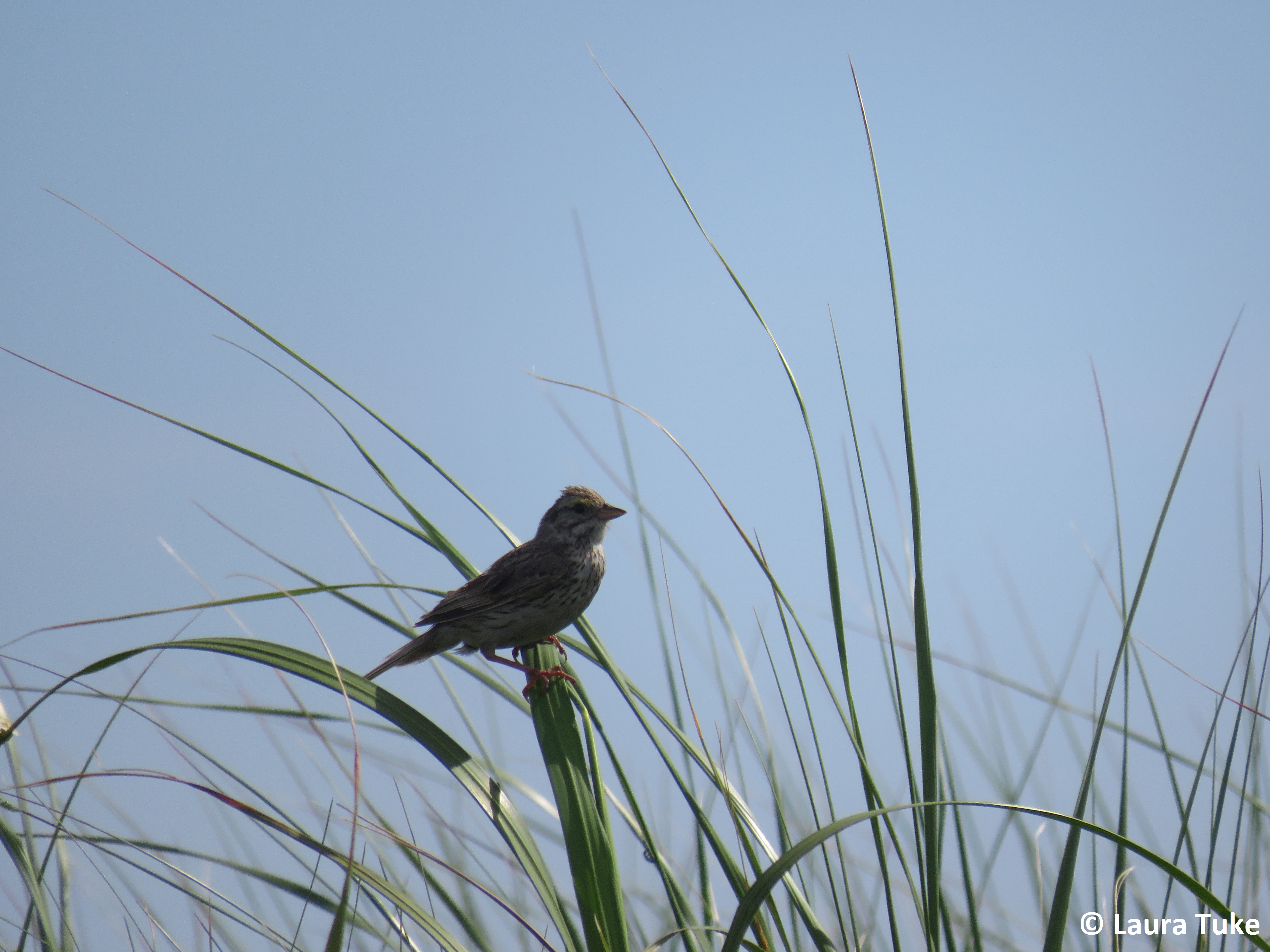
  • Ipswich sparrow (Passerculus sandwichensis princeps)= endemic
    • Subspecies of Savannah sparrow and of conservation concern

Ipswich sparrow

  • Leach’s storm-petrel (Oceanodroma leucorhoa)
  • American black duck (Anas rubripes)
  • Mallard (Anas platyrhynchos)
  • Red-breasted merganser (Mergus serrator)
  • Northern pintail (Anas acuta)
  • Least sandpiper (Calidris minutilla)
  • Spotted sandpiper (Actitis macularia)

Juvenile spotted sandpiper

Invertebrates

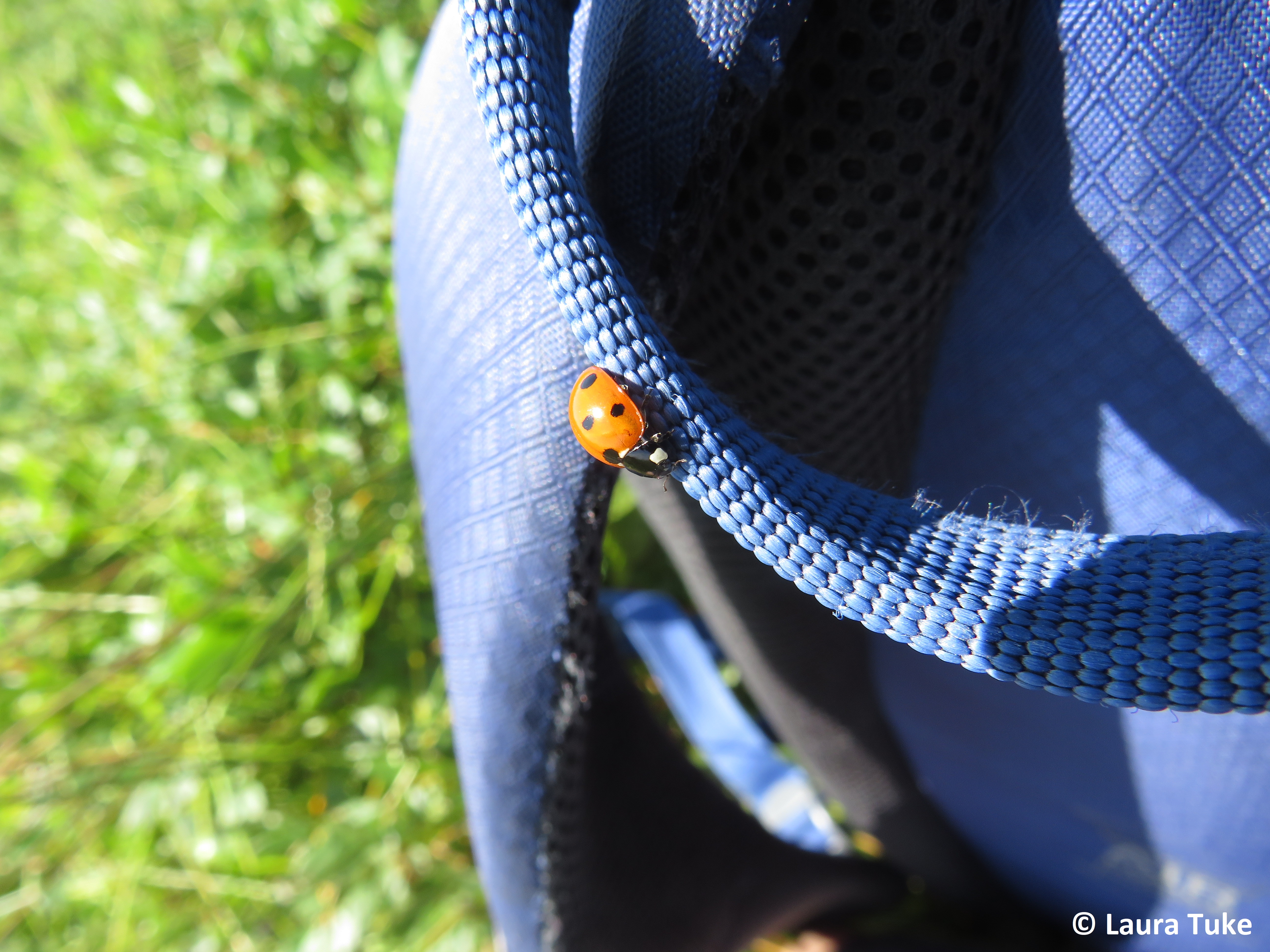
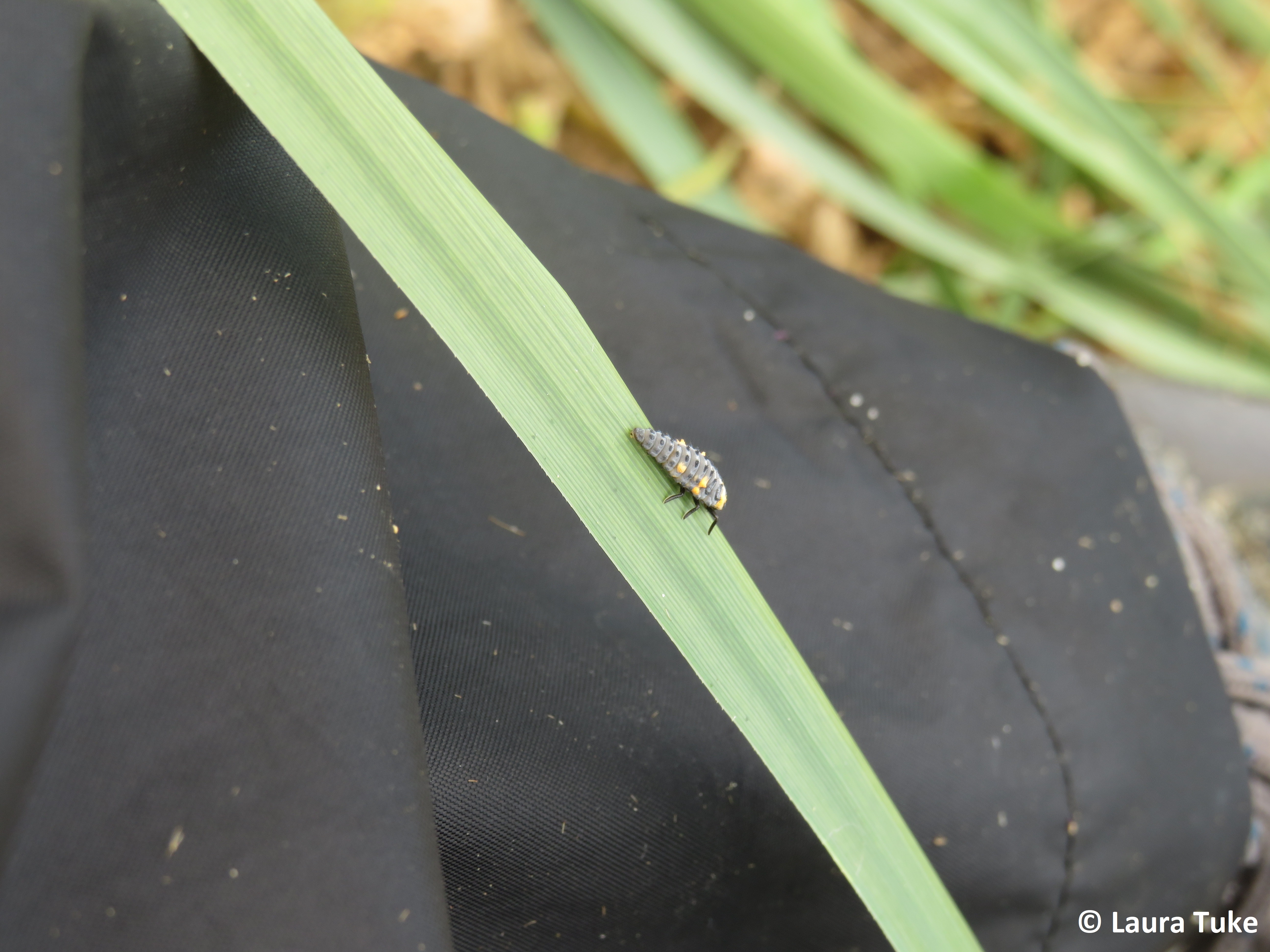
In comparison to the 340+ bird species that have been recorded on Sable Island, 875+ invertebrate species have been identified on and in its marine proximity. Species include the monarch butterfly (Danaus plexippus), painted lady (Vanessa cardui), seven-spot ladybird (Coccinella septempunctata), and round-tipped cone-headed grasshopper (Neoconocephalus retusus).

Six spot ladybird

Seven-spot ladybird (Coccinella septempunctata)

Six spot ladybird larvae

Seven-spot ladybird larvae

Sable Island also has some endemic invertebrate species. These include the Sable Island leaf beetle (Pyrrhalta sablensis), the Sable Island sweat bee (Lasioglossum sablense)and three moth species (Agrotis arenariusOrgyia leucostigma sablensis and a Papaipema species).

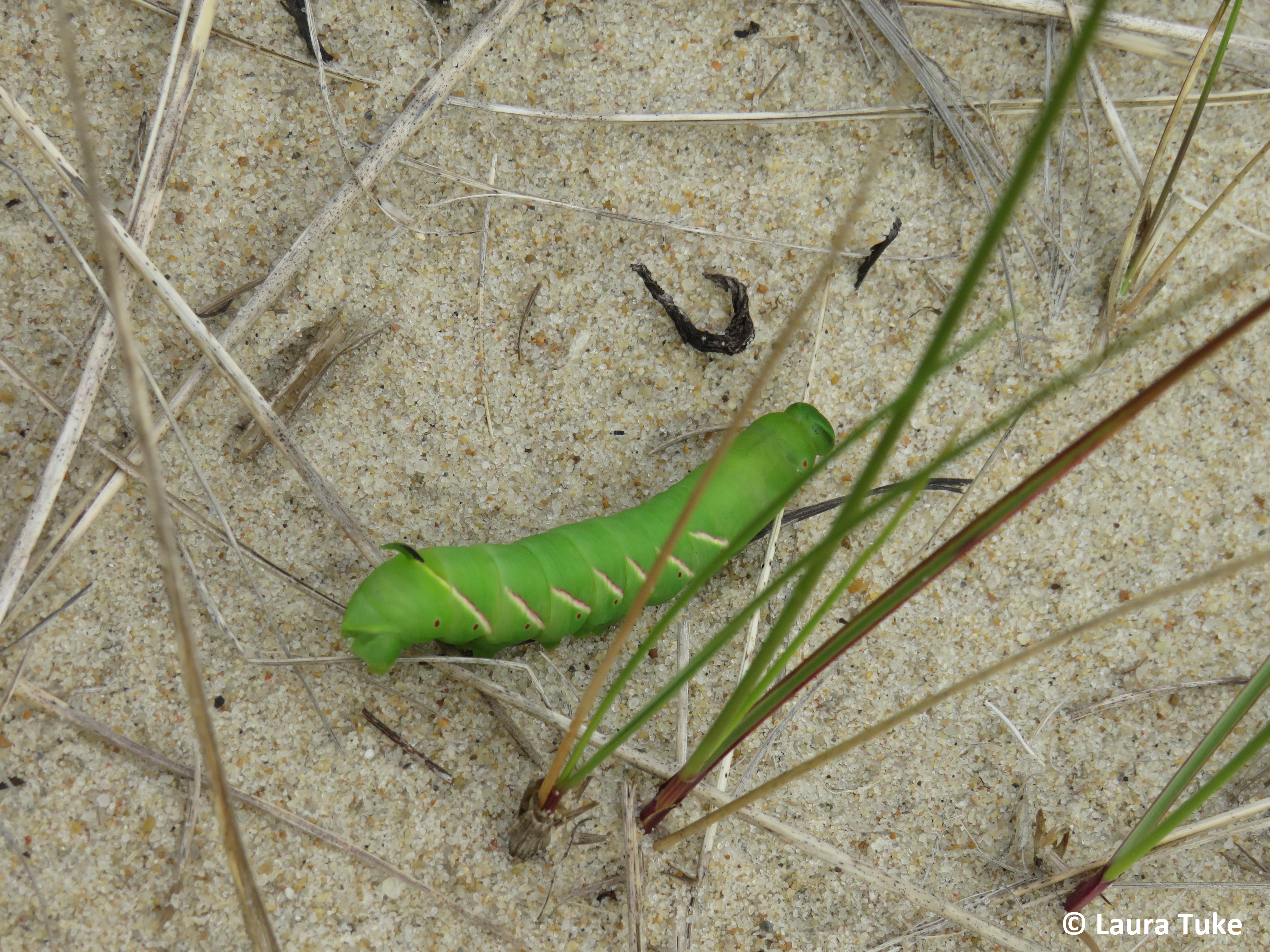
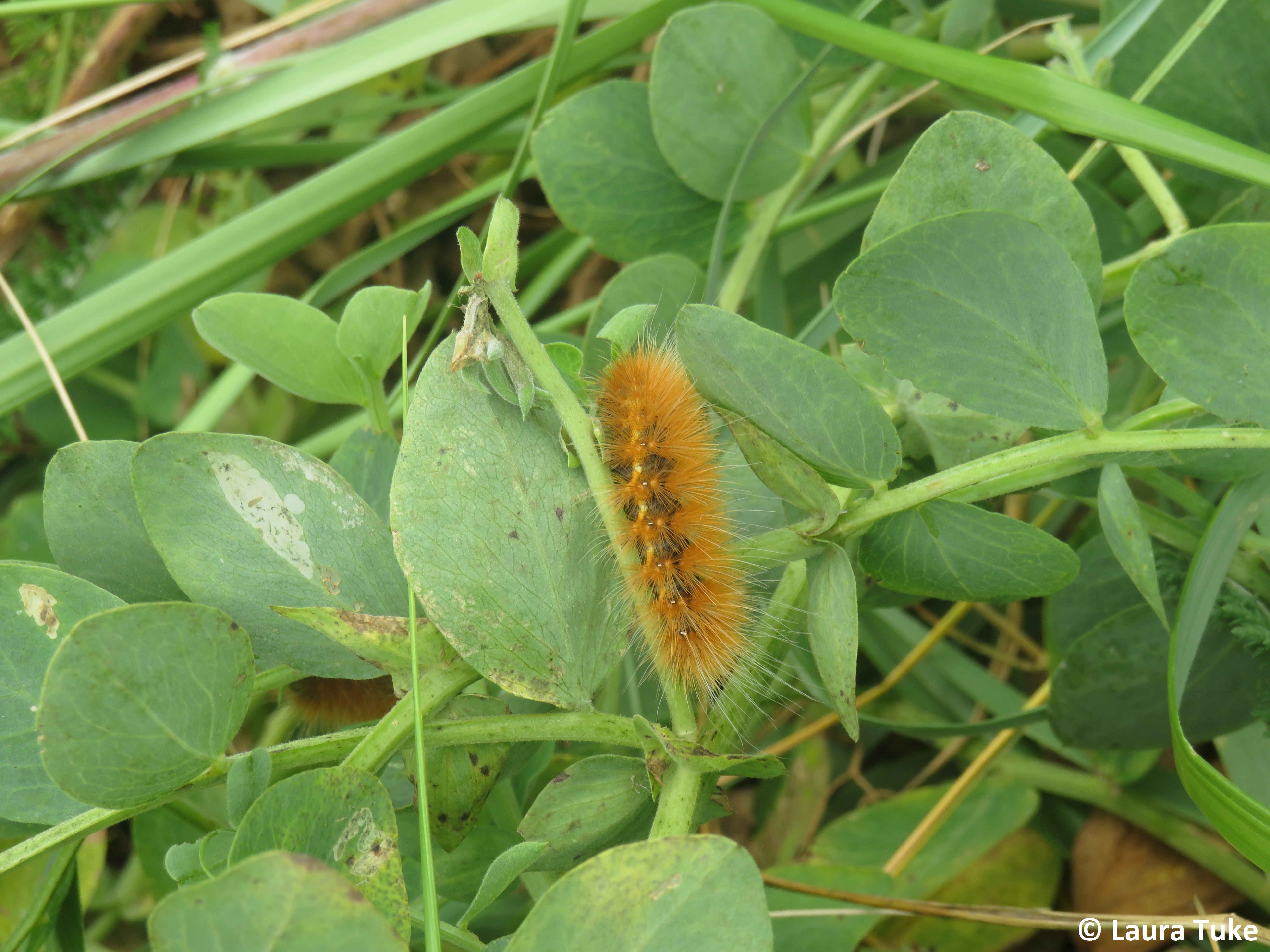
Though I did not get enough time on Sable Island to delve too deeply into the world of the invertebrates, I did enjoy seeing new species and identifying the many caterpillars I saw, such as:

Apple sphinx moth caterpillar

Apple sphinx moth caterpillar (Sphinx gordius)

Virginian tiger moth caterpillar

Virginian tiger moth caterpillar 2

Two variants of Virginian tiger moth caterpillars (Spilosoma virginica)