My 30 Days Wild 2021: A Wild Month

June has been one of those months that has passed by in the blink of an eye. Rainy days quickly moved into scorching heat and then back to rain, framing the last of spring’s events. Every day I have tried to be outside as much as possible, with my happy place being out in nature. From work to down time, my life and hobbies revolve around the wild and the natural world around me. This is why I love to share my experiences with others, to excite, inspire, and instill, and to help motivate people to protect and conserve what is left of our natural world.
It is not surprising then that I am always up for a wild challenge. Last year this took the form of the Wildlife Trusts’ 30 Days Wild, an annual nature challenge that has now run for 6 years, with more than a million people taking part last year. This challenge aims to bring people closer to nature whilst making a positive difference for wildlife and its conservation. All you have to do is complete one ‘Random Act of Wildness’ each day for the whole of June. It is that simple!

Last year I really enjoyed participating in 30 Days Wild, with the challenge enriching my days, helping me to relax, and allowing me to develop a deeper connection with the natural world around me. It also gave me an added focus on days that were busy and stressful, keeping me centred and moving forward. My Random Acts of Wildness ranged from making bird food and picking fruit, to dissecting barn owl pellets and learning my chalkland wildflower species. So it was an easy decision this year to take part once again.

Here’s what I got up to during 30 Days Wild 2021:

Day 1: Tuesday 1st (Work)

For the start of my 30 Days Wild, I began strong.

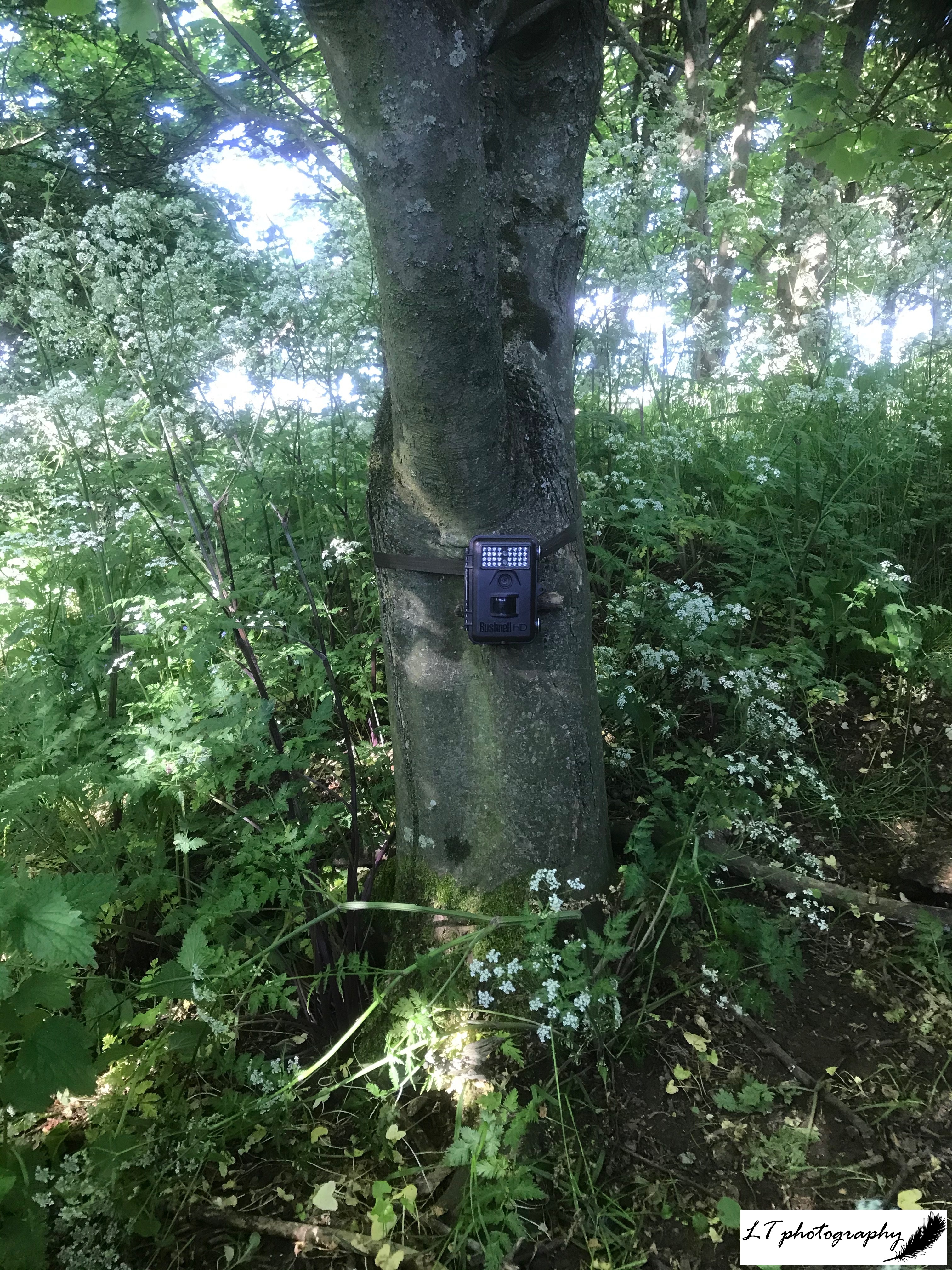
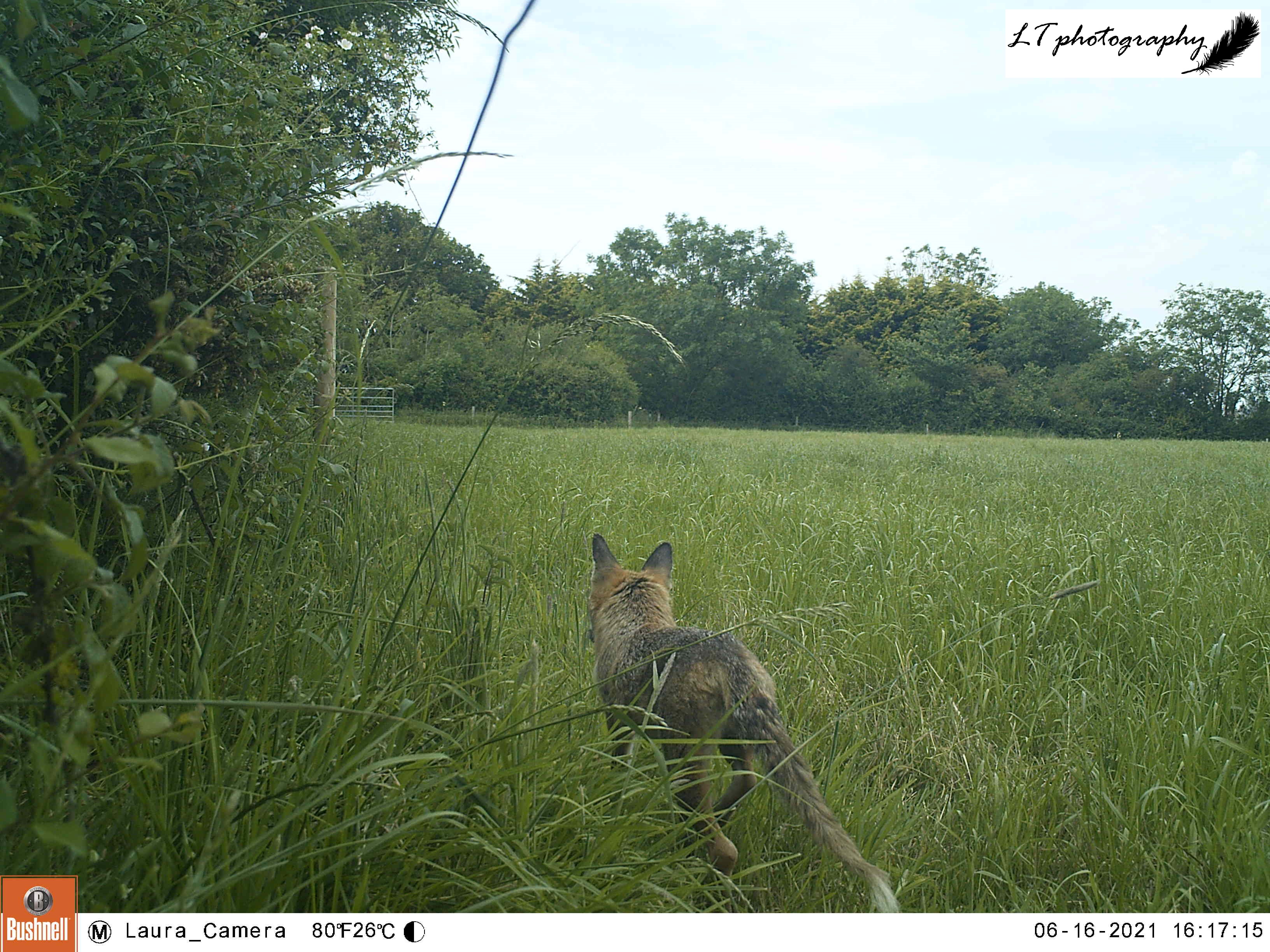
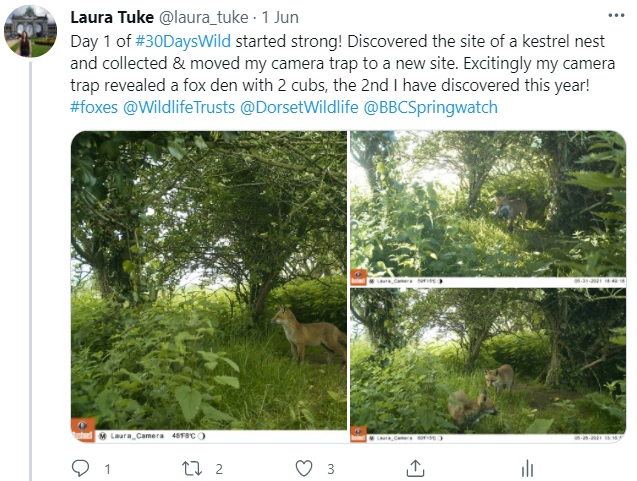
After failing to find an active kestrel nest last year, I finally found the natural nest I had been hoping for! I also checked and moved my camera trap after a week out at a badger sett, discovering my second family of foxes of this year, with it being by far my best camera trapping season yet!
Day 2: Wednesday 2nd (Day Off)

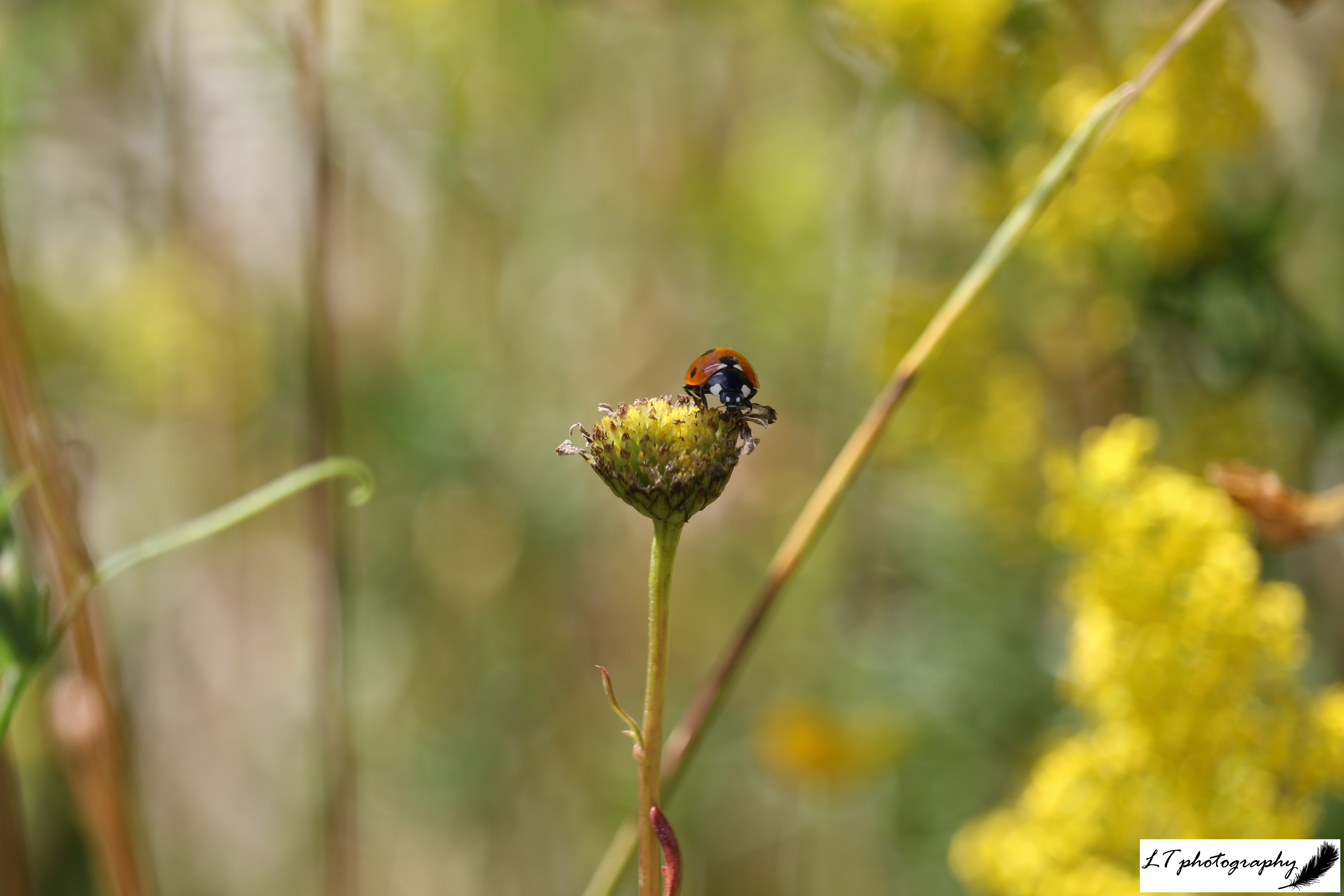
I love an adventure, and so today I ventured out into my local area in the rain to take in as many different habitats and species as possible, with the highlight being 4 red kites sitting in a tree on my family’s land. After drying off and allowing the rain to pass, that afternoon I headed back outside, this time to test my brand new macro lens and get stuck in to the world of the small.

Day 3: Thursday 3rd (Day Off)

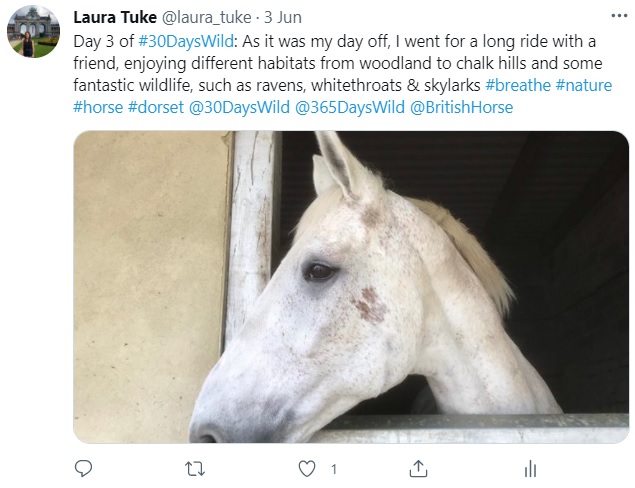
For my second day off, I made the most of free time and went for a long ride with a friend, the highlight being riding through chalk grasslands, embellished with colourful flowers and melodious birds. Being on horseback in this way allows me to take in a range of wildlife in a short period of time and also give me great up-close views.
Day 4: Friday 4th (Work)

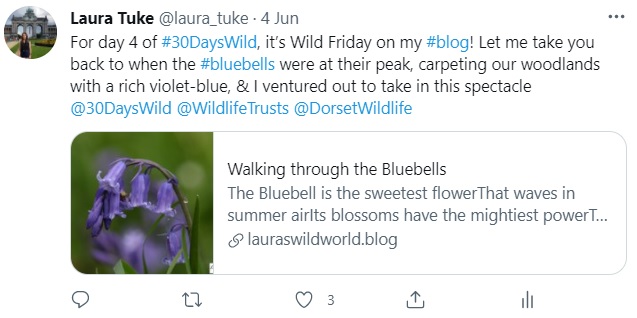
For spring, my wildlife blog has been back up and running, and every Friday has been a Wild Friday. For this week, my new post was all about the spring bluebells, which are one of my favourite parts of spring each year. Check it out on my blog now!
Day 5: Saturday 5th (Work)

After a long day at work, I still had energy to work on some of my nature projects. This included putting my dad together a list of all the bird species seen on my family’s land in the last year (65!), and learning how to fill in nest records for the BTO’s Nest Record Scheme, beginning with a blackbird’s, kestrel’s, and barn owl’s nest.

Day 6: Sunday 6th (Work)

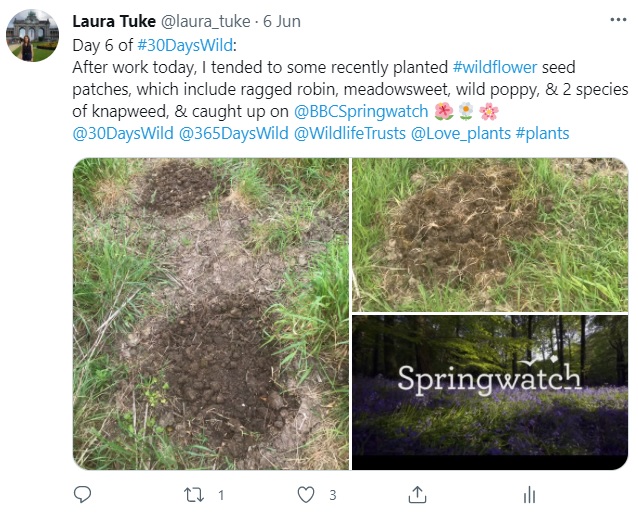
A week ago I cleared a small wildlife area of docks and sowed some homemade wildlife mixes, so this evening after work I headed over to the area to do some management and to water the seeds. I then headed home to finish off my day with Thursday’s and Friday’s missed episodes of Springwatch.
Day 7: Monday 7th (Work)

After catching my neice’s cold, today I felt particularly under the weather. It was a perfect way then to spend my evening curled up in an armchair reading some lovely nature blogs to cheer myself up before an early night.

Day 8: Tuesday 8th (Work)

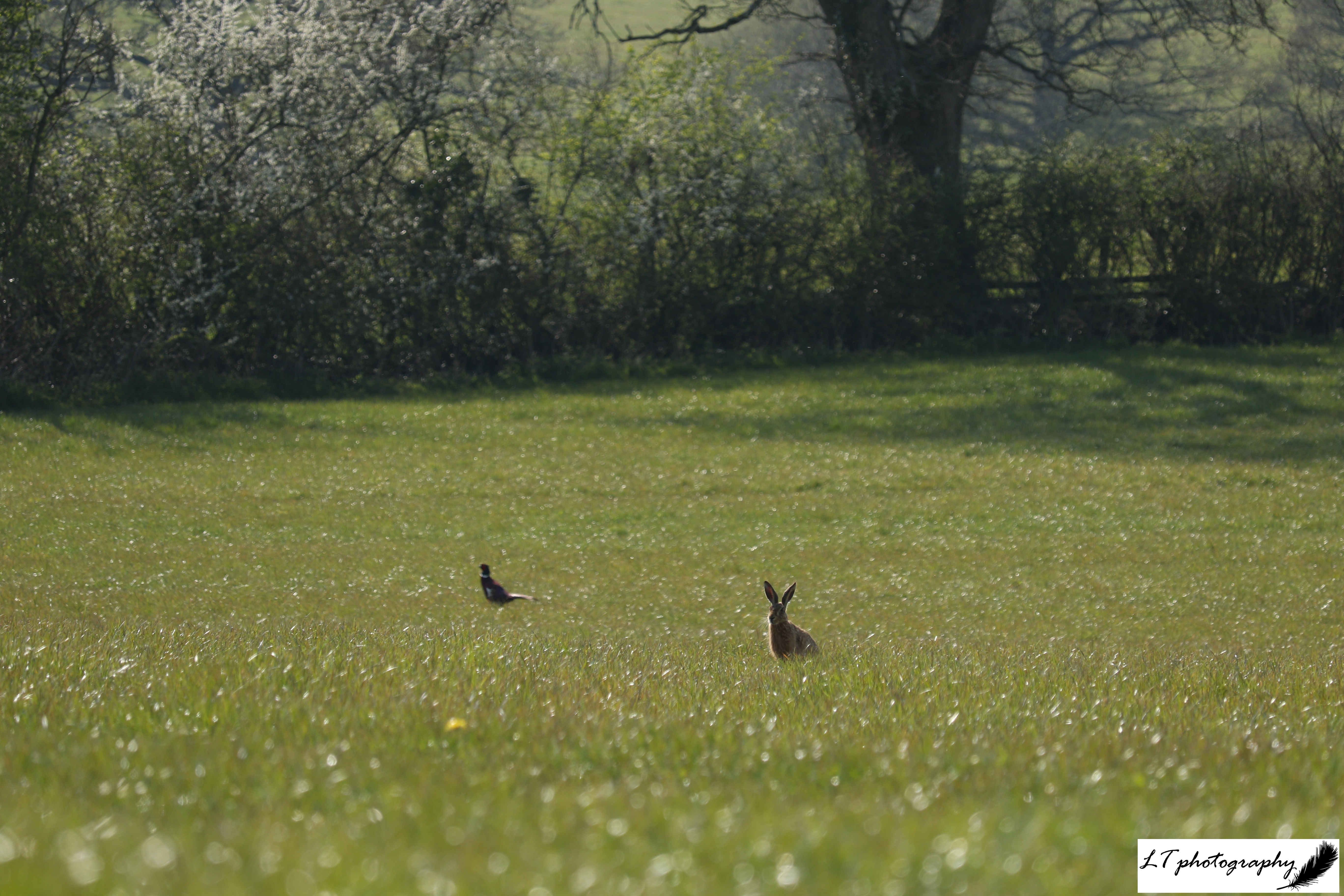
My happy place is out in nature, and so I have been enjoying working at the moment on my family’s farm in Dorset, and keeping an open mind to what I might discover during day-to-day life. Today I had everything from peacock butterflies and Lackey moth caterpillars, to yellowhammers singing and brown hares grazing within 10 metres of me!

Day 9: Wednesday 9th (Day Off)

I began my first of two days by heading to my bird ringing trainer’s private nature reserve to help with summer maintenance work, before returning home to check the kestrel nest and to head round to my next door neighbour’s to look for active swallow nests (4 so far!).

Day 10: Thursday 10th (Day Off)

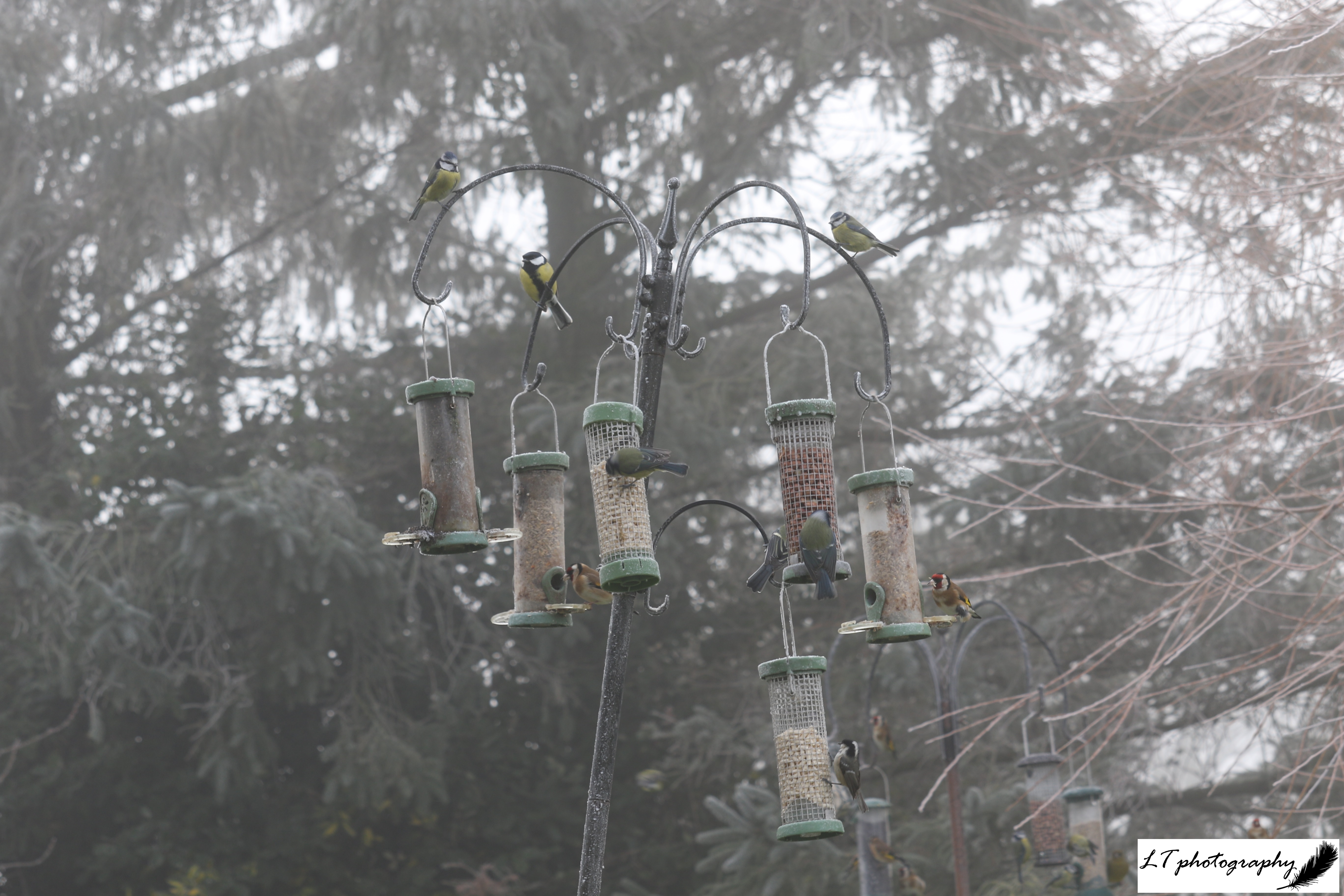
For my second day off, I had a lovely relaxing hack with Marsha exploring a new route near my home, and spent time watching and counting the birds visiting the feeders in my garden. From pheasants and house sparrows to goldfinches and greenfinches, all species and their abundance are recorded in my garden and sent off at the end of the week to the BTO’s Garden BirdWatch scheme.

Day 11: Friday 11th (Work)

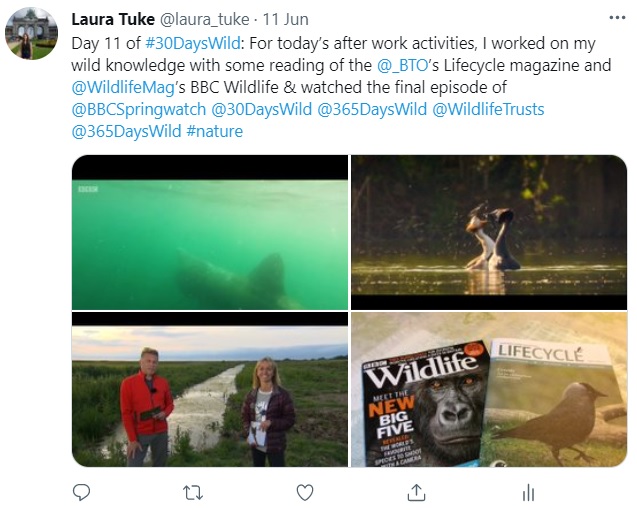
Today after work I spent time expanding my wildlife knowledge through reading the BTO’s Lifecycle magazine and BBC Wildlife magazine, and watching the very last episode of 2021’s Springwatch.
Day 12: Saturday 12th (Work)

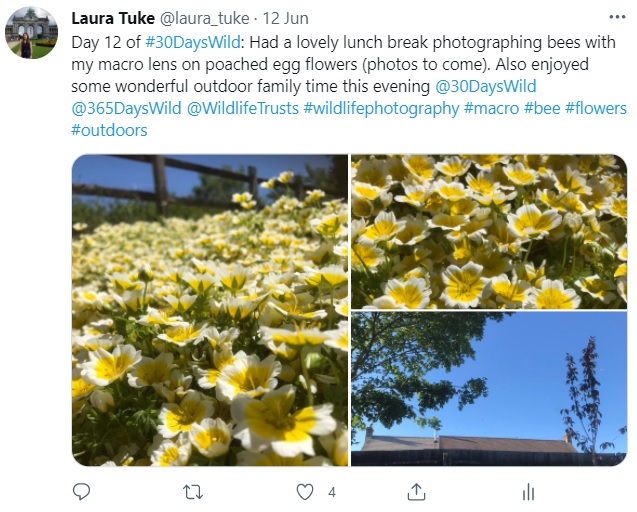
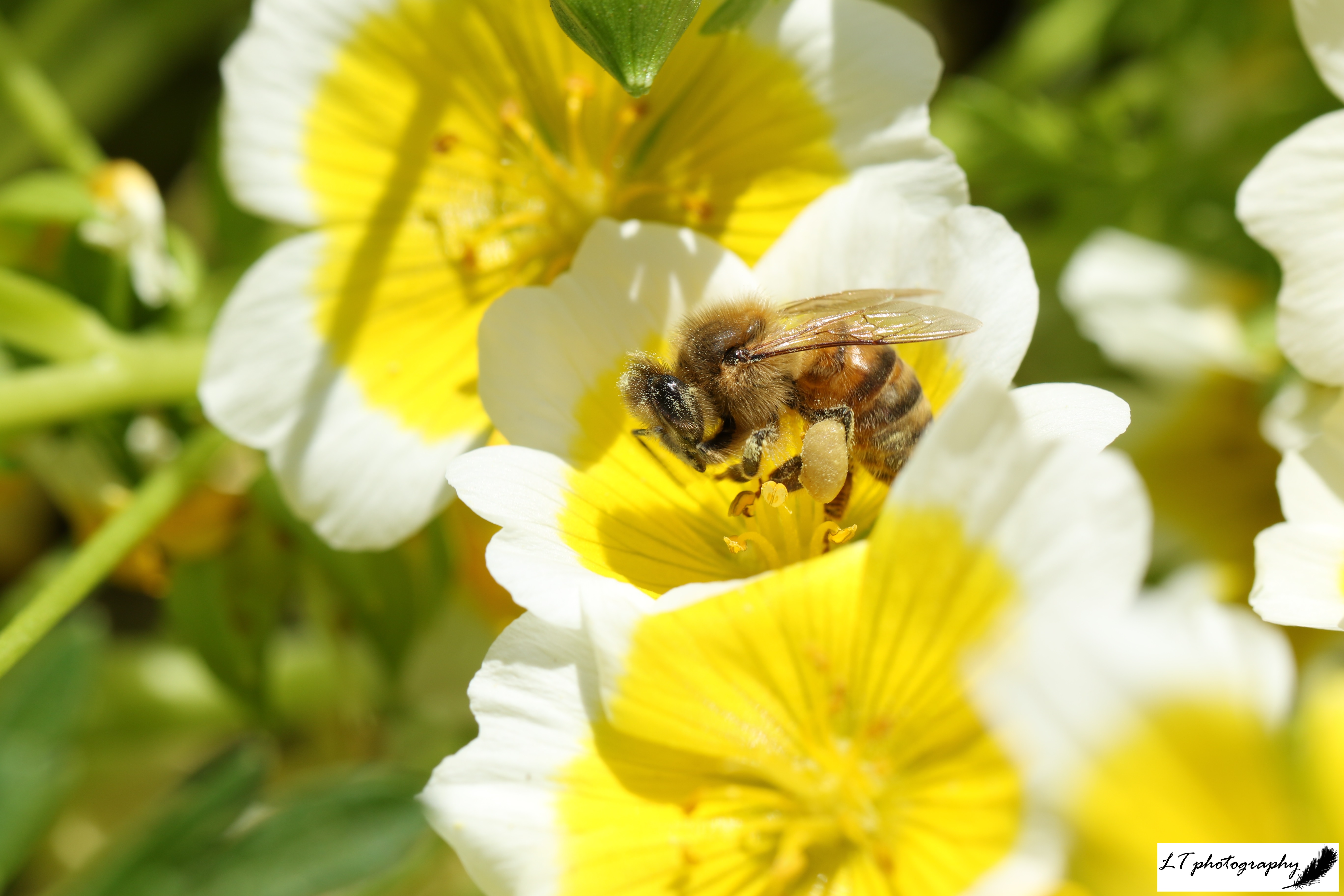
Today I used my lunch break to take photos of the bees buzzing around the poached egg flowers in my family’s garden using my brand new macro lens (very exciting!). My evening was then spent relaxing with my family in my brother and sister-in-law’s garden for a lovely family bbq in the setting sun.
Day 13: Sunday 13th (Work)

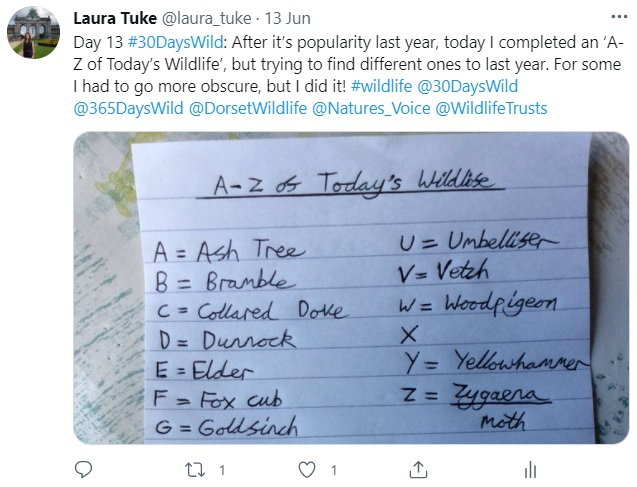
Last year I completed a self-set challenge to find an example of wildlife for every letter of the alphabet during just 1 day. Today I decided to have a go once again, but with the added challenge of finding different examples compared to last year. It was tough, but I did it!
Day 14: Monday 14th (Work)

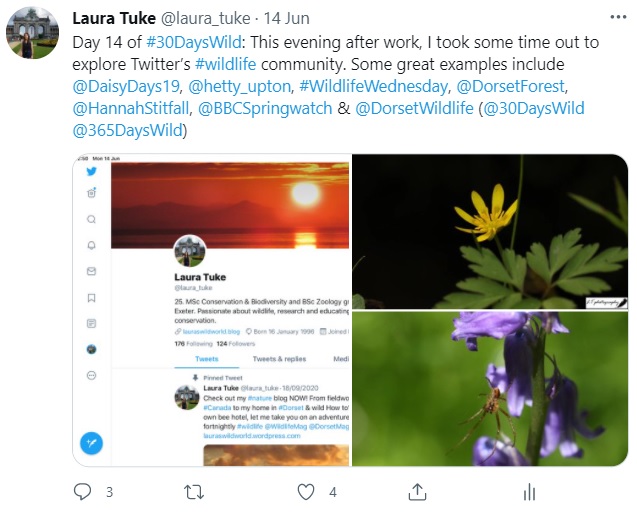
After a long day at work, I spent some time exploring Twitter’s wildlife community, visiting some of my favourite and some new pages. Why not check them out yourself to find out what they have been getting up to?
Day 15: Tuesday 15th (Work)

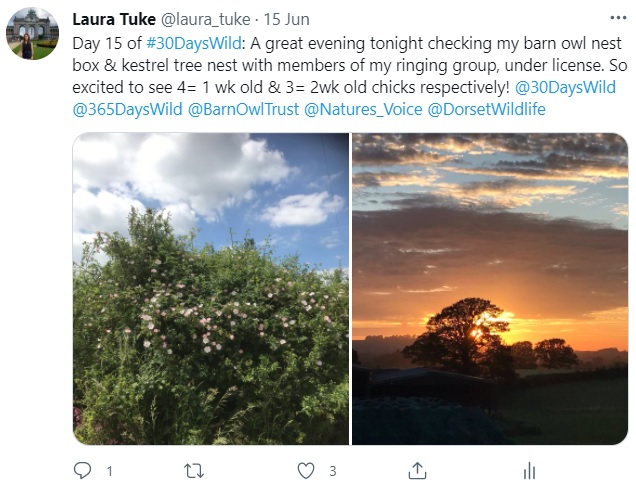
After work, I had a really lovely evening checking my family’s barn owl nest box and kestrel tree nest with fully licensed members of my ringing group. We were excited to find the adult female barn owl brooding 4 young and the adult female kestrel feeding 3 two week old chicks!
Day 16: Wednesday 16th (Day Off)

To finish off a jam packed day off, I went for a lovely evening walk that began with just me and my camera and ended with me also carrying my camera trap and family’s farm cat. He likes to have a walk, but he gets tired too easily!

Day 17: Thursday 17th (Day Off)

Around my usual horse riding today, I kept myself busy with my wildlife photography, using my camera, taking photos off of memory cards, organising photos, and sorting my camera trap.

Day 18: Friday 18th (Work)

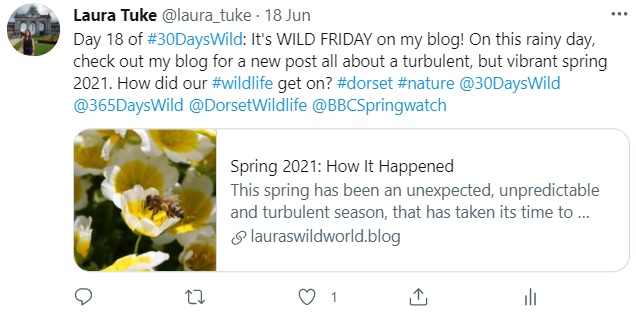
Today was another ‘Wild Friday‘ on my blog meaning a brand new blog post went up all about how spring 2021 unfurled. A little scientific, a little anecdotal, and a little visual-based, it was an enjoyable piece to write.
Day 19: Saturday 19th (Work)

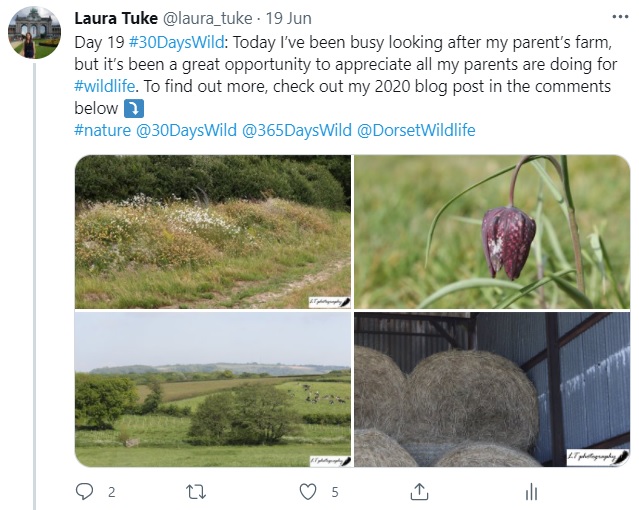
Today I have been very busy looking after my parents’ farm whilst they are away. It has been a great opportunity to take in all that the farm has to offer and to appreciate all the work my parents have done and are doing for wildlife on the farm, from digging ponds to planting trees.

For more information check out my 2020 blog post called ‘Giving Nature a Home on the Farm’.
Day 20: Sunday 20th (Work)

After a busy few days looking after the farm, this afternoon I took some time to relax with my family, and be a proud aunt seeing how my very intelligent neice is learning more and more about wildlife. To top off my day, I took part in the Wildlife Trusts Big Wild Quiz, getting a respectable 28 out of 35.

Day 21: Monday 21st (Work)

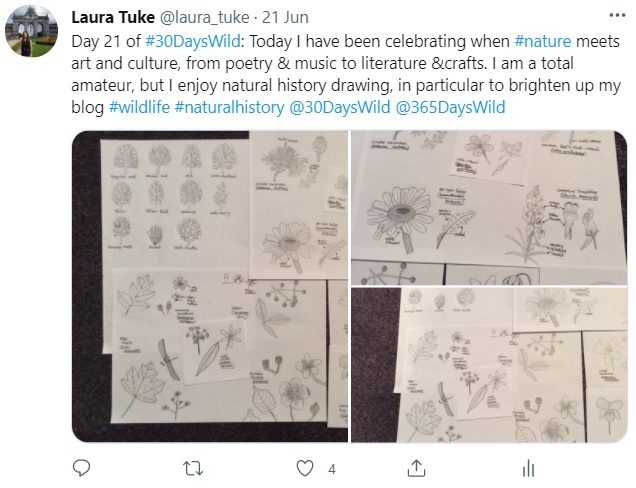
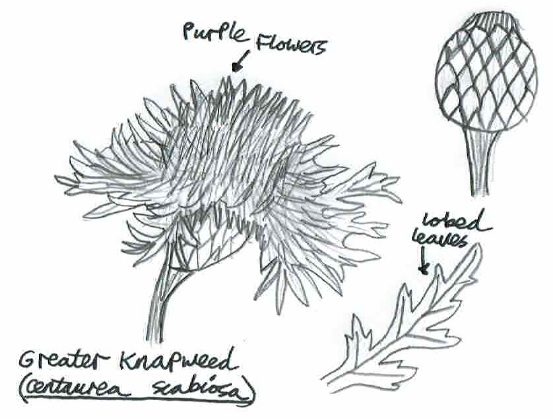
Nature has a strong influence on british culture, influencing everything from music to art and literature. Nature is also a great inspiration for my own creativity, for example encouraging me to improve my own ability to draw and sketch, and to use my drawings to illustrate my wild ‘How to’ guides.
Day 22: Tuesday 22nd (Work)

After a busy day at work, I decided that for today’s Random Act of Wildness I would make a valuable donation to Dorset Wildlife Trust. Any donation that can be made is important for such organisations to be able to do their conservation work, such as rewilding and habitat management.

Day 23: Wednesday 23rd (Day Off)

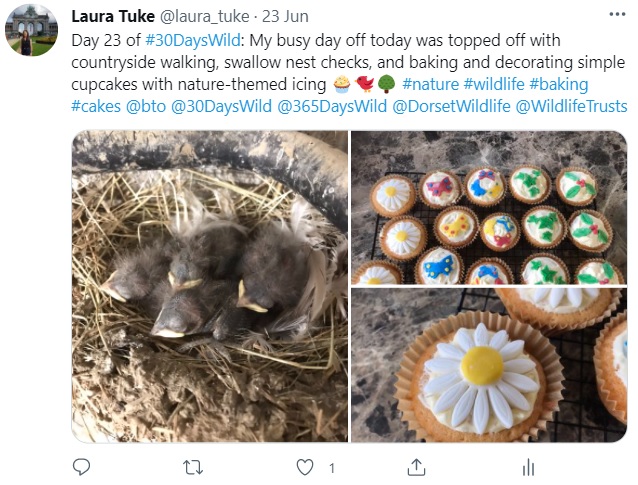
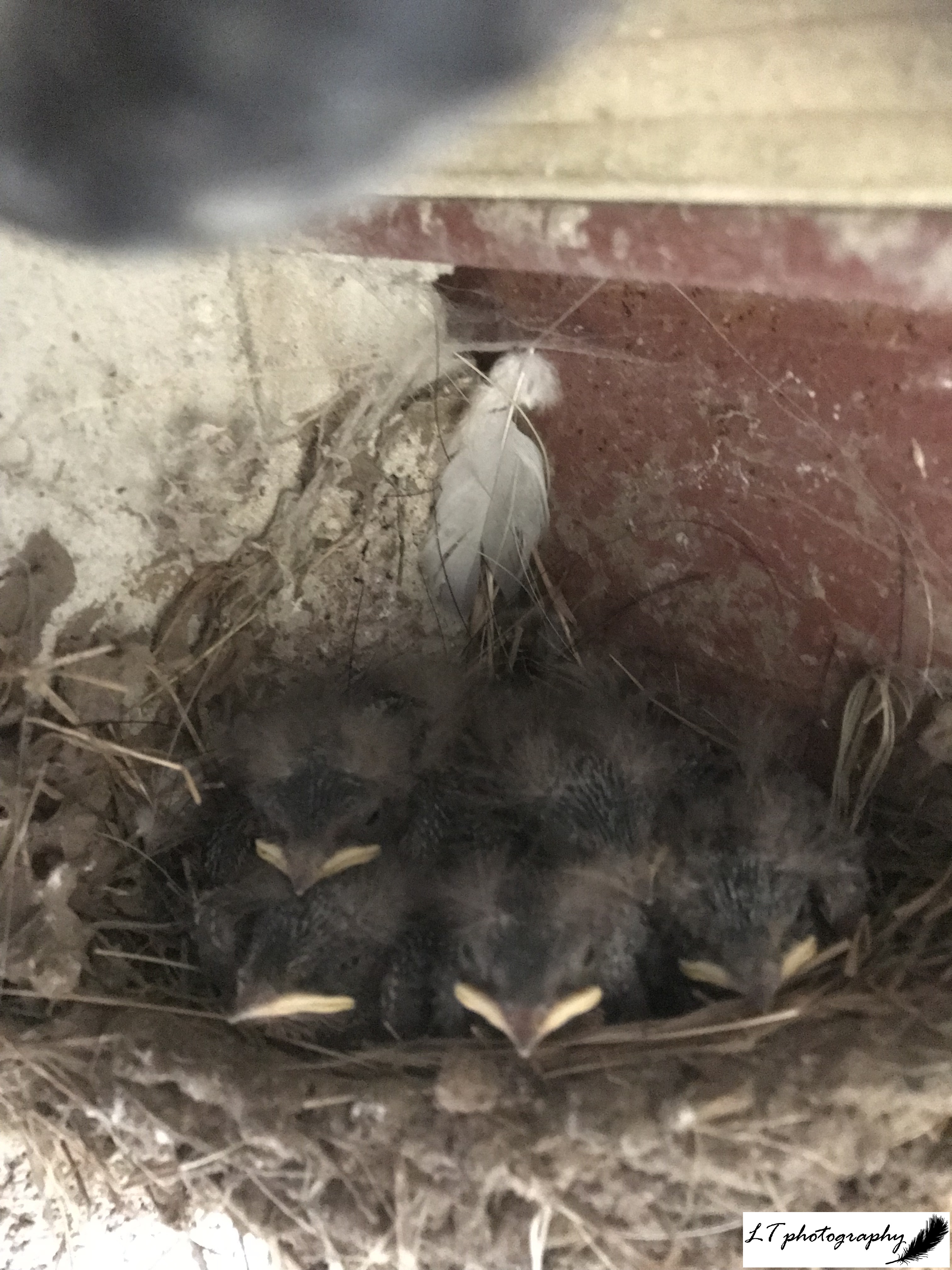
Around a lovely much needed catch up with and old friend, I spent my day off countryside walking, checking swallow nests, and baking. I followed suit of last year’s baking, and kept it simple with yummy sponge cakes with wild decorations, in the form of flowers, butterflies and leaves. A lot of fun!
Day 24: Thursday 24th (Day Off)

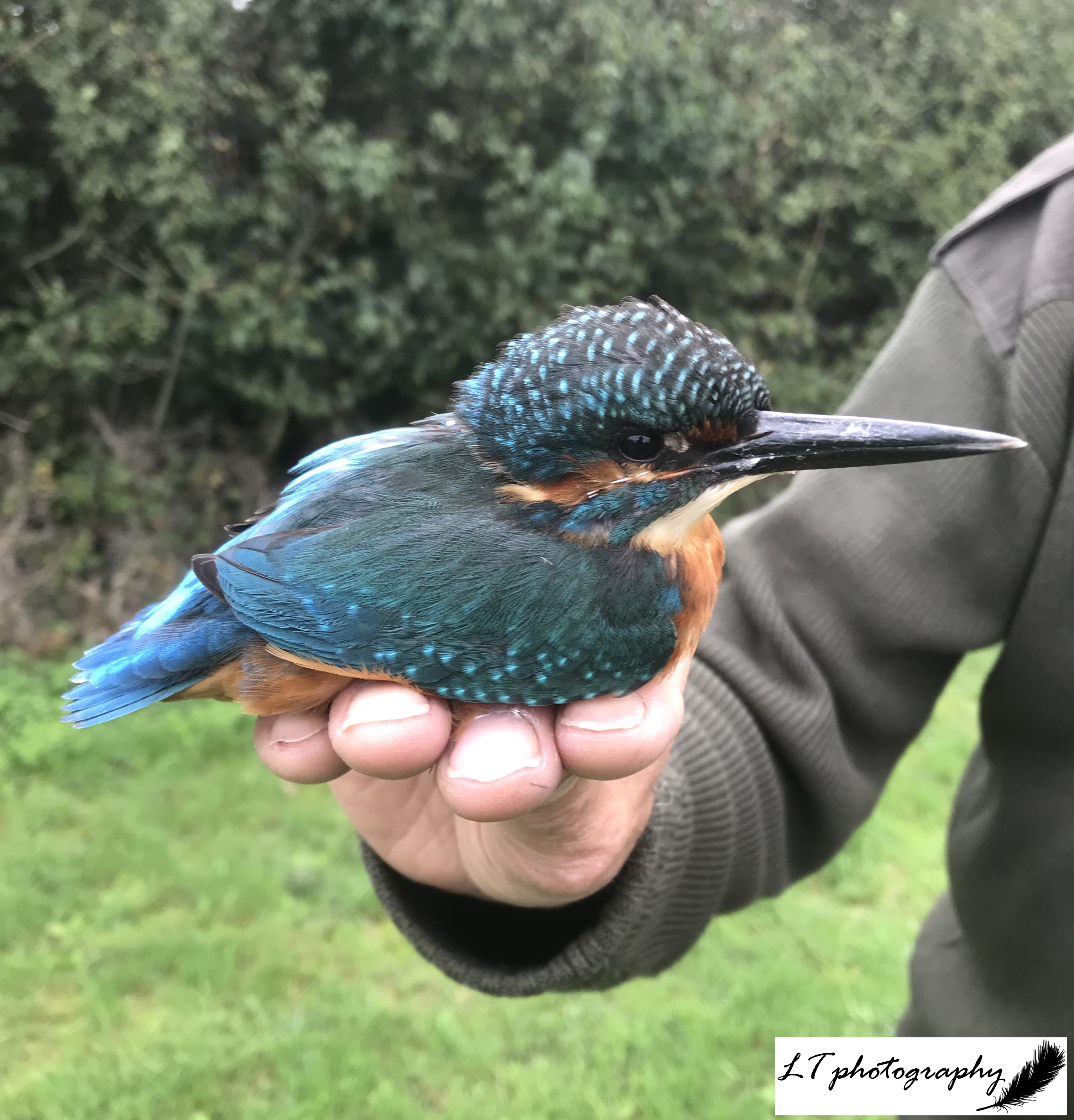
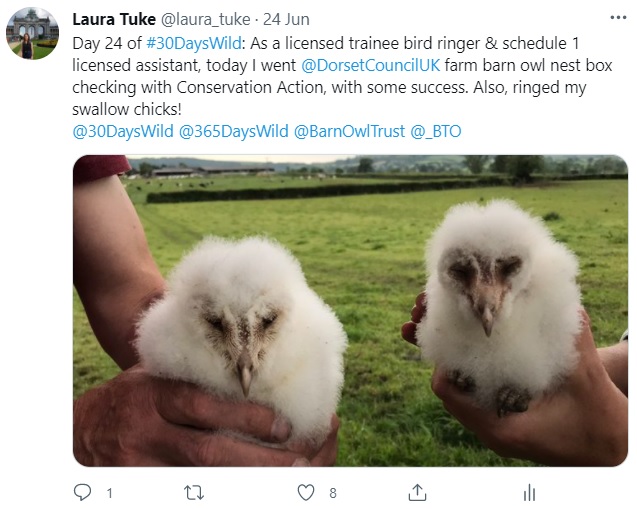
Today I spent my day checking barn owl nest boxes with Dorset County Council and Alan who I ring with at Conservation Action. Such experiences always feel like a privilege to me and it was a great training experience, topped off with ringing 3 out of 4 of my swallow nests.
Day 25: Friday 25th (Work)

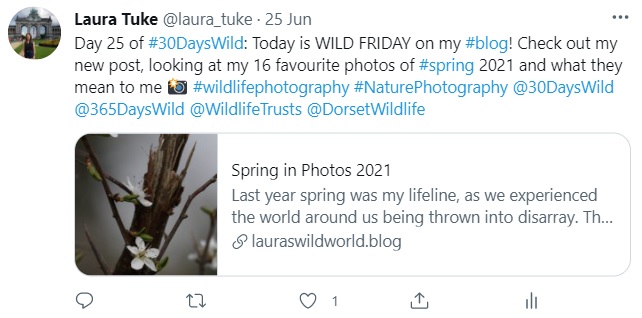
Today was Wild Friday on my blog, with this week’s post being all about my how spring looked for me personally, featuring 16 of my favourite photos from the season. They are either aesthetically pleasing, a great memory, or just bring me joy. Check it out now!
Day 26: Saturday 26th (Work)

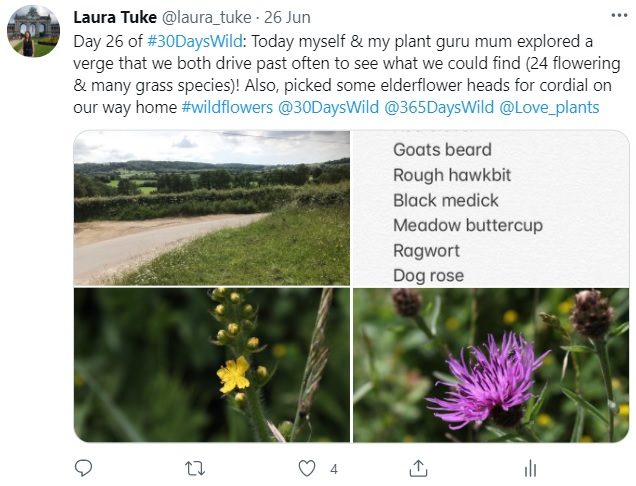
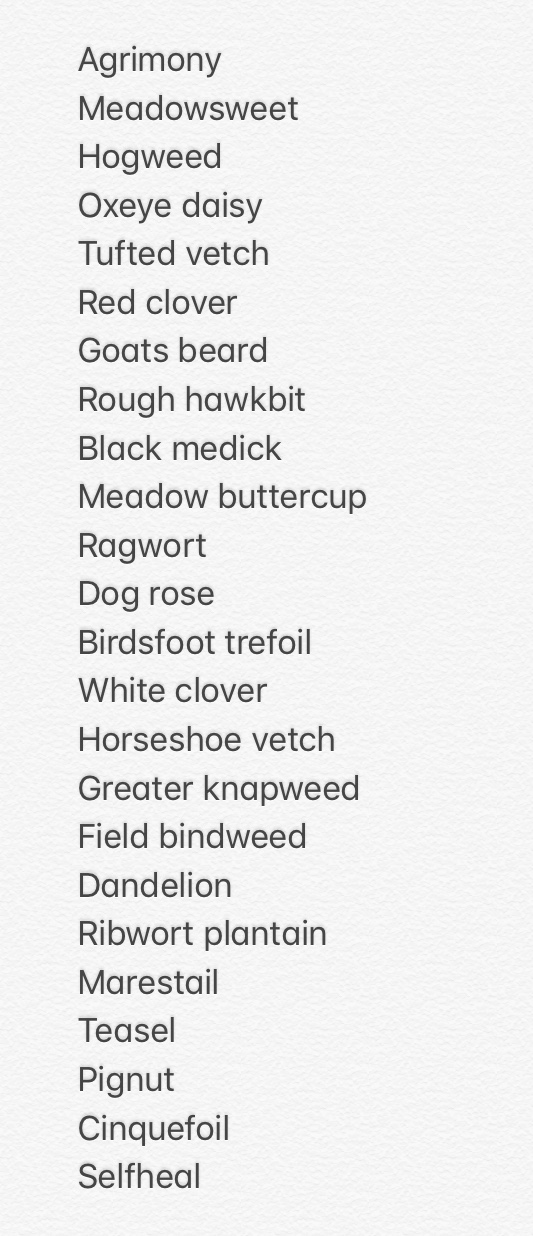
Today on a much needed afternoon off, activities included exploring a road verge in my local area to ID plants with my mum (24 wildflower species), and picking elderflower heads to make this year’s elderflower cordial.
Day 27: Sunday 27th (Work)

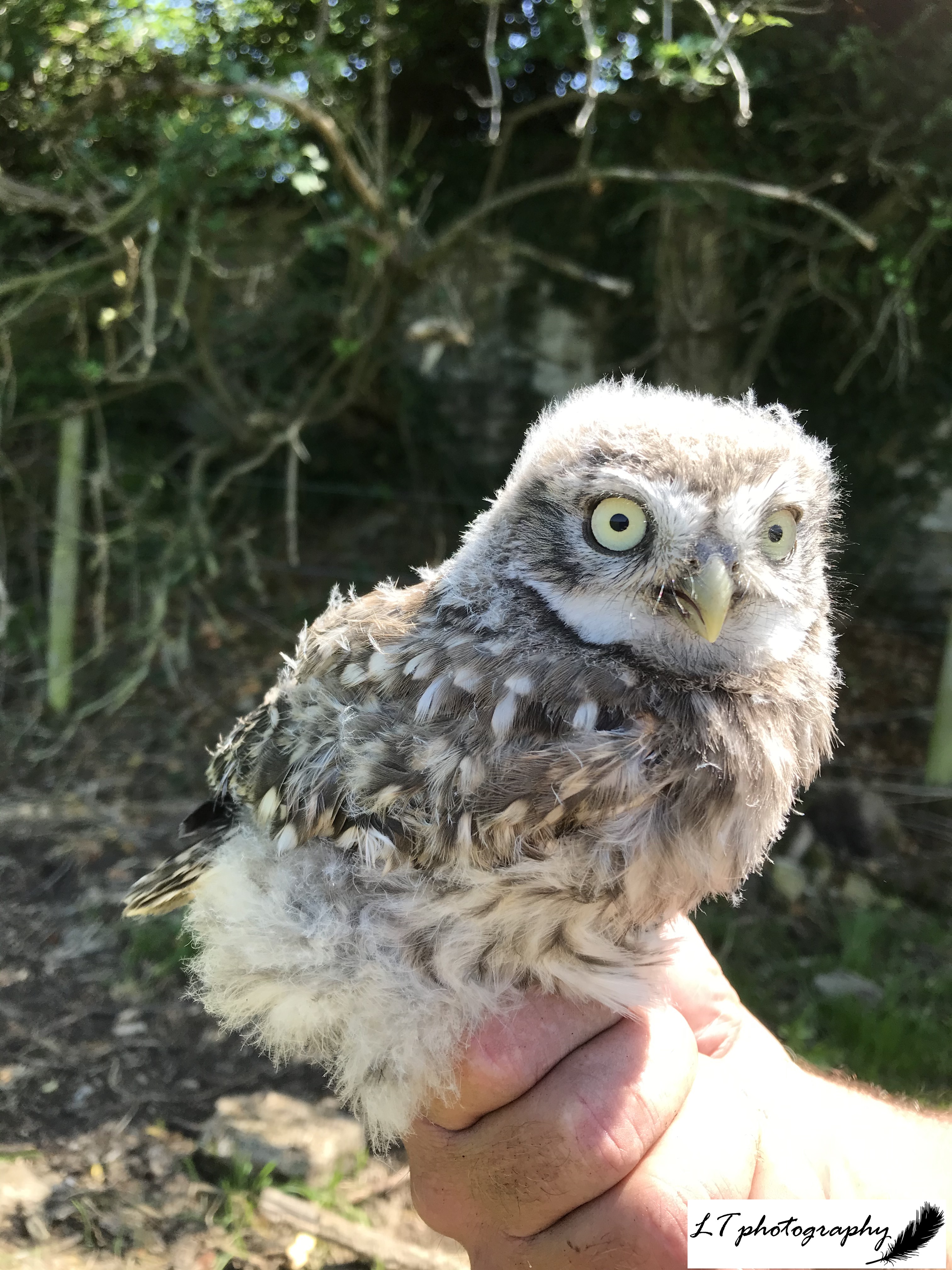
For the last 2 years I have been enjoying training as a bird ringer, and have become a member of my trainer’s conservation group called Conservation Action. We are based in Dorset and the South West and aim to protect, restore and preserve biodiversity, promote conservation, and to research and monitor the state of nature.

For more information, check out our website at www.conservationactionuk.org or our Twitter and Instagram pages.

Day 28: Monday 28th (Work)

Though my happy place is being outside in all weathers, today was one of those days when I got a bit too wet and then a bit too sweaty. The day was still very productive, so I felt content at the end of the day to head home and curl up with my current wild book: Gavin Thurston’s ‘Journeys into the Wild: Secret Life of a Cameraman’.

Day 29: Tuesday 29th (Work)

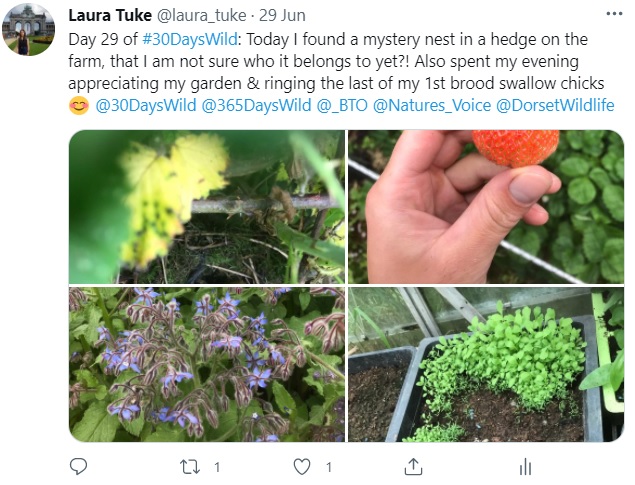
Today I accidentally found a bird’s nest at waist height in a hedge on my family’s farm, spent a lovely half hour out in my garden, the flowers thick with bumblebees, and ringed my final of first brood swallow nest.
Day 30: Wednesday 30th (Day Off)

Today I had a glorious last day of 30 Days Wild. I had a lovely early morning walk with my mum, took photos of the many butterflies on the farm at the moment, and finished the day checking barn owl boxes with my bird ringing training as the sun set

A lovely, active and wild month spent in some of the best ways possible!

How to… Identify Chalkland Wildflowers

Colourful, radiant, buzzing with life, a piece of paradise in the summer sunshine. All words to describe a small piece of chalk habitat nestled within the heart of my family’s farm in Dorset. Amidst a clay-dominated landscape, this small creation aims to emulate the approximately 41,000 hectares of lowland chalk grassland that can still be found across the UK. This super rich habitat contains over 40 species of flowering plants in every one square metre, giving chalk grassland its reputation as the tropical rainforest of Europe! Sadly though, 50% of chalk grassland has already been lost in Dorset alone since the 1950s.

In 2017, my Dad made the decision to transform a small triangular area of land on our farm into our very own chalk paradise. Though we do not live immediately on chalk downland, it can be found to the North and South of us. This makes our location ideal to create stopover habitat or a wildlife corridor, for the myriad of species that rely on these diverse plant communities. Following bringing in 40 tonnes of quarried chalk and lots of wildflower plugs and seeds, we now have a thriving 10m by 3m and 2m in height chalk mound.

Though my family’s chalk habitat is still in its relative infancy, over time it is transforming into a wildlife haven. From Grasshoppers and Marbled White Butterflies to blue Butterflies and Carder Bees, new species are popping up each and every year. This mini habitat has also been a great place for my mum to teach me all about the plant species that call chalkland grassland home. With her inspiration, I have put together a simple guide to identifying just some of the many wildflower species that are appearing on our mound.

Chalkland Wildflowers

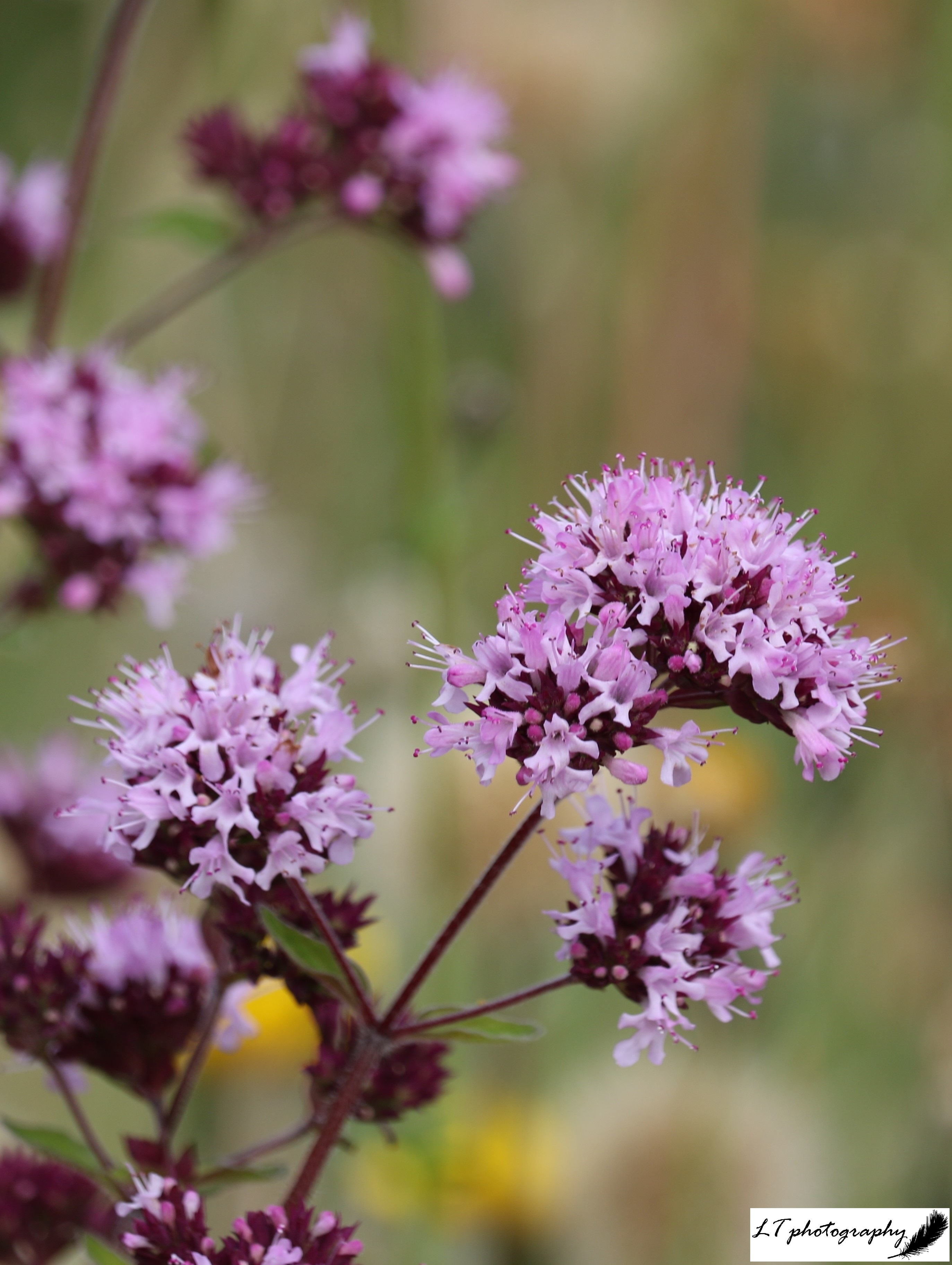
Wild Marjoram (Origanum vulgare)Wild Marjoram

  • Family: Mint
  • Lifespan: Perennial (lives for several years)
  • Size: Short to medium height (30-60cm)
  • Stems: Erect, dark-red, downy and either round or square
  • Leaves: Oval, often slightly toothed, stalked, and 1.5-4.5cm in length
  • Flowers: Dark purple buds in loose clustered heads, opening to pale purple 6-8mm long flowers. Strongly aromatic. Flowers July-September
  • Range: Found throughout the UK (particularly in the South), but scarcer in Scotland
  • Fun Facts: This culinary herb is a symbol of happiness descended from Roman legend, with Origanum meaning ‘mountain joy’

Kidney Vetch (Anthyllis vulneraria)Kidney Vetch

  • Family: Legume
  • Lifespan: Annual (lives for one year) or perennial
  • Size: Sprawling and medium in height (up to 60cm), but very variable
  • Stems: Silkily hairy, round, and often greyish
  • Leaves: In pairs, they are silky white below and green above, and are 30-60mm in length
  • Flowers: Yellow, orange or a fiery red, and downy-white below. They are found in single heads (12-15mm across) or sometimes pairs. Flowers April-September
  • Range: Found throughout the UK, especially around the coast
  • Fun Facts: In the Middle Ages, it was known for speeding up wound healing, with vulneraria meaning ‘wound healer’. It was also once used to commonly treat kidney disorders

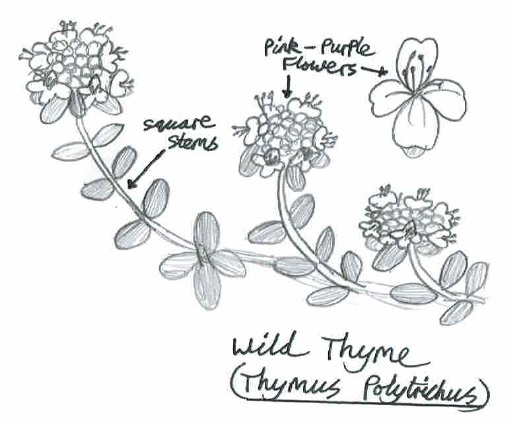
Wild Thyme (Thymus polytrichus) Wild Thyme

  • Family: Mint
  • Lifespan: Perennial
  • Size: Low to the ground, forming a mat of non-flowering rooting stems (up to 10cm in height)
  • Stems: Square with erect flowering stems
  • Leaves: Evergreen, short stalked, very small oval 4-8mm leaves in opposite pairs
  • Flowers: Faintly aromatic with pink-purple flowers in round and dense heads. Flowers May-September
  • Range: Widespread in South East England, but scattered distribution elsewhere
  • Fun Facts: Long regarded as the favourite flower of fairies, and associated with love. The Greek thumon though means ‘that which is included in a sacrifice’

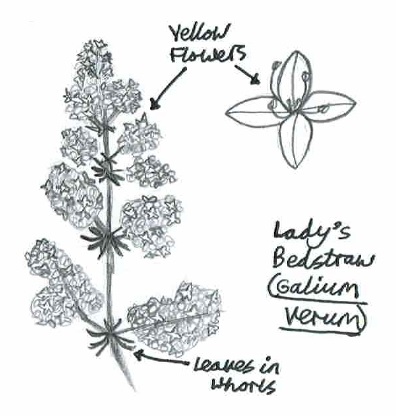
Lady’s Bedstraw (Galium verum)Lady's Bedstraw

  • Family: Madder/Bedstraw
  • Lifespan: Perennial
  • Size: Short to medium in height, often sprawling (up to 100cm)
  • Stems: Four-angled, almost hairless stems
  • Leaves: Dark green, long, narrow, shiny leaves in whorls of 8-12. Said to smell of new-mown hay
  • Flowers: Bright golden yellow, 2-4mm wide, in clusters, with a sweet honey-like scent. Only Bedstraw species in the UK with yellow flowers. Flowers June-September
  • Range: Widespread
  • Fun Facts: Associated with the story of the Virgin Mary giving birth to the baby Jesus, leading to the belief that a woman lying on a mattress of Lady’s Bedstraw would have a safe and easy childbirth

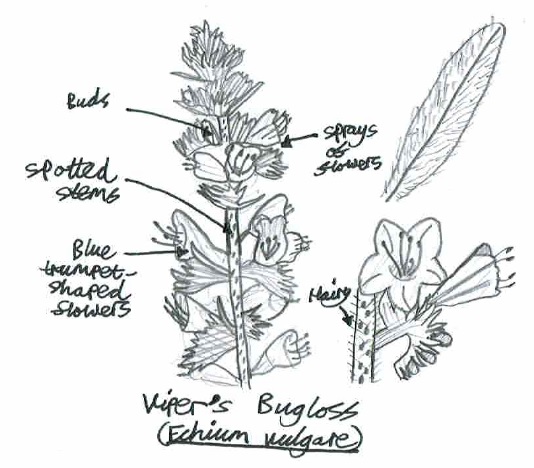
Viper’s Bugloss (Echium vulgare)Viper's Bugloss

  • Family: Borage/Forget-Me-Not
  • Lifespan: Biennial (flowers in its second year before dying) or perennial
  • Size: Medium to tall in height (up to 100cm)
  • Stems: Roughly hairy and spotted (red-based bristles)
  • Leaves: Narrow, oval-shaped lower leaves
  • Flowers: Flowers in drooping clusters of pink buds that open to become erect, blue, trumpet-shaped, open-mouthed flowers, 10-20mm long, in branched spikes. Flowers May-September
  • Range: Scattered distribution across the UK, being most common in the South
  • Fun Facts: The plant’s name comes from a time when it was believed to be a cure for snake-bites, reinforced by the dead flower-heads resembling a viper’s head

Rough Hawkbit (Leontodon hispidus)Rough Hawkbit

  • Family: Daisy
  • Lifespan: Perennial
  • Size: Short to medium in height (up to 60cm)
  • Stems: Very hairy, unbranched, leafless, and slightly swollen at the top
  • Leaves: Form a rosette of bluntly lobed leaves at the base of the flowering stem
  • Flowers: Golden-yellow, though often orange or reddish beneath, solitary and 20-40mm wide. Forms seed heads that look like dandelion clocks. Flowers late May-October
  • Range: Widespread and fairly abundant across the UK, apart from in the far North
  • Fun Facts: In Greek, Leontodon means ‘Lion’s tooth’, referring to the toothed leaves. The flowers are also rich in nectar and smell sweetly of honey

Greater Knapweed (Centaurea scabiosa)Greater Knapweed

  • Family: Daisy
  • Lifespan: Perennial
  • Size: Medium to tall in height (30-120cm)
  • Stems: Erect and grooved
  • Leaves: Lobed, where the lobes are positioned in pairs either side of the leaf centre. The leaves are 100-250mm long
  • Flowers: Purple, solitary and 30-60mm across. Flowers July-September
  • Range: Scattered across the UK, but predominantly grows in England
  • Fun Facts: Commonly used to treat wounds, bruises, sores and similar conditions

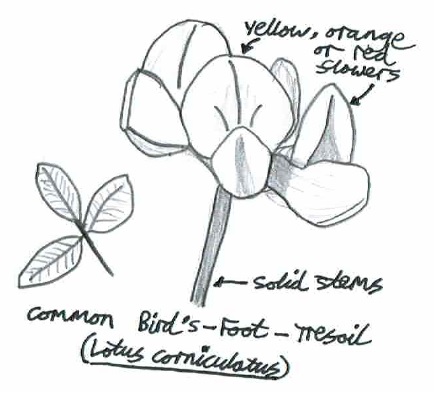
Common Bird’s-Foot-Trefoil (Lotus corniculatus)Common Bird's Foot Trefoil

  • Family: Legume
  • Lifespan: Perennial
  • Size: Short or medium in height and sprawling (up to 50cm)
  • Stems: Solid not hollow, and trailing
  • Leaves: Greyish-green, downy or hairless, and oval-shaped tapering to a point
  • Flowers: Deep yellow or orange, often partly red, and 10-16mm long, often 2-7 per flower head. Flowers May-September
  • Range: Widespread
  • Fun Facts: It has more than 70 common folk names including Eggs and Bacon. The name Bird’s-Foot-Trefoil reflects the resemblance to a bird’s foot, and is a larval food plant of Green Hairstreak and Dingy Skipper Butterflies

Ox-eye Daisy (Leucanthemum vulgare)Ox Eye Daisy

  • Family: Daisy
  • Lifespan: Perennial
  • Size: Medium in height (20-75cm)
  • Stems: Round, angled or square, erect, and slightly hairy
  • Leaves: Long-stalked, dark green, spoon-shaped, toothed and in a rosette around the base of the flowering stem
  • Flowers:  White, 20-60mm across, solitary and on sparsely leafy stalks. Flowers May-September
  • Range: Widespread
  • Fun Facts: In past times, an extract was obtained by boiling the plant down, that  was used in salves and medicines to cure a variety of ailments from liver disease to runny eyes. Largest native daisy species

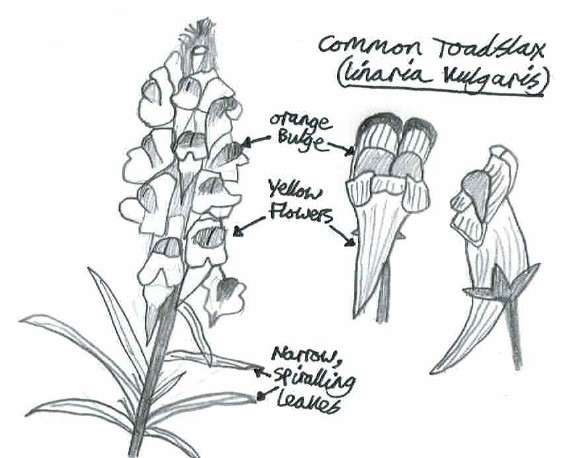
Common Toadflax (Linaria vulgaris)Common Toadflax

  • Family: Plantain
  • Lifespan: Perennial
  • Size: Short to medium in height (30-80cm)
  • Stems: Erect, grey-green, and hairless
  • Leaves: 30-80mm long, very narrow, untoothed, and spirally arranged up the stems
  • Flowers: 15-35mm long, yellow with an orange bulge and long straight spur, forming stalked spikes. Flowers June-October
  • Range: Widespread
  • Fun Facts: Most common Toadflax species in the UK, getting its name from previously being considered as useless, fit only for toads

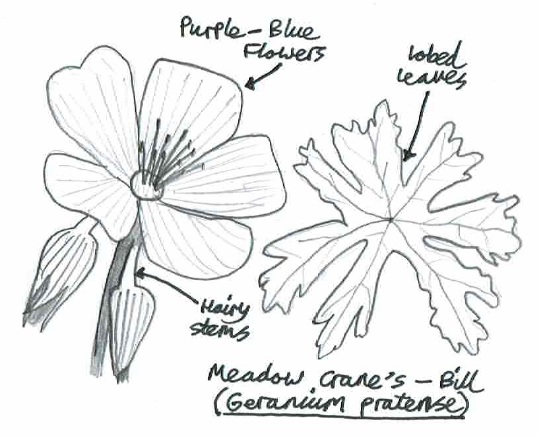
Meadow Crane’s-Bill (Geranium pratense)Meadow Cranesbill

  • Family: Geranium
  • Lifespan: Perennial
  • Size: Medium to tall in height (30-100cm)
  • Stems: Hairy, erect, and often reddish
  • Leaves: Have 5-9 lobes, cut nearly to the base
  • Flowers: Soft violet blue, petals not notched, 15-30mm wide. Flowers June-September
  • Range: Found throughout the UK, but rarer in South West England and East Anglia
  • Fact: With lesser known names such as ‘Jingling Johnny’ or Loving Andrews, it is a horticultural favourite dating back to before the Elizabethan times

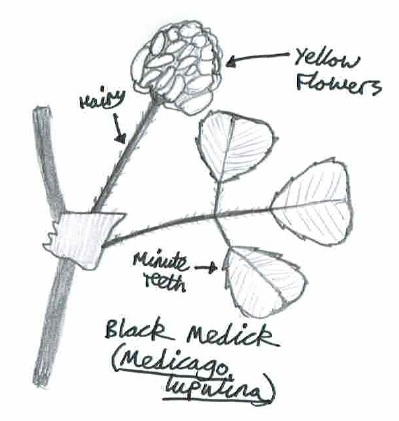
Black Medick (Medicago lupulina)Black Medick

  • Family: Legume
  • Lifespan: Annual or short-lived perennial
  • Size: Low in height (up to 60cm), and sprawling or erect
  • Stem: Round or square and hairy
  • Leaves: Trefoil, downy, and 5-20mm in length, with minute teeth
  • Flowers: Bright yellow and small, with 10-50 to one short-stalked rounded head (3-8mm wide). Flowers April-October
  • Range: Widespread across the UK, but sparser in Scotland
  • Facts: Name means ‘plant of the Medes’, referring to an ancient Middle Eastern people, whilst lupulina means ‘hop-like’, due to similarities with Hop Trefoil


Now get out there and see what you can find!


Drawings and photos all my own

How to… Help The Planet One Small Step At A Time

Currently there are approximately 7.8 billion people living on this planet, and so it is not surprising that humans have had a significant influence on the environment. For example, 1.76 planets a year are now needed to meet resource and waste absorption demands. Over time, this has heavily impacted our natural world, from massive deforestation and loss of species to large scale pollution and global warming.

Though it can feel like a losing battle, there is still time for us to try and make a difference. By making small and often easy changes within our own lives, then this could be the start to making a big difference on a larger scale. For this to work, to preserve our planet for future generations, we all need to do our bit now.

To help make this seem a little less daunting, I wanted to put together some examples of small things that I have changed in my own day-to-day life or I am now inspired to do. This could be thinking about where your food comes from, giving your old clothes new lives or even volunteering your time for the environment. It’s your life, your world and your choice, but reducing your footprint on this planet is important and a rewarding thing to do now moving forward.

This does not mean you need to do all the things I suggest, but why not see what you can do to do your bit! By making a positive change, you could reduce waste, save money and help the planet. So be active, think globally and act locally!

Food and Drink

Food and drink is an important part of all of our lives. Vital for our survival, it has a major influence on our society and more significantly, the environment. Therefore, your choices can make a real difference to our planet, which could include considering what you are eating and where your food actually comes from.

Food & Drink

Home

There are lots of small things you can change in your own home that can reduce your footprint. Often involving the reduction of energy and water usage, some changes will even save you some money in the long run.

Home

Travel

Getting from a to b is an essential part of many people’s lives in today’s world, so these choices can have a significant impact on the environment. By being smart with the choices you make each time you travel, in the long run it could add up to making a big difference, such as to pollution and resource usage.

Travel

Reduce, reuse and recycle

One of the easiest ways to try and help the planet is to reduce how much waste comes out of your own home. This could either be by disposing of items properly or more importantly by thinking before you buy.

Reduce, Reuse, Recycle

General Life

As well as making small changes in your own home and on the move, it is important to be aware of the environment in general. By being informed about what is going on in the world, by being active in what you do, and just by being connected, this can make the greatest difference of all

General Life

All photos and drawings are my own

How to… Identify Hedgerow Plants

Whizzing past our car windows, naturally bordering our fields and gardens, or providing a home for wildlife. Often going unseen and unnoticed, hedgerows are a widespread and overlooked habitat right on our doorsteps. Bountiful and bursting with life, each hedge is unique from the next, with a story to be told and a world to be explored.

Blackthorn 5

From butterflies and birds to hedgehogs and dormice, an incredible number of species rely on the plants in our hedges for their survival, such as food, shelter, and corridors along which to travel. They do not just play a role for wildlife though, holding value in the wider landscape, providing us with services such as stopping soil erosion and buffering pollution. In this way, hedgerows have been important for humans and wildlife alike for hundreds of years!

20_03_20_Farm_Goldfinch_2

The first hedgerows can be dated back to the Bronze Age, when farmers cleared woodland to grow crops, leaving carefully maintained strips to act as boundaries. Some of these strips of ancient woodland can still be found today! Since then hedges have grown in popularity, but following the Second World War, many were ripped up to provide more space to grow food and for development. Despite approximately half of all hedges in Britain being lost during this time, thankfully the remaining were given protected status in 1997.

13_05_20_Farm_Sunrise_Hangings_Trees

The hedgerows rolling across our countryside today are a piece of history, full of life and colour and provide us with a whole host of resources. So, why not try and see this for yourself, and take a moment to see what you can find in a hedgerow local to you? To help, here’s my simple guide to identifying some of our iconic hedgerow species.

Hedgerow Plants

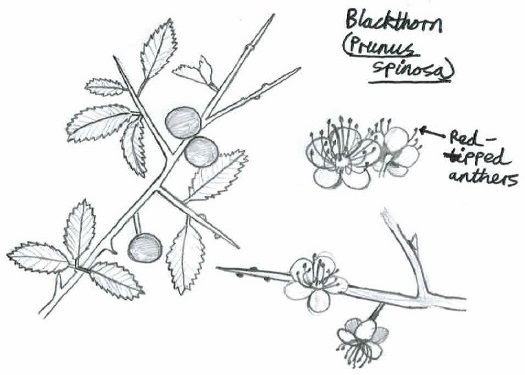
Blackthorn (Prunus spinosa)Blackthorn

  • Family: Rose – related to fruiting trees such as cherries and plums
  • Size: Up to 4m tall
  • Stems and twigs: Blackish and thorny
  • Leaves: 2-4cm long, oval-shaped tapering to a point with toothed margins
  • Flowers: Snow-white and 5-petalled with red-tipped anthers in the centre. Flowers late March-April, appearing BEFORE the leaves
  • Seeds: Produces fruit (sloes) which are small blackish plums with a bluish powdery surface. Tongue-numbingly tart to eat but popular to flavour gin
  • Range: Widespread and common throughout most of Britain
  • Fun Facts: Blackthorn, long used for making items such as walking and riding sticks, has long been associated with witchcraft

Spindle (Euonymus europaeus)Spindle

  • Indicator of an ancient hedgerow
  • Family: Staff-vine
  • Size: Up to 9m tall
  • Stems and twigs: Bark and 4-sided twigs are deep green, darkening with age
  • Leaves: 3-13cm long, shiny, mid-green, oval-shaped tapering to a point with finely toothed margins, and turning distinctively pinkish-red in autumn
  • Flowers: Greenish-white and 4-petalled in small overlooked stalked clusters. Flowers May-June
  • Seeds: Distinctive 4-lobed bright coral-pink berries
  • Range: Less common in Scotland and Ireland, found throughout England and Wales, but most frequent in the south
  • Fun Facts: The hard dense wood of spindle was used from ancient times to make spindles, whereas the leaves and seeds were powdered to dust on the skin of children to drive away lice

Cow parsley (Anthriscus sylvestris) Cow parsley

  • Family: Carrot – related to species such as parsnips and poison hemlock
  • Size: ~1m tall
  • Stems and twigs: Stems are hollow and furrowed, often becoming purple
  • Leaves: Fresh green, 3-pinnate, and sharply cut
  • Flowers: White, forming clusters known as umbels. Flowers April-June
  • Seeds: Round, smooth and broad-based
  • Range: Widespread and common throughout Britain and strongly associated with hedgerows
  • Fun Facts: Its folk-name is ‘Queen Anne’s lace’. This comes from a folk tale which said that the flowers would bloom for Queen Anne and her ladies in waiting and reflect the delicate lace they wore

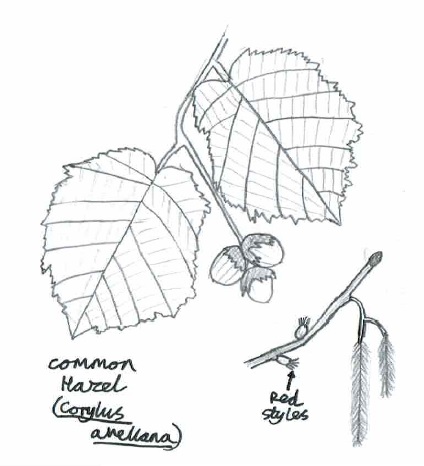
Common Hazel (Corylus avellana)Hazel

  • Family: Birch – related to species such as silver birch, alders and hornbeams
  • Size: Up to 8m tall
  • Stems and twigs: Bark coppery brown, smooth and tending to peel
  • Leaves: 5-12cm long and almost circular with sawtooth edges
  • Flowers: Male= lemon-yellow catkins; Female= Tiny and bud-like with red styles. Flowers January-March BEFORE the leaves
  • Seeds: An edible nut encased at first in a thick-green husk before ripening in autumn
  • Range: Widespread and common throughout Britain
  • Fun Facts: Hazel rods have historically been used for a range of purposes from hurdles and coracles for fishing to house building and basketwork

Dog Rose (Rosa canina)

  • Family: Rose
  • Size: Up to 4m tall
  • Stems and twigs: Arching stems with broad-based strongly hooked prickles
  • Leaves: Dark green and oval-shaped tapering to a point with toothed edges
  • Flowers: Flat and fragrant white or pale pink, with large petals and hairless stalks. Flowers June-July
  • Seeds: Fruit, known as a hip, that is egg-shaped and bright red
  • Range: Most common and variable wild rose, widespread throughout Britain, but most frequent in the south
  • Fun Facts: Adopted as a symbol of the British monarchy and England since the reign of Henry VII. It is also a valuable medicinal plant, with its hips being made into a Vitamin C rich syrup for children

Field Rose (Rosa arvensis)

  • Compared to the Dog Rose, the Field Rose is shorter, growing up to about 2m, with slightly smaller, cup-shaped creamy-white flowers that flower about a fortnight later, from June-July. Also, the flowers’ sepals are often purplish, the styles are in a column, and the hips are smaller and often more round. The Field Rose’s range does not stretch as far north as that of the Dog Rose, being absent from Scotland

Roses

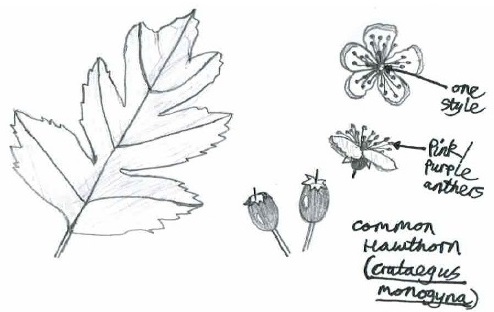
Common Hawthorn (Crataegus monogyna)Hawthorn

  • Family: Rose
  • Size: Up to 10m tall
  • Stems and twigs: Very thorny and hairless
  • Leaves: Leafing in April, the leaves are shiny and roughly oval-shaped with 3-5 deeply cut lobes
  • Flowers: White fragrant (sickly sweet) flowers with pink/purple anthers, only one style and 5 petals. Become deeper pink as they fade
  • Seeds: Fruit, known as haws, have a single seed and ripen to a bright red
  • Range: Widespread and common throughout Britain
  • Fun Facts: Hawthorn is linked to Christian, pagan and medieval rites, and has ancient associations with May Day. Bringing hawthorn blossom in your house was believed to bring in illness and death upon you

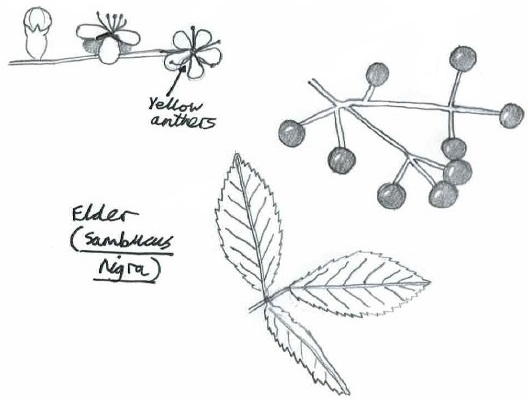
Elder (Sambucus nigra)Elder

  • Family: Previously in the honeysuckle family , but now reclassified in moschatel
  • Size: Up to 10m tall
  • Stems and twigs: Strong smelling with corky and fissured bark
  • Leaves: Dark green, pinnate with 5-7 leaflets
  • Flowers: White, small and fragrant in flat-topped clusters with yellow anthers. Flowers May-August
  • Seeds: Produces a juicy edible purplish-black berry
  • Range: Widespread and common throughout Britain
  • Fun Facts: Has many uses from wines and jams, to toys and dyes. Also, it was believed that planting an elder tree near your house would keep the Devil away

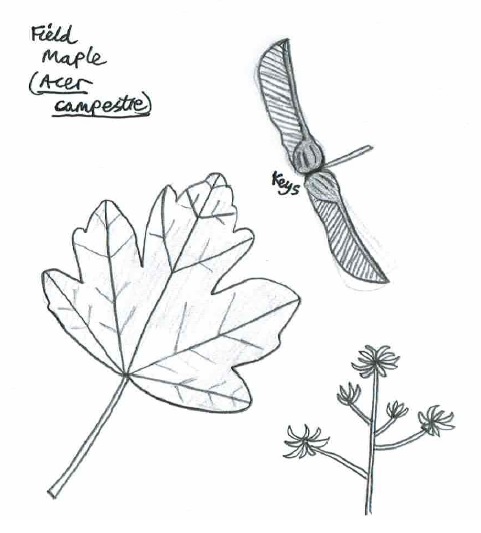
Field Maple (Acer campestre)Field Maple

  • Family: Soapberry – related to horse chestnut and lychee
  • Size: Up to 25m tall
  • Stems and twigs: Twigs downy
  • Leaves: Much smaller than sycamore at 4-7cm long and wide, rather bluntly lobed (3-5), and dark green. Turn distinctively amber in autumn
  • Flowers: Yellowish-green and carried in upright spikes. Flowers May-June after the leaves
  • Seeds: The seeds, known as keys, are winged and paired forming an angle of 180 degrees
  • Range: Common in England and East Wales, but less common elsewhere
  • Fun Facts: Wood used for furniture veneers, wall panelling, and violin-making, but previously used to make domestic utensils such as drinking bowls. As with all maple trees, the sap of the field maple can be used to make maple syrup

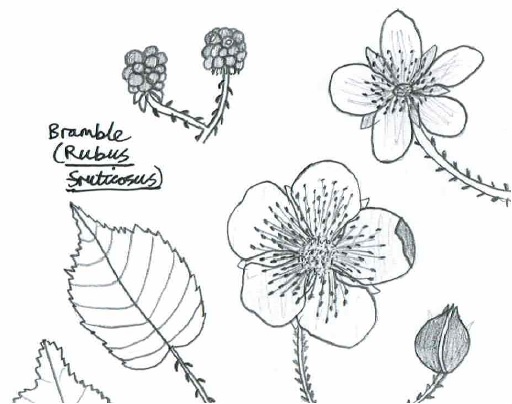
Bramble (Rubus fruticosus)Bramble

  • Family: Rose – closely related to species such as raspberries and dewberries
  • Size: Up to 4m tall or long
  • Stems and twigs: Prickly and half-evergreen
  • Leaves: 3-5 broad, toothed leaflets
  • Flowers: White or pink and flowers from May onwards
  • Seeds: Fruit is the familiar edible blackberry that starts green, then turns red, finally ripening to purple-black
  • Range: Widespread and common throughout Britain
  • Fun Facts: Folklore dictates that blackberries should not be picked after Old Michaelmas Day in October, as the Devil has sullied them. Brambles were also previously planted on graves to stop sheep grazing

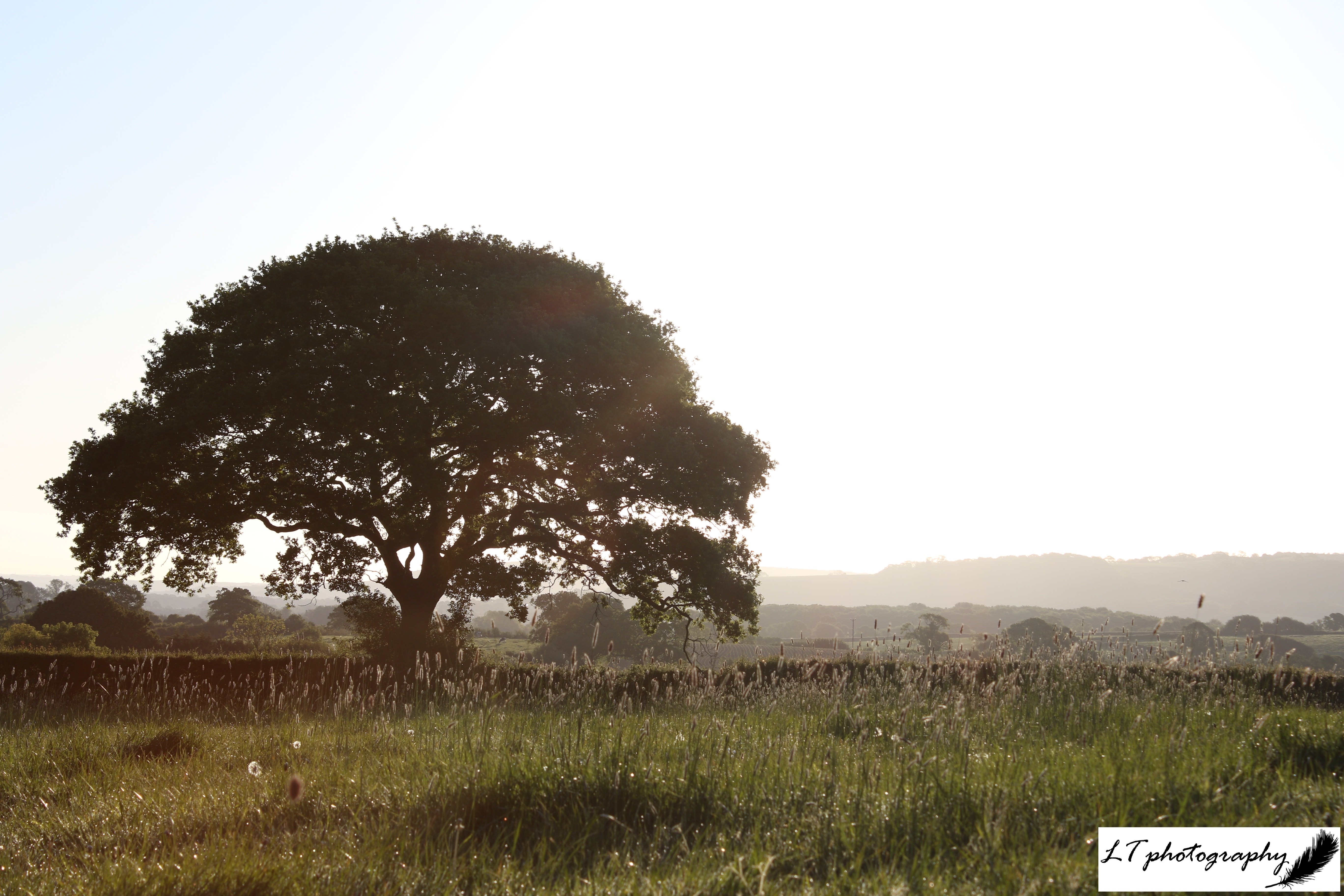
Pedunculate or English oak (Quercus robur)

  • Family: Beech – related to species such as beech and sweet chestnut
  • Size: Up to 40m tall
  • Stems and twigs: Massive rugged grey-brown trunk and broad crown
  • Leaves: 10-12cm long, oblong, usually broader at the base and lobed, turning brown in autumn
  • Flowers: Yellow-green catkins flowering April-June
  • Seeds: Produces the familiar acorn, with scaly cups and clusters carried on long stalks
  • Range: Widespread and common throughout Britain
  • Fun Facts: Druids in Celtic Britain held the oak tree sacred, with the oak becoming an English national symbol of strength

13_05_20_Sunrise_Oak_Tree_Grass_3

Sessile oak (Quercus petraea)

  • Differs to Pedunculate Oak in that the leaves taper to an unlobed base and have long stalks. Also, the clustered acorns are almost stalk-less with downy cups. Prefers more acid soils and is more common in the West of Britain

Oak Trees

Other species

  • There are lots of flowering species to also be found at the base of hedges. To help with identifying these, check out my ‘How to… Identify Woodland Flowers’ guide, to help with crossover species, such as bluebells, primroses, and moschatel

All photos and drawings are my own