Rural Dorset vs. Urban Manchester: Wildlife Camera Trapping in 2021

Series in collaboration with guest writer Emma Rogan

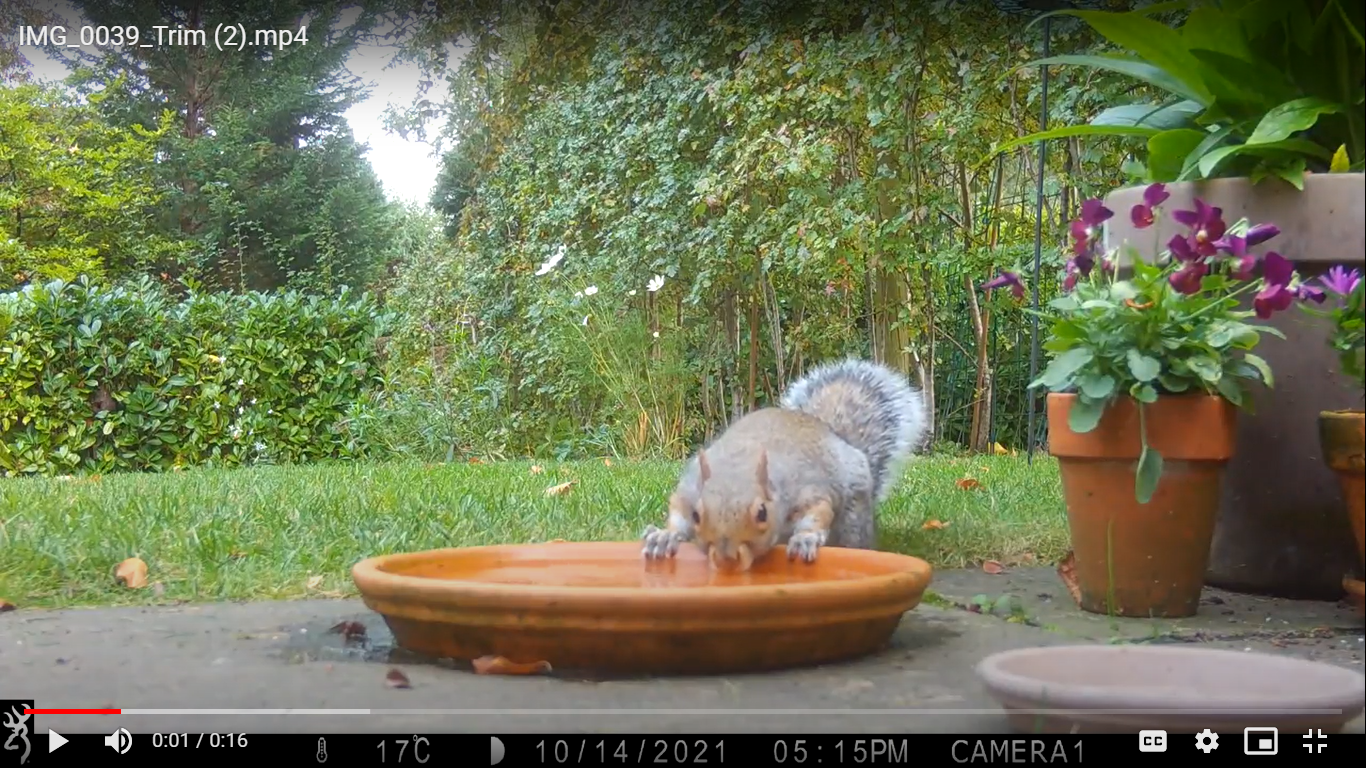
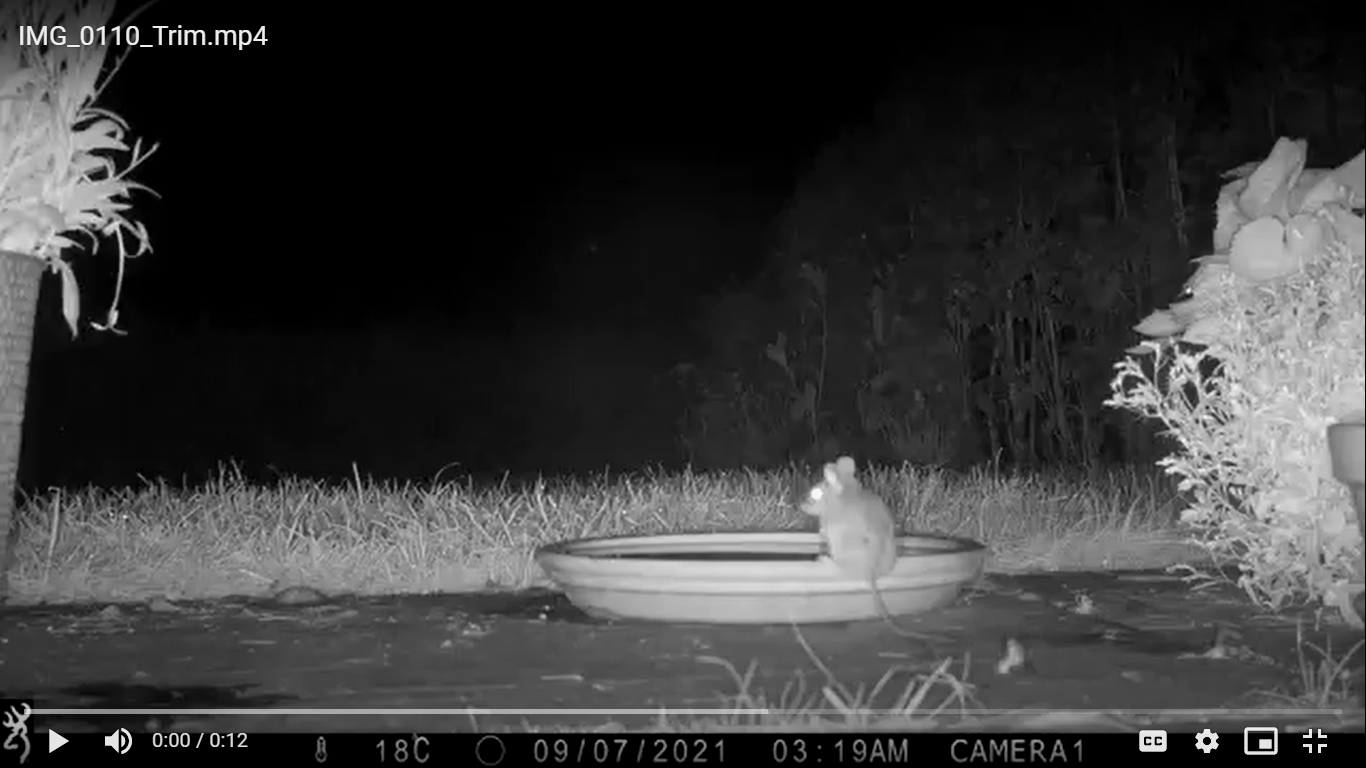
Fox cubs playing in secluded hedgerows, badgers wandering along field margins, and male pheasants displaying in woodlands. Wildlife cameras are a great way to capture the behaviour and presence of wildlife, and can open up a hidden world not so easily accessible in person. More often wildlife cameras are associated with exploring the rural, but they are also a great way to explore the world closer to home. Hedgehogs snuffling through gardens looking for food, birds jostling for space on feeders, or even rodents clearing up after avian visitors. Camera trapping allows us to connect to nature wherever we live, from rolling hills to suburban oases.

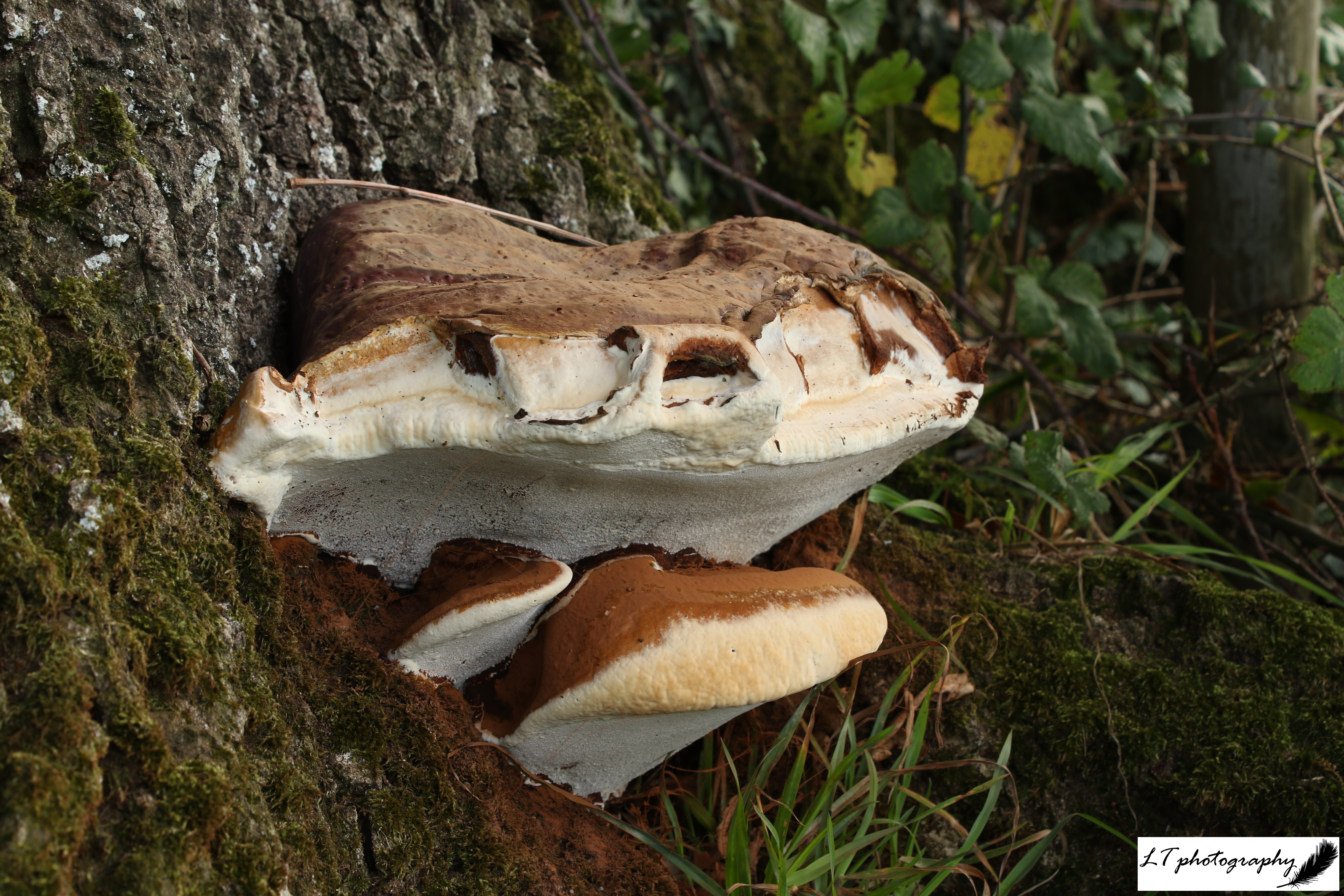
Last time in Rural vs. Urban, we embraced autumn in all its colours and forms, with the main focus being the plant and fungi stars of the show. Dorset-born naturalist Laura delved into the magnificent and colourful display autumn had to offer, and found inspiration in the season, from her writing to her baking. Joining Laura for this series, Manchester-born wildlife enthusiast Emma explored the history and culture rooted in the plants she discovered, and found a much-needed moment of calm in her busy day-to-day life. Though both found differences in their comparative landscapes, they both found fungi to be fascinating and wondrous, but an area of knowledge in need of improvement.

In this next instalment of Rural vs. Urban, we explore the use of camera traps in the two different landscapes and see how they have allowed Laura and Emma to connect with their local wildlife. We will see how species may differ between the city and countryside, as well as behaviours and even interactions between species. It will be interesting to see what we may learn from looking back at fantastic camera trap photos from both locations, as they help us to uncover the secret lives of wildlife. Join us on our adventures to find out what we discovered!

Laura’s Camera Trapping in Dorset

Over the last few years I have become well known online for my camera trap photos exploring the lives of the wildlife living on my family’s land in Dorset. In particular, each spring I keep my camera trap out 24/7, moving it between locations, to capture spring unfurling for my animal neighbours. By doing so I have gained a lot of enjoyment from seeing what I could discover, and have been able to expand my own knowledge of my local wildlife and their hidden lives. To experience some of my previous camera trap adventures, check out my earlier blog posts from 2019 and 2020.

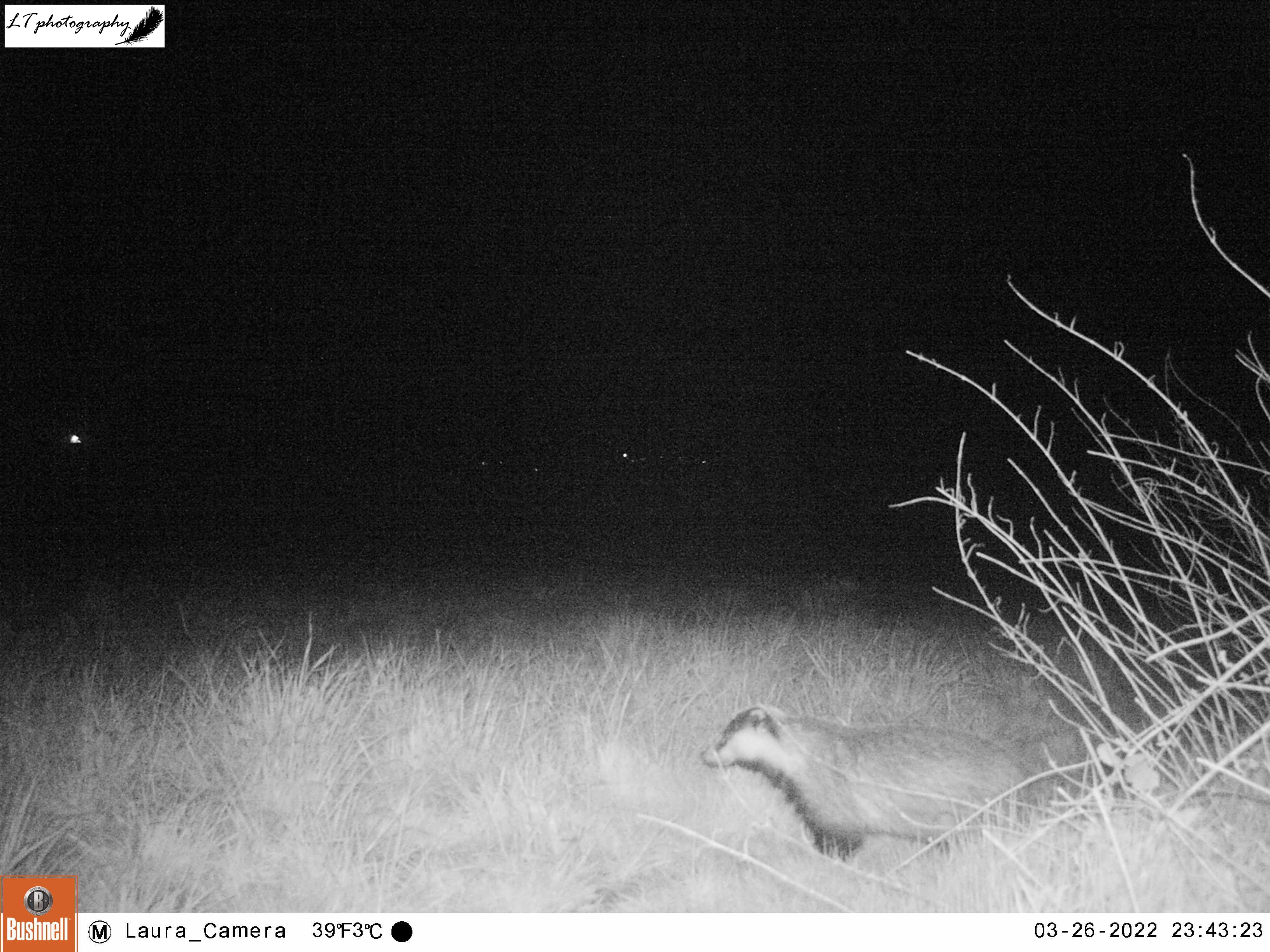
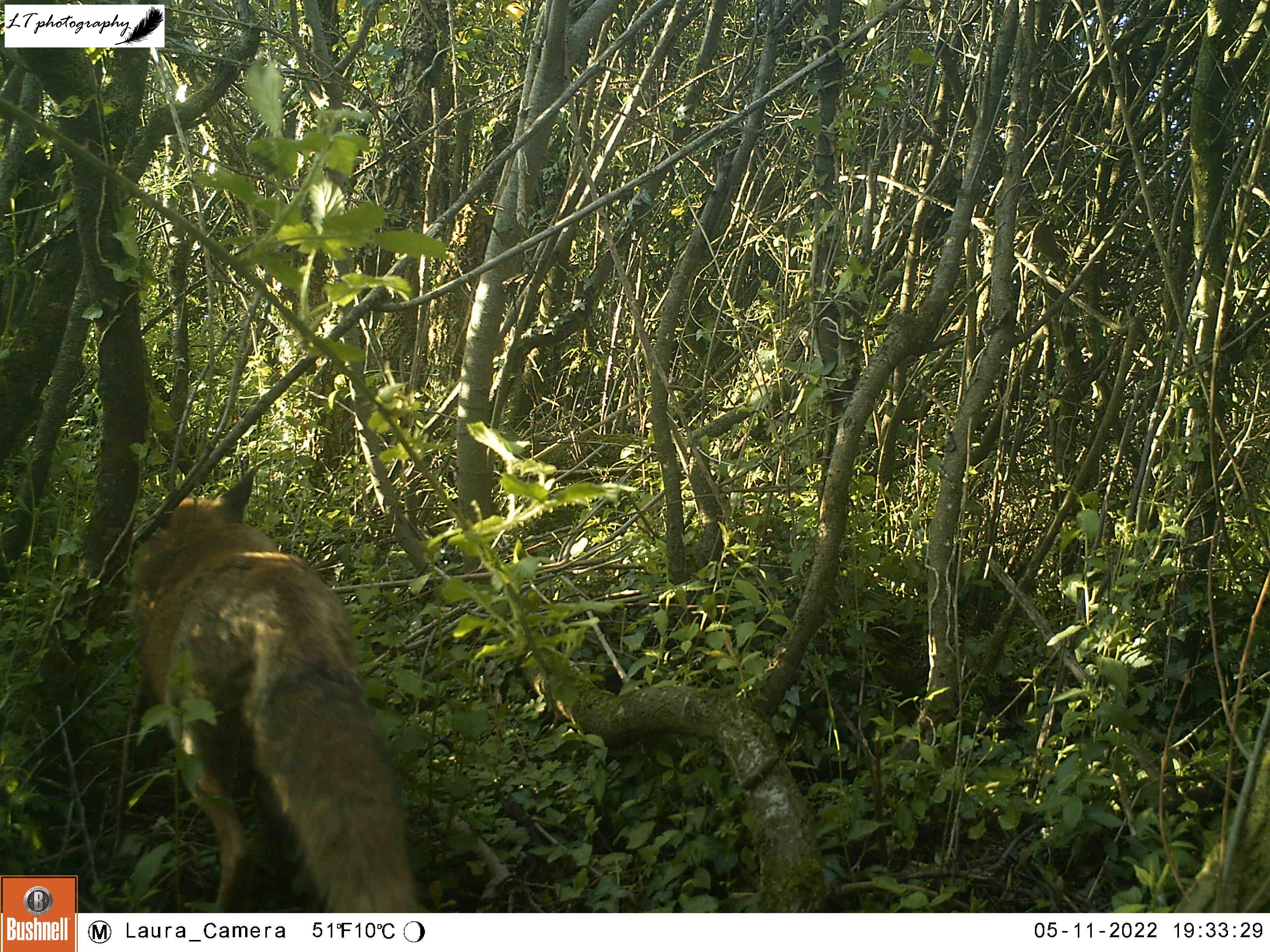
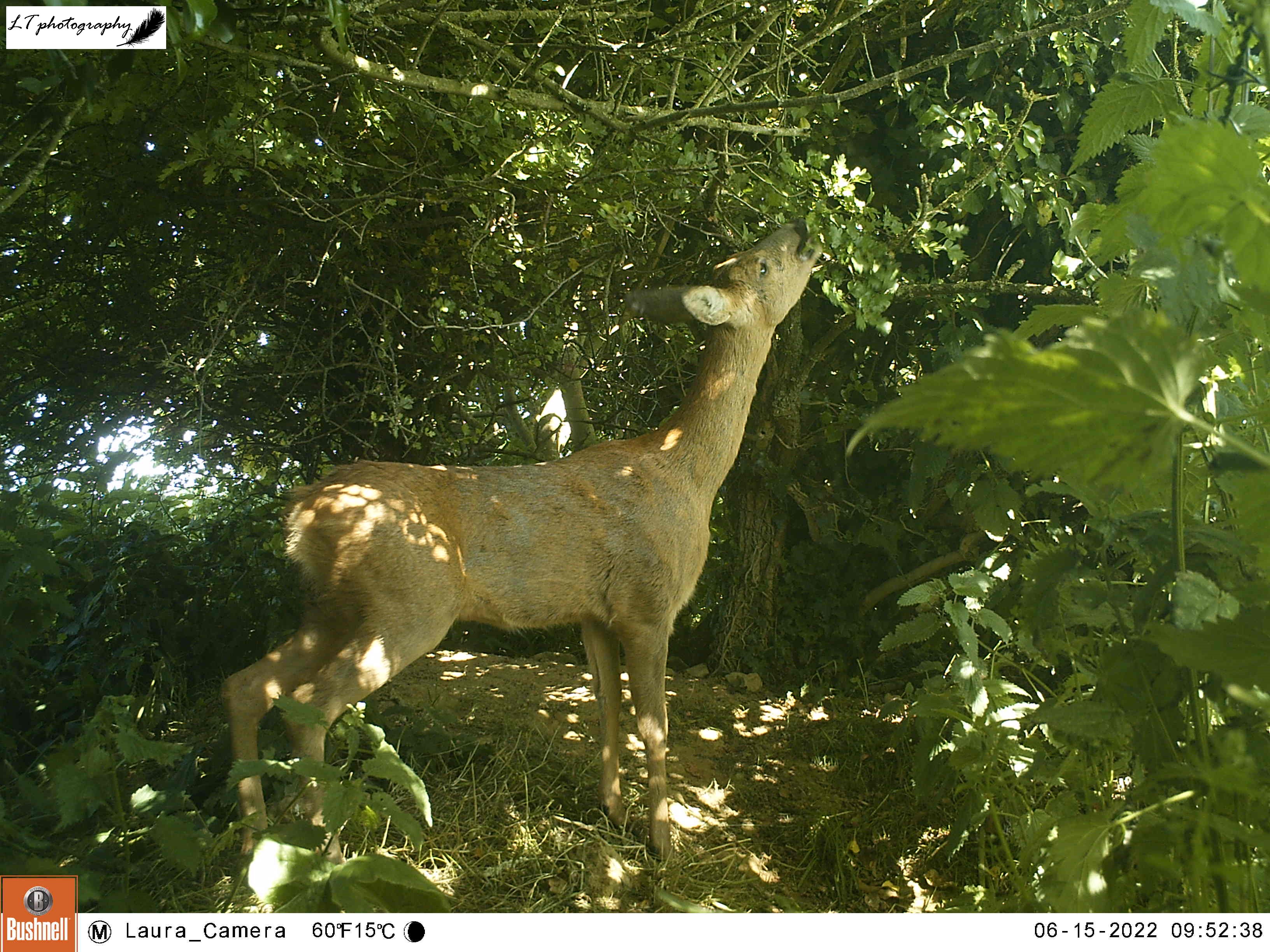
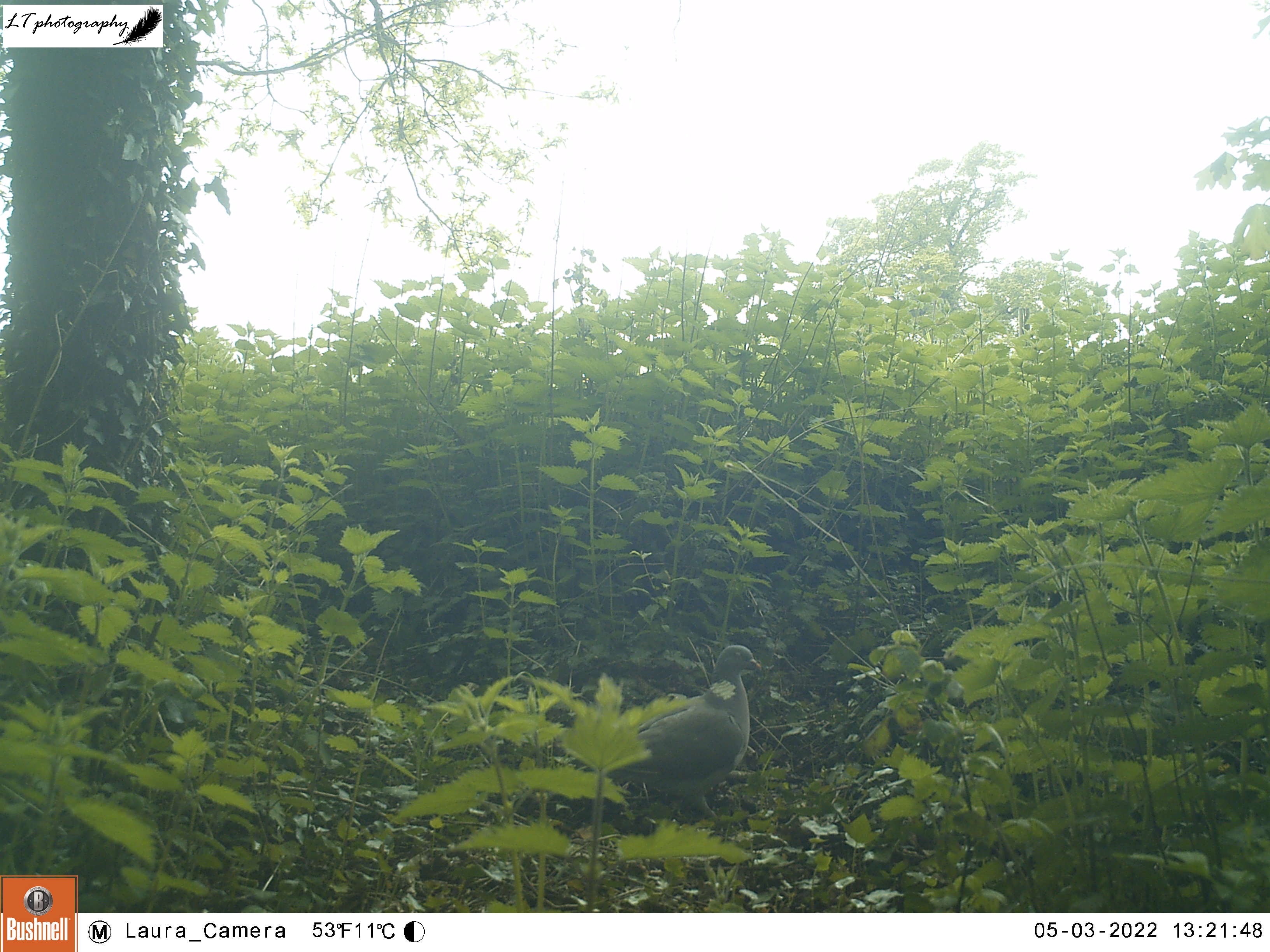
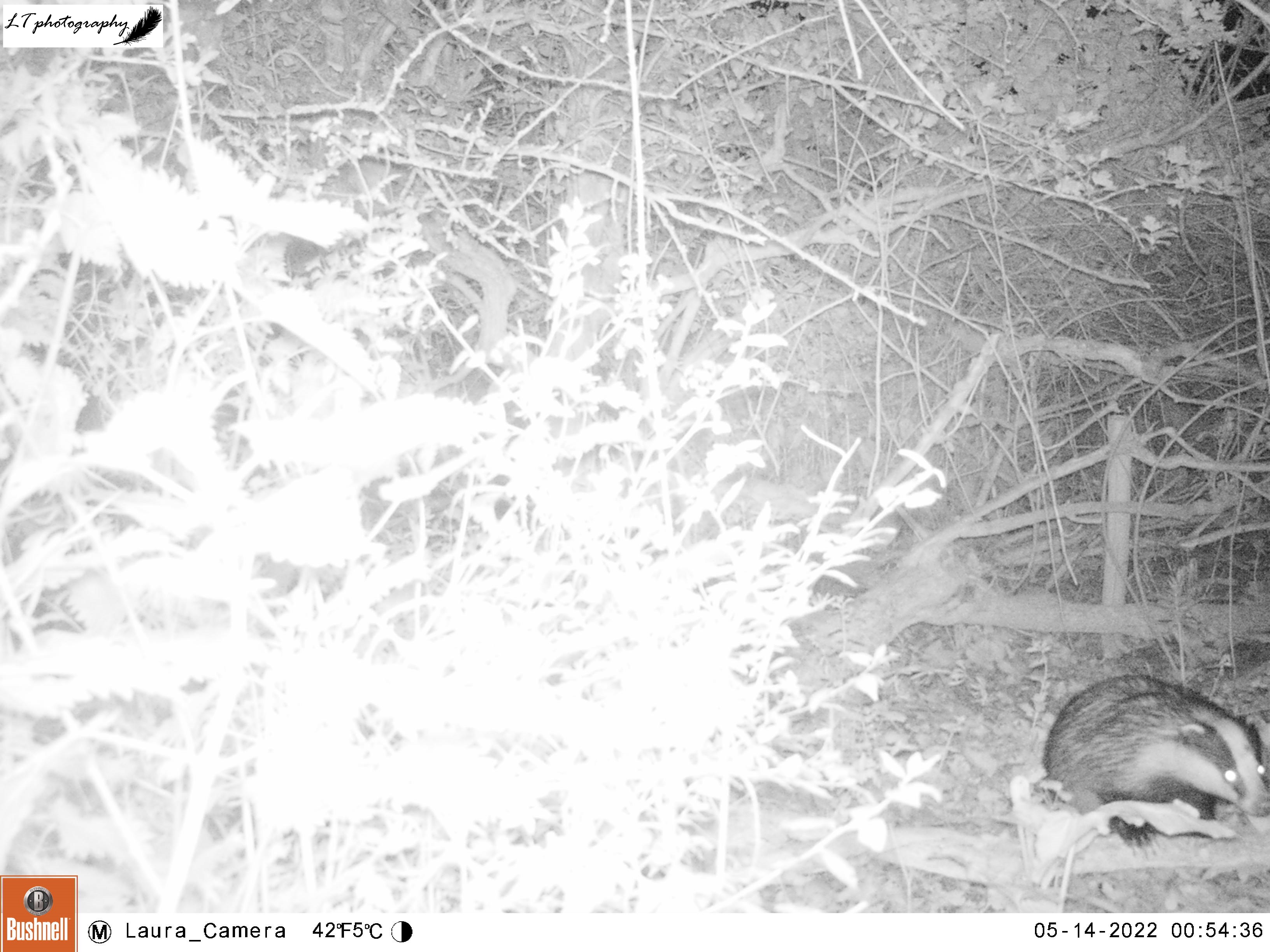
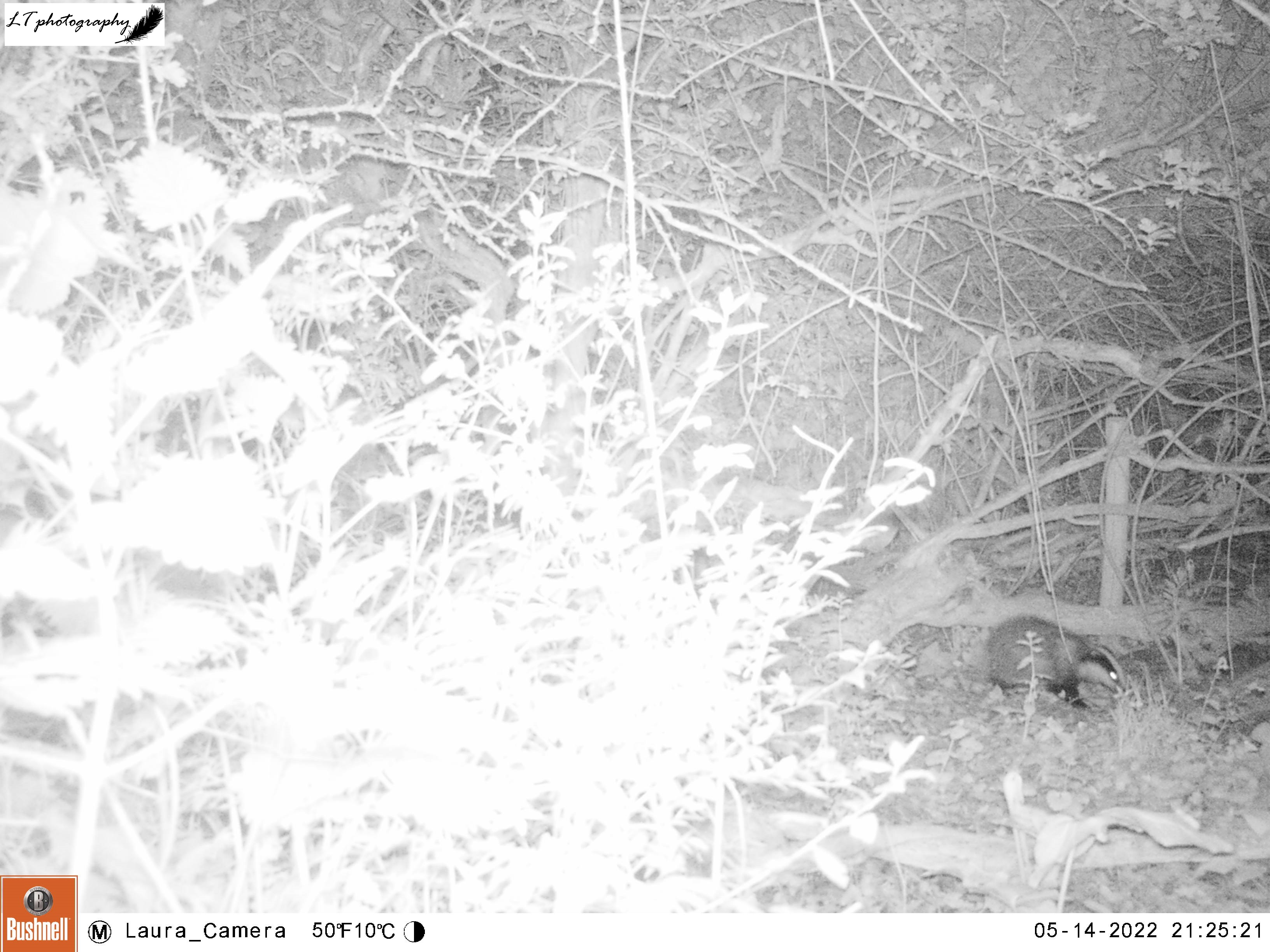
Last year, in 2021, my camera trap did not fail to amaze me and allowed me to continue my adventure exploring and capturing local wildlife. Throughout the spring my camera moved between 6 different locations across 250 acres, varying from badger setts to woodland. Between these locations I captured a total of 13 different species in 2021, which were rabbit, badger, roe deer, fox, partridge, pheasant, grey squirrel, magpie, blackbird, field vole, hare, woodpigeon, and the humble bumblebee.

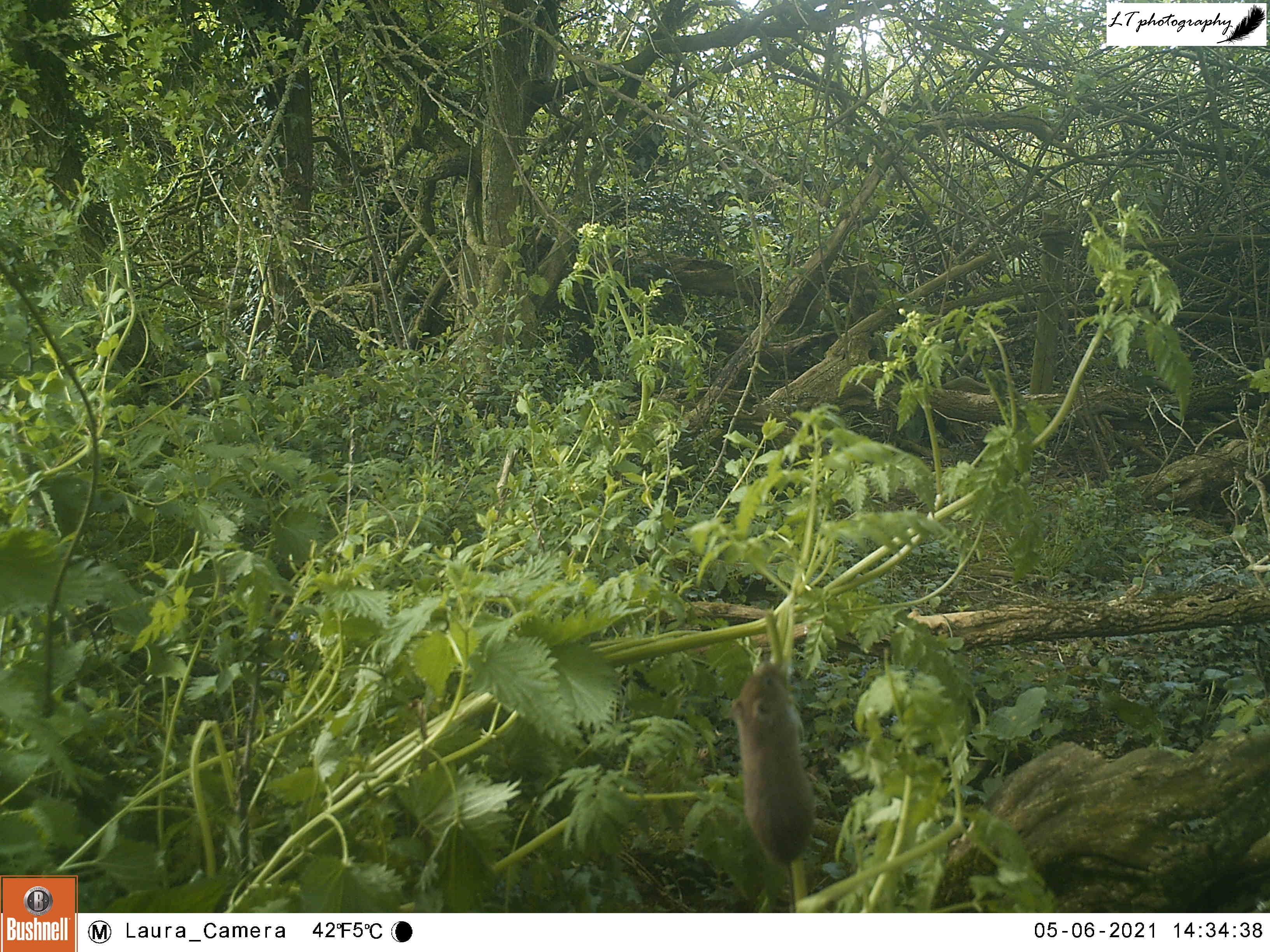
One of my highlights from 2021 was capturing some new species for my collection, even if my first photos of them were blurry . These included my first hare (or the back of one!), a field vole climbing up cow parsley stalks, and even a bumblebee buzzing about. This is one of the reasons I get excited when checking my camera trap photos, as you never know what you may discover!

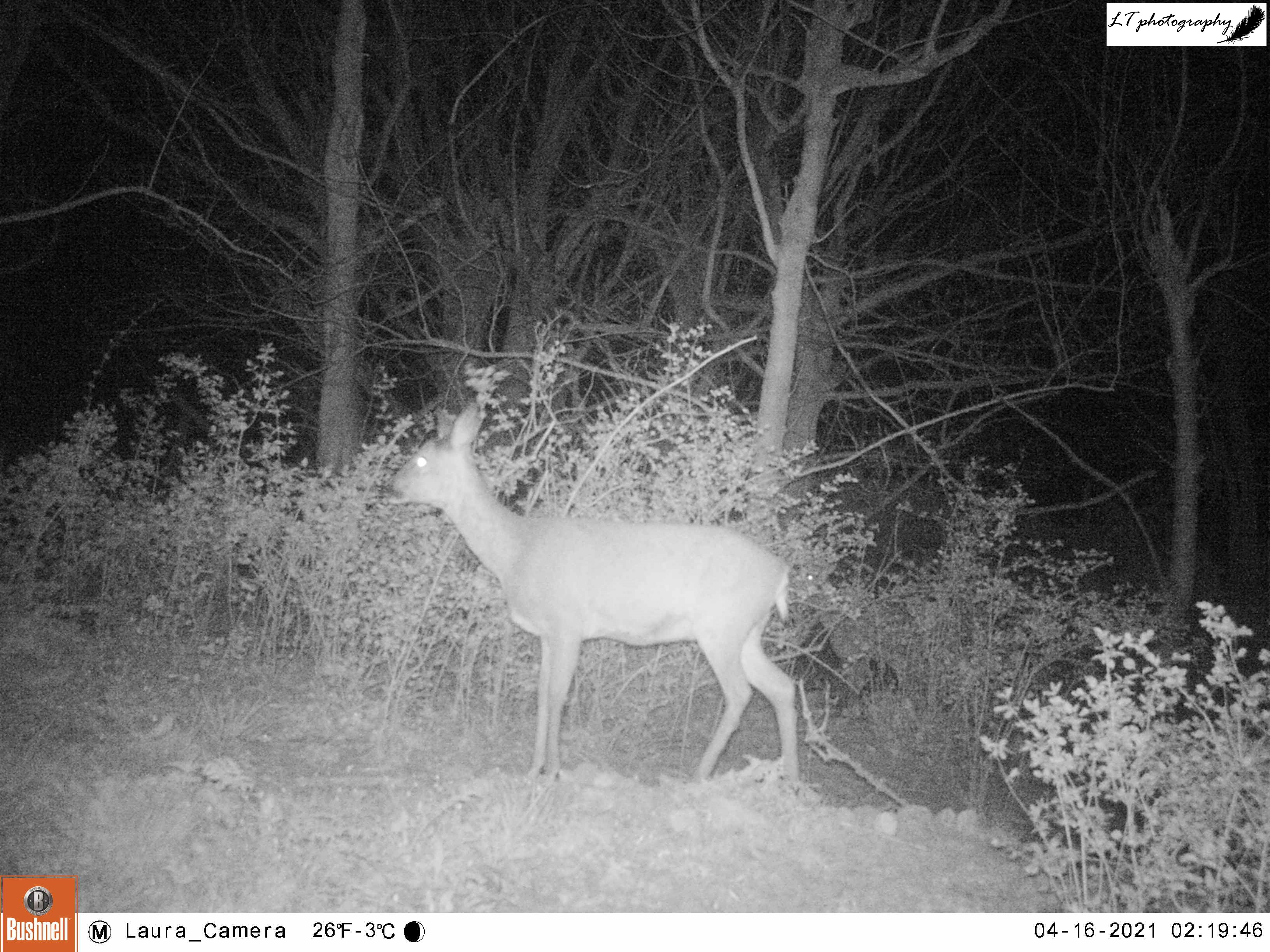
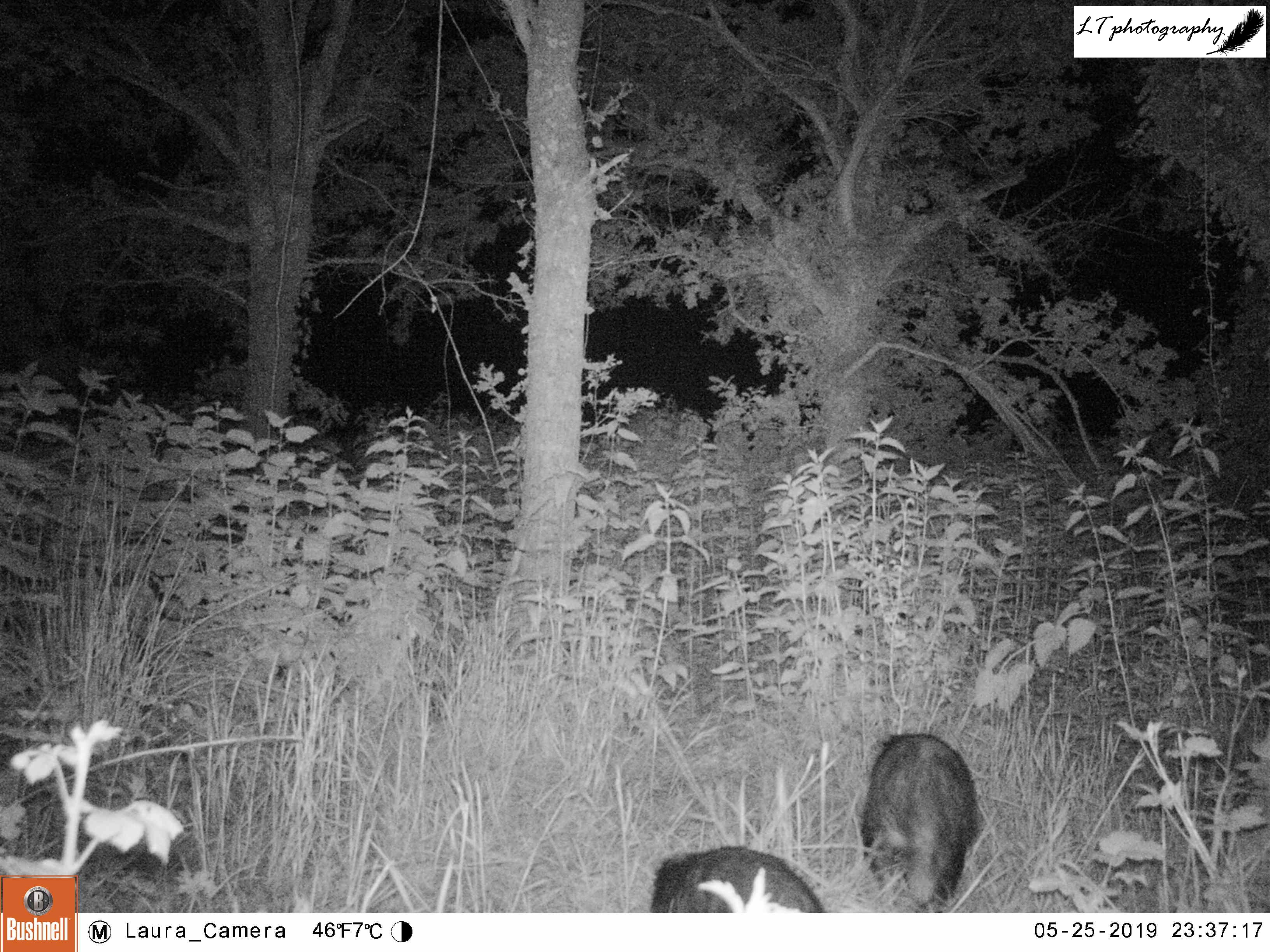
Another part of camera trapping in 2021 was getting to further experience animal species living side by side in harmony. For example, at one badger sett I saw a family of badgers sharing their home with rabbits and a family of foxes. Also, at another location, I got to see fox cubs learning about their surroundings and interacting with other species, such as roe deer. Very cool!

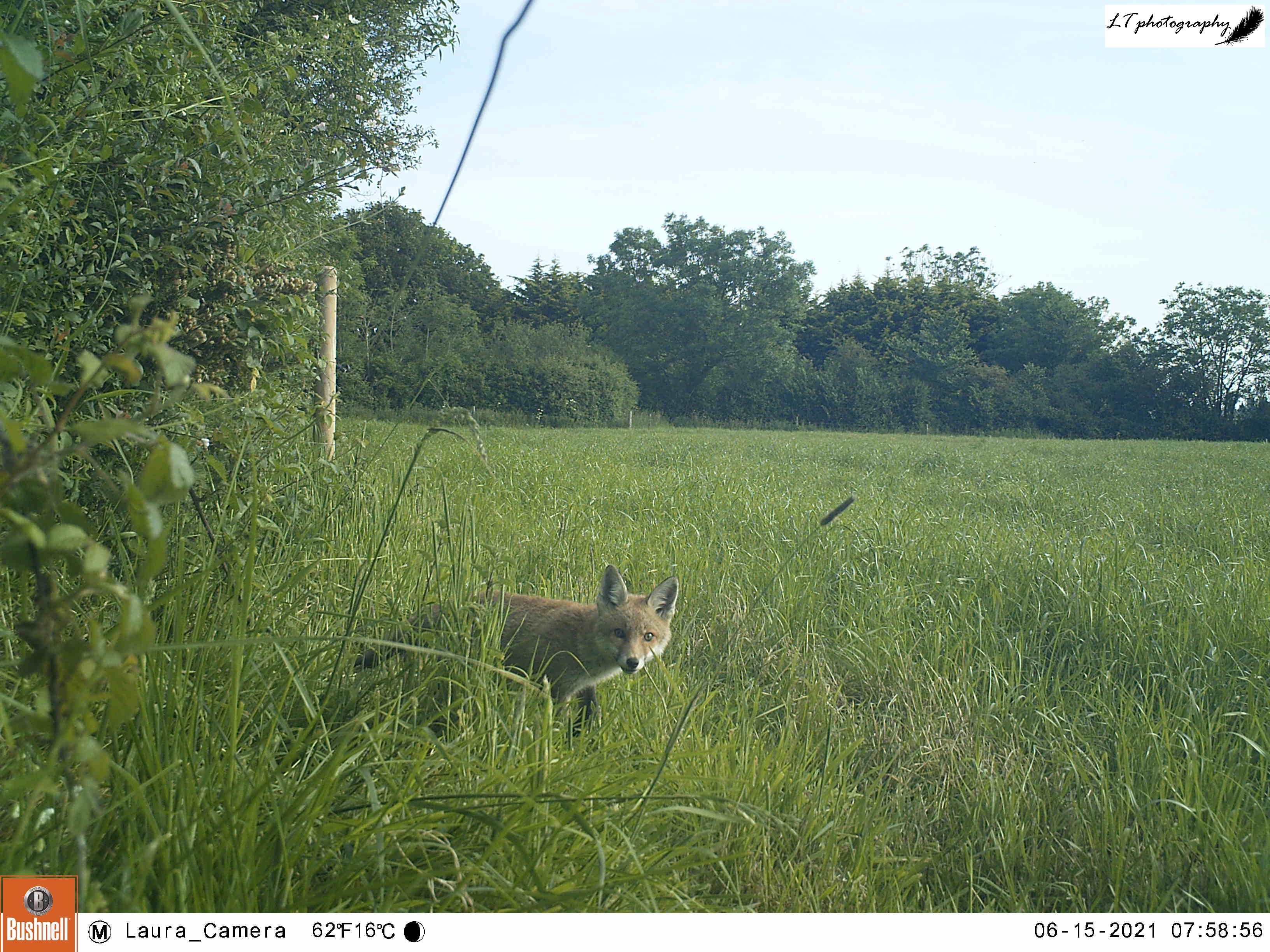
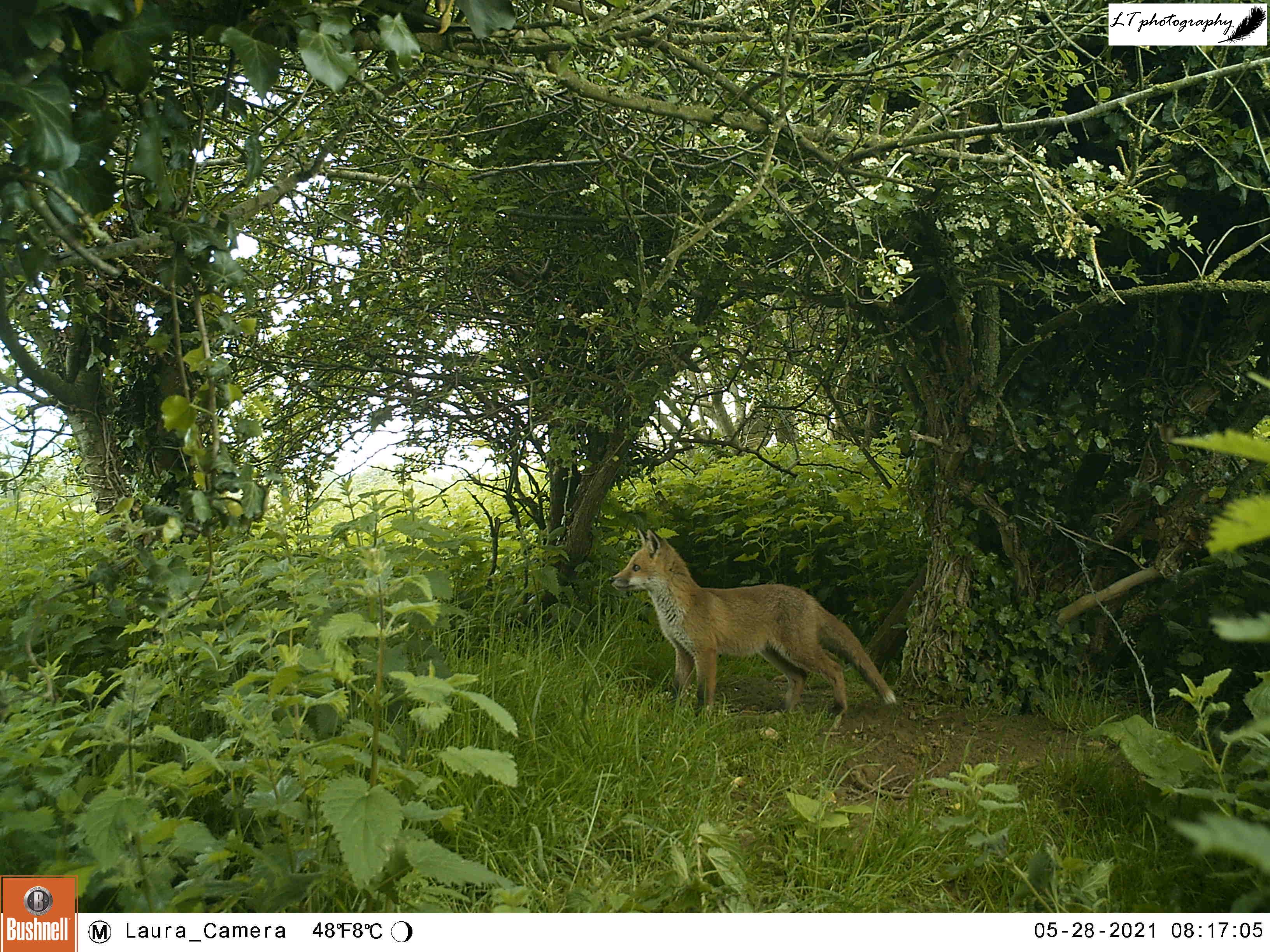
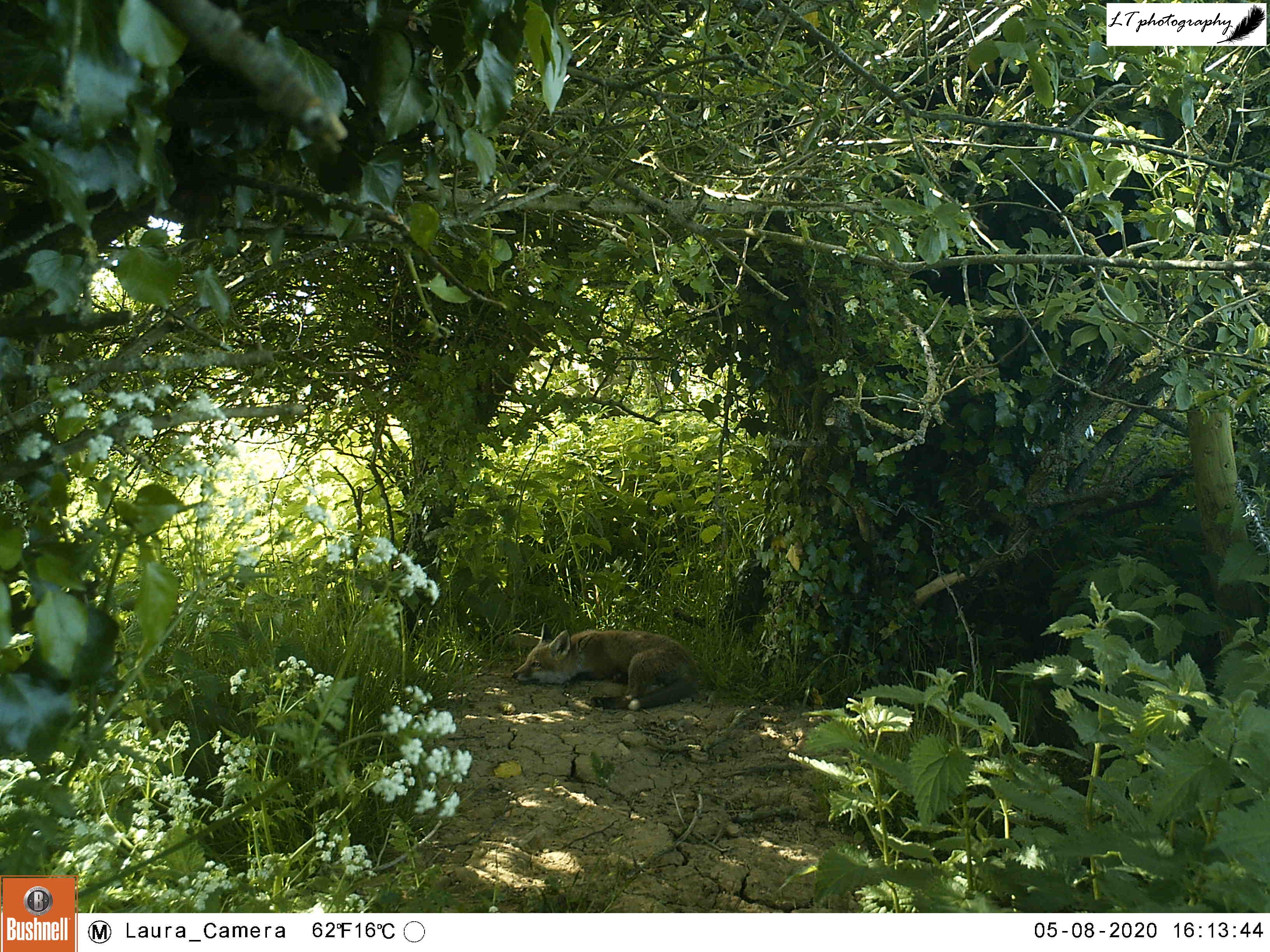
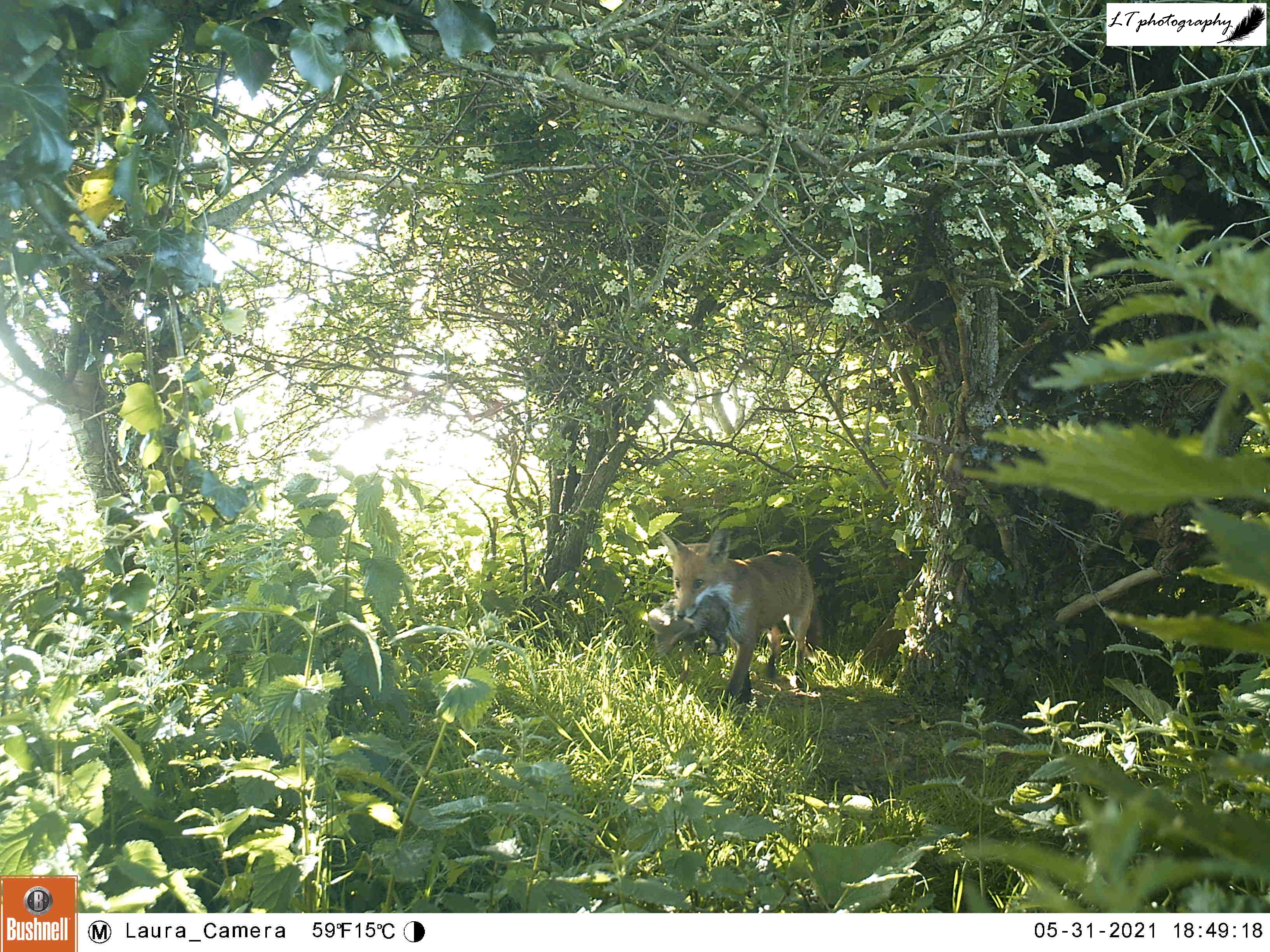
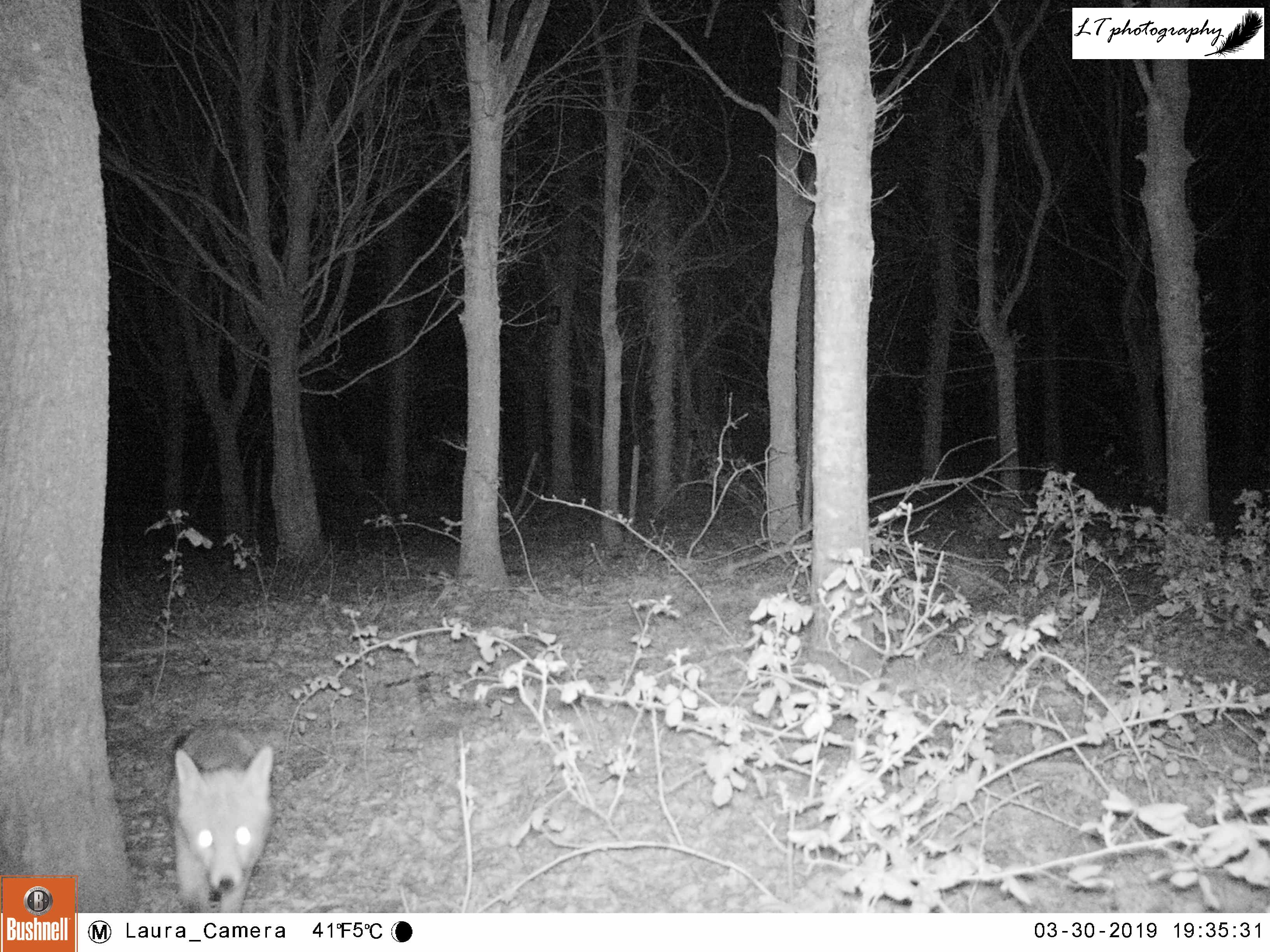
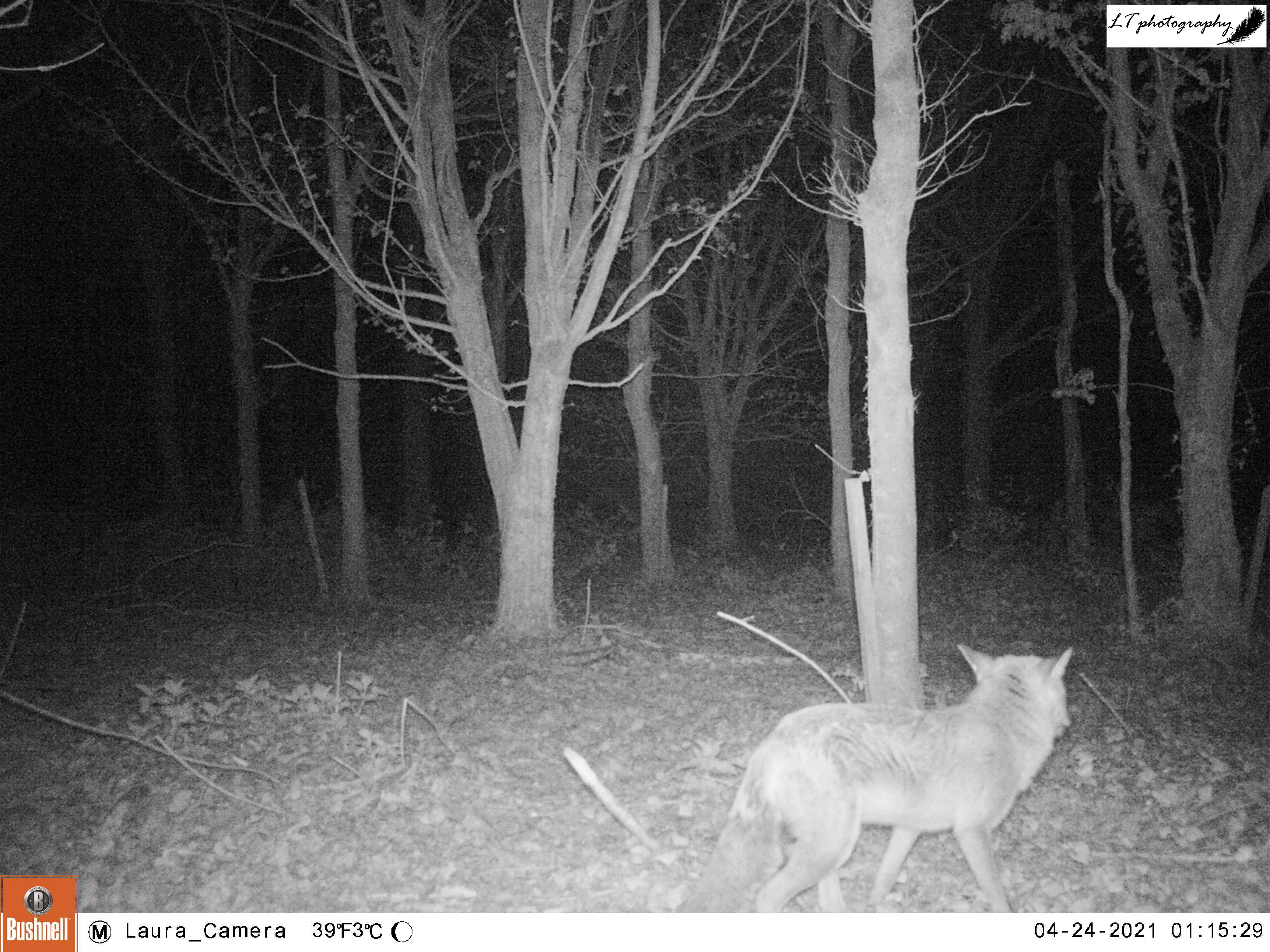
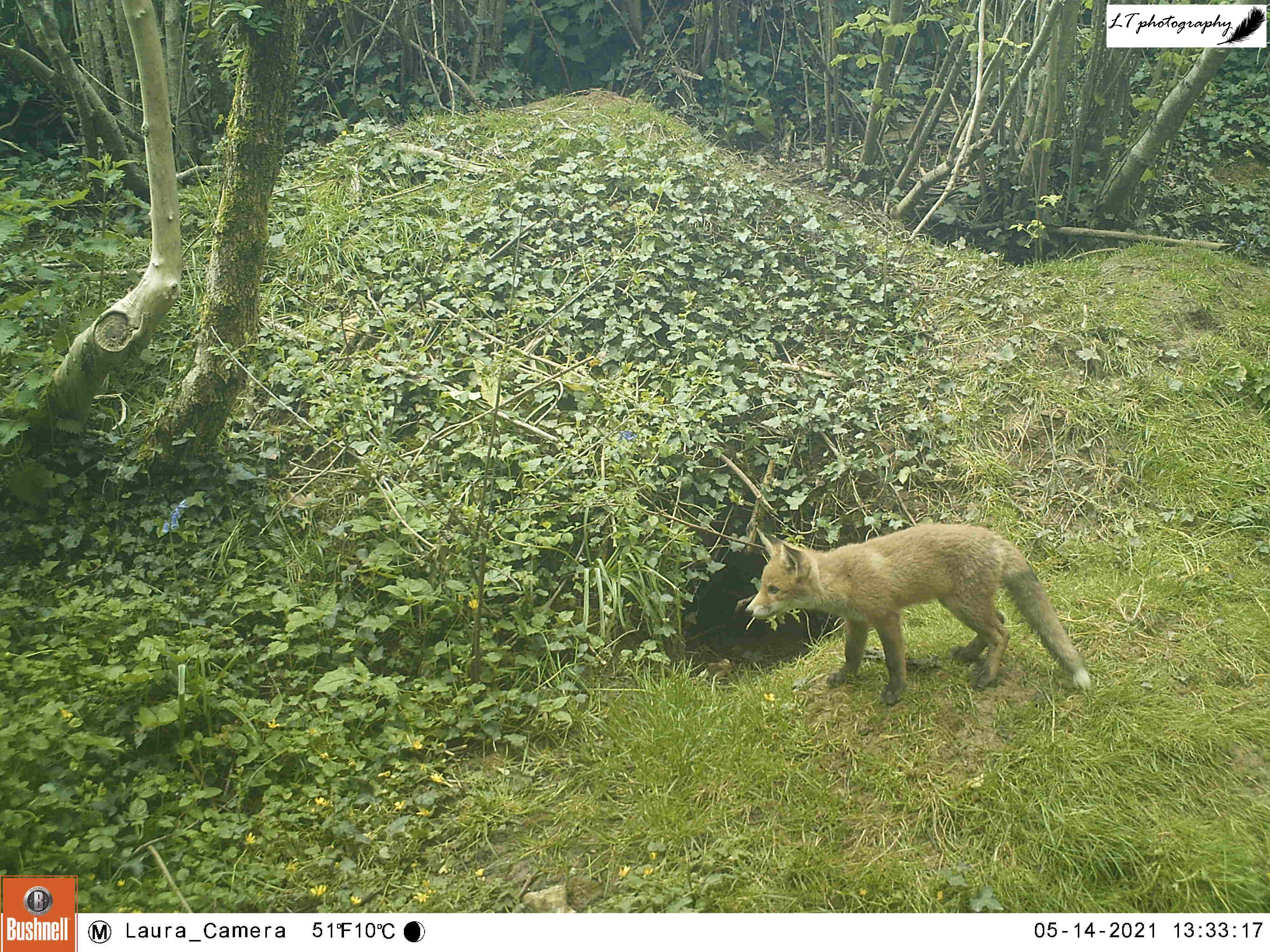
One of my favourite parts of 2021 though, has to be all the fox families I discovered! During this year, the most commonly seen species on my camera trap, to my surprise, was the fox (at every location!). In some cases I specifically aimed to capture this species, such as staking out a possible fox den, but in others foxes just happened to be living there or passing through. So by the end of spring, I had discovered 3 litters of fox cubs and a number of frequently used fox trails. What was most special of all was getting to experience fox cubs exploring their natural habitat and interacting with each other without me disturbing them. Magical!

After camera trapping in spring, my camera trap was given a well earned break until November. To round off the year, I staked out my garden to check out the birds that call it home. To find out more, stay tuned for next week’s blog post!

Emma’s Camera Trapping in Manchester

Although the past two years have been strange and sad in many ways, my little rectangle of garden has been a constant source of joy. During the first lockdown I started to spend a lot more time in the garden, which made me curious about the lives of the insects, birds, squirrels and foxes that also call our garden their home. So, in December 2020, I got my first wildlife camera!

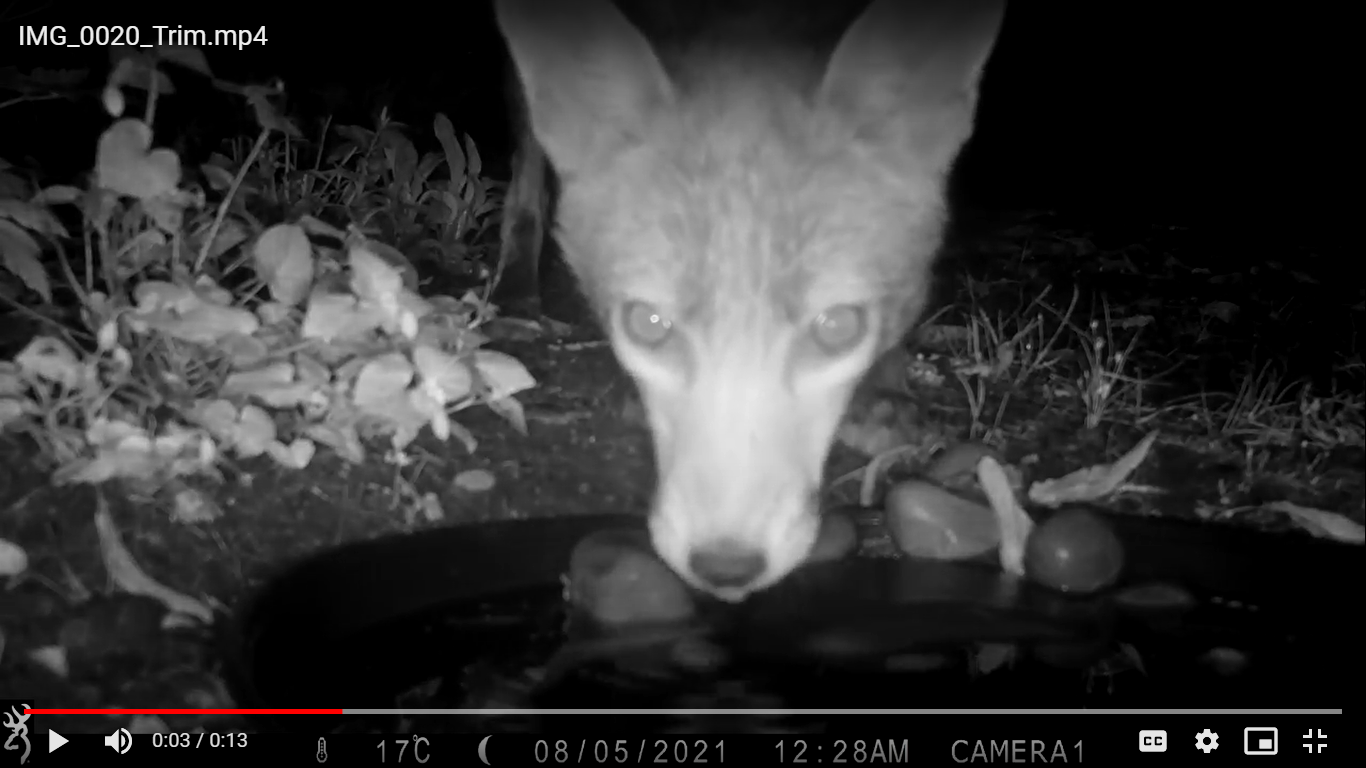
The first time I left my camera out overnight, I was delighted to have captured a variety of animals including squirrels, the neighbour’s cat and a fox. It’s far from unusual to spot a fox late at night in my area, but something about seeing a fox going about its usually secret business made this sighting feel special. “I got a fox!” I yelled excitedly down the stairs. From that point onwards, I had caught the camera trapping bug.

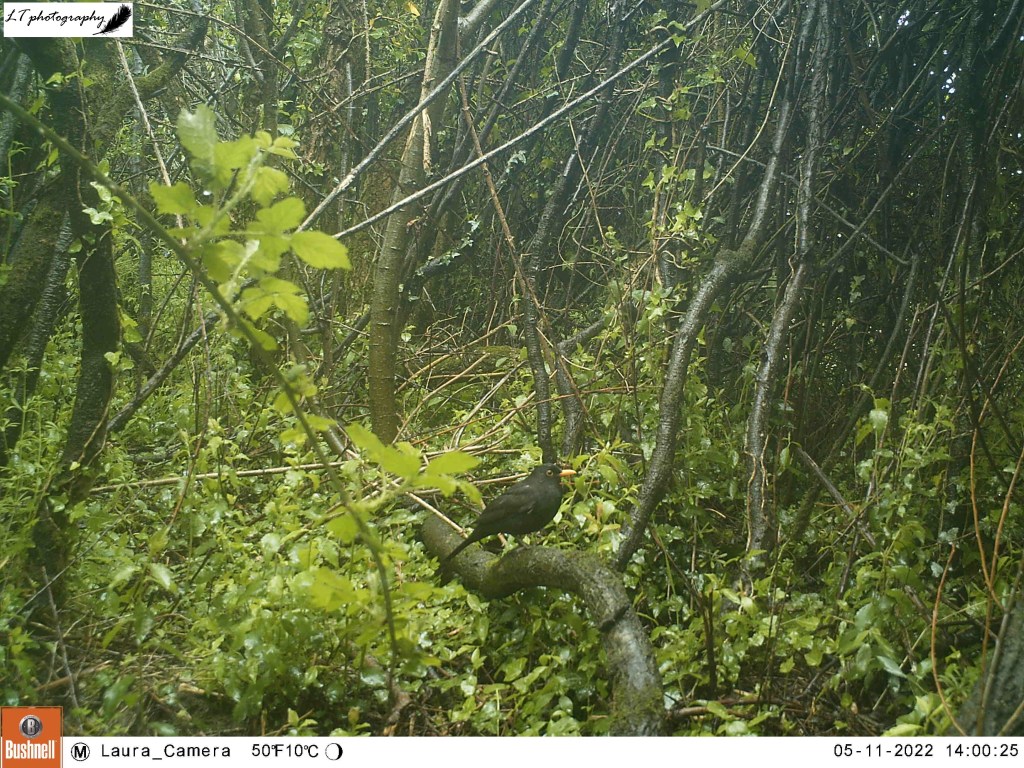
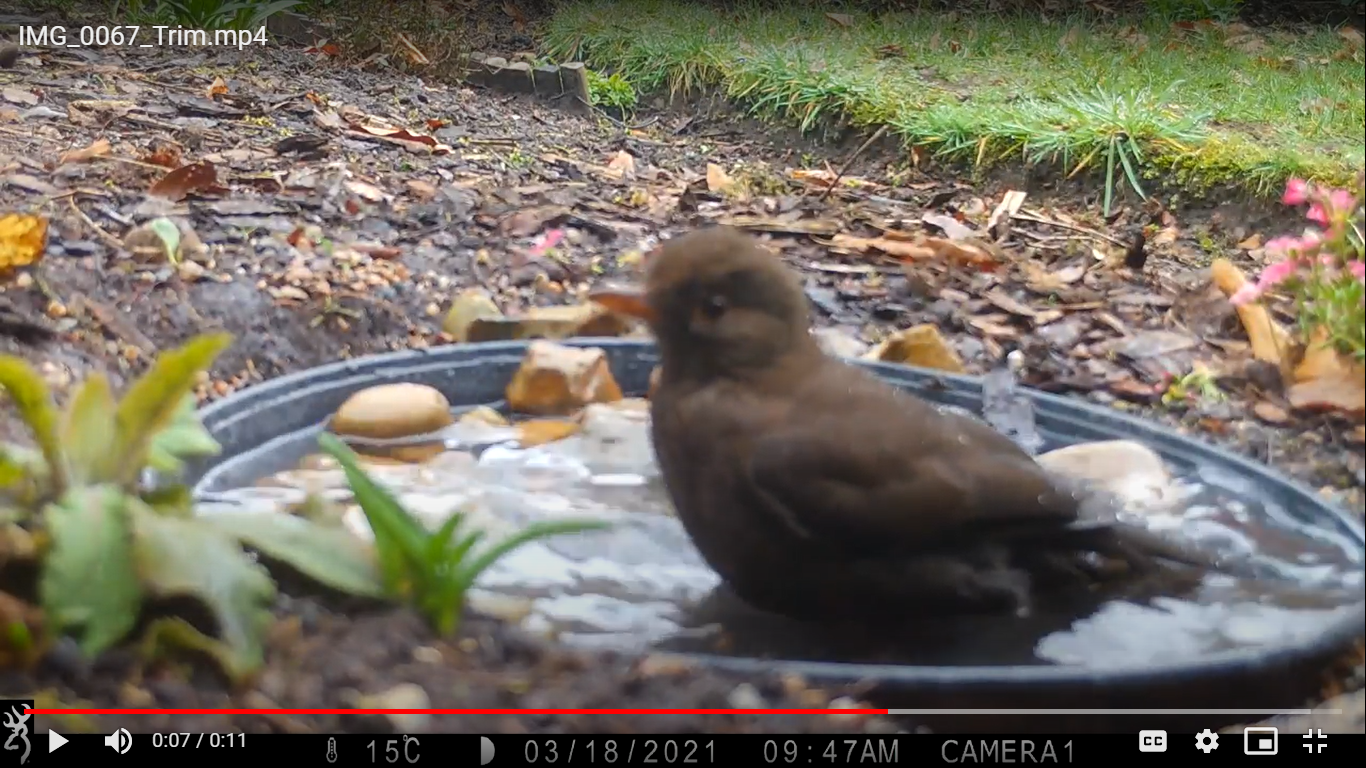
Camera trapping has allowed me to get to know the unique personalities of our garden visitors, and also to see how their behaviour towards us changed over time. Our lovely Mrs Blackbird used to wait until we’d gone back inside before she’d sneak up the side of the garden to eat her evening plate of mealworms, but now she feels brave enough to hop around the empty plate chirping indignantly until someone gets the message. We also realised that Mr and Mrs Blackbird would always come for their dinner one at a time, and would only eat half the plate each! Now that’s true love.

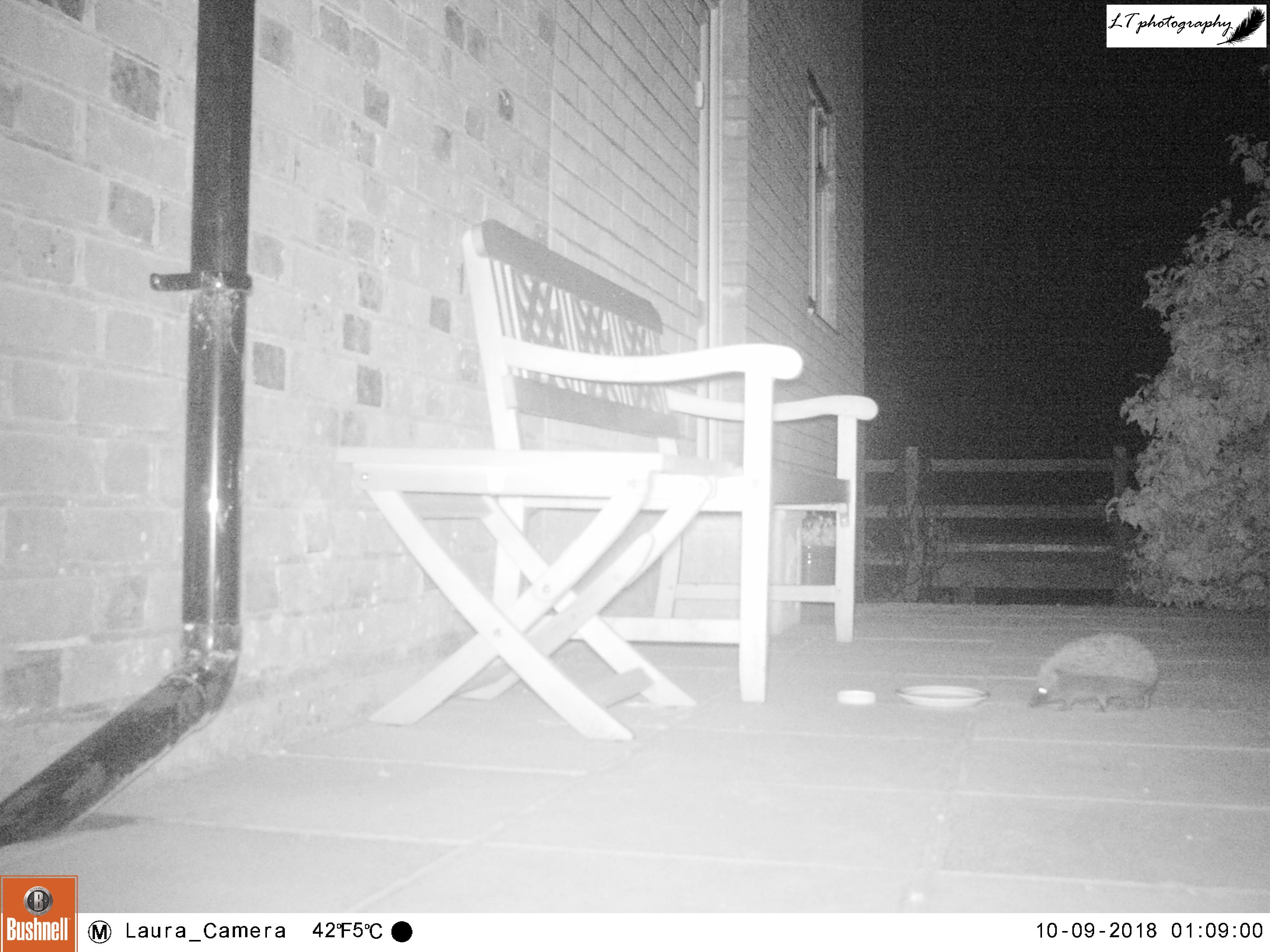
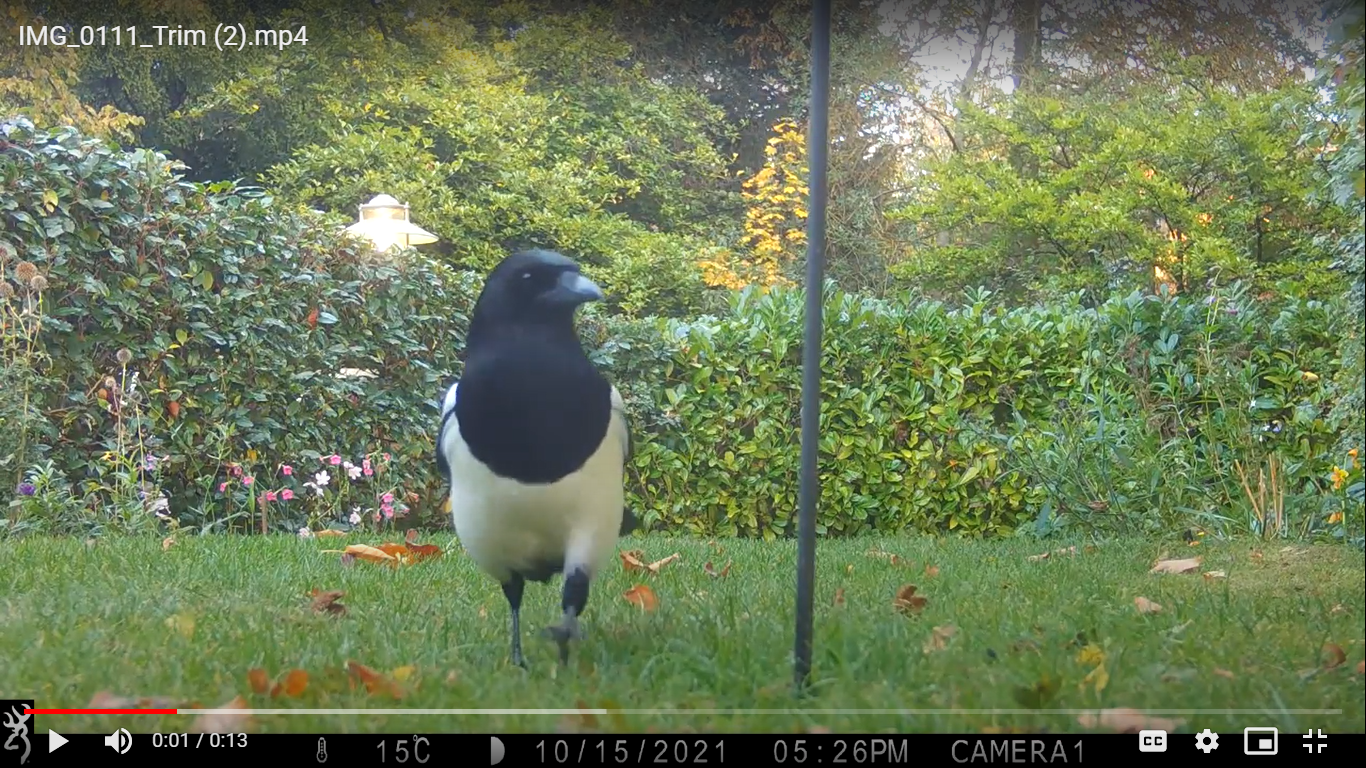
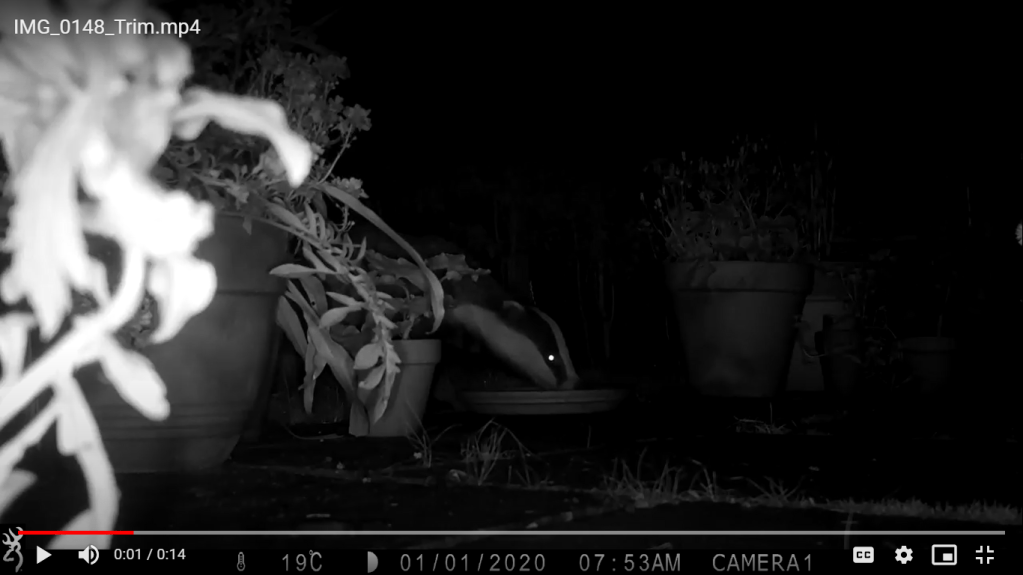
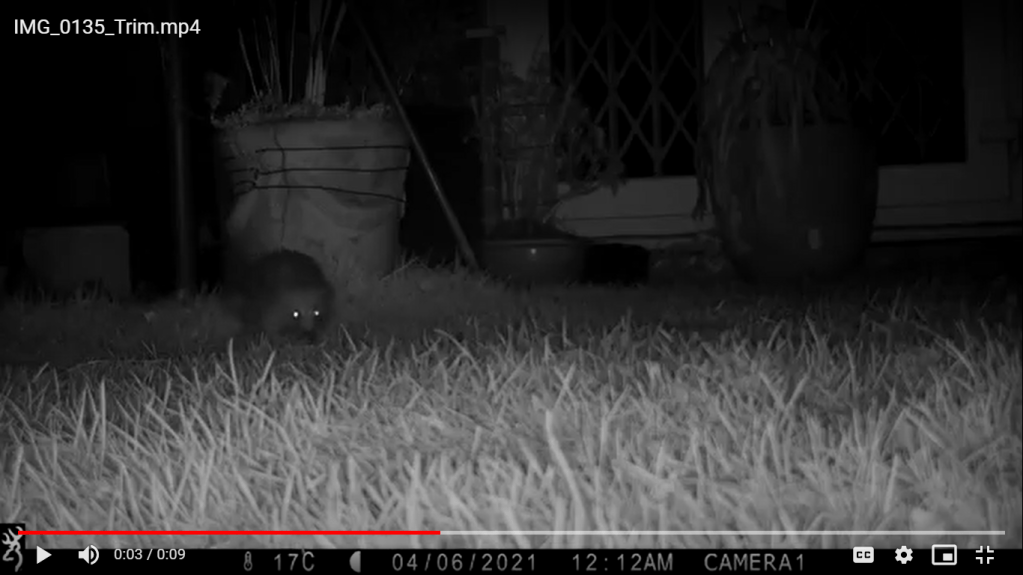
My most exciting capture came on an equally exciting day. On the morning of the day I was due to get my Professional level ACA results, I checked my camera and was amazed to see that a badger had stopped by for a drink! The badger must have brought good luck with him, as thankfully I passed the exams. I was also delighted to see a hedgehog wandering through my boyfriend’s garden one night. We named him Podge, and for a while he was an extremely cute regular visitor. Finally, I can’t talk about camera trapping without mentioning my love for our magpies, who have kept us well entertained all year swaggering around the garden and stealing all the snacks we put out!

One thing I’ve learned from my experience camera trapping this year is that although cities may be full of people, we have a huge variety of wildlife roaming around just outside our front doors. I hope that more people will feel inspired to get to know the wild visitors passing through their streets and gardens, and even leave out some food and water to make them feel welcome!

The Wonders of Camera Trapping

Camera trapping is a learning experience and an eye-opening adventure, providing an unedited and up-close view of the more secretive lives of our wild neighbours. For Laura, camera trapping in 2021 continued to expand her record and understanding of the animals that call her local area home. Moving forward she would like to begin collecting videos of her local wildlife and buy a new camera trap to expand her camera trapping efforts.

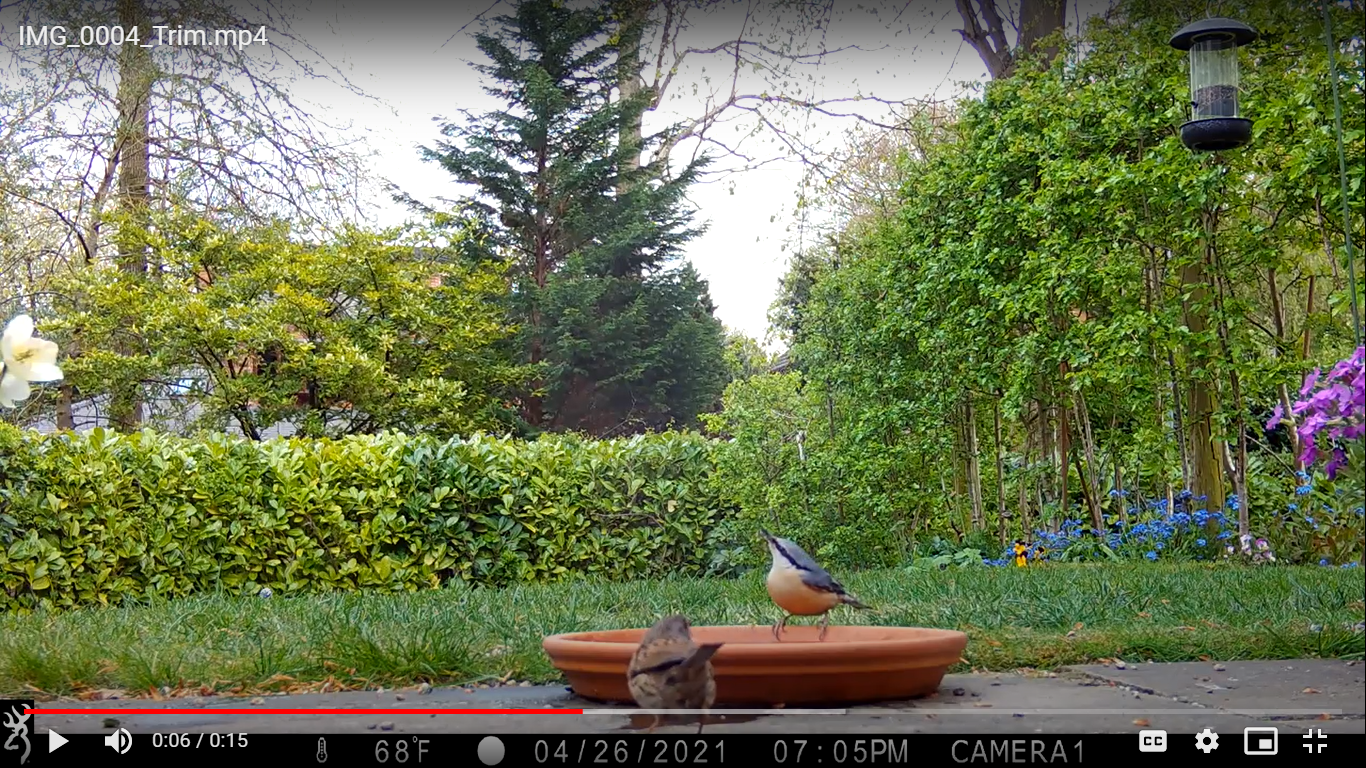
Giving nature a home is something every one of us can do. For Emma, camera trapping taught her that even a small green space in an urban landscape can support a huge variety of wildlife; bees, badgers, woodpeckers, nuthatches, squirrels, hedgehogs and many more! In 2022, Emma wants to make her garden a haven for wildlife, and hopefully capture a frog moving into the frog pond she and her mum built.

At a time when nature is struggling most, it is important for us all to do our bit. Sometimes it is difficult to know how, but if you can understand your local patch better, this can become a lot easier. Using a camera trap is a great and easy way to do this, allowing you to create that connection with your local wildlife, however big or small. If you would like to know more or are inspired to try it out yourself, check out Laura’s blog post about ‘How to… Use and Make the Most of a Camera Trap‘.

Exploring With My Camera Trap Spring 2021

After I click open the file on my camera trap, I press next through a male pheasant strutting his stuff and a female roe deer passing through, until a photo makes me stop. There towards the back of the shot are two small brown shapes. I move through the rest of the photos as day passes into night, and watch as these two rough and tumble through the photos, exploring, playing and watching their wild neighbours go past, ending with one sitting stock still in front of the camera. My camera trap had successfully found my first litter of fox cubs of the year!

The last few years I have become known for my exploration of my family’s farm in Dorset using a camera trap. My camera trap allows me to delve into the lives of my wild neighbours without intrusion or disturbance of their natural behaviour, and to use my photos to inspire others to open their eyes and be motivated to conserve our local wildlife. It is always a rollercoaster of emotions, never knowing what my camera trap might find, but in the end it is a very rewarding experience. If you are interested in getting your own camera trap or knowing how to make the most of your own, check out my ‘How to… Use and Make the Most of a Camera Trap’ guide for some more information.

My camera trap has been a very useful tool for me over the last few years, so since 2019 I have spent my spring seasons moving my camera trap around different sites across 250 acres of farmland, taking in different species and behaviour. In 2019, I saw 12 species of birds and mammals, including families of badgers and a family of three fox cubs. In 2020, my camera trapping got even more interesting, with badger cubs, a couple of litters of fox cubs, and lots of roe deer sightings. The most enjoyable shots are always the most unexpected though, despite from time to time getting a photo bomber or two, for example in the form of our farm cat!

This spring I have been out and about once again on the farm with my camera trap. This year I selected six different sites across our land, with the hope of capturing some of the normal sights, along with some new ones. As the spring has now come to an end, activity has dropped across these sites, and thus it is time to see how spring has been captured by my camera trap this year.

Camera Trapping Spring 2021

Quarry Field Badger Sett

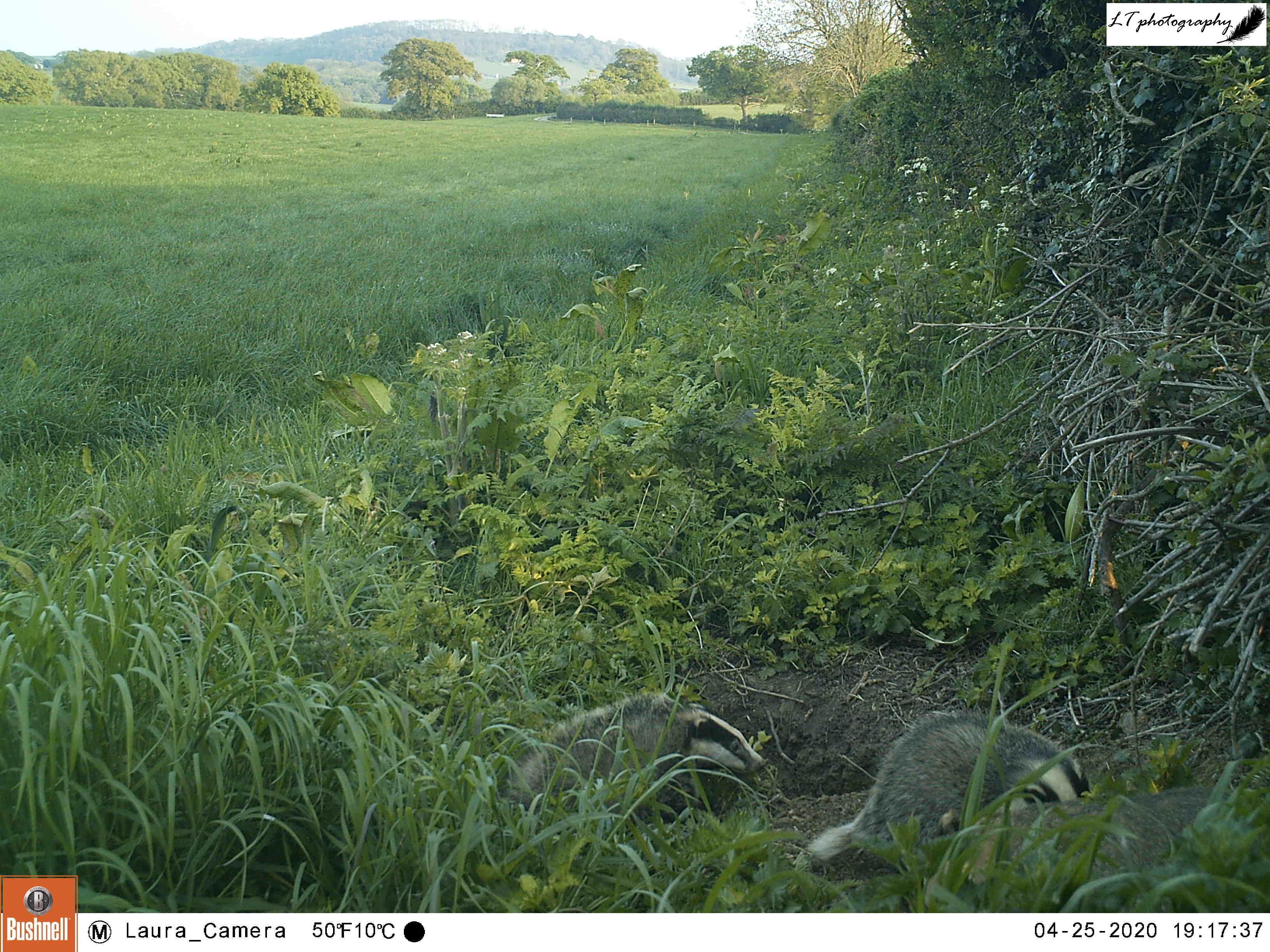
My first camera trapping site this year was an active badger sett to the east of my family’s land. It sits between a silage field and a maize field in a wide and thick hedgerow, and is a great crossroads for animals passing through. I have used this site in previous years for camera trapping, with varying success, such as last year’s highlights of badger cubs and a lively, lone fox cub.

This year I set my camera trap up at the sett for a week (3rd-10th April), moving the position and angle every other day to increase my chances of capturing wildlife. It paid off as I had a successful first week, with rabbits, roe deer, badgers, and a fox.

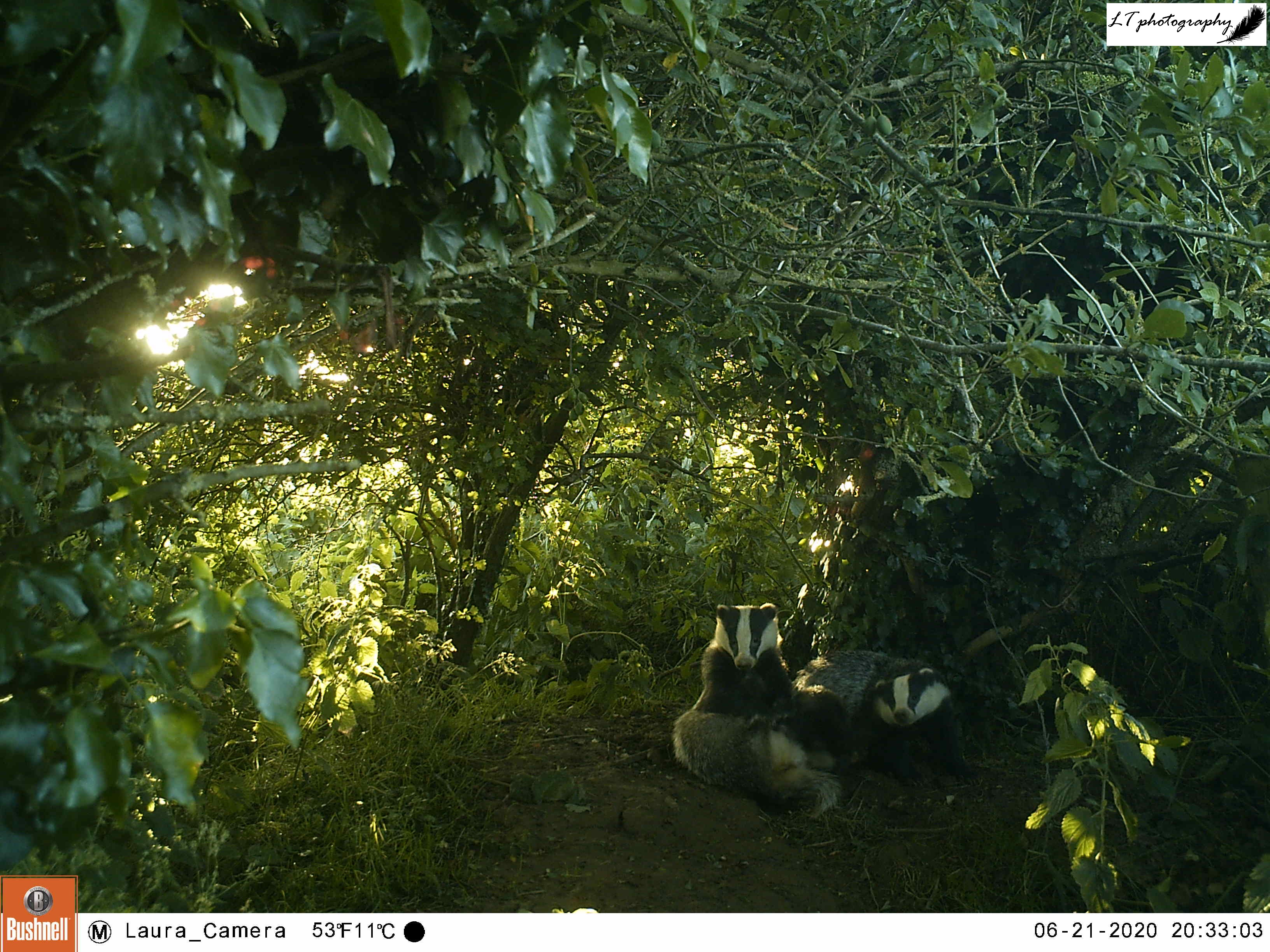
Due to seeing a lone fox cub at this site last year, the presence of an adult fox at the sett once again led me to return with my camera trap seven weeks later for another week (27th May-1st June). My hunch paid off as my camera trap returned photos of two fox cubs playing, living alongside a badger family, and being fed by a parent.

Gill Hill Copse

For my next site, I set my camera trap up within a copse surrounded by a cow grazing field west of the Quarry Field badger sett. During early spring this is a great site to capture wildlife moving through the landscape as the copse is a great stopping place. I have used this site before, and last year I saw species, such as roe deer and foxes.

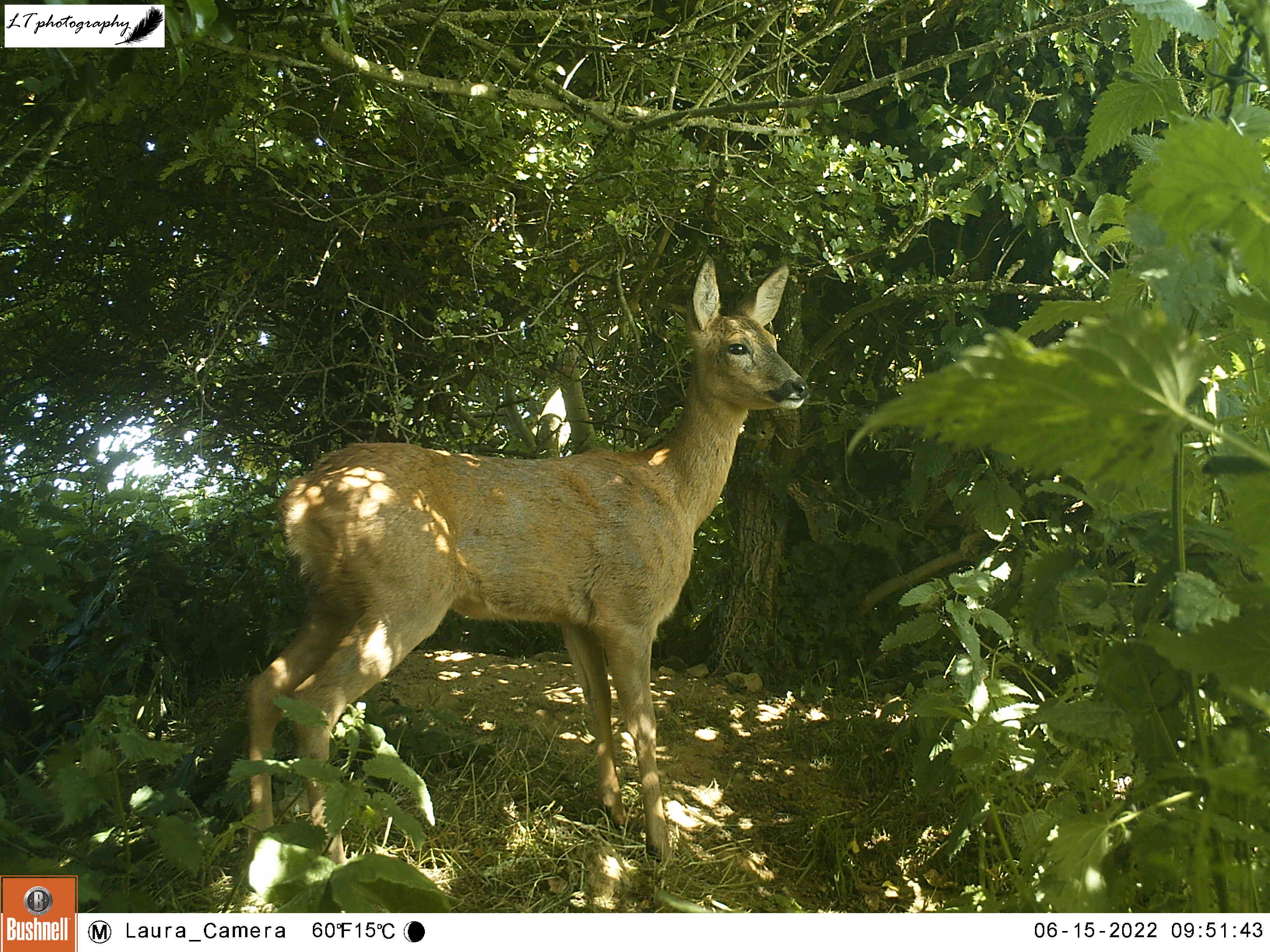
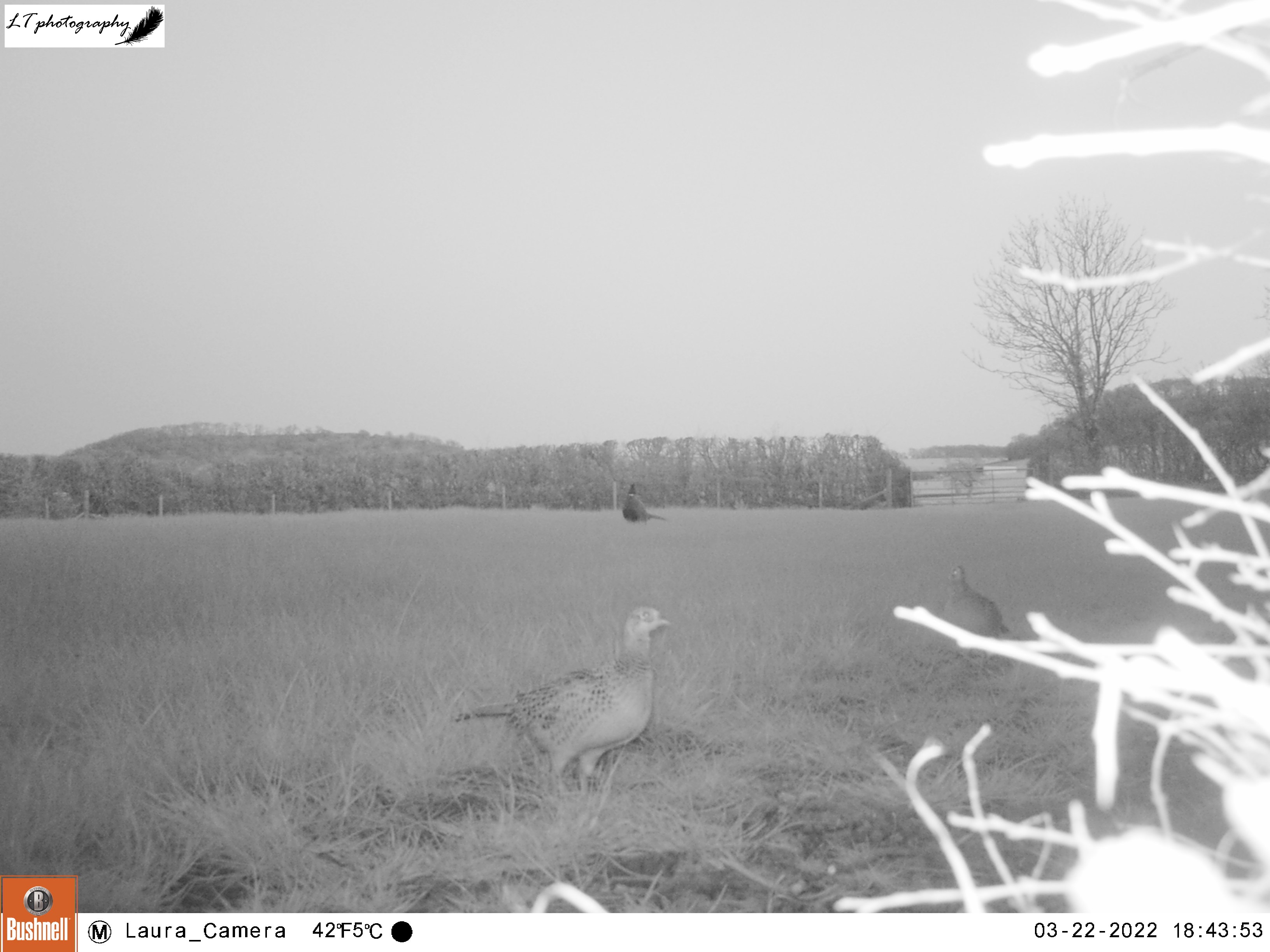
This year I used my camera in the copse for just one week (11th-18th April), but moved its position within the copse every couple of days. I captured photos of a territorial male pheasant, an adult badger, a grey squirrel, an adult fox, and a rather comical sequence of photos of two female roe deer being spied on by a hiding male. As vegetation in the copse grows up and spring progresses, camera trapping success decreases at this site, but it was nice to see some life early on this spring.

Dorset County Council Wood

For my third site, I set my camera trap within a small, young wood that can be found at the centre of my family’s land, bordered by a road and a meadow. I have used this wood before, with some positive sightings in 2019 of foxes and badgers passing through.

This year I tried the wood again for a couple of days (19th-24th April), with some overall disappointing results. A male pheasant and magpie were seen, with an adult fox being seen twice, but overall the wood was quiet, reflecting a lack of diversity evident in this unmanaged woodland. I did not return to the wood again during this spring as a result.

Badger Field Sett

For my fourth camera trapping site, I returned to an active badger sett towards the centre of my family’s land. The sett is bordered by grazing land on both sides, and is set within a wide, thick hedge, extending out into the field on its east side. Last year I used my camera trap to look within the sett and to the sett entrances on either side, and saw adult badgers, badger cubs, and an adult fox. This was unsurprising as the sett is a thriving mixed site for badgers, foxes and rabbits alike.

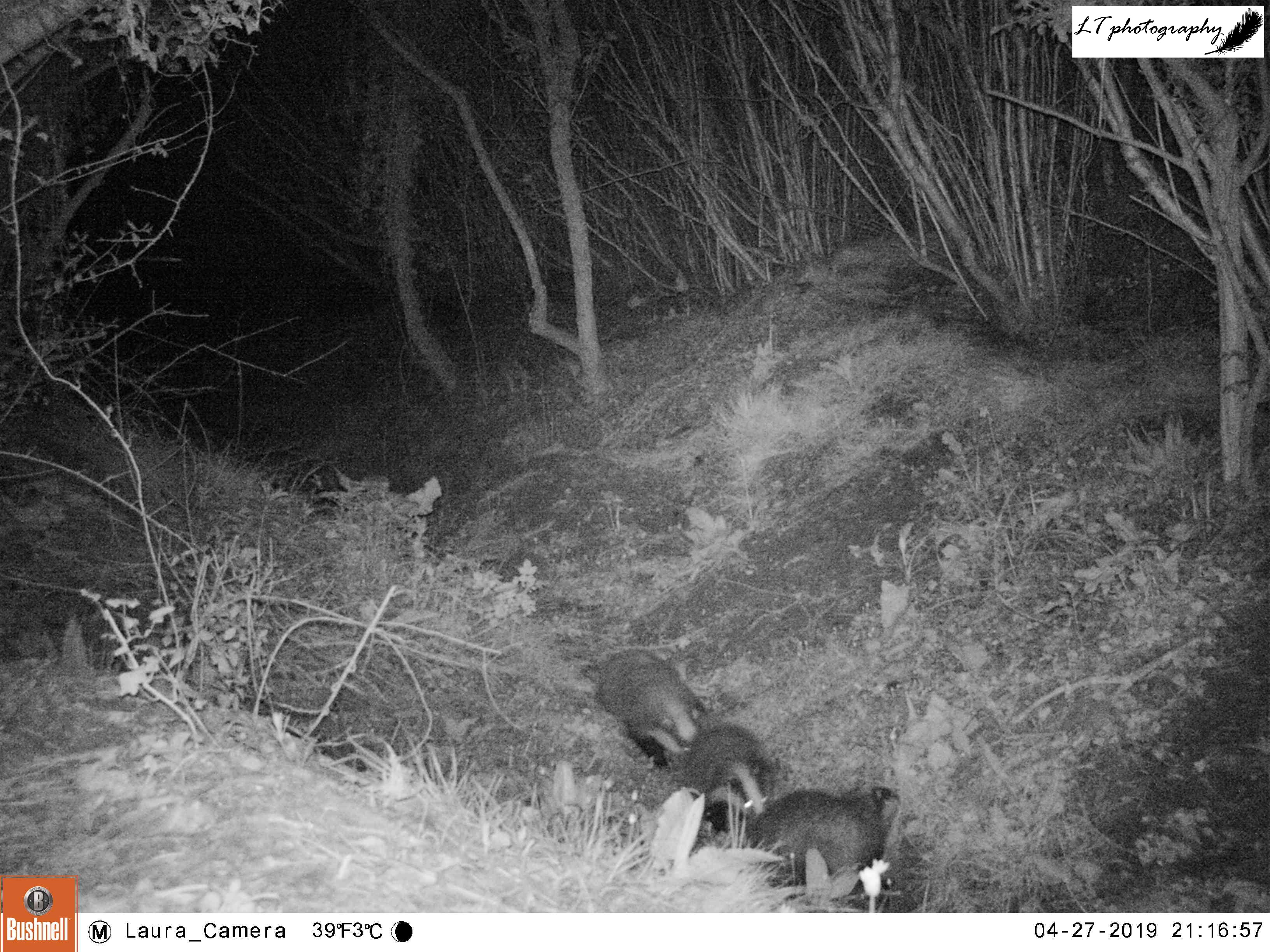
This year I positioned my camera trap first on the western side of the sett (25th-27th April), before positioning it directly within the area above the sett (4th-7th May). Pointing my camera trap at the animal track running along the side of the sett, I captured an adult badger, adult fox, and my first hare! Above the sett, my camera trap was more active, capturing lots of badger activity, woodpigeons, blackbirds, and red-legged partridges, and a surprising sighting of a field vole climbing vegetation. It was a lovely sequence of photos!

Badger Alley

For my fifth site, I chose to return to one of my favourite locations, the familiarly known Badger Alley. Badger Alley is an enclosed footpath that has dug out animal holes along half of its length, split into two old badger setts. In 2019 this was a super site for seeing badgers wondering its length, but last year it was obvious that wildlife numbers had declined, badgers in particular.

This year I spent two stints setting up my camera trap along Badger Alley. Firstly, I spent five days with my camera trap trained on the non-active lower sett, changing the camera’s position after two days (10th-14th May). Amongst photos of a female roe deer and a displaying male pheasant, I got lots of really lovely photos of two fox cubs playing and exploring their world.

I then returned to Badger Alley in June, moving my camera from the non-active lower sett (5th-11th June) to the sett further up (11th-14th June). By now my camera trap found that the family of foxes had moved on, with only the female and new male roe deer appearing at the lower sett. What was really sad, was finding that Badger Alley has now been fully abandoned by badgers, with the higher sett now being home to just rabbits. A slightly disappointing end to my camera trap’s time at Badger Alley!

Monkwood

To finish camera trapping during the spring season, I took a bet on a site where there was a possibility of finding another litter of fox cubs. This site was a hedge in the middle of cow grazing land, where I had not previously camera trapped before. I chose to set my camera trap up on a fence post pointing along the hedgeline where I had found holes into the hedge, and left my camera for a couple of days (14th-16th June).

On retrieving my camera trap, I was excited to find that my instincts had been right and my camera trap had shot photos of two fox cubs and an adult. It was a lovely end to my spring camera trapping season!

Spring in Photos 2021

Last year spring was my lifeline, as we experienced the world around us being thrown into disarray. This year spring was instead turned on its head, with changing weather patterns making it unpredictable and different from what we would usually expect at this time of year. A hot and stormy March, cold April, and wet May made nature emerge later, with spring events taking longer to arrive, and being anywhere up to 60 days late.

Still this year’s spring has been magnificent. Vibrant and colourful, it had much to be celebrated. My family’s farm in Dorset became full of new life, from blossoming trees and flowers, to fox cubs and leverets. Spring is unsurprisingly my favourite time of year, so this year I again made a point of getting out as much as possible to experience it, with my camera by my side. Here’s a look at some of my favourite photos from this spring, either for their aesthetic appeal, meaning to me, or overall joy factor.

Spring in Photos 2021

1. Blackthorn – This photo was taken at the beginning of April on a misty morning. It was a beautiful way to see delicate white blackthorn flowers in a different light, framed in front of a splintered stem.

2. Male blackbird – Blackbirds are an iconic sound of spring for me and also so many others. Their beautiful song often symbolises the beginnings of longer, lighter evenings, or for me fresh spring mornings. This male would sit in this willow tree every morning throughout spring to sing his song, defending his territory and mate. In particular, this male and his female nested in our shed, successfully fledging 5 chicks at the start of June.

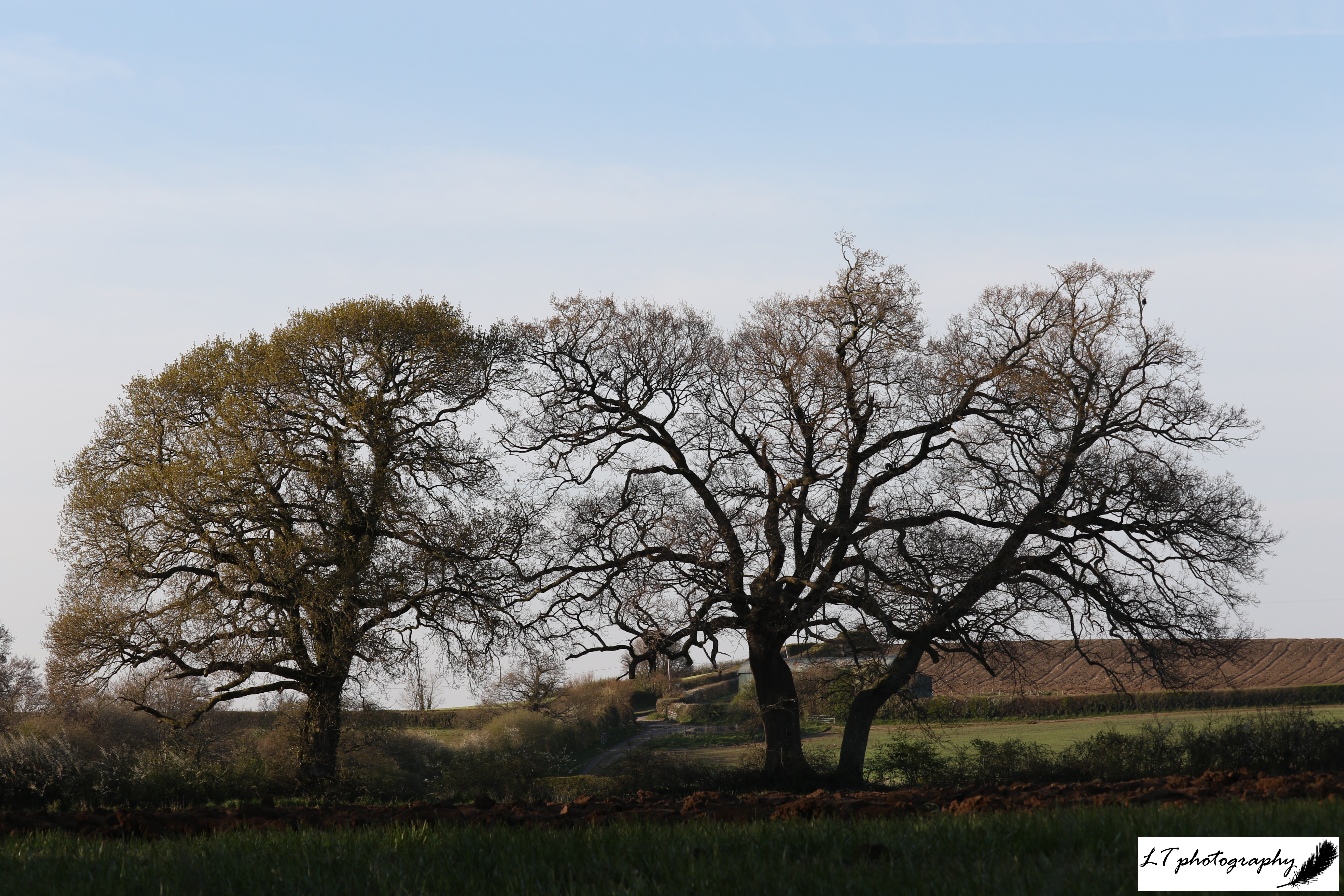
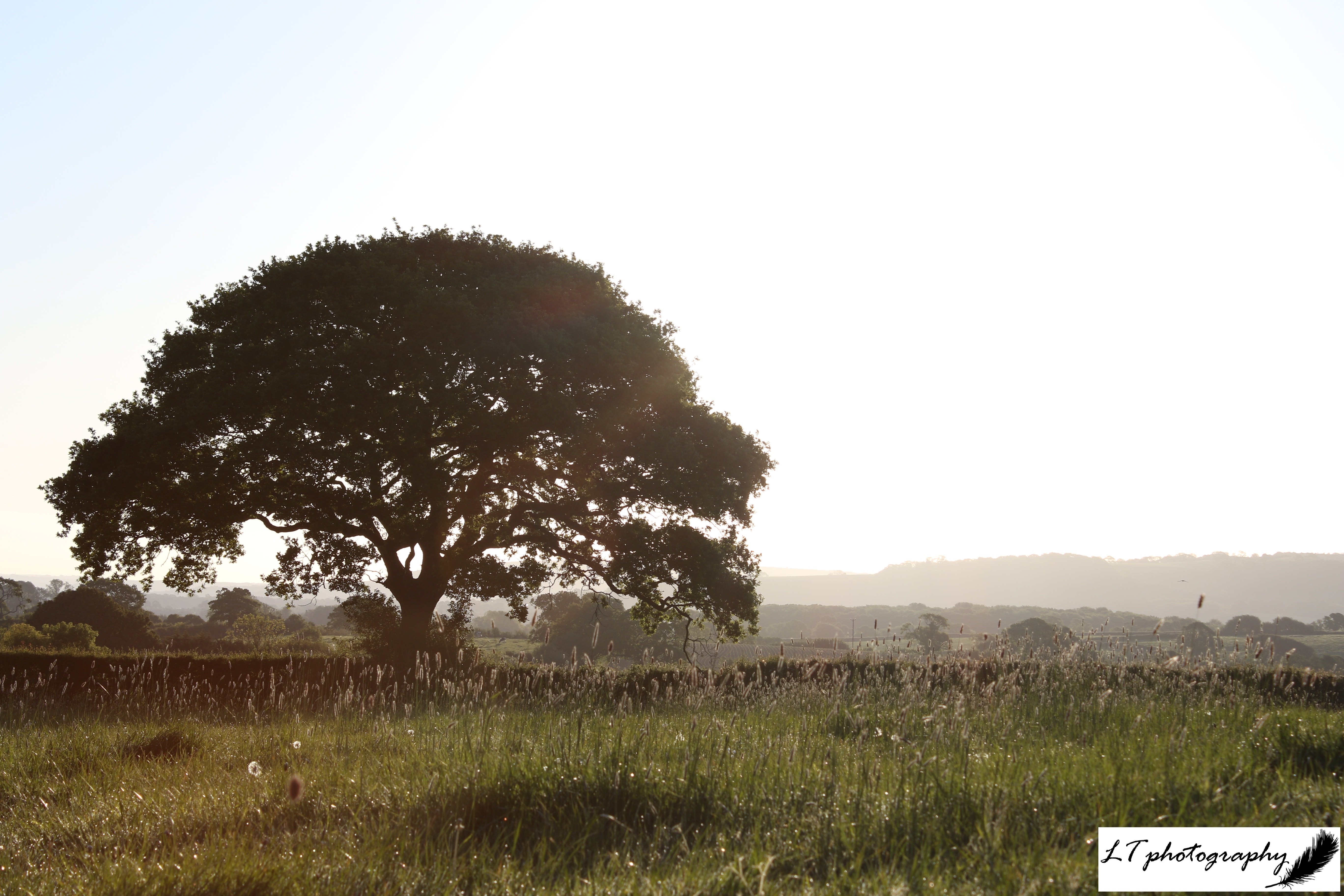
3. Oak trees of a farming landscape – What hits me first in this photo is how bare this landscape seems for late April. The oak trees have barely begun their bud burst, looking skeletal behind a farm field that is being worked. This almost autumnal scene is refreshing though, showing the new beginnings of another year in nature.

4. Camera trap fox cub – This photo is one of my favourites from this spring, symbolising a successful spring camera trapping season (blog post to come). This was one location, an abandoned badger sett, where I thought that foxes may have been breeding. My camera trap proved my feeling to be right, and treated me to an assortment of photos, day and night, of 2 very active fox cubs. Just one of multiple litters that I found on my family’s farm this year!
5. Wood anemones – Wood anemones have slowly become one of my favourite spring flowers, being one of the first to appear in woodlands across the UK. They are a great indicator of ancient woodland, and an interesting flower to photograph for their shape and colour. My memory cards are full of all sorts of different types of photos of this species!

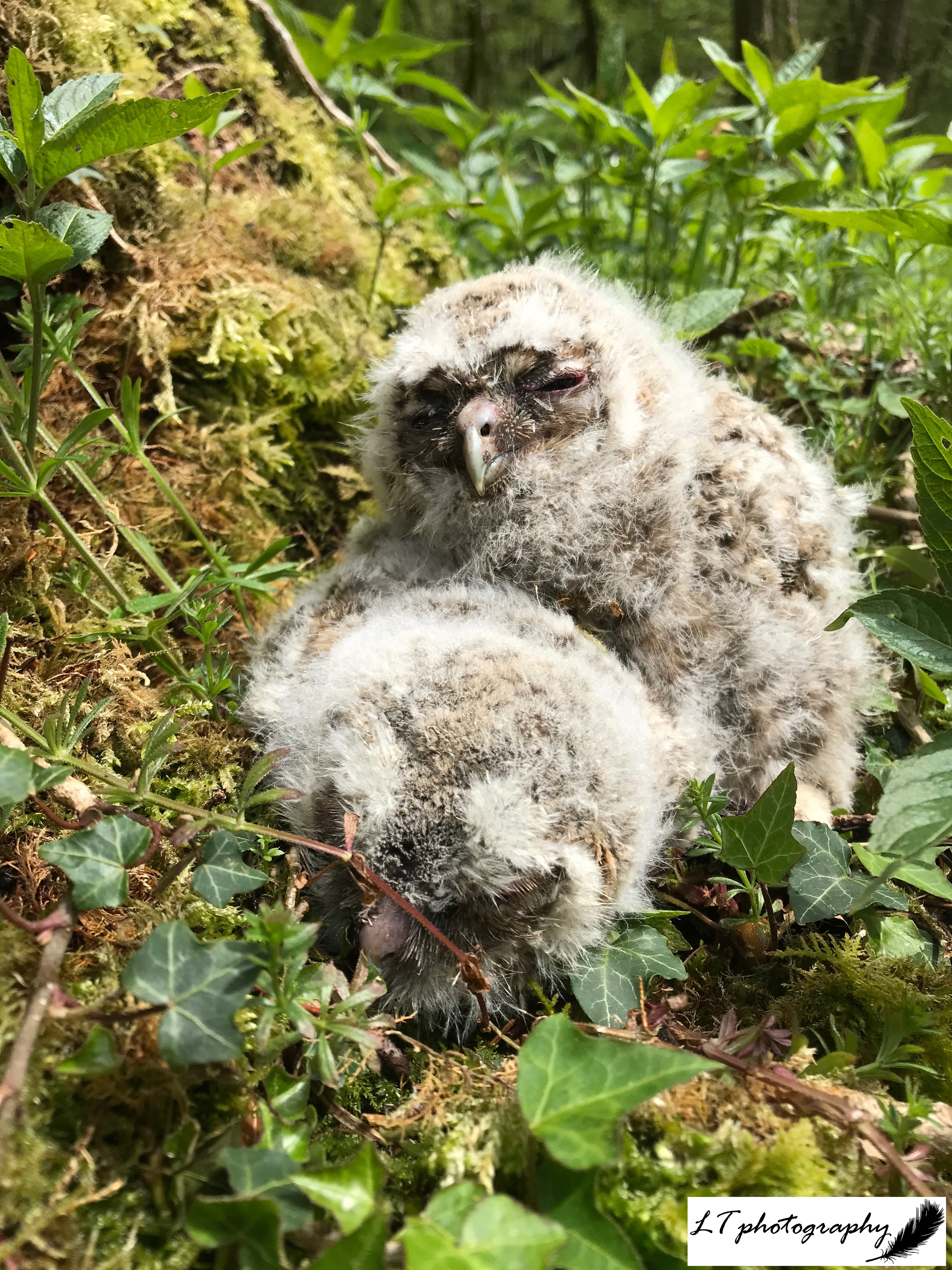
6. Tawny owl chicks – One of my highlights of spring this year has been ringing chicks under license with my bird ringing group (Conservation Action). In particular, I had a great day in early May at the Woodland Trust’s Duncliffe Woods site in North Dorset checking tawny owl nest boxes. It has been a poor year for tawny owls in general, which was reflected by Duncliffe Woods, but we did get lucky and found 3 active nest boxes. I had the pleasure of ringing these chicks, under permit, which will provide important information to help conserve tawny owls in the future.

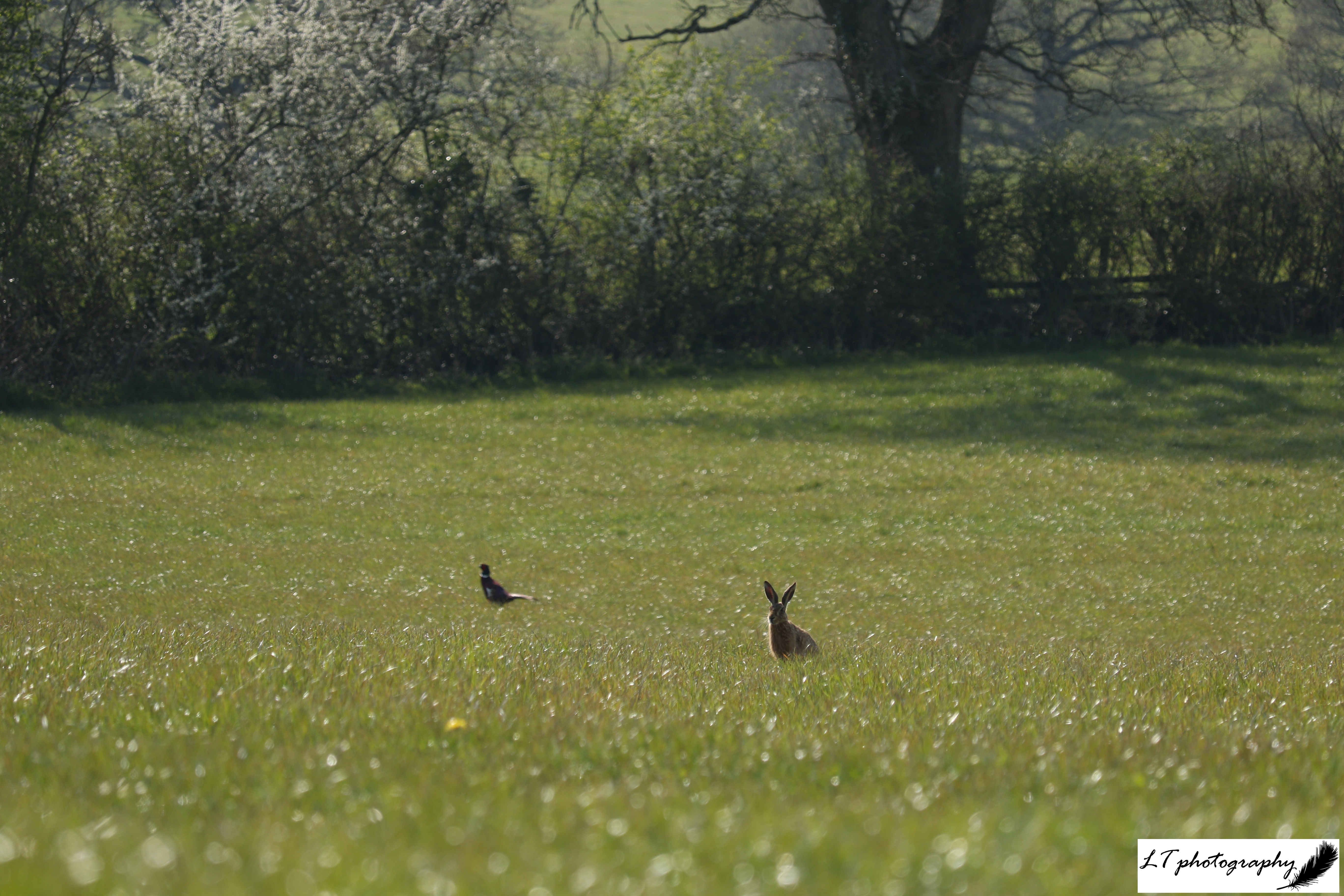
7. Brown hare – This year has been the year of the hare on my family’s farm in Dorset. We have a reputation for being a great site for this species, but this year has been truly astounding. With 1-3 hares to every field, I was humbled to spend my spring out working alongside them everyday, getting to see them up close and experience their behaviour firsthand. Truly magical!

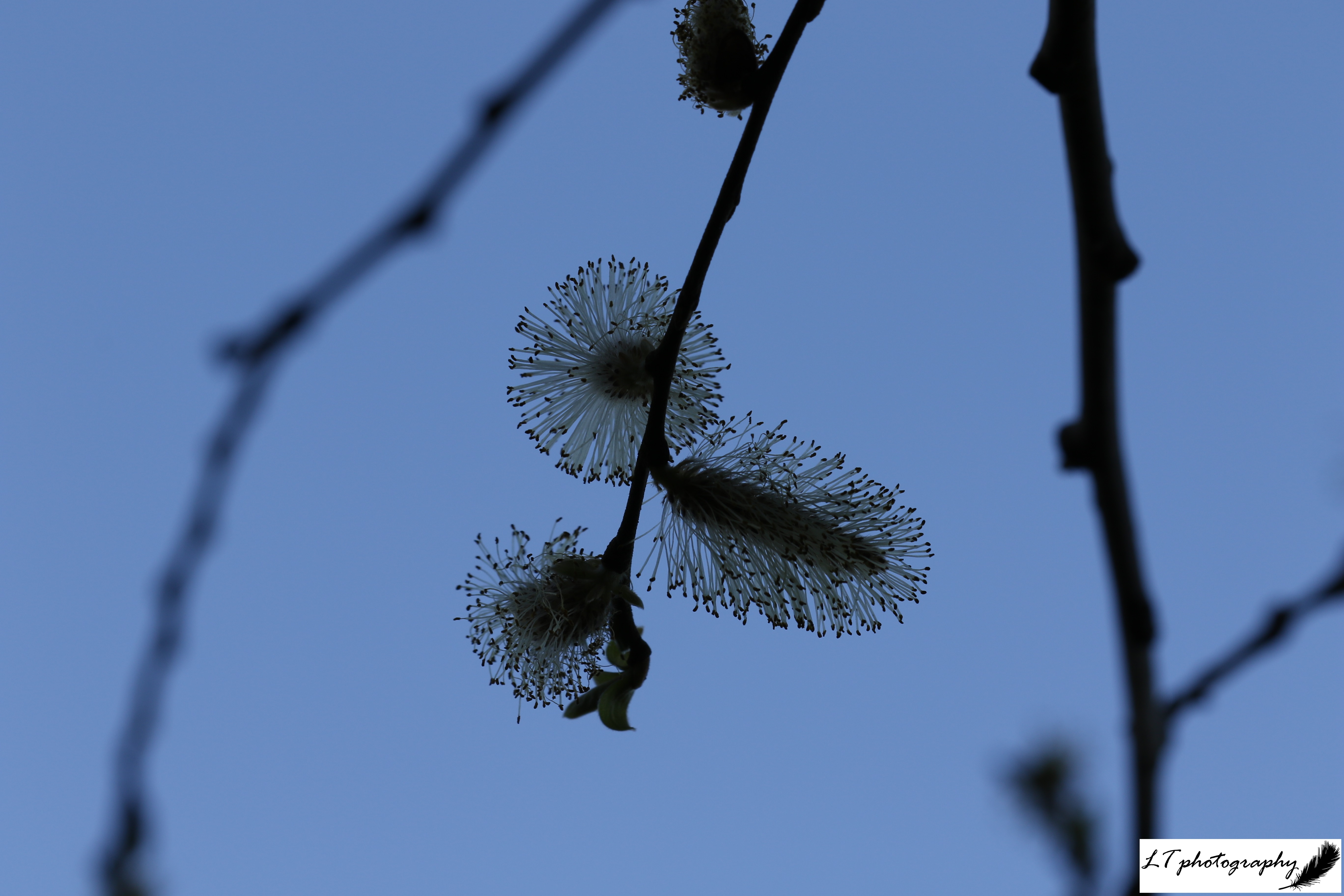
8. Pussy willow flowers – Willow flowers have been a difficult subject for me to photograph this year, with poor results. I was pleased though to find this refreshing photo on my memory card, of willow flowers stood out against a clear blue evening sky. They are beautiful in their own right.

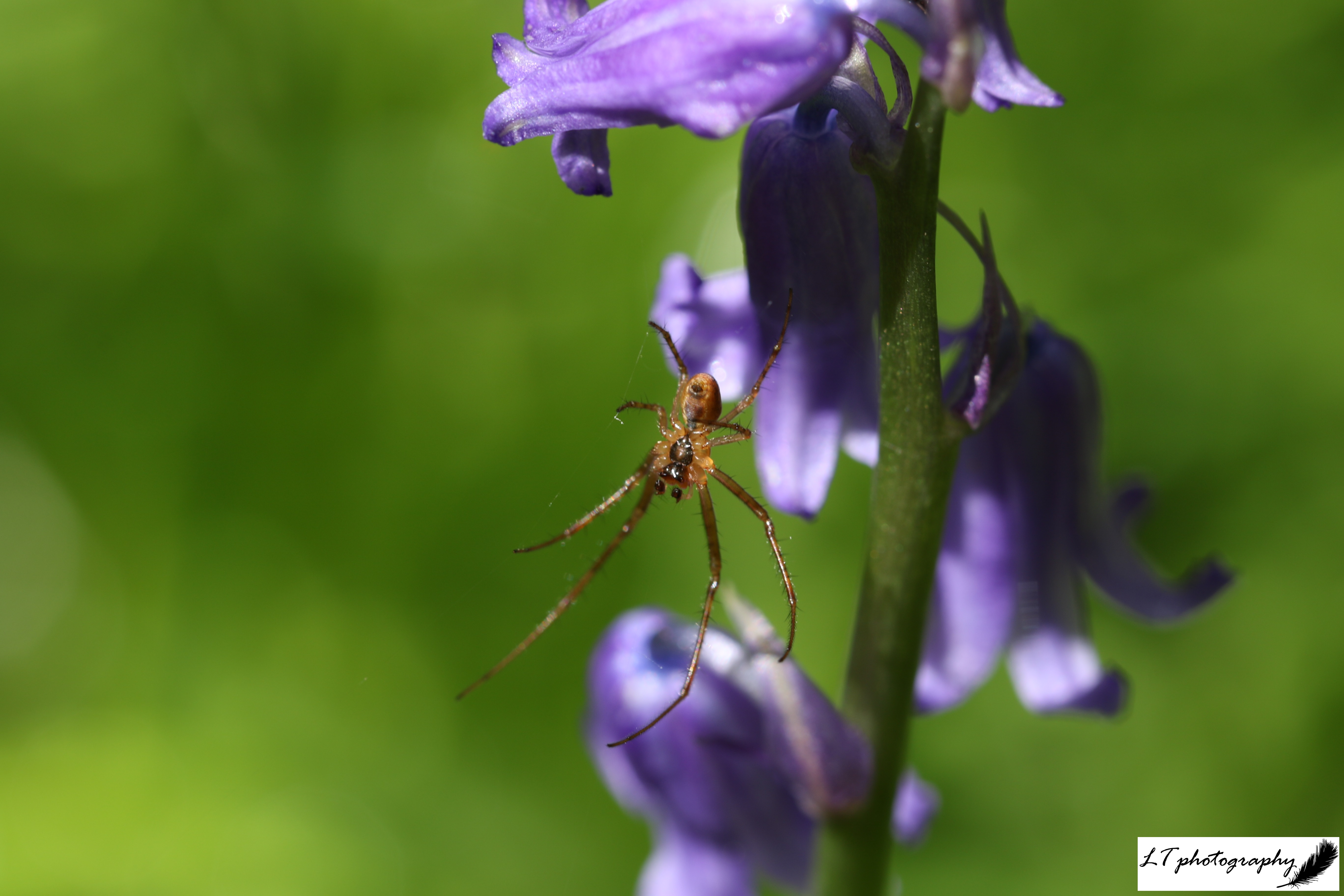
9. Spider in macro – This photo that is not photographically ‘perfect’ is still a favourite of mine from this spring for other reasons. As I invest in my camera equipment, my latest edition has been my first professional macro lens. So this photo was the first photo I even took with my new lens, and it fills me with joy to see the new world I can now start to explore.

10. Grey wagtail – Last year my Dad began digging a pond in his field that he is currently wilding. Though he was rained off in the autumn before completion, the half-dug pond is already attracting a wealth of species from birds to insects. Majestic grey wagtails that have begun populating this area over the winter have also found the pond this spring.

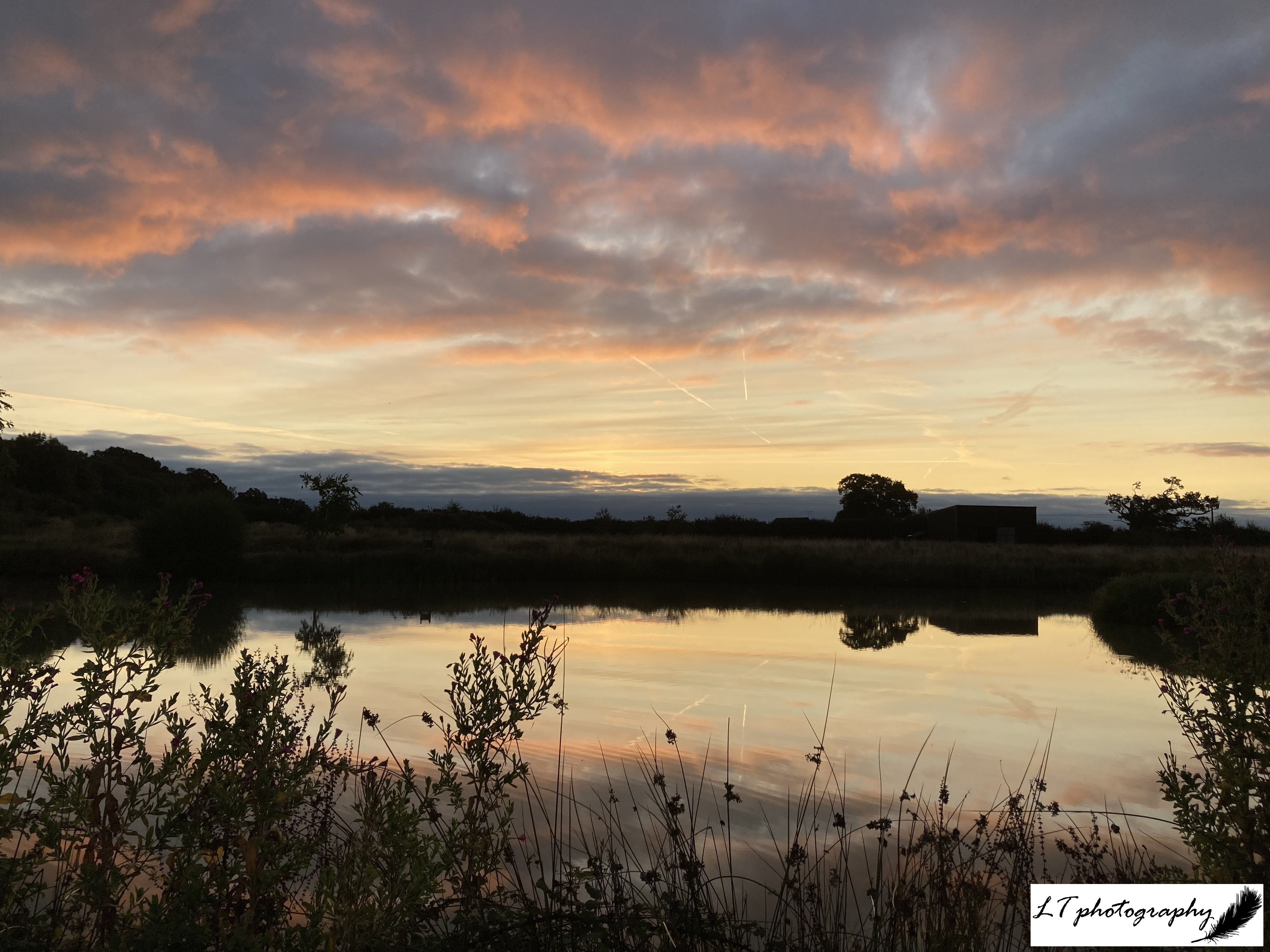
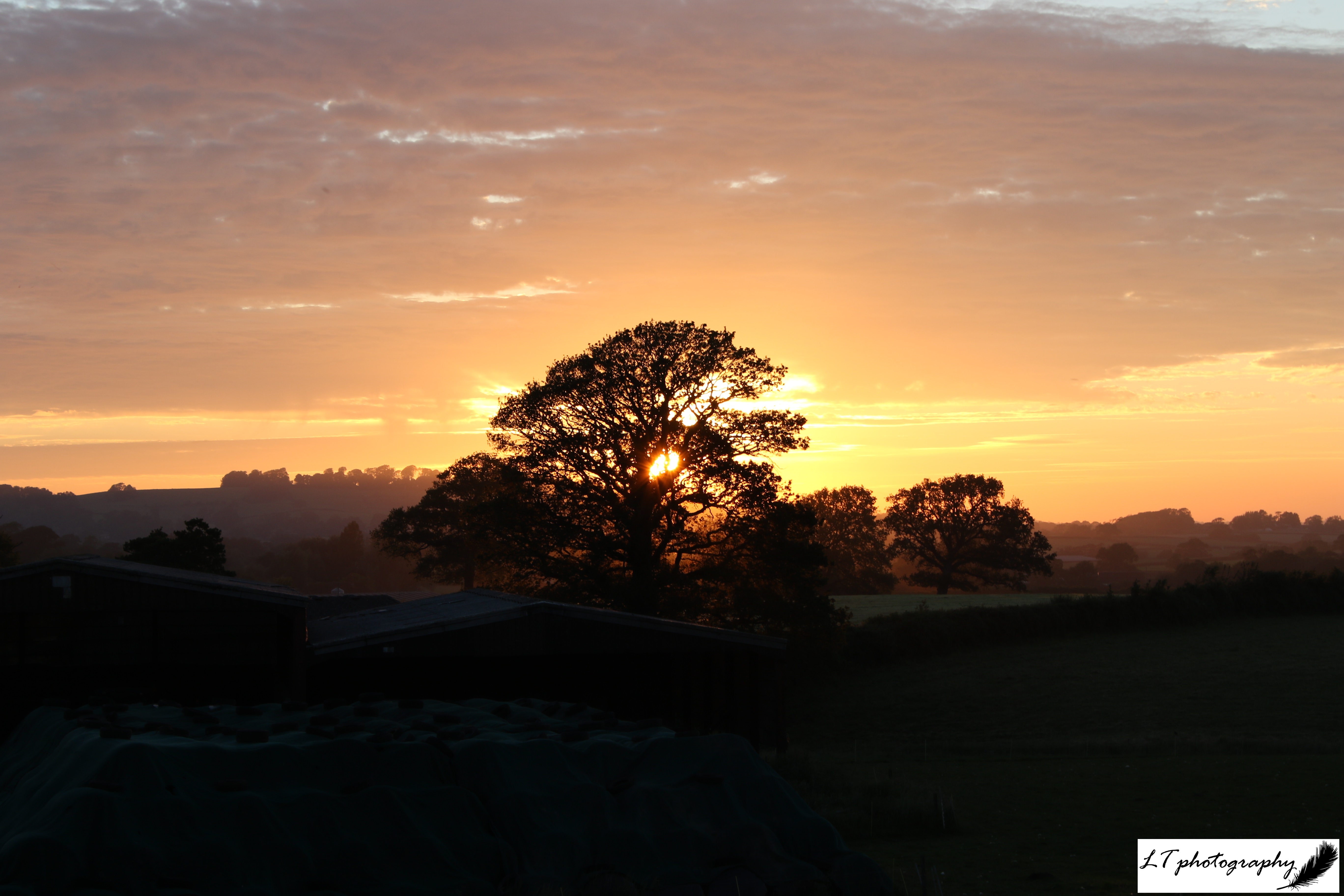
11. Sunset – Though sunrises are magical, sunsets have always been my most favourite time of the day. This is because many of my happiest memories can be linked to beautiful and vibrant sunsets from field research in Canada to evenings at home on my family’s farm. I have seen so many incredible sunsets already so far, but I hope to see many more in the future.

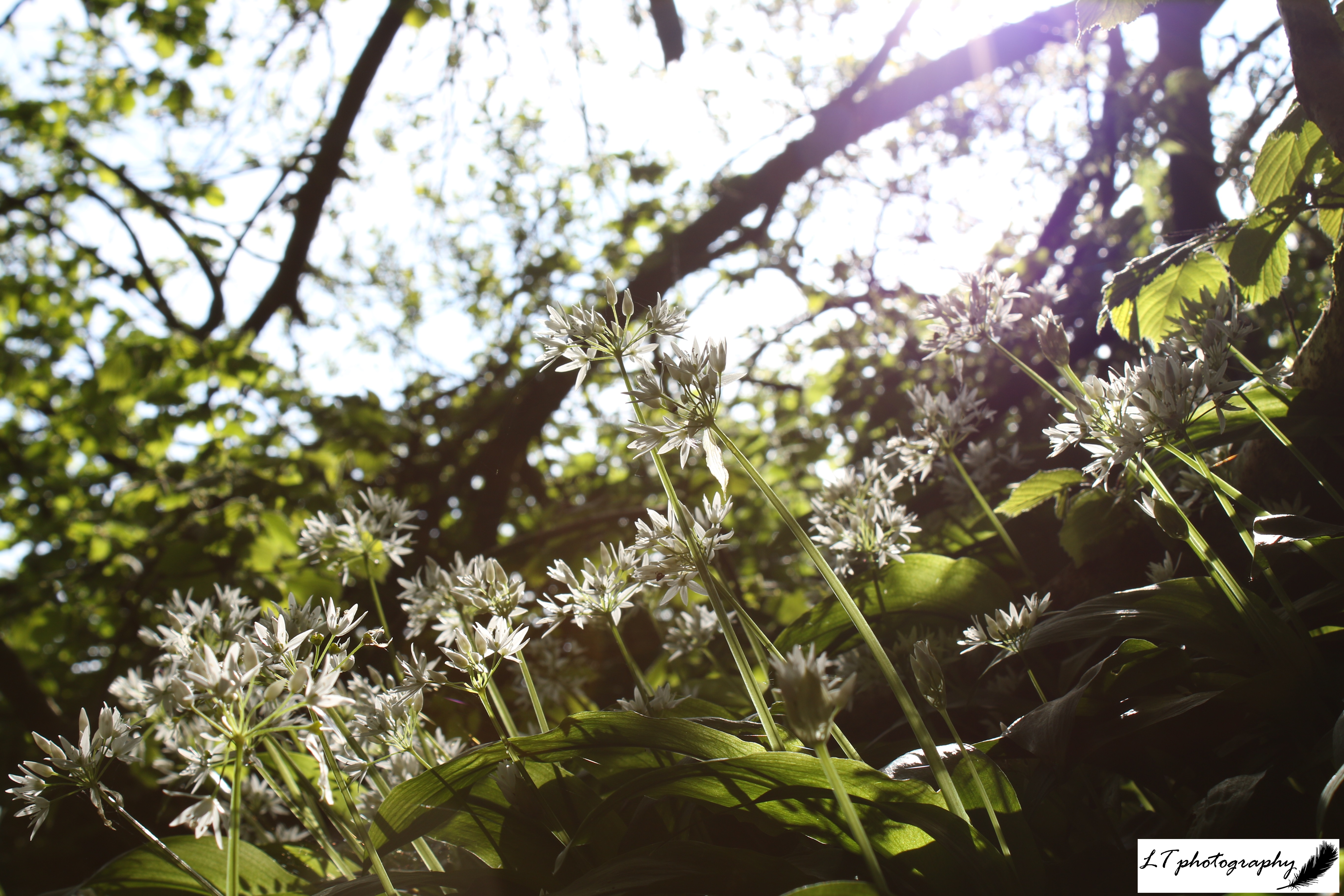
12. Wild garlic – Though my busy spring dissuaded me from mornings waking up before the sunrise, I did spend a couple of glorious mornings waking up and getting out an hour or so after instead. The light is glorious at this time of day and always provides me with inspiration for my photos and life in general. This photo represents this magical time of day and the joys of spring flowers, wild garlic being an iconic example.

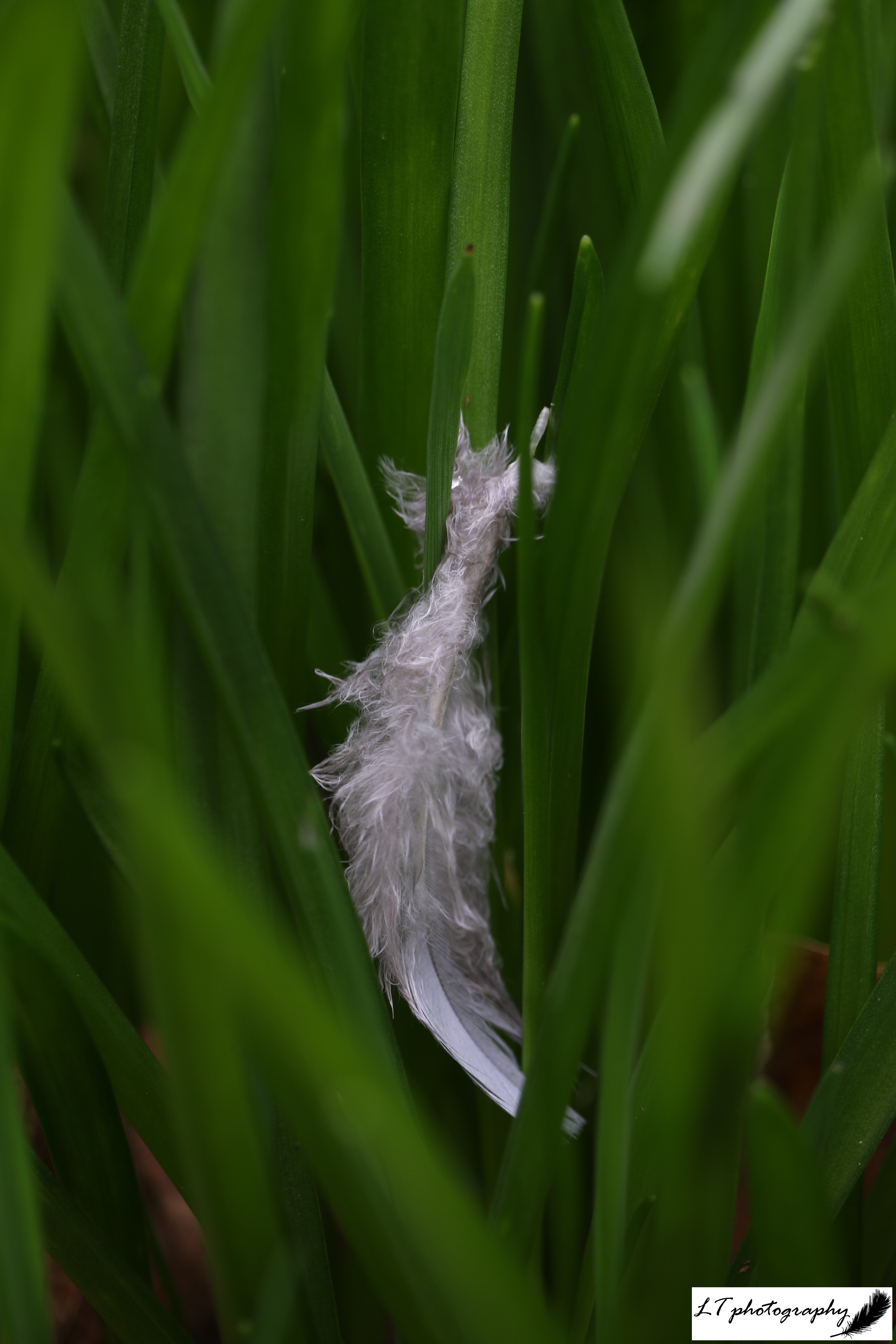
13. Feather in the bluebells – Wait, a feather again? Well feathers always sneak into my many files of photos, being a symbol of mine and representing my love of feathered species. They can also tell us useful information about what is living in a habitat, for example this feather is most likely from a collared dove.

14. Aberdeen angus calf – This photo is one of my favourite photos of one of my mum’s beef suckler calves. Spring is a time of new life in nature and on the farm, with my mum’s small free range beef herd giving birth at this time. This year they have weathered it through some turbulent months, but now are enjoying a bit of sunshine on their backs.

15. Honey bee – As I was intending to buy a macro lens this year, I made sure to time my purchase to be able to use it on the flowering of the poached egg plants in my family’s garden. It arrived well in advance, and, despite some rained off days, I got to spend some happy lunchtimes in the sunshine photographing bees on these flowers. This is one of my favourite macro photos of the flowers this year.

16. Dog roses – Dog roses were the last event of spring that I looked out for this year, and it kept me waiting! They were 22 days later for me than last year, with the first flowers blooming on the 8th June. They came out in force though, covering hedges within the space of a couple of days, adding some more colour to our hedgerows. With their lateness though, I feel like they also marked the end of spring this year.

How to… Identify Hedgerow Plants

Whizzing past our car windows, naturally bordering our fields and gardens, or providing a home for wildlife. Often going unseen and unnoticed, hedgerows are a widespread and overlooked habitat right on our doorsteps. Bountiful and bursting with life, each hedge is unique from the next, with a story to be told and a world to be explored.

Blackthorn 5

From butterflies and birds to hedgehogs and dormice, an incredible number of species rely on the plants in our hedges for their survival, such as food, shelter, and corridors along which to travel. They do not just play a role for wildlife though, holding value in the wider landscape, providing us with services such as stopping soil erosion and buffering pollution. In this way, hedgerows have been important for humans and wildlife alike for hundreds of years!

20_03_20_Farm_Goldfinch_2

The first hedgerows can be dated back to the Bronze Age, when farmers cleared woodland to grow crops, leaving carefully maintained strips to act as boundaries. Some of these strips of ancient woodland can still be found today! Since then hedges have grown in popularity, but following the Second World War, many were ripped up to provide more space to grow food and for development. Despite approximately half of all hedges in Britain being lost during this time, thankfully the remaining were given protected status in 1997.

13_05_20_Farm_Sunrise_Hangings_Trees

The hedgerows rolling across our countryside today are a piece of history, full of life and colour and provide us with a whole host of resources. So, why not try and see this for yourself, and take a moment to see what you can find in a hedgerow local to you? To help, here’s my simple guide to identifying some of our iconic hedgerow species.

Hedgerow Plants

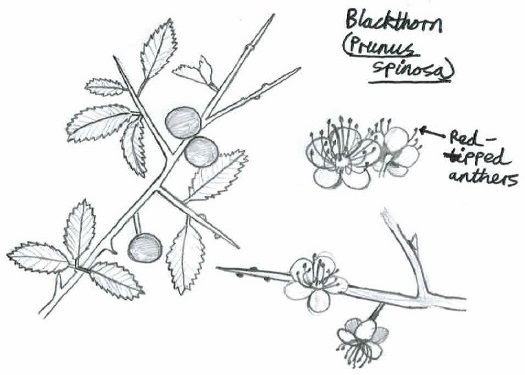
Blackthorn (Prunus spinosa)Blackthorn

  • Family: Rose – related to fruiting trees such as cherries and plums
  • Size: Up to 4m tall
  • Stems and twigs: Blackish and thorny
  • Leaves: 2-4cm long, oval-shaped tapering to a point with toothed margins
  • Flowers: Snow-white and 5-petalled with red-tipped anthers in the centre. Flowers late March-April, appearing BEFORE the leaves
  • Seeds: Produces fruit (sloes) which are small blackish plums with a bluish powdery surface. Tongue-numbingly tart to eat but popular to flavour gin
  • Range: Widespread and common throughout most of Britain
  • Fun Facts: Blackthorn, long used for making items such as walking and riding sticks, has long been associated with witchcraft

Spindle (Euonymus europaeus)Spindle

  • Indicator of an ancient hedgerow
  • Family: Staff-vine
  • Size: Up to 9m tall
  • Stems and twigs: Bark and 4-sided twigs are deep green, darkening with age
  • Leaves: 3-13cm long, shiny, mid-green, oval-shaped tapering to a point with finely toothed margins, and turning distinctively pinkish-red in autumn
  • Flowers: Greenish-white and 4-petalled in small overlooked stalked clusters. Flowers May-June
  • Seeds: Distinctive 4-lobed bright coral-pink berries
  • Range: Less common in Scotland and Ireland, found throughout England and Wales, but most frequent in the south
  • Fun Facts: The hard dense wood of spindle was used from ancient times to make spindles, whereas the leaves and seeds were powdered to dust on the skin of children to drive away lice

Cow parsley (Anthriscus sylvestris) Cow parsley

  • Family: Carrot – related to species such as parsnips and poison hemlock
  • Size: ~1m tall
  • Stems and twigs: Stems are hollow and furrowed, often becoming purple
  • Leaves: Fresh green, 3-pinnate, and sharply cut
  • Flowers: White, forming clusters known as umbels. Flowers April-June
  • Seeds: Round, smooth and broad-based
  • Range: Widespread and common throughout Britain and strongly associated with hedgerows
  • Fun Facts: Its folk-name is ‘Queen Anne’s lace’. This comes from a folk tale which said that the flowers would bloom for Queen Anne and her ladies in waiting and reflect the delicate lace they wore

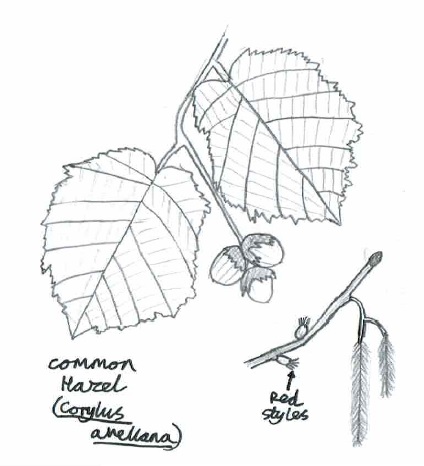
Common Hazel (Corylus avellana)Hazel

  • Family: Birch – related to species such as silver birch, alders and hornbeams
  • Size: Up to 8m tall
  • Stems and twigs: Bark coppery brown, smooth and tending to peel
  • Leaves: 5-12cm long and almost circular with sawtooth edges
  • Flowers: Male= lemon-yellow catkins; Female= Tiny and bud-like with red styles. Flowers January-March BEFORE the leaves
  • Seeds: An edible nut encased at first in a thick-green husk before ripening in autumn
  • Range: Widespread and common throughout Britain
  • Fun Facts: Hazel rods have historically been used for a range of purposes from hurdles and coracles for fishing to house building and basketwork

Dog Rose (Rosa canina)

  • Family: Rose
  • Size: Up to 4m tall
  • Stems and twigs: Arching stems with broad-based strongly hooked prickles
  • Leaves: Dark green and oval-shaped tapering to a point with toothed edges
  • Flowers: Flat and fragrant white or pale pink, with large petals and hairless stalks. Flowers June-July
  • Seeds: Fruit, known as a hip, that is egg-shaped and bright red
  • Range: Most common and variable wild rose, widespread throughout Britain, but most frequent in the south
  • Fun Facts: Adopted as a symbol of the British monarchy and England since the reign of Henry VII. It is also a valuable medicinal plant, with its hips being made into a Vitamin C rich syrup for children

Field Rose (Rosa arvensis)

  • Compared to the Dog Rose, the Field Rose is shorter, growing up to about 2m, with slightly smaller, cup-shaped creamy-white flowers that flower about a fortnight later, from June-July. Also, the flowers’ sepals are often purplish, the styles are in a column, and the hips are smaller and often more round. The Field Rose’s range does not stretch as far north as that of the Dog Rose, being absent from Scotland

Roses

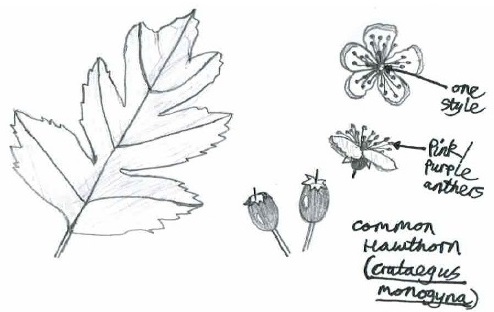
Common Hawthorn (Crataegus monogyna)Hawthorn

  • Family: Rose
  • Size: Up to 10m tall
  • Stems and twigs: Very thorny and hairless
  • Leaves: Leafing in April, the leaves are shiny and roughly oval-shaped with 3-5 deeply cut lobes
  • Flowers: White fragrant (sickly sweet) flowers with pink/purple anthers, only one style and 5 petals. Become deeper pink as they fade
  • Seeds: Fruit, known as haws, have a single seed and ripen to a bright red
  • Range: Widespread and common throughout Britain
  • Fun Facts: Hawthorn is linked to Christian, pagan and medieval rites, and has ancient associations with May Day. Bringing hawthorn blossom in your house was believed to bring in illness and death upon you

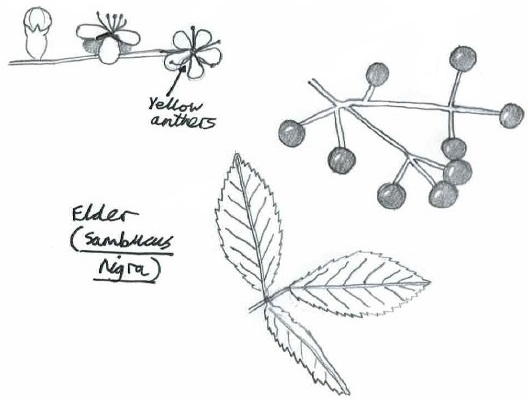
Elder (Sambucus nigra)Elder

  • Family: Previously in the honeysuckle family , but now reclassified in moschatel
  • Size: Up to 10m tall
  • Stems and twigs: Strong smelling with corky and fissured bark
  • Leaves: Dark green, pinnate with 5-7 leaflets
  • Flowers: White, small and fragrant in flat-topped clusters with yellow anthers. Flowers May-August
  • Seeds: Produces a juicy edible purplish-black berry
  • Range: Widespread and common throughout Britain
  • Fun Facts: Has many uses from wines and jams, to toys and dyes. Also, it was believed that planting an elder tree near your house would keep the Devil away

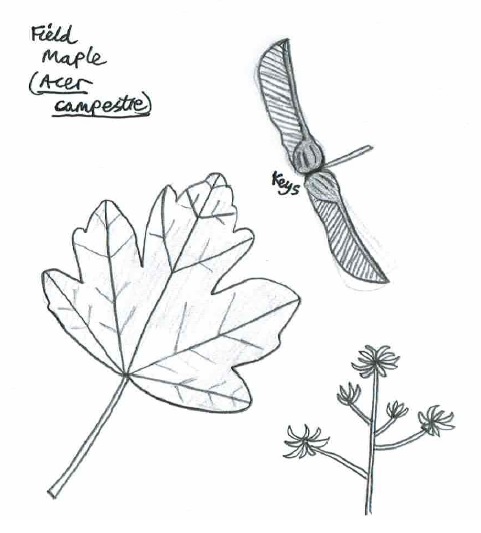
Field Maple (Acer campestre)Field Maple

  • Family: Soapberry – related to horse chestnut and lychee
  • Size: Up to 25m tall
  • Stems and twigs: Twigs downy
  • Leaves: Much smaller than sycamore at 4-7cm long and wide, rather bluntly lobed (3-5), and dark green. Turn distinctively amber in autumn
  • Flowers: Yellowish-green and carried in upright spikes. Flowers May-June after the leaves
  • Seeds: The seeds, known as keys, are winged and paired forming an angle of 180 degrees
  • Range: Common in England and East Wales, but less common elsewhere
  • Fun Facts: Wood used for furniture veneers, wall panelling, and violin-making, but previously used to make domestic utensils such as drinking bowls. As with all maple trees, the sap of the field maple can be used to make maple syrup

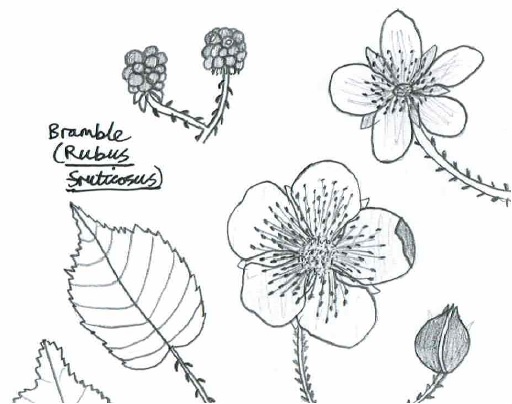
Bramble (Rubus fruticosus)Bramble

  • Family: Rose – closely related to species such as raspberries and dewberries
  • Size: Up to 4m tall or long
  • Stems and twigs: Prickly and half-evergreen
  • Leaves: 3-5 broad, toothed leaflets
  • Flowers: White or pink and flowers from May onwards
  • Seeds: Fruit is the familiar edible blackberry that starts green, then turns red, finally ripening to purple-black
  • Range: Widespread and common throughout Britain
  • Fun Facts: Folklore dictates that blackberries should not be picked after Old Michaelmas Day in October, as the Devil has sullied them. Brambles were also previously planted on graves to stop sheep grazing

Pedunculate or English oak (Quercus robur)

  • Family: Beech – related to species such as beech and sweet chestnut
  • Size: Up to 40m tall
  • Stems and twigs: Massive rugged grey-brown trunk and broad crown
  • Leaves: 10-12cm long, oblong, usually broader at the base and lobed, turning brown in autumn
  • Flowers: Yellow-green catkins flowering April-June
  • Seeds: Produces the familiar acorn, with scaly cups and clusters carried on long stalks
  • Range: Widespread and common throughout Britain
  • Fun Facts: Druids in Celtic Britain held the oak tree sacred, with the oak becoming an English national symbol of strength

13_05_20_Sunrise_Oak_Tree_Grass_3

Sessile oak (Quercus petraea)

  • Differs to Pedunculate Oak in that the leaves taper to an unlobed base and have long stalks. Also, the clustered acorns are almost stalk-less with downy cups. Prefers more acid soils and is more common in the West of Britain

Oak Trees

Other species

  • There are lots of flowering species to also be found at the base of hedges. To help with identifying these, check out my ‘How to… Identify Woodland Flowers’ guide, to help with crossover species, such as bluebells, primroses, and moschatel

All photos and drawings are my own

Spring Countryside Camera Trap Surveys

M2E43L126-126R396B311

A few years ago, my passion for wildlife led me to save up to buy a Bushnell Trophy camera trap, to be able to explore the wildlife that can be found in my local area. Since then I have embarked on many adventures and had many hours of fun with it, as it allows you to get an amazing undisturbed insight into the lives of more elusive wildlife.

If you are unsure what a camera trap is, it is a digital camera connected to a sensor that is activated/triggered when movement is detected in front of it. It then takes one or a series of photos, a video of select length or a hybrid of the two, that are recorded on to a memory card for later viewing. They are easy to use and can be left out in the elements for long periods of time. My camera trap was a great investment and has now given me years of pleasure at home and further afield, such as in Costa Rica.

This year, as I have been even more inspired by the coming spring, I decided to spend 10 weeks across the season (21st March to 26th May), completing camera trap surveys on my family’s land, which is set in the beautiful Dorset countryside.

For my surveys, over the 10 weeks, I chose a total of 5 camera locations which were used for varying periods of time. These locations I fondly named: copse cam, sett cam, woodland cam, alley cam and fox cam. I left the camera in each location for between 14 to 42 hours across 1-2 nights depending on my intentions at the time. Now spring has seemed to have come to an end, it is now the time for me to take a look back at a fun, exploratory 10 weeks and reflect on some of the wildlife I got the pleasure of recording.

Copse cam

March 2019

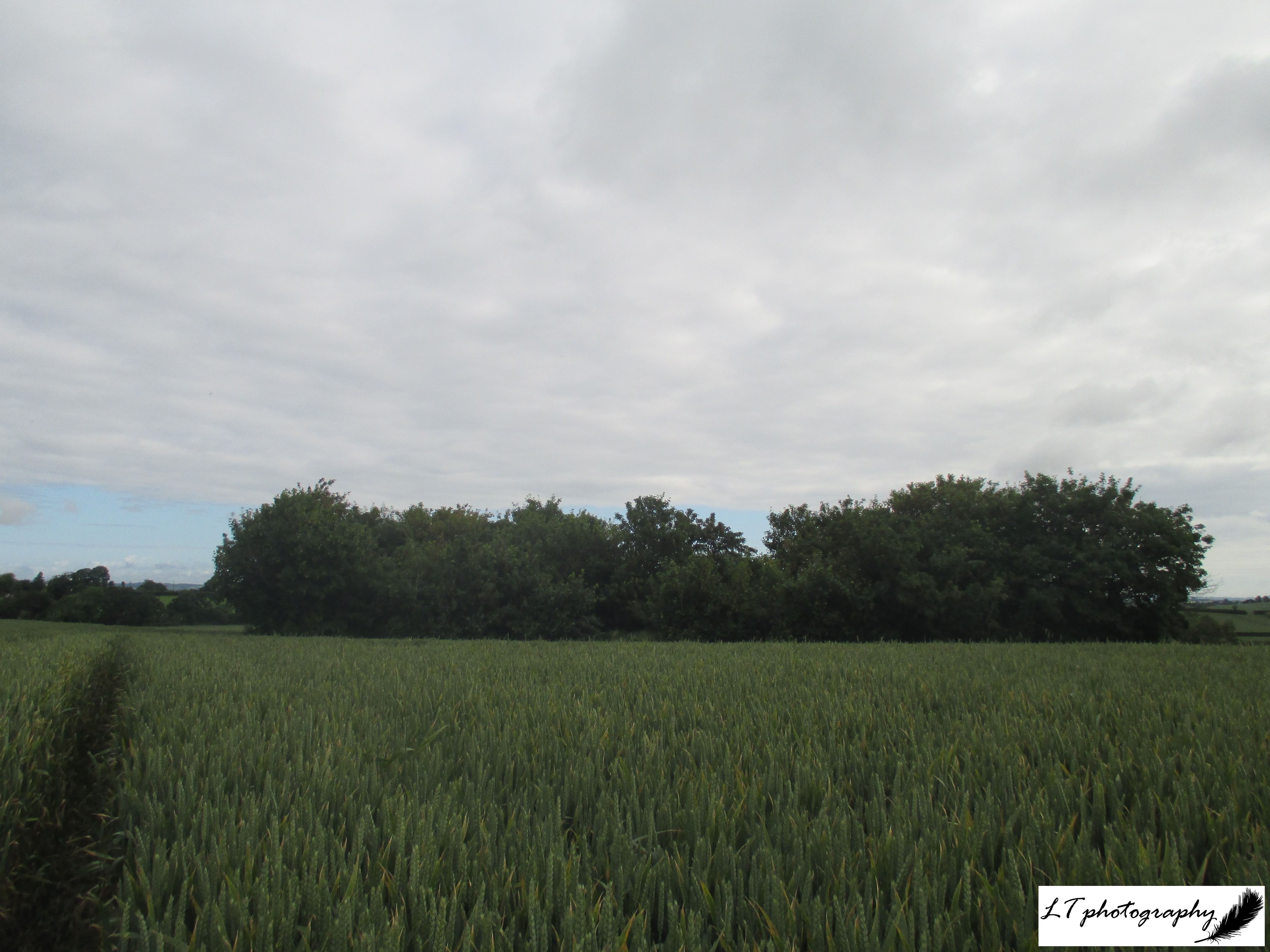
For my first camera location, I chose a small copse situated in a dip within a wheat field that has borders including hedges, trees, a river and a large badger sett. The copse shows signs of use from rabbits and species passing through. The camera was attached to the same tree each time at the centre of the copse, and was either pointed to the west or east to try and capture an idea of activity within the whole area. This location was used for 6 weeks (till 26th April) before the wheat became too long around the copse.

Copse from outside

Over the 6 weeks I used this location, 1 week the camera was not set due to bad weather, and another 2 weeks the camera was not triggered at all. Across the 3 weeks that had some success, 5 species were recorded (all singular individuals) that were:

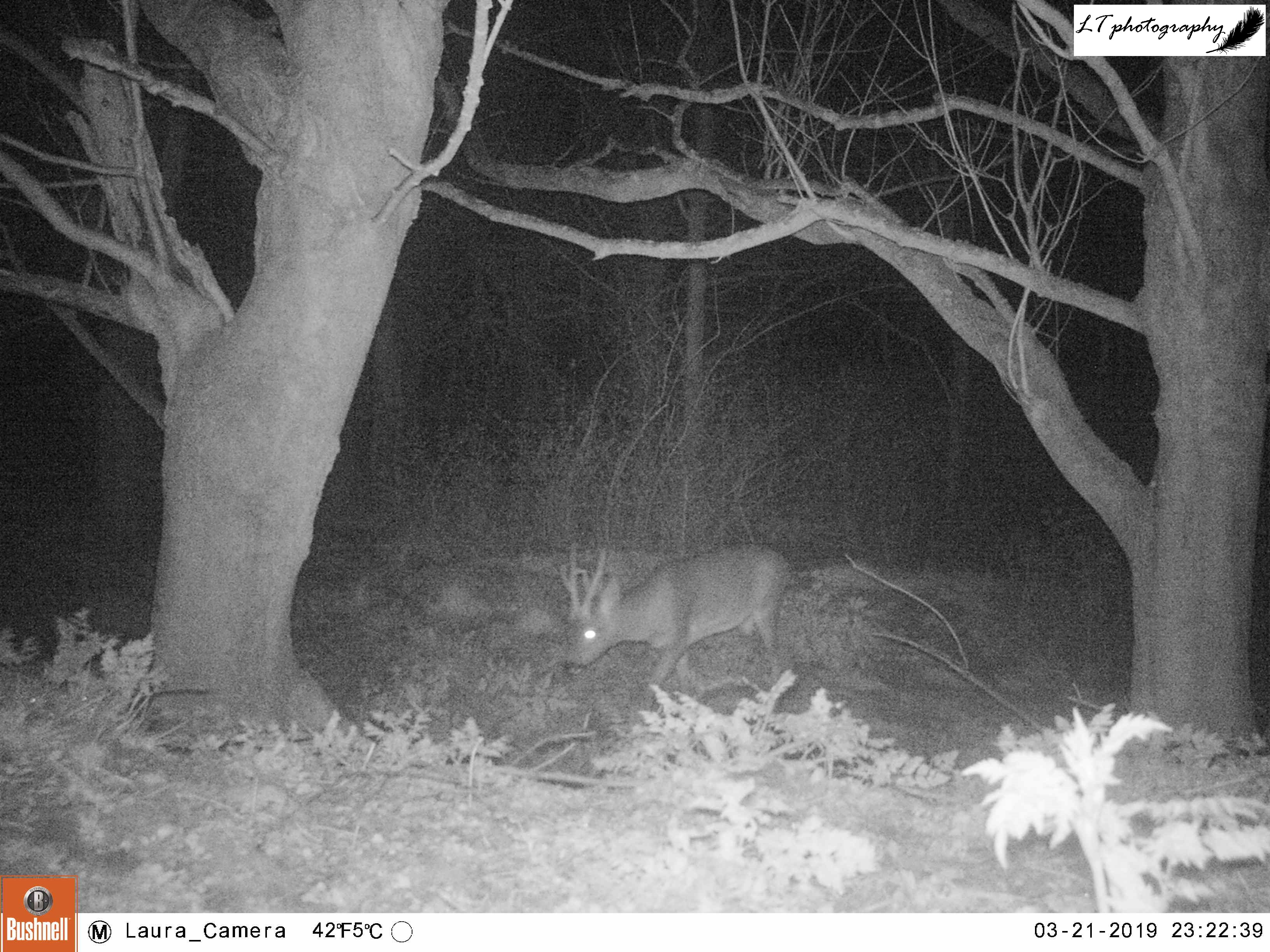
  • Male and female roe deer

Male roe deer

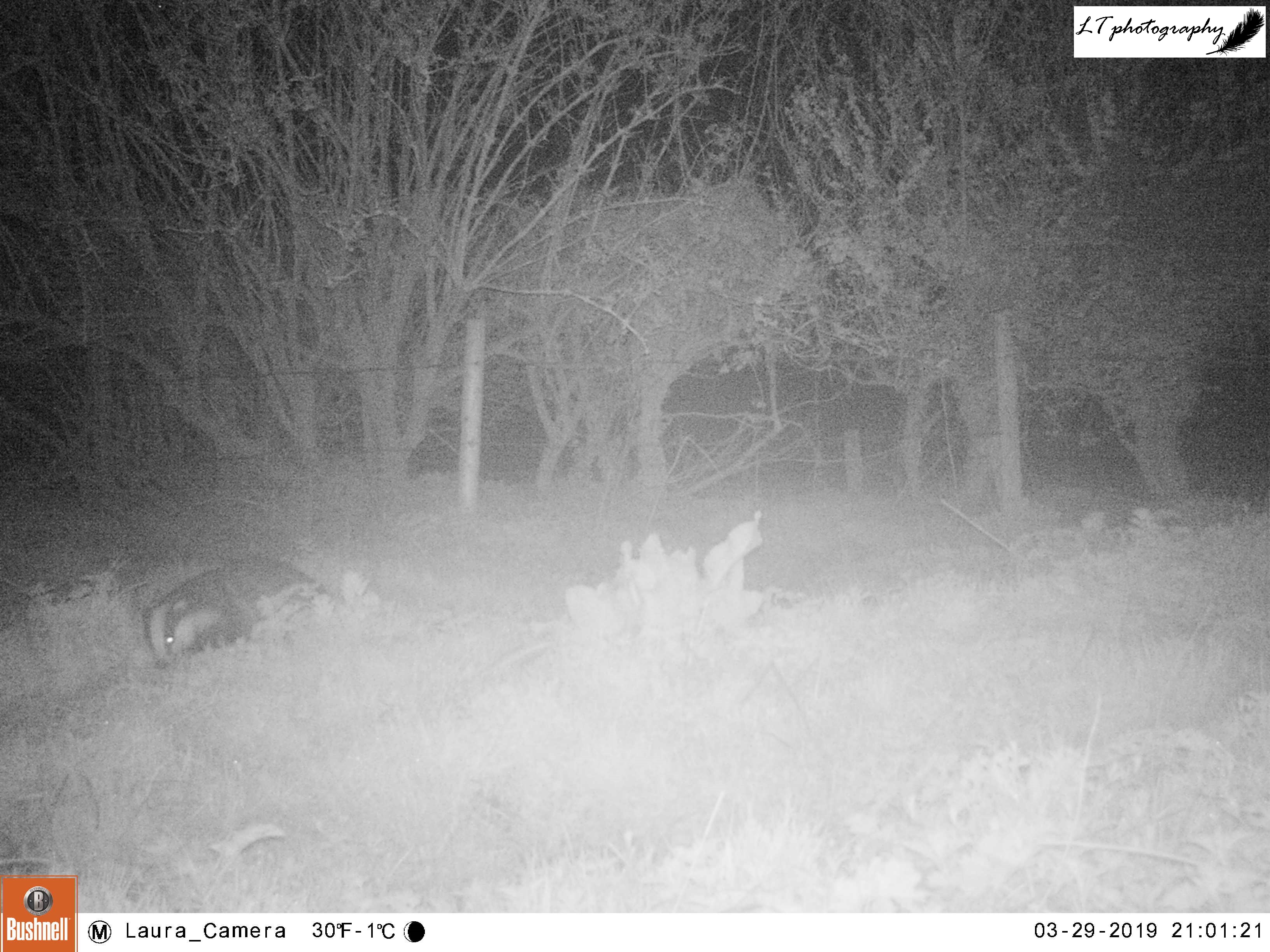
  • Badger

Badger

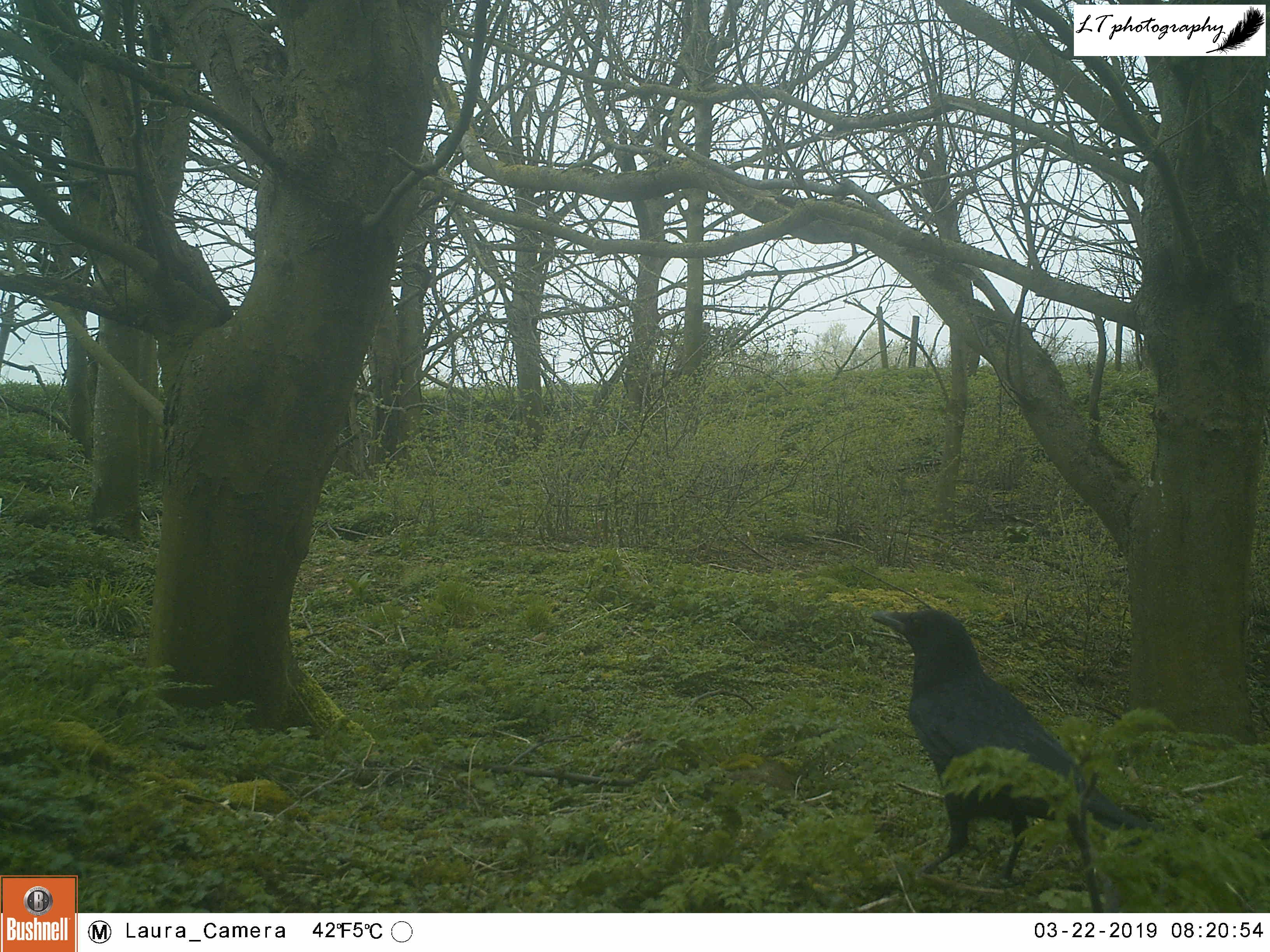
  • Carrion crow

Carrion crow

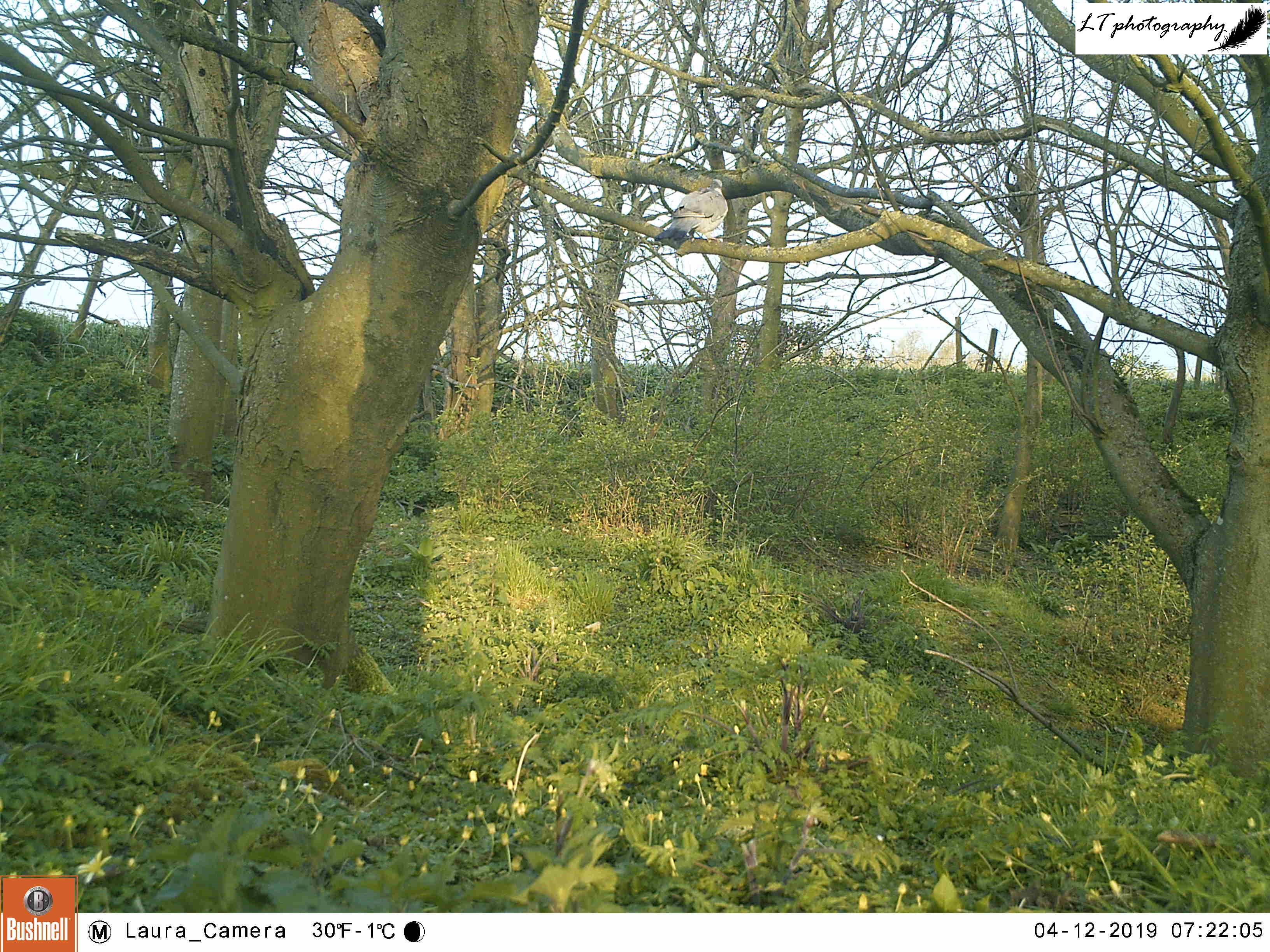
  • Woodpigeon

Woodpigeon

  • Red-legged partridge

Red-legged partridge

A range of animal behaviour was seen on the copse cam, including foraging, resting and fleeing behaviour. Unfortunately due to the growing wheat increasingly isolating the copse, the number of camera triggers, and thus survey success, dropped by 80% over the 3 weeks wildlife was seen. Despite this, I did enjoy the wildlife the camera did capture, as it gave an idea of the wildlife passing through this spot at the beginning of spring.

Favourite photo: an up-close and personal shot of a female roe deer. Other photos captured show that this particular female was possibly pregnant during my surveys.

Doe-eyed (female roe deer in the mist)

Sett cam

For my second camera location, I chose a large fenced off badger sett towards the east of my family’s land. The sett is on the border of agricultural grassland backed by a hedge made up of traditionally known hedge species, including blackthorn and hawthorn. The camera was attached to one of two fence posts spaced approximately a metre apart and facing into the main area of the sett in various directions. This location was used for 5 weeks (till 19th April) until the vegetation within the sett area grew to a height that obscured the view of the camera trap.

Sett in daytime

Over the 5 weeks, one week the camera was not set due to bad weather, leaving 4 weeks in which this location was used. In this time the species seen were (all singular individuals):

  • Badger

Badger

  • Fox

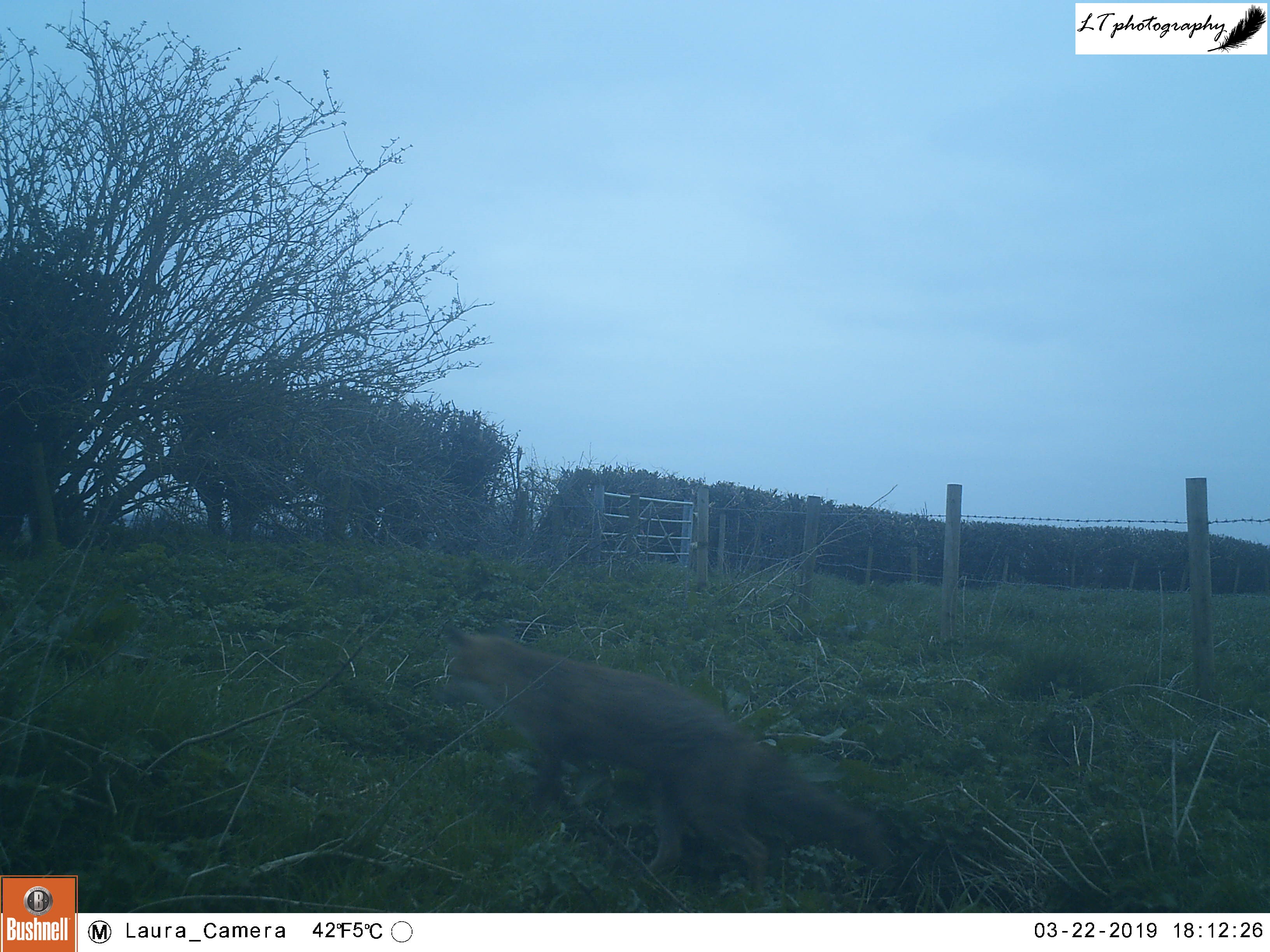
Fox

  • Pheasant

Male pheasant

  • Rook

Rook

The number of times the camera trap was triggered was random in relation to length of time set and survey week. Behaviours recorded included foraging and fleeing behaviour. Again, though this camera location was only used for a few weeks, it was great to see the wildlife there, in particular finally seeing badgers actively living in this sett.

Favourite photo: Though the subject of this shot is less noticeable, I love seeing in this photo the shape of a fox disappearing off along the hedge and field line in the background.

Cunning fox

Woodland cam

For my third location, I chose a small area of secondary woodland not far from my house, bordered on its edges by a private lane, meadows and more woodland. The woodland consists of wild cherry trees and predominantly oak trees. For the entire period of 10 weeks, the camera trap was moved between different trees and aimed in different directions to cover a variety of areas within the woodland.

Over the 10 weeks, the lives of 4 common species within this woodland were recorded. These were:

  • Badger (1-2 individuals in a photo)

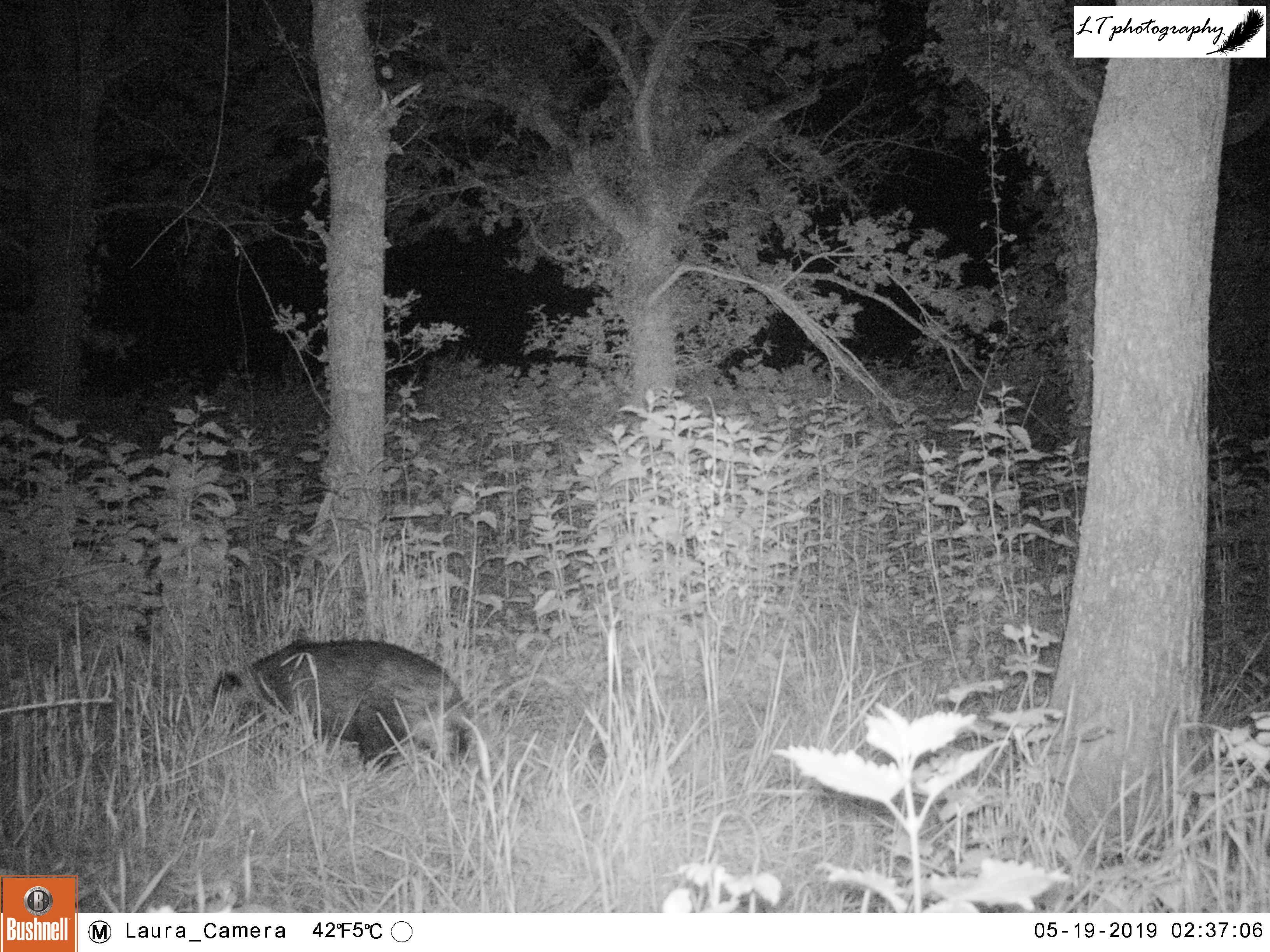
2 badgers

  • Fox

  • Rabbit (included alongside a pheasant in a couple of shots)

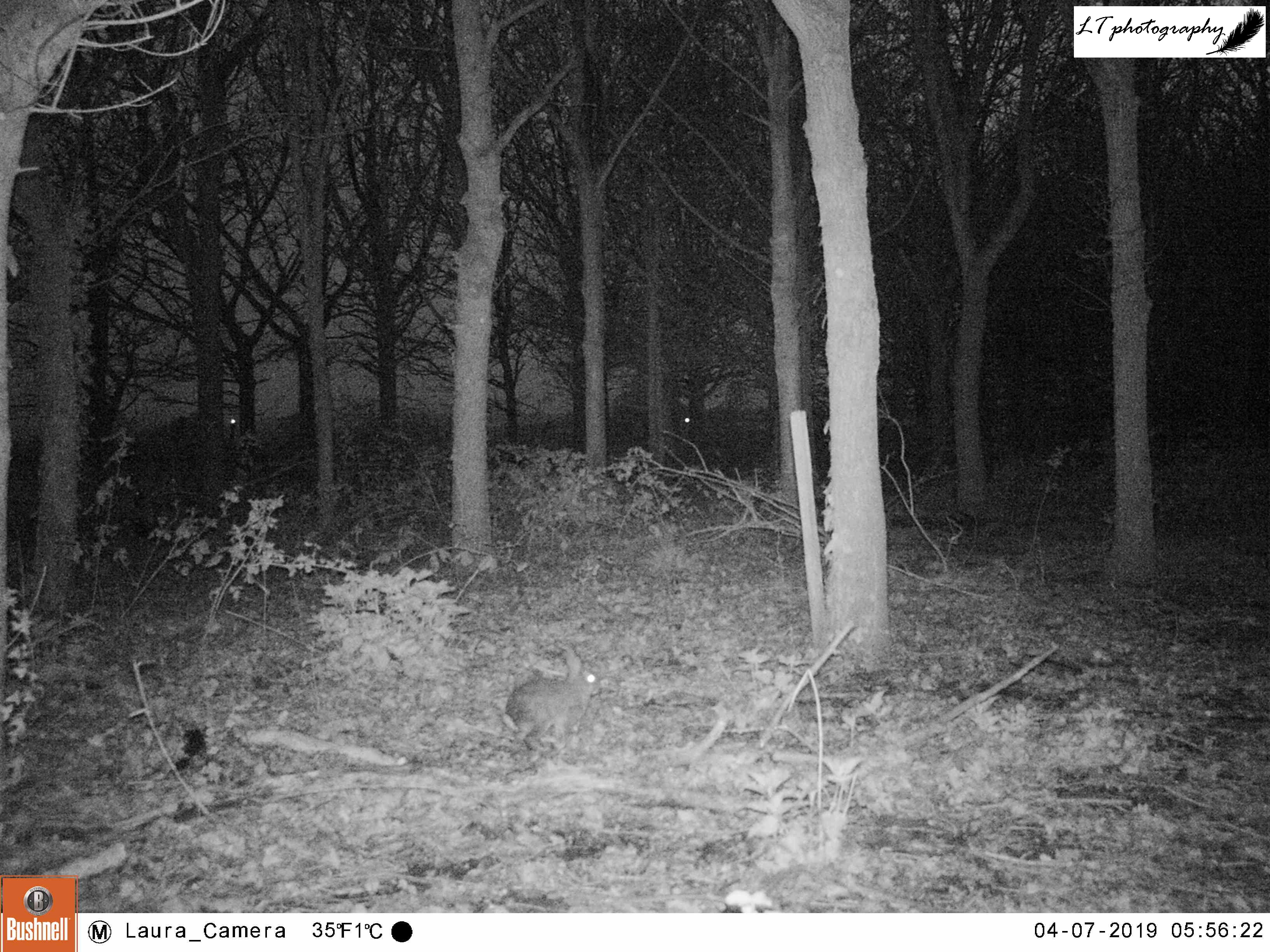
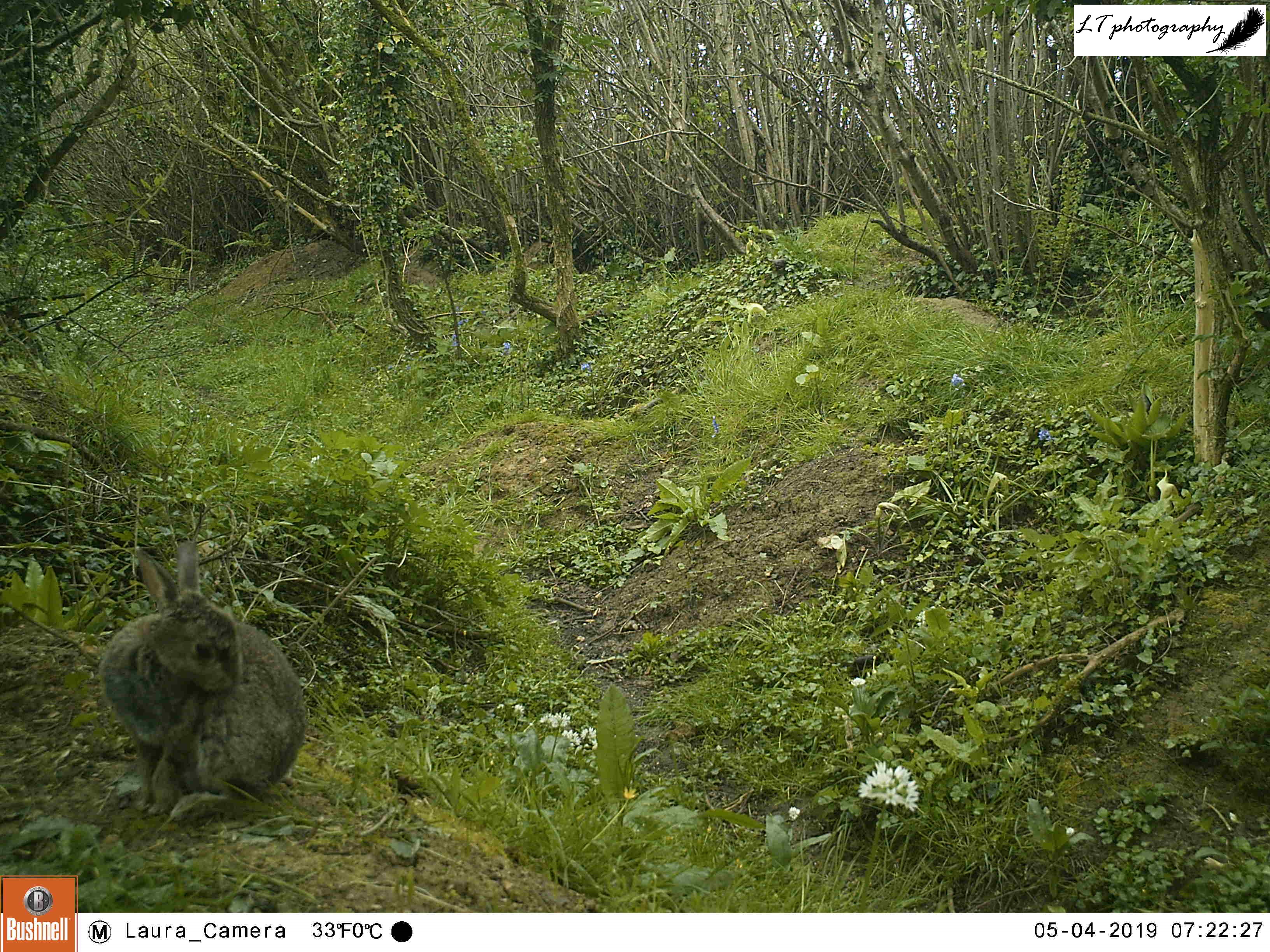
Rabbit

  • Pheasant (1-2 individuals in a photo)

The number of times the camera trap was triggered was random in relation to length of time set and survey week. What is interesting though, is that foxes were seen passing through the wood over the first 5 weeks (March into April), but not in the last 5 (April into May). This differs to what was seen for badgers, where compared to the first few weeks, badgers were seen mainly in the last 4 weeks (May) and in increasing numbers, which would correspond with breeding stage and foraging tactics. It was great to see the badgers in this way.

Favourite photo: My favourite photo has to be from when I increasingly caught sight of the badgers in the woodland, as it filled me with excitement every time I saw these photos.

Badgered

Alley cam

For my fourth location, following week 6 (27th April), I chose one of my favourite sites on my family’s land, fondly known as Badger Alley. I refer to a 1-3m wide, rarely used bridle/footpath that is enclosed overhead by the tall hedges growing on either side (creating a tunnel effect). Along this path, an active badger sett and a deserted sett can be found, which are shared by other species, such as rabbits and foxes. The path is also rich along its length with a variety of plant species. In the end, I chose to position my camera trap to be able to take in part of the active sett as well as the path along side it to see what I could see.

Alley cam

Over the 5 weeks from 27th April to 25th May, the camera trap recorded a total of 6 different species, which were:

  • Roe deer

Female roe deer

  • Fox

  • Badger (1-3 individuals in a photo)

  • Rabbit (1-2 individuals in a photo)

  • Woodpigeon

Woodpigeon

  • Grey squirrel

Grey squirrel

The number of times the camera trap was triggered was random in relation to length of time set and survey week. A range of behaviours were observed in the photos, my favourite being grooming, bonding/socialising, hunting and play behaviour. It has to be sad that I particularly enjoyed using this location for my camera trap surveys!

Rabbit grooming

Favourite photos: When the badgers joined in with showing why Badger Alley was given its name!

M2E1L0-3R350B300

Fox cam (Note: date of photos are incorrect= 2019 not 2018)

For my final camera location, as a one-off (week 8: 10th May), I chose to investigate a potential fox den within the badger sett that borders the wheat field where the copse mentioned is found. This sett is fairly large, is fenced off from the adjacent wheat field whilst being backed by a wide, traditional hedgerow. In particular, a large part of the sett runs within the hedgerow itself, and in places there are open cavities at the centre of the hedge which are popularly used by wildlife.

Sett= location of fox cam

Before I chose this location, my mum had mentioned to me that she thought that she had seen signs of a female fox feeding cubs in this location, and so I decided to set up my camera with the purpose of investigating if this was true. Read on to find out the result!

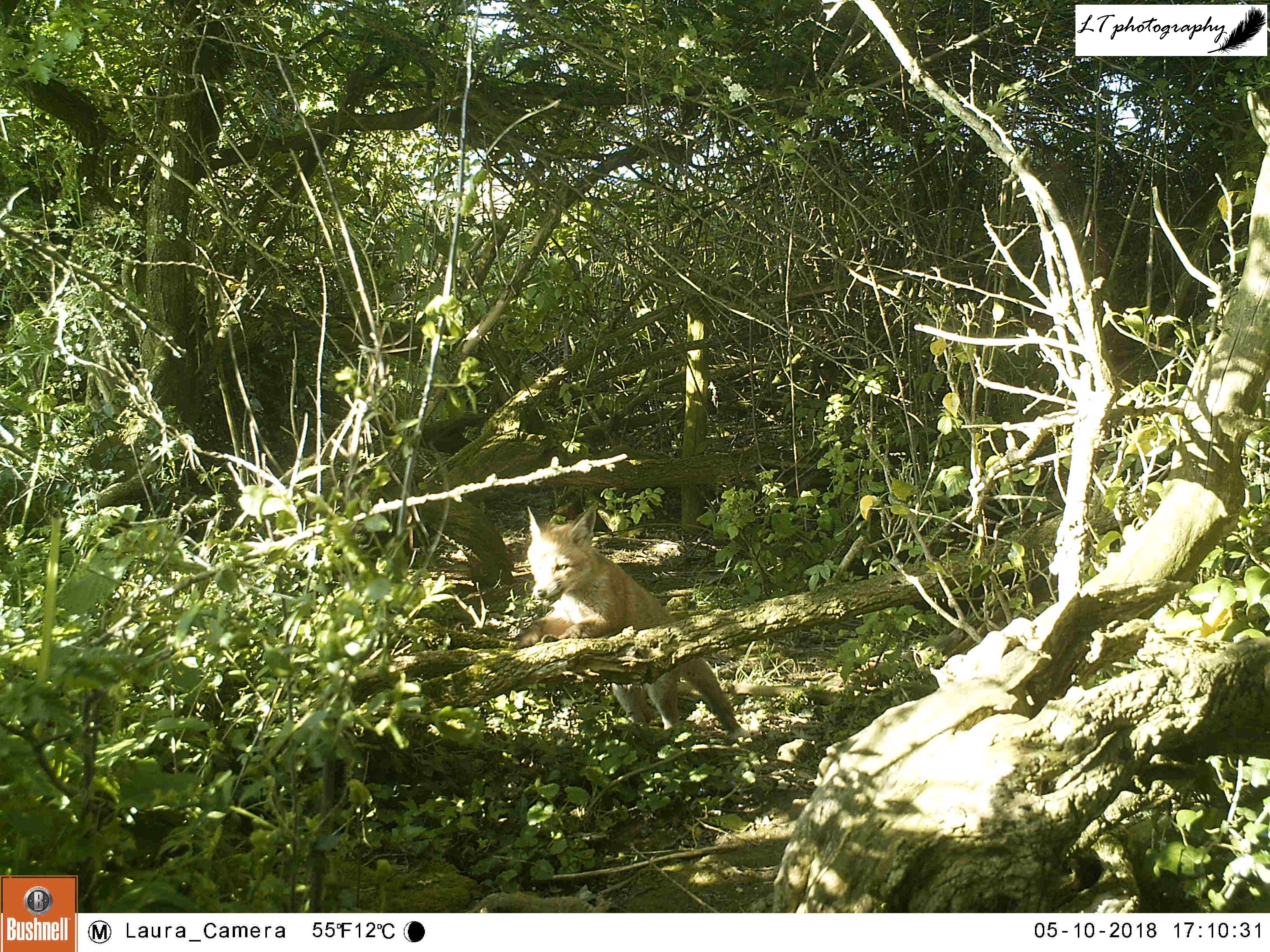
I can now reveal that this camera trap set up was a complete success! I caught a vixen and her 3 cubs on camera, as well as a cheeky magpie and an unexpected great tit. The foxes triggered the camera 127 times over 27 hrs, making for a greater insight into their behaviour, social relationships and private interactions. Very exciting!

Favourite photos: The fox cubs!

Fox cub

Sleepy cub


M2E52L162-162R389B314

Playful cubs

Summary

This spring I really enjoyed embarking on the completion of camera trap surveys and being able to analyse what species can less obviously be seen around me. In total, my camera trap caught sight of 12 different species of birds and mammals, with lots of different individuals being recorded within this.

I hope you enjoyed a small sight into my camera trapping fun and may be inspired to take exploring your local area to the next level. Camera trapping may not be for you but there are lots of other things out there waiting for you.