Rural Dorset vs. Urban Manchester: Autumnal Plants and Fungi

Series in collaboration with guest writer Emma Rogan

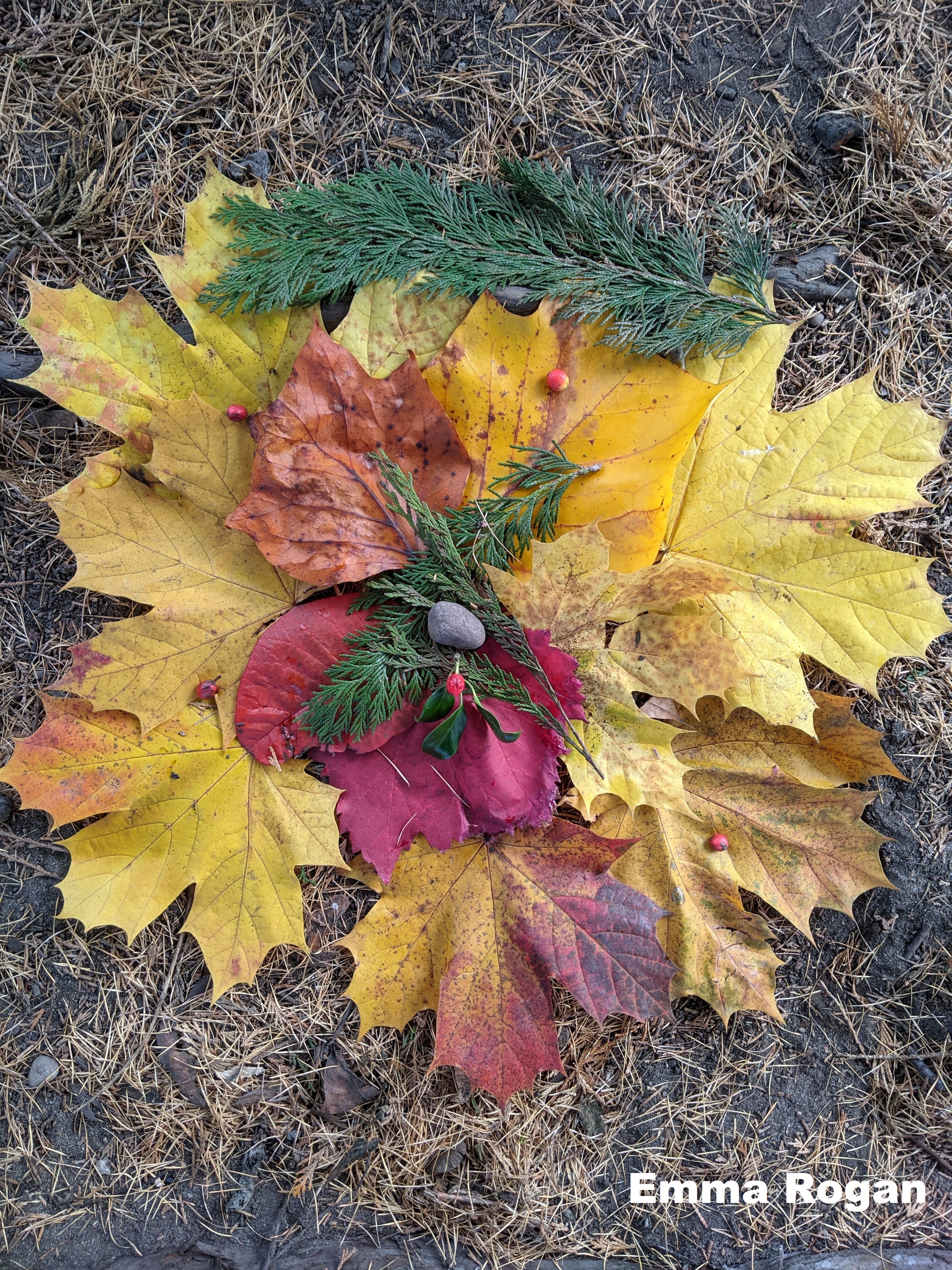
Autumn is a time of plenty, painted with fantastic colours, such as leaves changing, berries and nuts adorning unveiling branches, and the emergence of marvellous mushrooms. Wherever you go during this time, autumn may be moving at a different pace, but the vein of change runs throughout. In Dorset, autumn begins with the first blackberries in August, the start of the migration of birds to warmer climes, and the beginning of a bite in the early morning. In Manchester these signs can also be found, but the change in season is more easily spotted by the increasing carpet of amber leaves on the pavement. For nature, this time of bounty and activity foreshadows the days of dormancy to come.

Last time in Rural vs. Urban, Dorset-born naturalist Laura was joined by Manchester-born wildlife enthusiast and friend Emma, to explore the magical minibeasts that could be found in their local patches. From grasshoppers to froghoppers, both Laura and Emma were amazed by the variety of species they found in such a short space of time! No experts on minibeasts, just enthusiastic adults, their eyes were opened to this miniature world by slowing down and focussing on the smaller things. In this way, we can gain a lot, from escapism to inspiration.

In this next instalment of Rural vs. Urban, we move into autumn with Laura and Emma exploring their home areas to see in the change of the seasons. As colours change and leaves fall, what will location and season mean for the plant and fungi life observed? What treasures will be discovered as we go back to the golden days of autumn?

Laura’s Plants and Fungi in the Countryside

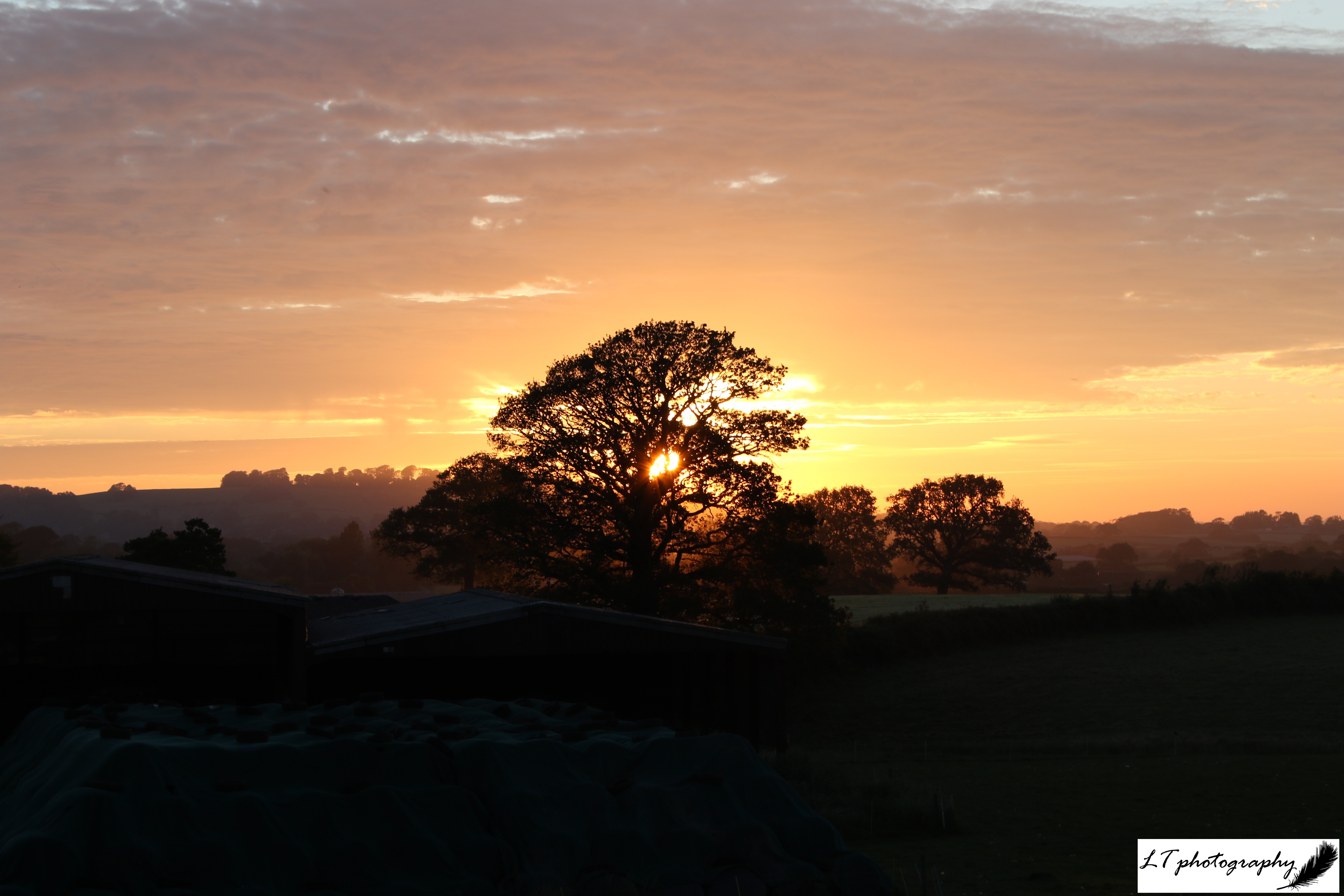
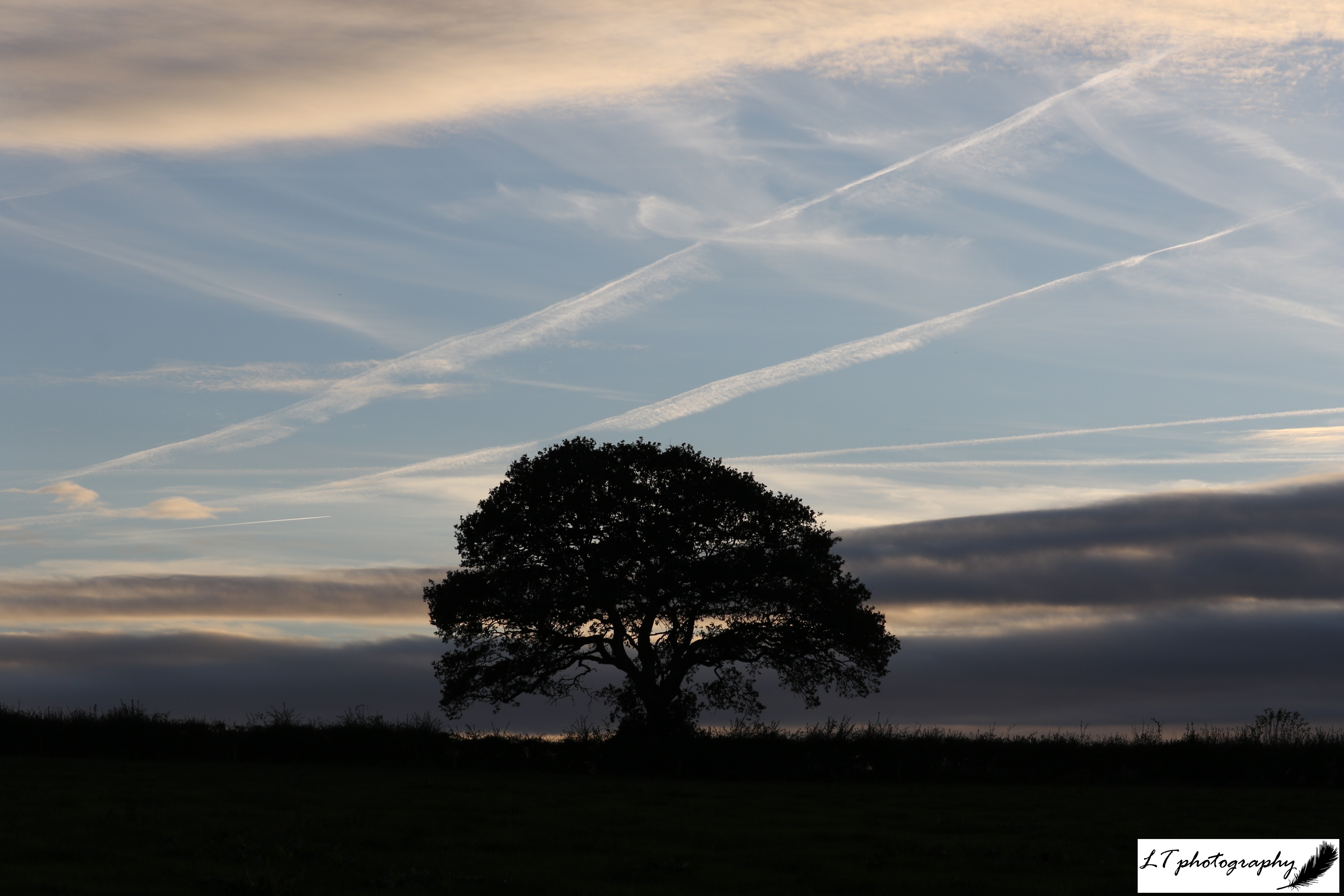
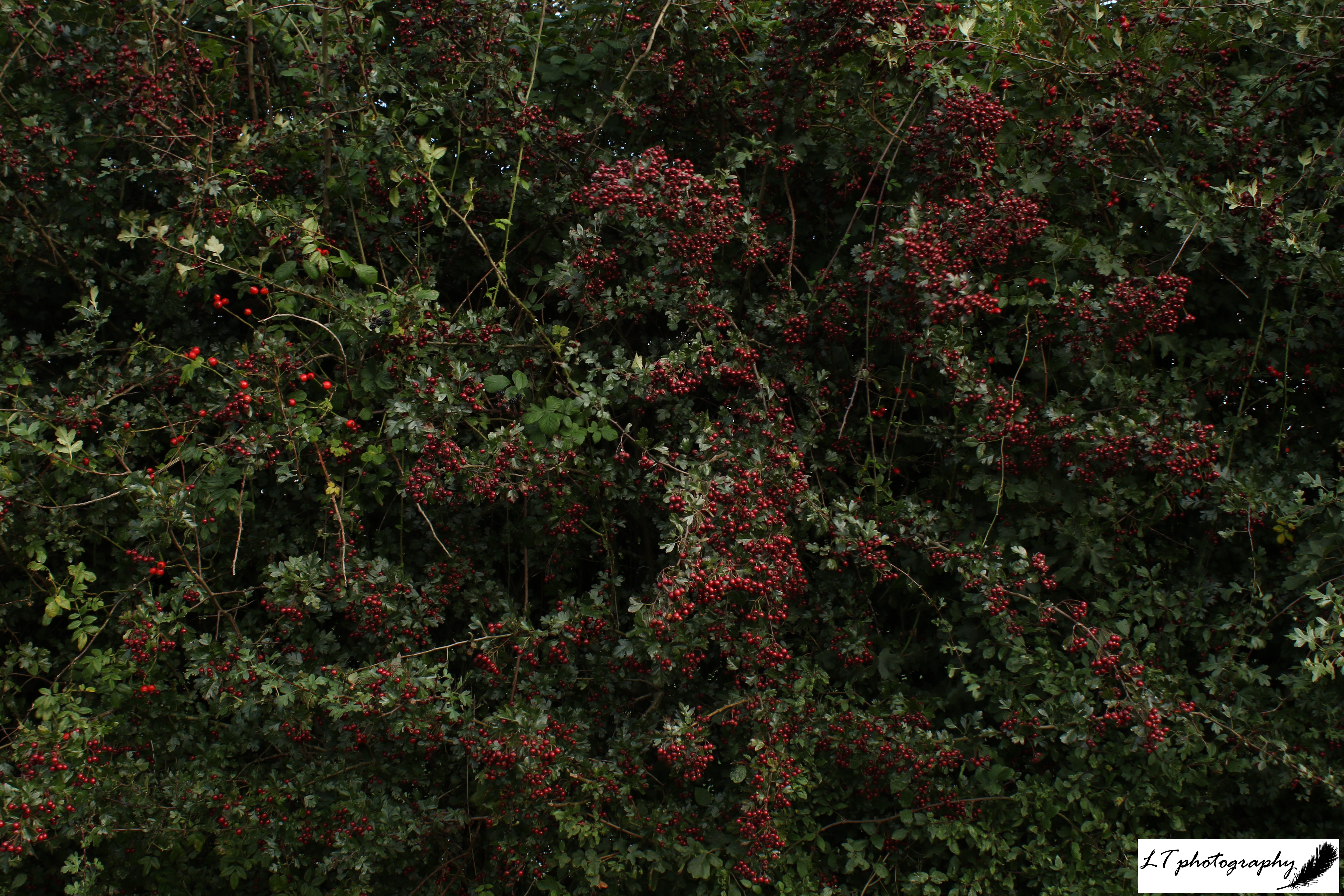
This year autumn could be felt in cold mornings and stormy weather, but did not start showing its true face until October. I first took in the change of the season with a walk to my local woods on the 6th October, seeing the ruby red gleam of Hawthorn berries and a spectacular sunset of chilly blues and pinks. I was finally inspired explore all that autumn had to offer.
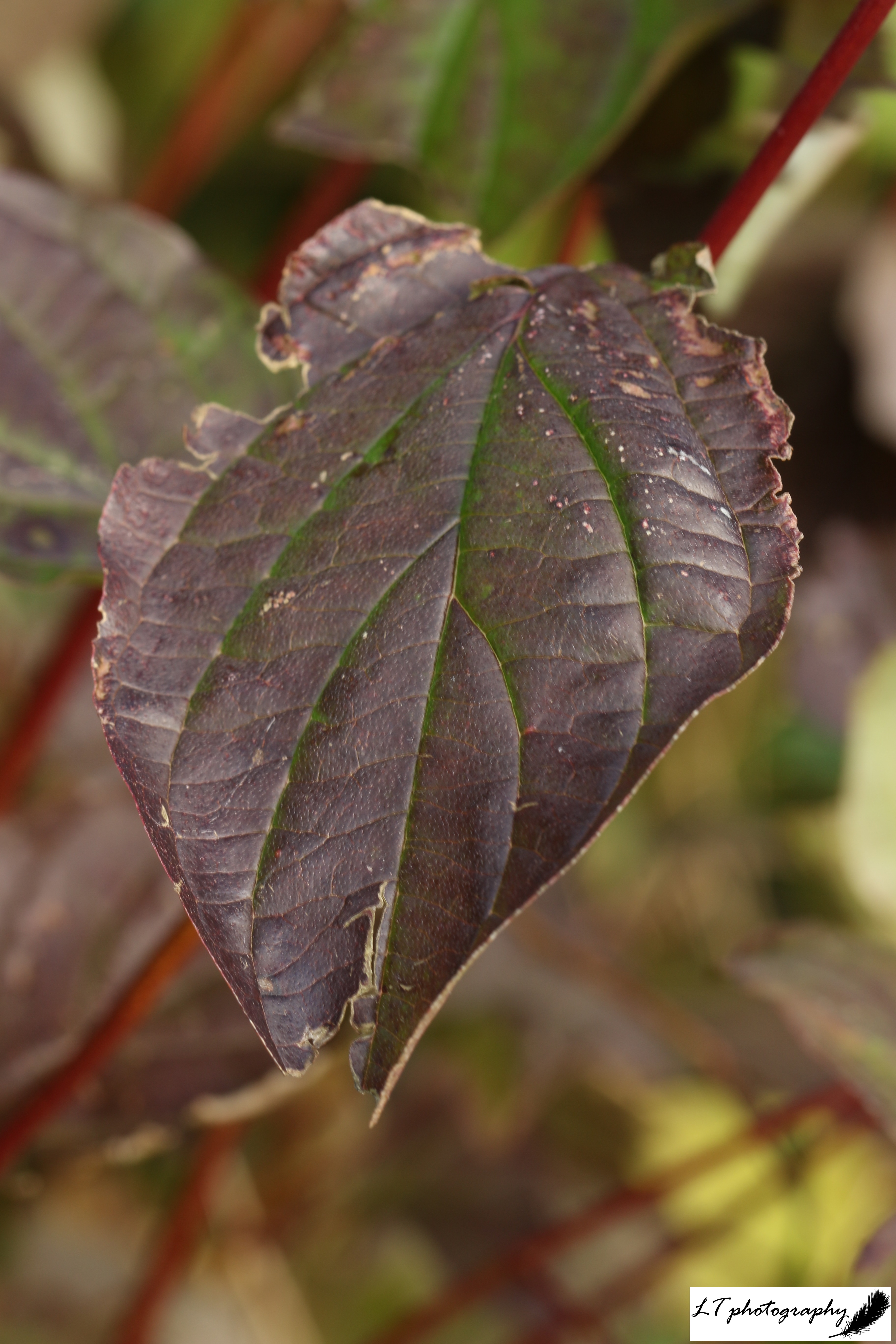
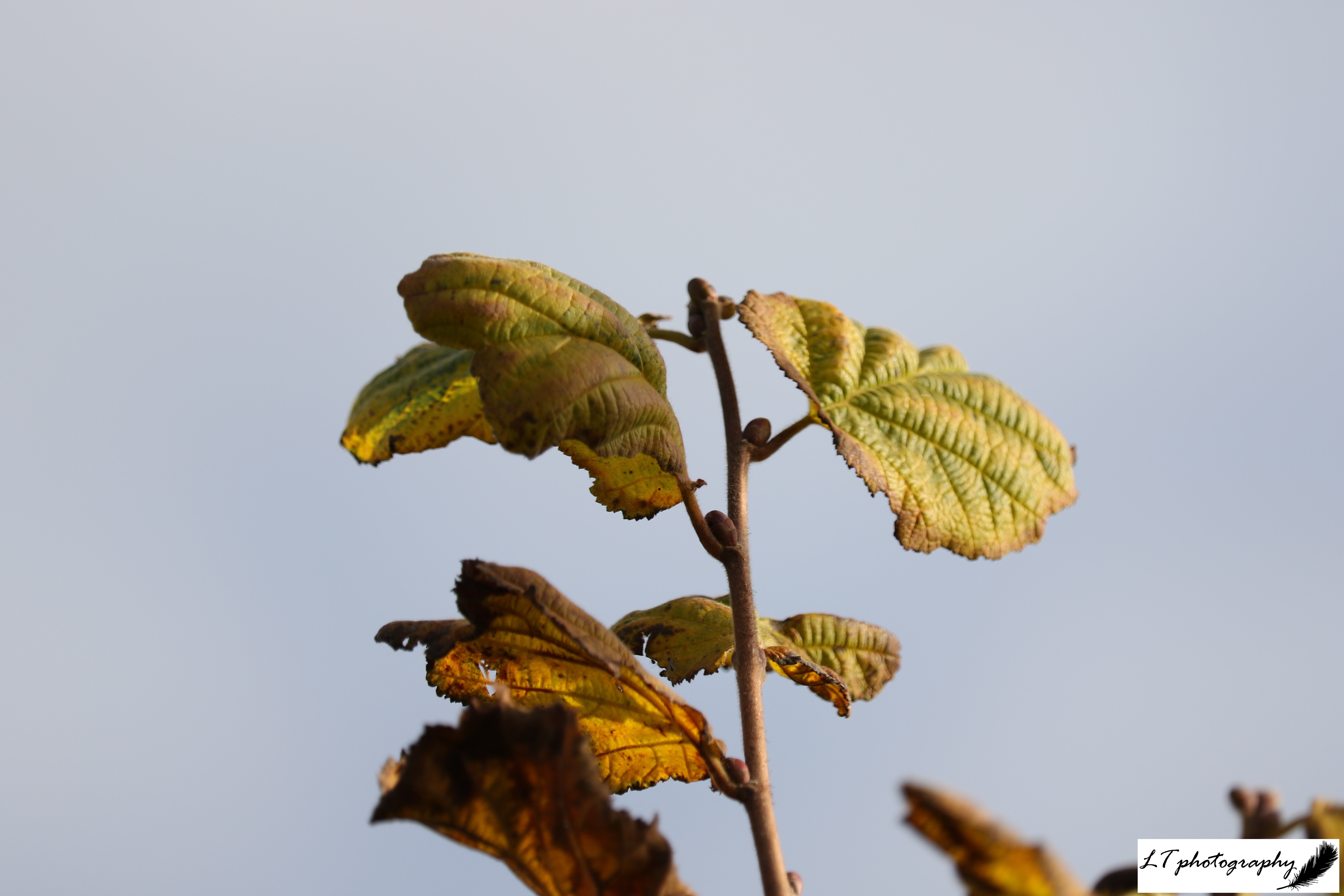
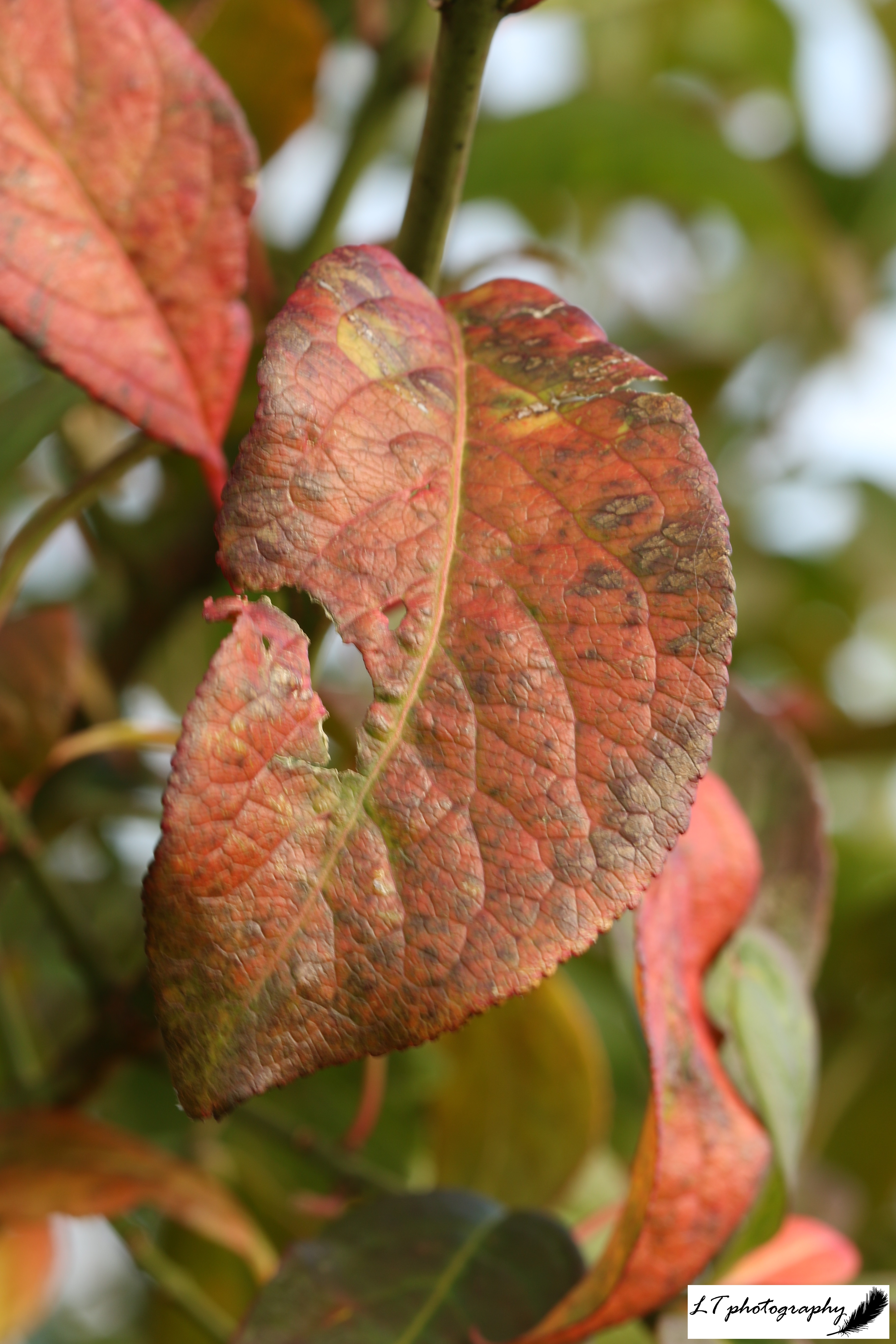
So, on the next day, I ventured out into my family’s land to take in all that nature had to offer, as autumn made its slow decline towards putting the landscape to sleep. Leaves were yet to start falling on this day, other than being ripped from their branches in strong winds, but were beginning to show a change in colour. Purples, reds, yellows, oranges, browns, and also the spectacular pink of Spindle leaves. By far the most common trees to be found in my local area though, are Pedunculate Oak, Field Maple, Hazel, Blackthorn, Elder, and Hawthorn; Oaks being a personal favourite.
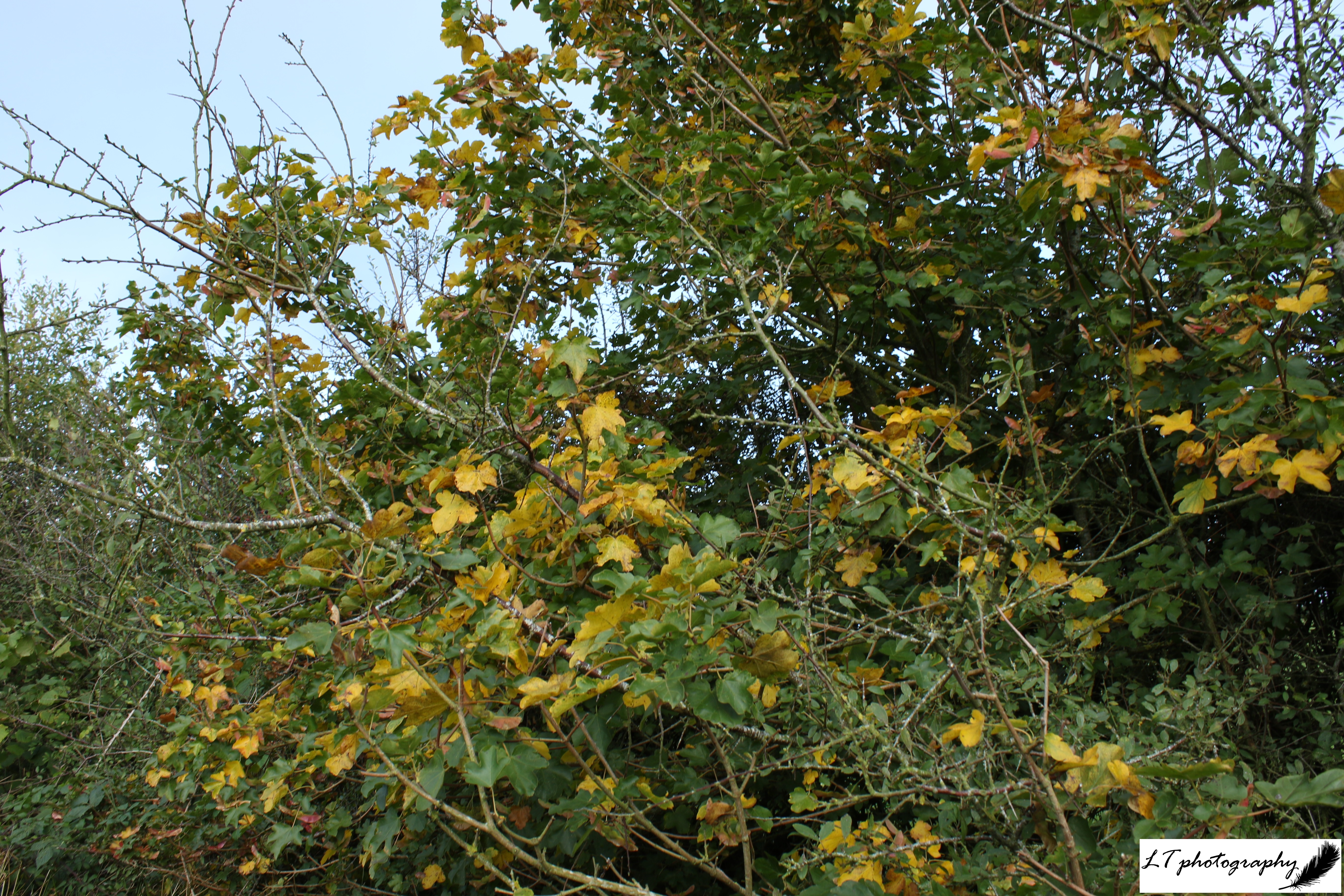
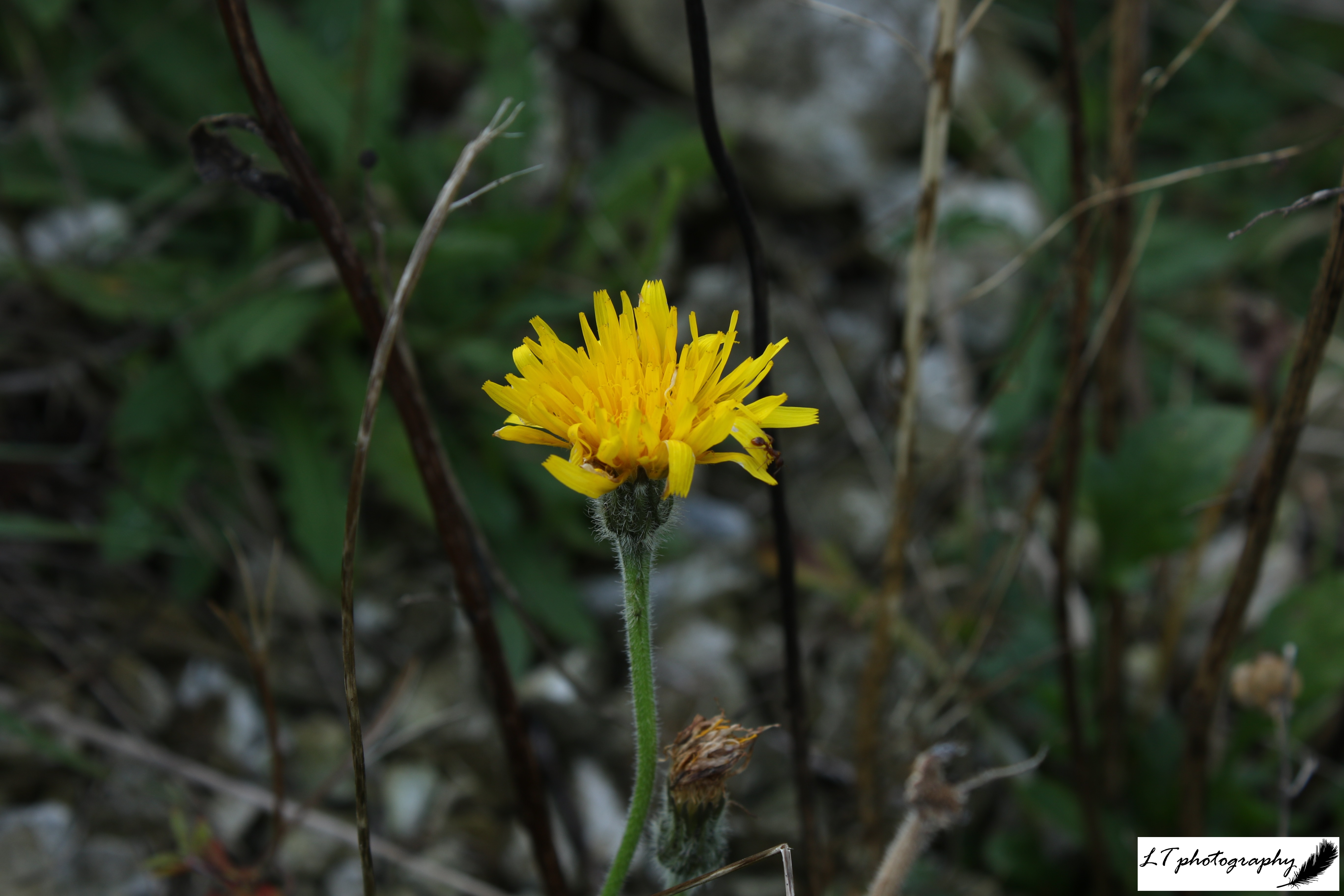
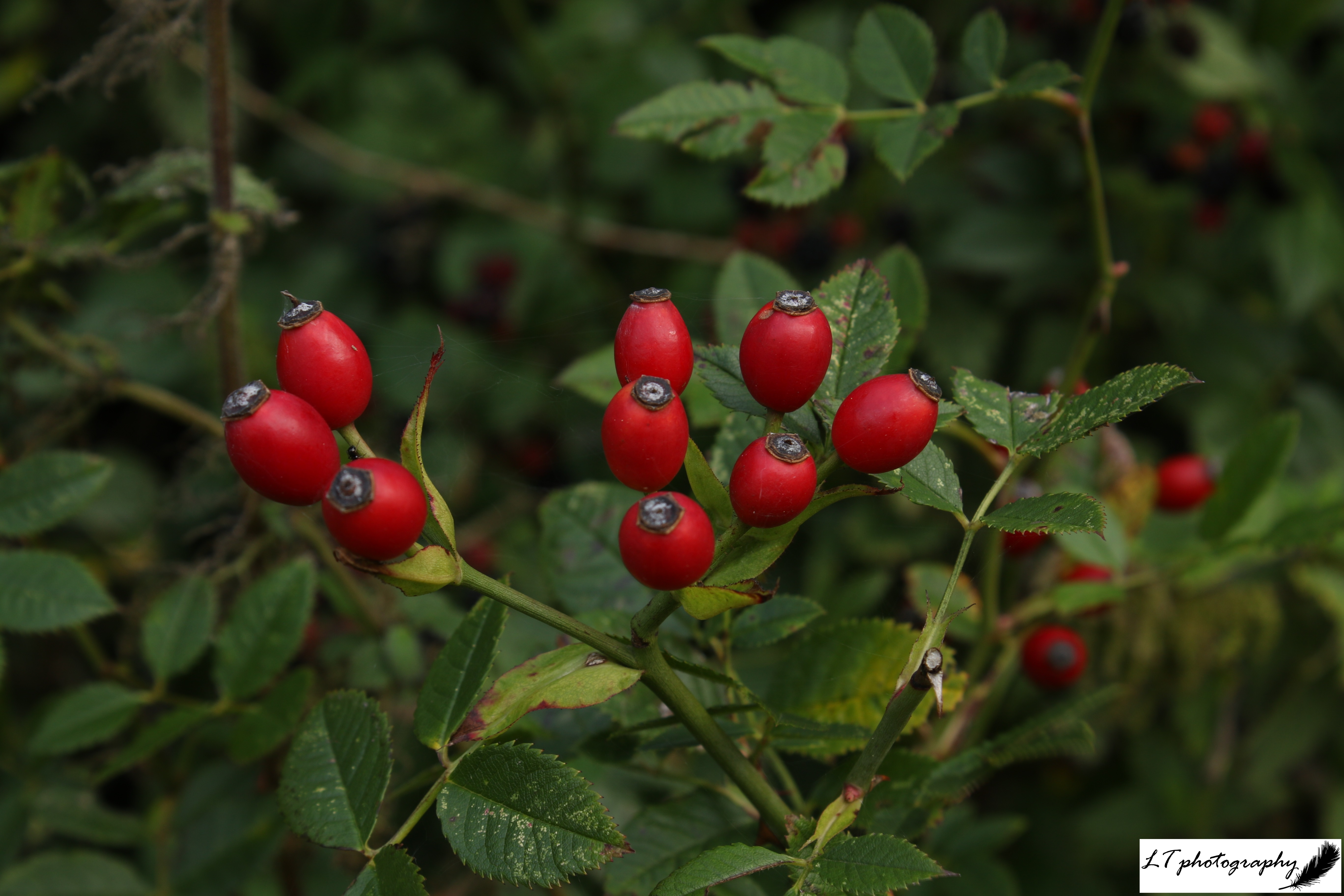
The warm weather this autumn has meant that it has felt even slower in its start. So it was not surprising on my walk to find a variety of flowers still out, ranging from Herb Robert and Wild Marjoram to Meadow Cranesbill and Rough Hawkbit. With their presence at least, they will have provided an extended food source for wildlife that were yet to hide for the winter, for example Small Tortoiseshell Butterflies that were still on the wing. They also added colour to the magnificent display of nature’s bounty this autumn, which included the rich reds of Rose hips and the deep blues of sloes.
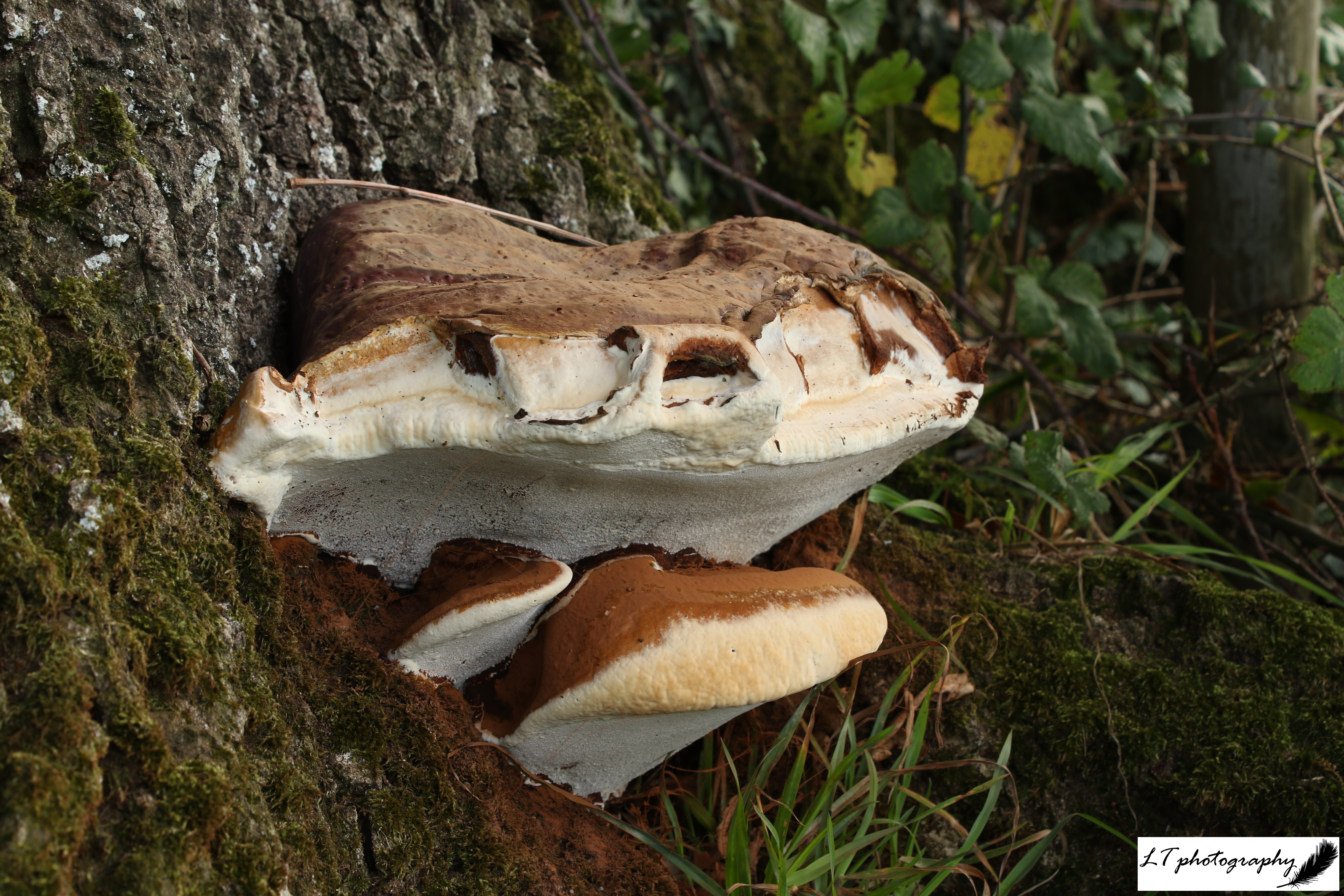
The warm and damp weather also provided the perfect conditions for fruiting fungi, an area where my knowledge is yet to fledge. Two species I did learn on my exploration though, were the pale, peeling Shaggy Inkcap and the unusual hulking forms of Bracket fungus, possibly Southern. Looking for fungi showed me that every day is a learning day and that our knowledge is ever expanding!
To round off my autumn adventure, I picked some apples from our apple trees to make a family favourite, an apple cake. The cake was simple to make, but went down a treat!

Emma’s Urban Plants and Fungi Adventure

For me, no time of the year evokes a feeling of new beginnings more than September. Perhaps it’s a throwback to when September meant the start of a new school year, but the changing of the season always lifts my spirits. Autumn is the season of hot chocolate, curling up with a book, re-watching Gilmore Girls for the fourth (okay, sixth…) time, and wrapping up warm to head out for a walk in the crisp autumn sun! Which, on September 26th, is exactly what me and my partner did.
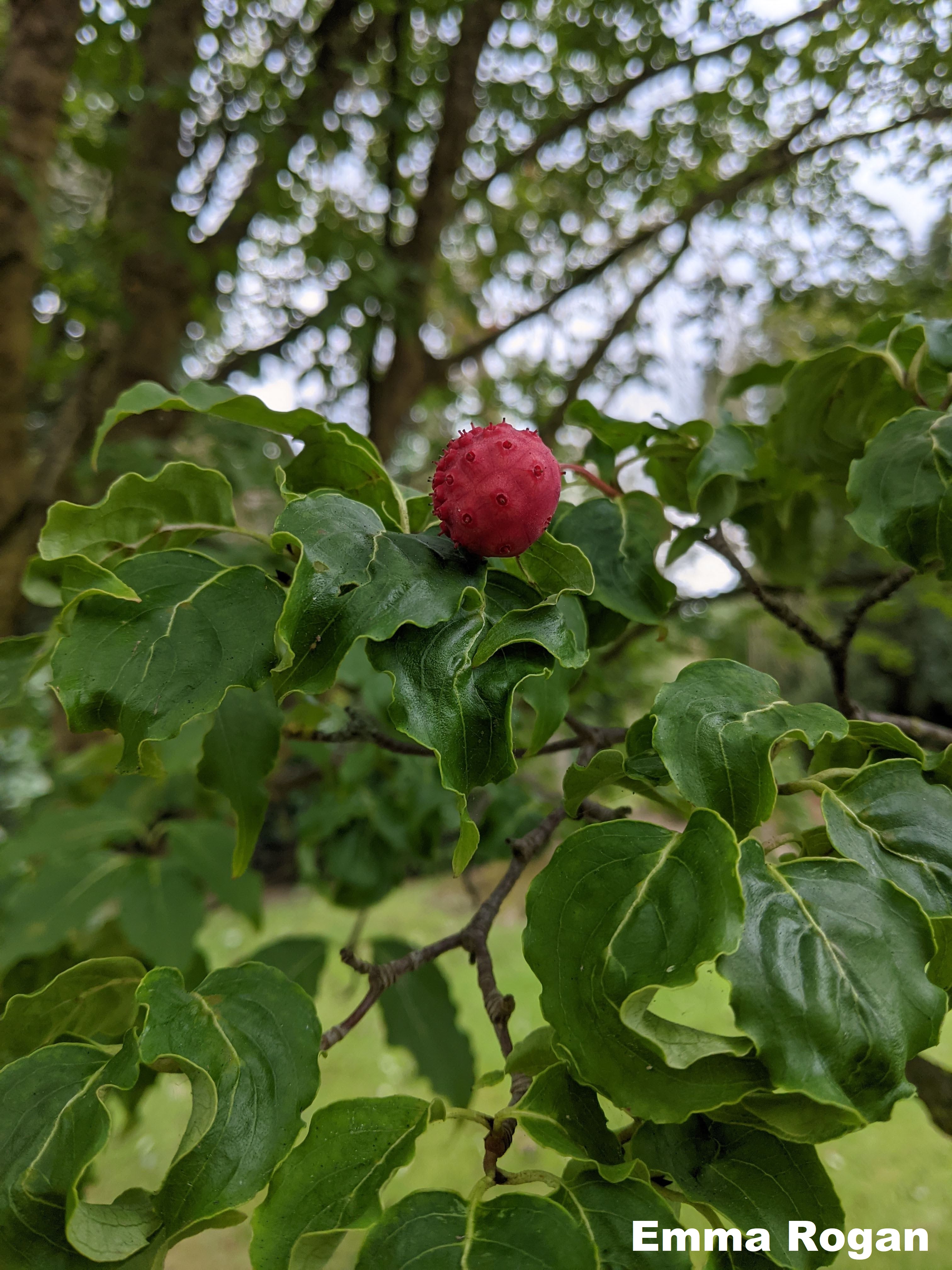
Our first stop, as usual, was the beloved Parsonage Gardens in Didsbury. This beautiful walled garden provides a home for an amazing variety of trees, looked after by a dedicated team of volunteers. My favourite is the old mulberry tree at the entrance to the gardens, but we also found a corkscrew hazel, a yew tree with bright red berries, some bamboo, a sargent’s rowan tree, a Chinese dogwood, and some ferns! I love ferns because of how ancient they are. With a fossil record dating back to the middle Devonian (383-393 million years ago) they are one of the oldest groups of plants on Earth. A piece of ancient history on our doorstep!

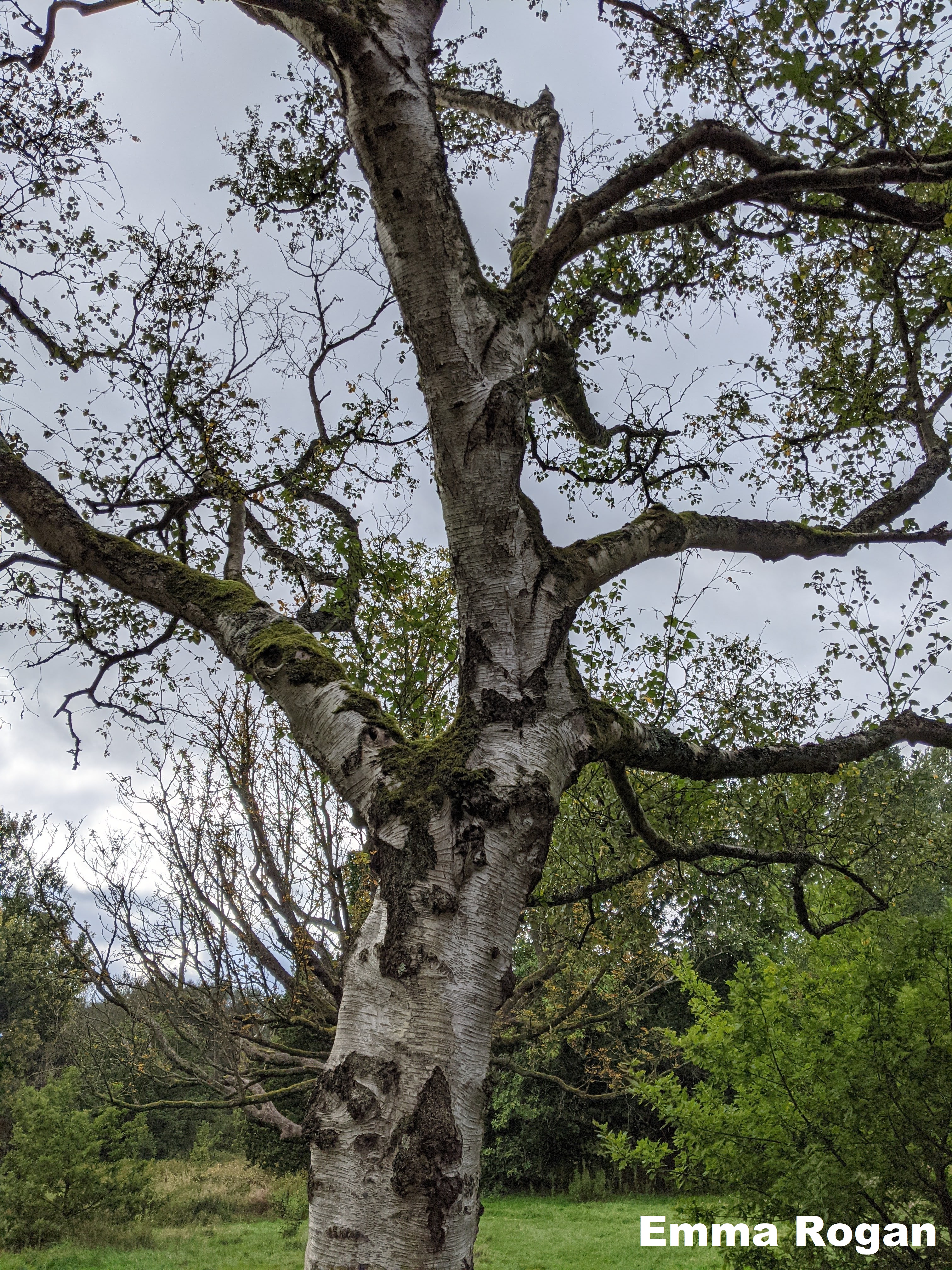
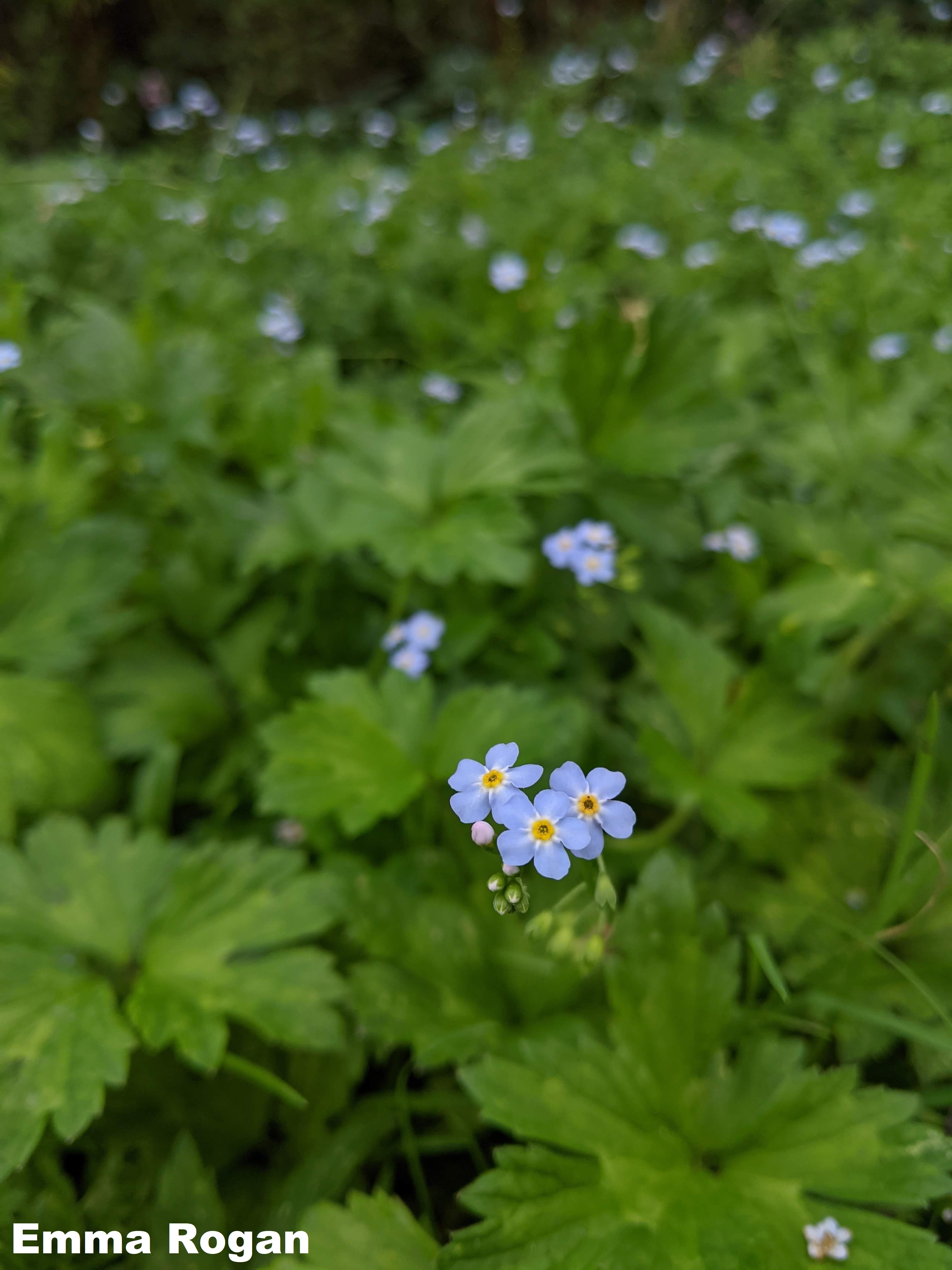
As we walked down the hill to Fletcher Moss Gardens, we passed the Church of St James on Stenner Lane. St James is the second oldest church in Manchester, dating back to 1275. I paused for a moment to admire the ivy spilling over the walls surrounding the church garden, before continuing on. The species we encountered as we wandered through Fletcher Moss ranged from the small (forget-me-nots) to the large (silver birch). We also found another rowan tree, the bane of witches! Rowan has an illustrious history in British folklore as red was considered the best colour for fighting evil, so it was planted by houses so that it’s red berries could protect the occupants from witches.

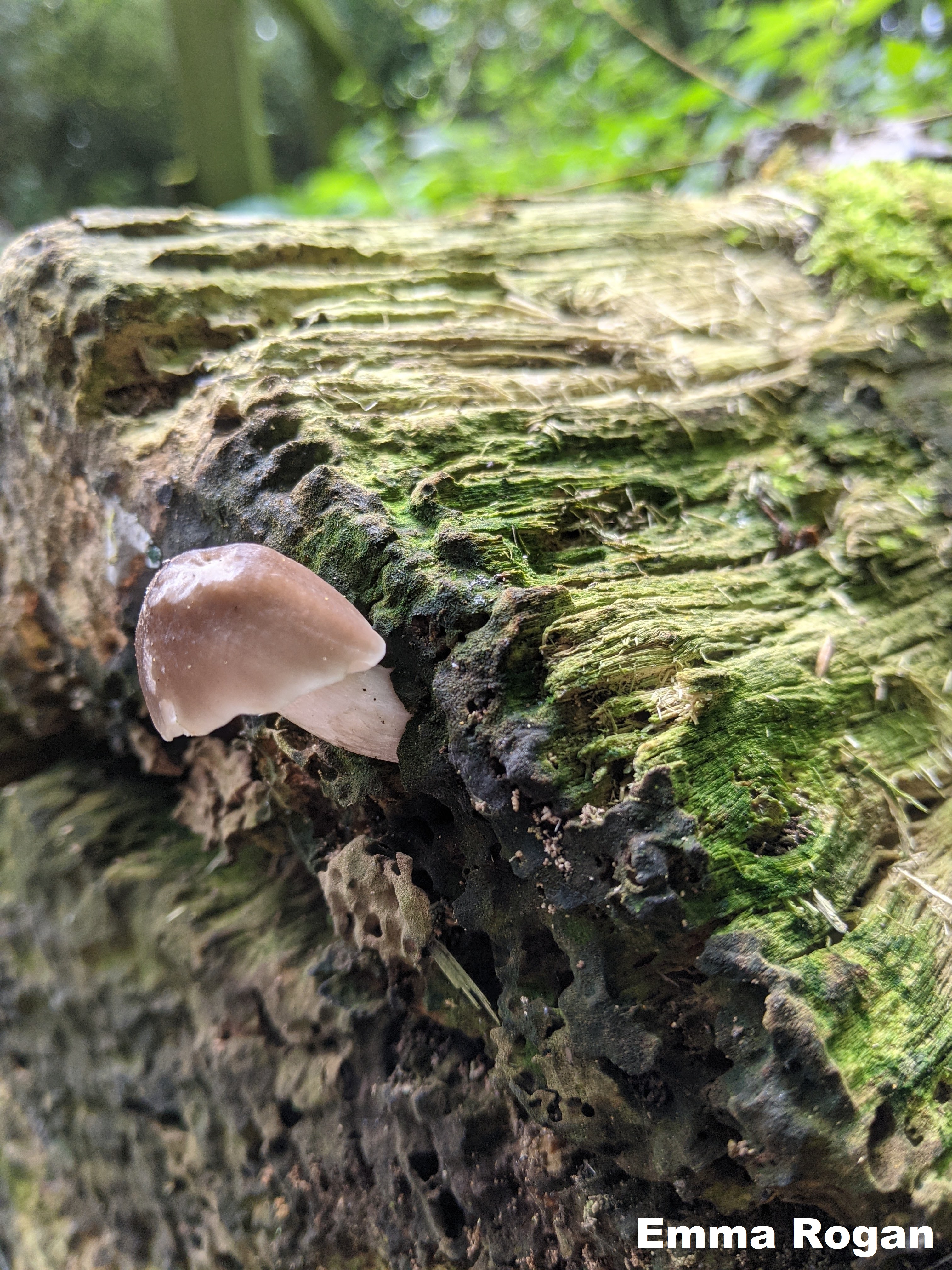
Our walk took us further into Stenner Woods, where we were on the lookout for fungi. This is not my area of expertise, but I’ve done my best to identify what we found! Growing on the side of a fallen log was a small mushroom which I think is a type of inkcap, and on top of another log was a large, flat mushroom with a white underside which I think is a giant polypore. Like Laura I spotted some bracket fungus, although the fungus looked to be past it’s best so I was not sure of the species! While searching through the woodland for fungi, I also came across an abandoned spider’s web adorned with raindrops which looked like crystals.
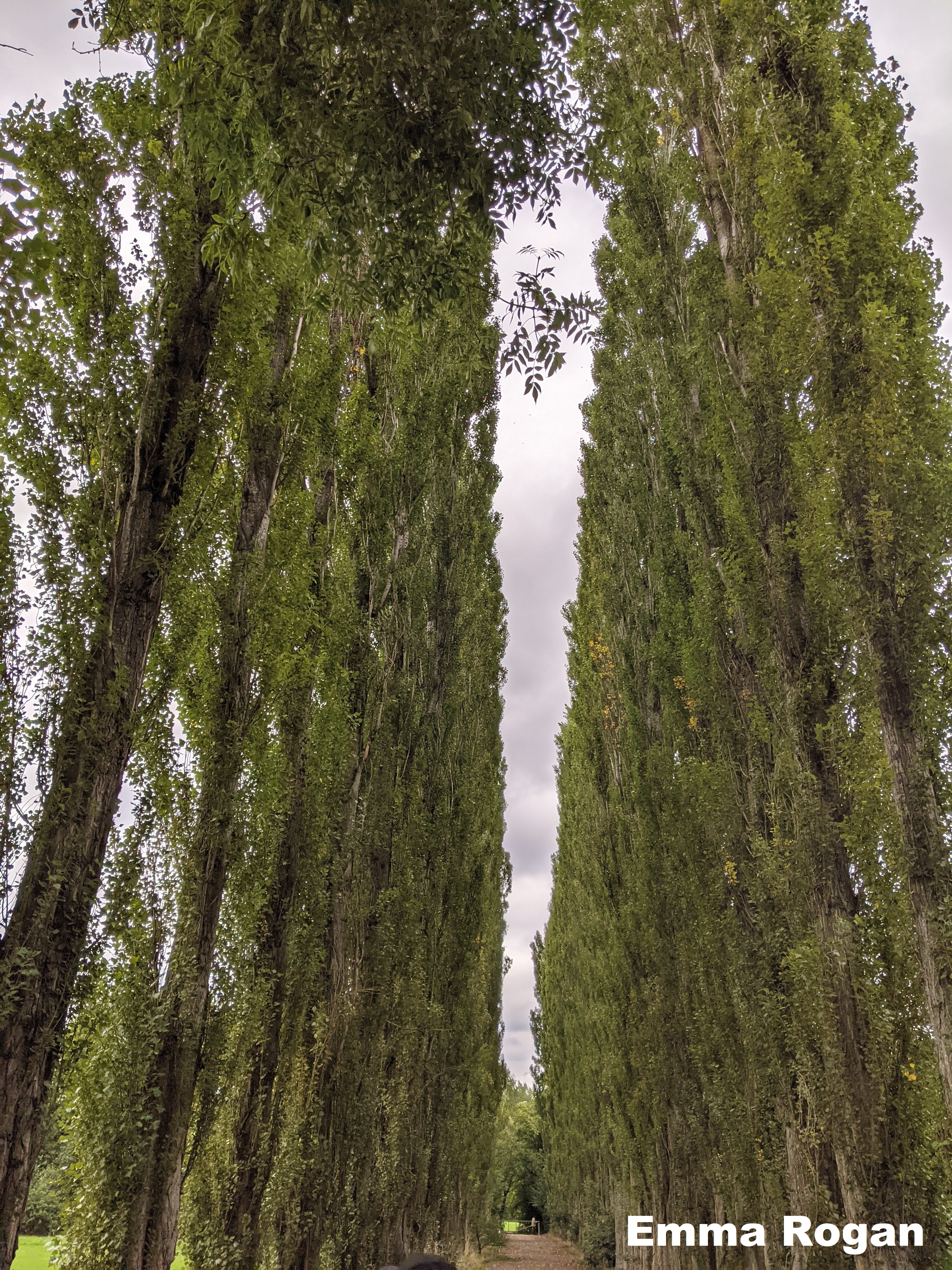
We ended our plant and fungi hunt by walking through the iconic poplar grove which leads from the river back to Stenner Lane. I had a lovely time on my autumn adventure, but I think I need to brush up on my fungus identification skills!

Autumnal Plants and Fungi

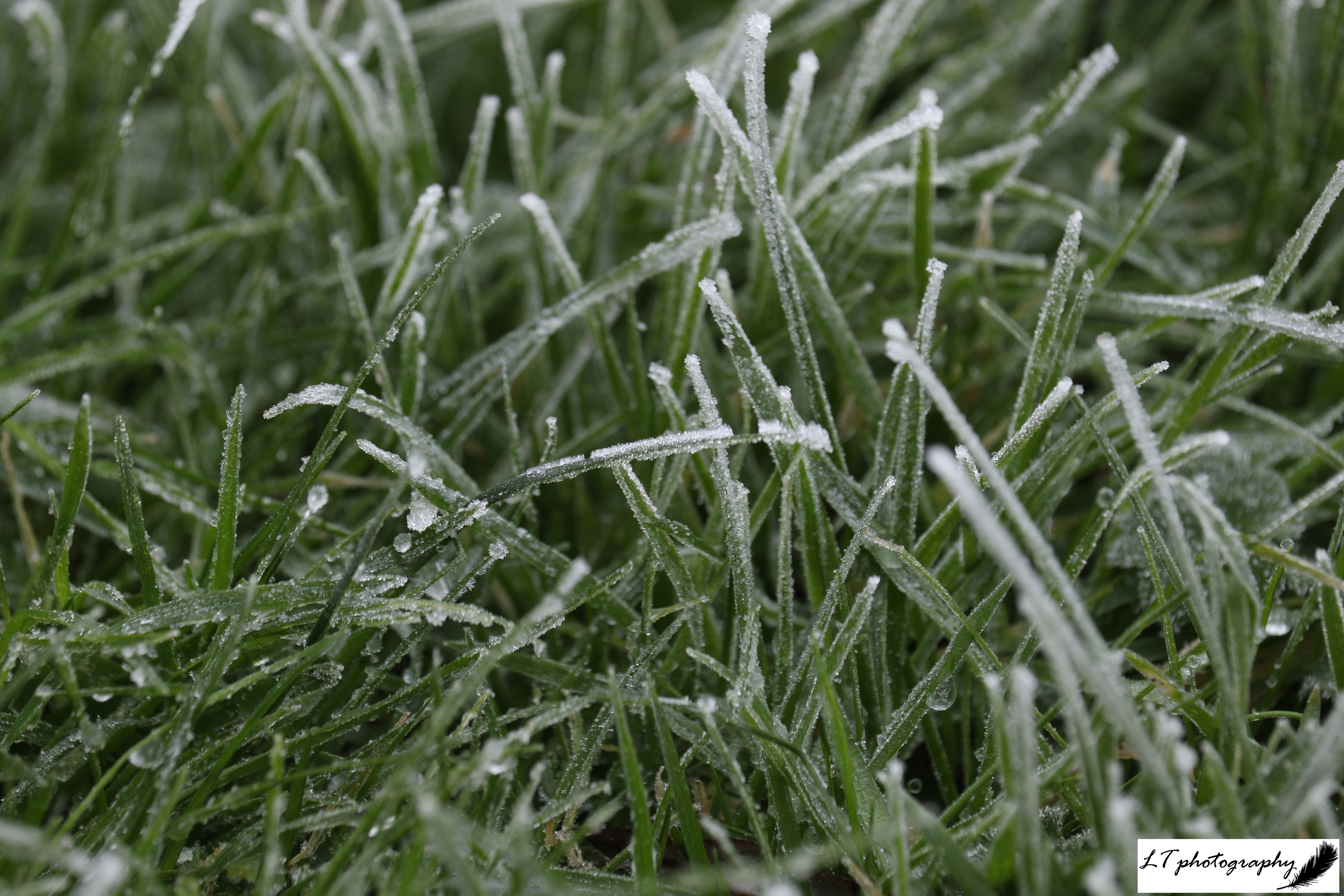
Autumn is usually defined as the season between summer and winter when leaves change colour and fall, the weather becomes cooler, and a time of full maturity is reached, such as crops becoming ripe. Autumn is so much more than this though, with it often being a favourite time of year for many, encapsulated in a feeling of cosiness, plentifulness and change. For Laura at this time of year, the sunsets are spectacular, the nights full of starry skies, and surroundings full of natural food on offer. For Emma, frost sparkles on bright leaves, the morning air becomes crisp, and the smell of hot chocolate is a welcome aroma.

This season is also a time for plants and fungi to reach the ends of their annual cycle and go out with a bang. As Laura and Emma found, autumn is a vibrant season before winter’s slumber descends on the landscape. It was interesting to see some variation between the two locations though, such as in Manchester more exotic species thrive and autumn marches forward earlier than in Dorset. This would be due to the naturally milder climate found in an urban setting, but temperatures tending to be colder in the North-West than the balmier South-West.
Still there were treasures to be found in both locations, with plants and fungi taking centre stage. Colourful, bountiful and spectacular, such species capture the imagination and provide a lifeline in nature. Engulfed in the cold and storminess of winter, we can now look back on the golden glow of autumn days with a smile, before we begin to look forward to the return of new life once again.

Spring 2021: How It Happened

This spring has been an unexpected, unpredictable and turbulent season, that has taken its time to unfurl. Traditionally spring is a season that is characterised as calm and dry, with days getting longer and warmer, and the potential for cooler nights. As lighter evenings returned this year though, spring was far from traditional, with a stormy then hot March, cold and frosty April, and a wash out of a May.

Since 2017, I have recorded the dates of the events of spring every year, and with the start of my blog, every year since I have analysed and compared spring events to see how the season took form. Last year I showed that the timing of spring events is heavily linked to spring weather, resulting in either earlier or later occurrence accordingly. Over the last couple of years this has varied alot, so it will be interesting to see what has gone on this year.

This spring a lot has been going on for me, but I have still found time to be out in nature as much as possible and to enjoy the time when one season slips into another. It has felt that spring has dragged on longer this year, with the potential effects of spring starting warm and progressing to cold, then wet. So as this spring comes to a gradual close and the heat sets in, it is time to find out what actually went on during spring 2021.

Trees

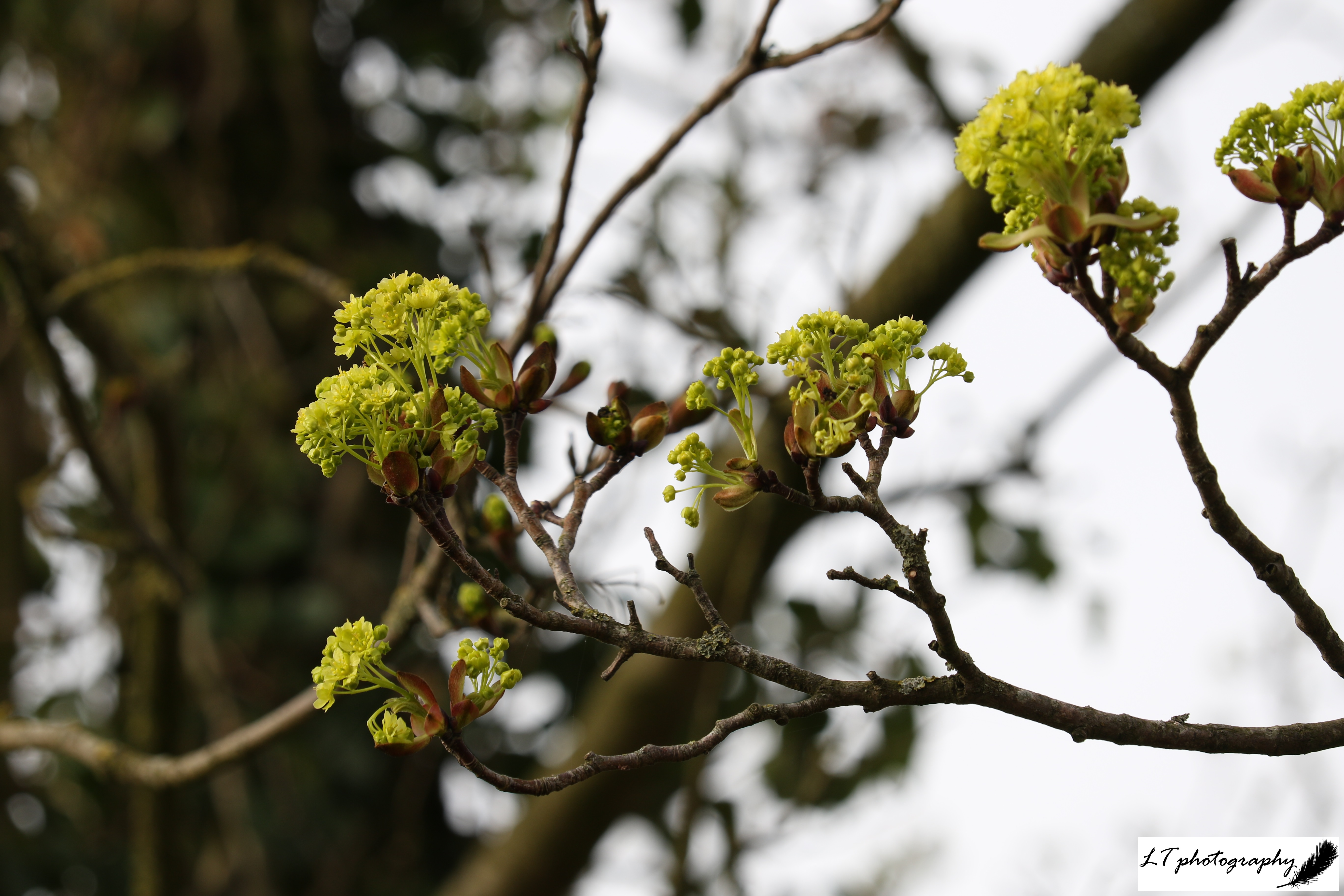
This year there was a general trend for trees being later in their bud burst, leaves unfurling, and flowering compared to 2020. Even before the frosty nights of April, silver birch (Betula pendula) buds burst 14 days later on 26th March, Norway maple (Acer platanoides) first flowered 5 days later on 26th March, and beech (Fagus sylvatica) buds burst 14 days later on 27th March.

As we moved through April and into May, spring events began to stretch even further in their lateness. For example, wild cherry (Prunus avium) buds burst 35 days later on 8th April, horse chestnut (Aesculus hippocastanum) first flowered 18 days later on 20th April, alder (Alnus glutinosa) buds burst 15 days later on 21st April, the first lime (Tilia x europaea) leaves unfurled 23 days later on 26th April, pedunculate/english oak (Quercus robur) leaves first unfurled 31 days later on 5th May, and ash (Fraxinus excelsior) flowered 37 days later on 9th May.

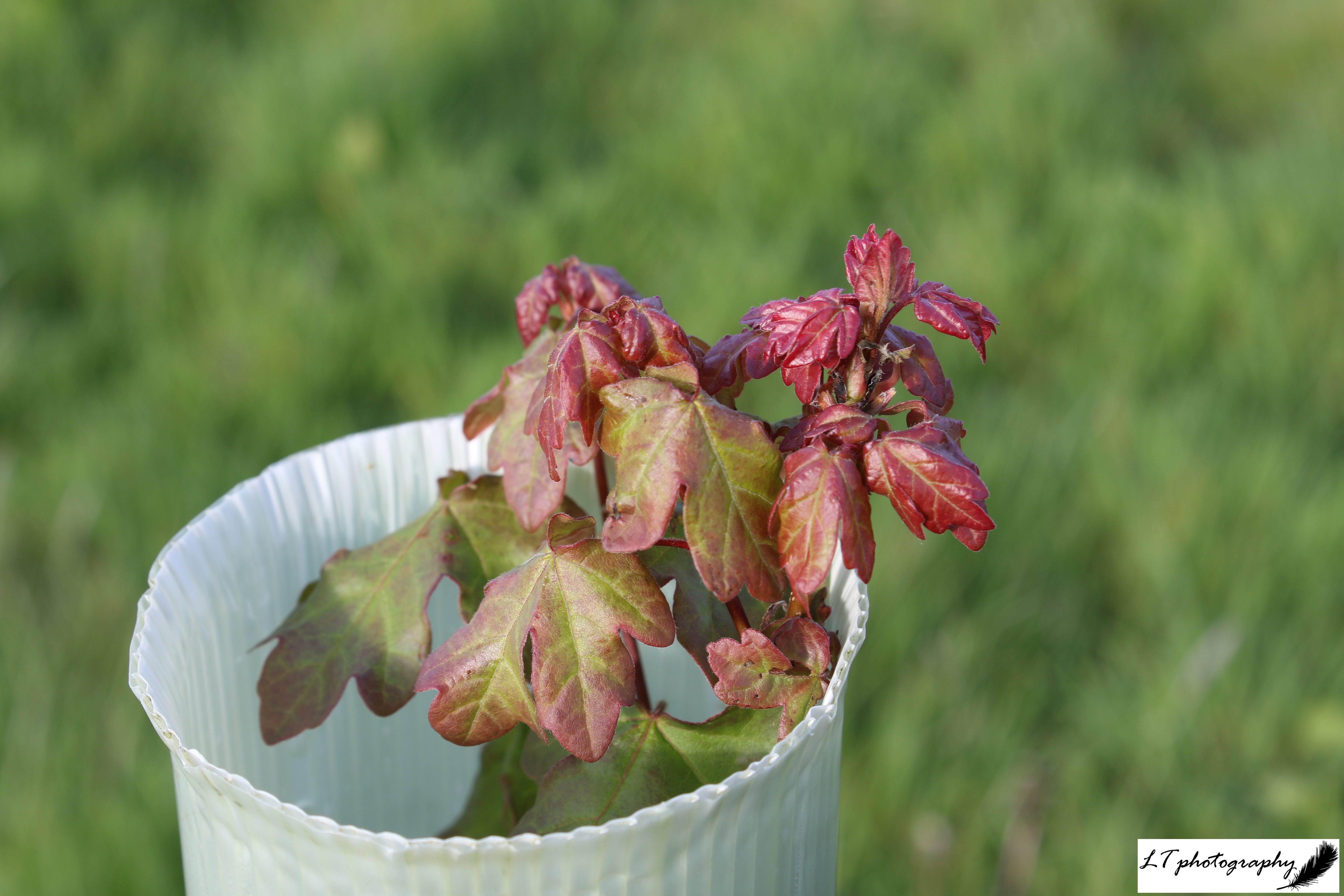
Field maple (Acer campestre) did not follow this trend though, with bud burst being 10 days earlier on 26th March, and first leaves unfurling 5 days earlier on 1st April. This may be as these trees missed the worst of the spring weather, but for the other trees spring events ranged from being 1 to 37 days late!

Shrubs

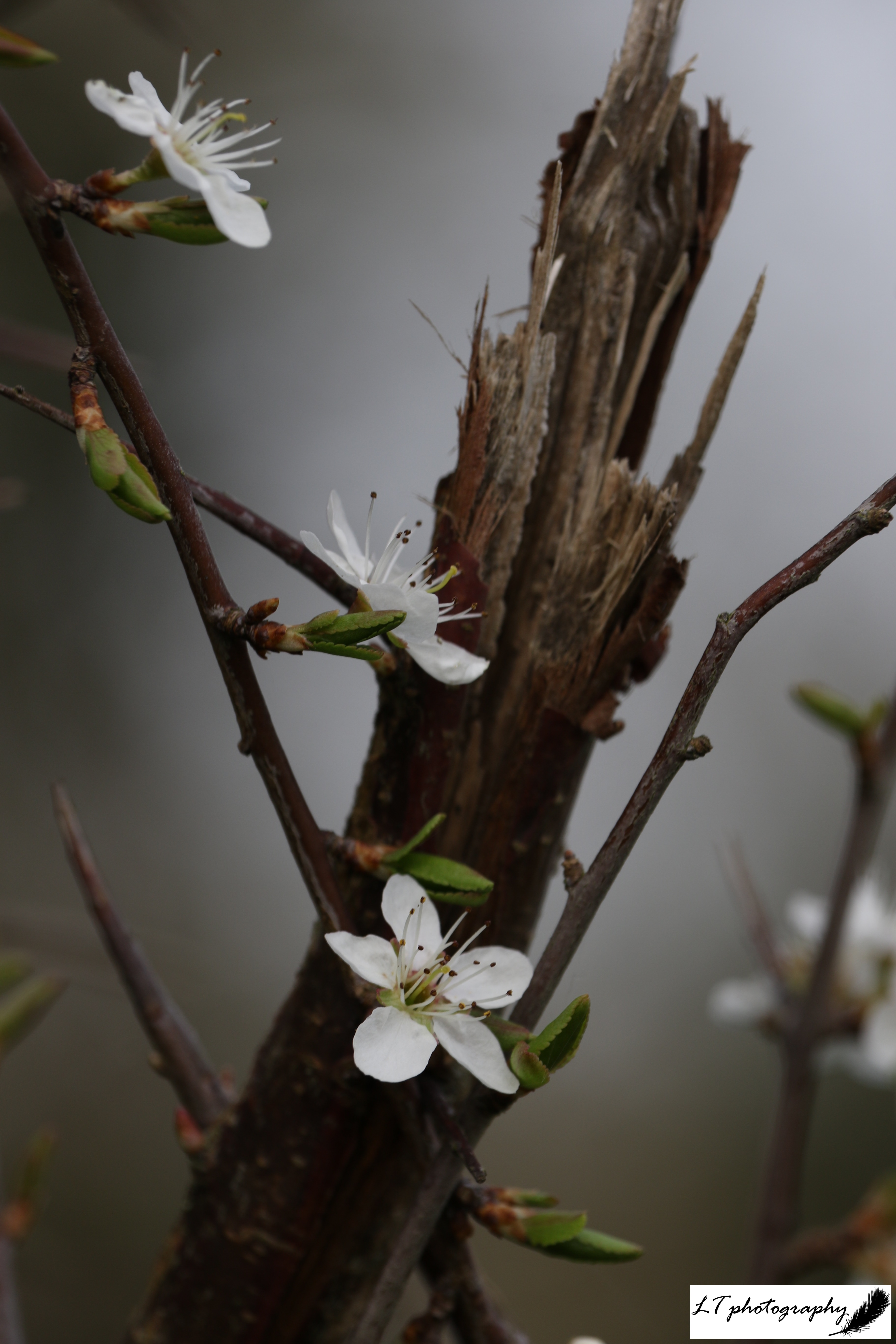
For a lot of the shrub species I monitored a similar trend was shown as with tree species, being later compared to 2020. For example, elder (Sambucus nigra) leaves first unfurled 34 days later on 18th March, blackthorn (Prunus spinosa) first flowered 17 days later on 23rd March, and hawthorn (Crataegus monogyna) first flowered 23 days later on 11th May.

Though half of the shrubs I monitored were later in their spring events, ranging anywhere from 2-34 days later, two species did not completely fit this trend. For lilac (Syringa vulgaris) bud burst occurred 12 days earlier on 24th February, but flowered 17 days later on 2nd May. This was the same for dog rose (Rosa canina), where buds burst 12 days earlier on 22nd February, but first flowered 22 days later on 8th June. For both of these species though, it is the spring events occurring before April that are earlier, as the ones occurring in April and May were not immune to the frosts and heavy rainfall like the other shrubs.

Flowers

For many of our commonly associated spring flower species, there was a little more of a split between appearing earlier or later, but on average they flowered later compared to 2020. Snowdrops (Galanthus spp.) first flowered 15 days later on 18th January, wood anemones (Anemone nemorosa) 8 days later on 30th March, bluebells (Hyacinthoides non-scripta) and greater stitchwort (Stellaria holostea) both 4 days later on 1st April, cowslips (Primula veris) 12 days later on 2nd April, early purple orchid (Orchis mascula) 12 days later on 18th April, wild garlic (Allium ursinum) 14 days later on 20th April, and oxeye daisy (Leucanthemum vulgare) 16 days later on 3rd June.

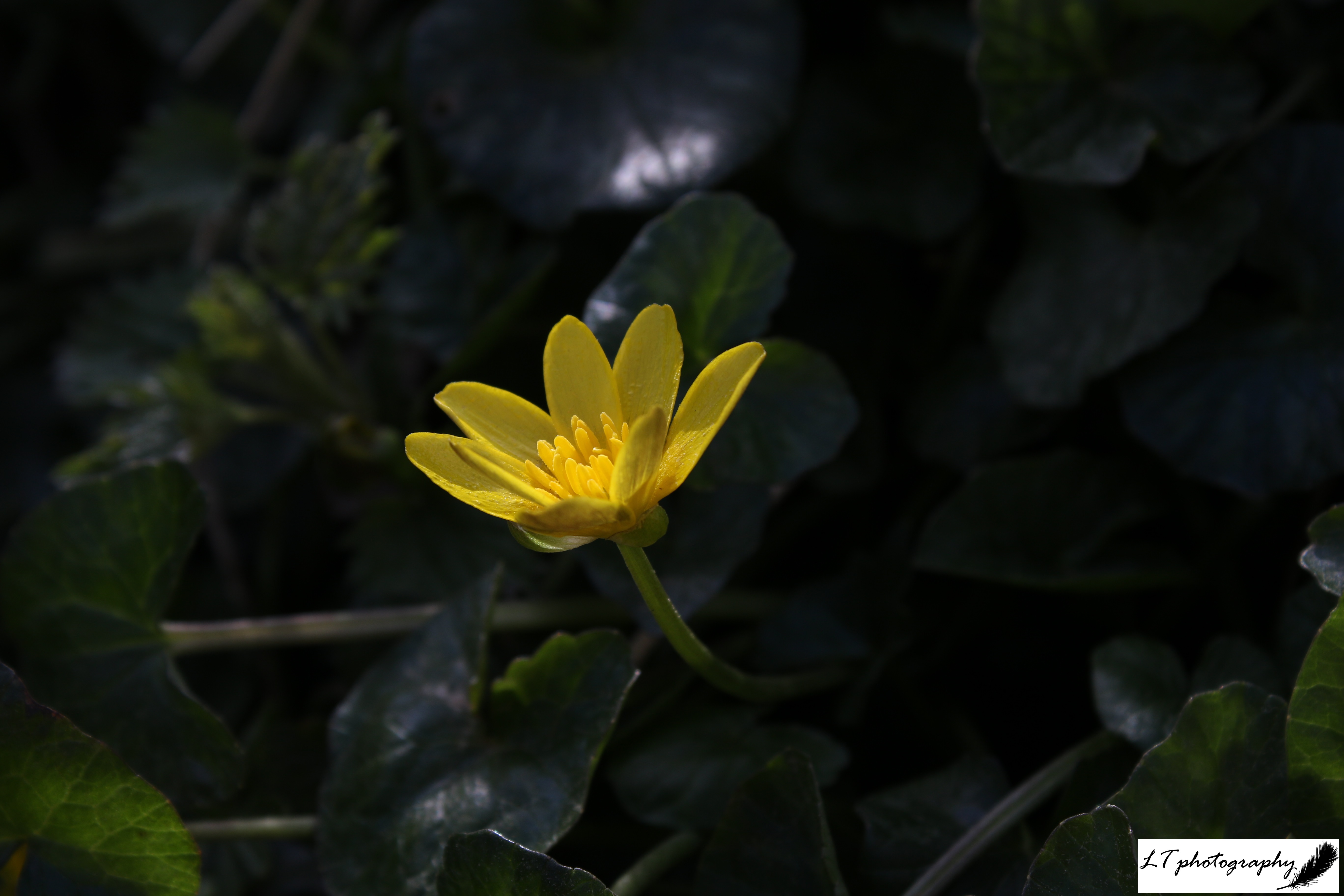
The exceptions were a section of earlier flowering species, including primrose (Primula vulgaris) first flowering 27 days earlier on 31st December, lesser celandine (Ficaria verna) 3 days earlier on 15th January, daffodil (Narcissus spp.) 22 days earlier on 19th January, and cuckooflower (Cardamine pratensis) 10 days earlier on 8th April. These flowers would have been influenced by a warmer winter and start to spring, generally flowering before the cold spell in April.

Birds

On average, bird species spring events have also become later this year compared to 2020. I heard my first song thrush (Turdus philomelos) singing 17 days later on 1st January, I saw my first rook (Corvus frugilegus) nests being built 10 days later on 25th February, and I heard my first chiffchaff (Phylloscopus collybita) on 16th March. April and May events were again influenced, for example I saw my first swallow (Hirundo rustica) 5 days later on 10th April, saw my first house martin (Delichon urbicum) 9 days later on 21st April, heard my first cuckoo (Cuculus canorus) 3 days later on 1st May, and saw my first swift (Apus apus) 10 days later on 16th May.

There were two exceptions though, where I recorded hearing my first blackbird (Turdus merula) singing 13 days earlier on 10th February, and saw my first blackcap (Sylvia atricapilla) 8 days earlier on 14th April. These would most likely relate to other influencing factors, such as overwintering in the UK or habitat requirements.

Insects

Compared to previous years, I have still yet to see some species of butterfly that would typically be on the wing by now, such as gatekeeper butterflies (Pyronia tithonus). For the insects I have seen though, again there was a split in event occurrence compared to 2020. For example, I saw my first small tortoiseshell butterfly (Aglais urticae) 2 days later on 7th April, red admiral butterfly (Vanessa atalanta) 26 days later on 7th April, brimstone butterfly (Gonepteryx rhamni) 26 days later on 18th April, and speckled wood butterfly (Pararge aegeria) 52 days later on 13th June.

The early emergers came in the form of my first buff-tailed bumblebee (Bombus terrestris) 14 days earlier on 27th February, peacock butterfly (Aglais io) 5 days earlier on 30th March, orange-tip butterfly (Anthocharis cardamines) 13 days earlier on 31st March, and red-tailed bumblebee (Bombus lapidarius) 12 days earlier on 19th April. Despite these species appearing earlier in spring, later flowering plants will have had a knock-on effect for them due to a mismatch in timing for food. Only further down the line will we be able to see the extent of this impact.

Summary

This year I have recorded more spring dates than I have done so before, such as alder trees flowering, first yellowhammer singing, and first green-veined white butterfly, which will be useful information during the years to come. This reflects how I have felt more in touch with nature this year even with the unusual weather patterns, such as alot of rain! It became clear as we went through May though, that there was a trend for events happening later and later. This is why I was so interested to see how far this trend actually extended amongst species.

Last year I wrote that spring events are ‘in fact getting later, which will be related to… weather and environmental factors here and further afield’. This year this has turned out to be the case, which shows how climate change is having more of an impact through changes in weather patterns rather than just warmer temperatures. Earlier spring events have been getting earlier with warmer winters, but heavy rainfall and colder starts to spring have been affecting late March to May events most. I wonder now what impact this might have as we move forward, for example greater mismatches in ecological timings.

Golden days of autumn

As we ease into the holiday season and creep closer to the closing of the year, it is time to contemplate and reflect, be thankful for what we have, and celebrate what is important to you. Looking outwards during this time, to the world beyond the window, autumn has now also made its departure. Skeletal trees, howling gales, freezing temperatures, and dormancy characterise the landscape, though there are hidden gems to be found. As you cuddle up in your home on this cold winter’s evening, let us now remember back to those golden days of autumn.

Autumn as it happened

When I think of autumn, the first thoughts that come to mind are dazzling colours, falling leaves collecting in drifts on the ground, bountiful fruit, and migrant birds passing through. Though my favourite season tends to be blossoming spring, autumn is a time that is often the favourite of many. Each season has something special to offer and autumn is no different!

This year autumn has been a bit more unpredictable and turbulent in its advancement than many other years, being the 5th wettest english autumn since records began. Despite this, it has mainly progressed in the traditional fashion.

September saw evening temperatures drop, the start of misty mornings with spider webs shining with dew, ripening fruit and nuts, grey squirrels beginning to cache food, the emergence of the first autumn fungi, and the start of birds moving through.

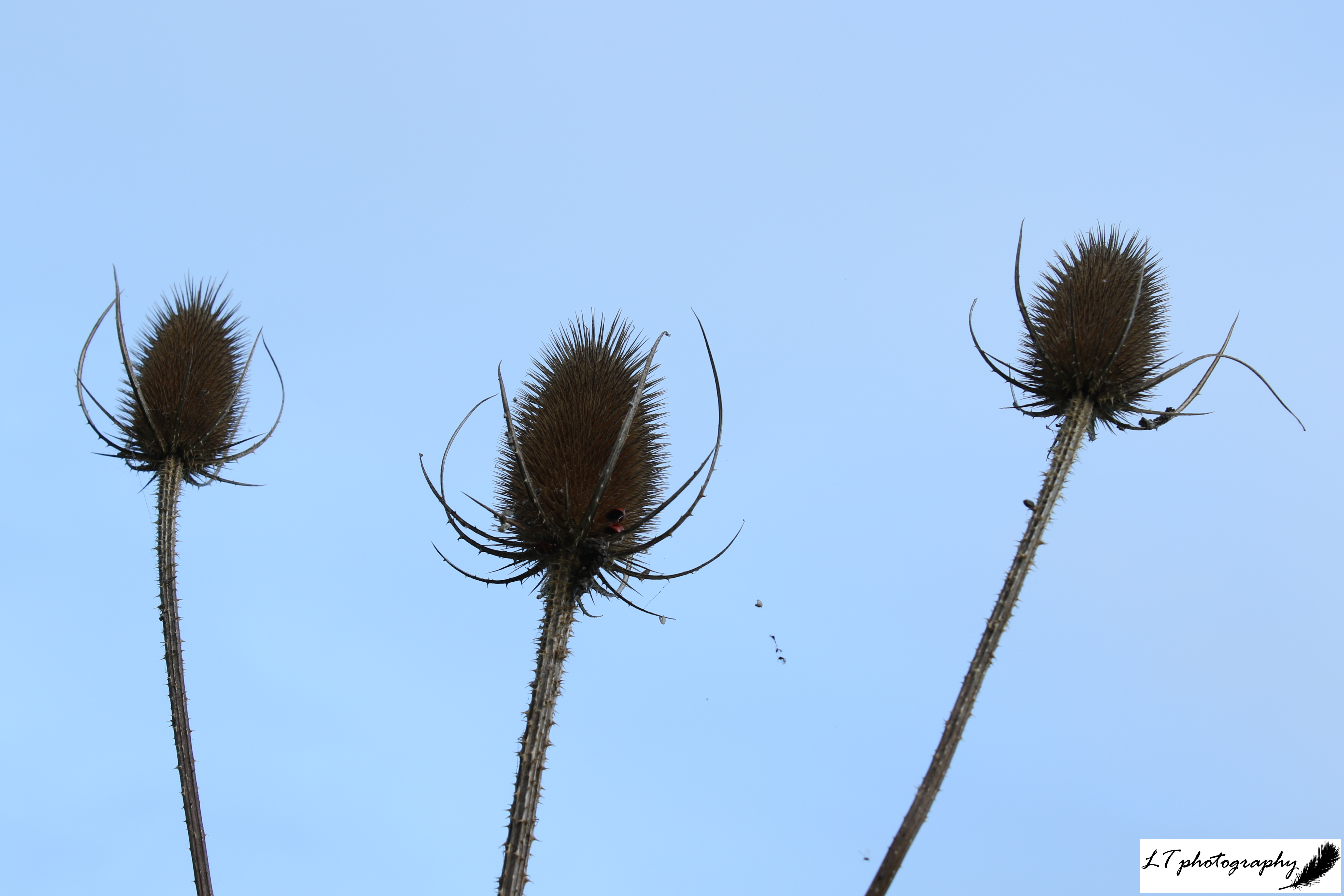
October saw the trees beginning to change, becoming decked out in resplendent colour, fungi in abundance, the buzz of late insects such as wasps and honeybees, goldfinches harvesting seeds from thistles and teasels, fallen acorns becoming available as a valuable food source, the squawks of jays collecting nuts, and by the end of the month most migrants had moved on.

As the season of decline and decay moved on also, November saw oak trees in colour, other trees losing their leaves on mass, cackling fieldfare in the hedgerows, withering bracken, plentiful ripe seeds and fruit, redwings making their return, wildfowl and wading birds settling in for winter, thrushes and blackbirds harvesting fruit, winter flocks forming as they scavenge in bushes and along hedgerows, and lengthening nights.

By the end of November, most of the trees and hedgerows were bare of leaves, conditions were cooler, frost and fog were more common in the mornings, and winter was on its way.

A day in the woods

As part of my celebration of autumn this year, I made a visit to my favourite local woods. On this October trip, I spent time being mindful, capturing the world around me through words and through a lens.

‘As I step into the woods, it is noticeable how the vegetation is beginning to die away, though the ferns still stand sentinel over the woodland floor. Looking closer though, fungi is dotted everwhere. Small capped mushrooms stand only a couple of centimetres tall, whilst larger and more exquisite shapes stand taller and hang from the trunks of trees.

A nuthatch lands on a branch above my head. I look up and see that autumn is already in full swing, with the trees working at different paces, creating a spectacular mosaic of colour from fading greens to copper and gold. The trees are beginning to lose their magnificent mantels in spectacular style. Berries adorn holly and hawthorn bushes, shining scarlet in the strained autumn light.

My other senses are also stimulated. To my nose, the forest smells fresh, though with every step the woodland floor releases an aroma of damp decay and rotting vegetation. On my exposed skin, a gentle cool breeze plays, whilst midges crawl and bite.

My ears are most active though. Long-tailed tits flit from tree to tree around me, making high-pitched calls as they feed as a family, characteristic of autumn. Robins and tits also sing their songs in the trees around, before a wren sounds its alarm call and the other birds join in. Further away, still in the forest, pheasants fight, a collared dove coos, and a jay caws its raucous call as it goes about its way, storing food for winter. Outside of the wood, I can also hear farm sounds along with crows and rooks cawing.

Though the buzz of woodland life is beginning to slow, decay and slip away, the landscape is still full of life.’

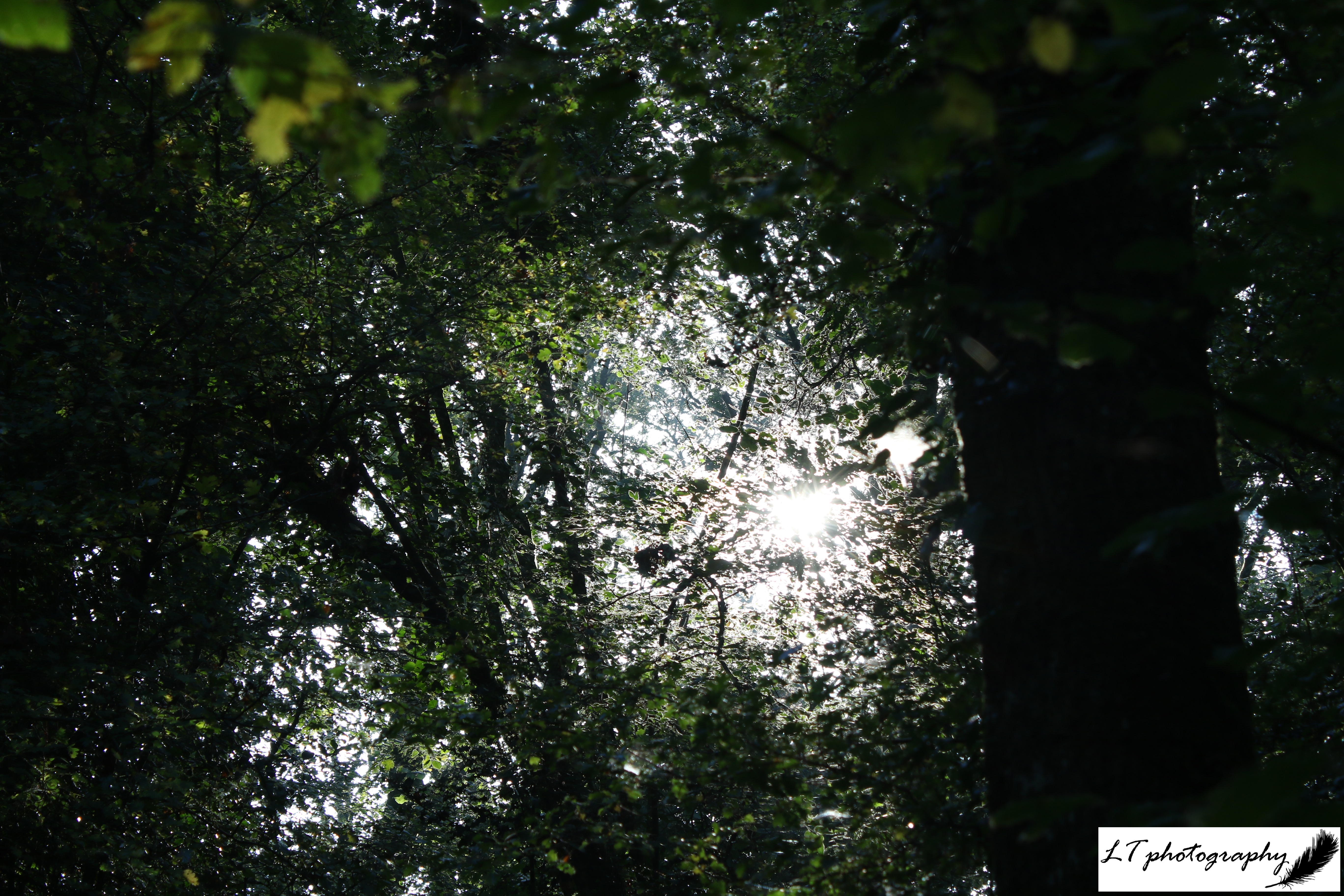
Sunlight

The science of autumn

Why do leaves change colour?

  • This process is triggered by changing day length and is sped up by increased sunlight and cooler temperatures. It occurs when pigments, such as chlorophyll, is broken down, and then transported back into the branch. The colour is produced by the remaining degraded pigments in the leaf. Different amounts of pigment left in leaves creates the different colours.

Why do birds migrate?

  • Birds migrate from areas of low or decreasing resources, such as food, to areas of high or increasing resources. It can be triggered by factors such as changes in day length, temperature, or is simply a genetic predisposition. Migration can vary from short within-country movement to long-distance migration. It is still not fully understood how birds navigate during migration, but suggestions include using landmarks or an inbuilt magnetic compass.

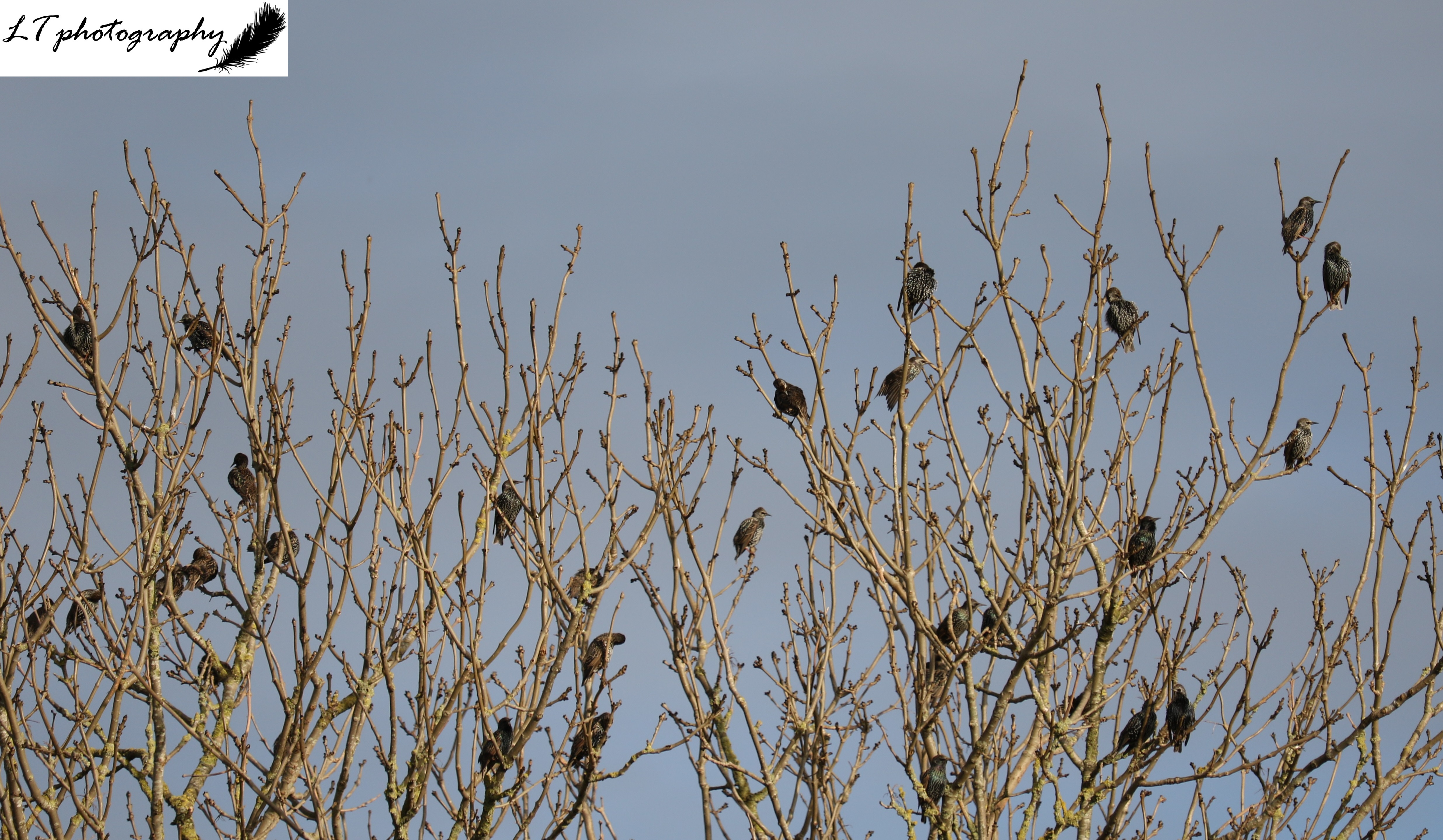
Starlings

How do mammals survive the winter?

  • A variety of adaptations are used during the winter by different mammal species. They grow longer, thicker coats. increase food intake to produce fat reserves, and create underground nests where they can sleep through colder days. Mammals that find it difficult to cope during the winter, such as those that eat mainly insects, instead slow their body processes down nearly to a stand still to survive. This is called hibernation with common examples being seen in hedgehogs, bats and dormice.

Rabbit

The end of autumn’s glory

This year’s autumn has been fantastically colourful trees and woodlands, incredible wildlife displays and cliche autumnal moments.

Buzzard and Pheasants

One of my highlights has to be experiencing some of the more interesting migrants that rock up on the British shores during autumn. For me these included wacky wrynecks and marvellous marsh warblers giving some exciting moments.

Now autumn 2019 has come and gone in a blaze of glory, though it was a little wet at times!

Sunset