Life Amongst the Bluebells

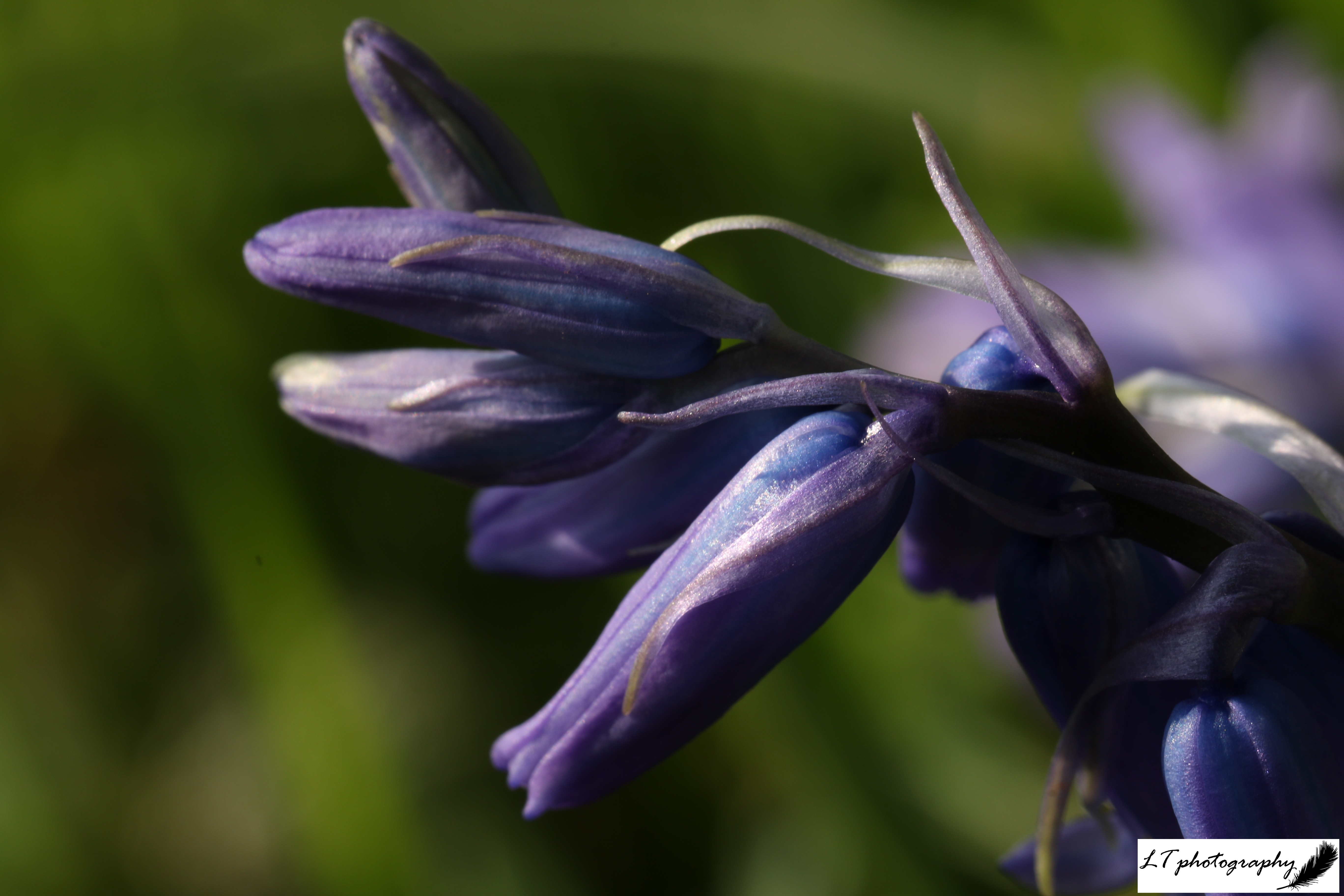
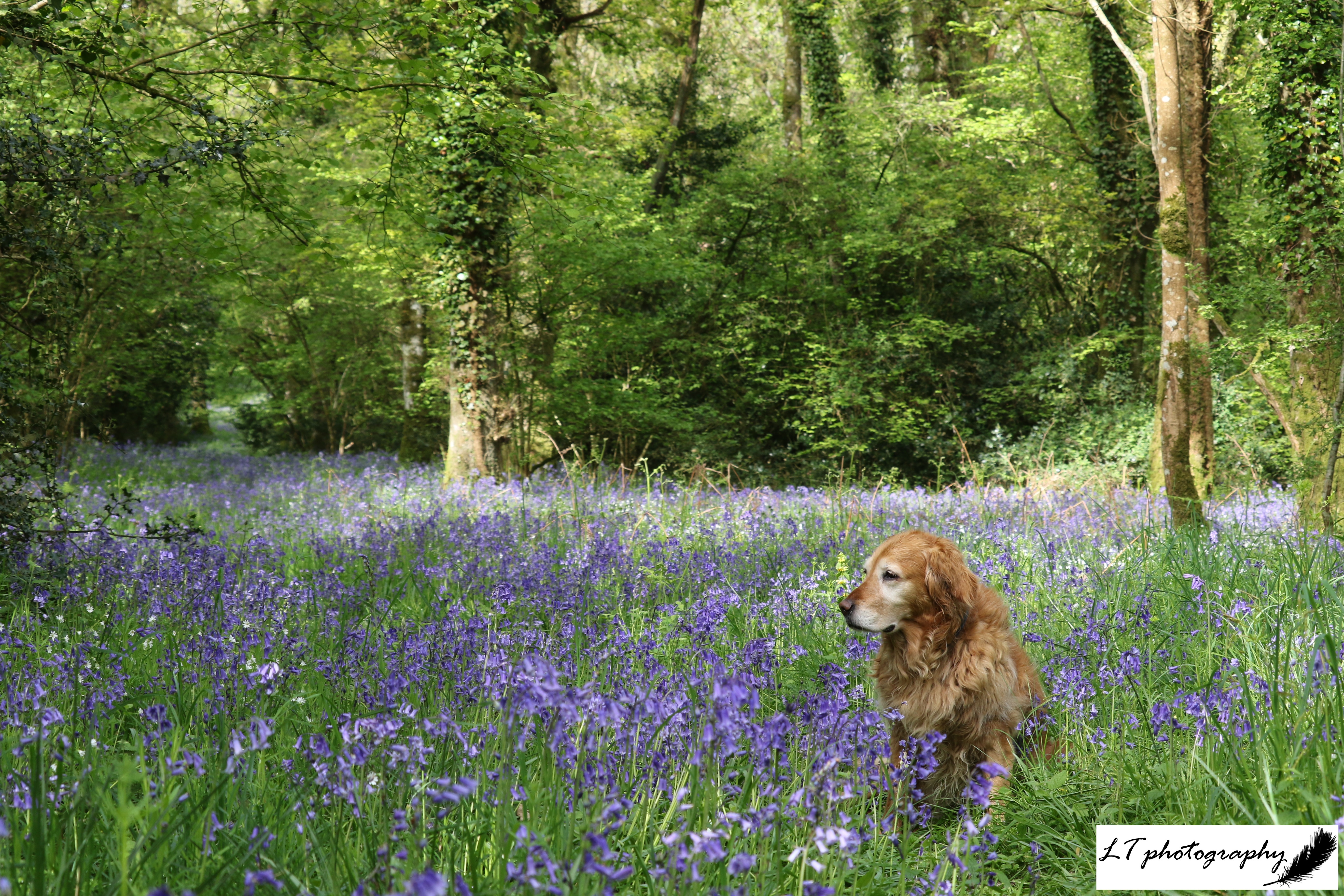
‘When you go down to the woods today, you’re sure of a big surprise’, and in late April to early May, this surprise comes in the form of a fantastic mass event! During this time, our woodlands are blanketed with a sweeping carpet of colour; a rich mass of violet-blue, made up of thousands of nodding heads. This popular spring spectacle is a heady treat for the senses, epitomising the beauty of British springtime. This is not all that our woodlands have to offer at this time though, with the Bluebells making us overlook some humbler stars of the show.

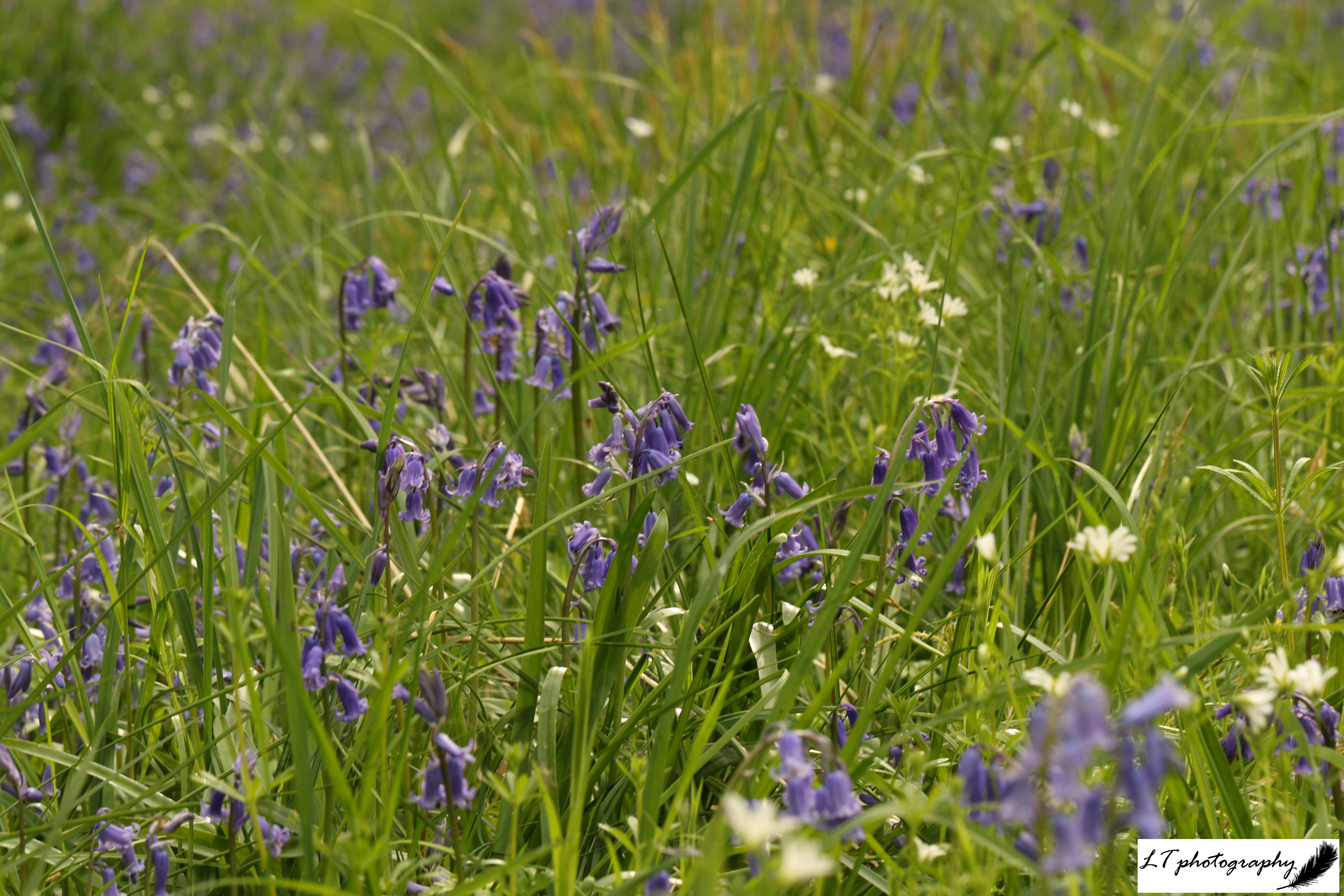
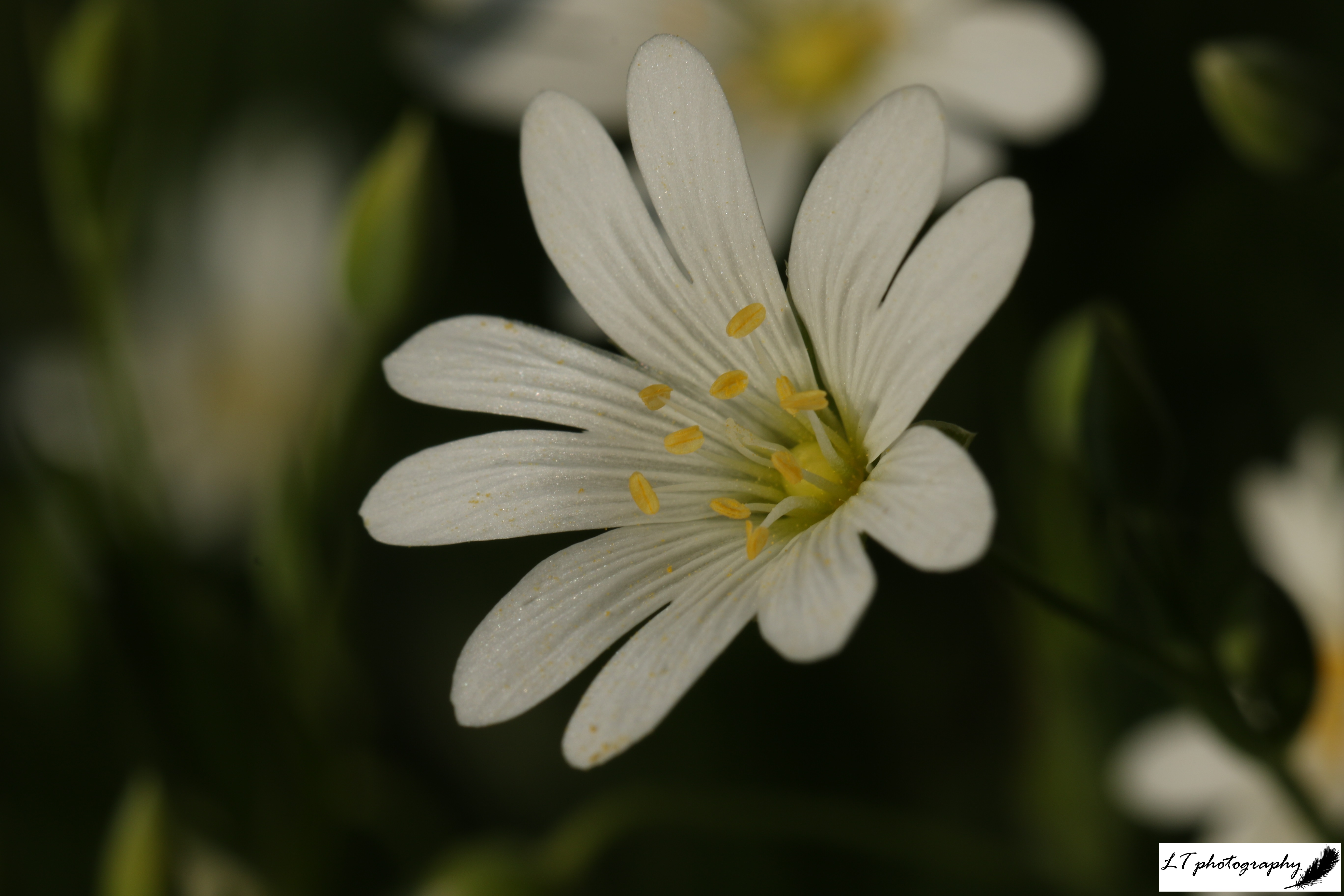
So when walking through the Bluebells, why not stop and look around you for a moment. ‘Daddy’s-shirt-buttons’ or Greater Stitchwort can be found dotted throughout the woodland carpet, white star-shaped flowers on slender stems. In thicker patches of green, clusters of green-centred stars can also be found on sturdy stems, their pungent scent giving them away as the flowers of Wild Garlic. These are joined closer to the ground by the white-cupped faces of the Wood Anemone, heads turned to the sun, merging into the galaxy of colour.
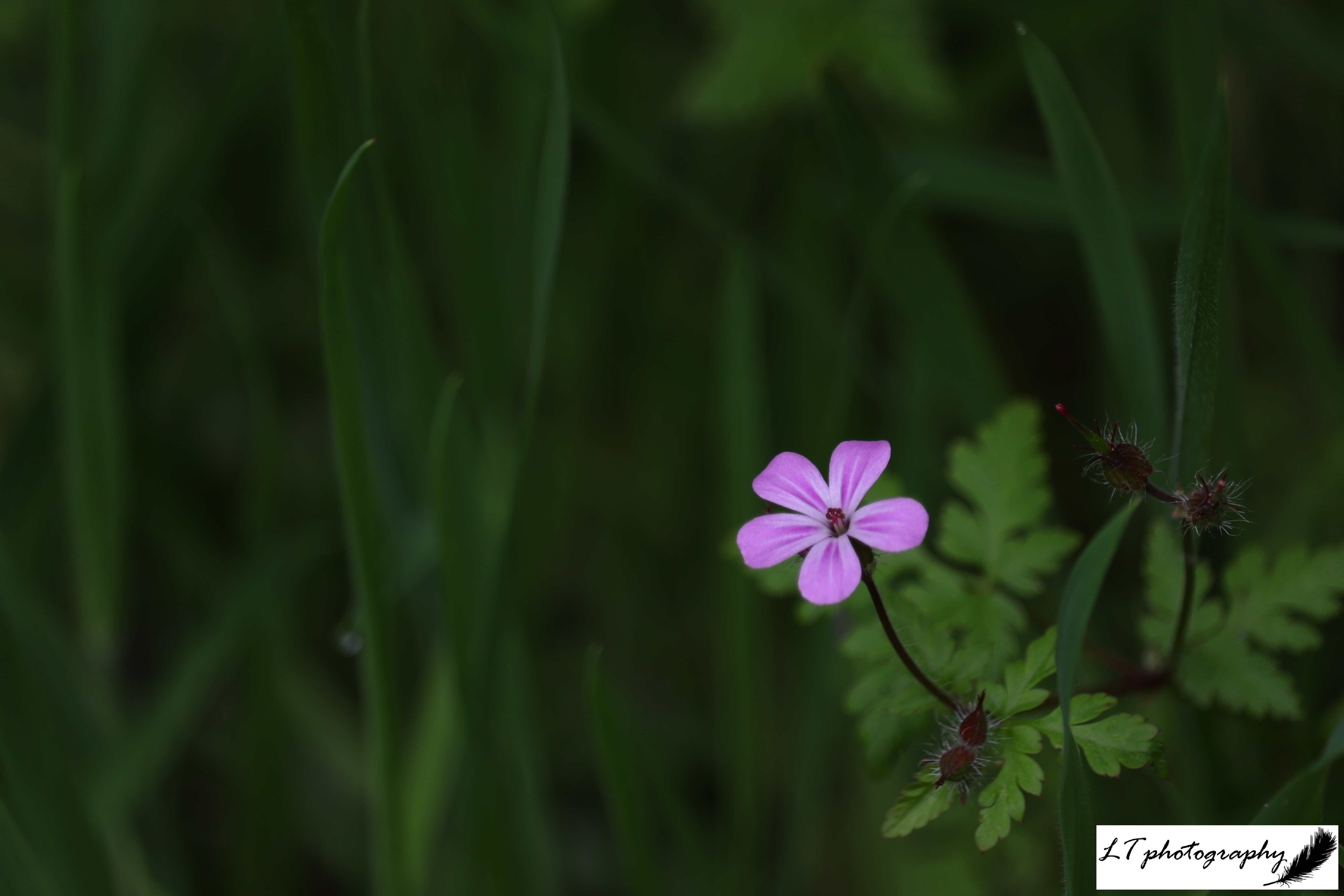
The palette is added to by splashes of pink and yellow. Shining yellow stars of Lesser Celandine float above heart-shaped leaves. The green-spiked Yellow Archangel, like a nettle, adorned with rings of butter-yellow flowers, each with their own hood. You can also find Early Purple Orchids beneath the trees, pink spikes growing from purple-splattered green leaves. Closer to the ground, the glittering pink faces of Herb Robert add to the show.

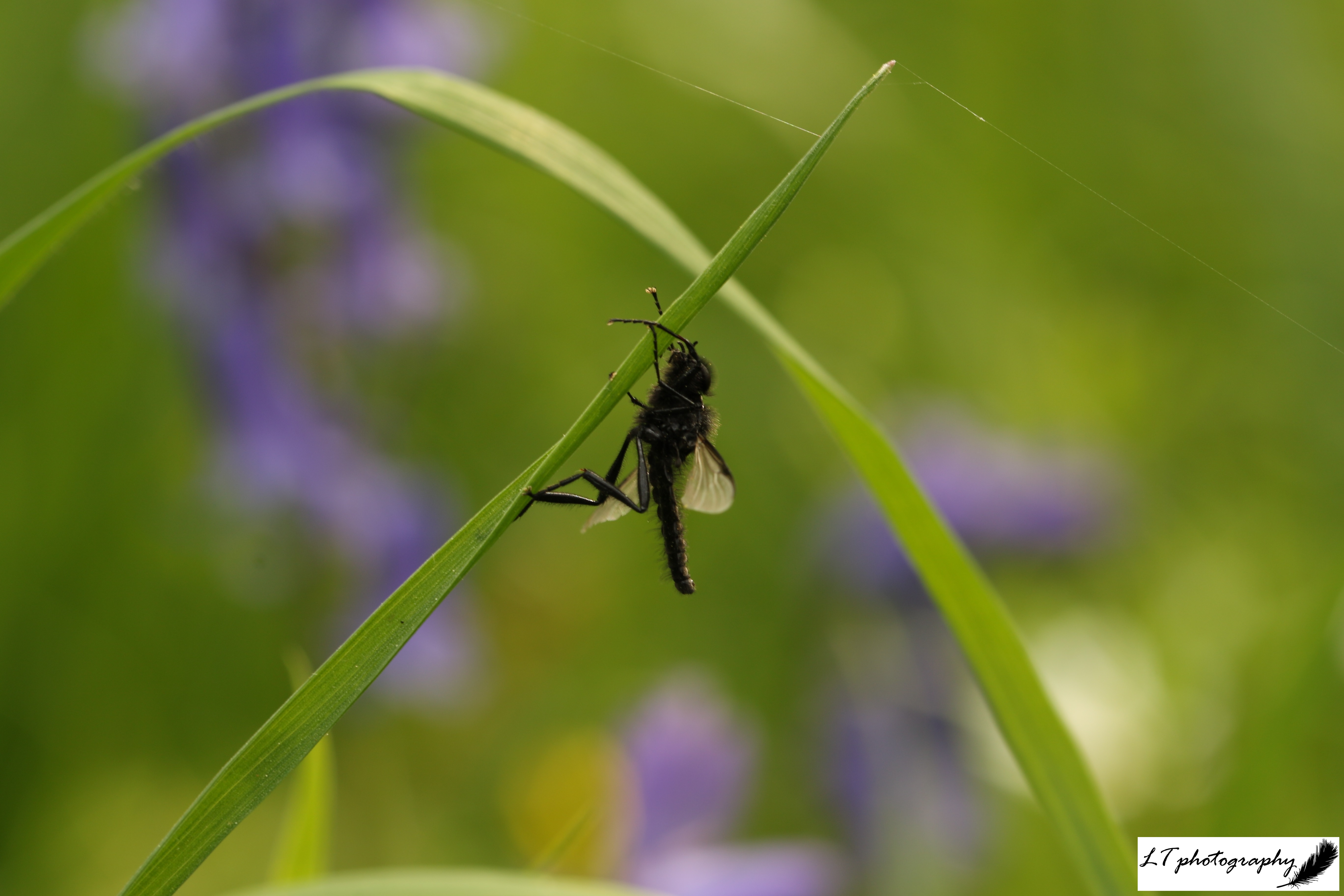
Amongst the Bluebells, there is not just a colourful backdrop of flowers to be found, but a hidden world to be discovered. Down at Bluebell level, the woodland floor comes alive. Spiders spin webs from Bluebell to Bluebell hoping to catch a meal, whilst Bumblebees fly from flower to flower collecting nectar and pollen for their colonies. They are joined by a fantastic array of flies, varying in size, shape, and colour.

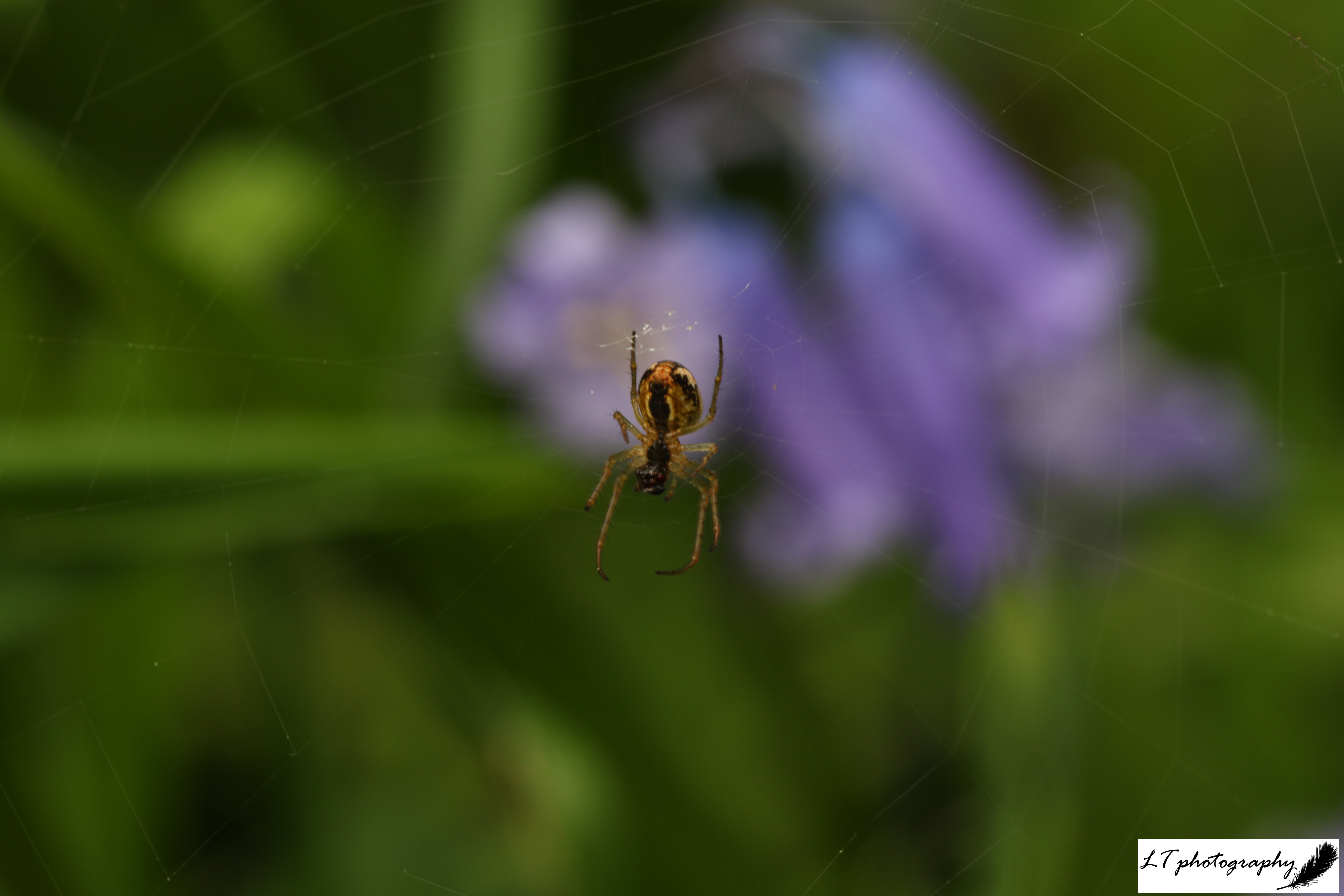
If you take an even closer look at the flowers, you might even find some more hidden characters that capture your mind and inspire your imagination. Camouflaged spiders, weird and wonderful weevils, colourful shield bugs, fascinating beetles, and even patchwork snails are waiting to be found. Minibeasts and their tiny worlds can create a sense of calm and simple joy, an easy example being a graceful Butterfly gently flitting by through dappled spring sunshine.

Walking through the Bluebells is a wonderful visual experience, but if you open your ears, then another world can also be added to this. The fluting notes of the Song Thrush, the onomatopoeic song of the Chiffchaff, the melodic Robin, or the powerful trilling song of the Wren. All flow together to create a symphony of bird song, a soundtrack fit for the spectacle that is the blooming of the Bluebells.

‘When you go down to the woods today, you’re sure of a big surprise’, and in spring this might just be bigger than you expect. Next time the Bluebells are blooming, why not stop and see what you might find amongst those nodding heads.
How to… Identify British Woodland Flowers

At this moment, as spring moves on, the natural world outside our doors is going through one of its busiest times. From birds nesting to the leaves bursting, the world around us is buzzing with the promise of new life.
During spring, one of my favourite things to do is walk in the dappled light beneath an increasing canopy, between steadfast trees and amongst undergrowth blooming with colour. Walking through a woodland is an easy way to lose yourself for a little while and give yourself a much needed lift. To connect further, an easy way on a woodland walk is to pick out the plants and animals that you can recognise around you. This can often be more difficult than first thought.

So to help you be mindful of the wonderful world out there, I have put together a simple guide to some of my favourite woodland flowering species that are easy to find during spring. It is time to get out there and explore!

16_04_20_Horseshoe_Woods_Bluebells_8

Well known flowers

Primrose (Primula vulgaris)Primrose

  • Size: Low carpeter; up to 12cm tall
  • Flowers: Pale yellow (there are pink-purple forms) with a deep yellow eye and honey-guides
  • Stems and leaves: Long shaggily hairy stems with wrinkled and toothed leaves, that are hairless above and hairy below (up to 15cm long)
  • When does it flower? March-May (heralds the arrival of spring)
  • Where can it be found? Woods, hedgebanks and grassy places throughout Britain


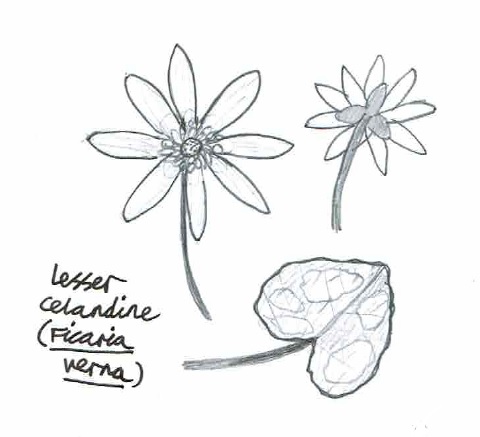
Lesser Celandine (Ficaria verna)Lesser celandine

  • Size: Up to 30cm tall
  • Flowers: Solitary with 8-12 glossy yellow petals and 3 sepals
  • Stems and leaves: Hairless with leaves that are long-stalked, heart-shaped, and dark green. Sometimes bear dark or light markings
  • When does it flower? February-May
  • Where can it be found? Woods, grassland, hedges, waysides, bare ground and by fresh water throughout Britain


Bluebell (Hyacinthoides non-scriptus)Bluebell 2

  • Size: Up to 50cm tall
  • Flowers: Azure blue (though sometimes pink or white) with cream-coloured anthers. Fragrant and bell-shaped with six turned-down lobes
  • Stems and leaves: Long, narrow, strap-shaped, keeled leaves
  • When does it flower? April-June
  • Where can it be found? Carpeting woodlands, hedges, scrubland, on sea-cliffs and mountains in most parts of Britain


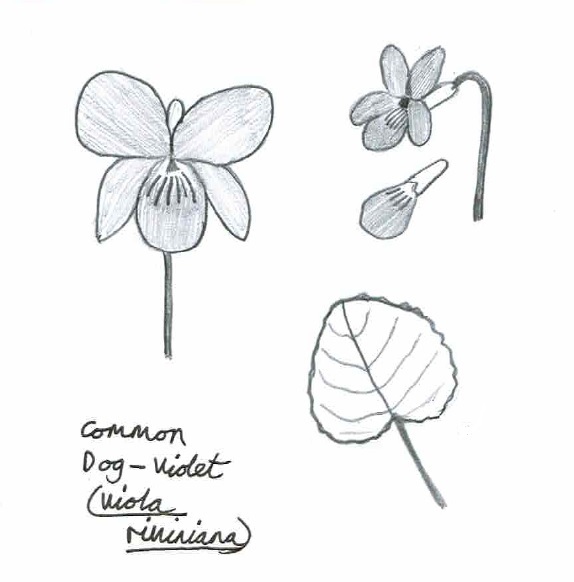
Common Dog-violet (Viola riviniana)Common Dog-Violet

  • Most common wild violet species in the UK
  • Size: Up to 15cm tall
  • Flowers: Unscented with petals that are blue-violet but variable, usually overlapping. Stout spur, curved upward, blunt, notched at tip and paler than petals (often creamy)
  • Stems and leaves: Hairless or only slightly downy leaves and stalks. The leaves are long-stalked, heart-shaped, pointed at the tip, and as broad as they are long
  • When does it flower? March-May and sometimes July-September
  • Where can it be found? Woods, hedges, pastures, heaths and rocky areas throughout the British isles

Sweet Violet (Viola odorata)

  • Size: Up to 15cm tall
  • Flowers: Blue-violet, often white, occasionally lilac, pink or yellow. Only fragrant violet in Britain
  • Stems and leaves: Leaves are heart-shaped, downy and enlarged in summer
  • When does it flower? February-May
  • Where can it be found? Woods and hedges over most of the British isles


Plants known to some

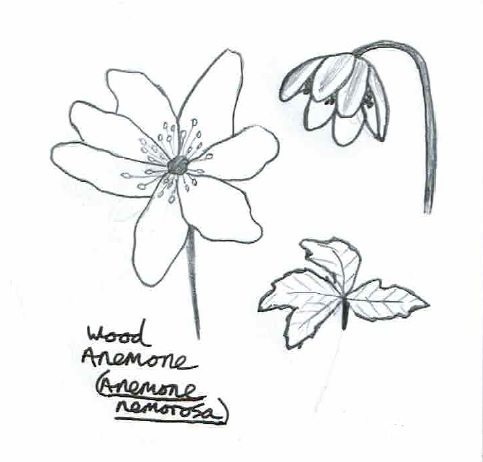
Wood anemone (Anemone nemorosa)Wood Anemone

  • Size: Up to 30cm tall
  • Flowers: Solitary white (sometimes tinged purple) that nod when closed
  • Stems and leaves: About two-thirds of the way up each slender stem is a ring of three leaves (trifoliate), each divided into three toothed segments. Rising above the leaves is the solitary flower
  • When does it flower? March-May
  • Where can it be found? Carpeting woodlands in spring, as well as hedge-banks and occasionally grasslands throughout Britain


Greater stitchwort (Stellaria holostea)Greater Stitchwort

  • Size: Up to 60cm tall
  • Flowers: Deeply cleft white petals
  • Stems and leaves: Stalkless, narrow and long-pointed leaves with a slightly grey tinge (15-60cm long)
  • When does it flower? March-June
  • Where can it be found? Across woodlands, hedgerows and scrub areas throughout Britain except some northern isles


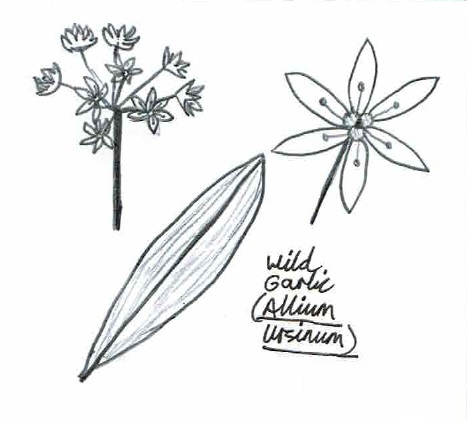
Wild Garlic/Ramsons (Allium ursinum) Wild Garlic

  • Most common and only native broad-leaved garlic
  • Size: Up to 45cm tall
  • Flowers: White star-like flowers
  • Stems and leaves: Have leafless flowering stems. The leaves are broad, flat, lanceolate and distinctive smelling
  • When does it flower? April-June
  • Where can it be found? Often seen growing in large clumps in woods and shady places throughout Britain


Wild Strawberry (Fragaria vesca)

  • Size: Up to 30cm tall
  • Flowers: White flowers with no gaps between the 5 unnotched petals. Produce reddish fleshy strawberries that have protruding pips
  • Stems and leaves: Hairy. Leaves are trefoil on long stalks and are brighter green on top and pale below. Lower leaves form a rosette
  • When does it flower? April-July
  • Where can it be found? Woods, scrub, and grassland throughout the British Isles

Strawberry

Barren Strawberry (Potentilla sterilis)

  • Size: Up to 30cm tall
  • Flowers: Unlike wild strawberry, there are gaps between the slightly notched white petals. Produces unstrawberry-like non-fleshy fruits
  • Stems and leaves: They are hairy, but unlike wild strawberry, they have smaller, shorter stems and blue-green leaves
  • When does it flower? Earlier than wild strawberry, from February-May
  • Where can it be found? Woodlands, scrub, hedgebanks and other dry banks

16_04_20_Horseshoe_Woods_Flower_Wild_Strawberry_2


Less known plants

Yellow Archangel (Lamiastrum galeobdolon)Yellow Archangel

  • Size: Up to 30cm tall
  • Flowers: Yellow and two-lipped, with the upper lip being helmet-shaped and the lower having three almost equal-sized lobes
  • Stems and leaves: Hairy and patch-forming, with leafy and upright flowering stems. The leaves are long-stalked, oval in shape, dark green, irregularly toothed and borne in opposite pairs
  • When does it flower? April-June
  • Where can it be found? Woodlands and hedgerows in England and Wales


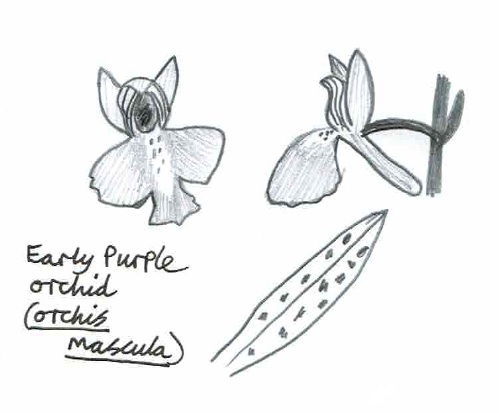
Early Purple Orchid (Orchis mascula)Early Purple Orchid

  • Size: Up to 40cm tall
  • Flowers: Form a spike on a stout, upright stem. Usually some shade of purple, sometimes pinkish or white, and are three-lobed with three inner and three outer petals. The upper five petals are oval and form a hood; the lower petal extends into a long lip. Scent described as tom-cat-like
  • Stems and leaves: Lance-shaped, varying from broad to narrow, and usually have round, purple-black blotches on their upper surface
  • When does it flower? April-June
  • Where can it be found? Frequently in woodlands, and is widespread throughout Britain


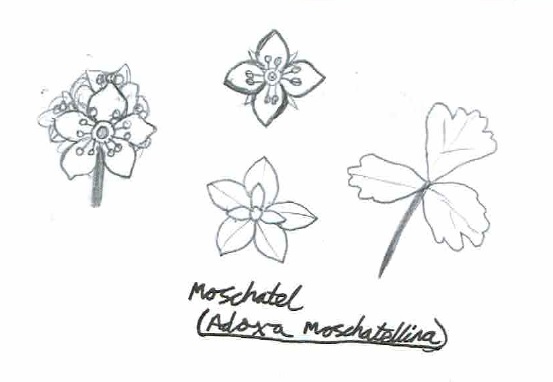
Moschatel (Adoxa moschatellina)Moschatel

  • Also known as townhall clock and is the only species in its family
  • Size: Up to 15cm tall
  • Flowers: Flower heads greenish, almost forming a cube with one flower on each side (5 petals each) and one flower on top (4 petals). Scent is musk-like, likened to almond or elder blossom
  • Stems and leaves: Hairless with long-stalked trefoil leaves, that are positioned in one pair on each flower-stalk
  • When does it flower? March-May
  • Where can it be found? Woods, hedge-banks, and rocky mountain places, locally common throughout Britain


Herb-robert (Geranium robertianum)Herb-Robert

  • Size: Up to 50cm tall
  • Flowers: Strong smelling and deep pink, occasionally white, with rounded petals that are not notched
  • Stems and leaves: Hairy with stems that are often reddish and leaves that are fern-like with 3-5 lobes
  • When does it flower? April-November
  • Where can it be found? Shady spots on hedgebanks, rocks and walls or in woods throughout Britain

25_05_19_Horseshoe_Wood_Herb_Robert_3


All photos and drawings are my own 

Kingston Lacy’s Spectacular Snowdrops

‘We all want quiet. We all want beauty… We all need space. Unless we have it, we cannot reach that sense of quiet in which whispers of better things come to us gently’ (Octavia Hill, 1883, Co-founder of the National Trust)

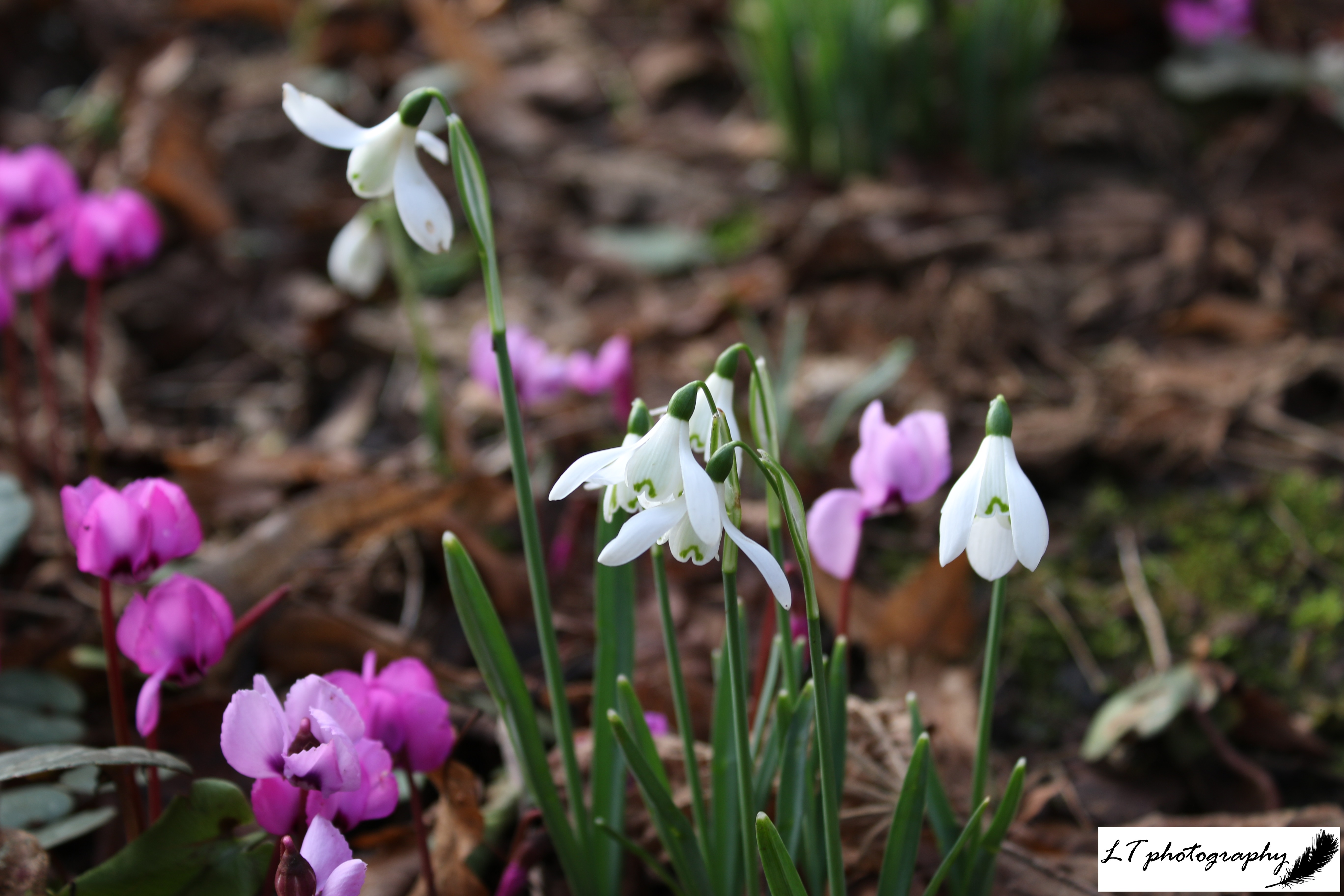
One brisk, but sunny day at the beginning of February, I found myself surrounded by carpets of brilliant white. Looking closer, I could see thousands of delicate flowers, nodding in the breeze like flurries of snow, shaped like bells or little fairy skirts. Here the effervescent snowdrops become a real spectacle at this time of year, shouting loud that the brighter days of spring are on their way.

086A2805

With my parents by my side, I had decided to spend my day off exploring Kingston Lacy, a beautiful National Trust estate famous for its incredible annual snowdrop displays. I was really looking forward to this trip, after a long spell of being very busy with work and other projects. It was a time for me to just pause and take a breather in a really breathtaking location.

086A2847

We began our day out by passing through the heart of Kingston Lacy, passing by the old stable block, and heading out onto the estate’s approximately 4.7 kilometre woodland trail, made up of established footpaths and historic carriageways. Our start wound us first through a stretch of native deciduous woodland, an area of currently skeletal trees alive with early birdsong.

Habituated to the presence of visitors walking through, we got some really great close-up views of the residents, including red-breasted robins and serenading song thrushes.

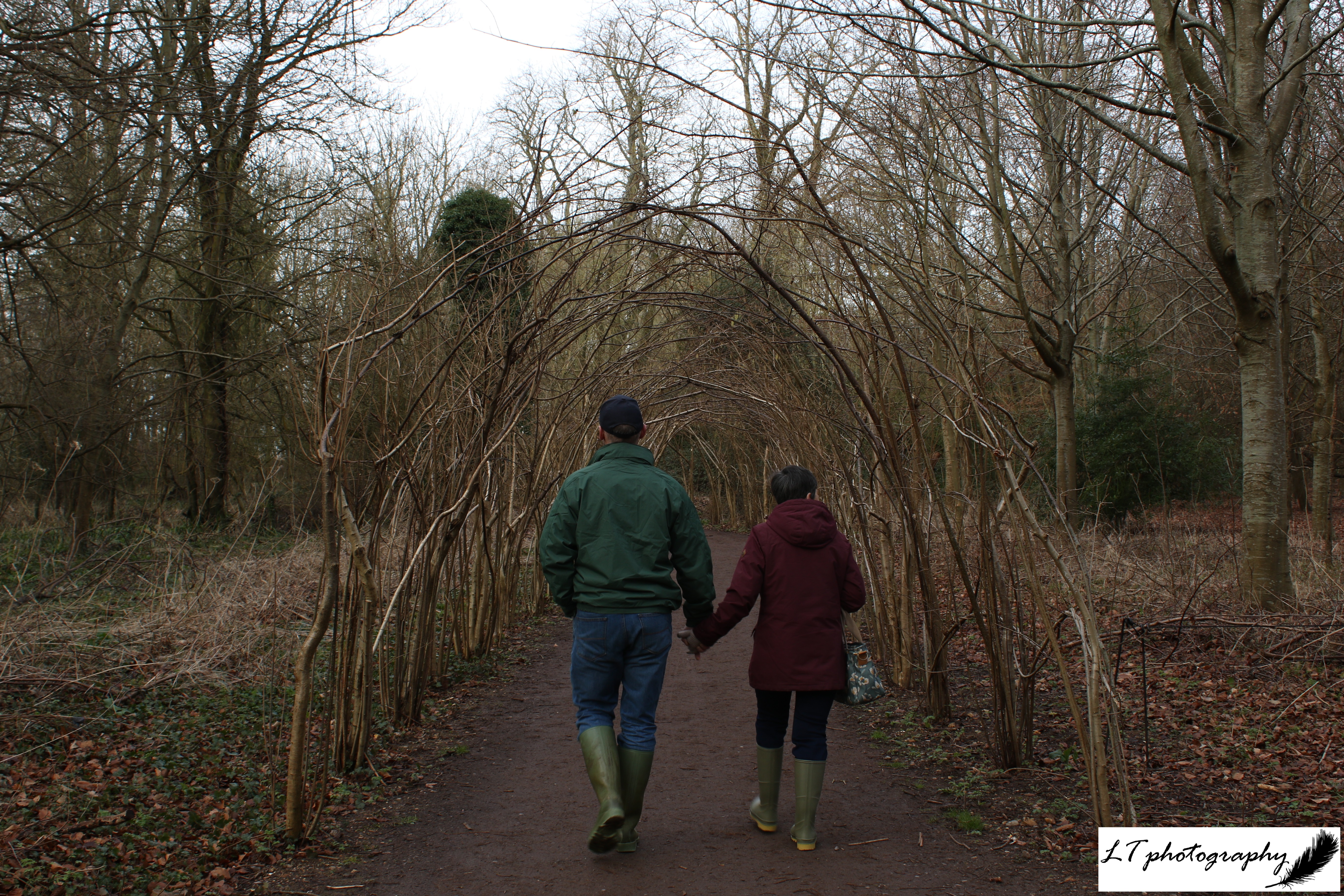
The woodland was also sprinkled with human touches here and there, from benches made from old tree trunks to archways of woven hazel. A lovely stretch to hide away from the world, at least for a little while!

086A2764

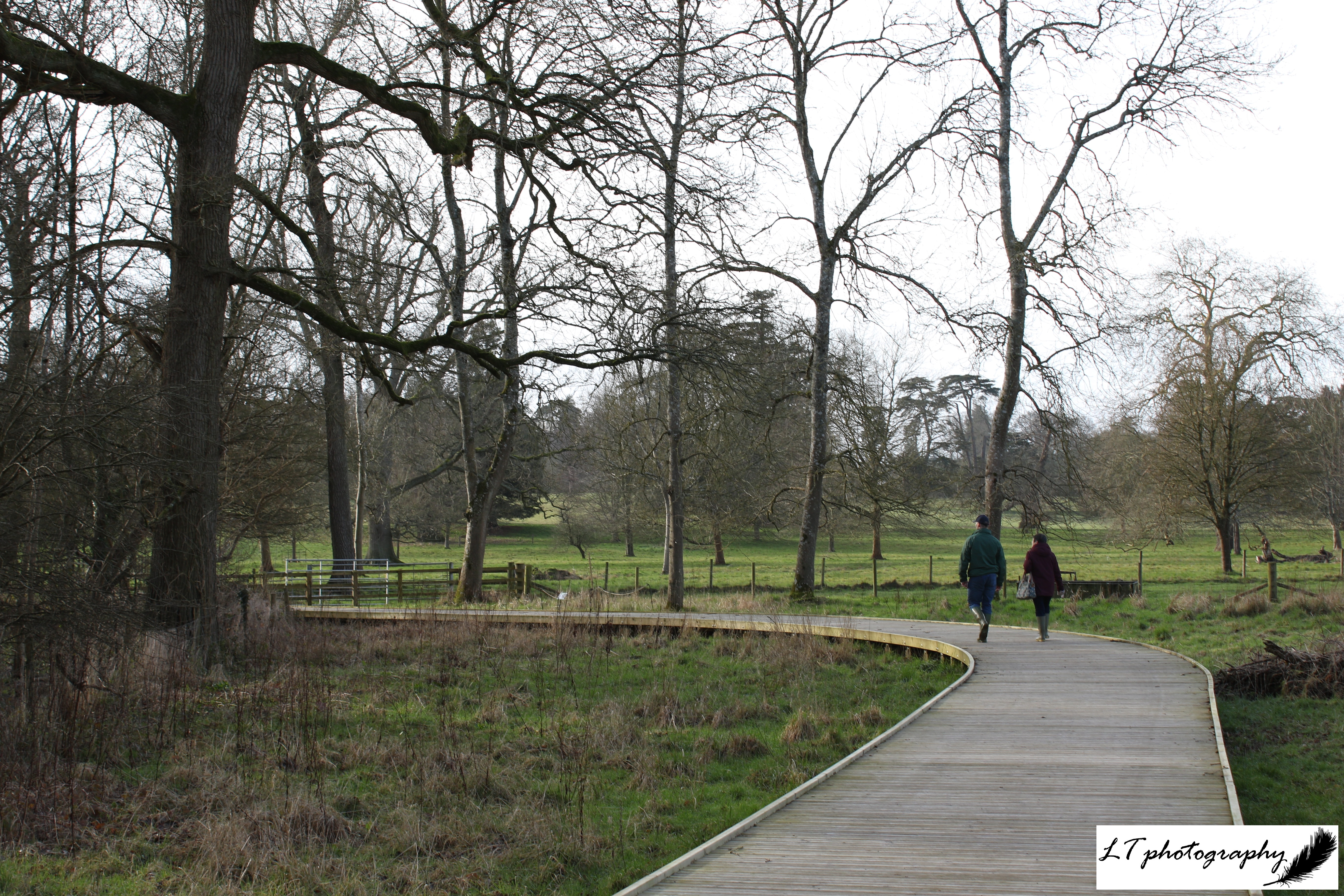
We did not just pass through woodland though. Our journey also took us past Blandford lodge near the entrance to Kingston Lacy, across boardwalks over marshland, and through rolling parkland, dotted with trees varying magnificently in size, species, age and skeletal form. It is quite incredible to think what some of those trees will have lived through in the history of this estate!

086A2777

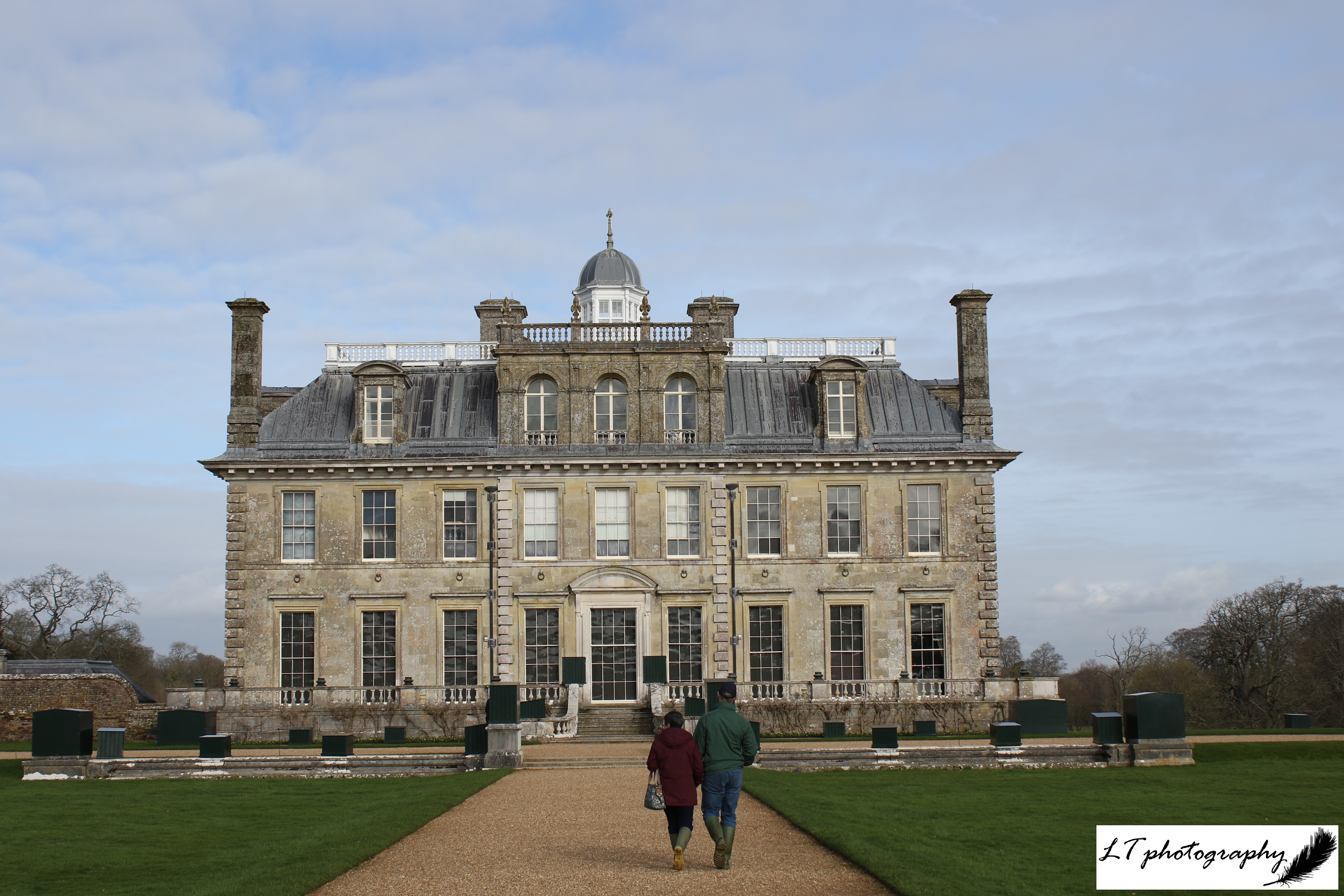
As well, our path took us past the magnificent Kingston Lacy house, a ‘family home reimagined as a Venetian palace’. Though the estate dates back to the medieval times, the first form of the current house was completed in 1667. It went on to be the home of the Bankes family for over 300 years, before being bequeathed to the National Trust in 1981. Though on this February day we did not venture into the house, it is well worth a visit, with the rooms decorated like pieces of art and treasures ranging from ancient Egypt to the Spanish Peninsular War.

As the hours drew on and the sun made its way across the winter sky, our path took us back past the old stables and in the direction of Kingston Lacy’s gradens. Here today’s real magic was to be found. We finally made our way into a world where snowdrops created carpets of snow around us. Stretching along avenues of pollarded trees, across woodland glades, around winding bends, and even nestled within the impressive Japanese gardens.

The pearly white of snowdrops was made bolder by the pinks of cyclamens, purples of irises and crocuses, and cream and maroon of helibores.  Seeing something small on such a scale, over 6 million to be precise, is a sight to behold. First planted in the early 1900s, with now over 40 different species, Kingston Lacy’s snowdrops will be a legacy for future generations to come.

Kingston Lacy is such a lovely place to escape for those of us who like history, nature or just getting outdoors. Throughout the year they have a range of different events, from their snowdrop walks and Easter egg hunts to summer outdoor yoga and outdoor theatre/cinema that will keep you coming back time and time again, as i have over the last couple of months. For now here’s to the snowdrops, the promising pioneers of the new season to come. Pure, hopeful and the symbol of rebirth, snowdrops are the delicate, effervescent heralds of spring.