Spring 2020: In Photos

As the world was thrown into disarray with the full force of a pandemic, our daily lives were hit by lockdown, slowing and grounding to a halt. For the natural world outside our windows though, spring was just beginning, with days warming, buds bursting, and migrants making their return. Even when our own lives were being disrupted, the natural world was carrying on.
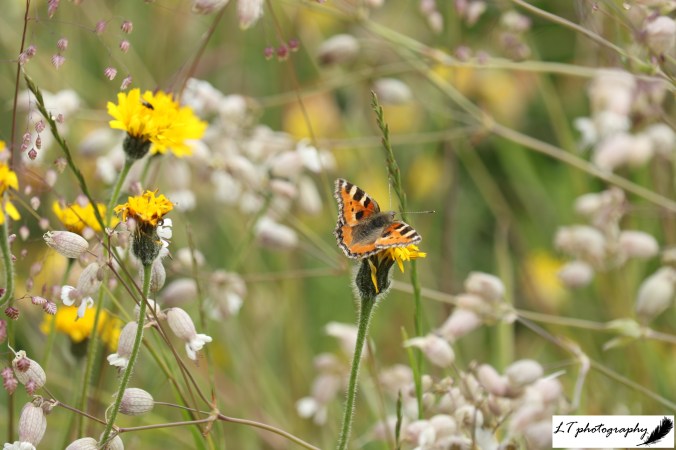
13_06_20_Farm_Chalk_Mound_Rough_Hawkbit_Small_Tortoiseshell_Butterfly_2

For me, spring has been a real lifeline this year. With the natural world bursting with life, I was able to draw real strength from the return of the swallows, the flowering of the bluebells and the trees becoming cloaked in delicate new leaves. Every moment I could spend out in nature gave me the strength to continue as if nothing had changed, cherishing every moment for what it was. For this I am grateful, and I really appreciate that I am lucky to have the beautiful Dorset countryside right on my doorstep.

As spring begins to make its exit, I wanted to take some moments to reflect on a time that has taught me a lot, brought me some real magic through the natural world, and will be remembered for as many good memories as those eclipsed by Covid-19. To begin with, here are a selection of my favourite photos from this spring. They range from spring wonderment to heart-warming moments, that all mean something to me.

Spring 2020 in photos

1) Small Tortoiseshell Butterfly – The photo featured above was taken only last week, and reminds me of how valuable the time I spend expanding my knowledge of nature really is, including the identification of butterflies and flowers. I found this Small Tortoiseshell butterfly on a 10m long chalk mound that my parents have created for wildlife within our farmland, and it really is coming into its own this year!

16_04_20_Horseshoe_Woods_Bluebells_Spider_Dewdrop_3

2) Bluebell & Spider – When the bluebells are flowering, it has to be one of my most favourite times of the year. As the woodland floor transforms to a carpet of blue purple, I feel at my happiest and enjoy noticing new details each year, such as the spider hunting on these drooping bells.
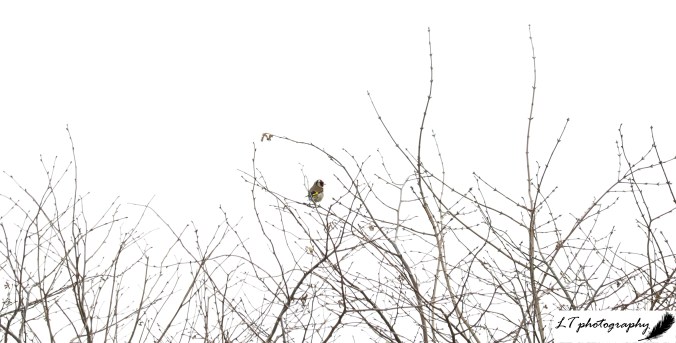
2) 20_03_20_Farm_Goldfinch_2

3) Goldfinch – I love the simplicity of this photo of a Goldfinch taken back in March. The bright colours of the bird vividly stand out from the swelling buds and bare twigs of the hazel in this hedgerow. It was enough to brighten a moment on a decidedly chilly spring day.
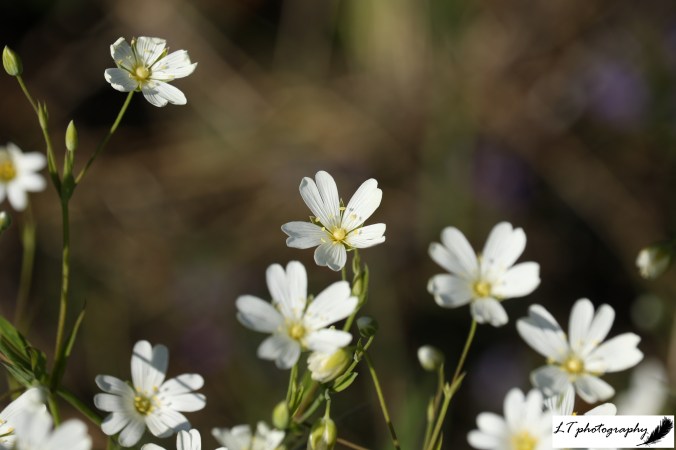
15_04_20_Farm_Flowers_Stitchwort_3

4) Stitchwort – Every flower is unique and different in its own way. With Greater Stitchwort, every flower stands out like a small white star, carpeting verges, hedgerows and woodlands alike.
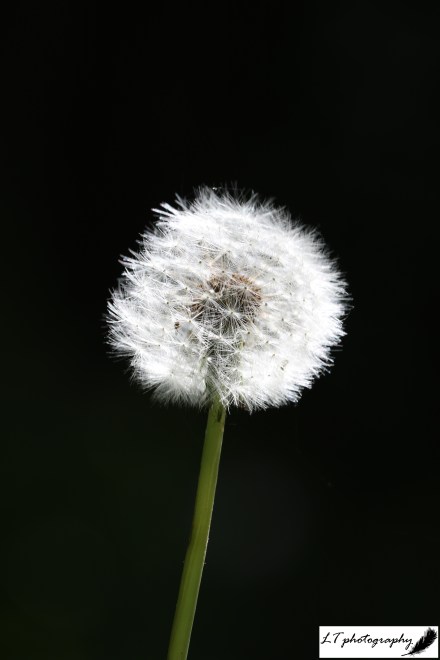
07_05_20_Farm_Dandelion_Seeds_4

5) Dandelion Seeds – Now as an adult I still hold on to the child-like curiosity that a dandelion invokes. With hundreds of parachuting seeds waiting to fly, this dandelion creates a beautiful fluffy silhouette in the spring sunshine.

20_03_20_Farm_Lleyn_Lamb_3

6) Lleyn Lamb – This photo is as it seems, a photo of a sleepy newborn lamb, born earlier this year. I am proud to say that I come from a farming background in the heart of Dorset. It has been this that has provided me with a spectacular backdrop to learn about the natural world around me, given me the knowledge and experiences to be able to make informed decisions about how I live my life, and given me an understanding of the important relationship between the environment and modern agriculture.

07_05_20_Farm_Wild_Garlic_Insect_3

7) Wild Garlic & Insect – I love to notice the details in nature and get down to the level of the ‘small things’. This may be noticing the curl of an unfurling fern, the patterns on the petals of a tiny flower, or the jewel-like colours of an insect exploring a cluster of star-shaped wild garlic flowers.

13_05_20_Farm_Sunrise_Hangings_Gate

8) Sunrise – One of the best times of day has usually come and gone by the time most people have woken up in the morning. A sunrise is a golden time though to get out, listen to the birds singing and watch as the world wakes up around you. There is nothing like it!
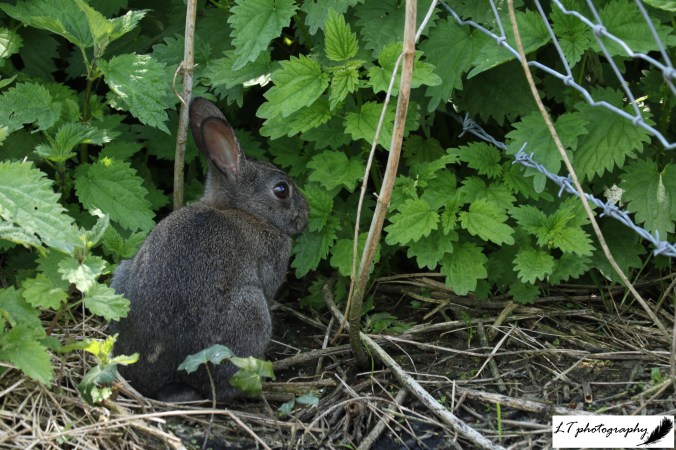
07_05_20_Farm_Rabbit_Baby_Black_6

9) Dark Rabbit – One of my more unusual sightings this year has to be this rabbit, that has notably darker fur compared to the usual European rabbit. It was small in size, and though showing wild instincts, it was slightly less fearful of us humans. Everyday it could be found sunning itself in a small open area within vegetation situated behind our farm buildings.

8) 16_04_20_Horseshoe_Woods_Flower_Moschatel_8

10) Moschatel – Every year I try and learn one new species of flowering plant that can be found in our woodlands and surrounding countryside. This year it was the turn of Moschatel. An often overlooked flower due to its greenish colour, Moschatel is also known as Townhall Clock, due to its flowers having 5 faces that make it look like a cube or townhall clock in shape.

15_04_20_Farm_Bird_Chiffchaff

11) Chiffchaff – One of my highlights of spring every year is the return of the Chiffchaff. When I hear this bird sing for the first time each year, I feel like spring has truly arrived, so I am particularly saddened when their singing finally falls silent as autumn grips the landscape.
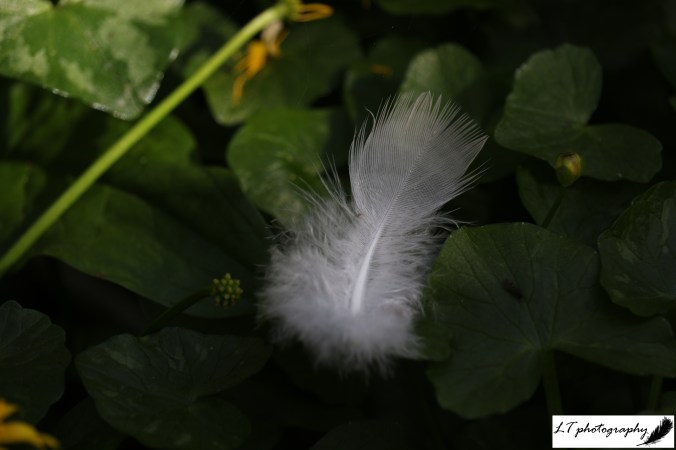
15_04_20_Farm_Badger_Alley_Feather

12) Feather – This photo is a good example of the beauty of detail. It is simple, but a spot of light highlights the real elegance of this contour feather, now left to lay amongst the vegetation.
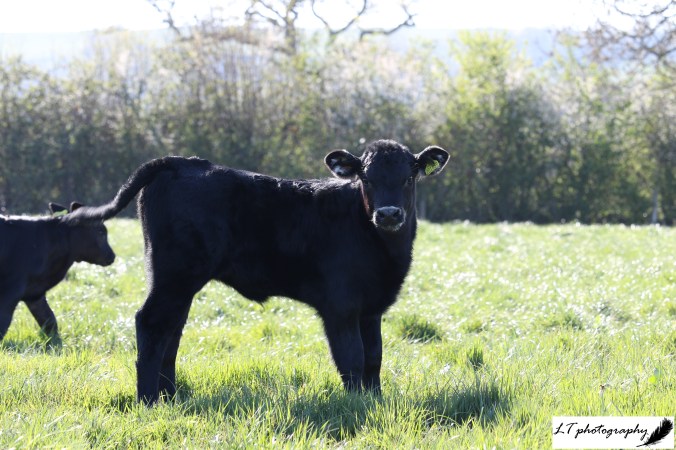
15_04_20_Farm_Beef_Cows_Dream

13) Aberdeen Angus Calf – This inquisitive and interestingly marked calf is another photo that connects with my farming roots. Spring is synonymous with new life, from on the farm to the wider countryside, and this little one was just one of many, precious and to be celebrated.
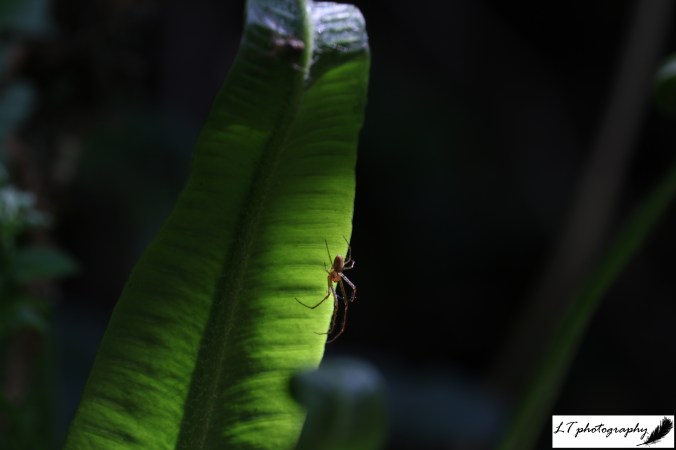
07_05_20_Farm_Hart's-Tongue_Fern_Spider

14) Spider & Hart’s-Tongue Fern – Some days I walk along in my own world and the wildlife around me merges into one. Other days the world becomes bigger though and I see every detail pop out at me, such as with this spider making its home on a Hart’s-Tongue fern.
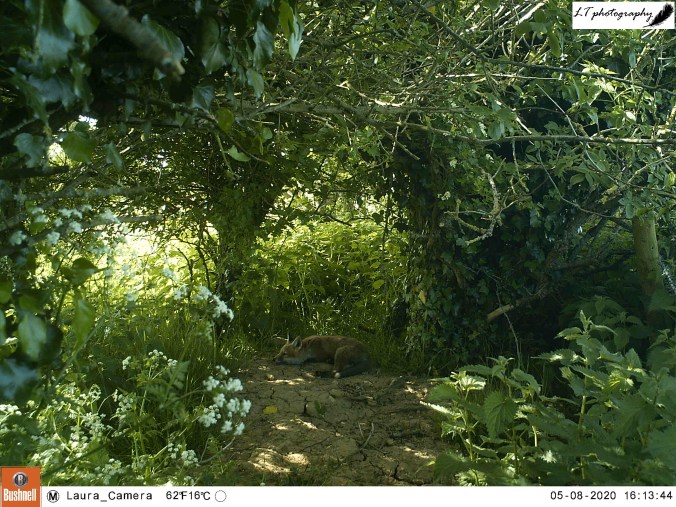
M2E54L167-167R388B312

15) Fox Cub – As people who follow my blog or social media will already know, this spring I have had fun yet again using my camera trap on my family’s land. This has to be one of my favourite photos from this year! It was a totally unexpected surprise when this fox cub turned up on my camera trap.

13_06_20_Farm_Chalk_Barn_Owl_Pellet_Tree_Bank_Vole

16) Vole Bones – With the return of breeding barn owls to my family’s farm, I had some fun one afternoon dissecting the pellets left by these owls. It is definitely a very rewarding feeling when you are then able to identify the species the bones you find come from. Here I believe this mandible to be from a bank vole.
IMG-1149

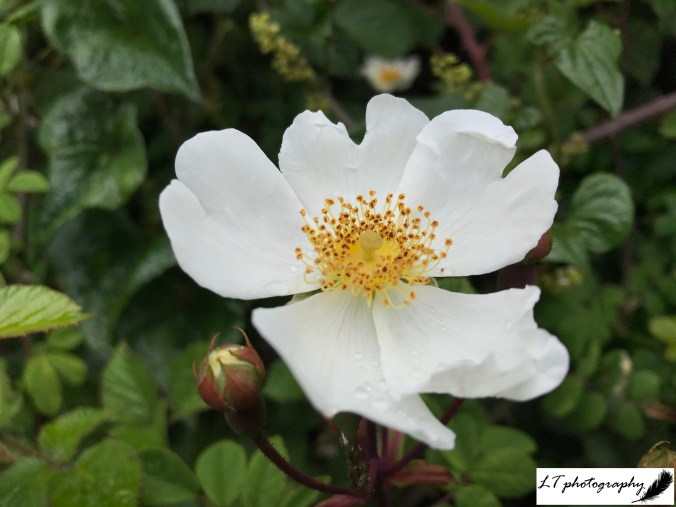
17) Field Rose – I have always loved taking photos of flowers and capturing their small details. Here a field rose, you can clearly see the reproductive organs from the stamens to the stigma.

How to… Identify British Woodland Flowers

At this moment, as spring moves on, the natural world outside our doors is going through one of its busiest times. From birds nesting to the leaves bursting, the world around us is buzzing with the promise of new life.

During spring, one of my favourite things to do is walk in the dappled light beneath an increasing canopy, between steadfast trees and amongst undergrowth blooming with colour. Walking through a woodland is an easy way to lose yourself for a little while and give yourself a much needed lift. To connect further, an easy way on a woodland walk is to pick out the plants and animals that you can recognise around you. This can often be more difficult than first thought.

So to help you be mindful of the wonderful world out there, I have put together a simple guide to some of my favourite woodland flowering species that are easy to find during spring. It is time to get out there and explore!

16_04_20_Horseshoe_Woods_Bluebells_8

Well known flowers

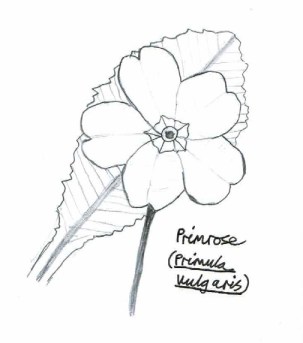
Primrose (Primula vulgaris)Primrose

  • Size: Low carpeter; up to 12cm tall
  • Flowers: Pale yellow (there are pink-purple forms) with a deep yellow eye and honey-guides
  • Stems and leaves: Long shaggily hairy stems with wrinkled and toothed leaves, that are hairless above and hairy below (up to 15cm long)
  • When does it flower? March-May (heralds the arrival of spring)
  • Where can it be found? Woods, hedgebanks and grassy places throughout Britain

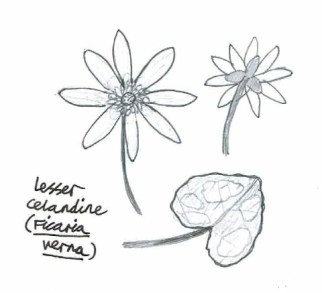
Lesser Celandine (Ficaria verna)Lesser celandine

  • Size: Up to 30cm tall
  • Flowers: Solitary with 8-12 glossy yellow petals and 3 sepals
  • Stems and leaves: Hairless with leaves that are long-stalked, heart-shaped, and dark green. Sometimes bear dark or light markings
  • When does it flower? February-May
  • Where can it be found? Woods, grassland, hedges, waysides, bare ground and by fresh water throughout Britain

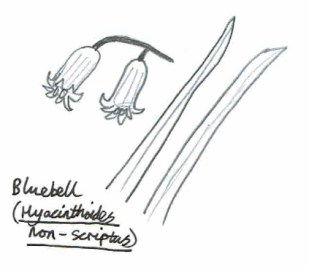
Bluebell (Hyacinthoides non-scriptus)Bluebell 2

  • Size: Up to 50cm tall
  • Flowers: Azure blue (though sometimes pink or white) with cream-coloured anthers. Fragrant and bell-shaped with six turned-down lobes
  • Stems and leaves: Long, narrow, strap-shaped, keeled leaves
  • When does it flower? April-June
  • Where can it be found? Carpeting woodlands, hedges, scrubland, on sea-cliffs and mountains in most parts of Britain

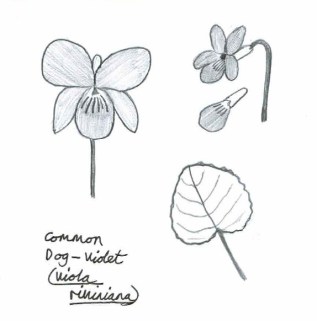
Common Dog-violet (Viola riviniana)Common Dog-Violet

  • Most common wild violet species in the UK
  • Size: Up to 15cm tall
  • Flowers: Unscented with petals that are blue-violet but variable, usually overlapping. Stout spur, curved upward, blunt, notched at tip and paler than petals (often creamy)
  • Stems and leaves: Hairless or only slightly downy leaves and stalks. The leaves are long-stalked, heart-shaped, pointed at the tip, and as broad as they are long
  • When does it flower? March-May and sometimes July-September
  • Where can it be found? Woods, hedges, pastures, heaths and rocky areas throughout the British isles

Sweet Violet (Viola odorata)

  • Size: Up to 15cm tall
  • Flowers: Blue-violet, often white, occasionally lilac, pink or yellow. Only fragrant violet in Britain
  • Stems and leaves: Leaves are heart-shaped, downy and enlarged in summer
  • When does it flower? February-May
  • Where can it be found? Woods and hedges over most of the British isles


Plants known to some

Wood anemone (Anemone nemorosa)Wood Anemone

  • Size: Up to 30cm tall
  • Flowers: Solitary white (sometimes tinged purple) that nod when closed
  • Stems and leaves: About two-thirds of the way up each slender stem is a ring of three leaves (trifoliate), each divided into three toothed segments. Rising above the leaves is the solitary flower
  • When does it flower? March-May
  • Where can it be found? Carpeting woodlands in spring, as well as hedge-banks and occasionally grasslands throughout Britain

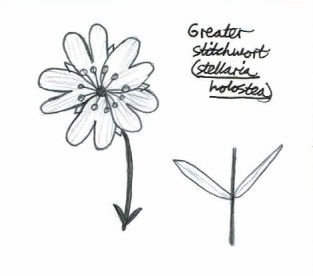
Greater stitchwort (Stellaria holostea)Greater Stitchwort

  • Size: Up to 60cm tall
  • Flowers: Deeply cleft white petals
  • Stems and leaves: Stalkless, narrow and long-pointed leaves with a slightly grey tinge (15-60cm long)
  • When does it flower? March-June
  • Where can it be found? Across woodlands, hedgerows and scrub areas throughout Britain except some northern isles

Wild Garlic/Ramsons (Allium ursinum) Wild Garlic

  • Most common and only native broad-leaved garlic
  • Size: Up to 45cm tall
  • Flowers: White star-like flowers
  • Stems and leaves: Have leafless flowering stems. The leaves are broad, flat, lanceolate and distinctive smelling
  • When does it flower? April-June
  • Where can it be found? Often seen growing in large clumps in woods and shady places throughout Britain

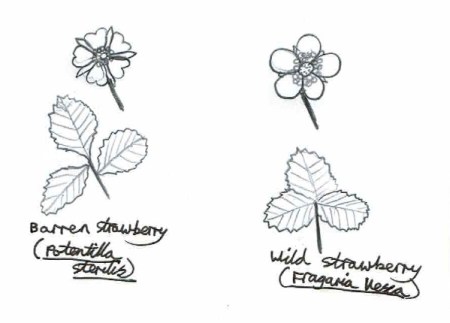
Wild Strawberry (Fragaria vesca)

  • Size: Up to 30cm tall
  • Flowers: White flowers with no gaps between the 5 unnotched petals. Produce reddish fleshy strawberries that have protruding pips
  • Stems and leaves: Hairy. Leaves are trefoil on long stalks and are brighter green on top and pale below. Lower leaves form a rosette
  • When does it flower? April-July
  • Where can it be found? Woods, scrub, and grassland throughout the British Isles

Strawberry

Barren Strawberry (Potentilla sterilis)

  • Size: Up to 30cm tall
  • Flowers: Unlike wild strawberry, there are gaps between the slightly notched white petals. Produces unstrawberry-like non-fleshy fruits
  • Stems and leaves: They are hairy, but unlike wild strawberry, they have smaller, shorter stems and blue-green leaves
  • When does it flower? Earlier than wild strawberry, from February-May
  • Where can it be found? Woodlands, scrub, hedgebanks and other dry banks

16_04_20_Horseshoe_Woods_Flower_Wild_Strawberry_2


Less known plants

Yellow Archangel (Lamiastrum galeobdolon)Yellow Archangel

  • Size: Up to 30cm tall
  • Flowers: Yellow and two-lipped, with the upper lip being helmet-shaped and the lower having three almost equal-sized lobes
  • Stems and leaves: Hairy and patch-forming, with leafy and upright flowering stems. The leaves are long-stalked, oval in shape, dark green, irregularly toothed and borne in opposite pairs
  • When does it flower? April-June
  • Where can it be found? Woodlands and hedgerows in England and Wales

Early Purple Orchid (Orchis mascula)Early Purple Orchid

  • Size: Up to 40cm tall
  • Flowers: Form a spike on a stout, upright stem. Usually some shade of purple, sometimes pinkish or white, and are three-lobed with three inner and three outer petals. The upper five petals are oval and form a hood; the lower petal extends into a long lip. Scent described as tom-cat-like
  • Stems and leaves: Lance-shaped, varying from broad to narrow, and usually have round, purple-black blotches on their upper surface
  • When does it flower? April-June
  • Where can it be found? Frequently in woodlands, and is widespread throughout Britain

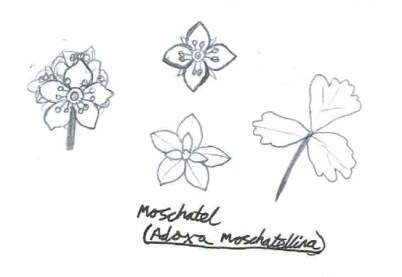
Moschatel (Adoxa moschatellina)Moschatel

  • Also known as townhall clock and is the only species in its family
  • Size: Up to 15cm tall
  • Flowers: Flower heads greenish, almost forming a cube with one flower on each side (5 petals each) and one flower on top (4 petals). Scent is musk-like, likened to almond or elder blossom
  • Stems and leaves: Hairless with long-stalked trefoil leaves, that are positioned in one pair on each flower-stalk
  • When does it flower? March-May
  • Where can it be found? Woods, hedge-banks, and rocky mountain places, locally common throughout Britain

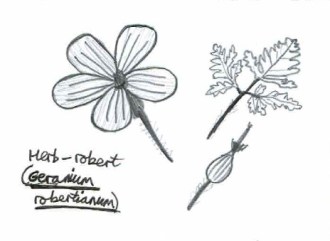
Herb-robert (Geranium robertianum)Herb-Robert

  • Size: Up to 50cm tall
  • Flowers: Strong smelling and deep pink, occasionally white, with rounded petals that are not notched
  • Stems and leaves: Hairy with stems that are often reddish and leaves that are fern-like with 3-5 lobes
  • When does it flower? April-November
  • Where can it be found? Shady spots on hedgebanks, rocks and walls or in woods throughout Britain

25_05_19_Horseshoe_Wood_Herb_Robert_3


All photos and drawings are my own