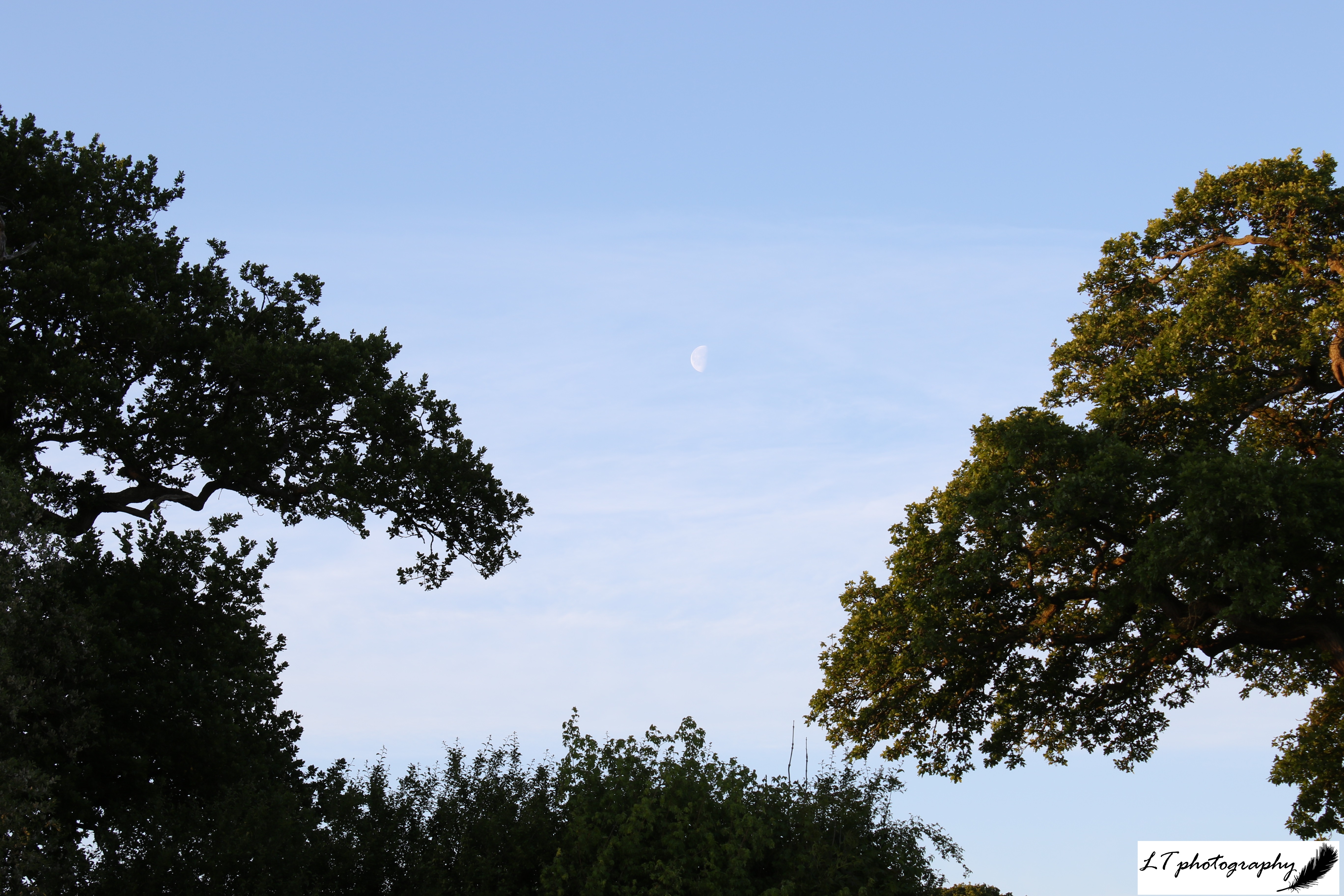
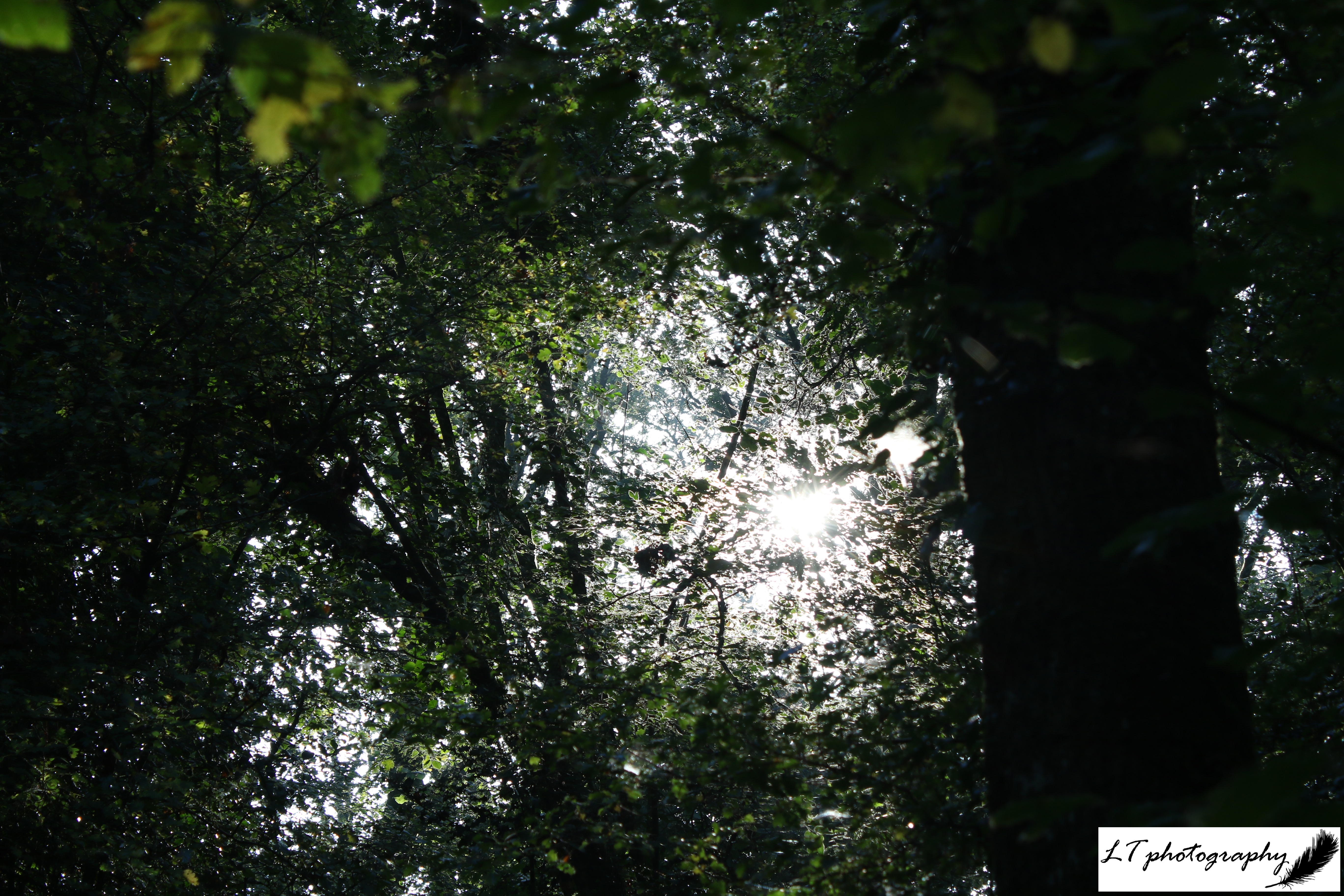
A Year in the Life of a Woodland – Part 2

Throughout 2024, I followed in person a year in the life of an ancient, broadleaved woodland in the heart of rural Dorset. I followed its progress from certain points within its bounds, and observed the beauty the woodland had to offer throughout the seasons. It was really interesting to see what goes on during each month of the year within a classic english country woodland, and to be able see the subtle differences as time went on.

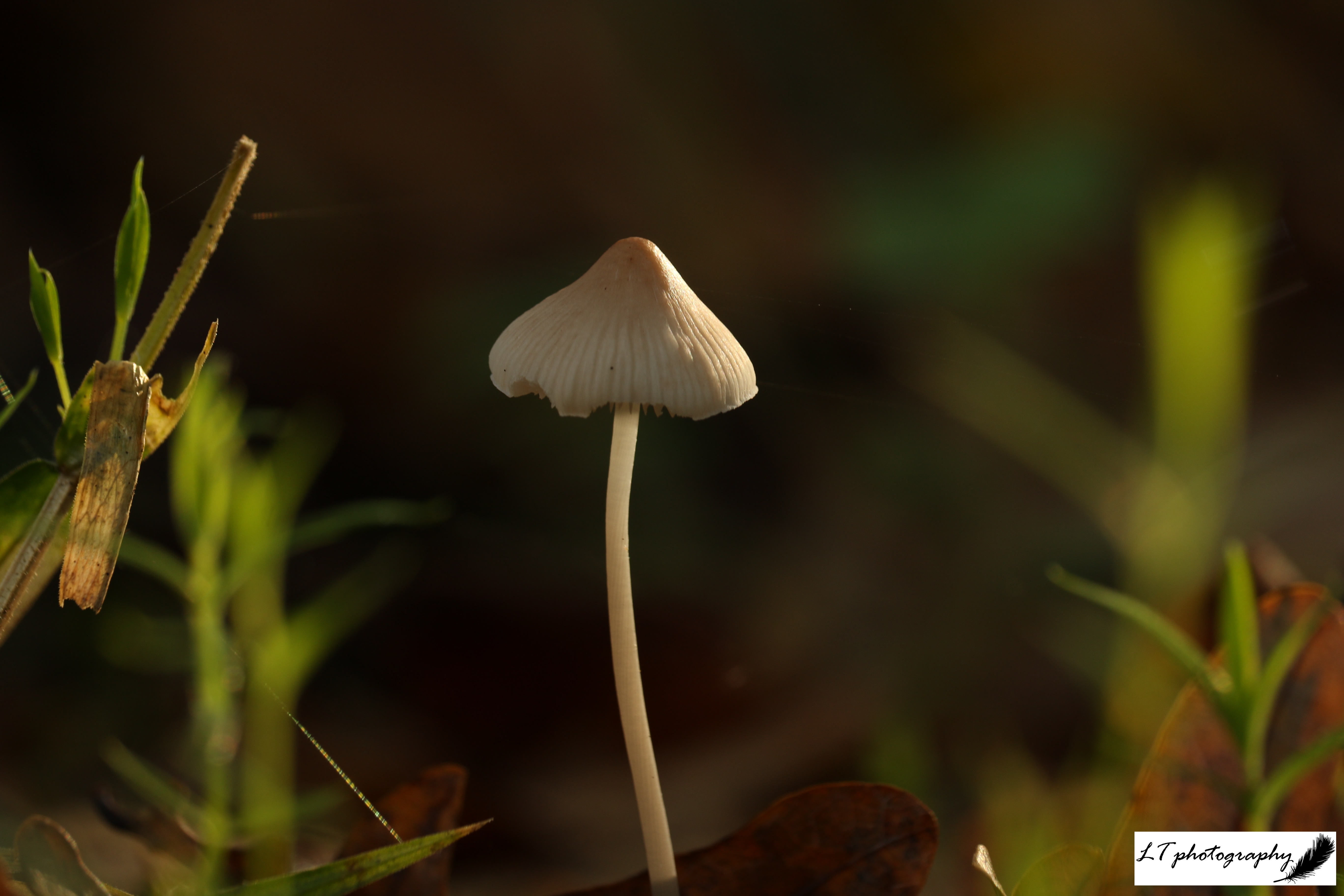
Previously on my blog, I left the woodland at the end of June after six months of colourful adventures. I watched as winter transformed into a vibrant spring and moved towards the summer months. From majestic skeletal trees and the unrolling of green to carpets of blue and flashes of beautiful butterflies, the woodland showed itself to be a master of changing its finery in dramatic style. To read more, check out Part 1 on my blog!

This time I delve into the second half of 2024 amongst the trees, as summer brings tranquil days, autumn comes with a riot of colour, and the woodland slips back into its winter slumber. How will these months differ to those of the first half of the year and what can we learn as the days regress once again. Here’s part 2 of my A Year in the Life of a Woodland.

July

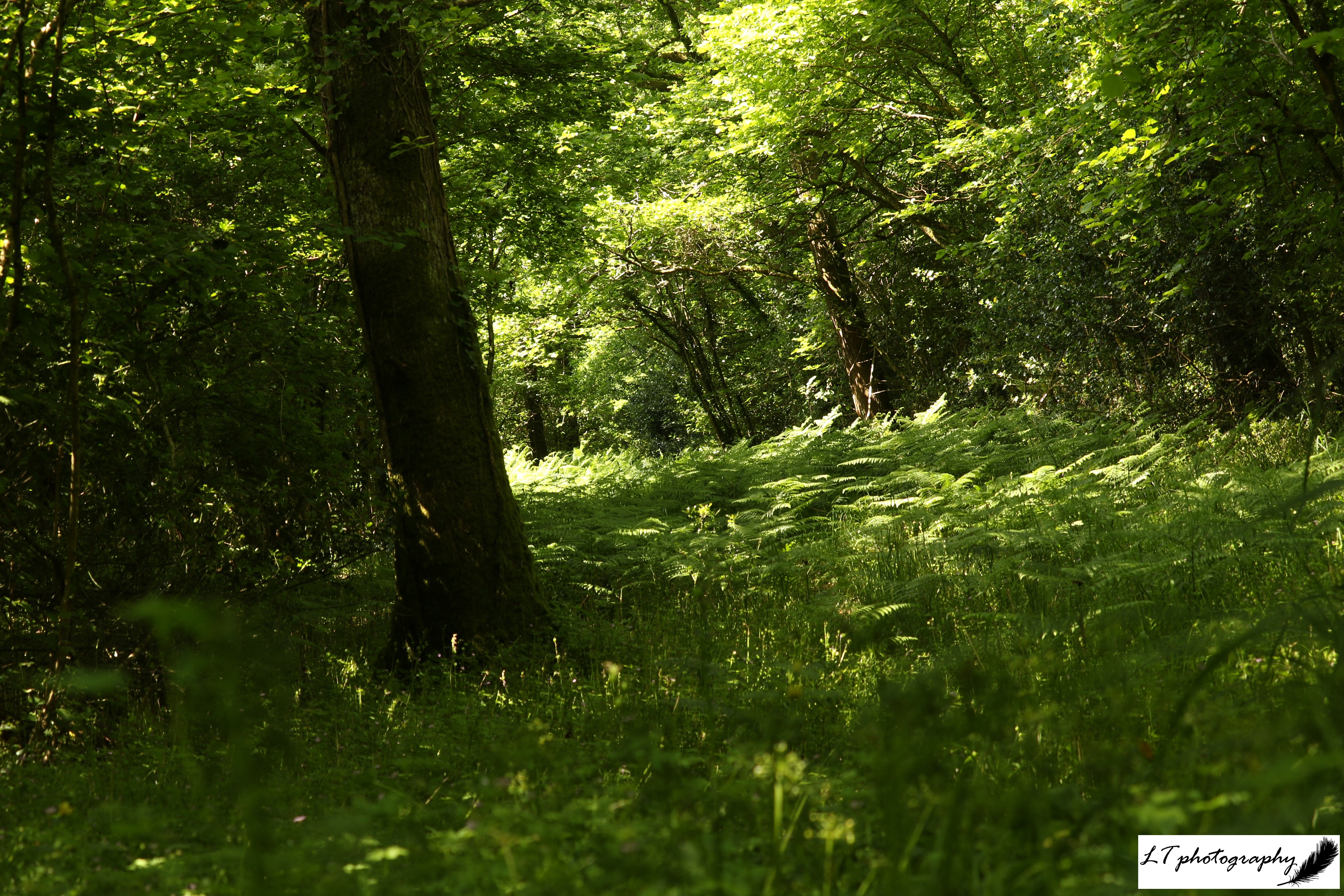
Summer has arrived! Stepping into the woodland, humid warmth is replaced by a refreshing cool within the shade of the tall trees. All around the undergrowth is starting to die back, with flower heads dropping their spent petals and seeds beginning to be produced. Herb robert survives on though, with nodding heads of still bright pink flowers, whilst honeysuckle hangs from the trees, giving off their heady scent, and enchanter’s nightshade and bramble flowers start to appear. Amongst all this, ferns now stand tall along open tracks and wooodland glades, lush green and stealing the summer sunlight from any plants tucked below.

Birds of the woodland are now concentrating on feeding their young or are even coming to the end of this year’s breeding season. Distant chiffchaffs and wrens sing on though, alongside woodpigeons calling, and tits communicating up in the trees. Buzzing flies can also be heard on warmer days, whilst dragonflies dance along woodland borders on silent wings. A fox slinks by through the shadows of the trees, on silent paws, at ease, only turning its head as it walks by. With the woodland now full of new life, the excitement and activity of spring is ebbing away, and we welcome the days of the more relaxed summer season.

August

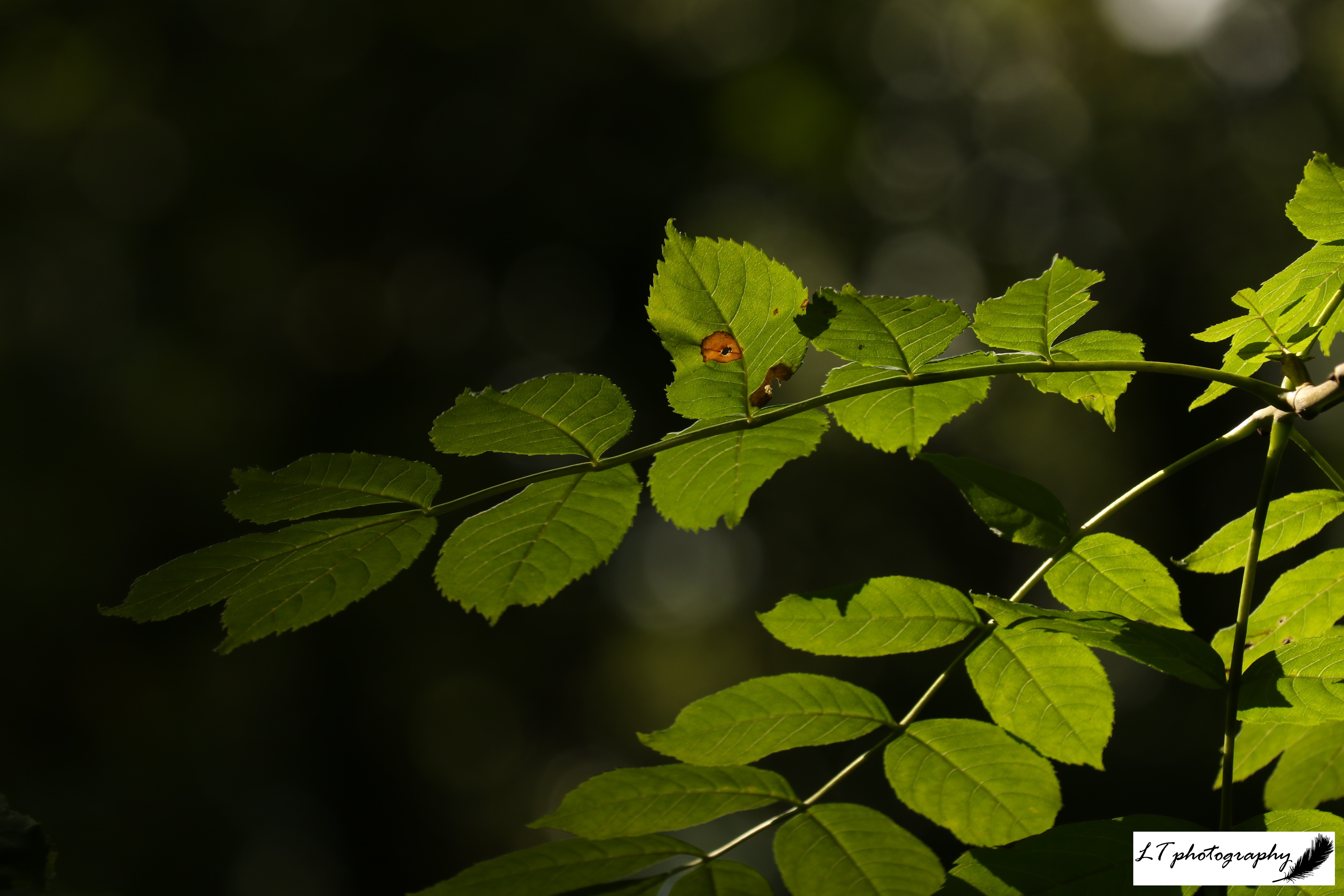
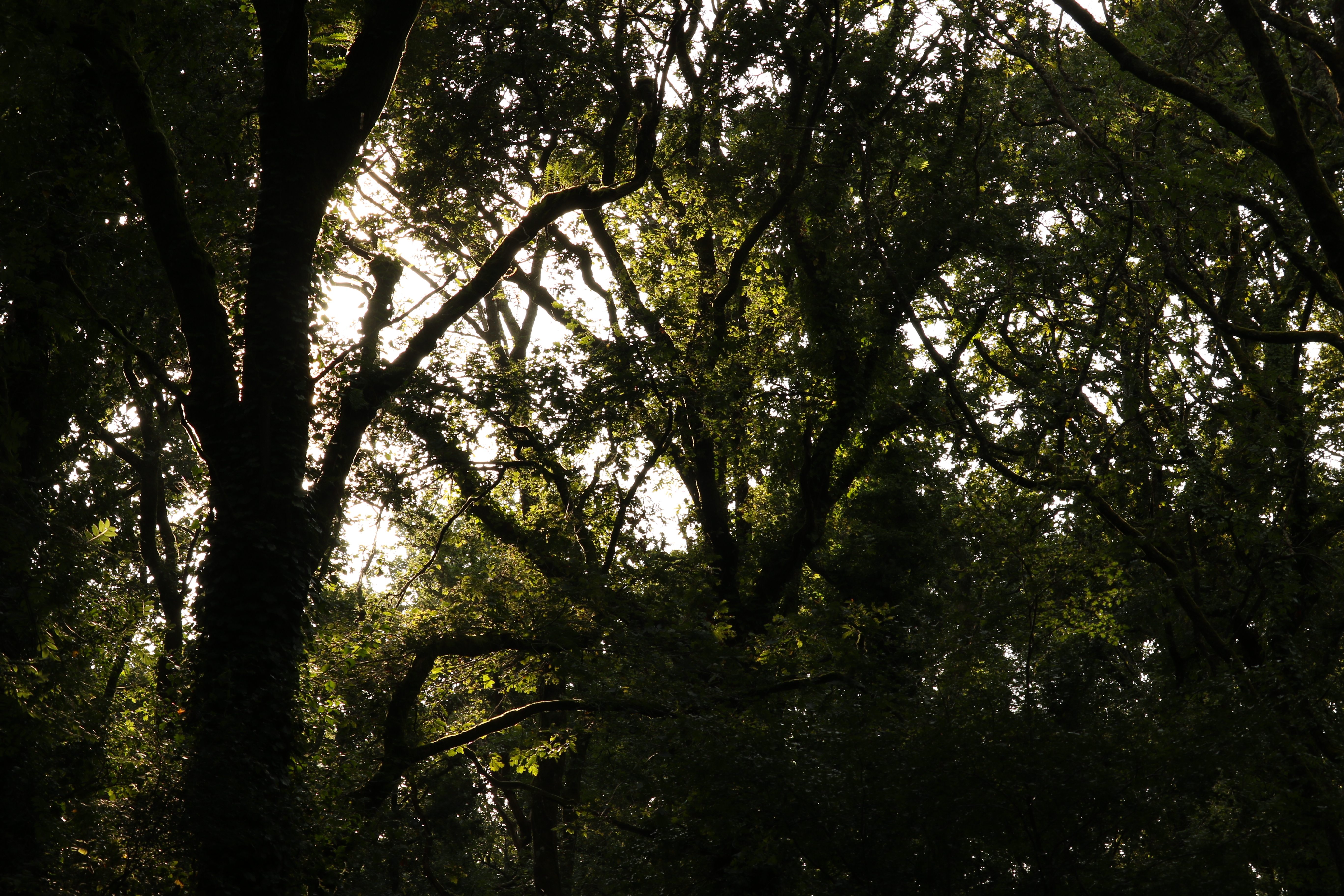
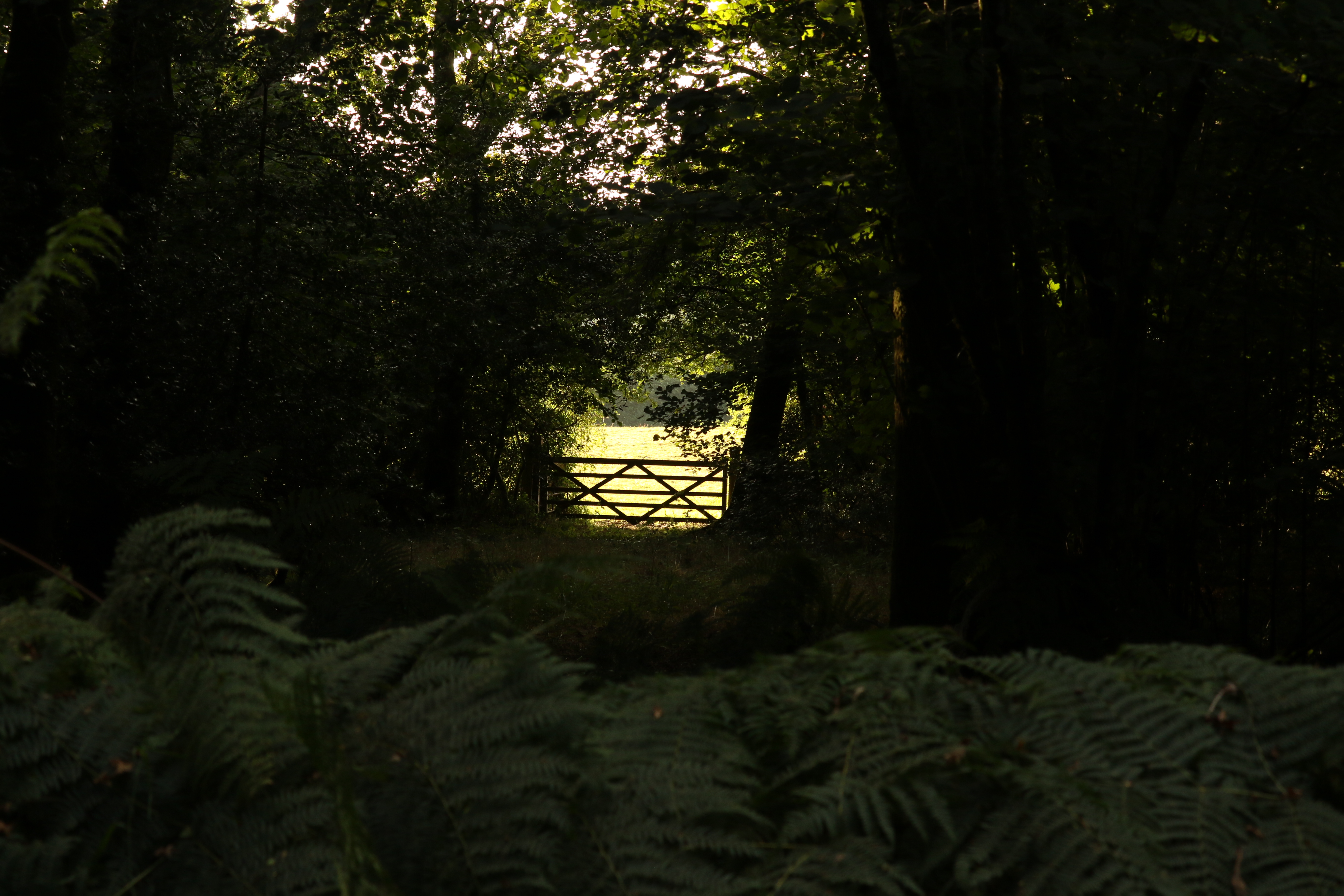
The woods are returning to their quieter state once again. The days are beginning to shorten in small increments, and the first whisperings of autumn can be felt. The start of August has been interesting with the woods seeing hot days broken up with spells of grey and heavy showers. As evening sun breaks through the still lush, but battered canopy, it’s noticeable that the woodland floor is picking up pace receding now. The hint of colour from flowers is completely disappearing, whilst the green undergrowth is beginning to show the brown leaf litter layer below.

Silence blankets the woodland, broken by wind up in the tree canopy, distant bird contact calls, and noise beyond the woodland altogether. The joyful bird song of spring has long served it’s purpose, and now the time has come when summer visitors are beginning to think of moving on to warmer climes, as the first signs of autumn have arrived. Plants hang with fat seed heads, hazel trees are laden with nuts that are already being pilfered, grey squirrels can be heard alarm calling up in the trees, and jays are popping up with their rough screaming calls. It’s a time of bounty and fruitfulness, a time to celebrate what nature has given us this year, and a time to prepare for the slumber to come.
September

The first breath of chilly air has arrived and rarer dry days have an edge to them. Another change in the year is coming, as the woodland floor dies back, leaving increasing patches of last year’s leaf litter open to the air once again. In places grass is crowding out other species on woodland rides, whilst ferns begin to turn brown, like fire catching their leaves’ edges. The first holly berries are beginning to redden, hazel trees are bedecked in green nuts, ripe blackberries are already beginning to soften, and oaks are growing their iconic nuts complete with their classic cups.

The mornings are now renewed with a gentle soundtrack of calling birds in the woodland, with residents claiming territories and migrants passing through on their way. Nuthatches, wrens, goldcrests and robins are amongst this cohort, creating a bubble of bird song. The afternoons are quieter, filled with lazily buzzing insects, and the odd animal sound. This afternoon though, the woodland soundscape is broken up with the sound of a great-spotted woodpecker moving from tree to tree and tapping to find food beneath bark. 

October

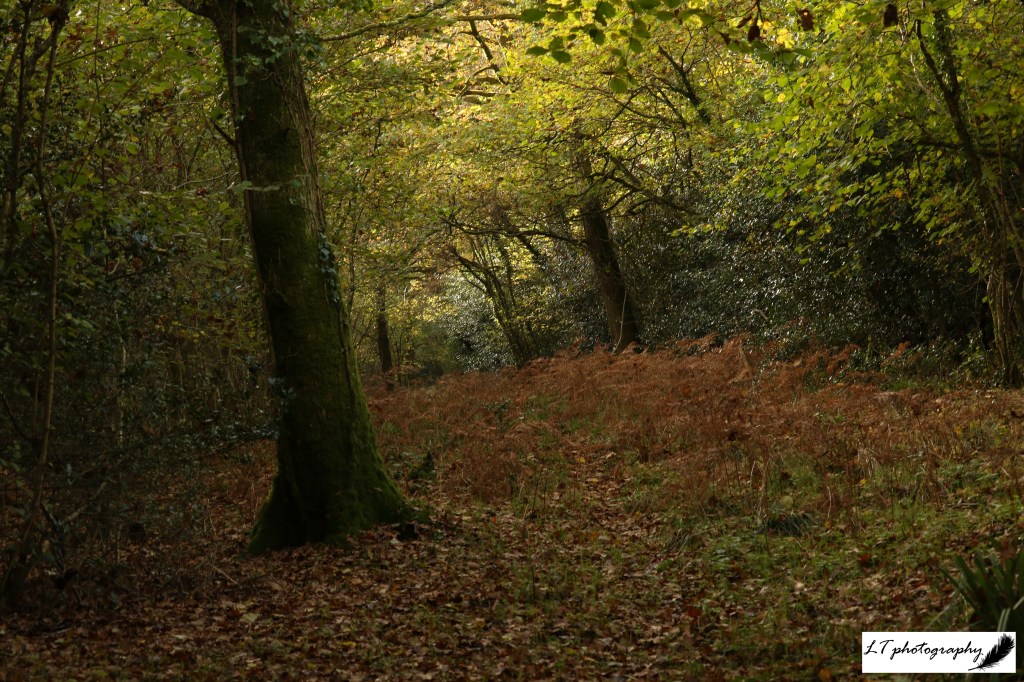
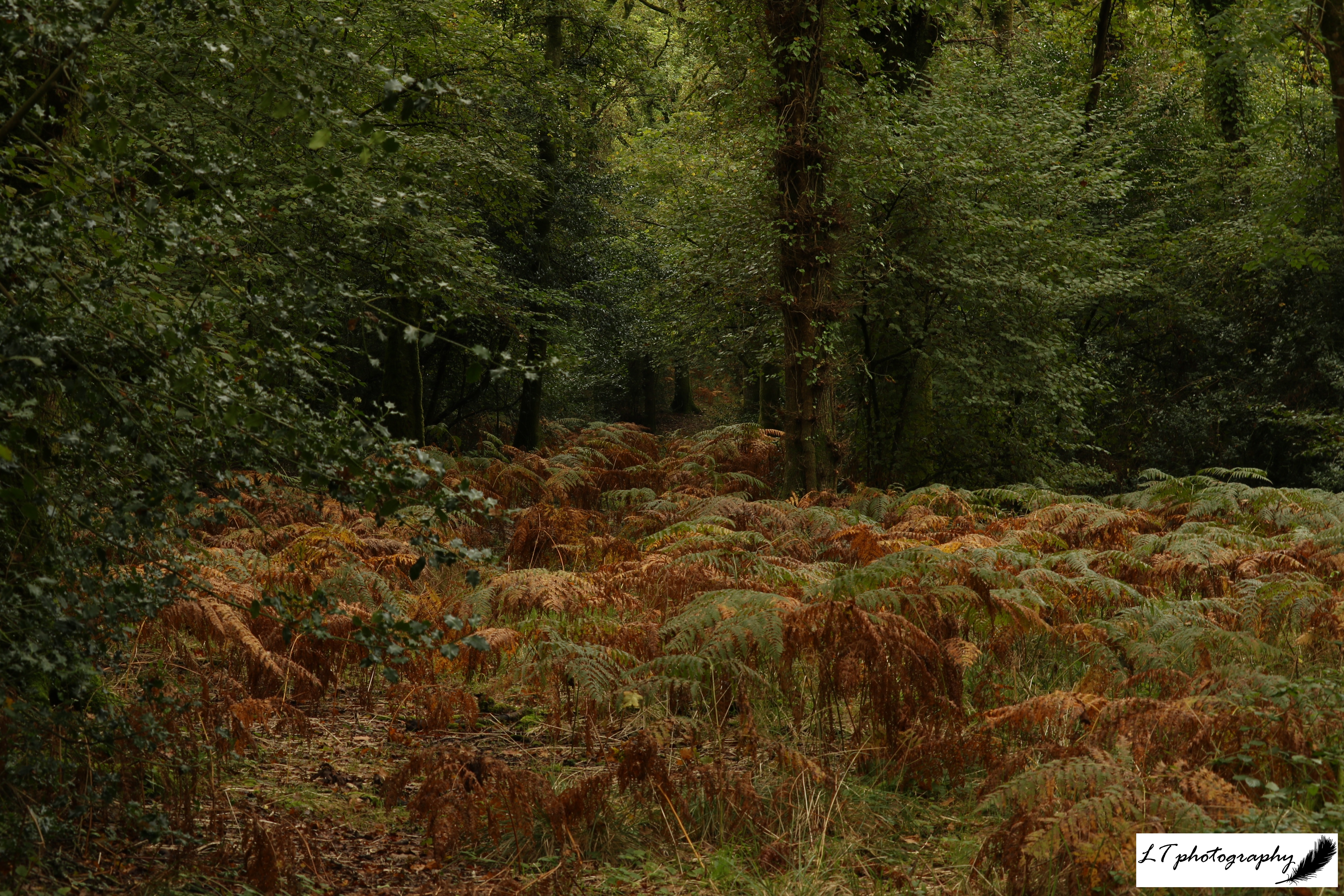
Nights are drawing in, temperatures are beginning to cool, and the dampness in the air is creeping in. Trees, such as oak, hazel and ash, are beginning to show changes to the colour of their leaves, adding yellows, reds, and oranges to their palette. As the trees signal the start of changing out of their finery, the ferns covering the woodland floor below are now fully on fire, curling up and browning away. As this dying off progresses, new life is symbolised through nuts, seeds and berries, such as the first ripe holly berries, shiny and red, waiting to be eaten. To buck the trend, ivy tendrils are sprouting clusters of green balls, their late flowers that will reach their peak in November.
Most of the summer avian residents will have begun their travels to warmer climes, leaving overwintering birds moving through and residents staying put. For example, our native robins are beginning to sing strong once again, needing to defend their important territories throughout the winter. Tits can be heard beginning to travel in small feeding flocks, whilst wrens and goldcrests flit in the branches currently going solo. Mammals do not make an appearance during my visit, but there are signs of the badgers, foxes, roe deer and squirrels that call the woods home. Times are bountiful for those who can find it, but harsher days are on their way!

November

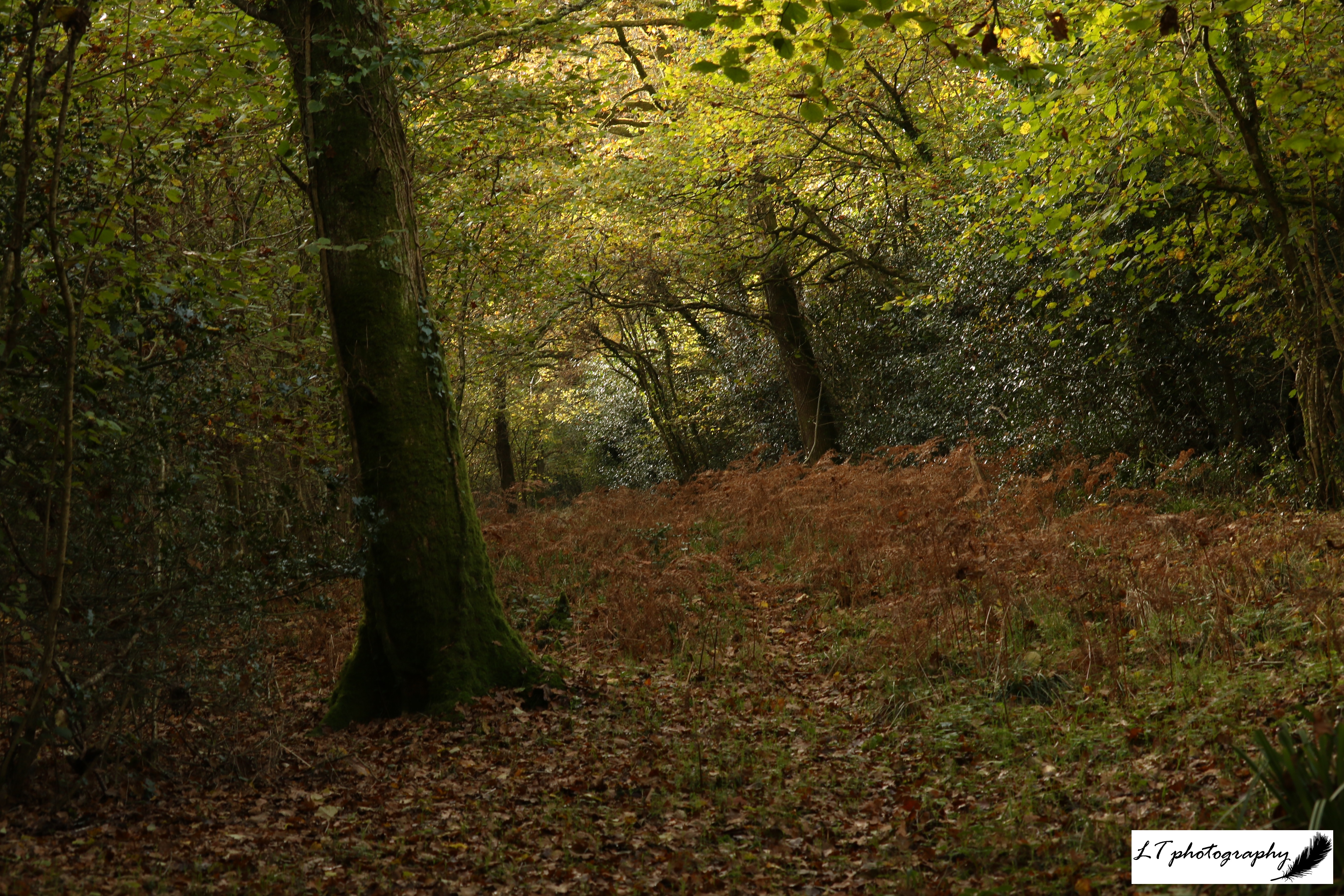
The arrival of November is accompanied by shortening day lengths and biting northerly winds. Mostly the month begins calm in the woodland with grey or sunny days. As trees continue to take in the goodness of this year’s bounty of leaves, the green of summer has been fully taken over by bright fierce colours in the canopy, with the orange of oak, yellow of hazel, gold of field maple, and red of hawthorn, amongst others. The leaves also begin to fall from on high, twirling to the ground and beginning to form a crunchy leaf litter under foot. The trees are going to go out with a riot of colour!

The soft sunlight falling through the trees marks a slowing of time and activity for wildlife. Pheasants meander amongst the trees being released from local shoots. A raucous jay echoes through the still trees. Mushrooms poke up from the leaf litter here and there creating a more ethereal quality to the woodland during this time. It finally feels like autumn has arrived just at the point when people look towards the closing of the year in a month’s time. Time to savour the last hurrah of nature!

December

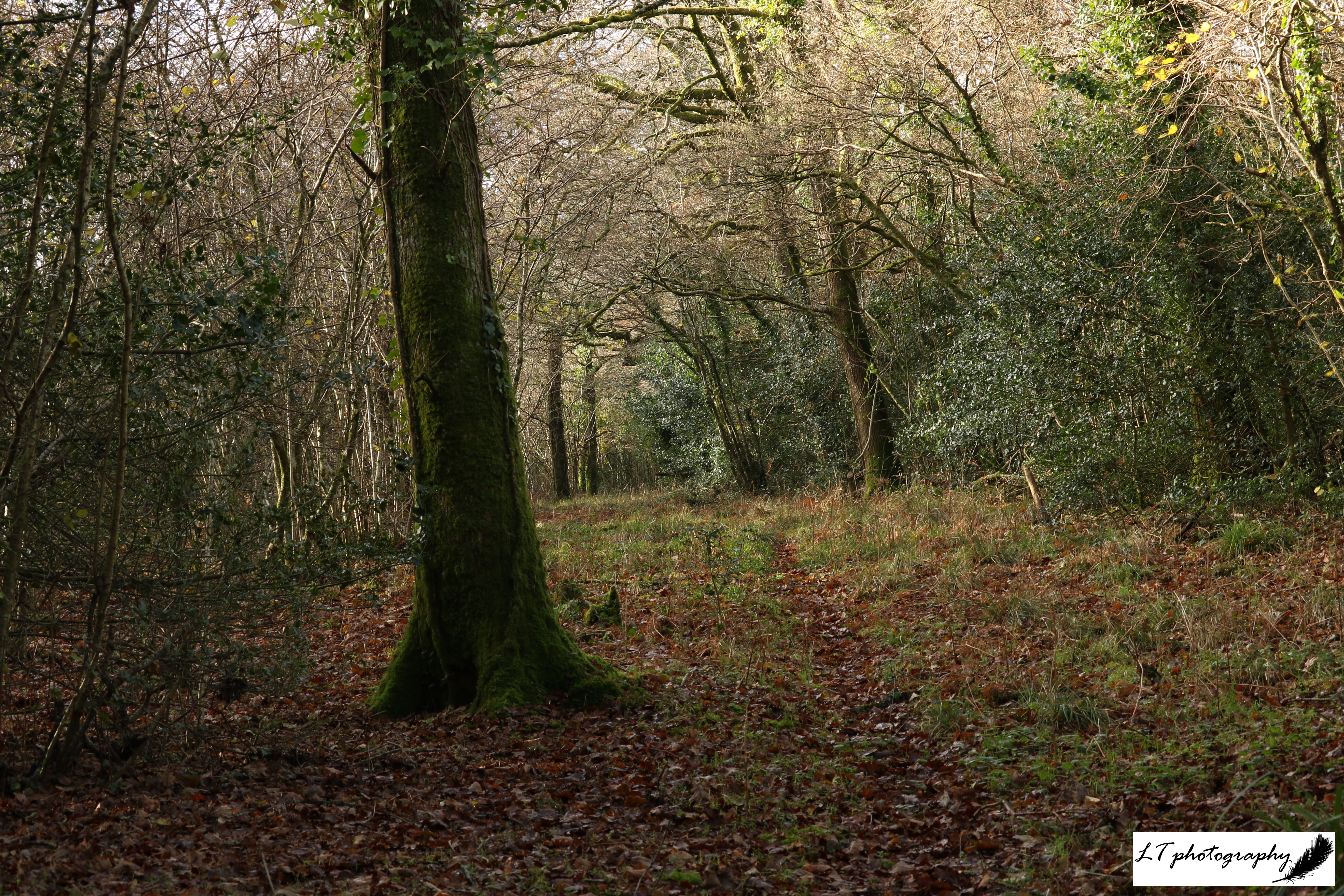
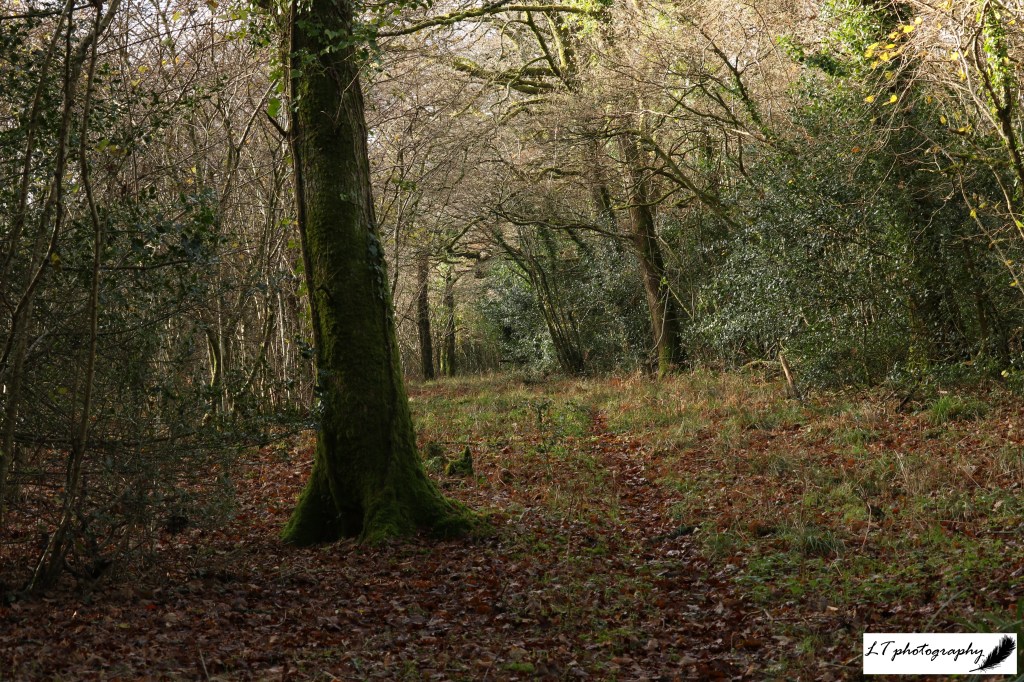
The year is rolling on to its close once again and winter is fully upon us. As I step back into the woodland for one last walk of the year, a cool breeze bites my cheeks whilst cheerful sunshine falls through the trees. Now I find myself surrounded by leafless forms once again, bare, skeletal, but magnificent, especially the ancient oaks. The last few hazel leaves cling to their branches, but most trees have now shed their finery, and a new carpet of leaf litter satisfyingly crunches beneath my feet. The trees are putting nutrients back into the earth as they now lay in slumber.

Up above my head, I can hear a soft tap, tap, tap. The sound of a great-spotted woodpecker moving from tree to tree once again, and tapping for food under their barks. Birds call all around me, from angry wrens, territorial robins, and hungry blue tits, to a raven passing overhead, blackbirds on the wing, and even a nuthatch going about its business. Badgers will now be sleeping more, whilst foxes are more active, thinking about breeding once again. There is still so much life to be found out in this Dorset woodland, even if all are just trying to survive through to another year. December is rolling on and a new year beckons!

Spring in Photos 2021

Last year spring was my lifeline, as we experienced the world around us being thrown into disarray. This year spring was instead turned on its head, with changing weather patterns making it unpredictable and different from what we would usually expect at this time of year. A hot and stormy March, cold April, and wet May made nature emerge later, with spring events taking longer to arrive, and being anywhere up to 60 days late.

Still this year’s spring has been magnificent. Vibrant and colourful, it had much to be celebrated. My family’s farm in Dorset became full of new life, from blossoming trees and flowers, to fox cubs and leverets. Spring is unsurprisingly my favourite time of year, so this year I again made a point of getting out as much as possible to experience it, with my camera by my side. Here’s a look at some of my favourite photos from this spring, either for their aesthetic appeal, meaning to me, or overall joy factor.

Spring in Photos 2021

1. Blackthorn – This photo was taken at the beginning of April on a misty morning. It was a beautiful way to see delicate white blackthorn flowers in a different light, framed in front of a splintered stem.

2. Male blackbird – Blackbirds are an iconic sound of spring for me and also so many others. Their beautiful song often symbolises the beginnings of longer, lighter evenings, or for me fresh spring mornings. This male would sit in this willow tree every morning throughout spring to sing his song, defending his territory and mate. In particular, this male and his female nested in our shed, successfully fledging 5 chicks at the start of June.

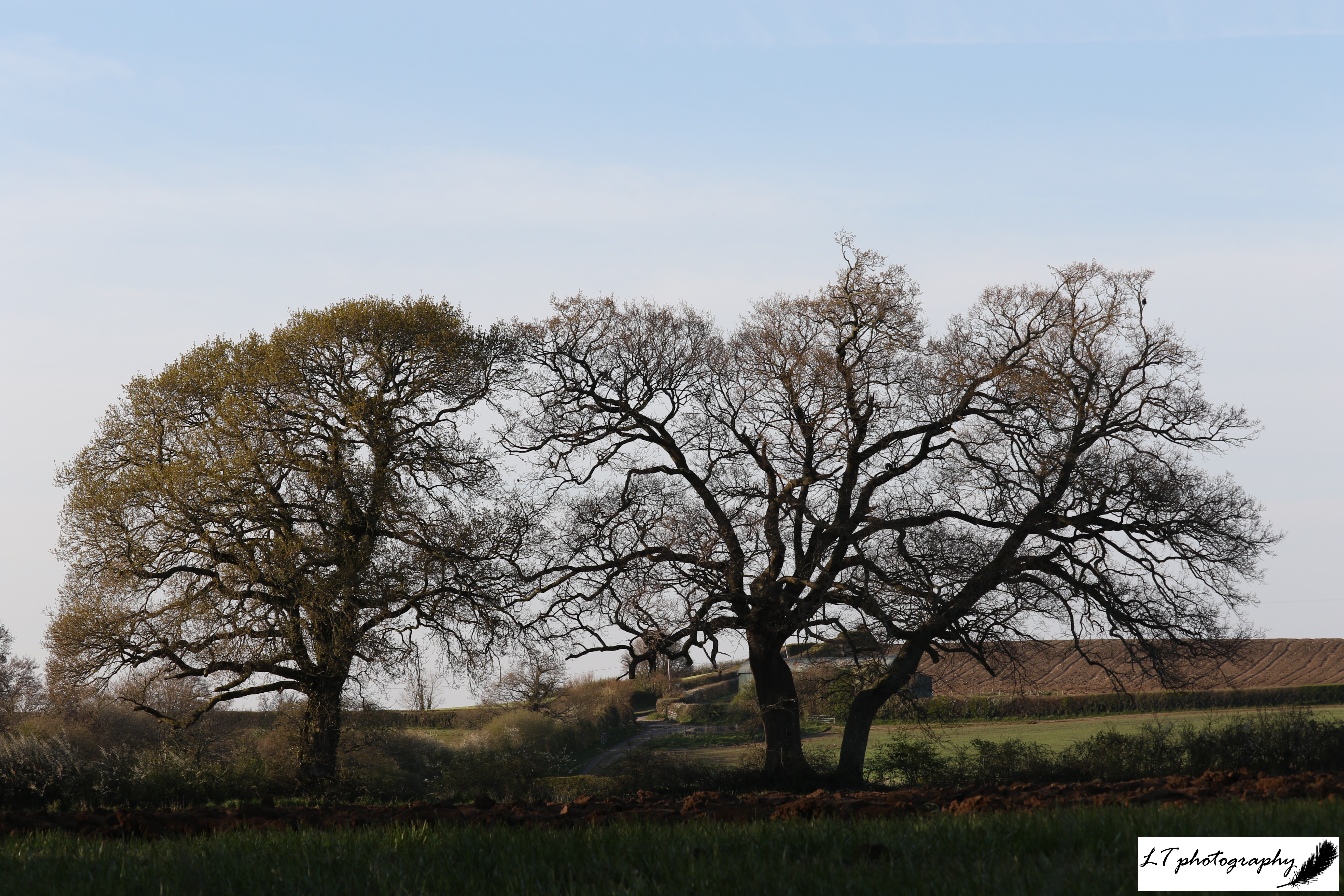
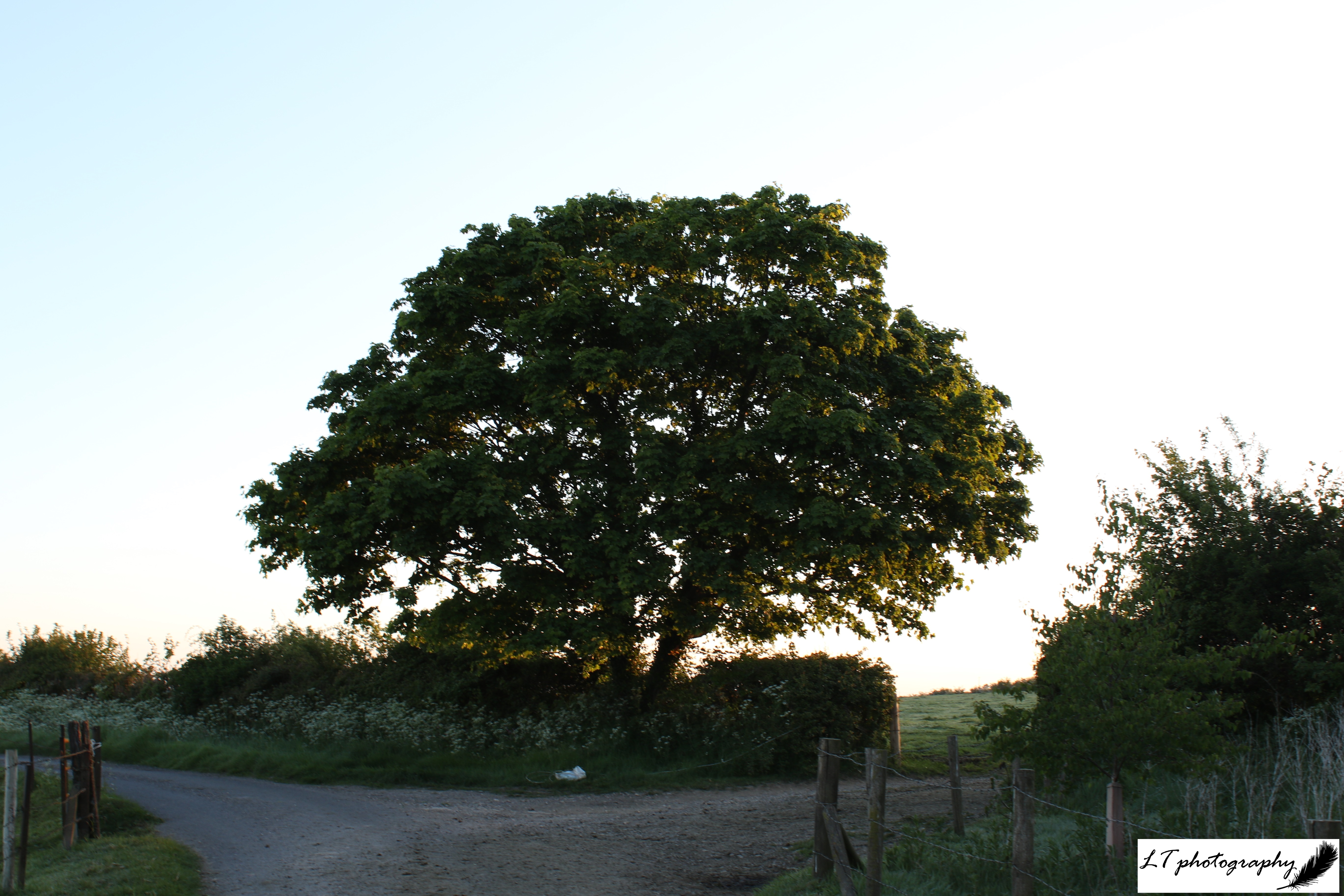
3. Oak trees of a farming landscape – What hits me first in this photo is how bare this landscape seems for late April. The oak trees have barely begun their bud burst, looking skeletal behind a farm field that is being worked. This almost autumnal scene is refreshing though, showing the new beginnings of another year in nature.

4. Camera trap fox cub – This photo is one of my favourites from this spring, symbolising a successful spring camera trapping season (blog post to come). This was one location, an abandoned badger sett, where I thought that foxes may have been breeding. My camera trap proved my feeling to be right, and treated me to an assortment of photos, day and night, of 2 very active fox cubs. Just one of multiple litters that I found on my family’s farm this year!

5. Wood anemones – Wood anemones have slowly become one of my favourite spring flowers, being one of the first to appear in woodlands across the UK. They are a great indicator of ancient woodland, and an interesting flower to photograph for their shape and colour. My memory cards are full of all sorts of different types of photos of this species!
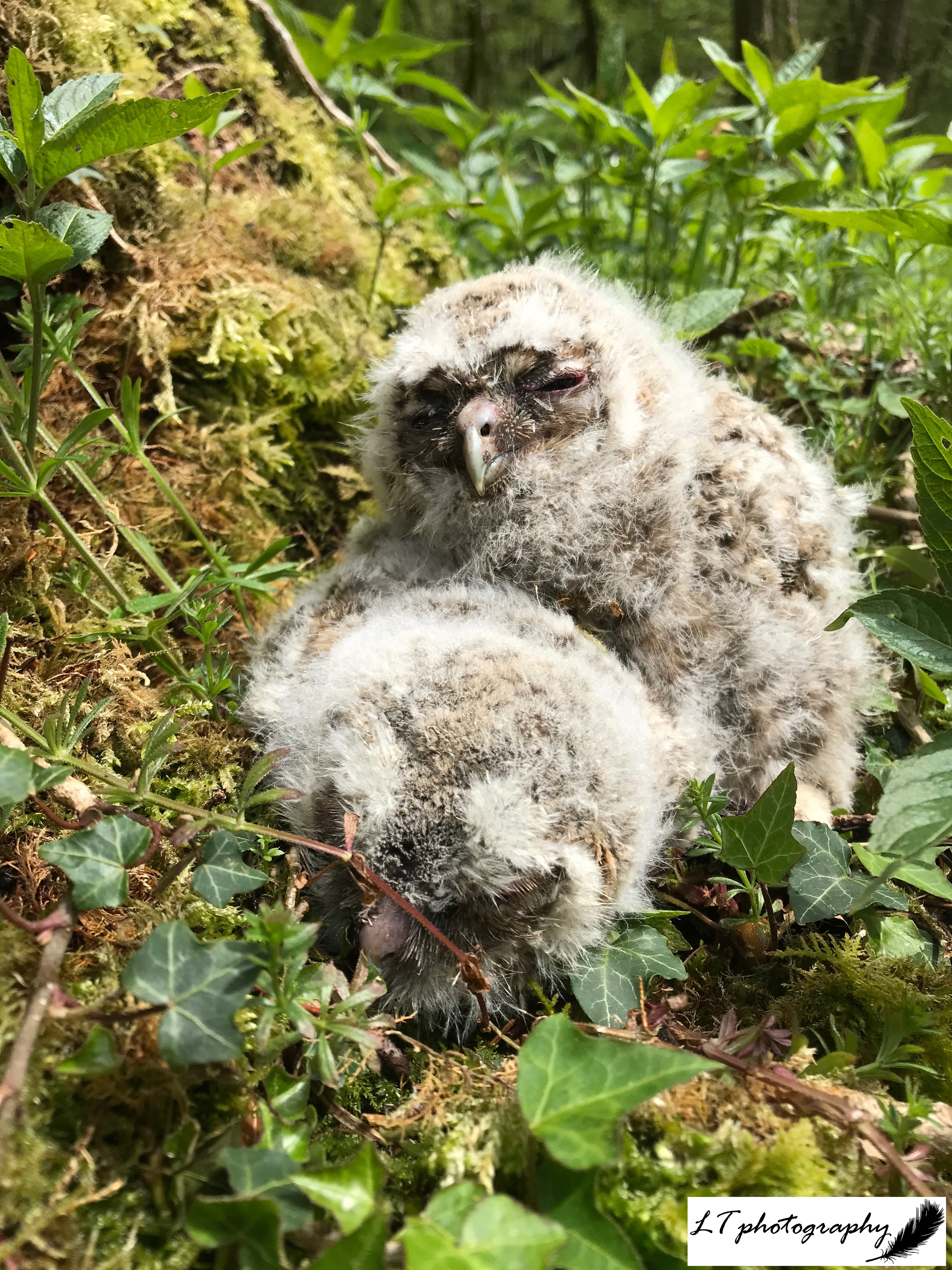
6. Tawny owl chicks – One of my highlights of spring this year has been ringing chicks under license with my bird ringing group (Conservation Action). In particular, I had a great day in early May at the Woodland Trust’s Duncliffe Woods site in North Dorset checking tawny owl nest boxes. It has been a poor year for tawny owls in general, which was reflected by Duncliffe Woods, but we did get lucky and found 3 active nest boxes. I had the pleasure of ringing these chicks, under permit, which will provide important information to help conserve tawny owls in the future.

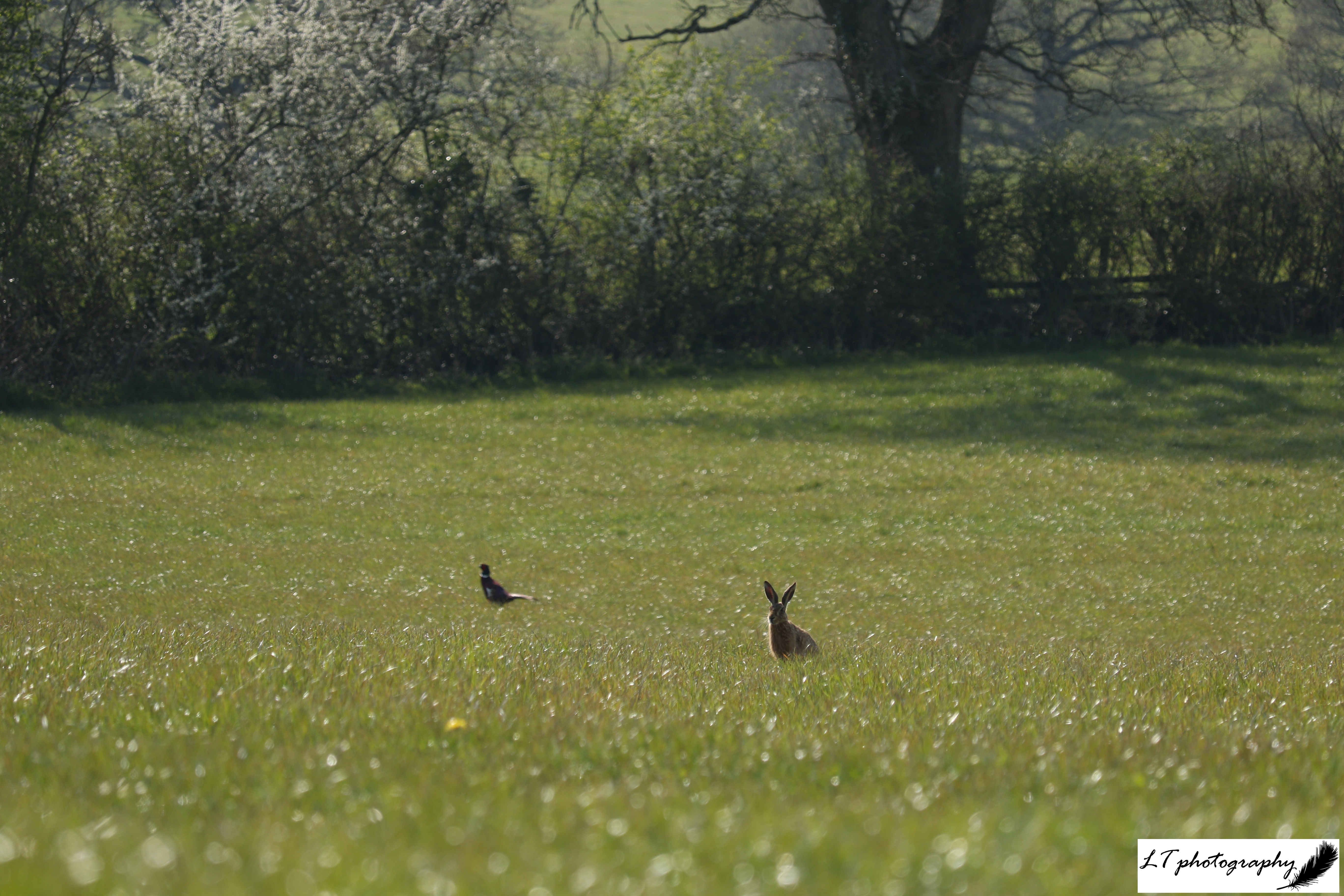
7. Brown hare – This year has been the year of the hare on my family’s farm in Dorset. We have a reputation for being a great site for this species, but this year has been truly astounding. With 1-3 hares to every field, I was humbled to spend my spring out working alongside them everyday, getting to see them up close and experience their behaviour firsthand. Truly magical!
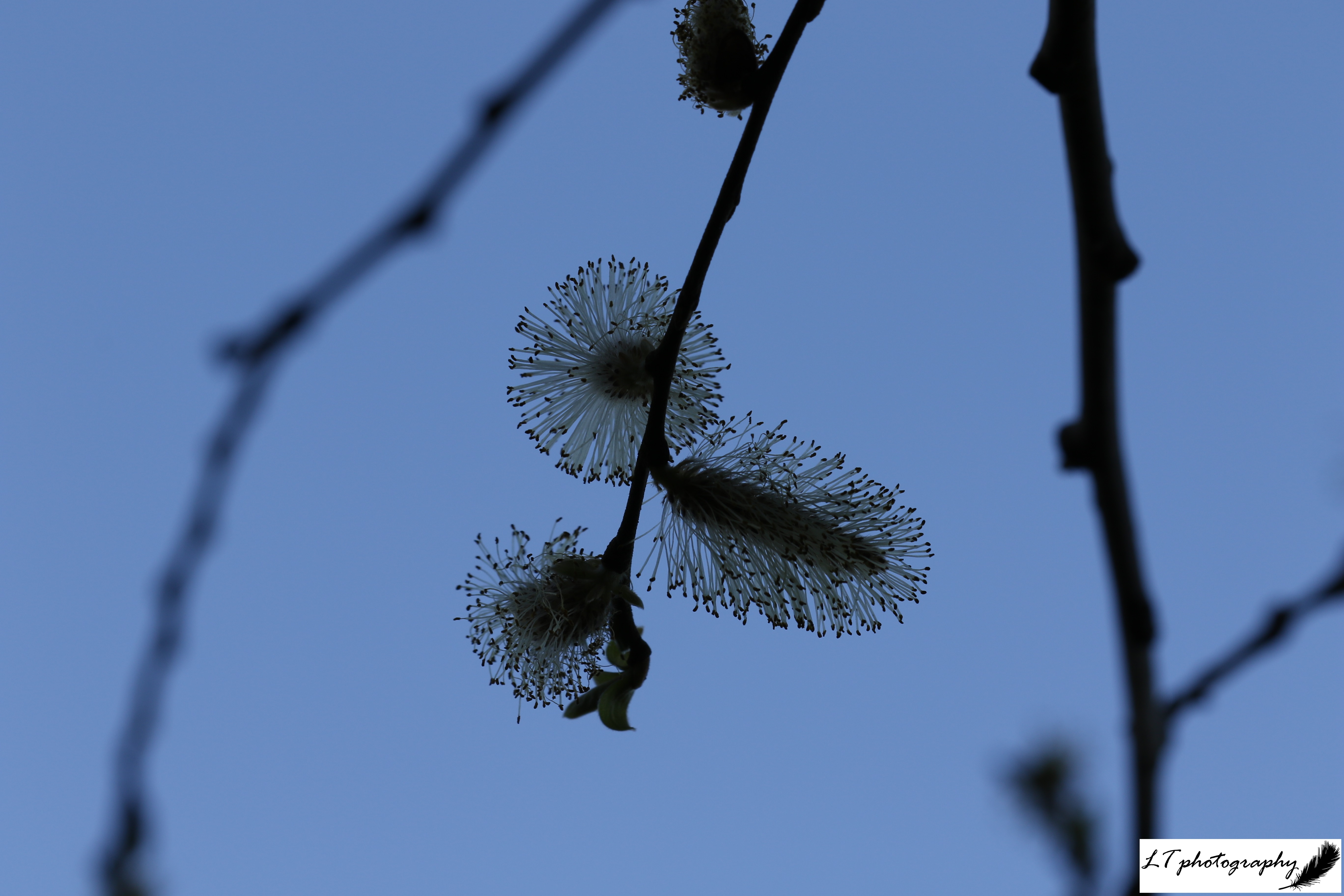
8. Pussy willow flowers – Willow flowers have been a difficult subject for me to photograph this year, with poor results. I was pleased though to find this refreshing photo on my memory card, of willow flowers stood out against a clear blue evening sky. They are beautiful in their own right.

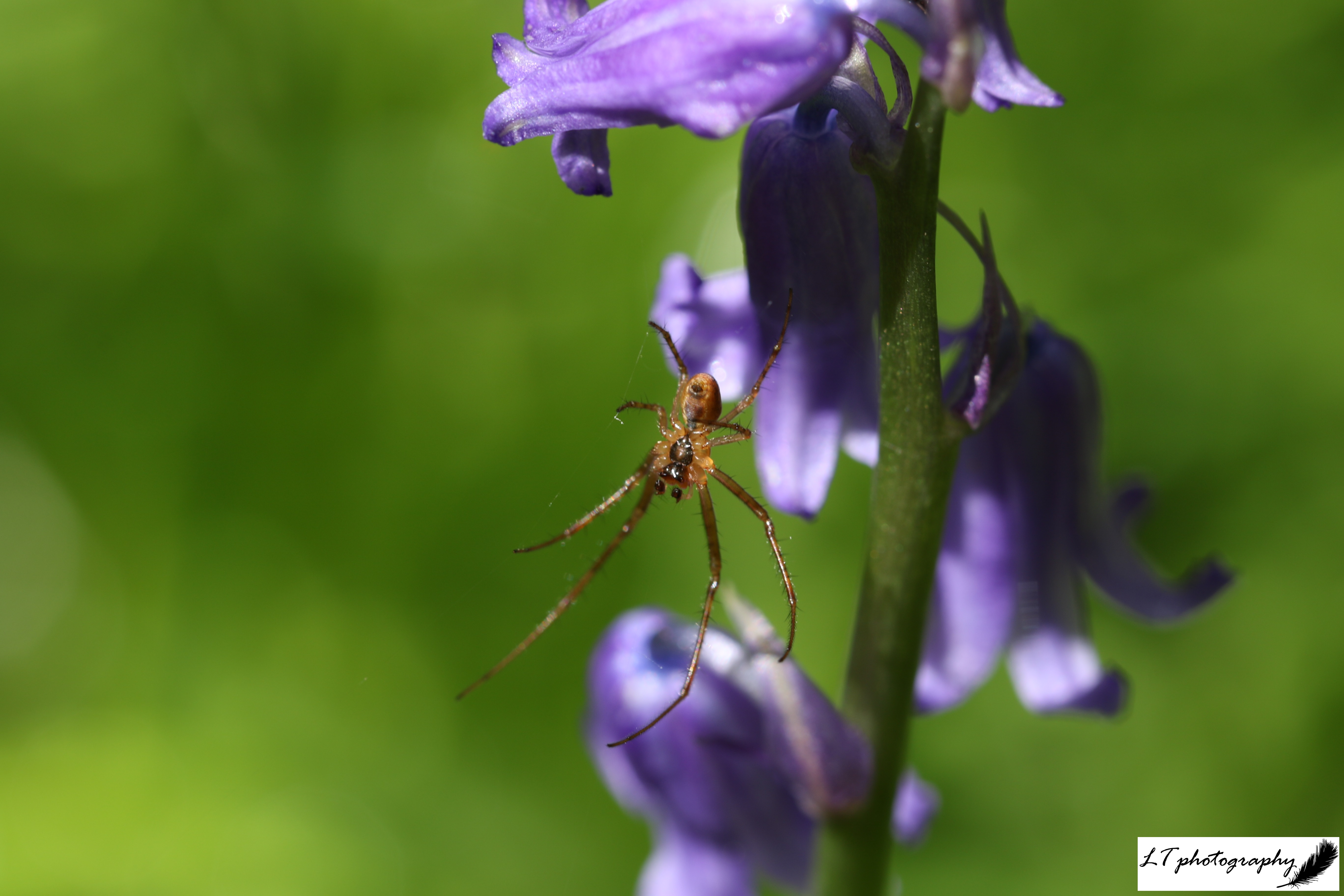
9. Spider in macro – This photo that is not photographically ‘perfect’ is still a favourite of mine from this spring for other reasons. As I invest in my camera equipment, my latest edition has been my first professional macro lens. So this photo was the first photo I even took with my new lens, and it fills me with joy to see the new world I can now start to explore.

10. Grey wagtail – Last year my Dad began digging a pond in his field that he is currently wilding. Though he was rained off in the autumn before completion, the half-dug pond is already attracting a wealth of species from birds to insects. Majestic grey wagtails that have begun populating this area over the winter have also found the pond this spring.

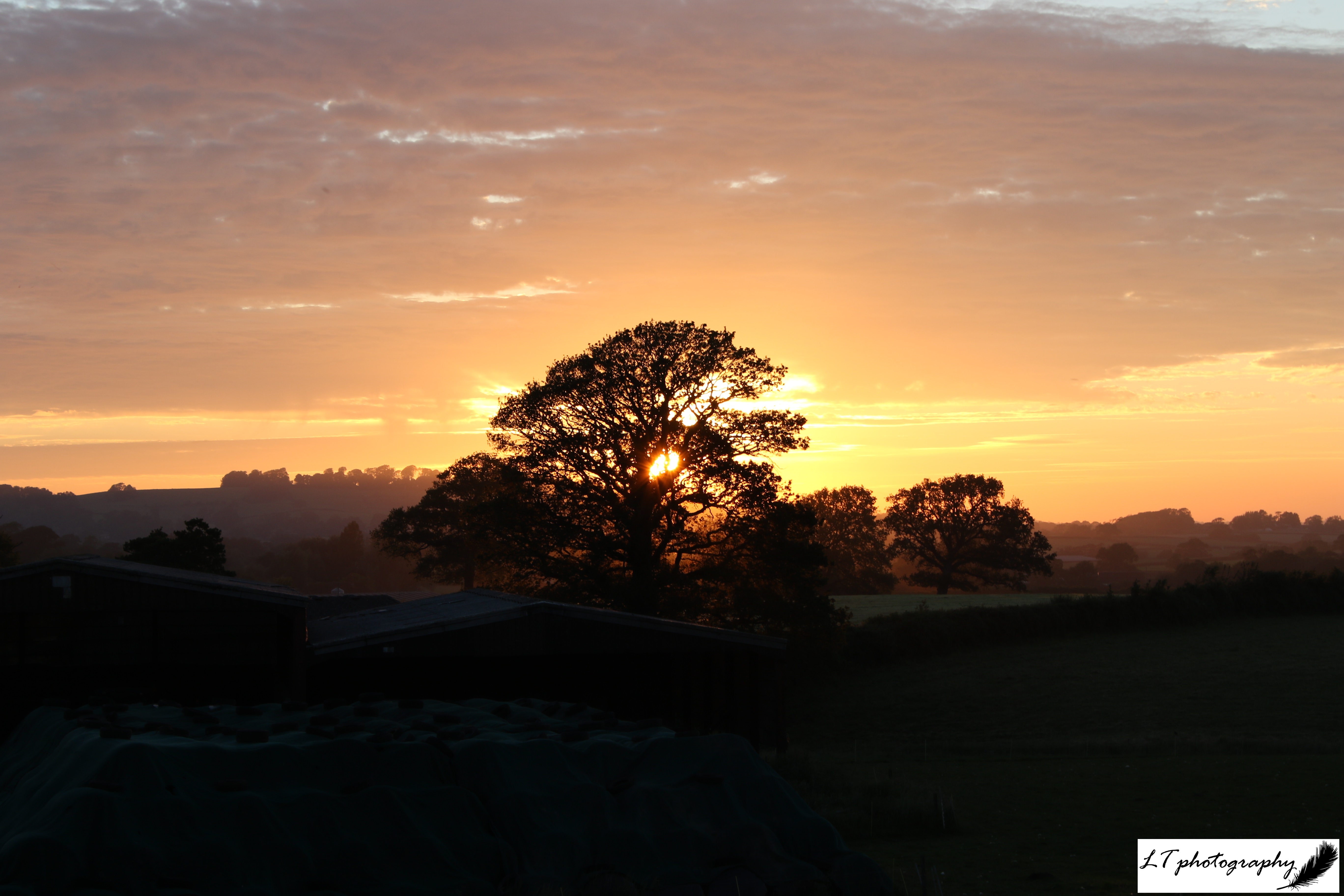
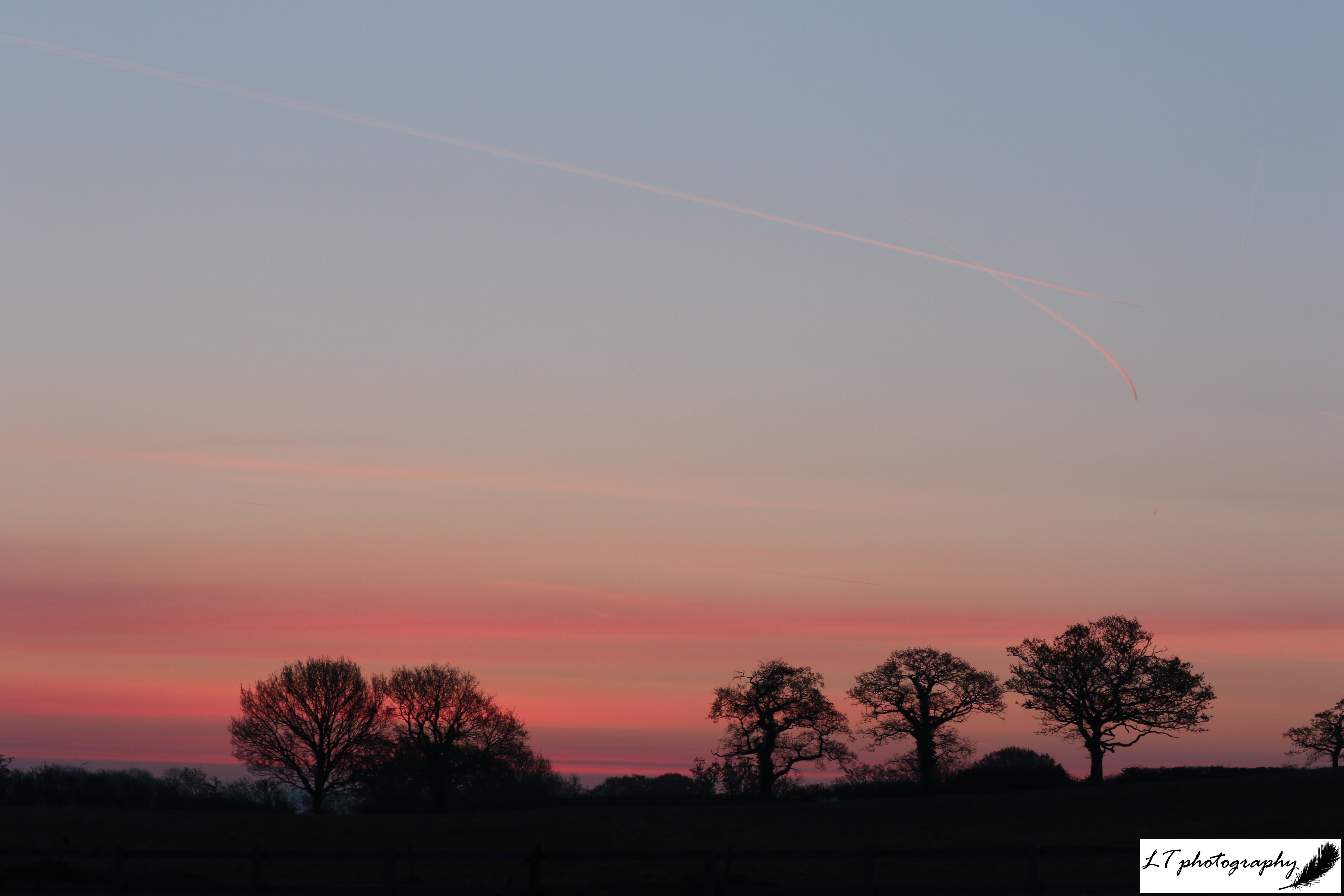
11. Sunset – Though sunrises are magical, sunsets have always been my most favourite time of the day. This is because many of my happiest memories can be linked to beautiful and vibrant sunsets from field research in Canada to evenings at home on my family’s farm. I have seen so many incredible sunsets already so far, but I hope to see many more in the future.

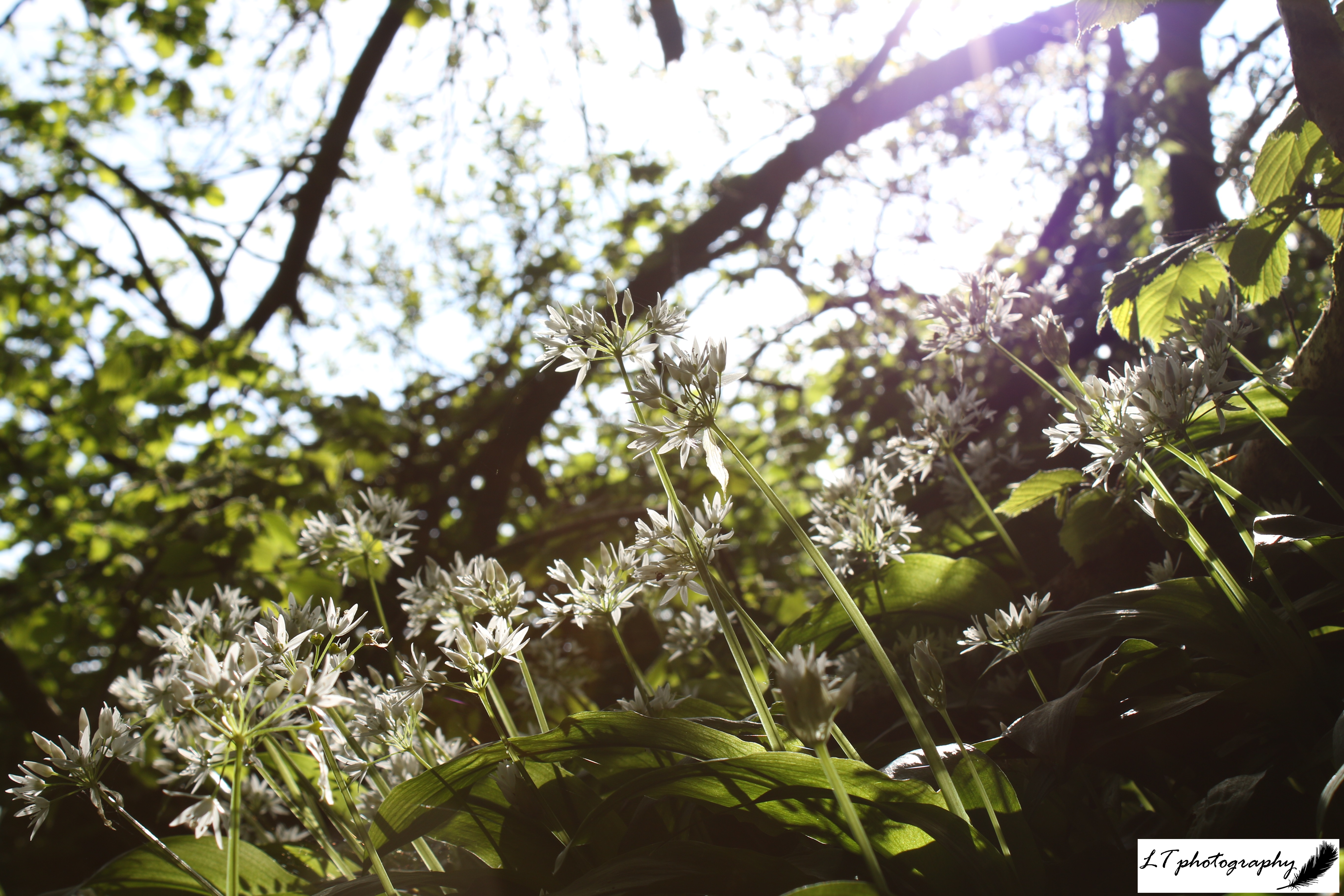
12. Wild garlic – Though my busy spring dissuaded me from mornings waking up before the sunrise, I did spend a couple of glorious mornings waking up and getting out an hour or so after instead. The light is glorious at this time of day and always provides me with inspiration for my photos and life in general. This photo represents this magical time of day and the joys of spring flowers, wild garlic being an iconic example.

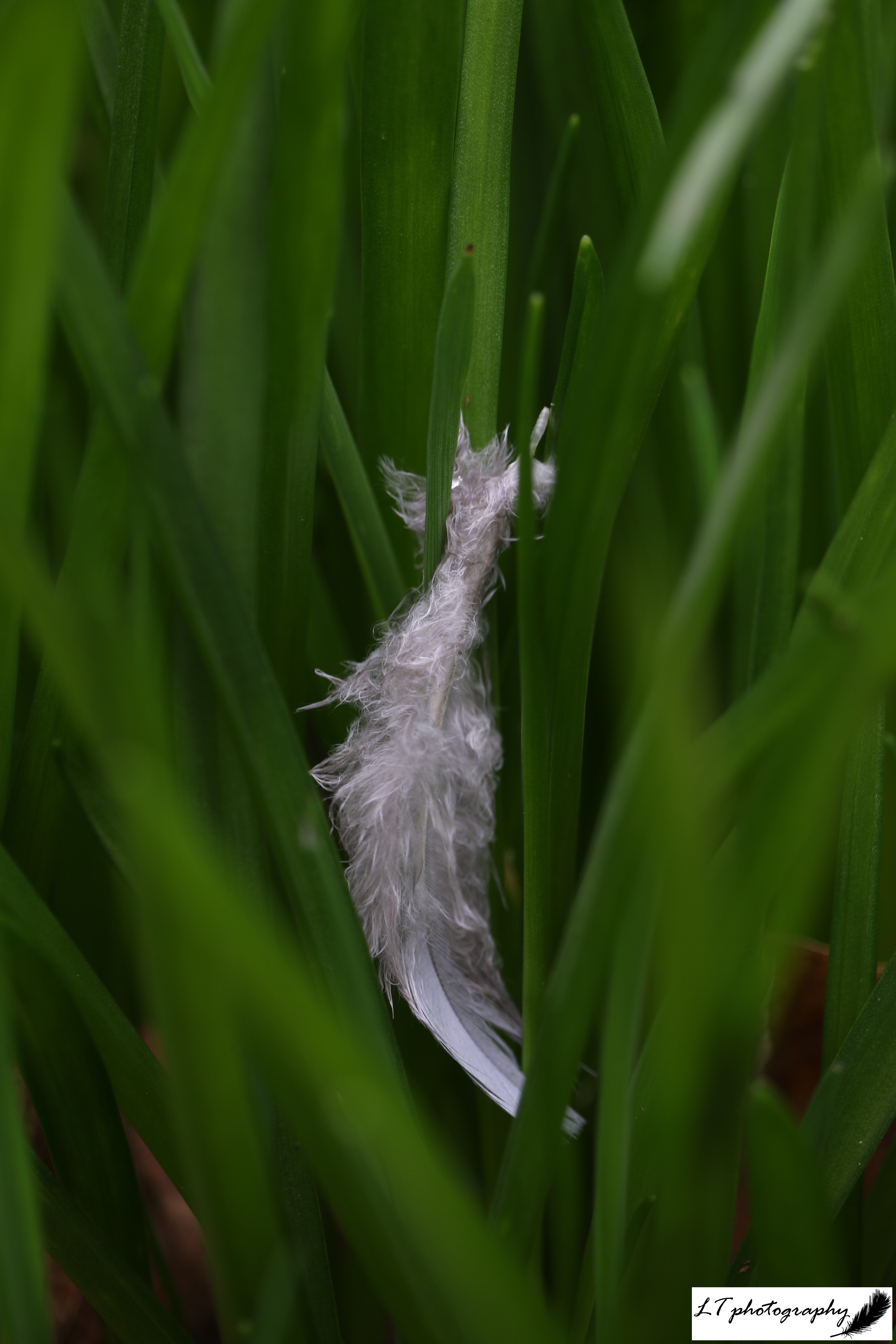
13. Feather in the bluebells – Wait, a feather again? Well feathers always sneak into my many files of photos, being a symbol of mine and representing my love of feathered species. They can also tell us useful information about what is living in a habitat, for example this feather is most likely from a collared dove.

14. Aberdeen angus calf – This photo is one of my favourite photos of one of my mum’s beef suckler calves. Spring is a time of new life in nature and on the farm, with my mum’s small free range beef herd giving birth at this time. This year they have weathered it through some turbulent months, but now are enjoying a bit of sunshine on their backs.

15. Honey bee – As I was intending to buy a macro lens this year, I made sure to time my purchase to be able to use it on the flowering of the poached egg plants in my family’s garden. It arrived well in advance, and, despite some rained off days, I got to spend some happy lunchtimes in the sunshine photographing bees on these flowers. This is one of my favourite macro photos of the flowers this year.

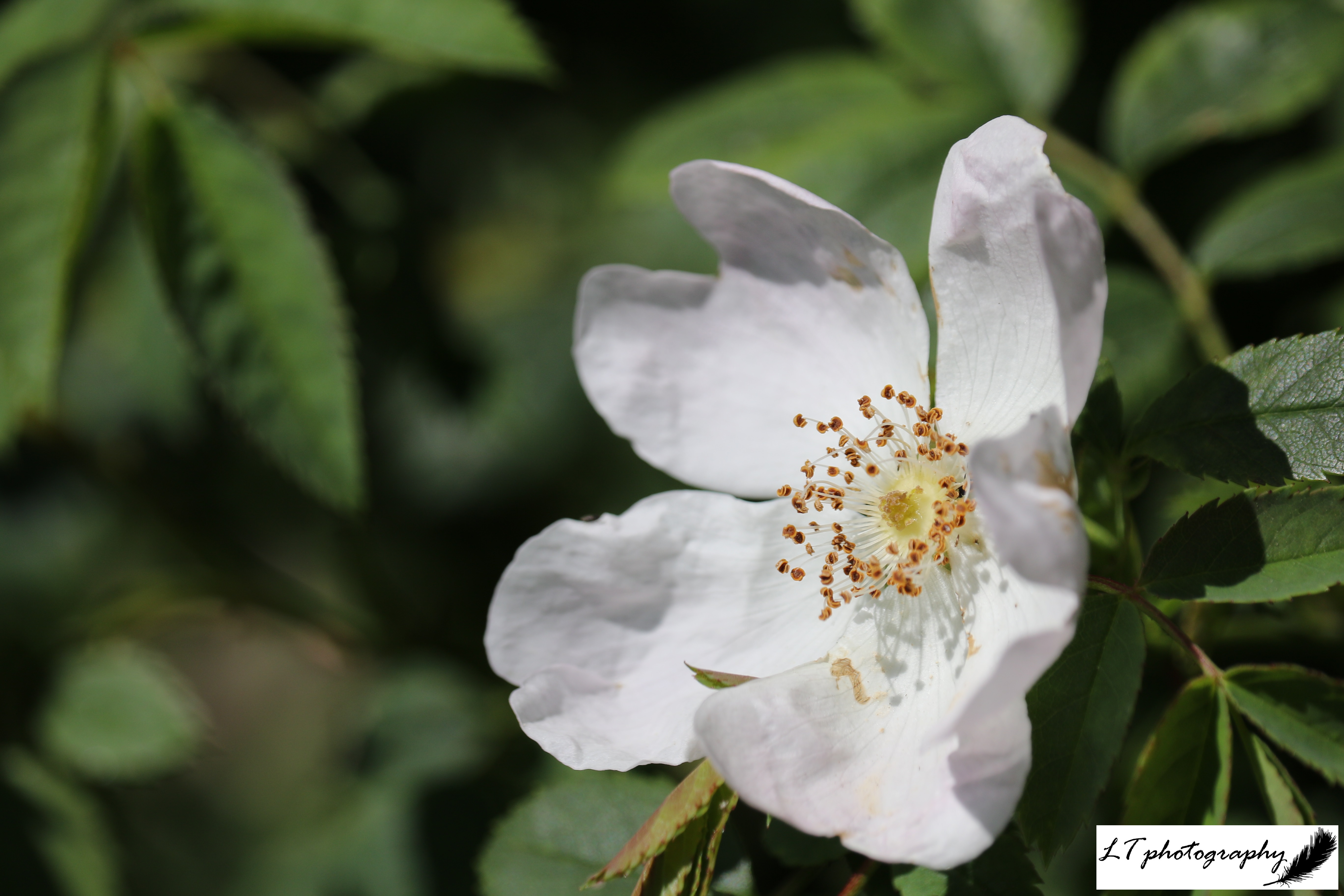
16. Dog roses – Dog roses were the last event of spring that I looked out for this year, and it kept me waiting! They were 22 days later for me than last year, with the first flowers blooming on the 8th June. They came out in force though, covering hedges within the space of a couple of days, adding some more colour to our hedgerows. With their lateness though, I feel like they also marked the end of spring this year.

Giving Nature a Home on the Farm

‘Give fools their gold, and knaves their power; let fortune’s bubbles rise and fall; who sows a field, or trains a flower, or plants a tree, is more than all’ – John Greenleaf Whittier 

‘Your deepest roots are in nature. No matter who you are, where you live, or what kind of life you lead, you remain irrevocably linked with the rest of creation’ – Charles Cook

My family and I live on a 250 acre mixed dairy farm in the heart of beautiful Dorset, complete with sheep and beef cows. My parents took the farm on from Dorset County Council in 1995, at a time when it was only 50 acres, and have now expanded it to the 250 acres it is today. As long as I can remember, the farm has been my home. It is a part of who I am, providing the backdrop for me to learn about the natural world, to make informed decisions about how I live my life, and to become passionate about conservation. I have my parents to thank for this.

In 2019, the latest State of Nature report showed that agricultural change has been the largest driver of biodiversity loss over the last 45 years in the UK. With 72% of UK land area being used for agriculture and food production, land management changes have had a significant impact on the wildlife that call these areas home. As we now move forward, we need to focus on agriculture, not with contempt and negativity, but with optimism. If we are to continue to produce food in the UK, we need to focus on working with farmers to make farming sustainable, cost-effective, and most importantly with wildlife in mind.

Growing up on a farm, I have always been aware of how agriculture is heavily intertwined with the environment. My Mum and Dad have always believed in their roles as guardians for the wildlife and natural habitats that call our land home, and are dedicated to conserving and increasing biodiversity. Though it can be tough to create a balance, my Dad believes that farming, through careful management, can produce food in an economically sustainable way, whilst supporting and enhancing the natural environment. Here are some of the examples of how my family are successfully working to give nature a home on our farm.

(1) The Bridge Field

Project:

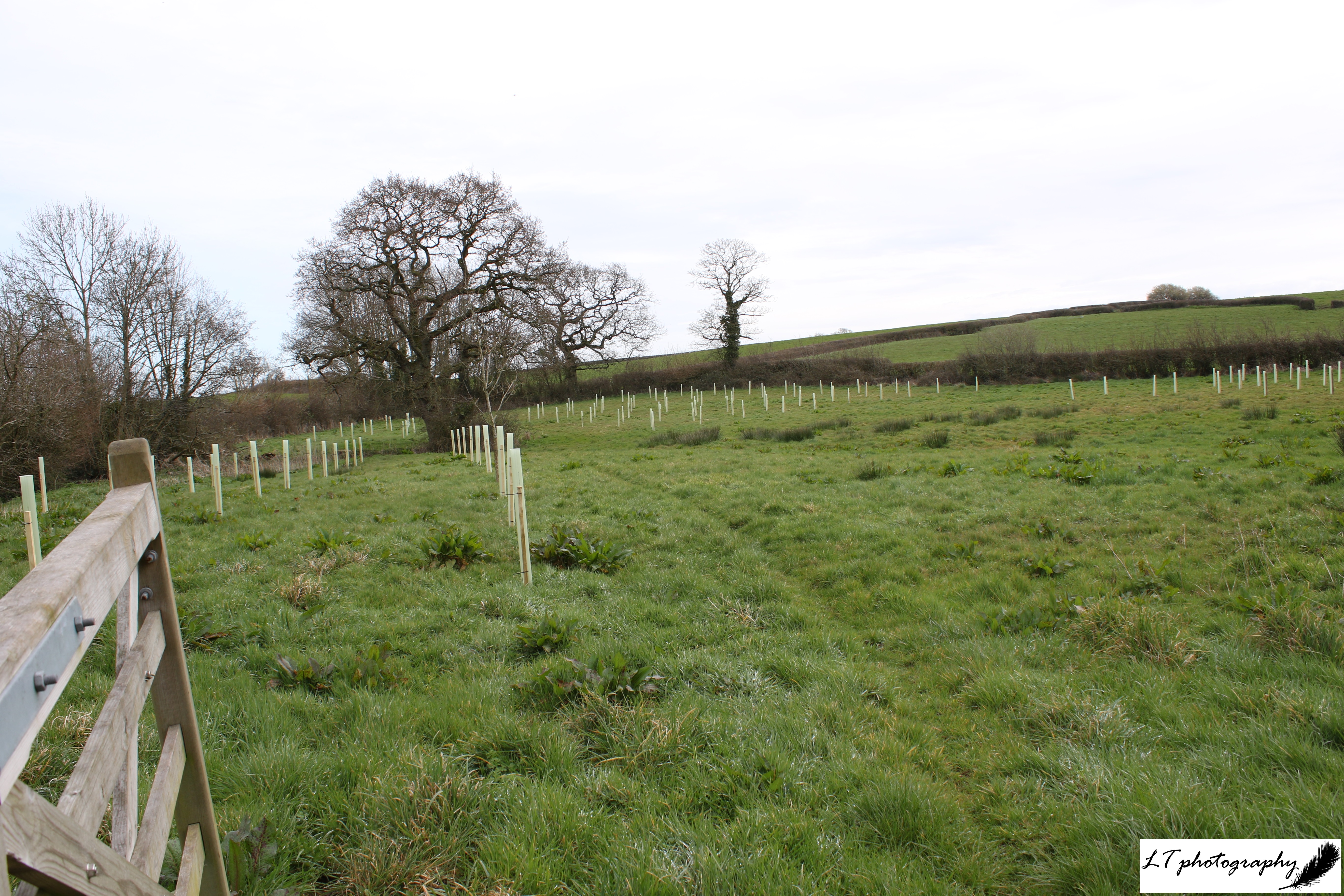
The field is a small, triangular-shaped, 3 acre field, bordered by hedges and a river. It was taken on in 2014 with some other land, and is less ideal for agricultural use due to its shape and often being wet. Hence, it has been left untouched, apart from one late cut of haylage each year and dock management. This year my parents decided to begin the process of restoring the land, with the aim of giving it back to nature.

So far:

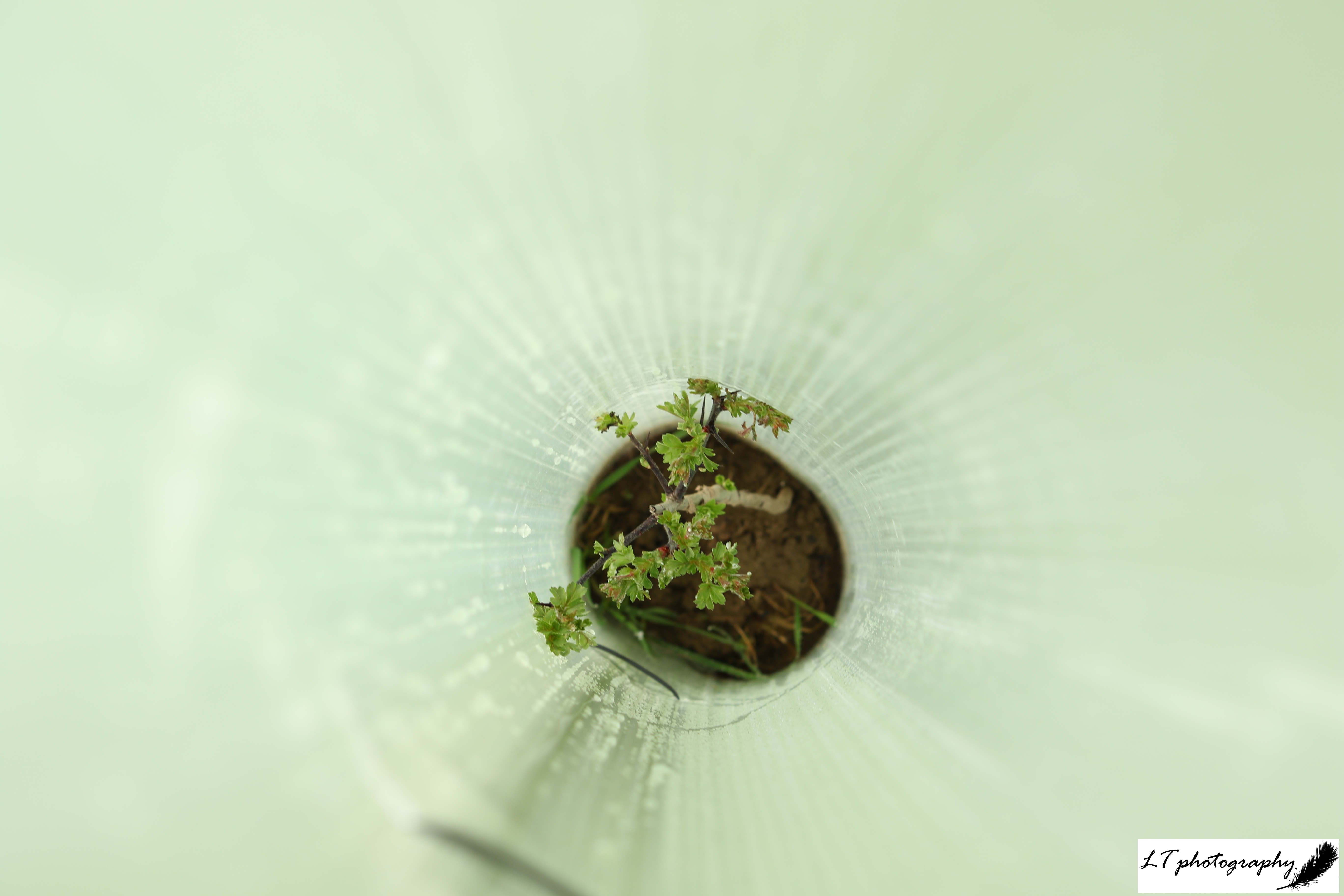
  • At the beginning of the year, we bought in and planted 219 native tree and shrub saplings of 9 species, including Goat Willow and Rowan. The hope is to create a rich and valuable habitat for wildlife.
  • We began managing the grass in the field, which is mainly Yorkshire Fog, to increase species composition. The grass has formed a dense stand across the field and is currently excluding nearly all other species.

Next aims:

  • See how the trees and shrubs grow on
  • Plant natural wildflower species using plugs, bulbs and seeds
  • Create a water source, such as a pond
07_05_20_Farm_Bridge_Field_Trees_2

(2) The Chalk Mound

Project:

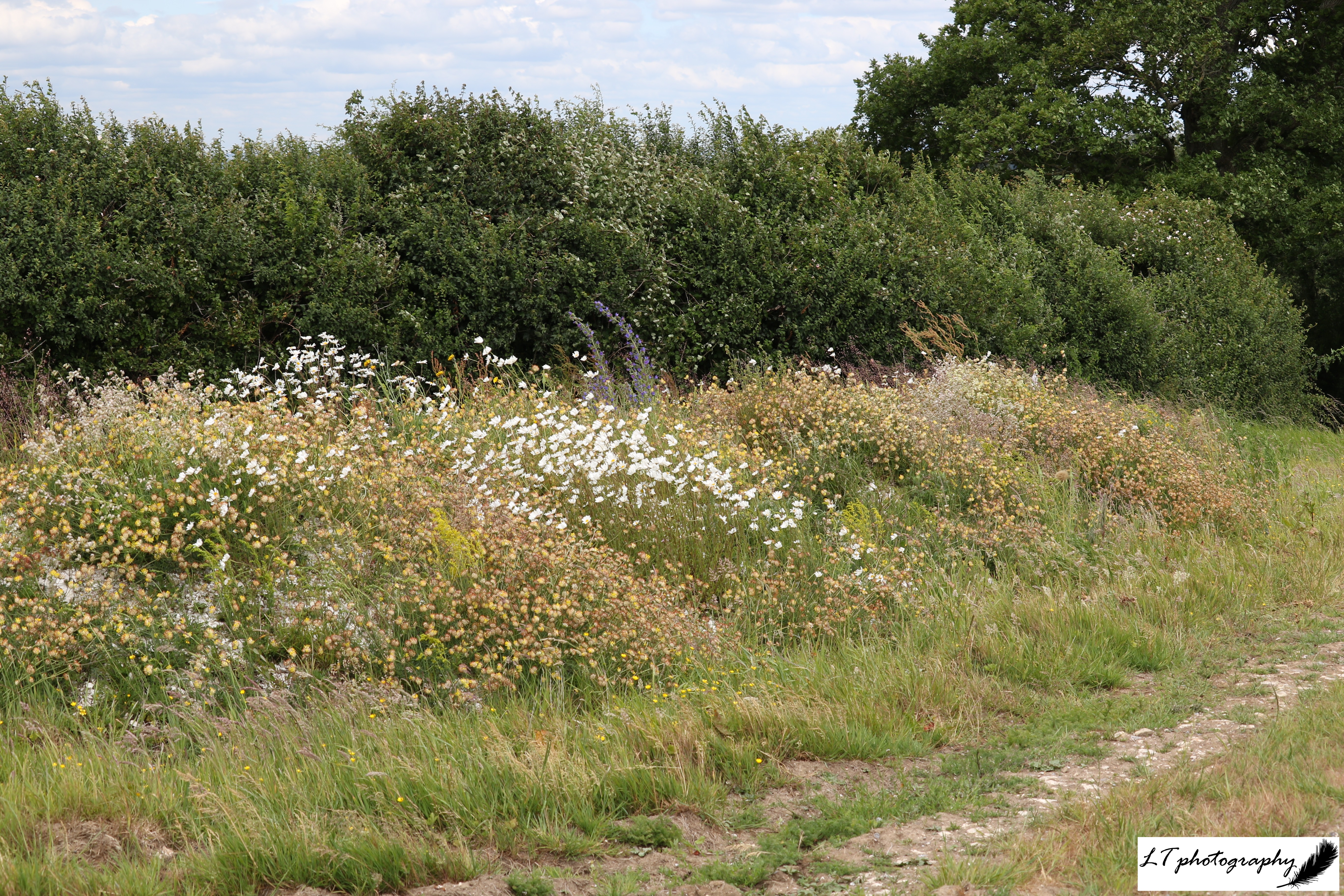
Towards the centre of our land you can find a small triangular area of land that is bordered by hedges and a track. My parents took on this area with some other land in 2014, but it was not anything special. In 2017, my Dad decided to use it to make a small piece of chalk habitat, in our clay area, acting as a perfect stopover location between chalk downland to the north and south of us.

So far:

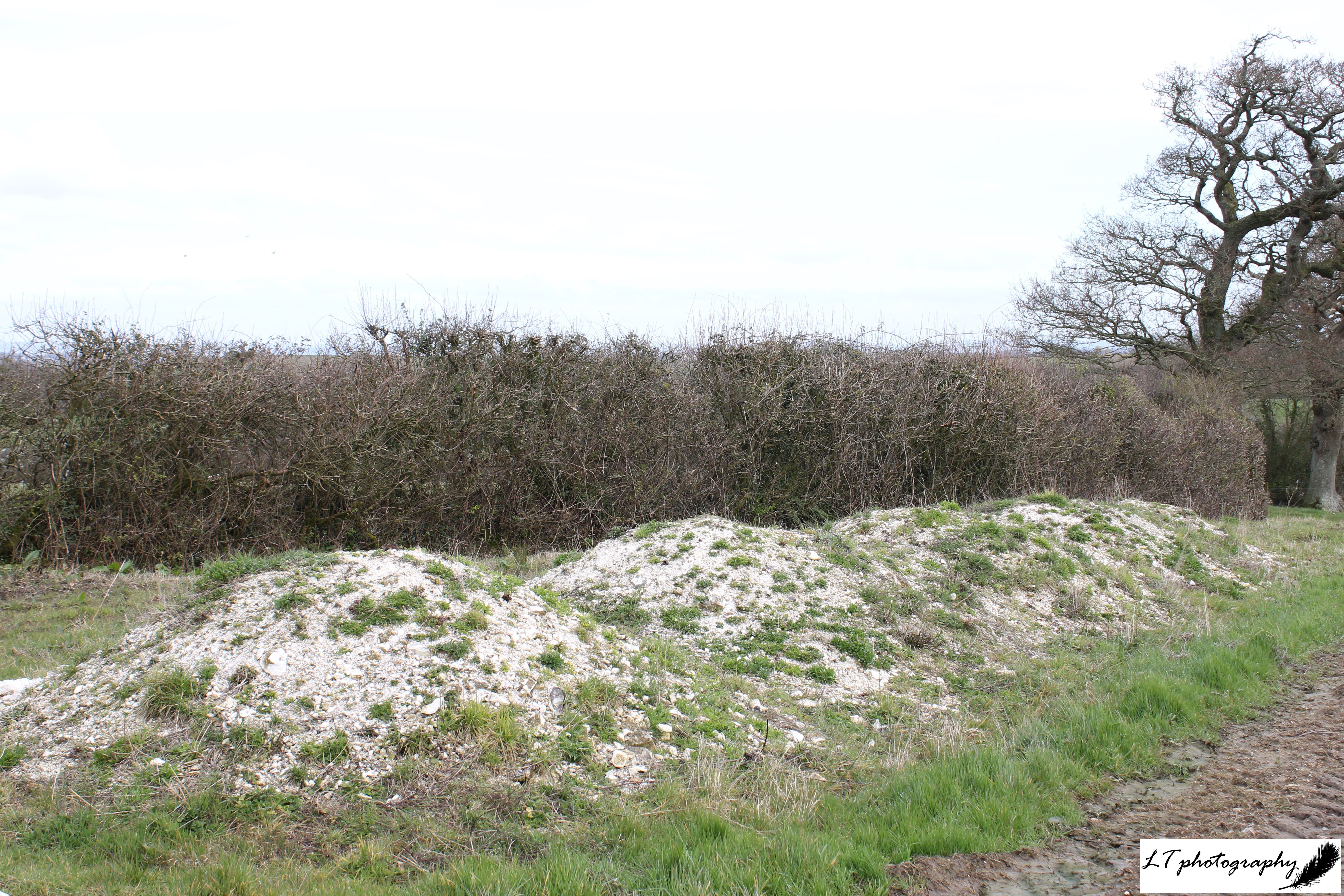
  • We bought in 40 tonnes of quarried chalk and shaped it into a mound which is 10m by 3m, and 2m in height.
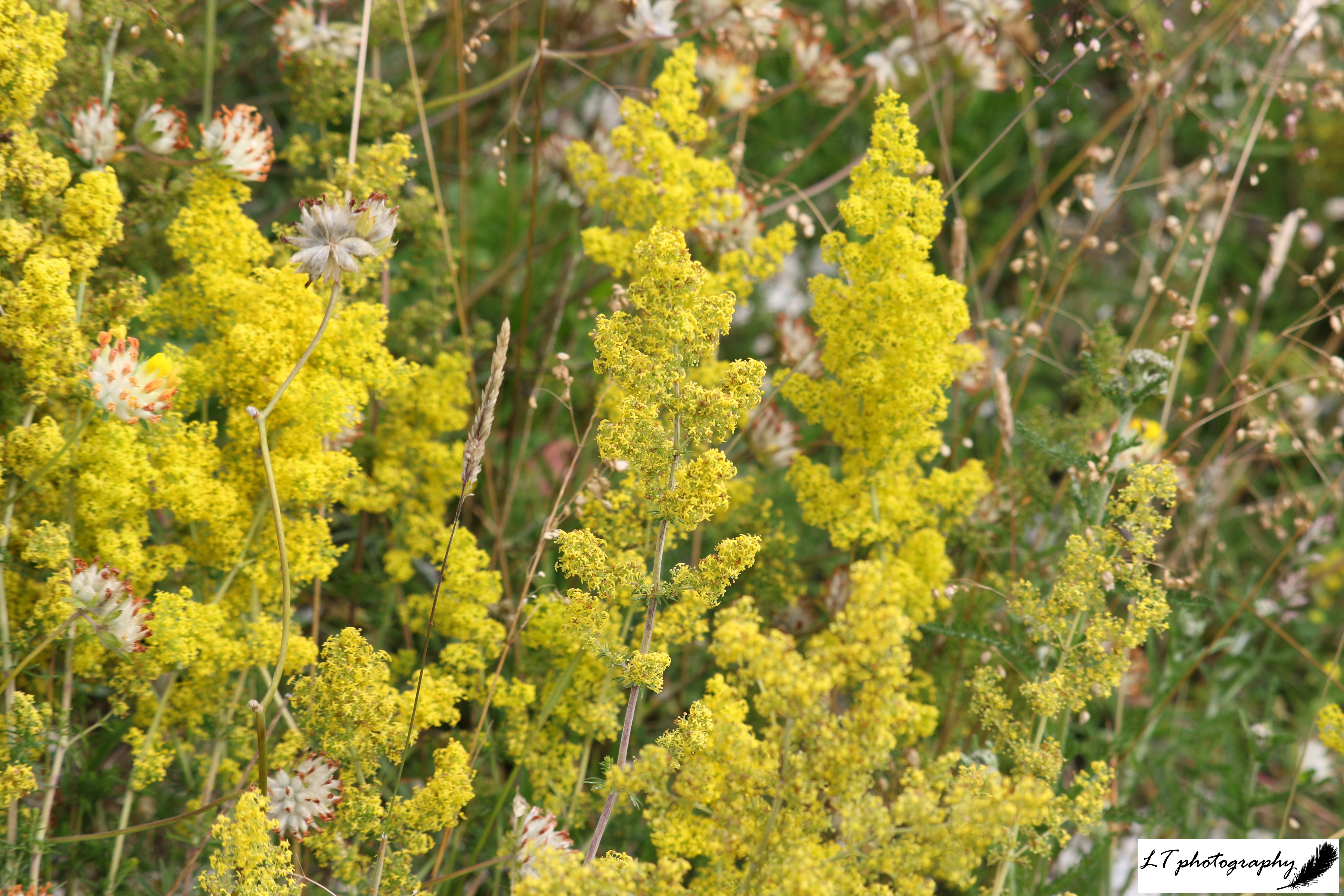
  • We planted a selection of plant plugs and seeds gifted to us, ranging from Quaking Grass and Kidney Vetch to Rough Hawkbit and Lady’s Bedstraw.
  • For the first year, the mound was regularly watered as the plant plugs and seeds became established, but after that they were left to grow on, with minimal management.

Next aims:

  • Continue to enjoy the now thriving habitat that is attracting lots of insects, from butterflies to bees
  • Boost numbers of certain species such as Wild Thyme
  • Complete autumn management of the encroaching Yorkshire Fog grass at the mound’s edges

(3) Wildflower Verges and Rough Areas

Project:

As part of managing our land, my Dad leaves areas and verges uncut and able to thrive, providing valuable habitat for wildlife. One of my Dad’s inspirations for doing this is to provide rough grassland habitat for his favourite bird, the Barn Owl. Barn Owls use such areas to hunt, as it provides cover for their rodent prey. It is also great habitat for other species, such as the majestic Brown Hare.

Different forms so far:

  • Fenced off areas to keep livestock out but allow wildlife in.
  • Verges and strips left to grow up and increase in species diversity.
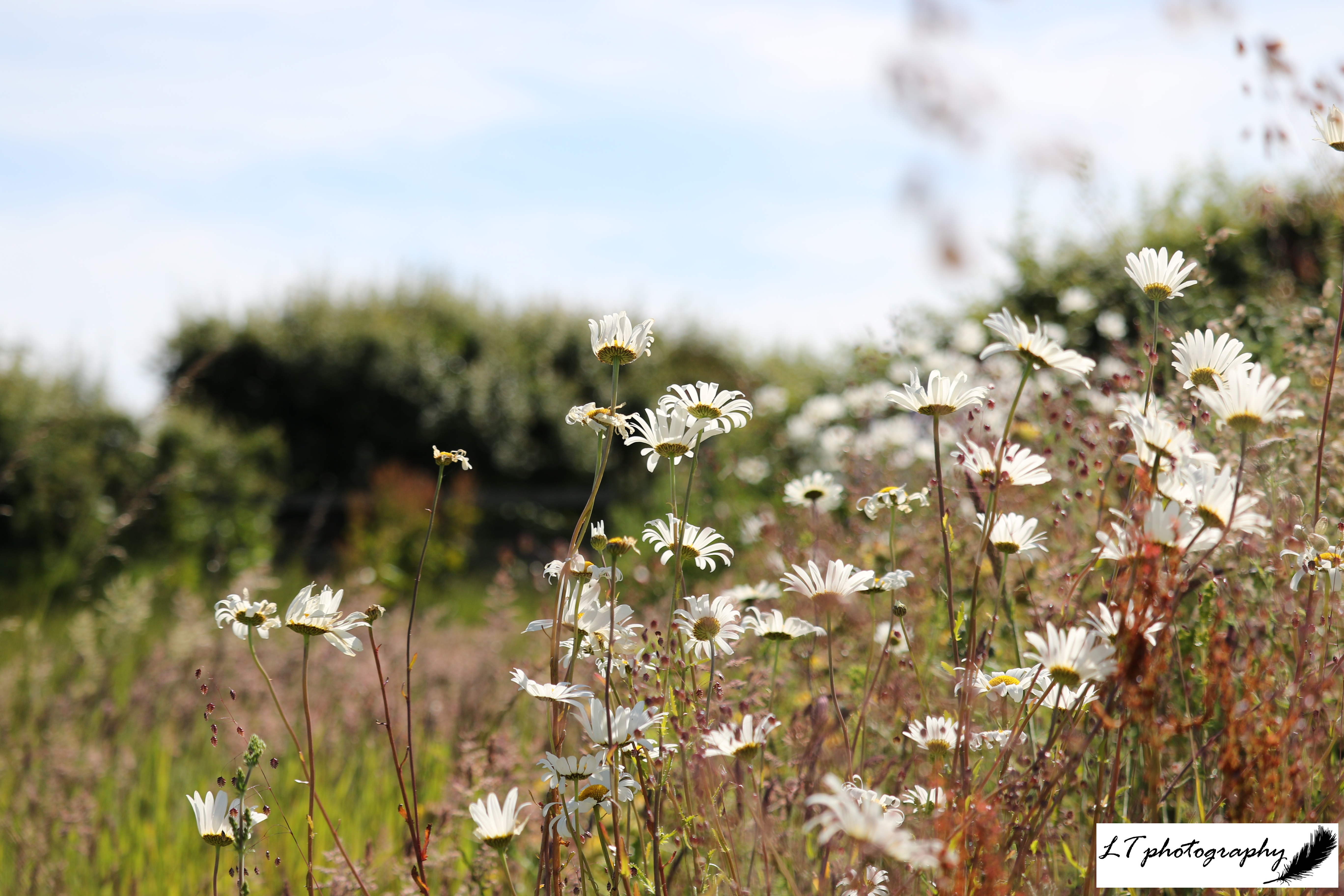
  • Wildflower verges planted to provide food for different species at different times of year.
  • Field margins created, maintained and protected, meaning a field is never worked up to the hedgerows.

Next aims:

  • Allow areas to continue to increase in diversity and composition
  • Continue to create a mosaic of habitats on the land

(4) Trees and Woodlands

Project:

I am a huge fan of trees, and my family are no different. Throughout our land you will find lots of different species, such as Ash, Alder, Wild Cherry and Oaks, varying in size, shape, and age. They play very important and varying roles in the landscape, from singular trees in fields and hedgerows, to the many growing in copses and woodlands around the farm. We now want to continue to preserve them and increase their numbers.

So far:

  • Over many years, we have been planting more trees wherever we can, with this year’s main project being the Bridge Field.
  • We continue to look after and manage the small woodland areas on our land.
  • We are putting up lots of different nest boxes around the farm, from small Tit boxes to larger Owl boxes.

Next aims:

  • Put up more nest boxes, including Little Owl and Kestrel
  • Monitor nest box use each year
  • Allow trees, such as mature Oaks, to naturally age and return to the ground

(5) Hedgerows

Project:

On my family’s land there are a lot of hedgerows, which are a hugely important habitat for a whole host of wildlife. They range in age and composition, including species such as Spindle, Blackthorn, Ash and Dog Rose. They also provide different services, such as food and shelter, throughout the course of a year, for lots of different species.

So far:

  • We carefully manage hedgerows with wildlife in mind each year.
  • Hedgecutting is practiced on a rotational basis and in late winter if the ground holds up. They are only cut by my Dad or brother who are skilled at cutting the hedges correctly and with care.
  • We annually manage and maintain field margins and ditches.
  • Hedgelaying has been used in the past but only when a hedge is in need of restoration.

Next Aims:

  • Maintain the high standard of hedgerows
  • Allow diversity to continue to increase

Future Aims

With 41% of species in decline since 1970, biodiversity loss and the latest State of Nature report cannot be overlooked. Whilst there is still hope that we can bring things back from the brink, and reverse the decline, to do so we need to act now. We need to create more homes for wildlife, protect what is left of our natural environment, and manage land with wildlife in mind.

On the farm this process is in full swing and gaining momentum each year. In this way, we are trying to make our land more wildlife friendly, managing and creating habitats for wildlife. Now, Skylarks can be heard singing all around the farm each morning, Brown Hares are increasing in number, Butterfly and Moths are becoming more species diverse, and Yellowhammers are becoming increasingly common. There are so many more examples from the big to the small, from Hedgehogs to Newts, but my Dad’s favourite has to be his Barn Owls. Over the last few years Barn Owls have made our land their regular home, with 2 Barn Owl pairs successfully breeding last year!

My Dad now wants to continue my Mum’s and his work dedicated to the environment, from helping farmland birds to reducing our carbon footprint. He wants to continue to show how conservation and increasing biodiversity can go hand in hand with conventional farming, allowing food to be produced whilst looking after the environment. A great example of this is the RSPB’s Hope Farm in Cambridgeshire, an arable farm where careful and targeted management is now having results. It makes me optimistic that if we now focus on working with farmers to give nature a home on their farms in the right way, then this could make a real difference to reversing species decline in the future.

Golden days of autumn

As we ease into the holiday season and creep closer to the closing of the year, it is time to contemplate and reflect, be thankful for what we have, and celebrate what is important to you. Looking outwards during this time, to the world beyond the window, autumn has now also made its departure. Skeletal trees, howling gales, freezing temperatures, and dormancy characterise the landscape, though there are hidden gems to be found. As you cuddle up in your home on this cold winter’s evening, let us now remember back to those golden days of autumn.

Autumn as it happened

When I think of autumn, the first thoughts that come to mind are dazzling colours, falling leaves collecting in drifts on the ground, bountiful fruit, and migrant birds passing through. Though my favourite season tends to be blossoming spring, autumn is a time that is often the favourite of many. Each season has something special to offer and autumn is no different!

This year autumn has been a bit more unpredictable and turbulent in its advancement than many other years, being the 5th wettest english autumn since records began. Despite this, it has mainly progressed in the traditional fashion.

September saw evening temperatures drop, the start of misty mornings with spider webs shining with dew, ripening fruit and nuts, grey squirrels beginning to cache food, the emergence of the first autumn fungi, and the start of birds moving through.

October saw the trees beginning to change, becoming decked out in resplendent colour, fungi in abundance, the buzz of late insects such as wasps and honeybees, goldfinches harvesting seeds from thistles and teasels, fallen acorns becoming available as a valuable food source, the squawks of jays collecting nuts, and by the end of the month most migrants had moved on.

As the season of decline and decay moved on also, November saw oak trees in colour, other trees losing their leaves on mass, cackling fieldfare in the hedgerows, withering bracken, plentiful ripe seeds and fruit, redwings making their return, wildfowl and wading birds settling in for winter, thrushes and blackbirds harvesting fruit, winter flocks forming as they scavenge in bushes and along hedgerows, and lengthening nights.

By the end of November, most of the trees and hedgerows were bare of leaves, conditions were cooler, frost and fog were more common in the mornings, and winter was on its way.

A day in the woods

As part of my celebration of autumn this year, I made a visit to my favourite local woods. On this October trip, I spent time being mindful, capturing the world around me through words and through a lens.

‘As I step into the woods, it is noticeable how the vegetation is beginning to die away, though the ferns still stand sentinel over the woodland floor. Looking closer though, fungi is dotted everwhere. Small capped mushrooms stand only a couple of centimetres tall, whilst larger and more exquisite shapes stand taller and hang from the trunks of trees.

A nuthatch lands on a branch above my head. I look up and see that autumn is already in full swing, with the trees working at different paces, creating a spectacular mosaic of colour from fading greens to copper and gold. The trees are beginning to lose their magnificent mantels in spectacular style. Berries adorn holly and hawthorn bushes, shining scarlet in the strained autumn light.

My other senses are also stimulated. To my nose, the forest smells fresh, though with every step the woodland floor releases an aroma of damp decay and rotting vegetation. On my exposed skin, a gentle cool breeze plays, whilst midges crawl and bite.

My ears are most active though. Long-tailed tits flit from tree to tree around me, making high-pitched calls as they feed as a family, characteristic of autumn. Robins and tits also sing their songs in the trees around, before a wren sounds its alarm call and the other birds join in. Further away, still in the forest, pheasants fight, a collared dove coos, and a jay caws its raucous call as it goes about its way, storing food for winter. Outside of the wood, I can also hear farm sounds along with crows and rooks cawing.

Though the buzz of woodland life is beginning to slow, decay and slip away, the landscape is still full of life.’

Sunlight

The science of autumn

Why do leaves change colour?

  • This process is triggered by changing day length and is sped up by increased sunlight and cooler temperatures. It occurs when pigments, such as chlorophyll, is broken down, and then transported back into the branch. The colour is produced by the remaining degraded pigments in the leaf. Different amounts of pigment left in leaves creates the different colours.

Why do birds migrate?

  • Birds migrate from areas of low or decreasing resources, such as food, to areas of high or increasing resources. It can be triggered by factors such as changes in day length, temperature, or is simply a genetic predisposition. Migration can vary from short within-country movement to long-distance migration. It is still not fully understood how birds navigate during migration, but suggestions include using landmarks or an inbuilt magnetic compass.

Starlings

How do mammals survive the winter?

  • A variety of adaptations are used during the winter by different mammal species. They grow longer, thicker coats. increase food intake to produce fat reserves, and create underground nests where they can sleep through colder days. Mammals that find it difficult to cope during the winter, such as those that eat mainly insects, instead slow their body processes down nearly to a stand still to survive. This is called hibernation with common examples being seen in hedgehogs, bats and dormice.

Rabbit

The end of autumn’s glory

This year’s autumn has been fantastically colourful trees and woodlands, incredible wildlife displays and cliche autumnal moments.

Buzzard and Pheasants

One of my highlights has to be experiencing some of the more interesting migrants that rock up on the British shores during autumn. For me these included wacky wrynecks and marvellous marsh warblers giving some exciting moments.

Now autumn 2019 has come and gone in a blaze of glory, though it was a little wet at times!

Sunset

Winter into spring: April on the farm

April is one of my favourite months of the year on the farm. During April, the Dorset countryside begins to burst into new life. Newborn lambs bounce in the fields, newborn calves snooze in the fields in the spring sunshine, birds begin to nest and raise a new generation, and flowers carpet the woodlands.

Plants this April still followed a trend of being late, with some woodlands not becoming decked out in their full splendour during this month like in past years. Still Bluebells, wild garlic, early purple orchids and late wood anemones began to coat the woodland floor. Also, the woodland ferns began to unfurl in the woods later than usual.

During this April, trees were very much still late, with sycamore and silver birch finally bursting into leaf. Oaks were noticeably asynchronous in their bud burst, with some trees on there way to being in full leaf and others yet to start.

April saw the main crop of migrants arriving on warm winds. This year our barn swallows returned on April 6th, exactly the same date as in 2015! By the time we were fully into April, bird breeding pairs had been firmly established, and the nesting season for many bird species was fully under way. During April, more birds can be heard singing at dawn than any other time of year, which is quite magical to hear.
This year the tawny owls are breeding later than last year, but by the end of April the first hissing calls of tawny owl fledglings could be heard resonating through Dorset woodlands.

Life could be seen blooming everywhere throughout April. Dog violets and cowslips, among other species, were seen flowering along roadside banks.

WP_20160427_002

27/04/16

Brimstone butterflies, orange tip butterflies, and peacock butterflies all began to emerge during the first half of April.

Throughout April, I made myself busy amongst the mounds university revision, by setting up my camera trap at different popular sites around our farmland. It was amazing to see the first badger cubs emerge from their den, and even more special to me, was being able to watch fox cubs beginning to explore above ground with their siblings, during the second half of the month. Fox cubs have to be my highlight of beautiful April!