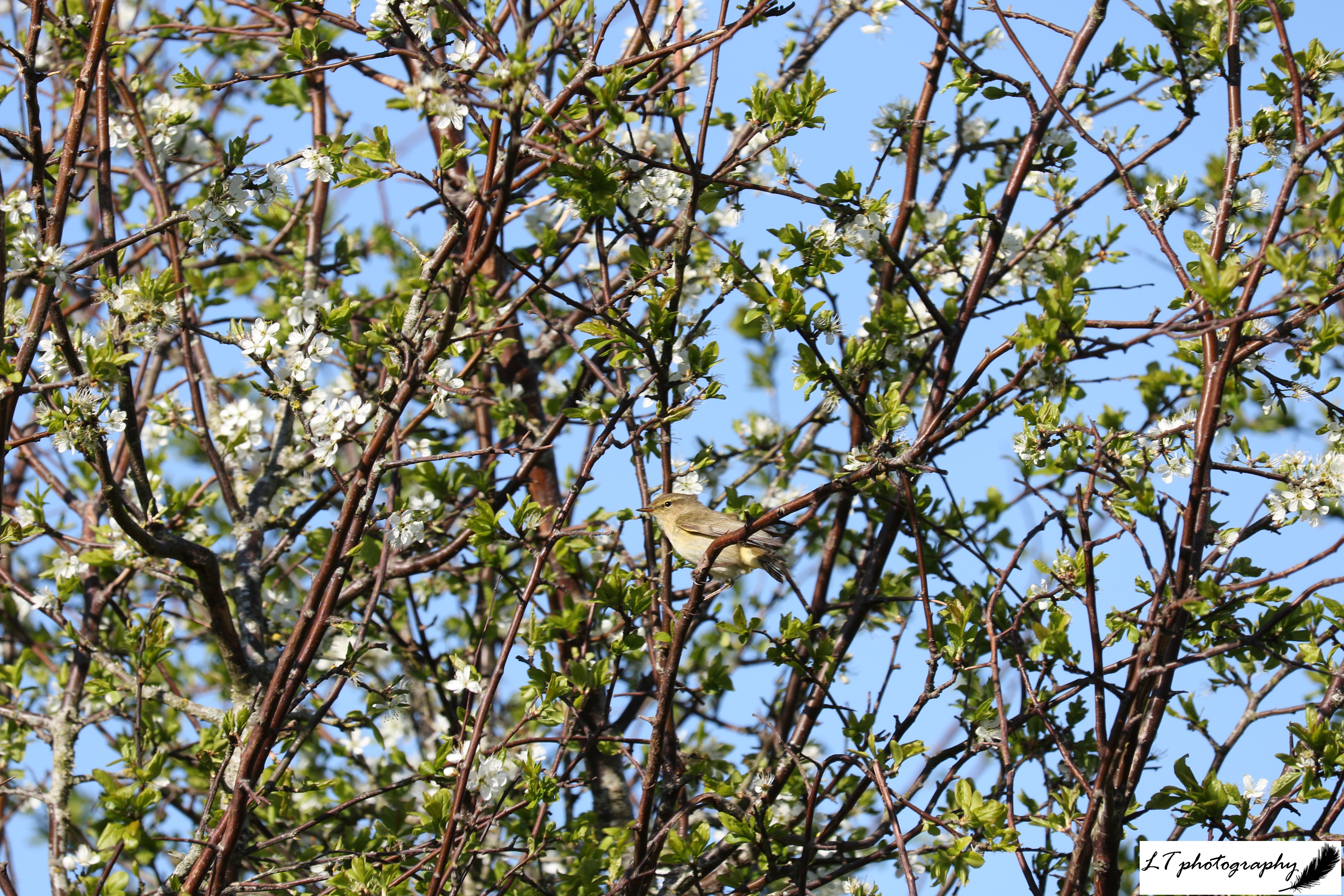
A Year in the Life of a Woodland – Part 2

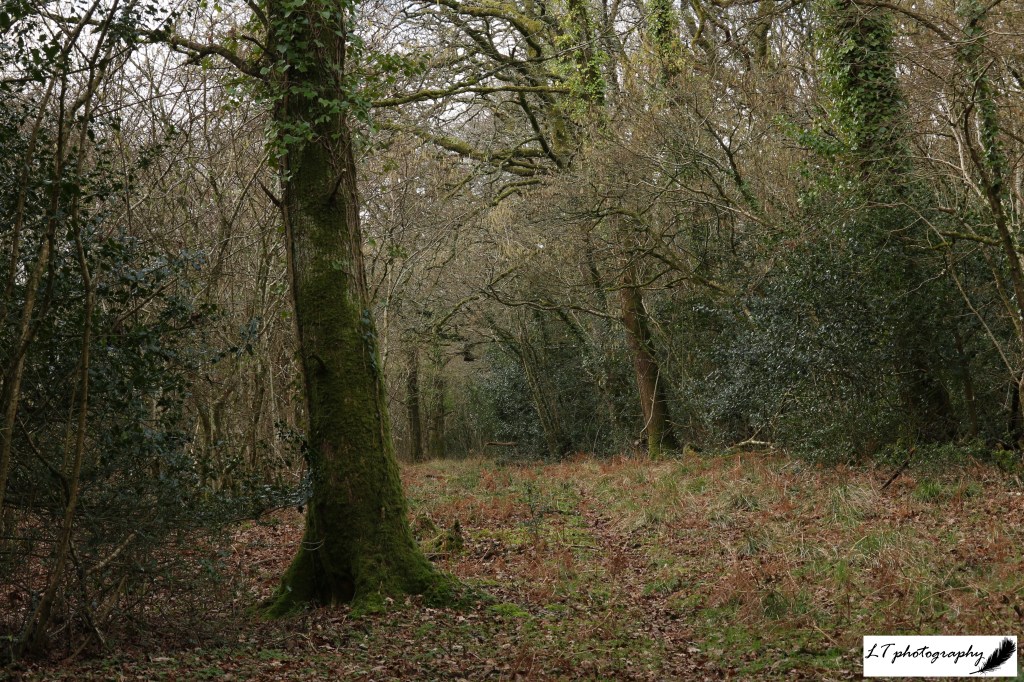
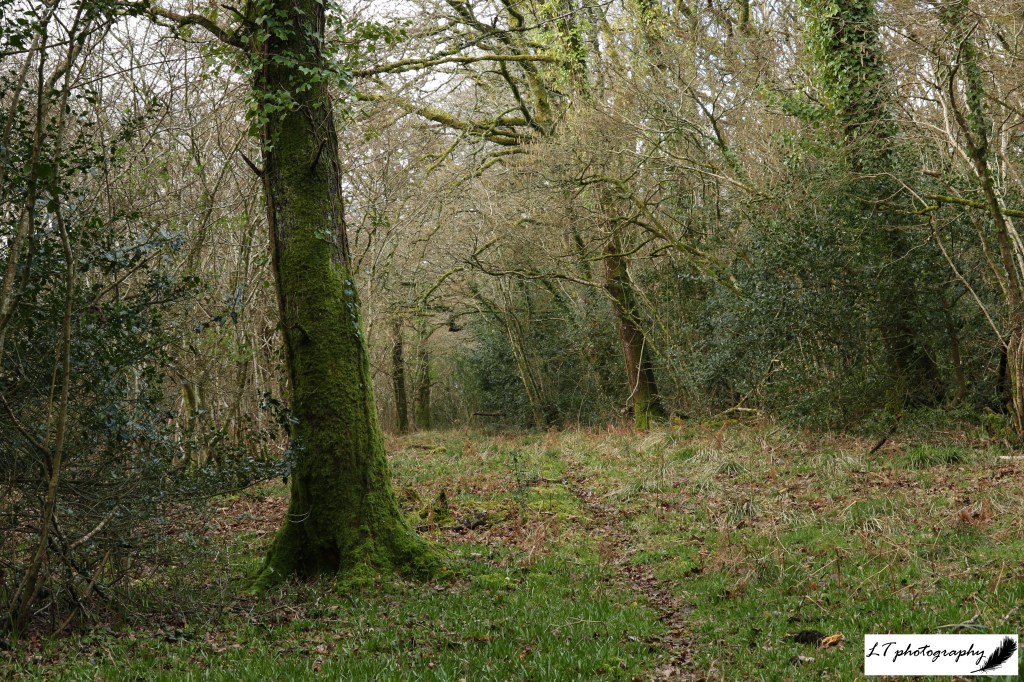
Throughout 2024, I followed in person a year in the life of an ancient, broadleaved woodland in the heart of rural Dorset. I followed its progress from certain points within its bounds, and observed the beauty the woodland had to offer throughout the seasons. It was really interesting to see what goes on during each month of the year within a classic english country woodland, and to be able see the subtle differences as time went on.

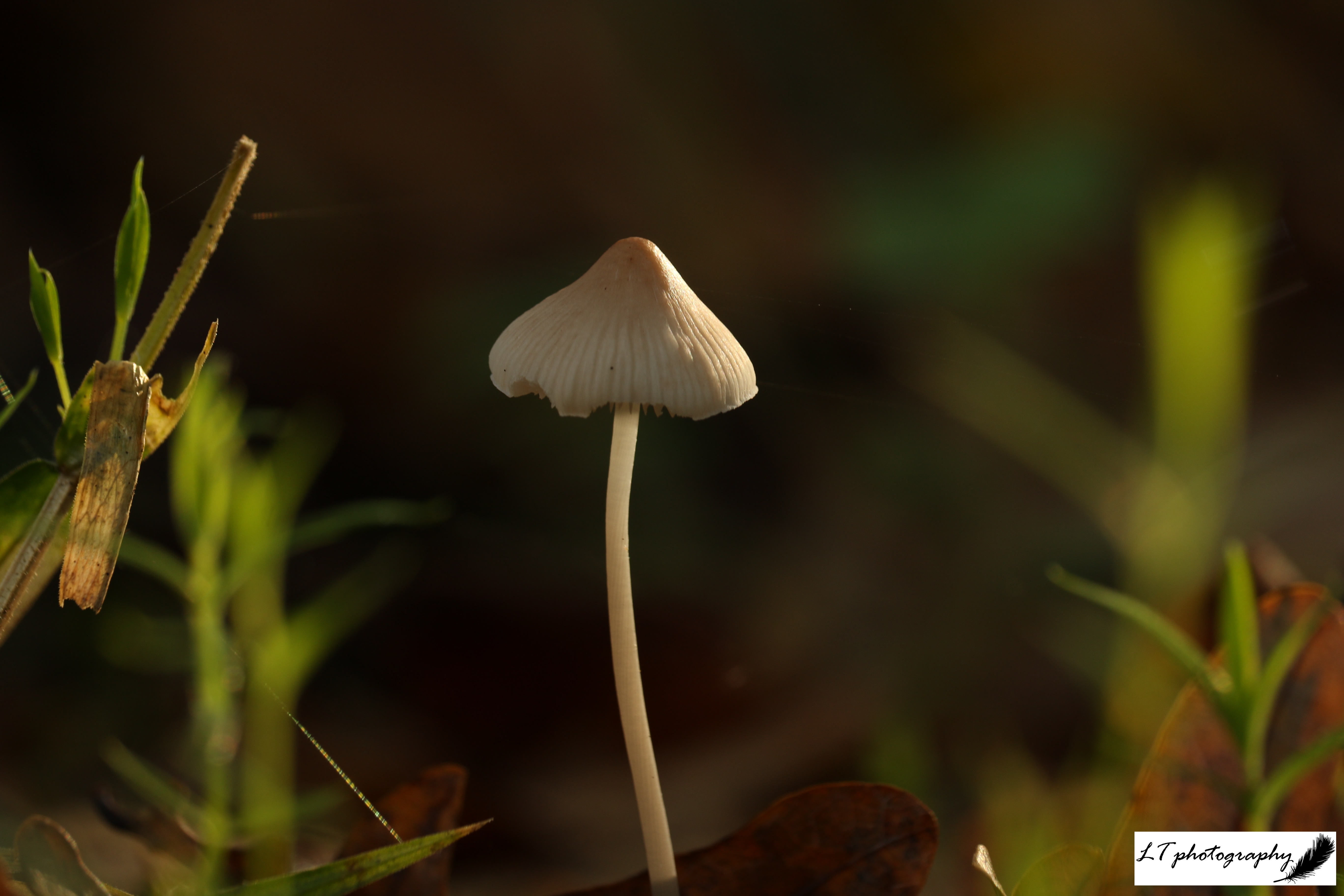
Previously on my blog, I left the woodland at the end of June after six months of colourful adventures. I watched as winter transformed into a vibrant spring and moved towards the summer months. From majestic skeletal trees and the unrolling of green to carpets of blue and flashes of beautiful butterflies, the woodland showed itself to be a master of changing its finery in dramatic style. To read more, check out Part 1 on my blog!

This time I delve into the second half of 2024 amongst the trees, as summer brings tranquil days, autumn comes with a riot of colour, and the woodland slips back into its winter slumber. How will these months differ to those of the first half of the year and what can we learn as the days regress once again. Here’s part 2 of my A Year in the Life of a Woodland.

July

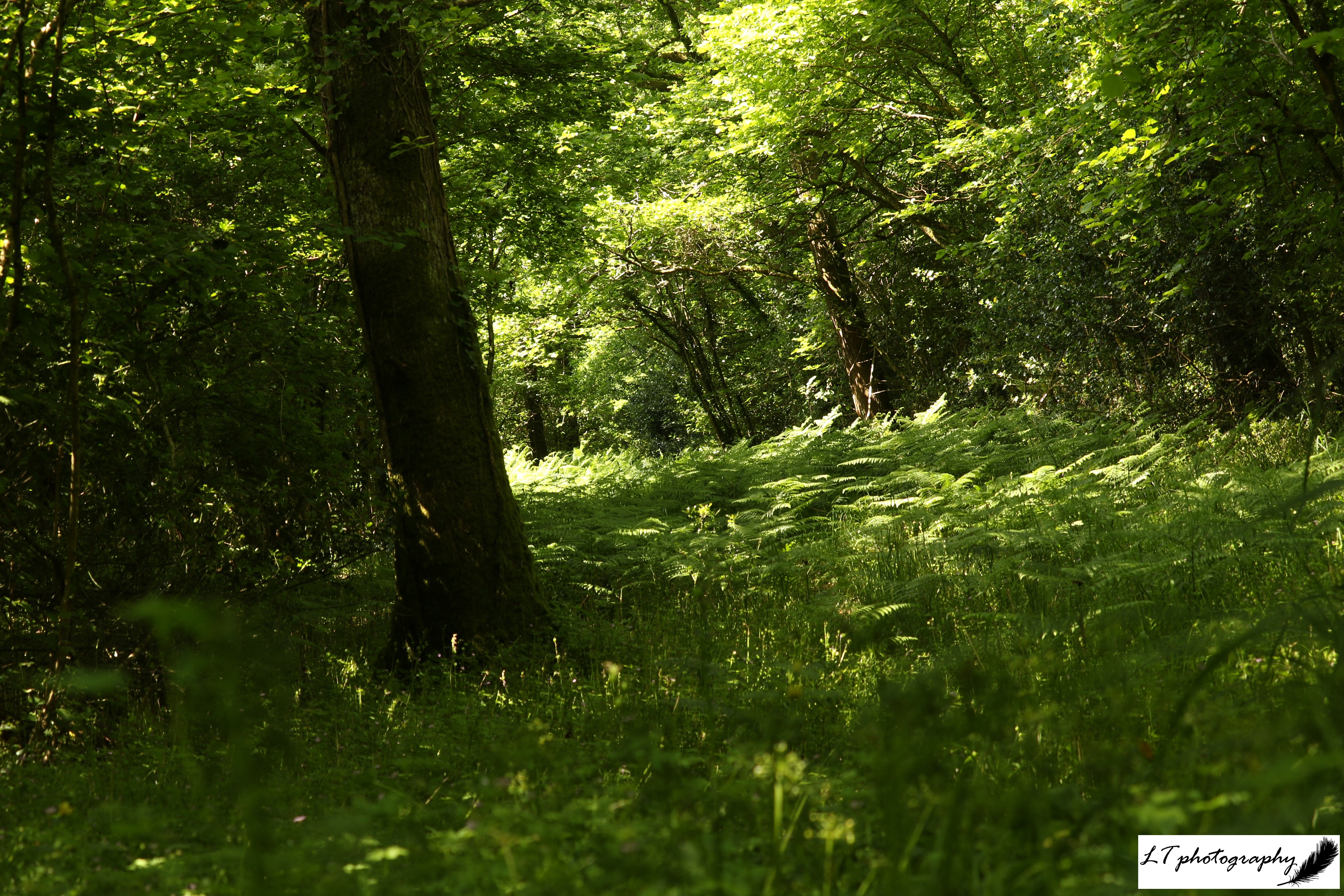
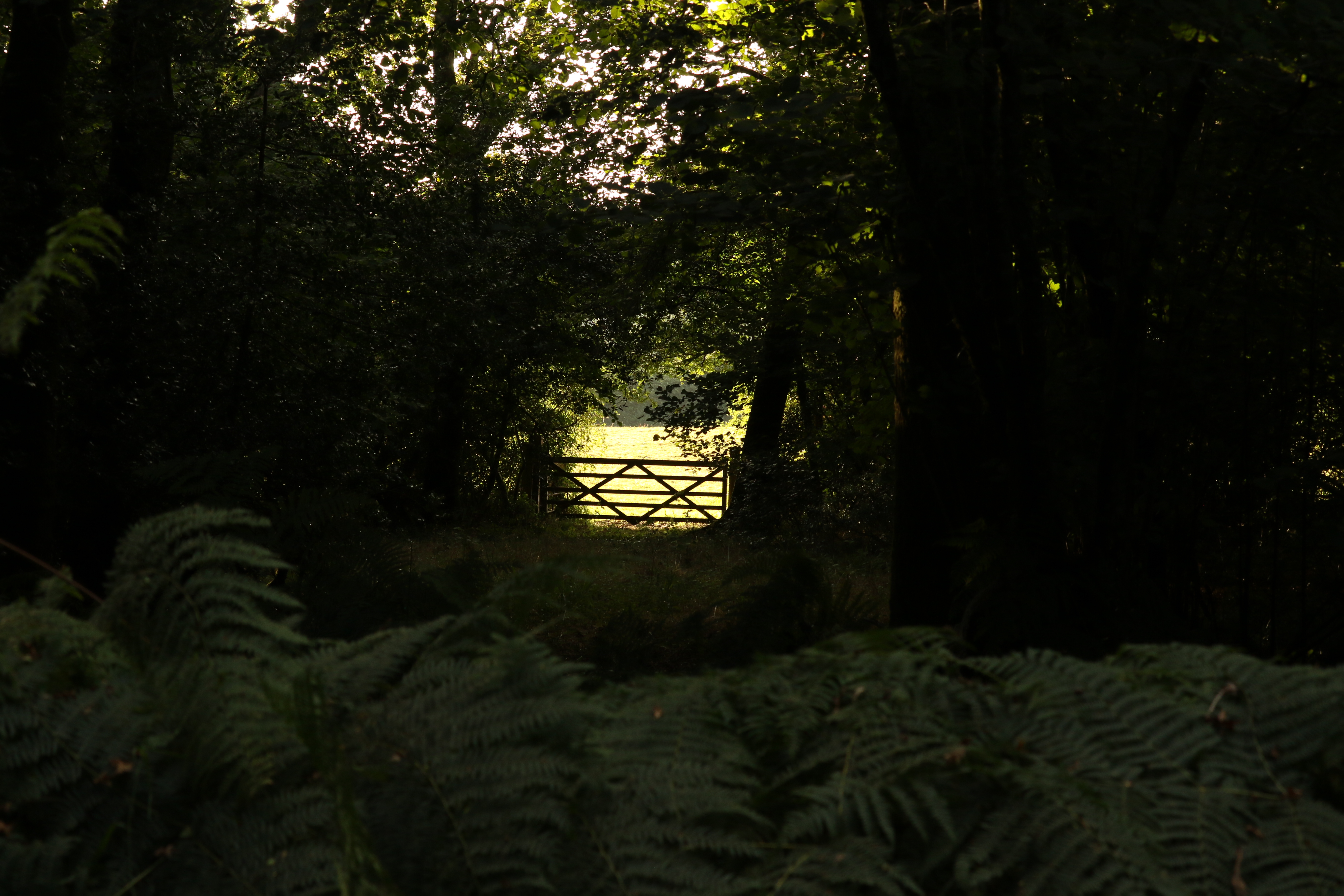
Summer has arrived! Stepping into the woodland, humid warmth is replaced by a refreshing cool within the shade of the tall trees. All around the undergrowth is starting to die back, with flower heads dropping their spent petals and seeds beginning to be produced. Herb robert survives on though, with nodding heads of still bright pink flowers, whilst honeysuckle hangs from the trees, giving off their heady scent, and enchanter’s nightshade and bramble flowers start to appear. Amongst all this, ferns now stand tall along open tracks and wooodland glades, lush green and stealing the summer sunlight from any plants tucked below.

Birds of the woodland are now concentrating on feeding their young or are even coming to the end of this year’s breeding season. Distant chiffchaffs and wrens sing on though, alongside woodpigeons calling, and tits communicating up in the trees. Buzzing flies can also be heard on warmer days, whilst dragonflies dance along woodland borders on silent wings. A fox slinks by through the shadows of the trees, on silent paws, at ease, only turning its head as it walks by. With the woodland now full of new life, the excitement and activity of spring is ebbing away, and we welcome the days of the more relaxed summer season.

August

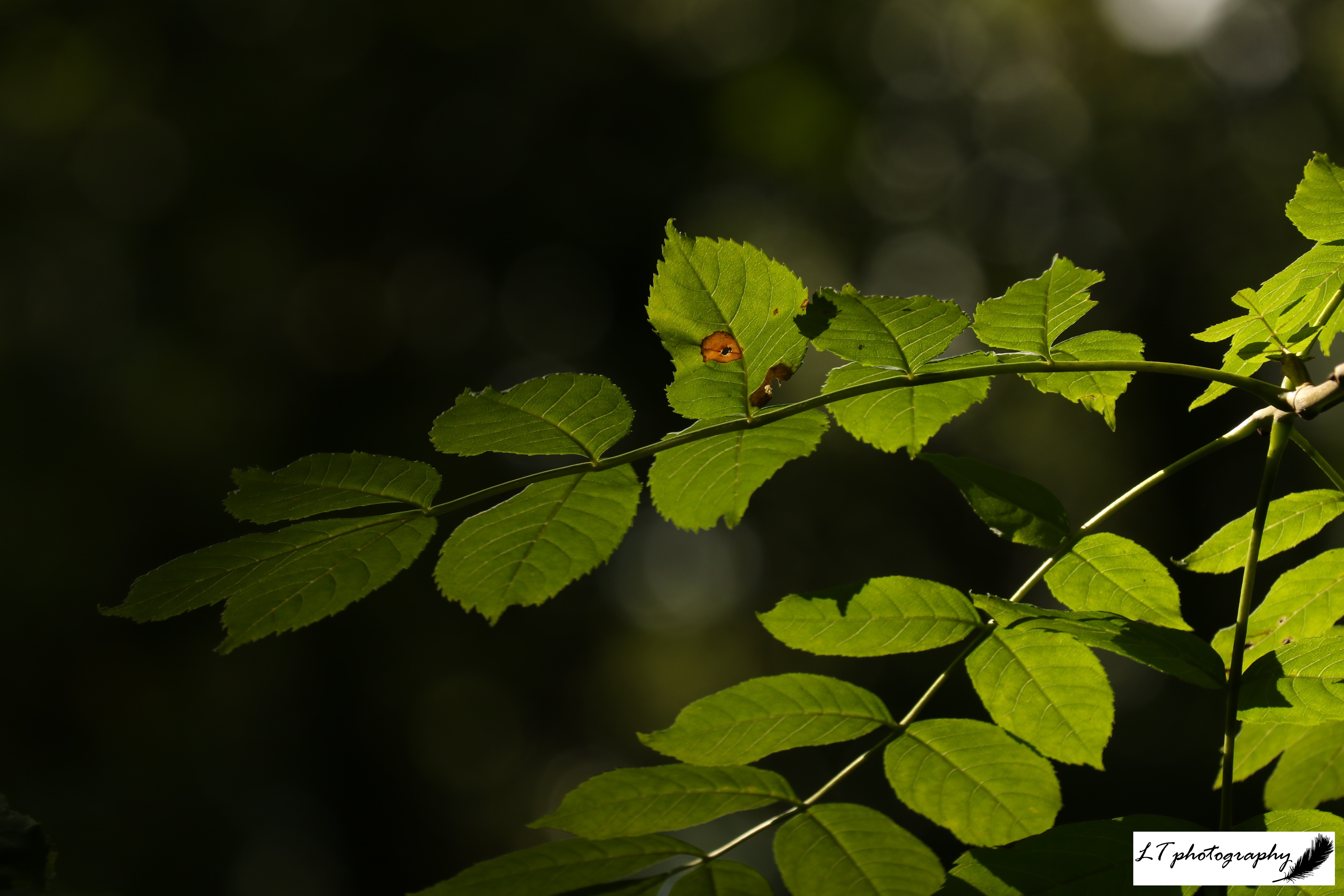
The woods are returning to their quieter state once again. The days are beginning to shorten in small increments, and the first whisperings of autumn can be felt. The start of August has been interesting with the woods seeing hot days broken up with spells of grey and heavy showers. As evening sun breaks through the still lush, but battered canopy, it’s noticeable that the woodland floor is picking up pace receding now. The hint of colour from flowers is completely disappearing, whilst the green undergrowth is beginning to show the brown leaf litter layer below.

Silence blankets the woodland, broken by wind up in the tree canopy, distant bird contact calls, and noise beyond the woodland altogether. The joyful bird song of spring has long served it’s purpose, and now the time has come when summer visitors are beginning to think of moving on to warmer climes, as the first signs of autumn have arrived. Plants hang with fat seed heads, hazel trees are laden with nuts that are already being pilfered, grey squirrels can be heard alarm calling up in the trees, and jays are popping up with their rough screaming calls. It’s a time of bounty and fruitfulness, a time to celebrate what nature has given us this year, and a time to prepare for the slumber to come.
September

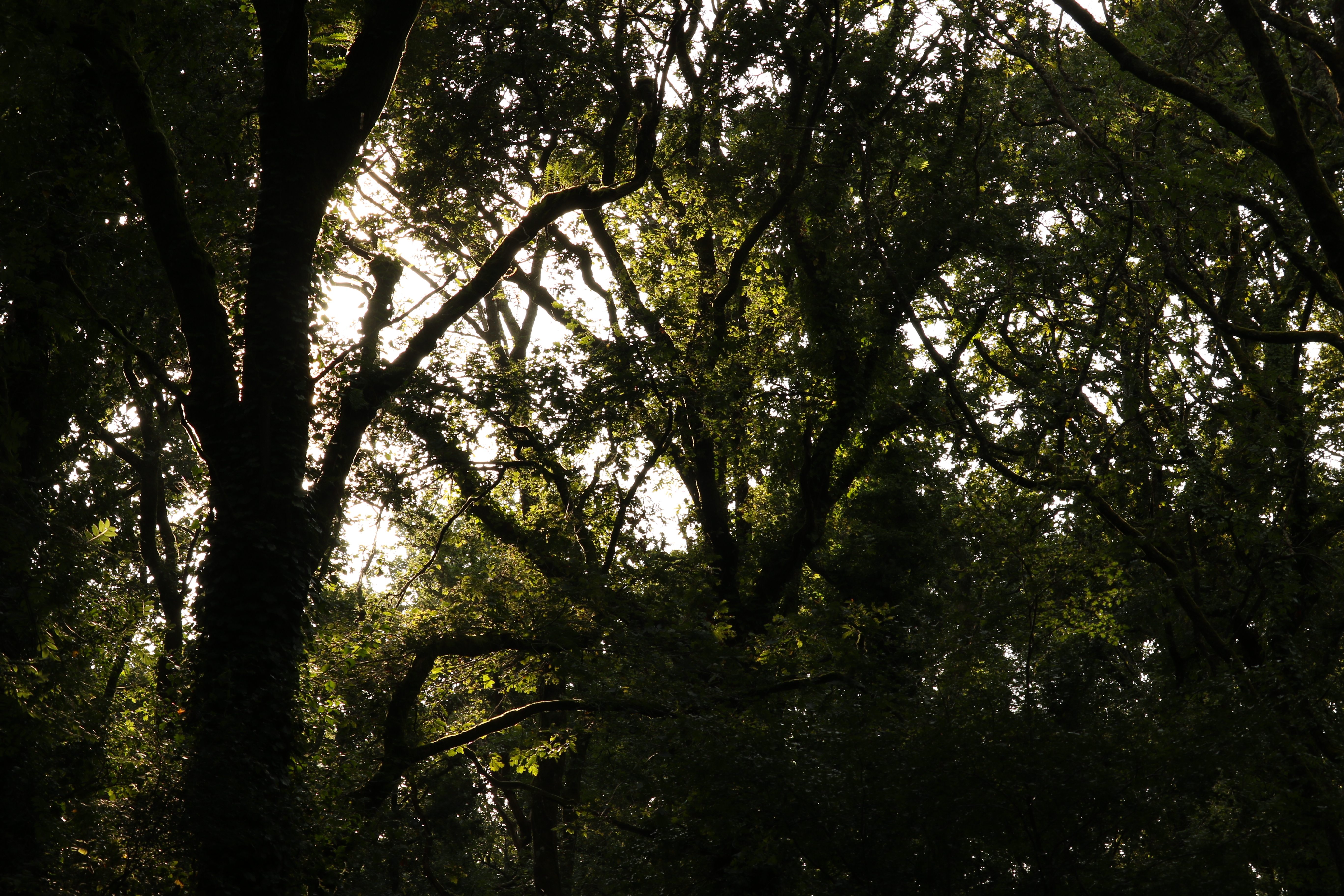
The first breath of chilly air has arrived and rarer dry days have an edge to them. Another change in the year is coming, as the woodland floor dies back, leaving increasing patches of last year’s leaf litter open to the air once again. In places grass is crowding out other species on woodland rides, whilst ferns begin to turn brown, like fire catching their leaves’ edges. The first holly berries are beginning to redden, hazel trees are bedecked in green nuts, ripe blackberries are already beginning to soften, and oaks are growing their iconic nuts complete with their classic cups.

The mornings are now renewed with a gentle soundtrack of calling birds in the woodland, with residents claiming territories and migrants passing through on their way. Nuthatches, wrens, goldcrests and robins are amongst this cohort, creating a bubble of bird song. The afternoons are quieter, filled with lazily buzzing insects, and the odd animal sound. This afternoon though, the woodland soundscape is broken up with the sound of a great-spotted woodpecker moving from tree to tree and tapping to find food beneath bark. 

October

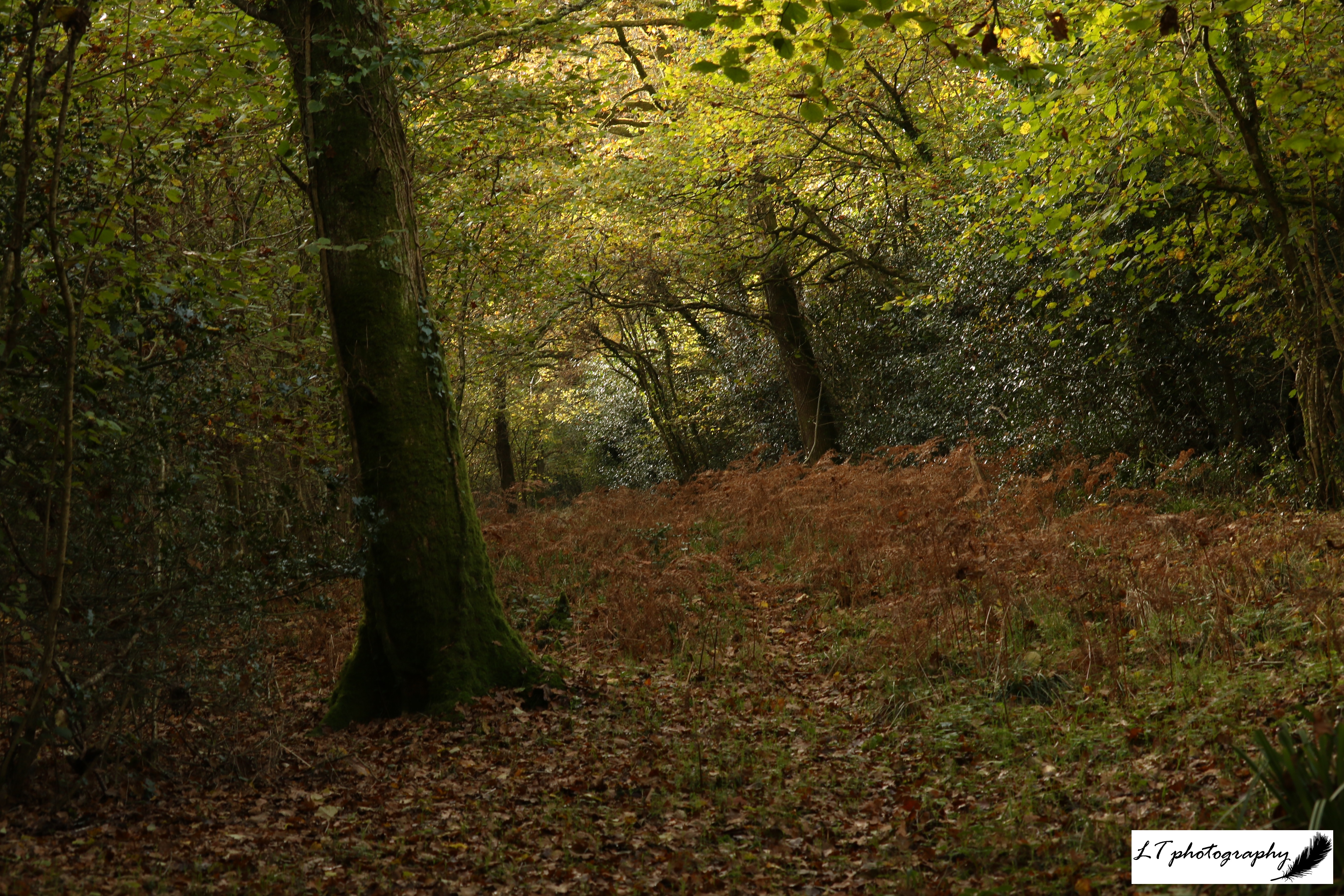
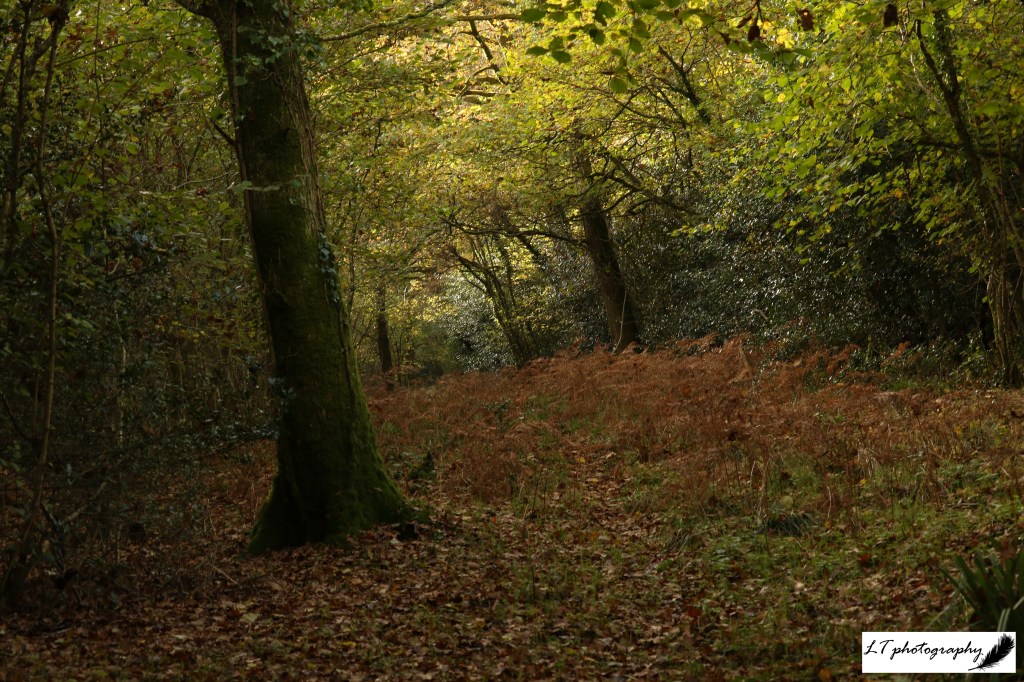
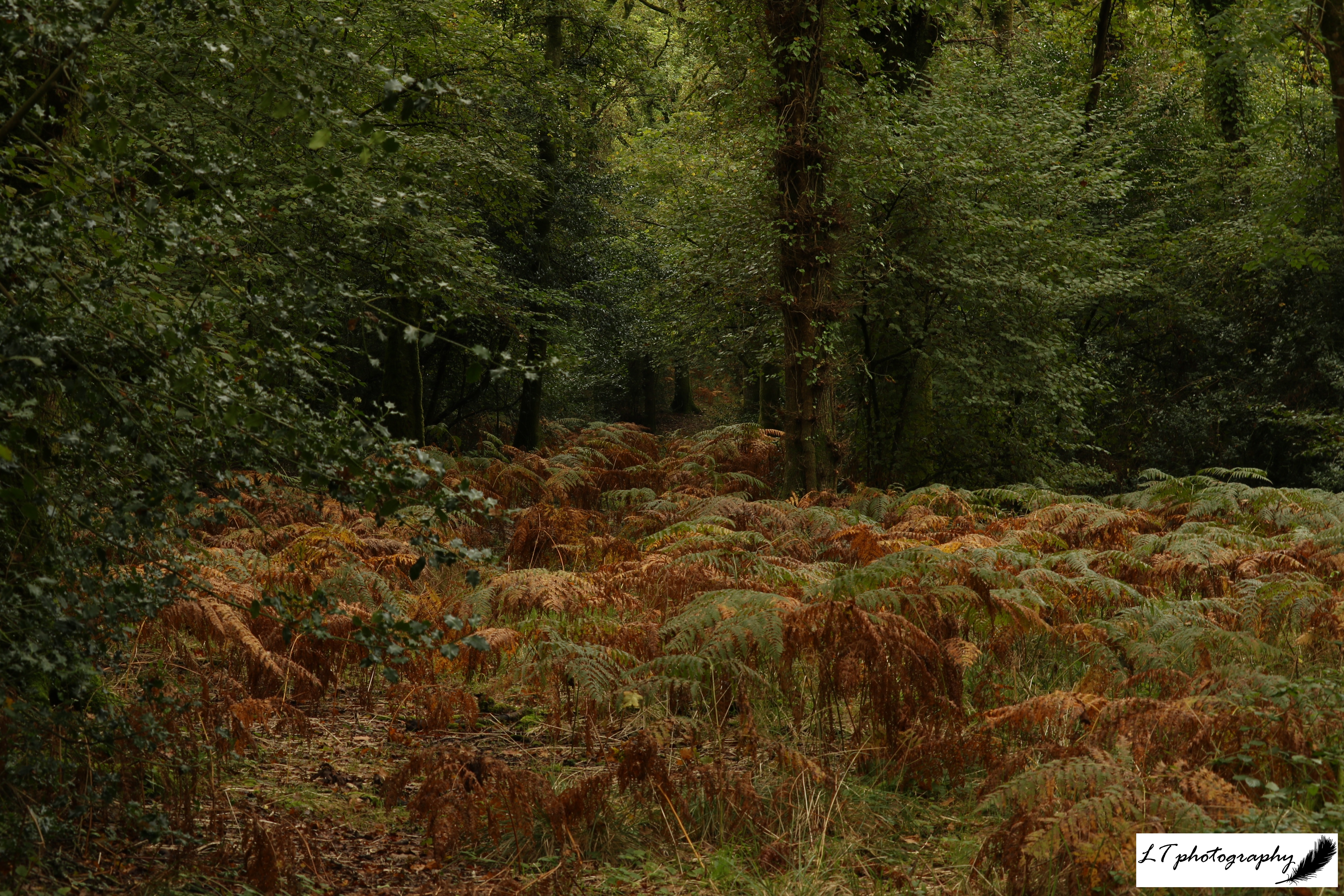
Nights are drawing in, temperatures are beginning to cool, and the dampness in the air is creeping in. Trees, such as oak, hazel and ash, are beginning to show changes to the colour of their leaves, adding yellows, reds, and oranges to their palette. As the trees signal the start of changing out of their finery, the ferns covering the woodland floor below are now fully on fire, curling up and browning away. As this dying off progresses, new life is symbolised through nuts, seeds and berries, such as the first ripe holly berries, shiny and red, waiting to be eaten. To buck the trend, ivy tendrils are sprouting clusters of green balls, their late flowers that will reach their peak in November.
Most of the summer avian residents will have begun their travels to warmer climes, leaving overwintering birds moving through and residents staying put. For example, our native robins are beginning to sing strong once again, needing to defend their important territories throughout the winter. Tits can be heard beginning to travel in small feeding flocks, whilst wrens and goldcrests flit in the branches currently going solo. Mammals do not make an appearance during my visit, but there are signs of the badgers, foxes, roe deer and squirrels that call the woods home. Times are bountiful for those who can find it, but harsher days are on their way!

November

The arrival of November is accompanied by shortening day lengths and biting northerly winds. Mostly the month begins calm in the woodland with grey or sunny days. As trees continue to take in the goodness of this year’s bounty of leaves, the green of summer has been fully taken over by bright fierce colours in the canopy, with the orange of oak, yellow of hazel, gold of field maple, and red of hawthorn, amongst others. The leaves also begin to fall from on high, twirling to the ground and beginning to form a crunchy leaf litter under foot. The trees are going to go out with a riot of colour!

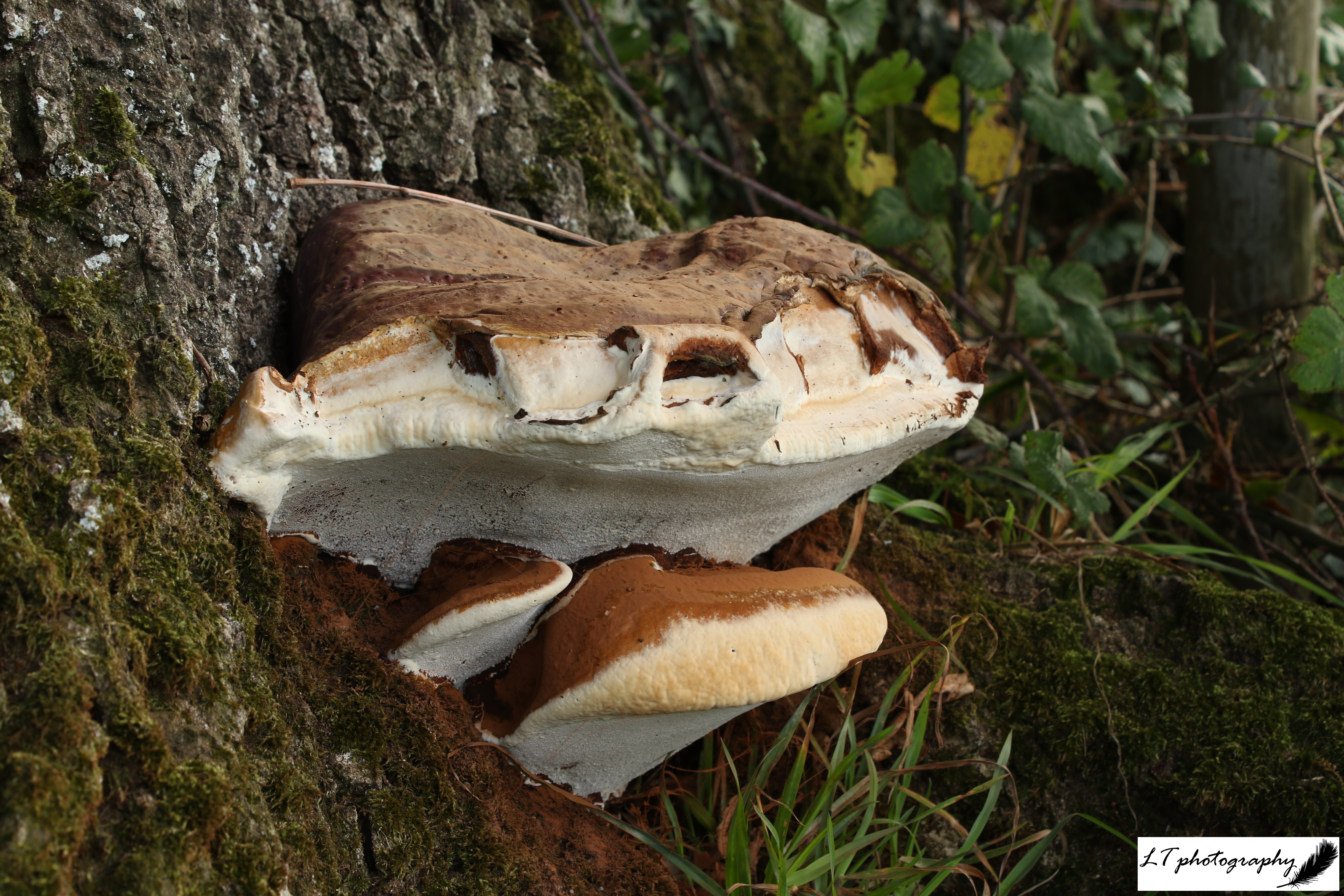
The soft sunlight falling through the trees marks a slowing of time and activity for wildlife. Pheasants meander amongst the trees being released from local shoots. A raucous jay echoes through the still trees. Mushrooms poke up from the leaf litter here and there creating a more ethereal quality to the woodland during this time. It finally feels like autumn has arrived just at the point when people look towards the closing of the year in a month’s time. Time to savour the last hurrah of nature!

December

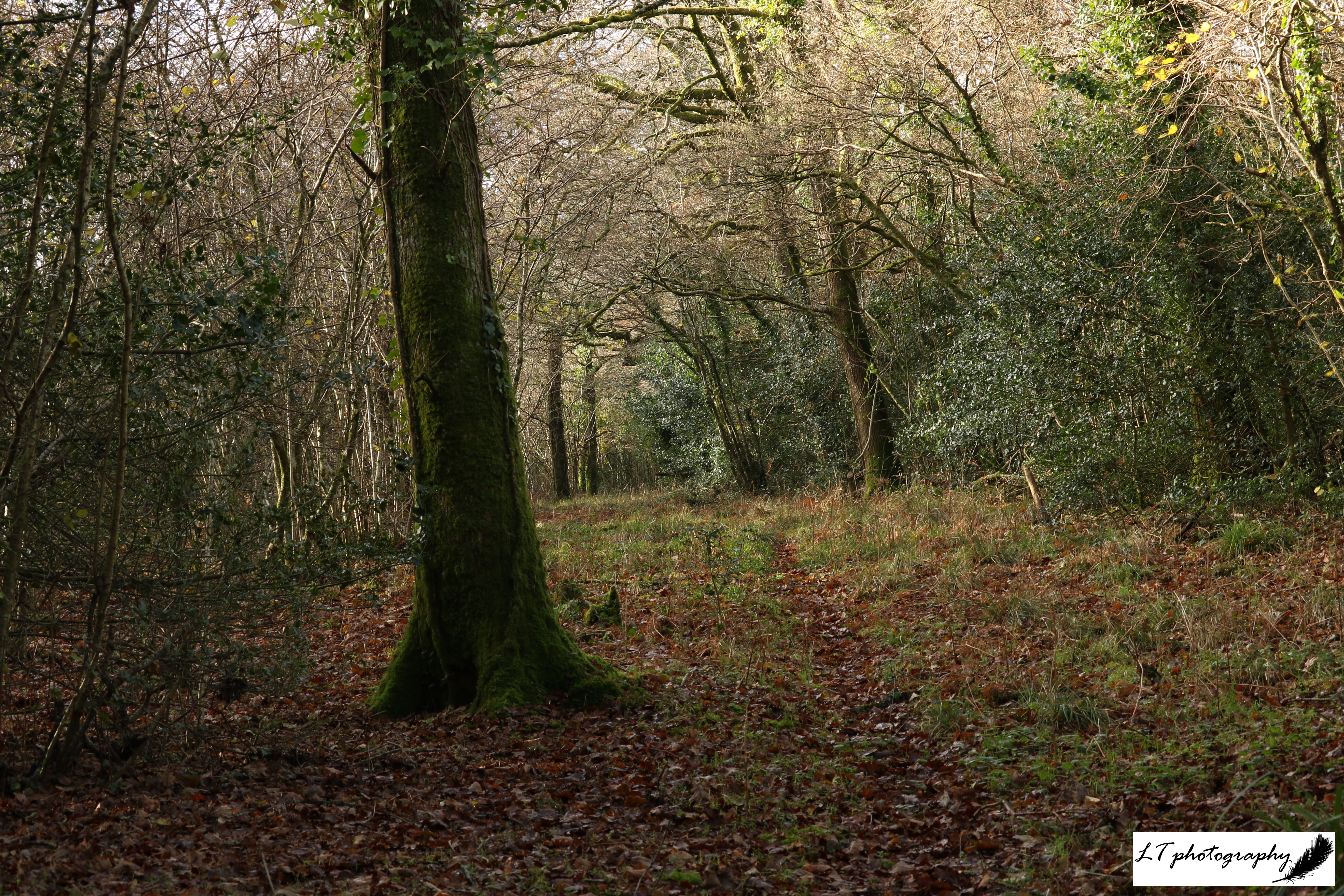
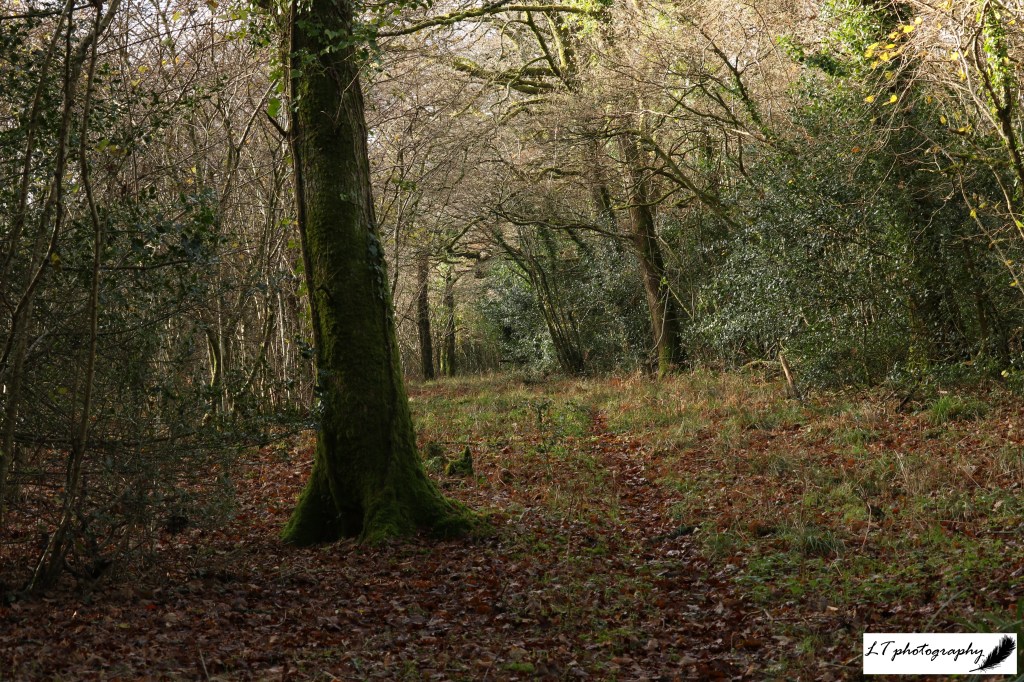
The year is rolling on to its close once again and winter is fully upon us. As I step back into the woodland for one last walk of the year, a cool breeze bites my cheeks whilst cheerful sunshine falls through the trees. Now I find myself surrounded by leafless forms once again, bare, skeletal, but magnificent, especially the ancient oaks. The last few hazel leaves cling to their branches, but most trees have now shed their finery, and a new carpet of leaf litter satisfyingly crunches beneath my feet. The trees are putting nutrients back into the earth as they now lay in slumber.

Up above my head, I can hear a soft tap, tap, tap. The sound of a great-spotted woodpecker moving from tree to tree once again, and tapping for food under their barks. Birds call all around me, from angry wrens, territorial robins, and hungry blue tits, to a raven passing overhead, blackbirds on the wing, and even a nuthatch going about its business. Badgers will now be sleeping more, whilst foxes are more active, thinking about breeding once again. There is still so much life to be found out in this Dorset woodland, even if all are just trying to survive through to another year. December is rolling on and a new year beckons!

Rural Dorset vs. Urban Manchester: Wildlife Camera Trapping in 2021

Series in collaboration with guest writer Emma Rogan

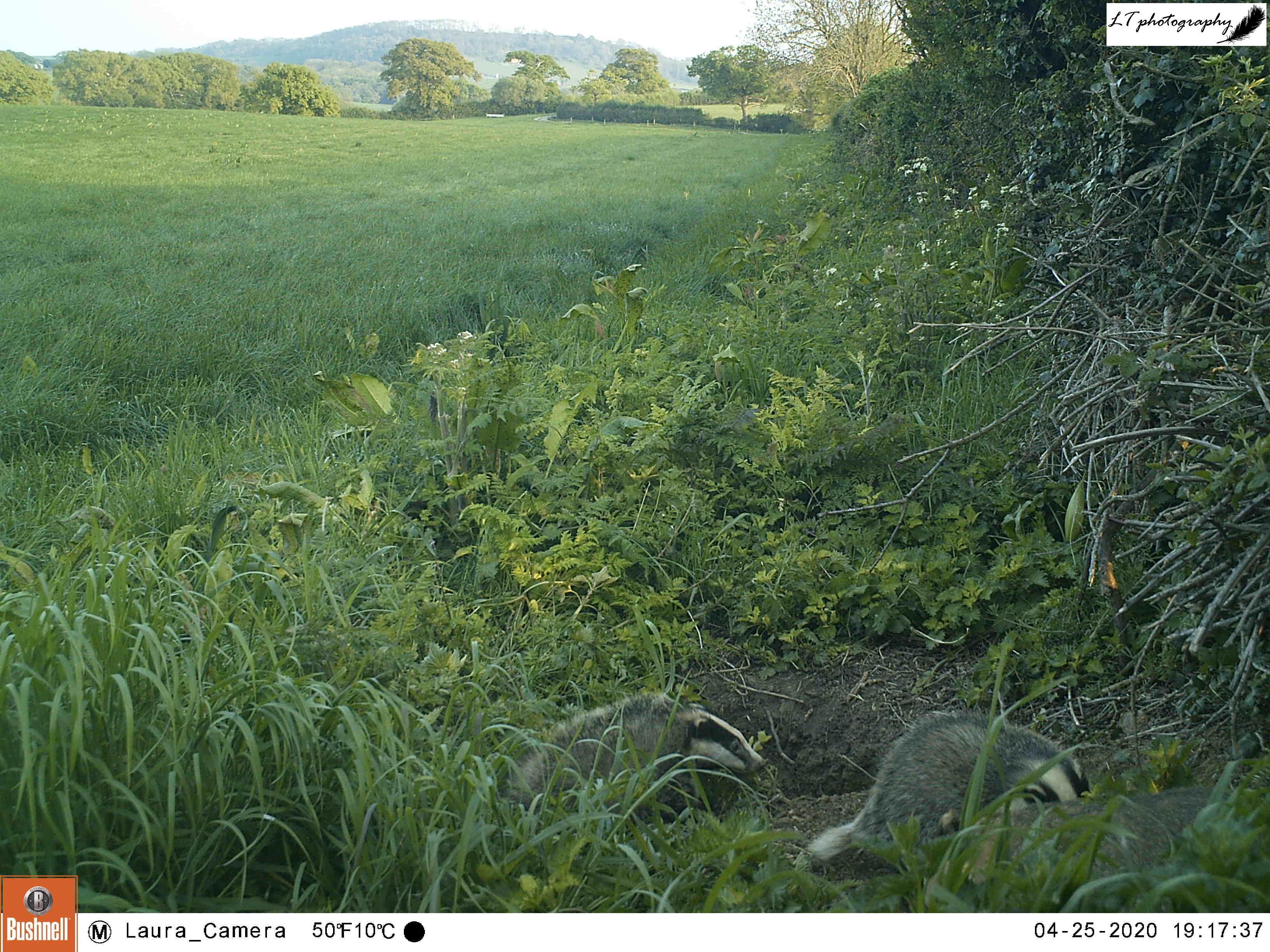
Fox cubs playing in secluded hedgerows, badgers wandering along field margins, and male pheasants displaying in woodlands. Wildlife cameras are a great way to capture the behaviour and presence of wildlife, and can open up a hidden world not so easily accessible in person. More often wildlife cameras are associated with exploring the rural, but they are also a great way to explore the world closer to home. Hedgehogs snuffling through gardens looking for food, birds jostling for space on feeders, or even rodents clearing up after avian visitors. Camera trapping allows us to connect to nature wherever we live, from rolling hills to suburban oases.

Last time in Rural vs. Urban, we embraced autumn in all its colours and forms, with the main focus being the plant and fungi stars of the show. Dorset-born naturalist Laura delved into the magnificent and colourful display autumn had to offer, and found inspiration in the season, from her writing to her baking. Joining Laura for this series, Manchester-born wildlife enthusiast Emma explored the history and culture rooted in the plants she discovered, and found a much-needed moment of calm in her busy day-to-day life. Though both found differences in their comparative landscapes, they both found fungi to be fascinating and wondrous, but an area of knowledge in need of improvement.

In this next instalment of Rural vs. Urban, we explore the use of camera traps in the two different landscapes and see how they have allowed Laura and Emma to connect with their local wildlife. We will see how species may differ between the city and countryside, as well as behaviours and even interactions between species. It will be interesting to see what we may learn from looking back at fantastic camera trap photos from both locations, as they help us to uncover the secret lives of wildlife. Join us on our adventures to find out what we discovered!

Laura’s Camera Trapping in Dorset

Over the last few years I have become well known online for my camera trap photos exploring the lives of the wildlife living on my family’s land in Dorset. In particular, each spring I keep my camera trap out 24/7, moving it between locations, to capture spring unfurling for my animal neighbours. By doing so I have gained a lot of enjoyment from seeing what I could discover, and have been able to expand my own knowledge of my local wildlife and their hidden lives. To experience some of my previous camera trap adventures, check out my earlier blog posts from 2019 and 2020.

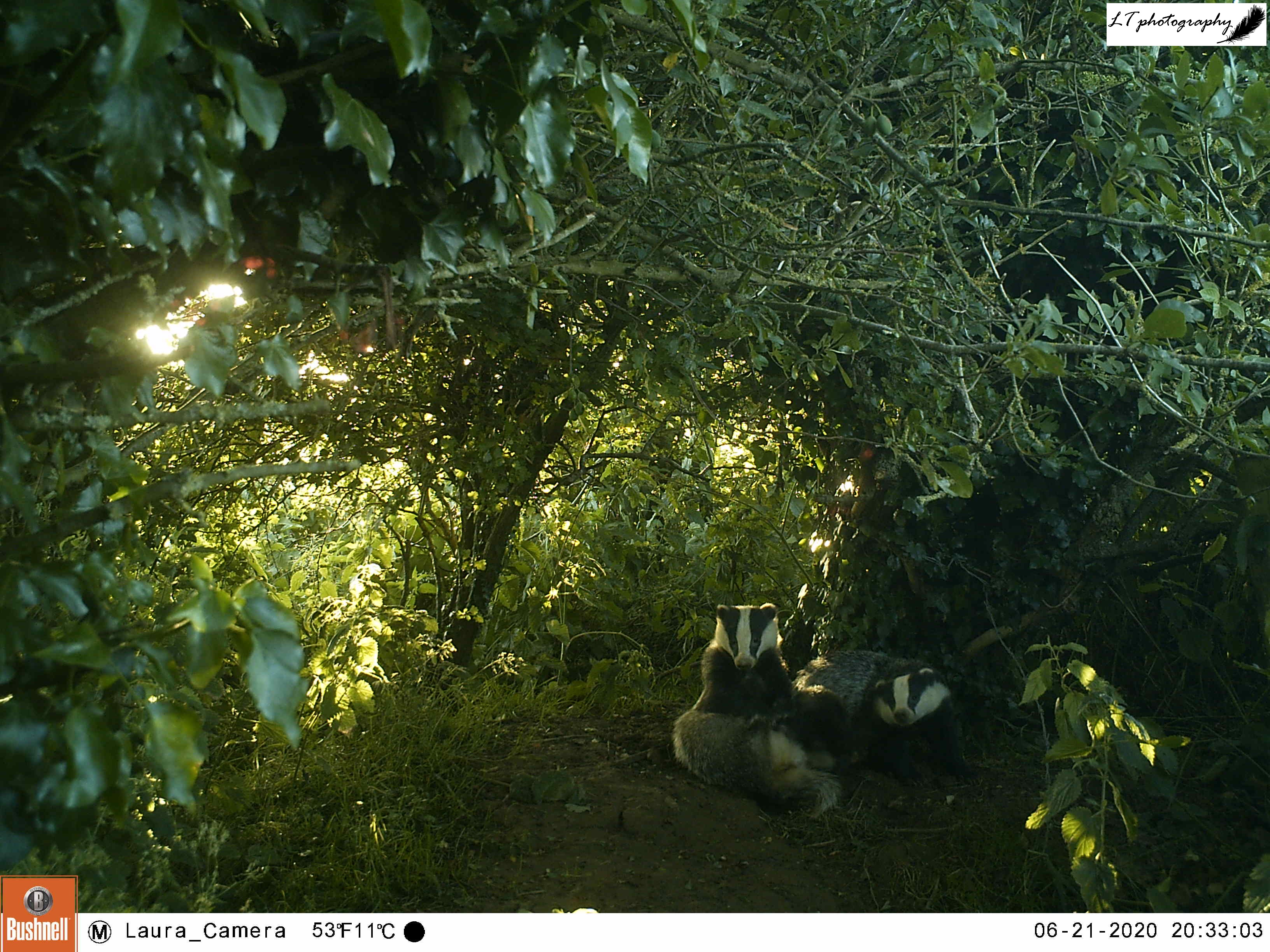
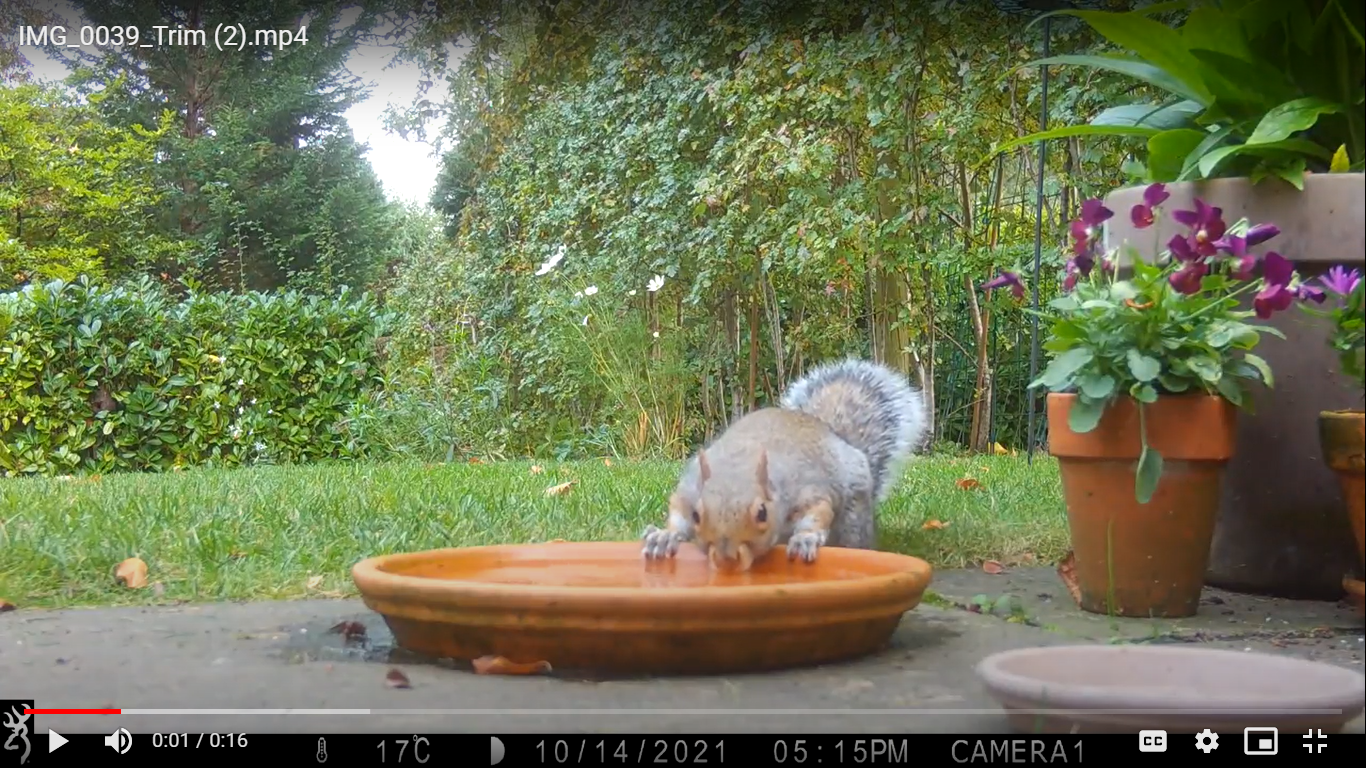
Last year, in 2021, my camera trap did not fail to amaze me and allowed me to continue my adventure exploring and capturing local wildlife. Throughout the spring my camera moved between 6 different locations across 250 acres, varying from badger setts to woodland. Between these locations I captured a total of 13 different species in 2021, which were rabbit, badger, roe deer, fox, partridge, pheasant, grey squirrel, magpie, blackbird, field vole, hare, woodpigeon, and the humble bumblebee.

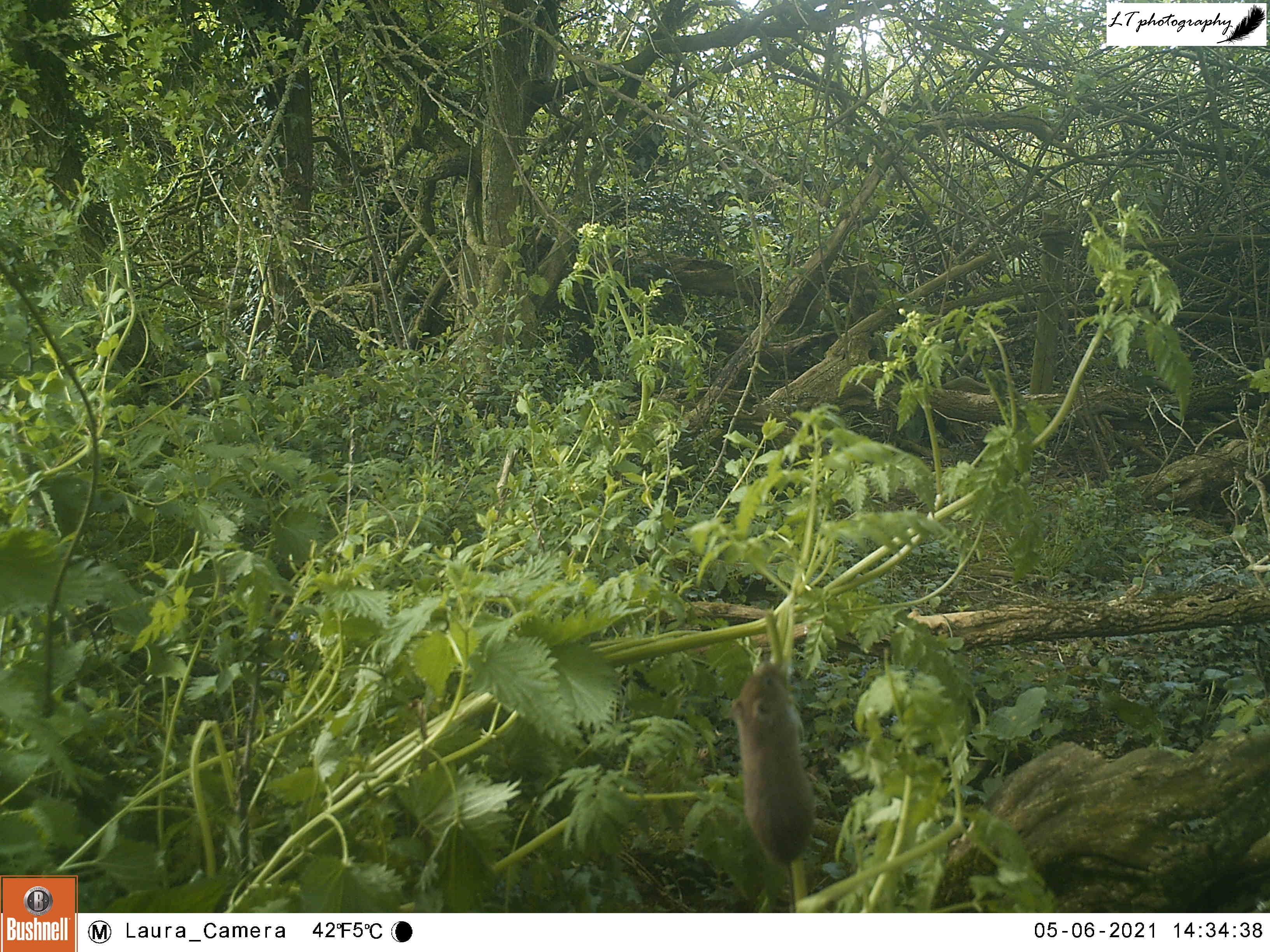
One of my highlights from 2021 was capturing some new species for my collection, even if my first photos of them were blurry . These included my first hare (or the back of one!), a field vole climbing up cow parsley stalks, and even a bumblebee buzzing about. This is one of the reasons I get excited when checking my camera trap photos, as you never know what you may discover!

Another part of camera trapping in 2021 was getting to further experience animal species living side by side in harmony. For example, at one badger sett I saw a family of badgers sharing their home with rabbits and a family of foxes. Also, at another location, I got to see fox cubs learning about their surroundings and interacting with other species, such as roe deer. Very cool!

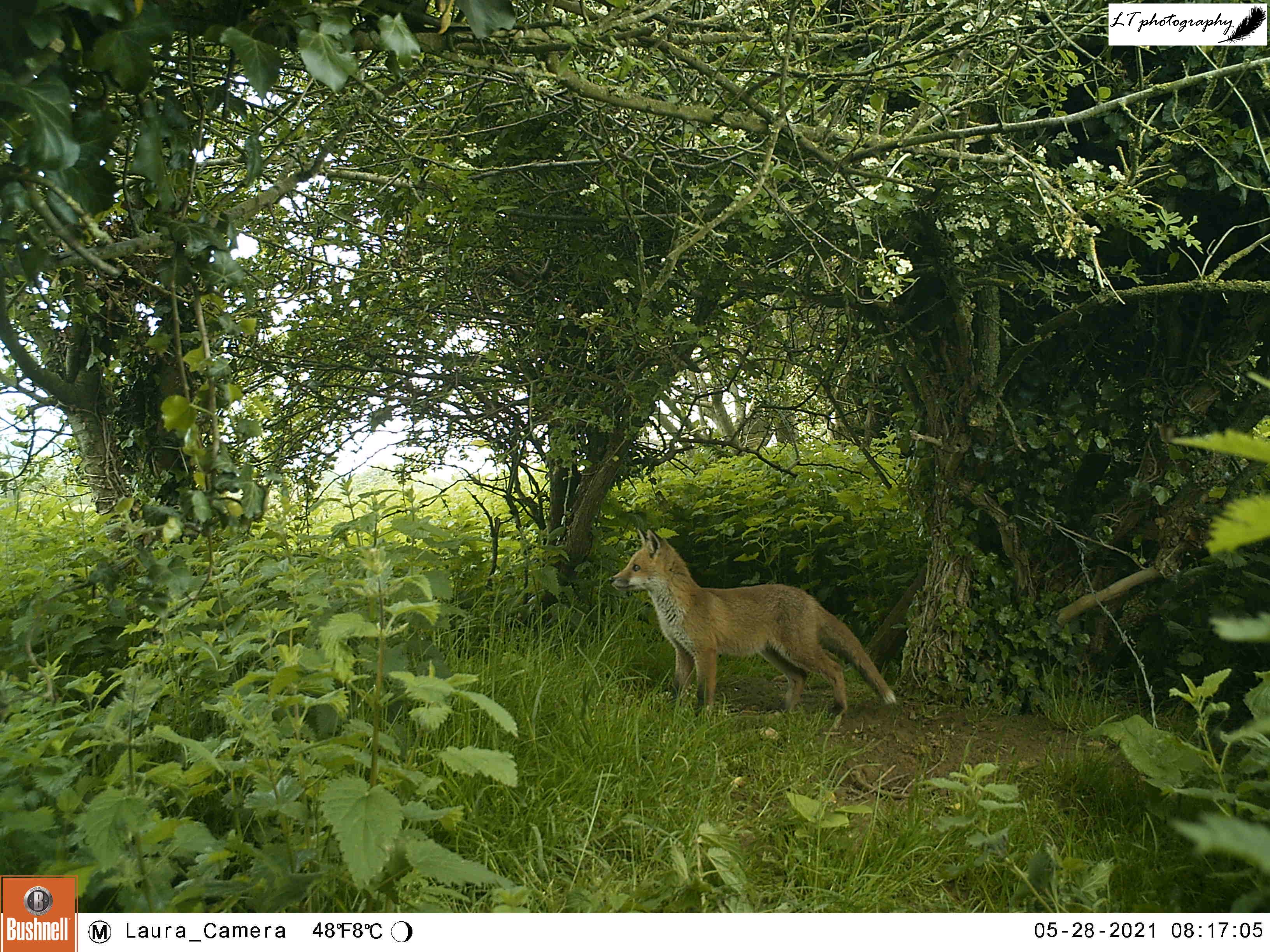
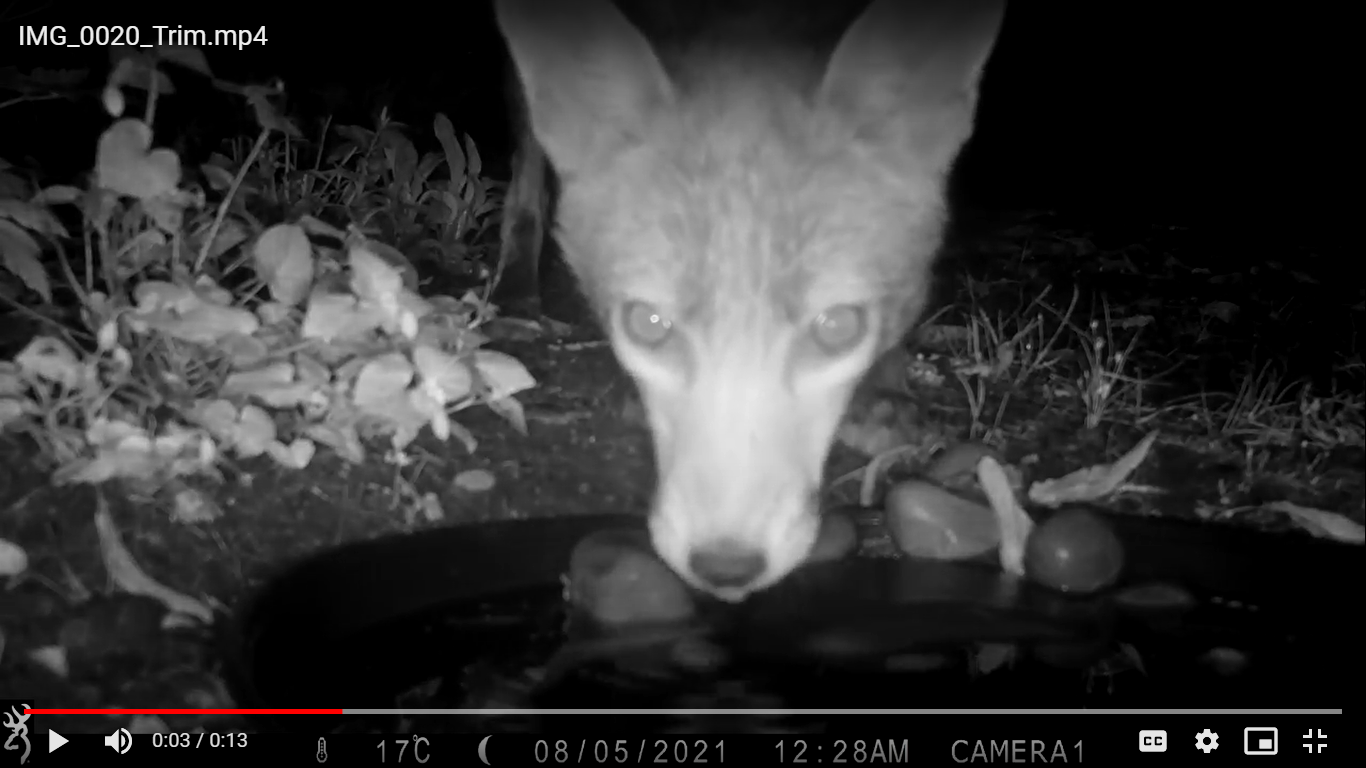
One of my favourite parts of 2021 though, has to be all the fox families I discovered! During this year, the most commonly seen species on my camera trap, to my surprise, was the fox (at every location!). In some cases I specifically aimed to capture this species, such as staking out a possible fox den, but in others foxes just happened to be living there or passing through. So by the end of spring, I had discovered 3 litters of fox cubs and a number of frequently used fox trails. What was most special of all was getting to experience fox cubs exploring their natural habitat and interacting with each other without me disturbing them. Magical!

After camera trapping in spring, my camera trap was given a well earned break until November. To round off the year, I staked out my garden to check out the birds that call it home. To find out more, stay tuned for next week’s blog post!

Emma’s Camera Trapping in Manchester

Although the past two years have been strange and sad in many ways, my little rectangle of garden has been a constant source of joy. During the first lockdown I started to spend a lot more time in the garden, which made me curious about the lives of the insects, birds, squirrels and foxes that also call our garden their home. So, in December 2020, I got my first wildlife camera!

The first time I left my camera out overnight, I was delighted to have captured a variety of animals including squirrels, the neighbour’s cat and a fox. It’s far from unusual to spot a fox late at night in my area, but something about seeing a fox going about its usually secret business made this sighting feel special. “I got a fox!” I yelled excitedly down the stairs. From that point onwards, I had caught the camera trapping bug.

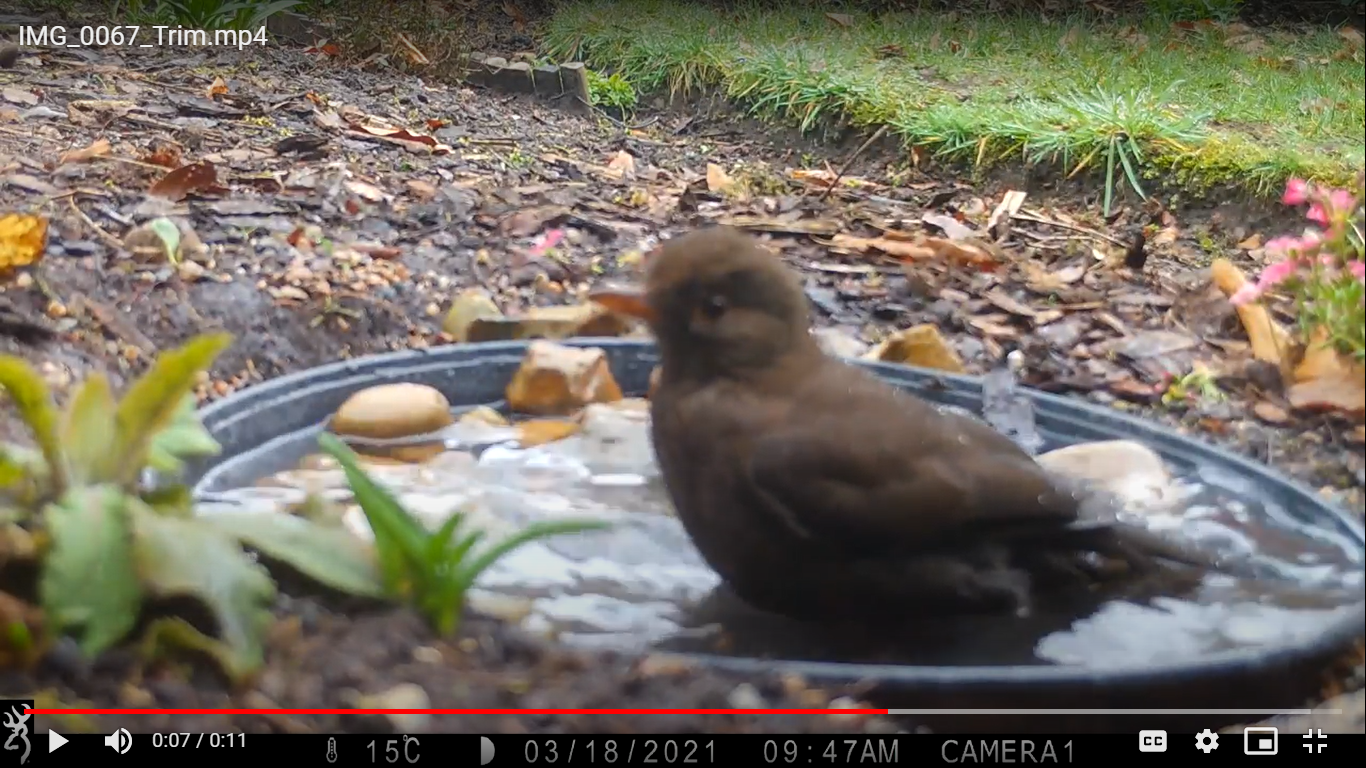
Camera trapping has allowed me to get to know the unique personalities of our garden visitors, and also to see how their behaviour towards us changed over time. Our lovely Mrs Blackbird used to wait until we’d gone back inside before she’d sneak up the side of the garden to eat her evening plate of mealworms, but now she feels brave enough to hop around the empty plate chirping indignantly until someone gets the message. We also realised that Mr and Mrs Blackbird would always come for their dinner one at a time, and would only eat half the plate each! Now that’s true love.

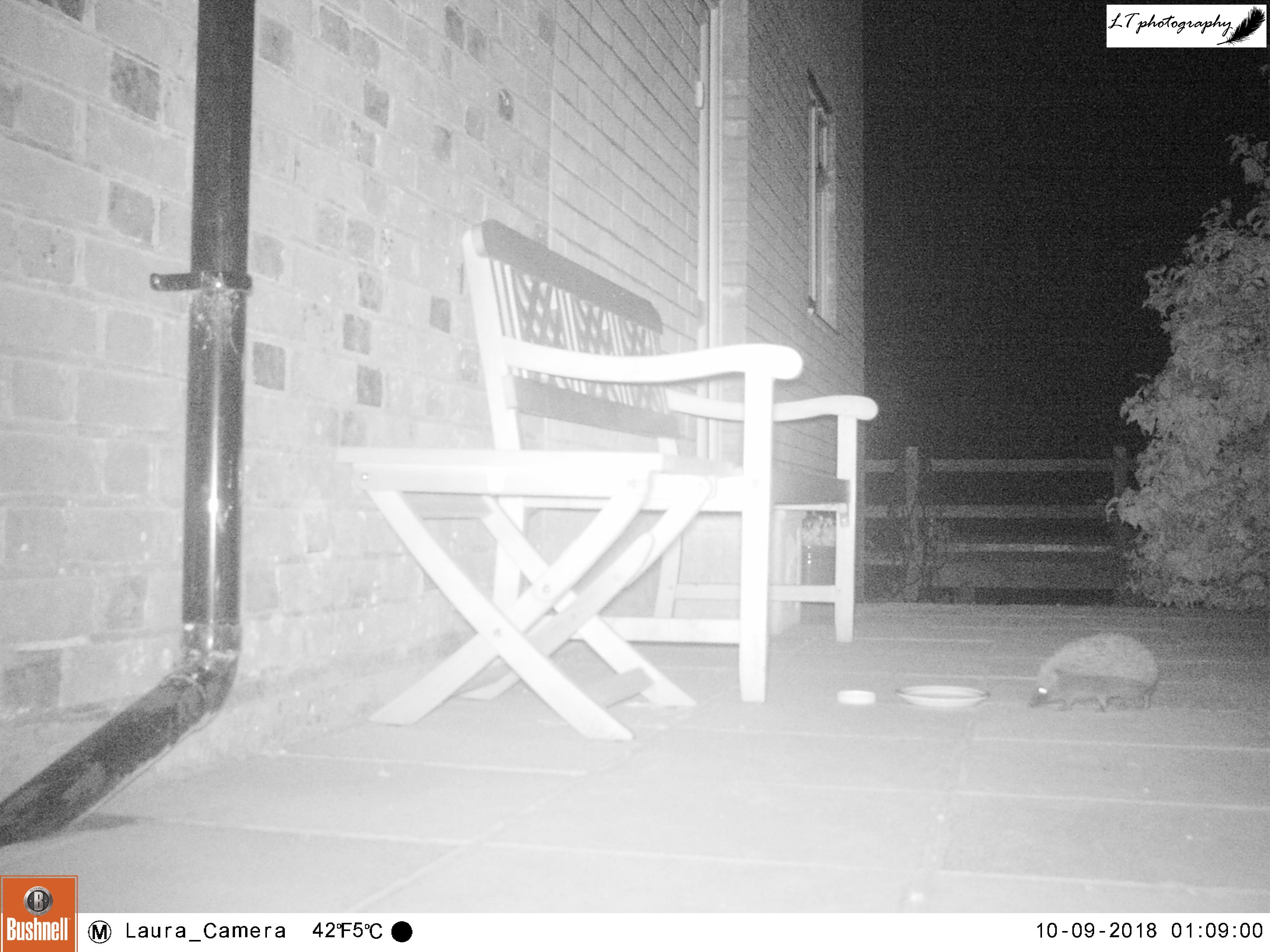
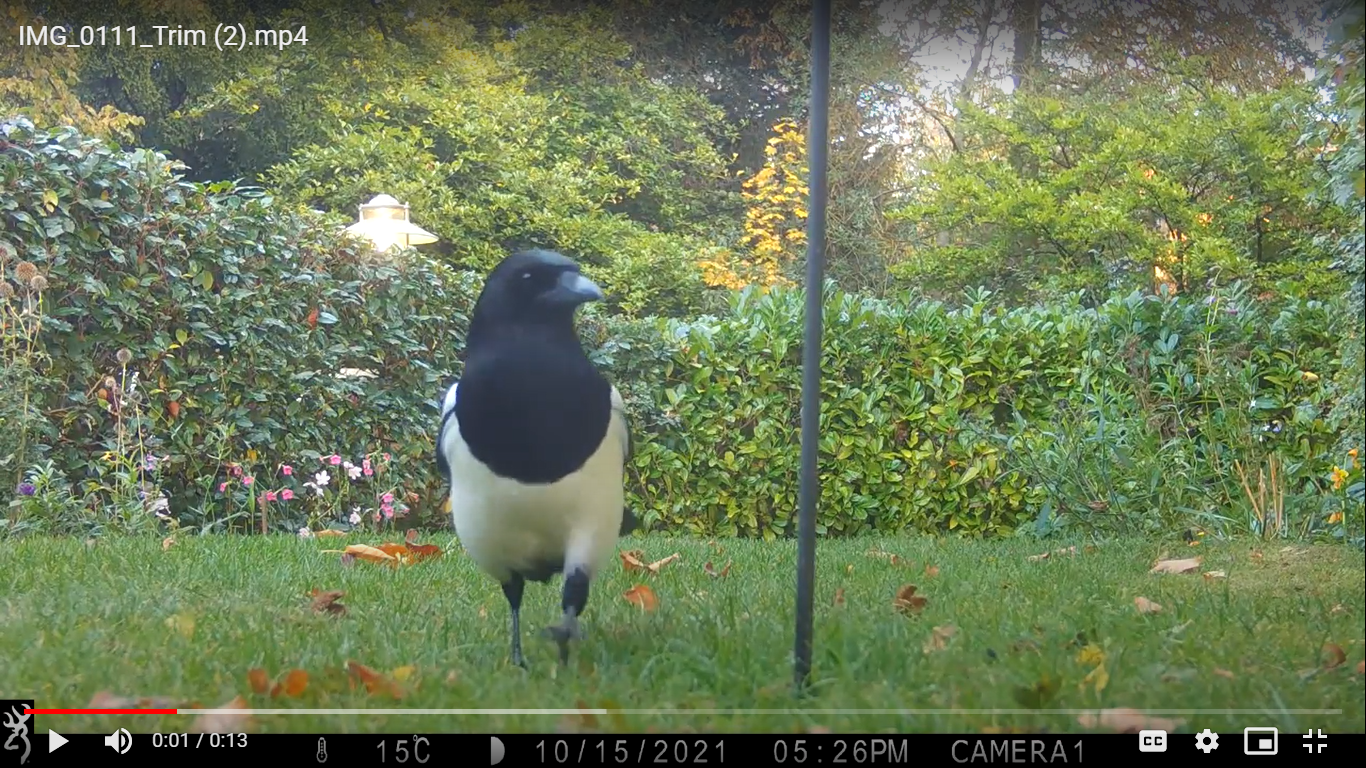
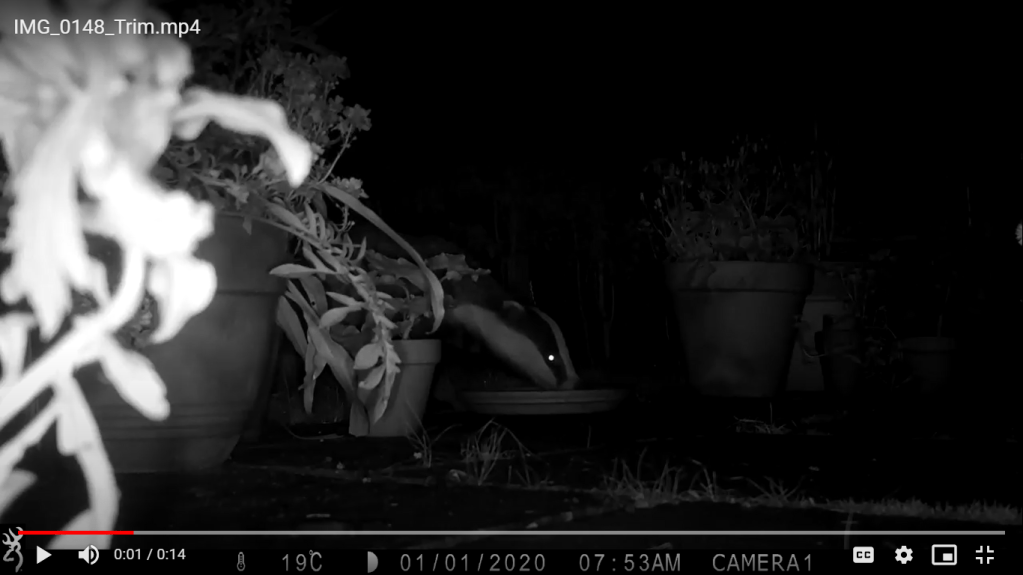
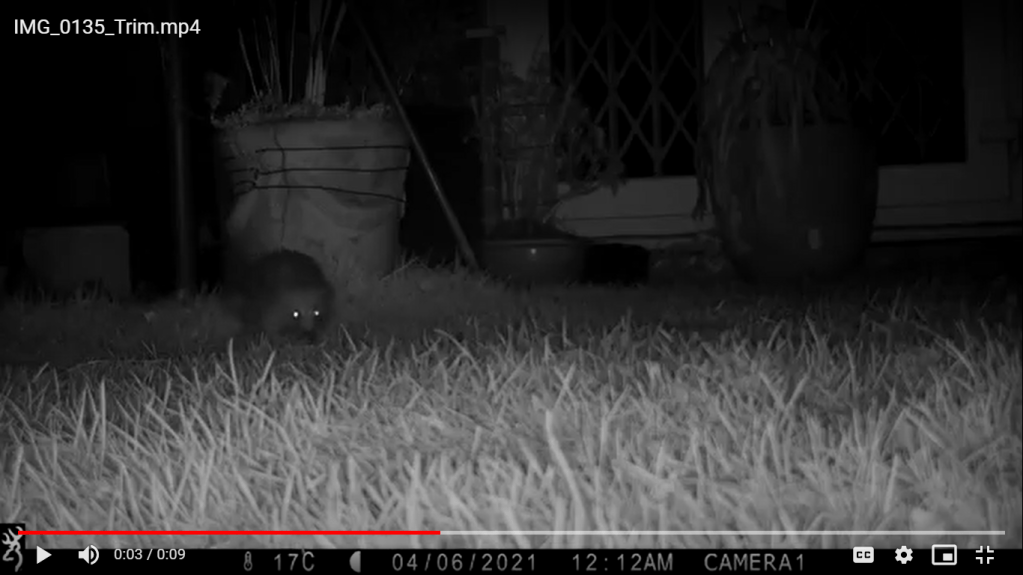
My most exciting capture came on an equally exciting day. On the morning of the day I was due to get my Professional level ACA results, I checked my camera and was amazed to see that a badger had stopped by for a drink! The badger must have brought good luck with him, as thankfully I passed the exams. I was also delighted to see a hedgehog wandering through my boyfriend’s garden one night. We named him Podge, and for a while he was an extremely cute regular visitor. Finally, I can’t talk about camera trapping without mentioning my love for our magpies, who have kept us well entertained all year swaggering around the garden and stealing all the snacks we put out!

One thing I’ve learned from my experience camera trapping this year is that although cities may be full of people, we have a huge variety of wildlife roaming around just outside our front doors. I hope that more people will feel inspired to get to know the wild visitors passing through their streets and gardens, and even leave out some food and water to make them feel welcome!

The Wonders of Camera Trapping

Camera trapping is a learning experience and an eye-opening adventure, providing an unedited and up-close view of the more secretive lives of our wild neighbours. For Laura, camera trapping in 2021 continued to expand her record and understanding of the animals that call her local area home. Moving forward she would like to begin collecting videos of her local wildlife and buy a new camera trap to expand her camera trapping efforts.

Giving nature a home is something every one of us can do. For Emma, camera trapping taught her that even a small green space in an urban landscape can support a huge variety of wildlife; bees, badgers, woodpeckers, nuthatches, squirrels, hedgehogs and many more! In 2022, Emma wants to make her garden a haven for wildlife, and hopefully capture a frog moving into the frog pond she and her mum built.

At a time when nature is struggling most, it is important for us all to do our bit. Sometimes it is difficult to know how, but if you can understand your local patch better, this can become a lot easier. Using a camera trap is a great and easy way to do this, allowing you to create that connection with your local wildlife, however big or small. If you would like to know more or are inspired to try it out yourself, check out Laura’s blog post about ‘How to… Use and Make the Most of a Camera Trap‘.

26 Years of the BTO’s Garden BirdWatch: Getting Involved During Lockdown

As winter creeps into the landscape and a second lockdown keeps us close to home, our gardens are once again coming alive. Wrens creep through the undergrowth catching insects, Robins sing to defend small territories, and Long-Tailed Tits flit between hedgerows foraging in family groups. It’s not just the birds though, other species are settling down to see out the winter in our gardens too, from butterflies and toads to hedgehogs and ladybirds.

With this year being a bit different, I have found it a great time to take part in the BTO’s Garden BirdWatch, to further connect with nature, boost my mental health, and do my bit. Gardens are very important homes for wildlife, not just at this time of year, so now is an important time for us to understand how we can better help the wildlife that share our gardens with us. If you have a bit of time on your hands, want to do something a bit different, or are interested in the wildlife on your doorstep, then this survey could be just what you need!

The BTO and the Garden BirdWatch

So, what is the BTO? Well, the BTO stands for the British Trust for Ornithology, where ornithology refers to the study of birds. Started in Oxford in 1933, this now Norfolk-based charity aims to engage people with science whilst advancing the understanding of birds and now other wildlife species. With over 60,000 dedicated volunteers, and projects ranging from bird ringing and Cuckoo tracking to urban gull and bat surveys, the BTO has gone from strength-to-strength.

Set up in 1995, one popular BTO project has been the Garden Birdwatch, a project aiming to understand the relationship between wildlife species and our gardens, and how and why some of these species populations may be undergoing change. In a nutshell, the Garden BirdWatch is about participants recording the birds they see in their garden, along with mammals, amphibians, reptiles, butterflies, bumblebees, and dragonflies. As vital habitat for wildlife continues to decrease, whilst the importance of gardens as substitute habitat increases, the information we can provide now can be used to better tailor help to support wildlife in the future.

So why should you take part? Well, the Garden BirdWatch is a great way to enjoy the wildlife in your garden, improve your knowledge, and allow you to follow the annual cycle of life. Taking part is also easy! All you need is a garden, a minimum of 20 minutes a week, and a way to identify the species you see. You do not need to have a big or elaborate garden, put food out, or be an expert. With the Garden BirdWatch currently being free for a year, signing up is easy. Provide a few details about your garden, and get started recording the garden birds and other wildlife that visit you.

Why not join thousands of other volunteers today, and do something new from the comfort of your own home!

Examples of Results

Last year marked the 25th year of the Garden BirdWatch, and so the BTO have now been able to use 25 years of weekly garden observations to begin analysing the relationship between our gardens and wildlife. For example:

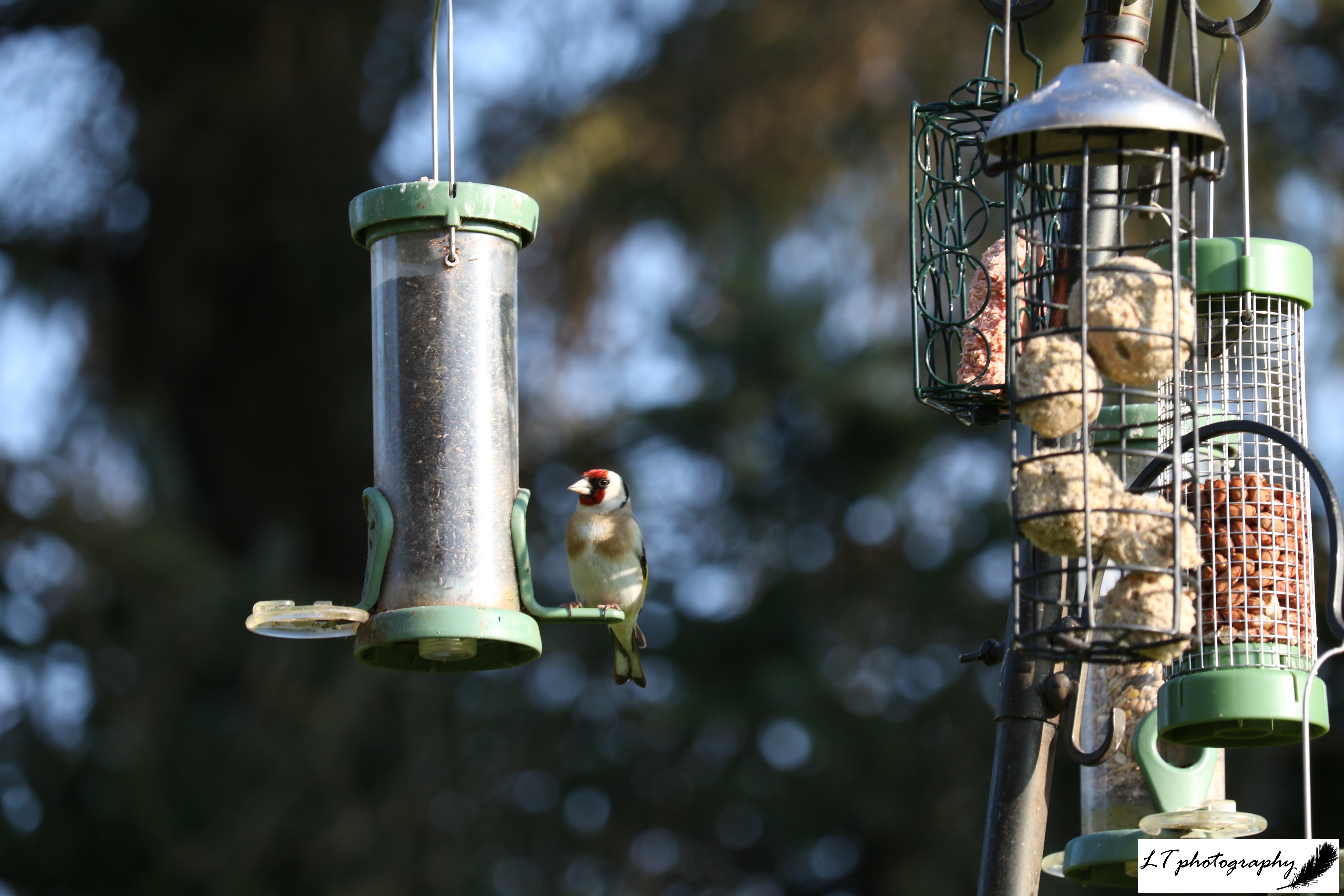
  • Goldfinches, Woodpigeons, Nuthatches, and Jackdaws have become an increasingly common sight in our gardens, relying on our gardens for vital foraging habitat
  • Song Thrushes, Greenfinches, Starlings, and House Sparrows have become a less common sight in our gardens since 1995, due to a range of factors from disease to loss of habitat

I have now been taking part in the BTO’s Garden BirdWatch for the last 21 weeks. This time has gone past so fast, but has opened my mind to the diversity and abundance of species that visit my garden through the seasons. To sum up my time so far, here are some of my results:

  • I have observed 26 different bird species in my garden, with the most abundant species being Starlings (50 on 28th July) and House Sparrows (40 on 28th July), followed by Goldfinches (30 on 1st October)
  • Every week Blue Tits, Great Tits, Collared Doves, Pheasants, Goldfinches, and House Sparrows have been consistently recorded
  • As summer has moved into autumn and winter, Coal Tits, Jackdaws, and flocks of Goldfinches have become newly reliant on my garden, whereas Great-Spotted Woodpeckers, flocks of House Sparrows, Pheasants, flocks of Starlings, and Sparrowhawks have decreased their visits
  • No week or month has been the same, with summer highlights including Greenfinches, Siskins, Chiffchaffs, and Garden Warblers!

So, why not see what wildlife you can encounter this winter?